Volume 6 — A SONG. (continued 2)
Reading edition
A Song in the Comedy call'd The Maid's last Prayer: Or, Any thing rather than fail.
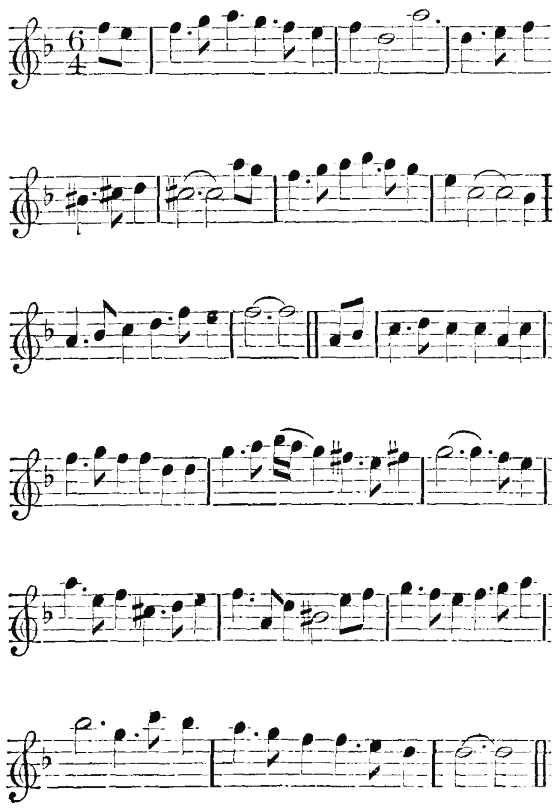
THO' you make no return to my Passion, Still, still I presume to adore; 'Tis in Love but an odd Reputation, When faintly repuls'd to give o'er: When you talk of your duty, I gaze at your Beauty; Nor mind the dull Maxim at all, Let it reign in Cheapside, With the Citizens Bride: It will ne'er be receiv'd, it will ne'er, ne'er, it will ne'er be receiv'd at White-hall. What Apochryphal Tales are you told, By one who wou'd make you believe; That because of to have and to hold, You still must be pinn'd to his Sleeve: 'Twere apparent high-Treason, 'Gainst Love and 'gainst Reason, Shou'd one such a Treasure engross; He who knows not the Joys, That attend such a choice, Shou'd resign to another that does.
The Cruel Fair requited, Written by J. R. Set by Mr. James Hart.
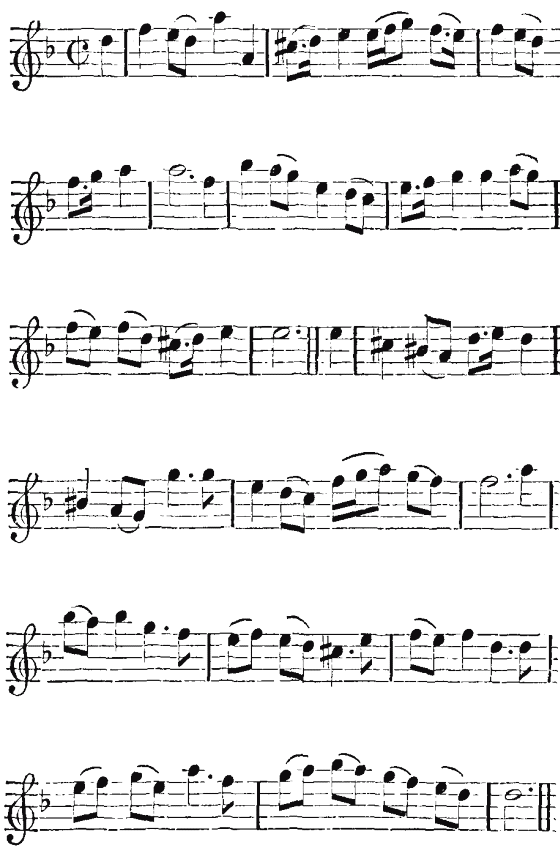
WHEN Wit and Beauty meet in one, That acts an Amorous part; What Nymph its mighty Power can shun, Or 'scape a wounded Heart: Those Potent, wondrous Potent charms, Where-e'er they bless a Swain; He needs not sleep with empty Arms, He needs not sleep with empty Arms, Nor dread severe disdain. Astrea saw the Shepherds bleed, Regardless of their Pain; Unmov'd she hear'd their Oaten Reed, They Dance and Sung in vain; At length Amintor did appear, That Miracle of Man; He pleas'd her Eyes and charm'd her Ear, He pleas'd her Eyes and charm'd her Ear, She Lov'd and call'd him PAN. But he as tho' design'd by Fate, Revenger of the harms, Which others suffer'd from her hate, Rifl'd and left her Charms; Then Nymphs no longer keep in pain, A plain well-meaning Heart; Lest you shou'd joyn for such disdain, Lest you shou'd joyn for such disdain, In poor Astrea's smart.

A Song, Sung at the Theatre-Royal, in the Play call'd Alphonso King of Naples. Set by Mr. Eagles.
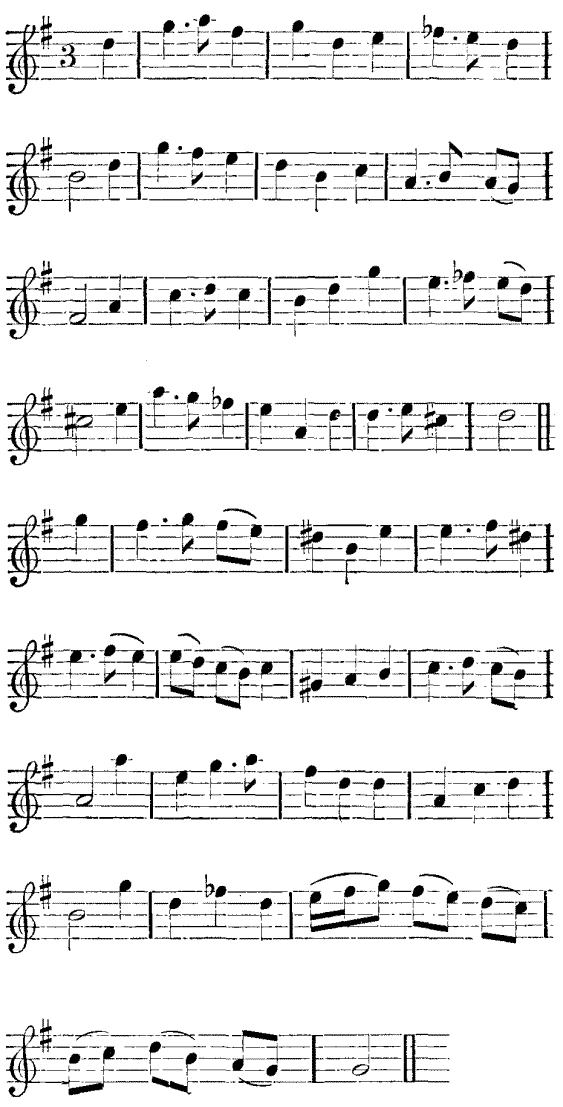
WHEN Sylvia was kind, and Love play'd in her Eyes, We thought it no Morning till Sylvia did rise; Of Sylvia the Hills and the Vallies all Rang, For she was the Subject of every Song. But now, oh how little her Glories do move, That us'd to inflame us, with Raptures of Love; Thy Rigour, oh Sylvia, will shorten thy Reign, And make our bright Goddess a Mortal again. Love heightens our Joys, he's the ease of our Care, A spur to the Valiant, a Crown to the Fair; Oh seize his soft Wings then before 'tis too late, Or Cruelty quickly will hasten thy Fate. 'Tis kindness, my Sylvia, 'tis kindness alone, Will add to thy Lovers, and strengthen thy Throne; In Love, as in Empire, Tyrannical sway, Will make Loyal Subjects forget to Obey.
The Shepherd's Complaint. Set by Mr. Williams.
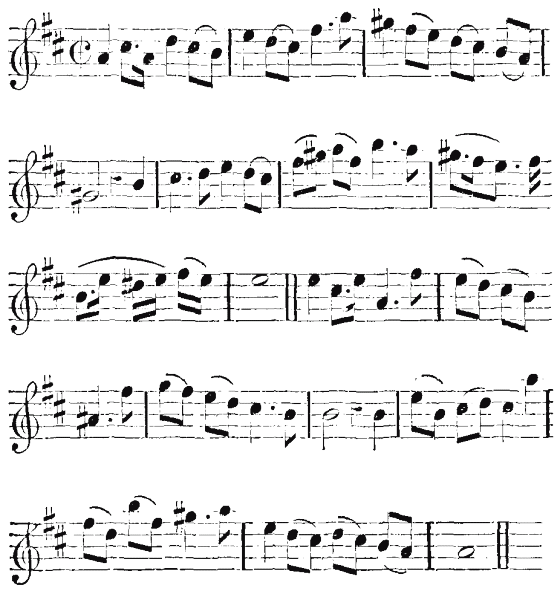
WHAT, Love a crime, Inhumane Fair? Repeal that rash Decree, As well may pious Anthems bear; The Name of Blasphemy: 'Tis Bleeding Hearts and Weeping Eyes, Uphold your Sexes Pride; Nor could you longer Tyrannize, My Fetters laid aside. Then from your haughty Vision wake, And listen to my Moan; Tho' you refuse me for my sake, Yet pity for your own; For know proud Shepherdess you owe, The Victim you despise, More to the strictness of my Vow, Than glories of your Eyes.

A Song in the Opera call'd The Fairy Queen. Sung by Mrs. Butler. Set by Mr. H. Purcell.
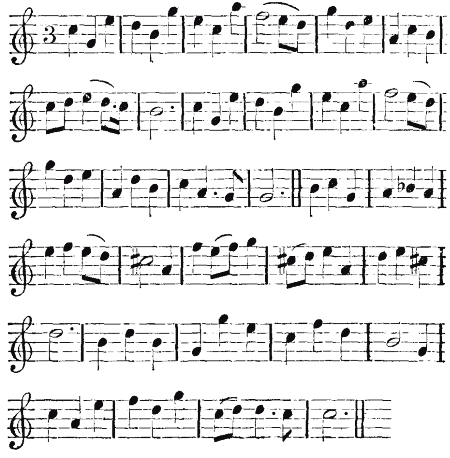
WHEN I have often heard young Maids complaining, That when Men promise most they most deceive; Then I thought none of them worthy my gaining. And what they swore I would never believe: But when so humbly one made his Addresses, With Looks so soft, and with Language so kind, I thought it a Sin to refuse his Caresses, Nature o'ercame, and I soon chang'd my Mind. Should he employ all his Arts in deceiving, Stretch his Invention, and quite crack his Brain, I find such Charms, such true Joys in believing, I'll have the pleasure, let him have the pain: If he proves perjur'd, I shall not be cheated, He may deceive himself, but never me; 'Tis what I look for, and shan't be defeated, For I'm as false, and inconstant as he.

A Song. The Words and Tune by Mr. Edward Keen. Sung by Mrs. Willis, in the Play call'd The Heiress: Or, The Salamanca Doctor.
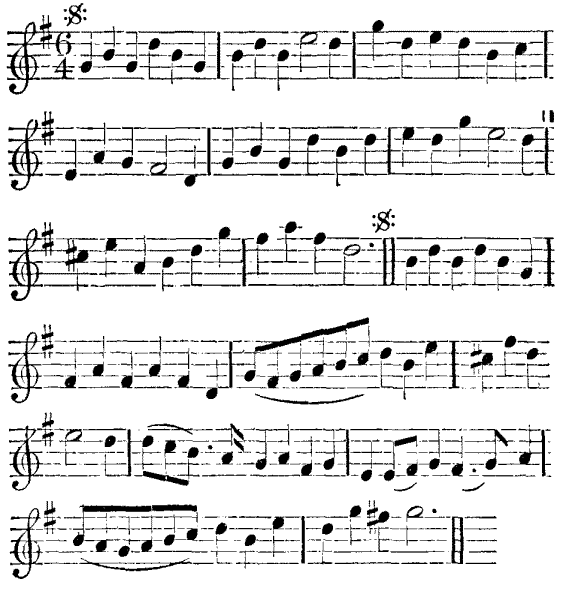
CÆLIA'S bright Beauty all others transcend, Like Lovers Sprightly Goddess she's flippant and gay; Her rival Admirers in crouds do attend, To her their devoirs and Addresses to pay: Pert gaudy Coxcombs the Fair one adore, Grave Dons of the Law and quere Prigs of the Gown; Close Misers who brood o'er their Treasure in store, And Heroes for plundring of modern renown, But Men of plunder can ne'er get her under, And Misers all Women despise, She baulks the pert Fops in the midst of their hopes, And laughs at the Grave and Precise. Next she's caress'd by a musical crew, Shrill Singing and Fidling, Beaus warbles o'th' Flute, And Poets whom Poverty still will pursue, That's a just cause for rejecting their suit: Impudent Fluters the Nymph does abhor, And Lovers with Fiddle at neck she disdains; For these thought to have her for whistling for, They courting with guts shew'd defect in their brains. And to the pretender to make her surrender, By singing no favour she'll show; For she'll not make choice of a shrill Capons voice, For a politick reason you know.
A Song.
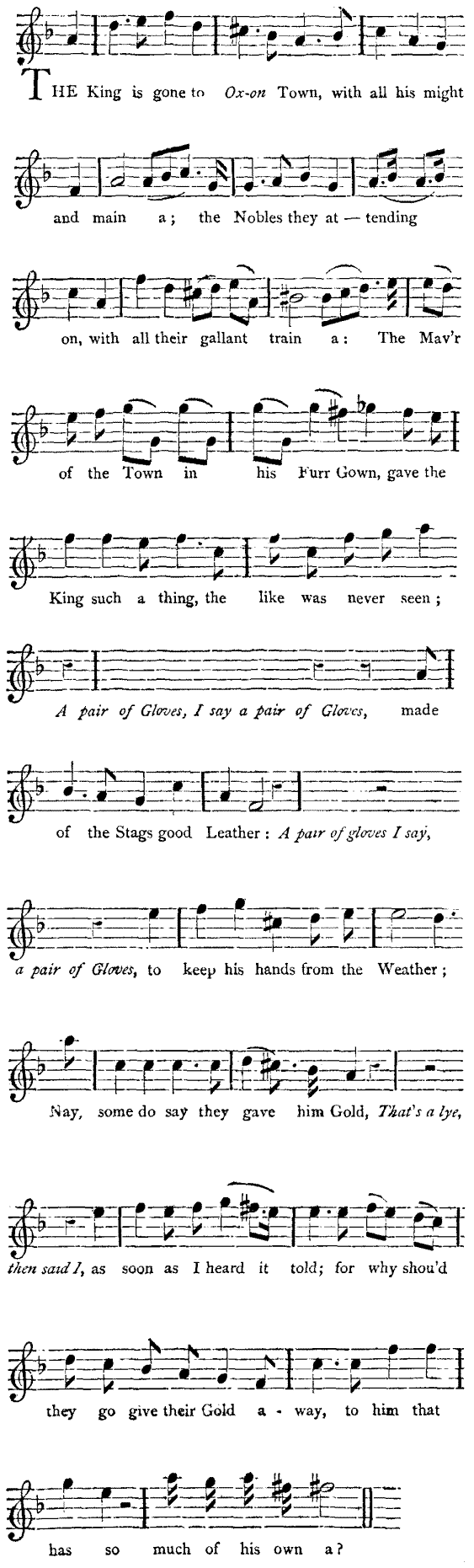
THE King is gone to Oxon Town, with all his might and main a; the Nobles they attending on, with all their gallant train a: The May'r of the Town in his Furr Gown, gave the King such a thing, the like was never seen; A pair of Gloves, I say a pair of Gloves, made of the Stags good Leather: A pair of gloves I say, a pair of Gloves, to keep his hands from the Weather; Nay, some do say they gave him Gold, That's a lye, then said I, as soon as I heard it told; for why shou'd they go give their Gold away, to him that has so much of his own a?
A Song in Love's a Jest. Set by Mr. JOHN ECCLES. Sung by Mrs. HUDSON.
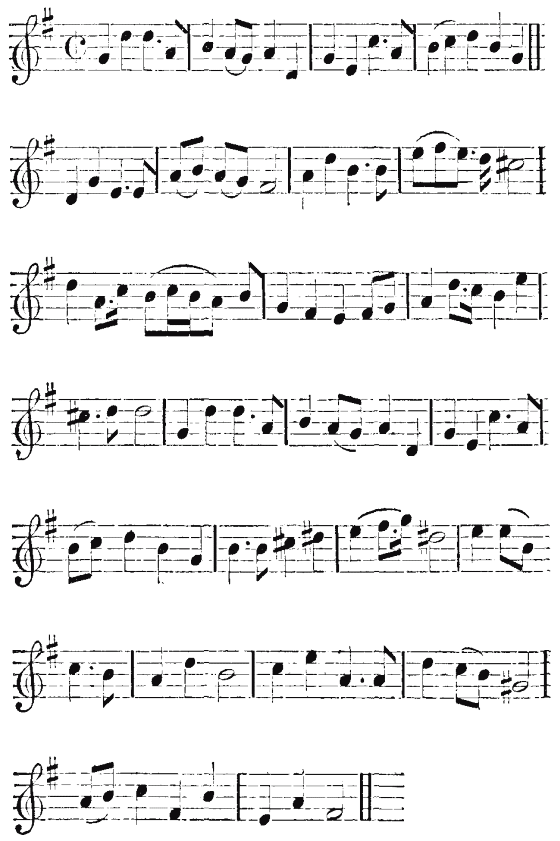
MORTALs learn your Lives to measure, Not by length of Time, but Pleasure; Now the Hours invite comply, Whilst you idly pass they flye: Blest whilst a nimble pace they keep, But in torment, in torment when they creep. Mortals learn your Lives to measure, Not by length of Time, but Pleasure; Soon your Spring must have a fall, Losing Youth is losing all; Then you'll ask, but none will give, And may linger, but not live.

A Song, in the Play call'd Self-Conceit: Or, The Mother made a Property. Set by Mr. John Eccles. Sung by Mrs. Bowman.
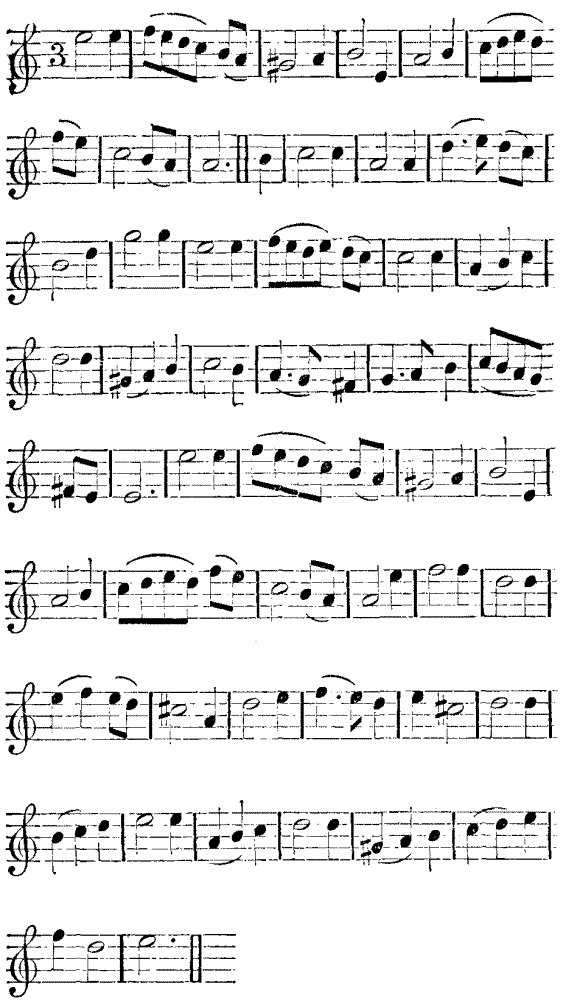
OH! the mighty pow'r of Love, What Art against such Force can move; The harmless Swain is ever blest, Beneath some silent, shady Grove; Until some Nymph invade his Breast, And disapprove his eager Love. Oh! the mighty power of Love, What Art against such Force can move; The Greatest Hero who in Arms, Has gain'd a thousand Victories: Submits to Cælia's brighter Charms, And dreads a killing from her Eyes.
A Song, Sung by Mrs. Hudson, in the Play call'd Love Triumphant: Or, Nature will prevail. Set by Mr. John Eccles.
WHAT state of Life can be so blest, As Love that warms a Lover's Breast; Two Souls in one the same desire, To grant the Bliss and to require: But if in Heaven a Hell we find, 'Tis all from thee, oh Jealousy! Oh! oh! oh! oh! oh! Jealousy, thou Tyrant, tyrant Jealousy, thou tyrant, Jealousy, oh! oh! oh! oh! oh! Jealousy, oh! oh! oh! Jealousy, thou tyrant of the mind. All other ills tho' sharp they prove, Serve to refine and sweeten Love; In absence or unkind disdain, Sweet hope relieves the Lovers pain: But oh! no cure but death we find, To set us free from Jealousy, Oh! oh! oh! oh! oh! &c. False in thy Glass all objects are, Some set too near, and some too far; Thou art the fire of endless Night, The fire that burns and gives no light, All torments of the damn'd we find, In only thee, oh Jealousy! Oh! oh! oh! oh! oh! &c.
A Scotch Song. Set by Mr. Robert Cox.
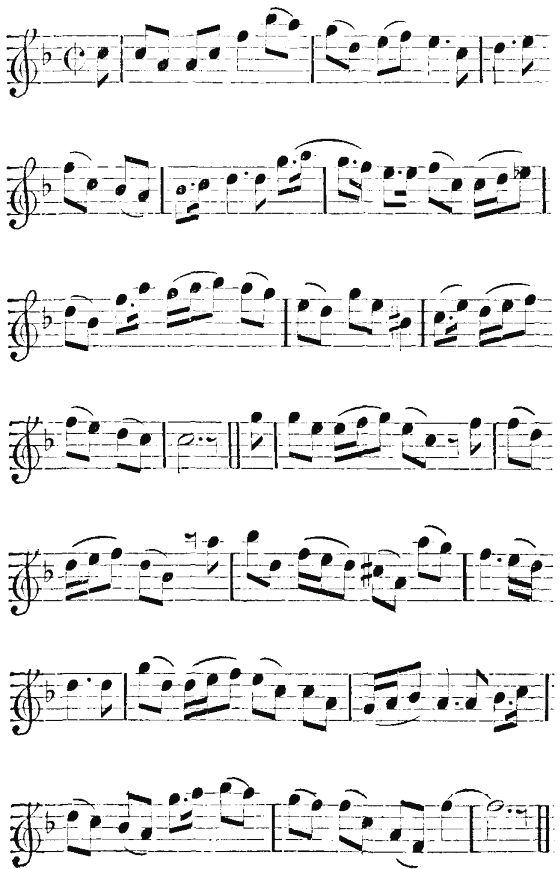
WHEN Jockey first I saw, my Soul was charm'd, To see the bonny Lad so blith, so blith and gay; My Heart did beat it being alarm'd, That I to Jockey nought, nought could say: At last I courage took and Passion quite forsook, And told the bonny Lad his Charms I felt; He then did smile with a pleasing look, And told me Jenny in his Arms, his Arms should melt.

A Song. Sung by Mrs. Temple. Set by Mr. J. Clark.
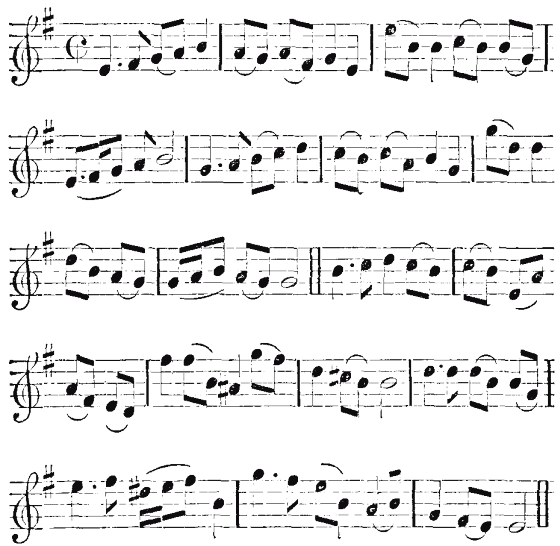
I Seek no more to shady coverts, Jockey's Eyn are all my Joy; Beauty's there I Ken, that cannot, Must not, shall not, steal away: What wou'd Jockey now do to me, Surely you're to me unkind; Ise ne'er see you, nay you fly me, Yet are ne'er from out my Mind. Tell me why 'tis thus you use me, Take me quickly to your Arms; Where in blisses blithly basking, Each may rival others Charms: Oh but fye, my Jockey pray now, What d'ye, do not, let me go; O I vow you will undoe me, What to do I do not know.

A Song. Set by Mr. PHILL. HART.
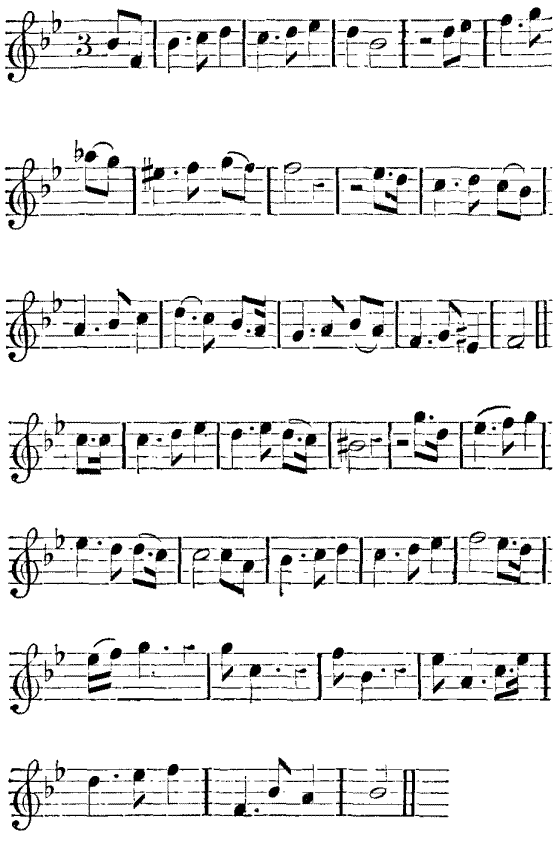
THO' I love and she knows it, she cares not, She regards not my Passion at all; But to tell me she hates me she spares not, As often as on her I call: 'Tis her Pleasure to see me in pain, 'Tis her pain to grant my desire; Then if ever I Love her again, May I never, never, never, never, may I never, be free from Love's fire.

MIRTILLO. A Song. Set by Mr. Tho. Clark.
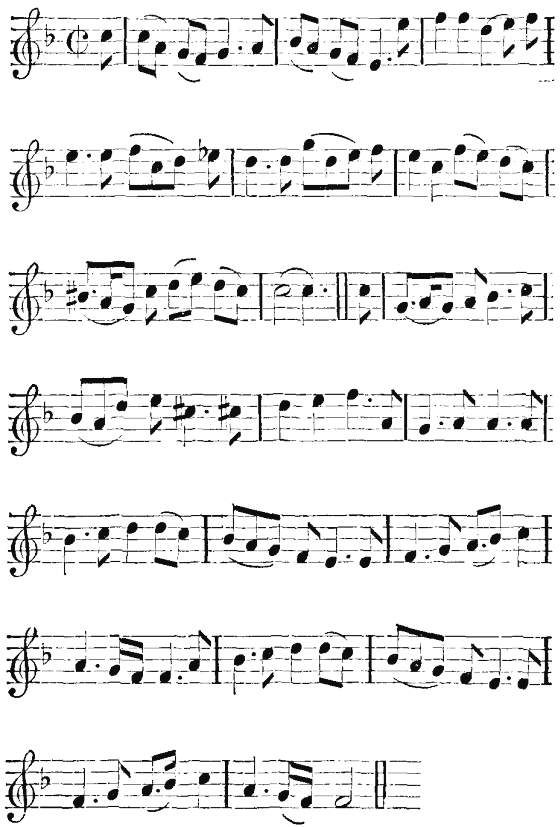
MIRTILLO, whilst you patch your Face, By Nature form'd so fair, We know each Spot conceals a Grace, And wish, and wish to see it bare: But since our Wish you've gratifi'd, We find, we find, 'twas rashly made, And that those Spots were but to hide, to hide Excess of Lustre laid: And that those Spots were but to hide, to hide Excess of Lustre laid.

The Rambling RAKE.
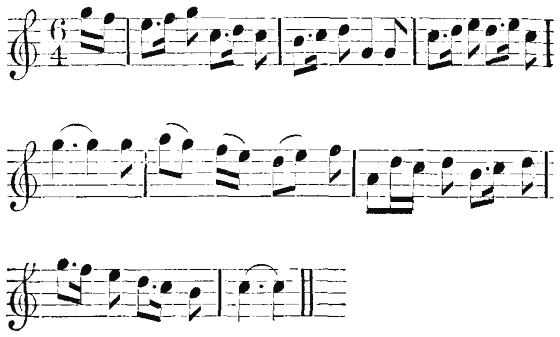
HAVING spent all my Coin, Upon Women and Wine, I went to the C——h out of spite; But what the Priest said, Is quite out of my Head, I resolv'd not to Edify by't. While he open'd his Text, I was plaguily vext, To see such a sly Canting Crew, Of Satan's Disciples, With P——r Books and B——s, Enough to have made a Man Spew. All the Women I view'd, Both Religious and Lewd, From the Sable Top-knots to the Scarlets; But a Wager I'll lay, That at a full Play, The House does not swarm so with Harlots. Lady F—— there sits, Almost out of her Wits, 'Twixt Lust and Devotion debating; She's as Vicious as Fair, And has more Business there, Than to hear Mr. Tickle-text's prating. Madam L——l saw, With her Daughters-in-law, Whom she offers to Sale ev'ry Sunday; In the midst of her Prayers, She'll negociate Affairs, And make Assignations for Monday. Next a Lady much Fam'd, Therefore must not be nam'd, 'Cause she'll give you no trouble in Teaching; She has a very fine Book, But does ne'er in it look, Nor regard neither Praying nor Preaching. There's a Baronet's Daughter, Her own Mother taught her, By Precept and Practical Notion; That to wear Gaudy Cloaths, And to Ogle the Beaus, Was at Church two sure Signs of Devotion. From the Corner o' th' Square, Comes a hopeful young Pair, Religious as they see occasion; But if Patches and Paint, Be true signs of a Saint, We've no Reason to doubt their Damnation. When the Sermon was done, He blest ev'ry one, And they like good Christians retir'd; Tho' they view'd ev'ry Face, Each Head and each Dress, Yet each one her self most admir'd. I had view'd all the rest, But the Parson had blest, With his Benediction the People; So I ran to the Crown, Least the Church should fall down, And beat out my Brains with the Steeple.

The AIRY old Woman.
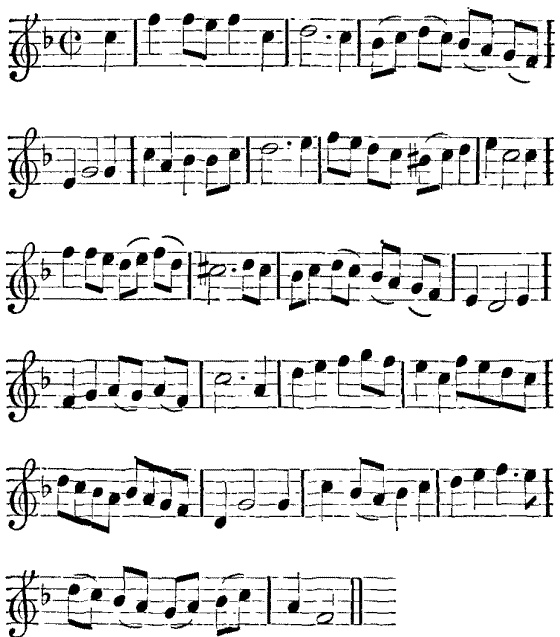
YOU guess by my wither'd Face, And Eyes no longer Shining; That I can't Dance with a Grace, Nor keep my Pipes from whining: Yet I am still Gay and Bold, To be otherwise were a Folly; Methinks my Blood is grown Cold, I'll warm it then thus and be jolly, Jolly, jolly, jolly, jolly, jolly, jolly, jolly, &c. Methinks my Blood is grown cold, Grown cold, grown cold, grown cold, &c. I'll warm it then thus and be jolly. I find by the slighting Beau's, That Nature is declining; Yet will I not knit my Brows, Nor end my Days in pining: Let other Dames Fret and Scold, As they pass to the Stygian Ferry; You see, though I am grown Old, My Temper is youthful and merry, Merry, merry, merry, merry, &c. You see though I am grown old, Grown old, grown old, grown old, &c. My Temper is youthful and merry.
A Song Set by Mr. Anthony Young.
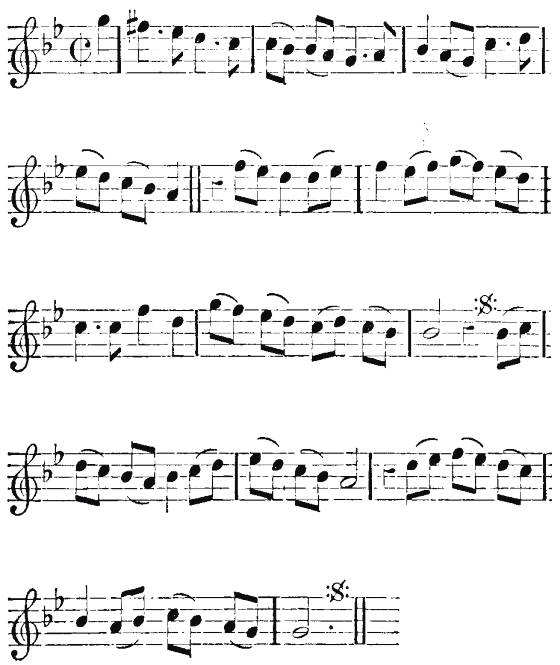
I Try'd in Parks and Plays to find, An Object to appease my Mind; But still in vain it does appear, Since Fair Hyrtuilia is not there: In vain alass I hope for Ease, Since none but She alone can please.
A Song; the Words by Captain Danvers, Set by Mr. T. Willis.
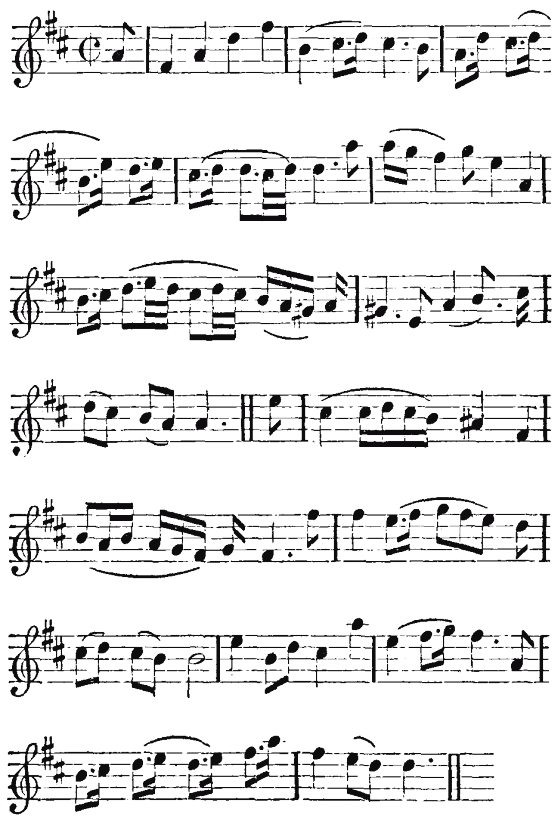
FORGIVE me Cloe if I dare Your Conduct disapprove; The Gods have made you wond'rous Fair, Not to Disdain, but Love; Those nice pernicious Forms despise, That cheat you of your Bliss; Let Love instruct you to be wise, Whilst Youth and Beauty is. Too late you will repent the Time, You lose by your Disdain; The Slaves you scorn now in your Prime, You'll ne'er retrieve again: But when those Charms shall once decay, And Lovers disappear; Despair and Envy shall repay, Your being now severe.

A Song in the Rival Sisters, Set by Mr. Henry Purcell, Sung by Miss Cross.
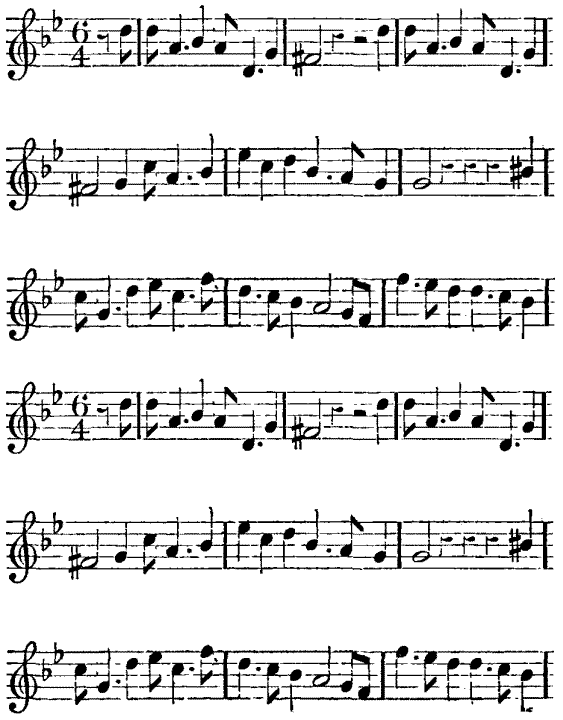
HOW happy, how happy is she, How happy, how happy is she, That early, that early her Passion begins, And willing, and willing with Love to agree, Does not stay till she comes to her Teens: Then, then she's all pure and Chast, Then, then she's all pure and Chast, Like Angels her Smiles to be priz'd; Pleasure is seen Cherub Fac'd, And Nature appears, and Nature appears undisguis'd. From Twenty to Thirty, and then Set up for a Lover in vain; By that time we study how Men, May be wrack'd with Neglect and Disdain: Love dwells where we meet with desire, Desire which Nature has given: She's a Fool then that feeling the Fire, Begins not to warm at Eleven.
The Three Merry Travellers, who paid their shot wherever they came, without ever a Stiver of Money.
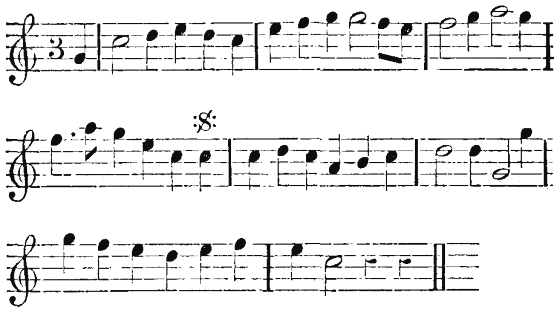
THERE was three Travellers, Travellers three, With a hey down, ho down, Lanktre down derry, And they would go Travel the North Country, Without ever a stiver of Money. They Travelled East, and they Travelled West, With a hey down, &c. Wherever they came still they drank of the best, Without ever, &c. At length by good Fortune they came to an Inn, With a hey down, &c. And they were as merry as e'er they had been, Without ever, &c. A Jolly young Widdow did smiling appear, With a hey down, ho down, Lanktre down derry, Who drest them a Banquet of delicate cheer, Without ever a penny of Money. Both Chicken and Sparrow-grass she did provide, With a hey down, ho down, Lanktre down derry, You're Welcome kind Gentlemen, welcome she cry'd, Without ever a Stiver of Money. They called for liquor, both Beer, Ale, and Wine, With a hey down, &c. And every thing that was curious and fine, Without ever, &c. They drank to their Hostess a merry full Bowl, With a hey down, &c. She pledg'd them in Love, like a generous Soul, Without ever, &c. The Hostess, her Maid, and Cousin all three, With a hey down, &c. They Kist and was merry, as merry cou'd be, Without ever, &c. Full Bottles and Glasses replenish'd the Board, With a hey down, &c. No liquors was wanting the house could afford, Without ever, &c. When they had been Merry good part of the Day, With a hey down, &c. They called their Hostess to know what's to pay, Without ever, &c. There's Thirty good shillings, and Six pence, she cry'd, With a hey down, &c. They told her that she should be soon satisfy'd, Without ever, &c. The Handsomest Man of the three up he got; With a hey down, ho down, Lanktre down derry, He laid her on her Back, and paid her the shot, Without ever a Stiver of Money. The middlemost Man to her Cousin he went, With a hey down, ho down, Lanktre down derry, She being handsome, he gave her Content, Without ever a Stiver of Money. The last Man of all he took up with the Maid, With a hey down, &c. And thus the whole Shot it was lovingly paid, Without ever, &c. The Hostess, the Cousin, and Servant, we find, With a hey down, &c. Made Courtesies, and thank'd them for being so kind, Without ever, &c. The Hostess said, welcome kind Gentleman all, With a hey down, &c. If you chance to come this way be pleased to call, Without ever, &c. Then taking their Leaves they went merrily out, With a hey down, ho down, Lanktre down, derry, And they're gone for to Travel the Nation about, Without ever a Stiver of Money.

The Maids CONJURING Book.
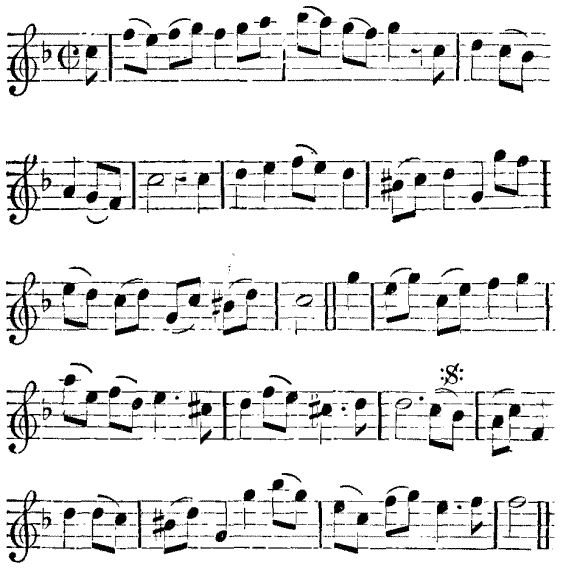
A Young Man lately in our Town, He went to Bed one Night; He had no sooner lay'd him down, But was troubled with a Sprite: So vigorously the Spirit stood, Let him do what he can, Sure then he said it must be lay'd, By Woman, not by Man. A Handsome Maid did undertake, And into Bed she leap'd; And to allay the Spirits Power, Full close to him she crep'd: She having such a Guardian care, Her Office to discharge; She open'd wide her Conjuring Book, And lay'd the Leaves at large. Her Office she did well perform, Within a little space; Then up she rose, and down he lay, And durst not shew his Face; She took her leave, and away she went, When she had done the Deed; Saying, if't chance to come again, Then send for me with speed.
A Song.
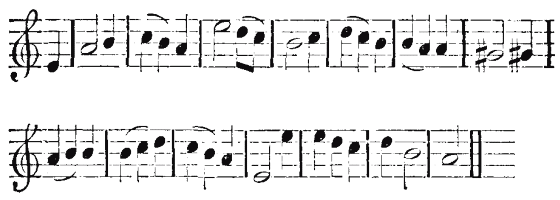
ALL Joy to Mortals, Joy and Mirth, Eternal Io's sing; The Gods of Love descend to Earth, Their Darts have lost their Sting. The Youth shall now complain no more, On Sylvia's needless Scorn; But she shall Love if he adore, And melt when he shall burn. The Nymph no longer shall be shy, But leave the Jilting Road; And Daphne now no more shall Fly, The wounded Painted God. But all shall be Serene and Fair, No sad complaints of Love, Shall fill the gentle whispering Air, No Ecchoing sighs, the Grove. Beneath the shades young Strephon lies, Of all his wish possess'd; Gazing on Sylvia's charming Eyes, Whose Soul is there confess'd. All soft and sweet the Maid appears, With looks that know no Art; And though she yields with Trembling Fears, She yields with all her Heart.
The Presbyters Gill.
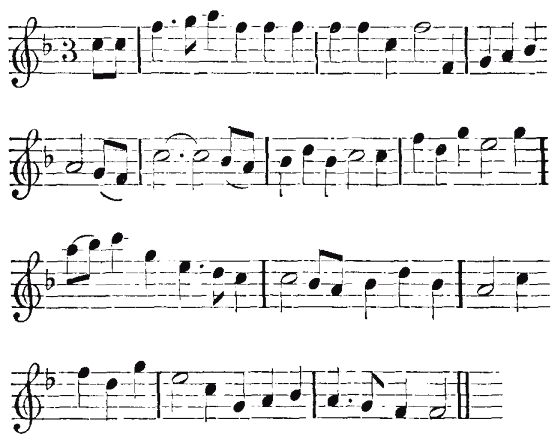
HANG the Presbyters Gill, Bring a Pint of Sack, Will, More Orthodox of the two; Though a slender Dispute, Will strike the Elf Mute, He's one of the honester Crew. In a Pint there's small heart, Sirrah, bring us a Quart, There's substance and vigour met; 'Twill hold us in play, Some Part of the Day, But we'll sink him before Sun-set. The daring old Pottle, Does now bid us Battle, Let's try what his strength can do; Keep your Ranks, and your Files, And for all his Wiles, We'll tumble him down stairs too. The Stout Brested Lombard, His Brains ne'er incumbred, With drinking of Gallons three; Trycongius was named, And by Cæsar Famed, Who dubbed him Knight Cap-a-pee. If then Honour be in't, Why a Pox should be stint, Our selves of the fulness it bears? H'has less Wit than an Ape In the Blood of a Grape, Will not plunge himself o'er Head and Ears. Then Summon the Gallon, A stout Foe, and a Tall one, And likely to hold us to't; Keep but Coyn in your Purse, The Word is Disburse, I'll warrant he'll sleep at your Foot. See the bold Foe appears, May he fall that him Fears, Keep you but close Order, and then, We will give him the Rout, Be he never so stout, And prepare for his Rallying agen. Let's drain the whole Cellar, Pipes, Buts, and the Dweller, If the Wine floats not the faster; Will, when thou do'st slack us, By Warrant from Bacchus, We will Cane thy Tun-belly'd Master.
The Good FELLOW.
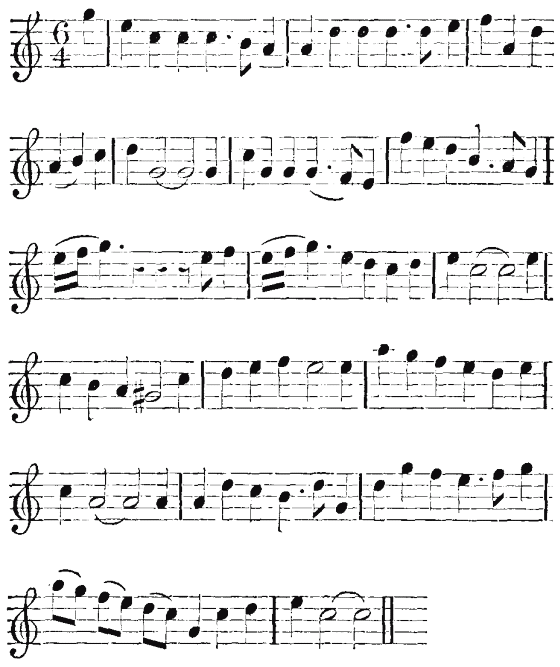
A Pox on the Times, Let 'em go as they will, Tho' the Taxes are grown so heavy; Our Hearts are our own, And shall be so still, Drink about, my Boys, and be merry: Let no Man despair, But drive away Care, And drown all our Sorrow in Claret; We'll never repine, So they give us good Wine, Let 'em take all our Dross, we can spare it. We value not Chink, Unless to buy drink, Or purchase us Innocent Pleasure; When 'tis gone we ne'er fret, So we Liquor can get, For Mirth of it self is a Treasure: No Miser can be, So happy as we, Tho' compass'd with Riches he wallow; Day and Night he's in Fear, And ne'er without Care, While nothing disturbs the Good Fellow. Come fill up the Glass, And about let it pass, For Nature doth vacuums decline! Down the spruce formal Ass, That's afraid of his Face, We'll drink 'till our Noses do Phœbus out-shine: While we've plenty of this, We can ne'er do amiss, 'Tis an Antidote 'gainst our ruin; And the Lad that drinks most, With Honour may boast, He fears neither Death, nor undoing.

The Jovial Prisoner, by S. P.
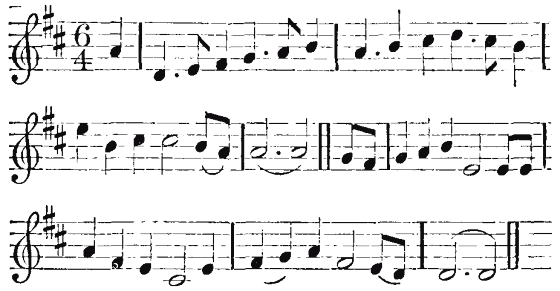
A Pox on such Fools! let the Scoundrels rail, Let 'em boast of their Liberty; They're no freer than we, for the World's a Jayl, And all Men Prisoners be. The Drunkard's confin'd to his Claret, The Miser to his Store; The Wit to his Muse and a Garret, And the Cully-Cit to his Whore. The Parson's confin'd to his Piggs, The Lawyer to Hatred and Strife; The Fidler to's Borees and Jiggs, And the Quack to his Glister-pipe. The Church-man's confin'd to be civil, The Quaker's a Prisoner too light; The Papist is bound by the Devil, And the Puritan's fetter'd with spite. Since old Adam's race are all Prisoners like us, Let us merrily quaff and Sing; Z——s why shou'd we pine for Liberty thus, When we're each of's as free as a King.
A SONG.
Set by Mr. Henry Purcell.
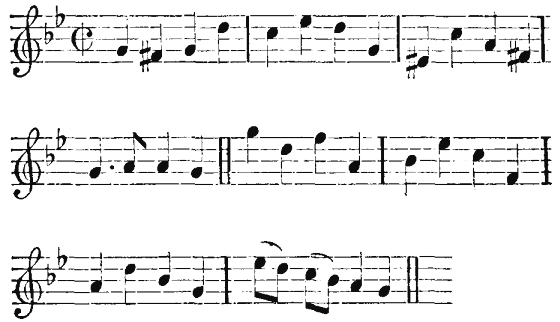
PHILLIS, I can ne'er forgive it, Nor I think, shall e're out-live it; Thus to treat me so severely, Who have always lov'd sincerely. Damon, you so fondly cherish, Whilst poor I, alass! may perish; I that love, which he did never, Me you slight, and him you Favour.

Love given over: Being a young Lady's Reply to her Parents, who would have forc'd her to Marry one she had an Aversion against.
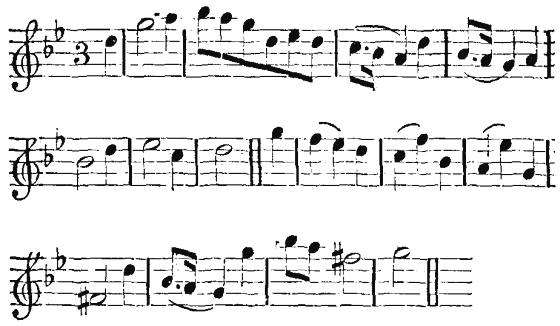
AS Cupid many Ages past, Went out to take the Air; And on the Rosy Morning Feast, He met Ophelia there. A while he gaz'd, a while survey'd Her Shape and every part; But as his Eyes run o'er the Maid, Hers reach'd his little Heart. His Quiver straight and Bow he took, And bent it for a flight; And then by chance she cast a look, Which spoil'd his purpose quite. Disarm'd he knew not what to do, Nor how to Crown his Love; At last resolv'd, away he flew, Another shape to prove. A lustful Satyr straight return'd, In hopes his Form wou'd take: For many Nymphs for them have burn'd, Burn'd 'cause they could not speak. Ophelia had no sooner spy'd, His Godship, Goat and Man; But loudly for assistance cry'd, And fleetly homeward ran. Perplex'd at her affright, but more At's own defeat, he shook The Monster off; then fled before, And straight Man's Aspect took. He smil'd, intreated, ly'd, and vow'd, Nay, offer'd her a Sum; And grew importunate and rude, As she drew nearer home. At last when Tears, nor ought cou'd move, He thus bespoke the Fair; Know Cruel Maid, I'm God of Love, And can command Despair. Yet Dame to sue, oh! bless me then, As you regard your Ease; For I am King of Gods and Men, I give and banish Peace. Or be thou Love, or be thou Hate, Enrag'd Ophelia swore; I'll never change my Virgin state, Nor ever see thee more. Exploded Love resisted so, In pity to Mankind; His Arrows broke, and burnt his Bow, And left his Name behind.
A SONG.
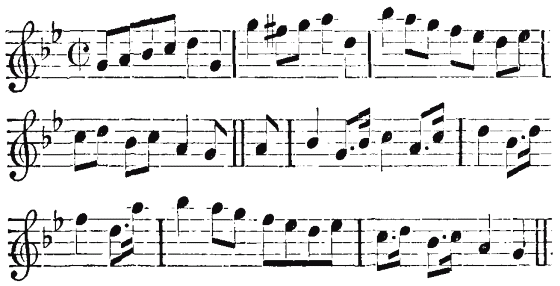
LAY by your Pleading, The Law lies a Bleeding, Burn all your Studies down, and throw away your Reading; Small Power the World has, And doth afford us, Not half so many Privileges as the Sword does; It fosters our Masters, It plaisters Disasters, And makes the Servants quickly greater than their Masters; It ventures, it enters, It circles, it Centres, And sets a Prentice free despite of his Indenters. This takes up all things, And sets up small things, This masters Money, tho' Money masters all things. It's not in Season, To talk of Reason, Or count it Loyalty, when the Sword will have it Treason: This conquers a Crown too, The Cloak and the Gown too, This sets up a Presbyter, and this doth pull him down too; This subtile deceiver, Turn'd Bonnet into Beaver, Down drops a Bishop, and up steps a Weaver. It's this makes a Lay-man, To Preach and to Pray Man, And this made a Lord of him, which was before a Drayman; For from this dull-pit, Of Saxbey's Pulpit, This brought a holy Iron-monger to the Pulpit: No Gospel can guide it, No Law can decide it, No Church or State can debate it, 'Till the Sword hath Sanctify'd it; Such pitiful things be, Happier than Kings be, This brought in the Heraldry of Thimblesby and Slingsby. Down goes the Law-trix, For from this Matrix, Sprang holy Hewson's power, and tumbl'd down St. Patrick's. It batter'd the Gun-kirk, So did it the Dum-kirk, That he is fled and gone to the Devil in Dunkirk; In Scotland this waster, Did work such disaster, This brought the Money back for which they sold their Master: This frighted the Flemming, And made him so beseeming, That he doth never think of his lost Lands redeeming. But he that can tower, Over him that is lower, Would be counted but a Fool to give away his Power: Take Books and rent them, Who would invent them, When as the Sword replys Negatur Argumentur: The grand College Butlers, Must vail to the Sutlers, There's not a Library like to the Cutlers; The Blood that is spilt, Sir, Hath gain'd all the Guilt, Sir, Thus have you seen me run the Sword up to the Hilt, Sir.

Queen DIDO.
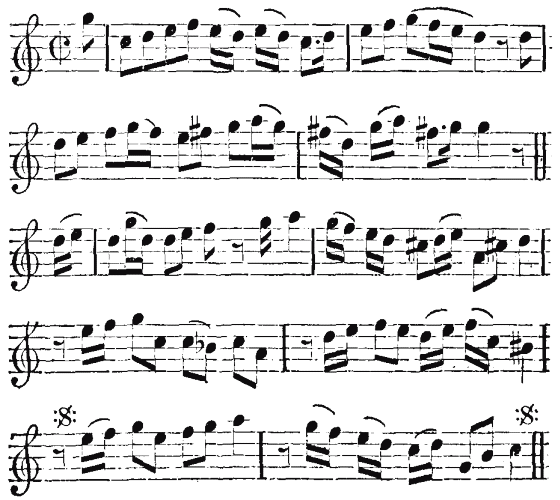
WHEN Dido was a Carthage Queen, She lov'd a Trojan Knight; Who sail'd about from Coast to Coast, Of Metal brave in Fight: As they Hunting rid, a Shower, Did on their Heads with fury pour, Drove 'em to a lonely Cave, Where Æneas with his Charms, Caught fair Dido in his Arms, And got what he would have. Then Dido Hymen's Rites forgot, Her Love was won in hast; Her Honour she consider'd not, But in her Breast him plac'd; Now when their Loves were just began, Great Jove sent down his winged Son, To fright Æneas' sleep: Make him by the break of Day, From Queen Dido steal away, Which caus'd her wail and weep. Poor Dido wept, but what of that? The Gods would have it so; Æneas nothing did amiss, When he was forc'd to go: Cease Lovers, cease your Vows to keep, With your true Loves, but let 'em weep, 'Tis folly to be true; Let this comfort serve your turn, That tho' wretched Dido's mourn, You'll daily Court anew.

False Phillis, Set by Mr. James Hart.
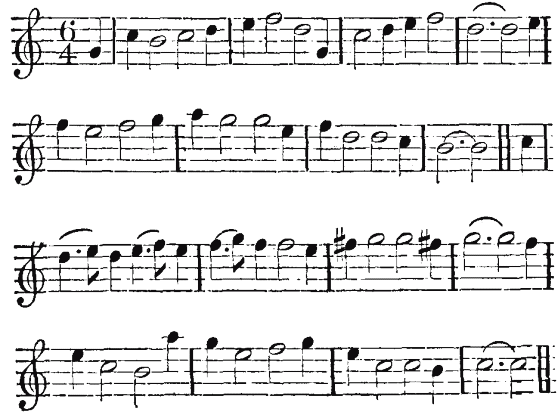
SINCE Phillis swears Inconstancy, Then I'll e'en do so too; I careless am as well as she, She values not her Vow. To sigh, to languish, and protest, Let feeble Fops approve; The Women's way I like the best, Enjoyment is their Love. When I my Phillis do embrace, There's none can happier be; But when she's gone, the next fair Face, Is Phillis then to me. I find her Absence cools Desire, As well as her Disdain; When Hope denys to feed my Fire, Despair shall ease my Pain.
A Song.
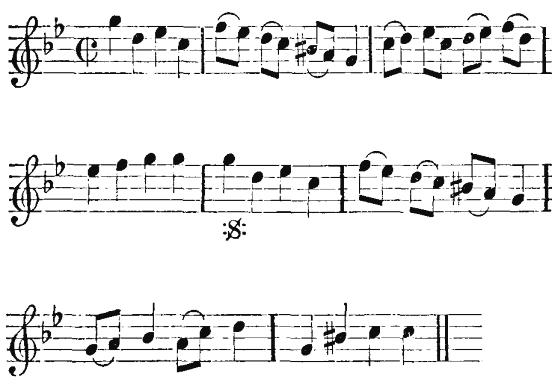
BLUSH not redder than the Morning, Though the Virgins give you Warning; Sigh not at the chance befel you, Though they smile, and dare not tell you; Sigh not at, &c. Maids like Turtles, love the Cooing, Bill and Murmur in their Wooing; Thus like you they start and tremble, And their troubled Joys dissemble: Thus like you, &c. Grasp the Pleasure while 'tis coming, Though your Beauty's now a blooming; Lest old time our Joys should sever, Ah! ah! they part, they part for ever: Lest old time, &c.
The Power of BEAUTY.
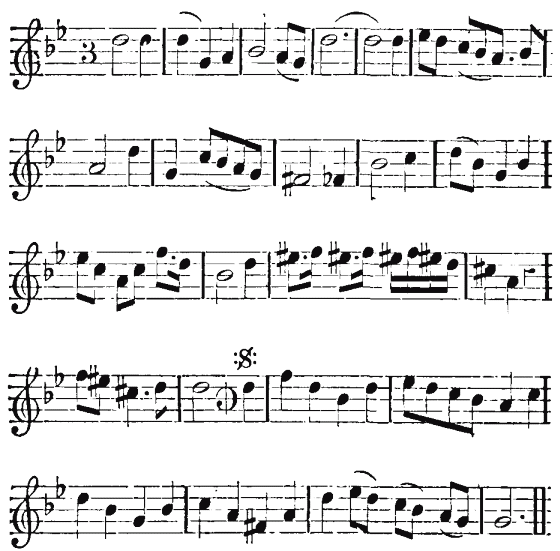
IN a Flowry Myrtle Grove, The solitary Scene of Love, On Beds of Vi'lets, all the Day, The Charming Floriana lay; The little Cupids hover'd in the Air, They peep'd and smil'd, and thought their Mother there. Phœbus delay'd his Course a while, Charm'd with the spell of such a Smile, Whilst weary Plough-men curs'd the stay, Of the too Uxorious Day: The little Cupids hover'd in the Air, They peep'd and smil'd, and thought their Mother there. But thus the Nymph began to chide, "That Eye, you owe the World beside, You fix on me", then with a Frown She sent her drooping Lover down; With modest Blushes from the Grove she fled, Painting the Evening with unusual Red.

The HUNT.
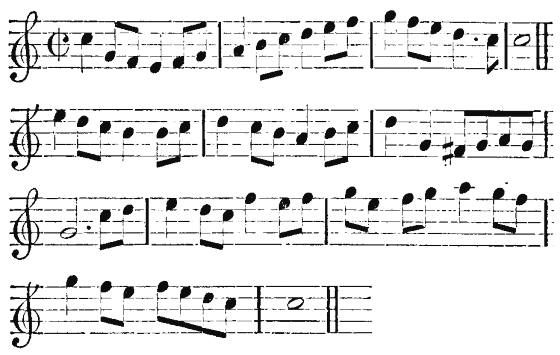
SOME in the Town go betimes to the Downs, To pursue the fearful Hare; Some in the Dark love to hunt in a Park, For to chace all the Deer that are there: Some love to see the Faulcon to flee, With a joyful rise against the Air; But all my delight is a Cunny in the Night, When she turns up her silver Hair. When she is beset, with a Bow, Gun, or Net, And finding no shelter for to cover her; She falls down flat, or in a Tuft does squat, 'Till she lets the Hunter get over her: With her breast she does butt, and she bubs up her Scut, When the Bullets fly close by her Ear; She strives not to escape, but she mumps like an Ape, And she turns up, &c. The Ferret he goes in, through flaggs thick and thin, Whilst Mettle pursueth his Chace; The Cunny she shows play, and in the best of her way, Like a Cat she does spit in his Face: Tho' she lies in the Dust, she fears not his Nest, With her full bound up Sir, career; With the strength that she shows, she gapes at the Nose, And she turns up, &c. The sport is so good, that in Town or in Wood, In a Hedge, or a Ditch you may do it; In Kitchen or in Hall, in a Barn or in a Stall, Or wherever you please you may go to it: So pleasing it is that you can hardly miss, Of so rich Game in all our Shire; For they love so to play, that by Night or by Day, They will turn up their Silver Hair.

Bridal Night. To the foregoing Tune.
COME from the Temple, away to the Bed, As the Merchant transports home his Treasure; Be not so coy Lady, since we are wed, 'Tis no Sin to taste of the Pleasure: Then come let us be blith, merry and free, Upon my life all the waiters are gone; And 'tis so, that they know where you go, say not so, For I mean to make bold with my own. What is it to me, if our Hands joyned be, If our Bodies are still kept asunder: It shall not be said, there goes a married Maid, Indeed we will have no such wonder: Therefore let's Embrace, there's none sees thy Face, The Bride-Maids that waited are gone; None can spy how you lye, ne'er deny, but say Ay, For I mean to make bold with my own. Sweet Love do not frown, but pull off thy Gown, 'Tis a Garment unfit for the Night; Some say that Black, hath a relishing smack, I had rather be dealing with White: Then be not afraid, for you are not betray'd, Since we two are together alone; I invite you this Night, to do me right in my delight, For I mean to make bold with my own. Then come let us Kiss, and tast of our Bliss, Which brave Lords and Ladies enjoy'd; If all Maids should be of the humour of thee, Generations would soon be destroy'd: Then where were the Joys, the Girls and the Boys, Would'st live in the World all alone; Don't destroy, but enjoy, seem not Coy for a Toy, For indeed I'll make bold with my own. Prithee begin, don't delay but unpin, For my Humour I cannot prevent it; You are so streight lac'd, and your Top-knot so fast, Undo it, or I straitway will rent it: Or to end all the strife, I'll cut it with a Knife, 'Tis too long to stay 'till it's undone; Let thy Wast be unlac'd, and in hast be embrac'd, For I long to make bold with my own. As thou art fair, and sweeter than the Air, That dallies on July's brave Roses; Now let me be to thy Garden a Key, That the Flowers of Virgins incloses: And I will not be too rough unto thee, For my Nature to mildness is prone; Do no less than undress, and unlace all apace, For this Night I'll make bold with my own.

A TOPING Song.
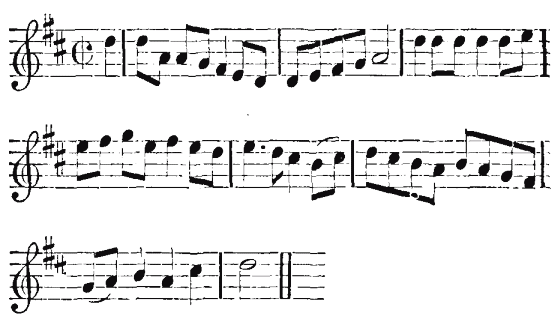
I Am a Jolly Toper, I am a raged Soph, Known by the Pimples in my Face, with taking Bumpers off, And a Toping we will go, we'll go, we'll go, And a Toping we will go. Come let's sit down together, and take our fill of Beer, Away with all disputes, for we'll have no Wrangling here, And a Toping, &c. With clouds of Tobacco we'll make our Noddles clear, We'll be as great as Princes, when our Heads are full of Beer, And a Toping, &c. With Juggs, Muggs, and Pitchers, and Bellarmines of Stale, Dash'd lightly with a little, a very little Ale, And a Toping, &c. A Fig for the Spaniard, and for the King of France, And Heaven preserve our Juggs, and Muggs, and Q——n from all mischance, And a Toping, &c. Against the Presbyterians, pray give me leave to rail, Who ne'er had thirsted for Kings Blood, had they been Drunk with stale, And a Toping, &c. And against the Low-church Saints, who slily play their part, Who rail at the Dissenters, yet love them in their Heart, And a toping, &c. Here's a Health to the Queen, let's Bumpers take in hand, And may Prince G——'s Roger grow stiff again and stand, And a Toping, &c. Oh how we toss about the never-failing Cann, We drink and piss, and piss and drink, and drink to piss again And a Toping, &c. Oh that my Belly it were a Tun of stall, My Cock were turn'd into a Tap, to run when I did call, And a Toping, &c. Of all sorts of Topers, a Soph is far the best, For 'till he can neither go nor stand, by Jove he's ne'er at rest, And a Toping, &c. We fear no Wind or Weather, when good Liquor dwells within, And since a Soph does live so well, then who would be a King, And a Toping, &c. Then dead Drunk We'll march Boys, and reel into our Tombs, That Jollier Sophs (if such their be) may come and take our rooms, Sir And a Toping may they go, &c.
Sir JOHN JOHNSON'S Farewell, by Jo. Hains.
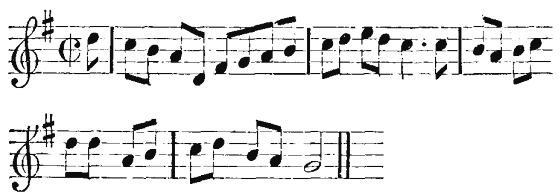
ALL Christians that have Ears to hear, And Hearts inclin'd to pity; Some of you all bestow one Tear, Upon my mournful Ditty: In Queen-street did an Heiress live, Whose downfall when I sing; 'Twill make the very Stones to grieve, God prosper long our King. For her a Scotish Knight did die, Was ever the like seen; I shame to tell place, how, or why, And so God bless the Queen: Some say indeed she swore a Rape, But God knows who was wrong'd; For he that did it did escape, And he did not was Hang'd. Some say another thing beside, If true? it was a Vice; That Campbell when she was his Bride, Did trouble her but thrice: 'Twas this the young Girls Choler mov'd, And in a Rage she swore; E'er she'd be a Wife but three times lov'd, She'd sooner be a Whore. But don't you pity now her Case, Was forc'd to send for Surgeon, To show the Man that very place, Where once she was a Virgin. Parents take warning by her fall, When Girls are in their Teens; To marry them soon, or they will all, Know what the Business means. For Girls like Nuts (Excuse my Rhimes) At bottom growing brown; If you don't gather them betimes, Will of themselves fall down: God bless King William, and Queen Mary, And Plenty and Peace advance; And hang up those wish the contrary, And then a Fig for France.

A Song, Set by Mr. KING.
BANISH my Lydia these sad Thoughts, Why sets thou musing so; To hear the Ugly rail at faults, They wou'd, they wou'd, but cannot do: For let the Guilt be what it will. So small, so small Account they bear; That none yet thought it worth their while, On such, on such to be severe, On such, on such to be severe. With far more reason thou may'st pine, Thy self for being Fair; For hadst thou but less Glorious been, Thou of no Faults wou'dst hear: So the great light that shines from far, Has had its Spots set down; While many a little useless Star, Has not been tax'd with one.
A Song. Set by Mr. HENRY PURCELL.
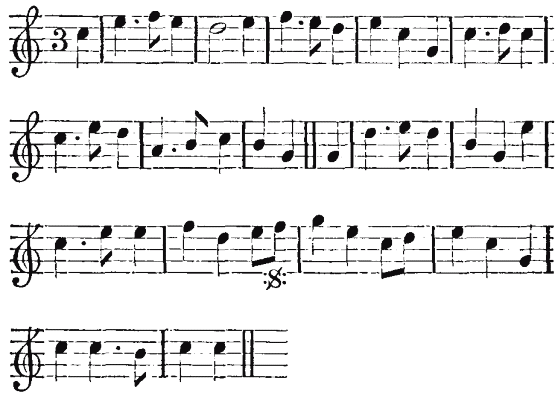
LOVE's Pow'r in my Heart shall find no Compliance, I'll stand to my Guard, and bid open Defiance: To Arms I will muster my Reason and Senses, Ta ra ra ra, Ta ra ra ra, a War now commences. Keep, keep a strict Watch, and observe ev'ry Motion, Your Care to his Cunning exactly proportion; Fall on, he gives ground, let him never recover, Victoria! Victoria! the Battle is over.

A Song. Set by Mr. JAMES HART.
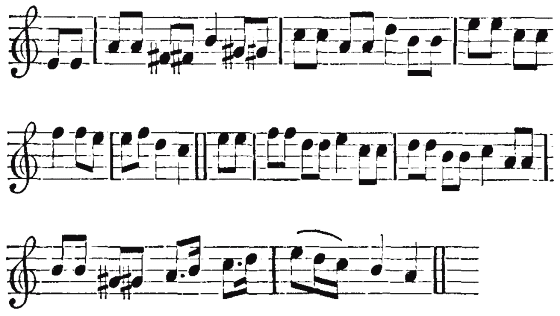
HONEST Shepher'd, since you're poor, Think of loving me no more, Take Advice in time, Give o're your Solicitations: Nature does in vain dispense, To your Vertue, Courage, Sense, Wealth can only influence, A Woman's Inclinations. What fond Nymph can e'er be kind, To a Swain, but rich in Mind, If as well she does not find Gold within his Coffers? Gold alone does Scorn remove, Gold alone incites to Love, Gold can most perswasive prove, And make the fairest offers.
The Shepherd's Wooing of Fair Dulcina.
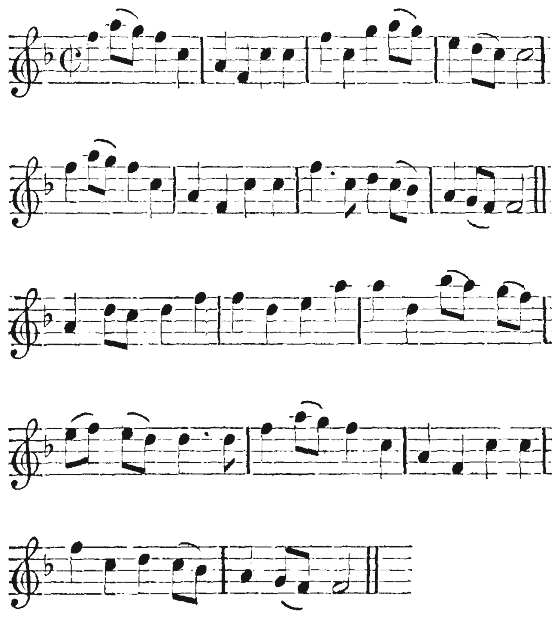
AS at Noon Dulcina rested, In her sweet and shady Bow'r, Came a Shepherd and requested, In her Lap to sleep an Hour; But from her look a Wound he took, So deep that for a further Boon, The Swain he prays, whereto she says, Forgo me now, come to me soon. But in vain she did conjure him, For to leave her Presence so; Having a thousand means to allure him, And but one to let him go: Where Lips invite, and Eyes delight, And Cheeks as fresh as Rose in June, Perswades to stay, what boot to say, Forgo me now, come to me soon. Words whose Hoops have now injoyned, Him to let Dulcina sleep; Could a Man's Love be confined, Or a Maid her promise keep? No, for her Wast he held her fast, As she was constant to her Tune; And she speaks, for Cupid's sake Forgo me, &c. He demands what time and leisure, Can there be more fit than now; She says Men may say their Pleasure, Yet I of it do not allow: The Sun's clear light shineth more bright, Quoth he, more fairer than the Moon: For her to praise, she loves, she says, Forgo me, &c. But no Promise, nor Profession, From his Hands could Purchase scope; Who would sell the sweet Possession, Of such Beauty for a hope; Or for the sight of lingring Night, Forgo the pleasant Joys of Noon, Tho' none so fair, her Speeches were, Forgo me, &c. Now at last agreed these Lovers, She was Fair, and he was Young, If you'll believe me I will tell you, True love fixed lasteth long: He said my dear and only Phear, Bright Phœbus Beams out-shin'd the Moon; Dulcina prays, and to him says, Forgo me now, come to me soon.

The Second Part.
DAY was spent and Night approached, Venus fair was Lovers Friend, She intreated bright Apollo, That his Steeds their Race should end: He could not say the Goddess nay, But granted Love's fair Queen her boon; The Shepherd came to his fair Dame, Forgo me now, come to me soon. Sweet (he said) as I did promise, I am now return'd again; Long delay you know breeds danger, And to Lovers breadeth pain: The Nymph said then, above all Men, Still welcome Shepherd Morn and Noon, The Shepherd prays, Dulcina says, Shepherd I doubt thou'rt come too soon. When that bright Aurora blushed, Came the Shepherd to his dear; Pretty Birds most sweetly warbled, And the Noon approached near: Yet still away the Nymph did say, The Shepherd he fell in a Swoon; At length she said, be not afraid, Forgo me, &c. With grief of Heart the Shepherd hasted Up the Mountains to his Flocks; Then he took a Reed and piped, Eccho sounded thro' the Rocks: Thus did he play, and wish'd the Day, Were spent, and Night were come e'er Noon; The silent Night, Love's delight, I'll go to Fair Dulcina soon. Beauties darling, fair Dulcina, Like to Venus for her Love, Spent away the Day in Passion, Mourning like the Turtle-Dove: Melodiously, Notes low and high, She warbled forth this doleful Tune; Oh come again sweet Shepherd Swain, Thou can'st not be with us too soon. When as Thetis in her place, Had receiv'd the Prince of light; Came in Coridon the Shepherd, To his Love and Heart's delight: Then Pan did play, the Wood-Nymphs they Did skip and dance to hear the Tune; Hymen did say 'tis Holy-day, Forgo me now, come to me soon.

The Scolding Wife.
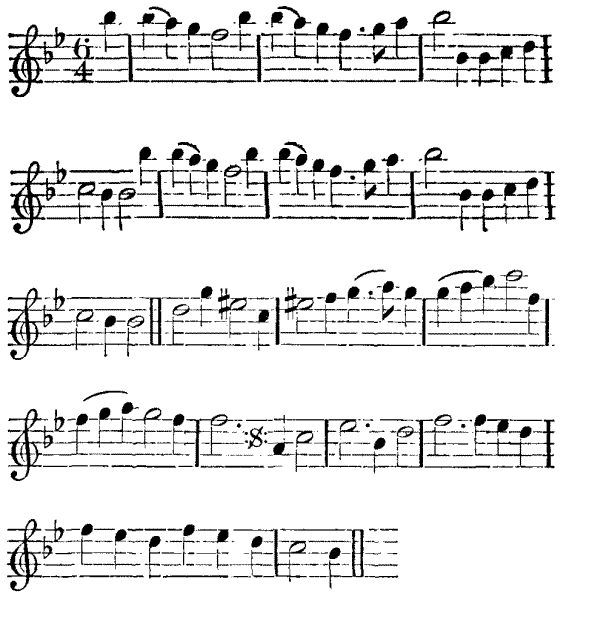
SUPPOSE a Man does all he can, To unslave himself from a scolding Wife; He can't get out, but hops about, Like a Marry'd bird in the Cage of Life: She on Mischief bent is ne'er content, Which makes the poor Man cry out, Rigid fate, Marriage State, No reprieve but the Grave, oh 'tis hard Condition. Come I'll tell you how this Wife to bow, And quickly bring her to her last; Your Senses please, indulge your ease, But resist no joy and each humour taste, Then let her squal, and tear and bawl, And with whining cry her Eyes out, Take a Flask, double Flask, Whip it up, sip it up, that's your Physician.
A Song.
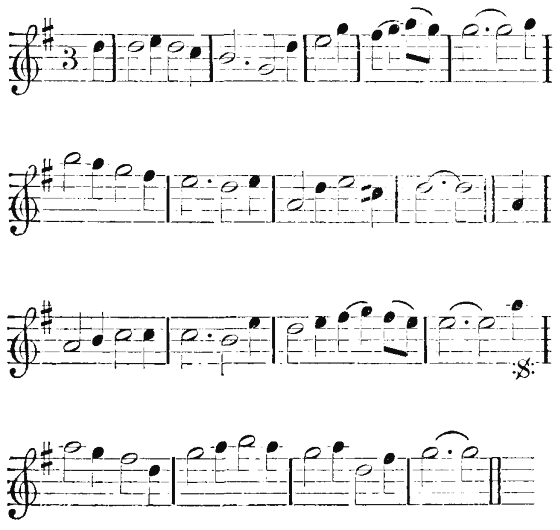
WE merry Wives of Windsor, Whereof you make your Play, And act us on your Stages, In London Day by Day: Alass it doth not hurt us, We care not what you do; For all you scoff, we'll sing and laugh, And yet be Honest too. Alass we are good Fellows, We hate Dishonesty; We are not like your City Dames, In sport of Venery: We scorn to Punk, or to be drunk, But this we dare to do; To sit and chat, laugh and be fat, But yet be Honest too. But should you know we Windsor Dames, Are free from haughty Pride: And hate the tricks you Wenches have, In London and Bankside: But we can spend, and Money lend, And more than that we'll do, We'll sit and chat, laugh and be fat, And yet be Honest too. It grieves us much to see your wants, Of things that we have store, In Forests wide and Parks beside, And other places more: Pray do not scorn the Windsor Horn, That is both fair and new; Altho' you scold, we'll sing and laugh, And yet be honest too. And now farewel unto you all, We have no more to say; Be sure you imitate us right, In acting of your Play: If that you miss, we'll at you hiss, As others us'd to do; And at you scoff, and sing and laugh, And yet be Honest too.

The Battle-Royal.
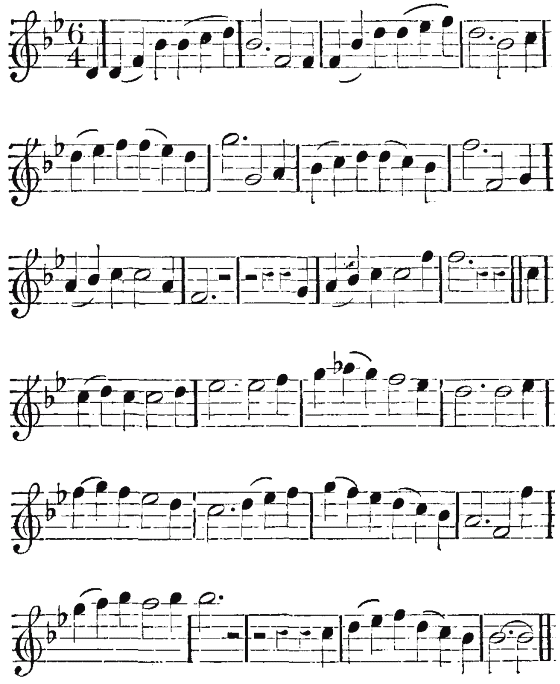
A Dean and Prebendary, Had once a new vagary, And were at doubtful strife Sir, Who led the better life Sir, And was the better Man: The Dean he said that truly, Since Bluff was so unruly, He'd prove it to his Face, Sir, That he had the more Grace, Sir, And so the Fight began. When Preb. reply'd like Thunder, And roar'd out, 'twas no wonder, For Gods the Dean had three, Sir, And more by two than he, Sir, Since he had got but one; Now while these two were raging, And in Disputes engaging, The Master of the Charter, Said both had got a Tartar, For Gods that there were none. For all the Books of Moses, Were nothing but supposes, And he deserv'd rebuke, Sir, Who wrote the Pentateuch, Sir, 'Twas nothing but a Sham; And as for Father Adam, With Mrs. Eve his Madam, And what the Serpent spoke, Sir, Was nothing but a Joke, Sir, And well invented flam. Thus in this Battle Royal, As none would take denial, The Dame for which they strove, Sir, Could neither of them love, Sir, For all had giv'n Offence; She therefore slily waiting, Left all three Fools a Prating, And being in a Fright, Sir, Religion took her flight, Sir, And ne'er was heard on since.
The Saint turn'd Sinner, Or the Dissenting Parson's Text under the Quaker's Petticoats. To the foregoing Tune.
YOU Friends to Reformation, Give Ear to my Relation, For I shall now declare, Sir, Before you are aware, Sir, The matter very plain, The matter very plain; A Gospel Cushion Thumper, Who dearly lov'd a Bumper, And something else beside, Sir, If he is not bely'd, Sir, This was a Holy Guide, Sir, For the Dissenting Train. And for to tell you truly, His Flesh was so unruly, He could not for his Life, Sir, Pass by the Draper's Wife, Sir, The Spirit was so faint, &c. This Jolly handsome Quaker, As he did overtake her, She made his Mouth to water, And thought long to be at her, Such Sin is no great matter, Accounted by a Saint. Says he my pretty Creature, Your Charming Handsome Feature, Has set me all on Fire, You know what I desire, There is no harm to Love; Quoth she if that's your Notion, To Preach up such Devotion, Such hopeful Guides as you, Sir, Will half the World undo, Sir, A Halter is your due, Sir, If you such Tricks approve. The Parson still more eager, Than lustful Turk or Neger, Took up her Lower Garment, And said there was no harm in't, According to the Text; For Solomon more wiser, Than any dull adviser, Had many Hundred Misses, To Crown his Royal Wishes, And why shou'd such as this is, Make you so sadly vext. The frighted female Quaker, Perceiv'd what he would make her, Was forc'd to call the Watch in, And stop what he was hatching, To spoil the Light within, &c. They came to her Assistance, And she did make resistance, Against the Priest and Devil, The Actors of all Evil, Who were so Grand uncivil, To tempt a Saint to Sin. The Parson then confounded, To see himself surrounded, With Mob and sturdy Watch-men, Whose Business 'tis to catch Men, In Lewdness with a Punk, &c. He made some faint Excuses, And all to hide Abuses, In taking up the Linnen, Against the Saints Opinion, Within her soft Dominion, Alledging he was Drunk. But tho' he feigned Reeling, They made him Pay for feeling, And Lugg'd him to a Prison, To bring him to his Reason, Which he had lost before; And thus we see how Preachers, That should be Gospel-Teachers, How they are strangely blinded, And are so Fleshly minded, Like Carnal Men inclined, To lye with any Whore.

A Song. Set by Mr. DAMASCENE.
BEAUTY, like Kingdoms not for one, Was made to be possest alone; By bounteous Nature 'twas design'd, To be the Joy of Human-kind. So the bright Planet of the Day, Doth unconfin'd his Beams display; And generous heat to all dispence, Which else would dye without that Influence. Nor is your mighty Empire less, On you depends Man's Happiness; If you but frown, we cease to be, And only live by your Decree. But sure a Tyrant cannot rest, Nor harbour in so fair a Breast; In Monsters Cruelty we find, An Angel's Face, must have an Angel's Mind.
The Ballad of the True Trojan.
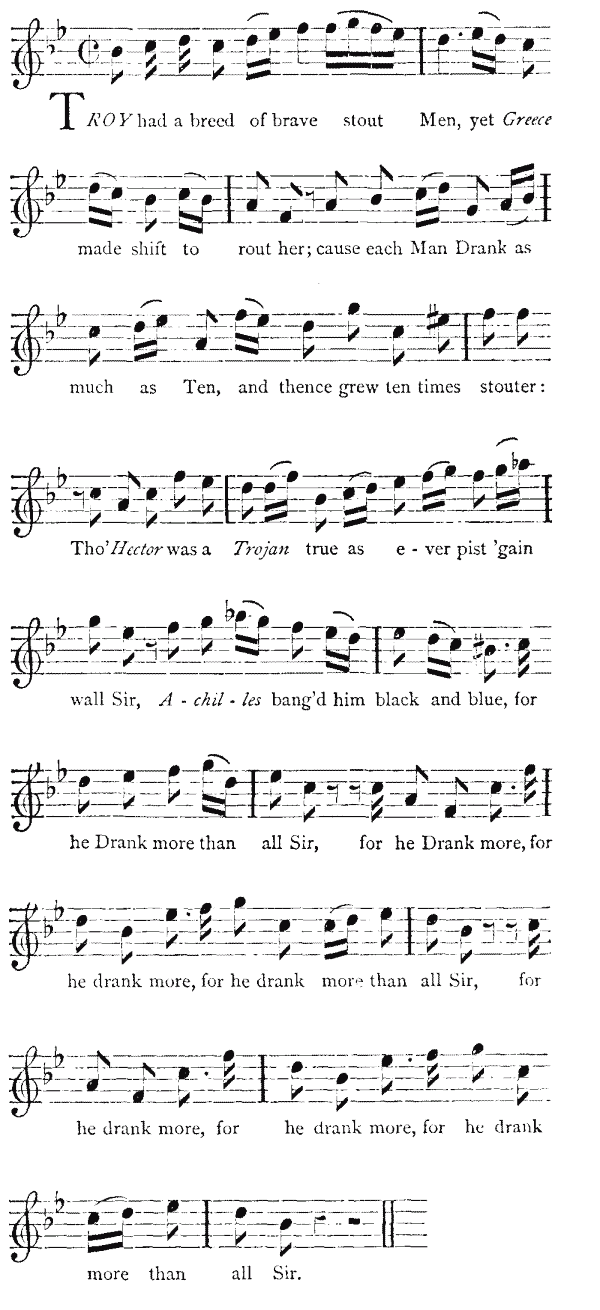
TROY had a breed of brave stout Men, yet Greece made shift to rout her; cause each Man Drank as much as Ten, and thence grew ten times stouter: Tho' Hector was a Trojan true as ever pist 'gain wall Sir, Achilles bang'd him black and blue, for he Drank more than all Sir, for he Drank more, for he drank more, for he drank more than all Sir, for he drank more, for he drank more, for he drank more than all Sir. Let Bacchus be our God of War, We shall fear nothing then Boys; We'll Drink all dead, and lay 'em to Bed, And if they wake not Conquered, We'll Drink 'em dead again Boys: Nor were the Grecians only fam'd, For Drinking and for fighting; For he that Drank and wan't asham'd, Was ne'er asham'd on's Writing. He that will be a Souldier then, Or Wit, must drink good Liquor; It makes base Cowards Fight like Men, And roving Thoughts fly quicker: Let Bacchus be both God of War, And God of Wit, and then Boys, We'll Drink and fight, and Drink and write, And if the Sun set with his Light, We'll Drink him up again Boys.

Young Strephon and Phillis.
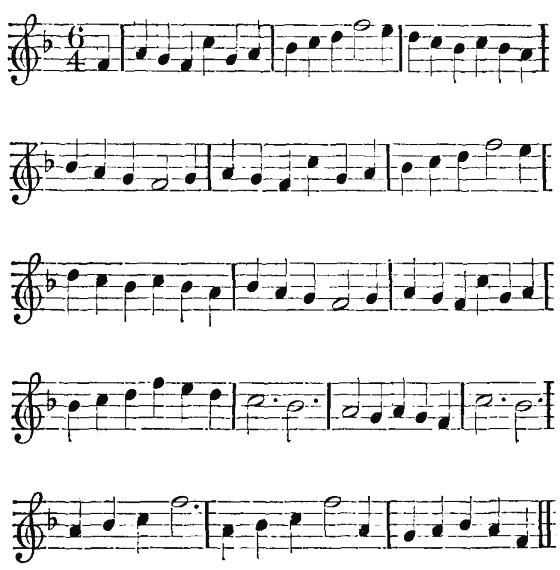
YOUNG Strephon and Phillis, They sat on a Hill; But the Shepherd was wanton, And wou'd not sit still: His Head on her Bosom, And Arms round her Wast; He hugg'd her, and kiss'd her, And clasp'd her so fast: 'Till playing and jumbling, At last they fell tumbling; And down they got 'em, But oh! they fell soft on the Grass at the Bottom. As the Shepherdess tumbled, The rude Wind got in, And blew up her Cloaths, And her Smock to her Chin: The Shepherd he saw The bright Venus, he swore, For he knew her own Dove, By the Feathers she wore: 'Till furious Love sallying, At last he fell dallying, And down, down he got him, But oh! oh how sweet, and how soft at the Bottom. The Shepherdess blushing, To think what she'd done; Away from the Shepherd, She fain wou'd have run: Which Strephon perceiving, The wand'rer did seize; And cry'd do be angry, Fair Nymph if you please: 'Tis too late to be cruel, Thy Frowns my dear Jewel, Now no more Stings have got 'em, For oh! Thou'rt all kind, and all soft at the Bottom.

The Yielding LASS.
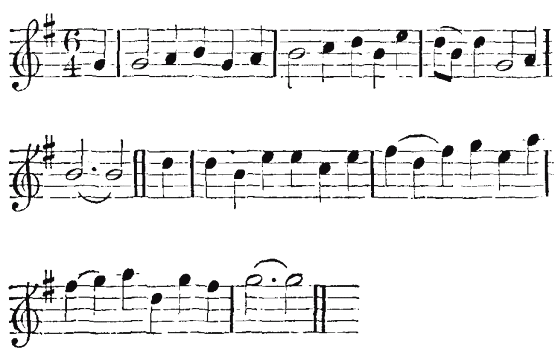
THERE's none so Pretty, As my sweet Betty, She bears away the Bell; For sweetness and neatness, And all Compleatness, All other Girls doth excell. Whenever we meet, She'll lovingly greet, Me still, with a how d'ye do; Well I thank you, quoth I, Then she will reply, So am I Sir, the better for you. Then I ask'd her how, She told me, not now, For Walls, and Ears, and Eyes; Nay, she bid me take heed, What ever I did, 'Tis good to be merry and Wise. I took her by th' Hand, She did not withstand, And I gave her a smirking Kiss; She gave me another, Just like the tother, Quoth I, what a Comfort is this? This put me in Heart, To play o'er my part, That I had intended before; She bid me to hold, And not be too bold, Until she had fastned the Door. She went to the Hatch, To see that the Latch, And Cranies were all cock-sure; And when she had done, She bid me come on, For now we were both secure. And what we did there, I dare not declare, But think that silence is best; And if you will know, Why I Kiss'd her, or so, I'll leave you to guess at the rest.

The Praise of HULL Ale.
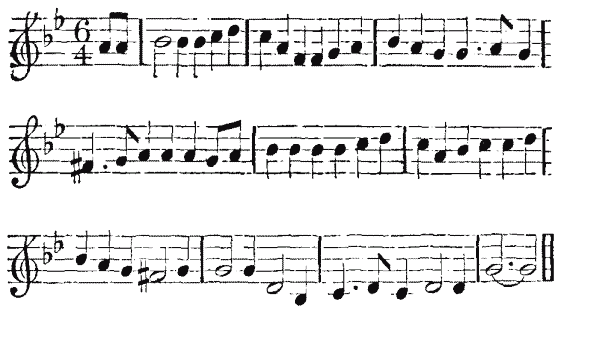
LET's wet the whistle of the Muse, That sings the praise of every Juice, This House affords for Mortal use, Which no Body can deny. Here's Ale of Hull, which 'tis well known, Kept King and Keyser out of Town, Now in, will never hurt the Crown, Which no Body, &c. Here's Lambeth Ale to cool the Maw, And Beer as spruce as e'er you saw, But Mum as good as Man can draw, Which no Body, &c. If Reins be loose as some Mens Lives, Whereat the Purling Female grieves, Here's stitch-Back that will please your Wives, Which no Body, &c. Here's Cyder too, ye little wot, How oft 'twill make ye go to Pot, 'Tis Red-streak all, or it is not, Which no Body, &c. Here's Scholar that has doft his Gown, And donn'd his Cloak and come to Town, 'Till all's up drink his College down, Which no Body, &c. Here's North-down, which in many a Case, Pulls all the Blood into the Face, Which blushing is a sign of Grace, Which no Body, &c. If Belly full of Ale doth grow, And Women runs in Head you know, Old Pharoah will not let you go, Which no Body can deny. Here's that by some bold Brandy hight, Which Dutch-men use in Case of fright, Will make a Coward for to Fight, Which no Body, &c. Here's China Ale surpasseth far, What Munden vents at Temple-bar, 'Tis good for Lords and Ladies Ware, Which no Body, &c. Here's of Epsom will not Fox You, more than what's drawn out of Cocks Of Middleton, yet cures the Pox, Which no Body, &c. For ease of Heart, here's that will do't, A Liquor you may have to boot, Invites you or the Devil to't, Which no Body, &c. For Bottle Ale, though it be windy, Whereof I cannot chuse but mind ye, I would not have it left behind ye, Which no Body, &c. Take Scurvy-Grass, or Radish Ale, 'Twill make you like a Horse to Stale, And cures whatsoever you Ail, Which no Body, &c. For Country Ales, as that of Chess, Or of Darby you'll confess, The more you Drink, you'll need the less, Which no Body, &c. But one thing must be thought upon, for Morning-Draught when all is done, A Pot of Purl for Harrison, Which no Body can deny.

The NEWS Monger. To the same Tune.
LET's Sing as one may say the Fate Of those that meddle with this and that, And more than comes to their shares do Prate, Which no Body can deny. Such, who their Wine and Coffee Sip, And let fall Words 'twixt Cup and Lip, To scandal of good Fellowship, Which no Body, &c. Those Clubbers who when met and sate, Where every Seat is Chair of State, As if they only knew what's what, Which no Body, &c. D—— me says one, were I so and so, Or as the King, I know what I know, The Devil to wood with the French should go, Which no Body, &c. Would the King Commission grant To me, were Lewis, John of Gaunt, I'd beat him, or know why I shant, Which no Body, &c. I'd undertake bring Scores to Ten, Of mine at Hours-warning-Men, To make France tremble once again, Which no Body, &c. The Claret takes, yet e'er he Drinks, Cries Pox o'th' French-men, but methinks It must go round to my Brother, Which no Body, &c. He's the only Citizen of Sence, And Liberty is his Pretence, And has enough of Conscience, Which no Body, &c. The Bully that next to him sat, With a Green Livery in his Hat, Cry'd what a Plague would the French be at, Which no Body, &c. Z—— had the King without Offence, Been rul'd by me, you'd seen long since, Chastisement for their Insolence, Which no Body, &c. They take our Ships, do what they please, Were ever play'd such Pranks as these, As if we were not Lord o'th' Seas, Which no Body, &c. I told the King on't th' other Day, And how th' Intrigues o'th' matter lay, But Princes will have their own way, Which no Body, &c. The next Man that did widen Throat, Was wight in half pil'd Velvet Coat, But he, and that not worth a Groat, Which no Body, &c. Who being planted next the Door, (Pox on him for a Son of Whore) Inveighs against the Embassador, Which no Body, &c. Had the King (quoth he) put me upon't, You should have found how I had don't, But now you see what has come on't, Which no Body, &c. Quoth he if such an Act had stood, That was designed for Publick good, 'Thad pass'd more than is understood, Which no Body, &c. But now forsooth our strictest Laws, Are 'gainst the Friends o'th' good old Cause, And if one Hangs, the other Draws, Which no Body, &c. But had I but so Worthy been, To sit in Place that some are in, I better had advis'd therein, Which no Body, &c. I am one that firm doth stand, For Manufactures of the Land, Then Cyder takes in, out of hand, Which no Body, &c. This English Wine (quoth he) and Ale, Our Fathers drank before the Sale Of Sack on Pothecarys Stall Which no Body, &c. These Outlandish drinks, quoth he, The French, and Spanish Foppery, They tast too much of Popery, Which no Body, &c. And having thus their Verdicts spent, Concerning King and Parliament, They Scandalize a Government, Which no Body, &c. An Hierarchy by such a Prince, As may be said without Offence, None e'er could boast more Excellence, Which no Body, &c. God bless the King, the Queen and Peers, Our Parliament and Overseers, And rid us of such Mutineers, Which no Body can deny.

A SATYR on the Times. To the foregoing Tune.
A World that's full of Fools and Mad-men, Of over-glad, and over-sad Men, With a few good, but many bad Men, Which no Body can deny. So many Cheats and close Disguises, So many Down for one that Rises, So many Fops for one that Wise is, Which no Body, &c. So many Women ugly Fine, Their inside Foul, their outside shine, So many Preachers few Divines, Which no Body, &c. So many of Religious Sect, Who quite do mis-expound the Text, About ye know not what perplext, Which no Body, &c. Many Diseases that do fill ye, Many Doctors that do kill ye, Few Physicians that do heal ye, Which no Body, &c. Many Lawyers that undo ye, But few Friends who will stick to ye, And other Ills that do pursue ye, Which no Body, &c. So many Tradesmen Lyars, So many cheated Buyers, As even Numeration tyers, Which no Body, &c. So many loose ones and high-flying, Who live as if there were no dying, Heaven and Hell, and all defying, Which no Body, &c. So many under Scanty Fates, Who yet do live at lofty rates, And make show of great Estates, Which no Body, &c. And if they will not take Offence, Many great Men of little Sense, Who yet to Politicks make Pretence, Which no Body, &c. Many meriting lower Fate, Have Title, Office, and Estate, Their Betters waiting at their Gate, Which no Body, &c. The Worthless meet with higher Advances, As the Wise bestower Fancies, To the Worthy nothing chances, Which no Body, &c. The Worthy and the Worthless Train, Modest, silent, nothing gain, Impudent begging all obtain, Which no Body, &c. A World wherein is Plenteous store, Of Foppish, Rich, Ingenious Poor, Neglected beg from Door to Door, Which no Body, &c. A World compos'd, 'tis strange to tell, Of seeming Paradise, yet real Hell, Yet all agree to lov't too well, Which no Body, &c. Where Pious, Lew'd, the Fool, the Wise, The one like to the other dies, And leaves a World of Vanities, Which no Body, &c. Proud and Covetous, Beaus and Bullies, Like one o'your musing Melanchollies, I cry for their Ill's, and laugh at their Follies, Which no Body can deny.

Lucinda has the Devil and all. By Mr. H. Hall.
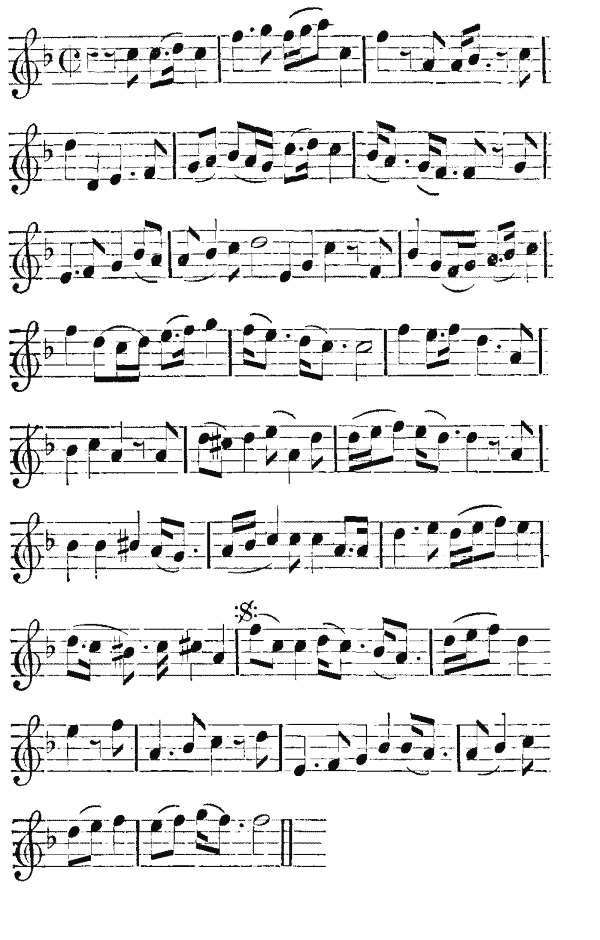
LUCINDA has the de'el and all, the de'el and all, the de'el and all, Of that bright Thing we Beauty call; But if she won't come to my Arms, What care I, why, what care I, what, what care I for all her Charms? Beauty's the Sauce to Love's high Meat, But who minds Sauce that must not Eat: It is indeed a mighty Treasure, But in using lies the Pleasure; Bullies thus, that only see't, Damn all the Gold, damn all the Gold, all, all the Gold in Lombard-street.
Queen ELIZABETH'S Farewel.
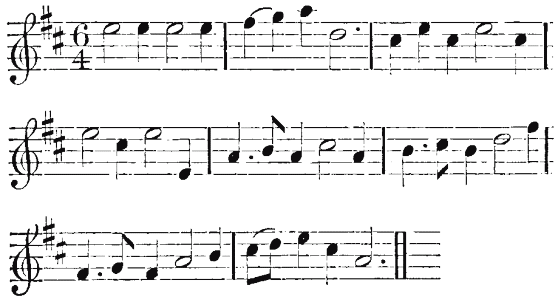
I'LL tell you all, both great and small, I tell you all truly; That we have cause, and very great cause, For to lament and cry, Fye, Oh! fye, oh! fye, oh! fye! Fye on thee cruel Death! For thou hast ta'en away from us! Our Queen Elizabeth. Thou mayst have taken other Folks, That better might be mist; And have let our Queen alone, Who lov'd no Popish Priest: In Peace she rul'd all this Land, Beholding unto no Man, And did the Pope of Rome withstand, And yet was but a Woman. A Woman said I? nay, that is more, Than any one can tell; So Fair she was, so Chast she was, That no one knew it well! With that, from France came Monsieur o'er, A purpose for to Wooe her; Yet still she liv'd and Dy'd a Maid, Do what they could unto her. She never acted any Ill thing, Which made her Conscience prick her; Nor never would submit to him, That call'd is Christ's Vicar: But rather chose couragiously, To fight under Christ's Banner; 'Gainst Pope and Turk, and King of Spain, And all that durst withstand her. But if that I had Argus's Eyes, They were too few to Weep; For our Queen Elizabeth, That now is fall'n asleep: Asleep indeed, where she shall rest, Until the Day of Doom: And then she shall rise unto the Shame Of the great Pope of Rome.

The same in LATIN.
VOBIS magnis parvis dicam, Et sum veredicus; Offerri causam maximam, Esse in tristibus, Væ tibi mors! malum tibi! Pro mortem tetricam! Tu enim nobis dempsisti, Reginam Elizam. Poteras plures capere, Citra injuriam; Reginamq; non rapere, Anti-sacri-colam: Quietè gentem hæc Rexit, Nulliq; devincta, Papamque Romæ despexit, Et tandem Fæmella. Ah, ah, quid dixi Fæmella? De hoc fama silet; Adeo fuit casta-Bella, Ut nemini liquet: En Dux Andinus adiit, Illam petiturus; Virgo vixit & obiit, Hæc nihilominus. Nec mali quid hæc effecit, Conscientiæ stimulo; Nec semet ipsam subjecit, Christi-vicario: At maluit magnamimis, Sub Christi vexellis, Pugnare cum Papâ, Turcis, Ac multis aliis. Sin mihi Argi oculi, Deessent Lachrymæ; Elizabethæ fletui, Nuper demortuæ, De nata hic obdormiet, Die novissimo: Et tunc expergefaciet, Papâ propudio.

The Pressing Constable. Set by Mr. Leveridge.
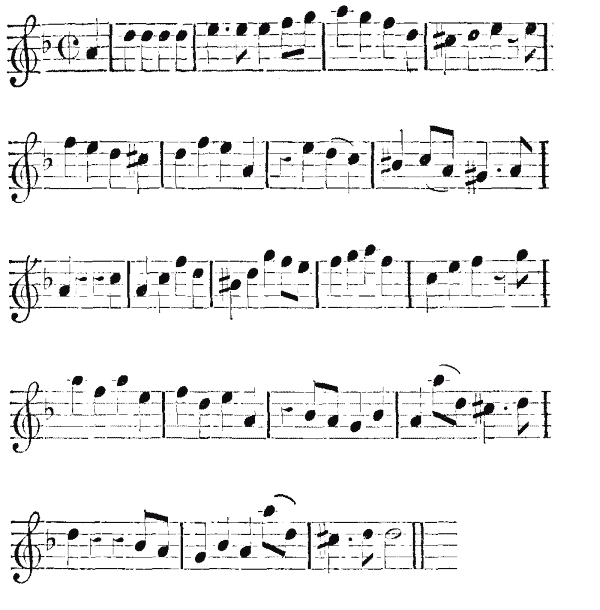
I Am a cunning Constable, And a Bag of Warrants I have here, To Press sufficient Men, and able, At Horn-castle to appear: But now-a-days they're grown so cunning, That hearing of this Martial strife; They all away from hence are running, Where I miss the Man, I'll press the Wife. Ho, who's at Home? Lo, here am I, Good-morrow Neighbour. Welcome, Sir; Where is your Husband? Why truly He's gone abroad, a Journey far: Do you not know when he comes back? See how these Cowards fly for Life! The King for Soldiers must not lack, If I miss the Man, I'll take the Wife. Shew me by what Authority You do it? Pray Sir, let me know; It is sufficient for to see, The Warrant hangs in Bag below: Then pull it out, if it be strong, With you I will not stand at strife: My Warrant is as broad as long, If I miss the Man, I'll Press the Wife. Now you have Prest me and are gone, Please you but let me know your Name; That when my Husband he comes home, I may declare to him the same: My Name is Captain Ward, I say, I ne'er fear'd Man in all my life: The King for Soldiers must not stay, Missing the Man, I'll Press the Wife.

The same in LATIN.
ASTUTUS Constabularius, Mandata gero in tergore: Cincturos evocaturus, Cornu-Castello affore: At hodiè adeò sapiunt, Auditâ lite Bellicâ, Omnes abhinc profugiunt, Virum supplebit Fœmina. Ecquisnam domi En ego Salve. Sis salvus, Domine: Ubinam Vir est? Haud nego, Procul abest in itinere: Nàm es ignara reditûs? Ut fugiunt pro tutamine! Non egeat Rex Militibus, Viros supplebunt Fœminæ. Hæc quo Guaranto factitas, Ambò dicas, Domine? Sufficiat ut videas, Quod pendet abdomine; Educas, si vim habeat, Tecum nolam certamina, Pro ratione, voluntas stat, Virum supplebit Fœminæ. Compressâ me, ituro te, Si placet, reddas nomina. Sic ut reverso conjuge, Illi declarem omnia, Ward ducor Capitaneus, Sat notus pro magnanime Non egeat Rex milibus, Viros supplebunt Fœminæ.

A Song. Set by Mr. Leveridge.
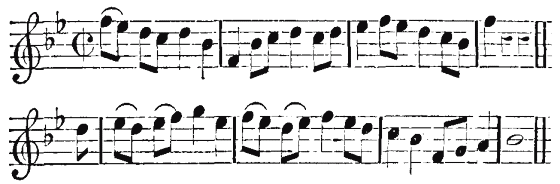
LOVE is a Bauble, No Man is able, To say, it is this, or 'tis that; An idle Passion, Of such a Fashion, 'Tis like I cannot tell what. Fair in the Cradle, Foul in the Saddle, Always too cold, or too hot; An errant Lyar, Fed by Desire, It is, and yet it is not. Love is a Fellow, Clad all in Yellow, The Canker-worm of the Mind; A privy Mischief, And such a sly Thief, No Man knows where him to find. Love is a Wonder, 'Tis here, and 'tis yonder, 'Tis common to all Men, we know; A very Cheater, Ev'ry ones better, Then hang him, and let him go.

The same in LATIN.
AMOR est Pegma, Merum Ænigma, Quid sit nemo detegat: Vesana Passio, Cui nulla ratio, Parem natura negat. Cunis formosus, Sellâ Cœnosus, Calor, aut frigiditas: Furens Libido, Dicta cupido, Est, & non est entitas. Amor amasius, Totus silaceus, Est Eruca animi; Deditus malis, Ac prædo qualis, Non inventus ullibi. Hic & ubiq; Compar utriq; Ad stuporem agitat: Nullus deterior, Quovis superior, In malam rem abeat.

A Song.
Set by Mr. HENRY PURCELL.
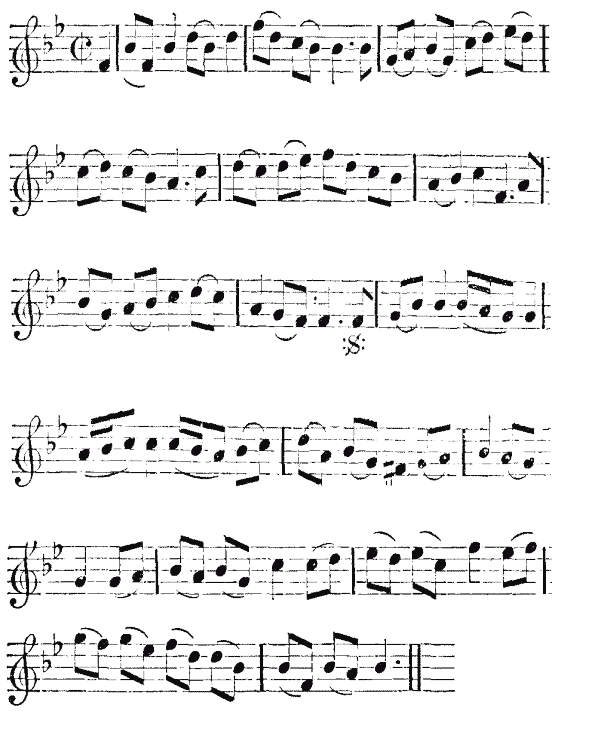
YOUNG Strephon he has Woo'd me long, And Courted me with Pipe and Song; But I a silly, silly peevish Twit, For want of Sense, for want of Wit, Have phoo'd, and cry'd, Have pish'd, and fy'd, And play'd the fool, and lost my Time, And almost slipp'd, and almost slipp'd, And almost slipp'd my Maiden Prime. But now I thank my gracious Heav'n, I hope my faults are all forgiven; I've struck the Bargain, eas'd my pain, And am resolv'd to take my Swain: To phoo, and cry, And pish, and fye, And make a Virgin's coy Pretence, Is all, all, all, is all, all, all, is all, all, all, For want of Sense.

A Song. Tune, How happy's the Lover.
HOW happy's that Husband who after few Years, Of railing and brawling, Confusion and Folly, Shall see his Lantipley drown'd in her Tears, Then prithee Alexis be Jolly, be Jolly, Then prithee Alexis be Jolly.
A Song. Set by Mr. Leveridge.
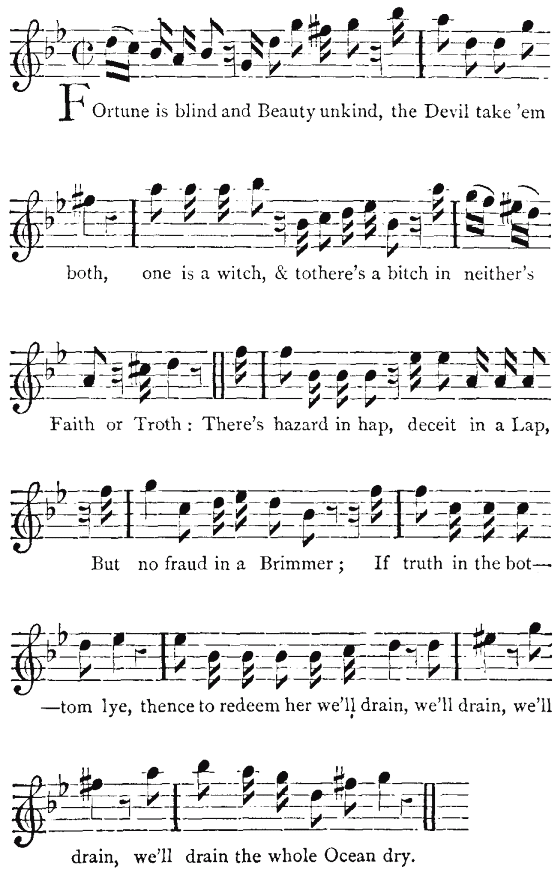
FORTUNE is blind and Beauty unkind, the Devil take 'em both, one is a witch, & tothere's a bitch in neither's Faith or Troth: There's hazard in hap, deceit in a Lap, But no fraud in a Brimmer; If truth in the bottom lye, thence to redeem her we'll drain, we'll drain, we'll drain, we'll drain the whole Ocean dry.
Honour's a Toy, For Fools a Decoy, Beset with Care and Fear; And that (I wuss) Kills many a Puss, Before her clymacht Year: But freedom and mirth, Create a new Birth, While Sack's the Aqua Vitæ, That Vigour and Spirit gives, Liquor Almighty! Whereby the poor Mortal lives. Let us be blith, In spight of Death's Syth, And with an Heart and half, Drink to our Friends, And think of no Ends, But keep us sound and safe: While Healths do go round, No Malady's found, The Maw-sick in the Morning, For want of his wonted strain; Is as a Warning, To double it over again. Let us maintain Our Traffique with Spain, And both the Indies slight; Give us their Wines, Let them keep their Mines, We'll pardon Eighty Eight: There's more certain Wealth Secur'd from stealth, In one Pipe of Canary, Than in an unfortunate Isle; Let us be wary, We do not our selves beguile.
The LATIN to the foregoing Song.
SORS sine visu, Formáq; Risu, Sint pro Dæmone; Hæc malefica, Ita venefica, Fallax utraque; Sors mea est fors, Sinùsque vecors, Sed fraus nulla; tu toto In fundo si veritas sit, Potu Epoto, Oceanus situs fit. Honor & lusus, Stultis illusus, Carâ catenatâ, Hâcque (ut fatur) Catus necatur, Morte non paratâ: Dum vero Græcamur, Non Renovamur, Nam Aqua Vitæ vinum, Vires spiritúsque dat, Idque dicunum, A morte nos Elevat. Fam simus læti, Spretâ vi lethi, Cordatissime: Ut Combibones (non ut gnathones) Saxti-rectique: Dum proculæ Spument, Morbi absument: Ac manè Corpus Onustum, Præ alienatione, Acuit gustum, Pro Iteratione. Prestet quotannis, Merks cum Hispanis, India sit sola; Vinum præbeant, Aurum teneant, Absit spinola: Sunt opes, pro certo, Magis à furto, In Vini potione, Quam Terra Incognitâ; Pro cautione, Ne nobis fit subdola.

The Raree-show, from Father HOPKINS.
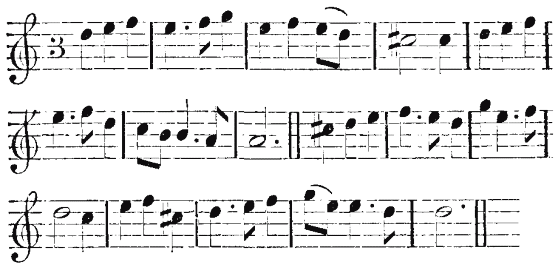
FROM Father Hopkins, whose Vein did inspire him, Bays sends this Raree-show publick to view; Prentices, Fops and their Footmen admire him, Thanks Patron, Painter, and Monsieur Grabeau. Each Actor on the Stage his luck bewailing, Finds that his loss is Infallibly true; Smith, Nokes, and Leigh in a Feaver with railing, Curse Poet, Painter, and Monsieur Grabeau. Betterton, Betterton, thy Decorations, And the Machines were well written we knew; But all the Words were such stuff we want Patience, And little better is Monsieur Grabeu. D—— me says Underhill, I'm out two hundred, Hoping that Rain-bows and Peacocks would do; Who thought infallible Tom could have blunder'd, A Plague upon him and Monsieur Grabeu. Lane thou hast no Applause for thy Capers, Tho' all without thee would make a Man spew; And a Month hence will not pay for the Tapers, Spite of Jack Laureat and Monsieur Grabeu. Bays thou wouldst have thy Skill thought universal, Tho' thy dull Ear be to Musick untrue; Then whilst we strive to confute the Rehearsal, Prithee learn thrashing of Monsieur Grabeu. With thy dull Prefaces still thou wouldst treat us, Striving to make thy dull Bauble look fair; So the horn'd Herd of the City do cheat us, Still most commending the worst of their Ware. Leave making Opera's, and Writing Lyricks, 'Till thou hast Ears and canst alter thy strain; Stick to thy Talent of bold Panegyricks, And still remember the breathing the Vein. Yet if thou thinkest the Town will extol 'em, Print thy dull Notes, but be thrifty and Wise; Instead of Angels subscrib'd for the Volume, Take a round Shilling, and thank my Advice. In imitating thee this may be charming, Gleaning from Laureats is no shame at all; And let this Song be sung the next performing, Else ten to one but the Prices will fall.
A SONG.
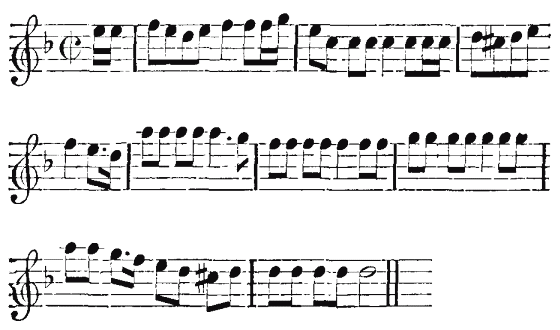
ABROAD as I was walking, I spy'd two Maids a wrestling, The one threw the other unto the Ground; One Maid she let a Fart, struck the other to the Heart, Was not this a grievous Wound? This Fart it was heard into Mr. Bowman's Yard, With a great and a mighty Power; For ought that I can tell, it blew down Bridwell, And so overcame the Tower. It blew down Paul's Steeple, and knock'd down many People, Alack was the more the pity; It blew down Leaden-hall, and the Meal-sacks and all, And the Meal flew about the City. It blew down the Exchange, was not this very strange, And the Merchants of the City did wound; This Maid she like a Beast, turn'd her fugo to the East, And it roar'd in the Air like Thunder.
The Jolly PEDLAR's Pretty Thing.
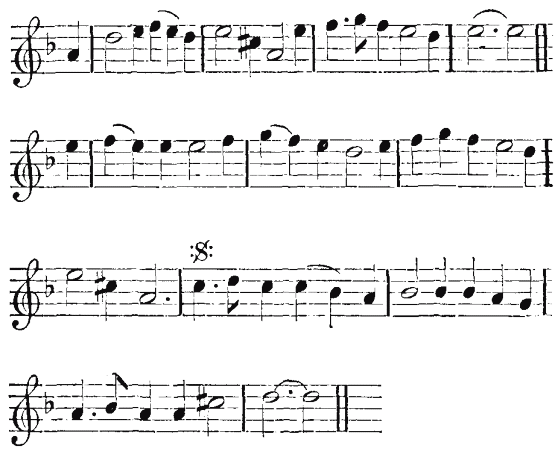
A Pedlar proud as I heard tell, He came into a Town: With certain Wares he had to sell, Which he cry'd up and down: At first of all he did begin, With Ribbonds, or Laces, Points, or Pins, Gartering, Girdling, Tape, or Filleting, Maids any Cunny-skins. I have of your fine perfumed Gloves, And made of the best Doe-skin; Such as young Men do give their Loves, When they their Favour Win: Besides he had many a prettier Thing Than Ribbonds, &c. I have of your fine Necklaces, As ever you did behold; And of your Silk Handkerchiefs, That are lac'd round with Gold: Besides he had many a prettier Thing Than Ribbonds, &c. Good fellow, says one, and smiling sat, Your Measure does somewhat Pinch; Beside you Measure at that rate, It wants above an Inch: And then he shew'd her a prettier Thing, Than Ribbonds, &c. The Lady was pleas'd with what she had seen, And vow'd and did protest; Unless he'd shew it her once again, She never shou'd be at rest: With that he shew'd her his prettier Thing Than Ribbonds, &c. With that the Pedlar began to huff, And said his Measure was good, If that she pleased to try his stuff, And take it whilst it stood: And than he gave her a prettier Thing, Than Ribbonds, &c. Good fellow said she, when you come again, Pray bring good store of your Ware; And for new Customers do not sing, For I'll take all and to spare: With that she hugg'd his prettier Thing Than Ribbonds, or Laces, Points, or Pins, Gartering, Girdling, Tape, or Filleting, Maids any Cunny-skins.

A Song, by Mr. Escourt, To a Tune of Mr. Weldon's.
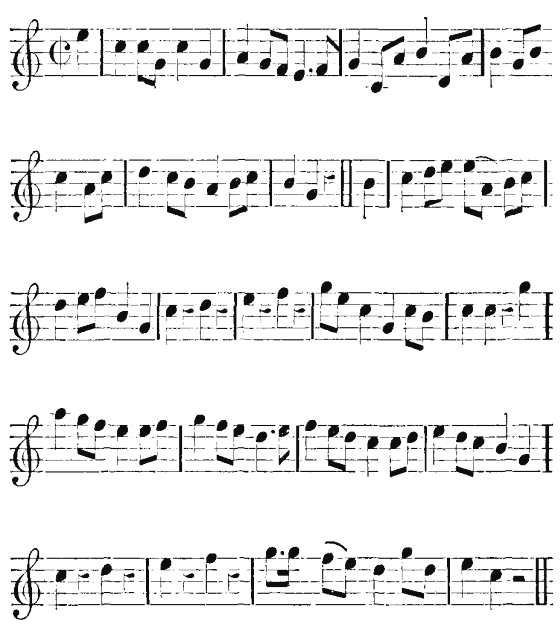
THE Ordinance a-board, Such Joys does afford, As no mortal, no mortal, no mortal, no mortal, no mortal e'er more can desire; Each Member repairs, From the Tower to the stairs, And by water, by water, by water, they all go to fire. Of each Piece that's a-shore, They search from the bore, And to proving, to proving, to proving, to proving, to proving, they go in fair Weather; Their Glasses are large, And whene'er they discharge, There's a boo huzza, a boo huzza, a boo huzza, Guns and Bumpers go off together. Old Vulcan for Mars, Fitted Tools for his Wars, To enable him, enable him, enable him, enable him, enable him to conquer the faster; But had Mars ever been Upon our Wolwich Green, To have heard boo, huzza, boo, huzza, boo, huzza, he'd have own'd Great Marlborough his Master.

A Song.
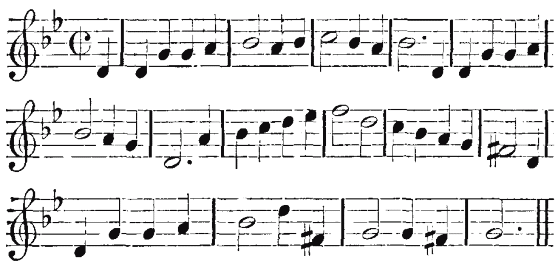
A Young Man and a Maid, put in all, put in all, Together lately play'd, put in all; The Young Man was in Jest, O the Maid she did protest: She bid him do his best, put in all, put in all. With that her rowling Eyes, put, &c. Turn'd upward to the Skies, put, &c. My Skin is White you see, My Smock above my Knee, What wou'd you more of me, put, &c. I hope my Neck and Breast, put, &c. Lie open to your chest, put in all, The Young Man was in heat, The Maid did soundly Sweat, A little farther get, put, &c. According to her Will, put, &c. This Young Man try'd his Skill, put in all; But the Proverb plain does tell, That use them ne'er so well, For an Inch they'd take an Ell, put, &c. When they had ended sport, put, &c. She found him all too short, put in all; For when he'd done his best, The Maid she did protest, 'Twas nothing but a Jest, put in all, put in all.

A Song. The Words by Jo. Hains, Set by Mr. Church.
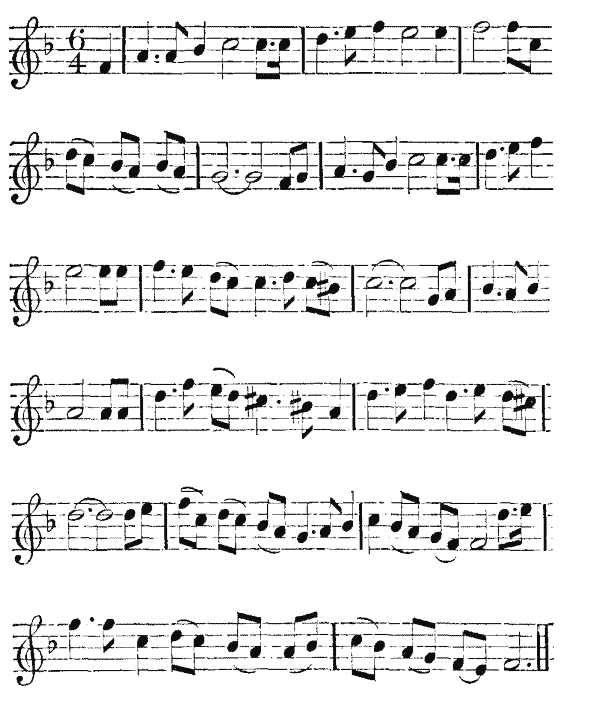
I Courted and Writ, Shew'd my Love and my Wit, And still pretty Flavia deny'd; 'Twas her Virtue I thought, Made me prove such a Sot, To adore her the more for her Pride: 'Till I happen'd to sit, By her Mask'd in a Pit, Whilst a crowd of gay Beaus held her play; When so wantonly free, Was her smart Repartee, I was cur'd and went blushing, went blushing away. How Lovers Mistake, The Addresses they make, When they swear to be Constant and true; For all the Nymphs hold, Tho' the Sport be still old, That their Play-mates must ever be new: Each pretty new Toy, How they'll long to enjoy, And then for a newer will Pine; But when they perceive, Others like what they leave, Then they cry for their Bauble again.

PERKIN in a Cole-Sack: Or, the Collier's Buxome Wife of St. James's.
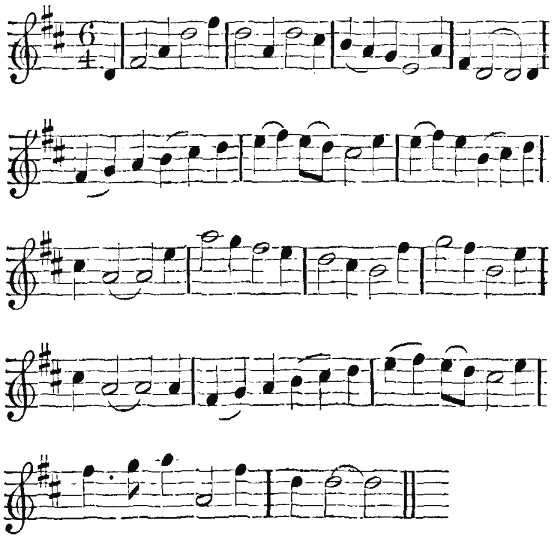
COME all that are disposed a while, And listen to my Story; I shall not you of ought beguile, But plainly lay before ye: How Buxome Ruth had often strove, With no small Pains and Labour; Her own Sufficiency to prove, By many a Brawny Neighbour. She oft was heard for to Complain, But still with little Profit; That Nature made her Charms in vain, Unless some good come of it: Her Booby seldom was at home, And therefore could not please her; Which made more welcome Guest to come, In Charity to ease her. Her wishes all were for an Heir, Tho' Venus still refus'd her; Which made the pensive Sinner Swear The Goddess had abus'd her: And since her Suit she did deny, To shew her good Intention; She was resolv'd her self to try An Old, but rare Invention. Abroad by known Example taught, To one with Child she hasts her; Whereby five Guineas which she brought, The Bargain is made fast, Sir: The Infant soon as brought to light, (For so they had agreed it) Must fall to Buxome Ruth by right, To save her sinking Credit. Her petticoats with Cushions rear'd, Her Belly struts before her; Her Ben's Abilitys are prais'd, And he poor Fool adores her. Her Stomach sick, and squeamish grown, She pewkes like Breeding Woman, While he is proud to make it known, That he has prov'd a true Man. Nine Months compleat, the trusty Dame, Her Pain she finds increases; While Ruth affected with the same, Makes ugly and wry Faces: And now a Coach must needs be had, The Brat to shake about, Sir; But e'er return'd Ben was a Dad, For Perkin had crept out, Sir. The good Ale Firkin strait is tapp'd, And Women all are Jolly; While no one in her round is 'scap'd, For fear of Melancholy: And Ruth in Bed could in her turn, Tho' modest of Behaviour; With all her Heart a Bob have born, Had she not fear'd a Feaver. Thus Jovially the time they spend, In Merriment and Quaffing; Whilst each one does the Brat commend, As Ben did still keep Laughing: And now to tell is my Intent, How Fortune to Distaste her; Ruth's future Boasting did prevent, By one most sad Disaster. A Search was made at t'other Home, By Overseers quick sighted; The Mother to Confession comes, By Threats being much Affrighted; Thus all their Mirth at once was Cool, Fate all their hopes did hamper; So Ben lives on the self same Fool, Tho' Ruth was forc'd to scamper. And if the Truth of this you doubt, The Overseers can make it out.
The Man of Honour: Or, the Unconstant World turn'd upside down: To the foregoing Tune.
HOW is the World transform'd of late, In Country, Court, and City; As if we were decreed by Fate, To sing a mournful Ditty: About the dismal change of Things, There was no sooth in Fauner; In the blest Reigns of former Kings, When I was a Man of Honour. I kept a Castle of my own, With Land five Thousand Acres; When old King Harry grac'd the Throne, Before the Time of Quakers: My Doors and Gates stood open Wide, I lackt no Ring nor Runner; An Ox each Day I did provide, When I was, &c. My Guess all Day went in and out, To Feast and cheer their Senses; Could I but bring the Year about, I grudg'd not my Expences: My Talent was to feast the Poor, I valu'd no Court Fauner; Of Cooks I kept full half a Score, When I was, &c. When Christmas Day was drawing near, To Cheer and make them Merry; I Broach'd my humming Stout March Beer, As brown as the Hawthorn Berry: Of which there was not any lack, I was my self the Donor; 'Twas fetch'd up in a Leathern Jack, When I was, &c. I never lay in Trades-mens Books, For Gaudy Silks or Sattins; Nor did I pay with Frowning looks, Or broken Scraps of Latin: They had my Gold and Silver free, I fear'd not any Dunner; All Men was glad to deal with me, When I was a Man of Honour. I never kept my Hawkes and Hounds, Or Lew'd and Wanton Misses; I'd never sell or Mortgage Towns, To purchase Charming Kisses: Of those that seek their Prey by Night, Each cunning Female Fauner; My Lady was my Hearts Delight, When I was, &c. I never hid my Noble Head, For any Debt contracted; Nor from the Nation have I fled, For Treasons basely Acted: Nor did I in the least Rebel, To make my self a Runner: My Loyalty was known full well, When I was, &c. I never did betray my trust, For Bribes more sweet than Honey; Nor was I false, or so unjust, To sink the Nations Money: My Lands and Livings to enlarge, By wronging each good Donor: I Built not at the Nation's Charge, When I was, &c. We find now in these latter Days, Some Men hath delegated; From Truth, and found out greedy ways, This should be regulated: And act henceforth with Heart and Hand, Oppose the Sons of Bonner; I lov'd my King and serv'd my Land, When I was, &c. For Bounty, Love and large Relief, For Noble Conversation; For easing the poor Widows Grief, In Times of Lamentation: For House of Hospitality, I'll challenge any Donor; There's few or none that can outvey, King Henry's Man of Honour.

A Song, Set by Mr. FRANK.
FICKLE Bliss, fantastick Treasure, Love how soon, how soon, How soon thy Joys, are past? Since we soon must lose the Pleasure, Oh! 'twere better ne'er to tast: Gods! How sweet would be possessing, Did not Time its Charms destroy; Or could Lovers with the Blessing, Lose the Thoughts of Cupid's Joy: Lose the Thoughts, the Thoughts, The Thoughts of Cupid's Joy. Cruel Thoughts, that pain yet please me, Ah! no more my rest destroy; Shew me still if you would ease me, Love's Deceits, but not it's Joy: Gods what kind, yet cruel Powers, Force my Will to rack my Mind! Ah! too long we wait for Flowers, Too, too soon, to fade design'd.
A Song, Set by Mr. Akeroyde.
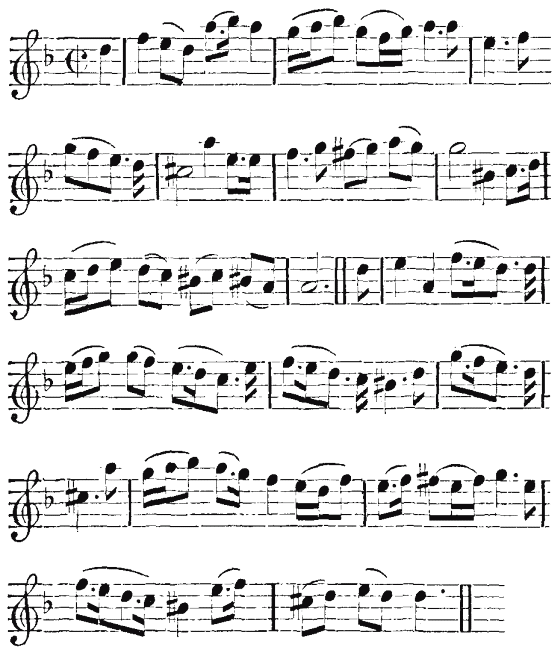
THAT scornful Sylvia's Chains I wear, The Groves and Streams can tell; Those blasted with my Sighs appear, These with my Tears my Tears, o're swell. But Sighs and Tears bring no redress, And Love that sees, that sees me grieve; Conspires with Sylvia to oppress, The Heart he should relieve. The God that should reward my Pain, Makes Sylvia more my Foe: As She encreases in Disdain, He makes my Passion grow: And must I, must I still admire, Those Eyes that cause my Grief? 'Tis just, since I my self conspire Against my own Relief.

A Song, Set by Mr. ROBERT KING.
ALL own the Young Sylvia is fatally Fair; All own the Young Sylvia is pretty; Confess her good Nature, and easie soft Air, Nay more, that's She's wanton and witty. Yet all the keen Arrows at Damon still cast, Cou'd never, cou'd never, his quiet destroy, 'Till the cunning Coquett, shot me flying at last; By a Jene say, Jene say, quoy, By a Jene say, Jene say, quoy. So tho' the young Sylvia were not very Fair, Tho' she were but indifferently pretty; Much wanting Aurelia's, or Cælia's soft Air, But not the dull sence of the City: Yet still the dear Creature wou'd please without doubt, And give me abundance of Joy; Since all that is missing is plainly made out, By a Jene say, Jene say quoy.
A Song, Set by Mr. FRANK.
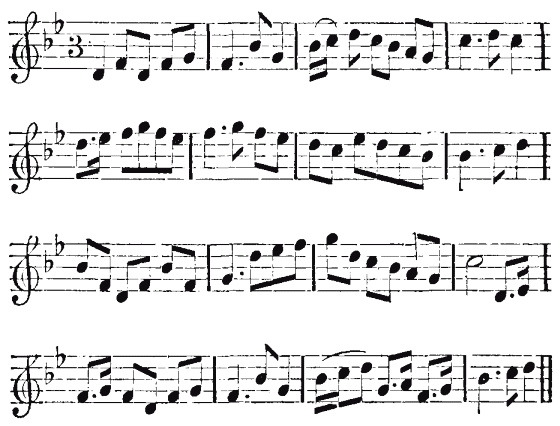
A Swain in despair, Cryed Women ne'er trust, Alass they are all Unkind or unjust. A Nymph who was by, Soon thus did reply; The Men we all find More false and unkind. Except me he cryed, And me She replyed, Then try me said he, I dare not said she: The Swain did pursue, Each alter'd their Mind: She vow'd He was true, He swore She was kind.
A Song. Set by Mr. Akeroyde.
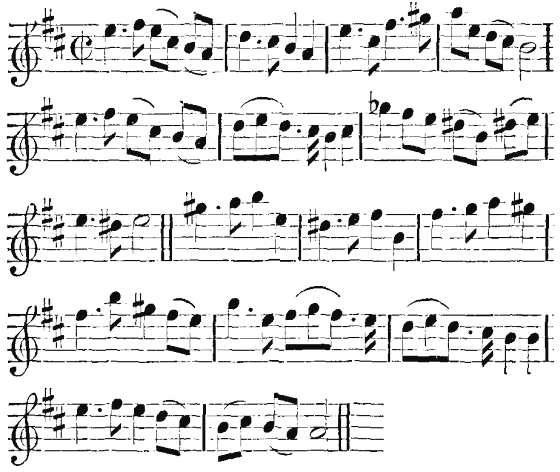
WO'as me poor Lass! what mun I do? Gin I did my bonny Sawney slight, He now gangs a blither Lass to woo, And I alene poor Lass ligs ev'ry Night. Curse on Fickleness and Pride, By which we silly Women are undone: What my Sawney begg'd and I deny'd Alass! I long to grant, but now he's gone. When he was kind I made a Strife, Yet I then deny'd with mickle Woe; For he su'd as gin, he begg'd for Life, And almost dy'd poor Lad! when I said no: Well I keen'd, he woo'd to wed, Yet fear'd to own, I lov'd the canny Loon; Ah would he have stay'd he might have sped, Waa's me! why would my Sawney gang so soon.
A Song.
RICHEST Gift of lavish Nature, Matchless darling of my Heart; Ah! too dear, too charming Creature, You on Earth a Heav'n impart. Rapt in Pleasure past expressing, I with Bliss almost expire; Cou'd we still be thus possessing, God's who would your State desire. Kindling Glances quickning Kisses, That like Time so soon are past; Crowding Joys to eager Blisses, Still renewing may you last: Nor by a fantastick Fashion, Being lawful please the less; But may I indulge my Passion, Blest in none but her I bless.
TOM Tinker.
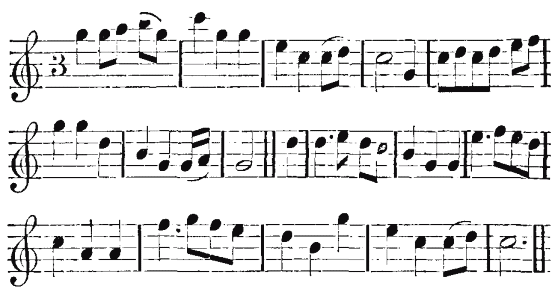
TOM Tinker's my true love, and I am his Dear, And I will go with him his Budget to bear; For of all the young Men he has the best luck, All the Day he will Fuddle, at Night he will —— This way, that way, which way you will, I am sure I say nothing that you can take Ill. With Hammer on Kettle he tabbers all Day, At Night he will tumble on Strumil or Hay; He calls me his Jewel, his delicate Duck, And then he will take up my Smicket to —— This way, &c. Tom Tinker I say was a Jolly stout Lad, He tickled young Nancy and made her stark mad; To have a new Rubbers with him on the Grass, By reason she knew that he had a good —— This way, &c. There was an old Woman on Crutches she came, To lusty Tom Tinker, Tom Tinker by Name; And tho' she was Aged near threescore and five, She kickt up her Heels and resolved to —— This way, &c. A beautiful Damsel came out of the West, And she was as Jolly and brisk as the best; She'd Dance and she'd caper as wild as a Buck, And told Tom the Tinker, she would have some —— This way, &c. A Lady she call'd him her Kettle to mend, And she resolved her self to attend; Now as he stood stooping and mending the Brass, His Breeches was torn and down hung his —— This way, &c. Something she saw that pleased her well, She call'd in the Tinker and gave him a spell; With Pig, Goose and Capon, and good store of suck, That he might be willing to give her some —— This way, &c. He had such a Trade that he turn'd me away, Yet as I was going he caus'd me to stay; So as towards him I was going to pass, He gave me a slap in the Face with his —— This way, &c. I thought in my Heart he had struck off my Nose, I gave him as good as he brought I suppose; My Words they were ready and wonderful blunt, Quoth I, I had rather been stobb'd in my —— This way, &c. I met with a Butcher a killing a Calf, I then stepp'd to him and cryed out half: At his first denial I fell very sick, And he said it was all for a touch of his —— This way, &c. I met with a Fencer a going to School, I told him at Fencing he was but a Fool; He had but three Rapiers and they were all blunt, And told him he should no more play at my —— This way, &c. I met with a Barber with Razor and Balls, He fligger'd and told me for all my brave alls; He would have a stroke, and his words they were blunt, I could not deny him the use of my —— This way, &c. I met with a Fidler a Fidling aloud, He told me he had lost the Case of his Croud; I being good natur'd as I was wont, Told him he should make a Case of my —— This way, and that way, and which way you can, For the Fairest of Women will lye with a Man.

A Song. Set by Mr. KING.
WHEN on her Eyes, When on her Eyes, My happy Stars I gaze, A strange Commotion seizes every part. Fain would I speak, fain would I speak, The cause of my Disease; But fear to tell the Story of my Heart. Her look severe, Her look severe, Yet O endearing awes, Yet O endearing awes, The Women's Envy, The Women's Envy, But Mankind's applause, But Mankind's applause.
Miss CUDDY.
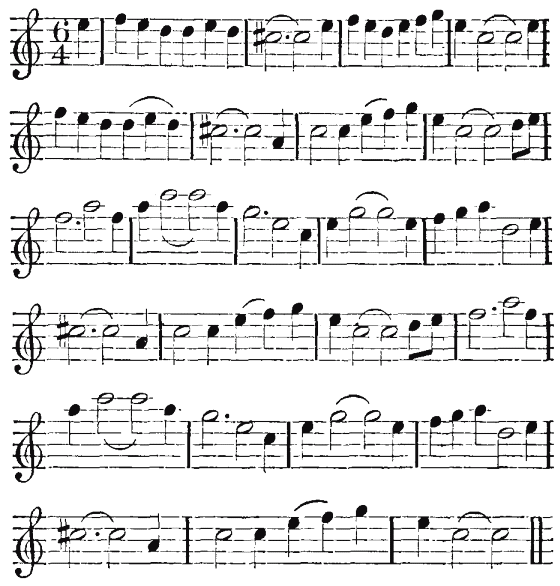
POOR Sawney had marry'd a Wife, And he knew not what to do with her; For she'd eat more Barly-bread, Then he knew how to give her: We'll all sup together, we'll all sup, &c. We'll make no more Beds than one, 'Till Jove sends warmer Weather. We'll all lig together, we'll all lig together, We'll make no more Beds than one, 'Till Jove sends warmer Weather. We'll put the Sheep's-head in the Pot, The Wool and the Horns together; And we will make Broth of that, And we'll all sup together, We'll all sup together, we'll all sup together, We'll make no more Beds than one, 'Till Jove sends warmer Weather, We'll all lig together, &c. The Wool shall thicken the Broth, The Horns shall serve for Bread, By this you may understand, The Virtue that's in a Sheep's-head: And we'll all sup together, we'll all sup together, We'll make no more Beds than one, 'Till Jove sends warmer Weather, And we'll all lig together, &c. Some shall lig at the Head, And some shall lig at the Feet, Miss Cuddy wou'd lig in the middle, Because she'd have all the Sheet: We'll all lig together, we'll all lig together, We'll make no more Beds than one, 'Till Jove sends warmer Weather, And we'll all lig together, &c. Miss Cuddy got up in the Loft, And Sawney wou'd fain have been at her, Miss Cuddy fell down in her Smock, And made the glass Windows to clatter: We'll all lig together, we'll all lig together, We'll make no more Beds than one, 'Till Jove sends warmer Weather, We'll all lig together, &c. The Bride she went to Bed, The Bridegroom followed after, The Fidler crepp'd in at the Feet, And they all lig'd together, We'll all lig together, &c.
A Song. Set by Mr. AKEROYDE.
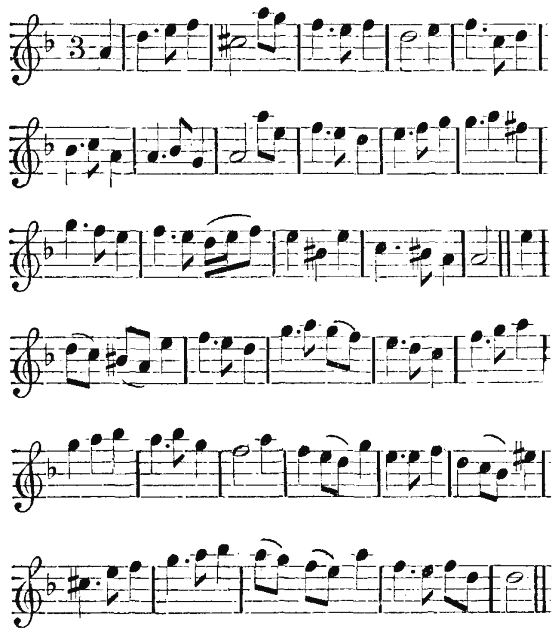
BENEATH a cool Shade Amaryllis was sate, Complaining of Love and bemoaning her Fate; Ah! she cry'd, why must Maids be so formal and Coy, To deny what they think is their only true Joy? And Custom impose on us so much ado, When our Hearts are on fire, and Love bids us fall too; And Custom impose on us so much ado, When our hearts are on fire, and Love bids us fall too. Young Strephon was near her, and heard the Complaint, He easily guest what the Damsel did want; He rush'd in upon her, in Kisses reply'd, Caught her fast in his Arms, she faintly deny'd: What they did without study, we soon may divine, 'Twas Strephon's Luck then, the next Minute be mine.

Clarinda's Complaint. Tune of Ianthe the Lovely.
WITH sighing and wishing, and Green-sickness Diet, With nothing of Pleasure, and little of Quiet; With a Granum's Inspection, and Doctor's Direction, But not the Specifick, that suits my Complexion: The Flower of my Age is full blown in my Face, Yet no Man considers, yet no Man considers My comfortless Case. Young Women were valued, as I have been told, In the late times of Peace, above Mountains of Gold; But now there is Fighting, we are nothing but sliting, Few Gallants in Conjugal Matters delighting: 'Tis a shame that Mankind, should love killing and slaying And mind not supplying the stock that's decaying. Unlucky Clarinda, to love in a Season, When Mars has forgotten to do Venus Reason; Had I any Hand in Rule and Command, I'd certainly make it a Law of the Land: That killers of Men, to replenish the Store, Be bound to the Wedlock, and made to get more. Enacted moreover for better dispatch, That where a good Captain meets with an o'ermatch, His honest Lieutenant with Soldier-like Grace, Shall relieve him on Duty, and serve in his Place: Thus killers and slayers of able good Men, Without beat of Drum may recruit 'em agen.