Certain Gentes Called to Take Part in the Ceremony
Reading edition
Being satisfied that the man had supplied all the necessary articles, he places in the hands of the father the ceremonial pipe and bids him go after the Sho´-ḳa of the gens. The father returns with the messenger who was already invested with the little pipe, the badge of his authority. When the two men had taken their seats Shoⁿ´-ge-moⁿ-iⁿ directs the Sho´-ḳa to go and call the heads of the following gentes, with their Noⁿ´-hoⁿ-zhiⁿ-ga members, to come to the house of the father, at sunrise the next morning, to take part in the ceremonies of naming his child:
1. Wa´-ṭse-ṭsi, of the Wa-zha´-zhe subdivision, to recite their wi´-gi-e relating to their life symbol, the red cedar. (36th Ann. Rept. Bur. Amer. Ethn., p. 95, lines 1 to 34.)
2. Noⁿ´-poⁿ-da, Deer gens, of the Wa-zha´-zhe subdivision, to recite their wi´-gi-e relating to one of their life symbols, the water. (36th Ann. Rept. Bur. Amer. Ethn., p. 98, lines 1 to 25.)
3. I´-ba-ṭse Ṭa-dse, Wind People, of the Hoⁿ´-ga subdivision, to recite their wi´-gi-e relating to one of their life symbols, the maize.
4. Tho´-xe, Buffalo-bull gens of the Ṭsi-zhu great division, to recite their wi´-gi-e relating to the maize. Tho´-xe is the gens that gave to the people the maize and the squashes. (36th Ann. Rept. Bur. Amer. Ethn., p. 279, lines 54 to 110.) The Tho´-xe authorized the I´-ba-ṭse and certain other gentes to use the Maize ritual in their child-naming ceremonies.
5. Çiⁿ´-dse-a-gthe, Wolf gens of the Ṭsi´-zhu great division, to recite their wi´-gi-e relating to their life symbol, the sun. The Dog-star is also one of their life symbols. (36th Ann. Rept. Bur. Amer. Ethn., p. 118, lines 1 to 36.)
Wa-zho´-i-ga-the (Life Symbol) Wi´-gi-e
The Sho´-ḳa returns to the house of the father and reports that he has given notice to all the gentes named to attend the ceremony. Then Shoⁿ´-ge-moⁿ-iⁿ proceeds to recite the Wa-zho´-i-ga-the Wi´-gi-e of his gens, a name which means, The Taking of Bodies; that is, The Taking of Life Symbols. The reciting of this wi´-gi-e is for the benefit of the father and the child.
THE TAKING OF LIFE SYMBOLS. FREE TRANSLATION 1
1. The people spake to one another, saying: Lo, the little ones have nothing of which to make their bodies, 2. Take heed, O, younger brothers, and see what can be done. 3. Then to the youngest of the brothers they spake, saying: 4. The little ones have nothing of which to make their bodies, O, younger brother. 5. Hardly were these words spoken, 6. When the young messenger stood before the God of Day (the sun), to whom he spake, saying: 7. O, my grandfather! 8. The God of Day replied: My grandchild! 9. The messenger spake: The little ones have nothing of which to make their bodies, O, grandfather. 10. The God of Day spake: I am a person of whom the little ones may well make their bodies, 11. I am a god who has power to resist death. 12. When the little ones make of me their bodies, 13. They also shall have power to resist death, as they travel the path of life. 14. Even among the gods, 15. There is not one who is able to see my path. 16. When the little ones make of me their bodies, 17. Even the gods 18. Shall not be able to see their path, as they travel the path of life.
2
19. Again the people spake, saying: O, younger brothers, 20. Take heed and see what can be done, 21. The little ones have nothing of which to make their bodies. 22. They spake to the youngest of the brothers, saying: 23. O, younger brother, 24. The little ones have nothing of which to make their bodies, 25. Take heed and see what can be done. 26. Hardly were these words spoken 27. When the young messenger stood before the Goddess of Night (the moon), 28. To whom he spake, saying: O, my grandmother! 29. The Goddess of Night replied: My grandchild! 30. The messenger spake: The little ones have nothing of which to make their bodies. 31. Then spake the Goddess of Night: I am a person of whom the little ones may well make their bodies, 32. I am a goddess who has power to resist death. 33. When the little ones make of me their bodies, 34. They also shall have power to resist death, as they travel the path of life. 35. Even among the gods 36. There is not one who is able to see my path. 37. When the little ones make of me their bodies, 38. Even the gods 39. Shall not be able to see their path, as they travel the path of life. 40. Even among the gods 41. There is not one of them who can stand in my way to prevent my going. 42. When the little ones make of me their bodies, 43. Even the gods 44. Shall not be able to stand in their way, as they travel the path of life. 45. Moreover, I have been able to bring myself to see old age. 46. When the little ones make of me their bodies, 47. They also shall bring themselves to see old age, as they travel the path of life. 48. I have brought myself to the days that are calm and peaceful. 49. When the little ones make of me their bodies, 50. They also shall bring themselves to the calm and peaceful days, as they travel the path of life.
3
51. Again the people spake, saying: Lo, the little ones have nothing of which to make their bodies, 52. Take heed and see what can be done, O, younger brothers. 53. Then they spake to the youngest of the brothers, 54. Saying: O, younger brother! 55. The little ones have nothing of which to make their bodies, 56. Take heed and see what can be done. 57. Even as these words were being spoken, 58. He stood before the Male Star (Morning Star) who sitteth in the heavens, 59. And spake to him, saying: O, grandfather! 60. The Male Star replied: My grandchild! 61. The messenger spake: The little ones have nothing of which to make their bodies. 62. The Male Star replied: I am a person of whom the little ones may well make their bodies. 63. I am a god who has power to resist death. 64. When the little ones make of me their bodies, 65. They also shall have power to resist death, as they travel the path of life. 66. Even among the gods 67. There is not one who is able to see my path. 68. When the little ones make of me their bodies, 69. Even the gods 70. Shall not be able to see their path, as they travel the path of life. 71. Even among the gods 72. There is not one who can stand in my way to prevent my going, 73. When the little ones make of me their bodies. 74. Even the gods 75. Shall not be able to stand in their way to prevent their going. 76. Moreover, I have been able to bring myself to see old age. 77. When the little ones make of me their bodies, 78. They also shall be able to bring themselves to see old age, as they travel the path of life. 79. They shall also live to see the days that are calm and peaceful. 80. When the little ones make of me their bodies, 81. They shall be able to bring themselves to the calm and peaceful days, as they travel the path of life.
4
82. The people spake, saying: O, younger brothers, 83. The little ones have nothing of which to make their bodies, 84. Take heed and see what can be done. 85. Then they spake to the youngest of the brothers, 86. Saying: O, younger brother, 87. The little ones have nothing of which to make their bodies, 88. Take heed and see what can be done. 89. Even as these words were being spoken, 90. The messenger stood before the Female Star (Evening Star) who sitteth in the heavens, 91. And spake to her, saying: O, my grandmother! 92. The Female Star replied: My grandchild! 93. The messenger spake: The little ones have nothing of which to make their bodies. 94. The Female Star replied: I am a person of whom the little ones may well make their bodies. 95. I am a god who has power to resist death. 96. When the little ones make of me their bodies, 97. They also shall have power to resist death, as they travel the path of life. 98. Even among the gods 99. There is not one who can stand in my way to prevent my going. 100. When the little ones make of me their bodies, 101. Even the gods 102. Shall not be able to stand in their way to stop their going. 103. Moreover, I have been able to bring myself to see old age. 104. When the little ones make of me their bodies, 105. They also shall be able to bring themselves to see old age, as they travel the path of life. 106. I have been able to bring myself to the calm and peaceful days. 107. When the little ones make of me their bodies, 108. They also shall be able to bring themselves to the calm and peaceful days, as they travel the path of life.
5
109. The people spake, saying: O, younger brothers, 110. The little ones have nothing of which to make their bodies. 111. Then to the youngest of the brothers 112. They spake, saying: O, younger brother, 113. Take heed and see what can be done. 114. Even as these words were being spoken, 115. The messenger stood before the Litter (Ursa Major), who stands in the heavens, 116. To whom he spake, saying, O, grandfather! 117. The little ones have nothing of which to make their bodies. 118. The Litter replied: I am a person of whom the little ones may well make their bodies. 119. I am a god who has power to resist death. 120. When the little ones make of me their bodies, 121. They also shall have power to resist death, as they travel the path of life. 122. Even among the gods 123. There is not one who is able to see my path. 124. When the little ones make of me their bodies, 125. Even the gods 126. Shall not be able to see their path, as they travel the path of life. 127. Even among the gods 128. There is not one who can stand in my way to prevent my going. 129. When the little ones make of me their bodies, 130. Even the gods 131. Shall not be able to stand in their way to prevent their going. 132. Moreover, I have been able to bring myself to see old age. 133. When the little ones make of me their bodies, 134. They also shall be able to bring themselves to see old age. 135. I have been able to bring myself to the calm and peaceful days. 136. When the little ones make of me their bodies, 137. They also shall be able to bring themselves to the calm and peaceful days, as they travel the path of life.
6
138. The people spake, saying: The little ones have nothing of which to make their bodies, 139. Give heed, younger brothers, and see what can be done. 140. Then to the youngest of the brothers, 141. They spake, saying: O, younger brother, 142. The little ones have nothing of which to make their bodies. 143. Even as these words were being spoken, 144. The messenger stood before Deer-head (Pleiades), who sitteth in the heavens, 145. To whom he spake, saying: O, my grandmother! 146. She replied: My grandchild! 147. The messenger spake: The little ones have nothing of which to make their bodies. 148. Deer-head replied: I am a person of whom the little ones may well make their bodies, 149. I am a god who has power to resist death. 150. When the little ones make of me their bodies, 151. They also shall have power to resist death, as they travel the path of life. 152. Even among the gods 153. There is not one who is able to see my path. 154. When the little ones make of me their bodies, 155. Even the gods 156. Shall not be able to see their path, as they travel the path of life. 157. Even among the gods 158. There is not one who can stand in my way to prevent my going. 159. When the little ones make of me their bodies, 160. Even the gods 161. Shall not be able to stand in their way to prevent their going. 162. Moreover, I have been able to bring myself to see old age. 163. When the little ones make of me their bodies, 164. They also shall be able to bring themselves to see old age. 165. I have been able to bring myself to the calm and peaceful days. 166. When the little ones make of me their bodies, 167. They also shall be able to bring themselves to the calm and peaceful days, as they travel the path of life.
7
168. The people spake, saying: The little ones have nothing of which to make their bodies, 169. Give heed, O, younger brothers, and see what can be done. 170. Then to the youngest of the brothers, 171. They spake, saying: O, younger brother, 172. The little ones have nothing of which to make their bodies, 173. Take heed and see what can be done. 174. Even as these words were being spoken, 175. The messenger stood before Three-deer (Orion’s belt), who stands in the heavens, 176. To whom he spake, saying: O, grandfather! 177. The little ones have nothing of which to make their bodies. 178. Three-deer replied: I am a person of whom the little ones may well make their bodies, 179. I am a god who has power to resist death. 180. When the little ones make of me their bodies, 181. They also shall have power to resist death, as they travel the path of life. 182. Even among the gods 183. There is not one who is able to see my path. 184. When the little ones make of me their bodies, 185. Even the gods 186. Shall not be able to see their path, as they travel the path of life. 187. Even among the gods 188. There is not one who can stand in my way to prevent my going. 189. When the little ones make of me their bodies, 190. Even the gods 191. Shall not be able to stand in their way to prevent their going. 192. Moreover, I have been able to bring myself to see old age. 193. When the little ones make of me their bodies, 194. They also shall have the power to bring themselves to see old age. 195. I have been able to bring myself to the calm and peaceful days. 196. When the little ones make of me their bodies, 197. They also shall be able to bring themselves to the calm and peaceful days, as they travel the path of life.
8
198. The people spake, saying: The little ones have nothing of which to make their bodies, O, younger brothers, 199. Take heed and see what can be done. 200. Then to the youngest of the brothers 201. They spake, saying: O, younger brother, 202. The little ones have nothing of which to make their bodies, 203. Take heed and see what can be done. 204. Even as these words were being spoken, 205. The messenger stood before Double-star (Theta and Iota in Orion) who sitteth in the heavens, 206. To whom he spake, saying: O, grandmother! 207. The little ones have nothing of which to make their bodies. 208. Double-star replied: I am a person of whom the little ones may well make their bodies. 209. I am a god who has power to resist death. 210. When the little ones make of me their bodies, 211. They also shall have power to resist death, as they travel the path of life. 212. Even among the gods 213. There is not one who is able to see my path. 214. When the little ones make of me their bodies, 215. Even the gods 216. Shall not be able to see their path, as they travel the path of life. 217. Even among the gods 218. There is not one who can stand in my way to prevent my going. 219. When the little ones make of me their bodies, 220. Even the gods 221. Shall not be able to stand in their way to prevent their going. 222. Moreover, I have been able to bring myself to see old age. 223. When the little ones make of me their bodies, 224. They also shall be able to bring themselves to see old age. 225. I have been able to bring myself to the calm and peaceful days. 226. When the little ones make of me their bodies, 227. They also shall be able to bring themselves to the calm and peaceful days, as they travel the path of life.
At the close of the wi´-gi-e Shoⁿ´-ge-moⁿ-iⁿ and the Sho´-ḳa are invited by the family to join them in the evening meal, after which the two men go home.
The Xo´-ḳa Ceremonially Conducted to the Child’s House
Before sunrise the next morning the Sho´-ḳa, carrying his little pipe, the badge of his office, goes to Shoⁿ´-ge-moⁿ-iⁿ’s house to conduct him to the house of the child to be named. Upon receiving the formal message from the Sho´-ḳa, Shoⁿ´-ge-moⁿ-iⁿ takes his paint pouch from a bag containing his personal belongings and puts some red paint on the inner surface of his hands. Then as the eastern clouds take from the rising sun a crimson tinge, he lifts his hands, palms outward, toward them and the sun itself. After a silent pause he withdraws his hands and reddens his face with the paint on them, as though with the color of the sun, and his messengers, the reddened clouds. When he has put upon his face the sacred color he takes from a package in which he keeps his ornamental feathers a red downy eagle feather which he fastens to his scalplock so that the red feather, the life symbol of his gens, stands firm and upright. In the days when buffalo were plentiful the Noⁿ´-hoⁿ-zhiⁿ-ga who is to act as Xo´-ḳa at the child-naming ceremony wore a buffalo robe with the hair outside, but since the extinction of that animal he substituted for the robe a woven blanket obtained from traders.
Having thus decorated himself with red paint and the red feather, symbols of the sky, and the substitute of the buffalo robe, an earth symbol, Shoⁿ´-ge-moⁿ-iⁿ, now actual Xo´-ḳa, goes forth to the house of the child to be named, following the Sho´-ḳa, who leads the way. It was explained by the old man that the manner of approach of his gens, the Ṭsi´-zhu Wa-shta-ge, to the house of the child was very simple, that it did not have the elaborate ceremonial forms described by Wa-xthi´-zhi that were followed by his gens, the Puma, and the other war gentes of the Hoⁿ´-ga great division.
Arriving at the house, the Sho´-ḳa enters without pause and leads the Xo´-ḳa to his place at the left of the father, who sits with his wife and child at the east end of the house. When the Xo´-ḳa has taken his seat the Noⁿ´-hoⁿ-zhiⁿ-ga of his gens, the Ṭsi-zhu Wa-shta-ge, enter and take their places back of the Xo´-ḳa and the parents and sit in a row occupying the entire width of the house. Then the Noⁿ´-hoⁿ-zhiⁿ-ga of the other gentes who are to take part in the ceremony enter, those of the Hoⁿ´-ga great division taking their accustomed places at the south side and those of the Ṭsi´-zhu great division at the north side of the house. (Fig. 1.) Except for the blankets of various colors, the Noⁿ´-hoⁿ-zhiⁿ-ga were decorated alike, their faces painted red, the color of the sun and the dawn, and a red downy feather fastened to the scalplock of each one.
A Life Symbol Sent to Each of the Officiating Gentes
When all the Noⁿ´-hoⁿ-zhiⁿ-ga had settled down in their places, and had exchanged with each other the usual social greetings, Shoⁿ´-ge-moⁿ-iⁿ opens the proceedings with a formal statement, setting forth the purpose of the gathering and adding some pertinent remarks concerning the ancient rite of naming the children and their formal recognition as members of the tribe. He then goes on to the ceremony of distributing the fees and the symbolic articles to be used in the rite. The distribution was made in the following order:
1. To the Wa´-ṭse-ṭsi, Star gens of the Wa-zha´-zhe subdivision of the Hoⁿ´-ga great division, he sent, by the Sho´-ḳa, cedar fronds with fee. The cedar is a life symbol of the Wa´-ṭse-ṭsi gens.
2. To the Tho´-xe, Buffalo-bull gens, of the Ṭsi´-zhu great division, a bowl of shelled corn with fee. The maize is one of the life symbols of the Tho´-xe.
3. To the Noⁿ´-poⁿ-da, Deer gens of the Wa-zha´-zhe subdivision of the Hoⁿ´-ga great division, a bowl of water with fee. Water is one of the life symbols of the Noⁿ´-poⁿ-da.
4. To the Çiⁿ´-dse-a-gthe, Wolf-tail gens, of the Ṭsi´-zhu great division, fee only. The sun is one of the life symbols of this gens. The Dog-star is also one of its symbols.
5. I´-ba-ṭse Ṭa-dse, Wind gens of the Hoⁿ´-ga subdivision of the Hoⁿ´-ga great division, a bowl of shelled corn. The Tho´-xe authorized the I´-ba-ṭse to use the maize ritual. This gens also has the office of performing the ceremonies by which the souls of warriors slain in battle are sent direct to the spirit land.
Members of the Officiating Gentes Recite Their Wi´-gi-es Simultaneously
When the Sho´-ḳa, the Ceremonial Messenger, had made the last delivery of the symbolic articles and fees to the gentes above named, each Noⁿ´-hoⁿ-zhiⁿ-ga begins to recite the wi´-gi-e of his gens relating to its life symbol, such as the cedar fronds, the corn or water. As each Noⁿ´-hoⁿ-zhiⁿ-ga recites the wi´-gi-e of his gens, old Shoⁿ´-ge-moⁿ-iⁿ recites the Name Wi´-gi-e of his own gens, the Ṭsi-zhu Wa-shta-ge, which is as follows:
THE NAME WI´-GI-E FREE TRANSLATION 1
1. The people spake to one another, saying: O, younger brothers, 2. The little ones have nothing of which to make their bodies, 3. Take heed and see what can be done. 4. Then to the youngest of the brothers they spake, 5. Saying: O, younger brother, 6. The little ones have nothing of which to make their bodies, 7. You will give heed and see what can be done. 8. Even as these words were being spoken 9. To the first division of heaven, 10. The messenger verily descended, 11. Where the little ones had not yet become a people.
2
12. Again the people spake, saying: O, younger brothers, 13. The little ones have nothing of which to make their bodies, 14. Take heed and see what can be done. 15. Then to the youngest of the brothers they spake, 16. Saying: O, younger brother, 17. You will give heed and see what can be done. 18. To the second division of heaven the messenger descended, 19. When he cried out: 20. It can not be, it is impossible: 21. The little ones have not yet become a people.
3
22. Again the people spake, saying: O, younger brothers, 23. The little ones have nothing of which to make their bodies, 24. Take heed and see what can be done. 25. Then to the youngest of the brothers they spake, 26. Saying: O, younger brother, 27. The little ones have nothing of which to make their bodies, 28. You will give heed and see what can be done. 29. Even as these words were being spoken, 30. The messenger descended to the third division of heaven, 31. Where the little ones had not yet become a people.
4
32. Verily, at that time and place, 33. The people spake, saying: O, younger brothers, the little ones have nothing of which to make their bodies, 34. Take heed and see what can be done. 35. Then to the youngest of the brothers they spake, 36. Saying: O, younger brother, 37. The little ones have nothing of which to make their bodies, 38. You will give heed and see what can be done. 39. Even as these words were being spoken, 40. The messenger descended to the fourth division of heaven, 41. Where lay the bird (the female eagle) that has no stains (evil disposition). 42. Verily, a person who is ever present upon her nest. 43. Upon the center of the earth, that sat in all her greatness,2 44. There stood a person (the male eagle). 45. From him we shall take the name, Moⁿ-zhoⁿ´, Earth, 46. Verily, he is a person who travels far and wide, above the earth. 47. We shall take from him the name, Moⁿ-zhoⁿ´-ga-shoⁿ, Travels-above-the-earth. 48. Verily, he is a person whose home is upon the center of the earth. 49. We will take from him the name, Moⁿ-zhoⁿ´-u-çkoⁿ-çka, Center-of-the-earth.
5
50. The little ones are now a people. 51. We shall also take the name, Xi-tha´-da-wiⁿ, Good-eagle-woman, 52. Also the name, Hiⁿ´-i-ḳiⁿ-da-bi, Feathers-fought-over, 53. Hiⁿ´-ga-moⁿ-ge, Feathers-scattered-by-the-winds, shall also be our name, 54. As also, Noⁿ-be´-çi, Yellow-hands. 55. And Wa-zhiⁿ´-ga-hiⁿ, Feathers-of-the-bird, shall be our name.
6
56. Verily, at that time and place, 57. The eagle spake, saying: Behold the hollow of my foot, 58. Which I have made to be the sign of old age. 59. When the little ones make of me their bodies, 60. They shall live to see the sign of old age in the hollow of their foot. 61. The wrinkles upon my shin, 62. I have made to be the sign of old age. 63. When the little ones make of me their bodies, 64. They shall live to see wrinkles upon their shin. 65. The folds of the skin on my knee, 66. I have made to be the sign of old age. 67. When the little ones make of me their bodies, 68. They shall live to see the skin of their knee gathered in folds. 69. The stripes on the feathers of my thigh, 70. I have made to be the sign of old age. 71. When the little ones make of me their bodies, 72. They shall live to see the sign of old age upon their thigh. 73. The stripes upon my breast, 74. I have made to be the sign of old age. 75. When the little ones make of me their bodies, 76. They shall live to see the sign of old age on their breast. 77. The stripes upon the corners of my mouth, 78. I have made to be the sign of old age. 79. When the little ones make of me their bodies, 80. They shall live to see the sign of old age in the corners of their mouth. 81. The stripes upon my forehead, 82. I have made to be the sign of old age. 83. When the little ones make of me their bodies, 84. They shall live to see the sign of old age on their forehead. 85. The folds of my eyelids, 86. I have made to be the sign of old age. 87. When the little ones make of me their bodies, 88. They shall live to see the sign of old age on their eyelids. 89. I have been able to bring myself to old age. 90. When the little ones make of me their bodies, 91. They also shall be able to bring themselves to old age. 92. I have been able to bring myself to the calm and peaceful days. 93. When the little ones make of me their bodies, 94. They also shall be able to bring themselves to the calm and peaceful days, as they travel the path of life.
The Child is Passed from Gens to Gens to be Blessed
At the close of the simultaneous recital of the wi´-gi-es by the Noⁿ´-hoⁿ-zhiⁿ-ga of the six gentes, namely, the Wa´-ṭse-ṭsi, Tho´-xe, Noⁿ´-poⁿ-da, Çiⁿ´-dse-a-gthe, I´-ba-ṭse, and the Ṭsi´-zhu Wa-shta-ge, the Sho´-ḳa carries the infant to the head of the Wa´-ṭse-ṭsi gens, who takes it in his arms, then, dipping the tips of the fingers into a wooden vessel, in which had been put sacred water and red cedar fronds, he gently touches with his moistened fingertips the lips, head, arms, and body of the little one. This ceremonial act is an appeal to Wa-ḳoⁿ´-da to grant to the little one health and strength so that it may grow to maturity and old age without interruption by disease.
The child is next taken by the Sho´-ḳa to the head of the Noⁿ´-poⁿ-da gens, who blesses it in the same manner with the symbolic water and cedar fronds.
Then the little one is taken to the head of the I´-ba-ṭse gens, who touches the lips, head, arms and body of the child with pounded corn, besides the sacred water and cedar fronds. The touching of the child with the life-giving corn is an act of appeal to Wa-ḳoⁿ´-da that the child be not permitted to suffer for want of food during its life, so that it may reach maturity and old age without difficulty. The gentile symbol of the I´-ba-ṭse gens is the wind but it was authorized by the Tho´-xe gens to use the corn ritual in its child-naming ritual.
The Sho´-ḳa takes the little one from the I´-ba-ṭse to the head of the Tho´-xe, Buffalo-bull, gens. In the mythical story of the origin of the maize it was Tho´-xe, Buffalo-bull, who gave to the people the maize and the squash. (See 36th Ann. Rept. Bur. Amer. Ethn., pp. 279-281, lines 54 to 110.) The head of the Tho´-xe gens takes the little one in his arms and blesses it with the sacred water and cedar fronds as did the Wa´-ṭse-ṭsi, then, mixing some of his own pounded corn with that of the I´-ba-ṭse, he blesses the child with the sacred corn, the life symbol of his own gens. The ceremonial act of the Tho´-xe is an expression of the wish that the life-giving corn will aid the new member of the Ṭsi´-zhu Wa-shta-ge gens to successfully reach maturity and old age.
The next to take the child in his arms and bless it with the symbolic water, cedar fronds and corn is the head of the Çiⁿ´-dse-a-gthe, Wolf, gens. His ceremonial acts do not differ from those of the Tho´-xe.
The Sho´-ḳa then brings the little one to its own gens, the Ṭsi´-zhu Wa-shta-ge, the People of Peace. The head of the gens takes the little one in his arms and blesses it in the same manner in which the Tho´-xe blessed it. This is the gens to whom the sick are brought that they might taste of the sacred food prepared by them and be strengthened. From this healing power the members of the gens like to take the name, Wa-stse´-e-doⁿ, Good-doctor.
When each of these gentes had blessed the child in turn the Sho´-ḳa brings the mother to the Xo´-ḳa, who places in her hands two little sticks, each of which represents a sacred name of the gens of which the little one has now become a member. The Xo´-ḳa bids her take one of the names represented by the sticks. The mother usually takes for her child the name that is most euphonious and which she thinks has the greater religious significance. The selection of a name for the new member of the gens closes the ceremony.
During the month of April, 1916, Shoⁿ´-ge-moⁿ-iⁿ was summoned to the house of Wa-xthi´-zhi to name his grandson, whose father is a member of the Ṭsi´-zhu Wa-shta-ge gens. Shoⁿ´-ge-moⁿ-iⁿ promptly responded to the call but Wa-xthi´-zhi became uncertain as to whether or not the ceremonial naming of a child according to the ancient tribal rites would come under the prohibition of the new religion which he had accepted against the practice of the ancient Osage ceremonies. The full ceremony was omitted, but the old man was asked to offer to the mother the choice of two sacred names: Moⁿ-zhoⁿ´, Earth (see p. 70, line 45), and Wa-stse´-e-doⁿ, Good-doctor. The mother, a member of the Iⁿ-gthoⁿ´-ga (Puma) gens, chose for her son, a member of the Ṭsi´-zhu Wa-shta-ge gens, the name Wa-stse´-e-doⁿ. Although the full child-naming ceremony was omitted, Wa-xthi´-zhi gave as fees to Shoⁿ´-ge-moⁿ-iⁿ a horse, a blanket, and other articles of value, amounting to about one hundred and fifty dollars.
The first wi´-gi-e recited in the child-naming ritual given by Shoⁿ´-ge-moⁿ-iⁿ (pp. 60 to 67) is entitled Wa-zho´-i-ga-the Wi´-gi-e, literally, The Taking of Bodies, and freely translated, The Taking of Life Symbols. In this wi´-gi-e eight gods, in the forms of certain cosmic bodies, are adopted as Life Symbols. Sex is attributed to these gods and goddesses and they are addressed as “grandfather” and “grandmother” because of their great age and mysterious character. The wi´-gi-e is an expression by the ancient Noⁿ´-hoⁿ-zhiⁿ-ga of their longing desire for a tribal life that will be as lasting as that of the gods and goddesses who forever travel in the heavens. These gods and goddesses are paired in this wi´-gi-e as follows:
1. Wa-ḳoⁿ´-da Hoⁿ´-ba doⁿ, God of Day (the Sun), grandfather, 2. Wa-ḳoⁿ´-da Hoⁿ doⁿ, Goddess of Night (the Moon), grandmother. 3. Wa´-ṭse-do-ga, Male Star (the Morning star), grandfather, 4. Wa´-ṭse Mi-ga, Female Star (the Evening star), grandmother. 5. Wa´-ba-ha, Litter (the Dipper), grandfather, 6. Ṭa-p̣a´, Deer-head (the Pleiades), grandmother. 7. Ṭa Tha´-bthiⁿ, Three-deer (the three great stars that form Orion’s Belt), grandfather, 8. Mi-ḳa-ḳ’e u-ḳi-tha-ç’iⁿ (Stars-strung-together) (theta and iota in Orion), grandmother.
Xu´-tha-wa-ṭoⁿ-iⁿ of the Ṭsi´-zhu Wa-noⁿ (Elder Ṭsi´-zhu), a war gens of the Ṭsi´-zhu great tribal division, was asked for the Child-naming Ritual of his gens, he being referred to as one versed in the rituals of the Ṭsi´-zhu war gentes, but he declined to give it in full. With some reluctance he consented to recite the first wi´-gi-e of his ritual which corresponds to and bears the same title as the one given by Shoⁿ´-ge-moⁿ-iⁿ, a Noⁿ´-hoⁿ-zhiⁿ-ga of the Ṭsi´-zhu Wa-shta-ge gens. (See pp. 60 to 67.)
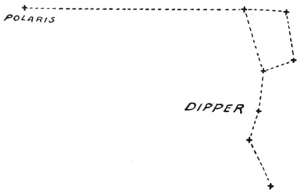
Fig. 3.—Chart of constellation Wa´-ba-ha (Ursa Major)
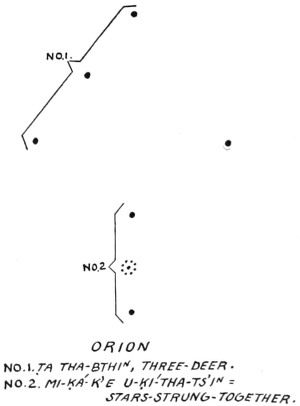
Fig. 4.—Chart of Ṭa Ṭha´-bthiN, Three Deer (in Orion)
In the Shoⁿ´-ge-moⁿ-iⁿ wi´-gi-e (The Taking of Life Symbols), the people of the Ṭsi´-zhu Wa-shta-ge gens implored four gods and four goddesses of the sky for permission to take from them “bodies” for their little ones. The people of the Ṭsi´-zhu Wa-noⁿ, in the wi´-gi-e recorded by Xu-thu´-wa-ṭoⁿ-iⁿ, entreated six gods and four goddesses of the sky for permission to take “bodies” from them for their little ones. The following is the order in which the Ṭsi´-zhu Wa-noⁿ people approached these ten sky deities, the order in which they paired them according to sex, and the terms of relationship they used in addressing them:
1. Wa-ḳoⁿ´-da Hoⁿ´-ba doⁿ, the God of Day (the Sun), grandfather, 2. Wa-ḳoⁿ´-da Hoⁿ doⁿ, the Goddess of Night (the Moon), grandmother.
3. Mi-ḳa´-ḳ’e Hoⁿ-baⁿ doⁿ, the Day-star (Morning star), grandfather, 4. Mi-ḳa´-ḳ’e Hoⁿ´ doⁿ, the Night-star (Evening star), grandmother.
5. Wa´-ba-ha, Litter, the Dipper (Great Bear), (fig. 3), grandfather, 6. Mi-ḳa´-ḳ’e u-ḳi-tha-ç’iⁿ, Double-star, grandmother.
7. Ṭa-p̣a´, Deer-head, Pleiades, grandfather, 8. Ṭa Tha´-bthiⁿ, Three-deer, the three great stars in Orion’s belt (fig. 4), grandmother.
9. Mi-ḳa´-ḳ’e Zhu-dse, Red-star, the Pole star, grandfather, 10. Shoⁿ-ge A-ga-k’e e-goⁿ, Dog-star, Sirius, grandfather.
The two wi´-gi-es do not agree as to the sexes of two of the sky deities. In the Ṭsi´-zhu Wa-shta-ge wi´-gi-e, Ṭa-p̣a´ (Pleiades) is addressed as grandmother and in that of the Ṭsi´-zhu Wa-noⁿ as grandfather. Ṭa-tha´-bthiⁿ, Three-deer, is addressed as grandfather in the Ṭsi´-zhu Wa-shta-ge wi´-gi-e and in that of the Ṭsi´-zhu Wa-noⁿ as grandmother.
The difference between the two wi´-gi-es in this respect was spoken of to Shoⁿ´-ge-moⁿ-iⁿ and he said: “We notice such mistakes in the tribal rites but controversy over them is always avoided by the Noⁿ´-hoⁿ-zhiⁿ-ga. Xu-tha´-wa-ṭoⁿ-iⁿ recited his wi´-gi-e correctly, and we recite ours as it was handed down to us. The Ṭsi´-zhu Wa-noⁿ, being a war people, mention in their wi´-gi-e their two war gods, the Red-star and the Dog-star; they address both as grandfather. We (the Ṭsi´-zhu Wa-shta-ge) are a peace people, therefore we do not mention those two gods in our child-naming ritual.”
First Child-naming Wi´-gi-e of the Ṭsi´-zhu Wa-noN Gens
The following is the first wi´-gi-e in the Child-naming Ritual of the Ṭsi´-zhu Wa-noⁿ, war gens, of the Ṭsi´-zhu great tribal division, as recited by Xu-tha´-wa-ṭoⁿ-iⁿ.
TAKING OF LIFE SYMBOLS 1
1. Verily, at that time and place, it has been said, in this house, 2. The Ṭsi´-zhu, a people who have seven fireplaces, spake to one another, 3. Saying: O, younger brothers, 4. The little ones have nothing of which to make their bodies. 5. Then, at that very time they spake 6. To the Sho´-ḳa Wa-ba-xi (the Chief Messenger), 7. Saying: O, younger brother, 8. The little ones have nothing of which to make their bodies, 9. Take heed and see what can be done. 10. Then, at that very time, 11. The Chief Messenger 12. Hastened to the 13. God of Day (the Sun), who sitteth in the heavens, 14. And returned with him to the people. 15. They spake to the God of Day, saying: O, grandfather, 16. The little ones have nothing of which to make their bodies. 17. Then, at that very time, 18. The God of Day quickly replied: It is well you sent for me. 19. Of all the groups of gods, 20. I am a god by myself. 21. The little ones shall make of me their bodies. 22. Even among the gods, 23. There is not one who has power to see my path. 24. When the little ones make of me their bodies, 25. Even among the gods 26. There is not one who shall be able to see their path, in life’s journey. 27. Even among the gods 28. There is not one who has power to cross my path. 29. When the little ones make of me their bodies, 30. Even among the gods 31. There is not one who shall be able to cross their path, in life’s journey. 32. Even among the gods 33. What one is there who can stand in my way to prevent my going? 34. When the little ones make of me their bodies, 35. Even among the gods 36. There is not one who shall be able to stand in their way to prevent their going. 37. I am not the only god, 38. Take heed and make further search.
2
39. Verily, at that time and place, it has been said, in this house, 40. The Chief Messenger 41. Hastened to the 42. Goddess of Night (the Moon), who sitteth in the heavens, 43. And returned with her to the people. 44. They spake to her, saying: O, grandmother, 45. The little ones have nothing of which to make their bodies. 46. Then, at that very time, 47. The Goddess of Night replied: It is well you sent for me. 48. Of all the groups of gods, 49. I am a god by myself. 50. Even among the gods 51. There is not one who has power to see my path. 52. When the little ones make of me their bodies, 53. Even among the gods 54. There is not one who shall be able to see their path. 55. Even among the gods 56. There is not one who has power to cross my path. 57. When the little ones make of me their bodies, 58. Even among the gods 59. There is not one who shall be able to cross their path. 60. Even among the gods 61. What one is there who can stand in my way to prevent my going? 62. When the little ones make of me their bodies, 63. Even among the gods 64. There is not one who shall be able to stand in their way to prevent their going. 65. I am not the only god, 66. Take heed and make further search.
3
67. Verily, at that time and place, it has been said, in this house, 68. The Chief Messenger 69. Hastened to the 70. Star of Day (the Morning Star), who sitteth in the heavens, 71. And returned with him to the people. 72. They spake to the Star of Day, saying: O, grandfather, 73. The little ones have nothing of which to make their bodies. 74. Then, at that very time, 75. The Star of Day replied: It is well you sent for me. 76. The little ones shall make of me their bodies. 77. Of all the groups of gods, 78. I am a god by myself. 79. The little ones shall make of me their bodies. 80. Even among the gods 81. There is not one who has power to see my path. 82. When the little ones make of me their bodies, 83. Even among the gods 84. There is not one who shall be able to see their path. 85. Even among the gods 86. There is not one who has power to cross my path. 87. When the little ones make of me their bodies, 88. Even among the gods 89. There is not one who shall be able to cross their path. 90. Even among the gods 91. What one is there who can stand in my way to prevent my going? 92. When the little ones make of me their bodies, 93. Even among the gods 94. There is not one who shall be able to stand in their way to prevent their going. 95. I am not the only god, 96. Take heed and make further search.
4
97. The Chief Messenger 98. Hastened to the 99. Star of Night (the Evening Star), who sitteth in the heavens, 100. And returned with her to the people. 101. They spake to her, saying: O, grandmother, 102. The little ones have nothing of which to make their bodies. 103. Then, at that very time, 104. The Star of Night replied: It is well you sent for me. 105. Of all the groups of gods 106. I am a god by myself. 107. When the little ones make of me their bodies, 108. Even among the gods 109. There is not one who shall be able to see their path, in their life’s journey. 110. Even among the gods 111. There is not one who has power to cross my path. 112. When the little ones make of me their bodies, 113. Even among the gods 114. There is not one who shall be able to cross their path, in their life’s journey. 115. Even among the gods 116. What one is there who can stand in my way to prevent my going? 117. When the little ones make of me their bodies, 118. Even among the gods 119. There is not one who shall be able to stand in their way to prevent their going. 120. I am not the only god, 121. Take heed and make further search.
5
122. Verily, at that time and place, it has been said, in this house, 123. The Chief Messenger 124. Hastened to the 125. Litter (Great Bear), who stands in the midst of the heavens, 126. And returned with him to the people. 127. They spake to Litter, saying: O, grandfather, 128. The little ones have nothing of which to make their bodies. 129. Then, at that very time, 130. The Litter replied: It is well you sent for me. 131. Of all the groups of gods, 132. I am a god by myself. 133. The little ones shall make of me their bodies. 134. Even among the gods 135. There is not one who has power to see my path. 136. When the little ones make of me their bodies, 137. Even among the gods 138. There is not one who shall be able to see their path, in their life’s journey. 139. Even among the gods 140. There is not one who has power to cross my path. 141. When the little ones make of me their bodies, 142. Even among the gods 143. There is not one who shall be able to cross their path. 144. Even among the gods 145. What one is there who can stand in my way to prevent my going? 146. When the little ones make of me their bodies, 147. Even among the gods 148. There is not one who shall be able to stand in their way to prevent their going. 149. I am not the only god, 150. Take heed and make further search.
6
151. Verily, at that time and place, it has been said, in this house, 152. The Chief Messenger 153. Hastened to 154. Ṭa-p̣a´, Deer-head (Pleiades), who stands in the heavens, 155. And returned with her to the people. 156. They spake to her, saying: O, grandmother, 157. The little ones have nothing of which to make their bodies. 158. Then, at that very time, 159. Deer-head replied: It is well you sent for me. 160. Of all the groups of gods 161. I am a god by myself. 162. Even among the gods 163. There is not one who has power to see my path. 164. When the little ones make of me their bodies, 165. Even among the gods 166. There is not one who shall be able to see their path. 167. Even among the gods 168. There is not one who has power to cross my path. 169. When the little ones make of me their bodies, 170. Even among the gods 171. There is not one who shall be able to cross their path. 172. Even among the gods 173. What one is there who can stand in my way to prevent my going? 174. When the little ones make of me their bodies, 175. Even among the gods 176. There is not one who shall be able to stand in their way to prevent their going. 177. I am not the only god, 178. Take heed and make further search.
7
179. Verily, at that time and place, it has been said, in this house, 180. The Chief Messenger 181. Hastened to 182. Ṭa Tha´-bthiⁿ, Three-deer (Orion’s belt), who sitteth in the heavens, 183. And returned with him to the people. 184. They spake to him, saying: O, grandfather, 185. The little ones have nothing of which to make their bodies. 186. Then, at that very time, 187. Three-deer replied: Of all the groups of gods, 188. I am a god by myself. 189. The little ones shall make of me their bodies. 190. Even among the gods 191. There is not one who has power to see my path. 192. When the little ones make of me their bodies, 193. Even among the gods 194. There is not one who shall be able to see their path. 195. Even among the gods 196. There is not one who has power to cross my path. 197. When the little ones make of me their bodies, 198. Even among the gods 199. There is not one who shall be able to cross their path. 200. Even among the gods 201. What one is there who can stand in my way to prevent my going? 202. When the little ones make of me their bodies, 203. Even among the gods 204. There is not one who shall be able to stand in their way to prevent their going. 205. I am not the only god, 206. Take heed and make further search.
8
207. Verily, at that time and place, it has been said, in this house, 208. The Chief Messenger 209. Hastened to 210. Mi-ḳa´-ḳ’e U-ḳi-tha-ç’iⁿ, Double-star (theta and iota in Orion), who sitteth in the heavens, 211. And returned with her to the people. 212. They spake to her, saying: O, grandmother, 213. The little ones have nothing of which to make their bodies. 214. Then, at that very time, 215. Double-star replied: It is well you sent for me. 216. Of all the groups of gods 217. I am a god by myself. 218. Even among the gods 219. There is not one who has power to see my path. 220. When the little ones make of me their bodies, 221. Even among the gods 222. There is not one who shall be able to see their path. 223. Even among the gods 224. There is not one who has power to cross my path. 225. When the little ones make of me their bodies, 226. Even among the gods 227. There is not one who shall be able to cross their path. 228. Even among the gods 229. What one is there who can stand in my way to prevent my going? 230. When the little ones make of me their bodies, 231. Even among the gods 232. There is not one who shall be able to stand in their way to prevent their going. 233. I am not the only god, 234. Take heed and make further search.
9
235. Verily, at that time and place, it has been said, in this house, 236. The Chief Messenger 237. Hastened to 238. Mi-ḳa´-ḳ´e Zhu-dse, Red-star (Pole star), who sitteth in the heavens, 239. And returned with him to the people. 240. They spake to him, saying: O, grandfather, 241. The little ones have nothing of which to make their bodies. 242. Red-star replied: It is well you sent for me. 243. Of all the groups of gods 244. I am a god by myself. 245. The little ones shall make of me their bodies. 246. Even among the gods 247. There is not one who has power to see my path. 248. When the little ones make of me their bodies, 249. Even among the gods 250. There is not one who shall be able to see their path. 251. Even among the gods 252. There is not one who has power to cross my path. 253. When the little ones make of me their bodies, 254. Even among the gods 255. There is not one who shall be able to cross their path. 256. Even among the gods 257. What one is there who can stand in my way to prevent my going? 258. When the little ones make of me their bodies, 259. Even among the gods 260. There is not one who shall be able to stand in their way to prevent their going. 261. I am not the only god, 262. Take heed and make further search.
10
263. Verily, at that time and place, it has been said, in this house, 264. The Chief Messenger 265. Hastened to 266. The side of the heavens 267. Where lay Shoⁿ´-ge, the Dog (Sirius), as though suspended in the sky, 268. And returned with him to the people. 269. They spake to him, saying: O grandfather, 270. The little ones have nothing of which to make their bodies. 271. Then, at that very time, 272. The Dog replied: The little ones shall make of me their bodies, 273. Behold my toes, that are gathered closely together, 274. I have not folded them together without a purpose. 275. I have made them to be a sign of old age. 276. When the little ones make of me their bodies, 277. When they become aged men, 278. In their toes, closely folded together, 279. They shall see the sign of old age. 280. Behold the folds of skin on my ankle. 281. I have not put them there without a purpose. 282. I have made them to be a sign of old age. 283. When the little ones make of me their bodies, 284. When they become aged men, 285. In the skin of their ankles, gathered in folds, 286. They shall see the sign of old age. 287. Behold the flaccid muscles of my thigh. 288. They have not become flaccid without a purpose. 289. I have made them to be a sign of old age. 290. When the little ones make of me their bodies, 291. When they become aged men, 292. They shall see in the flaccid muscles of their thighs the sign of old age. 293. Behold my shoulders, that are drawn close together. 294. They are not drawn together without a purpose. 295. I have made them to be a sign of old age. 296. When the little ones make of me their bodies, 297. When they become aged men, 298. They shall see in their shoulders drawn together the sign of old age. 299. Behold the flaccid muscles of my throat. 300. They have not become flaccid without a purpose. 301. I have made them to be a sign of old age. 302. When the little ones make of me their bodies, 303. When they become aged men, 304. They shall see in the flaccid muscles of their throat the sign of old age. 305. Behold the folds of the corners of my mouth. 306. They are not put there without a purpose. 307. I have made them to be a sign of old age. 308. When the little ones make of me their bodies, 309. When they become aged men, 310. They shall see in the corners of their mouth the sign of old age. 311. Behold the folds in the corners of my eyes. 312. They are not put there without a purpose. 313. I have made them to be a sign of old age. 314. When the little ones make of me their bodies, 315. When they become aged men, 316. They shall see in the corners of their eyes the sign of old age. 317. Behold the tip of my nose. 318. It is not placed there without a purpose. 319. I have placed it there for chasing away other gods. 320. I use it for keeping other gods from entering my house. 321. When the little ones make of me their bodies, 322. They shall use it to chase away other gods, as they travel the path of life. 323. Behold the hair on the crown of my head grown thin. 324. It has not grown thin without a purpose. 325. I have made it to be a sign of old age. 326. When the little ones make of me their bodies, 327. When they become aged men, 328. They shall see in their whitened hair 329. The sign of old age, as they travel the path of life. 330. There comes a time 331. When a calm and peaceful day comes upon me, 332. So there shall come upon the little ones a calm and peaceful day, as they travel the path of life.
The most important wi´-gi-es (recited parts of a ritual) used in the child-naming rituals are those which relate to the life symbols of a gens, such as the sun, the moon, the morning and evening stars, night and day, deer, elk, bear, etc., which are called wa-zho´-i-ga-the, objects of which bodies are made; and those which relate to the personal, sacred names adopted by a gens to be used by its members for their children. The wi´-gi-e relating to the life symbols are usually recited at the beginning of the ceremony. (See wi´-gi-e of the Ṭsi´-zhu Wa-shta-ge gens, p. 60.) The name wi´-gi-es, called Zha´-zhe Ḳi-ṭoⁿ (Zha´-zhe, name; Ḳi-ṭoⁿ, the taking of), are recited when all the Noⁿ´-hoⁿ-zhiⁿ-ga who were invited to take part in the ceremony of the conferring of a name upon a child have assembled. The life-symbol and the name-taking wi´-gi-es are paraphrases of the mythical stories of the origin of the people of a gens. These mythical origin stories are called Ni´-ḳi-e, freely translated, Sayings of the Ancient Men.
Xu-tha´-wa-ṭoⁿ-iⁿ (pl. 7), of the Ṭsi´-zhu Wa-noⁿ gens of the Ṭsi´-zhu great tribal division, recorded the life symbol wi´-gi-e of his gens (see pp. 75-84) but he declined to give the wi´-gi-e of the sacred gens names. However, these names appear in the Wi´-gi-e Ṭoⁿ-ga, Great Wi´-gi-e (36th Ann. Rept. Bur. Amer. Ethn., pp. 254-269), which are here given in their order, as follows:
1. ’Iⁿ-çka´, White Rock. In the origin story of this gens the people came down from the sky, as eagles, to the earth and alighted upon seven trees. Thence:
36. They moved onward over the earth. 37. They came to the top of a rocky cliff, 38. Close to it they came and paused, 40. They spake to one another, saying: White Rock 41. We shall make to be a personal name for ourselves.
—(36th Ann. Rept. Bur. Amer. Ethn., p. 255.)
2. Moⁿ´-hiⁿ Wa-ḳoⁿ´-da, Mysterious Knife. From the White Rock the people went forth to wander over the earth. They thought to make for themselves a knife for ceremonial use. The Sho´-ḳa went again and again to find the right kind of stone of which to make the knife. He brought home the red flint, the blue flint, the flint streaked with yellow, the black flint and the white flint, one after the other, each of which was rejected as being unfit for use by the little ones as a knife. Finally he brought home a round-handled knife which was accepted as suitable for the purpose. Then followed the idea of the people of making a magical war club for ceremonial use. The Sho´-ḳa went in search for the right kind of tree out of which to make it. He brought to the elder brothers the hickory tree, the thick-barked hickory tree, the red oak tree, the red wood tree, the dark wood tree, each of which was rejected as being unsuitable for use as a club. Then he brought to them the willow tree, a tree that never dies. This the elder brothers accepted as eminently fitted for use as a club, and:
BUREAU OF AMERICAN ETHNOLOGY FORTY-THIRD ANNUAL REPORT PLATE 7
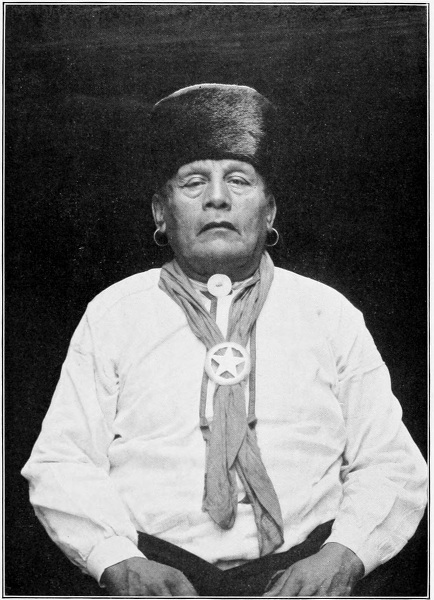
XU-THA´-WA-ṬON-IN (ṬSI´-ZHU WA-NON GENS)
BUREAU OF AMERICAN ETHNOLOGY FORTY-THIRD ANNUAL REPORT PLATE 8
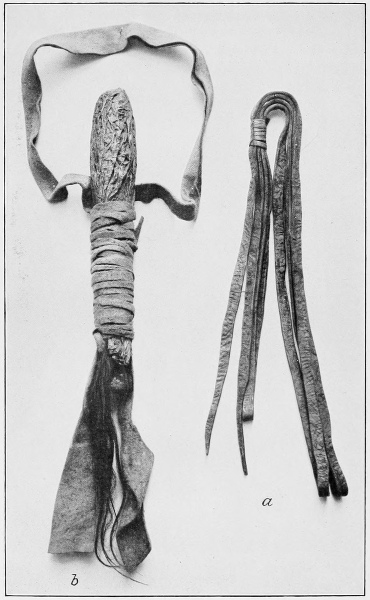
STRAPS FOR TYING CAPTIVES
268. Their round-handled-knife 269. They quickly took from its resting place, 271. And spake, saying: It is a fear-inspiring knife, 272. Verily, it is a mysterious knife. 273. Mysterious-knife 274. The little ones shall take as their personal name. 276. They lifted the round-handled knife 277. And quickly stabbed with it the body of the willow tree. 278. Then from its wound its life-blood streamed forth.
—(36th Ann. Rept. Bur. Amer. Ethn., p. 261.)
3. We´-thiⁿ-ça-gi, Strong-strap. With the mysterious knife the people shaped out of the “tree-that-never-dies” a mystic club. Taking with them the knife and the club they went in search of a buffalo and found one. On coming in sight of the animal they brandished the magic weapon four times in the air and the buffalo fell lifeless to the ground:
511. The skin of the (left) hind leg 512. They cut into a narrow strip, 514. And said: Verily the skin stretches not, 515. We shall make use of it as we travel the path of life. 517. Verily, it is a strong strap, 519. We shall consecrate it for ceremonial use, 520. Therefore Strong-strap 521. We shall make to be our sacred personal name.
—(36th Ann. Rept. Bur. Amer. Ethn., pp. 267-268.)
4. We´-thiⁿ-ga-xe, Strap-maker. By the cutting of the first strap out of the skin of the left hind leg of the magically killed buffalo the people of the Ṭsi´-zhu Wa-noⁿ gens created for themselves the office of making the straps (pl. 8) for the warriors for the tying of captives when any are taken. As they continued to cut out the strap they said:
523. Strap-maker, also, 524. We shall make to be our sacred personal name.
—(36th Ann. Rept. Bur. Amer. Ethn., p. 268.)
5. Wé-thiⁿ-zhiⁿ-ga, Slender-strap. The strap they made out of the skin of the left hind leg of the animal was long and slender, and when they had finished it,
526. They said: Slender-strap, also, 527. We shall make to be our sacred personal name. 549. The skin of the left side 550. They cut in a circle, 552. And seven slender straps 553. They made of it for the Ṭsi-zhu who possesses seven fireplaces, 554. One for each fireplace, 556. And they said: We shall consecrate these straps for ceremonial use.
—(36th Ann. Rept. Bur. Amer. Ethn., pp. 268-269.)
These seven straps cut from the left side of the buffalo were to serve as types for similar straps to be ceremonially made for each of the other gentes of the tribe when about to go to war, to use in tying captives.
6. He-thi´-shi-zhe, Curved-horn. As the people saw the horns of the buffalo they exclaimed:
558. Behold the left horn, 559. We shall consecrate it for ceremonial use, 561. Therefore Curved-horn, also, 562. We shall make to be our sacred personal name.
—(36th Ann. Rept. Bur. Amer. Ethn., p. 269.)
7. He-thi´-zha-ge, Outspread-horns. The people noticed that the horns of the buffalo stood wide apart and outspread and so they exclaimed:
564. Outspread-horns, also, 565. We shall make to be our sacred personal name. 566. And they said, again: Behold the left horn, 568. We consecrete it for ceremonial use.
—(36th Ann. Rept. Bur. Amer. Ethn., p. 269.)
Personal names relating to any of the life symbols of a gens serve to keep the members informed of their place in the gentile and tribal organization. For example: Men who were given such names as Ho-çoⁿ´, White-fish; To´-ho-ho-e, Blue-fish; and Ho´-ḳi-e-çi, Wriggling-fish, know that they are members of the Ho´-i-ni-ḳa-shi-ga, Fish-people, gens whose life symbol is the Fish, and that the place of their gens is in the Wa-zha´-zhe, the first of the two subdivisions of the Hoⁿ´-ga great tribal division which symbolizes the earth. The Wa-zha´-zhe subdivision typifies the water portion of the earth.
Those who were given such names as O´-poⁿ-ṭoⁿ-ga, Great-elk; Moⁿ´-thiⁿ-ḳa-ga-xe, Maker-of-the-land; and Moⁿ-zhoⁿ´-ga-xe, Maker of-the-earth, know that they are members of the Elk gens whose life symbol is the male elk (36th Ann. Rept. Bur. Amer. Ethn., p. 165, lines 274 to 354) and that the place of their gens is with the Hoⁿ´-ga, the second of the two subdivisions of the Hoⁿ´-ga great tribal division which symbolizes the earth. The Hoⁿ´-ga subdivision typifies the land portion of the earth.
Men who bear the names P̣i-çi´, Acorn; U-bu´-dse, Profusion; and Noⁿ-bu´-dse, Profusion (by the treading of the eagles on the branches of the red oak tree) know that they are members of the Ṭsi´-zhu Wa-shta-ge (Peacemaker) gens, that the life symbol of their gens is the red oak tree, the emblem of fruitfulness, and that the place of their gens in the tribal organization is with the Ṭsi´-zhu, the second of the two great tribal divisions which symbolizes the sky, including the sun, moon and stars that move therein. (See 36th Ann. Rept. Bur. Amer. Ethn., p. 281, lines 111 to 120.)
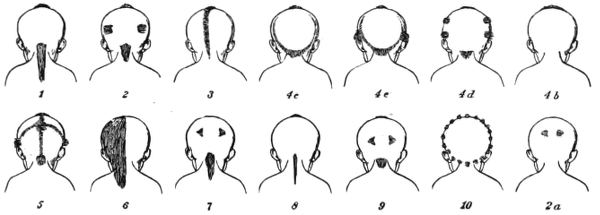
Fig. 5.—Totemic cut of the Omaha boys’ hair. No. 1 is typical of the head and tail of the elk. No. 2 symbolizes the head, tail, and horns of the buffalo. No. 2a—the children of this subgens and those of the Ni-ni´-ba-toⁿ subgens of other gentes have their hair cut alike; the locks on each side of the bared crown indicate the horns of the buffalo. No. 3 represents the line of the buffalo’s back as seen against the sky. No. 4b stands for the head of the bear. No. 4c figures the head, tail, and body of small birds. No. 4d, the bare head, represents the shell of the turtle; and the tufts, the head, feet, and tail of the animal. No. 4e pictures the head, wings, and tail of the eagle. No. 5 symbolizes the four points of the compass connected by cross lines; the central tuft points to the zenith. No. 6 represents the shaggy side of the wolf. No. 7 indicates the horns and tail of the buffalo. No. 8 stands for the head and tail of the deer. No. 9 shows the head, tail, and knobs of the growing horn of the buffalo calf. No. 10 symbolizes reptile teeth. The children of this gens sometimes have the hair shaved off so as to represent the hairless body of snakes.
The Gentile Hair Cut of Children
Another custom, akin to the taking of personal gentile names, was originated by the ancient Noⁿ´-hoⁿ-zhiⁿ-ga, that of the adoption by each of the various gentes of the tribe of a particular style of hair cut for the young children to typify one of the life symbols of the gens. (Fig. 5.) The style adopted by the Hoⁿ´-ga gens of the Hoⁿ´-ga tribal subdivision for their children was that of cutting nearly all the hair of the head close to the skin, leaving an unbroken fringe along the entire edge. (Fig. 6.) The story of its adoption is best told in the wi´-gi-e of the gens, a paraphrase of which is here given:
THE WI´-GI-E
The Hoⁿ´-ga, a people who possess seven fireplaces, spake to one another, Saying: O, younger brothers, The little ones have nothing of which to make their bodies. Then to the Hoⁿ´-ga A-hiu-ṭoⁿ (Winged Hoⁿ´-ga) they spake, Saying: O, elder brother! and stood in mute appeal. In quick response the Winged Hoⁿ´-ga set forth in haste To a deep and miry marsh, To the Little Rock who sitteth firmly upon the earth. Close to the Little Rock he stood and spake, Saving: O, Grandfather! Our little ones have nothing of which to make their bodies. The Little Rock spake in quick response: I am a person of whom the little ones may well make their bodies. Thereupon the Winged Hoⁿ´-ga hastened back to his brothers to whom he spake, Saying: O, younger brothers, a Little Rock sits yonder. Then, with heads bent thitherward, The younger brothers set forth in haste To the Little Rock who sitteth firmly upon the earth, in the marsh. Around him they gathered, close to him they stood as they spake To the Little Rock sitting with algae floating about him, like locks of hair blowing in the wind. (Fig. 6.) O, Grandfather! they said to him, Our little ones have nothing of which to make their bodies. The Little Rock made reply: I am a person who is difficult to be overcome by death. When your little ones make of me their bodies, They shall always be difficult to overcome by death. Behold the locks that float about the edges of my head. When the little ones reach old age, Their locks shall float about the edges of their heads. The little ones shall always live to see their locks grown scant with age. The younger brothers spake, saying: Close to the God of Day who sitteth in the heavens, We shall place the Little Rock.3 When our little ones make of the Little Rock their bodies, Of the God of Day also Our little ones shall make their bodies. The four days, The four great divisions of the days (the four stages of life), The little ones shall always reach and enter, They shall always live to see old age.
This style of hair cut is called ḳonⁿ´-ha-u-thi-stse (ḳoⁿ´-ha, along the edge; u-thi-stse, a line left uncut), meaning an unbroken line of hair left uncut along the entire edge.
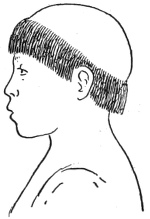
Fig. 6.—Symbolic hair cut of the Hoⁿ´-ga gens
At a festival being held at the Indian village near the town of Pawhuska, old Saucy-calf called the writer’s attention to a little boy who was playing hide-and-seek with other youngsters and said: “Look at the way his hair is cut (fig. 6); that is the Hoⁿ´-ga A-hiu-ṭoⁿ hair cut. That style is called ḳoⁿ´-ha-u-thi-stse. Xu-tha´-pa, Eagle-head, better known as Ben Wheeler, a young man who sat near us, looked up and said: “That’s my little boy; I cut my children’s hair like that.” Saucy-calf then explained that the act of the parents in cutting the hair of the child in that prescribed fashion was an implied petition to Wa-ḳoⁿ´-da to permit the little one to live to see old age without obstruction of any kind.
Hair Cut of the Ṭsi´-zhu Wa-shta-ge Gens
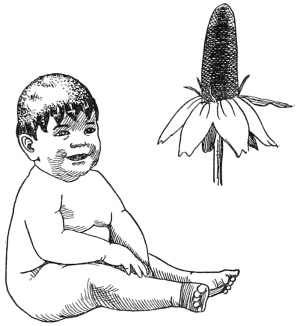
Fig. 7.—Symbolic hair cut of the Ṭsi´-zhu Wa-shta-ge gens
The people of the Ṭsi´-zhu Wa-shta-ge (Peacemaker) gens, who occupied the most important and honored place in the great tribal division representing the sky and all that it contains, adopted the ḳoⁿ´-ha-u-thi-stse style of hair cut for their little ones, which varied slightly from the styles used by the Hoⁿ´-ga. In the Ṭsi´-zhu Wa-shta-ge symbolic hair cut the line of hair left uncut along the edge is divided into little locks to typify the petals of the cone-flower, which is the sacred flower of the gens (fig. 7).
Shoⁿ´-ge-moⁿ-iⁿ, in speaking of the symbolic hair cut of the children of his gens, the Ṭsi´-zhu Wa-shta-ge, told the following mythical story of its origin:
In the beginning the Ṭsi´-zhu people came down, in the form of eagles, from the upper to the lower world. As they came in sight of the earth they beheld a large red oak tree. They soared down to it and alighted upon its topmost branches. The shock of their weight sent to the ground a shower of acorns which scattered around the foot of the tree, whereupon they said: We shall make of this tree our life symbol; our little ones shall multiply in numbers like the seeds of the oak that fall to the earth in countless numbers. The eagles that crowded upon the top branches of the oak became a people whose thoughts dwelt upon war, but two of the eagles found no resting place on the outspreading branches of the great oak and were obliged to drop to the earth. One alighted on a larger elder tree and his people became known as Ba´-po, people of the elder tree. The other eagle alighted upon the ground in the midst of a patch of little yellow flowers which his people made to be their life symbol and their emblem of peace. The people cut the hair of their children in such fashion as to make their heads resemble the little yellow flower, the emblem of peace. (Fig. 7.) This yellow flower is called Ba-shta´, Hair-cut. It is the Ratibida columnaris.
A paraphrase of the wi´-gi-e of the Xu-tha´-zhu-dse, Red Eagle, gens in which the “little yellow flower,” the emblem of peace, is mentioned, is here given.
Paraphrase of the Wi´-gi-e of the Red Eagle Gens
PEACEFUL DAY IS MY NAME
Verily, my abode is in the days that are calm and peaceful. When the little ones make of me their bodies (their life), They shall become a people of the days that are ever serene. From each of the great gods, I verily remove all traces of anger and violence. When the little ones make of me their bodies, They shall have power to remove from the gods All anger and the desire for destruction. From the god of the lower world (the earth); From the god of light who standeth in the midst of heaven; From the god of the upper world (the over-arching sky), I have power to remove all anger and violence. When the little ones make of me their bodies, They also shall have power to remove from the gods all anger. When the little ones of the Wa-zha´-zhe (subdivision), And those of the Hoⁿ´-ga (subdivision), Make of me their bodies, They shall have power to remove from all lands, All anger, hatred and violence.
NO-ANGER IS ALSO MY NAME
I am a person of whom the little ones may well make their bodies. My abode is in the midst of the earth’s warm, quivering air. When the little ones make of me their bodies, They shall become a people of the earth’s quivering air. Verily, in the days that are gentle and peaceful, I make my abode. When the little ones make of me their bodies, They shall become a people of the days that are gentle and peaceful. Of a little yellow flower I have made my body. The little Ba-shta´, that stands amidst the winds, I have made to be my body. When the little ones make of the Ba-shta´ their bodies, They shall ever live together without anger, without hatred.
Ṭoⁿ-woⁿ-i´-hi-zhiⁿ-ga, Little Ṭoⁿ-woⁿ-i´-hi, in speaking to Miss Fletcher in 1898 of the Osage gentile system, said that there are five subgentes in the Ṭsi´-zhu Wa-shta-ge gens, namely:
1. Ṭsi´-u-çkoⁿ-çka, House in the center, meaning the Sanctuary in the keeping of this gens which, figuratively, stands in the center of the earth.
2. Ba´-po, Elder, or, People of the elder trees.
3. Moⁿ´-ça-hi, Arrow-tree, or, People of the arrow tree.
4. Zhoⁿ-çoⁿ´, White-tree (Sycamore), or, People of the white tree.
5. Sho´-ḳa, Messengers, or, People from whom a ceremonial messenger is chosen for the gens. Sometimes this gens is called Ṭsi´-u-thu-ha-ge, Last group of houses.
It is from the people of the Ṭsi´-u-çkoⁿ-çka that the hereditary chief of the Ṭsi´-zhu great tribal division must always be chosen. The Ba´-po subgens has the office of making the stem for the ceremonial peace pipe of the Ṭsi´-zhu Wa-shta-ge. The stem must always be made of the Ba´-po, the elder tree. The people of the Arrow-tree and the Sycamore gentes have lost the significance of their life symbols. All of these five subgentes use the cone-flower symbolic hair cut.
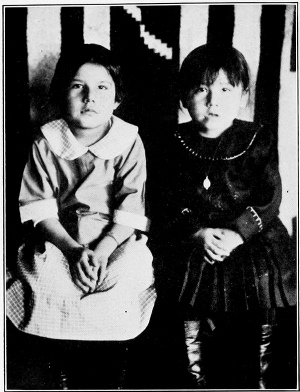
There is something pathetic in the passing away of these ancient rites and customs which the Osage Indians had treasured from the earliest times of their tribal existence. Joe Shoⁿ´-ge-moⁿ-iⁿ, like his father, had respect and reverence for the religious thoughts of his ancestors which they had expressed in symbols and rituals with ceremonial forms and handed down. Joe had two little daughters (pl. 9, a) upon whom he bestowed a large share of his affections. He not only gave to each of them a sacred name of his gens, but, from year to year, as they approached womanhood, he cut their hair to typify the sacred flower of peace and happiness, an act which implied a supplication to Wa-ḳoⁿ´-da to bless each little one with a long and fruitful life. At the last symbolic hair cut the children had reached school age and they willingly went to the house of learning. The white children with whom they mingled hooted and jeered at them for their strange hair cut and made them unhappy. When they came home they told their father of their unkind treatment at the school. The fond father quietly took a pair of shears and cut away from each little head the symbolic locks.
Little Ṭoⁿ-woⁿ´-i-hi also stated that there was another style of symbolic hair cut called çiⁿ´-dse-a-gthe, tails worn on the head, which belongs to the Ṭsi´-zhu Wa-noⁿ, the principal war gens of the Ṭsi´-zhu great tribal division, which he described as: All of the hair of the head cut close but leaving uncut a row of three locks, equidistant apart, beginning at the crown of the head and ending near the edge of the hair at the back of the head. (Fig. 8.) This style of hair cut symbolizes all animals of the dog family, including the gray wolf, the coyote, and the domestic dog. It also symbolizes a star called Shoⁿ´-ge a-ga-ḳ’e e-goⁿ, Dog that lies suspended in the sky (Sirius).
The Dog Star is mentioned in the Child-naming Wi´-gi-e of the Ṭsi´-zhu Wa-noⁿ gens, bearing the title Wa-zho´-i-ga-the Wi´-gi-e, Taking of Life Symbols, given by Xu-tha´-wa-ṭoⁿ-in. (See p. 82, sec. 10 of the wi´-gi-e.)
Little Ṭoⁿ-woⁿ´-i-hi said that the Wa-ça-be-ṭoⁿ, Black Bear gens of the Hoⁿ´-ga great division, had a similar style of hair cut as that of the Ṭsi´-zhu Wa-noⁿ gens. Wa-xthi´-zhi said that the Puma gens also had the same style of hair cut.
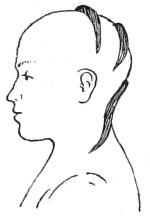
Fig. 8.—Hair cut of the Ṭsi´-zhu Wa-noⁿ and Wa-ça´-be (Black Bear) gentes
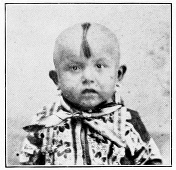
The symbolic hair cut of the Ni´-ḳa Wa-ḳoⁿ-da-gi gens, Men of Mystery, is: hair of the head all cut close excepting a lock left uncut on the crown of the head (pl. 10, a) and a lock at the back of the head near the edge, which does not show in the picture. The life symbol of this gens is the hawk and the hair cut represents this raptorial bird which was adopted by all of the gentes of both the Hoⁿ´-ga and the Ṭsi´-zhu great tribal divisions as an emblem of courage for their warriors.
The name of the boy whose picture shows the hair cut of his gens is Gthe-doⁿ´-çka, White-hawk (Gthe-doⁿ, hawk; çka, white). It is the name that belongs to the second son in a family of this gens. His father’s name is Noⁿ´-ḳa-ṭo-ho, Blue-back (Noⁿ´-ḳa, back; ṭo-ho, blue), a name referring to the blue-backed hawk. White-hawk’s mother is Xi-tha´-doⁿ-wiⁿ, Good-eagle-woman, daughter of Shoⁿ´-ge-moⁿ-iⁿ of the Ṭsi´-zhu Wa-shta-ge gens.
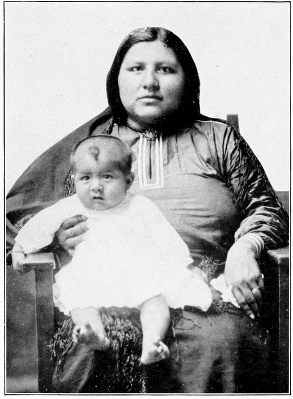
The style of symbolic hair cut adopted by the Tho´-xe gens is of the Çiⁿ´-dse A-gthe class and is described as, hair on entire head cut close excepting a little tuft left uncut just over the middle of the forehead, and a fringe running across the crown of the head from one ear to the other as shown in the picture (pl. 10, b); two tufts, one on either side of the head back of the fringe, and a tuft just above the nape of the neck, which do not show in the picture. This style of cut represents the buffalo bull, the principal life symbol of the gens.
BUREAU OF AMERICAN ETHNOLOGY FORTY-THIRD ANNUAL REPORT PLATE 9
a
b
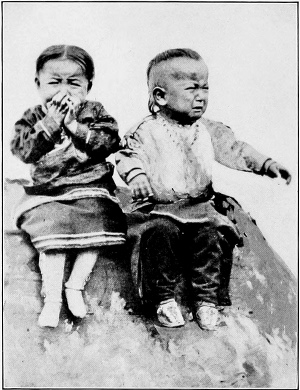
FOUR OSAGE CHILDREN
BUREAU OF AMERICAN ETHNOLOGY FORTY-THIRD ANNUAL REPORT PLATE 10
a
b
CHILD’S HAIR CUT OF THE THO-XE AND NI´-ḲA WA-ḲON-DA-GI GENTES
BUREAU OF AMERICAN ETHNOLOGY FORTY-THIRD ANNUAL REPORT PLATE 11
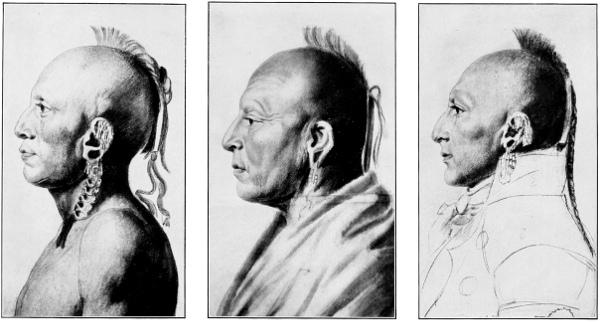
MEN, SHOWING HAIR CUT OF ADULT OSAGES
BUREAU OF AMERICAN ETHNOLOGY FORTY-THIRD ANNUAL REPORT PLATE 12
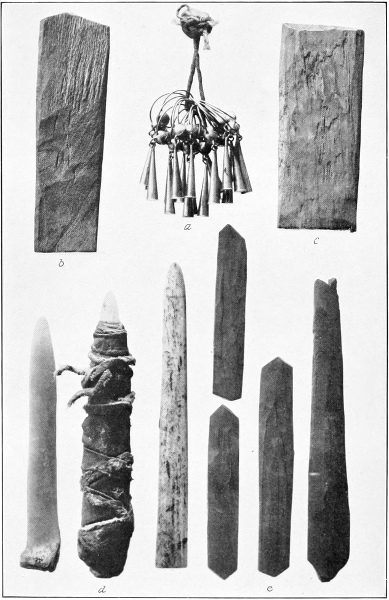
BONE EAR PERFORATORS AND EXPANDERS
The two gentes, the Ni´-ḳa Wa-ḳoⁿ-da-gi and the Tho´-xe, are closely related, being joint custodians of the rites pertaining to war. (See 36th Ann. Rept. Bur. Amer. Ethn., pp. 64-65.) The symbolic hawks, each of which formed the central figure in the ceremonies of the war rites, were regarded as being in the special care of the Ni´-ḳa Wa-ḳoⁿ-da-gi, while all of the thirteen o-doⁿ´, military honors, to be won by each warrior of the tribe in order to secure ceremonial rank, belonged to the Tho´-xe. The war honor must be won in a fight by a war party carrying a hawk, the tribal emblem of courage. The places of these two gentes are on the Ṭsi´-zhu side of the two great tribal divisions, but they are not of the seven fireplaces of that great division.
In the Ṭsi´-zhu Wi´-gi-e recited by Moⁿ-zhoⁿ-a´-ḳi-da (36th Ann. Rept. Bur. Amer. Ethn., pp. 277-285), relating to the mythical story of the descent of the people from the upper to the lower world, these two gentes are mentioned. A paraphrase of this part is here given:
Paraphrase of Wi´-gi-e Relating to the Ni´-ḳa Wa-ḳoⁿ-da-gi and the Tho´-xe Gentes
The Messenger Then hastened down To the fourth division of the heavens, Close to it he stood and paused And lo, Ni´-ḳa Wa-ḳoⁿ-da-gi, Man of Mysteries, Appeared before him. The Messenger turned and said to his followers: Here stands a man, Verily, one who inspires fear. I truly believe his name is, Fear-inspiring. The Man of Mysteries spake, saying: I am a person of whom your little ones may well make their bodies. When your little ones make of me their bodies, They shall be free from all causes of death. They shall take the name Little-hawk, To use as their personal name, Then shall they be able to live to see old age. Woman-hawk Is also a name that I have. Your little ones shall use it as their personal name, Then shall they be able to live to old age. The Messenger quickly passed on To Tho´-xe, who appeared in the form of a buffalo bull. Close to him the Messenger stood and spake, Saying: O, Grandfather! Then, turning toward his followers, he said: Here stands a man, Verily, a man who inspires fear. Then Tho´-xe spake, saving: I am a person of whom your little ones may well make their bodies. Thereupon he threw himself upon the earth, And the blazing star, a purple flower, Sprang up from the soil and stood, pleasing to the sense of sight. And Tho´-xe spake, saying: This plant shall be medicine for your little ones, It shall make their limbs to lengthen in growth, And they shall be able to live to see old age. Again Tho´-xe threw himself upon the earth And the poppy mallow Sprang from the soil and stood, beautiful, in its red blossoms. Then Tho´-xe spake, saying: Of this plant also, Your little ones shall make their bodies, They shall use it as medicine And it shall make their limbs to lengthen in growth. It is astringent to the taste, Therefore you shall name your little ones Astringent. When the little ones make of this plant their bodies, They shall be able to live to see old age.
At the time this work was begun the greater portion of the Osage people had practically ceased to observe the ancient custom of cutting the hair of their children in the prescribed symbolic fashion, and those who continued the practice were reluctant to speak of it on account of its sacred and mysterious character. For this reason it was not possible to make an exhaustive study of the hair cut of the various gentes of the tribe. In the days when the rite was generally and strictly observed the girl, when she had attained the age of ten, was permitted to let her hair grow long, and the boy was allowed to wear his hair in the same style as that of all the grown men; that is, all the hair of the head cut close excepting a crest beginning at the middle of the crown and terminating with a long braided tail called he-ga´-xa, horn, that hangs down the back of the head and on the shoulder. (Pl. 11.) The braided tail is called “a´-çku” by the Omaha and the Ponca Indians.
The Ponca and the Omaha, who were at one time a part of the Osage tribe, also had the same tribal custom of ceremonially cutting the hair of the children. The ritual used in the ceremony is a supplication to Wa-ḳoⁿ´-da to favor the child with a long and fruitful life.
In the course of her ethnological work among the Omahas in the years 1881-83, Miss Alice C. Fletcher undertook to gather information about the symbolic hair cut of the children of that tribe. At first she made slow progress because the Indians were unwilling to speak of matters that form a part of the tribal rites. One day, at the house of Xo´-ga, the members of the family and some visitors were speaking of Miss Fletcher’s difficulty in gathering information about the hair cut, when the old man caught his little boy and, holding him fast between his knees, proceeded to cut his hair. The little fellow fought manfully but in a short time he stood with his head closely sheared, with locks left uncut here and there. The father swung the boy to his back and as he started to go he said: “That white woman is my friend and I am going to help her.” He carried the child to Miss Fletcher and as he put him down before her he said, “That’s the hair cut of our gens. (See fig. 5, No. 2.) It is the picture of a bison; you can’t see it [the bison] but we can. You may make a sketch of it and write about it as much as you like.” The lady looked for a moment in silence at the locks and the little shorn head, then, with a hearty laugh and a handclap, she snatched up paper and pencil to make a sketch of the locks and the shorn head, to the delight of all the Indians present. Thereafter she had no trouble in getting information about the hair cut of all the gentes.
Fondness of Personal Adornment
Like their relatives, the Omaha and the Ponca, the Osage people have a fondness for personal adornment. Much paint is used in decorating the face and body. Most of the lines and figures drawn upon the face and body are symbolic, as, for instance, a woman paints the parting of her hair almost daily. The red line symbolizes the path of the sun which forever passes over the earth and gives to it vitality. It is a sign of supplication for the continuity of life by procreation. Or, a man of the Life-giver gens paints his face all yellow with a narrow black line running diagonally across his face from one corner of his forehead down to the lower jaw on the opposite side. This is the life sign ceremonially put upon a captive when the word is passed by the Life-giver gens that the captive shall be permitted to live. A downy feather worn upright on the crown of the head by a man symbolizes the sun which brings life to the earth in material form. The white shell gorget which a man wears as a pendant on his necklace is also a symbol of the life-giving sun.
Ear Perforating
Down to recent times the Osage men have been sacrificing the shapeliness of their external ears to the gratification of their fondness for adornment. In ordinary times, and particularly on festal days, the Osage men weighted their ears with strings of wampum or other ornaments made of bone or shells and silver earbobs which were introduced by traders. The weight of the earrings and the crowding of the holes in the ears with the rings enlarge the perforations to an extraordinary size. (Pl. 11.) The holes, which are bored along the rim of the pinna, were made by the same men who performed the ceremony connected with the perforating. These men provided themselves with perforating instruments made of sharpened bone, wooden expanders, and little blocks of wood against which the ear is pressed when performing the operation. (Pl. 12.) For a long time Wa´-thu-xa-ge and Ṭsi´-zhu-zhiⁿ-ga held this office. The former died a few years ago. Both of these men were members of the Peace gens of the Ṭsi´-zhu great tribal division. An Osage was asked why the ears of the children were bored and he replied that the children whose ears were bored were apt to be better behaved than those whose ears were not perforated.