Part 1 — Chapter 7. Scouting Fire Teams
Reading edition
Upon completion of individual training, a Marine adapts this training to the functioning of the unit. The basic tactical unit for scouting is the fire team. Within the fire team, scouts normally work in pairs to furnish security and gather information. Information gathered by the individual scouts is passed to the fire team leader.
7001. POSITIONING
When a rifle platoon in the approach march is not preceded by adjacent units (left, right, front, and rear), it employs its own scouting elements. The scouting element for a platoon is usually one fire team; however, an entire squad may be used.
A fire team used as a scouting element is called a scouting fire team and is controlled by the platoon commander, assisted by the squad leader. A squad leader whose squad is providing the scouting fire teams normally marches near the platoon commander to assist in the control of the scouting fire teams.
A scouting fire team moves aggressively to cover the front of the advancing platoon and to locate the enemy’s position(s). It generally moves in a wedge or skirmisher’s formation. Normally, a scouting fire team is deployed on a frontage of 50 to 75 meters (10 to 17 meters between each individual scout). The entire squad may be employed to cover a wider frontage. The platoon commander coordinates the movement of the scouting fire team(s) so as to protect the main body of the platoon from enemy fire from points within 400 to 600 meters away, or in close terrain from points within the limits of enemy observation.
Scouting fire team(s) should have enough firepower to overcome resistance from small enemy advanced posts and patrols; the intent is to make enemy riflemen and machine gunners open fire and disclose their positions. Without scouts in advance, the platoon may move into areas where enemy fire may prevent further advance or maneuver and inflict heavy casualties (see fig. 7-1).
Scouting fire teams are covered by the platoon or, when the platoon is masked, the fire team leader ensures individual scouts are maneuvered and coordinated so that the fire team covers its own advance. The fire team leader constantly watches for signals from the platoon commander and remains in visual contact at all times.
The distance between the scouting fire team and the platoon is terrain-dependent. The scouting fire team should not be beyond visibility of the platoon. In open terrain, the platoon commander usually directs the scouting fire team to move by bounds along a succession of locations designated by the platoon commander as intermediate objectives.
Individual scouts should advance as stealthily as possible, while remaining consistent with their mission of reconnaissance to the front, taking advantage of cover without delaying the advance. An occasional glimpse of scouts constantly advancing over a wide front can make the enemy uneasy. It is this activity, and not the target the scouts offer, that may cause the enemy to open fire and disclose its location.
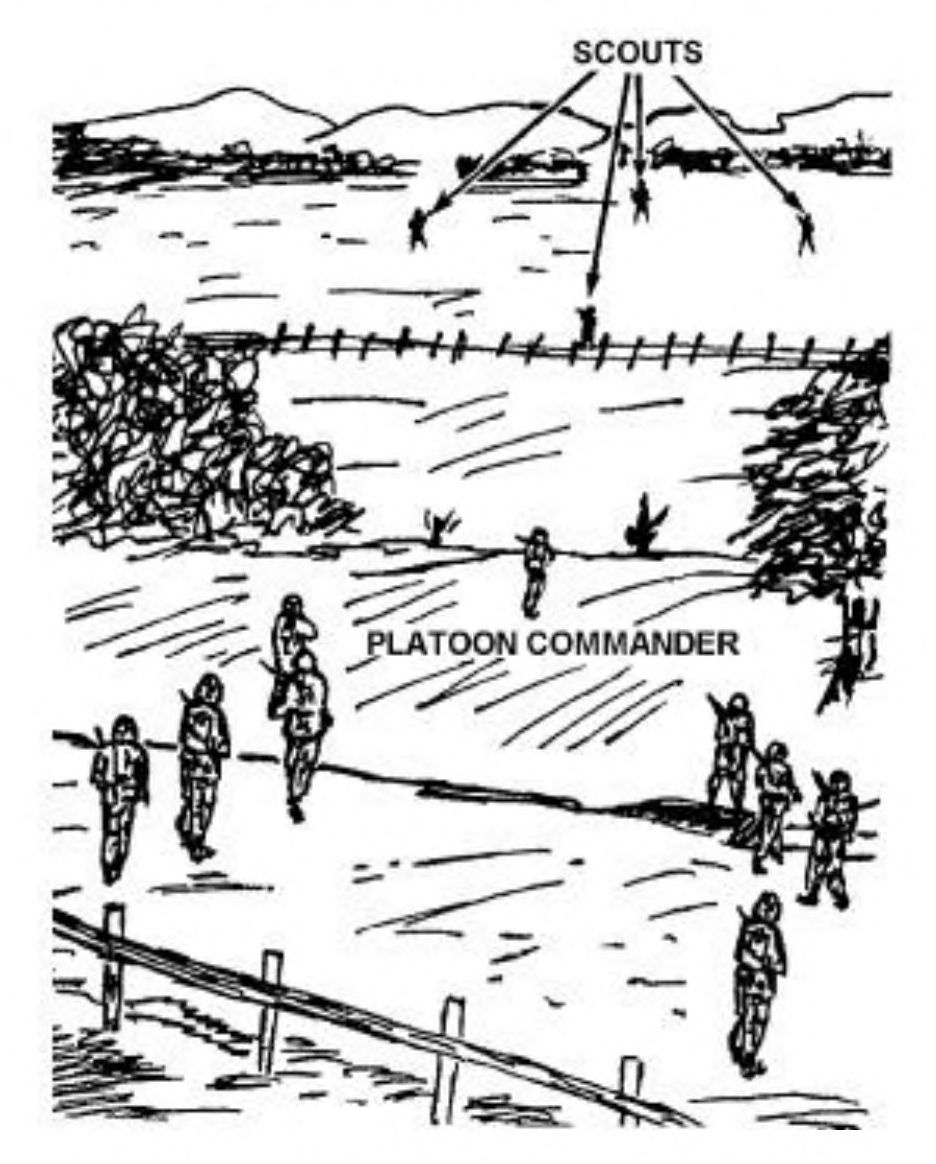
Figure 7-1. Position of Scouts Preceding an Attacking Platoon.
When fired upon, scouts must drop to cover and return fire only when necessary to complete the mission. If necessary, one scout reports back to the fire team leader who informs the platoon commander.
7002. LOCATING ENEMY POSITIONS
The key terrain of defensive positions are those points that afford extended observation over the ground where the attack must advance. The enemy will place machine guns and infantry to defend critical points.
Members of a scouting fire team preceding an attacking platoon identify the probable enemy infantry and machine gun positions (see fig. 7-2). They use concealment and cover to conduct their advance in order to discover the exact location of enemy positions.
7003. ACTION WITH AN ATTACKING PLATOON
The scouting fire team reconnoiters to the front of the advancing platoon. As soon as the scouting fire team leader indicates the area is secure, the platoon advances and the scouting fire team moves forward. Squads within the platoon advance by bounds; at least one squad is positioned to support the other(s) by fire. Successive positions along the line of advance are selected and designated by the platoon commander as intermediate objectives, and reconnoitered by the scouting fire team before occupation. By conducting proper reconnaissance, surprise by the enemy or movement in the wrong direction may be prevented.
Movement
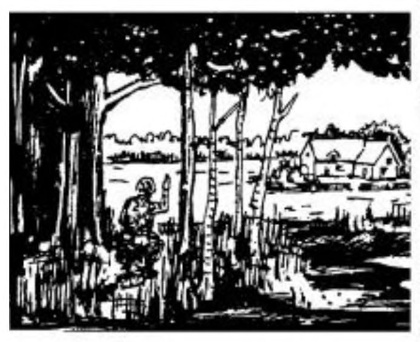
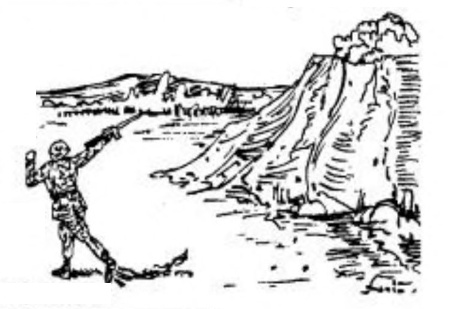
The distance between the scouting fire team and the front of the main body of the platoon is dependent on the mission, enemy, terrain and weather, troops and support available, and time available (METT-T). In close terrain, such as dense woods, the scouting fire team’s movements closely resemble those used for night operations. In approaching houses, woods, and villages, one scout of each pair covers the other while the latter reconnoiters (see fig. 7-3).
A scouting fire team moves forward aggressively to cover the front of the advancing platoon, usually adopting either skirmisher’s or wedge formation in order to be prepared to go into action immediately and to cover a wide frontage of 50 to 75 meters.
PICK OUT POSSIBLE POSITIONS THAT HAVE A GOOD FIELD OF FIRE, INDICATED BY ↓ ↑ BELOW.
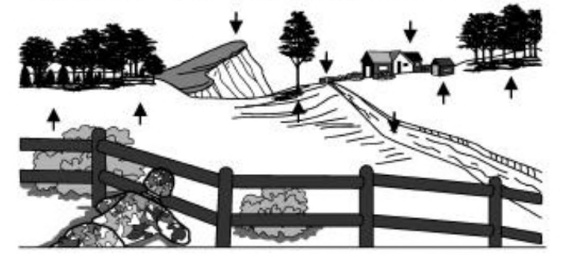
POSITIONS WHICH AFFORD THE ENEMY COVER ARE POSSIBLE MACHINEGUN POSITIONS.
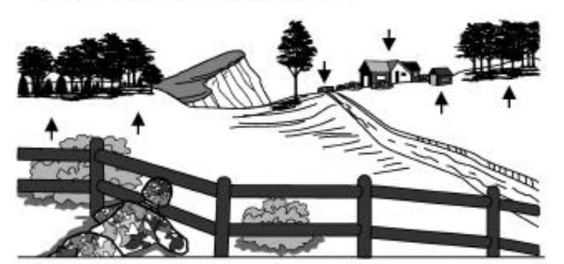
POSITIONS FROM WHICH FLANKING FIRE CAN BE DELIVERED ARE CONSIDERED THE MOST DANGEROUS.
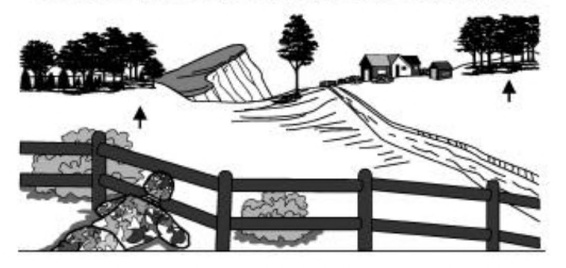
Figure 7-2. Assessing Probable Enemy Machine Gun Positions.
As a scouting fire team advances in open terrain, it is supported when possible by elements of the platoon; in close terrain, by mutual support within each fire team. Mutual support within the fire team is accomplished by the fire team leader and the automatic rifleman forming a team that supports by fire the advance of the rifleman and assistant automatic rifleman until they reach a location designated by the fire team leader. The rifleman and assistant automatic rifleman then support by fire the movement of the team leader and automatic rifleman. These successive points to which the sub elements of the fire team move are normally designated as fire team intermediate objectives by the fire team leader. The fire team leader sets as many fire team intermediate objectives as necessary to maintain mutual support within the team. This process is repeated until the team can be covered by other elements of the rifle platoon.
A scouting fire team takes advantage of available cover and concealment without delaying its advance. The orders of the platoon commander govern the distance at which it precedes the platoon. The terrain and the probable position of the enemy affect the scouting fire team’s distance in front of the platoon. It may be as much as 400 to 600 meters in advance of the platoon. In open terrain, the platoon commander usually directs that the scouting fire team move by bounds to a succession of intermediate objectives. In close terrain or conditions of limited visibility, the scouting fire team is normally ordered to precede the platoon at the limit of visibility, maintaining visual contact with the platoon commander.
With platoon in woods, scouts reach open field and see house ahead. They signal halt, meaning that the platoon should not advance beyond this point. Reconnaissance shows house to be clear. Scouts signal forward and proceed.
Crossing open space, scout sees position from which machine gun may sweep this area. He signals double time and points to the MG position meaning this area is dangerous. From that point platoon should hurry across.
Scout reconnoiters for a short distance into woods. Finding edge of woods to be unoccupied, another scout returns to edge of woods and signals forward. They both enter woods and wait for platoon to close up.
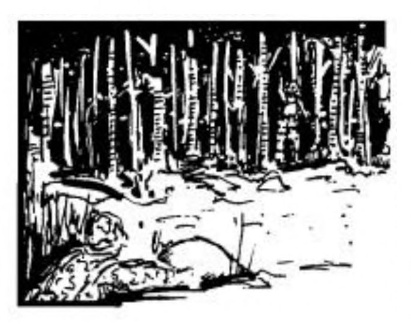
Figure 7-3. Conduct of Scouts Preceding a Platoon.
Action in Woods
When a scouting fire team is directed to advance over open ground to the edge of a woodline, two members of the team, preferably the rifleman and assistant automatic rifleman, reconnoiter inside the woodline while the remainder of the fire team covers them. It is not recommended they separate until finished with their reconnaissance of the far side of the danger area. Both members staying together can cover the same area using a zigzag reconnaissance and they are better equipped to overcome any opposition.
In heavy underbrush and/or poor visibility, the rifleman and assistant automatic rifleman proceed into the woodline together for 50 to 60 meters. The two then separate, searching out either flank to the first high ground or limits of observation, probably 50 to 100 meters (see fig. 7-4 on page 7-4). After the initial search and out posting the limit of advance, the remaining scout signals the fire team forward.
In light underbrush and/or good visibility, the assistant automatic rifleman remains at the edge of the woodline while the rifleman searches the woodline, (see fig. 7-5 on page 7-5). The rifleman searches the woodline in a zigzag pattern, reports back to the assistant automatic rifleman, then moves to an outpost position at the limit of advance. In turn, the fire team leader signals the platoon commander that it is safe for the platoon to move forward.
The fire team leader then moves the remainder of the fire team into the woods, joining up with the forward scout manning the outpost. The scouting fire team occupies and holds a line 50 to 75 meters within the woods and observes toward the direction of movement until the platoon closes up. The scouting fire team leader awaits further word from the platoon commander before moving the team further into the woods.
When directed, the scouting fire team leader moves the team forward until they reach the far edge of the woods. The team is held at the edge of the woods and the fire team leader notifies the platoon commander of the situation. The platoon commander moves the platoon to a position where it can cover the scouting fire team as it exits the woods and directs the team leader to move out and continue the scouting mission.
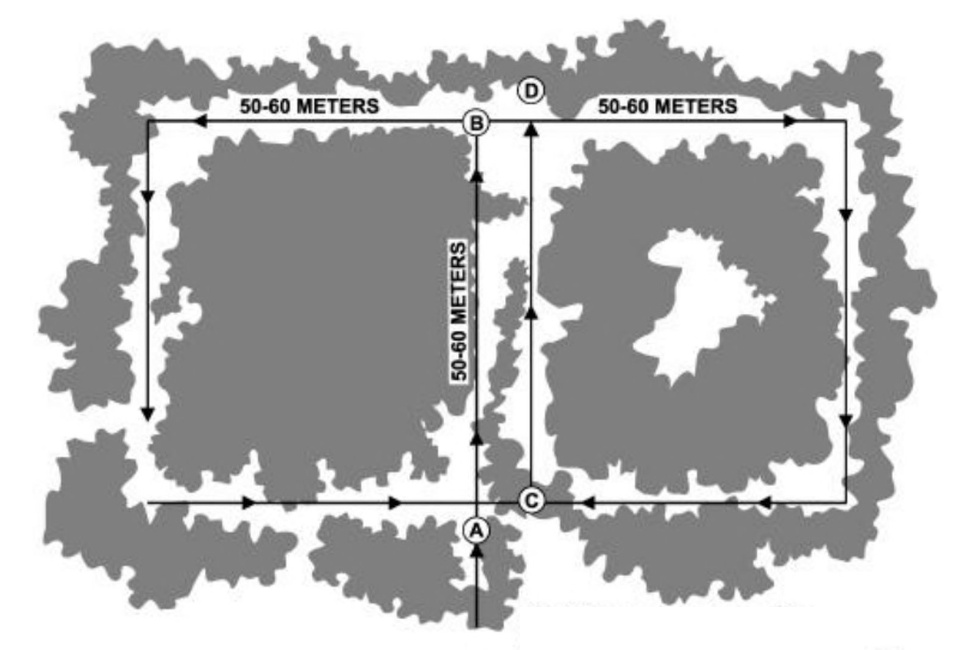
A—Both scouts enter woodline.
B—Scouts separate.
C—Scouts link up; one scout stops and signals all clear to the fire team leader. The other scout again advances into the woods.
D—Outpost position of scout.
Figure 7-4. Searching Edge of a Woodline (Dense Underbrush/Poor Visibility).
A scouting fire team passing through woods ahead of its unit maintains a distance allowing visual and oral communications. If an obstacle is encountered, reconnaissance to its front and flanks must be carried out. When advancing along a road or path, scouts precede the platoon to provide necessary protection and to prevent surprise fire on the platoon. When crossing a road or path, they reconnoiter well to the flanks before signaling “all clear” to the platoon.
The scouting fire team will not exit the woods until the arrival of the platoon commander, who will then be given an opportunity to alter the disposition or direction of march. The point where the platoon exits the woods is considered a danger area where the platoon is vulnerable to enemy fire. The scouting fire team is sent ahead to reconnoiter the danger area, as well as the next area to be occupied by the platoon. They signal back whether conditions require a halt, an advance or a quick rush across the open area. The scouting fire team leader must be continually on the lookout for signals from the rear.
Action Under Fire
When a scouting fire team is fired upon, they immediately take cover, locate targets, and return fire. The scouting fire team leader then determines—
• Location of enemy (range and reference points).
• Extent of position (location of flanks).
• Types of positions (obstacles, bunkers, fighting holes, etc.).
• Number of enemy.
• Enemy weapons (machine guns, mortars, tanks, etc.).
The platoon commander assesses the situation as quickly as possible based on the limited information obtained. Usually the platoon commander brings up the remaining squads, sets up a base of fire, and assaults the enemy position. Should the enemy position prove too strong for the platoon, the platoon remains engaged with the enemy as a base of fire until the remainder of the company is committed to clear the enemy resistance.
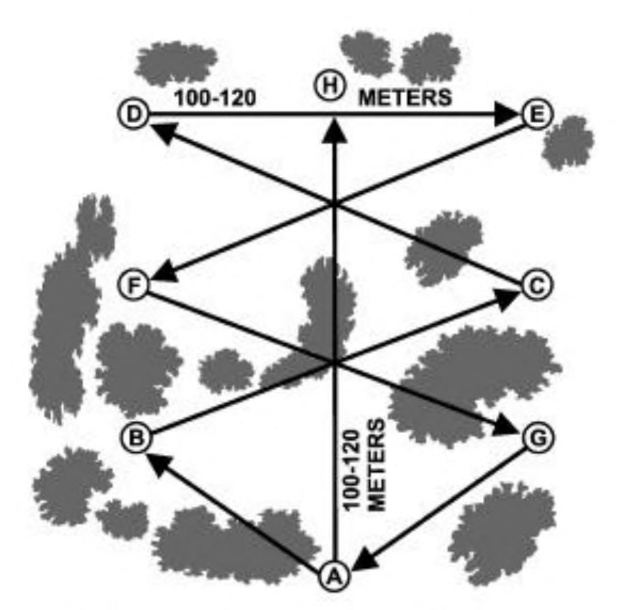
A—Both scouts enter woods. Assistant automatic rifleman remains here and covers forward movement of rifleman.
B through G—Rifleman moves to these positions, stopping and observing before moving to next position.
G to A—Rifleman reports results of his search to the assistant automatic rifleman.
A to H—Rifleman moves to outpost position.
Figure 7-5. Searching Edge of a Woodline (Light Underbrush/Good Visibility).
7004. ACTION WITH AN ENVELOPING UNIT
When a platoon is given the mission to envelop an enemy position, a scouting fire team is employed for protection and reconnaissance in the same way as when the platoon is advancing in the approach march.