SLOW ASPHYXIATION
Reading edition
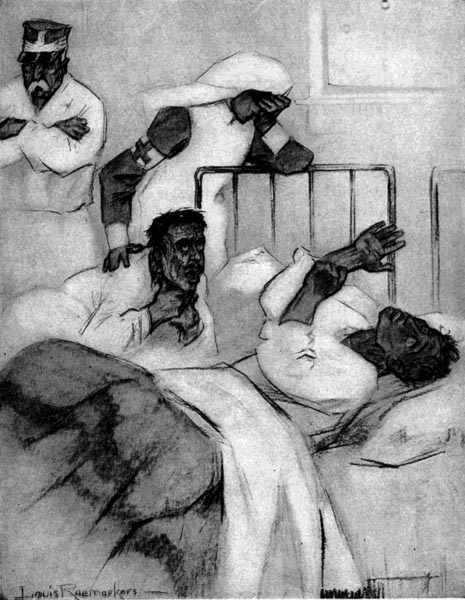
These men were lying struggling for breath and blue in the face. On examining the blood with the spectroscope and by other means, I ascertained that the blueness was not due to the presence of any abnormal pigment. There was nothing to account for the blueness (cyanosis) and struggle for air but the one fact that they were suffering from acute bronchitis, such as is caused by inhalation of an irritant gas. Their statements were that when in the trenches they had been overwhelmed by an irritant gas produced in front of the German trenches and carried toward them by a gentle breeze.
Official Investigation by Dr. J. S. Haldane, F.R.S.
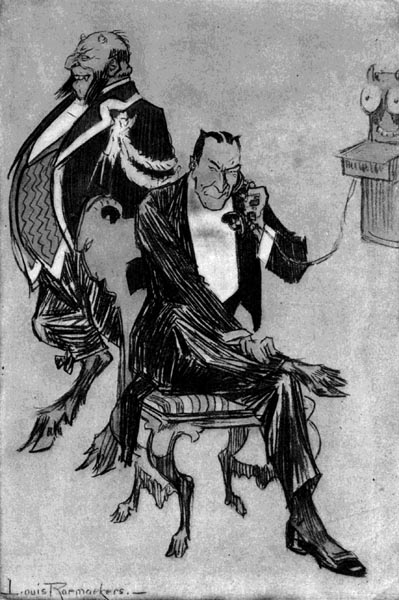
“Hullo! Potsdam? Did you thank your dear old God for this new success?”
The Royal Highlanders of Montreal, 13th Battalion, and the 48th Highlanders, 15th Battalion, were more especially affected by the discharge. The Royal Highlanders, though considerably shaken, remained immovable on their ground. The 48th Highlanders, who no doubt received a more poisonous discharge, were for the moment dismayed, and, indeed, their trench, according to the testimony of very hardened soldiers, became intolerable.
The Battalion retired from the trench, but for a very short distance and for a very short time. In a few moments they were again their own men. They advanced on and reoccupied the trenches which they had momentarily abandoned....
The sorely tried Battalion (the 13th) held on for a time in dug-outs, and, under cover of darkness, retired again to a new line being formed by reinforcements. The rearguard was under Lieut. Greenshields. But Major McCuaig remained to see that the wounded were removed. It was then, after having escaped a thousand deaths through the long battle of the night, that he was shot down and made a prisoner.
Sir Max Aitken, in “Canada in Flanders.”