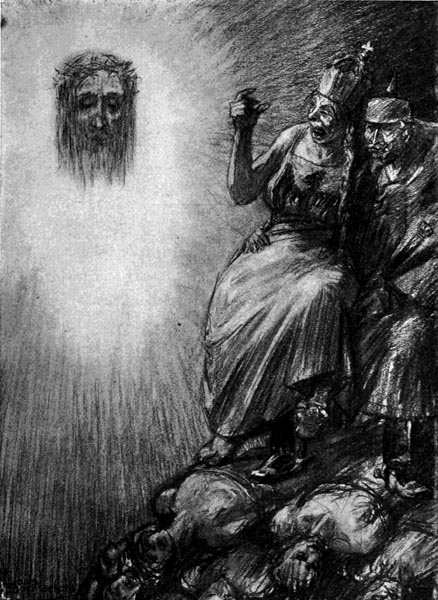
REMEMBER WITTENBERG
Reading edition
These medical officers protested with the camp commander against the herding together of the French and British prisoners with the Russians, who, as I have said, were suffering from typhus fever. But the camp commander said, “You will have to know your Allies”; and kept all of his prisoners together, and thus as surely condemned to death a number of French and British prisoners of war as though he had stood them against the wall and ordered them shot by a firing squad. Conditions in the camp during the period of this epidemic were frightful. The camp was practically deserted by the Germans.
At the time I visited the camp the typhus epidemic, of course, had been stamped out. The Germans employed a large number of police dogs in this camp and these dogs not only were used in watching the outside of the camp in order to prevent the escape of prisoners but also were used within the camp. Many complaints were made to me by prisoners concerning these dogs, stating that men had been bitten by them. It seemed undoubtedly true that the prisoners there had been knocked about and beaten in a terrible manner by their guards.
James W. Gerard in “My Four Years in Germany.”