Of the Tract.
John Weaver translation
The Line on which the Dances are described, I call the
Tract
.
Which Tract serves for two Ends, the first to direct the Steps and Positions, and the other to represent the Figure of the Dance.
All Steps and Positions may be described upon two Lines, viz.upon a Right Line, and a Diametrical Line; but because the Tract must also be made use of for the Explanation of the Figure of Dances, I shall add to these Lines, the Circular and i>Oblique.
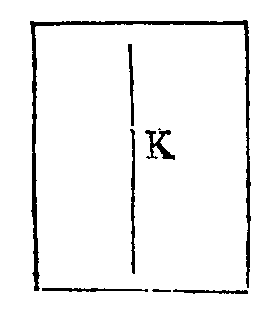
A Right Line, I call that which extends it self in Length, from one end of the Room to the other, as by the Line mark’d K.
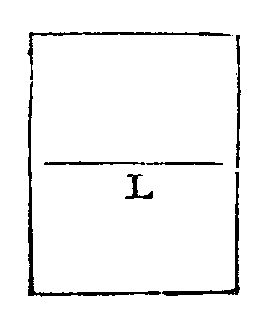
A Diametrical Line, is that which goes cross the Room from side to side, as is shewn by the Line L.
The Circular Line, is that which goes round the Room, as is express’d by the Letter M.
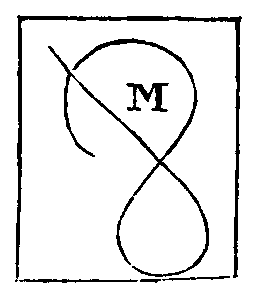
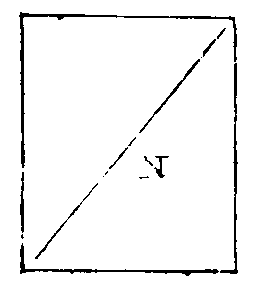
The Oblique Line, is that which goes cross the Room, from Corner to Corner, as may be seen by the Line N.
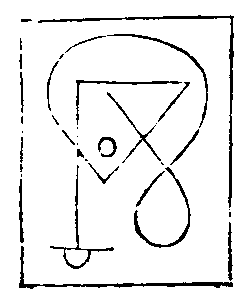
Every one of these Lines, or Tracts, may jointly or separately form the Figure of a Dance, on which may be described the Positions and Steps, as in Figure O. The beginning of which Tract, is shewn by the Character representing the Posture or Presence of the Body, which must be join’d to it, to shew the Position of the Body at the beginning of the Dance.