Chapter XI
Reading edition
CONCLUSION
From the facts recorded in the preceding chapters it is clear that there are difficulties in the way of accepting the mimicry theory as an explanation of the remarkable resemblances which are often found between butterflies belonging to distinct groups. Of these difficulties two stand out beyond the rest, viz., the difficulty of finding the agent that shall exercise the appropriate powers of discrimination, and the difficulty of fitting in the theoretical process involving the incessant accumulation of minute variations with what is at present known of the facts of heredity.
With regard to the former of these two difficulties we have seen that the supporters of the theory regard birds as the main selective agent. At the outset we are met with the fact that relatively few birds have been observed to prey habitually on butterflies, while some at any rate of those that do so shew no discrimination between what should be theoretically pleasant to eat and what should not be pleasant. Even if birds are the postulated enemies it must be further shewn that they exercise the postulated discrimination. It is required of them that they should do two things. In the first place they must confuse an incipient or "rough" mimic with a model sufficiently often to give it an advantage over those which have not varied in the direction of the model. In other words, they must be easily taken in. Secondly, they are expected to bring about those marvellously close resemblances that sometimes occur by confusing the exact mimicking pattern with the model, while at the same time eliminating those which vary ever so little from it. In other words, they must be endowed with most remarkably acute powers of discrimination. Clearly one cannot ask the same enemy to play both parts. If, therefore, birds help to bring about the resemblance we must suppose that it is done by different species—that there are some which do the rough work, others which do the smoothing, and others again which put on the final polish and keep it up to the mark. This is, of course, a possibility, but before it can be accepted as a probability some evidence must be forthcoming in its favour.
But even if the difficulty of the appropriate enemy be passed over, and it be granted that a mimetic resemblance can be built up through a number of small separate steps, which have become separately established through the agency of separate species of birds with various but distinct discriminating powers, we are left face to face with an even more serious physiological difficulty. For why is it that when the end form which is supposed to have resulted from this process is crossed back with the original form all the intermediate steps do not reappear? Why is it that when the altered germplasm is mingled with the original germplasm the various postulated stages between them are not reformed? For in various cases where we know the course of evolution this does occur. The pale pink sweet-pea has come from the wild purple by a series of definite steps, and when it is crossed back with the wild form the resulting plants give the series of stages that have occurred in the evolution of the pink. So also when the orange rabbit is crossed with the wild grey form and the offspring are inbred there are reproduced the black, the tortoiseshell, and the chocolate, forms which are stages in the evolution of the orange from the wild grey. If then, to take an example, the "aristolochiae" form of Papilio polytes has been derived from the male-like form by a series of steps, why do we not get these steps reproduced after the germplasms of the two forms have been mingled? From the standpoint of modern genetic work the inference is that these postulated intermediate steps have never existed—that the one form of polytes female came directly from the other, and was not built up gradually through a series of stages by the selective agency of birds or any other discriminating enemy.
These two objections, viz. the difficulty of finding the appropriate enemy, and the non-appearance of intermediates when the extreme forms are crossed, may, perhaps, be said to constitute the main objections to the current theory of mimicry. Others such as the relative scarcity of mimicry in the male sex and the existence of cases of polymorphism among females of a species which cannot possibly be explained on mimetic lines have already been mentioned. But while the main objections remain it is hardly necessary to insist upon these others. Looked at critically in the light of what we now know about heredity and variation the mimicry hypothesis is an unsatisfactory explanation of the way in which these remarkable resemblances between different species of butterflies have been brought about. Sometimes this is admitted by those who nevertheless embrace the theory with a mild aloofness. For they argue that even though it does not explain all the facts no other theory explains so many. Others have sought an explanation in what has sometimes been termed the hypothesis of external causes, regarding these resemblances as brought about by similar conditions of soil and climate, and so forth. It is not inconceivable that certain types of colour and pattern may be the expression of deep-seated physiological differences, which place their possessors at an advantage as compared with the rest of the species. Were this so it is but reasonable to suppose that they would become established through the agency of natural selection. But it is difficult, if not impossible, to regard this as a satisfactory solution, if for no other reason than that it offers no explanation of polymorphism. For example, each of the three forms of polytes female holds its own and all must, therefore, be regarded as equally well adapted to the circumstances under which they live. They are so distinct in colour that it is difficult on this hypothesis to suppose that they are all on the same footing in respect to their environment. Yet if one is better off than the others, how is it that these still exist?
Those who have examined long series of these cases of resemblance among butterflies find it hard to believe that there is not some connection between them apart from climatic influence. One feels that they are too numerous and too striking to be all explained away as mere coincidences engendered by like conditions. Nor is it improbable that natural selection in the form of the discriminating enemy may have played a part in connection with them, though a different one from that advocated on the current theory of mimicry. If we assume that sudden and readily appreciable variations of the nature of "sports" turn up from time to time, and if these variations happen to resemble a form protected by distastefulness so closely that the two can be confused by an enemy which has learned to avoid the latter, then there would appear to be good grounds for the mimicking sport becoming established as the type form of the species. For it has already been seen that a rare sport is not swamped by intercrossing with the normal form, but that on the contrary if it possess even a slight advantage, it must rapidly displace the form from which it sprang (cf. Chap. VIII). On this view natural selection in the form of the discriminating enemy will have played its part, but now with a difference. Instead of building up a mimetic likeness bit by bit it will merely have conserved and rendered numerically preponderant a likeness which had turned up quite independently. The function of natural selection in respect of a mimetic likeness lies not in its formation but in its conservation. It does not bring about the likeness, neither does it accentuate it: it brings about the survival of those forms which happen to shew the likeness. Why variations on the part of one species should bear a strong resemblance to other, and often distantly related, species is another question altogether.
Even a superficial survey of the facts makes it evident that cases of mimicry tend to run in series—that a closely related series of mimics, though often of very different pattern and colour, tends to resemble a closely related series of models. In Asia we have the Cosmodesmus Papilios mimicking a series of Danaines, while the true Papilios (cf. Appendix II) tend to resemble a series of the less conspicuous members of the Pharmacophagus group. In the same region the various species of Elymnias form a series resembling a series of Danaines. In Africa there stands out the Cosmodesmus group again mimicking a Danaine series, and in part also an Acraeine series. Overlapping the Acraeines again are various forms of the Nymphaline genus Pseudacraea. It is also of interest that in Danais chrysippus and Acraea encedon the Danaine and Acraeine series overlap (cf. Pl. IX). Similar phenomena occur also in South America, where closely parallel series of colour patterns are exhibited by several Ithomiines, by Heliconius, Lycorea, Dismorphia, and other genera (cf. p. 39). On the other hand such mimetic resemblances as are shewn by the South American Swallow-tails of the Papilio and Cosmodesmus groups are almost all with the Pharmacophagus group, and almost all of the red-black kind (cf. p. 43).
On the whole it may be stated that the majority of cases of mimicry fall into one or other of such series as the above. If we select a case of mimicry at random we shall generally find that there are at least several close allies of the mimic resembling several close allies of the model. Isolated cases such as the resemblance between Pareronia and Danais (p. 23), between Archonias and a Pharmacophagus Papilio (p. 43), or the extraordinary instance of Papilio laglaizei and Alcidis agathyrsus, must be regarded as exceptional.
We have before us then a number of groups of butterflies each with a series of different colour patterns. In each group a portion of the series overlaps a portion of the series belonging to another more or less distantly related group. In the light of recent discoveries connected with heredity and variation the natural interpretation to such a set of phenomena would be somewhat as follows: Each group of Lepidoptera, such as those just discussed, contains, spread out among its various members, a number of hereditary factors for the determination of colour pattern. Within the group differences of pattern depend upon the presence or absence of this or that factor, the variety of pattern being the result of the many possible permutations and combinations of these colour factors. Within the limits of each group is found a definite number of these factors—more in one group, less in another. But some factors may be common to two or more groups, in which case some of the permutations of the factors would be similar in the groups and would result in identical or nearly identical pattern. To take a simple example in illustration, let us suppose that a given group, (α), contains the eight factors A-H. Since any species in the group may exhibit any combination of one or more of these factors it follows that a considerable number of different forms are possible. Now suppose that another group, (β), distinguished from (α) by definite structural features, also contains eight factors within the group, and that these factors are F-M, F, G, and H being common to both (α) and (β). Any combination therefore in (α) lacking the factors A-E will be paralleled by any combination in (β) lacking the factors I-M. For in both cases we should be dealing only with the factors F, G, and H, which are common to each group. So again a third group might have some factors in common with (α) and some with (β), and so on for other groups. In this way certain of the series of colour patterns found in (β) would overlap certain of those in (α), while others of the groups (β) and (α) might overlap those found in different groups again. The striking resemblances not infrequently found between species belonging to quite distinct groups would on this view depend upon the hereditary factors for pattern and colour being limited in number, so that the same assortment might not infrequently be brought together even though the group whose members exhibited the resemblance might, owing to structural differences, be placed in different families.
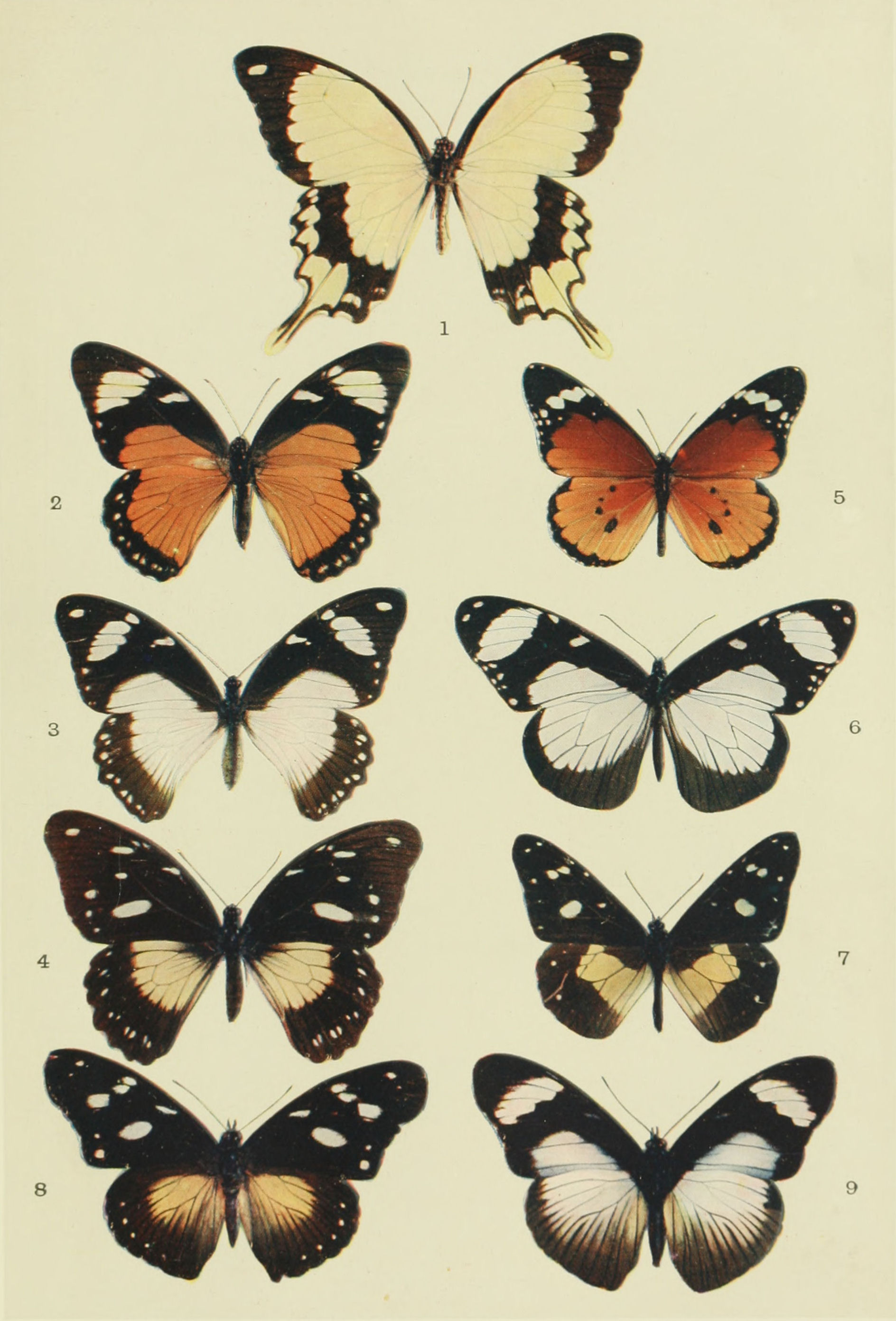
We know from recent experimental work that something of the sort is to be found in the coat colours of different rodents. Agouti, black, chocolate, blue-agouti, blue, and fawn form a series of colours common to the rabbit, the mouse, and the guinea-pig. These colours are related to each other in the same way in these different beasts. In the rat, on the other hand, there occur of this range of colours only the agouti and the black. Each of these species again has certain colour patterns which are peculiar to itself, such as the "English" type in the rabbit, the tricolor pattern in the guinea-pig, or the "hooded" variety in the rat. The total range of colour and pattern is somewhat different for each species, but a few are common to them all. Moreover, there are others which are common to the mouse and the rabbit but are not found in the guinea-pig, and others again which may occur in the rabbit and the guinea-pig but have not been met with in the other two. In certain features the rabbit might be said to "mimic" the mouse, and in other features the guinea-pig. It is not, of course, suggested that the case of the butterflies is so simple as that of the rodents, but so far as we can see at present there would seem to be no reason why the explanation should not be sought along the same lines. On this view the various colour patterns found among butterflies depend primarily upon definite hereditary factors of which the number is by no means enormous. Many of these factors are common to several or many different groups, and a similar aggregate of colour factors, whether in an Ithomiine, a Pierid, or a Papilio, results in a similar colour scheme. The likeness may be close without being exact because the total effect is dependent in some degree on the size and relative frequency of the scales and other structural features. In so far as pattern goes Hypolimnas dubius and Amauris echeria (Pl. VIII, figs. 7 and 8) are exceedingly close. But inspection at once reveals a difference in the quality of the scaling, giving to the Hypolimnas, where the black and yellow meet, a softness or even raggedness of outline, which is distinct from the sharper and more clear-cut borders of the Amauris. It is not unreasonable to suppose that these species carry identical factors for colour pattern, and that the differences by which the eye distinguishes them are dependent upon the minuter structural differences such as occur in the scaling. So the eye would distinguish between a pattern printed in identical colours on a piece of cretonne and a piece of glazed calico. Though pattern and colour were the same the difference in material would yield a somewhat different effect.
APPENDIX I
For the table on p. 155 I am indebted to the kindness of Mr H. T. J. Norton of Trinity College, Cambridge. It affords an easy means of estimating the change brought about through selection with regard to a given hereditary factor in a population of mixed nature mating at random. It must be supposed that the character depending upon the given factor shews complete dominance, so that there is no visible distinction between the homozygous and the heterozygous forms. The three sets of figures in the left-hand column indicate different positions of equilibrium in a population consisting of homozygous dominants, heterozygous dominants, and recessives. The remaining columns indicate the number of generations in which a population will pass from one position of equilibrium to another, under a given intensity of selection. The intensity of selection is indicated by the fractions 100⁄50, 100⁄75, etc. Thus 100⁄75 means that where the chances of the favoured new variety of surviving to produce offspring are 100, those of the older variety against which selection is operating are as 75; there is a 25% selection rate in favour of the new form.
The working of the table may perhaps be best explained by a couple of simple examples.
In a population in equilibrium consisting of homozygous dominants, heterozygous dominants and recessives the last named class comprises 2.8% of the total: assuming that a 10% selection rate now operates in its favour as opposed to the two classes of dominants—in how many generations will the recessive come to constitute one-quarter of the population? The answer is to be looked for in column B (since the favoured variety is recessive) under the fraction 100⁄90. The recessive passes from 2.8% to 11.1% of the population in 36 generations, and from 11.1% to 25% in a further 16 generations—i.e. under a 10% selection rate in its favour the proportion of the recessive rises from 2.8% to 25% in 52 generations.
Percentage of total population formed by old variety Percentage of total population formed by the hybrids Percentage of total population formed by the new variety Number of generations taken to pass from one position to another as indicated in the percentages of different individuals in left-hand column.
A: Where the new variety is dominant B: Where the new variety is recessive
100⁄50 100⁄75 100⁄90 100⁄99 100⁄50 100⁄75 100⁄90 100⁄99
99.900 .09 .000
98.000 1.96 .008 4 10 28 300 1920 5740 17,200 189,092
90.700 9.00 .030 2 5 15 165 85 250 744 8,160
69.000 27.70 2.800 2 4 14 153 18 51 149 1,615
44.400 44.40 11.100 2 4 12 121 5 13 36 389
25.000 50.00 25.000 2 4 12 119 2 6 16 169
11.100 44.40 44.400 4 8 18 171 2 4 11 118
2.800 27.70 69.000 10 17 40 393 2 4 11 120
.030 9.00 90.700 36 68 166 1632 2 6 14 152
.008 1.96 98.000 170 333 827 8243 2 6 16 165
.000 .09 99.900 3840 7653 19,111 191,002 4 10 28 299
If the favoured variety is dominant it must be borne in mind that it can be either homozygous or heterozygous—that for these purposes it is represented in the left-hand column by the hybrids as well as by the homozygous dominant. In a population in equilibrium which contains about 2% of a dominant form, the great bulk of these dominants will be heterozygous, and the relative proportion of recessives, heterozygous, and homozygous dominants is given in the second line of the left-hand column.
Let us suppose now that we want to know what will be the percentage of dominants after 1000 generations if they form 2% of the population to start with, and if, during this period, they have been favoured with a 1% selection advantage. After 165 generations the proportion of recessives is 90.7, so that the proportion of dominants has risen to over 9%; after 153 further generations the percentage of dominants becomes 27.7 + 2.8 = 30.5; after 739 generations it is 88.8%, and after 1122 generations it is 69.0 + 27.7 = 96.7. Hence the answer to our question will be between 89% and 97%, but nearer to the latter figure than the former.
Mr Norton has informed me that the figures in the table are accurate to within about 5%.
APPENDIX II
Pharmacophagus Papilio Cosmodesmus
(POISON-EATERS) (FLUTED SWALLOW-TAILS) (KITE SWALLOW-TAILS)
Antennae without scales. Antennae without scales. Antennae scaled on upper side.
Outer ventral row of spines of tarsi not separated from the dorsal spines by a spineless longitudinal depression. Outer ventral row of spines of tarsi separated from the dorsal spines by a spineless longitudinal depression. As in Papilio.
Larva covered with short hairs—with fleshy tubercles but no spines. Larva either smooth or with hard spiny tubercles. Third and fourth thoracic segments enlarged. Larva with third thoracic segment enlarged (known only in a few species).
Pupa with row of well-marked humps on each side of abdomen. Pupa wrinkled—generally with short dorsal horn. Humps if present very short. Pupa short with long four-sided thoracic horn.
Larva feeds on Aristolochia. Larva does not feed on Aristolochia. As in Papilio.
Abdominal margin of hind wing curved downwards forming a kind of groove. No scent organ. Abdominal margin of hind wing bent over in ♂ and with scent organ in fold so formed.
LIST OF PAPILIONINE MIMICS
Pharmacophagus (MODEL) Papilio (MIMIC) Cosmodesmus (MIMIC) (MODELS)
ORIENTAL
agestor (II. 3) Caduga tytia (II. 2)
clytia (I. 8) Danais septentrionis (I. 3)
cl"tia var. dissimilis (I. 7) Euploea core (I. 10)
mendax (II. 9) Eu"loea rhadamanthus (II. 8)
paradoxus Eu"loea mulciber (II. 5)
hector (V. 6) polytes ♀ (V. 4)
aristolochiae (V. 5) Pol"tes ♀ (V. 3)
coon memnon ♀
polyxenus bootes (III. 6)
laglaizei (III. 2) Alcidis agathyrsus (III. 1)
delesserti Ideopsis daos (III. 4)
macareus Danais septentrionis (I. 3)
xenocles (I. 4) Dan"is septent"
AFRICAN
dardanus ♀ (VIII. 2) Danais chrysippus (VIII. 5)
dard"nus ♀ (VIII. 3) Amauris niavius (VIII. 6)
dard"nus ♀ (VIII. 4) Am"uris echeria (VIII. 7)
echerioides ♀ Am"uris psyttalea
cynorta ♀ (VII. 10) Planema epaea (VII. 5)
rex Melinda formosa
ridleyanus (VI. 6) Acraea egina (VI. 7)
leonidas (VI. 2) Danais petiverana (VI. 1)
brasidas (VI. 4) Amauris hyalites (VI. 3)
AMERICAN
hahneli (mimic) Methona confusa (XII. 1)
zagreus (X. 8) various Heliconinae and Ithomiinae

bachus
euterpinus Heliconius melpomene (XI. 5)
pausanias (XI. 2) Heli"onius sulphurea (XI. 1)
various species (XII. 1, 2, 3) hippason, etc. lysithous etc. (XIII. 4, 5, 6)
philenor (XVI. 1) troilus (XVI. 2)
turnus ♀
asterius ♀
PLATE I ORIENTAL BUTTERFLIES 1. Pareronia ceylonica ♀ (Pieridae) 2. Pare"onia ceyl" ♂ 3. Danais septentrionis (Danainae) 4. Papilio xenocles (Papilionidae) 5. Hypolimnas bolina ♂ (Nymphalinae) 6. Hypo"imnas bol" ♀ 7. Papilio clytia var. dissimilis (Papilionidae) 8. Pa"ilio cl"tia var. lankeswara 9. Elymnias singhala (Satyrinae) 10. Euploea core (Danainae) × ⅔ Plate I ORIENTAL BUTTERFLIES
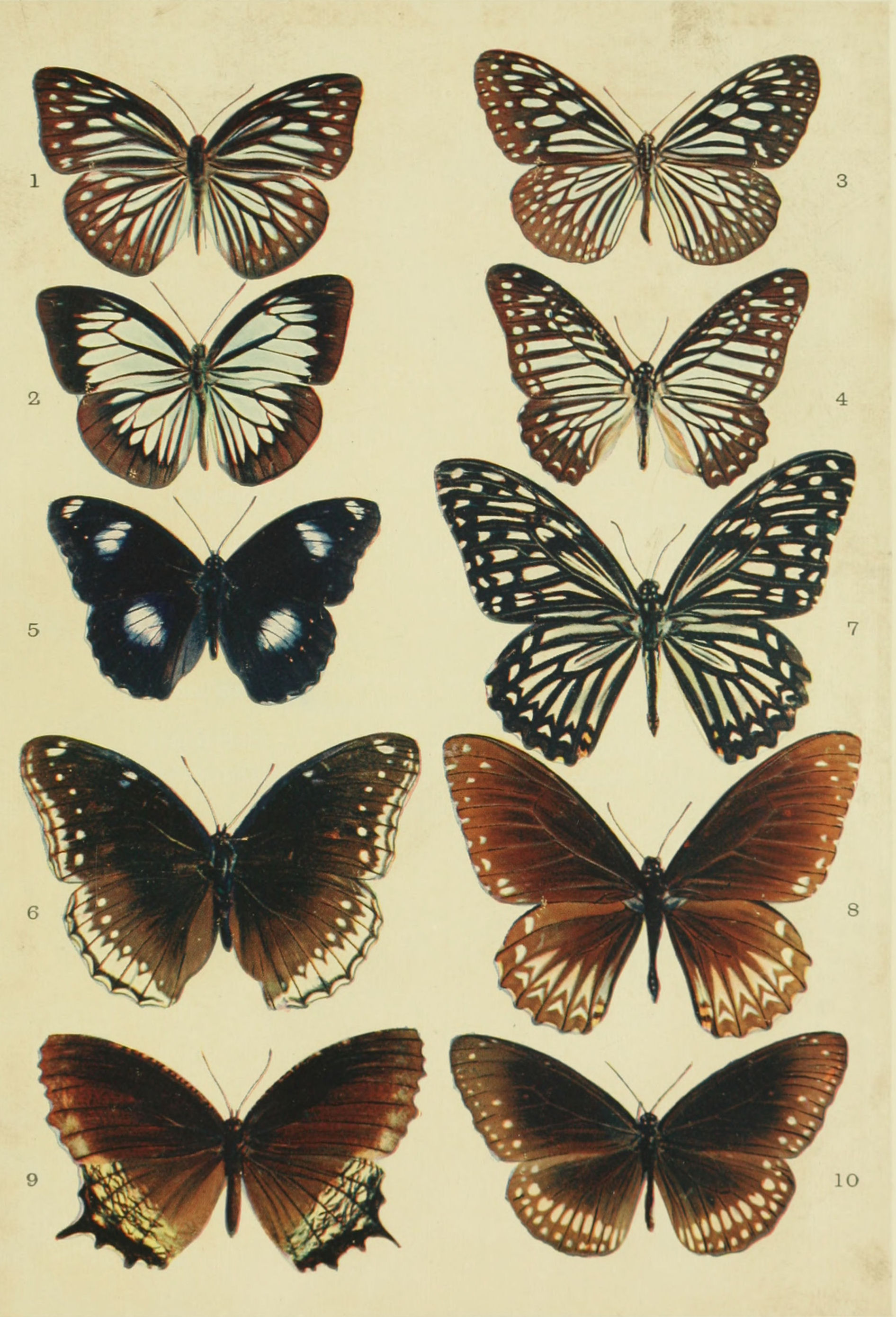
PLATE II ORIENTAL BUTTERFLIES 1. Delias eucharis (Pieridae) 2. Caduga tytia (Danainae) 3. Papilio agestor (Papilionidae) 4. Euploea mulciber ♂ (Danainae) 5. Eu"loea mul" ♀ 6. Elymnias malelas ♂ (Satyrinae) 7. Ely"nias mal" ♀ 8. Euploea rhadamanthus (Danainae) 9. Papilio mendax (Papilionidae) × ⅔ Plate II ORIENTAL BUTTERFLIES
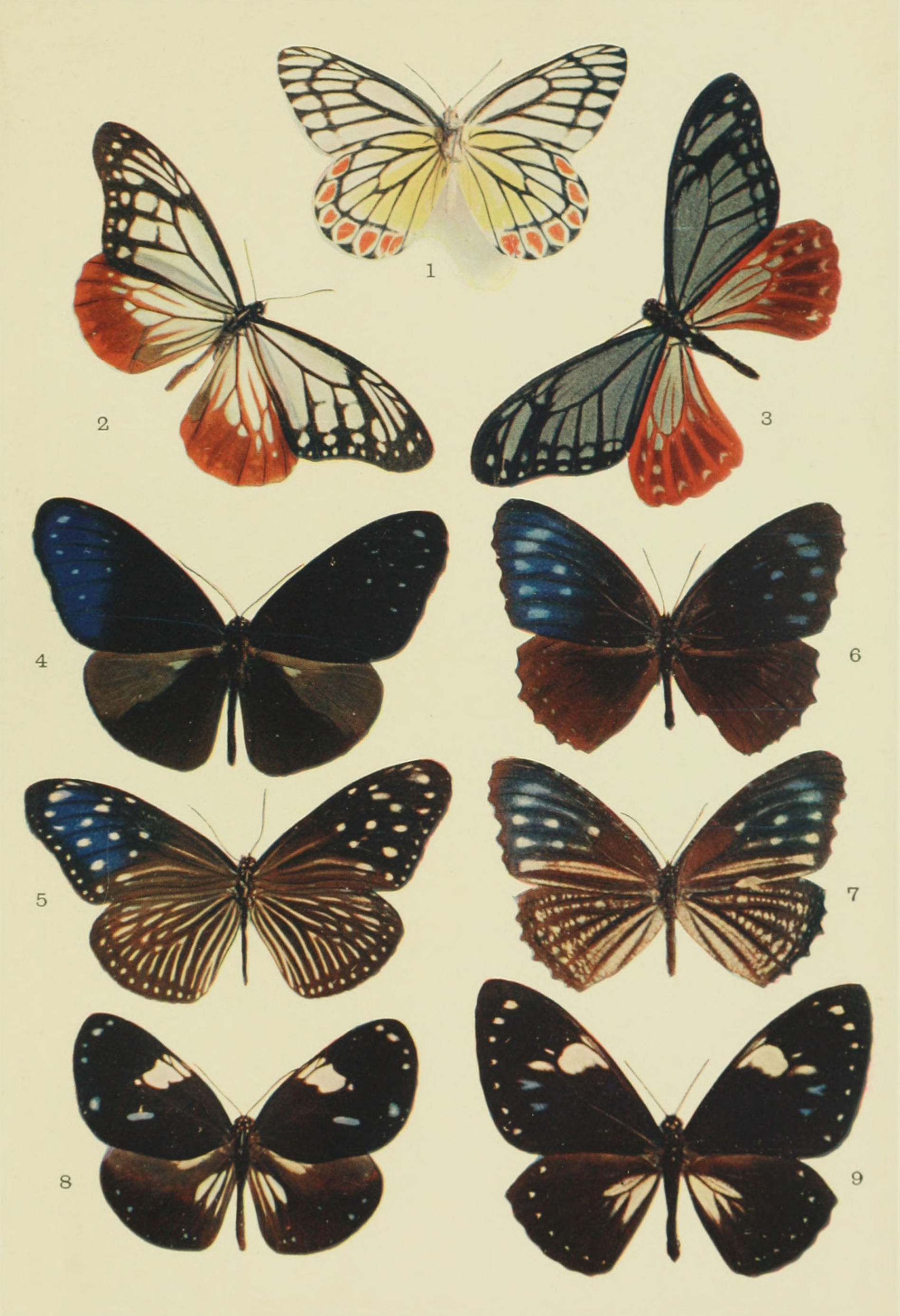
PLATE III ORIENTAL MOTHS AND BUTTERFLIES The three upper figures are those of moths, and the three lower ones are those of butterflies. 1. Alcidis agathyrsus (New Guinea) 2. Papilio laglaizei (N"w Gui" The moth is here supposed to serve as a model for the far rarer Papilio. 3. Cyclosia hestinioides 4. Ideopsis daos The butterfly is very common and must be regarded as the model, the rarer moth as the mimic. 5. Epicopeia polydora (Assam) 6. Papilio bootes (As" Both of these species are to be regarded as mimics of the abundant Pharmacophagus Papilio, P. polyxenus, which is very like P. bootes in appearance. × ⅔ Plate III ORIENTAL MOTHS AND BUTTERFLIES
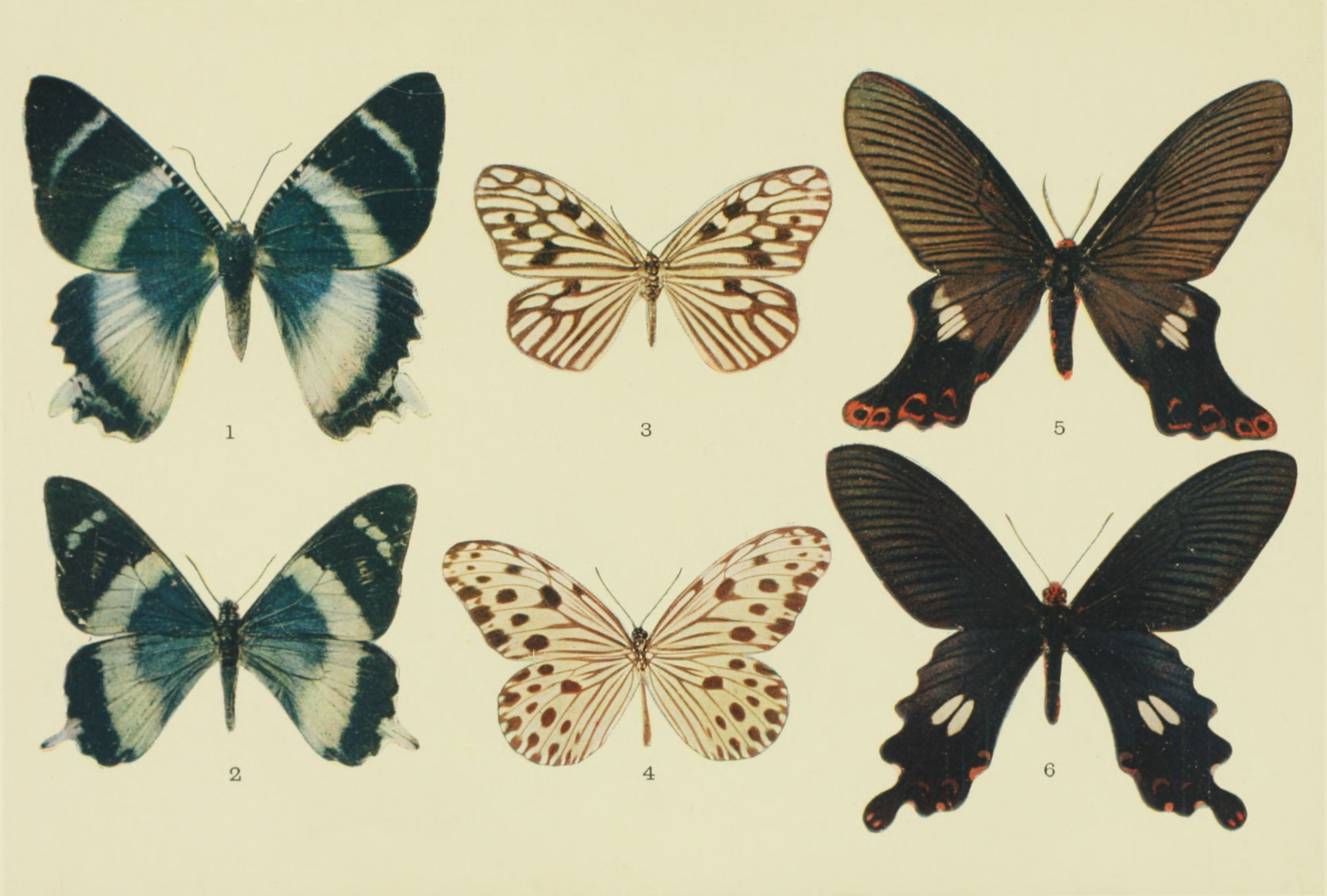
PLATE IV ORIENTAL BUTTERFLIES 1. Danais chrysippus ♂ (Danainae) 2. Da"ais plexippus ♀ 3. Argynnis hyperbius ♀ (Nymphalinae) 4. Arg"nnis hype" ♂ 5. Elymnias undularis ♀ (Satyrinae) 6. Ely"nias und" ♂ 7. Hypolimnas misippus ♀ (Nymphalinae) 8. Hypo"imnas misi" ♂ The two Danaids together with the females of the other three species form a "mimicry ring." For explanation see text, pp. 65-69. × ¾ Plate IV ORIENTAL BUTTERFLIES
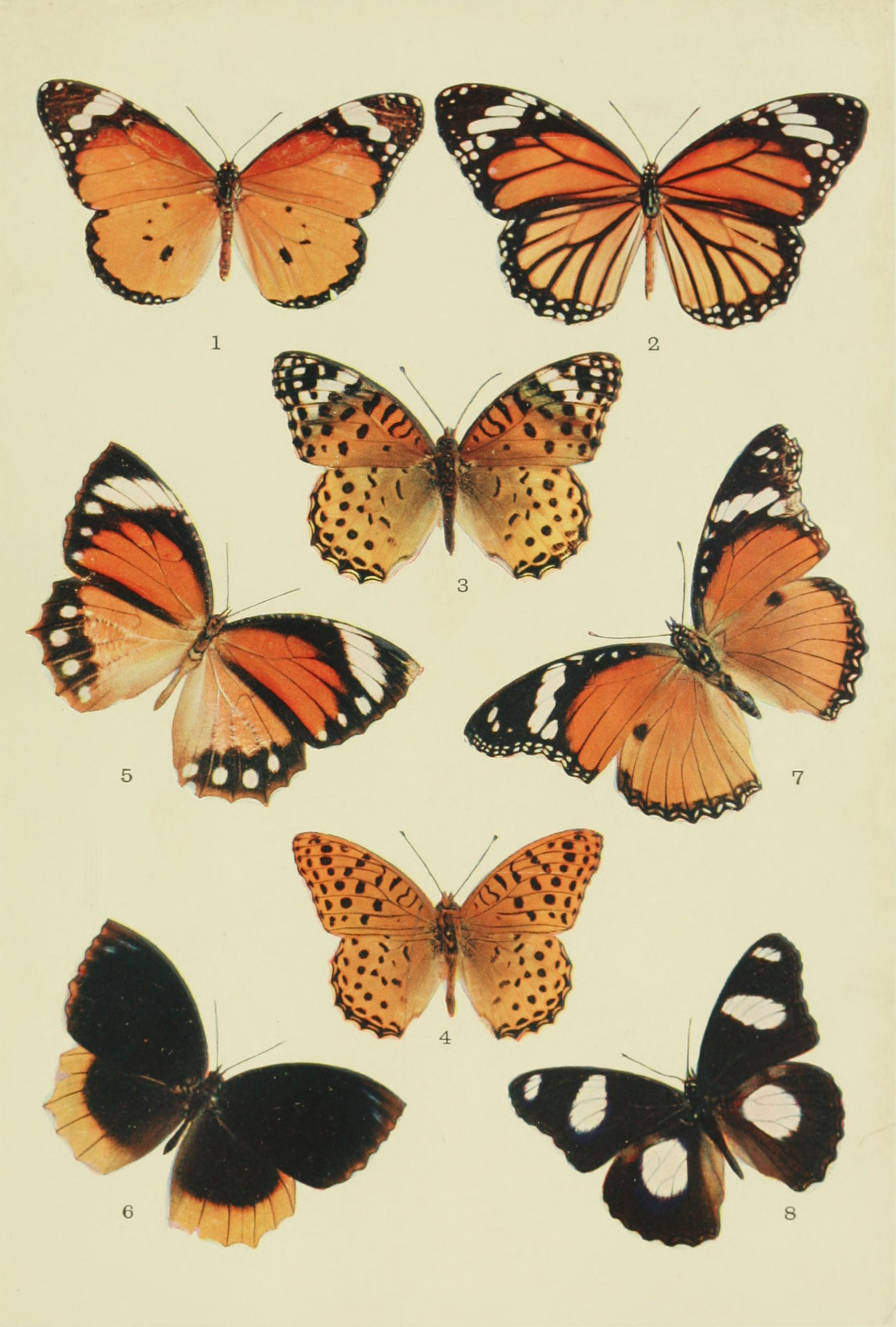
PLATE V ORIENTAL BUTTERFLIES 1. Papilio polytes ♂ 2. " " ♀, var. cyrus (M form) 3. " " ♀, var. polytes (A form) 4. " " ♀, var. romulus (H form) 5. " aristolochiae 6. " hector The specimens figured on this plate were taken in Ceylon where they are all plentiful. Figures 1a—6a represent the under surfaces of the hind wings belonging to specimens 1—6. × ¾ Plate V ORIENTAL BUTTERFLIES
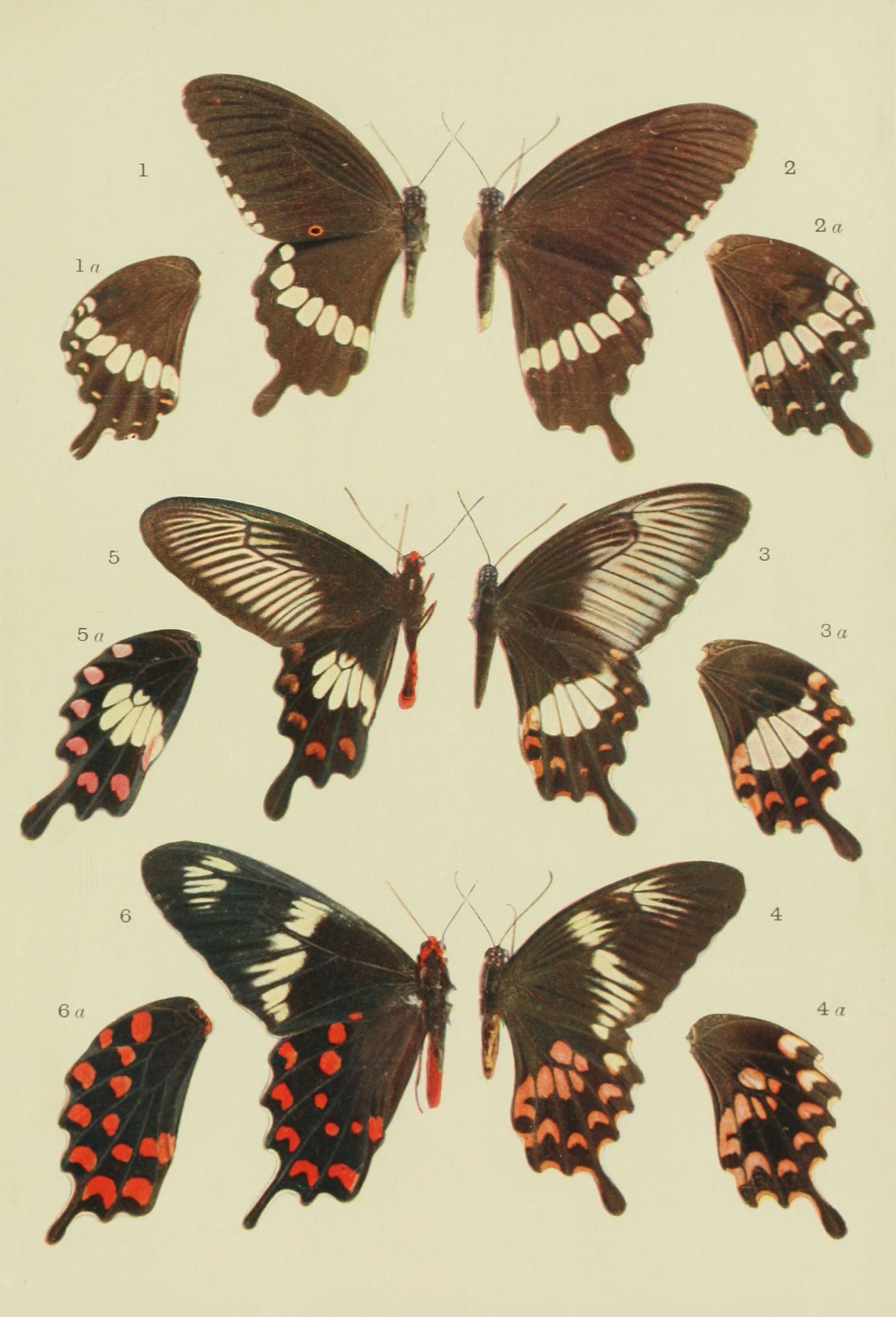
PLATE VI AFRICAN BUTTERFLIES (except A. levana, Figs. 8—10, which is European) 1. Danais petiverana (Danainae) 2. Papilio leonidas (Papilionidae) 3. Amauris hyalites (Danainae) 4. Papilio leonidas var. brasidas (Papilionidae) 5. Pseudacraea boisduvali (Nymphalinae) 6. Papilio ridleyanus (Papilionidae) 7. Acraea egina (Acraeinae) 8. Araschnia levana var. porima 9. Aras"hnia le"ana var. prorsa 10. Aras"hnia le"ana 11. Precis octavia var. sesamus 12. Pr"cis oc"avia var. natalensis × ⅔ Plate VI AFRICAN BUTTERFLIES
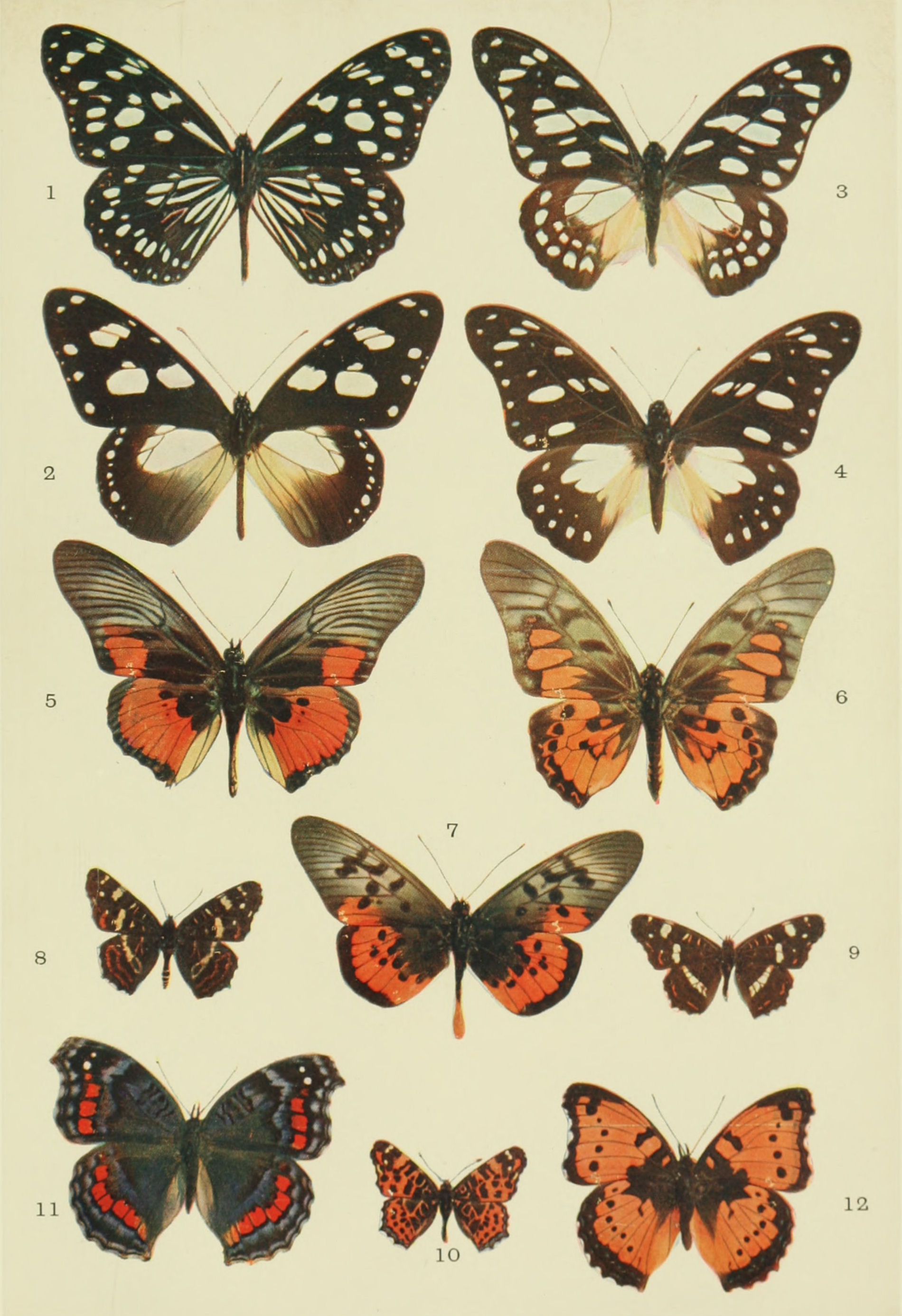
PLATE VII TROPICAL AFRICAN BUTTERFLIES 1. Planema macarista ♂ (Acraeinae) 2. Pla"ema mac" ♀ (Acra" 3. Pla"ema tellus (Acra" 4. Pla"ema paragea (Acra" 5. Pla"ema epaea (Acra" 6. Pseudacraea hobleyi ♂ (Nymphalinae) 7. Pseu"acraea ho" ♀ (Nymp" 8. Pseu"acraea terra (Nymp" 9. Elymnias phegea ♀ (Satyrinae) 10. Papilio cynorta ♀ (Papilionidae) (Note. Pseudacraea hobleyi and P. terra (Figs. 6—8) were at one time regarded as separate species. More recently they have been shewn to be forms of the polymorphic species, Pseudacraea eurytus.) × ⅔ Plate VII TROPICAL AFRICAN BUTTERFLIES
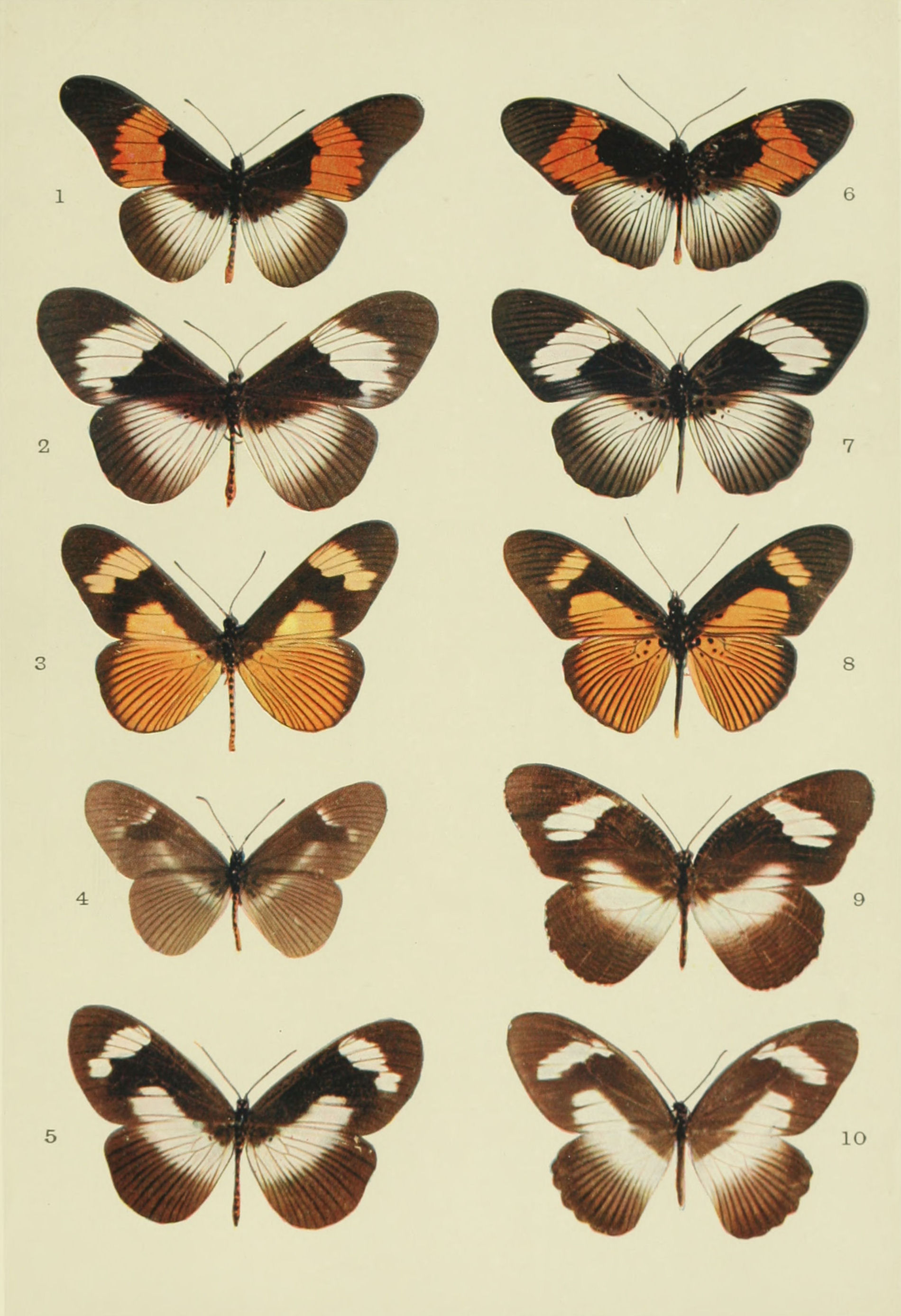
PLATE VIII AFRICAN BUTTERFLIES 1. Papilio dardanus ♂ 2. Pa"ilio dard" ♀, var. trophonius 3. Pa"ilio dard" ♀, var. hippocoon 4. Pa"ilio dard" ♀, var. cenea 5. Danais chrysippus (Danainae) 6. Amauris niavius (Dan" 7. Ama"ris echeria (Dan" 8. Hypolimnas dubius var. mima (Nymphalinae) 9. "Hypo"imnas du" var. wahlbergi " × 3⁄5 Plate VIII AFRICAN BUTTERFLIES
× 3⁄5 Plate IX AFRICAN BUTTERFLIES Danais chrysippus Acraea encedon Hypolimnas misippus ♀ a. Typical form d. Typical form g. Typical form b. Alcippus form e. Alcippina form h. Alcippoides form c. Dorippus form f. Daira form i. Inaria form (After Aurivillius)
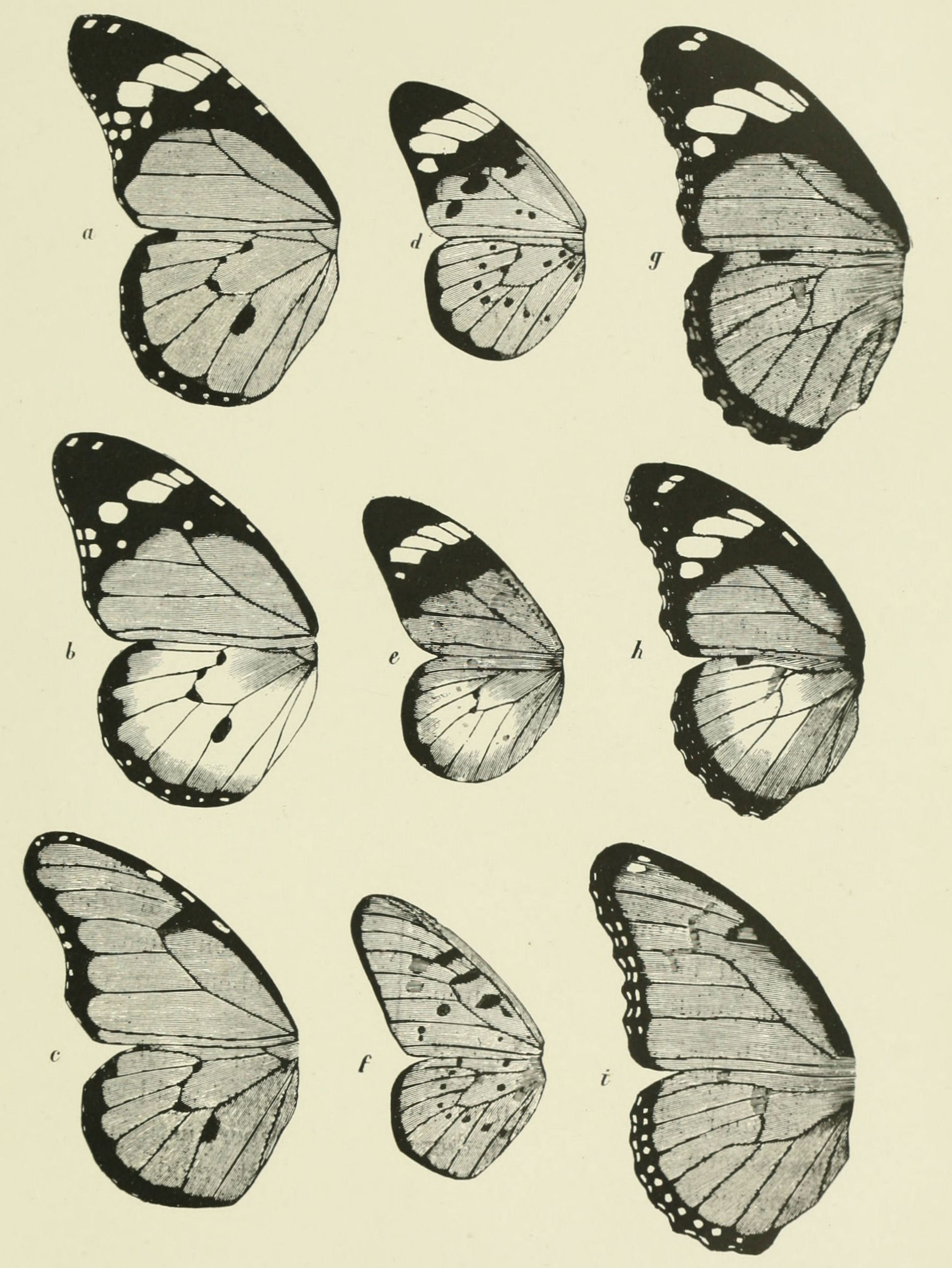
PLATE X SOUTH AMERICAN BUTTERFLIES 1. Dismorphia cretacea ♂ (Pieridae) 2. Dism"rphia praxinoe ♂ (Pie" 3. Dism"rphia pra" ♀ (Pie" 4. Perrhybris malenka ♂ (Pie" 5. Perr"ybris mal" ♂ (under surface) (Pie" 6. Perr"ybris mal" ♀ (Pie" 7. Mechanitis saturata (Ithomiinae) 8. Papilio zagreus (Papilionidae) 9. Protogonius tithoreides (Nymphalinae) 10. Tithorea pseudonyma (Ithomiinae) (Note. The figure of the Mechanitis (Fig. 7) is taken from a rather worn specimen. The quality of the orange brown is better shewn by the specimen illustrated in Fig. 7 on Plate XV.) × ⅔ Plate X SOUTH AMERICAN BUTTERFLIES
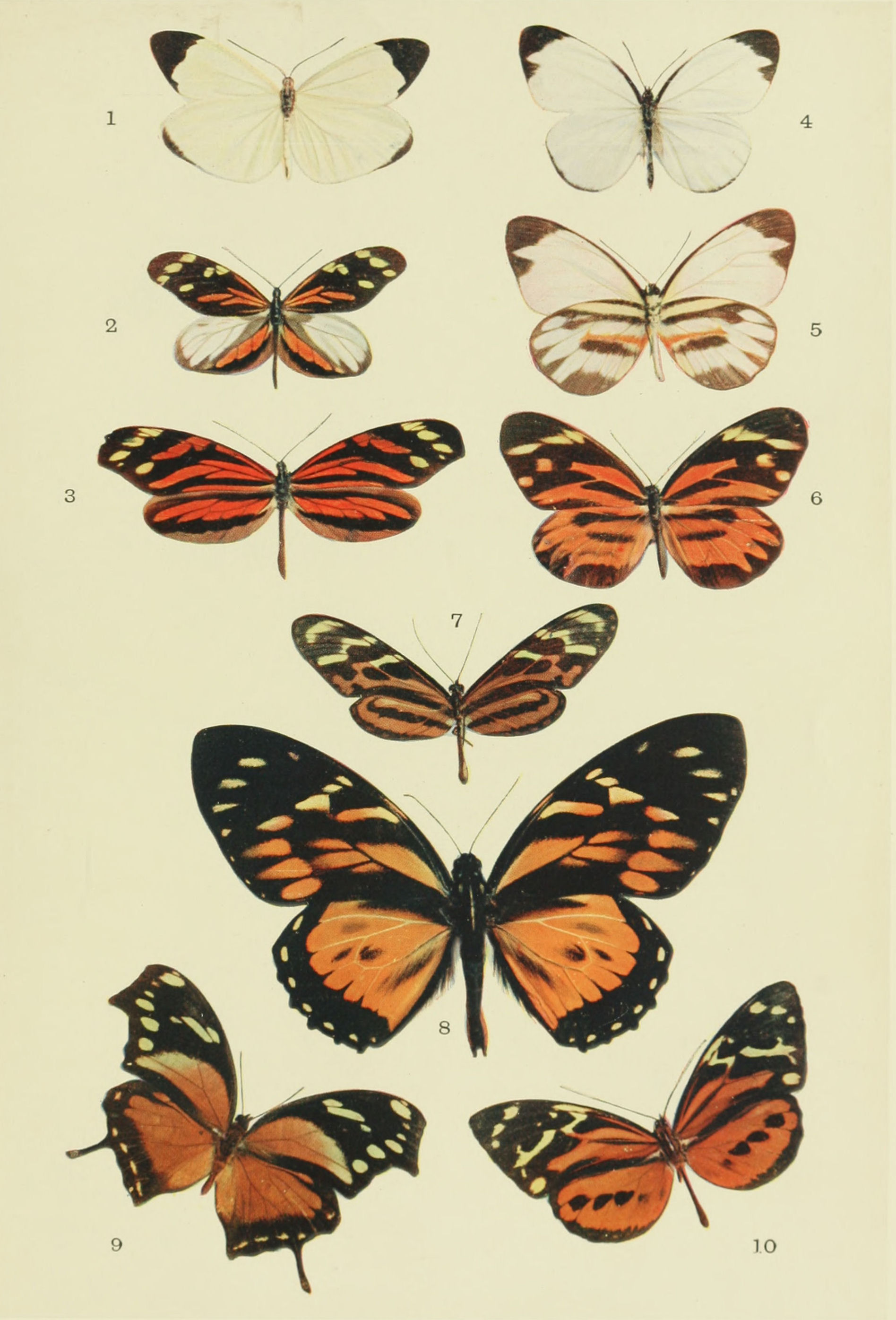
PLATE XI SOUTH AMERICAN BUTTERFLIES 1. Heliconius sulphurea (Heliconinae) 2. Papilio pausanias (Papilionidae) 3. Heliconius telesiphe (Heliconinae) 4. Colaenis telesiphe (Nymphalinae) 5. Heliconius melpomene (Heliconinae) 6. Pereute charops ♀ (Pieridae) 7. Per"ute cha" ♂ (Pie" 8. Papilio osyris ♂ (Papilionidae) 9. Pa"ilio os" ♀ (Papil" 10. Archonias critias ♀ (Pieridae) × ⅔ Plate XI SOUTH AMERICAN BUTTERFLIES
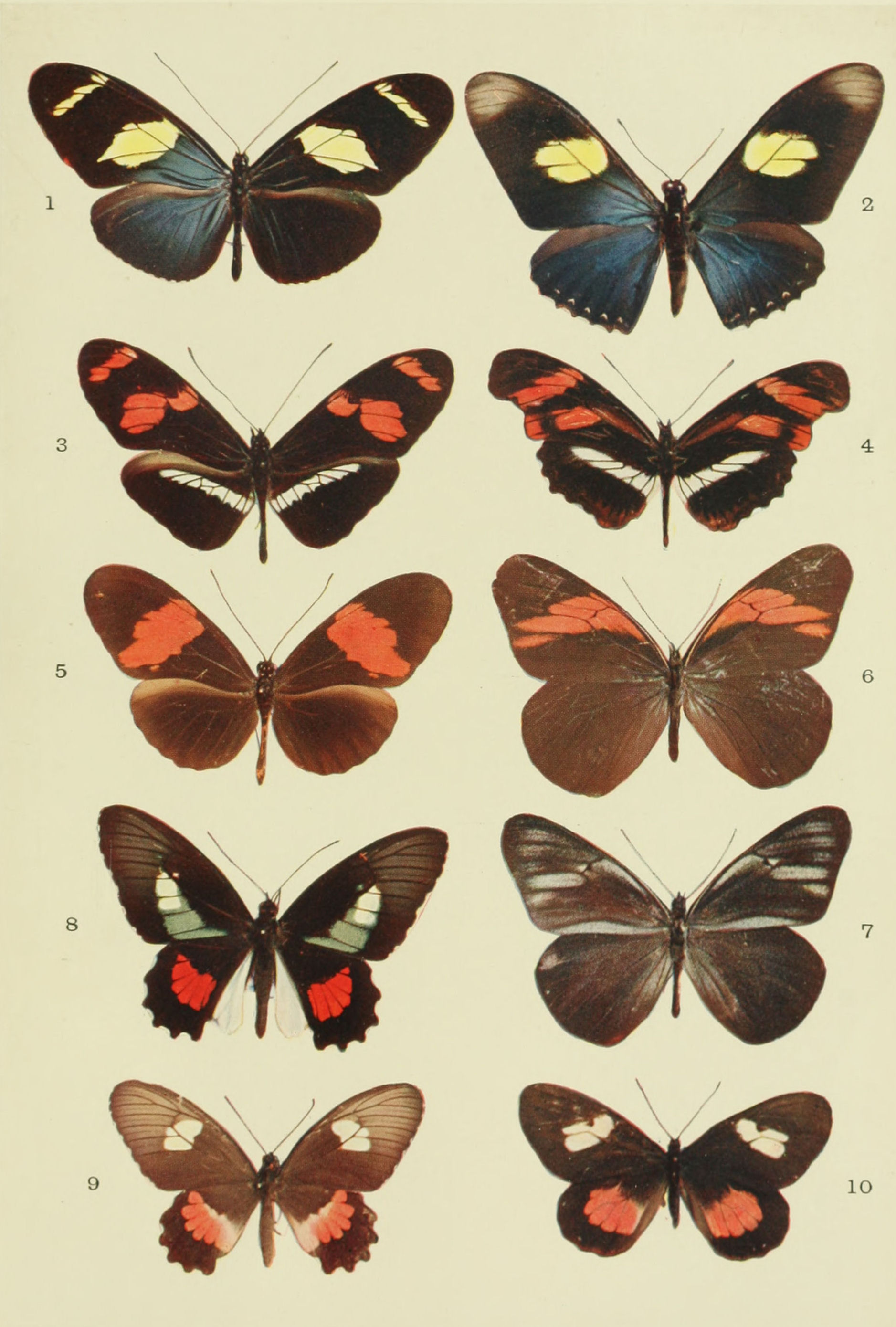
Plate XII SOUTH AMERICAN BUTTERFLIES
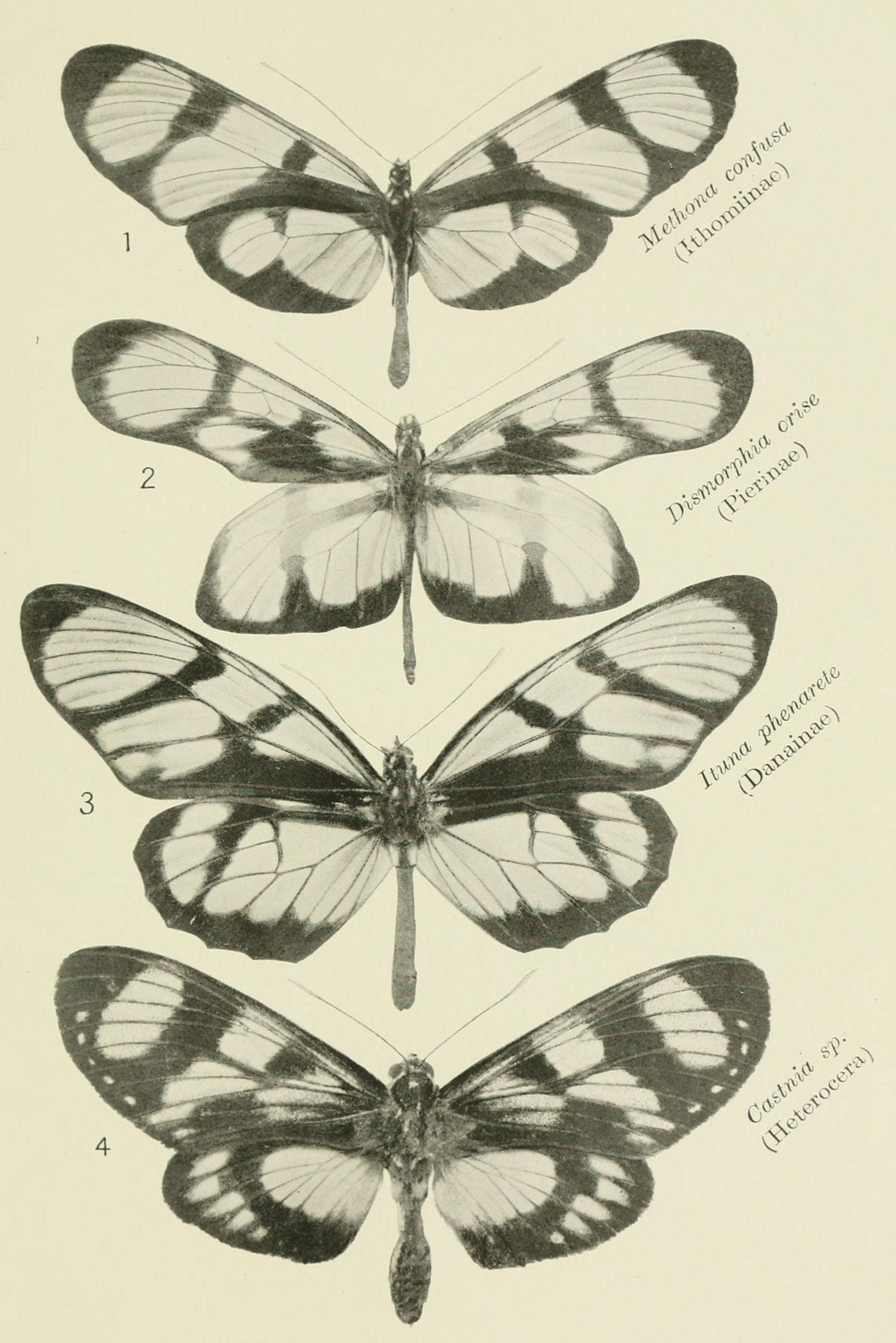
Plate XIII MODELS MIMICS 1. Papilio nephalion 4. Papilio lysithous var. lysithous 2. Pa"ilio chamissonia 5. Pa"ilio lysi " var. rurik 3. Pa"ilio perrhebus 6. Pa"ilio lysi " var. pomponius (For further details of this case see Jordan, Ier Congr. Internat. d'Entomologie, Bruxelles, 1911, p. 396.)
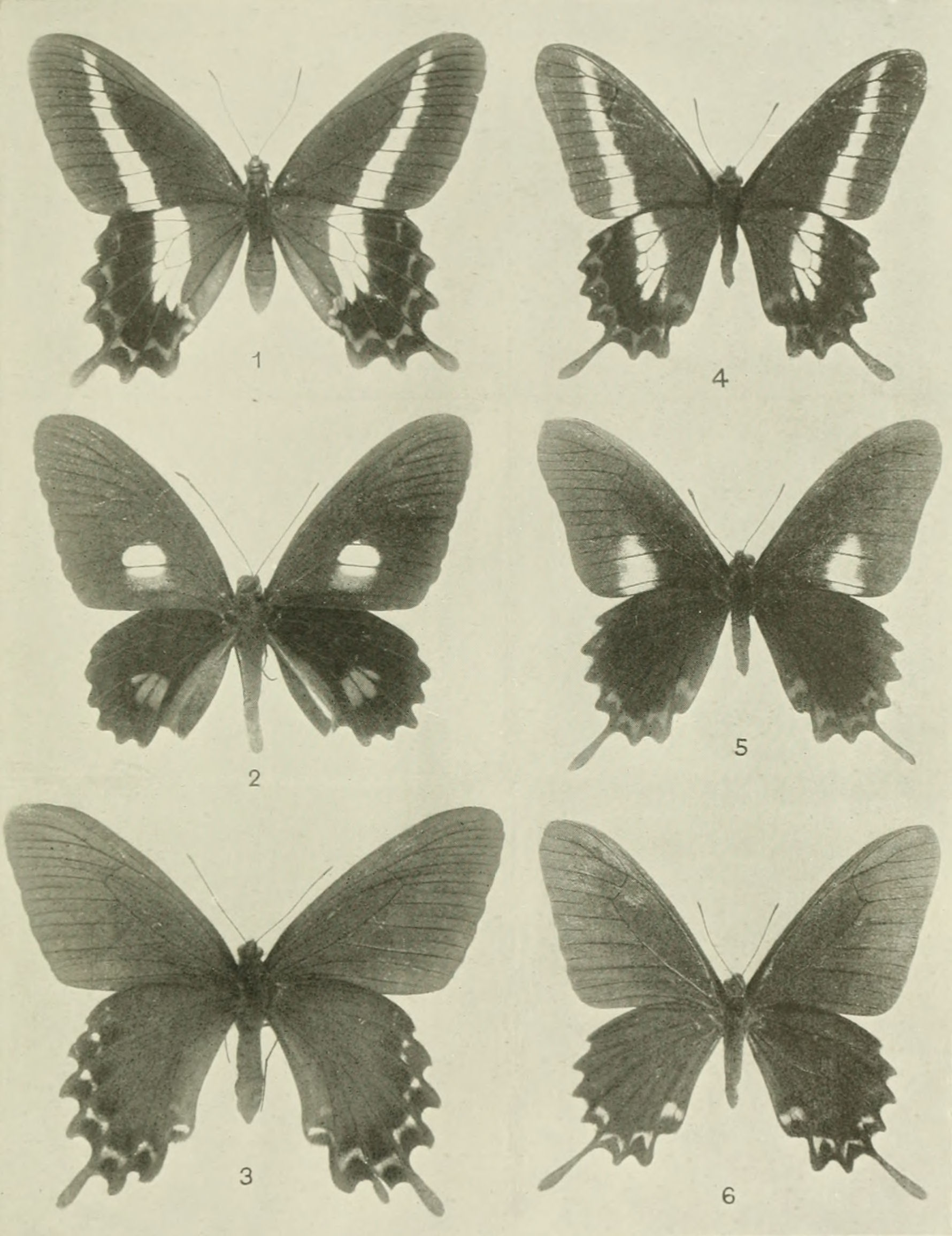
Plate XIV
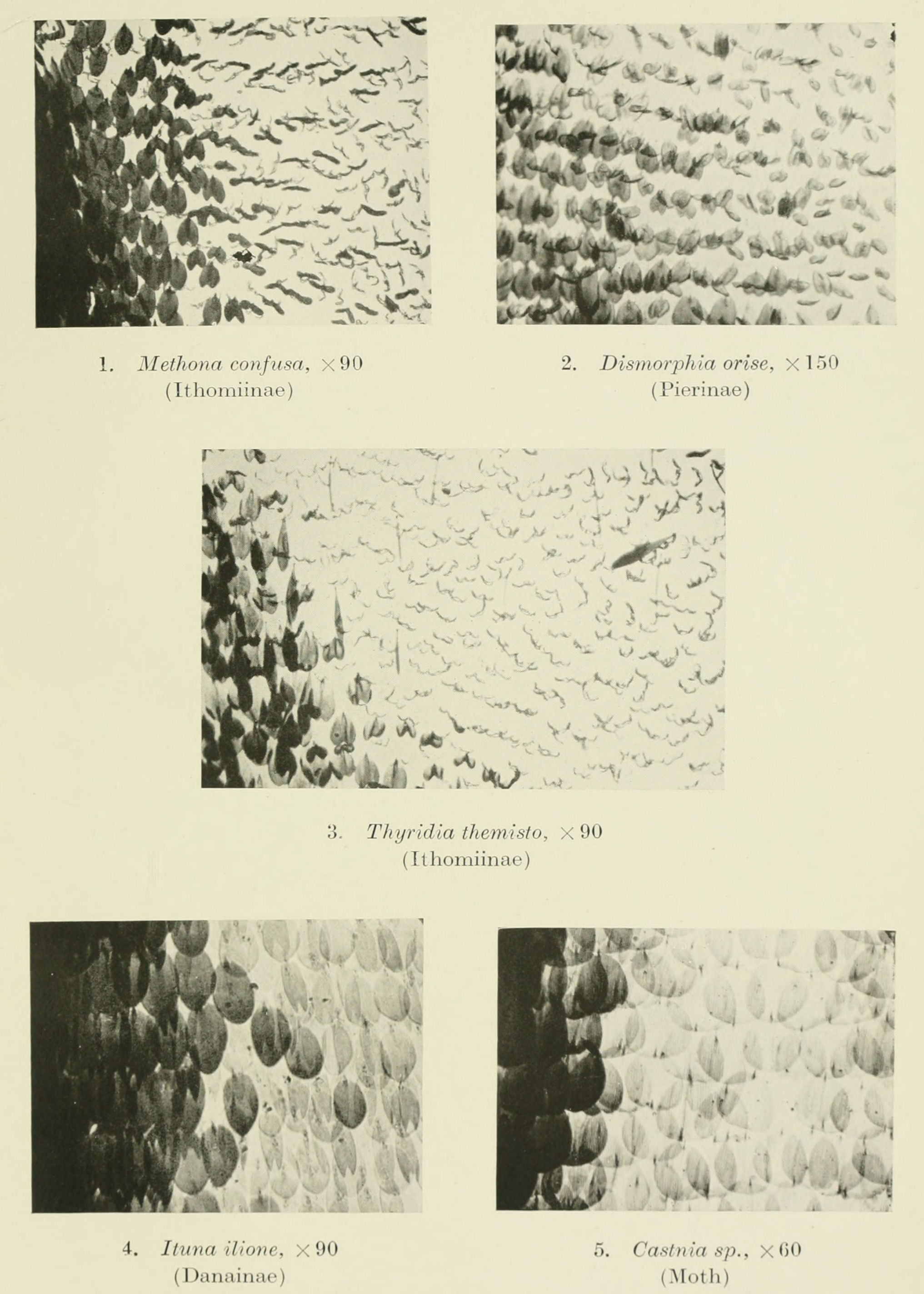
Microphotographs of the scales of various Lepidoptera in the S. American "Transparency group." For explanation see text, pp. 39-42.
PLATE XV CENTRAL AND SOUTH AMERICAN BUTTERFLIES Illustrating the closely parallel series of patterns occurring in the two distinct groups Heliconinae and Ithomiinae. 1. Heliconius mirus 2. " telchinia 3. " eucrate 4. " pardalinus 5. " splendens 6. Mechanitis elisa 7. " saturata 8. " lysimnia 9. " egaensis 10. " methona × ⅔ Plate XV CENTRAL AND SOUTH AMERICAN BUTTERFLIES
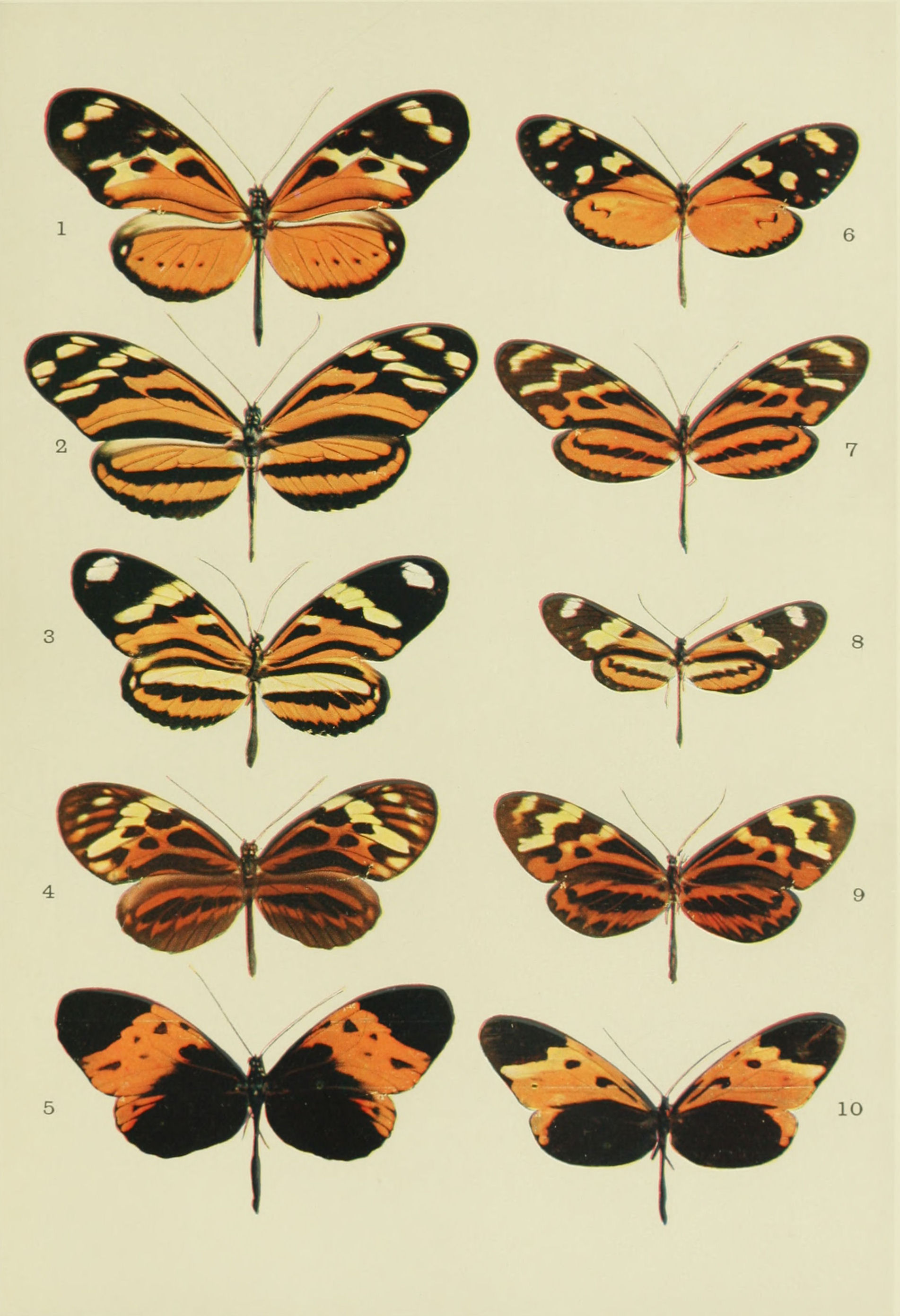
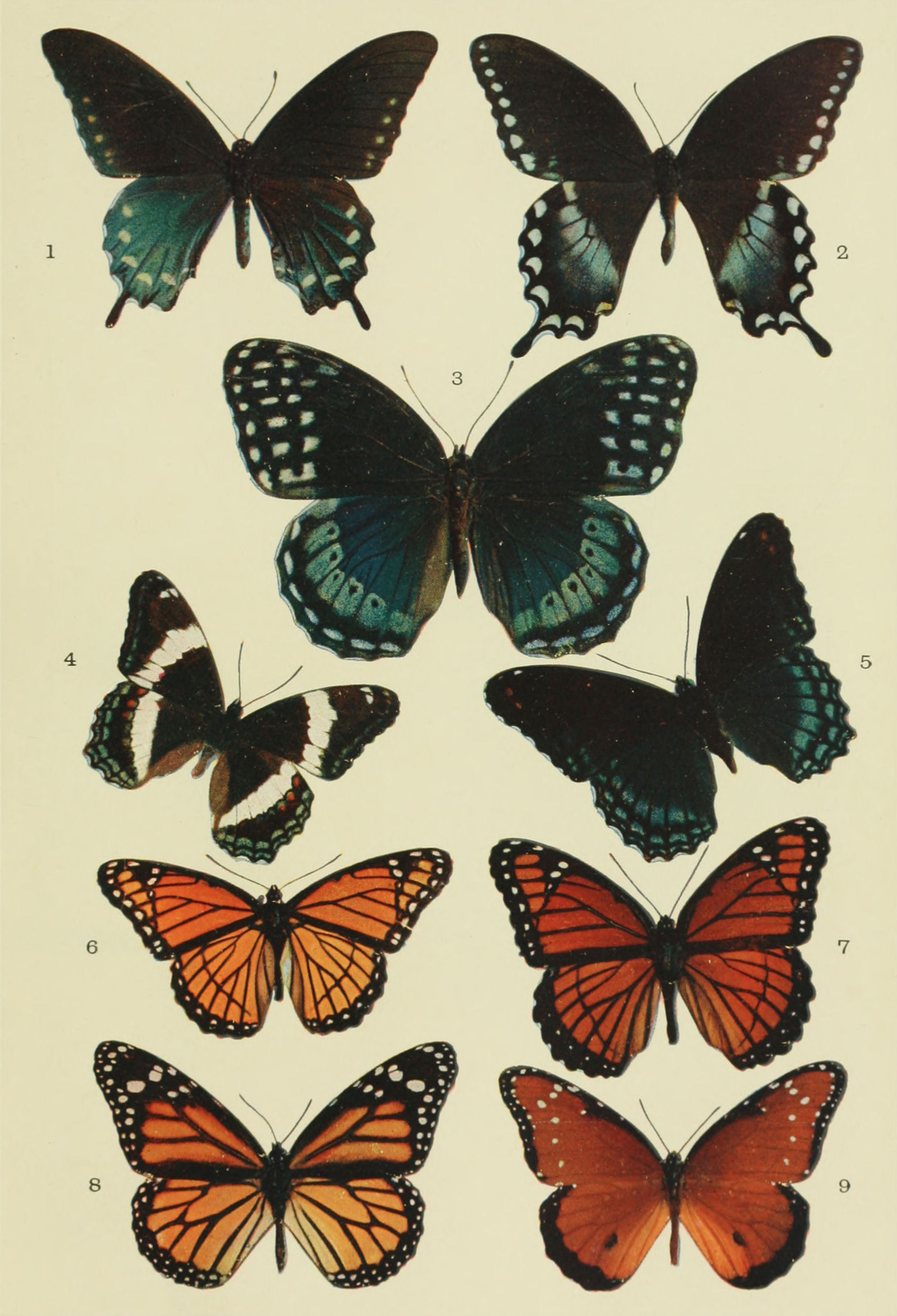
PLATE XVI NORTH AMERICAN BUTTERFLIES 1. Papilio philenor (Papilionidae) 2. Pa"ilio troilus (Papili" 3. Argynnis diana ♀ (Nymphalinae) 4. Limenitis arthemis (Nymp" 5. Lim"nitis astyanax (Nymp" 6. Lim"nitis archippus (Nymp" 7. Lim"nitis floridensis (= eros) (Nymp" 8. Danais archippus (Danainae) 9. Da"ais berenice (Dan" × ⅔ Plate XVI NORTH AMERICAN BUTTERFLIES
INDEX References to the plates are given in thicker type Acraea, taken by kestrel, 118; A. axina, 122; A. caldarena, 122; A. egina, 34, VI. 7; A. encedon, patterns of different forms in relation to those of Danais chrysippus, 29, 144; typical form of, IX. d; alcippina form of, IX. e; daira form of, IX. f; A. halali, 122; A. violae, 33 note; eaten by lizards, 108; attacked by birds, 110, 117 Acraeinae, as models for African butterflies, 33 Adaptation and Natural Selection, 61 Adelpha, 54 African butterflies, mimicry among, 28-36 Alcidis agathyrsus, 27, 145, III. 1 Aletis helcita, 36 Amauris echeria, 30, 148, VIII. 7; A. hyalites, 30, VI. 2; A. niavius, 30, VIII. 6 Amphidasys betularia, rapidity of increase in melanic sport of, 101 Anosia plexippus (= Danais archippus), 113 Anthomysa, 41 Aporia agathon, 149 Araschnia levana, seasonal dimorphism in, 130; typical form, VI. 10; prorsa form, VI. 9; porima form, VI. 8 Archonias, 43, 56, 145; A. critias, XI. 10 Argynnis diana, 47, XVI. 3; A. hyperbius, 29; as mimic of Danais plexippus, 52; in mimicry ring, 66, IV. 3, 4 Artamus fuscus, 112 Asilid flies, as enemies of butterflies, 106 Athyma punctata, 53 Bates, G. L., on contents of birds' stomachs, 113 Bates, H. W., on mimicry, 9; on resemblances between unpalatable forms, 14; on initial variation in mimetic resemblance, 63; on S. American Pierines attacked by birds, 112 Bateson, 3 Belenois, 36 Bingham, on birds eating butterflies, 110 Birds, as enemies of butterflies, 109; stomach contents of, 113; feeding experiments with, 115; colour perception in, 119 Bowater, on Amphidasys betularia, 102, 137 note Breeding experiments, with Hypolimnas dubius, 30; with Papilio polytes, 84; with Papilio memnon, 89; with Papilio dardanus, 90; with Pseudacraea eurytus, 128 Bryant, on birds eating butterflies, 114 Buchanga atra, 111 Byblia ilithyia, 122 Caduga tytia, 24, 51, II. 2 Callamesia pieridoides, 56 Calotes ophiomachus, 107; C. versicolor, 107 Carpenter, on intermediates in Pseudacraea eurytus, 126; on breeding experiments with Pseudacraea eurytus, 128 Castnia, as mimic, 39, XII. 4; scales of, 41, XV. 5 Catopsilia, 121; C. florella, 111; C. pyranthe, 111 Cerchneis rupicoloides, 118; C. naumanni, 117 Cercopithecus pygerythrus, 121 Charaxes athamas, 110 Citronophila similis, 35 Classification of butterflies, 18-21 Colaenis telesiphe, 38, XI. 4 Cyclosia hestinioides, III. 3 Cymatophora or, establishment of melanic sport in, 102 note Cyrestis thyodamas, 110 Danainae, characteristics of, 22; as models for Oriental butterflies,23; as models for African butterflies, 28 Danais, 111, 145; D. archippus, 48; eaten by lizard, 108; rejected by bird, 113, XVI. 8; D. berenice, 48, XVI. 9; D. chrysippus, 23, 28; flight of, 55; in mimicry ring, 65; eaten by lizards, 108; eaten by Bee-eater, 111; eaten by Brown Shrike, 117; rejected by Kestrel, 118; rejected by baboon, 122; local variation in, 132; patterns overlapping with those of Acraea encedon, 144; alcippus form, IX. b; dorippus form, IX. c; typical form, IV. 1, VIII. 5; D. plexippus, as model for Argynnis hyperbius, 52; in mimicry ring, 65; eaten by Liothrix, 115 note, IV. 2; D. petiverana, 29, VI. 1; D. septentrionis, 23, 111, 112, I. 3; D. vulgaris, 150 Darwin, on natural selection, 1; on adaptation, 5; on initial variation in mimetic resemblance, 63; on a difficulty of the mimicry theory, 65 Defence in butterflies, 54 Delias cathara, 56; D. eucharis, 28, 115, 116, II. 1 de Meijere, on breeding Papilio memnon, 89 de Vries, 3 Dismorphia, as mimics of Ithomiinae, 38, 42; restricted range of many forms, 51; diversity of pattern in genus, 58; as Batesian mimics, 135; patterns parallel with those of Ithomiinae, 145; D. astynome, 151; D. avonia, 151; D. cretacea, 5, 8, 62, X. 1; D. orise, as mimic, 39, XII. 2; scales of, 40, XIV. 2; D. praxinoe, as mimic, 57, 62, X. 2, 3; as member of mimicry ring, 134 Distasteful groups, characteristics of, 55 Eltringham, 17 note, 32 note, 36 note Elymnias, patterns in genus compared with those of Danaidae, 59, 144; E. malelas, 24, II. 6, 7; E. phegea, 35, VII. 9; E. singhala, 25, I. 9; E. undularis, in mimicry ring, 66, 115 note, 116, IV. 5, 6 Epicopeia polydora, 27, III. 5 Equilibrium, conditions of in mixed population, 93 Eresia, 134, 135 Eugonia californica, 114 Euphaedra ruspina, 36 Euploea core, 25, 108, 110, 112, I. 10; E. mulciber, 24, 51, II. 4, 5; E. rhadamanthus, 24, 51, II. 8; E. rafflesii, 110 Euploeinae, characteristics of, 22; as models for Oriental butterflies, 24; in relation to birds, 111, 112, 115 note Euripus halitherses, 24 Feeding experiments, with Mantids, 105; with lizards, 107; with birds, 115; with mammals, 121 Finn, on feeding experiments with lizards, 108; on feeding experiments with Indian birds, 115; on feeding experiments with a Tree-shrew, 121 Flight, different in model and mimic, 55; difference of in Papilio polytes and its models, 82 Fryer, on breeding Papilio polytes, 84; on relative abundance of females of Papilio polytes in Ceylon, 97; on birds eating "unpalatable" butterflies, 112 Gerrhonotus infernalis, 108 Haase, on mimicry, 16; on classification of Papilionidae, 25 Hahnel, on S. American Pierines attacked by birds, 112 Hardy, on conditions of equilibrium in a mixed population, 94 Hearsy, on birds eating butterflies, 111 Hebomoia, 110 Heliconinae, as models for S. American butterflies, 38 Heliconius, 145; H. eucrate, XV. 3; H. melpomene, as model, 42, 43, XI. 5; H. mirus, XV. 1; H. pardalinus, XV. 4; H. splendens, XV. 5; H. sulphurea, 43, XI. 1; H. telchinia, XV. 2; H. telesiphe, XI. 3 Herpestes galera, 121 Hess, on colour perception in birds, 119 Hopkins, on pigment of Pierids, 150 Hypolimnas dubius, polymorphism in, 30; as mimic of Danaines,30, VII. 8, 9; breeding experiments with, 30; var. mima compared with model, 148; patterns of in relation to models, 149; H. bolina, 25, 117, I. 5, 6; H. misippus, 25, 29, as model, 53; flight of, 55; in mimicry ring, 66, 116; eaten by Brown Shrike, 117; alcippoides form, IX. h; inaria form, IX. i; typical form, IV. 7, 8, IX. g Ideopsis daos, III. 4 Initial variation, difficulty of, 63 Insect enemies of butterflies, 105 Intermediates, between different forms of Pseudacraea eurytus, 128; in relation to mimicry,129, 140 Ithomiinae, characteristics of, 10; as models for S. American butterflies, 38 Ituna, 39; I. ilione, 40, XIV. 4; I. phenarete, XII. 3 Jacobsen, experiments with Papilio memnon, 89 Jordan, 40 note Junonia, 111 Lanius cristatus, 117 Limenitis albomaculata, 53; L. archippus, 49, 59, XVI. 6; L. arthemis, 47, 49, XVI. 4; L. astyanax, 47, XVI. 5; L. floridensis (= eros), 49, XVI. 7; L. proserpina, 47 Lizards, as enemies of butterflies, 107 Local varieties, in connection with mimicry, 132 Lycaenidae, as mimics in Africa, 35 Lycorea, 145 McAtee, on feeding experiments with birds, 118 Mammals, as enemies of butterflies, 121 Manders, on feeding experiments with lizards, 107; with birds, 117 Mantids, as enemies of butterflies, 105 Marshall, on Müllerian mimicry, 72; on feeding experiments with Mantids, 105; on birds as enemies of butterflies, 107; on feeding experiments with S. African birds, 117; with monkeys, 121; on birds attacking Pierids, 150 Mechanitis egaensis, XV. 9; M. elisa, XV. 6; M. lysimnia, 151, XV. 8; M. methona, XV. 10; M. saturata, as model for Dismorphia praxinoe, 57, 62; as member of mimicry ring, 134, XV. 7 Melanic sports in moths, 101 Melinaea, 135 Melinda formosa, App. II Melittophagus swinhoei, 110 Merops viridis, 111 Merrifield, on seasonal dimorphism, 130 Methona confusa, XII. 1, XIV. 1 Migratory birds, suggested influence on mimicry of, 53 Mimacraea, 35 Mimetic resemblance, as induced through gradual slight changes, 64 Mimic, occupying same station as model, 51; occupying station apart from model, 53; scarcer than model, 56; pattern of in relation to allies, 57 Mimicry, Wallace's conditions of, 50; Batesian, 9; Müllerian, 14 Mimicry rings, 65; in S. American butterflies, 134; and natural selection, 136 Mimicry theory, difficulties of, 139 Monkeys, as enemies of butterflies, 121 Moths, mimicry in, 27, 36 Moulton, on S. American mimicry rings, 134 Müller, 14, 72 Müllerian mimicry, 53, 57, 66; difficulties of, 72 Mutation, see Sports Mylothris, 36 Natural selection and mimicry, 10-12, 61, 92, 152 Neal, on monkeys as enemies of butterflies, 123 Nepheronia (= Pareronia) hippia, 116 Neptis imitans, 24; N. nemetes, 54; N. kamarupa, 121 North American butterflies, mimicry among, 45 Norton, on rapidity of changes in mixed populations through natural selection, 94, App. I Oriental butterflies, mimicry among, 23 Overlapping in patterns of different groups of butterflies, 144 Papilio aristolochiae, as model for female of P. polytes, 13, 26, 52, 77; range of, 79; likeness to P. polytes, 80; characteristics of, 81; flight of, 82; eaten by lizards, 108; rejected by certain birds, 115, 116; disliked by Tree-shrew, 121, V. 5, 5a; P. agestor, 24, 51, II. 3; P. asterius, 46; P. bachus, App. II; P. bootes, 27, III. 6; P. brasidas, 29, VI. 4; P. chamissonia, 44, XIII. 2; P. clytia, 23, 25, 55, I. 7, 8; P. coon, 26, 89; P. cynorta, 35, 36, VII. 10; P. dardanus, investigated by Trimen, 14; mimicry in, 30; breeding experiments with, 90; polymorphic forms of in relation to models, 149 note; var. humbloti, 32; var. meriones, 32; ♀ cenea, 31, VIII. 4; ♀ dionysus, 31, 33; ♀ hippocoon, 31, VIII. 3; ♀ niavioides, 32, 33; ♀ planemoides, 31; ♀ ruspina, 33; ♀ trimeni, 31, 32, 33; ♀ trophonius, 31, 122, VIII. 2; P. delesserti, App. II; P. demoleus, 111, 121; P. echerioides, App. II; P. erithonius, 110; P. euterpinus, 42, 43; P. glaucus, 45; var. turnus, 46; P. hahneli, 39; P. hector, model for female of P. polytes, 13, 52, 78; range of, 79; characteristics of, 81; flight of, 82; eaten by lizards, 108; eaten by birds, 110, 117, V. 6, 6a; P. hippason, App. II; P. laglaizei, 27, 124, III. 2; P. leonidas, 29, VI. 3; P. lysithous, polymorphism in, 44; ♀ lysithous, XIII. 4; ♀ rurik, XIII. 5; ♀ pomponius, XIII. 6; P. macareus, 23, 111; P. memnon, 26, 89; P. mendax, 24, 51, II. 9; P. nephalion, 44, XIII. 1; P. osyris, XI. 8, 9; P. paradoxus, 25; P. pausanias, 43, XI. 2; P. perrhebus, 44, XIII. 3; P. philenor, as model, 45; taken by lizard, 108, XVI. 1; P. polytes, polymorphism in females of, 13, 75; mimic of Pharmacophagus Papilio, 26; habits of, 52, 124; often more abundant than models, 56; description of, 76-78; relative abundance of models in Ceylon, 79; breeding experiments with, 84; equilibrium among females of in Ceylon, 96; relative abundance of three forms of female of in Ceylon, 97; historical notes on abundance of forms of female in Ceylon, 98; origin of forms of female in, 125, 141; relation of polymorphic forms to models in, 149 note; preyed on by Wood-Swallow, 112; feeding experiments with, 116, V. 1-4, 1a-4a; P. polyxenus, 27; P. rex, App. II; P. ridleyanus, 34, 36, VI. 6; P. sarpedon, 110; P. troilus, 45, XVI. 2; P. xenocles, 23, 111, I. 4; P. zagreus, 43, X. 8 Papilionidae, as mimics of Oriental models, 23-25; of African models, 29, 30, 35; of S. American models, 43; of N. American models, 45 Parallel patterns, in different butterfly groups, 144 Pareronia, 145, 149; P. ceylanica, 23, 59, 116 note, I. 1, 2 Pattern and physiological properties, possible connection between, 137 Patterns, overlapping series of in different groups of butterflies, 145 Pedaliodes, 135 Pereute charops, 42, XI. 6, 7 Pericopis, 39 Perrhybris, as mimics of Ithomiines, coloration of male in P. malenka, 62; as members of mimicry rings, 134, 135; P. demophile, 151; P. lorena, 151; P. malenka, X. 4, 5, 6 Pharmacophagus Swallow-tails, characteristics of, 22, App. II; as models for Oriental butterflies, 25; absence of in Africa, 35; as models in S. America, 43; as models in N. America, 45 Phrissura, 36 Phyciodes, 38, 54 Physiological properties, possible connection of with pattern, 137 Pieridae, as models for Oriental butterflies, 28; mimicry in African, 36; mimicry in S. American, 43; frequency of bird attacks on, 150 Planema epaea, 35, VII. 5; P. macarista, sexual difference in, 34, VII. 1, 2; mimicked by Elymnias phegea, 35; by Pseudacraea eurytus, 126; P. poggei, as model for planemoides female of Papilio dardanus, 31; P. paragea, 126, VII. 4; P. tellus, 126, VII. 3 Poison-eaters, see Pharmacophagus Swallow-tails Polymorphism, in females of mimicking species, 13; among females of P. dardanus, 30; among females of P. polytes, 75 Population, conditions of equilibrium in mixed, 93 Poulton, 17; on N. American mimetic butterflies, 45; on the "Transparency group," 41; on mimicry through agency of migratory birds, 53; on Hypolimnas misippus, 66 note; on the relation between mimetic forms of P. polytes, 90; on predaceous insects, 105; on relative proportion of different forms of Pseudacraea eurytus, 127; on local variation in D. chrysippus, 132 Precis, 111, 122, 131; P. octavia, seasonal dimorphism in, 131, VI. 11, 12 Prioneris, 110; P. sita, 28 Pritchett, feeding experiments with lizards, 108 Protective resemblance, 8 Protogonius, as mimics of Ithomiines, 38; as members of mimicry rings, 134, 135, 138; P. tithoreides, X. 9 Pseudacraea, 59, 144; P. boisduvali, 34, VI. 5; P. eurytus, relative proportion of different forms in, 127; polymorphism of in relation to model, 149 note; var. hobleyi as mimic of Planema macarista, 35, 127, VII. 6, 7; var. terra, as mimic of Planema tellus, 126, VII. 8; var. obscura as mimic of Planema paragea, 126 Ray, on adaptation, 4, 6 Rodents, bearing on mimicry of recent genetic work with, 147 Satyrinae, transparency in S. American, 42 Sceleporus floridanus, 108 Schaus, on birds as enemies of butterflies, 112 Seasonal dimorphism, 130 Seitz, 44, 52, 58 Shelford, 56 note S. American butterflies, mimicry among, 38 Sports, as foundation of mimetic resemblances, 70, 91, 143 Sweet-peas, experiments on, 91 Swynnerton, on contents of stomachs of birds, 114 Telipna sanguinea, 36 Terias brigitta, 35; T. hecabe, 110 Thyridia, 40, XIV. 3 Tithorea pseudonyma, X. 10 "Transparency group," in S. America, 39 Trimen, on mimicry in African butterflies, 13 Tupaia ferruginea, 121 Variation, difficulty of initial, 63 Wade, on relative abundance of the three forms of P. polytes in Ceylon, 99 Wallace, on mimicry in Oriental butterflies, 12; on the conditions of mimicry, 50; on the females of P. polytes, 76; on initial variation, 64 Warning colours, 10, 11 Weismann, 1, 2
CAMBRIDGE: PRINTED BY JOHN CLAY, M.A. AT THE UNIVERSITY PRESS
SELECTION FROM THE GENERAL CATALOGUE OF BOOKS PUBLISHED BY THE CAMBRIDGE UNIVERSITY PRESS
Journal of Genetics. A periodical for the publication of records of original research in Heredity, Variation, and allied subjects. Edited by W. Bateson, M.A., F.R.S., and R. C. Punnett, M.A., F.R.S.
The Journal of Genetics is issued in parts as material accumulates, and a volume appearing, so far as possible, annually, consists of four such parts. The Subscription price for a volume is 30s net (post free) payable in advance; separate parts 10s net each.
Vols. I, II and III (1910-14) are now ready. Price in four parts, paper covers, 30s net each; bound in Buckram, 34s 6d net each.
Mendel's Principles of Heredity. By W. Bateson, M.A., F.R.S., V.M.H. Third impression with additions. Royal 8vo. With 3 portraits, 6 coloured plates and 38 figures. 12s net.
"A new impression cannot fail to be welcomed by those who already have it as well as those who have it not.... Mendel's Principles of Heredity is already a classic. It marks a position of stability towards which previous work is now seen to have logically converged, and from which new and active research is to-day no less logically diverging. The various waves of biological thought are constantly intersecting, mingling, and passing on with altered rhythm, but it rarely happens that so many meet together at a nodal point as during the last decade.... As an analysis of that point, as a picture of how it has come into being, and as a foreshadowing of happenings in the near future, Mendel's Principles stands alone, and it is good to know that the generations of students now growing up cannot be cut off from the possession of a book so full of inspiration."—Gardeners' Chronicle
The Methods and Scope of Genetics. An Inaugural Lecture delivered 23 October 1908 by W. Bateson, M.A., F.R.S. Crown 8vo. 1s 6d net.
Zoology. An Elementary Text-Book. By A. E. Shipley, Sc.D., F.R.S., and E. W. MacBride, M.A., D.Sc. Third edition, revised and enlarged. Demy 8vo. With numerous illustrations. 12s 6d net.
Experimental Zoology. By Hans Przibram, Ph.D. Part I. Embryogeny, an account of the laws governing the development of the animal egg as ascertained by experiment. Royal 8vo. With 16 plates. 7s 6d net.
The Natural History of some Common Animals. By Oswald H. Latter, M.A. Crown 8vo. With 54 illustrations. 5s net.
The House-Fly (Musca Domestica Linn.): its structure, habits, development, relation to disease and control. By C. G. Hewitt, D.Sc., F.R.S.C. Demy 8vo. With 104 illustrations and a map. 15s net.
The Determination of Sex. By L. Doncaster, Sc.D. Demy 8vo. With frontispiece in colour and 22 plates. 7s 6d net.
The Evolution of Sex in Plants. By John Merle Coulter, Head of the Department of Botany in the University of Chicago. Small 12mo, 4s net. (Published by the University of Chicago Press and sold in Great Britain and the British Empire (except Canada) by the Cambridge University Press.)
CAMBRIDGE MANUALS OF SCIENCE AND LITERATURE
Editors: P. Giles, Litt.D., and A. C. Seward, M.A., F.R.S.
Cloth, 1s net each; leather, 2s 6d net each.
"A very valuable series of books which combine in a very happy way a popular presentation of scientific truth along with the accuracy of treatment which in such subjects is essential.... In their general appearance, and in the quality of their binding, print and paper, these volumes are perhaps the most satisfactory of all those which offer to the inquiring layman the hardly earned products of technical and specialist research."—The Spectator
The Life-Story of Insects. By Prof. G. H. Carpenter. With 24 illustrations.
Bees and Wasps. By O. H. Latter, M.A., F.E.S. With 21 illustrations.
House-Flies and How they spread Disease. By C. G. Hewitt, D.Sc. With frontispiece and 19 figures.
The Flea. By H. Russell. With 9 illustrations.
Spiders. By C. Warburton, M.A. With 13 figures.
Earthworms and their Allies. By Frank E. Beddard, M.A. (Oxon.), F.R.S., F.R.S.E. With 13 figures.
Plant-Animals. By F. W. Keeble, Sc.D. With 23 figures.
Primitive Animals. By G. Smith, M.A. With 26 figures.
Life in the Sea. By James Johnstone, B.Sc. With frontispiece, 4 figures and 5 tailpieces.
The Individual in the Animal Kingdom. By Julian S. Huxley, B.A. With frontispiece and 16 figures.
The Wanderings of Animals. By Hans Gadow, F.R.S. With 17 maps.
The Migration of Birds. By T. A. Coward. With 4 maps.
Heredity in the light of recent research. By L. Doncaster, Sc.D. With 12 figures.
The Coming of Evolution. By John W. Judd, C.B., LL.D., F.R.S. With 4 plates.
A list of the eighty-six volumes now ready will be sent on application.
Cambridge University Press C. F. Clay, Manager: Fetter Lane, London
NOTES
"You have asked me about monkeys eating butterflies. This is very common, as every native will tell you. I have seen it myself. The monkey runs along a path, sees some butterflies fluttering round some filth, goes very quietly, and seizes one by the wings, puts the solid part (body) into his mouth, then pulls the wings off. The poor butterfly goes down like any oyster.... The dog-faced baboon and the large brown monkey with a very long tail, which seems to be the most common species in this colony, are great butterfly-eaters. The little spider-monkey also considers a butterfly a treat, and prefers one to a spider."