THE OLD STREET
Charles Wharton Stork translation

—I—
Martin Birck was a little child, who lay in his bed and dreamed.
It was twilight of a summer evening, a green and tranquil twilight, and Martin went holding his mother’s hand through a big and marvelous garden where the shadows lay dark in the recesses of the walks. On both sides grew strange blue and red flowers, swaying back and forth in the wind on their slender stalks. He went along holding his mother’s hand, looking at the flowers in wonder and thinking of nothing. «You must pick only the blue ones; the red ones are poisonous,» said his mother. Then he let go her hand and stopped to pick a flower for her; it was a big blue flower he wanted to pick, as it nodded heavily, poised on its stem. Such a marvelous flower! He looked at it and smelled it. And again he looked at it with big astonished eyes; it wasn’t blue, after all, but red. It was quite red! And such an ugly, poisonous red! He threw the naughty flower on the ground and trampled on it as on a dangerous animal. But then, when he turned around, his mother was gone. «Mamma,» he cried, «where are you? Where are you? Why are you hiding from me?» Martin ran a little way down the walk, but he saw no one and he was near to weeping. The walk was silent and empty, and it was getting darker and darker. At last he heard a voice quite near: «Here I am, Martin. Don’t you see me?» But Martin saw nothing. «Here I am all the time. Why don’t you come?» Now Martin understood: behind the lilac bush, that was where the voice came from. Why hadn’t he realized that at once? He ran there and peeped; he was sure his mother had hidden there. But behind the bush stood Franz from the Long Row, making an ugly face with his thick, raw-looking lips, till he finished by sticking out his tongue as far as he could. And such a tongue as he had; it got longer and longer; there was no end to it; and it was covered with little yellowish-green blisters.
Franz was a little rowdy who lived in the «Long Row» slantwise across the street. The Sunday before he had spat on Martin’s new brown jacket and called him «stuck-up.»
Martin wanted to run away, but stood as if rooted to the earth. He felt his legs grow numb beneath him. Then the garden and the flowers and the trees had vanished and he was standing alone with Franz in a dark corner of the yard at home by the ash barrel. He tried to scream, but his throat was constricted....
—II—
But when he woke, his mother was standing by the bed with a clean white shirt in her hand and saying, «Up with you, little sleepyhead; Maria is off to school already. Don’t you remember that the pear tree in the yard is to be stripped today? You must hurry if you want to be there.»
Martin’s mother had blue eyes and brown hair, and at that time the glance of her eyes was still bright and smiling. She laid the shirt on the bed, nodded to him, and went out.
Maria was Martin’s big sister. She was nine. She went to school and already knew what many things were in French.
But Martin still had slumber in his eyes and the medley of the dream in his head, so that he couldn’t bring himself to get up.
The curtain was drawn back, and the sun shone straight into the room. The door to the kitchen stood ajar. Lotta was laughing at the kitchen window while she chatted with some one; it was sure to be Heggbom, the porter. Finally Heggbom began to sing down in the yard with his rummy voice.
«If I had King Solomon’s treasure chest With money in heaps and masses, I’d off to Turkey and never I’d rest Till I’d bought me a hundred lasses.»
«What would you do with them all,» inquired Lotta; «you that can’t manage even your own wife?»
Martin couldn’t hear what Heggbom answered, but Lotta began to laugh with all her lungs. «Aren’t you ashamed of yourself?» she said.
Now the porter’s wife had come into the yard, it sounded as if she was throwing out a tub of dish-water. With that she began to scold Heggbom, and Lotta as well. But Lotta only laughed and slammed the window.
Martin lay half awake, staring at the cracks in the ceiling. There was a crack that was just like Mrs. Heggbom if one looked at it right.
The clock struck nine in the neighboring church, and when it had stopped striking, the clock in the hall began. Martin jumped out of bed and ran to the window to see if the pears were still on the tree.
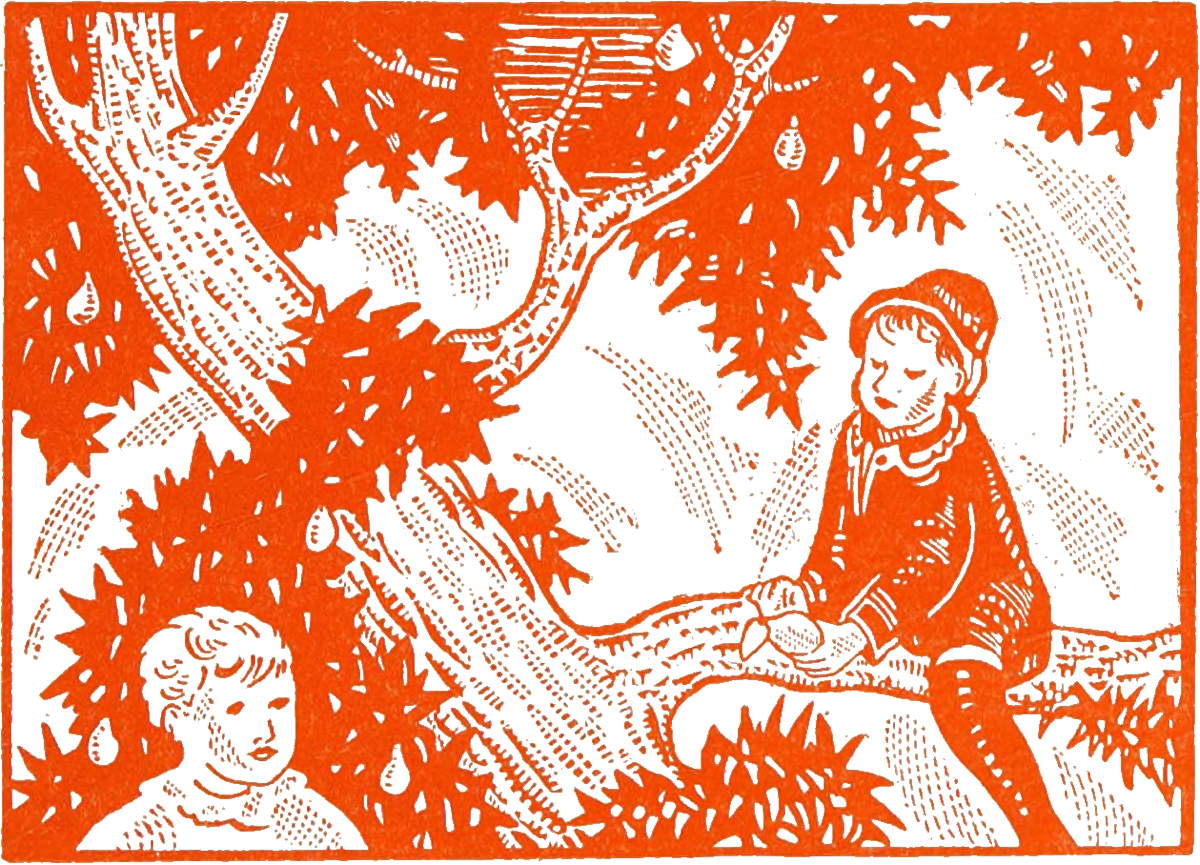
The pear tree in the yard was beloved by the children and cats. It was old and large, and many of its boughs were already dry and dead, but the others still furnished blossoms and greenery every spring and fruit every autumn.
Heggbom’s boys were sitting up in the tree, throwing down pears after having first stuffed their pockets full, while below the other children fought for every pear that fell from the tree. In the midst of the troop stood Mrs. Lundgren, broad of build and loud of voice, trying to enforce a fair distribution, but no one paid any attention to her. A little way off stood little Ida Dupont, with great eyes, her hands behind her back, not venturing into the turmoil. Mrs. Lundgren did not get any pears for her because she was ill-disposed toward Mr. Dupont, who was a violinist in the royal orchestra.
Martin became eager; he threw on his clothes in a hurry and came down by the steps.
Lotta screamed after him, «Aren’t you going to wash and comb your hair before——»
But Martin was in the yard by this time. Mrs. Lundgren at once took him under her protection.
«Throw down a pear to Martin, John. Hold up your cap, little boy, and you shall have a pear.»
A pear fell into the cap. But now Martin couldn’t find his penknife to peel the pear.
«Give me the pear; I’ll peel it for you,» said Mrs. Lundgren.
With that she took the pear, bit into it with her big yellow teeth, and tore off a piece of the skin. Martin opened his eyes very wide and grew red in the face. Now he didn’t want to have any pear at all.
Mr. Dupont lay at his window in his shirt sleeves, smoking a pipe, with a red skull-cap on his head. He now leaned out and laughed. Mrs. Lundgren got angry.
«That’s a spoiled child,» she said.
John now triumphantly held up the last pear, and the children hurrahed and shouted, but he stuffed it into his trousers pocket. But then Willie found still another, and this was the very last. He caught sight of Ida Dupont standing with tears in her eyes over by the wall, and at that he gallantly tossed his pear into her apron. Then there was another hurrah; the pear tree was stripped.
Now Mrs. Heggbom came out:
«Lord in heaven what a clatter, and Heggbom lying at his death! Down out of the tree with you, you little ragamuffins!»
Heggbom had been sick in bed awhile ago, and his wife’s imagination often turned back to that comparatively happy time.
The boys had come down from the tree. Their mother took John by the hair and Willie by the ear to lead them in. But Mrs. Lundgren felt somewhat huffed; she had to a certain extent presided over the tumult. Furthermore, she enjoyed scolding and therefore did not miss the opportunity of showing Mrs. Heggbom with some sharpness the unsuitability of making such a disturbance. The latter let go her boys so as to set her arms akimbo, and there was a big set-to. Listeners streamed up, and all the kitchen windows were opened wide.
At last a voice broke through the quarreling: «Sh! The Secretary!»
Everything became quiet; Secretary Oldhusen had the largest floor and was the finest tenant of the house. He was dressed in a long tight-fitting frock coat and carried under his arm a worn leather portfolio. When he had come down the steps he stood still and took a pinch of snuff. Thereupon he walked slowly out through the gate with the preoccupied and troubled mien of a statesman.
Martin and Ida slipped out into the street hand in hand. They ventured on for a few steps beyond the gate, then they stood in the street and blinked at the sun.
The street was lined with wooden houses and tile roofs and green trees. The house where Martin lived was the only large stone house on the street. Long Row, diagonally across from it, lay in shadow; a low, dirt-gray range of houses. Only really poor people lived there, Martin’s mother said. Only scum, said Mrs. Lundgren. At the dye-house a little farther down the street there was no hurrying; the dyer stood at his gate in slippers and white linen jacket and chatted with his wife in the warehouse. Even outside the corner tavern things were quiet. A brewery wagon had stopped in front of it, and the horse stood with his forefeet tied, eating oats out of a nosebag that hung on his muzzle.
The clock in the near-by church struck ten.
Ida pointed down the street. «There comes the old goat woman.»
The goat woman came with her two goats; one she led with a cord, the other was free. The Secretary’s little granddaughter had whooping-cough and drank goat’s milk.
«Yes, and there comes the ragman.»
The ragman sidled in through the gate with his pack on his back and his greasy stick. People said he had seen better days.
Two drunken men came out of the tavern and reeled along the street arm in arm. A policeman in white linen trousers walked up and down, a copy of the Fatherland sticking out of his hip pocket. A flock of chickens trailed out from the yard of Long Row, the cock at their head. The policeman stopped, took half a roll out of his pocket, and began to feed them.
«What shall we do?» asked Ida.
«I don’t know,» replied Martin.
He looked very much at a loss.
«Would you like to have my pear?»
Ida took the pear out of her pocket and held it under Martin’s nose. It looked very tempting.
«We can share,» proposed Martin.
«Yes, that’s so, we can share.»
«But I have no knife to cut it with.»
«That doesn’t matter. You bite first and then I will.»
Martin bit, and Ida bit. Martin forgot he had wanted the pear peeled.
Now somebody called for Martin, and the next moment grandmother came out and took him by the hand.
«What in Heaven’s name are you thinking of today? Aren’t you going to comb your hair and wash and eat your breakfast? The mischief’s in the boy.»
Grandmother was pretending to be cross, but Martin only laughed.
In the gateway they met Heggbom; he was walking a bit unsteadily. He avoided them by a long tack and removed his cap very politely while he spluttered away at his song:
«I’d off to Turkey and never I’d rest Till I’d bought me a hundred lasses.»
The yard had grown quiet. Mrs. Heggbom’s fat red cat lay on the ash barrel purring with half-closed eyes, and below the rats stole in and out.
—III—
On a gray October morning Martin received permission from his mother to go down and play with Ida Dupont.
Mr. Dupont had two small rooms, one flight up. At this time of day he was away at rehearsal, so Martin and Ida were alone.
It was a dark and somber day. The inner room lay in semi-twilight, with a high Venetian blind in front of the window. When one pushed aside a corner of the blind, one could see between two gray house gables a part of the great black church cupola. «Bing bong!» went the bells.
Ida showed Martin a peep-show box with tinted pictures. There were white castles and gardens with colored lanterns in long gleaming rows, yellow and red and blue. There were strange cities with churches and bridges, and steamboats and big ships on a wide river. And there were halls illuminated with radiant candelabra, but what looked like lights were just little holes made with pins. It all looked so big and alive when one saw it in the box. It almost moved; there was surely something magical about it.
«I got that from mamma,» declared Ida.
«But where is your mamma?»
«She’s away.»
Martin looked surprised.
«How—away?»
«She has gone off with a strange gentleman. But sometimes she writes me letters that papa reads to me, and sometimes I get pretty things from her that she sends.»
Martin became very inquisitive. He wanted to learn more but didn’t know just how he ought to ask.
However, Ida now caught Martin by both shoulders and looked very impressive.
«Do you know what we’ll do now?» she asked. «We’ll dress up.»
She pulled out a bureau drawer and began to take out red bodices of satin, silk, and rep with a multitude of ribbons and rosettes; silk gloves, silk stockings, and long veils of lace—pink, blue, and white.
«I got this from mamma, too, when she was in the ballet.»
She took a thin, light blue veil with silver spangles and draped it around Martin’s head. Then he was given a red bodice, a shawl of silver gauze, and a white skirt.
«My, but you look funny!» said Ida. «Just like a girl.»
Martin looked at himself in the glass and they both roared with laughter.
«Come here,» said Ida, «and I’ll put mustaches on you.»
Martin didn’t think mustaches would fit, if he was to be a girl. But Ida didn’t mind about that; she blackened a cork over a candle and traced big black mustaches on Martin, then she put black eyebrows on herself. After that they looked into the mirror again and laughed.
«It’s so handsome to have black eyebrows,» said Ida. «Don’t you think I’m handsome?»
«Uhm,» said Martin.
Ida was full of resources.
«If you’ll be terribly nice, we’ll have a banquet.»
She went to a cupboard and hunted out a half-filled bottle of wine and a couple of green glasses. Then she laid the cloth on a toilet table and filled the glasses.
Martin’s eyes grew big.
«Does your papa let you?»
«Oh, yes. He lets me do whatever I like. My papa is nice. Is your papa nice?»
«Yes,» answered Martin.
They clinked glasses and drank. It was a sweet and pleasant wine, and its dark red shone splendidly in the green glasses.
Outside it had begun to snow. There were great heavy flakes; the window sill was already white. It was the first snowfall, and the church bells rang in the black cupola: «Bing bong, bing bong!» Martin and Ida knelt on a chair with their arms around each other’s necks and their noses pressed against the pane.
But Ida poured out more wine and clinked glasses with Martin. Then she took down an old violin from the wall and began to play, and while she played she danced and swayed, wearing a white veil. It sounded very queer the way Ida played the violin. Martin held his ears, laughed, sung, and screamed. But then Martin began to notice a creepy feeling down his back, and he recalled that his mother had said Ida Dupont had fleas.
... Martin was in the sleeping alcove, peeping about. Farthest away in the semi-darkness was an image of the madonna behind two half-burned wax candles, and below hung a crucifix.
Martin stared in astonishment.
«What’s that?» he asked.
Ida became very solemn and answered in a low voice, nearly whispering, «That is our religion.»
Mr. Dupont was a Catholic.
«Wait,» said Ida, «sit over there and be quiet, and I’ll teach you our religion.»
Ida swathed herself in pink tulle with gold spangles. Then she advanced and lighted the candles under the madonna, two calm bright flames. On a little stand below the crucifix she lighted a pastille of incense. In long blue clouds the incense curled from under the curtain of the alcove, and the air grew heavy with a strong spicy fragrance.
The madonna glowed like a theatre queen with red, blue, and gold, and the stars on her mantle blinked and sparkled in the light of the wax candles.
Martin shivered with delight.
But Ida fell on her knees before the madonna. Her thick, dark-red plaits glowed like bright copper in the candlelight. She muttered something which Martin did not understand, and made strange gestures with her hands.
«What’s that?» inquired Martin; «why do you act so?»
«Tst! That is our religion.»
And Ida stayed on in the alcove. Her large black eyes had a sparkling glow. But Martin had an odd feeling of heaviness in the head.
«Come here and join in,» bade Ida. «Don’t you think it’s beautiful?»
Martin sat down on the edge of the bed and tried to imitate Ida’s gestures. But soon he began to nod. His head was so heavy, so heavy.
When Mr. Dupont came home, the two children were lying asleep on the bed. The wax candles had burned out.
—IV—
Autumn advanced over the earth, and in the city where Martin lived the houses were gray and black with rain and smoke, and the days grew shorter.
But when the afternoon came and the dusk fell, Martin Birck’s father often sat by the fire and looked at the embers. He was no longer young. He had a smooth-shaven face with sharply marked features, like an actor’s or a priest’s; and he had a way of laughing to himself without saying anything, which inspired respect and a certain feeling of insecurity. But when he laughed in this way his laugh was not taken for weakness or imbecility by his fellows, for there was nothing satiric in his temperament; he was merely laughing at an anecdote he had read in the morning paper, or at a couple of dogs that had barked at the lions around Charles XIII’s statue when he had passed through the square at noon on his way home from the office. For Martin Birck’s father was a government clerk. Although his salary was not large and he had no private means, he knew how to arrange things so that he and his family could lead a comparatively carefree existence, for his taste was given only to innocent and simple pleasures, and no feeling of vanity drove him to seek association with people who were above him in rank or fortune. He was the son of a mechanic, and when he chanced to think about his lot in life, he did not compare it with that of his superiors or his wealthy comrades but recalled instead the poor home from which he had come. He decided then that he was lucky and only wished that the luck he had should never be dimmed. He was fond of his wife and children and loved nothing in the world as much as his home. When he was free from his official duties he liked to work with his hands. He mended broken furniture; he could in an emergency even repair the old kitchen clock, which had flowers painted on its face and great brass weights on chains. He also manufactured funny and ingenious playthings for his children and neat little ornaments for his wife on her birthday. Among these was a little temple of white cardboard. It was adorned with narrow gold borders, and behind a semicircle of slender columns was a mirror, which seemed to double the number of the pillars. A spiral staircase led to the top of the temple, which was surrounded by a balustrade of marbled paper, the staircase being also of cardboard covered with marble; but in the bottom stair was a little drawer which could be pulled out. In this drawer Martin’s mother found every year on her birthday a folded banknote or a little piece of jewelry.
He also loved music and song. He liked to sing «Gluntar» with an old student comrade, Uncle Abraham, who sometimes came to visit him, and he could improvise on the piano and play by ear various pieces from his favorite operas.
But he seldom read anything except his paper.
Martin Birck’s mother, when twilight fell, often sat at the piano and sang to her own accompaniment. She had the sweetest of voices. The songs she sang were such as no one sings any more. At these times Martin and Maria would stand behind her stool and listen entranced; sometimes they tried to join in. There was a song about a soldier treasuring a canteen from which he had given a dying prince a drink on the field of battle. «’Twas from that His Highness drank,» was the refrain. And there was another song about a shepherdess who was tending her flock in a defile among the Alps. Suddenly she heard the roar of an avalanche and hurried to her charges: «Run fast, run fast, my lambs!» As Martin’s mother sang, her hands glided over the yellowed keys of the instrument. The strings had a brittle, glassy sound, and the pedals sighed and groaned. A string was broken in the bass, and it would buzz now and again.
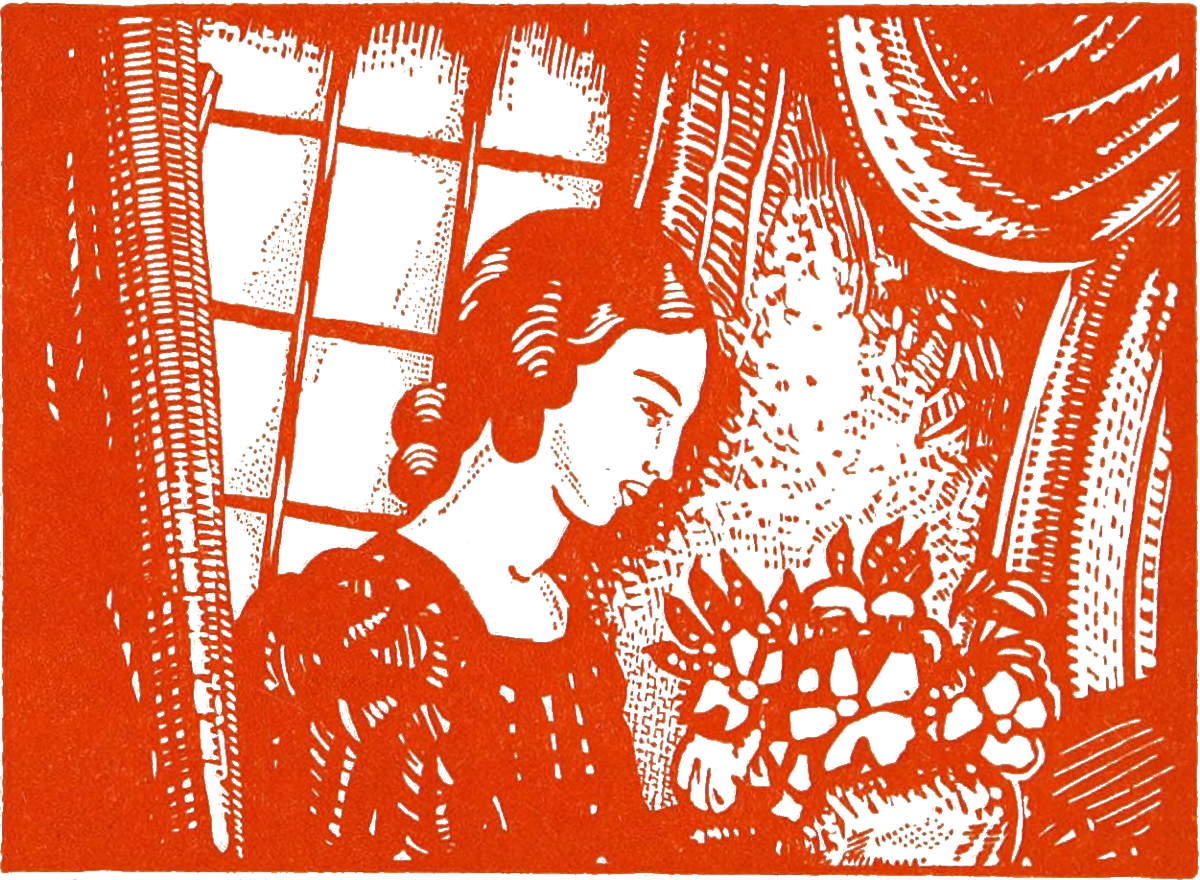
There was a sense of loneliness when she had stopped singing.
Martin was drifting here and there. The room seemed to grow larger and more empty when twilight came. Finally he turned to grandmother, who was sitting by the window reading the Stockholm Journal.
«Tell us a story, please, grandmother,» Martin begged.
But grandmother didn’t know any new stories, and the old ones Martin had heard many times before. Grandmother continued to read the paper with her glasses far down on her nose.
«Lord deliver us,» she suddenly exclaimed, looking up from the paper, «did you see there’s a Miss Oldhusen has died?»
«No, is she dead?» remarked Martin’s father.
«Do you suppose she was a sister of the Secretary?»
«Goodness, no; she was his aunt,» said grandmother. «Her name was Pella, Pella Oldhusen. I remember her very well, I met her at Vaxholm. A plaguy smart and amusing woman she was, but she was a kleptomaniac. Her acquaintances used to say, ‹Be careful, my dear, and don’t leave anything around loose this evening; Pella Oldhusen’s coming!› There was a girl she took up. When the girl was to be got ready for her first communion, Miss Oldhusen stole her old housekeeper’s linen underskirts that hung in the same wardrobe with her own clothes and had them made up for the girl. It’s God’s own truth; I heard it from a lady that knew all about her and the whole family. ‹Look here, Miss Oldhusen,› the housekeeper said to her, for she had been with her many years and knew her peculiarities; ‹look here, Miss Oldhusen, there’s been thieves in the wardrobe! And the mischief’s in it, they’ve stolen all my underskirts, but not yours, though they were hanging side by side.› ‹Could anyone imagine such rascals?› said Pella. ‹That’s frightfully annoying, but what can I do about it?› Just the same she gave the housekeeper money for new linen a while afterward, for she was well off and not stingy neither; but the girl went to the blessed Lord’s Supper in the stolen underskirts.»
Martin and Maria listened with wide-open mouths. Grandmother had told a story, after all. Of such stories she knew plenty.
Father had lighted a cigar and pushed his chair nearer the fire. He now motioned to Martin and Maria: «Come, children, now we’ll play.»
The blaze had almost burned out. Father broke apart two or three empty match boxes and built out of the fragments a house away deep in the porcelain stove. He put in a lot of matches as pillars and beams and lastly twisted up a bit of stiff paper; that was a tower. At the top of the twist he cut a hole for a chimney. All this was now a stately castle like the old Stockholm castles in Dahlberg’s Swedish Monuments. When it was done, father set fire to all the corners.
It hissed and sputtered and burned.
«Look—just look how it’s burning!—now the farthest corner is catching—now the eastern gate’s on fire, now it’s falling!—and the tower’s burning, the tower’s tumbling——»
«Now it’s over.»
«Again, papa,» begged Martin. «Oh, again! Just once more!»
«No, not just once more,» said father; «it’s no fun the second time.»
Martin begged and implored. But father went over to the piano and stroked his wife’s hair.
Martin remained sitting in front of the fire. His cheeks burned but he couldn’t tear himself away. It flamed and glowed so finely away in there. It glimmered and glowed and burned.
Finally grandmother came, shut the damper, and put down the slats. Then Martin went to the window.
The sun was gone long ago. It had cleared a while, but murky cloud masses were driving along in broken lines over the thin, glassy blue of the sky. Long Row lay in deep twilight. The lindens and cherry trees of the garden were stripped of leaves, and here and there a light was already gleaming in a window from out the dark net of boughs. Down on the street the lamplighter went about his task; he was old and bent, and had a leather cap which came far down over his forehead. Now he came to the lamp just in front of the window on the opposite side of the street; when he had lighted it, the whole room brightened. The white lace curtains outlined their broken pattern on the ceiling and walls, while the calla lilies and fuchsias painted fantastic shadows.
It grew darker and darker.
One could see so far up above—far off over the low buildings of the old suburb with its wooden houses and gardens. One could see Humlegård Park with the roof of the rotunda between the old naked lindens. And farthest off in the west rose a gray outline, the Observatory on its hill.
The deep and empty blue of the October heavens became still more deep and still more empty. Toward the west it was suffused with a red that looked dirty with mist and soot.
Martin traced outlines with his finger on the pane, which had begun to be damp.
«Will it soon be Christmas, grandma?»
«Oh, not for a good bit, child.»
Martin stood a long while with his nose pressed against the pane staring at the sky, a melancholy twilight sky with clouds of pale red and gray.
—V—
But when the lamp was lighted and they sat around the table, each with his own work or book or paper, Martin went off and sat in a corner. For he had suddenly become sad without knowing why. There he sat in the dark, staring in at the circle of yellow light in which the others sat and talked, while he felt himself outside, abandoned and forgotten.
It did not help that Maria hunted out an old volume of Near and Far to show him Garibaldi and the war in Poland and Emperor Napoleon III with his pointed mustaches; he had seen them all many times. Nor did it help that she gave him a piece of paper and taught him to fold it into the shape of a salt-cellar, a crow, or a catamaran; for, though he did not know it, Martin only longed for some one to say or do something that would make him cry. It was therefore he sat moody and silent, listening to the rain that whipped against the window, for it had begun to rain again, and the wind shook the glass.
What was that? Did he suddenly hear father say to mother: «Perhaps you’re right that we ought to try to sell the piano and buy a pianino on instalment. It goes out of tune in a couple of weeks, and a pianino would be prettier.»
Martin gave a start at the words «sell the piano.» He had no clear idea of what a pianino was, but he didn’t believe it could be a real piano; he pictured it rather as something that was worked with a handle. He didn’t believe any other instrument could sound as beautiful as their piano. He loved every dent and every crack in the red mahogany frame, for he himself had made most of them, and he remembered almost every key from its special color. Sell the piano! To his ears it sounded like something impossible. It was almost as if he had heard his parents calmly sitting and talking about selling grandmother and buying an aunt instead.
Martin began to cry before he knew it.
«Mamma,» said Maria, «Martin’s crying.»
«What are you crying for, Martin?» his mother asked.
Martin only sobbed.
«He’s tired and sleepy,» declared grandmother. «He’d better go to bed.»
While Martin, still sobbing, made the rounds to say good night, Lotta came in with the tea-tray. She had a very solemn expression as she said, «I’m sorry to have to tell you that Heggbom is dead.»
Everything became silent in the room. Martin stopped crying.
Grandmother clasped her hands together: «Well, and has he really passed away? Has it come that suddenly?... Glory be! and has he passed away? Ah, ’twas the brandy!... But it was for the best that he should die, though ’twill be hard for the missus; he was the porter, anyway, and maintained his wife and children.»
«He died just at seven,» said Lotta.
But when no one said anything she went out into the kitchen again.
«It might be a good idea to send out a list to the neighbors and start a little subscription,» said mother.
Martin was sent to bed. His mother sat at the side of his bed and said prayers with him. He was let off with «God Who hast us in Thy care,» because he was so tired. Otherwise he used to say «Our Father» and «Lord, let Thy blessing rest upon us» besides.
Martin lay awake a long time listening to the rain as it plashed against the window, for he was not at all sleepy; he had only said so to get out of the long prayers that he didn’t understand. It is impossible for a little child to associate any idea with such expressions as «hallowed be Thy name» or «Thy kingdom come.» He lay thinking about Heggbom and wondering if he could get to heaven. He always smelled of brandy.
Martin was afraid of the dark. When Lotta came in with a lighted candle to fix something in the room, he asked her to let the candle stay.
«You must sleep, Martin,» said Lotta. «Heggbom will come and bite you if you don’t.»
With that she went out and took the candle.
Martin began to cry afresh. The wind whistled in the window chinks, every now and then a gate was shut with a bang, and a dog howled outside. Before mother drew the curtains Martin thought there was a red glow in the sky. Perhaps there was a fire in South Stockholm....
There was turmoil and clamor down on the street. Drunken men coming out of the tavern—blows and screams. Heavy steps on the pavement, some one running and some one pursuing—and a cry of «Police, police!»
Martin drew the covers over his head and cried himself to sleep.
—VI—
White winter came with sleigh bells and snow and ice-flowers on the windowpane. «They are the dead summer flowers come back again,» said Martin’s mother. Evergreen forests out in the country came from the darkness and solitude into the city streets and squares, and when the Christmas bells rang in the holy day, there stood in Martin’s home a dark and timid fir which smelt of the woods, till evening came and it stood a-glitter with candles, white candles and colored candles, and was covered with winter apples and sugar-plums with mottoes which were so stupid that even Martin and Maria could see how stupid they were. All the glory of Christmas passed—it was like turning the page of a picture-book—and the star of New Year’s Eve was burning across the white roofs, and people said to each other, «Good night, and thanks for the year!» With a shivering sensation Martin thought of the line of gray winter days that were waiting, to which he could see no ending, for it was interminably long till summer, and still longer till next Christmas.
New Year’s morning he was waked while it was still dark to go to early service. Half asleep he scrambled through the snow by the side of his parents, and as they came around the corner, there stood the church like a giant lantern shining out across the white square where people were crawling in across the snow from all directions. Within the church was the organ’s roar and singing and many shining candles, and Martin felt happy and good and thought this was just the right way to begin the new year; and when the minister began to preach, he went straight to sleep. But when he woke up, the pale hue of dawn was shining in through the windows in the cupola and his mother roused him with, «Now we’ll go home and drink our coffee.»
So then they went home, their hearts full of the most beautiful intentions, for Martin understood without telling that it was this sort of thing the minister had preached about. Later in the morning Martin and Maria were sent around on the New Year’s visits to Uncle Jan and Aunt Louisa and other uncles and aunts, where they were given cakes and wine and sugar-plums from the Christmas trees. But at Uncle Abraham’s there was no Christmas tree, for he was a widower and had no children but lived alone with an old housekeeper. Uncle Abraham was a doctor and had often cured Martin and Maria of measles and scarlatina and pains in the chest. He had a black beard and a long crooked nose, for he was a Jew. He had also a parrot that could swear in French, and a black tomcat. The cat was named Kolmodin and he was the cleverest cat in the world, for when he was outside the office door and wanted to get in, he didn’t mew as other cats do, but got up on his hind feet, caught his claws in the bell-cord, and pulled it hard. This year when Martin and Maria came to wish Uncle Abraham a Happy New Year, he was sitting alone with his bottle of wine on the table playing chess with himself.
The room was large and half dark and full of books. Outside the snow was falling in great flakes. Uncle Abraham stuffed their pockets full of goodies, made the parrot swear in French, and was very cordial; but he didn’t say much, and in front of the fire which glowed in the porcelain stove sat the cat Kolmodin staring gloomily at his master. Martin and Maria stood silent and looked at each other with a feeling of oppression. For they had more than once heard their parents say that Uncle Abraham was not a happy man and that he never was really cheerful.
—VII—
So now it was the new year. The almanac which Martin had given his father for Christmas had a red cover, whereas the old one had been blue. Martin also found to his surprise and disappointment that this was the only difference he could see between the new year and the old, that the days passed as they had passed before with ringing of bells and snow and a somber sky, with weariness of the old games and the old stories, and with the longing to be big. He longed for that time but feared it too. For his mother had often pointed at the ragman who had seen better days and said that if Martin wouldn’t eat his porridge or his beer-soup and otherwise be a good and obedient boy, he would come to be just such a ragman when he was big. When he heard his mother talk so, he would feel a tightening of the chest and would see himself slinking in through the gate at dusk with a pack on his back and poking in the ash barrel with a black stick, while father and mother and sister and grandmother were sitting together around the lamp as before. For it never occurred to him to think that his home could be broken up and dispersed.
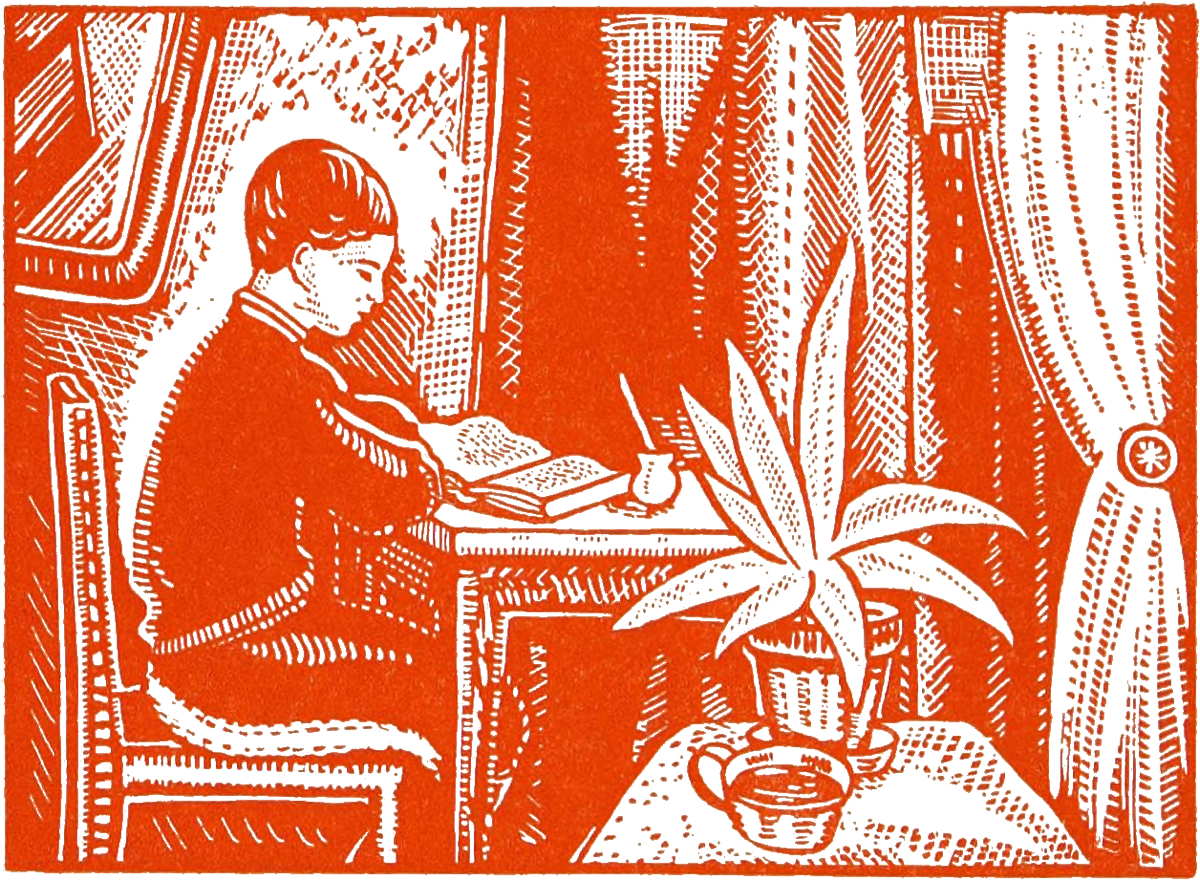
Snow fell, a great deal of snow. The drifts grew, and it became sparklingly cold. Martin had to keep indoors with his alphabet book and multiplication tables, with his color-box and jumping-jacks and all splendid things—already faded—which Christmas had left behind. Among the jumping-jacks there was one called the Red Turk which he was fonder of than the others, because Uncle Abraham, who had given it to him, had said it was the jolliest jumping-jack in all the world. «You see,» he had said one evening, «in itself it is neither amusing nor remarkable that an old pasteboard man kicks about when one pulls the strings. But the Red Turk is no common pasteboard man; he can think and choose the same as we. And when you jerk the strings and he begins to prance, he says to himself: ‹I am a being with free will, I kick just as I want to and exclusively for my own entertainment. Hoho! there’s nothing so delightful as to kick.› But when you stop jerking the string, he decides that he is tired and says to himself: ‹To the deuce with the kicking! The finest thing there is is to hang on a hook on the wall and stay entirely still.› Yes, he is the jolliest jumping-jack in the world.»
Martin didn’t understand much of this, but he understood that the Red Turk was amusing and set greater store by him than ever.
So the days passed, and with Twelfth Night began small family parties with stripping of Christmas trees and shadow games and doll theaters and magic lanterns with colored pictures on a ghostly white sheet. On the way home the stars sparkled, and father pointed to the heaven and said, «That’s the Milky Way, and there is the Dipper.»
—VIII—
But one morning when Martin awoke he saw that the heavens shone with a brighter blue than they had for a long time and that there was a dripping from the eaves and the naked branches of the pear tree. And while he was sitting up in bed looking out at the shining blue, Maria came in with a branch that seemed to blossom in a hundred colors; but it was not flowers—it was tinted feathers. She flicked him with the branch and danced and sang that it was Shrove Tuesday and she had a holiday from school, hurrah! And there were to be buns with almond icing for dinner.
Then they took the feathers off the branch and dressed up in them and played Indians and white men, but they were both Indians.
But mother took the switch and set it in the window in a jug filled with water in the full sunlight. The room faced the east and this was the morning sun. And lo and behold! it wasn’t many days before brown-and-greenish buds came out here and there on the twigs, they swelled and grew larger, until one day they had broken out and changed into frail light-green leaves; the whole branch had become verdant, and it was spring.
One afternoon a beam of sunlight fell into the hall which faced the west.
«Look at the sun, children,» said mother. «That’s our first afternoon sun this year.»
The sunbeam fell on the polished glass of the candelabra, where it broke and strewed rainbow-colored patches all over the room on the furniture and wall paper. Just then father passed through the hall and set the three-sided bits of glass in motion with a slight blow of his hand. There was a tumultuous dance of the colored patches around the walls, a dance as of fluttering butterflies. Martin and Maria began a chase after them. They ran till they were flushed and hot, striking their hands against the walls, and when they saw a patch on their hand instead of on the wall paper, they screamed with delight, «Now I’ve got it!»
But in the next second it glided away, the sunbeam paled, and the butterflies, weary of fluttering and shining, departed—Martin saw the last of them expire on his hand.
But it wasn’t spring yet after all.
The snow fell again, wet snow that melted at once and was dirty at once; again the bells rang in the black cupola, and it was Good Friday. Martin and Maria were in church, but they might not sit with their parents, for their parents sat far away in the choir in a multitude of solemn-looking people dressed in black. They were dressed in black themselves, father in a frock coat with a white cravat, and everything was black: the red on the pulpit and altar was gone, and there was black instead; the priests had black capes, a black cross rose menacingly from the leaden-hued cloud of the altar-piece far away in the dusk of the choir, and black-gray sky lay above all, staring in through the belfry windows of the cupola. Martin could not go to sleep as usual, because everything was so uncanny: the choir moaned and lamented, the minister looked sinister and forbidding and talked about blood, and a dog howled out in the churchyard....
Martin was delighted with all this, although he didn’t realize it.
Spring at last, real spring.... It came first when the Royal Family drove out to the big park with their plumed and golden equipage. How the whole day shone, how radiant it was with blue and sunshine and spring around the chimneys and roofs, around the weathercock on the church tower! In Martin’s street the lindens were already out, and over the leaning fences hovered clouds of white blossom, cherry blossom, and hawthorn. On the square and along the Avenue the people thronged, the whole city was out in bright and gay-colored costumes, and in front of the Life Guards’ barracks stood the light blue guardsmen, whom Martin loved and worshiped, on duty with sabers drawn. The Royal Family drove past in a cloud of plumes and gold, the crowd cheered and Martin cheered, and then everybody went out to the park to drink fruit juices and mineral water at Bellmansruh. All around whined violins and street-organs, and Martin felt completely happy. But on the way back they stopped a moment to look at the Punch and Judy theater. The landscape was already beginning to darken, but people still flocked around the puppet theater where Punch was just going to beat his wife to death. Martin pressed close to his mother. He saw mouths open in a broad laugh around him in the dusk; he understood nothing, but the sound of the cudgel on the doll’s head frightened him—were people laughing at that bad man there beating his wife? Then came the creditor, and him too Punch beat to death. The policeman and the devil he treated similarly, till finally Death lured him into his cauldron, and that was the end. Martin couldn’t laugh or weep either; he only stared abashed and terrified into this new world, which was so unlike his own. On the way home he was cold and tired. The sun was gone, it grew darker and darker; the king had long since driven home to his castle, and drunken men scuffled and bawled around him. The anemones which Martin had picked at the edge of the wood were withered, and he threw them away to be trampled into the mire.
But when he was home at last and it was night and Martin lay in his bed asleep, he dreamed that father hit mother on the head with a big cudgel.
—IX—
Summer skies and summer sun, a white house with green trees....
Martin’s parents had rented several low-ceiled rooms with rickety white furniture and the bluest window-blinds in the world for the small square windows. Close to these windows passed the state highroad. Here wagoners and wayfarers from the islands of the Malar went by continually to and from the city, all stopping to pay the bridge toll, for the white house belonged to the bridge-tender and stood just at the abutment of Nockeby bridge. The bridge-tender sat every evening on his porch, which was twined about with hop vines, drinking toddy, holding out his money-box to the passers-by, chatting and telling yarns, for he had been a sea captain and voyaged to many strange lands. But now he was a little old white-haired man, who had for many years had the tenancy of the bridge and had become a well-to-do citizen.
On the evening of the first day, when the packing boxes, trunks, and clothes-baskets were still standing higgledy-piggledy in the room,—which still looked a little strange, though every wardrobe and chair, every flower in the wall paper seemed to say, «We shall soon get acquainted,»—and while the evening meal with butter and cheese and some small broiled fish was spread by the window, Martin sat silent on the corner of a chest surveying the strange and new picture: the gray highroad with telegraph poles in which the wind sang, and the dark shadowy figures of the horses and peasants outlined against the greenish-blue western sky. Obliquely across the way a little to one side was a slope with a clump of oaks, whose verdure stood out strong and heavy in the summer twilight. Among these oaks was one that was naked and black and could not put out leaves like the others, and in its branches the crows had built a nest.
Martin could not take his eyes from this black tree with the crow’s nest between the branches. He thought he knew this tree, that he had seen it before, or heard a story about it.
And he dreamed of it that night.
Summer skies, summer days. Green fields, green trees....
The fields were full of flowers, and Martin and Maria picked them and tied them up in bouquets for their mother. And Maria said to Martin: «Look out for snakes! If you step on a snake, he’ll think you did it on purpose, and then he’ll bite you.» So Martin trod as carefully as he could in the high grass. She taught him too that it was a great sin to pick the white strawberry blossoms, because it was from them the strawberries grew. They agreed that the first one who saw a strawberry blossom should say, «Free for that one!» And the one who had said it should then have the right to pick it when it was ripe. But when they came to the slope with the oaks, it was all white with blossoms under the trees. Maria, who was the first to see it, cried, «Free for the whole lot!» But when she saw that Martin did not look pleased, she immediately proposed that they should divide the treasure, so they drew an imaginary line from one tree to another and in this way divided the whole slope into two parts. To the right of the line was Maria’s strawberry field and to the left was Martin’s. After that they sat down in the shade of an oak and arranged their flowers as they thought best, and Maria taught Martin to stick in some fine heart-shaped grass among the buttercups and ox-eye daisies and to tie up the bouquets with long straws. But Martin soon grew tired with his flowers, for he had forgot he had picked them to give to his mother. He let them lie in the grass and lay down on his back among them to look at the clouds that were drifting across the blue heavens high above his head. They were like white dogs, small shaggy white dogs. Perhaps they were white dogs. When people die, they go to heaven; but dogs, who have no regular soul, can’t very well get so high up. They can jump around outside and play with each other. But their masters must come out to them sometimes, and then the little dogs leap up on their masters and lick them and are ever so happy....
White clouds, summer clouds.
But the finest thing of all was the long bridge and the lake and all the steamboats that blew their whistles when they were still far off so that the bridge should open and let them through. Martin soon taught himself to know them all: the Fyris, the Garibaldi, the Bragë, which was never in a hurry; the lovely blue Tynnelsö, and the brown Enköping, which was called the Coffee-pot, because it sputtered like boiling coffee. Each boat had for him its particular expression, so that he could distinguish them one from another a long way off. They helped him to keep account of the time too. When the Tynnelsö was passing through the bridge, it was time to go home and have breakfast; and when the Runa blew with its hoarse throat, the Bragë was not far away, and it was in the Bragë that papa came from the city. There were tow-boats too with their long lines of barges; these barges often got stuck in the gap of the bridge, and nothing in the world was so much fun as to hear the bargemen swear. But on days when the lake was green, with white foam, and the waves plashed high up over the bridge, no steamboats could vie with the coasting sloops for first place in Martin’s heart. In every skipper he saw a hero who defied wind and wave to reach some strange, unknown port, for it never occurred to him to think that they only sailed to Stockholm to sell the wood, hay, or pottery they had on board. These cargoes, however, did not quite please him, for he could not help their suggesting against his will some dark suspicion of an ulterior motive in the skipper, and in the depths of his heart he liked best the sloops that came empty from the city. Then too these danced most boldly over the waves, and they steered toward regions where Martin had never been, far beyond Tyska Botten and Blackeberg—which were the boundary of the known world.
It was there too that the sun went down every evening in a red and glittering land of promise. Martin was entirely certain it was just there the sun went down, right behind the cape, and not anywhere else. He could see it all so plainly. He did not, however, imagine that the people living over there could see the sun at close range or that they need be afraid of its falling on their heads. If another boy had come to him and said such a thing, Martin would have thought him very stupid. For it is just the same with children as with grown-ups: they often form the strangest conceptions of the world; but if any one shows them the consequences of their ideas, they say he is very stupid, or that it is improper to joke about serious things.
Summertime, strawberry time.
At that period summer was different from now. There was a joy that filled the days and evenings, pressing even into one’s nightly dreams; and morning was joy personified. But one morning Martin awoke earlier than usual, and when he heard a little bird twittering in the privet hedge before his window and saw the sun was shining, he sat up in bed and wanted to dress and go out. Then his mother came in and said he was to lie still a little while yet, because it was his birthday, and Maria was working at something outside which he mustn’t see before it was ready. She kissed him and said that now he was seven he ought to be really industrious and good in the summer, so that he wouldn’t need to be ashamed in the autumn when he was to begin school. But when Martin heard the word «school,» he forgot the bird twittering on the hedge and the sun that was shining, and his throat felt choked as if he was going to cry; but he controlled himself and didn’t cry. He didn’t know very clearly what «school» meant, but it sounded very harsh and hard.
To be sure his mother had school for him and Maria, but that was only for a short while every day down in the garden, in the lilac arbor, where butterflies flitted, yellow and white and blue, and bees hummed, while his mother told them stories about Joseph in Egypt and about kings and prophets, and taught them to make letters after a model. He comprehended that real school must be something quite different. But while his heart was troubled over having to start school in the autumn, they all came in and congratulated him on his birthday: papa and grandmother and Maria, and Maria put on an affected manner and said with a bow, «I have the honor to congratulate——» But Martin became bashful and blushed and turned his face to the wall.
Then they left him alone. But it wasn’t long before grandmother stuck in her head and called that the king was coming riding with fifteen generals to congratulate Martin, and at the same moment he heard a rumbling over the bridge as if there was thunder. He jumped out of bed and threw on his clothes, but the noise came nearer, there was a cloud of dust over the road, horses’ hoofs rang on the ground and the bridge, and there were lightnings of drawn swords. When he came out on the porch, the foremost riders had already passed, but Martin’s mother consoled him with the fact that the king had not been with them. Instead it had been almost all his army, which was on its way to the region of Drottningsholm for maneuvers. There were hussars and dragoons and all the artillery from Stockholm, and the artillerists were shaking like sacks of potatoes on their caissons and were gray and black with dust and dirt. But Martin admired them all the more in that condition and wondered within himself if it wouldn’t be better to be an artillerist than a coasting skipper.
The martial array passed and was gone, a fresh wind came from the lake and took with it the odor of dirt and sweat which remained, and when Martin turned around, there stood beside the breakfast table a little table set especially for him; Maria had decorated it with flowers and green leaves. Then he got bashful and blushed again, but he was very happy too, for on the middle of the table stood a cake which his mother had baked for him, a big dish full of wild strawberries which Maria had picked under the oaks, a twenty-five-öre piece from papa, and a package of stockings which mother had knitted. Of all these things Martin cared most for the twenty-five-öre piece. For he had come to realize that a pair of stockings was just a pair of stockings, and a cake was a cake, but a twenty-five-öre piece was an indefinite number of fulfilled wishes in any direction whatever up to a certain limit, and experience had not yet taught him how narrow was that limit.
Martin went around and thanked everybody, and tasted the cake and the berries, and saw that the stockings were handsome with red borders, and put the twenty-five-öre piece in a match box, which was his savings bank. In it up to now there had been a couple of old copper coins and some small pebbles which he had come across in the sand and kept because they were so pretty.
Then the Bragë blew at Tysk Botten, and papa had to be off to the city, but Martin was allowed to go with mamma and grandmother and Maria to Drottningsholm. There stood the king’s white summer palace, mirrored in the bright inlet. The trees in the park were bigger than any other trees, and the shade under them was deep and cool. And over the dark waters of the ponds and canals the white swans glided with their stiffly outstretched necks, and Martin imagined that they never troubled themselves about anything else in the world than their own white dreams.
But grandmother had a French roll with her, which she broke into crumbs and fed to them as one feeds chickens.
Summer days, pleasure days, cornflowers in the yellow rye....
It was near harvest time, and Martin was walking along the road with his mother. Maria was on the other side, and now and then she would pick a cornflower from out of the rye. Mother had a pink dress and a straw hat with a wide brim, and she was talking with them about mankind and the world and God.
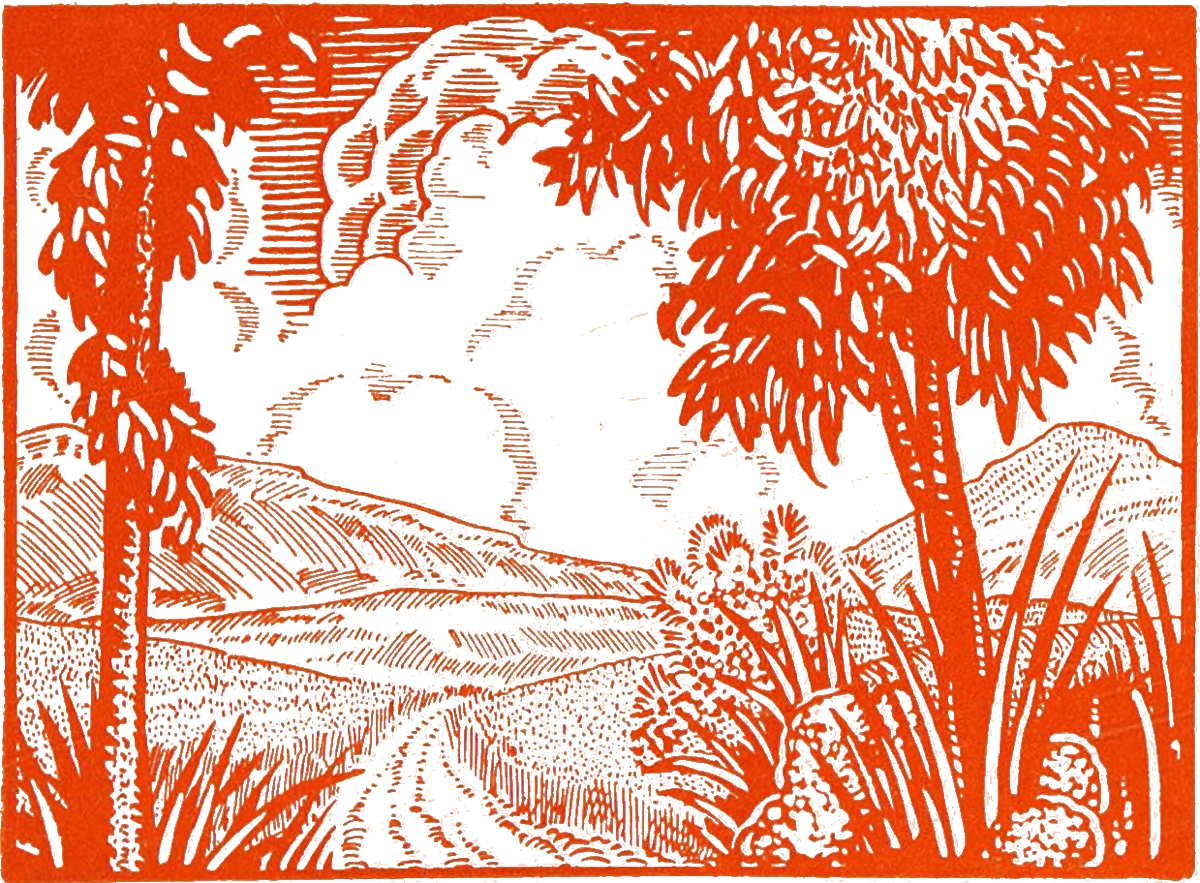
«Look, Martin,» she said, «there are the heavy and the light ears of grain that we read about today in the arbor. You remember the full ear that bowed itself so deeply to the earth because it had so many grains to carry. The grains are ground into meal in the mill, and the meal is baked into bread, and the bread is good to eat when any one is hungry. But the empty ear is good for nothing, the farmer throws it away or gives it to his horse to chew, and even the horse doesn’t get any fatter from it. And yet it raises itself so proudly aloft and looks down on the other ears which stand and bend around it.»
With that mother broke off the proud light ear and showed Martin that it was quite empty.
«Such are many among men,» she said. «You’ll come to see that when you’re big. You will also see people who go about hanging their heads to make others think they belong to the full ears. But they are just the emptiest of all.
«But you must also remember, children, that it is not your part to judge, either now or when you grow up, whether any one belongs to the full or the empty ears. Such a thing no man can rightly know about another. That only God knows.»
When mother talked to Martin about God, he felt at the same time solemn and a little embarrassed, somewhat as a little dog might feel when one tries to talk to him as to a person. For when he heard his mother tell about paradise and Noah’s ark, he could follow along very well—he saw it all so clearly before his eyes, the apple tree and the serpent and all the animals in the ark. But at the word «God» he could not picture anything definite, either an old man or a middle-aged man with a black beard. At the very top of the blue dome in the church cupola was a great painted eye, and mother had said this was a symbol of God. But this solitary eye seemed to Martin so uncanny and sad. He hardly dared look at it, and it did not at all help him to comprehend what God really looked like. He had also had to learn by heart the Ten Commandments, which God had written for Moses on Mt. Sinai. But they seemed only to strengthen his secret suspicion that God was something that only concerned the grown-ups. It never could be to Martin that God spoke when he said, «Thou shalt have no other gods but me.» Martin knew neither what an idol looked like nor what one could do to worship it. That he should honor his parents came of itself. He felt no temptation to murder or to steal or to covet his neighbor’s maid-servant, his ox, or his ass. And he had no idea how he could commit adultery; but he resolved he would try to guard against it anyway, to be on the safe side.
«God knows everything, both the present and the future. He Himself has ordained it all. And when you pray to God, Martin, you must not believe that you with your prayers can in the slightest alter His will. But still God wishes men to pray to Him, and therefore you must do it. You must never give up saying your evening prayer before you go to sleep, no matter how big and wise you get. But when you become big and have to look out for yourself in the world, you must never forget that you must depend first and foremost on yourself. God helps only him who helps himself. And if it ever happens in life that there is something you desire deeply, so that you think you can never be happy again unless you get it—then you must not pray to God to give it to you. Try rather to get it for yourself; but if that is impossible, then pray Him for strength to renounce your wish. He does not like other kinds of prayer.»
So Martin Birck’s mother spoke as they walked along. And the summer wind whispered around them and passed on over the field, and the grain waved.
The bridge-tender, old Moberg, had an assistant by the name of Johan. Johan was fourteen or fifteen and soon became Martin’s best friend. He made bows and arrows and bark boats for Martin, and Martin helped him to wind up the drawbridge. In the evening, when he was free, he used also to play hide and seek and «There’s no robbers in the woods» with Martin and Maria and a few other children. But it was neither on account of the bark boats nor the games that Martin was so fond of Johan and admired him so extraordinarily. It was because Johan always had so many wonderful things to tell about, things that papa and mamma and grandmother never told about. It was especially in the dusk that Johan was wont to be so communicative, when Martin and he sat on a beam by the opening in the bridge and waited for the approaching steamboat, whose lanterns would sooner or later pop out from behind the cape, first the green and then the red. At such times Johan might tell of this, that, or the other thing. One time it would be about old Moberg, who used to see tiny little devils jumping up and down, up and down, in his toddy glass; it was about them he talked when he sat muttering to himself and stirring his glass. But the minister at Lovö was still worse. Why, he was a friend of Old Spotty himself, the whole parish knew that. Anybody could see that for himself if he thought about it; how otherwise could he get up in the pulpit and preach the way he did for a whole hour; where did he get all his words from? Furthermore Johan had had to go to him one time on an errand and had been in his room and had seen with his own eyes that it was chock-full of books from floor to ceiling. Oh, yes, he was in with the Old Boy sure enough!—Or Johan would tell about a man who had been murdered on the highroad three years back, quite near, and would describe the place exactly: «It was just there where the wood is so thick on one side, and on the other is a willow alongside of a telegraph pole. It was an evening in November that it happened, and now if anybody goes by at the right time, he can hear the most terrible groaning in the ditch—— But they never got the fellow that did it.»
When Martin heard such things, he squeezed close to Johan’s arm, and he felt lighter at heart when the steamboat’s lanterns shone out of the dark and came nearer, when he heard the thump-thump of the engine and the captain’s orders, and they had to hurry to wind up the drawbridge. When they went home across the bridge, they were both excited with thoughts of ghosts and murders, and Johan said to Martin, «Listen, he’s after us!»
Martin didn’t know whether he was the murderer or the murdered, but he fancied he heard steps on the bridge and didn’t dare to look around. Johan, however, who had a cheerful disposition, drove off his fear by striking up a jolly song. He sang to the tune of «There was an old woman by Konham Square»:
«I go to my death wherever I go, killivillivippombom!»
And Martin joined in and sang along with him.
But when they got to the bridge-tender’s house, Johan was silent while Martin sang at the top of his voice:
«I go to my death wherever I go, killivillivippombom!»
The bridge-tender, old Moberg, was sitting on his porch, which was embowered in hop vines, drinking toddy with two farmers in the light of a round Japanese lantern. He was an old man who drank toddy every evening, and people said he couldn’t last much longer. But he was most unwilling to die. If he heard any one speak of illness or death, it was to him as if he had heard something indecent, or indeed it was much worse, for indecent talk rather raised his spirits than offended his ears. But when he saw Martin coming along the road and heard him singing a funeral hymn to the tune of an insolent street song, he got up and advanced along the road with tottering steps till he halted in front of Martin. Martin stopped too and was silent directly. He looked around for Johan, but Johan had vanished.
Old Moberg had become blue in the face, as he said in a trembling voice: «And this child is supposed to come of respectable people! These are strange times, I may say.»
Thereupon he went into the house, without either drinking his toddy or saying good night to the farmers, and went to bed.
But Martin was left alone on the road, and everything around him had become silent all of a sudden. He heard only the sound of the farmers’ sticks as they went off in the dark without speaking.
Martin’s parents, however, had heard the whole affair from the veranda on the side of the house.
«Martin, come in!»
Martin was as red as his collar was white. Now he’d have to give an account of who had taught him to sing such things. But he said he had thought of it himself. Father explained to Martin how dreadfully he had behaved, and Martin cried and was sent to bed. His mother cried too when she said prayers with him. She was frightened and wrought up. For children’s offenses, like those of adults, are judged more according to the scandal they have aroused than according to their inner nature, and Martin’s misdeed had caused a terrible scandal.
The most beautiful days of summer were gone. In the daytime there was rain and wind, and the lake turned green. And at dusk the crows flapped around the slope with the oaks and the naked tree.
When it rained, Martin was set to read «The Bee and the Dove» and «The Toad and the Ox.» He read too «Tiny’s Trip to Dreamtown.»
«Little gold fishes in goodly row Swim through the silver sea there. Tiny is off to Dreamtown, ho! Ere it is night he’ll be there. «Soon, soon Close to the moon He sees its outline fleeting. Bright, bright Many a light Sends him a kindly greeting. «On glides the ship, it nears the land. Lamps are a-gleam so pretty Down at the edge of the murmuring strand, Bells ring out from the city.»
The city! Tears came into Martin’s eyes. He had often thought of the city in the past days and had wondered if everything was the same at home. For in winter Martin longed for the green grass of summer and the strawberries in the woods, but when a flock of summer days had gone by and the green was no longer fresh and the wild roses in the meadows were gray with the dust of the highroad, he dreamed once more of the city’s gleaming rows of lamps, of Christmas and snow, and of the gray winter twilight in front of the lighted fire.
—X—
The wheel of the year had gone around, and it was again autumn.
In the city there was much that was new. Long Row was gone with its gardens and sheds; in its place a great brick building rose aloft, growing higher every day, obscuring both the lindens of Humlegård Park and the Observatory on its hill. Everywhere people were pulling down and building up, and dynamite blasts resounded every day in the district, which was now no longer to be called Ladgardsland but Östermalm. And Mrs. Heggbom had become a lady. If anybody called her by her former title, she would answer politely but decidedly, «Not any more!»
Martin went to school, but it was a modest little school and not nearly so terrible as he had thought. One had only to learn one’s lessons, and everything went well. And Martin felt with pride that his knowledge of the world was enlarged with every day. Space and time daily extended their boundaries before his eyes; the world was much bigger than he had dreamed and so old that his head grew giddy at the multitude of the years. If one looked ahead, time had no limits—it ran out into a dizzying blue infinity; but if one traced it back, one at least found far back in the darkness a beginning, a place where one had to stop: six thousand years before the birth of Our Saviour it was that God had created the world. That stood clear and plain in Martin’s Biblical History, on the first page.
In six days He had made it. But the teacher said that days were longer at that time.
But if possibly the days of the creation had been a little longer than ordinary days, it was just the opposite with Methusalem’s nine hundred and sixty-nine years. «At that time, you see, they didn’t reckon the years as long as now,» the teacher said.
There was so much new to learn and digest; school had in reality none of those terrors with which Martin had arrayed it in his imagination.
But on the other hand the way to and from school was filled with all sorts of perils and adventures. Those ill-disposed beings who were called rowdies and who called Martin and his comrades stuck-ups might be in ambush around any corner. The worst of these rowdies were the fierce and formidable «marsh rowdies,» who would now and then leave their gloomy habitation in the tract between the Humlegård and Roslagstorg, the «Marsh,» to go on the war path. Their weapons were said to be lead balls on the end of short ropes. But more than these marsh rowdies, whom Martin had never seen and of whose existence he was not entirely sure, he feared the horrible Franz, who used to live in the Long Row and still resided in the same street. For this rowdy directed all his energies and intelligence toward embittering Martin’s life by day and even pursued him into his nocturnal dreams.
But one day when Martin was on his way for morning recess, he found two of his comrades in a fight with Franz at a street corner; in fact they had already overcome him, thrown him down, and were pummeling him with their fists. At this time Martin had begun to read Indian books, so that he at once saw in Franz a parallel to the noble redskin and did not want to miss so favorable a chance of making him his ally against other rowdies. He therefore advanced and represented to his comrades how cowardly it was to fight two against one, said that Franz lived in his street and was a very decent rowdy, and proposed that they let him go in peace. While he thus drew the attention of his comrades, Franz managed to get up and run away.
In return Martin got all the licking intended for Franz. Furthermore he had to endure the scorn of his comrades for being the friend of a rowdy. And the next time he met Franz on the street in front of the dyer’s gate, the latter tripped him so that he fell into the gutter, then gave him a bloody nose, tore his books apart, swore at him frightfully, and ran off.
He had not understood that he was supposed to be a noble redskin. But this Franz was not a rowdy of the usual sort; he was a thoroughly awful rowdy.
—XI—
Martin entered the high school.
Here everything was strange and cold. Gray walls, long corridors. The school yard was like the desert of Sahara. When the bell rang for the first recess, Martin slipped off by himself so as to escape his new comrades. But the next recess they gathered around him in a ring, surveying him for a while in silence, till finally a little red-haired boy with a broad pate opened his mouth to ask, «What sort of devil are you?»
At these words Martin had a dark premonition that a new stage of his life was beginning. He had been as happy as a plant in the earth, as is every little child with kind parents and a good home. Now the doors were opened upon an entirely new world, a world where one could not get on by the same simple means that his father and mother had shown him: i.e., by being polite and friendly towards all he met and never taking advantage of others. Here the thing was to decide quickly and firmly in what case one should use one’s fists, in what one should take to one’s heels, and under what circumstances one could benefit by cunning and deceit. It was not long, either, before Martin got the way of things. He suddenly remembered various curses and ugly words that he had heard from the bridge-tender’s assistant in the country, and he missed no opportunity of fitting them in here and there in conversation with his associates wherever he thought they would go. In this way he became sooner acquainted with the other boys, and they in return enlightened him in much that a newcomer might find useful: e.g., which of the teachers flogged and which only gave bad marks; that the worst of all was Director Sundell, who had mirrors in his spectacles so that he saw what was done behind his back and always wore galoshes so that he couldn’t be heard in the corridors; that «Sausages» was decent, though he marked hard, but that «The Flea» was a damned sneak.
—XII—
So year was added to year, and the new buried the old, while Martin was slowly initiated into the twofold art of life, to learn and to forget. For as the gambler in order to keep on till the last coin has run through his trembling fingers must forget his losses in the hope of future gains, so humanity, the gambler by compulsion, finds that the greatest art is to forget and that upon this depends everything.
Martin forgot. The Red Turk, who had long since wearied of jumping, was as much forgotten as if he had never been. And Uncle Abraham, who had given him to Martin and who had hanged himself with a stove-cord one rainy day, when he didn’t find it worth the trouble to live any more, was soon forgotten as well, though he now and again came up in Martin’s dreams as a dark and disturbing riddle. But while the boy was forgetting, he learned. A third of the truth was transmitted by the teachers, and another third was given by his comrades, who soon helped him to lift the veil under which was hidden the Sixth Commandment and everything pertaining to it. They made free use of the Scriptures in their researches. They explained precisely what it was that Absolom did with his father’s concubines on the roof of the palace before all the people, and they reveled with Ezekiel over the abysmal sin of Ahala and Ahaliba. But although both of these thirds were given him with an admixture of errors and lies, and although the final third—which was perhaps the most important and which it was his task to search out for himself sometime—had not yet begun to occupy him; yet nevertheless every day widened the chinks experience tore through the spiderweb tissue of legend and dream with which friendly hands had fenced in his childhood, and more and more often through the cracks gaped the great empty void which is called the world.