N. 2. - Inscription to Commemorate the CERCHIA ANTICA, placed at the entrance of the Church of the Badia in Via Dante Alighieri:
Reading edition
Fiorenza dentro della Cerchia Antica, Ond’ella toglie ancora e terza e nona, Si stava in pace, sobria e pudica. DANTE, Paradiso, XV, 97–99. Florence within her ancient limit-mark, Which calls her still to matin prayers and noon, Was chaste and sober and abode in peace. H. F. Cary’s translation.
The spirit of Cacciaguida speaks of ancient Florence, its peace and simplicity.
The Cerchia Antica was the first circle or wall of the new city, which arose from the ruins of the Roman town destroyed by Totila, King of the Goths, about the middle of the sixth century; it dates from the ninth century.
The centre of it was the Mercato Vecchio, where stood the forum (now Piazza Vittorio Emanuele). It ran from the Statue of Mars on Ponte Vecchio (see N. 14) through the Uffizi building, following Via Proconsolo, round Piazza del Duomo including the Baptistery, Via Cerretani, Via Rondinelli, Via Tornabuoni, Piazza Santa Trinità, Borgo SS. Apostoli, back to Ponte Vecchio.
The walls of Dante’s time were begun 1284, but not finished until nine years after the Poet’s death. They are in part still visible. The city then extended from Santa Croce to Santa Maria Novella.
“Terza” is the first division of the canonical day, from six to nine, “Nona” the third, from twelve to three in the afternoon. The bells of the Abbey within the old walls of Florence still rang these hours in Dante’s time and measured the day for the Florentines. Villani says: “The Florentines lived soberly on simplest food at little expense; men and women were coarsely clad, many even wearing plain leather garments without fur or lining; the most distinguished women were content with a close gown of scarlet serge or camlet, confined by a leathern belt of ancient fashion, and a hooded cloak lined with miniver; and the lower classes wore a coarse green gown of the same form.”
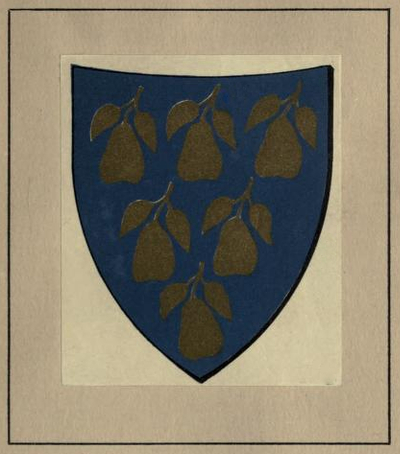
PERUZZI