N. 19. - Inscription and coat of arms to commemorate GIANO DELLA BELLA in Piazza dei Tavolini:
Reading edition
Ciascun che della bella insegna porta Del gran barone ............ Da esso ebbe milizia e privilegio; Avvenga che col popol si rauni Oggi colui che la fascia col fregio. DANTE, Paradiso, XVI, 127–132. Each one, who bears the beautiful escutcheon Of the great Baron ............ Knighthood and privilege from him received, Though with the populace unites himself To day the man who binds it with a border. Longfellow’s translation.
The Della Bella derived their name from the beautiful escutcheon “della bella insegna”, being one of the families whom the Great Baron (see N. 7) Hugo of Brandenburg lieutenant of the Emperor Otho III had allowed to bear his arms. Giano Della Bella disguised the arms of Hugo with a fringe of gold and later on added the ensign of the People of Florence—the red cross on a white field. A nobleman by birth and education, he was by conviction a friend of the people, and espoused their cause against the nobles.
The aristocratic families had been so long at the head of the State, that they placed themselves above all law. Giano determined that their nobility itself should be a title of exclusion from the “Signoria”, that is from government, and when they troubled the public peace by their arrogance, their quarrels and frequent battles in the streets, they should be brought to order by summary justice, the execution of which he proposed to entrust to the Gonfaloniere, whom he caused to be elected. For this severity and the mighty influence he exercised, though all for the good of the community, he was hated by the nobles and envied by the wealthy and ambitious among the people, who were jealous of his power.
In 1294 he went into voluntary exile—as Macchiavelli says “to deprive his enemies of all opportunity of injuring him, and his friends of all opportunity of injuring the country”.
Villani writes: “Gian Della Bella was condemned and banished in contumacy ... and all his possessions confiscated ... whence great mischief accrued to our city, and chiefly to the people, for he was the most loyal and upright “popolano” and lover of the public good of any man in Florence”.
When through his influence nobility had become a reason for exclusion from the Signoria, many nobles followed his example and made themselves “of the people”, that is: gave up the prerogative of nobility. All those who did so added to their arms the sign of the People of Florence: a red cross on a white field (see N. 6 Visdomini and N. 12 Buondelmonti).
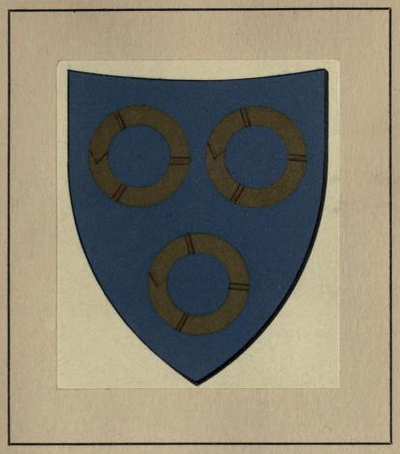
CERCHI