N. 17. - Inscription commemorating FARINATA DEGLI UBERTI Palazzo Vecchio—in the first court:
Reading edition
........ fu’ io sol colà, dove sofferto Fu per ciascun di torre via Fiorenza, Colui che la difesi a viso aperto. DANTE, Inferno, X, 91–93. But singly I stood,—when, by consent Of all, Florence had to the ground been razed,— The one who openly forbade the deed. H. F. Cary’s translation.
Farinata was the most celebrated of this race. Born at the beginning of the thirteenth century he became the head of the family in 1239, was chosen captain of the Ghibellines of Tuscany and obtained a signal victory over the Guelphs at Montaperto near the river Arbia. Dante reproaching him with this fact, he answers as above. The event referred to is this: Guido Novelli had assembled a council of the Ghibellines at Empoli, where all agreed that, in order to maintain the ascendency of the Ghibelline party in Tuscany, it was necessary to destroy Florence, which—the people of that city being Guelphs—could serve only to strengthen the party attached to the Church. This cruel sentence, passed upon so noble a city, met with no opposition from any of its banished citizens or friends, except Farinata degli Uberti, who openly and without reserve forbade the measure, affirming that he had endured so many hardships and encountered so many dangers in endeavouring to reconquer his own country with no other view than that of being able to pass his days in his native town, which he had never ceased to love, and in whose defence he would die a thousand deaths rather than permit her to be destroyed. Upon this he left the assembly. But he had made such a strong impression on the minds of his fellow partisans, that the cruel plan was abandoned.
As the stigma of free-thinking attached to Frederick II marks his followers also, Dante places the Ghibelline Farinata, who supported King Manfred, among the heretics in the Inferno, where he finds him among the followers of Epicurus “who with the body made the spirit die.”
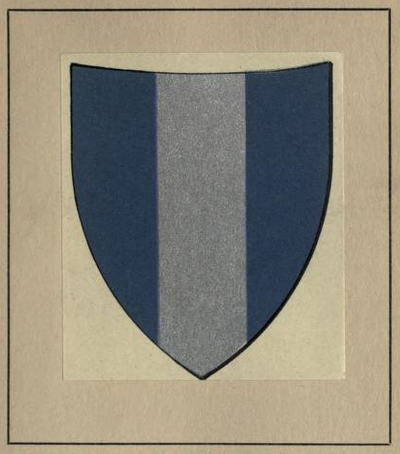
ABATI