INDEX.
Reading edition
A.
Acetous fermentation, 225 Acids, acetic, 146 —— butyric, 63 —— malic, 173 —— nitrous, 210 —— phosphoric, 147 —— picric, 153 —— salicylic, 149, 177 —— succinic, 174 —— sulphuric, 176, 227 —— tannic, 22, 174 —— tartaric, 102, 173 —— in beer, 146 —— —— butter, 63, 71 —— —— wine, 172 Adams’ test for milk, 59 Adulteration, excuses for, 1 —— extent of, 5, 7 —— varieties of, 9, 10 Albuminoid ammonia, 207 Albuminoids in beer, 145 —— —— flour, 89 —— —— water, 207 Alcohol in beer, 143 —— —— bread, 94 —— —— liquors, 195 Alcoholometric tables, 144, 196 Alkaloids in beer, 150 —— —— flour, 91 —— —— milk, 62 Allspice, 253 Aloes, 152 Alum in baking powders, 102 —— —— bread, 98 —— —— flour, 92 American adulteration, 8 —— cheese, 85 —— wine, 158 Ammonia in water, 207 Amylic alcohol, 197 Annato in butter, 77 —— —— cheese, 86 Aniline dyes in wine, 178-183 Artesian wells in New York, 257 Artificial bitters in beer, 141 —— butter, 66 —— cheese, 85 —— coffee, 31-40 —— honey, 122 —— jelly, 256 —— liquors, 193 —— spices, 245 —— sugar, 105 —— tea, 19, 28 —— wine, 167 Ash of beer, 136 —— —— bread, 96 —— —— chicory, 35 —— —— cocoa, 44 —— —— coffee, 31, 35 —— —— flour, 89 —— —— milk, 52 —— —— mustard, 242 —— —— pepper, 244 —— —— pickles, 232 —— —— sugar, 110 Ash of tea, 16, 22 —— —— wine, 175 Asparagus, 254 B. Bacteria in water, 220 Bakers’ chemicals, 101 Baking powders, 102 Banana essence, 129 Barley malt, 132 Beans in coffee, 31 Beech leaves in tea, 18 Beer, 132 —— adulteration of, 137 —— acids in, 146 —— alcohol in, 142 —— albuminoids in, 145 —— alkaloids in, 150 —— American, 134 —— analysis of, 142 —— ash of, 136, 147 —— bitters in, 137, 141 —— carbonic acid in, 143 —— composition of, 135 —— extract of, 134, 144 —— flavourings for, 137 —— glucose in, 138 —— glycerine in, 150 —— lager, 134 —— malt substitutes in, 138 —— manufacture of, 133 —— phosphates in, 147 —— picric acid in, 153 —— picrotoxine in, 153 —— production of, 134 —— salicylic acid in, 149 —— salt in, 147 —— soda in, 140 —— standards for, 148 —— sugar in, 144 —— sulphites in, 156 —— Wittstein’s test for, 151 —— varieties of, 133 Bees’ wax, 128 Bibliography, 258 Biological examination of water, 216 Bitters in beer, 141 Bleaching of flour, 90 —— —— sugar, 108 Blending of beer, 140 —— —— liquors, 185 —— —— wine, 164 Blue pigments, 14, 107 Boards of Health, 6 Borax in milk, 61 Bouquet of liquors, 187 —— —— wine, 164 Brandy, 186 Bread, 94 —— aerated, 95 —— alcohol in, 94 —— alum in, 98 —— analysis of, 97 —— ash of, 96 —— composition of, 96 —— salt in, 96 —— soda in, 95 —— starch in, 96 —— water in, 96 Brewing in the United States, 134 Butter, 63 —— acids in, 71 —— adulteration of, 66 —— analysis of, 65 —— Angell & Hehner’s test, 72 —— annato in, 77 —— artificial, 66 —— ash of, 65 —— carotin in, 77 —— colouring of, 77 —— composition of, 63 —— examination of, 65, 68 —— fat crystals in, 79 —— fusing point of, 63, 69 —— gelatine in, 76 —— Hübl’s process for, 75 —— Koettstorfer’s process for, 71 —— microscopic appearance of, 78 —— oleomargarine in, 66 —— photomicrographs of, 78 Butter, Reichert’s process for, 73 —— saffron in, 77 —— salt in, 65 —— soluble acids in, 71 —— specific gravity of, 67 —— tests for purity of, 70 —— volatile acids in, 71 —— water in, 65 Butterine, 66, 67 Butter fat, melting point, 69 —— —— specific gravity, 68 Butyric acid, 63 —— alcohol, 188 —— ether, 187 C. Caffeine, 21, 39 California wine, 158, 160 Cane sugar, 104 Canned vegetables, 254 Capsicum, 229 Carbohydrates, 99 Carbonic acid, 95, 143 Carotine, 77 Caseine, 50, 85 Cassia, 252 Cayenne pepper, 247 Cereals in coffee, 31, 34 Cheese, 83 —— adulteration of, 85 —— American, 84 —— analysis, 86 —— artificial, 85 —— composition of, 83 —— fats in, 84 —— lard, 85 —— varieties of, 83, 84 Chicory, 31 —— ash, 35 —— colouring power of, 34 —— extract, 38 —— in coffee, 32, 34 —— sugar in, 37 —— tests for, 32 Chlorine in water, 206 Chocolate, 42 —— ash of, 45 —— fats in, 45 —— flavourings for, 42 —— flour in, 42 —— sugar in, 45 Chrome yellow in coffee, 40 —— —— —— candy, 131 Cider vinegar, 230 Cinnamon, 253 Cloves, 252 Coal-tar colours in candy, 130 —— —— —— mustard, 240 —— —— —— wine, 178, 183 Cocoa, 42 —— adulteration of, 42, 45 —— analysis of, 45 —— composition of, 43 —— starch in, 42 —— theobromine in, 44 Cocoa-nut oil in butter, 73 Coffee, 29 —— adulteration of, 31 —— analysis of, 30 —— artificial, 31, 40 —— ash of, 31, 35 —— caffeine in, 39 —— cereals in, 31, 34 —— chicory in, 31, 32 —— colouring of, 40 —— composition of, 30 —— density of infusion, 33 —— examination of, 32 —— extract of, 31 —— facing of, 40 —— fat in, 30 —— sugar in, 37, 38 —— tests for purity of, 32, 33 Cognac essence, 193 —— oil, 193 Colouring agents, 15, 77, 130 —— —— aniline, 130 —— —— annato, 77 —— —— carotin, 77 —— —— gypsum, 14 Colouring agents, indigo, 14 —— —— lead, 131 —— —— logwood, 178 —— —— Martius’ yellow, 77 —— —— mineral, 15 —— —— Prussian blue, 15 —— —— saffron, 77 —— —— turmeric, 15, 77 —— —— vegetable, 130 —— —— Venetian red, 40 Cocculus indicus, 153 Condensed milk, 53 Confectionery, 129 Copper in grains, 255 —— —— pickles, 232 D. Dairy Commissioner, 50 Darnel in flour, 90 Dextrine, 24, 146 Dextrose, 105 Dialysis, 180, 183 Diastase, 132 Digestion of alumed bread, 98 —— —— butter, 82 —— —— oleomargarine, 82 E. Elaidin test, 234 Elm leaves, 18 Ergot in flour, 90 Essences, artificial, 129 Ethers, 129, 174 F. Facing of coffee, 40 —— —— tea, 15 Fats in butter, 63, 71 —— —— chocolate, 46 —— —— crystals, 79 —— fixed, 73 —— insoluble, 71 —— milk, 57 —— soluble, 71, 73 Fats, volatile, 73 Fehling’s test, 37, 111 Feser’s lactoscope, 57 Flavourings for beer, 137 —— —— candy, 129 —— —— chocolate, 42 —— —— liquors, 194 —— —— wine, 165 Flour, 88 —— adulteration of, 90 —— albuminoids in, 89 —— alkaloids in, 91 —— alum in, 90, 92 —— analysis of, 89 —— ash of, 89 —— composition of, 87 —— fungi in, 91 —— gluten in, 89 —— phosphates in, starch in, 89 —— tests for, 92 —— water in, 89 Forchammer’s test, 203 Frankland’s method, 211 Fruit, canned, 254 —— essences, 129 —— wine, 168 Fusel oil in candy, 129 —— —— liquors, 197 G. Gall’s method for wine, 162 Gelatine in butter, 76 Gentian in beer, 150 Gin, 191 Ginger, 253 Glucose, commercial, 105 —— estimation of, 111 —— in beer, 138 —— in honey, 124 —— in wine, 171 —— manufacture of, 105 —— tests for, 110, 124 Gluten in flour, 89 Glycerine in beer, 150 —— —— wine, 171 Granules of starch, 100 Gypsum in sugar, 110 —— —— tea, 14 —— —— wine, 163, 176 H. Honey, 121 —— adulteration of, 122 —— analysis of, 124 —— artificial, 122 —— ash of, 123 —— comb, 122, 128 —— glucose in, 123 —— sugar in, 123 —— water in, 123 Hop-substitutes, 137, 150 Hordeine, 133 Hawthorn leaves, 18 Hubl’s test, 75 I. Ice, impure, 224 Indigo, 14, 19, 40, 129 Iodine test, 99 J. Jellies, 256 K. Kœttstorfer’s test, 71 L. Lactometer, 53, 54 Lactoscope, 57 Levulose, 107 Lard cheese, 85 Leaves in tea, 17, 18 Legislation, 268 Liquors, 186 —— adulteration of, 192 Logwood test, 92 M. Mace, 253 Malic acid, 173 Malt, 132, 137 Maltose, 107 Malt substitutes in beer, 137, 148 Maple sugar, 109 Marble dust, 131 Marc of wines, 157 Martius’ yellow, 77, 240 Meat extracts, 255 Micro-organisms in water, 214 Microscopic examination of butter, 78 —— —— coffee, 40 —— —— fats, 78, 79 —— —— milk, 61 —— —— spices, 246 —— —— starches, 100 —— —— tea, 17 —— —— water, 216 Milk, 49 —— Adam’s method for, 59 —— adulteration of, 49 —— analysis of, 53 —— ash of, 52 —— caseine in, 59 —— composition of, 51 —— condensed, 53 —— cream in, 57 —— fats in, 57 —— globules, 61 —— nitrites in, 62 —— photo-micrographs of, 61 —— ptomaines in, 62 —— skimmed, 50 —— specific gravity of, 53, 55 —— standards for, 59-60 —— sugar of, 59 —— total solids, 58 —— water in, 56 Miscellaneous adulteration, 254 Molasses, 105 Moore’s test for carotine, 77 Mustard, 239 —— adulteration of, 240 —— analysis of, 241 —— ash of, 242 —— colouring of, 240 Mustard, composition of, 239 —— flour in, 240 —— oil of, 241 —— sulphur in, 241 N. Nessler’s solution, 208 Nitrates in water, 210 Nitrites in milk, 62 —— —— vinegar, 231 —— —— water, 210 Nitrogen in flour, 89 —— —— tea, 21 —— —— water, 210 O. Oenanthic ether, 158 Oils, bitter almond, 129 —— cocoanut, 73 —— cognac, 193 —— cotton seed, 234, 236 —— fusel, 197 —— lard, 68 ——- mustard, 241 —— nut, 235 —— olive, 233 —— poppy, 235 —— rape seed, 236 —— sesamé, 236 —— turpentine, 191 Oleic acid, 63 Oleomargarine, 66 —— composition of, 67 —— digestion of, 82 —— effects of, 80, 81 —— exportation of, 66 —— manufacture of, 66 —— photo-micrographs of, 79 —— tests for, 70 Olive oil, 233 —— —— adulteration of, 233 —— —— American, 233 —— —— cotton seed oil in, 236 —— —— examination of, 234 Olive oil, specific gravity of, 234 —— —— standard for, 237 Organisms in ice, 219 —— —— water, 217 P. Pepper, 243 —— adulteration of, 244 —— analysis of, 245 —— ash of, 244 —— cayenne, 247 —— composition of, 243 —— starch in, 246 Pepperette, 248 Phosphates in beer, 147 —— —— bread, 89 —— —— wine, 176 Photogravures of leaves, 18 —— —— water, 217 —— —— polariscope, 112 —— —— tea, 17 —— —— tea plant, Frontispiece. Photo-micrographs of butter, 79 —— —— cream, 61 —— —— digestion of fats, 82 —— —— fats, 79 —— —— milk, 61 —— —— oleomargarine, 79 —— —— spices, 252 —— —— starches, 100 Pickles, 232 Picric acid, 153 Polariscope, 112 Polarisation of beer, 148 —— —— honey, 123 —— —— glucose, 118 —— —— lactose, 59 —— —— sugar, 112 —— —— wine, 171 Poplar leaves, 18 Preservatives in beer, 149, 156 —— —— butter, 77 —— —— milk, 61 —— —— wine, 177 Preserved milk, 53 Prussian blue in candy, 131 —— —— coffee, 40 —— —— tea, 14 Ptomaines in ice cream, 62 —— —— milk, 62 Q. Quassia in beer, 152 R. Raisin wine, 168 Reichert’s test, 73 “Rock and rye” drops, 129 Rose leaves, 18 Rum, 190 S. St. Andrew’s cross in fats, 79 Sal aeratus, 101 Salicine in beer, 137 Salt in beer, 147 —— —— butter, 65 Salicylic acid in beer, 149 —— —— wine, 175 Sand in tea, 14 Soda water syrups, 257 Specific gravity of beer, 142 —— —— butter, 63, 68 —— —— fats, 68 —— —— milk, 50, 53 —— —— oils, 232 —— —— spirits, 185-189 —— —— tables, 55, 144, 145, 196 —— —— vinegar, 226 —— —— wine, 159 Spices, 249 —— microscopic examination of, 249 Standards for beer, 148 —— —— butter, 72, 74, 75 —— —— cocoa, 46 —— —— milk, 59, 60 —— —— tea, 25 —— —— water, 213, 214 Standards for wine, 184 Starch, 99 —— estimation of, 99 —— granules, 100 —— in mustard, 240 —— in pepper, 246 —— photo-micrographs of, 100 —— in spices, 252 Strychnine in beer, 151 Sugar, 104 —— adulteration of, 107 —— analysis of, 109 —— ash of, 110 —— cane, 104 —— fruit, 105 —— grape, 105, 119 —— invert, 104 —— malt, 107 —— maple, 109 —— milk, 59, 107 —— tin salts in, 107 Sulphates in wine, 176 Sulphuric acid in vinegar, 228 —— —— wine, 176 Syrups, adulteration of, 108 —— glucose, 108 T. Tables, of adulteration, 10 —— alcoholometric, 144 —— coffee infusion, 33 —— lactometric, 55 —— malt extract, 145 —— specific gravity, 55, 143, 196 Tannic acid in tea, 22 —— —— in wine, 174 Tartar, cream of, 101 —— —— in wine, 173 Tartaric acid in baking powder, 103 —— —— in wine, 173 Tea, 12 —— adulteration of, 14 —— analysis of, 21, 26, 27 —— ash of, 16, 17, 22 Tea, Ching Suey, 28 —— colouring of, 14 —— composition of, 15 —— dust, 16 —— examination of, 21 —— extract of, 23 —— facing of, 15 —— factitious, 19, 28 —— foreign leaves in, 14, 18 —— gypsum in, 14 —— gum in, 24 —— indigo in, 19 —— insoluble ash in, 23 —— —— leaf in, 28 —— leaves, 7, 17, 18 —— lie, 19 —— microscopic examination of, 18 —— Ping Suey, 8 —— sand in, 14 —— soapstone in, 19 —— soluble ash, 23 —— South American, 26 —— spent, 15 —— standards for, 25 —— tannin in, 22 —— theine in, 21 —— volatile oil in, 22 Te-mo-ki leaves, 18 Theine in tea, 21 Tin in canned fruits, 254 Tin salts in sugar, 107 U. Ultramarine in sugar, 107 V. Vanilla in chocolate, 42 Vegetables, canned, 254 Vinegar, 225 —— adulteration of, 229 —— analysis of, 227 —— cider, 230 —— extract of, 227 —— malt, 226 Vinegar, standards for, 227 —— sulphuric acid in, 228 —— whisky, 230 —— wine, 226 Volatile acids in butter, 73 —— ethers in wine, 174 W. Water, 200 —— albuminoid ammonia in, 207 —— American supply, 220 —— bacteria in, 216 —— biological examination of, 216 —— carbon in, 212 —— chlorine in, 206 —— croton, 219 —— examination of, 201 —— Forchammer’s process, 203 —— Frankland’s process, 211 —— free ammonia in, 207 —— Hudson river, 222 —— microscopic examination of, 216 —— nitrates in, 210 —— nitrites in, 210 —— nitrogen in, 210 —— organic matter in, 203 —— organisms in, 219 —— sewage in, 207, 210 —— standards for, 213 —— total solids in, 202 —— urea in, 207 —— Wanklyn’s process, 207 Wheat, 87 Wheaten flour, 87 —— starch, 88, 100 Whey, 50 Whisky, 188 —— vinegar, 230 Willow leaves, 18 Wine, 157 —— acids in, 172 —— adulteration of, 163 —— alcohol in, 169 —— American, 158 Wine, ash of, 175 —— blending of, 164 —— California, 160 —— colouring of, 166, 178 —— ethers in, 174 —— examination of, 169 —— extract of, 170 —— fruit, 168 —— glycerine in, 170 —— imitation, 167 —— improving, 161 —— malic acid in, 173 —— natural, 160 —— Pasteuring, 161 —— Petiot’s process, 161 —— phosphoric acid in, 176 —— plastering of, 163 —— polarisation of, 171 —— raisin, 168 —— salicylic acid in, 177 —— Scheele’s process for, 162 —— standards for, 184 —— succinic acid in, 174 —— sulphates in, 176 —— sulphurous acid in, 177 —— sugar in, 170 —— table of, 159 —— tannin in, 174 —— tartrates in, 178 —— tartaric acid in, 173 —— varieties of, 159 Willow leaves, 18 Wisteria ——, 18
PRINTED BY E. AND F. N. SPON, NEW YORK AND LONDON.
RELIABLE FOOD PRODUCTS.
As the largest Manufacturers and Dealers in the world in this line, we consider it to our interest to manufacture only PURE and WHOLESOME goods, and pack them in a tidy and attractive manner. We import, manufacture, or deal in nearly everything eaten or drank. All goods bearing our name are guaranteed to be of superior quality, and dealers are authorized to refund the purchase price in any case where consumers have cause for dissatisfaction. It is, therefore, to the interest of both dealers and consumers to use THURBER’S BRANDS.
THURBER, WHYLAND & CO.,
West Broadway, Reade and Hudson Streets, New York. 9 and 11 Fenchurch Avenue, London, E. C., England. 17 Rue Lagrange, Bordeaux, France.
NOTICE.
Our Canned Goods are put up with a special quality of tin, and most of them, being hermetically sealed while fresh at the sources of supply, preserve the fresh natural flavors, and are REALLY FRESHER, MORE WHOLESOME AND PALATABLE than many so-called “fresh” articles which are exposed for sale during considerable periods of time in city markets.
When the very delicate article of CORN STARCH, which is so largely used in the family for food, and especially for children and invalids, is adulterated with poisonous and unhealthy substances, it becomes very important that every housekeeper should be cautious and know what kind they use.
The evidence of such adulteration is most signally shown in the following proof, which is by one of the most eminent food analysts of Great Britain, viz.:
“I recently purchased, on the same day and in the same neighborhood, a series of eight samples of starch, paying for them three different prices. On subjecting them to analysis, I found the whole of them to be adulterated with 20, 30, and even nearly 40 per cent. of earthy or mineral matter. This I found to consist of mineral white, terra alba, or sulphate of lime.”—Letter in the London Times, October 5th, 1878.
(Signed) ARTHUR H. HASSALL, M.D.
Only a careful chemical analysis will show the pure article from the adulterated.
KINGSFORD’S OSWEGO STARCH
has been thus analyzed and proved to be perfectly pure and free from any foreign substance, as is proved by the following report:
THE ANALYTICAL SANITARY INSTITUTION.
London, January 1, 1879.
We have obtained in different parts of the metropolis samples of both the qualities of Starch manufactured by Messrs. T. Kingsford & Son.
We have examined them carefully, both with the microscope and by chemical analysis, and found the samples without exception to be of good color, of excellent quality, perfectly genuine, and of great strength.
THEY WERE QUITE FREE FROM ANY ADDED MINERAL MATTER.
(Signed) Arthur Hill Hassall, M.D.
(Signed) Otto Hehner, F.C.S.
In order to secure the genuine and unadulterated article, see that the name T. KINGSFORD & SON is on every box and package.
Anti-Adulteration Baking Powders.
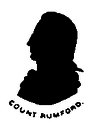
THE BAKING PREPARATIONS
OF
PROFESSOR HORSFORD
[Namely, Professor Horsford’s Self-Raising Bread Preparation, put up in paper packages; Rumford Yeast Powder, in bottles; and Professor Horsford’s Phosphatic Baking Powder, in bottles with wide mouths to admit a spoon],
are made of Horsford’s Acid Phosphate, in powdered form, and are
HEALTHFUL AND NUTRITIOUS,
because they restore to the flour the nourishing phosphates lost with the bran in the process of bolting.
These Baking Preparations have received the endorsement of, and are
UNIVERSALLY USED and RECOMMENDED by Prominent Physicians and Chemists,
and are for sale by all dealers.
THEY INCREASE THE NUTRITIVE QUALITIES OF FLOUR.
Baron Liebig, the world-renowned German chemist, said: “I consider this invention as one of the most useful gifts which science has made to mankind! It is certain that the nutritive value of flour is increased ten per cent. by your phosphatic Baking Preparations, and the result is precisely the same as if the fertility of our wheat fields had been increased by that amount. What a wonderful result is this!”
THE HORSFORD ALMANAC AND COOK BOOK SENT FREE.
RUMFORD CHEMICAL WORKS, PROVIDENCE, R. I.
SPONS’ ENCYCLOPÆDIA
OF THE
INDUSTRIAL ARTS, MANUFACTURES AND COMMERCIAL PRODUCTS.
Edited by C. G. WARNFORD LOCK, F.L.S., &c., &c.
In Super-royal 8vo, containing 2,100 pp., and illustrated by nearly 1,500 Engravings.
Can be had in the following bindings:
In 2 vols., cloth$27.00
In 5 divisions, cloth27.00
In 2 vols. half-morocco, top edge gilt, bound in a superior manner35.00
In 33 monthly parts, at 75c. each.
Any Part can be had separate, price 75c.
Complete List of all the Subjects.
PART
Acids1, 2, 3
Alcohol3, 4
Alkalies4, 5
Alloys5, 6
Arsenic6
Asphalte6
Aerated Waters6
Beer and Wine6, 7
Beverages7, 8
Bleaching Powder8
Bleaching8, 9
Borax9
Brushes9
Buttons9
Camphor9, 10
Candles10
Carbon10
Celluloid10
Clays10
Carbolic Acid11
Coal-tar Products11
Cocoa11
Coffee11, 12
Cork12
Cotton Manufactures12, 13
Drugs13
Dyeing and Calico Printing13, 14
Dyestuffs14
Electro-Metallurgy14
Explosives14, 15
Feathers15
Fibrous Substances15, 16
Floor-cloth16
Food Preservation16
Fruit16, 17
Fur17
Gas, Coal17
Gems17
Glass17
Graphite18
Hair Manufactures18
Hats18
Ice, Artificial18
Indiarubber Manufactures18, 19
Ink19
Jute Manufactures19
Knitted Fabrics (Hosiery)19
Lace19
Leather19, 20
Linen Manufactures20
Manures20
Matches20, 21
Mordants21
Narcotics21, 22
Oils and Fatty Substances22, 23, 24
Paper24
Paraffin24
Pearl and Coral24
Perfumes24
Photography24, 25
Pigments and Paints25
Pottery25, 26
Printing and Engraving26
Resinous and Gummy Substances26, 27
Rope27
Salt27, 28
Silk28
Skins28
Soap, Railway Grease and Glycerine28, 29
Spices29
Starch29
Sugar29, 30, 31
Tannin31, 32
Tea32
Timber32
Varnish32
Wool and Woollen Manufactures22, 33
Descriptive Catalogue of Books relating to Civil and Mechanical Engineering, Arts, Trades and Manufactures sent on application. We can supply any book in print at published price.
E. & F. N. SPON, 35 Murray Street, New York.
FOOTNOTES.
Transcriber’s Notes
Minor punctuation errors (i.e. missing periods) have been silently corrected. Inconsistencies in hyphenation and accented letters have been retained. The use of both c.c. and cc. has also been retained.
Discrepancies between the names in the Table of Contents and List of Plates and on the Chapters and Plates themselves has been retained.
Inconsistencies in spelling have been retained except in the following apparent typographical errors:
Page 34, “wurtzel” changed to “wurzel.” (Mangold wurzel)
Page 62, “demonstated” changed to “demonstrated.” (It was demonstrated that warm milk)
Page 80, “excell” changed to “excel.” (with butter, excel in efficiency)
Page 136, “10·000” changed to “100·00.” (the total of the analysis of American lager beer)
Page 162, “proprotion” changed to “proportion.” (in a maximum proportion of 3 per cent.)
Page 169, “calulated” changed to “calculated.” (calculated by aid of the usual alcohol-metric)
Page 190, “·0012” changed to “0·0012.” (acetic acid, 0·0012 to 0·002)
Page 196, “9·9538” changed to “0·9538.” (in Specific Gravity column of table)
Page 200, “degeee” changed to “degree.” (with a fair degree of accuracy)
Page 211, “presenee” changed to “presence.” (In the presence of nitrites)
Page 275, “years’” changed to “year’s.” (more than one year’s imprisonment)
Page 316, “accordanee” changed to “accordance.” (and produced in accordance with)
Page 321, “carrotin” changed to “carotin.” (butter ... carotin in)
Page 322, “Cocoanut” changed to “Cocoa-nut.” (Cocoa-nut oil in butter)
Page 322, “carrotin” changed to “carotin.” (Colouring agents ... carotin)
Second end paper, “analysists” changed to “analysts.” (one of the most eminent food analysts)
Second end paper, “ANYLITICAL” changed to “ANALYTICAL.” (THE ANALYTICAL SANITARY INSTITUTION.)