INDEX.
Reading edition
A.
Abdomen of insects, 201
Activity of minute animals, 212, note 427
Adams improves lucernal microscope, 21
—— —— —— described, 64
Advantages of microscopes, whence derived, 45
Æpinus, his microscopic telescope, 3, 22
Air destroys and produces animation, 173
Anatomical microscope, Lyonet’s, 122
Angle of incidence, what, 32—of refraction, ibid.
Animalcula, a variety of diseases attributed to them, note 433
—— in teeth, their existence doubted, note 432
—— in infusions, to procure, 151
—— infusoria, history of, 415
—— —— erroneous opinion concerning them, 421—refuted, 423
—— —— monas, 430—proteus, 436—volvox, 437—enchelis, 443—vibrio, 451—cyclidium, 479—paramæcium, 482—kolpoda, 484—gonium, 489—bursaria, 491—cercaria, 492—leucophra, 500—trichoda, 507—kerona, 530—himantopus, 533—vorticella, 536—brachionus, 563—additional, 570
Antennæ of insects described, 190—conjectures on their use, note 191, 192
—— their characters, 192
Ants, white, or termites, history of, 308
Aphides, their transformations, 260
—— —— generation, 274
—— —— —— experiments on by Bonnet, 274
—— —— —— —— by Richardson, 275
Apis or bee, its proboscis to dissect, 144
—— sting to dissect, ibid.
—— proboscis described, 181
—— generation of, 279
Apparatus to Cuff’s microscope, 90
—— Adams’s lucernal microscope, 77
—— Jones’s improved microscope, 96
—— most improved, 101—additional, 102
—— Culpeper’s microscope, 105
—— Martin’s opake solar, 109
Aptera, order of insects, 220—to collect, 687
Aquatic microscope by Ellis, 119
Aranea or spider, 621
Argand’s lamp described—the management of, 69
Aristotle, polypes mentioned by, note 360
Athens, cruelty punished at, note 152
Augustine (St.) polypes not unknown to him, note 359
B.
Baker, his method of viewing particles of blood, 149
Banks (Sir Jos.) his approbation of Walker’s publication on shells, 630
Barbut, his remedy for sting of gnats, note 188
—— his opinion on sense of hearing in insects, note 217
—— on the brent goose, note 347
Barker’s compound microscope, 17
Barnacle, or lepas anatifera, beard of, to prepare, 145
Bee, its proboscis to dissect, 144
—— sting, to dissect, ibid.
—— proboscis described, 181
—— generation of, 279—Schirach’s account of, 280—Debraw’s ditto, 281
—— fecundity of, 290
Beetle, its transformations, 242
—— diamond, its transcendant beauty, 204
Beetles, to procure, 680
Blatta, cockroach, mischief occasioned by them, note 683
Blea of vegetables, to prepare, 162
Blood, its circulation and particles to examine, 148
—— —— in flounders, &c., 149
—— —— in tails of eels, ibid.
Boat-fly, its wings, 143
Body of insects, 200
Bones, to examine, 146
Bonnet, theory of transformation of insects, 261
—— experiments on aphides, 274
—— on the interior structure of vegetables, 575
Botanical microscope by Withering, 123
—— —— pocket and universal, 124
—— magnifiers, 125
Box, breeding, figure of, 671
Brain of insects, to prepare, 146
Brass micrometer, by Coventry, 60
Breeze-fly, its proboscis to dissect, 144
Brent-goose, curious idea of its origin, 346, note 347
Buffon, his hypothesis, 421
—— refuted by Ellis, 423
Bug, bed, described, 618—introduced after the fire of London, note 684
Butterfly net, figure of, 674
Butterflies, wings of, 144, 207
—— remarks on their substance, note 207
—— proboscis of, 186
—— and moths, to collect and preserve, 669
—— figure of the manner of setting them, 677
C.
Cabinet, instructions for forming, 693
—— how to preserve insects in, 694
—— Drury’s, short account of, 695
Cantharis, its value in medicine and commerce, note 175
Cast skin of insects, to prepare, 145
Caterpillars, habitations of, 325
Cavallo applies pearl micrometers to telescopes, 60
Change of insects to pupa state, 229—to fly or perfect state, 236
Chrysalis, see pupa
Chrysomela asparagi described, 353
Cimex striatus described, 352
—— lectularius, 618
Circulation of blood, to examine, 148
—— in eels, flounders, and gudgeons, 149
Clark, his account of British oestri, note 294
Cochineal, to prepare tincture of, 61
—— its beautiful dye, note 175
Compassion to animals formerly not regarded, note 177
Coleoptera order of insects, 219
—— to collect, 680
Configurations of salts, to prepare, 163
—— —— to view by the microscope, 166
Conjectures on the use of antennæ, note 191, 192
—— on sense of hearing, and on sounds proceeding from insects, note 216
Construction of timber, 575
Cossus, caterpillar of, described, 334
Coventry, his glass, pearl, &c. micrometers, 60
—— —— —— —— how used, ibid.
Creation, wisdom of God in the, 167
—— providence in ditto, 174—goodness, 175—the effect it ought to produce, 176
Criteria, distinguishing, of insects, 216
Cruelty to animals, reflections on, 150, note, ibid.
Cuff, his double constructed microscope described, 89—apparatus to ditto, 90—how to use, 91
Culex, its proboscis to dissect, 144
—— pipiens, its proboscis described, 187
—— its unpleasant effects, note, ibid.—farther described, 623
Culpeper’s microscope, 104
—— —— apparatus to, 105
—— —— to use, ibid.
Curculio imperialis, 204
Custance, list of his vegetable cuttings, 709
Cynips or gall-fly, its transformation, 260
D.
Death-head moth, the harbinger of mortality!, note 669
—— watch of Linnæus—Geoffroy—Shaw—Fabricius—Gmelin, note 688—the terror it occasions, note 689—quotations from Brown—Swift—Gay and Shakspeare, ibid.
Debraw, his account of bees, 281
De Geer, on the generation of a moth, 291
De la Hire first notices the stemmata of insects, 199
Dellebarre’s compound microscope, 16
Dermestes tesselatus, note 688
De Saussure, a writer on the interior structure of vegetables, 575
Diptera order of insects, 219
—— —— —— to collect, 687
Dissecting table, Lyonet’s, to use, 123
—— —— Musschenbroeck’s, 137
—— Swammerdam’s method of, 138
—— Lyonet’s ditto, 141
—— Hooke’s observations on, 142
Divinis compound microscope, 15
Dragon-fly, eyes of, to dissect, 145
Drebell introduces the microscope into England, 2
Drone-fly, eyes of, 196
Drury, his magnificent cabinet of insects, 695
—— illustrations of natural history, 696
Du Hamel writes on the interior structure of vegetables, 575
Dutch claim the invention of the microscope, 1
E.
Earwig, its wings, 143, 205
Eels, scales of, to examine, 147
—— circulation of blood in, 148
—— paste, to procure, 152—to preserve, ibid.—described, 462
—— vinegar, 461—fresh water, 468—salt water, 469—in blighted wheat, ibid.
Ellis’s aquatic microscope, 6, 119
—— refutes Buffon, &c., 423
Eggs of insects, 286—tenthredo—hemerobius, ibid.—phalæna neustria, 287—oestrus tarandi, 288—ephemera—phryganea—libellula, ibid.—moths, 289—bees—wasps—spiders—ants, ibid.
Elytra of insects, 204
Ephemera, eyes of, 197
Exuvia of insects, to prepare, 145
Eye, nature of vision in, 28
Eyes of insects, 193—drone, 196—silkworm, ibid.—libellula, ibid.—lobster, 197—ephemera, ibid.
F.
Fat of insects, to prepare, 146
Fibres, muscular, to prepare, ibid.
Fishes, their scales to examine, 147
Flea described, 616—remarks on, note 617
Flies, to dissect eyes of, 145
Fly, Spanish, its utility, note 175
—— or perfect state of insects, 236
—— spider, see hippobosca equina
Focus, what it is, 31
Fontana, an early maker of microscopes, 3
Food of polypes, 155
—— insects, 291—gryllus migratorius, 293—oestrus bovis, 294—equi—hæmorrhoidalis—veterinus—ovis, note 294—ichneumon fly, 295, note 297
Forceps for catching insects, figure of, 675
Forficula auricularia, its wings, 143—farther described, 205
Frog, circulation of blood in, 150
G.
Gay, quotation from, note 690
Generation of aphides, 273—Bonnet’s experiments on ditto, 274—Richardson’s ditto, 275
—— bees, 279—Schirach’s account of, 280—Debraw’s, 281
Gerard, author of the Herbal, his credulity, note 347
Globules, glass, applied to the microscope, 8—manner of making them, ibid., 11—by Butterfield, 9—Di Torre, 10—Gray, 12
—— lenses described, 34
—— micrometer, Coventry’s, 60
Gnat, its proboscis to dissect, 144—described, 187—a formidable weapon, note ibid.—Barbut’s remedy for its sting, 188—preventives recommended, ibid.—mischiefs occasioned by them at Oxford, 623—formidable in the West Indies, note 189—Hooke an advocate for them—remarks on ditto, ibid.
—— farther described, 623
Gray, his water microscope, 13
Greeks not unacquainted with the single microscope, 3—spectacles known to them, ibid.
Grew, on the interior structure of vegetables, 575
H.
Habitation of insects, 299
Haddock, scale of, 356
Halteres of insects, 204
Hartsoeker applies glass globules to the microscope, 8
Heads of insects, 179
Hemerobius perla, its wings described, 206
Hemiptera order of insects, 219—to collect, 683
Hewson, his method of viewing particles of blood, 149
Hieronymus, curious passage quoted from, note 178
Hill (Dr.) writes on the interior parts of vegetables, 575—on the rind, 576—vessels between rind and bark, 580—bark, 582—cellular tissue, 585—vasa propria interiora, 586—blea, ibid.—wood, 587—corona, 590—pith, 592—sap vessels, 594—vasa propria intima, 595
—— (Mr. John) his improvement on the lucernal microscope, 84
Hippobosca equina survives the loss of its head, note 151—its transformations, 261
Hogarth, his five stages of cruelty, note 152
Home, account of the particles of the blood, note 626
Hooke applied glass globules to the microscope, 8—his compound microscope, 15—observations on dissecting insects, 142—pleads in justification of gnats, note 189—computation on the eyes of silkworm, 196—on the motion of butterflies wings, 209
Hooper, quotation from, 710
Hornet, to dissect sting of, 144
Humanity towards insects recommended, note 152
Hunter’s remarks on Schirach and Debraw’s experiments, note 285
Hydræ or fresh water polypes, history of the discovery of, 357—improperly called insects, note 363—viridis—fusca—grisea, 365—their food, 373—generation, 379—re-production, 382—hydra pallens, 389—hydatula, 390—stentorea, 392—socialis, 395
Hymenoptera order of insects, 219
—— —— —— to collect, 686
I.
Jansens and son among the first introducers of the microscope, 2
Jerom, curious passage from, note 178
Imperfections of microscopic glasses, 46
Improvements on lucernal microscope, 80
—— compound microscope, 92, 99
Infusions, animalcula in, to procure, 151
—— of pepper, &c., 153
Insects, Lyonet’s table to dissect, 123
—— Musschenbroeck’s ditto, 137
—— wings to dissect, 143—proboscis, 144—eyes, 145—exuvia, to prepare, 145—muscular fibres, 146—fat, ibid.—brains, ibid.—muscles, ibid.
—— their wonderful mechanism, 172
—— preferred by Swammerdam to other parts of the creation, ibid.
—— not included in divine omniscience, note 178
—— general description of, 178—definition of, 179—divisions, ibid.—head, ibid.—mouth, 180—jaws, 181—tongue and proboscis, ibid.—proboscis of a bee, 182—butterfly, 186—gnat, 187—tabanus, 188—antennæ, 190—conjectures on their use, note 191, 192—their characteristics, 193—palpi—eyes, ibid.—reticulated eyes, 195—drone—silk-worm—libellula—ephemera—experiments on the eyes, 197—monoculus polyphemus, 198—spider, 199—stemmata, ibid.
—— trunk of—thorax—scutellum—sternum, 200
—— abdomen—spiracula, 201
—— limbs—wings, 201—halterers, 204—elytra and wings under ditto, 204—wings of forficula auricularia, 205—hemerobius perla, 206—legs, 210—tail and sting, 213
—— distinguishing criteria of, 215—conjectures on their sense of hearing and the sounds proceeding from them, note 217—Barbut’s opinion, ibid.—remarks on ditto, ibid.
—— classes or orders into which they are divided, 219
—— transformation of, 220—egg to larva, 222—change to pupa, 229—preparation for change to perfect state, 234—change to ditto, 236—metamorphosis of silk-worm, 240—beetle, 242—rhinoceros beetle, 245—musca chamæleon, 248—libellula, 257—cynips, 260—aphides, ibid.—hippobosca equina, 261—Bonnet’s theory of, ibid.
—— respiration of, 265—experiments on by Lyonet, 267—Musschenbroeck, 268
—— —— in musca pendula, 269
—— generation of—aphides, 272—Bonnet’s experiments on, 274—Richardson’s, 275—Bees, 279—Schirach’s account of, 280—Debraw’s ditto, 281—eggs of insects, 286—tenthredo, ibid.—hemerobius—phalæna neustria—oestrus tarandi—ephemera—phryganea—libellula—moths—bees—wasps—spiders—ants, ibid.
—— fecundity of, 290—Reaumur’s calculation of that of the queen bee, ibid.—Lyonet’s on the generation of a moth, 291—De Geer’s, ibid.
—— food of, 291—gryllus migratorius, 293—oestrus bovis, 294—equi—hæmorrhoidalis—veterinus—ovis, note 294—ichneumon fly, note 295, 297
—— habitations of, 299—spiders—aquatic bugs—gyrinus—podura—libellula—ephemera—phryganea—culices—tipulæ—notonecta—nepa, 300—julus—scolopendra—oniscus, 301—formica-leo, note, 301—solitary bees, 303—ichneumon wasp, 306—termites, 308—caterpillars, 325
—— internal parts of, 334—Lyonet’s account of the caterpillar of the cossus, ibid.—muscles—spinal marrow, 339—tracheal arteries, 340—corpus crassum—oesophagus—ventricle, 342—intestines, 343
—— to collect and preserve, 665—the pursuit recommended, 666—method of procuring lepidoptera, 668—in their caterpillar state, 670—manner of breeding them, 671—figure of breeding box, ibid.—to collect them in their chrysalis state, 673—in their fly state, 674—figure of the net, ibid.—figure of forceps, 675—to manage them in their fly state, with a figure, 677—coleoptera, to collect, 680—hemiptera, 683—neuroptera, 685—hymenoptera, 686—diptera, 687—aptera, ibid.—proper time for collecting, 696—instructions to form a cabinet, 693—Drury’s collection described, 695—remarks on collecting Asiatic insects, 696
Instrument for cutting sections of wood, by Adams, 19—Cumming, ibid.—Custance, ibid.—described, 127—appendage to ditto, 128
Jones, improved lucernal microscope, 80—lanthorn microscope, 88—improved compound microscope, 92—most improved, 99—apparatus to ditto, 101—additional, 102
Italians claim the invention of the microscope, 1
Ivory micrometer by Coventry, 60
K.
Kanguroo, its agility, note 212
L.
Lamp, Argand’s, described, 69
—— —— applied to lucernal microscope, 76
Lanthorn microscope, 88
Larva state of insects, 223
Leaves of trees and plants to examine, 147
Leeuwenhoek’s single microscope, 7
—— description of blood vessels in eels, 149
Legs of insects, 210
Lenses, different kinds of, 34—their properties, ibid.
Lepas anatifera, beard of, to prepare, 145—described, 344
Lepidoptera order of insects, 219
—— —— to procure and preserve, 668
Leucopsis dorsigera, 347
Libellula, eyes of, to dissect, 145
—— described, 195
Lice, polypes infested with them, 156
—— plant, see aphides
Lieberkühn, single microscope used by him, 6
—— improves ditto, 20
Light, to manage for microscope, 134
Limbs of insects, 201
Linnæus, his system commended, 168
—— classification of insects, 219
Lists of microscopic objects, 608, 698
Lizard, its skin to examine, 147
Lobster, eyes of, to dissect, 145
—— insect, 348—first noticed in this country by Mr. J. Adams, 348—described by Martin—two in Mr. Marsham’s possession, ibid.—known to Aristotle—to Wolphius—Scaliger—De Geer—Fabricius—four in the editor’s possession—a living one presented to him—two found alive in Percy street—Rösel’s account of it—Seba probably mistaken, note 350
Locusts, 293—dreadful scourge, note 684
—— many seen in England in 1748, ibid.
Louse, common, described, 619
Lump-sucker described, 352
Lyonet, single microscope used by him, 6
—— anatomical microscope, 122—method of dissecting, 141—experiments on the respiration of insects, 267—generation of a moth, 290—description of the caterpillar of the cossus, 334
M.
Magnifiers, botanical, 125
Malpighi writes on the structure of vegetables, 575
Marsham on the ichneumon fly, note 297
Martin improves solar microscope, 20
—— list of his tracts on the microscope, note 21
—— applies slips of glass, &c. to microscopes, 60
—— improved opake and transparent solar microscope, 106—objects, 110
Medicines, their operations attributed to animalcula!, note 433
Medium, rare, 32—dense, ibid.
Meloe monoceros described, 354
Metamorphoses of insects, 220
Micrometer needle described, 54—how used, 55
—— glass, pearl, &c. by Coventry, 60—how used, 61
—— —— —— a set accompanies Jones’s best microscope, 63
Microscope, date of its invention, 1—name of inventor not known, ibid.—its excellence, 2, 23—early introduced by Jansens, 2—one brought to England by Drebell, ibid.—made by Fontana in 1616, 3—to prepare vegetable substances for, 158
—— single, probably known to the Greeks and Romans, 3—account of, 5—rationale of, 40—used by Leeuwenhoek, &c., 6—described, 7—glass globules applied to, 8—how made by Butterfield, 9—Di Torre, 10—to make glass globules, 11
—— water by Gray, 13—extempore, ibid.
—— Swammerdam’s described, 138
—— single, Wilson’s, or screw barrel, 115—with a scroll and mirror, 117—small, for opake objects, 118—Ellis’s aquatic, 119—Lyonet’s anatomical, 122—Withering’s botanical, 123—pocket botanical and universal, 124
—— compound, by Hooke, Divinis, and Bonnani, 15—Delebarre, 16—Barker, 17—Smith, ibid.
—— —— its principles, 42—magnifying powers, 49—experiments on ditto, 51—how ascertained, 53—of more general use than any other, note 89—Cuff’s described, ibid.—apparatus to ditto, 90—to use, 91—chest, note 90—Jones’s improved, 92—apparatus to ditto, 96—how to use, 98—Jones’s most improved, 99—apparatus, 101—additional apparatus, 102—how to use, 103—Culpeper’s or three pillared, 104—apparatus, 105—to use, ibid.
—— lanthorn, 88
—— solar, by Lieberkühn, 17—improved by him, 20—by Ziehr, ibid.—Martin, ibid.—its principles, 45—as improved by Martin described, 106—apparatus to, 109—to use, 110
—— lucernal, Adams’s, 21—described, 64—to examine opake objects with, 71—ansparent ditto, 74—apparatus to, 77—improvements on, by Jones, Prince and Hill, 80
—— portable, and telescope, 125
—— to prepare for observation, 130—to prepare objects for, 137
—— concise list of objects for, 608—opake, 609—transparent, 614—copious list of ditto, 698
Millepedes food for polypes, 155
Minerals, to examine, 148
Minute animals, their strength, activity, and vivacity, note 427
—— shells, arrangement and description of, 629
Monoculus Polyphemus, its eyes described, 198
Montaigne’s remarks on kindness to animals, note 151
Moths, wings of, 144, 207
Motion of butterflies wings, experiments on, by Hooke, 209—remarks on, 212—dittoby Reaumur, 213
Mouth of insects, 179
Müller on animalcula infusoria, 428
Münchhausen’s hypothesis, 421
—— —— refuted by Ellis, 423
Musca chamæleon, its transformation, 248—pendula ditto, 256—its respiration, 269
Muscles and fibres of insects, to prepare, 146
Musschenbroeck’s table for dissecting insects, 137
—— experiments on their respiration, 268
Musquetos, their sting formidable, note 189
N.
Natural history, importance of, 167
Needham, his hypothesis of animalcula in infusions, 421—refuted, 423
Needle micrometer, 54
Net, figure of butterfly, 674
Neuroptera order of insects, 219—to collect, 685
Notonecta, its wings, 143
O.
Objects to prepare for the microscope, 137
—— —— Swammerdam’s method, ibid.
—— —— Lyonet’s ditto, 141
—— for the microscope, concise list of, 608—copious list of, 698
Observation, to prepare microscope for, 130
Observations, Hooke’s on dissecting, 142
—— on Hooke’s apology for gnats, note 189
Omniscience of God denied with respect to insects, &c., note 177
Opake objects, to examine with the lucernal microscope, 71—list of, 608
Opake and transparent solar microscope, by Martin, 106
—— small, microscope, 118
Optical glasses, their several kinds, 34—different effects, ibid.—their imperfections, 47
Orders into which insects are divided, 219
Ores and minerals to examine, 148
Ox-fly, its proboscis described, 188
Oxford, swarms of gnats which appeared at note, 188—the mischiefs they occasioned, ibid.
P.
Palpi of insects described, 193
Parrot-fish, scale of, 355
Particles of blood to examine, 149
—— —— their true form ascertained, ibid. and note 626
Paste eel described, 462
Pearch, sea, scale of, 356
Pearl micrometer, Coventry’s, 60
Pediculus humanus described, 619
Plancus on minute shells, 629
Plant lice, see aphides
Plants, their leaves to examine, 147
Pocket botanical and universal microscope, 124
Polypes to procure and feed, 153—infested with lice, 156—to preserve in health, ibid.—to observe with accuracy, 157—to preserve in sliders, ibid.—their food, 291
Pores of skin to examine, 147
Portable microscope and telescope, 125
Proboscis of insects, to dissect, 144—culex—tabanus—bee, ibid.—described, 181—bee, ibid.—butterfly, 186—gnat, 187—tabanus, 188
Prince, (Rev. Dr.) his improvement on lucernal microscope, 84
Ptinus fatidicus, note 688
—— pulsator, ibid.
Puceron, see aphides
Pulex aquaticus food for polypes, 155
—— irritans described, 616
Pupa, change of insects to, 229
R.
Ray, incident, 32—refracted, ibid.
Reaumur on the motion of insects, 212
—— —— fecundity of queen bee, 290
Redi, his observations on the production of flies, 174
Reflections on cruelty to animals, 150, note ibid.
Refraction, its principles, 32—ascertained by experiments, 33
Remarks on the substance of butterflies wings, note 207
—— on Barbut’s opinion on the sense of hearing in insects, note 217
—— on collecting Asiatic insects, 696
Respiration of insects, 265—experiments on, by Lyonet, 267—Musschenbroeck, 268
—— musca pendula, 269
Richardson’s experiments on the generation of aphides, 275
Rind of vegetables to prepare, 160
Romans probably acquainted with the single microscope, 3
—— spectacles known to them, ibid.
S.
Salts and saline substances, to prepare, 163
—— their crystallization, 600—what understood by it, 601—phænomena of ditto, 602—their various figures, 603—Bergman’s account of their forms, 605
—— list of, for microscopic observation, 710
Sap vessels of plants, to fill, 162
Scales of fish to examine, 147—eel, to prepare, ibid.
—— parrot fish, 355—sea pearch, haddock—West-India pearch—sole fish, 356
Scutellum of insects, 200
Sections of wood, instrument for cutting, 127—appendage to ditto, 128
Seeds, vegetable, a descriptive list of a variety of, 645—lithospermum, ibid.—cyminum, 646—papaver, 647—cardirus, ibid.—plantago, 648—staphis agria, 649—anisum, ibid.—fœniculum, 651—grana Paradisi, 652—petroselinum, 653—petroselinum Macedonicum, 654—coriandrum, 655—seseli, ibid.—hyoscyamus, 657—cicer, 658—laurus, 659—ficoides afra, 660—palma aricefera, 661—juniperus, ibid.—santonicum, 662—scabiosa, 663
Sentiments of learned men in earlier times on minute parts of creation, note 177
Shells, to view, 148—minute, arrangement and description of, 629—manner of procuring them, 632—observations on, ibid.—serpula, 633—dentale, 635—patella, ibid.—helix, ibid.—turbo, 636—trochus, 638—buccinum, 639—voluta, ibid.—bulla, 640—nautilus, ibid.—Mytilus, 642—anomia, 643—arca, ibid.—cardium, 644—lepas, ibid.—echinus, ibid.—asterias, 645
Shoots, vegetable, to obtain, 159
Silk-worm, its eyes, 196—metamorphosis, 240
Skin, pores of, to examine, 147
—— of sole-fish, 356—lizards, 147
Smith, his compound microscope, 17
Sole-fish, scale of, 356—skin of, ibid.
Spanish-fly, its utility in medicine and commerce, note 175
Spider, eyes of, 199—described, 621
Spiracula of insects, 201
Stemmata of ditto, 199
Sternum of ditto, 200
Stillingfleet, his remarks on the importance of natural history, 331
Sting of bee to dissect, 144—described, 214
Stings of insects, 213
Strength of minute animals, note 427
Swammerdam uses the single microscope, 6—his method of preparing objects, 137—his microscope described, 138—manner of dissecting, ibid.
Swift, quotation from, on the death-watch, note 689
System, Linnean, commended, 168
T.
Tabanus, its proboscis described, 188
Tail of insects, 213
Telescope, portable microscope and, 125
Termes pulsatorium, note 688
Termites or white ants, history of, 308
Thorax of insects, 201
Thrips physapus described, 350
Timber, organization of, 574
Tincture of cochineal, to prepare, 161
Tongue of insects, 181
Transformation of insects, 220—rhinoceros beetle, 245—musca chamæleon, 248—pendula, 256—libellula, 257—cynips, 260—aphides, ibid.—hippobosca equina, 261—theory of, by Bonnet, ibid.
Transparent objects to examine with the lucernal microscope, 74—to transmit on a screen, 75
—— —— list of, 614
Trees, leaves of, to examine, 147
Trunk of insects, 201
Tubularia campanulata, 411
V.
Vegetable substances, to prepare for the microscope, 159—young shoots, ibid.—rind, 160—blea, 162—sap vessels, to fill, 162
—— seeds, descriptive list of, 645
Vegetables, their beauty and perfection, 574
Vinegar eel described, 461
Vision, its principles shewn by experiments, 27
Vivacity of minute animals note, 427
Vorticellæ described, 396—anastatica, 397—pyraria, 400—cratægaria, ibid.—opercularia, 401—umbellaria, 402—berberina, 406—digitalis, ibid.—convallaria, 407—urceolaris, 408—tubularia campanulata, 411
W.
Walker on minute shells, 630—commended by Sir Jos. Banks, ibid.—extracts from, 633
Wasp, its sting to dissect, 145
Water, eel in fresh, 468—in salt ditto, 469
Wheat, eel in blighted, 467
Wheel animal, 549
Willughby detects a pretended discoverer of animalcula, note 432
Wilson, his screw-barrel microscope, 115—ditto with scroll, 117
Wings of insects to dissect, 143
—— forficula auricularia, ibid.—notonecta, ibid.—butterflies and moths, 144, 207—described, 201—hemerobius perla, 206
Wisdom, divine, displayed in the creation, 267, 174—providence, 174—benevolence, 175
Withering, his botanical microscope, 115
Wood, instrument for cutting sections of, 127,—appendage to, 128
Worm, silk, its eyes described, 196
Worms, red, food for polypes, 155
Z.
Ziehr improves solar microscope, 20
PLATE 1.
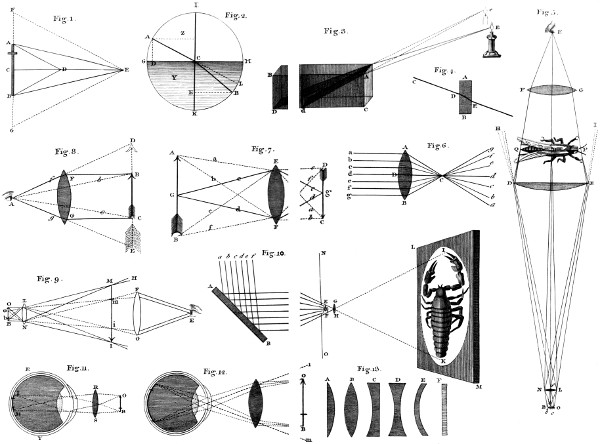
T. Milne del. London. Printed for & Published by George Adams N.o 60, Fleet Street, as the act directs. May 20, 1787. Jn. Lodge sc.
Larger Plate
Pl. 2A
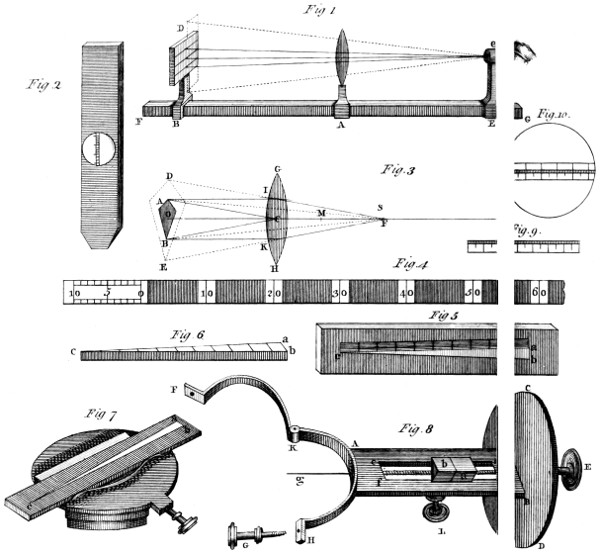
London Printed for & Publish’d by Geo.e Adams N.o 60 Fleet Street May 20th 1787. Goodnight sculp.
Larger Plate
Pl. 2B
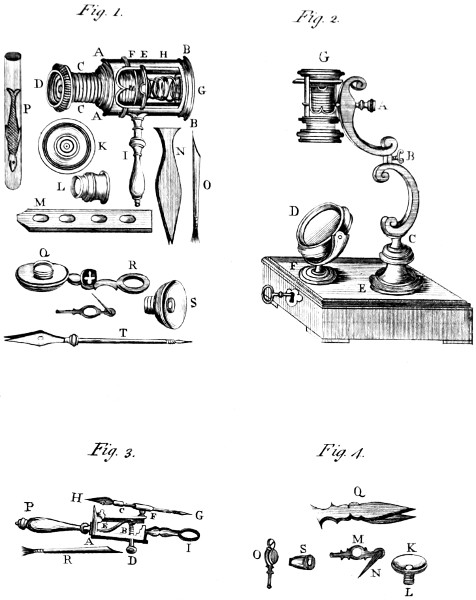
Larger Plate
Plate III.
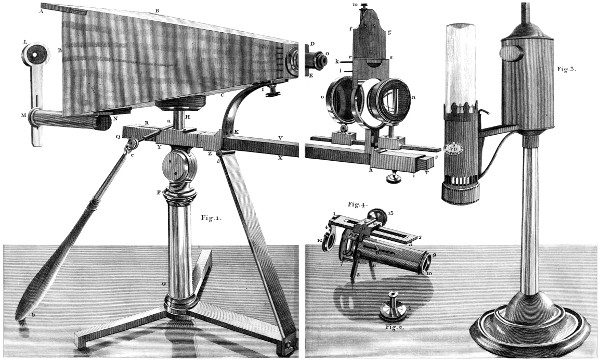
T. Milne del. London. Printed for & Published by George Adams N.o 60, Fleet Street, as the act directs. May 20, 1787. J. Lodge sculp.
Larger Plate
Plate IV.
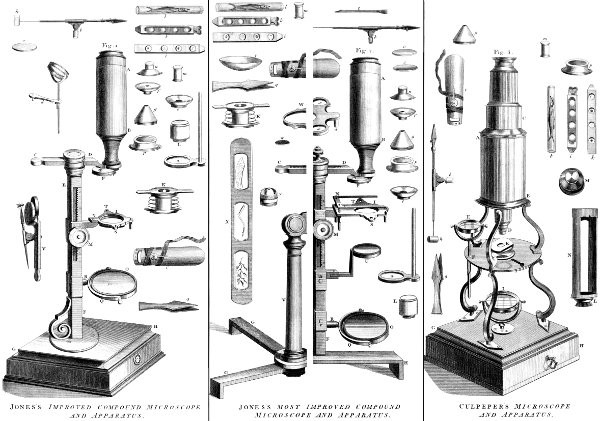
London. Printed for & Published by F. Kanmacher, and W. & S. Jones, 135 Holborn as the Act directs, 1.st October 1797. J. Hawksworth Sculp.
Larger Plate
Plate V.
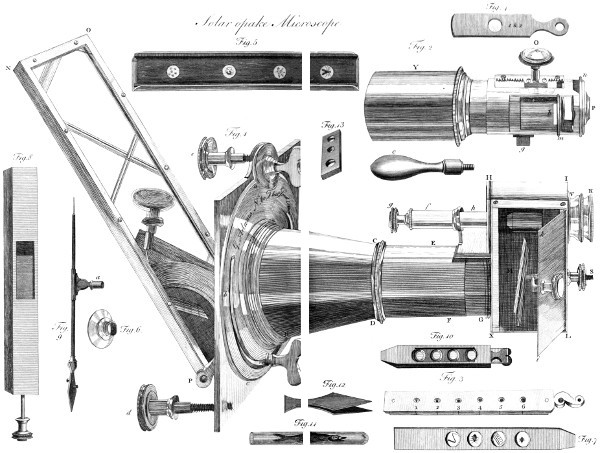
London Printed for & Publish’d by Geo.e Adams N.o 60 Fleet Street May 20th 1787.
Larger Plate
Plate VI.
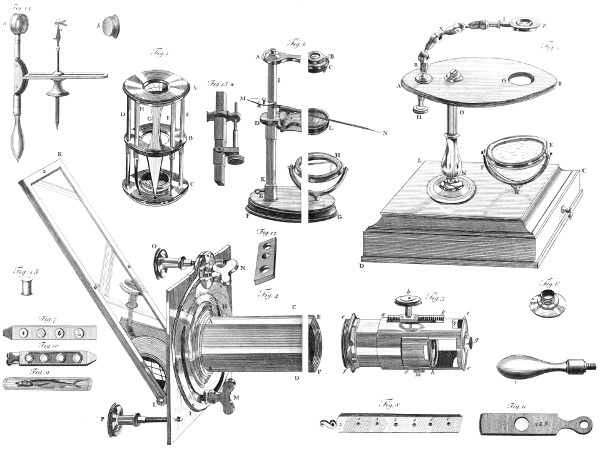
London Printed for & Publish’d by Geo.e Adams N.o 60 Fleet Street May 20th 1787.
Larger Plate
Plate 7A.
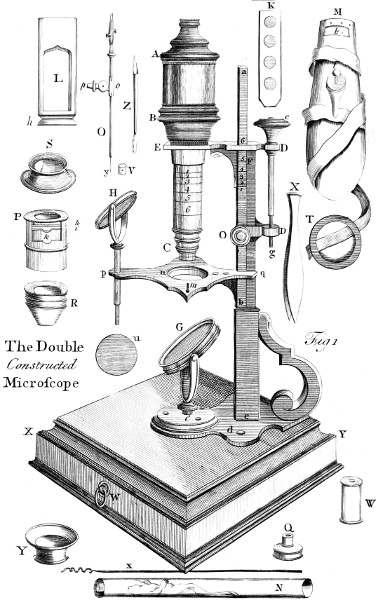
London Printed for & Publish’d by Geo.e Adams N.o 60 Fleet Street May 20th 1787.
Larger Plate
Pl. 7B.
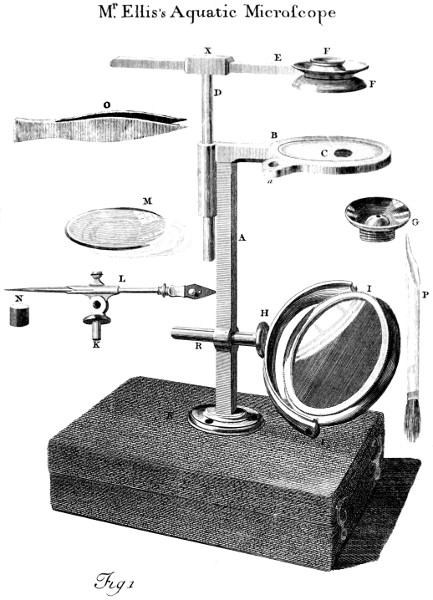
London Printed for & Publish’d by Geo.e Adams N.o 60 Fleet Street May 20th 1787.
Larger Plate
Plate VIII.
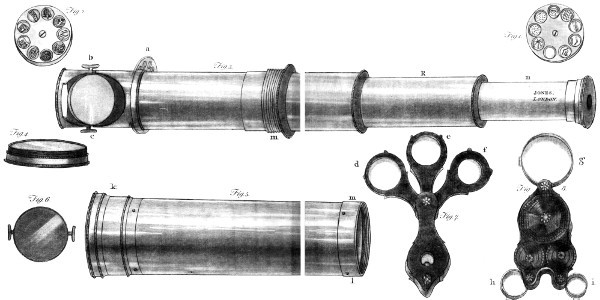
London Printed for & Publish’d by Geo.e Adams N.o 60 Fleet Street May 20th 1787.
Larger Plate
Plate IX.
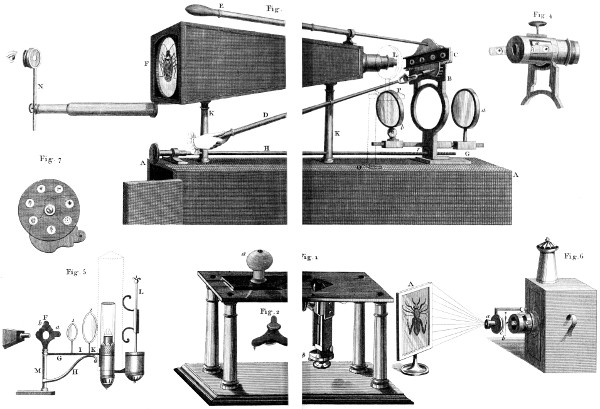
T. Milne del. London. Printed for & Published by W. & S. Jones, 135 Holborn, & F. Kanmacher Apothecaries Hall, as the Act directs, 1,st December 1797. Jn. Lodge sc.
Larger Plate
Plate X.
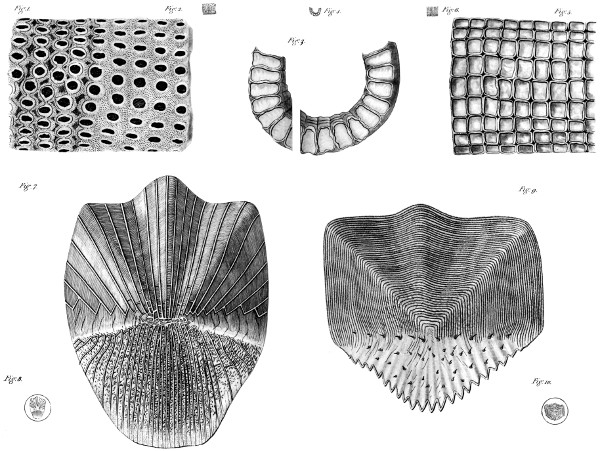
London Printed for & Publish’d by Geo.e Adams N.o 60 Fleet Street May 20th 1787.
Larger Plate
Plate XI.
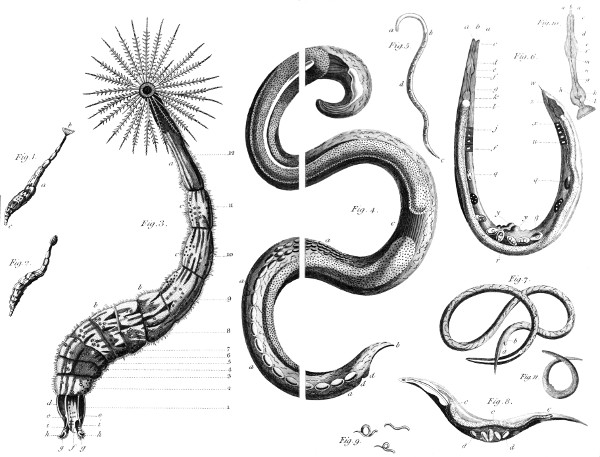
T. Milne del. London. Printed for & Published by George Adams, N.o 60 Fleet Street as the act directs. May 20, 1787. J. Lodge sc.
Larger Plate
Plate XII.
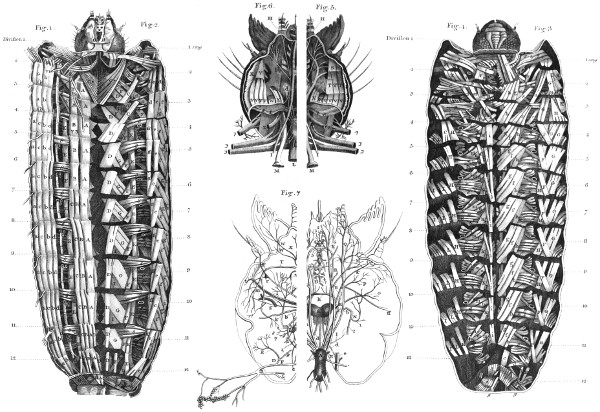
T. Milne del. London. Printed for & Published by George Adams, N.o 60 Fleet Street as the act directs. May 20, 1787. Jn.o Lodge sculp.
Larger Plate
Plate XIII.
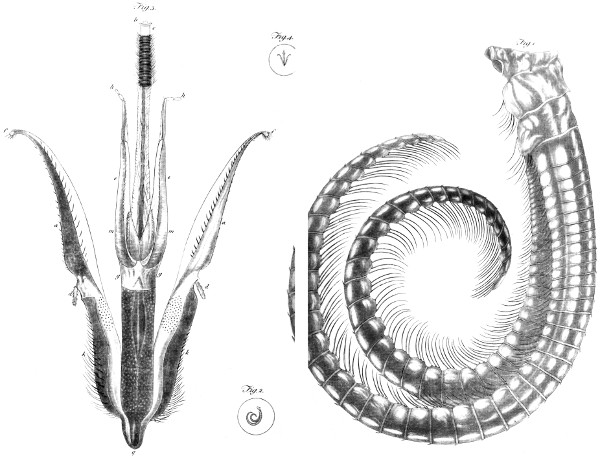
Larger Plate
Plate XIV.
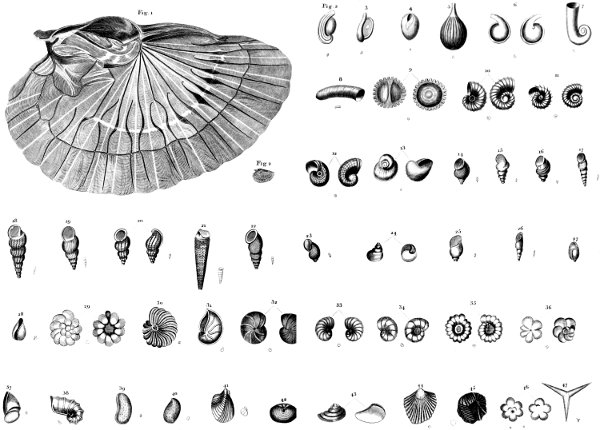
London. Printed for & Published by F. Kanmacher, and W. & S. Jones, 135 Holborn, as the Act directs, 1.st November 1797. J. Hawksworth sculp.
Larger Plate
Plate XV.
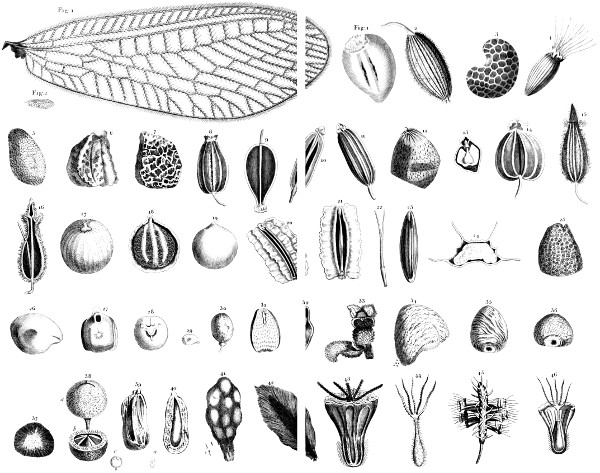
London. Printed for & Published by W. & S. Jones, 135 Holborn, and F. Kanmacher, Apothecaries Hall, as the Act directs, November 1.st 1797. J. Hawksworth sculp.
Larger Plate
Plate XVI.
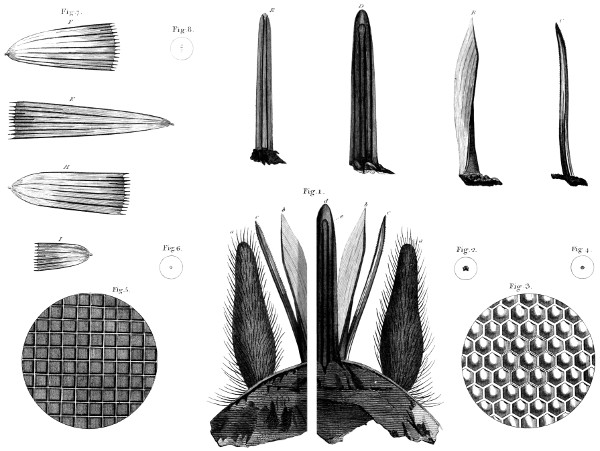
T. Milne del. London Printed for & Published by George Adams, N.o 60, Fleet Street, as the Act directs. May 20, 1787. Jn.o Lodge sc.
Larger Plate
Plate XVII.
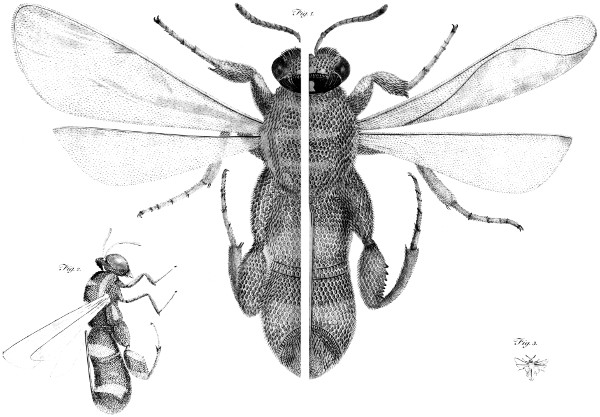
London Printed for & Publish’d by Geo. Adams, 60 Fleet Street, May 20th 1787.
Larger Plate
Plate XVIII.
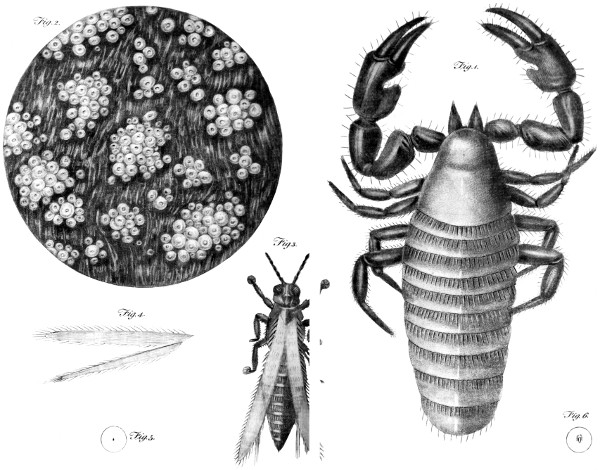
London Printed for & Publish’d by Geo. Adams, 60 Fleet Street, May 20th 1787.
Larger Plate
Plate XIX.
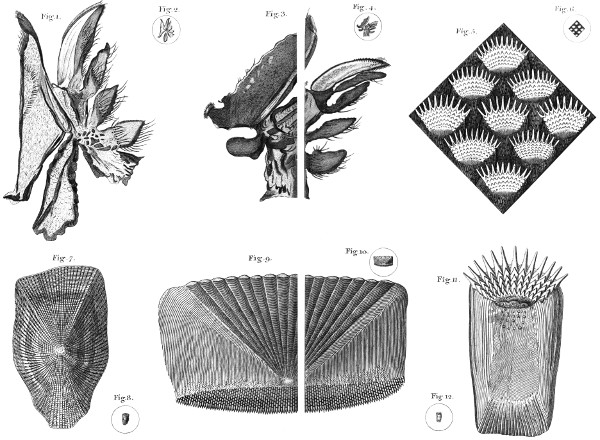
T. Milne del. London. Printed for & Published by George Adams, N.o 60 Fleet Street, as the act directs. May 20, 1787. Jn.o Lodge sc.
Larger Plate
Plate XX.
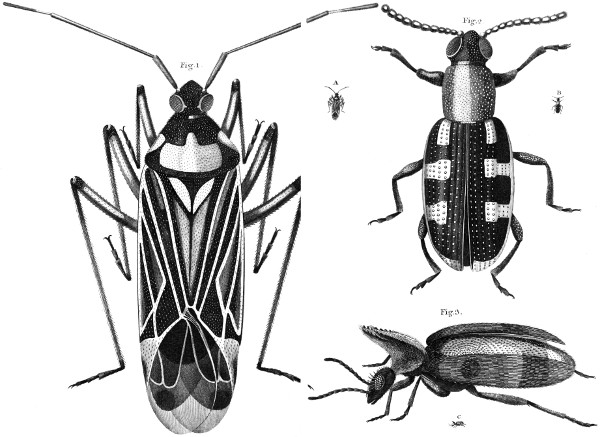
T. Milne del. London. Printed for & Published by George Adams, N.o 60 Fleet Street, as the act directs. May 20, 1787. Jn.o Lodge sc.
Larger Plate
Plate XXI.
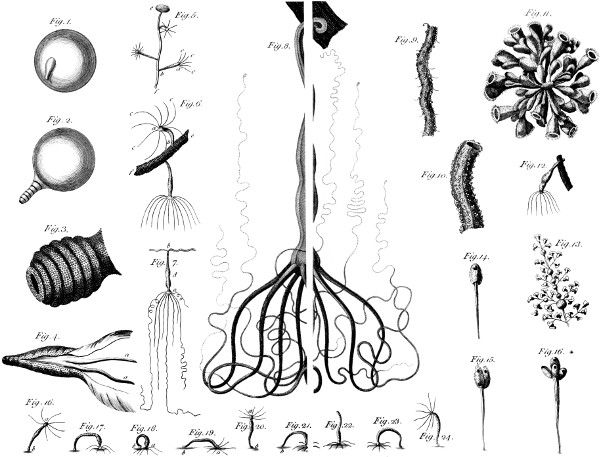
T. Milne del. London. Printed for & Published by George Adams, N.o 60 Fleet Street, as the Act directs. May 20, 1787. Jn. Lodge sc.
Larger Plate
Plate XXII.
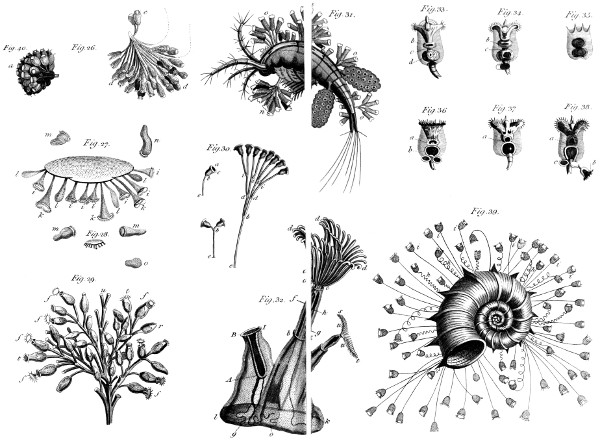
T. Milne del. London. Printed for & Published by George Adams, N.o 60 Fleet Street, as the act directs. May 20, 1787. J. Lodge sc.
Larger Plate
Pl. 23 A.
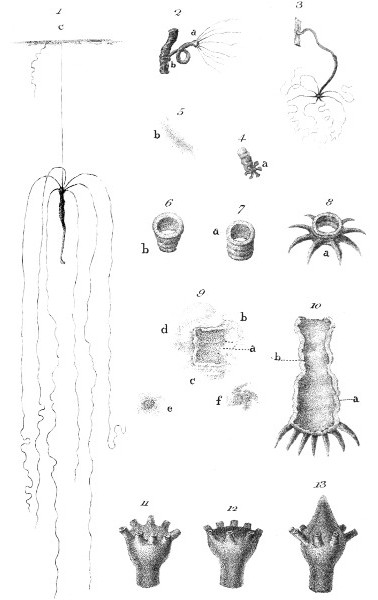
J. Wigley. Sc. London. Printed for & Published by George Adams, N.o
Larger Plate
Pl. 23.B.
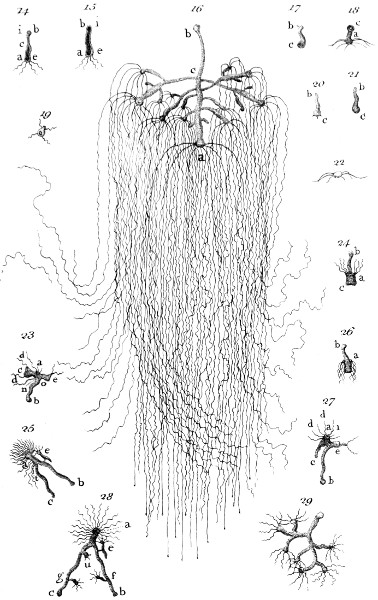
60 Fleet Street, as the act directs. 20 May 1787. Bonles Sc.
Larger Plate
Pl. 24.A.
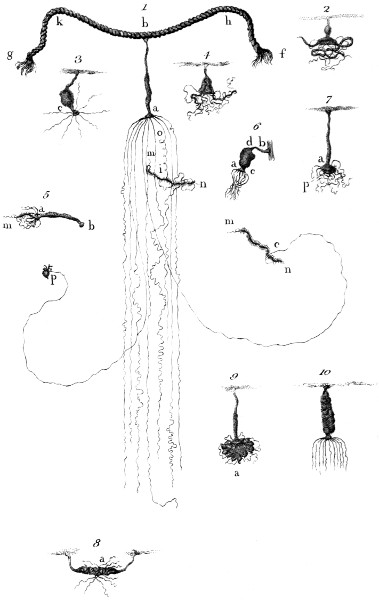
J. Wigley. Sc. London. Printed for & Published by George Adams, N.o
Larger Plate
Pl. 24.B.
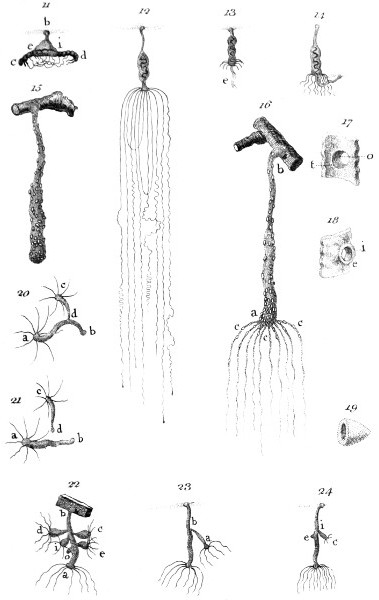
60 Fleet Street, as the act directs. 20 May 1787. Bonles Sc.
Larger Plate
Plate XXV.
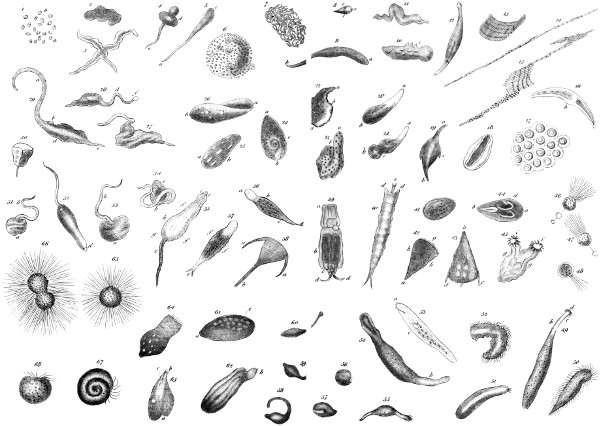
T. Milne Delin.t London Published May 1.st 1787. Geo.e Adams N.o 60 Fleet Street.
Larger Plate
Plate XXVI.
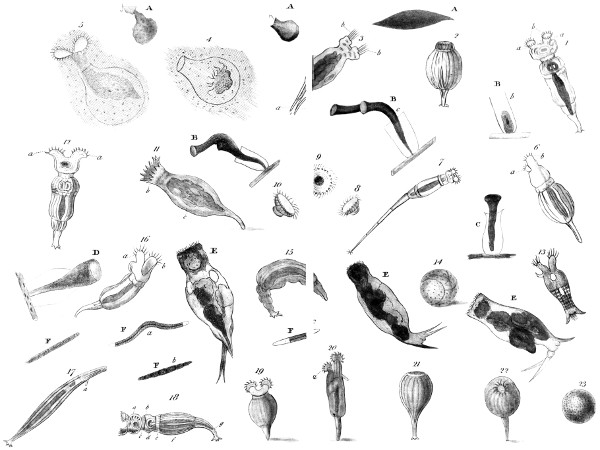
London Published May 1.st 1787. Geo.e Adams N.o 60 Fleet Street.
Larger Plate
PLATE XXVII.
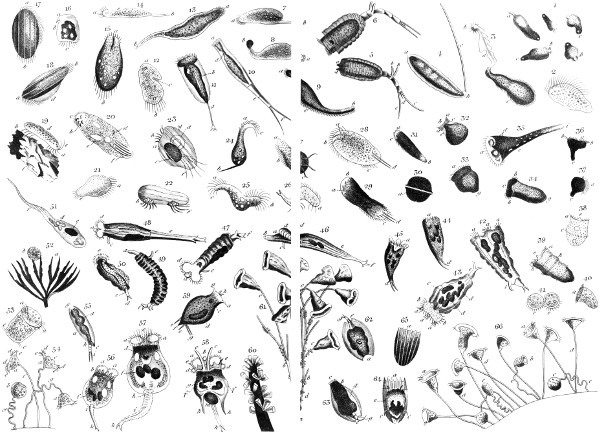
T. Milne del. London. Printed for & Published by George Adams, N.o 60 Fleet Street, as the act directs. May 20, 1787. J. Lodge sc.
Larger Plate
Plate XXVIII.
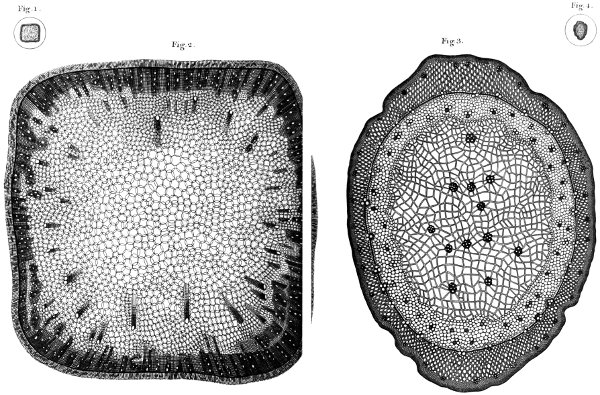
T. Milne del. London. Printed for & Published by George Adams, N.o 60 Fleet Street, as the act directs. May 20, 1787. J. Lodge scu.
Larger Plate
Plate XXIX.
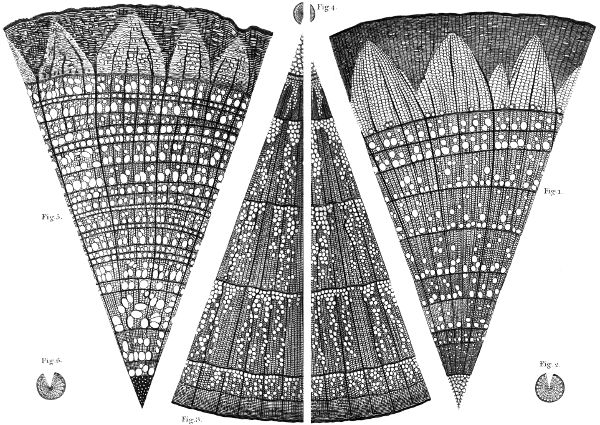
T. Milne del. London. Printed for & Published by George Adams, N.o 60 Fleet Street, as the act directs. May 20, 1787. J. Lodge sc.
Larger Plate
Plate XXX.
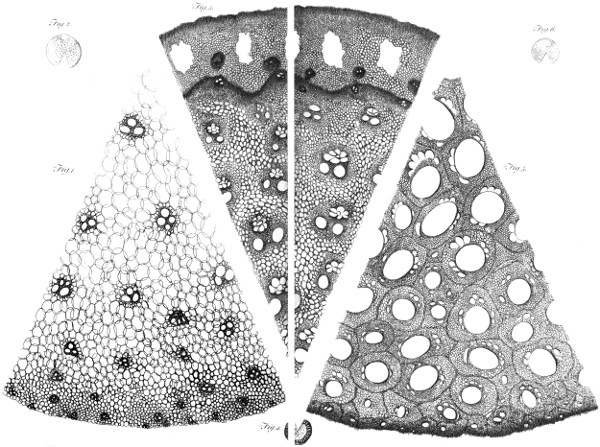
London Printed for & Publishd by Geo.e Adams N.o 60 Fleet Street May 20th 1787.
Larger Plate
Plate XXXI.
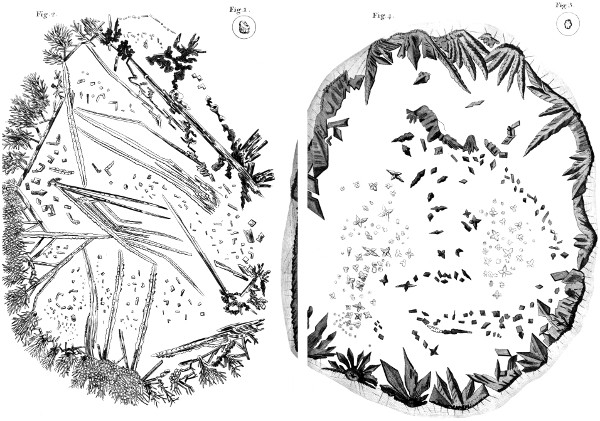
T. Milne del. London. Printed for & Published by George Adams, N.o 60 Fleet Street, as the act directs. May 20, 1787. Jn. Lodge sc.
Larger Plate
Plate XXXII.
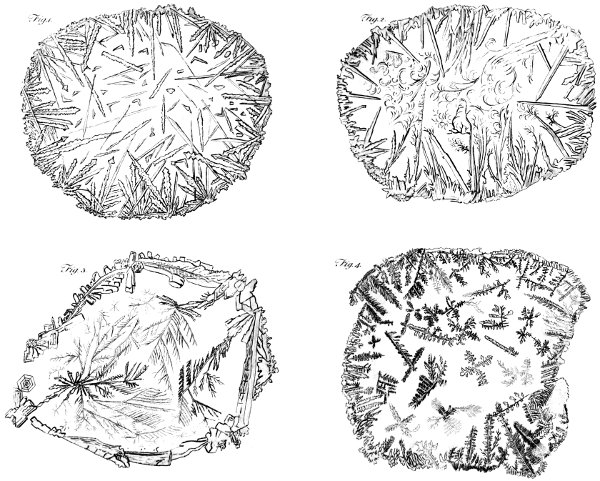
Larger Plate