ILLUSTRATED DICTIONARY OF WORDS USED IN ART AND ARCHÆOLOGY. (continued 2)
Reading edition
Asterisk, Chr. Sometimes called Stellula. A kind of crossed framework made of gold or silver, consisting of two arched bands which are sometimes surmounted, at the point of intersection, by a cross. The asterisk is placed upon the patera for the purpose of keeping up the cloth which covers the consecrated wafers of the host.
Astler. (See Ashlar.)
Astragal (ἀστράγαλος, knuckle-bone). A small semicircular moulding, so called from its resemblance to a row of knuckle-bones placed side by side. As it is decorated with beads, or berries of laurel or olive, separated by discs, it is now commonly known as a chaplet. Astragals are placed at the top of a column, beneath the capital, and divide the architrave into two or three parts. They are also used to decorate any kind of base. (See Torus.)
Astragalus, R. The ancient game of knuckle-bones; a common subject in classical sculpture, called also Tali.
Astreated, Arch. Star-shaped ornaments, used in Norman mouldings.
Asylum, Gr. and R. (ἄ-συλον, safe from violence). A place of refuge, to which was attached the privilege of inviolability called asulia. This privilege belonged to certain temples, woods, or other sacred enclosures. There were a considerable number of such retreats in Greece and the Greek colonies.
At Gaze, Her. Said of animals of the chase “standing still and looking about them.”
Atach-gah, Pers. The fire-altar of the ancient Persians; mentioned in the writings of Pausanias and Strabo.
Atellanæ (sc. fabulæ), R. A farce, so called from its having originated in Atella, a city of the Osci, in Campania. Hence the name of Oscan games (ludi Osci). Atellanæ were played by youths of good family, on the conclusion of a tragedy. They were introduced into Rome in the fourth century B.C. These farces were distinguished by their refinement, and freedom from low buffoonery.
Athenæum. A university for literary and scientific studies at Rome, on the Capitoline Hill.
Athyr, Egyp. One of the months of the ancient Egyptians. It was the third of the four months called the months of inundation.
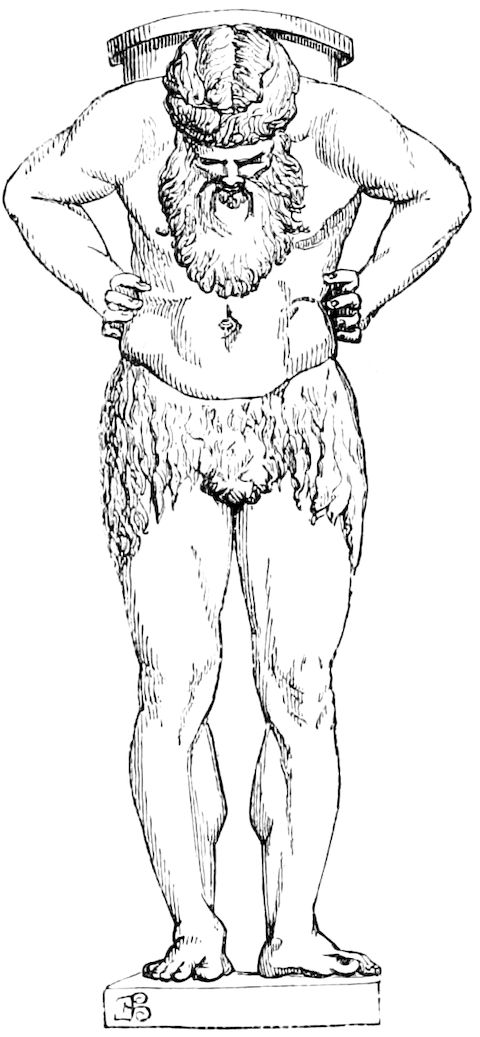
Fig. 47. One of the Atlantes of the Theatre of Bacchus at Athens.
Atlantes, Gr. and R. (from τλῆναι). Human figures so called, in allusion to the story of the Titan Atlas, which were employed instead of columns to support entablatures (Fig. 47). The Latin equivalent for the term is Telamones. Similar female figures were Caryatides.
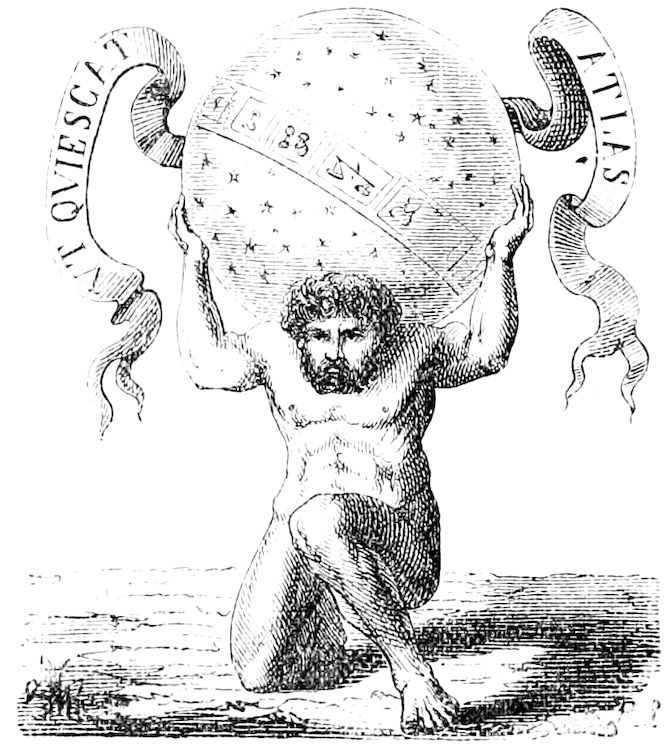
Fig. 48. Atlas, a device used by Philip II. of Spain.
Atlas. One of the several devices adopted by Philip II. of Spain was a figure of Hercules bearing on his shoulders and kneeling beneath, the weight of the world; a feat recorded to have been performed by him in order to give relief to Atlas from his customary burden. The motto “Ut quiescat Atlas,” is written on a ribbon.
Atramentale, Atramentarium, Gr. and R. (atramentum, q.v.). An inkstand, of any shape or material whatsoever. Inkstands were made of terra-cotta, bronze, and silver. There is a Pompeian painting in which a double inkstand is represented, one side of which contains black ink, the other an ink of some different colour. There were also portable inkstands called theca. (See Theca.)
Atramentum, Gr. and R. (ater, black). A general term to denote any kind of black liquid; such were atramentum scriptorum, atramentum librarium, or simply atramentum—all terms for writing ink; atramentum sutorum, the black used by shoemakers for dyeing their leather, another name for which was chalcamentum (q.v.); and atramentum tectorium, a kind of ink used for writing inscriptions with a brush. In ancient times, all descriptions of ink were made with soot and gum, forming a kind of Indian ink which was diluted with water. Vitruvius (Book VII.) thus describes the process by which atramentum was obtained: “Soot is first procured by burning rosin in a vaulted chamber, and the black (atramentum) thus obtained is then mixed with gum.”
Atriolum, R. (dimin. of Atrium). (1) A small atrium. It might be either a smaller atrium adjoining the principal one in a house, or the atrium of a dwelling of inferior size. (2) A small antechamber forming the entrance of a tomb.
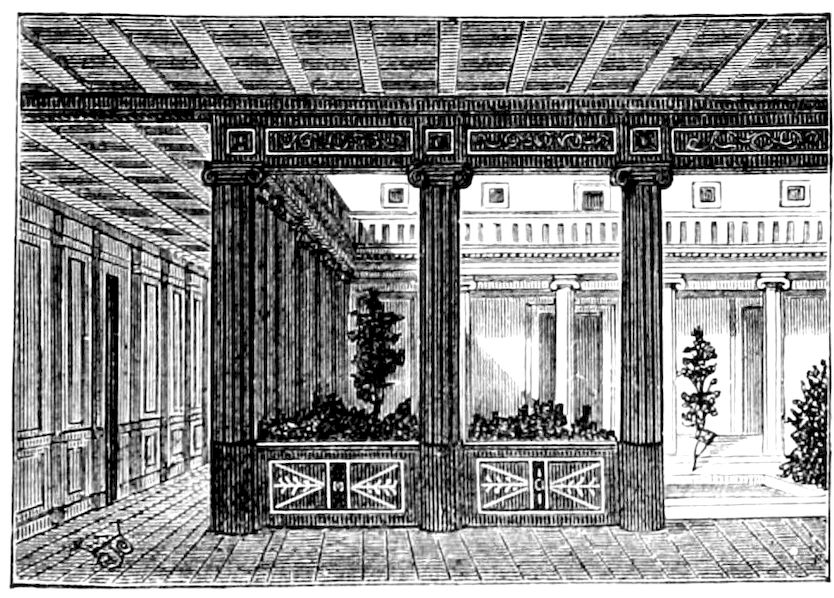
Fig. 49. Atrium, with Ionic columns.
Atrium, R. and Mod. A term perhaps derived from Atria, a city of Tuscany in which structures of this description were first built. It consisted of a kind of covered court (cavædium), round which were grouped the different apartments of the house. In the centre of the roof was an aperture with sloping sides called the compluvium, and in the court beneath, a basin which collected the rain-water from the roof. This was called the impluvium. There were besides, the atrium displuviatum and the atrium testudinatum. The atrium was unquestionably the most essential and the most interesting part of a Roman mansion; it was here that numbers assembled daily to pay their respects to their patron, to consult the legislator, to attract the notice of the statesman, or to derive importance in the eyes of the public from an apparent intimacy with a man in power.—Moule.
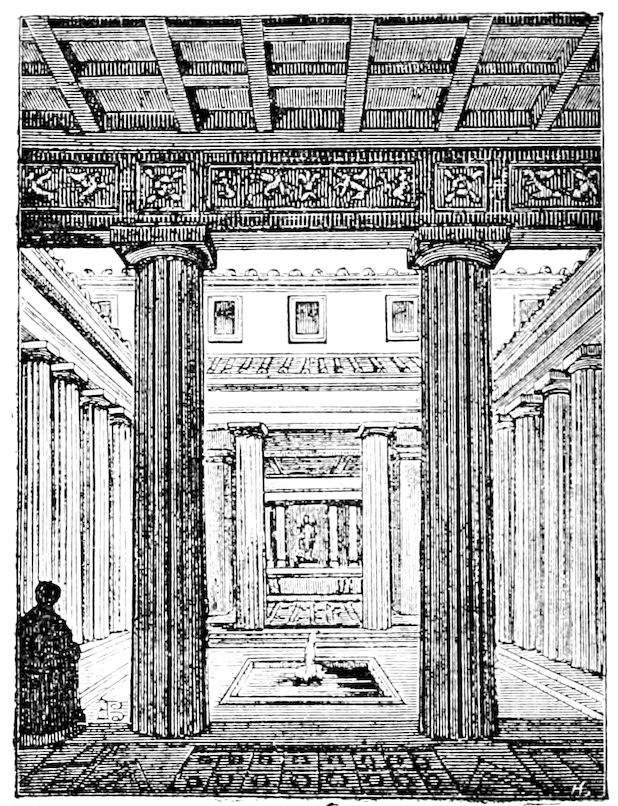
Fig. 50. Atrium, with Doric columns.
During the Middle Ages the term atrium was used to denote the open plot of ground surrounding a church, which served for a cemetery, and the close or courtyard of certain churches.
Attegia, R. A hut or cabin made of reeds, and covered with thatch.
Attic-order, Arch. An arrangement of low pilasters, surmounting a building.
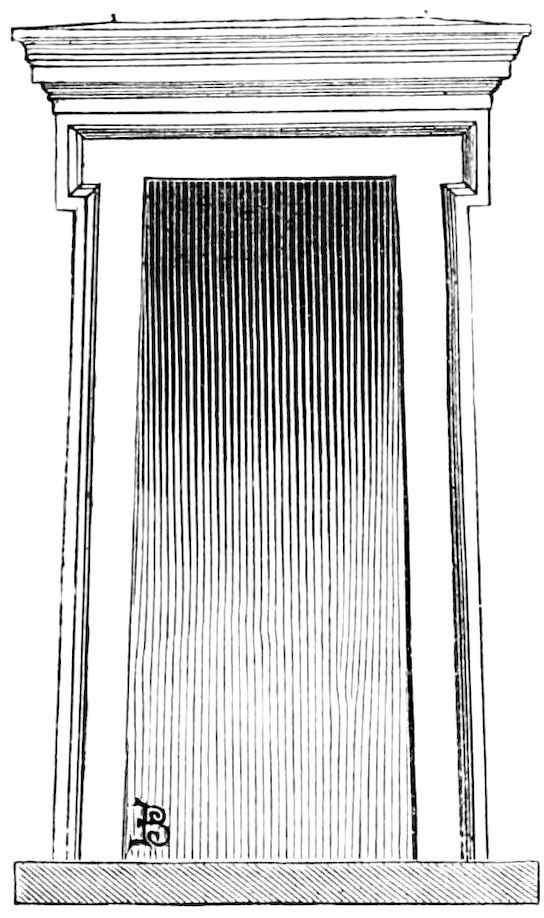
Fig. 51. Atticurge doorway at Agrigentum.
Atticurge, Arch. (Ἀττικουργὴς, wrought in Attic fashion). A doorway, the uprights of which, instead of being perpendicular, inclined slightly inwards, so that the opening was wider at the threshold than immediately under the lintel. Fig. 51 represents the doorway of an ancient monument at Agrigentum, in Sicily.
Attires, Attired, Her. The antlers of a stag or “hart” having antlers.
Attributes. Conventional symbols of the character, or the agency, or the history, of subjects of art representation.
Auditorium, R. (a place for hearing). A lecture-room, assembly-room, court of justice, or generally any place in which orators, poets. &c., were heard. The Basilicæ contained halls so named, in which courts of justice were held.
Augmentation, Her. An honourable addition to a coat of arms.
Augurale, R. (augur, a soothsayer). In a Roman camp the augurale was a place situated to the right of the general’s tent or Prætorium (q.v.). It was so called because the augurs there took their station to observe the flight of birds. In Greece, the oracles were consulted; but in Rome questions were addressed to Jupiter, who answered simply “Do” or “Do not,” by his messengers the birds. They gave no prophecies.
Augustine’s Oak, at Aust on the Severn; the scene of the conference between St. Augustine and the British bishops, A. D. 602.
Aula, Gr. and R. (αὐλή). (1) An open court attached to a house. It was usually in front, and on either side of it were the stables and offices. When it belonged to a farm it was round this courtyard that the stabling, sheepfolds, and other outhouses were arranged. (2) Aula regia was the central part of the scene in a Greek or Roman theatre.
Aulæa or Aulæum, R. (aula, a hall). (1) Hangings or tapestry used to decorate the dining-room or triclinium, or generally, any piece of tapestry used as a curtain, whether to cover a doorway, act as a screen, or hide the stage in a theatre. (2) The covering of a sofa or dining-couch, also called, from the way in which it hung all round it, peristroma (περίστρωμα). Aulæa is almost synonymous with Velum (q.v.).
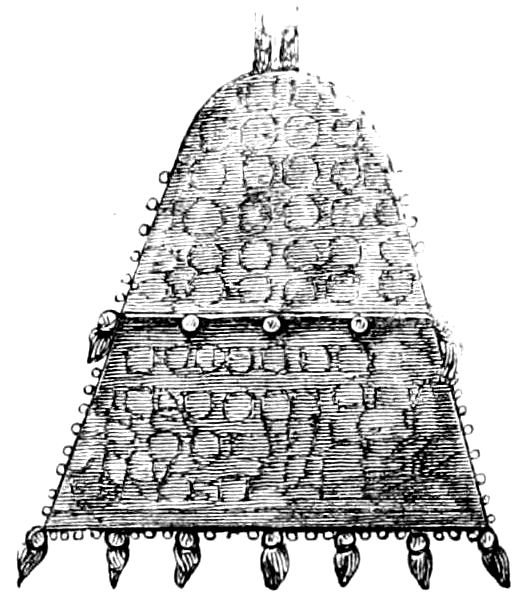
Fig. 52. Aulmonière.
Aulmonière. The Norman name for the pouch, bag, or purse appended to the girdle of noble persons, and derived from the same root as “alms” and “almoner.” It was more or less ornamented and hung from long laces of silk or gold; it was sometimes called Alner. (Fig. 52.) (See Allouyère.)
I will give thee an alner
Made of silk and gold clear.
(Lay of Sir Launfal.)
Aulos, Gr. The Greeks gave this name to all wind instruments of the flute, or oboe, kind; it was not blown at the side like a flute, but by a vibrating reed in the mouthpiece, like a clarionet. The single flute was called monaulos, and the double one diaulos.
Aumbrie, Aumery, Almery, O. E. A cupboard or closet.
Aumery of Here, O. E. A cupboard with hair-cloth sides for ventilation. A meat-safe.
Aureola, Chr. (aurum, gold). A quadrangular, circular, or elliptic halo surrounding the bodies of Christ, the Virgin, or certain saints. Another name for this ornament is the mystical almond or Vesica Piscis (q.v.). When it envelopes the head only it is called the Nimbus.
Aureole. (See Aureola.)
Aureus, R. (sc. nummus, golden). The unit of value for gold currency under the Roman emperors, worth about a guinea.
Auripetrum. A cheap imitation of gold leaf; made of tinfoil coloured with saffron.
Auspicium, R. (aves aspicio). Divination from observation of the flight of birds. (Auspicium ex avibus, signa ex avibus.) There was also the auspicium cœleste or signa ex cœlo, of which the most important was a flash of lightning from a clear sky. Besides these there were the auspicia pullaria, or auspices taken from the sacred chickens; the auspicia pedestria, caduca, &c. (See Augurale.)
Authepsa, Gr. and R. (αὐθέψης). Literally a self-boiler; it was a sort of kettle or cauldron, which was exposed to the rays of the sun, to heat the water within it; whether, however, the ancients had attained the art of raising water to boiling heat, in this manner, it is impossible to say. The apparatus is mentioned by Cicero and Lampridius, but neither of them gives any description of it.
Avellane. A variety of the heraldic cross. (See Crosses.)
Avena, R. (oats). A Pandæan pipe, made of the stalk of the wild oat.
Aventail, Fr. (avant taille). The movable front of a helmet.
Aventurine. A kind of brown glass, mixed with bright copper filings, formerly made at Venice.
Averta, R. A trunk, bag, or portmanteau, carried on the crupper by travellers who rode on horseback.
Aviarium, R. (avis, a bird). (1) A poultry-yard. (2) An aviary in which birds—and more particularly those of rare breeds—were kept.
Axis, R. (1) The axle-tree of a carriage. (2) Axis versatilis was a cylinder worked by a crank, and used for drawing water from a well by means of a cord which rolled round it as it revolved. (3) The upright pivot upon which a door turned. It worked in two sockets, placed respectively in the upper and lower lintels.
Azarcon. The Spanish name for red lead.
Azure. A blue colour known from the very earliest times. Azure stone was the name given to the lapis lazuli. The name is given also to Cobalt. In heraldry it is the name for the blues in the arms of persons whose rank is below that of a baron; it is represented in heraldic engraving by regular horizontal lines.
Azyme, Chr. Unleavened bread.