← Table of contents
A New System; or, an Analysis of Antient Mythology. Volume 1 (of 6)

THE ADORATION OF FIRE

Reading edition

IN THE

FIRST AGES.

Divinam spirare fidem, ventosque loquaces

Exhalare solum, sacris se condidit antris,

Incubuitque adyto: vates ibi factus Apollo.
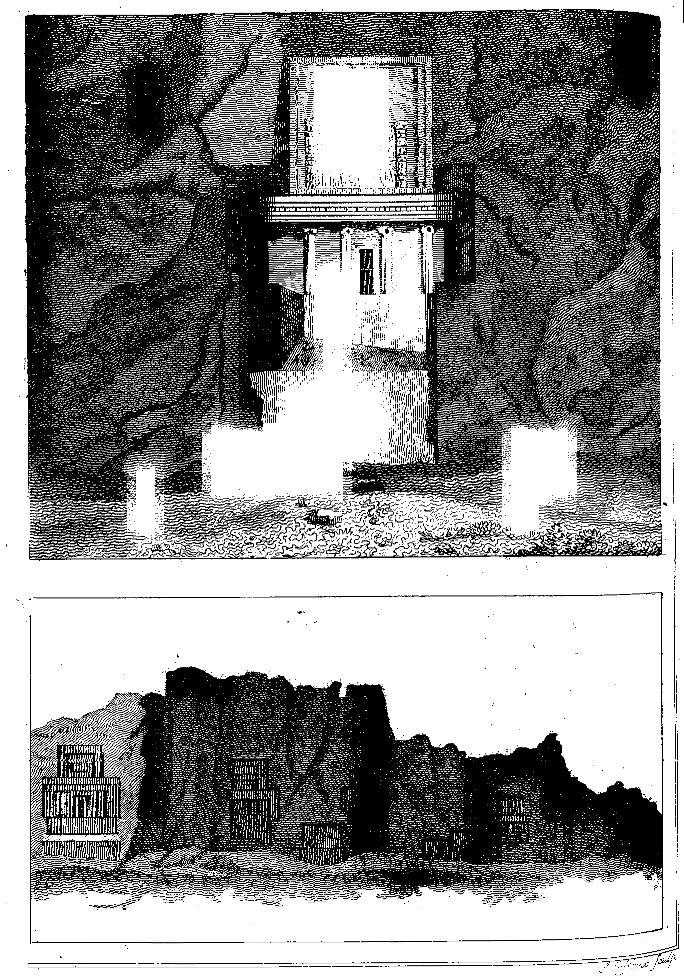
Plate II
Plate II

Pl. II. Temple of Mithras near Naki Rustan in Persia. Also temples in the rock near the Plain of the Magi. From Le Bruyn.

Frons erat, unde etiam nomen traxere Cerastæ.

Such was the painful exercise which Maghmud undertook in January this year; and for this purpose he chose a subterraneous vault. In the beginning of the next month, when he came forth, he was so pale, disfigured, and emaciated, that they hardly knew him. But this was not the worst effect of his devotion. Solitude, often dangerous to a melancholy turn of thought, had, under the circumstances of his inquietude, and the strangeness of his penance, impaired his reason. He became restless and suspicious, often starting.—In one of these fits he determined to put to death the whole family of his predecessor, Sha Hussein; among whom were several brothers, three uncles, and seven nephews, besides that prince's children. All these, in number above an hundred, the tyrant cut to pieces with his own hand in the palace yard, where they were assembled for that bloody purpose. Two small children only escaped by the intervention of their father, who was wounded in endeavouring to screen them.
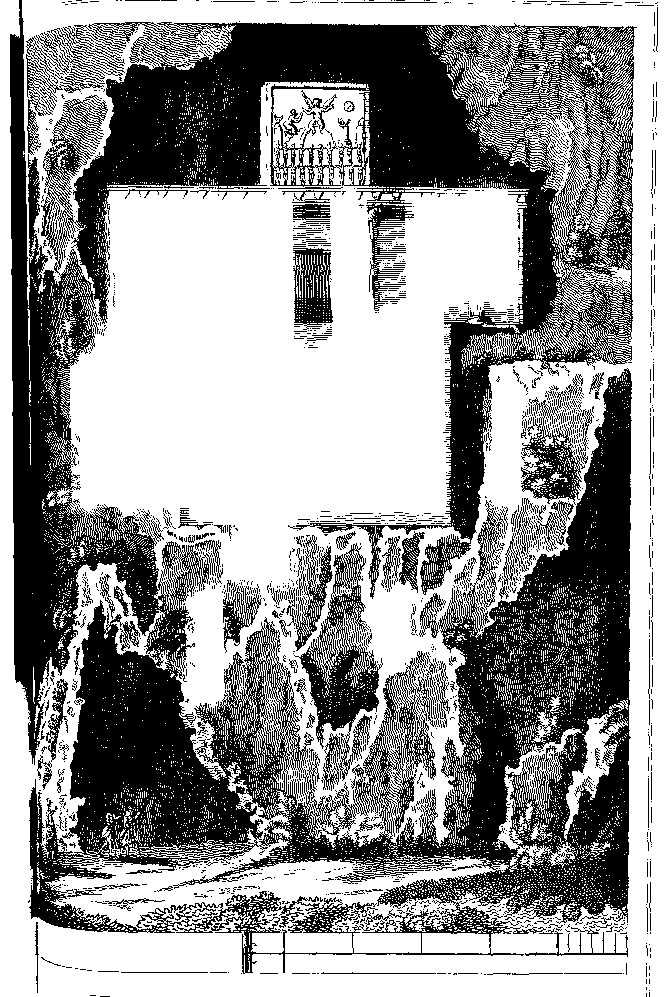
Plate III
Plate III

Notes in this chapter

Note 1 · As soon as religion began to lose its purity, it degenerated very fast; and, instead of a reverential awe and pleasing sense of duty, there Note 2 · Ut vidit Pæan vastos telluris hiatusNote 3 · Here also was the temple of the [668]Muses, which stood close upon a reeking stream. But, what rendered Delphi more remarkable, and more revNote 4 · It has been observed, that the Greek term κοιλος, hollow, was often substituted for Coëlus, heaven: and, I think, it will appear to have beeNote 5 · Among the Persians most of the temples were caverns in rocks, either formed by nature, or artificially produced. They had likewise PuratheiaNote 6 · The principal building also, which is thought to have been a palace, was a temple; but of a different sort. The travellers above say, that iNote 7 · Nec tu aliud Vestam, quam vivam intellige flammam.Note 8 · Hyde renders the term after Kæmpfer, Ista: but it was more commonly expressed Esta, and Asta. The Deity was also styled Astachan, which as aNote 9 · Φυκος ἁπαν κατεφλεξας, επει περικαιεο πυρι.Note 10 · Upon this account it was called [699]Pirpile; and by the same poet Histia, and Hestia, similar to the name above. [700]Ιστιη, ω νησων ευεστιNote 11 · The island Cyprus was of old called [703]Cerastis, and Cerastia; and had a city of the same name. This city was more known by the name of AmNote 12 · Atque illos gemino quondam quibus aspera cornuNote 13 · There was a city of the same name in Eubœa, expressed Carystus, where the stone [706]Asbestus was found. Of this they made a kind of cloth, Note 14 · In Cappadocia were many Puratheia; and the people followed the same manner of worship, as was practised in Persis. The rites which prevailedNote 15 · Such is the nature of the temple named Istachar; and of the caverns in the mountains of Chusistan. They were sacred to Mithras, and were madNote 16 · Some traces of this kind of penance may be still perceived in the east, where the followers of Mahomet have been found to adopt it. In the hNote 17 · The reverence paid to caves and grottos arose from a notion that they were a representation of the [713]world; and that the chief Deity whom
Explore with AITake your curiosity a little further.

Reading settings