Chapter XIX · (XXXIII.)
Louisa S. Maclehose translation
Of Niello,[279] and how by means of this process we have Copper Prints; and how Silver is engraved to make Enamels over bas-relief, and in like manner how Gold and Silver Plate is chased.[280]
§ 103. Niello Work.
Niello, which may be described as a design traced and painted on silver, as one paints and traces delicately with the pen, was discovered by the goldsmiths as far back as the time of the ancients, there having been seen in their gold and silver plates incisions made by tools and filled up with some mixture.[281] In niello the design is traced with the stylus on silver which has a smooth surface, and is engraved with the burin, a square tool cut on the slant like a spur from one of its angles to the other; for sloping thus towards one of the corners makes it very 274sharp and cutting on the two edges, and its point glides over the metal and graves extremely finely.[282] With this tool is executed all graving on metal, whether the lines are to be filled or are to be left open, according to the pleasure of the artificer. When therefore they have finished their graving with the burin, they take silver and lead and fuse them into one substance over the fire; and this when completely amalgamated is black in colour, very friable, and extremely fusible.[283]
The next process is to pound this substance and put it over the engraved silver plaque which must be thoroughly clean, then to bring it near to a fire of green wood, blowing with the bellows that the rays of the fire may strike upon the niello, which by virtue of the heat melts and flows filling up all incisions that the graver has made. Afterwards when the silver has cooled, the worker proceeds to remove carefully the overplus with scrapers, and with pumice stone to grind it away little by little, rubbing it with the hands and with a leather till it is reduced to the true flat and the whole is left polished. The Florentine Maso Finiguerra worked most admirably in this craft in which he was really extraordinary, as is testified to by some paxes[284] of niello in San Giovanni of Florence that are esteemed wonderful.
§ 104. The Origin of Engraving.
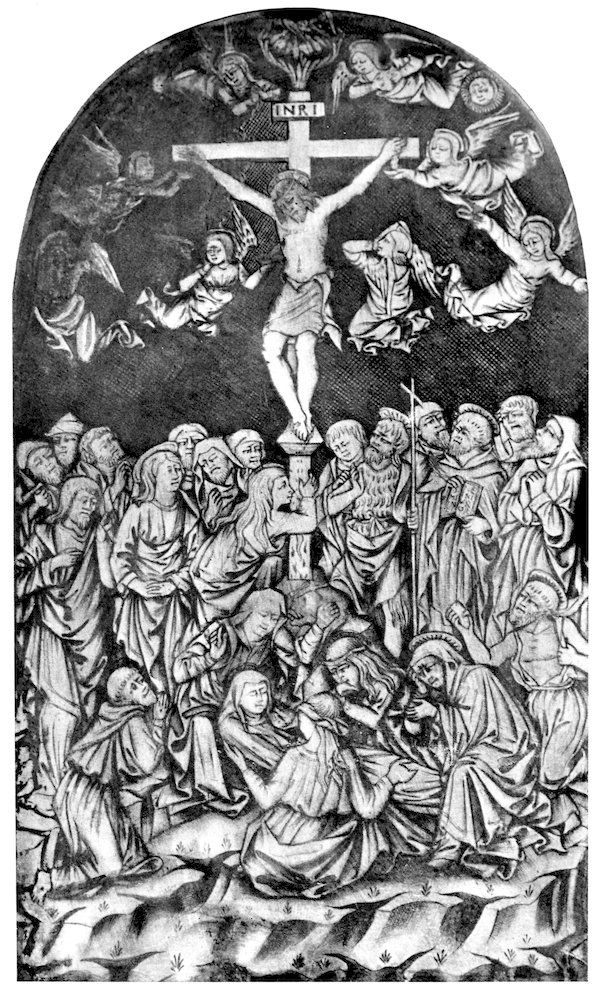
Plate XIII SPECIMEN OF NIELLO WORK A ‘Pax’ formerly in the Baptistry, and now in the National Museum, Florence
275From this graving by the burin are derived the copper plates from which we see to-day so many impressions throughout all Italy of both Italian and German origin. Just as impressions in clay were taken from silver plaques before they were filled with niello, and casts pulled from these in sulphur,[285] in the same manner the printers found out the method of striking off the sheets from the copper plates with the press, as we have seen printing done in our own days.
276
§ 105. Enamels over Reliefs.
See now another sort of work in silver and in gold, commonly called enamel, a kind of painting intermingled with sculpture, suitable for lining the bottom of pieces intended to hold water.[286] This when worked on gold, needs the very finest gold; and when on silver, the silver at least of the quality of the giulio.[287] The following method is necessary in order that the enamel may remain in its place and not run beyond its proper limits. The edges of the silver[288] must be left so fine that when looked at from above they escape the eye. In this way is made a flat relief contrary to the other kind,[289] in order that when the enamels are put over it, it may take its darks and lights from the height and depth of the intaglio. Then glass enamels of various colours are picked out and carefully fixed with the hammer;[290] they are kept in little bowls filled with clear water, separated and distinct one from 277the other. Those which are used with gold are different from those that serve for silver[291] and they are worked in the following manner. The enamels are lifted out separately with the most delicate little silver shovel and spread in their places with scrupulous cleanliness, and this is done over and over again, according as the enamel adheres properly, and so with all the quantity that is needed at the time. This done, an earthenware receptacle, made on purpose, is prepared; it must be perforated all over and have a mouthpiece in front, then the muffle, which is a little perforated earthenware cover that will prevent the charcoal falling from above, is introduced into this receptacle, and above the muffle the space is filled 278up to the top with oak charcoal kindled in the ordinary way. In the empty space which is left under the aforenamed cover the enamelled object is placed on a very thin iron tray to feel the heat gradually and is kept there long enough to admit of the enamels melting, when they flow all over almost like water. Which done, it is allowed to cool, and then with a ‘frassinella,’ that is, a stone for sharpening iron tools, and with sand such as is used for drinking glasses moistened with clear water, it is rubbed till it becomes perfectly level. When the process of removing all superfluity is finished, the object is placed in the actual fire, to be melted a second time in order that the whole surface may become lustrous.[292] Another sort is made by hand, and polished with Tripoli plaster (powder) and a piece of leather, but of this there is no need to make mention.[293] I have however described the above because being, like the other processes, of the nature of painting it seemed to come into our subject.
279