THE PASTON LETTERS Edward IV (continued 3)
Reading edition
Also the said Rob. Cutteler chaplain, when he made his deposition, was ‘levis opinionis, malæ conscientiæ et de mensa Joh’is Paston ac tenens ipsius, prout ad primum interrogatorium examinationis suæ primæ et secundæ respondebat.’ Also he was perjured; because in April 1457 in par. of Holy Trin., Castir, he beat and maimed one Jo. Flemyng, and boasted of it (ac sic factum nomine suo ratum habuit), but being taken before Sir J. Fastolf, justice of the peace, he swore he had not done so.—Proofs that he was not disinterested.
Exceptions to Rob. Popy: He was a tenant of Paston’s, &c. &c.
Davy says John Rus was at Yarmouth on the Saturday in question, as he usually was on Saturdays, to buy victuals for Fastolf’s house, &c. (Proof declared insufficient in the margin). Sir J. Fastolf was so ill, that, as Davy had heard he was unable to speak from 22d Oct. ‘Quæ quidem infirmitas vocabatur judicio medicorum, sincope, quæ ipsum vexabat singulis horis et ipsum deduxit ad extasim de scientia istius jurati, qui continue conversabatur cum eo usque ad ipsius mortem.’
2. Thos. Upton, one of the clerks of the King’s kitchen, literatus, ‘liberæ conditionis,’ forty years old and over; 2d. witness.
Mentions that W. Worceter gave Jo. Rus a casket to keep containing certain documents, which Rus delivered to Howys after Fastolf’s death. Was clerk of the kitchen to Fastolf when Rus used to go on Saturday to Yarmouth, &c.
9 May. Jo. Bokkyng produced by Jo. Naseby, proctor of Yelverton and Worceter, before Master Tho. Wynterton, LL.D., auditor of Thomas Archbishop of Canterbury, at his house in the parish of St. Martin, in presence of Robert Kent, proctor of John Paston.—Examination committed to John Druell, LL.D. who on the 12th May examines him secretly in the house of the treasurer of St. Paul’s.
‘Dicit quod Johannes Tovy quædam munimenta et evidencias103.1 in certis bagis et pixidibus contenta quæ Willelmus Worceter eidem Johanni Tovy liberavit custodienda.’ Rus was and is Howys’ tenant for the house he lives in. After Fastolf’s death Upton delivered to Clement Felmyngham a signet or gold ring, ‘ad signandum sigilla dicti domini Johannis Fastolf,’ in a little bag, which was to be returned ‘post signacionem hujusmodi,’ but afterwards he said he had lost it. Touchyng brother W. Bukyngham, it was publicly noised at Yarmouth that Robert Brown, a chaplain of that town, had killed one Seman Burton, that Bukyngham knowingly received him, and that by his advice he fled. To the last exception he says he believes Fastolf did not release Paston from the payment of the said 4000 marks, ‘quia iste juratus non intellixit in tota vita sua tantam liberalitatem in dicto domino Johanne Fastolf.’ Fastolf had such difficulty in breathing for five or six days before his death that he could hardly speak.
Interrogatories proposed on the part of Paston and Howys, and administered to witnesses.
‘In primis, interrogetur quilibet testis hujusmodi cujus sit conditionis et an sit famulus, 104.1serviens aut tenens partis eum producentis, et cui parti magis favet partium prædictarum.’ Secondly, whether he be in the pay of any one. There are six interrogatories in all, and they are numbered.
Then follow answers of some one, whose name does not appear, to each of these six interrogatories; and other answers by—
1. Nich. Newman, Usher of the Chamber to Lady Catherine, Duchess of Norfolk.
2. John Loer, servant of the Abbot of Langley.
3. Will. Eton.
4. Rob. Lynne of Bucklande.
5. Barth. Elys of Yarmouth, ‘literatus liberæ conditionis,’ fifty years old and more (proves Rus’s absence, but his testimony is declared in the margin to be improbable, and not to agree with Davy’s).
6 July. Naseby produces Rob. Wylly on the part of Yelverton and Worcester. Examined on the 9th.—Says he was required by Paston and Howys to see Fastolf’s will, and ‘ad impediendum [impendendum] consilium suum:’—that on a Sunday in the summer after Fastolf’s death, John Paston showed him, at Fastolf’s house in Southwark, Sir John’s will written on paper, in presence of Clement Felmyngham and John Bracley, and asked his opinion if it was valid. Thought it insufficient to overthrow any previous will. A clause mentioning Tudenham and Heydon as executors was cancelled by this deponent’s advice, ‘eo quod erat contra caritatem.’
13 July at Bow Church. Naseby produces John Marshall and John Davy, whose examinations follow.
19 Oct. 1464. Druell examines Hen. Wenstall at the treasurer’s house of St. Paul’s.
15 Nov. 1464. Druell examines Rob. Hert.
1 Dec. Naseby produces Rob. Fyztrauf, whose production Kent opposes; who tries to prove Rus’s absence (insufficiently, as remarked in the margin), because he was constantly with Fastolf, except half an hour that morning, and held the basin while Henry Barbour lathered the beard (lavit barbam) of the said Sir John Fastolf.
‘Responsiones personaliter factæ per dominum Thomam Howys unum executorum domini Joh’is Fastolf, ultimo die mensis Aprilis Aº Dni 1464,’ &c., ‘coram Ven. viro Mag’ro Thoma Wynterbourne, LL.D.,’ &c., ‘in camera ejusdem infra manerium Revmi patris apud Lamehith, Winton dioc’ situat’, in præsenncia mei Nicholai Parker,’ &c.
Howys says he did not see Coteler or Rus in Fastolf’s chamber that Saturday before he went to dinner. On Saturday and Sunday before his death Fastolf spoke so low he could hardly be heard by any one, and Howys heard him only by putting his ear close to his mouth. Fastolf’s mind was clear.
566 ABSTRACT105.1
1464 MAY 12
Power of attorney by Roger Fidyon, clerk, and William Bondys to Richard Lynstede, John Holme, and John Brikkes, to enter and take possession of the manor of Hornynghall, in Castre, by Yarmouth, with appurtenances in Castre, Maudeby, Ormesby, Filby, and Scroudeby, or elsewhere in the hundred of East Flegge, Norfolk, which the said Roger and William have of the gift of Edmund Clere; and thereafter to deliver seisin therein to Agnes Paston, William Paston, Elizabeth, Countess of Oxford, John Veer, Earl of Oxford, John Scroop, Knight, Lord Scroop, Sir William Yelverton, Elizabeth Cleere; William Jennay, John Grenefeld, John Catesby, Serjeants-at-Law; John Hastynges, John Clopton, John Calthorp, Hugh Fen, Thomas Cornewaleys, Thomas Howes, clerk, Roger Marchall of London, Henry Spilman, William Lomnour, Bartholomew Whyte, William Whyte, John Applyerd, James Arblaster, William Wurcetyr, and Richard Maryot, according to a charter granted to them by the said Roger and William.
Castre, 12th May, 4 Edward IV.
567 MARGARET PASTON TO JOHN PASTON105.2
To myn ryght worshypful hosbond, John Paston, be thys delyveryd in haste.
1464 JUNE 8
Ryght worshypful hosbond, rekomaund me on to you. Pleasyth you to wete that I sent yisterday Loveday to Norwyche to speke wyth the Vykyr of Derham105.3 for the mater betwen Master Constantyn and hym; and he seyth that as for that mater, Master Constantyn sewyd hym for feyth and trowth brekyng, and he sewed Master Constantyn in the Temporall Curte uppon an obligacion of xli.; and ther was made appoyntment be twen hem by the advyce of bothe ther Conceylis, be for Master Robert Popy, that eche of hem shuld relece othyr, and so they dede, and the sewtys wer wythdrawyn on bothe partyes, and iche of hem aquytauncyd othyr; and as for any copy of the plee, he had never non, ner he ner Master John Estegate, that was hys atornay, remembryth nat that it was regestryd; and Master John Estegate seythe, if it schuld be scergyd in the regester it wold take a fortenyght werk, and yit peraventur never be the nerer.
Syr Thomas Howes hathe ben ryght besy thys weke at Blofeld, in wrytyng and lokyng uppe of ger, and John Russe hathe ben with hym ther the moste parte of alle thys weke, and thys day was Robert Lynne ther with hym; what they have do I wote nat, but I schal wete if I may.
It was told me that Syr Thomas desyryd of John Russe to make hym a new inventory of Syr John Fastolffs goods. John Russe myght not be spoke with yit, for the letter that he shuld a wretyn, whych ye sente me word of.
Item, it is tolde that the Dwke of Suffolk106.1 is kome home, and owthyr he is ded, or ellys ryght seke, and not lyke to eskape; and Syr John Howard is kome hom; and it is seyd that the Lord Skalys106.2 and he have a comyssyon to enquer whye they of this contre that were sent for kame not hastylar uppe afftyr they wer sent for. It is reportyd that the Kyng is gretly dyspleasyd ther with. At the reverence of God, arme yowr selve as myghtyly as ye kan ageyn yowr enmyes, for I know verrayly that they wyl do ageyn yow as myghtyly as they kan with all ther power.
It is told me that Syr Thomas shal kom uppe in haste, and othyr, suche as he kan make for hys partye.
Also for Goddys sake be war what medesyns ye take of any fysissyans of London; I schal never trust to hem be cause of your fadr and myn onkyl, whoys sowlys God assoyle.
The blissyd Trynyte have yow in Hys kepyng, and sende yow helthe and good spede in all yowr materis. Wretyn in haste, on the Fryday next befor Sceynt Bernabye. By yowrs, M. P.
Alle the jentylmen of thys contre that went uppe to the Kyng ar contrmaundyd, and ar com hom ageyn. It is told me that Rowse of Suffolk107.1 is ded. If John Gayn myght have any releese of his sone, if it myght do hym ese, it wer a good torne for hym.
568 RICHARD CALLE TO JOHN PASTON107.2
To my ryght wurschipfull my mastre, John Paston, be this delyverd in haste.
1464 JUNE 28
Plesith it youre goode maisterchippe to witte that I have be with my Mastre Calthorppe for the matre ye wrote to hym fore, wherin I have founde hym ryght weele disposed and favorabley; nevertheles he tolde me that William Jenney hath bene hes goode frende and have ben of hes councell this ij. yere in all hes matres towchyng the lawe, but he seide lever he hadde lose the lesser frende than the greete frende, and so he hathe graunted favour accordyng to youre desire, and wrote a lettre to the undrescheryff of Norfolk that he schuld take suerte sufficient to save hym harmeles, and that done to write a letter to the undrescheryff of Suffolk and lete hym witte that he hath taken suerte that ye schall appere in the crastino Animarum upon the exigents returnable, or elles to bryng a super sedias108.1 lauful before that daye, chargyng hym that he do sece [cause to cease] the callyng of the writts, and to retorne that ye appered the furst day. Weche suerte is taken, and a letter wreten to the undrescheryff of Suffolk acordynge herto.
Item, as for Sir Thomas Howes, he lythe most at Norwiche. I can thynke he come not up to London tyll Michelmes.
Item, I rode over to Techewelle whan that I whas at Mastre Calthorppes for to have money of the fermours, and Yelverton and Sir Thomas hathe sent to hem that they schol pay to you no more money, for that they had payed to you they schulde payed [pay it] ayene to them; and so I gane [can] gete no money of hem. Wherfore I went for to distreyne hem; and so they seide that I myght not distreyne hem, for I come before the daye, for her [their] day is at Midsomer. Nevertheles I wold not lette, for that Simond Miller and other promysed to Mr. William Cotyng and to me that I schuld have the money aftre Midsomer, so that I brought with me a quetaunce of suche money as ye have receyved of hem, or elles a generall quetaunce; and the tone I purposed to do in haste be the advice of the seide Mastre W. Cotynge. For, and I torned, I can thynke it schuld hurte. I am purposed to lete it in youre name to other folks or to them ayen, and suerte founde to you, &c. And Almyghty God preserve and kepe you. Wreten at Norwiche on Sen Petres Even. Your pore servaunt and bedman, Ric. Calle.
569 JOHN PASTON TO EDWARD IV.109.1
To the Kyng, our Liege Lord.
1464
Besechyth lowly your humble servaunt, John Paston the older, squier, that it please youre good grace, for such a fyne as your highnes hath apoynted your seid besecher to content yow, wherof ye be put in suerte, to graunt on to your seid besecher your gratious lettirs patentes of licence to found, stabilissh, and endewe in the gret mancion of Caster in Flegge in Norffolk, that late was John Fastolffs, knyght, cosyn to your seid besecher, a college of vij. prestes, wherof one to be master, and of vij. porefolk, to pray for your noble astate and for the soule of the seid John Fastolff and such other as he was behold to inperpetuite, aftir ordinauns by your seid besecher in that behalff to be made; and to inmortese, geve and graunt to the seid prestes and to ther successours, for the sustentacion of hem and of the seid porefolk CXX. mark of annuite and rent charge, or annuites and rentes charge, yerly goyng out of the maners callid Redhams, Vaux, and Bosomes, in Caster forseid, Begviles in Wynterton, Reppis in Bastewyk, Spencers in Heryngby, Loundhall in Saxthorp, Heylesdon, Drayton, Heynesford, Guton in Brandeston, Beyton, Techewell, and of the thrid part of the maner of Runham with th’apportenauns in the shire of Norffolk, and of the maners of Hemnales in Cotton, Burneviles in Nakton, Akthorp in Leystoft, Calcotes, Havelound, Spitlyngges, with th’apportenauns in the shire of Suffolk, and out of any part of the seid maners, with a clause of distresse for defaut of payment of the seid rente, and vj. acres of lond in the seid towne of Caster, and the avowsons of the chirches of the same town, and the fourth part of the seid mancion, or any part therof for the habitacion of the seid prestes and porefolk, to be reparid at the costs of your seid besecher, and his heires or assignes for evir. And also by your seid lettirs patentes to graunt the same prestes to be one body incorperate and to have succession perpetuall, and a comon seall, and to be persones abill to plede and to be impletid, and to purchase and alienyn all maner londes, goodes and catell, by the name of the master and his brethyrn of the college of Sen John Baptist of Castre aforeseid. And also by your seid lettirs patentes to licence the seid prestes to take and reseyve, and to hold to them and to ther successours the seid annuite, rent charge, vj. acres of lond, avousons, and the seid ———110.1 part of the seid mancion, for evir. And to geve your Chaunceler of Inglond for the tyme beyng, comaundement, power, and auctorite that where as in this petision is not comprehendid the certeynte of termes, maters, clauses, and other circumstaunces convenient and requisite after forme of lawe for licens of the seid fundacion, that your seid Chaunceler, that notwithstandyng, do make your seid lettirs patentes in forme of lawe effectuall and sufficient in that behalf after the very entent aforeseid, not excedyng the valew and somme before specifyd, without any fyne or fee other thanne is afore specifyd to be payd for the seid lettirs patentes, licens, or grauntes, by your seid besecher or by the seid prestes; and thei shall pray hertly to God for yow.
Endorsed in a later hand:—Supplicatio Jo. Paston [pro] fundacione Collegii apud Caistor [secundum] formam testamenti Jo. Fastolf, mil.
II.
To the Kyng, our Sovereyn Lord.
1464
Please it yowr highnes to graunte unto yowr humble servant John Paston the older, Squier, yowr gracious lettres patents of licence to fownde, stabelysh, and endewe in the gret mancion of Castre be Mekyll Yermowth in Norffolk, that late was John Fastolffs, knyght, cosyn to yowr seyd besecher, a colage of vij. prystes wheroff on to be master, and vij. pourmen, to praye for your noble astate, and for the sowle of the said Fastolff and suche othir as he was be holde to inperpetuite, and to inmortese and gyve to the seyd prystes, and to ther successours for the sustentacion of hem, and of the seyd pourmen C. marke of annunite and rent charge, yerly goyng owt of all maneres, londes, and tenementz that were the seyd Fastolffs within the Shyres of Norffolk and Suffolk, and vj. acres of londe in the sayd town of Castre, and the iiij. parte of the sayd mancion for the habitacion of the sayd prystes and pourmen, to be repared at the costes of your seyd besecher and hys heyres and assignes for ever, as suerly and lawfully as your seyd besecher can devise. And also be your letters patentz to graunt the same prystes to be one bodie incorperate, and to have succession perpetuall, and a comon seall, and to be persones abyll to plede and be impletid, and to purchase and alienyn all maner londs, tenements, godes, and catell, be the name of the master and hys brethyrn of the collage of Saynt John Baptiste of Castre aforsayd. And also be your letters patentz to licence the sayd prystes to take and receyve, and to holde to theym and to ther successours the sayd annaunite, rente charge, vj. acres of lond, avowsons, and the seyd iiij. parte of the said mancion for ever, with owte eny ffyne or fe to be payde for the sayd lettres patentz, licens or grauntes be your sayd besecher, or be the said pristes. And thei shall pray hertly to God for you.
Endorsed in a later hand:—Peticio Joh’is Paston Arm’ ad Regem pro collegio in Caister.
570 ANONYMOUS TO MASTER ROTHEWELL111.1
1464(?)
Maister Rothewell, please you to remembre, as for the mater that John Paston and Sir Thomas Howys comownyd with you of, in whiche they desyred specialy the good lordship, support and helpe of my Lordis of Wynchestre and Beauchamp for acomplishement of the will of here testatour112.1 and in esshewynge of costis. And where as ye meovyd to knowe the materys that were contraryed be otherys, we undirstonde and have knowlege of late tyme it112.2 stondeth in these materys folwyng.
Fyrst, the seyd Testatour be hise testament namyd the seyd Lordys and the seyd John Paston and Thomas Howys and othyr executorys, and wolde as for the admynistracion, kepyng and execucion of his goodis shuld be takyn and doo be the seyd Paston and Howys duryng here lyves, if they will take admynistracion; and if ony of hem too desese or refuce the admynistracion, the tothyr to chese to hym on of the remnaunt of the executorys to execute, &c. And if bothe deye, noon chosyn, thanne tweyne to be chosyn be the executorys levyng, or the more part of hem, to admynistre in lyk wise. And they too that do occupye to have recourse to my seyd lordis and the othyr executorys in takyng here good avyse chargeable and requysit materys. And this is oon matere that othyr namyd in the Testament gruche with. Notwithstandyng, as for ony avauntage that we cleyme to have by it, we wyll be agreable to ony mean resonable that oure seyd lordis wyll ordeyne to the good disposecion of the goodys accordyng to oure testatorys intent, or to ony meane that may concyensly or lawefully be meovyd.
Item, as for hise wyll touchyng hese goodis on mevable, as hese londis and tenamentis, the seyd testatour hathe at all tymes this xx. yeer, in all wyllis that he hathe made, ordeynid that a gret part of hyse seyd londis shuld goo to the fundacion of a collage at Castre of vij. monkys or pristis and vij. pore folke; and he by hyse last wyll ordeynid that the seyd John Paston shuld have all the londis and tenementis in Norffolke, Suffolke and Norwyche; and that the seyd Paston shuld at hese cost inmorteyse and indewe the seyd Collage and paye iiijml mark to be dysposed for the testatouris soule, as is declaryd in the seyd wyll more pleynerly. And as for the remnaunt of the lyflode to be sold, and the mony thereof comynge to be disposed be thoo personys that he hathe ordeynid to have the execucion of hise wyll and testament.
And as for thys matere of the Collage, there shall, be the mene hereof, more mony growe to the handis of the mynistrorys, what soo ever they bee, and also lesse labour thanne shuld have doo and thys hadde not bee, in cas the seyd mynistroris wolde intende to parforme ony will that the seyd Testatour made thys xx. yeer. And also it shalbe well provyd that the seyd Testatour was dysposed to have doo more largely to the seyd Paston thanne is conteynid in the seyd wyll if he hadde levyd the tyme to have expressyd and parformyd hise wyll and entent.
Wherfor, plese my seyd lordis to take suche a direccion that the may undirstonde the trouthe of these materys, and to shewe here good lordshepys and favour accordyng to the trouthe in parformyng of the Testatourys wyll, and in sesynge of voyd costis of hese goodis. And that they will geve noo credence to suche as wyll upon here owyn imagynacionys for maleyse or invye intendyng to contrarye the dedys wyll or mys spende hese goodis . . .
Endorsed by another hand:—
A letter to Rothwell or Worcester or of Watkyn Schyddam.
571 FOUNDATION OF CAISTER COLLEGE113.1
Apunctuament’ Regis pro fundacione Collegij apud Caistre, &c.
1464 SEPT. 10
The Kyng, for the soume of CCC. mark of lawfull mony of Inglond, or of silver plate to the valew therof, grauntith to John Paston the older, Squier, to have licens, lawfully mad, to make and found a College of vij. prests and vij. pore folk at Caster, in Flegge in Norffolk, for the soule of Sir John Falstolf, Knyght; thei to be indued with certeyn rent, and otherwise aftir the intent and effect as is specifijd in a bille therof, signed by the Kyng; and that he shall showe his good grase, favour, and assistance to have the said fundacon inacted and auctorised in the parlement next holden, and discharge the seid John Paston and the seid prests of any other fyne or fee to be mad in the Chauncerie for the seid fundacion; and that the Kyng shall signe and graunt warants for seid licens, and shewe his good grace and favour in the expedision therof, what tyme he be sued to therfore by the seid John Paston.
Also, the Kyng grauntith to be good and favorabill Lord to the seid John Paston, and inespeciall in all thyngs touchyng the execucion of the will of the seid Sir John Fastolf, and also to be good and favorabill Lord to the seid John Paston, in supportyng and helpyng hym, in that the Kyngs Highnesse may lawfulle do, in such maters as are in debate athwyx the seid John Paston and William Yelverton, or William Jenney, or any other, concernyng the londs and tenements, goods or cattell, that were the seid Sir John Fastolfs. Also the Kyng grauntith to help and support the seid John Paston to opteyne and have to the use of the seid Sir John Fastolf such goods as were the seid Fastolfs deseitfully aloyned out of the possession and knowlech of the seid John Paston; and that the Kyng shall graunt the seid John Paston such lawfull writynggs and lettirs from the Kyng, directed to such persones as shall be behovefull for the same, what tyme the seid John Paston suyth to the Kyngs Highnesse therfore.
Also where Yelverton, or Jenney, or any Justise of the Peas of the Shire of Suffolk hath recorded any riot, trespas, or offenses to be do ayens the Kyngs peas, by the seid John Paston, his servaunts, or tenaunts, or frends; or where any inditement or presentment is found ayens them, or any of them, before any of the seid Justises, for any such riot, offenses, trespas, or for any other mater remaynyng of record in the Kyngs Benche, or in any other plase, the Kyng grauntith to the seid John Paston, and all other persones named in the seid records or inditements, or in any of hem, and to alle her boroughs [sureties] and plegges, and to ich of hem that woll sue it, a pardon of all riotes, trespas, offenses, felonys, forfetures doon ayens the Kyngs peas, and of fynes therefore dempt [adjudged], or to be dempt, and of all other thyngs generally, treason except, and that the Kyng shall signe warants lawfull of the seid pardons, what tyme his Highnesse be requerid by the seid John Paston or his attornys.
And also that his Highnesse shall do inquere and examinacion be mad whedir the seid record of the seid Justises and presentments, and other informacions or compleynts mad ayens the seid John Paston, were do trewly and lawfully or nought; and if it be found that thei were do otherwise thanne trought, lawe, or consiens woll, thanne the Kyng grauntyth to cause the doers therof to recompense the seid John Paston and the seid other persones, as far as lawe and good consiens woll in that behalf.
And that if it fortune any compleynt to be mad ayens the seid John Paston, by any persone in tyme comyng, to the Kyng, that he shall take no displeasir to the seid John Paston till the tyme he come to his answer, and be found in defaut.
And that the Kyng shall receyve an Cli. of the seid CCC. mark, what tyme he send for it, and the remnaunt as sone as the seid fundacion take effect; and also that his Highnesse shall gete the assent of the reverent fader in God, the Archebisshop of Caunterbury, in such apoyntments as is mad athwyx the Kyng and the seid John Paston, of such goods as were the seid Sir John Fastolfs, for the delivere therof; and that if the seid John Paston refuse the administracion of the goods and catell that were the seid Sir John Fastolfs, sufferyng other to take it opon hem, the Kyng, at the instauns of the seid John Paston, grauntith to be good and favorabill Lord to such other as the coors of the lawe, and assent of the seid John Paston, shall take the seid administracion in execucion of the seid Fastolfs will, touchyng the administracion of the goods and catell forseid, acordyng to the same wyll; and that the Kyng shall not cleyme nor desire any of the londs or tenements, goods or catell, that were the seid Sir John Fastolf, ayens the seid John Paston, or any other executor, administror, or feffe of the seid Sir John Fastolf, nor support or favour any other persone in cleymyng any of the seid londs or tenements, goods or catell, ayens any the seid administers, executores, or feffes.
And the Kyng grauntith that where as this bille is not sufficiently mad in clauses and termes according to th’entent therof, that his Highnesse woll take and execute the very entent therof, notwithstandyng the insufficiens of any such termes and clauses in thes bille. Wretyn at Marleburgh, the Monday next after the Nativite of oure Lady, the fourthe yere of the reigne of the Kyng.
572 ABSTRACTS116.1
Outlawry of John Paston.
1464 NOV. 20
The following writs and copies of writs stood originally on a file in the order in which they are here noticed.
I. Edward IV. to the Prior of Norwich.—Orders him to deliver to the bearer all goods in his hands belonging to John Paston, Esq., who is outlawed. Reading, 20 Nov.
II. Writ to Edmund Clyre, Escheator of Norfolk, touching the above outlawry.—John Paston is here called ‘the elder.’ Dated 20 Nov.
III. Supersedeas addressed to the Escheator of Cos. Cambridge and Hunts to stay confiscation of the goods of John Paston, who has been outlawed, first for trespass against William Jenney, and secondly for trespass against William Hogan; of which he was convicted in Suffolk on Monday, 10 Sept., 4 Edw. IV. Both cases are removed by writs of error into the King’s Bench.—Teste J. Markham apud Westin., 28 Nov., 4 Edw. IV.
IV. Copy of supersedeas on the exigent issued at Jenney’s suit to the Sheriff of Suffolk.—Teste J. Markham apud Sekbrok, 24 Aug., 4 Edw. IV. With the return on the writ of exigent, notifying Paston’s non-appearance when proclaimed at the county courts held at Ipswich on Monday 21 May, Monday 18 June, Monday 16 July, and Monday 13 Aug., 4 Edw. IV. The supersedeas was delivered to the sheriff by Richard Calle in Paston’s name on the 29 Aug.
V. Edward IV. to Sir John Markham, Chief Justice of the King’s Bench.—Commands him to make supersedeas upon the exigents. For, as the King understands, Jenney obtained judgment against Paston for £23 : 10s., and William Hogan by the support of Jenney took another action, and obtained a judgment of £16 : 13 : 4 ‘against conscience and law, as we be informed.’ If Paston has delivered to the sheriff any writs of error to send the actions to our court of parliament, he is to comply, according to the usual course in such cases.—Fotheringay, 3 Aug.
VI. Edward IV. to Thomas Croxton, Clerk of the Crown.—Commanding him to search the records and see that the processes of outlawry against John Paston have been well and sufficiently made out.—Reading, 3 Oct.
Memorandum subjoined, ‘that William Jenney’s counsel hath openly vaunted in Westminster Hall that the King hath sent another letter to the sheriff, commanding him to certify John Paston outlawed.’
⁂ V. and VI. are copies on the same paper.
573 SIR WALTER BLOUNT TO THE PRIOR OF NORWICH117.1
To the Prior of Norwich.
1464 NOV. 27
Reverend fader in God, I recomaunde me to you. And for so muche the Kyngs hyghnesse is advertysed ye shuld have in . . . .117.2 certayn goodes of John Pastons to the value of vij. or viij. ml mark wherin the Kyng is entytilled by such processe of owtlawry as is awarded ayenst the said Paston; Wherefor in the Kynges name I charge you that if any such good be in your governance117.3 or within your monastery, ye suffer noon of thayme to passe oute of your garde, but suerle to kepe thaym unto the Kynges behouffe, unto ye tyme ye have otherwise in comaundment, as ye will answer at your perille and in eschewing his gret displeasur and such jeopardies as by the lawe myght ensue to youre over gret damage, which I ne wold. And of your disposicion herin it like you I may be certified in writing by the berour herof. And Oure Lord have you in his keping. Wryten at London the xxvij. day of Novembre anno lxiiijto. By the Tresorer of Ingland, Syr Water Blount.
574 ANONYMOUS TO JOHN PASTON118.1
To my ryght worshipfull maister and brother, John Paston, this letter be taken.
1464(?) DEC. 3
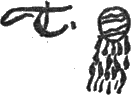
Ryght worshipfull and reverend mayster and brother, with alle my service I recommaunde me on to yow. Please hit onto your grete wysedom to have yn your descrete remembrauns the streite Ordre on which we ben professid, and on which ze er bownden to kepe your residens, and specially on this tyme of Crystmas amonggis your confrerys of this holy Ordre, the Temple of Syon; for ynlesse than ze kepe dewly the poynts of your holy Religion, owr Maister Thomas Babyngton, maister and soverayn of owr Order of th’assent of his brythryn ben avysed to awarde azenste yow ryght sharp and hasty proces to do calle yow to do your obcervauns, and to obeye the poynts of your Religion, which wer on to me grete hevynesse. Wherfore I, as he that hath most grettest cause, and ys most bownden on to your grete gentylnesse, and also whom nature and kynde most specially byfore every of alle owr breth[r]yn bynden me to owe and wilne yow goode wylle and trewe hert, consyderyng the grete tyme of penawns that ze havyn ben yn fro sone upon Mighelmas hederto, that ys to say, yn relevyng and sustenawns of your evyn Crysten,119.1 and also yn the charytable and meritory dede of almyssdoyng, that ys to say yn plenteous and liberall zeftis, which ys more precyusseur than goolde er sylver, which hath nat be at alle tymys to your grete ease, neyther hertis plesauns, but rather to your grete desese and yntollerable peyne. And wher Godds lawe and manys lawe acorden that hit shall nat be lawful to non erthely man to be so lyberall and plenteous of that that God sendith hym, that he sholde so despose hit so that he sholde nowgch have to lyve by; and forasmych as I have perfite knowlich of your freel119.2 [frail] and naturall disposiseon so set on to theym that ben nedy and hunggery that of your selfe ze have no myght, neyther power to absteyne and rewle yourself, but also long as God sendith and zevyth yow whereof to dispose and help your evyn Crysten ze most nedis despose hit forth a monggus your evyn Cristen, I conseile yow that yn also hasty and goodely tyme as ze kan to come on to your holy brytheryn that ben of that devowt and clos conversacion, to th’entent that ze myght ben advertysid and lernyd by theym the goode rewle and messur that ze owght and sholde have yn the despociscion and delyng of your almys.
And also, sethnys ze haven chosen zow a place yn this seson of Avent, yn which ze have had a resonable leysour and space to do your penauns yn, which drawith fast to a ende; which hath been a convenyent place as for the ceson of the yer; and now hit drawith fast on to Cristmas, on which tyme every trewe Crysten man sholde be mery, jocunde, and glad. And sethnys ther is no place which by lyklyhod of reason ze shulde fynde yn your hert to be so gladde and yocunde yn as ze sholde be yn the place of your profession a mounggis your holy brytheryn; yn which place yn this ceson of the yer hit ys a custumyd to be alle maner of desport, lyke as hit is nat unknowe to your wisse descrescion; wherfore, as my symple reason ledith me your grete descrescion sholde rewle you that ze sholde approche nygh the plase of your holy relegion yn also hasty tyme as ze code er myght, of whos comyng alle your saide bretheryn wolde be glade and fayn, and yn especiall I, your servaunt and brother, lyke as I am most syngguler bownden to th’encresse of your prosperite and welfar, which I shall ever desir with Godds mersy, which have yow undir His blessid and favorable proteccion. Wrytten yn the Temple of Syon, iijd. day of December, yn grete hast. By your Servaunt and brother,
Enlarged View
575 [JOHN PASTON] TO MARGARET PASTON AND OTHERS121.1
To my mastres Margrete Paston, and to my welbelovid Frendis, John Daubeney and Richard Calle.
1465 JAN. 15
I pray yow, see to the god governaunce of my housold and guydynge of other thynges touchyng my profite, and that ye, with Daubeney and Richard Calle, and with other such of my frendis and servauntis as can avise yow aftir the mater requireth, wekely take a sad comunecacion of such thynges as be for to do, or oftenner and nede be, takyng avise of the master, and of the viker121.2 and Sir Jamis,121.3 that is for to say, as well for provision of stuffe for myn howsold as for the gaderyng of the revenew of my livelode or greynes, or for setting awerk of my servauntis, and for the more poletik meane of sellyng and carryng of my malt, and for all other thynges necessari for to be do; and that whanne I come home I have not an excuse, seying that ye spoke to my servauntis and that Daubeney and Calle exkuse them that thei wer so besy thei myght not attende; for I woll have my mater so guided that if on man may not attende a nother shall be comaunded to do it; and if my servauntis faile I had lever wage some other man, for a jorny or a season, thanne my mater should be on sped.
As for my livelode, I left with Daubeney a bille of many of my dettis, wherby ye alle myght have be indused whedir ye shulde have sent for silver.
It liketh me evill to here that my prestis and pore men be onpaiid, and that no mony sent to me more thanne x. markis be Berney of alle this season, and yet therof telle Richard Calle he sent me viii. nobils in goold for v. markis, and that as longe as gold was better payment thanne silver I had nevir so moche gold of hym at onys; and telle hym that I wolle nat that he shall kepe that use, for I trowe my tenauntis have but litell gold to pay.
Also remembir yow in any housold, felaship or cumpany that will be of good rewle, purvyauns must be had that every persone of it be helpyng and furtheryng aftir his discrecion and powyr, and he that woll not do so without he be kept of almes shuld be put out of the houshold or felachep.
Item, where ye desire me that I shuld take your sone122.1 to grase, I woll for your sake do the better, and will ye knowe he shall not be so oute of my favour that I will suffir hym to mischefe without be eftsones his owne defaut. And hough be it that in his presumptuouse and ondiscrete demenyng he gaf bothe me and yow cause of displeasir, and to other of my servauntis ille exaumple, and that also guided hym to alle mennes undirstandyng that he was wery of bidyng in myn hows, and he not insurid of help in any other place; yet that greveth nat me so evill as doth that I nevir coud fele nor undirstand hym poletyk ne diligent in helpyng hym self, but as a drane amongis bees which labour for gaderyng hony in the feldis and the drane doth nought but takyth his part of it. And if this myght make hym to knowe the better hym self and put hym in remembrauns what tyme he hath lost, and hough he hath leved in idelnes, and that he coud for this eschewe to do so heraftir, it myght fortune for his best. But I here yet nevir from no plase that he hath be in of any poletyk demenyng or occupacion of hym. And in the kynges hows he coud put hym self foorth to be in favour or trust with any men of substauns that myght forther hym; neverthelesse as for your house and myne I purpose not he shall come there, ner be my will non othir but if [i.e. unless] he can do more thanne loke foorth and make a fase and countenauns.
Item, send me word whedir my glasier hath do at Bromholm and at the friers of the South Towne,123.1 and whedir he be paiid such mony as I sent home word he shuld be paiid, and if he have do all he must have more mony, but I remembir not certeynly what, till I come home, for I remember nat what his bargeyn was for the work at the Southtowne. I trowe Mr. Clement can telle, and also fele hym self and send me word. Also that ye and Richard Calle and Daubeney see that Mr. Clement and Mr. Braklee123.2 which hath grete nede I wote well, and my prestis and pore men be paiid and also all othir men. And that ye see that I be not callid on for that is my dewte. Also that ye see amongis yow that that is owynge me be not lost ne forborn for lewdnes, for that shall bothe hurt me and do my tenauntis harme. Lete Richard Calle remembir that my fermour of Sweynesthorp is falle in gret dette for defaut of callyng upon but be on [one] yere; And I deme that bothe John Willeys and my new fermour of Snaylewell arn like to be in the same case, and peraventure Aleyn of Gresham and other.
Item, remembir yow or evir I had a doo with Fastolffis livelode, whill I toke hede to my livelode my self, it both served myn expenses at home and at London and all other charges, and ye leid up mony in my cofirs every yere, as ye knowe. And I wote well that the payment of my prestis and other charges that I have for Fastolffis livelode is not so gret as the livelode is, thow part therof be in trobill. And thanne consider that I had nought of my livelode for myn expenses at London this twol monyth day; ye may verely undirstand that it is not guided wittely nor discretly; and therfore I pray yow hertly put alle your wittes to gedir and see for the reformation of it. And ye may remembre be this how ye shuld do if this wer yowris alone, and so do now.
And that ye woll remembir I have sent yow all many lettirs touchyng many maters, and also a bille now last by Pecok of erandis, desiryng yow to see hem alle to gedir and send me an answere articlerly; and such as ye can not spede at this tyme, lete hem be sped as sone as ye may, that ye se over my seyd lettirs oft tymes til they be sped.
Item, I remembir that myn heygh at Heylisdon the last yere was spent and wasted fwll recklesly and colored under my shep.124.1 I pray yow see that I be not servid soo this yere.
Item, Pecok told me of a fermour that wold have had Mautby Mersh, paying xij. markis as it went afore; and Richard Calle told me of on [one] that wold pay more. Burgeys paiid me first xij. markis vjs. viijd., and I had the reed and the rushis, and he found the shepherdis hyre in shakke tyme for my fold; and sithen he brigged awey the shepherdis hyre and thanne the nobill, and I trowe he occupyth ne lenger hym self. And I remembir he told me vij. yere goo that my merssh shuld alwey apeyr [impair] till the prime were past the nombre of xix., and thanne it shuld amend a ix. or x. yers, promittyng me he wold thanne amend my ferme. I praye yowe help to lete it aswell as ye can, rather to hym thanne a nother man if he woll do aswell, and that ye comon with Pecok.
Item, as for the mater that I wrote of to the viker and other goode felaws, desire hem that thei be not to excessive hasty in the mater for non nede, but to do that the may do therin [goodly]124.2 and wittely as sone as thei may; And as for the respite of the mater here, lete hem not care therfore. I shall do well ineugh, telle hem; for certeyn, the mater is in as good case as any such mater was this xx. wynter, as my counsell tellyth me; but I will be sure of all weyes that I may have, and specially of the declaracion of the trought of my mater and of my frendis.
Item, as for the mater athwyx the parson of Mautby, Constantine124.3 and the viker of Derham,124.4 whedir it were smalle mater or gret I care not, but I am sure that too witnesse which I knowe were apposed therin before a juge spirituall, whech as I suppose was Master Robert Popy or some other; the viker of Derham can telle, and as I trowe can John Wynter of Mautby, or othir parysshons telle, where the sute was athwyx hem, and I can think it was in the chapitell; if ye can easely gette me what the witnesse seid, I wold nomore; but do no gret cost over it.
Item, recomaund me to Master Robert Popy, and telle hym, as for any thyng seid ayens hym in my mater then myn adversaris ment ontrewly, they proved nought but that he is a good man and a worshipfull and a trewe.
Item, if I have any otis beside my stuffe, or may any bye aftir xiiijd., spare not, and take good mesure of bartirre for some other chafers, and send me word hough moch ye may bye.
Item, it is told me ye make no wood, nowther at Caster nor Mautby, wherof I merveyle; remembir yow we must brenne wood a nodir yere.
Item, I send yow a titelyng that I mad whill I was at home, what malt I had by estimacion set at the lest; wherfore see that Brigge make a reknyng of his malt, and cast ye my book and loke what ye can amend it; and apeyre [impair] it shall not if alle folkis have do trewly; but I suppose fewe of you have take any heed at it as moch as I ded.
Item, I may selle here for vjs. viijd. a quarter clene fyed after Royston mesure, whech is lesse thanne the water mesure of London. Cambrigge shire malt is here at xs. Cast ye what I may selle of new and old, savyng stuffe for myn hows. Item, to remember that Guton malt must be shipped at Blakeney. Item, Lynstedis malt at Wolcote may be shipped there; therfore cast amongis yow what malt may best be sold.
Item, if on [one] man may not attende to gader silver, sende a nother, and send me word what hath be reseyved and spent.
Item, that I have an answer of alle my lettirs and of every article in hem.
Item, but if ye make such purvyauns that my prestis be paiid and pore men, beside other charges, and purvey mony for me beside; owther ye gadir shrewdly or ellis ye spend lewdly.
Item, I sent a lettir by Rauff Greneakyr to James Gresham and to yow, which he promised me shuld be at Norwich on Wednesday aftir Thwelth day, and therin wer divers maters; and in especiall of a mater that shuld be in communication on Teusday last past bethwyx Yelverton and Robert Wyngfeld, as in the seid lettir is specifiid. It is so that the seid Robard shall be here within this ij. dayes; if any thyng ye have aspied of it send me word. Item, yonge Knevet tellith me that he is my good frend, and he is come ridyng homeward on Friday last was. I pray yow, ley wetche whedir ye here any thyng that he medillyth hym at that mater, and send me word; for I wold understand whedir he wer just and trew or nought, and that do [done] it shall not ligh in his power to hurt me. But take ye hed and inquere and knowe other mennes purpos, and kepe your intent as close as ye can; and what some evir boost be mad, werk ye wisely and set not by it but send me word what ye here.
Item, Calle sendyth me word that Sir Thomas Howes is seke and not like to askape it, and Berney tellyth me the contrary; wherfore I pray yow take hed therat, and lete me have knowleche, for though I be not behold to hym I wold not he were ded for more thanne he is worth.
Item, take the viker the bille that I send yow herwyth.
Item, that ye, if ye can fynd the meane, to aspie what goodis Edmond Clere eschetith of any mannes.126.1
Item, remember well to tak heed at your gatis on nyghtis and dayes, for theves, for thei ride in divers contres with gret felaship like lordis, and ride out of on [one] shire in to a nother. Wretyn at London, the Tuisday next aftir Sent Hillary.
Item, that Richard Calle bryng me up mony, so that my prestis [i.e. borrowings] be paiid, and that he come up suerly with other men and attornis.
Endorsed in a later hand:— ‘Some speciall lettres towching John Paston’s trowbells and sute for Fastolfs landis by the Duke of Suffolk.’
Item, I may selle here for vjs. viijd. a quarter text has “viija.” (italic “a” for “d”)
576 JOHN WYKES TO MARGARET PASTON127.1
Unto my maystres, Margageret Paston, be thys letter delyveryd in hast, &c.
1465 FEB. 7
Ryght wyrshypfull maystres, I recomaund me un to your gode maystresshyp. Please it you to wyte that my mayster your hosbond, my maystres youre moder, my mayster Sir John, Mr. Wyllyam, Mr. Clement, and all ther men, wer in gode helth, whon thys letter was wryten, thankyd be Jesu, and also ther maters be in a gode wey, for my Lord Chaunseler ys ther syngeler gode Lord in thys mater at thys tyme; and that it provyth, for he was yesterday in the Escheker, and ther he had a foren hym alle the Juges, all the Barons of the Escheker, and all the Shurgents, and ther argued wher that the Barons of the Escheker shold award any such Comyssyon or not, and uppon that the seyd Comyssyon shull be broght uppon Fryday unto the Chaunsery, and ther to be provyd, wher it be lafull or not, &c.
Item, and yf it please it you to gyve Daveney127.2 knowlych that ther ys jugement gyven uppon the condempnacion a yenst Hall,127.3 that he claymed for hys bond man, and the jugement ys gyven a yenst Daveney, Ric. Call, and Thomas Bon, and ther ys comen owte proces for to take ther bodys thys same day, and if thay or any of them be taken thay shull never gon oute of prison on to the tyme that they have satesfyed the party of viijxx marc, and ther for lete them be ware. And the Holy Trinyte have you in Hys kypyng. Wryten at London, uppon Thursday next after the Purificacion of our Lady, &c. By your Servaunt, John Wyks.
Unto my maystres, Margageret Paston text unchanged
577 WILLIAM WORCESTER TO ——128.1
1465 MARCH 31
Please your maistershyp to wete that aftyr recomendacion that I sende Thomas More to myne oncle the parson128.2 wyth certeyn credence to hafe aunsuer uppon by hym for myn acquytaille another day, yff onye thyng falle sinistrely only yn theyr deffaut, as God defend, not be my wille, for I hafe as feythfulle demesned me seth I rode to London thys terme, and hedertoo as anye maner creatur yn reson coude desyre me; and hafe demened me at London accordyng to the message sent me by the baylly of Drayton, and I vele but littille that my gode wille ys allowed.128.3 I hafe also, seth I came to Norwiche, enformed hym whate proffyt ease and avaylle I may help stand hem both yn my maister godes and yn hys lyvelode; yff he or hys frendys set littlle by it, I may nat do wyth all. And the blessed Trinite be with yow, because ye wolle the wellfare off my maister, whoos soule God hafe pytie on and bryng hym owte of peyn, as the wellfare of the parties it meovyth me wryte to yow the rathyr. I enformyd yow for trouth, and as I wille prefe, that I was the principall doer and cause that both Maister Paston and myne oncle came fyrst yn the testament viij. yeer goon, to a gode entent; and yff they wold wyrke ayenst me to minussh my power, theyr disposicion woll be construed ferther than they wille it were, and they not so avaylled as they weene yn all thynges. The blessed Trinete be wyth yow. Wryt on Passyon Sonday. Your W. Wyrcestre.
Memorandum to Thomas More that because ye myzt foryete myne erand to Maister Bernay, I pray you rede hym my bille, and that he wille take it to a gode entent; for how so evyr I wryte I meene well, and so shall.
578 MARGARET PASTON TO JOHN PASTON129.1
To my ryght worchepfull hosbond, Jon Paston, be this deliveryd in hast.
1465 APRIL 8
Right worchepfull hosbond, I recomand me to you. Please you to wet that I send you a copy of the deed that Jon Edmonds of Taveram sent to me, be the menys of Dorlet. He told Dorlet that he had suche a deed as he supposyd, that wold don ease in prevyng of the tytyll that the Duk of Suffolk cleymythe in Drayton; Carte Drayton. for the same deed that he sent me, the seale of armys is lyke onto the copy that I send you, and noo thyng leke to the Duk of Suffolks auncesters.
Item, the seyd Edmond seythe, yf he may fynd any other thyng that may do yow ease in that mater he wolle do hys part therin.
Item, Jon Russe sent me word that Barker and Herry Porter told hym in councell that the Duk of Suffolk hathe bowght one Brytyeff ryghte, Heylisdon, Brythyeve, Barker, Porter. the wyche makythe a cleyme on to Heylysdon, and the seyd Duke is proposyd to entere within shorte tyme after Esterne, for in so moche the seyd Russe felle be the seyd Barber and Porter that all the feffees wolle make a relees on to the Duk and helpe hym that they can in to her power, for to have hys good lorchep.
Bracium.
Item, yf it please you, me thynkythe it war ryght nessessary that ye send word howe that ye wolle your old malte be purveyed for; for and any hote weder come affter that it hathe leyne this wynter season, it shall be but lost but yf [unless] it be sold be tymys, for as for the pryse [price] here, it is sore falle. I have sold a C. comb of malt that came fro Guton, to Jamys Golbeter, clenefyed, and strek met, and non inmet (?), for ijs. ijd., the comb, and to be payed at Mydsomer and Lammes.
Sirpi pro reparatione de Mautby.
Item, ther be dyvers of your tenantrys at Mauteby that had gret ned for to be reparyd, at [? but] the tenaunts be so por that they ar not a power to repare hem; wherfor yf leke you, I wold that the marche that Bryge had myght be kept in your owne hand this yer, that the tenaunts myght have ruschis to repare with her howsys. And also ther is wynfall wod at the maner that is of noo gret valewe, that myght helpe hem with toward toward the reparacion, yf it leke you to late hem have it that hathe most need therof. Burgoys, Mareshs, Mauteby. I have spoke with Borges that he shuld heyne [raise] the price of the mershe, or ellis I told hym that he shuld no lenger have it, for ye myght [have]130.1 other fermors therto that wold geve therfor as it was late befor, and yf he wold geve therfor as moche as another man wold, ye wold that he shuld have it befor any other man; and he seyd he shuld geve me answer be a fortenyght after Esterne. I can get non other fermor therto yet.
Item, I understand be Jon Pampyng that ye wolle not that your sone be take in to your hows, nor holpe be you, tylle suche tyme of yere as he was put owt therof, the wiche shall be abowght Seynt Thomas messe.131.1 Pro recuperatione Johannis Paston. For Gods sake, sir, a pety on hym; remembre yow it hathe bed a long season syn he had owt of yow to helpe hym with, and he hathe obeyed hym to yow and wolle do at all tymis, and wolle do that he can or may to have your good faderood. And at the reverence of God be ye hys good fader, and have a faderly hert to hym; and I hope he shall ever knowe hymselff the better here after, and be the more ware to exchewe suche thyngs as shuld dysplease you, and for to take hed at that shuld please you. Pecoke shalle telle you be mothe of more thyngs than I may write to you at this tyme. The blyssyd Trinite have you in Hys kepyng. Wretyn at Caster in hast, the Monday next after Palme Sonday. Your M. P.
for ijs. ijd., the comb, “s.” and “d.” printed in roman (non-italic) type
that myght helpe hem with toward toward the reparacion text unchanged
579 MARGARET PASTON TO JOHN PASTON131.2
To my ryght wyrshypfull husband, John Paston, be thys delyveryd in hast.
1465 MAY 3
Ryght wyrshipful husbond, I recomaunde me unto you. Drayton tenaunts bony, perter ij. Pleasyd you to wyte that I have spokyn thys wyke with dyvers of youre tennaunts of Drayton and put hem in comfort that all shalbe well hereafter by the grace of God; and I fyle well by hem that they wylbe ryght glad to have ayen there olde mayster, and so wold they all except j. or ij. that be fals shrewys. And thys next wyke I purpose on Wensday or Thursday to be at Haylesdon, and to a byde ther a wyke or ij., and send oure men aboute to gedere money at Drayton and Haylesdon; and yf ye wyll I woll do kepe a corte at Drayton or I com thens. I pray yow send me word how ye wyll that I doo there in. Malt, barly. I recevyd ij. letters from you of Nicholl Tolman yesterday, werin ye desyre that we shuld purvey for your malte and barley; and soo shall we doo as well as we cann, and send you word howe that we may doo therewith in hast.
Item, yesterday Master Phylyp132.1 toke Dorlets hors uppon Drayton lond as they went to the plowe for the hole yere ferm; and as it ys told me the tenaunts of Drayton tolde hym that he dyde hym wrong to make hym pay for the hole yere, Dorlat et verba M.P. for non of the tenaunts had payd hym but for the di’ [half] yere and he say thohg they had not payd but for the di’ yere, Paston shuld pay for the other di’ yere, and for moo yers also yf he lyvyd. But I trow to gyte Dorlet ayen hys hors or els Mr. Phylyp ys lyke to be unhorssyd ons, and we lyve all. Your son132.2 shall com hom to moryn, as I trowe, and as he demenyth hym hyr after I shall lete you have knowlych; J. P., sen. and I pray you thynk not in me that I wyll supporte hym ne favour hym in no lewdnesse, for I wyl not. As I fynd hym hereafter, soo I wyll lete you have knowlych. I have put your evydens that com owte of the abbay132.3 in a seck and enseylyd hem under Ric. Call ys seall that he shal not say but they eryn as he left hem; Rotuli prioris (?) but as for the place where they ern kypt he hath no knowlych . . . . . . . . . . . As for the gentylwoman that ye wrote to me for yn youre lettere, I . . . . . . . . . . . . there, yf it lykyd all folks as well as it shold doo me, I trow . . . . . . . a bowte yf her frends were as well a gryed therto, and as they . . . . . . . . parte, yf ye wyll that it be movyd of more hereafter I wyll . . . . . . . . wyll make a newe parson, at Drayton. Also it ys sayd that . . . . . . . . there, by cause it hath stond so long voyd; yet and any sh. . . . . . . had lever that he com in by the Byshop then by a . . . . . . . . doo therein yf ye wyll send hom any presentacion selyd . . . . . . . . we shall a say to gyte som gode priste and sette hym . . . . . . . . Wryten in haste at Caster on Holy Rode Day &c.
As . . . . . . . doo therein as well as I cann. I have gyte a replevyn . . . . . . . . CC shype, and yf they may not be hadde ayen, then he grau[nteth] . . . . . . . . Data obligacione (?) pro ovibus. We fynd hym ryght gode in that we desyre of him for you, and therfore yf it lyke you I wold he were th . . . . . .
580 JOHN RUSSE TO JOHN PASTON133.1
To the right worshypfull sir, my right honourabyll maister, John Paston, at London.
1465 MAY 6
Right worshipfull sir and my right honorabyll maister, I recomaund me to you in the most humble wise. And please youre maistir ship to wete that my maistresse hathe dyverse tymes spokyn to me to helpe to purvey a merchaunt for sum of youre malt; but in good feyth I can gete no man that wyll geve at the most more than xxijd. for a quarter, for soo men selle dayli at the moste, and sumtyme xxd. a combe. My maistresse is right hevy therfor, but I can not remedy it; if ony good marchaunt were there, after my sympil conseyt it were good to take hym, for the yeer passith faste and the [feldes]133.2 be right plesaunt to wards, &c. Sir, at the reverence of Jesu, laboure the meanys to have peas; for be my trowth the contynwaunce [of this] trobill shall short the dayez of my maistresse, and it shall cause you to gret losse, for serteyn she is in gre[t hevi]nesse as it apperith at . . . . . . . . . . . ll covertly she consederith the gret decay of youre lyflode, the gret detts that hange in detours hands and h . . . . . . . . . . . . . [she speaket]h not thus to me, but I conceyfe this is cause of here gret hevynesse; me semyth of ij. hurts the leste is mos[t] . . . . . . . . . . . . . . . . well the dayli contynewyng maleyse of youre insessiabyll enemyes, how they contryve and seke occacions to . . . . . . . informyd, more wyll doo every foot of grownd withinne fewe dayez, and rather to geve it awey for nowght tha[n] . . . . . . it. Where as they many tymes have meovyd a trety and never it taketh to noo conclucion, and as they have seyd in youre d . . . . . . Sir, after my sympyll conseyt it were well doon to agree to a trety, and be that ye shuld knowe ther desyre and the uttir . . . . . . . the lond were dubyll the valwe that it is. Worsestyr shewyth hem presedents what every maner cost at the fyrst byeng, and ther . . . . . . . . rekne the bargeyne shuld avayle you foure tymes mor than it shall; and in thys they be gretly blyndyd; my maister the parson hathe . . . . to rellesse in serteyn londs whiche he refus[eth to] doo, but I conseyve, and ye drawe not to a conclucion thys terme that he wyll be as redy to rellesse . . . . men, truste ye thys for serteyn; and soo he [told] me serteynly. He hathe be meovyd to revoke Maister Roberd Kente and to take the avoket or proctor [that] Maister Yelwirton hathe. What it myght hurtyn if he soo dede I knowe not, but they have made gret labour to hym therfor. He gaf me a gret reb[uke] . . . . the bill that was put in ayens Elyse Davy and otheris, to whiche I answeryd hym as me thowght and soo in maner made my peas, &c. Maister . . . . was here and in presence of men of the most substance in Jeremuth he be havyd hym to you wards in full goodly termys, soo God helpe . . . . and after my conseyt he wyll not be redy to relesse in ony of the londs. A man of hyse teld me secretly that Maister Yelwyrton and otheres blamyd hym and seyd . . . . to hym be cause he was so redy be hym self to agree to trete and make hyse peas with yow, neyther he seyd to me to trete nor the contrary nor had but langwage to me as he had to othyr. I askyd my maister the parson if he undyrstod that Maister Yelwyrton yaf ony favour to my Lord of Suffolk in Drayton, and he seyd he supposyd Maister Yelwyrton was not cler of that mater, but Mayster Jenney was in nowyse pleasyd with all, &c. Sir, as for the wytnesse that were desyred to be redy whan nede requirith in thys mater, R. Calle can avertise youre maistirshyp. Sir, at the reverence of Jesu consedre how many yeers it is past that my good lord and maister deseasyd and how lytill is doon for . . . . of the grete substaunce that he hade it is hevy to remembre; ye sey the defaute is not in yow after your conseyt, but I can here no . . . . in that of youre openyon, for thys I knowe for serteyn and it had pleasyd you to have endyd be the meanys of trety, ye had ma[de] . . . peas to the gret well of the dede with the forthe part of the mony that hathe be spent, and as men sey only of very wylful[nesse of your] owyn person. For the mercy of God remembre the onstabylnesse of thys wold hou it is not a menut space in comparyson to ever . . . . . . . leve wylfullnesse whyche men sey ye occupye to excessifly. Blyssyd be God ye had a fayre day laste whiche is noysyd cost yow . . . . to iiij. lords, but a newe mater anewe cost and many smale growe to a gret summe, and summe mater on recurabyll, formen seyd . . . . is lyk to stonden in a perplextif if ye take not a conclucion in haste, and if it were doo it were hard to have recovery; but as my [maister] the parson seyd, thys terme they wyll prove if ye wyll agree to trete, and if ye refuse they all wyll do the uttirmest. I conseyve well [your] maistirshyp hathe a conseyt that if a man of good will meove yow or remembre you to trete, that that man, what soo ever he be, shuld be meovyd be youre adversaryez to meove you in that mater, and soo in that it hertyth you gretly that they shuld seke to you for peas. Be my trowth, sir, there was nor is no man, savyng onys, as I teld you, Maister Jenney spake to me, that ever I knewe wold seke or feythefully desyre to have peas with yow, savyng because of the exspence of the good so onprofitably in the lawe, and that is the prynsypal cause of meovyng of ther peas, &c. I wold well God helpe me soo it grevyth me to here that ye stonde in no favour with jentylmen nor in no gret awe with the comowns. Ye truste the jury of Suffolk; remembre what promyse Daubeney hade of the jury and what it avaylid; it is a dethe to m[e] to remembre in what prosperite and in what degre ye myght stonde in Norfolk and Suffolk and ye had peas and were in herts ease, and what worship my maisters your sones and my maistresse youre douters myght have be preferryd to if ye had be in reste. A day lost in idyll can never be recoveryd, &c. Sir, I beseke youre maistershyp for yeve me that I wryte thus boldly and homly to you; me thynkyth my hert . . . . not be in ease but if I soo doo, for ther was, nor never shal be, no mater that ever was soo ner myn herte, that knowy[th God,] whom I beseke for Hese infenyt mercy preserve you and my maistresse and all youres from all adversyte and graunt yow . . . . herts desyre. Wretyn at Jernemuthe the vj. day of may. Your contynw[al bedesman] and servaunt, John [Russe].
581 MARGARET PASTON TO JOHN PASTON136.1
To my mayster, John Paston the oldest be thys delyveryd in hast.
1465 MAY 10
Ryght wyrshypfull husbond I recomaund me unto you. Pleysed you to wyte that on Wensday last passyd Dabeney, Naunton, Wykes and John Love werr at Drayton for to speke with your tenaunts ther to put hem in comfort and for to aske money of hem also. Distr’ Petr’. Warin. And Pyrs Waryn, otherwyse callyd Pyrs at Sloth, whych ys a flykeryng felowe and a besy with Mr. Phylyp and the Bayly of Cosshay, he had a plowe goyng in your lond in Drayton, and ther your seyd servaunts at that tyme toke hys plowe ware, that ys to say ij. marys, and broght hem to Heylysdon, and ther they be yet. And on the next mornyng after Mr. Phylyp and the Baylly of Cosshay com to Haylysdon with a grete nomber of pepell, that ys to say viij.xx. men and mor in harnysse, and ther toke from the persons plowe ij. hors, pris iiij. marc and ij. hors of Thomas Stermyns plowe, pris xls., Distr’ Sturmyn et rectoris de Heylisdon. saying to hem that ther was taken a playnt ayenst hem in the hunderd by the seyd Pyrs for takyng of the forseyd plowarre at Drayton, and but they wold be bond to com to Drayton on Tewysday next comyng to awnswer to such maters as shalbe sayd to them ther they shold not have ther bests ayens; whych they refusyd to do on to the tyme that they had an awnswer from you; and so they led the bestes forth to Drayton, and from Drayton forth to Cosshay. And the same after none folwyng the parson of Haylesdon send hys man to Drayton with Stermyn for to speke with Mr. Phylyp to know a way yf they shuld have ayen ther cattell or not; and Master Phylyp awnsweryd them yf that they wold bryng home ther destresse ayen that was taken of Pyrs Waryn, that then he wold dylyver hem thers, or els not; Crak. and he lete hem playnly wyte that yf ye or any of your servaunts toke any dystresse in Drayton that were but the valew of an hen, they wold com to Haylesdon and take ther the valew of an ox therefore, and yf they cannot take the valew therof there, that then they wyll do breke your tenaunts howsys in Haylesdon, and take as moch as they cowd fynd therein; and yf they be lettyd therof, wych shall never lye in your power for to do, for the Duck of Suffolk ys abyll to kepe dayly in hys hows more men then Dabeney hadde herys on hys hede, yf hym lyst; and as for Dabeney he ys a lewde felowe, and so he shalbe servyd herafter, and I wold he were here. And therfore yf ye take uppon you to lette them so for to do, that then they wold goo in to any lyflode that ye had in Norfolk or Suffolk, and to take a destresse in lykewysse as they wold do at Haylysdon. And other awnswerr cowde they non gyte, and so they departyd. Accio rectoris et Sturmyn. Ric. Calle axid the parson and Stermyn yf they wold take an accyon for ther catell, and the parson138.1 seyd he was agyd and syklow, and he wold not be trobelyd herafter; he sayd he had lever lose hys catell, for he wyst well yf he dyde so he shold be endytyd, and so vexid with hem that he shold never have rest by hem. As for Stermyn, he sayd at that tyme he durst not take no sute ayenst hem nother; but after that Ric. was rydyn, I spake with hym, and he sayd he wold be rulyd as ye wold have hym, and I fond hym ryght herty and wel dysposyd in that mater; and he is bownde to you an obligacyon of xli. sengyll with outen condycyon that he shall abyde by such accyons as shalbe takyn by your advyse in hys name; wherfore I have send you a tytelyng therof in a byll closyd herin. I axyd Thomas Gryne avyse when they had take the dystresse hyre, and he avysyd me that herre destresse shold be delyveryd a yen to them so that we myzt have ayen ours; and me thoght it was non awnswer after myn entent, and wold not therof but axyd avyse of Skypwith what hym thoght that were best to doo there in, and most wyrshypfull. He seyd by hys avyse that I shold send to you in al the hast that I cowde, and that ye shuld fynde a mene therfore above, by the avyse of youre lernyd counsell to have a wrytte from above for to delyver yt of lesse then the undershyrff werre other wysse dysposyd to you then we fynde hym, for it symyth that he ys made of the other party. And as for the replevyn for the CC. shype ys not yet servyd. Replevin. Skypwyth thynkyth that ye myzt have a wrytte both for the shype and the destresse now taken at Haylysdon, I pray you that ye wyll send word in hast how [ye] woll that we doo in thys maters. Episcopus Norwic’. Skypwith went with me to the Byshop of Norwych, and I lyte hym have knowlych of the ryotous and evyll dysposicyon of Master Phylyp, desyryng hys Lordshyp that he wold see a mene tha[t] a correccyon myzt be hadde, in as moch as he was chef Justic of the Peas and hys ordynare, and inasmoch as he was a prest139.1 and under hys correccyon that he shold have understondyng of hys dysposicyon; and I made Dabeney to tell hym all the mater howt it was; and he seyd he wold send for hym and speke with hym. And he told me of dyvers thyngs of the demenyng of hym, wherby I understode he lykyd not by hys dysposicyon nor demenyng in thys mater nor in no nothyr; for it symyd he had provyd hym what he ys in other maters. Episcopus Norwic’. My lord seyd to me that he wold ryght fayn that ye had a gode conclusyon in your maters, and seyd by hys trouth, that he ought you ryght gode wyll, and wold ryght fayn that ye wer com home, and seyd to me that it shold be a grete comfort to your frends and neghbors, and that your presens shold do more amongs hem, than a C. of your men shold do in your absens, and more, your enmys wold ferr to do ayens you yf ye myght be at home, and steryng amonges hem, and seyd full playnly in meny other thyngs it wer to long to wryte at thys tyme, as Skypwith shall tell you when he comyzt to you. Skipwith. I pray you thanke Skypwith of hys gode wyll, for he was ryght well wyllyd to go with me and yeve me hys avyse, me thynkyth he ys ryzt well wyllyd to you.
Per’ Heyl’d.139.2
Item, I pray you send hastely word how that ye wyll that we be gydyd with thys place, for as it ys told me, it ys lyke to stond in as grete jupardy in hast as othere don. On Thursday al day there were kept in Draton logge in to lx. persons, and yet as it ys told me, ther be within dayly and nyztly in to a xvj. or xx. persons.
Elys.
Item, it ys told me that Thomas Elys of Norwych, whych nowe ys chosyn Mayer, seyd at Drayton that yf my Lord of Suffolk nede a C. men he wold purvey hym therof, and yf any men of the town wold go to Paston he wold do lay hem faste in prison. Supersedeas. I wold youre men mygh have a supersedias139.3 owte of the chauncere, and be owte of the danger of ther men here; Naunton. and I pray you let not Wyll Naunton be foryete therin. Ric. Calle and other can tell you of hys demenyng; and I pray you that ye be not dysplesyd for his abydyng with me, for in gode feth he hath ben a grete comfort to me syn ye departyd hens, as I wyll lete you wyte hereafter. I pray you yf hys brother com to you for a relesse of hys londe, lette him non have on to the tyme that ye see hys faderes wyll, the whych I wote wher it ys, and that it like you to desyre hym to be gode brother to him.
J. Paston at Castre. M. P. at Heylisdon.
Item, I have left John Paston the older at Caster, to kype the place there, as Ric. can tell you; for I had lever, and it pleasyd you, to be captensse here then at Caster; yet I was nothyng purposyd to abyde here when [I] come from home but for a day or ij., but I shall abyde here tyll I here tydyngs from you.
Brightled.
Item, it ys told me that the Duck of Suffolk hath boght or shal by in hast the ryzt that on Bryghtylhed hath in Haylesdon, &c.
Evidens. Pekering.
Item, as for the evydens that Watkyn Shypdam hadd, he delivered to hys wyffe a box enselyd with hys owyn seall by hys lyffe for to be delyveryd to you, whych box she delyveryd to Ric. Call under the same seall after hys dessesse. Ric. can tell you of the gydyng of the cofere with other boks that were at Shypdams. Evidens. Norwic’. And as for all your other evydens ye ther not feer as for the syzt of hem, for ther hath nor shall no man sen hem tyll ye com hom. I can not fynd that ye send to me fore to have oute of the rolle.
Colt. Malt.
Item, I here no word of Colte of New Castell, nor of no nother from you that shold have your malte, but I have spoken to the Viker, John Rus and Robert Boteler, to help for to sell your malte, and as we can do therein, we shall send you word. Præpositus de [Cantab].140.1 The Provest of Cambrygge ys com into thys contry and Dabeney shall receve of hym that longyth to you on Monday or Tewysday, and he shall have hys delyveryd accordyng to your wrytyng.
Mater.
Clere.
Item, my moder told me that she thynkyth ryght strange that she may not have the profects of Clyre ys place in peasabyll wyse for you, she seyt it ys hers and she hath payd most therfore yet, and she sayth she wyll have the profects therof, or ells she wyll make more folk to speke therof. She seyth she knowyt not what ryght ne titell that ye have therin but yf ye luste to trobell with herre, and that shold be no wyrshep to you; and she sayth she wylbe ther thys somer and repayre the housyng ther. In gode feyth I hyre moch langage of the demenyng betwene you and herre. I wold ryght fayn, and so wold many moo of youre frendes, that it were otherwyse bytwene you then it ys, and yf it were I hope ye shold have the beter spyde in all other maters. I pray God be your gode spyde in all your maters, and yef yow grace to have a gode conclusyon of hem in haste for thys ys to wyry a lyffe to a byde for you and all youre. Wryten in haste at Haylysdon the x. day of May.
The cause that I send to you this hastely ys to have an awnswer in haste from you. Your M. P.
be thys delyveryd in hast text has superfluous . after “delyveryd”
for to speke with your tenaunts ther to put hem in comfort text has “iu comfort”
582 MARGARET PASTON TO JOHN PASTON141.1
To my ryght wyrshypfull mayster, John Paston the oldest, be this delyveryd in haste.
1465 MAY 13
I recomaund me, &c.
Yf it pleasyd you, I wold ryght fayn that John Jenney werre putte oute of the Comyssyon of the Peas, and that my brother Wyll. Lumner wer set yn hys stede, for me thynkyth it wer ryght necessere that ther were such a man in that county that oght you gode wyll, and I knowe verely he owyth you ryght gode wyll; he was with me at Caster but late. Yf ther be made any labour for Doctour Alyn to be Justice of the Peas, I pray you for Gods sake let it be lettyd yf ye may, for he wyll take to moch upon hym yf he werr. I wold not that he wer remembyrd of your parte but yf [unless] he be spokyn of of other parts: he ys ryght grete with Master Phylyp Lypzate and the Baylyf of Coshay.
Yf it please yow to wyte that Wyks dyde a reste one Wyll. Dylmyn of Norwych, as Pampyng can enforme you of, for sertyn harnys wych he delyveryd hym at New Castell for to cary to Yarmoth by water, and ther to delyver it to hym ayen; whych harnys he kypt styll, and may not be delyveryd; and now ther ys com down an habeas corpus for hym, and most appyr at the Comyn Place [Common Pleas] on Fryday next comyng. Wherfor yf it pleased you that ther myght be taken an accyon in Wyks name of trespas under such forme as ther may be a capias a wardyd a yenst hys comyng; for after that he was arestyd he dyde Daubeney to be arestyd for mayntenyng; and as for the harnys Wyks delyveryd it to hym the x. day of Januar, the ij. yer of Kyng E.142.1 in Pylgryme strete, at New Castell: Inprimis, a peyr brygandyrs, a salet, a boresper, a bawe, xviij. arwys, ij. payr polronds [shoulder pieces], a standard of mayle, a payr slyvys of plate, to the valew of v. marc. And at the reverens of God, slowth not your maters nowe, and make any end of hem, other purvey you to make hym or to marre hem in haste, for thys ys to orybyll a coste and trobell that ye have and have had, for to endur any whyle, and it ys grete hevenys to your frends and welwyllers, and grete joy and comfort to your ennemyes. My Lord of Norwych seyd to me that he wold noth abyde the sorow and trobell that ye have abyden, to wyn all Sir John Fastolf ys gode. And God be your spede in all yor maters. Wryten at Haylesdon the xiij. day of May.
I thynk ryght long to hyr tydyngs tyll I have tydyngs from you. Your M. P.
583 MARGARET PASTON TO JOHN PASTON143.1
To my ryght wyrshypfull husbond, John Paston, by thys delyvery[d] in hast.
1465 MAY 20
Please it you to wyte that on Satourday last your servaunts Naunton, Wyks, and other, wer at Drayton, and ther toke a dystresse for the rent and ferm that was to pay, to the nomber of lxxvij. nete, and so broght them hom to Hayllesdon, and put them in the Pynfold, and so kept hem styll ther from the seyd Satour day mornyng un to Monday,143.2 at iij. at clok at after non. Fyrst on the same Satour day the tenants folwyd uppon, and desyryd to have ther catell ayen; and I awunsweryd hem, yf they wold do pay such dewts as they oght for to pay to you, that then they shold have ther catell delyveryd ayen; or els yf they wer not a power to pay redy money, that then they to fynd suffycyant suerty to pay the money at such a day as they mygh agrye with me, and therto to be bonden to you by obligacyon; and that they seyd they durst not for to take uppon hem for to be bonden, and as for money they had non for to pay at that tyme, and therfor I kept stylle the bestys.
Harleston was at Norwych, and send for the tenants the seyd Satour day at after non, and ther, by the menys of the Bayllyf of Coshay, put the tenants in such feer, sayng that yf they wold pay such dewts, or els for to be bonden to pay, that then they wold put hem owte of such londs as they huld bondly of the Lordshyp, and so to dystrayn hem and trobell hem, that they shuld be wery of ther part; and that put hem [in] such feer that they drust nother pay nor be bonden.
And on the same day at evyn-song time Harleston com to me to Haylesdon, desyryng me that I wold delyver a yen the seyd dystresse; and as for such dystressys as they had taken here of your tenants shold be delyveryd a yen in lyke forme; and I seyd I wold not delyver hem soo, and I told hem that I wold delyver hem as ys wryten a fore and other wyse not, and other wyse I wold not delyver hem but by the form of lawe. And other comynycacyon was had by twene us at that tyme of dyvers maters whych wer to long to wryte at thys tyme, but ye shall have knowlych therof in hast.
And on Monday next after at ix. at clok ther com Pynchemor to Haylesdon with a replevyn,144.1 whych was made in Harleston ys name as Understewerd of the Duche [Duchy], sayng that the bests were taken uppon the Duche Fee, wherfor he desyryd me to mak hym levery of the seyd bests so taken; and I seyd I wold not delyver hem on to the tyme that I had examenyd the tenants of the trough [truth]. And so I send theder Wyks with Pynchemor to understond what they wold say; and the tenants seyd that ther was taken non uppon the Duche at ther knowlych, save only Pyrs Warryn the yonger. And Paynter seyd that ther catell was taken uppon the Duche, whych they connot prove by non record, save only by ther awyn sayng; and so we wold not a bey that replevyn, and so they departyd. And at iij. at clock at after non Pynchemor come to Haylysdon a yen with ij. men, whych broght with hem a replevyn from the Shyryff, whos namys be John Whytherley and Robert Ranson, whych requyryd me by the same replevyn to make them delyvery of the seyd bestys taken at Drayton; and so I, syyng the Shyryffs replevyn and under hys seale, bade my men delyver hem, and soo they wer delyveryd.
And as for all other maters that ye have wretyn to [me] of, I wyll spede me to send you a awnswer as hastely as I may, for I may no leysor have to wryte no more to you thys tyme. The blyssyd Trynyte have you in His kepyng. Wryten at Haylesdon, the xx. day of May. By yours, M. P.
584 MARGARET PASTON TO JOHN PASTON145.1
To my ryght wyrshypfull husbond, John Paston, be thys delyveryd in haste.
1465 MAY 27
Ryght wyrshypfull husbonde, I recomaunde me to you. Please it you to wyte that I have send to Master John Smyth and to Master Stephyn to have a vyse for the church of Drayton; and they send me word that ther moste be had a comyssion from the Byshop to calle in the person Flowredew,145.2 and that most be proclaymyd in the church of Drayton iij. tymes by a Deen,145.3 and after that yff he appyre not with in vj. monthys after the fyrst proclamacion, that then he for to be depryvyd, and the patron to present whom he luste, and ells your presentacyon ys not sufficyant. And I have so purveyd that a comyssyon ys hadde, and shal be servyd as hastely as it may be.
As for John Rysyng, I have sent to hym to wyte the cause that he ys not broght up to London, and he sayth that he callyd uppon the Shyrff that he myght be had up for [to] com to hys awnswer, and the Shyrff told hym that he wold not bryng hym up at hys owyn coste; and John Andres seyd that he wold not have hym up, and so he ys styll in prison at Ipswych; and so shall he be but yf ye canne fynde the beter mene for to have hym oute. I have sent to hym xiijs. iiijd. to help hym sylf ther with; he payth for hys borde wykely xxd. And Hopton and Smyth be ther styll allso, and they have money ynogh, wher som ever that they have it. Rysyng dymeth that they have confort of the other party; and I send you a copy of the warant that they wer a restyd by, &c.
I spake not with my moder syn Rychard Calle broght me the letter from you tochyng her mater, for I myght have no lesor. While I speke with her at leysure I wyll remember her in that mater, acordyng to your wrytyng. And as for your tenants of Drayton, as I canne understond by hem, they be ryght gode and trew hertyd to you to ther powers, and full fayn wold that ye had it a yen in peasse, for they had as leffe al most be tenants to the Devell as to the Duke, except Wyll. Herne, Pers at Sloth, and on Knott of the same towne, for they be not gode.
All your tenants at Haylesdon and Drayton, except thes iij., be ryght glad that we err ther a mongs hem, and so be many other of our olde nebers and frends; and but yf [unless] ye com hom by Wensday or Thursday146.1 in Wytson wyke, I purpose me to ssee you in secrete wyse by Trynyte Sonday,146.2 but yf [unless] ye send to me contrary comaundement er that tyme; and I pray you send me yeur avyse how ye wyll that we doo a yenst the next shyr, whych shulbe the Monday next after Trynyte Sonday, as for callyng uppon the replevyn that the bests of Drayton wer delyveryd by.
Item, Richard Calle told me that ye desyryd to have Master Phylyp ys name, and hys name ys Phylyp Lypzeate, and I send you a letter146.3 by Henre Wylton ys man, wherin I wrote Master Phylyp ys name; and in the same letter I wrote to you for Wyll. Lumnor. I pray you send me word yf ye have it. And the Blysshyd Trynyte have you in Hys kypyng. Wryten the Monday next after Assencyon Day.146.4 By yours, M. P.
585 MARGARET PASTON TO JOHN PASTON147.1
To my ryght wyrshypfull husbond, John Paston, be thys letter delyveryd.
1465 JUNE 11
Ryght wyrshypfull husband, I recomaunde me unto you. Please it you to wyte that I recevyd letters from you on Wensday laste passyd, the were wryten the Monday next before, wherof I thanke you of the letter that ye send to me. I wolde fayn doo well yf I cowde, and as I canne I wol doo to youre pleasure and profet; and in such thyngs as I cannot skyle of, I wyll take a vyse of such as I know that be youre frendes and doo as well as I canne. Wher as ye wrote to me that Lydham told you that I told hym that the Ducks men werre not so besy as they had be by fore, no more thay were not at that tyme, but sythen thay have be bysyer. What confort that thay have I canne not have no knowlych as yet, but I suppose and all your felshyp were gode, thay shold not have so grete confort as they have, or ells they wold not be so besy as thay have be. Grete bost thay make that the Duck shold have Drayton in peas, and after thys Haylesdon, and that with in short tyme; thay er moch the bolder, I suppose, by cause that ye be wher as ye be. At the reverens of God, yf ye may by any wyrshypfull or resonabell mene, com oute therof as sone as ye may and come home amonges your frends and tennaunts, and that shold be to hem the grettyst confort that thay myzt have and the contrary to your enmys.
It ys sayd here that the Duck of Suffolk shall com to Coshay in haste and logge ther for a season; I fyle well by your tenaunts that yf ye were peaseabyly possessyd and your cort holden in peaseabyll wyse, and that they myzt be in pease a yenst the other many, than they wold take accyons a yenste hem for such wrongs as have be don to hem, and ells they say that they thernot [dare not] take it uppon hem, for they dwelle so ney to the other many that thay knowe well thay shold never be in ease yf thay dyde soo whyle that thay dele amongs hem. On Thursday last John Doket, the bayly ys son y lawe, and Thomas Ponte, with other, erly in the mornyng, an owre by fore the sonne rose, com to your fold, and drove away the flock at Drayton, both Colyet and other, in to Coshay fee, or ever that the shipherd myght have knowlych therof and then he fowlyd one and desyryd to have hem a yen, and thay wold not suffer hym to have them no more but the Colyet and ther were c. and j. of yours and tho had thay forth with hem to Coshay, and the same day we had a replevyn for the cc. shype and replevyn for the hors that wer taken at Haylesdon, and how that thay were obbeyd Ric. Calle shall enforme you, and of other maters also, the whych I may not wryte to you of at thys tyme.
Item, I have spoke with [John] Strange of the mater that ye wrote to me of, and in gode feyth I148.1 fynd hym, as me symyth, ryght well disposyd to you wards; and he hath, acordyng to your desyre, spoken with Yelverton yesterday to fyle his dysposicion in that mater, and Yelverton, as it symyth by hym, roght not gretely thogh the mater brake, so that he myght have any resonabell colour to breke, he ys so callyd uppon by Wayte and other of the Duck of Suffolk ys counsell that he ote [wot] not where to hold hym, and he ys put in so gret confort, as I am enformyd, to receve money for the lond, and that temptyth hym ryght sore; for with money he wold fayn be in handelyng, as ye know he hath nede therof. He told John Straunge that it ys informyd hym that ye have up an enquest to depreve ther wytnesse and ther with ys he sore movyd . . . . . . . . . that yf any thyngs be don in temporall maters other in spyryt[uall] . . . . . . maters tochyng executors or feoffeys or wyttnes tyll the day of . . . . . . trety be passyd, he wyll not abyde no trety therin, but do as . . . . . . . . . thynkyth best for to do therein. I told John Straunge that I kn[ew] . . . . . . . . thogh it were soo that shold passe any such enquest it shol n . . . . . . . . . . of them in provyng of her trothys, the whych shold be no hurt . . . . . . . . . for John Straunge desyryd me that I shuld send to you in al haste that . . . . . . . . . any such folks that thay shold not doo in the mater till the day of . . . . . . . . . may have knowlych howe he and other wold doo in such maters as sh . . . . . . . . . he wold be loth that he shold have any colour to breke for any thyng . . . . . . . . and Yelverton sayth it shall not breke thorf his defaute yf ye wyll n[ot] . . . . . . . . be ryght glad to have your gode wyll and to goo thorgh in all maner mate[rs] . . . . . . . . eschewyng of wastfull expens of the dede ys godes and that the godes myzt be dyspendyd to the welle of the dede. Straunge desyryd to knowe what appoyntements he desyryth to have in the trety, and he sayd he wold not let that be understond tyll the tyme of trety cam. Me symyth, save your beter avyse, it were wel do that thay that be com up for you myzt be kypt in som secryte place and not do [naught done ?] in the mater tyll the tyme of the trety were passyd. The cost there of shall not be grete to that it myzt hurte yf the trety were broken by that meane and then ye may have hem nyer; and yf ye thynk it be to doo ye may have hem to go to ther mater after the seyd tyme, for of ij. hurtes the grettyst ys best to be eschewyd.