THE PASTON LETTERS Henry VI (continued 2)
Reading edition
The Holy Trinite have yow in his blissed kepyng. Wretyn at North Walsham, the Thursday next after the Purificacion of oure Lady.
My seid Lady, your wyf, preyeth yow to be remembred of here grene gynger of almondes for Lente, and of the leche of Orwelde, for here seknes encreseth dayly upon here, whereof she is sore a ferd. By youre servunt, John Gyney.
53 ABSTRACT63.1
1444 MARCH 15
Indenture between the Prior and Convent of the Monastery of St. Andrew, Bromholme, impropriators of the Church of St. Margaret, Paston, and John Partrik, vicar of the said church, of the first part, William Paston of Paston, of the second part, and Edmund Palmer of Wytton, of the third part, relative to lands in Baketon and Wytton, and containing amongst other things a grant by the Prior and Convent to the said John Partrik, at the instance of the said William Paston, in consideration of which masses, called certeynes, are to be performed every Friday for the souls of William Paston and Agnes his wife, and the obit of Clement Paston, William’s father, is to kept yearly on St. Botolph’s day (17th June). Dated 15th March 22 Henry VI. Confirmed by Walter, Bishop of Norwich, and John, the Prior of the Cathedral of Norwich, and the chapter of that church, 11th and 21st March 1446[-7].
Confirmed by Walter, Bishop of Norwich text reads “Comfirmed”
54 ABSTRACT64.1
John Maryot to William Paston, Justice.
Before 1444
Is ready to fulfil the indentures of Becham made by W. P. with his late mother, if W. P. will send ‘the indenture of our part,’ that Maryot may know the terms and his own title. Will make no bargain else.—Crowmer, Monday after Our Lady’s Nativity.
55 ABSTRACT64.2
William Wotton de Pagrave to Justice Paston.
Sends his wife to him to explain some business about lands in Lytyl Pagrave, of which a woman of Sporle has already spoken to him; also touching some land at Castleacre.—On parchment.
56 —— —— TO JOHN PASTON64.3
1444
Righte reverent and my most worshipful maister, I recomaund me to yow. Please it yow to wite that I sende yow a copie of a verdite take before my maister Roberd Clere by vertu of a writ diem clausit extremum,64.4 whiche writ I sende yow also with this, of whiche verdite the wordis arn as it folwith:—
Inquisicio capta apud Wynterton, secundo die Novembris anno regni Regis Henrici vjti post conquestum vicesimo tertio, coram Roberto Clere escaetore domini Regis in com. Norfolk et Suffolk, virtute brevis domini Regis sibi directi et presenti Inquisitioni consuti, per sacramentum Johannis Berkyng, Nicholai Pikeryng, Johannis Chapell, Johannis Jekkys, Willelmi Stiwardson, Roberti Hosele, Johannis Topy, Johannis Wacy, Johannis Rychers, Thomæ Broun, Walteri Heylok, Willelmi Stotevyle, Thomæ Mason, Roberti Marche, Johannis Kechon, legalium et proborum hominum in hac parte pro domino Rege juratorum: Qui dicunt super sacramentum suum quod Willelmus Paston nominatus in dicto brevi nulla terras et tenementa tenuit de domino Rege in capite die quo obiit in comitatu predicto. Et quod obiit quarto decimo die mensis Augusti, anno regni domini Regis predicti xxij. Et quod Johannes Paston filius ipsius Willelmi est hæres ejus propinquior, et ætatis xxiij. annorum.
Ther is founde more of other thyngges be the same verdite touchyng other matieris, whiche he will not certifie yet. And for as moche as my maister Clere wetyth well that the seid verdite touchyng my maister your fader, hoes soule God assoyle, must have other maner of makyng thanne he kan make, he recomaundith hym to my maistres your moder, and yow also; and prey yow that ye will do it make as effectuel and availeabill for the wel of my maister your fader and yow as ye kan, and sele it with your seall, or what seall ellys ye will, in his name, and sealle it also with as many of other seales as ther be jerores, and delyvere it to William Bondes, his depute, to delyvere into the Chauncelre. And if William Bondes be fro London or this may be redy, thanne purveye ye for the speed of this matier in youre best wise; and what so ever ye do, or sey, or write, or seale, or avouche in this matier in my maister Cleris name, he shall avowe it, and [i.e. if] it shulde coste hym gret parte of his good.
Sir, ther is noon enquerre take in Suffolk, for as moche as my maister your fader helde no londe ther but be my maistres your moder; but if ye will that he shall inquere ther as sone as he may wete it, it shall be doo; and if this forseide verdite may serve for bothe, he is right glad therof. He tolde me that he seide to the jurores, whiche have sealed her verdite: ‘Seris, I wot well this verdite after my makyng is not effectuel in lawe, and therfore may happe it shall be makid newe at London, and ellys peraventure I shulde be amercied in the Kyngges Courte; and therfore I truste yow, and [i.e. if] it be newe mad and newe sealed, ye will avowe it.’ And thei seide with a good herte ya; these wordes wern seide in secreta confessione to v. or vj. of the reuleris of the seide jurre whiche he kan truste righte well. He preyith yow to holde hym excused that he writyth not to yow for this matier, for he is ocupied in other wise. He badde me write in this fourme to yow, which he supposith ye will beleve, and he knoweth alle this writyng, and is well concented and agreed therto. Sir, ther arn xv. jurores abowe to certifie ye, as many as ye will: but lete these men that be tottid be certified, for thei be the rewleris and t . . . . he spk (?) &c. Sir, atte reverence of God, if I shall make ony purvyaunce in this cuntre for my maistres comyng hom, lete me have reson[able] warnyng, and so God me helpe, and I shall do my dever. I here no tydyngges of Thom’ yet. My maistres Garneys, your moder, . . . . . .66.1 Berney, and my maisteris your sonys and my maister your brother arn heyle and mery, and recommend hem to yow. And I beseche your [mastership]66.1 that this sympil skrowe may recomaund me to my reverant and worshipful maistres, your moder. And I prey our Lord of his . . . . . .66.1 bothe moche worship and wilfare, and graunte me to do and labour that is to your bothenerys pleaser.66.2
Writen the Saterday next. . . . . . .66.3
This letter appears to have been used as a wrapper for others. It is endorsed, ‘Literæ diversorum directæ J. Paston receptæ apud London per diversos annos ante festum Michaelis anno xxxiiij Hen. VI. Literæ Fastolff pro Costid (?). Literæ W. Wayt pro tempore suæ tribulationis. Literæ Windham.’
Et quod obiit quarto decimo die mensis Augusti text has “dccimo”
In the following Letter, line breaks have been added to accommodate the interlineations (Note 2).
57 WILL OF EDMUND NORMAN67.1
1444 DEC. 6
In Dei nomine, amen. Ego Edmundus Norman de Fylby, compos mentis, die Dominica in festo sancti Nicholai Episcopi, anno domini Mlmo iiijc xl. iiij.to, condo testamentum meum in hunc mundum (sic). In primis do et lego animam meam Deo Patri, &c., corpusque meum sepeliendum in ecclesia sancti Petri de Crowmere. Item, summo altari ecclesiæ prædictæ vjs. viijd.67.2 emendacioni ejusdem ecclesiævjs. viijd.67.2 xld. Item, emendacioni ejusdem ecclesiæ xld. Item, summo altari ecclesiæ de Fylby xld. Item, emendationi ecclesiæ de Fylby prædictæ vel fenestræ de novo faciendæ et intrando in parte boriali ecclesiæ prædictæ in fine occidentali, x. marcas. Item, Edmondo, capellano sancti Johannis Baptistæ in eadem ecclesia, xld. Item, volo quod omnes feoffati in terris et tenementis remittant jus suum Edmundo Clere armigero, magistro meo, ut ipse vendat et disponat cum aliis executoribus meis pro salute animæ meæ, et patris, matris, et omnium quibuscumque teneor. Item, cuilibet ordini fratrum de Jernemoth, vjs. viiid. Item, fratribus ordinis Minorum de Walsyngham vjs. viiid. Item, lego Willelmo Bondis omnia bona mea existentia in hospicio meo de Clifforde London’, videlicet lectum et indumenta mea. Item, lego Roberto Baketon et uxori ejus, firmario meo in Fylby, omnia utencilia mea infra mansionem meam ibidem præter lectum plumale postea legatum. Item, Edmundo filio dicti Roberti, filiolo meo, xls. Item, filiabus ejusdem Roberti, Elizabethæ et Margaretæ, cuilibet xxs. Item, Edmundo filio Roberti Norman de Ormesby, vjs. viiid. Item, Ricardo Kemp, xxvjs. viijd. Item, Johanni Grave, sonam meam deargent’.67.3 Item, Nicholao Pekeryng de Fylby, meum optimum lectum plumale infra mansionem meam apud Fylby. Item, Johanni Spencer de Crowmere, xxs. Item, uxori Johannis Couche, pro labore et diligentia suis circa me dum infirmabar, vjs. viijd. Item, Edmundo Bataly capellano xxs. 68.1 vjs. viiid. Item, lego Thomæ Stalham et uxori ejus meum lectum plumale apud Norwicum. Item, die obitus mei ad exequias, cuilibet capellano iiijd. et clerico, jd. Item, ad distribuendum inter pauperes die sepulturæ, xld. Residuum vero bonorum meorum non legatorum do et lego executoribus meis, quos ordino et constituto Edmundum Clere, armigerum, Magistrum meum Robertum Clere, Willelmum Bondes, Nicholaum Pekeryng, Magistrum Johannem Semecrofte et Ricardum Kemp, ut ipsi disponant pro salute animæ meæ.
68.2Et lego dicto Edmundo Clere pro labore suo xli. si vult. Et Roberto Clere Cs., et similiter cuilibet aliorum executorum xls.
Item, lego Pers. de Crowmere iijs. iiijd.
Item, volo quod in fenestra ecclesiæ de Fylby tres68.3 ymagines, videlicet, una ymago sancti Edmundi, alter[a] Sancti Johannis Baptistæ, alia Sanctæ Mariæ, et ibidem fiat scriptio:—Orate pro animabus Johannis Norman seniori, Margaretæ uxoris ejus, et Edmundi filii prædicti et tale armo (sic). [Here follows a sketch of a shield, the upper part marked as silver and the lower black, with the word ‘Katerwole’ (?) upon it.]
58 THE DUKE OF NORFOLK TO JOHN PASTON68.4
To our right trusti and welbelovid John Paston, Squier. The Duc of Norff.
Before 1444 (?)
Trusti and right welbelovid, we grete you weel, lating you witte that for the trust that as weel we, as the heires of Edmund Swathyng, have unto you, we have appointed you to be one of the makeres up indifferently of the evydences betwix us and the seide heires. Wherfor we pray you hertily, that ye wil yeve attendaunce at such day and place as ye and our right trusti and welbelovid frende William Yelverton, with oure welbelovid servaunt Jenney, shal mow attende to the making up of the seide evidencez; and we shal send summe of our servauntz to awayte upon you for your reward and costis, that ye shal be pleasid with by the grace of God, who have you ever in his keping.
Wreten undir our signet in oure Castel of Framlyngham,
the xviij. day of ——.
John69.1 Mowbray. Norff.
59 JOHN PASTON’S PETITION69.2
To the Kyng our Soverayn Lord.
After 1444
Ples your Hyghnes of your abundante grace, an consyderacion of the servys and plesure that your Hyghnes knowyth to yow don by William Paston, late one of your judgys, and old servaunt to that nobyll Prinse your fadyr, to graunte onto John Paston, Esquyer, sonn and heyir of the seyd Wylliam, your lettrys patents under the seel of yowr Duche of Lancastre, being in the keping of Thomas Chesham, aftyr affecte of note folowyng; and he schall pray to God for yow.
Rex, etc. Sciatis, quod de gracia nostra speciali et ex mero motu nostro, ac pro bono et laudabyli servicio quod dilectus et fidelis nobis Willelmus Paston, nuper unus Justiciariorum nostrorum, defunctus, nobis in vita sua inpendydit, consessimus et hac presenti carta nostra confirmavimus, in quantum in nobis est, Johanni Paston armigero, filio et heredi dicti Willelmi, viginti tria mesuagia, quingintas triginta et iiij. acras pasture, bruere et marissy in villis de Paston, Edythorp, et Bakton, in comitatu nostro Norff. quas diversi tenentes nostri ibidem de nobis separatim native tenent ad voluntatem nostram per virgam sive copiam et per serta redditus et servissia, nativa annualia inde nobis reddend., que ad valorem novem librarum annuatim exeunt vel infra. Concessimus eciam eidem Johanni curiam lete, seu visus franciplegii nostri, in villis de Paston et Edithorp predictis, que est annui valoris viij. solidorum per estimacionem; ad quatuor libratas, quatuor solidatas et octo denariatas redditus. Redditum octo boschellorum avenarum et trium caponum cum pertinentiis in villis predictis, ac in villis Wytton et Easewyk in comitatu predicto, percipiendum anuatim de omnibus et singulis liberys tenentibus nostris ibidem pro tenementis suis qui de nobis separatim tenent in eisdem villis, una cum fidelitatibus et aliis serviciis eorundem tenentium et eorum cujuslibet, de, seu pro, tenementis illis et eorum qualibet parcella nobis debitis sive pertinentibus. Concessimus etiam eidem Johanni et heredibus suis officium parcarie ac costidie70.1 parci nostri de Grymygham in com. nostro predicto, una cum proficuo agistamenti bestiarum ejusdem parci pro vadiis suis pro officio predicto annuatim percipiend: salvis no . . et hodierna sufficienti pastura ferarum nostrarum ibidem ut tempore nostro prius usitatum fuit; quod quidem proficuum agistamenti ad valorem x. marcarum extendit per annum. Habenda, tenenda et percipienda predicta messuagia, terram, pasturam, brueram, mariscum, curiam lete, et visus franciplegii, redditus, et servissia, officium et agistament’ proficu’ cum pertinentiis, prefato Johanni et heredibus suis de nobis et heredibus nostris, per fidelitatem et redditum unius rose rubie ad Festum Nativitatis Sancti Johannis Baptiste annuatim nobis solvendum, si petatur, pro omnibus serviciis, exaccionibus et demandis. Eo quod messuagia, terra, pastura, bruera, mariscus, curia lete, redditus, servicia predicta, officium et agistament’ profic’, valorem supra specificatum excedant, vel valorem illum non attingant, aut aliquo actu, restriccione seu mandato facto, edito aut proviso non obstante. Volumus etiam et assignavimus quod omnes illi qui per nos seu ad usum nostrum, jus, titulum, seu statum in premissis, seu aliquo premissorum habuerunt seu habent, nobis antehac non relaxatum, jus, titulum et statum illa prefato Johanni et heredibus suis dimittent et relaxent. In cujus . . .
60 CATHERINE, DUCHESS OF NORFOLK, TO JOHN PASTON71.1
To our right trusty and hertily welbeloved John Paston, Squier.
Kateryn, Duchesse of Norff.
After 1444 (?)
Right trusty and entierly welbeloved, we grete you wel hertily as we kan. And for as moche as we purpose with grace of Jesu to be at London within bryff tyme, we pray you that your place ther may be redy for us, for we wole sende our stuff thedir to for [tofore, i.e. before] our comyng; and siche agrement as we toke with you for the same, we shall duely performe yt with the myght of Jesu, who haff you in his blissed keping.
Wretyn at Eppeworth, ijde day of Octobre.
61 ABSTRACT72.1
Robert, Lord Wylughby [of Eresby], to John Paston.
Between 1444 and 1451
Desires him to favour Reginald Balden who ‘hath ado with you for certain lyflode which was his father’s, wherein your father was enfeoffed.’ Boston, 16th December.
[The date of this letter is probably after the death of William Paston in 1444, and cannot be later than 1451, as the writer died on St. James’s day (25th July) 1452.]
62 AGNES PASTON TO EDMUND PASTON72.2
To Edmond Paston of Clyffordis Inn, in London, be this Lettre take.
1445 FEB. 4
To myn welbelovid sone, I grete yow wel, and avyse yow to thynkk onis of the daie of youre fadris counseyle to lerne the lawe, for he seyde manie tymis that ho so ever schuld dwelle at Paston, schulde have nede to conne defende hym selfe.
The Vikare72.3 of Paston and yowre fadre,72.4 in Lenttyn last was, wher [were] thorwe and acordidde, and doolis72.5 sette howe broode the weye schulde ben,72.6 and nowe he hath pullid uppe the doolis, and seithe he wolle makyn a dyche fro the corner of his walle, ryght over the weye to the newe diche of the grete cloose. And there is a man in Truntche, hyzht Palmer to, that hadde of yowre fadre certein londe in Truntche over vij. yere or viij. yere agoone for corn, and trewli hathe paide all the yers; and now he hathe suffrid the corne to ben with sette for viijs. of rentte to Gymmyngham, wich yowre fadre paide nevere. Geffreie axid Palmere why the rentte was notte axid in myn husbonddis tyme; and Palmere seyde, for he was a grete man, and a wyse man of the law, and that was the cawse men wolde not axe hym the rentte.
I sende yow the namis of the men that kaste down the pittis, that was Gynnis Close, wretyn in a bille closid in this lettre.
I sendde yow not this lettre to make yow wery of Paston; for I leve in hoope, and ye wolle lern that they schulle be made werye of her werke, for in good feyth I dar welseyne it was yowr fadris laste wille to have do ryzht wel to that plase, and that can I schewe of good profe, thowe men wolde seye naye. God make yow ryzht a good man, and sende Goddis blessyng and myn.
Wrettyn in haste, at Norwich, the Thorsdaie aftir Candelmasse daie.
Wetith of yowre brothere John now manie gystis [joists] wolle serve the parler and the chapelle at Paston, and what lenghthe they moste be, and what brede and thykknesse thei moste be; for yowre fadris wille was, as I weene veryli, that thei schuld be ix. enchis on wey, and vij. another weye. And porveythe therfor that thei mow be squarid there, and sentte hedre, for here can non soche be hadde in this conttre. And seye to yowre brothir John it weer wel don to thinkke on Stansted Chirche;73.1 and I praye yow to sende me tydynggs73.2 from be yond see, for here thei arn a ferde to telle soche as be reportid. By yowr Modre, Augneis Paston.
63 JOHN HAWTEYN TO THE ARCHBISHOP OF CANTERBURY74.1
To the most reverent Fader in God the Archebisshop of Caunterbury, Chanceler of Englond.
1444–9
Besecheth mekely zour gracious Lordship, zour owne servant and oratour John Hauteyn, chapeleyn, that wher he hath dyvers seutees and accions in lawe to be sewed a zent A., that was the wife of W. Paston, of the maner of Oxenedes, in the countee of Northfolk; and for as meche as zour seid besecher can gete no counsell of men of court to be with hym in the seid matiers, by cause that the seid W. P. was one of the Kynges Justices, and John P., son and heir to the seid W. P., is al so a mon of court; that hit plese zour good Lordship to assigne, and most streytly to comaund John Heydon,74.2 Thomas Lyttylton,74.3 and John Oelston to be of counsell with zour seid besecher in the seid matiers, and oder that he hath to do azenst the seid Anneys and oder; and zour said besecher shal contente hem well for their labour. And that this be doo in the reverence of God, and wey of charite. John Hauteyn, Chapeleyn.
64 SIR ROGER CHAMBERLAIN TO AGNES PASTON75.1
To my right worchepfull Cosyn, Agnes Paston.
After 1444
Right worchepfull cosyn, I comand me to you. And as for the mater that ye sent to me fore, touchyng the maner callid Walshams, in Walsham, the trouth is, youre husbond soldyt to my moder upon condition that she shuld never sel it but to youre sones, John or William; and for the suerte of the seid condition, youre seid husbond, as I conseyve, ded the seid maner be charged with a gret annuyte upon the same condition, or the tyme that my seid moder toke estate, of the whech I suppose ye shall fynde sufficiant evydens, if ye serge youre evydences therfor. And I be seche almyty God kepe you.
Wretyn at Geddyng, the xv. day of September. Your Cosyn, Sir Roger Chamberleyn.
65 THE DUKE OF BUCKINGHAM TO THE VISCOUNT BEAUMONT75.2
To the right worshipful, and with all myn herte right entirely belovid brother, the Viscounte Beaumont.
Between 1442 and 1455
Right worshipful, and with all myn herte right entierly beloved brother, I recomaunde me to you, thenking right hertili youre good brotherhode for your gode and gentill letters, the whiche it hath liked you to sende unto me nowe late; and like it you to knowe I perseeve by the tenor of the seid lettre, your gode desire of certein dubete that I owe unto you. In gode faith, brother, it is so with me at this tyme, I have but easy stuffe of money withinne me, for so meche as the seison of the yer is not yet growen, so that I may not plese youre seide gode brotherhode, as God knoweth my will and entent were to do, and I had it.
Nevertheless, and it like you, I sende you, bi my sonne Stafford,76.1 an obligacion wherof, of late tyme, I have rescevid part of the dubete therinne comprisid; the residue of whiche I prai you to resceve bi the seid obligacion, and that I may have an acquitance therof, and to yeve credence unto my seid sonne in such thing as he shall say unto your gode brotherhode on my behalve.
Right worshipfull, and with all myn herte right entirely belovid brother, I beseche the blissed Trinite, preserve you in honor and prosperite.
Writen at my Castell of Makestok,76.2 the xvij. day of Marche. Yowre trew and fethfull broder, H. Bukingham.
66 WILLIAM YELVERTON TO JOHN PASTON76.3
To my ryght wurchepfull cosyn, John Paston, Esquier.
Between 1444 and 1460
Right worchepful cosyn, I recomaunde me to yow, thankyng yow as hertyly as I kan for my selff, &c., and specially for that ye do so moche for Oure Ladyes hous at Walsyngham, which I trust veryly ye do the rather for the grete love that ye deme I have therto; for trewly if I be drawe to any worchep or wellfare, and discharge of myn enmyes daunger, I ascryve it unto Our Lady.
Preyng yow therfore that ye woln ben as frendly to Our Ladyes hous as I wote well ye have alwey ben, and in especyall now, that I myght have of yow the report certeynly be your letter of that, that Naunton your cosyn informyd yow, and told yow be mouth of all maters towchyng Oure Ladyes hous of Walsyngham.
For me thynkyth be that I have herde be Oure Ladys prest of Walsyngham, if I understode weel that mater, that it shuld do moch to the gode spede of the mater; and dought yow not our Lady shall quyte it yow and here poer priour here aftyr, as he may, &c.
Preying yow also, cosyn, and avysyng for the ease of us both, and of our frendes, and of many other, that ye be at London be tymes this terme, and if we spede well now, all well all this yere aftir; for I knowe veryly ther was nevyr made gretter labour thanne shall be made now, and therfore I pray to Our Lady, help us, and her blissid Sone, which have you in His holy kepyng.
Wreten at your poer place of Bayfeld, on Sent Fraunces day,77.1 in hast. Your cosyn, William Yelverton, Justis.
67 ABSTRACT77.2
1446 OCT. 30
Indenture, dated 30 Oct. 25 Henry VI., by which Agnes Paston grants a lease to John Downing, miller, and others, of the mill called Woodmill, in Paston.
68 THE BAILIFF AND JURATS OF JERSEY TO VISCOUNT BEAUMONT78.1
A nos treshonorés et nobles Signours Visconte Beaumont, Connestable d’Engleterre et Seigneur de Sudele, grant mestre de hostel de nostre Souverayn Seigneur le Roy d’Engleterre et France.
1447
Treshonorablez et noblez seigneurs, nous nous recommandons tant que faire le povons a voz honnorablez seignouriez. Et vous plese savoir que le samedy xvme jour du moys de Aprille nous avons receu unez lettrez patentes de nostre Souverain Seigneur le Roy d’Engleterre et de France, contenant comme il vous a donné la guarde dez islez de Jersey et Guernesey durant le non aage de l’er de mon Seigneur de Warwyk, et unez aultrez lettrez a nous directes de par vous, presentées de par voz servitours John Morin et Robert Haxby. Et pour cause que eulx n’avoyent point de procuracions, ou feisions difficultey, et non obstant a voz ditz servitours a estey delivrée et baillie la pocession de la dicte isle de Jersey, et ont juré et promis par lours serementz de guarder le loys et coustumez et anciens usagez de la dicte isle, et nous envoier lettrez soubz lez seaulx de voz armez, comme voz promettez tenir en fermete ce que eulx ont promis, et de ce nous ont bailly plege Sire John Bernard, cappitaine desdictez islez, quer aultrement nous ne lez eussons point receus, comme il apparest par le certificat a eulx par nous donné, quer tous lez seigneurs, guardes, cappitaines, juges, et aultrez officers de audevant de cez hourez ont estey juréz a nous lois, coustumez et anciens usagez, lez queilz ont estey guardéz et seront en tempz advenir avecquez l’aide de Dieu, qui vous ayt en sa sainte guarde.
Escript en Jersey le xvijme jour du moys de Aprill.
De par lez vostrez le Bailiff [et] Jurés de l’Isle de Gersy.
nous nous recommandons text has “recommandous”
69 EDMUND PASTON TO JOHN PASTON79.1
Tradatur Johanni Paston, of the Inner In in the Temple, att London.
1447(?)
Ryth worschipfull brothir, I recomaund me to yow, &c. I preye write to myn modre of your owne hed as for to consell her howh that sche kepe her prevye, and tell no body ryth nowth of her counsell; for sche woll tell persones many of her counsell this day, and to morwe sche woll sey be Goddis faste that the same men ben false. I have seen parte of the evydence, and the maner79.2 hath be pourchasid be parcell, and certeyn feffement mad of the avowson, and certeyn pecis of lond enterlessant the maner; and I wote well ye have on collaterall rellesse wyth a warente of on of the wyffys of Hauteyn79.3 of all the holl maner.
Steward, the chiffe constable, told me he was enpanellyd up on the assise be twex yow and Frauncesse; he axyd me counsell what he myght do ther inne, for he told me it was take in Sir Thomas Tudham name. He wold fayne be chalengyd. I concellyd him swere the trewthe of the issue that he shall be swore to, and thanne he nedyd never to drede hym of noon atteynte. I yave him this counsell, and noon othir. He enqueryd me of the rewle of myn master Danyell80.1 and myn Lord of Suffolke,80.2 and askyd wheche I thowte schuld rewle in this schere; and I seyd bothe, as I trowh, and he that survyvyth to hold be the vertue of the survyvyr, and he to thanke his frendes, and to aquite his enmyys. So I fele by him he wold forsake his master, and gette him a newh yf he wyste he schuld rewle; and so wene I meche of all the contre is so disposyd. The holy Trenyte kepe yow.
Wrete at Norwiche, on the Wednysday after Seynt Peter80.3 in hast. Your Brother, E. Paston.
of the Inner In in the Temple, att London text has “Lonaon” (italic “a” for “d”)
70 ABSTRACT80.4
1447 SEPT. 3
Deed by which William Pope, perpetual Vicar of Paston, confirms to Agnes, widow of William Paston, and John Bakton, their estate in a piece of land, particularly described; and also binds himself to celebrate mass every Friday for the souls of said William and Agnes, &c. &c., exhort his parishioners to put up prayers for them every Sunday, called ‘certeynys,’ and celebrate William Paston’s obit on the 13th August.
Dated at Paston, 3rd September 26 Henry VI.
71 ABSTRACTS80.5
1447 OCT. 21, 26
21 Oct., at London.—Letter from Fastolf to Thomas Howys and John Grene, desiring them to procure information about one Robert Eccles, cousin and heir to John Eccles, whom the counsel for the prior of Hickling propose to call to give evidence about the rent of 25 marks.
1447, [26 Oct.] ‘Thursday byfore S. Symond and Jude,’ 26 Hen. VI. at Castre. Long letter from Thomas Howys in reply to the preceding, with the results of searches made in the Bishop’s registry for wills of the Eccles family, with particulars about various members of the family, etc.
[For these abstracts I am indebted to Mr. Macray, and also for those immediately following, which are from the same source.]
72 ABSTRACTS81.1
The Prior of Hickling.
Hickling 71.
[14 . . ] At Westminster.
Letter [on paper, in English] from two counsel, William Wangeford and William Jenney, to Sir John Fastolf, giving their opinion on his claim against the prior of Hickling. Sir John cannot recover the £20 forfeit, because the condition of the obligation only extended to the heirs of Sir Hugh Clifford, and not to his assigns, and Sir John is only an assign; but the rent of 25 marks is sure to him, and he can recover it, if denied by the prior, by process of law; they will consult with justices and serjeants whether he can recover it by distraint.
Hickling 74.
[14 . . ] Friday in the 2nd week after Easter at Lenne.
Letter, [in English, on paper] from Henry Notyngham to Sir Henry Barton, Alderman of London. Has counselled with Paston, and finds him more friendly and ready to help in Barton’s matter than ever before; supposes that the cause is, that the prior that was obstinate is dead, and another appointed, who Paston trusts will be more easy to stir. Desires that Paston may be thanked. Sends a letter which he desires ‘a child of zours’ may carry to Mistress Jenkin Leventhorpe the younger; and ask at my lord’s inn of Doreham or of Ratclyff or some other which he may think best, if he (i.e. my Lord of Durham) shall be at this Parliament. Send to Thomelin Grys, spicer at Norwich, some ‘loder,’ as soon as he can goodly buy it, which comes each week to Rossamez Inn in St. Laurence’s Lane.
Hickling 75.
[14 . . ] 14 Apr., at Norwich.
Letter, [in English, on paper] from H[enry] Notyngham to Sir Henry Barton, alderman of London. Delivered Paston the copy of the deeds; shewed his letter to the prior and convent, but gained nothing; they said they would please Barton full fain, but all their counsel are full against their binding themselves by any such confirmation; they were bound to the former owner and his heirs, but not to his assigns. Advises him to get good counsel, and thinks nothing can be done unless he gets Paston’s assent and grant to help the matter.
Hickling 89.
[1450 or 1451?] 18 Aug. Norwich.
Letter [in English, on paper] from ‘W. [Hart], Bisshope of Norwich,’ to Sir John Fastolf. Has put himself greatly in his devoir to put an end to the controversy between Fastolf and the house of Hykelyng, and has been so importunate that Lord Scales has advised him not to meddle in the matter, because he is taken as a suspect person; if he could do him more profit, he would not spare labour or cost, on account of Fastolf’s towardness and gentleness to condescend unto right and reasonable mean, the which he conceives not in the other party. Had hoped his good and devout purpose towards the place of St. Bennett’s would have grown to some good conclusion; was there the Sunday before St. Laurence’s Day, and greatly rejoiced at such work and cost as he has done there. Heartily desires him to come here to the air of his natural birth, where he will find my Lord of Norfolk and such attendance as the Bishop and other gentles of the country may do, ready unto him at all times; his coming would be to his health and heart’s ease, and the cause of much peace in the country.
Small seal, fastened on the letter; a stag; a straw round it.
Hickling 104.
[ ]
Letter, [in English, on paper] from Lord Scales to Sir John Fastolf, asking him to withdraw an outlawry which has been issued against John Dowebegyng, servant of the former, for a debt of £100 due to Fastolf by Thomas Danyell, Esq., for which Dowebegyng had become bound.
Signed by Lord Scales, who adds a postscript in his own hand that Fastolf has been as faithful and kind to him since he came into England as he was in France, and that there is no one of his estate for whom he would do so much.
Small seal, on the paper, with a straw round it.
Hickling 104. / [ ] empty brackets in original
73 ABSTRACT82.1
1447 NOV. 29
Indenture, dated St. Andrew’s Eve, 26 Henry VI., between Agnes Paston and Waryn Baxter, the former agreeing that Baxter shall have, at the will of the lord of the manor of Knapton, the lands, &c. that were Richard Redys [Rede’s], with reservations.
74 JAMES GRESHAM TO JOHN PASTON83.1
To my right worshipfull mayster, John Paston.
1448 MARCH 11
Worthy and worshipful sir, and my right good maister, I recomaund me to yow. And do yow wete that this nyght at soper I was with my maistresse your wyff at my maistresse Cleres, and blissed be God thei fare weel and hopyn that [you83.2] shall sende themme good tidyng of your matier, Whanne ye knowe the certeynte therof, &c. And my maistresse your modir come thedir and fareth well and sendeth yow Goddis blissyng and heris, and she bad me write to yow that she hath verey knowelage by a trewe and trusty man, whos name she shall telle yow by mouthe atte your next metyng, that ther was purposed a gret meyne of a wondir gaderyng of shipmen abowte Conorhithe for to have come to Oxened, and putte me owt there in a wers wyse thanne ye were put owt at Gresham; and this was purposed for to have ben at Oxened and a ryfled and put in the preest83.3 there, but this purpose helde not, for thei were countermandet, by what mene I can not knowe yeet. And83.4 it is do hir to wete that thei be purposed to be at Ox[n]ede a bowt midlent, and I am promitted that I shall have ii. days warnyng by a good freend. And therfor she prayeth yow that ye aspie besily if the preest come into thir countre or noght. For if ought shall be doo I trowe the Frere wole be there atte doyng. And if ye can aspie that he come hider, send my maistresse word as hastily as ye may, and of your avyse and of all other thyngges as ye seme, &c. And God have yow in his kepyng. Wretyn at ix. on the clokke at evyn the noneday (sic) nex to fore Sent Gregory day in hast.
My brother Bekke and his felawship shall telle yow more by mowthe thanne I can telle yow now. —Your servaunt, J. Gresham.
75 MARGARET PASTON TO JOHN PASTON84.1
To my ryth wyrchypful hwsbond, Jon Paston, be this lettyr delyveryd in hast.
1448 APRIL
Ryth wyrchypful hwsbond, I recomawnd me to zw, desyryng hertyly to heryn of zour wel fare, praying zw to wete that I was with my Lady Morley84.2 on the Satyrday next after that ze departyd from hens, and told here qhat answer that ze had of Jon Butt, and sche toke it ryth straw[n]gely, and seyd that sche had told zw, and schewyd zw i now [enough], qher by ze myth have knowleche that the releve owt [ought] to ben payd to her. And sche seyd sche wyst wel that ze delay it forthe, that sche xuld nowth have that longyth to her ryth. And sche told me hw it was payd in Thomas Chawmbers tym, qhan her dowther Hastyngs84.3 was weddyd; and sche seyd sythyn that ze wyl make none end with her, sche wyl sew therfore as law wyl.
I conseyvyd be here that sche had cwnsel to labore azens zw therin withyn ryth schort tym. And than I prayd her that sche wuld vwche save nowth to labowr azens zw in this mater tyl ze kom hom; and sche seyd nay, be her feyth, sche wuld no more days zeve [give] zw therin. Sche seyd sche had sett zw so many days to a kord with her, and ze had broke them, that sche was ryth wery therof; and sche seyd sche was but a woman, sche must don be her cownseyl, and her cwnseyle had avysyd her, so sche seyd sche wyld do. Than I prayd her azyn that sche wuld teryn [tarry] tyl ze kom hom, and I seyd I trostyd veryly that ze wuld don qhan ze kom hom, as itt longeth to zw to don; and if ze myth have very knowleche that sche awyth of ryth for to have itt, I seyd I wyst wel that ze wuld pay it with ryth gode wyl, and told her that ze had sergyd to a fownd wrytyng therof, and ze kwd non fynd in non wyse. And sche sayd sche wyst wele there was wrytyng therof inow, and sche hath wrytyng therof hw Syr Robert of Mawthby, and Sir Jon, and my grawnsyre, and dyverse other of myn awncesterys payd it, and seyd nevyre nay therto. And in no wyse I kwd not geyn no grawnth of her to sesyn tyl ze kom hom; and sche bad me that I xuld don an erand to my moder, and qhan I kam hom, I dede myn erand to her. And sche axyd me if I had spokyn to my lady of this forseyd mater, and I told her hw I had do, and qhat answer I had; and sche seyd sche xuld gon to my Lady Morles on the nexst day, and sche xuld speken to her therof, and a say to getyn grawnt of her to sesyn of the forsayd mater tyl that ze kom hom. And truly my moder dede her dever ryth feythfully therin, as my cosyn Clare85.1 xal tellyn zw qhan that he speketh with zow; and sche gete grawnt of my seyd lady that there xuld nowth ben don azens zw therin, and ze wold acordyn with her, and don as ze owyn to do be twyx this tym and Trinyte Sunday.
Laueraw[n]ce Rede of Mawthhy recommawndeth hym to zu, and prayt zw that ze wyl vwchesave to leten hym byn [buy] of zw the ferm barly that ze xuld have of hym, and if ze wyl laten hym have it to a resonabyl pris, he wyl have it with ryth a gode wyl; and he prayit zw if ze wyl that he have it, that ze wyl owche save [vouchsafe] to send hym word at qhat pris he xuld have the kowmb as hastyly as ze may, and ellys he must be purvayd in other plase.
As twchyng other tydyngs, I sopose Jon of Dam xal send zw word in a letter. As it is told me veryly, Heydon xal not kom at London this term.
It is seyd in this contre that Danyell86.1 is owth of the Kyngs gode grase, and he xal dwn and all hys mene, and all that ben hys wele wyllers; there xal no man ben so hardy to don nether seyn azens my Lord of Sowthfolk,86.2 nere non that longeth to hym; and all that have don and seyd azens hym, they xul sore repent hem. Kateryn Walsam xal be weddyd on the Munday nexst after Trinyte Sonday, as it is told me, to the galaunte with the grete chene; and there is purvayd for her meche gode aray of gwnys, gyrdelys, and atyrys, and meche other gode aray, and he hathe purcheysyd a gret purcheys of v. mark be zer to zevyn her to her joynture.
I am aferd that Jon of Sparham is so schyttyl wyttyd, that he wyl sett hys gode to morgage to Heydon, or to sum other of ywre gode frendys, but if [i.e. unless] I can hold hym inne the better, ere ze kom hom. He hath ben arestyd sythyn that ye went, and hath had moche sorw at the sewte of mayster Joh Stoks of London for x. mark that Sparham owt to hym; and in gode feyth he hath had so moche sorow and hevynesse that he wyst nowth qhat he myth don. I fell hym so disposyd that he wold asold and asett to morgage all that he hath, he had nowth rowth to qhom, so that he myth an had mony to an holpyn hym self wyth; and I entretyd hym so, thatt I sopose he wyll nother sellyn ner sett to morgage, nother catel ner other gode of hese, tyl he speke with zw. He soposeth that al that is don to hym is att the request of the Parson of Sparham and Knatylsale. I sopose it is almas to comfort hym, for in gode feyth he is ryth hevy, and hys wyf al so. He is nowth nw under arest, he hath payd hys feys, and goth at large; he was arestyd att Sparham, of on of Knatysales men.
Hodge Feke told me thatt Sym Schepherd is styl with Wylly,86.3 and if ze wyl I xal purvey that he xal be browth hom er ze kom hom. It is told me that he that kept zour schep was owth lawyd on Munday at the swth of Sir Thomas Todynham, and if it be so, ze arn nowth lyk to kepe hym longe. And as twchyng that that ze badeyn me spekyn for to Bakton, he seyth he is wel avysyd that sche seyd sche wuld never have to don with all, ner he kan not pek that sche seyd sche hath non ryth to have it, and he wyl say lyche as he hath herd her seyd; and if sche speke to hym therof, he wyll rather hold with zw than with her. I pray ye that ze wyl vwche save to send me word hw ze spede in zour matter twchyng Gressam, and hw Danyel is in grace. Harry Goneld hath browth to me xls. of Gressam syn ze zede, and he seyth I xal have more or Qhythson tyd, if he may pyk it up.
I sopose Jamys Gressam hath told zw of other thyngs that I have sped syn ze zedyn hens. If I her any strawnge tydyngs in this contre, I xall send zw word. I pray zw that I may ben recommawndyd to my Lord Danyel.
The Holy Trynyte have zw in hys kepyng, and send zw helth and gode spede in al zour maters twchyng zour ryth.
Wretyn at Norwyche, on the Wedenys day nexst after thatt ze partyd hens. Yors, Margarete Paston.
Laueraw[n]ce Rede of Mawthhy recommawndeth hym to zu text unchanged: error for “Mawthby”?
at the sewte of mayster Joh Stoks text unchanged: error for “Joh.” or “Jon”?
76 LORD SCALES TO THOMAS GNATESHALE87.1
To Thomas Gnateshale.
Date uncertain
Thomas Gnateshale, I wul ze wite it was oute of my remembrance that Paston hade pout in my determinacion the discort betwene you and hym. I was the more favourable to your entent, but in so mych as I had forgete that beforesaid, I praye you that ye suffre the cornes in mene hand til that I have determined the matier betwene you too be the advis of lerned men whech han knowelich in such causses, the which thing I wul do in as short tyme as may, wherof ze shal have knowelich.
Writen at Myddelton, the xiiij. day of August. The Lord Scales.
77 ABSTRACT88.1
Margaret Paston to her Husband (not addressed).
1448 MAY 19
On Friday last, the Parson of Oxened ‘being at messe in one Parossh Chirche, evyn at levacion of the sakeryng, Jamys Gloys had been in the town, and come homeward by Wymondam’s gate,’ when he was attacked by Wymondham who had two of his men with him, and driven into ‘my mother’s place’ for refuge. With the noise of this, my mother and I came out of the church from the sakeryng, and Wymondham ‘called my mother and me strong whores, and said, ye Pastons and all her kin were . . . . . . . yngham said he lied, knave and churl as he was.’ After noon my mother and I reported this to the Prior of Norwich, who sent for Wymondham; and Pagrave came with us. While Wymondham was with the Prior, and we at home, Gloys was assaulted again in the street, ‘as he stood in the Lady Hastyngs’ chamber,’ by Thomas Hawys, one of Wymondham’s men. This last assault the Parson of Oxened saw. Sends Gloys to her husband for fear of further trouble. The Lady Morle ‘would have the benefice of her obligacion,’ as her counsel tells her it is forfeit, and she would not have the relief till she have your homage. The Lord Moleyns’ man is collecting the rent at Gresham ‘a great pace,’ as James Gresham will report to you.
Trinity Sunday, at even.
Further statement about the assault added in a different hand (qu. Agnes Paston’s?).
[From the fact of Lord Molyns being in possession of Gresham, and collecting rents there, it is clear that the date of this letter is 1448. This date also agrees with what is said in Letter 75 about a relief claimed by Lady Morley.]
78 JOHN NORTHWOOD TO JOHN, VISCOUNT BEAUMONT88.2
To my worschypful and reverent Lord, John, Vicont Beaumont.
1448 MAY 28
Rygth worschypfull, and my reverent and most spesiall Lord, y recomaund me un to yowr good grace in the most humble and lowly wyse that y canne or may, desyryng to her of your prosperite and well fare [as to my]88.3 most syngeler joy and spesiall comfort.
And gyf hyt plees your Hygnes, as towchyng the soden aventuer that fell latly at Coventre, plees hyt your Lordshyp to her that, on Corpus Christi Even89.1 last passed, be twene viij. and ix. of the clok at a[fternon],89.2 Syr Umfrey Stafford89.3 had browth my mayster Syr James of Urmond89.4 towa[r]d hys yn [inn] from my Lady of Shrewesb[ery,89.5 and]89.2 reterned from hym toward hys yn, he met with Syr Robert Harcourt89.6 comyng from hys moder towards hys yn, and pass[ed Syr]89.2 Umfrey; and Richard, hys son, came somewhat be hynd, and when they met to gyder, they fell in handes togyder, and [Sir Robert]89.2 smot hym a grette st[r]oke on the hed with hys sord, and Richard with hys dagger hastely went toward hym. And as he stombled, on of Harcourts men smot hym in the bak with a knyfe; men wotte not ho hyt was reddely. Hys fader hard noys, and rode toward hem, and hys men ronne befor hym thyder ward; and in the goyng downe of hys hors, on, he wotte not ho, be hynd hym smot hym on the hede with a nege tole, men know not with us with what wepone, that he fell downe; and hys son fell downe be fore hym as good as dede. And all thys was don, as men sey, in a Pater Noster wyle. And forth with Syr Umfrey Stafford men foloed after, and slew ij. men of Harcowrttus, on Swynerton, and Bradshawe, and mo ben hurt; sum ben gonne, and sum be in pryson in the jayll at Coventre.
And before the coroner of Coventre, up on the sygth of the bodyes, ther ben endited, as prynsipall for the deth of Richard Stafford, Syr Robert Harcourt and the ij. men that ben dede. And for the ij. men of Harcourts that ben dede, ther ben endited ij. men of Syr Umfrey as prynsipall. And as gytte ther hath ben no thyng fownden before the Justice of the Pees of Coventre of thys riot, be caws the shreffe of Warwyk shyre is dede,90.1 and they may not sytt in to the tyme ther be a new shreve.
And all thys myschef fell be cawse of a nold debate that was be twene heme for takyng of a dystres, as hyt is told.
And All mygthty Jesu preserve yowr hye astat, my spesiall Lord, and send yow long lyve and good hele.
Wryten at Coventre on Tewusday next after Corpus Christi day, &c. Be yowr own pore Servant, John Northwod.
79 LORD MOLYNS TO THE BISHOP OF WINCHESTER90.2
To the worschypful Fader yn God, and my ryth gode Lord, the Bysshop of Wynchestyr.90.3
1448 JUNE 13
Worschypful Fader yn God, and my rythe gode Lord, as hertely as y canne, y recomaund me to your gode Lordschyp; to the wyche plese hyt to wyt that y have resayvyd your lettre, by the wyche y oundyrstond the dayely sute to your Lordschyp as of Pastun, as for the mater betwyx hym and me, wer yn also y fele that he ys wyllyd that comynycasyon and trete schold be had betwyxt hys counsayle and myne, now at Mydsomer; to the wyche, my Lord, y am at the reverens of your Lordschyp wel agreyd, and have send to my counsayle at Loundon, aftyr the seyng of thys your last letter, as for the trete by twyxt hym and me, and that they schold yeve ful attendauns to the end of the mater by twne the sayde Pastun and me, as thow y were present with hem.
And, my Lord, hyt were to grete a thyng, and hyte laye yn my power, but y wold do at the reverens of your Lordschyp, yn las than hyt schold hurt me to gretly, wyche y wote wel your Lordschyp wol nevyr desyr.
And God for hys mercy have you, rythe worschypful Fadyr yn God, and my rythe gode Lord, yn hys blessyd kepyng.
Wrytyn with my noune chaunsery hand, yn hast, the xiij. daye of June, at Teffaunt. Vere hartely your, Molyns.
80 ANONYMOUS TO JOHN PASTON91.1
1448
Worchepeful mayster I recomend me to yow: and I pray yow to wete I was at Katefeld in Cobbes place for to se the armes as ye comaunded me, and the feld is gold wyth iii. bukkeles of sylver mad on the wyse as it is her, wyth floweris of sylver on the bukkelis mad of iiij. lyke a trewlove. Also, syr, I have spoke to a fryer that is conversaunt at Wykelwode wyth Randolffis dowter and he hath behestid me for to gete me Randolffis armes of hese dowter Wyltones wyf; but I have not yet spoke wyth the frier a yen. Also I pray yow to wete that I was at Mauteby and ye have there CC. combz of malt if ye wyl gef for xiiiid. a combz in the comes and xxi. for xx. ye shal have redy mony, as I suppose, for Pykeryng sellyth for xid. and xiid. the lest that hath, as the parson of Mauteby tellyth me. And the parson and I have do throche your qwete for it was ete wyth myse to petowsly for to se; and if it plese yow I pray yow that ye wyl send me word qwhedyr ye wyl selle your malt and your qhete aftyr the pryse of the countre or (?) it shal be purveyid for to kepe it til ye may sett. And I have spoke to Lawrauns Reede for the ferme; but he wyl not take it, as I conseyve, til he speke wyth yow. I suppos for to a made a covienaunt wyth hym, but he hath no sewerte yet, and the londis shal not be in your handis til myhelmes as he seyeth; ther for he is the mor terying, &c. I beseche all myti Jhesu spede yow and kepe yow. [Not signed.]
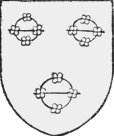
On the back are some names of families in a contemporary hand, and five shields of arms tricked in a modern hand, the latter being apparently the armorial bearings of ancestors of the Earl of Yarmouth, to whom there is a letter addressed by ‘Wm. Smyth’ upon this subject at f. 146 of the MS.
81 JAMES GLOYS TO JOHN PASTON92.1
To my Ryght Wurchepfull master John Paston be this deliuered in hast.
1448 DEC. 3
Right reverent and wurchepfull sir, I recommande me to yow, desyryng to here of yowr welfare, the which gracyows God contynually preserve and kepe to yowr gostly hele and bodily welfare; praying yow to wete that as for the broke sylver that my mastres wend for to a sent yow whan she dede wryte her letter, ther is none in your forcer; she supposyd that ye left it at Norwiche in yowr cofere, wher of ye have the key. Also my mastres yowr moder grete yow wele, and pray yow to send her word how she shall do with Edward of Whode of Paston; for she dede seys his corn on the lond the last hervest, and he led it a wey after that it whas seysyd with awth licens and leve of here or any of here offyceris. Item, my mastres yowr syster recommand her hertly to yow, and pray yow that and ye wold wochesaff to speke to my master Edmund, and pray hym if that he hath bowth here ger that she sent to hym fore, that he wold send it her home; in cas that93.1 he have not bowth it, that he wold be it and sent it here in all the hast that he may goodly. Forthermore if it plese yow to her of my master Berney, he was at Gresham with my mastres on the Tuysday next after Halwemasday, the same day that we dystreynyd Jamys Rokkysson, and I had mette a litill a fore with Pertrych, and he thrett me, and sayd that we shuld not long kepe the dystresse, and there for my mastres dede us don on owr jakkys and owr salettis. My master Berney cam in and the parson of Oxened with hym and sey us in owre jakkis, and he wexe as pale as any herd and wold right fayn a ben thens. So my mastres dede hym dyne, and whill thei wher at dynar Herry Collys told my mastres openly among us all that the same tyme that Pertrych entryd a geyn up on yow, his master was at Causton to yow ward, and there it was told hym that Pertrych had putt yow owth and all your men, and that ye and my mastres wher redyn a geyn to Norwhich, and all your howshold, and that causyd hym that he cam no forther that tyme; and my Master Berney confermyd all this and seyd that it was so. Whan thei had etyn he had mych hast to a be thens, so my mastres desyryd and prayd hym that he wold come a geyn or aght long; and so with mych praying he be hest her if he mythe. And Herry Collys stode ther bysyde and seyd to my felachep, ‘What shuld my master do here,’ quod he, ‘lete yowr master send after his kynnysmen at Mautby, for thei have nowth that thei mawn lese.’ And so thei redyn her wey. And with in a sevenygt after my master Berney sent Davy to my mastres, and prayd my mastres that she wold hold his master excusyd, for he had hurt his owyn hors that he rode up on; and he dede Davy sadillyn an oder hors; and he stode by and made water whill he sadyllyd hym, and as Davy shuld a kyrt the hors, he slenkyd behynd and toke his master on the hepe suyche a stroke that never man may trust hym after, and brake his hepe. And he had sent Herry Collys to Norwhich for medycynys, so he must ryde hom the same nygt; for his master had no man at home. So my mastres was rygth sory, and wend that it had be trowth, but I know wele that it was not so. It happyd that I rod the next day to Norwhich, and I rood in to my mastres your moder, and she dede aske me after my master Berney, and I told here how he was hurt. And she askyd the parson of Oxened if he wer hurt, and he seyd nay; for Davy lay with hym the same nygt a fore and told hym that he was heyll and mery, and prayd hym that he wold be with hym the Sonday next after; and so Davy lay the same nygt after that he had told my mastres the tale with the parson of Oxened. I beseche yow of yowre gode masterchep that ye wold not do wreythe this letter, for and my mastres knew that I sent yow suyche a letter I were never abyll to loke up on her, nor to abyde in her heysyte. My mastres yowr moder hath sent yow ij. letteris; she hath in dosyd hem to my master Edmunde, and she wuld wete if ye had hem or nawth. The Holy Trynyte have yow in kepyng. Wrytyne at Norwhich on Sent Clementis evyn. In hast. —Your servaunt, Jamis Gloys.
she hath in dosyd hem to my master Edmunde text unchanged: error for “in closyd” or “in dorsyd”?
82 MARGARET PASTON TO JOHN PASTON94.1
To my ryght worchippfull hosbond, John Paston, be this delyveryd in hast.
1449(?) JAN. 31
Right worchipfull hosbond, I recommand me to yow, praying yow to wete that I have receyved your letter this day that ye sent me be Yelvertonys man. As for your signette, I fond itt uppon your bord the same day that ye went hens, and I send it yow be Richrad Heberd, bringer herof. As for your eronds that ye wrete to me fore, Richard Charles is owte abough your eronds abowte Gresham, and for his awyn maters also, and I suppose he komyth not hom tyll it be Tesday or Weddenesday next komyng; and alssone as he komyth hom, he shall go abowte your eronds that ye wrete to me fore.
I sent yow a letter wreten on Tesday last past, whiche, as I suppose, Roger Ormesby delyveryd yow. I toke it to Alson Pertryche. She rod with Clyppysbys wyff to London.
I pray yow if ye have an other sone that you woll lete it be named Herry, in remembrans of your brother Herry;95.1 also I pray yow that ye woll send me dats and synamun as hastyly as ye may. I have speke with John Damme of that ye bad me sey to hem to sey to Thomas Note, and he sey he was wel payd that ye seyd and thowgh therin as ye dede. Ner’les I bad hym that he shuld sey to the seyd Thomas therin as it wer of hymself with owte your avys or any others; and he seyd he shuld so, and that it shuld be purveyd for this next weke at the ferthest. The blyssed Trinyte have yow in his kepyng.
Wretyn att Norwyche, in hast, the Fryday next befor Candelmesse day. Be your gronyng wyff, M. P.
83 MARGARET PASTON TO JOHN PASTON95.2
1449 FEB. 28
Begs him not to be displeased though she be out of the place he left her in; for she heard such tidings that she durst not abide there. Divers of my Lord Moleyns’ men said if they might get her they would steal her and keep her in the castle; ‘and than they said they would that ye should fetch me out. They said it should be but a little heartburning to you.’ After that I could have no rest till I was here. I did not venture out of the place till I was ready to ride, and no one knew an hour before but the good wife, whom I told that I was coming here to get gear made for me and the children. I beg you will keep secret the cause of my coming away till I see you. I spoke with your mother on my way hither, who offered to let me abide in her place if you wished me to stay in Norwich, and to give me such gear as she could spare till you can be purveyed of a place of your own. Let me know what to do. I should be sorry to dwell so near Grassam as I did, till the matter between you and the Lord Moleyns is settled. Barow said there was no better evidence in England than Lord M. had of Gressam. I said I supposed they were such as William Hasard spoke of, the seals of which were not yet cold, and that you had evidence with seals 200 years older. Do not on any account trust Lord Moleyns and his men, or eat or drink with them, though they speak ever so fair. Roger Foke of Sparham dare not leave his house for the suit Heydon and Wyndham have against him. Watkin Shipdam wishes you to speak to Sir J. Fastolf about the harness you had of him, etc.
Norwich, Friday after Pulver Wednesday.
about the harness you had of him, etc. final . missing or invisible
84 ROBERT, PRIOR OF BROMHOLM, TO JOHN PASTON96.1
To my Sovereyn, John Paston.
1449(?) MARCH 5
I recomend me hertily, thankyng yow for the tydings, and the good awysse that ze sent me be the Parson of Thorpe;96.2 latyng zow wittin that the Byschope of the todir syde of the see sent laate to me a man, the qwych wuld abydin uppon my leyser, for to an had me ovyr wyt hym to the seyd Byschope, and so forth to the Courte.96.3 So the seyd man and I arryn a poynted that he schal comyn ageyn a purpose fro the Byschope, to be my gyde ovyr the see, and so I purpose me fully forthe a noon aftir this Estryn. I mak me evyre day fulli redy as privyli as I can, be sekyng zow, as I trost on zow, and as I am zour trow bede man, as labor for me her that I mythe haf a wyrte of passagche directid un[to] swyche men as zow thyng that schyd best yife me my schargche.
The best takyng of schepynge is at Yernemuthe er Kyrley, or som othir place in Norfolk syde. I schal haf favour he now [enough] wyt ther seergiours [searchers]; bod all my goode spede and all my wel lythe in you heer, for ther on I trost fully.
Som cownsel me to haf a letter of exschawnge, thow it wer bode of xls. er lees, bod I comitte all my best in this matir to zour wysdam, and qwat at evyr ze pay in this matir, I schal truly at owr metyng repay ageyn to zow. Bod for Godds love purvey for my sped her, for ell [else] I lees all my purvyans, and ther too I schyd jaape97.1 the Byschope man, and caus hym to com in to Yngland, and lees all his labour. For Goddis love, send me down this wyrte, er ell bryng it wyt zow, that I mythe haf fro zow a letter of tydings and comforthe; for I had nevyr verray need of zour labor til now, bod my hert hangithe in gret langor.
All my brethir wenyth that I schyd no forthir goo than to the Byschope, and undir that colour schal I weel go forthe to the Courte. I haf gret stody til I haf tydings fro zow. Avyr mor All mythi Good haf zow in kepyng, bodi and soule.
Writtin in hast, the Wednesday in the fyrst week of clen Lent.97.2 Your Orator, Robt., P. of B.
I sent zow a letter, bod I hade non answer ageyn.
85 NUNCUPATIVE WILL OF EDMUND PASTON98.1
1449 MARCH 21
Omnibus Christi fidelibus ad quos præsens scriptum pervenerit, Nos, Willelmus May, Magister Novi Templi, London’, Johannes Bakton gentilman, Thomas Parker, civis et cissor Londoni, et Johannes Osbern, salutem in Domino sempiternam. Sciatis quod xxj. die Martij Anno Domini mccccxlviij.98.2 Edmundus Paston de comitatu Norff., armiger, in bona memoria ac sana mente existens, languens in extremis, in nostra præsentia, condidit et declaravit testamentum suum nuncupativum in hunc modum:—In primis, legavit animam suam Deo Omnipotenti, Beatæ Mariæ Virgini et omnibus Sanctis, corpusque suum ad sepeliendum in ecclesia Templi prædicti, sive in ecclesia Fratrum Carmelitarum London’ [ad electionem sui confessoris98.3]. Item dictus Edmundus, pro eo quod noluit circa bona sive negocia temporalia mentem sive animam suam affligere seu occupare, set ad æternam felicitatem se præparare, dedit, legavit ac commisit omnia bona et catalla sua prædilecto fratri suo Johanni Paston, ex magna confidencia in ipso habita ut ea disponeret pro bono animæ suæ, prout melius videret Deo placere ac animæ suæ prodesse. Et dictum Johannem Paston ordinavit et constituit executorem suum. In cujus rei testimonum præsentibus sigilla nostra apposuimus.
Endorsed—Copia ultimæ voluntatis Edmundi Paston.
Endorsed in a later hand—Testamentum Edmundi Paston secundi filii Willelmi Paston Justiciarii.
86 LORD MOLYNS TO THE TENANTS OF GRESHAM99.1
To my trusty and wel belovyd, the Vycary and Tenaunts of my Lordschepe of Gressham.
1449 MARCH 24
Trusty and welbeloved frendys, I grete yowe well, and putte yowe all owte of doute for all that ye have doon for me; and the money that ye pay to my welbeloved servaunt, John Partrich, I will be your warant as for your discharge, and save yowe harmeles ayenst all thoo that wold greve yowe, to my power. And, as hertly as I can, I thanke yow of the gud wyl ye have had, and have, toward me. And as to the tytyll of rigth that I have to the Lordship of Gressam schal with in short tyme be knoweyn, and be the lawe so determynyd, that ye schall all be glad that hathe ought me youre gud wyll therin.
And All Myghty God kepe yow; and, be His grace, I schall be with yowe son aftyr the Parlement es endyd.
Wrytten atte London, on Oure Lady evyn last past. R. H., Lord Molyns.
87 MARGARET PASTON TO JOHN PASTON99.2
To my rytz wurschipful Mayster, Jon Paston, be this delyverid in hast, dwelling in the Inner Tempill.
1449 APRIL 2
Rytz wurschipful hosbond, I recommawnd me to zu, praying zu to wete that my kosyn Cler99.3 dynyd with me this day; and sche told me that Heydon was with her yister evyn late, and he told her that he had a letter from the Lord Moleynys, and schewyd her the same letter, praying hym that he wold seyn to his frends and wele willerres in this contre that he thanketh hem of her godewill, and for that thei have done for hym; and also praying Heydon that he wold sey to Rychard Ernold of Crowmer that he was sory and evyl payd that his men maden the afray up on hym, for he seyd it was not be his will that his men xuld make afray on noman in this contre with owth rytz grett cause. And as for that was don to zu if it mytz ben prevyd that he had don otherwise to zu than rytz wold as for the mevabyl godis, ze xuld ben content, so that ze xuld have cawse to kon hym thank; and he prayd Heydon in the letter that it xuld ben reportid in this kontre that he wold don so, if he had don otherwyse than he owth to don.
The frere100.1 that cleymyth Oxned was in this town zastyrday and this day, and was ledgid att Beris, and this afternon he rod, but qhedder I wote not. He seyd pleynly in this town that he xal have Oxnede, and that he hath my lord of Suffolkes100.2 good lordschip, and he wol ben his good lord in that mater. There was a persone warnyd my moder with in this to days that sche xuld ben ware, for thei seyd pleynly sche was lyk to ben servyd as ze were servyd at Gressam with in rytz schort tyme. Also the Lord Moleyns wrott in his forseyd letter that he wold mytyly, with his body and with his godis, stand be all tho that had ben his frends and his wel willers in the mater towching Gressam, and preyd Heydon that he wold sey to them that thei xuld not ben aferd in non wyse, for that was don it xuld ben abedyn by.
My moder prayith zu that ze wil send my brother Willyam to Kawmbrege anomynale100.3 and abok of sofystre of my brother Emundes100.4, the qheche my seyd brother be hestid my moder the last tyme he spak with her, that he xuld asent [should have sent] to my brother Willyam. The blisseful Trinyte have zu in his keping.
Wretyn at Norwyche in hast, on the Wodenysday next be for Palm Sonday. Zowres, M. P.
88 [MARGARET PASTON] TO [JOHN PASTON]101.1
1449(?)
Ryt wurchipful hwsbond, I recomawnd me to zu, and prey zw to gete som crosse bowis, and wyndacs101.2 to bynd them with, and quarrels;101.3 for zour hwsis her ben so low that ther may non man schet owt with no long bowe, thow we hadde never so moche nede.
I sopose ze xuld have seche thyngs of Ser Jon Fastolf, if ze wold send to hym; and also I wold ze xuld gete ij. or iij. schort pelleaxis to kepe with doris, and als many jakkys, and ye may.
Partryche101.4 and his felaschep arn sor aferyd that ze wold entren azen up on them, and they have made grete ordynaw[n]ce with inne the hwse, as it is told me. They have made barris to barre the dorys crosse weyse, and they have made wykets on every quarter of the hwse to schote owte atte, bothe with bowys and with hand gunnys; and the holys that ben made forr hand gunnys, they ben scarse kne hey fro the plawncher [floor], and of soche holis ben made fyve. There can non man schete owt at them with no hand bowys.
Purry felle in felaschepe with Willyum Hasard at Querles, and told hym that he wold com and drynk with Partryche and with hym, and he seyd he xuld ben welcome, and after none he went thedder for to aspye qhat they dedyn, and qhat felachep they hadde with them; and qhan he com thedder, the dors were fast sperid [fastened], and there wer non folks with hem but Maryoth, and Capron and hys wyf, and Querles wyf, a[n]d another man in ablac (?) zede sum qhate haltyng, I sopose be his words that it was Norfolk of Gemyngham; and the seyd Purry aspyde alle this forseyd thyngs. And Marioth and his felaschep had meche grette langage that xall ben told zw qhen ze kom hom.
I pray zw that ze wyl vowche save to don bye for me j. li. [1 lb.] of almands and j. li. of sugyr, and that ze wille do byen sume frese to maken of zour child is gwnys; ze xall have best chepe and best choyse of Hayis wyf, as it is told me. And that ze wyld bye a zerd of brode clothe of blac for an hode fore me of xliiijd. or iiijs. a zerd, for ther is nether gode cloth ner god fryse in this twn. As for the child is gwnys, and I have them, I wel do hem maken.
The Trynyte have zw in his keping, and send zw gode spede i[n] alle zour materis.
89 WILLIAM COTYNG TO JOHN PASTON102.1
To the right reverent sir my most worshipful maister, my maister John Paston.
About 1449 APRIL
Right reverent and my most worshipful maister, I recomaund me to yow. Please it yow to wete that the man whiche I wolde have hadde to a be youre fermour at Snaillewelle hath tolde me that he will not therof, and this he makith his excuse; he seythe that he shall dwelle with his wyffes fader and fynden hym for his good as longe as he levyth and he will no forther medill in the werde. I fele well by hym that he hath inquered of the maner, for he coude telle me well that olde Briggeman aught my maister, your fader, whom God assoile, moche good, and how that he hadde al that was ther whanne Briggeman was ded; and that this Briggeman owith yow moche good at this tyme. I answered therto, as for olde Briggeman, I seide that it was his will that my maister shulde have his good, be cause he was a bonde man and hadde no childer. And as for this Briggeman, I seide that he hath bought a faire place sithe he was your fermour, and payed therfor; but for this I kan not turne hym. Wherfor, and it like yow to sende to me a bille of the value of the maner, I shall inquere if any other may happe to be gete, and sende yow worde therof; and in this and what ye will comaunde me ellys I shall do my parte by the grace of our Lord, Who ever have yow in His kepyng. Amen. Writen at Cambrigge the Sunday nexte before the fest of Seynt George.
My maister your brother103.1 recomaundeth hym to yow, as me semyth he is in right febill hele. he will not telle me qwy, save he seyth he compleyned onys and hadde no remedy, and therfor he seythe he shall suffer for a seoson. Forsothe I suppose he is not intreted as he aught to be. —Your servaunt and bedeman, W. Cotyng.
he is in right febill hele. he will not telle me qwy lower case in original
90 ROBERT WENYNGTON TO THOMAS DANIEL103.2
To my Reverend Mayster, Thomas Danyell, Squier for the Kyngs Body, be thys letter delyverd in haste.
1449 MAY 25
Most reverend mayster, I recomaund me on to yowr graceus maystreschup, ever deseryng to her of yowr wurschupfull ustate, the whyche All myghte God mayntayne hyt, and encrese hyt on to hys plesans: Plesyng yow to know of my wellfare, and of all yowr men, at the makyng of thys letter, we wer in gode hele of body i blessyd be God.
Mo over, mayster, I send yow word, by Rauly Pykeryng, of all maters, the whyche I be seche yow yeve hym credens, as he wyll enforme yow of all; so, sur, I beseche yow, in the reverens of God, that ye wyll enforme owr Soverayn Lord the Kyng of all maters that I send yow in thys letter, lyke as I have send a letter to my Lord Chaunseler and to all my Lordys by the sayd Pykeryng; the whyche letter I beseche yow that ye take and delyver to my Lord and all my Lordys by yowr awne handys, and lete the sayd Pykeryng declare all thyngs as he hath sayn and knoweth.
Furst, I send yow word that when we went to see, we toke ij. schyppys of Brast comyng owte of Flaundrys; and then after, ther ys made a grete armyng in Brytayne to mete with me and my felyschyp, that ys to say, the grete schyp of Brast, the grete schyp of the Morleys, the grete schyp of Vanng, with other viij. schyppis, bargys, and balyngers, to the number of iij. mli [3000] men; and so we lay in the see to me[te] with them.
And then we mette with a flotte of a c. [a hundred] grete schyppys of Pruse, Lubycke, Campe, Rastocke, Holond, Selond, and Flandres, betwyte Garnyse [Guernsey] and Portland; and then I cam abord the Admirall, and bade them stryke in the Kyngys name of Englond, and they bade me skyte in the Kyngs name of Englond; and then I and my feleschyp sayd, but [unless] he wyll streke don the sayle, that I wyld over sayle ham by the grace of God, and God wyll send me wynd and wether; and dey bade me do my wurst, by cause I had so fewe schyppys and so smale, that they scornyd with me. And as God wuld, on Fryday last was, we had a gode wynd, and then we armyd to the number of ij. ml. [2000] men in my felyschyp, and made us redy for to over sayle them; and then they lonchyd a bote, and sette up a stondert of truesse, and com and spake with me. And ther they were yolded all the hundret schyppys to go with me in what port that me lust and my felawys; but they faothe with me the day before, and schotte atte us a j. ml. [1000] gonnys, and quarell105.1 owte of number, and have slayn meny of my felyschyp, and meymyd all soo. Wherfor me thyngkyt that they haye forfett bothe schypps and godys at our Soverayn Lord the Kyngys wyll. Besechyng yow that ye do yowr parte in thys mater, for thys I have wrytyn to my Lord Chaunseler105.2 and all my Lordys of the Kyngys Counsell; and so I have brofte them, all the c. [hundred] shyppys, within Wyght, in spyte of them all.
And ye myght gete leve of owr Soverayn Lord the Kyng to com hydder, hyt schall turne yow to grete wurschup and profett, to helpe make owr a poyntement in the Kyngs name, for ye sawe never suche a syght of schyppys take in to Englond this c. wynter; for we ly armyd nyght and day to kepe them, in to the tyme that we have tydengs of our Soverayn and hys counsell. For truly they have do harme to me, and to my feleschyp, and to yowr schyppys more [than] ij. ml. li.105.3 worth harme; and therfor I am avesyd, and all my feleschyp, to droune them and slee them, withoute that we hafe tydyngs from owr Soverayn the Kyng and hys counsell. And therfor, in the reverens of God, come ye yowr self, and ye schall have a grete avayle and wurschup of yowr comyng to see a suche syght, for I der well sey that I have her at this tyme all the cheff schyppys of Duchelond, Holond, Selond, and Flaundrys, and now hyt wer tyme for to trete for a fynell pese as for that partyes.
I writ no more to yow at this tyme, but All myghty Jesus have yow in hys kepyng. I writ in hast, within Wyght, on Soneday at nyght after the Ascencion of owr Lord. By yowr owne Servant, Robt. Wenyngton.
91 WILLIAM PASTON TO JOHN PASTON106.1
To myn most reverent and [w]urchepful broder, Jon Paston.
About 1449
To myn most reverent and wurchepful brodur, I recummend me hartely to zow, desiryng speciali to hare of zowre wellefare and prosperite, qweche Almyty God contenu to zowre gosteli hele and bodili welfare. And if it plase zowre goode broderod to here of myn wellefare, at the makyng of this bylle I was in good hele. And if it leke zowre good broderod to remembre the letter that I sent to zow of the noyse that was telde of zow, that ze schuld a be on of the capetayns of the ryserse in Norfolk, and how that j. scholere of Cambryg, qweche is parsone of Welle, schuld an utteryd ferthere to zowr grete schalndyr [slander]; besechyng zow to undyrstond that the seyde parsone of Welle was sone [after?]106.2 that tyme at Lundon, were he harde sey of j. swyr of ij. c. marc be zere [of one squire of 200 marks by year] that ze and Master Thomas Wellys wolde sewe the seyd Parsone Welle for zowre schalndyr; and the seyde parsone come to Cambryg sothyn, and hathe pekyd a qwarell to on Mastyr Recheforthe, a knythys sone of Norforfolke,106.3 and seyd to Rychechefor106.3 that he had because that ze schuld sewe hym; and the seyd Parsone Welle thretyd Rycheferthe that wat some ever that ze causyd Parson Welle to lese be zowre sewtes, that Rycheferthe schul lese the same to the Parson of Welle. Werefor this jeltylmon Rycheforthe taketh grete thowt, and pray me to wrythe to zow that ze wulde sese zowre suthe tylle the tyme that ze wulde asyne that I mythe speke wythe zow, and odyr sundry have speke with zow of the same mater; for yt ware pithe that Rycheforthe chuld have ony hurthe thereby. I beseche zow holde me excusyd, thow I wryt no better to zow at thys tyme, for in good feyth I had no leysere. The brynggar of thys letter can telle zow the same. God have zow in hys kepyng. Wretyn at Cambryg, on Fryday [sa]nyth107.1 nexste before Mydsommer Evyn.
In case ze come ba come [back home?] be Cambryg, I schal telle zow mo of it. I am sory I may wrythe no bettyr at this tyme, but I trust ze wylle [have] paciens. Be zowre pore Broder, W. Paston.
92 SIR JOHN FASTOLF TO JOHN PASTON107.2
To the Worshypful Sir, and my ryght well beloved cosen, John Paston.
1449(?) JULY 10
Worshypfull and ryghte welbelovyd cosyn, I comaund me to you. Please you to here that the Pryore and Convent of Norwyche have wythhalden certeyn rent for landes that they halden of me wythinne my maner of Haylysdon, and the ij. tapers of wax of ij. lbs. wyght, by the space of xviij. yere, that mountyth xxjs.107.3 valued in money. And the lordes of the seyd maner beyng before me, and y yn my tyme, have been seised and possessed of the seyd rent. Prayng you to speke wyth the Pryore, or comaundyng me unto hym. And that ye lyke to move hym to make me payment as his dewtee ys, so as y have no cause to gowe further, and to do as justice requyreth. He hahyth xxx. acres lande or more by the seyd rent, and whyht ought to pay me othyr rent more by myn evidense. More over y pray you, cosen, that I may speke with you or [before] y ryde, and that on Thursday by the ferthest; and then y shall tell you tydyngs off the Parlement, and that ye fayle not, as my trust ys yn you. I pray God have you in Hys guidance.
Wreten at Castor, the x. day off Julie 1449.108.1 —Your Cosen, John Fastolfe.
93 AGNES PASTON TO JOHN PASTON108.2
To John Paston be this letter delyveryd.
Not after 1449
Soon, I grete zow wel with Goddis blyssyng and myn, and I latte zow wette that my cosyn Cler108.3 wrytted to me that sche spake with Schrowpe108.4 after that he had byen with me at Norwyche, and tolde her what cher that I had made hym, and he seyde to her he lyked wel by the cher I made hym.
He had swyche wordys to my cosyn Cler that lesse than ze made hym good cher, and zaf hym wordys of conforth at London, he wolde no mor speke of the matyr.
My cosyn Cler thynkyth that it were a foly to forsake hym lesse than ze knew of on owdyr as good or better; and I have assayde zowr suster,108.5 and I fonde her never so wylly to noon as sche is to hym, zyf it be so that his londe stande cleer.
I sent zow a letter by Brawnton for sylke, and for this matyr befor my cosyn Cler wrote to me, the qwyche was wrytten on the Wednysday nexzt aftyr Mydsomer day.
Sir Harry Ynglows is ryzth besy a bowt Schrowpe for one of his dozthers.
I prey zow, for zette nozth to brynge me my mony fro Horwelbery, as ze com fro London, edyr all or a grete parte. The dew dette was at Crystemesse last paste, no thynge a lowyd, vijli. xiiijs. viijd., and at this Mydsomer it is vli. more; and thow I a low hym all his askyng, it is but xxvjs. vjd. less, but I am nozth so avysyth zytt. As for the Frer,109.1 he hath byen at Sent Benetts, and at Norwyche, and made grete bowste of the sewte that he hath azens me, and bowzthe many boxes, to what intent I wett never. It is wel doen to be war at London, in drede gyf he bryng ony syse at Sent Margarets tyme.
I kan no more, but Almyzty God be owr good lorde, who have zow ever in kepyng. Wryten at Oxnede in grete hast, on the Satyr next aftyr Mydsomer. By yowr Modyr, A. P.
94 ELIZABETH CLERE TO JOHN PASTON109.2
To my Cosyn, John Paston, be thys letter delivered.
Not after 1449
Trusty and weel be loved cosyn, I comaunde me to zow, desyryng to here of zowre weelfare and good spede in zowre matere, the qwech I prey God send zow to his plesaunce and to zoure hertys ease.
Cosyn, I lete zow wete that Scrope109.3 hath be in this cuntre to se my cosyn zoure sustyr, and he hath spoken with my cosyn zoure moder, and sche desyreth of hym that he schuld schewe zow the endentures mad be twen the knyght that hath his dowter and hym, whethir that Skrop, if he were maried and fortuned to have children, if tho children schuld enheryte his lond, or his dowter, the wheche is maried.
Cosyn, for this cause take gode hede to his endentures, for he is glad to schewe zow hem, or whom ze wol a sygne with zow; and he seith to me he is the last in the tayle of his lyflode, the qweche is CCCL. marke and better, as Watkyn Shipdam seith, for he hath take a compt of his liflode dyvers tymes; and Scrop seith to me if he be maried, and have a sone an eyre, his dowter that is maried schal have of his liflode L. marke and no more; and therfore, cosyn, me semeth he were good for my cosyn zowre sustyr, with[out] that ye myght gete her a bettyr. And if ze can gete a better, I wold avyse zow to labour it in as schort tyme as ze may goodly, for sche was never in so gret sorow as sche is now a dayes, for sche may not speke with no man, ho so ever come, ne not may se ne speke with my man, ne with servauntes of hir moderys but that sche bereth hire an hand110.1 otherwyse than she menyth. And sche hath sen Esterne the most part be betyn onys in the weke or twyes, and som tyme twyes on o day, and hir hed broken in to or thre places. Wherfor, cosyn, sche hath sent to me by Frere Newton in gret counsell, and preyeth me that I wold send to zow a letter of hir hevynes, and prey yow to be hir good brothyr, as hir trost is in zow; and sche seith, if ze may se be his evydences that his childern and hire may enheryten, and sche to have resonable joynture, sche hath herd so mech of his birth and his condicions, that and ze will sche will have hym, whethyr that hir moder wil or wil not, not withstandyng it is tolde hir his persone is symple, for sche seyth men shull have the more deyute of hire if sche rewle hire to hym as sche awte to do.
Cosyn, it is told me ther is a goodly man in yowre Inne, of the qweche the fadyr deyed litte, and if ze thynk that he were better for hir than Scroop, it wold be laboured, and yif Scroop a goodly answere that he be not put of tyl ze be sure of a bettyr; for he seid whan he was with me, but if [i.e. unless] he have som counfortable answer of zow, he wil no more laboure in this mater, be cause he myght not se my cosyn zoure sustyr, and he seyth he myght a see hire and sche had be bettyr than she is; and that causeth hym to demyr that hir moder was not weel willyng, and so have I sent my cosyn zowre moder word. Wherfore, cosyn, thynk on this mateer, for sorow oftyn tyme causeth women to be set hem otherwyse than thei schuld do, and if sche where in that case, I wot weel ze wold be sory. Cosyn, I prey zow brenne this letter, that zoure men ne non other man se it; for and my cosyn zowre moder knew that I had sent yow this letter, sche shuld never love me. No more I wrighte to zow at this tyme, but Holy Gost have zow in kepyng. Wretyn in hast, on Seynt Peterys day,111.1 be candel lyght. Be youre Cosyn, Elizabeth Clere.
95 JOHN DAMME TO JOHN PASTON111.2
To my ryght worshepfull master John Paston at London in the Inner Temple.
1449 NOV. 30
Plese it your good maistershep to knowe that my maisteresse your wyff recomaundeth here to yow and fareth well, blyssed be God, and all your menye faren well also and recomaunde hem to yaw, &c. I was with my lord of Oxenford and dede myn erand, and I found his good lordshep well disposed towardys yow, for he seid if he were sent to for to come to, &c., if it kepe faire weder he wold not tarye, and if it reygned he wold not spare. More over I spak with Pertrych as touchyng the letter sent to my lord Moleyns; he seyth that he was privy to the wrytyng and wele a vowe it by record of xx. persons, but he wold name to me no persone; and so he and I accorded not fully. And I bad hym remembre hym that he myght not abyde there if ye wold have hym owt. And he seid he knewe well that. But he seid, if ye put heem out, ye shuld be put owt sone after a geyn. And I seyd if it happe it so thei shuld not longer reste there. And Mariot stod by and seyd that were no merveyll whill thei were but ij. men, but it shuld not be best so. And I seyd that I lete them wete it shuld be so if ye wold, thow they made all the strenght which they coude make. And ther to Mariot seyd stately, that myght not be performed; and more langage ther was, to long to wryte at this leyser. Pertrych and his felaw bere gret visage and kepe gret junkeryes and dyneres, and seyn that my lord Moleynes hath wrytyn pleynly to hem that he is lord there and well be, and shall be, and ye not to have it; but I trust to Goddes ryghtwysenes of better purvyaunce. Lyke it yow to remembre what Heydon doth and mayde by colour of justice of the pees, beyng of my lordes councell and not your good frend nor weell wyller, and to comon with your sad councell what ye must suffre by the lawe, and where inne ye may resiste. On Sunday last passed Gunore and Mariot and John Davy and other dyned with Pertrych, &c.; and after eveson [evensong] Gonore spake to my maisteresse that she shuld make here men to leue here wyfeles and here jackes; and she answered that thei purposed to hurte no man of here owyn sykyng; but for it was seid that she shuld be plukkyd owt of here howse, she were loth to suffre that; and therfore she sayde thei shuld goo soo til ye come hom. And he seid stately, but if thei left here aray it shuld be plukked from them. I trust he must have a better warant, from his stately langage, or ells he shall not have it from hem esily. All this I remitte to your good remembraunce with Goddes help, to Whom I pray to gyde your ryght to his worshep and your hertes desire.
Wrytyn at Sustede on Seynt Andrewe day, &c. —Yowres, J. Damme.
Were but well, as me semyth, that ye myght ordeygne now a fetys jacke defensable for your self, for there con they do best and best chep, &c.
96 JAMES GRESHAM TO [JOHN PASTON]113.1
1449(?) OCT. 16
‘The King is now into the Marches of Wales, as it is said, to the intent he may be near the country if my Lord of Buckingham, which is commissioner now in Wales for divers offences done there to the Crown, would sue to have his commission to be enlarged, if he were repyned.’ It is not known when the King will be in London again, but he is expected here at the beginning of the Parliament. I have your writs of error, but can see nothing wrong. Thos. Denys asked me why you did not follow his suggestion about the removing of the strength at Gresham, and thinks it should be done yet. Francis Costard is not yet well at ease, for his venire facias between Will. Prentys and him and Hen. Halman comes in very inopportunely. You had better come hither as soon as possible and get the favor of the sheriff that shall be next year.
London, 16 Oct.
97 SIR JOHN FASTOLF TO JOHN FASTOLF AND JOHN KIRTELING113.2
To my ryght tristy and welbelovede Cosin and Frende, John Fastolf, and Sir John Kirtelinge, Parson of Arkesay.
1449 OCT. 31
Trusty and welbeloved frendz, y grete yow wel. And for as moche as y have appointed with my sone, Stephen Scrope, lyke as y sende yow the appointement writen hereafter in this letter, the whiche appointement y woll ye fulfylle be the avys of my counsel in that at longeth to my party, like as hit ys writen.
Thys ys the appointement made be twene Sir John Fastolf, Knight, and Stephen Scrope, Squier, in the maner as here after hit ys writen:—
Fyrst, for as moche as the mariage of the saide Stephen Scrope was solde114.1 to Sir William Gascoyng, the Chefe Justice of Englonde, for vc. [500] marke, with the whiche mariage was deliverd in hande to the sayde Gascoyng the maner of Wyghton on the Wolde, in Yorke schyre, with the apertenance of the saide maner; and whan the sayde Gascoyng hade hym, he wolde have solde hym agayn, or maried the saide Stephen Scrope ther [where] he schulde have byn despareiged: wherefore, at the request of the sayde Scrope and hys frendes, the saide Fastolf boght the ma[ri]age of the saide Scrope of the saide Sir William Gascoyng for vc. marke, wherby the saide Fastolf hath mariage of the saide Stephen Scrope, or elles to have the saide somme of vc. marke that he payde for hym, like as hit ys above sayde.
Item, for as moche as the sayde Stephen Scrope ys comyn to the saide Fastolf, sayinge that he hath fownde wey to be maried at his lyst, and also for his worschippe and profyt, so that the saide Fastolf woll consent therto, that ys to say, to Fauconeris doughter of London, that Sir Reynalde Cobham114.2 had weddid.
Item, for as hit ys the saide Fastolf ys wille to forther and helpe the saide Scrope in any wize ther he may be fortherede, the sayde Fastolf consenteth that the sayde Scrope marie hym to the Fauconeris doughter, with that that the sayde Fauconer gyf to the sayde Fastolf the saide somme of vc. marke, the whiche he payde for the saide Scrope.
Item, yf that the sayde Stephen Scrope pay or do pay the somme afore sayde of vc. marke sterling, than the sayde Sir John Fastolf and Dame Mylicent,114.3 his wyf, schall make astate of the said maner of Wyghton on the Wolde in Yorke schyre, with the apertenaunce of the sayde maner, to the saide Stephen Scrope and to the woman, the whiche schalbe his wyf, and to here eyres of here bodyes begete be twix hem two.