← Table of contents
The History of Cuba, vol. 4

Front matter

Reading edition

Etext transcriber's note: Any of the images may be seen at an enlarged size by clicking on them. The use of Spanish accents in this text varies and has not been altered (ie. both Senor and Señor [tilde n], Senora and Señora [tilde n], José [acute accented letter e] and Jose appear; both Nunez and Nuñez [tilde n], Marti and Martí [acute accented i], Carreno and Carreño appear [tilde n].) Several typographical errors have been corrected (Almandares=>Almendares, Donate=>Donato, etc.).

JOSÉ MARTÍ
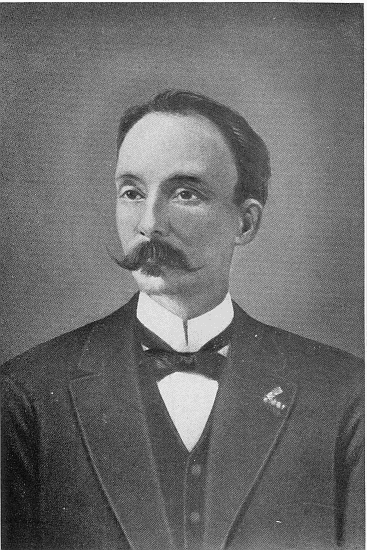
JOSÉ MARTÍ The first great apostle and martyr of the Cuban War of Independence, José Martí, was born in Havana on January 28, 1853, and fell in battle at Dos Rios on May 19, 1895. He was a Professor of Literature, Doctor of Laws, economist, philosopher, essayist, journalist, poet, historian, statesman, tribune of the people, organizer of the final and triumphant cause of Cuban freedom. He suffered imprisonment in Spain and exile in Mexico, Guatemala, and the United States, doing his crowning work in the last-named country as the vitalizing and energizing head of the Cuban Junta in New York. His fame must be lasting as the nation which he founded, wide as the world which he adorned.

The first great apostle and martyr of the Cuban War of Independence, José Martí, was born in Havana on January 28, 1853, and fell in battle at Dos Rios on May 19, 1895. He was a Professor of Literature, Doctor of Laws, economist, philosopher, essayist, journalist, poet, historian, statesman, tribune of the people, organizer of the final and triumphant cause of Cuban freedom. He suffered imprisonment in Spain and exile in Mexico, Guatemala, and the United States, doing his crowning work in the last-named country as the vitalizing and energizing head of the Cuban Junta in New York. His fame must be lasting as the nation which he founded, wide as the world which he adorned.

Explore with AITake your curiosity a little further.

Reading settings