Mrs. Emory’s Boarder.
Reading edition
BY C. MARIE MOTT.
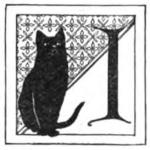
I saw him pass every day; not that I watched for him, but it’s against human nature that a woman should sit at a window all day and never look out. Besides, it was winter and I was watching the passers-by creep over my slippery sidewalk, with all a property-holder’s anxious solicitude for their safety.
I was turning away when he appeared and sped over the ice without the slightest fear. How we women love courage! And he was not only fearless, but handsome and well built, with just such broad shoulders and such an assured carriage as a frail little spinster with her own way to make in the world most admires.
I’m sure a dressmaker ought to appreciate a fine figure, if any one can. To-day, sitting there watching the familiar figure disappear in the distance, I felt my heart flutter like a girl’s. Well, well, the sensation was strange and new; it was late, too late, perhaps, in coming,—and yet it was not all unpleasant.
As I took up my work I sighed. Forty years I had spent beneath this roof, never repining at my lot, dull and cheerless though it was, content to pass all my life rendering others charming, that they might the more readily gain the love it was my fate always to have missed. I had never hoped to possess happiness. Why should I? I am no imbecile. No one pauses in a garden, undecided whether to pluck the glowing half-open rosebud or the homely mignonette.
Hitherto I had been happy enough in my cozy home, content to have my life history written in the words: “Stitch, stitch, stitch.” But to-day all my woman’s nature rose in passionate protest against my loveless, unloving life. I shuddered as I thought of the long, lonely future.
“With him,” I thought, “life would be worth the living.” True, he was considerably younger than I, but what matter years when the heart is fresh?
But how could I win him?
I am not what is called a strong-minded woman. I have no longing to approach the polls. But I do think there ought to be an amendment to the constitution, giving women the right—not to vote, but to propose. There are so many fine men declining into forlorn, crabbed old bachelorhood simply because they do not know enough to ask some sweet women to make them comfortable in homes of their own. Now, a woman knows by instinct when her ideal presents himself, and wouldn’t waste half a lifetime in coming to the point. My ideal was late in coming, but now that he had come I would let no foolish timidity on my part blight the happiness that might be ours. By a few discreet questions I discovered that he lived with my next-door neighbor, Mrs. Emory; and I felt quite conscience-smitten when I remembered that I had not called on her since she moved here, a fortnight ago. That very night I ran in, and was glad that she insisted on my staying to tea. All the time that we talked I watched him furtively. He was the only one of the boarders whom she treated like a member of the family. He sat on a lounge before the fire, and I saw that he was even handsomer than I had thought. His large eyes were full of tender melancholy. His hair was dark and silky, and, though he had no moustache, his whiskers gave character to a face that otherwise might have seemed almost effeminate in its beauty. Even his silence prepossessed me in his favor. I myself am fonder of talking than of listening. So my love grew. Before leaving, I pressed Mrs. Emory to call soon and bring Tom with her. She saw my deep interest, and, as I said good-by in the doorway, told me his full history. After his family had been killed in that dreadful river accident he had made his home with her. He was perfectly independent, but I did not care for that. Riches have no weight with me, or any woman truly in love.
Next day, as he passed my window, he smiled such a pleased recognition that I sang over my work all the afternoon. That very afternoon Mrs. Brown told me they would drop in to tea. I made great preparations. A younger woman would have spent all the time before her mirror. I did not. I thought I knew the effect of good cookery on the affections of the other sex. Well, I don’t think there was a cozier room or a better table than mine in the United States. We had a delightful time, the first of a pleasant series. Soon Tom got into the habit of coming alone. Never shall I forget the night when he first kissed me good-by or the hours when he would sit with his head on my shoulder in the soft firelight. Don’t be shocked; he knew nothing about society’s cold formalities. At length he became mine. I use the expression advisedly, because he seemed so helpless and confiding, and I vowed to love, protect, and cherish him. The obeying I meant should be furnished by the other partner. I did make him happy. How I love to linger over that brief period when we were all the world to each other. Alas! But I must go on, even though my heart bleeds afresh at each remembrance.
There was a snake in my Eden. Why is it that every member of the other sex is born with a propensity for staying out nights? No one can appreciate more truly than I the good qualities of the so-called stronger sex. But when my Tom took to keeping late hours I confess that I became embittered and made angry speeches that now I would give the world to recall. If only he had “talked back” at me we might have made up, and I would have retracted my bitter, angry words. But he only sat gazing at me with those melancholy poetic eyes, his very silence adding fuel to the flames of my indignation.
It was during this period of estrangement that one night he stayed out so late that I went to my room without waiting for his return. I don’t know how long I slept, when suddenly I was awakened from troubled dreams by a most appalling noise. It seemed as if all the toot-horns ever manufactured had joined partnership with countless steam whistles for the production of this—well, there are times when the privilege of profanity would be beyond the price of rubies.
I listened. All was silent. Pshaw! it was a nightmare. No, a long low moaning tone, then a gradual swell, and it burst on the night air:—
“As all the fiends from heaven that fell Had pealed the banner cry of hell.”
I threw up the window. Ah, how mistaken I had been. Dear Tom, with a few companions, was giving me a pleasant surprise. Two of them were in the middle of a duet. At least, one began the theme, and then another took it up, after which all joined in a grand chorus which sounded just like a Wagner opera.
I never did care for midnight serenades, and I fear my voice was none too pleasant when I begged them to desist. At any rate, they all went off in high dudgeon and Tom with them. A woman’s patience isn’t always elastic, and I banged down the window, got into bed, and pulled the blanket over my ears.
When I found he was still absent the next morning my resentment changed to alarm. I was just doing up my hair when Mrs. Emory rushed in. A glance at her face was enough, and I fainted. When I revived she told me the horrible truth. The lifeless body of my beloved Tom had been found in her garden early that morning. There was a bullet hole in his forehead, and his dark silky hair was stained with blood. He had been ruthlessly slain,—cut off in his prime by the hand of a midnight assassin.
When I grew calm I tried to assuage my grief by attending to the last sad obsequies. To-day a little mound under a locust tree on the edge of my garden marks the spot where the former companion of my joys and sorrows lies at rest. And every evening, as I stand beside his grave or sit watching the sunset light tinge the white tombstone on which “Tom” is carved in large letters, I vow anew that I will never keep a second pet. No other cat shall enter the temple sacred to his memory.