MICHIGAN AGRICULTURAL EXPERIMENT STATION (continued 2)
Reading edition
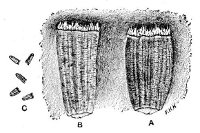
Fig 190. Chickory. Chichorium Intybus L.
Chickory. Chichorium Intybus L. Flowers yellow; achenes light brown, more or less mottled or spotted with black, straight or curved, 4–5 angled, flattened, apex truncate crowned with a double row of minute scales. Achenes 2.5–3 mm. long. Introduced from Europe.
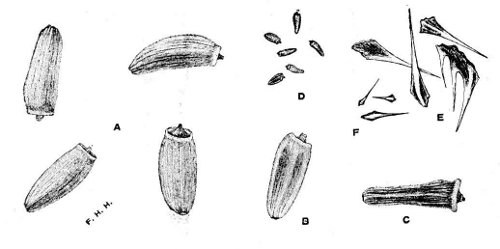
Fig 191. Canada Thistle. Cirsium arvense (L.) Scop. Carduus arvensis (L.) Robs.
Canada Thistle. Cirsium arvense (L.) Scop. Carduus arvensis (L.) Robs. Flowers purple or white; achenes smooth, light brown, curved or straight, narrowly obovoid or oblong, slightly flattened, 2–3 mm. long, apex truncate, cup-shaped with a tubercle in the center. Introduced from Europe. A weed of first rank.
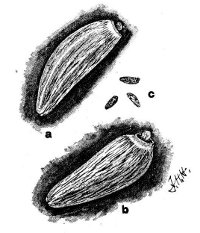
Fig 192. Bull Thistle. Cirsium lanceolatum (L.) Hill. Carduus lanceolatus L.
Bull Thistle. Cirsium lanceolatum (L.) Hill. Carduus lanceolatus L. Flowers purple; achenes smooth, nearly white, with sharp vertical brown stripes, slightly flattened, obovate or oblong, usually curved near the apex, 3–4 mm. long, apex truncate with a large tubercle in the center. Introduced from Europe.
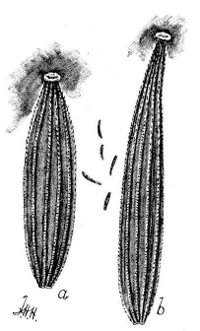
Fig 193. Narrow leaved Hawksbeard. Crepis tectorum L.
Narrow leaved Hawksbeard. Crepis tectorum L. Flowers yellow; achene chestnut brown, straight or curved, linear, ribs 10, smooth or rugose; 3.4 mm. long. Introduced from Europe.
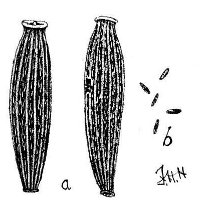
Fig 194. Fire-weed. Erechtites hieracifolia (L.) Raf.
Fire-weed. Erechtites hieracifolia (L.) Raf. Achenes brown, linear, 2.2–2.8 mm. long, flattened, straight or curved, having ten vertical ribs between which are minute white oppressed hairs, the extremities truncate, wider than the narrow portion beneath, the apex white with a tubercle projecting from the center of a minute cup. Native to this country. Not of much importance.
Annual Fleabane. Erigeron annuus (L.) Pers. Flowers white; achenes smooth, shining, brownish white, translucent, flattened, obovate or oblong, .7-.9 mm. long, bearing at the apex a whorl of very small diverging bristles, the longest ones having been rubbed off. Faint traces of a few oppressed hairs may be seen under a good lens. Native to this country and a very prominent weed in thin meadows.
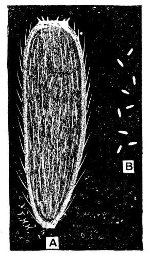
Fig 195. Horse-weed. Erigeron Canadensis L. Leptilon Canadense (L.) Britton.
Horse-weed. Erigeron Canadensis L. Leptilon Canadense (L.) Britton. Achenes oblong, dull cream color, much flattened, 1–1.3 mm. long, shining, smooth or containing a few minute oppressed bristles, apex truncate, bearing a whorl of bristles, the longest having been rubbed off. Native of this country. Compare the above description with that of Erigeron annuus. Common in waste places.
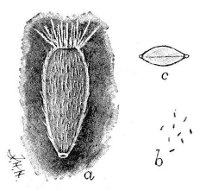
Fig 196. Daisy Fleabane. Erigeron ramosus (Walt.) B. S. P.
Daisy Fleabane. Erigeron ramosus (Walt.) B. S. P. Flowers white; achenes nearly identical with those last described, Erigeron annuus, bristles shorter, less diverging, surface bearing more minute appressed hairs when seen under a lens. Native to this country and prominent in some thin meadows.
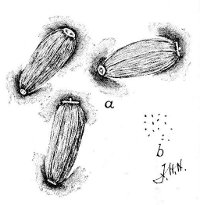
Fig 197. Sweet Everlasting. Gnaphalium polycephalum Michx. Gnaphalium obtusifolium L.
Sweet Everlasting. Gnaphalium polycephalum Michx. Gnaphalium obtusifolium L. Outer scales of the head thin, white, stiff; achenes yellowish white or brown, slightly flattened, smooth, oval or oblong, .5-.7 mm. long. Native to this country. Not often troublesome.
Much practice with a good lens and careful comparisons with other small achenes will be necessary in identifying such specimens as are furnished by this species.
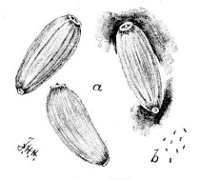
Fig 198. Low Cudweed. Gnaphalium uliginosum L.
Low Cudweed. Gnaphalium uliginosum L. Outer scales of the head thin, brown, more or less wooly; achenes .4-.6 mm. long, yellowish white to brown, slightly flattened, smooth, narrowly oblong .4-.6 mm. long. Achenes narrower and rather shorter than those of G. obtusifolium. Native to this country. Not of high rank as a weed.
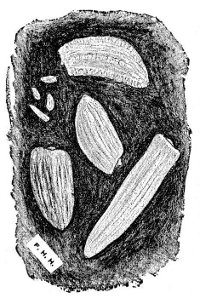
Fig 199. Broad-leaved Gum Plant. Grindelia squarrosa (Pursh.) Dunal.
Broad-leaved Gum Plant. Grindelia squarrosa (Pursh.) Dunal. Flowers yellow; achenes creamy white or light brown, very variable in appearance, more or less flattened, often 4-angled, straight to much curved, narrowed at the base, apex truncate, often concave with a distinct marginal rim, some of them not very unlike those of Canada thistle, some of them smooth, others finely grooved or ridged lengthwise, others somewhat wrinkled, 2.5–3 mm. long. Occasionally introduced from the west with seeds of grasses or clover. Usually not persistent in Michigan.
Artichoke. Helianthus tuberosus L. Flowers yellow; achenes black, shiny more or less, slightly flattened, pubescent with very short hairs, with four obtuse angles, narrowly obovate, 6–7 mm. long, one side of the smaller end projecting beyond the other side. Native of this country; cultivated by Indians.
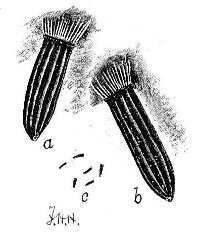
Fig 200. Golden Mouse or Orange-Ear Hawkweed. Devil's Paint-Brush. Hieracium aurantiacum.
Golden Mouse or Orange-Ear Hawkweed. Devil's Paint-Brush. Hieracium aurantiacum. Flowers orange yellow; achenes jet black, oblong, straight or curved, apex truncate, base abruptly tapering, cylindrical, the sides bearing 10 narrow, vertical ridges. Introduced from Europe. In Eastern New York and Western Massachusetts meadows abound in large areas of this vile weed, 1.8–2.2 mm. long.
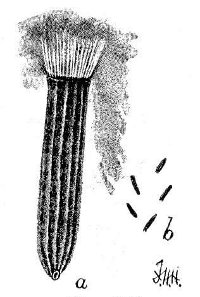
Fig 201. Mouse-Ear Hawkweed. Hieracium Pilosella L.
Mouse-Ear Hawkweed. Hieracium Pilosella L. Flowers yellow; achenes jet black, oblong, straight or curved, apex truncate, base abruptly pointed, cylindrical or narrowly oval, the sides bearing 10 narrow vertical ridges. Introduced from Europe. The achenes very closely resemble those of the orange hawkweed. It doesn't matter much, for the habits are the same, and one is about as noxious as the other. Introduced from Europe.
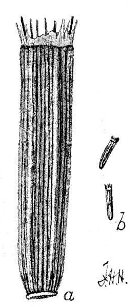
Fig 202. Elecampane. Inula Helenium L.
Elecampane. Inula Helenium L. Flowers yellow; achenes light brown, straight or curved, linear, flattened, 4–5 mm. long, 4 sided with 5–8 obscure vertical ridges on each side, apex concave, the margin bearing a circle of short stiff bristles, the remains of longer ones. Introduced from Europe. Not common.
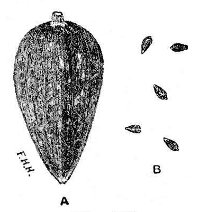
Fig 203. Marsh Elder. Iva xanthiifolia (Fresen.) Nutt.
Marsh Elder. Iva xanthiifolia (Fresen.) Nutt. Achenes various shades of brown to black, flattened or rhombic in section, obovoid, 1.5–2 mm. long, longitudinally, striate with fine lines. Native to the upper peninsula of Michigan where it most likely was at one time introduced from the west. It has not been found in the lower peninsula, probably because it had no means of coming across Lake Michigan.
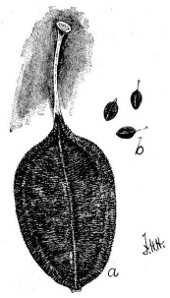
Fig 204. Wild Lettuce. Lactuca Canadensis L.
Wild Lettuce. Lactuca Canadensis L. Flowers yellow; achenes black or nearly so, flattened, oval, bearing 3 ribs, the lateral ones sometimes double, the middle one slender, surface abounding in minute transverse ridges as seen under a lens, the remains of a beak sometimes remaining. Native of this country. Other species of Lettuce are more or less troublesome.
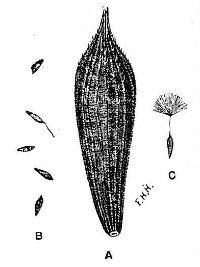
Fig 205.Prickly Lettuce. Lactuca virosa L.
Prickly Lettuce. Lactuca virosa L. For many years erroneously called Lactuca scariola. Flowers yellow; achenes dull, dark brown, mottled with black, flattened, bearing 5–7 rough, vertical ridges, interspersed by as many smaller ones; oblong, obovate, widest toward the tapering apex. 3–3.5 mm. long. Some of the leaves turn one edge up and the other down. Introduced from Europe and has proved itself a remarkable traveller.
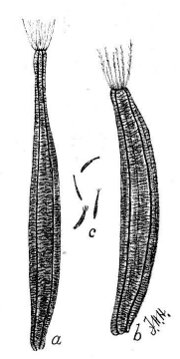
Fig 206. Fall Dandelion. Leontodon autumnalis L.
Fall Dandelion. Leontodon autumnalis L. Flowers yellow; achenes light brown, linear, with 5 broad, rounded ribs; achene 4–6.5 mm. long, straight or curved, the outer traversed, with low transverse ridges. Introduced from Europe.
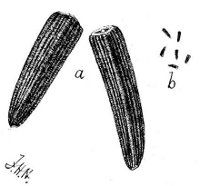
Fig 207. Black-eyed Susan. Yellow Daisy. Rudbeckia hirta L.
Black-eyed Susan. Yellow Daisy. Rudbeckia hirta L. Achene purple-brown to black, slightly tapering from base to apex 1.5–1.8 mm. long, base abruptly pointed, apex truncate, in cross section nearly square, having 5–7 slender vertical ridges on each side besides a larger one at each of the four corners. Widely distributed in meadows and pastures.
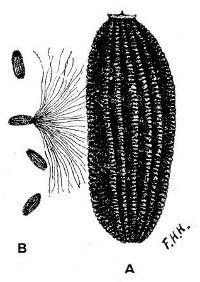
Fig 208. Corn Sow-Thistles. Sonchus arvensis L.
Corn Sow-Thistles. Sonchus arvensis L. Flowers yellow; achenes dull, dark reddish brown, oblong, extremities blunt, slightly flattened, bearing four coarse, fold-like ridges, with two smaller ridges between each of the two large ones, transversely wrinkled, 2.5–3 mm. long. This species is a perennial spreading by roots-stalks as well as by seeds. Introduced in Europe.
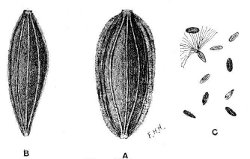
Fig 209. Spiny Sow-Thistle. Sonchus asper (L.) Hill.
Spiny Sow-Thistle. Sonchus asper (L.) Hill. Flowers pale yellow; achenes dull straw-color to reddish brown, much flattened, obovate, oblong, extremities blunt, each side bearing 3–5 vertical ridges, surface nearly smooth, 2.5–3 mm. long. Introduced from Europe.
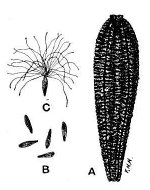
Fig 210. Common Sow-Thistle. Sonchus oleraceus L.
Common Sow-Thistle. Sonchus oleraceus L. Flowers pale yellow; achenes reddish brown, linear, oblanceolate, 3 mm. long, flattened extremities blunt, 5 uneven wrinkled ridges on each side. Introduced from Europe.
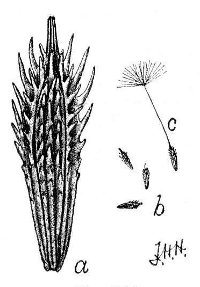
Fig 211. Red-Seeded Dandelion. Taraxacum erythrospermum Andrz.
Red-Seeded Dandelion. Taraxacum erythrospermum Andrz. Achene bright red or red reddish brown, flattened, oblanceolate, 3 mm. long, 1 mm. wide or less, the red beak 1 mm. long, prickles often extending nearly to the base along twelve vertical ribs, the achenes narrower, shorter, much darker in color, with prickles extending farther down the ribs, the short beak longer; the plant is earlier, often smaller, when compared with the other species.
Doubtless this is more common than has been reported, having been overlooked. Introduced from Europe.
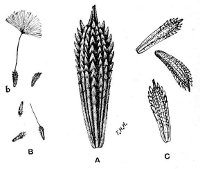
Fig 212.>Dandelion. Taraxacum officinale Weber. Taraxacum Taraxacum (L.) Karst.
Dandelion. Taraxacum officinale Weber. Taraxacum Taraxacum (L.) Karst. Flowers yellow; achenes dull light to dark brown, flattened oblanceolate, thread-like beak two to three times as long as the achene, the stout colored beak 0.5 mm. long. The most conspicuous character of the achenes lies in the barb-like-toothed edges and ridges of each of the similar faces, extending along the upper half. Achene, 3–4 mm. long, having twelve longitudinal ridges, 1.2 mm. wide. Introduced from Europe. Troublesome on thin lawns.
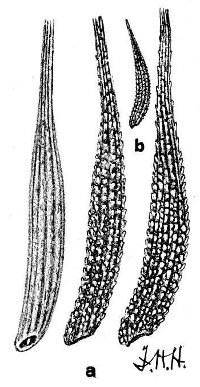
Fig 213. Salsify. Oyster-Plant. Tragopogon porrifolius L.
Salsify. Oyster-Plant. Tragopogon porrifolius L. Flowers purple; achenes dull light brown, nearly cylindrical; apex tapering, mostly terminating in a slender beak which is often longer than the body of the achene. Achene straight or curved, 10-ribbed, 12–18 mm. long, outermost coarsely roughened by upwardly directed, whitish, scale-like projections. Native of Europe.
Meadow Salsify. Yellow Goat's Beard. Tragopogon pratensis L. Flowers yellow; achenes dull, light brown, nearly cylindrical, apex tapering, mostly terminating in a slender beak. Achene straight or curved, 10-ribbed, 12–15 mm. long, the inner ones of the head smooth, the outer-most coarsely roughened by upwardly directed, whitish, scale-like projections. Introduced from Europe.
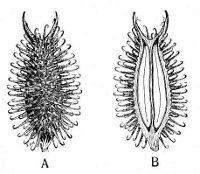
Fig 214. American Cocklebur. Xanthium Canadensis Mill.
American Cocklebur. Xanthium Canadensis Mill. Achenes or burs reddish brown, oblong, circular in section, two-beaked, about 20 mm. long, covered with stout hooked prickles. Each bur encloses two seeds. Native of this country.
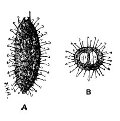
Fig 215. Spiny Clotbur. Xanthium spinosum L.
Spiny Clotbur. Xanthium spinosum L. Bur oblong, light brown, very slightly flattened, 10–13 mm. long, the beaks weak and small, small hooked prickles 3–4 mm. long, each bur contains two seeds. Introduced from Europe.
Broad Cocklebur. Xanthium strumarium L. Bur dark brown, oval, circular in sections 12–22 mm. long, beaks stout, nearly straight, spines about 5 mm. long, surface of burs and base of spines clothed with minute hooked prickles. Naturalized from Europe.