INDEX.
Reading edition
Name,----Page
Abutilon, 145
Acalypha, 143
Ac-cum´bent, leaning or lying upon, applied to cotyledons when the caulicle (radicle) is folded against their contiguous edges, shown as [Symbol: 0== rotated 90 deg. clockwise].
A-chene´, achenium, a small, dry, one-seeded, indehiscent fruit, likely to be mistaken for a seed.
Achillea, 160
Acnida, 126
A-cu´min-ate, ending in a prolonged tapering point.
Agrimonia, 138
Agrimony, tall hairy, 138
Agrostemma, 128
Agropyron, 110
Aizoaceae, 128
Alfalfa, 140
Allium, 119
Alfilaria, 142
Alsike clover, 141
Alsine, 131
Alyssum, 132
Alyssum, hoary, 133
Amaranth, 126, 127
Amaranth family, 126
Amaranthaceae, 126
Amaranthus, 127
Ambrosia, 160, 161
American jute, 145
Anacardiaceae, 145
A-nat´ro-pous, a name applied to an ovule or seed which grows so that the funiculus coheres to the whole length forming a raphe along the edge bringing the hilum near the micropyle while the chalaza is at the other extremity.
Annual fleabane, 165
Anthemis, 161
Apetalous pepper-grass, 135
A´pex, the tip or growing point of an organ.
Arctium, 162
Arenaria, 129
Artemisia, 162
Artichoke, 167
Asclepiadaceae, 149
Asclepias, 149
Atriplex, 124
Avena, 110
Awn, a bristle-shaped appendage.
Ax seed, 139
Ax wort, 139
Ball mustard, 137
Barbarea, 133
Barbed, furnished with rigid points or short bristles, usually reflexed like the barb of a fish-hook.
Barnyard grass, 114
Beaked nightshade, 156
Beaver poison, 148
Beggar-ticks, 163
Bermuda grass, 113
Berteroa, 133
Bidens, 162, 163
Biennial wormwood, 162
Bindweed, 150
Bird's-foot trefoil, 139
Bitter buttercup, 131
Bitter dock, 122
Black-eyed susan, 169
Black medick, 139
Black mustard, 134
Black nightshade, 156
Black swallow-wort, 149
Bladder campion, 130
Bladder Ketmia, 146
Bloom-fell, 139
Bluefield madder, 159
Blue grass, 116
Blue grass, Canadian, 116
Blue grass, Kentucky, 116
Blue Vervain, 153
Borage family, 152
Boraginaceae, 152
Bouncing Bet, 129
Broad-leaved Dock, 122
Broad-leaved plantain, 159
Brome grass, 112
Bromus, 111
Buckwheat family, 119
Buckwheat, wild, 120
Bulbous buttercup, 132
Bull thistle, 164
Burdock, 162
Bur-grass, 112
Bur-marigold, 162
Bur-seed, 152
Bursa, 134
Buttercup, bitter, creeping, or tall, 131
Butter and eggs, 156
Camelina, 134
Canada thistle, 164
Canadian blue grass, 116
Capriola, 113
Capsella, 134
Carduus, 164, 165
Carpet-weed, 128
Car´un-cle, an excrescence or protuberance near the hilum of a seed.
Caryophyllaceae, 128
Cashew family, 145
Catch-fly, 129, 130
Catmint, 154
Catnip, 154
Celandine, 132
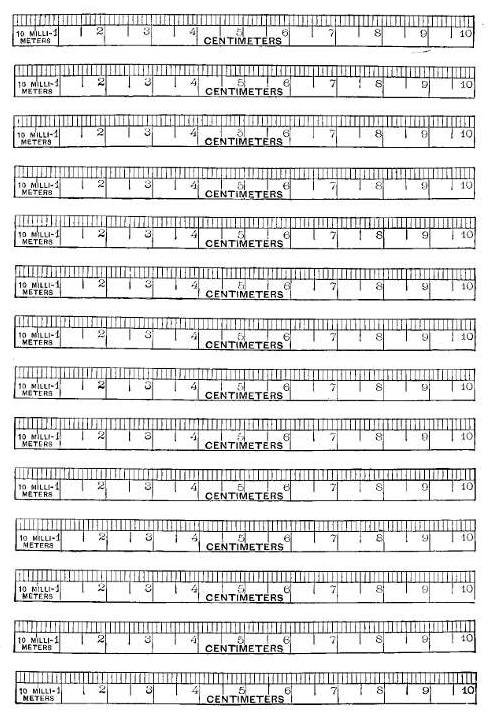
c. m. centimeter, see ruled lines on last page, 183
Cenchrus, 112
Centaurea, 163
Centimeter, see ruled lines on last page, 183
Cerastium, 129
Chaetochloa, 117
Charlock, 133
Cheat, 112
Cheeses, 146
Chelidonium, 132
Chenopodiaceae, 124
Chenopodium, 124, 125, 126
Chess, barren, field, smooth, soft, 111
Chickory, 164
Chickweed, 129, 131
Chrysanthemum, 163
Cichorium, 164
Cicuta, 148
Cinquefoil, silvery, 138, 139
Cirsium, 164, 165
Claviceps, 110
Climbing false buckwheat, 121
Clover dodder, 151
Cockle, 128
Cocklebur, 171
Co´ma, a tuft of hair on a seed.
Common chickweed, 131
Common milkweed, 149
Common speedwell, 157
Compositae, 160
Composite family, 160
Conium, 148
Conringia, 135
Convolvulaceae, 150
Convolvulus, 150
Corn camomile, 161
Corn gromwell, 153
Coronilla, 139
Couch grass, 110
Cow-cress, 136
Crab-grass, 113-114
Crassulaceae, 138
Creeping buttercup, 132
Crepis, 165
Cress, cow, 136
Crimson clover, 141
Crowfoot, 131
Crowfoot family, 131
Cruciferae, 132
Curled Dock, 122
Cut-leaved Crane's bill, 142
Cuscuta, 150, 151
Cycloloma, 126
Cynanchum, 149
Cynodon, 113
Cynoglossum, 152
Cyperaceae, 118
Cyperus, 118
Cypress spurge, 143
Daisy fleabane, 166
Dandelion, 170
Datura, 155
Daucus, 148
Dead nettle, 154
Del´toid, shaped like the Greek letter delta; triangular.
Devil's paint-brush, 167
Digitalis, 113
Diplotaxis, 135
Dipsaceae, 160
Dipsacus, 160
Dock, 121
Dock-leaved Persicaria, 120
Dodder, 150
Dog's fennel, 161
Echinochloa, 114
Elecampane, 167
Eleocharis, 118
Eleusine, 114
El-lip´tic-al, oblong and rounded at the ends; longer than oval.
Em´bry-o, the little plant forming a part of the seed, usually consisting of caulicle, one or more cotyledons and a plumule.
Eragrostis, 115
Erechtites, 165
Ergot, 110
Erigeron, 165, 166
Erodium, 142
Erysimum, 135
Euphorbia, 143, 144
Euphorbiaceae, 143
Evening primrose, 147
Evening primrose family, 147
Fall dandelion, 168
False Buckwheat, 121
False flax, 134
Fe´male flow´er, one having pistils only, but no stamens; pistillate flower.
Fer´tile, producing fruit, or reproductive bodies of any kind.
Field dodder, 150
Field garlic, 119
Field madder, 159
Field pepper-grass, 136
Figwort family, 156
Fire-weed, 165
Five finger, 139
Flat-stemmed Poa, 116
Flax dodder, 150
Fleabane, 165, 166
Floral glume
Flo´ret, a single flower of a head or cluster, especially in Compositae.
Forked catchfly, 130
Foxtail, green, yellow, 117
Garlic, field, wild, 119
Gaura, 147
Geraniaceae, 142
Geranium family, 142
Glume, one of the outer floral envelopes in grasses or sedges. The term as now used includes the bracts (empty glumes) which subtend a spikelet and the lower of the two bracts subtending the individual flower (flowering or floral glume, lemma).
Gnaphalium, 166
Golden pepper-grass, 136
Goosefoot, 125
Goosefoot family, 124
Grain, the caryopsis or fruit of Gramineae; any small seed.
Grass, crab, 114
Grass family, weeds in, 110
Grass, old witch, 115
Grass, porcupine, 117
Grass, stink, 115
Green foxtail, 117
Great bindweed, 150
Great burdock, 162
Great ragweed, 161
Grindelia, 166
Gronovius' dodder, 151
Ground honeysuckle, 139
Gum plant, 166
Hare's ear, 135
Has´tate, like the head of a halberd—applied to leaves which have a spreading lobe on each side of the base.
Hawksbeard, 165
Heal-all, 155
Hedge bindweed, 150
Hedge mustard, 137
Helianthus, 167
Hibiscus, 146
Hieracium, 167
Hillman, F. H., graduate of the College in 1888; expert draftsman of the seed Division of Washington, D. C, 103
Hilum, 134
Hi´lum, the scar or point of attachment of a seed.
Hoarhound, 154
Hoary alyssum, 133
Hoary cress, 136
Honeysuckle, ground, 139
Hordeum, 115
Horse nettle, 155
Horse-weed, 165
Hound's tongue, 152
Hypericaceae, 147
Hypericum, 147
Illecebraceae, 128
In-cum´bent, leaning or lying upon; applied to cotyledons when the caulicle is folded against the track of one of them, shown as [Symbol: || o].
Indian mallow, 145
Indian mustard, 133
Indigenous, 139
In-dig´e-nous, native and original to the region.
Inula, 167
Iva, 167
In´vo-lu-cre, a set of bracts immediately subtending a flower or inflorescence.
Jerusalem oak, 125
Jimson weed, 155
Juncaceae, 118
June grass, 116
Keel, the joined pair of petals in a papilionaceous corolla; a projecting ridge along the back of an organ.
Knawel, 128
Knot-grass, 119
Knotweed, 120
Knotweed family, 128
Labiatae, 154
Lactuca, 168
Lady's Thumb, 121
Lamb's quarters, 124
Lamium, 154
Lan´ce-o-late, tapering abruptly towards the base and gradually towards the apex, like the head of a lance.
Lappula, 152
Large-bracted plantain, 158
Leafy spurge, 143
Leguminosae, 139
Leontodon, 168
Leonurus, 154
Lepidium, 136
Leptilon, 165
Liliaceae, 119
Lily family, 119
Linaria, 156
Lin´e-ar, very narrow with the margins parallel or nearly so.
Lithospermum, 153
Low cudweed, 166
Lucerne, 140
Lotus, 139
Low hop-clover, 141
Madder family, 159
Mallow, 145, 146
Mallow family, 145
Malva, 146
Malvaceae, 145, 146
Mammoth clover, 141
Many-seeded goosefoot, 126
Maple-leaved goosefoot, 125
Marsh elder, 167
Marubium, 154
May-weed, 161
Medicago, 139, 140
Melilotus, 140
Mexican tea, 125
Milfoil, 160
Milkweed, 149
Milkweed family, 149
Millimeter, see last page of this bulletin
Mint family, 154
m. m. Millimeter, see ruled lines on last page, 139
Mollugo, 128
Morning-glory family, 150
Mossy stonecrop, 138
Motherwort, 154
Moth mullein, 156
Mouse-ear chickweed, 129
Mouse-ear hawkweed, 167
Mullein, 156, 157
Musquash-root, 148
Mustard, 133, 134, 135
Mustard family, 132
Narrow-leaved dock, 122
Narrow-leaved hawk's beard, 165
Narrow-leaved plantain, 158
Nepeta, 154
Neslia, 137
Nettle family, 119
Nettle-leaved vervain, 153
Night-flowering catchfly, 130
Nightshade, 156
Night-shade family, 155
Nonesuch, 139
Nut-grass, 118
Oak-leaved goosefoot, 125
Oat, wild, 110
Ob-lan´ce-o-late, lanceolate in form, but tapering toward the base more than toward the apex.
Ob´long, longer than wide with nearly parallel sides. Compare Oval.
Ob-o´vate, a flat body broader toward the apex than the base. See Ovate.
Ob-o´void, a solid body broader towards the apex than the base. See Ovoid.
Ob-tuse´, having a rounded end or apex; blunt.
Oenothera, 147
Old witch grass, 115
Onagraceae, 147
Orache, spreading, 124
Orpine family, 138
O´val, about twice as long as broad, with regular curved outlines, broadly elliptical.
O´vate, like a longitudinal section of an ordinary hen's egg, with the attachment, if any, at the broad end.
O´void, the shape of a hen's egg and attached, if at all, at the large end.
Ovoid spike rush, 118
Ox-eye daisy, 163
Oyster-plant, 170
Paint brush, 167
Pa´le-a, Pa´let, the upper bract which with the floral glume incloses the flower in grasses.
Pale persicaria, 120
Panicum, 113
Panicum capillare, 115
Panicum, smooth, 115
Papaveraceae, 132
Parsley family, 148
Parsnip, wild, 149
Pastinaca, 149
Patience dock, 123
Pennsylvania persicaria, 120
Penny cress, 137
Peppergrass, 135, 136
Persicaria, dock-leaved, 120
Pigeon grass, 117
Pigweed, 124
Pigweed family, 124
Pink family, 128
Plantago, 158, 159
Plantain family, 158
Poa annua, 116
Poa compressa, 116
Poa, flat-stemmed, 116
Poa pratensis, 116
Poison hemlock, 148
Poison ivy, 145
Polygonaceae, 119
Polygonum, 119-120
Poppy family, 132
Porcupine grass, 117
Portulaca, 131
Portulacaceae, 131
Potentilla, 138, 139
Prickly lettuce, 168
Prickly sida, 146
Prostrate amaranth, 127
Prunella, 155
Pu-bes´cent, clothed with soft and rather short hairs.
Pulse family, 139
Purple Jimsonweed, 155
Purple-stemmed beggar-ticks, 163
Purslane family, 131
Purslane speedwell, 157
Pusley, 131
Quack grass, 110
Ragweed, 160
Ranunculaceae, 131
Ranunculus, 131, 132
Ra´phe, the adherent funiculus connecting the hilum and chalaza in anatropous or amphitropous ovules or seeds.
Red clover, 141
Red-seeded dandelion, 170
Red root, 153
Re-tic´u-late, in the form of network.
Rhus, 145
Rib-grass, 158
Rocket, yellow, 133
Root, the descending axis which is destitute of leaves or nodes.
Root stock, rhizome, a stem usually subterranean and more or less thickened, producing young branches.
Rosaceae, 138
Rose family, 138
Rough cinquefoil, 139
Rough pigweed, 127
Rudbeckia, 169
Rugel's broad-leaved plantain, 159
Rumex, 121, 122, 123
Running mallow, 146
Rush family, 118
Rush, slender, 118
Rush, spike, 118
Russian thistle, 126
Rutabaga, 133
Rye, 116
Salsify, 170
Salsola, 126
Sand-bur, 112
Sand plantain, 158
Sand rocket, 135
Sandwort, 129
Saponaria, 129
Scarlet clover, 141
Scleria, 128
Scrophulaceae, 156
Secale, 116
Sedge family, 118
Sedum, 138
Self-heal, 155
Setaria glauca, viridis, 117
Sheep sorrel, 122
Shepherd's purse, 134
Sherardia, 159
Shore knot-weed, 120
Sida, 146
Silene, 129, 130
Silvery cinquefoil, 138
Sisymbrium, 137
Sleepy catchfly, 129
Slender pigweed, 127
Slender nettle, 119
Slender rush, 118
Small alyssum, 132
Smaller burdock, 162
Small-flowered crane's bill, 142
Small-flowered crowfoot, 131
Small-fruited false flax, 134
Smut-weed, 120
Solanaceae, 155
Solanum, 155, 156
Sonchus, 169
Sorrel, 121
Sour dock, 121
Sow-thistle, 169
Spanish dodder, 151
Spear grass, 116
Speedwell, 157
Spergula, 130
Spike´let, a small or secondary spike, as found in grasses.
Spotted spurge, 144
Spring clotbur, 171
Spring sow-thistle, 169
Spurge family, 143
Spurry, 130
Squirrel-tail grass, 115
St. John's-wort family, 147
Star thistle, 163
Stellaria, 131
Ster´ile, not fertile.
Stick-seed, 152
Stink grass, 115
Stipa spartea, 117
Stonecrop, mossy, 138
Stork's-bill, 142
Stri´ate, striped with parallel ridges and grooves.
Swallow-wort, 149
Swamp begger-ticks, 163
Sweet clover, 140
Sweet everlasting, 166
Syntherisma, 113
Tall buttercup, 131
Tall mustard, 137
Taraxacum, 170
Teasel family, 160
Thistle, 164
Thistle, Russian, 126
Thorn apple, 155
Three-seeded mercury, 143
Thyme-leaved sandwort, 129
Thyme-leaved speedwell, 157
Thyme-leaved spurge, 144
Toad-flax, 156
Tragopogon, 170
Treacle mustard, 135
Trefoil, 139
Trifolium, 141, 142
Trun´cate, terminating abruptly, as though cut off or flattened at the end. Compare Premorse and Succise.
Tu´ber-cle, a swollen part or a root due to bacteria. Usually applies to such as possess the power to fix nitrogen; a little tuber.
Tumbleweed, 127
Tumbling mustard, 137
Umbelliferae, 148
Upright spotted spurge, 144
Urtica, 119
Velvet leaf, 145
Velvet-leaved mullein, 157
Verbascum, 156, 157
Verbena, 153
Verbenaceae, 153
Veronica, 157
Vervain family, 153
Vincetoxicum, 149
Wall speedwell, 157
Water hemlock, 148
Water hemp, 126
Weed, defined, 103
Weed, what enables a plant to become one, 105
Weeds, disadvantages of, 104
Weeds, found in certain crops and why, 107
Weeds, how introduced and how spread, 106
Weeds, how to exterminate, 108
Weeds, lists of, in clovers and grasses, 107
Weeds of Michigan compared with those elsewhere, 107
Weeds, some small benefits from, 104
Weeds, where certain ones are troublesome, 107
Weeds, where they come from, 107
Western water hemp, 126
Wheat thief, 153
White clover, 142
White hoarhound, 154
White sweet clover, 140
Whorled mallow, 146
Wild carrot, 148
Wild comfrey, 152
Wild garlic, 119
Wild lettuce, 168
Wild parsnip, 149
Wild peppergrass, 136
Willow-leaved dock, 123
Winged pigweed, 126
Wild buckwheat, 120
Wild oat, 110
Winter cress, 133
Wire grass, 114, 116
Witchgrass, old, 115
Worm-seed, 135
Wormwood, 162
Xanthium, 171
Yard grass, 114
Yarrow, 160
Yellow alyssum, 132
Yellow daisy, 169
Yellow foxtail, 117
Yellow goat's beard, 170
Yellow rocket, 133
☞ If not familiar with the decimal scale used in recording measurements in this volume, the reader can clip out one of those found below and use it for measuring.