INDEX.
Reading edition
Aboyne, Aberdeenshire, bronze armlets found near, 148.
Aby, Sodermanland, Sweden, Runic monument at, 99, 101.
Airlie, Forfarshire, Earth-houses at, 292.
Analysis of oval bowl-shaped brooches, 41.
—— of bronze armlets, 148, 161.
Animal Remains found in Brochs, 215, 221, 222, 231, 237, 238.
Armlets of bronze, massive, penannular, decorated in relief and with enamels, 141-155.
—— spiral and serpent-formed, 156-161.
—— found in Earth-houses, 297.
—— found in Broch of Yarhouse, 231.
Arm-rings of silver, 86, 87, 88, 109.
Arms buried with Christian dead, 5, 6.
Architecture of the Brochs of Scotland, 174-208.
Art, Celtic, of the Pagan Period, 112.
Auchenbadie, Banffshire, bronze armlets found at, 144.
Auchindoir, Aberdeenshire, Earth-houses at, 292.
Aucorn, Caithness, vessels of sandstone found at, 75.
Axe-head, inlaid with silver, from Mammen How, 97.
Axes found in Viking graves, 21.
Ayrshire, the crannogs of, 269.
Backies, Sutherlandshire, Broch of, 202.
Balearic Islands, the Talayots of, 206.
Ball of bronze ornamented with spiral patterns, 161, 162.
Balls of stone ornamented with spiral and other patterns, 162–170.
Ballinaby, Islay, Viking graves at, 14, 38.
Balmaclellan, Kirkcudbright, bronze mirror and other articles found at, 126.
Barra, grave mound in, 42.
Bayeux Tapestry, maces figured in the, 170.
Bead of Vitreous Paste found in Broch of Bowermadden, 233.
Beads of variegated glass found in Viking graves, 27.
Ben Ledi, Hill-Fort on a spur of, 275.
Birdlip, near Gloucester, bronze mirror found in a grave at, 132.
Birrenswark, Annandale, enamelled bridle-bit found at, 123.
Bishops buried with their vestments, 5.
Bodinar, Cornwall, hut structures at, 207.
Borrowston, Shapinsay, Orkney, Broch of, 197.
Bowermadden, Broch of, 232.
Braavalla Heath, battle of, 60.
Brass, hammer-marked plates of, found in Broch of Carn-liath, 222.
Brochs, Architecture of the, 174–208.
—— geographical distribution of the, 192.
Bronze, vessels of, from Dowalton Loch, 266, 268.
Brooch of Brass, circular, found at Yarhouse, 225.
Brooches, oval, bowl-shaped, found in Viking graves, 24, 38, 39, 40, 44, 45,57.
—— analysis of, 41.
—— geographical distribution of, 34.
—— silver, penannular, with knobs like thistle-heads, 54, 79, 81, 93, 101, 102.
Broomhouse, Berwickshire, Earth-house at, 282.
Brounaben, Caithness, Broch of, 200.
Buchaam, Strathdon, Earth-house at, 285.
Bunrannoch, Perthshire, bronze armlets found at, 149, 153.
Burghead, silver mounting of a drinking-horn found at, 46.
310Burghead, fort built with logs and stones at, 279.
Burial, survival of Pagan customs in Christian, 3.
—— clothed and with grave-goods, 4, 5, 6, 7.
—— of laymen in clerical habits, 6.
Burials in the mounds covering the ruins of Brochs, 219, 225.
—— with urns of steatite in Orkney and Shetland, 66–76.
—— in Norway, 77.
Burraness, island of Yell, Shetland, Broch at, 184.
—— Unst, Shetland, Broch of, 195.
Burray, Orkney, east Broch of, 197,236.
Burrian, North Ronaldsay, Broch of, 245.
Burwick, near Stromness, Broch of, 202, 238.
Bute, island of, gold fillets and rings found in, 107.
Cairn Conan, Forfarshire, Earth-house at, 294.
Caithness, the Brochs of, 209, 223, 232, 234.
—— oval brooches found in, 43, 45.
Caldale, Kirkwall, arm-rings of silver found at, 109.
Caledonian Valley, number of Brochs to the north of the, 192.
Campbell, William, of Ballinaby, Viking graves discovered by, 14.
Carn-liath, Sutherlandshire, Broch of, 202, 221.
Cassimir, Frederick, buried with his arms and horse, 6.
Castle Cole, Sutherlandshire, Broch of, 185, 194.
Castle Newe, Aberdeenshire, enamelled bronze armlets at, 141.
Caterthun, Forfarshire, Hill-Fort of, 274.
Chapel Euny, Sancreed, Cornwall, Earth-house at, 305.
Charcoal, ritualistic use of, in Christian burial, 8, 9.
Charlemagne, manner of the burial of, 4.
Childeric, King, manner of the burial of, 4.
Clay, vessels of, with incense and holy water, use of, in Christian burial, 9,10, 11, 12.
Clergy buried in their vestments, 5.
Clibberswick, Unst, pair of oval brooches and trefoil ornament found at, 47.
Clickamin, Lerwick, Broch of, 195, 196.
Cloth of various kinds, fragments of, from Viking graves, 42, 55.
Cloth, castings of texture of, in bowl-shaped brooches, 41.
—— Hood of Woollen, from moss in Orkney, 103.
Clothing, burial of, with Christian dead, 4, 5, 6.
Clova, Aberdeenshire, Earth-house at, 288.
Cockburn Law, Berwickshire, Broch at, 186.
Coins, Cufic and Anglo-Saxon, found with hoards of silver ornaments, 88, 89, 91.
—— Roman, found in Broch of Lingrow, 244.
Coldoch, Perthshire, Broch of, 190.
Combs of bone, double-edged, found in Brochs, 237, 240, 249, 250.
—— round-backed, found in Brochs, 233, 240, 249.
—— long-handled, found in Brochs, 213, 222, 240, 241, 251.
Cornwall, Earth-houses of, 305.
Corquoy, Rousay, Orkney, urn of steatite found at, 71.
Craig Beg, Ballater, ornamented stone ball found at, 165.
Craig Phadrig, near Inverness, Vitrified Fort of, 277.
Crannog of Loch Laoghaire, the siege of the, 271.
Crannogs of Dowalton Loch, 264.
—— of Ayrshire, 269.
Cranokis of the Isles, the, 271.
Cremation a typical characteristic of Pagan burial, 2.
—— punishable with death, 4.
—— narrative by an eye-witness of the ceremonies attending a burial after, 61.
Crichie, near Kintore, bronze ornaments found at, 123.
Crichton Mains, Midlothian, Earth-house at, 301.
Crosiers, burial of, with archbishops, 5.
Crucibles found in Brochs, 221.
Cuerdale, hoard of silver ornaments and coins at, 91.
Culbin Sands, Elginshire, bronze spiral armlet found at, 156.
Cullswick, Shetland, Broch at, 185, 195.
Culsh, Aberdeenshire, Earth-house at, 287.
Cup-markings on rocks and stones, area of, 299.
Dice of bone found in Broch of Burrian, 248.
311Discs of polished stone found in Brochs and Crannogs, 220, 232, 236, 241, 270.
Dowalton Loch, Crannogs in, 264.
—— bronze mounting found in, 123.
Drinking-horn, silver mounting of a, 46.
Drumside, Belhelvie, Aberdeenshire, bronze armlets found at, 146, 147.
Dun Alisaig, Ross-shire, Broch of, 185.
—— Carloway, Lewis, Broch of, 185.
—— Dornadilla, Sutherlandshire, Broch of, 185.
—— Mac Uisneachan, Loch Etive, Vitrified Fort of, 277.
Dunsinnane, description of the Hill-Fort of, 281.
Earth-houses of Scotland, Ireland, and Cornwall, 282, 304.
—— of Scotland, period of, 304.
Eigg, Viking graves in, 48, 49, 53, 54.
Elgin, ornamented stone ball found at, 162.
Elie, in Fife, Earth-house at, 292.
Enamel on shields, bridle-bits, horse-trappings, and armlets, 120, 123, 125, 126, 141, 143.
Eriboll, Sutherlandshire, Earth-house at, 289.
Erik, King of Denmark, buried with his sword, 5.
Esthonia, relapse of Christian converts to heathenism in, 4.
Eucharist, spoon used in celebration of the, 134.
Fair Isle, urn of steatite found in, 73.
Finhaven, near Aberlemno, Vitrified Fort of, 277.
Fordoun, Kincardineshire, ornamented stone ball found at, 164.
France, Celtic or Gaulish forts of, 280.
Freelands, Glasterlaw, ornamented stone ball found at, 164.
Garrywhoine, Caithness, Hill-Fort of, 273.
Gauls, shields and helmets of the, 119.
Gisli the Soursop, Saga of, 290.
Glas Hill, Towie, ornamented stone ball found at, 163.
Glass, variegated beads of, found in Viking graves, 27.
—— black, smoothing implements of, found in Viking graves, 30, 36.
Glenelg, Brochs in the valley of Glenbeg in, 181, 182.
Gökstad, near Sandefiord, ship-burial at, 64.
Gold, hoards of ornaments of, 106, 107, 108.
Goni, Sardinia, Nuraghe of, 193.
Grain, charred, found in Brochs, 234.
Grave-goods, Christian burials with, 4, 5, 6, 7.
Grange of Conan, near Arbroath, bronze spiral armlet found at, 160.
Hamilton, Dr. Edward, investigation of Vitrified Forts in Arisaig by, 279.
Harald, Earl of Orkney, 200.
Harness, bronze mountings of, 122, 123.
Haroldswick, Unst, Shetland, grave-mound at, 74.
Harpsdale, Caithness, Broch of, 199.
Harray, Orkney, Broch at Manse of, 198, 199, 236.
Hell-shoes bound on the feet of the dead, 6.
Helmets of bronze with horns, 116.
Hildebrand, B. E., on the supposed Oriental origin of the silver hoards of the Viking time, 90.
Hildetand, King Harald, burial of, 60.
Hill-Forts of Scotland, 272.
Hoards of silver ornaments and coins, 78, 89, 109.
—— of gold ornaments, 106, 107, 108.
Hogsetter, Whalsay, Shetland, defensive structure in the Loch of, 260.
Hood of woollen fabric found in a moss in Orkney, 103.
Horse, the flesh of the, as an article of food, 215.
Hravnkel Freysgode, grave-mound of, 59.
Ibn-Fozlan, Ahmed, narrative of a burial after cremation by, 61.
Illumination from fourteenth-century manuscript, representing a burial service, 12.
Impernal, construction of the ramparts of, 280.
Ingots of silver, 88, 107.
Iron, tools and weapons of, found in Viking graves, 14, 15, 45, 52, 56, 58.
—— articles of, found in Brochs, 213, 214, 219, 221, 223, 232, 234, 237, 250, 257.
—— articles of, found in Earth-houses, 285, 295, 298.
Kettleburn, Caithness, Broch of, 200, 209.
Key of iron from a grave of the Viking time in Westray, 58.
Kildrummy, Aberdeenshire, Earth-houses at, 292.
Kings and Clergy, manner of the burial of, in Middle Ages, 4.
312Kinord, Aberdeenshire, Earth-house at, 291.
Kintradwell or Kintrolla, Sutherlandshire, Broch of, 202, 216.
Knockfarril, in Ross-shire, Vitrified Fort of, 276.
Lake-dwellings of Scotland, 263.
Lamps of stone found in Brochs, 212, 232, 236, 241.
Lenormant, M., on the Truddhu of Southern Italy, 206.
Levenwick, Shetland, Broch of, 234.
Liechestown, Banffshire, swine’s head of bronze found at, 117.
Lingrow, Orkney, Broch of, 242.
Livonia, relapse of Christian converts to heathenism in, 4.
Llanfair, bronze spoons found at, 135, 136.
Loch Duich, Inverness-shire, Broch at, 183.
Maces, mediæval, figured in the Bayeux Tapestry, 170.
Maddad, Earl of Athol, 200.
M’Crie, George, grave-mounds in Rousay explored by, 71.
Metal-work of early Celtic School of Art, characteristics of the decoration of, 140.
Middleby, Annandale, harness mountings of bronze found at, 123.
Midhill Head, Midlothian, Earthwork on, 272.
Migvie, Aberdeenshire, Earth-house at, 284.
Mirrors of bronze, Celtic, 127, 130, 132.
—— Roman, 133.
Möklebust, Norway, grave-mound at, 62.
Montrose, pierced vases of clay in a Christian grave at, 11.
Mould of Clay for making Bronze Pins found in Broch of Lingrow, 245.
Mountings of bronze found at Henshole on Cheviot, 122.
Mousa, Shetland, the Broch of, 174, 200.
Munro, Robert, M.D., investigation of Crannogs in Ayrshire by, 269.
Murcens, construction of the ramparts of, 280.
Murroes, Forfarshire, Earth-house at, 290.
Neck-rings of silver, 84, 85.
Needles of Bone found in Brochs, 247.
Newry, County Down, Ireland, bronze armlet found at, 154, 155.
Newstead, Roxburghshire, Earth-houses at, 300.
Newton, Islay, oval brooch found at, 39.
Nicolaysen, description of smoothing implements of glass by, 36.
Northmen, Pagan forms of belief of the, 32.
Nuraghi of Sardinia, the, 193.
Olaf, King of Denmark, buried with his sword, 5.
Oland, island of, bronze plaques with representations of warriors found in, 20, 116.
Old Stirkoke, Broch of, 232.
Okstrow, Birsay, Orkney, Broch of, 199, 240.
Orem’s Fancy, Stronsay, Orkney, urns of steatite found at, 67, 68.
Ornament of the bowl-shaped brooches of brass, characteristics of the, 25.
—— of the penannular brooches of silver of the Viking time, 93–99.
Orkney, ornamented stone balls found in, 168, 169.
—— Brochs of, 197, 236, 238, 240, 242, 245.
Orkneyinga Saga, notice of hunting of Reindeer in, 231.
Otranto, Italy, the Truddhu of, 206.
Paganism, typical character of burials of, 2.
Pantellaria, the Sesi of, 206.
Petrie, George, grave-mounds explored by, 58, 67.
Pierowall, Westray, Orkney, grave-mounds of the Viking time at, 55, 58.
Philostratus, notice of enamelling by, 125.
Pins of Bone found in Brochs, 237, 239, 246, 247.
—— of Bronze found in Brochs, 233, 237, 242.
Pirnie, parish of Wemyss, Fife, Earth-house at, 292.
Pitalpin, near Dundee, bronze spiral armlet found at, 159.
Pitkelloney, near Muthil, bronze armlets found at, 143.
Plunton Castle, bronze armlet found near, 137.
Pottery of the Brochs, the, 215, 221, 230, 237, 240, 242, 244.
—— of the Earth-houses, the, 287, 288, 295, 298, 304.
Quendale, Shetland, arm-rings of silver found at, 109.
Quern found at Balmaclellan, Kirkcudbright, 126.
313Querns found in Brochs, 212, 220, 222, 243, 246.
—— found in crannogs, 270.
Rattar, Caithness, arm-rings of silver found at, 109.
Rattray, Castle Hill of, pierced vase of clay found at, 12.
Rendall, William, exploration of Viking graves at Pierowall, Westray, by, 55.
Reindeer, remains of, found in Brochs, 221, 231.
Rhind, Alexander Henry, exploration of the Broch of Kettleburn by, 209.
Rousay, Orkney, urns of steatite found in, 71.
Rygh, Professor, comparison of oval brooches found in Norway and in Scotland by, 35.
Saga of Gisli the Soursop, the, 290.
—— the Orkneyinga, 231.
Sagas, testimony of the, to the forms of heathen burial, 59.
Samian Ware found in Brochs, 237, 242.
—— found in crannogs, 270.
Saucepan of bronze found at Stanhope, Peeblesshire, 152.
—— found in Dowalton Loch, 266.
Seafield Tower, Kinghorn, bronze armlet found at, 154.
Seal, the flesh of the, as an article of food, 215.
Sesi, the, of the Isle of Pantellaria, 206.
Shapinsay, Orkney, urn of steatite found in, 72.
Shaw Hill, Kirkurd, hoard of gold objects found at, 138.
Shields found in Viking graves, 18, 56.
—— of bronze, decorated with enamels and figures of animals, 119.
Ship-burials of the Viking time in Orkney, 59.
—— in Norway, 62, 63.
Shoes, burial with, 6, 7.
Silver, ornaments of, found in Viking graves, 27, 28.
—— hoards of ornaments and coins of, 78, 89, 109.
—— Fibula of, found in the Broch of Carn-liath, 223.
Skaill, Orkney, hoard of silver ornaments found at, 78.
—— ornamented stone balls found at, 168.
Skalagrim, burial of, 59.
Skinnet, Caithness, Broch of, 199.
Skjern, North Jutland, Runic monument at, 99, 100.
Skye, arm-rings of silver found in, 109.
—— ornamented stone ball found in, 167.
Smith, Dr. R. Angus, investigation of Vitrified Fort on Loch Etive by, 277.
Smith’s tools found in Viking graves in Scotland, 23.
—— found in Viking graves in Scandinavia, 35.
Snaburgh, Unst, Shetland, Broch of, 195.
Solomon’s seal, geometric figure called, 255, 256.
Spoons of bronze, Celtic, 134, 136.
Stanhope, Peeblesshire, bronze armlet found at, 150.
Stennis, Orkney, arm-rings of silver found at, 109.
—— urn of steatite found at, 69.
—— finger-rings of gold found at, 106.
Stitchell bronze collar found at, 136, 137.
Stone cups found in Brochs, 218, 233.
Stuart, Professor, description of Earth-houses by, 292.
Sutherlandshire, oval brooches found in, 43.
—— the Brochs of, 216.
Sweindrow, Rousay, Viking sword found at, 45.
Swine’s head of bronze found in Banffshire, 117.
Sword-hilt of Viking time found in Eigg, 49.
—— found at Ultuna in Sweden, 52.
Swords of iron found in Viking graves, 17, 33, 45, 48.
—— with sheaths of bronze, 121.
Sword-sheath of bronze found near Mortonhall, 120.
Talayots, the, of the Balearic Islands, 206.
Tealing, Forfarshire, Earth-house at, 298.
Thor, conventional representations of, 97, 99, 100, 101.
Thor’s Hammer, amulets in form of, 91, 99.
Thorgrim, priest of Frey, burial of, 60.
Tiree, oval brooches found in, 40.
Torrs, Kirkcudbright, bronze object like the frontal of a horse, found at, 112.
Torwood, Stirlingshire, Broch at, 188.
Towers, Round, of Ireland, 204.
Towie, Aberdeenshire, bronze ornaments found at, 122.
Trelan Bahow, Cornwall, bronze mirror found in a grave at, 131.
Truddhu, the, of the Terra d’Otranto, Italy, 206.
314Tune, Norway, ship-burial at, 63.
Tweezers of bronze, 214.
Ultuna, Sweden, grave-mound of Iron Age at, 51, 52.
Unst, Shetland, urns of steatite found in, 74.
Urns of steatite from grave-mounds in Orkney and Shetland, 67, 68, 69, 70, 71, 72, 73, 74, 76.
Uyea, Shetland, urn of steatite found in, 73.
Valhalla of the Northmen, the, 32.
Vases of clay, pierced and containing charcoal and incense, buried in Christian graves, 10, 11, 12.
Vik, in Norway, sword found at, 33.
Vitrifaction, modern practice of, for macadamising roads, 281.
Vitrified Forts of Scotland and France, 275, 280.
Walston, Lanarkshire, ornamented bronze ball found at, 161–162.
Weaving, implements of, found in Brochs, 252.
—— combs used in, 253, 254.
Weston, near Bath, bronze spoons found at, 134, 135.
Westray, Orkney, Viking graves in, 55, 58.
—— large vessel of steatite found in, 76.
Williams, John, description of Vitrified Forts by, 276.
Whale, the flesh of the, as an article of food, 215.
Woollen fabrics from mosses in Orkney and Denmark, 103–106.
Yarhouse, Thrumster, Caithness, the Broch of, 195, 223.
THE END.
Printed by R. & R. Clark, Edinburgh.
a1ARCHÆOLOGICAL AND HISTORICAL WORKS
RECENTLY PUBLISHED.
Now ready, in One handsome Vol., 8vo, pp. xx., 326, with 270 Illustrations,
price 21s.
ANCIENT SCOTTISH LAKE-DWELLINGS
OR CRANNOGS
WITH A
SUPPLEMENTARY CHAPTER ON REMAINS OF
LAKE-DWELLINGS IN ENGLAND
BY
ROBERT MUNRO, M.A., M.D.
F.S.A. Scot.
EXTRACTS FROM REVIEWS.
Times, October 4, 1882.
“It is a most valuable and methodical statement of all the facts connected
with his own excavations in Ayrshire, supplemented by a summary
of what is known of Crannogs and Lake-Dwellings elsewhere. The work is
profusely illustrated with charts, plans, and engravings of many of the
objects discovered during the excavations: it will doubtless become a
standard authority on the subject of which it treats.”
EDINBURGH: DAVID DOUGLAS.
a2Athenæum, November 11, 1882.
“... Our readers may be assured that they will find very much to interest and instruct them in the perusal of the work.”
Saturday Review, October 7, 1882.
“... The issue of these reports in a handy volume was taken in hand by Dr. Munro, and the result is seen in the carefully-prepared and admirably got-up volume to which we have now to invite attention.”
The Nation, New York, October 26, 1882.
“The work here briefly noticed ranks in external appearance with the best of its kind. It is beautifully printed, and the 264 woodcuts inserted in the text are admirably executed; but equal praise cannot be bestowed on the five plates accompanying the volume. The publication is a highly valuable contribution to Archæology, and doubtless will find many readers in this country.”
Academy, October 14, 1882.
“Dr. Munro speaks with authority, as he has personally witnessed excavations at the more important Lake-Dwellings, and has, we should gather, left but few unexamined. He is, moreover, a careful observer and one well read in the literature of the subject.”
St. James’s Gazette, August 24, 1882.
"This very interesting volume is a first attempt to bring together in a compendious form, à propos of certain recent discoveries in Wigtonshire and Ayrshire, all that is at present known to Archæologists about primitive British Lake-Dwellings. The result is naturally rather material for the history than a history of these singular structures. Indeed, Dr. Munro is less inclined to theorise about their origin—though on this point he has some very well-defined views—than to array in order the evidence we possess of their geographical distribution, the plan on which they were built, the physical aspect of the country at the time of their construction, and the degree of civilisation attained by its inhabitants. Such an enumeration is itself a proof of the attractive nature of the questions which await the explorer of these lacustrine strongholds."
Pall Mall Gazette, September 20, 1882.
“It belongs to the very best class of well-selected materials.”
a3Sir John Lubbock, in Nature, December 14, 1882.
“Whilst thanking him for what he has already accomplished, we may express a hope that he will continue his researches.”
Glasgow Herald, October 27, 1882.
"As we have pointed out, the explorations of the last two years have, so to speak, resurrected an ancient people, and we may hope that further explorations will enable us better to fix their position in prehistoric times, and better to understand their modes and habits of life and their surroundings. In the meantime we heartily welcome Dr. Munro’s admirable study, and recommend it to the perusal of all interested in the important subject of which it treats.... The volume is a most interesting one, and will remain for many years to come the authority on the subject."
Scotsman, November 22, 1882.
“In this handsome and copiously illustrated volume, the results of the investigations of the Scottish Lake-Dwellings (in which Dr. Munro has himself taken the chief part) are systematised; and the story of this forgotten phase of life in Scotland is presented with all the freshness of a new interpretation of a large and interesting portion of the early history of the country.... And his work has now done for Britain what the well-known work of Keller had previously done for the Lake-Dwellings of Central Europe.”
Aberdeen Free Press, October 23, 1882.
"A most valuable contribution to Scottish Archæology—a volume that ought to find a place on the shelves of every district library in the country."
Inverness Courier, August 24, 1882.
“It will serve at once as a record of what has been achieved, as an incentive to further research, and as a guide to the direction in which that research should be made.”
North British Daily Mail, August 14, 1882.
“The plan of the work is admirable, and it has been wrought out in masterly fashion, so much so indeed that it may be placed on the same shelf with the historical volumes of Anderson, Skene, and Robertson, without a4any danger of their falling out.... As a scholarly conspectus of everything of real significance that has been published relating to Crannogs since Dr. Joseph Robertson first directed attention to their prevalence in Scotland, it will be welcomed as a serviceable index even by the most learned archæologists; while to the general reader, desirous of becoming acquainted with the hitherto widely-scattered results of inquiry on this subject, it will be a boon, the value of which cannot be exaggerated.”
Dundee Advertiser, August 22, 1882.
“Dr. Munro had a voluminous but confused literature before him when he began his explorations, and he has succeeded in bringing together in this volume such a mass of original matter and of detailed discovery as should enable the least imaginative student to frame a theory.... We have much pleasure in recommending this book as one of the most exhaustive works upon the subject yet published. The illustrations are profuse and well executed.”
The Antiquary, Vol. vii. p. 67.
"Dr. Munro has come forward in a very acceptable volume, which is now before us, and has undertaken to give a history of the excavations into ancient Scottish Lake-Dwellings, together with some very valuable suggestions as to the age and general characteristics of these prehistoric remains. We cannot, of course, follow Dr. Munro into all the details he treats of, but our readers will, we are sure, thank us for a summary of what Dr. Munro so ably tells us, and for the rest we most warmly recommend all antiquaries to make themselves possessors of this really remarkable book—remarkable in many ways, in closeness of detail, in extent of learning, in breadth of philosophical treatment, in the wealth of admirably executed and thoroughly appropriate illustrations.[120]"
Westminster Review.
“The book is throughout a model of the careful record of facts, which require the most intelligent and patient observation to make the record of any value.”
a5RHIND LECTURES.
Now ready, in One Vol. 8vo,
276 pp., with 84 Woodcuts and three 4to Plates, price 12s.
SCOTLAND
IN
EARLY CHRISTIAN TIMES
THE RHIND LECTURES IN ARCHÆOLOGY—1879
By JOSEPH ANDERSON, LL.D.
KEEPER OF THE NATIONAL MUSEUM OF THE ANTIQUARIES OF SCOTLAND
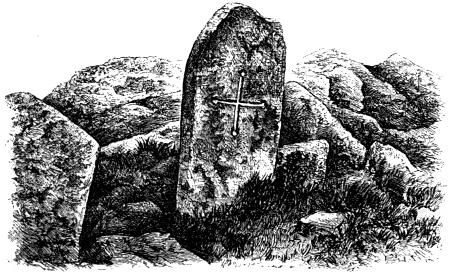
IN THE BURYING-GROUND, EILEAN NA NAOIMH
EDINBURGH: DAVID DOUGLAS
1881
a6CONTENTS.
I. Materials and Methods.
II. Structural Remains.
III. Structural Remains.
IV. Existing Relics—Books.
V. Existing Relics—Bells.
VI. Existing Relics—Crosiers and Reliquaries.
Illustrated with 5 plates on separate pages and 82 in the text.
From the British Architect and Engineer.
“We know of no work within the reach of all students so completely realising its professions, and we can confidently recommend to the architect, artist, and antiquary, young and old, this volume on Celtic art in Scotland.”
a7RHIND LECTURES.
In One Vol. 8vo, price 12s.,
with 143 Illustrations in the text, and 3 Full-page Photographs in carbon.
SCOTLAND
IN
EARLY CHRISTIAN TIMES
(SECOND SERIES)
THE RHIND LECTURES IN ARCHÆOLOGY FOR 1880
By JOSEPH ANDERSON, LL.D.
KEEPER OF THE NATIONAL MUSEUM OF THE ANTIQUARIES OF SCOTLAND
EDINBURGH: DAVID DOUGLAS
1881
a8CONTENTS.
I. Decorative Metal Work—Brooches.
II. Decorative Stone Work—Monuments.
III. The Art of the Monuments.
IV. The Symbolism of the Monuments.
V. Inscribed Monuments—in Celtic and Oghams.
VI. Inscribed Monuments—in Runic and Roman Letters.
Journal of the British Archæological Association.
Scotland in Early Christian Times.—“The Past in the Present has been rapidly followed by the issue of the book, the title of which stands at the head of this paragraph. It would be difficult, perhaps, to find two books on archæological subjects, published in England during the past year, which can compete with these in the excellence of their production, and the logical and argumental value of their teaching.”
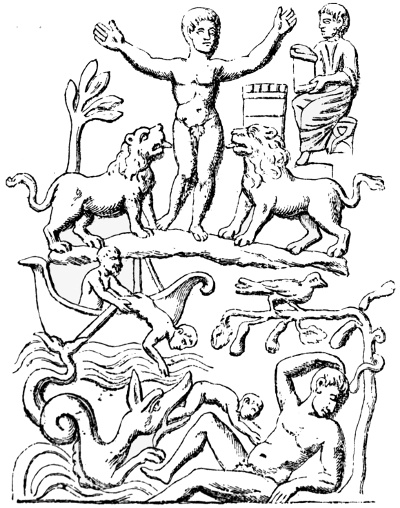
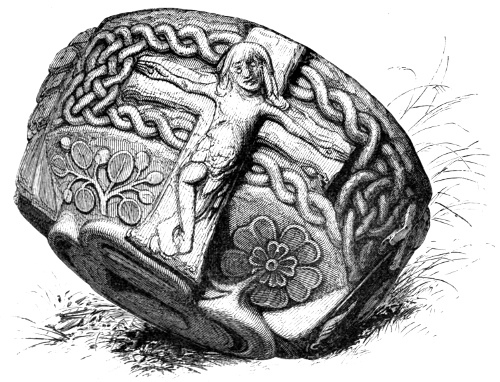
DANIEL IN THE DEN OF LIONS—JONAH (1) CAST INTO THE SEA; (2) DISGORGED BY THE WHALE; (3) REPOSING UNDER THE GOURD.
a9RHIND LECTURES.
Now ready, in One Vol. 8vo, 372 pp., with 148 Woodcuts, price 15s.
THE
PAST IN THE PRESENT:
WHAT IS CIVILISATION?
BY ARTHUR MITCHELL, M.D., LL.D.
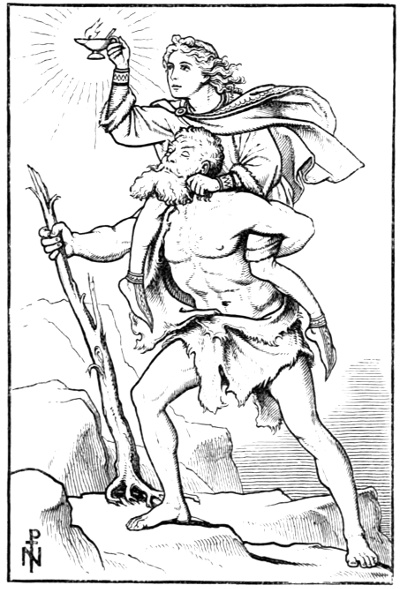
Page 169.]
EDINBURGH: DAVID DOUGLAS
1880
a10CONTENTS.
I. The Spindle and Whorl.
II. Craggans and Querns, etc.
III. Beehive Houses, etc.
IV. Cave Life.
V. Stone, Bronze, and Iron Ages.
VI. Superstitions.
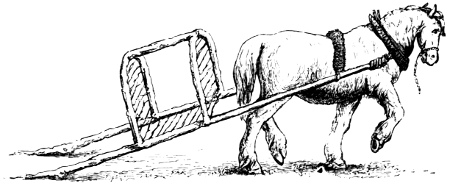
CART WITHOUT WHEELS.
The Nation, New York.
“The early portion of the work, devoted to an account of the primitive manners and customs of the Scotch islanders, their implements, houses, and superstitions, is an attempt made, on historical grounds, to prove the futility of the reasoning which attaches to archæological finds an immense antiquity, and to demonstrate the existence already in the Stone Age of an intellectual culture perhaps equal to that of the present day.”
Saturday Review.
“Few more interesting Archæological works have lately been published than the ten ‘Rhind Lectures’ which make up Dr. Mitchell’s Volume, ‘The Past in the Present.’ We must thank him heartily for the manner and the method of his book, for the curious and valuable facts which he has collected from personal observation, and for the admirable woodcuts which adorn as well as illustrate his volume.”
a11In One Vol. Royal 8vo, with Maps, Plans, and numerous Illustrations
in Wood-Engraving and Chromolithography.
RESEARCHES
AND
EXCAVATIONS AT CARNAC
(MORBIHAN)
THE BOSSENNO AND MONT ST. MICHEL
By JAMES MILN
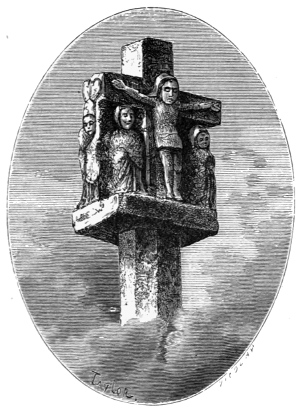
EDINBURGH DAVID DOUGLAS
1877
a12
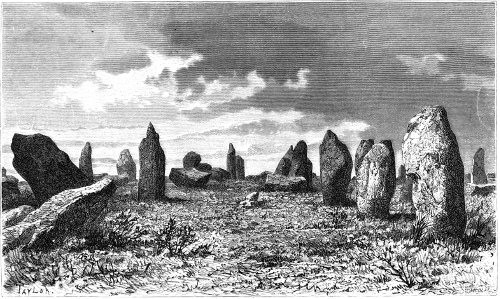
a13In One Vol. Royal 8vo, with Maps, Plans, and numerous Illustrations in Wood-Engraving.
EXCAVATIONS AT CARNAC
(BRITTANY)
A RECORD OF ARCHÆOLOGICAL RESEARCHES IN
THE ALIGNMENTS OF KERMARIO
By JAMES MILN
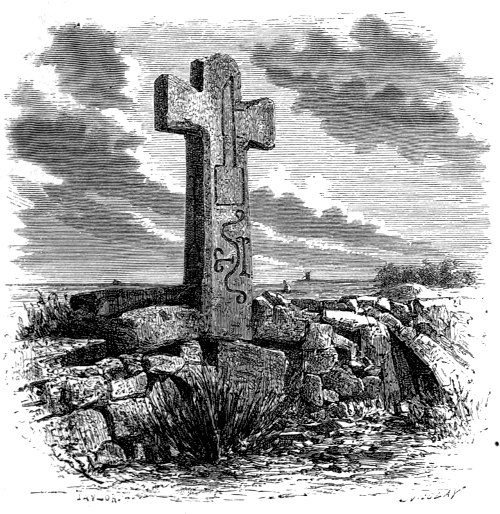
EDINBURGH: DAVID DOUGLAS
1881
a14Mr. JAMES MILN’S ARCHÆOLOGICAL WORKS.
EXTRACTS FROM REVIEWS.
"Mr. Miln has made some interesting discoveries, and his record of them is simply and modestly written. He seems to have spared no pains either in making his excavations or in writing and illustrating an account of them. The Bossenno at Carnac in Brittany was a heap of ruins of Roman buildings, and though some attention had been already bestowed on the Roman remains of the neighbourhood, it had not been previously explored. Mr. Miln had thus an opportunity worthy of an ambitious archæologist, and he succeeded in using it well. He is careful to commit himself to few theories, and shows coolness and judgment in the presence of the most attractive fields for speculation. He has brightened his pages, however, by one or two interesting passages on modern customs among the Breton peasantry which he can trace, as he seems to show, to remains of the Pagan worship of their half-Romanised ancestors. The nocturnal procession and fête of St. Carnely are very picturesquely described; and the whole book, considering its subject, is wonderfully devoid of the dryness we might expect in it."—The Saturday Review.
"We have no space for remarks upon the glass, coins, fragments of iron sword-blades, bronze statuette of an ox, spurious Samian ware, etc., or upon the excavations at Mont St. Michel of foundations of a much later date than the preceding. We must refer our readers to the work itself, from which they will derive much interesting and useful information."—Academy.
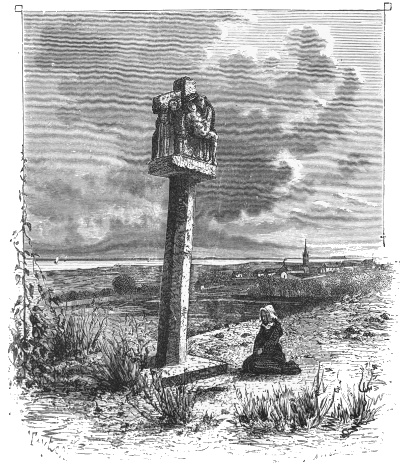
The remaining Copies of these two valuable Books are to be sold together at 31s. 6d.
a15ICELANDIC SAGAS, Translated by Sir GEORGE DASENT.
Two Vols. Demy 8vo, with Maps and Plans, 28s.
THE NJALA SAGA
BURNT NJAL
FROM THE ICELANDIC OF THE NJAL’S SAGA
BY
SIR GEORGE WEBBE DASENT, D.C.L.
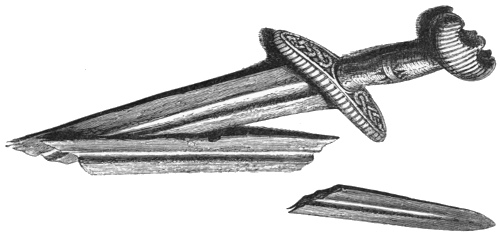
Graysteel.
Small 4to, with Illustrations, 7s. 6d.
THE GISLI SAGA
GISLI THE OUTLAW
FROM THE ICELANDIC
BY
SIR GEORGE WEBBE DASENT, D.C.L.
EDINBURGH: DAVID DOUGLAS.
a16Dedicated by special permission to Her Majesty the Queen.
Will shortly be issued in One Vol. Quarto, Half Citron Morocco.
A DESCRIPTIVE CATALOGUE
OF THE
MEDALS OF SCOTLAND
from the Earliest Period to the Present Time
By R W. COCHRAN-PATRICK, M.P.
LL.D. GLAS., LL.B. CANTAB., B.A. EDIN., V.P.S.A. SCOT., F.S.A., MEMBER OF THE
NUMISMATIC SOCIETY OF LONDON, ETC. ETC.
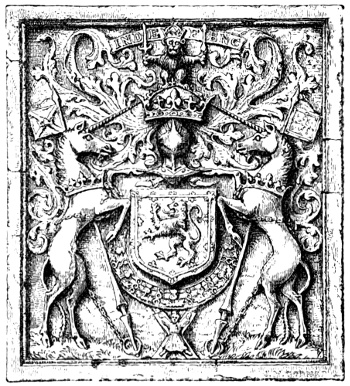
The object of this Work is to give, as far as possible, a complete series of the Medals relating to Scotland. It will contain descriptions of all now known to exist of the Sovereigns of Scotland, and those of the Sovereigns of Great Britain specially relating to Scottish events. The series of Medals of the Stuart Family, both before and after the Revolution, will be fully described; as well as those relating to National events and to private persons. A selection of the more modern local Medals will also be given. The Work will be illustrated in facsimile by plates of all the important pieces.
Price to Subscribers, 2:10s. (price to be raised after Publication).
EDINBURGH: DAVID DOUGLAS.
a17In Two Vols. 4to, Half Bound in Citron Morocco.
A few Copies may still be had at Five Guineas.
RECORDS
OF THE
COINAGE OF SCOTLAND
From the Earliest Period to the Union
COLLECTED BY
R. W. COCHRAN-PATRICK, M.P.
ONLY TWO HUNDRED AND FIFTY COPIES PRINTED.
With Sixteen Full-page Illustrations printed in permanent Ink by the
Autotype Company.
EDINBURGH: DAVID DOUGLAS
a18Uniform with the foregoing, in One Vol. 4to, price 31s. 6d.
EARLY RECORDS
RELATING TO
MINING IN SCOTLAND
COLLECTED BY
R. W. COCHRAN-PATRICK, M.P.
EDINBURGH: DAVID DOUGLAS
a19RECORDS OF THE COINAGE OF SCOTLAND.
EXTRACTS FROM REVIEWS.
"The future Historians of Scotland will be very fortunate if many parts of their materials are so carefully worked up for them and set before them in so complete and taking a form."—Athenæum.
"When we say that these two volumes contain more than 770 records, of which more than 550 have never been printed before, and that they are illustrated by a series of Plates, by the autotype process, of the coins themselves, the reader may judge for himself of the learning, as well as the pains, bestowed on them both by the Author and the Publisher."—Times.
"The most handsome and complete Work of the kind which has ever been published in this country."—Numismatic Chronicle, Pt. IV., 1875.
"We have in these Records of the Coinage of Scotland, not the production of a dilettante, but of a real student, who, with rare pains and the most scholarly diligence, has set to work and collected into two massive volumes a complete history of the coinage of Scotland, so far as it can be gathered from the ancient records."—Academy.
EARLY RECORDS RELATING TO MINING IN SCOTLAND.
EXTRACTS FROM REVIEWS.
"The documents contained in the body of the work are given without alteration or abridgment, and the introduction is written with ability and judgment, presenting a clear and concise outline of the earlier history of the Mining Industries of Scotland."—Scotsman.
"The documents ... comprise a great deal that is very curious, and no less that will be important to the historian in treating of the origin of one of the most important branches of the national industry."—Daily News.
"Such a book ... revealing as it does the first developments of an industry which has become the mainspring of the national prosperity, ought to be specially interesting to all patriotic Scotchmen."—Saturday Review.
EDINBURGH: DAVID DOUGLAS.
a20ARCHÆOLOGICAL ESSAYS
BY THE LATE
SIR JAMES Y. SIMPSON, Bart.
EDITED BY THE LATE
JOHN STUART, LL.D.
AUTHOR OF THE “SCULPTURED STONES OF SCOTLAND.”
Two Vols. 4to. 21s.
1. Archæology. 6. Leprosy and Leper Hospitals.
2. Inchcolm. 7. Greek Medical Vases.
3. The Cat Stane. 8. Was the Roman Army provided with Medical Officers?
4. Magical Charm-Stones. 9. Roman Medicine Stamps, etc. etc.
5. Pyramid of Gizeh.
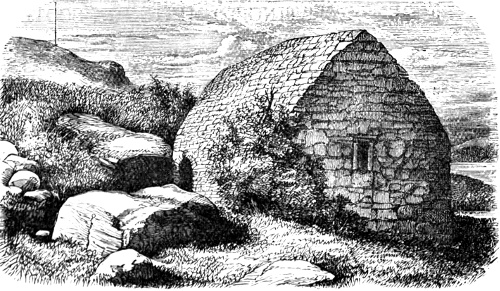
ANCIENT ORATORY IN THE ISLAND OF INCHOLM.
EDINBURGH: DAVID DOUGLAS.
a21SPECIMEN PAGE.
SCOTTISH CHARM-STONES. 211
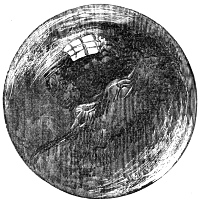
Fig. 17. Clach-na-Bratach.
"The (then) chief, journeying with his clan to join Brace’s army before Bannockburn, observed, on his standard being lifted one morning, a glittering something in a clod of earth hanging to the flagstaff. It was this stone. He showed it to his followers, and told Fig. 17. Clach-na-Bratach. them he felt sure its brilliant lights were a good omen and foretold a victory—and victory was won on the hard-fought field of Bannockburn.
"From this time, whenever the clan was ‘out,’ the Clach-na-Bratach accompanied it, carried on the person of the chief, and its varying hues were consulted by him as to the fate of battle. On the eve of Sheriffmuir (13th November 1715), of sad memory, on Struan consulting the stone as to the fate of the morrow, the large internal flaw was first observed. The Stuarts were lost—and Clan Donnachaidh has been declining in influence ever since.
“The virtues of the Clach-na-Bratach are not altogether of a martial nature, for it cures all manner of diseases in cattle and horses, and formerly in human beings also, if they drink the water in which this charmed stone has been thrice dipped by the hands of Struan.”
The Clach-na-Bratach is a transparent, globular mass of rock-crystal, of the size of a small apple. (See accompanying woodcut, Fig. 17.) Its surface has been artificially polished. Several specimens of round rock-crystal, of the same description and size, and similarly
a22
ANCIENT CELTIC SCOTLAND.
WORKS BY WILLIAM F. SKENE
HISTORIOGRAPHER-ROYAL FOR SCOTLAND.
I.
THE FOUR ANCIENT BOOKS OF WALES
CONTAINING THE CYMRIC POEMS ATTRIBUTED TO THE BARDS OF
THE SIXTH CENTURY, BY WILLIAM F. SKENE.
With Maps and Facsimiles, Two Vols. 8vo, 36s.
II.
CELTIC SCOTLAND
A HISTORY OF ANCIENT ALBAN.
In Three Vols. 45s., Illustrated with Maps.
I.—HISTORY AND ETHNOLOGY. II.—CHURCH AND CULTURE.
III.—LAND AND PEOPLE.
"Forty years ago Mr. Skene published a small historical work on the Scottish Highlands,
which has ever since been appealed to as an authority, but which has long been out of print. The
promise of this youthful effort is amply fulfilled in the three weighty volumes of his maturer years.
As a work of historical research it ought in our opinion to take a very high rank."—Times.
III.
CHRONICLES OF THE PICTS
CHRONICLES OF THE SCOTS
AND OTHER EARLY MEMORIALS OF SCOTTISH HISTORY.
In One Vol., Royal 8vo.
EDINBURGH: DAVID DOUGLAS.
a23In One Vol. Crown 8vo, with Illustrations, price 8s.
‘A BUSHEL OF CORN’
By A. STEPHEN WILSON
AUTHOR OF ‘THE BOTANY OF THREE HISTORICAL EPOCHS’
Dedicated by permission to the Highland Society.
The object of the Work is an investigation by experiments into all the more important questions which range themselves round a bushel of Wheat, a bushel of Barley, and a bushel of Oats.
Crown 8vo, with 5 Plates, 3s. 6d.
THE BOTANY
OF
THREE HISTORICAL RECORDS
PHARAOH’S DREAM,
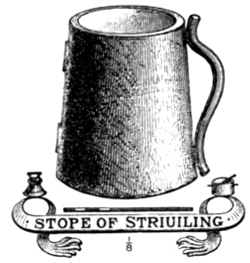
THE SOWER, & THE KING’S MEASURE
By A. STEPHEN WILSON
"The book is useful as affording illustrations of Scripture incident and teaching."—Inverness Courier.
"The writer deserves credit for the pains he has taken in making his researches, and by means of well-designed woodcuts he has so illustrated the work as to make his arguments as clear as is possible."—Courant.
EDINBURGH: DAVID DOUGLAS.
a24Two Vols. Demy 8vo, 19s. 6d.
SOCIAL LIFE IN FORMER DAYS
CHIEFLY IN THE PROVINCE OF MORAY
Illustrated by Letters and Family Papers
By E. DUNBAR DUNBAR
LATE CAPTAIN 21ST FUSILIERS
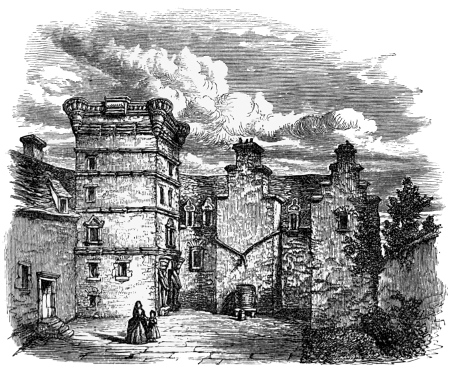
THUNDERTON HOUSE.
In One Vol. Demy 8vo, 12s.
STUDIES IN ENGLISH HISTORY
By JAMES GAIRDNER and JAMES SPEDDING
1. The Lollards.
2. Sir John Falstaff.
3. Katherine of Arragon’s First and Second Marriages.
4. Case of Sir Thomas Overbury.
5. Divine Right of Kings.
6. Sunday, Ancient and Modern.
"The authors’ names alone are a sufficient guarantee that the Essays in this beautifully printed volume were worth reprinting."—St. James’s Gazette.
EDINBURGH: DAVID DOUGLAS.
a25Mr. G. W. T. OMOND.
In Two Vols. Demy 8vo.
THE
LORD ADVOCATES OF SCOTLAND
From the Close of the 15th Century to the Passing of the
Reform Bill
By GEO. W. T. OMOND, Advocate.
Prof. PIAZZI SMYTH.
Three Vols. Demy 8vo, 56s.
LIFE AND WORK AT THE GREAT PYRAMID
With a Discussion of the Facts Ascertained
BY
C. PIAZZI SMYTH, F.R.SS.L. and E.
ASTRONOMER-ROYAL FOR SCOTLAND
Prof. SCHIERN.
Demy 8vo, 16s.
LIFE OF JAMES HEPBURN
EARL OF BOTHWELL
By Professor SCHIERN
COPENHAGEN
Translated from the Danish by the Rev. David Berry, F.S.A. Scot.
Prof. WILSON.
Two Vols. Post 8vo, 15s.
REMINISCENCES OF OLD EDINBURGH
By DANIEL WILSON, LL.D., F.R.S.E.
PROFESSOR OF HISTORY AND ENGLISH LITERATURE IN UNIVERSITY COLLEGE, TORONTO
AUTHOR OF “PREHISTORIC ANNALS OF SCOTLAND,” ETC. ETC.
EDINBURGH: DAVID DOUGLAS.
a26To be completed in Three Vols. Demy 8vo.
THE
USES AND MANUFACTURE
OF
IRON AND STEEL
From Prehistoric Ages to the Present Time
BY
St. JOHN V. DAY
C.E., F.R.S.E., F.S.A. (SCOT.); MEMBER OF THE IRON AND STEEL
INSTITUTE; MEMBER OF THE INSTITUTION OF MECHANICAL ENGINEERS;
ASSOCIATE OF THE INSTITUTION OF CIVIL ENGINEERS; MEMBER
OF COUNCIL OF THE INSTITUTE OF PATENT AGENTS, ETC.
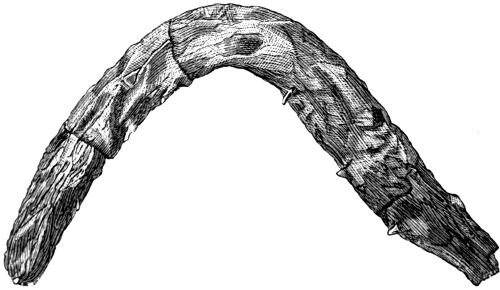
EGYPTIAN SICKLE FOUND AT KARNAK.
Vol. I. in October.
EDINBURGH: DAVID DOUGLAS.
a27One Vol. Small 4to,
With Index, and thirteen Full-page and ten Woodcut Illustrations, 21s.
LINDORES ABBEY
AND
THE BURGH OF NEWBURGH
Their History and Annals
BY
ALEXANDER LAING, LL.D.
F.S.A. Scot.
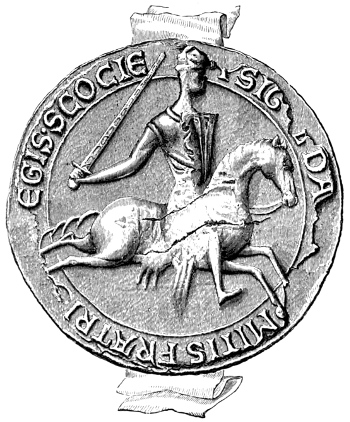
"This is a charming volume in every respect."—Notes and Queries.
"The prominent characteristics of the work are its exhaustiveness and the thoroughly philosophic spirit in which it is written."—Scotsman.
EDINBURGH: DAVID DOUGLAS.
a28In One Vol., 4to, price £3:3s.
A few Copies for sale on large Paper, price £5:15:6.
KALENDARS
OF
SCOTTISH SAINTS
WITH
Personal Notices of those of Alba, etc.
BY THE LATE
ALEXANDER PENROSE FORBES, D.C.L.
BISHOP OF BRECHIN
"A truly valuable contribution to the archæology of Scotland."—Guardian.
"We must not forget to thank the author for the great amount of information he has put together, and for the labour he has bestowed on a work which can never be remunerative."—Saturday Review.
"His laborious and very interesting work on the early Saints of Alba, Loudonia, and Strathclyde."—Quarterly Review.
In One Vol., 8vo, Half Morocco, price 12s.
MISSALE DRUMMONDIENSE
THE ANCIENT IRISH MISSAL IN THE
POSSESSION OF BARONESS WILLOUGHBY D’ERESBY
DRUMMOND CASTLE, PERTHSHIRE
EDITED by the Late Rev. G. H. FORBES
SCOTCH EPISCOPAL CLERGYMAN AT BURNTISLAND, ETC. ETC.
EDINBURGH: DAVID DOUGLAS.
a29C. MACLAGAN.
One Vol. fol., 31s. 6d.
THE HILL FORTS, STONE CIRCLES,
AND OTHER STRUCTURAL REMAINS OF ANCIENT SCOTLAND.
By C. MACLAGAN,
LADY ASSOCIATE OF THE SOCIETY OF ANTIQUARIES OF SCOTLAND.
With Plans and Illustrations.
Mr. VANS AGNEW.
In One Vol. 8vo, 21s.
THE LETTERS & PAPERS OF SIR PATRICK WAUS OF BARNBARROCH
DURING THE LATTER HALF OF THE SIXTEENTH CENTURY
From the Originals in the Family Charter Chest.
EDITED BY R. VANS AGNEW.
Mr. ANDREW JERVISE.
One Vol. demy 8vo, Illustrated, 14s.
THE HISTORY & TRADITIONS OF THE LAND OF
THE LINDSAYS IN ANGUS & MEARNS.
By ANDREW JERVISE.
New Edition, Edited and Revised by the Rev. James Gammack.
50 Copies printed on large paper, 42s.
LORD CRAWFORD.
In Two Vols. demy 8vo, price 32s.
THE EARLDOM OF MAR.
In Sunshine and Shade during Five Hundred Years.
BY THE LATE ALEXANDER, EARL OF CRAWFORD AND BALCARRES.
EDINBURGH: DAVID DOUGLAS.
a30Now ready, in One Vol., Small 4to, price 5s.
THE
‘RED BOOK OF MENTEITH’
REVIEWED
By GEORGE BURNETT, Advocate,
LYON KING-OF-ARMS.
Crown 8vo, 4s.
POPULAR GENEALOGISTS
OR
THE ART OF PEDIGREE MAKING
"We have here an agreeable little treatise of a hundred pages, from an anonymous but evidently competent hand, on the ludicrous and fraudulent sides of genealogy. The subject has a serious and important historical character, when regarded from the point of view of the authors of The Governing Families of England. But it is rich in the materials of comedy also.
"The first case selected by the writer before us is one which has often excited our mirth by the very completeness of its unrivalled absurdity. Nobody can turn over the popular genealogical books of our day without dropping on a family called Coulthart of Coulthart, Collyn, and Ashton-under-Lyne. The pedigree given makes the house beyond all question the oldest in Europe. Neither the Bourbons nor Her Majesty’s family can be satisfactorily carried beyond the ninth century, whereas the Coultharts were by that time an old and distinguished house.
"We are glad to see such a step taken in the good work as the publication of the essay which has suggested this article, and which we commend to those who want a bit of instructive and amusing reading."—Pall Mall Gazette.
In One Vol. 8vo, 10s. 6d.
HISTORICAL ESSAYS
In connection with the Land and the Church, etc.
By E. William Robertson
AUTHOR OF “SCOTLAND UNDER HER EARLY KINGS.”
In Two Vols. 8vo, Cloth 36s.
SCOTLAND UNDER HER EARLY KINGS
A History of the Kingdom to the close of the 13th Century
By E. William Robertson.
EDINBURGH: DAVID DOUGLAS.
a31In Preparation, in One Vol. Demy 8vo, with numerous Illustrations.
ECCLESIOLOGICAL NOTES
on
SOME OF THE ISLANDS OF SCOTLAND
With other Papers relating to Ecclesiological Remains on the
Scottish Mainland and Islands
BY
THOMAS S. MUIR
AUTHOR OF “CHARACTERISTICS OF CHURCH ARCHITECTURE,” ETC.
CRAIG’S CATECHISM.
In Fcap. 8vo, Half Morocco, price 12s. 6d.
A SHORTE SUMME
of the
WHOLE CATECHISME
BY JOHN CRAIG
REPRINTED IN FACSIMILE FROM THE ORIGINAL EDITION OF 1581
With an Introductory Memoir of the Author
By THOMAS GRAVES LAW
ONLY ONE HUNDRED COPIES PRINTED FOR SALE
EDINBURGH: DAVID DOUGLAS
MDCCCLXXXIII
a32In the Press, to be ready in November.
THE
HISTORY OF LIDDESDALE
ESKDALE, EWESDALE, WAUCHOPEDALE
AND THE
DEBATEABLE LAND
Part I. from the Twelfth Century to 1530
BY
ROBERT BRUCE ARMSTRONG
The Edition will be limited to 275 Copies, demy quarto, and 105 Copies on large paper (10 inches by 13).
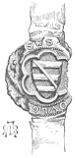
With an Appendix of 70 documents, arranged in chronological order down to 1566. The selection has been made from private Charter-chests, MS. collections in London and Edinburgh, and rare printed works, and comprises Charters, Rent-Rolls, Excerpts from the Accounts of the Lord High Treasurer, Bonds of Manrent, Bonds for the Re-entry of Prisoners, Lists of Scottish Borderers under English Assurance, Injuries inflicted by the English and by Scottish Borderers under English Assurance from September 1543 to June 1544, Interesting Letters and a Military Report on the west march of Scotland and Liddesdale by an English Official, etc. etc.
The Volume will be illustrated by Maps, Etchings, Lithographs, and Woodcuts, all of which, with the exception of Blaeu’s Maps of Liddesdale and Eskdale, and the Etchings of James IV., James V., and the Earl of Angus, by C. Lawrie, will either be from the author’s drawings or wholly executed by himself.
The Lithographs in colour will include facsimiles of four interesting representations of Scottish Border Castles and Towns drawn between the years 1563 and 1566, Plates of Arms of the Lords of Liddesdale, of the Clans of the District, of Lindsay of Wauchope, also of the Seals of John Armstrong and William Elliot, etc. etc.
EDINBURGH: DAVID DOUGLAS.
Footnotes
Transcriber’s Note
The very few errors deemed most likely to be the printer’s have been corrected, and are noted here.
The references are to the page and line in the original.
59.29 Thus we are told that[ a] great store of goods Inserted.
140.32 is found in these British Islands along.[”] Added.
Corrections to footnotes are denoted by page, resequenced note number, and line.
98.51.22 Memoires de la [Societe/Société] Royale des Antiquaires du Nord: Corrected.
270.96.2 issued[.] Added.