Plate I.
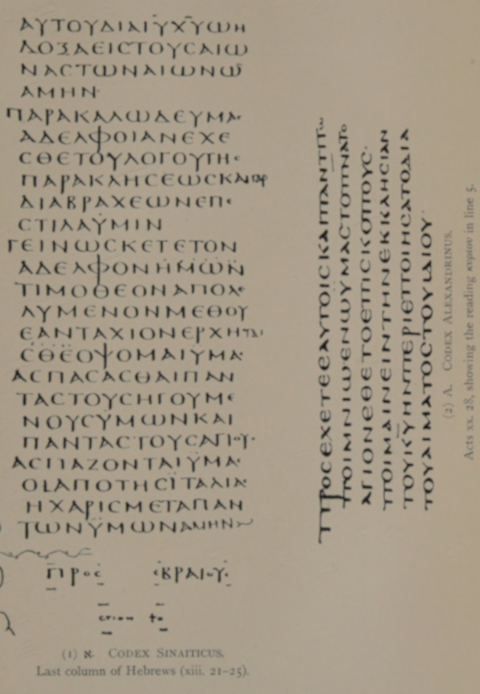 Plate I: (1) א Codex Sinaiticus. (2) A. Codex Alexandrinus.
Plate II.
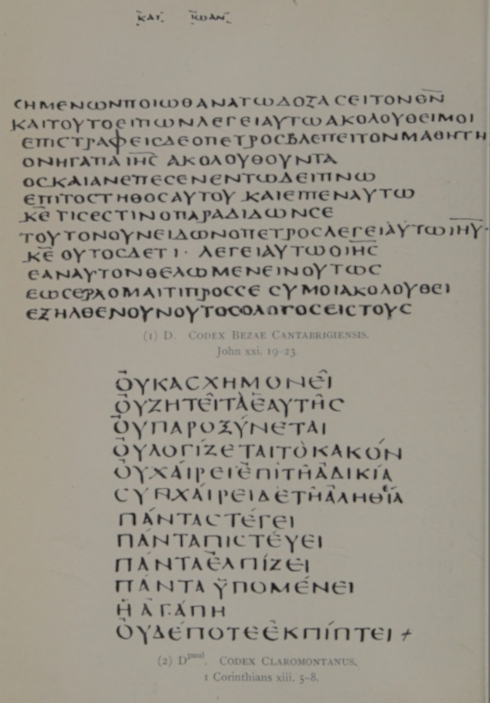 Plate II: (1) D. Codex Bezae Cantabrigiensis. (2) D. Codex Claromontanus.
Plate III.
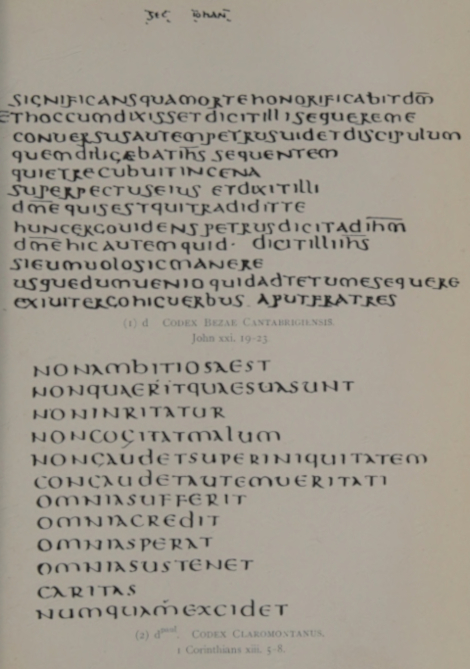 Plate III: d. Codex Bezae Cantabrigiensis. (2) d. Codex Claromontanus.
Plate IV.
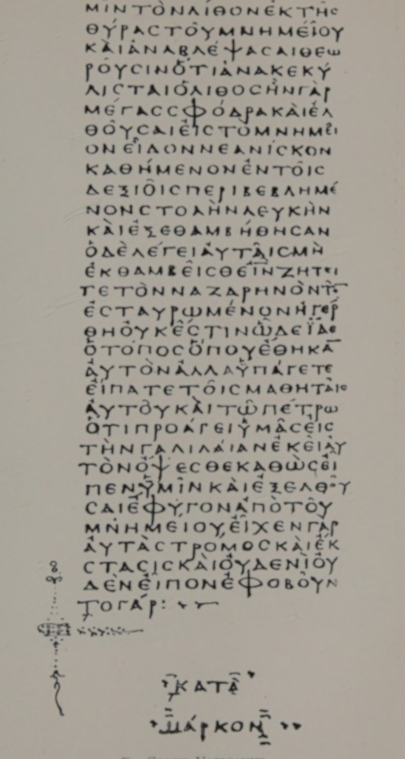 Plate IV: B. Codex Vaticanus.
Plate V.
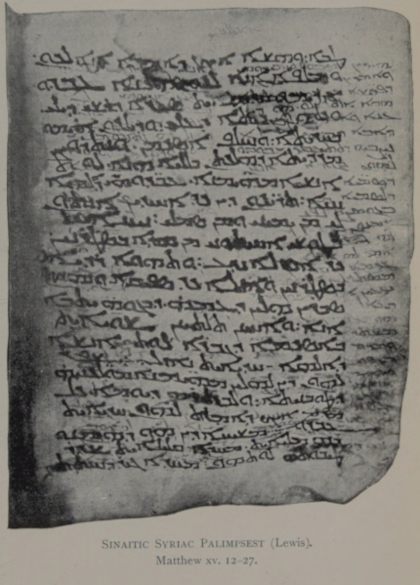 Plate V: Siniatic Syriac Palimpsest.
Plate VI.
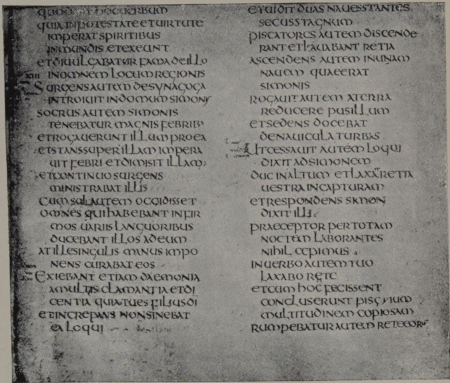 Plate VI: am. Codex Amiantinus, circa 700 A.D.
Plate VII.
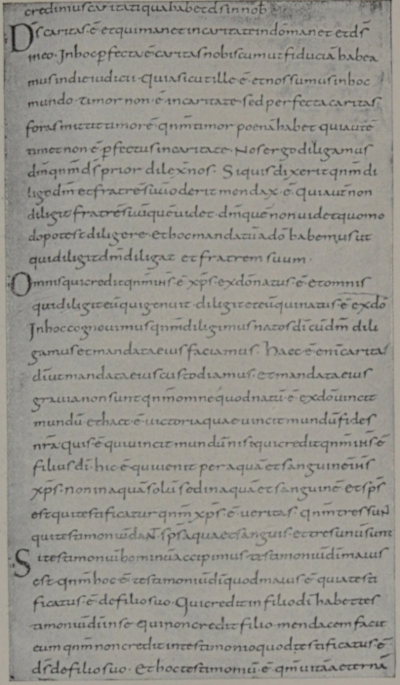 Plate VII: “Bible of Grandval”, of the ninth century.
Plate VIII.
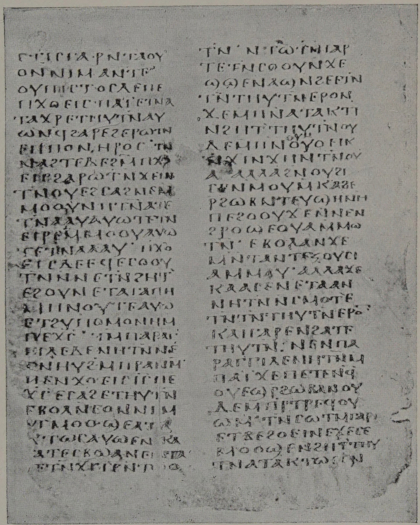 Plate VIII: Sahidic Manuscript, probably of the fifth century, in the British Museum.
Plate IX.
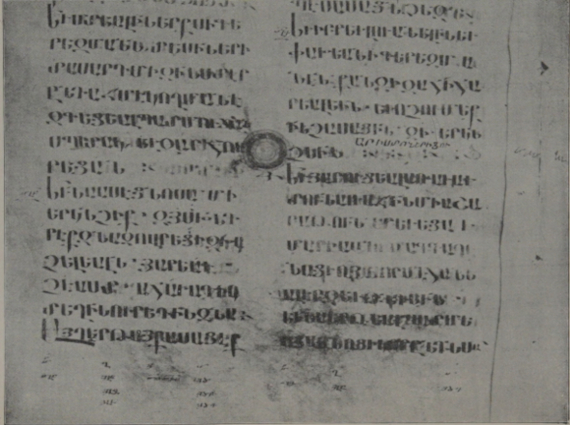 Plate IX: Armenian Manuscript of Etschmiadzin, <abbr class=
Plate X.
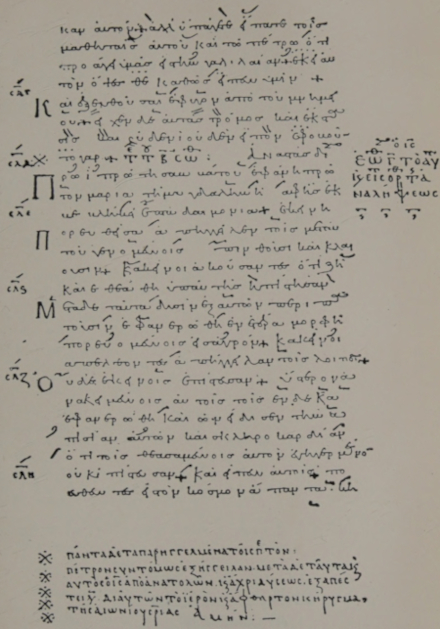 Plate X: Minuscule Evv. 274 (Par. Nat. Suppl. Gr. 79) of the tenth century.
Transcriber’s Notes: Footnotes have been collected at the end of the text, and are linked for ease of reference.