HISTORY AND PRESENT DISTRIBUTION OF CRIMSON CLOVER.
Reading edition
Crimson clover (fig. 1) is frequently called "Scarlet clover" and, somewhat loss commonly, "German clover," "Italian clover," "French clover," "Incarnate clover," "Annual clover," etc. It occurs wild in England and in eastern and southern Europe and is grown as a forage and soil-improving crop in Italy, France, Germany, Austria, and Great Britain. It was introduced into this country as early as 1822, but was grown only to a very limited extent until about 1880. It has proved especially adapted to the lighter, sandy soils of the eastern part of the United States where the winters are not too severe.
In the Middle Atlantic States it is also grown to a considerable extent on the clay soils of the Piedmont section.
In Michigan it is sometimes used on the sandy soils as a cover crop in peach orchards, although it frequently winterkills. It can not ordinarily survive the severe winters of the Northern States.[1]
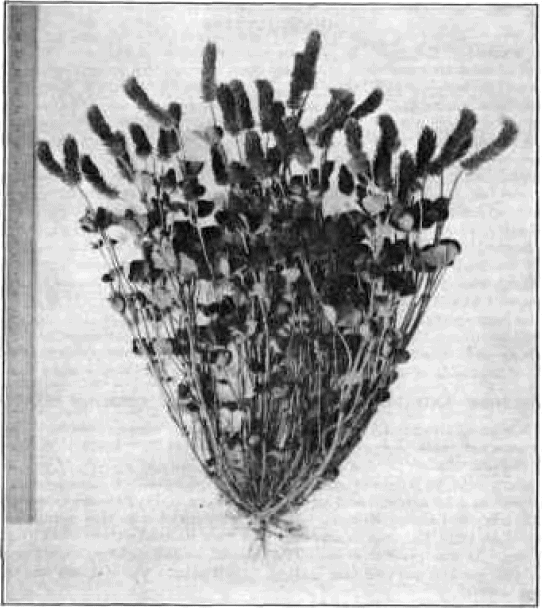
Fig. 1.—A single plant of crimson clover.
Crimson clover is a "winter annual," that is, it ordinarily makes its early growth in the autumn, passes the winter in a somewhat dormant but green state, makes a very early spring growth, and matures its seed and dies before summer. It makes little or no growth in very hot weather and therefore should not be sown in the spring, except in the extreme North, where it may make a satisfactory growth by autumn, so that & hay crop may be taken from it at that time.