MEN OF AFFAIRS
Reading edition
Joseph W. Bailey.
One of the most youthful members of the government’s gravest and most august legislative body is Senator Joseph W. Bailey, a typical representative of the biggest, the breeziest and the most untrammeled, if not the most patriotic and progressive commonwealth in the Union. A natural leader, an orator of plausibility and power and a politician of resource and acumen, he is besides admittedly one of the ablest constitutional lawyers in public life.
Though a native of Mississippi and a legal product of Cumberland University, Tennessee, Senator Bailey is a Texan seemingly to the manner born. He looks, speaks, thinks and feels Texas, and having won his spurs so creditably in the congressional jousts his people have gratefully recognized his talents by entrusting him with the higher responsibilities of senator.
While Senator Bailey is a virile product of the present and coming generation in the South he has not been inclined to relinquish the habits, dress and thought of the passing regime and his picturesque personality is doubtless as readily recognized by resident of and visitor to Washington as any other public character of the times. In no particular do his old-school propensities more emphatically display themselves than in his native love for rural life and natural objects. His chief hobby comprises the maintenance of an expansive estate whereon he rears the sportive thoroughbred, so dear to the heart of the rural Southerner, and whereon he spends in the open very much of his leisure time.
Senator Bailey is a close student of men, politics and affairs, and is of the South, social, though he has no taste for the conventional society of the city.
James D. Porter.
For nearly half a century has the Honorable James D. Porter figured eminently but modestly as a public servant politically, civilly and commercially. A native of Tennessee, in which State he has spent nearly all of his eventful life, he was born at Paris, in 1828, and was admitted to the bar in 1859. With a disposition toward the public service, from a State legislator he became a circuit judge, and from the bench he ascended to the gubernatorial chair, which he was twice called upon to occupy. His large and worthy talents coming to the notice of President Cleveland, he was invited during his first term to serve as Assistant Secretary of State, which he did with such satisfaction as to receive during the President’s second term his credentials as the government’s official representative to Chili, in which capacity he attracted attention by his tactful reestablishment of friendly relations between the two countries.
In the active commercial affairs of life he has been likewise prominent, being sometime president of the Nashville, Chattanooga and St. Louis Railroad Company, and as a soldier of the gray he gallantly participated in many of the fiercest conflicts of the war as Adjutant General under General Frank Cheatham.
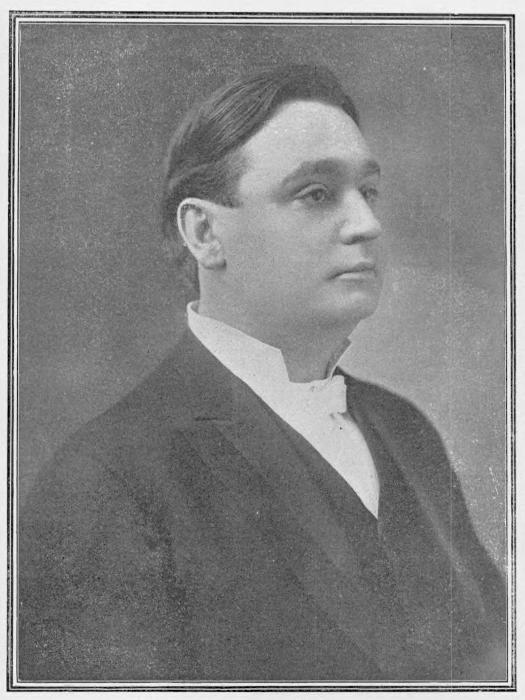
HON. JOSEPH W. BAILEY.
In 1901 he was selected by virtue of his wide experience in affairs, executive ability, character and attainments, as the most suitable head of the great Peabody benefaction to the cause of Southern education, and he is successfully135 rounding his period of long and devoted public service to the administration of this popular munificence as President of the Peabody Normal College and University of Nashville. With every assurance of early success he is now engaged in raising from the State of Tennessee, the City of Nashville, and by popular subscription, $250,000 which, when attained, will carry with it a permanent endowment of a million dollars from the Peabody136 estate. President Porter is a man of distinguished bearing and impressive address.
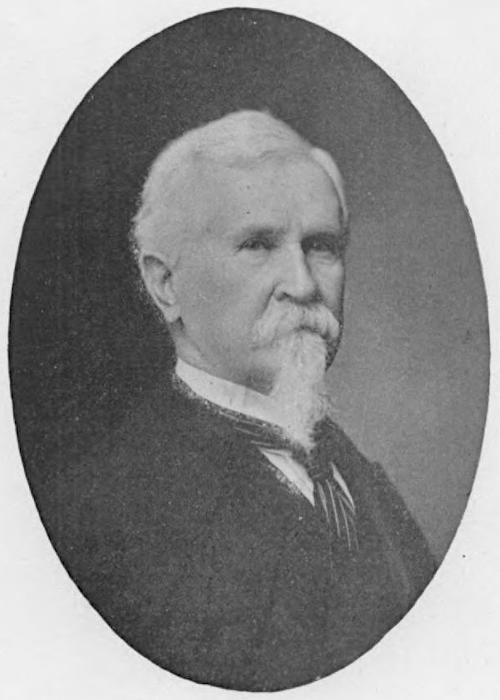
JAMES D. PORTER.
Joseph W. Folk.
Missouri’s young governor has received probably more free and favorable publicity than any other citizen of the Republic, and the public is so well informed as to his life and record that anything said of him here would be merely cumulative and by way of favorable repetition. It is gratifying to command the approval of friends and partisans, but it is a delicate and trying obligation to have to live up to the encomiums of non-partisans and erstwhile opponents. With nothing but good said of his ability and integrity, Governor Folk’s position in politics, which now has a decided national aspect, presents a most interesting field of speculation to the student of politics and affairs.
First coming into local prominence in St. Louis as an able and fearless criminal prosecutor whom a powerful and never-before-thwarted partisan political machine could not influence or intimidate, Governor Folk developed into national prominence through his relentless warfare upon the local boodling regime, his successes influencing municipal reforms throughout the country and rendering him so strong with the masses of statesmen regardless of political complexion, that they triumphantly elevated him to the gubernatorial station in the face of an otherwise astonishing landslide in the other direction.
137
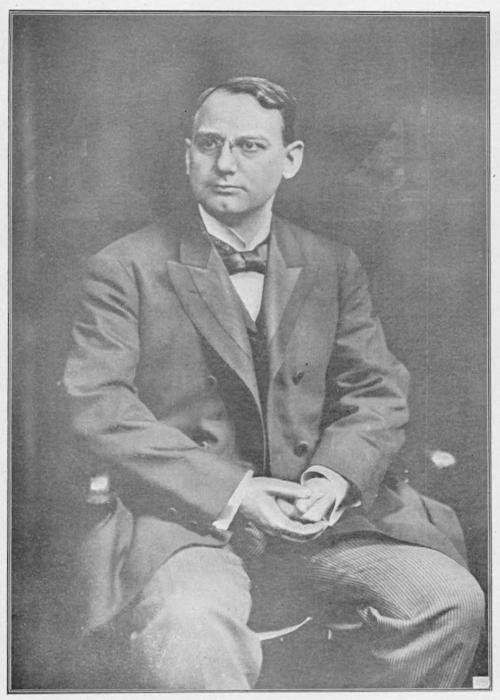
JOSEPH W. FOLK.
138
Governor Folk is a native of Brownsville, Tenn., where he was born about thirty-seven years ago, and is a product of purely Southern environment, rearing and education. Graduating from the Vanderbilt University law school fifteen years ago, he started at about the lowest and roughest rung of the ladder, a struggling young country lawyer in his native town. In quest of opportunities more in keeping with his talents and ambitions, he soon joined the large Tennessee colony in St. Louis, not long thereafter attaining to some local notice as a political leader by being elected president of the representative Democratic organization.
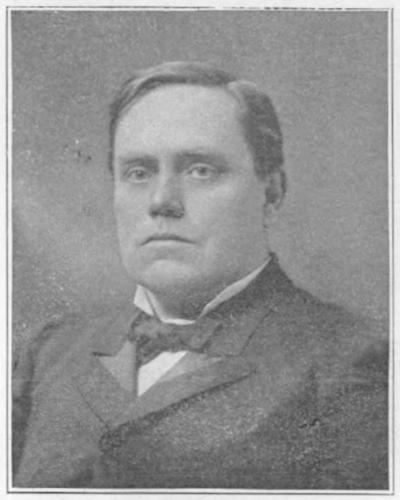
WARREN A. CANDLER.
It is truly said that all great human successes are a combination of fortuitous circumstance, and the genius to take advantage thereof. Governor Folk’s mastery of a complicated local situation wherein he represented a supposed hopeless political movement, turned seeming defeat into a brilliant victory, and he was elected District Attorney, since which time his record is known to the country at large.
Warren A. Candler.
A virile and dominant figure in Southern religious life is Rev. Warren Akin Candler, youngest bishop of the Methodist Episcopal Church, South. Of a family probably second to none in Georgia from the standpoint of the prominence of its sons in public life in that State to-day, Bishop Candler was born forty-eight years ago in Carroll County. Educated at Emory College, from which he graduated with first honors in 1875, he immediately entered the ministry, ascending rapidly the ladder of ecclesiastical promotion from the humblest rural circuit to the most influential urban charge. From presiding elder of the Dahlonega and Oxford districts he served for two years in the editorial field as assistant editor of the Christian Advocate in Nashville. In 1888 he was called to the very large activity of presiding over the destinies of Emory College, his alma mater, which institution enjoyed during the decade of his administration its highest period of strength and usefulness.
With a distinguished record in all vital departments of his church labors, Bishop Candler’s early elevation to the bishopric when barely past forty years of age was a merited and logical testimonial to his eminent capacity for religious leadership and organization. This exalted promotion came to him at the hands of the Baltimore Conference of 1898.
Besides being a pulpit orator of vigor and lucidity, Bishop Candler is a luminous expositor of secular themes and has rounded out a very busy career by producing several well-known religious and general publications, including a “History of Sunday Schools,” “Georgia’s Educational Work,” “Christus Auctor,” “High Living and High Lives,” and “Great Revivals and the Great Republic.”
Bishop Candler’s official residence is Atlanta.
139
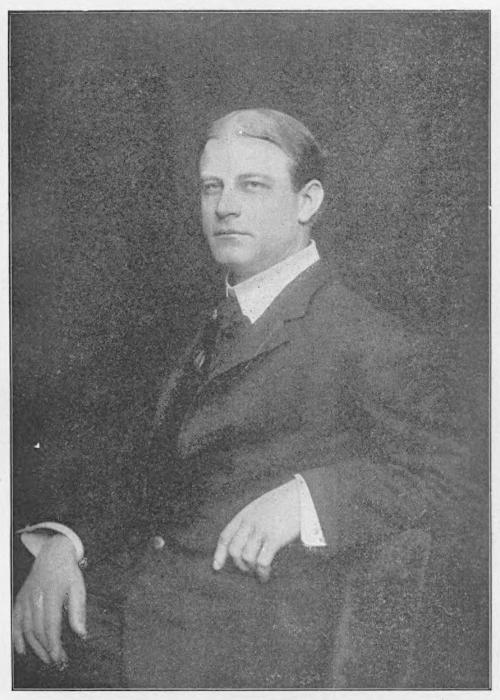
RICHMOND PEARSON HOBSON.
Richmond Pearson Hobson, who contributes the following thoughtful paper to the Magazine, is so well known to our readers that it is hardly necessary to say anything here by way of comment upon his eventful history. Since his retirement from the navy, Captain Hobson has devoted much attention to political affairs, and it is safe to predict that his services to the public will be marked by the earnestness and devotion to duty which brought him his well-merited fame as an officer in the United States navy.—Ed.
140