PLATES.
Reading edition
68
EXPLANATION OF PLATES.
Plate I. Fig. 1.—Marginal-fruited shield-fern (Dryopteris marginalis), showing upper surface of leaf, the lower surface with the “sori,” or “fruit dots,” arranged on the margins, and the erect, chaffy rootstock. Fig. 2.—Skunk-cabbage (Spathyema foetida), showing flowering plant with thick rootstock and whorl of crowded roots; unfolded leaf and spathe laid open to show rounded spadix; also seedling, and transverse section of rootstock. Fig. 3.—Sweet-flag (Acorus calamus), showing swordlike leaves, flowering head produced from the side of the stalk, and long, creeping rootstock. Fig. 4.—Bethroot (Trillium erectum), showing leaves, various views of the flower, and root. Arrangement of the different parts of the plant is in threes.
Plate II. Fig. 1.—Chamaelirium (Chamaelirium luteum), showing the male plant. Note the arrangement of the long-stemmed leaves along the entire stem and the graceful spike of feathery flowers, as compared with the grasslike basal leaves and the erect flowering spikes of Aletris (fig. 2), with which it is often confused. The rootstock of Chamaelirium, with the slightly curved upward end, is also shown. Fig. 2.—Aletris (Aletris farinosa). Note the grasslike leaves at the base of the stem and the erect spikes of urn-shaped flowers, as compared with the arrangement of the leaves all along the stem and the drooping plumelike spikes of Chamaelirium (fig. 1), with which Aletris is frequently confused. The rootstock of Aletris, which is rough and scaly and almost completely hidden by the fibrous roots, is, unfortunately, not well shown in the illustration. Fig. 3.—Wild yam (Dioscorea villosa), showing part of the vine, with its drooping clusters of flowers and 3-winged seed capsules; also the long, horizontal rootstock. Fig. 4.—Blue flag (Iris versicolor), showing sword-shaped leaves, the flowers, and part of the rootstock.
Plate III. Fig. 1.—Large yellow lady’s-slipper (Cypripedium hirsutum), showing plant with its broad, parallel-veined leaves, and curious, baglike flower, and also rootstock with wavy roots. Fig. 2.—Canada snakeroot (Asarum canadense), showing, to the right, the flowering plant, and to the left the fruiting plant, together with the creeping rootstocks. Fig. 3.—Virginia serpentaria (Aristolochia serpentaria), plant showing seed capsules and rootstock. Fig. 4.—Soapwort (Saponaria officinalis), showing the upper flowering portion and seed pods; also the runners and roots.
Plate IV. Fig. 1.—Oregon grape (Berberis aquifolium), showing a branch with the leathery, holly-like leaves, and clusters of berries. Fig. 2.—Blue cohosh (Caulophyllum thalictroides), showing upper portion of the plant, with flowering head. Fig. 3.—Canada moonseed (Menispermum canadense), showing a portion of the vine in flower. Fig. 4.—Hydrangea (Hydrangea arborescens), showing a flowering and fruiting branch.
Plate V. Fig. 1.—Indian-physic (Porteranthus trifoliatus), showing upper flowering portion, and base of stem with root. Fig. 2.—Wild sarsaparilla (Aralia nudicaulis), showing flowering plant with rootstock, and to the left a fruiting head. Fig. 3.—Ginseng (Panax quinquefolium), showing the upper portion in flower, and the root. Fig. 4.—Water-eryngo (Eryngium yuccifolium), showing the long, grasslike leaves, stout-stemmed flowering heads, and rootstock.
Plate VI. Fig. 1.—American angelica (Angelica atropurpurea), showing leaves, fruiting head, and to the right a portion of the stem with broad, expanded leafstalk. Fig. 2.—Pinkroot (Spigelia marilandica), showing flowering top and seed capsules. Fig. 3.—Pleurisy-root (Asclepias tuberosa), showing flowering top, pods with escaping hairy seeds, and root. Fig. 4.—Comfrey (Symphytum officinale), showing the thick, rough leaves, the clusters of flowers, lower portion of plant with root, and sections of root.
Plate VII. Fig. 1.—Stoneroot (Collinsonia canadensis), showing flowering top and base of stem with root. Fig. 2.—Queen-of-the-meadow (Eupatorium purpureum), showing leaves and flowers. Fig. 3.—Elecampane (Inula helenium), showing leaves, flowers, and root. Fig. 4.—Echinacea (Brauneria angustifolia), showing flowering plant.
69
Plate I.
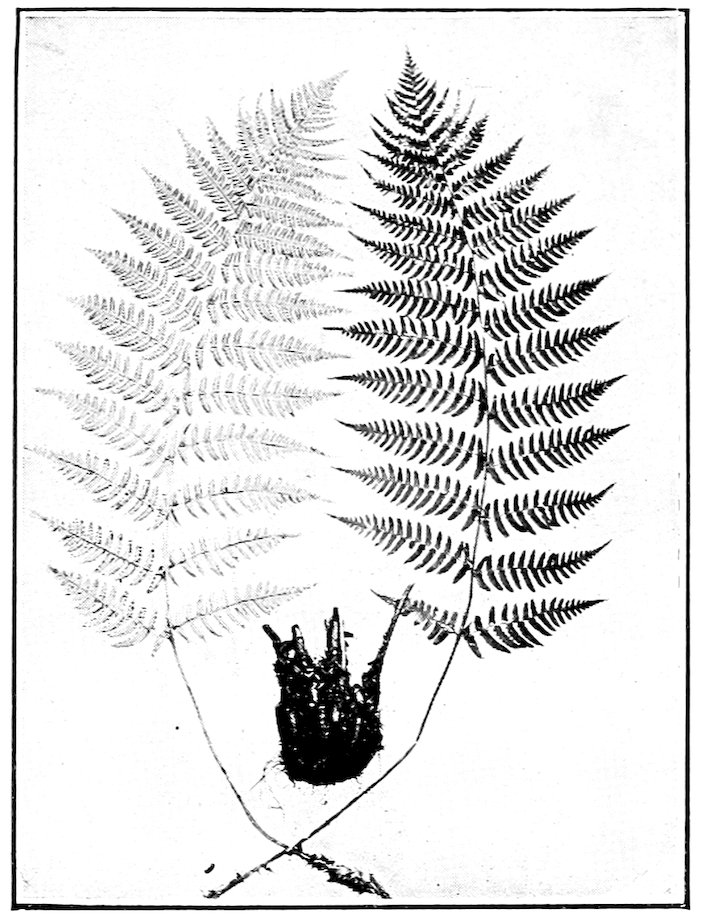
Fig. 1.—Marginal-fruited Shield-fern (Dryopteris marginalis).
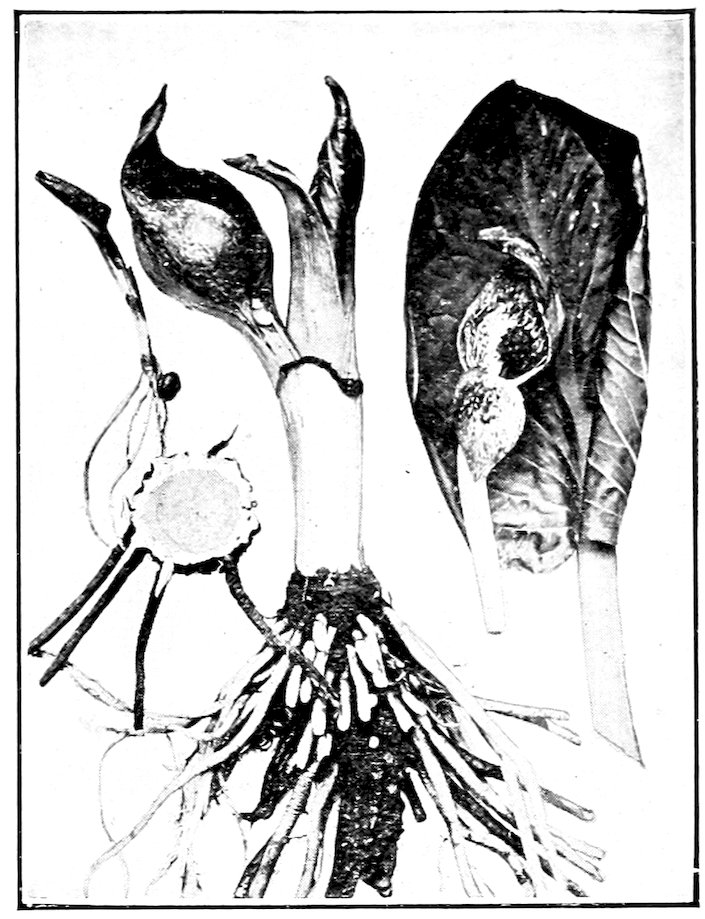
Fig. 2.—Skunk-Cabbage (Spathyema foetida).
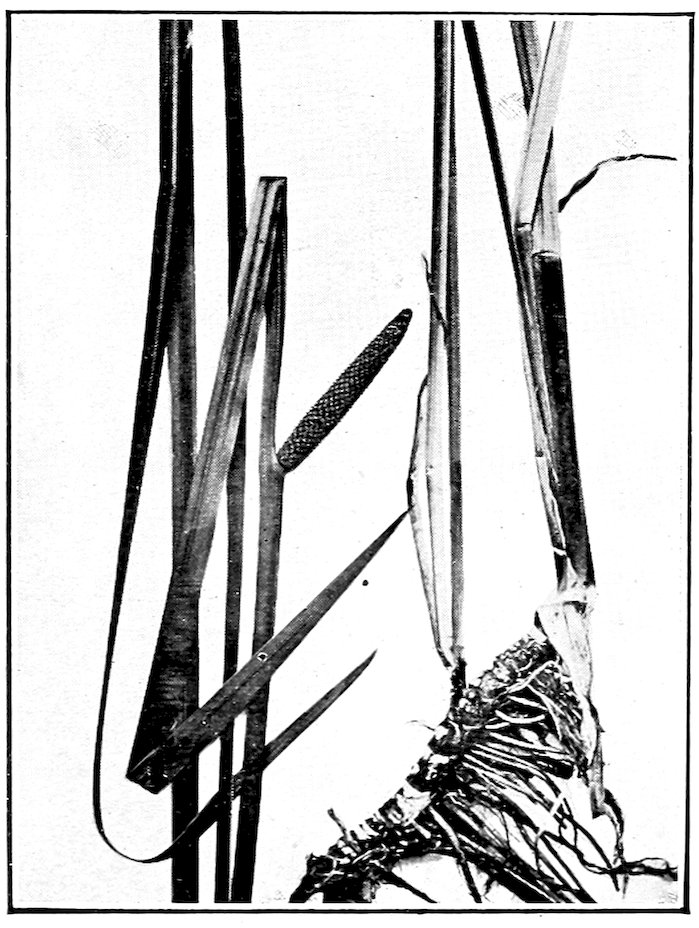
Fig. 3.—Sweet-Flag (Acorus calamus).
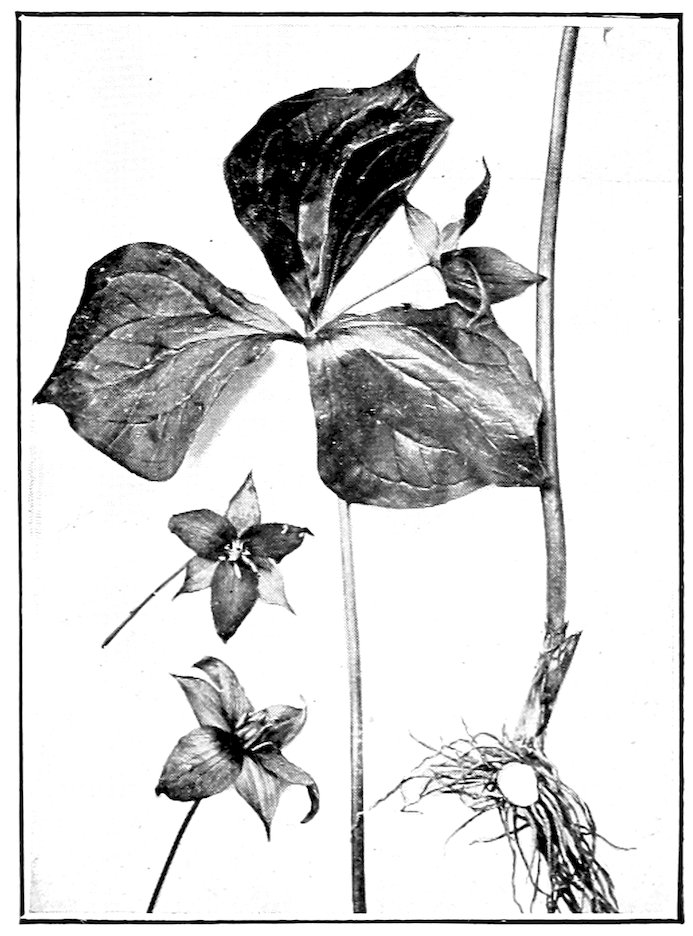
Fig. 4.—Bethroot (Trillium erectum).
71
Plate II.
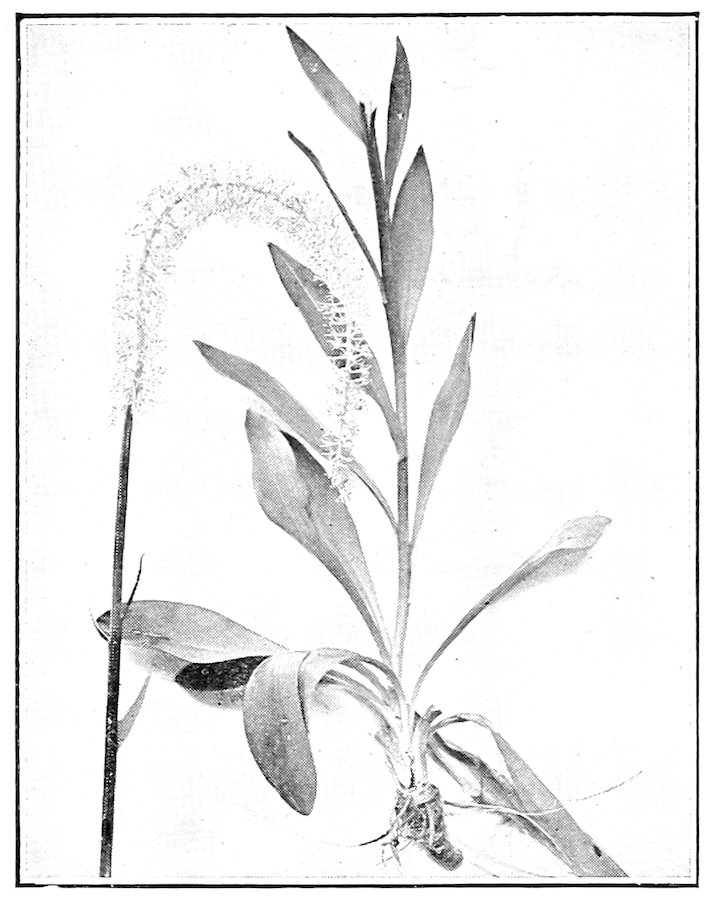
Fig. 1.—Chamaelirium (Chamaelirium luteum).
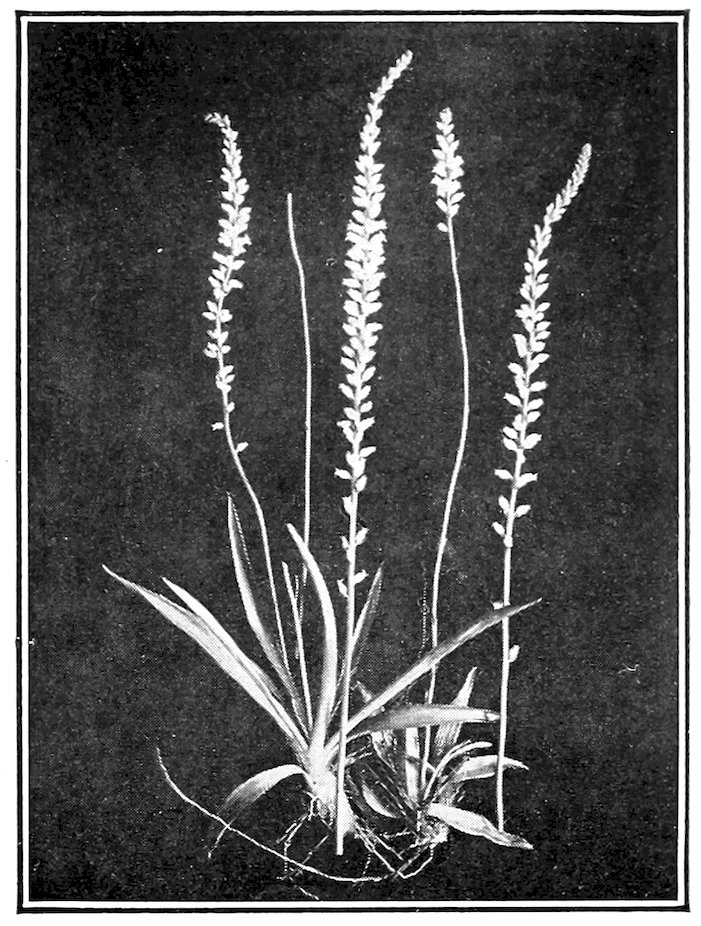
Fig. 2.—Aletris (Aletris farinosa).
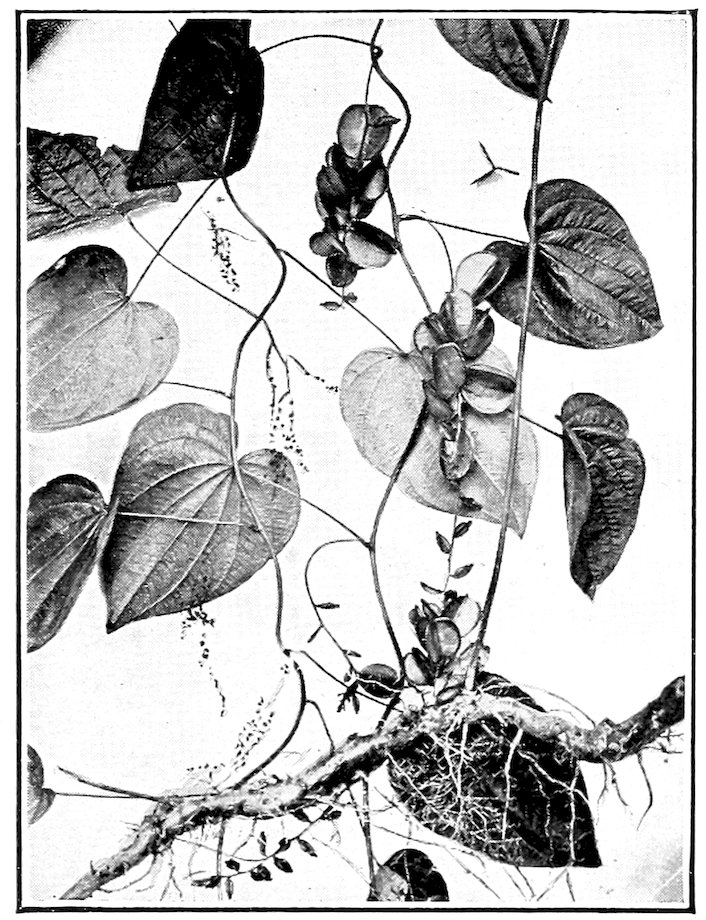
Fig. 3.—Wild Yam (Dioscorea villosa).
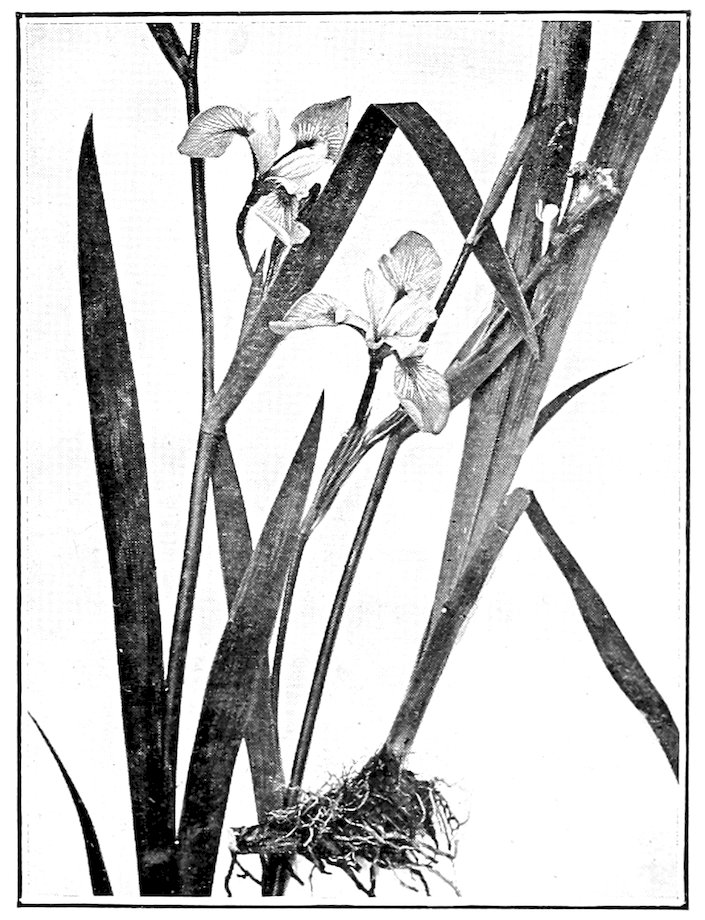
Fig. 4.—Blue Flag (Iris versicolor).
73
Plate III.
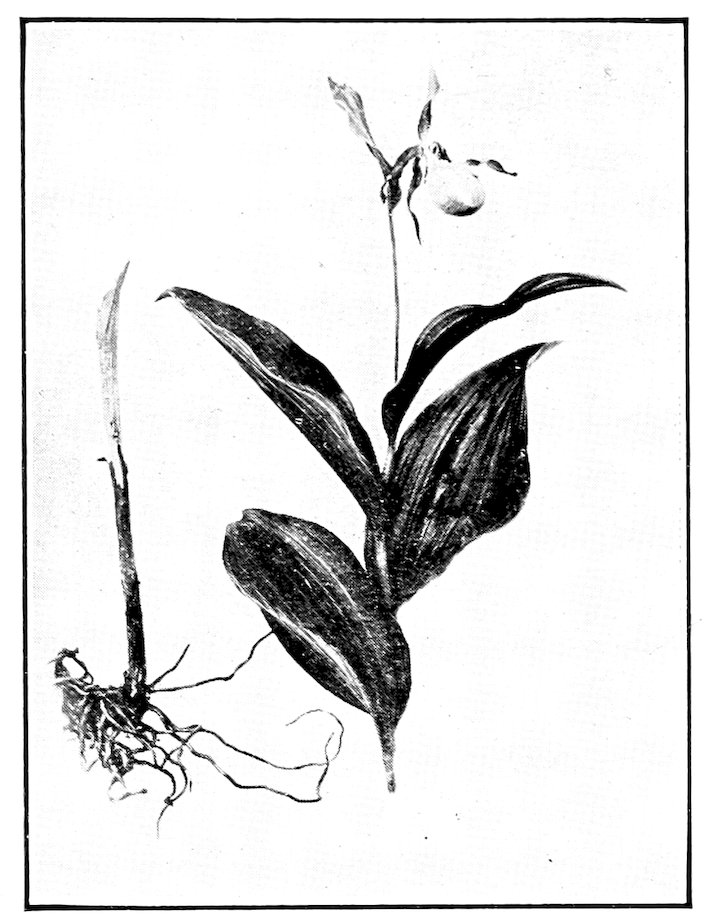
Fig. 1.—Large Yellow Lady’s-Slipper (Cypripedium hirsutum).
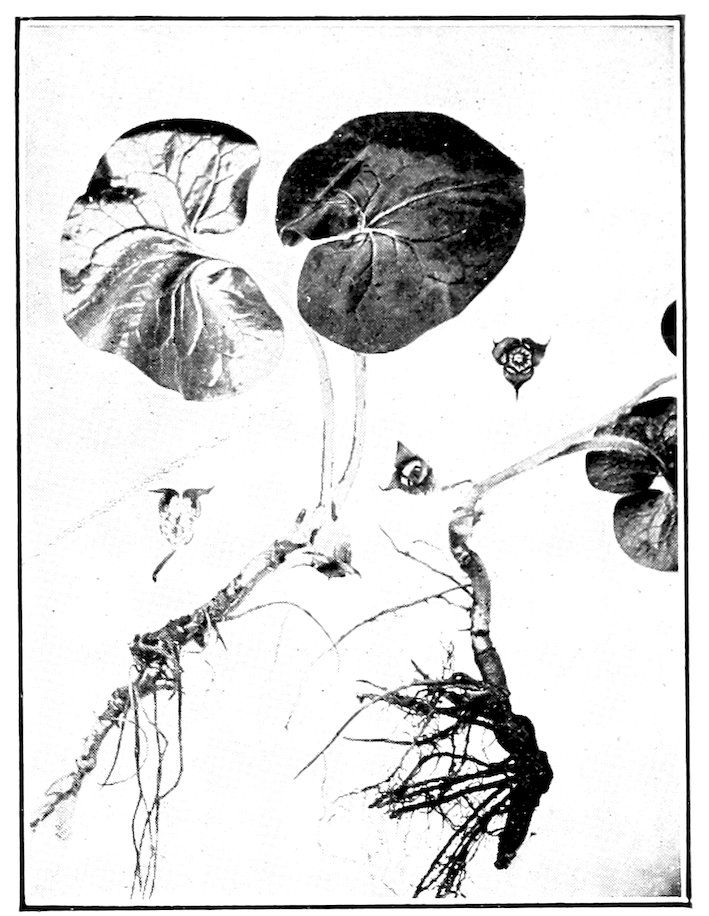
Fig. 2.—Canada Snakeroot (Asarum canadense).
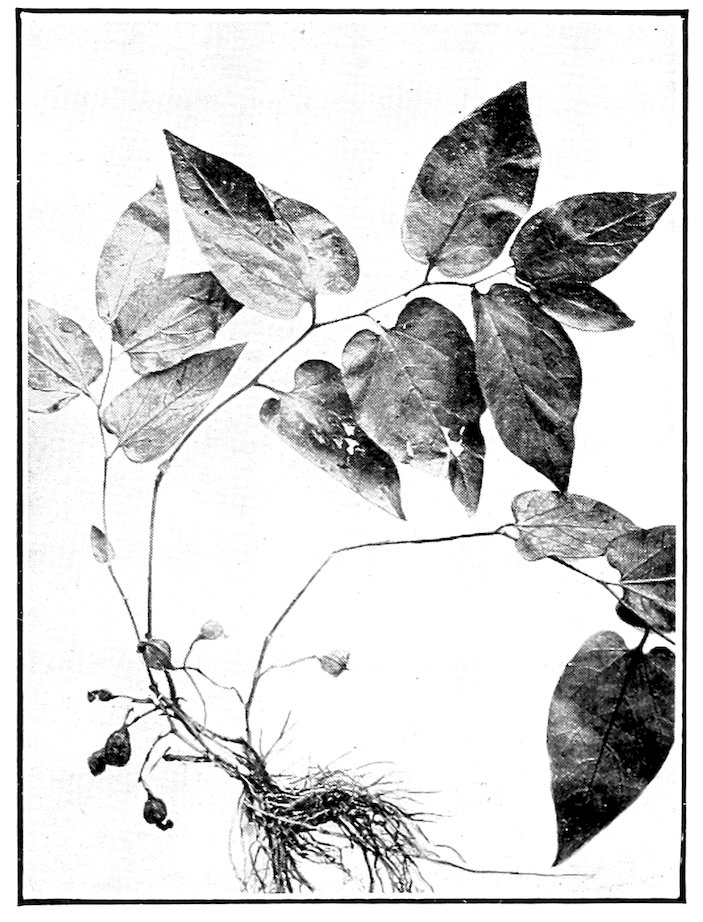
Fig. 3.—Virginia Serpentaria (Aristolochia serpentaria).
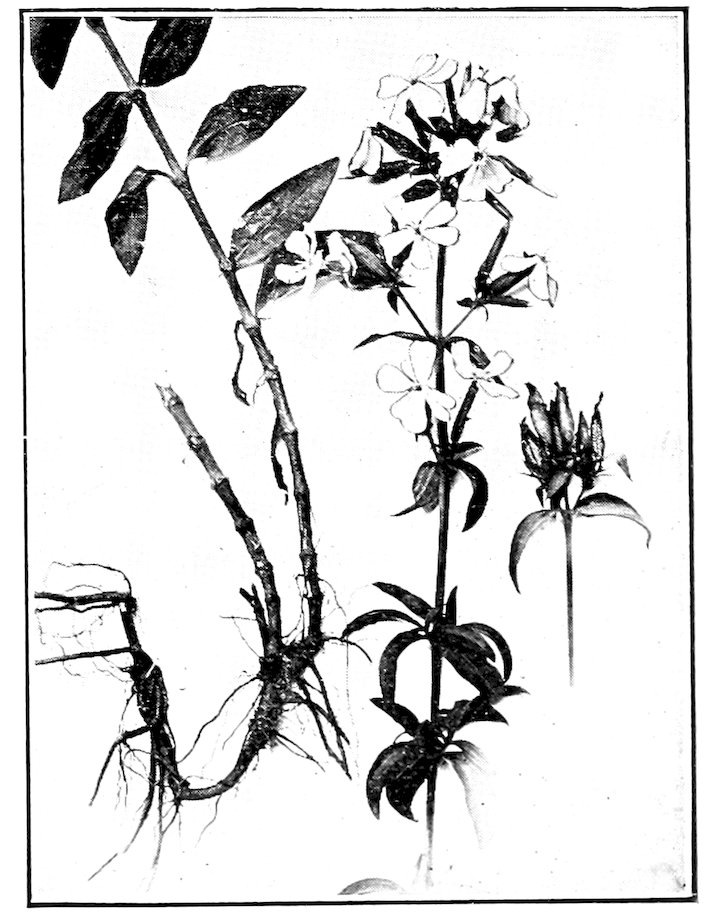
Fig. 4.—Soapwort (Saponaria officinalis).
75
Plate IV.
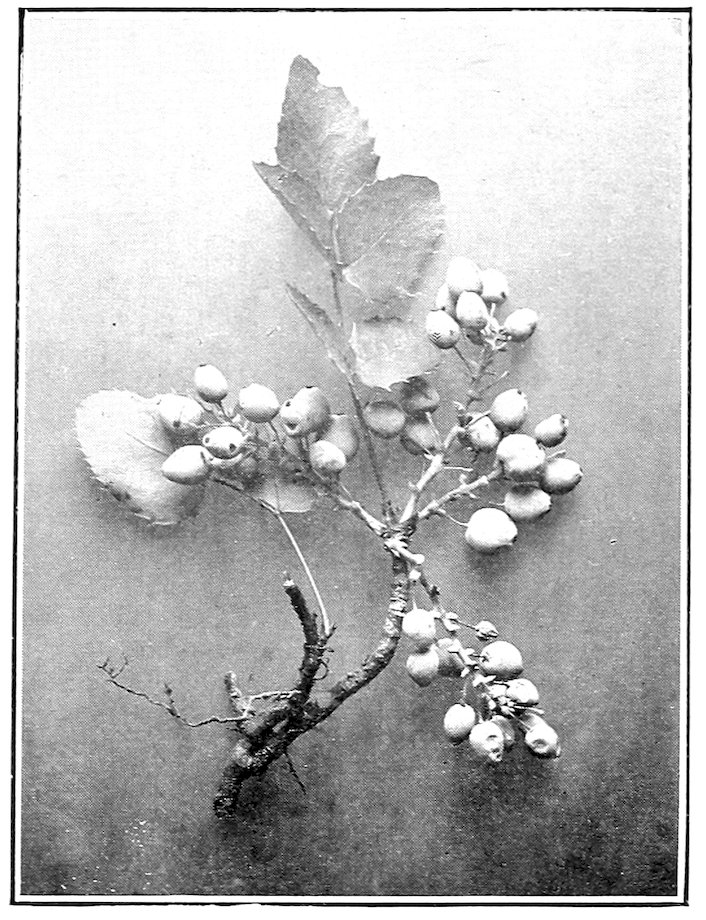
Fig. 1.—Oregon Grape (Berberis aquifolium).
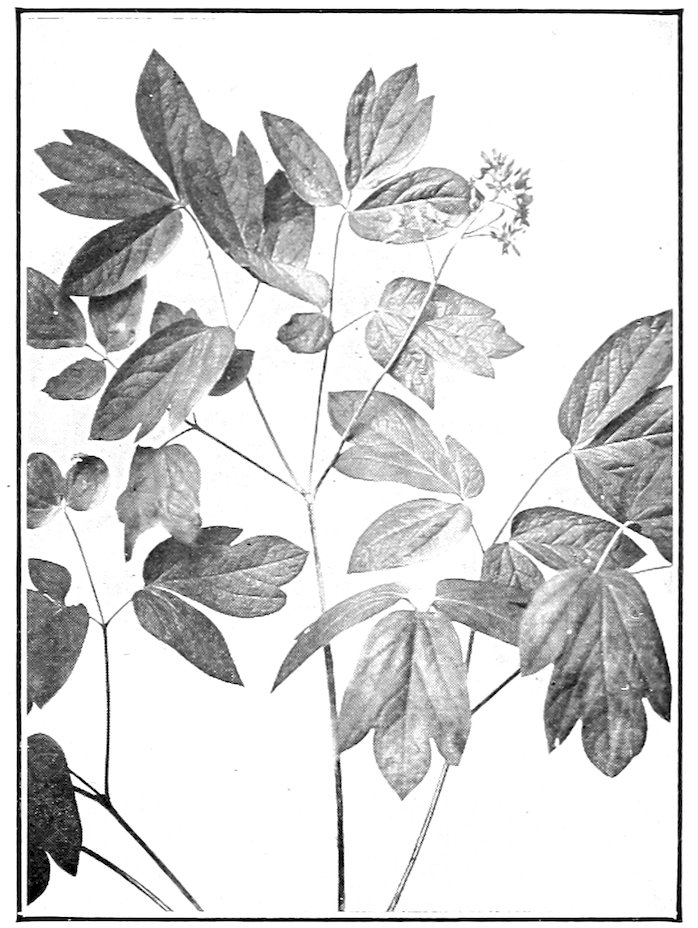
Fig. 2.—Blue Cohosh (Caulophyllum thalictroides).
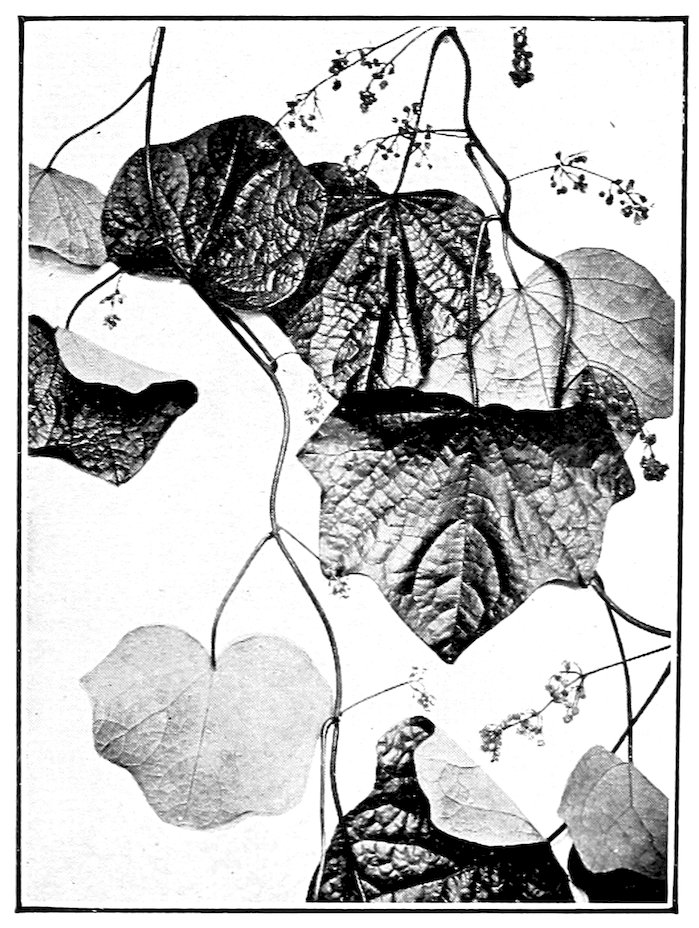
Fig. 3.—Canada Moonseed (Menispermum canadense).
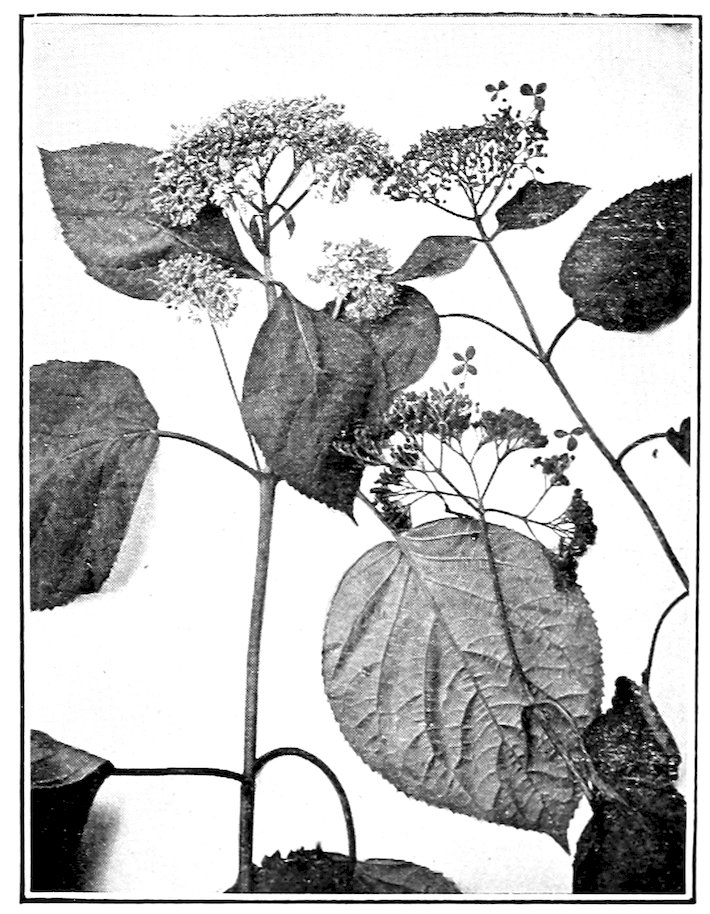
Fig. 4.—Hydrangea (Hydrangea arborescens).
77
Plate V.
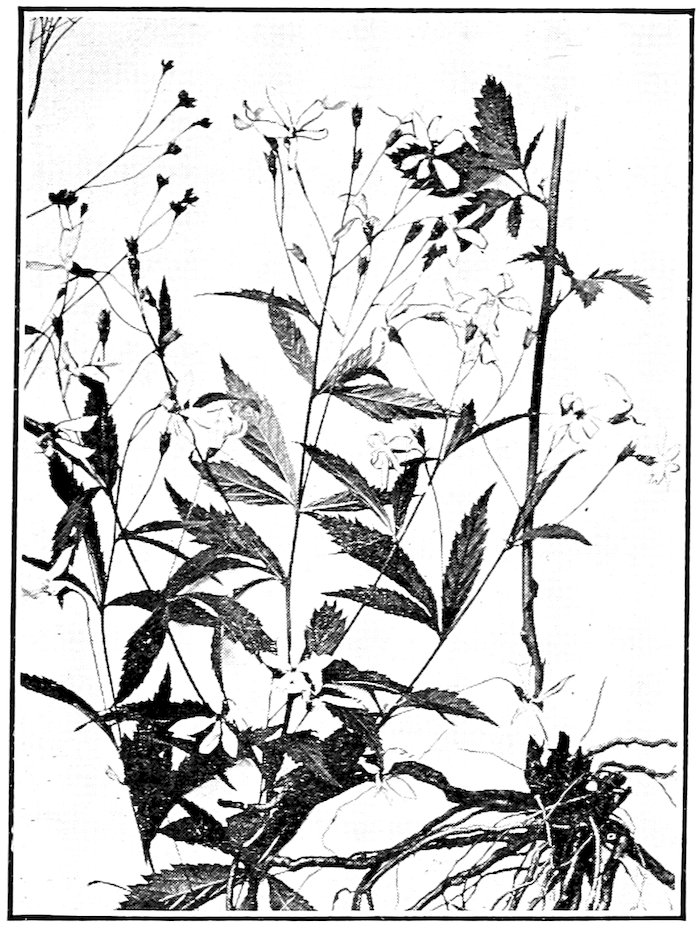
Fig. 1.—Indian-Physic (Porteranthus trifoliatus).
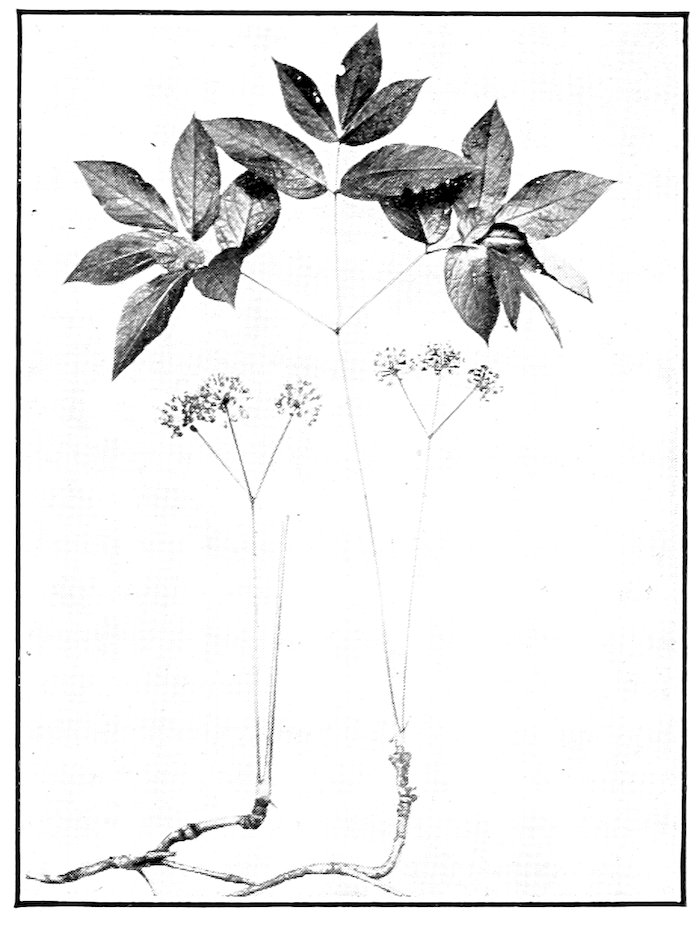
Fig. 2.—Wild Sarsaparilla (Aralia nudicaulis).
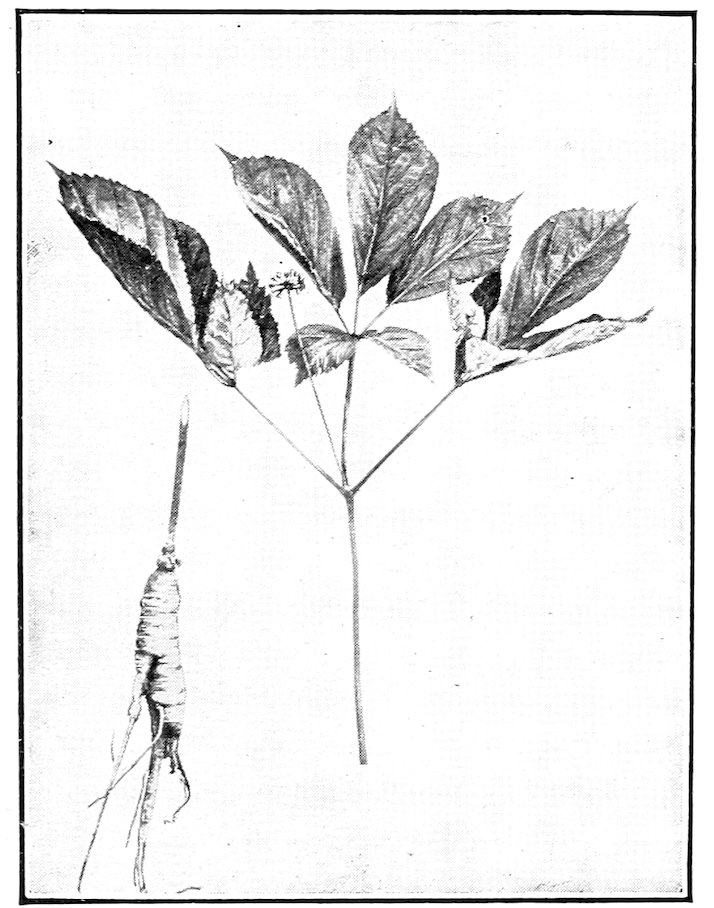
Fig. 3.—Ginseng (Panax quinquefolium).
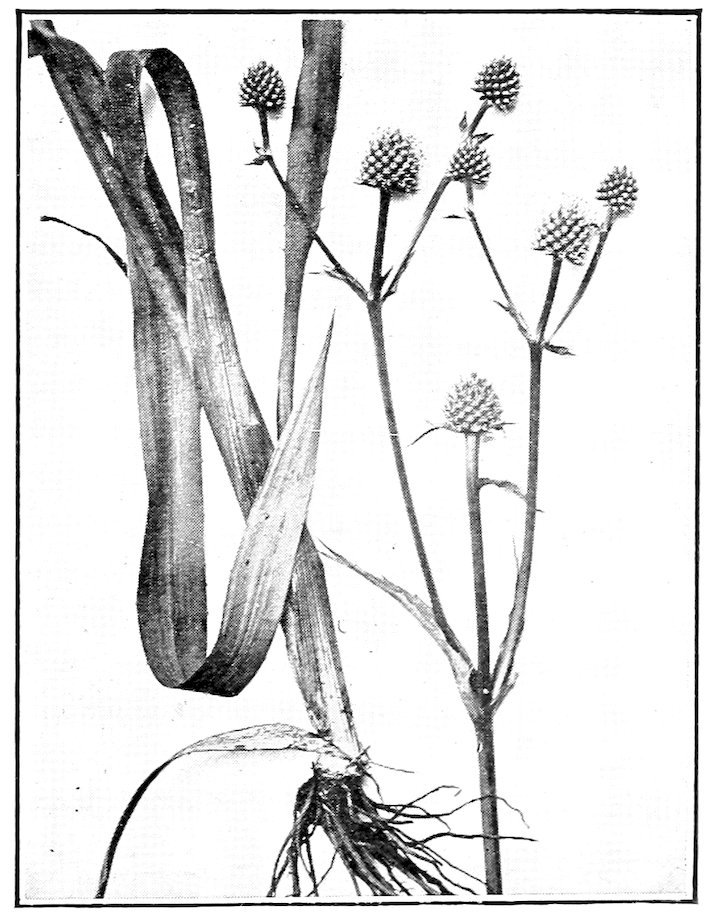
Fig. 4.—Water-Eryngo (Eryngium yuccifolium).
79
Plate VI.
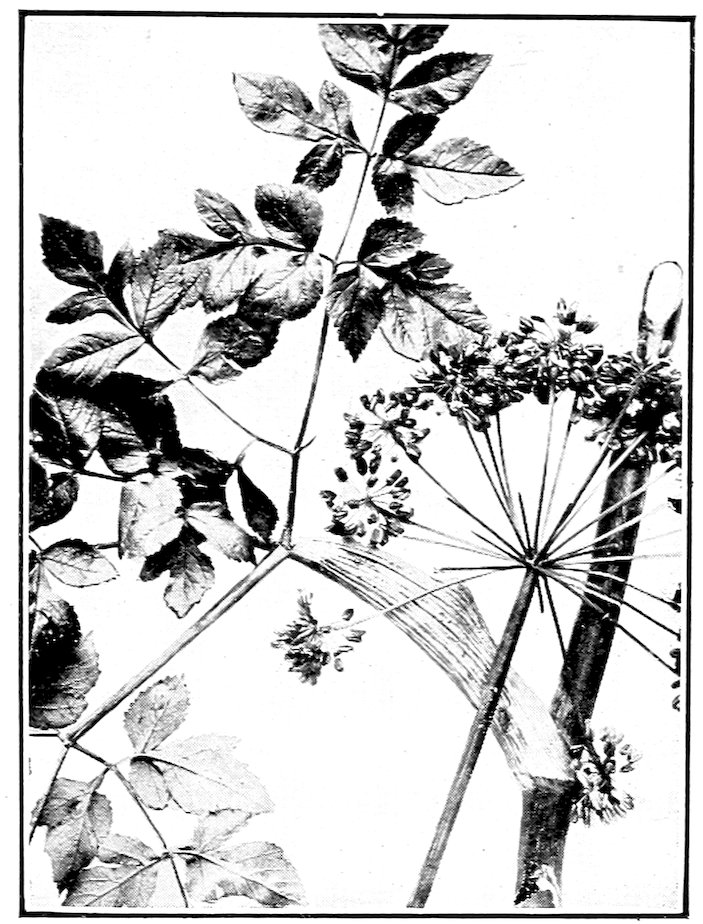
Fig. 1.—American Angelica (Angelica atropurpurea).
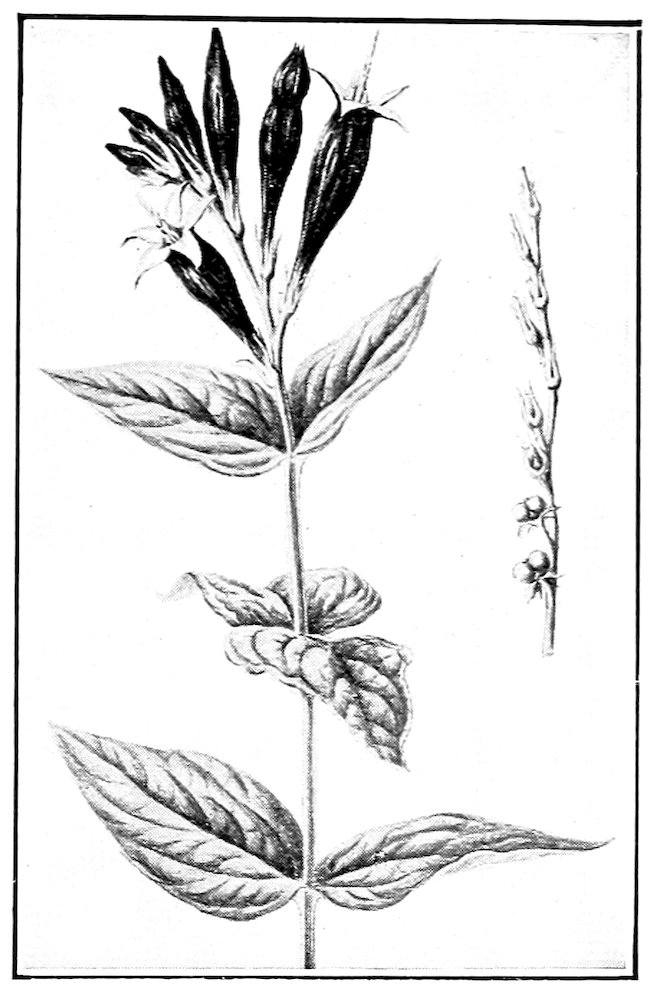
Fig. 2.—Pinkroot (Spigelia marilandica).
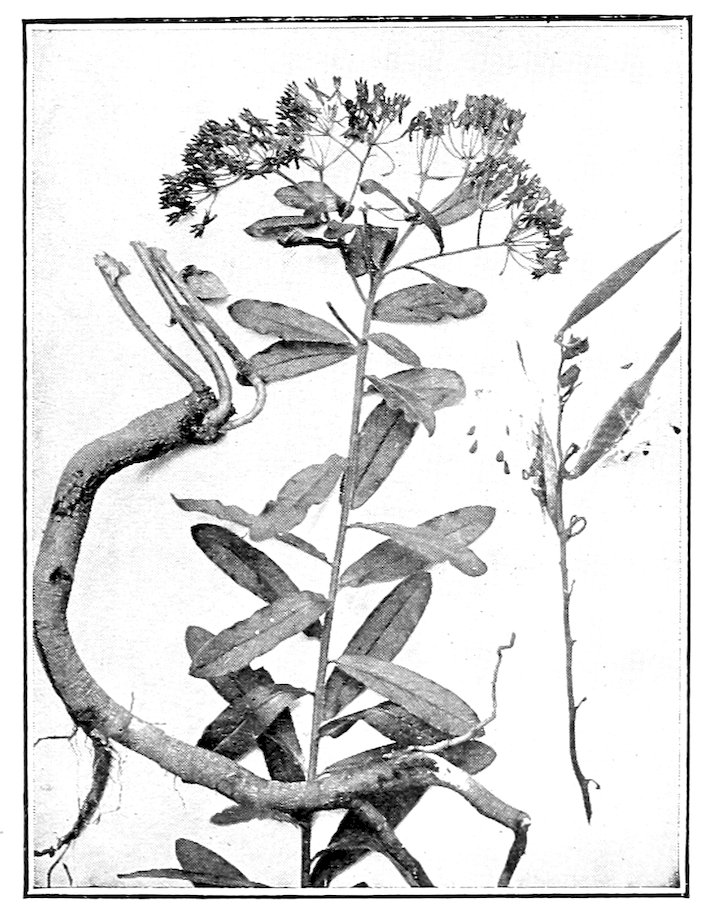
Fig. 3.—Pleurisy-Root (Asclepias tuberosa).
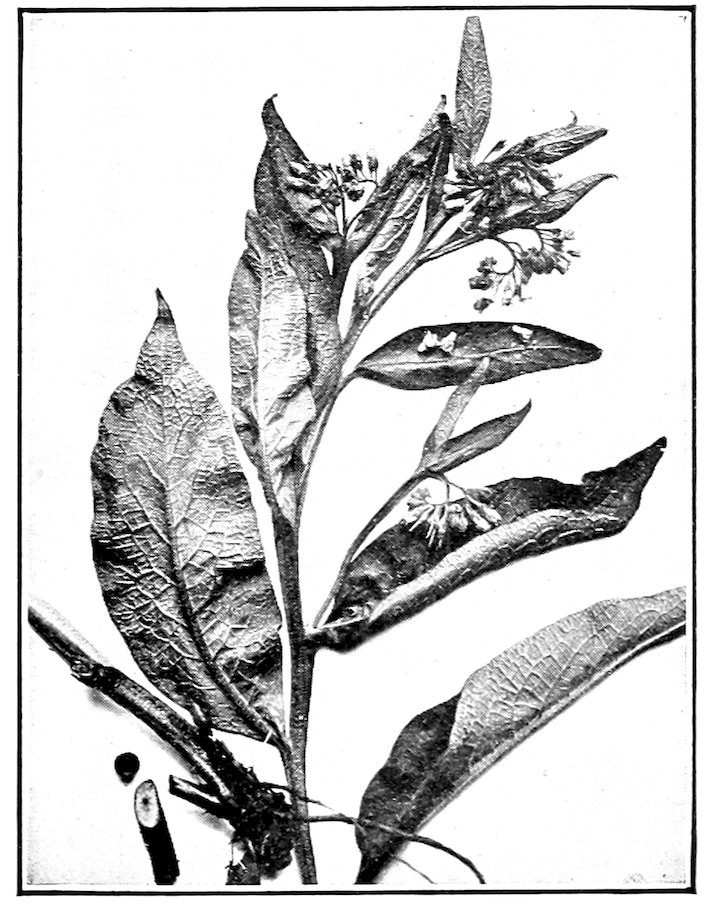
Fig. 4.—Comfrey (Symphytum officinale).
81
Plate VII.
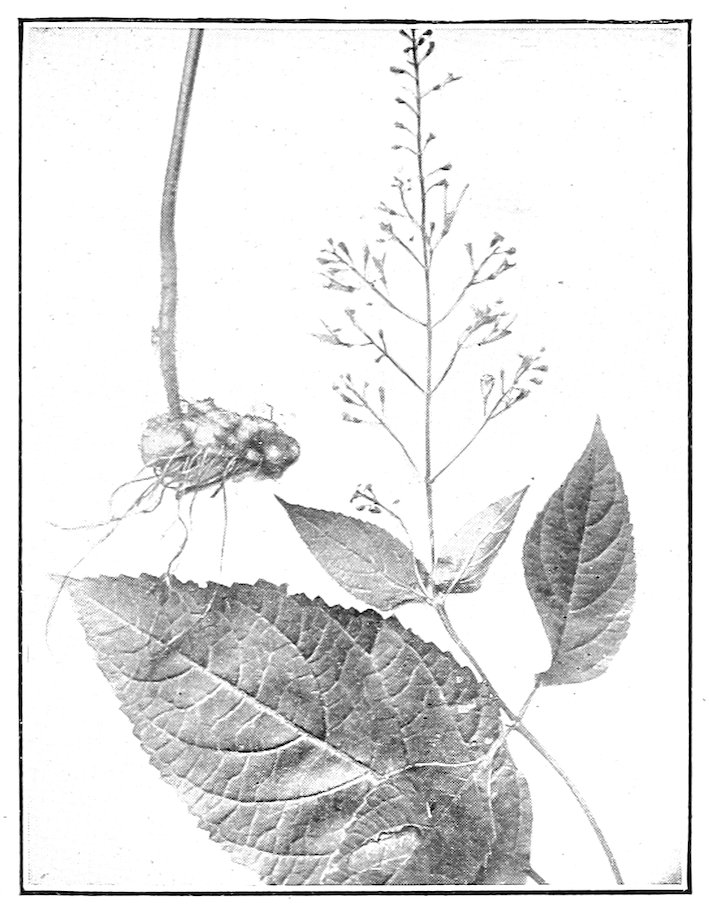
Fig. 1.—Stoneroot (Collinsonia canadensis).
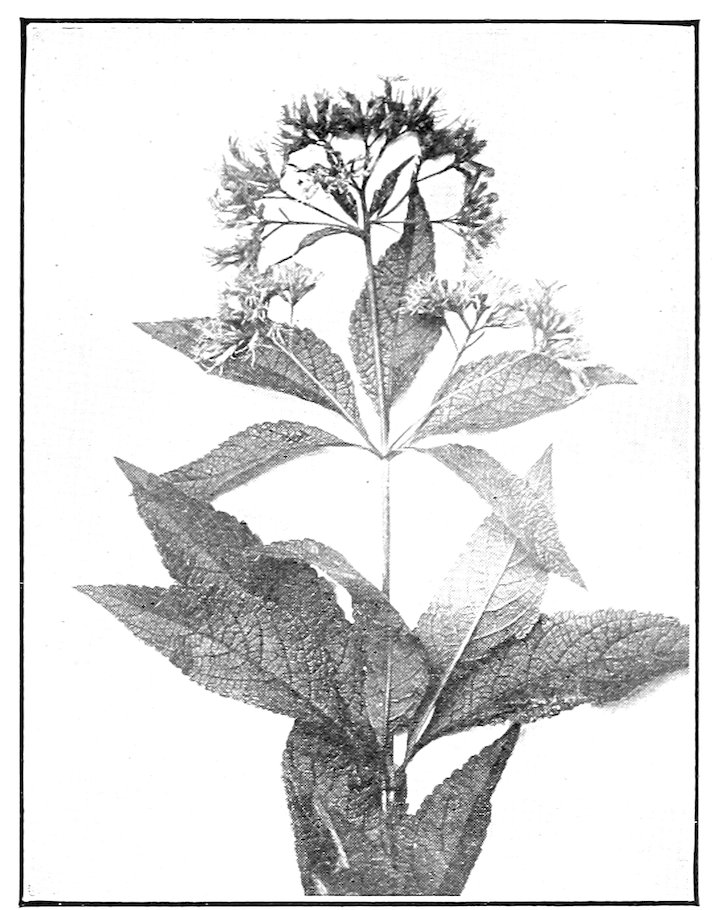
Fig. 2.—Queen-of-the-Meadow (Eupatorium purpureum).
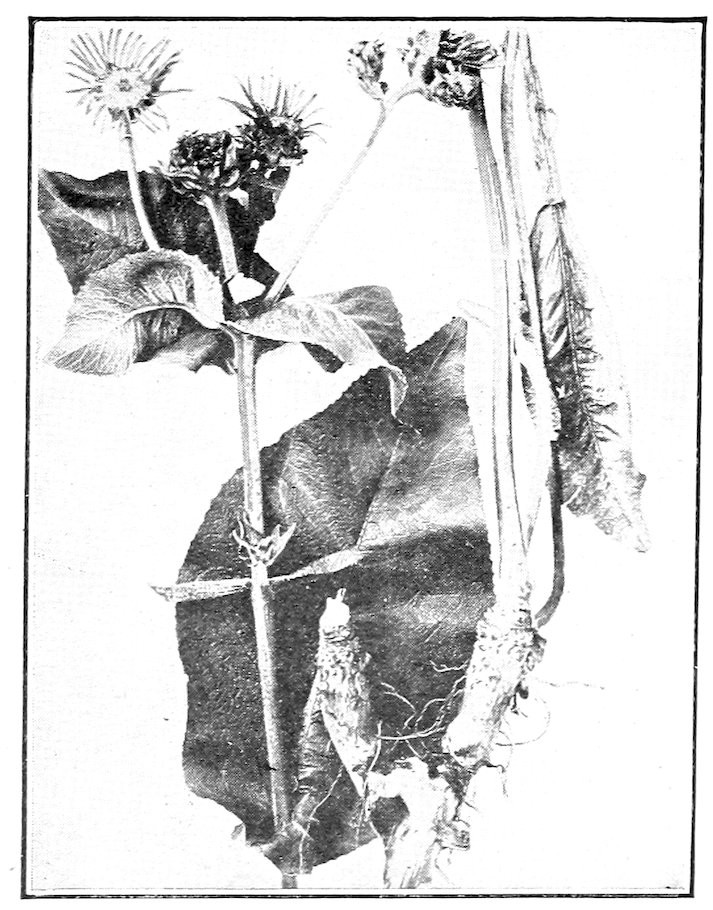
Fig. 3.—Elecampane (Inula helenium).
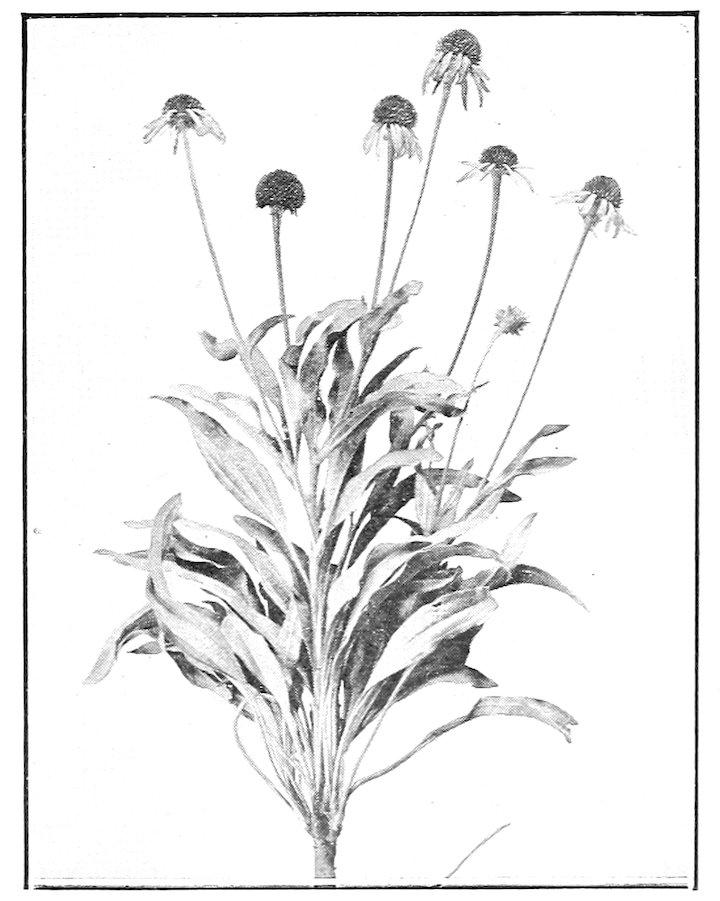
Fig. 4.—Echinacea (Brauneria angustifolia).
83