PLATES.
Reading edition
Plate I.
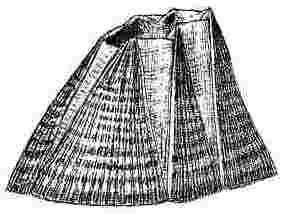
Plate I., figure a.
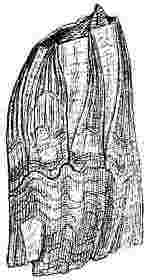
Plate I., figure b.
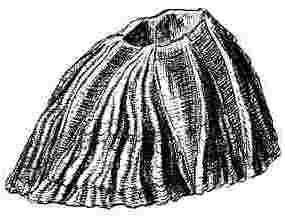
Plate I., figure c.
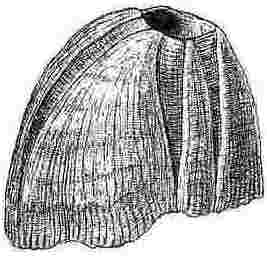
Plate I., figure d.
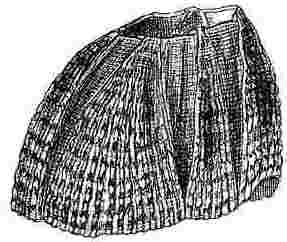
Plate I., figure e.
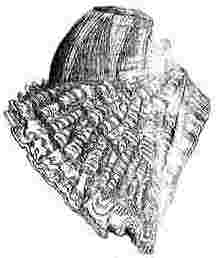
Plate I., figure f.
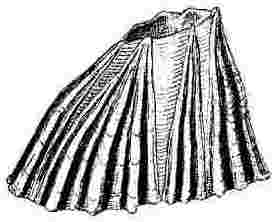
Plate I., figure g.
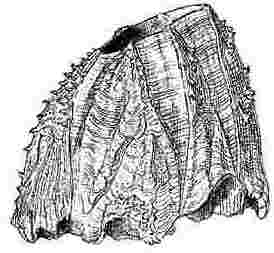
Plate I., figure h.
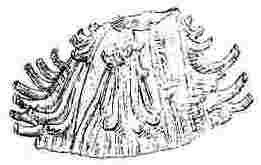
Plate I., figure i.
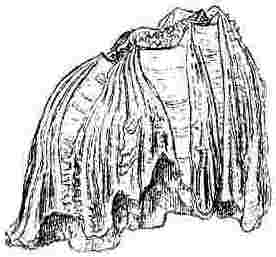
Plate I., figure k.
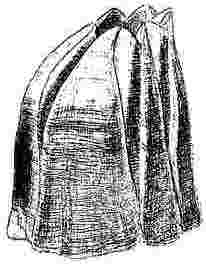
Plate I., figure l.
George Sowerby.
BALANUS TINTINNABULUM.
Plate II.
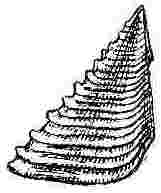
Plate II., figure 1 a.
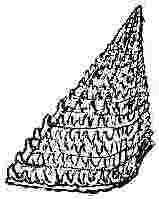
Plate II., figure 1 b.
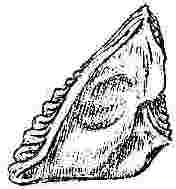
Plate II., figure 1 c.
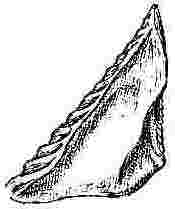
Plate II., figure 1 d.
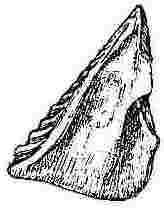
Plate II., figure 1 e.
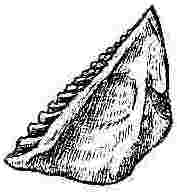
Plate II., figure 1 f.
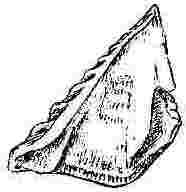
Plate II., figure 1 g.
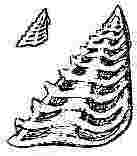
Plate II., figure 1 h.
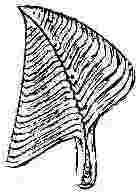
Plate II., figure 1 i.
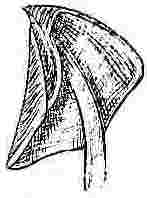
Plate II., figure 1 k.
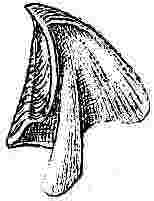
Plate II., figure 1 l.
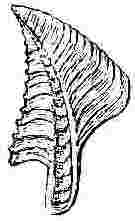
Plate II., figure 1 m.
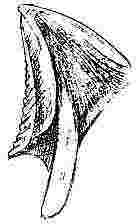
Plate II., figure 1 n.
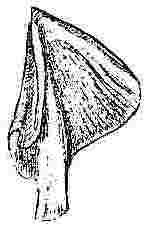
Plate II., figure 1 o.
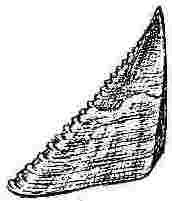
Plate II., figure 2 a.
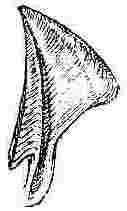
Plate II., figure 2 b.
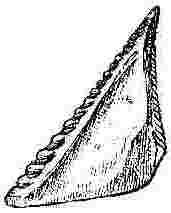
Plate II., figure 2 c.
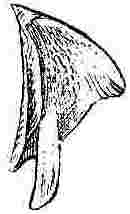
Plate II., figure 2 d.
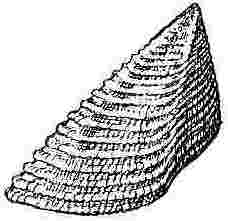
Plate II., figure 3 a.
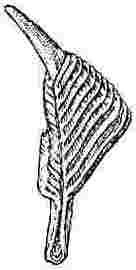
Plate II., figure 3 b.
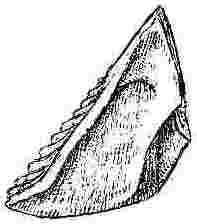
Plate II., figure 3 c.
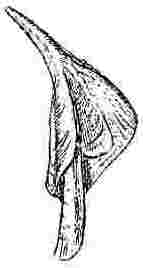
Plate II., figure 3 d.
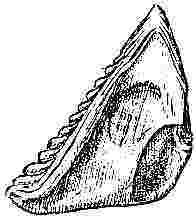
Plate II., figure 4 a.
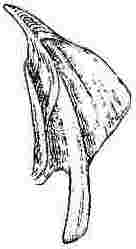
Plate II., figure 4 b.
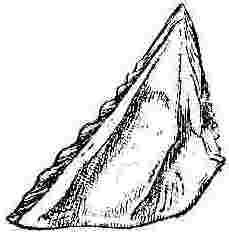
Plate II., figure 5 a.
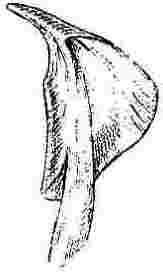
Plate II., figure 5 b.
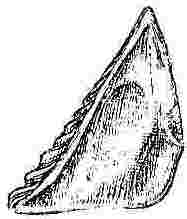
Plate II., figure 6 a.
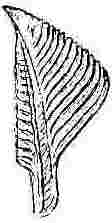
Plate II., figure 6 b.
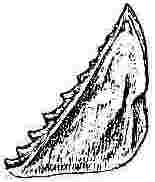
Plate II., figure 7 a.
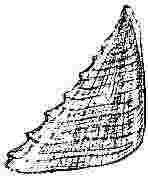
Plate II., figure 7 b.
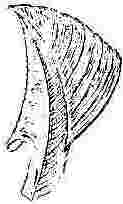
Plate II., figure 7 c.
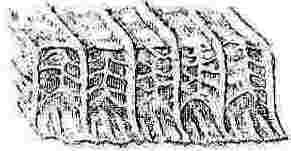
Plate II., figure 7 d.
George Sowerby.
BALANUS.
Plate III.
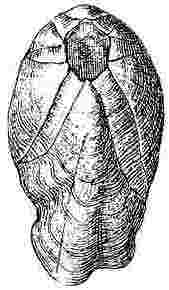
Plate III., figure 1 a.
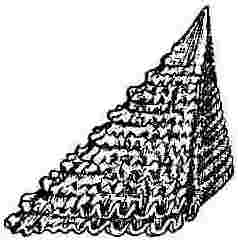
Plate III., figure 1 b.
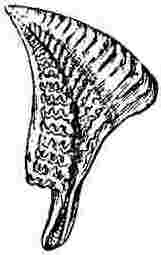
Plate III., figure 1 c.
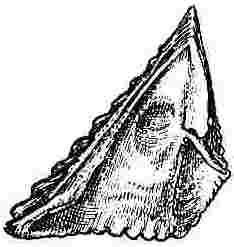
Plate III., figure 1 d.
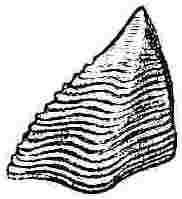
Plate III., figure 2 a.
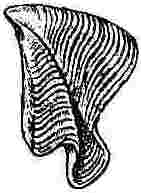
Plate III., figure 2 b.
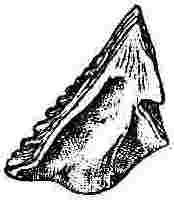
Plate III., figure 2 c.
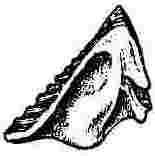
Plate III., figure 2 d.
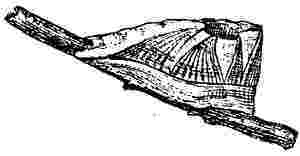
Plate III., figure 3 a.
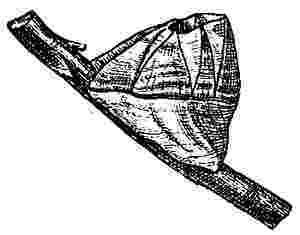
Plate III., figure 3 b.
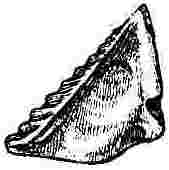
Plate III., figure 3 c.
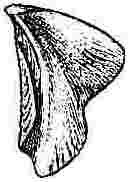
Plate III., figure 3 d.
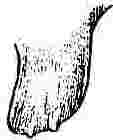
Plate III., figure 3 e.
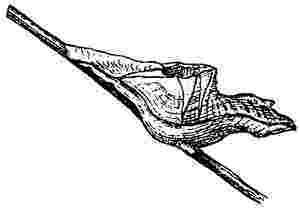
Plate III., figure 4 a.
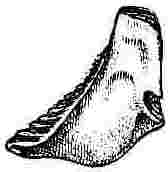
Plate III., figure 4 b.
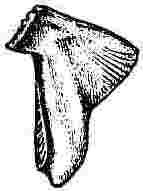
Plate III., figure 4 c.
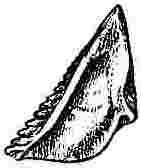
Plate III., figure 5 a.
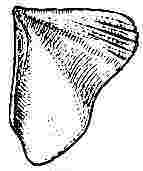
Plate III., figure 5 b.
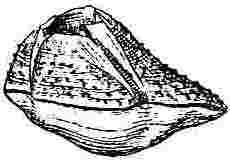
Plate III., figure 6 a.
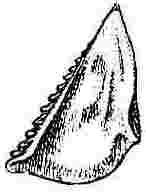
Plate III., figure 6 b.
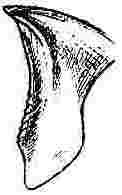
Plate III., figure 6 c.
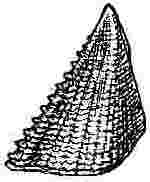
Plate III., figure 6 d.
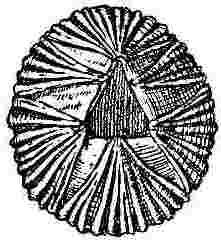
Plate III., figure 7 a.
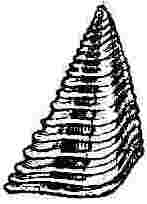
Plate III., figure 7 b.
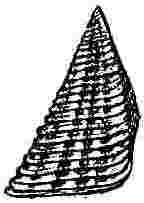
Plate III., figure 7 c.
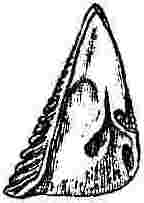
Plate III., figure 7 d.
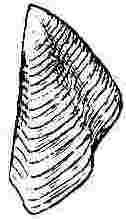
Plate III., figure 7 e.
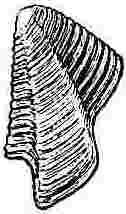
Plate III., figure 7 f.
George Sowerby.
BALANUS.
Plate IV.
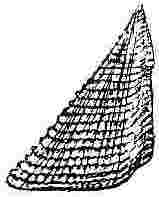
Plate IV., figure 1 a.
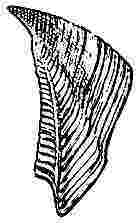
Plate IV., figure 1 b.
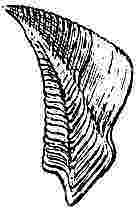
Plate IV., figure 1 c.
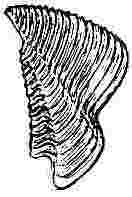
Plate IV., figure 1 d.
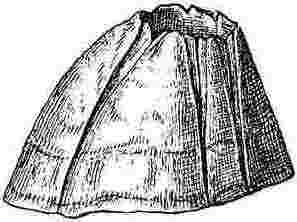
Plate IV., figure 2.
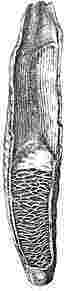
Plate IV., figure 2 a.
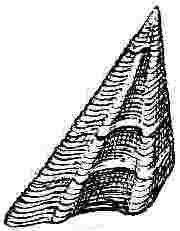
Plate IV., figure 2 b.
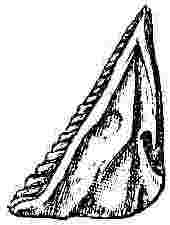
Plate IV., figure 2 c.
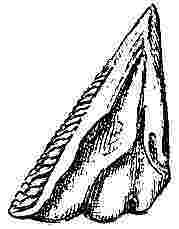
Plate IV., figure 2 d.
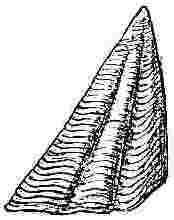
Plate IV., figure 2 e.
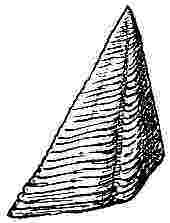
Plate IV., figure 2 f.
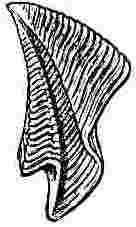
Plate IV., figure 2 g.
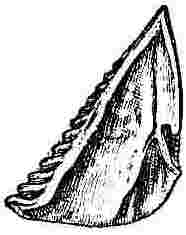
Plate IV., figure 3 a.
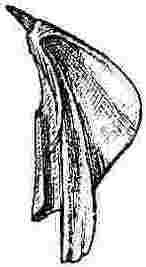
Plate IV., figure 3 b.
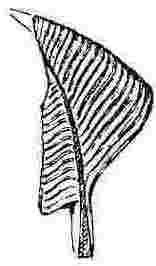
Plate IV., figure 3 c.
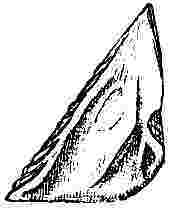
Plate IV., figure 4 a.
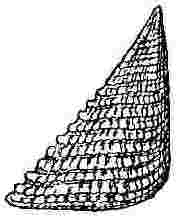
Plate IV., figure 4 b.
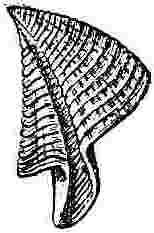
Plate IV., figure 4 c.
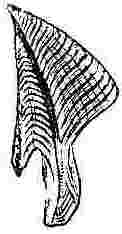
Plate IV., figure 4 d.
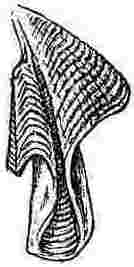
Plate IV., figure 4 e.
George Sowerby.
BALANUS.
Plate V.
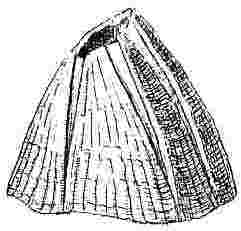
Plate V., figure 1 a.
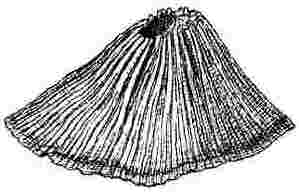
Plate V., figure 1 b.
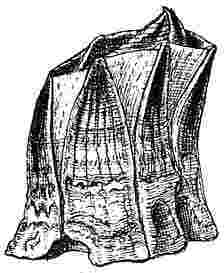
Plate V., figure 1 c.
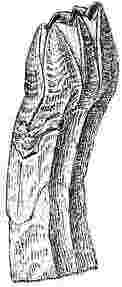
Plate V., figure 1 d.
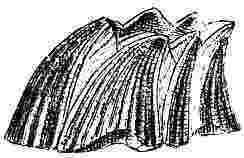
Plate V., figure 2 a.
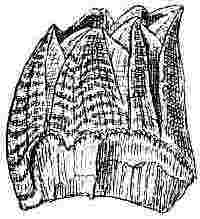
Plate V., figure 2 b.
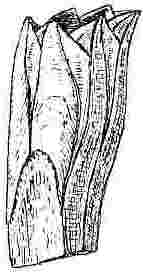
Plate V., figure 2 c.
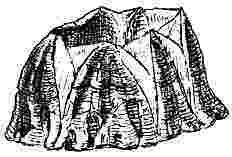
Plate V., figure 2 d.
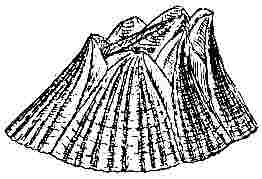
Plate V., figure 2 e.
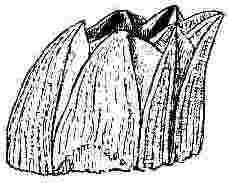
Plate V., figure 2 f.
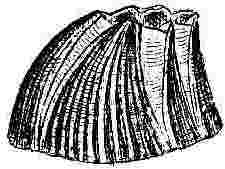
Plate V., figure 2 g.
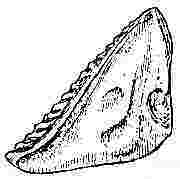
Plate V., figure 2 h.
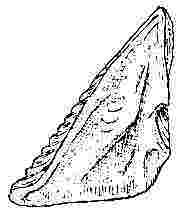
Plate V., figure 2 i.
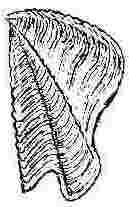
Plate V., figure 2 k.
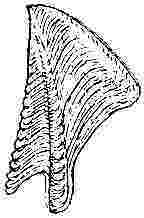
Plate V., figure 2 l.
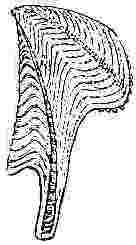
Plate V., figure 2 m.
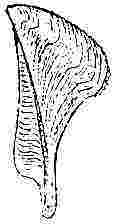
Plate V., figure 2 n.
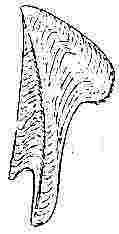
Plate V., figure 2 o.
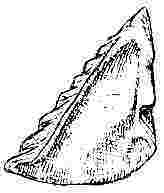
Plate V., figure 3 a.
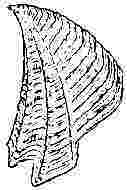
Plate V., figure 3 b.
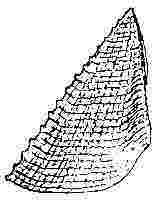
Plate V., figure 4 a.
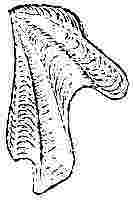
Plate V., figure 4 b.
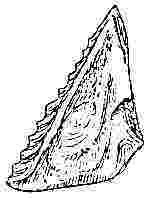
Plate V., figure 4 c.
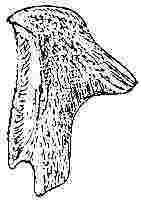
Plate V., figure 4 d.
George Sowerby.
BALANUS.
Plate VI.
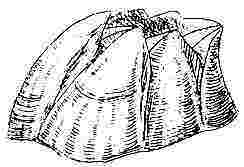
Plate VI., figure 1 a.
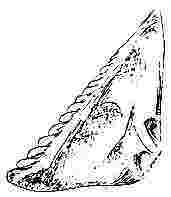
Plate VI., figure 1 b.
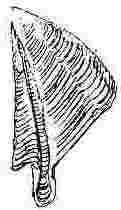
Plate VI., figure 1 c.
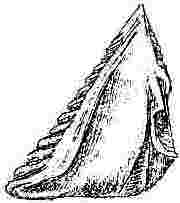
Plate VI., figure 2 a.
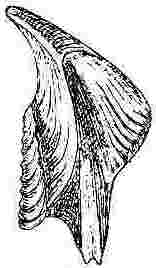
Plate VI., figure 2 b.
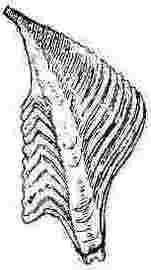
Plate VI., figure 2 c.
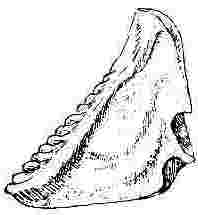
Plate VI., figure 3 a.
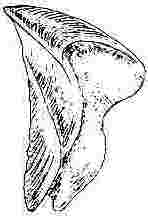
Plate VI., figure 3 b.
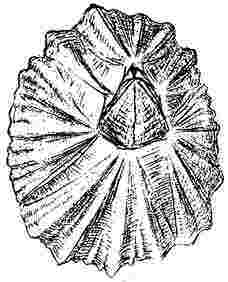
Plate VI., figure 4 a.
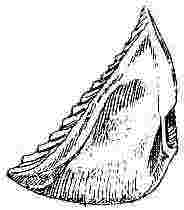
Plate VI., figure 4 b.
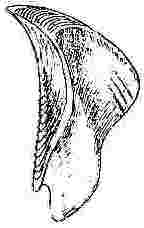
Plate VI., figure 4 c.
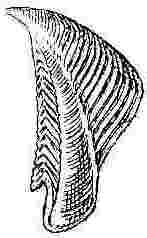
Plate VI., figure 4 d.
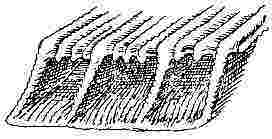
Plate VI., figure 4 e.
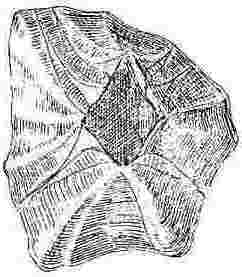
Plate VI., figure 5 a.
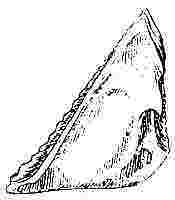
Plate VI., figure 5 b.
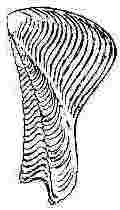
Plate VI., figure 5 c.
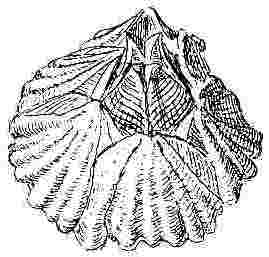
Plate VI., figure 6 a.
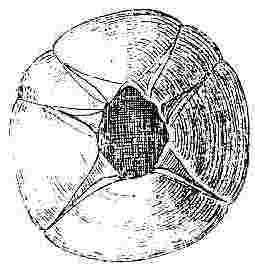
Plate VI., figure 6 b.
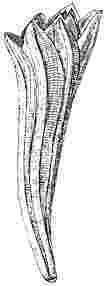
Plate VI., figure 6 c.
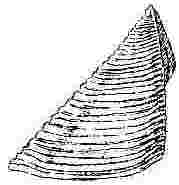
Plate VI., figure 6 d.
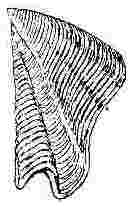
Plate VI., figure 6 e.
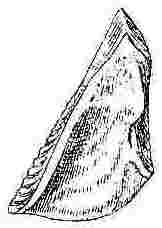
Plate VI., figure 6 f.
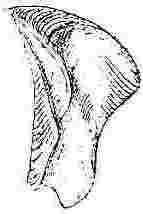
Plate VI., figure 6 g.
George Sowerby.
BALANUS.
Plate VII.
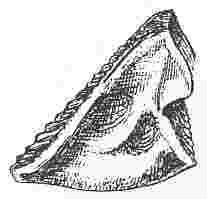
Plate VII., figure 1 a.
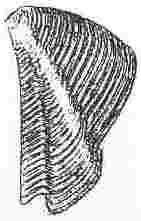
Plate VII., figure 1 b.
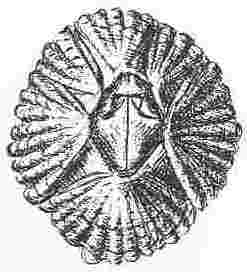
Plate VII., figure 2 a.
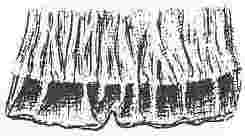
Plate VII., figure 2 b.
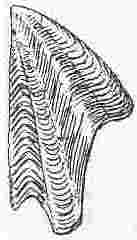
Plate VII., figure 2 c.
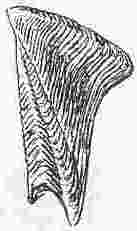
Plate VII., figure 2 d.
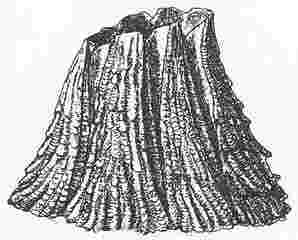
Plate VII., figure 3 a.
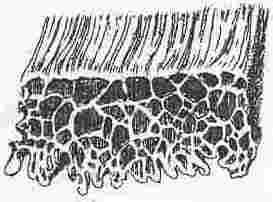
Plate VII., figure 3 b.
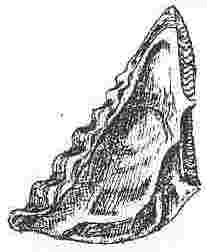
Plate VII., figure 3 c.
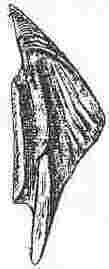
Plate VII., figure 3 d.
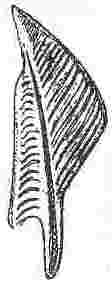
Plate VII., figure 3 e.
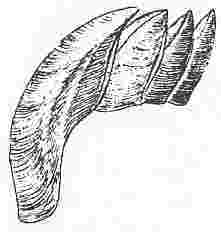
Plate VII., figure 4 a.
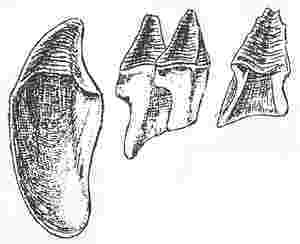
Plate VII., figure 4 b.
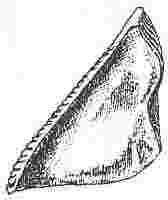
Plate VII., figure 4 c.
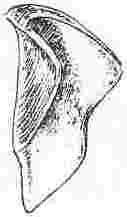
Plate VII., figure 4 d.
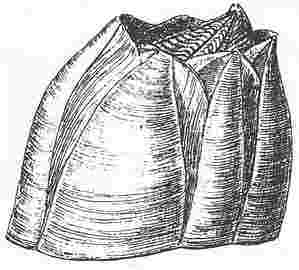
Plate VII., figure 5 a.
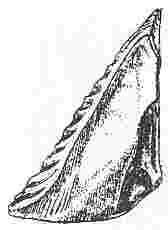
Plate VII., figure 5 b.
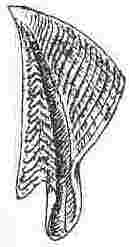
Plate VII., figure 5 c.
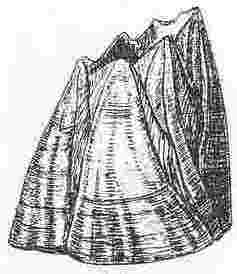
Plate VII., figure 6 a.
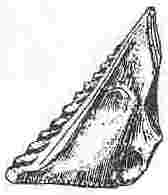
Plate VII., figure 6 b.
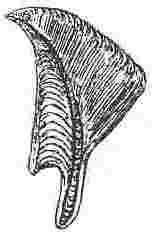
Plate VII., figure 6 c.
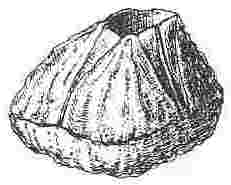
Plate VII., figure 7 a.
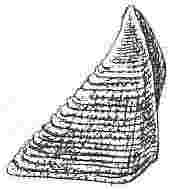
Plate VII., figure 7 b.
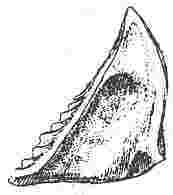
Plate VII., figure 7 c.
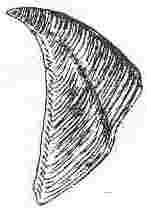
Plate VII., figure 7 d.
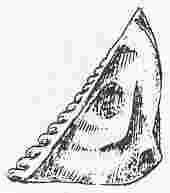
Plate VII., figure 8 a.
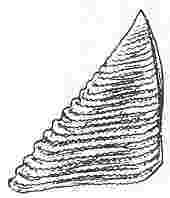
Plate VII., figure 8 b.
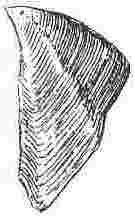
Plate VII., figure 8 c.
George Sowerby.
BALANUS.
Plate VIII.
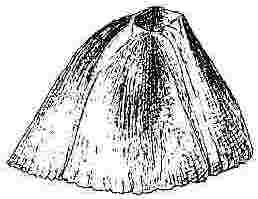
Plate VIII., figure 1.
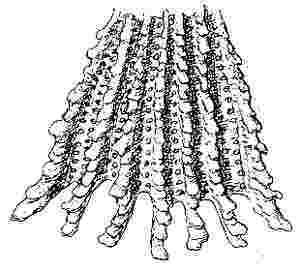
Plate VIII., figure 2 a.
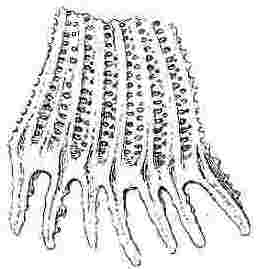
Plate VIII., figure 2 b.
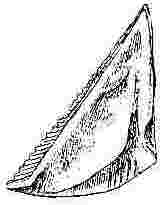
Plate VIII., figure 3 a.
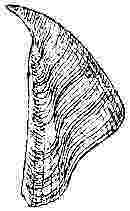
Plate VIII., figure 3 b.
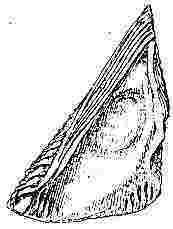
Plate VIII., figure 4 a.
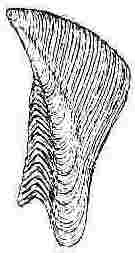
Plate VIII., figure 4 b.
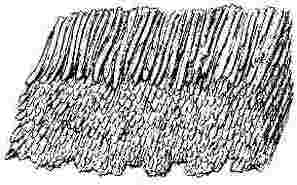
Plate VIII., figure 4 c.
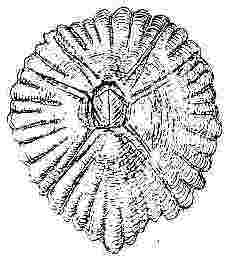
Plate VIII., figure 5 a.
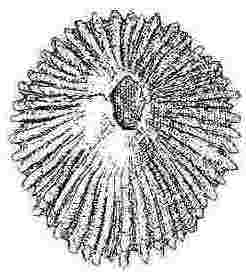
Plate VIII., figure 5 b.
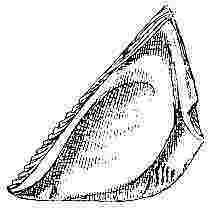
Plate VIII., figure 5 c.
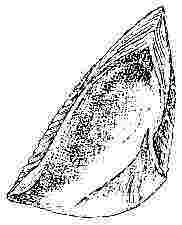
Plate VIII., figure 5 d.
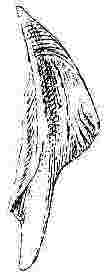
Plate VIII., figure 5 e.
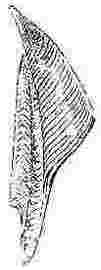
Plate VIII., figure 5 f.
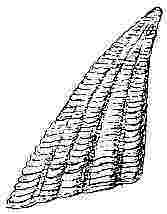
Plate VIII., figure 6 a.
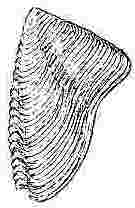
Plate VIII., figure 6 b.
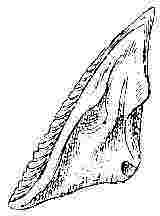
Plate VIII., figure 6 c.
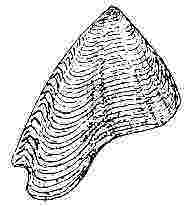
Plate VIII., figure 7.
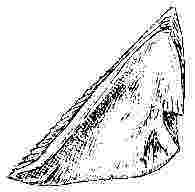
Plate VIII., figure 8 a.
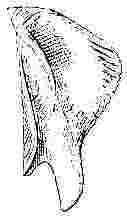
Plate VIII., figure 8 b.
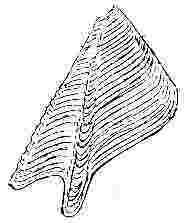
Plate VIII., figure 9.
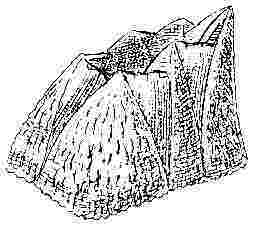
Plate VIII., figure 10 a.
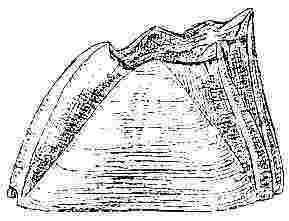
Plate VIII., figure 10 b.
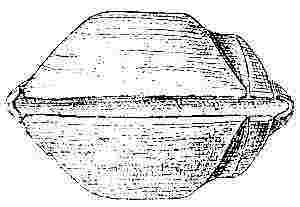
Plate VIII., figure 10 c.
George Sowerby.
BALANUS.
Plate IX.
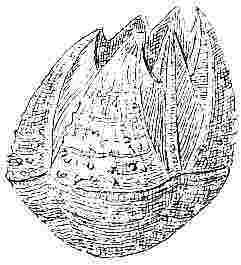
Plate IX., figure 1 a.
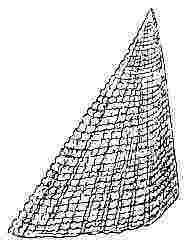
Plate IX., figure 1 b.
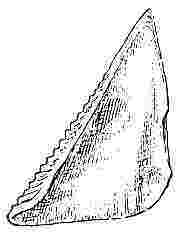
Plate IX., figure 1 c.
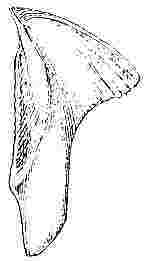
Plate IX., figure 1 d.
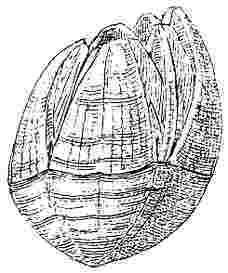
Plate IX., figure 2 a.
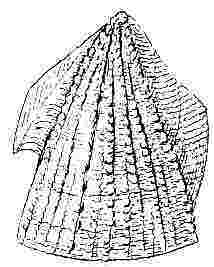
Plate IX., figure 2 b.
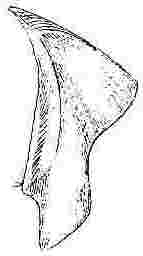
Plate IX., figure 2 c.
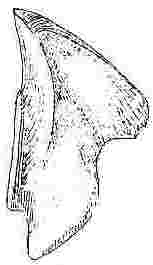
Plate IX., figure 2 d.
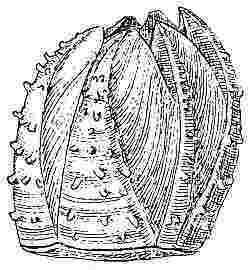
Plate IX., figure 3 a.
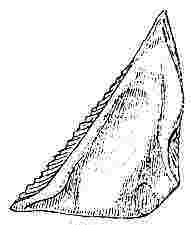
Plate IX., figure 3 b.
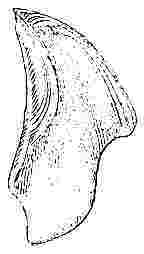
Plate IX., figure 3 c.
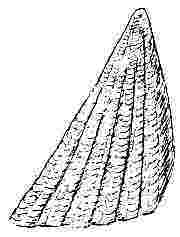
Plate IX., figure 4.
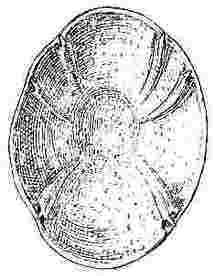
Plate IX., figure 5 a.
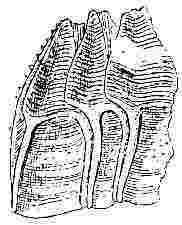
Plate IX., figure 5 b.
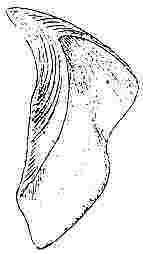
Plate IX., figure 5 c.
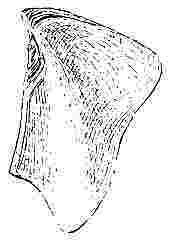
Plate IX., figure 6 a.
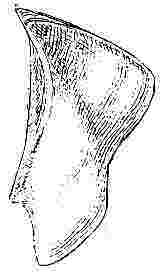
Plate IX., figure 6 b.
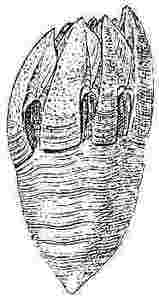
Plate IX., figure 7 a.
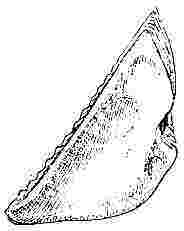
Plate IX., figure 7 b.
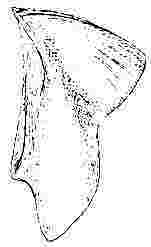
Plate IX., figure 7 c.
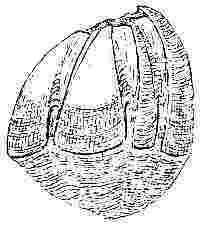
Plate IX., figure 8 a.
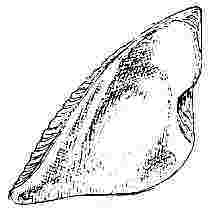
Plate IX., figure 8 b.
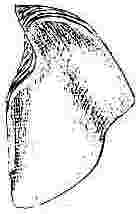
Plate IX., figure 8 c.
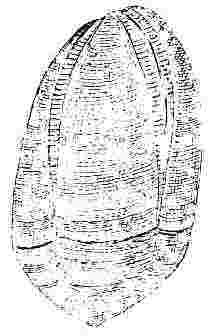
Plate IX., figure 9 a.
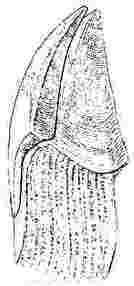
Plate IX., figure 9 b.
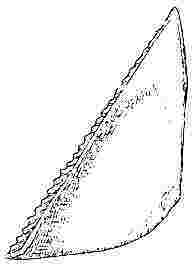
Plate IX., figure 9 c.
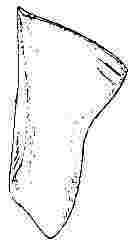
Plate IX., figure 9 d.
George Sowerby.
ACASTA.
Plate X.
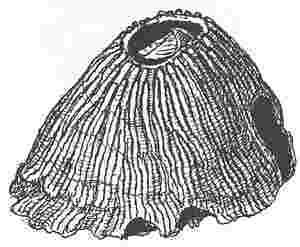
Plate X., figure 1 a.
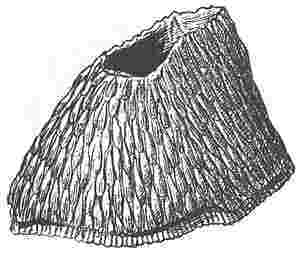
Plate X., figure 1 b.
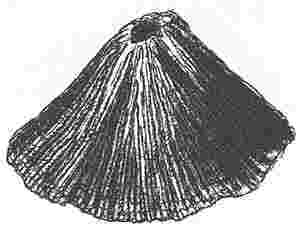
Plate X., figure 1 c.
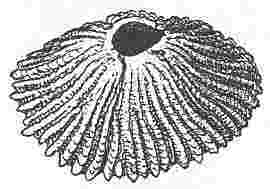
Plate X., figure 1 d.
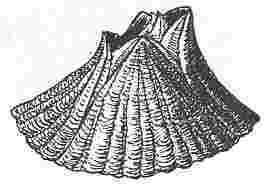
Plate X., figure 1 e.
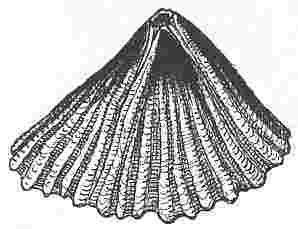
Plate X., figure 1 f.
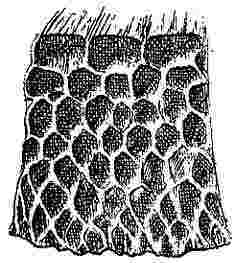
Plate X., figure 1 g.
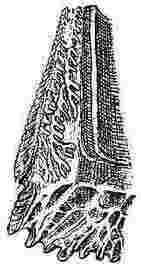
Plate X., figure 1 h.
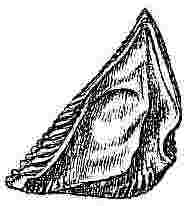
Plate X., figure 1 i.
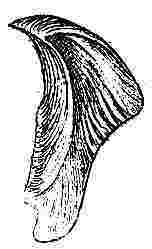
Plate X., figure 1 k.
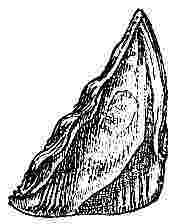
Plate X., figure 1 l.
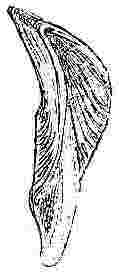
Plate X., figure 1 m.
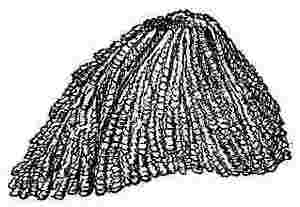
Plate X., figure 2 a.
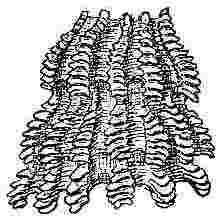
Plate X., figure 2 b.
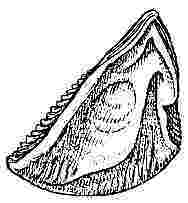
Plate X., figure 2 c.
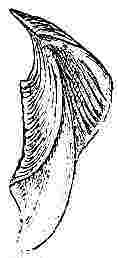
Plate X., figure 2 d.
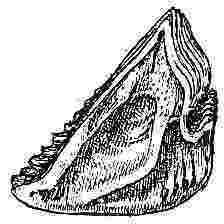
Plate X., figure 3 a.
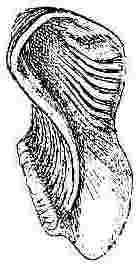
Plate X., figure 3 b.
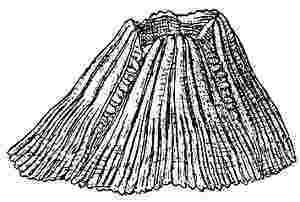
Plate X., figure 3 c.
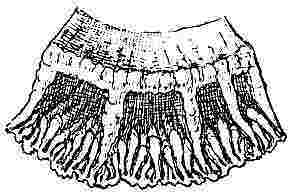
Plate X., figure 3 d.
George Sowerby.
TETRACLITA.
Plate XI.
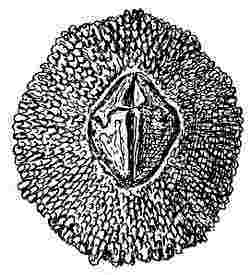
Plate XI., figure 1 a.
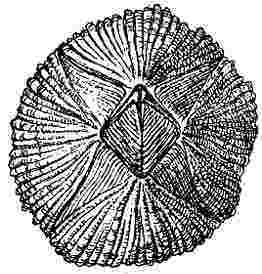
Plate XI., figure 1 b.
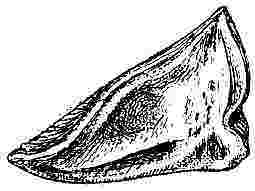
Plate XI., figure 1 c.
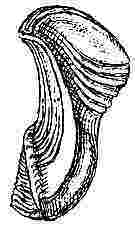
Plate XI., figure 1 d.
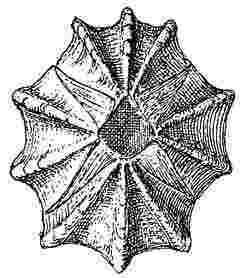
Plate XI., figure 2 a.
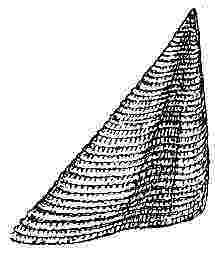
Plate XI., figure 2 b.
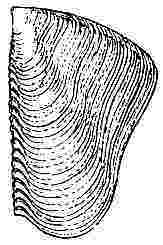
Plate XI., figure 2 c.
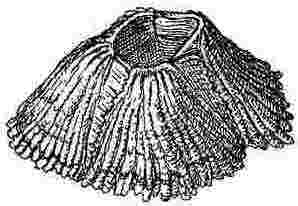
Plate XI., figure 3 a.
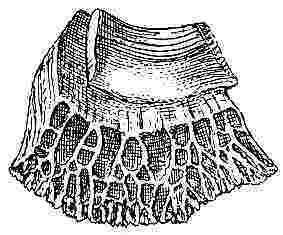
Plate XI., figure 3 b.
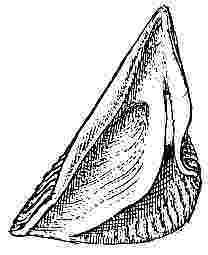
Plate XI., figure 3 c.
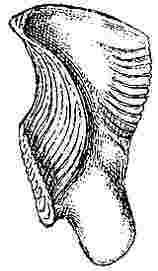
Plate XI., figure 3 d.
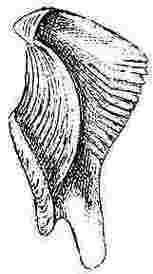
Plate XI., figure 3 e.
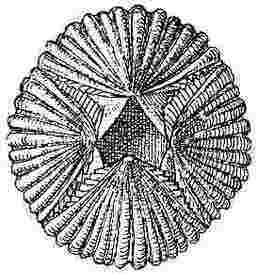
Plate XI., figure 4 a.
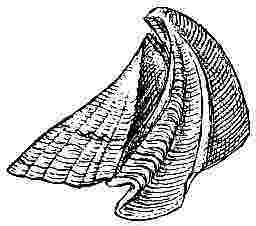
Plate XI., figure 4 b.
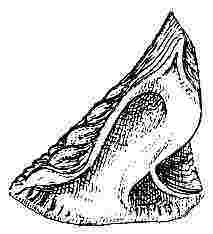
Plate XI., figure 4 c.
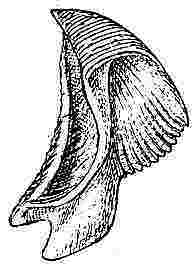
Plate XI., figure 4 d.
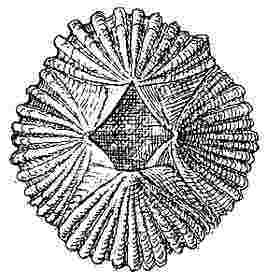
Plate XI., figure 5 a.
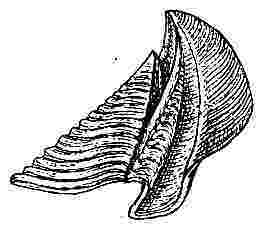
Plate XI., figure 5 b.
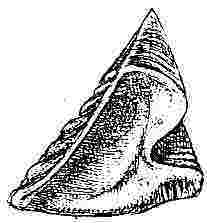
Plate XI., figure 5 c.
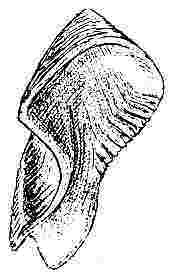
Plate XI., figure 5 d.
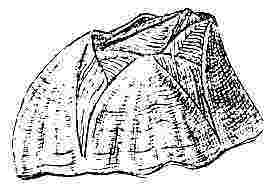
Plate XI., figure 6 a.
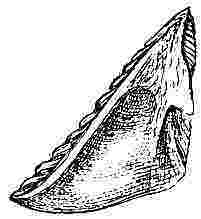
Plate XI., figure 6 b.
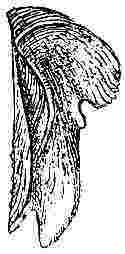
Plate XI., figure 6 c.
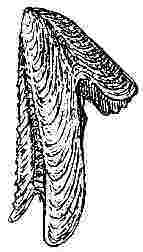
Plate XI., figure 6 d.
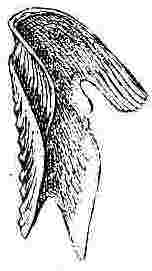
Plate XI., figure 6 e.
George Sowerby.
TETRACLITA : ELMINIUS .
Plate XII.
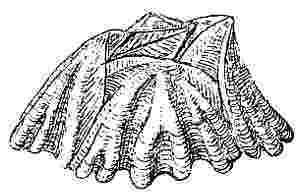
Plate XII., figure 1 a.
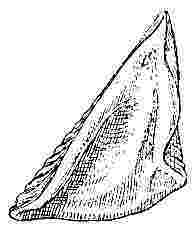
Plate XII., figure 1 b.
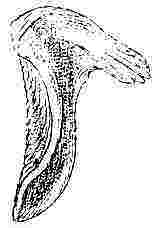
Plate XII., figure 1 c.
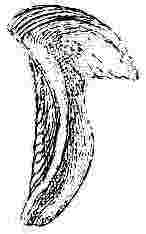
Plate XII., figure 1 d.
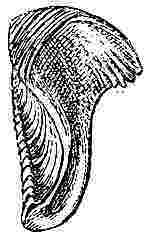
Plate XII., figure 1 e.
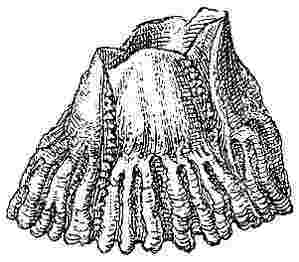
Plate XII., figure 2 a.
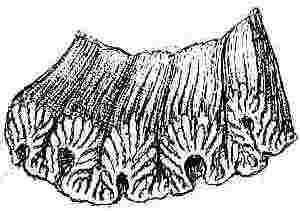
Plate XII., figure 2 b.
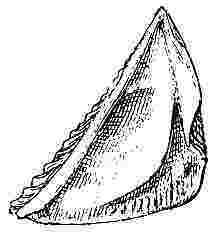
Plate XII., figure 2 c.
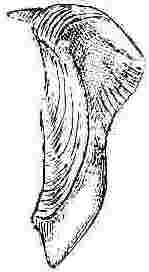
Plate XII., figure 2 d.
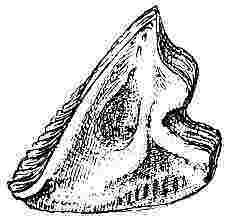
Plate XII., figure 2 e.
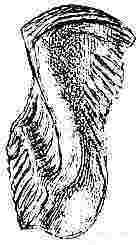
Plate XII., figure 2 f.
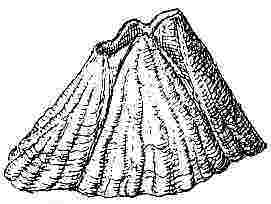
Plate XII., figure 3.
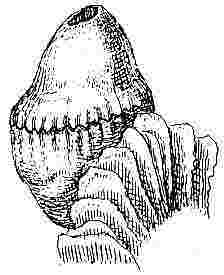
Plate XII., figure 4 a.
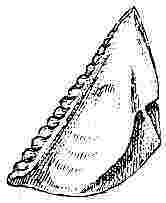
Plate XII., figure 4 b.
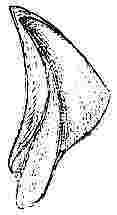
Plate XII., figure 4 c.
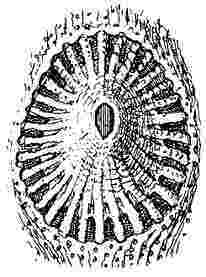
Plate XII., figure 5 a.
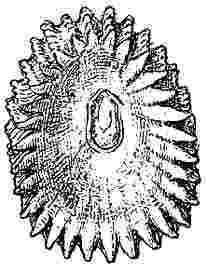
Plate XII., figure 5 b.
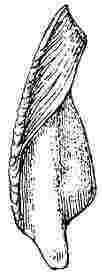
Plate XII., figure 5 c.
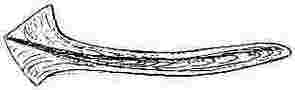
Plate XII., figure 5 d.
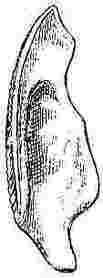
Plate XII., figure 5 e.
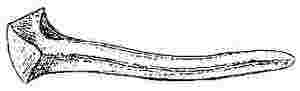
Plate XII., figure 5 f.
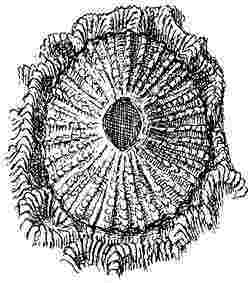
Plate XII., figure 6.
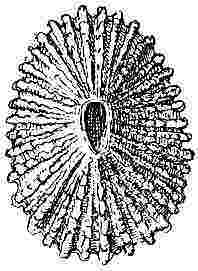
Plate XII., figure 7 a.
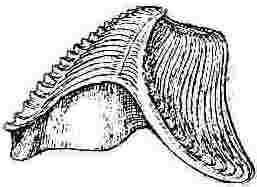
Plate XII., figure 7 b.
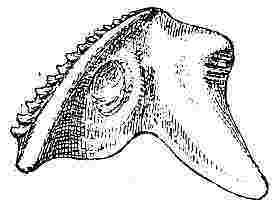
Plate XII., figure 7 c.
George Sowerby.
ELMINIUS : PYRGOMA .
Plate XIII.
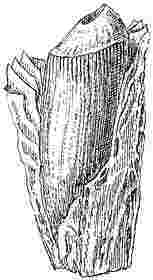
Plate XIII., figure 1 a.
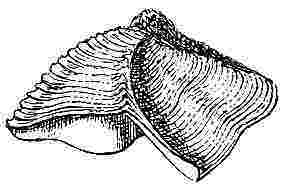
Plate XIII., figure 1 b.
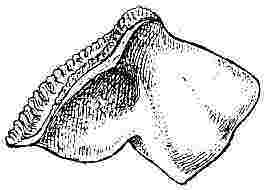
Plate XIII., figure 1 c.
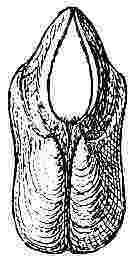
Plate XIII., figure 1 d.
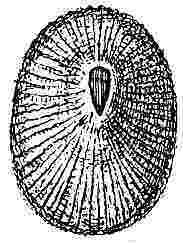
Plate XIII., figure 2 a.
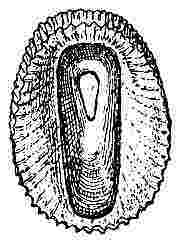
Plate XIII., figure 2 b.
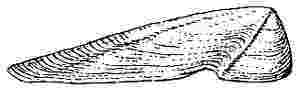
Plate XIII., figure 2 c.
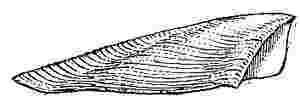
Plate XIII., figure 2 d.
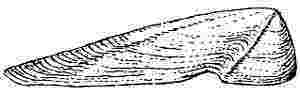
Plate XIII., figure 2 e.
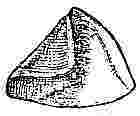
Plate XIII., figure 2 f.
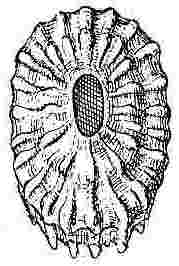
Plate XIII., figure 3 a.
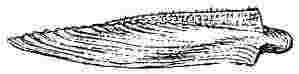
Plate XIII., figure 3 b.
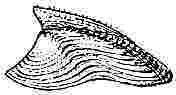
Plate XIII., figure 3 c.
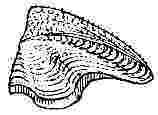
Plate XIII., figure 3 d.
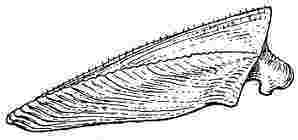
Plate XIII., figure 3 e.
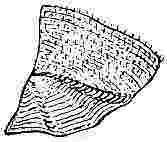
Plate XIII., figure 3 f.
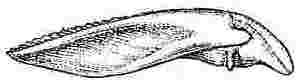
Plate XIII., figure 3 g.
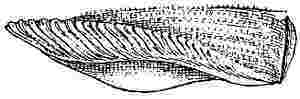
Plate XIII., figure 4 a.
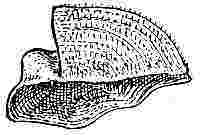
Plate XIII., figure 4 b.
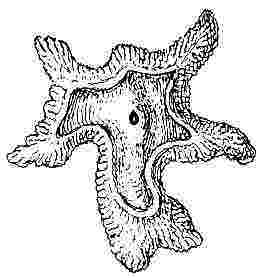
Plate XIII., figure 5 a.
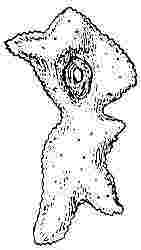
Plate XIII., figure 5 b.
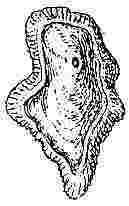
Plate XIII., figure 5 c.
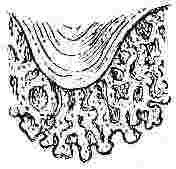
Plate XIII., figure 5 d.
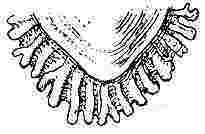
Plate XIII., figure 5 e.
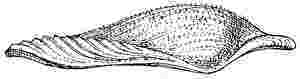
Plate XIII., figure 5 f.
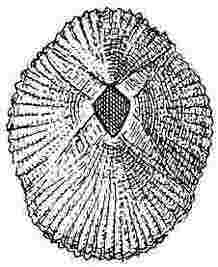
Plate XIII., figure 6 a.
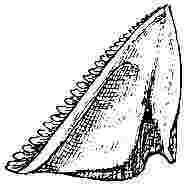
Plate XIII., figure 6 b.
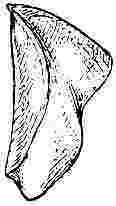
Plate XIII., figure 6 c.
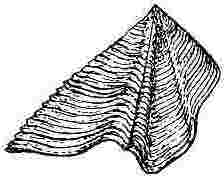
Plate XIII., figure 6 d.
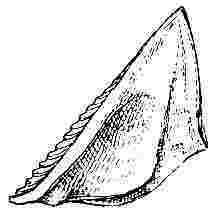
Plate XIII., figure 6 e.
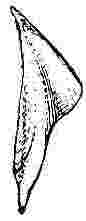
Plate XIII., figure 6 f.
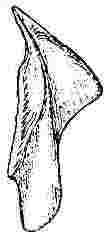
Plate XIII., figure 6 g.
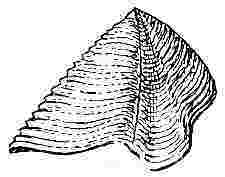
Plate XIII., figure 6 h.
George Sowerby.
PYRGOMA : CREUSIA .
Plate XIV.
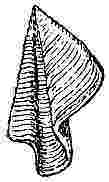
Plate XIV., figure 6 i.
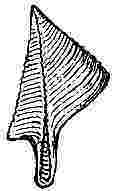
Plate XIV., figure 6 k.
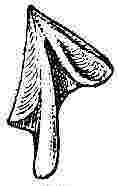
Plate XIV., figure 6 l.
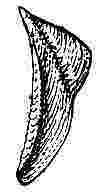
Plate XIV., figure 6 m.
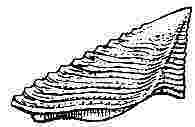
Plate XIV., figure 6 n.
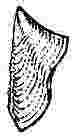
Plate XIV., figure 6 o.
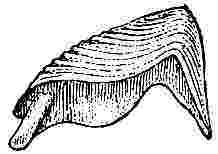
Plate XIV., figure 6 p.
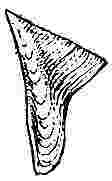
Plate XIV., figure 6 q.
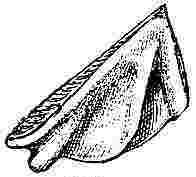
Plate XIV., figure 6 r.
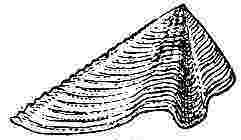
Plate XIV., figure 6 s.
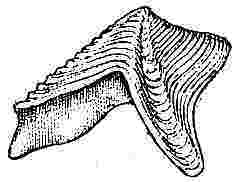
Plate XIV., figure 6 t.
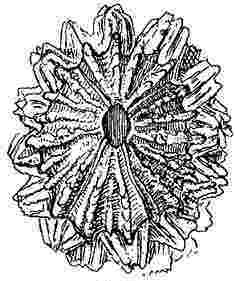
Plate XIV., figure 6 U.
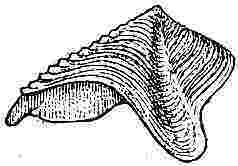
Plate XIV., figure 6 u.
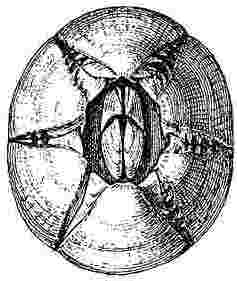
Plate XIV., figure 1 a.
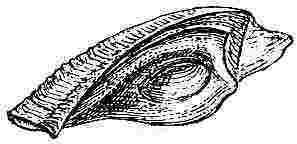
Plate XIV., figure 1 b.
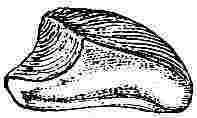
Plate XIV., figure 1 c.
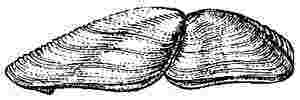
Plate XIV., figure 1 d.
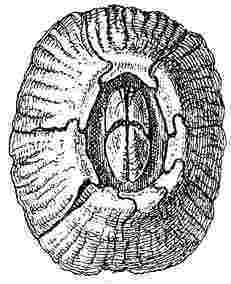
Plate XIV., figure 2.
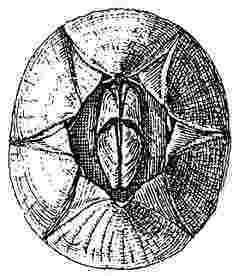
Plate XIV., figure 3 a.
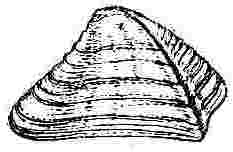
Plate XIV., figure 3 b.
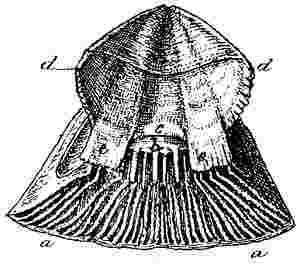
Plate XIV., figure 4.
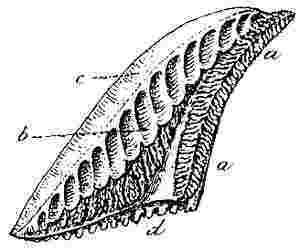
Plate XIV., figure 5.
George Sowerby.
CREUSIA : CHELONOBIA .
Plate XV.
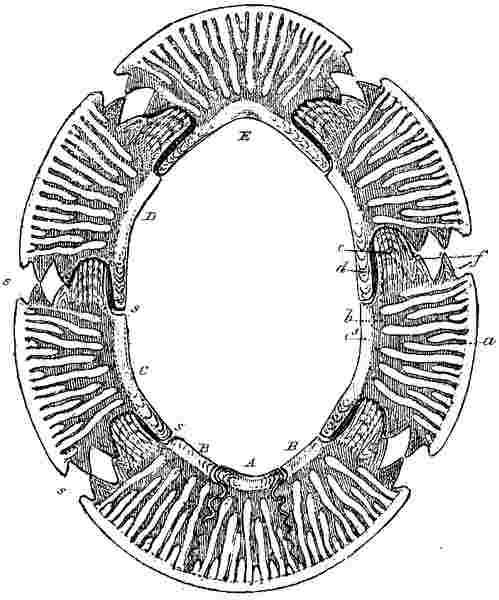
Plate XV., figure 1.
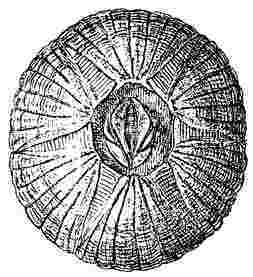
Plate XV., figure 2.
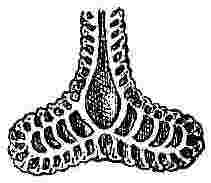
Plate XV., figure 2 a.
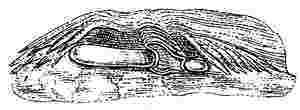
Plate XV., figure 2 b.
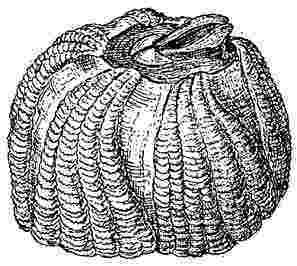
Plate XV., figure 3.
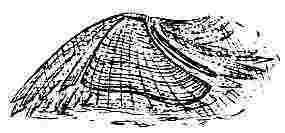
Plate XV., figure 3 a.
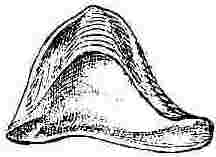
Plate XV., figure 3 b.
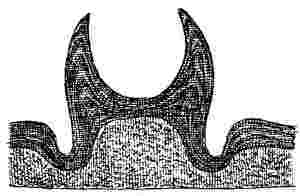
Plate XV., figure 4.
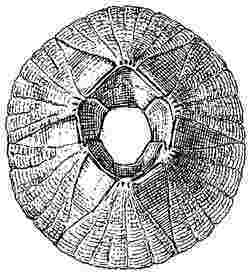
Plate XV., figure 5.
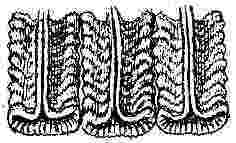
Plate XV., figure 6.
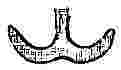
Plate XV., figure 7.
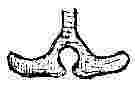
Plate XV., figure 8.
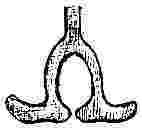
Plate XV., figure 9.
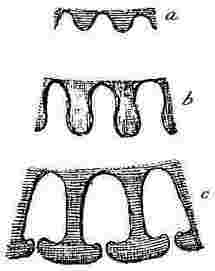
Plate XV., figure 10.
George Sowerby.
CHELONOBIA : CORONULA .
Plate XVI.
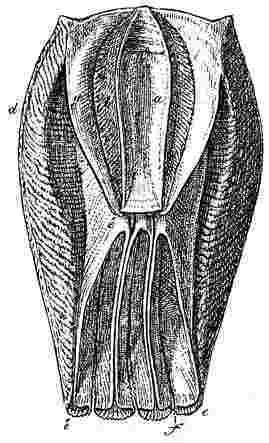
Plate XVI., figure 1.
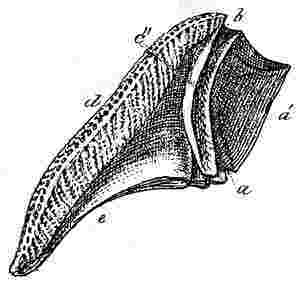
Plate XVI., figure 2.
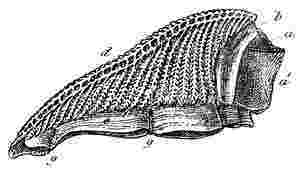
Plate XVI., figure 3.
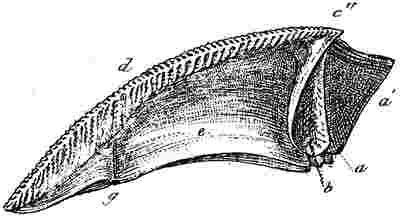
Plate XVI., figure 4.
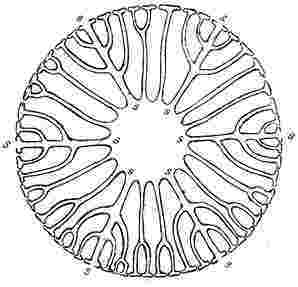
Plate XVI., figure 5.
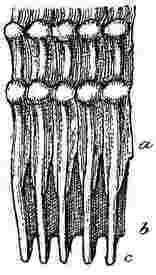
Plate XVI., figure 6.
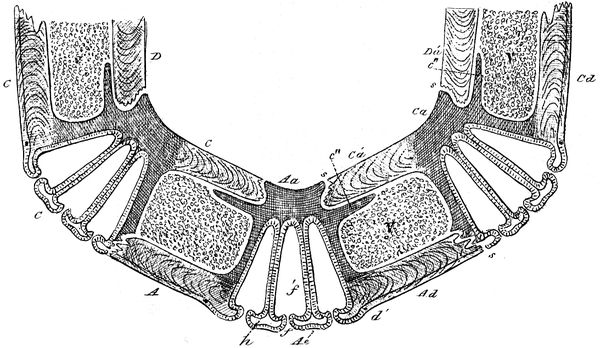
Plate XVI., figure 7.
George Sowerby.
CORONULA.
Plate XVII.
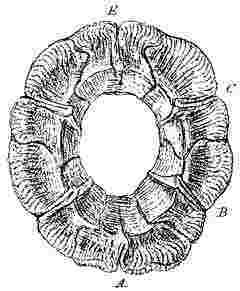
Plate XVII., figure 1 a.
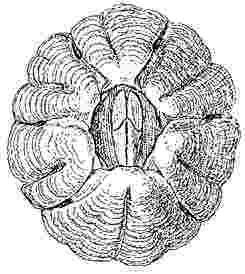
Plate XVII., figure 1 b.
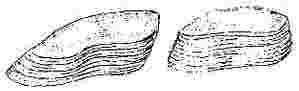
Plate XVII., figure 1 c.
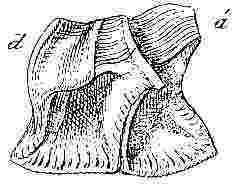
Plate XVII., figure 1 d.
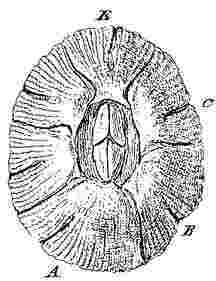
Plate XVII., figure 2 a.
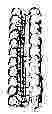
Plate XVII., figure 2 b.
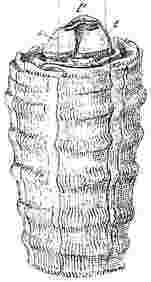
Plate XVII., figure 3 a.
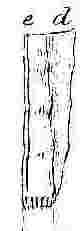
Plate XVII., figure 3 b.

Plate XVII., figure 3 a-b.
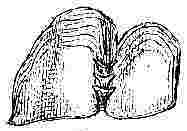
Plate XVII., figure 3 c.
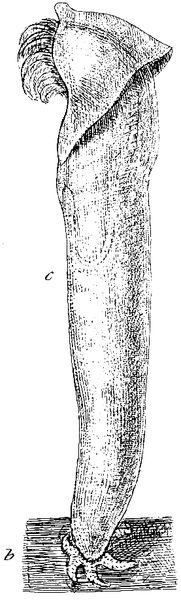
Plate XVII., figure 4 a.
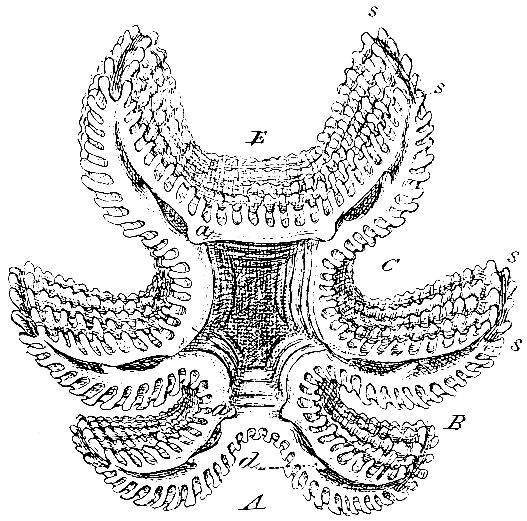
Plate XVII., figure 4 b.
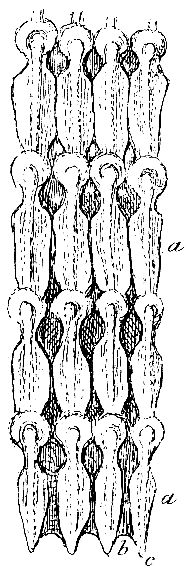
Plate XVII., figure 4 c.
George Sowerby.
PLATYLEPAS : TUBICINELLA : XENOBALANUS .
Plate XVIII.
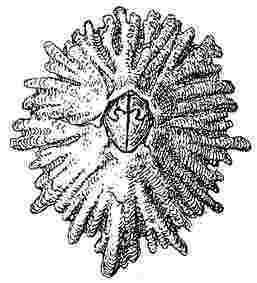
Plate XVIII., figure 1 a.
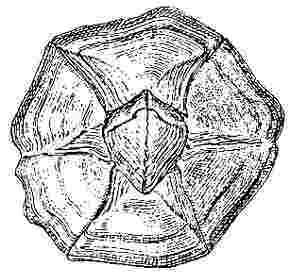
Plate XVIII., figure 1 b.
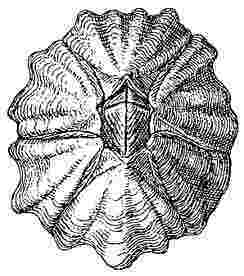
Plate XVIII., figure 1 c.
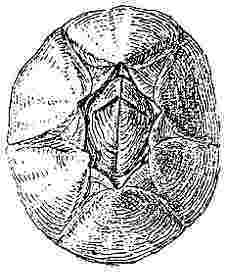
Plate XVIII., figure 1 d.
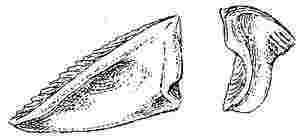
Plate XVIII., figure 1 e.
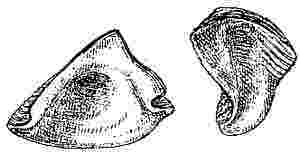
Plate XVIII., figure 1 f.
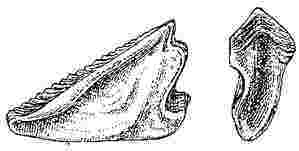
Plate XVIII., figure 1 g.
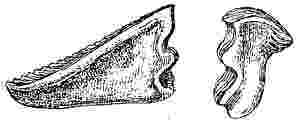
Plate XVIII., figure 1 h.
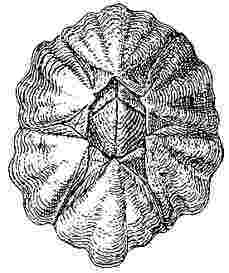
Plate XVIII., figure 2.
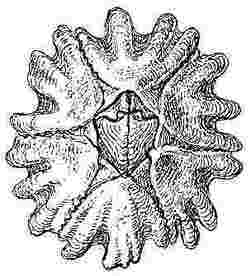
Plate XVIII., figure 3 a.
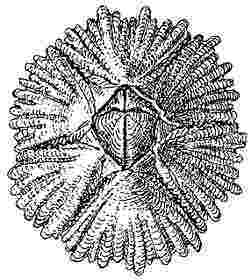
Plate XVIII., figure 3 b.
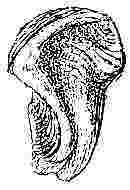
Plate XVIII., figure 3 c.
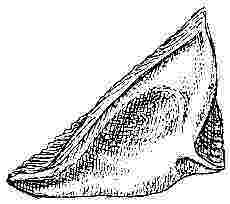
Plate XVIII., figure 4 a.
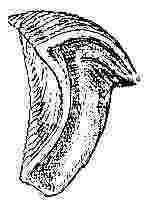
Plate XVIII., figure 4 b.
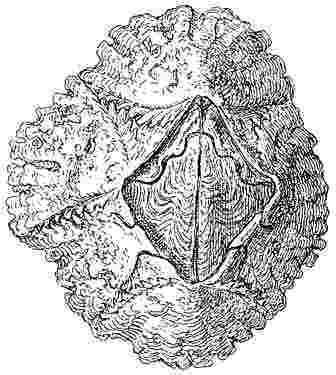
Plate XVIII., figure 5 a.
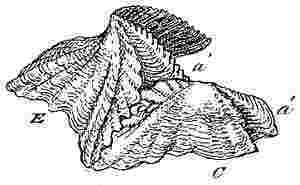
Plate XVIII., figure 5 b.
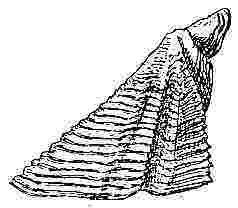
Plate XVIII., figure 5 c.
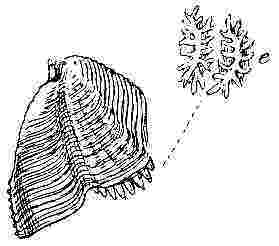
Plate XVIII., figure 5 d.
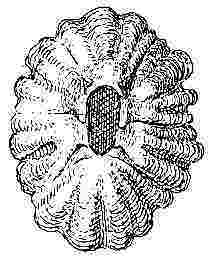
Plate XVIII., figure 6 a.
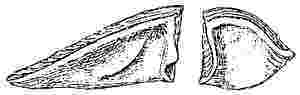
Plate XVIII., figure 6 b.
George Sowerby.
CHTHAMALUS.
Plate XIX.
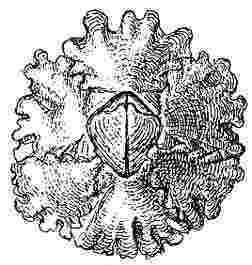
Plate XIX., figure 1 a.
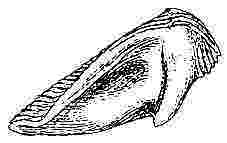
Plate XIX., figure 1 b.
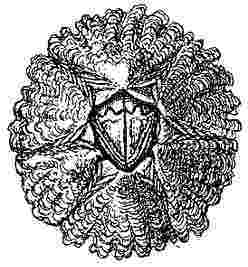
Plate XIX., figure 2 a.
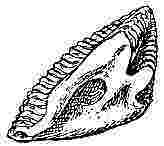
Plate XIX., figure 2 b.
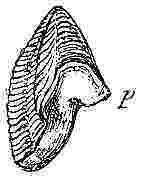
Plate XIX., figure 2 c.
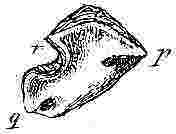
Plate XIX., figure 2 d.
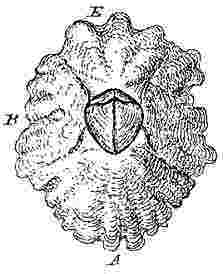
Plate XIX., figure 3 a.
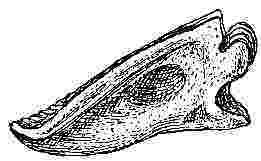
Plate XIX., figure 3 b.
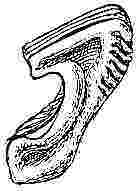
Plate XIX., figure 3 c.
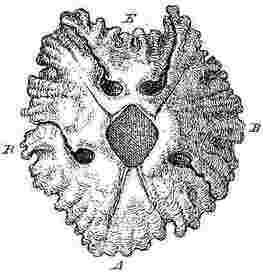
Plate XIX., figure 4 a.
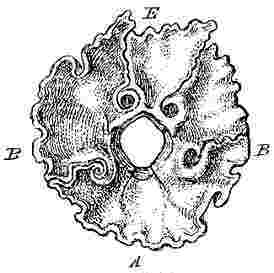
Plate XIX., figure 4 b.
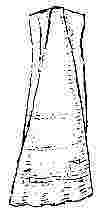
Plate XIX., figure 4 c.
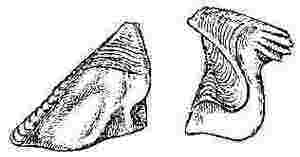
Plate XIX., figure 4 d.
Plate XIX., figure 5 a.
Plate XIX., figure 5 b.
Plate XIX., figure 5 c.
Plate XIX., figure 5 d.
George Sowerby.
CHTHAMALUS : CHAMÆSIPHO : PACHYLASMA .
Plate XX.
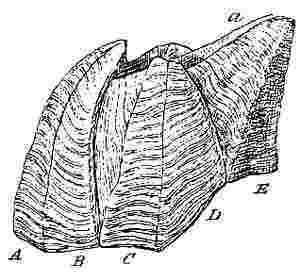
Plate XX., figure 1 a.
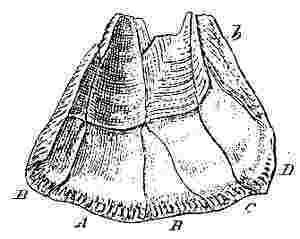
Plate XX., figure 1 b.
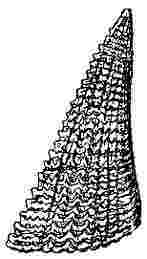
Plate XX., figure 1 c.
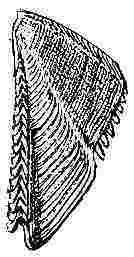
Plate XX., figure 1 d.
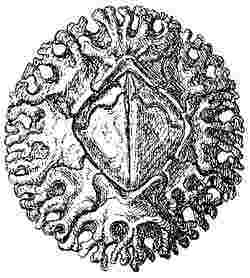
Plate XX., figure 2 a.
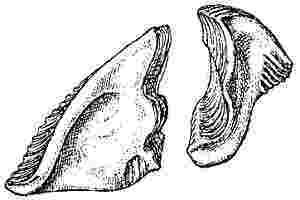
Plate XX., figure 2 b.
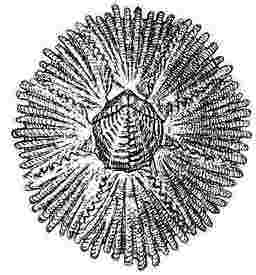
Plate XX., figure 3 a.
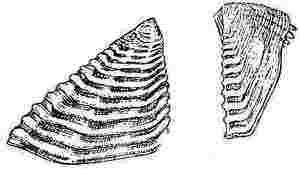
Plate XX., figure 3 b.
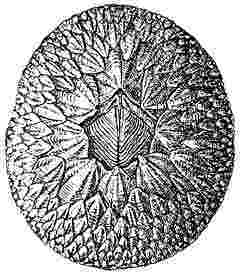
Plate XX., figure 4 a.
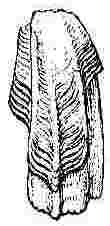
Plate XX., figure 4 b.
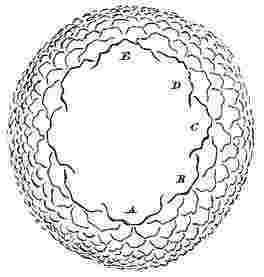
Plate XX., figure 4 c.
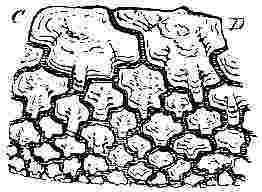
Plate XX., figure 4 d.
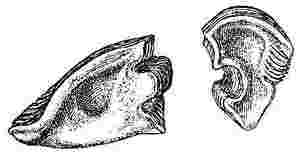
Plate XX., figure 4 e.
George Sowerby.
PACHYLASMA : OCTOMERIS : CATOPHRAGMUS .
Plate XXI.
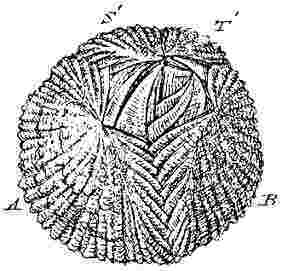
Plate XXI., figure 1 a.
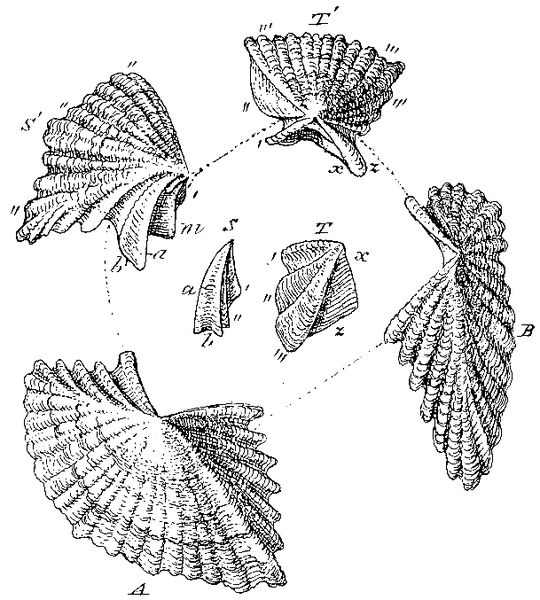
Plate XXI., figure 1 b.
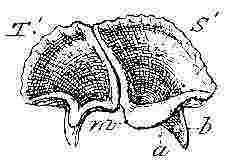
Plate XXI., figure 1 c.
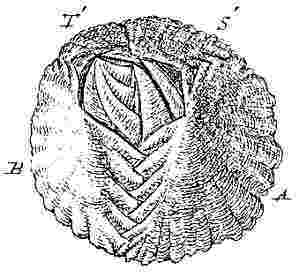
Plate XXI., figure 1 d.
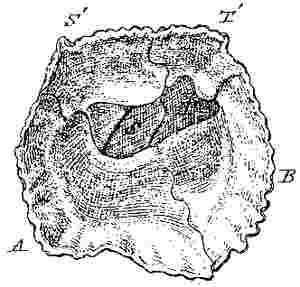
Plate XXI., figure 1 e.
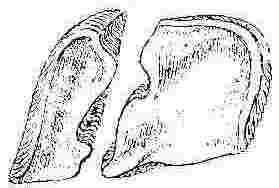
Plate XXI., figure 1 f.
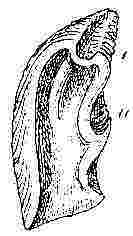
Plate XXI., figure 2.
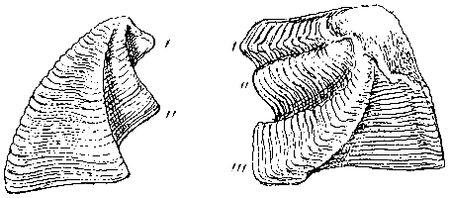
Plate XXI., figure 3 a.
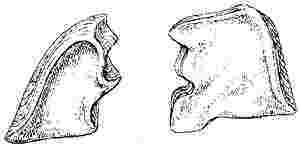
Plate XXI., figure 3 b.
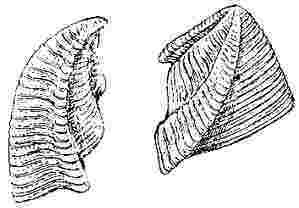
Plate XXI., figure 4.
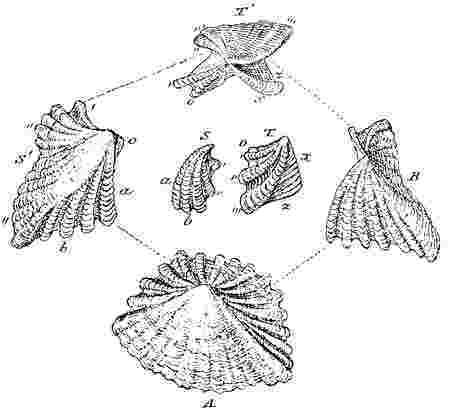
Plate XXI., figure 5.
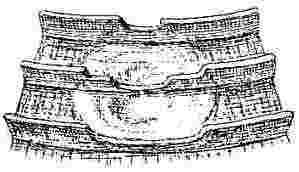
Plate XXI., figure 6.
George Sowerby.
VERRUCA .
Plate XXII.
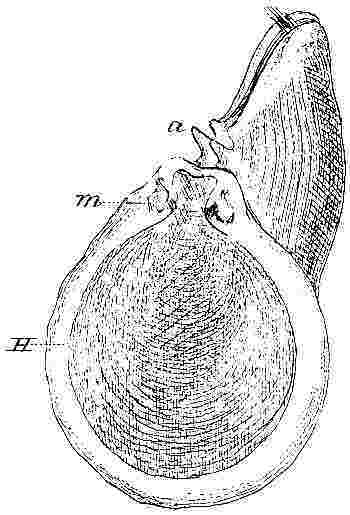
Plate XXII., figure 1.
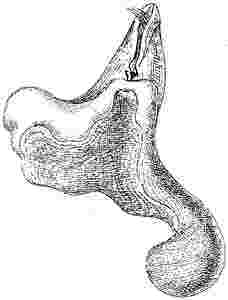
Plate XXII., figure 2.
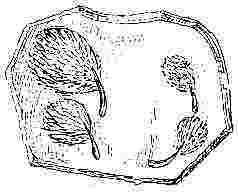
Plate XXII., figure 3.
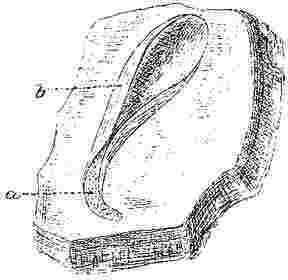
Plate XXII., figure 4.
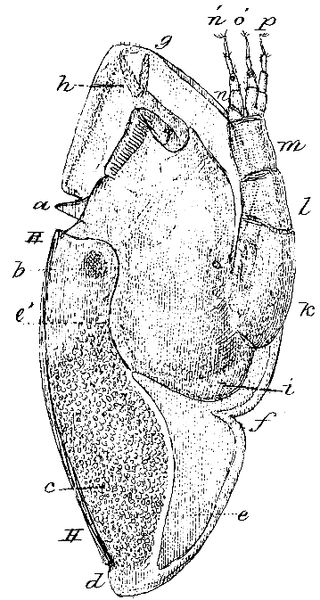
Plate XXII., figure 5.
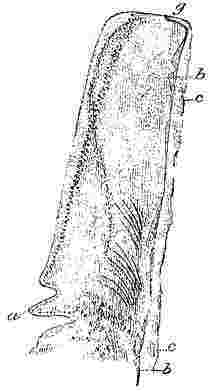
Plate XXII., figure 6.
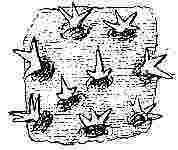
Plate XXII., figure 7.
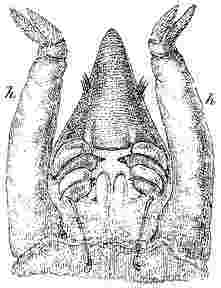
Plate XXII., figure 8.
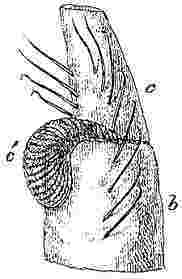
Plate XXII., figure 9.
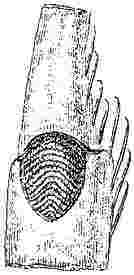
Plate XXII., figure 10.
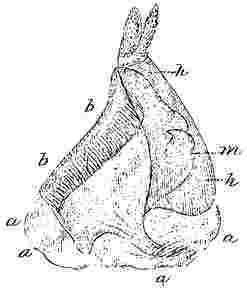
Plate XXII., figure 11.
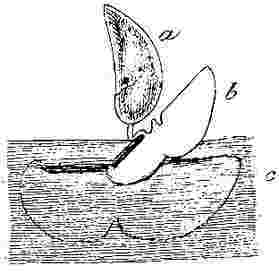
Plate XXII., figure 12.
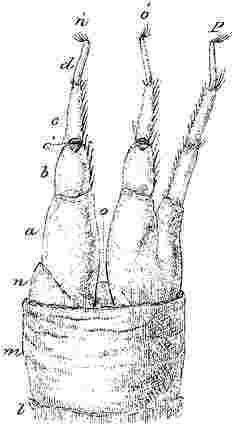
Plate XXII., figure 13.
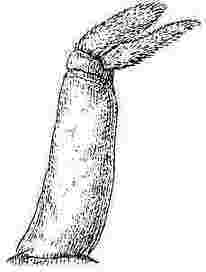
Plate XXII., figure 14.
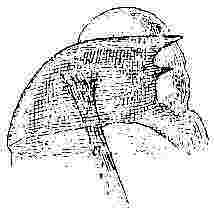
Plate XXII., figure 15.
George Sowerby.
ALCIPPE LAMPAS .
Plate XXIII.
ALCIPPE .
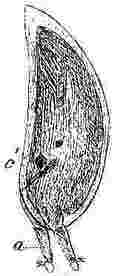
Plate XXIII., figure 16.
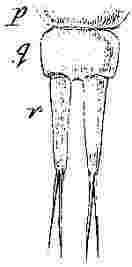
Plate XXIII., figure 17.
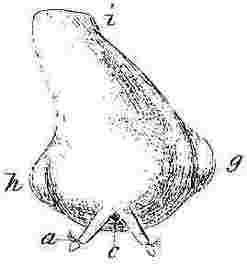
Plate XXIII., figure 18.
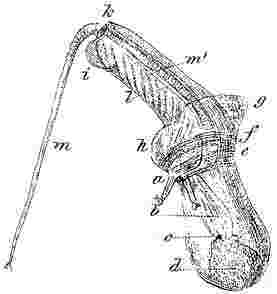
Plate XXIII., figure 19.
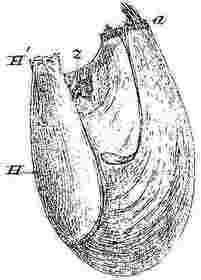
Plate XXIII., figure 1.
Plate XXIII., figure 2.
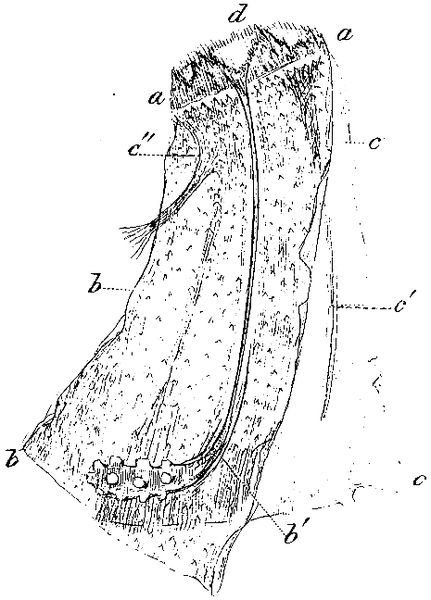
Plate XXIII., figure 3.
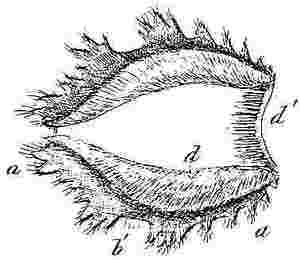
Plate XXIII., figure 4.
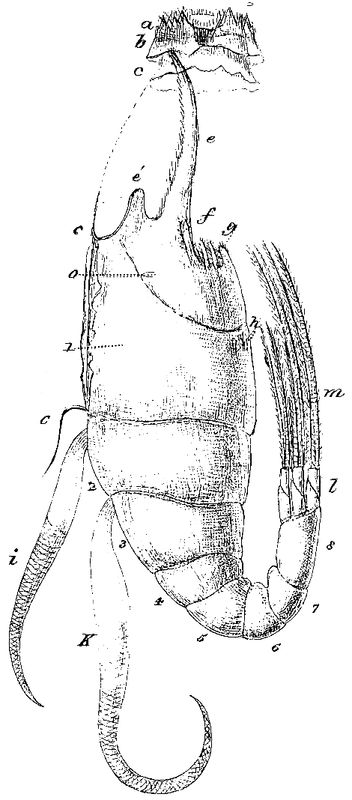
Plate XXIII., figure 5.
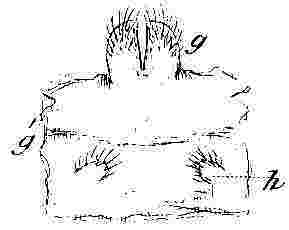
Plate XXIII., figure 6.
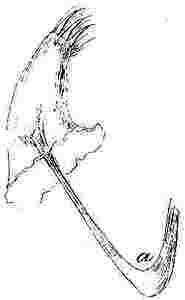
Plate XXIII., figure 7.
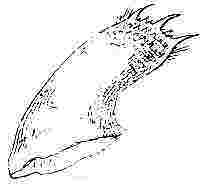
Plate XXIII., figure 8.
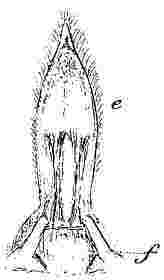
Plate XXIII., figure 9.
George Sowerby.
CRYPTOPHIALUS.
Plate XXIV.
CRYPTOPHIALUS .
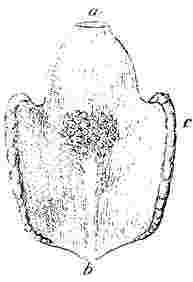
Plate XXIV., figure 10.
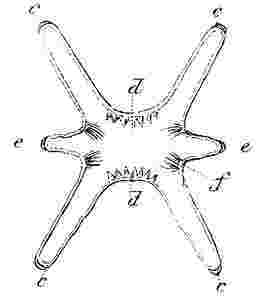
Plate XXIV., figure 11.
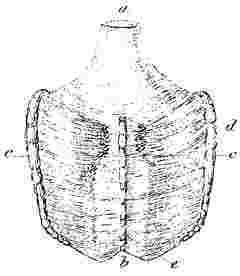
Plate XXIV., figure 12.
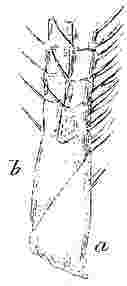
Plate XXIV., figure 13.
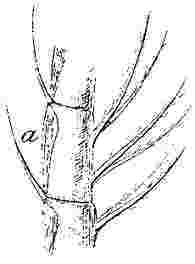
Plate XXIV., figure 14.
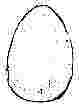
Plate XXIV., figure 15.
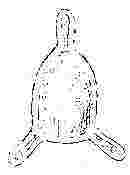
Plate XXIV., figure 16.
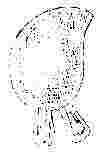
Plate XXIV., figure 17.
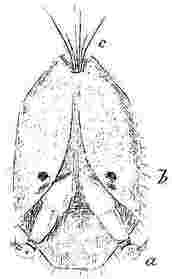
Plate XXIV., figure 18.
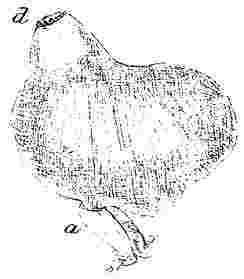
Plate XXIV., figure 19.
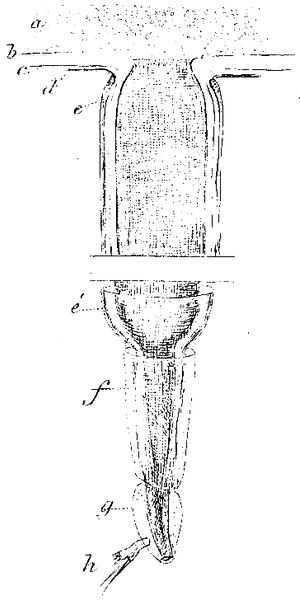
Plate XXIV., figure 1.
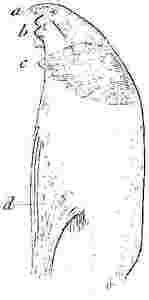
Plate XXIV., figure 2.
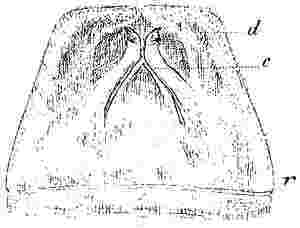
Plate XXIV., figure 3.
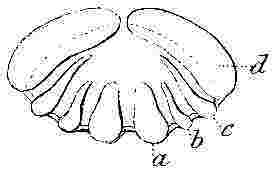
Plate XXIV., figure 4.
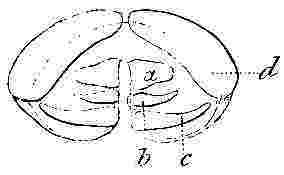
Plate XXIV., figure 5.
George Sowerby.
PROTEOLEPAS.
Plate XXV.
PROTEOLEPAS.
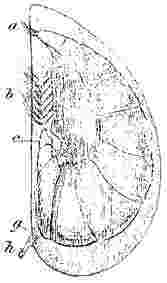
Plate XXV., figure 6.
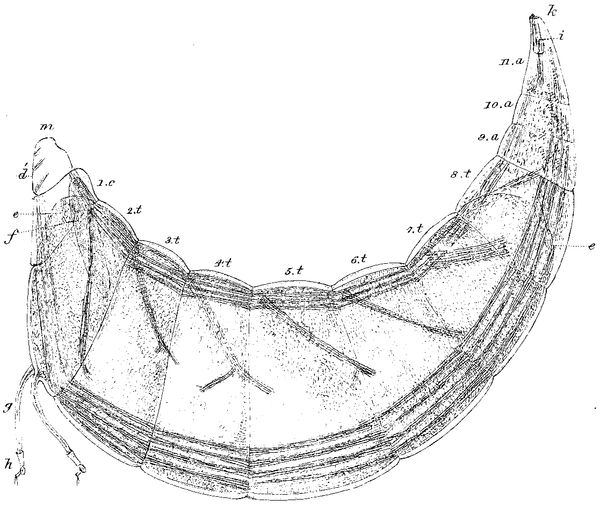
Plate XXV., figure 7.
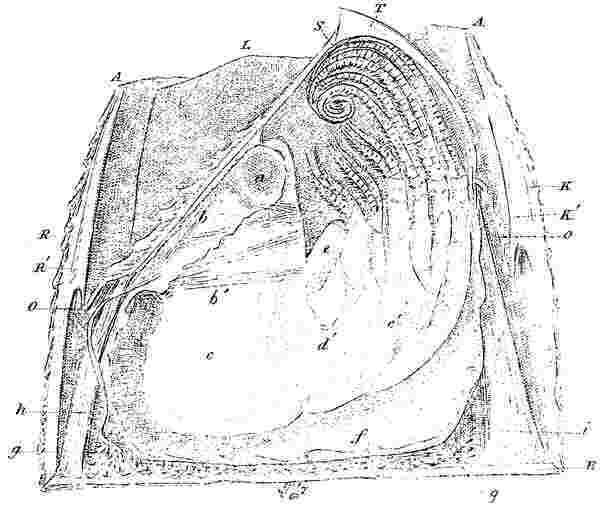
Plate XXV., figure 1.
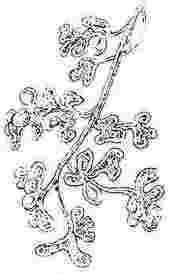
Plate XXV., figure 2.
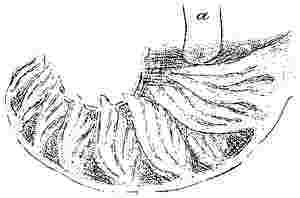
Plate XXV., figure 3.
George Sowerby.
BALANUS.
Plate XXVI.
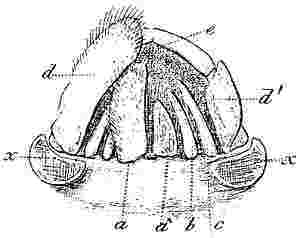
Plate XXVI., figure 1.
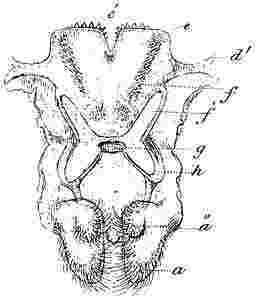
Plate XXVI., figure 2.
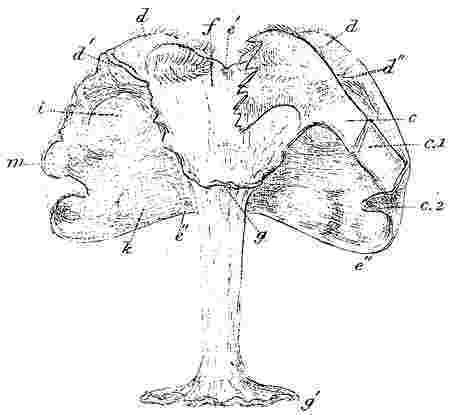
Plate XXVI., figure 3.
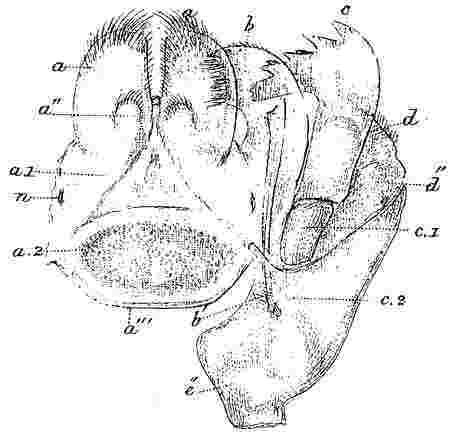
Plate XXVI., figure 4.
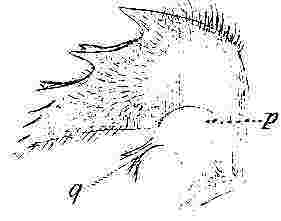
Plate XXVI., figure 5.
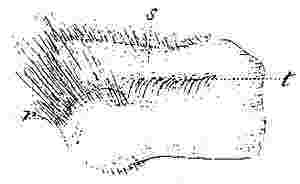
Plate XXVI., figure 6.
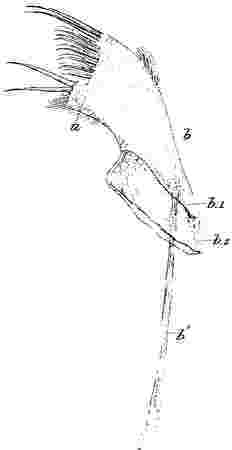
Plate XXVI., figure 7.
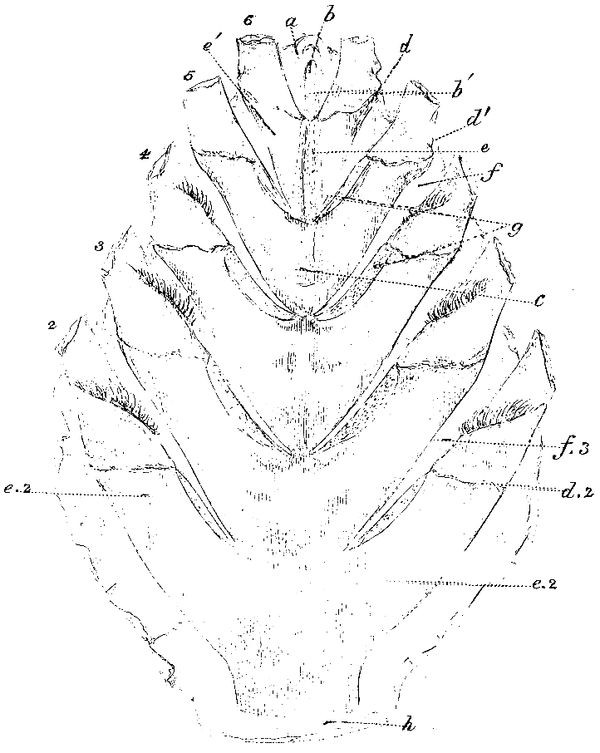
Plate XXVI., figure 8.
George Sowerby.
MOUTH:THORAX.
Plate XXVII.
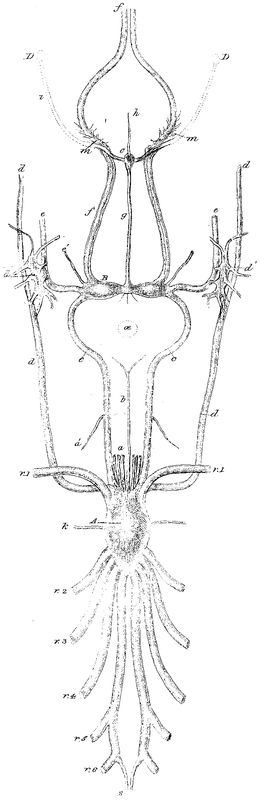
Plate XXVII., figure 1.
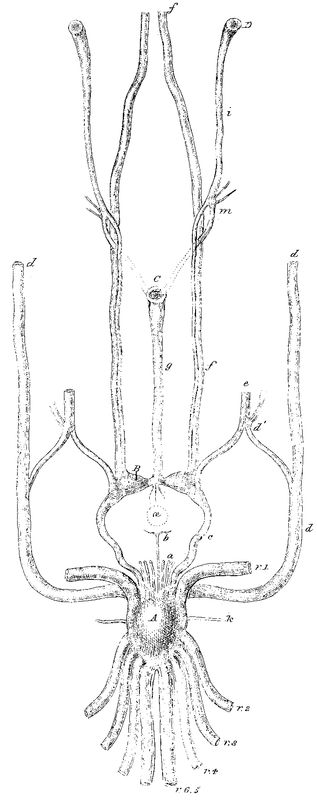
Plate XXVII., figure 2.
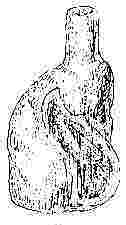
Plate XXVII., figure 3.
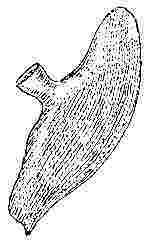
Plate XXVII., figure 4.
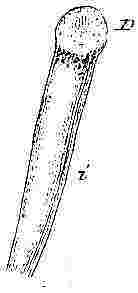
Plate XXVII., figure 5.
George Sowerby.
NERVOUS SYSTEM.
Plate XXVIII.
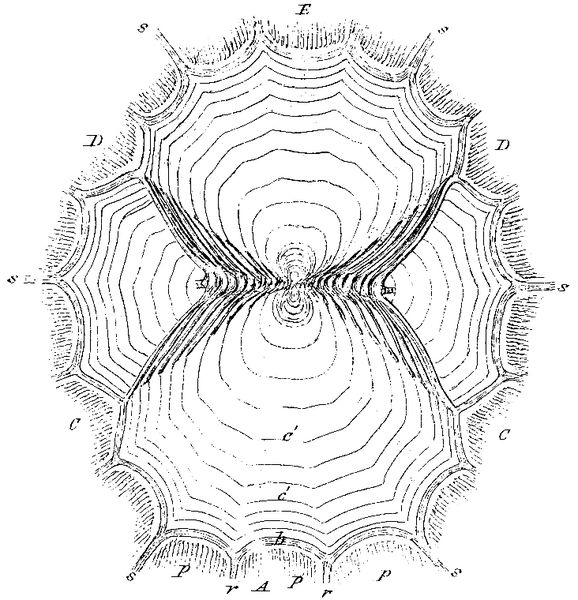
Plate XXVIII., figure 1 a.
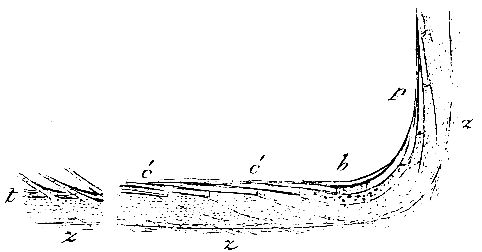
Plate XXVIII., figure 1 b.
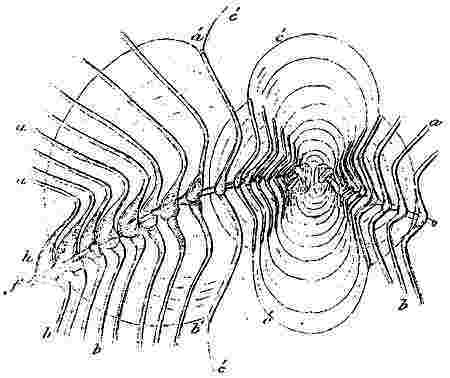
Plate XXVIII., figure 1 c.
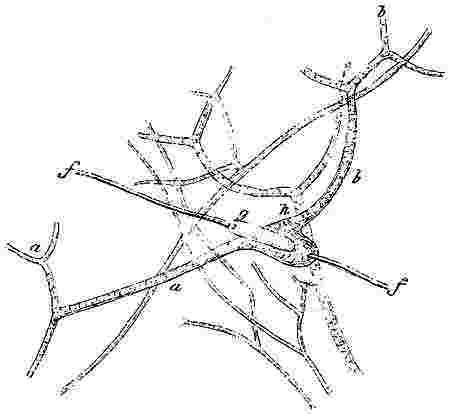
Plate XXVIII., figure 2.
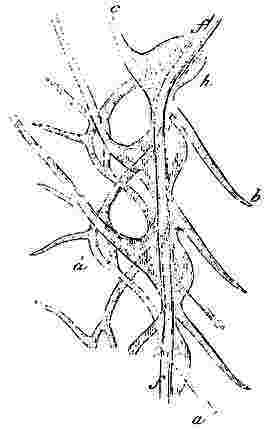
Plate XXVIII., figure 3.
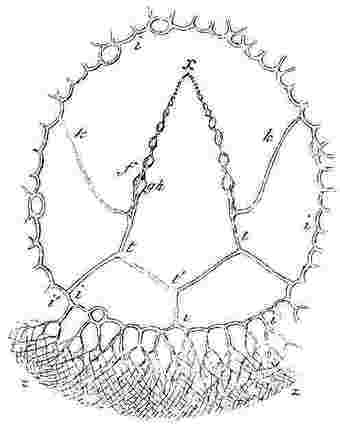
Plate XXVIII., figure 4 a.
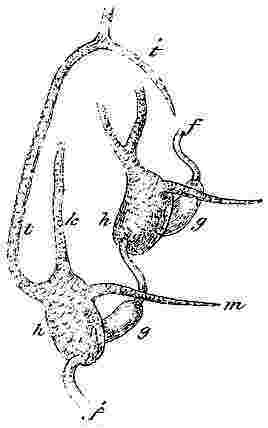
Plate XXVIII., figure 4 b.
George Sowerby.
CEMENTING APPARATUS.
Plate XXIX.
CIRRI.
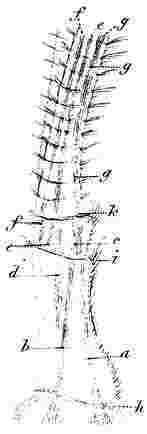
Plate XXIX., figure 1.
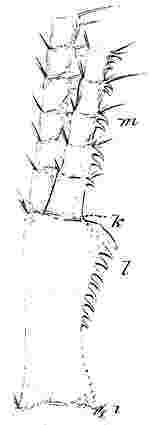
Plate XXIX., figure 2.
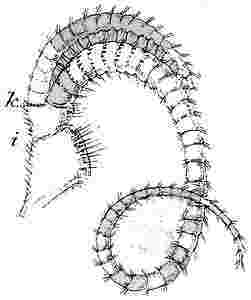
Plate XXIX., figure 3.
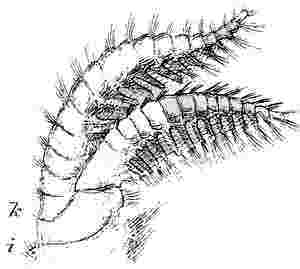
Plate XXIX., figure 4.
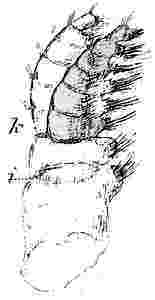
Plate XXIX., figure 5.
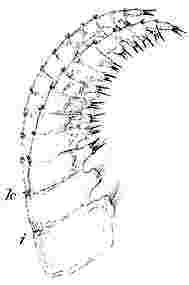
Plate XXIX., figure 6.
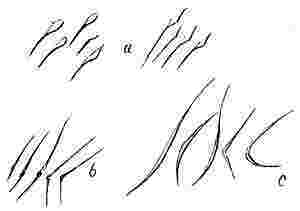
Plate XXIX., figure 7.
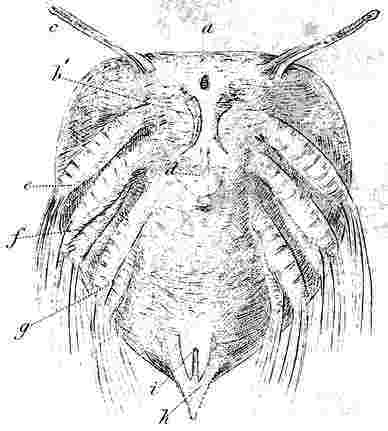
Plate XXIX., figure 8.
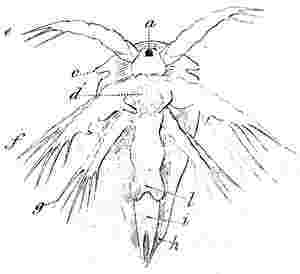
Plate XXIX., figure 9.
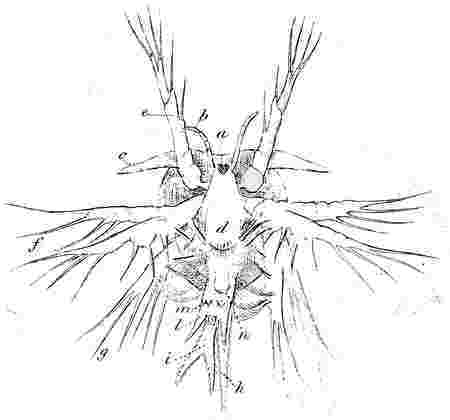
Plate XXIX., figure 10.
George Sowerby.
LARVÆ, FIRST STAGES.
Plate XXX.
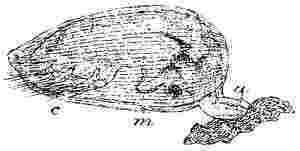
Plate XXX., figure 1.
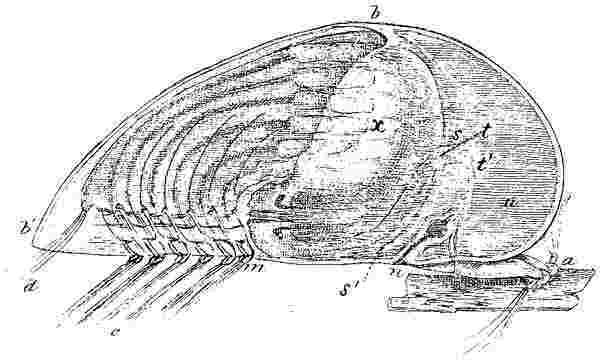
Plate XXX., figure 2.
Plate XXX., figure 2 a.
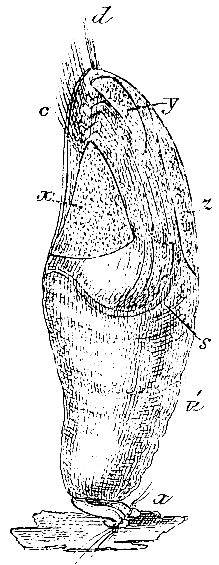
Plate XXX., figure 3.
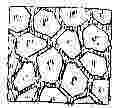
Plate XXX., figure 3 a.
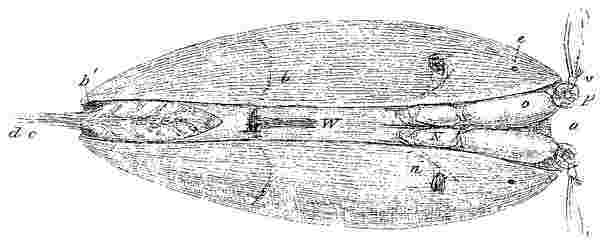
Plate XXX., figure 4.
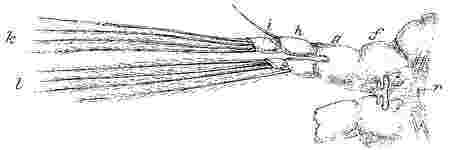
Plate XXX., figure 5.
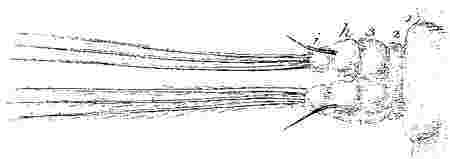
Plate XXX., figure 6.
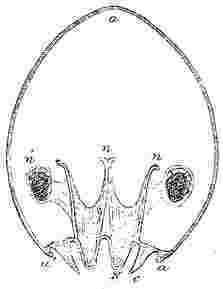
Plate XXX., figure 7.
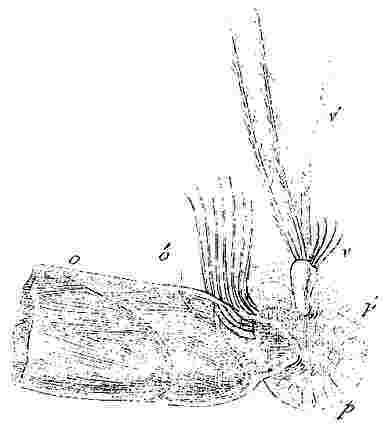
Plate XXX., figure 8.
George Sowerby.
LARVÆ, LAST STAGES.
Detailed Transcriber’s Notes
Obvious misprints have been fixed. Archaic and unusual words, spellings and styling have been maintained when they are used consistently. Spelling has been standardized within the book where one spelling was predominant, even if it is not in common usage. Inconsistent spelling and hyphenation has been maintained when there was not a predominant spelling. Details of the changes follow.
No attempt has been made to correct the capitalization or standardize the italicization of biological names—they are left as in the original.
Hovering over a Greek word will display its transliteration.
All of Darwin’s errata have been applied to the text, except the one on page 255. It was not applied because the wording is not obvious.
Details of the Changes
Page vii, footnote 1: du terrain Crétacé du D. de Limbourg In the original book: du terrain Crétacée du D. de Limbourg
Page 4: the shell, without the operculum being removed, In the original book: the shell, without the operculum be removed,
Page 5, footnote 3: by some authors as “intersticia.” In the original book: by some authors as “intersticia”.
Page 7: carrying two multiarticulated rami In the original book: carrying two multi-articulated rami
Page 8: interjection (!) In the original book: interjection [!]
Page 9: biramous, multiarticulated limbs In the original book: biramous, multi-articulated limbs
Page 11: knowledge of the class In the original book: knowlege of the class
Page 12: first and second pairs of antennæ In the original book: first and second pairs of attennæ
Page 20: what has happened to one organ In the original book: what has happenend to one organ
Page 30: ORDER I.—THORACICA. In the original book: I.—ORDER THORACICA.
Page 33. The table of contents has been completely restructured, to make the entries match (or compromise with) the titles in the text.
In this ebook: Structure of the alæ Structure of the sheath In the original book: Structure of the alæ and sheath
In this ebook: Structure of the opercular valves (scuta and terga) In the original book: Structure of the scuta and terga
In this ebook: Growth of whole shell and microscopical structure In the original book: Growth of whole shell and minute structure of valves
In this ebook: Muscles of sack In the original book: Sack, muscles of
In this ebook: Movements and muscles of the cirri In the original book: Cirri, muscles of
In this ebook: Olfactory sacks In the original book: Olfactory organs
In this ebook: Larva, first stage In the original book: Larva, first stages
In this ebook: Larva, second stage Originally this TOC entry was not present in the book.
In this ebook: Affinities, classification, variation In the original book: Classification and variation
Page 34. Inserted missing title (which appeared in the TOC): Structure of Shell.
Page 37: alæ in all cases (as is obvious in Pachylasma) In the original book: alæ in all cases (as is obvious in Pachylasma)
Page 40: the upper lateral valves alternate In the original book: the upper Lateral valves alternate
Page 45: owing to its midrib, is generally thrust In the original book: owing to its mid-rib, is generally thrust
Page 45. Inserted missing title (which appeared in the TOC): Structure of the Radii. and left the original paragraph title as it was: Radius.
Page 47: and of the recipient furrow in Octomeris (Pl. In the original book: and of the recipient furrow in Octomeris (Pl.
Page 47: Structure of the Alæ. In the original book: Alæ.
Page 48: Structure of the Sheath. In the original book: Sheath.
Page 49: Structure of the Basis. In the original book: Basis.
Page 51: Structure of the Opercular Valves (Scuta and Terga). In the original book: Opercular Valves.
Page 51: scutum, S, being left articulated to the tergum, T. In the original book: scutum, S, being left articulated to the tergum, T.
Page 61: Muscles of Sack. In the original book: Sack; muscles of, &c.
Page 62: can only act as depressores; In the original book: can only act as depressors;
Page 65: Balanidæ are the ovigerous fræna of the Lepadidæ In the original book: Balanidæ are the ovigerous fræna of the Lepadidæ
Page 65. Inserted title from the TOC: Thorax and Body. and demoted the existing title: Parts of the body included within the shell or carapace. to the head of the next paragraph.
Page 67: and p. 440, (foot-note), consider the articulated In the original book: and p. 440, foot-note), consider the articulated
Page 68: Muscular System. Attachment of the Body to the Shell. In the original book: Attachment of the Body to the Shell. Muscular System.
Page 76: there is no trace of any labrum In the original book: there is no trace of any labium
Page 77: (Pl. 26, figs. 3, 4, c1; In the original book: (Pl. 26, figs. 3, 4, c 1;
Page 78: pairs of gnathites, which latter have only their In the original book: pairs of gnathites; which latter have only their
Page 79: thickened membrane (fig. 3, c1) In the original book: thickened membrane (fig. 3, c 1)
Page 79: thickened membrane (c2), the basal In the original book: thickened membrane (c 2), the basal
Page 80: piece of membrane (c1) represents In the original book: piece of membrane (c 1) represents
Page 81: middle segment (fig. 4, a1) of each maxilla In the original book: middle segment (fig. 4, a 1) of each maxilla
Page 81: this latter (a2) is separated from In the original book: this latter (a 2) is separated from
Page 81: There are always six pairs; each biramous In the original book: There are always six pair; each biramous
Page 83: they carry as many as ten pairs in a In the original book: they carry as many as ten pair in a
Page 84: in the sub-genus Acasta, in which, differently In the original book: in the sub-genns Acasta, in which, differently
Page 85: are developed into strong, downwardly curved teeth In the original book: are developed into strong, downwardly-curved teeth
Page 89: The nerves (Pl. 27, fig. 1, r5, r6) In the original book: The nerves (Pl. 27, fig. 1, r 5, r 6)
Page 89: outer larger pair (r1) entering the first pair In the original book: outer larger pair (r 1) entering the first pair
Page 93. Inserted missing title (which appeared in the TOC): Eyes and Vision.
Page 97: Male Organs of Generation. In the original book: Reproductive System. Male Organs.
Page 98: B. Perforatus and in the Chthamalus, that In the original book: B. Perforatus and in the Chthamalus, that
Page 99: including the prosoma: in Pachylasma and in In the original book: including the prosoma: in Pachylasma and in
Page 100: Female Organs of Generation. In the original book: Female Organs. was a paragraph title.
Page 100: distinctly in Balanus, Tetraclita, and Coronula, the In the original book: distinctly in Balanus, Tetraclita, and Coronula, the
Page 103: Larva, First Stage. In the original book this was a paragraph title.
Page 103: the larva (Pl. 29, fig. 9) In the original book: the larva (Pl. 29, (fig. 9)
Page 104: to the eye, we see, in Scalpellum vulgare, In the original book: to the eye, we see, in Scalpellam vulgare,
Page 104. Applied Darwin’s errata: In Balanus galeatus, in the immature In the original book: In Balanus elongatus, in the immature
Page 105. Applied Darwin’s errata: Lepadidæ; but in Balanus galeatus In the original book: Lepadidæ; but in Balanus elongatus
Page 106: the large second pair remains thus In the original book: the large second pair remain thus
Page 110: Larva in the Last or Pupal Stage. In the original book: Larva in the third or Pupal Stage.
Page 120: though enclosed fairly within the carapace In the original book: though inclosed fairly within the carapace
Page 121: these latter may possibly be multiplied into the In the original book: these latter may possible be multiplied into the
Page 126. Inserted missing title (which appeared in the TOC): Act of Metamorphosis.
Page 132: separation of the three cephalic segments. In the original book: separation of the three caphalic segments.
Page 152: Affinities, Classification, Variation. In the original book: Affinities, Value of Characters, Variation.
Page 163: in Southern Patagonia, and near Guayaquil. In the original book: in Southern Patagonia, and near Guyaquil.
Page 168. The first two appearances of the text: (1 to 5). In the original book: (1 to 5.)
Page 169: (3.) SECOND PROVINCE … Balanus … pœcilus* In the original book: poecilus*
Page 170: (3.) SECOND PROVINCE … Tetraclita porosa north and south (4 and 5 and W. Indies). In the original book: Tetraclita porosa north and south 4 and 5 and W. Indies).
Page 170: (4.) THIRD PROVINCE … Tetraclita … cœrulescens In the original book: coerulescens
Page 172: species of Balanus abounds in individuals In the original book: species of Balanns abounds in individuals
Page 172: specimens, said to have come from the eocene In the original book: specimens, said to have come form the eocene
Page 174. Applied Darwin’s errata to the table. Added concavus and Hammeri to C (Red crag) and Verruca to D (Corraline crag) and corrected totals.
Page 184: with inwardly projecting filamentary appendages. In the original book: with inwardly projecting filimentary appendages.
Page 195: BALANUS TULIPA. Bruguière. Encyclop. Meth., In the original book: BALANUS TULIPA. Bruguiere. Encyclop. Meth.,
Page 196: on ships’ bottoms arriving from West Africa In the original book: on ships’-bottoms arriving from West Africa
Page 198: Galapagos Archipelago, of a uniform grayish-blue. In the original book: Galapagos Archipelago, of a uniform greyish-blue.
Page 200: coast of America, from Monterey, in lat. 37° N. In the original book: coast of America, from Monterez, in lat. 37° N.
Page 206: Zoolog. Journal, In the original book: Zoolog. Zournal,
Page 211: longitudinally ribbed: colour ashy-gray tinged In the original book: longitudinally ribbed: colour ashy-grey tinged
Page 211: along a line running from the apex In the original book: along a line runing from the apex
Page 213: septa are united together, making a network In the original book: septa are united together, making a net-work
Page 216: Parietes and base porose: shell white, or faintly In the original book: Parietea and base porose: shell white, or faintly
Page 223: California; Sydney; New Zealand. In the original book: California; Sidney; New Zealand.
Page 233: B. nubilus and cariosus In the original book: B. nubibus and cariosus
Page 234: specimen adhering to the floating Lepas Hillii. In the original book: specimen adhering to the floating Lepas Hilii.
Page 235: Bronn. Italiens Tertiär-Gebilde (1831) In the original book: Bronn. Italiens Tertiar-Gebilde (1831)
Page 235: var. c. Lamarck. Animaux sans Vertèbres In the original book: var. c. Lamarck. Animaux sans Vertebres
Page 235. Applied Darwin’s errata. Added fossil locality: Red Crag (Sutton) Mus. S. Wood.
Pages 240-241. Italicized the abbreviation “var.” in each of the varieties.
Page 240: lower part uniform blueish-gray, In the original book: lower part uniform blueish-grey,
Page 241: Var. (9) (an. spec.?) cirratus: In the original book: Var. (9) (an. spec.?) cirratus: (See also note above on abbreviation “var.”)
Page 244: part of the shell was uniformly blueish-gray. In the original book: part of the shell was uniformly blueish-grey.
Page 246: 20. BALANUS PŒCILUS. In the original book: 21. BALANUS PŒCILUS.
Page 248: 21. BALANUS EBURNEUS. In the original book: 22. BALANUS EBURNEUS.
Page 248: General Appearance.—Shell conical, or almost In the original book: General Appearance—Shell conical, or almost
Page 250: Southern Patagonia, Guayaquil, West Colombia; In the original book: Southern Patagonia, Guyaquil, West Colombia;
Page 255. Did not apply Darwin’s errata because desired wording is not obvious. Darwin’s errata: six lines from the top, Bal. crenatus, I have now seen a single Red Crag specimen .5 of inch in basal diameter.
Page 263: their sutural edges are rather thick and In the original book: their suteral edges are rather thick and
Page 264: vessels are thickly encrusted with this species, In the original book: vessels are thickly incrusted with this species,
Page 264: enormous range and capability of resisting In the original book: enormous range and cabability of resisting
Page 265: sent me by Krantz from the miocene formation In the original book: sent me by Krantz from the miocence formation
Page 271: Range, Habitats, &c.—This species is In the original book: Range, Habits, &c.—This species is
Page 278. Applied Darwin’s errata. Added fossil locality: Red Crag (Sutton) Mus. S. Wood.
Page 279: brought from Barbados, in the West Indies, In the original book: brought from Barbadoes, in the West Indies,
Page 282: coral-inhabiting sub-genus Creusia In the original book: coral-inhabiting genus Creusia
Page 288: or more strictly “imperial purple;” In the original book: or more strictly “imperial purple”;
Page 292: less prominent ridges than even B. flosculus In the original book: less prominent ridges than even var. flosculus
Page 293. Applied Darwin’s errata: Rauville, dans le Cotentin, In the original book: Rauville, dans le Cotantin,
Page 294: the crests for the tergal depressor muscles are In the original book: the crests for the tergal depressores muscles are
Page 297: In both varieties, the parietes In the original book: In both varietes, the parietes
Page 297: or deeply folded so as to be strongly ribbed In the original book: or deeply folded so as be strongly ribbed
Page 300. Applied Darwin’s errata: internally, without parietal pores. In the original book: internally, without parieted pores.
Page 309: for the depressor muscles are feebly In the original book: for the depressores muscles are feebly
Page 310: Sydney, Port Fairy, In the original book: Sidney, Port Fairy,
Page 311, footnote 104: Sydney, which I fully In the original book: Sidney, which I fully
Page 314: crests for the depressor muscles are very feebly In the original book: crests for the depressores muscles are very feebly
Page 331: The width of the valve and of the spur, In the original book: Te width of the valve and of the spur,
Page 335: Die Südafrikanischen Mollusken In the original book: Die Sudafrikanischen Mollusken
Page 337: judging from some dried specimens, In the original book: judging from some dryed specimens,
Page 338: rostral or lateral depressor muscles In the original book: rostral or lateral depressores muscles
Page 347: form of a network, or of separate tubes In the original book: form of a net-work, or of separate tubes
Page 353, footnote 113: I have seen two specimens of In the original book: I have seen too specimens of
Page 357: forms a mere border to the occludent ledge; In the original book: forms a mere border to the occludent lodge;
Page 357: between this genus and Creusia, it is probable In the original book: between this genus and Creusia, it is probable
Page 369: almost obliterated by the encrusting coral. In the original book: almost obliterated by the incrusting coral.
Page 376: Under these circumstances I have thought it best In the original book: Under these circustances I have thought it best
Page 376: 1. CREUSIA SPINULOSA. Pl. 13, In the original book: CREUSIA SPINULOSA. Pl. 13,
Page 376: CREUSIA SPINULEUSE. De Blainville. Dict. Sc. Nat., In the original book: CREUSIE SPINULEUSE. De Blainville. Dict. Sc. Nat., (de Blainville spells it CREUSIA.)
Page 383: In Chelonobia, the parietes are remarkably thick; In the original book: In Chelonobia, the parieties are remarkably thick;
Page 405: (see a black dot (d´) in section, fig. 7) In the original book: (see a black dot (d´) in section 7)
Page 416:the alæ are only 1/5th or 1/6th of the thickness In the original book: the alæ are only 1-5th or 1-6th of the thickness
Page 423: Eine tiefe Furche oder Spalte In the original book: Eine tiefe Furcle oder Spalte
Page 423: von oben herab bis zur Hälfte In the original book: von oben herab bis zur Halfte
Page 424:9. Genus—PLATYLEPAS. Pl. 17, fig. 1 a-2 b. In the original book: 9. Genus—PLATYLEPAS. Pl. 17, fig. 1 and 2.
Page 424: the whole rostrum is pushed a little on one side In the original book: the whole rostum is pushed a little on one side
Page 431: In numerous other respects Tubicinella In the original book: In numerous other respects Tubinicella
Page 431: 1. TUBICINELLA TRACHEALIS. In the original book: 4. TUBICINELLA TRACHEALIS.
Page 431, footnote 127: the specific name either of major or minus In the original book: the specific name either of minor or majus
Page 432: the reverse of that usual with sessile cirripedes In the original book: the reverse of that usual with sessile-cirripedes
Page 440: 1. XENOBALANUS GLOBICIPITIS. In the original book: XENOBALANUS GLOBICIPITIS.
Pages 455-6. Note that under species Chthamalus stellatus, both varieties (a) and (c) have the name: communis. The original book reads that way.
Page 465: 6. CHTHAMALUS HEMBELI. Pl. 18, In the original book: 6. CHTHAMALUS HEMBELI. Tab. 18,
Page 467: disintegration, causing the shell to be ashy gray. In the original book: disintegration, causing the shell to be ashy grey.
Page 471: from the projecting, extremely rugged, overlapping, In the original book: from the projecting, extremely rugged, over-lapping,
Page 475: and these occur in Catophragmus In the original book: and these occur Catophragmus
Page 487: moderately or slightly depressed; colour gray. In the original book: moderately or slightly depressed; colour grey.
Page 488: as seen, when corroded, in fig. 4 d, In the original book: as seen, when corrroded, in fig. 4 d,
Page 492: Diadema bifidum … ‘Italiens Tertiär-Gebilde’ In the original book: ‘Italiens Tertiar-Gebilde’
Page 492: Balanus ostrearum … Organic Remains of the Cretaceous Group,’ In the original book: Organic Remains of the Cretacean Group,’
Page 493: B. costatus … is a synonym of B. porcatus In the original book: is a synonym of B. porcatns
Page 493: B. ornatus, Münster, ‘Beiträge zur Petrifact.,’ In the original book: B. ornatus, Münster, ‘Beitrage zur Petrifact.,’
Page 493: B. pectinarius, Bronn (‘Italiens Tertiär-Gebilde,’ In the original book: B. pectinarius, Bronn (‘Italiens Tertiar-Gebilde,’
Page 493: B. porosus … this species in Münster’s ‘Beiträge.’ In the original book: this species in Münster’s ‘Beitrage.’
Page 494: B. pustularis … in Münster’s ‘Beiträge,’ In the original book: in Münster’s ‘Beitrage,’
Page 494: B. cylindraceus … ‘Italiens Tertiär-Gebilde,’ In the original book: ‘Italiens Tertiar-Gebilde,’
Page 494: B. Uddevallensis, Linnæus, In the original book: B. Uddewallensis, Linnæus,
Page 496: members of the Chthamalinæ, though abnormal in In the original book: members of the Chthamalinæ, though abnormal in
Page 503: under an edge, z (much foreshortened in T′ In the original book: under an edge, z (much fore-shortened in T′
Page 504: the umbo of growth matches the umbo of the four In the original book: the umbo of growth matches the umbo: of the four
Page 517: for themselves, could be pried vertically up In the original book: for themselves, could be prised vertically up
Page 518: BALANUS VERRUCA. Bruguière. Encyclop. Meth., 1789; In the original book: BALANUS VERUCA. Bruguière. Encyclop. Meth., 1789;
Page 526: The moveable tergum has its upper articular ridge In the original book: The moveable tergum has its upper articular ridge
Page 529, footnote 141: Crustacés fossiles du terrain Crétacé In the original book: Crustacés fossiles du terrain Crétacée
Page 529, footnote 142:‘Archives du Muséum’ exemples comment à des reconnaître In the original book: ‘Archives du Museum’ examples comment a des reconnaitre
Page 530 title: FEMALE In the original book: FEMALE
Page 538: or the whole anterior part of the animal In the original book: or the whole anterior part of theanimal
Page 552: although constantly agitated. In the original book: although constanty agitated.
Page 553: a considerable residuum is left In the original book: a considerable residium is left
Page 562: down the sides of the sack of the female till In the original book: down the sides of the sack of female till
Page 562: mere flap, and only two pairs of cirri exist In the original book: mere flap, and only two pair of cirri exist
Page 562: thorax with four pairs of minute, modified cirri, In the original book: thorax with four pair of minute, modified cirri,
Page 563: ORDER II.—ABDOMINALIA. In the original book: ORDER II.—CIRRIPEDIA ABDOMINALIA.
Page 564: close to Alcippe amongst the Lepadidæ In the original book: close to Alcippe amonst the Lepadidæ
Page 566 title: FEMALE In the original book: FEMALE
Page 581: whole dorsal surface, and the overlapping sides In the original book: whole dorsal surface, and the over-lapping sides
Page 582, footnote 152: antennæ, I may here add those of Cryptophialus, In the original book: antennæ, I may here add those of Crystophialus,
Page 583: to enclose and protect the antennæ In the original book: to inclose and protect the antennæ
Page 587: compound structure of the vesicula seminalis In the original book: compound structure of the visicula seminalis
Page 588: so peculiar, the hermaphrodite condition, In the original book: so peculiar, the hermaphodite condition,
Page 596: the two threads enclosing the cement-ducts In the original book: the two threads inclosing the cement-ducts
Page 601: one common membrane, lined of course by corium; In the original book: one common membrane, lined of course by coriumi;
Page 604: it does not enclose the thorax or mouth In the original book: it does not inclose the thorax or mouth
Page 606: Sub-Familia 1. BALANINÆ. In the original book: Sub-familia 1. BALANINÆ.
Page 607: 2. Sub-Genus—ACASTA In the original book: 2. Sub-genus—ACASTA
Page 607: 6. Sub-Genus—CREUSIA In the original book: 6. Sub-genus—CREUSIA
Page 607, 9.: quæ basin membranaceam extrorsùs In the original book: quæ basin membranacean extrorsùs
Page 608: Sub-Familia 2. CHTHAMALINÆ. In the original book: Sub-familia 2. CHTHAMALINÆ.
Page 611: ORDO I. THORACICA. In the original book: ORDER THORACICA.
Page 611: Sub-Fam. BALANINÆ. In the original book: Sub-fam. BALANINÆ.
Page 613, 12.: Tergo lato, pæne æquilaterali. In the original book: Tergo lato, pœne æquilaterali.
Page 614, 17.: Tab. 4, fig. 3, In the original book: Tab. 4, fig. 4,
Page 614, 18.: Americâ septent. et meridionali. In the original book: Americâ septent, et meridionali.
Page 614, 22.: superioribus lævibus, leniter arcuatis, In the original book: superioribus lævibusleniter arcuatis,
Page 615, 27.: et Indiâ occident. et Africâ meridionali. In the original book: et Indiâ occident, et Africâ meridionali.
Page 617, 42.: basi poris magnis perforatâ: In the original book: basi poris maguis perforatâ:
Page 618: Sub-Genus—ACASTA In the original book: Subgenus—ACASTA
Page 618, 1.: scuti cristâ articulari In the original book: scuti cris â articulari
Page 619, 4.: longitudinaliter costatâ, aut corrosâ In the original book: longitudinaliter costatá, aut corrosâ
Page 622, 2.: et Australiâ septent.; testudinibus affixa. In the original book: et Australiâ septent; testudinibus affixa.
Page 622: 3. Chelonobia patula, Ranzani. (Darwin, In the original book: 3. Chelonobia patula, Ranzani. (Drawin,
Page 624: 1. Xenobalanus globicipitis, Steenstrup. In the original book: 1. Xenobalanis globicipitis, Steenstrup.
Page 624: Sub-Fam. CHTHAMALINÆ. In the original book, this title was missing.
Page 634: 11. Genus—POLLICIPES. In the original book: 11.—Genus—POLLICIPES.
Page 637: 18. Pollicipes validus … Foss.— … Scaniâ et Maestricht. In the original book: Scaniâ et Mäestricht.
Page 638: [Sectio ††.] In the original book: [†† Scuta, aut longitudinaliter aut transversè (i. e. secundum lineas incrementi) costata.]
Page 640: ORDO II. ABDOMINALIA. In the original book: ORDER II. ABDOMINALIA.
Page 640: ORDO III. APODA. In the original book: ORDER III. APODA.
Page 641: PLATE 1. BALANUS TINTINNABULUM. In the original book: PLATE 1. Genus—BALANUS.
Page 641. In plates 1 and 2, the word “Fig.” appeared on a line by itself above the figure numbers. It has been moved to be more consistent with the other plate descriptions.
Page 642, Plate 3, 2 c and 2 d: scutum, internal and external views. In the original book: scutum and tergum, internal views.
Page 643, Plate 5, 2 d: Stutchburii. In the original book: Stutchburi.
Page 643, Plate 5, 2 i: Stutchburii. In the original book: Stutchburi.
Page 643, Plate 5, 2 m, 2 n, and 2 o: Stutchburii. In the original book: Stutchburi.
Page 644, Plate 9: Sub-Genus—ACASTA. In the original book: Sub-genus—ACASTA.
Page 647, Plate 14: Genera—CREUSIA AND CHELONOBIA. In the original book: Genera—CREUSIA, CHELONOBIA.
Page 650, Plate 16: Of the letters in italics, … In the original book, this sentence was not aligned differently from the surrounding items.
Page 650, Plate 16: open beneath, and filled up by the epidermis In the original book: open beneath, and filled up by the epiderdermis
Page 651, Plate 17, 2 a: A, rostrum; In the original book: A, rostum;
Page 653, Plate 19, 4 b, 4 c, 4 d: Chamæsipho scutelliformis, In the original book: Chamæsipho columna,
Page 657, Plate 22, 8: appear like a bilobed lower lip; In the original book: appear like a bi-lobed lower lip;
Page 658, Plate 23. Title inserted to match plate: Genera—ALCIPPE AND CRYPTOPHIALUS.
Page 660, Plate 24. Title inserted to match plate: Genera—CRYPTOPHIALUS AND PROTEOLEPAS.
Page 662, Plate 25. Title inserted to match plate: Genera—PROTEOLEPAS AND BALANUS.
Page 664, Plate 26: STRUCTURE OF THE MOUTH AND THORAX. In the original book: STRUCTURE OF THE MOUTH, &C.
Pages 664-6, Plate 26. The original book enclosed all the letters of reference in parentheses for this Plate and Plate 29 only. The parentheses have been removed for consistency with the descriptions of all the other plates, without noting the individual changes.
Page 669, Plate 28, 4 a: k, t, … the corresponding branch In the original book: the corrresponding branch
Page 669, Plate 28, 4 b: and that (gh) represented in fig. 4 a; In the original book: and that (g h) represented in fig. 4 a;
Page 669, Plate 29: CIRRI AND LARVÆ, FIRST STAGES. In the original book: CIRRI: LARVA, FIRST STAGE.
Pages 669-71, Plate 29. The original book enclosed all the letters of reference in parentheses for this Plate and Plate 26 only. The parentheses have been removed for consistency with the descriptions of all the other plates, without noting the individual changes.
Page 670, Plate 29: letters apply to all the figures, 1 to 6. In the original book: letters apply to all the figures, 1 to 5.
Page 674. In Darwin’s errata on Page 174: total in the Coralline Crag ten, In the original book: total in the Coralline Crag nine,
Page 675: Adna … Anglica, 360. In the original book: anglica, 360.
Page 675: Baer, Von, on morphological differentiation, 19. In the original book: Baer, Von, on morphological differentation, 19.
Page 676: d’Orbignii, 195. In the original book: D’Orbignii, 195.
Page 676. The index has been changed due to the errata on pages 104 and 105 changing the references from Balanus elongatus to Balanus galeatus.
Page 676: (Balanus) intertextus, 518. In the original book: intertextus, 518.
Page 677: (Balanus tintinnabulum) varieties of, 201. In the original book, the “varieties” listing was at the same level of indentation as the line before it.
Page 677: (Balanus) tulipiformis, 204. In the original book: tulipiformis, 204.
Page 677: Chamæsipho, genus, 470. In the original book: Chamœsipho, genus, 470.
Page 678: Conopea … ovata, 218. In the original book: ovala, 218.
Page 678: Creusia rayonnante, 362. In the original book: Creusie rayonnante, 362.
Page 679: Daracia … monticulariæ, 372. In the original book: monitculariœ, 372.
Page 680: Lepas … fistulosus, 231. In the original book: fistulosa, 231.
Page 681: Male organs … of Cryptophialus minutus, 584. In the original book: of Crytophialus minutus, 584.
Page 681. Index entries for Ochthosia and Octomeris were put in alphabetical order.
Page 681: Otolithes absent in Crustacea, 97. In the original book: Otolites absent in Crustacea, 97.
Page 681: Penis, probosciformed, of wonderful length In the original book: Penis, pubosciformed, of wonderful length
Page 683: Stomopoda, affinities to cirripedes, 19. In the original book: Stomapoda, affinities to cirripedes, 19.
Page 683. Index entry for Tetraclita was put in proper alphabetical order.
Page 684. Index entry for Verrucidæ was put in proper alphabetical order.
Pages 685-714. The titles of the plates have been changed. In the original book, the word plate was abbreviated, i. e. “Pl. II.” whereas in this ebook it is “Plate II.” Also, the individual figure captions have been changed. In the original book, they were just the figure number, e. g. “1 a”, whereas in this book, the plate number and labels are included, e. g. “Plate II., figure 1 a.”