Part 1 — CHAPTER III. DESCRIPTION OF THE PRINCIPAL SPECIES OF POISONOUS SNAKES. THEIR GEOGRAPHICAL DISTRIBUTION. (continued 2)
E. E. (Ernest Edward) Austen translation
(1) R. bertholdi.—Scales in 15 rows; 112-126 ventrals.
Colour yellow, with 19-40 black annuli, usually narrower than the interspaces; head brown, with a large black blotch on the nape, and another on the vertex and temples.
Total length, 270 millimetres; tail 22.
Habitat: Southern and Western Australia.
(2) R. australis (fig. 62).—Scales in 17 rows; 152-163 ventrals; 18-20 subcaudals.
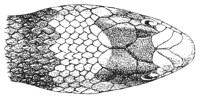
Fig. 62.—Rhynchelaps australis.
Colour red on the body, with ill-defined cross-bars formed of yellowish black-edged scales; a black blotch on the head, covering the vertex and temples, and surrounding the eyes; another large blotch on the nape; snout and occiput yellow; belly white.
Total length, 290 millimetres; tail 25.
Habitat: Queensland.
(3) R. semifasciatus.—Scales in 17 rows; 143-170 ventrals; 17-25 subcaudals.
Colour yellow, with brown cross-bands; large brown blotches on the head and nape; belly white.
Total length, 300 millimetres; tail 30.
Habitat: West Australia.
(4) R. fasciolatus.—Scales in 17 rows; 145-161 ventrals; 22-27 subcaudals.
Colour red, with numerous blackish-brown cross-bands; large blackish-brown blotches on the head and nape; belly white.
Total length, 335 millimetres; tail 30.
Habitat: West Australia.
(p) Furina.
(Figs. 63 and 64.)
Maxillary bones extending forwards beyond the palatines, bearing a pair of moderately large grooved poison-fangs, and one or two small teeth near their posterior extremities; mandibular teeth subequal. Head small, not distinct from neck; eyes very small, with round pupils; nostril in a single nasal shield. Body cylindrical; scales smooth, in 15 rows. Tail very short, obtuse; subcaudals in 2 rows.
(1) F. calonota.—Six supralabial shields; 126-131 ventrals; 29-30 subcaudals.
Colour yellow, with a black vertebral stripe; a black bar across the end of the snout; a large black blotch covering the vertex and the parietals; belly white.
Total length, 215 millimetres; tail 33.
Habitat: West Australia.
(2) F. bimaculata.—Scales in 15 rows; 181-200 ventrals; 21-25 subcaudals.
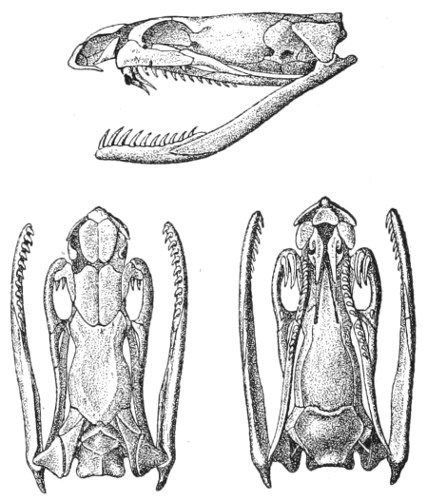
Fig. 63.—Skull of Furina occipitalis. (After G. A. Boulenger, op. cit.)
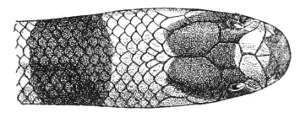
Fig. 64.—Furina occipitalis.
Colour yellow, with large black blotches on the snout, middle of head, and occiput; belly white.
Total length, 330 millimetres; tail 25.
Habitat: West Australia.
(3) F. occipitalis (fig. 64).—Scales in 15 rows; 180-234 ventrals; 14-25 subcaudals.
Entire body ringed with black and white, annuli narrower on belly; head black, with a broad white band across the occiput, and another narrower and irregular one across the snout; nose black.
Total length, 590 millimetres; tail 36.
Habitat: Australia.
There are no poisonous snakes in New Zealand. In New Caledonia no terrestrial poisonous snakes are known, but Hydrophiidæ abound on its shores, as on those of the majority of the islands of the Pacific.
In Australia, especially in New South Wales and farther to the north, fatalities due to the bites of poisonous snakes are not rare. The most dangerous species are: Acanthophis antarcticus (the Death Adder), Diemenia textilis (the Brown Snake), Pseudechis porphyriacus (the Black Snake), and Notechis scutatus or Hoplocephalus curtus (the Tiger Snake).
The health authorities of this country have accordingly taken the wise precaution of circulating very widely among the public coloured placards bearing illustrations of these four species, with a description of the essential anatomical details by which they may be recognised. Similar placards are exhibited in all the schools, and a generous distribution is made of instructions, printed on handkerchiefs, indicating the most effective method of treating poisonous bites.
In Queensland, according to information furnished to me by Mr. C. W. De Vis, late Director of the Queensland Museum, Brisbane, the number of deaths resulting from the bites of poisonous snakes has been only twenty-seven in ten years.
E.—AMERICA.
The fauna of the New World includes only a very small number of poisonous snakes belonging to the family Colubridæ. The Genus Elaps alone is represented there by twenty-eight species, scattered over Mexico, Central America, Bolivia, Ecuador, Peru, Colombia, and Brazil.
Viperidæ, on the other hand, are extremely numerous, and belong exclusively to the subfamily Crotalinæ; there are no Viperinæ.
I.—COLUBRIDÆ.
(a) Elaps.
(Fig. 65.)
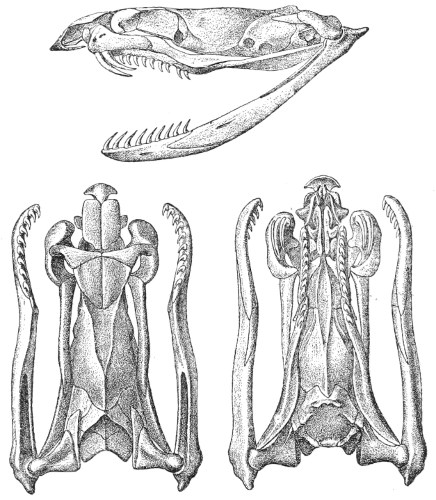
Fig. 65.—Skull of Elaps marcgravii. (After G. A. Boulenger, op. cit.)
The characters of this genus are: Maxillary bones very short, extending beyond the palatines, and bearing a pair of large poison-fangs; pterygoid teeth few or absent; mandibular teeth all of equal length. No postfrontal bones; præfrontals meeting, or narrowly separated on the median line. Head small, not distinct from neck; eyes small, with vertically elliptic or sub-elliptic pupils; nostril between two nasal shields. Body cylindrical; scales smooth, in 15 rows. Tail short; subcaudal scales in 2 rows, or partly single, partly in 2 rows.
(1) E. surinamensis.—Seven supralabials, of which the fourth enters the eye; frontal shield very narrow; 167-182 ventrals.
Colour red, with black annuli disposed in threes (the middle one broader), separated by narrow yellow interspaces; 7 or 8 sets of annuli on the body; the red scales dotted with black; head red above, with the shields black-edged, followed by a black cross-band behind the parietals.
Total length, 740 millimetres; tail 95. Grows to 1,900 millimetres.
Habitat: Venezuela, Guianas, Northern Brazil, North-east Peru.
(2) E. heterochilus.—Six supralabials, second and third entering the eye; snout narrow; 209 ventrals.
Colour red, with black annuli, as in E. marcgravii.
Total length, 553 millimetres; tail 43.
Habitat: Brazil.
(3) E. euryxanthus (Sonoran Coral Snake).—Seven supralabials, third and fourth entering the eye; internasals nearly as long as the præfrontals; 215-241 ventrals; 21-29 subcaudals.
Colour red, with 11 black annuli edged with yellow; head black.
Total length, 400 millimetres; tail 33.
Habitat: Arizona, Colorado, North-western Mexico. It is found in Arizona up to an altitude of nearly 6,000 feet (1,800 metres).
(4) E. gravenhorstii.—First lower labial in contact with its fellow; posterior nasal not reaching the præocular: 191 ventrals; 23 subcaudals.
Colour: Seven sets of black annuli disposed in threes, median annulus the broadest; head black, with a yellow transverse band behind the eyes.
Total length, 550 millimetres; tail 50.
Habitat: Brazil.
(5) E. langsdorffii.—Ventrals 204-225; subcaudals 37-54; 1 + 1 temporals.
Colour dark brown, with 63 transverse series of cream-coloured spots, each occupying one scale; belly yellow, with red cross-bands.
Total length, 300 millimetres.
Habitat: Upper Amazons.
(6) E. buckleyi.—203-211 ventrals; 39-43 subcaudals; 1 + 2 temporals.
Colour orange, with 48-60 black annuli edged with small yellow spots; head black; temples yellow.
Total length, 505 millimetres; tail 70.
Habitat: Northern Brazil, Eastern Ecuador.
(7) E. anomalus.—227 ventrals; 29 subcaudals; 1 + 1 temporals.
Colour: Body with 55 black annuli separated by narrow brownish-white bands; belly yellowish; anterior half of head black, posterior half yellow; tail yellow or red, with 4 black rings.
Total length, 280 millimetres; tail 23.
Habitat: Colombia.
(8) E. heterozonus.—Scales in 15 rows; 210-219 ventrals; 16-23 subcaudals; 1 + 1 temporals.
Colour red or brown, with 17 to 23 black rings, mostly narrower than the interspaces; a black band on the head across the eyes.
Total length, 900 millimetres; tail 40.
Habitat: Eastern Ecuador, Eastern Peru, Bolivia.
(9) E. elegans.—Scales in 15 rows; 189-221 ventrals; 29-47 subcaudals; 1 + 1 temporals.
Colour: Black annuli in sets of three, separated by reddish-brown interspaces; 12-17 sets; head black, with yellow blotches.
Total length, 730 millimetres; tail 70.
Habitat: Mexico and Guatemala.
(10) E. annellatus.—Scales in 15 rows; 200-211 ventrals; 30-45 subcaudals; 1 + 1 temporals.
Colour black, with 41-49 narrow white rings on the body, 4-7 on the tail; a white ring on the head.
Total length, 490 millimetres; tail 70.
Habitat: Eastern Peru.
(11) E. decoratus.—Scales in 15 rows; 196-213 ventrals: 29-37 subcaudals.
Colour red, with 15-16 sets of black annuli disposed in threes; head yellow, with end of snout black, and a black band across the eyes.
Total length, 625 millimetres.
Habitat: Brazil.
(12) E. dumerilii.—Scales in 15 rows; 197-204 ventrals; 50-53 subcaudals.
Colour: 8-9 sets of three black annuli on red and yellow; head black, with a yellow band on the occiput.
Total length, 410 millimetres; tail 65.
Habitat: Colombia.
(13) E. corallinus (The Coral Snake).—Scales in 15 rows; 179-231 ventrals; 30-47 subcaudals; 1 + 1 temporals.
Colour: Body with black annuli, separated by red interspaces edged with yellow; head bluish-black; temples yellow; a blue line from behind the eye to the lower jaw; tail white.
Total length, 790 millimetres; tail 70.
Habitat: Tropical South America and Lesser Antilles (St. Thomas, St. Vincent, Martinique).
(14) E. hemprichii.—Scales in 15 rows; 168-181 ventrals; 22-29 subcaudals; 1 + 1 temporals.
Colour: Black, with red or yellow annuli, a broad annulus between the narrow ones; occiput, upper lip, and temples yellow.
Total length, 720 millimetres; tail 65.
Habitat: Guianas, Colombia, Peru.
(15) E. tschudii.—Scales in 15 rows; 207-221 ventrals; 21-28 subcaudals.
Colour: Body with black annuli broader than the interspaces, disposed in sets; interspaces red and yellow; snout and occiput black.
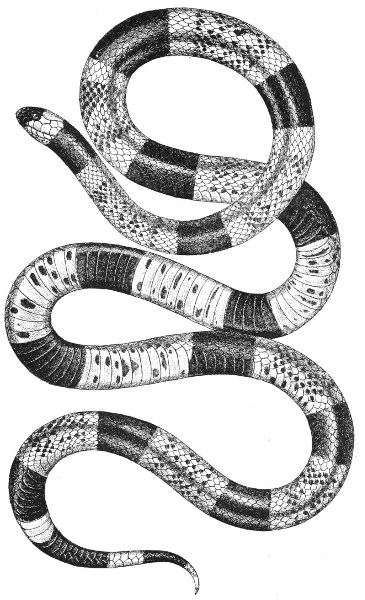
Fig. 66.—Elaps fulvius (The Harlequin Snake, or Coral Snake). (After L. Stejneger.)
Total length, 430 millimetres; tail 35.
Habitat: Peru.
(16) E. dissoleucus.—Scales in 15 rows; 200 ventrals; 19 subcaudals.
Coloration as in foregoing species.
Total length, 1,070 millimetres; tail 35.
Habitat: Venezuela.
(17) E. fulvius (Harlequin, or Coral Snake, fig. 66).—Scales in 15 rows; 180-237 ventrals; 30-59 subcaudals.
Colour: Body with black, red, and yellow annuli; tail with black and yellow annuli; snout black.
Total length, 990 millimetres; tail 85.
Habitat: Eastern North America, from Southern Virginia, the Ohio River, and the Missouri to the Rio Grande, Mexico. Central America.
(18) E. psyches.—Scales in 15 rows; 188-214 ventrals; 32-47 subcaudals.
Colour: Body with alternate black and brown annuli, and 48-52 narrow yellow rings; head black, blotched with yellow.
Total length, 495 millimetres; tail 80.
Habitat: Guianas.
(19) E. spixii.—Scales in 15 rows; 201-219 ventrals; 22-29 subcaudals.
Colour: red, with 20-38 black rings disposed in threes; a black occipital collar, followed by a wide red space.
Total length, 1,400 millimetres; tail 70.
Habitat: Venezuela and Northern Brazil.
(20) E. frontalis.—Scales in 15 rows; 197-230 ventrals; 15-26 subcaudals. Tail ending very obtusely.
Colour: Body with black annuli disposed in threes, with red and yellow interspaces; head black, spotted with yellow or red.
Total length, 1,350 millimetres; tail 70.
Habitat: Southern Brazil, Uruguay, Paraguay, Argentina.
(21) E. marcgravii.—Scales in 15 rows; 210-240 ventrals; 23-42 subcaudals.
Colour: Body with black annuli in 6-10 sets of three, separated by broad red interspaces, the middle annulus usually wider; snout yellow, the end usually black; back of head red.
Total length, 1,120 millimetres; tail 100.
Habitat: Tropical South America.
(22) E. lemniscatus.—Scales in 15 rows; 241-262 ventrals; 30-39 subcaudals.
Colour: Body with 11-14 sets of black annuli disposed in threes, separated by red interspaces; head yellow; end of snout and a band across the middle of the head black.
Total length, 1,000 millimetres; tail 80.
Habitat: Guianas, Brazil.
(23) E. filiformis.—Scales in 15 rows; 290-308 ventrals; 35-45 subcaudals.
Colour: Body with black annuli disposed in threes, with red interspaces; head yellow; end of snout black; a black band across the eyes.
Total length, 575 millimetres; tail 40.
Habitat: Amazons, Colombia.
(24) E. mipartitus.—Scales in 15 rows; 210-278 ventrals; 24-34 subcaudals.
Colour: black, with 40-68 narrow white annuli; head black to between the eyes, elsewhere yellow.
Total length, 610 millimetres; tail 50.
Habitat: Central America and Tropical South America.
(25) E. fraseri.—Scales in 15 rows; 303 ventrals; 25 subcaudals.
Colour: black, with 75 narrow whitish rings with broken outlines; head black in front, yellow behind.
Total length, 780 millimetres; tail 40.
Habitat: Ecuador.
(26) E. mentalis.—Scales in 15 rows; 255-268 ventrals; 30-31 subcaudals.
Colour: Body black, with 58-70 narrow white annuli, which become wider on the belly; snout black, occiput yellow; tail annulate, black and orange.
Total length, 490 millimetres; tail 30.
Habitat.—Colombia and Ecuador.
(27) E. ancoralis.—Scales in 15 rows; 258 ventrals; 31 subcaudals.
Colour: Body with 16 sets of black annuli disposed in threes, the middle one of each set a little wider; head light in front, spotted with black; an anchor-shaped black mark on the occiput and nape.
Total length, 780 millimetres; tail 57.
Habitat: Ecuador.
(28) E. narduccii.—Scales in 15 rows; 240-315 ventrals; 15-33 subcaudals.
Colour: black, beneath with yellow or red cross-bands or transversely oval spots, sometimes extending as triangular blotches up the sides; head with a yellow cross-band.
Total length, 720 millimetres; tail 50.
Habitat: Eastern Ecuador, North-eastern Peru, Bolivia.
The species of the genus Elaps, which are remarkable for the brightness and beauty of their colours, are generally found in forests.
“The traveller,” says Neuwied, “who ventures into the great Brazilian forests, where the ground is covered with leafy plants, is astonished to see shining through the verdure the black and red rings of the beautiful Coral Snake. Uncertainty as to whether the creature is dangerous alone prevents him from seizing it. The body of the snake is not lithe enough to enable it to climb trees. Its food consists of small animals.”
Dr. Lacerda relates that the Austrian naturalist Wertheimer, when in the Brazilian settlement of Philadelphia, was bitten by a Coral Snake in the back of the hand. The usual symptoms of poisoning manifested themselves immediately, and the unfortunate man died twelve hours later. Nevertheless, the small size and slenderness of the fangs, the narrowness of their canals, and the considerable distance between the fangs and the anterior opening of the mouth, must necessarily render the bites of these snakes less serious and of rarer occurrence.
II.—VIPERIDÆ.—CROTALINÆ.
The Solenoglypha are infinitely more formidable in the two divisions of the New World. They are represented by a large number of species, some of which are feared in consequence of their size and ferocity, even more than on account of the deadliness of their venom (fig. 67).
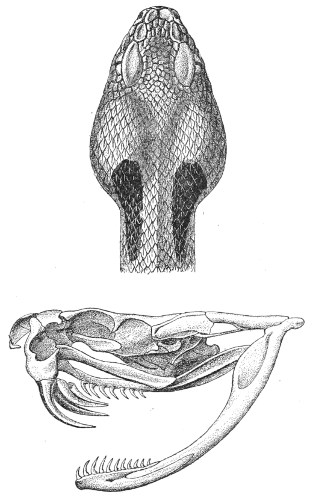
Fig. 67.—Head and Skull of Crotalus horridus.
The American Crotalinæ are divided into two groups:—
The first of these comprises snakes not provided with the caudal appendage, which is characteristic of the Rattle-Snakes. It consists of two genera:—
(a) Ancistrodon.
(b) Lachesis.
The second group includes only those snakes the tails of which are terminated by the scaly appendage known as the “rattle.”
These are likewise divided into two genera:—
(c) Sistrurus.
(d) Crotalus.
(a) Ancistrodon.
Usually with 9 shields on the head, or internasals and præfrontals broken up into scales. Body cylindrical: scales smooth or keeled, with apical pits. Tail moderate or short; subcaudals single or in 2 rows.
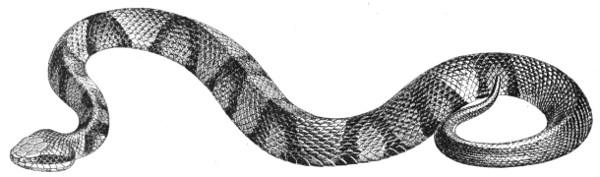
Fig. 68.—Ancistrodon piscivorus (Water Viper). (After Stejneger.)
(1) A. piscivorus (Water Viper, or Cotton-mouth; fig. 68).—Snout rounded, soft above. Scales on the body strongly keeled, in 25 (rarely 27) rows; 130-147 ventrals; 33-51 subcaudals, all single or the posterior divided.
Colour pale reddish-brown to dark brown above, with more or less distinct dark brown cross-bands, or with alternating C-shaped dark markings each enclosing a central spot. Belly dull yellow spotted with black, or almost black.
Total length, 1,170 millimetres; tail 200.
Habitat: Eastern North America, from North Carolina and Indiana to Florida and Texas. The Water Viper lives for the most part in the vicinity of rivers, and feeds upon fish, but also devours small warm-blooded animals. The Creoles call it the Congo Snake. It is fairly common in the environs of New Orleans. In summer time it conceals itself in the branches of trees at the edge of the water. It frequents inundated rice-fields, and is a terror to the blacks. It attacks readily, and opens its jaws some seconds before it bites.
(2) A. bilineatus.—Snout obtusely pointed. Scales more or less strongly keeled, in 23 (rarely 25) rows; 135-141 ventrals; 52-64 subcaudals, anterior single, posterior divided.
Colour dull yellow or reddish-brown, with more or less distinct darker cross-bands, or alternating transverse blotches, with yellow edges; a vertical yellow line on the rostral shield, and a fine yellow line round the snout; belly brownish or blackish, with white spots.
Total length, 1,100 millimetres; tail 200.
Habitat: Mexico, Guatemala, Honduras.
(3) A. contortrix (The Copperhead).—Snout rounded or truncate. Scales strongly keeled, in 23 (rarely 25) rows; 145-155 ventrals; 31-52 subcaudals, anterior single, posterior divided.
Colour dull yellow or reddish-brown, with dark brown or brick-red cross-bars; these bars are sometimes interrupted on the vertebral line, and form alternating triangles; belly yellow or reddish, more or less spotted with grey or brown.
Total length, 990 millimetres; tail 110.
Habitat: North America, from Massachusetts and Kansas to Northern Florida and Texas.
This snake is often more dreaded than a Rattle-Snake.
(b) Lachesis.
In Lachesis the caudal rattle is represented by a series of 10 or 12 rows of spiny scales, which are slightly hooked at the tips. The head is covered with small shields or smooth or keeled scales, with or without apical pits. The maxillary is much reduced; the transverse or pterygoid bone, on the contrary, is greatly developed.
The name is derived from one of the Parcæ, daughters of Night, who placed the thread on the spindle, and upon whom depended the fate of men.
In addition to the 19 Asiatic species, of which we have already given descriptions, the genus Lachesis includes 21 American species.
(1) L. mutus (Bushmaster, or Surucucu).—Two or three scales separating the internasals in front; 10 to 15 scales on a line between the supraoculars; 9 or 10 supralabials. Scales tubercularly keeled, feebly imbricate, in 35 or 37 rows; 200-230 ventrals; 32-50 subcaudals.
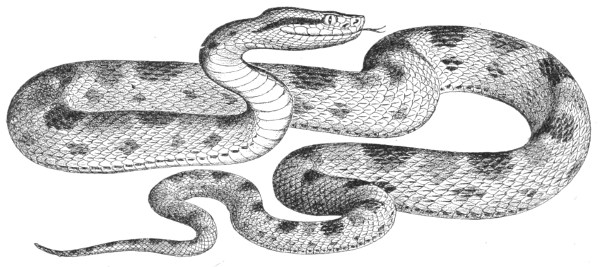
Fig. 69.—Lachesis lanceolatus (Fer-de-lance of Martinique). (After Stejneger.)
Colour yellow or pinkish on the back, with a series of large rhomboidal brown or black spots enclosing smaller light spots; a black streak from the eye to the angle of the mouth.
Total length, 1,995 millimetres; tail 170.
Habitat: Central and Tropical South America.
(2) L. lanceolatus (known as the Fer-de-lance in Martinique, and Jararacussu in Brazil; fig. 69).—Snout obtuse, slightly turned up; upper head-scales small, imbricate, more or less strongly keeled, in 5-10 longitudinal series between the supraoculars, which are large; 7 or 8 supralabials. Scales in 23-33 rows, sharply keeled; 180-240 ventrals; 46-70 subcaudals, all or the greater part in two rows.
Coloration very variable, grey, brown, yellow, olive, or reddish; uniform or with more or less distinct dark spots, or cross-bands, or with dark triangles on the sides enclosing pale rhombs; a dark streak from the eye to the angle of the mouth; belly yellowish, uniform, or spotted with brown.
Total length, 1,600 millimetres; tail 190.
Habitat: Tropical America; Mexico, Martinique, St. Lucia, Bequia Island near St. Vincent, Venezuela, Guianas, Rio de Janeiro.
This snake does not exist in Guadeloupe. “In the islands in which it is found,” says Dr. Rufz de Lavison, “its presence makes itself felt even where man has built his dwelling and cultivates the soil. Because of it no one can carelessly lie down to rest in the shade of a tree; no one can walk in the woods or enter unconcernedly into the pleasures of the chase.” It is especially abundant in coffee and sugar plantations, and is met with from the sea-level up to the summits of the highest mountains in Martinique and St. Lucia. It not infrequently makes its way into human habitations, and is not uncommon in gardens, even entering those of the town of Fort-de-France.
It does not seek its prey by day, but remains on the alert, always ready to bite. With open mouth, and fangs projecting forwards, it strikes with the rapidity of lightning. It swims in the rivers and moves over the ground with great speed. Oviposition takes place in July, and the young are hatched forthwith, the usual number being from about 50-60.
It feeds upon lizards and rats, but also destroys a certain number of fowls and turkeys. All the large animals are afraid of it. Its bite is extremely dangerous, and causes about a hundred deaths in Martinique every year.
In striking at its prey or at a man, the Fer-de-lance throws back its head and opens its jaws widely, with the fangs directed forwards. It drives in its poison-teeth as with the blow of a hammer, and quickly draws back again. When very excited, it resumes its position and strikes afresh. It never becomes tame, but is capable of living a fairly long time in captivity. I have kept a number of specimens of it for more than two years, caged in my laboratory.
(3) L. atrox (Labaria).—Closely resembling L. lanceolatus, but bulkier; the enormous head is armed with powerful fangs, which are often more than a centimetre in length; 7 supralabial shields; scales in 25-29 rows, strongly keeled; 161-216 ventrals; 47-73 pairs of subcaudals.
Colour brown, with dark cross-bands or triangular blotches, with the apices adjacent on the vertebral line; a dark streak from the eye to the angle of the mouth; belly yellowish-white, speckled with brown, or brown spotted with yellowish-white.
Total length, 1,110 millimetres; tail 180.
Habitat: from Central America to Peru and Northern Brazil.
(4) L. pulcher.—Two postocular shields and a subocular, separated from the labials by one series of scales; 7 supralabials; scales in 21 or 23 rows, strongly and tubercularly keeled; 156-172 ventrals; 58-64 pairs of subcaudals.
Colour olive-grey, with brown, light-edged cross-bands, which are continuous or broken on the vertebral line; a light streak from the eye to the angle of the mouth; belly covered with minute confluent brown markings, with darker and lighter spots on the sides.
Total length, 685 millimetres; tail 115.
Habitat: Andes of Ecuador.
(5) L. microphthalmus.—Snout short, rounded; eyes very small; 7 supralabials, of which the third and the sixth or seventh are the largest; scales in 23 rows, dorsals tubercularly keeled; 159-161 ventrals; 52-55 subcaudal pairs.
Colour yellowish-brown or pale olive on the back, with dark brown triangles on the sides; posteriorly, the united triangles form cross-bands; a yellowish band from the eye to the side of the neck; belly dark brown with yellowish spots.
Total length, 630 millimetres; tail 100.
Habitat: Peru, Ecuador.
(6) L. pictus.—Snout obliquely truncate; two series of scales between the eye and the labials; scales in 21-23 rows, strongly keeled; 157-172 ventrals; 40-74 pairs of subcaudals.
Colour pale brown, with a dorsal series of large black-edged brown spots, which may form a vertebral zigzag band; a black streak behind the eye, and a vertical bar below the eye; belly yellowish, spotted with brown.
Total length, 310 millimetres; tail 43.
Habitat: Peru.
(7) L. alternatus.—Head narrow, elongate; 8-9 supralabials; scales in 29-35 rows, very strongly keeled; 167-181 ventrals; 34-51 pairs of subcaudals.
Colour brown, very elegantly marked with opposite or alternating pairs of large C-shaped markings, which are dark brown, edged with black and yellow, and separated by narrow interspaces of the ground colour; head dark·brown above, with a ⅄̅-shaped light marking, the transverse bar between the eyes; belly whitish, spotted with brown or black.
Total length, 1,190 millimetres; tail 110.
Habitat: Southern Brazil, Paraguay, Uruguay, Argentina.
(8) L. neuwiedii (known as the Urutù in Brazil; fig. 70).—Snout obtusely pointed; supraocular large, separated from its fellow by 6-9 longitudinal series of scales; 8 or 9 supralabials; scales very strongly keeled, in 21-27 rows; 168-182 ventrals; 41-53 subcaudals.
Colour yellowish or pale brown, with dark brown black-edged spots; the spots on the back form a single series or a double alternating series; a dark spot on the snout; a pair of dark bands from the vertex to the nape, and another from the eye to the angle of the mouth; belly yellowish, more or less powdered with brown.
Total length, 770 millimetres; tail 120.
Habitat: Brazil, Paraguay, Argentina.
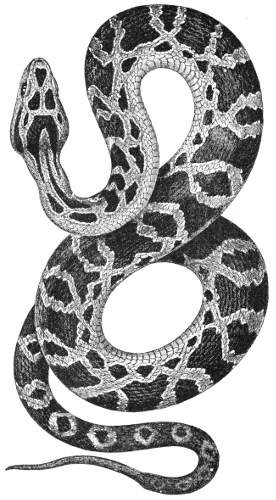
Fig. 70.—Lachesis neuwiedii (known as the Urutù in Brazil). (After Lacerda.)
(9) L. ammodytoides.—Snout turned up, in the shape of a wart; two series of scales between the eye and the labials; scales in 23 or 25 rows, very strongly keeled; 149-160 ventrals; 30-38 pairs of subcaudals.
Colour pale brown, with large brown black-edged spots or cross-bands, which may alternate and form a zigzag band; a dark streak behind the eye; belly yellowish, spotted with brown.
Total length, 460 millimetres; tail 55.
Habitat: North-eastern Patagonia and Argentina.
(10) L. xanthogrammus.—Head elongate, snout short; scales in 27 rows, feebly keeled; 196 ventrals; 54 subcaudals.
Colour very dark olive, with a yellow zigzag line on each side from the head to the base of the tail; the angular parts enclose rhombic spaces and lateral triangles; top of head black, with a pair of undulating yellow bands from the nape to the vertex; a bright golden band round the snout; labials bright yellow; ventral shields black, paler in the middle, with yellow triangular spots at their extremities.
Total length, 1,530 millimetres; tail 190.
Habitat: Eastern Ecuador, Andes of Colombia.
(11) L. castelnaudi.—Head narrow and elongate; scales on the head smooth or feebly keeled, small; body-scales strongly keeled, in 25 or 27 rows; 230-253 ventrals; 72-83 subcaudals, all or majority in a single row.
Colour greyish or brown, with dark or light-edged spots or cross-bands; head with dark spots, one of which occupies the middle of the snout; a dark band from the eye to the angle of the mouth; belly brown or blackish, spotted with yellow.
Total length, 1,220 millimetres; tail 180.
Habitat: Brazil, Ecuador, Eastern Peru.
(12) L. nummifer.—Snout broad, rounded; 10 or 11 supralabials; scales in 23-27 rows, strongly keeled; 121-134 ventrals; 26-36 subcaudals, all or the majority single.
Colour pale brown, with a dorsal series of rhomboidal spots, which may form a zigzag band; belly whitish, uniform or spotted with dark brown.
Total length, 800 millimetres; tail 90.
Habitat: Mexico and Central America.
(13) L. godmani.—Snout broad, rounded; 9 or 10 supralabials; scales in 21 rows, strongly keeled; 135-142 ventrals; 22-34 subcaudals in a single row.
Colour brown, with or without a dorsal series of large darker spots; belly yellowish, more or less spotted with grey or blackish.
Total length, 610 millimetres; tail 60.
Habitat: Guatemala.
(14) L. lansbergii.—Snout pointed, turned up at the end, as in Vipera aspis; scales in 25-27 rows, strongly keeled; 152-159 ventrals; 29-35 subcaudals in a single row.
Colour yellowish-brown, pale brown, or grey, with a dorsal series of large rhomboidal or squarish spots, usually divided by a narrow yellow or orange vertebral line; cheeks blackish; belly powdered with brown, with or without whitish spots.
Total length, 575 millimetres; tail 70.
Habitat: from Southern Mexico to Colombia, Venezuela, and Brazil.
(15) L. brachystoma.—Similar to the foregoing species; scales in 23 (rarely 25) rows; 132-150 ventrals; 27-38 subcaudals.
Total length, 500 millimetres; tail 50.
Habitat: Southern Mexico and Central America.
(16) L. bilineatus.—Snout rounded; 7 or 8 supralabials; scales in 27-35 rows, strongly keeled; 198-218 ventrals; 59-71 subcaudals, all or majority in two rows. Tail prehensile.
Colour green, uniform or spotted with black; a lateral yellow streak; belly white; end of tail reddish.
Total length, 840 millimetres; tail 125.
Habitat: Brazil, Bolivia, Peru, Ecuador.
(17) L. undulatus.—Snout short, rounded; 11 supralabials; scales in 21 rows, the dorsals strongly or very strongly keeled; 149-171 ventrals; 41-49 pairs of subcaudals. Tail prehensile.
Colour olive or brown, sometimes speckled with black, with a dorsal series of rhomboidal dark spots or an undulous or zigzag band; belly yellowish or brownish, powdered with blackish.
Total length, 570 millimetres; tail 75.
Habitat: Mexico.
(18) L. lateralis.—Snout rounded; 9 supralabials; scales in 21 or 23 rows, rather strongly keeled; 171 ventrals; 59 subcaudals, in a single row. Tail prehensile.
Colour green, with a yellow line on each side of the body.
Total length, 485 millimetres; tail 75.
Habitat: Costa Rica.
(19) L. bicolor.—Very similar to the foregoing; scales in 21 rows; 164-167 ventrals; 62-67 subcaudals, in a single row.
Colour uniform green, yellowish on the belly.
Total length, 375 millimetres; tail 60.
Habitat: Guatemala.
(20) L. schlegelii.—Snout rounded; 8 or 9 supralabials; scales in 19-25 rows, more or less strongly keeled; 138-162 ventrals; 47-62 subcaudals, in a single row. Tail prehensile.
Coloration very variable, green or olive, spotted with black, or with pinkish, reddish, or purplish black-edged spots or cross-bars; belly yellow, spotted with green, or variegated; end of tail generally red.
Total length, 600 millimetres; tail 115.
Habitat: Central America, Colombia, Ecuador.
(21) L. nigroviridis.—Snout short, rounded; 9-11 supralabials; 19 rows of scales, rather feebly keeled; 134-146 ventrals; 49-54 subcaudals, in a single row. Tail prehensile.
Colour green or olive, spotted with black; head with a black streak on each side; belly yellowish.
Total length, 535 millimetres; tail 90.
Habitat: Costa Rica.
(22) L. aurifer.—Snout short and broad; 9 or 10 supralabials; scales in 19 rows, rather strongly keeled; 154-158 ventrals; 53-61 subcaudals, single. Tail prehensile.
Colour green, spotted with yellow; a black streak on the temple; belly greenish-yellow.
Total length, 825 millimetres; tail 145.
Habitat: Guatemala.
(c) Sistrurus.
Head very distinct from neck, covered above with nine large symmetrical shields; eyes rather small, with vertical pupils. Body cylindrical; scales keeled, with apical pits; tail short, ending in a segmented horny apparatus (rattle), producing a special sound; subcaudals all or the majority in a single row.
(1) S. miliarius (Ground Rattle-Snake).—9-11 supralabials; scales in 21 or 23 rows, strongly keeled; 127-139 ventrals; 27-36 subcaudals; rattle short, consisting at the most of 10 segments.
Colour greyish, yellowish, or brown, the vertebral line often orange; two undulating dark stripes from between the eyes to the occiput, the enclosed space usually orange; belly whitish, spotted with dark brown or black.
Total length, 520 millimetres; tail 70.
Habitat: South-eastern North America, from North Carolina to Texas.
(2) S. catenatus (Prairie Rattle-Snake, or Massasanga, fig. 71).—Two or three series of scales between the eye and the labials; 11-14 supralabials; scales in 23 or 25 rows; 136-153 ventrals; 20-31 subcaudals.
Colour the same as in S. miliarius: a dark spot on the parietal shields.
Total length, 680 millimetres; tail 80.
Habitat: Great Lakes district; United States east of the Rocky Mountains and west of the Mississippi; Northern Mexico.
(3) S. ravus.—11 or 12 supralabials; scales in 21 or 23 rows; 147 ventrals; 26 subcaudals.
Colour yellowish-brown, with a dorsal series of dark brown spots, longer than broad, and a series of transverse dark bars on each side; belly yellowish, spotted with blackish-brown.
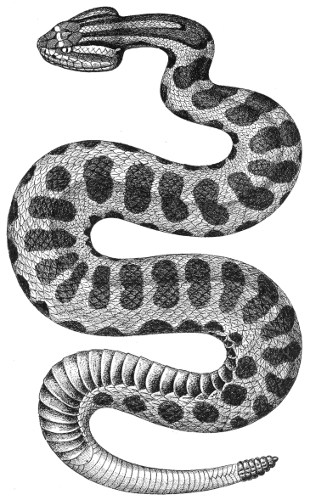
Fig. 71.—Sistrurus catenatus (Prairie Rattle-Snake, or Massasanga). (After Holbrook and Stejneger.)
Total length, 200 millimetres; tail 22.
Habitat: Vera Cruz, Mexico.
(d) Crotalus (Rattle-Snakes).
These snakes differ from all others in that the end of the tail bears a series of large conical scales, forming rattles, each fitting into the next and movable in such a manner that when the reptile causes them to move they produce a strident sound (fig. 72).
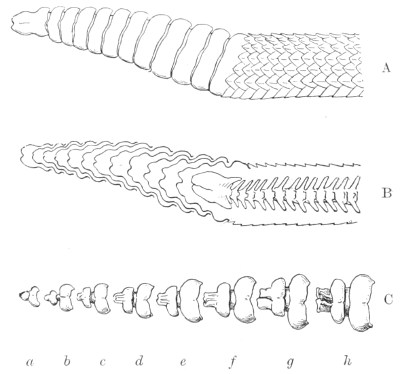
Fig. 72.—A, Horny appendage (rattle) of Crotalus horridus (three-quarters natural size. After Garman). B, longitudinal section of the same. C, separated segments of the appendage: a, terminal point; h, basal segment (after Czermak).
The length of these animals often exceeds 2,000 millimetres. The head is flat, very large and expanded posteriorly, and terminated in front by a short, truncate snout; it is covered above with scales or small shields.
Rattle-Snakes are armed with enormous fangs enclosing a complete canal, which extends throughout almost their entire length. The poison-glands are of the size of a large almond.
The number of segments in the rattle is variable, but rarely exceeds 18 or 20. At the time of the shedding of the skin these segments fall off and are at once replaced. Contrary to the belief which was long entertained, their number bears no relation to the age of the snake.
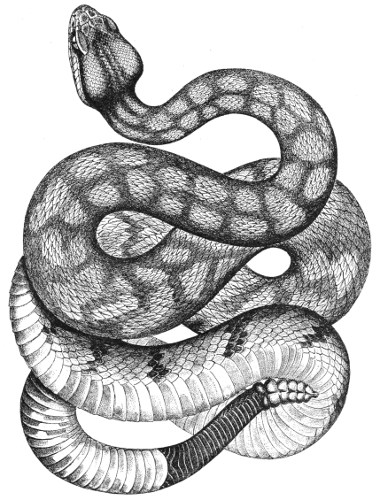
Fig. 73.—Crotalus terrificus (Dog-faced Rattle-Snake, Cascavella in Brazil). (After Stejneger.)
Rattle-Snakes are met with especially in stony and arid localities, or among brushwood near water. They hardly ever bite except when surprised or attacked.
(1) C. terrificus (Dog-faced Rattle-Snake, Cascavella in Brazil; fig. 73).—Snout very short; three or four series of scales between the eye and the supralabial shields; body-scales in 23-31 rows, dorsals very strongly keeled; 160-199 ventrals; 18-30 subcaudals.
Colour brown, with a series of darker, light-edged rhombs, often lighter in the centre; a dark streak from the eye to the angle of the mouth; belly yellowish-white, uniform or spotted with brown; tail generally brown or blackish.
Total length, 1,320 millimetres; tail 130.
Habitat: Arizona, New Mexico, and Texas to Southern Brazil, and Northern Argentina.
(2) C. scutulatus (Texas Rattle-Snake; fig. 74).—13-16 supralabials; scales in 25 or 27 rows; dorsals striated and strongly keeled; 167-170 ventrals; 18-20 subcaudals.
Colour yellowish or greyish-brown, with a series of large dark brown light-edged rhomboidal spots; an oblique dark streak below the eye; belly uniform yellowish-white.
Total length, 760 millimetres; tail 65.
Habitat: Arizona, New Mexico, Texas, North Mexico.
(3) C. confluentus (Pacific or Mottled Rattle-Snake; fig. 75).—Upper head-scales small, striated; 13-18 supralabials; body scales in 25-29 rows, striated and strongly keeled; 168-197 ventrals; 17-34 subcaudals.
Colour yellowish, greyish, or pale brown, with a dorsal series of large brown or red spots, usually rhomboidal or transversely elliptic in shape; a light streak or triangular marking across the supraocular shields; belly yellowish, uniform or spotted with brown.
Total length, 1,520 millimetres; tail 140.
Habitat: Western North America, from British Columbia to South California, eastwards to Assiniboia, Dakota, Nebraska, Kansas, and Western and Southern Texas; Northern Mexico.
According to Holbrook, this reptile feeds upon young rabbits, squirrels, rats and other small mammals. It lays its eggs in August, and the young are hatched at once, and are capable of seeking their own food.
In captivity as well as under natural conditions the Mottled Rattle-Snake is an excessively irritable species. “The noise of the wind,” says Brehm, “or even the distant view of a man or animal, are sufficient to irritate it. It then coils itself up in a spiral, and places its head and tail in the centre of the disc thus formed, in a state of absolute immobility. After a short interval the creature raises its head to a height of about 8 to 12 inches above the ground, curves its neck in the shape of an S, and elevates its tail into a vertical position and shakes it vigorously, whereupon the strident noise caused by the rattle is heard. So rapid are the movements communicated by the Crotalus to its tail that they can scarcely be distinguished. So long as the Crotalus believes itself menaced it remains in the position that we have just described, and continues to sound its rattle. If one withdraws from the irritated snake, the sound gradually lessens and ceases, to begin again more vigorously when the reptile is once more approached.”
The bite of these snakes is exceedingly dangerous. Pigs wage an inveterate war against them and devour them.
At the Pasteur Institute at Lille, I have kept several of these reptiles in captivity for eighteen months and longer. They invariably refused their food, and I always had to resort to artificial feeding. They are easily capable of withstanding a prolonged fast.
(4) C. durissus (Common Rattle-Snake).—7 or 8 longitudinal series of scales between the supraoculars, 3 or 4 series of scales between the eye and the labials; 13-16 supralabials; scales in 25-29 rows, dorsals strongly keeled; ventrals 169-181; 24-32 subcaudals.
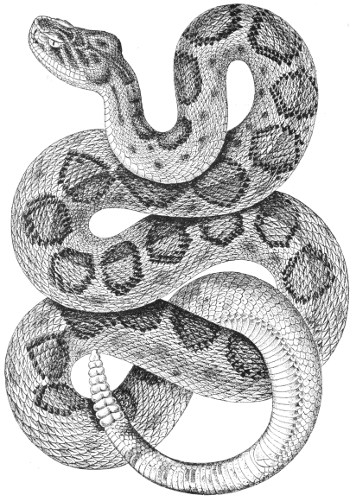
Fig. 74.—Crotalus scutulatus (Texas Rattle-Snake). (After Baird and Stejneger.)
Colour pale greyish or brownish, with a dorsal series of large blackish rhomboidal spots; a yellowish cross-line between the eyes; snout blackish; end of tail usually black; belly yellowish, more or less spotted with brown or black.
Total length may be as much as 8 feet (2,400 millimetres).
Habitat: South-eastern United States, from North Carolina to Florida and the mouths of the Mississippi.
(5) C. horridus.—Supraoculars considerably narrower than the space between them, which is covered by 3-8 longitudinal series of small scales; 12-16 supralabials; body scales in 23-29 rows, dorsals very strongly keeled; 165-178 ventrals; 19-29 subcaudals.
Colour greyish-brown, usually with a rusty vertebral stripe, and V- or M-shaped blackish cross-bands; head uniform above, with a dark band from the eye to the angle of the mouth; usually a pair of roundish or triangular dark spots on the nape; belly yellowish, uniform or spotted with blackish; end of tail blackish.
Total length, 1,340 millimetres; tail 135.
Habitat: United States, from Massachusetts and Iowa to Northern Florida and Texas.
(6) C. tigris.—13-15 supralabials; scales in 23 or 25 rows, dorsals strongly keeled; 166-181 ventrals; 26-46 subcaudals.
Colour yellowish or pale brown, with a dorsal series of brown spots and cross-bands posteriorly; sides with smaller dark spots; belly yellowish, spotted with brown.
Total length, 380 millimetres; tail 50.
Habitat: Southern California, Lower California, Nevada, Colorado, Arizona, and Northern Mexico.
(7) C. mitchelli.—14-16 supralabials; scales in 25 rows, striated, dorsals strongly keeled; 178-198 ventrals; 24-26 subcaudals.
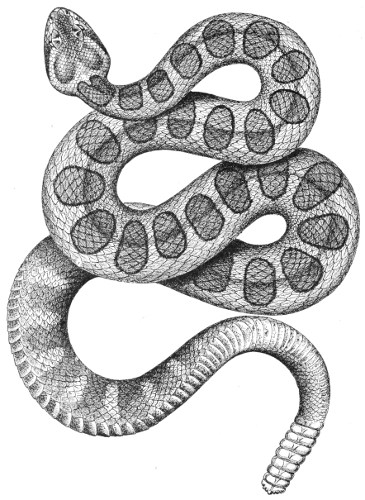
Fig. 75.—Crotalus confluentus (Pacific or Mottled Rattle-Snake). (After Baird and Stejneger.)
Colour greyish-yellow to salmon-red, finely punctulated with brown, with a dorsal series of transverse darker spots; belly yellowish.
Total length, 1,020 millimetres; tail 90.
Habitat: Desert regions of Southern California, Lower California, and Arizona.
(8) C. triseriatus.—9-13 supralabials; scales in 21-25 rows, dorsals strongly keeled; 142-184 ventrals; 22-30 subcaudals.
Colour olive or brown, with a vertebral series of rather small dark brown spots edged with black and white; belly yellowish, spotted with dark brown, or dark grey-brown powdered with whitish.
Total length, 530 millimetres; tail 55.
Habitat: Mexico.
(9) C. polystictus.—Closely allied to the foregoing, but 4 internasals, 14 or 15 supralabials, and scales in 27-30 rows; 123-151 ventrals; 18-23 subcaudals.
Colour yellowish-brown, beautifully marked with 6 or 7 longitudinal series of alternating, elongate, dark brown, black- and white-edged spots, separated by narrow interspaces of the ground-colour; a pair of diverging dark bands on the top of the head, separated by a narrow pinkish-white streak; belly pinkish or yellowish, spotted with dark brown.
Total length, 600 millimetres; tail 60.
Habitat: Tableland of Mexico.
(10) C. lepidus.—12 supralabials; scales in 21 or 23 rows, dorsals strongly keeled; 153-169 ventrals; 24-31 subcaudals.
Colour brown or greenish-grey, with dark brown or jet-black light-edged cross-bands, narrowing on the sides; two dark spots, or a V- or heart-shaped black marking on the nape; belly dirty white, spotted with brown.
Total length, 350 millimetres; tail 60.
Habitat: Western Texas, New Mexico, Arizona, North Mexico.
(11) C. cerastes (Horned Rattle-Snake; fig. 76).—Supraocular transformed into a raised horn-like process; 11-13 supralabials; scales in 21 or 23 rows; dorsals feebly keeled, each scale along the middle of the back with a central tubercular swelling; 146 ventrals; 17 subcaudals.
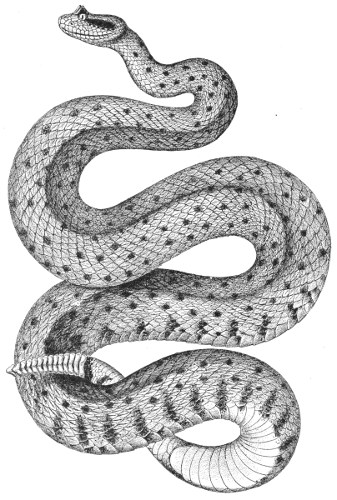
Fig. 76.—Crotalus cerastes (Horned Rattle-Snake.) (After Baird and Stejneger.)
Colour yellowish, with a dorsal series of rather indistinct brown blotches; a narrow brown streak from the eye to the angle of the mouth.
Total length, 250 millimetres; tail 20.
Habitat: Desert regions of Southern California, Nevada, Arizona, and Utah.
F.—HYDROPHIINÆ (SEA-SNAKES).
The Sea-Snakes, which are found in great numbers on the shores of the Indian Ocean, are common throughout the whole of the tropical zone of the China Sea and the Pacific. They are met with from the Persian Gulf to the west coast of Equatorial America, but are entirely absent from the east coast of the same continent and the west and east coasts of Africa.
They often travel in companies. All are poisonous, and very savage. They never come to land, and move with difficulty if taken out of the water, although they are excellent swimmers. It is impossible to keep them in captivity in aquariums, and they die in two or three days. Their food consists of fishes and crustacea. Their tail is prehensile, and they make use of it as an anchor to attach themselves to coral reefs when they wish to rest. They generally float on the surface of the waves, but can dive to great depths, thanks to the extreme dilatability of their lungs, which enables them to store up large reserves of air. They are viviparous.
In these snakes, the head, which is always very small, is scarcely distinct from the body. It is often covered with nine large shields. The body is laterally compressed, and the tail, which serves as a fin, is similarly flattened. The nostrils open on the upper surface of the snout, between the nasal shields. The eyes are always very small.
The number of species at present known is considerable; they are divided into ten genera. We shall confine ourselves here to mentioning the principal diagnostic characters of these genera, and to describing the most common species.
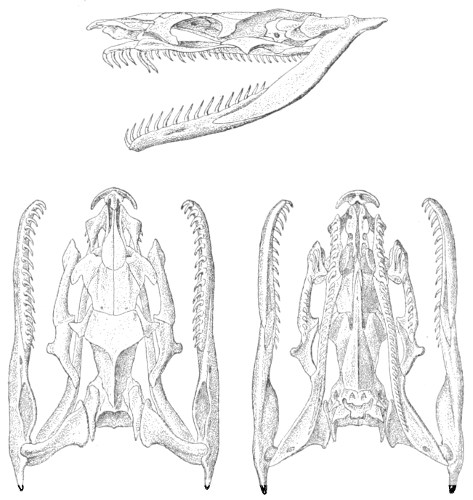
Fig. 77.—Skull of Hydrus platurus. (After G. A. Boulenger, op. cit.)
(1) Hydrus.
(Fig. 77.)
Maxillaries longer than the ectopterygoids, not extending forwards as far as the palatines; poison-fangs grooved, rather short, followed, after an interspace, by 7 or 8 solid, backwardly curved teeth. Snout long, bearing the nostrils on its upper surface; head-shields large, nasals in contact with each other. Body rather short; scales hexagonal or squarish, juxtaposed; no distinct ventral scales.
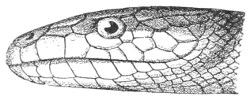
Fig. 78.—Hydrus platurus (syn. Pelamis bicolor). (After Krefft.)
The principal species of this genus is H. platurus (syn. Pelamis bicolor, fig. 78).
Coloration black or brown and yellow, with very variable markings.
Total length, 700 millimetres; tail 80.
Habitat: Indian Ocean, Tropical and Sub-tropical Pacific.
(2) Thalassophis.
Poison-fangs followed by 5 small teeth. Snout short; nostrils superior, horizontal, between two nasal shields and an internasal; frontal and parietal shields large; præocular present. Body rather elongate; scales hexagonal, juxtaposed; no distinct ventral scales.
T. anomalus.—Body with dark annuli, wider on the back.
Total length, 810 millimetres; tail 84.
Habitat: Java.
(3) Acalyptophis.
Maxillaries longer than the ectopterygoids; frontal and parietal shields broken up into scales. Body rather elongate; scales subimbricate; no distinct ventrals.
A. peronii.—Greyish or pale olive, with dark cross-bands; belly whitish.
Total length, 890 millimetres; tail 115.
Habitat: Western Tropical Pacific.
(4) Hydrelaps.
Snout short; 6 teeth behind the poison-fangs; nostril in a single nasal shield; head-shields large. Body feebly compressed; scales imbricate; ventral scales small, but well developed.
H. darwiniensis.—Body with yellowish-white and blackish annuli, the black rings narrower on the belly; head dark olive spotted with black.
Total length, 435 millimetres; tail 43.
Habitat: North Australia.
(5) Hydrophis.
(Fig. 79.)
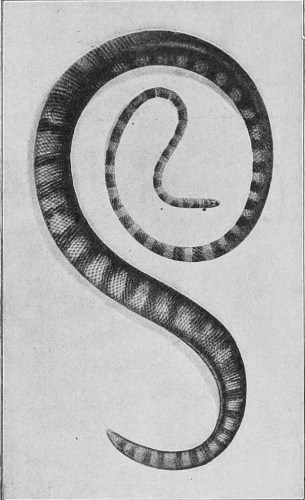
Fig. 79.—Hydrophis coronatus. (After Sir Joseph Fayrer.)
Poison-fangs large, followed by a series of 7-18 solid teeth. Head small; nostrils on the upper surface of the snout, pierced in a single nasal shield; head-shields large; præocular present. Body long, often very slender anteriorly; scales on the anterior part of the body imbricate, rectangular, keeled or tubercular; ventrals more or less distinct, very small.
A considerable number of (at least 22) species of Hydrophis are known. Those most frequently met with are the following:—
H. spiralis.—Olive above, yellowish beneath, with black rings; head black above, with a horse-shoe-shaped yellow mark, the convexity of which rests on the præfrontal shields; end of tail black.
Total length, 400 millimetres. Grows to 1,800 millimetres.
Habitat: Coasts of India, and the Malay Archipelago.
H. cærulescens.—Grey above, with black cross-bands, which form complete rings, or are interrupted on the belly; head uniform black.
Total length, 665 millimetres; tail 75.
Habitat: Bombay Coast, Bay of Bengal, Straits of Malacca.
H. nigrocinctus.—Pale olive on the back, yellowish on the belly, with black annuli, which are broader on the back.
Total length, 1,000 millimetres; tail 100.
Habitat: Bay of Bengal and Straits of Malacca.
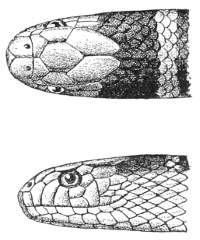
Fig. 80.—Hydrophis elegans. (After Krefft.)
H. elegans (fig. 80).—Yellowish-white, back with transverse rhomboidal black spots, separated by a series of small black spots; belly with black spots or cross-bars; head blackish, with a more or less distinct light crescentic marking across the snout, from above the eyes.
Total length, 710 millimetres; tail 60.
Habitat: North coast of Australia.
H. gracilis.—Bluish-black or greyish, olive above in the adult, with more or less distinct lighter cross-bands anteriorly. Young sometimes with rhombic black cross-bands extending to the belly, or sub-interrupted on the sides.
Total length, 1,020 millimetres; tail 90.
Habitat: Coasts of Persia, India, and Ceylon; Malay Archipelago.
H. cantoris.—Body dark olive or blackish anteriorly, with yellowish cross-bands above; posterior part of body olive above, yellowish on the sides; tail with olive vertical bars; a blackish streak along the belly.
Total length, 1,100 millimetres; tail 90.
Habitat: Bay of Bengal.
H. fasciatus.—Head and neck black, the latter with yellowish cross-bands; body pale, with black annuli, which are broader on the back.
Total length, 1,000 millimetres; tail 85.
Habitat: From the coasts of India to China and New Guinea.
H. obscurus (syn. H. stricticollis).—Olive or dark green above, with yellowish cross-bars, which form complete rings round the slender anterior part of the body; a yellow spot on the snout, and a yellow streak on each side of the upper surface of the head.
Total length, 970 millimetres; tail 105.
Habitat: Bay of Bengal, Malay Archipelago.
H. leptodira.--Black, with yellow cross-bars on the neck, and complete annuli on the body, the bars and annuli numbering 77.
Total length, 525 millimetres; tail 40.
Habitat: Mouths of the Ganges.
(6) Distira.
(Fig. 81.)
Poison-fangs large, followed by 4-10 grooved teeth. Head larger than in Hydrophis; body more or less elongate; scales on the anterior part of the body imbricate; ventrals more or less distinct, and always very small.
The species of this genus, 18 in number according to the British Museum Catalogue, are found in the Indian and Pacific Oceans, from the Persian Gulf to Japan and New Caledonia.
The most important are:—
D. ornata.—Uniform blackish-olive on the back, whitish on the belly.
Total length, 1,200 millimetres; tail 130. Habitat: From the Mouth of Persian Gulf, and the coasts of India and Ceylon to New Guinea, and North Australia.
D. subcincta.—Trunk with 41 broad dark cross-bands, about as broad as the interspaces, not extending downwards to the middle of the side; a series of small roundish, blackish spots along the lower part of the sides.
Total length, 1,070 millimetres; tail 100.
Habitat: Indian Ocean.
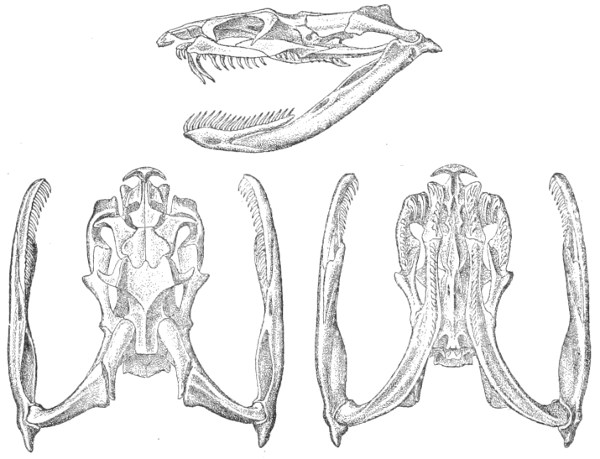
Fig. 81.—Skull of Distira. (After G. A. Boulenger, op. cit.)
D. cyanocincta.—Greenish-olive above, with dark olive or black cross-bars or annuli, broader on the back, and sometimes joined by a black band along the belly, or yellowish, with a black vertebral stripe and a few bars on the neck.
Total length, 1,500 millimetres; tail 140.
Habitat: From the Persian Gulf and the coasts of India to China, Japan, and Papuasia.
D. jerdonii.—Olive above, yellowish on the belly, with black cross-bands forming complete rings in young and half-grown specimens; a black spot sometimes present between each pair of annuli.
Total length, 910 millimetres; tail 100.
Habitat: Bay of Bengal, Straits of Malacca, Borneo.
(7) Enhydris.
Two large poison-fangs, and 2-4 small feebly grooved teeth. Body short and stout; scales hexagonal or squarish, juxtaposed, disappearing almost completely on the belly.
E. curtus.—Above with dark transverse bands, broadest in the middle; end of tail black.
Total length, 750 millimetres; tail 75.
Habitat Coasts of India and Ceylon.
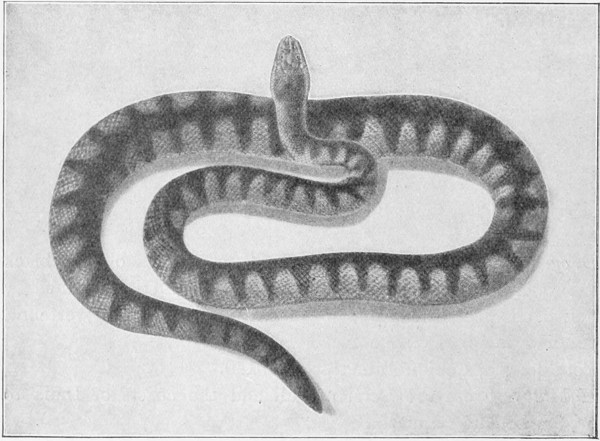
Fig. 82.—Enhydrina valakadien (syn. E. bengalensis).
(8) Enhydrina.
Two large poison-fangs, followed by 4 solid non-grooved teeth. Body moderately elongate; scales imbricate; ventrals distinct but very small.
E. valakadien (syn. E. bengalensis; fig. 82).—Colour olive or grey, with black transverse bands, usually less distinct in the adult; sides and belly whitish.
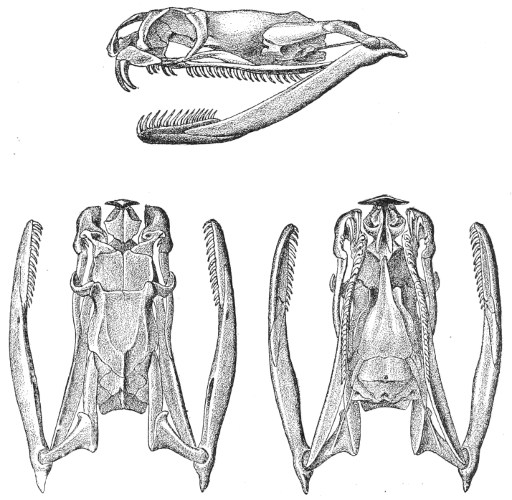
Fig. 83.—Skull of Platurus olubrinus. (After G. A. Boulenger, op. cit.)
Total length, 1,300 millimetres; tail 190.
Habitat: From the Persian Gulf along the coasts of India and Burma, to the Malay Archipelago and Papuasia.
(9) Aipysurus.
Maxillaries a little longer than the ectopterygoids; poison-fangs moderate, followed, after a short interval, by 8-10 grooved teeth; anterior mandibular teeth feebly grooved. Snout short; head shields large, or broken up into scales. Body moderate; scales imbricate; ventrals large, keeled in the middle.
A. australis.—Brown, or cream-colour, with brown spots forming more or less distinct cross-bars.
Total length, 930 millimetres; tail 110.
Habitat: Coasts of New Guinea and Australia.
Other species of Aipysurus (A. eydouxii, annulatus, and lævis) are found on the coasts of Singapore, Java, Celebes, and the Philippine and Loyalty Islands.
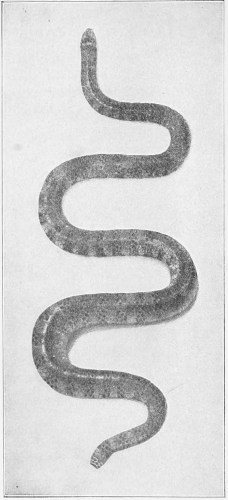
Fig. 84.—Platurus laticaudatus (syn. P. fischeri). (After Sir Joseph Fayrer.)
(10) Platurus.
(Figs. 83, 84.)
Two large poison-fangs, and only one or two small solid teeth near the posterior extremity of the maxillary. Head shields large; nostrils lateral, the nasal shields separated by the internasals. Body greatly elongate; scales smooth and imbricate; ventrals and subcaudals large.
Four species, distributed in the eastern parts of the Indian Ocean and in the Western Pacific.
P. laticaudatus (syn. P. fischeri; fig. 84).—Olive above, yellowish on the belly, with 29-48 black annuli.
Total length: 970 millimetres; tail 90.
Habitat: From the Bay of Bengal to the China Sea and the Western South Pacific Ocean.
P. colubrinus (fig. 83).—Olive above, yellowish on the belly, with 28-54 black annuli, some or all of which may be interrupted below.
Total length, 1,270 millimetres; tail 125.
Habitat: From the Bay of Bengal to the China Sea and the Western South Pacific Ocean.
P. muelleri.—62 black annuli, some of which are interrupted on the belly.
Habitat: Only found in the South Pacific Ocean (subtropical zone), as far as the New Hebrides and the shores of Tasmania.
P. schistorhynchus.—Coloration and size as in P. colubrinus: body with 25-45 annuli.
Habitat: Western Tropical Pacific.
G.—GEOGRAPHICAL DISTRIBUTION OF THE PRINCIPAL GENERA OF POISONOUS SNAKES IN THE FIVE DIVISIONS OF THE WORLD.
(1) EUROPE.
Families Sub-Families Genera Geographical Area
Colubridæ Dipsadomorphinæ Cœlopeltis Borders of the Mediterranean in France and Spain; Italy (only in Liguria).
Viperidæ Viperinæ Vipera France, Italy, Switzerland, Austria-Hungary, Germany, Belgium, Sweden and Norway, Gt. Britain, Spain and Portugal, Bosnia and Herzegovina, Southern Russia, Turkey and Greece.
(2) ASIA.
Colubridæ Hydrophiinæ Hydrus Thalassophis Acalyptophis Hydrelaps Hydrophis Distira Enhydris Enhydrina Aipysurus Platurus Persian Gulf, Indian Ocean, Bay of Bengal, Straits of Malacca, China Sea, Philippines, and Malay Archipelago.
Elapinæ
Bungarus India, Ceylon, Burma, Indo-China, Southern China, Dutch Indies, Borneo.
Naja India, Ceylon, Burma, Indo-China, Dutch Indies, Philippines.
Hemibungarus South-eastern Asia, India, Japan, Philippines.
Callophis South-eastern Asia, India, Burma, Indo-China, Formosa, Southern China.
Doliophis Indo-China, Malay Peninsula.
Viperidæ Viperinæ Vipera Turkestan, Ural, Siberia, Caucasus, Persia, Armenia, Western China, India, Ceylon, Himalayas.
Pseudocerastes Persia.
Cerastes Arabia, Palestine.
Echis Persia, Arabia, India, Baluchistan, Afghanistan.
Crotalinæ Ancistrodon Transcaspia, Turkestan, Himalayas, Southern China, Formosa, Japan, Ceylon, Java.
Lachesis South-eastern Asia, India, Southern China, Indo-China, Formosa, Sumatra.
(3) AFRICA.
Colubridæ Elapinæ Boulengerina Central Africa.
Elapechis Central and South Africa.
Naja Egypt, Central and West Africa, Morocco, Congo, Angola.
Sepedon South Africa, Cape of Good Hope.
Aspidelaps South and South-east Africa, Mozambique.
Walterinnesia Egypt.
Homorelaps South Africa, Cape of Good Hope.
Dendraspis Central and South Africa, Angola, Great Lakes, Congo, Transvaal.
Viperidæ Viperinæ Causus West Africa, Gambia, Great Lakes, Congo, Angola, Transvaal.
Vipera Morocco, Algeria, Tunis, Egypt, Mozambique.
Bitis Zanzibar, Zambesia, Cape, Transvaal, Congo, the Gaboon, Benguella, Angola, Senegal, Nigeria.
Cerastes North Africa, the Sahara.
Echis North Africa, Lake Chad, Soudan, Egypt, Somaliland, Socotra.
Atheris Tropical Africa, Dahomey, Lagos, the Cameroons, the Gaboon, Congo.
Atractaspis Tropical and South Africa, Congo, Angola, Lake Chad, the Gaboon, Dahomey, Gold Coast, Zanzibar, Somaliland, Natal, and the Cape.
(4) OCEANIA.
Colubridæ Hydrophiinæ Hydrus Thalassophis Hydrelaps Hydrophis Distira Enhydris Enhydrina Aipysurus Platurus Equatorial and Sub-tropical Pacific Ocean, the Moluccas, Papuasia, New Guinea, Celebes, Timor, Australia, Tasmania, New Caledonia, New Hebrides.
Elapinæ Ogmodon Fiji Islands.
Glyphodon Northern Australia, New Guinea.
Pseudelaps Australia, the Moluccas, Papuasia.
Diemenia Australia, New Guinea.
Pseudechis Australia, New Guinea.
Denisonia Australia, Solomon Islands, Tasmania.
Micropechis New Guinea, Solomon Islands.
Hoplocephalus Australia.
Tropidechis Australia.
Notechis Australia, Tasmania.
Rhinhoplocephalus Australia.
Brachyaspis Australia.
Acanthophis Moluccas, Papuasia, Northern Australia.
Elapognathus Australia.
Rhynchelaps Australia.
Furina Australia.
(5) AMERICA.
Colubridæ Elapinæ Elaps Mexico, Central America, Bolivia, Ecuador, Peru, Colombia, Brazil.
Viperidæ Crotalinæ Ancistrodon North America, Florida, Texas, Mexico, Guatemala.
Lachesis Central and South America, Martinique, St. Lucia.
Sistrurus North America east of the Rocky Mountains, Mexico.
Crotalus Southern Canada, British Columbia, Central America, Guiana, Venezuela, Brazil, Uruguay, Northern Argentina.