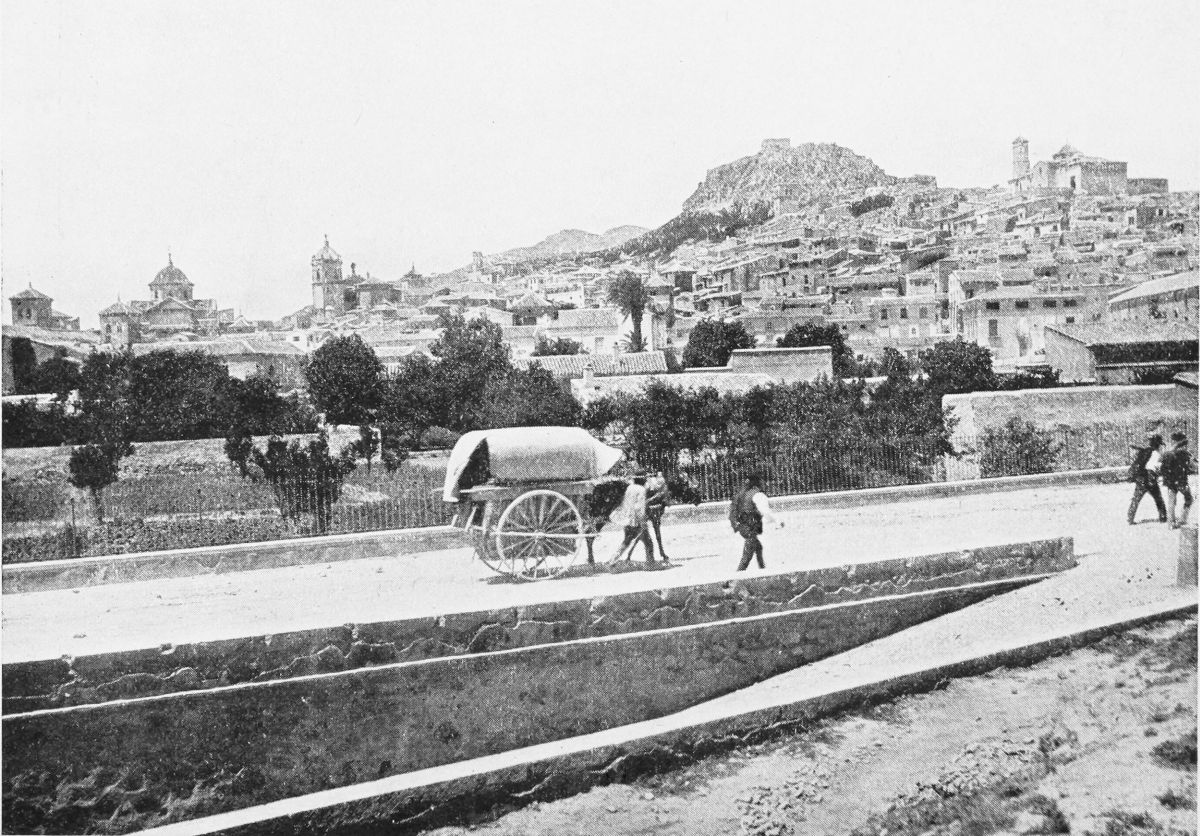
THE KINGDOM OF MURCIA
Reading edition
The ancient Kingdom of Murcia, which lies to the south of Valencia, includes the two modern provinces of Murcia and Albacete. It is a wild, fierce region, where the sun’s heat scorches all vegetation from off the hill-sides. Deep and terrible chasms yawn between the rugged mountains; there are sharp and rocky peaks that seem to have been thrown up by sudden upheavals of the earth, and at their feet lie great stretches of tawny desert recalling the burning expanse of the Sahara. The shadow of long-continued drought often broods over the whole kingdom. But yet the district watered by the Segura is an earthly paradise—in spring all flowers, in autumn all fruit. Mingling with the carob-tree and broad-leaved palm glistens the gold of oranges, and luxuriant vines give pleasant promise of a sparkling harvest.
But nature has not thus blessed the land of her own free will. She needed coaxing and much wooing by the cunning Arabs. A wonderful system of irrigation prevails, and science has harnessed fast the wayward rivers. The greatest treasure of the Murcian, water, is sold by auction to the highest bidder. M. Jean Brunhés, in a lately published work, gives some very curious and interesting details relating to this singular system.
The volume of the Monegre is divided into old and new water, the former belonging of right to the ancient riparian proprietors, the latter to the owners of the locks and reservoirs. A very vicious system prevails at Lorca. There, a private company has obtained all rights in the water of Guadalentin, subject to the condition of supplying the old proprietors of the adjoining lands with 500 litres per second every day. Only in rainy seasons, when the company’s barrage is swept away by the torrent (as it usually is some five or six times in the year), does the water become public property. When this happens the company is not allowed to make the barrage any stronger when it is rebuilt. In seasons of drought the owners are masters of the situation, and are able to recoup themselves for the losses thus incurred by forcing up prices to a figure absolutely ruinous to all but the richest cultivators. There is only one palliation to this system, that the bidder who has bought the first lot can buy as many of the lots following as he may desire at the same figure. Notwithstanding this poor concession it would seem that the principle of private ownership has been pushed a little too far in this part of the world.
Here is M. Brunhés’ account of the water auction at Lorca:
“The sale takes place in a badly lit hall with naked walls, on a level with the street, with which it communicates by an immense door almost its own breadth. This door remains open during the sale, and the crowd of bidders stand partly in the street. The hall has no floor; you stand on the bare ground. Opposite the door at the end of the hall is a railed-off daïs, entered by a side door, and without any direct communication with the public side. On the daïs the secretaries are seated at a large table covered by a threadbare green cloth. Behind the table are five arm-chairs. In one is seated the presiding officer (a civil engineer who must own no land in the Vega). On a stool is stationed the crier.
“At eight o’clock in the morning, at a sign from the presiding officer, the crier pronounces these words in a singing monotonous voice, and without any pause between the two phrases: ‘In honour of the Holy Sacrament of the Altar, who buys the first lot of Sotellana?’ Immediately shouts go up, ‘Eight, nine, or ten reales!’ One voice overpowers the other, wide mouths vociferate loudly, necks are strained, muscles grow tense with excitement. The bidders press and crush each other against the iron railing, for the one nearest has the best chance of being heard. The presiding officer listens and follows the frantic shouting with sovereign calm. Suddenly, with a quick gesture, he designates the highest bidder. At once the clamour ceases. Amid absolute silence the man indicated calls out his name, which the clerks write down.
“The men are hatless. Some wear black or dark-coloured handkerchiefs bound round their heads, but all hold their broad-brimmed hats in their hands. No one smokes or talks till the bidding recommences, and even those in the street are silent and bareheaded. It is easy to see that all are peasants. Heads are closely cropped; here are no beards or moustaches, no one wears a collar, and most carry a cloak other than the aristocratic capa on the shoulders or arm. It is a curious and impressive sight enough these bronzed physiognomies, animated by one desire to obtain, as cheaply as may be, possession of the supreme good, water.”
Such is the province of Murcia in the twentieth century. When vegetation depended only on the sun and very infrequent rain, the land can have been very little better than an arid wilderness. And yet its possession has from the earliest times been a matter of keen dispute. To the early inhabitants have always been ascribed those simple guileless virtues with which the eighteenth century endowed the noble savage. Like the high-souled inhabitants of More’s “Utopia,” they used the gold and silver, in which their mountains abounded, for the meanest articles of domestic use. But this admirable custom seems unfortunately to have been based on mere ignorance of the value of their treasures.
More sophisticated were the Phœnicians, who scented the precious metals from afar, and here, as everywhere, established their commercial centres. Next, the Greeks swooped down and planted colonies, rivalry between the two races precipitating the fierce conflict between their respective allies, the Carthaginians and the Romans. New Carthage, or Cartagena, was founded by Hasdrubal; his son made it the starting-place of his famous march to Rome. The city made a brave resistance to Scipio, and its fall marked the downfall of the Carthaginian in Spain.
As an outpost of the Roman Empire this district was one of the first abandoned to the attacks of the barbarians. Under the Visigoths it became a duchy with the name of Aurariola, which offered so determined a resistance to the Mussulman that it was enabled to retain its independence, subject merely to the Khalifa as suzerain. Here, as in so many Iberian sieges, the women played no small part. Dressed as men, they paraded the walls of the city: and by this stratagem enabled Duke Theodomir to obtain such favourable terms.
Perpetuating the memory of this Duke, the province lasted under the name of Todmir some sixty-eight years as a self-governing State. But the last governors allied themselves with Charlemagne. Arab invaders poured in, who soon swamped the Christian population and Todmir was completely absorbed into the Moslem Empire.
A new capital, Murcia, was founded, that soon rivalled Toledo and Cordoba as a manufactory of arms. After undergoing the usual vicissitudes of Moorish States, it was taken in 1266 by Jaime el Conqueridor, and handed over to his son-in-law, the King of Castile. For two hundred years it endured the attacks of the Moors of Granada, acting meanwhile as a buffer to the Christian kingdom.
Murcia to-day seems a survival of the Middle Ages. The legend goes that Adam returning to earth recognised the province as the only relic of the world he left. The Murcians are a conservative people, clinging to the beliefs and ideas of their forefathers, untouched by the march of thought. Religion is the changeless background of their lives, and often its picturesque ceremonies completely hold the stage. One of the most interesting of their religious festivals is the Passion Procession held on Good Friday. According to tradition this has continued without interruption since 1603, except in the year 1809 only, when it was forbidden by the Government.
Organised by the Confraternity of Jesus, the great feature of the procession is the magnificent series of carved groups (known as pasos) representing scenes from the Biblical narrative. These are the work of the great master Salzillo, who is said to have carved no fewer than 1792 wooden figures in his long life of seventy-six years. During the eighteenth century the Trades Guilds of Murcia gave special support to the Confraternity. They are accordingly granted the privilege of carrying the different pasos in the procession. Thus the “Kiss of Judas” is borne by the bakers; Santa Veronica by the weavers; while the tailors carry the gigantic group of the Last Supper. The bearers, all alike clad in purple, carry lighted candles and musical instruments. Their hoods shroud their heads, the eyes alone being visible through slits; a knotted rope girdles the waist, and stockings of coarse white wool, instead of the bare feet demanded by the original statute, acknowledge the claims of the twentieth century.
It is six o’clock on Good Friday morning. The streets are thronged with eager sightseers; heads are devoutly bared and many a plain wooden cross is displayed to mark the sympathy of the crowd. A band of mounted gendarmes clears the way. The standard-bearer chants to the populace that “This is done in remembrance of the Passion of Our Lord Jesus Christ.” Smothered in flowers the first five pasos are borne along. Then to the sound of drum and trumpet, with the ringing of bells and the blare of bugles, Our Father Jesus passes, enveloped in a cloud of flaming candles, accompanied by the Holy Brotherhood. The remaining pasos follow close, the clergy and the representatives of King and Bishop bringing up the rear.
The pasos themselves will repay inspection. Though abounding in ludicrous anachronisms, often in flabby sentiment, they are beautifully carved and superbly mounted. It is said that £1000 was offered by an enthusiastic German for the uplifted arm of St. Peter in the “Kiss of Judas.”
The first group of the Last Supper is of enormous size, requiring no fewer than twenty-four bearers during the procession. Among the tailors of the city there is keen competition for this honour, for the splendid collation that is offered by the pious to the lifeless feasters is later sold by auction for the benefit of the bearers. The price it fetches is no small one, for it is regarded as true pain béni, bringing happiness to those who eat. The Agony in the Garden is reputed of supernatural design and is known as “The Pearl of Salzillo.” The Angel Gabriel is considered unrivalled, and the legend goes that the Duke of Wellington bid £80,000 for this one figure. The figures are magnificently clothed, the sword and crown of Jesus being set down in the accounts of the brotherhood at £200 and £120 respectively. Perhaps the finest of the groups is that which comes last—our Lady of Dolours, whose expression of supreme sorrow has rarely been equalled whether by chisel or brush. It is said that the sculptor copied it from the countenance of his own daughter, to whom, with this end in view, he had deliberately presented a forged letter announcing the suicide of her betrothed. The pasos are deposited in the Ermita de Jesus, where they can be seen by the traveller.
In the town of Murcia itself the influence of the Cross has almost completely banished the Crescent. Gone is the Alcazar, where the Amirs mimicked the State of Cordoba and Toledo; gone is the mosque, where thousands of turbaned heads bowed daily towards Mecca. But in the centre of the city is one of those squares found in every southern and eastern city, which in Spain is always named after the Constitution, in Italy after Victor Emmanuel, and in France after the Republic. To cross it in the afternoon would mean sudden death, for Murcia is one of the hottest corners of Europe. But later a gentle breeze springs up and the citizens troop out to meet with friends upon the Malecon and admire the charming view of the Segura valley, which, as M. Brunhés has said, is “an admirable zone of model agricultural establishment.” This fertile huerta bespeaks industry as great as that of the Swiss or Scottish peasant, for the worship of sloth with which Mr. O’Shea charges the Murcian people is groundless and unjust.
A visit to the Cathedral will exhaust the architectural sights of Murcia. Even this is not of first-class interest. Dating in parts from 1386 and Gothic in style, the west front is Churrigueresque, though fortunately not in the most florid style of that unhappy architect. The earthquake of 1829 and a fire in the middle of the last century have greatly damaged the interior, but the general effect is sufficiently striking. The choir-stalls of carved walnut are very beautiful, but the reredos is poor. The eighth wonder of the world, in the opinion of the inhabitants, is the little Velez Chapel modelled on the Constable’s Chapel at Burgos, but parts of it, according to Don Rodrigo Amador de los Rios, show the painful caprices and aberrations which announce the death agony of a powerful art. Just beyond the Junteron Chapel, with its wealth of beautifully sculptured figures and designs in the most exuberant Renaissance style, is the urn where the city carefully guards the internal organs of Alfonso the Learned—a gruesome legacy but one greatly valued.
Much older than Murcia, the old Visigothic capital Carthagena has preserved even fewer monuments of antiquity, though it has not lost the military character first impressed upon it by its founder Hasdrubal. For this is the first arsenal of Spain and perhaps its strongest fortress. Its splendid sheltered harbour is defended by powerful forts and formidable batteries. Their fire has not always been directed upon the enemies of Spain. For many months in 1873 over them waved the red flag of the Intransigents, the extreme communistic republicans, who, simultaneously with the Carlists of the north, threatened to ruin Castelar’s Government at Madrid. The acquisition of the great national arsenal without firing a shot was, of course, of the utmost advantage to the determined revolutionaries. The garrison, in addition to the enthusiastic population, included several revolted battalions of regular troops under General Contreras.
Against this terrible stronghold of the Revolution, General Martinez Campos advanced with an army from Madrid, with orders to reduce the place with the utmost despatch. This was easier said than done. Supplies were lacking; the advantage in artillery lay entirely with the besieged. The Carlists effected diversions in favour of the Intransigents—an odd coalition. Meanwhile three of the revolutionary vessels were seized by a Prussian squadron as pirates—an utterly unjustifiable interference with the domestic affairs of another State. The Prussians and Italians exacted, moreover, a war indemnity of 50,000 pesetas from the Cantonal Junta, which body became a prey to internal dissensions. One of its members was assassinated. Taking advantage of these embarrassments of the besieged the republican troops redoubled their efforts. Señor Castelar came down from Madrid to assume the supreme command, and Martinez Campos was superseded by General Lopez Dominguez. An incessant bombardment was kept up, the besieged responding shell by shell. In January the frigate Tetuan was burnt to the water’s edge, and a day or two later the explosion of the magazine destroyed hundreds of the garrison. The end was near. The city had for half a year defied almost the whole kingdom and withstood the covert attacks of foreign Powers. The Government troops forced their way into wretched, blood-drenched Carthagena; Galvez, Contreras, and the leaders of the cantonal movement escaped by sea in the ironclad Numancia, which far exceeded the Government vessels in speed, and took refuge in Algeria. Thus collapsed a movement which was, after the Commune of Paris, the most determined organised attempt ever made to subvert the existing constitution of European society.
I have given at some length this chapter in the history of Carthagena, partly because the town has little interest of itself, and partly because these events though so recent and significant are ignored by most writers of travel books. Out of so much evil good came at last, for these well-nigh fatal disorders opened the eyes of the Spaniards to the instability of the Madrid Government and formed the prelude to the reign of peace inaugurated by the accession to the throne of King Alfonso XII.
Boasting less than most Spanish provinces of sights that appeal only to the casual tourist, Murcia is interesting as a region of perpetual struggle and bloodshed; of struggle against nature, of struggles between differing religions, and of the deadly internecine feuds of race and race.
Plate 1 VALENCIA: GENERAL VIEW
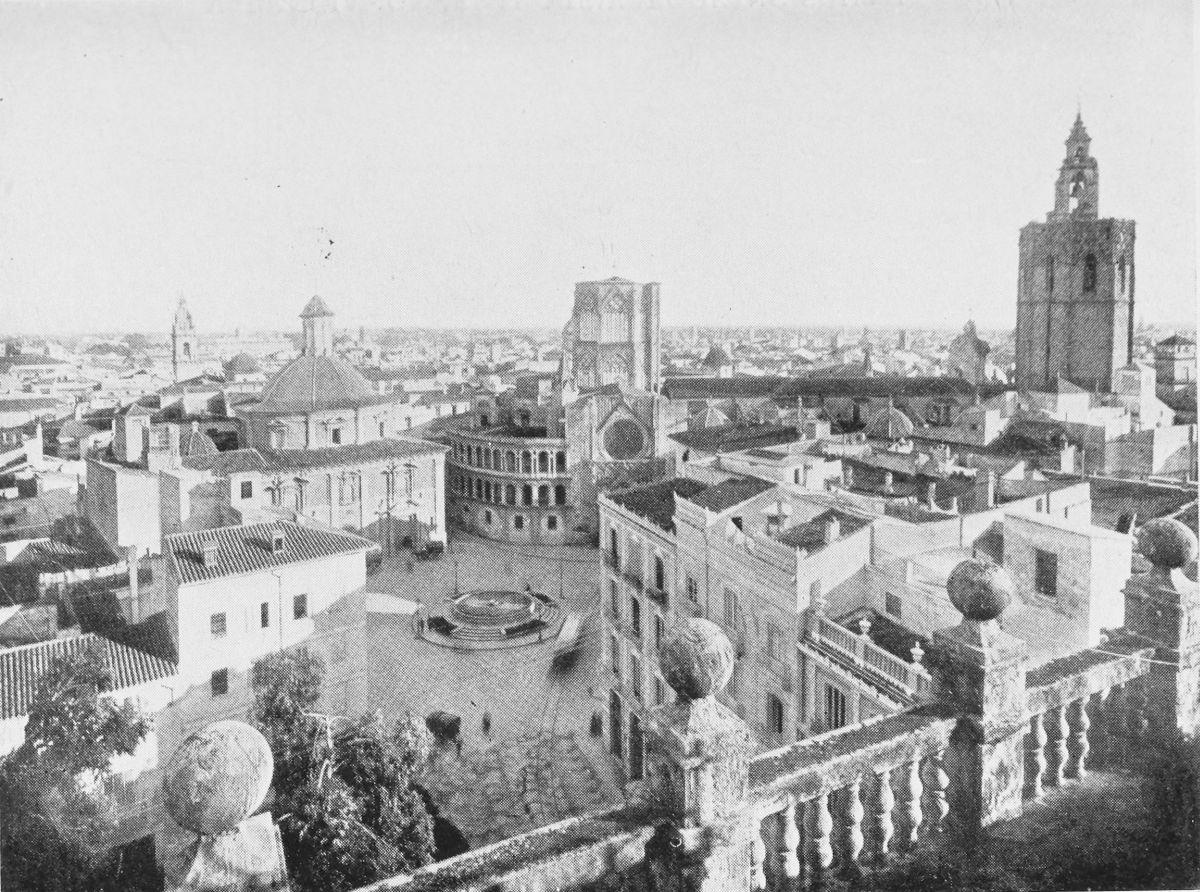
Plate 2 VALENCIA: GENERAL VIEW, LOOKING SOUTH
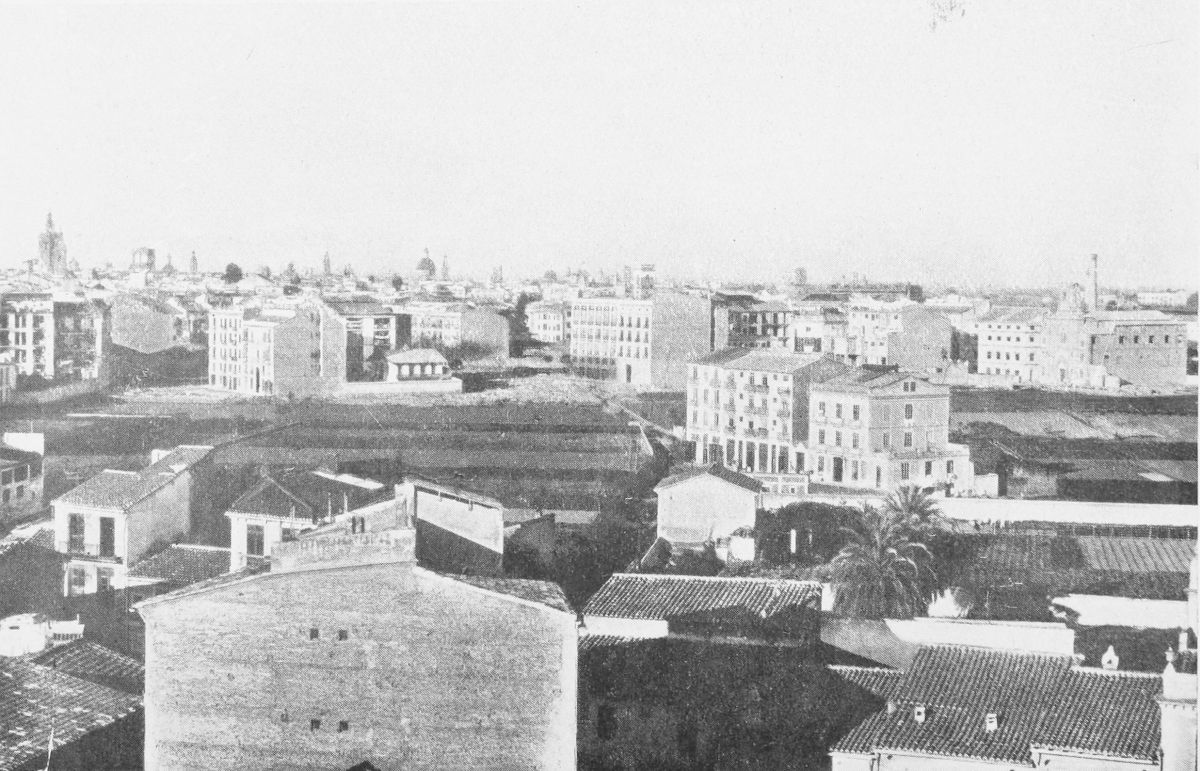
Plate 3 VALENCIA: VIEW FROM THE PUENTE DEL MAR
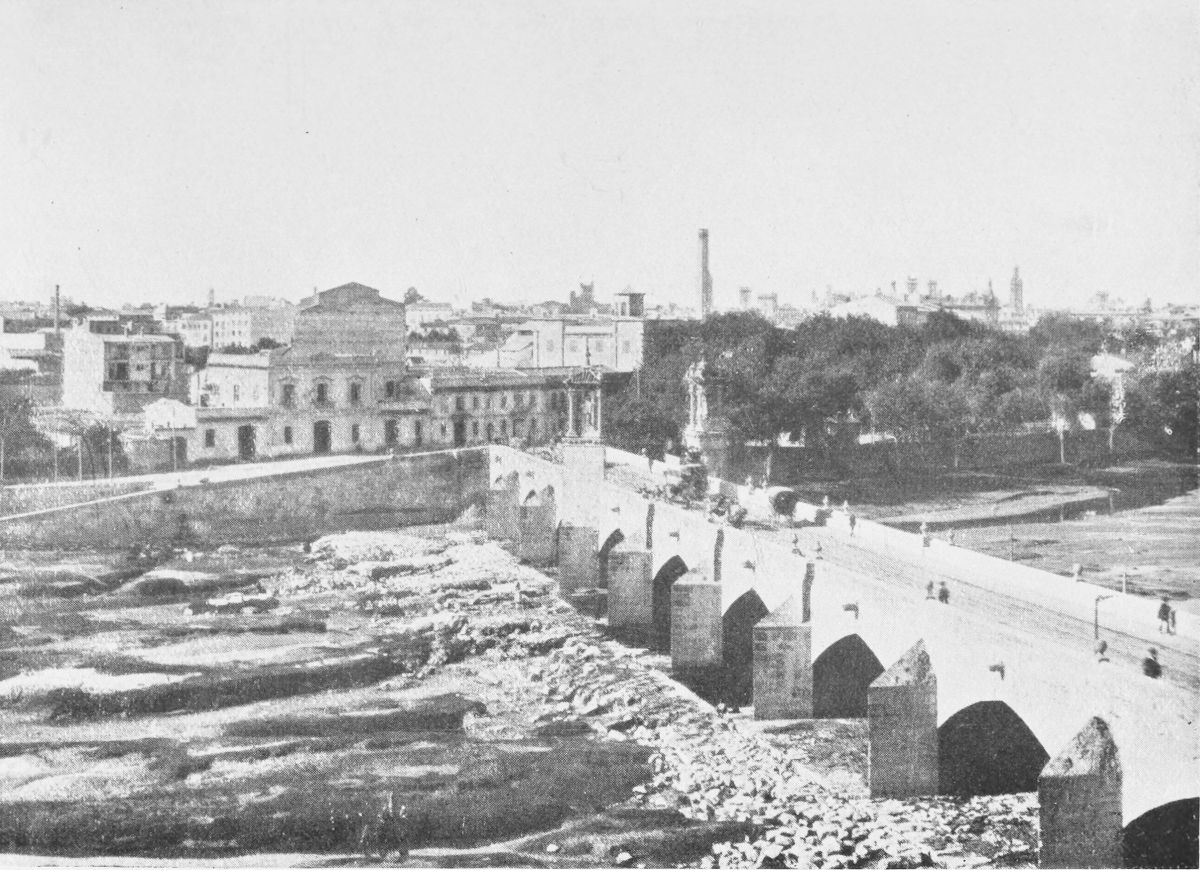
Plate 4 VALENCIA: GENERAL VIEW
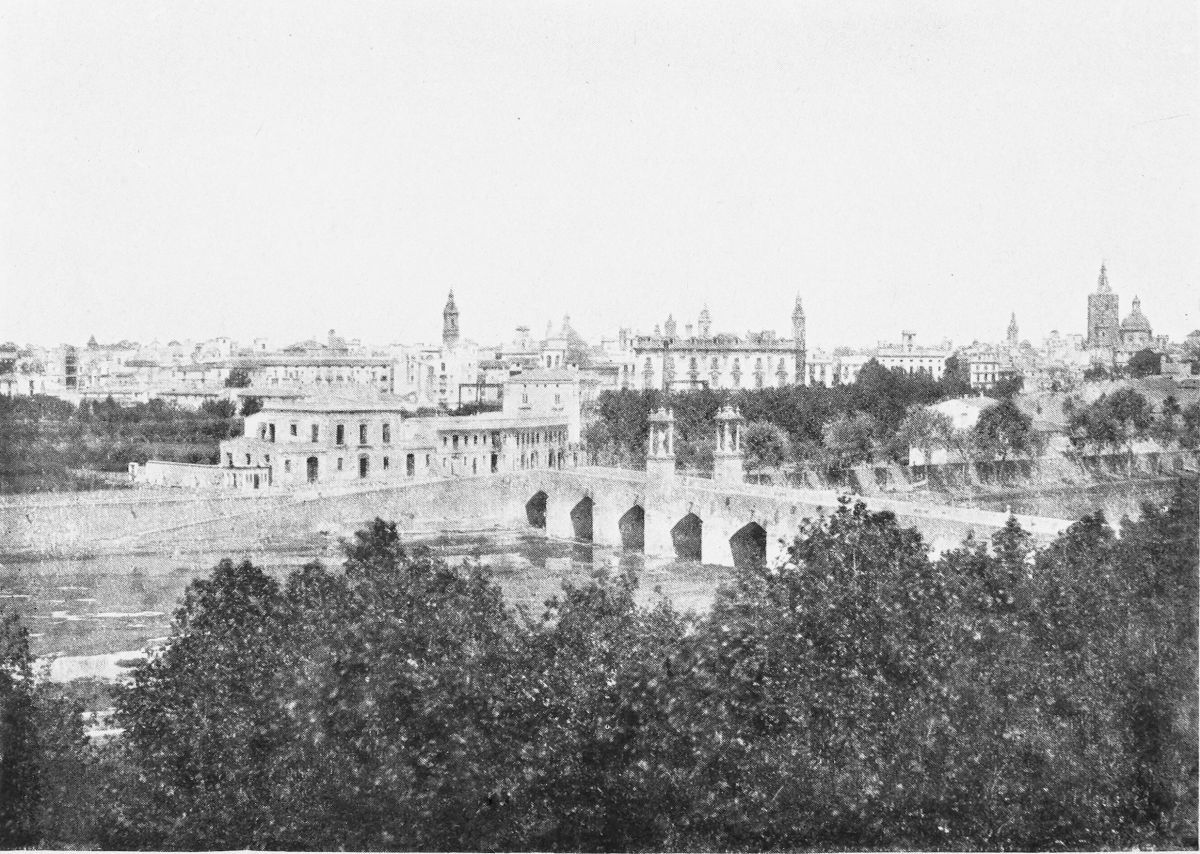
Plate 5 VALENCIA: VIEW FROM THE PUENTE DEL MAR
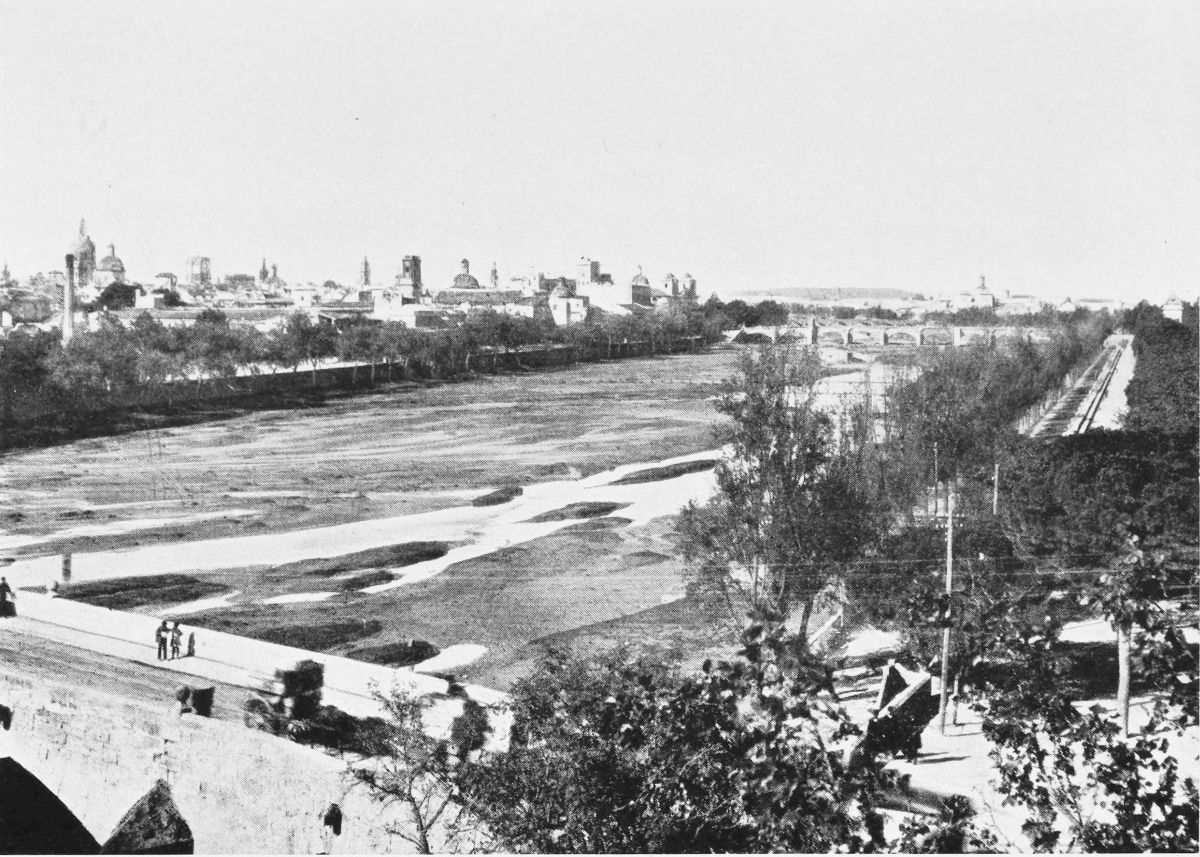
Plate 6 VALENCIA: ENTRANCE TO THE TOWN BY THE PUERTA DE SANTA LUCIA
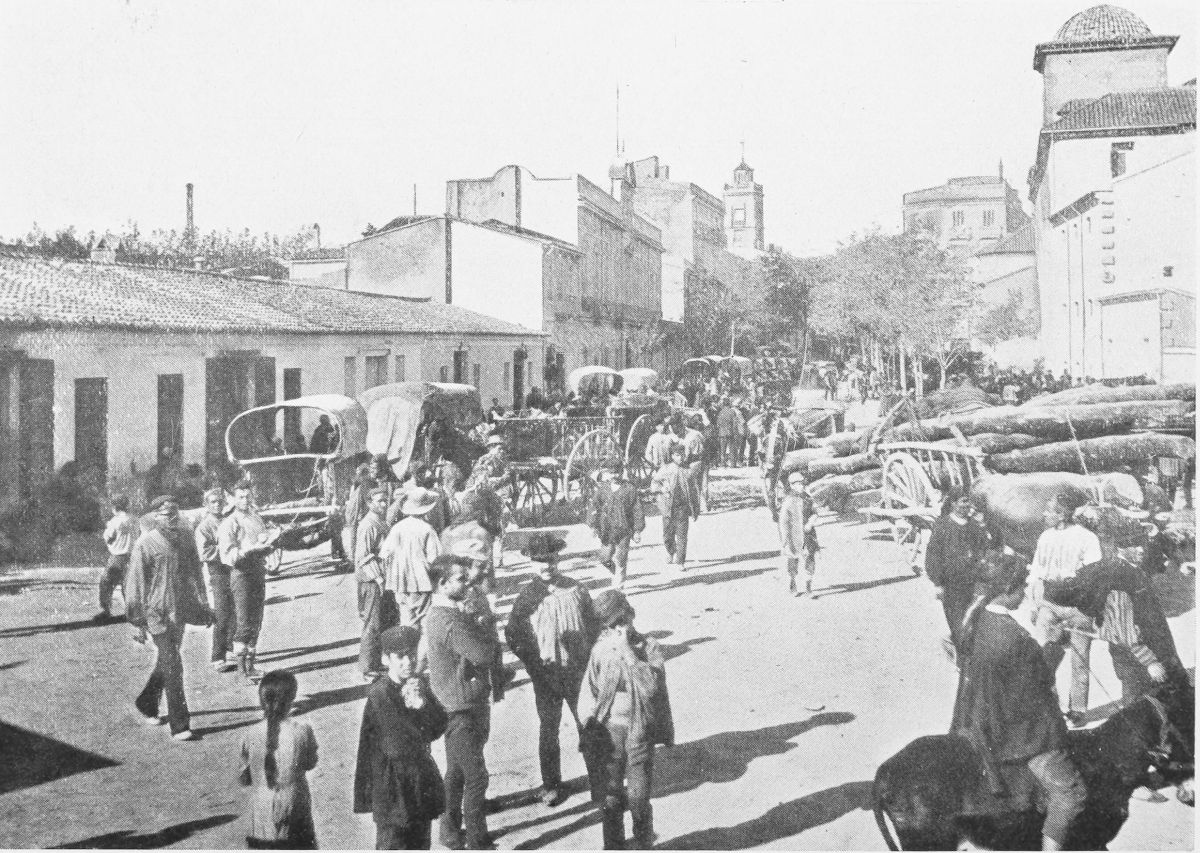
Plate 7 VALENCIA: THE FAIR AT THE PUERTA DE SANTA LUCIA
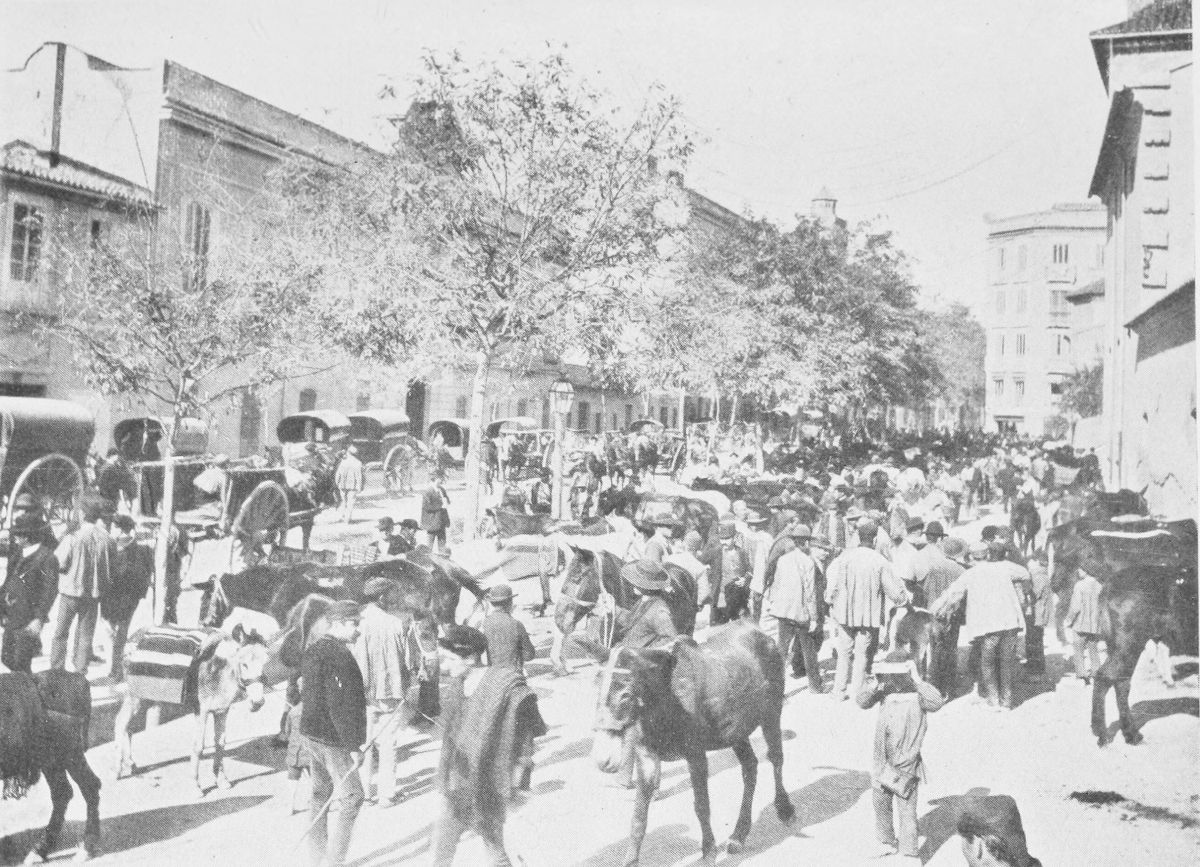
Plate 8 VALENCIA: PUERTA DE SERRANOS
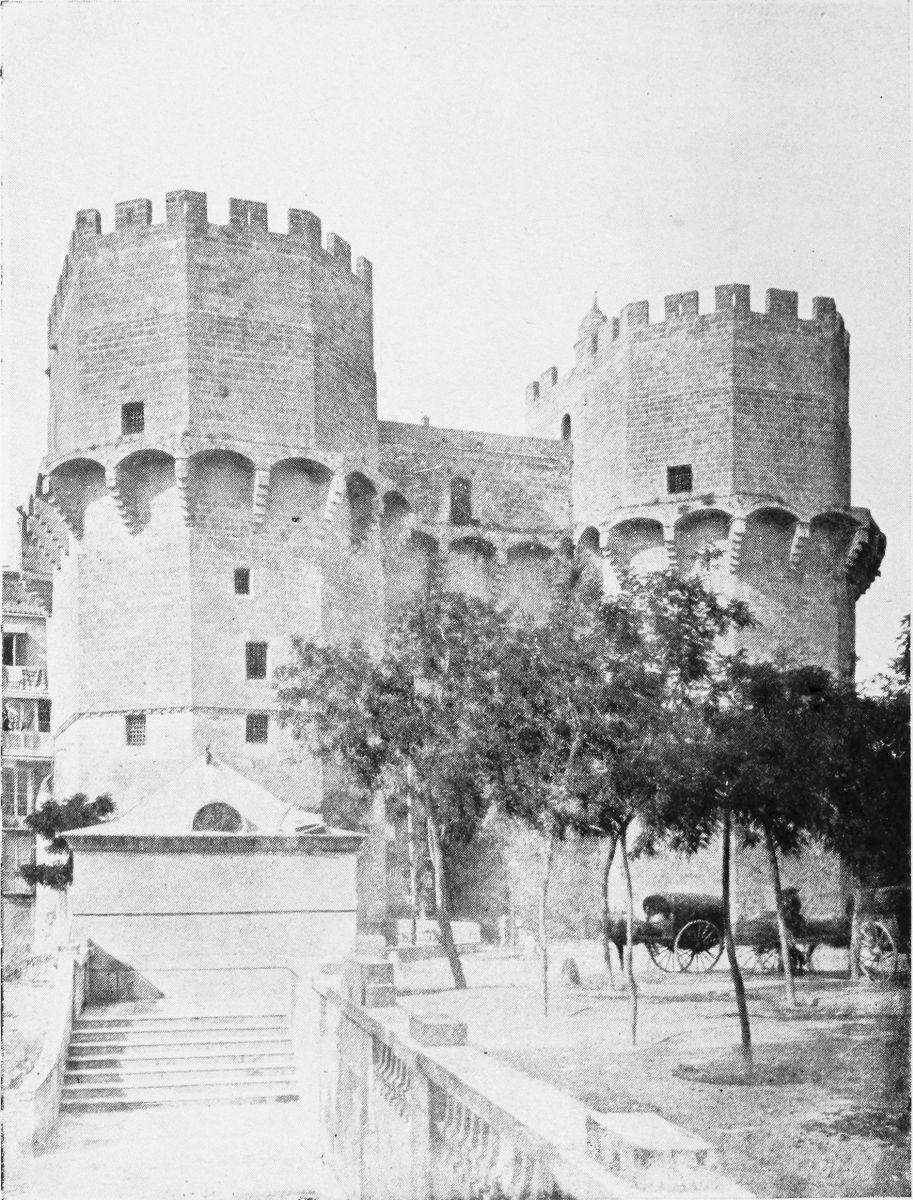
Plate 9 VALENCIA: PUERTA DE CUARTE
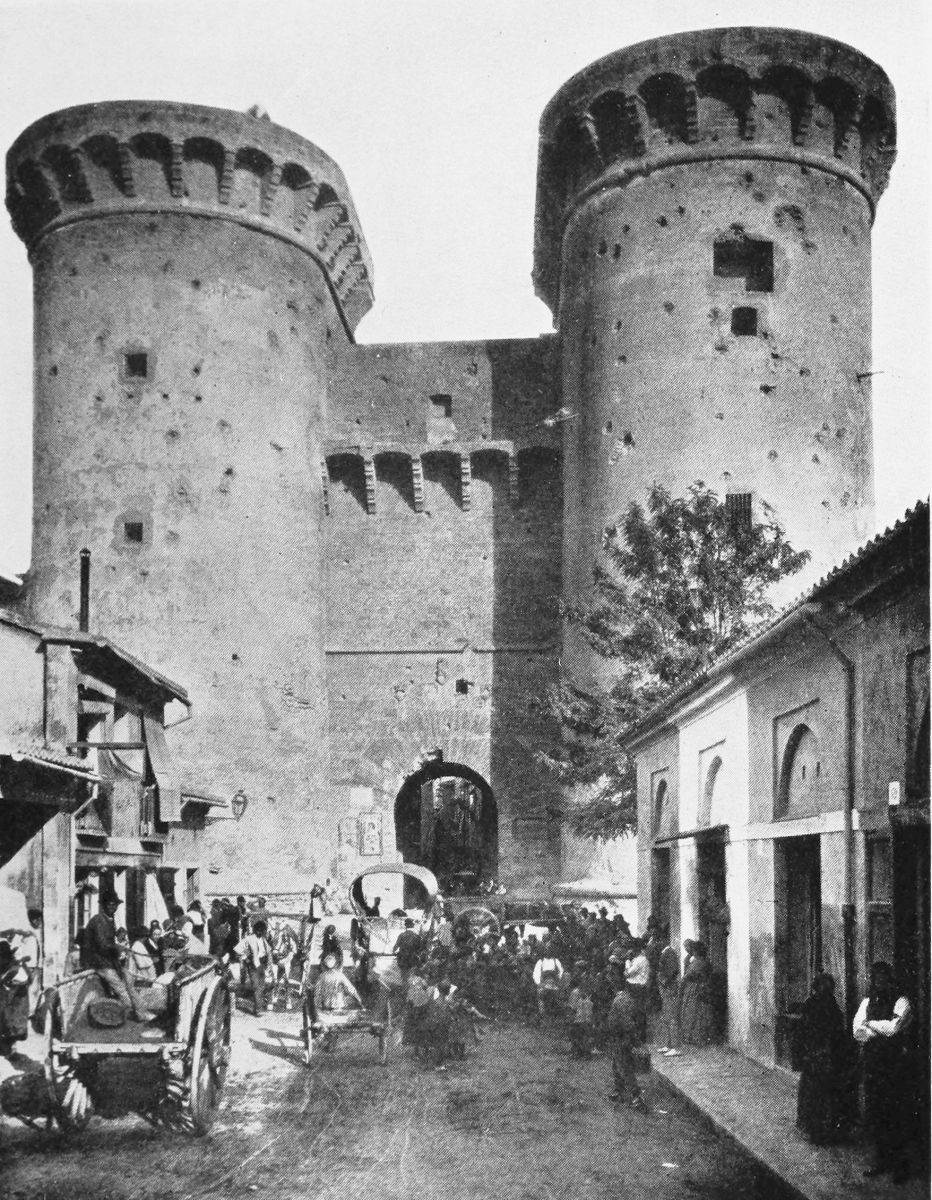
Plate 10 VALENCIA: THE MARKET-PLACE
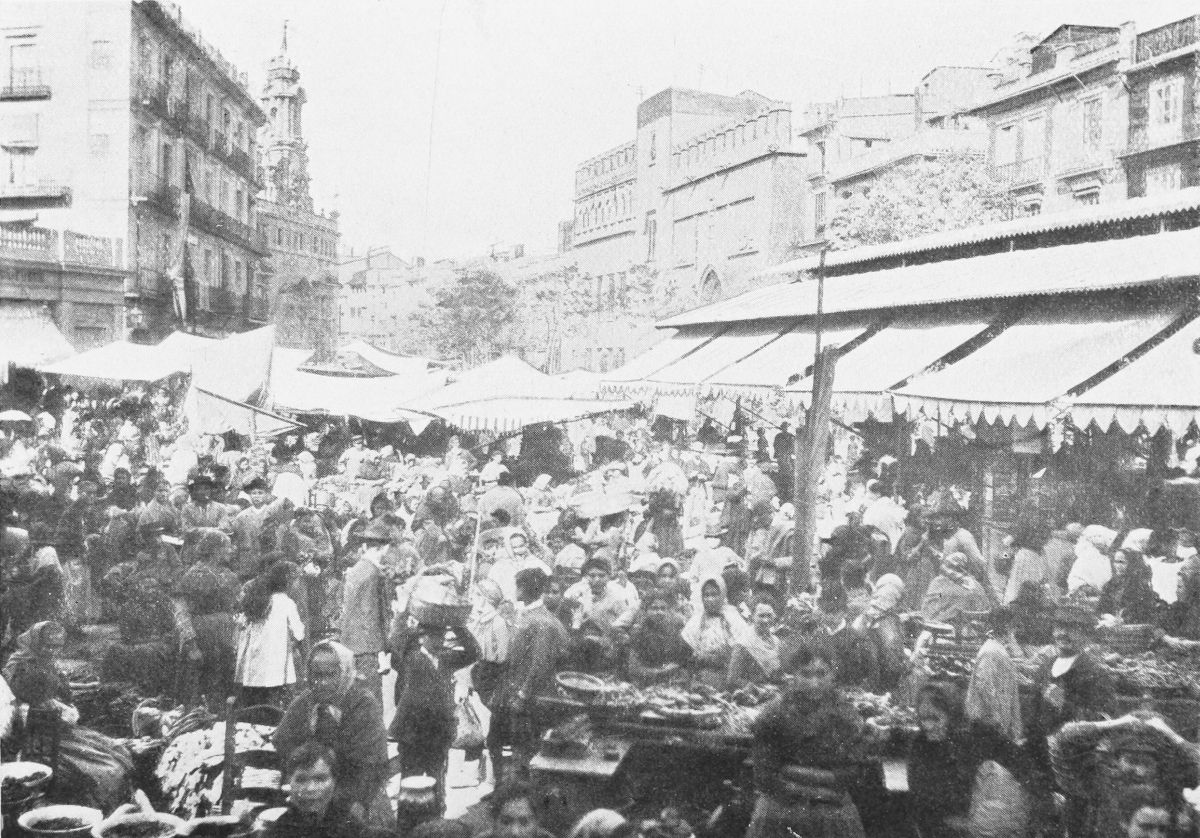
Plate 11 VALENCIA: THE PUENTE REAL
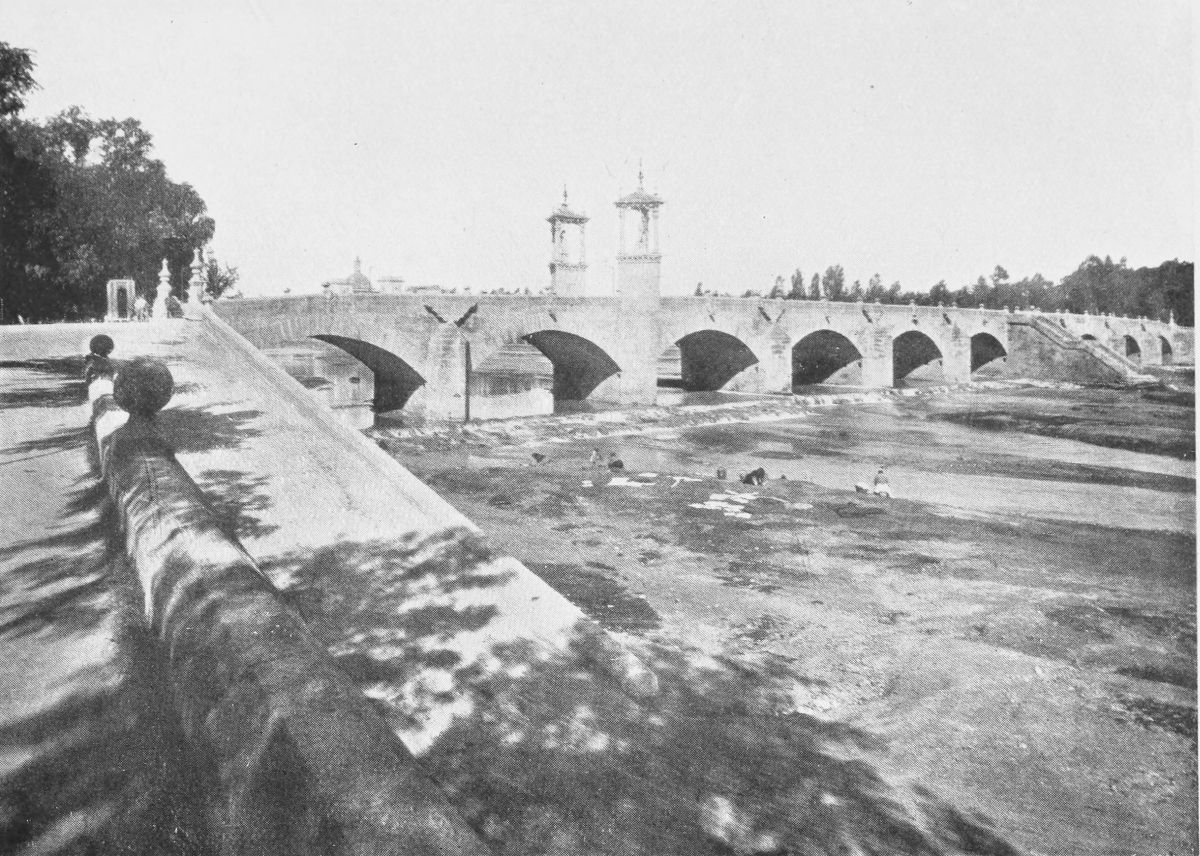
Plate 12 VALENCIA: PASEO DE LA GLORIETA
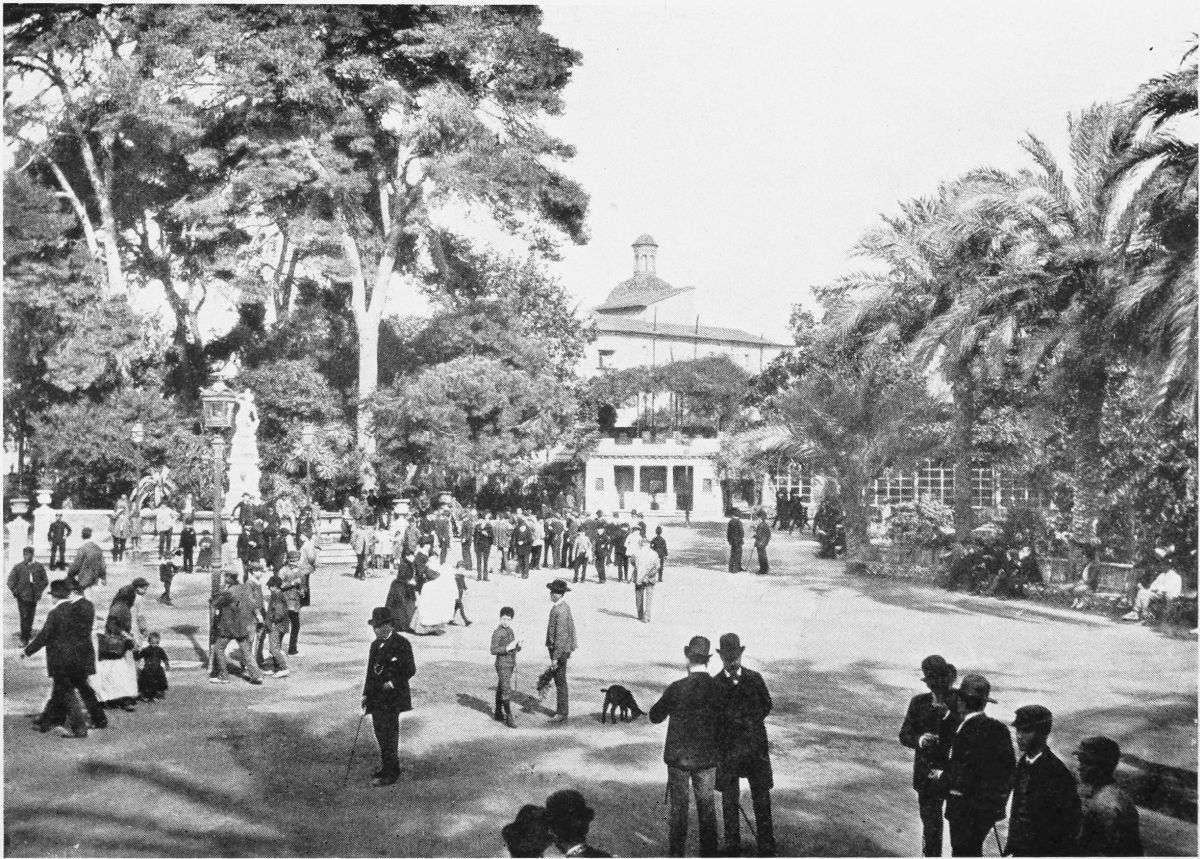
Plate 13 VALENCIA: PASEO DE LA GLORIETA
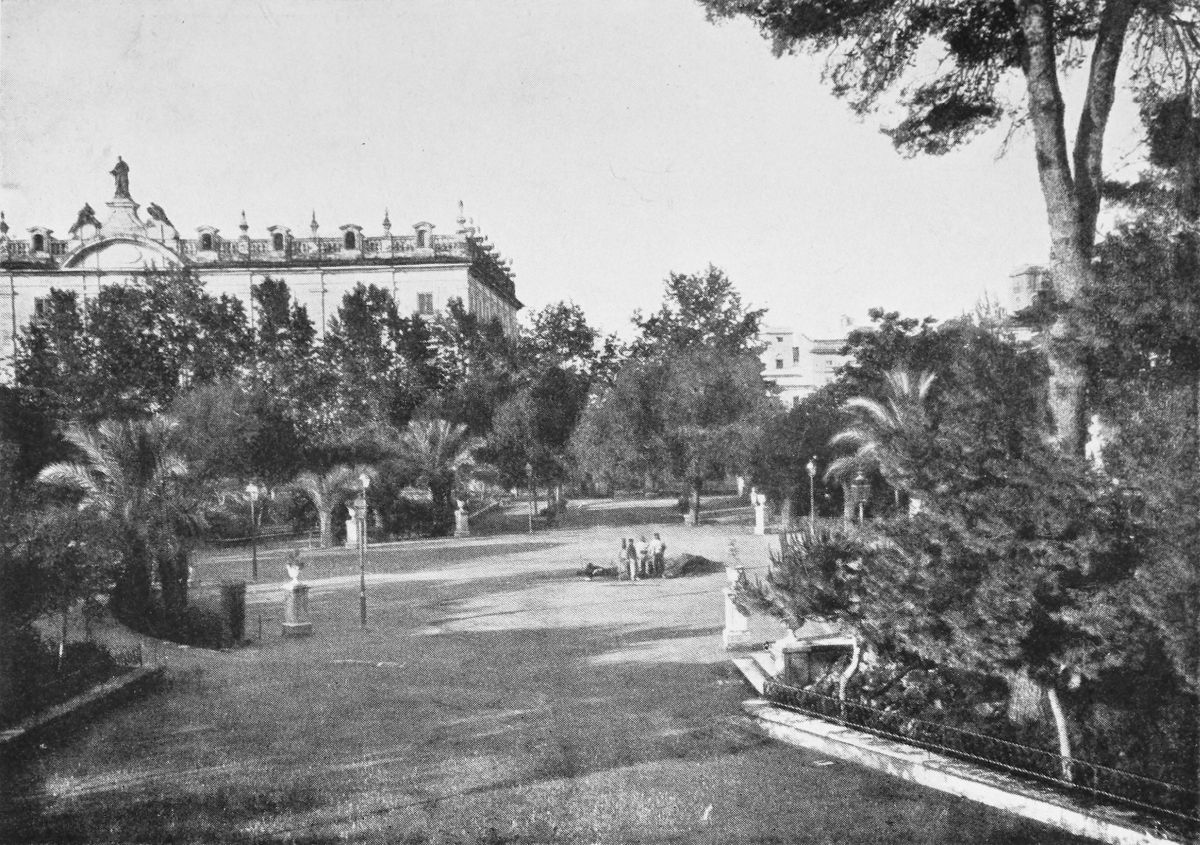
Plate 14 VALENCIA: PASEO DE LA ALAMEDA
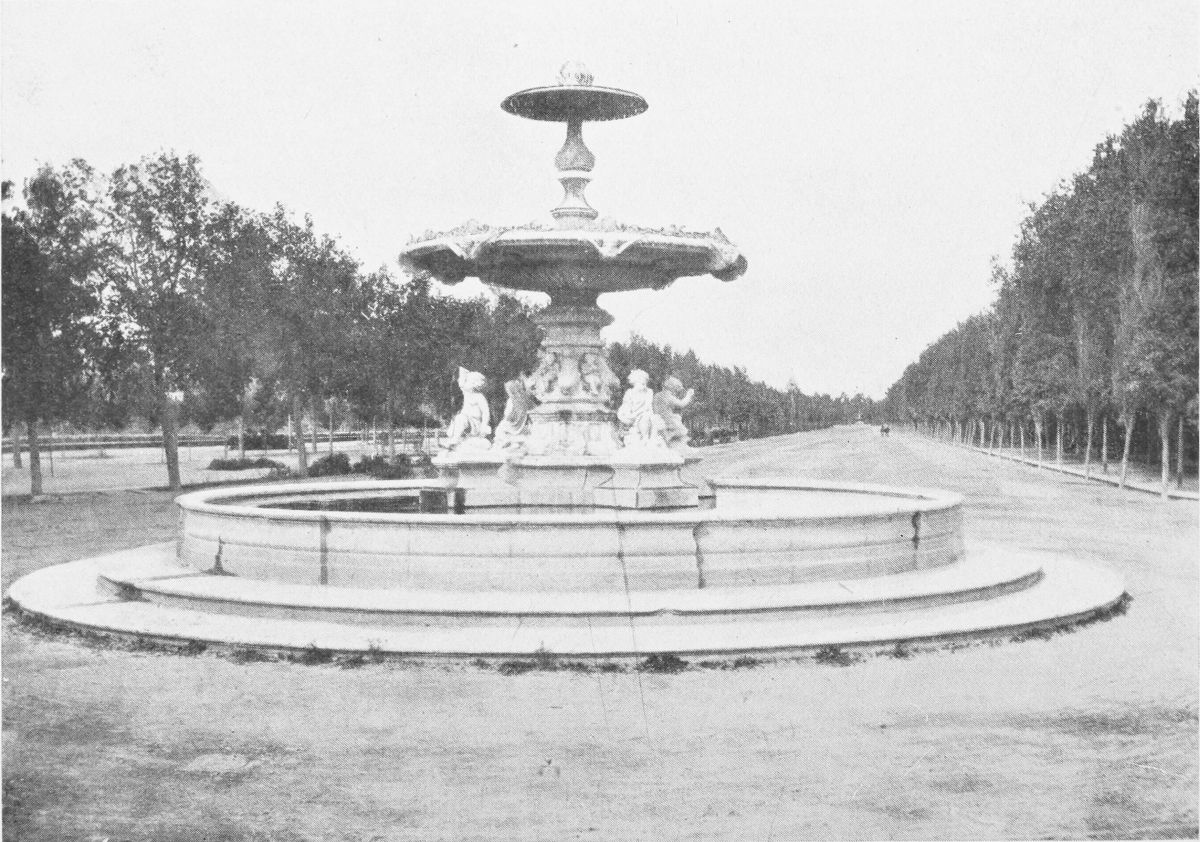
Plate 15 VALENCIA: FOUNTAIN OF THE ALAMEDA
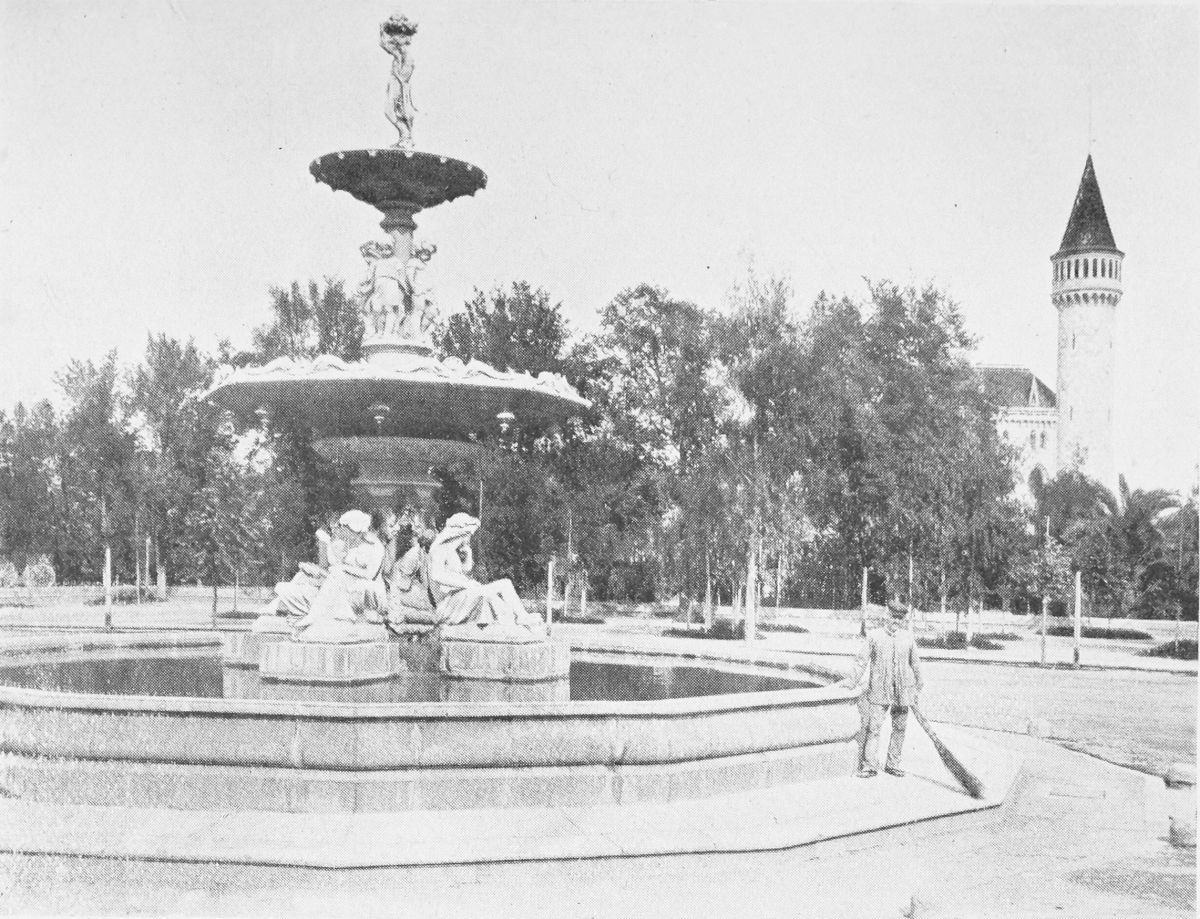
Plate 16 VALENCIA: PLAZA DE LA ADUANA
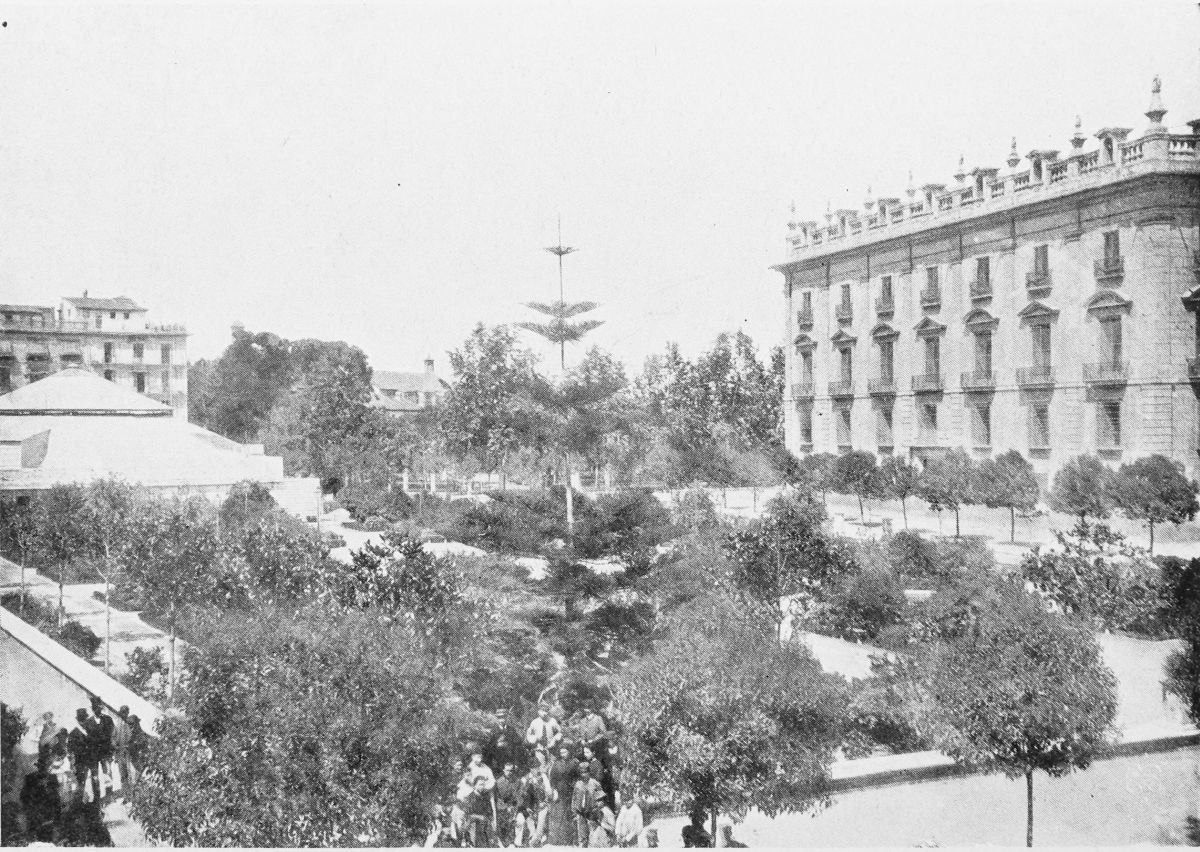
Plate 17 VALENCIA: PLAZA DE SANTO DOMINGO
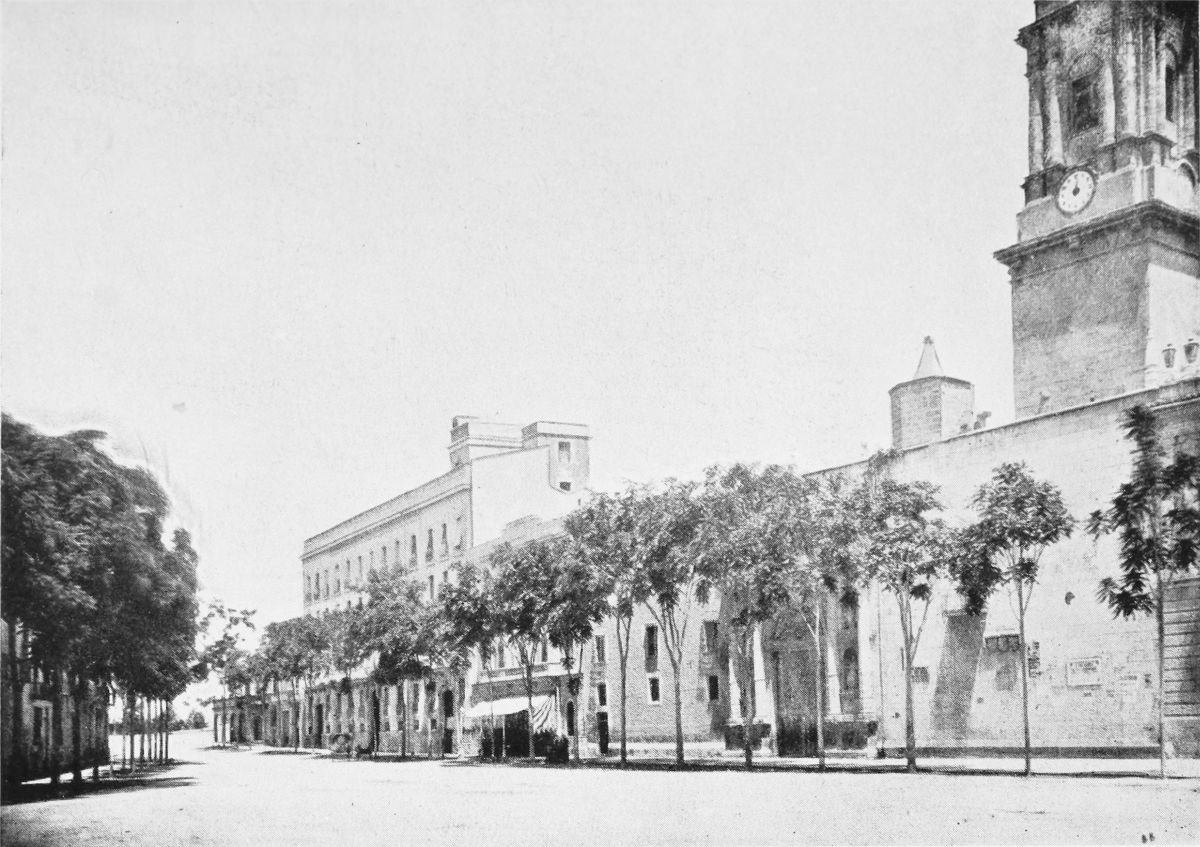
Plate 18 VALENCIA: PLAZA DE SAN FRANCISCO
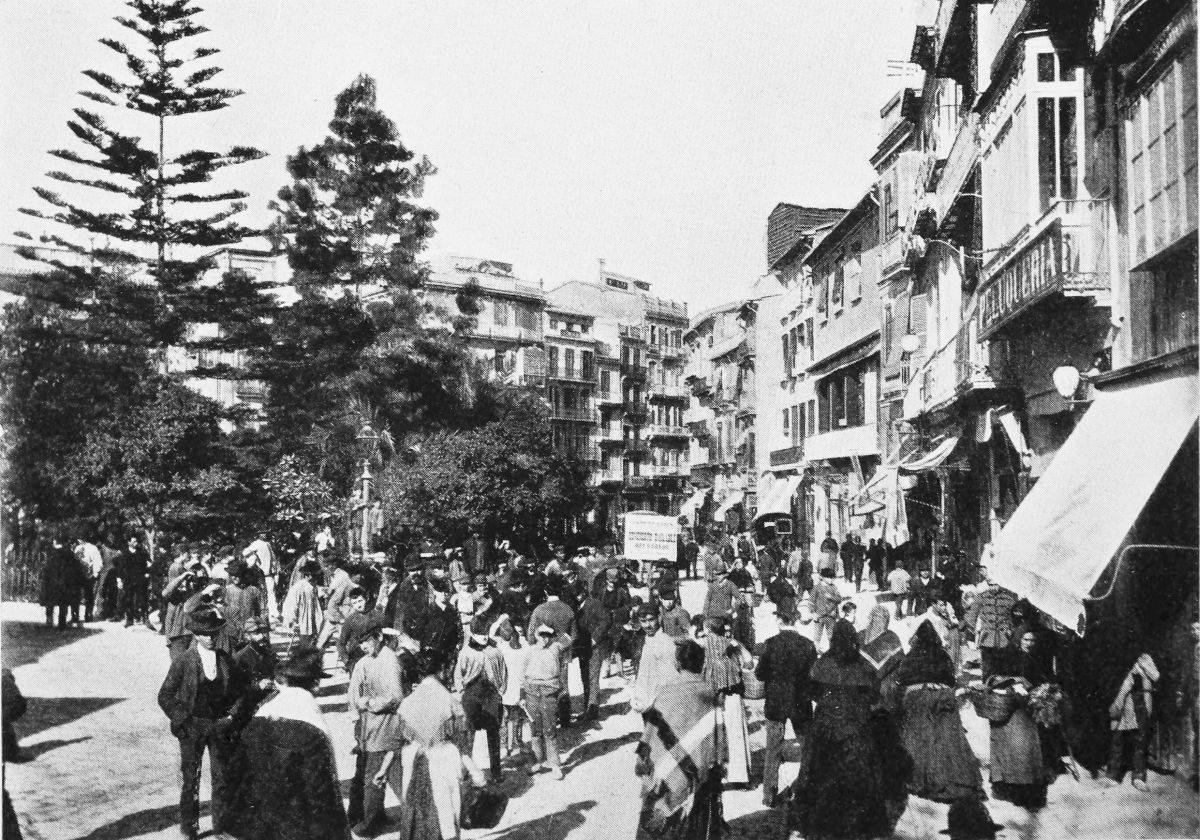
Plate 19 VALENCIA: PLAZA DE TÉTUAN
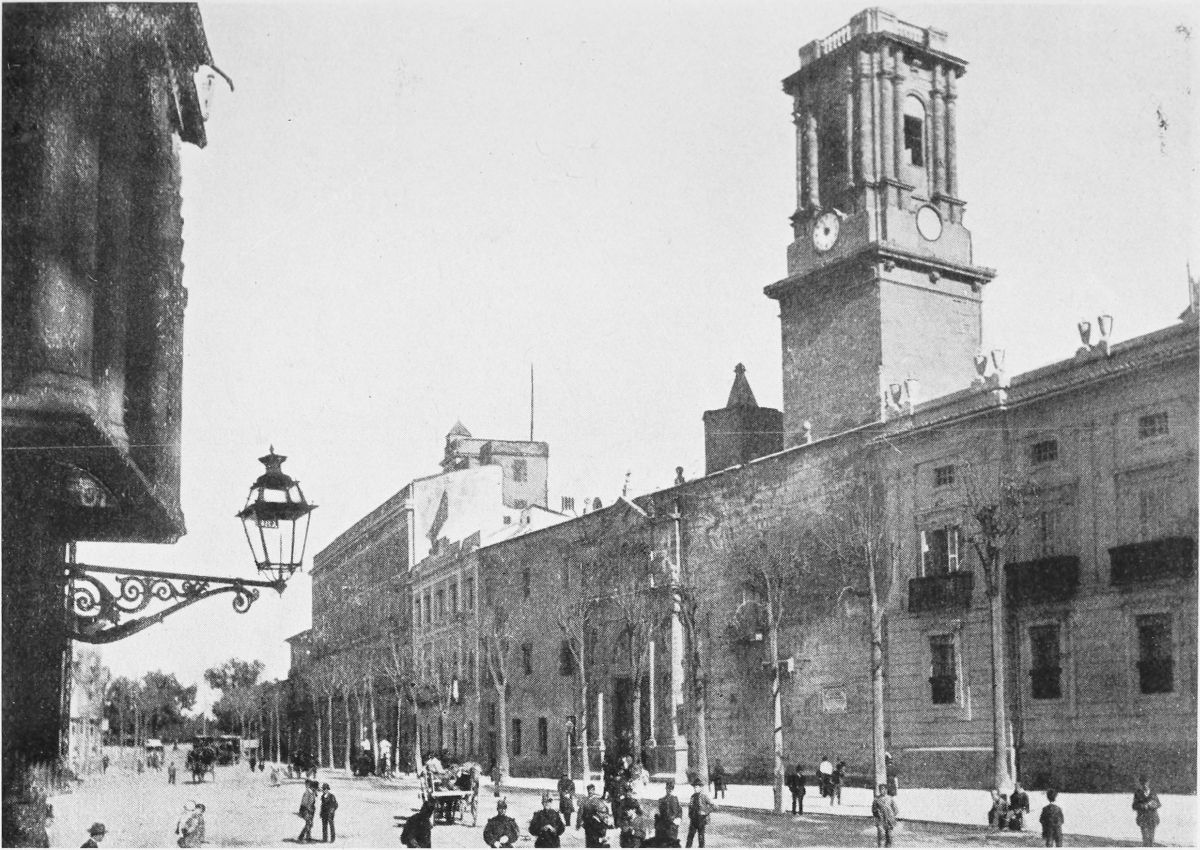
Plate 20 VALENCIA: PLAZA DE LA CONSTITUCION
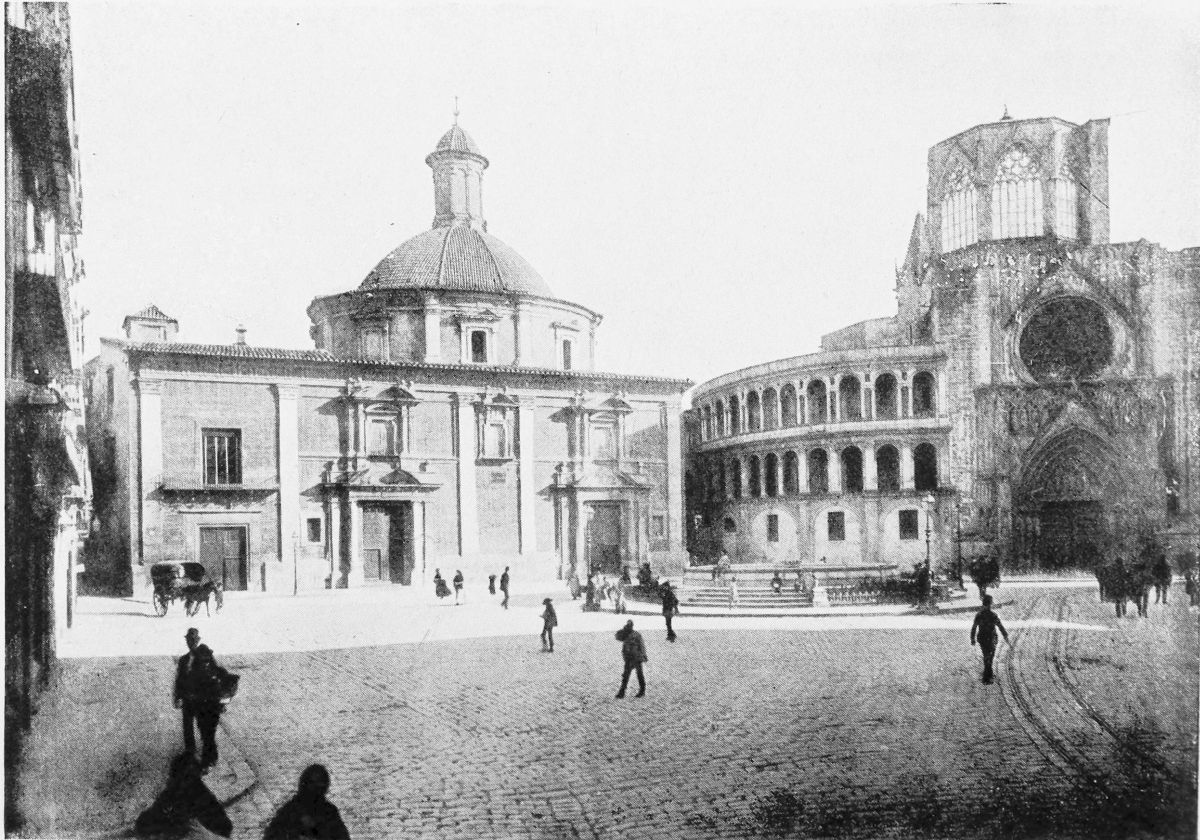
Plate 21 VALENCIA: CALLE DE LA BAJADA DE SAN FRANCISCO
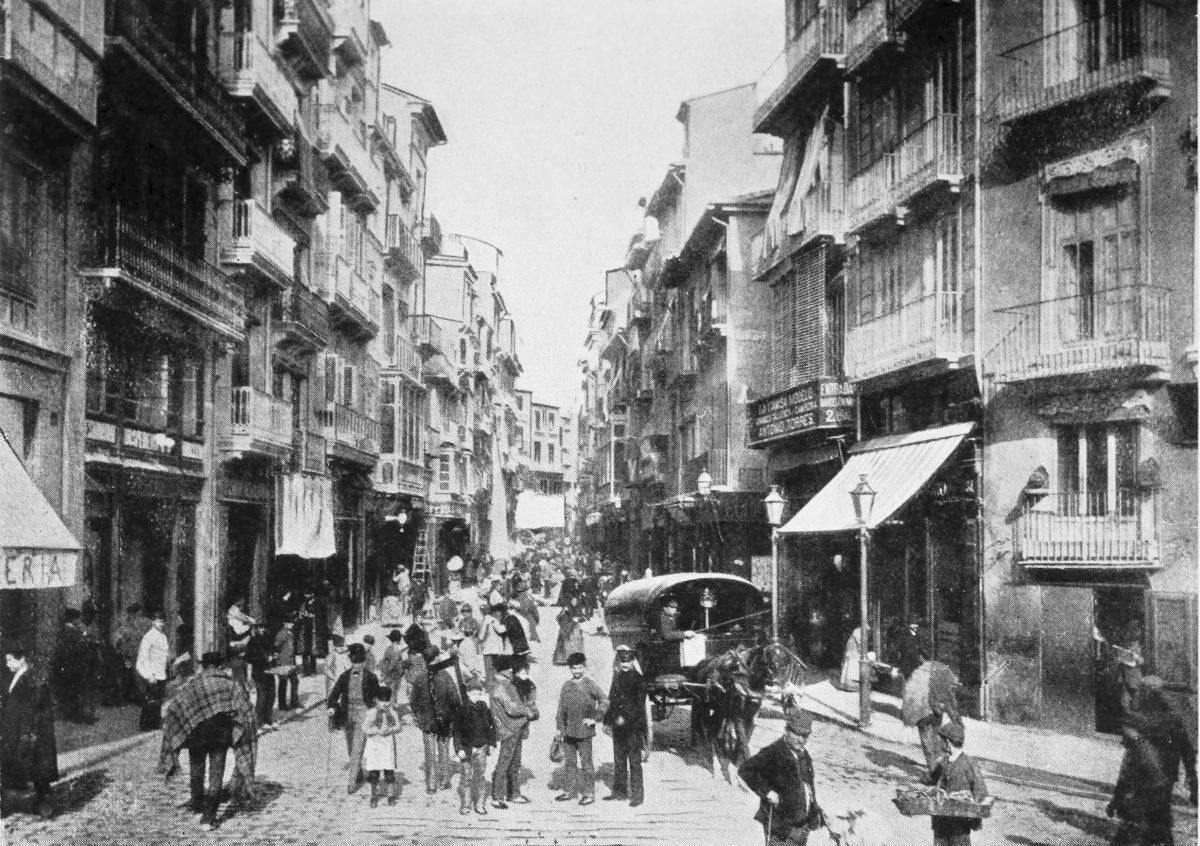
Plate 22 VALENCIA: CALLE DE SAN VICENTE
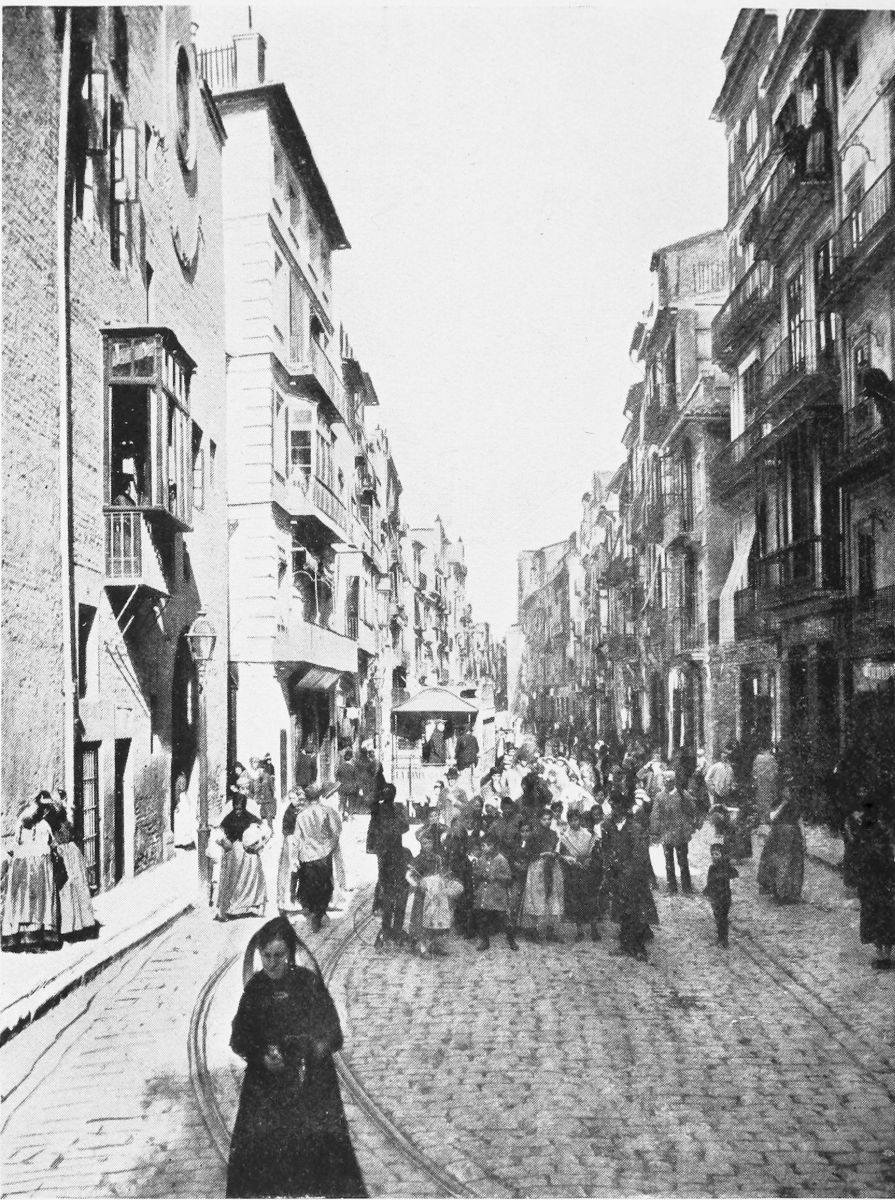
Plate 23 VALENCIA: TROS ALT
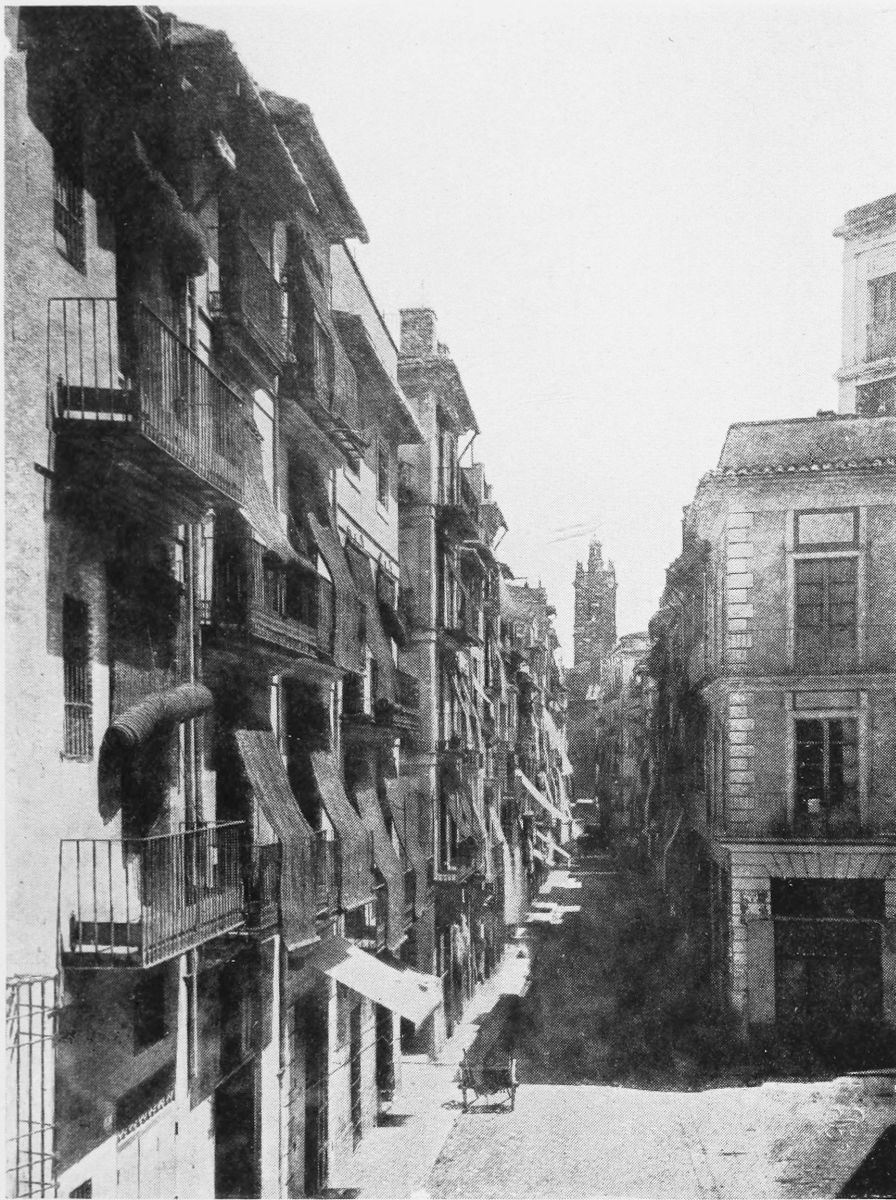
Plate 24 VALENCIA: CALLE DE LA BOLSERIA Y TROS ALT
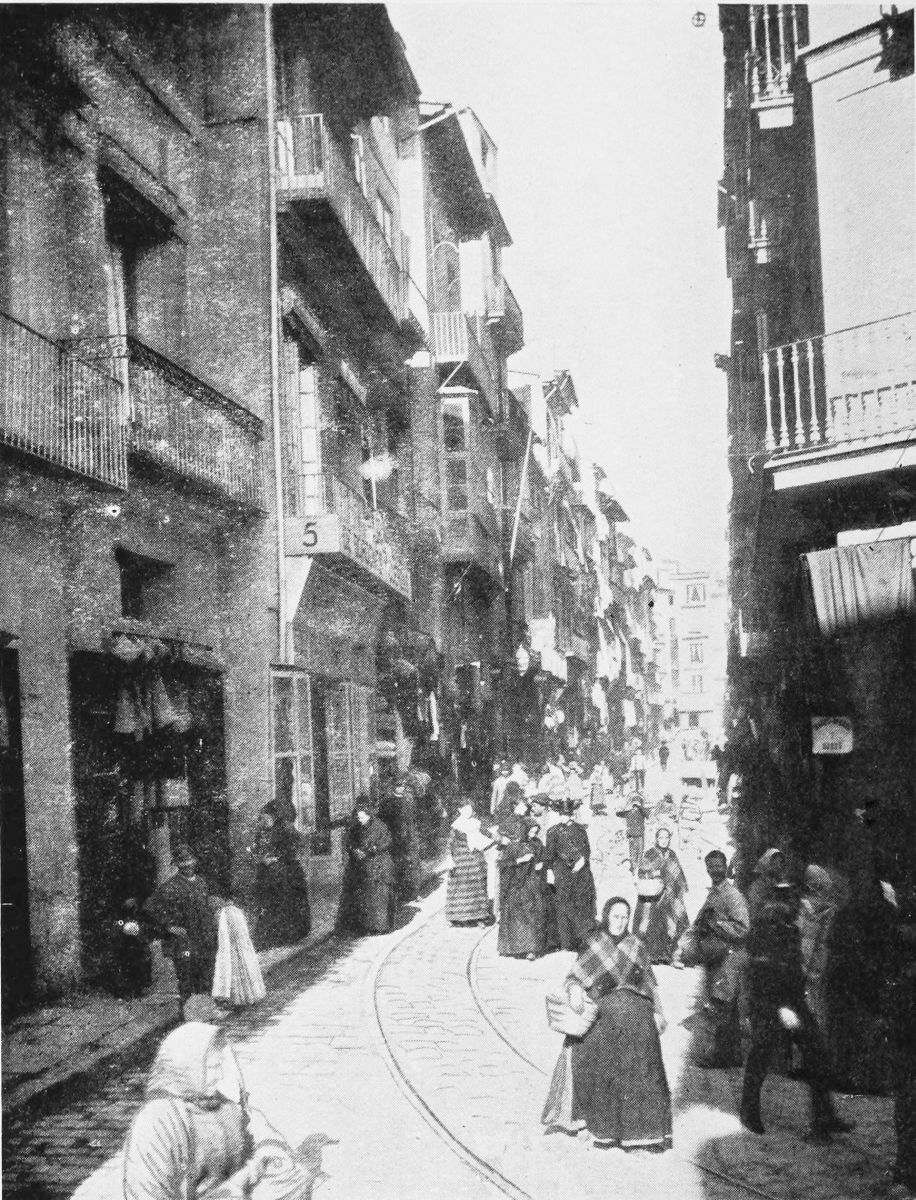
Plate 25 VALENCIA: GENERAL VIEW OF THE CATHEDRAL
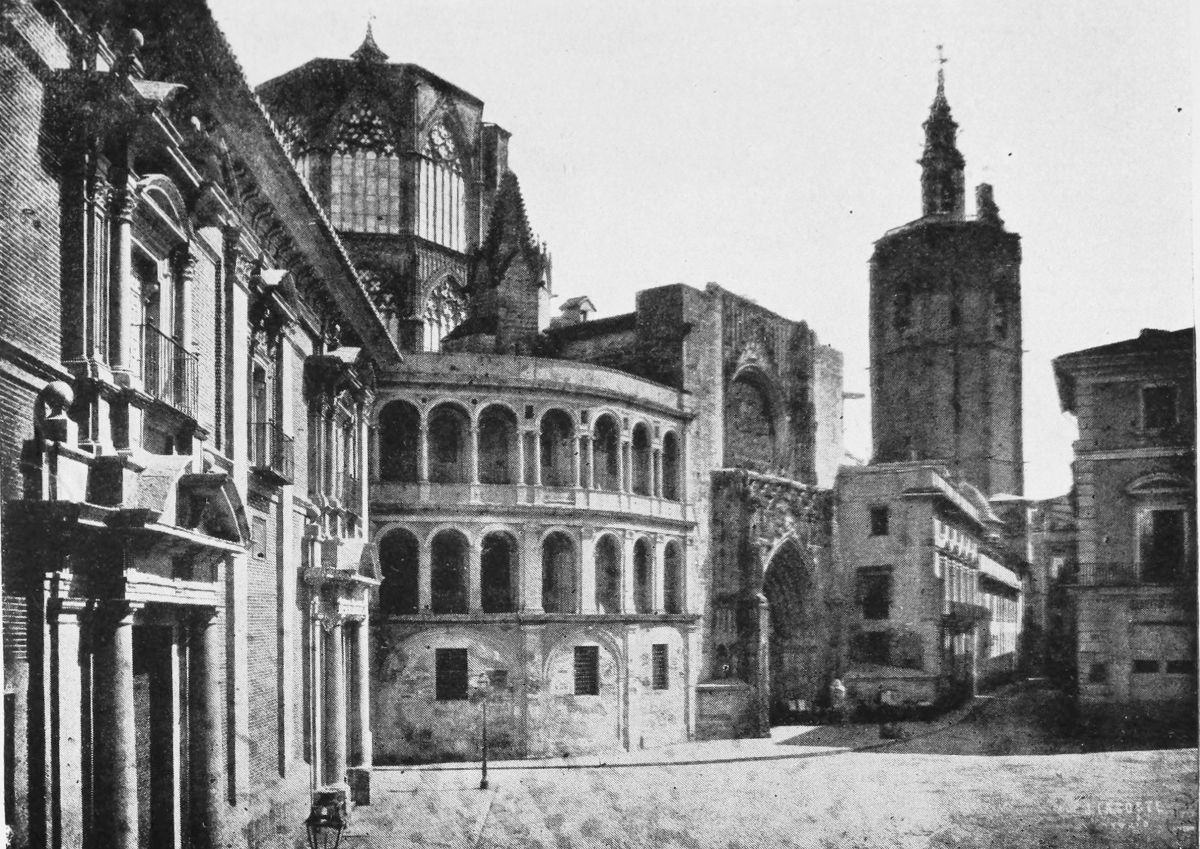
Plate 26 VALENCIA CATHEDRAL: GATE OF THE APOSTLES
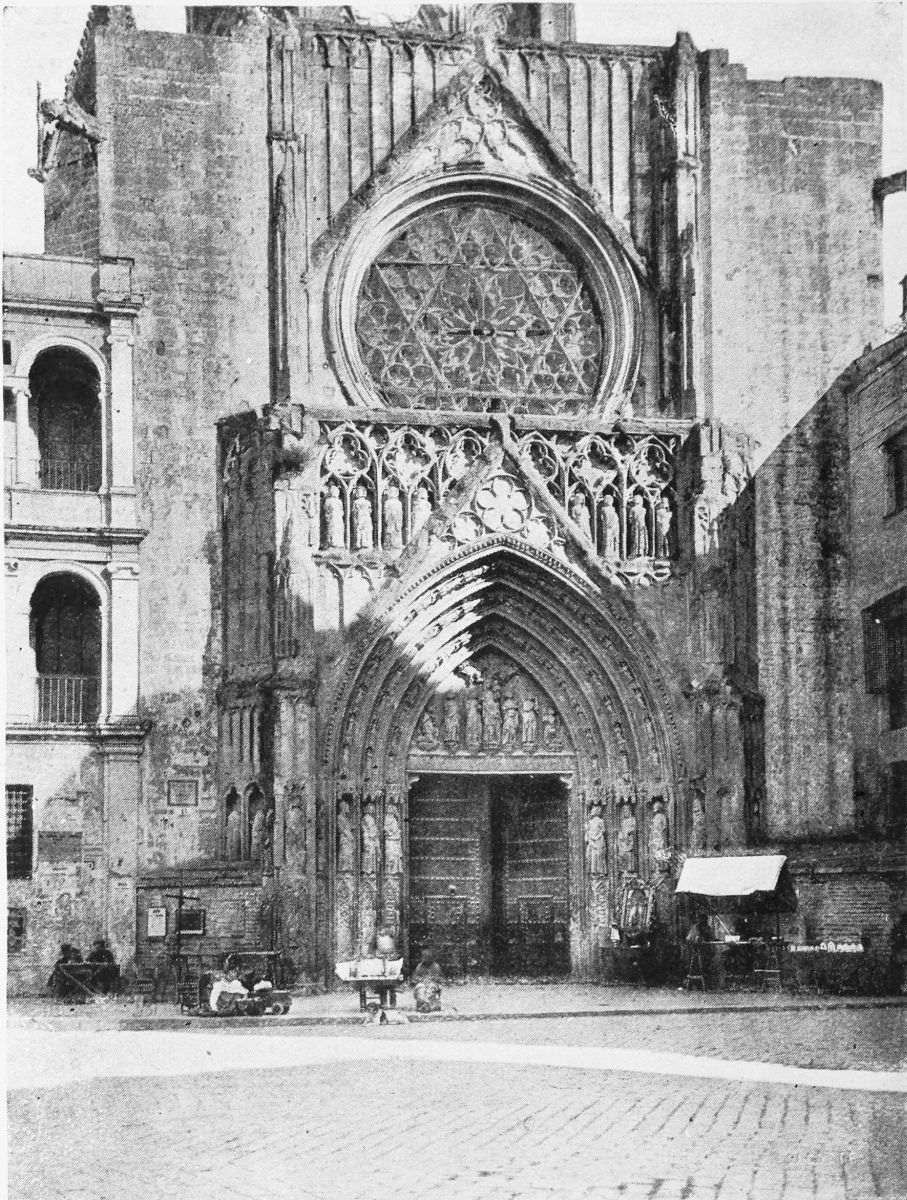
Plate 27 VALENCIA: THE CATHEDRAL, PUERTA DEL PALAU
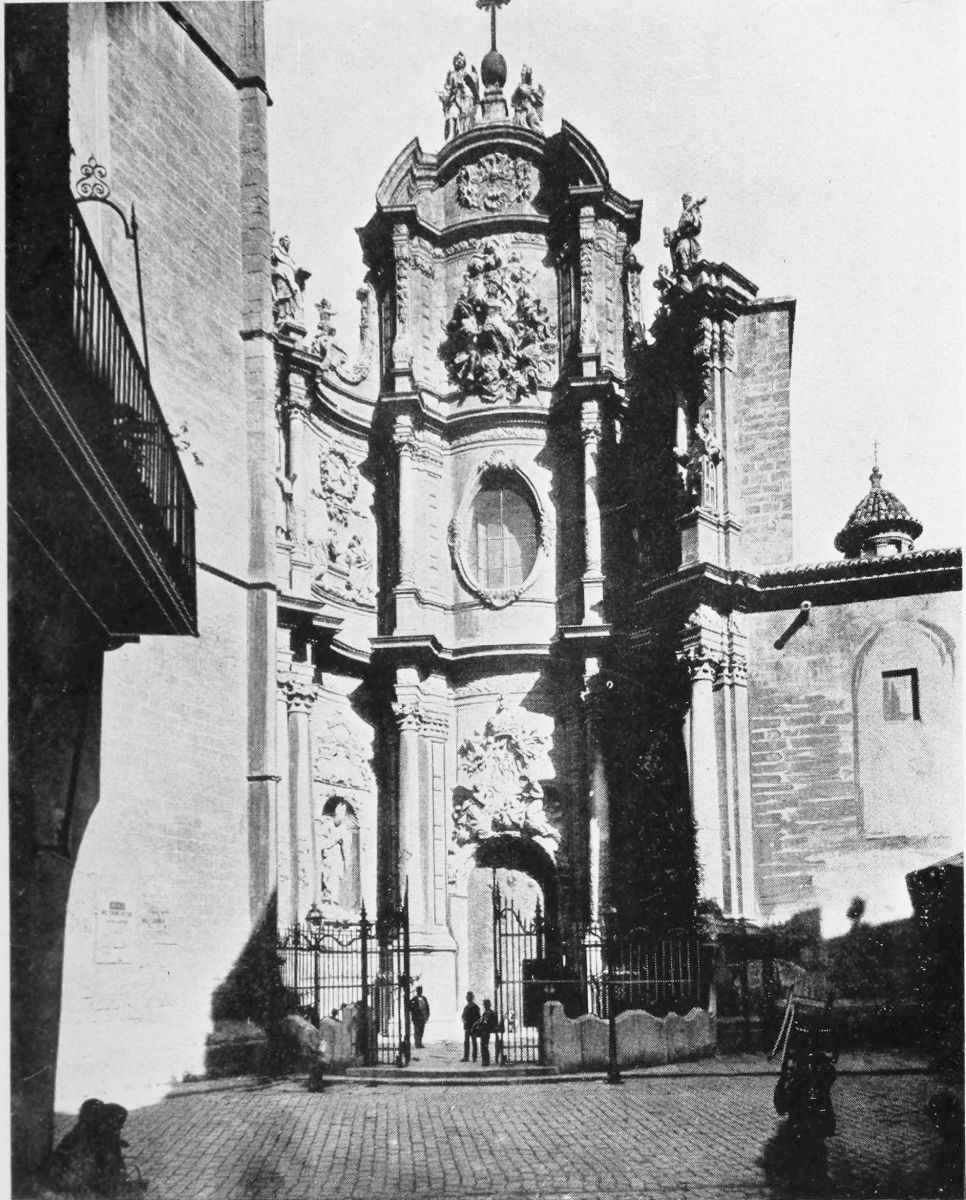
Plate 28 VALENCIA CATHEDRAL: A DOOR
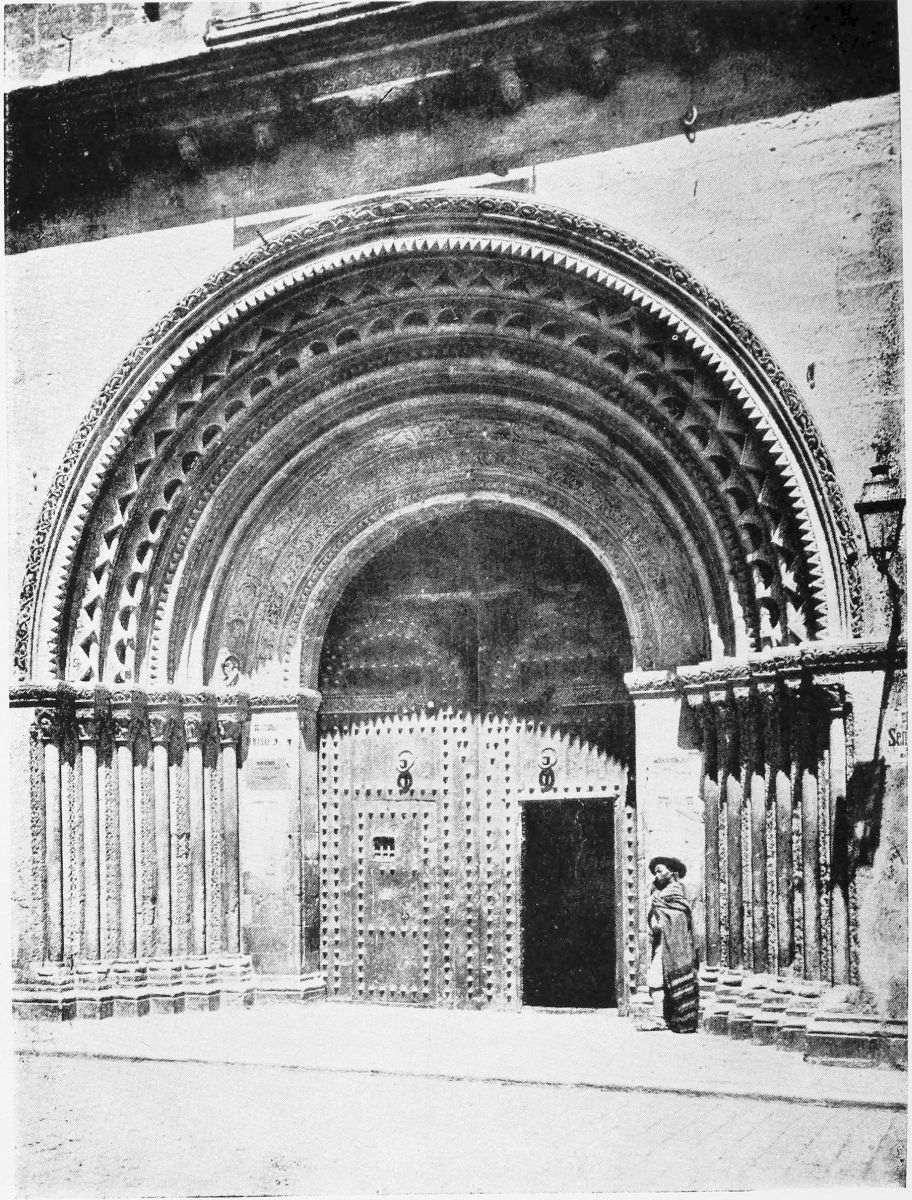
Plate 29 VALENCIA: THE TEMPLE
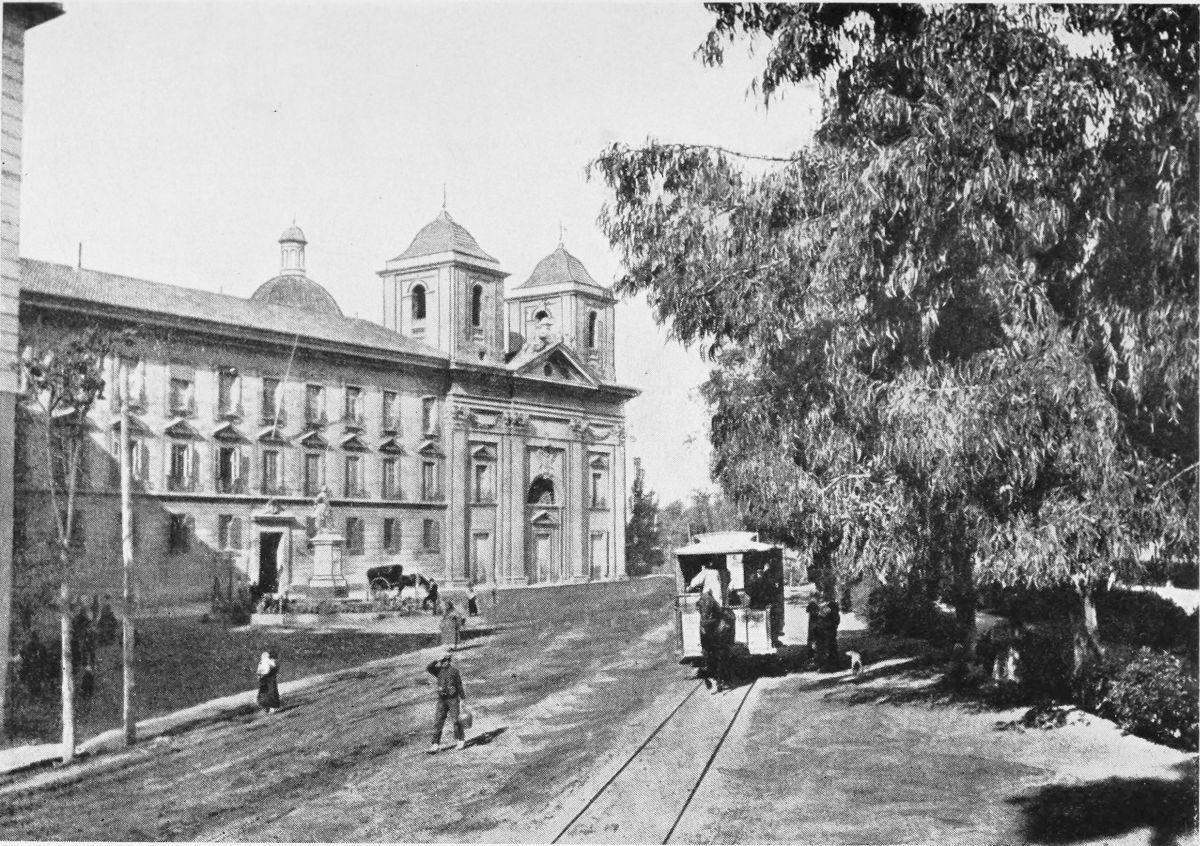
Plate 30 VALENCIA: THE MIGUELETE
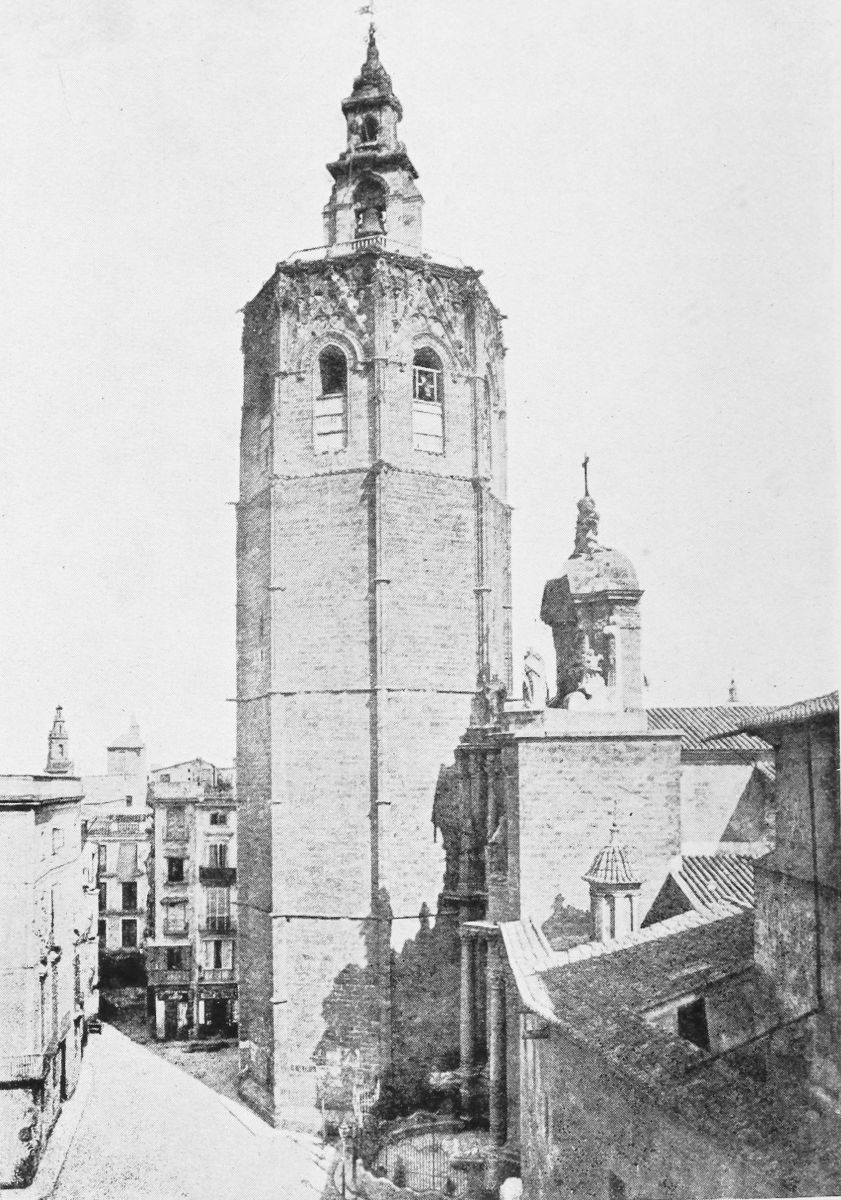
Plate 31 VALENCIA: CHURCH OF SANTA CATALINA
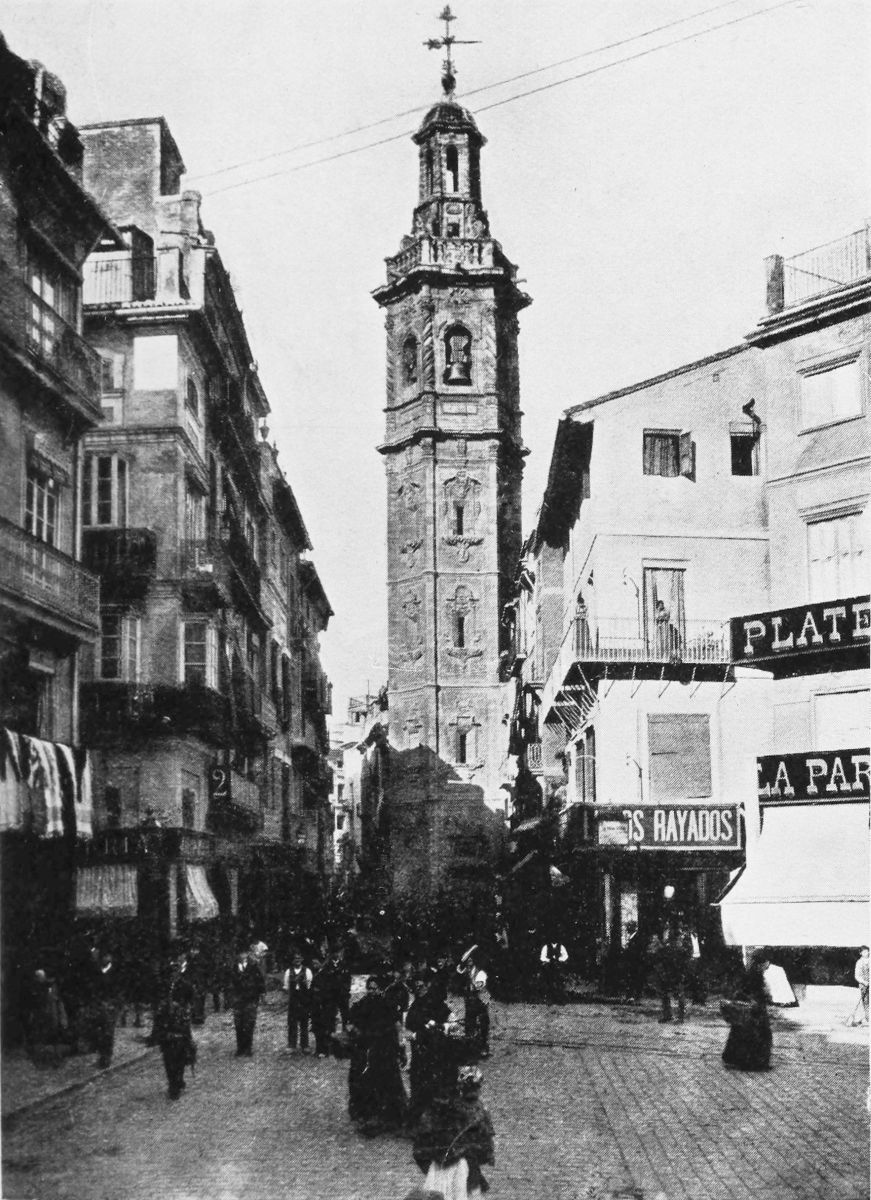
Plate 32 VALENCIA: CHURCH OF SANTA CATALINA
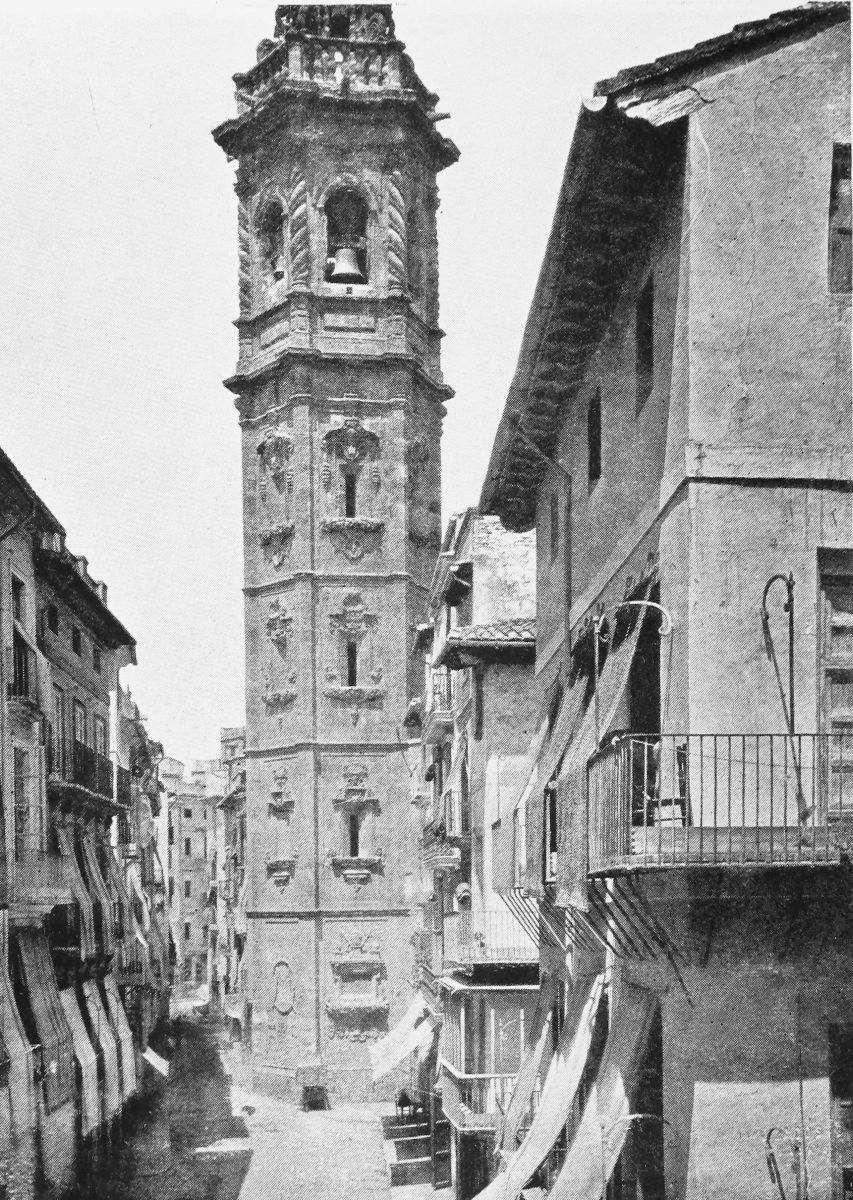
Plate 33 VALENCIA: CHURCH OF LOS SANTOS JUANES
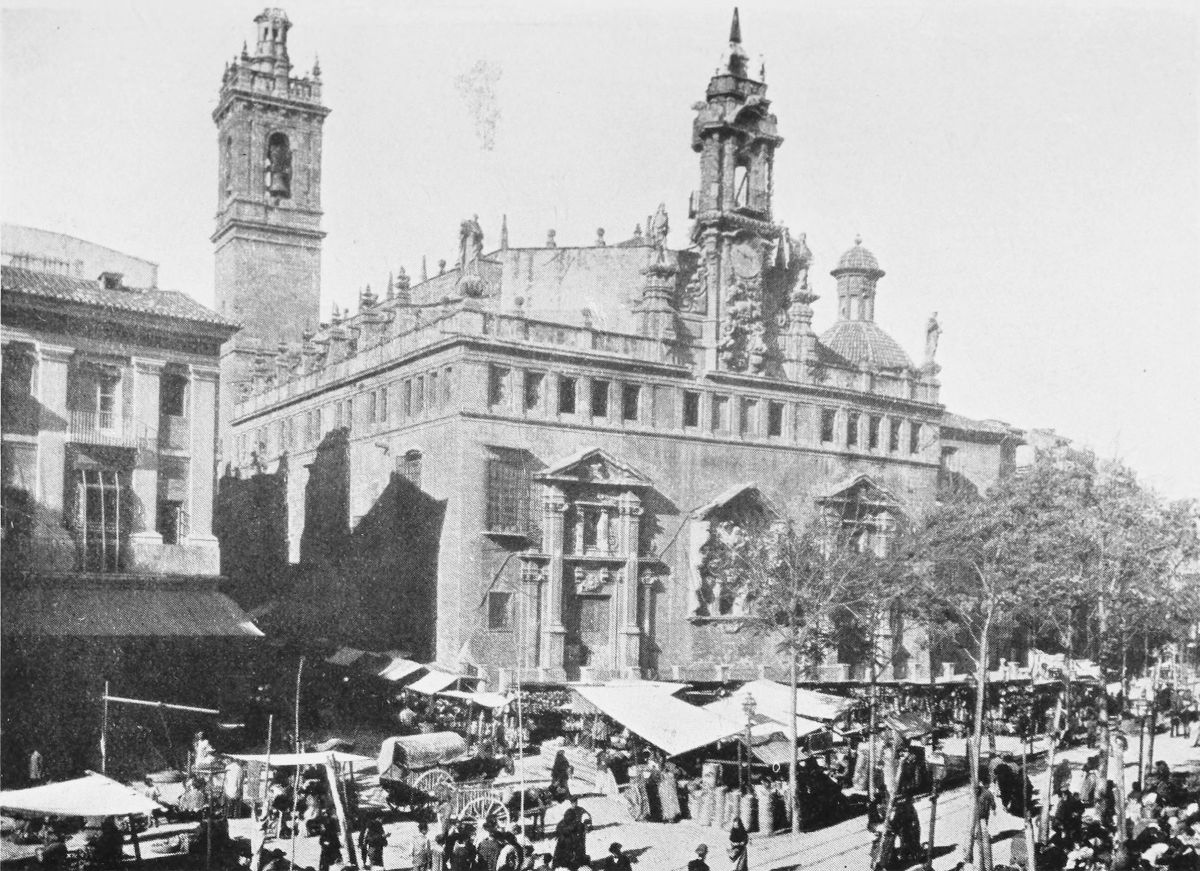
Plate 34 VALENCIA: FAÇADE OF SAN MIGUEL EL REAL
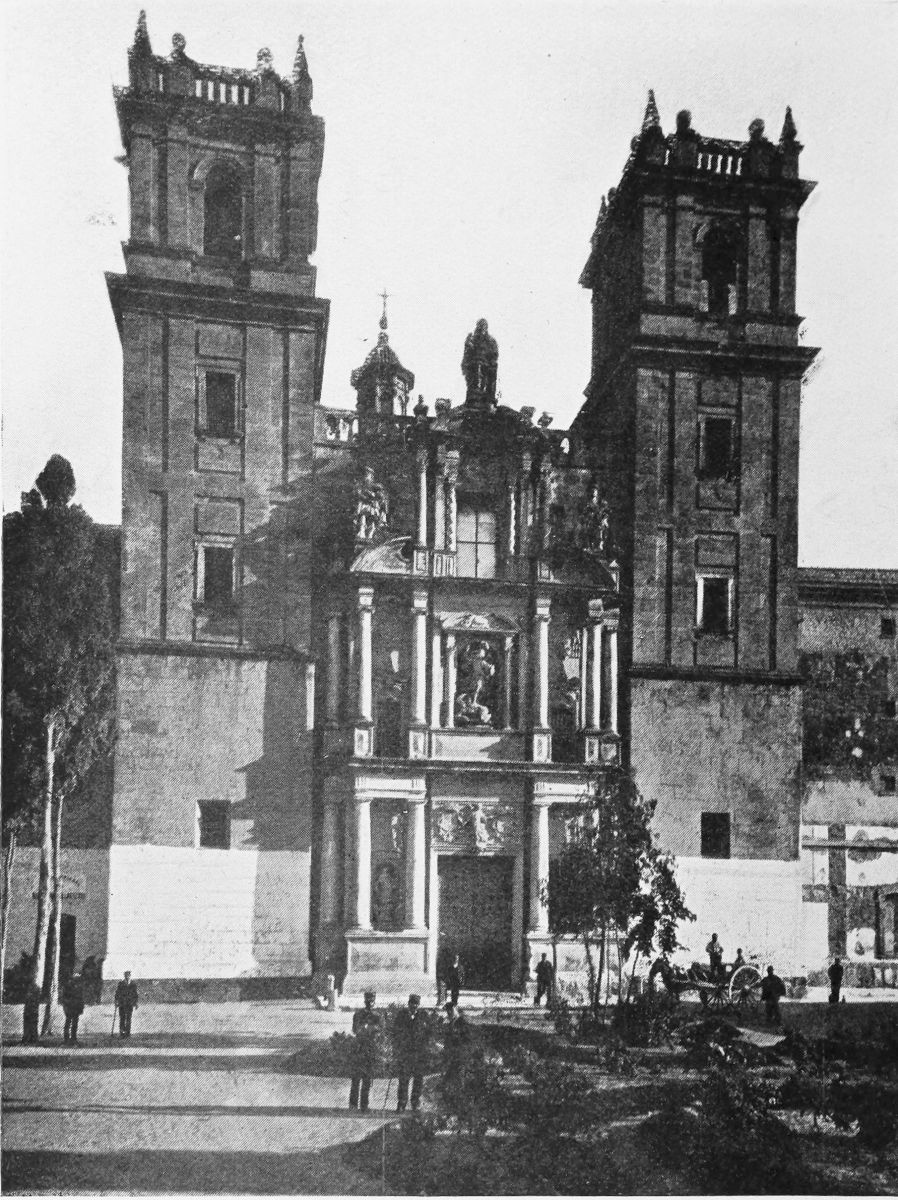
Plate 35 VALENCIA: CHURCH OF SANTA CRUZ
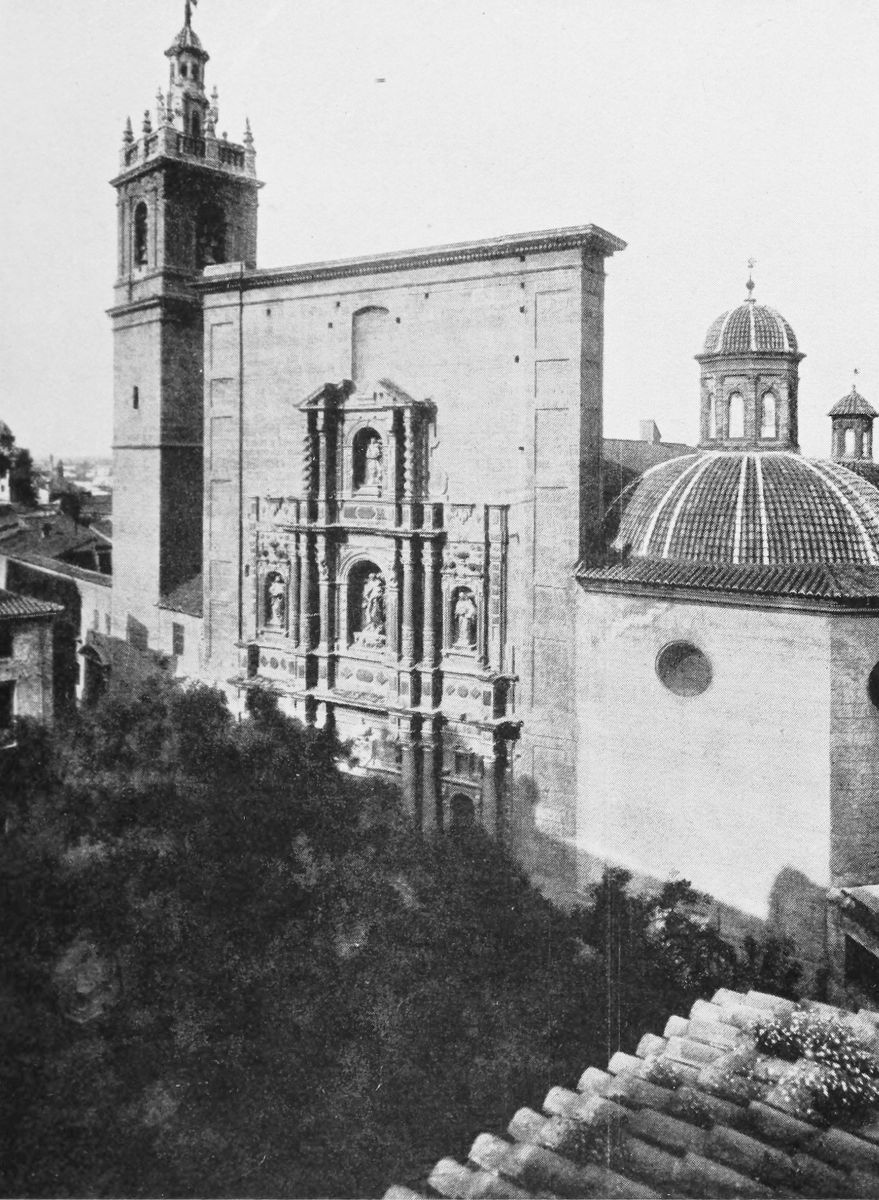
Plate 36 VALENCIA: CHURCH OF SANTA CRUZ
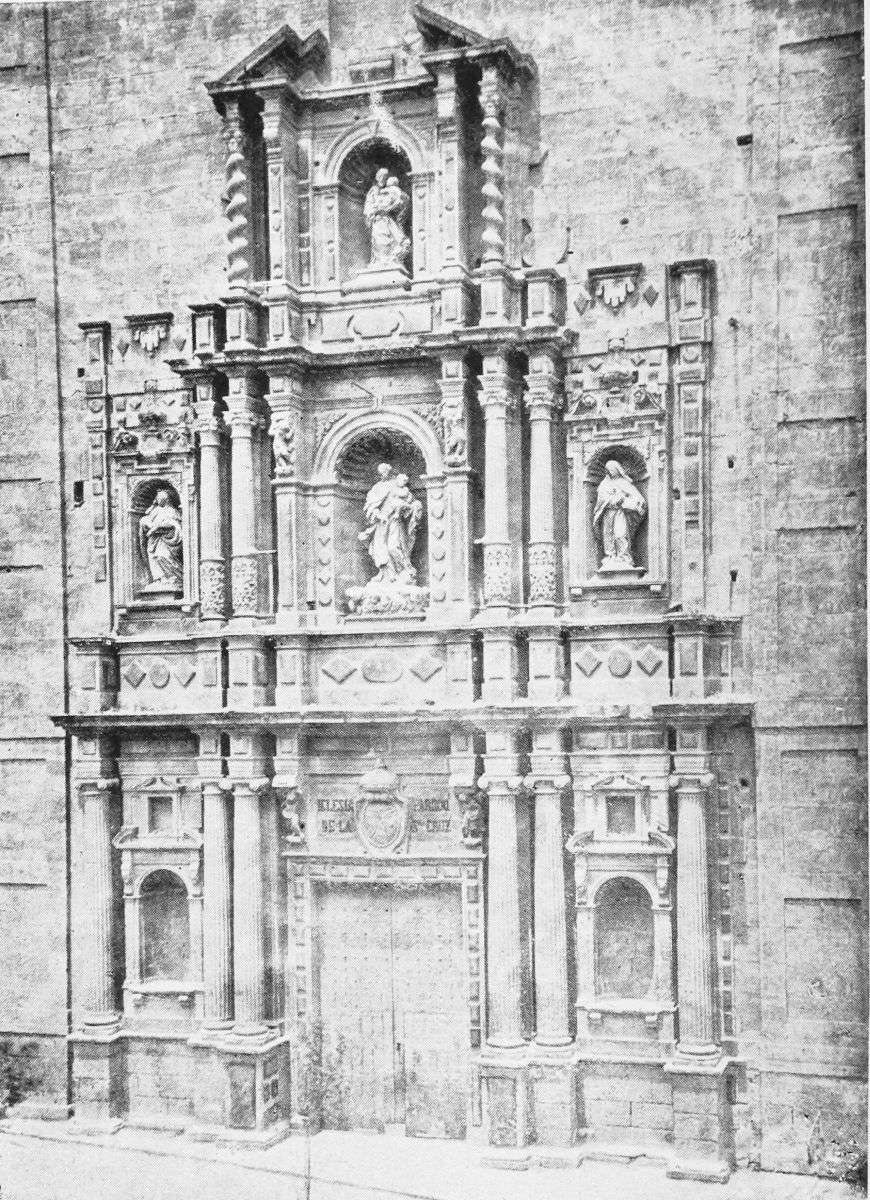
Plate 37 VALENCIA: ENTRANCE TO THE CHURCH OF SAN ANDRÉS
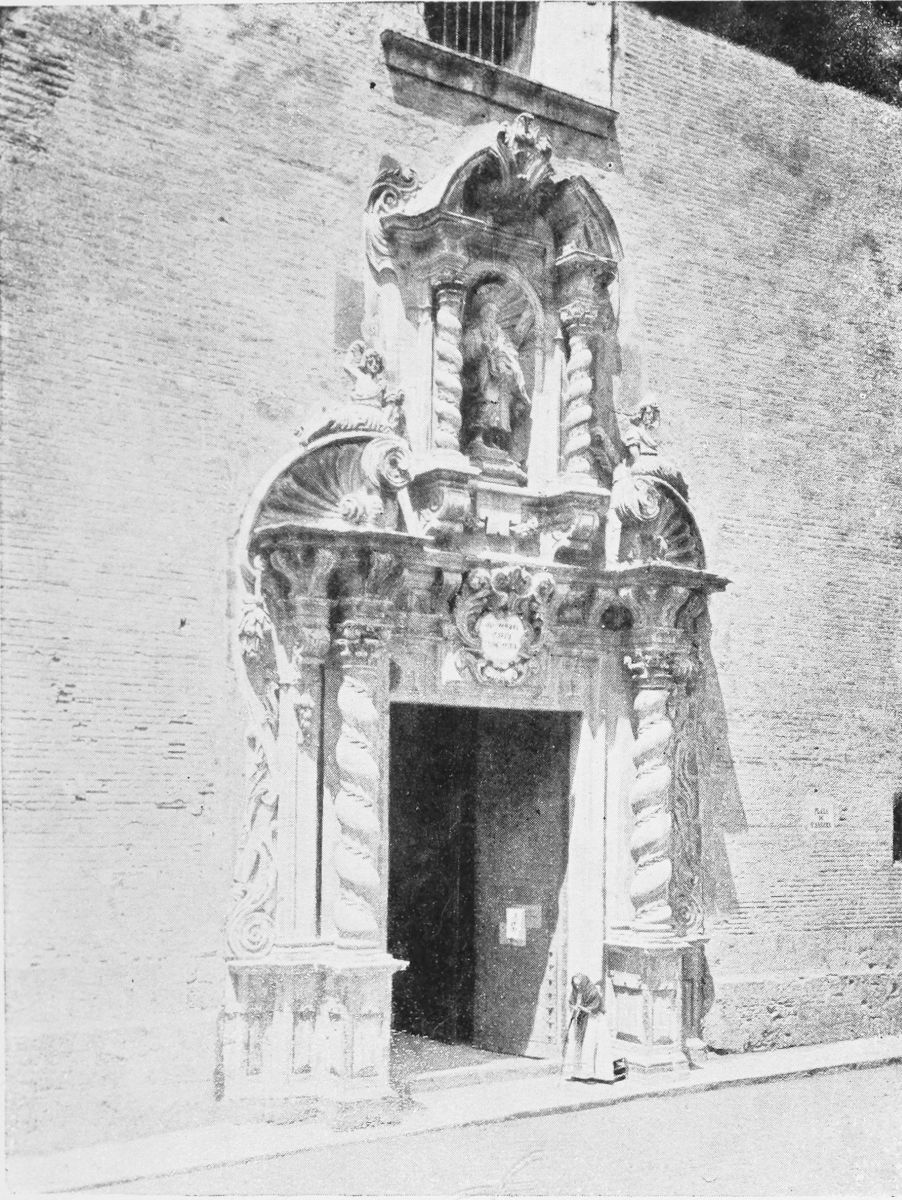
Plate 38 VALENCIA: THE CAMPO-SANTO
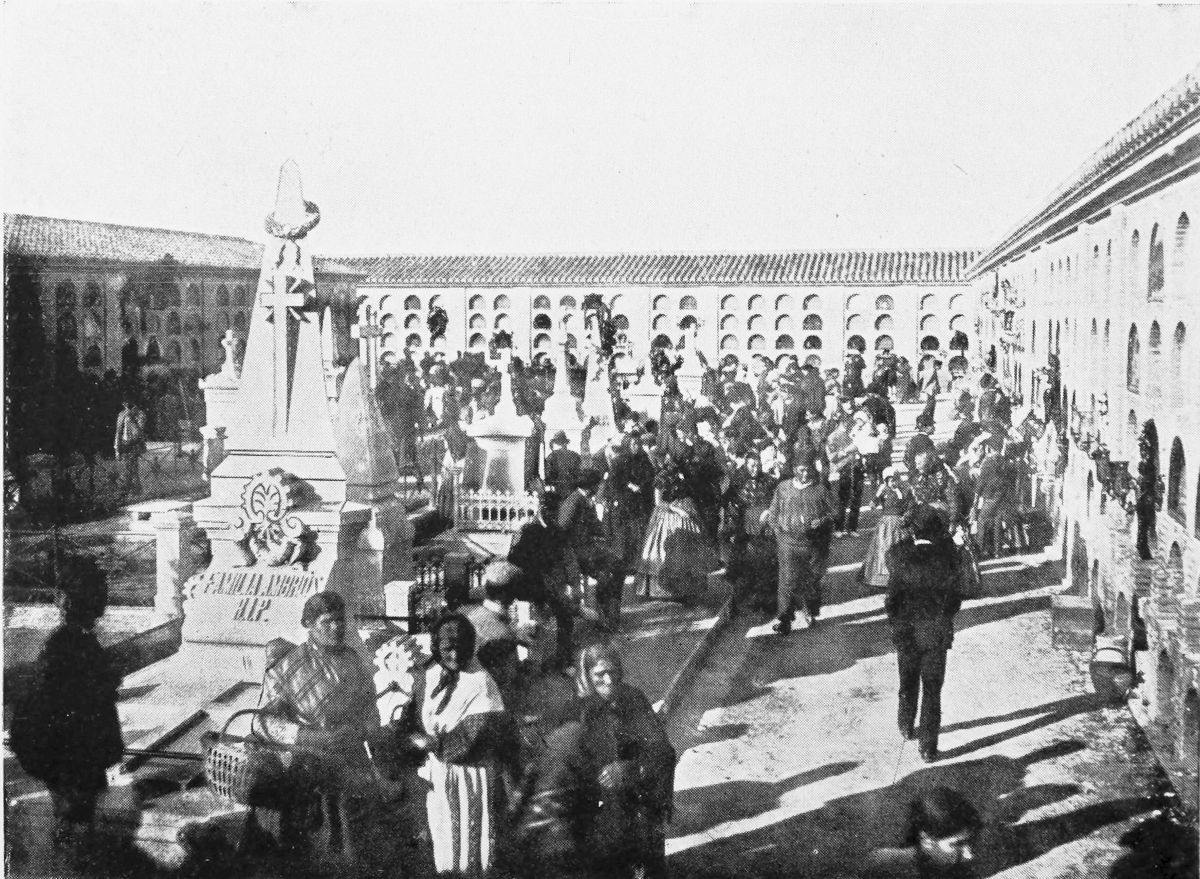
Plate 39 VALENCIA: THE CAMPO-SANTO
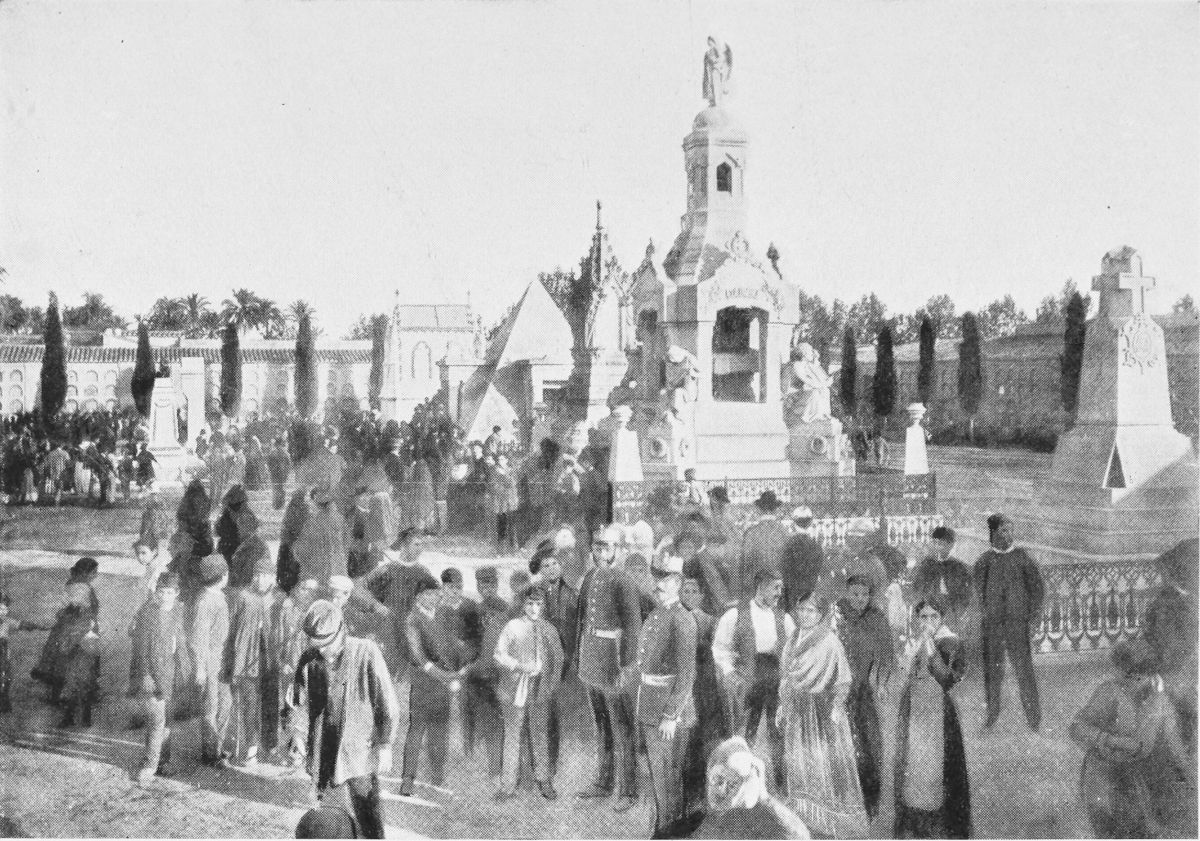
Plate 40 VALENCIA: THE CAMPO-SANTO
Plate 41 VALENCIA: THE AUDIENCIA, OLD PALACE OF THE CORTES
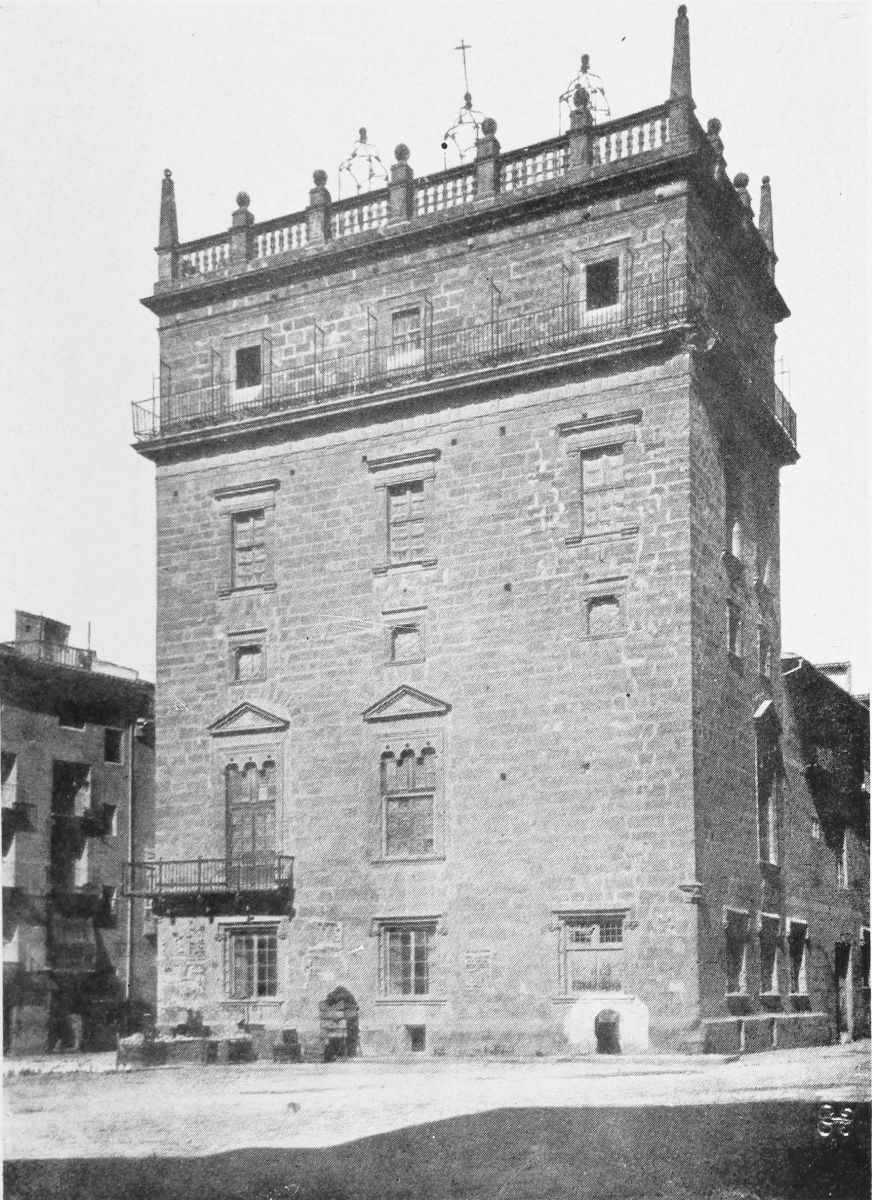
Plate 42 VALENCIA: ROYAL HALL IN THE AUDIENCIA, UPPER PART
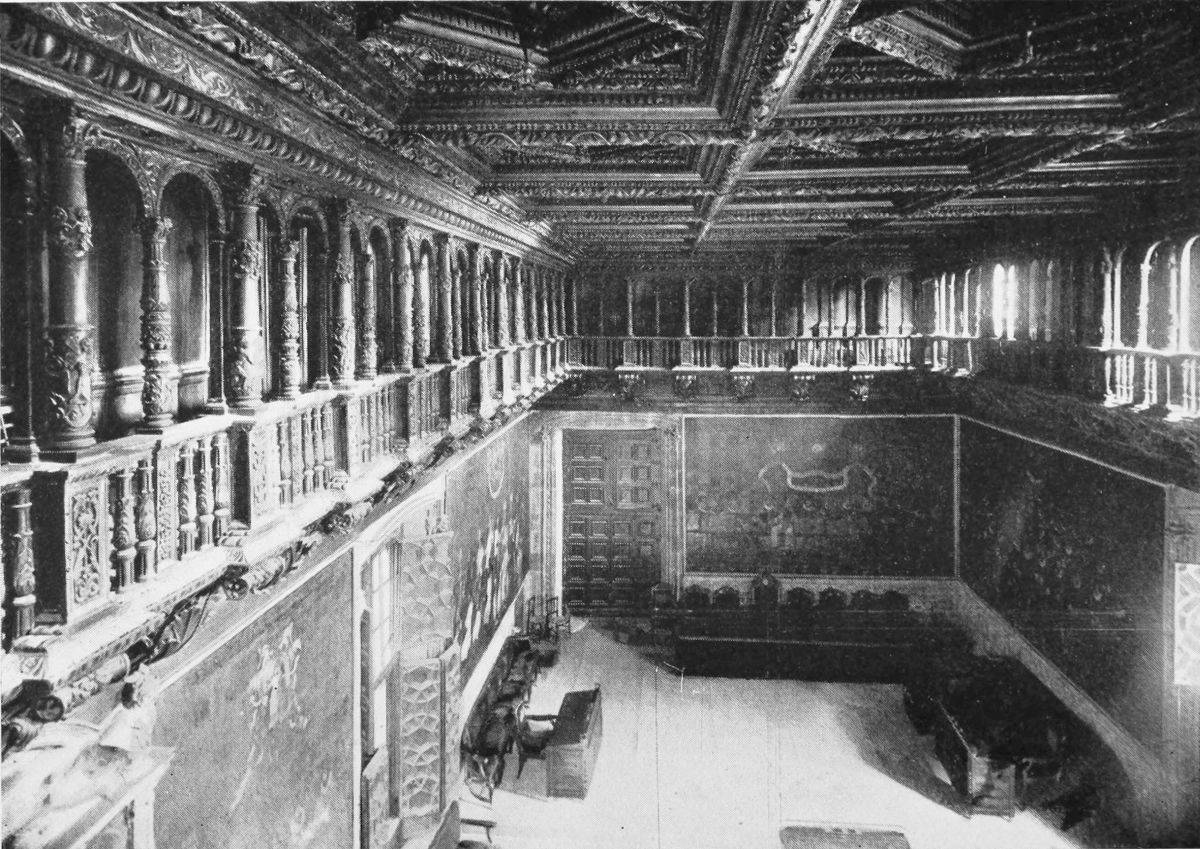
Plate 43 VALENCIA: ROYAL HALL IN THE AUDIENCIA, LOWER PART
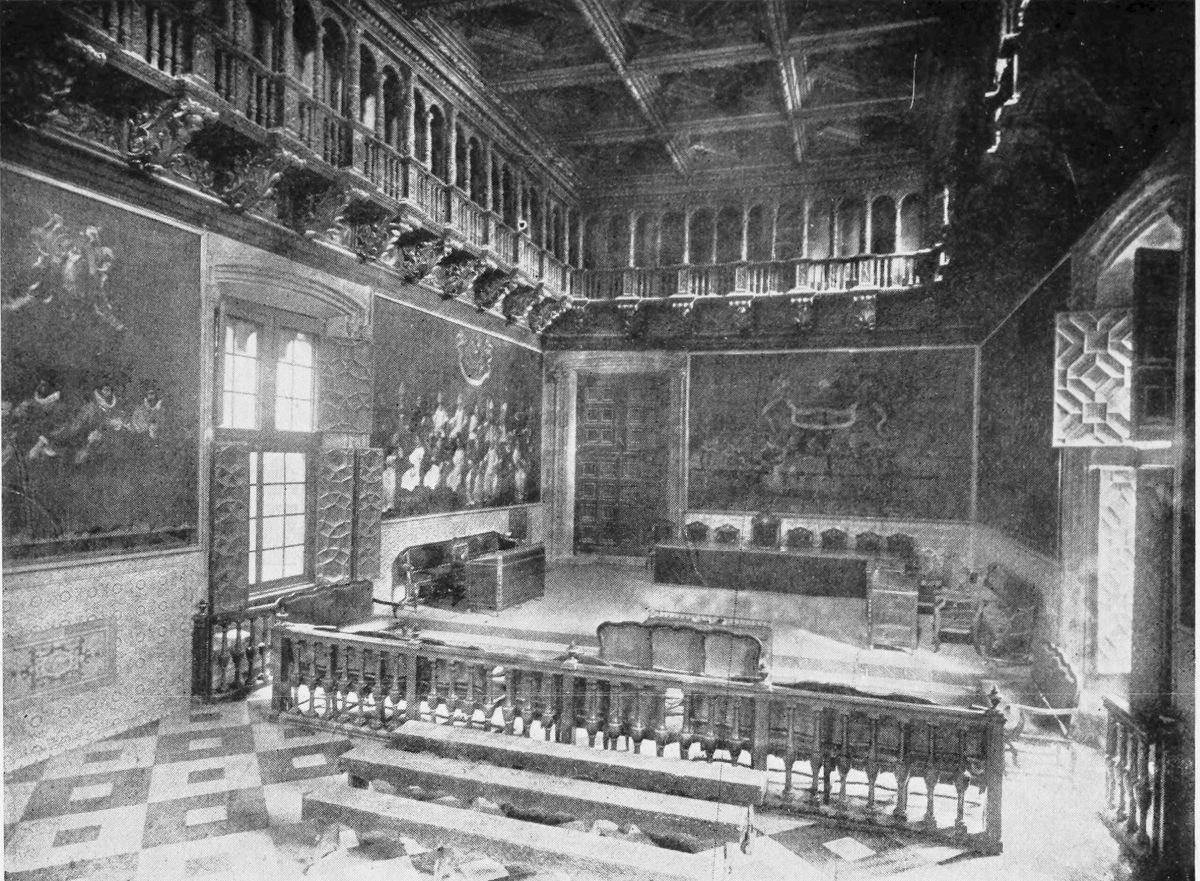
Plate 44 VALENCIA: INTERIOR DOOR OF THE AUDIENCIA
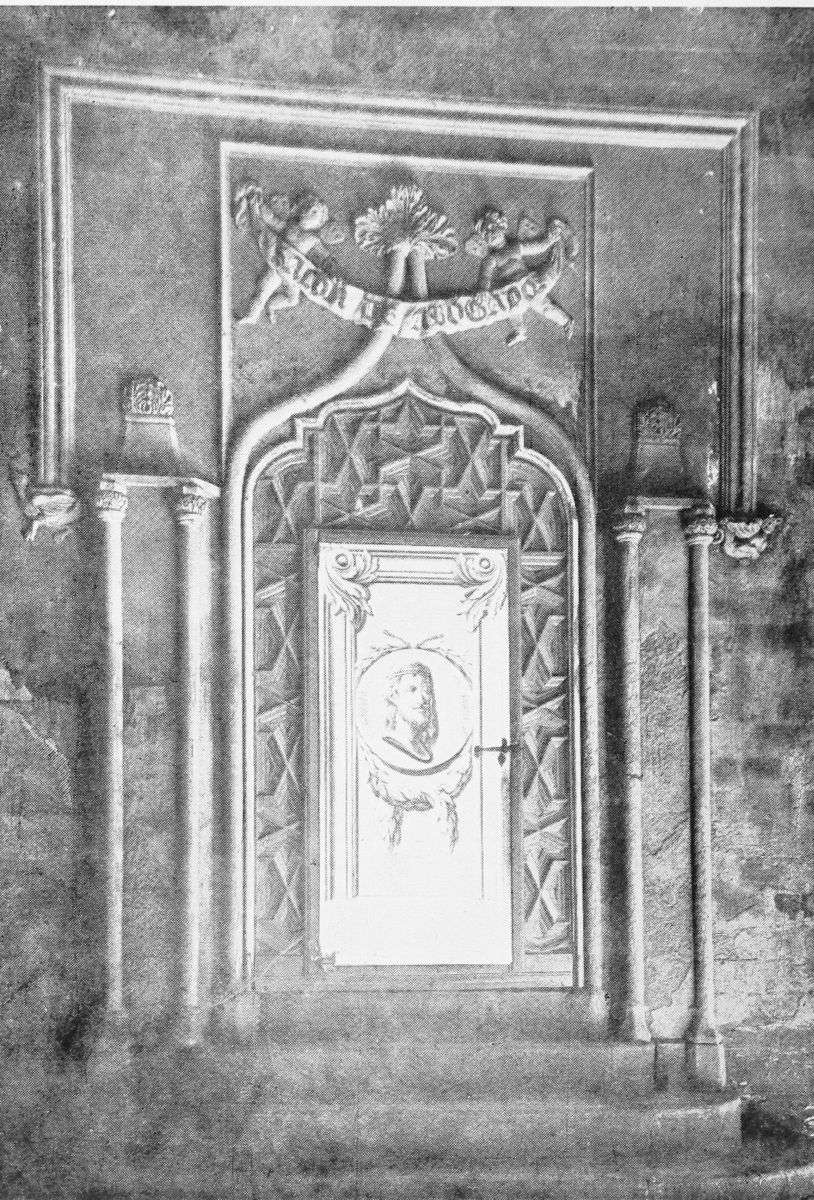
Plate 45 VALENCIA: THE EXCHANGE
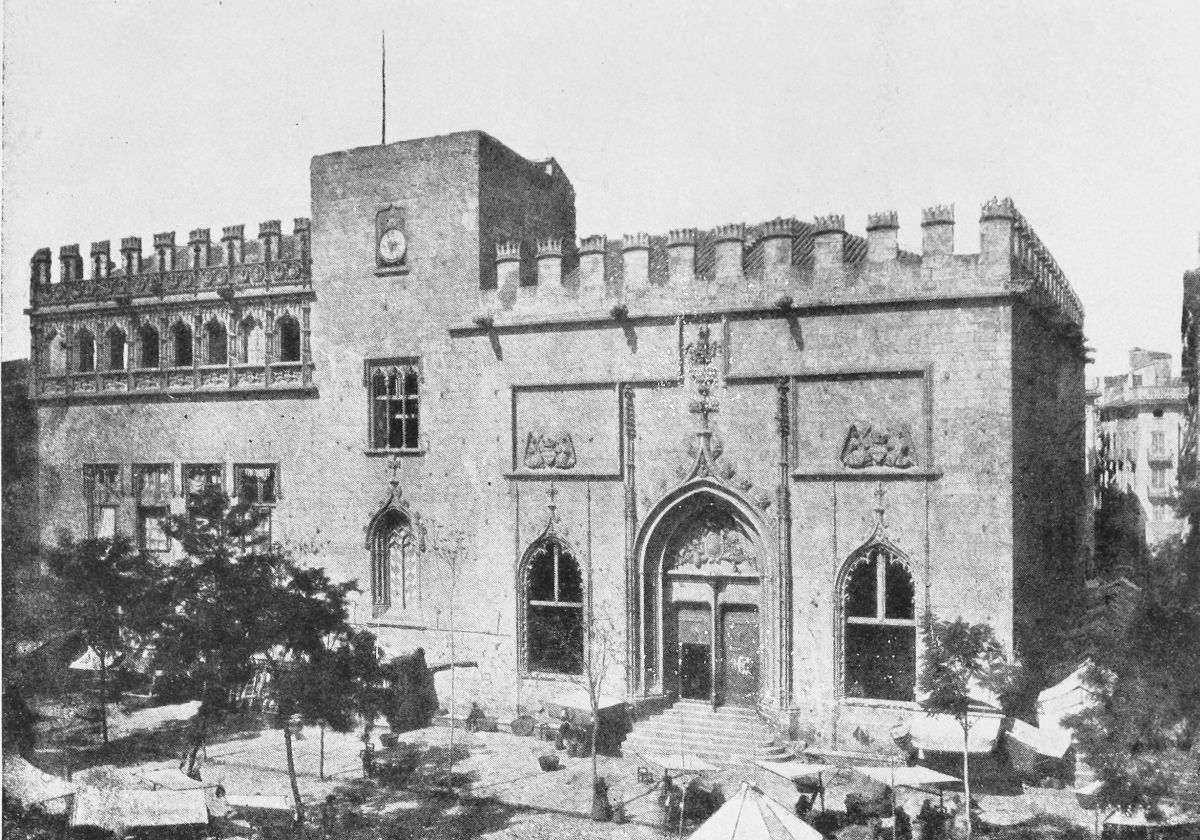
Plate 46 VALENCIA: THE EXCHANGE. DETAIL OF THE GALLERY
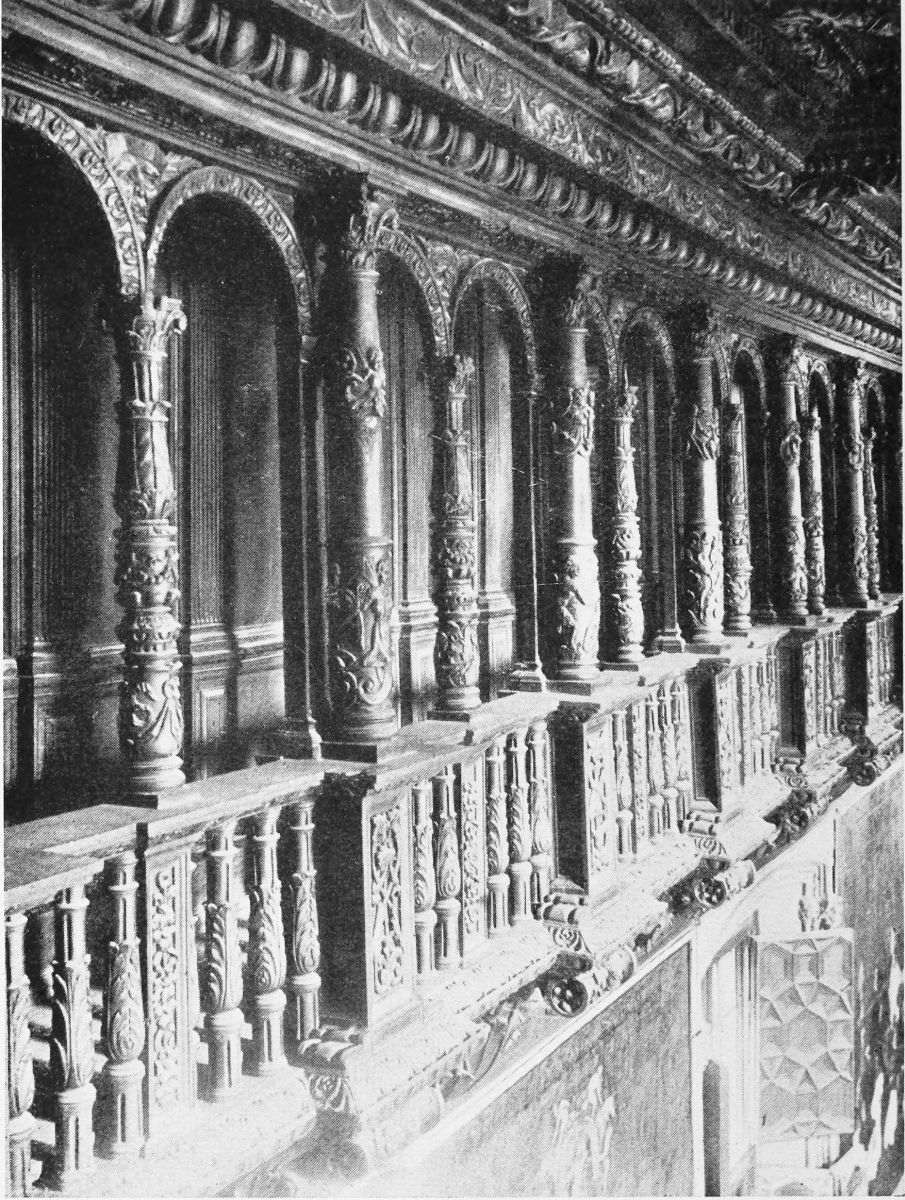
Plate 47 VALENCIA: INTERIOR OF THE EXCHANGE
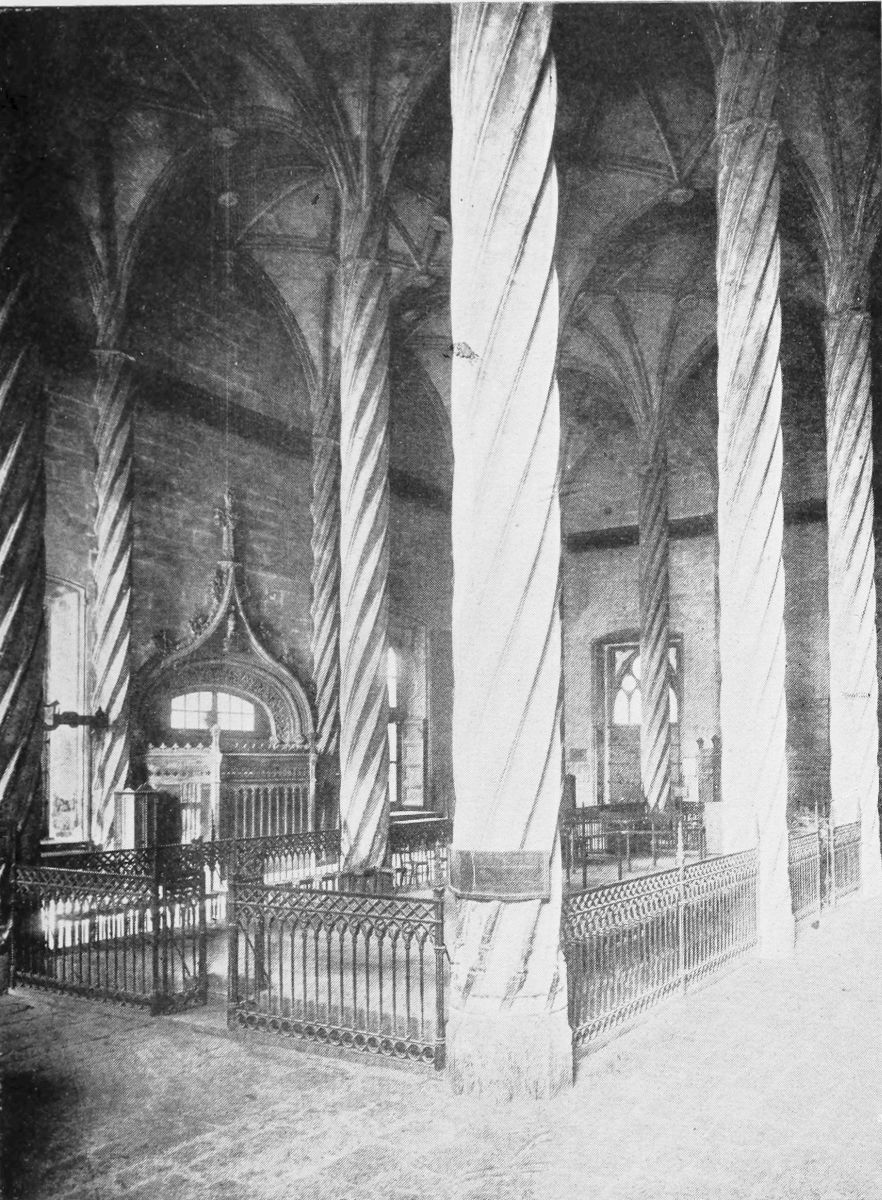
Plate 48 VALENCIA: INTERIOR DOOR OF THE EXCHANGE
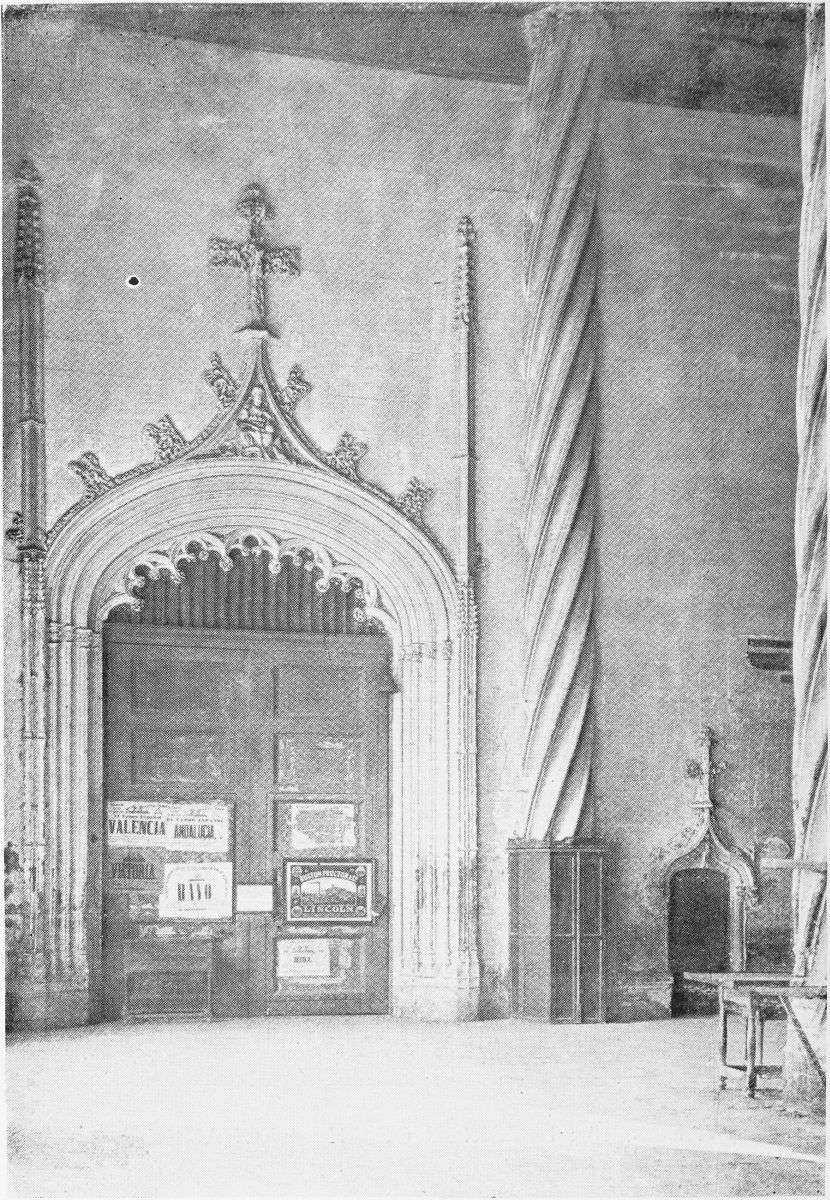
Plate 49 VALENCIA: COLEGIO DEL PATRIARCA
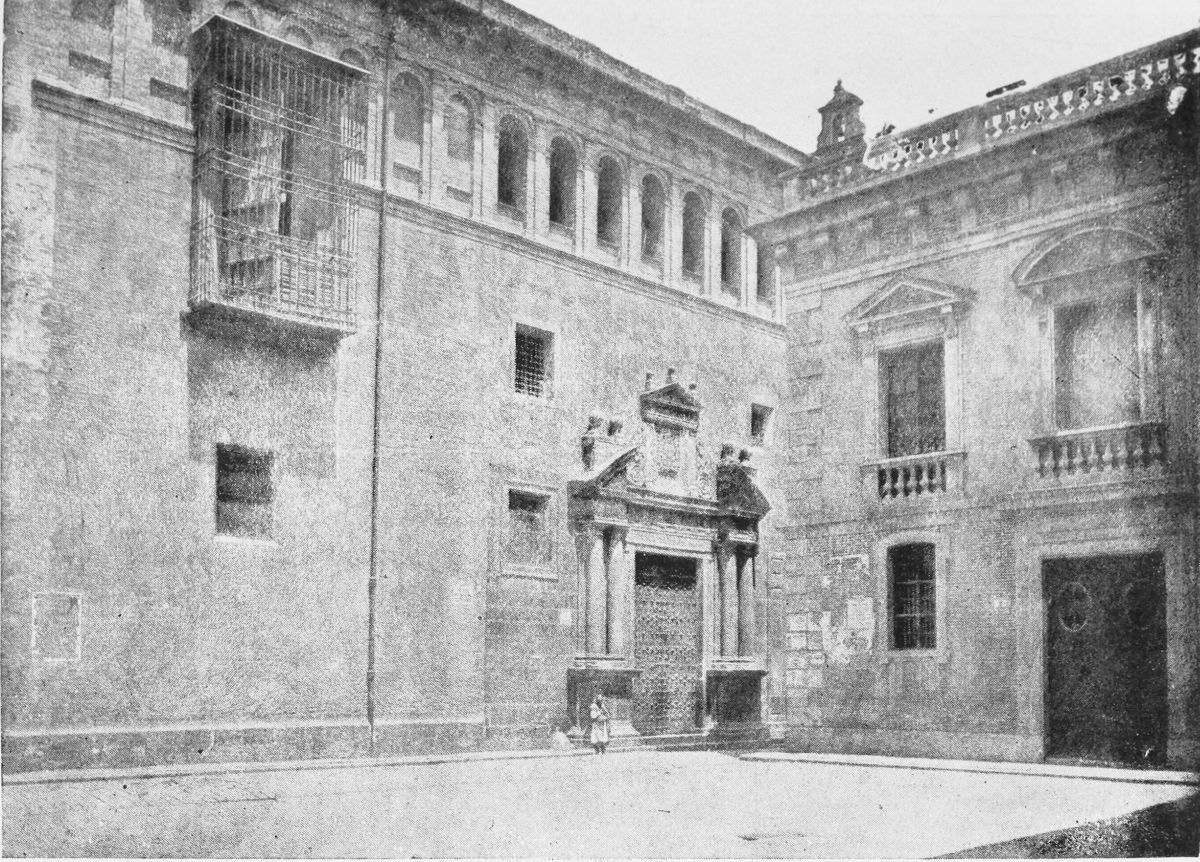
Plate 50 VALENCIA: COURTYARD IN THE COLEGIO DEL PATRIARCA
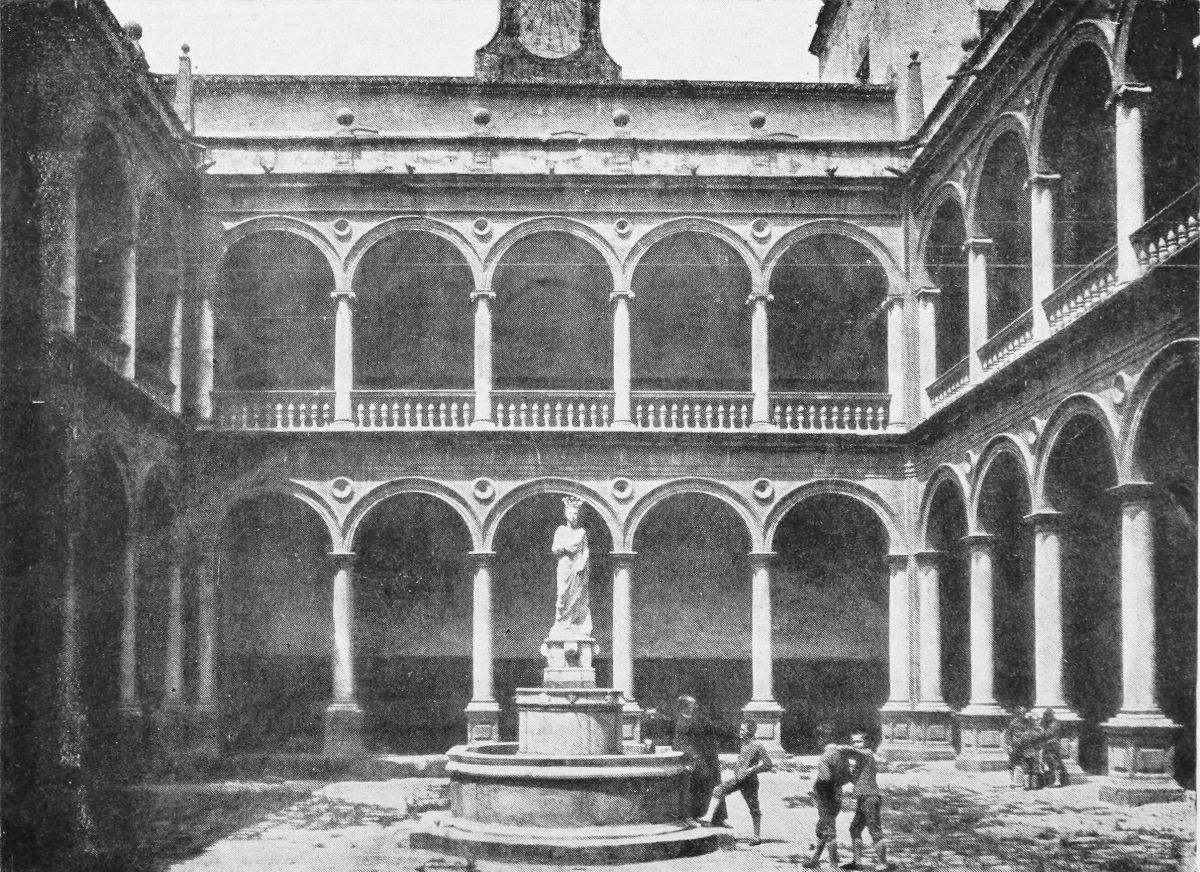
Plate 51 VALENCIA: COURTYARD OF THE UNIVERSITY
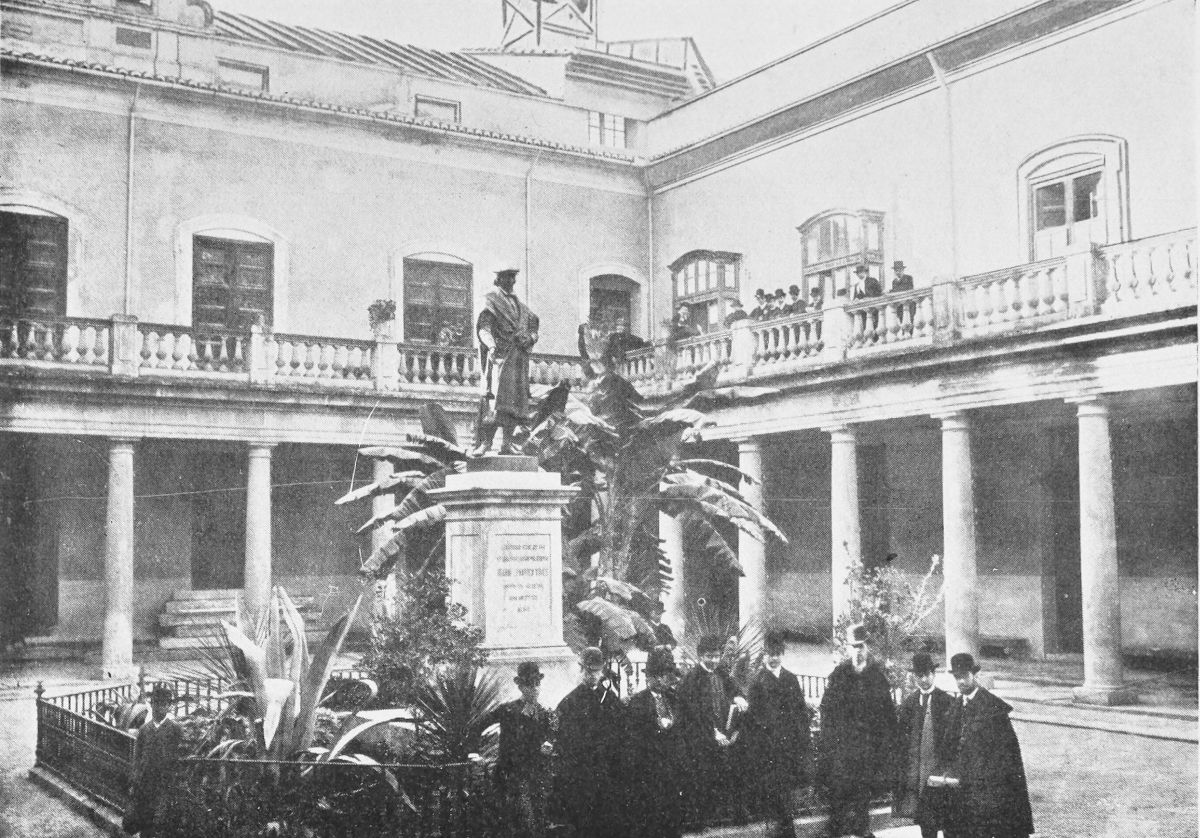
Plate 52 VALENCIA: ENTRANCE TO THE CIVIL HOSPITAL
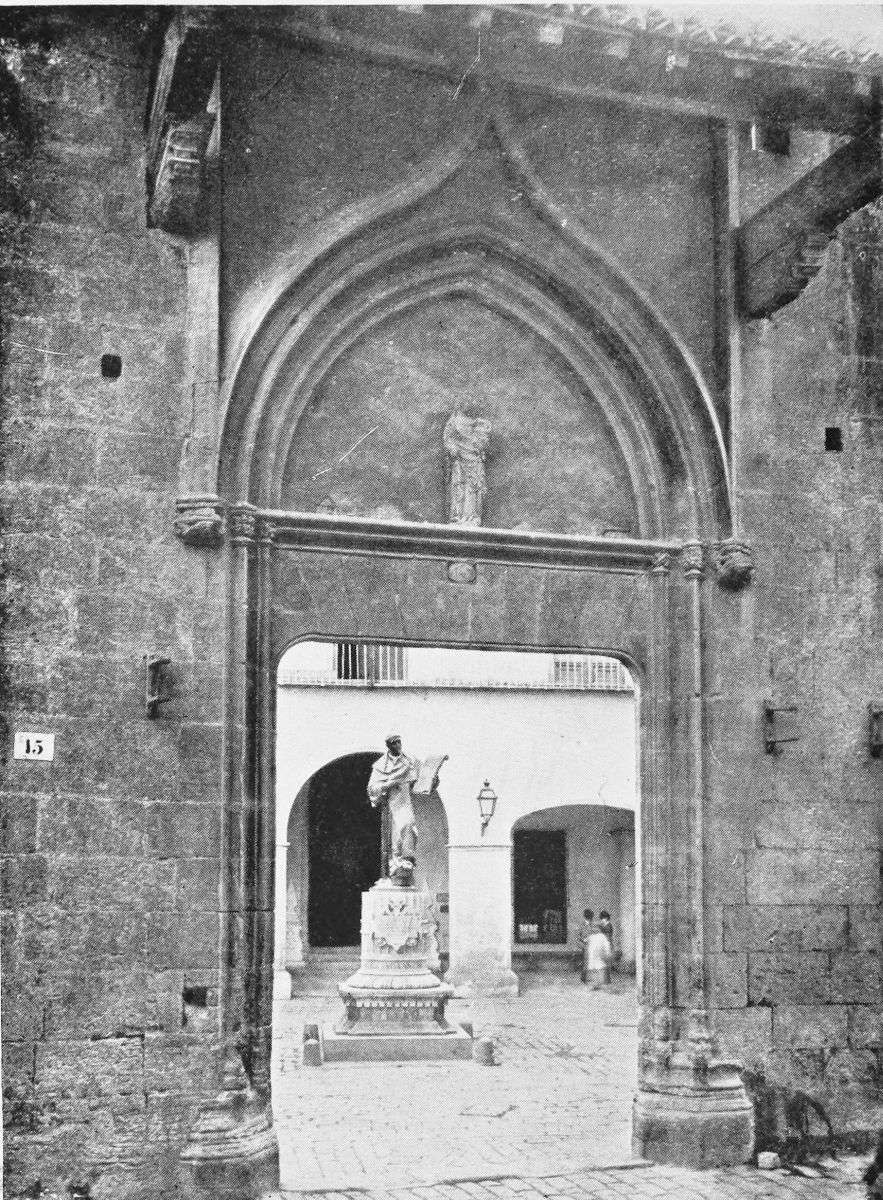
Plate 53 VALENCIA: GATE OF MOSEN S’ORRELL
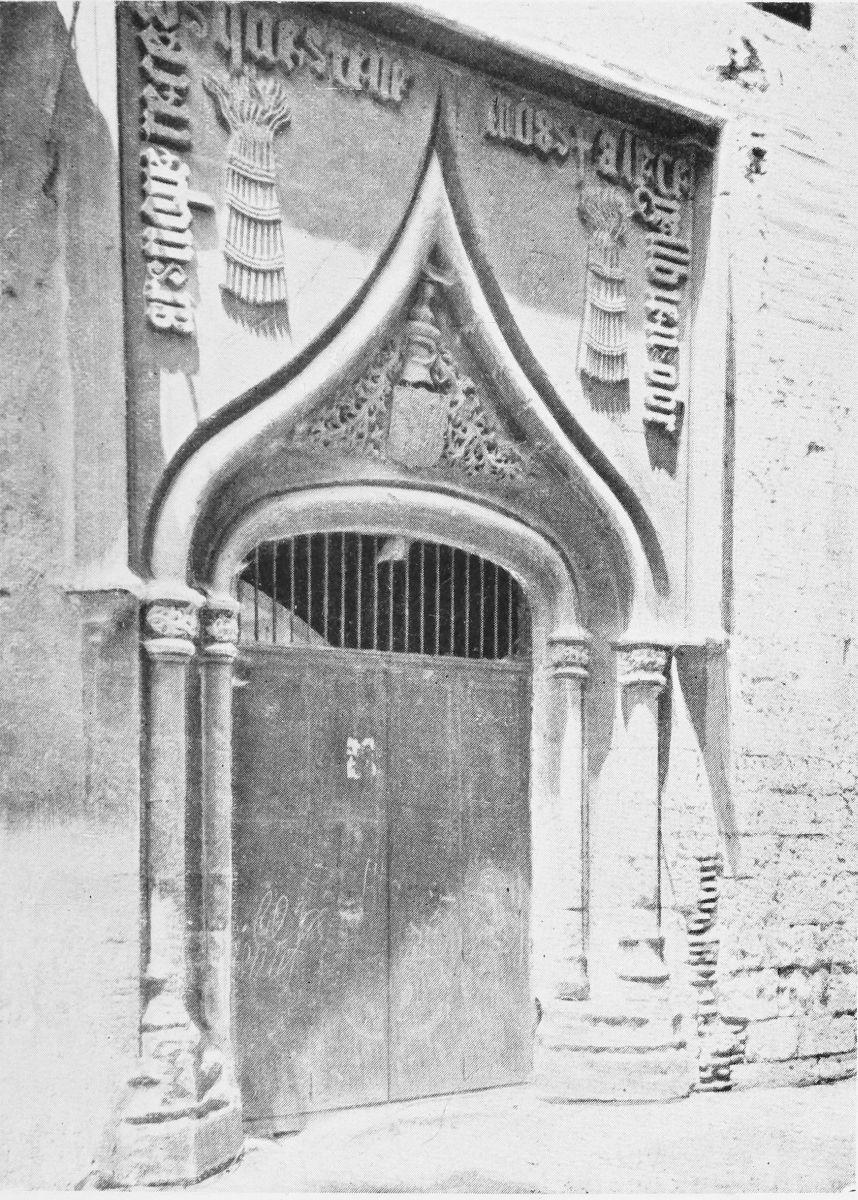
Plate 54 VALENCIA: THE CUSTOM-HOUSE
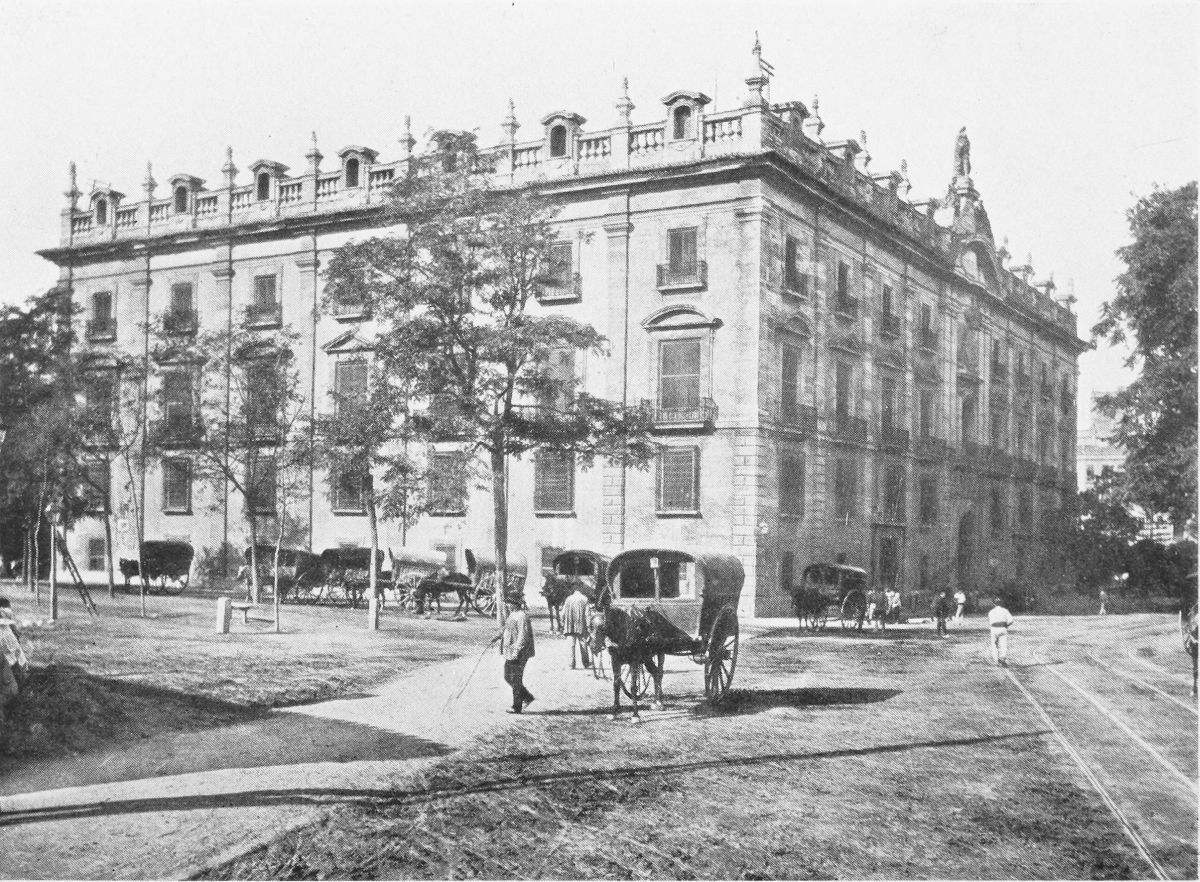
Plate 55 VALENCIA: THE ARCHBISHOP’S PALACE
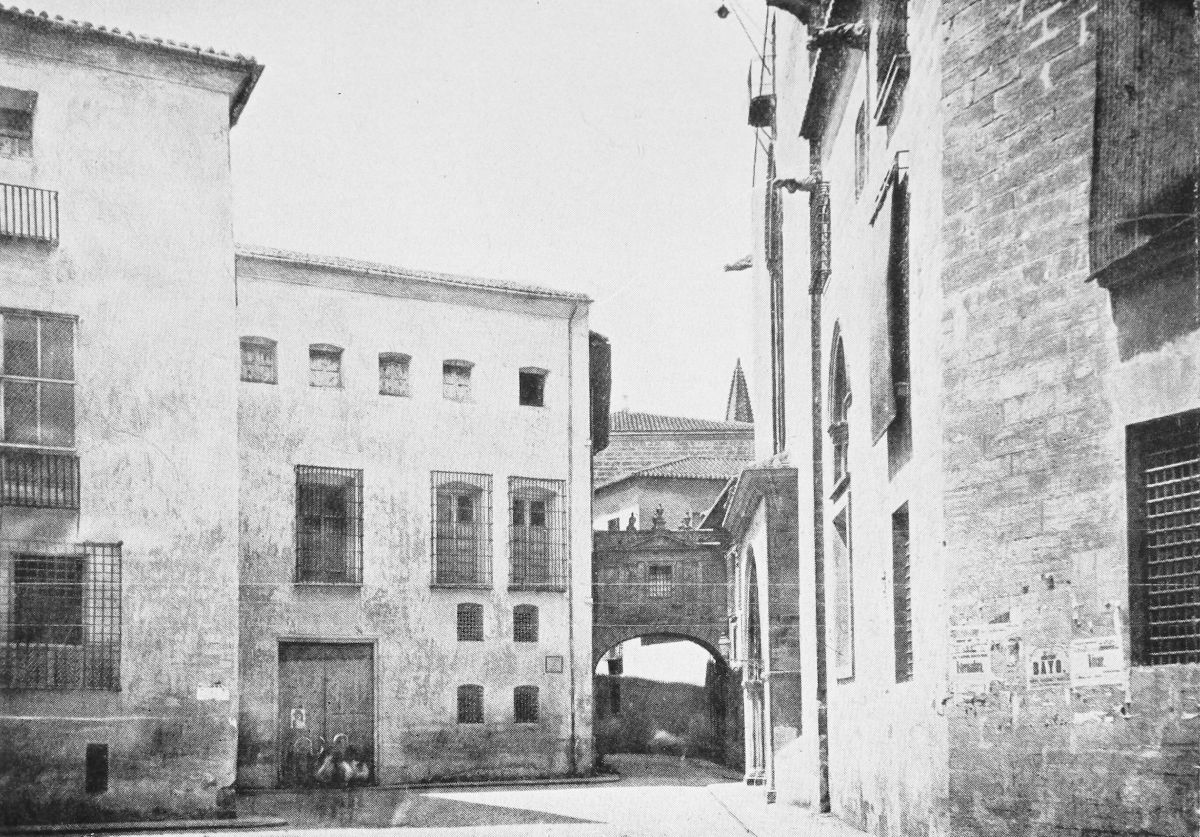
Plate 56 VALENCIA: THE BULL-RING
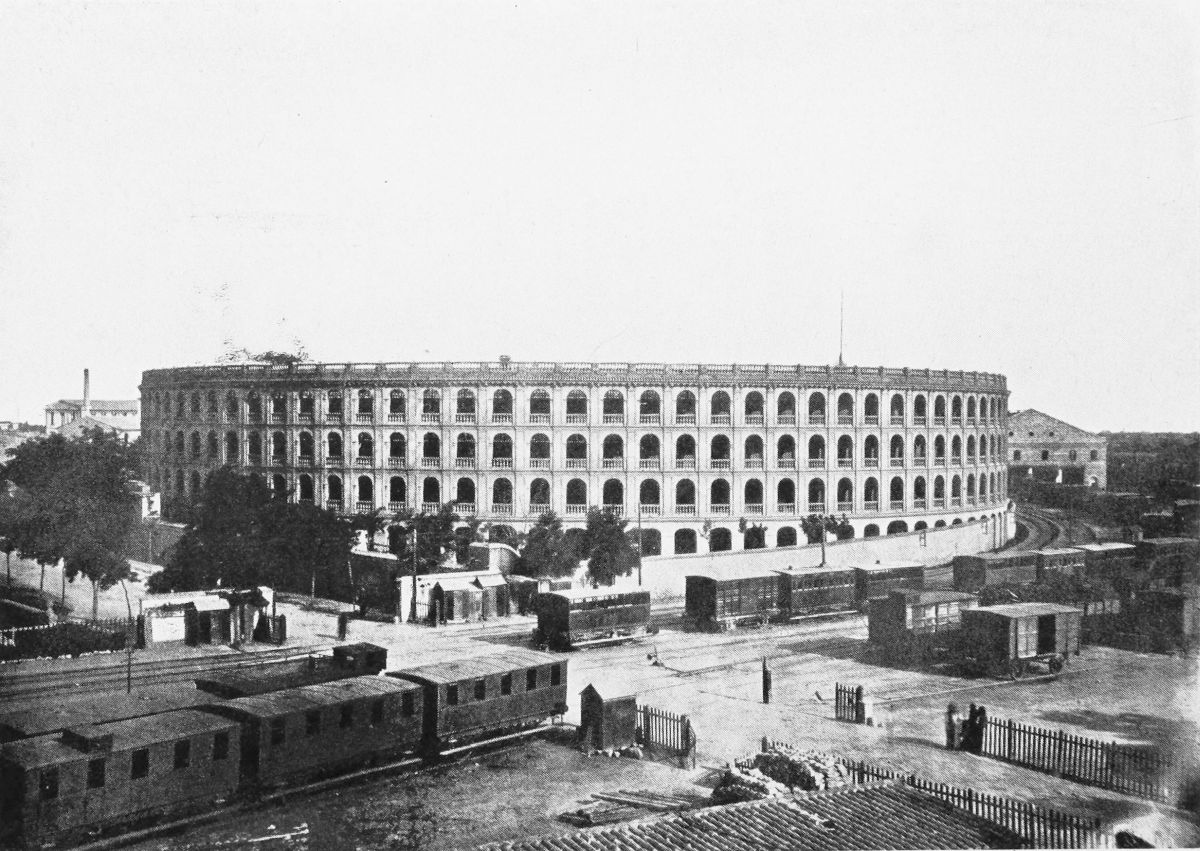
Plate 57 VALENCIA: TOBACCO FACTORY
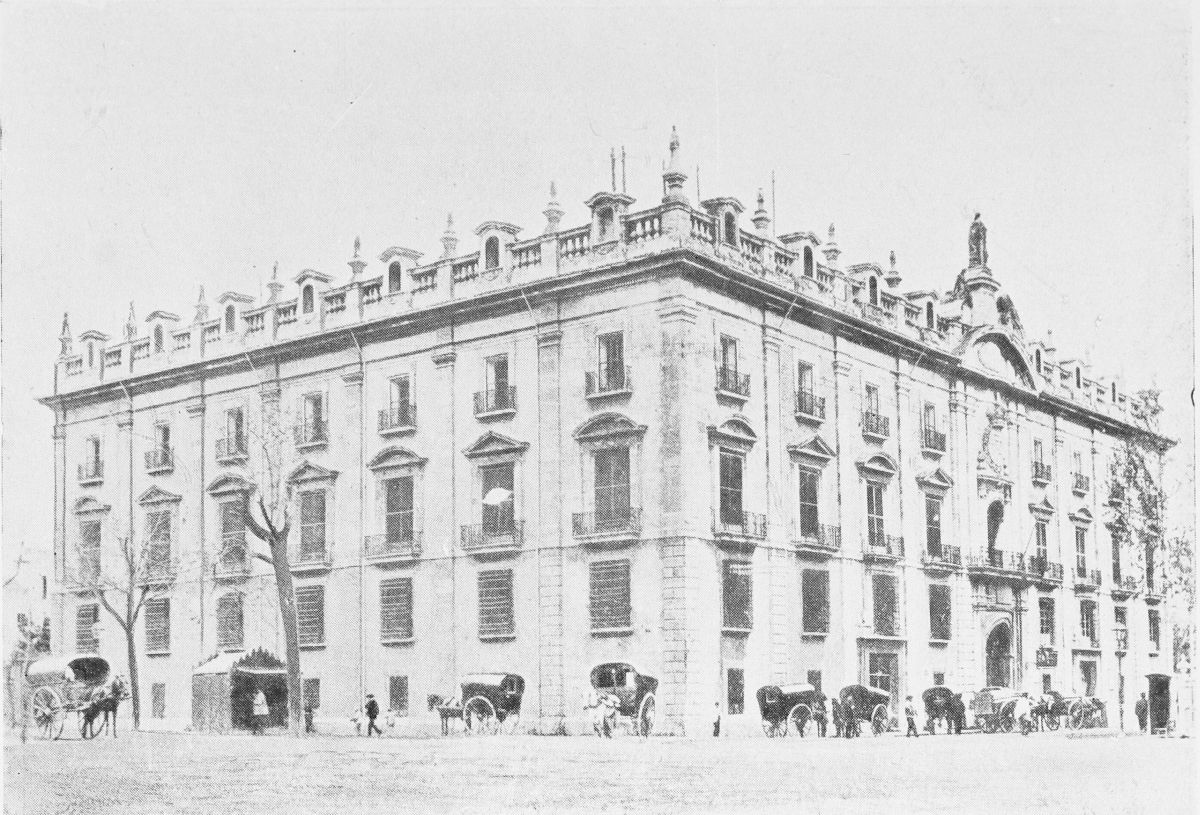
Plate 58 VALENCIA: A PRIVATE HOUSE
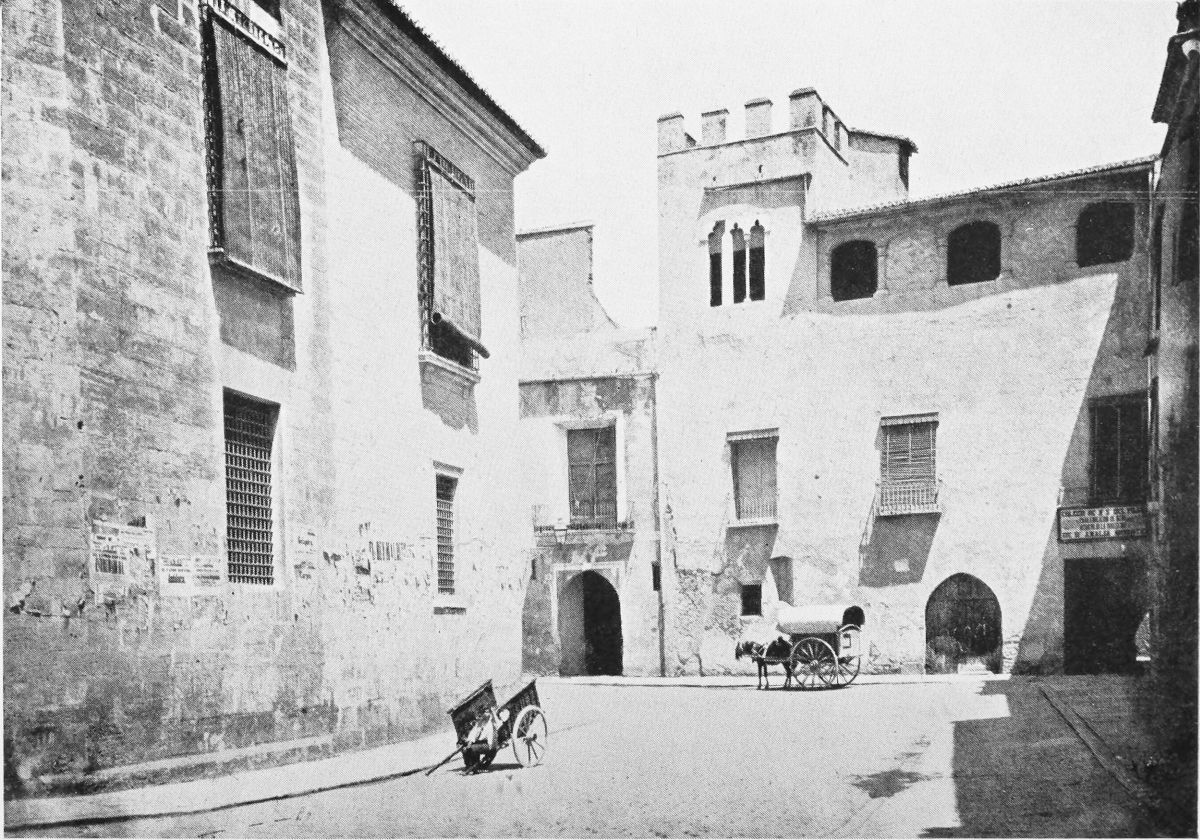
Plate 59 VALENCIA: STATUE OF KING JAIME
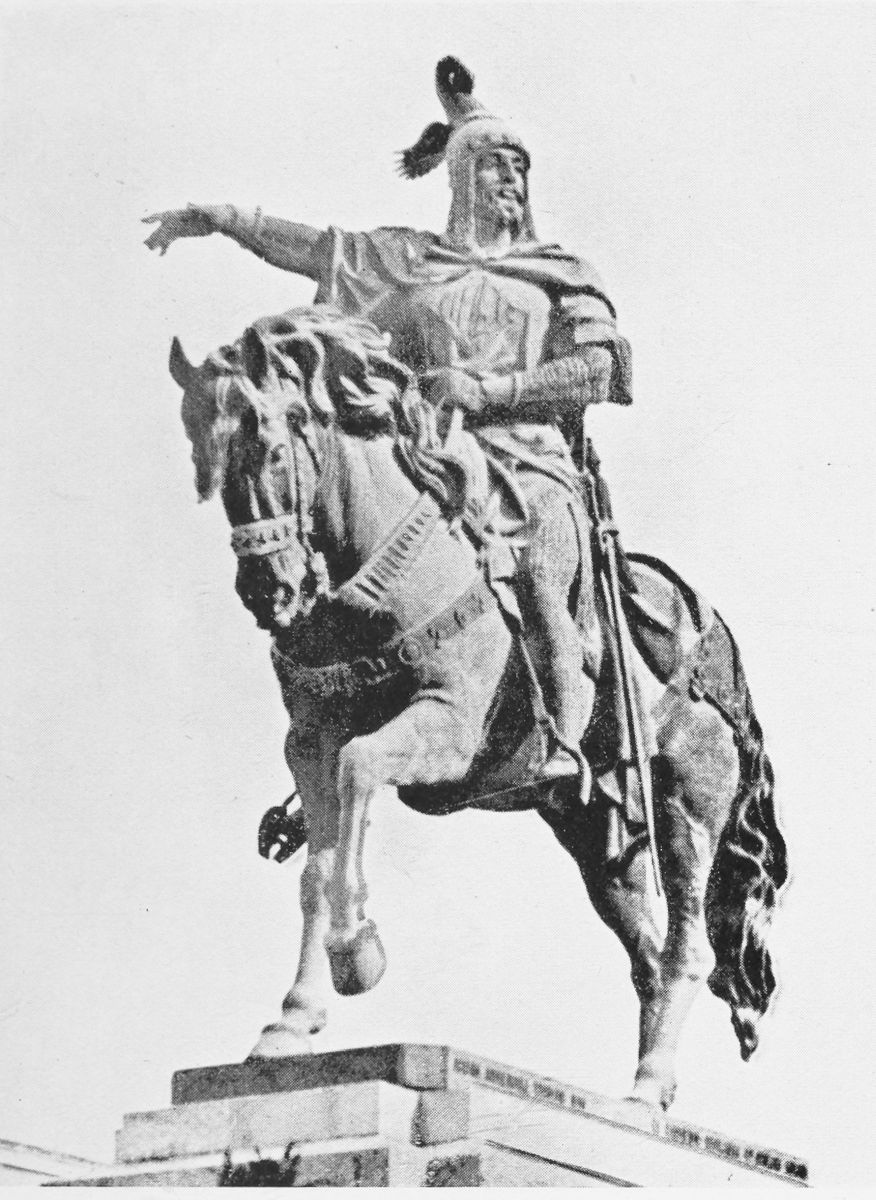
Plate 60 VALENCIA: STATUE OF RIBERA
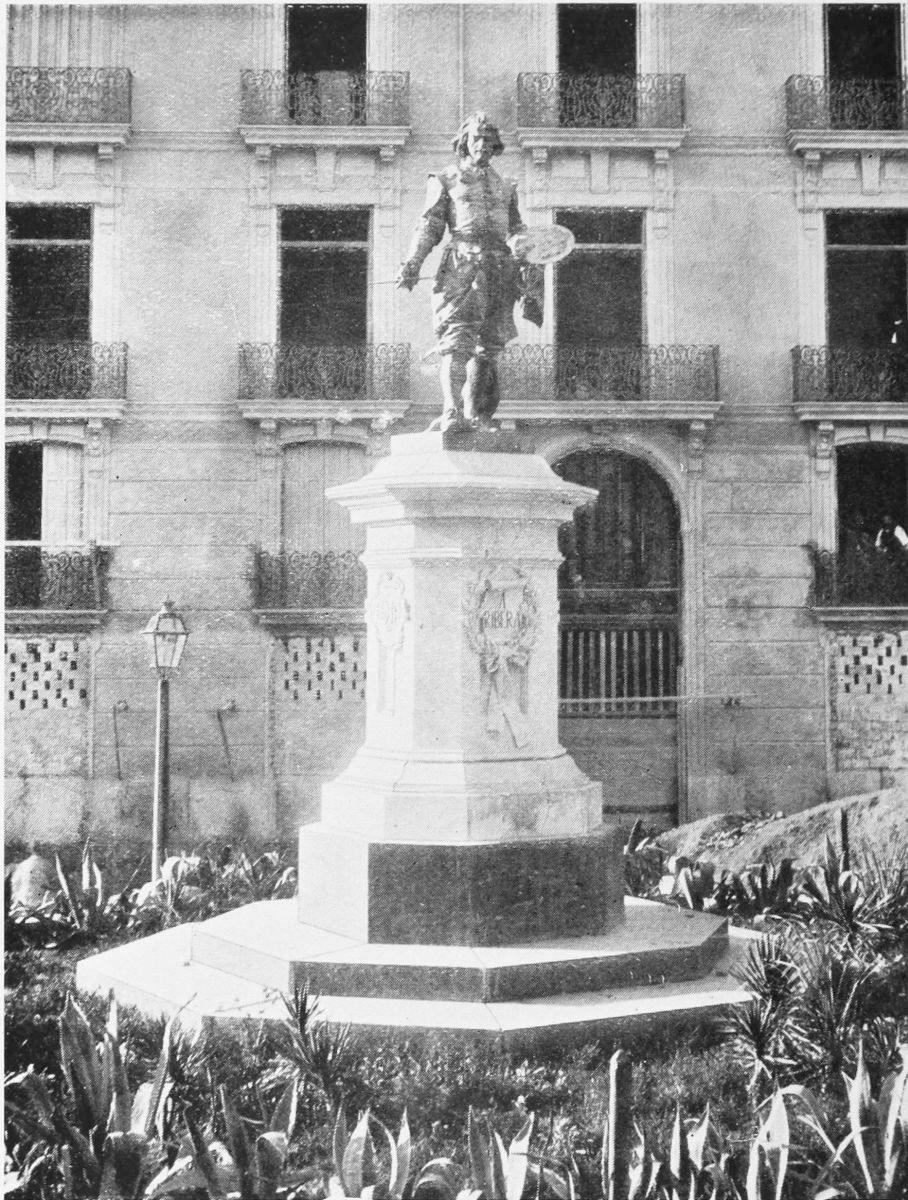
Plate 61 VALENCIA: STATUE OF ST. CHRISTOPHER
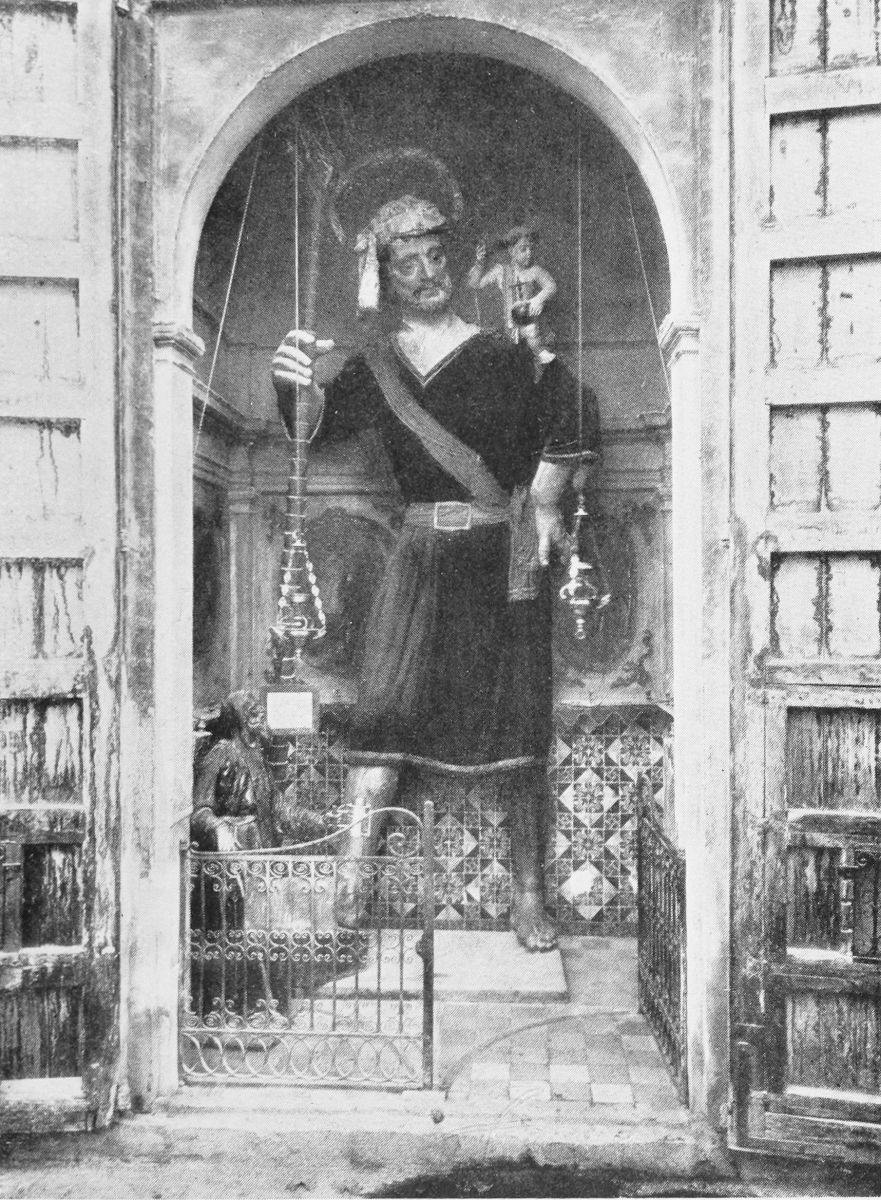
Plate 62 VALENCIA: PALACE OF THE MARQUÉS DE DOS AGUAS
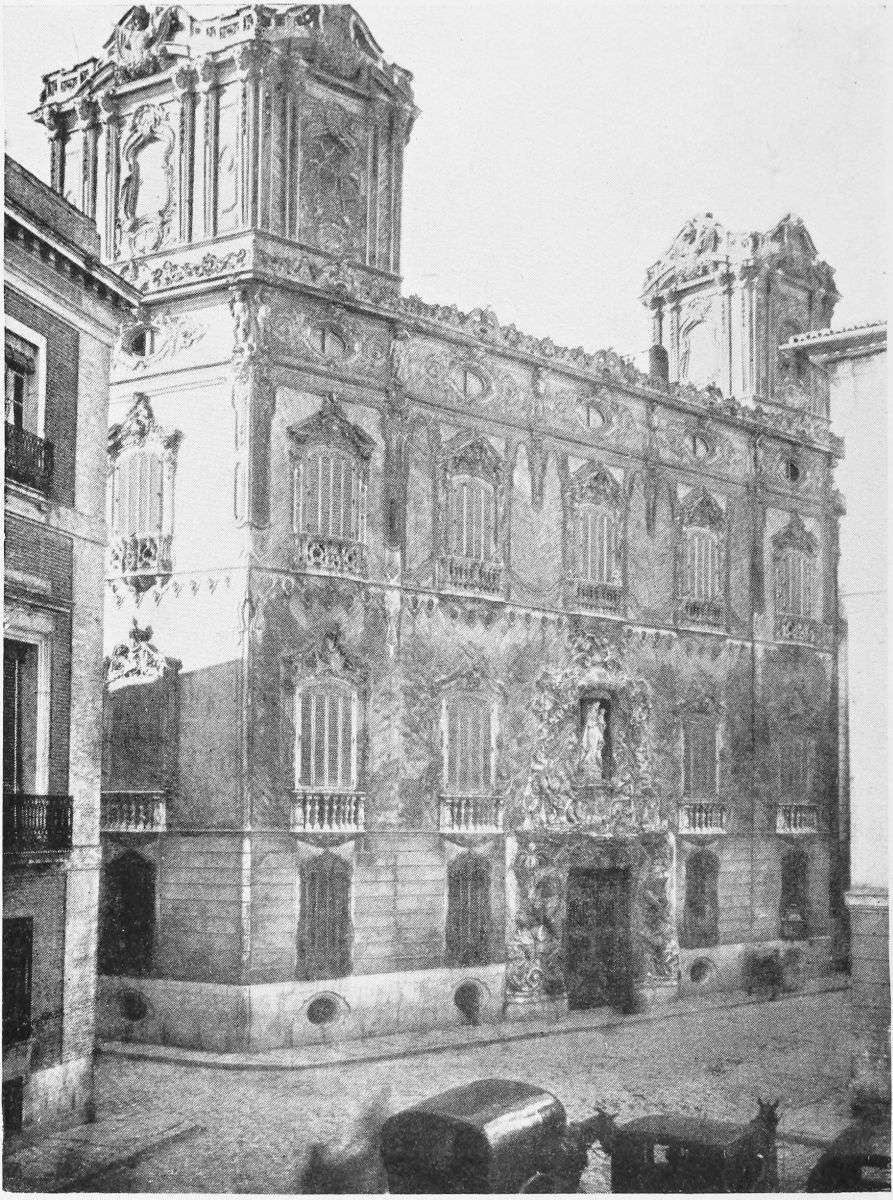
Plate 63 VALENCIA: PALACE OF THE MARQUÉS DE DOS AGUAS
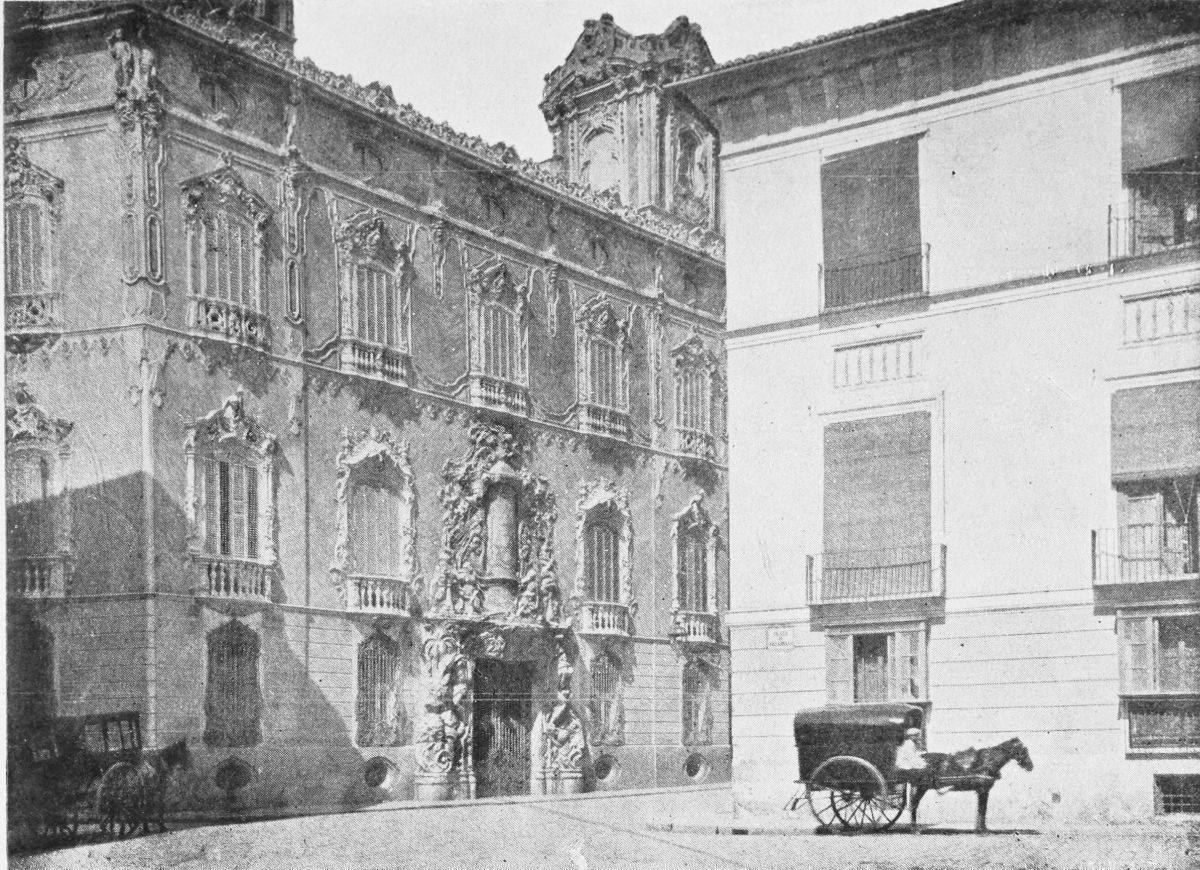
Plate 64 VALENCIA: PORTAL OF THE PALACE OF THE MARQUÉS DE DOS AGUAS
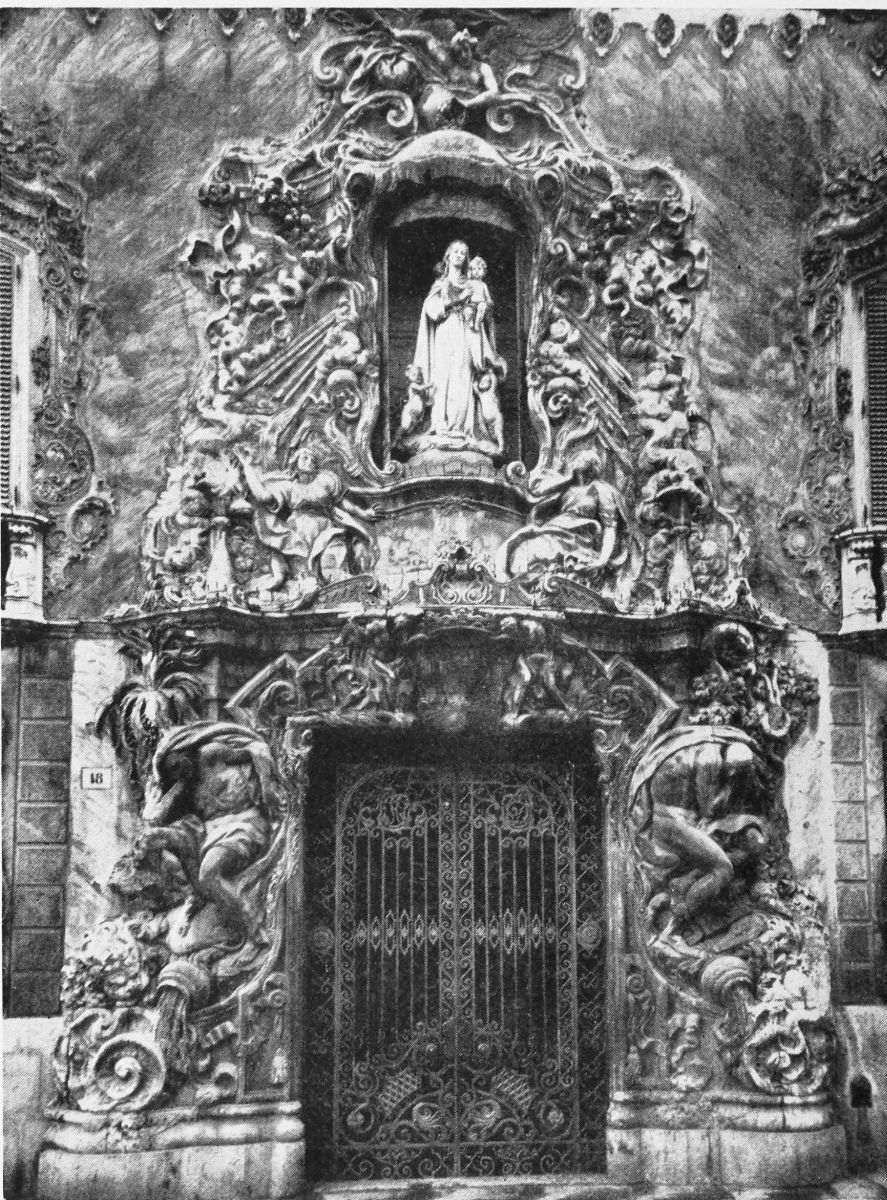
Plate 65 VALENCIA: PALACE OF THE MARQUES DE RIPALDA
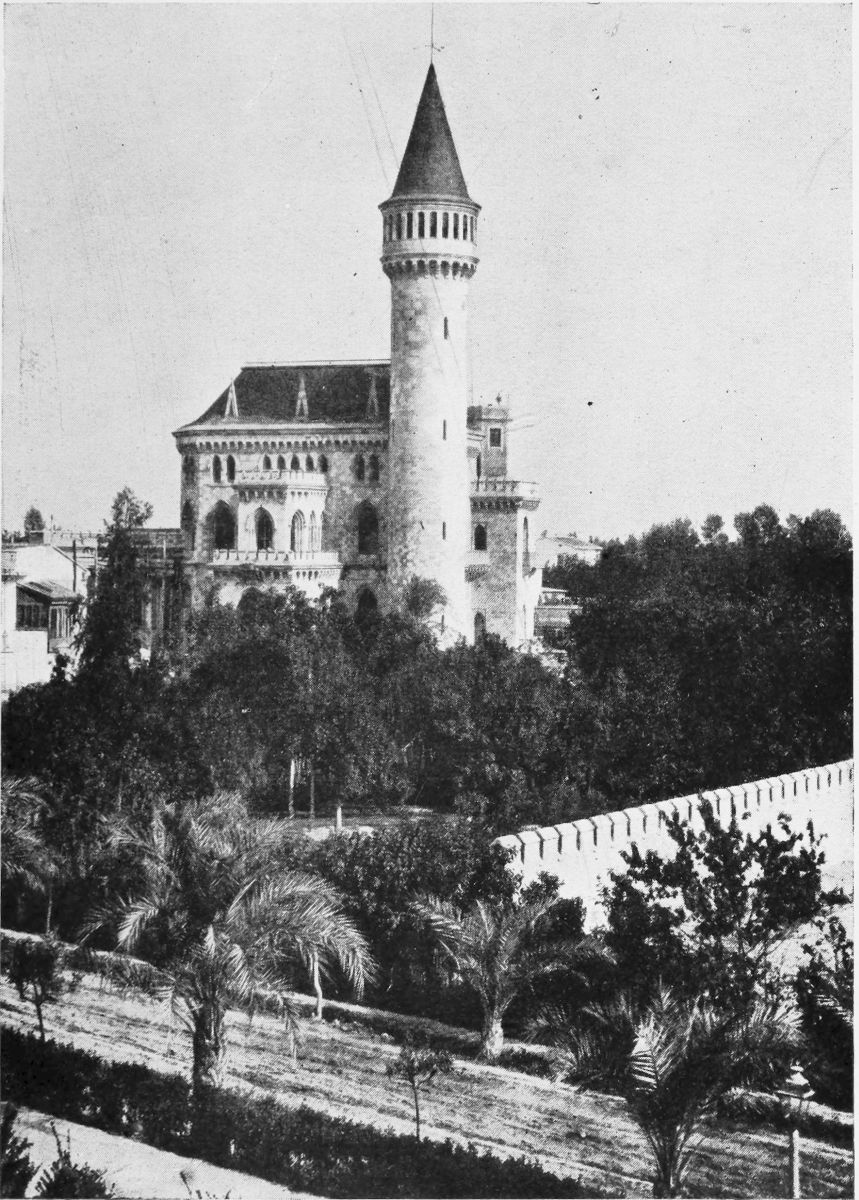
Plate 66 GENERAL VIEW OF GRAO
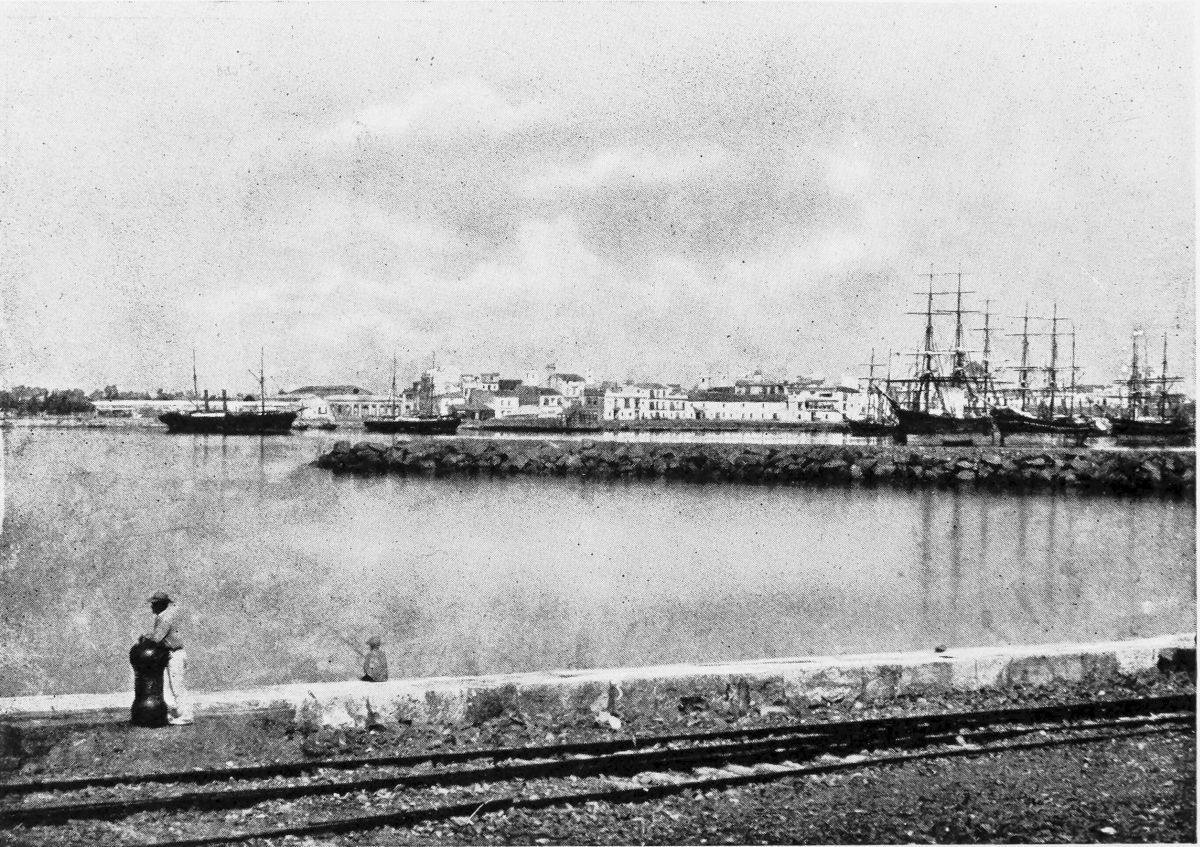
Plate 67 GRAO HARBOUR
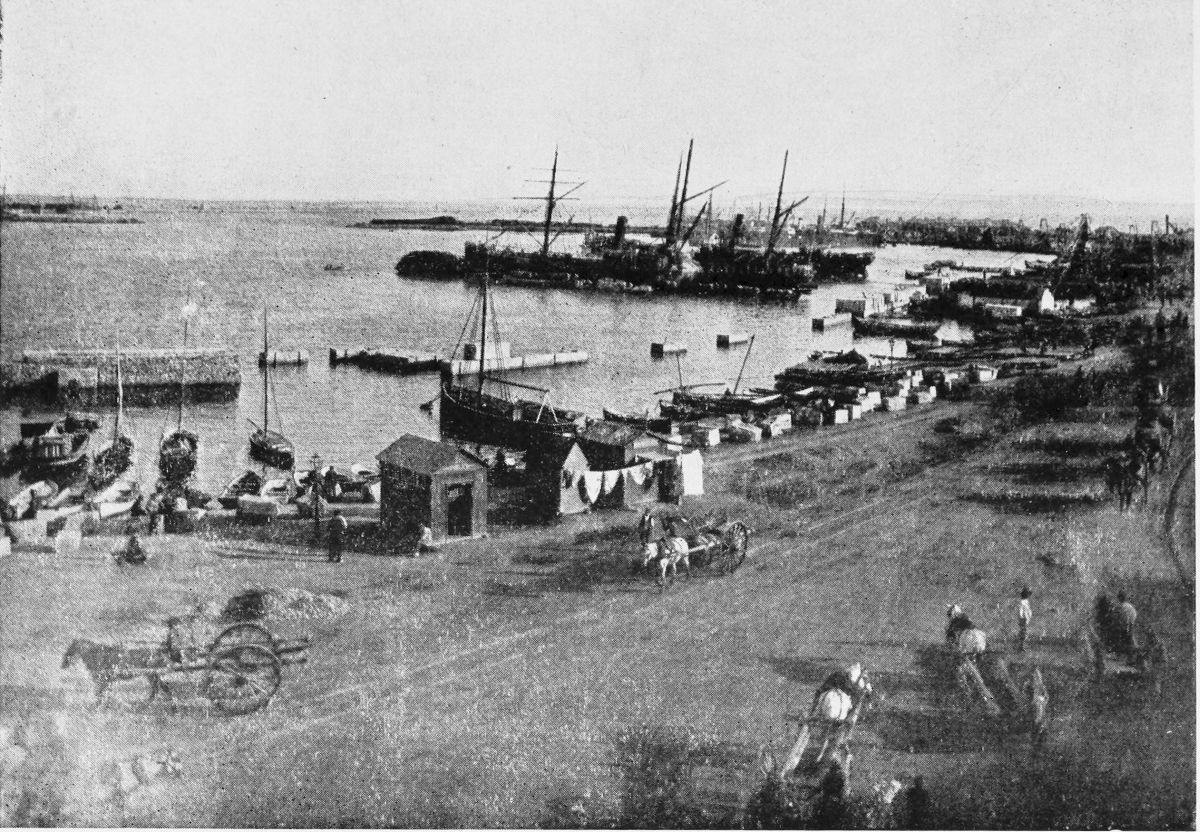
Plate 68 GRAO HARBOUR
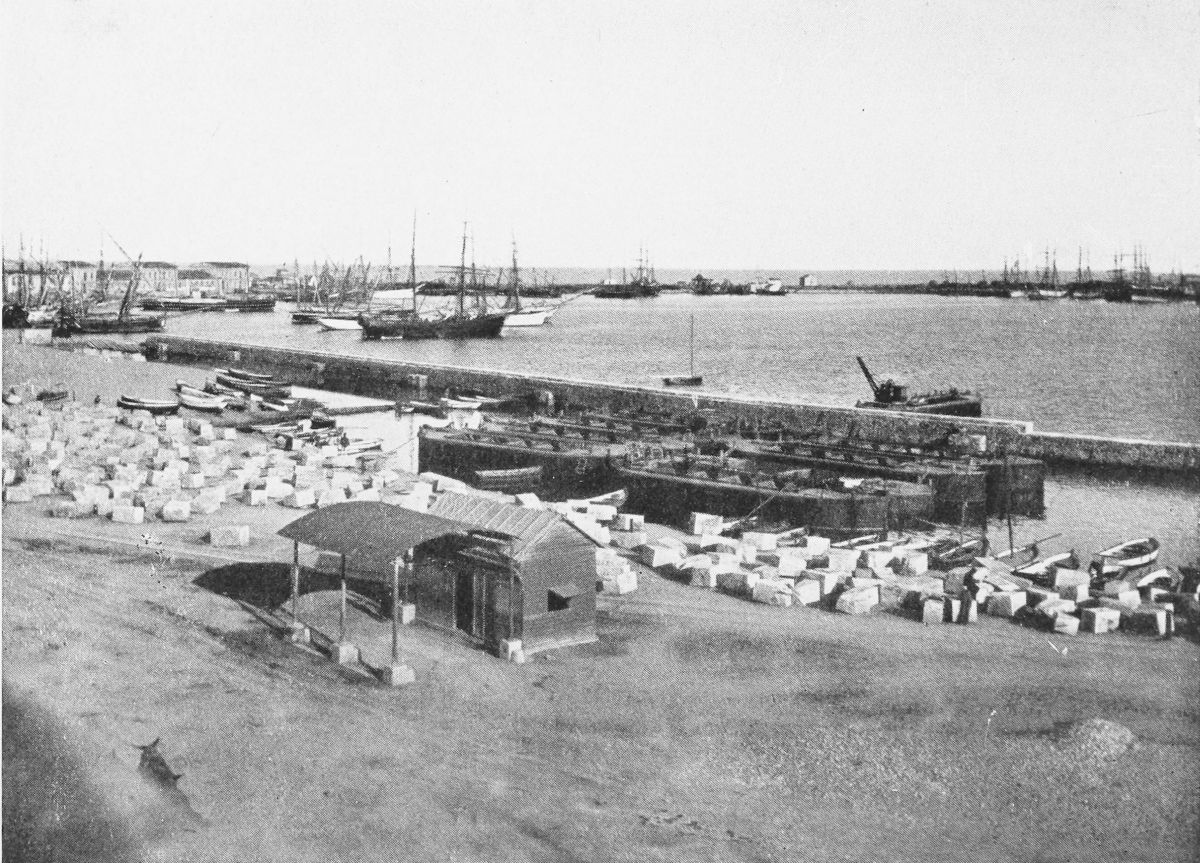
Plate 69 GRAO HARBOUR
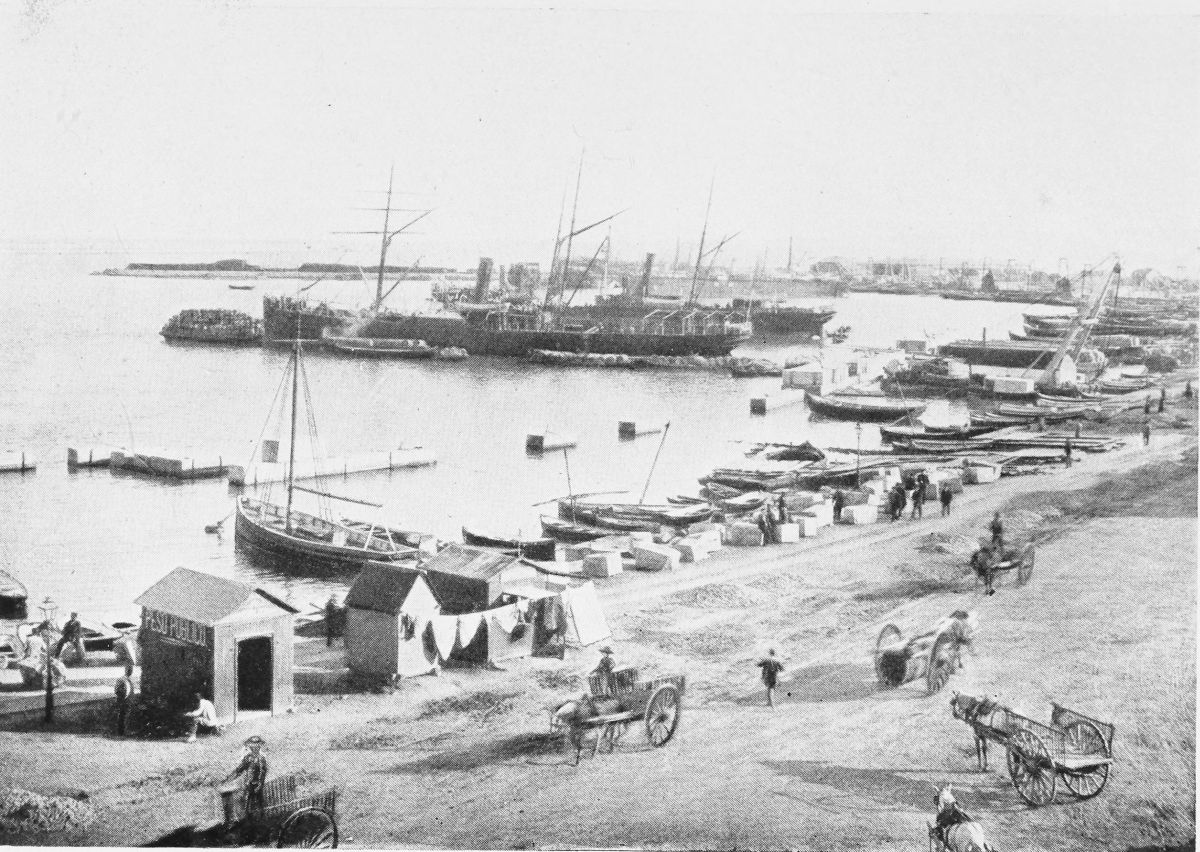
Plate 70 CAMINO DEL GRAO: HERMITAGE OF AVE MARIA
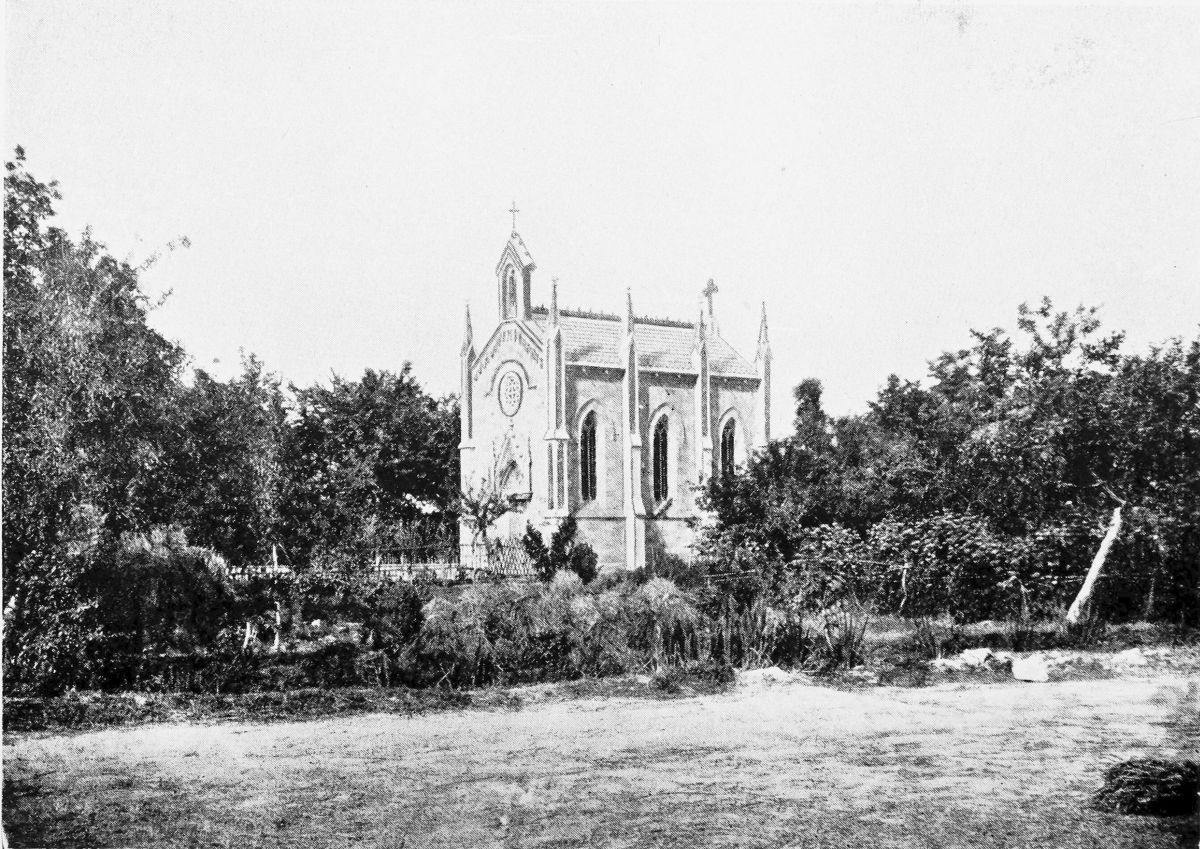
Plate 71 VALENCIA: A “TARTANA,” OR CHAR-À-BANC
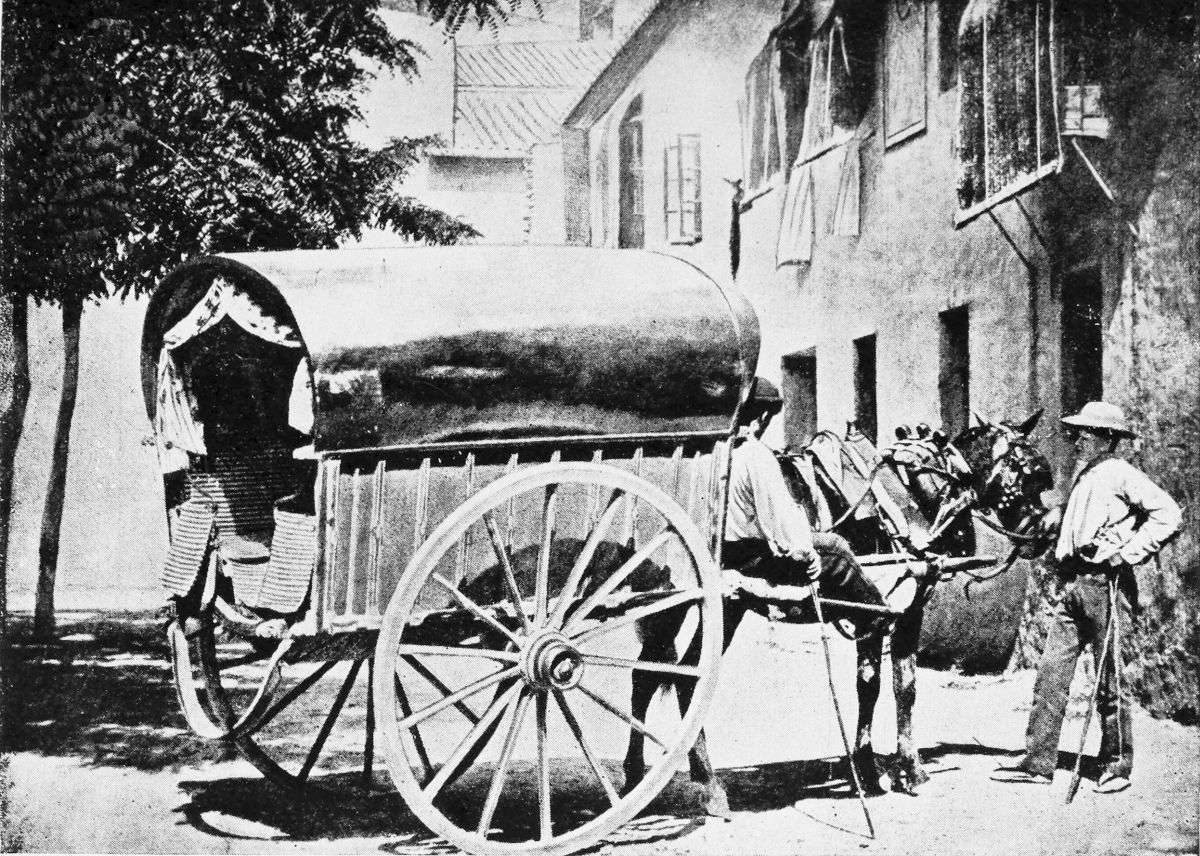
Plate 72 VALENCIA: PEASANTS
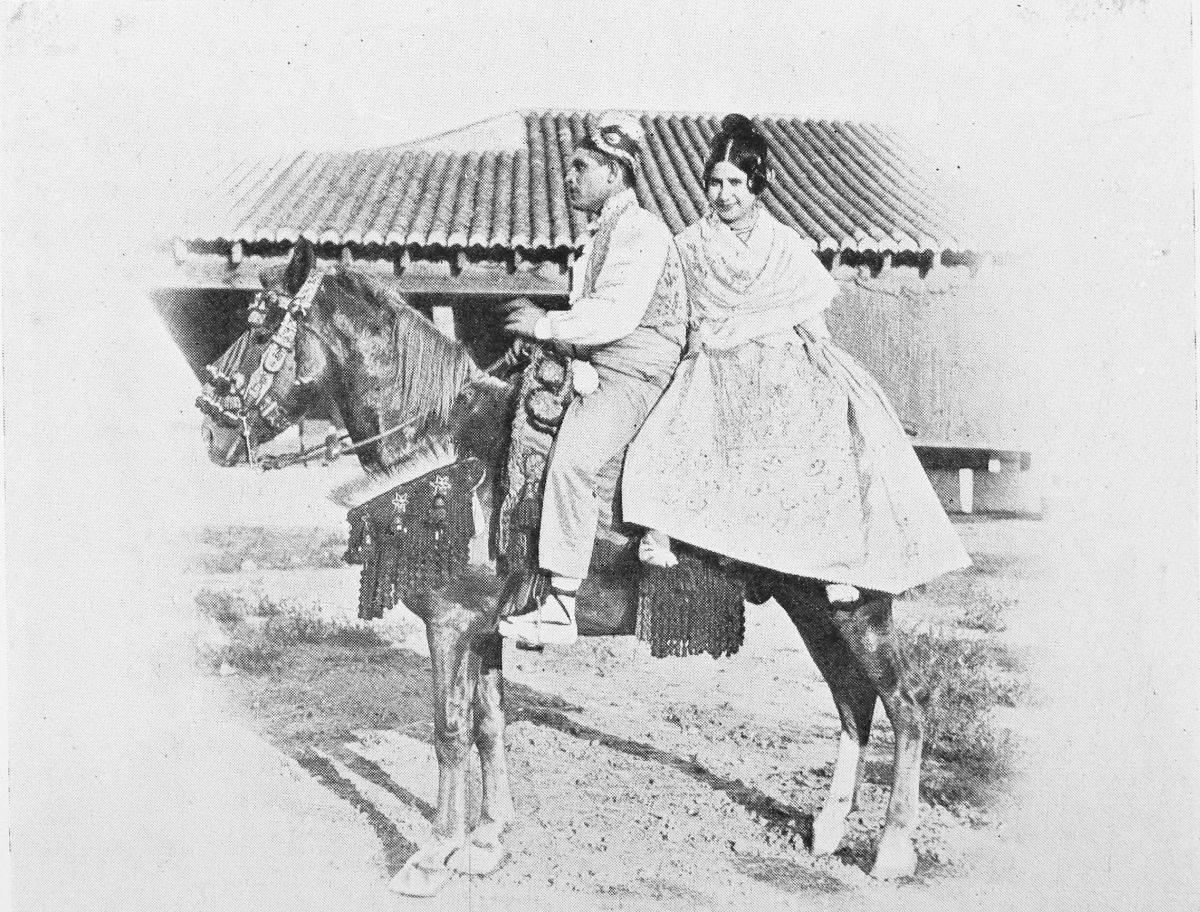
Plate 73 VALENCIA: PEASANTS
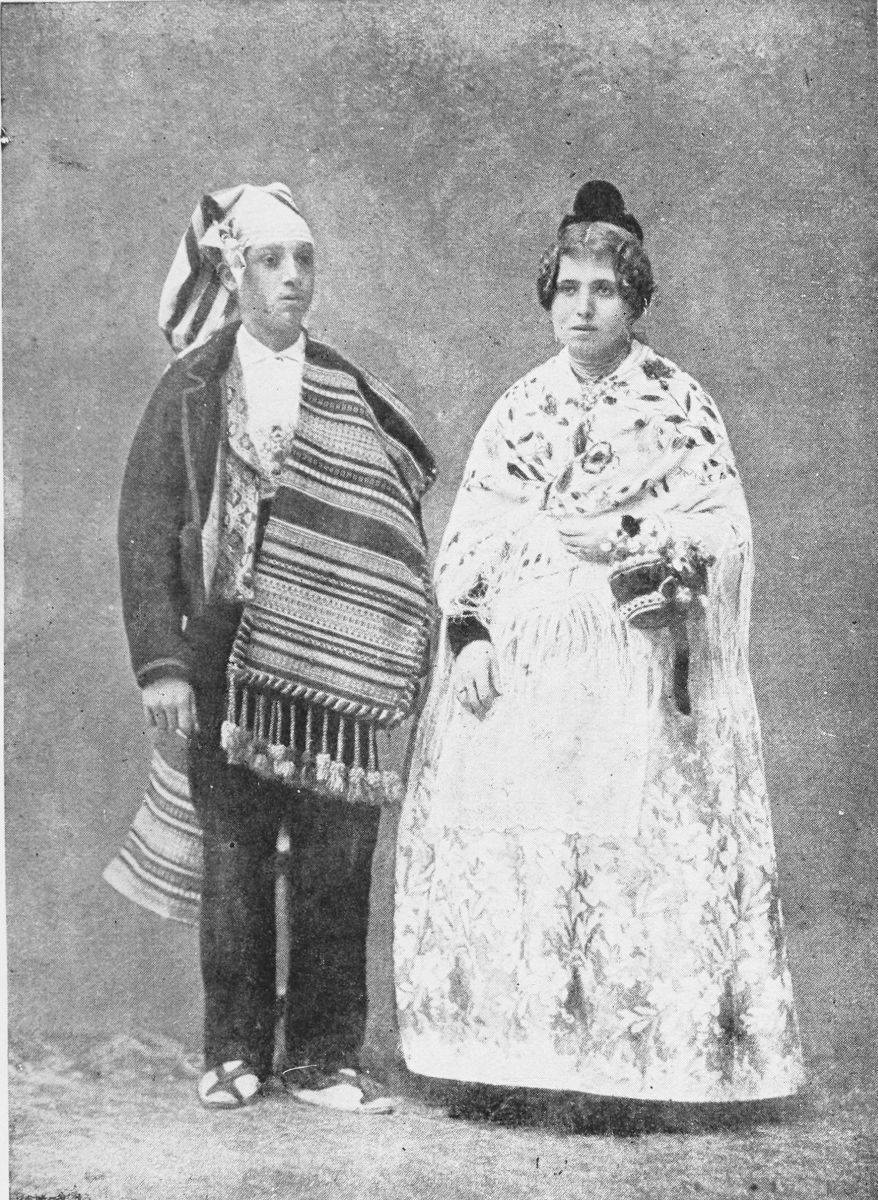
Plate 74 VALENCIA: PEASANTS
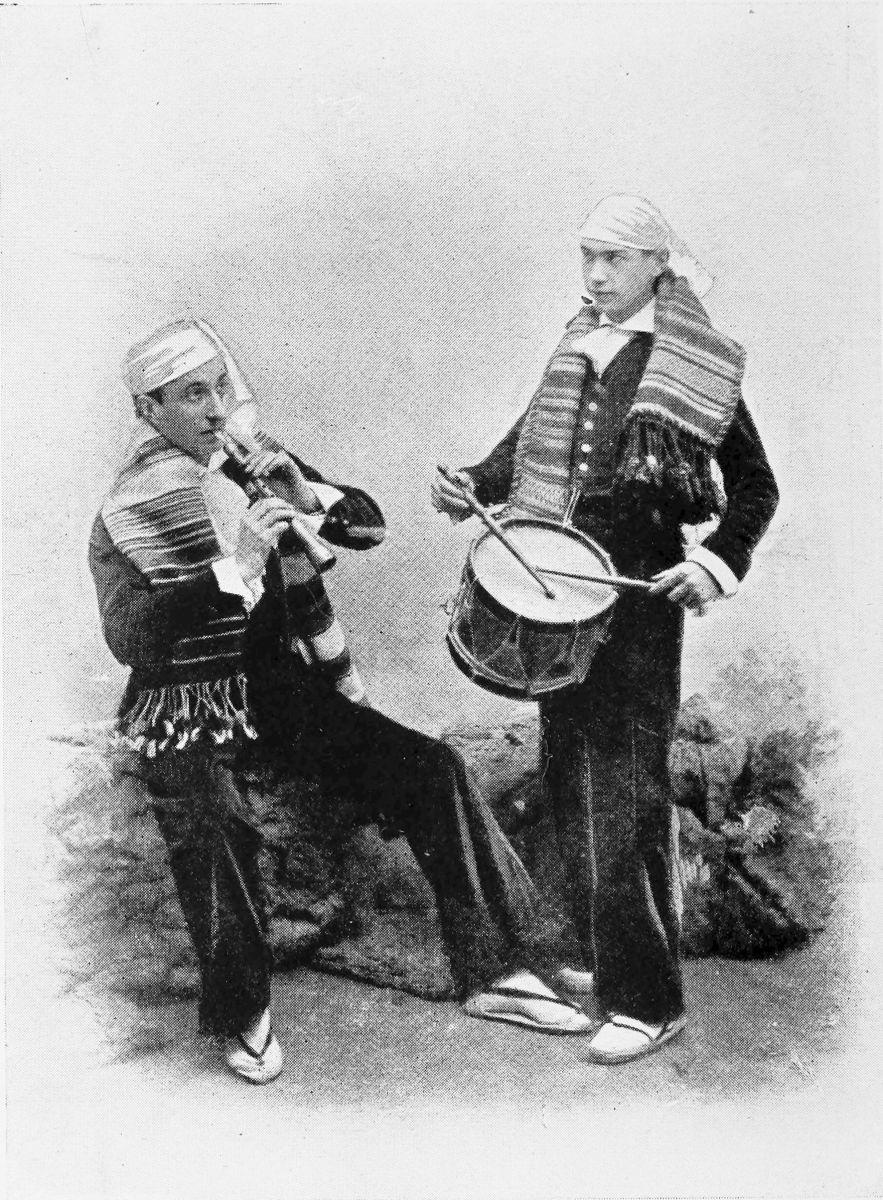
Plate 75 VALENCIA: TYPES OF WOMEN
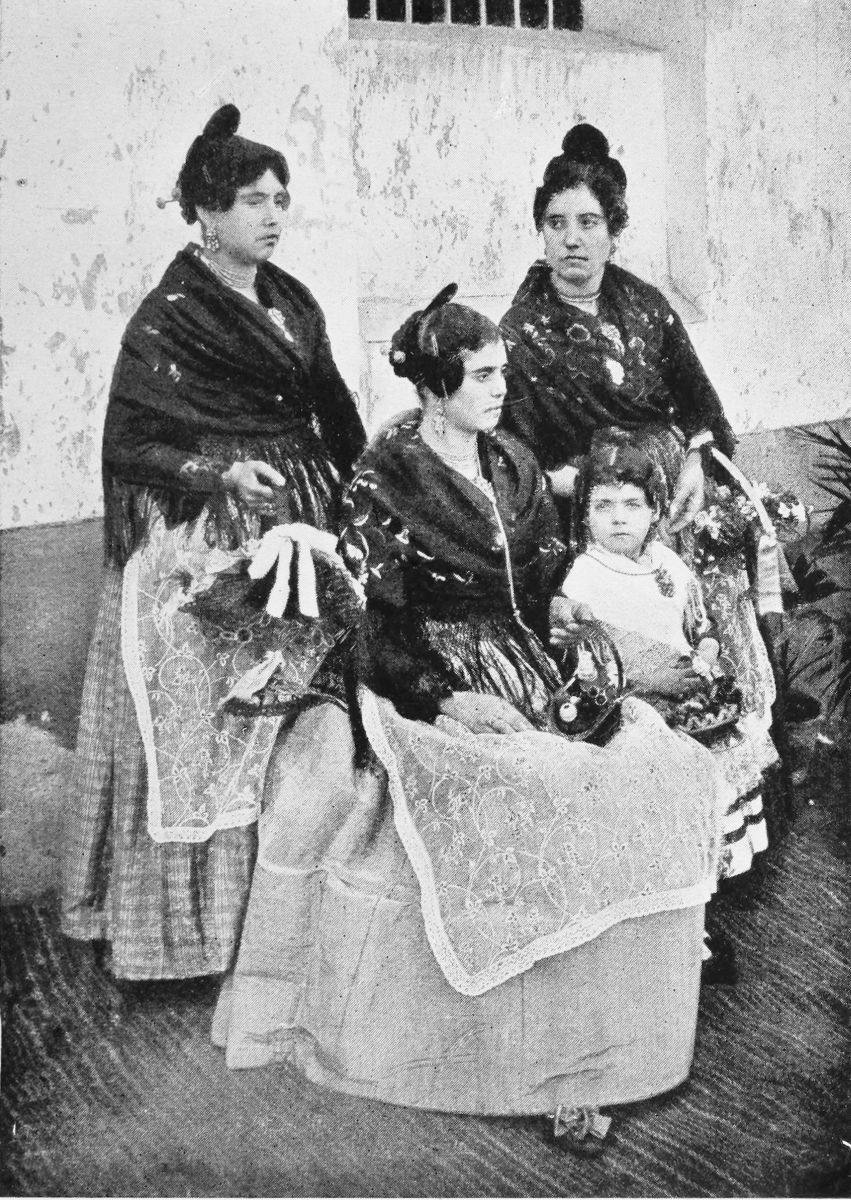
Plate 76 VALENCIA: TRIBUNAL DES EAUX
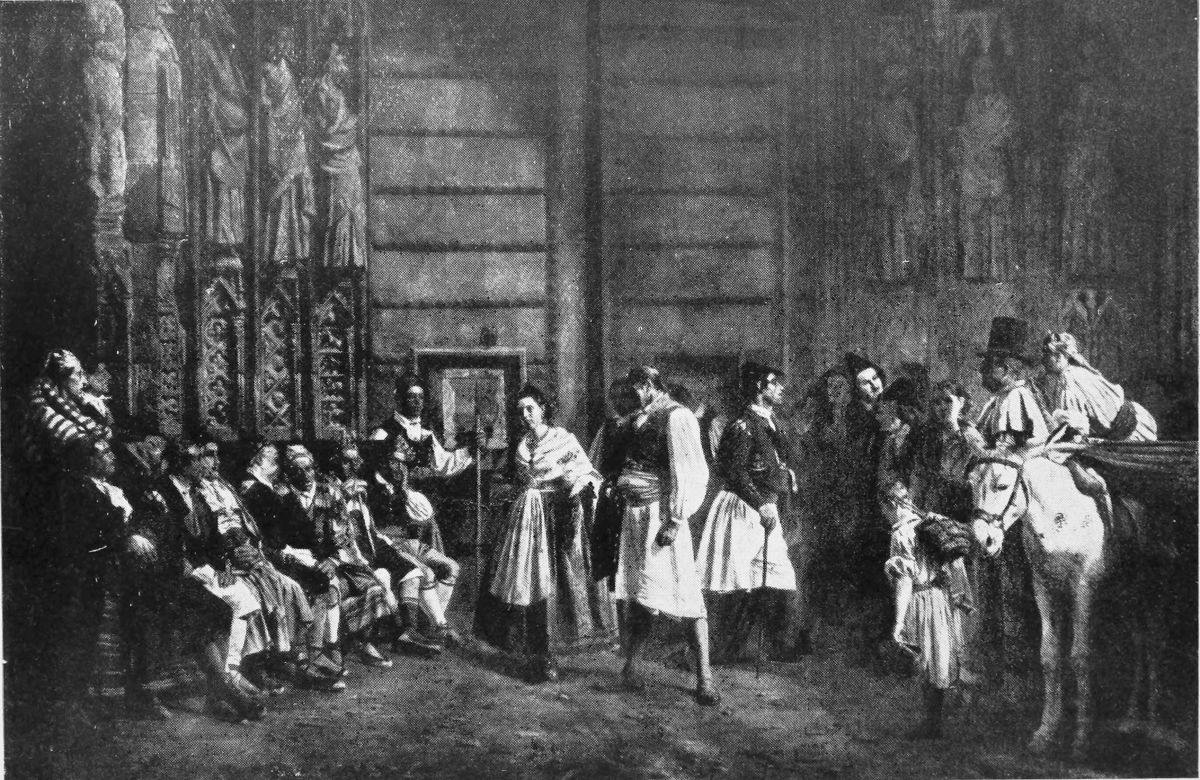
Plate 77 VALENCIA: BARBERS ON THE BRIDGE OF SERRANOS
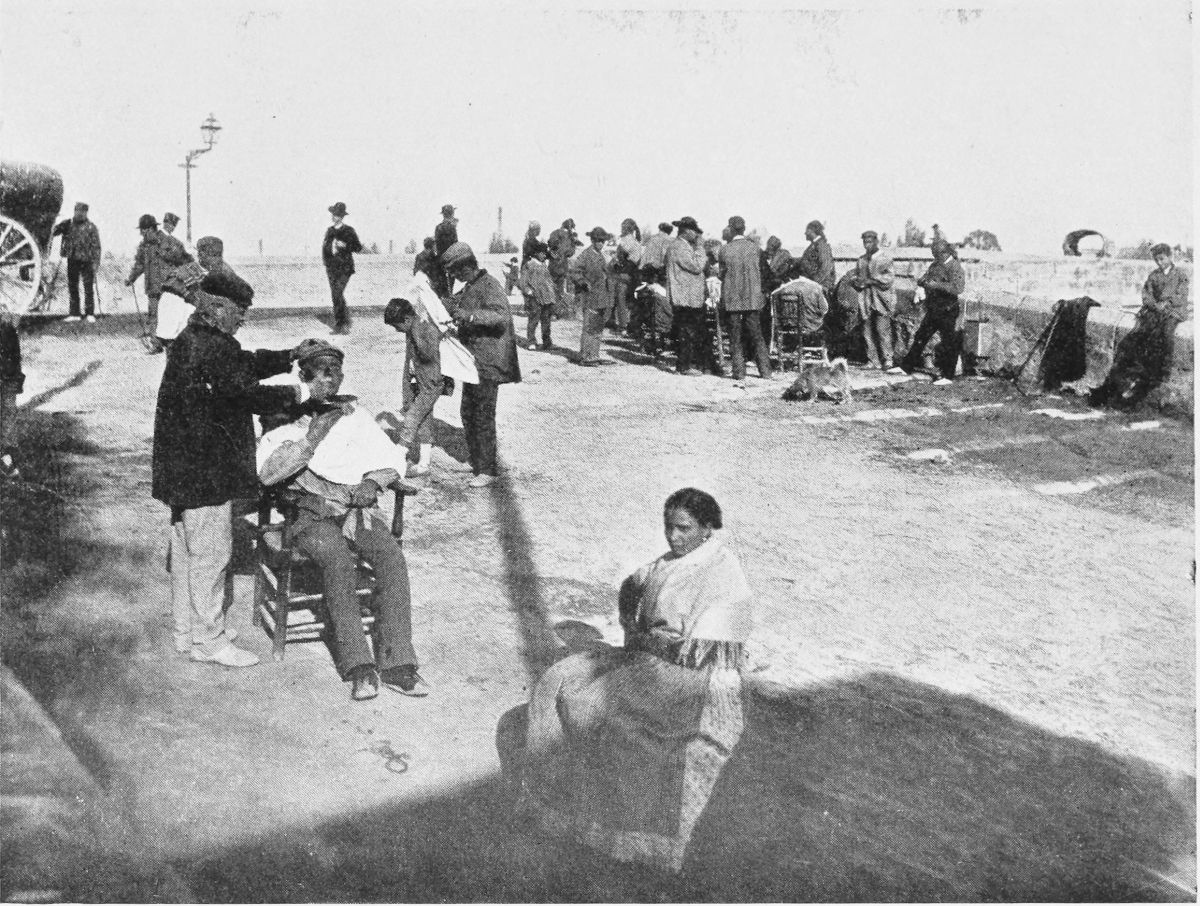
Plate 78 VALENCIA: ZIGZAG OF THE CABRILLAS
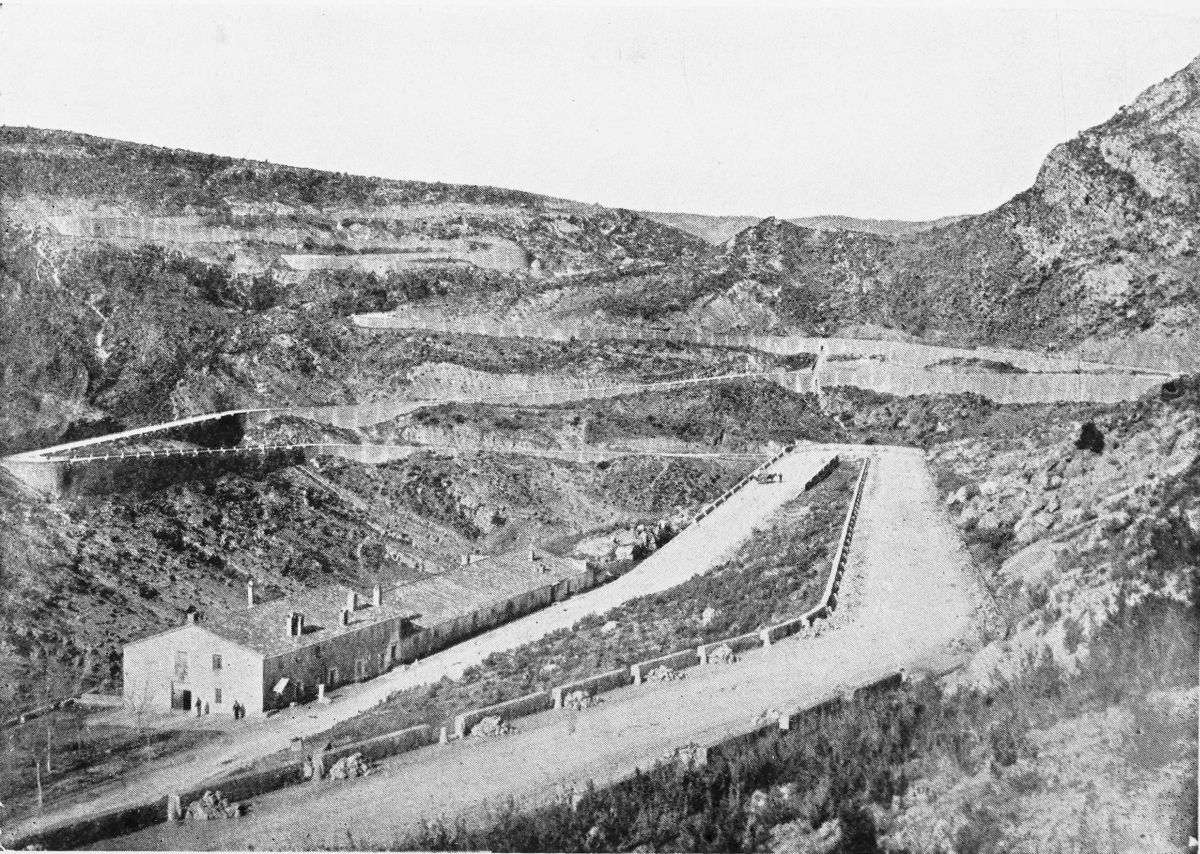
Plate 79 ENVIRONS OF VALENCIA: A ROAD IN CABAÑAL
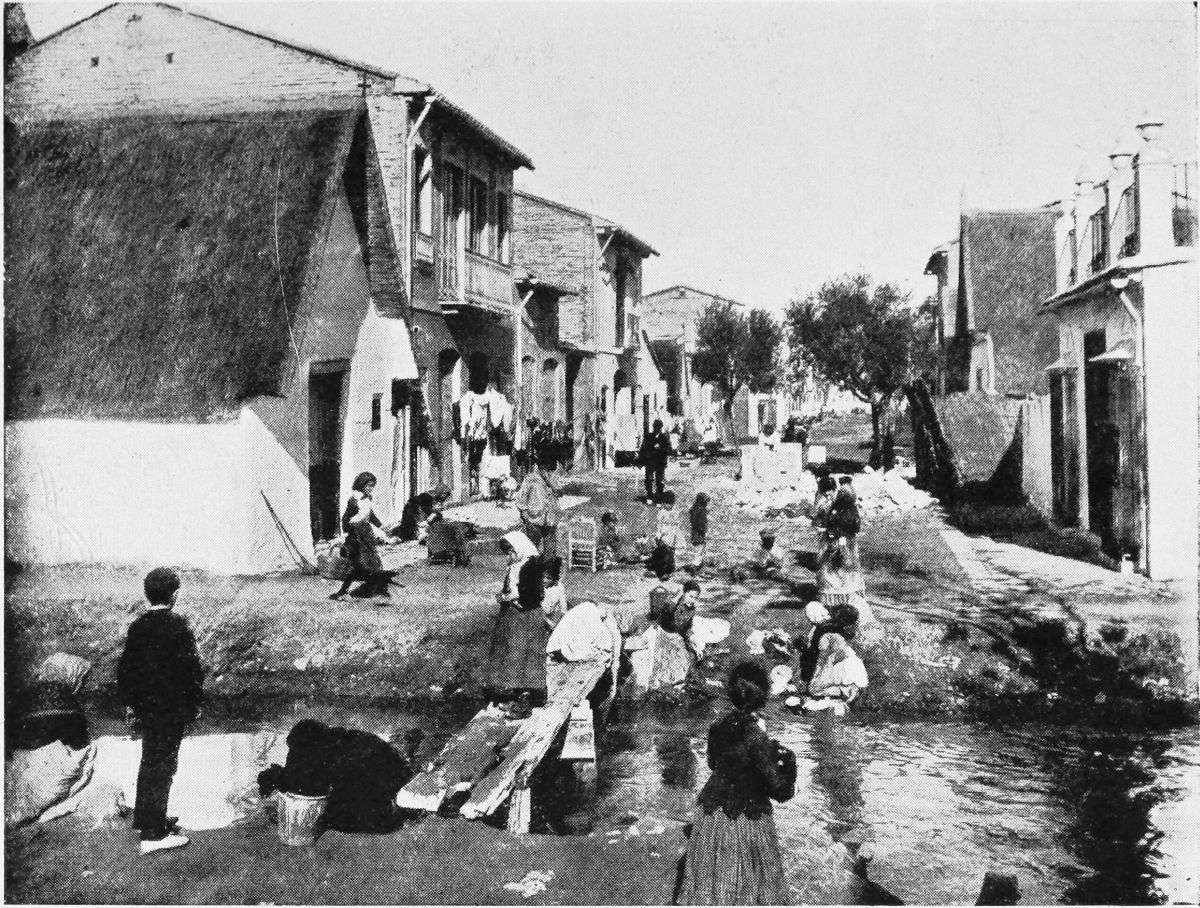
Plate 80 ENVIRONS OF VALENCIA: A ROAD IN CABAÑAL
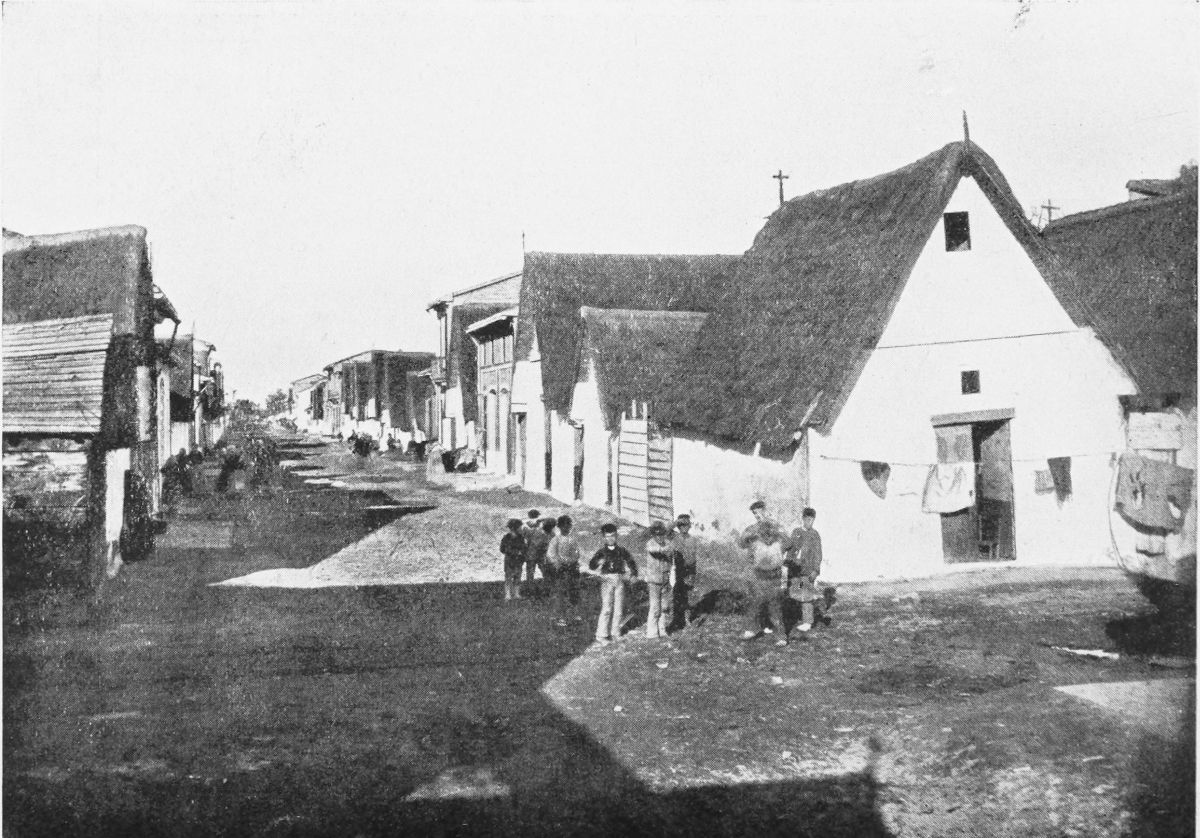
Plate 81 VALENCIA: THE SHORES OF THE MEDITERRANEAN
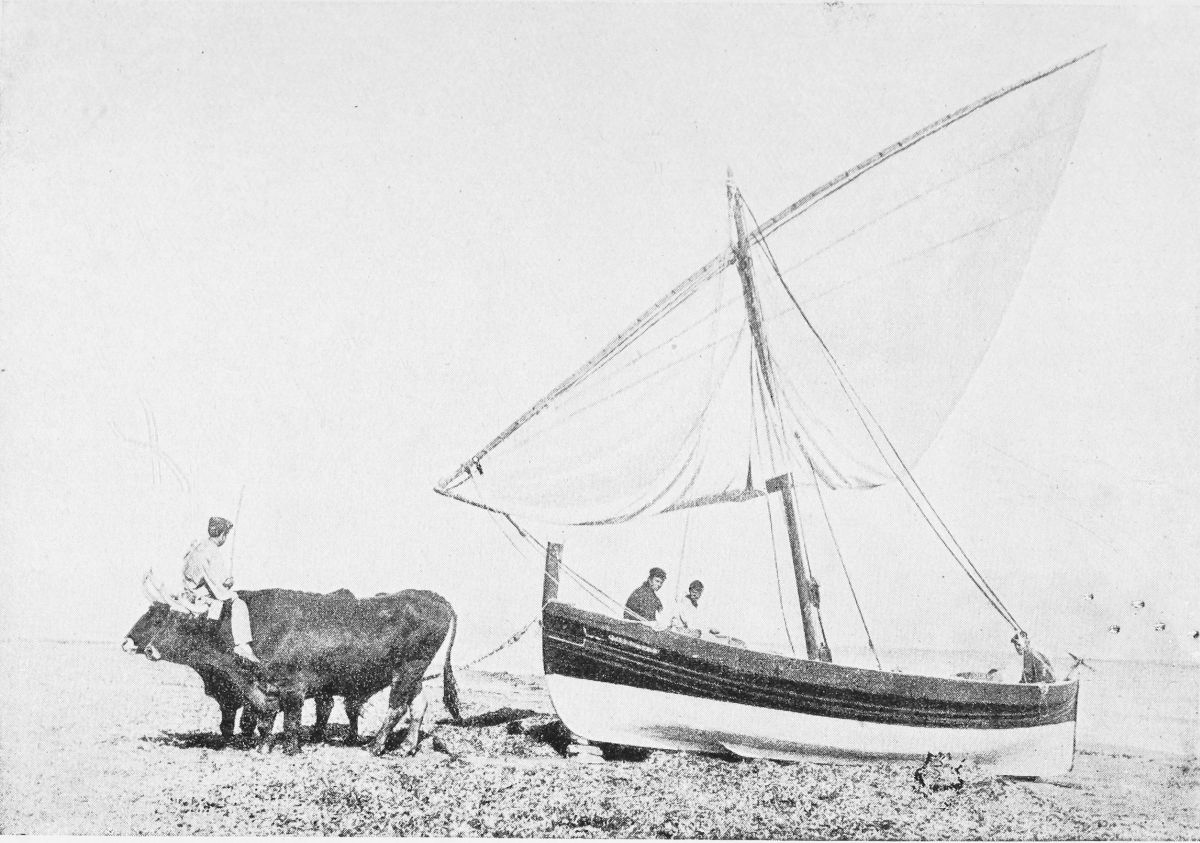
Plate 82 VALENCIA: THE SHORES OF THE MEDITERRANEAN
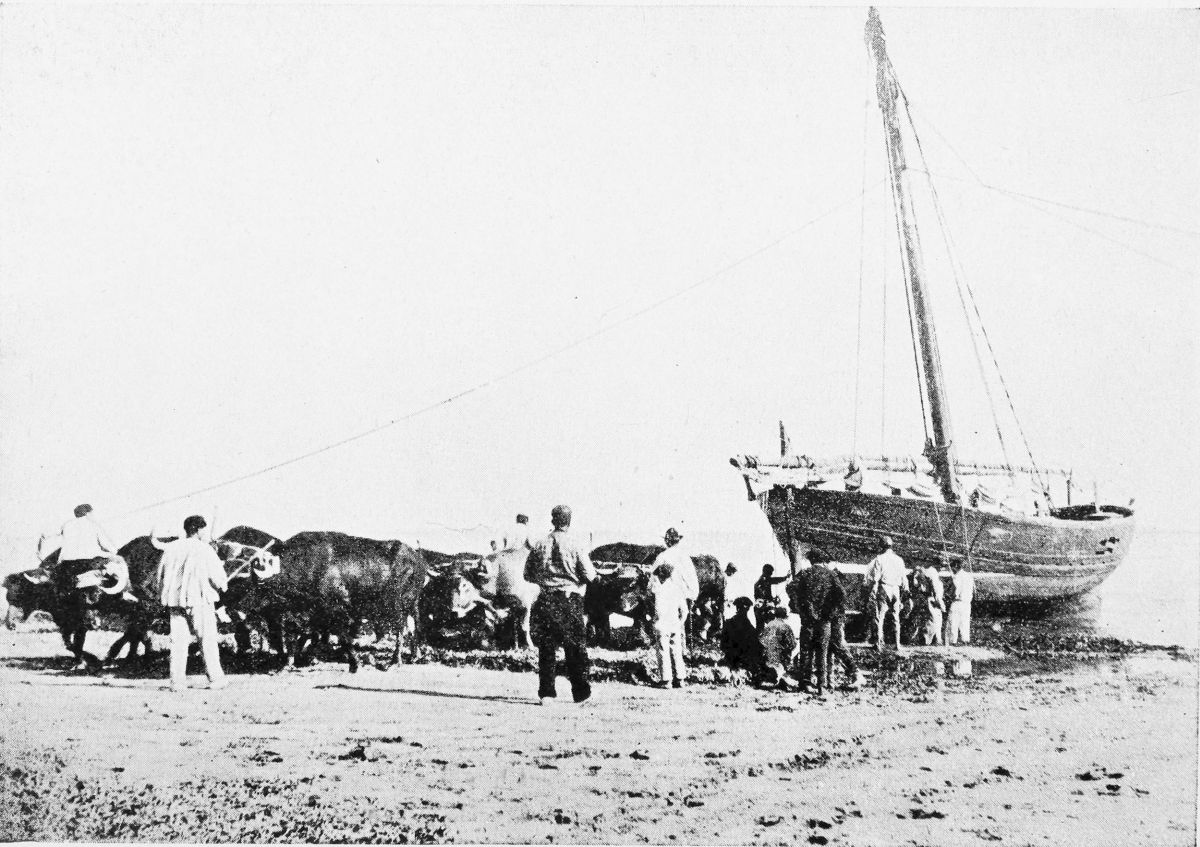
Plate 83 MURVIEDRO: GENERAL VIEW
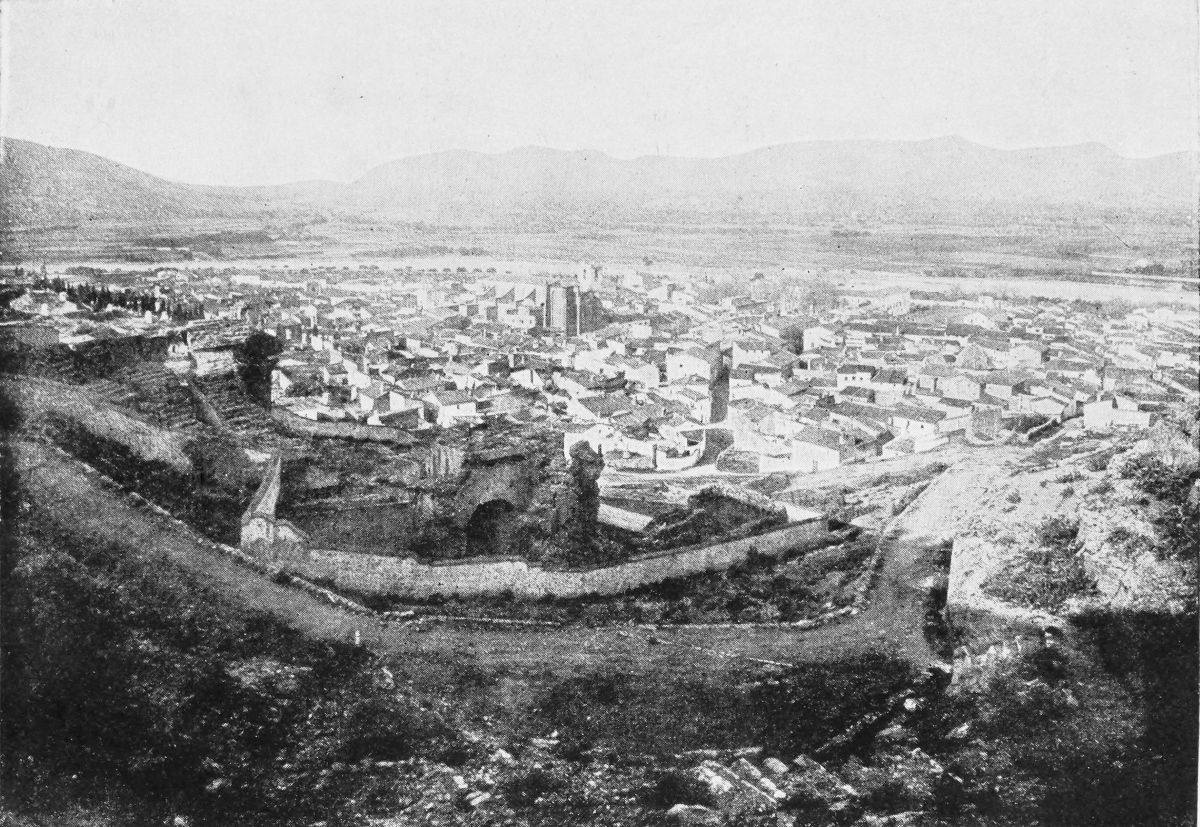
Plate 84 MURVIEDRO: GENERAL VIEW
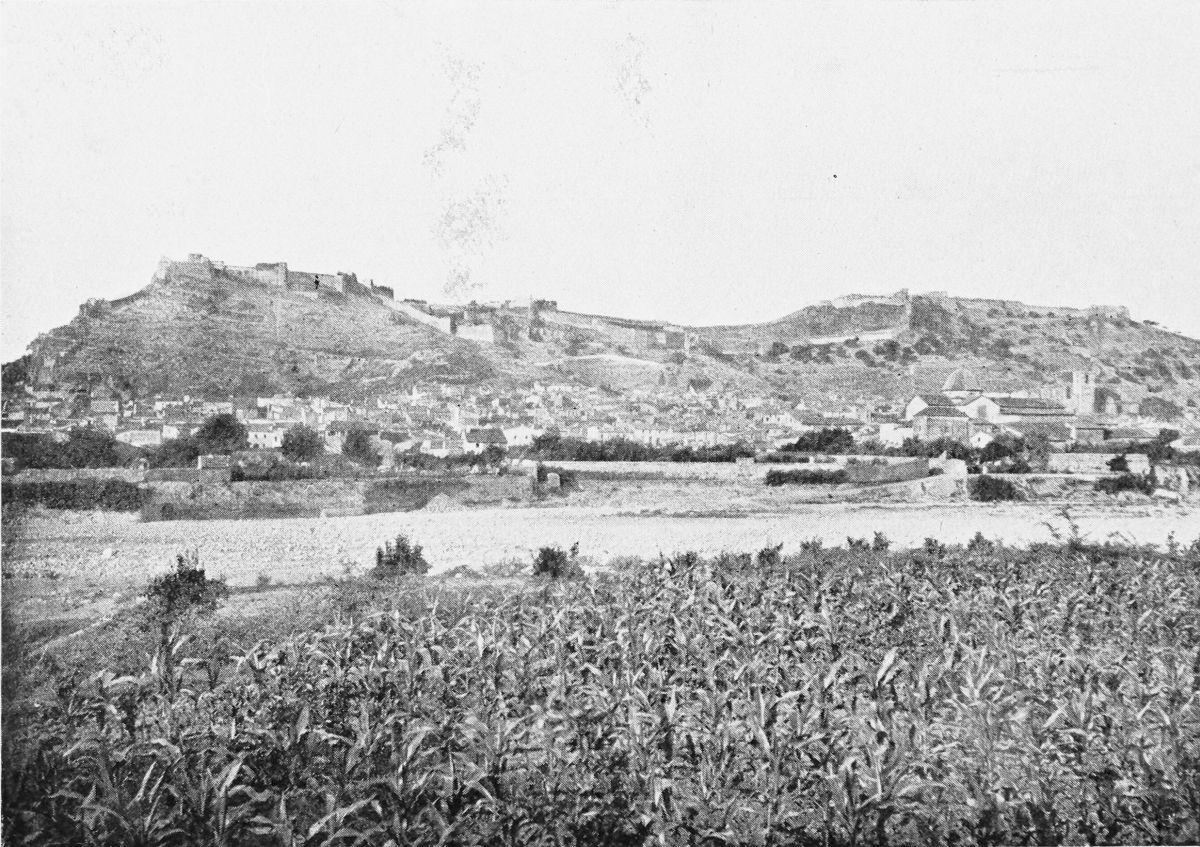
Plate 85 MURVIEDRO: VIEW FROM THE STATION
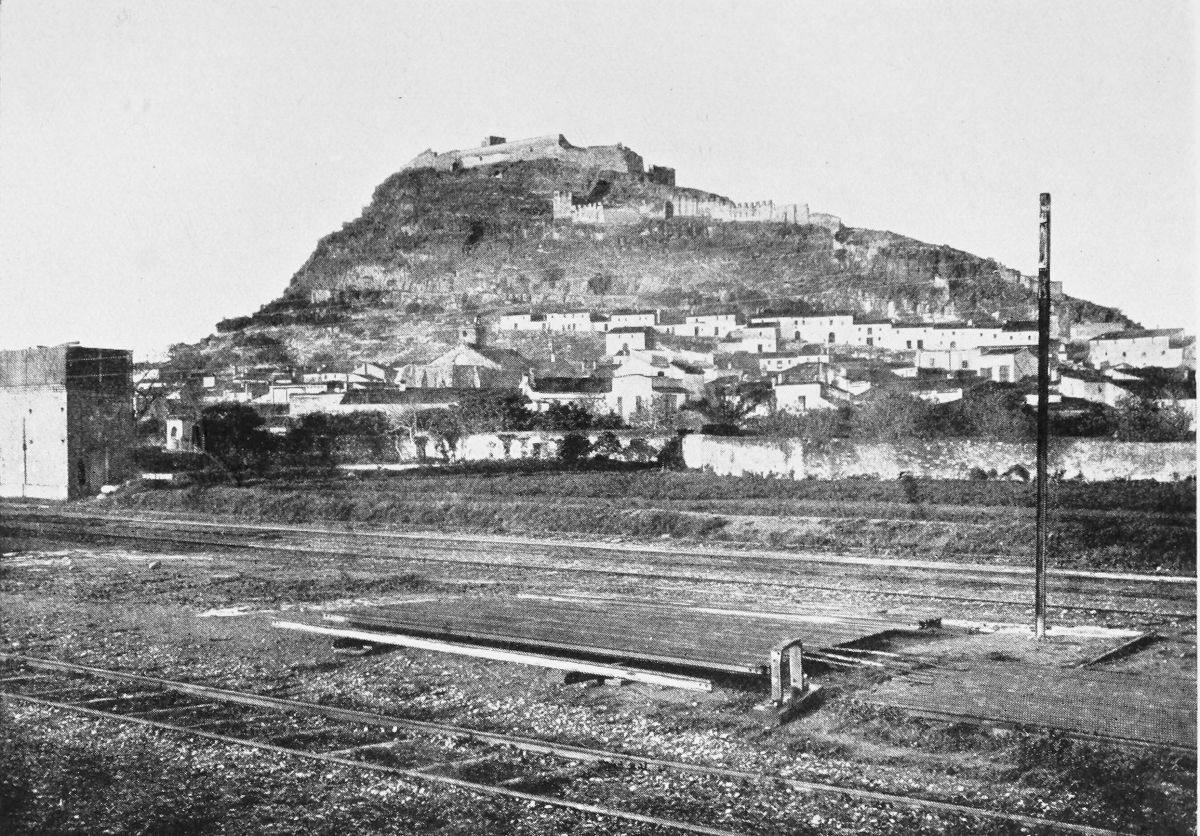
Plate 86 MURVIEDRO: VIEW FROM THE CASTLE
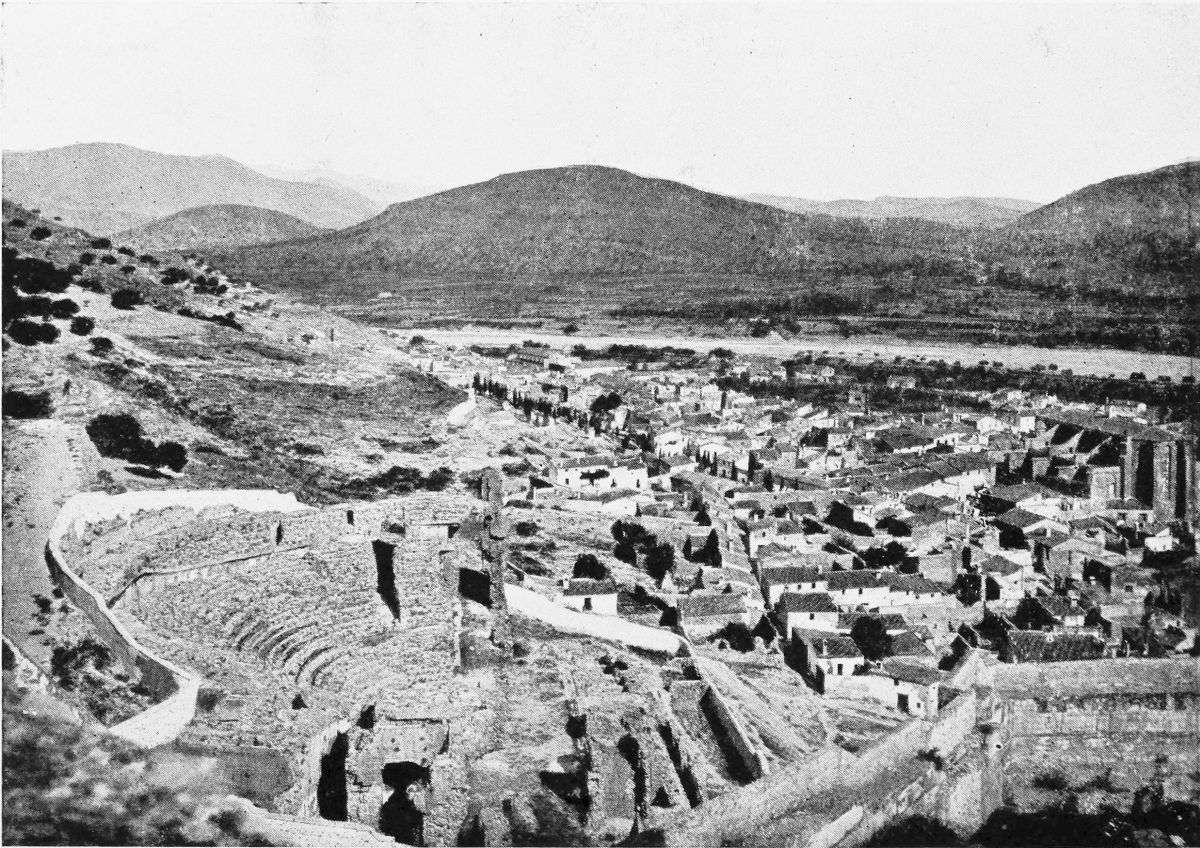
Plate 87 MURVIEDRO: THE CASTLE AND TOWN
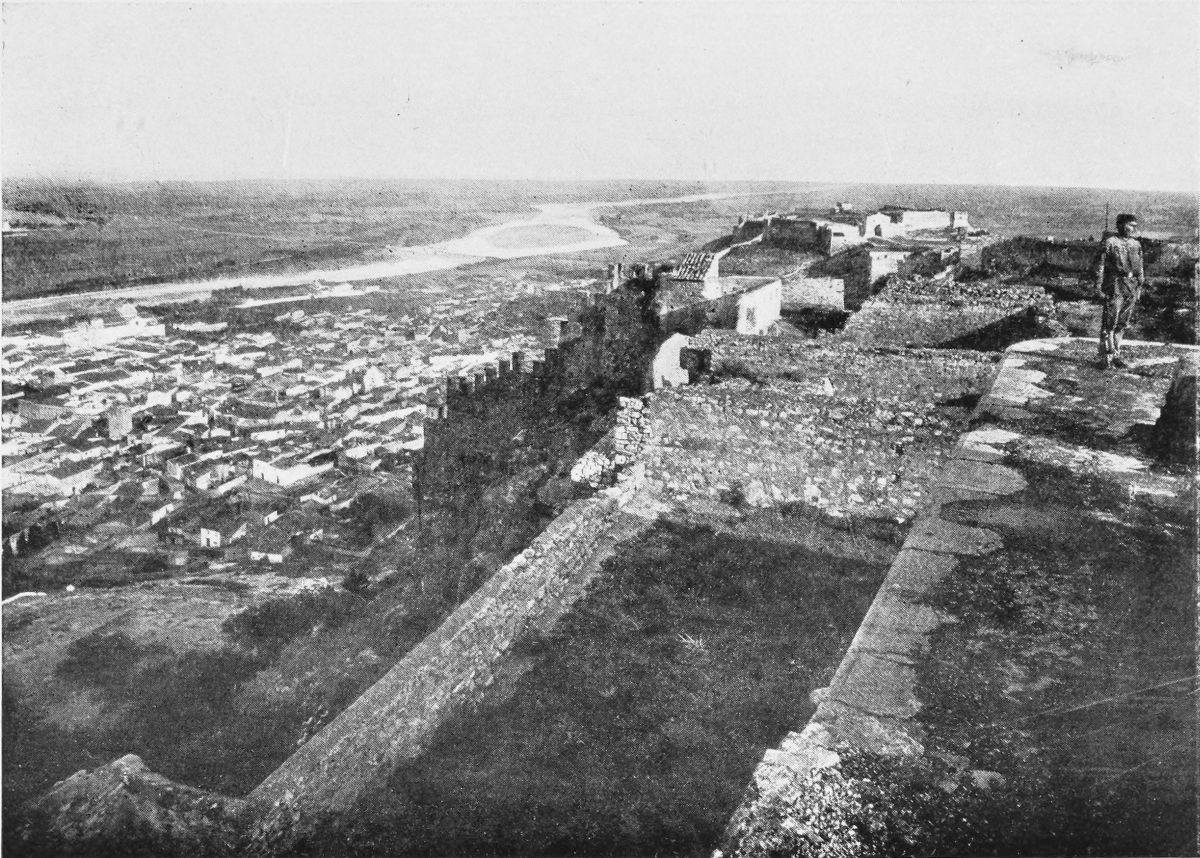
Plate 88 MURVIEDRO: THE CASTLE
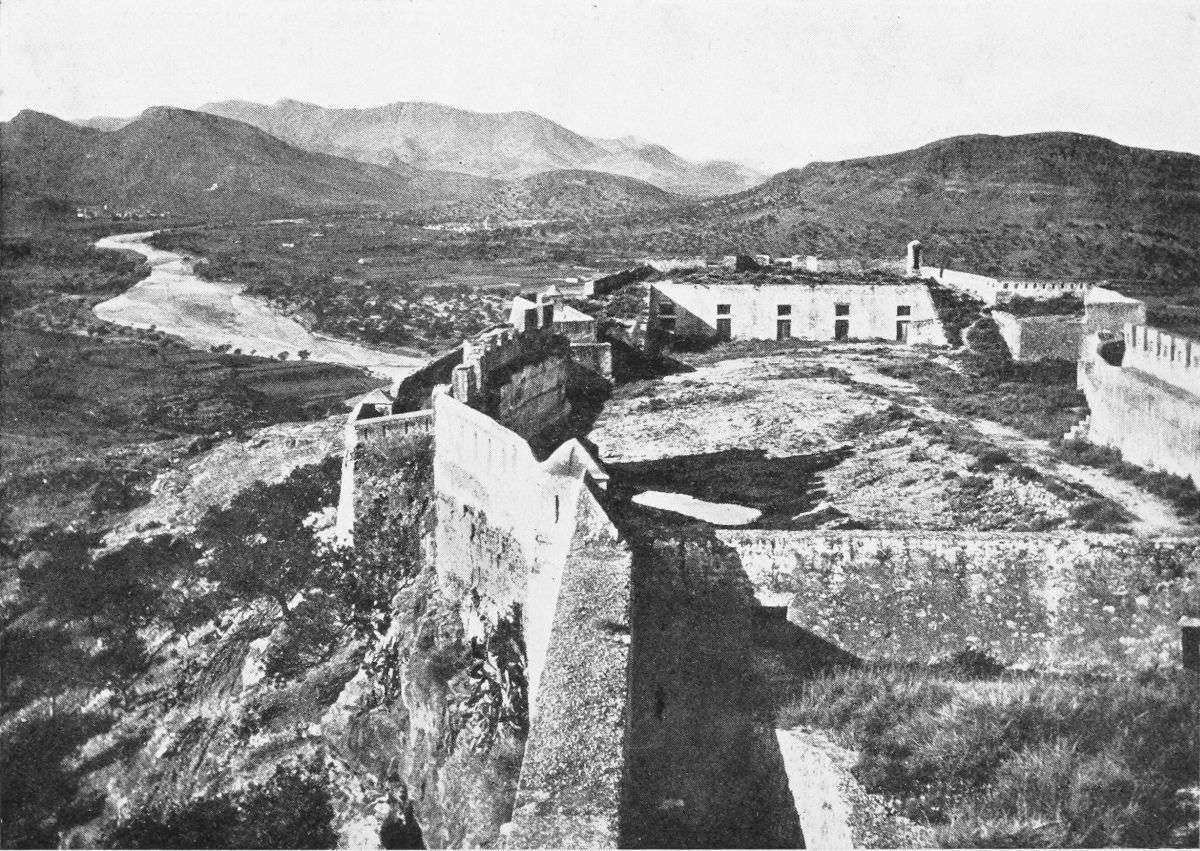
Plate 89 MURVIEDRO: THE CASTLE FROM ONE OF THE COURTS
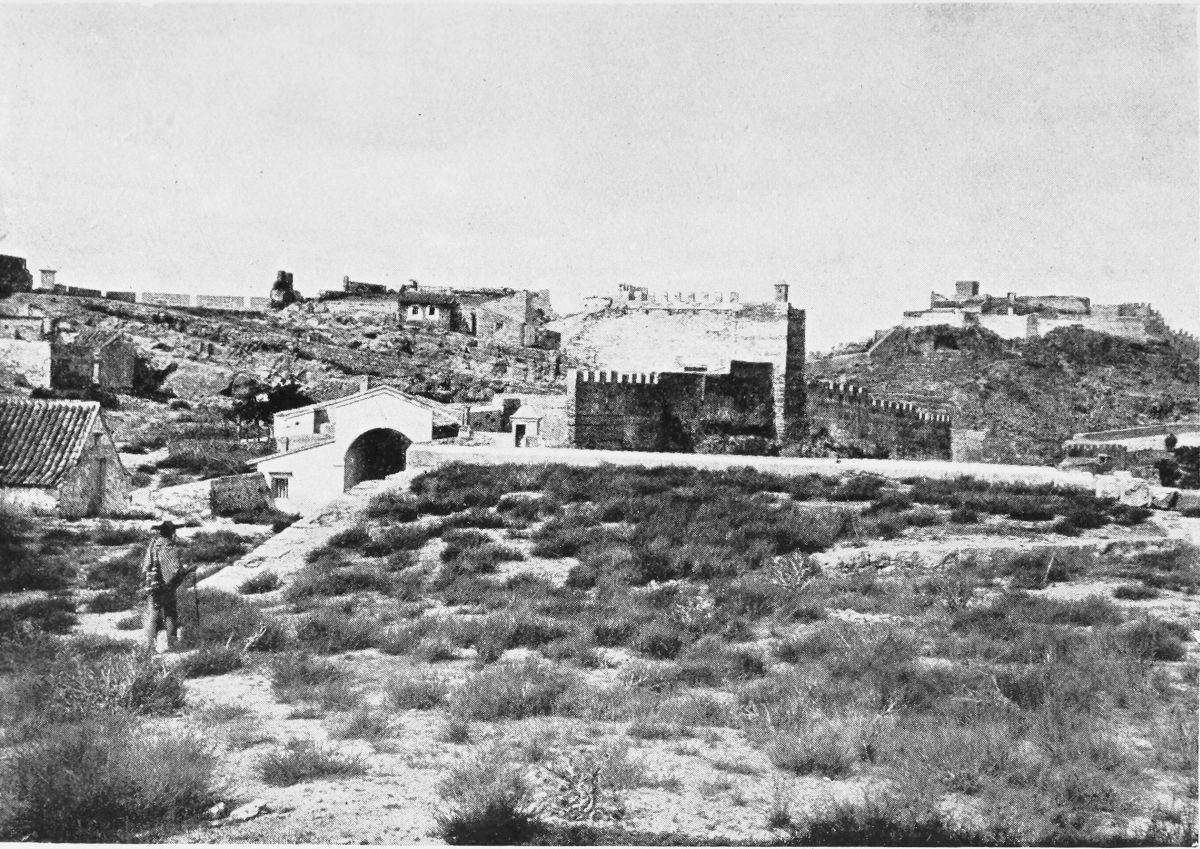
Plate 90 MURVIEDRO: ENTRANCE TO THE CASTLE
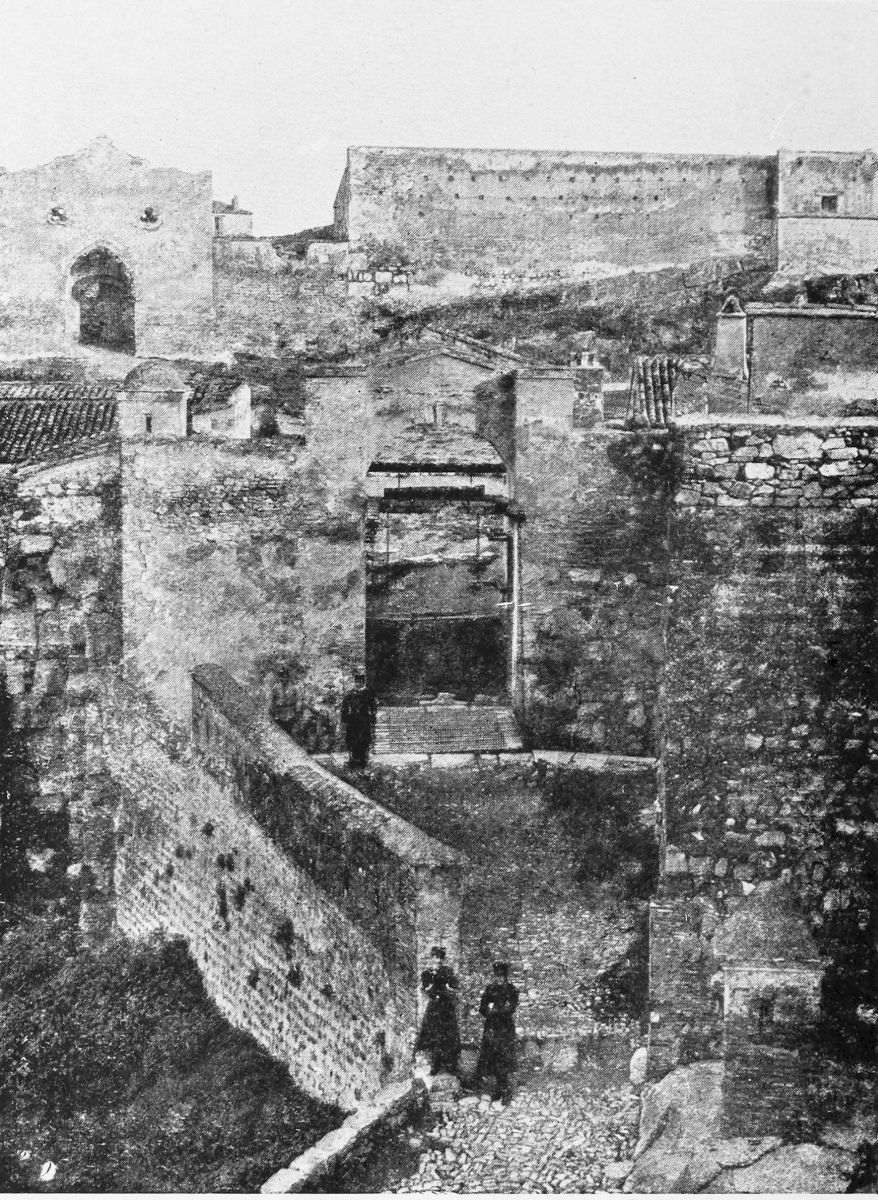
Plate 91 MURVIEDRO: GENERAL VIEW OF THE ROMAN AMPHITHEATRE
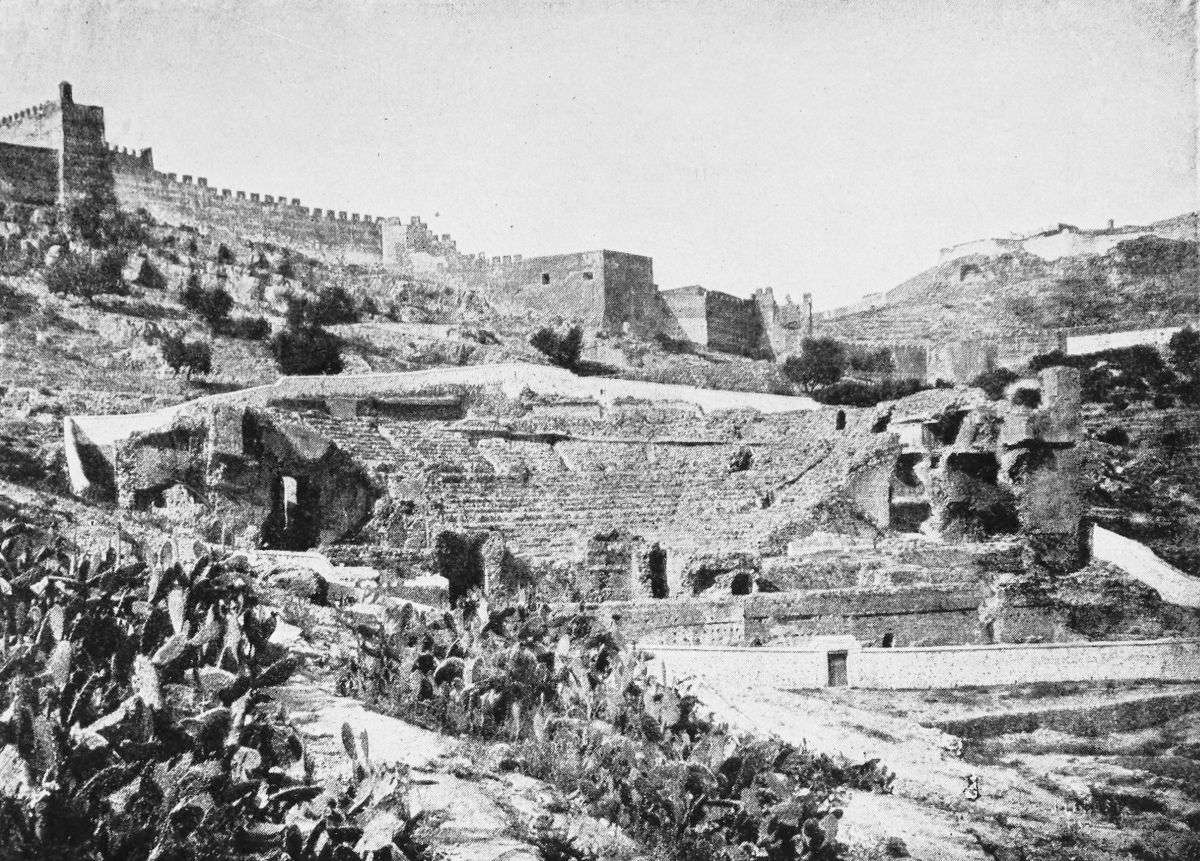
Plate 92 MURVIEDRO: GENERAL VIEW OF THE ROMAN AMPHITHEATRE
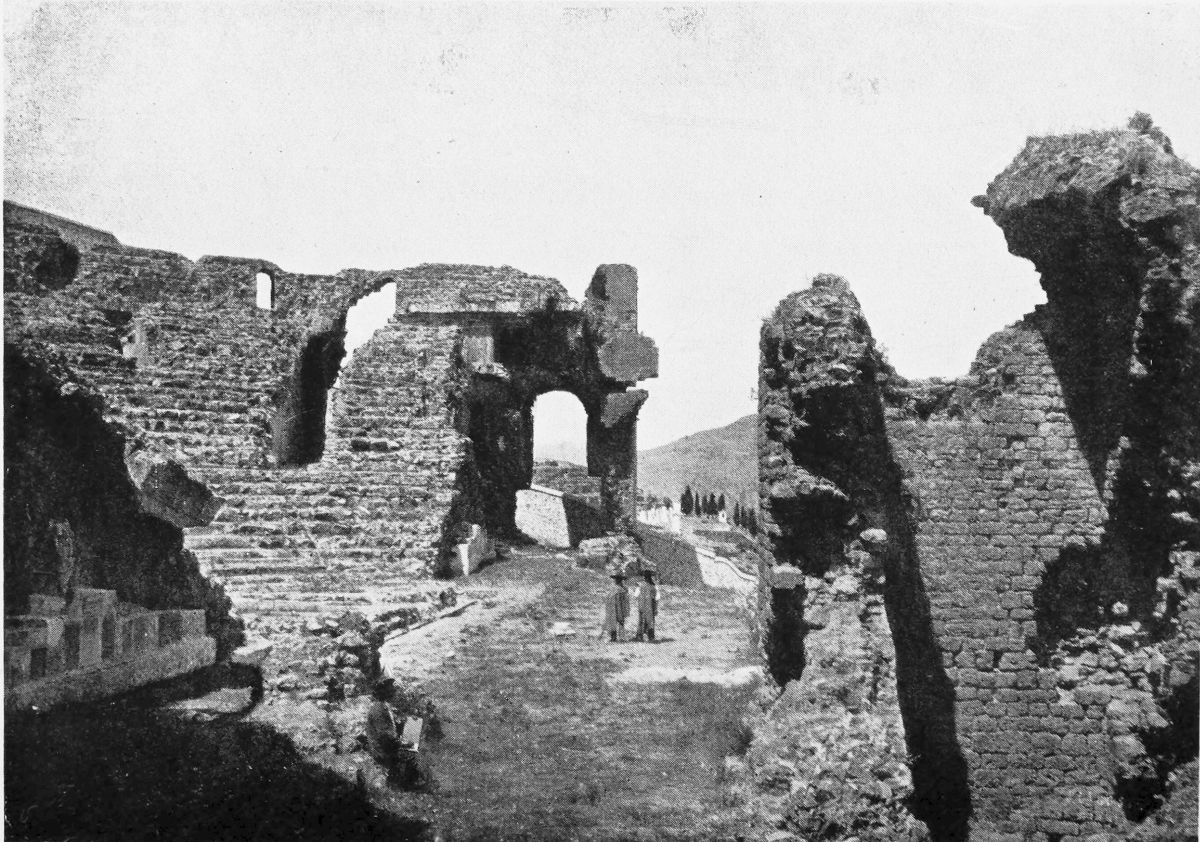
Plate 93 MURVIEDRO: THE ROMAN AMPHITHEATRE
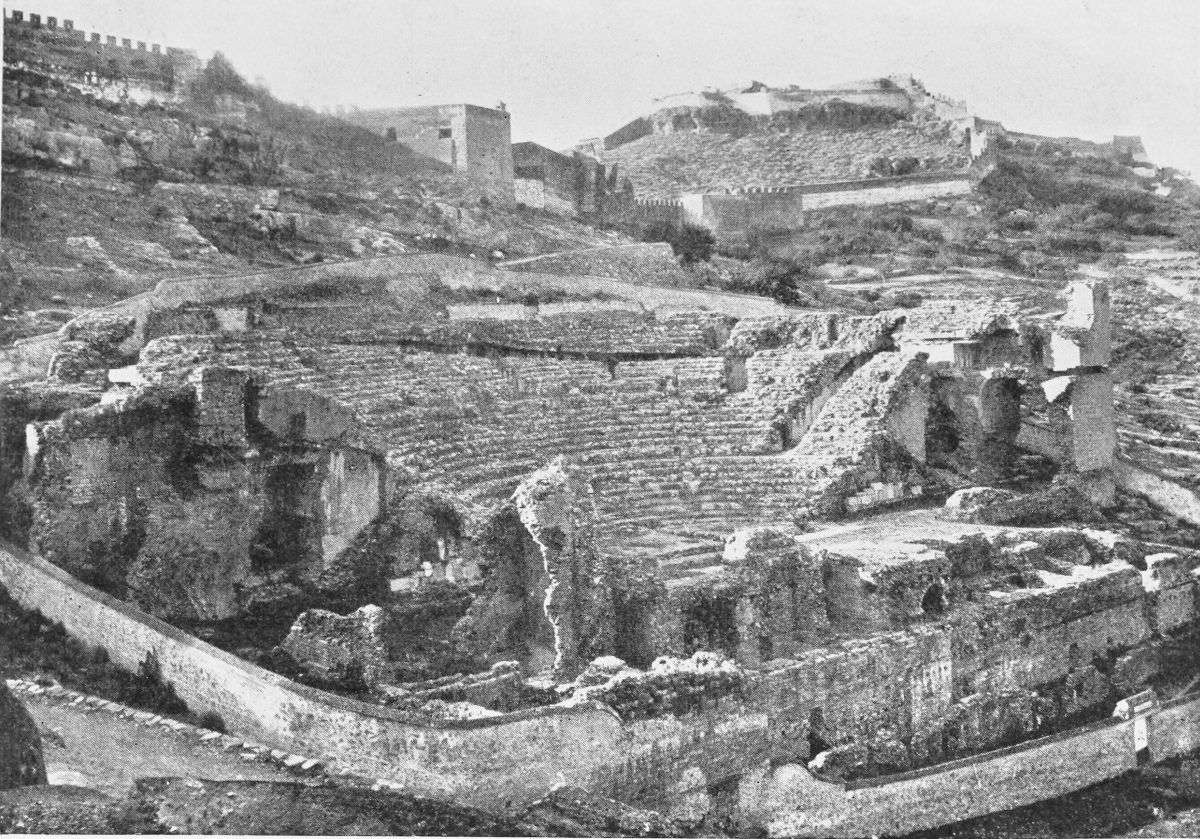
Plate 94 MURVIEDRO: INTERIOR OF THE ROMAN AMPHITHEATRE
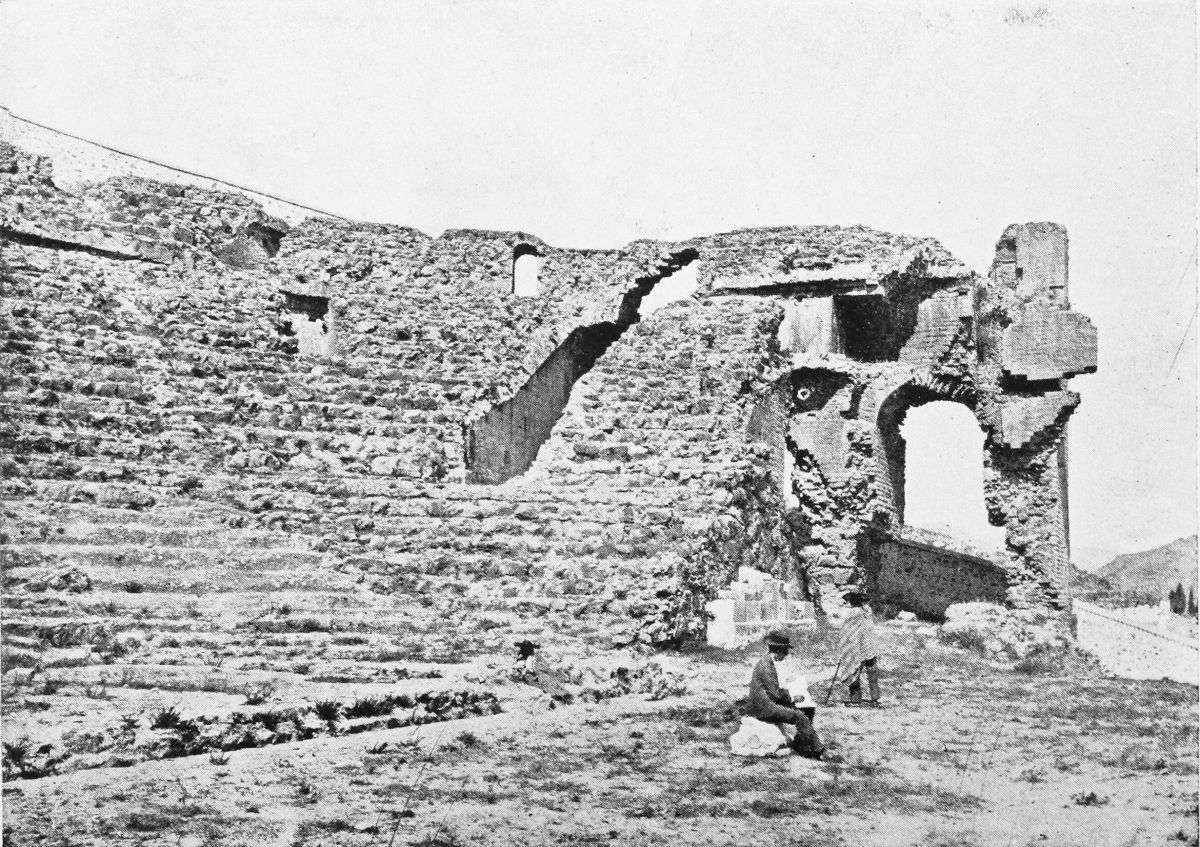
Plate 95 MURVIEDRO: PRINCIPAL GATE OF THE ROMAN AMPHITHEATRE
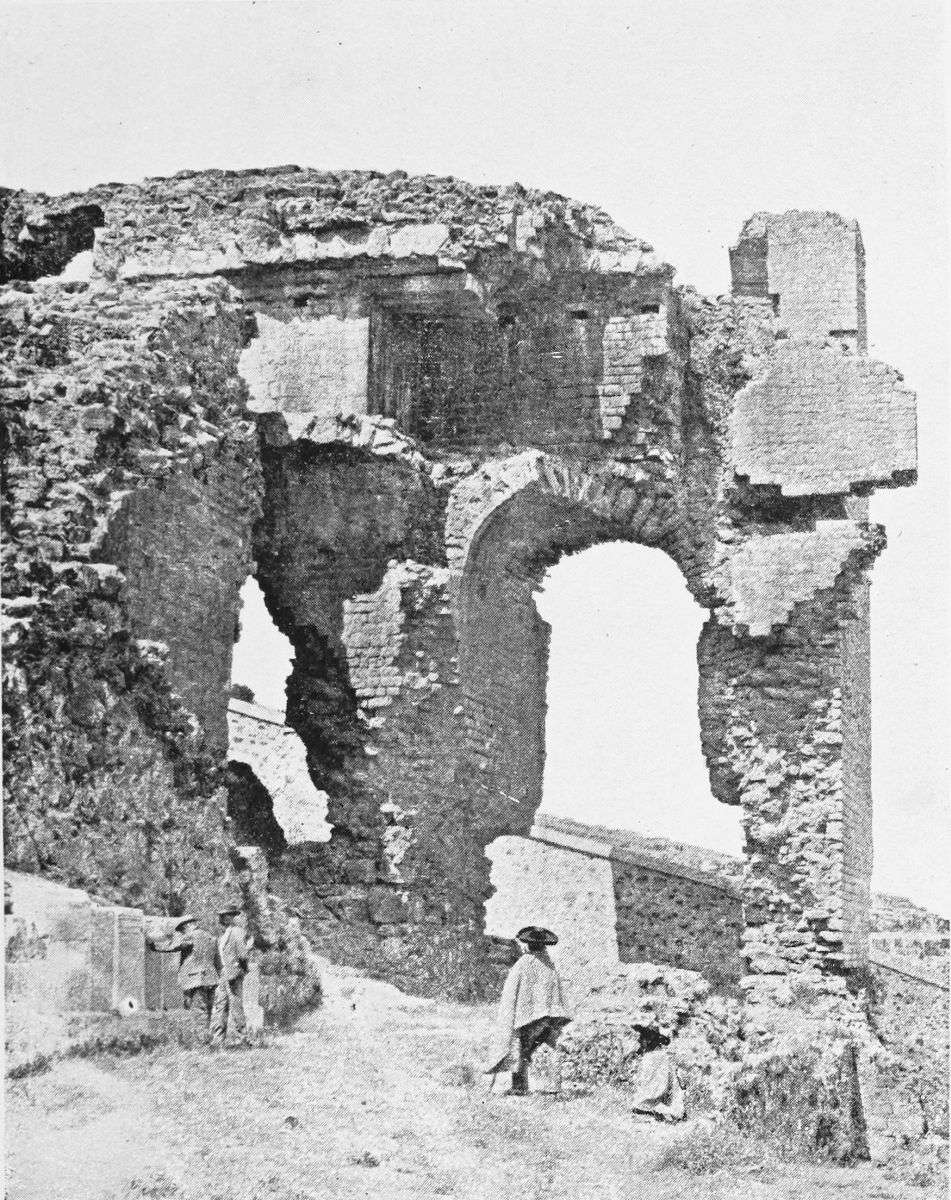
Plate 96 MURVIEDRO: ENTRANCE TO THE ROMAN AMPHITHEATRE
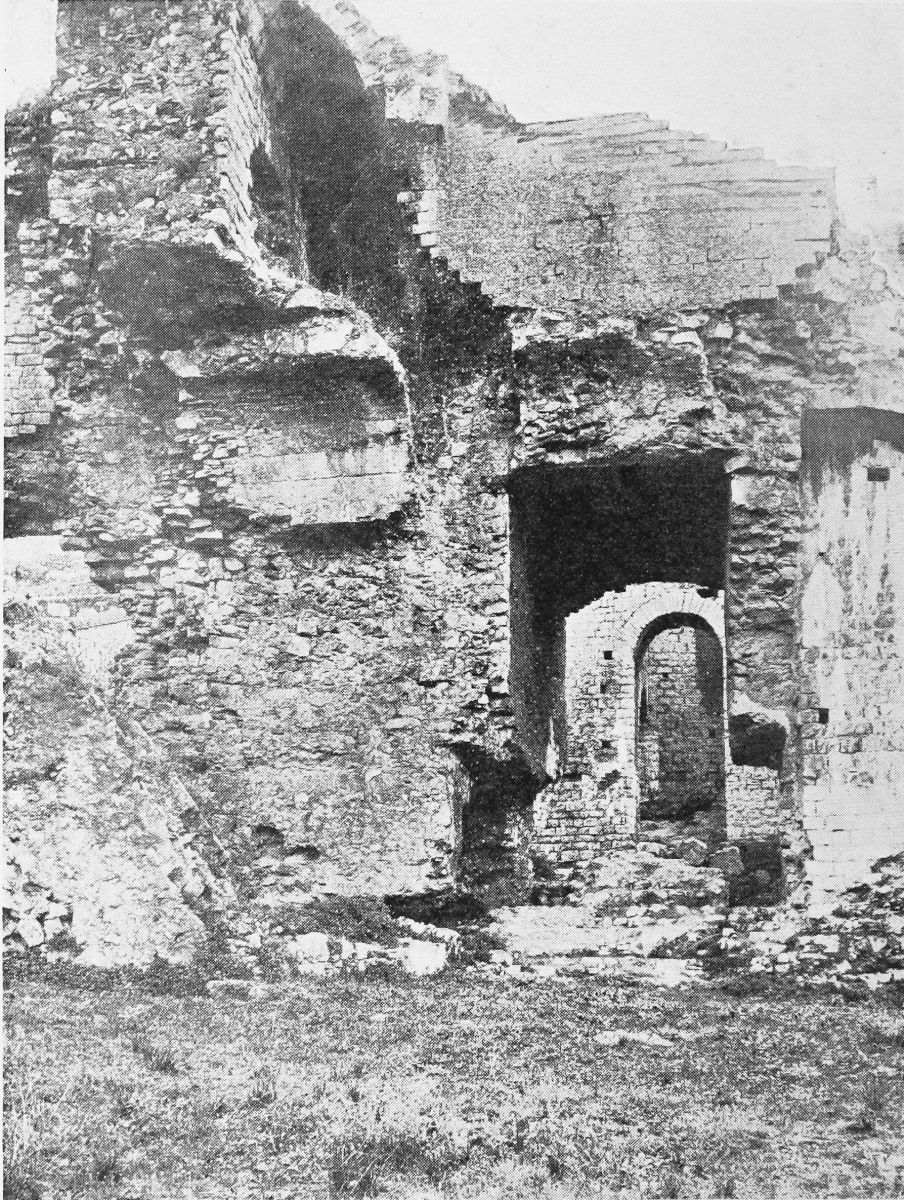
Plate 97 MURVIEDRO: ENTRANCE TO THE ROMAN AMPHITHEATRE
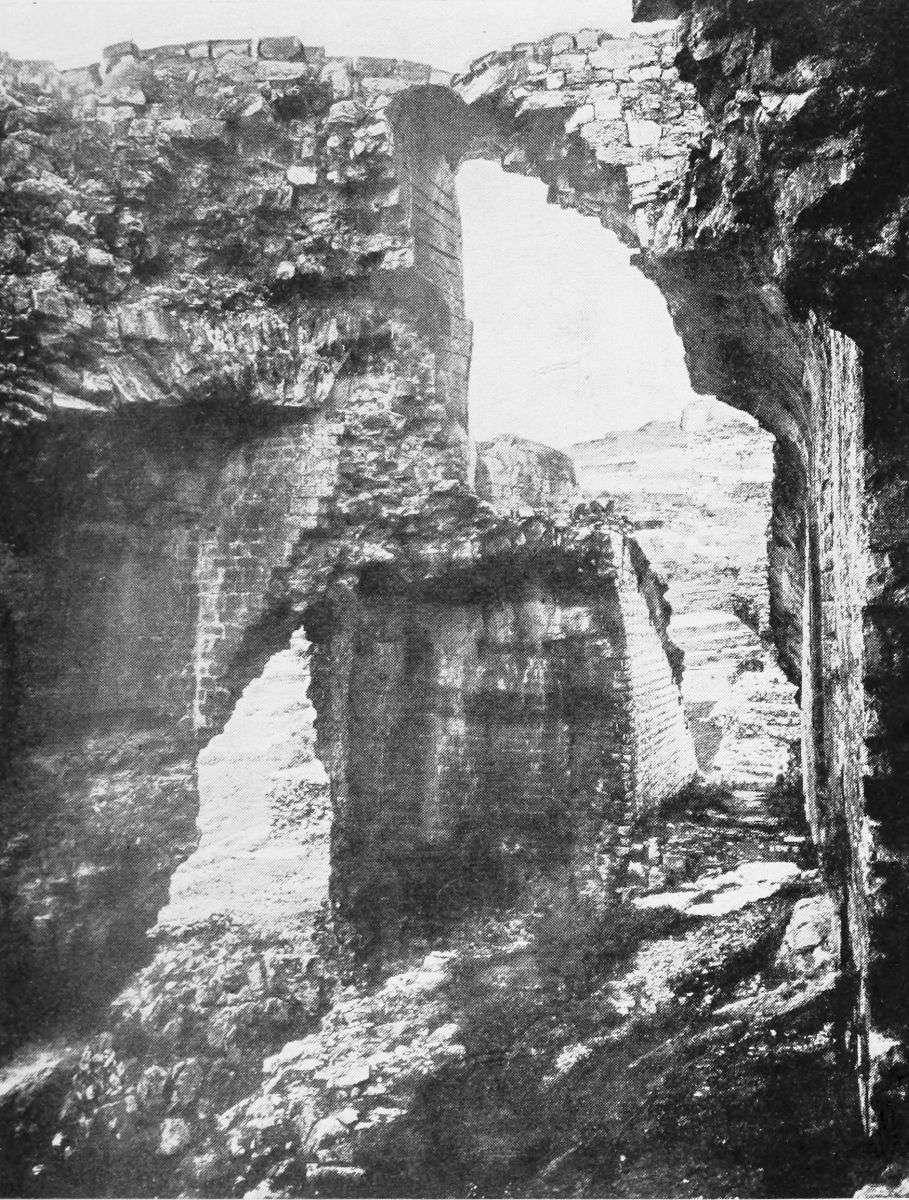
Plate 98 JATIVA: GENERAL VIEW
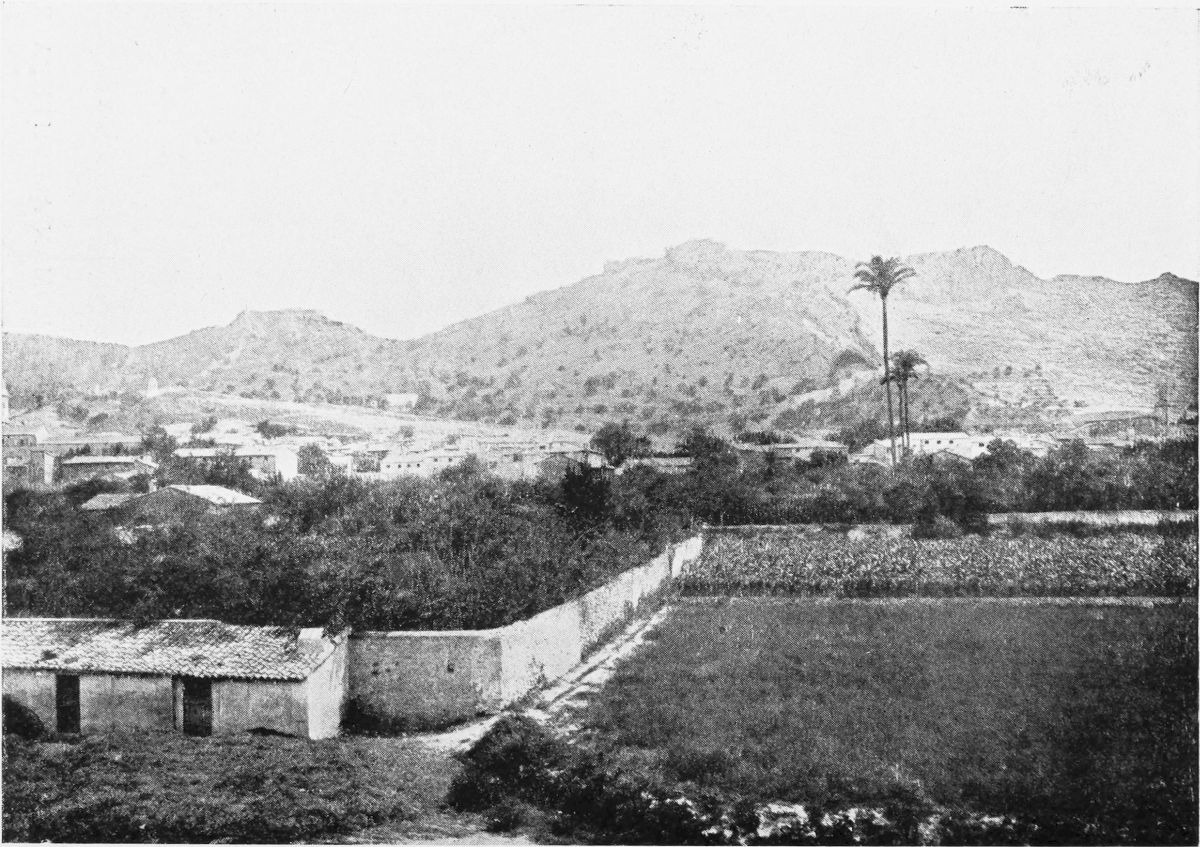
Plate 99 JATIVA: VIEW FROM THE STATION
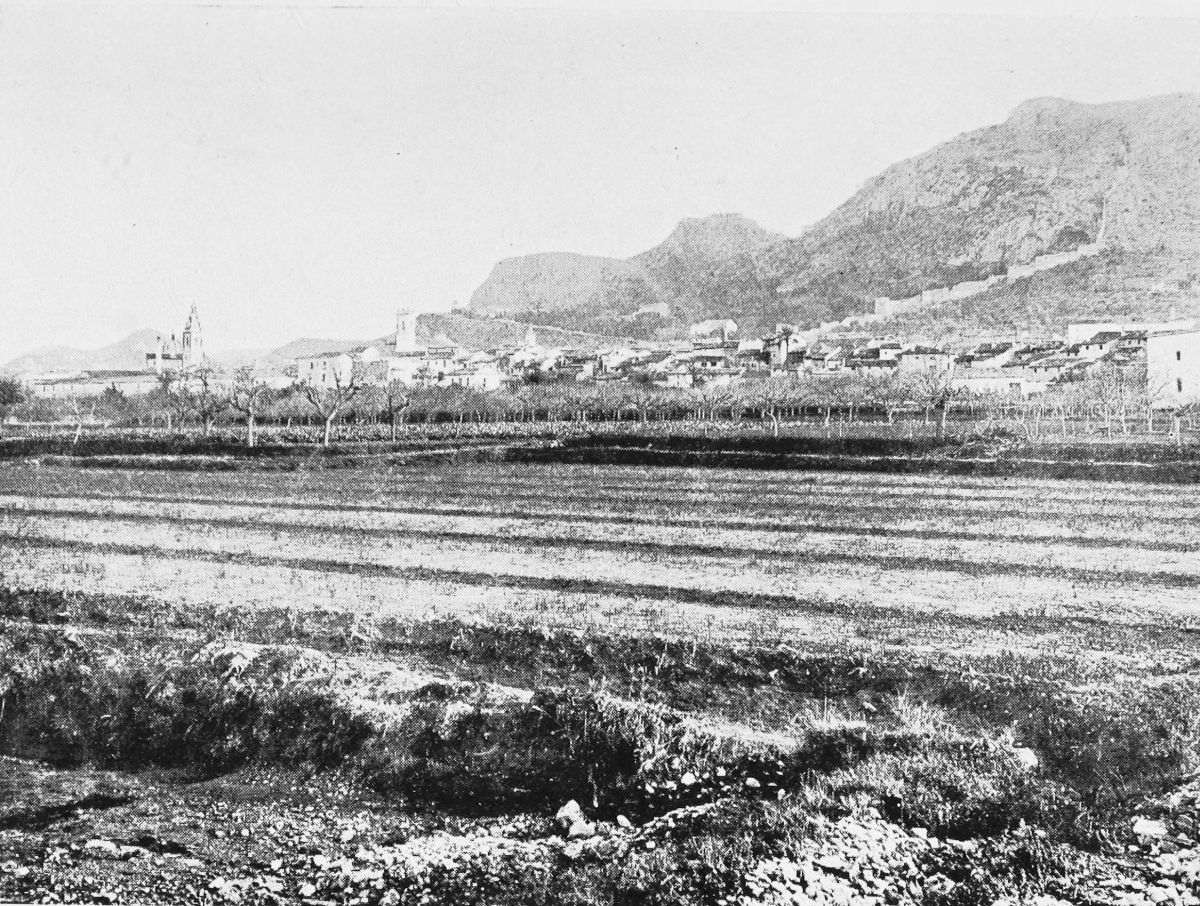
Plate 100 JATIVA: THE CIVIL HOSPITAL
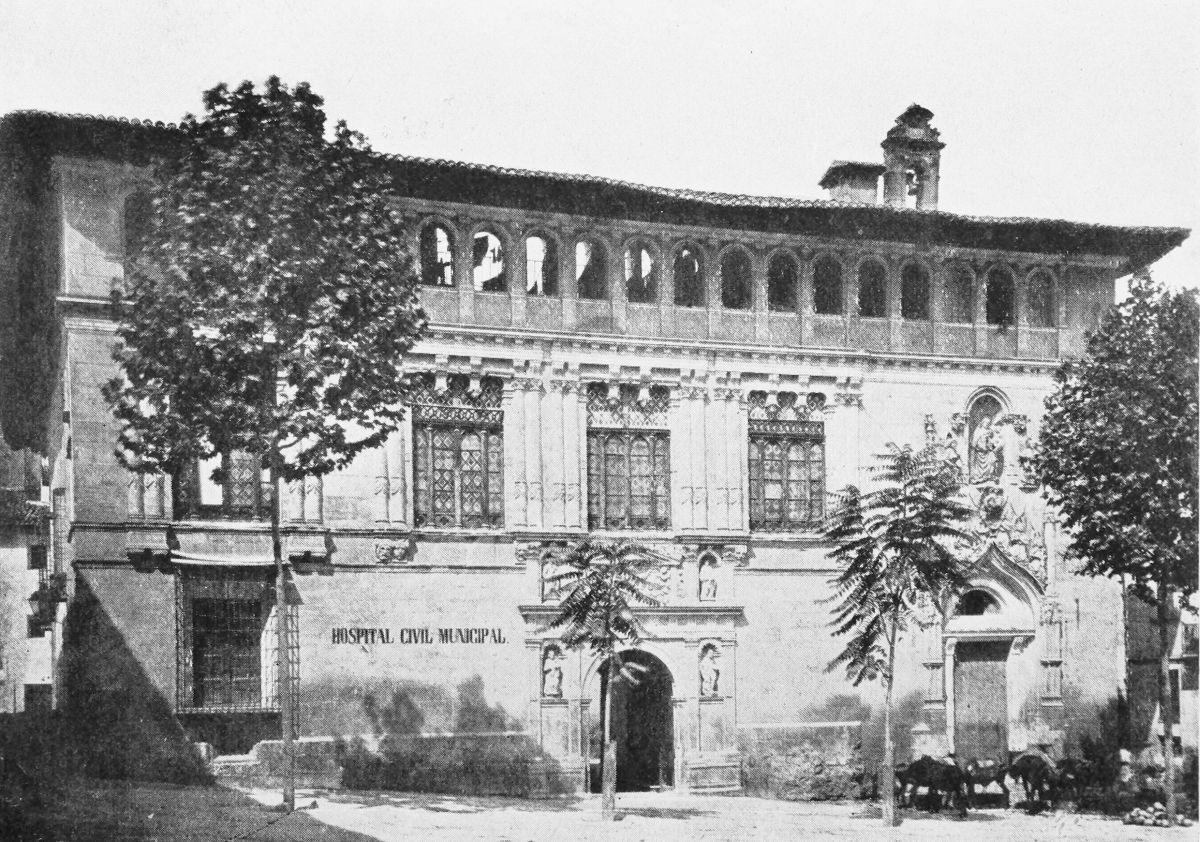
Plate 101 ALICANTE: GENERAL VIEW
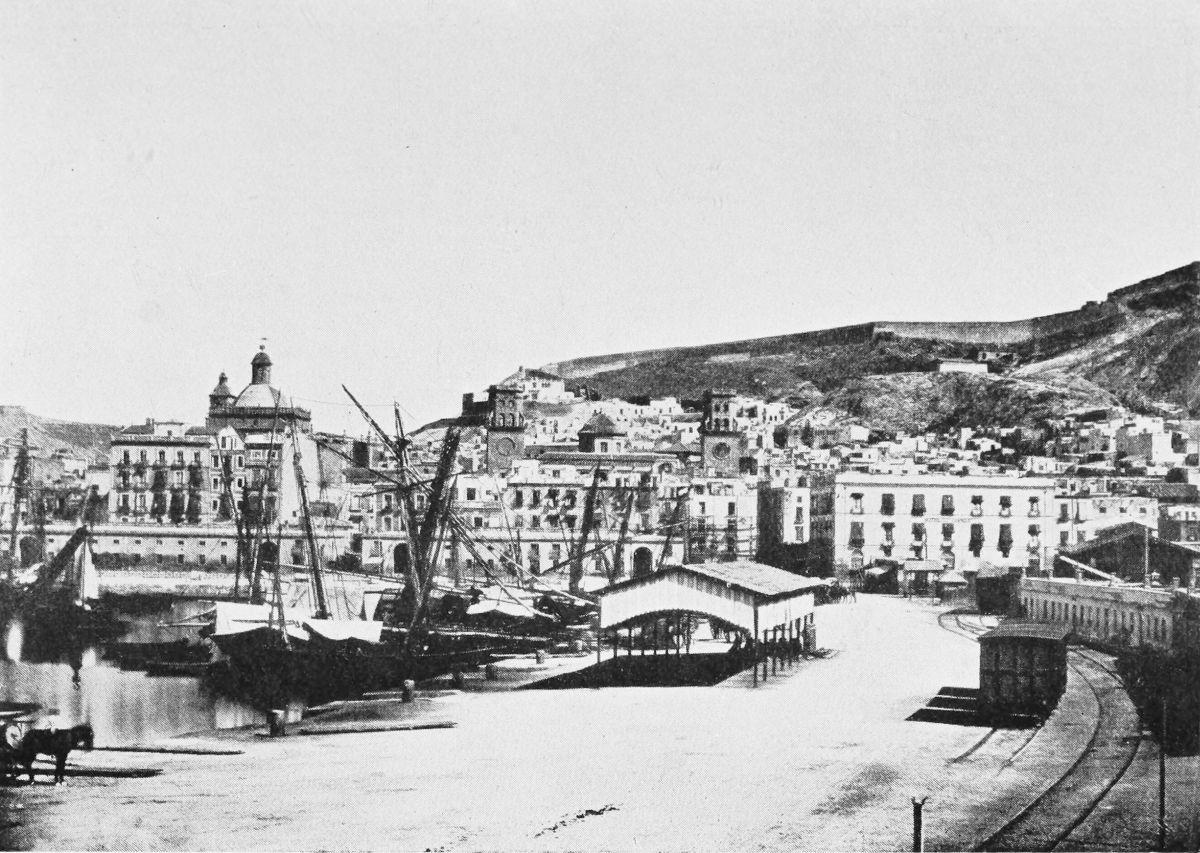
Plate 102 ALICANTE: THE CASTLE
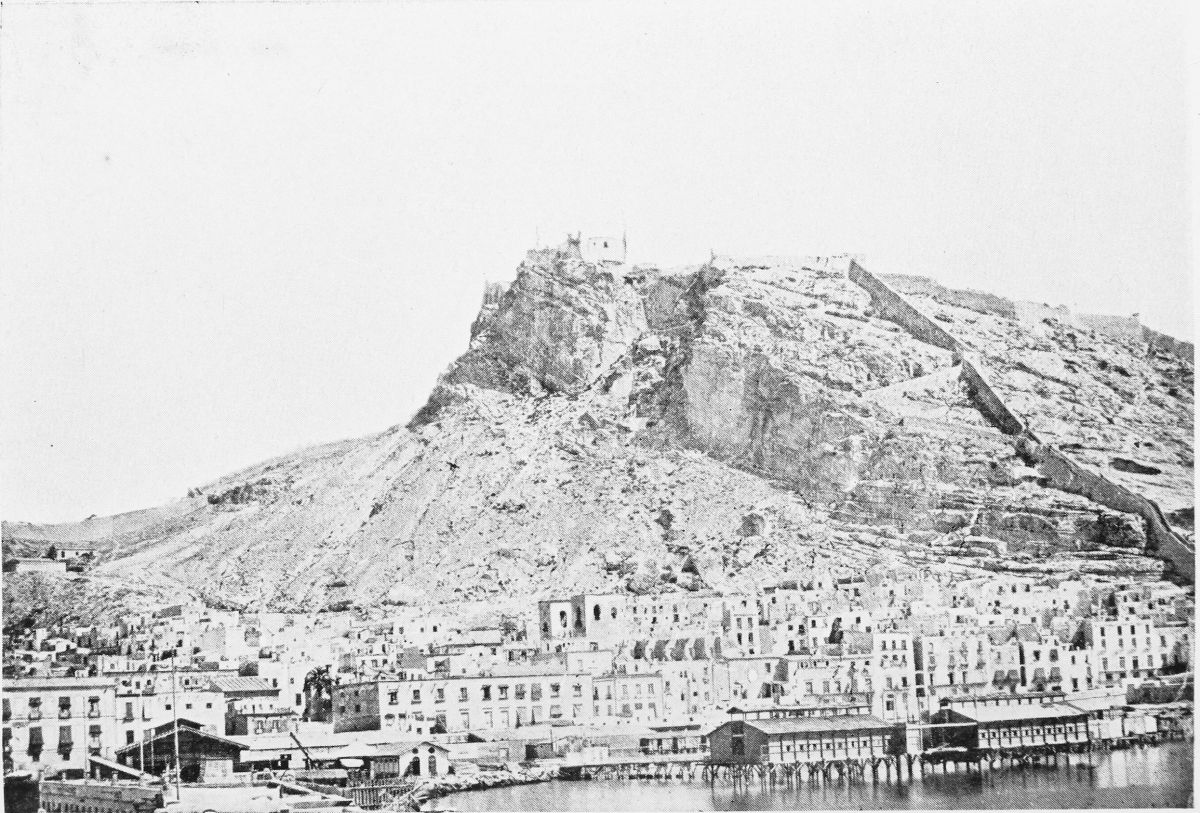
Plate 103 ALICANTE: VIEW FROM THE CASTLE
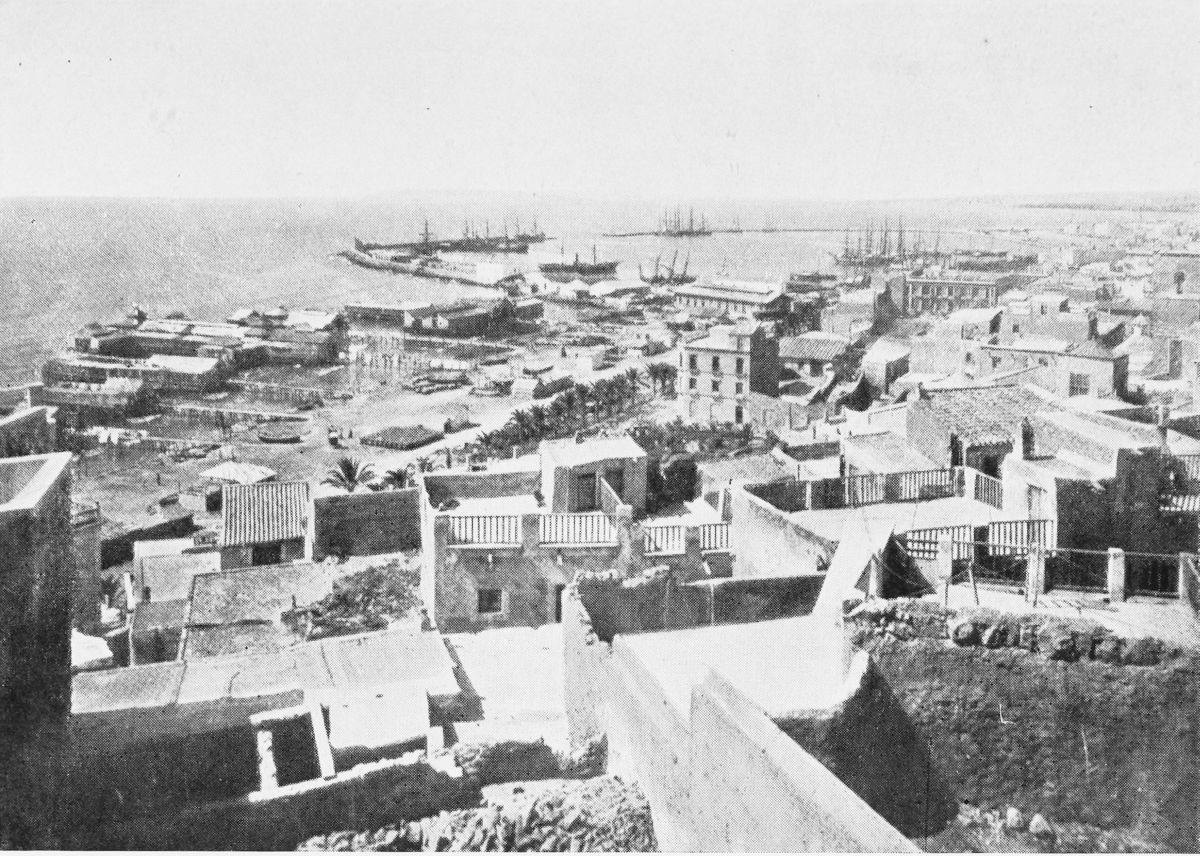
Plate 104 ALICANTE: THE BREAKWATER
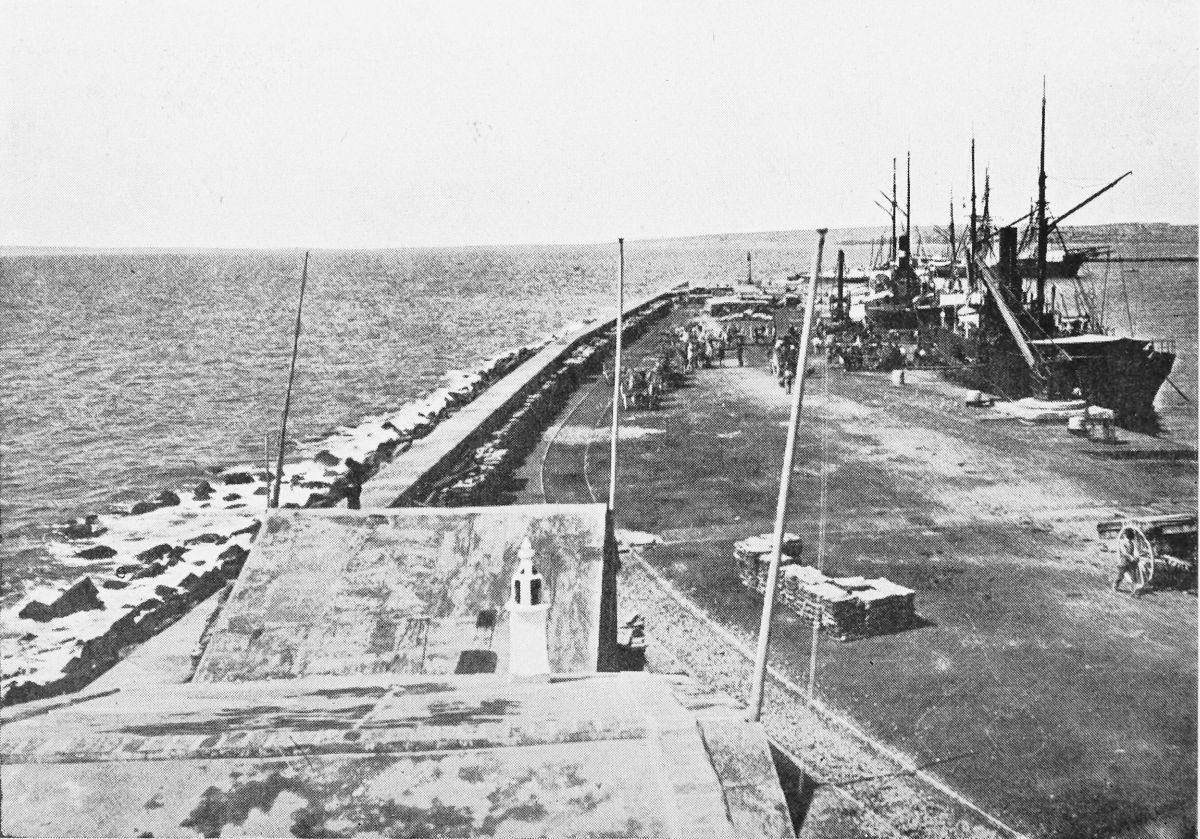
Plate 105 ALICANTE: GENERAL VIEW
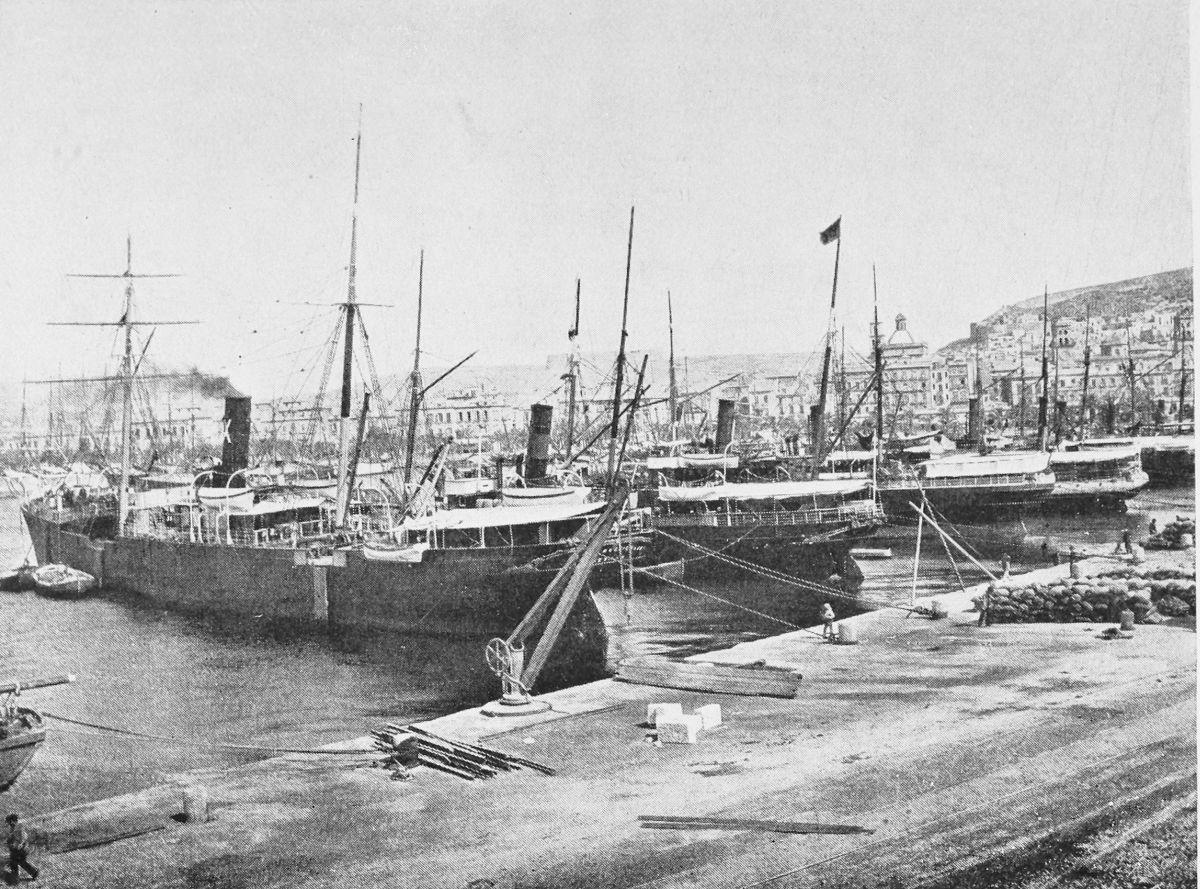
Plate 106 ALICANTE: GENERAL VIEW
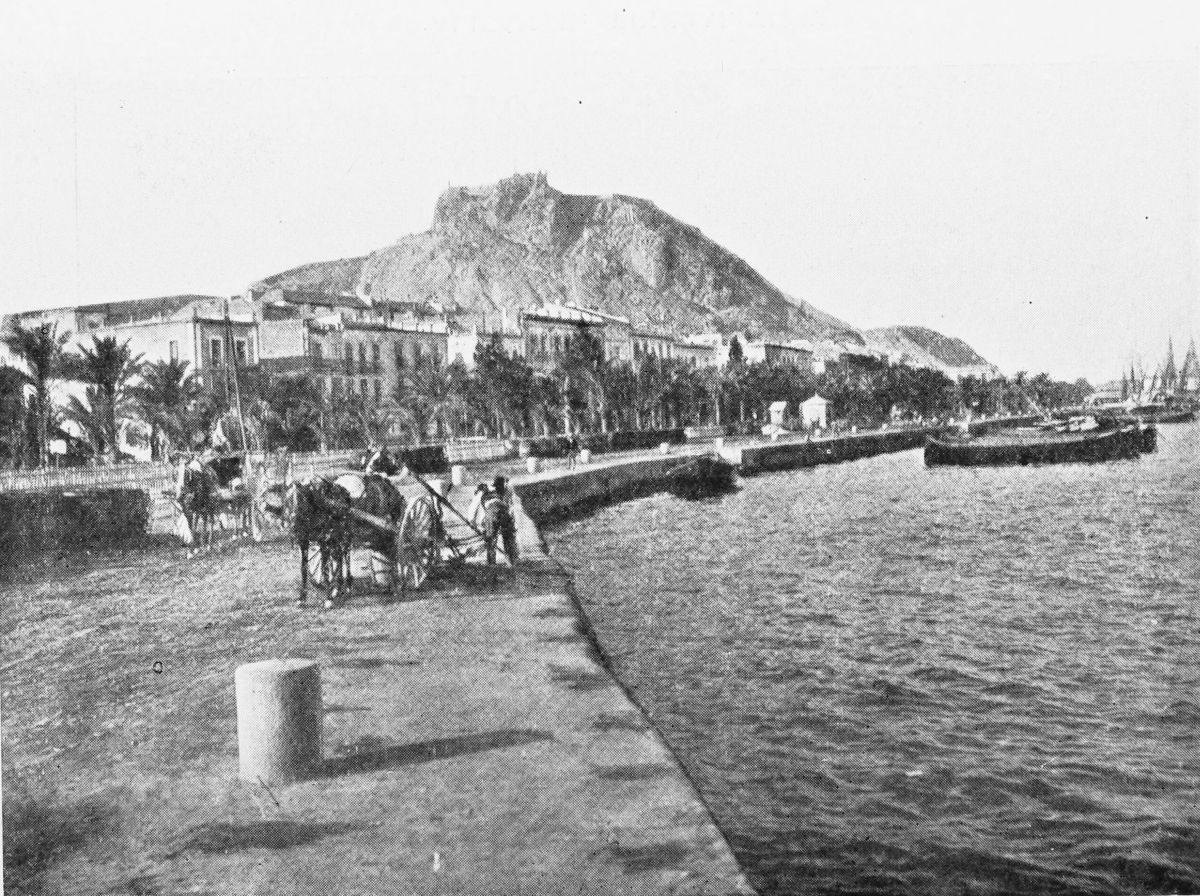
Plate 107 ALICANTE: GENERAL VIEW
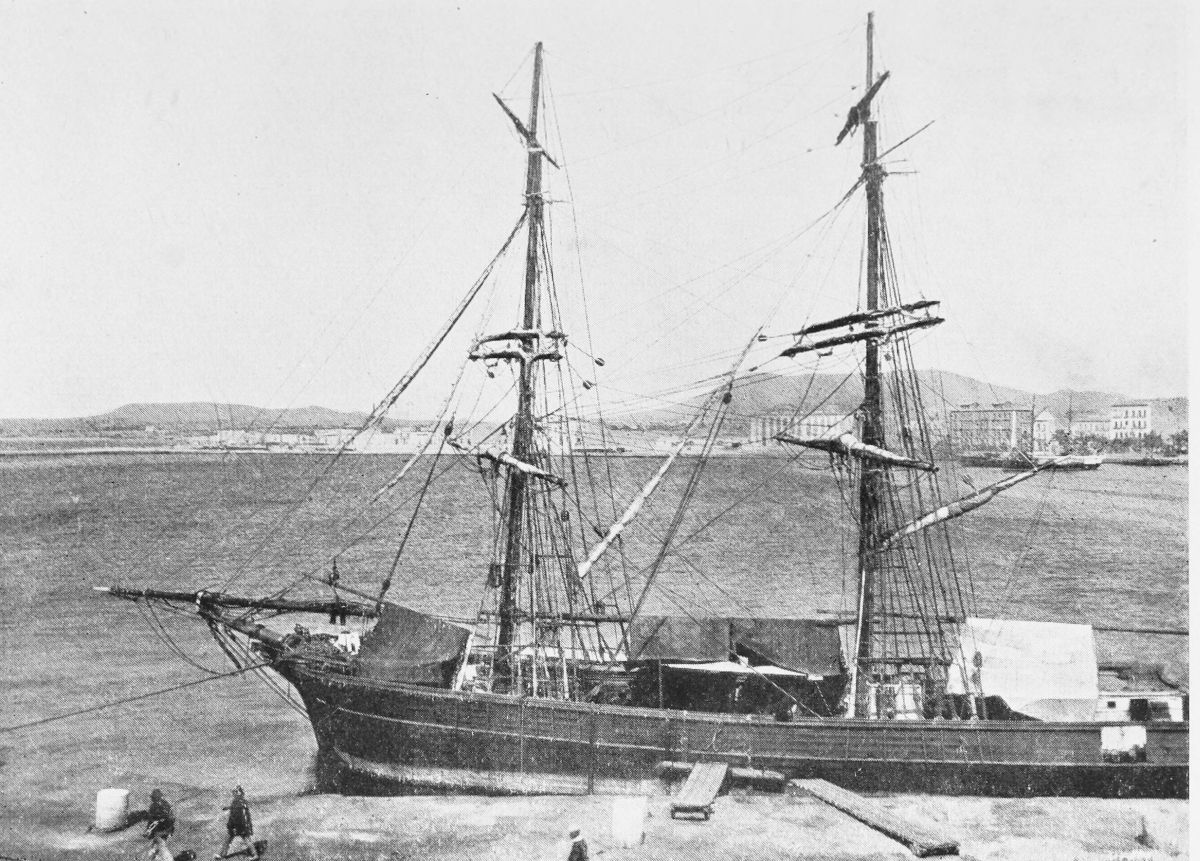
Plate 108 ALICANTE: PASEO DE LOS MARTIRES
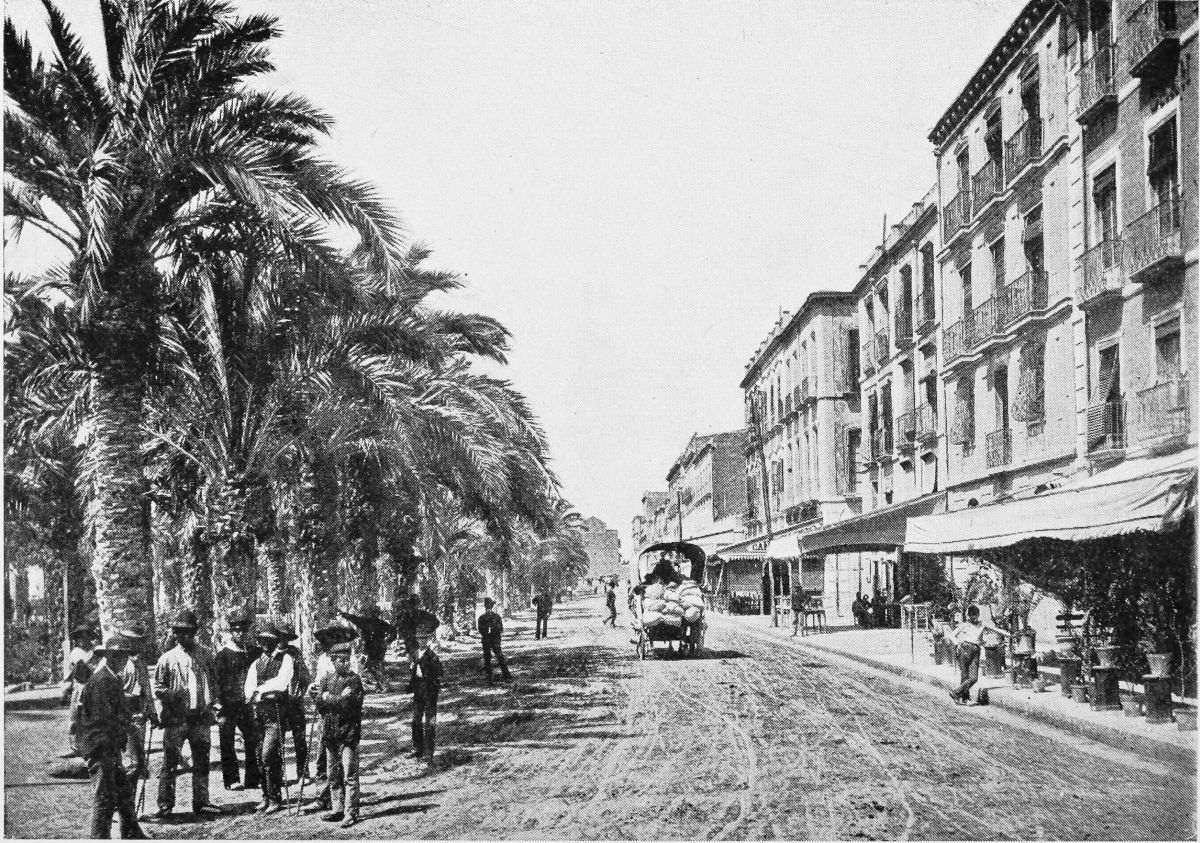
Plate 109 ALICANTE: PASEO DE LOS MARTIRES
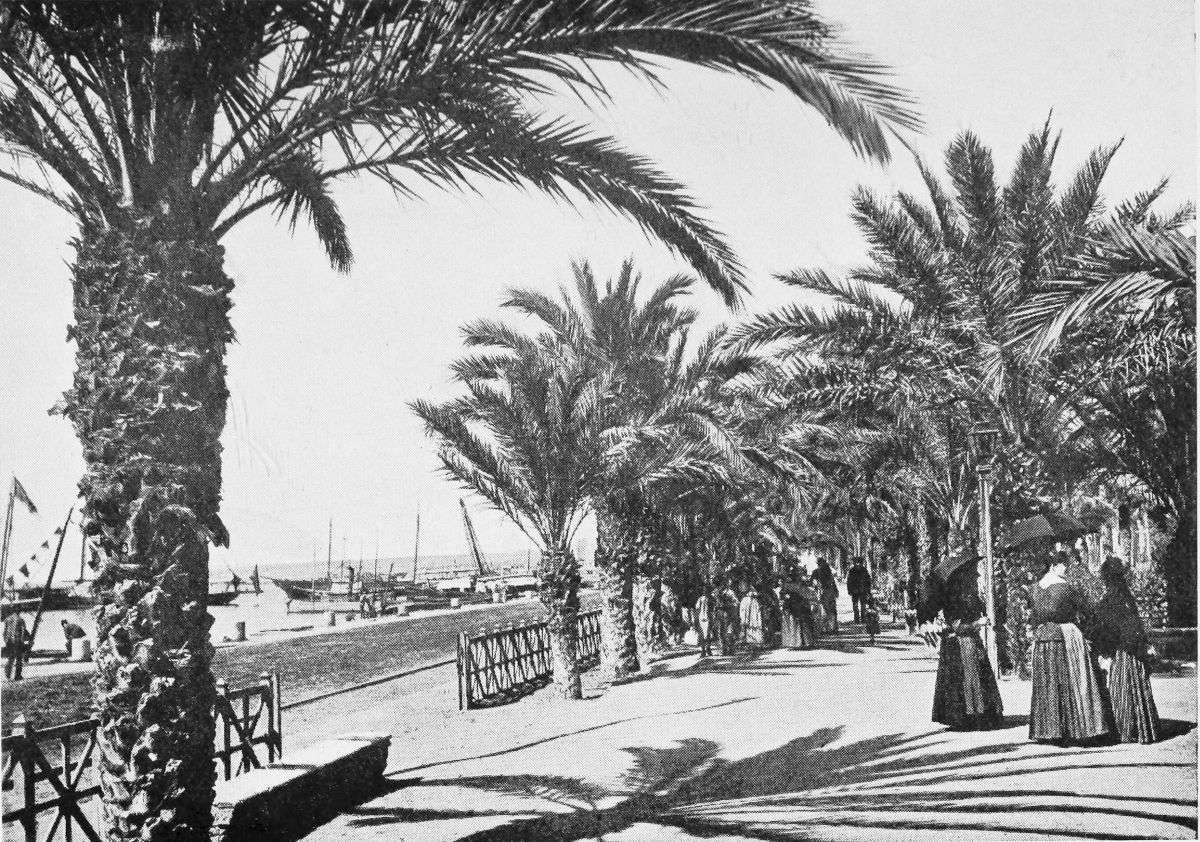
Plate 110 ALICANTE: PASEO DE LOS MARTIRES
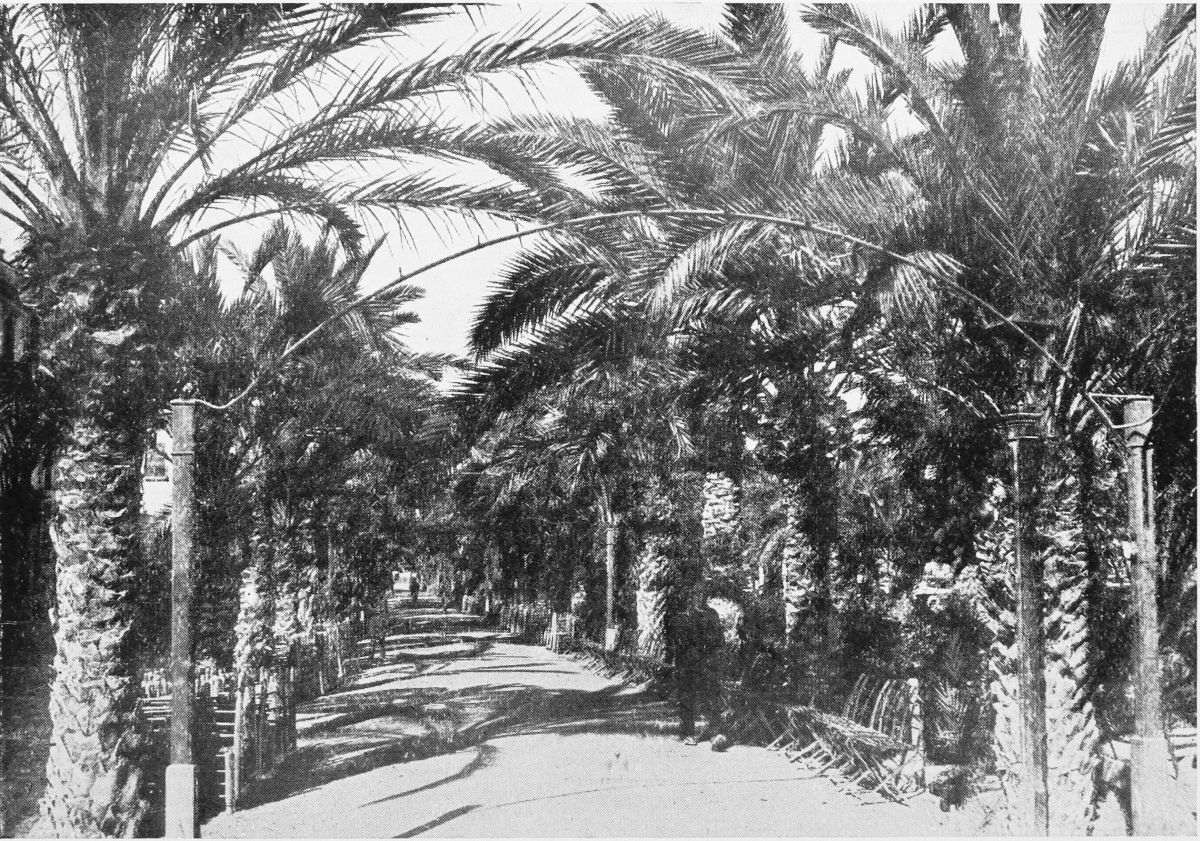
Plate 111 ALICANTE: PASEO DE LOS MARTIRES
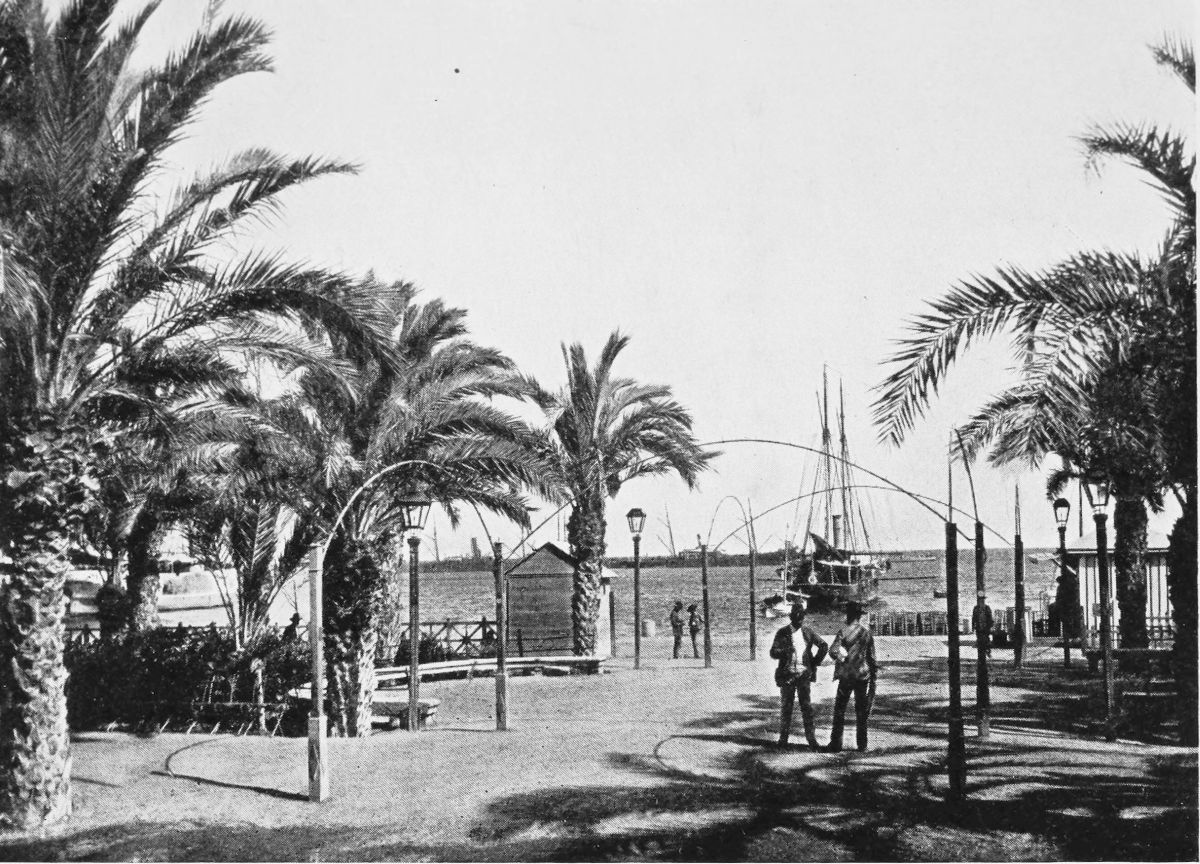
Plate 112 ALICANTE: PASEO DE NUÑEZ
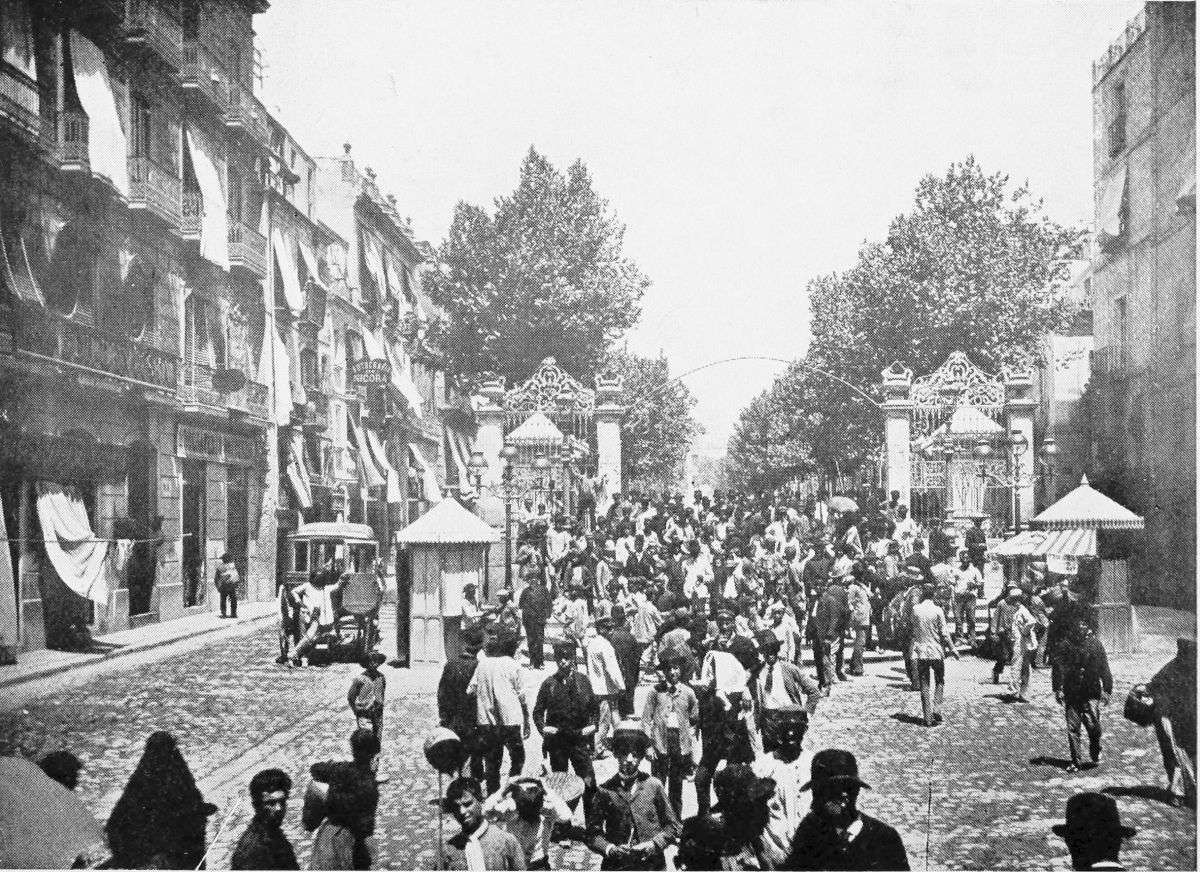
Plate 113 ALICANTE: THE TOWN HALL
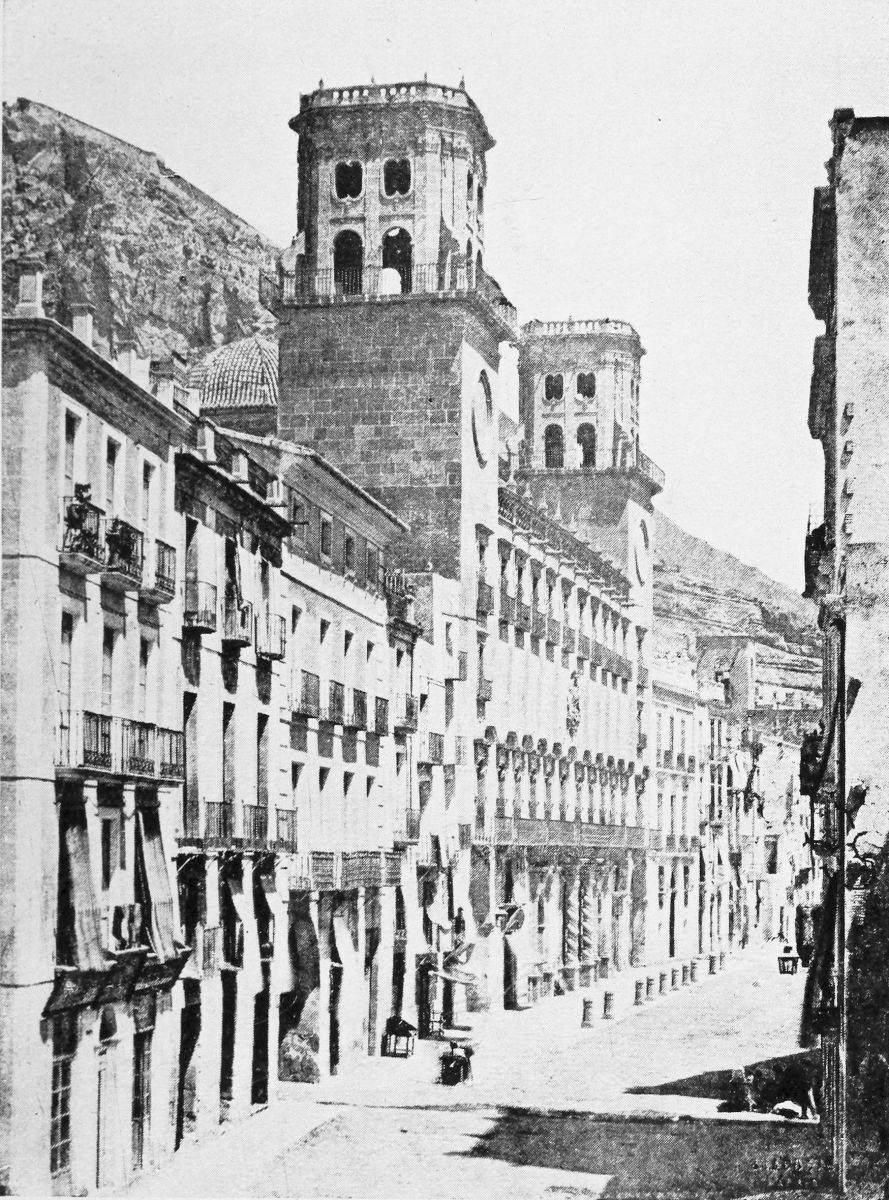
Plate 114 ALICANTE: THE TOWN HALL
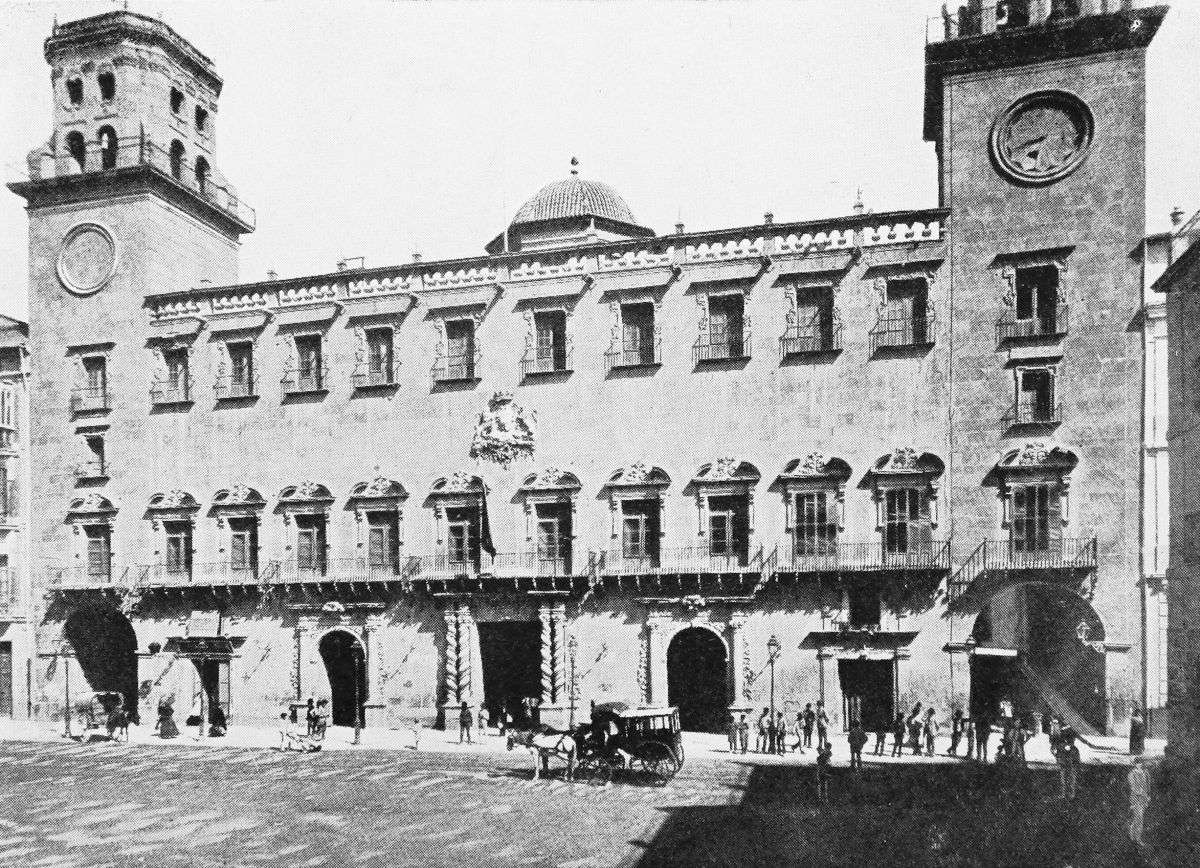
Plate 115 ALICANTE: MONUMENT TO QUIJANO
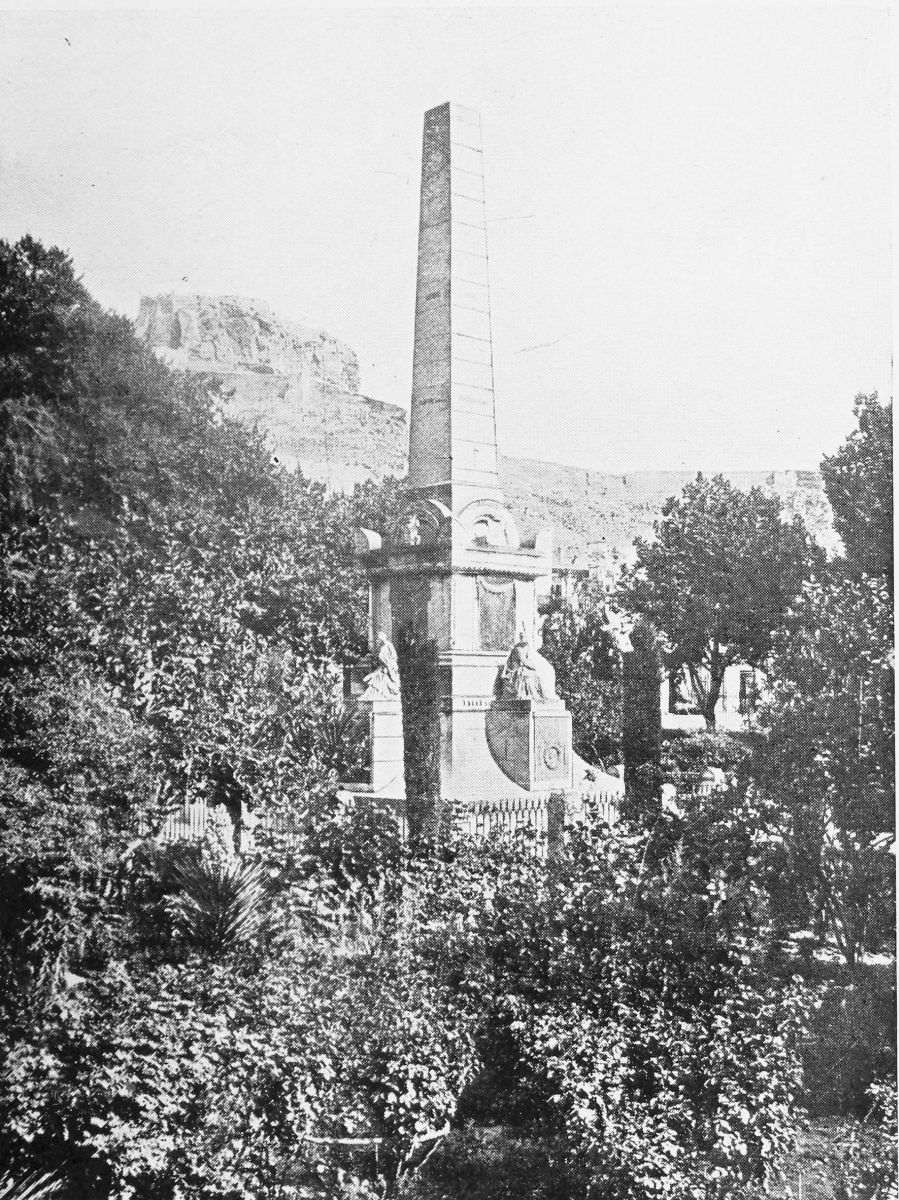
Plate 116 ALICANTE: THE BULL-RING
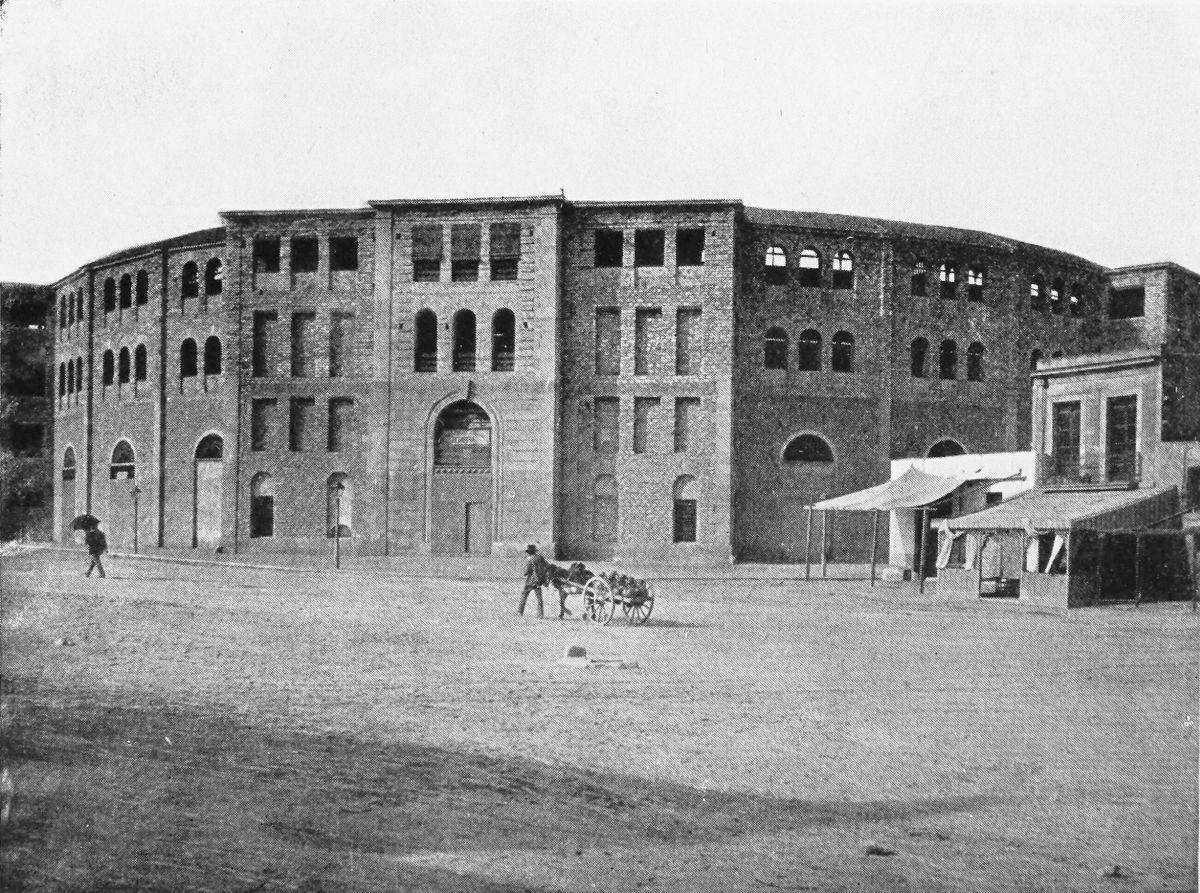
Plate 117 ELCHE: GENERAL VIEW
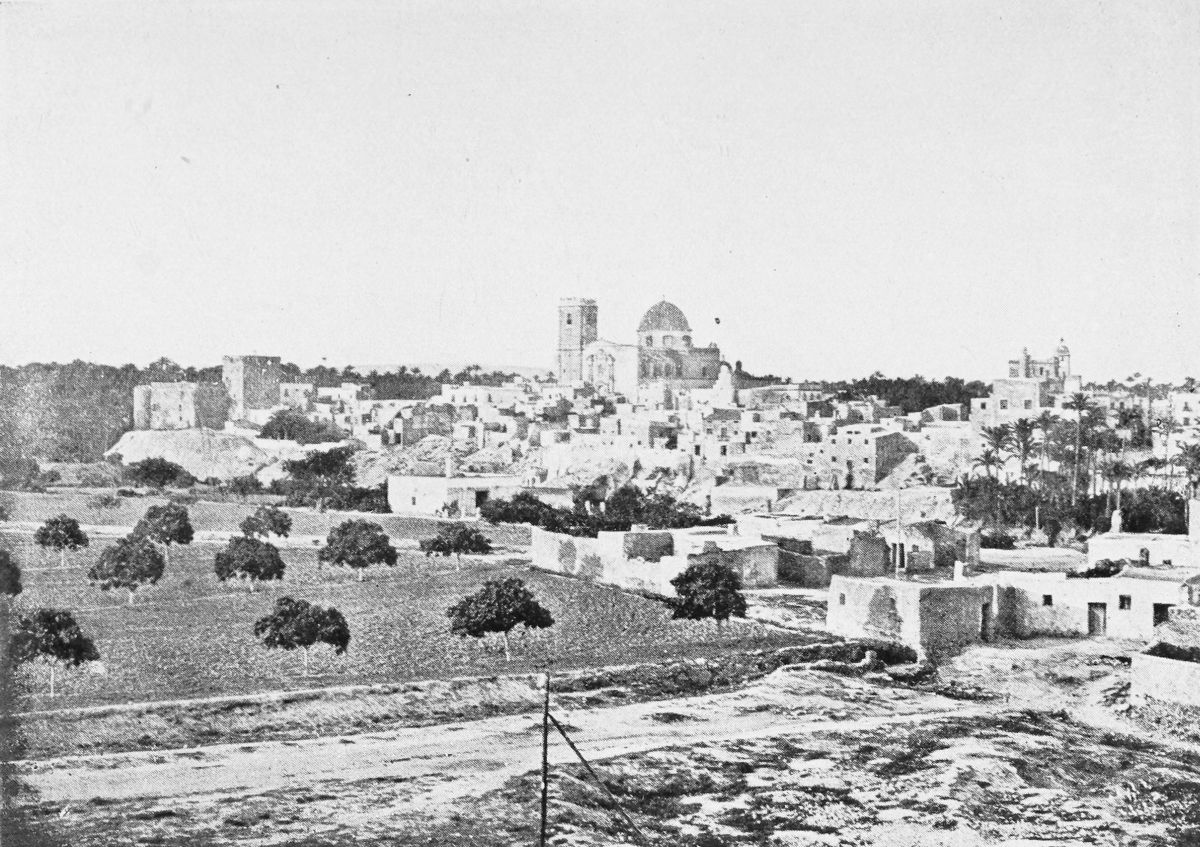
Plate 118 ELCHE: GENERAL VIEW
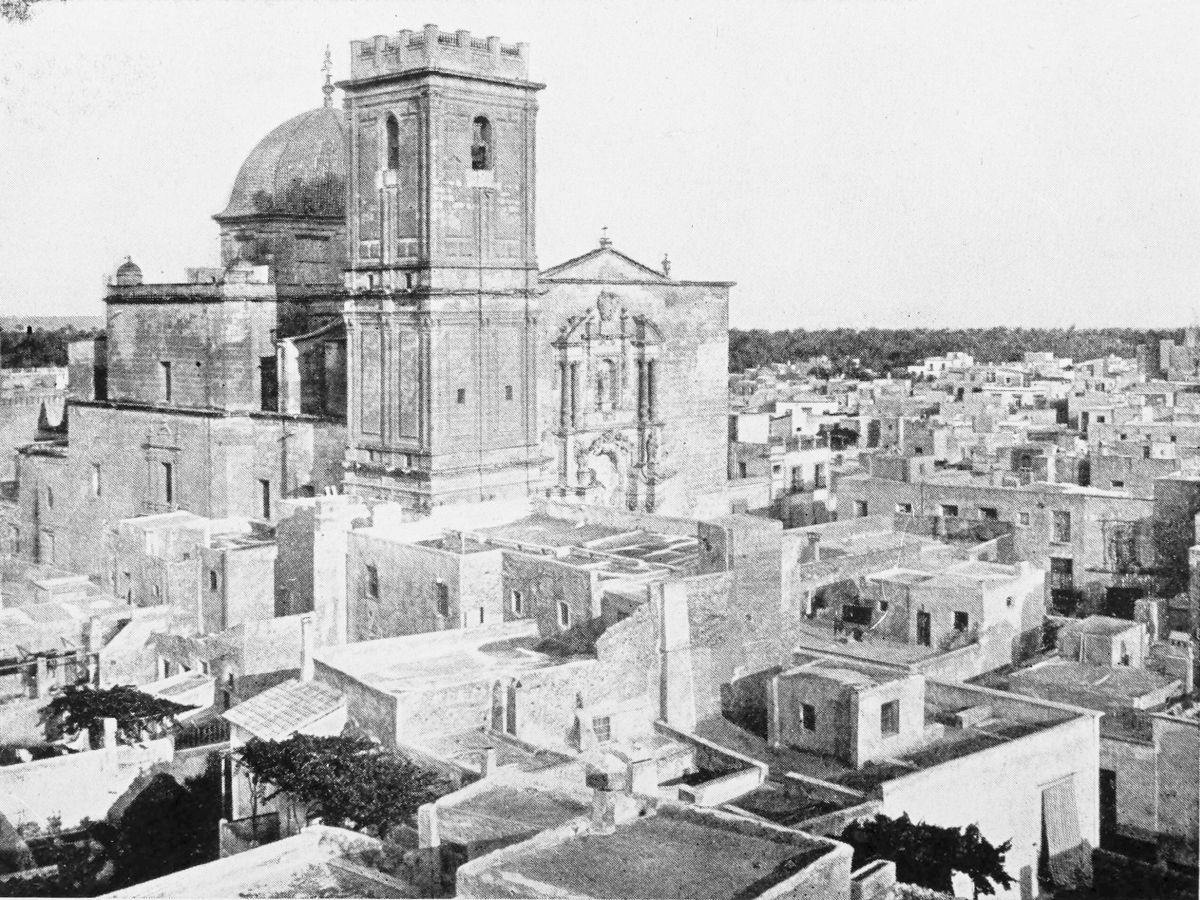
Plate 119 ELCHE: GENERAL VIEW
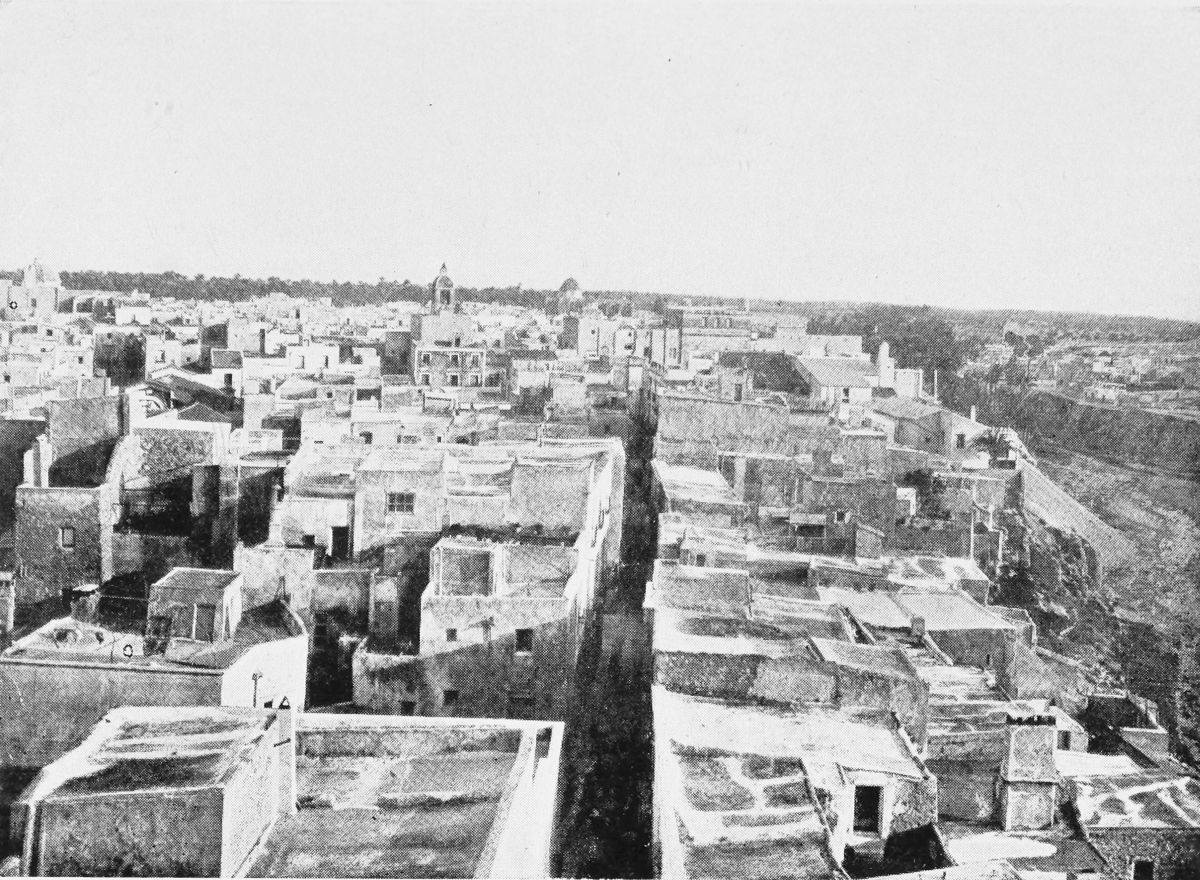
Plate 120 ELCHE: VIEW OF THE TOWN
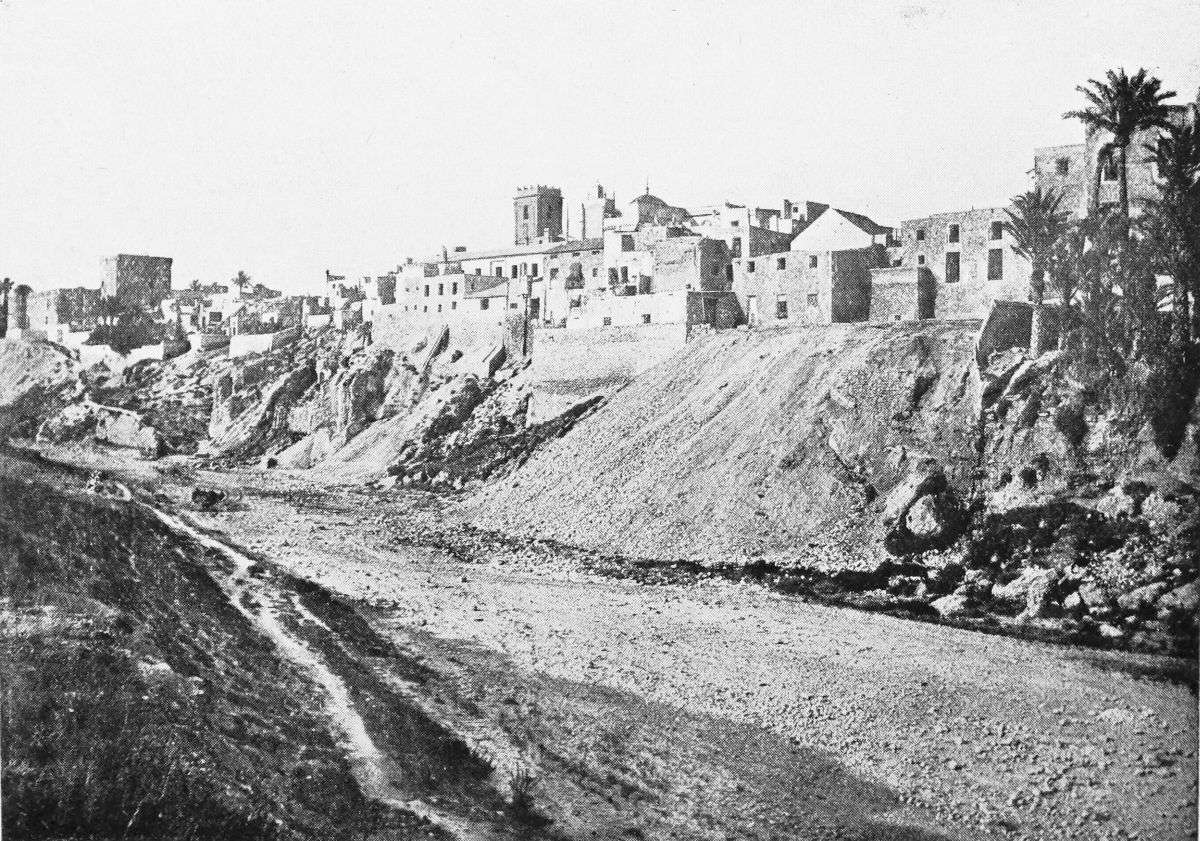
Plate 121 ELCHE: PLAZA MAYOR
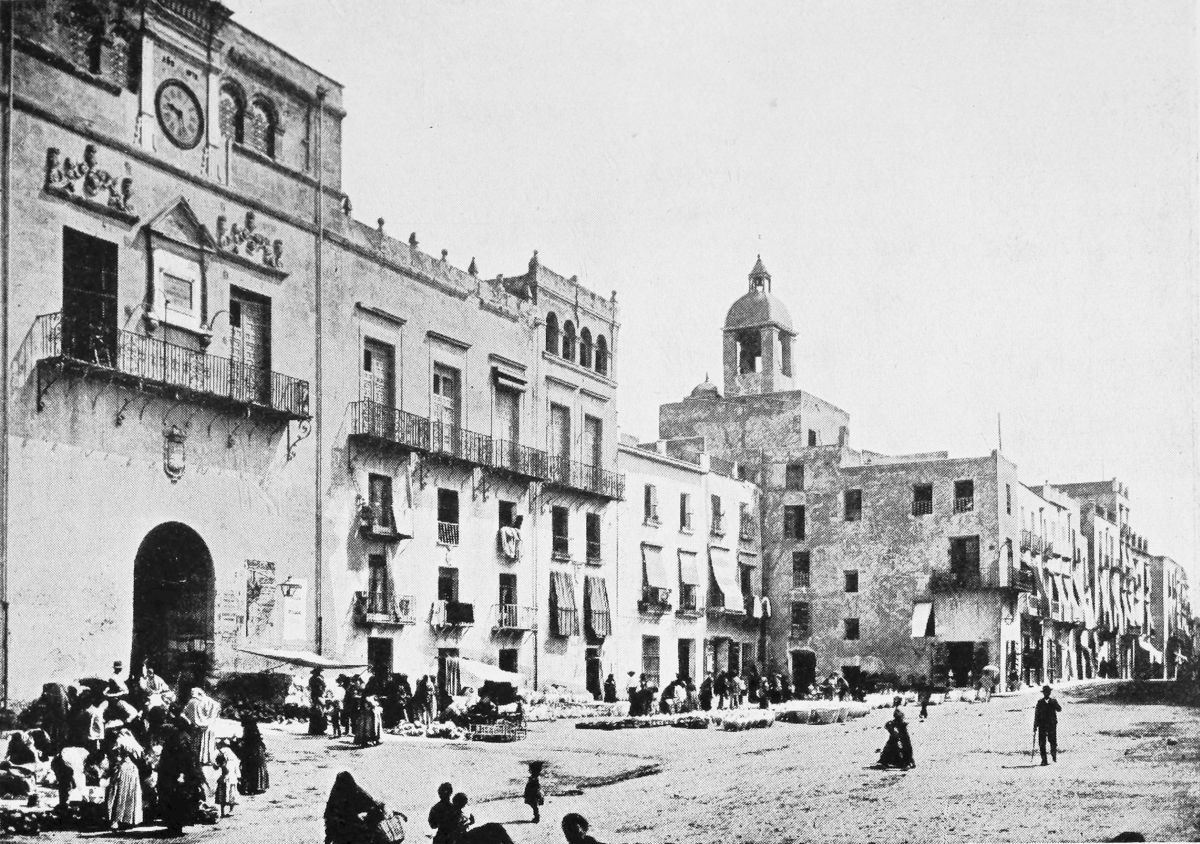
Plate 122 ELCHE: VIEW FROM THE STATION
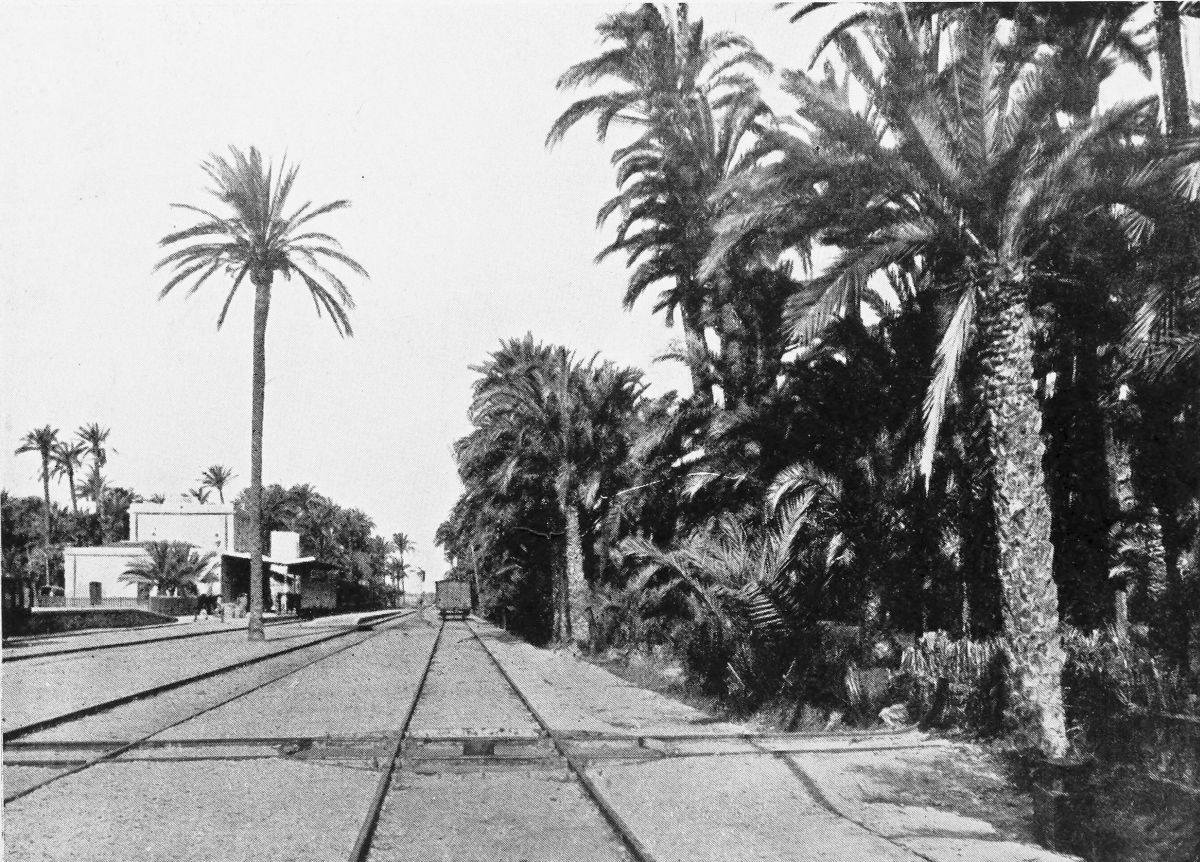
Plate 123 ELCHE: THE ROAD TO ALICANTE
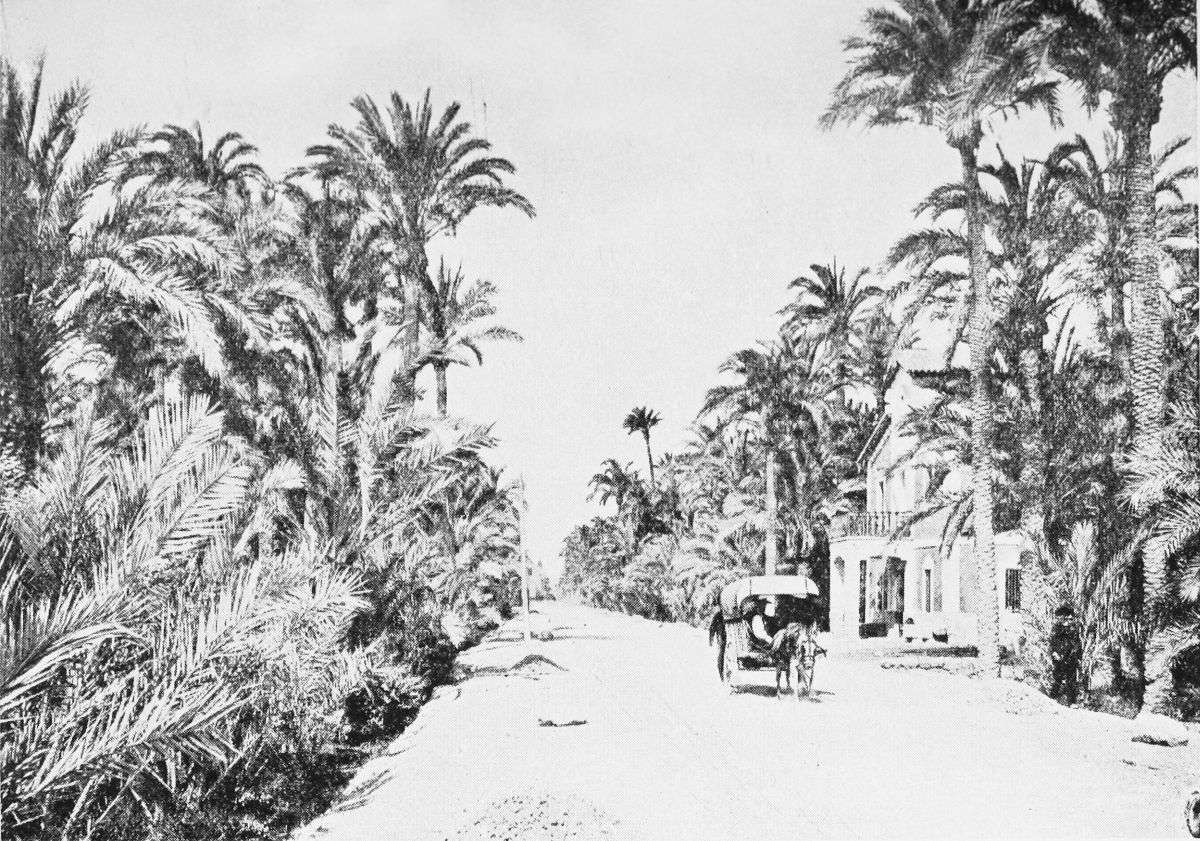
Plate 124 ELCHE: THE ROAD FROM ALICANTE
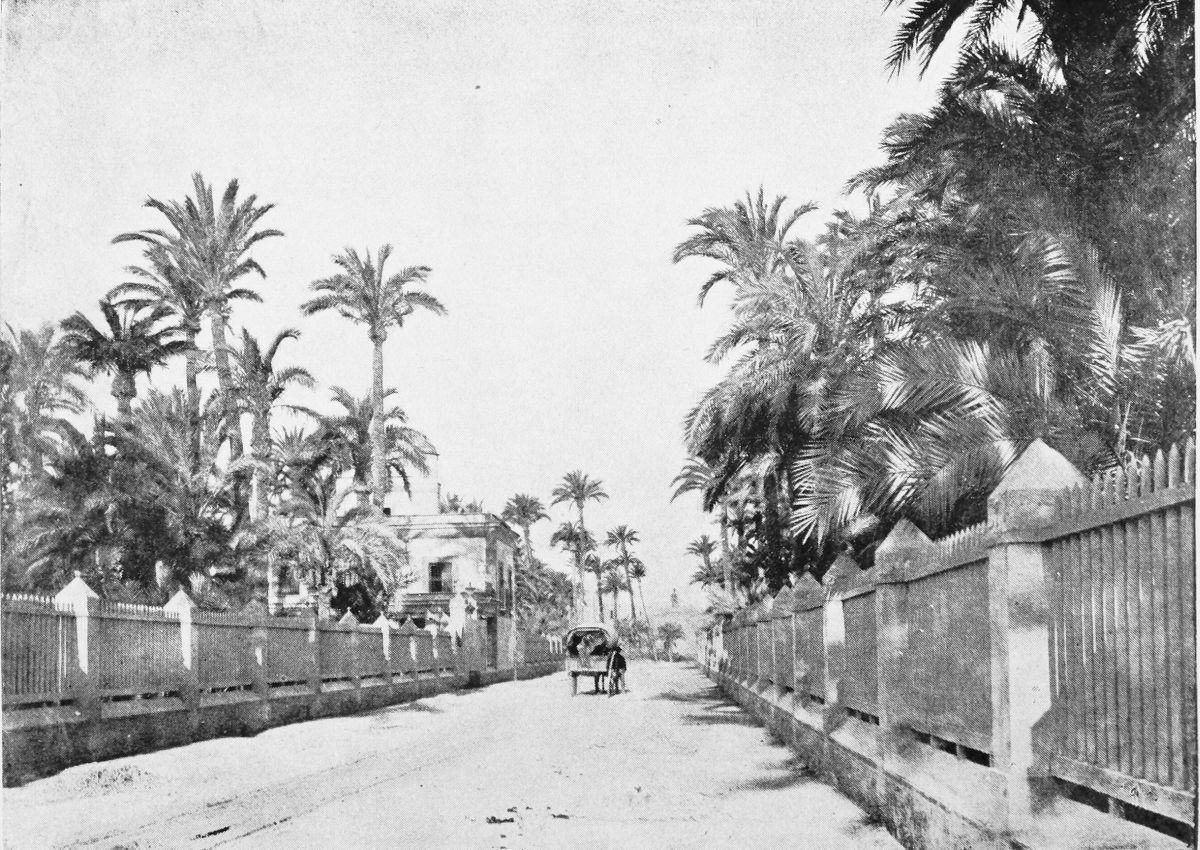
Plate 125 ELCHE: THE TOWN HALL
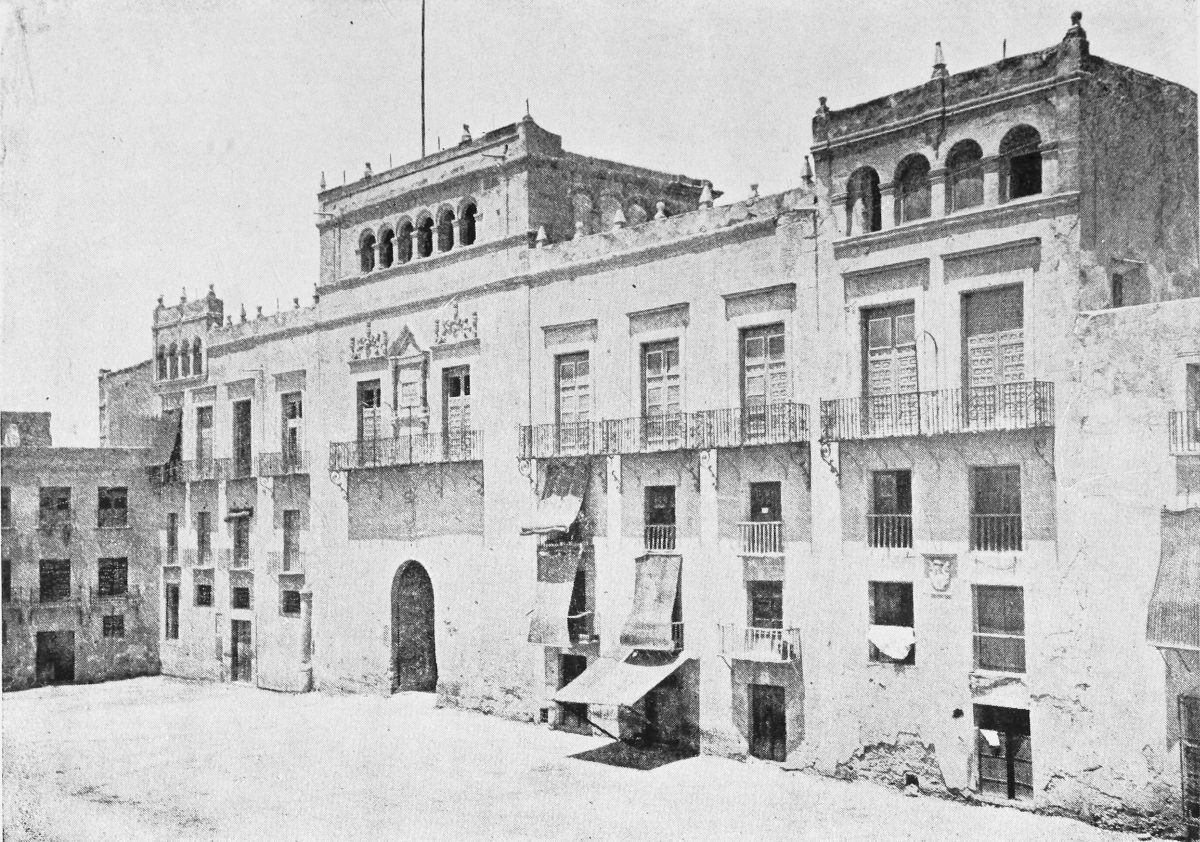
Plate 126 ELCHE: CHURCH OF SAN JUAN
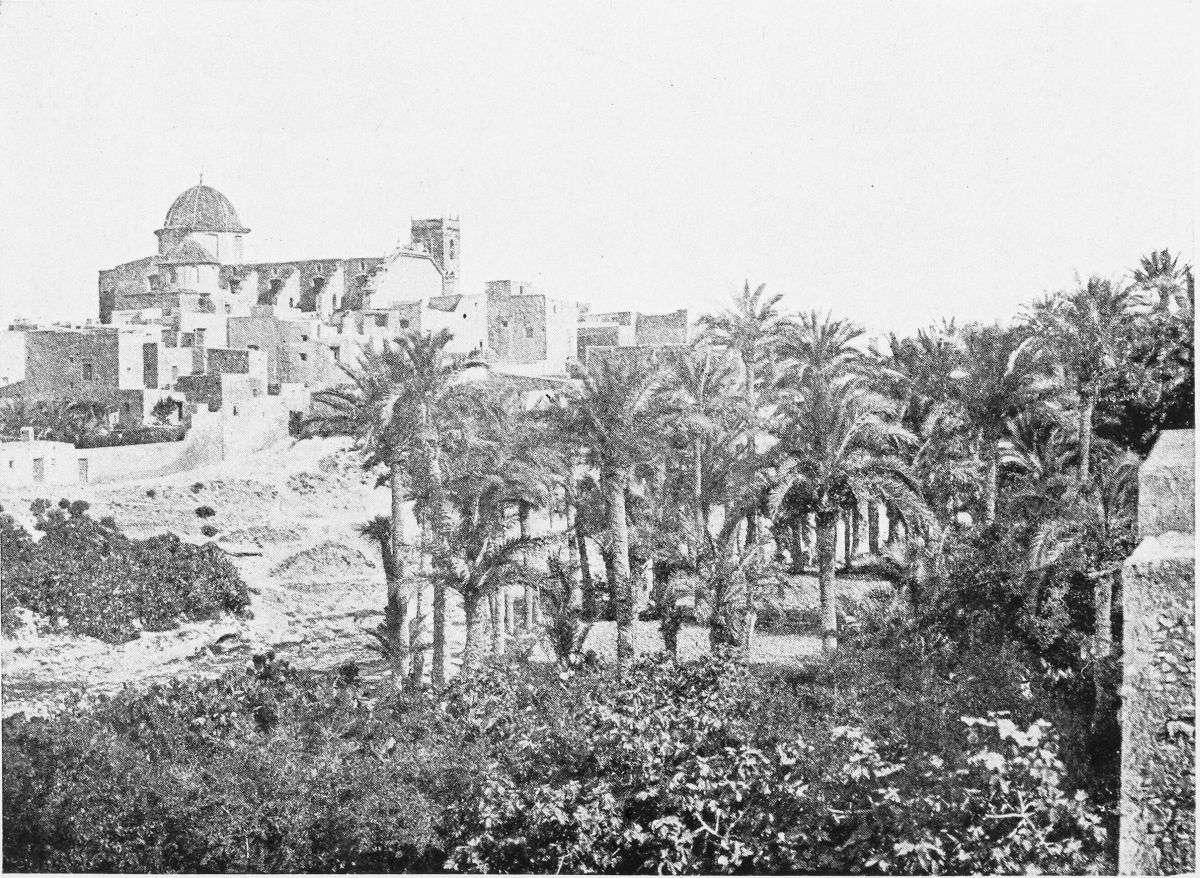
Plate 127 ELCHE: BRIDGE OVER THE RAMBLA DE ELCHE
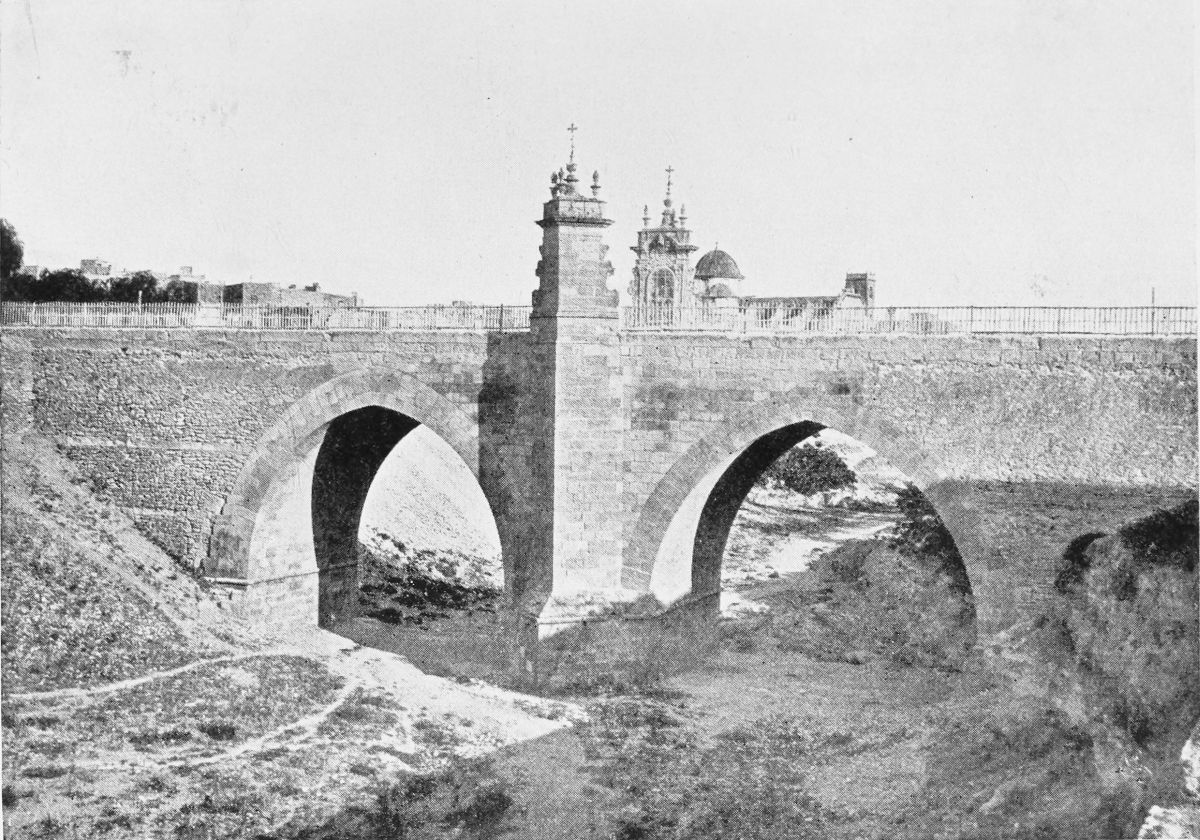
Plate 128 ELCHE: VIEW FROM THE RAILWAY BRIDGE
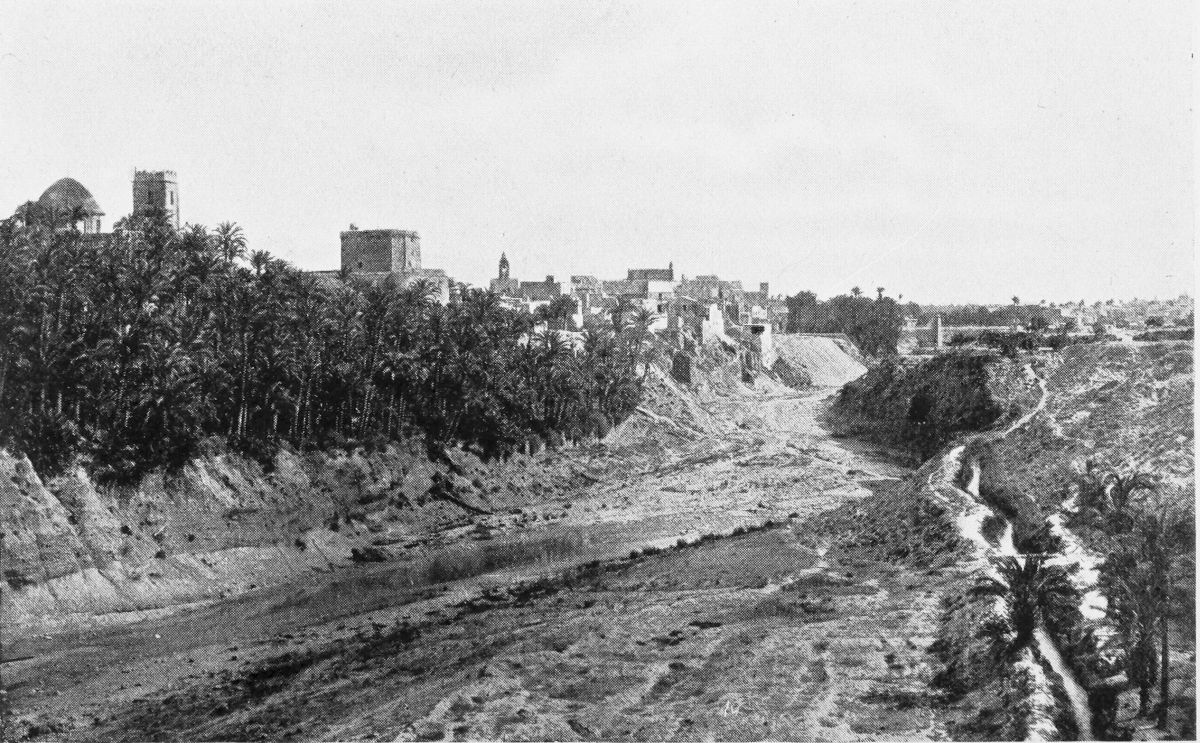
Plate 129 ELCHE: THE CANAL
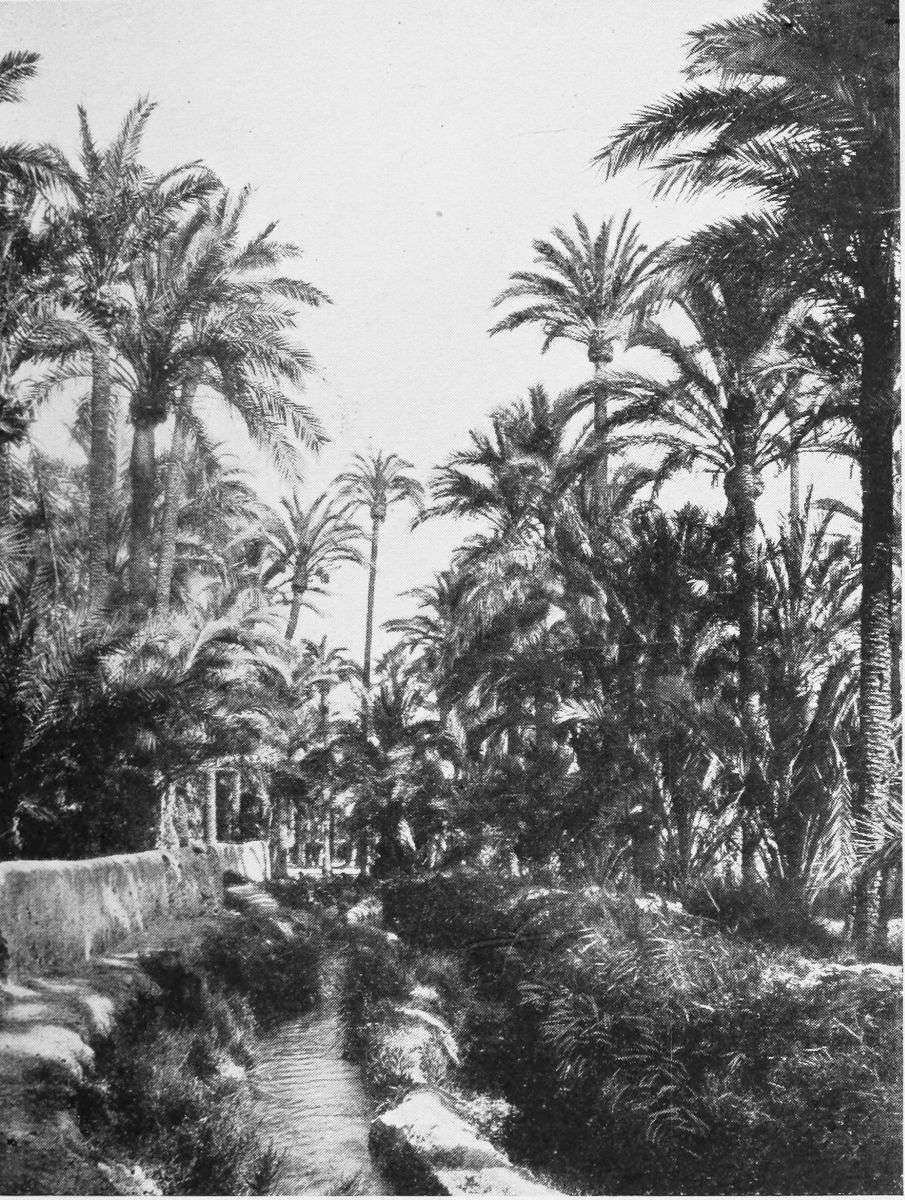
Plate 130 ELCHE: WASHING LINEN IN THE CANAL
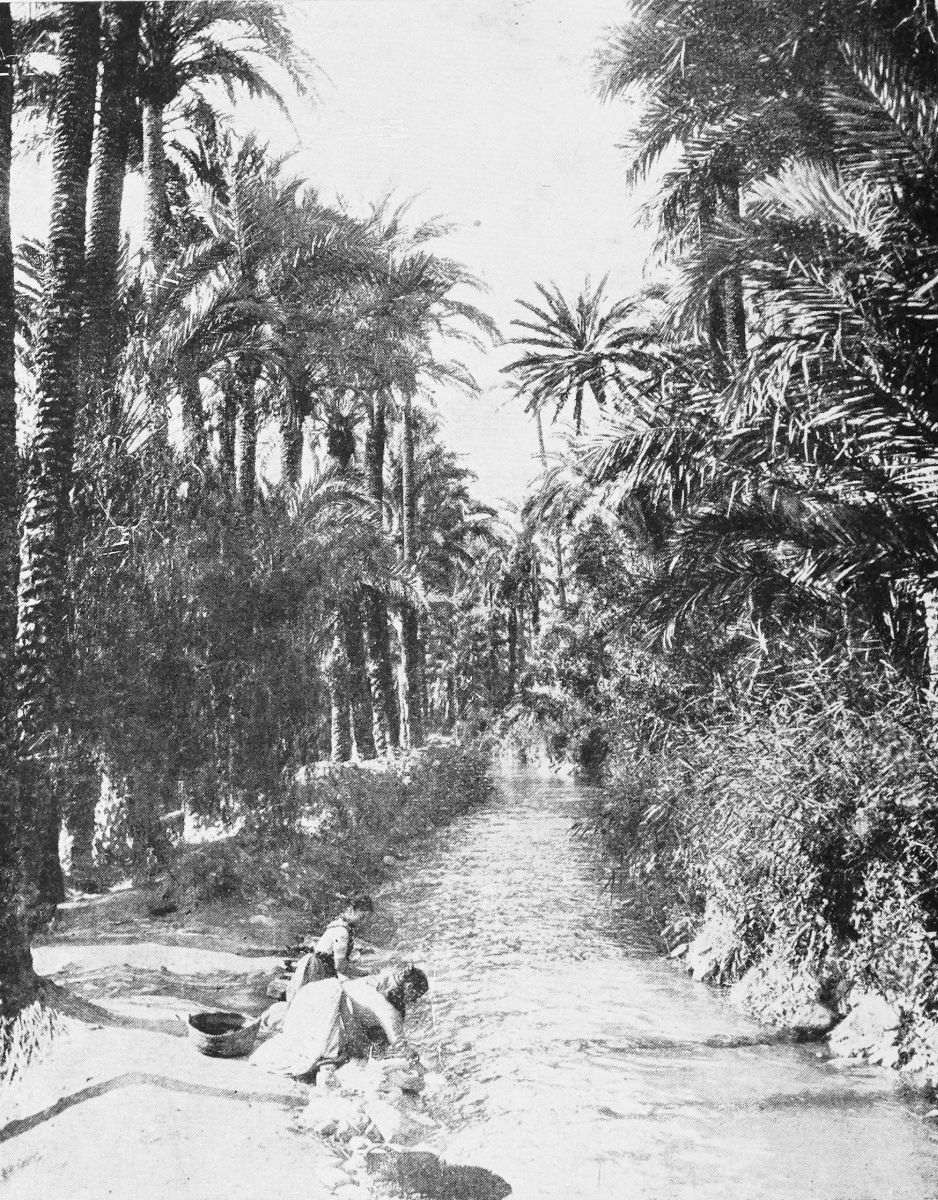
Plate 131 ELCHE: A CANAL
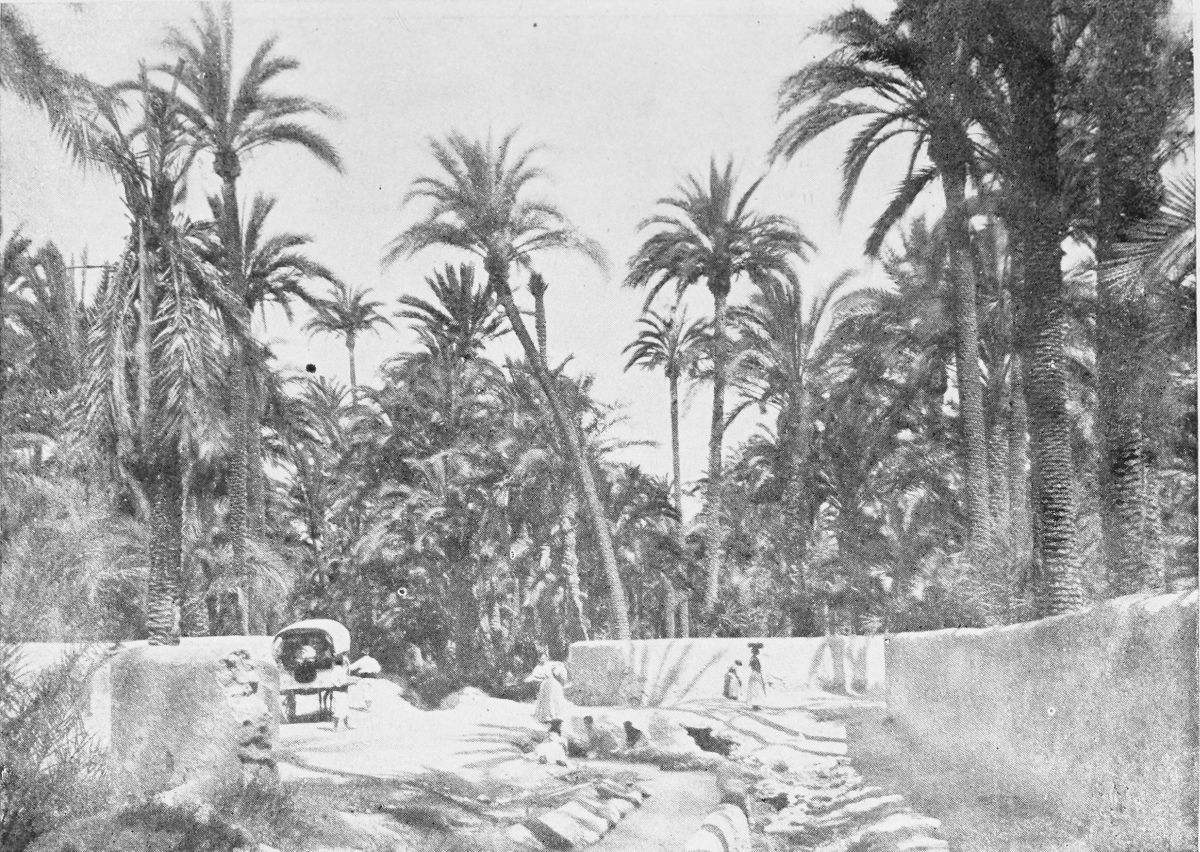
Plate 132 ELCHE: TOWER OF RAPSAMBLANC, BELONGING TO THE CONDE DE LUNA
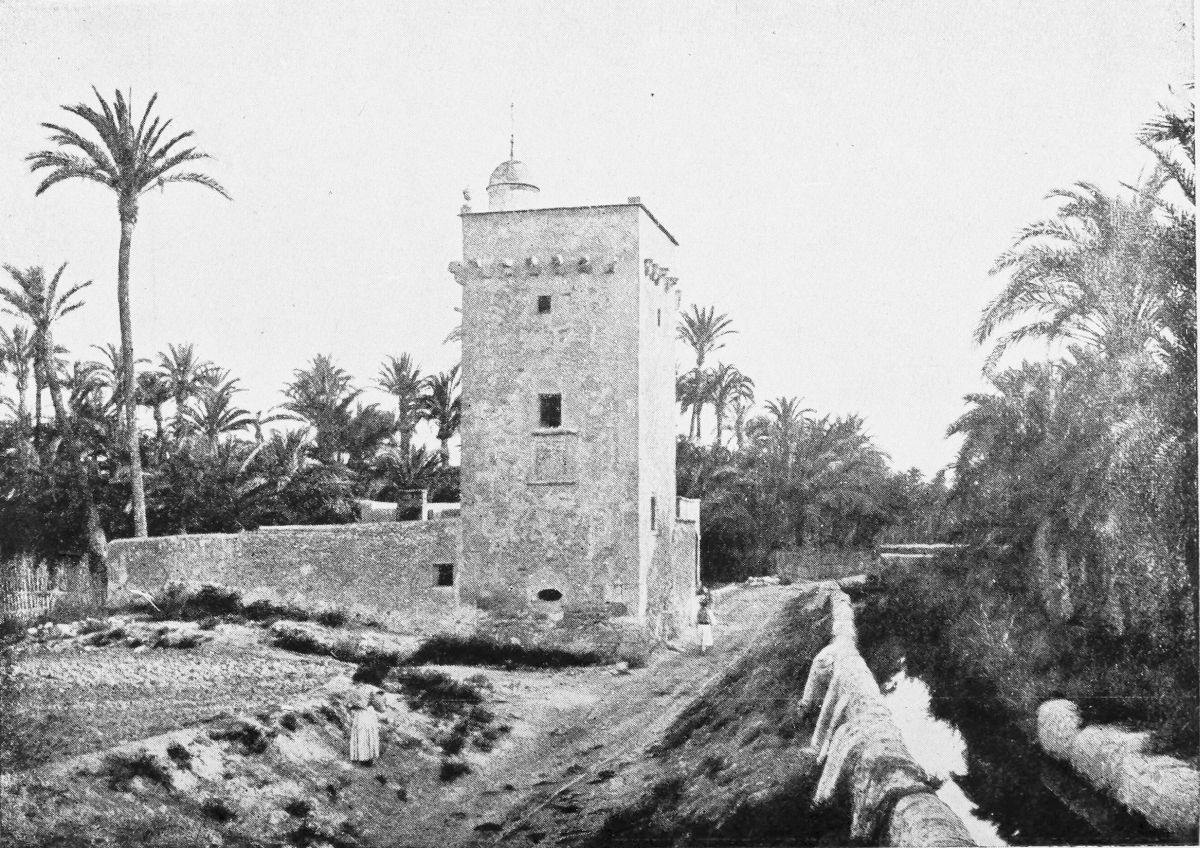
Plate 133 ELCHE: CASTLE OF THE DUQUE DE ALTAMIRA, NOW A PRISON
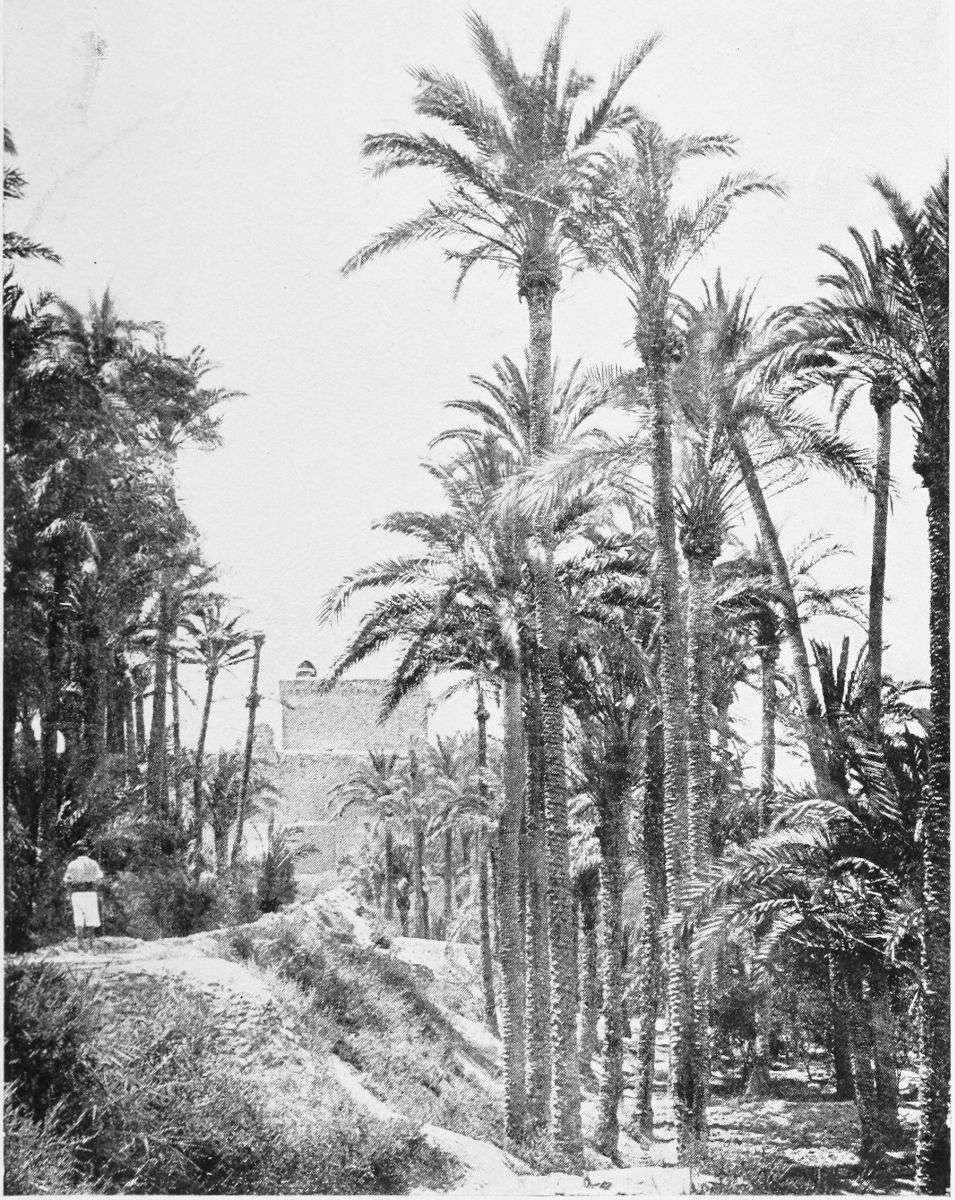
Plate 134 ELCHE: MILL AND CASTLE OF THE DUQUE DE ALTAMIRA
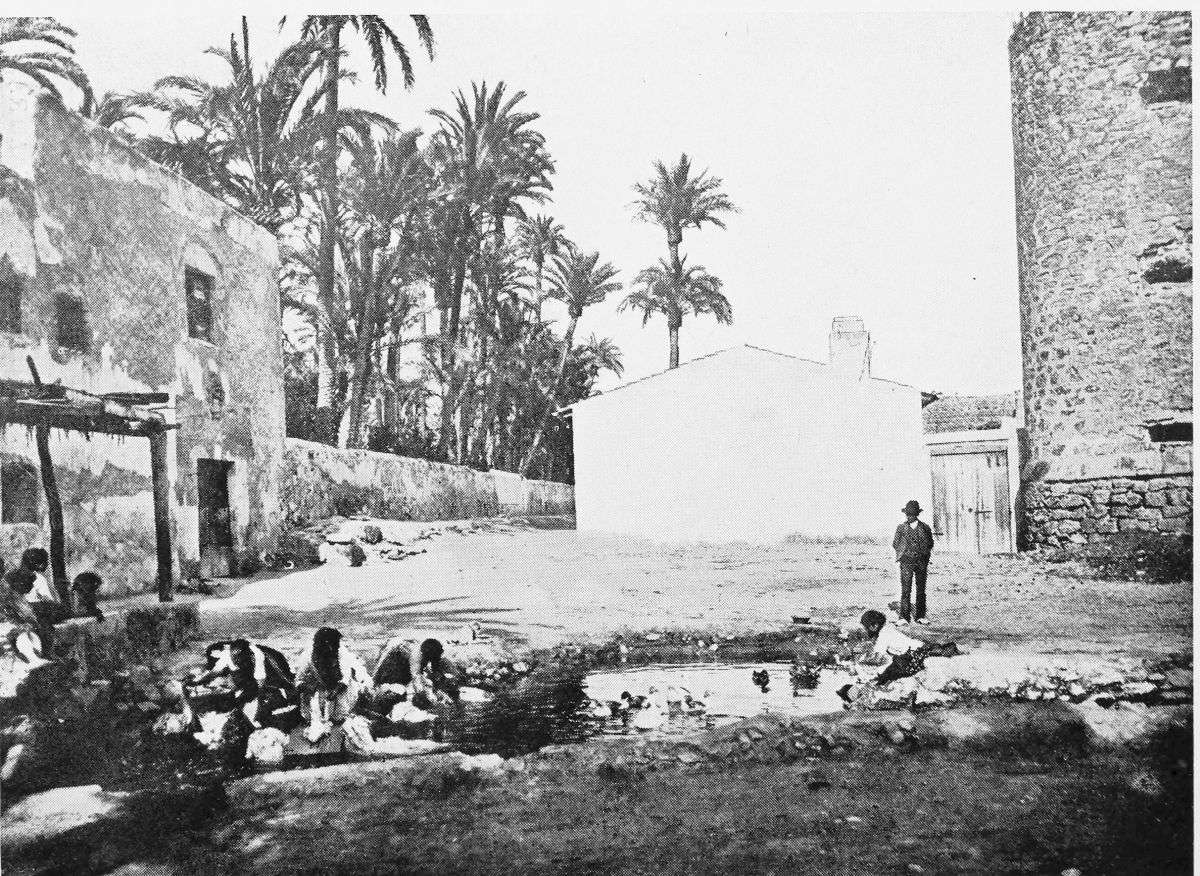
Plate 135 ELCHE: CASTLE OF THE DUQUE DE ALTAMIRA
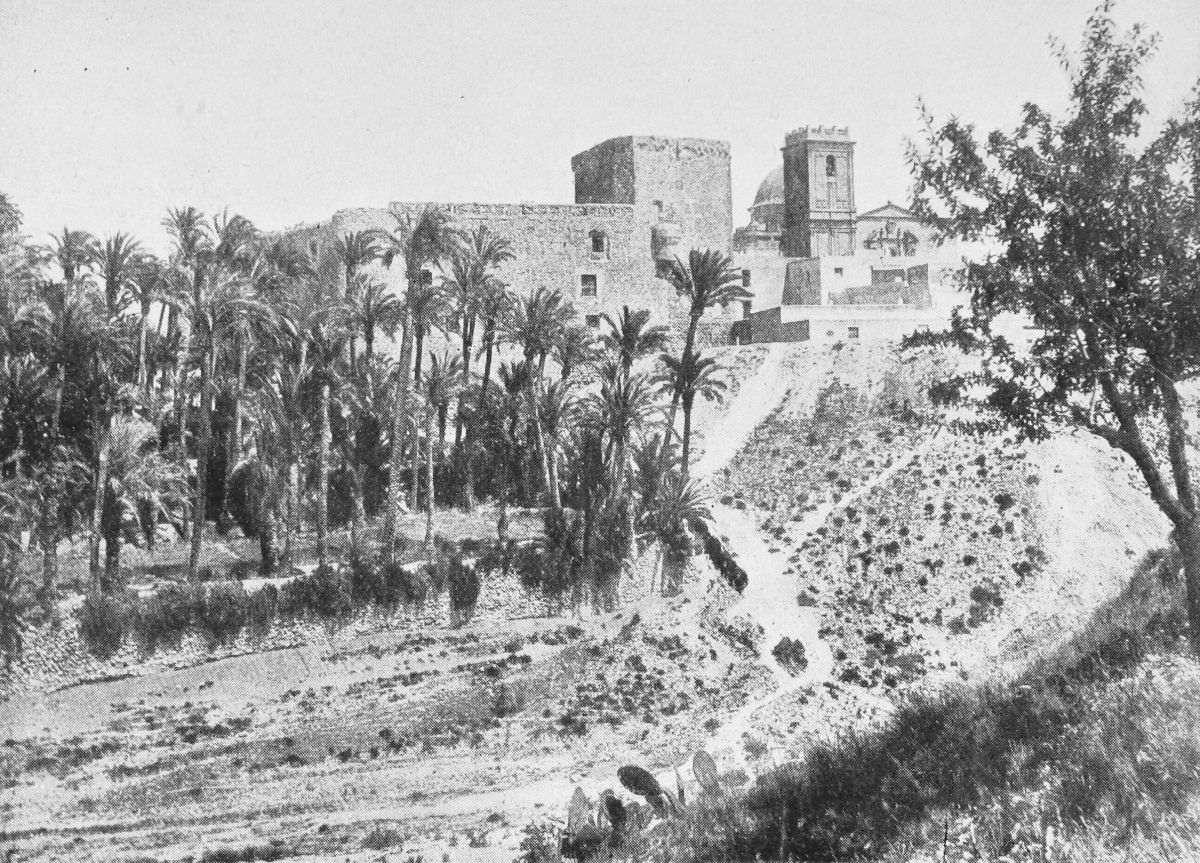
Plate 136 ELCHE: CASTLE AND MILL
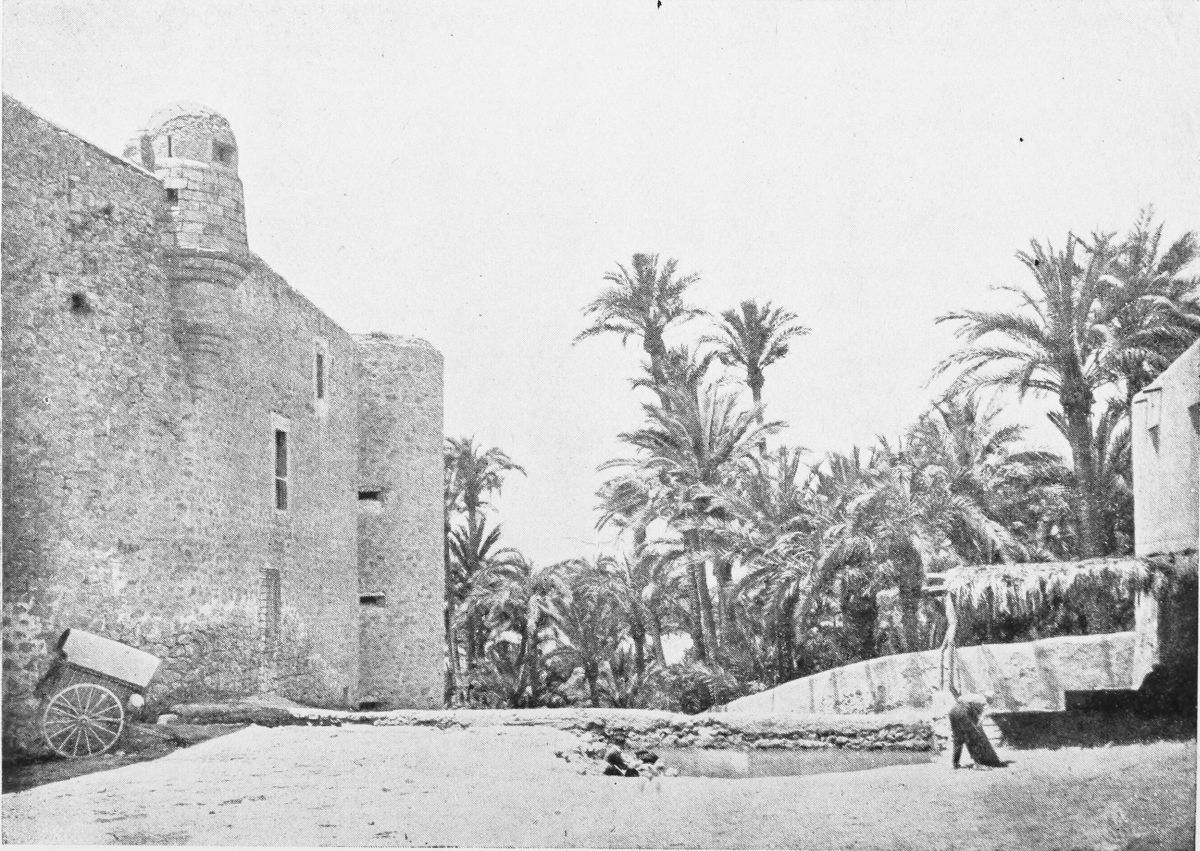
Plate 137 ELCHE: PALMS
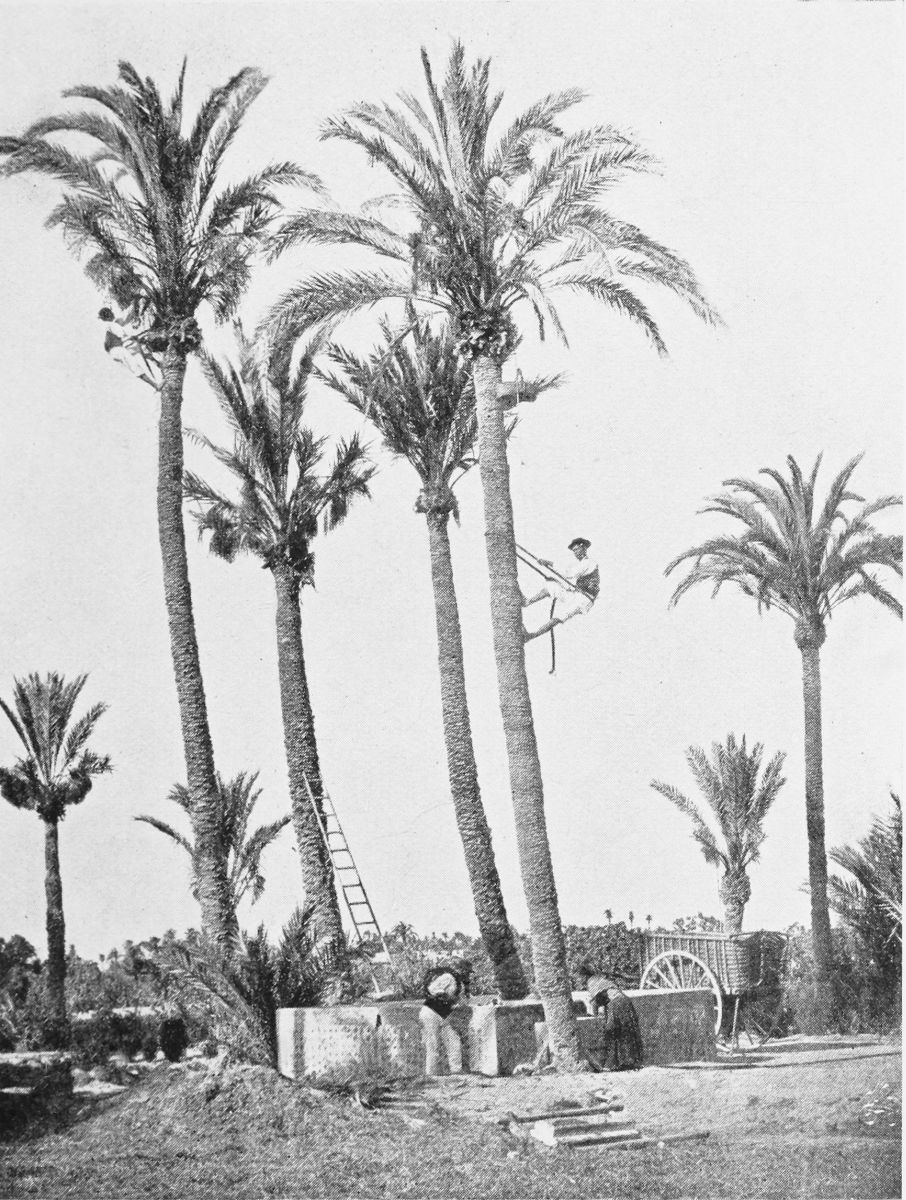
Plate 138 ELCHE: COUNTRY SPINNERS
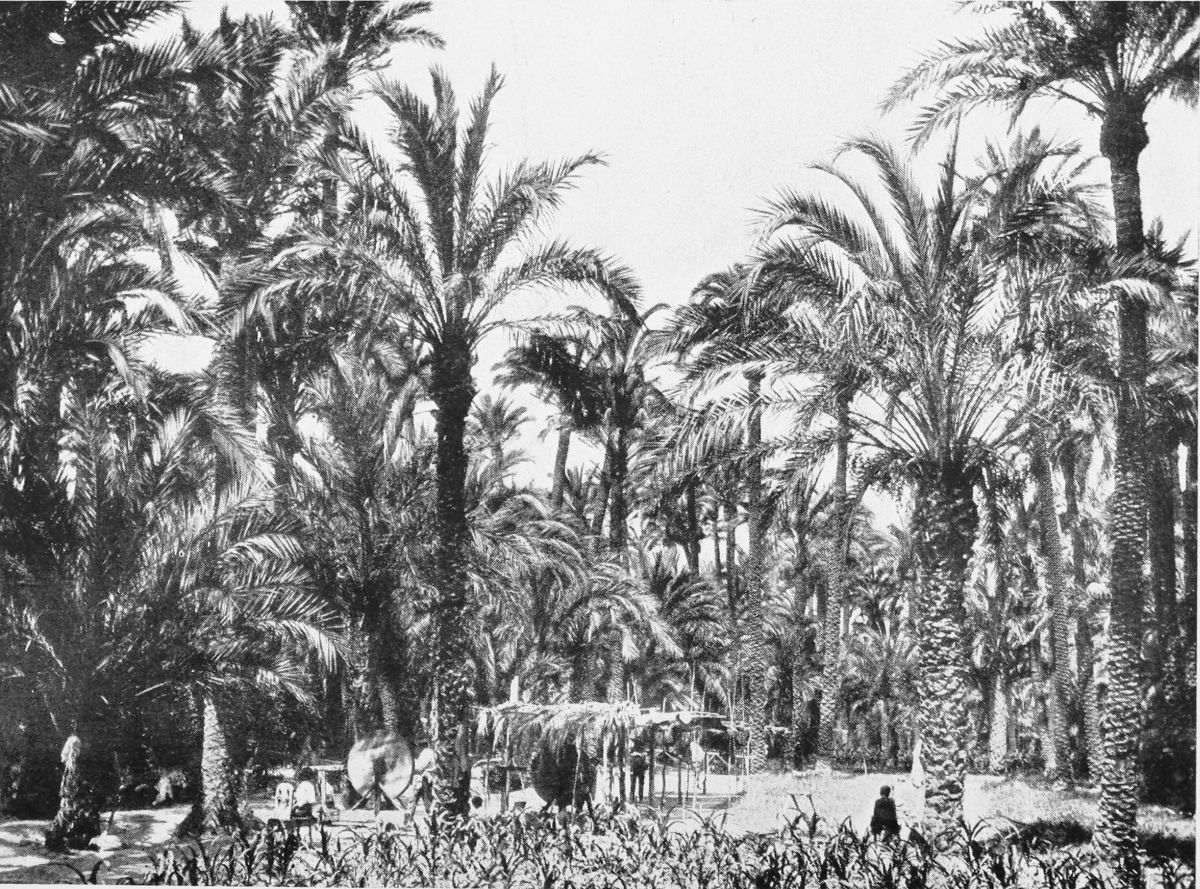
Plate 139 ELCHE: CASA DE LA HUERTA
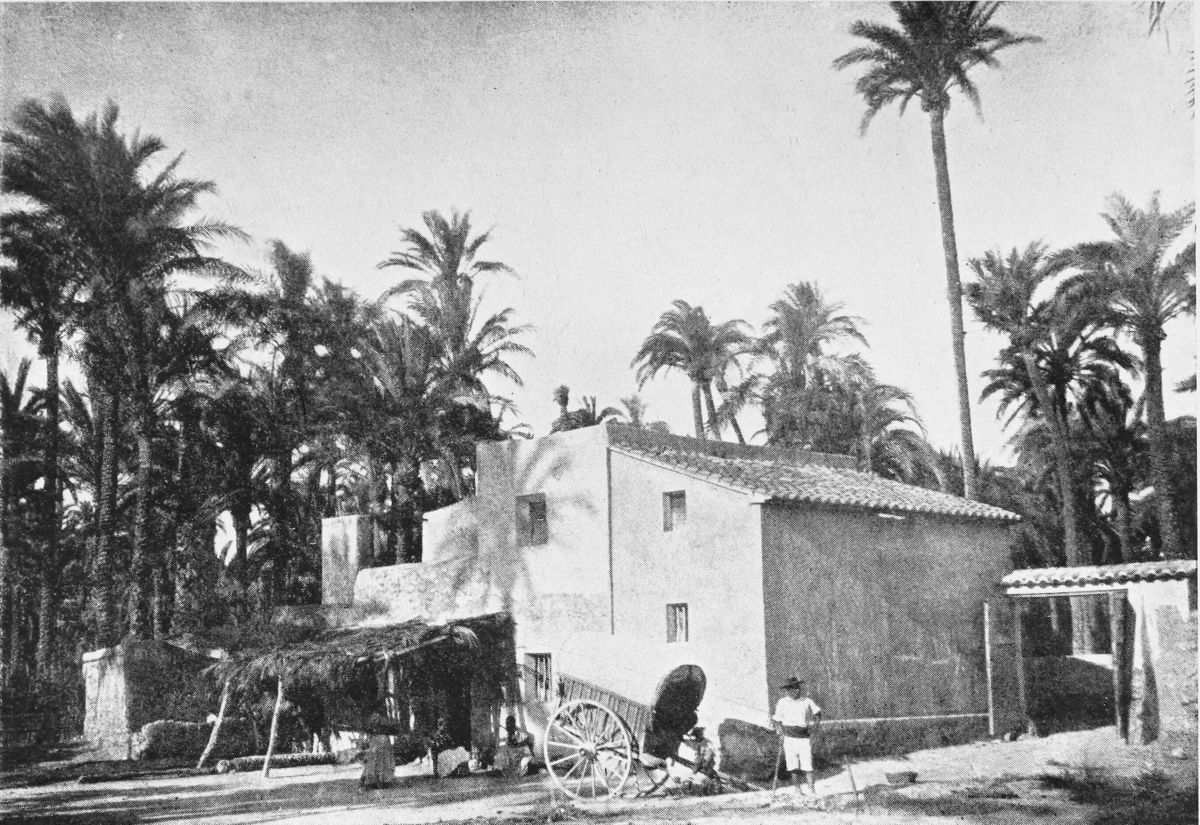
Plate 140 ELCHE: A COUNTRY ROAD
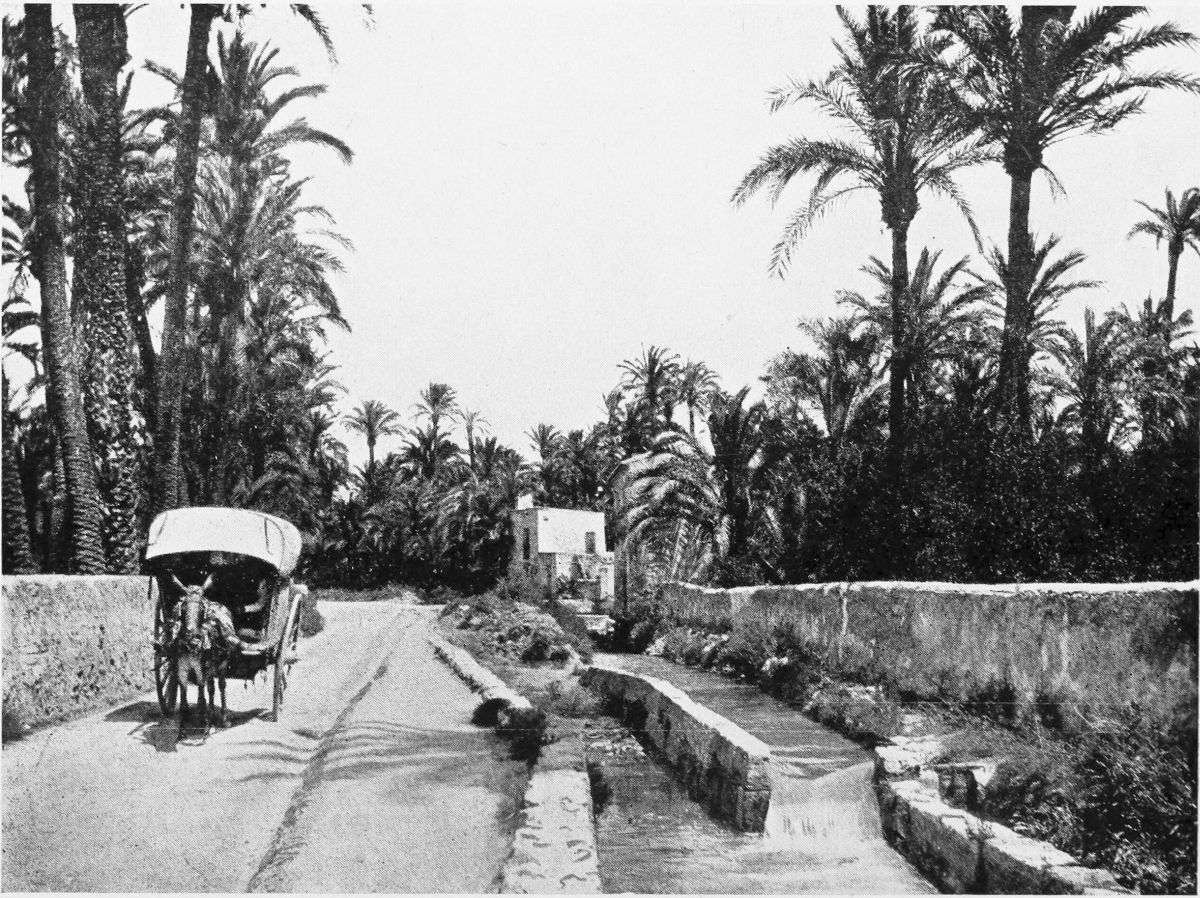
Plate 141 ELCHE: A COUNTRY HOUSE
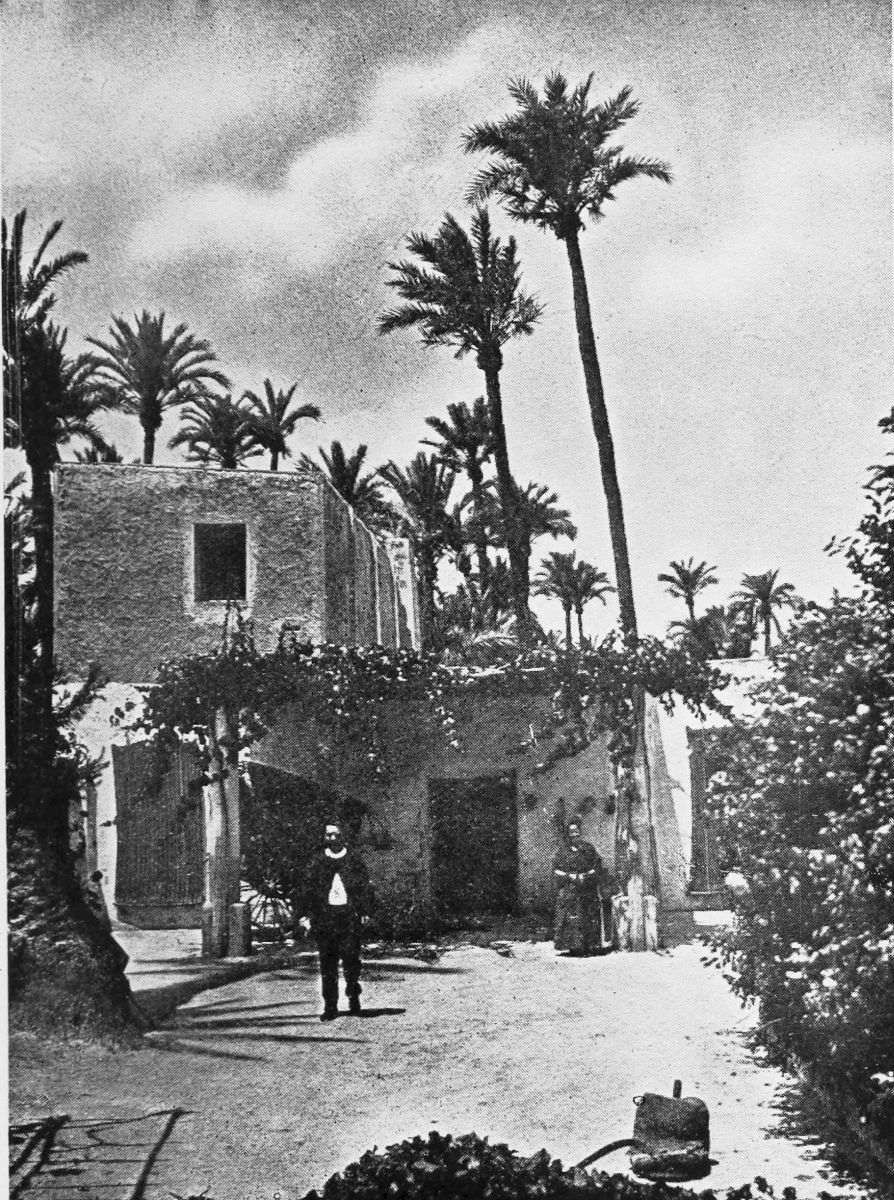
Plate 142 ELCHE: A COUNTRY HOUSE
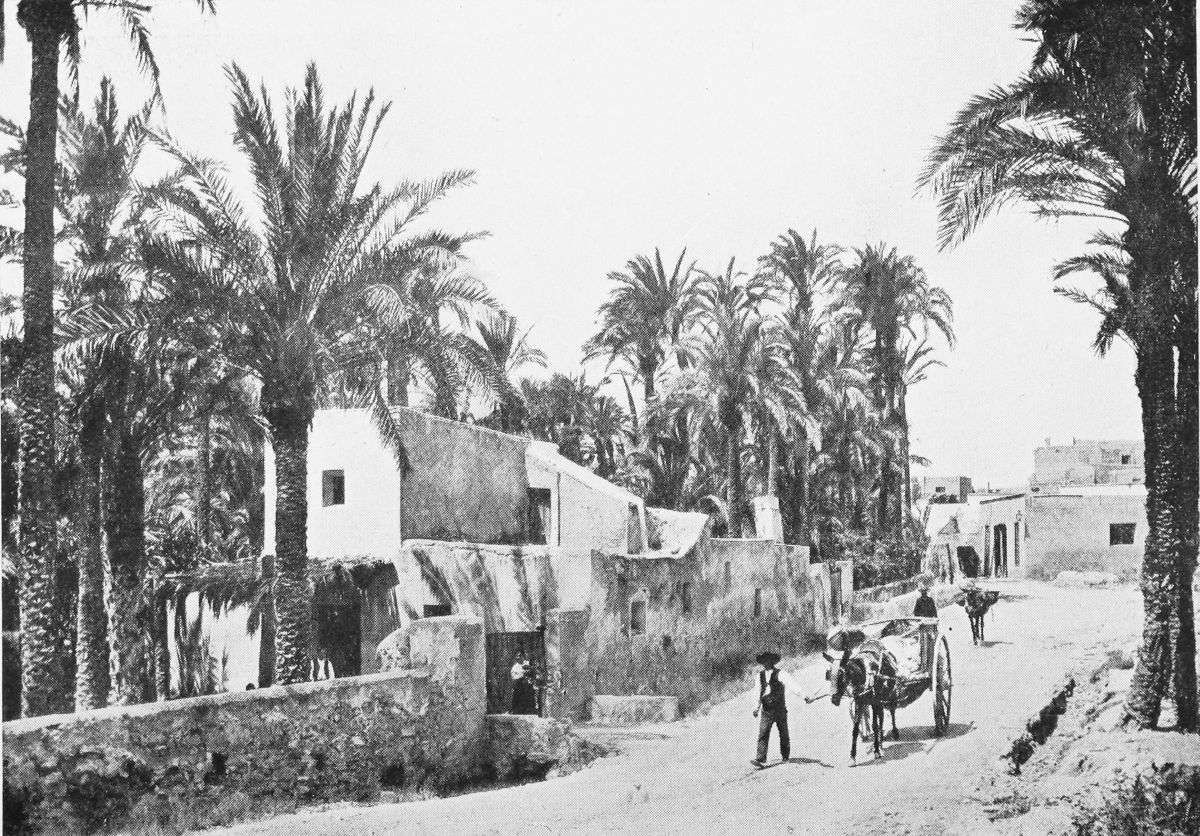
Plate 143 ELCHE: A FAMOUS PALM
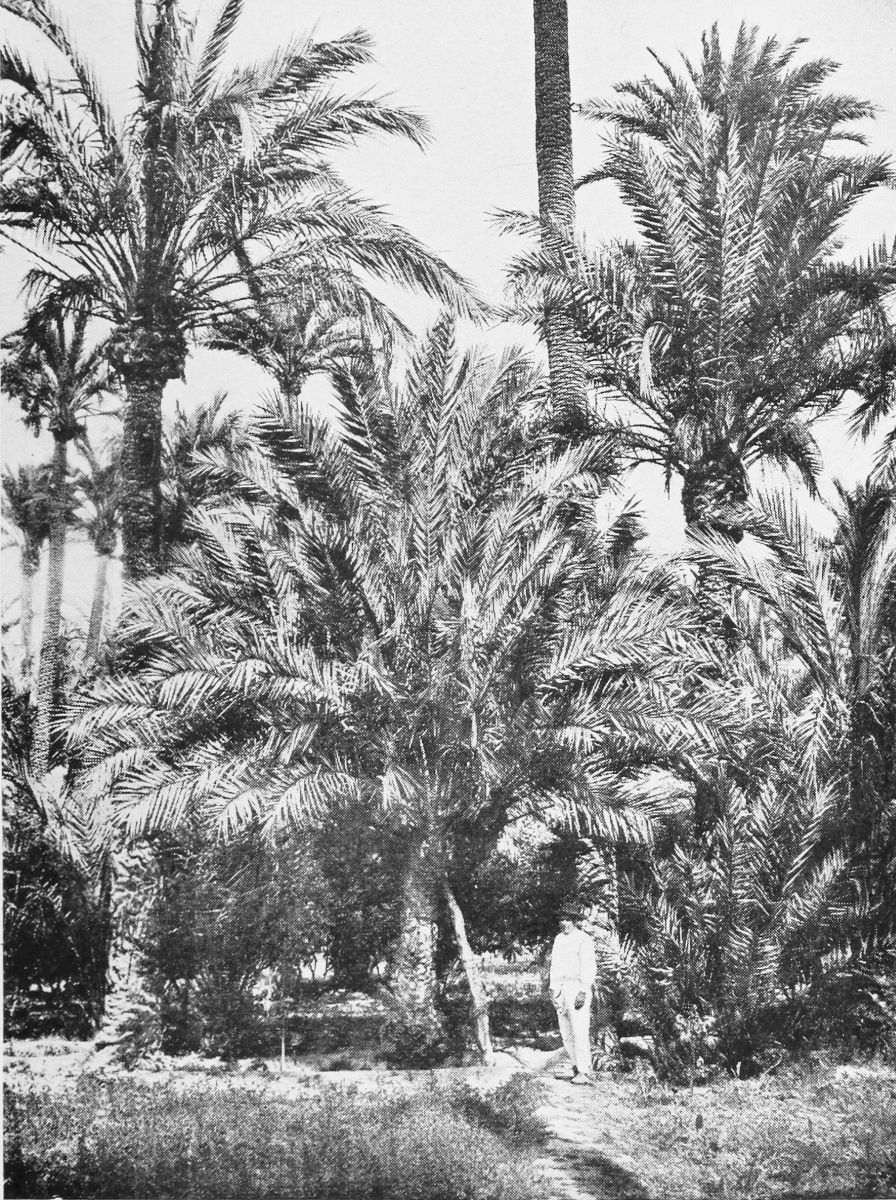
Plate 144 ELCHE: A PALM CELEBRATED FOR ITS RESEMBLANCE TO A COLUMN
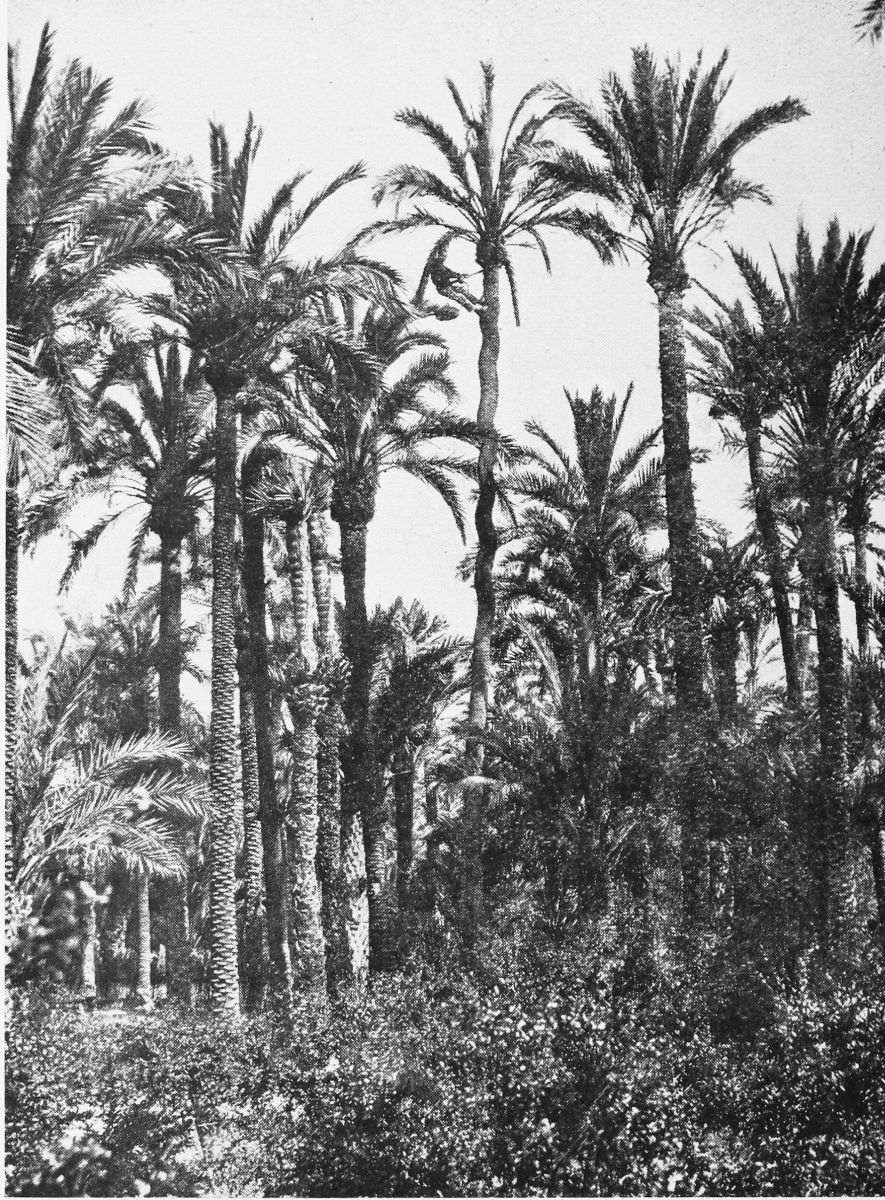
Plate 145 ELCHE: PALM GROVES
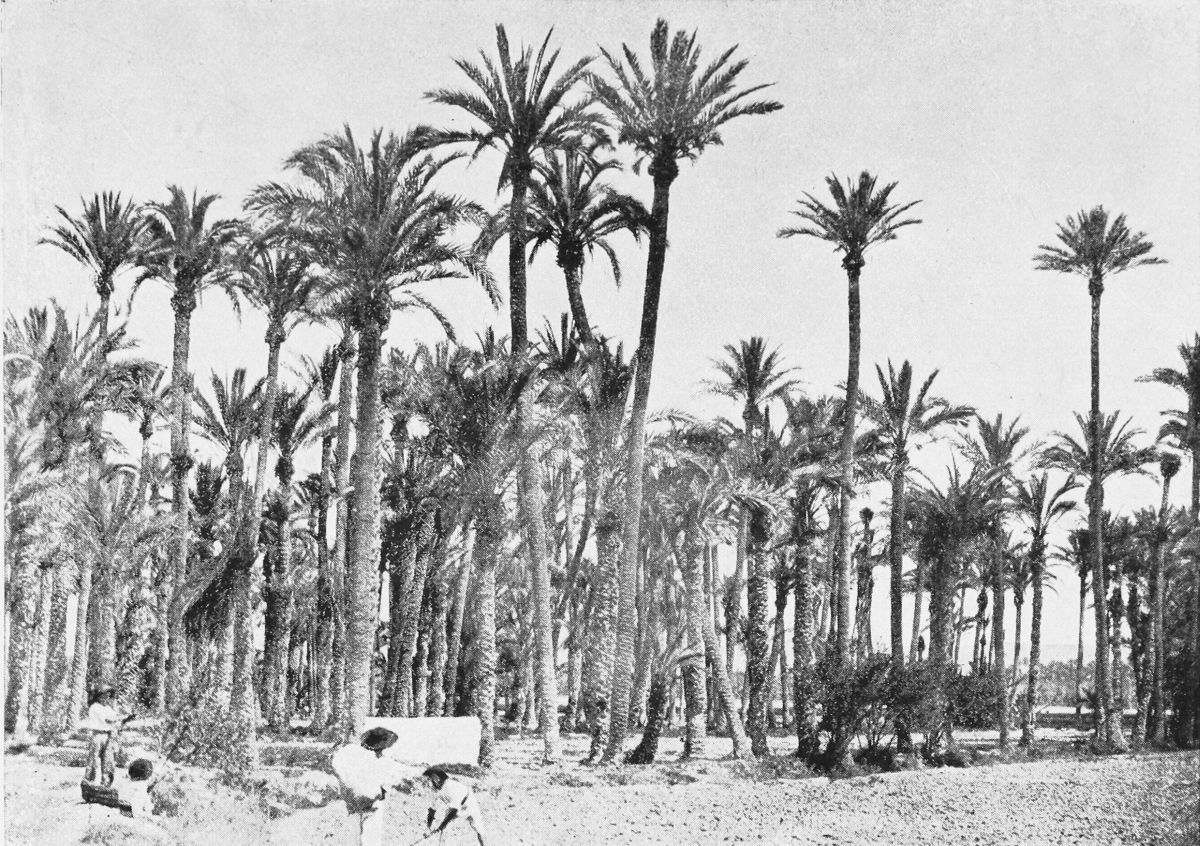
Plate 146 ELCHE: A ROAD
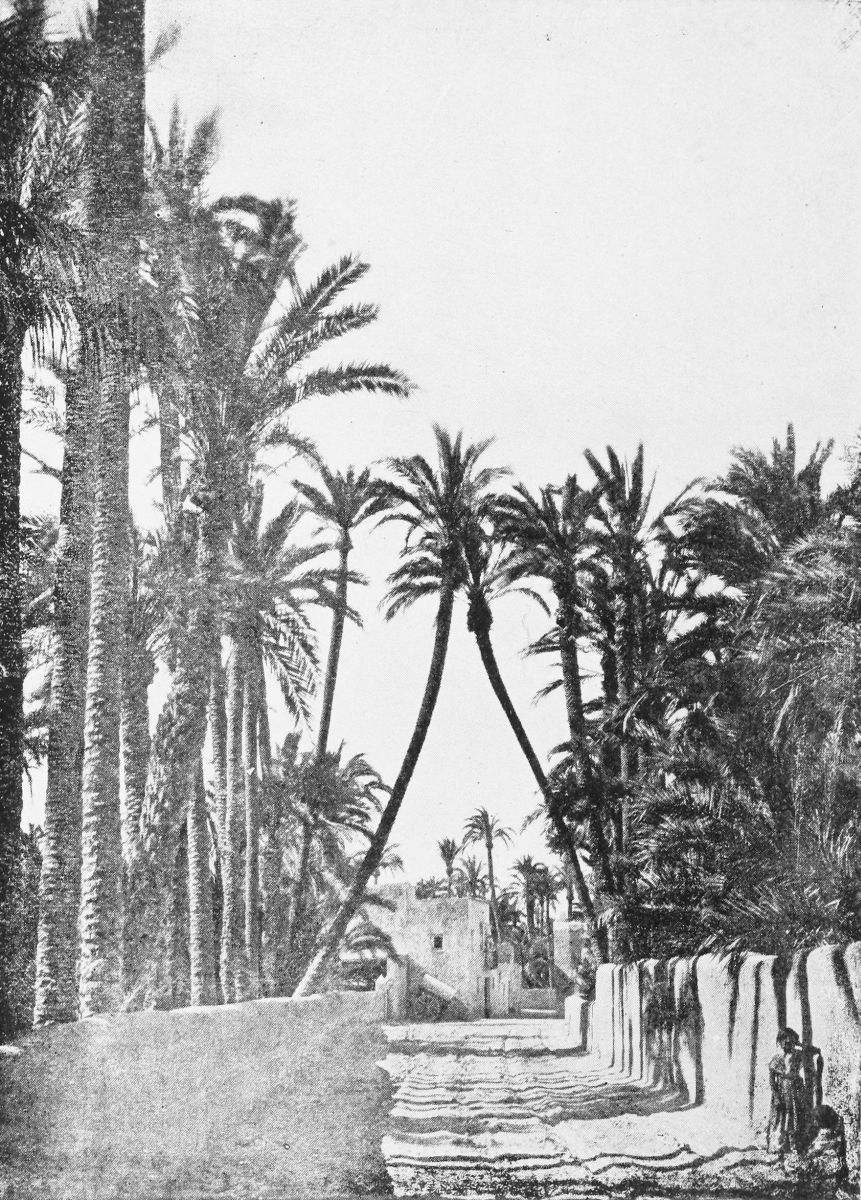
Plate 147 SAX: GENERAL VIEW
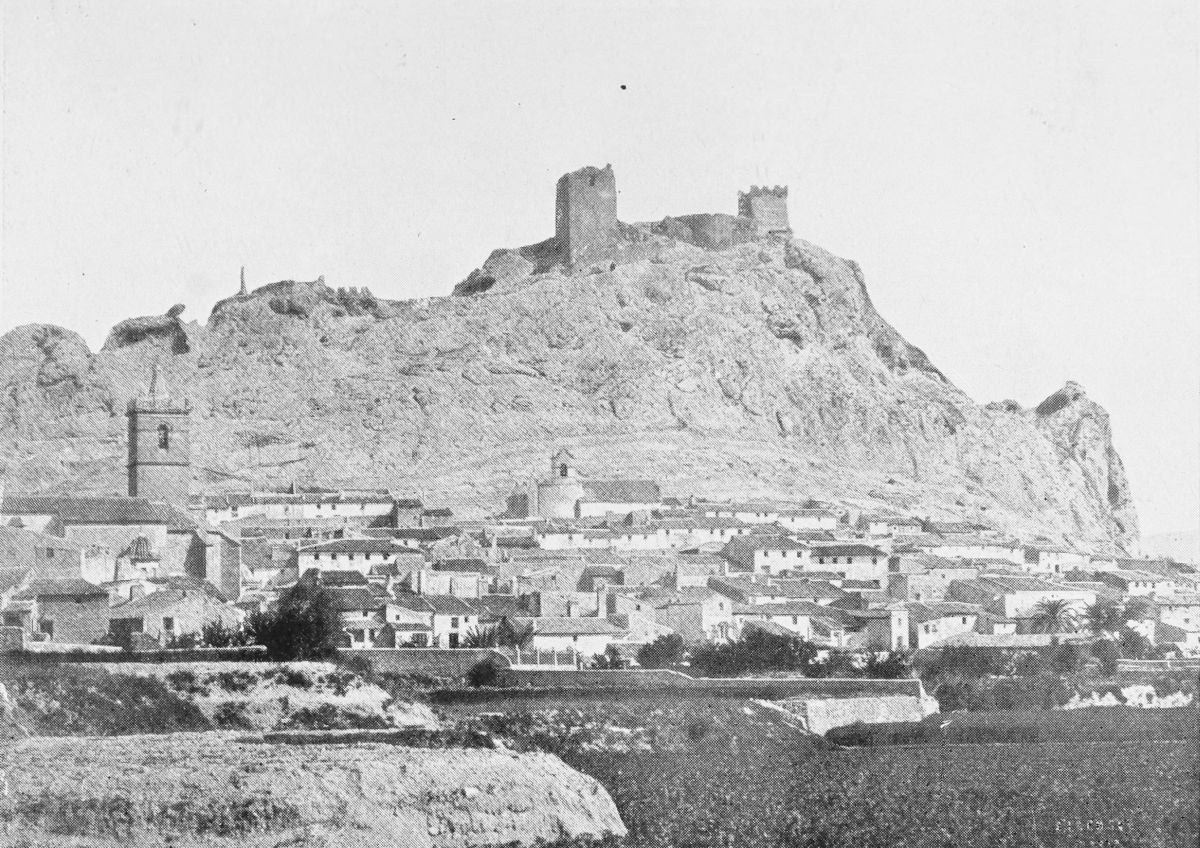
Plate 148 MURCIA: GENERAL VIEW
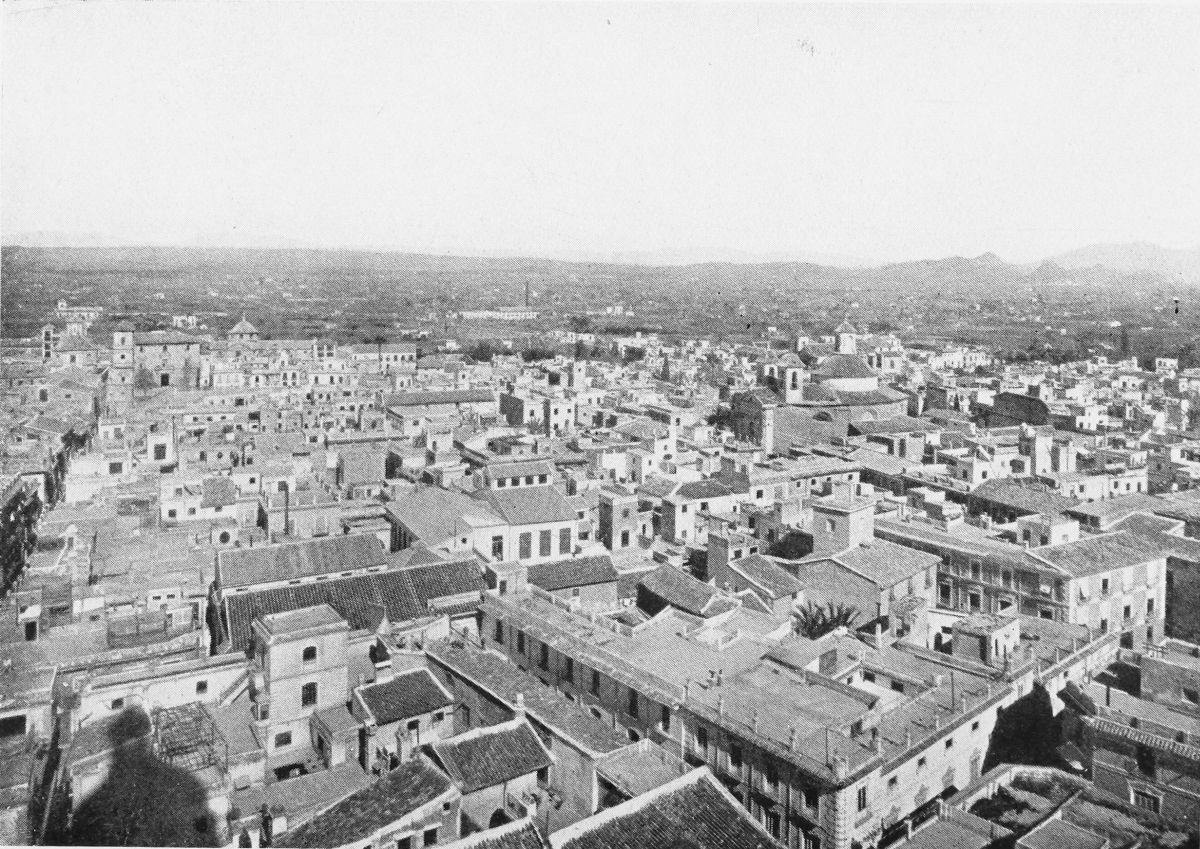
Plate 149 MURCIA: VIEW FROM THE TOWER OF THE CATHEDRAL, TOWARDS THE SOUTH
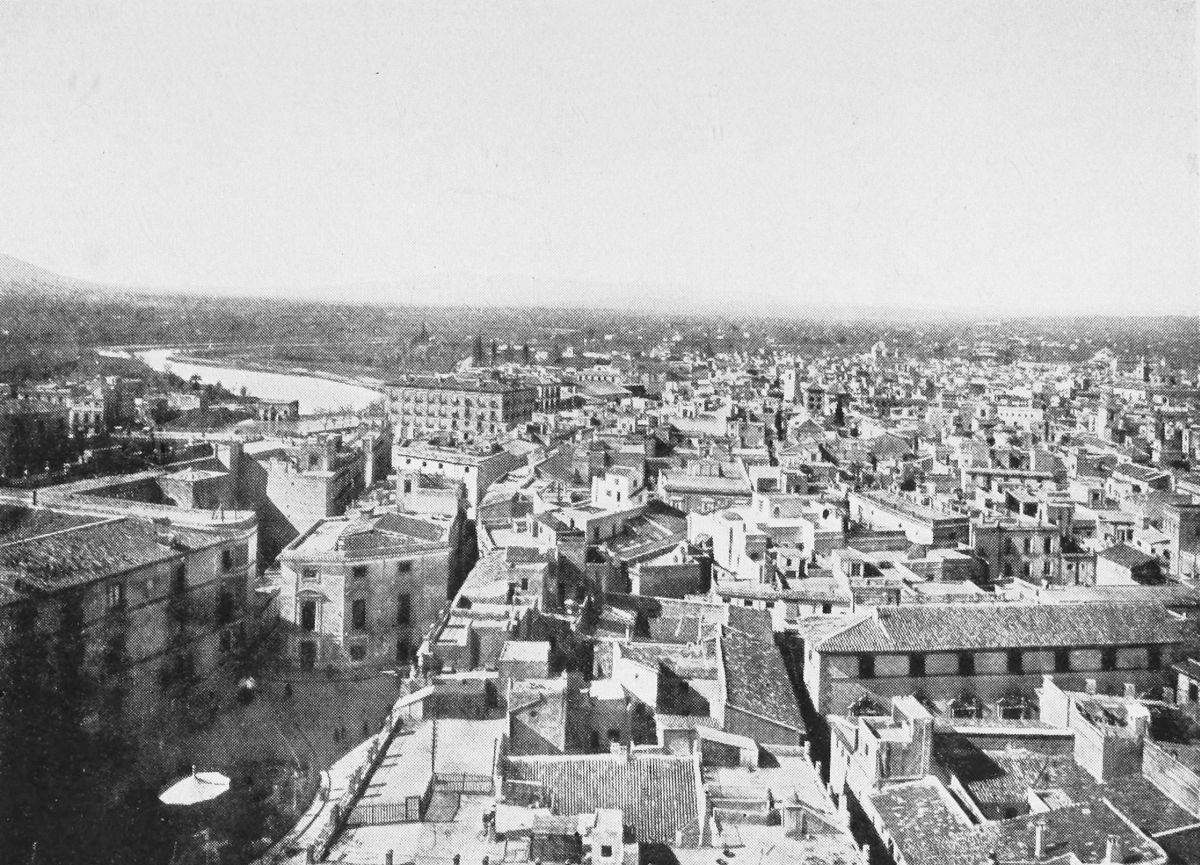
Plate 150 MURCIA: VIEW OF THE TOWN
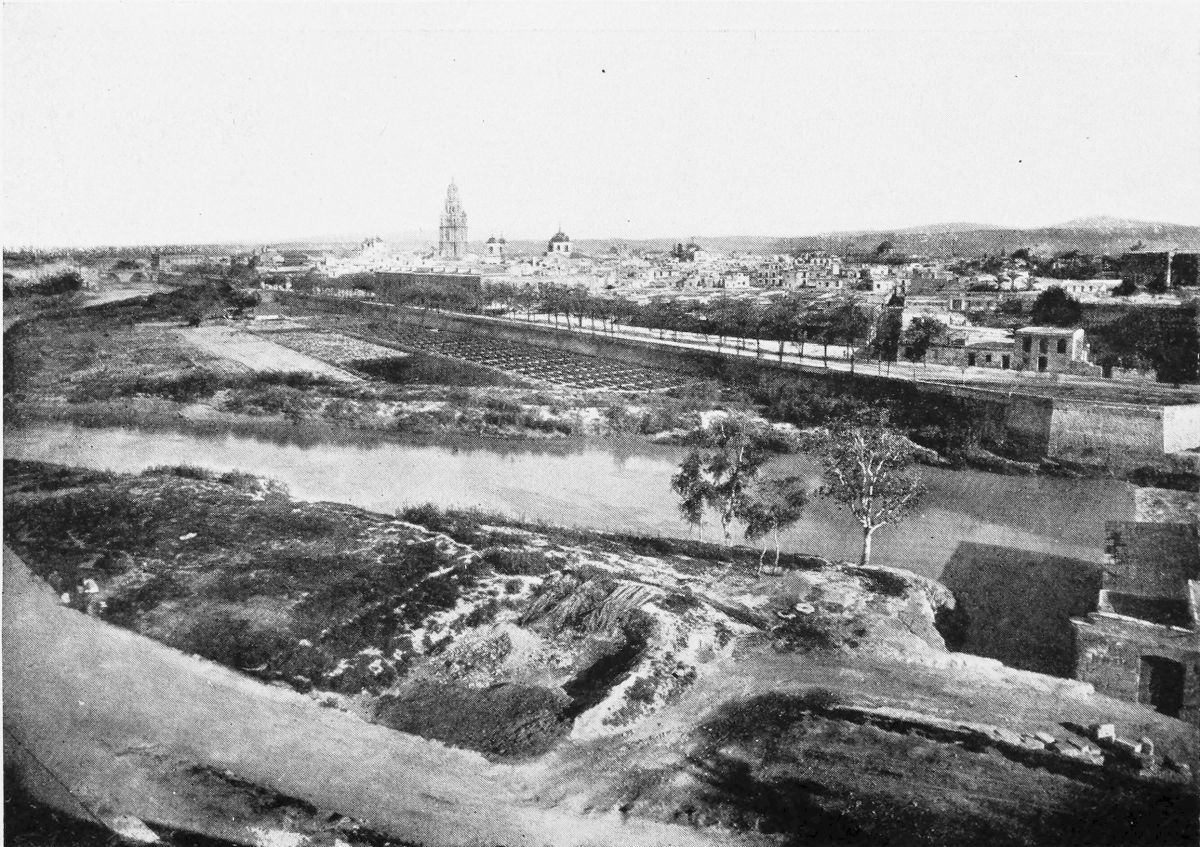
Plate 151 MURCIA: GENERAL VIEW OF THE TOWN
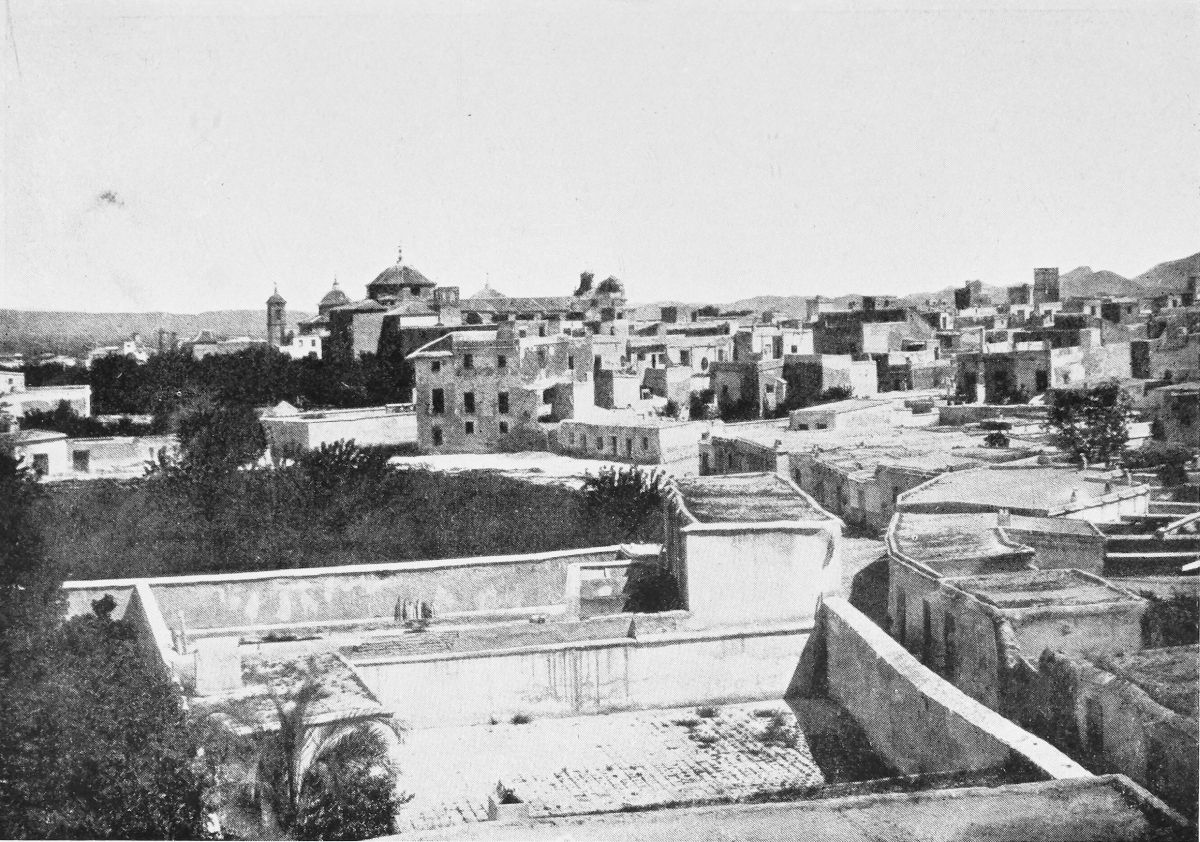
Plate 152 MURCIA: GENERAL VIEW OF THE TOWN
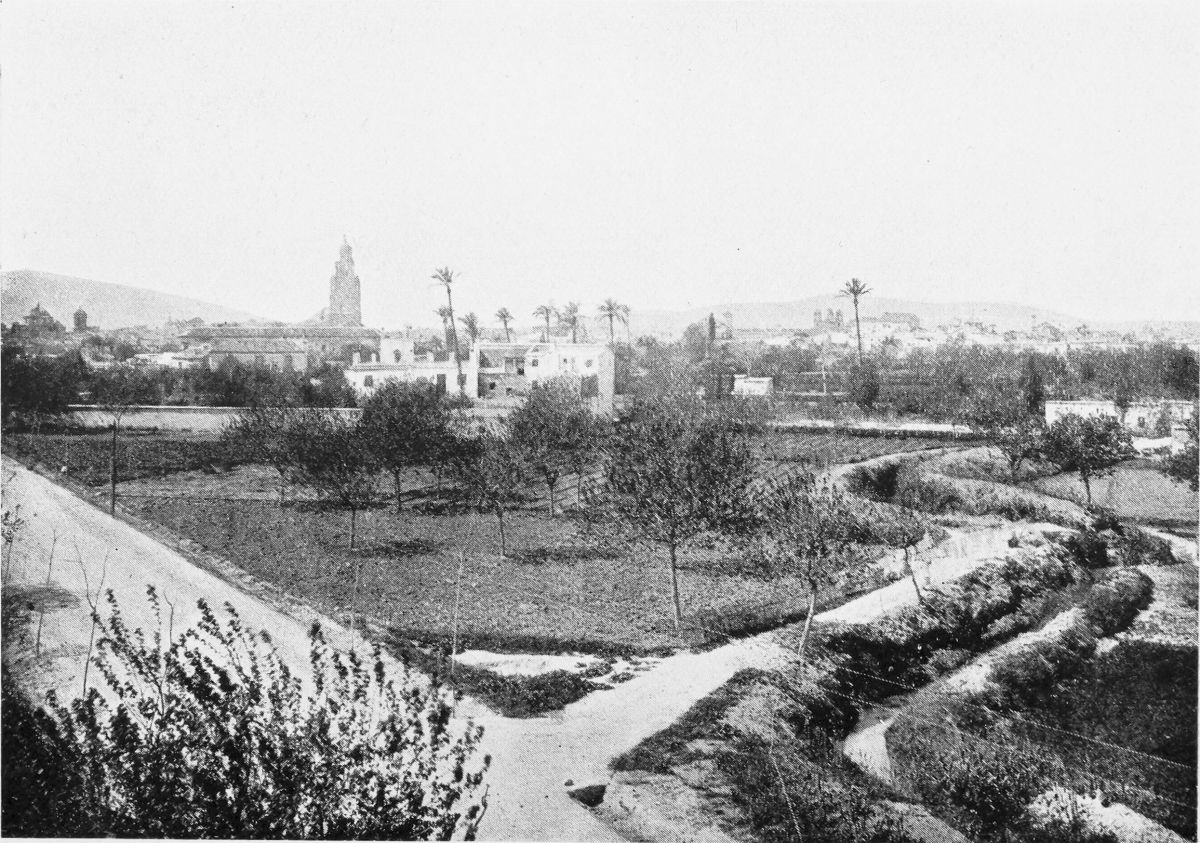
Plate 153 MURCIA: GENERAL VIEW OF THE TOWN
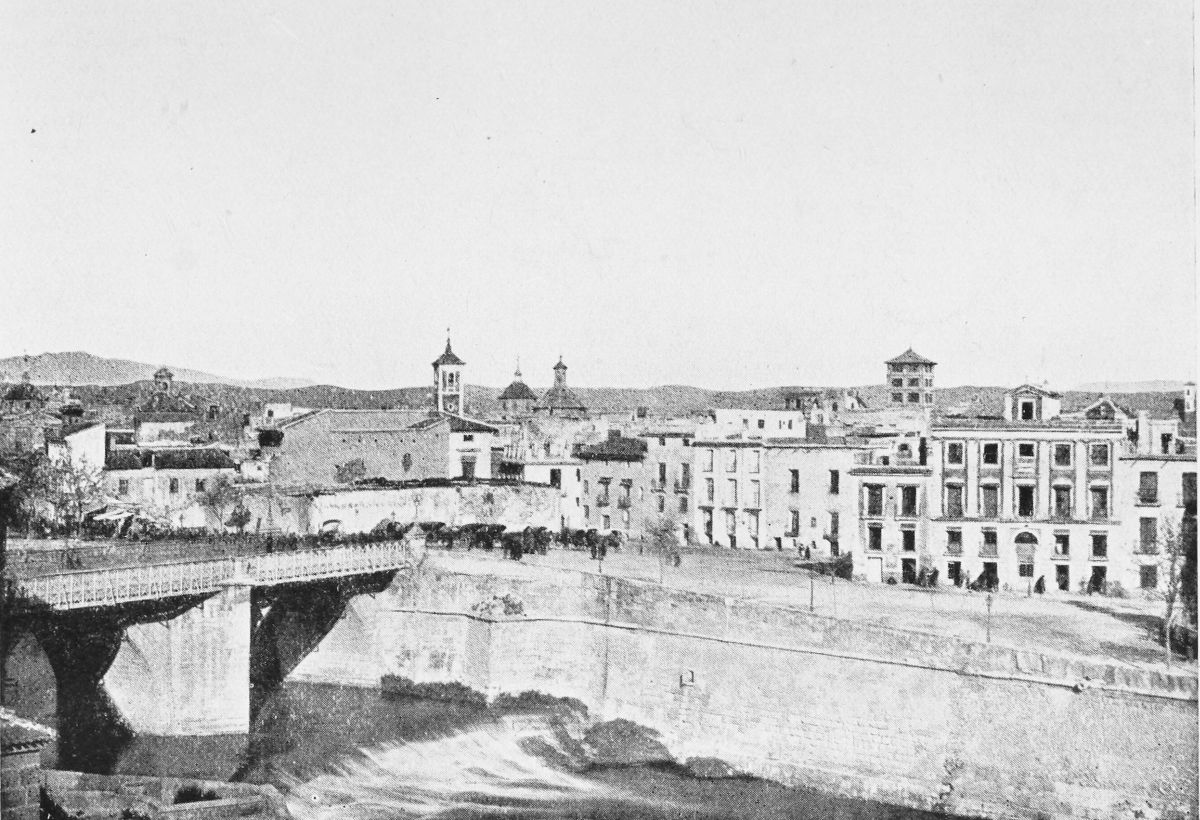
Plate 154 MURCIA: GENERAL VIEW
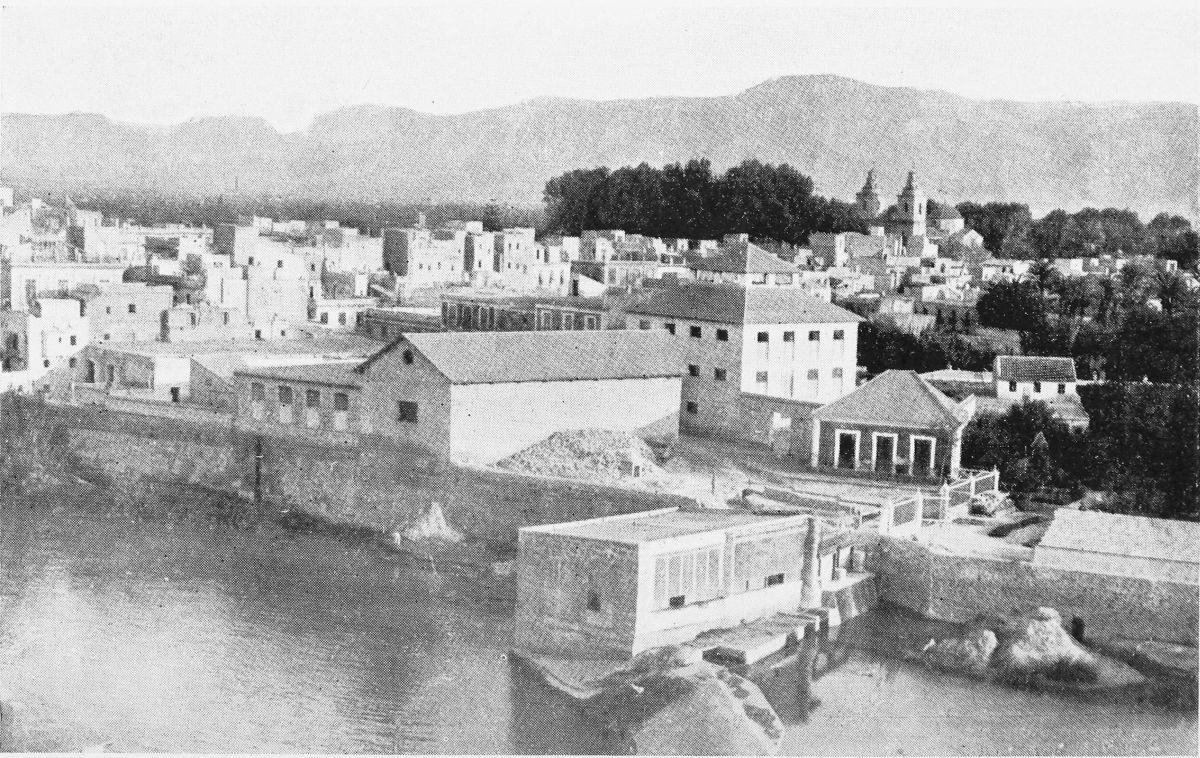
Plate 155 MURCIA: THE BRIDGE
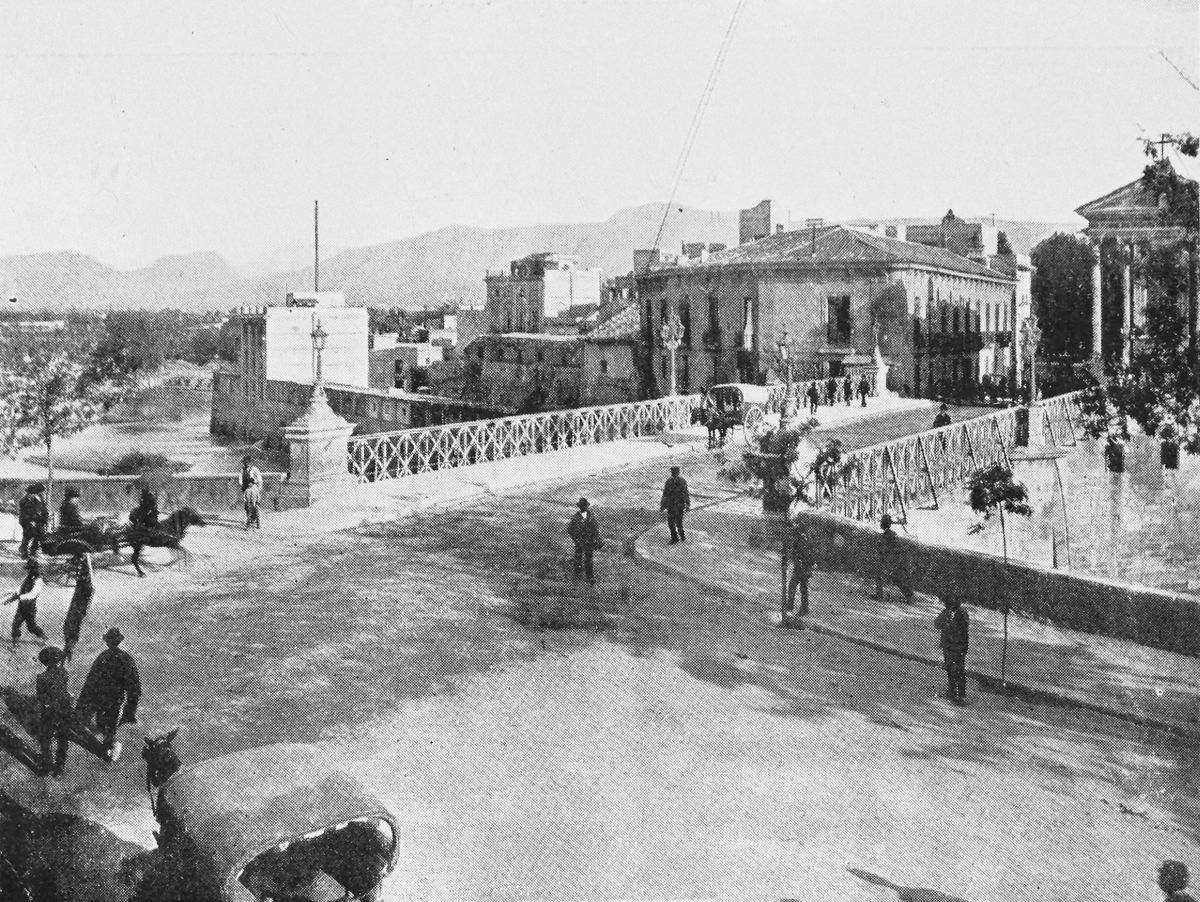
Plate 156 MURCIA: THE RIVER
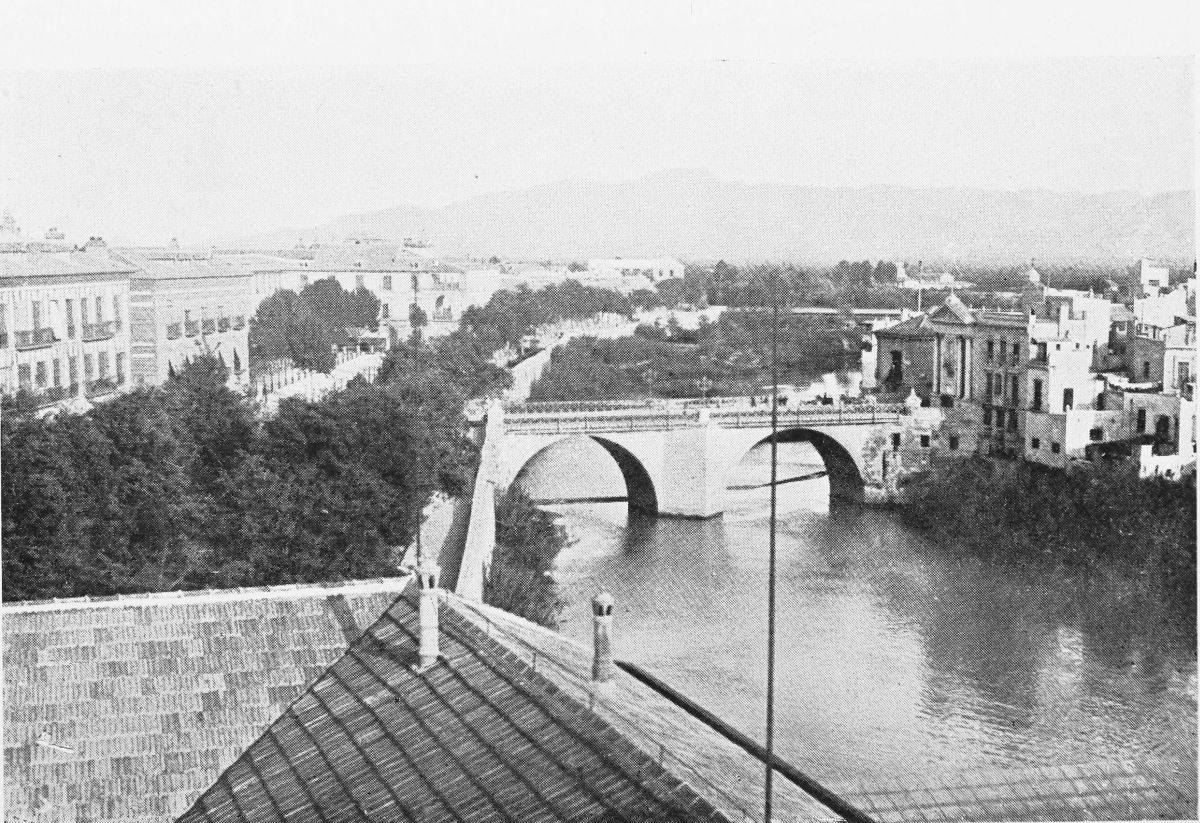
Plate 157 MURCIA: THE BRIDGE OVER THE SEGURA
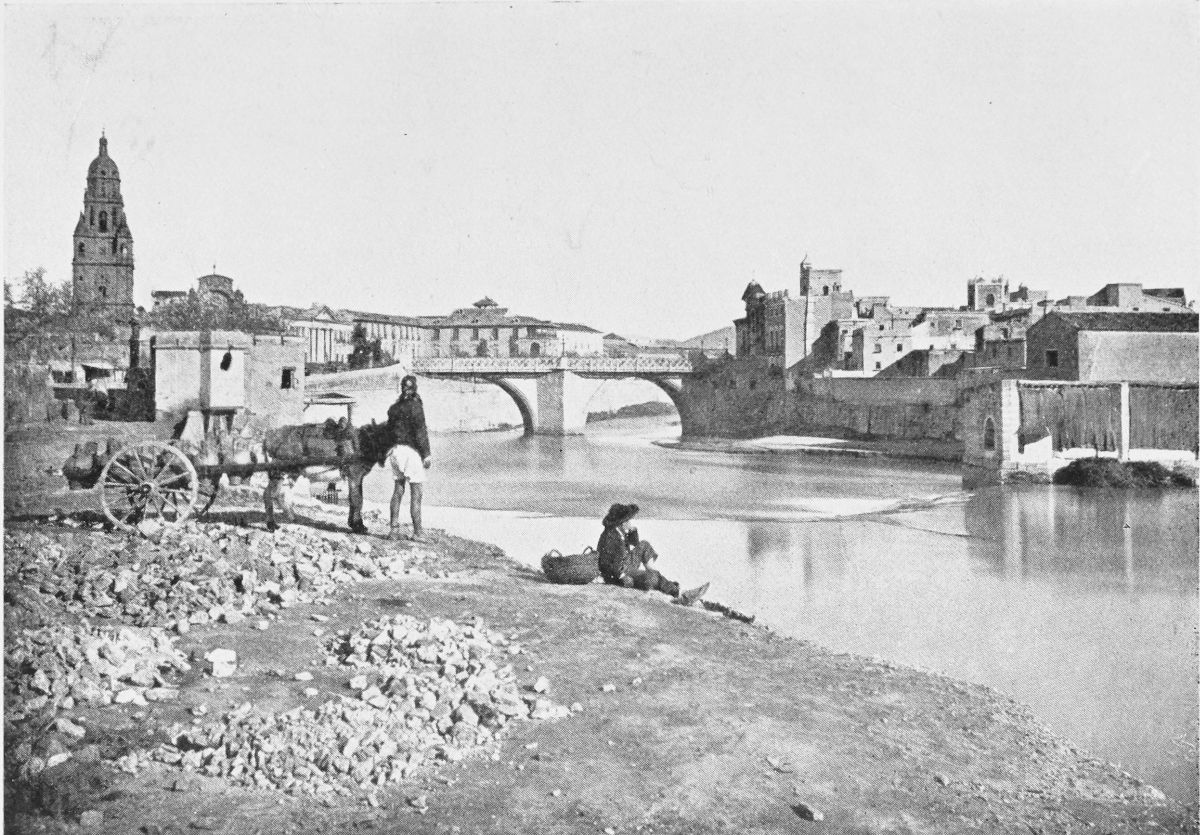
Plate 158 MURCIA: THE RIVER SEGURA
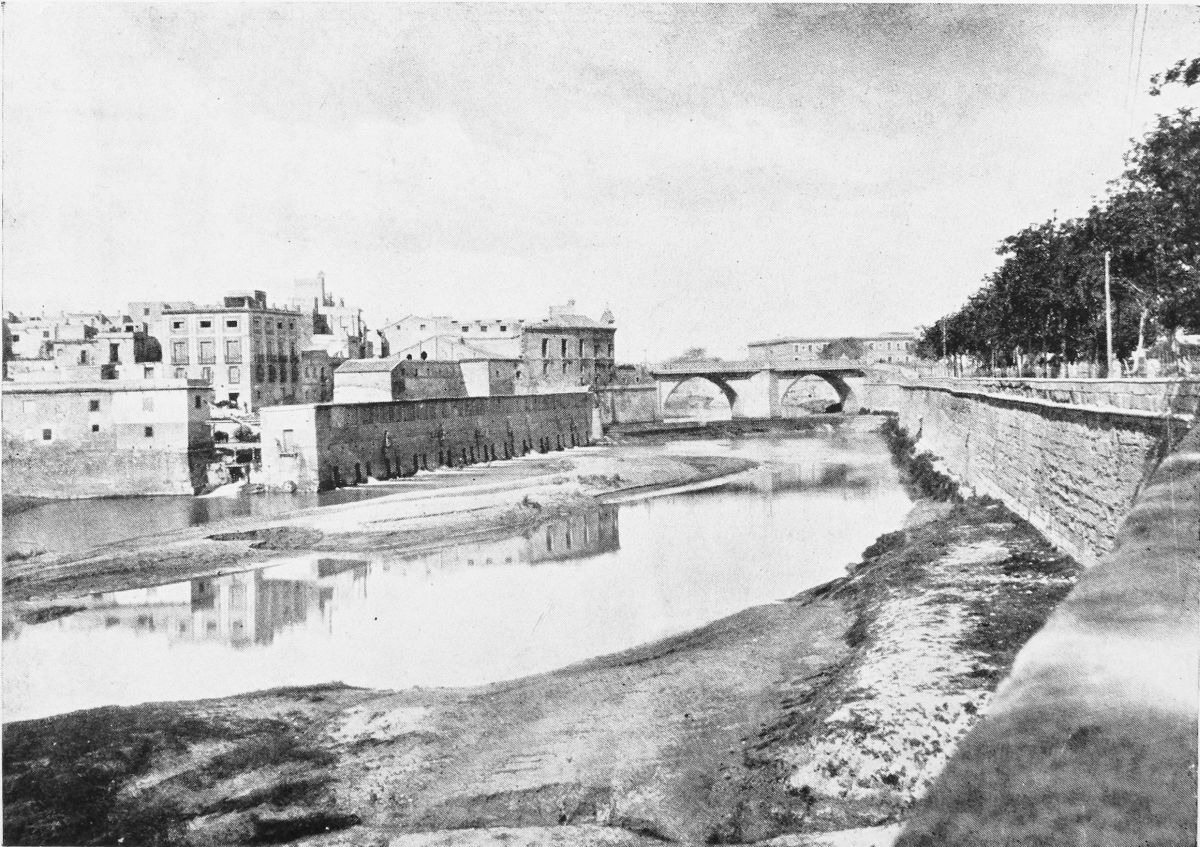
Plate 159 MURCIA: THE FAIR
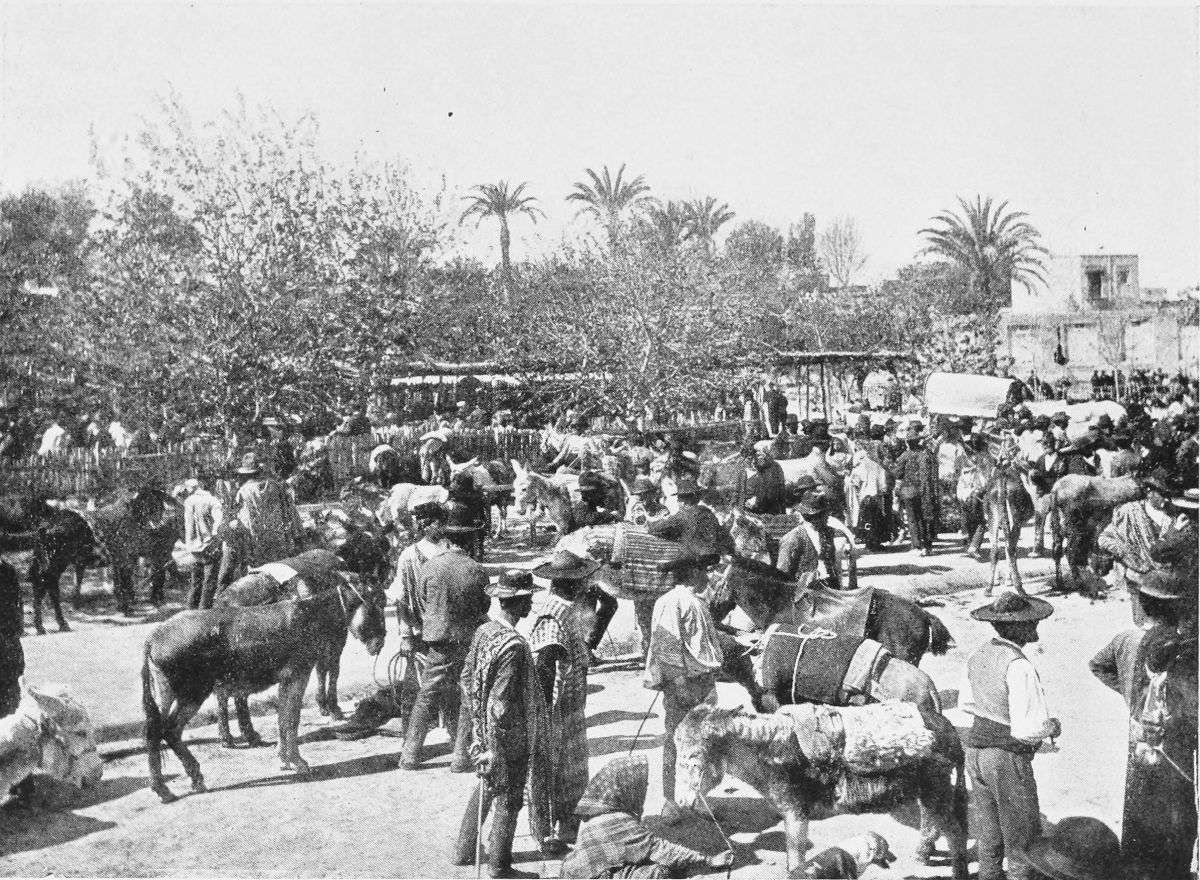
Plate 160 MURCIA: THE FAIR
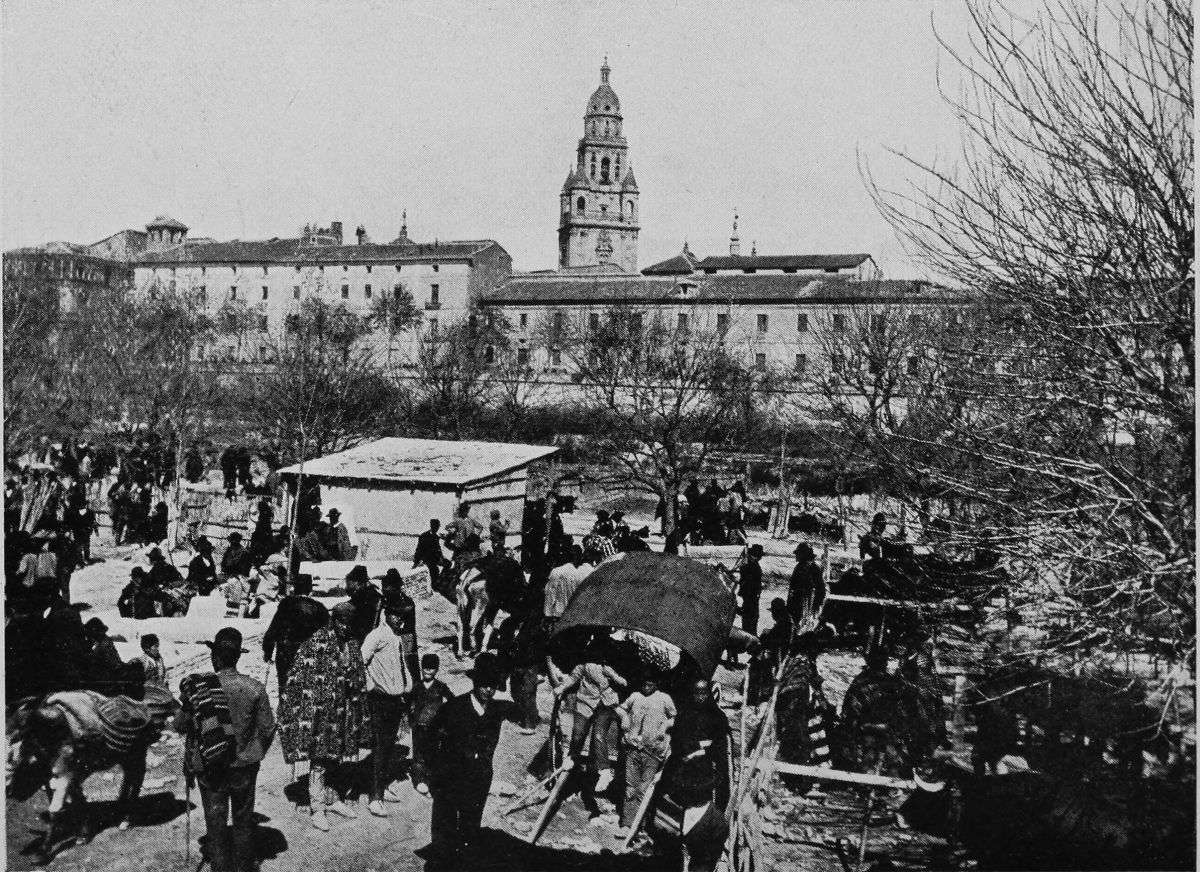
Plate 161 MURCIA: THE MARKET-PLACE
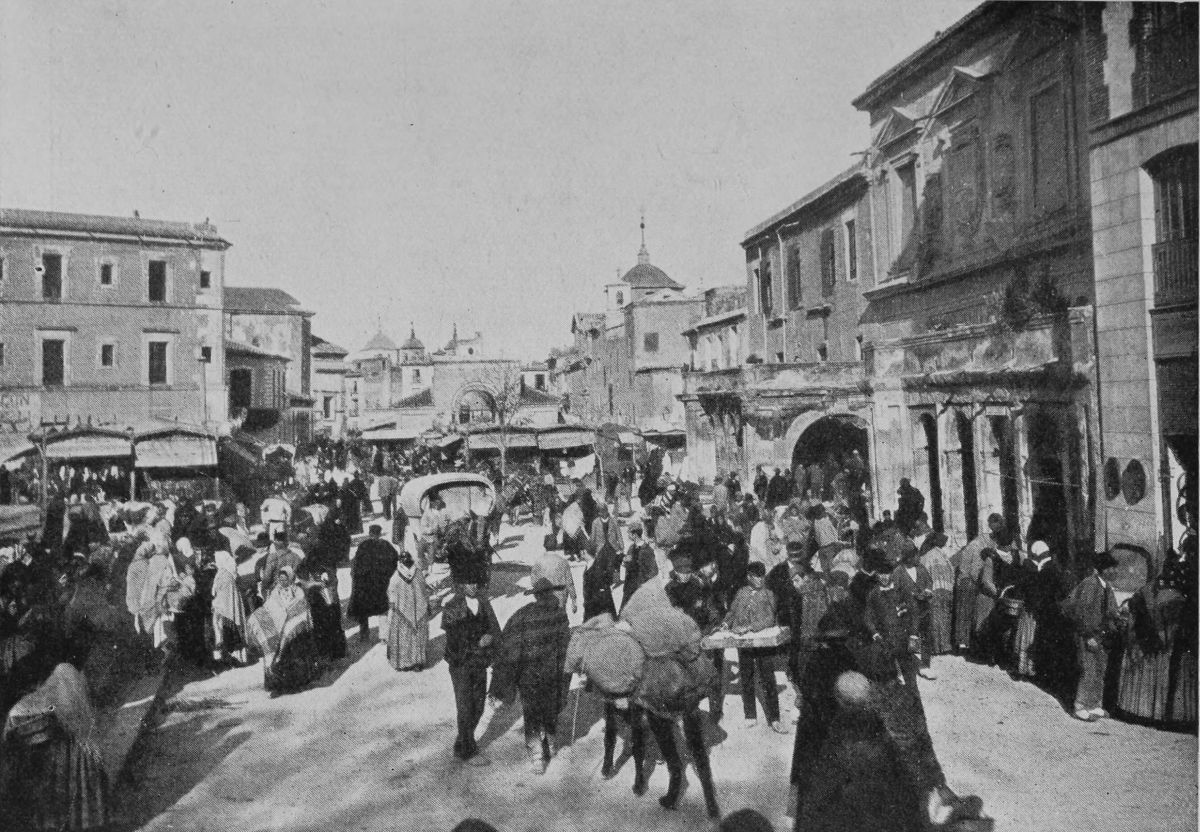
Plate 162 MURCIA: PLAZA DE SANTO DOMINGO ON MARKET-DAY
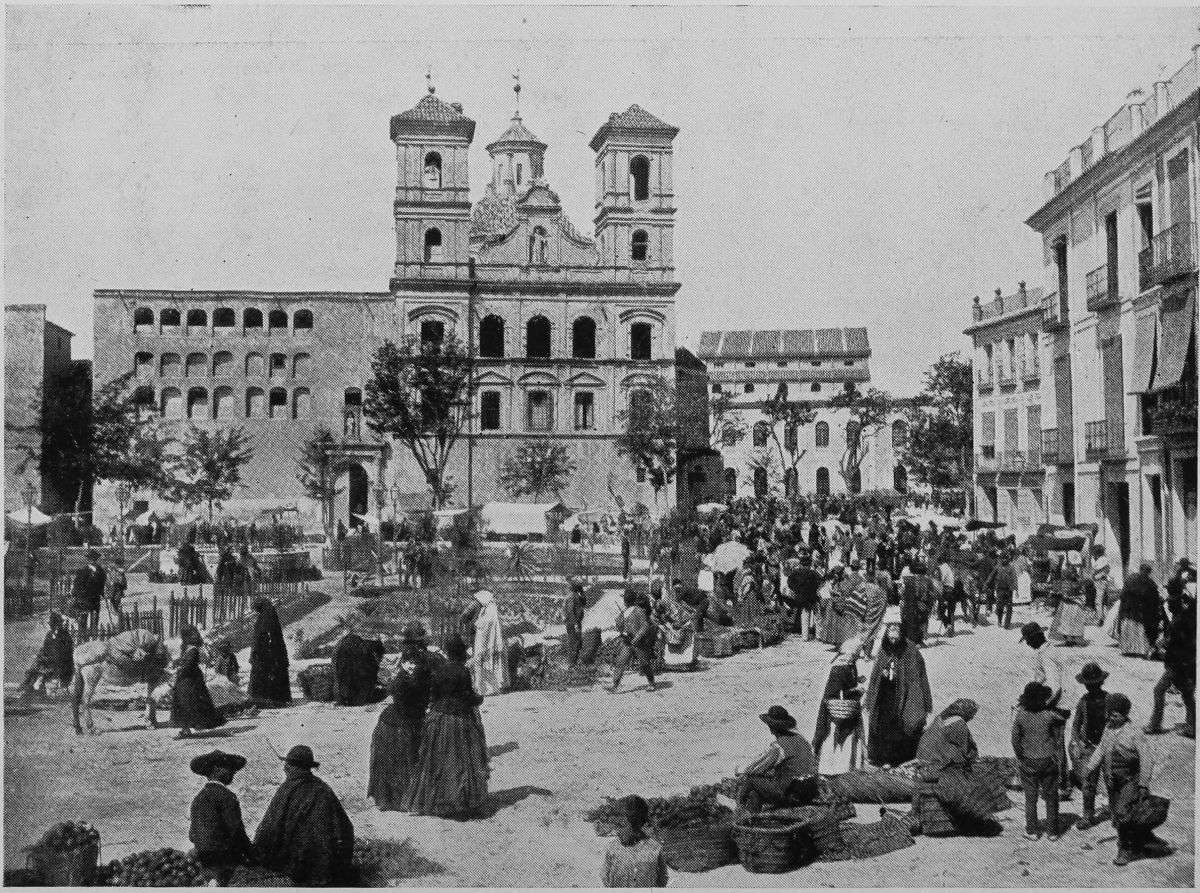
Plate 163 MURCIA: PASEO DEL MALECON
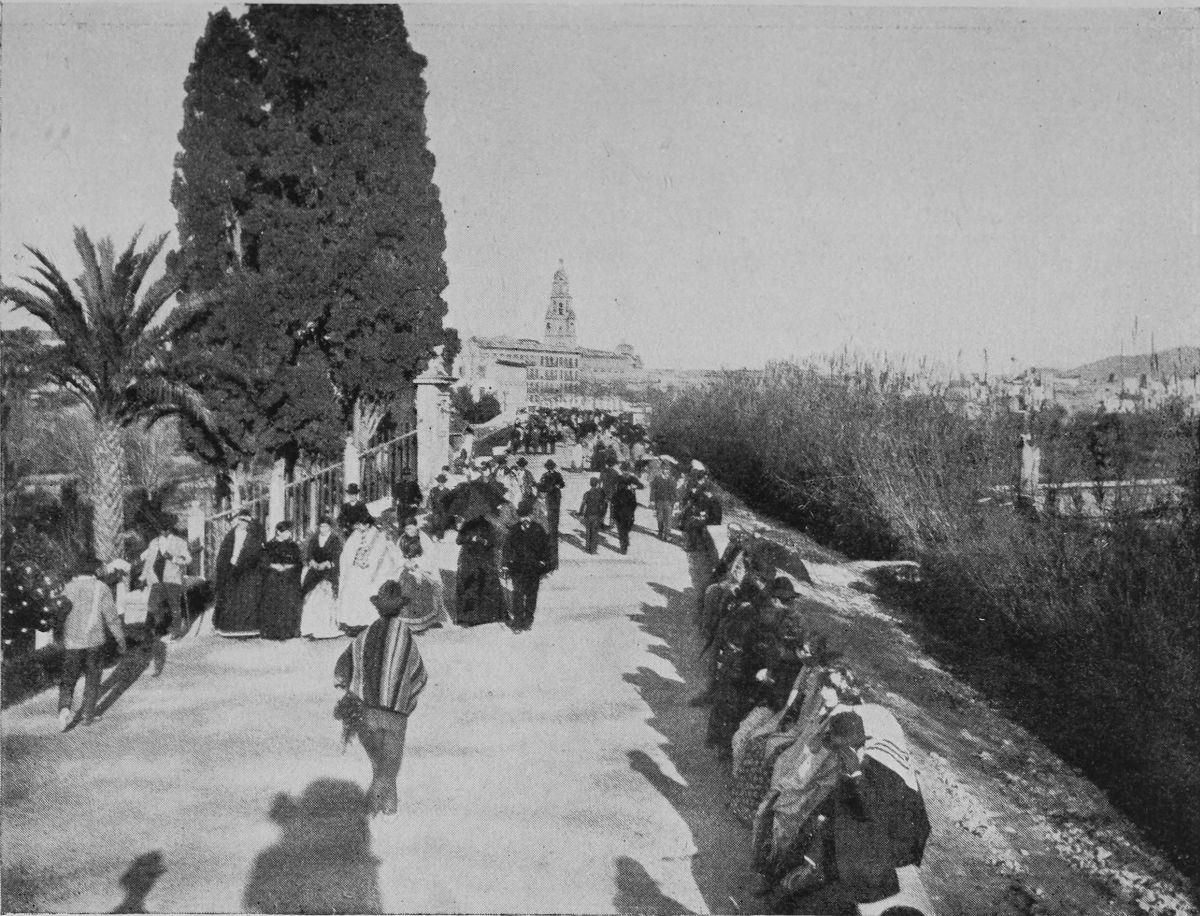
Plate 164 MURCIA: PLAZA DE SANTA CATALINA
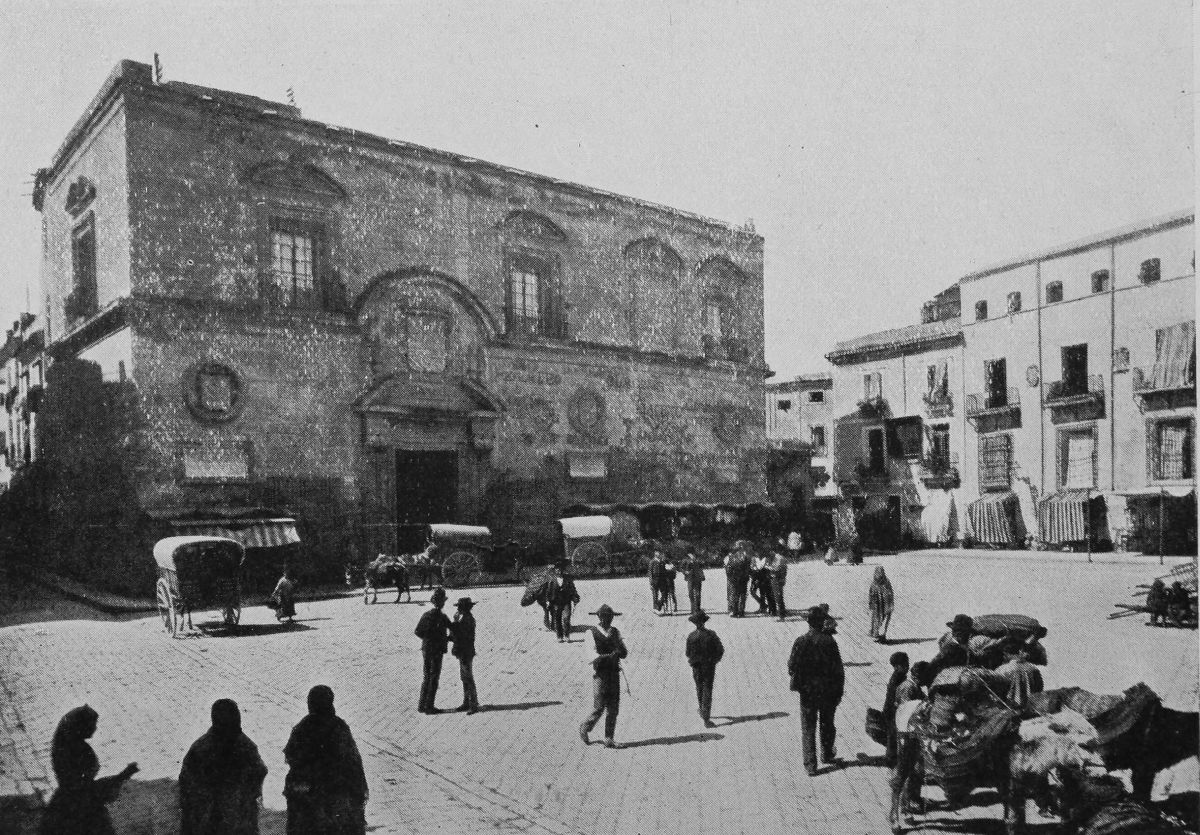
Plate 165 MURCIA: PLAZA DE TOROS, NOW PLAZA DE SAN AUGUSTIN
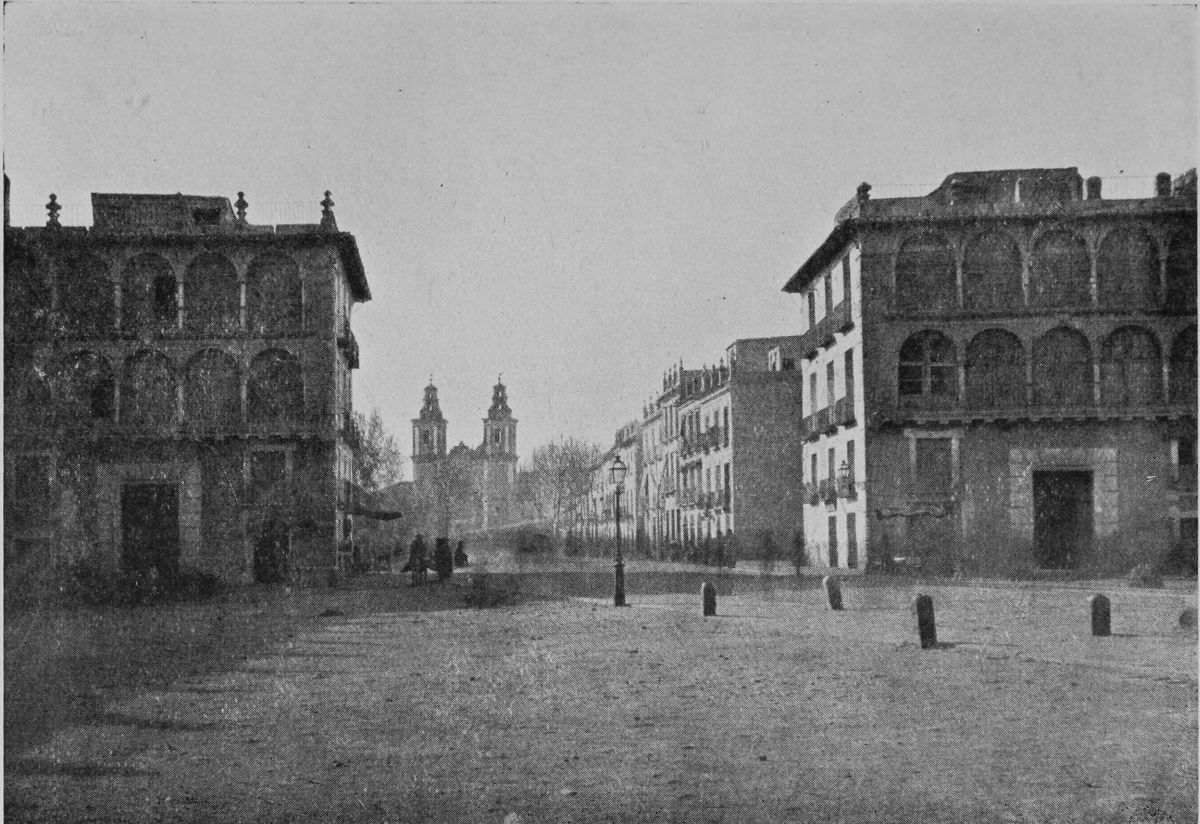
Plate 166 MURCIA: PASEO DEL ARENAL
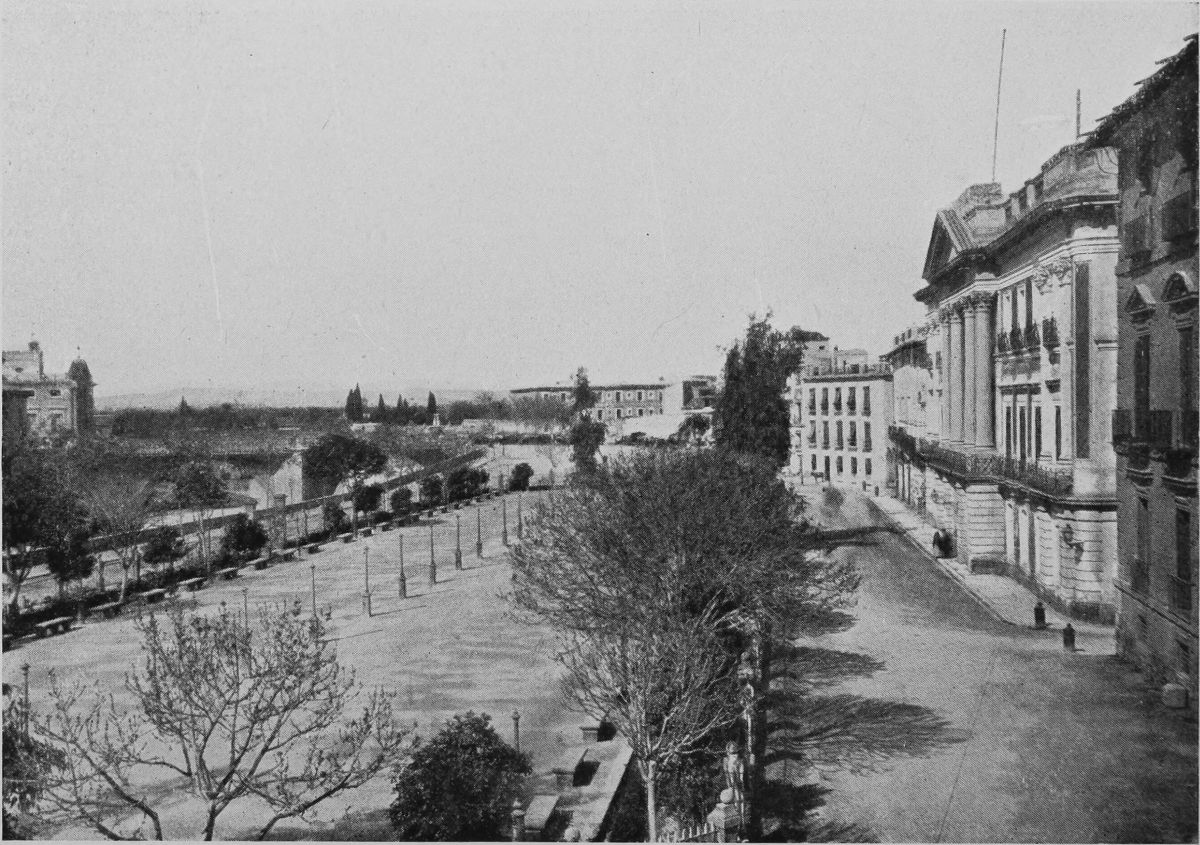
Plate 167 MURCIA: PLAZA DE SAN PEDRO
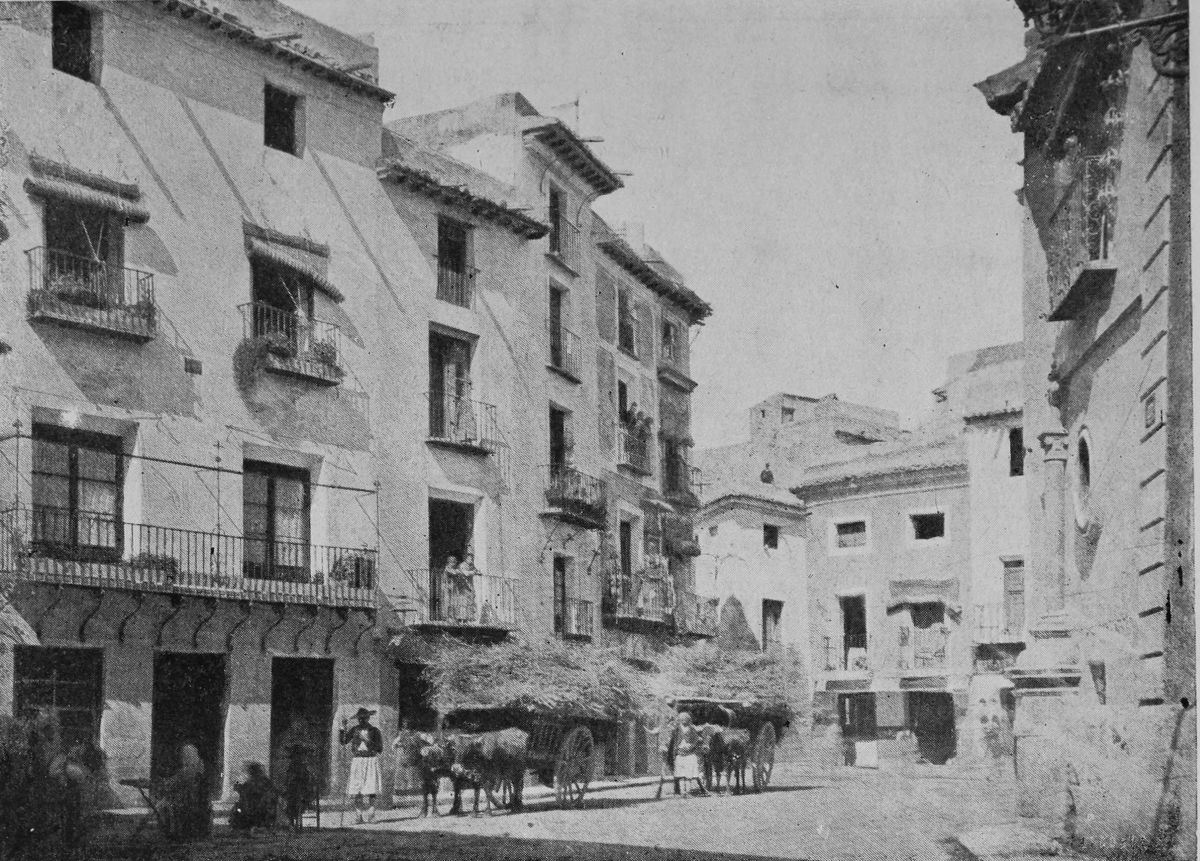
Plate 168 MURCIA: PASEO DE FLORIDABLANCA AND PALACE OF THE EXHIBITION
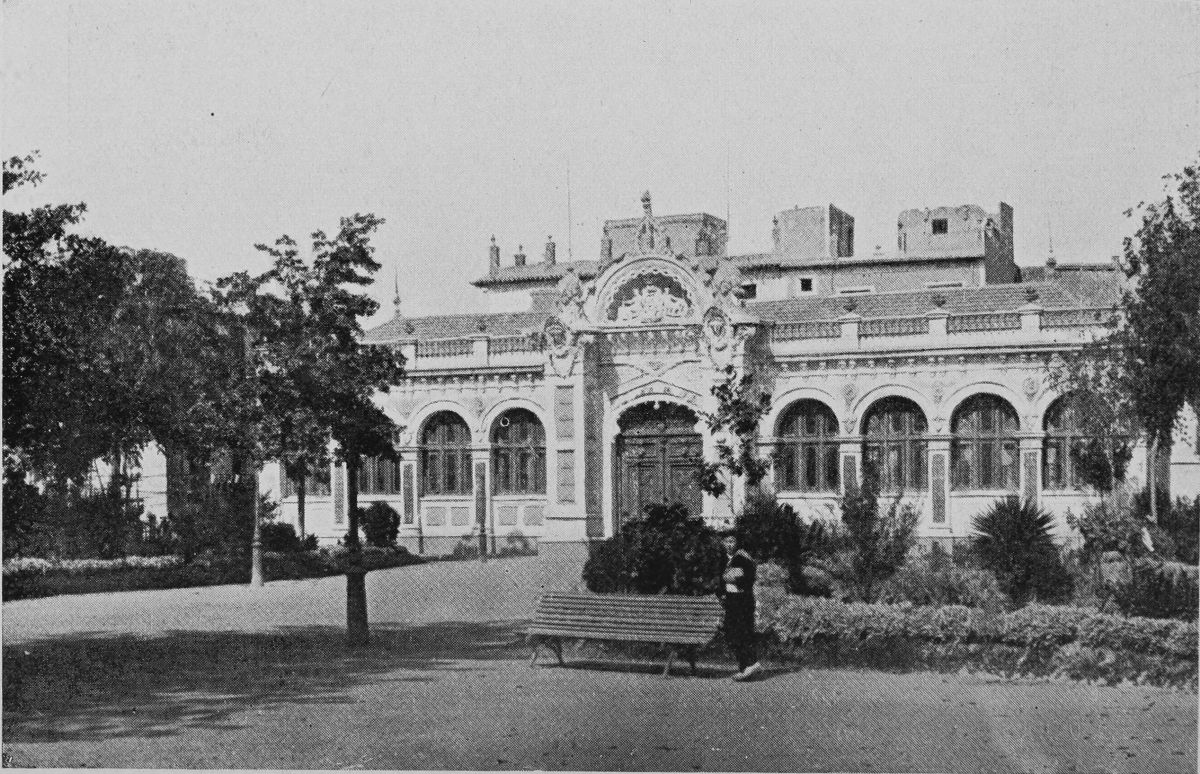
Plate 169 MURCIA: PLAZA DE SANTA ISABELLA
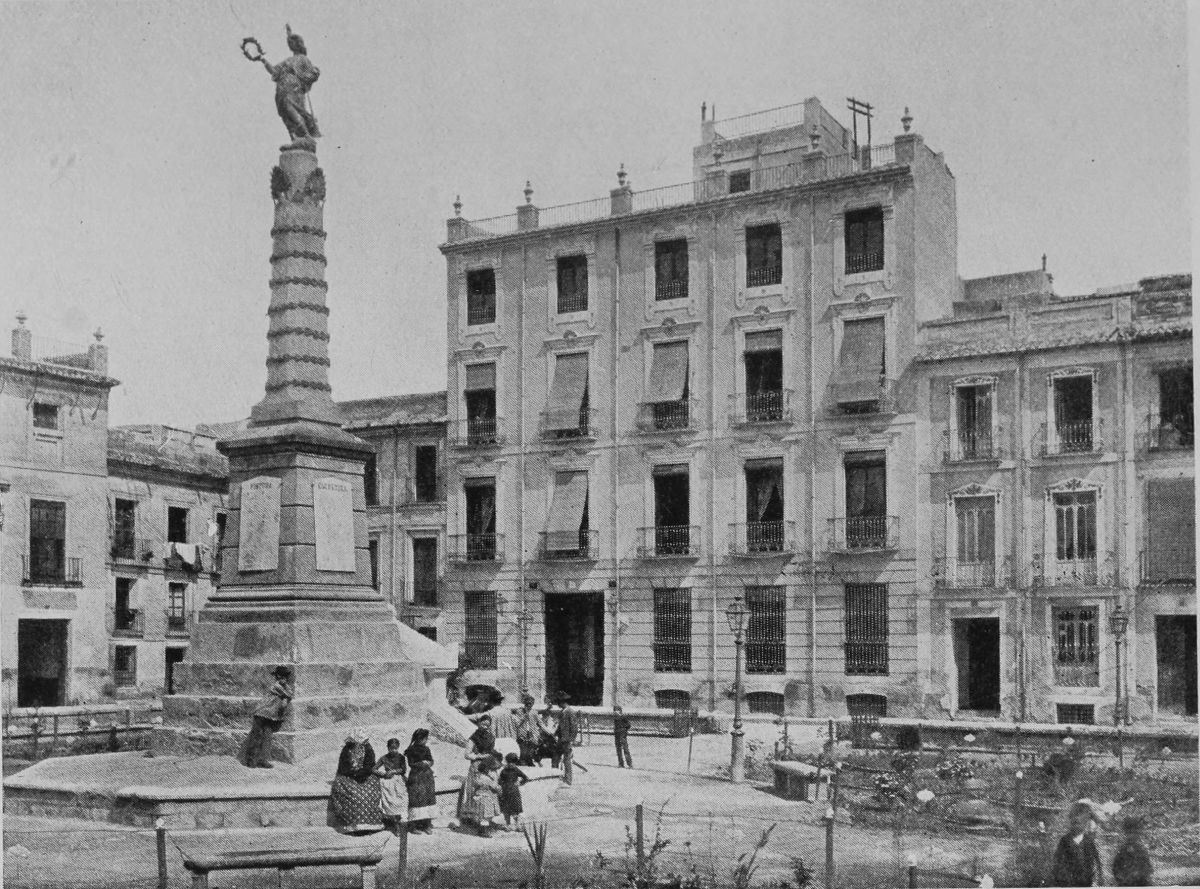
Plate 170 MURCIA: CALLE DEL PUENTE
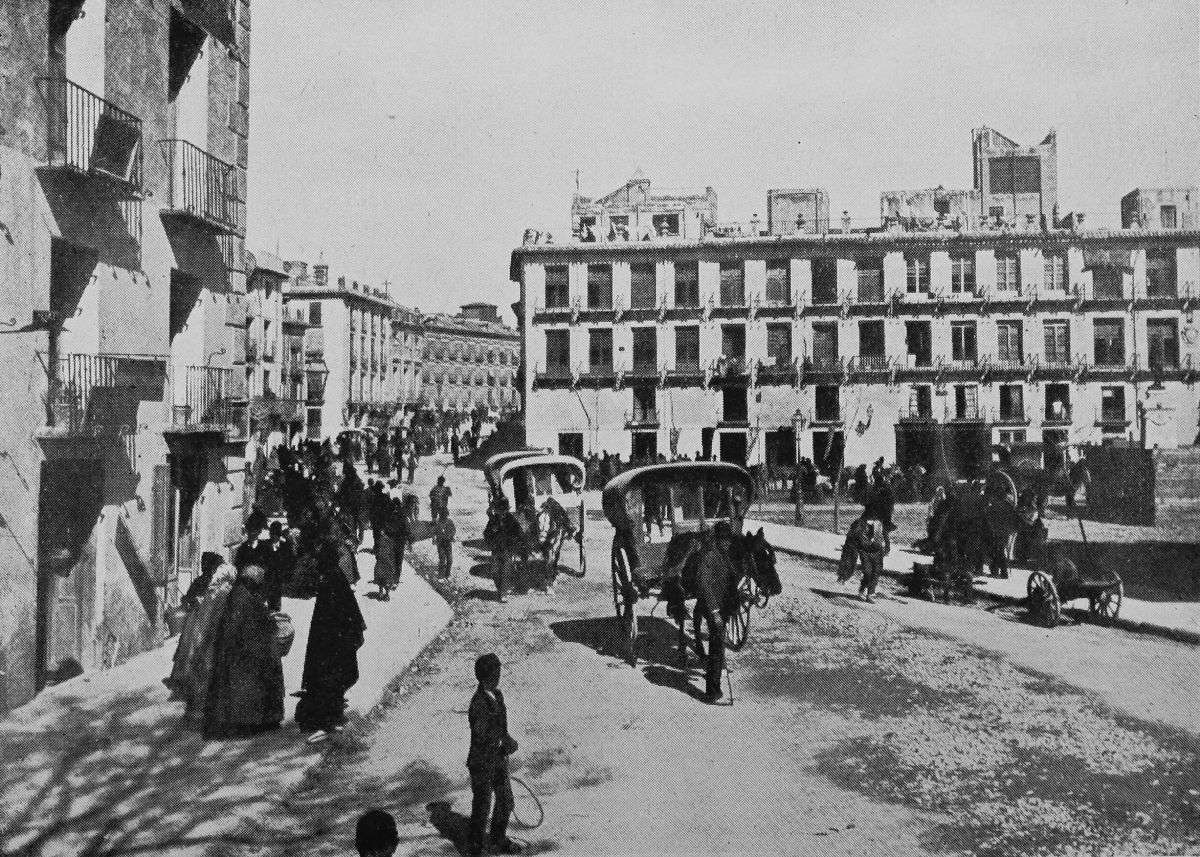
Plate 171 MURCIA: PLAZA DE LA GLORIÉTA
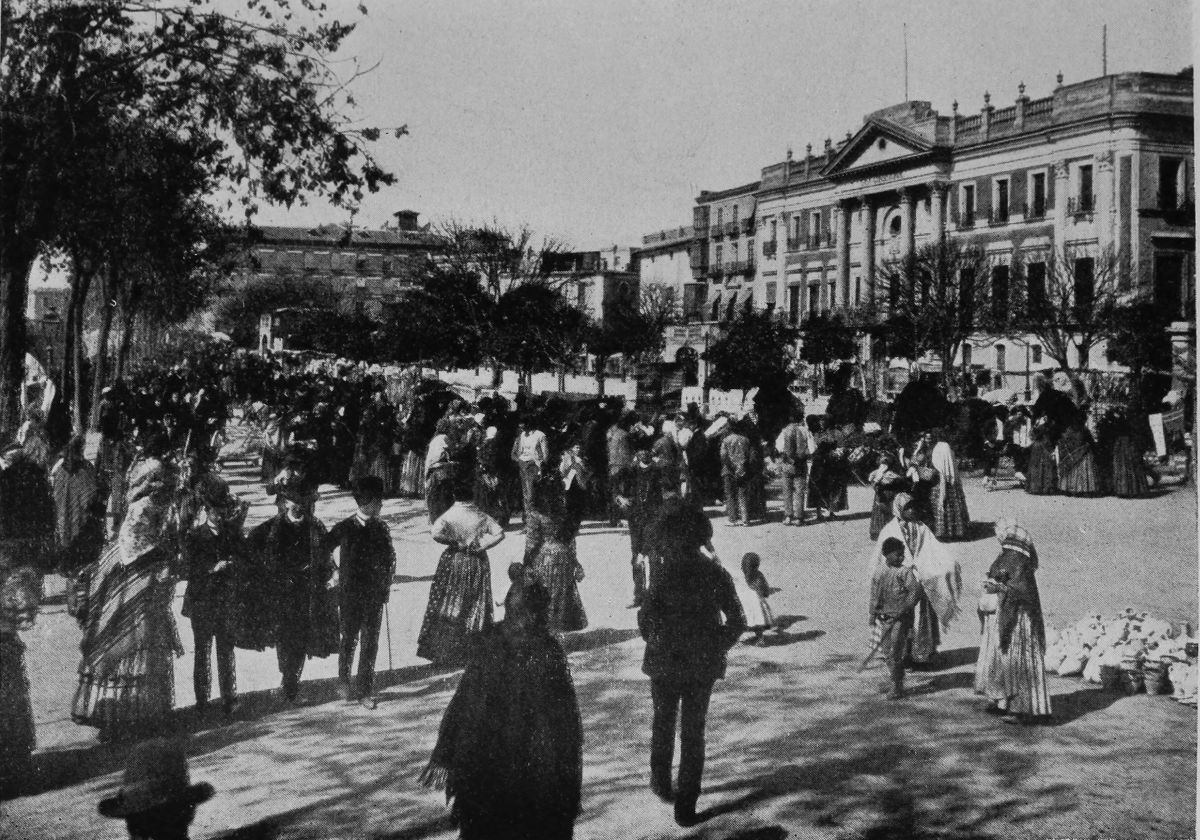
Plate 172 MURCIA: PLAZA DE LA GLORIÉTA
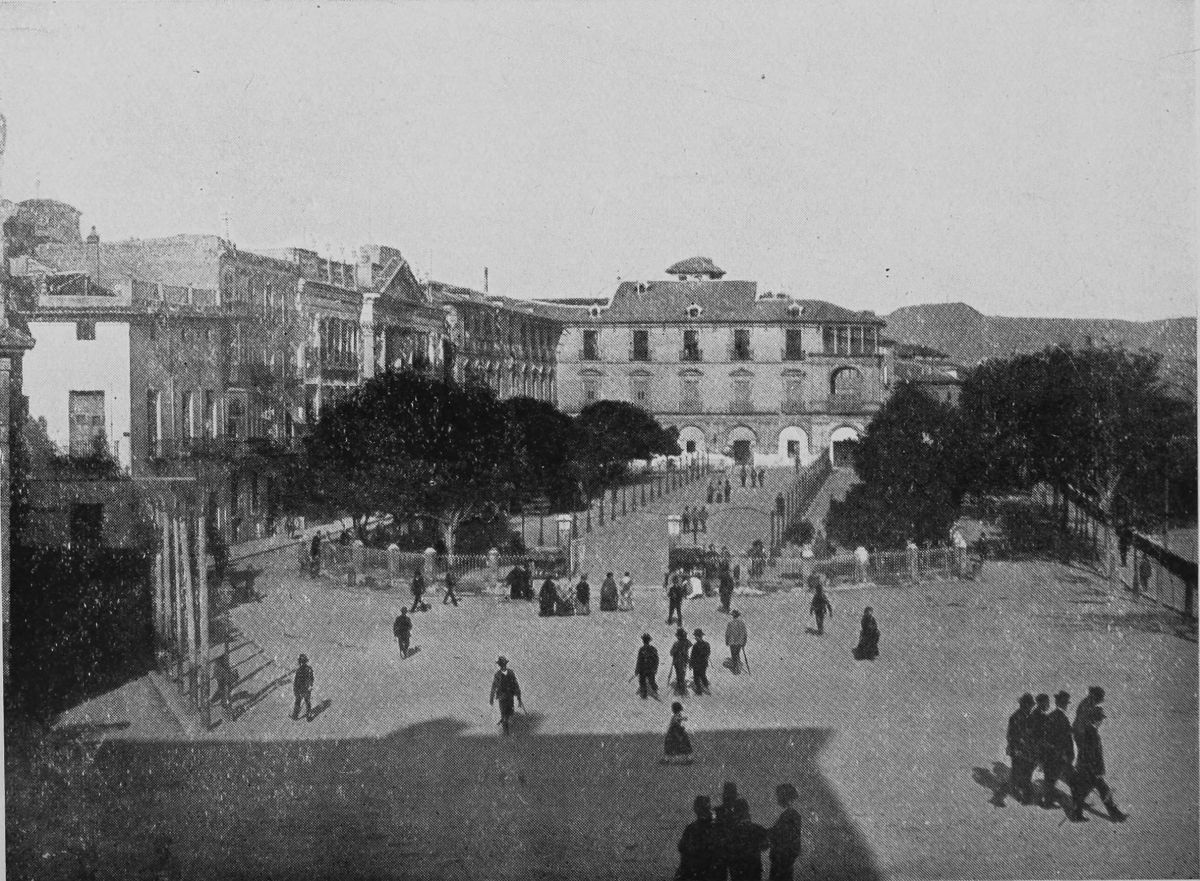
Plate 173 MURCIA: THE CATHEDRAL
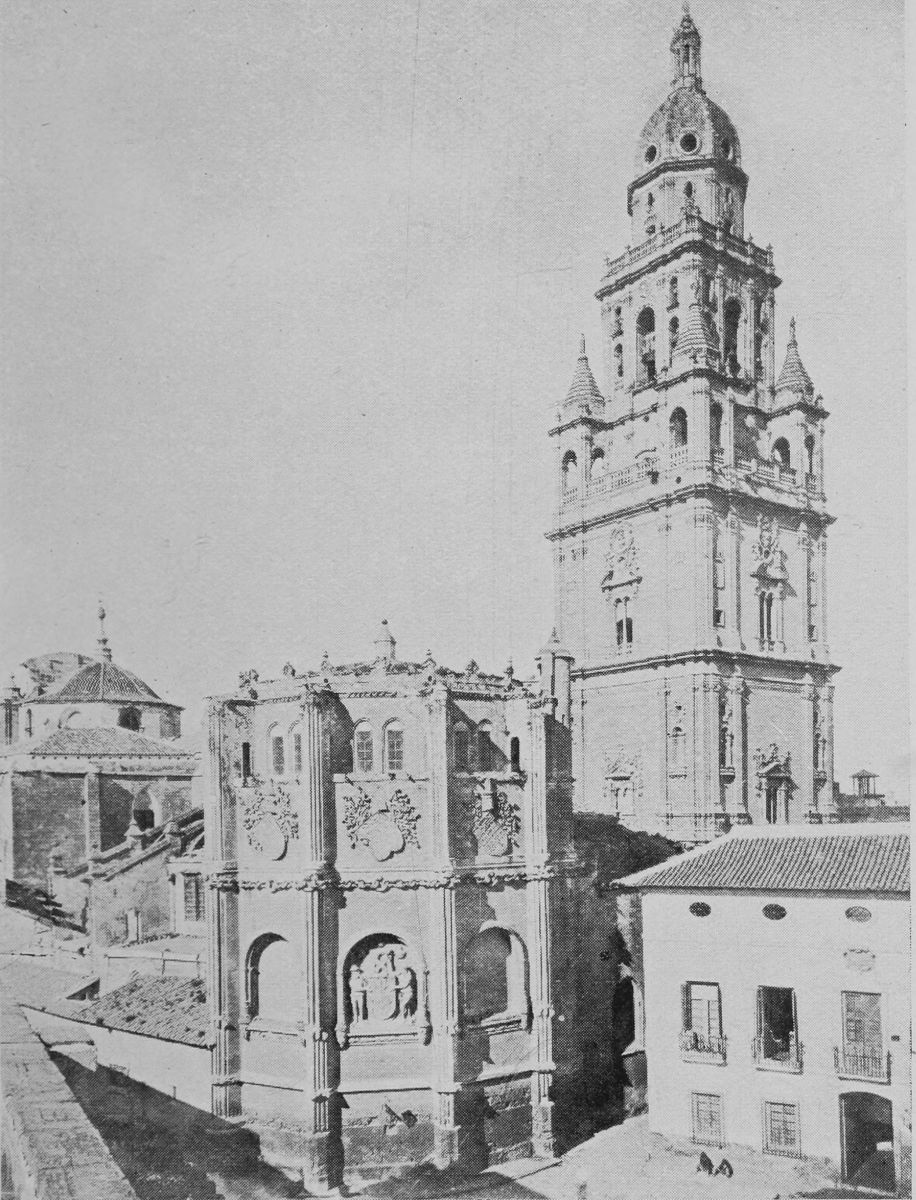
Plate 174 MURCIA: GENERAL VIEW OF THE CATHEDRAL
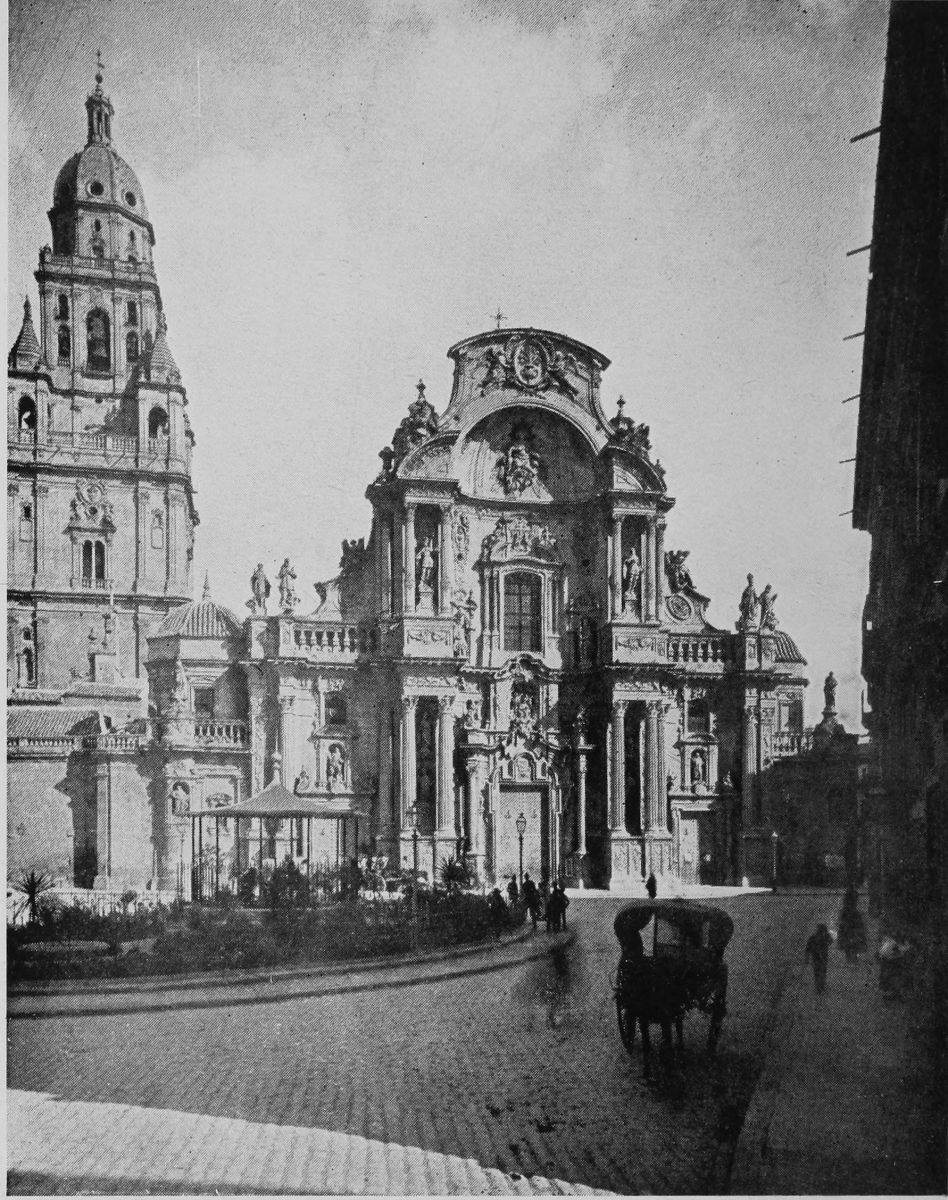
Plate 175 MURCIA: PRINCIPAL FAÇADE OF THE CATHEDRAL
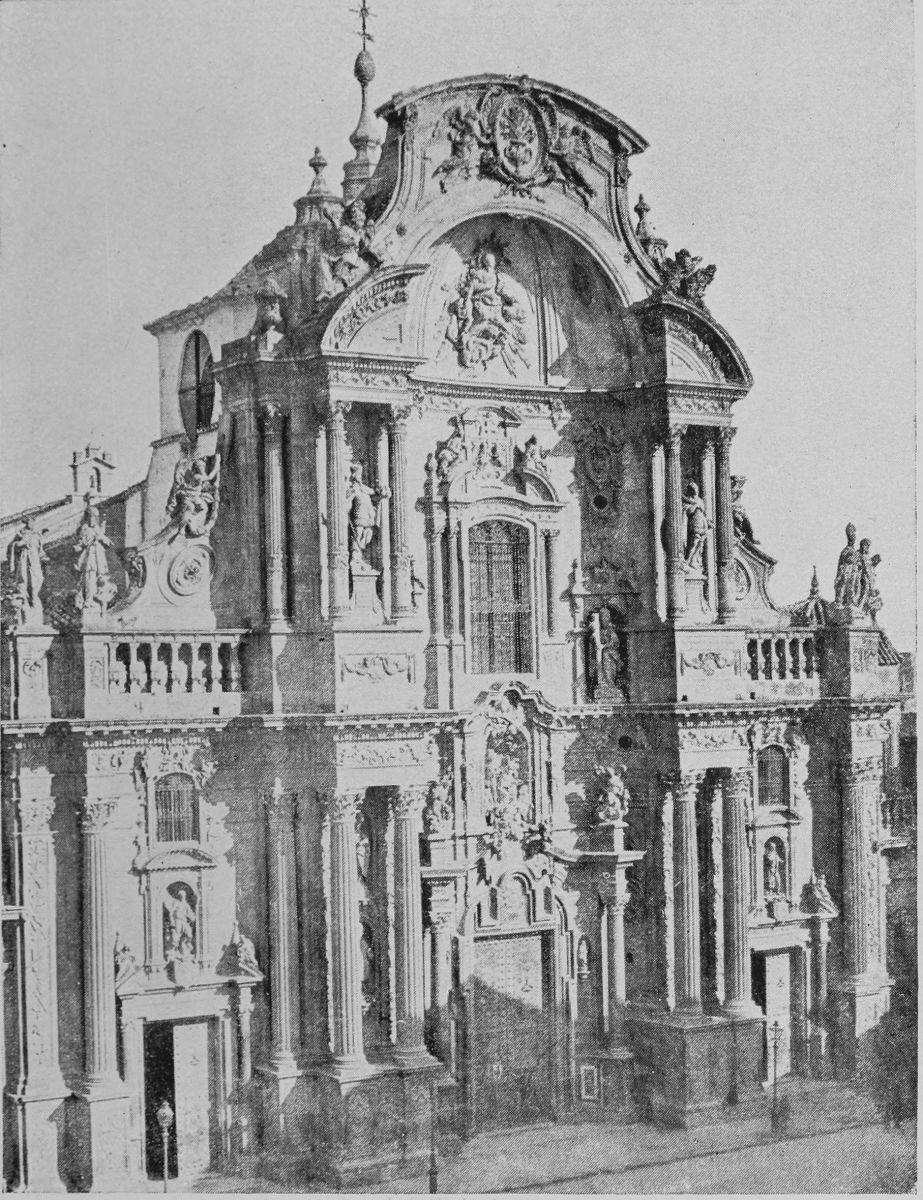
Plate 176 MURCIA: TOWER OF THE CATHEDRAL
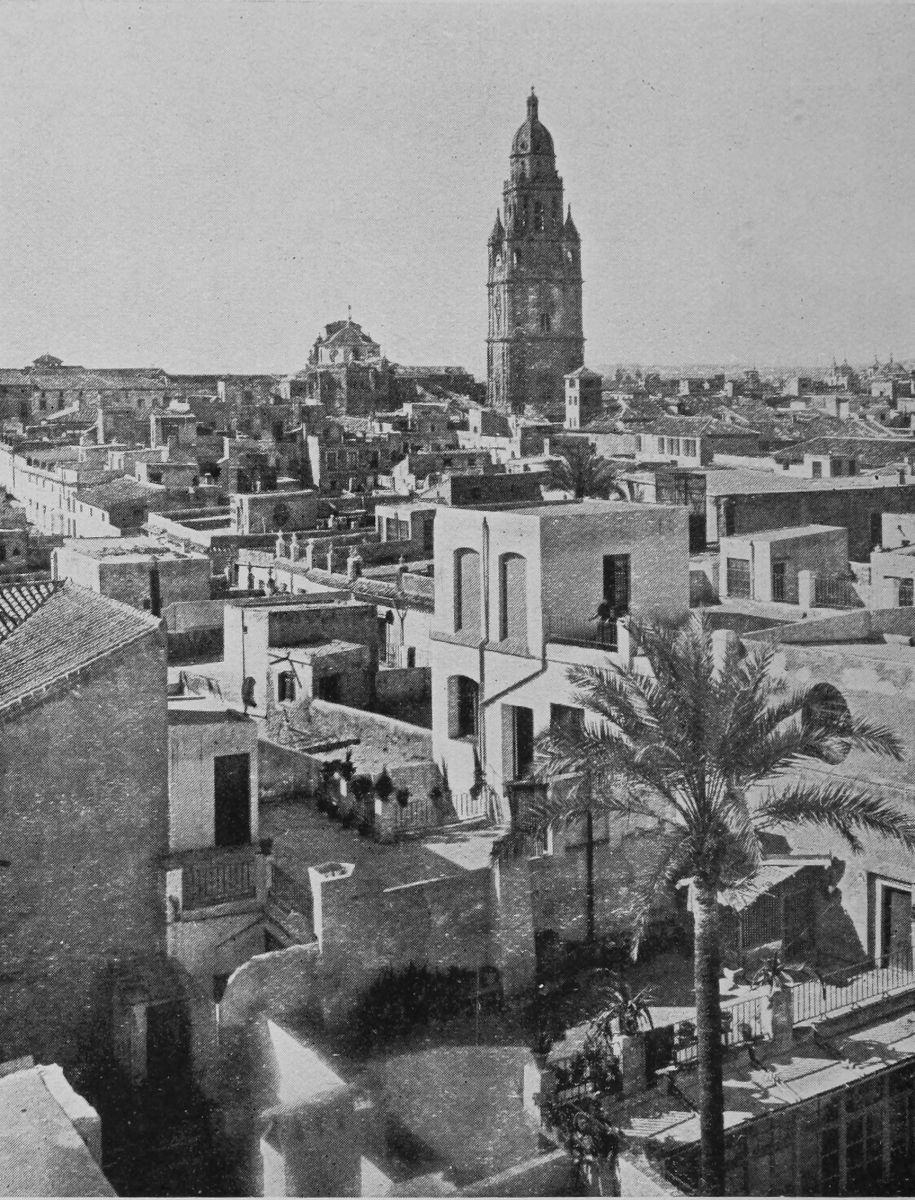
Plate 177 MURCIA: SIDE DOOR OF THE CATHEDRAL
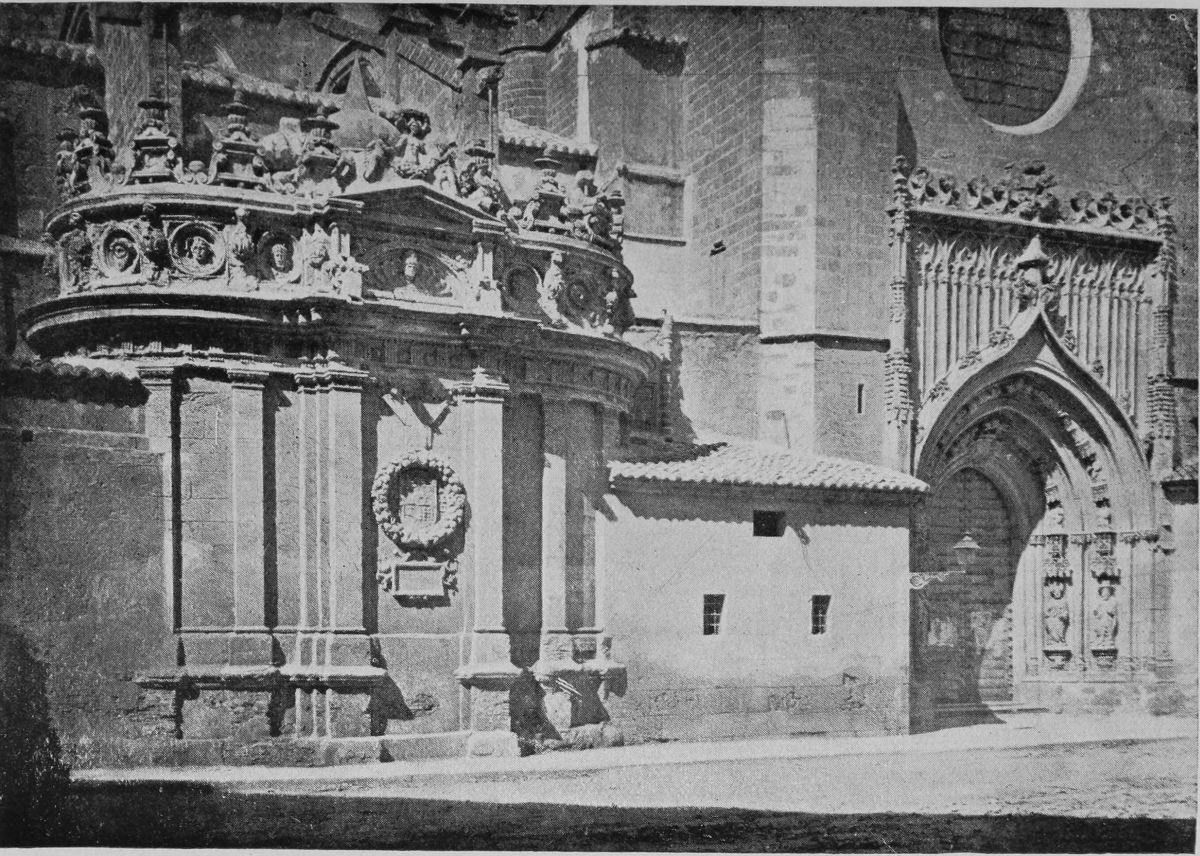
Plate 178 MURCIA CATHEDRAL: GATE OF THE APOSTLES
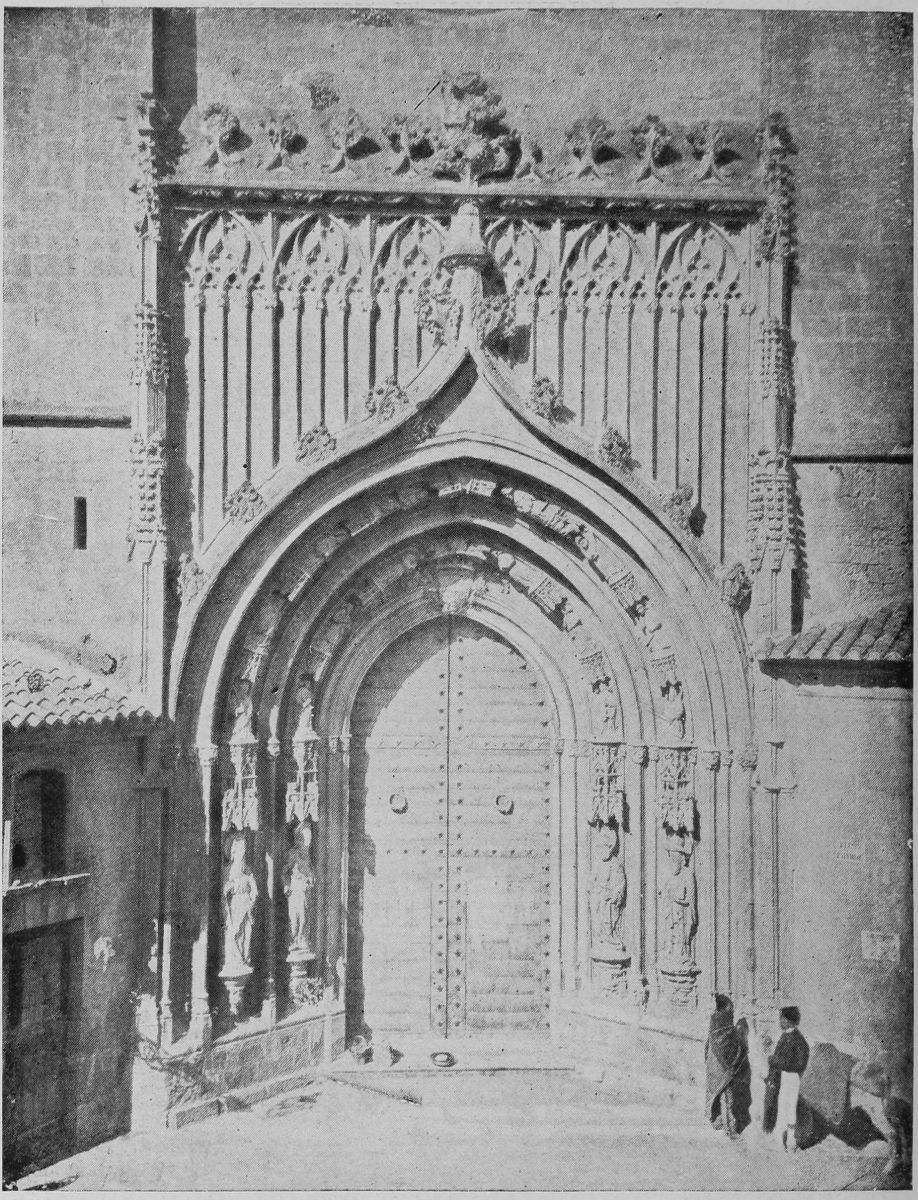
Plate 179 MURCIA CATHEDRAL: CHAPEL OF THE MARQUÉS DE LOS VELEZ
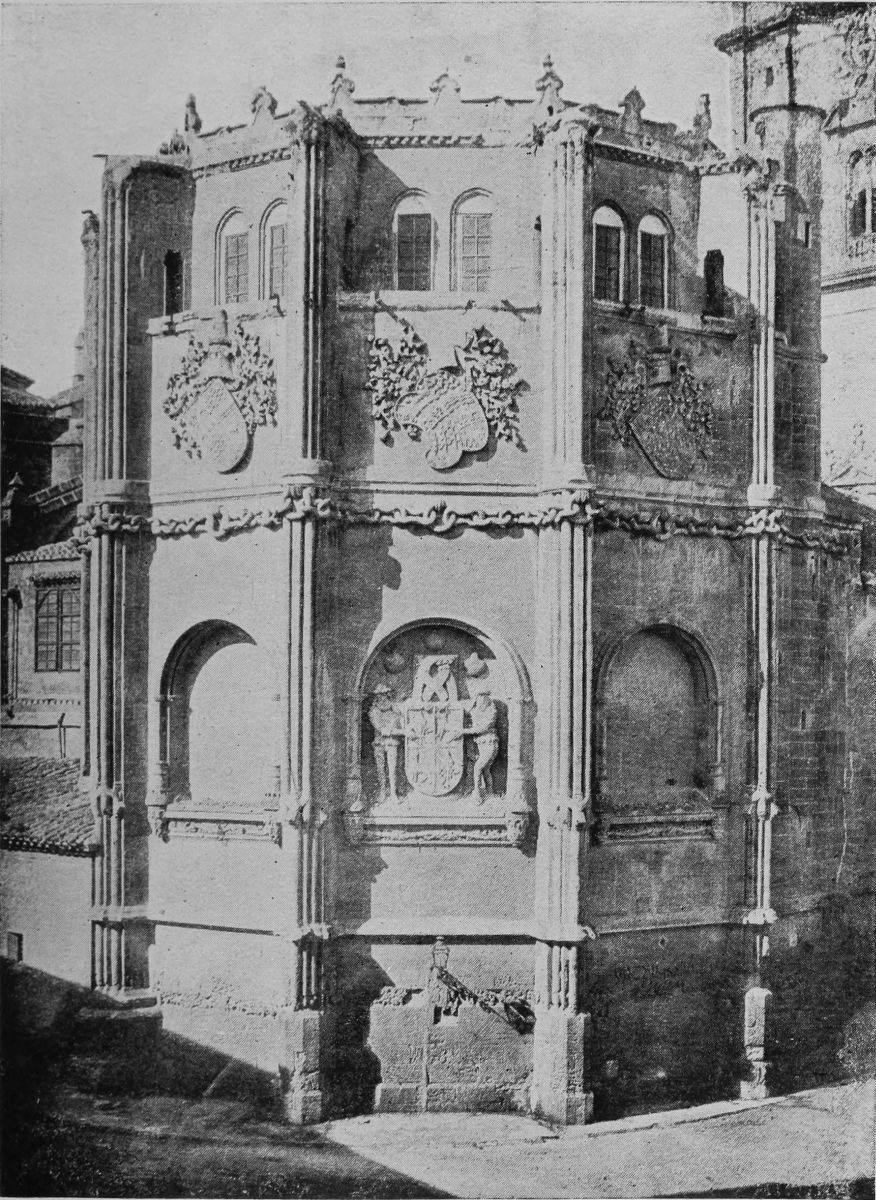
Plate 180 MURCIA CATHEDRAL: DETAIL OF THE FAÇADE
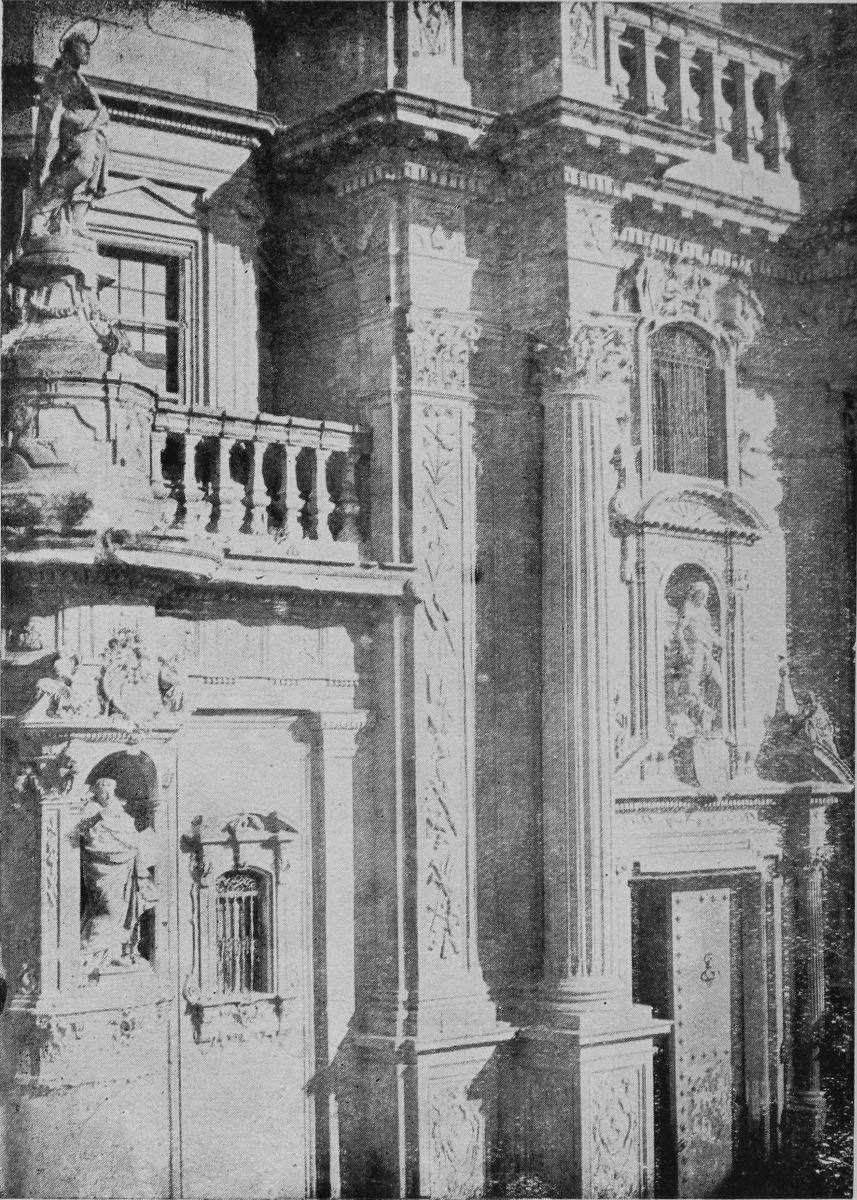
Plate 181 MURCIA: DETAIL OF THE CATHEDRAL
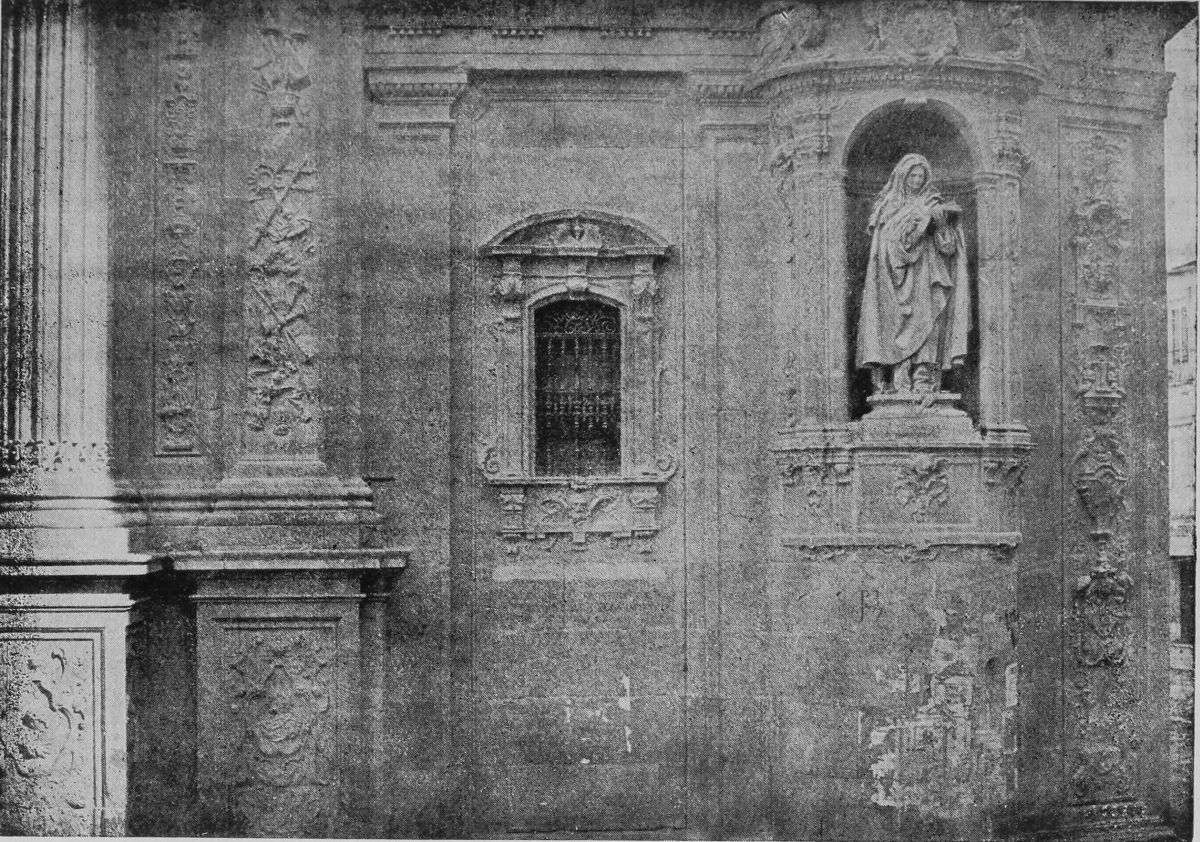
Plate 182 MURCIA CATHEDRAL: WINDOW OF THE BELFRY
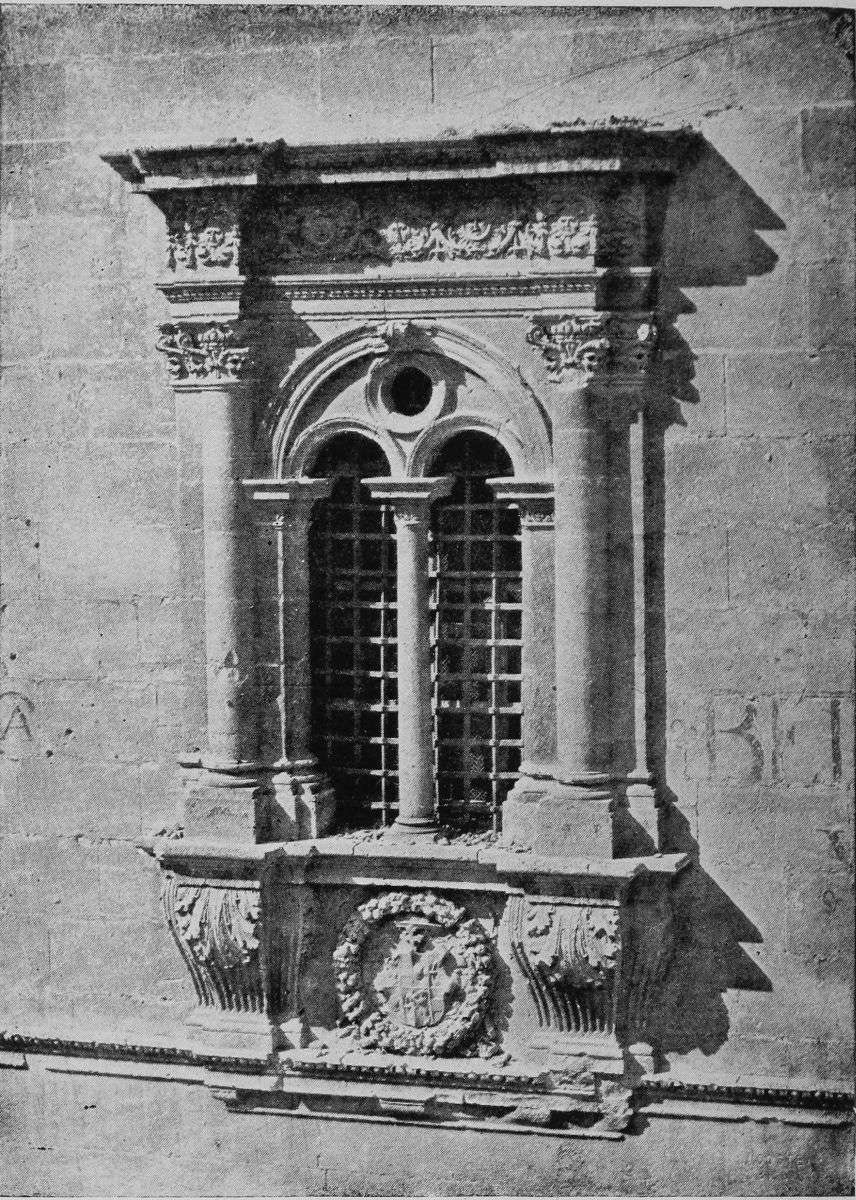
Plate 183 MURCIA CATHEDRAL: PRINCIPAL NAVE
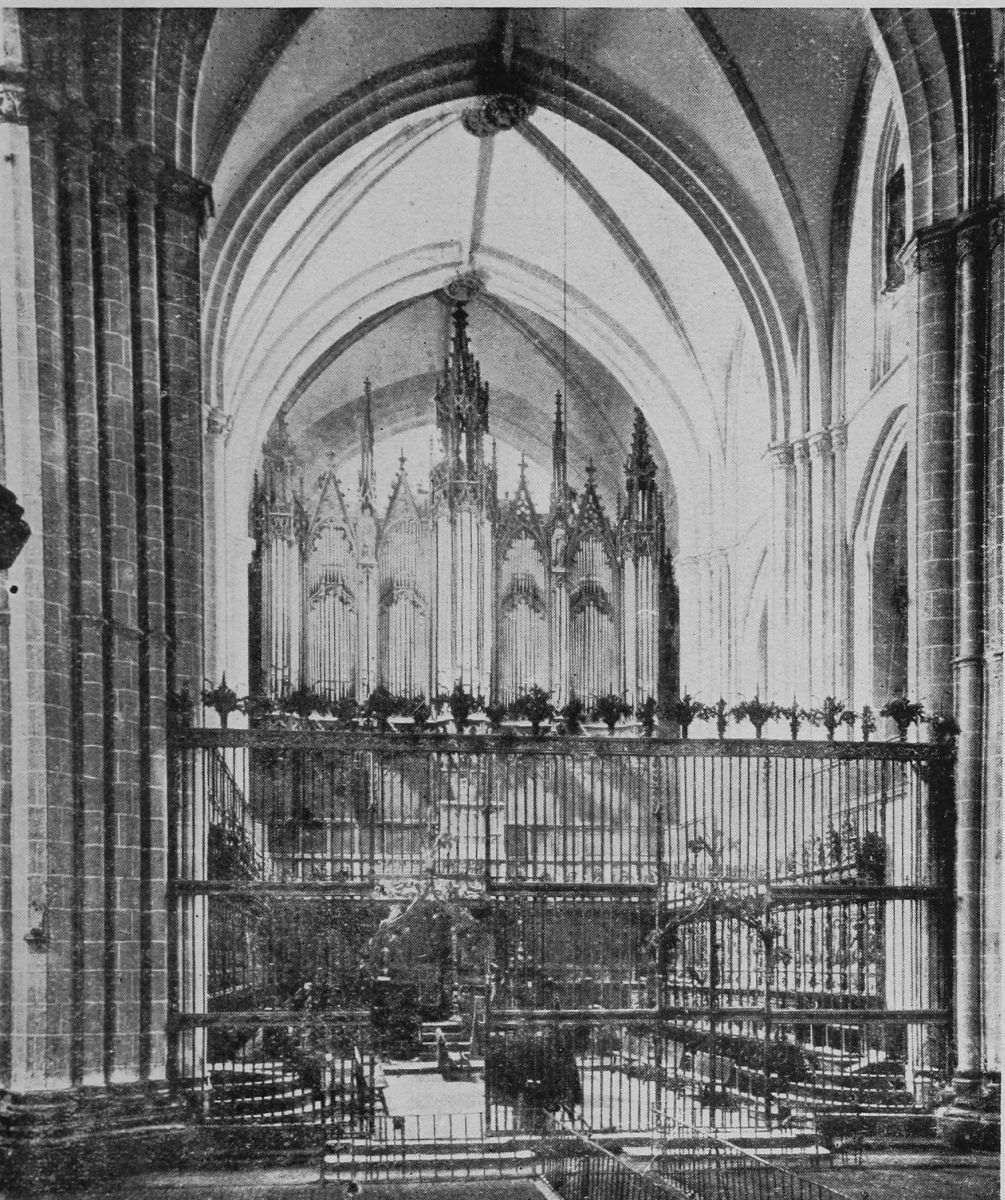
Plate 184 MURCIA CATHEDRAL: LATERAL NAVE
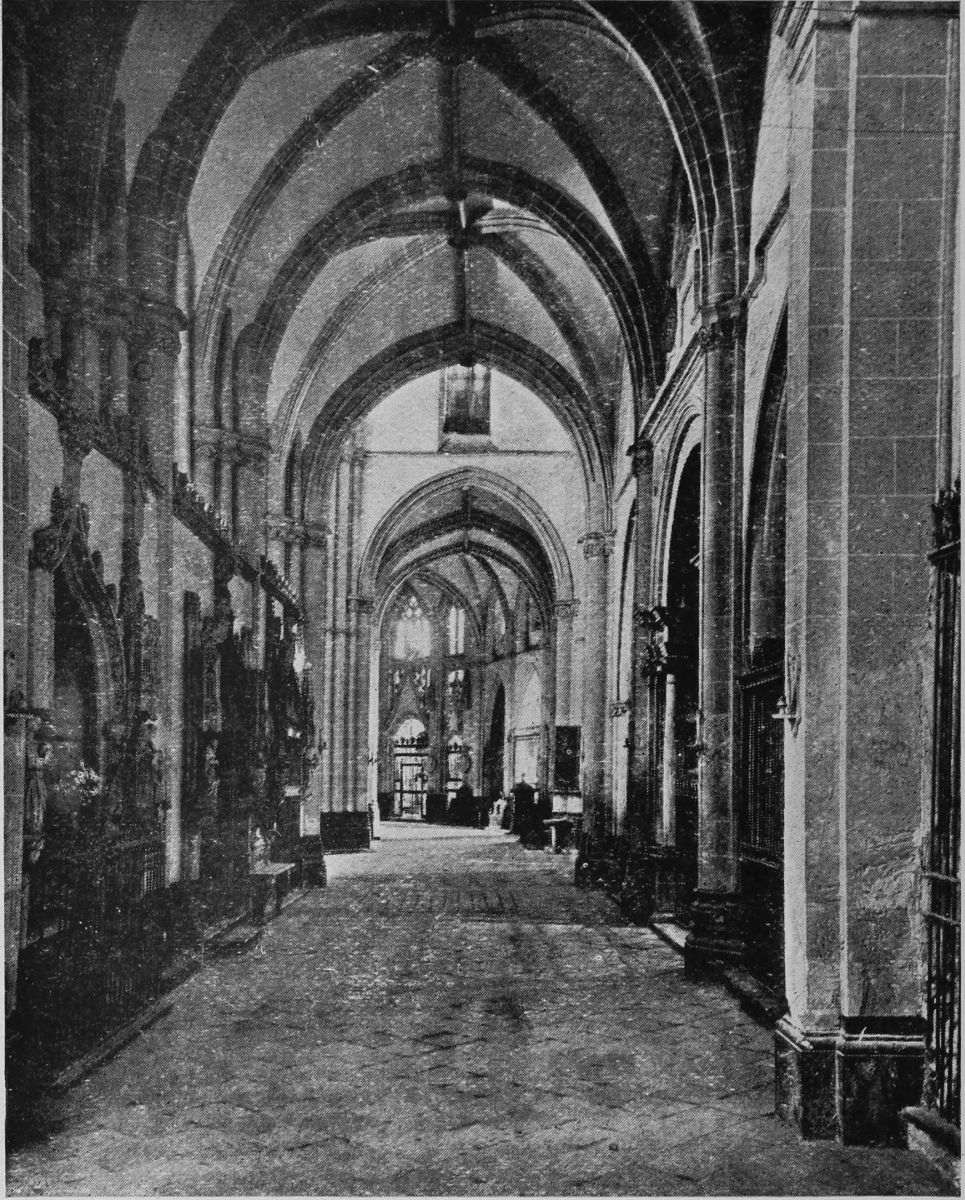
Plate 185 MURCIA CATHEDRAL: BEHIND THE CHOIR
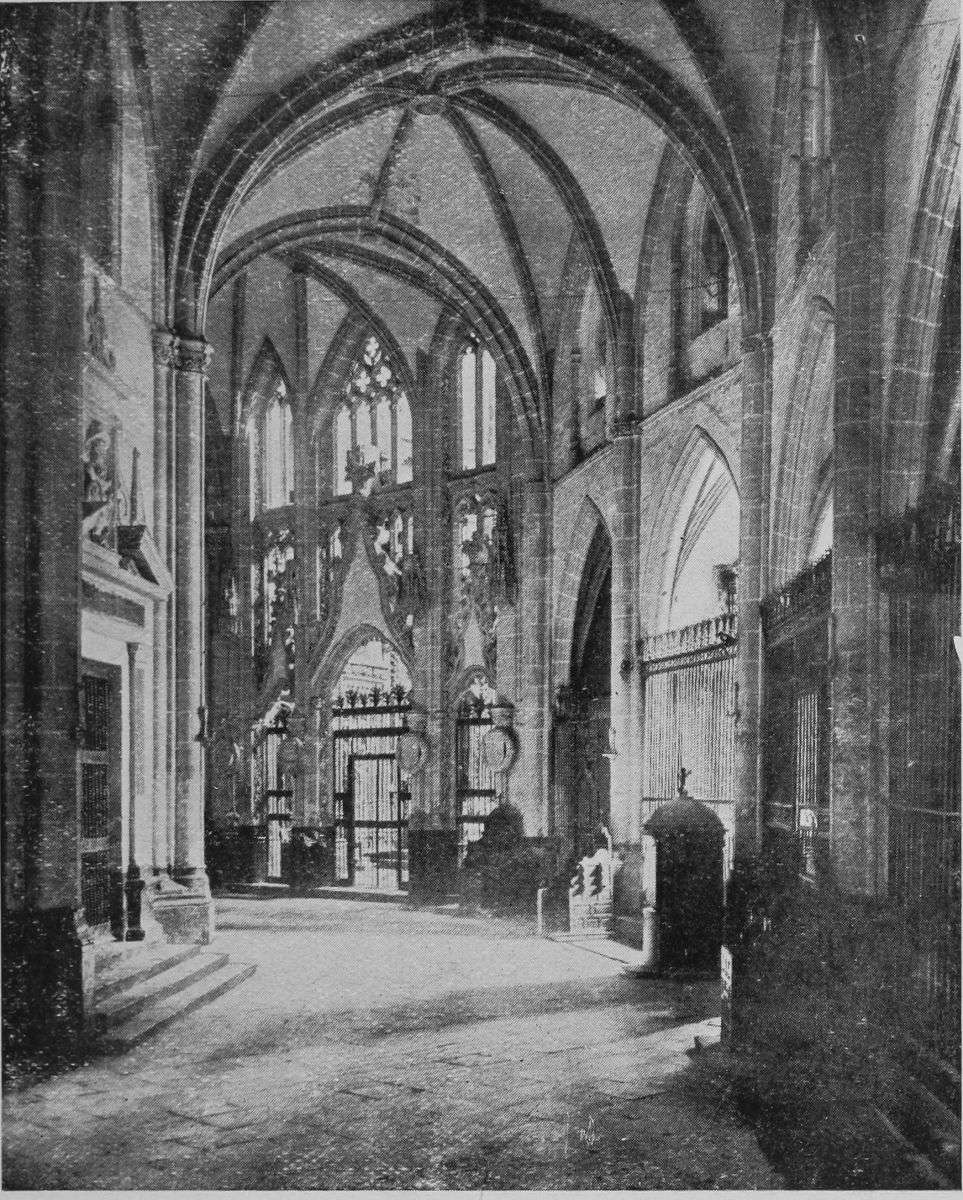
Plate 186 MURCIA CATHEDRAL: ENTRANCE TO THE CHAPEL OF THE MARQUÉS DE LOS VELEZ
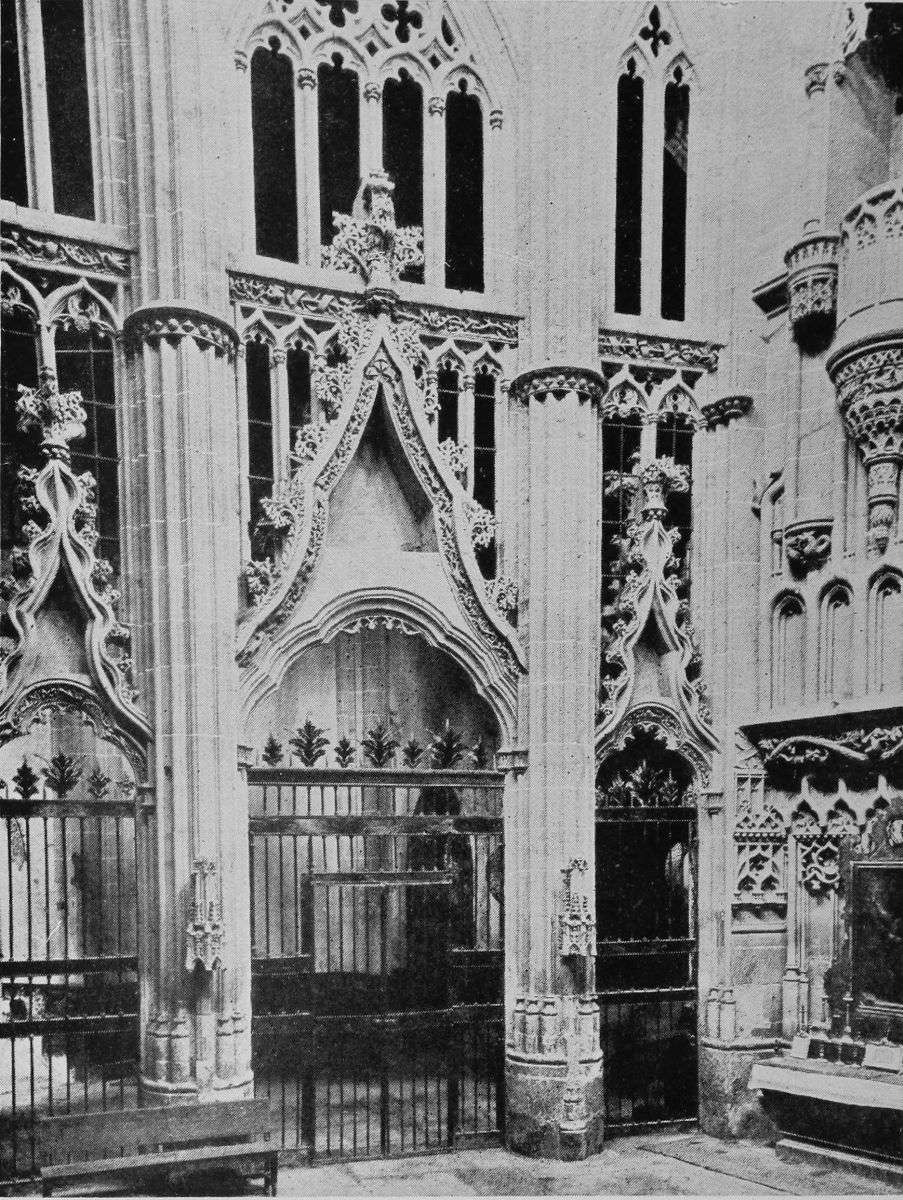
Plate 187 MURCIA CATHEDRAL: CHAPEL OF THE MARQUÉS DE LOS VELEZ
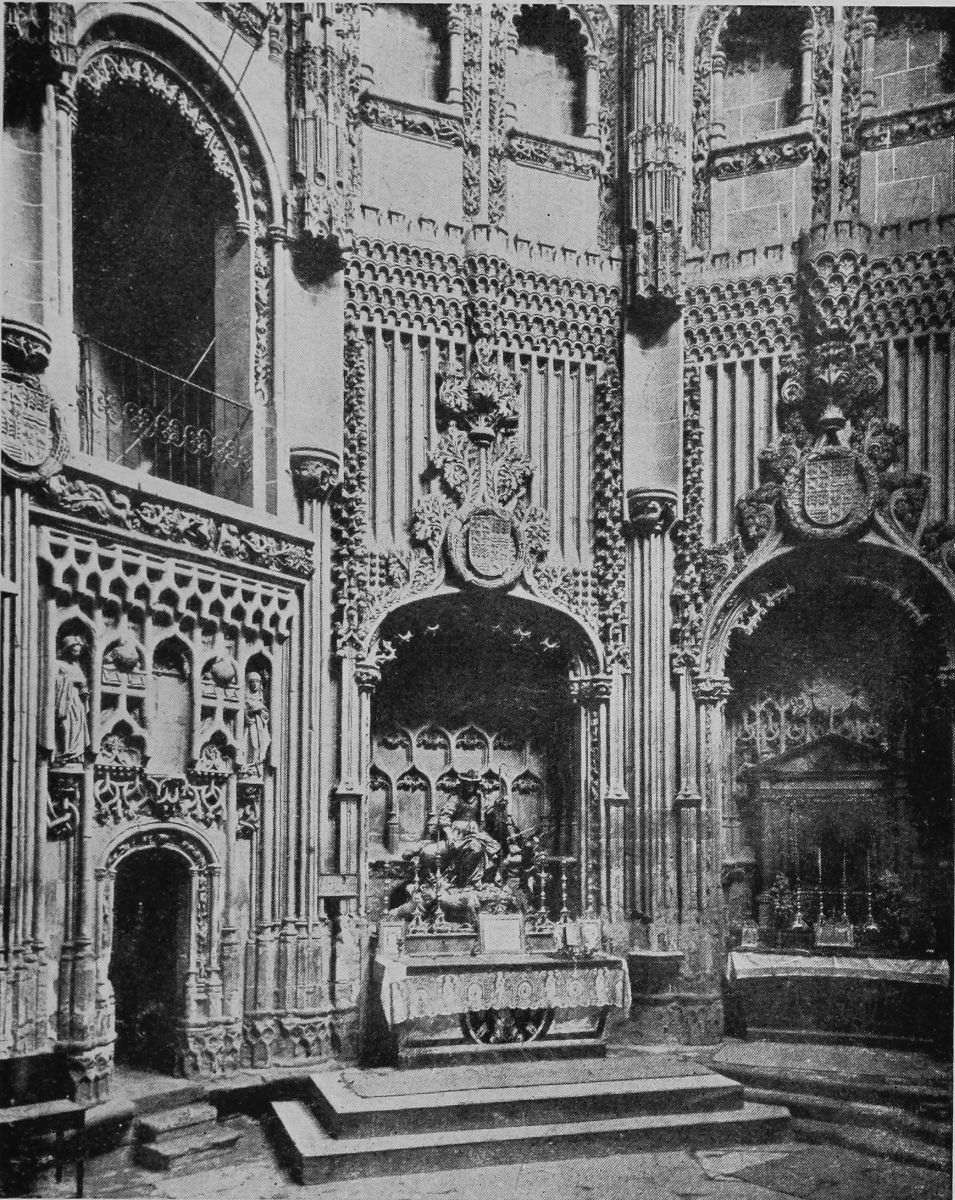
Plate 188 MURCIA CATHEDRAL: THE HIGH ALTAR
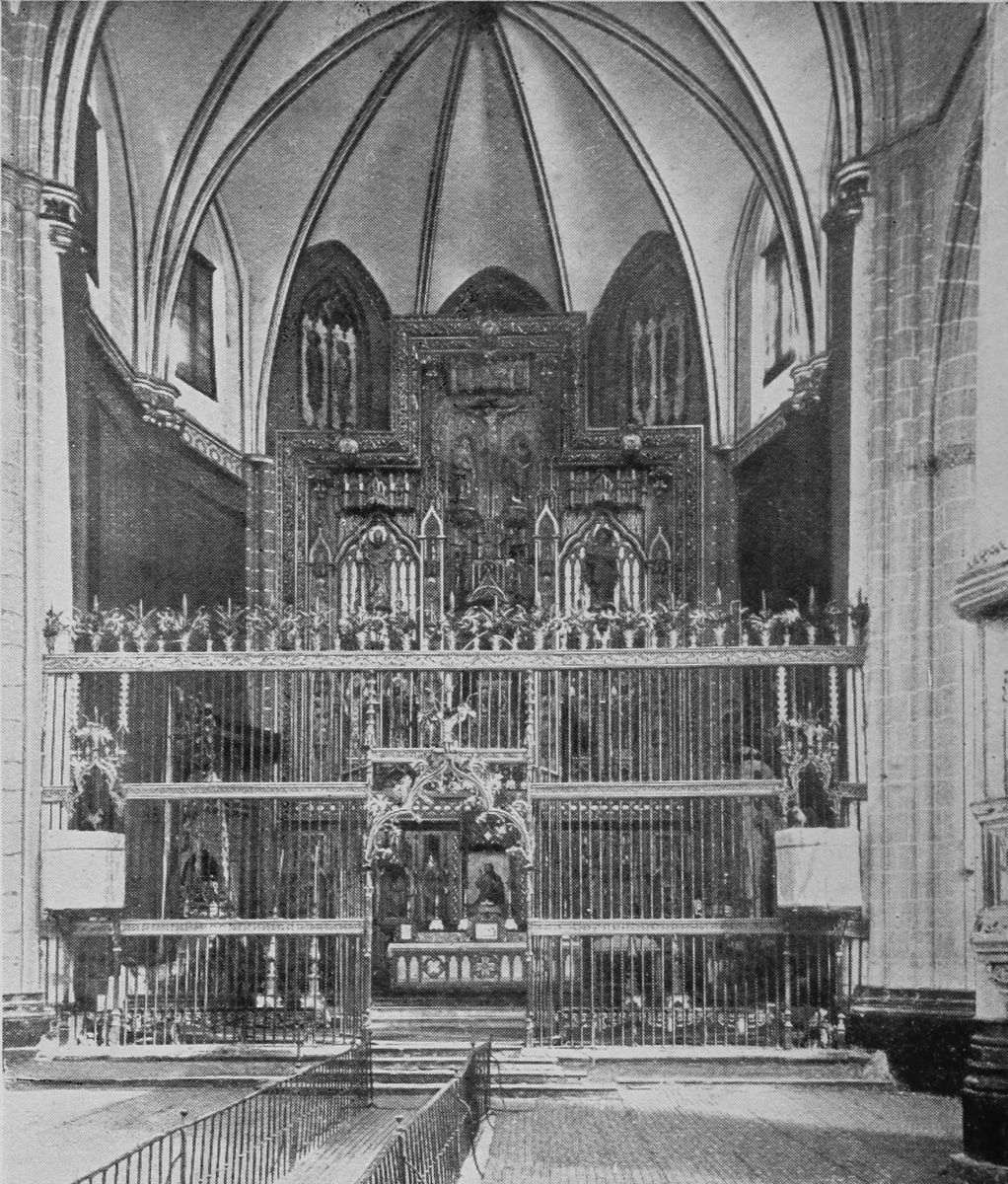
Plate 189 MURCIA CATHEDRAL: THE HIGH ALTAR
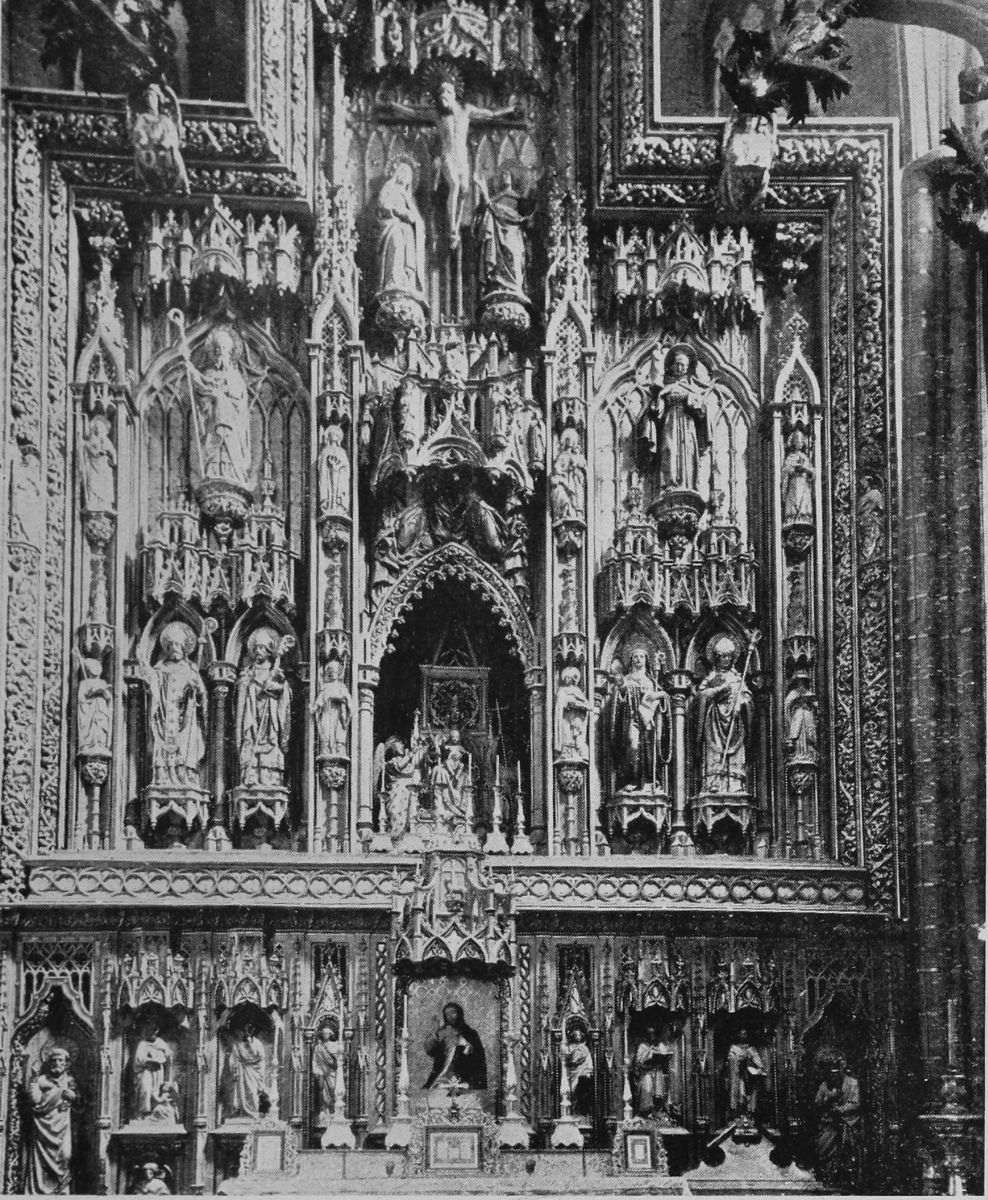
Plate 190 MURCIA CATHEDRAL: GENERAL VIEW OF THE CHOIR
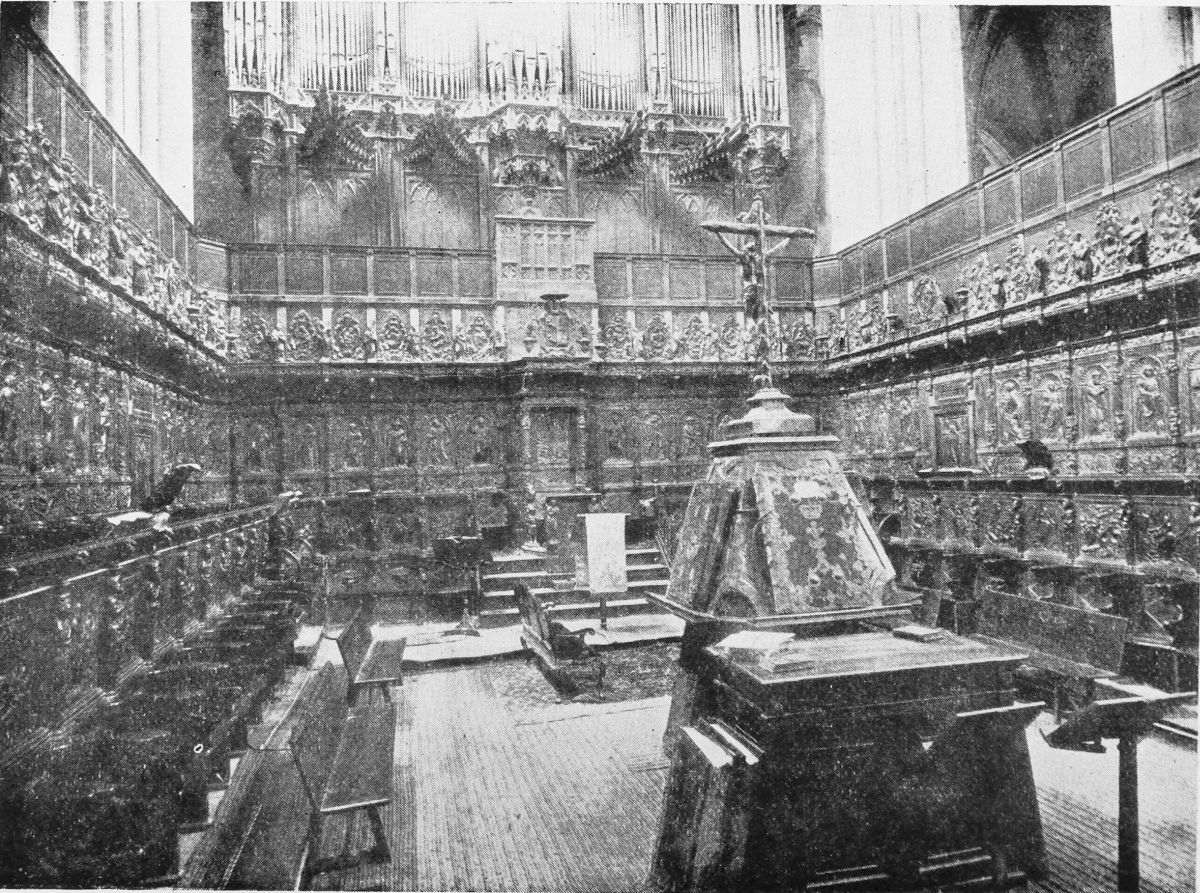
Plate 191 MURCIA CATHEDRAL: THE BISHOP’S THRONE, IN THE CHOIR
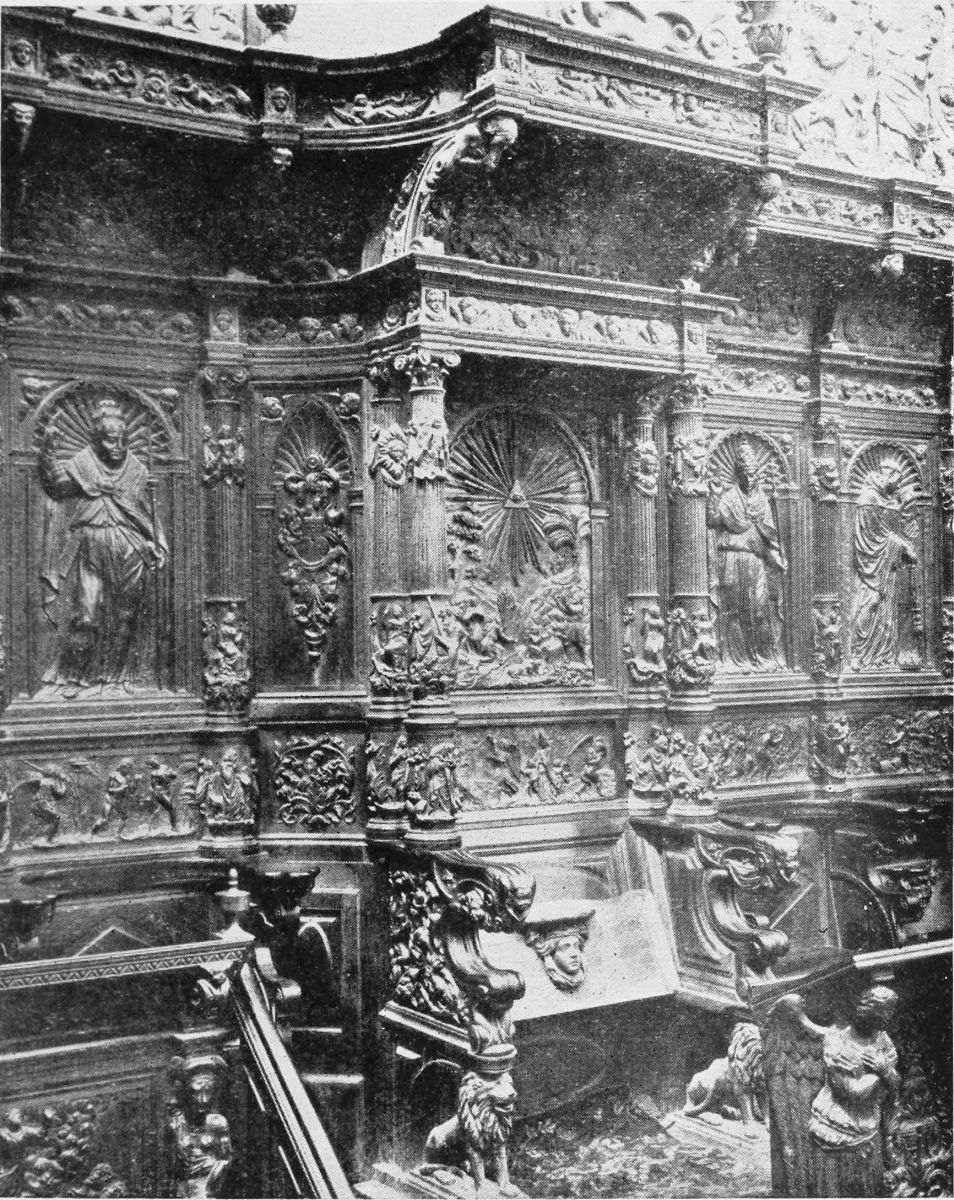
Plate 192 MURCIA CATHEDRAL: DETAIL OF THE CHOIR STALLS
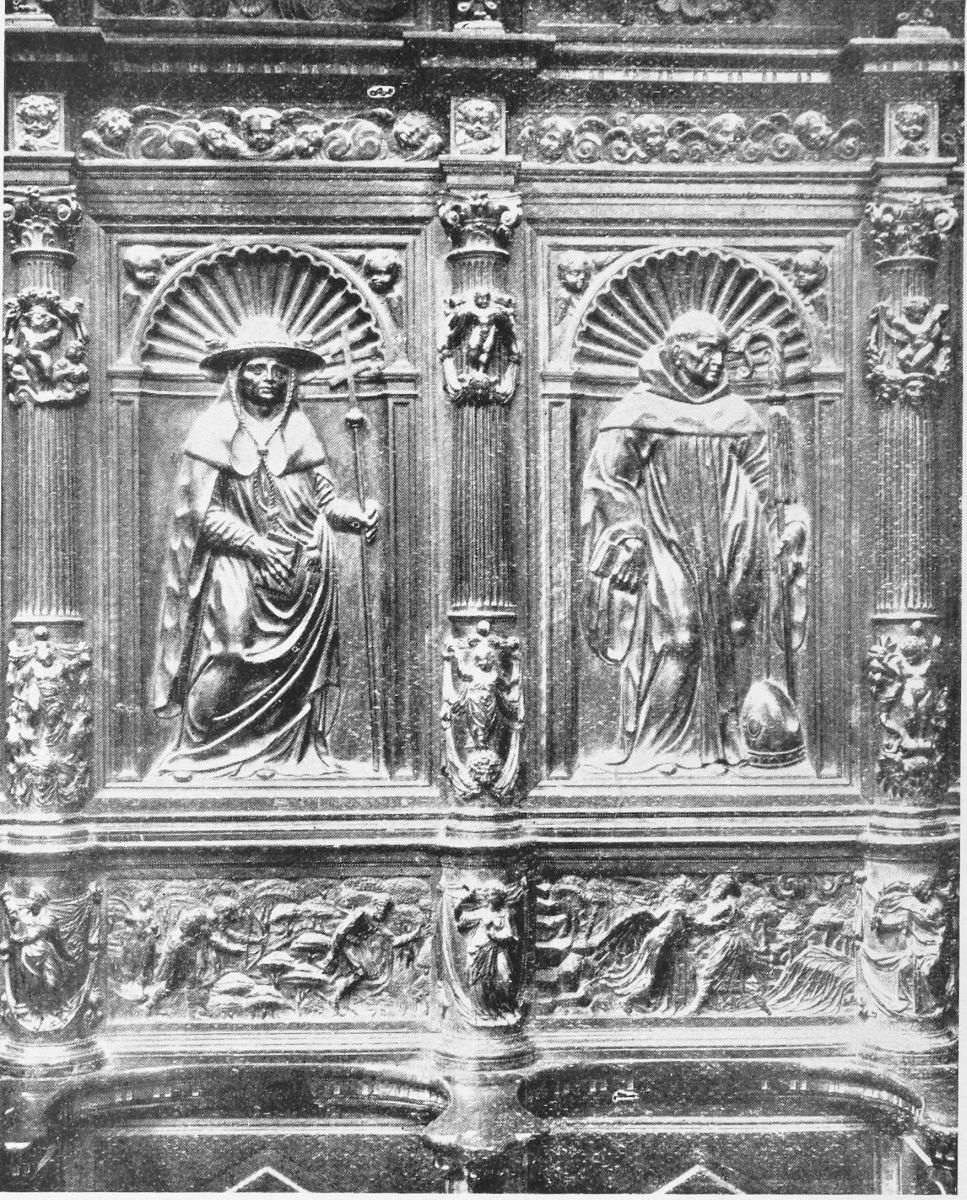
Plate 193 MURCIA CATHEDRAL: DETAIL OF THE CHOIR STALLS
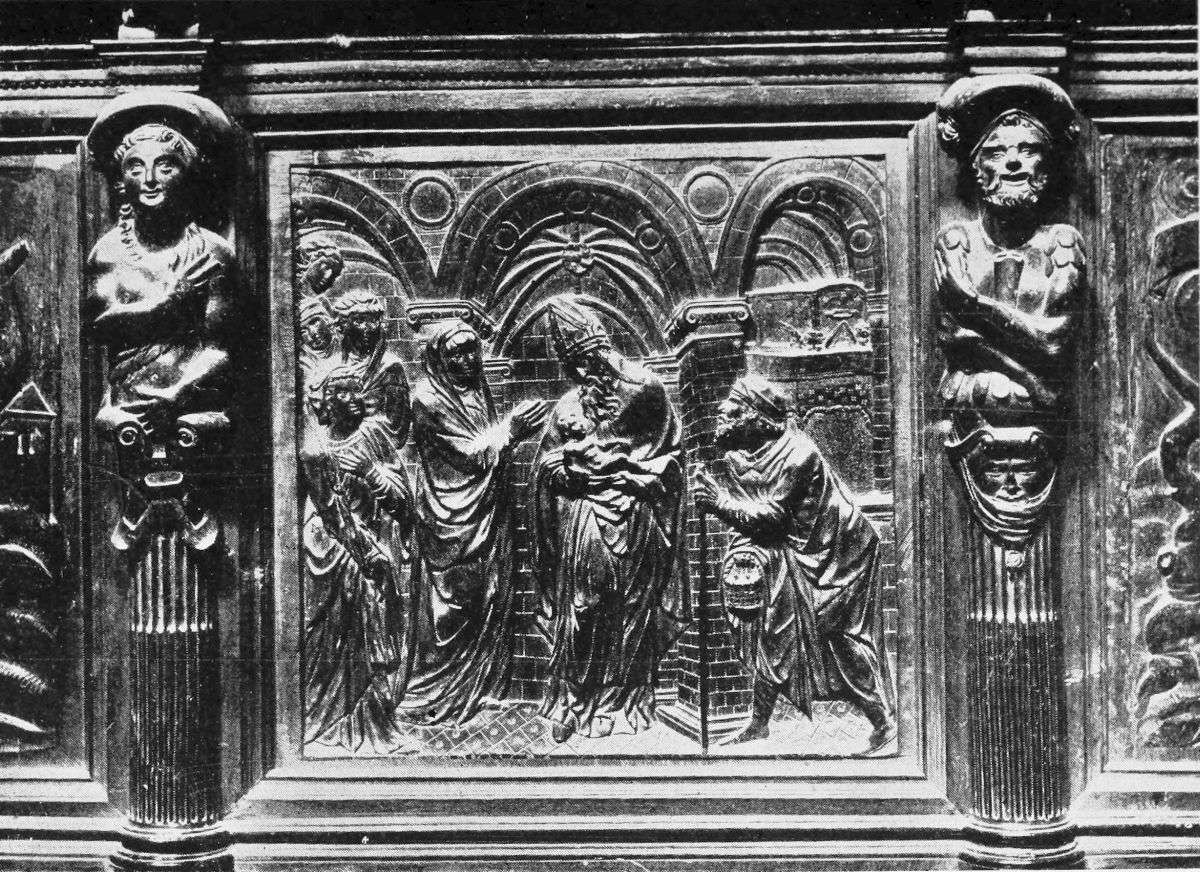
Plate 194 MURCIA CATHEDRAL: THE SACRISTY
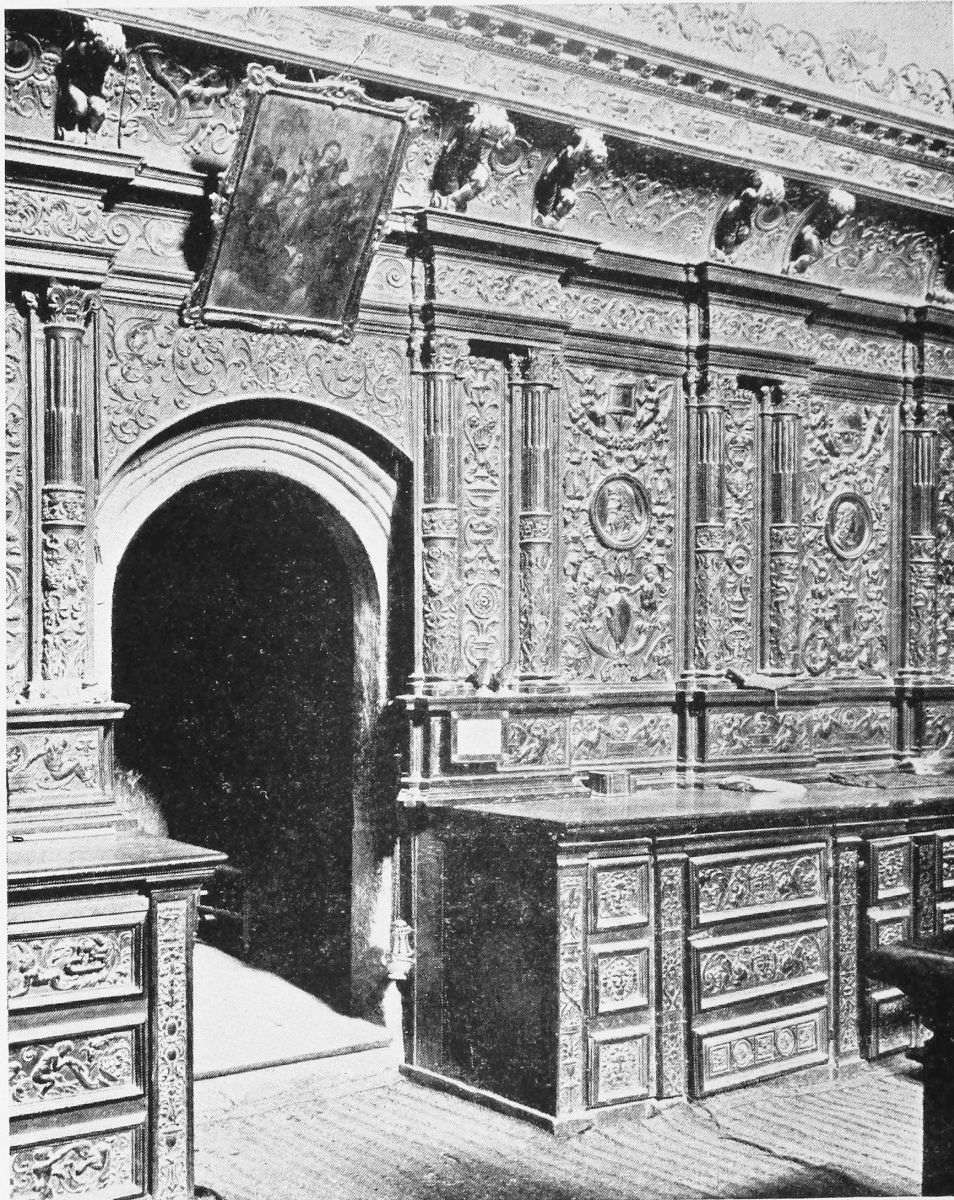
Plate 195 MURCIA CATHEDRAL: TOMB OF ALFONSO THE WISE
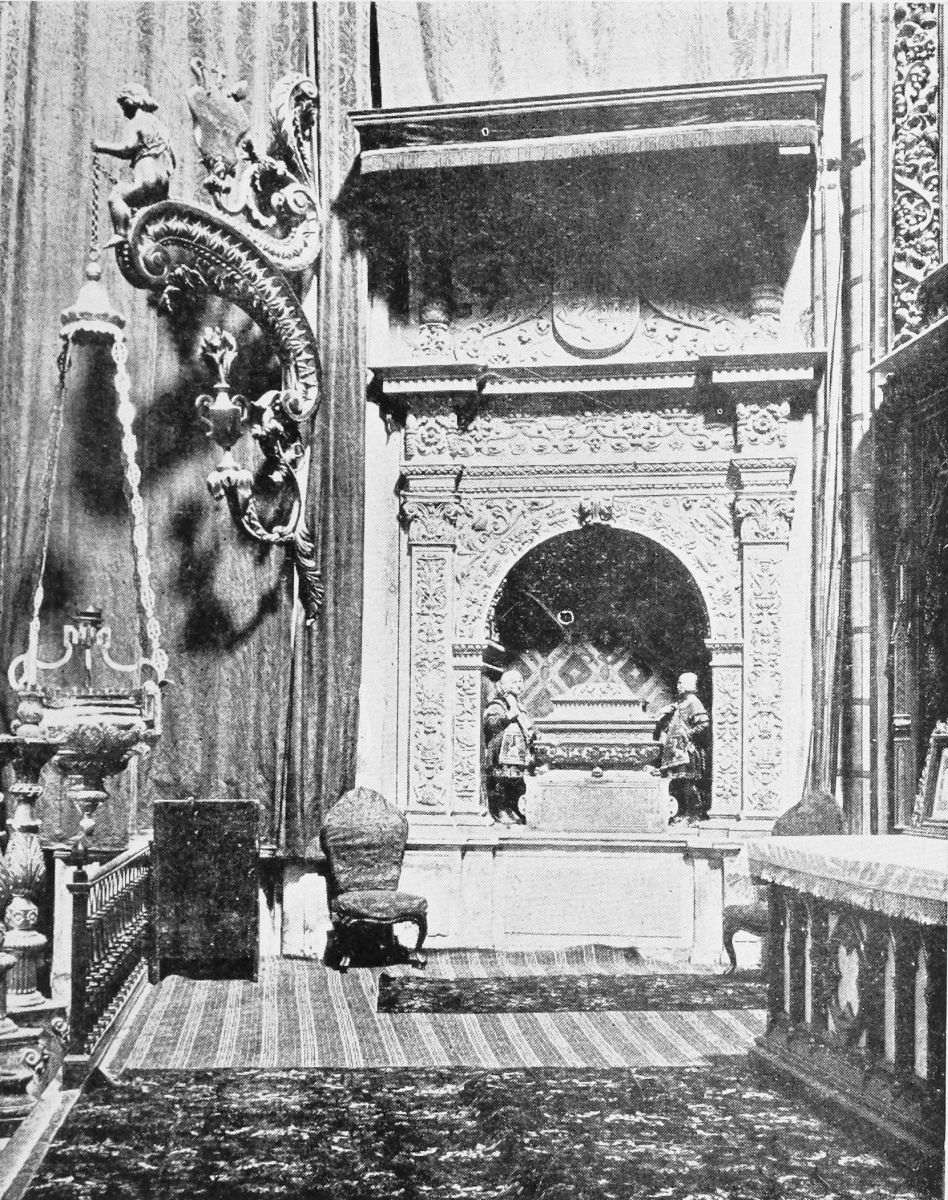
Plate 196 MURCIA: CHURCH OF SANTO DOMINGO
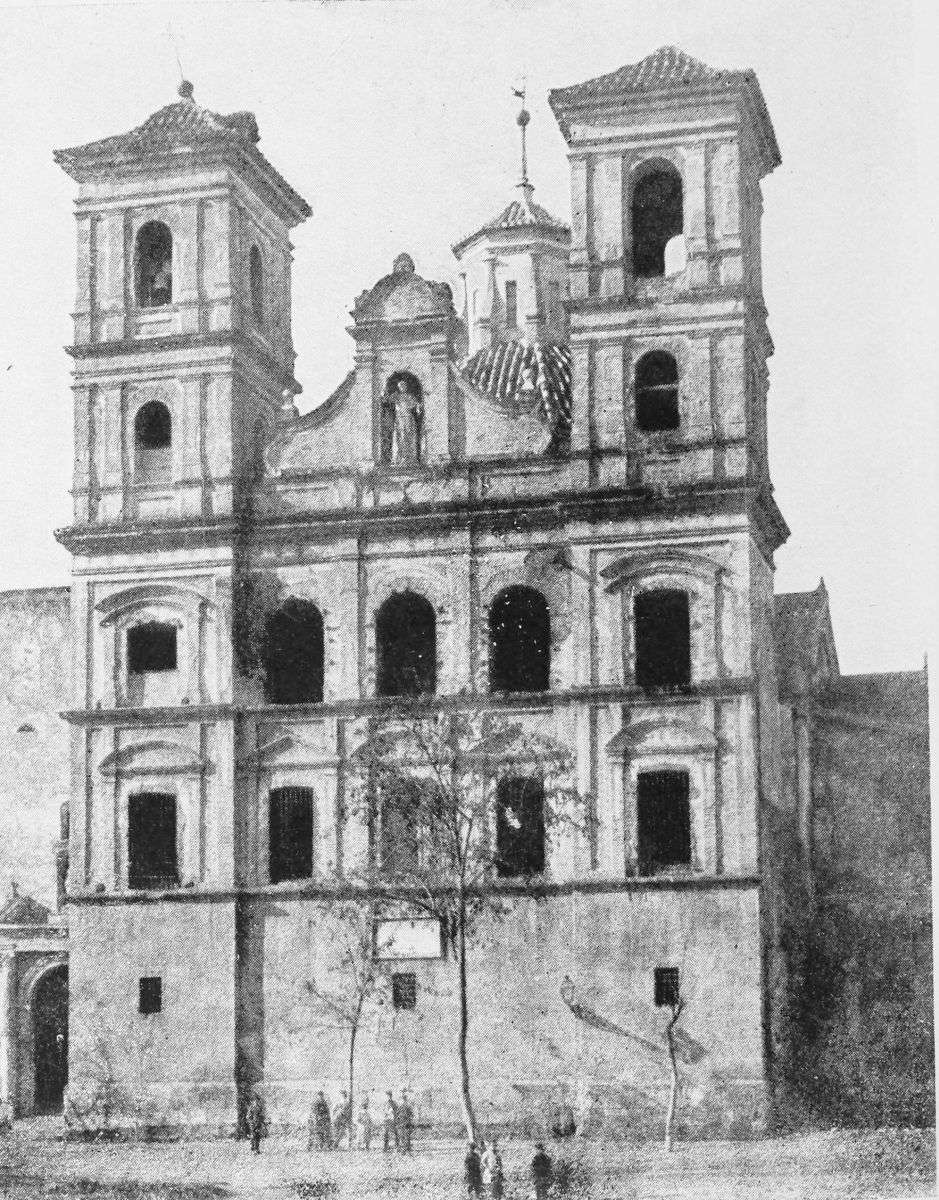
Plate 197 MURCIA: CHURCH OF SANTO DOMINGO
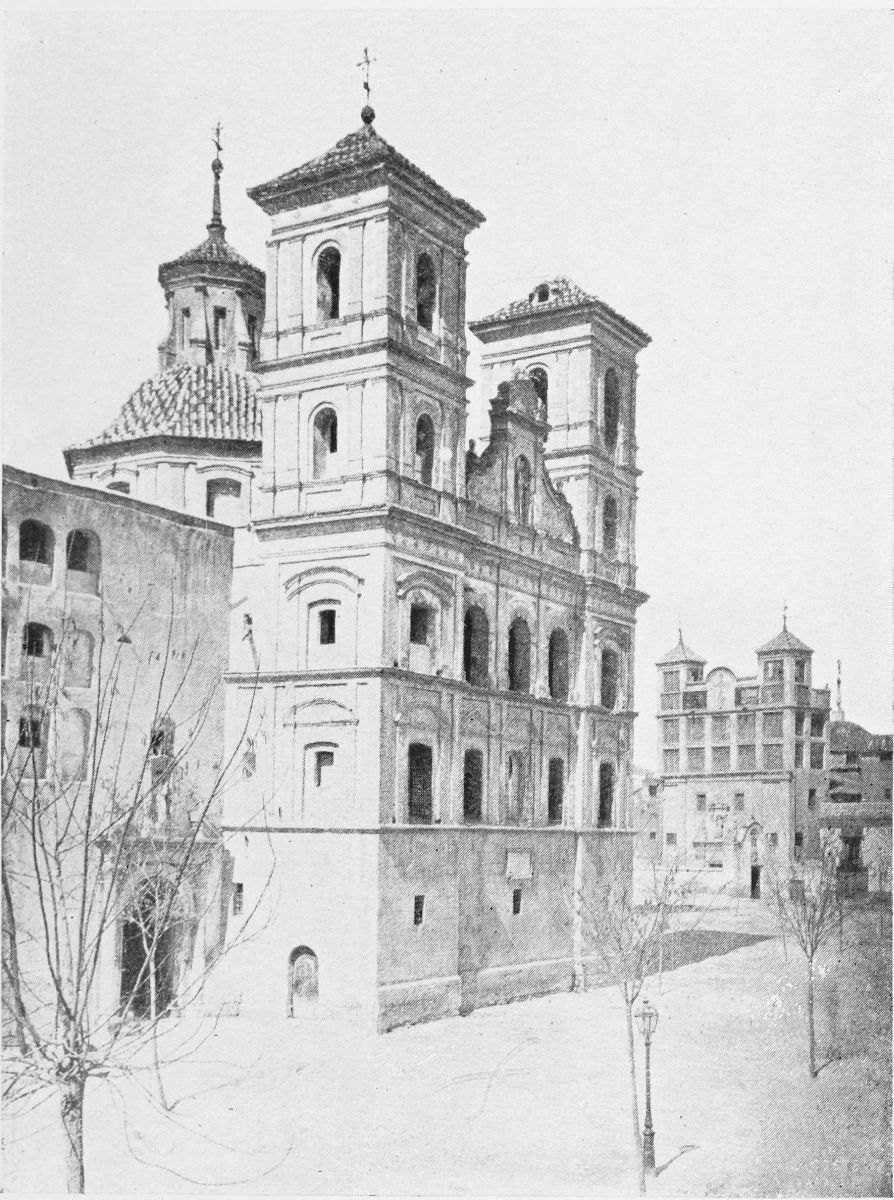
Plate 198 MURCIA: CHURCH OF SAN BARTOLOMÉ
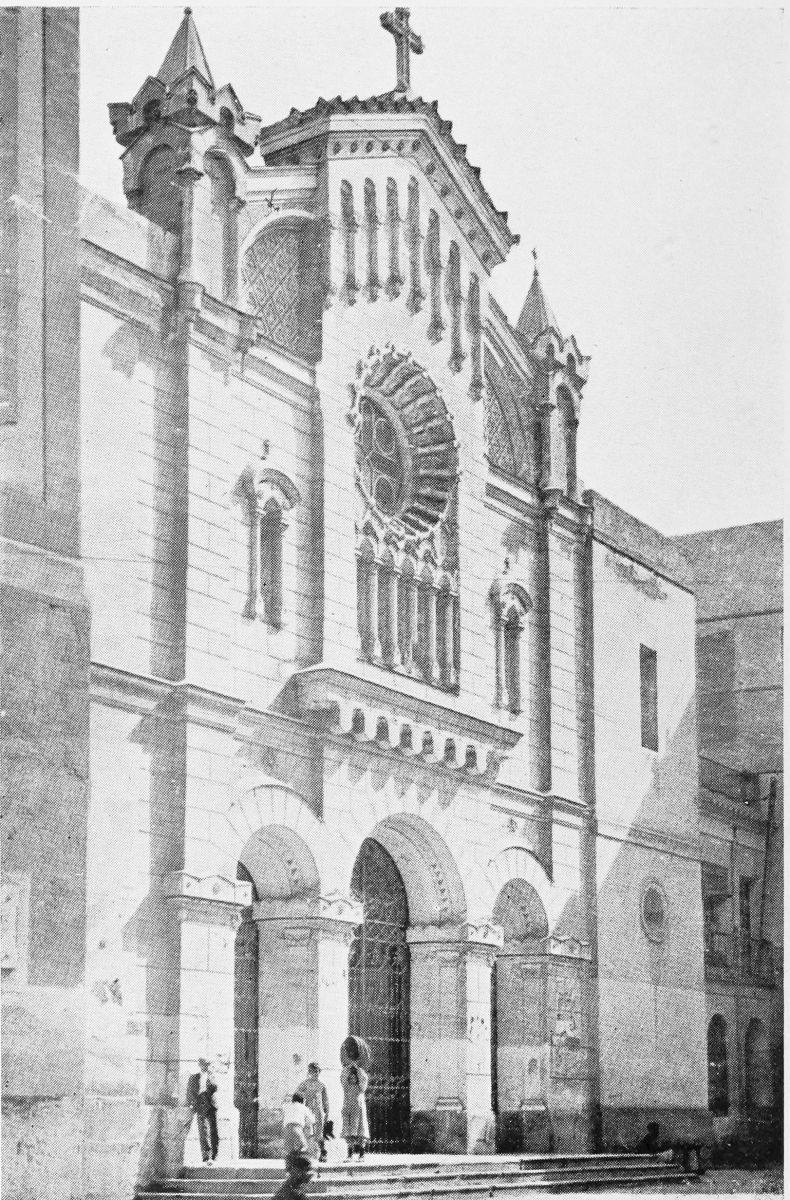
Plate 199 MURCIA: FAÇADE OF THE CONVENT DE LA MISERICORDIA
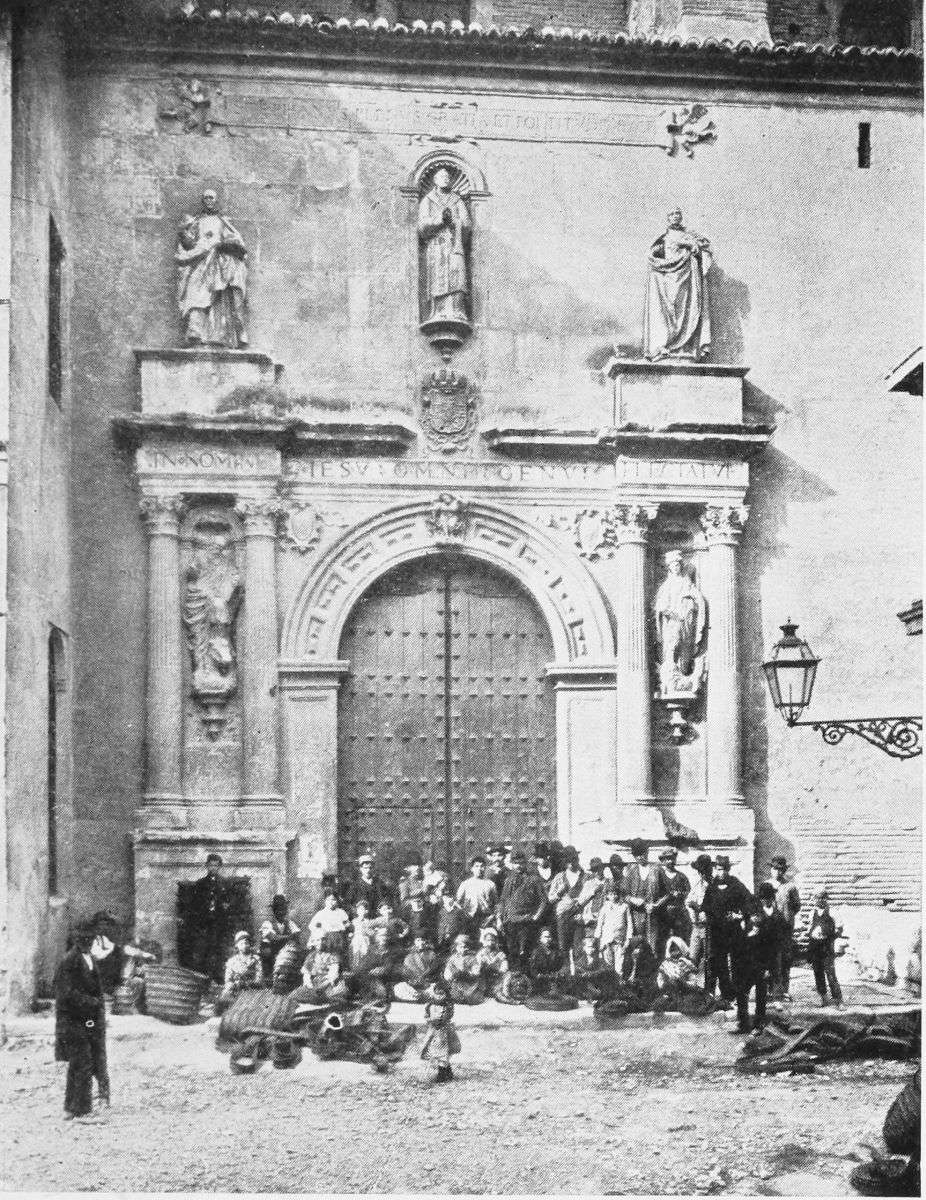
Plate 200 MURCIA: PALACE OF THE MARQUÉS DE VILLAFRANCA DE LOS VELEZ AND CONVENT OF SANTA CLARA
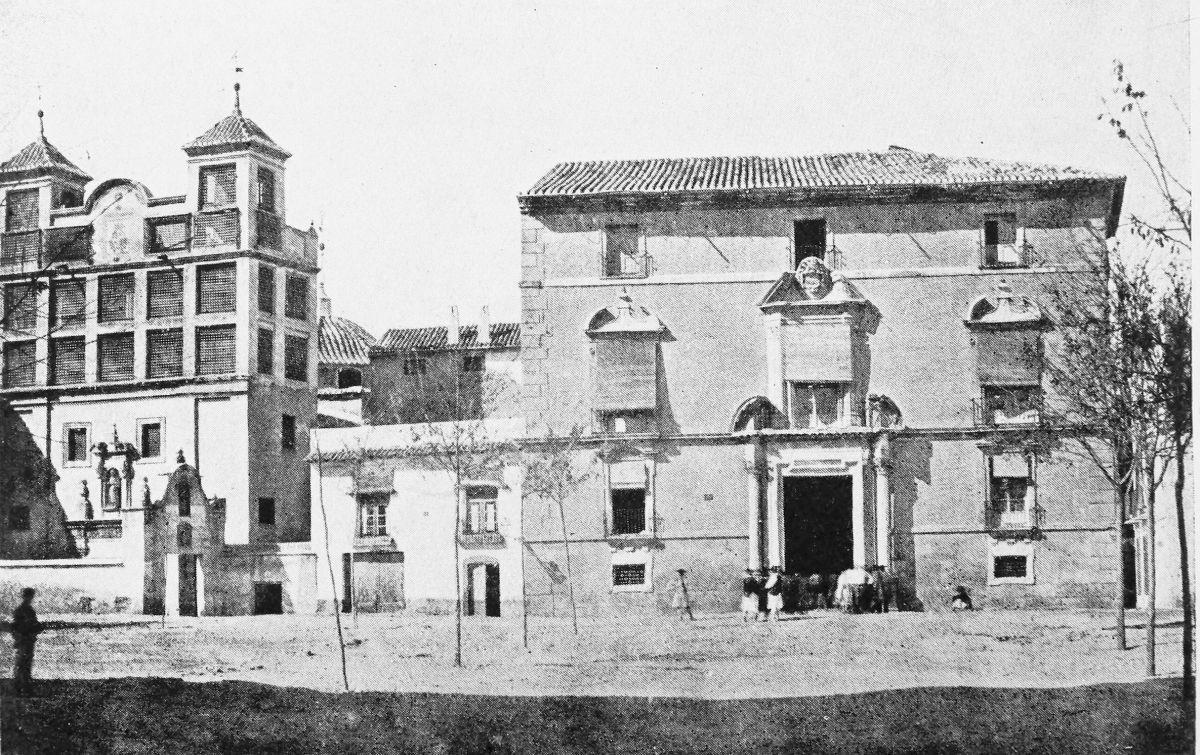
Plate 201 MURCIA: THE EPISCOPAL PALACE
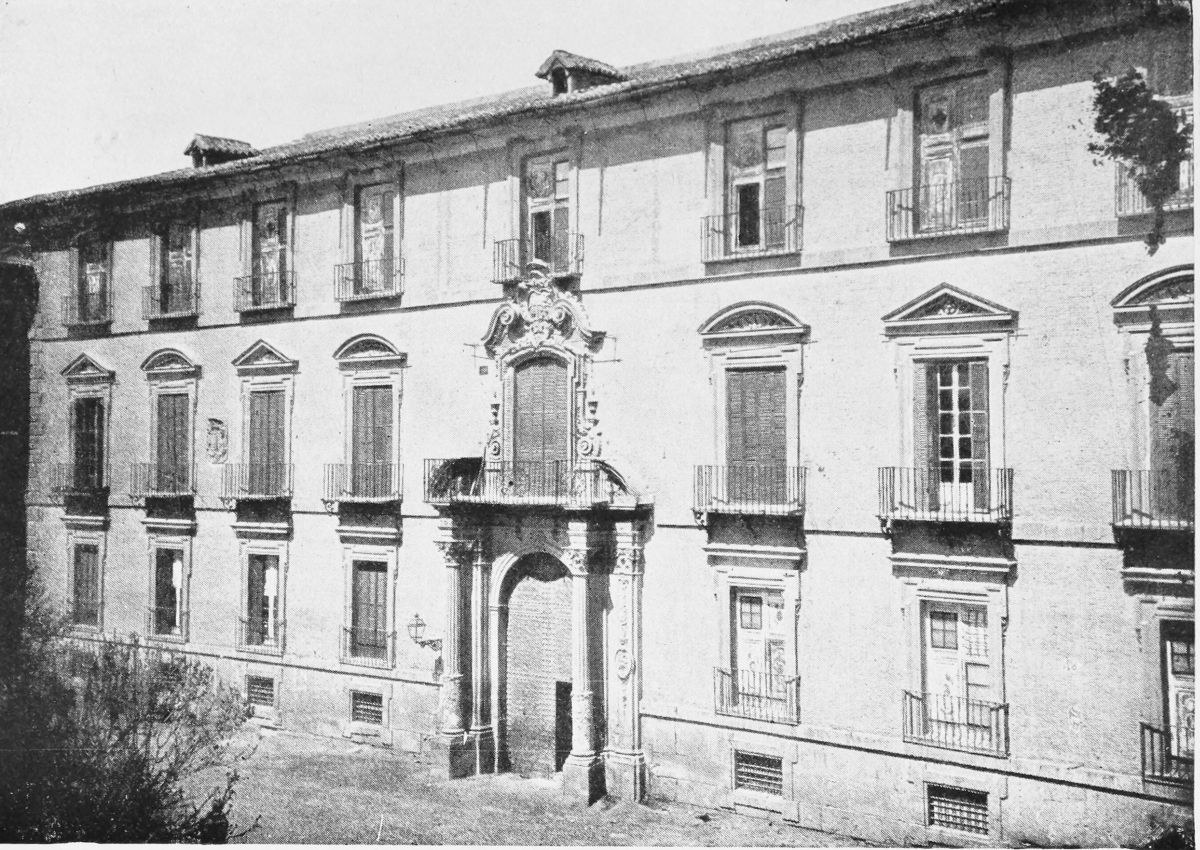
Plate 202 MURCIA: CASA HUERTA DE LAS BOMBAS
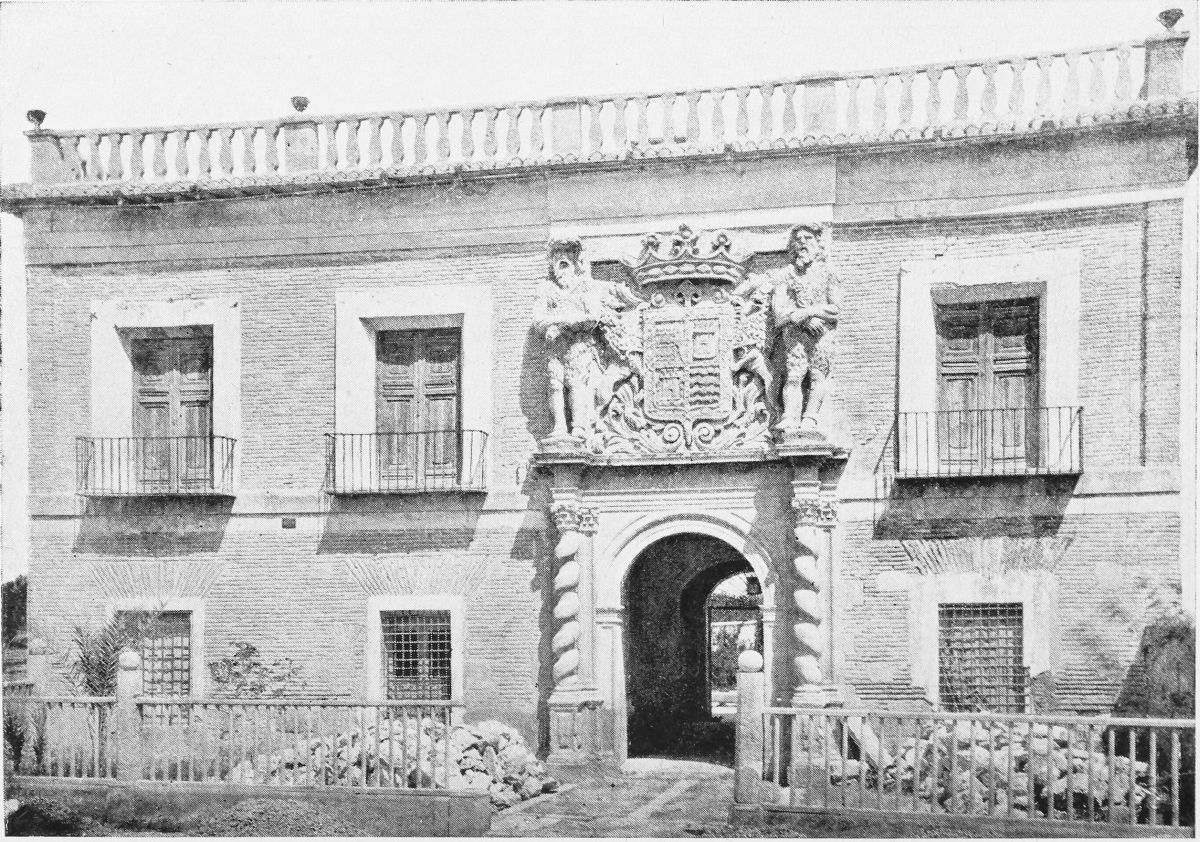
Plate 203 MURCIA: PALACE OF THE MARQUÉS DE ALMODOVAR
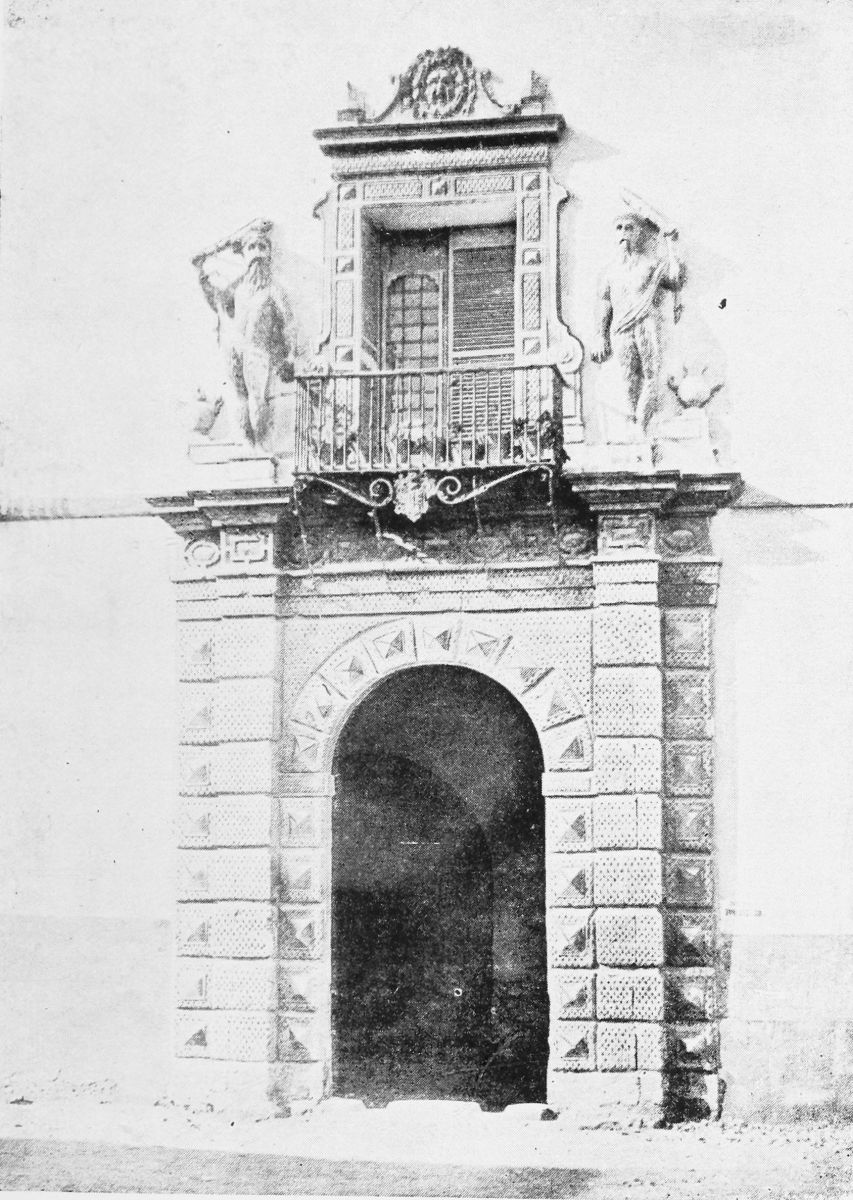
Plate 204 MURCIA: PALACE OF THE BARON DE ALBALA
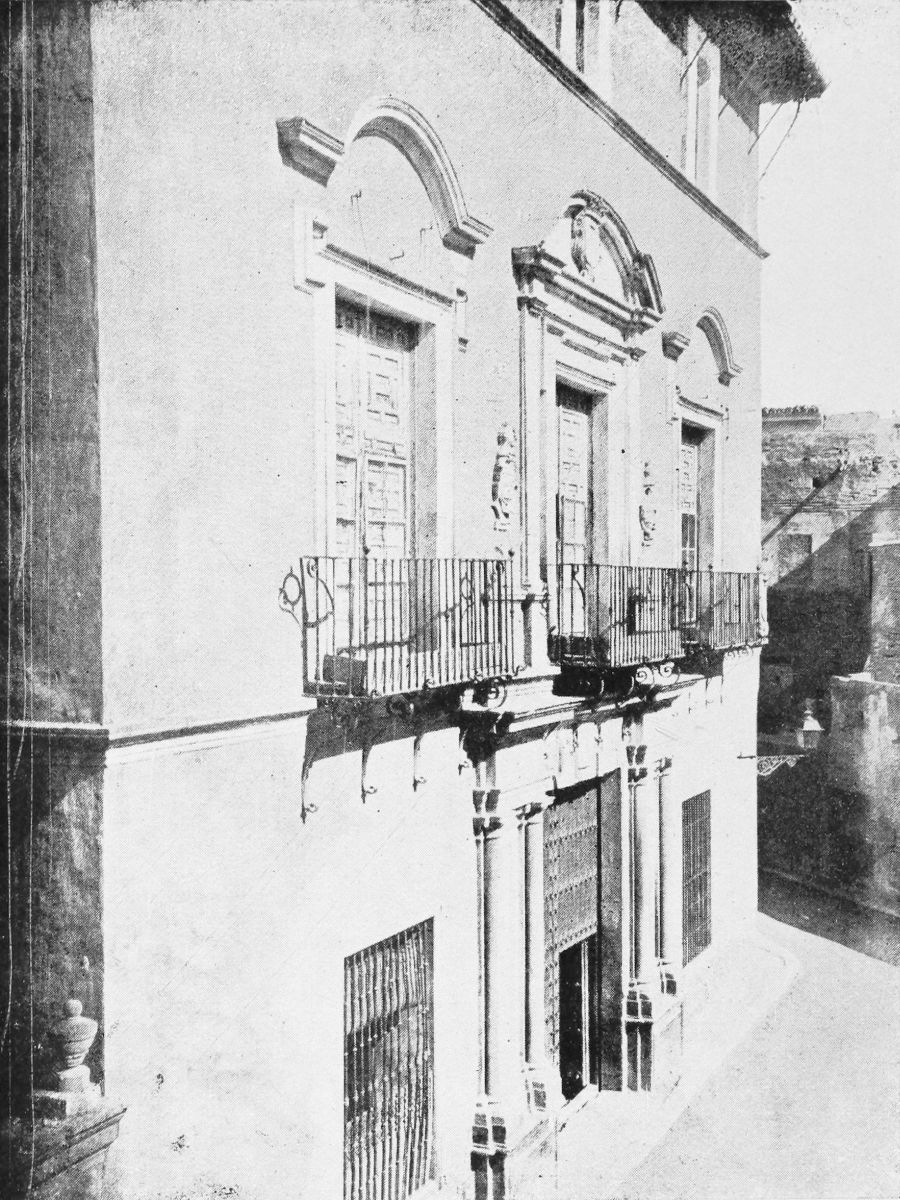
Plate 205 MURCIA: PALACE OF THE MARQUÉS DE ESPINARDO
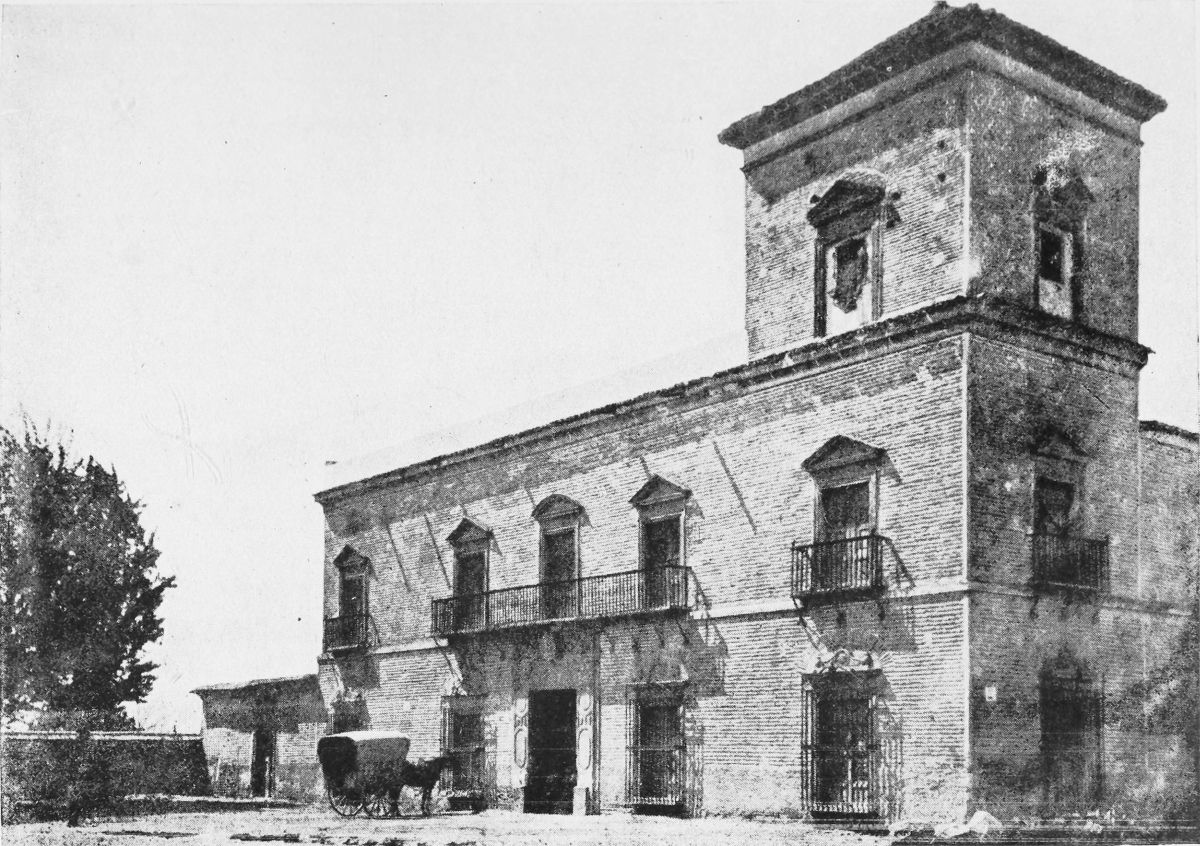
Plate 206 MURCIA: THE “CONTRASTE”
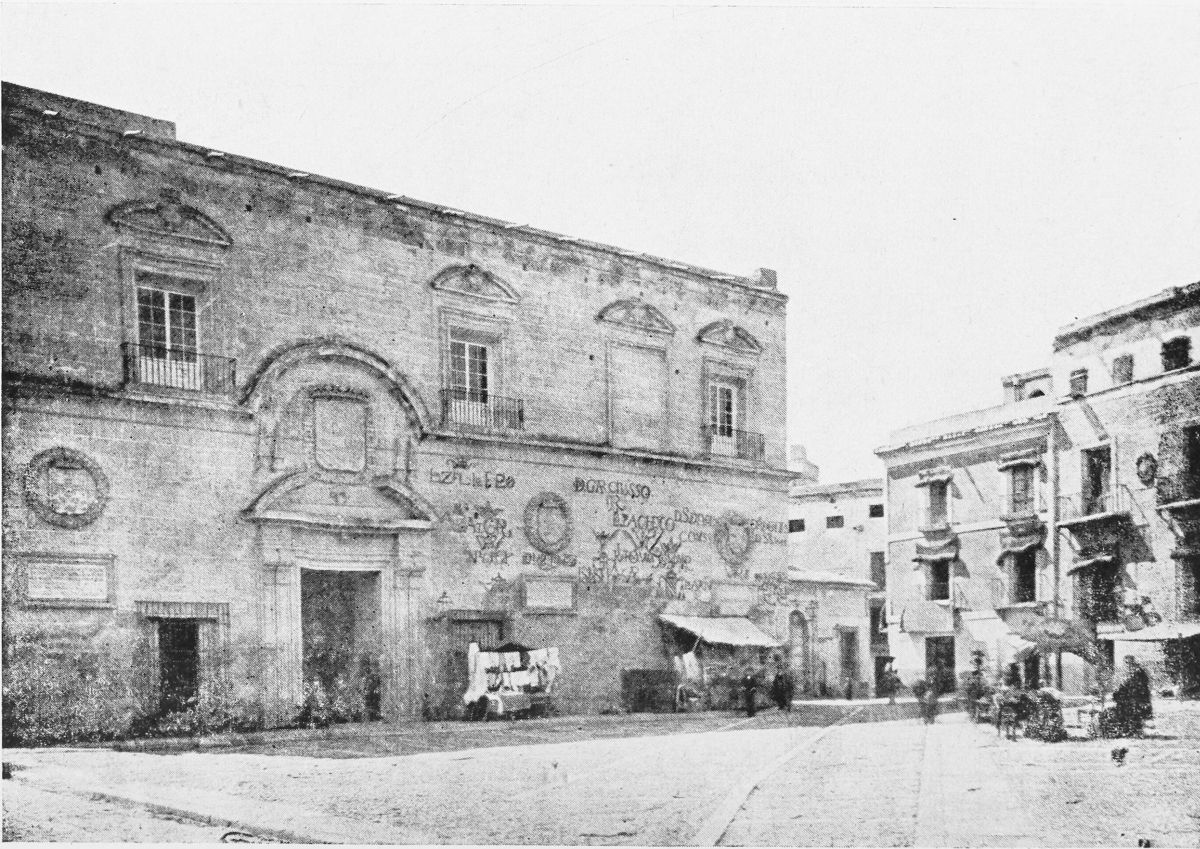
Plate 207 MURCIA: MONUMENT TO SALZILLO
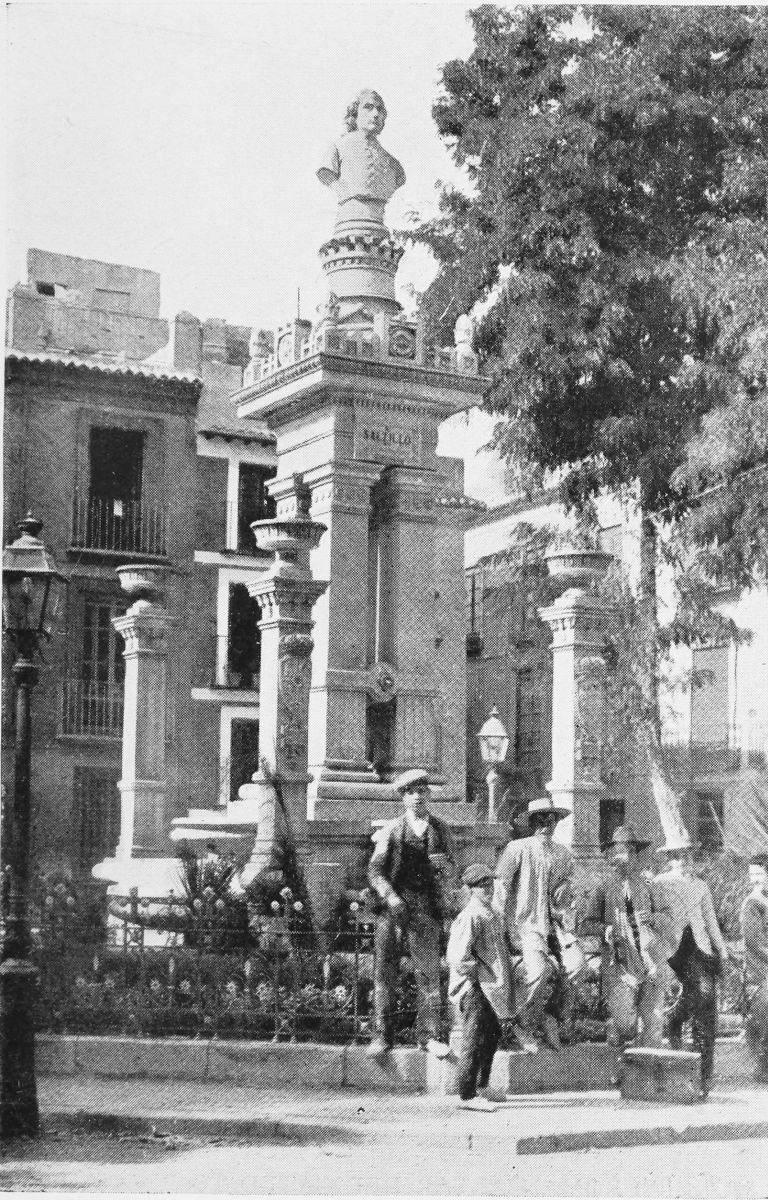
Plate 208 MURCIA: ROMAN ALTAR DEDICATED TO PEACE, FOUND IN CARTHAGENA AND MOVED IN 1594 TO THE PALACE OF THE MARQUÉS DE ESPINARDO
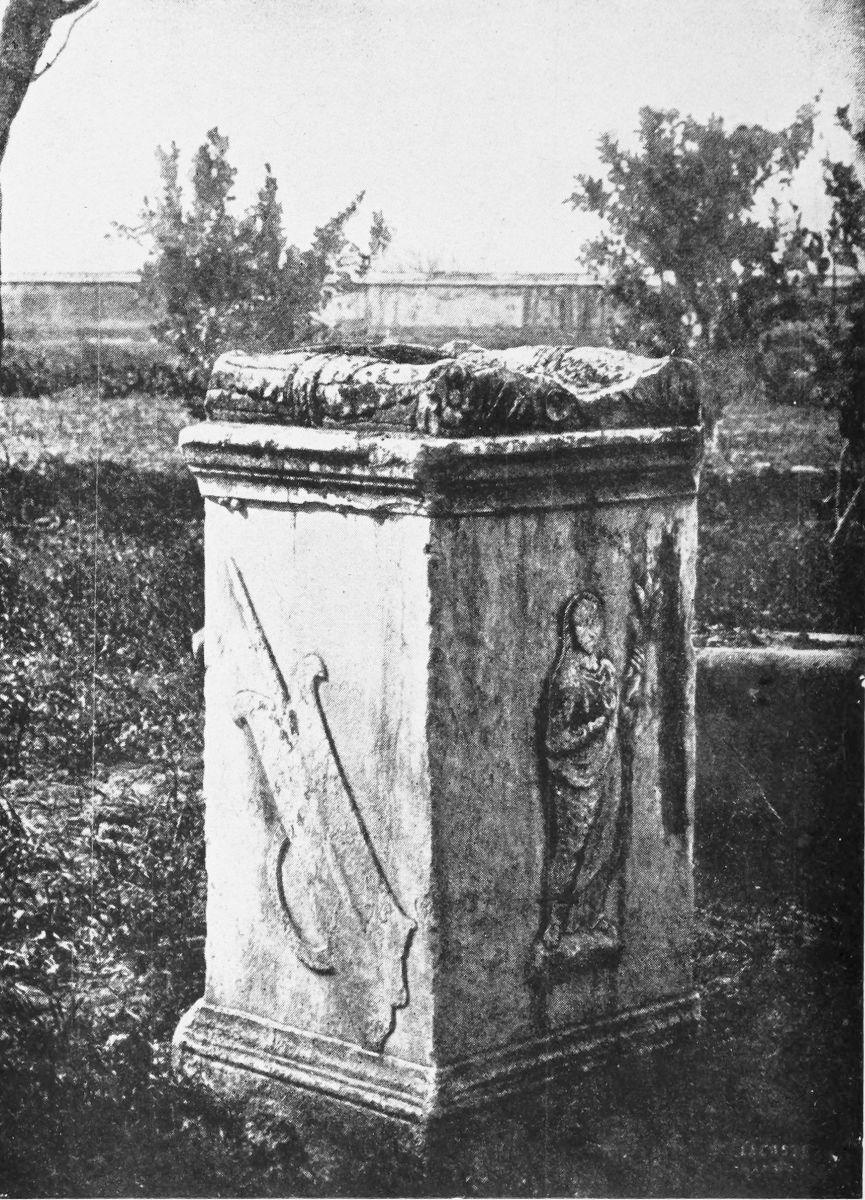
Plate 209 MURCIA: HOUSE IN THE CALLE JABONERIA
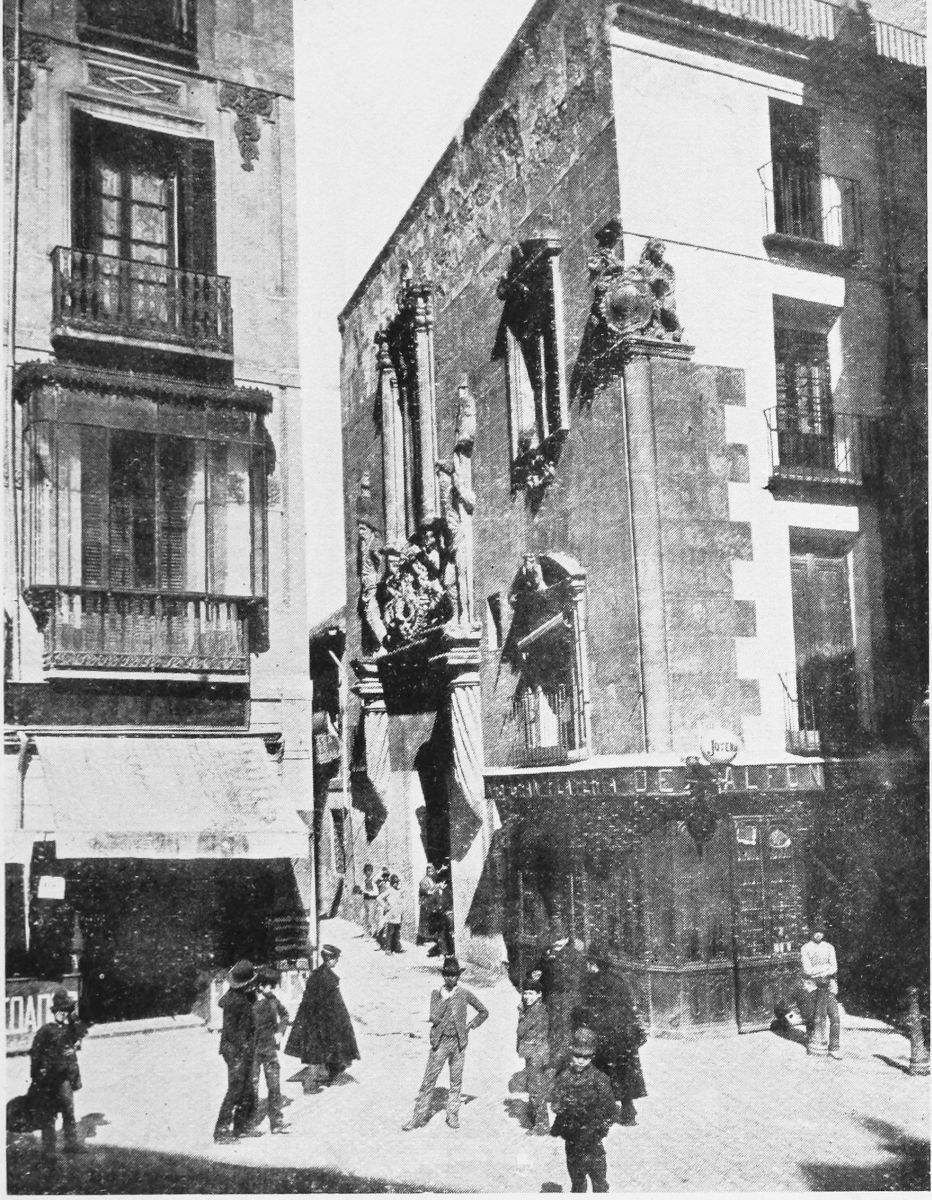
Plate 210 MURCIA: HOUSE OF THE PAINTER VILLASIS
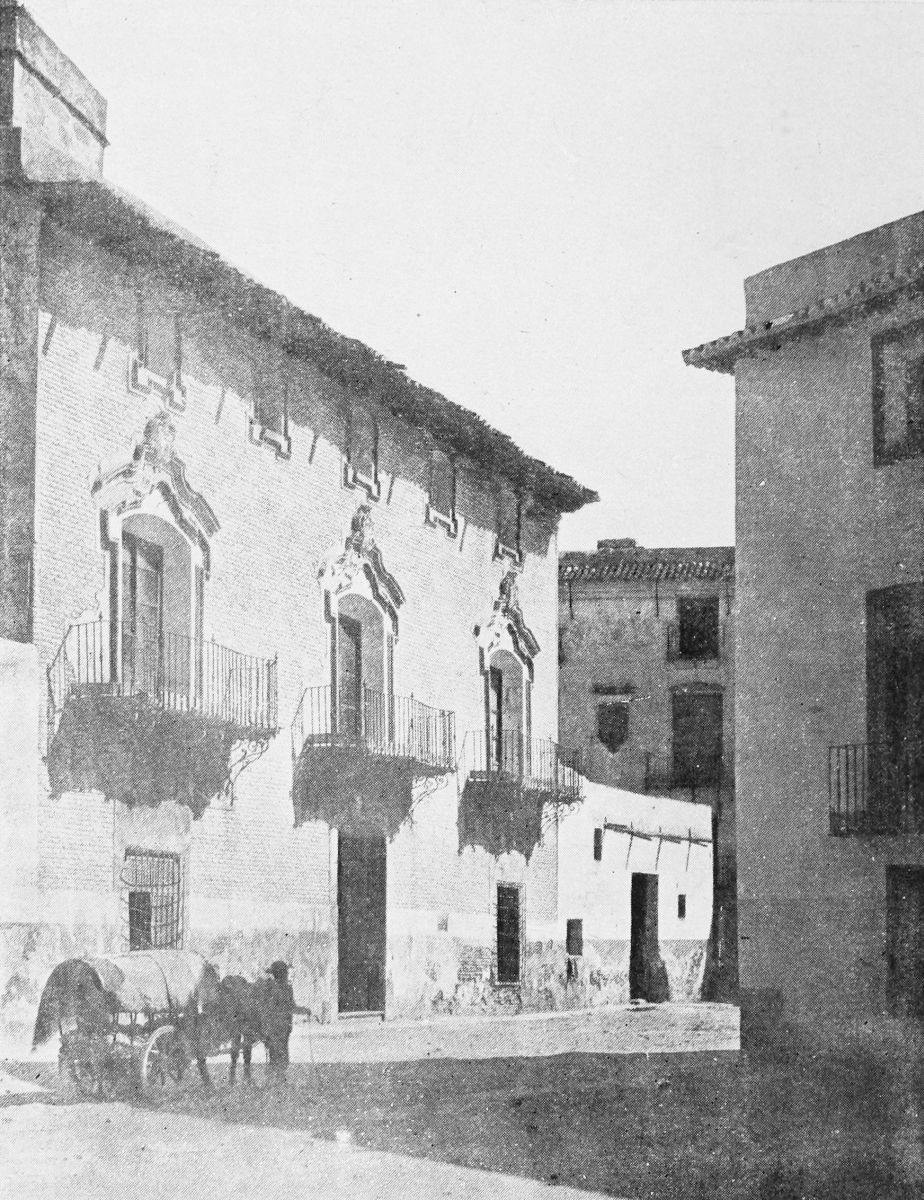
Plate 211 MURCIA: A BALCONY IN THE CALLE TRAPERIA
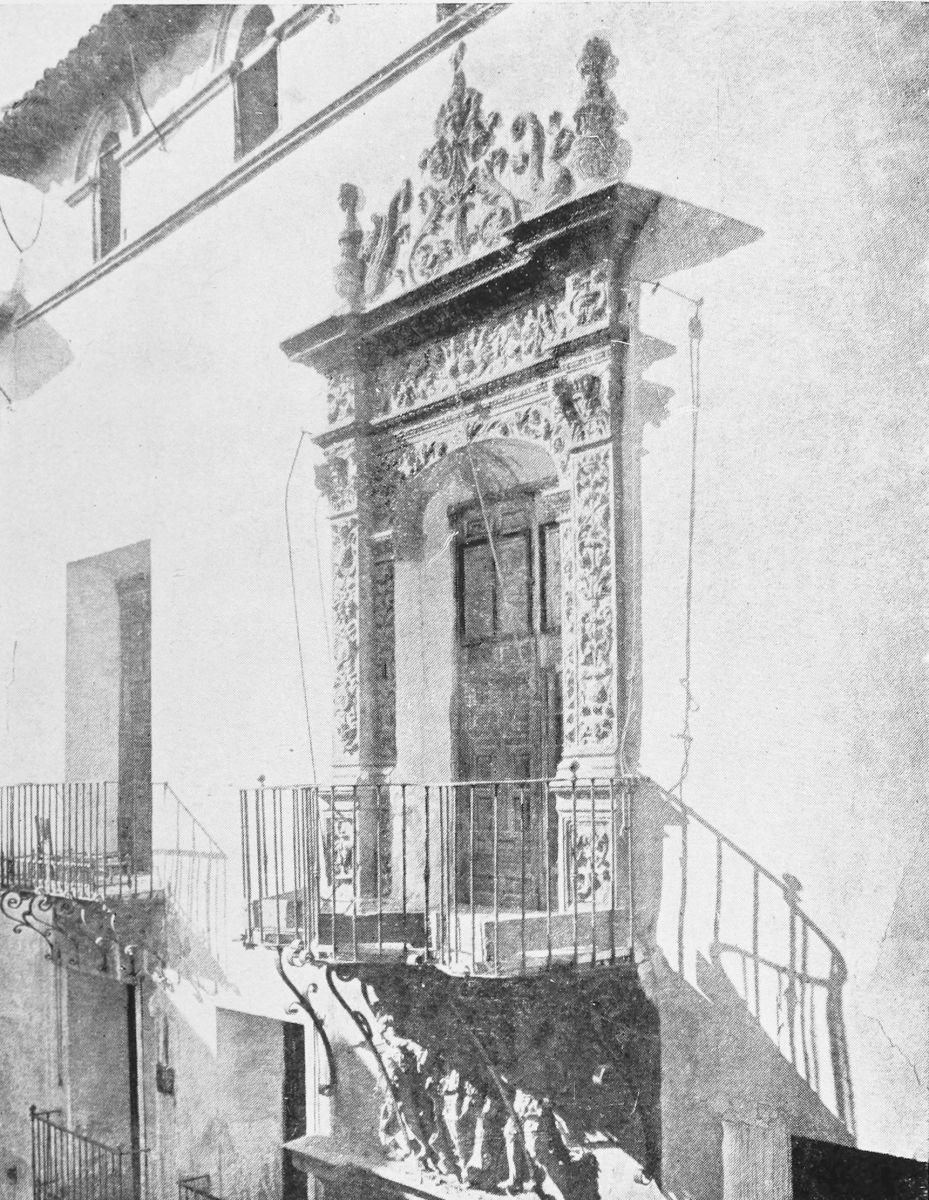
Plate 212 MURCIA: PUERTA CADENAS
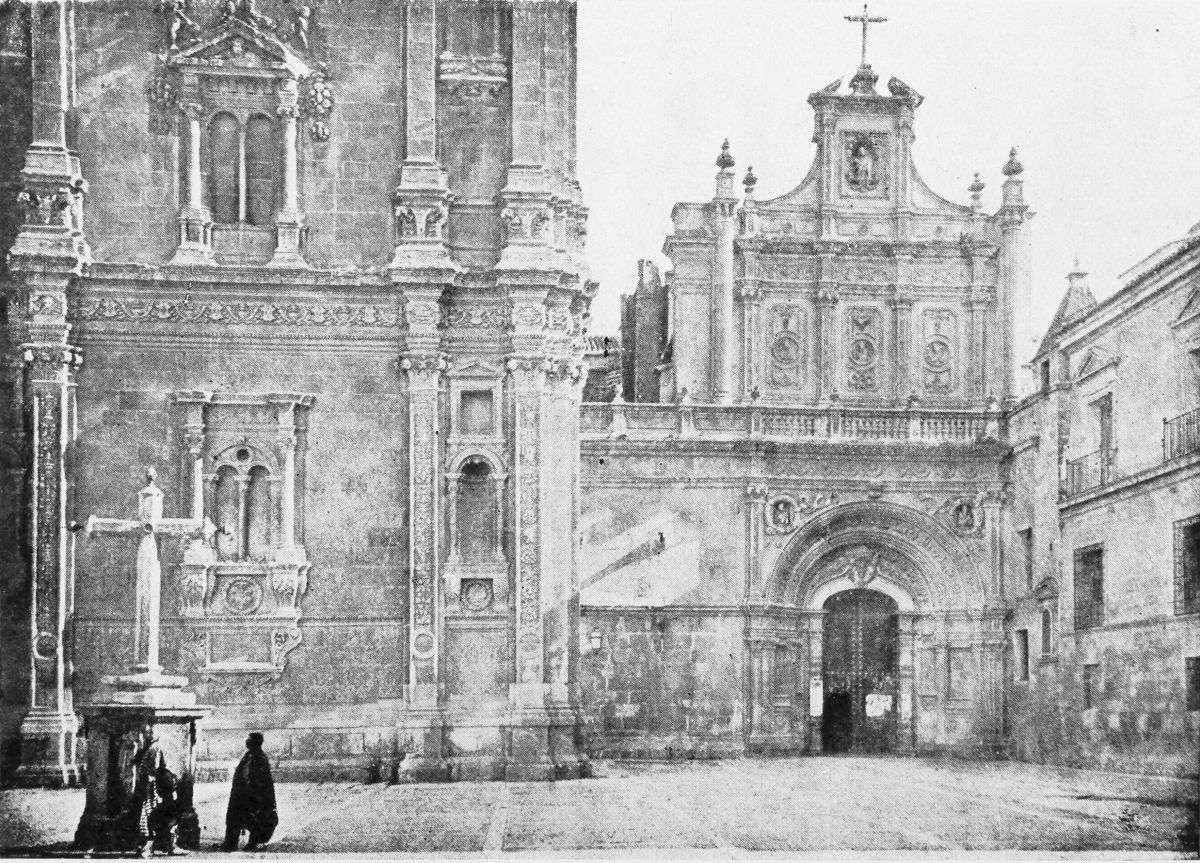
Plate 213 MURCIA: TEATRO DE ROMEA
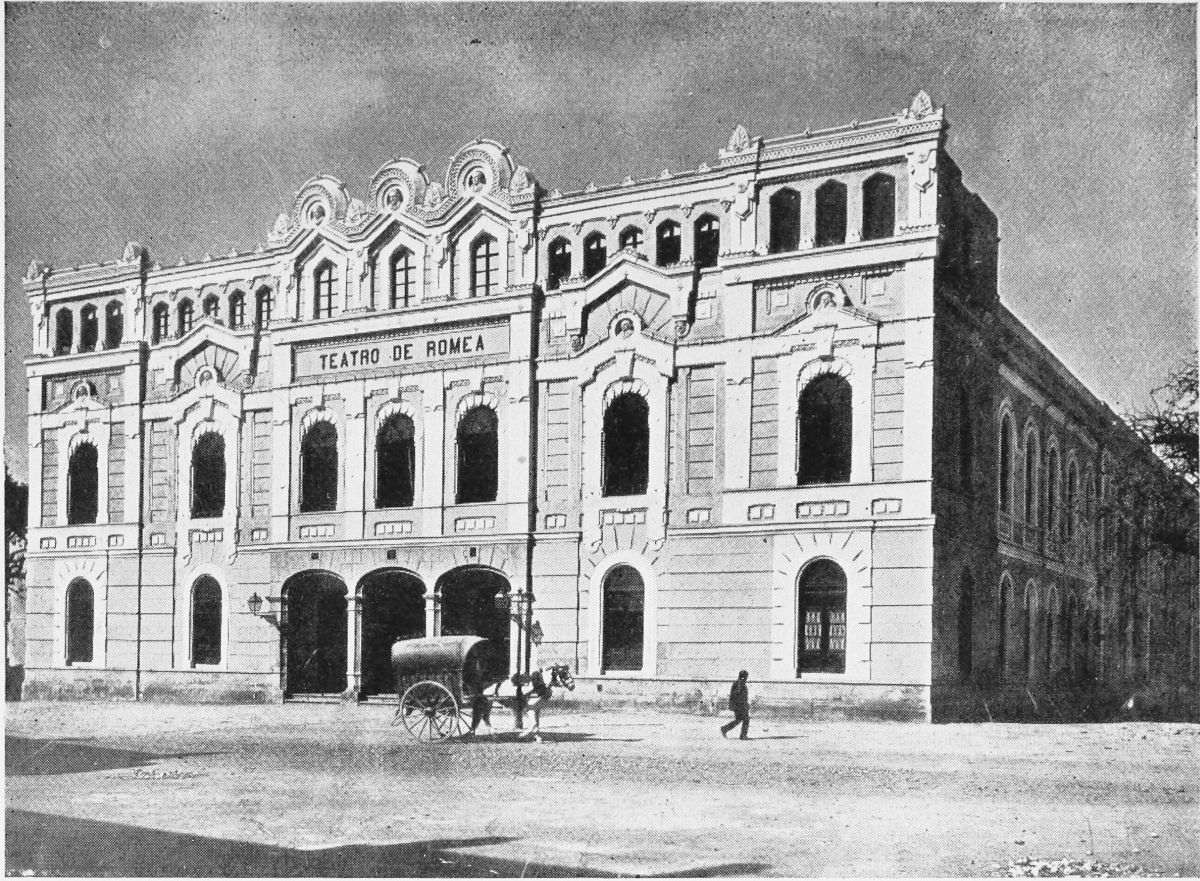
Plate 214 MURCIA: THE BULL RING
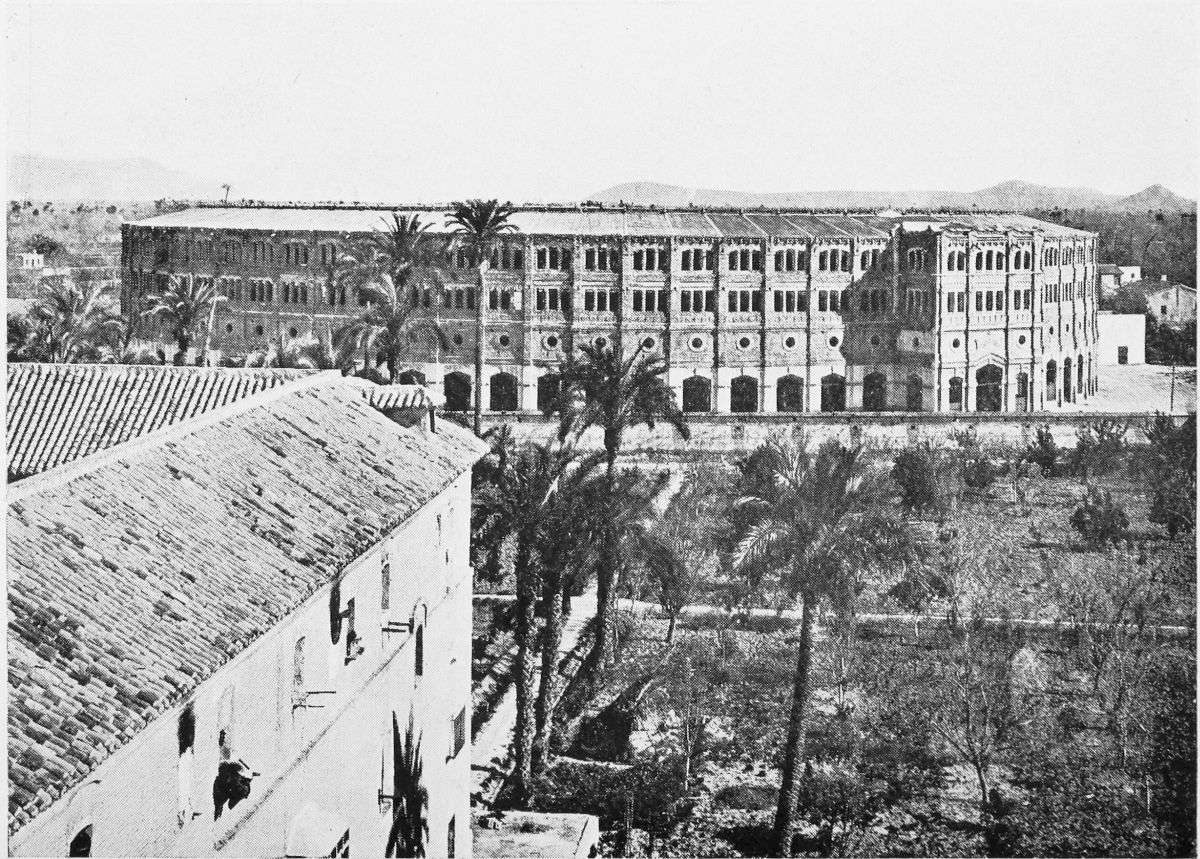
Plate 215 MURCIA: THE TOWN HALL
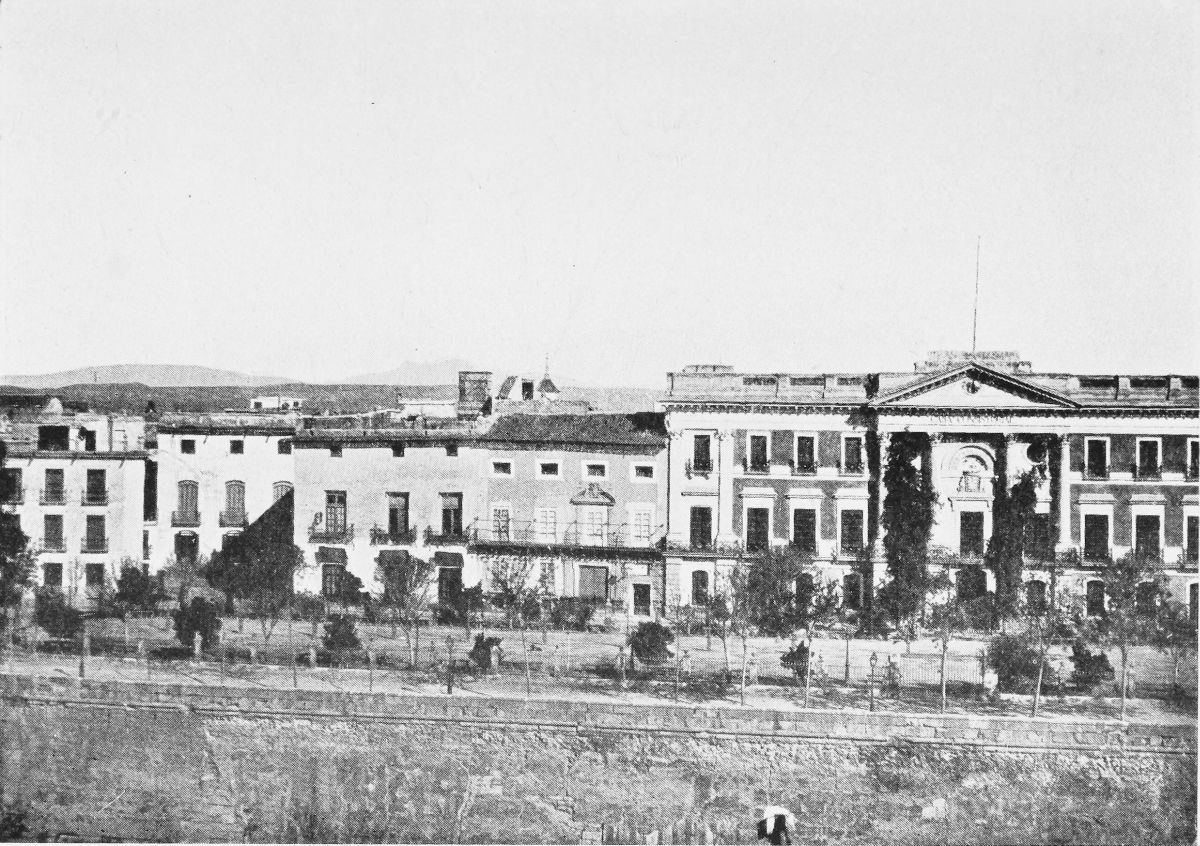
Plate 216 MURCIA: THE TOWN HALL
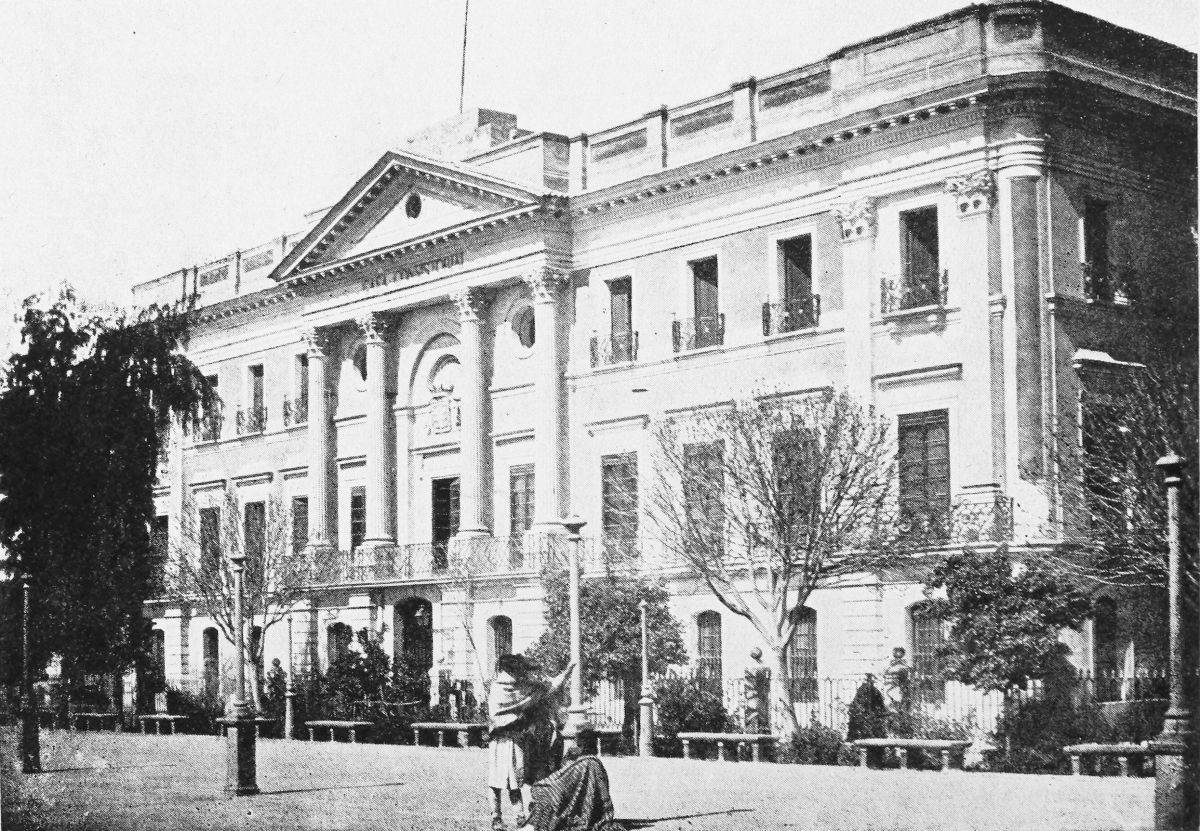
Plate 217 MURCIA: PROCESSION LEAVING THE CHURCH OF JESUS IN HOLY WEEK ST. VERONICA
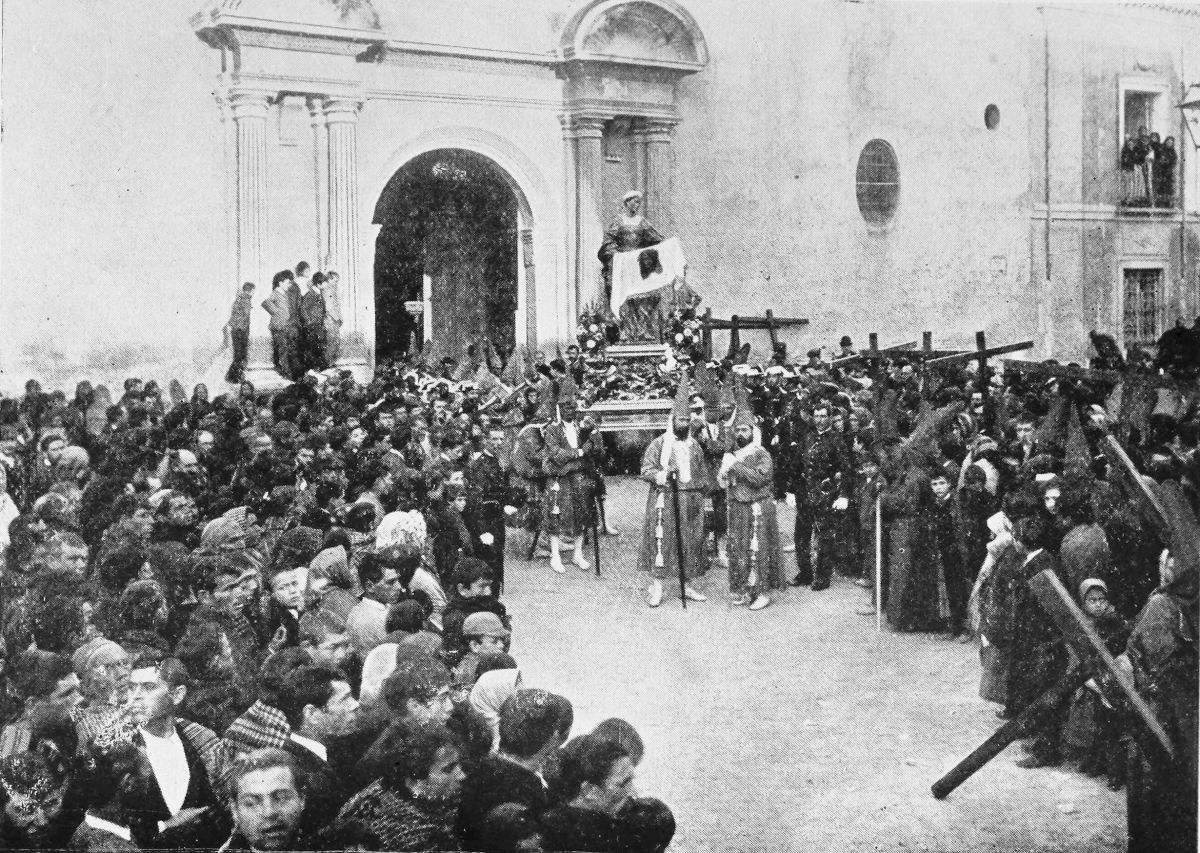
Plate 218 PROCESSION LEAVING THE CHURCH OF JESUS IN HOLY WEEK—THE KISS OF JUDAS
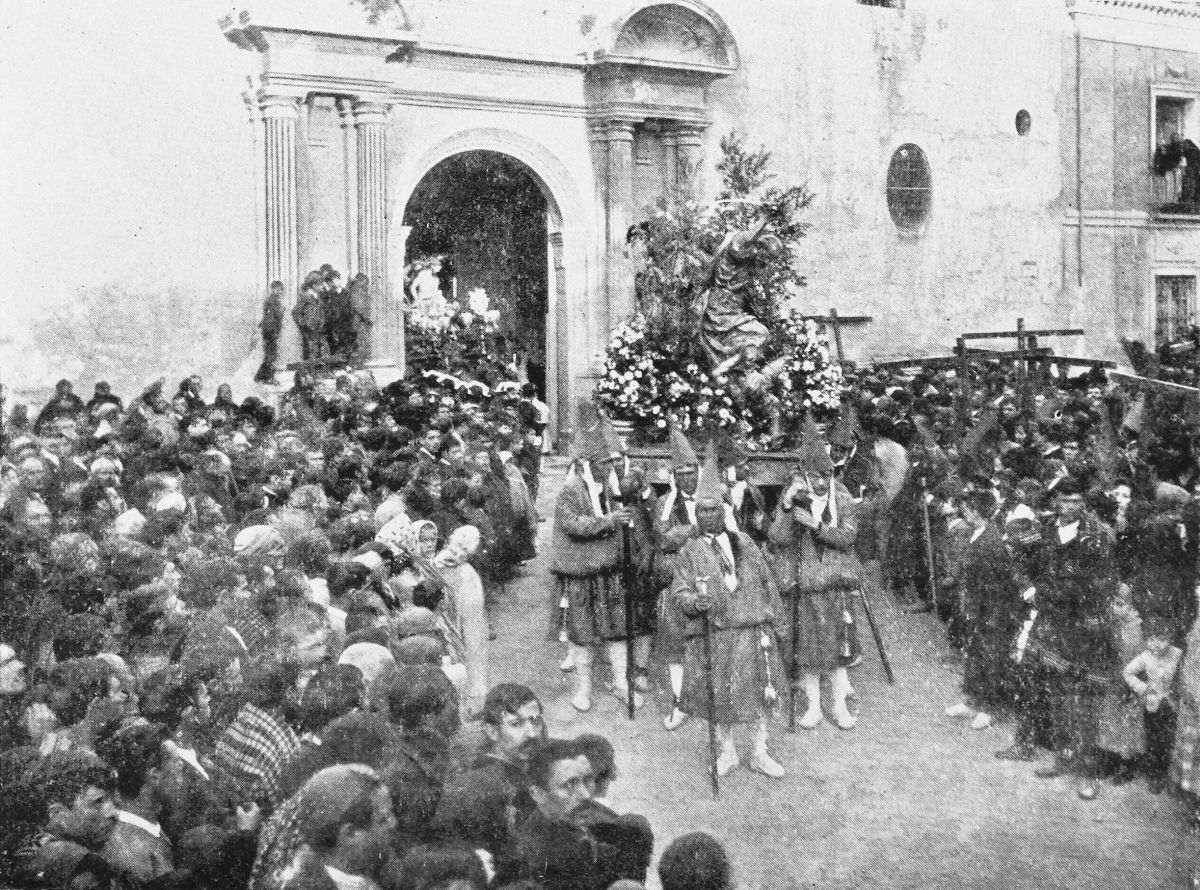
Plate 219 MURCIA: PROCESSION IN HOLY WEEK. THE GARDEN OF GETHSEMANE
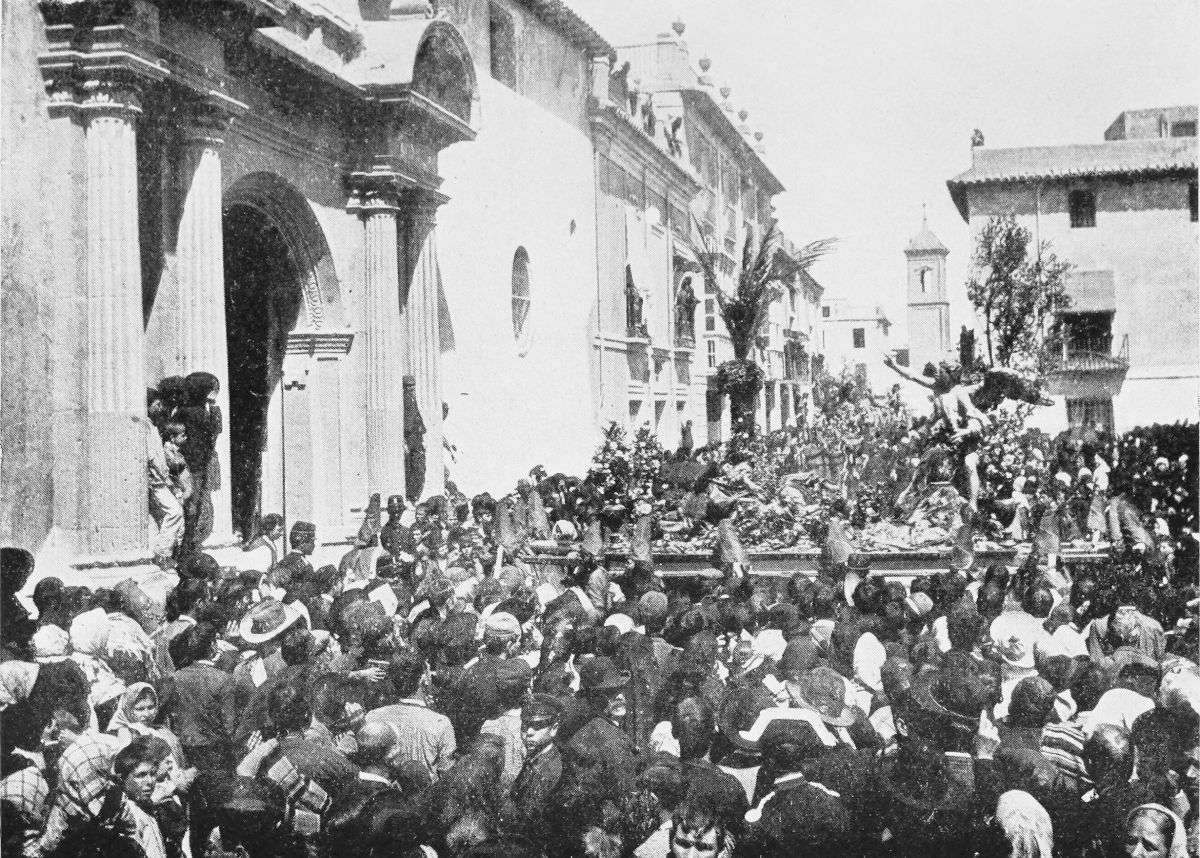
Plate 220 MURCIA: PROCESSION IN HOLY WEEK. OUR LORD FALLING
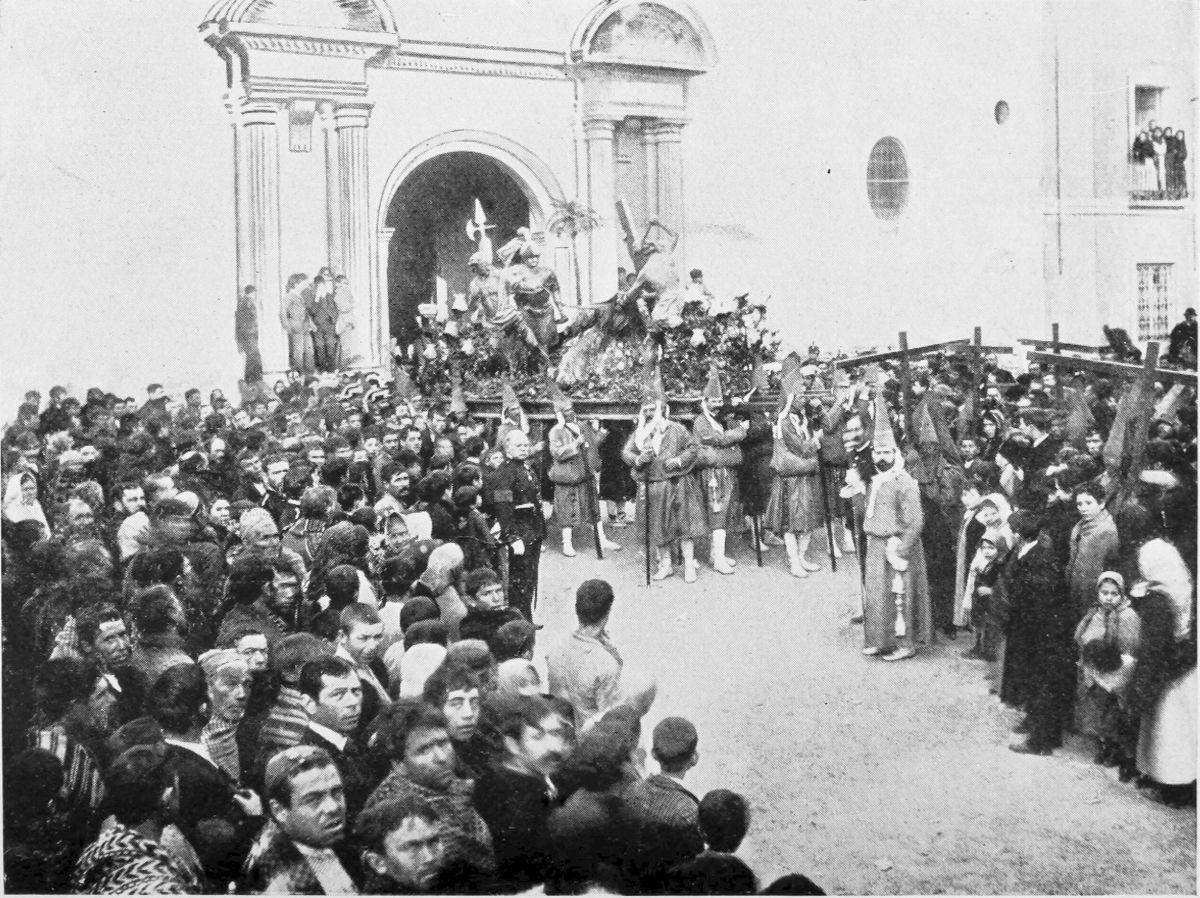
Plate 221 MURCIA: PROCESSION IN HOLY WEEK. THE SCOURGING
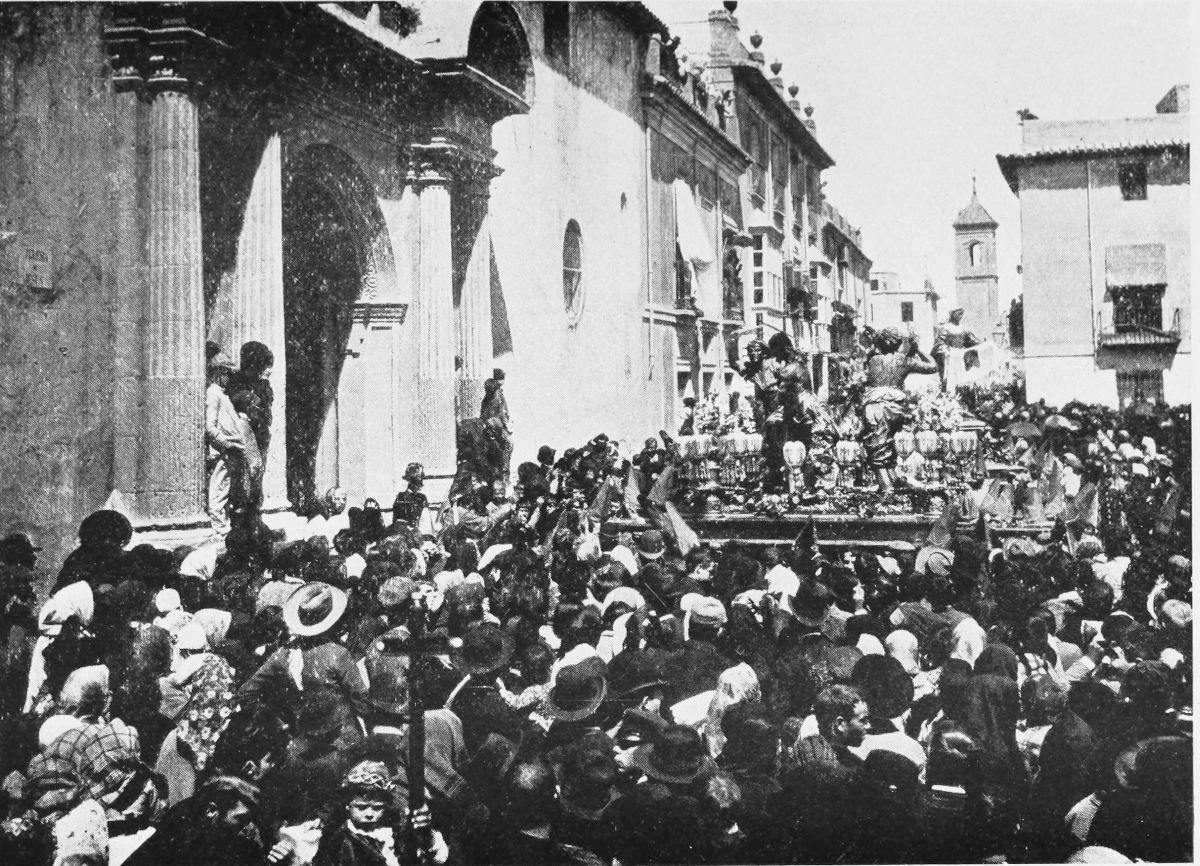
Plate 222 MURCIA: CHURCH OF JESUS THE LAST SUPPER, BY ZARZILLO
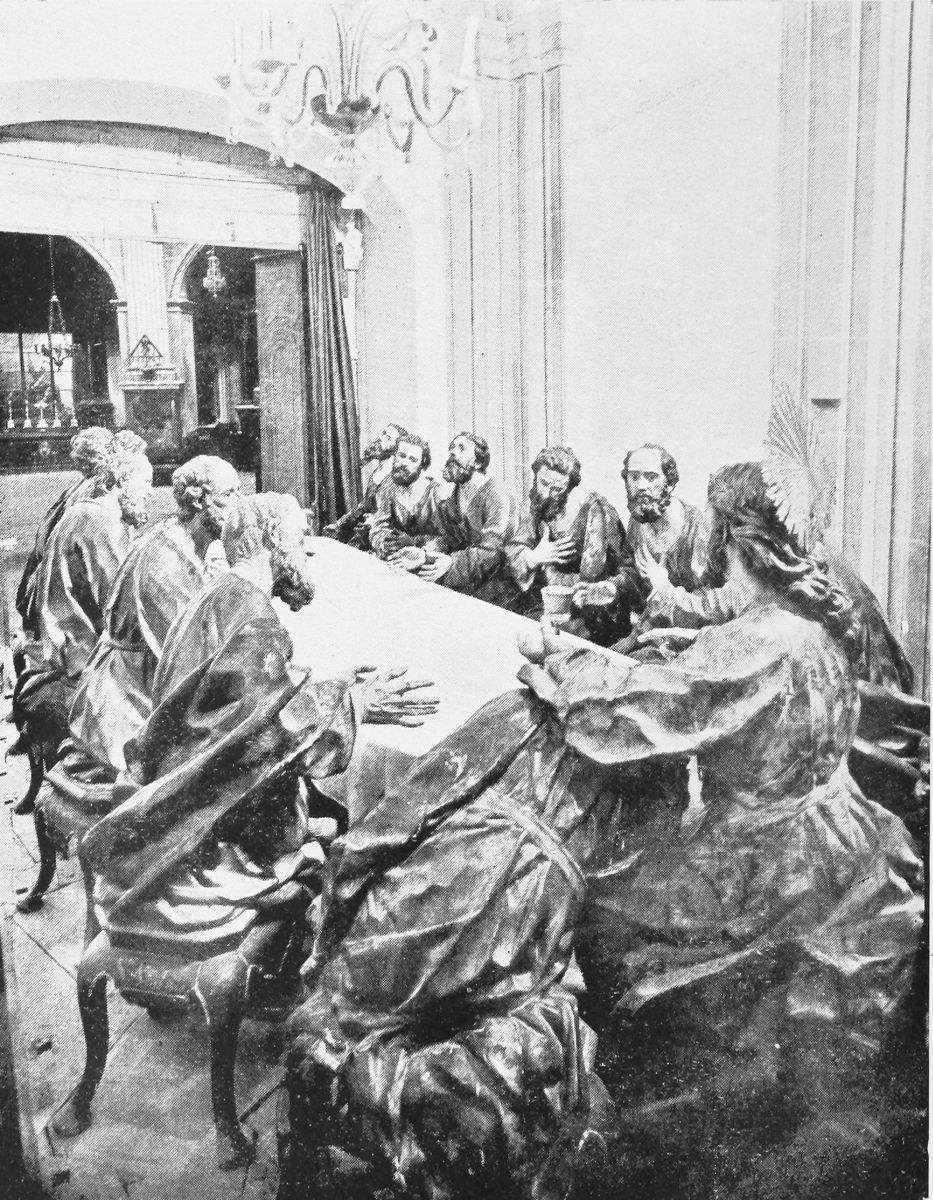
Plate 223 MURCIA: PILGRIMAGE OF ST. BLAS
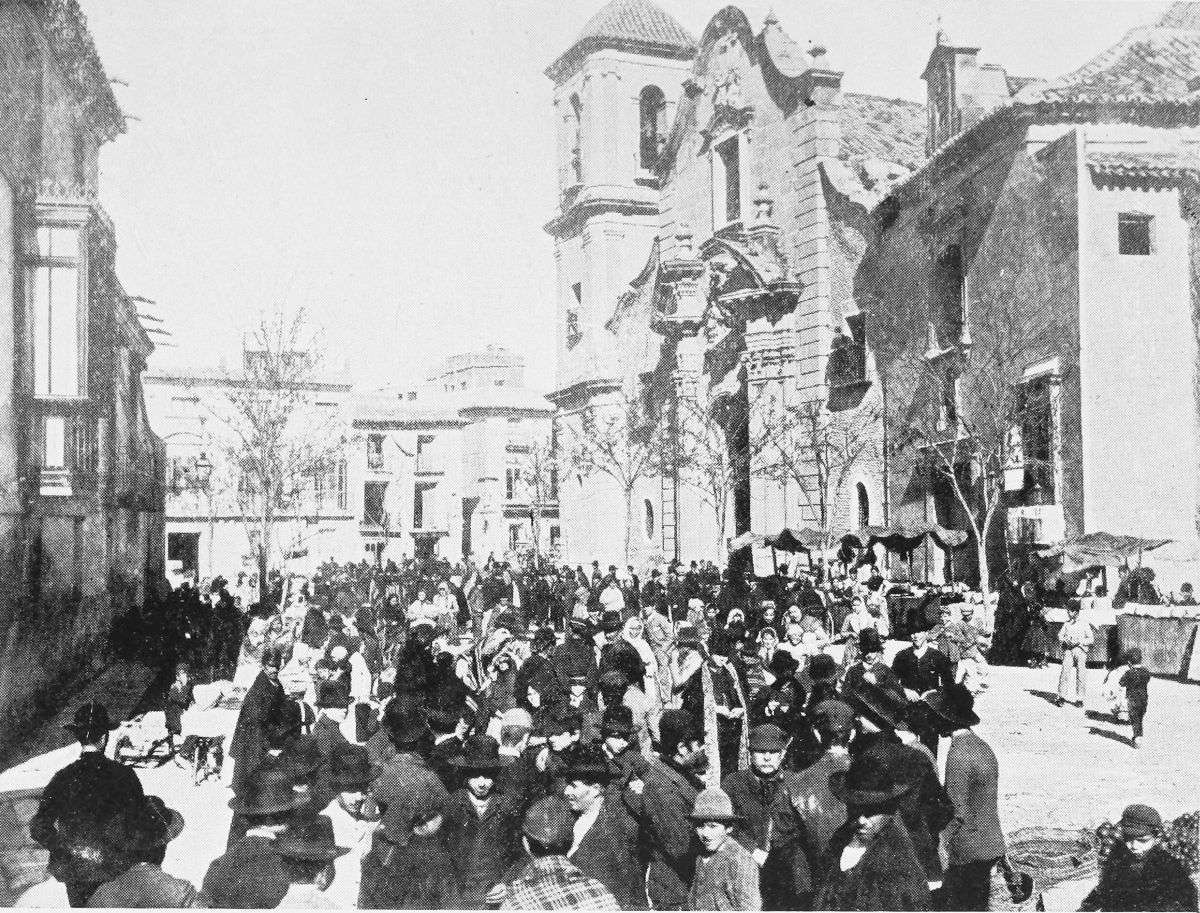
Plate 224 MURCIA: RUINS OF THE ARAB BATHS
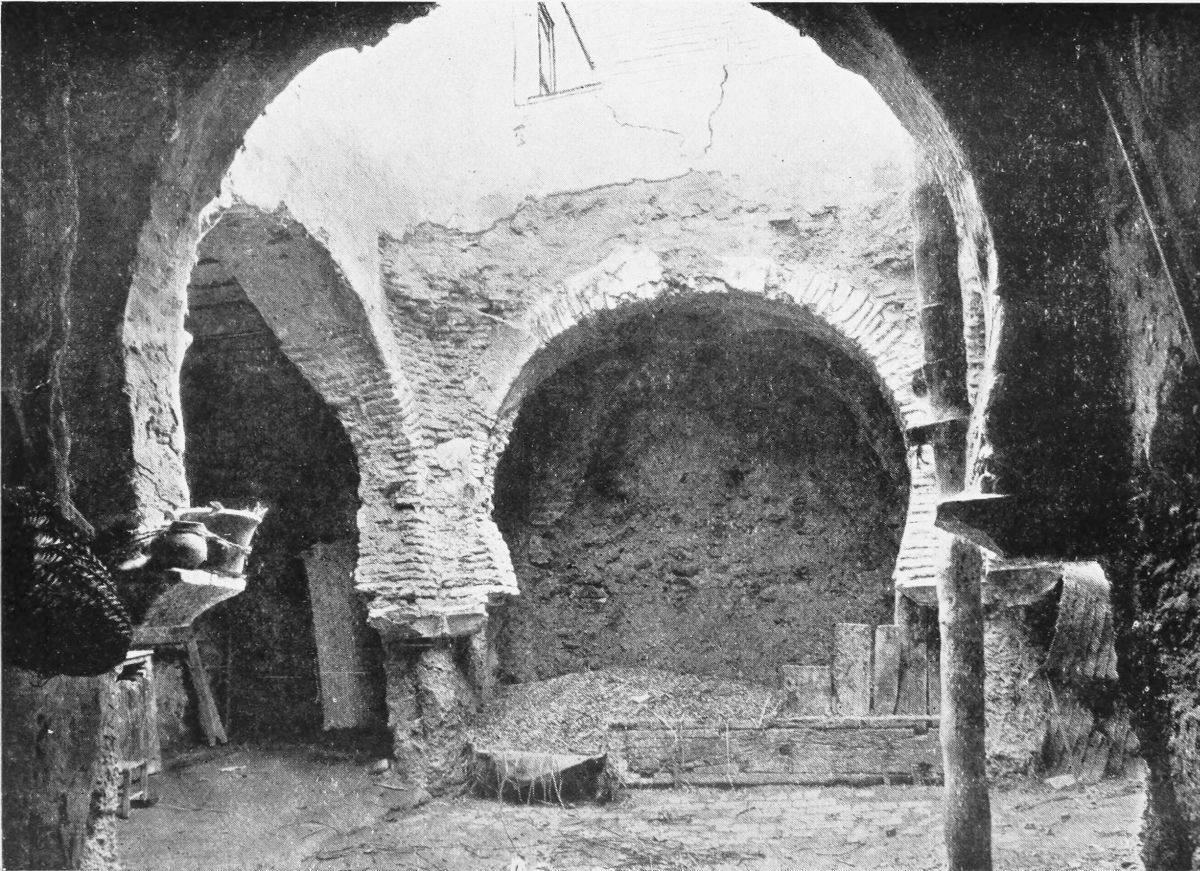
Plate 225 ENVIRONS OF MURCIA: CONVENT OF SAN JERONIMO
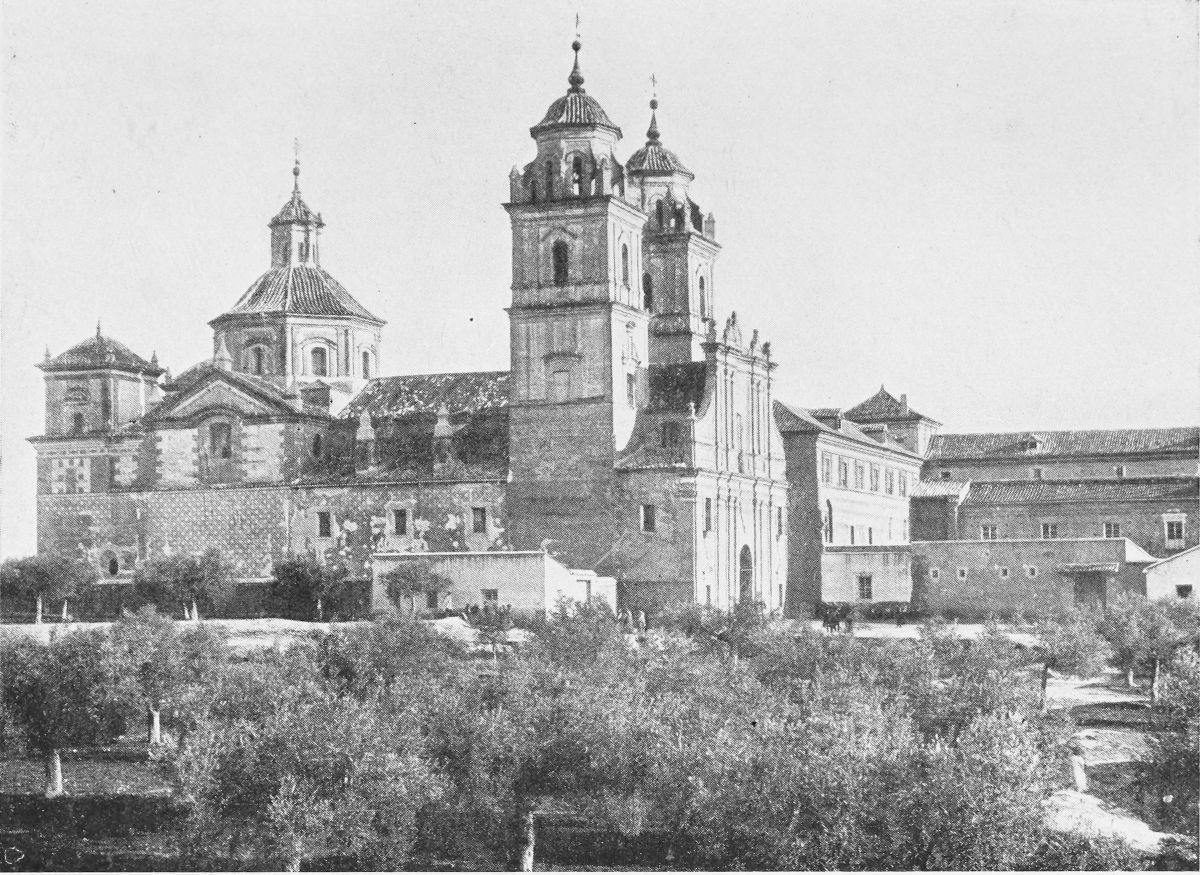
Plate 226 ENVIRONS OF MURCIA: HERMITAGE OF THE FUENSANTA
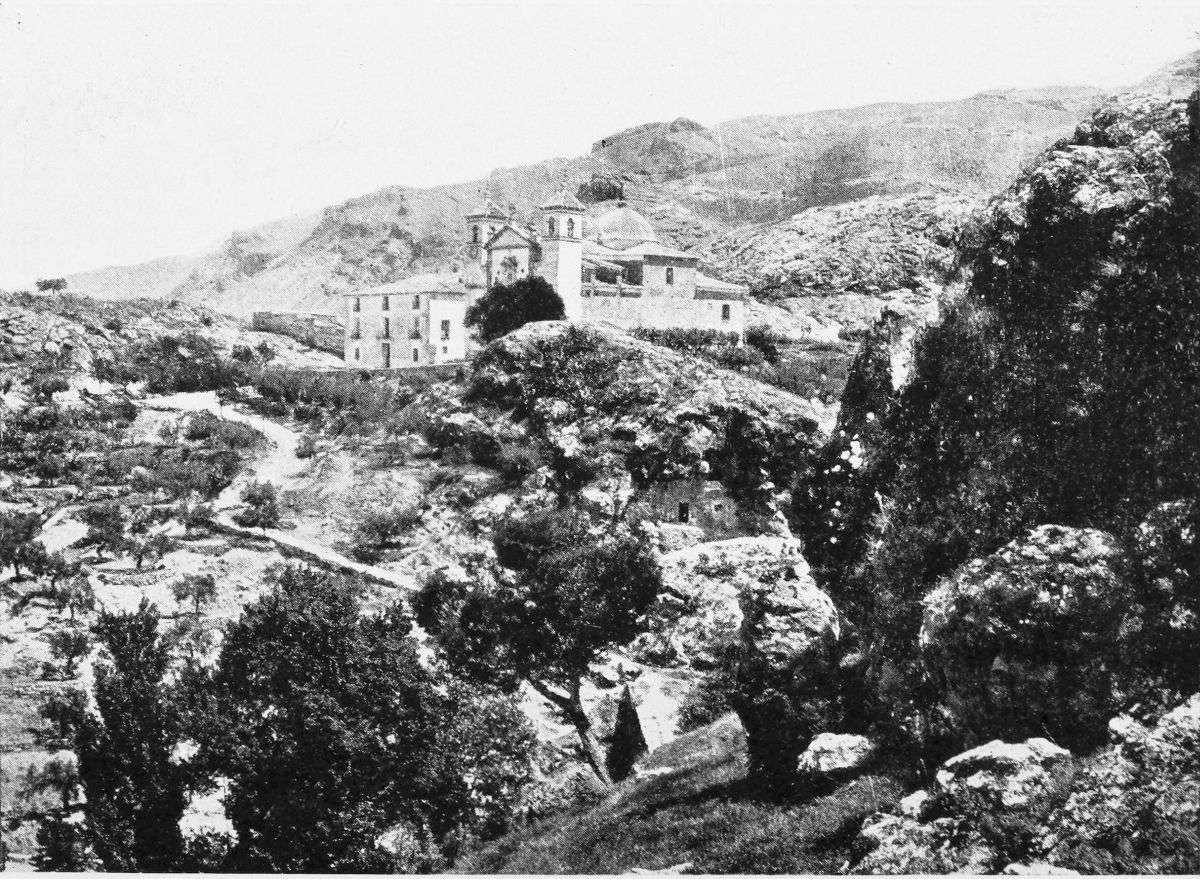
Plate 227 ENVIRONS OF MURCIA: HERMITAGE OF THE FUENSANTA
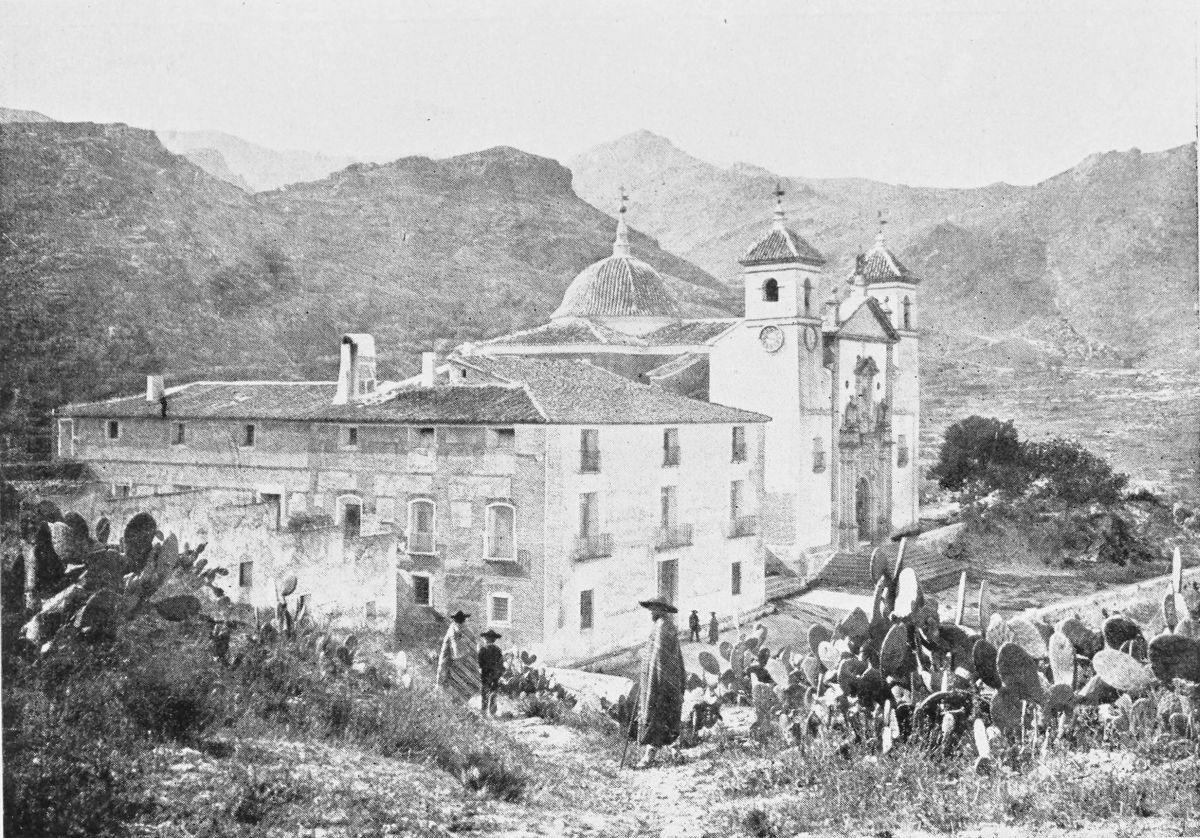
Plate 228 ENVIRONS OF MURCIA: HERMITAGE OF THE FUENSANTA
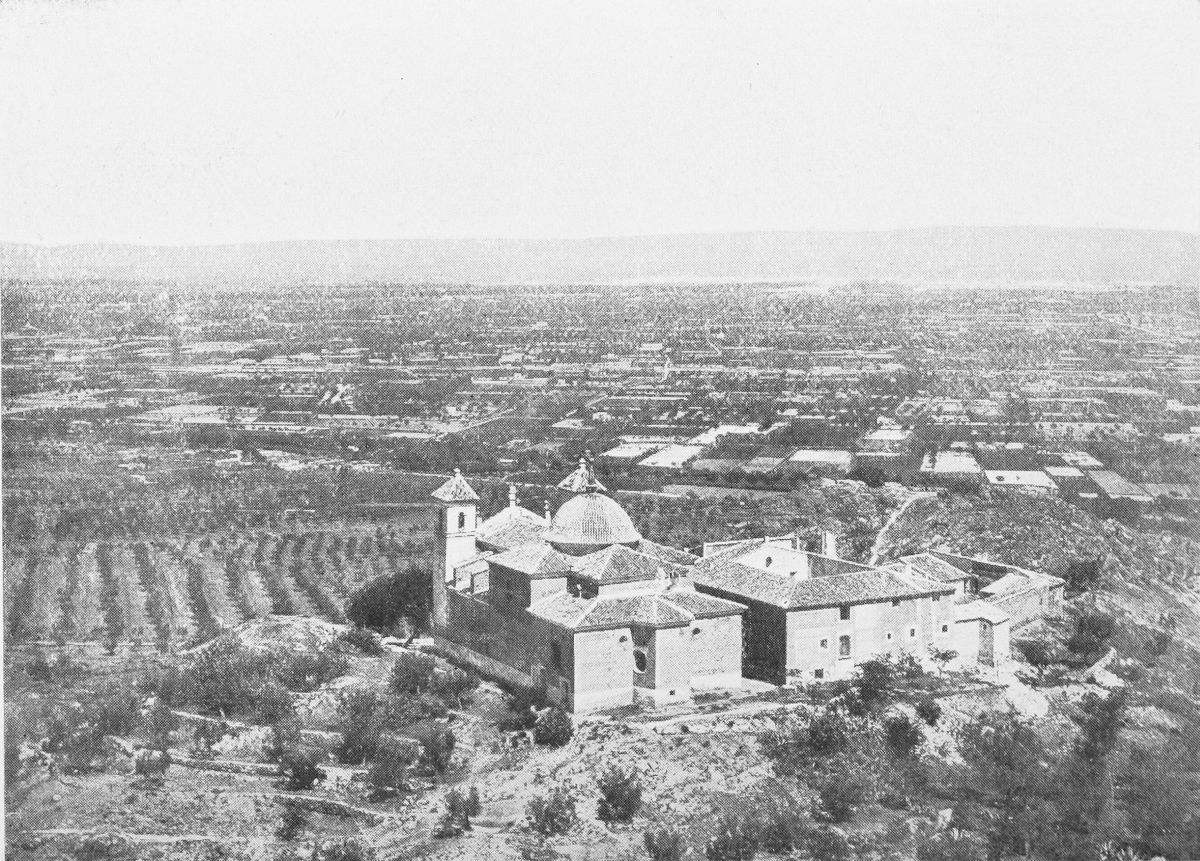
Plate 229 ENVIRONS OF MURCIA: CASTLE OF MONTEAGUDO
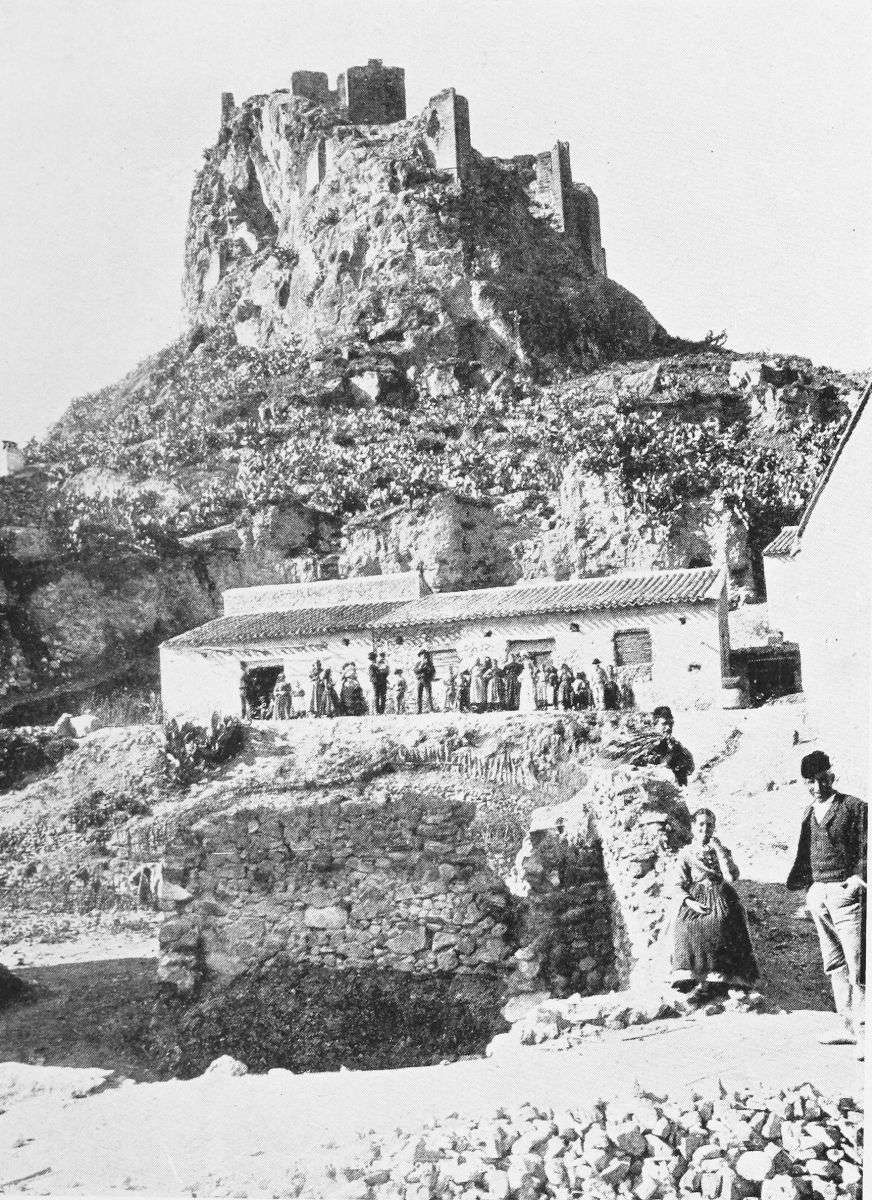
Plate 230 MURCIA: PAISAJE DE LA HUERTA
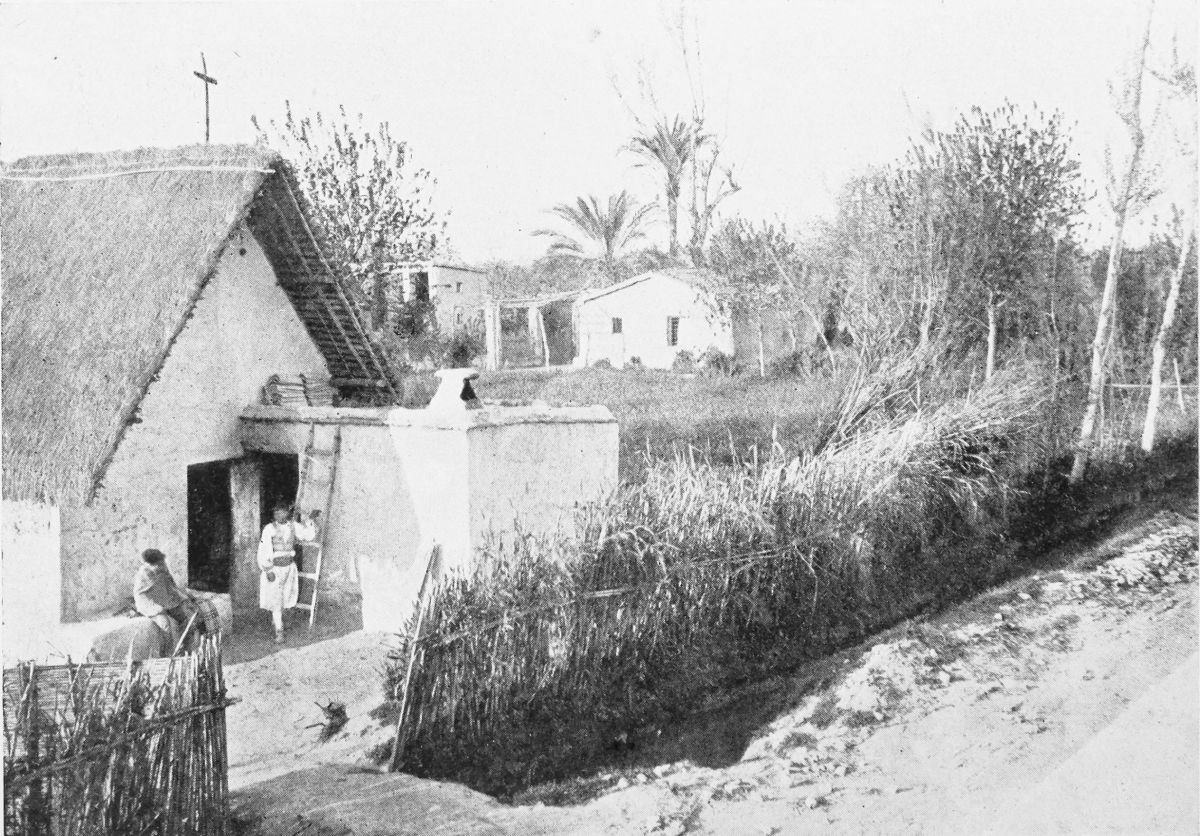
Plate 231 MURCIA: PAISAJE DE LA HUERTA
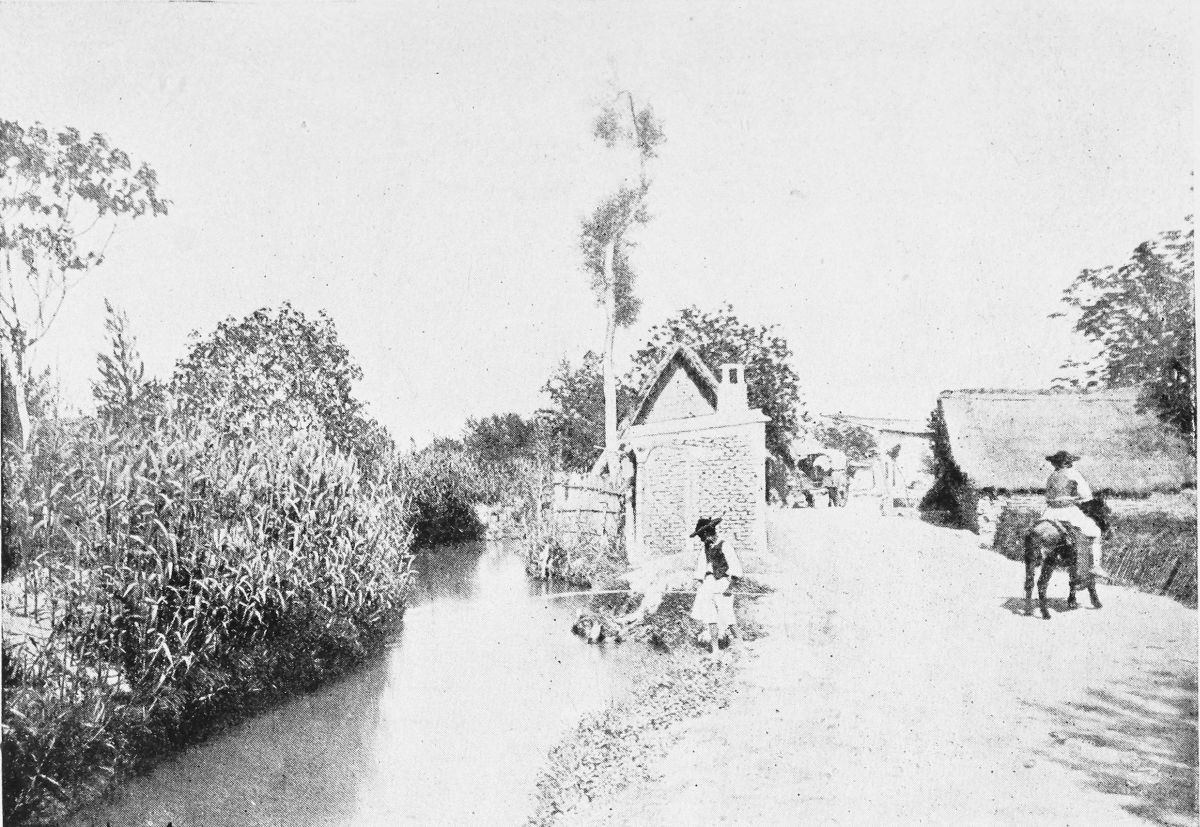
Plate 232 MURCIA: PAISAJE DE LA HUERTA
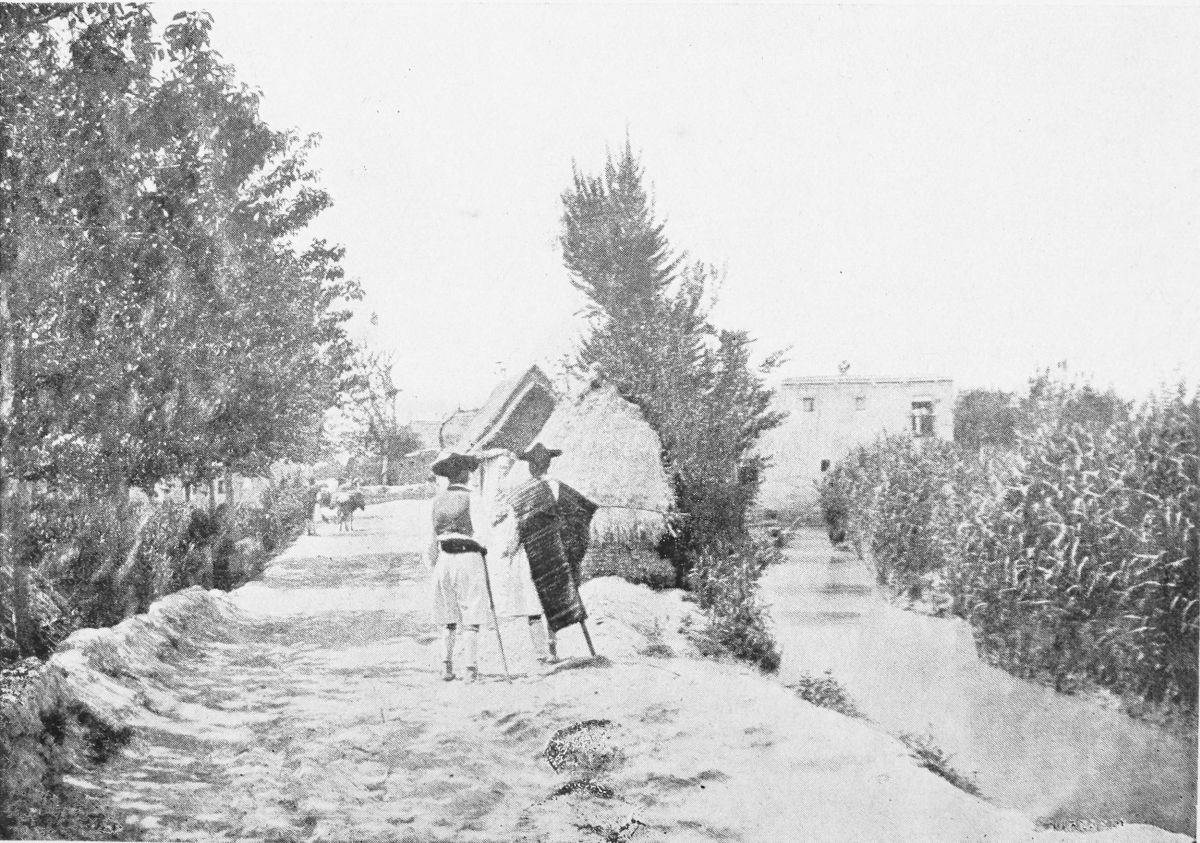
Plate 233 MURCIA: A CART LOADED WITH “TINAJAS”
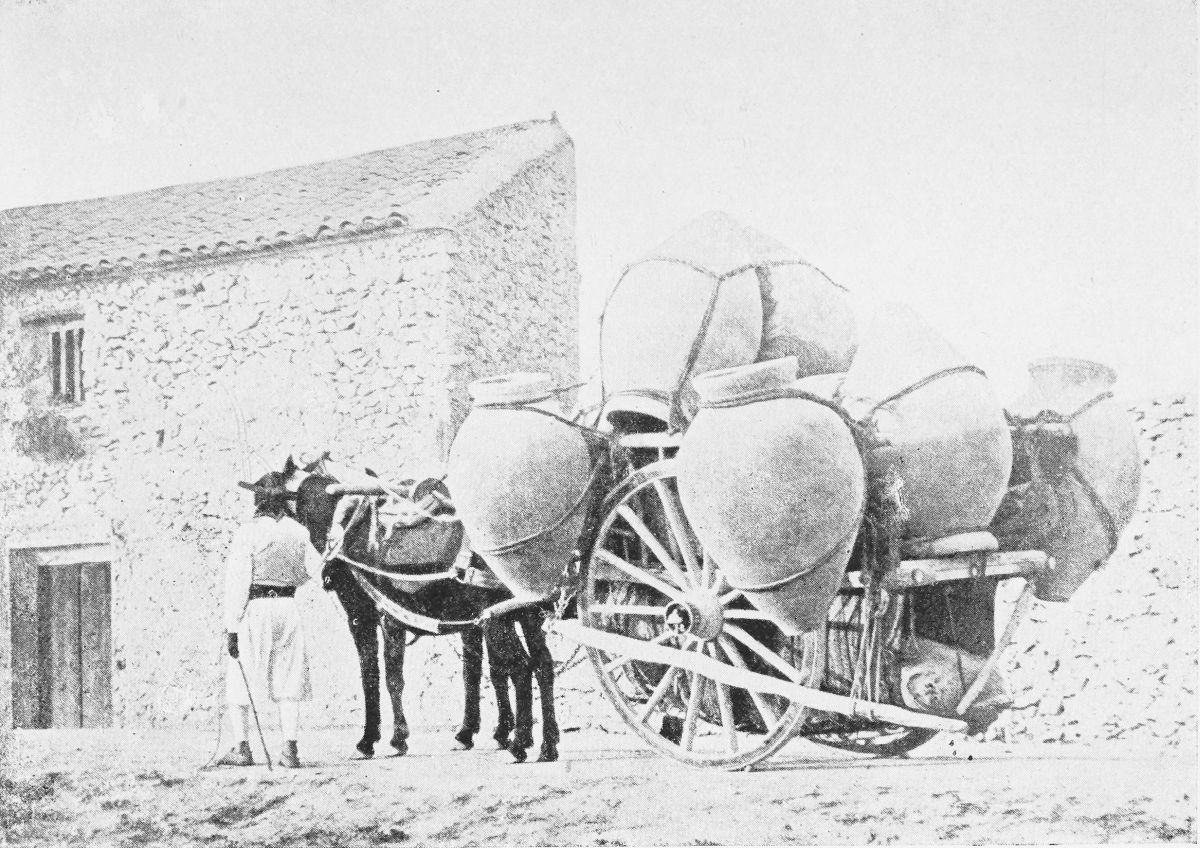
Plate 234 MURCIA: HARVEST-TIME
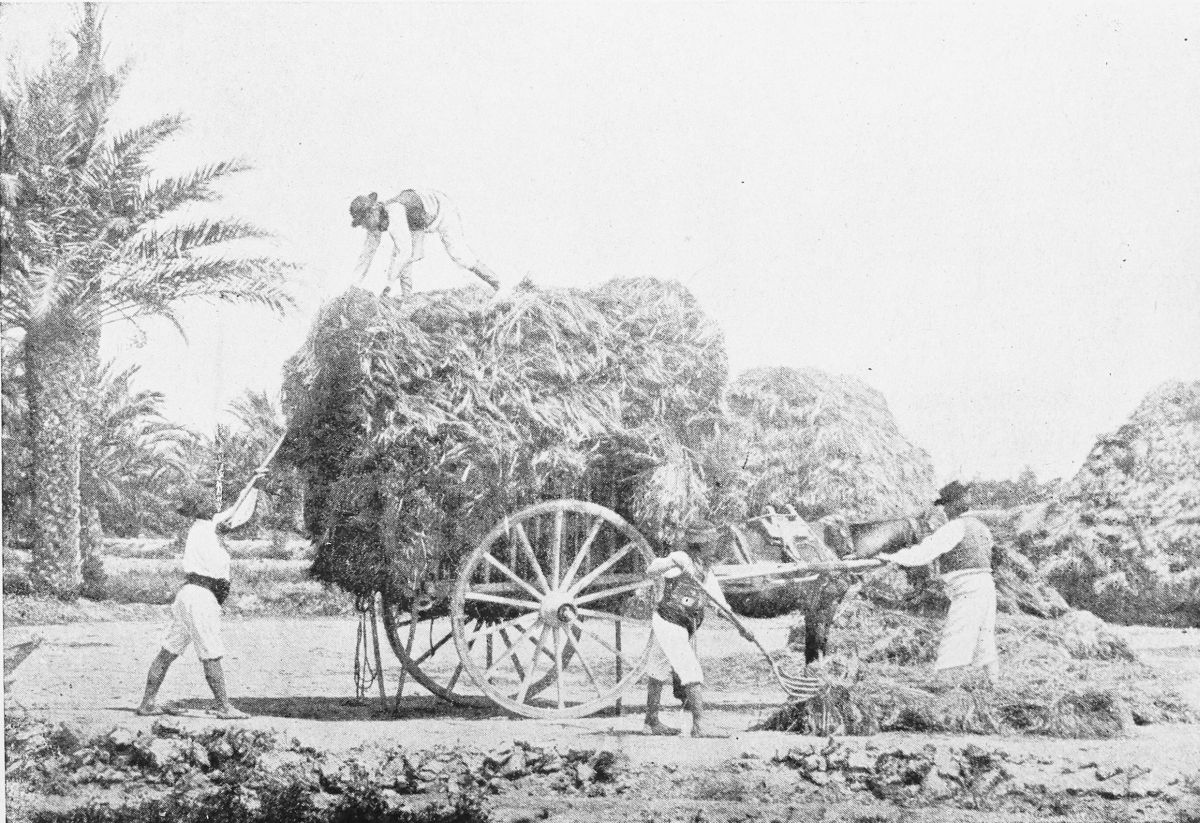
Plate 235 ENVIRONS OF MURCIA: THE HUERTA DES CAPUCINS
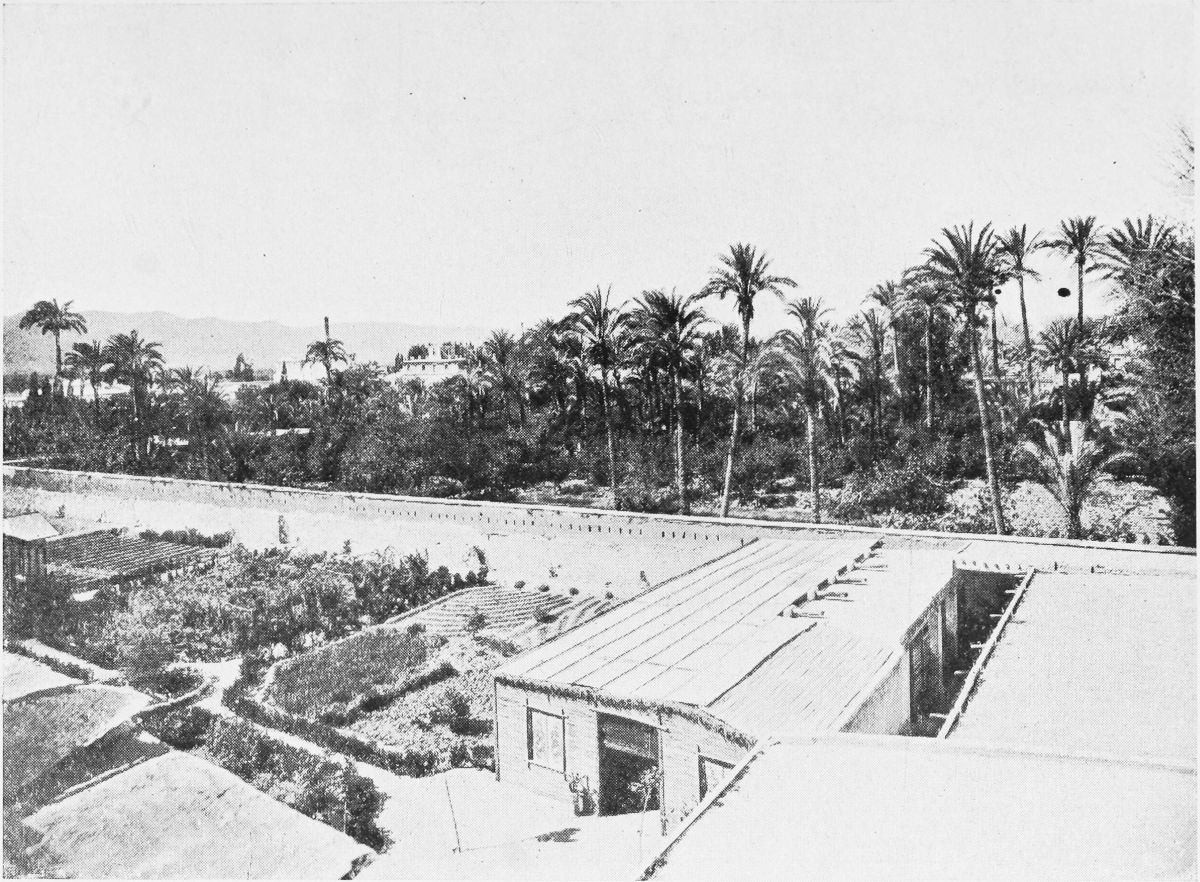
Plate 236 ENVIRONS OF MURCIA: THE HUERTA DES CAPUCINS
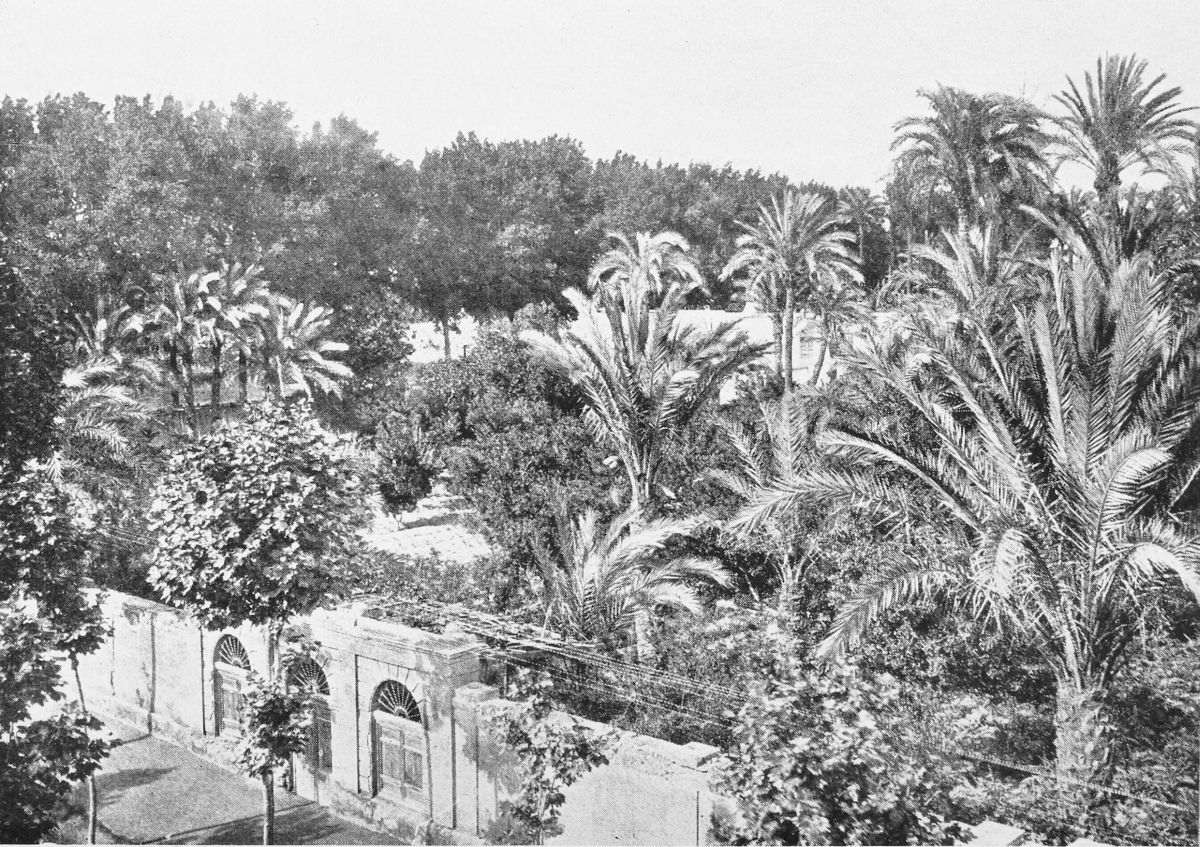
Plate 237 ENVIRONS OF MURCIA: VIEW FROM THE HUERTA DES CAPUCINS
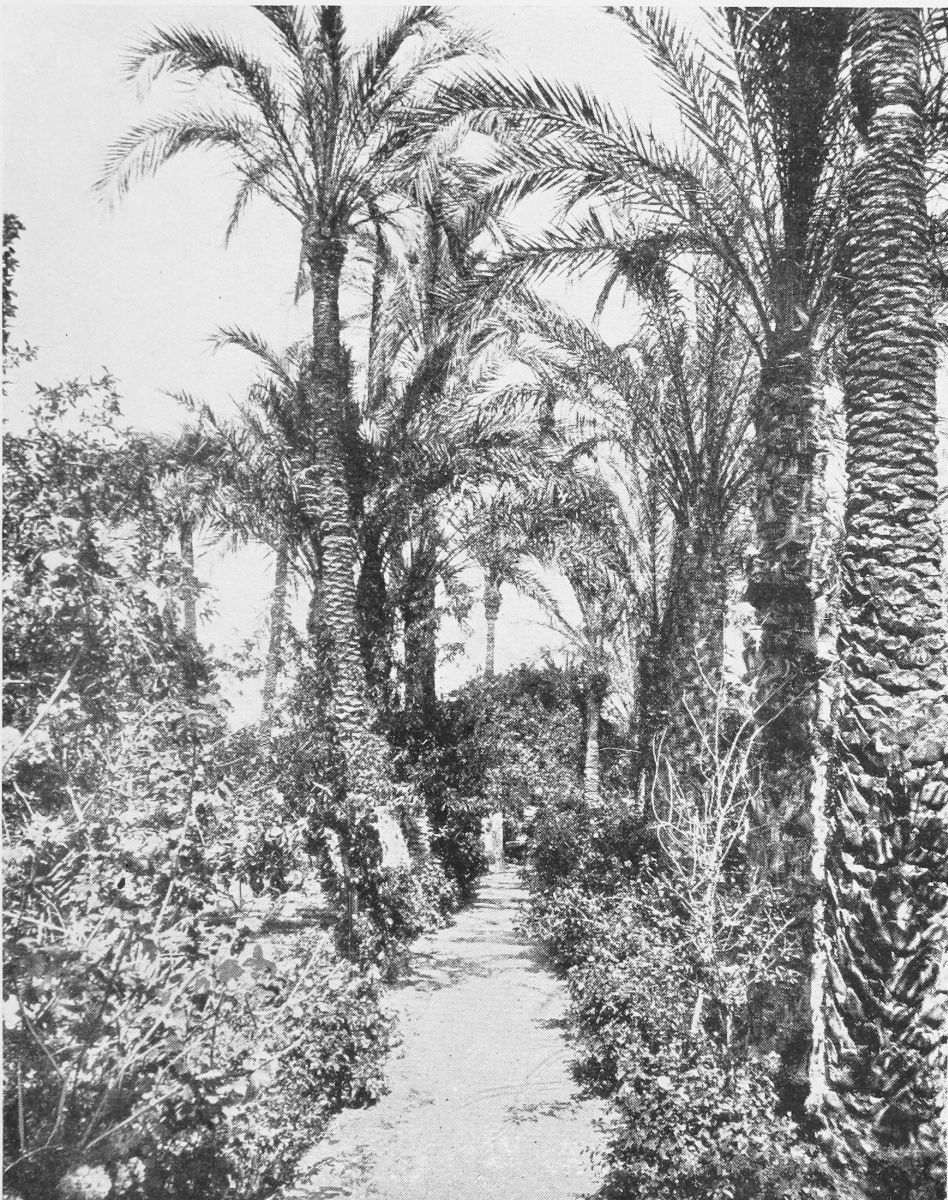
Plate 238 ENVIRONS OF MURCIA: THE HUERTA DES CAPUCINS, DATE-GATHERING
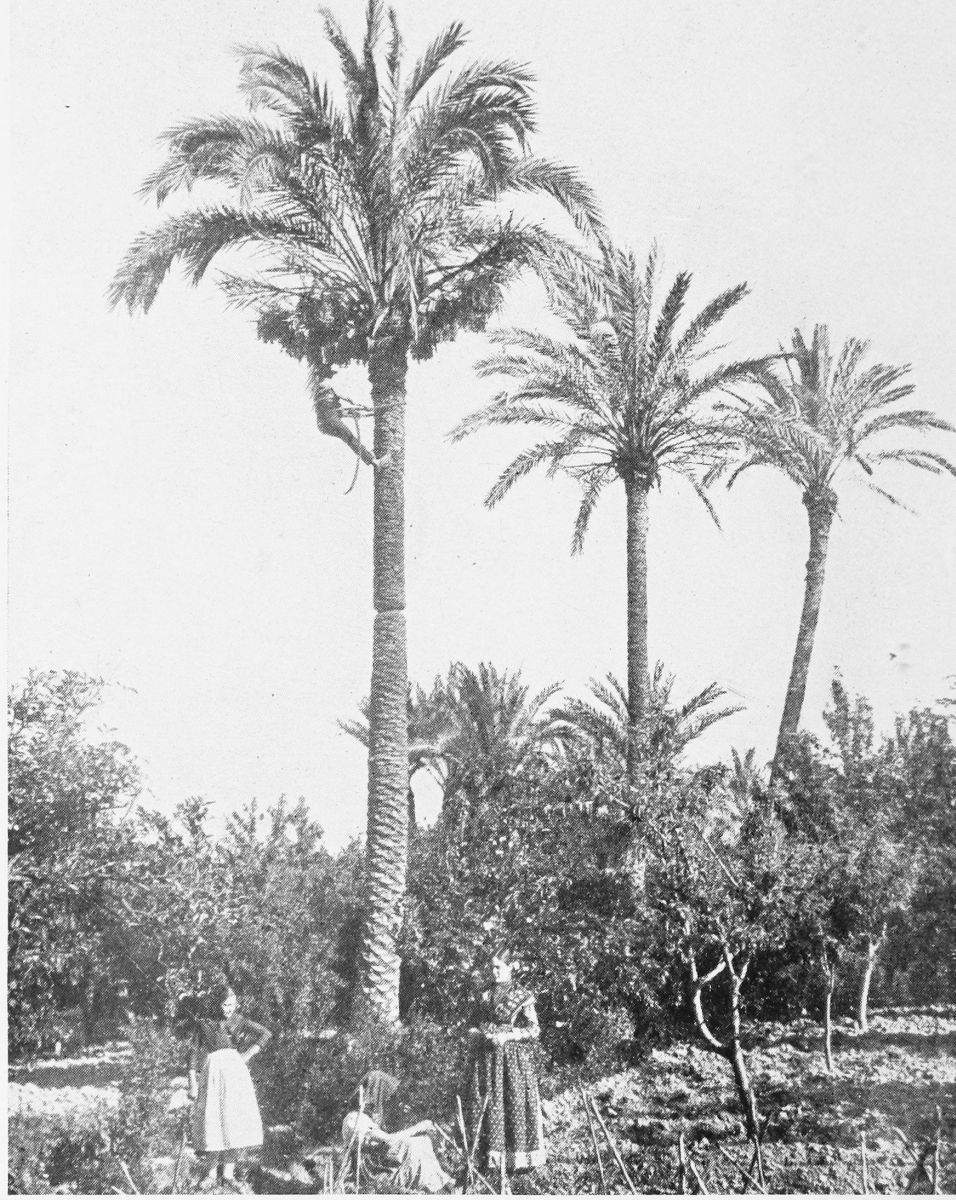
Plate 239 ORIHUELA: GENERAL VIEW
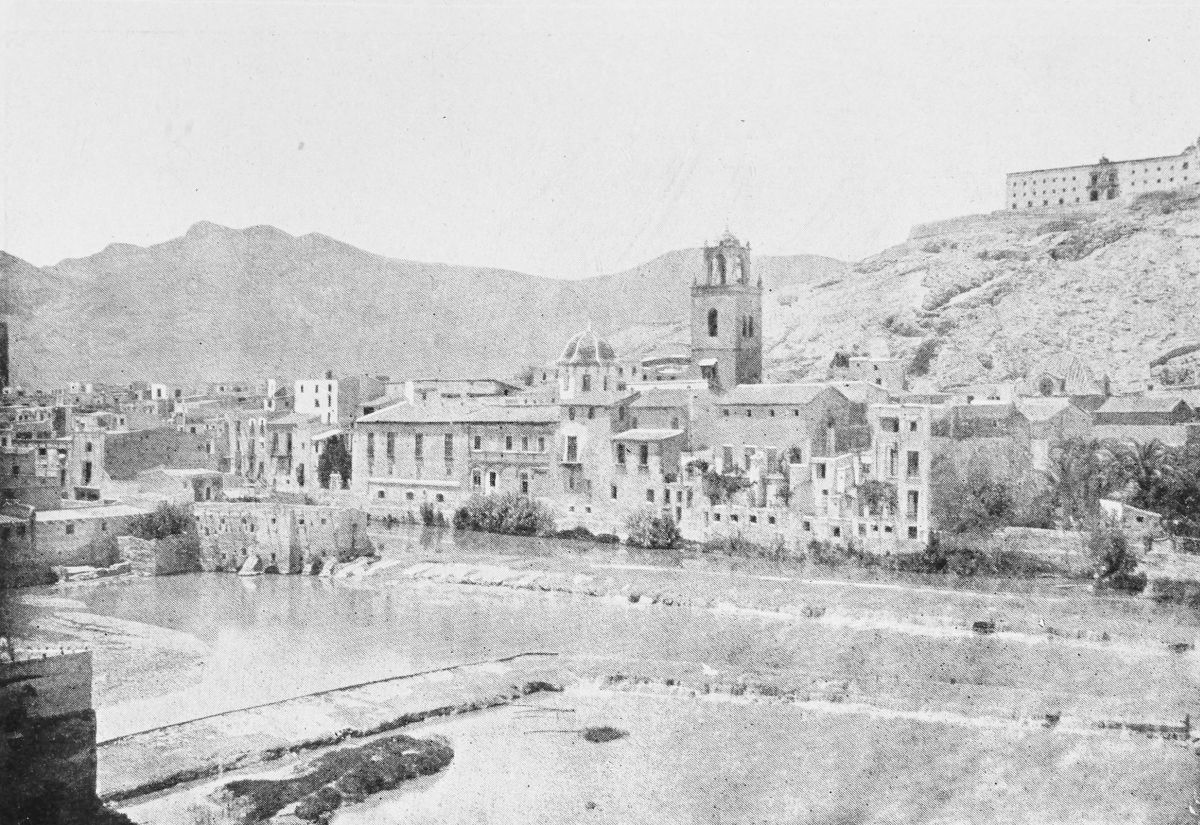
Plate 240 ORIHUELA: GENERAL VIEW FROM THE PUERTA DE MURCIA
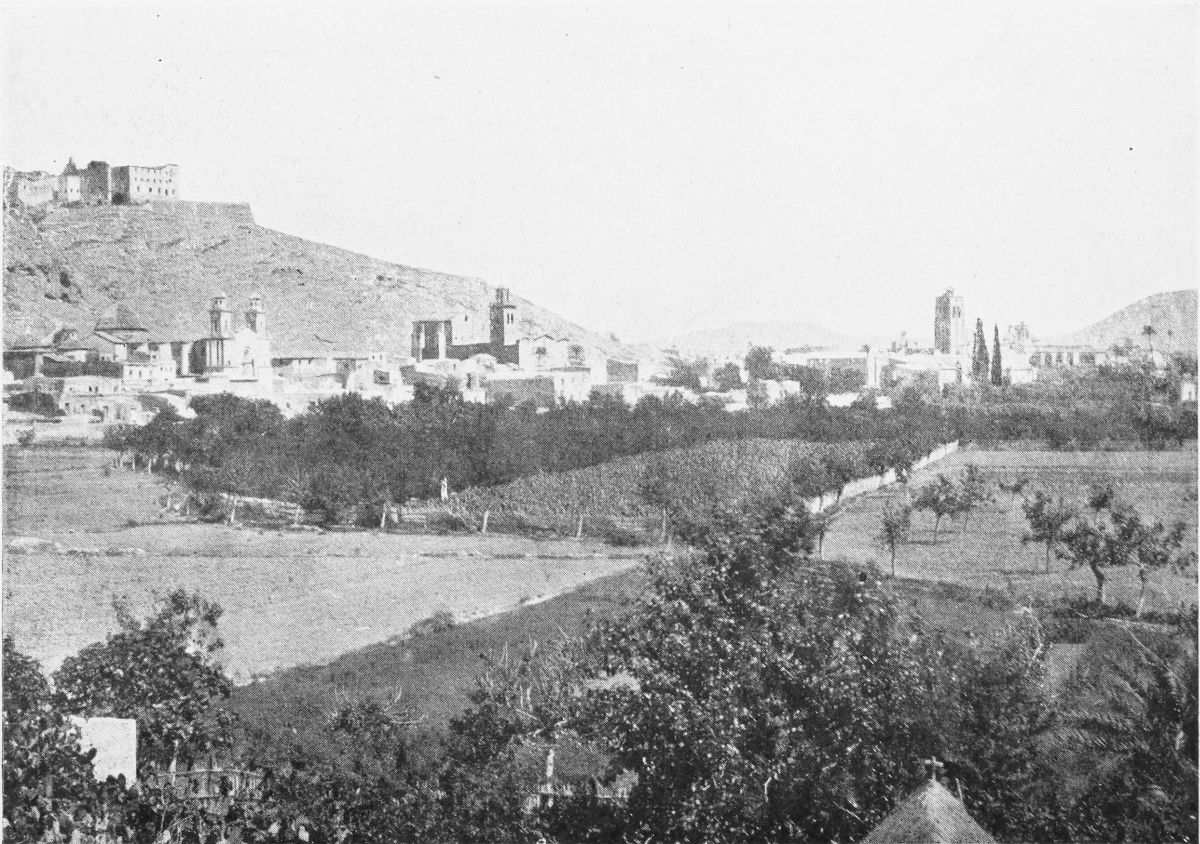
Plate 241 ORIHUELA: THE RIVER SEGURA
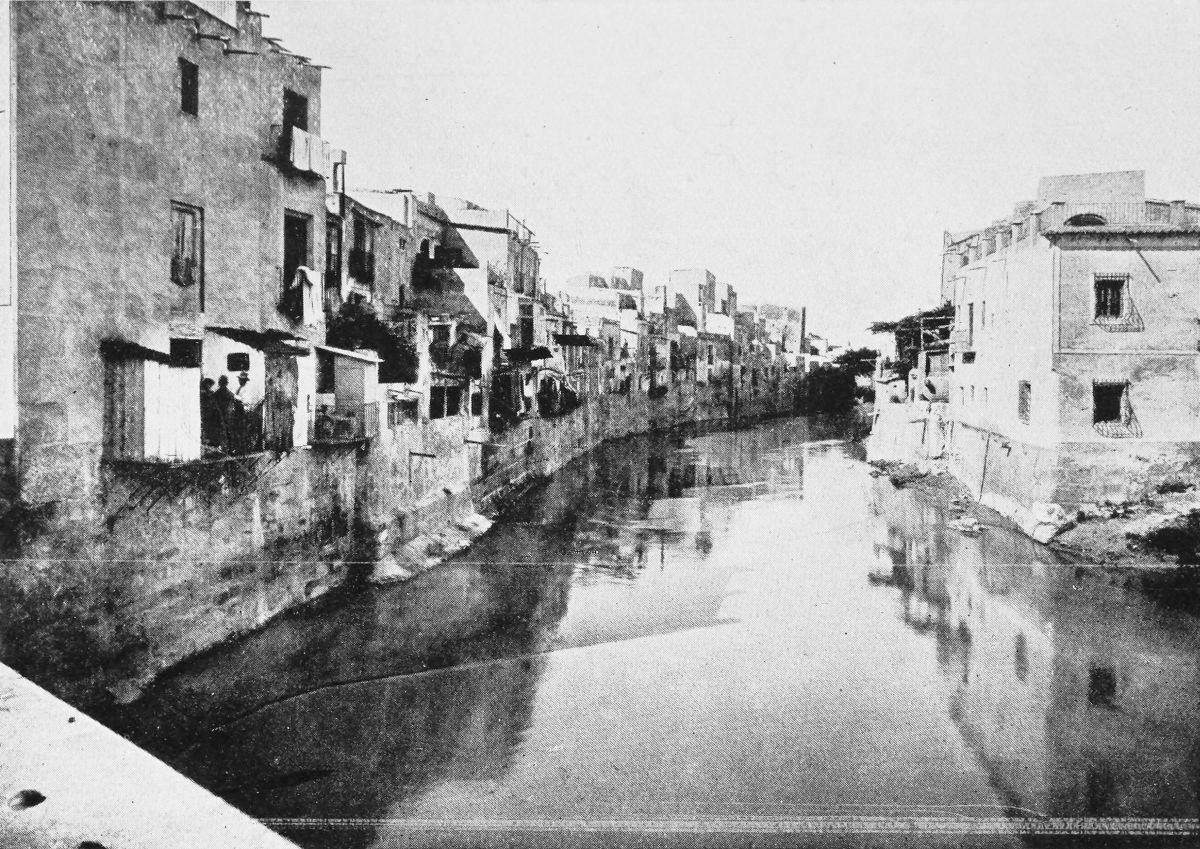
Plate 242 ORIHUELA: THE RIVER SEGURA FROM THE EAST
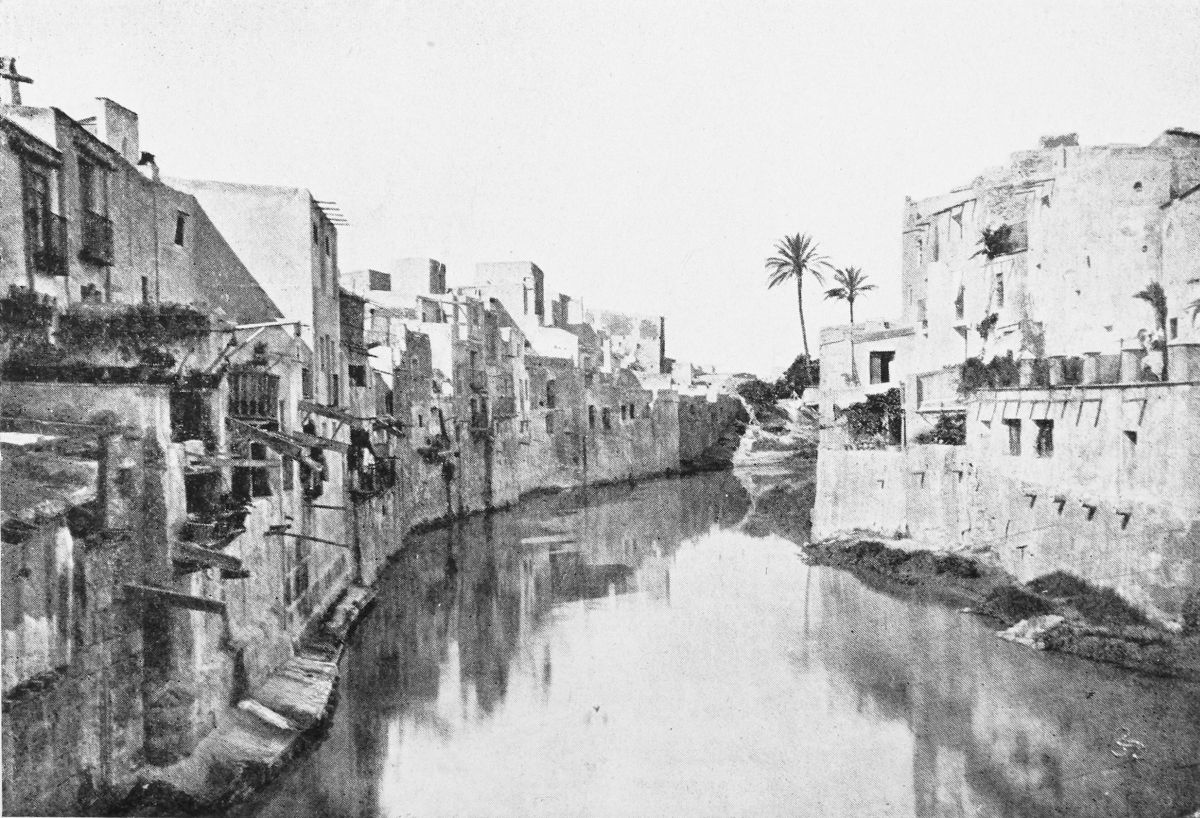
Plate 243 ORIHUELA: DOOR OF THE CHURCH OF SANTIAGO
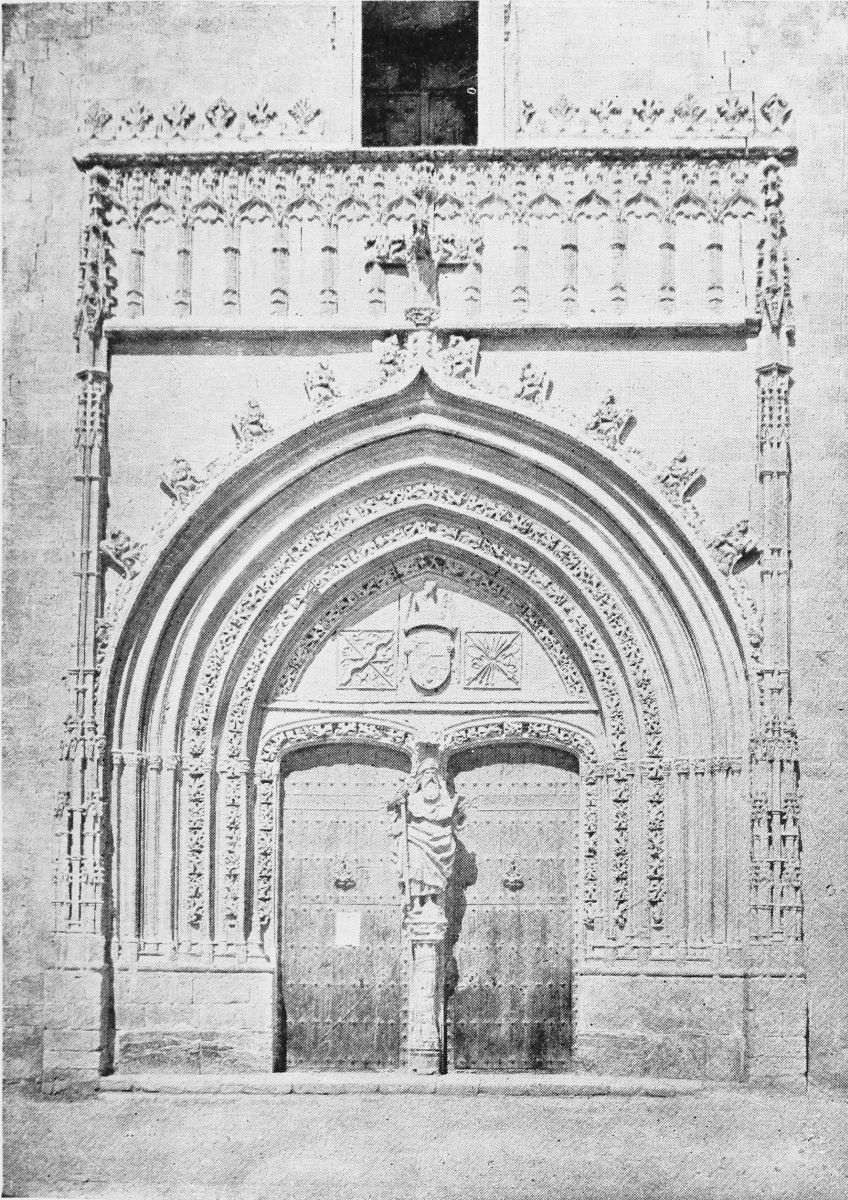
Plate 244 CARTHAGENA: GENERAL VIEW
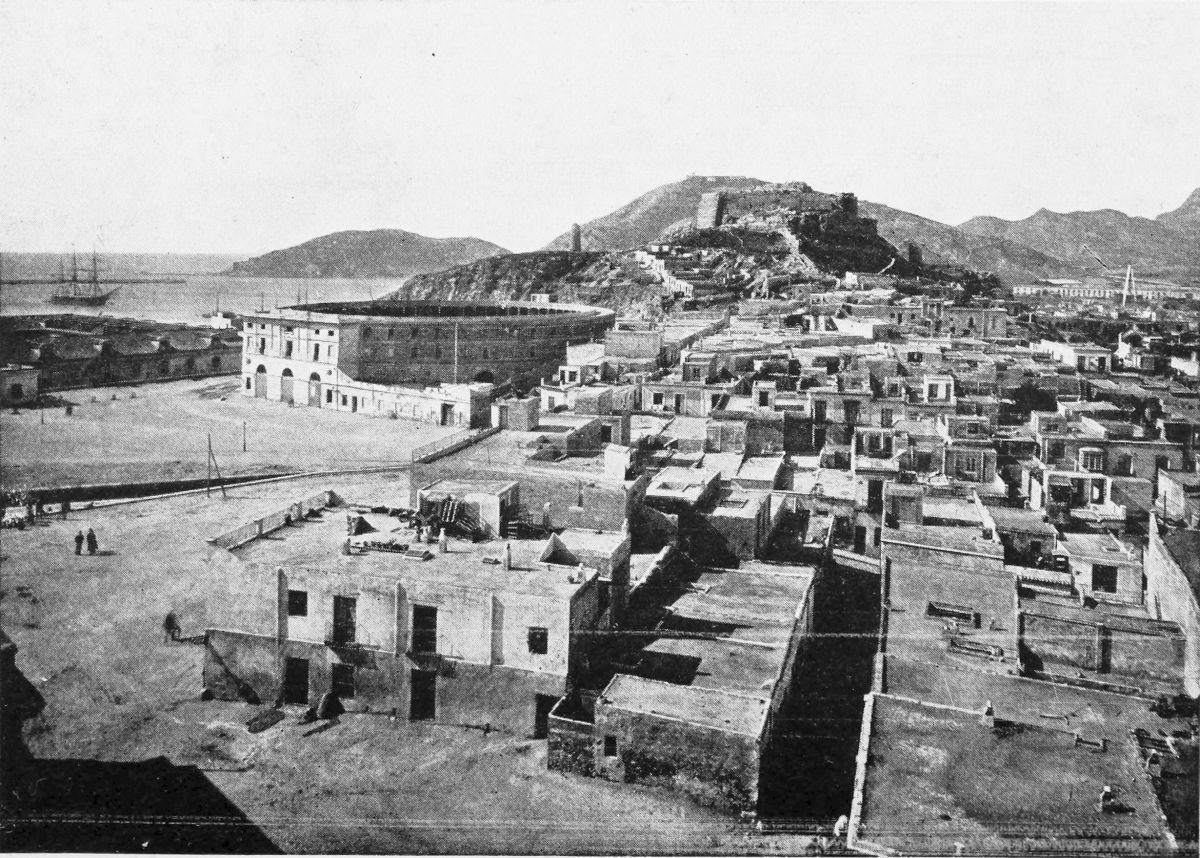
Plate 245 CARTHAGENA: A PARTIAL VIEW.
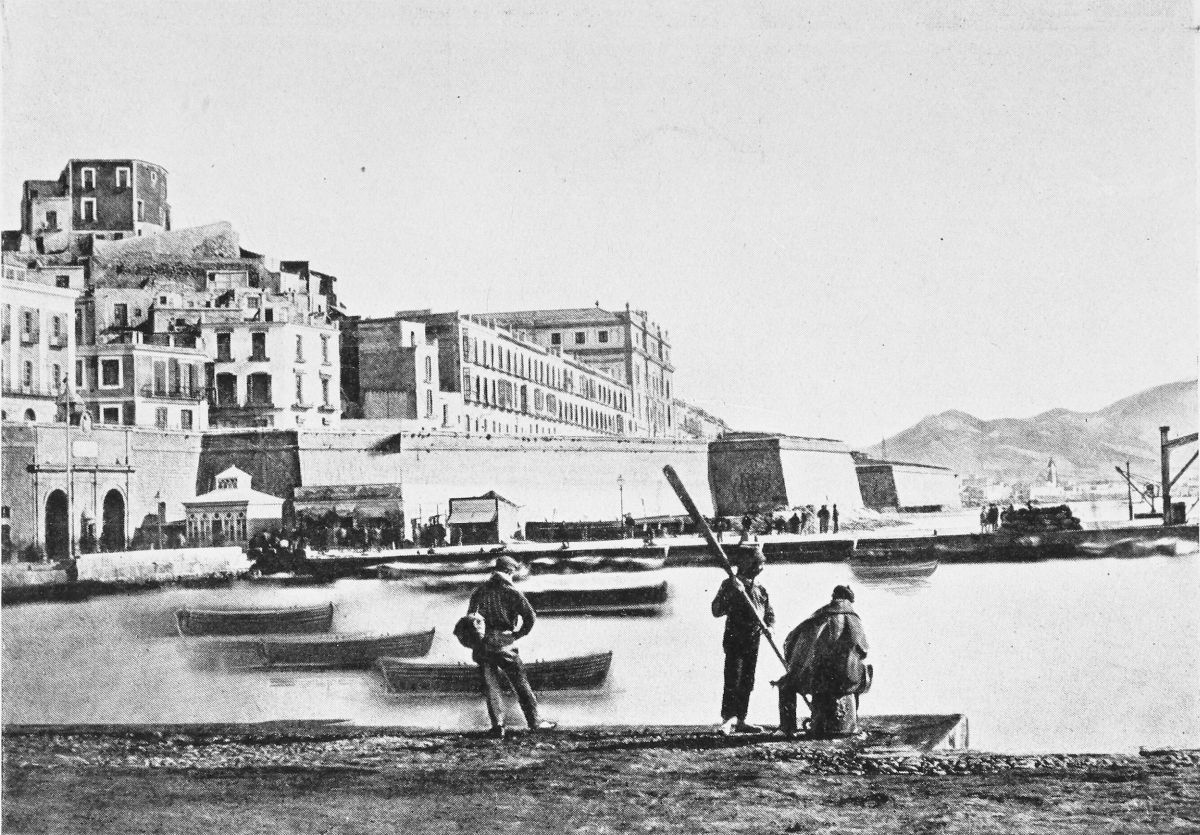
Plate 246 CARTHAGENA: VIEW FROM THE STATION
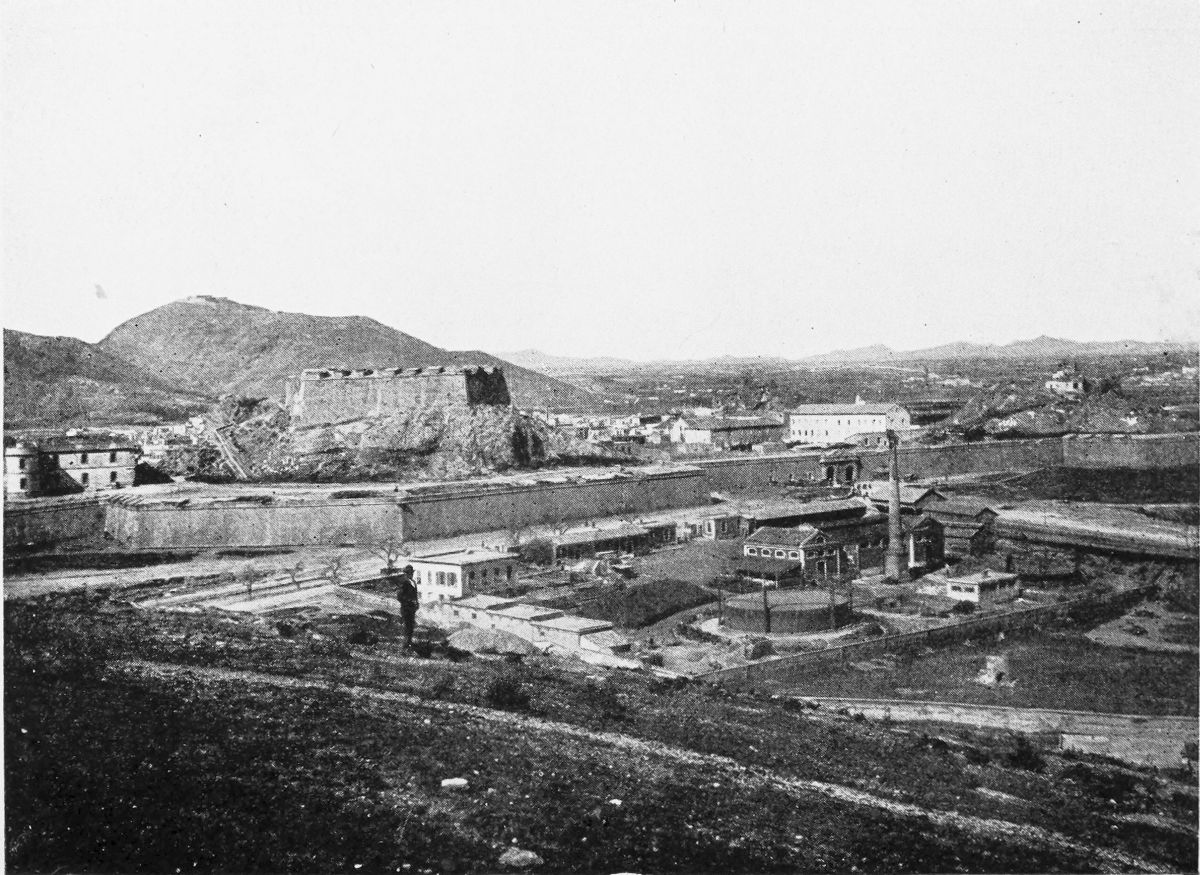
Plate 247 CARTHAGENA: VIEW FROM THE HIGH ROAD
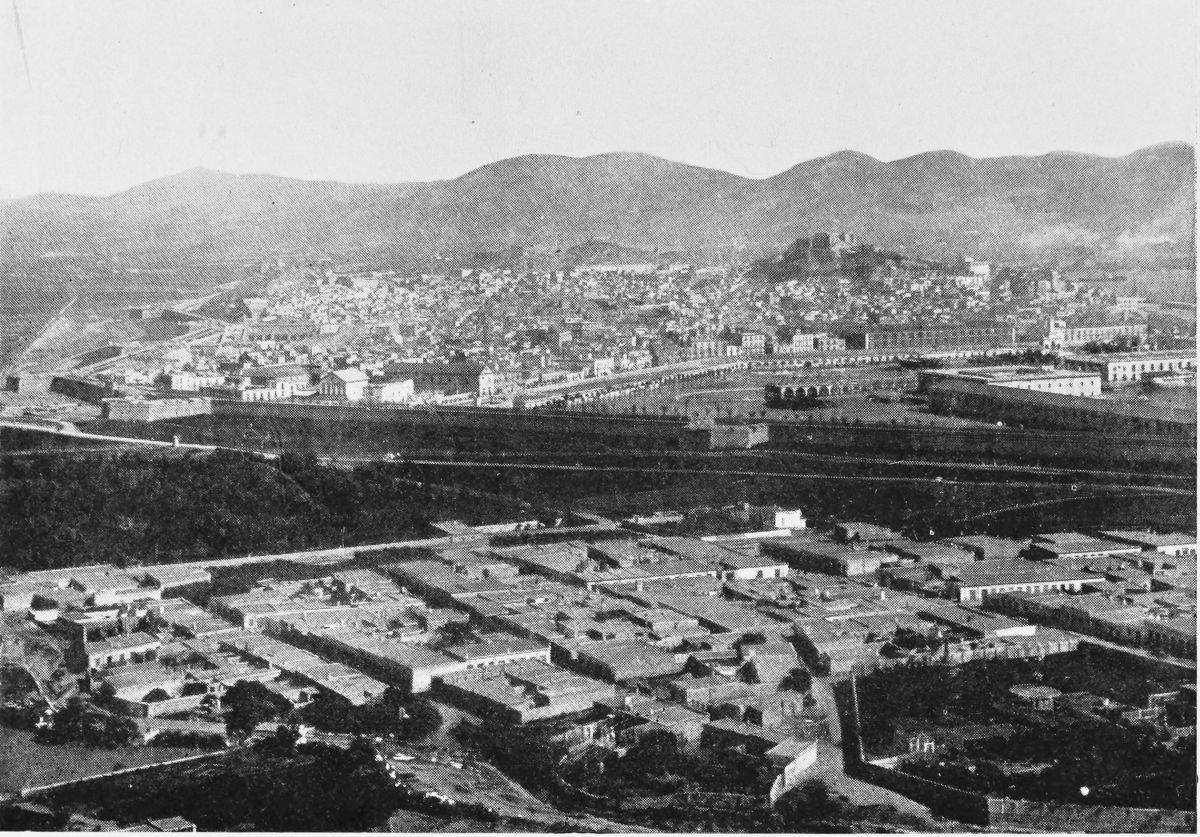
Plate 248 CARTHAGENA: VIEW FROM QUITAPELLIJOS
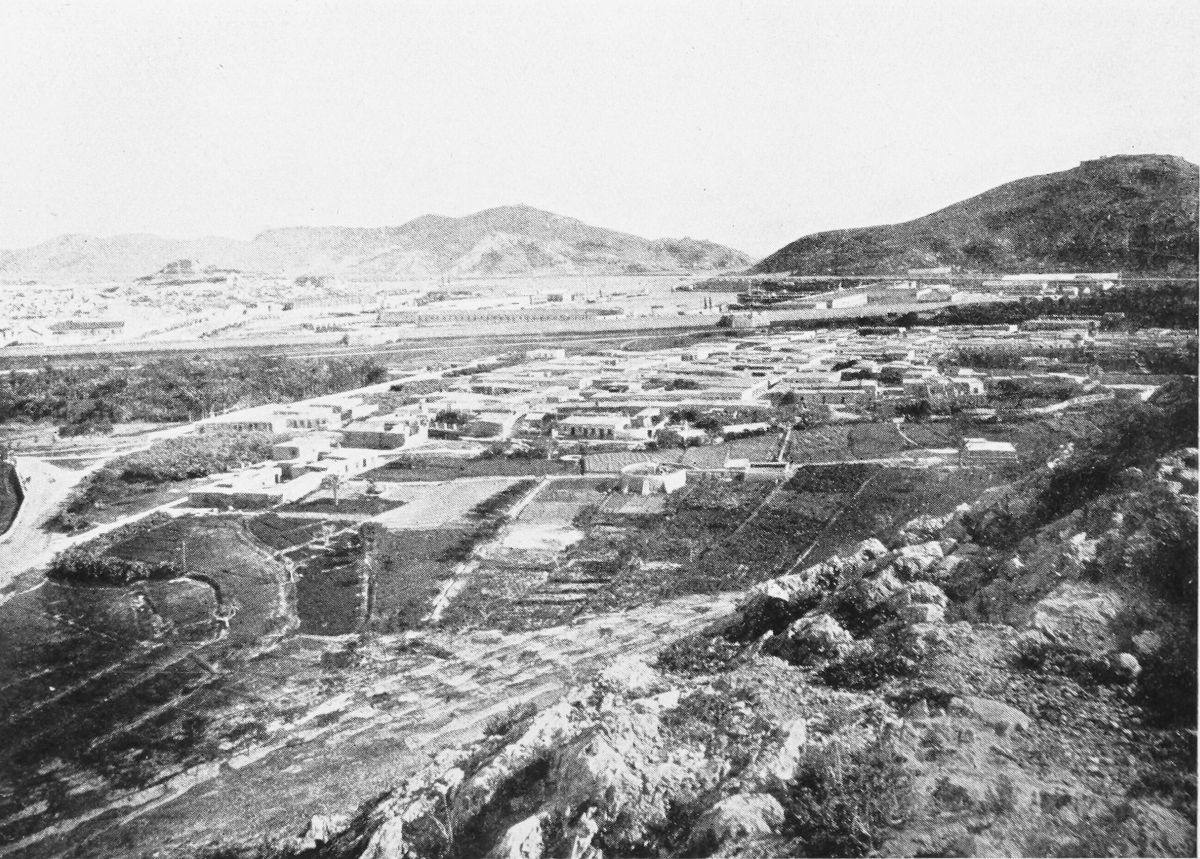
Plate 249 CARTHAGENA: VIEW FROM THE FORT OF ATALAYA
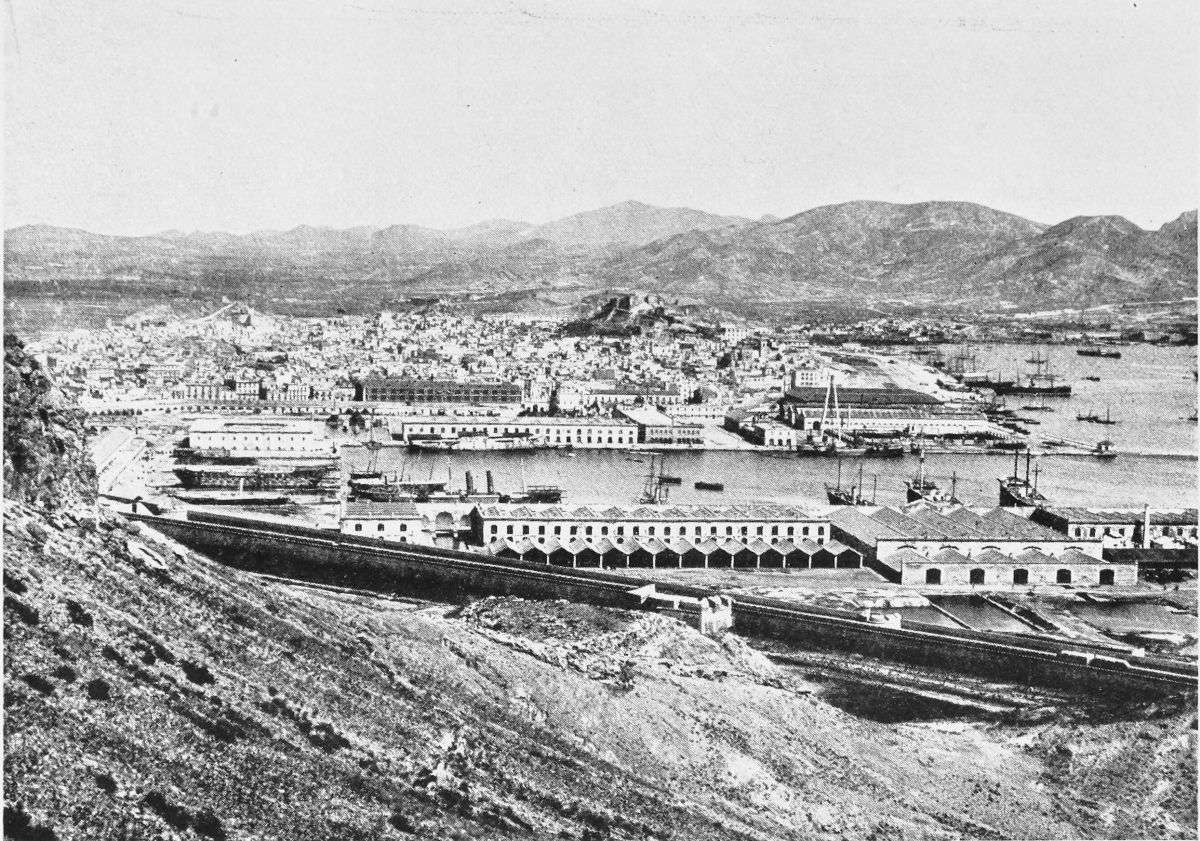
Plate 250 CARTHAGENA: VIEW FROM THE FORT OF ATALAYA
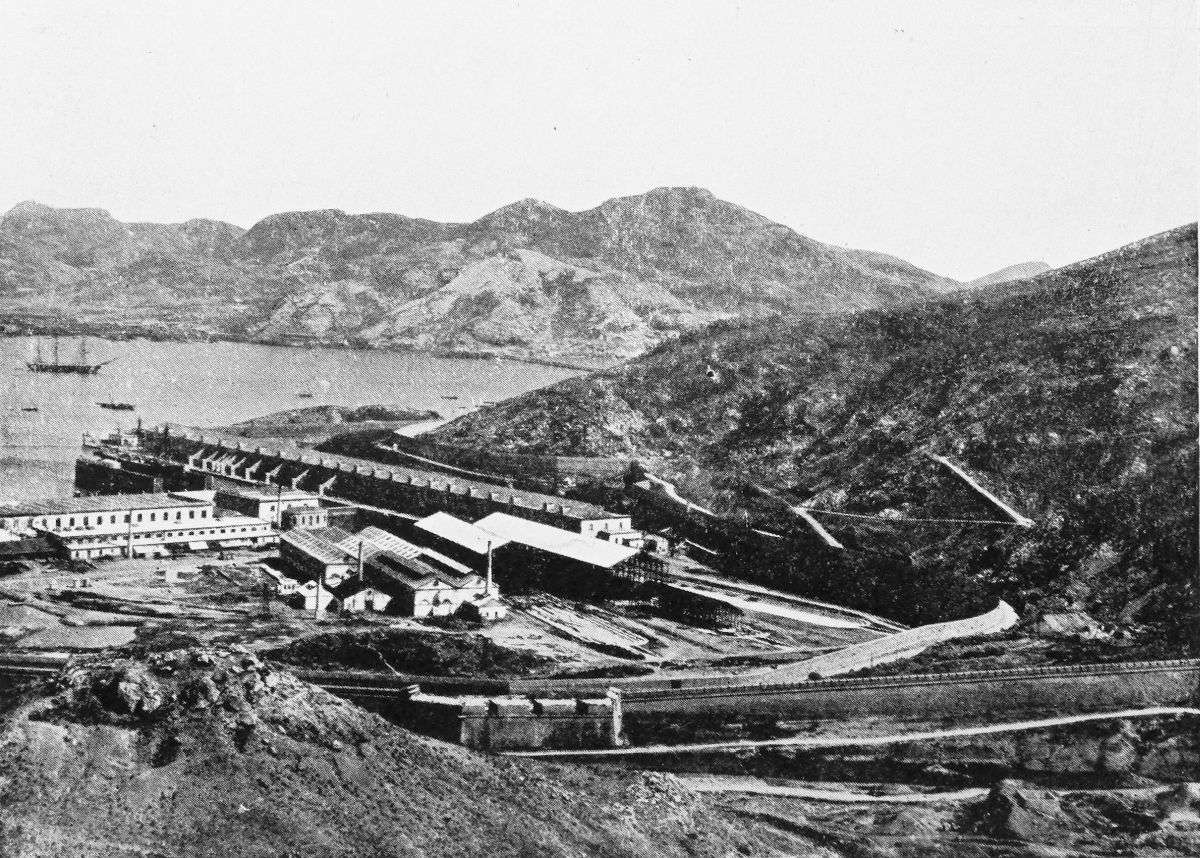
Plate 251 CARTHAGENA: VIEW FROM ST. JOSEPH’S MILL
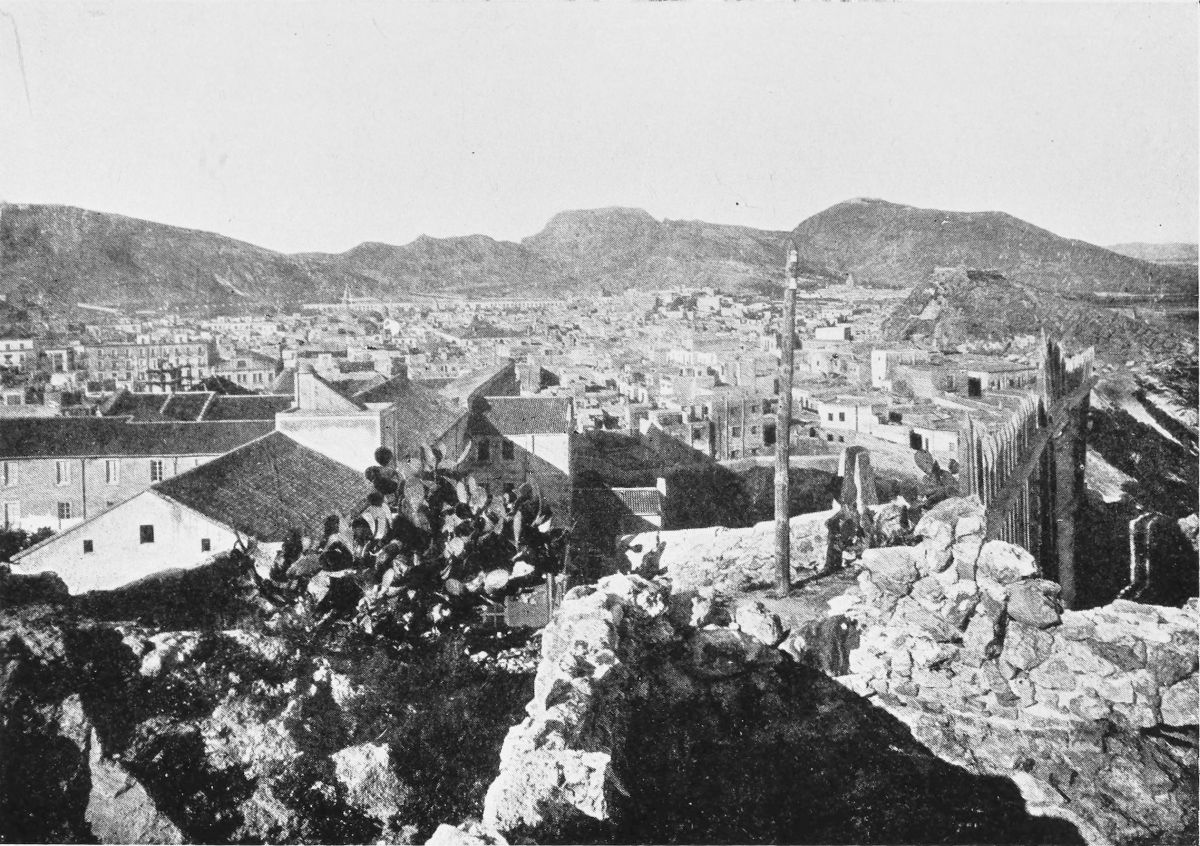
Plate 252 CARTHAGENA: VIEW FROM ST. JOSEPH’S MILL
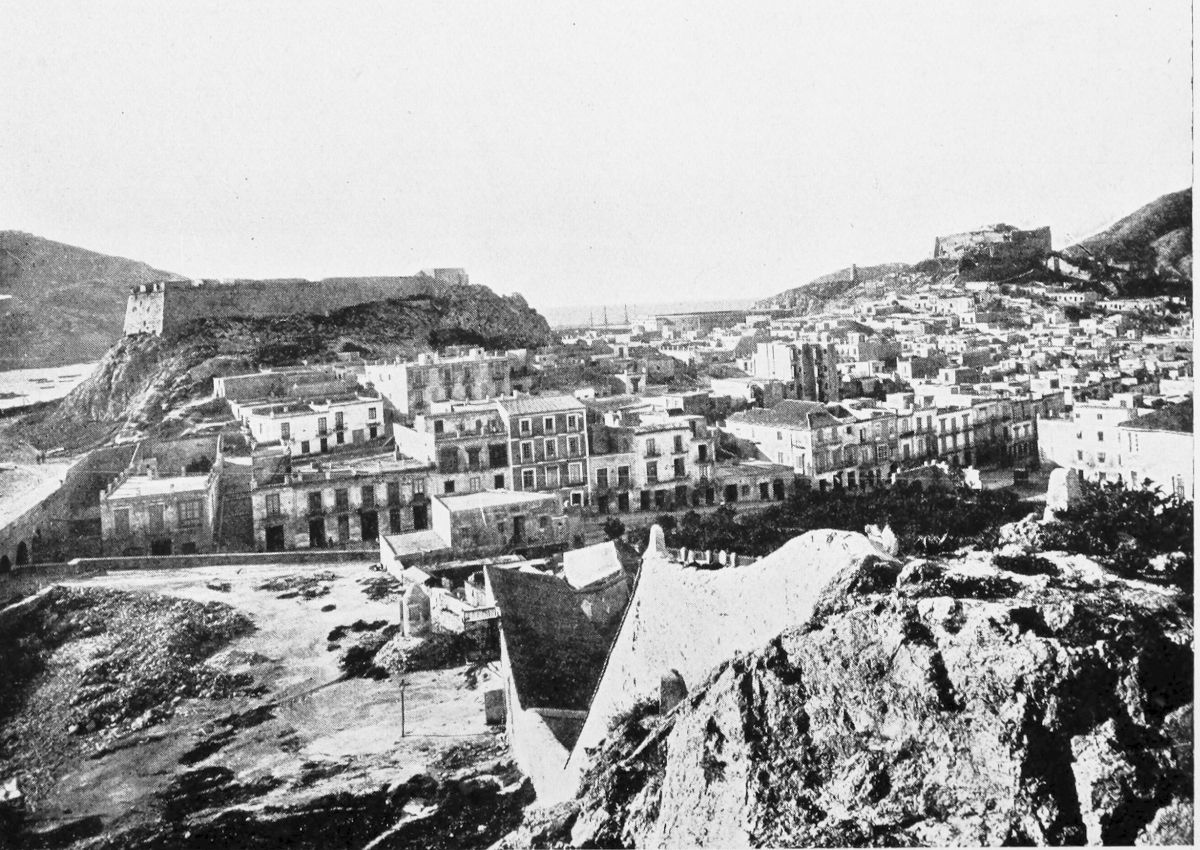
Plate 253 CARTHAGENA: VIEW FROM THE FORT OF GALERA
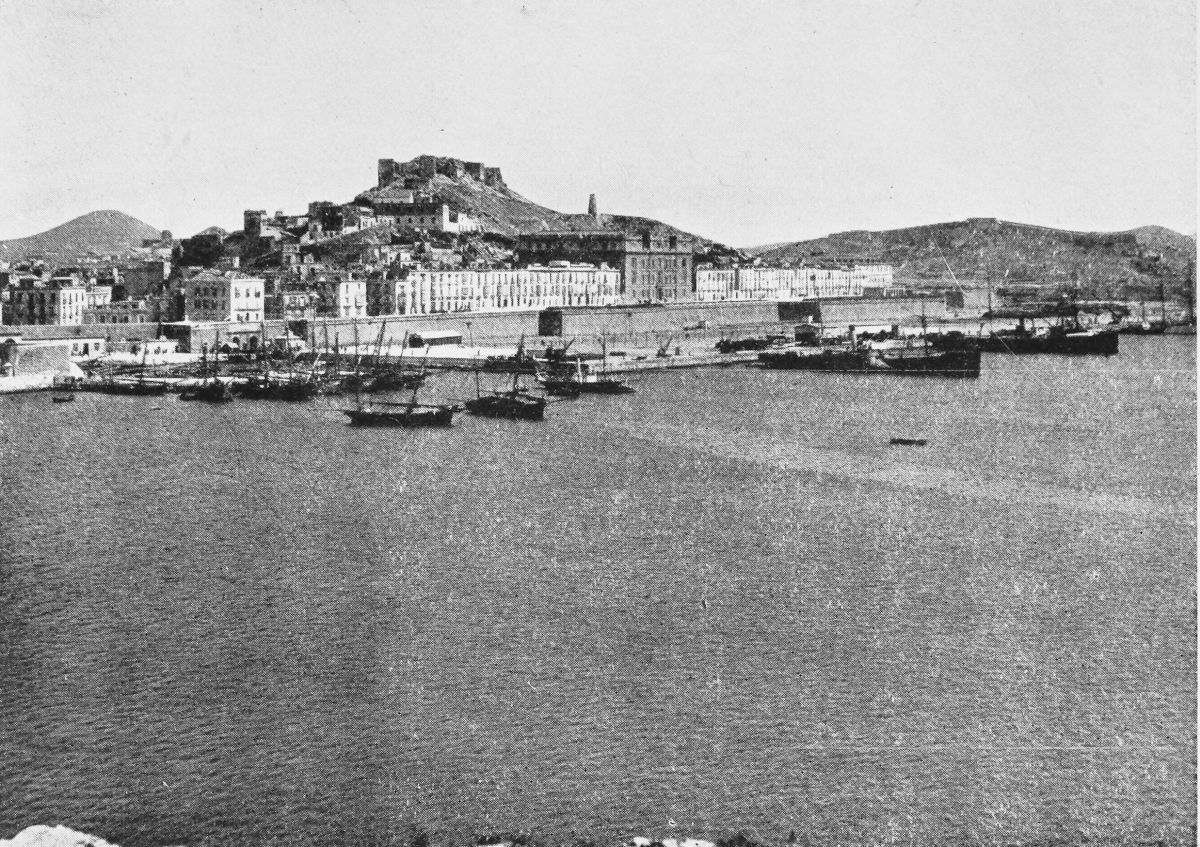
Plate 254 CARTHAGENA: VIEW FROM THE FORT OF GALERA
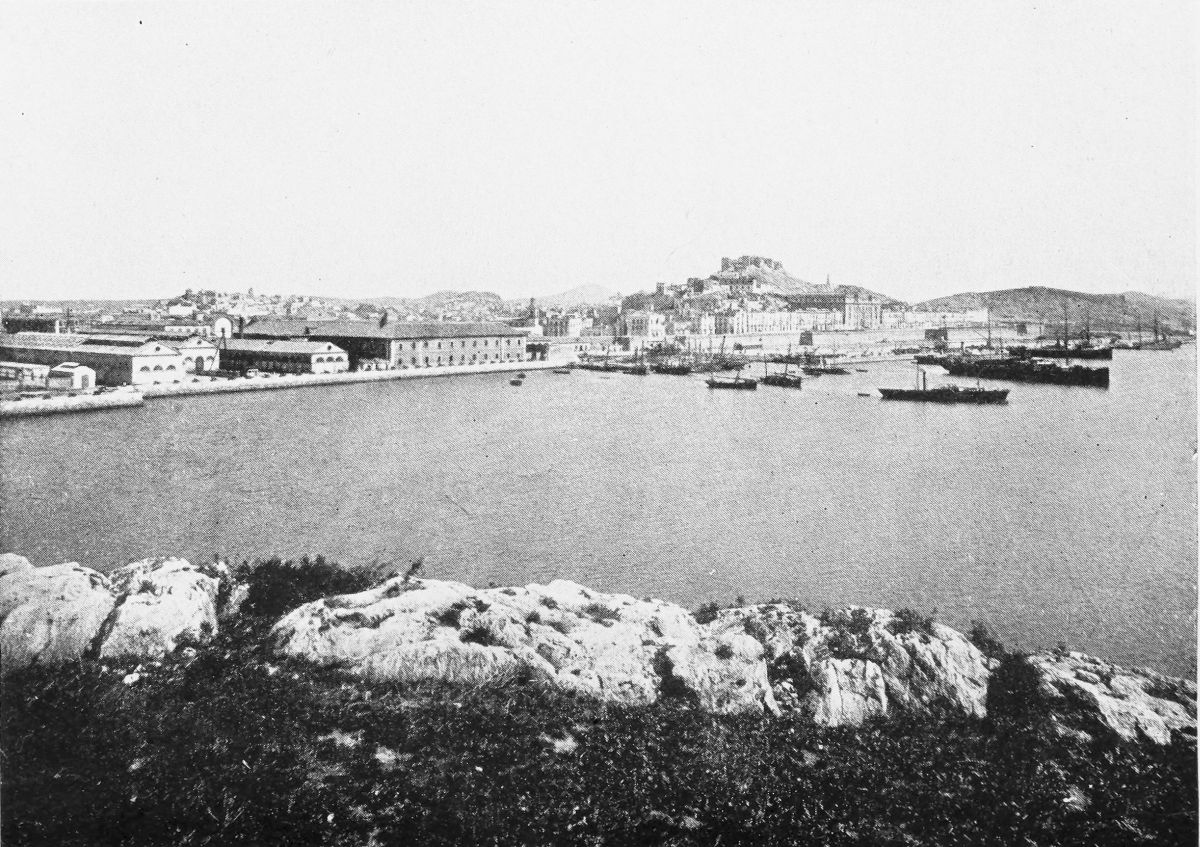
Plate 255 CARTHAGENA: VIEW OF THE HARBOUR
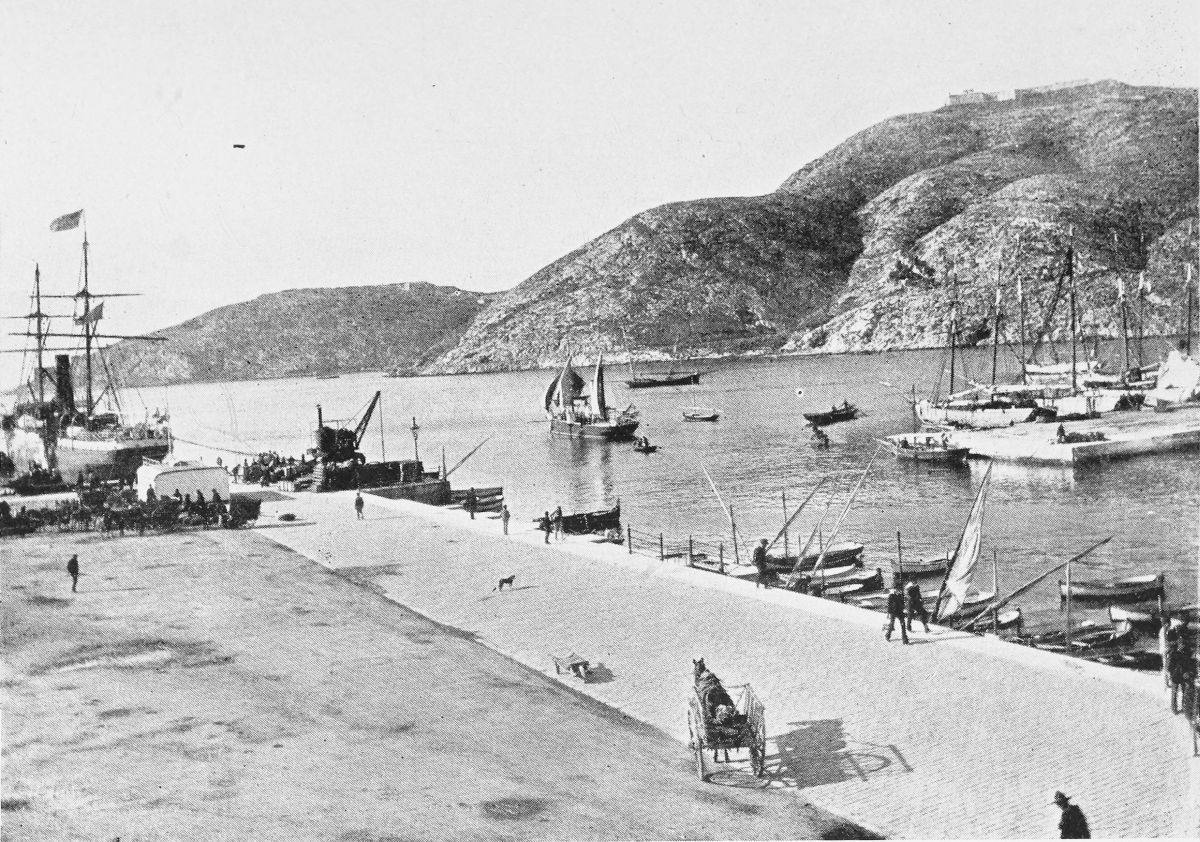
Plate 256 CARTHAGENA: SANTA LUCIA AND THE HARBOUR
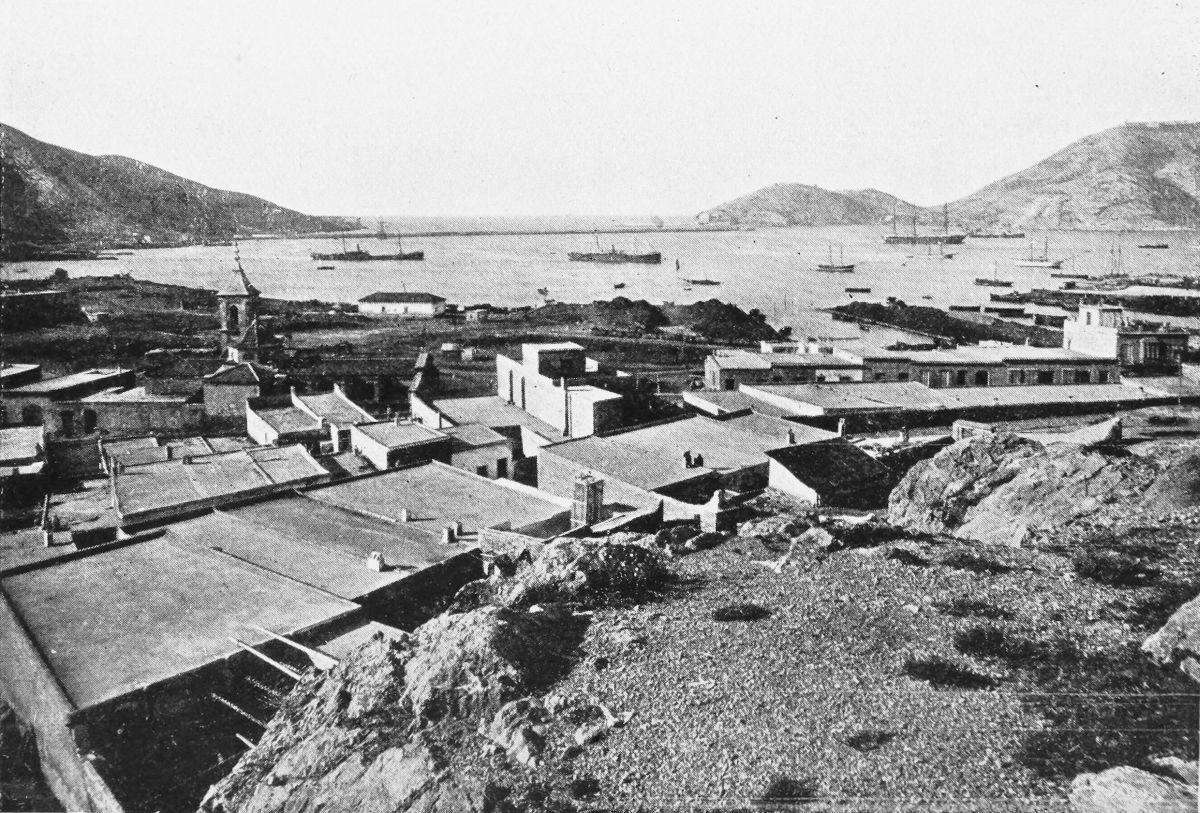
Plate 257 CARTHAGENA: THE HARBOUR FROM SANTA LUCIA
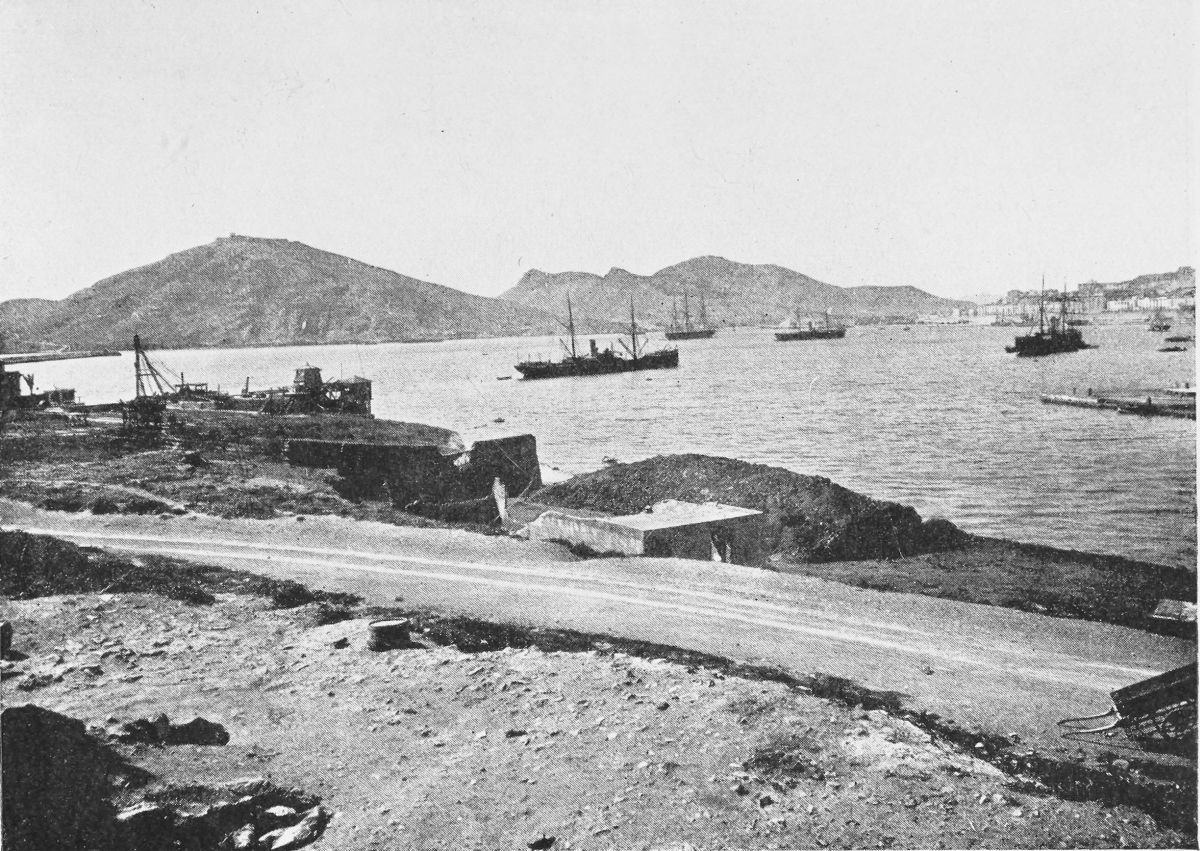
Plate 258 CARTHAGENA: THE HARBOUR FROM SANTA LUCIA
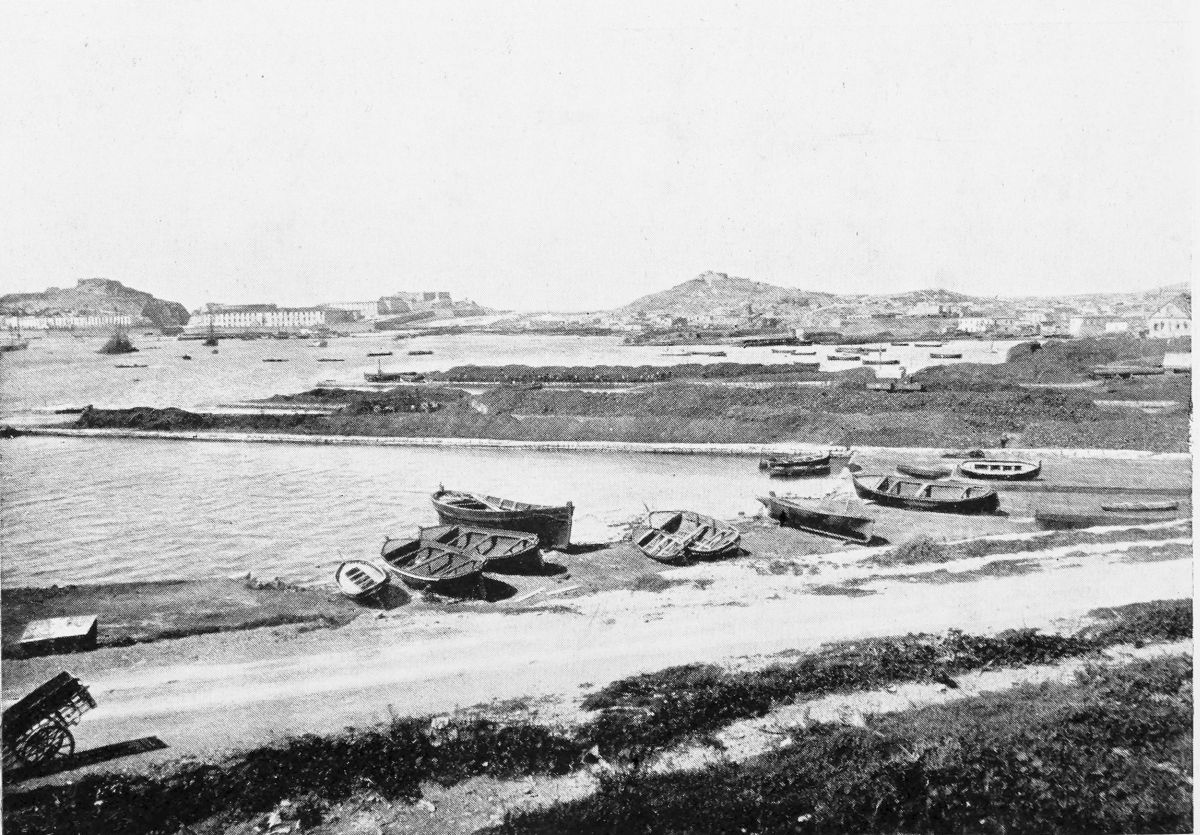
Plate 259 CARTHAGENA: THE HARBOUR FROM THE POWDER MAGAZINE
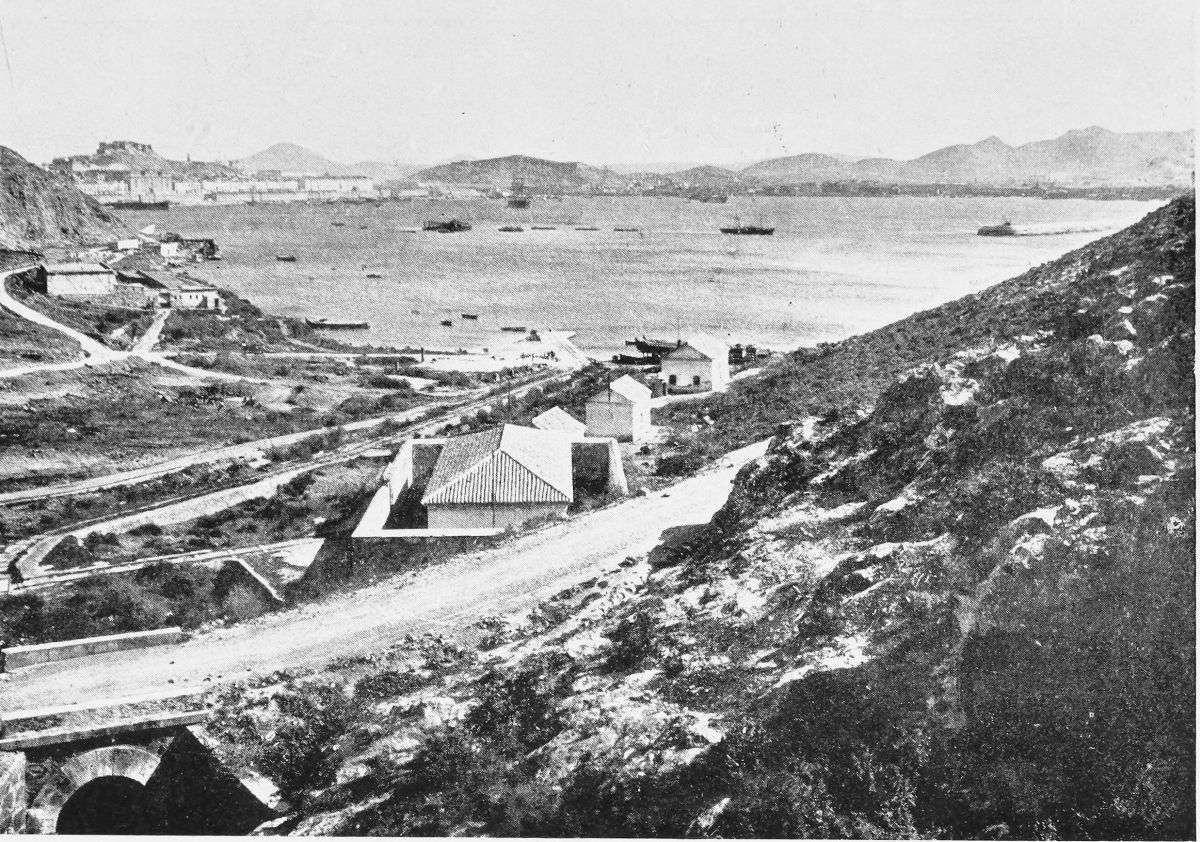
Plate 260 CARTHAGENA: THE HARBOUR FROM TRINCABATIJOS
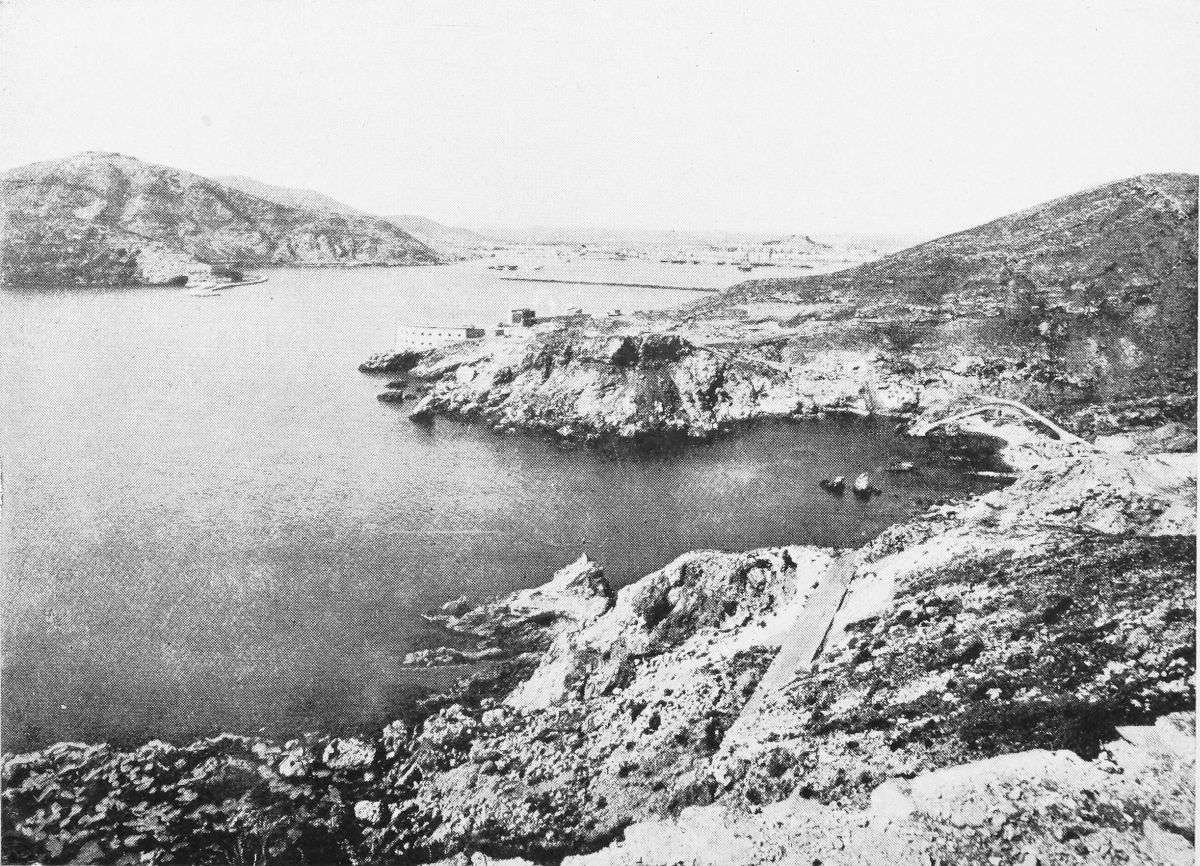
Plate 261 CARTHAGENA: VIEW FROM THE ESPLANADERO
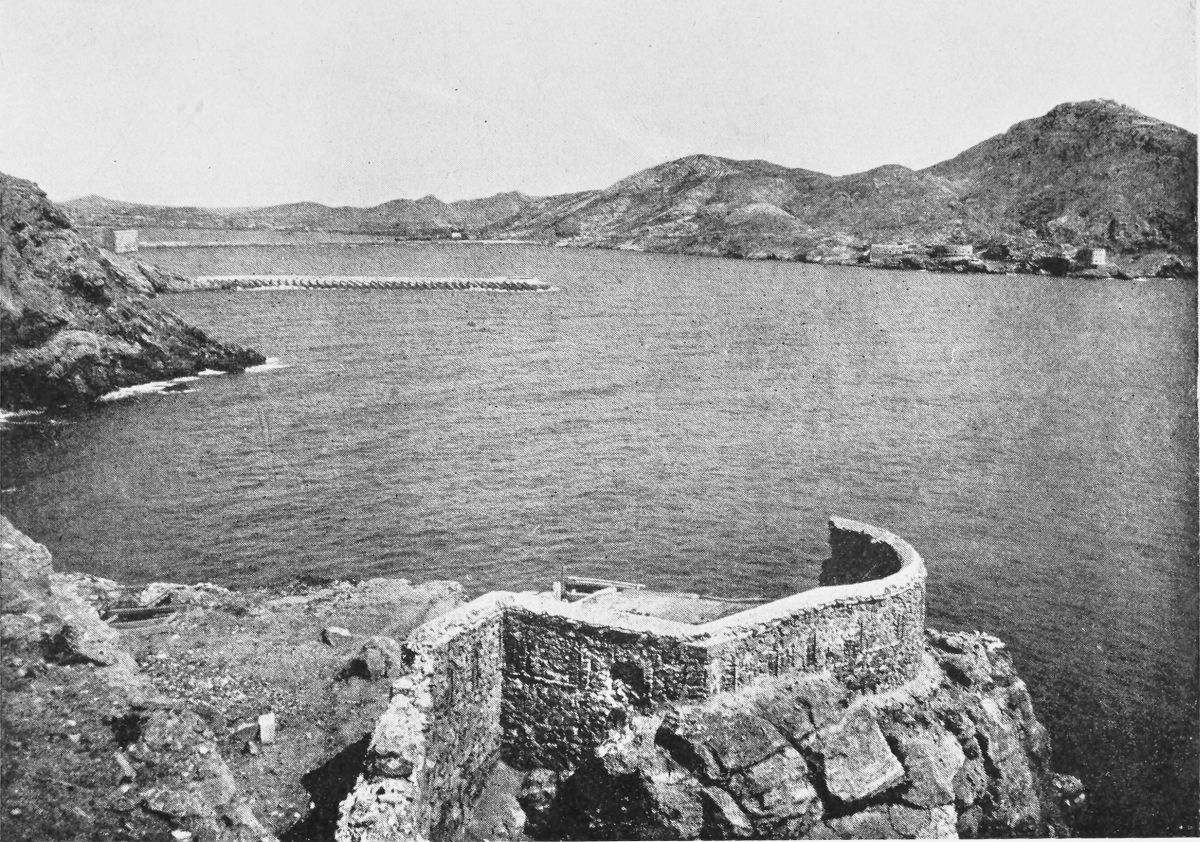
Plate 262 CARTHAGENA: THE ENTRANCE TO THE HARBOUR FROM TRINCABATIJOS
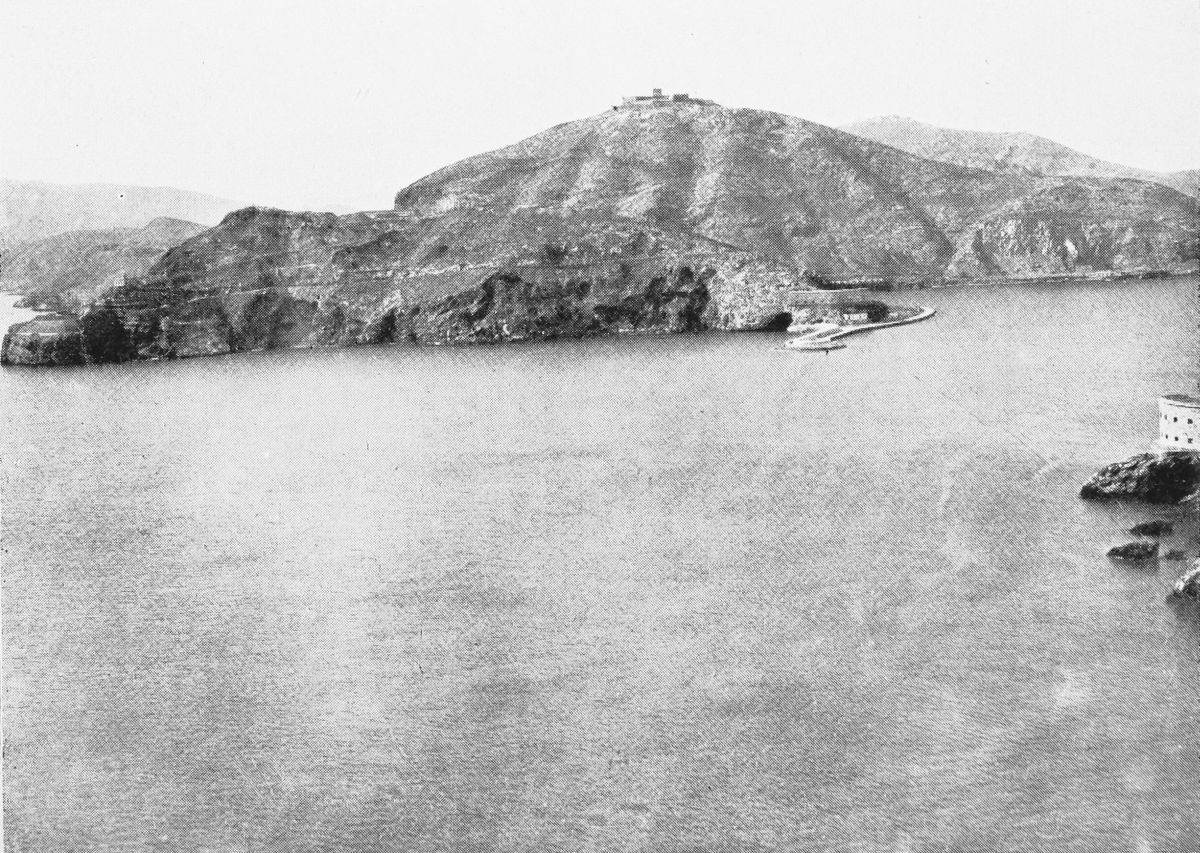
Plate 263 CARTHAGENA: THE BREAKWATER
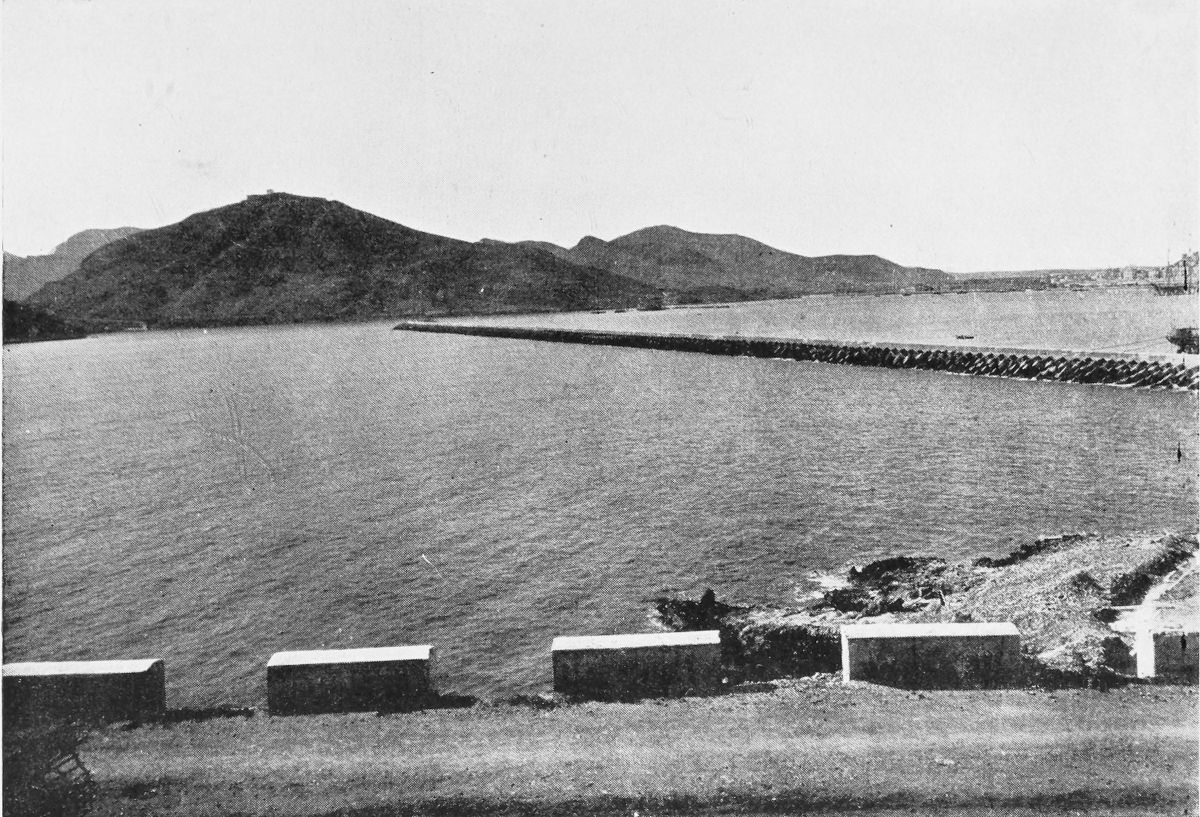
Plate 264 CARTHAGENA: ENTRANCE TO THE HARBOUR
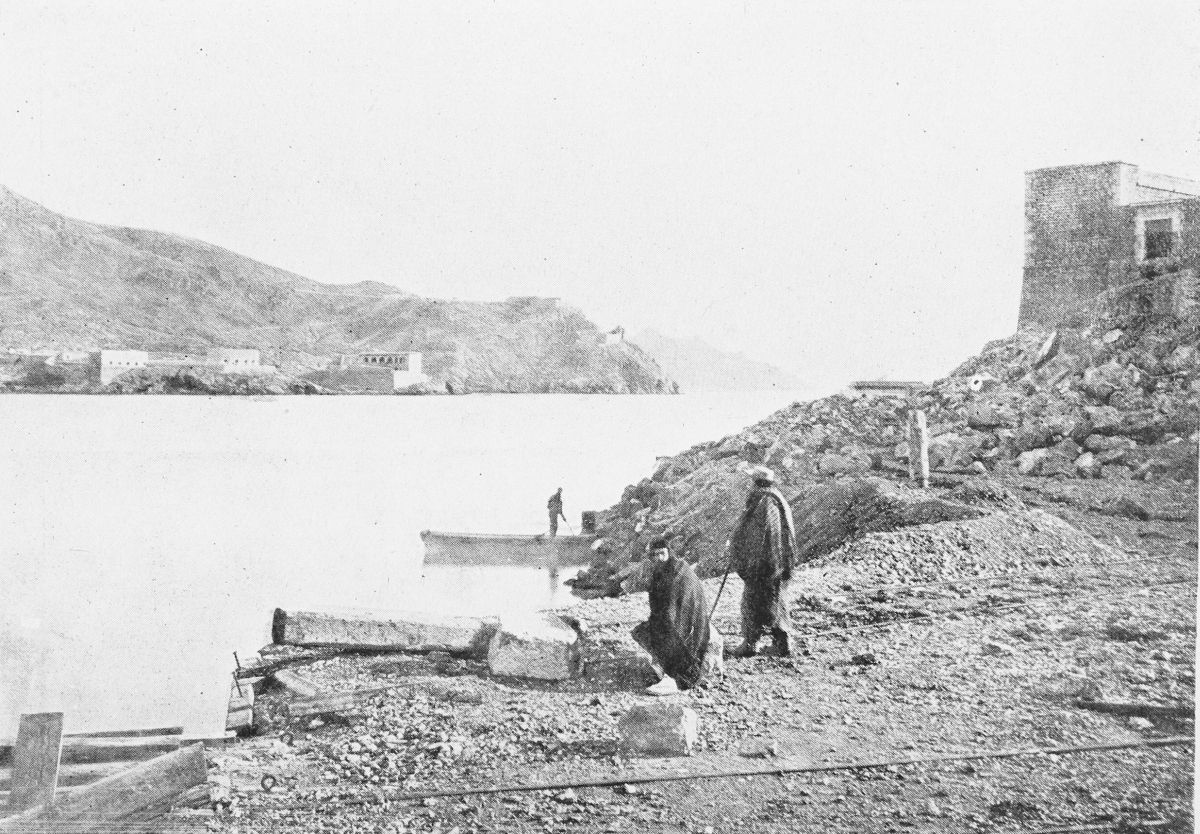
Plate 265 CARTHAGENA: ENTRANCE TO THE ARSENAL
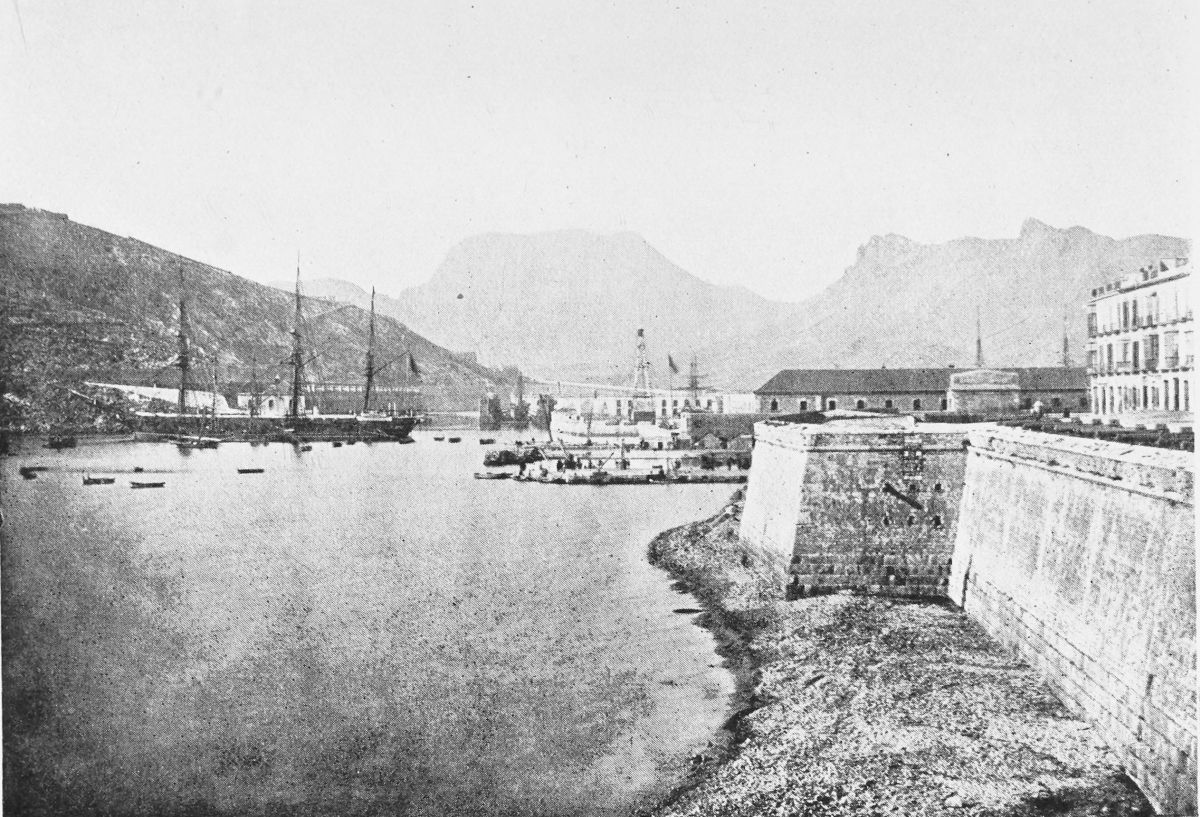
Plate 266 CARTHAGENA: PUERTA DEL MAR
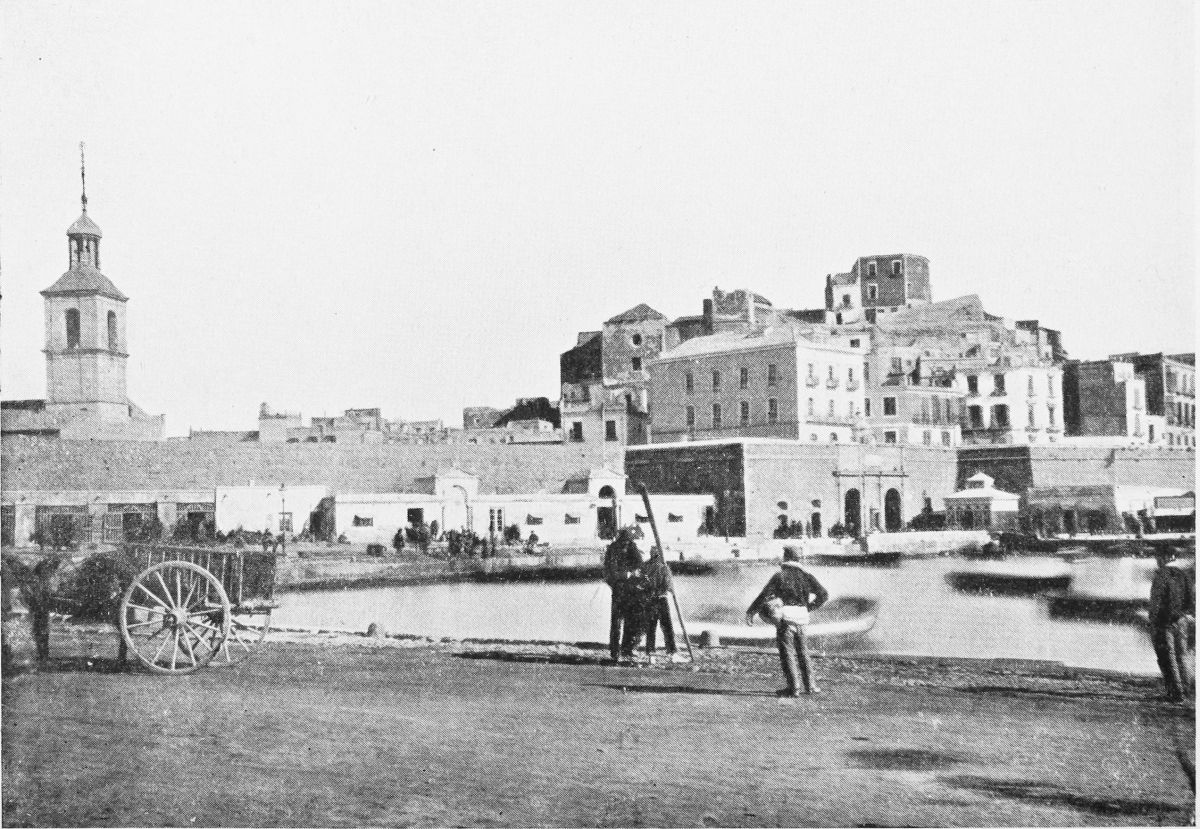
Plate 267 CARTHAGENA: PUERTA DE MURCIA
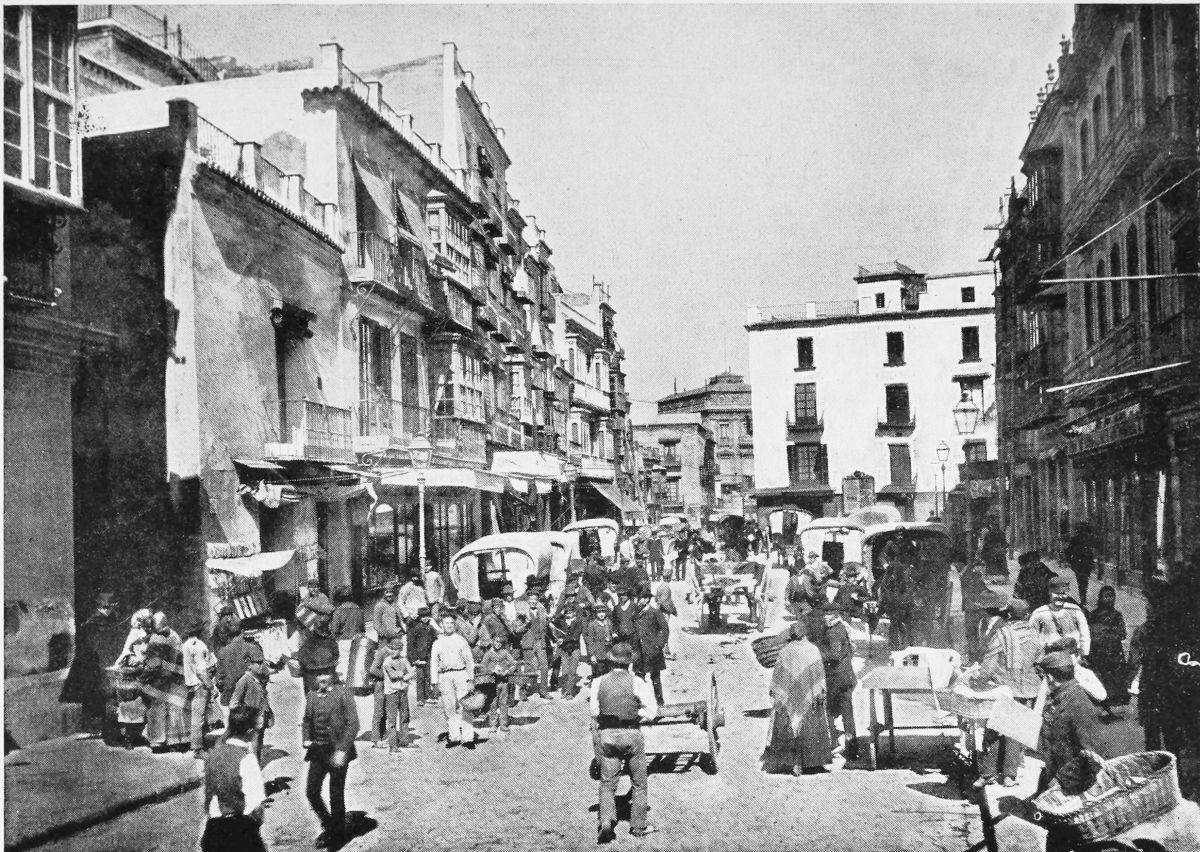
Plate 268 CARTHAGENA: PLAZA DE LAS MONJAS
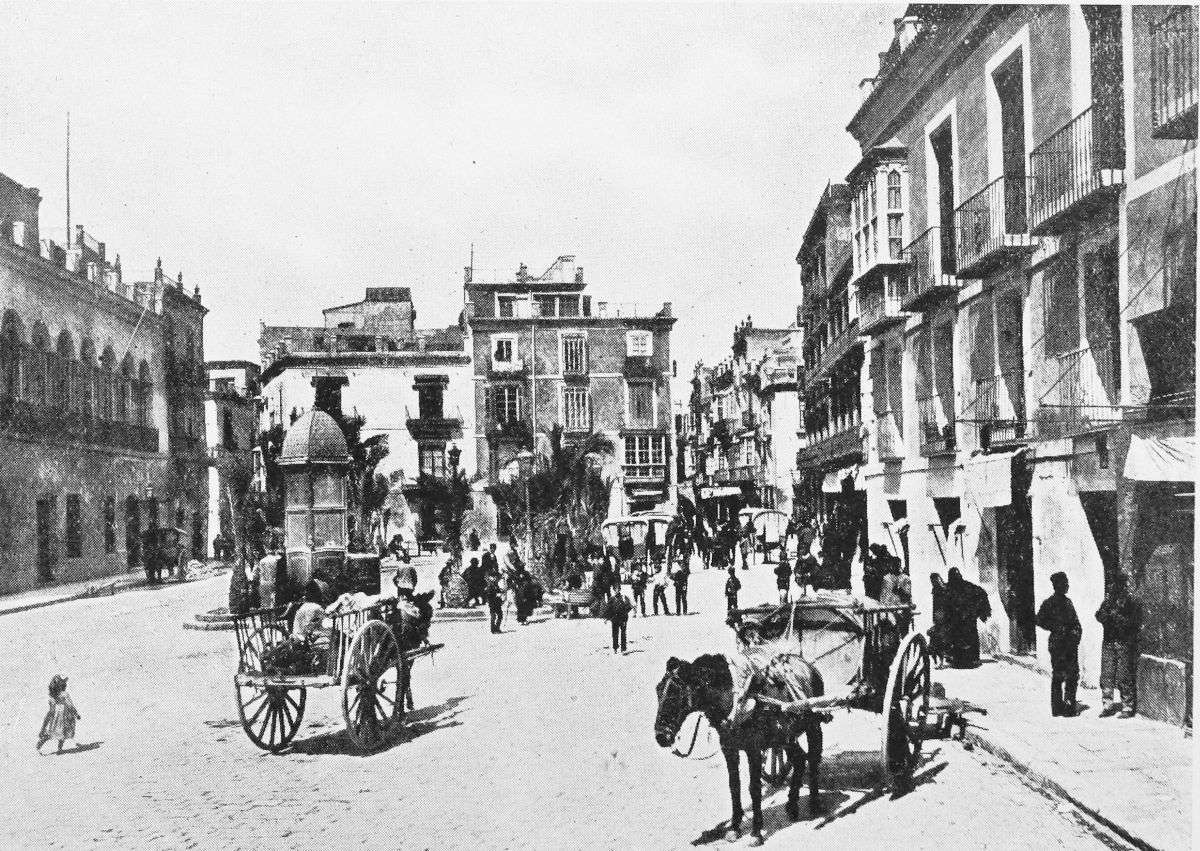
Plate 269 CARTHAGENA: THE MARINE COLLEGE
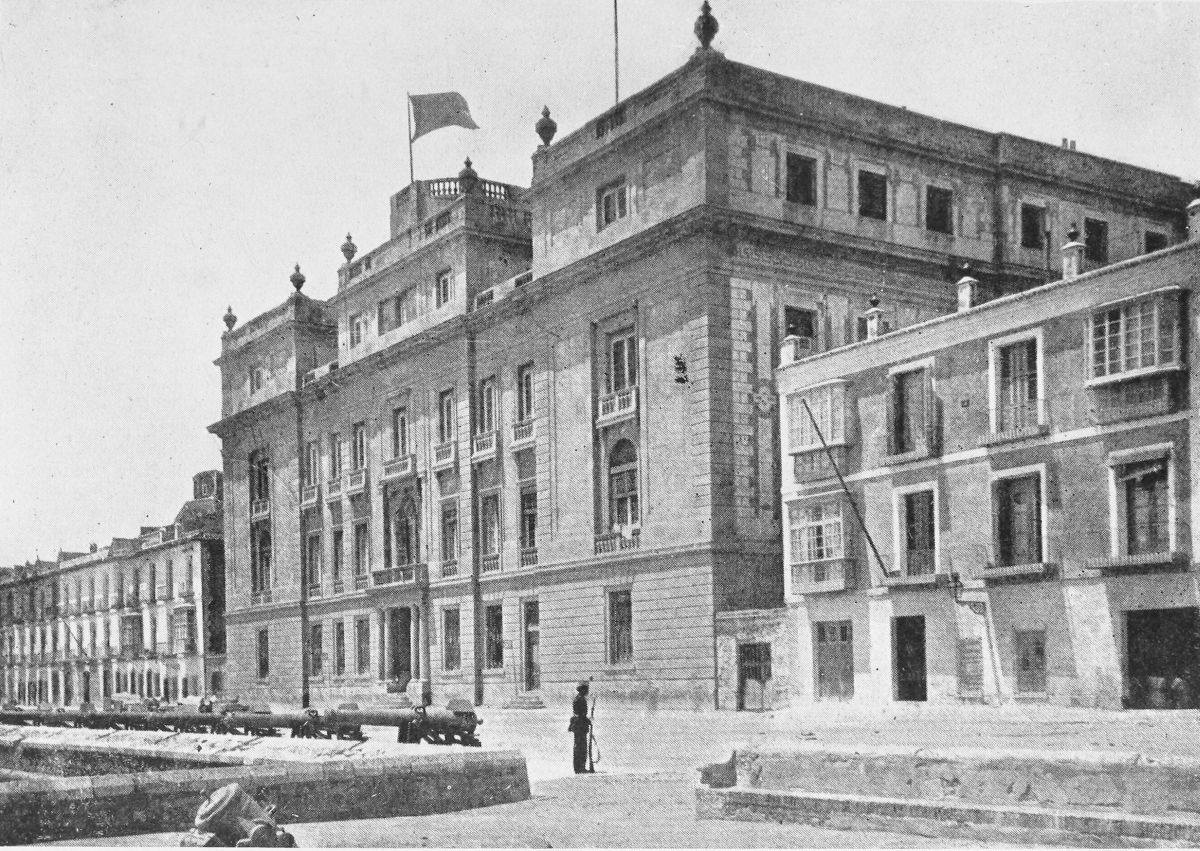
Plate 270 CARTHAGENA: THE BULL-RING
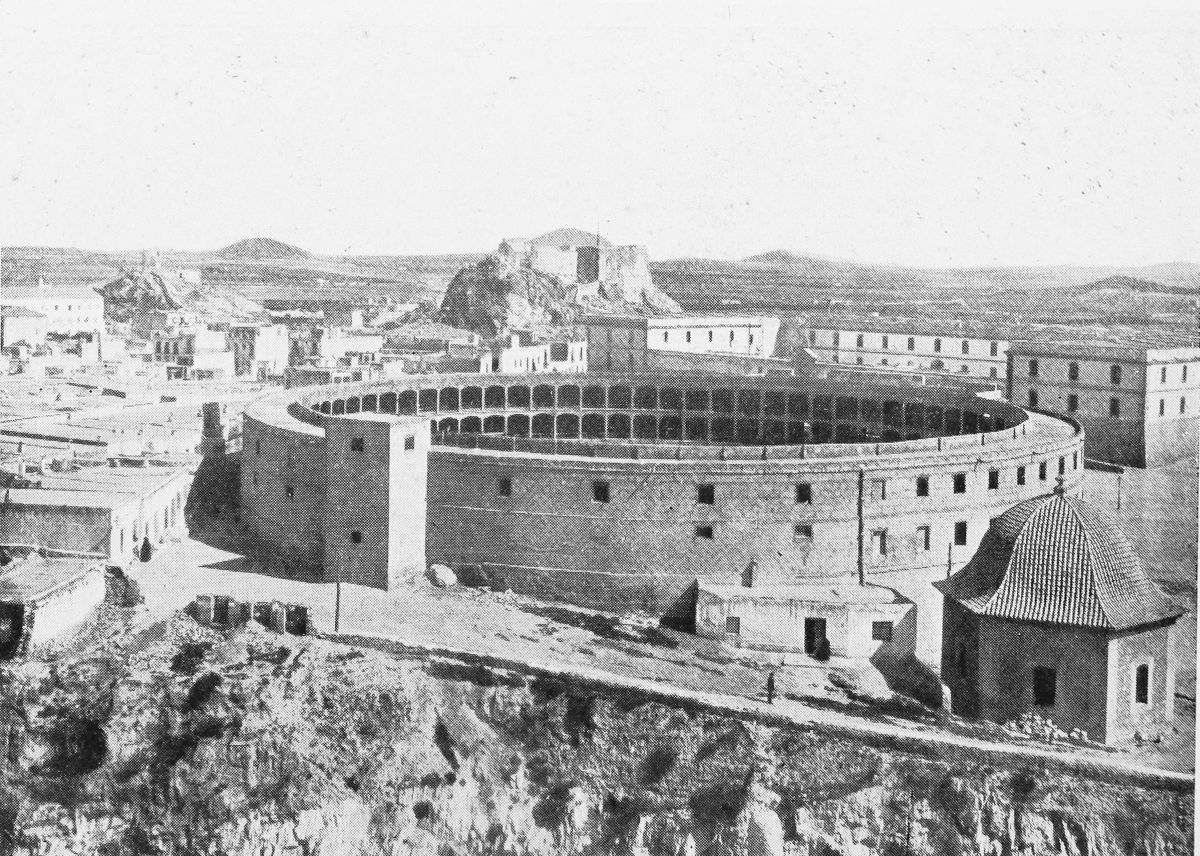
Plate 271 ARCHENA: THE BATHS, FROM LA SIERRA DE VERDELENA
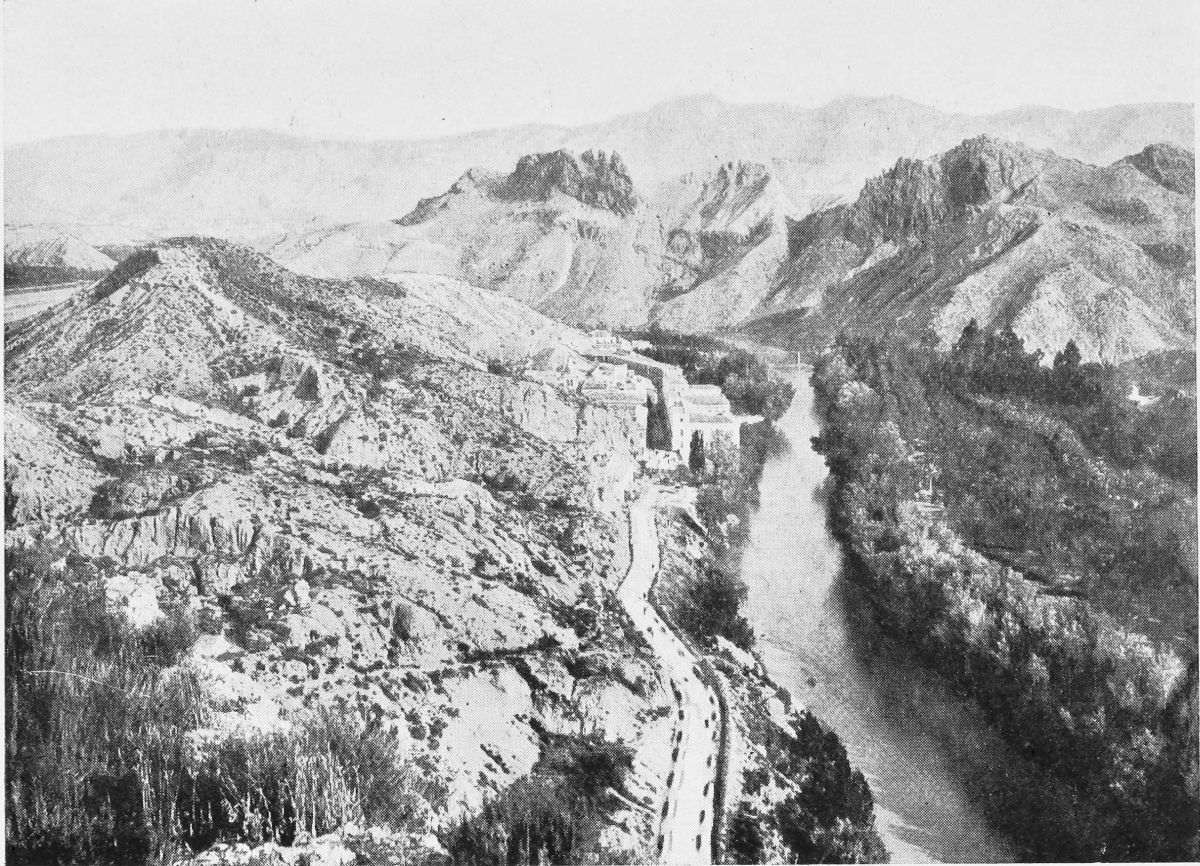
Plate 272 ARCHENA: GENERAL VIEW OF THE BATHS FROM THE WEST
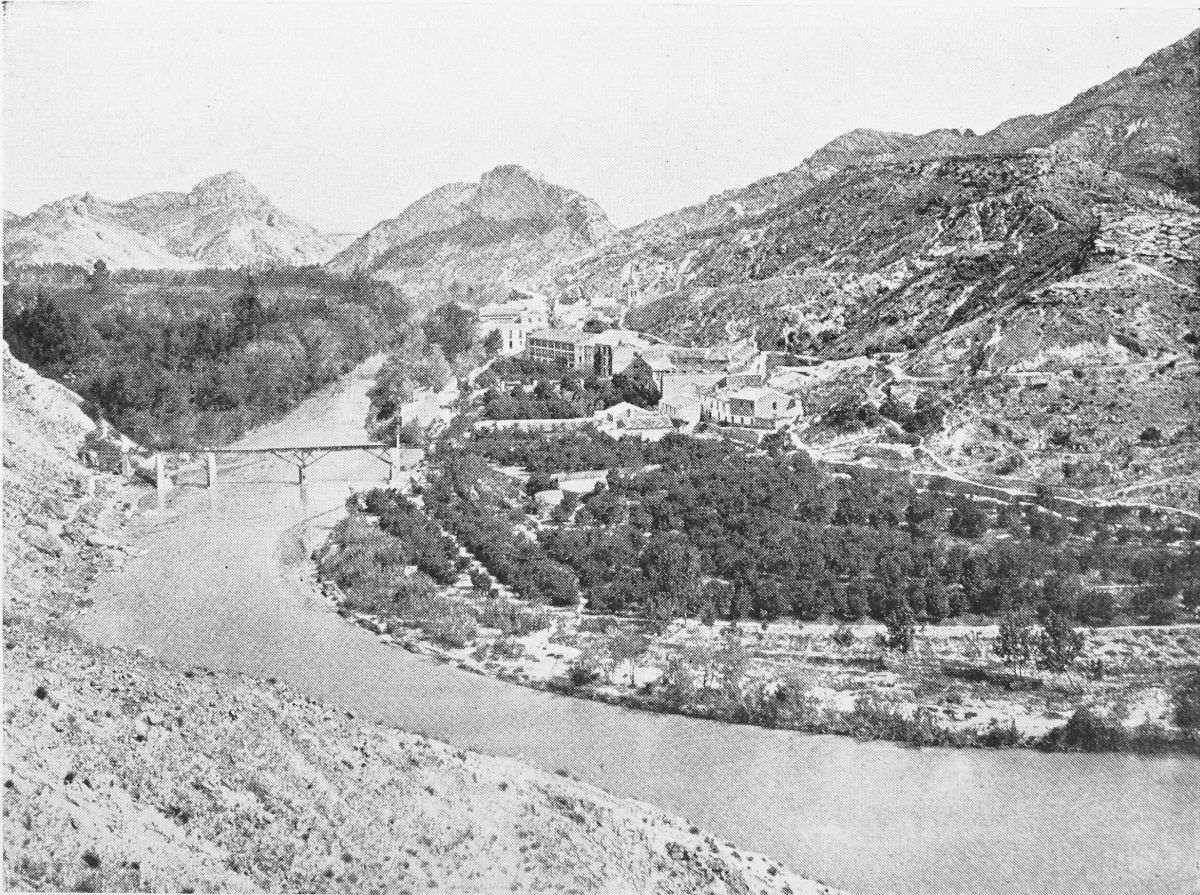
Plate 273 ARCHENA: GENERAL VIEW OF THE BATHS AT THE ENTRANCE TO THE VILLAGE
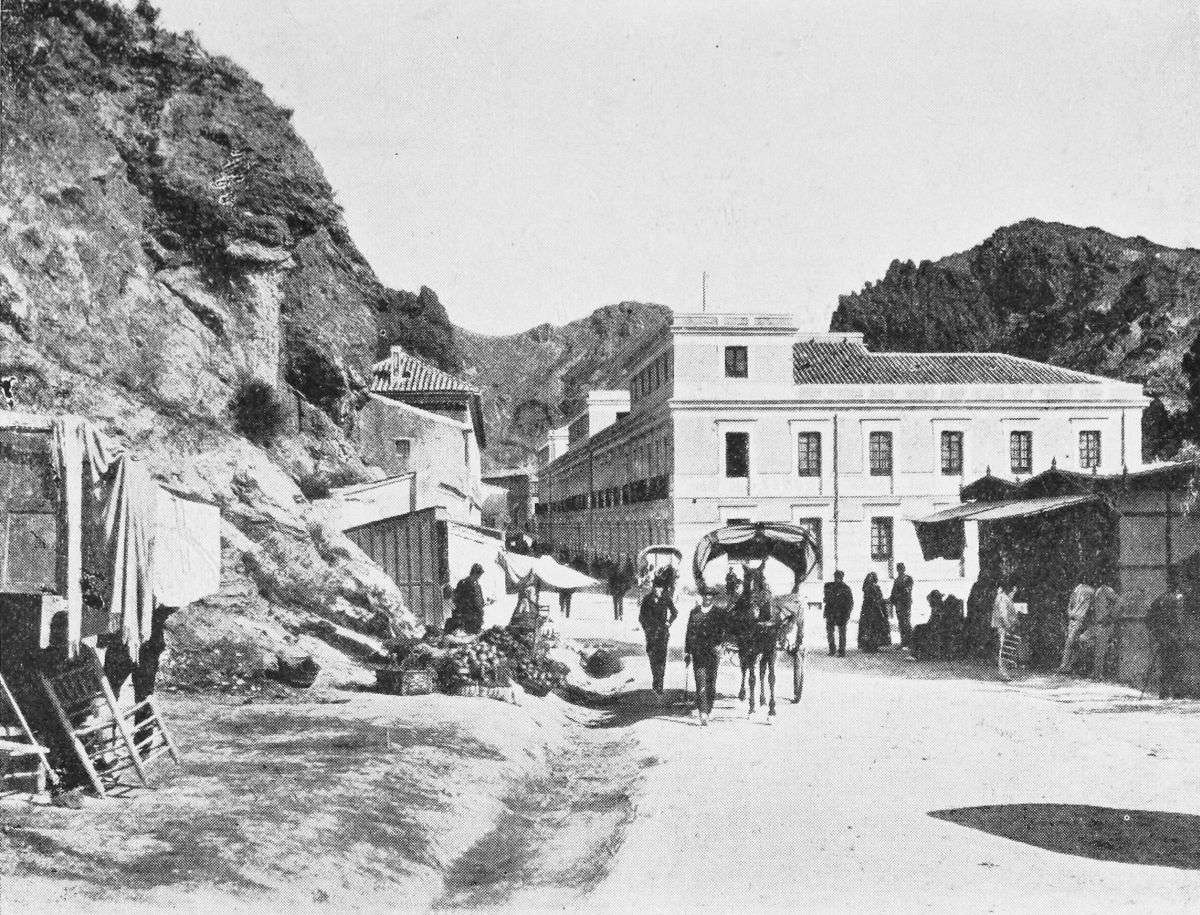
Plate 274 ARCHENA: ENTRANCE TO THE BATHS
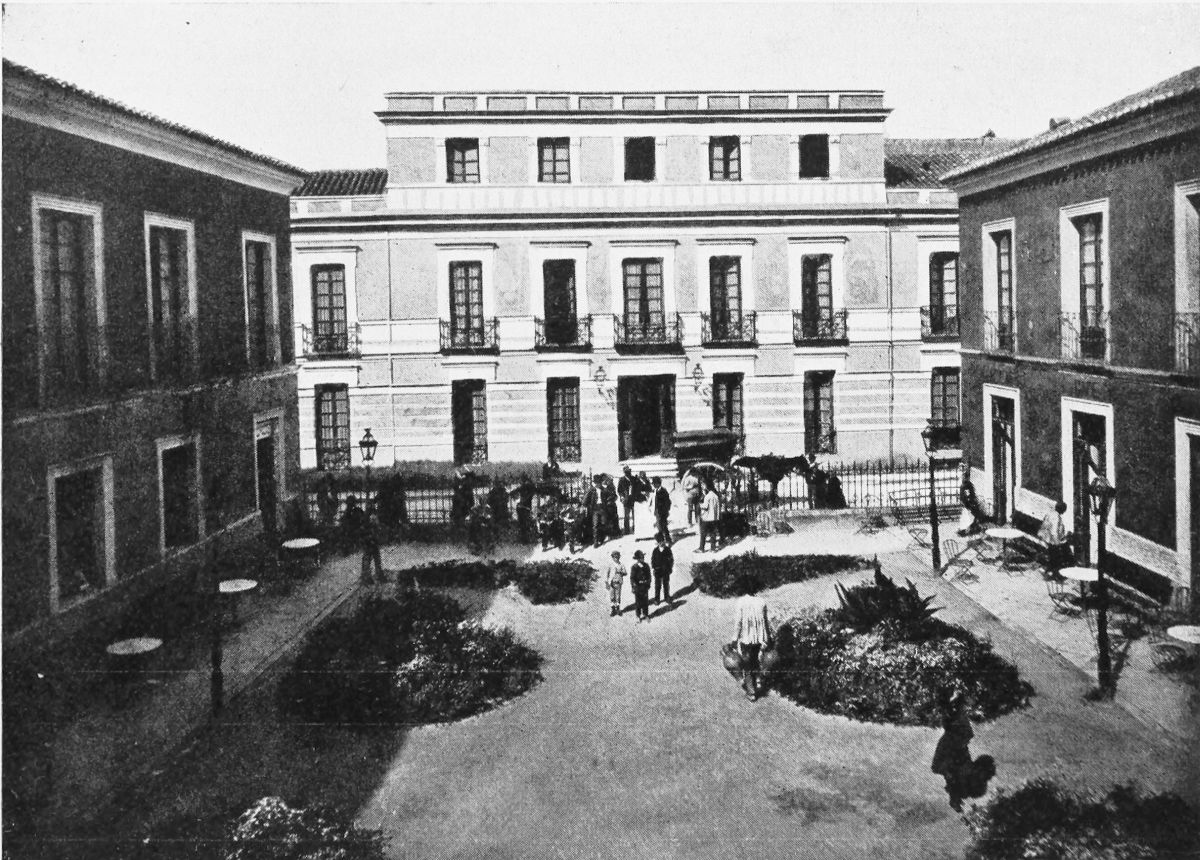
Plate 275 ARCHENA: THE CARRETERA AND RIVER SEGURA
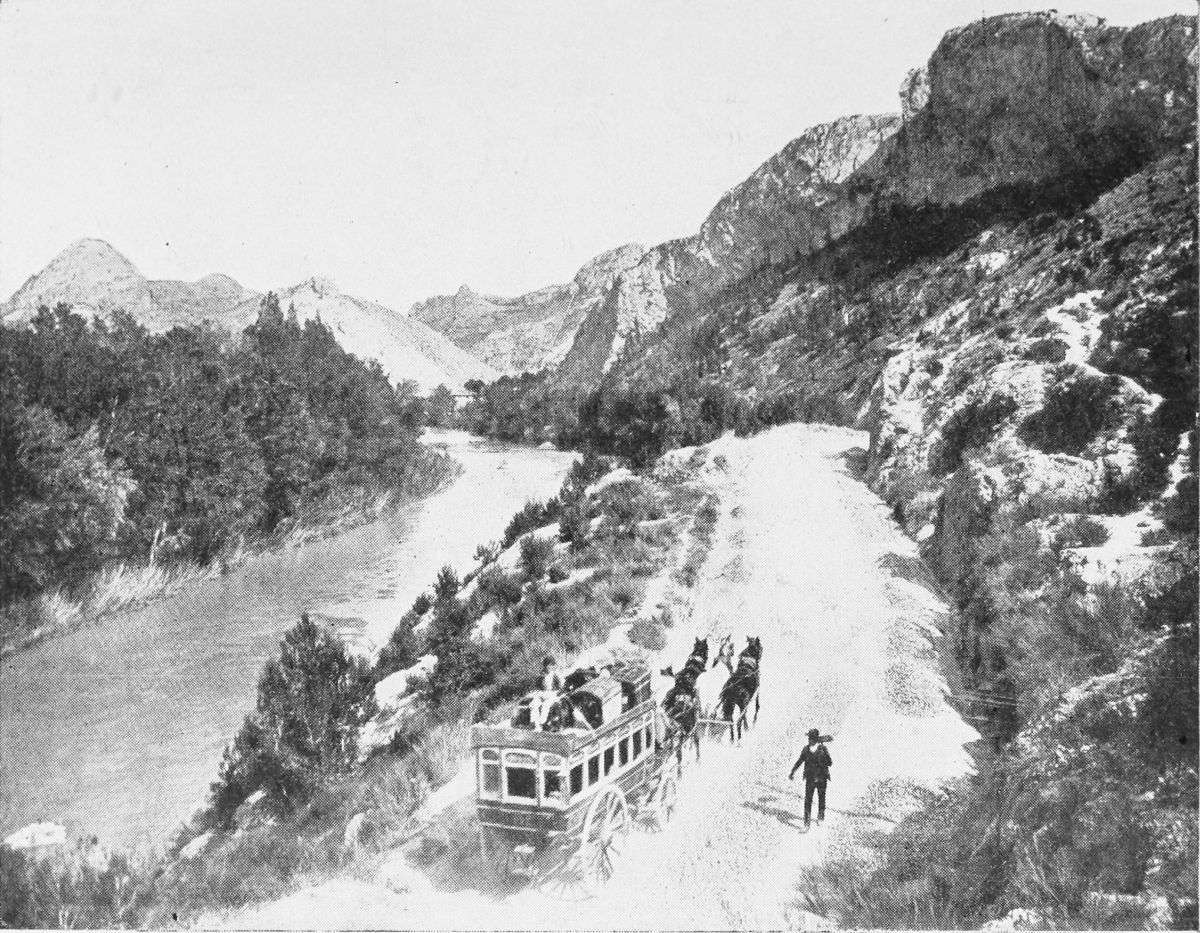
Plate 276 ARCHENA: VIEW OF THE CHURCH
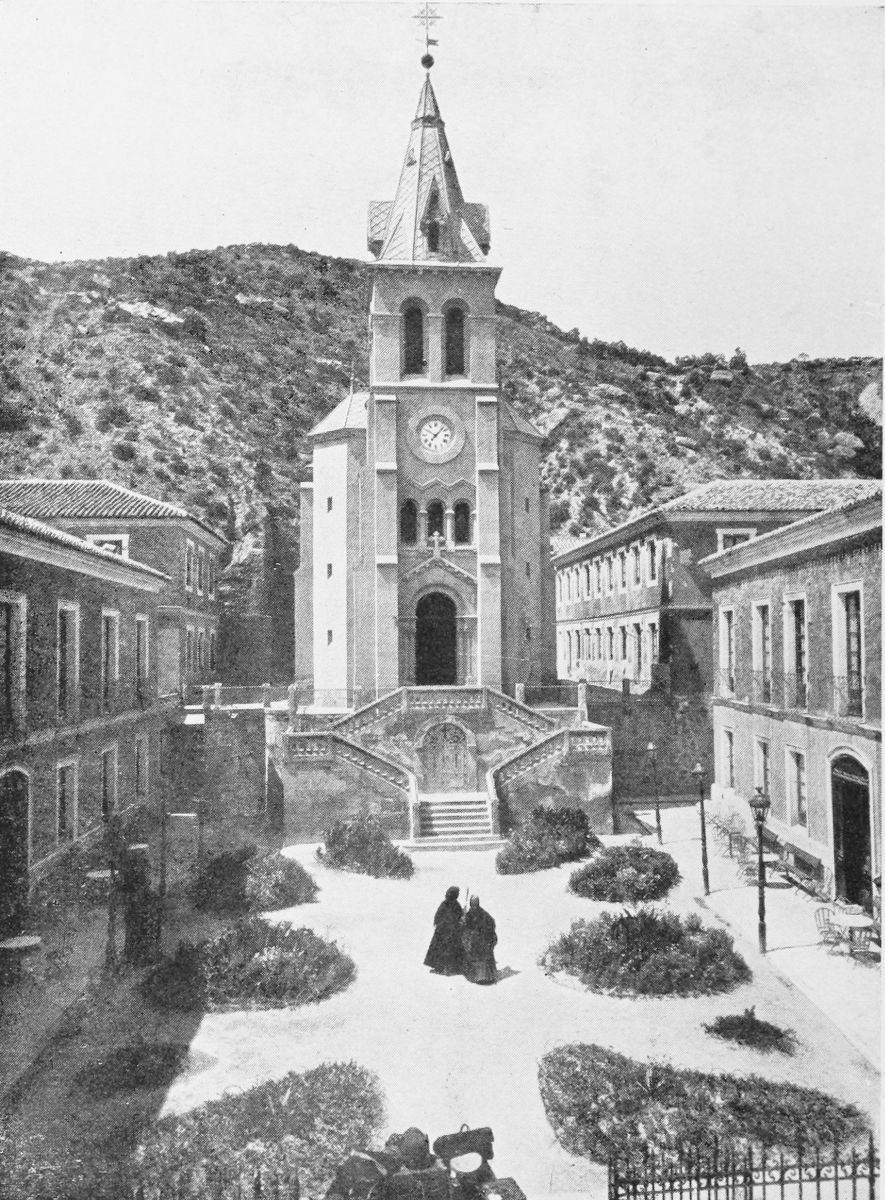
Plate 277 ARCHENA: INTERIOR OF THE CHURCH
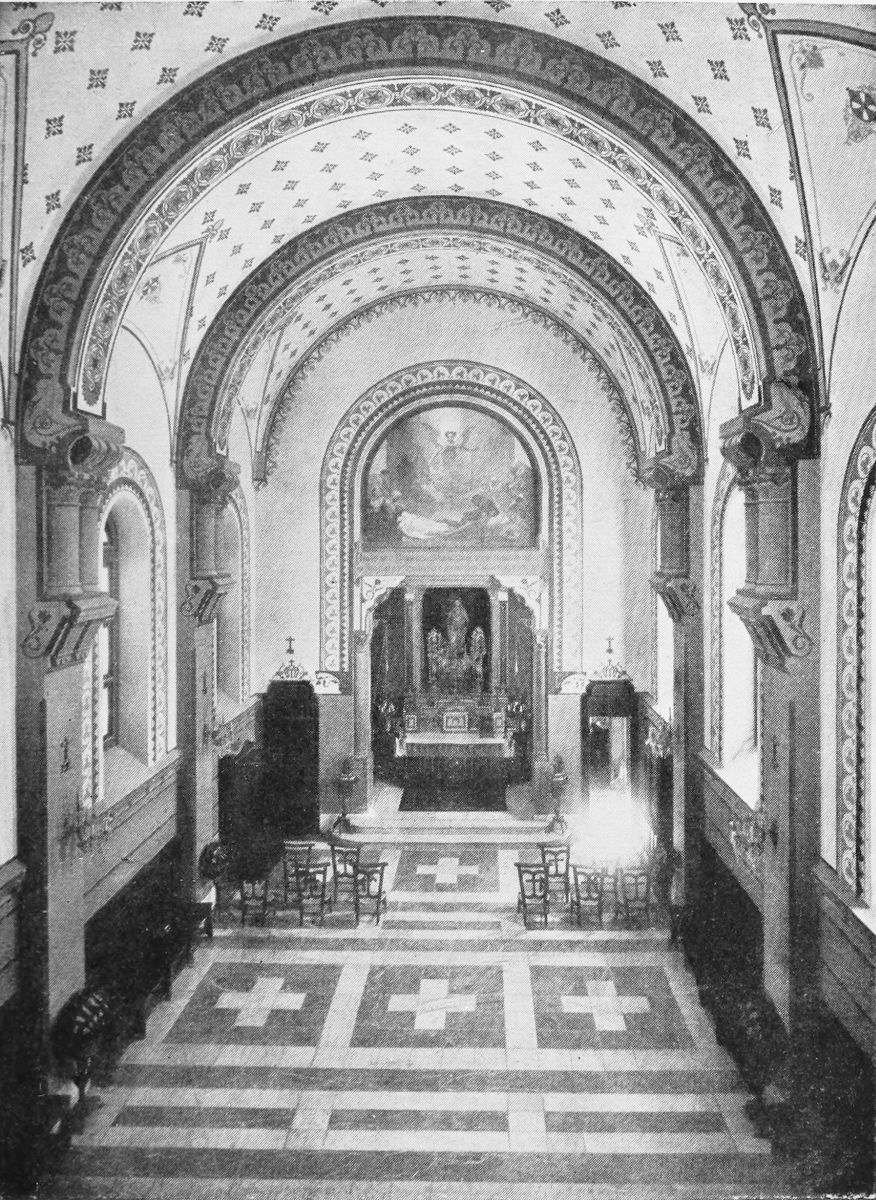
Plate 278 ARCHENA: THE CHURCH: ALTAR OF THE “VIRGEN DE LA SALUD”
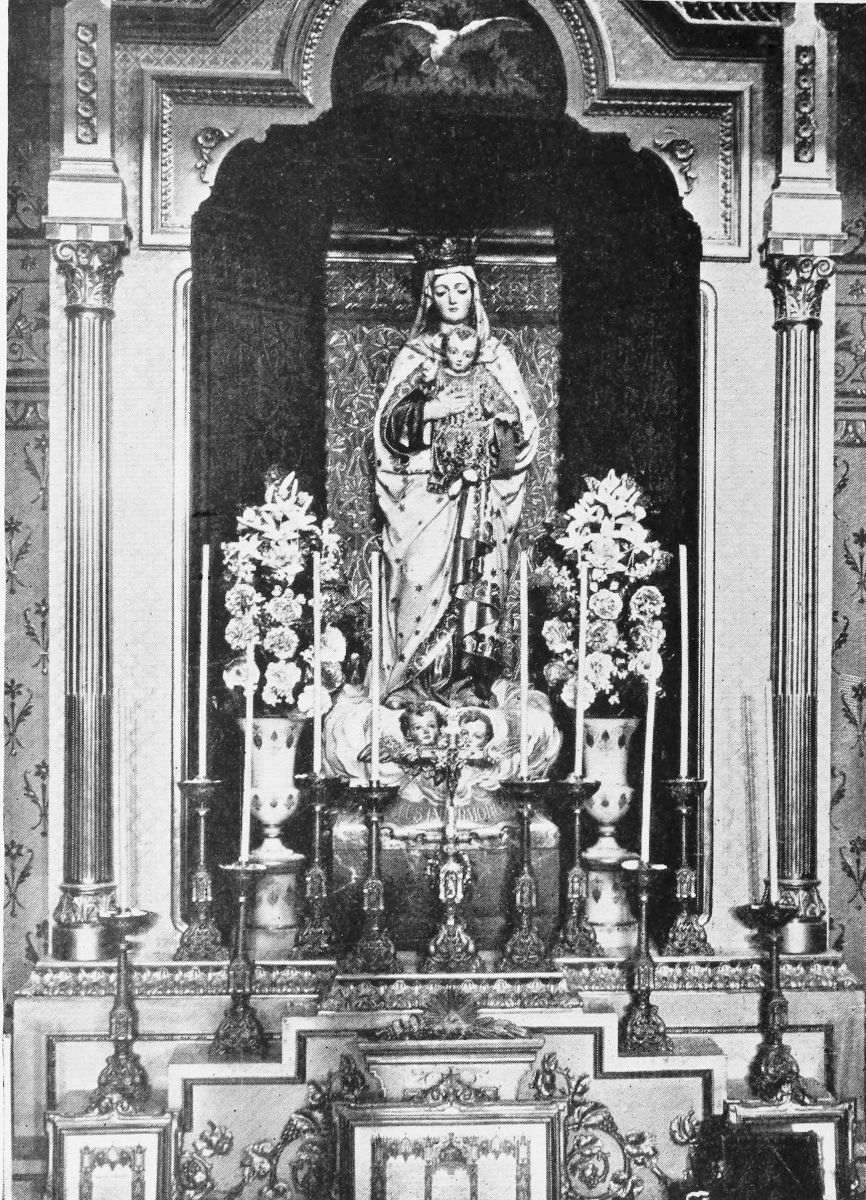
Plate 279 ENVIRONS OF ARCHENA: VIEW OF VILLANUEVA
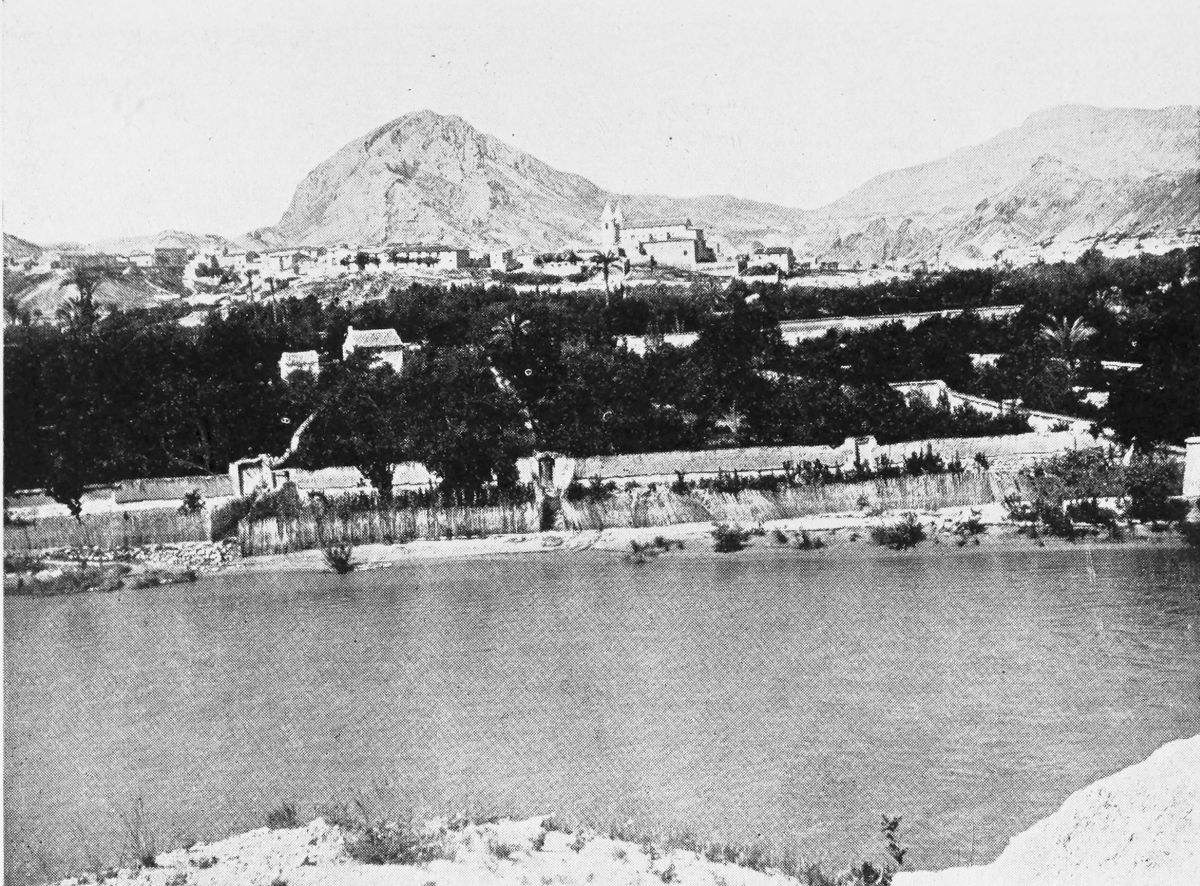
Plate 280 ENVIRONS OF ARCHENA: VIEW OF BLANCA FROM THE SALTO DEL PALOMO
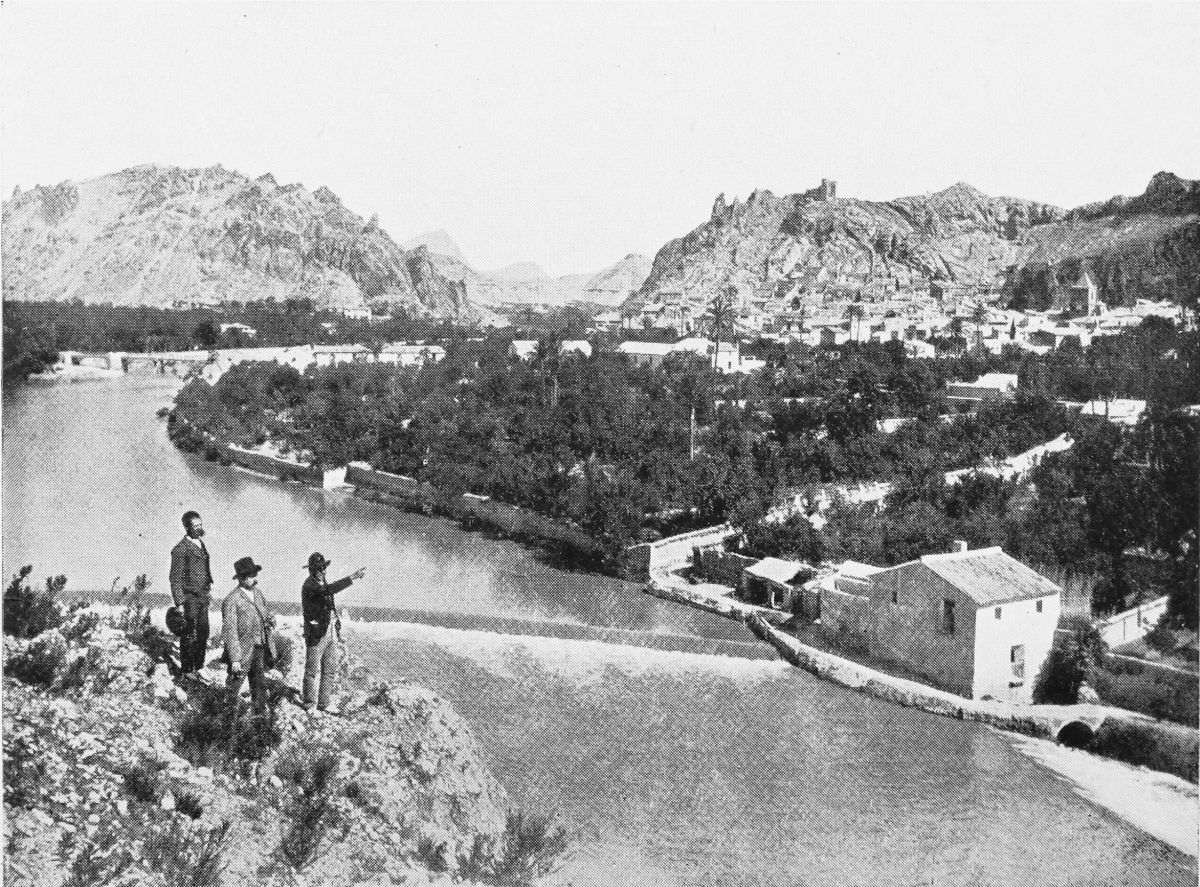
Plate 281 ENVIRONS OF ARCHENA: VIEW OF BLANCA FROM BUJAMENTE
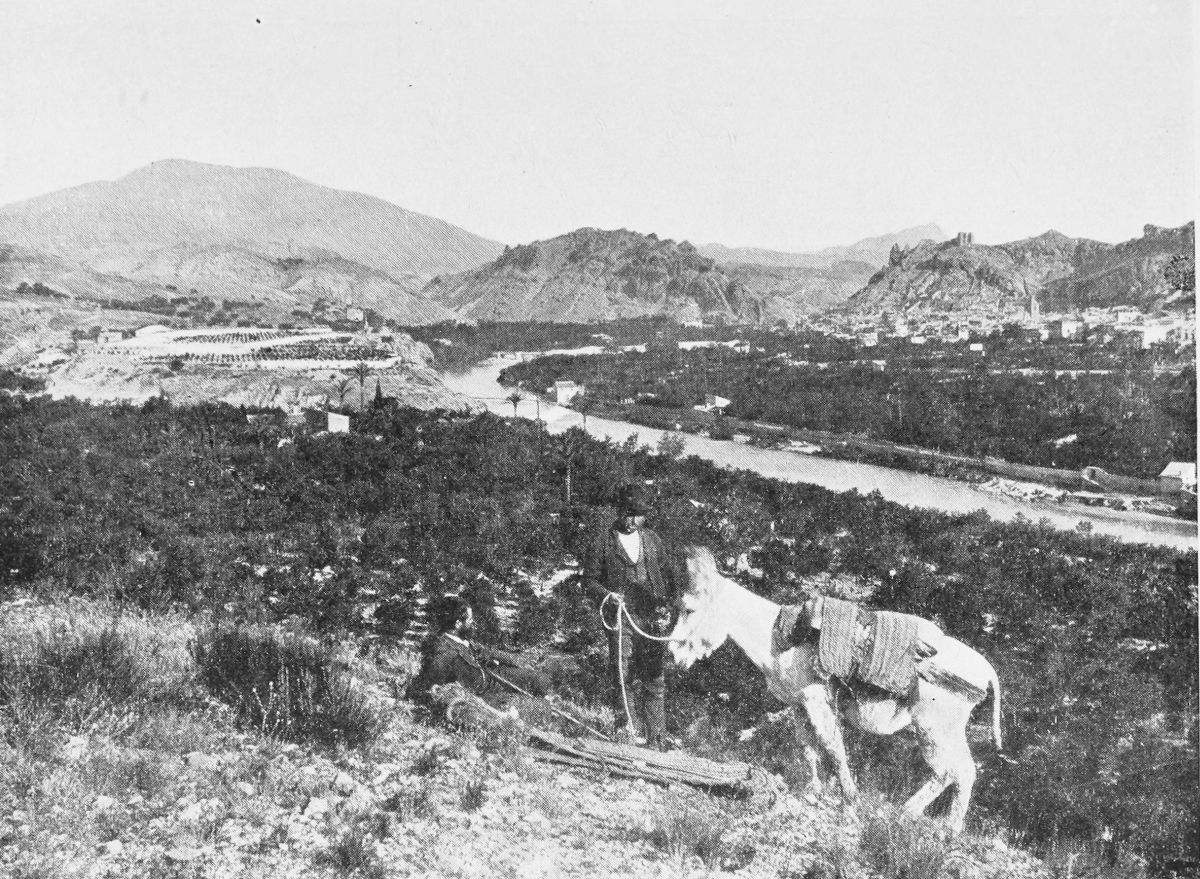
Plate 282 ENVIRONS OF ARCHENA: VILLAGE AND GARDENS OF ULEA FROM VILLANUEVA
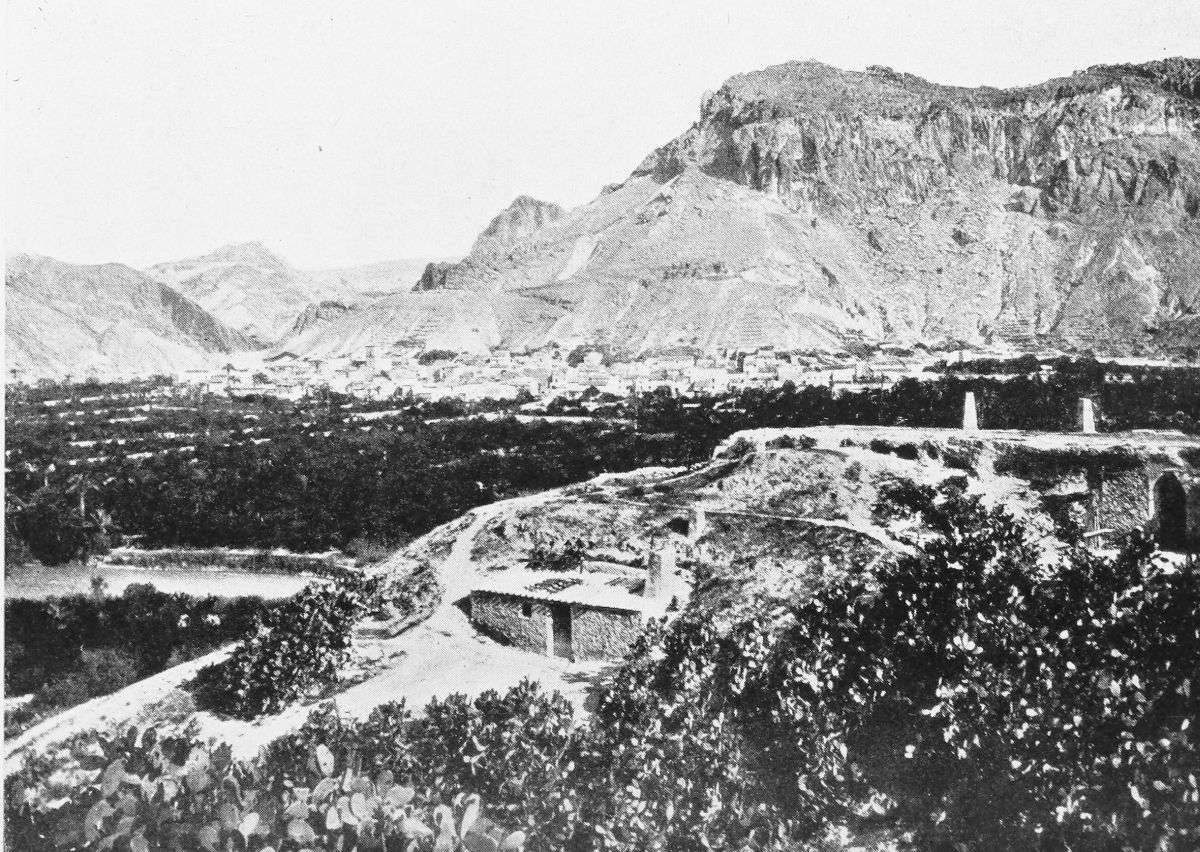
Plate 283 ENVIRONS OF ARCHENA: VILLAGE AND GARDENS OF ULEA, EAST SIDE
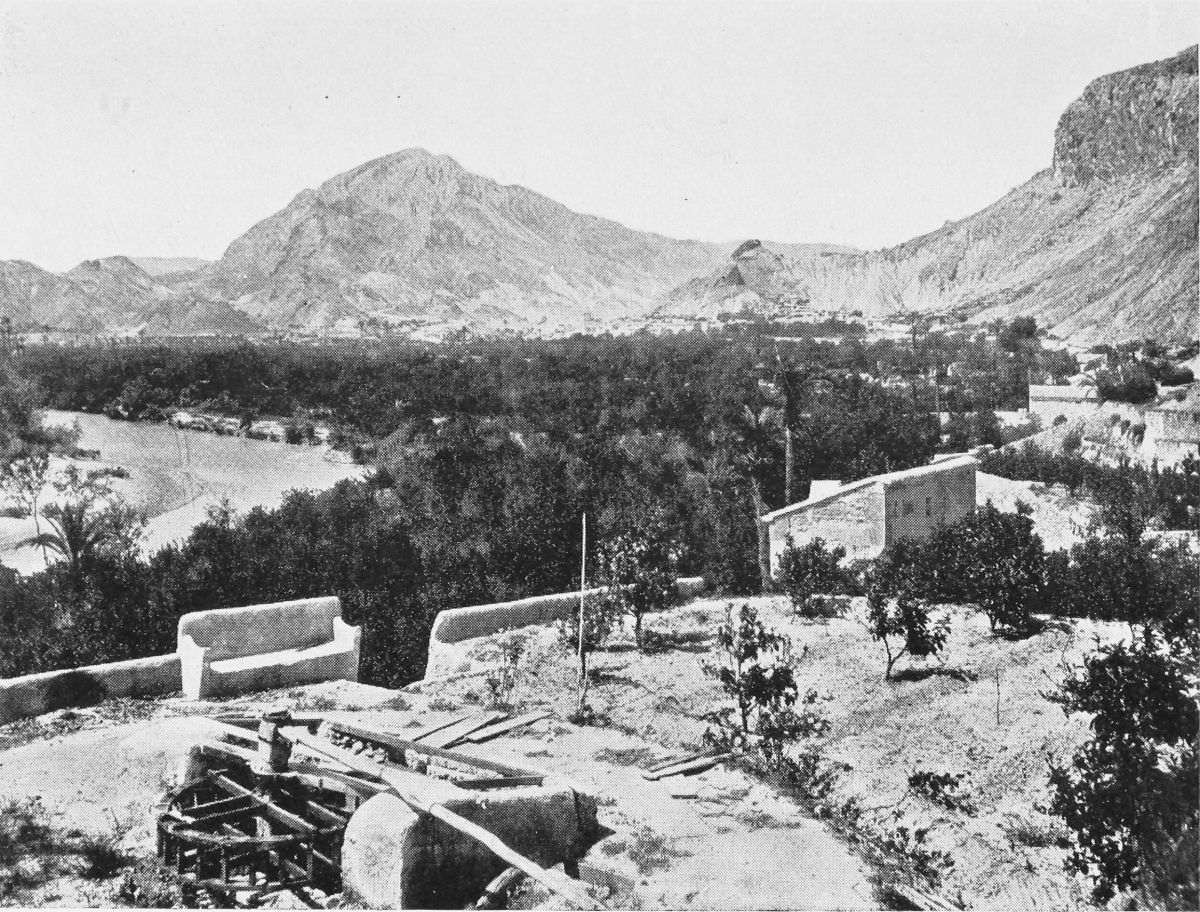
Plate 284 ENVIRONS OF ARCHENA: VILLAGE OF OJOS AND MOUNTAINS
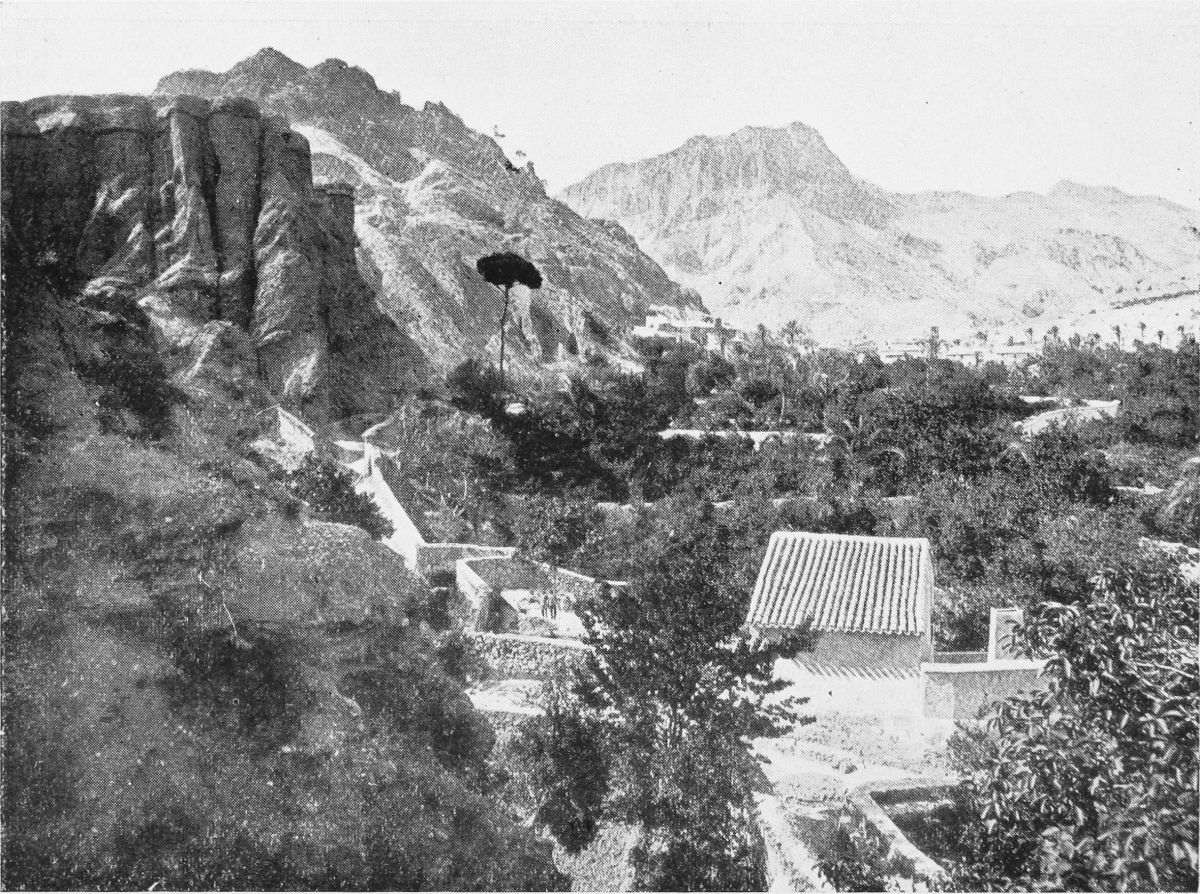
Plate 285 ENVIRONS OF ARCHENA: THE GARDENS OF OJOS, FROM THE LOVERS’ LEAP
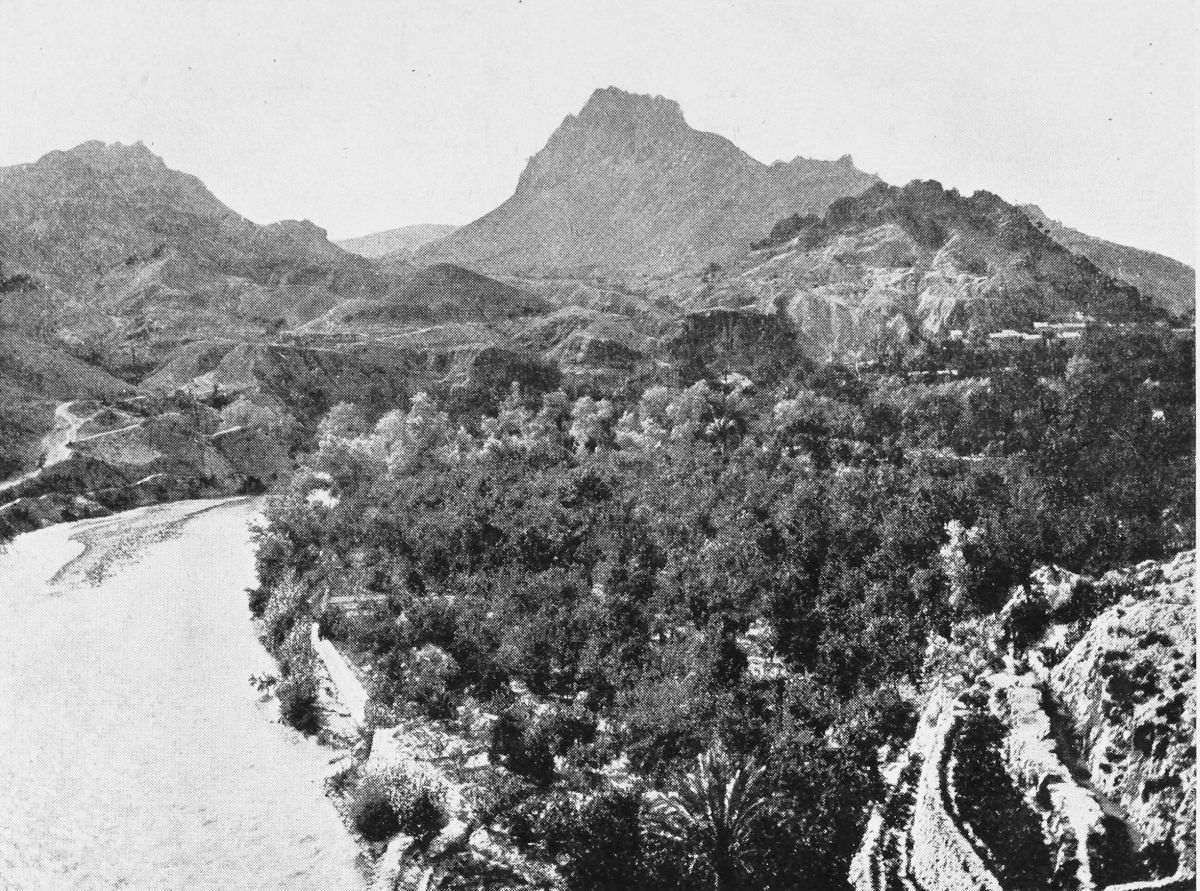
Plate 286 ENVIRONS OF ARCHENA: THE LOVERS’ LEAP
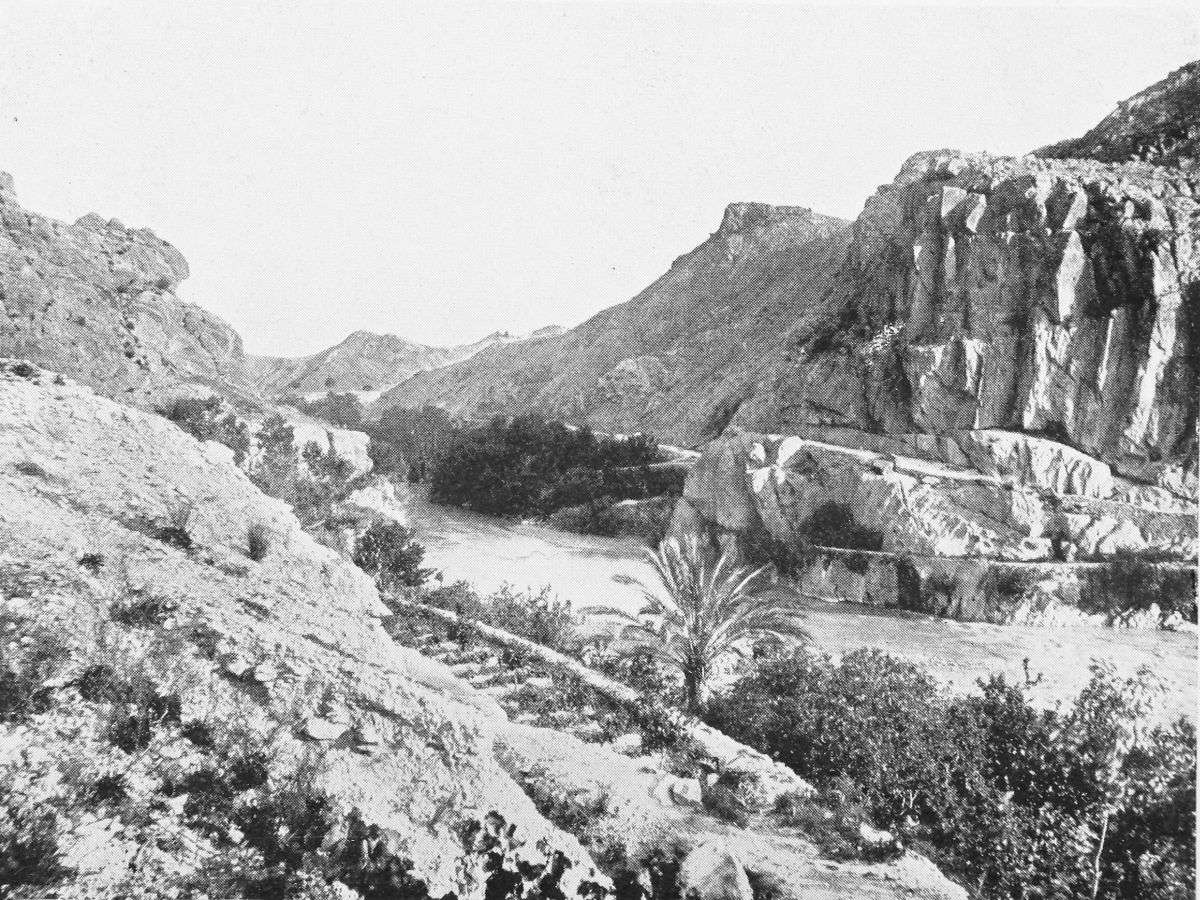
Plate 287 LORCA: GENERAL VIEW
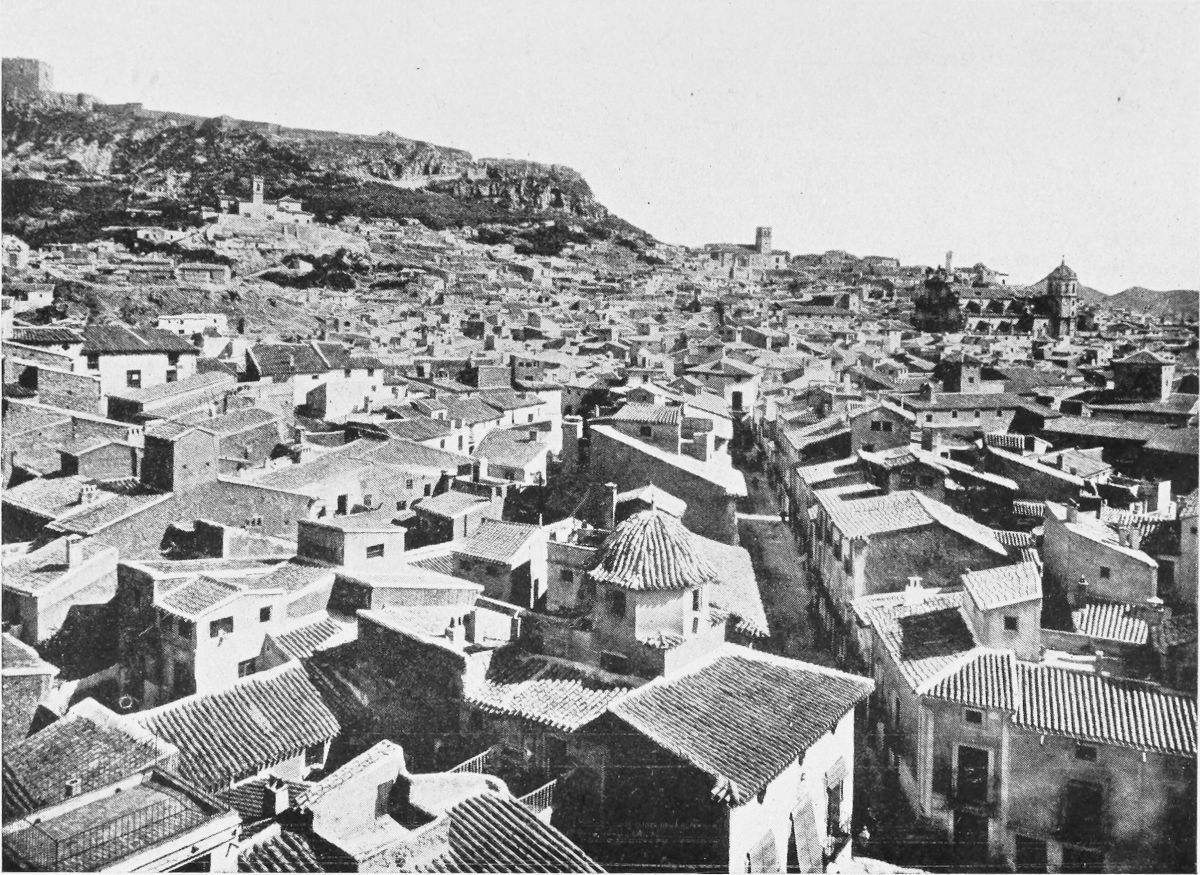
Plate 288 LORCA: VIEW FROM THE RAILWAY STATION