Family—LEPORIDÆ.
Reading edition
Lepus Magellanicus.
Lepus Magellanicus, Lesson et Garnot, Zoologie du Voyage autour du Monde de la Corvette, La Coquille.
“A black variety of the domesticated species, which was turned out on these islands by the earlier colonists, has been considered, but with some hesitation, by M. Lesson, as a distinct species. He has called it Lepus Magellanicus, and has given the following specific character,—‘Pilis omnino atro-violaceis, albis passim sparsis: auriculis fuscis, capite brevioribus; maculâ albâ naso, interstitio narium, menti, gulæ, frontique.’[46] In the specimens preserved on board the Beagle, the form and position of the white marks neither agree with M. Lesson’s description, nor with each other. In one there is a broad white patch on one side of the head, and another on one of the hinder thighs. The Spaniards employed in hunting wild cattle, (who are all excellent practical observers) assured me, that the black rabbits were only varieties of the common gray kind, and they gave the following reasons for thinking so;—namely, that the two sorts did not live apart; that the black one had not a different range from the other; that the two bred freely together, and that they produced piebald offspring. As the rabbits extend their range very slowly, (not having yet crossed the central range,) the Spaniards have sometimes carried a few and turned them out in different parts of the island, and thus they have ascertained that the black and gray kinds breed together freely. Bougainville, moreover, who visited the part of the island, where the black variety is now most common, distinctly states, in his voyage round the world, that no animal, excepting the great wolf-like fox inhabited these islands. M. Lesson supposes that the Lepus Magellanicus is found near the Strait of Magellan; but I inquired of the Indians, who live there, and they knew of no other ‘conejos’ or rabbits, except the Kerodon Kingii, which no doubt is the animal alluded to by the early voyagers.”—D.
1. Dasypus hybridus. Dasypus hybridus, Auct.
“This species seems to prefer rocky and slightly undulating ground, and 93hence is common in Banda Oriental and Entre Rios. Azara says it is found from 26° 30′, to at least 41° south; but, I was assured, perhaps incorrectly, that the Sierra Tapalguen (37° 30′), where the nature of the country becomes slightly different, is its southern limit. The D. villosus, minutus, and mataco, are found at Bahia Blanca, in latitude 39°. I was also assured that these three species, together with the D. hybridus, frequent the plains near Mendoza, in latitude 33° to 34°.”—D.
2. Dasypus minutus. Dasypus minutus, Auct.
“The northern limit of this species on the Atlantic side of the continent, is (as I was told by the inhabitants) near the southern one of the D. hybridus, namely, 37° 30′. It is extremely abundant on the arid plains near the Sierra Ventana, and likewise in the neighbourhood of the Rio Negro. This species has a range considerably further southward than any other: I obtained specimens at Port Desire, where, however, it is far from common, and at Santa Cruz (in latitude 50°) I saw its tesselated covering lying on the ground. At Bahia Blanca, I found in the stomach of this armadillo, coleoptera, larvæ, roots of plants, and even a small snake of the genus Amphisbæna. All the species, excepting one, wander about by day. At Bahia Blanca, during a morning’s ride, three or four of the D. minutus generally were met with; but, in order to secure them, it was necessary to jump off one’s horse as quickly as possible, otherwise, they would have disappeared by burrowing in the sandy soil. This species often endeavours to escape detection by squatting close to the ground, and remaining motionless.”—D.
1. Didelphis Azaræ. Didelphis Azaræ, Auct.
“This species is said to inhabit burrows: it is nocturnal, and is very destructive to poultry. The body after death possesses a very offensive odour. My specimen was procured at Maldonado.”—D.
94
2. Didelphis crassicaudata. Plate XXX.
Didelphis crassicaudata, Desmarest, Nouv. Dict. d’Hist. Nat. 2d Ed. ix. p. 425.
—— —— Mammalogie, p. 257, Species 393.
Microuré troisième, ou Macrouré à grosse queue, Azara, Essais sur l’Histoire Nat. des Quad. de la Province de Paraguay, vol. i. p. 284.
D. capite brevi; auribus parvis; colore corporis fuscescenti-flavo subtùs pallidiore; infra oculos flavescente; caudâ crassâ, caput corpusque, quoad longitudinem, ferè æquante; ad basin corporis colore tinctâ, dein nigra, ad apicem albâ.
Description.—Head short; ears small, the posterior edge emarginated near the base, distinctly furnished with hairs; tail slightly exceeding the body in length, very thick at the base; tarsi small; fur moderately long, slightly harsh, and somewhat adpressed (much less woolly than in most Opossums): general tint brownish yellow, under parts paler; anterior angle of the eye and muzzle brown, the tip of the chin, and also the tip of the muzzle on either side whitish; on the cheeks, a little below the eyes, is a patch of yellow which extends round the angle of the mouth: about one-third of the tail is covered with fur of the same colour and character as that on the body; beyond this the tail is black, excepting a small portion, about one inch in length, at the apex, which is white; and the hairs are short, closely adpressed, and scarcely hide the scales which are beneath: the fore portion of each foot is brown: the hairs covering the ears on the outer side are brownish, and those on the inner side of the ear are yellow, but towards the outer margin they are brown. The hairs of the back have the basal half gray, and the apical half ochreous, terminating in yellowish brown; on the belly and underside of neck, the hairs are ochreous, faintly tinted with gray at the base.
In. Lines.
Length from nose to root of tail 1 3
of tail 10 3
from nose to ear 2 1½
of tarsus 1 5½
of ear 0 6
Habitat, Maldonado, La Plata, (June).
The species described by Azara, under the name Macrouré à grosse queue, agrees so perfectly with the present animal, that I have no hesitation in referring 95it to the Didelphis crassicaudata of Desmarest, which is founded upon Azara’s description.
The head of the Didelphis crassicaudata is shorter and less pointed than in most other Opossums; the ears are unusually small, and the tail is very thick. In the character of the fur also, this species differs from most others, the hairs being rather short and somewhat adpressed; and the soft under fur being very scanty. Upon separating the fur on the back and sides of the body, numerous young hairs were visible in the specimen from which the above description is taken, and these were of a bright rusty red tint; the colouring of the animal therefore would, in all probability, have been very different after a short time, had it not been killed. Those observed by Azara varied considerably in their colouring. The skull is figured in Plate 34. figs. 25. Fig. d represents a ramus of the lower jaw.
In. Lines.
Length of the skull 2 4
Width 1 3
Length of nasal bones 0 9½
of palate 1 2¾
Width of palate between the posterior molars 0 5
Distance between forepart of front incisors and forepart of canine 2 0¾
Distance between forepart of canine and hinder part of last molar 1 0
Length of ramus of lower jaw (incisors not included) 1 10½
“This specimen was caught at Maldonado: it weighed 14½ oz.”—D.
3. Didelphis elegans. Plate XXXI.
D. vellere longo et molli, corpore suprà cinereo-fuscescente lavalo; pedibus corporeque subtùs albis, oculis nigra circumdatis, interspatio cinerescente; auribus magnis fuscescentibus; caudá, capite et corpore, paulo breviore.
Description.—Muzzle slender and pointed; ears large; tail rather shorter than the head and body taken together; fur long and very soft: general tint of the upper parts of the head and body ashy gray washed with brown; on the sides of the body, especially near the shoulders, a faint yellowish tint is observable; the lower part of the cheeks, the throat, under parts of the body and the feet, are white, with an indistinct yellowish tint; the eyes are encircled with brownish black, which tint is extended forwards on to the sides of the muzzle; the upper surface of the muzzle and the inter-orbital space is 96pale. The tail is furnished throughout with minute decumbent hairs, excepting a small naked space at the tip beneath, of about one line in length; on the upper surface they are brown, and on the under, they are whitish. The fur of the upper and under parts of the body is deep gray at the base; on the lower part of the cheeks, chin, and on the mesial line of the throat and chest, the hairs are uniform—not gray at the base. The ears are brown, and to the naked eye, appear naked.
In. Lines.
length from nose to root of tail 4 6
of tail 4 4
of tarsus (claws included) 0 7½
from nose to ear 1 1½
of ear 0 7¼
width of ear 0 7½
Habitat, Valparaiso, Chile, (October.)
This little Opossum, which is the only species I am acquainted with from the west side of the Cordillera, was exhibited at one of the scientific meetings of the Zoological Society, and its characters were pointed out by Mr. James Reid, who proposed for it the specific name of hortensis,[47] a name which was given from the circumstance that in Mr. Darwin’s notes it is stated that a small Opossum was found in a garden at Maldonado. These notes however refer to the Didelphis brachyura. The skull of this animal is figured in Plate 35. Fig. 5, a, represents the upper side; 5, b, the under side; and 5, c, is the side view. Fig. 5, d, is the lower jaw, and 5, e, is the same magnified. The length of the skull is 14½ lines; width, 8 lines; length of palate, 7¼ lines; inter-orbital space, 2½ lines; length of ramus of lower jaw, 10½ lines. In the palate are two long openings which commence opposite the posterior false molar, and terminate opposite the hinder portion of the penultimate true molar: the incisive foramina are nearly one line in length. On the posterior portion of the palate there are four other foramina, one on each side near the posterior molar, and one on either side the mesial line, behind the large palatine openings above mentioned.
“These little animals frequent the thickets growing on the rocky hills, near Valparaiso. They are exceedingly numerous, and are easily caught in traps baited either with cheese or meat. The tail appeared to be scarcely at all used as a prehensile organ; they are able to run up trees, with some degree of facility. I could distinguish in their stomachs the larvæ of beetles.”—D.
97
4. Didelphis brachyura. Plate XXII.
Didelphis brachyura, Auct.
D. vellere brevi, corporis suprà cinereo, flavo lavato; lateribus capitis, corporisque, et partibus inferioribus rufescenti-flavis, gulâ et abdomine pallidioribus; caudâ brevi.
Description.—Head large; canine teeth very large; ears rather small; tail short; rather more than half the length of the body; fur short and crisp; the back and upper surface of the head ashy gray, grizzled with yellowish white; the sides of the head and body, and under parts rusty yellow, rather paler on the belly than on other parts, and of a deeper hue on the rump and cheeks; the eye is encircled with rusty yellow; feet yellowish; tail clothed with short stiff hairs, and exhibiting scales, brownish above, and dirty yellowish white beneath—a small naked space beneath, at the tip, of about two lines in length. Fur of the back grayish at the base, that on the belly uniform; ears clothed with minute yellowish white hairs.
In. Lines.
Length from nose to the root of tail 6 0
from nose to ears 1 6
of tail 2 8
of tarsus (claws included) 0 8¾
of ear 0 3¾
Habitat, Maldonado, La Plata, (June.)
Never having seen a good figure of this animal, I have thought it desirable to introduce it in the plates of this work.
The Didelphis brachyura is closely allied to the D. tricolor of authors, but in that species the upper parts of the body are nearly black; the sides of the head and body are of a deep rusty red tint, and the under parts are almost white.
“Was caught by some boys digging in a garden. Its intestines were full of the remains of insects, chiefly ants and others of the Hemipterous order.”—D.
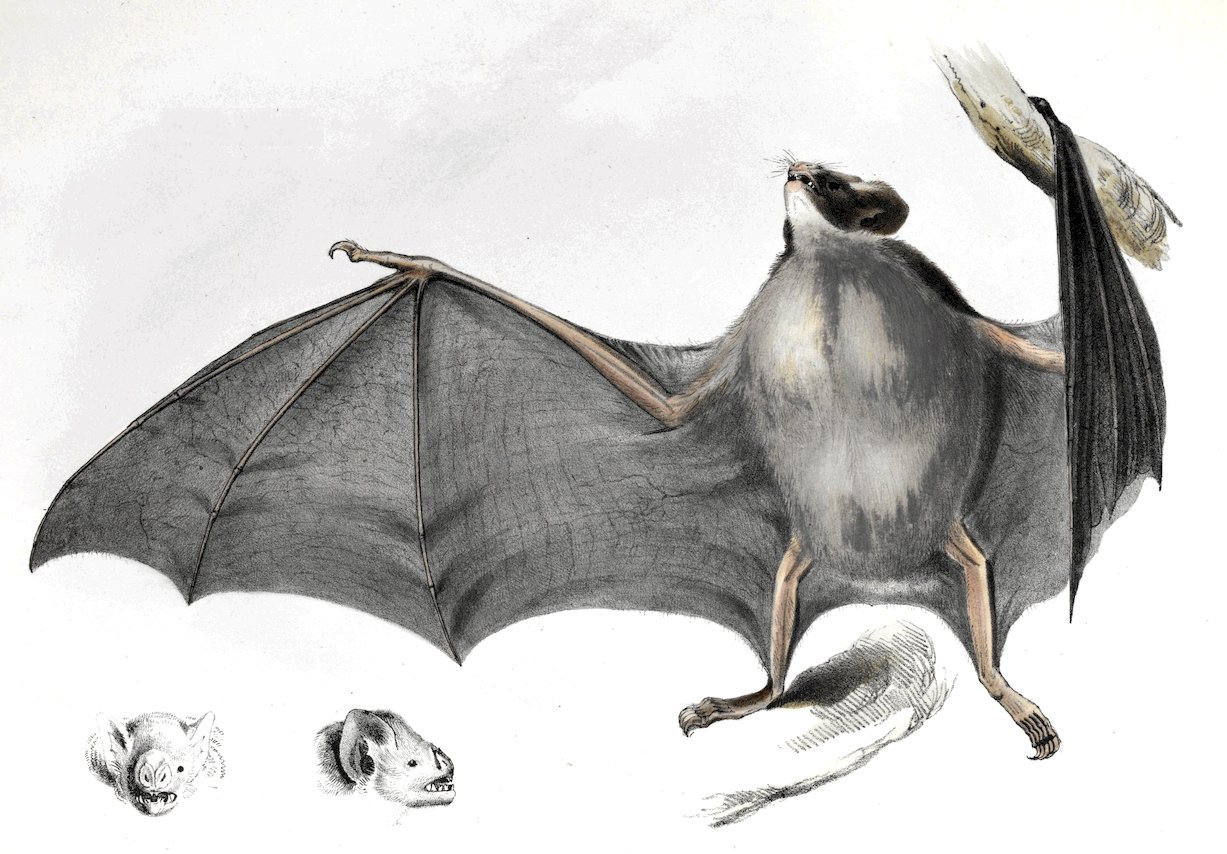
Mammalia Pl. 1. Desmodus D’Orbignyi.
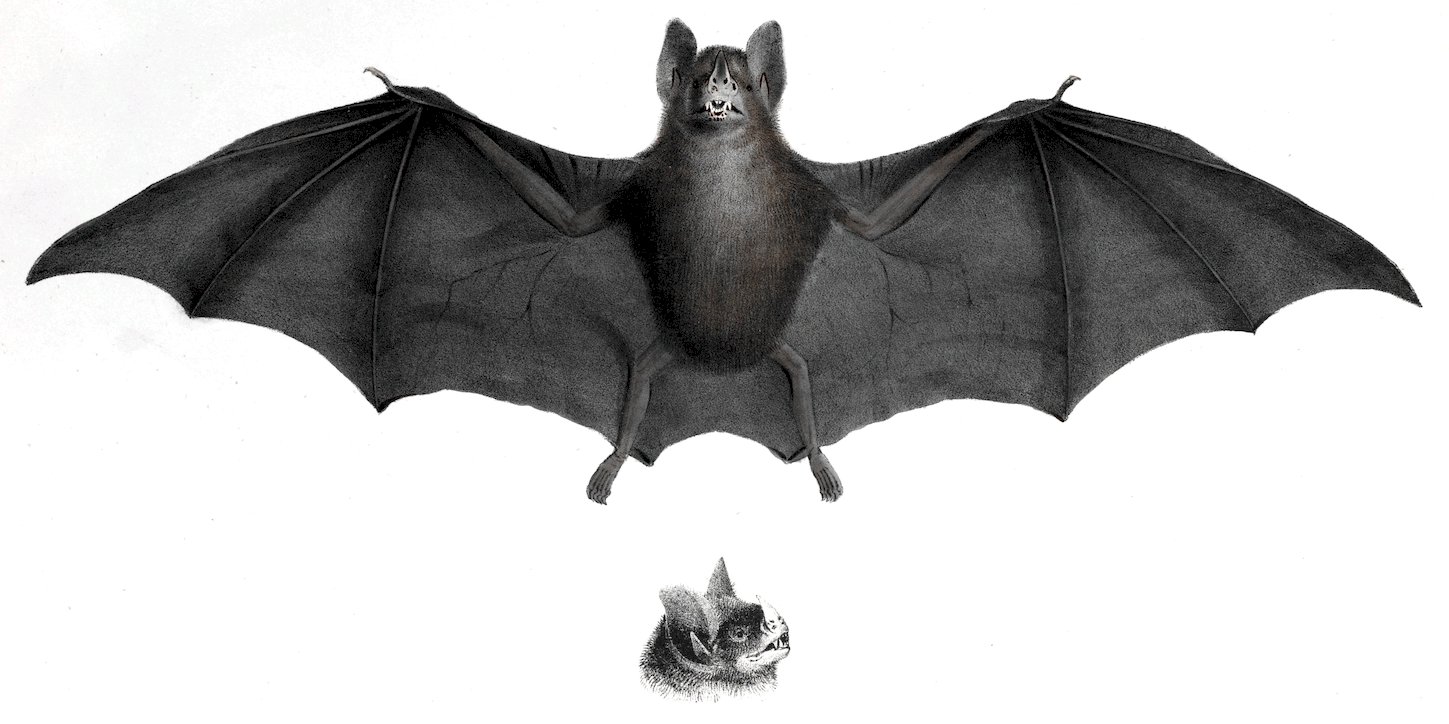
Mammalia Pl. 2. Phyllostoma Grayi.
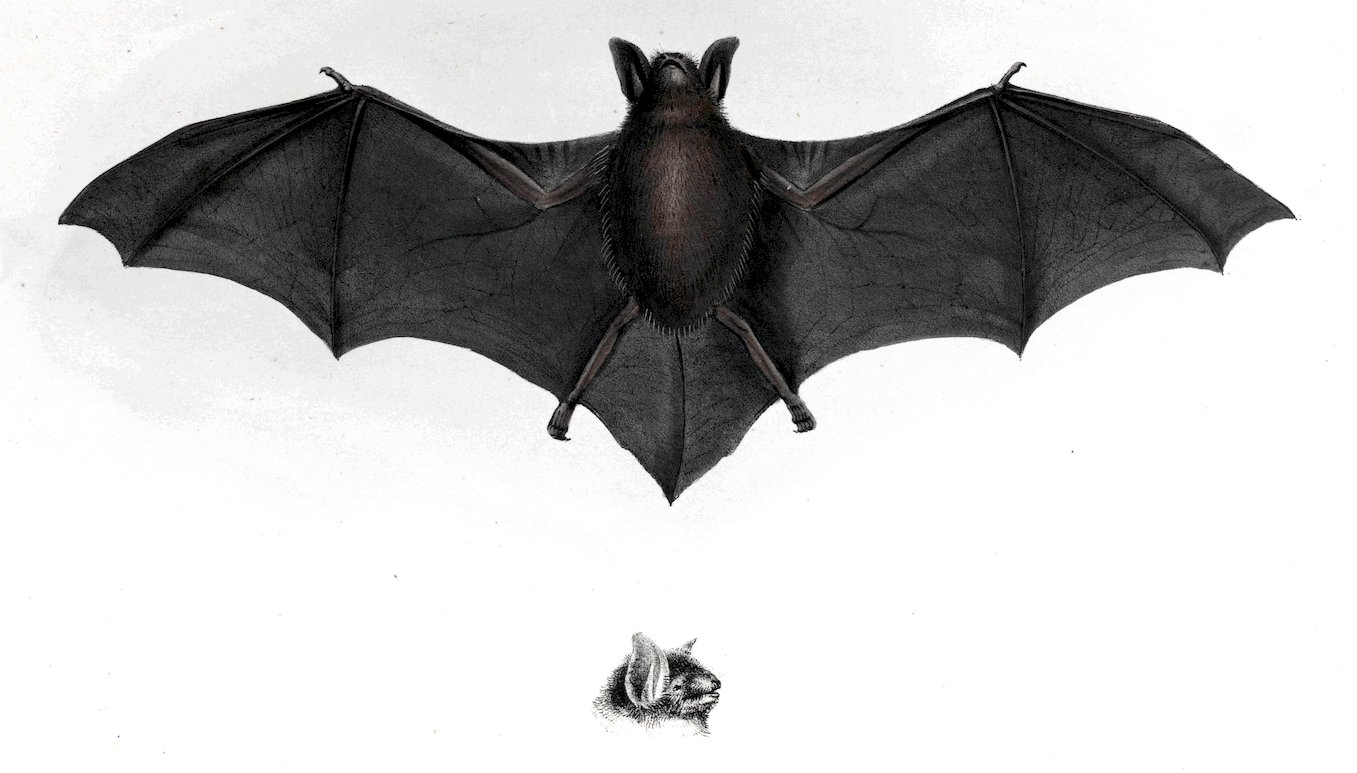
Mammalia. Pl. 3. Vespertilio Chiloensis.
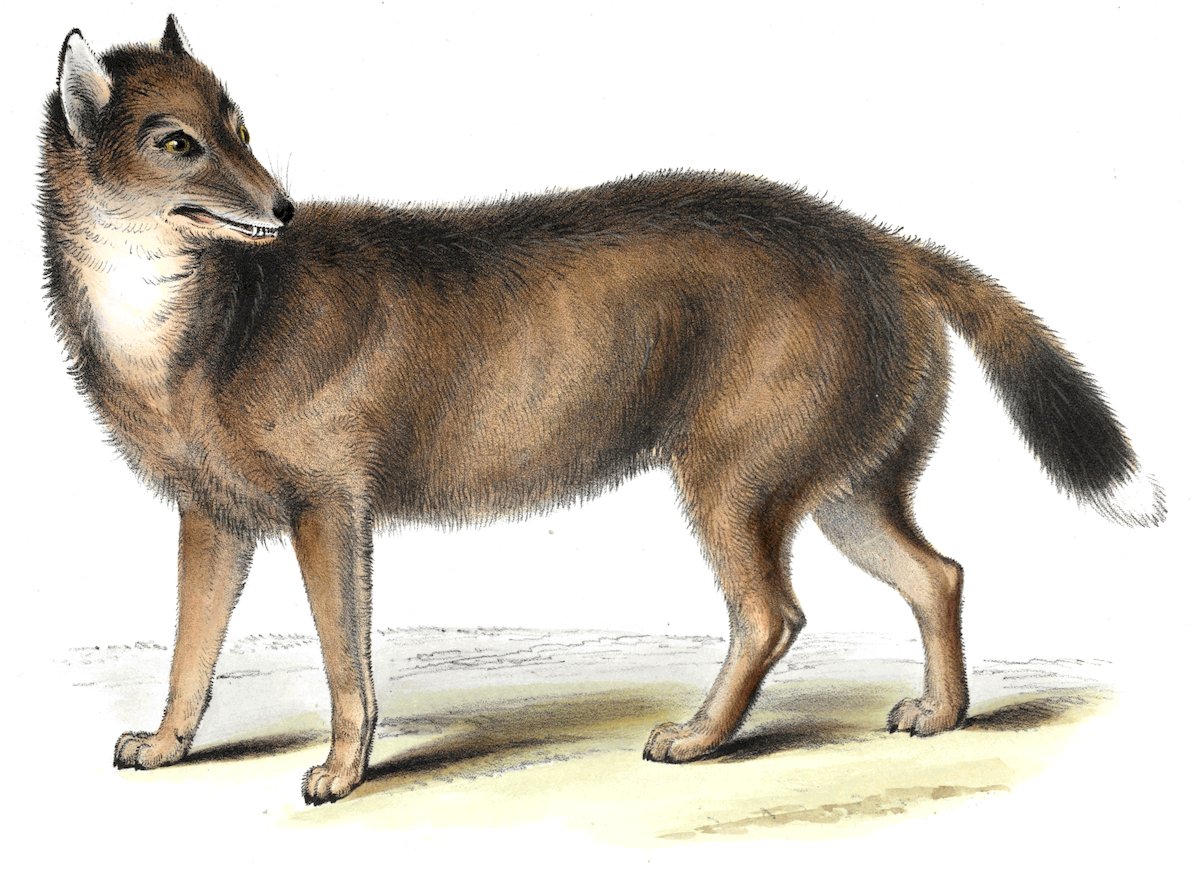
Mammalia Pl. 4. Canis antarcticus.
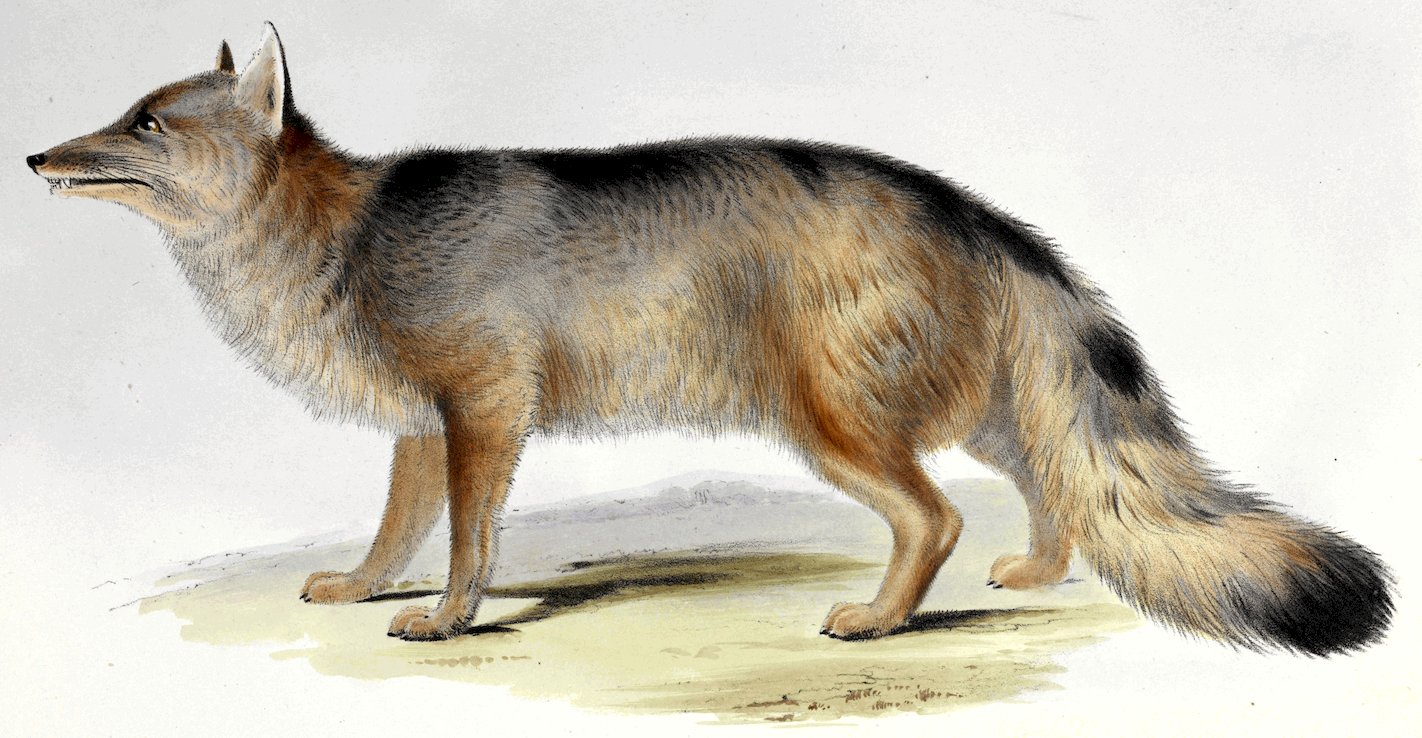
Mammalia. Pl. 5. Canis Magellanicus.
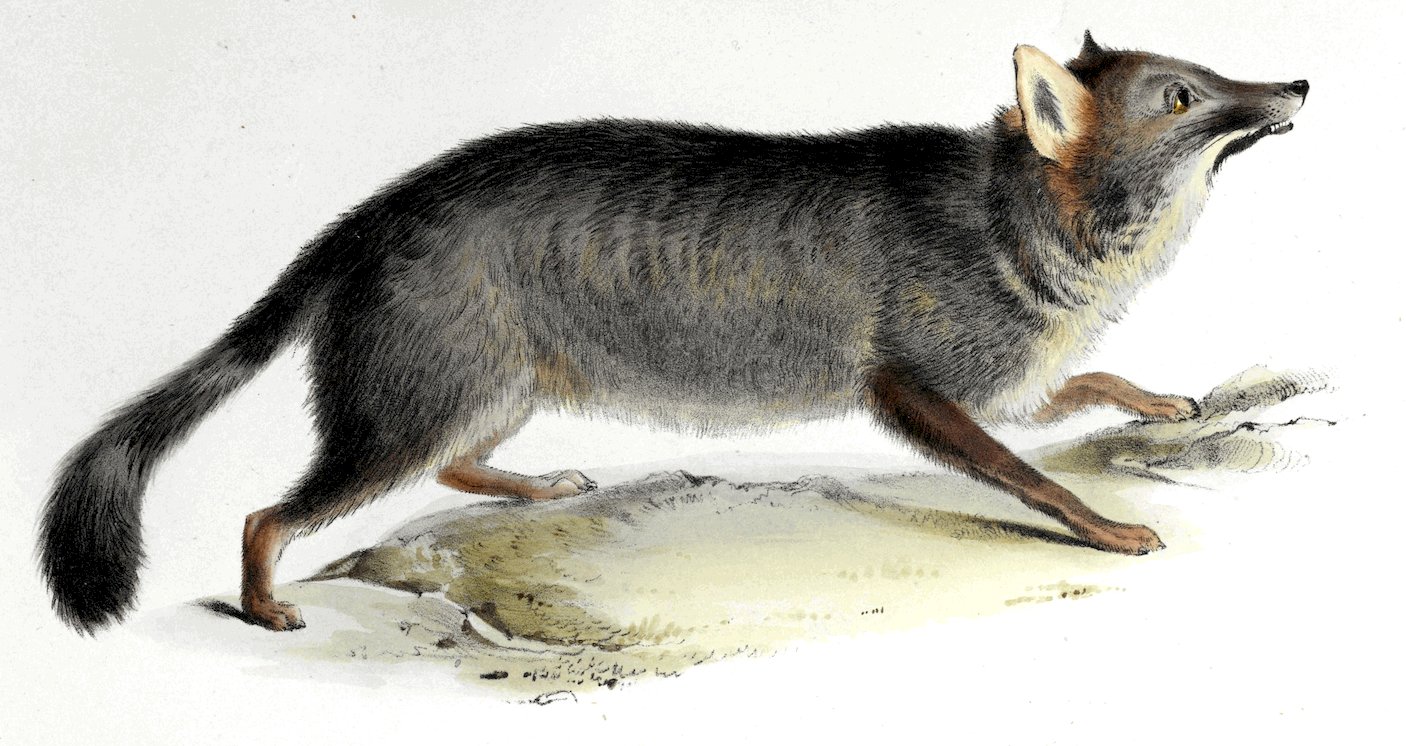
Mammalia Pl. 6. Canis fulvipes.
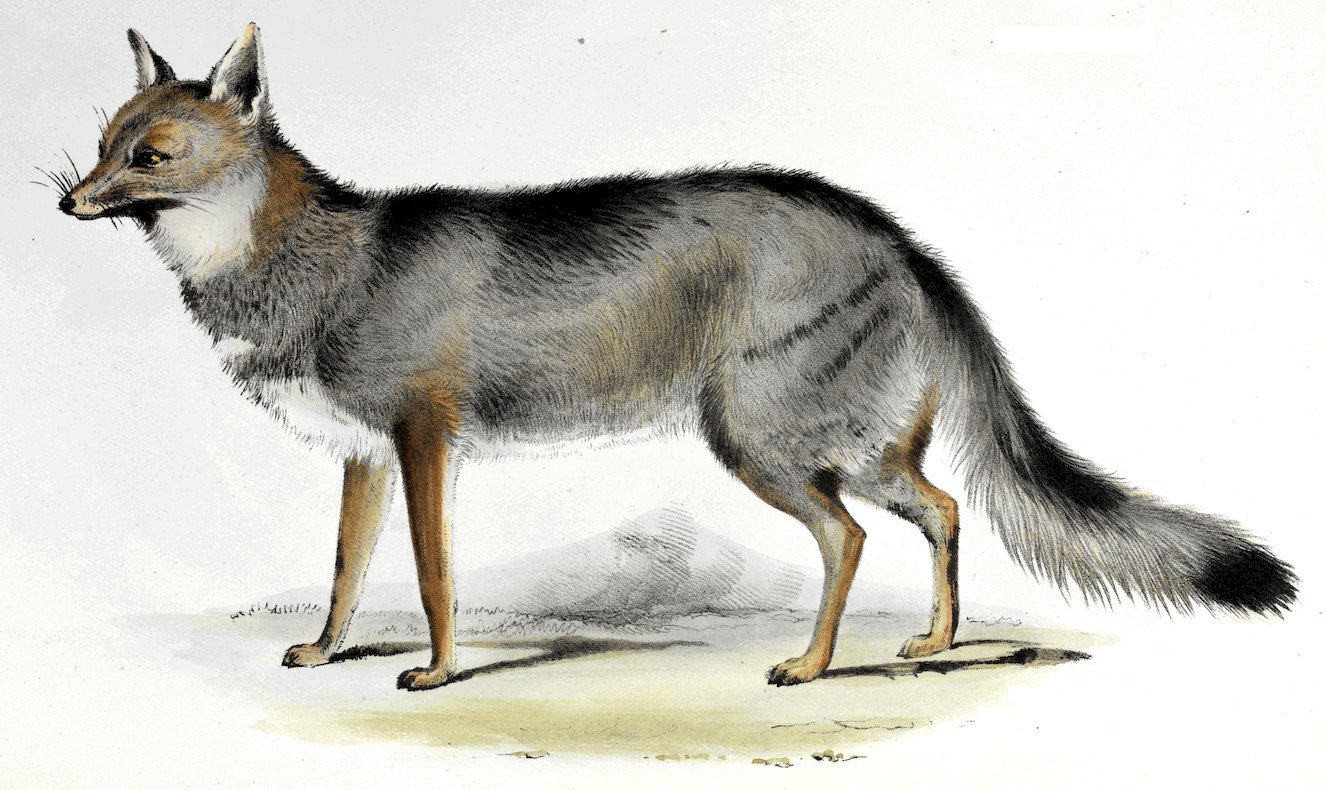
Mammalia Pl. 7. Canis Azaræ.
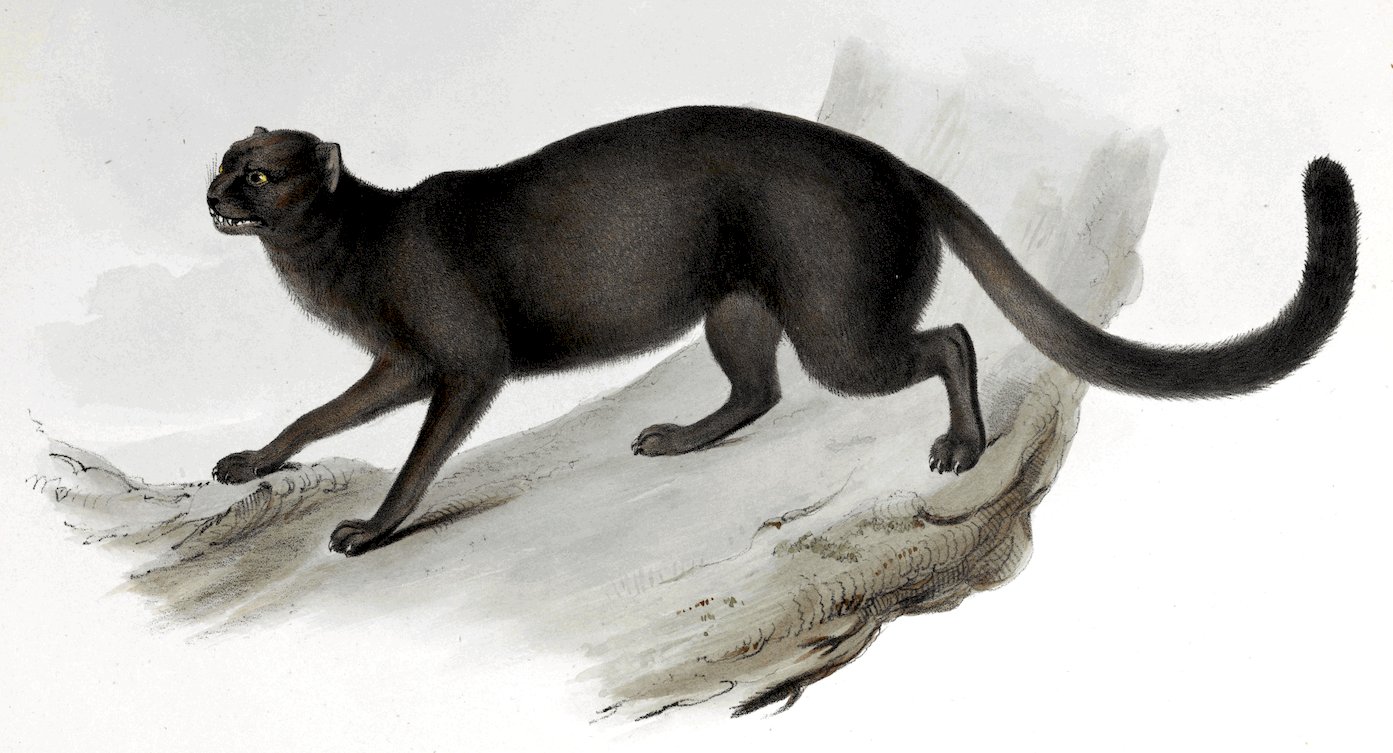
Mammalia Pl. 8. Felis Yagouaroundi.
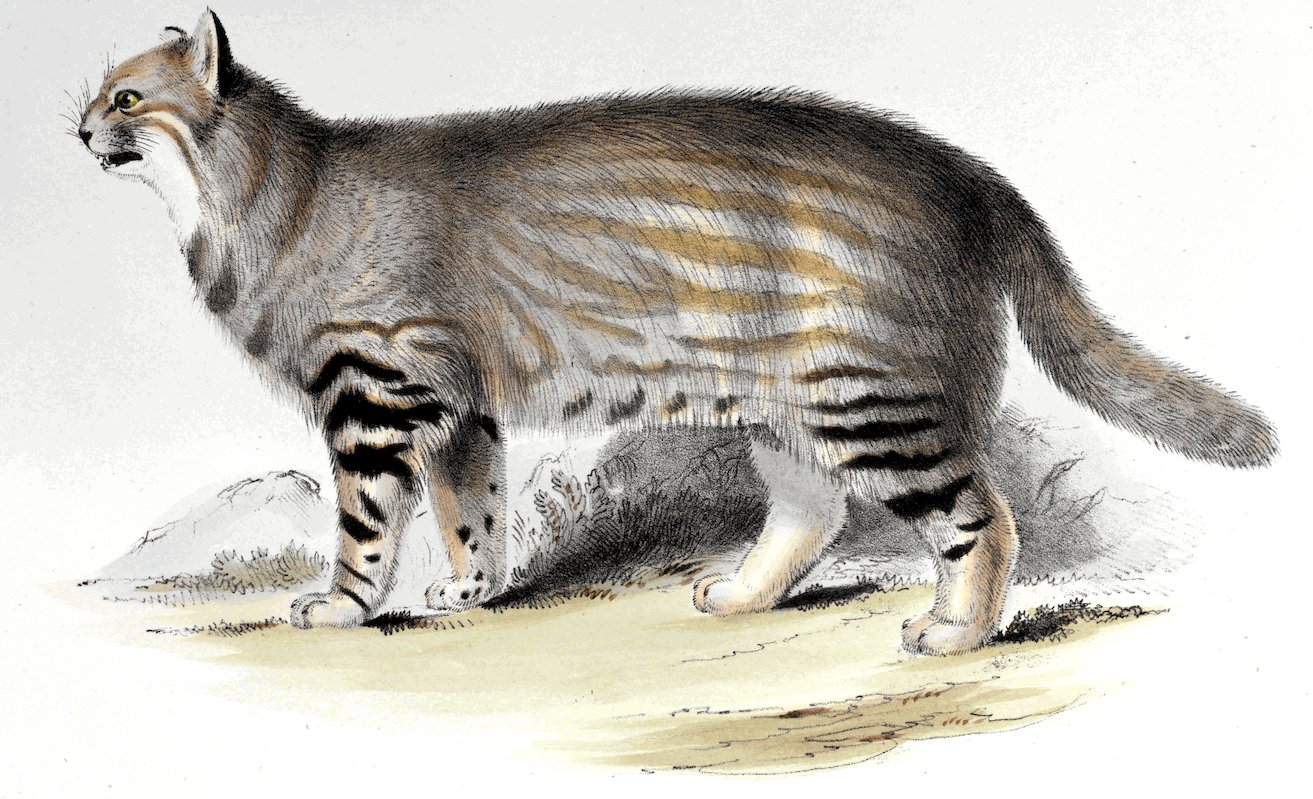
Mammalia Pl. 9. Felis Pajeros.
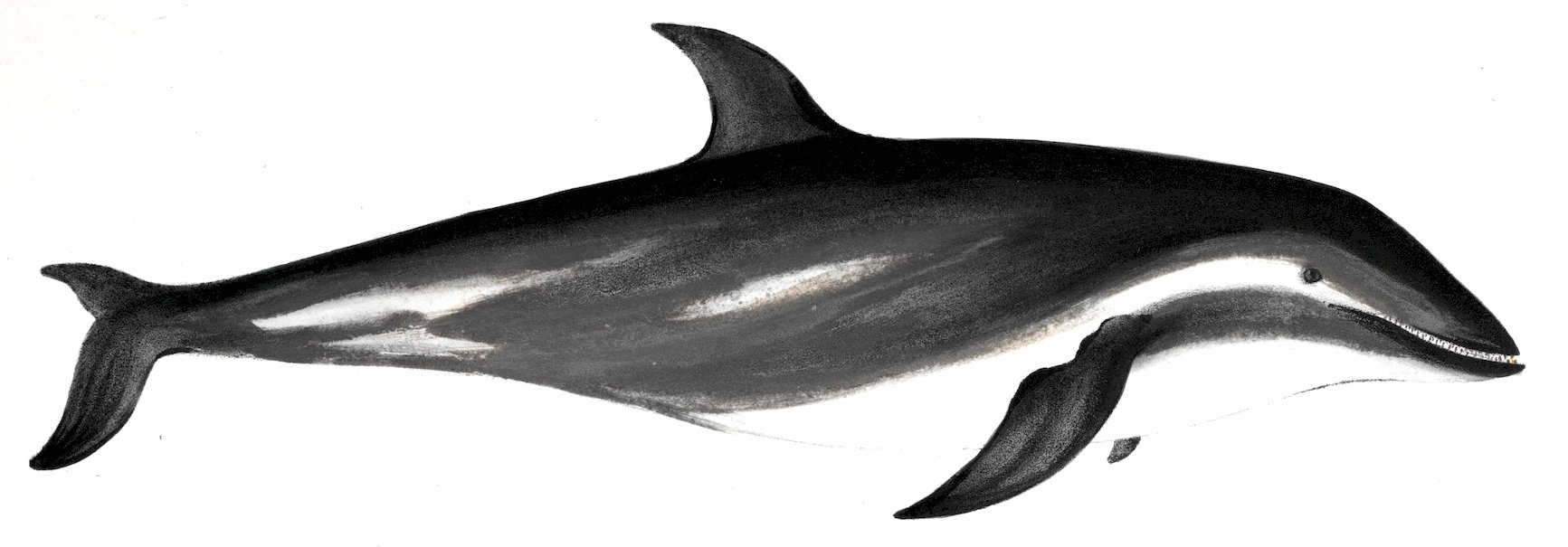
Mammalia Pl. 10. Delphinus Fitz-Royi.
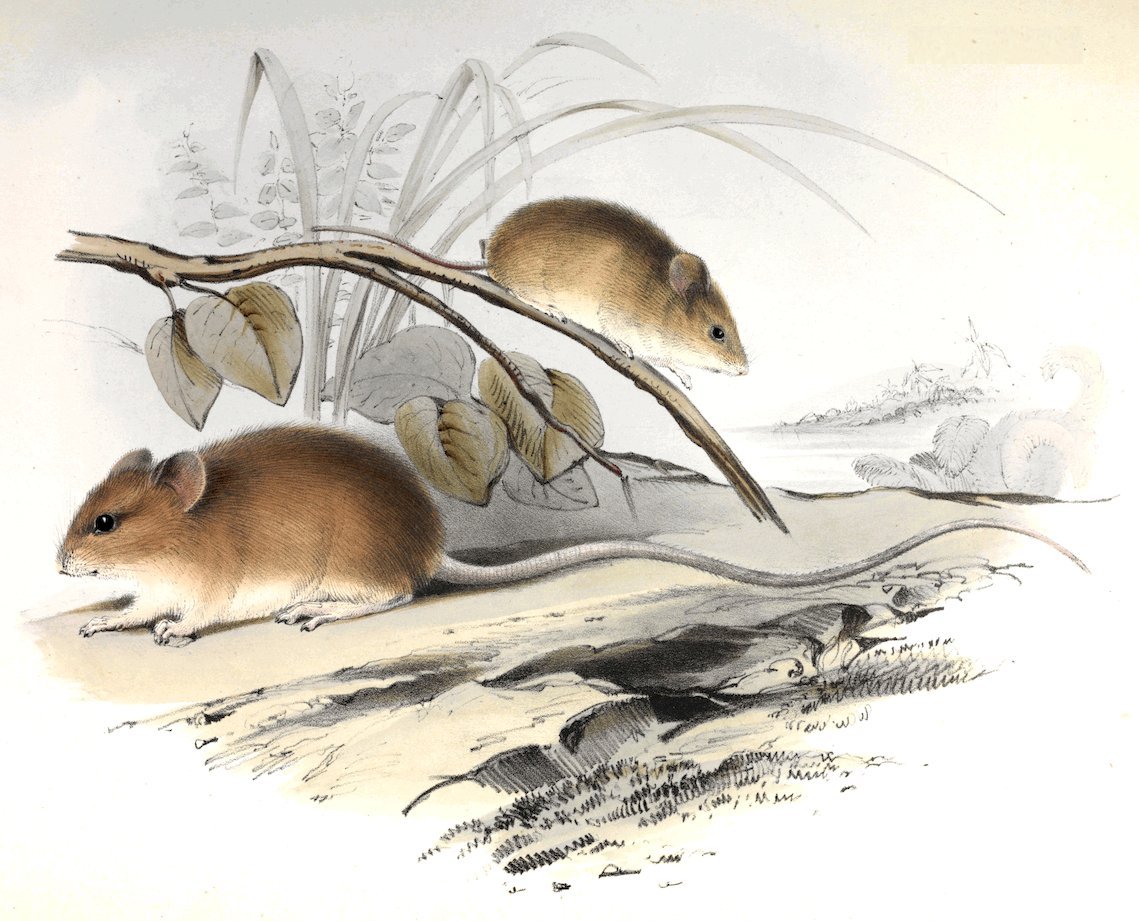
Mammalia Pl. 11. Mus longicaudatus. Mus gracilipes.
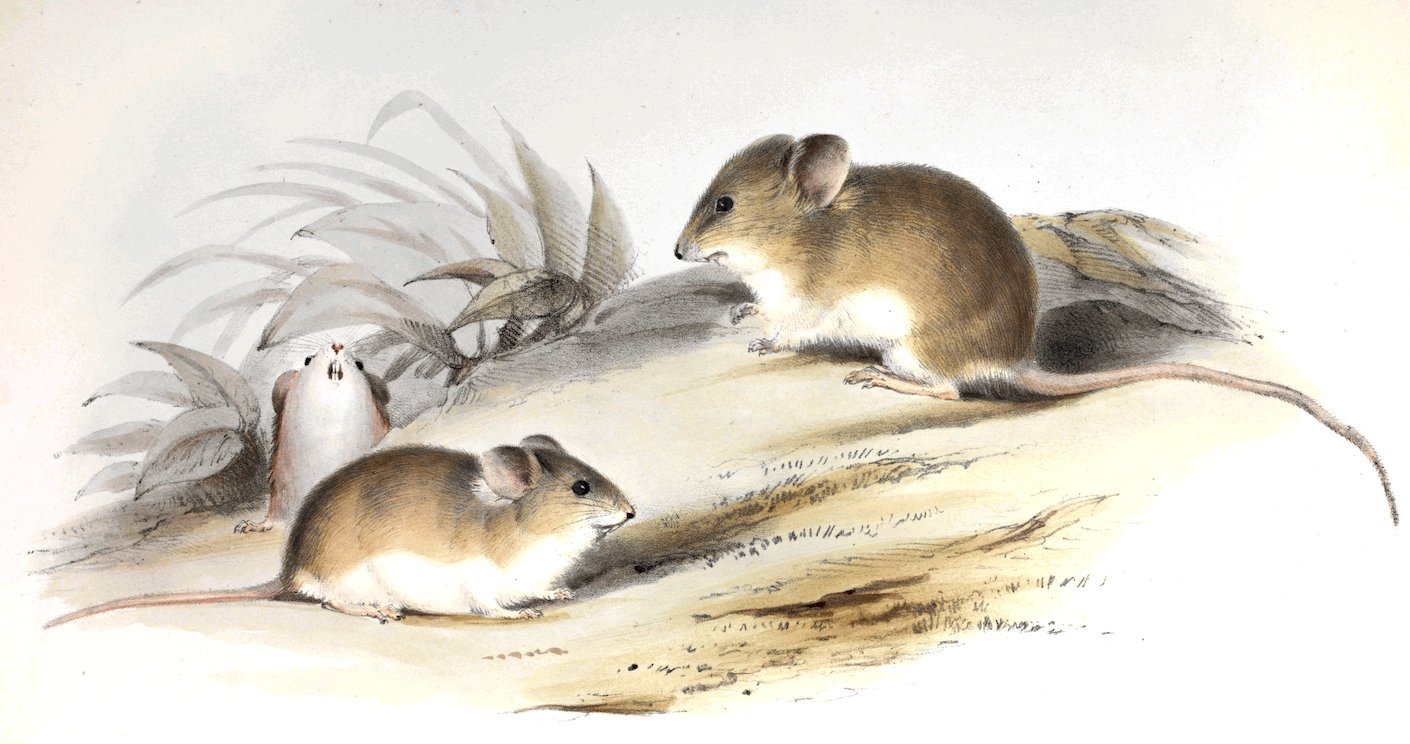
Mammalia Pl. 12. Mus bimaculatus. Mus elegans.
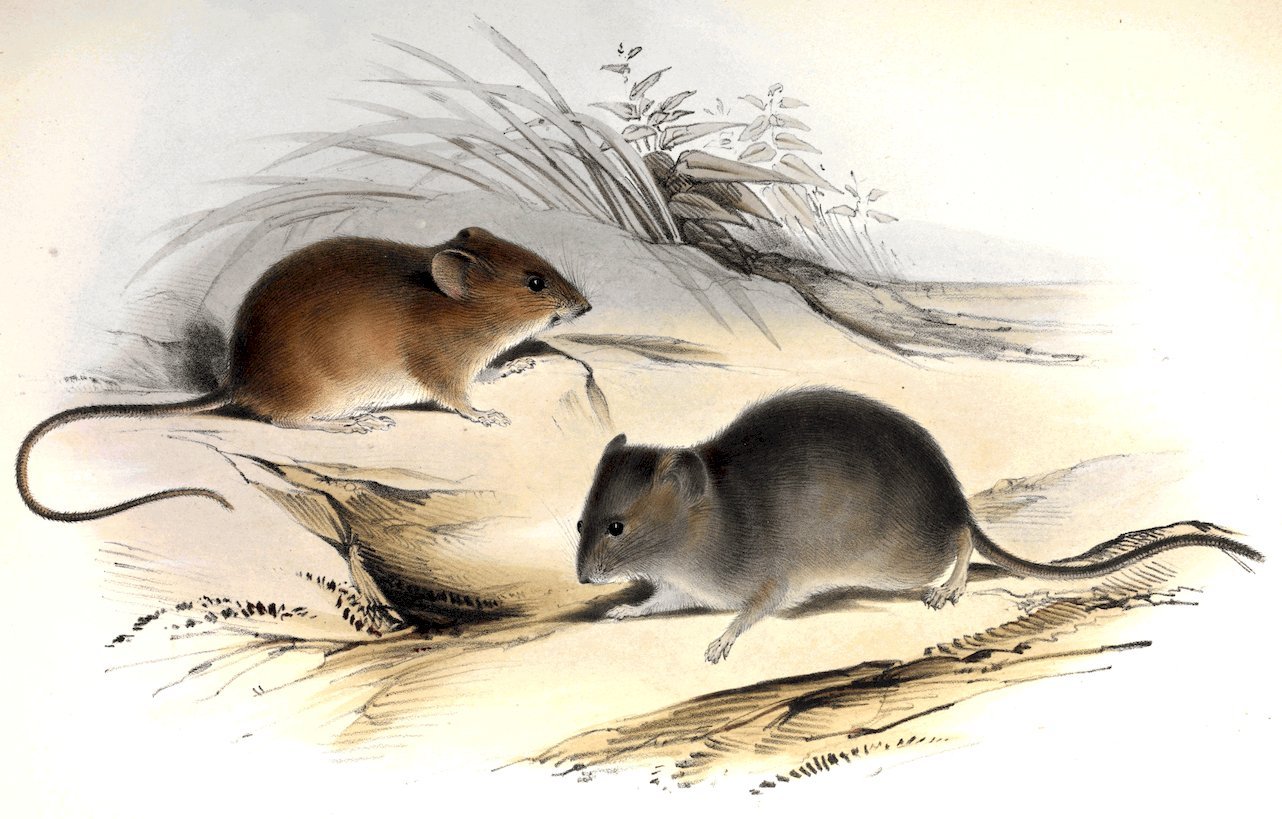
Mammalia Pl. 13. Mus flavescens. Mus arenicola.
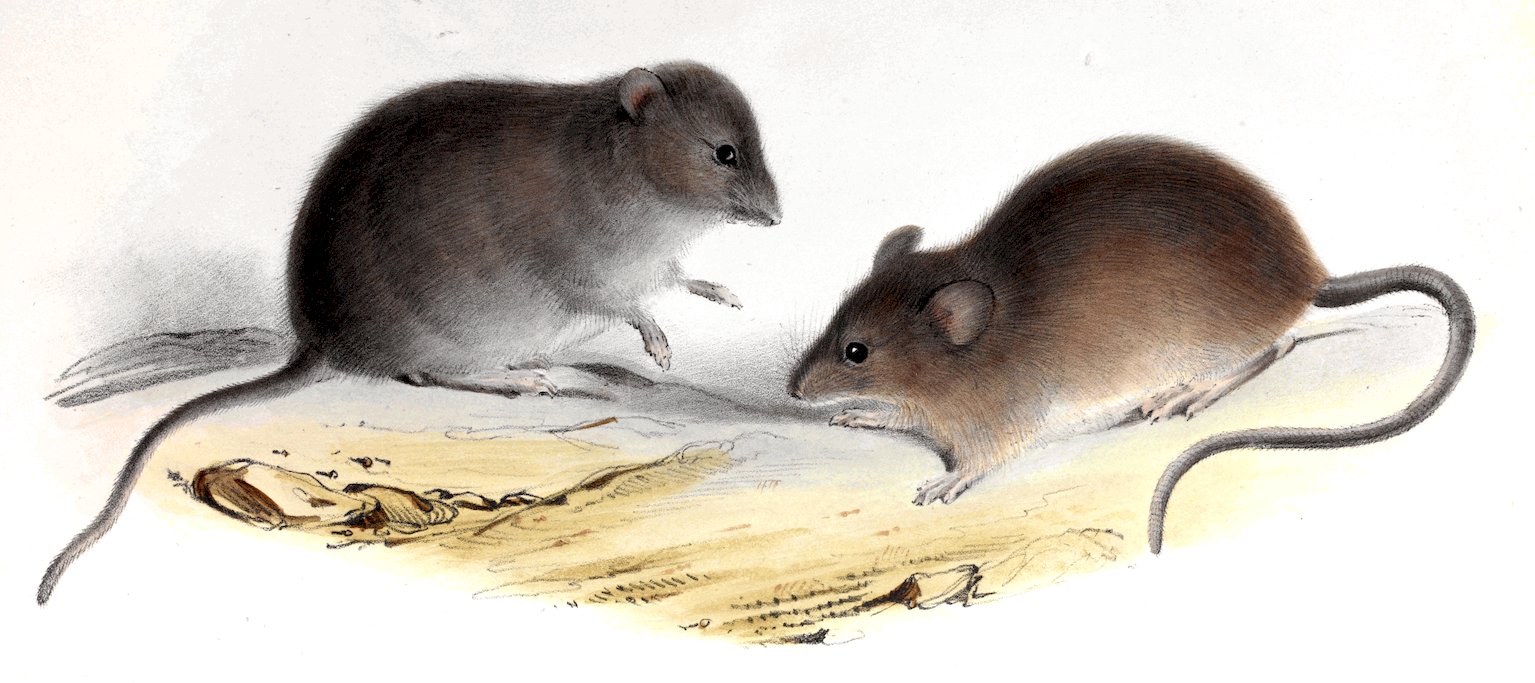
Mammalia Pl. 14. Mus brachiotis. Mus Magellanicus.
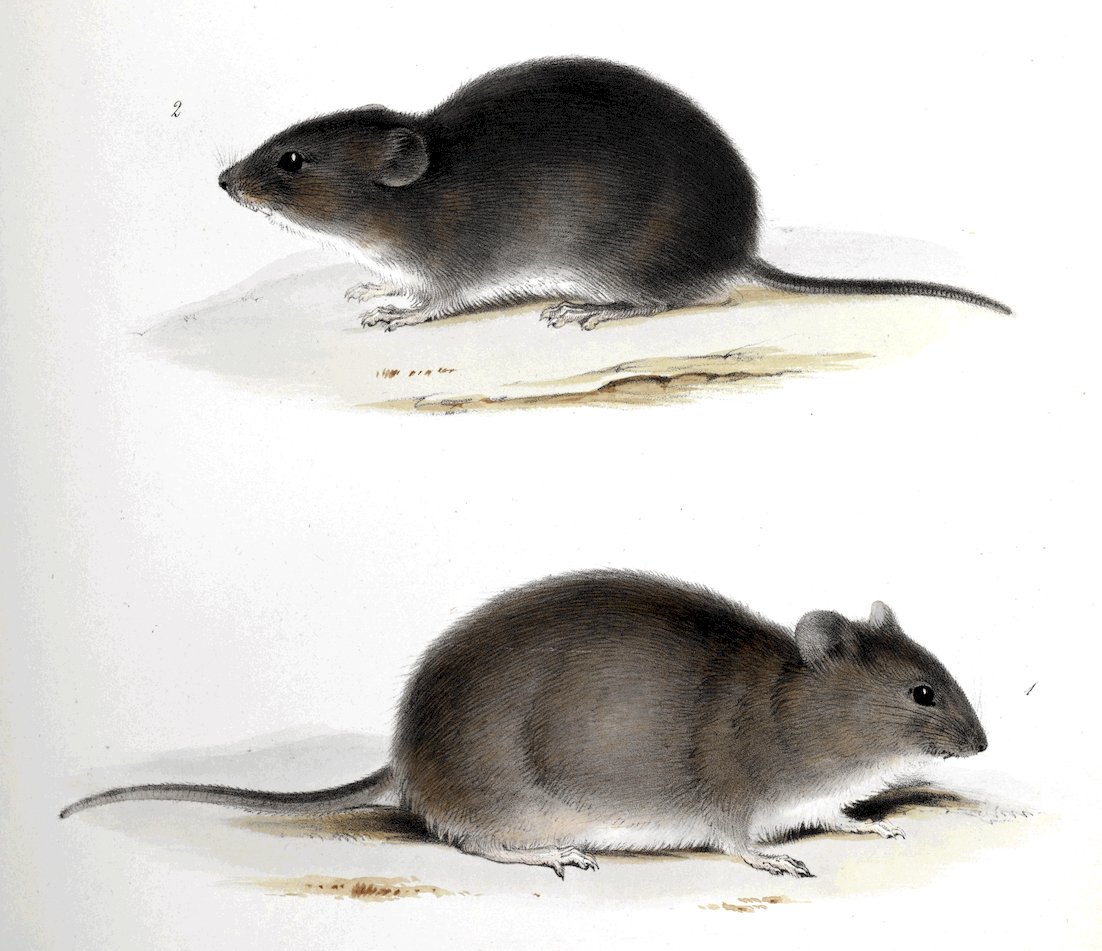
Mammalia Pl. 15. 1 Mus Renggeri. 2 —— obscurus.
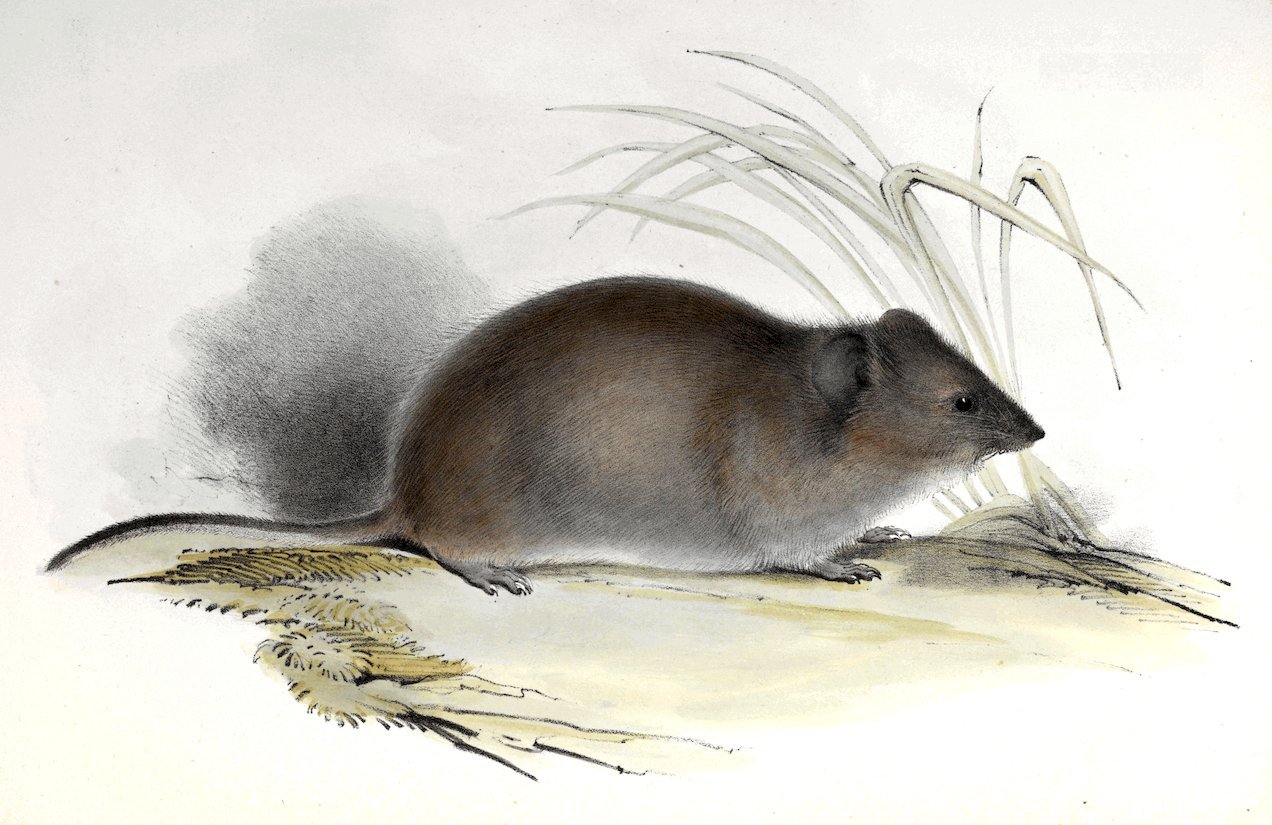
Mammalia. Pl. 16. Mus longipilis.
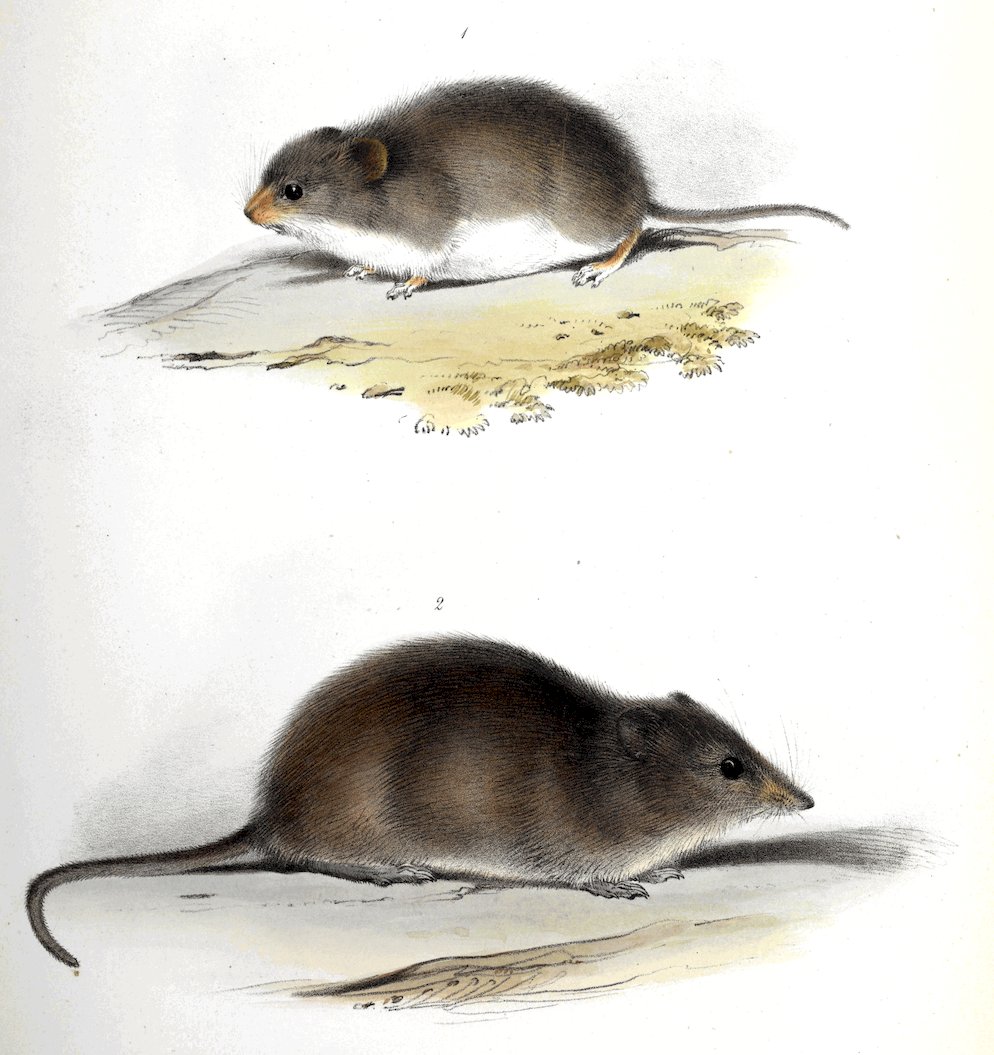
Mammalia Pl. 17. Fig. 1 Mus xanthorhinus. 2 Mus nasutus.
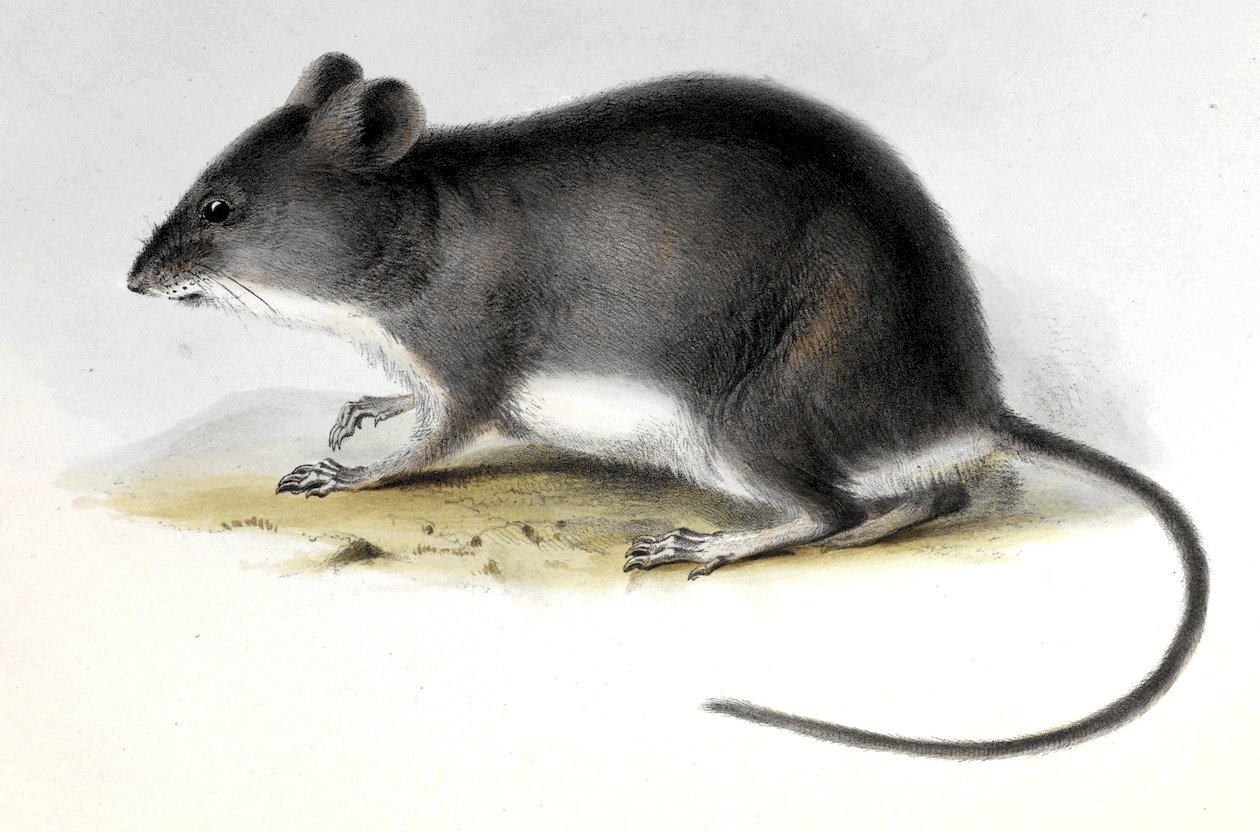
Mammalia Pl. 18. Mus tumidus.
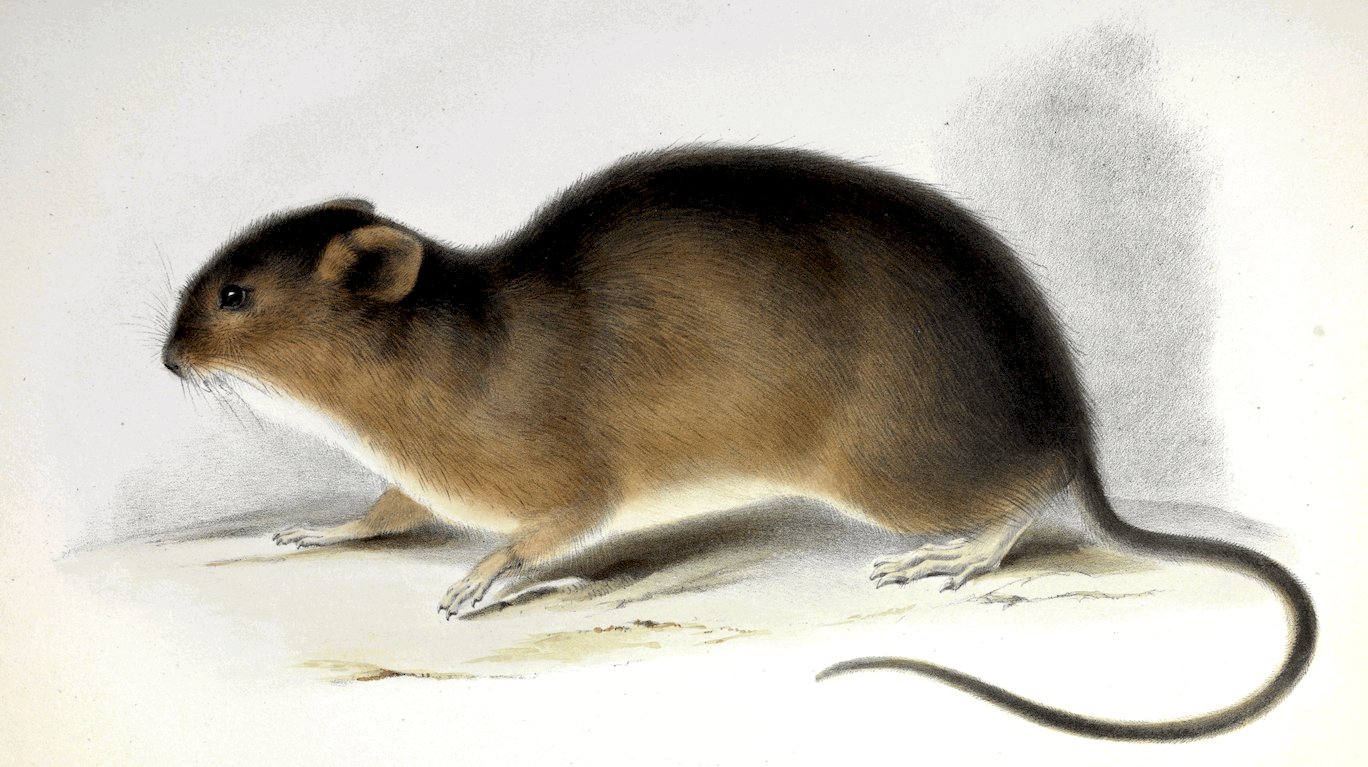
Mammalia. Pl. 19. Mus Braziliensis.
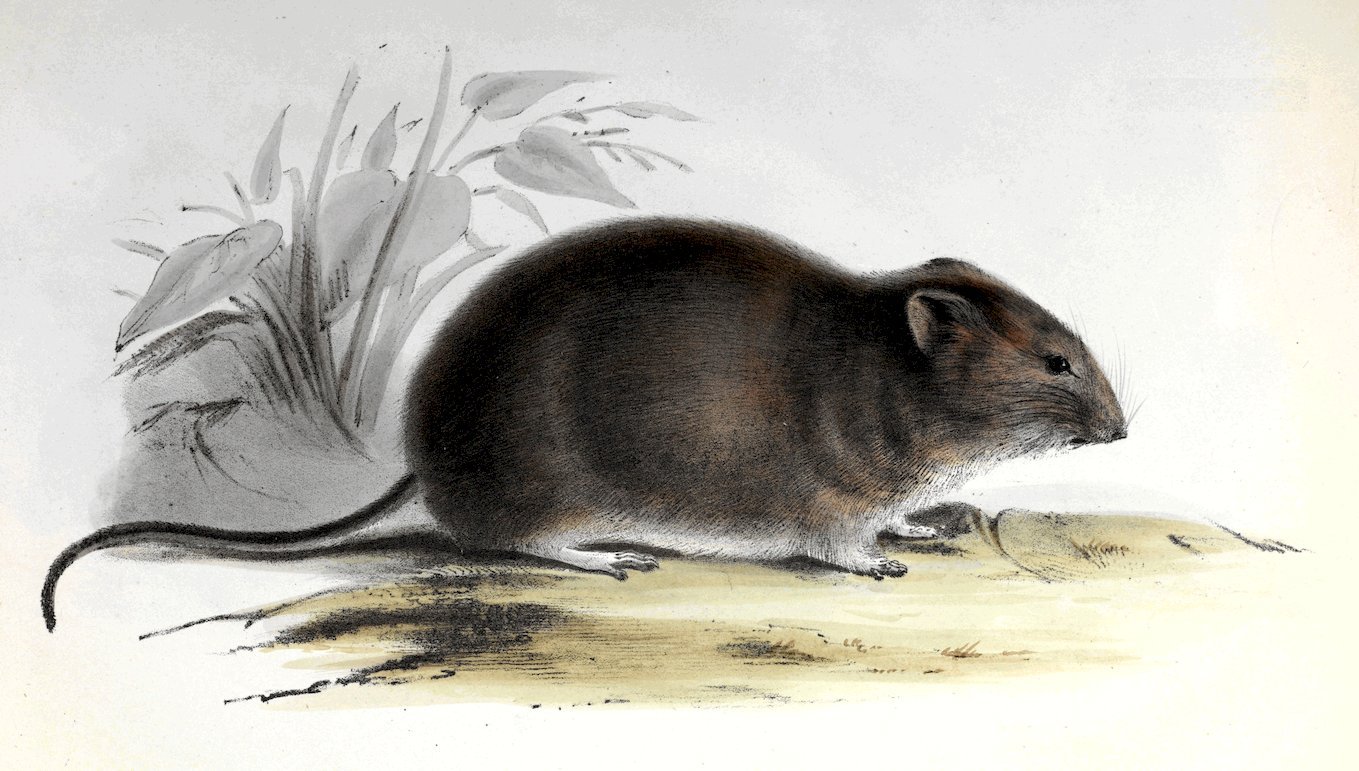
Mammalia Pl. 20. Mus micropus.
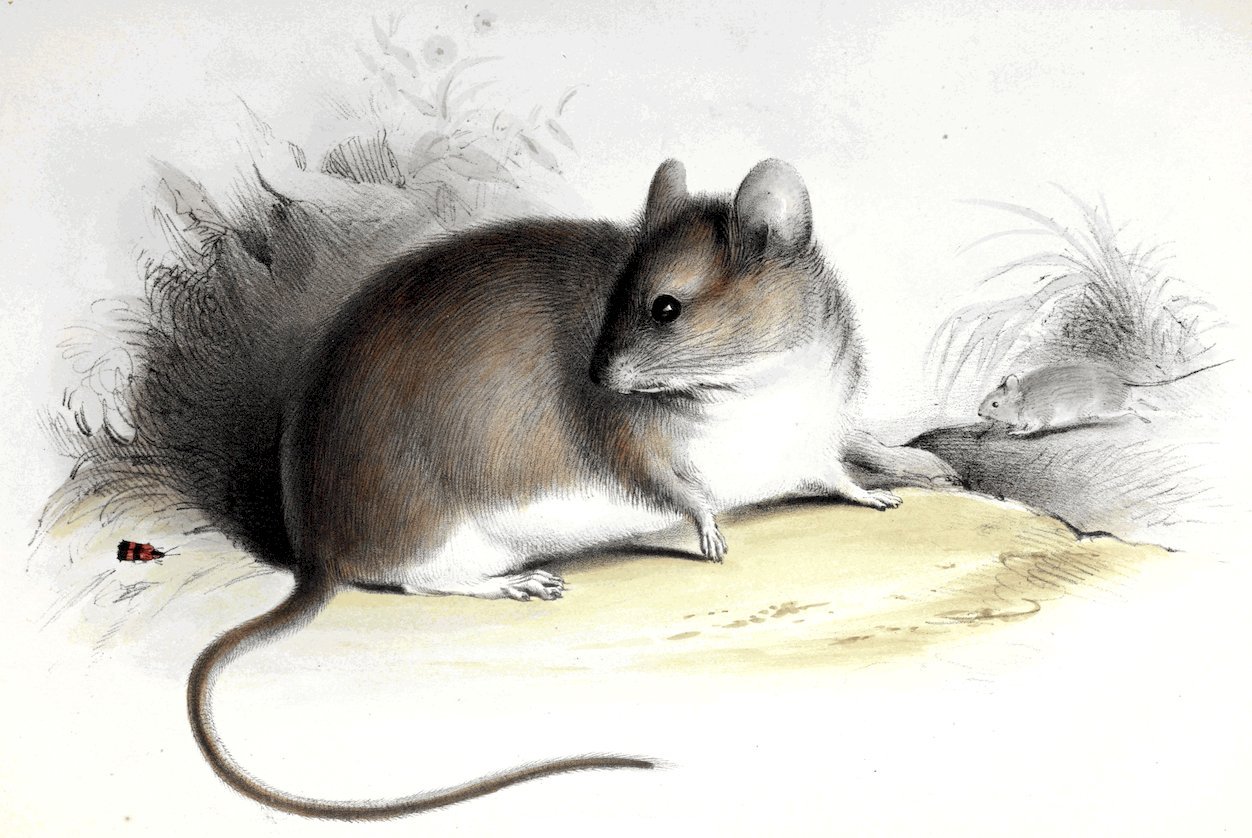
Mammalia Pl. 21. Mus griseo-flavus.
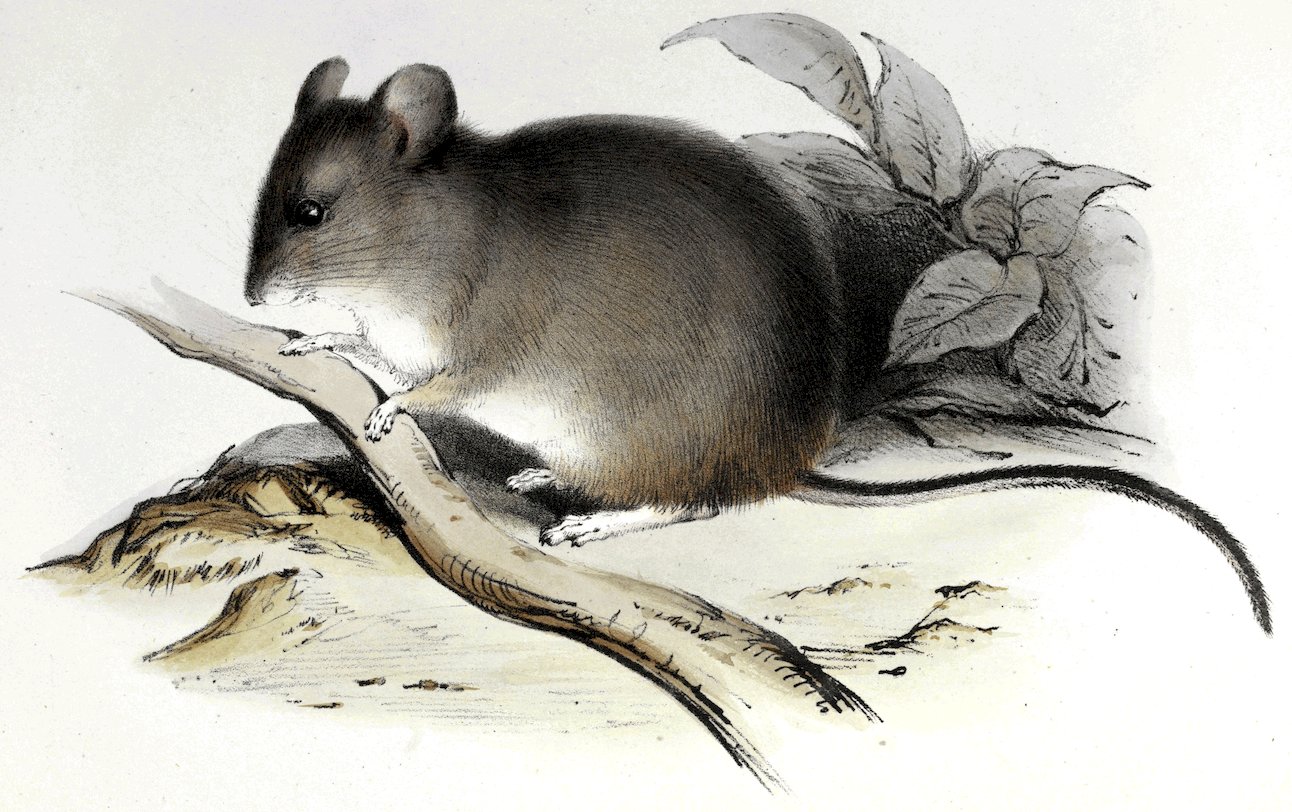
Mammalia Pl. 22. Mus xanthopygus.
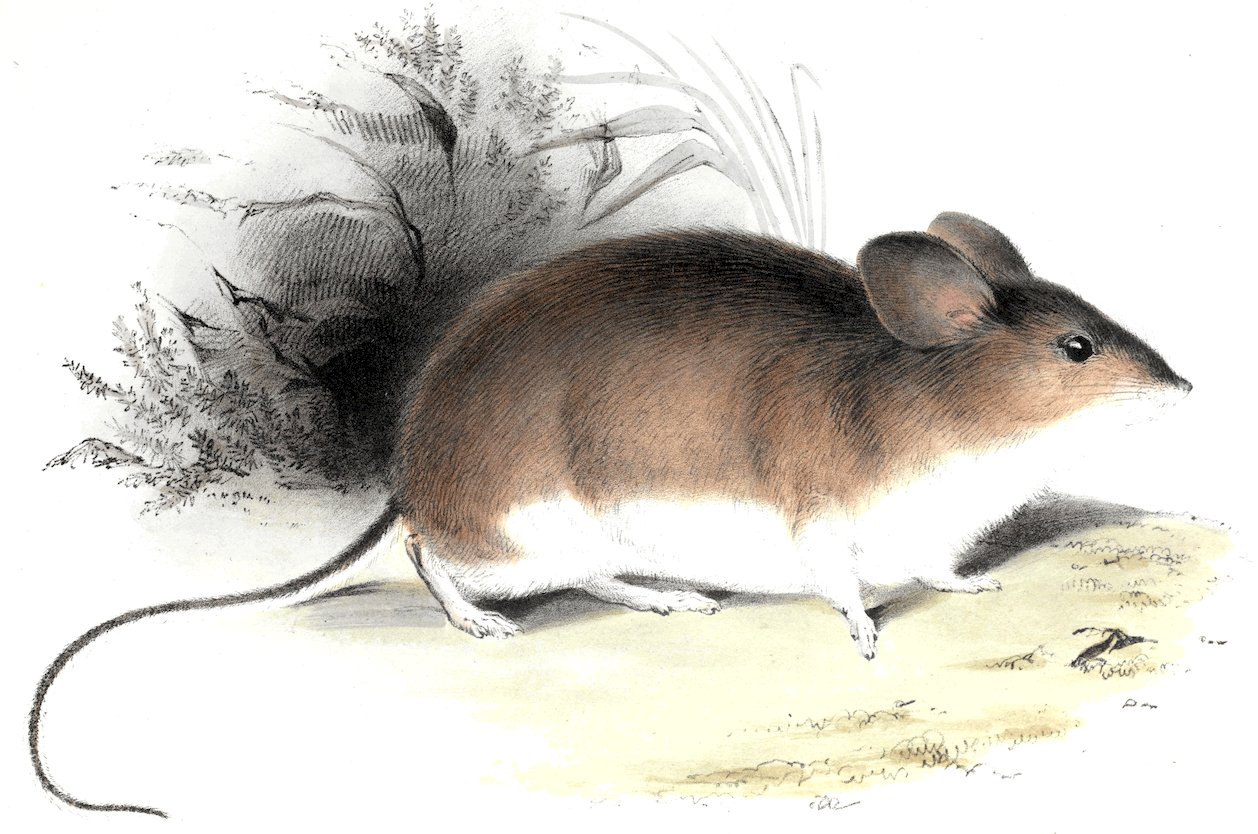
Mammalia Pl. 23. Mus Darwinii.
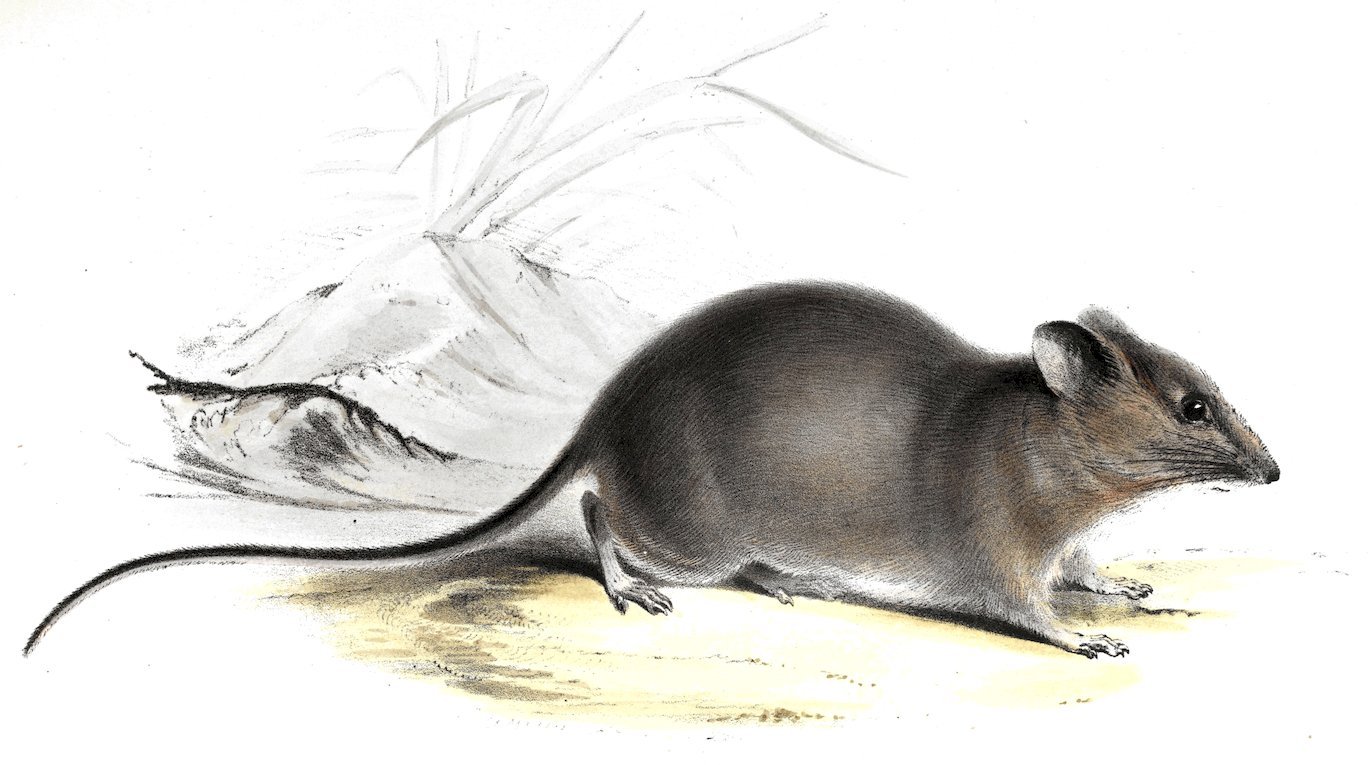
Mammalia Pl. 24. Mus Galapagoensis.
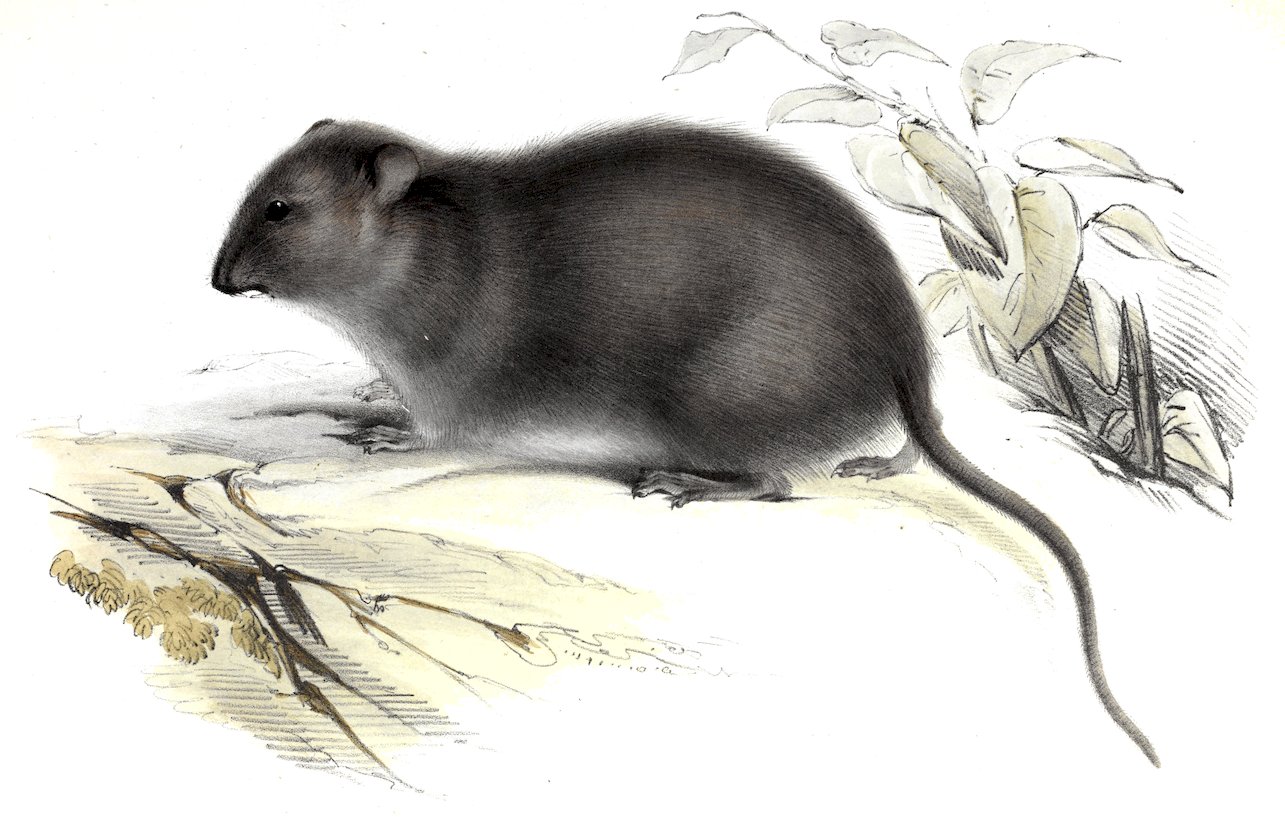
Mammalia Pl. 25. Mus fuscipes.
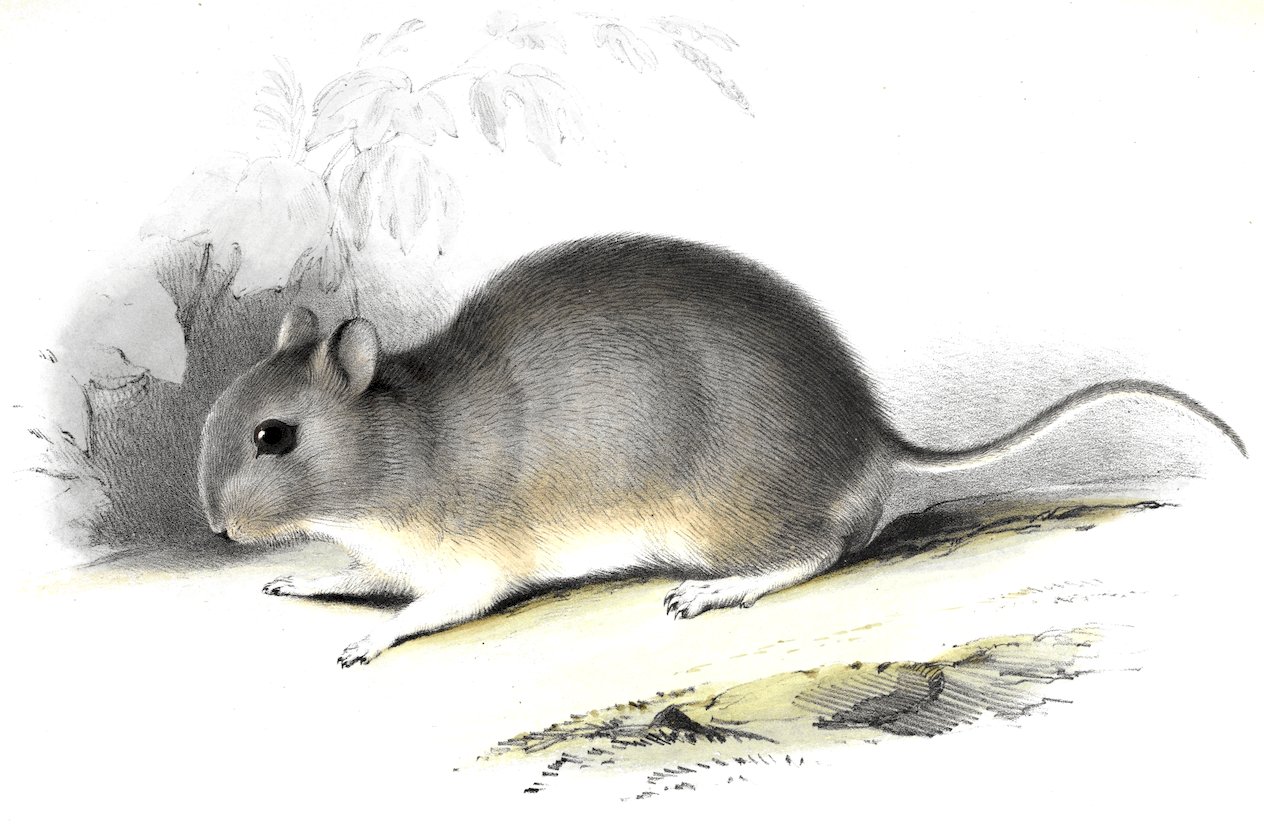
Mammalia Pl. 26. Reithrodon Cuniculcides.
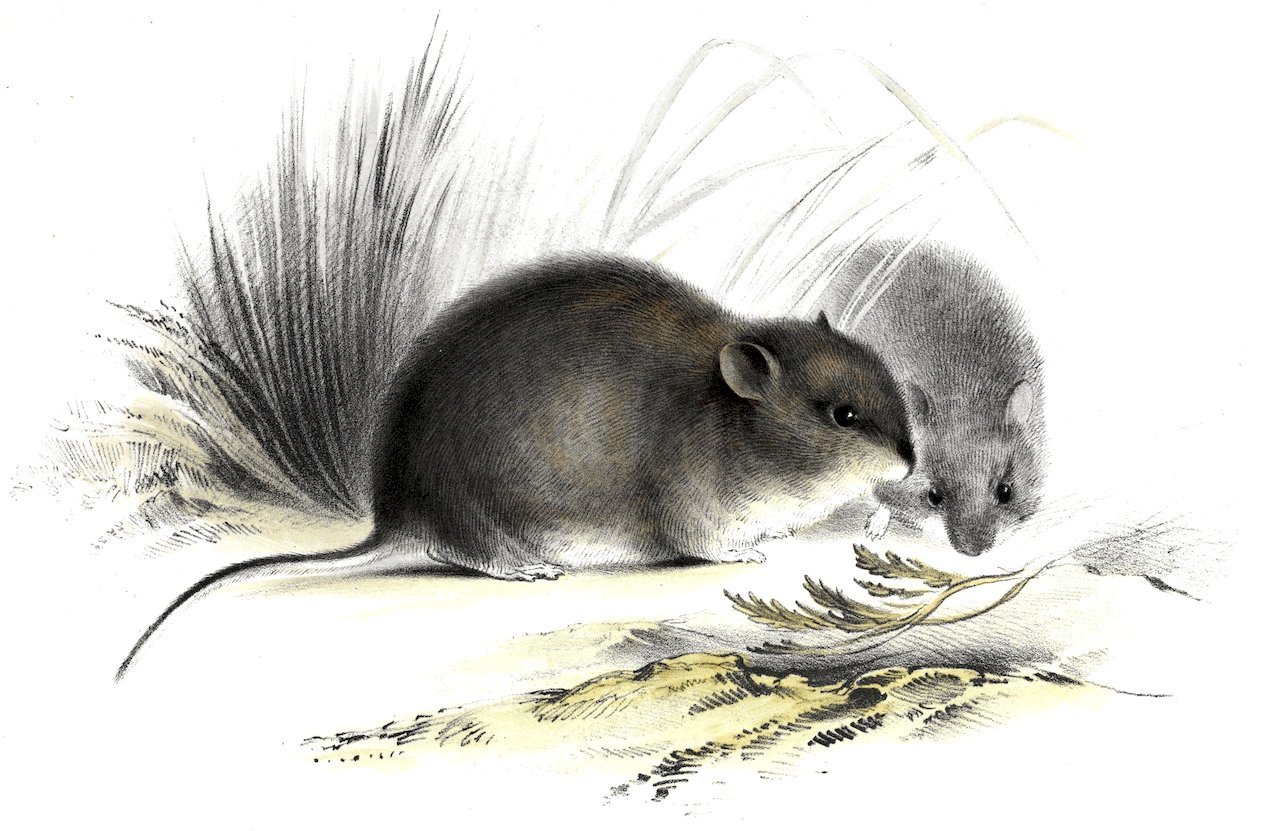
Mammalia Pl. 27. Reithrodon Chinchilloides.
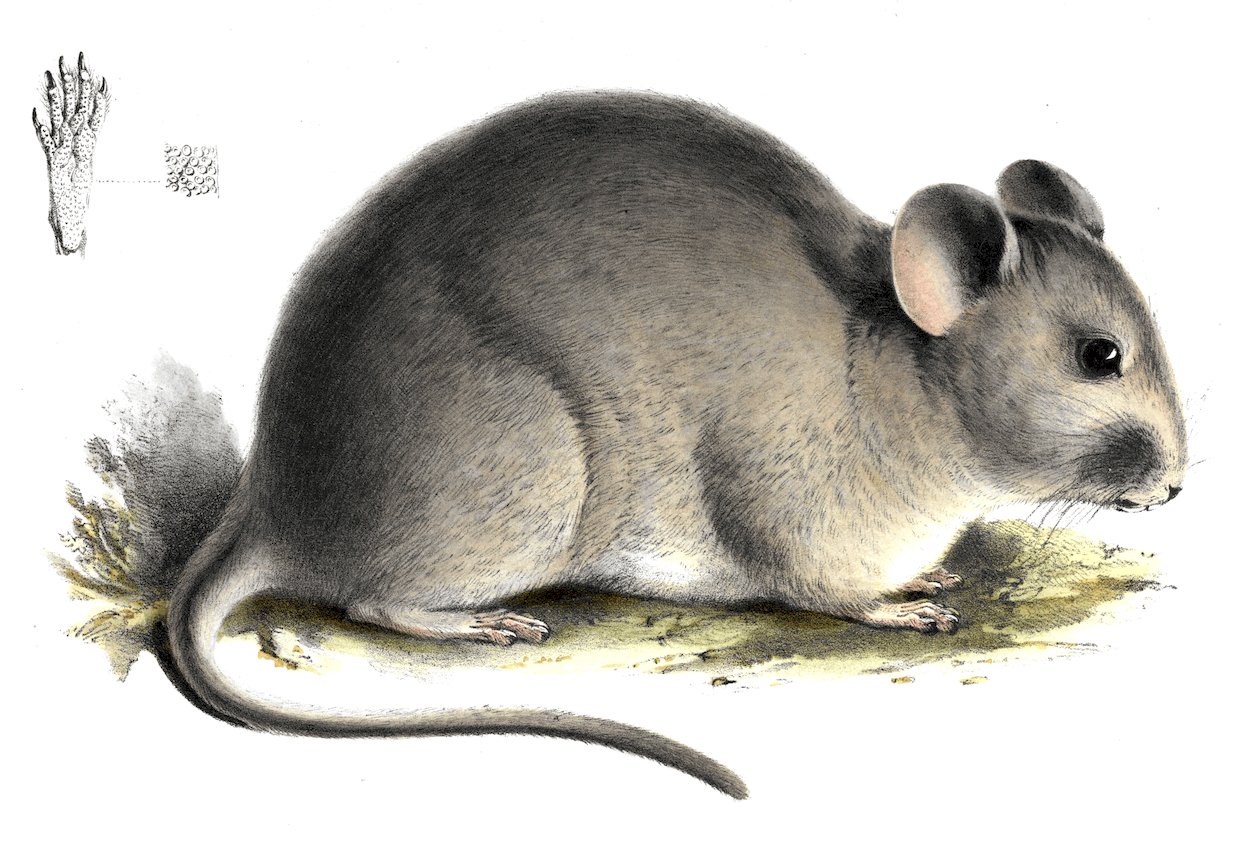
Mammalia Pl. 28. Abrocoma Bennettii.
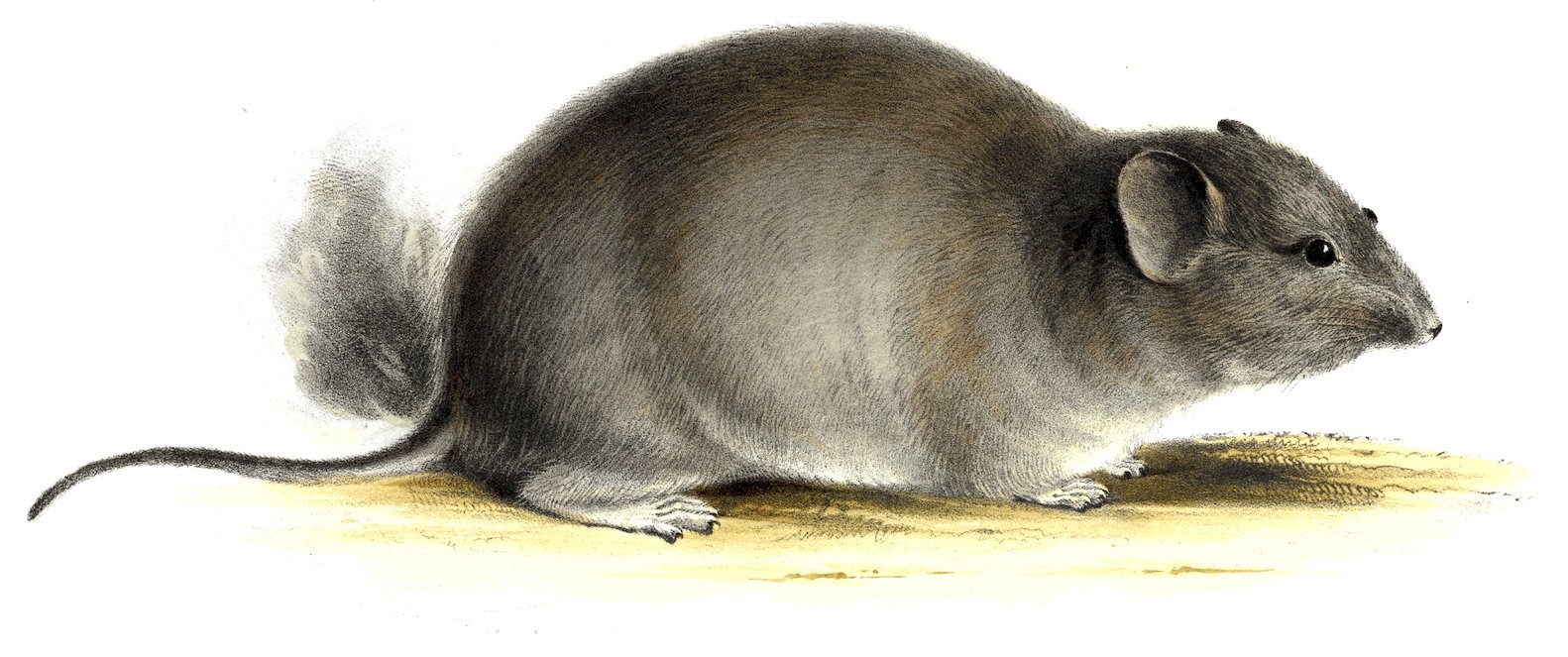
Mammalia Pl. 29. Abrocoma Cuvieri.
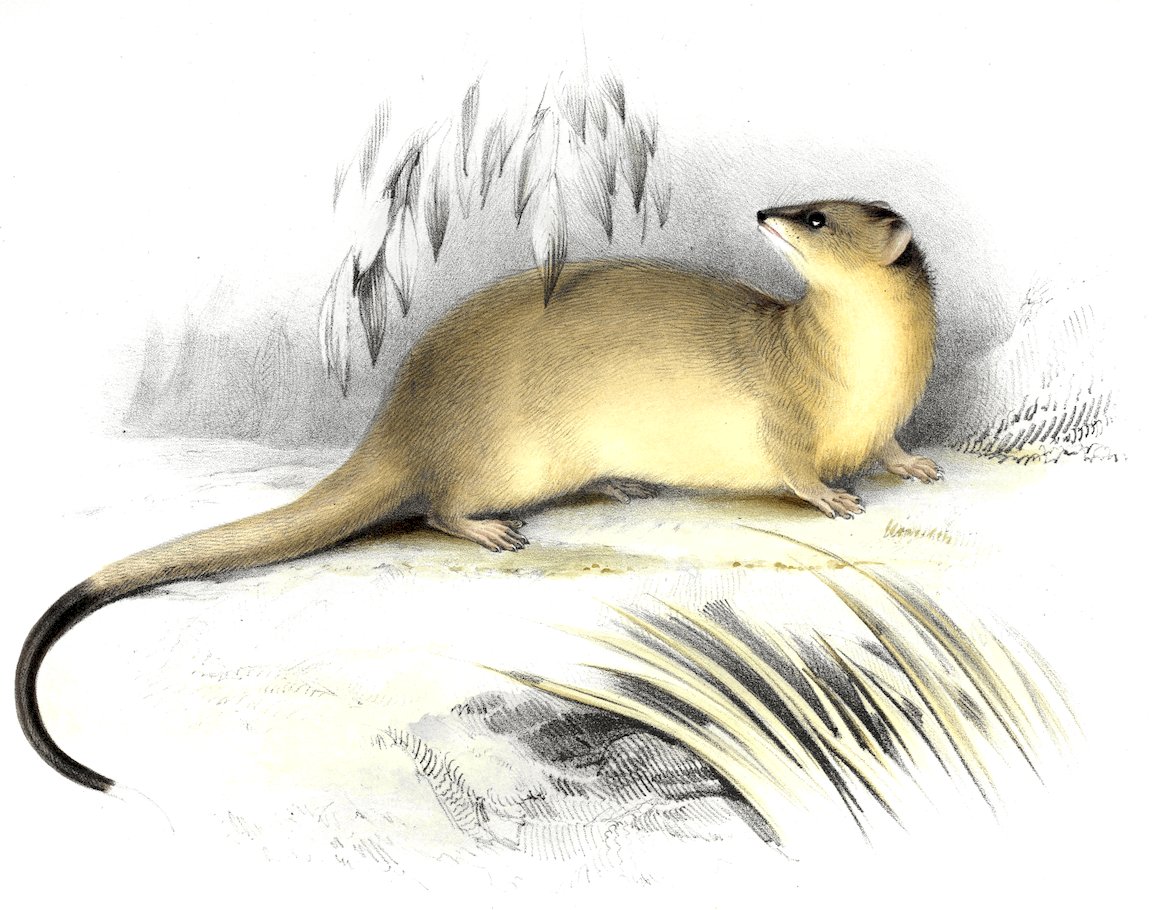
Mammalia Pl. 30. Didelphis crassicaudata.
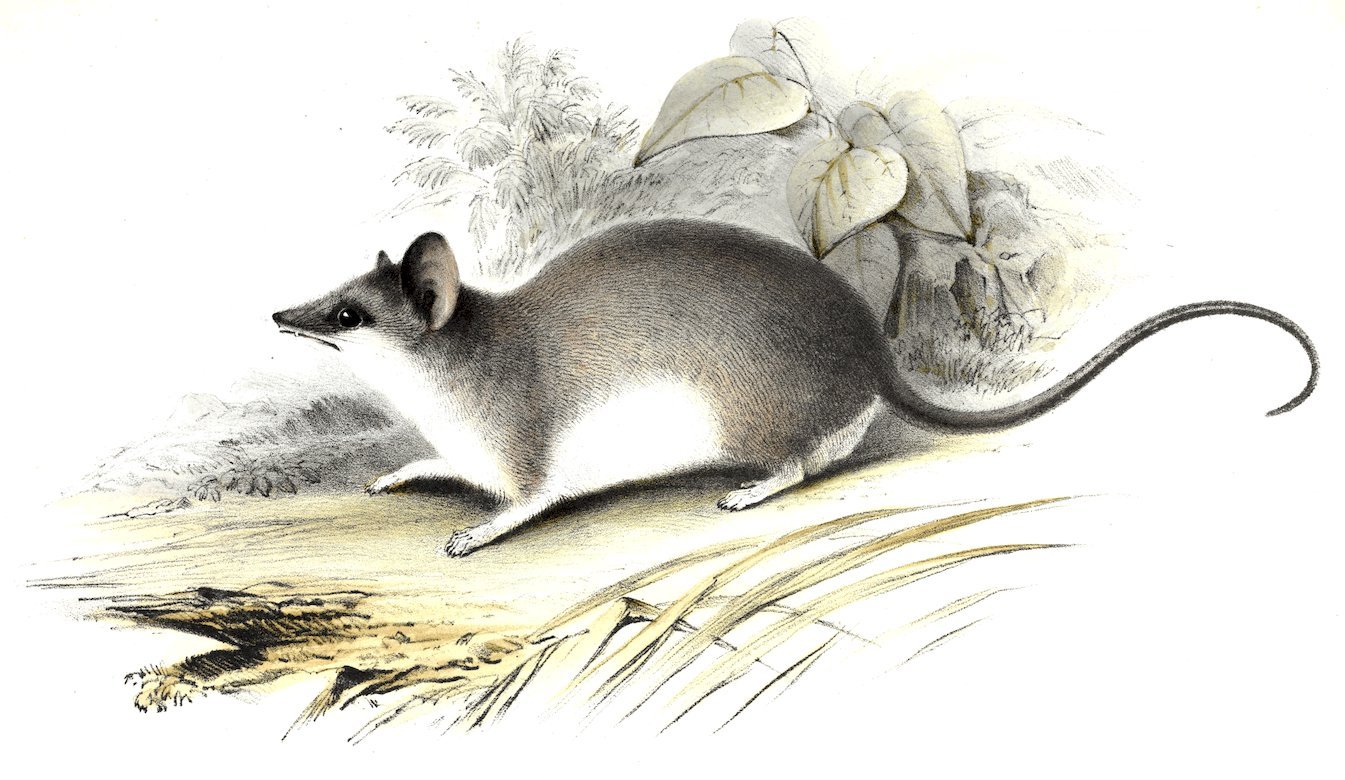
Mammalia Pl. 31. Didelphis elegans.
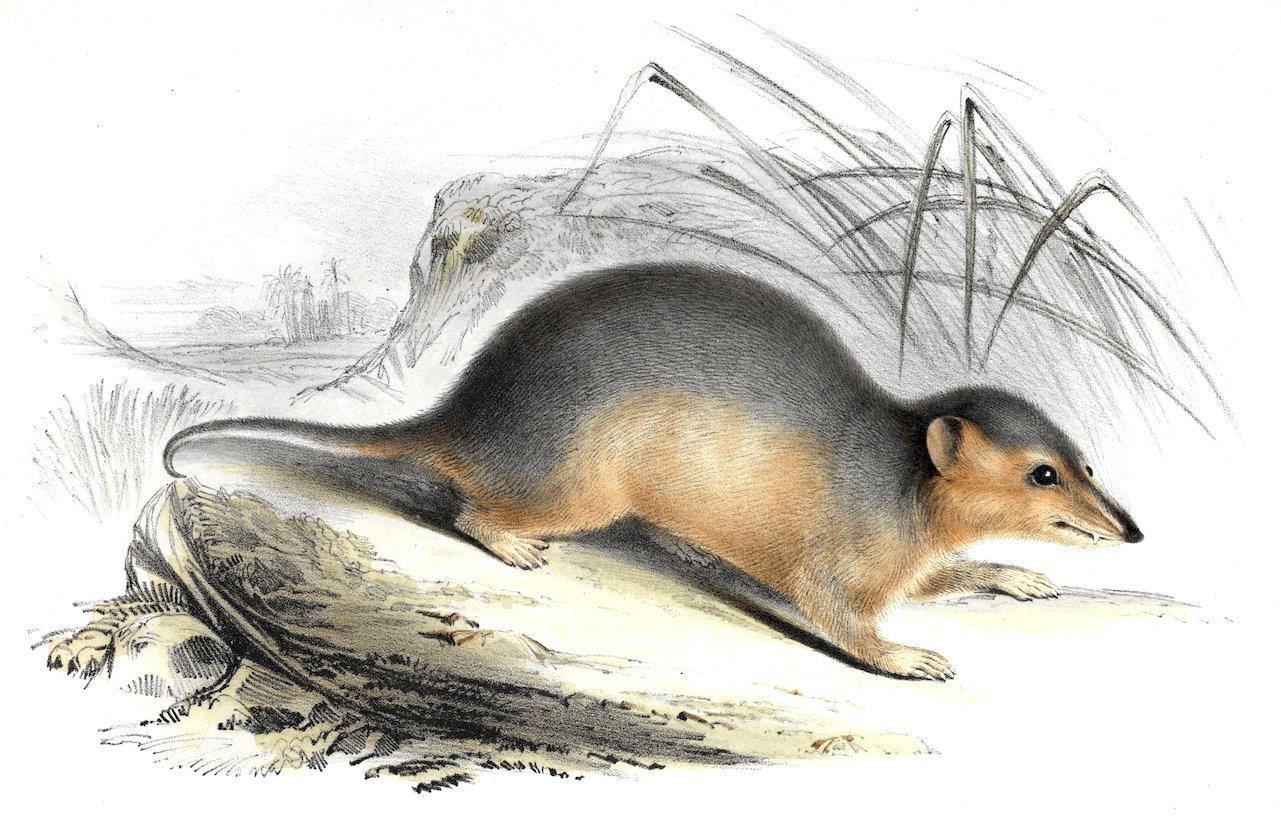
Mammalia Pl. 32. Didelphis brachyura.
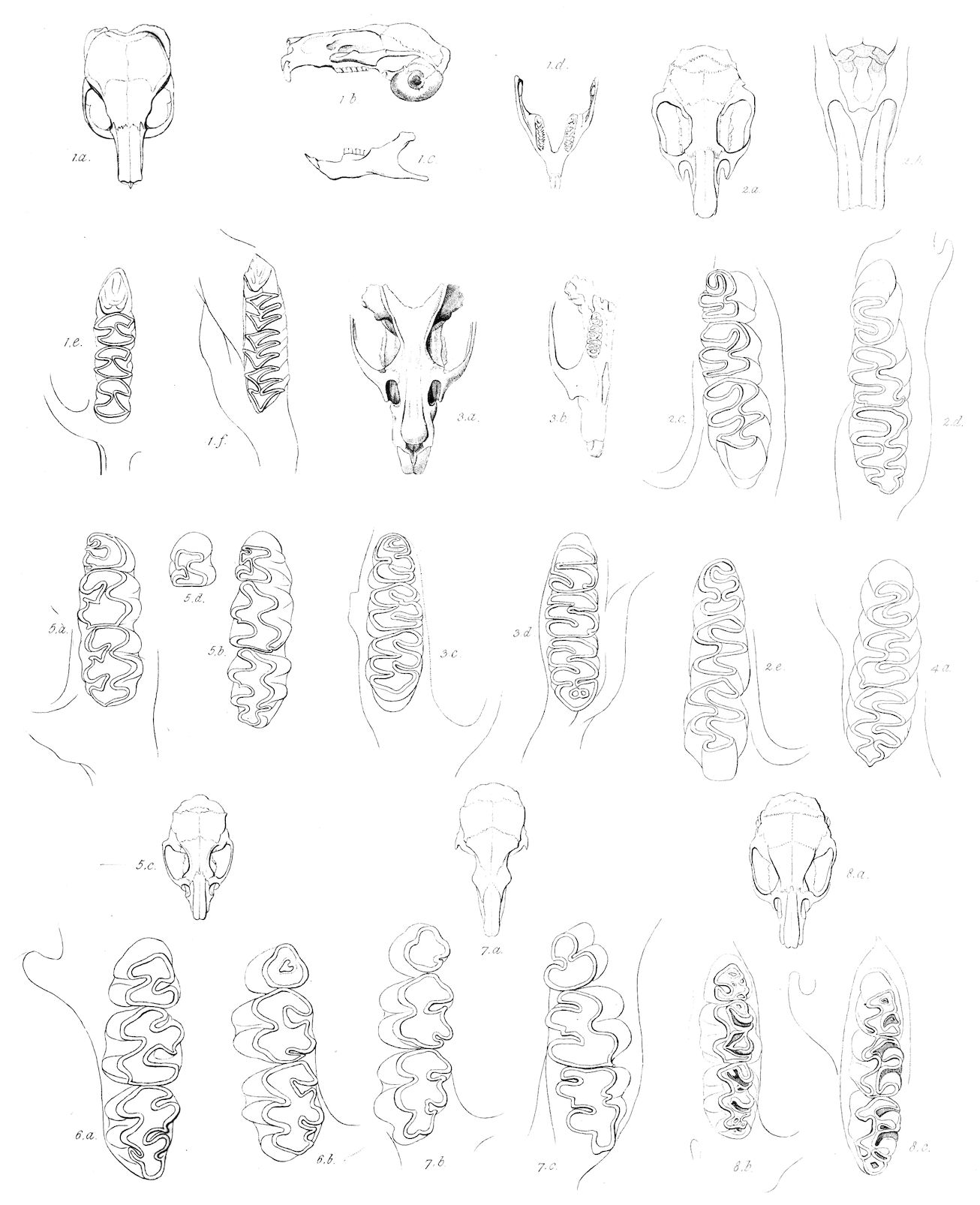
Mammalia Plate 33. G.R. Waterhouse. & C.M. Curtis
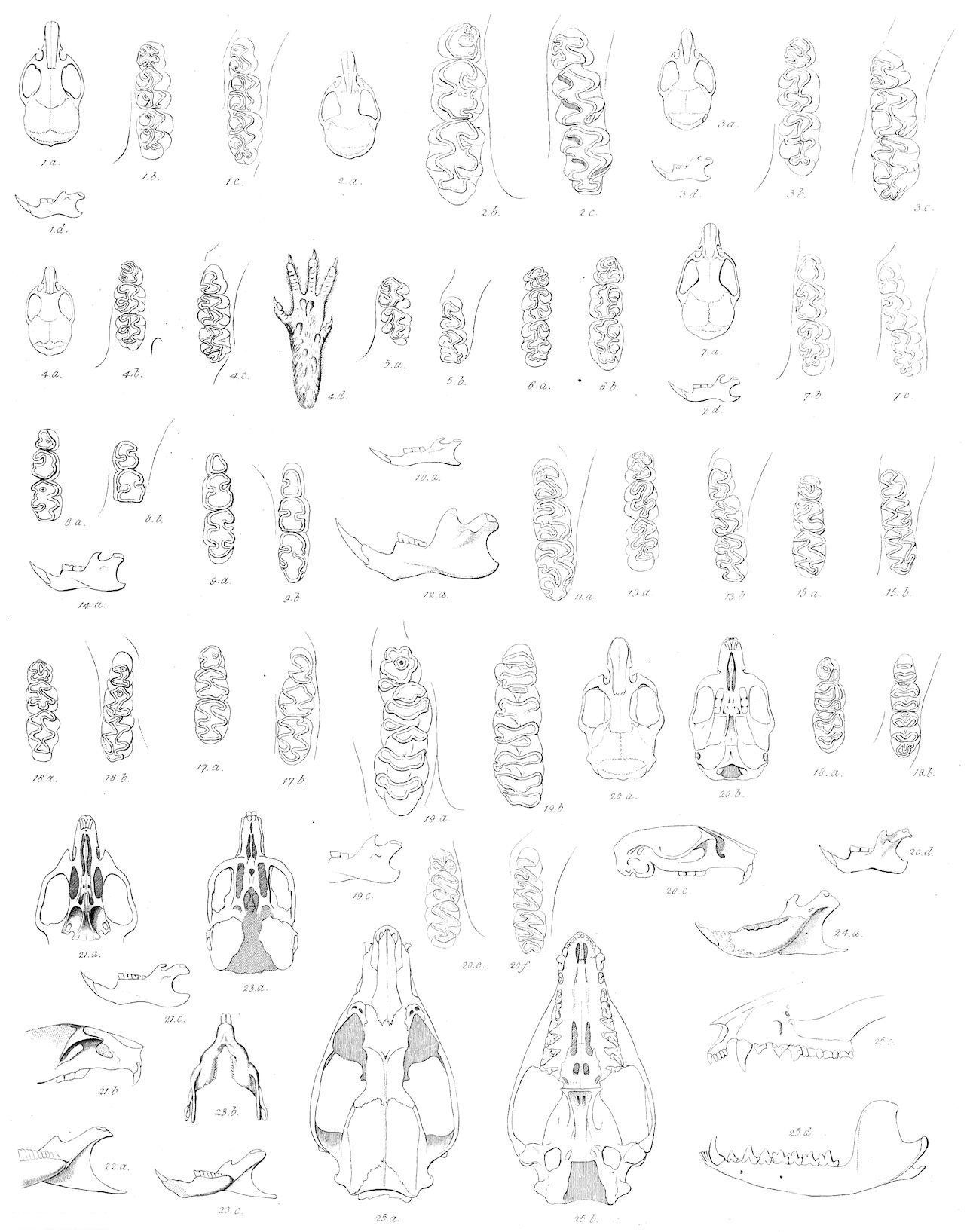
Mammalia Plate 34. G.R. Waterhouse J. Swaine
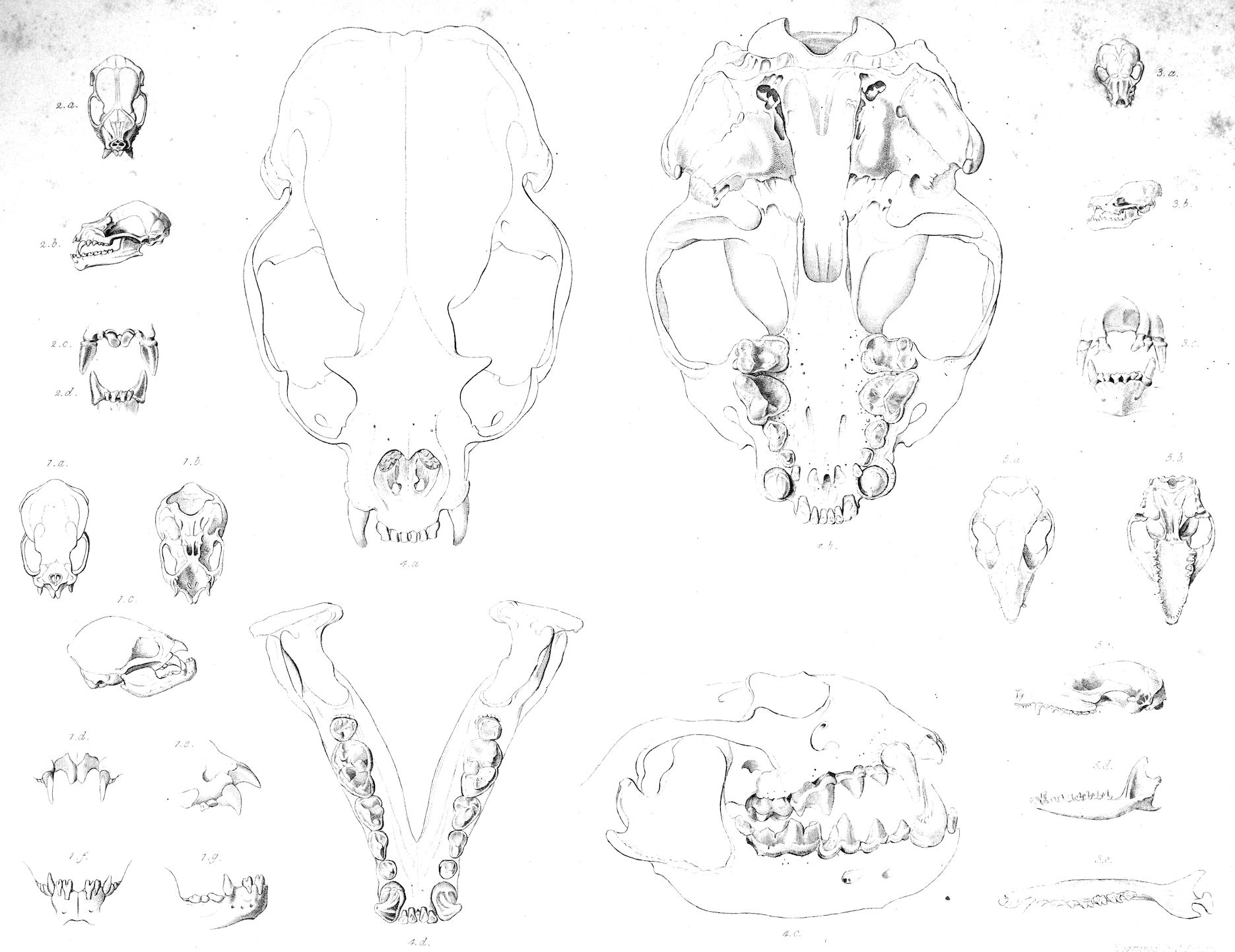
Mammalia Pl. 35. Drawn by C. H. Curtis.
TRANSCRIBER’S NOTES
Silently corrected obvious typographical errors and variations in spelling.
Retained archaic, non-standard, and uncertain spellings as printed.