THE GREAT CONFLAGRATION.
Reading edition
Dreadful Fire—Destruction of both Houses of Parliament—The Speaker’s House gutted—Reports of Incendiarism.
IT is our unexpected lot to announce that the Houses of Lords and Commons, so often threatened with combustion, are in a state of actual ignition. At this moment, both fabrics are furiously burning. We are writing this paragraph without the aid of lamp or candles; by the mere reflection of the flames. Nothing is known of the origin of the fire, although it is throwing a light upon everything else.—Evening Star.
The devouring element which destroyed Covent Garden and Drury Lane, the Royalty and the Pantheon, has made its appearance on a new stage, equally devoted to declamatory elocution. St. Stephen’s Chapel is in flames! The floor which was trodden by the eloquent legs of a Fox, a Burke, a Pitt, and a Sheridan, is reduced to a heap of ashes; and the benches which sustained the Demosthenic weight of a Wyndham, a Whitbread, and a Wilberforce, are a mere mass of charcoal. The very roof that re-echoed the classicalities of Canning is nodding to its fall. In Parliamentary language, Fire is in possession of the House: the Destructive spirit is on its legs, and the Conservative principle can offer but a feeble opposition.—Daily Post.
The blow is struck. What we have long foreseen has come to pass. Incendiarism triumphs! The whole British Empire, as represented by the three estates, is in a blaze! The Throne, the Lords, and the Commons, are now burning. The cycle is complete. The spirit of Guy Fawkes revives in 1834!
England seems to have changed places with Italy; London with Naples. We stand hourly on the brink of a crater; every step we take is on a solfaterra—not a land of Sol Fa, as some musical people would translate it; but a frail crust, with a treacherous subsoil of ardent brimstone! At length the eyes of our rulers are opened; but we must ask, could nothing short of such an eruption awaken them to a sense of the perilous state of the country? For weeks, nay, months past, at the risk of being considered alarmists, we have called the attention of the legislature and magistracy to a variety of suspicious symptoms and signs of the times, and in particular to the multiplied chemical inventions, for the purpose of obtaining instantaneous lights. Well are certain matches or fire-boxes called Lucifers, for they may be applied to the most diabolical purposes! The origin of the fire cannot raise the shadow of a doubt in any reasonable mind. Accident is out of the question. Tell us not of tallies. We have just tried our milk-woman’s, and it contained so much water, that nothing could make it ignite.—Britannic Guardian.
The Houses of Parliament are in flames. We shall stop the press to give full particulars. Our reporters are at the spot, and Mons. C——, the celebrated Salamander, is engaged to give a description of the blazing interiors, exclusively for this journal.—Daily Times.
From a Correspondent.
On Thursday evening, towards seven o’clock, I was struck by the singular appearance of the moon silvering the opposite chimneys with a blood-red light, a lunar phenomenon, which I conceived belonged only to our theatres. It speedily occurred to me that there must be a conflagration in my vicinity, and after a little hunting by scent as well as sight, I found myself in front of the Houses of Lords and Commons, which were burning with a rapidity and brilliancy that I make bold to say did not always characterise their proceedings. By favour of my natural assurance, which seemed to identify me with the firemen, I was allowed to pass through the lines of guards and policemen, who surrounded the blazing pile, and was thus enabled to select a favourable position for overlooking the whole scene. It was an imposing sight. The flames rose from the Peers’ in a volume, as red as the Extraordinary Red Book, and the House of Commons was not at all behind-hand in voting supplies of timber and other combustibles. Westminster Hall reminded me vividly of a London cry, “Hall hot, Hall hot,” that was familiar in our childhood—and the Gothic architecture of the Abbey seemed unusually florid. Instead of dingy stone, the venerable pile appeared to be built of the well-baked brick of the Elizabethan age. Indeed, so red-hot was its aspect, that it led to a ludicrous misapprehension on the part of the populace. A procession, bearing several male and female figures in a state of insensibility, naturally gave rise to the most painful conjectures, inferring loss of human life by the devouring element, but I have reason to believe it was only the Dean and Chapter saving the Wax-Work. As far as my own observation went, the first object carried out certainly bore a strong resemblance to General Monk.
In the meantime a select party had effected an entrance into the Hall, but not without some serious delay, occasioned, I believe, by somebody within bringing the wrong key, that belonged to a tea-caddy. However, at last they entered, and I followed their example. The first person I beheld was the veteran Higginbottom, so unfairly, but facetiously, put to death by the authors of the Rejected Addresses; for no man is more alive to his duty. But he was sadly hampered. First came one Hon. Gent. said to be Mr. Morrison, and insisted on directing the Hose department; and next arrived a noble Lord from Crockford’s, who wouldn’t sit out, but persisted in taking a hand, and playing, though every body agreed that he played too high. I mention this, because some of the journals have imputed mismanagement to the engines, and have insinuated that the pipes wanted organising; indeed, I myself overheard a noble director of the Academy of Music lamenting that the firemen did not “play in concert.”
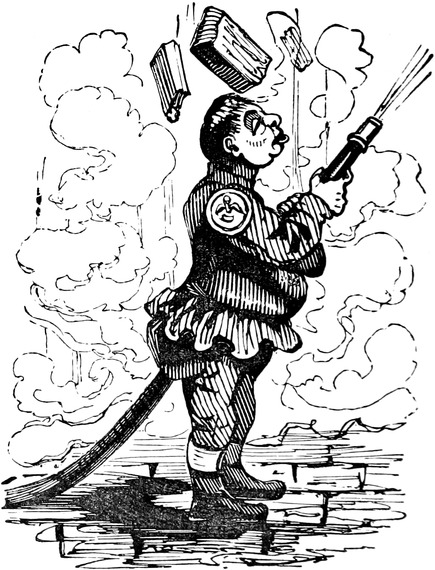
PLAYING AT HAZARD.
The same remark applies with greater force to the House of Commons. Here all was confusion worse confounded, and Higginbottom’s station was enviable, compared with that of some of the poor fellows in St. Stephen’s Chapel. A considerable number of members had arrived, and without any attention to their usual parliamentary rules, were all making motions at once, which nobody seconded. The most prominent, I was informed, were Mr. Hume, Mr. O’Connell, Mr. Attwood, Mr. Buckingham, Mr. Pease, Sir Andrew, and Mr. Buxton—the latter almost covered with blacks. The clamour was terrific, and I really expected that the poor foremen who held the pipes would be torn in pieces. Every body wanted to command the Coldstream. Nothing but shouts of “Here! here! here!” answered like an Irish echo by cries of “There! there! there!” “Oh, save my savings!”—“My poor, Poor Bill!” “More water—more water for my Drunkenness!” “Work awa, lads, work awa—it’s no the Sabbath, and ye may just play at what ye like!”
In pleasing contrast to this tumult, was the unusual and cordial unanimity of the members of both Houses, in rescuing whatever was portable from the flames. It was a delightful novelty to see the Lords helping the Commons in whatever they moved or carried. No party spirit—no Whig, pulling at one leg of the table, whilst a Tory tugged at another in the opposite direction. They seemed to belong to the Hand-in-Hand. Peers and Commoners were alike seen burthened with loads of papers or furniture. Mr. Calvert, in particular, worked like any porter. Of course, in rescuing the papers and parchments, there was no time for inspecting their contents, and some curious results were the consequence. Every body remembers the pathetic story in the Tatler, of the lover who saved a strange lady from a burning theatre, under the idea that he was preserving the mistress of his affections, and some similar mistakes are currently reported to have occurred at the late conflagration—and equally to the chagrin of the parties. I go by hearsay, and cannot vouch for the facts, but it is said that the unpopular Six Acts, including what I believe is called the Gagging Act, were actually preserved by Mr. Cobbett. Mr. O’Connell saved the Irish Coercion Bill, whilst the Reform Bill was snatched like “a brand out of the fire,” by a certain noble Duke, who resolutely set his face against it in all its stages! Amongst others, Mr. Ricardo saved an old tattered flag, which he thought was “the standard of value.”
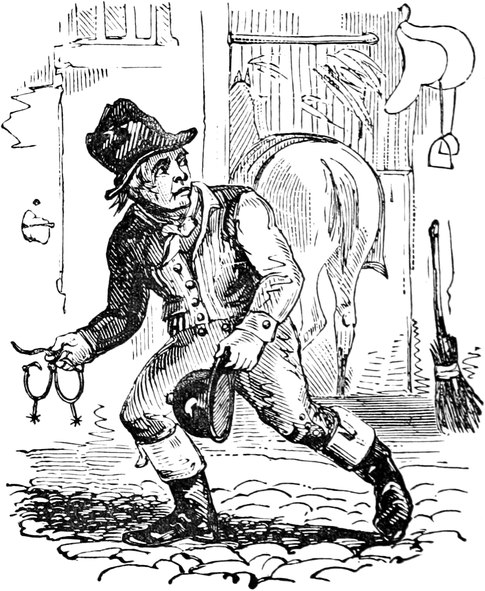
CRIBBAGE:—ONE FOR HIS NOB AND TWO FOR HIS HEELS.
However deficient in general combination, and concentration of energies, individual efforts were beyond all praise. The instances of personal exertion and daring were numerous. Mr. Rice worked amidst the flames till he was nearly baked; and everybody expected that Mr. Pease would be parched. The greatest danger was from the melted metal pouring down from the windows and roof. The heads of some of the Hon. Gentlemen were literally nothing but lead. Great apprehensions were entertained of the falling in of one of the walls, which eventually gave way, but fortunately everybody had retreated on the timely warning of a gentleman, Mr. O’Connell, I believe, who declared that he saw a Rent in it.
I did not enter the House of Lords, which was now one mass of glowing fire, but directed my attention towards the Speaker’s mansion, which was partially burning. The garden behind was nearly filled with miscellaneous property—and numbers of well-dressed gentlemen were every moment rushing into the house, from which they issued again, laden with spits, sauce-pans, and other culinary implements. I, myself, saw one zealous individual thus encumbered—with a stew-pan on his head, the meat-screen under one arm, the dripping-pan under the other, the frying-pan in his right hand, the grid-iron in his left, and the rolling-pin in his mouth. Indeed, it is said that every article in the kitchen was saved down to the salt-box; and the cook declares that such was the anxiety to save her she was “cotched up in twelve gentlemen’s arms, and never felt her feet till the corner of Abingdon Street.”
The whole of the Foot Guards were in attendance, as well as a great number of the police, but the thieves had mustered in great force, and there was a good deal of plundering, which was however checked temporarily by a gentleman said to be one of the members and magistrates for Essex, who jumped up on a railing and addressed the populace to the following effect, “How do you hall dare!”
The origin of the fire is involved in much mystery; nor is it correctly ascertained by whom it was first discovered. Some say that one of the serjeants, in taking up the insignia, was astonished to find the mace as hot as ginger. Others relate that a Mr. Spell, or Shell, or Snell, whilst viewing the House, although no dancer, began suddenly, and in his boots, to the utter amazement of his companions and Mrs. Wright, the housekeeper, to jump and caper like a bear upon a hotted floor. This story certainly seems to countenance a report that the mischief originated in the warming apparatus, an opinion that is very current, but, for my own part, I cannot conceive that the Collective Wisdom, which knows how to lay down laws for us all, should not know how to lay down flues. Rumours of Incendiarism are also very generally prevalent, and stories are in circulation of the finding of half-burnt matches and other combustibles. But these facts rest on very frail foundations. The links said to have been found in the Speaker’s garden have turned out to be nothing but German sausages; and another cock-and-a-bull that has got abroad will probably come to no better end. A Mr. Dudley affirms that he smelt the fire before it broke out, at Cooper’s Hill; but such olfactories are too much like manufactories to be believed.
I am, Sir, your most obedient Servant, X. Y. Z.
Another Account.
The writer of these lines, who resides in Lambeth, was first awakened to a sense of conflagration by a cry of “Fire” from a number of persons who were running in the direction of Westminster Bridge. Owning myself a warm enthusiast on the subject of ignition, and indeed not having missed a fire for the last fifty years, except one, and that was only a chimney, it may be supposed the exclamation in question had an electric effect. We are all the slaves of some physical bias, strange as it may appear to others with opposite tendencies. It is recorded of some great marshal that he disliked music, but testified the liveliest pleasure at a salvo of artillery or a roll of thunder, and the rumble of an engine has the same effect on the author of these lines. To say I am a guebre, or fire-worshipper, is only to confess the truth. I have a sort of observatory erected on the roof of my house, from which, if there be a break-out within the circuit of the metropolis, it may be discovered, and before going to bed I invariably visit this look-out.
Every man has his hobby-horse, and, figuratively speaking, mine was always kept harnessed and ready to run to a fire with the first engine. Many a time I have arrived before the turncocks, though I perhaps had to traverse half London, and I scarcely remember an instance that I did not appear long before the water. Habit is second nature—I verily believe I could sniff a conflagration by instinct; and if I was not, I ought to have been, the trainer of the firemen’s dog, which at present attracts so much of the public attention, by his eager running along with the Sun, the Globe, the British, and the Hand-in-Hand.
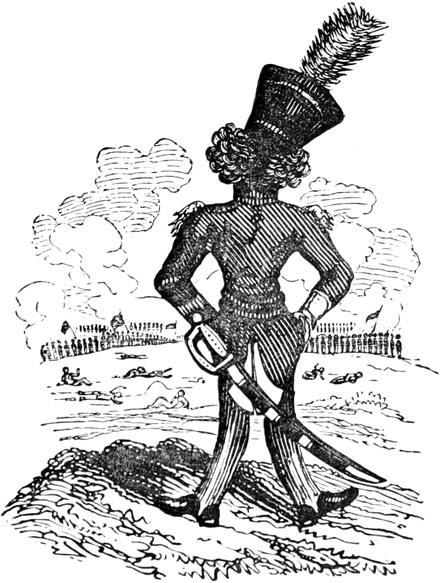
“’TIS DISTANCE LENDS ENCHANTMENT TO THE VIEW.”
Of course I have seen a great many fires in my time—Rotherhithe, the theatres, the Custom-house, &c. &c. I remember in the days of Thistlewood and Co., when the metropolis was expected to be set on fire, I slept for three weeks in my clothes in order to be ready for the first alarm; for I had the good fortune to witness the great riots of 1780, when no less than eight fires were blazing at once, and a lamentable sight it was. I say lamentable, because it was impossible to be present at them all at the same time; but my good genius directed me to Langdale’s the Distiller, which made (excuse the vulgar popular phrase) a very satisfactory flare-up.
The Rotherhithe fire, not the recent little job, but some fifteen or twenty years ago, was also on a grand scale, and very lasting. The engine-pipes were wilfully cut; and I remember some of my friends rallying me on my well-known propensity, jocularly accusing me of lending my knife and my assistance. The Custom-house was a disappointment; it certainly cleared itself effectually, but it was done by day-light, and consequently the long-room fell short of my anticipations. Drury-lane and Covent-garden were better: but I have observed generally that theatres burn with more attention to stage effect. They avoid the noon; a dark night to a fire is like the black letters in a benefit-bill, setting off the red ones.
The destruction of the Kent Indiaman I should like to have witnessed, but contrary to the opinion of many experienced amateurs I conceive the Dartford Mills must have been a failure. Powder magazines make very indifferent conflagrations; they are no sooner on fire than they are off,—all is over before you know where you are, and there is no getting under, which quite puts you out. But fires, generally, are not what they used to be. What with gas, and new police, steam, and one cause or other, they have become what one might call slow explosions. A body of flame bursts from all the windows at once, and before B 25 can call fi-er in two syllables, the roof falls in, and all is over. It was not so in my time. First a little smoke would issue from a window-shutter, like the puff of a cigar, and after a long spring of his rattle, the rheumatic watchman had time to knock double and treble knocks, from No. 9 to No. 35, before a spark made its appearance out of the chimney-pot. The Volunteers had time to assemble under arms, and muffle their drums, and the bell-ringers to collect in the belfry, and pull an alarm peal backwards. The parish engines even, although pulled along by the pursy churchwardens, and the paralytic paupers, contrived to arrive before the fire fairly broke out in the shape of a little squib-like eruption from the garret-window. The affrighted family, fourteen in number, all elaborately drest in their best Sunday clothes, saved themselves by the street-door, according to seniority, the furniture was carefully removed, and after an hour’s pumping, the fire was extinguished without extending beyond the room where it originated, namely a bed-room on the second floor. Such was the progress in my time of a fire, but it is the fashion now to sacrifice everything to pace. Look at our race-horses, and look at our fox-hounds,—and I will add look at our conflagrations. All that is cared for is a burst—no matter how short, if it be but rapid. The devouring element never sits down now to a regular meal—it pitches on a house and bolts it.
But I am wandering from the point. The announcement of both Houses of Parliament being in flames thrilled through every fibre. It seemed to promise what I may call a crowning event to the Conflagrationary Reminiscences of an Octogenarian. I snatched up my hat, and rushed into the street, at eighty years of age, with the alacrity of eighteen, when I ran from Highgate to Horselydown, to be present at the gutting of a ship chandler’s. As the bard says—
“Ev’n in our ashes live their wonted fires,”
and I could almost have supposed myself a fireman belonging to the Phœnix. My first step into the street discouraged me, the moonlight was so brilliant, and in such cases the most splendid blaze is somewhat “shorn of its beams.” But a few steps reassured me. Even at the Surrey side of the river the sparks and burning particles were falling like flakes of snow—I mean of course the red snow formerly discovered by Captain Ross, and the light was so great that I could have read the small print of the Police Gazette with the greatest ease, only I don’t take it in. I of course made the best of my way towards the scene, but the crowd was already so dense that I could only attain a situation on the Strand opposite Cotton Gardens, up to my knees in mud. Both Houses of Parliament were at this time in a blaze, and no doubt presented as striking objects of conflagration as the metropolis could offer. I say, “no doubt,”—forgetting jammed against a barge with my back towards the fire, I am unable to state anything on my own authority as an eye-witness, excepting that the buildings on the Surreyside exhibited a glowing reflection for some hours. At last the flowing of the tide caused the multitude to retreat, and releasing me from my retrospective position allowed me to gaze upon the ruins. By what I hear, it was a most imposing sight—but in spite of my Lord Althorpe, I cannot help thinking that Westminster Hall, with its long range, would have made up an admirable fire. Neither can I agree with the many that it was an Incendiary Act, that passed through both houses so rapidly. To enjoy the thing, a later hour and a darker night would certainly have been chosen. Fire-light and moon-light do not mix well:—they are best neat.
I am, Sir, Yours, &c., SENEX.
Various Accounts.
WE are concerned to state that Sir Jacob Jubb the new member for Shrops was severely burnt, by taking his seat in the House, on a bench that was burning under him. The danger of his situation was several times pointed out to him, but he replied that his seat had cost him ten thousand pounds, and he wouldn’t quit. He was at length removed by force.—Morning Ledger.
A great many foolish anecdotes of the fire are in circulation. One of our contemporaries gravely asserts that the Marquis of Culpepper was the last person who left the South Turret, a fact we beg leave to question, for the exquisite reason that noble lord alluded to is at present at Constantinople.—The Real Sun.
We are enabled to state that the individual who displayed so much coolness in the South Turret was Captain Back.—The Public Journal.
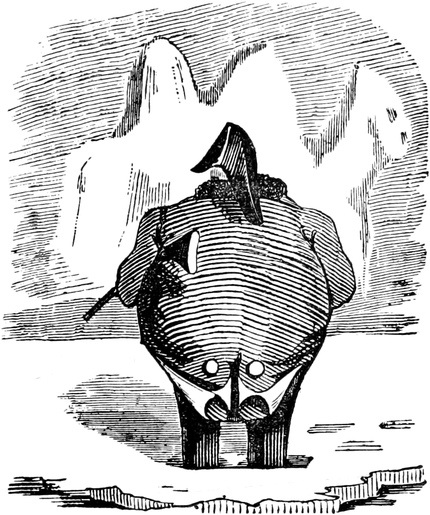
FANCY PORTRAIT:—CAPTAIN BACK.
It is said that considerable interest was evinced by the members of the House of Commons who were present at the fire, as to the fate of their respective Bills. One honourable gentleman, in particular, was observed anxiously watching the last scintillations of some burnt paper. “Oh, my Sabbath Observances!” he exclaimed, “There’s an end of religion! There go the Parson and Clerk!”—Public Diary.
The Earl of M. had a very narrow escape. His lordship was on the point of kicking a bucket when a labourer rushed forward and snatched it out of the way. The individual’s name is M’Farrel. We understand he is a sober, honest, hard-working man, and has two wives, and a numerous family; the eldest not above a year old.—Daily Chronicle.
The exclamation of a noble lord, high in office, who was very active at the fire, has been very incorrectly given. The words were as follows:—“Blow the Commons! let ’em flare up—but oh,—for a save-all! a save-all.”—Morning News.
The public attention has been greatly excited by the extraordinary statement of a commercial gentleman, that he smelt the fire at the Cock and Bottle, in Coventry. He asserts that he mentioned the fact in the commercial room to a deaf gentleman, and likewise to a dumb waiter, but neither have any recollection of the circumstance. He has been examined before the Common Council, who have elicited that he actually arrived at Coventry on the night in question, by the Tallyho, and the near leader of that coach has been sent for by express.—New Monitor.
We were in error in stating that the Atlas was the first engine at the scene of action. So early as five o’clock Mr. Alderman A. arrived with his own garden engine, and began immediately to play upon the Thames.—British Guardian.
It must have struck everyone who witnessed the operations in the House of Commons, that there was a lamentable want of “order! order! order!” A great many gentlemen succeeded in making pumps of themselves, without producing any check on the flames. The conduct of the military also was far from unexceptionable. On the arrival of the Coldstream at the fire they actually refused to fall in. Many declined to stand at ease on the burning rafters—but what is the public interest to a private?—Public Advertiser.
Monsieur C.’s Account. (Exclusive.)
WHEN I am come first to the fire it was not long burnt up; and I was oblige to walk up and down the floor to keep myself warm. At last, I take my seat on the stove, quite convenient to look about. In the House of Commons there was nobody, and I am all alone. The first thing I observe was a great many rats, ratting about—but they did not known which way to turn. So they were all burnt dead. The flames grew very fast; and I am interested very much with the seats, how they burned, quite different from one another. Some seats made what you call a great splutter, and popped and bounced, and some other seats made no noise at all. Mr. Bulwer’s place burned of a blue colour; Mr. Buckstone’s turned quite black; and there was one made a flame the colour of a drab. I observe one green flame and one orange, side by side, and they hiss and roar at one another very furious. The gallery cleared itself quite quickly, and the seat of Messieurs the reporters, exploded itself like a cannon of forty-eight pounds. The speaking chair burnt without any sound at all.
When everything is quite done in the Commons I leave them off, and go to the House of Lords, where the fire was all in one sheet, and almost the whole of its inside burnt out. I was able in this room to take off my great coat. I could find nothing to be saved except one great ink-stand, that was red hot, and which I carry away in my two hands. Likewise here, as well as in the Commons, I bottled up several bottles of smoke, to distribute afterwards, at five guineas a-piece, and may be more; for I know the English people admire such things, and are fond after reliques, like a madness almost. I did not make a long stop, for whenever I was visible, the pompiers was so foolish as play water upon me, and I was afraid of a catch-cold. In fact, when I arrive at home, I find myself stuffed in my head, and fast in my chest, and my throat was a little horse. I am going for it into a bath of boiling water, and cannot write any more at full length.
A Letter to a Labouring Man.
BUSHELL,
When you made a holiday last Whitsuntide to see the Sights of London, in your way to the Waxwork and Westminster Abbey, you probably noticed a vast pile of buildings in Palace Yard, and you stood and scratched that shock head of yours, and wondered whose fine houses they were. Seeing you to be a country clodpole, no doubt some well-dressed vagabond, by way of putting a hoax upon the hawbuck, told you that in those buildings congregated all the talent, all the integrity and public spirit of the country—that beneath those roofs the best and wisest, and the most honest men to be found in three kingdoms, met to deliberate and enact the most wholesome, and just, and judicious laws for the good of the nation. He called them the oracles of our constitution, the guardians of our rights, and the assertors of our liberties. Of course, Bushell, you were told all this; but nobody told you, I dare say, that within those walls your master had lifted up his voice, and delivered the only sound, rational, and wholesome, upright, and able speeches that were ever uttered in St. Stephen’s Chapel. No, nobody told you that. But when I come home, Bushell, I will lend you all my printed speeches, and when you have spelt them, and read them, and studied them, and got them by heart, bumpkin as you are, Bushell, you will know as much of legislation as all our precious members together.
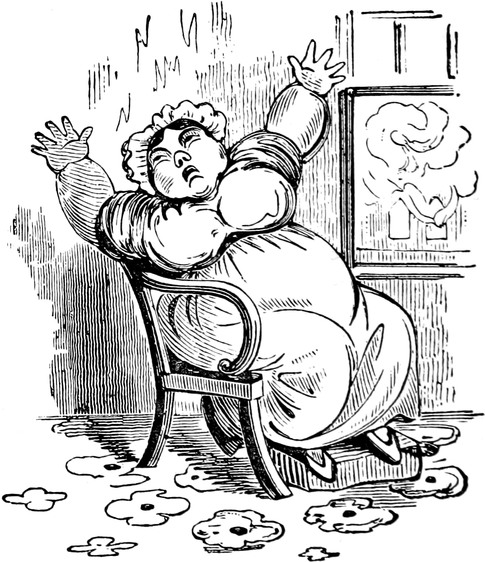
“OUR CONSTITUTION’S GONE!”
Well, Bushell, the fine houses you stood gaping at are burnt down, gutted, as the vulgar call it, and nothing is left but the bare walls. You saw Farmer Gubbins’ house, or, at least, the shell of it, after the fire there: well, the Parliament Houses are exactly in the same state. There is news for you! and now, Bushell, how do you feel? Why, if the well-dressed vagabond told you the truth, you feel as if you had had a stroke—for all the British Constitution is affected, and you are a fraction of it, that is to say, a British subject. Your bacon grows rusty in your mouth, and your table-beer turns to vinegar on your palate. You cannot sleep at night, or work by day. You have no heart for anything. You can hardly drag one clouted shoe after another. And how do you look? Why, as pale as a parsnip, and as thin as a hurdle, and your carroty locks stand bolt upright as if you had just met old Lawson’s ghost with his head under his arm. I say thus you must feel and look, Bushell, if what the well-dressed vagabond told you is the truth. But is that the case? No. You drink your small-beer with a sigh and smack of delight; and you bolt your bacon with a relish, as if, as the virtuous Americans say, you could “go the whole hog.” Your clouted shoes clatter about as if you were counting hobnails with the Lord Mayor, and you work like a young horse, or an old ass, and at night you snore like an oratorio of jews’ harps. Your face is as bold and ruddy as the Red Lion’s. Your carroty locks lie sleek upon your poll, and as for poor old Lawson’s ghost, you could lend him flesh and blood enough to set him up again in life. But what, say you, does all this tend to? I will tell you, Bushell. There are a great many well-dressed vagabonds, besides the one you met in Palace Yard, who would persuade a poor man that a House of Lords or Commons is as good to him as his bread, beer, beef, bacon, bed, and breeches; and therefore I address this to you, Bushell, to set such notions to rights by an appeal to your own back and belly. And now I will tell you what you shall do. You shall go three nights a week to the Red Lion (when your work is done), and you may score up a pint of beer, at my cost, each time. And when the parson, or the exciseman, or the tax-gatherer, or any such gentry, begin to talk of that deplorable great burning, and the national calamity, and such-like trash, you shall pull out my letter and read to them—I say, Bushell, you shall read this letter to them, twice over, loudly and distinctly, and tell them from me, that the burning of twenty Parliament Houses wouldn’t be such a national calamity as a fire at No. 1, Bolt Court.
PRIVATE CORRESPONDENCE.
To Mary Price, Fenny Hall, Lincolnshire.
O Mary,—I am writing in such a quiver, with my art in my mouth, and my tung sticking to it. For too hole hours Ive bean Doin nothink but taking on and going off, I mean into fits, or crying and blessing goodness for my miraclus escape. This day week I wear inwallopped in flams, and thinkin of roth to cum, and fire evverlasting. But thenks to Diving Providings, hear I am, althowgh with loss of wan high brew scotched off, a noo cap and my rite shew. But I hav bean terrifid to deth. Wen I was ate, or it mite be nine, I fell on the stow, and hav had a grate dred of fire evver since. Gudge then how low I felt at the idear of burning along with the Lords and Communer’s. It as bean a Warnin, and never, no, never never never agin will I go to Clandestiny parties behind Mississis backs. I now see my errer, but temtashun prevaled, tho the clovin fut of the Wicked Wan had a hand in it all: Oh Mary, down on yure marrybones, and bless yure stars for sitiating you in a loanly stooped poky place, wear you cant be lead into liteness and gayty, if you was evver so inclind. Fore wipping willies and a windmill is a dullish luck out, shure enuff, but its better then moor ambishus prospex, and stairing at a grate fire, like a suckin pig, till yure eyes is reddy to drop out of yure hed!
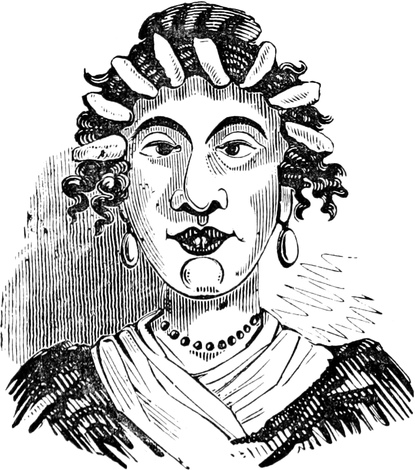
“WHY DON’T THE MEN PROPOSE?”
You no wen Lady Manners is absent, a certin person allways givs a good rowt:—and I had a card in Coarse. I went verry ginteel, my Cloke cost I wont say Wot, and a hat and fethers to match. But it warnt to be. After takin off my things, I had barely set down, wen at the front dore there cums a dubble nock without any end to it, and a ring of the bell at the saim time, like a triangle keepin cumpany with a big drum. As soon as the door were opened a man with a pail face asked for the buckits, and that was the fust news we had of the fire. Oh Mary, never trust to the mail sects! They are all Alick from the Botcher and Backer that flurts at the front dore, down to the deer dissevers you throw away yure arts upon. For all their fine purfessions, they are only filling your ears with picrust, they make trifles of yure afections, and destroy yure comfits for life. They think no moore of parjuring themselvs then I do of sweeping the earth. If yure wise you will sit yure face agin all menkind and luv nonsense, as I meen to in futer, or may be, wen you are dreeming of brid cake and wite fevers, you may find yureself left with nothink but breeches of prommis. John Futman is a proof in pint. Menny tims Ive give him a hiding at number fore, and he allways had the best of the lardur at our stolin meatings, and God nose Ive offun alloud him to idelize me wen I ort to have bean at my wurks, besides larning to rite for his sack. Twenty housis afire ort not to hav abaited his warmth, insted of witch to jump up at the fust allurm and run away, leaving me to make my hone shifts. A treu luver wood have staid to shear my fat. O Mary, if ever there was a terryfickle spectikle that was won. Flams before and flams behind, and flams overhead. Sich axing and hollowing out, and mobbing and pumpin, and cussing and swaring, and the peple’s rushes into the Hous purvented all gitting out. For my hone parts, I climed up the dresser, and skreeked, but nobbody was man enuff to purtect. Men ant what they was. I am sick of the retches! It used to be femails fust, but now its furniter. I fully thort one gintleman was comin to cotch me up in arms, but he prefered the fish kettle. As for the sogers they marcht off to the wind seller and the pantry, ware they maid beleave to preserve the gusberry gam. How I was reskewd at last Lord nose, for my hed was unsensible tell I found meself setten on the pickid pinted ralings of St. Margret’s Church, with my fethers all frizzild, and a shew off. But of all lossis, my ridicule was most serius, for it had my puss in it.
How and ware it broke out is a mistery. Sum say both Howses was under minded. Sum say the Common members got over heatid in there fluency. A grate deal of property was burned, in spit of Lord Allthorp, who ingaged every cotch, cab, and gobbing porter as conveyancers. Westmunster may thenk his Lordship it did not lose its All. They say the Lords and Communs was connectid with a grate menny historicle associashuns, wich of coarse will hav to make good all dammage.
Fortnately, the Speker’s mornin, noon, and evning services of plait was not at home, or it mite hav sufferd, for they say goold and silver as stud the fire verry well, melted down when it got furthur off. Tauking of plait a gentilman, who giv his card, Mr. William Soames, were verry kind and partickler in his inquerries efter Mr. Speker’s vallybles. I hope he will hav a place givn him for his indevvers.
Ware the poor burnt-out creturs will go noboddy nose. Sum say Exter Hall, sum say the Refudge for the Destitut, and sum say the King will lend them his Bensh to set upon! All I no is, I’ve had a frite that will go with me to my grave. I am allways snifing fire by day and dreeming on it by nite. Ony last Fryday I allarmd the hole naberhood by screaching out of winder for the warter to be plugged up. Liting fires, or striking lite, or making tindur, throes me into fits.
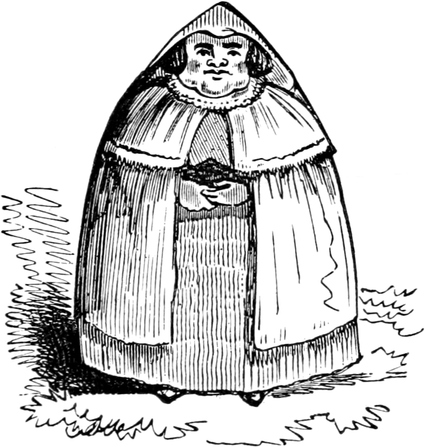
A REFINED WOMAN.
I shall nevver be the womman I was; but that is no excus for John’s unconstancy. I don’t dare to take my close off to go to bed, and I practice clambering up and down by a rop in case, and I giv police M 25 a shillin now and than to keep a specious eye to number fore, and be reddy to ketch anny won in his harms. But it cums to munny, and particly givin the ingin keeper a pint of bear from time to time, and drams to the turncox: where there’s nabers fires will happen, howevver cerefull and precocius you may be youreself. I dred our too nex dores; number three is a Gurmin fammily, and them orrid forriners think nothink of smocking siggars in bed, witch will ketch sum day to a curtainty. Number fiv is wus; since his wif’s deth Mr. Sanders has betuck himself to comicle studis, and offin has a littel blo up amung his pistles and morters. O! Mary, how happy is them as livs lick you, as the song says, “Fur from the buzzy aunts of men.” If yu’re inflamd its nobbody’s folt but youre hone. Pray take the gratest car. Have sure eyes about you, and luck out for sparks; watever the men may say, don’t allow backerpips or long snufs, and let evvery boddy be thurrowly put out. Don’t neglect to rake out evvery nite, see that evvery sole in the hows is turnd down or xtinguished, and allways blo yureself out befour you go to yure piller. Thenk gudness you nevver larnd to reed, and therefor will not take anny bucks to bed with you. Allways ware stuff or woollin, insted of lite cottons and gingums, in case of the coles throwin out coffens or pusses, by witch munny persons gains their ends. In case of yure pettycots catchin don’t forgit standin on yure hed, as recommended by the Human Society, becoz fire burns uppards, but its a posishun as requiers practis. Have yure chimbly swept reglar wonce a munth, and wen visiters cum neveer put hot coles in the warmin pan, for fear you forgit and leave it in the spair bed. Remember fire is a good sarvent but a bad master, and sure enuff wen it is master it never gives a sarvent a munth’s notis. To be shure we have won marsy in town that is unbenone in the country, and that is Swingeing; there is no cornstax or heyrix in St. Jims’s Square. That is yure week pint, and I trembil for the barns; a rockite or a roaming candle mite set you in a blaze. But I hop and trust wat I say will never pruve the truth. Oppydildock is good for burns, and I am, dear Mary,
Yure old and afexionate feller sarvent, ANN GALE.
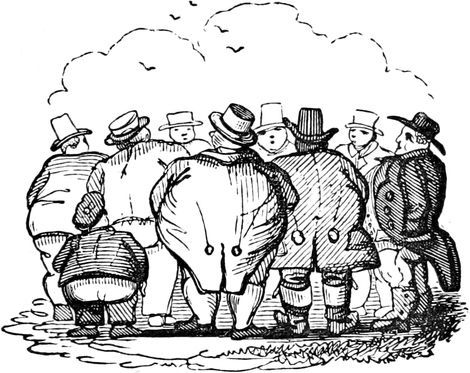
THE SWELL MOB.
THE JUBB LETTERS.
From Lady Jubb to Mrs. Phipps, Housekeeper at the Shrubbery, Shrewsbury, Shrops.
MRS. PHIPPS,
You will prepare the house directly for the family’s return, not that our coming back is absolutely certain, but events have happened to render our stay in Portland Place very precarious. All depends upon Sir Jacob. In Parliament or out of Parliament his motions must guide ours. By this time what has happened will be known in Shropshire, but I forbid your talking. Politics belong to people of property, and those who have no voice in the country ought not to speak. In your inferior situations it’s a duty to be ignorant of what you know. The nation is out of your sphere, and besides, people out of town cannot know the state of the country. I want to put you on your guard; thanks to the press, as Sir Jacob says, public affairs cannot be kept private, and the consequence is, the ignorant are as well informed as their betters. The burning of both Houses of Parliament I am afraid cannot be hushed up—but it is not a subject for servants, that have neither upper nor lower members amongst them, and represent nobody. I trust to you, Mrs. Phipps, to discourage all discussions in the kitchen, which isn’t the place for parliamentary canvassing. The most ridiculous notions are abroad. I should not be surprised even to hear that Sir Jacob had lost his seat, because the benches were burnt, but we have been deprived of none of our dignities or privileges. You will observe this letter is franked; the fire made no difference to your master, he is not dissolved, whatever the Blues may wish—he is still Sir Jacob Jubb, Baronet, M.P.
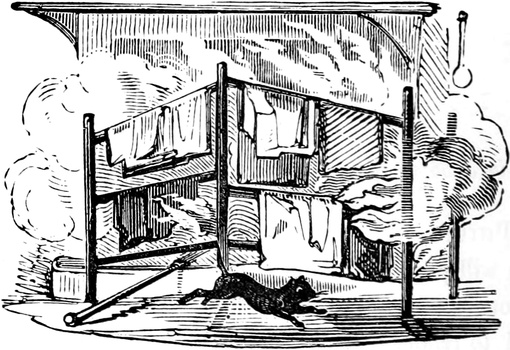
THE LIGHT HORSE.
The election of Sir Jacob at such a crisis was an act of Providence. His firmness at the fire affords an example to posterity; although the bench was burning under him he refused to retreat, replying emphatically, “I will sit by my order.” As far as this goes you may mention, and no more. I enjoin upon all else a diplomatic silence. Sir Jacob himself will write to the bailiff, and whatever may be the nature of his directions, I desire that no curiosity may be indulged in, and above all, that you entertain no opinions of your own. You cannot square with the upper circles. I would write more, but I am going to a meeting, I need not say where, or upon what subject. I rely, Mrs. Phipps, on your discretion, and am, &c.,
ARABELLA ANASTASIA JUBB.
To T. Crawfurd, junior, Esquire, the Beeches, near Shrewsbury, Shrops.
DEAR TOM,
Throw up your cap and huzza. There’s glorious news, and so you’ll say when I tell you. I could almost jump out of my skin for joy! Father’s dismembered! The House of Commons caught fire, and he was dissolved along with the rest.
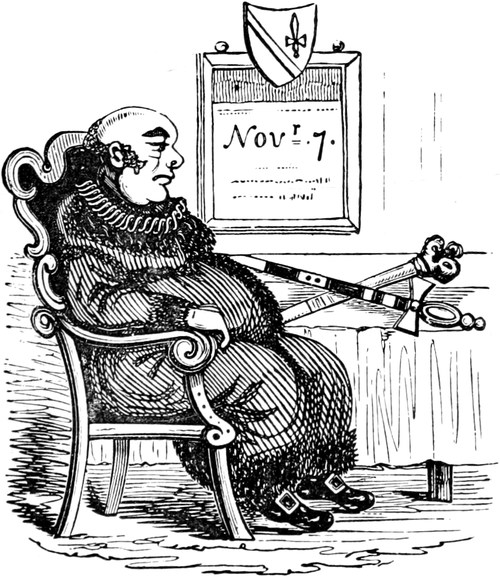
“THE LAST DAYS OF POMP—.”
I’ve never been happy since we came up to London, and all through Parliament. The election was good sport enough. I liked the riding up and down, and carrying a flag; and the battle, with sticks, between the Blues and the Yellows, was famous fun; and I huzza’d myself hoarse at our getting the day at last. But after that came the jollup, as we used to say at Old Busby’s. Theme writing was a fool to it. If father composed one maiden speech he composed a hundred, and he made me knuckle down and copy them all out, and precious stupid stuff it was. A regular physicker, says you, and I’d worse to take after it. He made us all sit down and hear him spout them, and a poor stick he made.—Dick Willis, that we used to call Handpost, was a dab at it compared to him. He’s no better hand at figures, so much the worse for me. Did you ever have a fag, Tom, at the national debt? I don’t know who owes it, but I wish he’d pay it, or be made bankrupt at once. I’ve worked more sums last month than ever I did at school in the half year,—geography the same. I had to hunt out Don Carlos and Don Pedro, all over the maps. I came in for a regular wigging one day, for wishing both the Dons were well peppered, as Tom Tough says. I’ve seen none of the sights I wanted to see. He wouldn’t let me go to the play, because he says the theatres are bad schools, and would give me a vicious style of elocution. The only pleasure he promised me was to sit in the gallery at the Commons and see him present his petitions. Short-hand would have come next, that I might take down his speechifying—for he says the reporters all garble. An’t I well out of it all—and a place he was to get for me besides, from the Prime Minister? I suppose the Navy Pay, to sit on a high stool and give Jack Junk one pound two and ninepence twice a year. I’d rather be Jack Junk himself, wouldn’t you, Tom? But father’s lost his wicket, and huzza for Shropshire! In hopes of our soon meeting, I remain, my dear Tom,
Your old chum and schoolfellow, FREDERICK JUBB.
P.S.—A court gentleman has just come in, with a knock-me-down-again. He says there’s to be a new election. I wish you’d do something; it would be a real favour, and I will do as much for you another time. What I want of you is, to get your father to set up against mine. Do try, Tom—there’s a good fellow. I will ask every body I know to give your side a plumper.
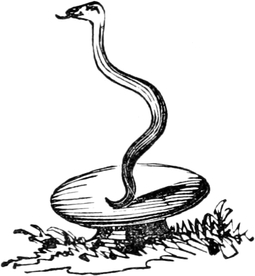
AN ADDER UP.
To Mr. Roger Davis, Bailiff, the Shrubbery, near Shrewsbury.
DAVIS,
I hope to God this will find you at home—I am writing in a state of mind bordering on madness. I can’t collect myself to give particulars—you will have a newspaper along with this—read that, and your hair will stand on end. Incendiarism has reached its height like the flaming thing on the top of the Monument. Our crisis is come. To my mind—political suicide—is as bad as felo de se. Oh Whigs, Whigs, Whigs—what have you brought us to! As the Britannic Guardian well says—England is gone to Italy—London is at Naples—and we are all standing on the top of Vesuvius. I have heard—and I believe it—that an attempt has been made to choke Aldgate Pump. A Waltham Abbey paper says positively that the mills were recently robbed of 513 barrels of powder, the exact number of the members for England and Wales. What a diabolical refinement—to blow up a government with its own powder! I can hardly persuade myself I am in England. God knows where it will spread to—I mean the incendiary spirit. The dry season is frightful—I suppose the springs are all dry. Keep the engine locked in the stable for fear of a cut at the pipes. I’ll send you down two more. Let all the labourers take a turn at them, by way of practice. I’m persuaded the Parliament houses were burnt on purpose. The flue story is ridiculous. Mr. Cooper’s is a great deal more to the point. I believe everything I hear. A bunch of matches was found in the Speaker’s kitchen. I saw something suspicious myself—some said treacle, but I say tar. Have your eyes about you—lock all the gates, day as well as night—and above all, watch the stacks. One Tiger is not enough—get three or four more, I should have said Cæsar, but you know I mean the house-dog. Good mastiffs,—the biggest and savagest you can get. The gentry will be attempted first—beginning with the M.P.’s. You and Barnes and Sam must sit up by turns—and let the maids sit up too—women have sharp ears and sharp tongues.—If a mouse stirs I would have them squall—danger or no danger. It’s the only way to sleep in security—and comfort. I have read that the common goose is a vigilant creature—and saved Rome. Get a score of them at the next market—don’t stand about price—but choose them with good cackles. Alarm them now and then to keep them watchful, Fire the blunderbuss off every night, and both fowling pieces and all the pistols. If all the Gentry did as much, it might keep the country quiet. If you were to ring the alarm-bell once or twice in the middle of the night, it would be as well—you would know then what help to depend upon. Search the house often from the garret to the cellar, for combustibles—if you could manage to go without candles, or any sort of light, it would be better.
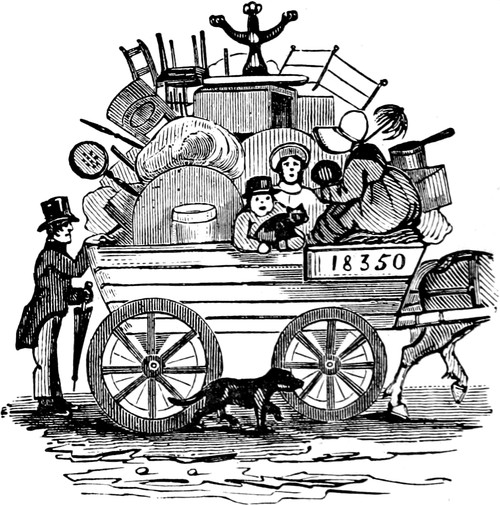
THE MOVEMENT PARTY.
You’d find your way about in the dark after a little practice. Pray don’t allow any sweethearts; they may be Swings and Captain Rocks in disguise, and their pretended flames turn out real. I’ve misgivings about the maids. Tie them up and taste their liver, before they eat it themselves—I mean the house-dogs; but my agitation makes me unconnected. The scoundrels often poison them, before they attempt robbery and arson. Keep the cattle in the cowhouse for fear of their being houghed and hamstrung. Surely there were great defects somewhere. The Houses could not have been properly protected—if they had been watched as well as they were lighted—but it is too late to cast any blame on individuals. A paltry spirit of economy has been our bane. A few shillings would have purchased a watch-dog; and one or two geese in each house might have saved the capitol of the constitution! But the incendiary knew how to choose his time—an adjournment when there were none sitting.
I say incendiary, because no doubt can exist in any cool mind, that enters into the conflagration. I transcribe conclusive extracts from several papers, the editors of which I know to be upright men, and they all write on one side.
“We are confidently informed,” says the Beacon, “that a quantity of tar-barrels was purchased at No. 2, High-street, Shadwell, about ten o’clock on the morning of the fire. There was abundant time before six a.m., for removing the combustibles to Westminster. The purchaser was a short, squat, down-looking man, and the name on his cart was I. Burns.”
“Trifling circumstances,” says the Sentinel, “sometimes point to great results. Our own opinion is formed. We have made it our business to examine the Guys in preparation for the impending anniversary of the Gunpowder Plot, and we affirm that every one of the effigies bore a striking resemblance to some member or other of assemblies we need not name. These are signs of the times.”
“We should be loth,” says the Detector, “to impute the late calamity to any particular party: but we may reasonably inquire what relative stake in the country is possessed by the Whigs and the Tories. The English language may be taken as a fair standard. The first may lay claim to perri-wig, scratch-wig, tie-wig, bob-wig, in short, the whole family of the perruques, with whig-maleery. The latter, not to mention other good things, have a vested right in oratory, history, territory, and victory. Can a man of common patriotism have a doubt which side it is his interest to adhere to?”
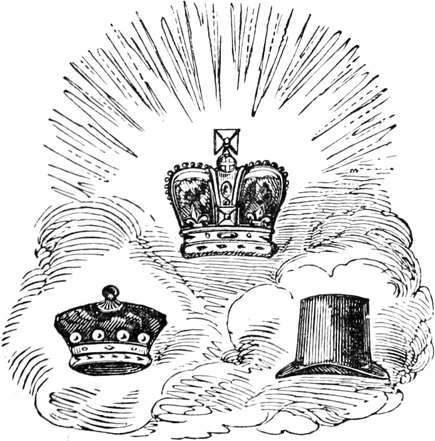
“WHEN SHALL WE THREE MEET AGAIN?”
That last paragraph, Davis, is what I call sound argument. Indeed I don’t see how it is to be answered. You see they are all nem. con. as to our danger, and decidedly reckon fire an inflammatory agent. Take care what you read. Very pernicious doctrines are abroad, and especially across the Western Channel. The Irish are really frightful. I’m told they tie the cows’ tails together, and then saw off their horns for insurrectionary bugles. The foundations of society are shaken all over the world—the Whiteboys in Ireland, and the Blacks in the West Indies, all seem to fight under the same colours. It’s time for honest men to rally round themselves—but I’m sorry to say public spirit and love of one’s country are at a low ebb. There’s too much Americanism. One writer wants us to turn all our English wheat to Indian corn, and to grow no sort of apples but Franklin pippins. We want strong measures against associations and unions. There’s demagogues abroad—and they wear white hats. By-the-bye, I more than half suspect that fellow Johnson is a delegate. Take him to the ale-house, and treat him freely—it may warm him to blab something. Besides, you will see what sort of papers the public-houses take in. You may drop a hint about their licenses. Give my compliments to Dr. Garratt, and tell him I hope he will preach to the times, and take strong texts. I wish I could be down amongst you, but I cannot desert my post. You may tell the tenantry, and electors—I’m burnt out and gutted—but my heart’s in the right place—and devoted to constituents. Come what may, I will be an unshaken pillar on the basis of my circular letter. Don’t forget any of my precautions. I am sorry I did not bring all the plate up to town—but at the first alarm bury it. Take in no letters or notices; for what you know they may be threatenings. If any Irishman applies for work, discharge him instantly. All the old spring-guns had better be set again, they are not now legal, but I am ministerial, and if they did go off, the higher powers would perhaps wink at them. But it’s fire that I am afraid of, fire that destroyed my political roof, and may now assail my paternal one. Walk, as I may say, bucket in hand, and be ready every moment for a break out. You may set fire to the small faggot stack, and try your hands at getting it under—there’s nothing worse than being taken by surprise. Read this letter frequently, and impress these charges on your mind. It is a sad change for England to have become, I may say, this fiery furnace. I have not the least doubt, if properly traced, the burning cliff at Weymouth would be found to be connected with Incendiarism, and the Earthquakes at Chichester with our political convulsions. Thank Providence in your prayers, Davis, that your own station forbids your being an M.P., for a place in parliament is little better than sitting on a barrel of gunpowder. Honour forbids to resign, or I should wish I was nothing but a simple country gentleman. Remember, and be vigilant. Once more I cry Watch, Watch, Watch! By adopting the motions I propose, a conflagration may be adjourned sine die, which is a petition perpetually presented by
Your anxious but uncompromising Master, JACOB JUBB, M.P.
To Lady Jubb, at 45, Portland Place.
RESPECTED MADAM,
I received your Ladyship’s obliging commands, and have used my best endeavours to conform to the wishes condescended therein. In respect to political controversy, I beg to say I have imposed a tacit silence on the domestic capacities as far as within the sphere of my control, but lament to say the Bailiff, Mr. Davis, is a party unamenable to my authority, and as such has taken liberties with decorum quite unconsistent with propriety and the decency due. However reluctant to censoriousness, duty compels to communicate subversive conduct quite unconformable to decency’s rules and order in a well-regulated establishment. I allude to Mr. Davis’s terrifically jumping out from behind doors and in obscure dark corners, on the female domestics, for no reasonable purpose I can discover, except to make them exert their voices in a very alarming manner. The housemaid, indeed, confirms me by saying in her own words, “he considered her skreek the best skreek in the family.” If impropriety had proceeded no further, I should have hesitated to trouble your Ladyship with particulars; but Mr. Davis, not satisfied with thus working on the unsophisticated terrors of ignorant females, thought proper to horrify with inflammatory reports.
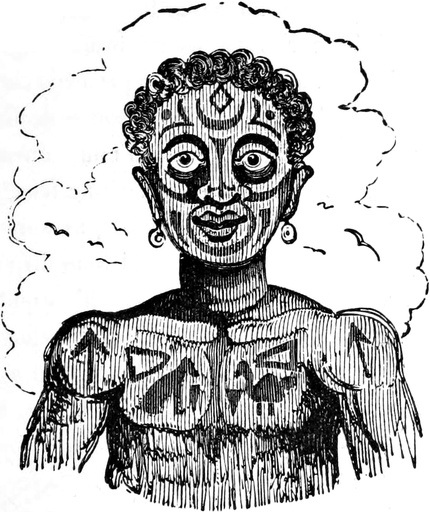
A MARKED MAN.
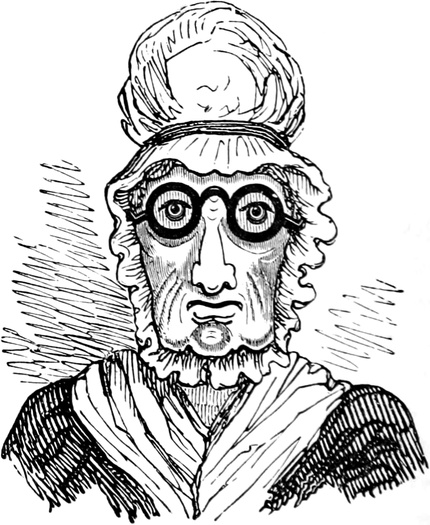
WAPPING OLD STARES.
One night, as a prominent instance, about twelve o’clock, he rang the alarm bell so violently, at the same time proclaiming conflagration, that the law of preservation became our paramount duty, and, as a consequence, we all escaped in a state of dishabille only to be ambiguously hinted at, by saying that time did not allow to put on my best lutestring to meet the neighbouring gentry—and must add, with indignation, in the full blaze of a heap of straw, thought proper to be set on fire by Mr. Davis in the fore-court. I trust your Ladyship will excuse a little warmth of language, in saying it was highly reprehensible; but I have not depictured the worst. I, one evening, lighted up what I conceived to be a mould candle, and your Ladyship will imagine my undescribable fright when it exploded itself like a missile of the squib description, an unwarrantable mode, I must say, of convincing me, as Mr. Davis had the audaciousness to own to, that we may be made to be actors in our own combustion. To suppose at my years and experience, I can be unsensible of the danger of fire, must be a preposterous notion; but all his subsequent acts partake an agreeable character. For fear of being consumed in our beds, as he insidiously professed, he exerted all his influential arguments to persuade the females to set up nocturnally all night, a precaution of course declined, as well as his following scheme, being almost too much broached with absurdity to enumerate. I mean every retiring female reposing her confidence on a live goose in her chamber, as were purchased for the express purpose, but need not add were dispensed with by rational beings. I trust your ladyship will acquit of uncharitableness if I suspect it was out of vindictive feelings at their opposition to the geese that Mr. Davis insinuated a strict inquiry into every individual that came into the house, as far even as requiring to be personally present at all that passed between the dairymaid and her cousin. It escaped memory to say that when the feminine department refused to be deprived of rest, the male servants were equally adverse to go to bed, being spirited up by Mr. Davis to spend the night together, and likewise being furnished with the best strong ale in the cellar by his imperious directions, which, by way of climax to assurance, was alleged to be by order of Sir Jacob himself. I say nothing reflectively on his repeatedly discharging his artillery at unseasonable hours, the shock principally concerning my own nervous constitution, which was so vibrated as to require calling in physical powers: and Doctor Tudor, considering advanced age and infirmity, is of opinion I may require to be under his professional hands for an ensuing twelvemonth. Of startling effects upon other parties I may make comments more unreserved, and without harsh extenuation must say, his letting off reports without due notice, frequently when the females had valuable cut glass and china in their hands, or on their trays, was blamable in the extreme, to express the least of it. Another feature which caused much unpleasantness, was Mr. Davis persisting to scrutinise and rummage the entire premises from top to bottom, but on this characteristic tediousness forbids to dwell, and more particularly as mainly affecting himself, such as the flow of blood from his nose, and two coagulated eyes, from the cellar door, through a peculiar whim of looking for every thing in a state of absolute obscurity. I may add, by way of incident, that Mr. Davis walks lame from a canine injury in the calf of his leg, which I hope will not prove rabid in the end,—but the animals he has on his own responsibility introduced on the premises, really resemble, begging your Ladyship’s pardon for the expression, what are denominated D.’s incarnate.
Such, your Ladyship, is the unpropitious posture of domestic affairs at the Shrubbery, originating, I must say, exclusively from the unprecedented deviations of Mr. Davis. A mild construction would infer, from such extraordinary extravagance of conduct, a flightiness, or aberration of mind in the individual, but I deeply lament to say a more obvious cause exists to put a negative on such a surmise. For the last week Mr. Davis has betrayed an unusual propensity to pass his evenings at the George Tavern, and in consequence has several times exhibited himself in a Bacchanalian character to our extreme discomforture, and on one occasion actually trespassed so far beyond the bounds of modesty, as to offer me the rudeness of a salute. I blush to impart such details to your Ladyship; but justice demands an explicit statement, however repulsive to violated reserve and the rules of virtue. Amongst less immoral actions, I must advert to the arrival of two new engines with a vast number of leathern buckets, I fear ordered by Mr. Davis at my honoured master’s expense, and which are periodically exercised in pumping every day, by the gardeners and the hinds, being induced thereto by extra beverages of strong beer. By such means the aquatic supply of the well is frequently exhausted by playing upon nothing,—and at this present moment I am justified in stating we have not sufficient water to fulfil culinary purposes, or the demands of cleanliness. I feel ashamed to say there is not a strictly clean cap in the whole household.
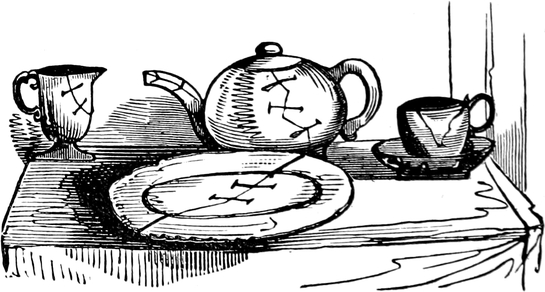
THE UNITED SERVICE.
In short, Madam, we labour under an aggravated complication of insubordination, deprivation, discomfort, and alarm, daily and nightly, such as to shock my eyes whilst it grieves my heart, and I may almost say turns my head to be present at, without sufficient authority to dictate or power to enforce a course more consistent with the line of rectitude. As my sway does not extend to Mr. Davis, I humbly beseech your Ladyship’s interference and influence in the proper quarter, in behalf, I may say, of a body of persecuted females, some of whom possess cultivated minds and sensitive feelings beyond their sphere.
I remain, respected Madam, Your Ladyship’s most obliged and very humble Servant, AMELIA PHIPPS.
P.S.—One of Mr. Davis’s savage bull-baiting dogs has just rushed with a frightful crash into the china-closet, in pursuit of the poor cat.
To Sir Jacob Jubb, Baronet, M.P.
HONNERD SUR,
Yure faver enclosin the Ruings of the Parlimint houses cam dully to hand, and did indeed put up all the hares on my hed. It cam like the bust of a thunder bolt. You mite hav nockt me down with the fether of a ginny ren. My bran swum. I seamed rooted to the hearth—and did not no weather I was a slip or a wack, on my hed or my heals. I was perfecly unconshunable, and could no more kollect meself then the Hirish tiths. I was a long Tim befor I cud perswade meself that the trooth was trew. But sich a dredful fire is enuff to unsettil wons resin. A thowsend ears mite role over our heds, and not prodeuce sich a blo to the constitushun. I was barley sensible. The Currier dropt from my hands wen I cam to the perrygraft witch says “Our hops are at an end. The Hous of Communs is a boddy of Flams, and so is the Hous of Pears! The Lords will be dun!”
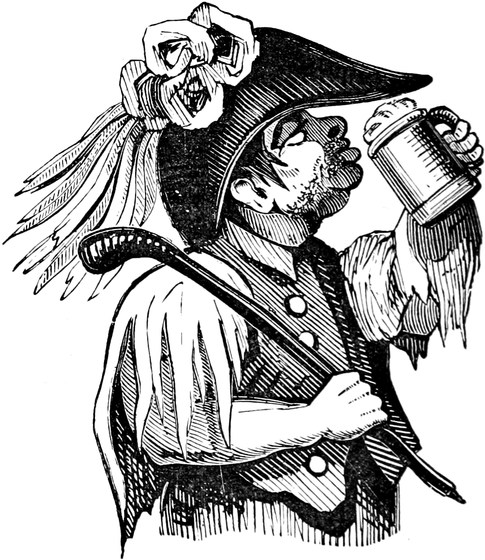
GENERAL ELECTION.
Honnerd Sur, I beg to kondole as becums on yure missin yure seat. It must have bean the suddinest of shox, & jest wen goin to sit after standin for the hole county, on yure hone futting, at your sole expens. But I do hop and trust it will not be yure dissolushun, as sum report; I do hop it is onely an emty rummer pict up at sum publick Hous. At such an encindery crisus our wust frend wood be General Elixion, by stirrin up inflametory peple, particly if there was a long pole. You see, Sir Jacob, I konker in evvery sentashus sentemint in yure respected Letter. The Volkano you menshun I can enter into. Theres a great deal of combustibul sperits in the country that onely wants a spark to convart them into catarax:—and I greave to say evvery inflammetory little demy Gog is nust, and has the caudle support of certin pappers. Im alludin to the Press. From this sort of countenins the nashunal aspec gits moor friteful evvery day. I see no prospex for the next gennerashun but rocking and swinging. I hav had a grate menny low thorts, for wat can be moor dispiritin then the loss of our two gratest Publick Housis! There is nothin cumfortable. There is a Vesuvus under our feat, and evvery step brings us nearer to its brinks. Evvery reflective man must say we are a virgin on a precipus.
Honnerd Sur! In the mean tim I hav pade atenshuns to yure letter, and studid its epistlery derecshuns, witch I hav made meself very particler in fulfiling to the utmost xtent. If the most zellus effuts have not sucksedid to wish I humbly beg to blame but wat is dew may fall on me, and hope other peples shears will visit their hone heds. The axident with the spring gun was no neglex of mine. After Barnes settin it himself, his tumblin over the wier must be lade to his hone dore along with his shot legs. I sent for two surgings to sea to him, and they cauld in too moor, so that he is certin of a good dressin, but he was very down-harted about gitting a livin, till I tolled him yure honner wood settle on him for the rest of his days. I may say the lik of the other axident to Sanders and Sam, who got badly woundid wile wotchin the stax, by apprehendin won another after a sanguine conflic by mistake for incinderies. I have promist in yure honners nam to reword them boath hansumly for their vigilings, but they stedfistly refus to padrol anny moor after dusk, tho they ar agreble by daylit, which leavs me at my whits ends for Firegards, as strange men wood not be trusswurthy.
Honnered Sur—I am sorry I cood not git the mad servents to set up for theaves, even for wun nite runnin. I tried the Currier on them, but it didn’t wurk on there minds; they tuck lites in their hands and waukd to there pillers as if they hadn’t a car on there heds, and wen I insistid on their allarmin me they all give me warnin. As for the swetharts there’s a duzzen domesticatted luvers in the kitchen, and I’m sorry to say I can’t give them all a rowt. I ketchd the cook’s bo gettin in at a winder, and sercht his pockets for feer of fosfrus, but he contaned nothin xcept a cruckid sixpens, a taler’s thimbel, and a tin backy-box, with a lock of hare witch did not match with cook’s. It is dangerus wurk. Becus I luck after the mades candels they tie strings to the banesters to ketch my fut, and I have twice pitcht from the hed to the futt of the stars. I am riting with my forrid brandid and brown pepperd, and my rite hand in a poltus from gropping in the dark for cumbustibils in the cole seller, and diskivering nothin but the torturous kat and her kittings.
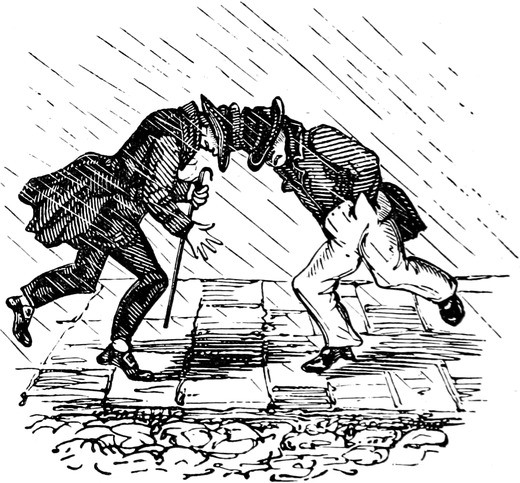
“TWO HEADS ARE BETTER THAN ONE.”
Honnerd Sur—I got six capitol gees a bargin, but am verry dubbius weather they possess the propperty that ort to make them wakful and weary of nites. The old specious may be lost. The Roman gees you menshun wood certinly hav nevver sufferd themselves to be stolen without a cakeling, as our hone did too nites ago. As for the wotch dogs, to be candied, they were all errors in gudgment. There was to much Bul in the bread. The verry fust nite they were let lose they flew in a rag, and began to vent their caning propensities on each other’s curcases. I regret to say too was wurrid to deth before the next mourning, and the rest were so full of bad bits and ingeries in there vitties they were obligated to be kild. In shutting Seazer with the blunderbush, I lament to ad it hung fire, and in liftin it up it went off of its hone hed and shot the bucher’s horse at the gait, and he has thretind to tak the law if he isn’t made good, as he was verry vallyble.
Honnerd Sur—Accordin to orders I tuck Johnson the suspishus man evvery nite to the Gorge, and told him to caul for wat he likt, witch was allways an ot suppir and Punch. As yet he as diskivered nothin but sum lov nonsins about a deary-made, so that its uncertin weather he is a dillygate or not; but I shood say a desinin won, for by sum artful meens he allways manniged to make me drunk fust, and gennerally lent a hand to carry me home. I told the landlord to let him have aney thing he wantid and yure Honner wood pay the skore, but I think it was unprudent of Mr. Tapper to let him run up to ten pound. But it isn’t all drink, but eating as well—Johnson has a very glutinous appetit, and always stix to the tabel as long as there is meet.
Honnerd Sur—Last fridy morning there was grate riotism and sines of the populus risin, and accordin I lost no time in berryin the plait as derected by yure ordirs. I am gratifid to say the disturbans turned out onely a puggleistical fit; but owen to our hurry and allarm, the spot ware the plait was berrid went out of our heads. We have since dug up the hole srubbery, but without turnin up anny thing in its shape. But it cant be lost, tho’ it isnt to be found. The gardner swares the srubs will all di from being transplanted at unpropper sesin—but I trust it is onely his old grumblin stile witch he cannot git over.
Honnerd Sur—The wust is to cum. In casis of Fire the trooth is shure to brake out suner or latter, so I may as well cum to the catstrophy without any varnish on my tail. This morning according to yure order, I hignitted the littel faggit stak, fust takin the precawshuny meshure of drawin up a line of men with buckits, from the dux-pond to the sene of combusting. Nothin can lay therefor on my sholders: it all riz from the men strikin for bear, wen they ort to hav bean handin warter to won another. I felt my deuty to argy the pint, which I trust will be apruved, and wile we were cussin and discussin the fire got a hed that defide all our unitted pours to subdo. To confess the fax, the fire inguns ware all lokt up in a stabble with a shy key that had lost itself the day before, and was not to be had wen we wantid to lay hands on it. Not that we could have wurkd the inguns if they had faverd with their presens, for want of hands. Evvery boddy had run so offen at the allarm bell that they got noboddy to go in there steed. It was an hawful site; the devowring ellemint swallerd won thing after another as sune as cotched, and rushed along roring with friteful violins. Were the finger of Providins is the hand as does we must not arrange it, but as the him says, “we must submit and humbel Bee.” Heavin direx the winds, and not us. As it blue towards the sow the piggry sune cotchd, and that cotchd the foul housis, and then the barn cotchd with all the straw, and the granery cotchd also, witch it wood not have dun if we had puld down the hay stax that stud between. That was all the cotching excep the hay stax, from Jenkins runnin about with a flaimin tale to his smoak frock. At last, by a blessin, when there was no moor to burn it was got under and squentched itself, prays be given without loss of lif or lim. Another comfit is all bein inshured in the Sun, enuff to kiver it; and I shud hop they will not refus to make gud on the ground that it was dun wilful by our hone ax and deeds. But fire officis are sumtimes verry unlibberal, and will ketch hold of a burning straw, and if fax were put on their oths I couldn’t deni a bundil of rags, matchis, candel ends, and other combustibils pokt into the faggits, and then litin up with my hone hand. Tim will sho. In the meenwhile I am consienshusly easy, it was dun for the best, though turned out for the wust, and am gratified to reflect that I hav omitted nothin, but have scruppleusly fulfild evvery particler of yure honner’s instruxions, and in hop of approval of the saim, await the faver of furthir commands, and am,
Honnerd Sur Jacob, Your humbel, faithful, and obedient Servint, ROGER DAVIS.
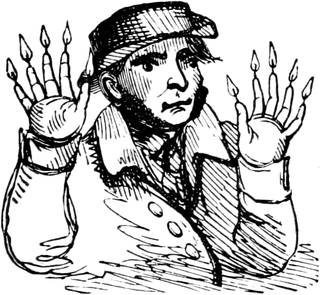
LIGHT-FINGERED.