PREFATIO. (continued 2)
Reading edition
"At Garlabank,[831] the xiij daij of Junii 1559.
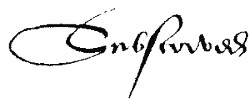
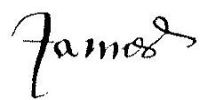
The uther subscriptioun we culd nocht read, bot the simile is this,—[832]
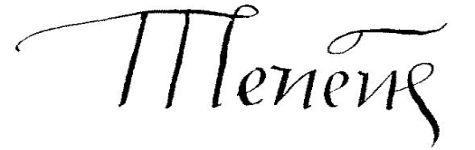
And, this receaved, we departed first, becaus we war thairto requeasted be the Duke, and so we returned to Cowper, lawding and praising God for his mercie schewed; and thairefter everie man departed to his duelling place. The Lordis, and a great part of the gentilmen, passed to Sanctandrois, who thair abode certane dayis, still looking for those that war promessed to come frome the Quene, for appointment to be maid. Bot we perceaving hir craft and disceat, (for under that assurance sche ment nothing ellis, but to convey hir selff, hir ordinance, and Frenche men, over the wattir of Forth,) took consultatioun what should be done[833] for delivering of Sanct Johnestoun from these ungodlie soldiouris, and how our bretherin, exiled from thair awin housses, mycht be restored agane.
THE DELIVERANCE OF SANCT JOHNESTOUN.
It was concluded, that the bretherin of Fyffe, Anguss, Mearnis, and Stratherin, should convene at Sanct Johnestoun, the 24 day of Junij for that purpoise; and in the meantyme, war these letteris writtin be the Erle of Ergyle and Lord James, to the Quene than Regent.
"Madame,—Efter our hartlie commendationis of service, this shalbe to schaw your Grace, that upoun the 13 day of Junij, we war informed by thame that war communeris betuix my Lord Duke, Monsieur Dosell, and us,LETTERIS TO THE QUENE REGENT. that we should have spoken irreverentlie of your Grace, whiche we beseik your Grace, for the trew service that we have maid, and ar reddy to maik at all tymes to your Grace; that of your goodnes ye will lat us knaw the sayeris thairof, and we shall do the dewetie of trew subjectis to defend our awin innocencie; as we tak God to witnes of the gud zeale and love we beir towardis yow, to serve yow with trew hartis and all that we have, alsweill landis as goodis, desyring na uther thing for our service bot the libertie of our conscience, to serve our Lord God as we will ansuer to him, whiche your Grace aucht and should geve to us frelie unrequired. Mairover, please your Grace, that my Lord Duik, and the Noble men being in Striveling for the tyme, be your Gracis avise, solisted us to pass to the Congregatioun convened at the town of Perth, to commoun of concord, whair we did our exact diligence, and brocht it to pas, as your Grace knawis. And thair is a point that we plane is nocht observed to us, whiche is, that na soldiour should remane in the town, after your Grace departing. And suppois it may be inferred, that it was spokin of Frenche soldiouris allanerlie, yit we tuik it utherwais, lyik as we do yit, that Scottishmen, or any uther natioun, takand the King of Francis waiges, ar repute and haldin Frenche soldiouris. Thairfoir, sen we of good will and mynde brocht that matter to your Gracis contentment, it will please your Grace, of your goodnes, to remove the soldiouris and thair Capitanes, with utheris that hes gottin charge of the town, that the same may be guyded and reulled frelie, as it was befoir, be the Baillies and Counsale, conforme to thair infeftmentis gevin to thame be the ancient and maist excellent Kingis of this realme, to elect and cheise thair officiaris at Michelmess, and thai to indure for the space of one yeir, conforme to the auld ryte and consuetude of this realme; whiche being done be your Grace, we traist the better success shall follow thairupoun to your Grace contentatioun,[834] as the bearar will declair at mair lenth to your Grace; whome God preserve."
THE SUMMONING OF SANCT JOHNESTOUN.
To Sanct Johnestoun, with the Gentilmen befoir expressed, did conveane the Erle of Menteath,[835] the Lard of Glenurquhar,[836] and diverse utheris who befoir had nocht presented thame selffis for defence of thair bretherin. When the hole multitude was conveaned, a trumpet was send by the Lordis, commanding the Capitanes and thair bandis to avoid the town, and to leave it to the ancient libertie and just inhabitantis of the same; alsua commanding the Laird of Killfaunes,[837] insett Provest be the Quene, with the Capitanes foirsaidis, to cast up the portis of the town, and maik the same patent to all our Soveraneis liegis, to the effect, that alsweill trew religioun now aneis begun thairin may be maynteaned, and idolatrie utterlie suppressed; as alsua the said town mycht joise and brooke thair ancient lawis and liberteis unoppressed by men of wear, according to thair old privilegis granted to thame be the ancient Princes of this realme, and conforme to the provisioun conteaned in the Contract of Mariage maid be the Nobilitie and Parliament of this realme with the King of France, beirand, that nane of our aid lawis nor liberteis should be alterat: adding thairto, gif they folishlie resisted, and thairin happined to commit murther, that thay should be entreated as murtheraris. To the whiche thay ansuered prowdlie, "That thay wald keap and defend that town, according to thair promess maid to the Quene Regent."
COMMUNING AT SANCT JOHNESTOUN.
This answer receaved, preparatioun was maid for the seage and assault; for amangis all it was concluded, that the town should be sett at libertie, to what dangeris soever thair bodyis should be exponed. Whill preparatioun was in making, came the Erle of Huntlie, the Lord Erskin, and Maister Johne Bannatyne, Justice Clerk,[838] requireing that the persute of the town should be delayed. To speak thame war appointed the Erle of Ergyle, Lord James, and Lord Ruthven, who, perceaving in thame nothing but a drift of tyme, without any assurance that the former wrangis should be redressed, gave unto thame schort and plane ansuer, "That thay wald nocht delay thair purpoise ane hour; and thairfoir willed thame to certifie the Capitanes in the town, that gif by pryde and foolishnes thay wald keape the town, and in so doing slay any of thair bretherin, that thay should everie one dye as murtheraris." The Erle of Huntlie displeased at this ansuer, departed, as hielie offended that he culd nocht dress suche appointment as should have contented the Queue and the Preastis. After thair departing, the town was agane summondit; bot the Capitanes, supposing that na suddane persute should be maid, and looking for releif to have bein send from the Quene, abode in thair former opinioun. And so upoun Setterday, the 25 [24th] of Junij, at ten houris at nycht, commanded the Lord Ruthven, who beseaged the west quarter, to schoote the first voley; whiche being done, the town of Dundie did the lyke, whose ordinance lay upoun the eist syde of the brig. The Capitanes and soldiouris within the town, perceaving that thai war unable long to resist, required assurance till xij houris upoun the morne, promessing, "That gif or that hour thair came unto thame na releaf frome the Quene Regent, that thay wald rander the town, providing that thay should be suffered to departe the town with ensenzie displayed." We, thrusting the bloode of no man, and seaking onlie the libertie of our bretherin, condiscended to thair desyris, albeit that we mycht have executed against thame jugement without mercie, for that thay had refused our former favouris, and had slane one of our bretherin, and hurt two in thair resistance;[839] and yit we suffered thame freelie to depart without any forther molestatioun.
THE BISCHOPE OF MURRAY.
The Town being delivered from thare thraldome, upoun Sounday the 26 [25th] of Junij, thankis war gevin unto God for his great benefite receaved, and consultatioun was taikin what was forder to be done. In this meantyme, four[840] zealous men, considdering how obstinat, prowde, and dispitefull the Bischope of Murray[841] had bein befoir; how he had threatned the town be his soldiouris and freindis, who lay in Skune,[842] thought good that some ordour should be taikin with him and with that place, whiche lay neir to the town end. The Lordis wrait unto him, (for he lay[843] within two myles to Sanet Johnestoun,) "That oneles he wald cum and assist thame, thay nather culd spair nor save his place." He ansuered be his writing, "That he wold cum, and wold do as thay thoght expedient; that he wold assist thame with his force, and wald vote with thame against the rest of the Clargie in Parliament." Bot becaus this ansuer was slaw in cuming, the town of Dundie, partelie offended for the slauchter of thair man, and especiallie bearing no goode favour to the said Bischope, for that he was and is cheif ennemy to Christ Jesus, and that by his counsale alone was Walter Mylne our brother put to death, thay marched fordward. To stay thame was first send the Provest of Dundie, and his brother Alexander Halyburtoun, Capitane, who litill prevaling, was send unto thame Johne Knox; bot befoir his cuming, thay war entered to the pulling down of the ydollis and dortour. And albeit the said Maister James Halyburtoun, Alexander his brother, and the said Johne, did what in thame lay to have stayed the furie of the multitude, yit war thay nocht able to put ordour universalie; and tharfoir thay send for the Lordis, Erle of Ergyle, and Lord James, who, cuming with all diligence, laboured to have saved the Palace and the Kirk. THE DISTRUCTIOUN OF SCONE Bot becaus the multitude had fundin, bureid in the Kirk, a great number of idollis, hid of purpose to have preserved thame to a bettir day, (as the Papistis speak,) the townis of Dundie and Sanct Johnestoun culd nocht be satisfeit, till that the hole reparatioun and ornamentis of the Churche, (as thay terme it,) war distroyed. And yit did the Lordis so travell, that thay saved the Bischopis Palace, with the Churche and place, for that nicht: for the two Lordis did nocht depart till thay brocht with thame the hole nomber of those that most sought the Bischopis displesour. The Bischope, greatlie offended that any thing should have bein interprised in Reformatioun of his place, asked of the Lordis his band and hand-writting, whiche nocht two houris befoir he had send to thame. Whiche delivered to his messinger, Sir Adame Brown,[844] advertisment was gevin, that yf any farder displesour chanced unto him, that he should nocht blame thame. The Bischopis servandis, that same nycht, began to fortifie the place agane, and began to do violence to some that war careing away suche baggage as thay culd cum by. The Bischopis girnell was keapt the first nycht by the laubouris of Johne Knox, who, by exhortatioun, removed suche as violentlie wald have maid irruptioun. That same nycht departed from Sanct Johnestoun the Erle of Ergyle, and Lord James, as efter shalbe declaired.
THE CAUS OF THE BURNING OF SCONE.
The morrow following, some of the poore, in houp of spoyle, and sum of Dundie, to considder what was done, passed up to the said Abbay of Scone; whairat the Bischopis servandis offended, began to threattene and speak proudlie: and, as it was constantlie affermed, one of the Bischopis sonis stogged throuch with a rapper one of Dundie, for becaus he was looking in at the girnell door. This brute[845] noysed abrode, the town of Dundie was more enraged than befoir, who, putting thame selffis in armour, send word to the inhabitants of Sanct Johnestoun, "That onles thay should supporte thame to avenge that injurie, that thai should never after that day concur with thame in any actioun." The multitud easelie inflambed, gave the alarme,[846] and so was that Abbay and Palace appointit to saccag; in doing whairof thay took no lang deliberatioun, bot committed the hole to the merciment of fyre; wharat no small nomber of us war offended, that patientlie we culd nocht speak till any that war of Dundie or Sanct Johnestoun. SPEAKING OF ANE ANCIENT MATRONE WHEN SCONE WAS BURNING A poore aged matrone, seing the flambe of fyre pas up samichtelie, and perceaving that many war thairat offended, in plane and sober maner of speaking, said, "Now I see and understand that Goddis judgementis ar just, and that no man is able to save whare he will punische. Since my remembrance, this place hath bein nothing ellis bot a den of hooremongaris. It is incredible to beleve how many wyffes hath bein adulterat, and virginis deflored, by the filthie beastis whiche hath bein fostered in this den; bot especiallie by that wicked man who is called the Bischope. Yf all men knew alsmuche as I, thay wald praise God; and no man wald be offended." This woman duelt into the toun, neye unto the Abbay; at whose wordis war many pacifeid; affirming with hir, that it was Goddis just judgement. And assuredlie, yf the laubouris or travell of any man culd have saved that place, it had nocht bein at that tyme destroyed;[847] for men of greattest estimatioun lawboured with all diligence for the savetie of it.
THE TAKING OF STRIVILING.
Whill these thingis war done at Sanct Johnestoun, the Quene, fearing what should follow, determinat to send certane bandis of Frenche soldiouris to Striveling, for purpose to stop the passage to us that than war upoun the north syde of Forth. Whiche understand, the Erle of Ergyle and Lord James departed secreatlie upoun the nycht, and with great expeditioun, preventing the Frenchemen, thay took the town, (befoir whose cuming the rascheall multitude put handis in the thevis, I should say, frearis places and utterlie distroyed thame;) wharat the Quene and hir factioun nocht a litill affrayed, with all diligence departed from Edinburgh to Dumbar. And so we with reasonable diligence merched fordwart to Edinburgh, for Reformatioun to be maid thair, whare we arrived the 29 of Junij. LORD SEYTOUN The Provest for that tyme, the Lord Seytoun, a man without God, without honestie, and oftentymes without reasone, had befoir greatlie trubled and molested the bretherin; for he had taikin upoun him the protectioun and defence of the Blak and Gray Frearis; and for that purpose did nocht onelie lyeTHE CUMING OF THE CONGREGATIOUN TO EDINBURGH him self in the one everie nicht, bot also constraned the most honest of the town to wache those monstouris, to thair great greaf and truble. Bot hearing of our suddane cuming, he abandoned his charge, and had left the spoile to the poore, who had maid havock of all suche thingis as was movable in those placis befoir our cuming, and had left nothing bot bair wallis, yea, nocht sa muche as door or windok; wharthrow we war the less trubilled in putting ordour to suche places.
After that certane dayis we had deliberat what was to be done, and that ordour was tackin for suppressing of all monumentis of idolatrie within that town, and the places nixt adjacent, determinatioun was taikin, to send some message[848] to the Quene, than Regent; for sche had bruted, (as hir accustomed maner was, and yit hir Dochteris is, ever to forge lyes,) that we sought nothing bot hir lyef, and a plane revoltment from the lawfull obedience dew to our Soverane, hir authoritie, as by the tennour of these Letteris may be sene:—
"Frances and Marie, be the Grace of God, King and Quene of Scottis, Daulphine and Daulphines of Viennois, to our lovittis, Lyoun King of Armes, &c., our Schireffis in that parte, conjunctlie and severallie, specialie constitute, greting: For sa mekle as our darrest moder Marie, Quene Dowager, Regent of our Realme, and Lordis of our Secreat Counsale, perceaving the seditious tumult rased be ane parte of our liegis, nameing thame selffis The Congregatioun, who, under pretense of religioun, have putt thame selffis in armes;[849] and that hir Grace, for satisfeing of everie manis conscience, and pacifeing of the saidis trubles, had offerred unto thame to affix ane Parliament to be haldin in Januare nixt to cum, (this was a manyfest leye, for this was nether offerred, nor by hir ancis thought upoun, till we required it,) or sonnar, gyf thay had pleased, for establissing of ane universall ordour in matteris of religioun, be our advise and Estatis of our Realme;[850] and, in the meantyme, to suffer everie man to leaf at libertie of conscience, without truble, unto the tyme the said ordour war tackin be advise of our foirsaid [Estates.[851]] And at last, becaus it appeared mekle to stand upoun our burght of Edinburght, offerred in lyke maner to latt the inhabitants thairof chease what maner of religioun thai wald sett up and use for that tyme; swa that na man mycht alledge that he was forsed to do against his conscience: Quhilk offer the Quenis Grace, our said darrest Moder, was at all tymes, and yit is, ready to fulfill. Nochttheles, the said Congregatioun being of mynd to receave no reasonable offerris, hes sensyne, by oppin dead, declaired, that it is na religioun, nor any thing thairto perteaning, that thai seak, bot onelie the subversioun of our authoritie, and usurpatioun of our Crown; in manifest witnessing whairof, thay daylie receave Inglismen with messagis unto thame, and sendis siclyk in Ingland; and last of all, have violentlie intrometted with, taikin, and yit withhaldis the irnis of our Cunzee hous,[852] quhilk is ane of the cheife pointis that concernis our Crown; and siclyke lies intrometted with our Palice of Halirudhouse. Oure will is heirfoir, &c., that ye pas to the Mercat Croce of our said burght of Edinburght, or any uther publict place within the same, and thair, be oppin proclamatioun in our name and authoritie, command and charge all and sindrie personis of the said Congregatioun, or yit being presentlie within our said burght other than the inhabitantis thairof, that thay, within sex houris nixt efter our said charge, depart furth of the same under the pane of treasone; and als, that ye command and charge all and sindrie personis to leave thair cumpany, and adhear to our authoritie; with certificatioun to suche as do the contrare, shalbe repute and haldin as manifest traytouris to our Crowne, &c."
These letteris did nocht a litill greave us, who most injustlie war accused; for thare is never a sentence of the narrative trew, except that we stayed the irnes, and that for most just causses, to witt, because that daylie thair was suche nomber of Hard-headis printed,[853] that the basenes thairof maid all thingis exceiding dear; and thairfoir we war counsaled by the wysest to stay the irnes,[854] whill farther ordour mycht be tackin. Sche, with all possible diligence, posted for hir factioun. Maister James Balfour was nocht ydill in the meantyme. The Lordis, to purge thame of these odious crymes, wrait unto hir a letter, in forme as efter followeth:—
"Pleas your Grace, be advertist, it is cum to our knowlcge, that yourTHE THRID LETTER TO THE QUENE REGENT. Grace hath sett furth, be your letteris openelie proclamed that we, called by name The Congregatioun, under pretence and colour of religioun, convene togidder to na uther purpose bot to usurpe our Soveraneis authoritie, and to invaid your persone representand thairis at this present: Quhilkis thingis appeiris to have proceidit of sinister informatioun, maid to your Grace be our ennemeis, considdering that we never mynded sic thing, bot onelie our mynd and purpose was and is to promote and sett furth the glorie of God, maynteane and defend the trew preacharis of his word; and according to the same, abolish and put away idolatrie and false abuses, whiche may nocht stand with the said word of God: Beseaking your Grace to bear patientlie thairwith, and interpone your authoritie to the furtherance of the same, as is the dewetie of everie Christiane Prince and good magistrat. For as to the obedience of our Soveraneis authoritie in all civile and politick matteris, we ar and shalbe als obedient as ony uther your Gracis subjectis within the realme; and that our Conventioun is for na uther purpose bot to save our preacheouris and thair auditouris fra the injurie and violence of our enymeis, quhilk should be mair amplie declaired be some of us in your Gracis presence, yf yow war nocht accumpanyed with such as hes persewit our lyves and sought our bloode. Thus, we pray Almyghtie God to have your Hienes in his eternall tuitioun.
"At Edinburght, the secund of Julij 1559."
And for farther purgatioun heirof, it was thocht necessar that we should sempillie expone, alsweill to hir Grace as to the hole people, what war our requeastis and just petitionis. And for that purpoise, after that salf conduct was purchessed and granted, we directed unto hir two grave men of our counsale, to witt, the Lardis of Pittarrow and Cuninghamheid,[855] to whame we gaif commissioun and power, First, To expone our hole purpose and intent, whiche was none other than befoir at all tymes we had required, to witt, That we mycht injoy the libertie of conscience. Secundlie, [That] Christ Jesus mycht be trewlie preached, and his holie Sacramentis rychtlie ministrat unto us. [Thirdly,] That unable ministeris micht be removed from ecclesiasticall administratioun; and that our preacheouris mycht be relaxit from the horne, and permitted to execut thair chargis without molestatioun, unto such tyme as ather by a Generall Counsale, lauchfullie convened, or by a Parliament within the realme, the contraverseis in religioun wer decided. And, for declaratioun that hir Grace was heirto willing, that the bandis[856] of Frenche men, who than war a burthein untollerable to the cuntrey, and to us so fearfull, that we durst nocht in peaciable and quiet maner hant the places whare thay did lye, should be send to France, thair native cuntrey: Whiche thing is granted, hir Grace should have experience of our accustomed obedience.
THE CRAFTYNES OF THE QUENE REGENT MAY YIT BE ESPYED.
To these headis sche did answer at the first so plesandlie, that sche put boith our Commissioneris in full esperance that all should be granted; and for that purpose, sche desyred to speak with sum of greatter authoritie, promesing, that yf thay wald assure hir of thair detfull[857] obedience, that sche wald deny nothing of that whiche was required. For satisfactioun of hir mynd, we send agane the Erle of Glencarne, the Lord Ruthven, the Lord Uchiltrie, and the said Lard of Pittarrow, with the same commissioun as of befoir. Bot than sche began to handill the matter more craftelie, compleaning that sche was nocht sought in a gentill maner; and that thay in whome sche had put maist singular confidence, had left hir in hir greattest neid; and suche uther thingis, perteaning nothing to thair commissioun, proponed sche, to spend and dryve the tyme. Thai answered, "That, by injust tyranny devised aganis thame and thair bretherin, (as hir Grace did weill know,) thay war compelled to seak the extreme remedie; and thairfoir, that hir Grace aucht nocht to wonder thocht godlie men left the cumpany whare thai nether fand fidelitie nor treuth." In the end of this communing, whiche was the xij day of Julij 1559, sche desyred to have talked privelie with the Erle of Ergyle, and Lord James, Priour of Sanctandrois, "For ellis, (as sche alledged,) sche culd nocht bot suspect that thai pretendit to some uther hiear purpose nor religioun." ACCUSATIONIS Sche and hir craftie Counsale had abuesd the Duke, perswaiding unto him, and unto his freindis, that the saidis Erle and Priour had conspyred, first to deprive our Soverane hir dochter of hir authoritie, and thairefter the Duke and his successioun of thair titill to the Crown of Scotland. By these invented lyes, sche inflambed the hartis of many against us, in so muche that some of our awin number began to murmur; whiche perceaved, alsweall the preacheouris, in thair publict sermonis, as we our selffis, by our publict proclamationis, gave purgatioun and satisfactioun to the people, planelie and simplie declairing what was our purpose, tacking God to witnes, that no suche crymes ever entered in our hartis as most injustlie was layed to our charge. The Counsale, efter consultatioun, thocht nocht expedient that the saidis Erle and Priour should talk with the Quene in ony sort; for hir former practises put all men in suspitioun, that some deceat lurked under suche colorat commoning. Sche had befoir said, That yf sche culd by any meane sunder those two from the rest, sche was assured schortlie to cum by hir hole purpose; and one of hir cheaf Counsale in those dayis, (and we fear bot over inward with hir yit,) said, "That or Michelmess day, thay two should leaf thair headis;" and thairfoir all men feared to committ two suche young plantis to hir mercie and fidelitie. It was, thairfoir, finallie denyed that thai should talk [with] the Quene, or ony to hir apperteaning, bot in places void of all suspitioun, whare thay should be equall in nomber with those that should talk [with] thame.
THE COMMUNING AT PRESTON.
The Quene perceaving that hir craft culd nocht prevaill, was content that the Duke's Grace and the Erle of Huntlie, with utheris by hir appointed, should convene at Prestoun, to commone [with] the saidis Erle and Priour, and suche utheris as the Lordis of the Congregatioun wald appoint, to the nomber of ane hundreth on the syde, of the whiche nomber aucht personis onelie should meit for conference. The principallis for thair partie war, the Duke, the Erle Huntlie, the Lordis Erskin and Somervell, Maister Gavine Hammiltoun, and the Justice Clerk.[858] From us war directed the Erlis of Ergyle and Glencarne, the Lordis Ruthven, Lord James, Boyd, and Uchiltrie, the Lairdis Dun and Pittarrow, who, conveaning at Prestoun, spak the hole day without any certane conclusioun: For this was the practise of the Quene, and of hir factioun, by dryft of tyme to weary our cumpany, who, for the most parte, had bein upoun the feildis from the tent day of Maij, that we being dispersed, sche mycht cum to hir purpose. In whiche sche was nocht altogidder deceaved; for our commonis war compelled to skaill for lack of expenssis, and our gentilmen, partelie constraned be lack of furnessing, and partlie houping sum small appointment, after so many communingis, returned for the most parte to thair duelling places, for reposing of thame selffis.
THE DEMAND OF QUENE REGENT, AND ANSWER OF THE PROTESTANTIS.
The Quene, in all these conventionis, seamed that sche wald geve libertie to religioun, provided, "That wharesoever sche was, our Preacheouris sould cease, and the Masse sould be maynteaned." We perceaving hir malitious craft, ansuered, "That as we wald compell hir Grace to no religioun, so could we nocht of conscience, for the pleasur of any earthlie creature, put silence to Godis trew messingeris; nather culd we suffer that the rycht administratioun of Christis trew sacramentis should gif place to manifest idolatrie; for in so doing, we should declair ourselffis ennemeis to God, to Christ Jesus his Sone, to his eternall veritie, and to the libertie and establishment of his Churche within this realme; for your requeist being granted, there can no Kirk within the same be so estableshit but at your pleasour, and by your residence and remaning thare ye myeht overthrow the samin." THE LAST OFFERIS OF THE PROTESTANTIS TO THE QUENE REGENT This our last answer we send unto hir with the Lord Ruthven and Laird of Pittarrow; requiring of hir Grace, in plane wordis, to signifie unto us what houpe we myeht have of hir favouris toward the outsetting of religioun. We also required that sche wald remove hir Frenchemen, who war a fear to us, and a burthein most grevouse to our cuntrey: And that sche wald promess to us, in the word of a Prince, that sche wald procure no mo to be send in; and than should we nocht onelie support, to the uttermost of our poweris, to furnish schippis and victuallis for thair transporting, bot also, upoun our honouris, should we tak hir body in our protectioun; and should promess, in the presence of God and the hole realme, to serve our Soverane hir Dochter, and hir Grace Regent, als faithfullie and als obedientlie as ever we did Kingis within Scotland: That, moreover, we should caus our Preacheouris geve reasone of thair doctrin in hir audience, till any that pleased till impugne any thing that thay did or taught: Finallie, that we should submit our selflis to a lauchtfull Parliament, provided that the Bischoppis, as the party accused, and our plane ennemeis, should be removed from judgement.
THE SCOFFING OF THE QUENE REGENT.
To no point wald sche answer directlie; bot in all thingis sche was so generall and so ambigua, that hir craft appeared to all men. Sche had gottin assured knowlege that our cumpany was skailled, (for hir Frenchemen war daylie amongis us, without molestatioun or hurt done unto thame,) and thairfoir sche began to discloise hir mynde, and said, "The Congregatioun hes roung these two monethis bypast: me my selff wald ring now other two." The malice of hir hart being planelie perceaved, deliberatioun was had what was to be done. It was concluded, that the Lordis, Barronis, and gentilmen, with thare substantious housholdis, should remane in Edinburgh that hole winter, for establissing of the Church[859] thair. THE CAUS QUHY THE IRNES STAYED And becaus it was found, that by the corrupting of our money, the Quene maid to hir selff immoderat gaines for maynteaning of hir soldiouris, to the distructioun of our haill commone weill, it was thocht necessar[860] that the printing irnes, and all thingis to thame perteaning, should be stayed, for fear that sche should privelie caus transport thame to Dumbar.
THE DEATH OF HARY, KING OF FRANCE.
In this meantyme came the assured word, first, that the King of France was hurt, and after, that he was dead[861] whiche, albeit it aucht to have put hir in mynd of hir awin estait and wicked interprise: for he that same tyme, in the fulnes of his glorie, (as sche hir self useth to speak,) had determined most crewell persecutioun aganis the sanctis of God in France, evin as sche hir selff was heir persecutand in Scotland: and yit he so perished in his pryde, that all men mycht see that Godis just vengeance did stryke him, evin quhen his iniquitie was cumed to full rypenes. Albeit, (we say,) that this wonderouse wark of God in his suddane death, aucht to have dantoned hir furie, and gevin unto hir admonitioun, that the same God culd nocht suffer her obstinat malice against his treuth long to be unpunished; yit culd hir indurat hart nothing be moved to repentance: for hearing the staying of the printing irnes, sche raiged more outragiouslie than of befoir, and sending for all suche as wer of hir factioun, exponed hir grevous complaint, aggredging the same with many lyes, to wit, "That we had declaired that whiche befoir sche suspected; for what culd we meane ellis, bot usurpatioun of the Crown, when we durst put handis to the Cunze-hous, whiche was a portioun of the patrimony of the Crown." Sche farther alleged, "That we had spoyled the Cunze-house of great sowmes of money." To the whiche we ansuered, boith by our letteris send to hir, and hir Counsale, and by publict proclamatioun to the people, that we, without usurpatioun of any thing justlie perteaning to the Crown of Scotland, did stay the printing irnes, in consideratioun that the commone wealth was greatlie hurt by corrupting of our money; and becaus that we war borne counsalouris of this realme, sworne to procure the proffite of the same, we culd do no less of dewetie and of conscience than to stay that for a tyme, whiche we saw so abused, that oneles remedy war fundin, should turne to the detriment of the hole body of this realme. And as to hir fals accusatioun of spuilzie, we did remit us to the conscience of Maister Robert Richesone[862], Maister of the Cunze-hous, who from our handis receaved silver, gold, and mettall, alsweill cunzeit as uncunzeit; so that with us thair did nocht remane the valour of a bawbie.[863]
Richardson's name occurs as one of the Auditors of the Treasurer's Accounts, 1551, 1552; and as connected with the Mint, in 1554-5. As Clerk of the Treasury, he rendered the Accounts of the late Gilbert Earl of Cassillis on the 24th March 1558-9, that Nobleman having died in France, on the 14th November 1558, (Register of Conf. Testaments, Feb. 24, 1575,) and not on the 28th of that month, as stated at page 263. Richardson continued to officiate in the room of the High Treasurer, until his own appointment to the office 5th March 1560-1. He also held more than one lucrative ecclesiastical situation. On the 10th February 1555-6, a charter under the Great Seal, of the lands of Nether Gogar, in the county of Edinburgh, was granted to Mr. Robert Richardson, Vicar of Exfurde. On the last of March 1558-9, he obtained a gift of the Priory of St. Mary's Isle of Trail, near Kirkcudbright (Reg. Secr. Sig.): this dignity entitled him to sit as a Lord and member of Parliament. At a later date, (in 1567,) we find him styled Archdeacon of Teviotdale. He died in 1571: and William Lord Ruthven, on the 24th June 1571, was appointed High Treasurer, the office being vacant by the death of the Commendator of St. Mary's Isle. Sir John Scott says, that Richardson had "conquest a great estate." This is very evident, from the various charters he had of lands in the counties of Edinburgh and East Lothian; and his estates were apportioned to his two sons, Sir James Richardson of Smeaton, and Sir Robert Richardson of Pencaitland, Baronet: see Crawfurd, ut supra, and Scott's Staggering State, p. 27.
This our declaratioun and purgatioun nochtwithstanding, sche, partelie by hir craft and policie, and partelie by the lawbouris of the Bischopis of Sanctandrois and Glasgw; procured the hole nomber that war with hir to consent to persew us with all creweltie and expeditioun, befoir that we culd haif our cumpany (whiche than was dispersed for new furnessing) assembled agane. The certantie heirof cuming to our knawlege, the Setterday at nycht, the 25. [22d] of Julij, we did in what us lay to gif advertisment to our bretherin; bot impossible it was that those of the West, Anguss, Mearnis, Stratherin, or Fyeff, in any nomber culd come to us; for the ennemie marched from Dumbar upoun the Sounday, and approched within two myles of us befoir the sone-rysing upoun Monunday; for thay verrelie supposed to have found no resistance, being assured that the Lordis onelie with certane gentillmen remaned, with thair privat housses. Calling upoun God for counsale in that straytt, we soght what was the nixt defence. We mycht have left the town, and mycht have reteired our selffis without any danger; bot than we should have abandoned our bretherin of Edinburgh, and suffered the ministrie thairof to have decayed, whiche to our hartis was so dolorous, that we thocht better to hasard the extreamitie than so to do. For than the most parte of the town appeared rather to favour us than the Quenis factioun; and did offer unto us the uttermost of thair support, whiche for the most parte thay did faithfullie keap. LEYTH LEFT THE CONGREGATIOUN The same did the town of Leyth, bot thay keapit nocht the lyek fidelitie; for when we war upoun the feild, marching fordward for thair support, (for the Frenche marched neye to thame,) thai randered thame selffis, without ferther resistance. And this thay did, as was supposed, by the treasone of some within thame selffis, and by the perswasioun of the Lard of Restalrig,[864] who of befoir declaired himselff to have bein one of us, and nochtwithstanding,[865] that day randered him selff undesyred to Monsieur Dosell. Thair unprovided and suddane defectioun astonished many; and yit we retyred quyetlie to the syde of Cragingatt,[866] which place we tooke for resisting the ennemie.
In the meantyme, diverse mediatouris passed betuix, amongis whome the Lord Ruthven, for our parte, wes principall. Alexander Erskin[867] did muche travell to stay us and our soldiouris, that we should nocht joyne with thame of Leyth, till that thay, as said is, had randered thame selffis to the Frenche. The said Alexander did oft promese, That the Frenche wald stay, provided that we wold nocht joyne with these of Leyth. Bot efter that thai war randerit, we hard nothing of him bot threatning and disconfortable wordis. Befoir it was eight houris in the morning, God had gevin unto us boith curage, and a reasonable nomber to withstand thair furie. The town of Edinburght, sa mony as had subject thame selffis to discipline, and diverse utheris besydis thame, behavit thame selffis boith faithfullie and stoutlie. The gentilmen of Lowthiane, especiall Caldar, Haltoun, and Ormestoun, war verrey confortable, alsweill for thair counsale as for thair hole assistance. Some gentilmen of Fiffe prevented the Frenche men; otheris war stopped, be reasone that the Frenche had possessed[868] Leyth. Alwais the ennemie tooke suche a fear, that thai determined nocht to invaid us whare we stoode, bot tooke purpose to have passed to Edinburgh, by the other syde of the Watter of Leyth, and that becaus thay had the Castell to thair freind, whiche was to us unknawin; for we supponed the Lord Erskin, Capitane of the same, ather to have bein our freind, or at the least to have bein indifferent. THE LORD ERSKIN AND HIS FACT Bot when we had determined to feght, he send word to the Erle of Ergyle, to Lord James, his sister sone,[869] and to the uther Noble men,[870] that he wald declair him selff boith ennemie to thame and to the town, and wald schoote at boith, gif thay maid any resistance to the Frenche men to enter in the town. This his treasonable defyence, send unto us by the Lard of Ricartoun,[871] did abait the corage of many; for we culd nocht feght nor stop the ennemie, bot under the mercie of the Castell and hole ordinance thairof.
Heirupoun was consultatioun tackin; and in conclusioun, it was found less domage to tak ane Appointment, albeit the conditionis war nocht suche as we desyred, than to hasard battall betuix two suche ennemeis. After lang talkin, certane Headis war drawin by us, whiche we desyred to be granted:—
"First, That no member of the Congregatioun should be trubled in lief, landis, goodis, or possessionis by the Quene, hir Authoritie, nor any uther Justice within the realme, for any thing done in the lait innovatioun, till a Parliament (whiche should begin the tent of Januar nixt) had decyded thingis in contraversie.
"2. That idolatrie should nocht be erected, whare it was at that day suppressed.
"3. That the preacheouris and ministeris should nocht be trubled in thair ministrie, whare thai war alreadie establessed, nather yit stopped to preache, wharesoever thai should chance to come.
"4. That no bandis of men of warr should be layed in garneshing within the town of Edinburght.
"5. That the Frenche men should be send away at a reasonable day, and that none uther should be broght in the cuntrey without consent of the haill Nobilitie and Parliament."
"At The Lynkis of Leith, the 24. of Julij 1559, it is Appointed in maner following:—
"In the first, the Congregatioun and thair cumpany, utheris than the inhabitants of the said Town, shall remove thame selffis furth of the said town, the morne at ten houris befoir none, the 25. of Julij, and leaf the same void and red of thame and thair said cumpany, conforme to the Quenis Grace pleasour and desyre.
"Item, The said Congregatioun shall caus the irnes of the Cunze-hous,[874] tacken away be thame, be randered and delivered to Maister Robert Richardsone; and in lykewyis the Quenis Grace Palace[875] of Halirudhous to be left and randered agane to Maister Johne Balfour, or ony uther haveand hir Grace sufficient power, in the same maner as it was receaved, and that betuix the making of thir Articles and the morne at ten houris.—(For observing and keaping of thir tua Articles abovewrittin, the Lord Ruthven and the Lard of Pittarrow hes entered thame selffis pledges.)
"Item, The saidis Lordis of Congregatioun, and all the memberis thairof, shall remane obedient subjectis to our Soverane Lord and Ladyis authoritie, and to the Quenis Grace Regent in thair place; and shall obey all lawis and lovable consuetudis of this realme, as thai war used of befoir the moving of this tumult and contraversie, exceptand the caus of religioun, whiche shalbe heirafter specifeid.
IN CONTEMPLATIOUN OF THESE ARTICLES AROSE THIS PROVERB:—"GUD DAY, SIR JOHNE, WHILL JANUAR. "WELCUM, SIR JOHNE, QUHILL JANUAR", &c.
"Item, The said Congregatioun, nor nane of thame, shall nocht truble nor molest a Kirk-man be way of dead, nor yit shall maik thame any impediment in the peaciable bruiking, joising, and uptaking of thair rentis, proffittis, and deweties of thair benefices, bot that thai may frelie use and dispone upoun the same, according to the lawis and consuetude of this realme, to the tent day of Januar nixt to cum.
"Item, The said Congregatioun, nor nane of thame, shall in no wayis from thynefurth use ony force or violence, in casting down of kirkis, religious placis, or reparrelling thairof, bot the same sall stand skaithles of thame, unto the said tent day of Januar.
"Item, The town of Edinburght shall, without compulsioun, use and cheise what religioun and maner thairof thay please to the said day; sua that everie man may have fredome to use his awin conscience to the day foirsaid.
"Item, The Quenis Grace sall nocht interpone hir authoritie, to molest or truble the preacheouris of the Congregatioun, nor thair ministrie, (to thame that pleasis to use the same,) nor na uther of the said Congregatioun, in thair bodyis, landis, goodis, or possessionis, pensionis, or whatsumever uther kynd of goodis thai possess; nor yit thoill the Clargie, or any uther haveand spirituall or temporall jurisdictioun, to truble thame, in ony maner of sort, privatlie or openelie, for the caus of religioun, or uther actioun depending thairupoun, to the said tent day of Januar within writtin; and that everie man in particular leife in the meantyme according to his awin conscience.
"Item, That na man of warr, Frenche nor Scottis, be layed in daylie garnesoun within the town of Edinburght, bot to repair thairto to do thair lefull besynes, and thairefter to reteir thame to thare garnesounis."[876]
This alteratioun in wordis and ordour was maid without knowledge and consent of those whose counsale we had used in all cases befoir. For sum of thame perceaving we began to faynt, and that we wald appoint with inequall conditionis, said, "God hath wonderfullie assisted us in our greatest dangeris: He hath strikin fear in the hartis of our ennemeis, when thai supposed thame selffis most assured of victorie: our case is nocht yit sa disperat that we nead to grant to thingis unreasonable and ungodlie; whiche, yf we do, it is to be feared that thingis sall nocht so prosperouslie succeid as thai have done heirtofoir."
THE PROMESE OF THE DUKE AND ERLE OF HUNTLIE.
When all thingis war commoned and aggreed upoun by myd personis, the Duke and Erle of Huntlie, who that day war against us, desyred to speak the Erlis of Ergyle and Glencarne, the Lord James, and utheris of our partie: who obeying thare requeastis, mett thame at the Querrell Hollis,[877] betuix Leyth and Edinburght, who in conclusioun promest to our Lordis, "That yf the Quene breake to us any one joyt of the Appointment than maid, that thai should declair thame selffis plane ennemeis unto hir, and freindis to us." Alsmuche promeshed the Duke that he wold do, in case that sche wald nocht remove hir Frenche men at are reasonable day; for the oppressioun whiche thai did was manifest to all men.
This Appointment maid and subscrived by the Duke, Monsieur Dosell, and the Erle of Huntlie, the 25. of Julij, we returned to the town of Edinburght, whare we remanit till the nixt day at none; when, efter sermone, dennar, and a proclamatioun maid at the Mercat Croce in forme as followeth, we departed.
Forme of the Proclamatioun.
"Forasmuche as it hath pleased God, that Appointment is maid betuix the Quene Regent and us the Lordis, hole[878] Protestantis of this Realme, we have thocht good to signifie unto yow the cheafe Headis of the same, whiche be these:—
"1. First, That no member of the Congregatioun shalbe trubled in lief, landis, goodis, or possessionis, by the Quene, by hir Authoritie, nor by any uther Justice within this realme, for any thing done in this lait innovatioun, till that a Parliament hath decyded thingis that be in contraversie.
"2. That idolatrie shall nocht be erected, whare it is now at this day suppressed.
"3. That the preachearis and ministeris shall nocht be trubled in the ministratioun, whare thai ar already established, nather yit stopped to preache whairsoevir thai shall happin to travaill within this realme.
"4. That no bandis of men of warr shalbe layed in garnesoun within the town of Edinburght.
"These cheafe headis of Appointment concerning the libertie of religioun and conservatioun of our bretherin, we thoght goode to notifie unto yow, by this our Proclamatioun, that in case wrong or injurie be done, by any of the contrarie factioun, to any member of our body, complaint may be maid to us, to whome we promese, as we will ansuer to God, our faitlifull support to the uttermost of our poweris."
ANSUER TO THE COMPLAYNT OF THE PAPISTIS.
At this proclamatioun, maid with sound of trumpett, war offended all the Papistis: for, first, Thai alledged it was done in contempt of the Authoritie: secundarlie, That we had proclamed more than was conteaned in the Appointment: and last, That we, in our proclamatioun, had maid no mentioun of any thing promished unto thame. To suche mummeris[879] we answered, "That no just Authoritie culd think the selff contempned, becaus that the treuth was by us maid manifest unto all, who utherwayis mycht have pretendit ignorance. Secundlie, That we proclamed nathing, whiche [was] nocht finallie aggreit upoun in word and promeiss betuix us and thame with quhame the Appointment was maid, whatsoevir thair scribeis had efter writtin, quha in verray deid had alterit, bayth in wordis and sentenceis, oure Articles, as thay war first consavit; and yitt, gif thair awin writtingis war diligentlie examinit, the self same thing sall be found in substance. And last, To proclame any thing in thair favouris, we thocht it nocht necessarie, knawing that in that behalf thay thame selfis sould be diligent aneweh." And in this we war not desavit; for within fyftene dayis efter, thair was not ane schaveling in Scotland, to wham teyndis, or any uthor rentis pertenit, bot he had that Article of the Appointment by hart, "That the Kirk men sould be ansuerit of teyndis, rentis, and all uthir dewties, and that no man sould trubill nor molest thame."
We depairting from Edinburgh, the 26. of Julij, came first to Lynlythqw, and efter to Striviling; whair, efter consultatioun, the band of defence, and mentenance of religioun, and for mutuall defence, evere ane of uther, was subscrivit of all that war thair present. The tennour of the Band was this:—
"We foirseing the craft and slycht of our adversaries, tending all maner of wayis to circumvene us, and be prevy meanis intendis to assailzie everie ane of us particularie be fair hechtis and promisses, thairthrow to separat ane of us frome ane uthir, to oure utter rewyne and destructioun: for remedy heirof, we faythfullie and trewlie byndis us, in the presence of God, and as we tender the mentenance of trew Religioun, that nane of us sall in tymeis cuming pas to the Queneis Grace Dowriare, to talk or commun with hir for any letter [or] message send be hir unto us, or yitt to be send, without consent of the rest, and commone consultatioun thairupoun. And quhowsone that ather message or writt sall cum fra hir unto us, with utter diligence we sall notifie the same ane to ane uther; swa that nathing sall proceid heirin without commune consent of us all.
"At Striveling, the first day of August 1559."
This Band subscrivit, and we foirseing that the Quene and Bischopis menit nathing bot desait, thocht guid to seik ayde and support of all Christiane Princeis against hir and hir tyrrannie, in caise we sould be mair schairplie persewit. And becaus that Ingland was of the same religioun, and lay nixt unto us, it was jugeit expedient first to prove thame; quhilk we did be ane or twa messingeris, as heirefter,[880] in the awin place, mair ampill sall be declairit.
Efter we had abiddin certane dayis in Striviling, the Erle of Argyle depairtit to Glasgw; and becaus he was to depairt to his awin cuntrey, (with wham also past Lord James,) to pacifie sum trubill quhilk, be the craft of the Quene, was rasit in his absens, he requyreit the Erle of Glencairne, Lord Boyde, Lord Uchiltre, and utheris of Kyle, to meit thair, for sum ordoure to be taikin, that the brethren sould not be oppressit; quhilk with ane consent thay did, and appoyntit the tent of September for the nixt Conventioun at Striveling.
THE FIRST KNAWLEGE OF THE ESCHAIPING OF THE ERLE OF ARRANE OUT OF FRANCE.
Quhill thir thingis war in doing at Glasgw, letteris and ane servand came fra the Erle of Arraine[881] to the Duik his father, signifeing unto him, that be the providence of God, he had eschaipit the Frensche Kyngis handis, quha maist treason abillie and maist crewellie had socht his lyfe, or at leist to have committit him to perpetuall presoun: LET THIS BE NOTIT for the same tyme, the said Frensche King, seing he could [not] have the Erle him self, gart put his youngar brother,[882] ane bairne of sick aige as could not offend, in strait presoun, quhair he yitt remaneis, to witt, in the moneth of October, the yeir of God Jm. Vc. lix yeiris: quhilk thingis war done be the craft and policie of the Quene Dowager, quhat tyme the Duik and his freyndis war maist frack to sett fordwart hir caus. Thir letteris resavit, and the estait of his twa soneis knawin, of whame the ane was escaipit, and the uthir in vyle preassoun cassin,[883] the Duke desyreit communing of the Erle of Argyle, quha, pairtlie against the will of sum that lovit him, raid unto the Duik fra Grlasgw to Hammiltoun; quhair, abyding ane nycht, he declairit his jugement to the Duik and to his freindis, especiallie to Maister Gawyne Hamyltoun. The Duik requyreit him and the Lord James to write thair freindlie and confortabill letteris to his sone, quhilk thay baith maist willinglie did, and thairefter addressit thame to thair jornay. Bot the verray day of thair depairting, came one Bowtencourt,[884] from the Quene Regent, with letteris, as was allegeit, from the Kyng and Quene of France to Lord James, whilk he delyverit with ane braggin countenance and many threatning wordis. The tennour of his letteris was this:—
"Le Roy.
"My Cousing, I have bein greittumlie mervellitt, having understand the trubillis that ar happinnit in thir pairtis; and yit mair mervell that ye, of wham I had ane haill confidence, and alsua hes this honour to be sua neir the Quenis Grace, my wiffe, and hes resavit of umquhile the Kyngis Grace my father, hir Grace, and me, sick graceis and favouris, that ye sould be sa forgetfull as to mak youre self the heid, and ane of the principall begynnaris and nureischaris of the tumultis and seditiounis thar ar sene thair. The quhilk, becaus it is sa strange as it is, and syne against the professioun that ye at all tymeis have maid, I can not gudlie beleif it; and gif it be sa, I can not think bot ye have bene entyseit and led thairto be sum personis that haif seduceit and caussit yow commit sic ane falt, as I am assureit ye repent of alreddy, quhilk will be ane greit emplesour[885] to me, to the effect I mycht lose ane pairt of the occasioun I have to be miscontent with yow, as I will yow to understand I am, seing sua far ye have dissavit the esperance I had of yow, and your effectioun towart God, and the weill of our service, unto the quhilk ye knaw ye ar als mekill and mair obleist nor ony uther of the Lordis thair. For this cause, desyrand that the materis mycht be dutelie[886] amendit, and knawand quhat ye may heirintill, I thocht gude on this maner to write unto yow, and pray yow to tak heid to returne to the guid way, from quhilk ye ar declyneit, and caus me knaw the samin be the effectis that ye have ane uther attentioun nor this quhilk thir folies bipast makis me now to beleif; doing all that ever ye can to reduce all thyngis to thair first estait, and put the samin to the rycht and gud obedience that ye knaw to be dew unto God and unto me: BRAGGIS NOW.[887] Utherwayis, ye may be weill assureit, that I will put to my hand, and that in gud eirnest, that ye and all thay have done, and dois as ye, sall[888] feill, (throw thair awin falt,) that quhilk thay have deservit and meritit; evin as I have gevin charge to this Gentilman, present beirar, to mak yow knaw mair largelie of my pairt; for quhilk caus, I pray yow creddeit him, evin as ye wald do my selff. Prayand God, my Cousing, to haif yow in his holy and worthy protectioun.
"Writtin at Pareis, the xvij day of July 1559."
The samyn messinger brocht alssua letteris frome the Quene our Soverane, mair scharp and threatning than the former; for hir conclusioun was, "Vous senteras la poincture a jamais."[889]
This creddeit was, "That the Kyng wald spend the Croun of France, or that he war not revengeit upoun sick seditious personis. That he wald never have suspectit sick inobedience and sick defectioun frome his awin sister in him." To the quhilk the said Lord James ansuerit, first by word, and than by writting, as followis:—
"Schir,
"My dewtie rememberit. Your Majestieis letter I resavit frome Pareis, the xvij of Julij last, proporting in effect, that your Majestie sould mervell that I, being forgetfull of the graceis and favouris schawing me be the King, of blissitt memorie, your Majestieis Father, and the Quenis Grace, my Soverane, sould declair my selff heid, and ane of the principall begynnaris of the allegeit tumultis and seditioun in thir pairtis, desaving thairby your Majestieis expectatioun at all tymis hard of me; with assurance, that gif I did not declair by contrarie effectis my repentance, I, with the rest that had put, or yitt putis handis to that wark, sould resave the rewaird quhilk we had deservit and meritit.
"Schir, it grevis me heavelie that the cryme of ingratitude sould be laid to my charge be your Hienes, and the rather that I persave the same to haif proceidit of sinister informatioun, of thame quhais pairt it was not sua to have reportit, gif trew service bigane had bene regairdit. And as tuiching the repentance, and declaratioun of the same be contrar effectis,[890] that your Majestic desyris I schaw, my conscience perswaidis me in thir proceidingis to have done na thing aganeis God, nor the debtfull[891] obedience towartis your Hienes and the Queneis Grace my Soverane, utherwayis it sould have bene to repent, and als amendit allreddy, according to your Majestieis expectatioun of me. Bot your Hienes being treulie informeit, and perswaidit that the thyng quhilk we have done makis for the advancement of Godis glorie, (as it dois in deid,) without ony maner derogatioun to your Majesteis dew obedience, we dowt not bot your Majestie sall be weill contentit with our proceidingis, quhilk being groundit upoun the commandiment of the eternall God, we dar [nocht] leif the samyn unaccompleischeit; onelie wisching and desyreing your Majestie did knaw the same, and treuth thairof, as it is perswaidit to our conscience, and all thame that ar treulie instructit in the eternall word of our God, upoun quham we cast our cair for all daingearis that may follow the accompleisment of his eternall will; and to quham we commend your Hienes, beseiking him to illuminat your hart with the evangell of his eternall trewth, to knaw your Majestieis dewtie towartis[892] your pure subjectis, Godis chosin pepill, and quhat ye aucht to craif justlie of thame agane; for than we sould haif na occatioun to feir your Majestieis wraith and indignatioun, nor your Hienes suspitioun in our inobedience. The samyn God mot[893] have youre Majestie in his eternall saifgard.
"At Dumbartane, the 12 of August 1559."
This answer, directit to the Quene our Soverane, and to Francis hir husband, the Quene Dowager resavit, and was bold upoun it, as sche mycht weill yneuch; for it was suppoisit that the former letteris war forgeit heir at hame in Scotland. The answer red by hir, sche said, "That sua proud ane answer was never gevin to King, Prince, or Princess." And yitt indifferent men thocht that he mycht have answerit mair schairplie, and not have transgressit modestie nor treuth. For quhair thay burding him with the greit benefitis quhilk of thame he had resavit, gif in plane wordis he had purgeit him self, effirming, that the greitest benefit that ever he receavit of thame was to spend in thair service, that quhilk God be utheris had providit for him, na honest man wald have accusit him, and na man wald have bene abill to have convickit him of ane lye. Bot Princeis must be pardonit to speik quhat thay pleise.
THE RESIDENCE OF JOHNNE WILLOCK IN EDINBURGH.
For confort of the brethren, and contynewance of the Kyrk in Edinburgh, was left thair our deir brother Johnne Willock, quha, for his faithfull laubouris and bald curage in that battell, deserves immortall prayse. For quhan it was fund dangerous that Johnne Knox, quha befoir was electit Minister[894] to that Kyrk, sould contynew thair, the brethren requeistit the said Johnne Willock to abyde with thame, least that, for laik of ministeris, idolatrie sould be erectit up agane. To the quhilk he sua glaidlie consentit, that it mycht evidentlie appeir, that he preferrit the confort of his brethren, and the contynewance of the Kirk thair, to his awin lyiff. One pairt of the Frensche men war appointtit to ly in garnesoun at Leith, (that was the first benefit thai gat for thair confideracie with thame,) the uthir pairt war appointit to ly in the Cannogait; the Quene and hir tryne abydeing in the Abbay. Oure brother Johnne Willock, the day efter our departure, prechit in Sanct Geillis Kirk, and ferventlie exhortit the brethren to stand constant in the trewth quhilk thay had professit. At this and sum uther sermondis was the Duke, and diverse utheris of the Queneis factioun. This libertie and preching, with resort of all pepill thairto, did hielie offend the Quene and the uther Papistis. And first thay began to gif terrouris to the Duke; affirmyng, that he wald he repute as ane of the Congregatioun, gif he gaif his presence to the sermondis. Thairefter thay begould[895] to requyre that Messe sould be sett up agane in Sanct Geillis kirk, and that the pepill sould be sett at libertie to chuse what religioun thay wald; for that, say thay, was contenit in the Appointmentt, that the town of Edinburgh sould cheis quhat religioun thay list. For obtening heirof, was send to the Tolbuith,[896] the Duke, the Erle of Huntlie, and the Lord Seytoun, to solist all men to condiscend to the Quenis mynd; quhairin the twa last did laubour that thay could, the Duik not sa, bot as ane behalder, of quham the brethren had guid esperance. And efter many perswationis and threatningis maid be the saidis Erle and Lord, the brethren, stoutlie and valiantlie in the Lord Jesus, ganesaid thair maist injust petitionis, reasonyng, "That as of conscience thay mycht nocht suffr idolatrie to be credit quhair Christ Jesus was treulie precheit, sua could nocht the Quene nor thay requyre any sick thyng, unless sche and thay wald plainlie violat thair faith and cheif article of the Appointment; for it is planelie appointit, That na member of the Congregatioun sall be molestit in any thing that, the day of the Appointment, be peaceabillie possessit. Bot sua it was that we, the Brethren and Protestantis of the toun of Edinburgh, with oure ministeris, the day of the Appointment, did peaceabillie possess Sanct Geilis Kirk,[897] appointit for us for preching of Christis trew Evangell, and rycht ministratioun of his holy Sacramentis. Thairfoir, without manifest violatioun of the Appointment, ye can not remove us thairfra, quhill ane Parliament have decydit the contraversie."
THE QUENE REGENTIS MALICE AGAINST PURE MEN.
This answer gevin, the haill brethren depairtit, and left the foirsaid Erle, and Lord Seytoun the Provest of Edinburgh, still in the Tolbuyth; quha persaving that thay could not prevaill in that maner, bot began to entreat that thay wald be quyett, and that thay wald sa far condiscend to the Quenis plesour, as that thay wald chuse thame ane uthir Kirk[898] within the toun, or at the least be contentit that Messe sould be said ather efter or befoir thair sermonis. To the quhilk, ansuer was gevin, "That to gif place to the Devill, (quha was the cheif inventar of the Messe,) for the plesour of ony creature, thay could not. Thay war in possessioun of that Kirk, quhilk thay could not abandone; nether could thay suffer idolatrie be erectit in the samyn, unless be violence thay sould be constrancit sa to do; and than thay war determinit to seik the nixt remedy." Quhilk ansuer resavit, the Erle of Huntlie did lovinglie intreat thame to quyetnes; faithfullie promissing that in na sort thay sould be molestit, sa that thay wald be quyett, and mak na farther uproir. To the quhilk thay war maist willing; for thay socht onlie to serve God as he had commandit, and to keip thair possessioun, according to the Appointment; quhilk be Goddis grace thay did till the moneth of November, nochtwithstanding the greit bosting of the ennemy. For thay did not onlie convene to the preching, dailie supplicatiounis, and administratioun of Baptisme, bot alssua the Lordis Tabill was ministratt, evin in the eyis of the verray ennemy, to the greit confort of mony afflictit conscience. And as God did potentlie wirk with his trew Minister, and with his trubillit Kirk, so did nocht the Devill cease to enflamb the malice of the Quene, and of the Papistis with hir. For schort efter hir cuming to the Abbay of Halyrudhouse, sche caussit Messe to be said, first in hir awin Chapell, and efter in the Abbay, quhair the altaris befoir war cassin doun. Sche dischargit the Commoun Prayeris, and foirbad to gif ony portioun to sick as war the principall young men quha redd thame. Hir malice extendit in lik maner to Cambuskynneth;[899] for thair sche dischargeit the portionis of als many of the Channonis as had forsaikin Papistrie. Sche gaif command and inhibitioun, that the Abbot of Lundoris[900] sould be[901] ansuerit of any pairt of his leving in the North, becaus he had submitit him self to the Congregatioun, and had put sum reformatioun to his place. Be hir consent and retrahibitioun[902] was the preching stuleis brokin in the Kirk of Leith, and idolatrie was erectit in the samyn, quhair it was befoir suppressit. Hir Frensche Capitaneis, with thair suldiouris in greit companeis, in tyme of preching and prayeris, resortit to Sanct Geillis Kirk in Edinburgh, and maid thair commune deambulatour thairin, with sick lowd talking, as na perfyte audience could be had; and althocht the Minister was ofttymes thairthrow compellit to cry out on thame, praying to God to red thame of sick locustis; thay nevirtheless continewit still in thair wickit purpoise, devisit and ordaneit be the Quene, to have drawin our brethren of Edinburgh and thame in cummer; swa that sche mycht have had ony cullorat occatioun to have brokin the liegue with thame. Yitt, be Goddis grace, thay behaveit thame selfis swa, that sche could fynd na falt with thame; albeit in all thir thingis befoir nameit, and in every ane of thame, sche is worthelie comptit to have contravenit the sayd Appointment. We pass over the oppressing done of oure brethren in particular, quhilk had bene sufficient to have provin the Appointment to have bene playne violatit; for the Lord Seytoun, without ony occasioun offerrit unto him, brak a chaise upoun Alexander Quhitelaw,[903] as he came frome Prestoun, accumpaneit with Williame Knox,[904] towartis Edinburgh, and ceassit not to persew him till he came to the toun of Ormestoun: And this he did, supposing that the said Alexander Quhitelaw had bene Johnne Knox. In all this menetyme, and quhill that ma Frensche men arryvit, thay ar not abill to pruif that we brak the Appointment in any jote, except that ane hoirnit capp was taikin of ane proud preistis heid, and cut in four quarteris,[905] becaus he said he wald weir[906] it in dispyte of the Congregatioun.
In this menetyme, the Quene, then Regent, knawin assuredlie quhat force was schortlie to cum unto hir, ceassit not, by all meneis possibill, to cloik the incuming of the Frensche, and to enflamb the hartis of oure cuntrey men aganis us. And for that purpoise, sche first wrait to my Lord Duike, in forme as followis:—
"My Lord and Cousing,
"Efter hartlie commendatioun; We ar informit that the Lordis of theTHE QUENE REGENTIS FALSE FLATTERING LETTER TO THE DUKE.[907] Westland Congregatioun intendis to mak ane conventioun and assembillie of thair kyn and freyndis upoun Govane Mure, besyde Glasgw, on Monnunday cum viij dayis, the [21st] day[908] of August instant, for sum hie purpoise aganeis us, quhilk we can nott skantlie beleve,[909] considdering thay have na occasioun upoun our pairt sa to do. And albeit ye knaw the Appointment was maid be our avise,[910] yitt we acceptit the samin at your desyre, and hes sensyne maid na cause quhairby thay mycht be movit to cum in the contrair thairof. Lyke as we ar yitt myndit to keip firme and stabill all thingis promesit be yow in our behalf. We think, on the uther pairt, it is your dewatie to requyre tham, that thay contravene not thair pairt thairof in na wyise;[911] and in caice thay meane ony evill towartis us, and sua will breck thaire promeise, we beleif ye will, at the uttermost of your power, convene with us, and compell tham to do that thing quhilk thay aucht, gif thay will nocht. Praying yow to have your selff, your kin and freyndis, in reddynes to cum to us, as ye sall be adverteist be proclamatioun, in caise the Congregatioun assembill tham selffis for any purpoise aganeis us, or the tennour of the said Appointment: assureand yow, without thay gadder, and mak first occasioun, we sall nott put yow to any paneis in that behalf; and that ye adverteis us in writt, quhat we may lippin to heirin with this beirar, quha will schaw yow the fervent mynd we beir to have concord with the said Congregatioun, quhat offeris we haif maid to thame, and how desyrous we ar to draw thame to the obedience of our Soveranis authoritie, to quham ye sall gif creddeit; and God keip yow.
"At Edinburgh, the tent day of August 1559."
The lyke letter sche wrait to everie Lord, Barroun, and Gentilman, of this tennour:—
"TREST FREYND,
"Efter hartlie commendatioun; We dowt nott bot ye have hard of theTHE REGENTIS LETTER TO THE BARRONIS. Appointment maid besyde Leith, betuix my Lord Duik, the Erle of Huntlie, and Monsieur Dosell, on the ane pairt, and the Lordis of the Congregatioun, on the uther syde; quhilk Appointment we have approvit in all poyntis, albeit it was taikin by our avise; and is myndit to observe and keip all the contentis thairof for our pairt. Nochtheless, we ar informeit, the saidis Lordis of the Congregatioun intendis schortlie to convene all sick personeis as will assist to thame, for interprysing of sum heycht purpoise aganis us, our authoratie, and tennour of the said Appointment, quhilk we can not beleif, seing thay nather haif, nor sall have, ony occasioun gevin thairto on our pairt, and yit thinkis not reassonabill, in caise thay meane ony sick thing: and thairfoir have thocht it guid to gif wairning to oure speciall freyndis of the adverteisment we have gottin, and amangis the rest, to yow, quham we esteme of that nomber. Praying yow to have your self, youre kin, and folkis in reddynes to cum to us."—And sua furth, as in the uthir letter above sent to the Duike, word efter word.
THE PRACTISE OF QUENE REGENT.
Efter that by thir letteris, and by the dissaitfull furnissing of hyr solistaris, sche had sumquhat steirit up the hairtis of the pepill against us, than sche began oppinlie to complayne, "That we war of mynd to invaid hir persone; that we wald keip na pairt of the Appointment; and thairfoir sche was compellit to crave the assistance of all men against our injust persute." And this practise sche usit, as befoir is said, to abuse the simplicitie of the pepill, that thay sould not suddanlie espy for quhat purpois sche brocht in hir new bandis of men of weir, quha did arryve about the middis of August to the nomber of ane thousand men. The rest war appointit to cum efter, with Monsieur de la Broche,[912] and with the Bischop of Amiance,[913] quha arryvit the nynetene day of September following, as gif thay had bene Ambassadouris: THE ARRYVELL OF THE FRENSCHE.[914] bot quhat was thair negotiatioun, the effect did declair, and thay thame selffis could not long conceill; for baith be tung and pen thay utterit, "That thay war send for the utter exterminatioun of all thame that wald not professe the Papisticall religioun in all pointis." The Quenis practise nor craft could not blynd the eyeis of all men; nether yitt could hir subtiltie hyde hir awin schame, bot that many did espy hir desait: and sum spairit not to speik thair jugement liberallie; quha foirseing the dainger gaif adverteisment, requyring that provisioun mycht be fund, befoir that the evill sould exceid our wisdome and strenth to put remedy to the same; for prudent men foirsaw, that sche prctendit ane plane conqueist. Bot to the end, that the pepill sould not suddanlie stur, sche wald nocht bring in hir full force at aneis, (as befoir is said,) bot by continewall traffique purposit to augment hir army, so that in the end we sould not be abill to resist. Bot the greitest pairt of the Nobilitie, and many of the pepill, war so enchantit by hir treassonabill solistaris, that thay could not heir, nor creddeit the treuth planelie spokin. The Frensche than, efter the arryvell of thair new men, began to brag: THE DEVISIOUN OF THE LORDIS LANDIS BY THE FRENSCHE than began thay to devyde the landis and lordschippis according to thair awin fantaseis; for ane was styleit Monsieur de Ergyle; ane uther, Monsieur le Priour; the thrid, Monsieur de Ruthven; yea, thay war assureit, in thair awin opinioun, to possesse quhatsoever thay list, that sum askit the rentallis and revenewis of dyverse mennis landis, to the end that [thay] mycht chuse the best. And yitt in this menetyme, sche eschame nott to sett out ane Proclamatioun, in this forme:—
"Forsamekle as we understand that certane seditious personis hesANE PROCLAMATIOUN SETT OUT BE THE QUENE REGENT, TO BLIND THE VULGAR PEPILL.[915]] inventit and blawin abrod dyvers rumouris and evill brutis, tending thairby to steir up the hartis of the pepill, and swa to stope all reconciliatiounis betuix us and our subjectis, being of the nomber of the Congregatioun, and consequentlie to kyndill and nureise continewall stryfe and devisioun in this realme, to the manifest subvertioun of the haill Estaitis thairof; and amangis uther purpoisses, hes maliciouslie devisit for that effect, and hes perswaidit too many, that we haif violatit the Appointment laitlie tane, in sa far as ony ma Frensche men sensyne ar cumit in: and that we ar myndit to draw in greit forceis of men of weir furth of France, to suppres the libertie of this realme, oppres the inhabitantis thairof, and mak up straingaris with thair landis and goodis: Quhilk reportis ar all (God knawis) maist vayne, fenzeit, and untrew. For it is of treuth, that nathing hes bene done on oure pairt sen the said Appointment, quhairby it may be allegeit, that ony point thairof hes bene contravenit: nor yitt was at that tyme any thing communit or concludit to stope the sending in of Frensche men; as may cleirlie appeir be inspectioun of the said Appointment, quhilk the beirar heirof hes presentlie to schaw. LETT THE BISCHOP OF AMIANCE AND MONSIEUR DE LA BROCHE LETTERIS WRITTIN TO FRANCE, WITNESS THAT.[916] Quhat[evir] nomber of men of weir be arryveit, we [have] sick regaird to our honour, and quyetnes of this realme, that in caise in the rowme of everie ane Frensche man that is in Scotland thair war ane hundreth at our command, yitt sould not for that any joyt that is promesit be brokin, or any alteratioun be maid be oure provocatioun; bot the said Appointment[917] treulie and surelie observit in everie point, gif the said Congregatioun will in lyk maner faithfullie keip thair pairt thairof. Nor yitt meane we to truble any man in the peaceabill possessioun of thair guidis and rowmes, nor yitt to enreache[918] the Crowne, and far less any strangear, with your substance; for our derrest sone and dochter, the King and Quene, ar by Godis provisioun placeit in the rowme, quhair all men of jugement may weill considder thay have na neid of any manis guidis. And for our self, we seik na thing bot debtfull obedience unto thame, sick as guid subjectis aucht to gif to thair Soveraneis, without deminutioun of your liberteis and priveleigeis, or alteratioun of your lawis.[919] Thairfoir, we thocht guid to notifie unto yow our guid mynd foirsaid, and desyreis yow not to gif eir nor creddeitt to sic vayne imaginationis, quhairof, befoir God, no pairte ever enterit in our consait; nor suffer your selfis be thairby led frome youre dew obedience; assureing yow, ye sall ever fynd with us trewth in promeisses, and ane moderlie luif towartis all; yow behaifand your selffis our[920] obedient subjectis. FEW DAYIS EFTER DECLAIRIT THE TREUTH OF THIS Bot of one thing we gif yow wairning, that quhairas sum Prechearis of the Congregatioun, in thair publict sermonis, speikis irreverentlie and sklanderouslie, alsweill of Princeis in generall, as of our self in particulare, and of the obedience to the hiear poweris; induceing the pepill, be that pairt of thair doctrine, to defectioun frome thair dewatie, quhilk pertenis na thing to religioun, bot rather to seditioun and tumult, thingis direct contrar to religioun: thairfoir we desyre yow to tak ordour in youre toun and boundis, that quhan the Prechearis repairis thair, thay useJESABELL WALD BE HONOURIT, BOT HELIAS WALD NOTT thame selfis mair modestlie in thay behalfis, and in thair precheing not to mell sa mekle with civill policie and publict governance, nor yit name us, or uther Princeis, bot with honour and reverence, utherwayis it will nocht be sufferrit. Attour,[921] sen ye haif presentlie the declaratioun of our intentioun, we desire to knaw lykwayis quhat sall be your pairt to us, that we may understand quhat to lippin for at your handis; quhairof we desire ane playne declaratioun in writt, with this beirar, without excuise or delay.
"At Edinburgh, the twentie aucht of August 1559."
This proclamatioun sche send be hir messingeris throwch all the cuntrey, and had hir solistaris in all pairtis, quha paynefullie travellit to bring men to hir opinioun; amangis quham thir war the principallis, Sir Johnne Bellenden, Justice Clerk; Maister James Balfour, Officiall of Lowthiane, Maister Thomas and Maister Williame Scottis, sonnis to the Laird of Balwerie,[922] Sir Robert Carnegy, and Maister Gawane Hammiltoun; quha for faynting of the bretheris hairtis, and drawing many to the Queneis factioun against thair natyve cuntrey, have declairit thame selfis ennemeis to God, and traytouris to thair commune wealth. Bot abuiff all utheris Maister James Balfour, Officiall for the tyme, aucht to be abhoirrit; for he, of ane auld professoure, is becum ane new denyare of Christ Jesus, and manifest blasphemar of his eternall veritie, aganis his knawlege and conscience; seiking to betray his brethren and natyve cuntrey in the handis of ane crewell and unfaithfull natioun.
The answer to this former proclamatioun was maid in forme as followis:—
"To the Nobilitie, Burghis, and Communitie of this Realme of Scotland, the Lordis, Baronis, and utheris, Bretherin of the Christiane Congregatioun, wischis encrease of wisdome, with the advancement of the glorie of God, and of the Communwealth, &c. &c.
"The love of oure natyve cuntrey craifis, the defence of oure honouris requyreis, and the synceritie of oure conscienceis compellis us, (derrest Brethren,) to answer sum pairt to the last writtingis and proclamatiounis sett furth be the Queneis Grace Regent, no less to mak us and oure caus odiouse, than to abuse your simplicitie to youre finall destructioun, conspyreit of auld, and now alreaddy put to wark. And first, quhair sche allegeis certane seditious personeis have of malice inventit and blawin abrod diverse rumouris, [tending] thairby (as sche allegeis) to steir up the hartis of the pepill to seditioun, be reassone that the Frensche men ar croppin in of lait in our cuntrey; trew it is, (deir Brethren,) that all sick as beir naturall lufe to thair cuntrey, to yow, thair brethren, inhabitantis thairof, to our housses, wyffis, bairneis, the esperance of your posteratie, and schortlie to your commun-wealth, and the ancient lawis and libertieis thairof, can not bot in hart lament, with mowth and teiris complayne, the maist craftie assaultis devisit and practisit, to the utter rewyne of all thir thyngis foirnameit; and that sua manifestlie is gane to wark, that evin in our eyeis oure derrest brethren, trew memberis of oure commun-welth, ar maist crewellie oppressit by strangearis; in sa far that sum ar baneissit thair awin housses, sum robbit and spuilzeit of thair substance, conqueist by thair just laubouris in the sweit of thair browis; sum crewellie murtherit at the pleasour of thir inhumane souldiouris; and altogidder have thair lyvis in sick feir and dreddour, as gif the ennemy war in the myddis of thame; so that nathing can seme plesand unto thame, quhilk thay possess in the bowellis of thair natyve cuntrey; sa neir jugeis everie man, (and not but just caus,) the practise usit upoun thair brethren to approche nixt unto thame thair selffis, wyffeis, bairneis, housses, and substanceis, quhilk altogidder ar cassin at the feit of straingearis, men of weir, to be by thame thus abusit att thair unbrydillit lustis desyre. Now, if it be seditioun, (deir Brethren,) to complane, lament, and pour furth befoir God the sorrowis [and] sobbis of oure dolorouse hartis, crying to him for redress of thir enormyteis, (quhilk ellis quhair is not to be found;) and thir altogidder dois [proceid] of the unlauchfull halding of strange suldiouris over the heidis of oure brethren; gif this to complayne be sedition, then indeid, (deir Brethren,) can nane of us be purgeit of that cryme; for as in verray hart we dampne sick inhumayne creweltie, with the wickit and craftie pretence thairof, sua can we, nor dar we nott, neather be mouthis speiking, nor yitt by keiping of silence, justifie the same. Neather do we heir aggrege the breking of the Appointmentt maid at Leith, (quhilk alwayis hes manifestlie bene done;) bot quhan we remember quhat aith we have maid to our commun-welth, and how the dewatie we aucht to the same compellis us to cry outt, that hir Grace, be wickit and ungodlie counsall, gais maist craftelie about utterlie to oppress the same, and ancient lawis and libertieis thairof, alsweill aganeis the King of Francis promeise, hir awin dewatie, in respect of the heich promotionis that sche resavit thairby, quhilk justlie sould have caussit hir to have bene indeid that quhilk sche wald be callit, (and is nathing less in veritie,) to wit, ane cairfull mother ovir this commun-wealth; bot quhat motherlie cair sche hes usit towardis yow, ye can not be ignorant. LETT THE NOBILITIE JUGE HEIROF Haif ye nocht bene, evin frome the first entres of hir regne, ever smytit and oppressit with unaccustomit and exhorbitant taxatiounis, [more] than ever war usit within this realme? Yea, and how far was it socht heir to have bene brocht in upoun yow and your posteritie, under cullour to have bene laid up in stoir for the weiris? The inquisitioun tane of all your guidis, movable and immovabill, be way of testament; the seiking of the haill coill and saltt of this realme, to have bene laid up in stoir and gernall, and sche allane to have bene merchant thairof, dois teache yow be experience sum of her motherlie cair.
"Agane, Quhat cair ower your commun-wealth dois hir Grace instantlie beir, quhan evin now presentlie, and of ane lang tyme bygane, be the ministerie of sum, (quha better deserve the gallowis, than ever did Cochrane,[923]) sche dois sua corrupt the layit[924] money, and lies brocht it in sick basenes, and sic quantatie of scruiff, that all men that hes thair eyis oppin may persaif ane extreme beggarie to be brocht thairthrow upoun the haill realme, swa that the haill exchange and traffique to be had with forane natiounis, (ane thing maist necessarie in all commun-wealthis,) sall thairby be utterlie extinguissitt; and all the ganeis resavit thairby is, that sche thairwith intertenis strangearis upoun oure heidis. For, Brethren, ye knaw that hir money hes servit for na uther purpoise in our commun-wealth this lang tyme bigane; and the impunitie of thir wickit ministeris, (quhame laitlie we spak of,) hes brocht the mater to sick ane licentious enormitie, and plane contempt of the commun-wealth, that now thay spair not planelie to brek doun and convert the guid and stark money, cunzeit in our Soveraneis less age, into this thair corruptit skruiff and baggage of Hard-heidis and Non Suntis,[925] maist lyik that sche and thay had conspyreit to destroy all the haill gud cunzey of LETT SIR ROBERT RICHARTSOUN, AND UTHERIS,[926] ANSWER TO THIS this realme, and consequentlie that pairt of the commun-wealth. Besydeis all this, thair clyppit and rowngeit soussis,[927] quhilk had no passage thir three yeiris past in the realme of France, ar commandit to have course in this realme, to gratifie thairby hir new cumit suldiouris. And all thir thingis togidder, ar done without the avise or consent of the Nobilitie and Counsall of this realme, and manifestlie thairthrow, against our ancient lawis and liberteis.
"Thridlie, Hir last and maist wechty proceiding, mair fullie declairis hir motherlie cair hir Grace beiris to our commun-wealth and us, quhan in tyme of peace, but any occatioun of forane weiris, thowsandis of strangearis ar layd heir and thair upoun the neckis of our pure memberis of this commun-wealth; thair idill bellyis fed upoun the pure substance of the communitie, conqueist by thair just laubouris in the panefull sueit of thair browis. Quhilk to be trew, Dumbar, North-Berwick, Tranent, Prestounpanis, Mussilburgh, Leith, Cannogait, Kingorne, Kirkcaldy, Dysert, with the depauperat saullis that this day dwell thairin, can testifie; quhais oppressioun, as doutless it is enterit in befoir the justice sait of God, sa aucht it justlie to move oure hartis to have reuth and compassioun upoun thir oure pure brethren, and at oure poweris to provide remedy for the same. And albeit hir strangearis had bene garneissit with money, (as ye knaw weill thay war nott,) yitt can thair heir lying be na wayis bot maist hurtfull to our commun-wealth, seing that the fertilitie of this realme hes never bene sa plenteouse, that it was abill of any continewance to sustene the self, and inhabitantis thairof, without support of forane cuntreis; far less abill, besydeis the same, to susteane thowsandis of strangeris quhairwith it is burdenit, to the derthing of all viweris,[928] as the murmour and complaint of Edinburgh this day dois testifie. Bot to quhat effect the commun-wealth is this way burdenit, the end dois declair; for schortlie war thair brocht to the feyldis against our Soveraneis trew liegeis, even us youre Brethren, quha, (God knawis,) socht not ellis bot peace of conscience, under protectioun of oure Soverane, and reformatioune of thir enormiteis, for na uther caus bot that we wald nott renunce the Evangell of Jesus Chryst, and subdew oure neckis under the tyranie of that man of syn, the Romane Antichrist, and his foirsworne schavillingis, quha at all tymeis moist tyrannicalie oppressit oure saullis with hunger of Goddis trew word, and reft oure guidis and substanceis, to waist the same upoun thair foull lustis and stynking harlottis.
"Bot, (O deir Brethren,) this was nocht the cheif pretence and finall scope of hir proceidingis, (as thir dayis do weill declair;) for had not God gevin in oure hartis to withstand that oppressioun with weaponis of maist just defence, thow, O Sanct Johnestoun and Dundie, had bene in na better estait nor youre sister of Leyth is this day. For thocht we in verray deid (God is witnes) menit then na thing bot, in the simplicitie of oure hartis, the mentenance of trew religioun, and saiftie of oure brethren professouris of the same, yit lay thair ane uther serpent lurking in the breist of our adversareis, as this day, (prayse to God,) is planelie oppinnit to all that list behald, to witt, to bring yow and us baith under the perpetuall servitude of strangearis; for we being appointit, as ye knaw, tuiching religioun to be reassonit in the Counsall at the day affixt, and na occatioun maid to brek the same on our syde, (as is weill knawin,) yitt come thair furth writtingis and complayntis, that this day and that day we war prepairit to invaid hir Graceis persone, (quhan in verray treuth thair was never sic thing thocht, as the verray deid hes declairit;) bot becaus sche was befoir deliberatt to bryng in Frensche men to bayth oure destructionis, that ye sould nott stur thairwith, sche maid yow to understand, that thay bandis came onlie for the saiftie of hir awin persone. O craft, Brethren! O subtiltie! Bot behald the end. THE CAUS OF THE FRENCHE MENIS CUMING WITH WYFFIS AND BAIRNEIS Thay ar cum, (yitt not sa mony, na, not the saxt pairt that sche desyreit and lukit for,) and how?[929] Not onlie with weaponis to defend hir Graceis persone, bot with wyffis and bairneis, to plant in youre natyve rowmeis,[930] as thay have alreddy begun in the toun of Leith, the principall port and stapill of all this realme, the gernall and furnitour of the Counsall and Sait of Justice: and heir will thay duell, quhill thay may rainforce thame with greitar nomber of thair fallow suldiouris, to subdew than the rest, gif God withstand not. And yitt hir Grace feirit nor eschamit not to write, 'Gif thay war ane hundreth Frensche men for everie ane of thame that is in Scotland, yitt thay sould harme na man.' Tell thow now, Leith! gif that be trew: gif this be not ane crafty entrie to ane manifest conqueist, foirthocht of auld, juge yow, deir Brethren! Thus to forte our tounis, and evin the principall port of our realme, and to lay sa strang garnisouns[931] of straingearis thairin, without any consent of the Nobilitie and Counsall of this realme, bot expres aganeis thair mynd, (as our writtingis send to hir Grace beiris record,) gif this be not to oppres the ancient lawis and libertieis of oure realme, lett all wise men say to it.[932] And farther, to tak the barne-yairdis new gatherrit, the gernallis replenischeit, the houssis garnissit, and to sitt doun thairin, and be force to putt the just possessouris and ancient inhabitantis thairfra, with thair wyffis, bairneis, and servandis, to schyft [for] thame selfis in begging, gif thair be na uthir meaneis, thay being trew Scottis men, memberis of our commun-wealth, and our deir brethren and sisteris, borne, fosterit, and brocht up in the bowellis of oure commune and natyve cuntrey: gif this be not the manifest declaratioun of thair auld pretence and mynd to the haill Scottis natioun, lett your awin conscience, (Brethren,) be juge heirin. Was all Leith of the Congregatioun? Na, I think nott; yitt war all alyk servit.
"Let this motherlie cair than be tryit be the fruttis thairof: First, Be the greit and exhorbitant taxatiounis usit upoun yow, and yitt ten tymeis greittar preissit at, as ye knaw. Secundlie, The utter depravatioun of our counzie, to conqueiss tharby money to interteyne strangearis, Frensche suldiouris, upoun yow, to mak thame strong haldis, leist ye sould sumtyme expell thame out of your natyve rowmeis.[933] Thridlie, Be the daylie rainforceing of the said Frensche souldiouris, in strenth and nomber, with wyffis and bairneis, planting in your brethrenis houssis and possessiouns. Indeid, hir Grace is, and lies bene at all tymes cairfull to procure be hir craft of fair wordis, fair promeissis, and sumtyme buddis, to allure your simplicitie to that poynt, to joyne your self to hir suldiouris, to dantoun and oppres us, that ye the remanent, (we being cut of,) may be ane easie pray to hir slychtis, quhilk God, of infinite gudnes, lies now discoveritt to the eyeis of all that list to behald. Bot credeit the warkis, (deir Brethren,) gif ye will not creddeit us; and lay the exampill of forane natiouns, yea, of your awin brethren, befoir your eyis and procure not your awin rewyne willinglie. Yff ye tender trew religioun, ye see how hir Grace beiris hir[self] plane ennemy thairto, and mentenis the tyrannie of thair idill bellies, the Bischopis, aganeis Godis Kirk. Giff religioun be nott perswaidit unto yow, yit cast ye not away the cair ye aucht to have ower your commun-welth, quhilk ye see manifestlie and violentlie rewyneit befoir your eyis. Gif this will nott move yow, remember your deir wyffis, children, and posteratie, your ancient heretageis and houssis; and think weill thir strangearis will regaird na mair your rycht thairunto, than thay have done your brethrenis of Leyth, quhan ever occatioun sall serve. Bot gif ye purpoise, as we dout not bot that all thay that ather haif wit or manheid will declair and prove indeid, to bruik your ancient rowmeis and heretageis, conquerit maist valiantlie, and defendit be your maist nobill progenitouris against all strangearis, invaidaris or the same, as the Frenscheis pretendis planelie this day; gif ye will not he slavis unto thame, and to have your liffis, your wiffis, your bairnes, your substance, and quhatsoever is deir unto yow, cassin at thair feitt, to be usit and abusit at the plesour of strange suldiouris, as ye see your brethrenis at this day befoir your eyeis; gif ye will not have experience sum day heirof in your awin personeis, (as we suppone the least of yow wald not glaidlie have, bot rather wald chuse with honour to die in defence of his awin natyve rowme, than leif and serve sa schamefull ane servitud;) than, Brethren, let us joyne our forceis, and baith with witt and manheid resist thir begynningis, or ellis our libertieis heirefter sall be deirar bocht. ANE PROVERB Lett us surelie[934] be perswaidit, 'Quhan our nychtbouris house be on fyre, that we duell nott without daingear.'[935] Lett na man withdraw himself heirfra: and gif any will be sa unhappy and myschevous, (as we suppone nane to be,) let us altogidder reput, hald, and use him, (as he is indeid,) for ane ennemy to us, and to him self, and to his commun-weill. The eternall and omnipotent God, the trew and onlie revengear of the oppressit, be oure confort and oure protectour against the fury and raige of the tyrantis of this warld; and especiallie frome the insaciabill covetousnes of the Guisianeis[936] generatioun. Amen."
Besydis this, our publict letter, sum men answerit certane heidis of hir proclamatioun on this maner:—
"Gyff it be seditious to speik the treuth in all sobrietie, and to complayne quhan thay ar woundit, or to call for help against unjust tyrannie befoir that thair throttis be cutt, than can we not deny, bot we ar criminall and giltie of tumult and seditioun. For we have said that our commun-wealth is oppressit, that we and our brethren ar hurt be the tyrrannie of strangearis, and that we feir bondage and slaverie, seing that multitudeis of cruell murtheraris ar daylie brocht in our cuntrey, without our counsall, or knawlege and consent. We dispuit not sa mekill quhidder the bringing in of ma Frensche men be violating of the Appointment, (quhilk the Quene nor hir factioun can not deny to be manifestlie brokin be thame, in ma caisses than ane,) as that we wald knaw, gif the heipping of strangearis upoun strangearis above us, without our counsall or consent, be ane thing that may stand with the libertie of our realme, and with the proffitt of our commun wealth. It is not unknawin to all men of jugement, that the fruitis of our cuntrey, in the maist commun yeiris, be na mair than sufficient reassonabill to nureis the borne inhabitantis of the same. Bot now, seing that we have bene vexit with weiris, taikin upoun us at the plesour of France, by the quhilk the maist fruttfull portioun of our cuntrey in corneis hes bene waistit; quhatt man is sa blynd bot that he may see, that sic bandis of ungodlie and idill suldiouris can be na thing ellis bot ane occatioun to fameis our pure brethren? and in this poynt we refuise nott, (quhilk is the cheif,) the jugement of all naturall Scottis men."
The Quene Regent allegeit, "That althocht thair war ane hundreith Frensche men for ane in Scotland, yitt sche is not myndit to trubill any in his just possessioun." Quhairto we answer, "That we disput not quhat sche intendis, (quhilk nochttheless, be probabill conjectouris, is to be suspectit;) bot alwayis we affirme, that sick ane multitude of Frensche men is ane burding, not onlie unproffitabill, bot alssua intollerabill to this pure realme, especiallie being intreatit as thay ar be hir and Monsieur Dosell; for gif thair waigeis be payit out of France, than ar thay baith (the Quene, we say, and Monsieur Dosell,) traytouris to the Kyng and Counsall; for the pure communis of this realme have sustenit thame with the sweit of thair browis, sence the contracting of the peace, and sumquhat befoir.
"Quhat motherlie effectioun sche hes declairit to this realme, and to the inhabitantis of the same, hir warkis have evidentlie declairit, evin sence the first houre that sche hes borne authoritie; and albeit men will not this day see quhat daingear hyngis over thair heidis, yitt feir we, that or it be long, experience sall teich sum that we feir not without cause. The crewell murthar and oppressioun usit be thame quham now sche fosteris, is till us ane sufficient argument, quhatt is to be luikit for, quhan hir nomber is sa multipleit, that oure force sall not be abill to gainestand thair tyranie.