Chapter V · RENAISSANCE TAPESTRIES
Reading edition
THE date of the beginning of the Renaissance tapestries is well defined. In 1515 came the order to Brussels to execute tapestries of The Acts of the Apostles from the cartoons of Raphael. The Pope required them for the Sistine Chapel. This was the beginning of the decline of the art of Flemish tapestry weaving.
Raphael was not accustomed to designing cartoons for tapestry. His methods were unsuitable for translation into fabric. He set the tapissiere problems to solve in paint. Only the wonderful skill of the Flemish workmen enabled them to produce tapestries that astonished Europe. But a new method had to be adopted. Raphael had planned out both his cartoons and his borders in every detail. Nothing was left to the tapissier but to copy with the minutest care every line, every shade of colour expressed by the painter. The artist tapissier became under this new fashion only a master craftsman. The most pleasing feature of the Gothic tapestries disappear—the riot of millefleurs, and the spasmodic intrusion of fascinating little dogs and wild animals.
But if there were losses there were compensating gains. The whole art of the Italian cartoonist was freer, more vital and less stilted than that of his northern neighbour. The crowded figures disappeared and their place was taken by one group accompanied only by a few subordinate figures, but the central figures were perfect in their form. The Gothic buildings of the background gave way to a rich Renaissance architecture. The old woodland flowers were replaced by the luxuriant and exotic verdure of the south. That the methods introduced by Raphael should degenerate in the hands of artists of less genius was inevitable, and in course of time the tapissier was no longer capable of improving the original design.
Group 18. The Acts of the Apostles (10 Tapestries)
These tapestries are not the original ones woven for Pope Leo X, but are reproductions which (from the absence of any tapestry mark) must have been woven from the original cartoons within a very short space of time. These cartoons, as has been said, were the work of Raphael Santi assisted by his pupils. The original tapestries were executed by Pierre van Aelst in gold, silk, and wool, under the supervision of Bernard van Orley, who had been the pupil of the great Italian painter. They were painted in 1519. Pierre van Aelst had been tapestry maker to Philip le Bel and Charles V., and was probably the foremost weaver of his time in Brussels. More than one reproduction was made, and it is probable that one fell into the hands of the Emperor Charles. They are not mentioned, however, before the inventories made by Philip II. The tenth piece in the original series is not found in this collection on account of its size, and may not have been included in the reproduction. A similar series was in the possession of Henry VIII. of England and was bought at the sale of Charles I.’s effects by Marquis del Carpio. It was inherited by the house of Alba in 1662, and sold in 1823 to the English Consul in Catalonia. George IV. refused to purchase it and it finally reached the Berlin Museum.
For a time the cartoons of Raphael were lost. Seven of them, however, were purchased by Charles I. on the advice of Rubens and ordered to be reproduced at Mortlake. The cartoons are now in the South Kensington Museum.
The tapestries represent the following subjects:
Tapestry No. 1. The miraculous draught of fishes.
Tapestry No. 2. St. Peter chosen by Christ as the head of the Church.
Tapestry No. 3. The miracle of the paralytic.
Tapestry No. 4. The death of Ananias.
Tapestry No. 5. The death of St. Stephen.
Tapestry No. 6. The conversion of St. Paul.
Tapestry No. 7. The blindness of Elymas.
Tapestry No. 8. St. Paul and St. Barnabas at Lystra.
Tapestry No. 9. St. Paul preaches at the Areopagus in Athens.
Group 19. Vertumnus and Pomona (6 Tapestries)
Despite an occasional lapse in drawing, this series of tapestries is one of the finest examples of pure Renaissance workmanship to be found in the Spanish royal collection. The story, of course, is taken from Ovid, and was a favourite one with the Flemish weavers. The tapestries show the true Renaissance love of the open country and lovely gardens with a wealth of flowers and foliage. They are purely decorative in intention, and the figures are merely accessory.
No less than four copies of this series are in the Madrid collection. The series reproduced in this volume was woven at Brussels and purchased by the Emperor Charles V. at Anvers in 1546. It is in silk and wool, heavily enriched with gold, and was the original from which the others were copied.
Two other copies, also woven in gold, were made by Pannemaker at the command of Philip II. These are hung in the State dining-hall of the palace. The fourth copy, in silk and wool only, was made for John of Austria, and by him bequeathed to Philip II.
The Story of Scipio Africanus (6 Tapestries)
This fine series of tapestries offers an interesting contrast with the other historical series already described, The Conquest of Tunis. The story of Scipio is in pure Renaissance style, and though the designer of the cartoons is unknown, they show very strongly the influence of Giulio Romano, and may even have proceeded from his pencil. Only one piece of the tapestry bears a weaver’s mark, which has not been deciphered. They were inherited by Charles V. from his sister, Mary of Hungary, on her death in 1558.
The tapestries represent incidents in the life of Publius Cornelius Scipio, the elder, surnamed Africanus from his triumphs against the Carthaginians. Scipio was one of Rome’s greatest generals, and also a man of very considerable culture, who wrote his own memoirs in Greek. He was also an accomplished orator and was popularly supposed to hold direct communication with the gods.
The tapestries deal mostly with Scipio’s campaigns in Spain and Africa. The year after his father’s death he had offered himself for the command in Spain. In spite of his youth he was unanimously elected. He had previously fought at the disastrous battles of Ticinus, the Trebia, and Cannæ.
All Spain south of the Ebro was in the hands of the Carthaginians, but the three great Punic generals were preoccupied with revolts in Africa and were in disagreement amongst themselves. Taking advantage of this, Scipio unexpectedly attacked and captured New Carthage, a large supply of war materials falling into his hands. This victory he followed up in 209 B.C. by driving Hasdrubal from Barcelona and the upper Guadalquivir.
After further victories in Spain Scipio returned to Rome and was elected Consul for Sicily. In 204 B.C. he again sailed for Africa and landed near Utica. He destroyed two combined armies of the Carthaginians and the Numidians, and after peace negotiations were finally broken off gained a crushing victory over Hannibal near Zama. This gained him the surname of Africanus.
Some years later Scipio was charged together with his brother with peculation. On the day of his trial, however, by reminding the people that this was the anniversary of Zama he was acquitted amid great acclamations. He then retired into private life.
The tapestries represent:
Tapestry No. 1. Siege and assault of Carthage by Scipio Africanus.
Tapestry No. 2. Scipio gives up his betrothed.
Tapestry No. 3. The Romans penetrate into the camp of Hasdrubal.
Tapestry No. 4. Battle of Zama and defeat of Hannibal.
Tapestry No. 5. The triumph of Scipio.
Tapestry No. 6. The banquet.
Monkeys or Grotesque Figures (10 Tapestries)
These fine Flemish tapestries were added to the royal collection at Madrid by Philip II. They are of exquisite workmanship and are heavily enriched with threads of gold. There are ten pieces in the series, four of which being hung on the walls of the palace cannot be here reproduced.
These grotesque figures form an ideal tapestry design. “In the centre of each tapestry,” says the Count Valencia de Don Juan, “there is a light and elegant bower of trellis-work, formed by arches, scrolls, and caryatids; the ribbon surrounding it is formed of flowers, fruit, and animals, amongst which frolic monkeys and dogs.” The borders are enriched with mythological figures.
The tapestries were woven by Hector Vuyens, who made his own designs.
Group 20. The Story of Cyrus the Great (8 Tapestries)
These tapestries, especially remarkable for their beautiful borders, were woven probably by Nicolas Leiniers, a well-known tapissier of the sixteenth century. They bear the Brussels mark, but the designer of the cartoons is unknown. They are carried out in silk and wool, enriched with gold and silver thread. The tapestries passed into the possession of Philip II., and are known to have been used in the funeral ceremonies of Francis II. of France. There is in existence the account which was rendered by Philip’s tapestry maker to his master for the transportation of the tapestries from Madrid to Toledo, where the funeral took place.
The tapestries represent episodes in the life of the great Persian conqueror, and certain of the legends that were current about his parentage. The designer of the cartoons seems to have followed the Thucedidean account of the delivering of the boy Cyrus to a shepherd, and his subsequent recognition by Astyages. Cyrus’s wars against the people of Lydia and his capture of Crœsus are, of course, historic. There is a legend related by some of the early historians that Cyrus desired to put Crœsus to death at the stake, a proceeding which would have been directly contrary to the principles of the Zoroastrian religion. The designer of the tapestries appears to have got hold of a distorted form of this story in the fifth panel of this series.
The ghastly end imagined by the cartoonist for the conqueror is wholly fictitious. It is probable that Cyrus was killed actually on the field of battle.
Group 21. The Story of Diana or Artemis (7 Tapestries)
It is under this name that this series of tapestries is classed in the inventories. On the plates of the pieces themselves, however, only the name, Diana, is employed. The series is the only one of French origin in the Spanish royal collection. It is from the Gobelins looms, which were established in 1603 by Van der Planken and Mare de Comano by contract with Henry IV. on the settlement of the Civil Wars.
The life of Diana was a favourite subject of the French tapestry weavers from this time onward, and the pieces were eagerly purchased by the ladies who enjoyed the favour of the Navarrois king. Guiffrey gives a detailed account of all these series in his large Histoire de la Tapisserie en France.
The designer of the series in the royal collection is unknown. It is a fine example of the florid art of the Renaissance. The borders are especially fine, containing medallions supported by nymphs and satyrs garlanded with fruit and flowers. In the orders of two of the plates are monograms of silk and gold similar to that in Les Noces de l’Empereur Otton in the National Museum at Munich. Coats-of-arms are seen on the scrolls that surmount the panels. In the centre are the arms of Colonna with a ducal crown; to the right a chequered shield with argent and purple squares; to the left an escutcheon carrying two wolves.
The subjects of the different tapestries are as follow:
(1) Latona changing the labourers into frogs.
(2) Diana surrounded by dogs.
(3) Diana with nymphs resting in a wood.
(4) Diana begs from Jupiter eternal maidenhood.
(5) Niobe dissuades the people from sacrificing to Latona.
(6) Diana and Apollo slay the children of Niobe.
(7) Diana approves Meleager’s design of offering a boar’s head to Alithea.
There is another plate referring to the same subject which represents the birth of Diana.
Group 22. Tapestries of the Chamber of Charles III. (2 Tapestries)
On the completion of the new palace of Madrid in 1764, Charles III. ordered his bedroom to be decorated with tapestries to the number of seventy-seven pieces. These, of which the two plates reproduced here are a fair example, were specially woven at the royal factory at Madrid. They are all of rich materials and fine workmanship, and were used, as well for hangings as for the covering of chairs and couches. The tapestries were designed by Antoine Anglois. The two here reproduced are woven in silk and gold. They were used as a curtain to the balcony of the King’s bedroom and as a counterpane and bolster-cover for the royal bed.
It was owing to the interest taken by this monarch in the art of tapestry weaving that the factory at Madrid was placed under the supervision of that fine artist, Raphael Menos.
Group 23. The Spheres
This boldly planned and finely executed series is composed of three tapestries. The name of the designer of the cartoons is unknown, but he was evidently inspired by the Italian Renaissance. The figures are anatomically correct, and many of them were copied from well-known pictures.
No. 1 shows Hercules upholding the world, and bears the inscription, Magna Virtus sed Alienæ obnoxia.
No. 2 represents Atlas bearing the Universe on his shoulders.
No. 3 represents Ferdinand and Isabella enthroned as monarchs of the whole world.
STORY OF THE HOLY VIRGIN. BY VAN EYCK
PLATE 1
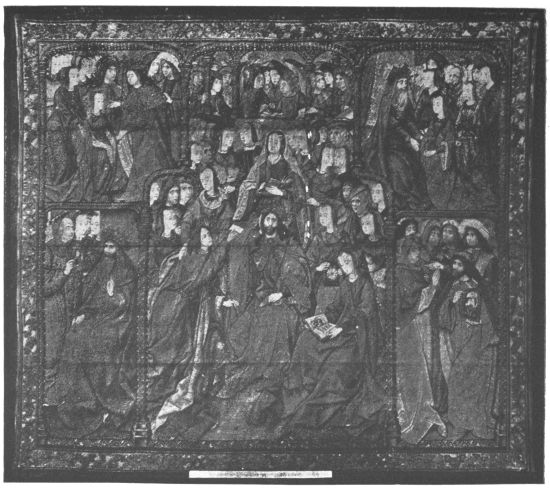
1. JESUS WITH HIS MOTHER
STORY OF THE HOLY VIRGIN. BY VAN EYCK
PLATE 2
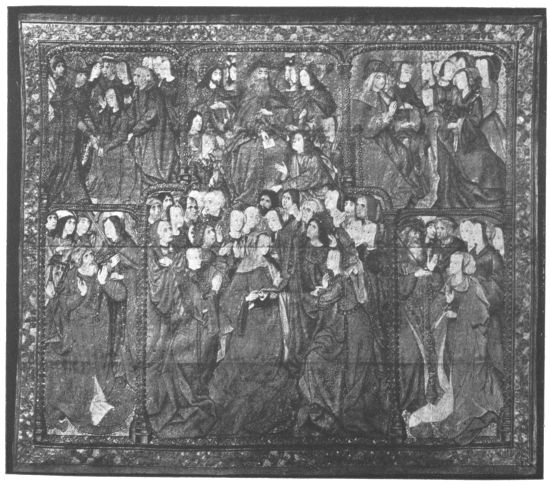
2. THE VIRGIN PRAYING
STORY OF THE HOLY VIRGIN. BY VAN EYCK
PLATE 3
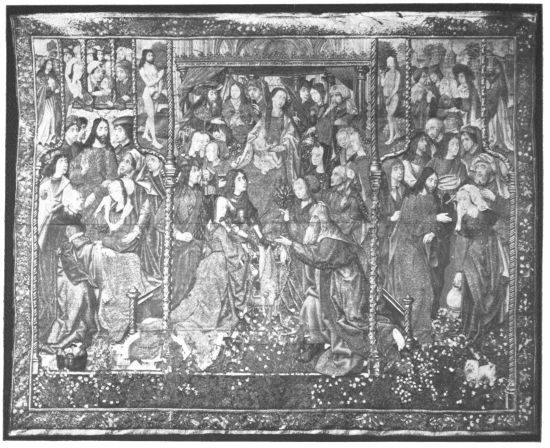
3. THE ADORATION OF THE MAGI
STORY OF THE HOLY VIRGIN. BY VAN EYCK
PLATE 4
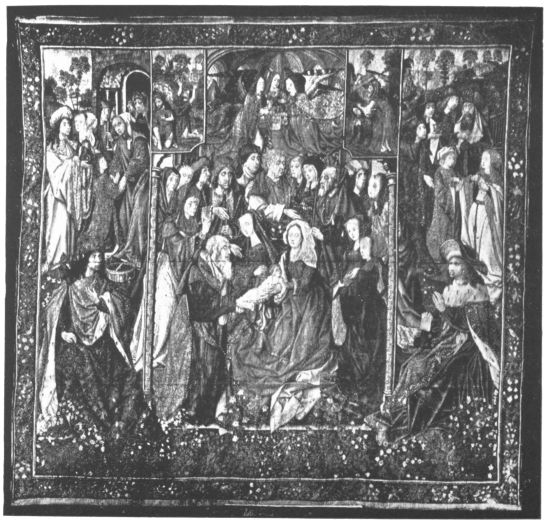
4. THE PRESENTATION OF JESUS IN THE TEMPLE
THE STORY OF DAVID AND BATHSHEBA
PLATE 5
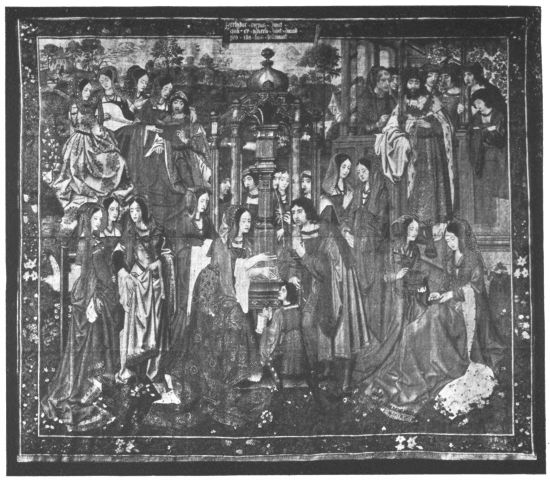
1. DAVID SEES BATHSHEBA
THE STORY OF DAVID AND BATHSHEBA
PLATE 6
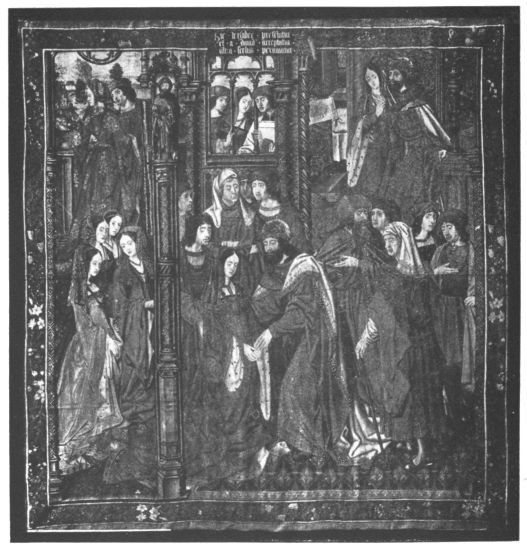
2. BATHSHEBA CONSENTS TO THE LOVE OF DAVID
THE STORY OF DAVID AND BATHSHEBA
PLATE 7
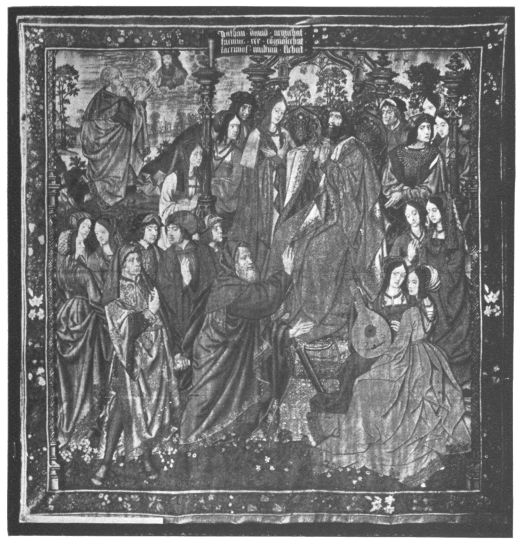
3. NATHAN REPROACHES DAVID WITH HIS SIN
STORY OF JOHN THE BAPTIST. BY VAN EYCK
PLATE 8
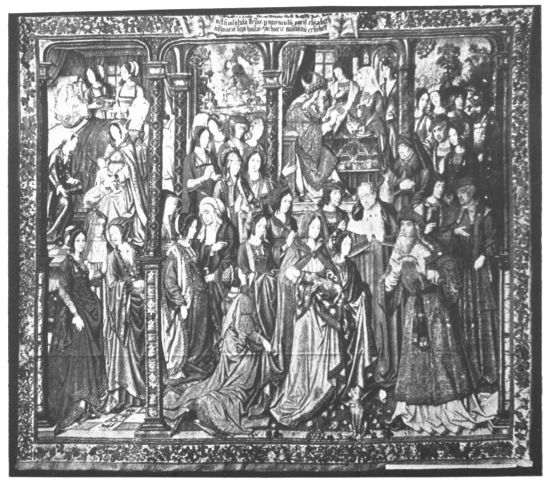
1. ZACHARIUS RECOVERING HIS SPEECH
STORY OF JOHN THE BAPTIST. BY VAN EYCK
PLATE 9
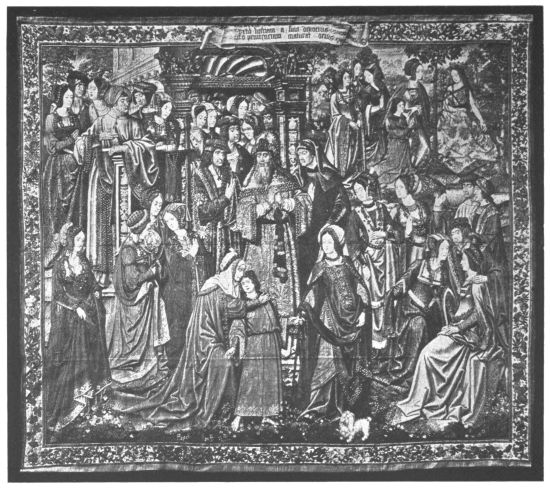
2. THE CHILD JOHN ASKS PERMISSION TO DEVOTE HIMSELF TO GOD
STORY OF JOHN THE BAPTIST. BY VAN EYCK
PLATE 10
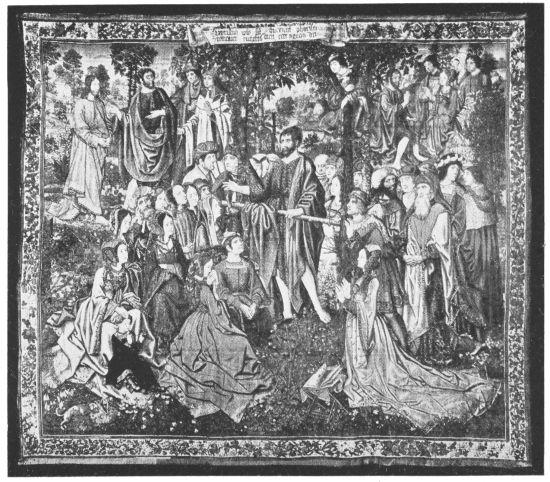
3. ST. JOHN PREACHING IN THE WILDERNESS
STORY OF JOHN THE BAPTIST. BY VAN EYCK
PLATE 11
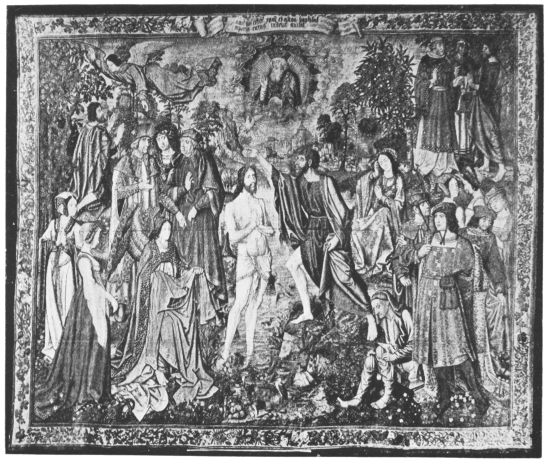
4. THE BAPTISM OF OUR LORD
THE PASSION OF OUR LORD
PLATE 12
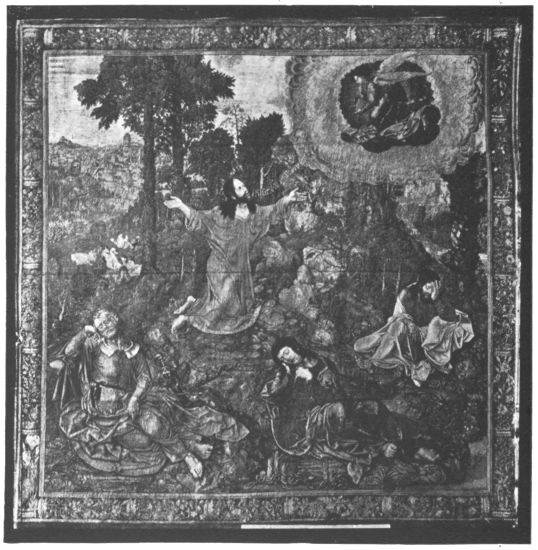
IN THE GARDEN OF OLIVES
THE PASSION OF OUR LORD. BY VAN DER WEYDEN
PLATE 13
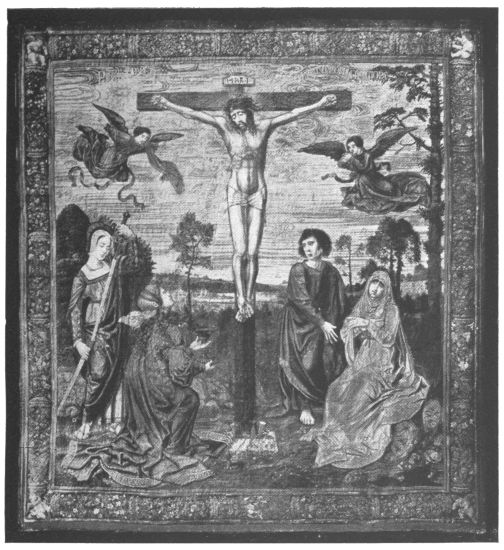
THE CRUCIFIXION
THE PASSION OF OUR LORD
PLATE 14
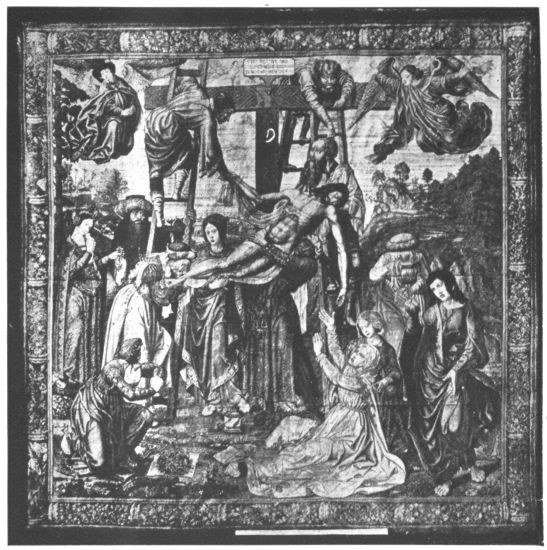
THE DESCENT FROM THE CROSS
VICES AND VIRTUES
PLATE 15
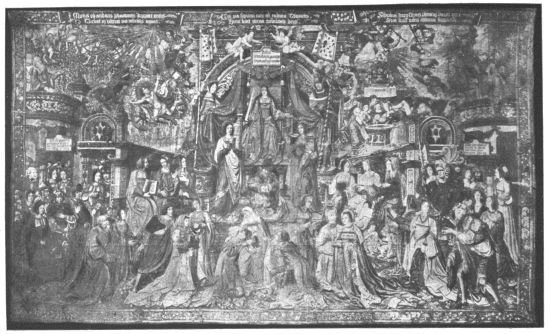
1. GOD REWARDS WORSHIP
VICES AND VIRTUES
PLATE 16
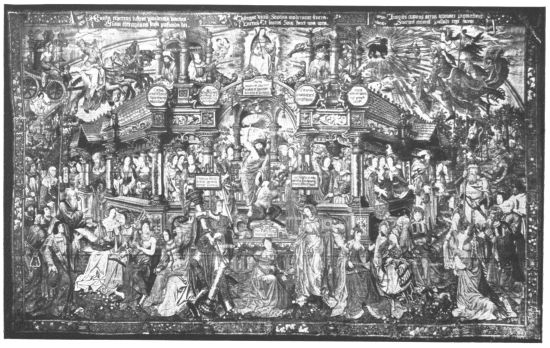
2. VIRTUE PUNISHES VICE
VICES AND VIRTUES
PLATE 17
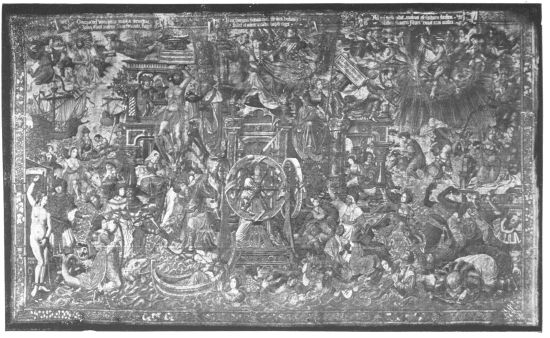
3. FORTUNE DISTRIBUTES ROSES
VICES AND VIRTUES
PLATE 18
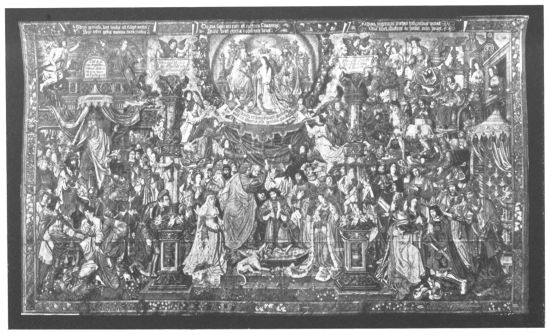
4. GOD REWARDS THE DEVOUT
VICES AND VIRTUES
PLATE 19
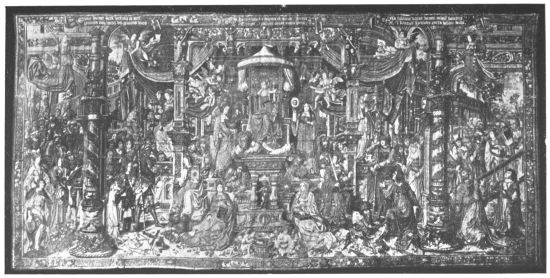
5. VIRTUE REWARDS HER VOTARIES
VICES AND VIRTUES
PLATE 20
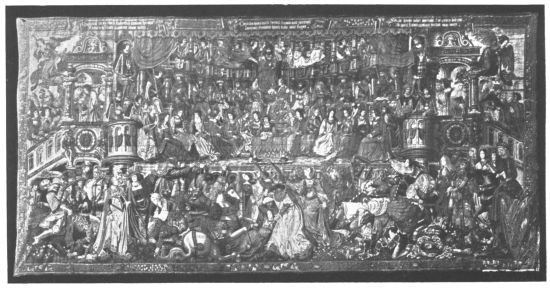
6. GOD DISTRIBUTES HONOURS
VICES AND VIRTUES
PLATE 21
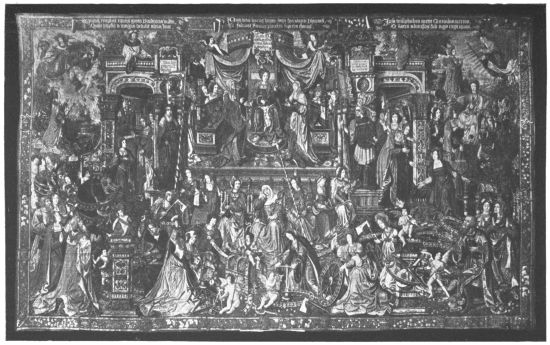
7. PRUDENCE IS COMMENDED
VICES AND VIRTUES
PLATE 22
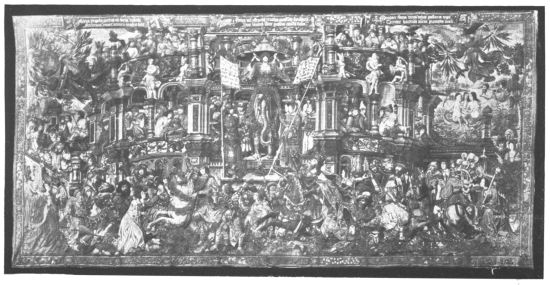
8. THE FAITHFUL GAIN RENOWN
VICES AND VIRTUES
PLATE 23
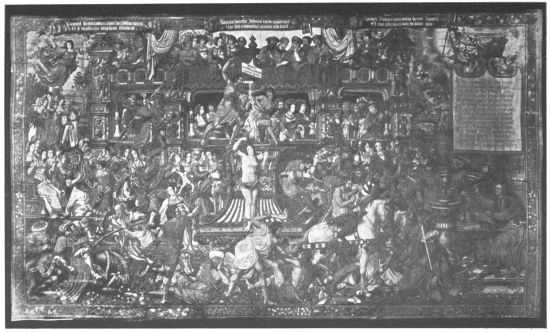
9. INFAMY IS PUNISHED
VICES AND VIRTUES
PLATE 24
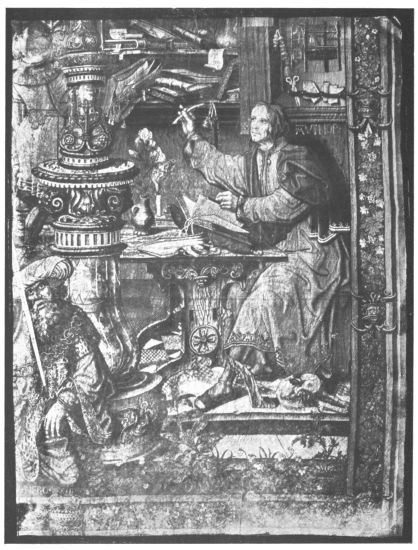
10. THE LAWGIVER DELIVERS JUDGMENT
THE FOUNDATION OF ROME
PLATE 25
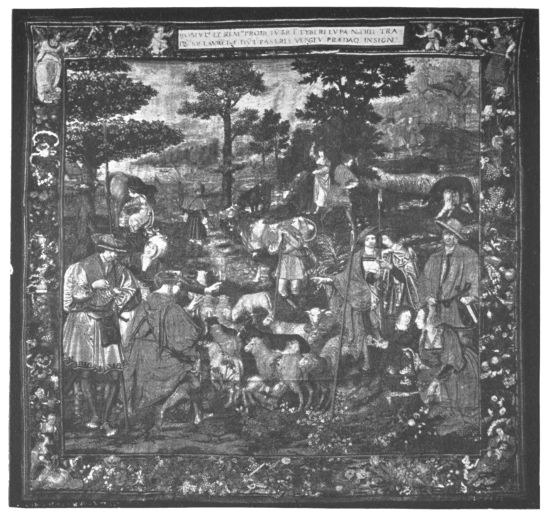
1. ROMULUS AND REMUS ARE FOUND
THE FOUNDATION OF ROME
PLATE 26
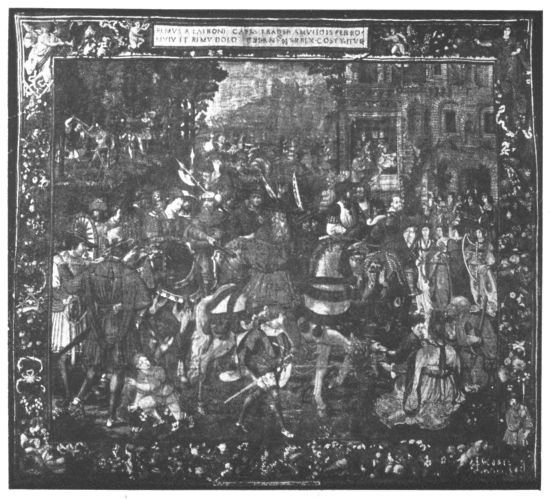
2. REMUS TAKEN CAPTIVE
THE FOUNDATION OF ROME
PLATE 27
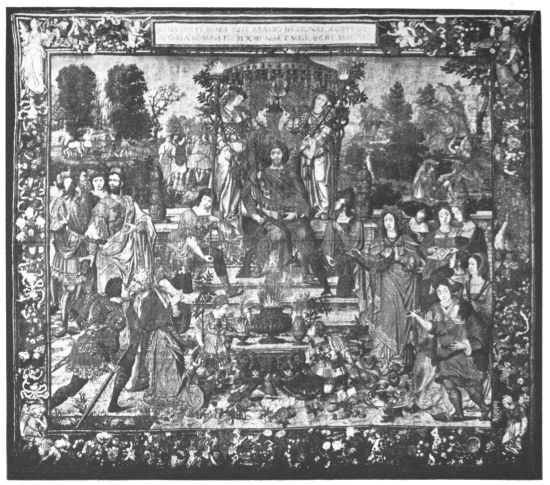
3. ROMULUS BECOMES KING
THE FOUNDATION OF ROME
PLATE 28
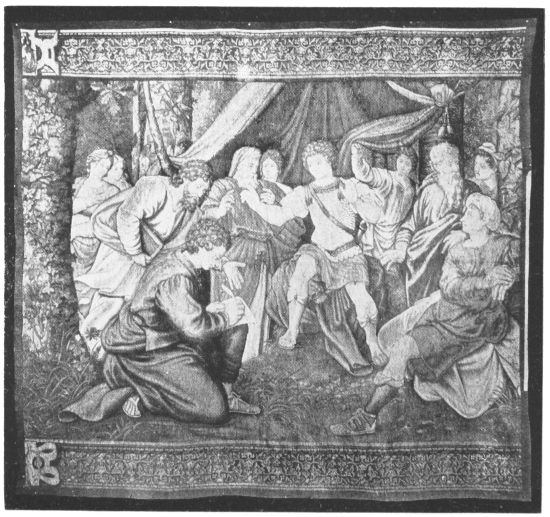
4. ROMULUS DICTATING THE LAWS
THE FOUNDATION OF ROME
PLATE 29
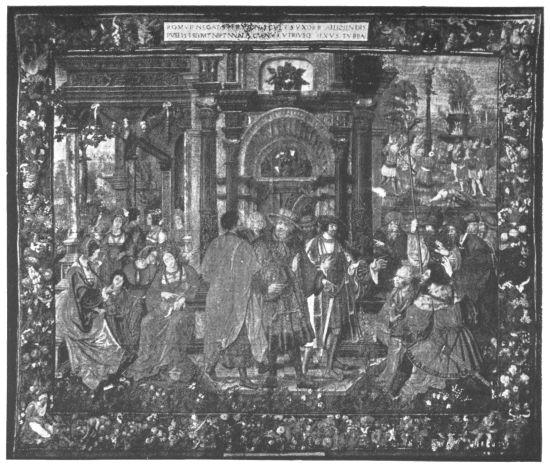
5. ROMULUS INSTITUTES THE FEAST OF NEPTUNE
THE FOUNDATION OF ROME
PLATE 30
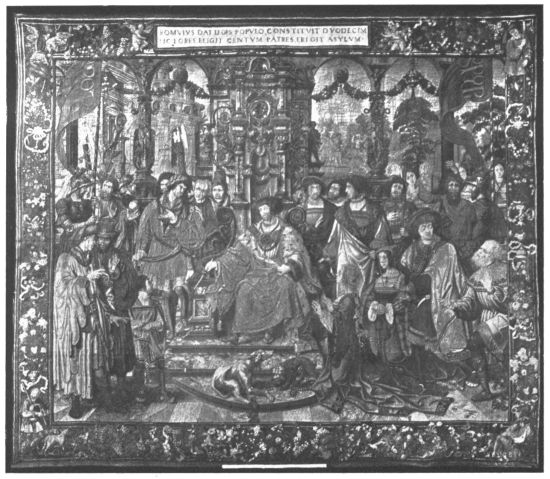
6. ROMULUS GIVES THE LAWS TO THE PEOPLE
THE FOUNDATION OF ROME
PLATE 31
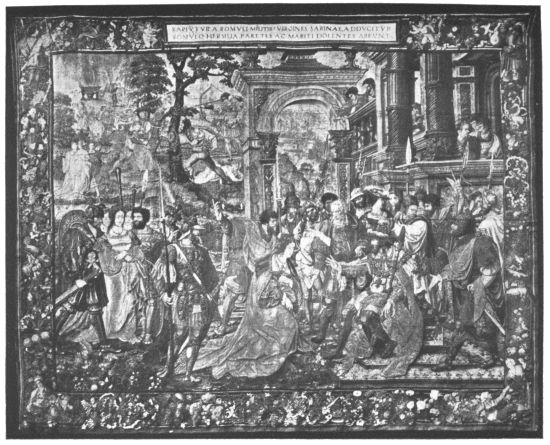
7. AFTER THE CAPTURE OF THE SABINES, HERSILIA IS PRESENTED TO ROMULUS
CONQUEST OF TUNIS BY CHARLES V
PLATE 32
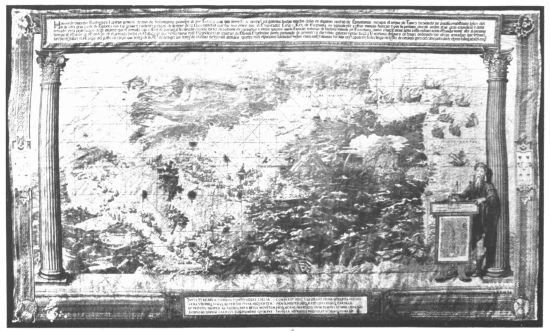
PLAN OF THE CAMPAIGN
CONQUEST OF TUNIS BY CHARLES V. BY J. VERMEYEN
PLATE 33
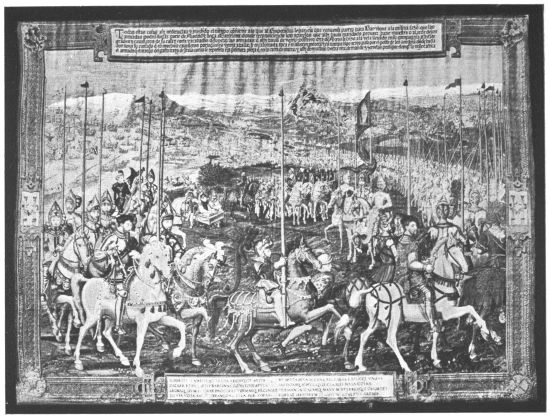
REVIEW OF THE ARMY
CONQUEST OF TUNIS BY CHARLES V
PLATE 34
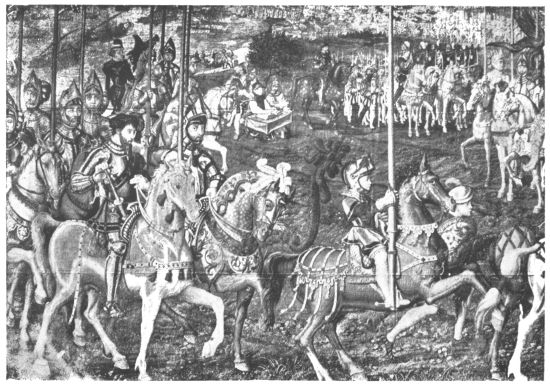
REVIEW OF THE ARMY (PART OF)
THE CONQUEST OF TUNIS BY CHARLES V
PLATE 35
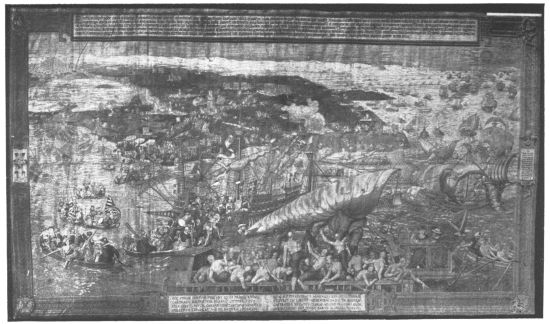
DISEMBARKING AT GOLETTA
CONQUEST OF TUNIS BY CHARLES V
PLATE 36
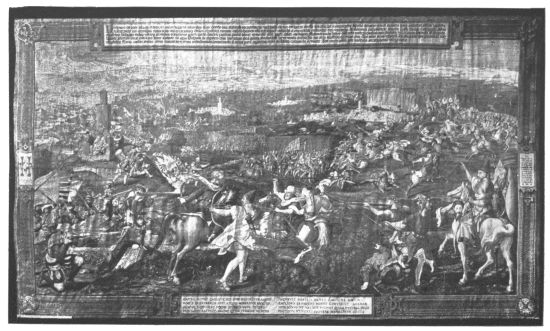
ATTACK ON GOLETTA
CONQUEST OF TUNIS BY CHARLES V
PLATE 37
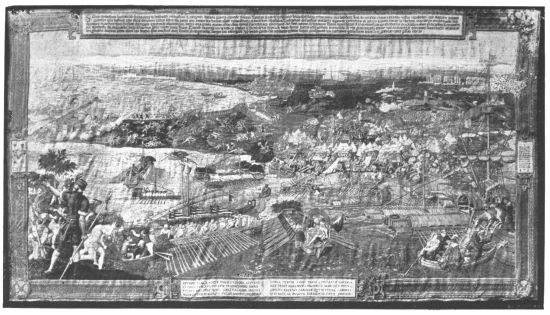
FIGHT UNDER GOLETTA
THE CONQUEST OF TUNIS BY CHARLES V
PLATE 38
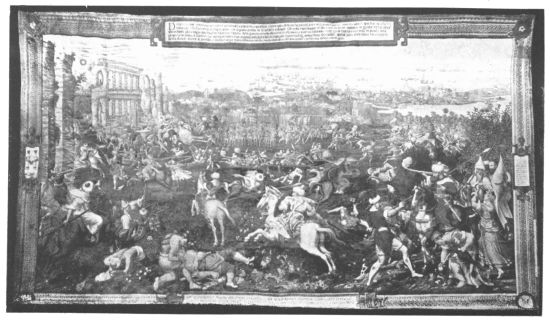
SORTIE OF THE ENEMY FROM GOLETTA
THE CONQUEST OF TUNIS BY CHARLES V
PLATE 39
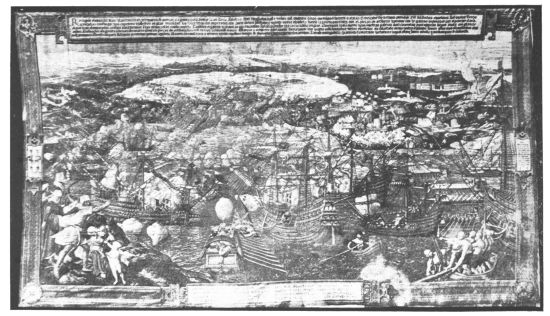
THE CAPTURE OF GOLETTA
CONQUEST OF TUNIS BY CHARLES V
PLATE 40
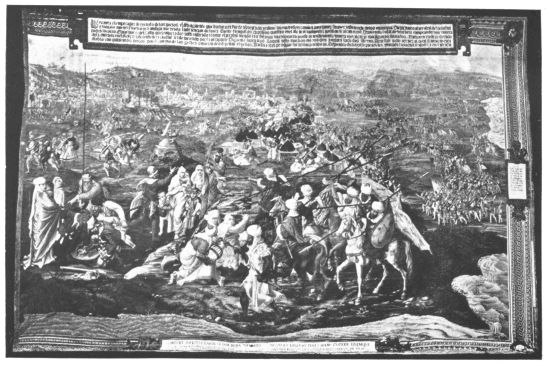
THE CAPTURE OF TUNIS
THE CONQUEST OF TUNIS BY CHARLES V
PLATE 41
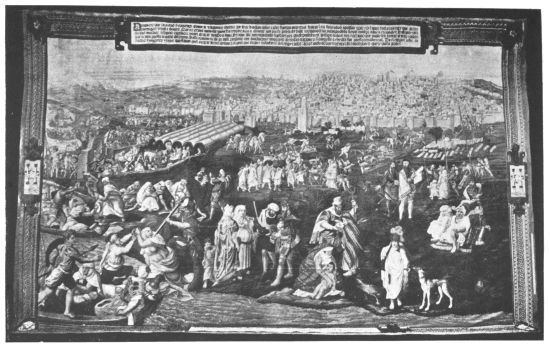
THE SACKING OF TUNIS
CONQUEST OF TUNIS BY CHARLES V
PLATE 42
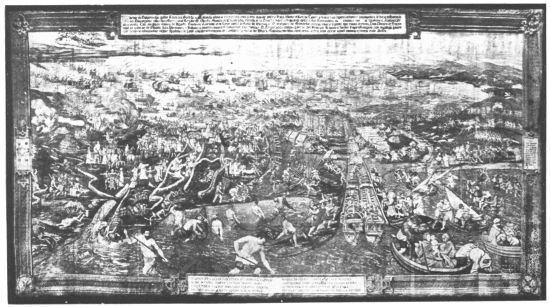
THE ARMY RE-EMBARKS AFTER RETURNING FROM GOLETTA
CONQUEST OF TUNIS BY CHARLES V. BY J. VERMEYEN
PLATE 43
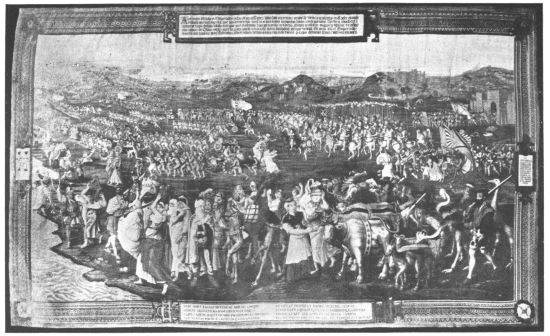
THE ARMY CAMPING AT PADA
STORY OF ABRAHAM
PLATE 44
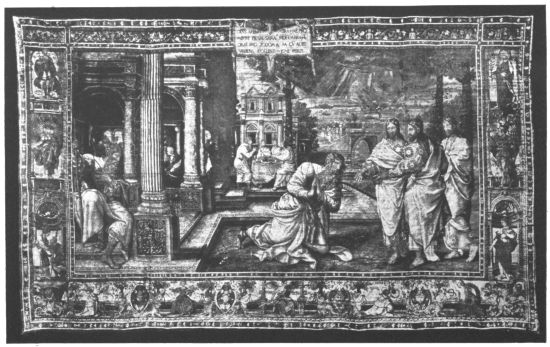
1. THREE ANGELS ANNOUNCE TO ABRAHAM THAT SARAH WILL HAVE A SON
THE STORY OF ABRAHAM
PLATE 45
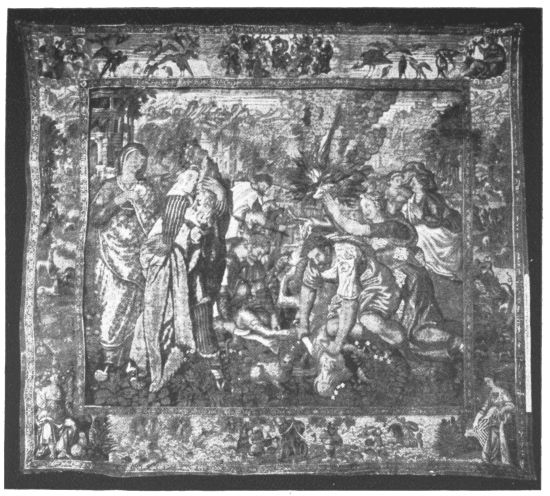
2. ABRAHAM OFFERING SACRIFICE
SCENES FROM REVELATIONS
PLATE 46
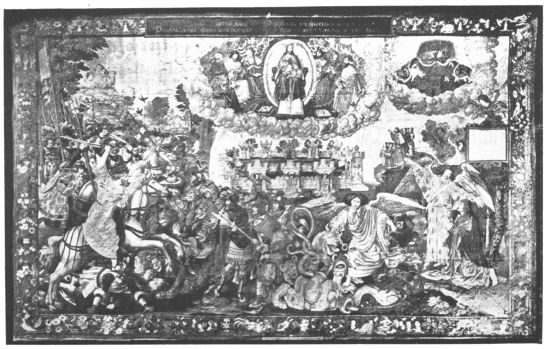
1. THE ANGEL THROWS THE BEAST INTO THE ABYSS
SCENES FROM REVELATIONS
PLATE 47
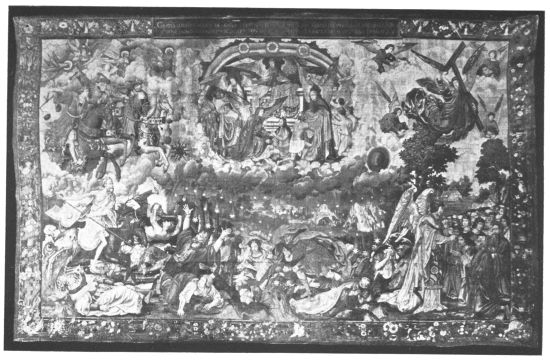
2. THE THREE HORSEMEN
SCENES FROM REVELATIONS
PLATE 48
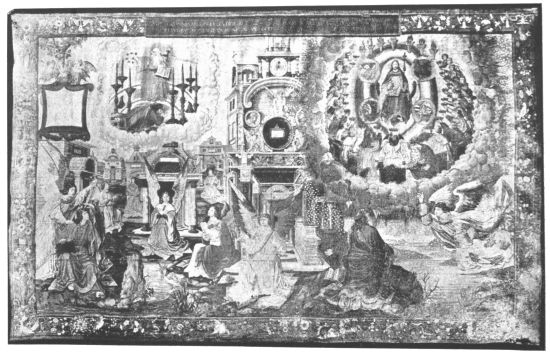
3. ST. JOHN AND THE SEVEN CHURCHES OF ASIA
SCENES FROM REVELATIONS
PLATE 49
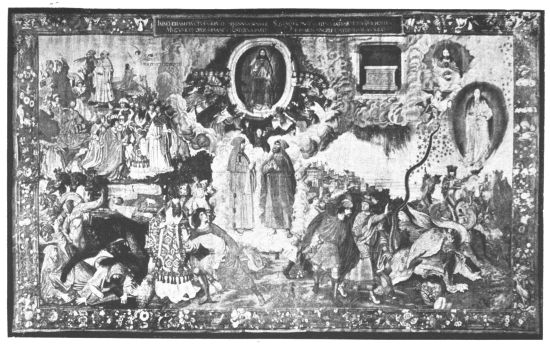
4. ST. JOHN RECEIVES THE ORDER TO MEASURE THE TEMPLE OF GOD
SCENES FROM REVELATIONS
PLATE 50
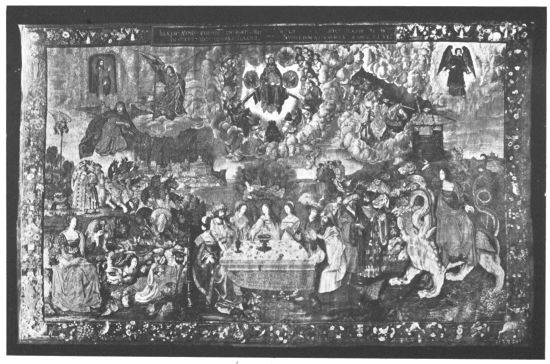
5. CONDEMNATION OF THE PROSTITUTE
SCENES FROM REVELATIONS
PLATE 51
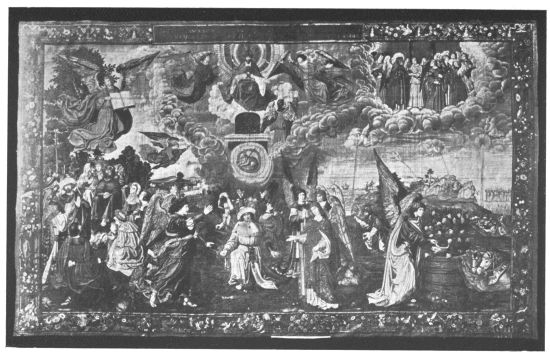
6. THE ANGEL CARRYING THE GOSPEL
SCENES FROM REVELATIONS
PLATE 52
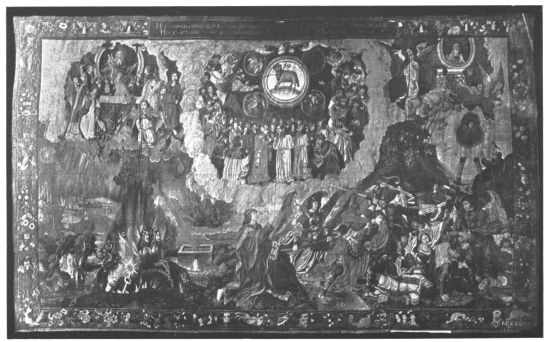
7. THE CROWD ADORE THE LAMB
SCENES FROM REVELATIONS
PLATE 53
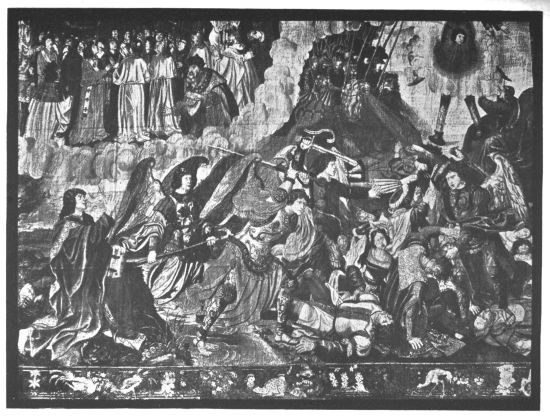
8. THE FOUR ANGELS OF EUPHRATES
SCENES FROM REVELATIONS
PLATE 54
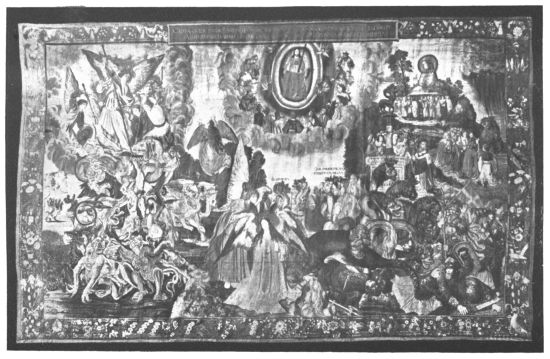
9. COMBAT BETWEEN GOOD AND EVIL SPIRITS
THE SEVEN DEADLY SINS
PLATE 55
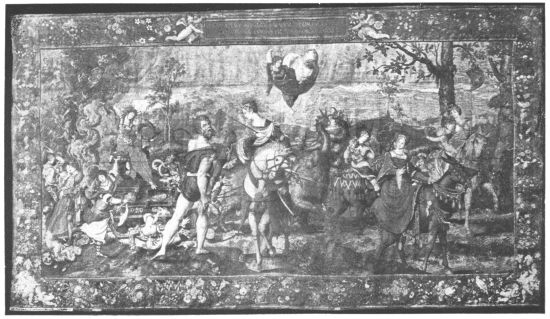
1. LUXURY
THE SEVEN DEADLY SINS
PLATE 56
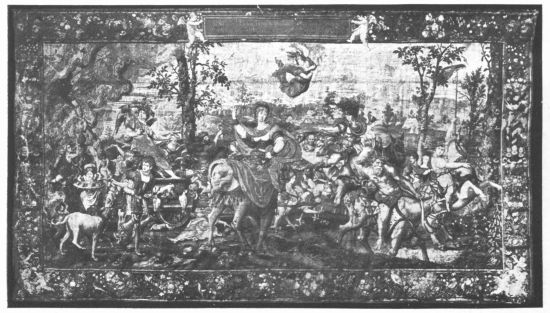
2. GREEDINESS
THE SEVEN DEADLY SINS
PLATE 57
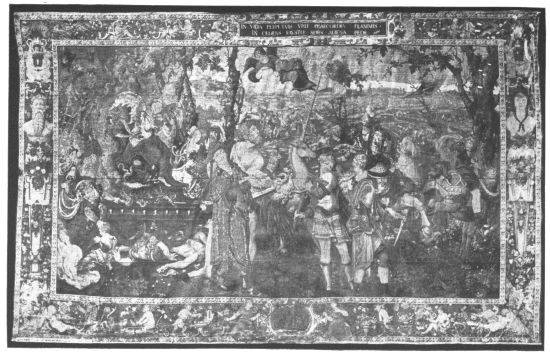
3. ENVY
THE SEVEN DEADLY SINS
PLATE 58
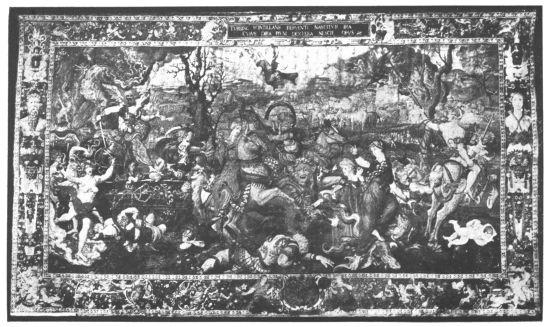
4. ANGER
ACTS OF THE APOSTLES. BY RAPHAEL
PLATE 59
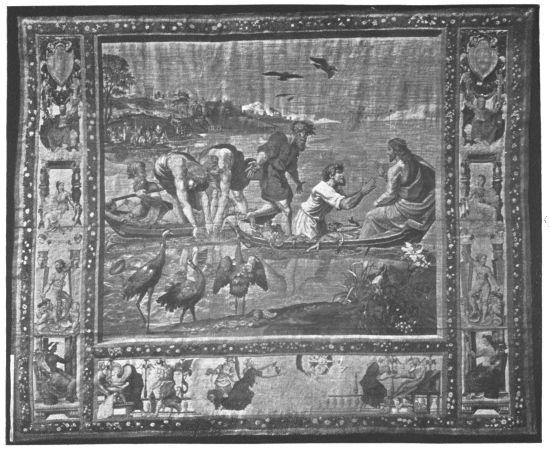
1. THE MIRACULOUS DRAUGHT OF FISHES
ACTS OF THE APOSTLES. BY RAPHAEL
PLATE 60
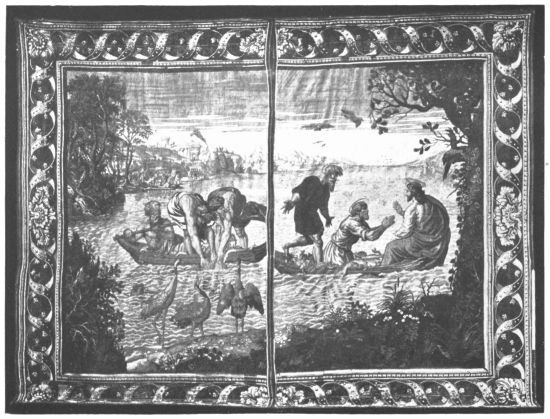
2. THE MIRACULOUS DRAUGHT OF FISHES
ACTS OF THE APOSTLES. BY RAPHAEL
PLATE 61
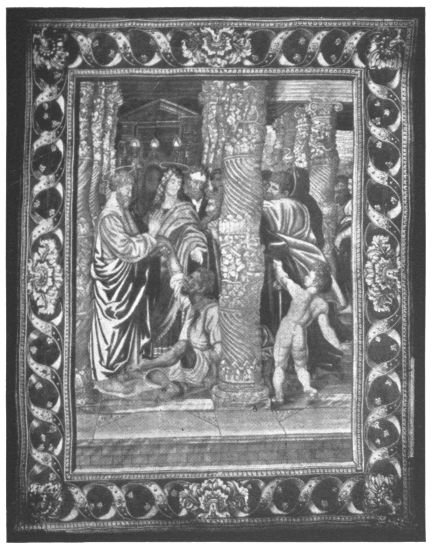
3. THE MIRACLE OF THE PARALYTIC
THE ACTS OF THE APOSTLES. BY RAPHAEL
PLATE 62
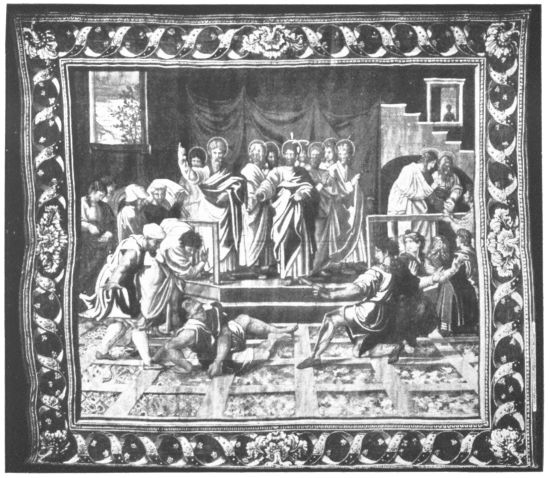
4. THE DEATH OF ANANIAS
THE ACTS OF THE APOSTLES. BY RAPHAEL
PLATE 63
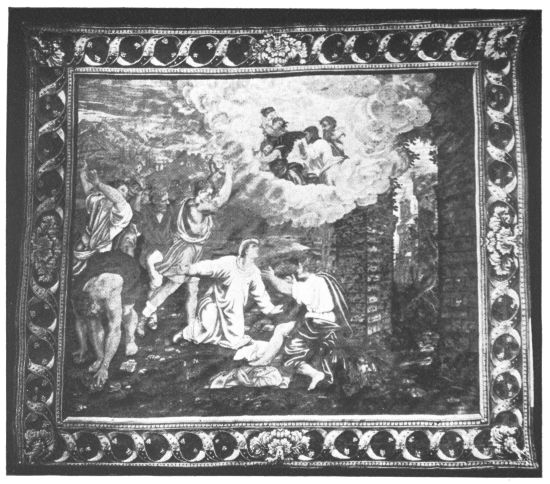
5. THE MARTYRDOM OF ST. STEPHEN
ACTS OF THE APOSTLES. BY RAPHAEL
PLATE 64
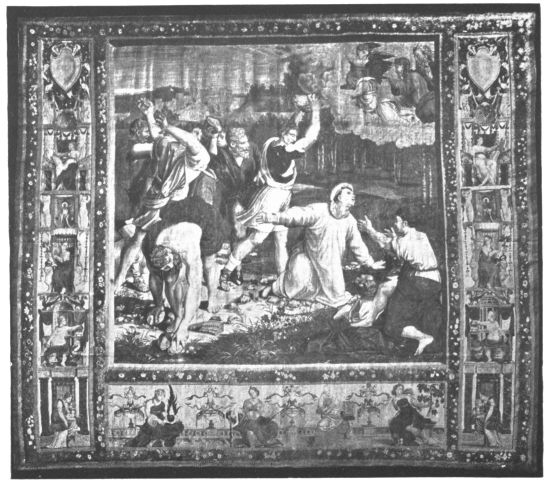
6. MARTYRDOM OF ST. STEPHEN
THE ACTS OF THE APOSTLES. BY RAPHAEL
PLATE 65
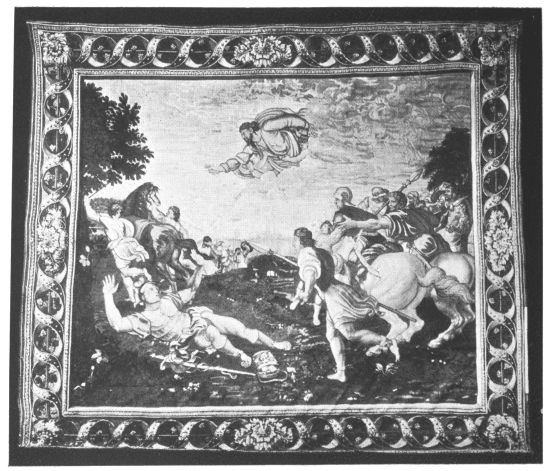
7. THE CONVERSION OF ST. PAUL
THE ACTS OF THE APOSTLES. BY RAPHAEL
PLATE 66
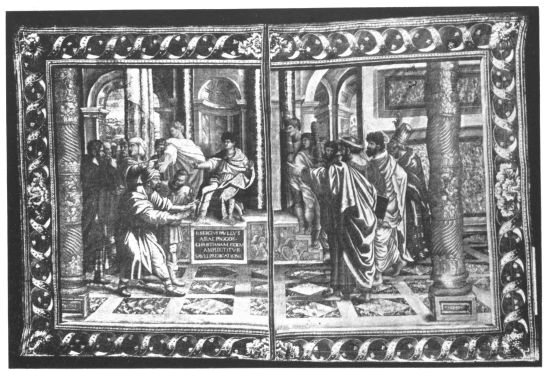
8. THE BLINDNESS OF ELYMAS
ACTS OF THE APOSTLES. BY RAPHAEL
PLATE 67
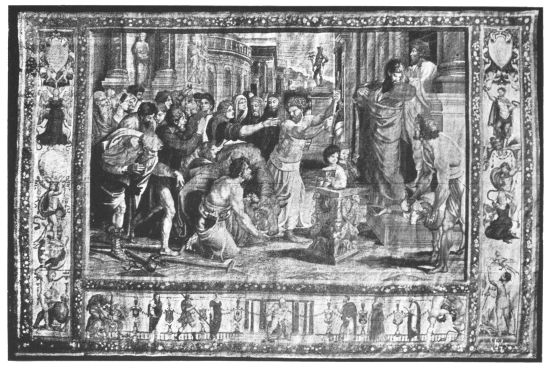
9. ST. PAUL AT LYSTRA
THE ACTS OF THE APOSTLES. BY RAPHAEL
PLATE 68
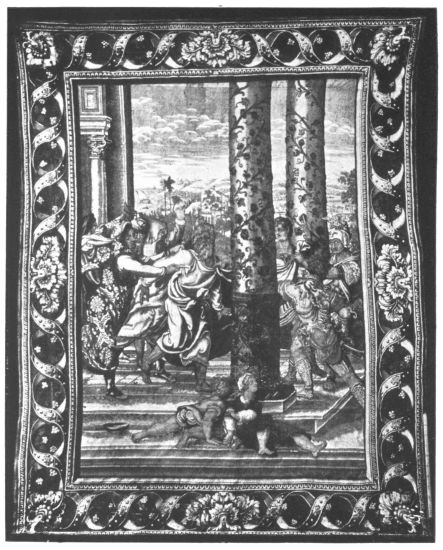
10. ST. PAUL IN THE TEMPLE
THE ACTS OF THE APOSTLES. BY RAPHAEL
PLATE 69
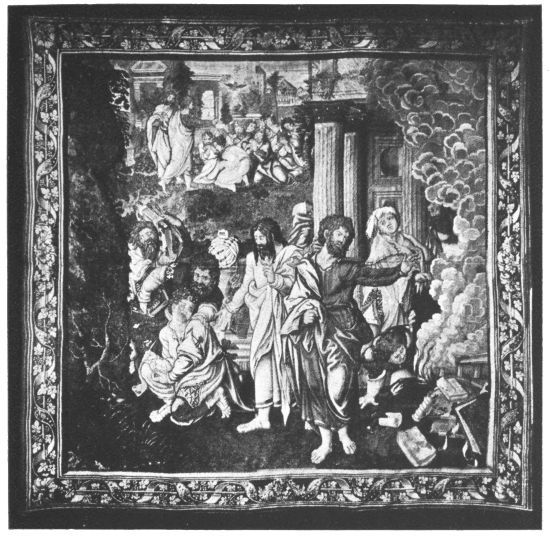
11. ST. PAUL AT EPHESUS
ACTS OF THE APOSTLES. BY RAPHAEL
PLATE 70
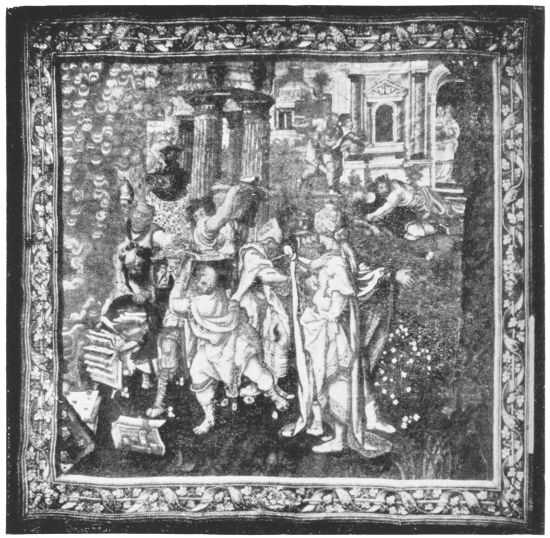
12. ST. PAUL AT EPHESUS
ACTS OF THE APOSTLES. BY RAPHAEL
PLATE 71
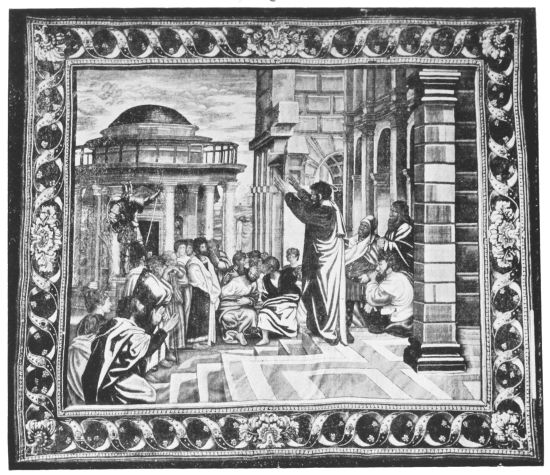
13. ST. PAUL PREACHING IN ATHENS
ACTS OF THE APOSTLES. BY RAPHAEL
PLATE 72
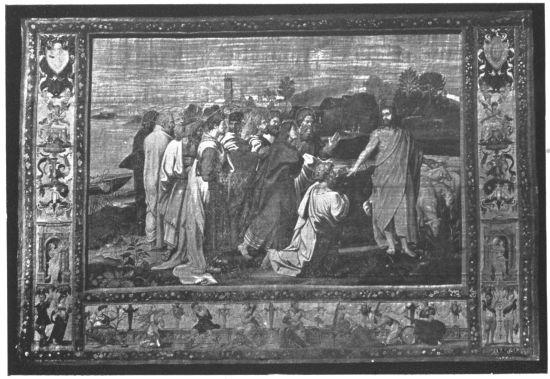
14. CHRIST APPEARS TO HIS DISCIPLES
ACTS OF THE APOSTLES. BY RAPHAEL
PLATE 73
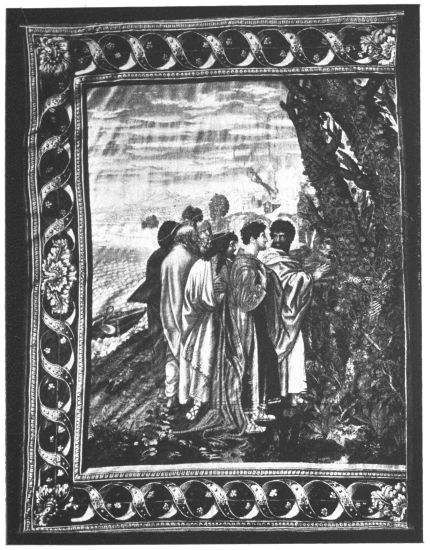
15. CHRIST CHOOSING ST. PETER
ACTS OF THE APOSTLES. BY RAPHAEL
PLATE 74
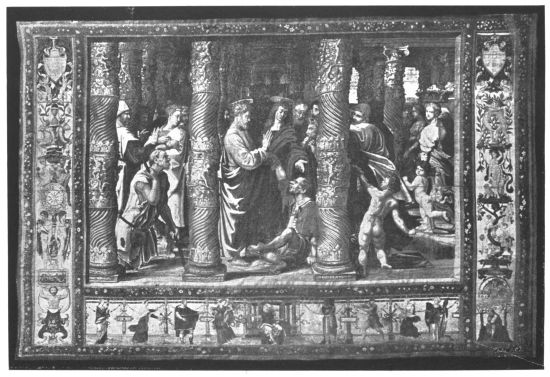
16. THE PARALYTIC
ACTS OF THE APOSTLES. BY RAPHAEL
PLATE 75
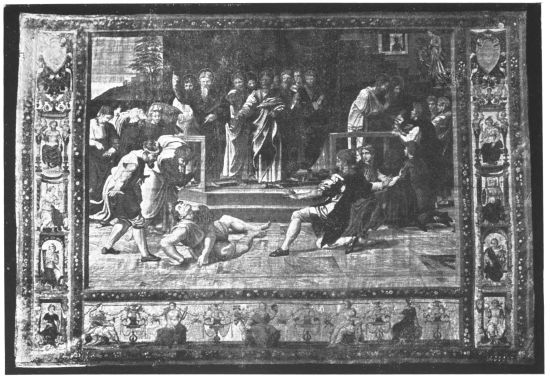
17. DEATH OF ANANIAS
ACTS OF THE APOSTLES. BY RAPHAEL
PLATE 76
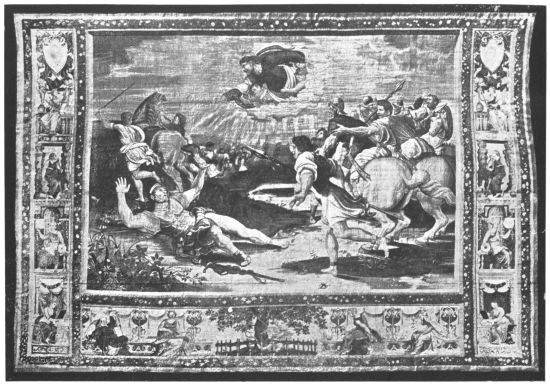
18. CONVERSION OF ST. PAUL
ACTS OF THE APOSTLES. BY RAPHAEL
PLATE 77
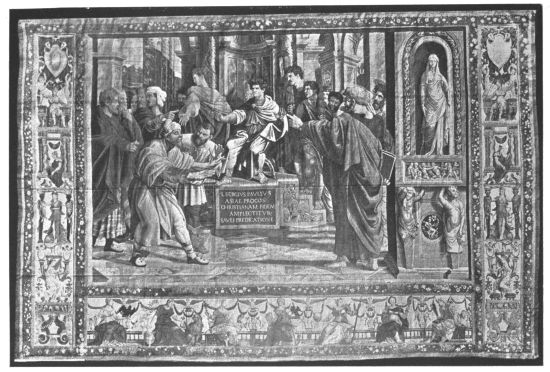
19. THE BLIND MAN ELYMAS
ACTS OF THE APOSTLES. BY RAPHAEL
PLATE 78
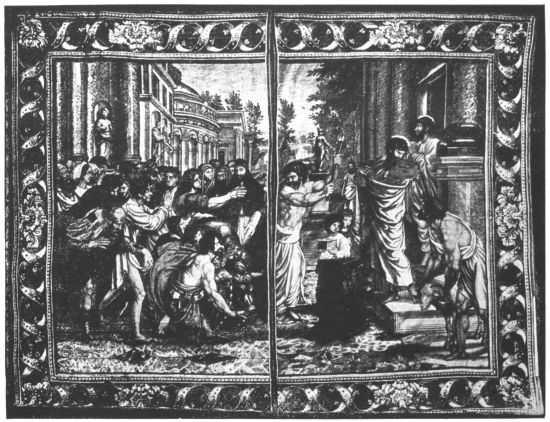
20. ST. PAUL AND ST. BARNABAS AT LYSTRA
VERTUMNUS AND POMONA
PLATE 79
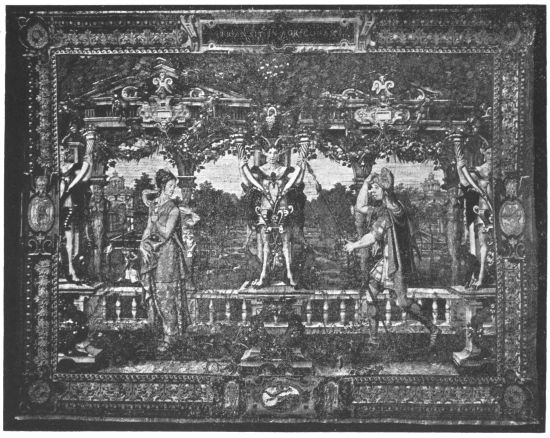
1. VERTUMNUS TRANSFORMED INTO A HUSBANDMAN
VERTUMNUS AND POMONA
PLATE 80
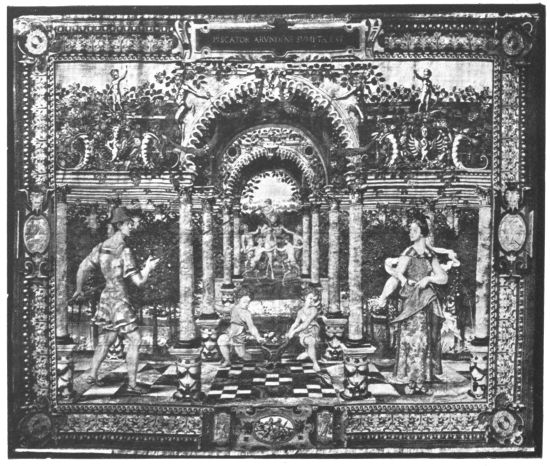
2. VERTUMNUS TAKES A FISHING ROD
VERTUMNUS AND POMONA
PLATE 81
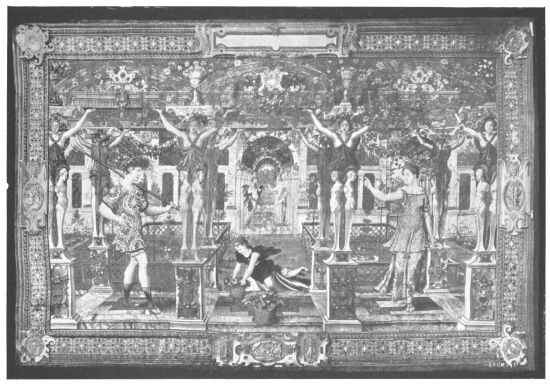
3. VERTUMNUS TRANSFORMED INTO AN AGRICULTURIST
VERTUMNUS AND POMONA
PLATE 82
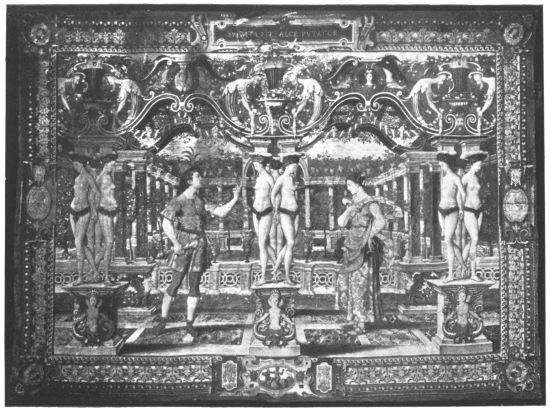
4. VERTUMNUS TRANSFORMED INTO A GARDENER
VERTUMNUS AND POMONA
PLATE 83
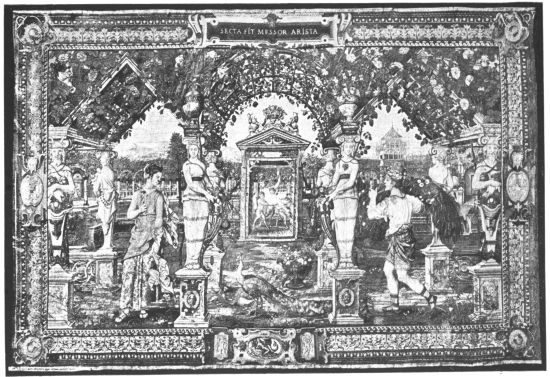
5. VERTUMNUS TRANSFORMED INTO A REAPER
VERTUMNUS AND POMONA
PLATE 84
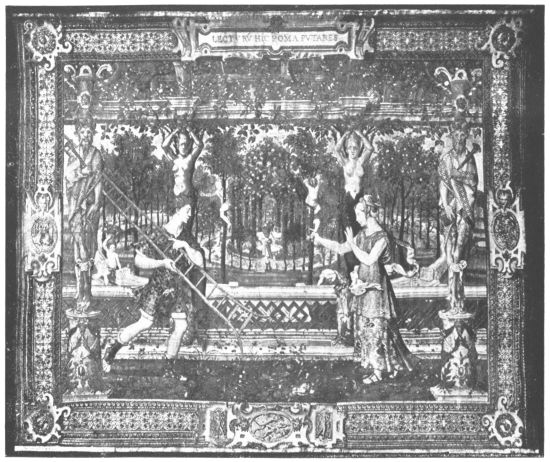
6. VERTUMNUS AT THE HARVEST
VERTUMNUS AND POMONA
PLATE 85
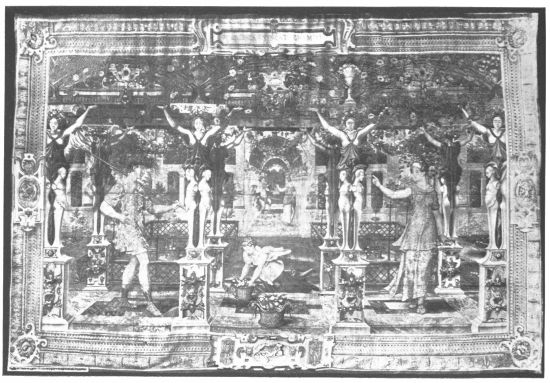
7. POMONA UPBRAIDS VERTUMNUS
VERTUMNUS AND POMONA
PLATE 86
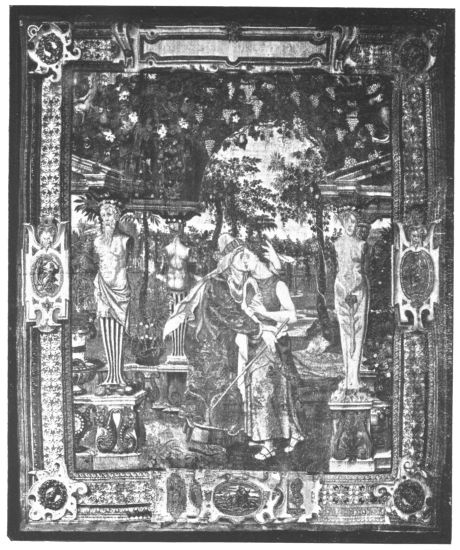
8. VERTUMNUS, DISGUISED, KISSES POMONA
VERTUMNUS AND POMONA
PLATE 87
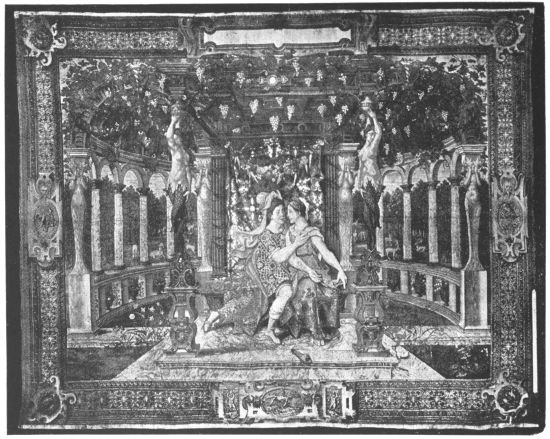
9. VERTUMNUS REGAINS HIS NATURAL FORM
THE STORY OF SCIPIO AFRICANUS
PLATE 88
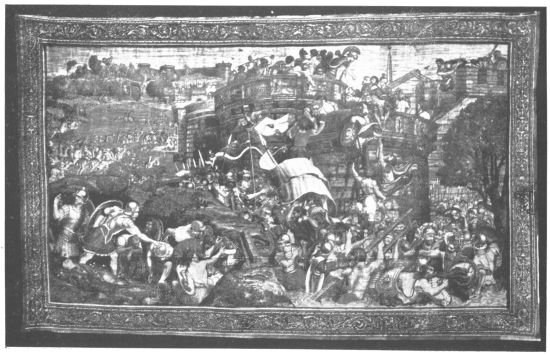
1. THE CAPTURE OF CARTHAGE
THE STORY OF SCIPIO AFRICANUS
PLATE 89
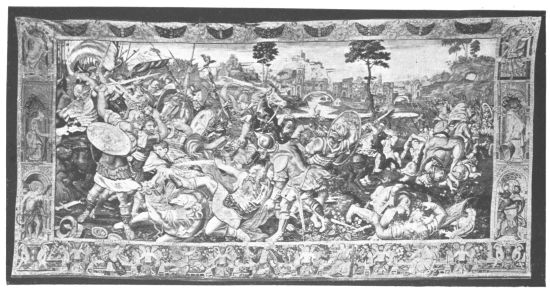
2. SCIPIO SAVES HIS FATHER AT THE BATTLE OF TESIN
THE STORY OF SCIPIO AFRICANUS
PLATE 90
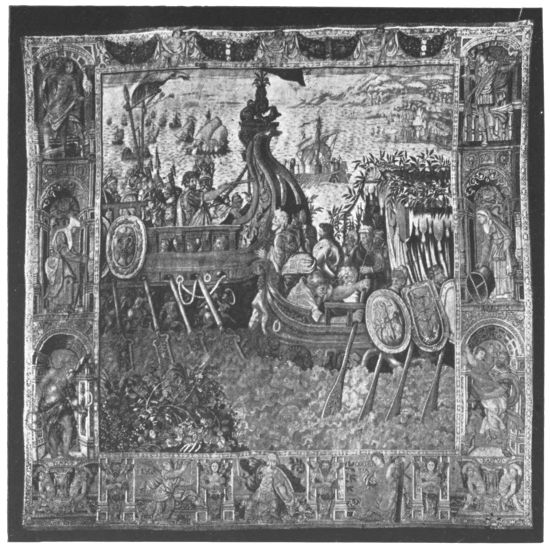
3. CARTHAGE SENDS AMBASSADORS TO SCIPIO AFTER THE BATTLE OF ZAMA
THE STORY OF SCIPIO AFRICANUS
PLATE 91
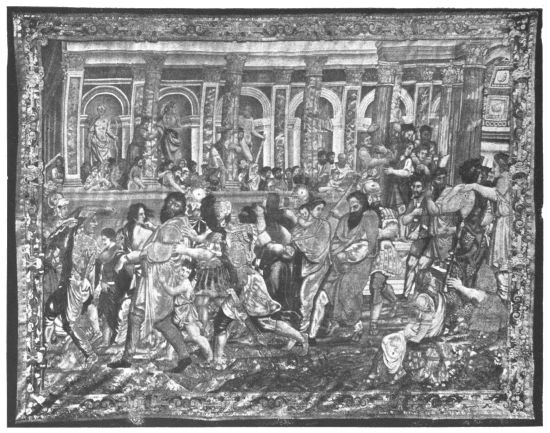
4. THE TRIUMPH OF SCIPIO
THE STORY OF SCIPIO AFRICANUS
PLATE 92
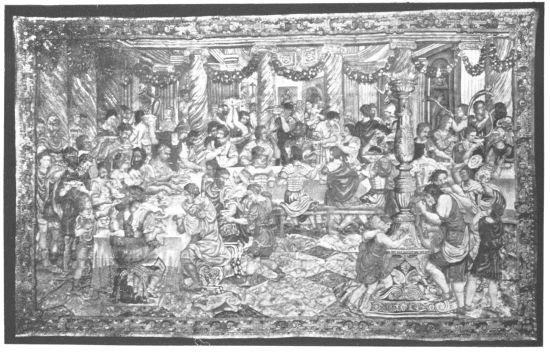
5. THE BANQUET
THE STORY OF SCIPIO AFRICANUS
PLATE 93
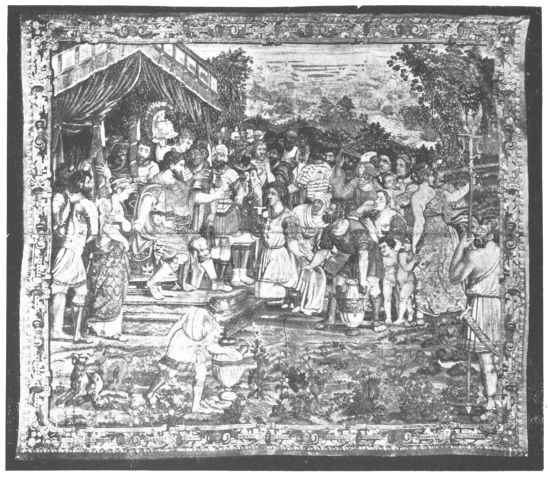
6. SCIPIO GIVES UP HIS BETROTHED
THE STORY OF SCIPIO AFRICANUS
PLATE 94
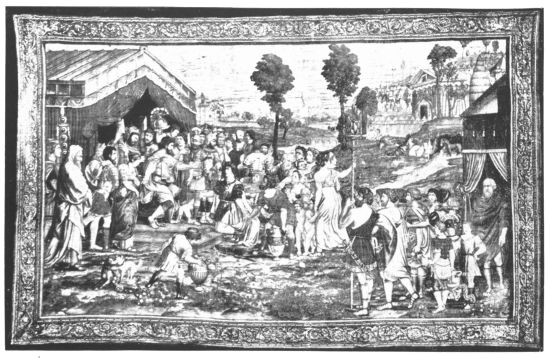
7. SCIPIO GIVES UP HIS BETROTHED (SECTION OF TAPESTRY)
THE STORY OF SCIPIO AFRICANUS
PLATE 95
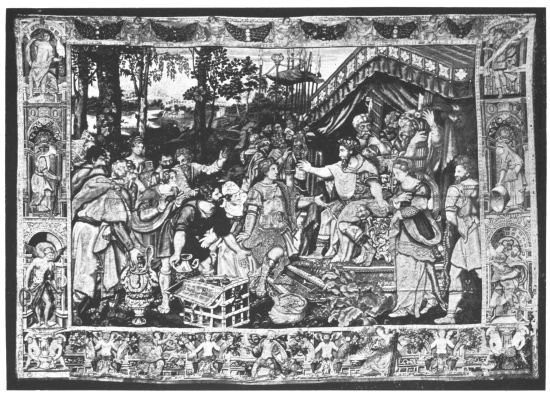
8. SCIPIO DELIVERS JUDGMENT
THE STORY OF SCIPIO AFRICANUS
PLATE 96
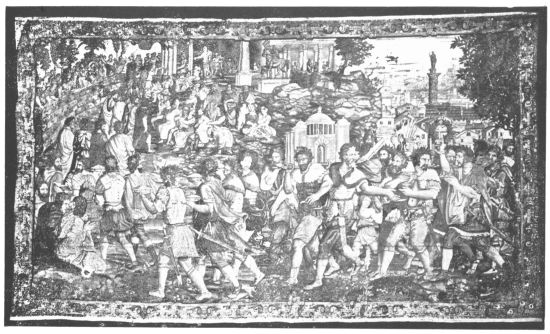
9. THE TRIUMPH OF SCIPIO
THE STORY OF SCIPIO AFRICANUS
PLATE 97
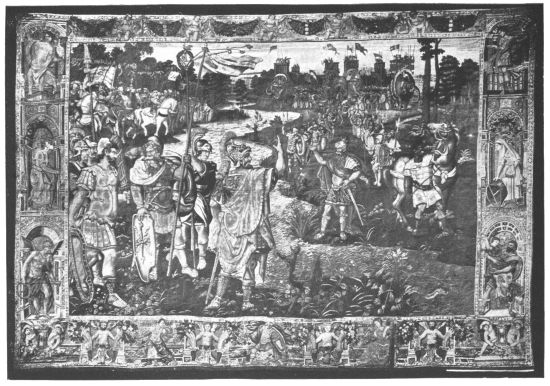
10. INTERVIEW BETWEEN SCIPIO AND HANNIBAL
THE STORY OF SCIPIO AFRICANUS
PLATE 98
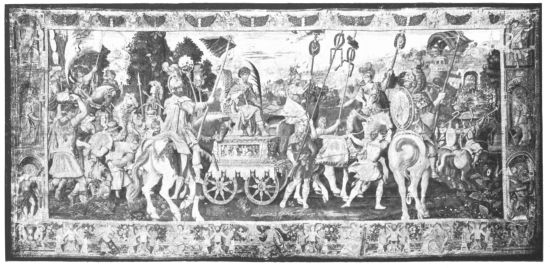
10. THE TRIUMPH OF SCIPIO
THE STORY OF CYRUS
PLATE 99
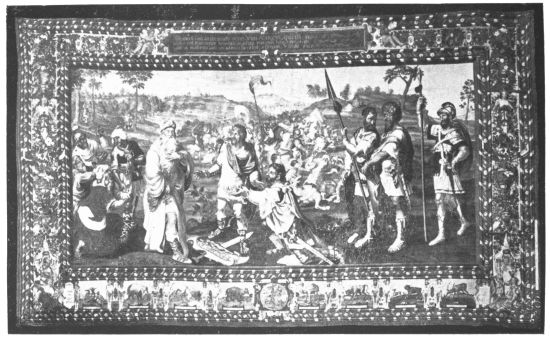
1. CYRUS TAKES ASTYAGE PRISONER
THE STORY OF CYRUS
PLATE 100
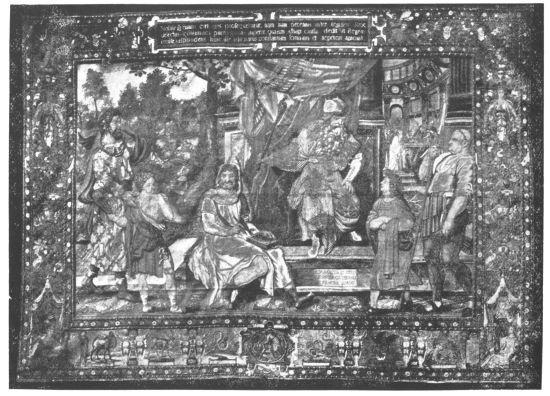
2. CYRUS IS RECOGNIZED BY ASTYAGE
THE STORY OF CYRUS
PLATE 101
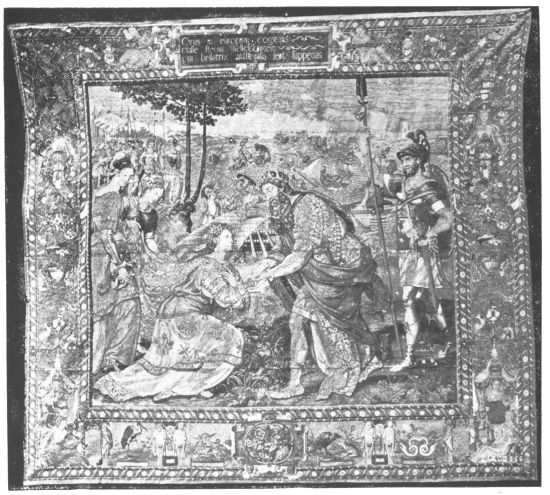
3. MEETING OF CYRUS AND THE QUEEN
THE STORY OF CYRUS
PLATE 102
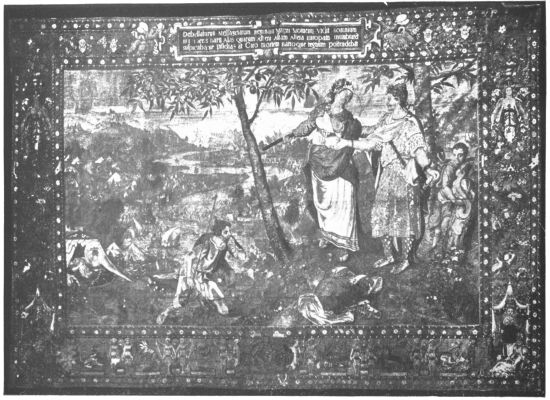
4. CYRUS SENDS A MESSENGER
THE STORY OF CYRUS
PLATE 103
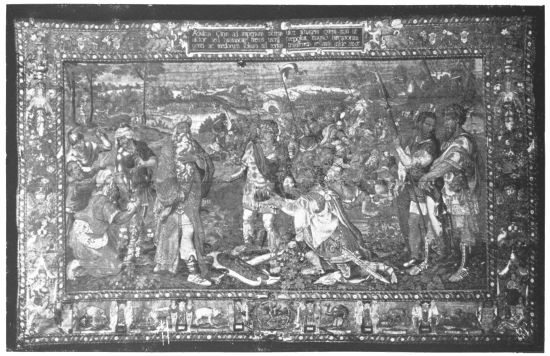
5. CYRUS UNITES THE MEDES AND PERSIANS
THE STORY OF CYRUS
PLATE 104
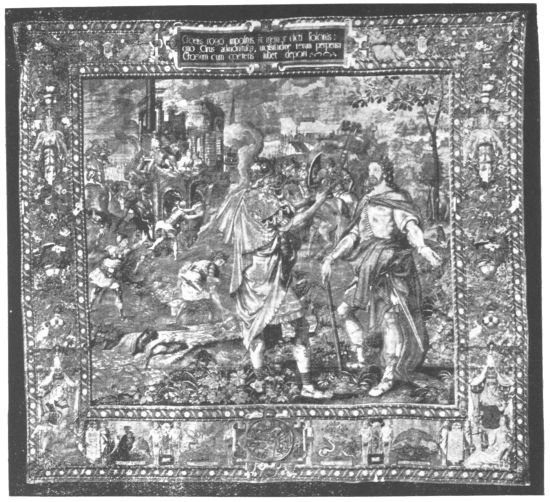
6. CYRUS SAVES CRŒSUS FROM THE STAKE
THE STORY OF CYRUS
PLATE 105
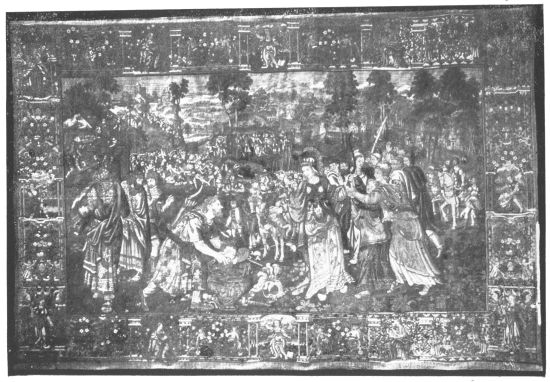
7. THE QUEEN AND CYRUS
THE STORY OF CYRUS
PLATE 106
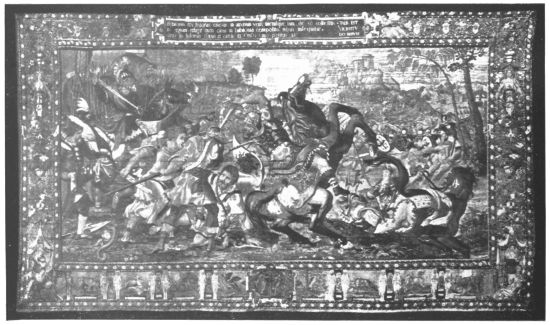
8. CYRUS TAKES CRŒSUS PRISONER
THE STORY OF CYRUS
PLATE 107
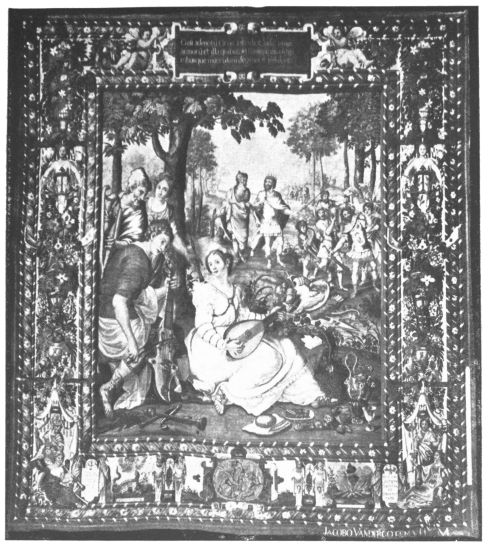
9. CYRUS AND THE LYDIANS
THE STORY OF CYRUS
PLATE 108
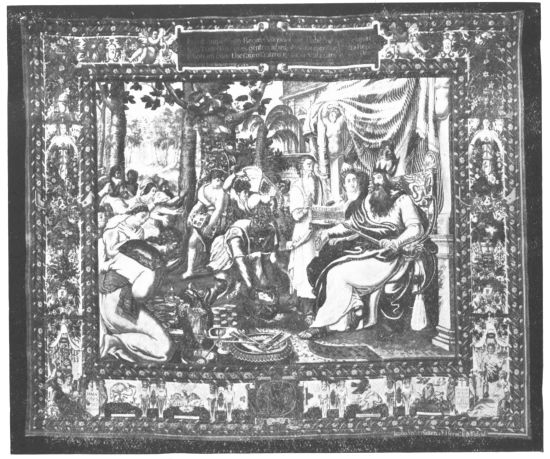
10. CYRUS RELEASES THE HEBREWS
STORY OF CYRUS
PLATE 109
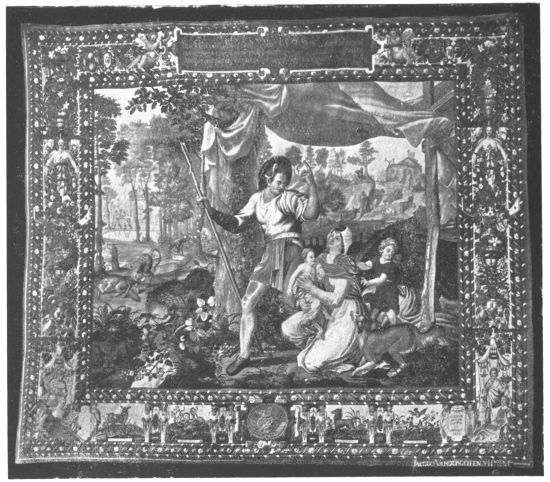
11. CYRUS IS ENTRUSTED TO A SHEPHERD
STORY OF CYRUS
PLATE 110
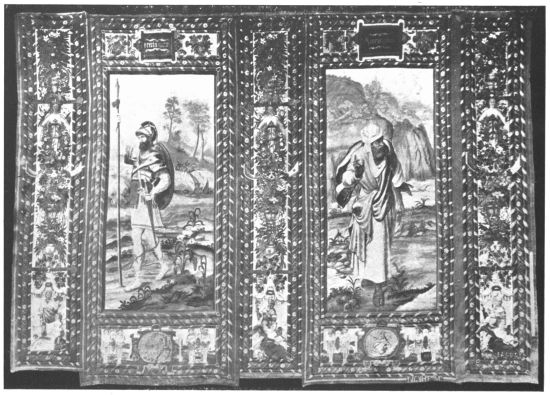
12. HYSTASPE AND AMENOPHIS
STORY OF DIANA
PLATE 111
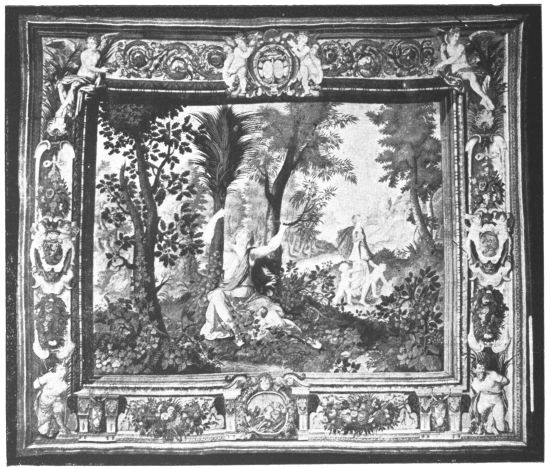
1. THE BIRTH OF DIANA
STORY OF DIANA
PLATE 112
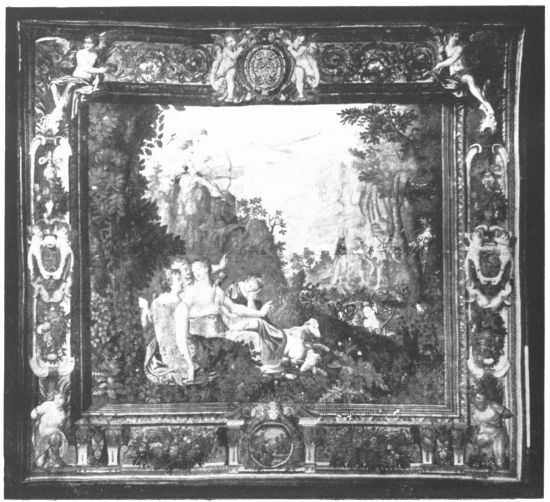
2. DIANA RESTING
STORY OF DIANA
PLATE 113
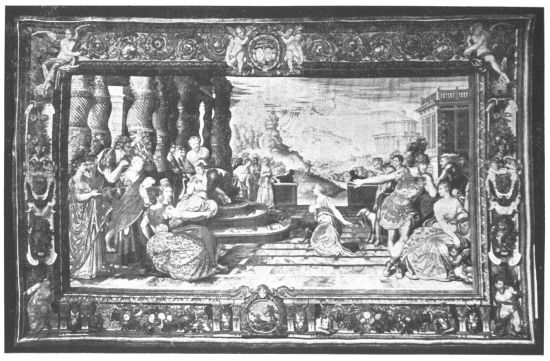
3. DIANA AND JUPITER
THE SPHERES
PLATE 114
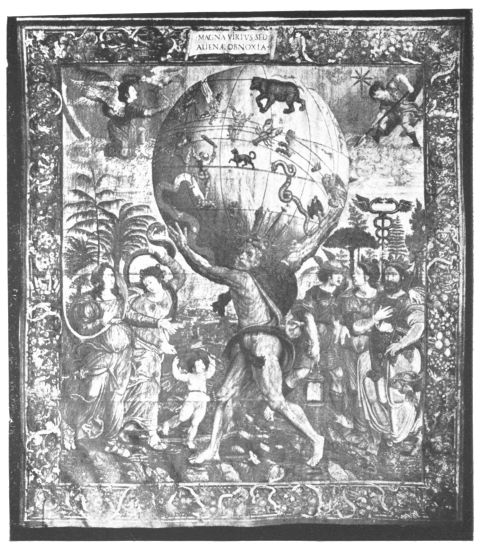
1. HERCULES SUPPORTS THE SKY
THE SPHERES
PLATE 115
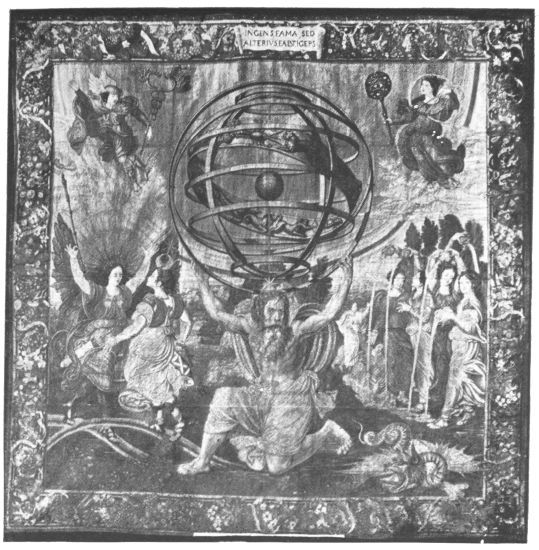
2. ATLAS SUPPORTS THE WORLD
STORY OF DECIUS
PLATE 116
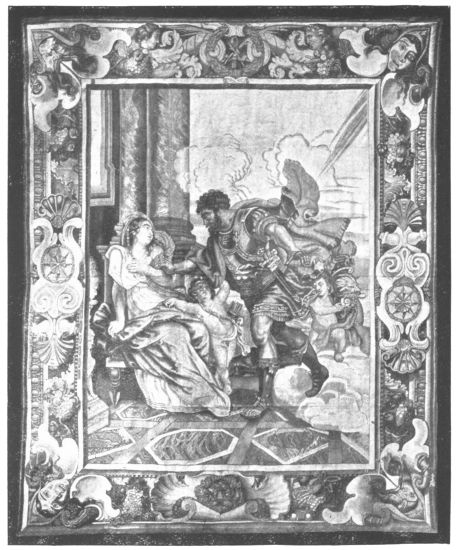
1. DECIUS RAISES HIS COUNTRY
STORY OF DECIUS
PLATE 117
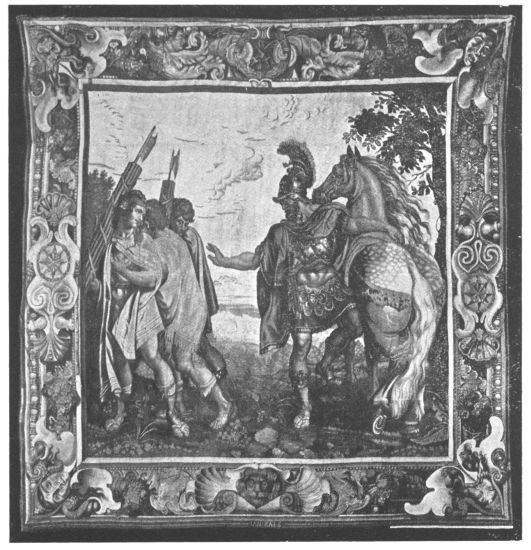
2. DECIUS SENDS THE LICTORS TO MANLIUS
STORY OF DECIUS
PLATE 118
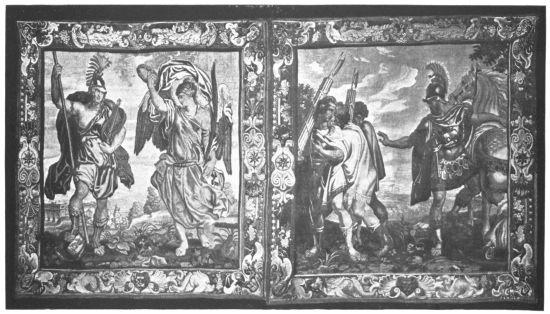
3. DECIUS BIDS FAREWELL TO THE LICTORS
STORY OF DECIUS
PLATE 119
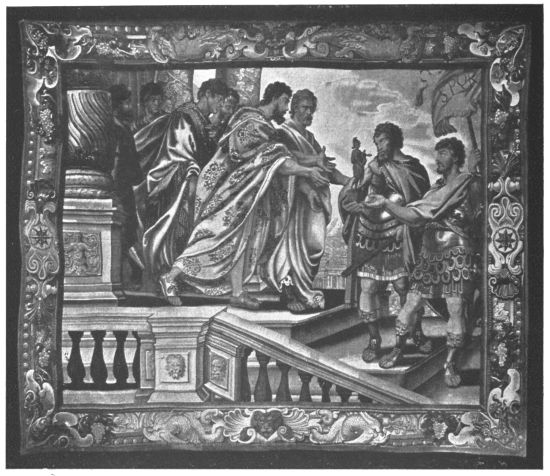
4. DECIUS DEPARTS TO FIGHT THE LATINS
STORY OF DECIUS
PLATE 120
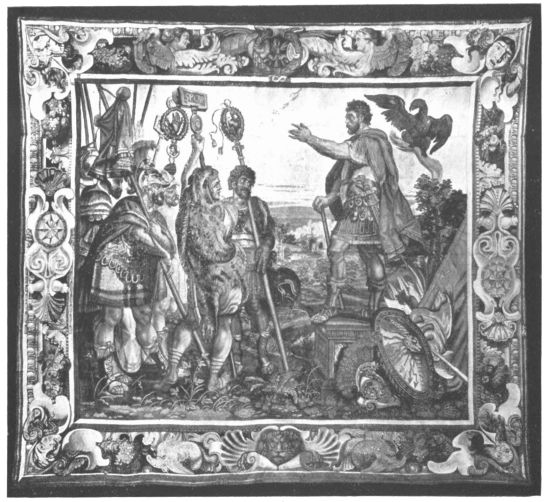
5. DECIUS DEDICATES HIMSELF TO THE LEGIONS
STORY OF DECIUS
PLATE 121
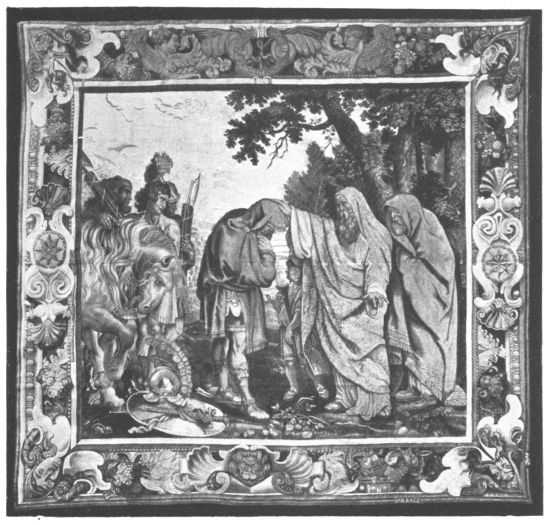
6. VALERIUS AND DECIUS
STORY OF DECIUS
PLATE 122
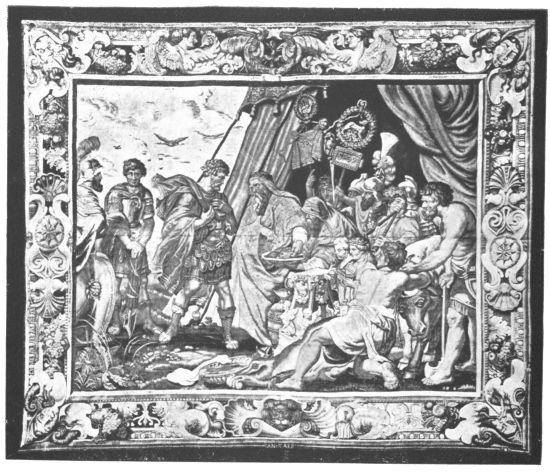
7. THE VISION OF DECIUS
STORY OF DECIUS
PLATE 123
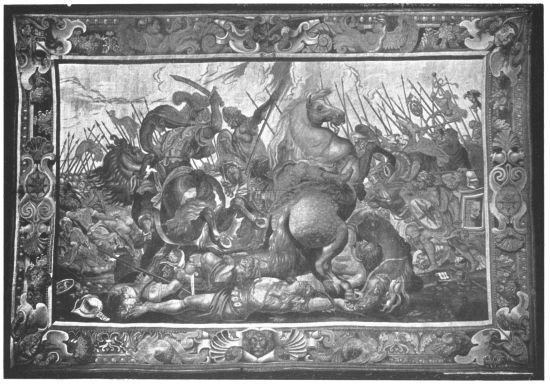
8. DEATH OF DECIUS
STORY OF DECIUS
PLATE 124
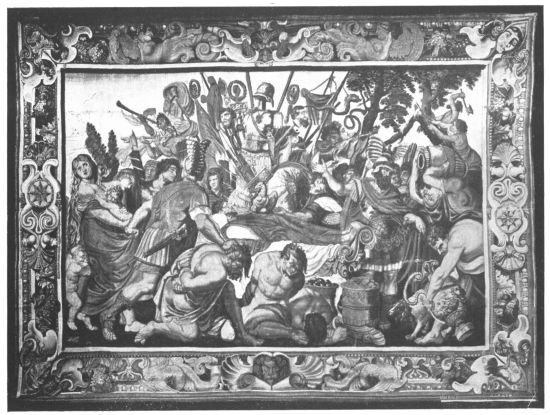
9. FUNERAL OF DECIUS
STORY OF VENUS
PLATE 125
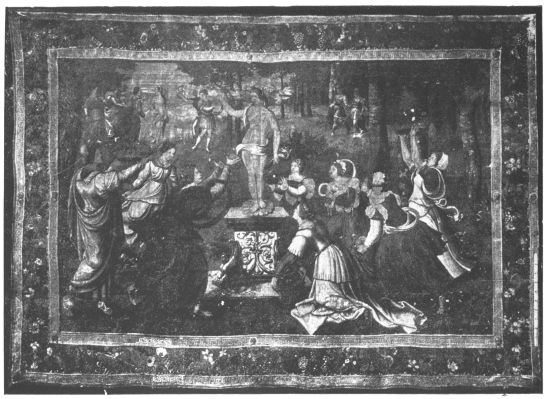
1. OFFERINGS TO VENUS
STORY OF VENUS
PLATE 126
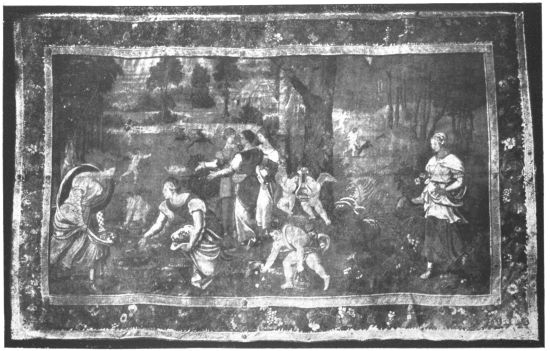
2. THE CHALLENGE OF CUPID AND VENUS
STORY OF THE CREATION OF MAN
PLATE 127
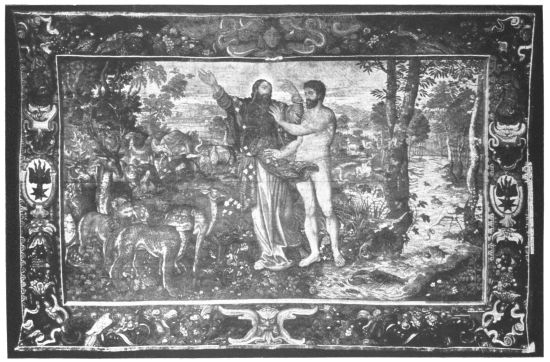
1. GOD CREATES MAN
STORY OF THE CREATION OF MAN
PLATE 128
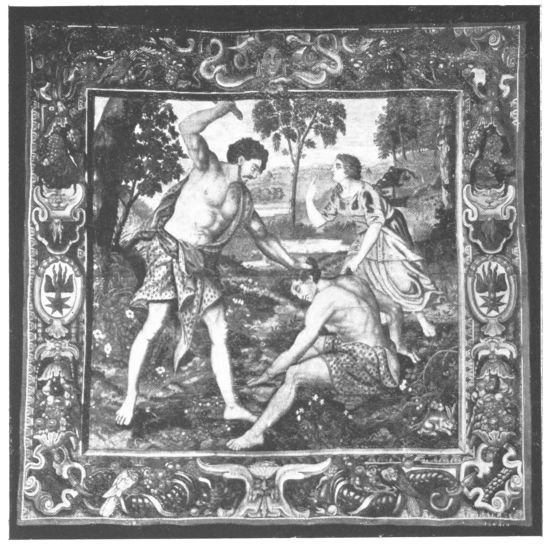
2. CAIN KILLS HIS BROTHER ABEL
STORY OF THE CREATION OF MAN
PLATE 129
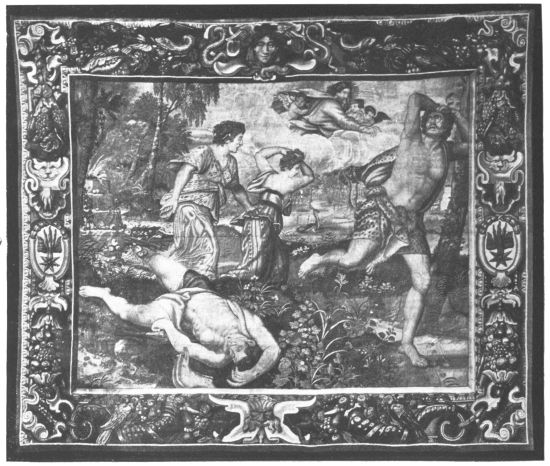
3. GOD CURSES CAIN
STORY OF THE CREATION OF MAN
PLATE 130
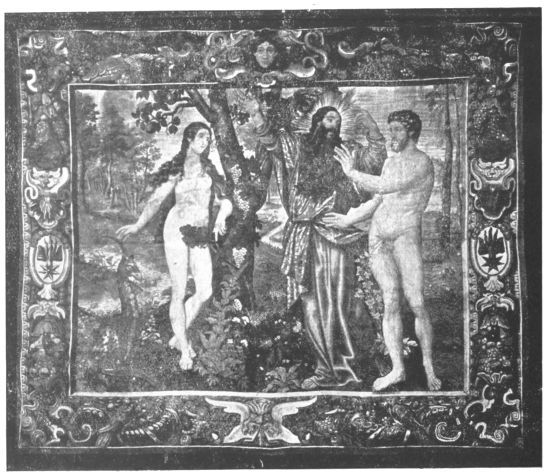
THE TREE OF GOOD AND EVIL
THE STORY OF TOBIAS
PLATE 131
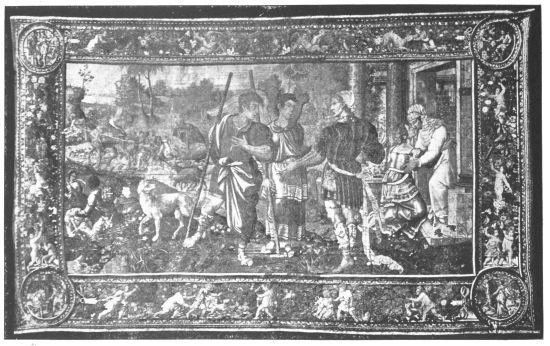
1. SARAH MARRIES TOBIAS
THE STORY OF TOBIAS
PLATE 132
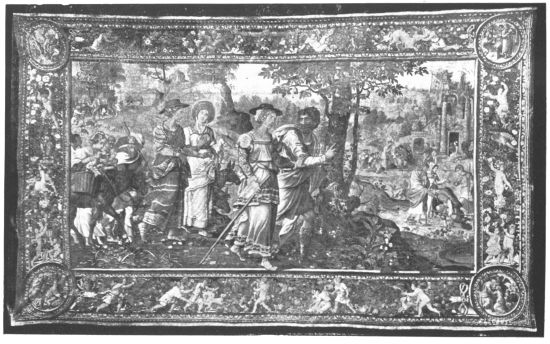
2. RETURN OF TOBIAS AND SARAH
THE SEASONS
PLATE 133
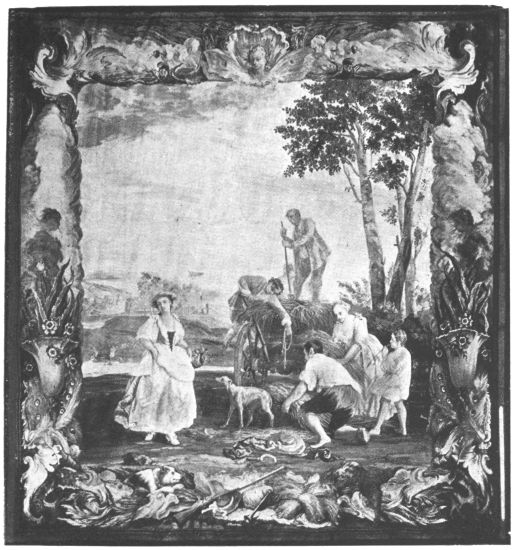
1. SUMMER
THE SEASONS
PLATE 134
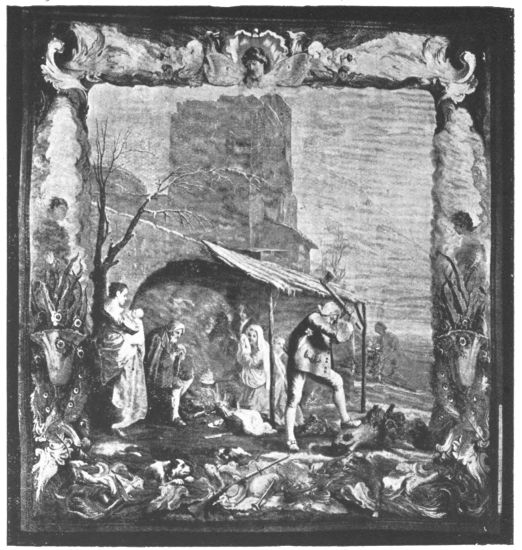
2. WINTER
STORY OF SOLOMON
PLATE 135
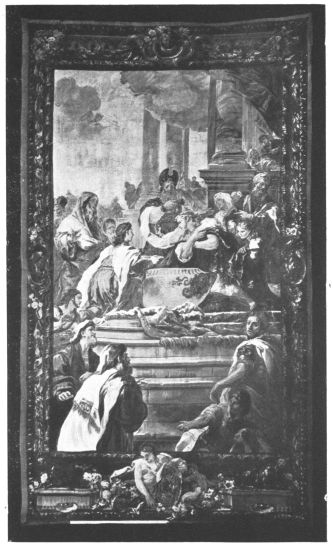
1. SOLOMON IS ANOINTED KING
STORY OF SOLOMON
PLATE 136
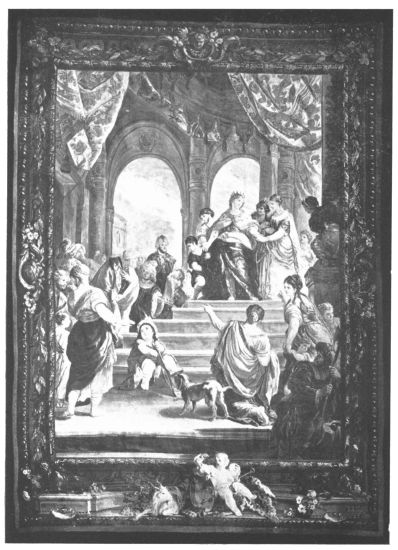
2. SOLOMON MARRIES AN EGYPTIAN PRINCESS
STORY OF SOLOMON
PLATE 137
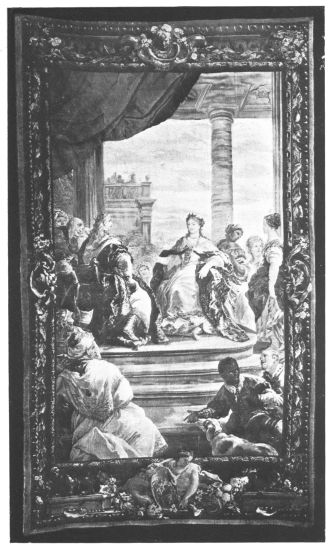
3. SOLOMON AND THE QUEEN OF SHEBA
HISTORY OF MAN’S LIFE
PLATE 138
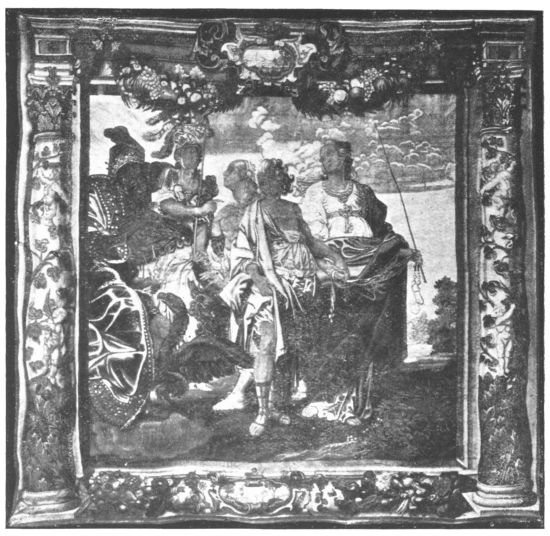
1. DIVINITY ADVOCATES TEMPERANCE TO MAN
HISTORY OF MAN’S LIFE
PLATE 139
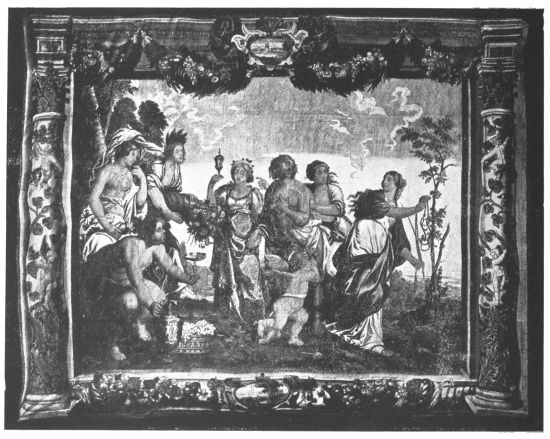
2. THE VICES REPULSE TEMPERANCE
HISTORY OF MAN’S LIFE
PLATE 140
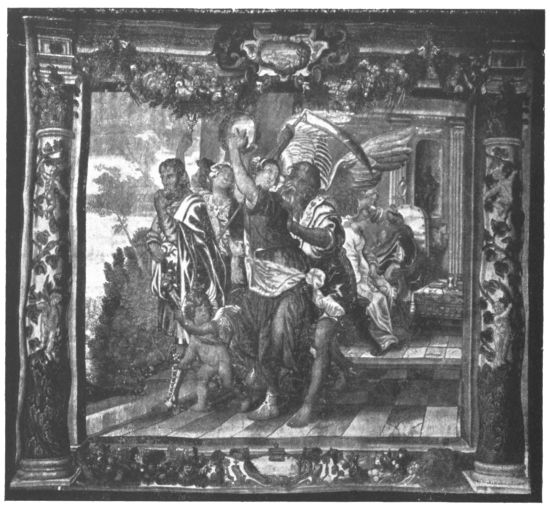
3. TIME SURROUNDS HIM WITH PRUDENCE
HISTORY OF MAN’S LIFE
PLATE 141
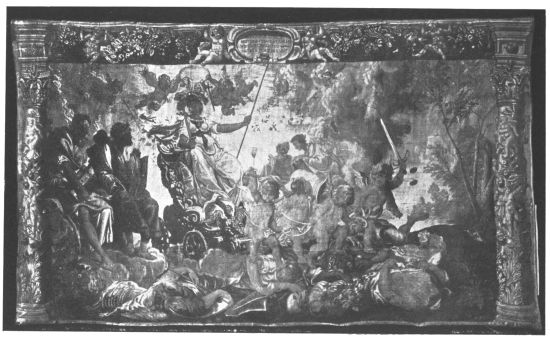
4. VIRTUE TRIUMPHANT
HISTORY OF MAN’S LIFE
PLATE 142
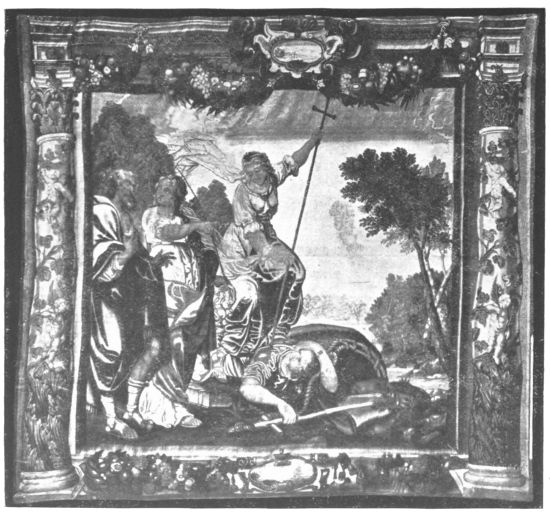
5. PATIENCE HUMILIATES FORTUNE
HISTORY OF MAN’S LIFE
PLATE 143
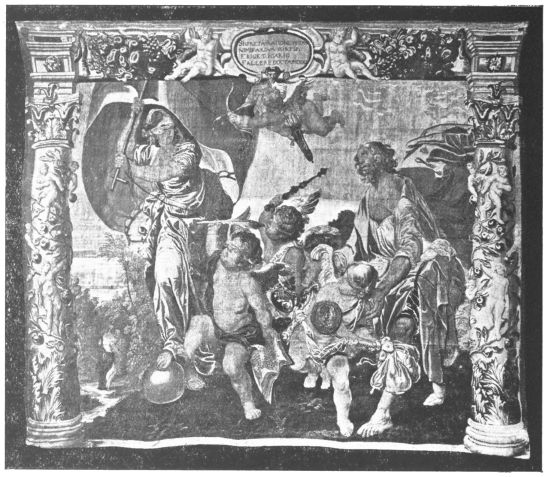
6. FORTUNE FIGHTS AVARICE
HISTORY OF MAN’S LIFE
PLATE 144
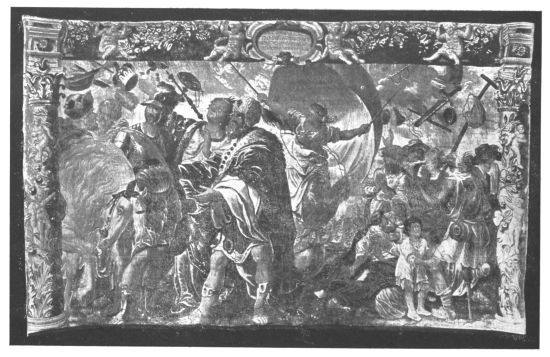
7. BLIND FORTUNE BESTOWS GOOD AND EVIL
HISTORY OF MAN’S LIFE
PLATE 145
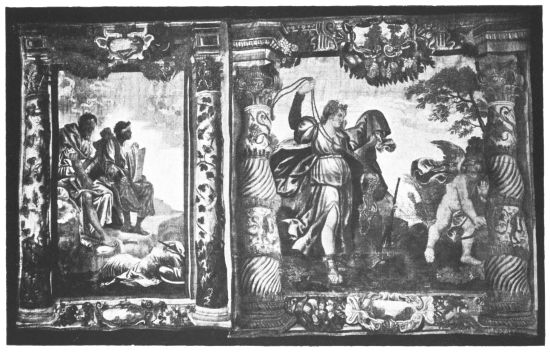
8. TWO ANCIENT PHILOSOPHERS
HISTORY OF MAN’S LIFE
PLATE 146
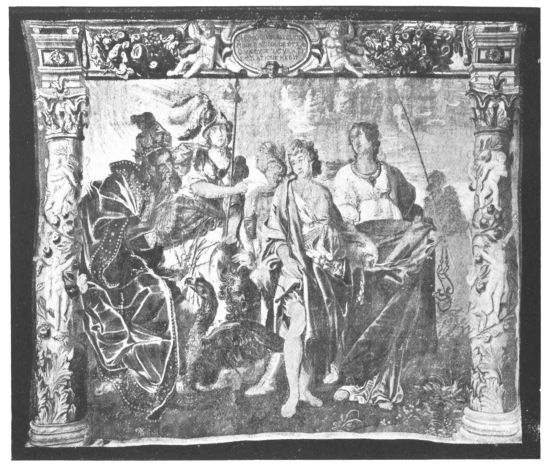
9. DIVINITY REVEALS TEMPERANCE
HISTORY OF MAN’S LIFE
PLATE 147
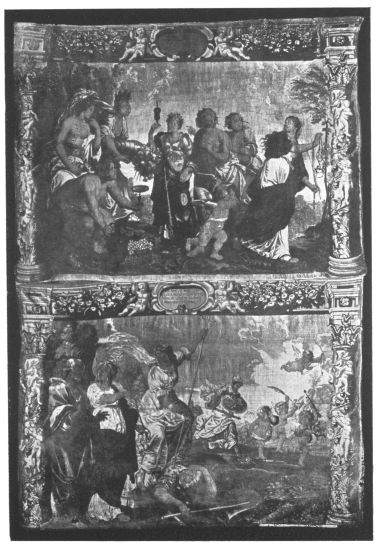
10. VICE REPULSES TEMPERANCE
STORY OF ANTHONY AND CLEOPATRA
PLATE 148
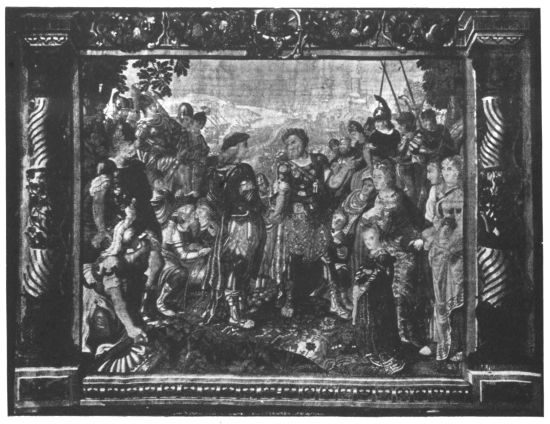
1. ANTHONY LEAVES ROME
STORY OF ANTHONY AND CLEOPATRA
PLATE 149
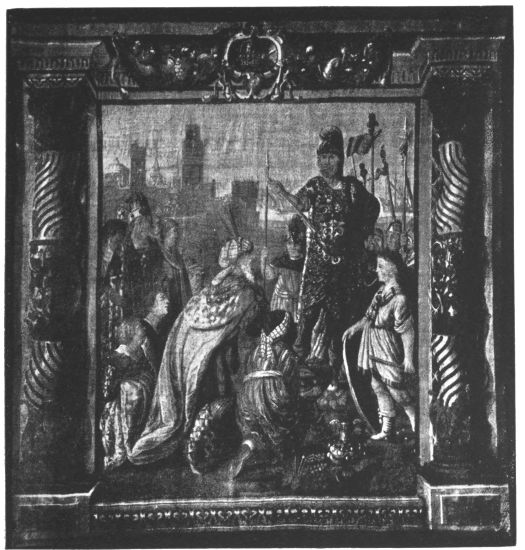
2. ANTHONY RECEIVES HOMAGE
STORY OF ANTHONY AND CLEOPATRA
PLATE 150
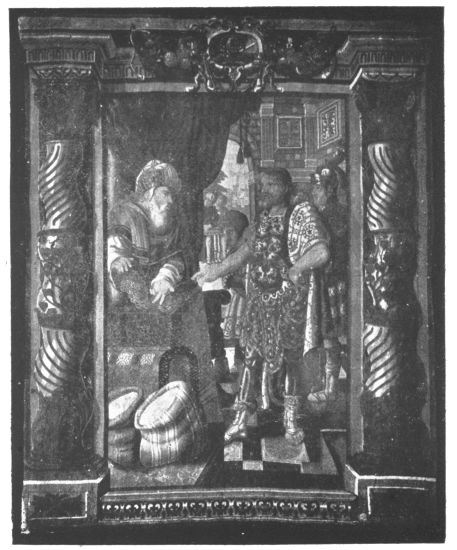
3. ANTHONY DISPOSES OF THE TREASURES OF EGYPT
STORY OF ANTHONY AND CLEOPATRA
PLATE 151
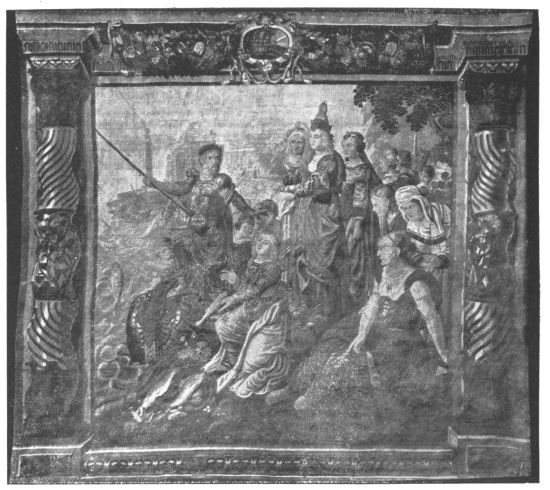
CLEOPATRA MOCKS ANTHONY’S WEAKNESS
STORY OF ALEXANDER THE GREAT
PLATE 152
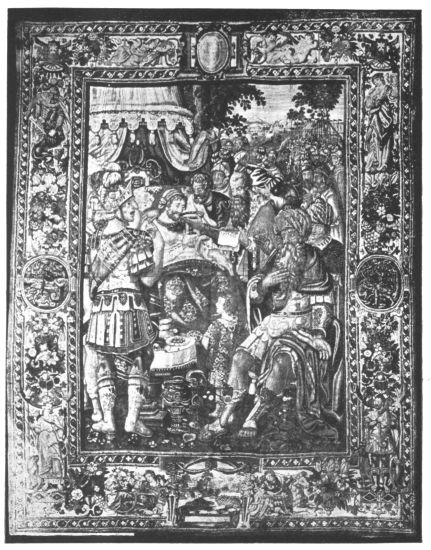
1. ALEXANDER AND HIS DOCTOR PHILIP
STORY OF ALEXANDER THE GREAT
PLATE 153
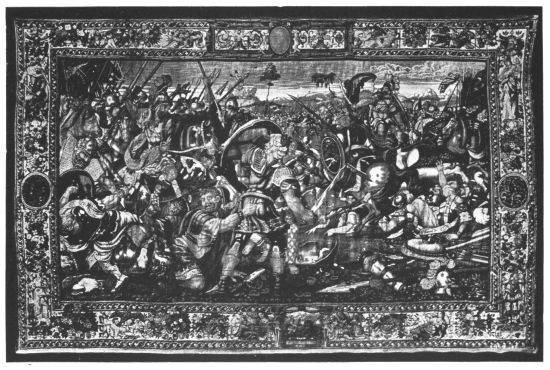
2. BATTLE OF ISSUS
STORY OF ALEXANDER THE GREAT
PLATE 154
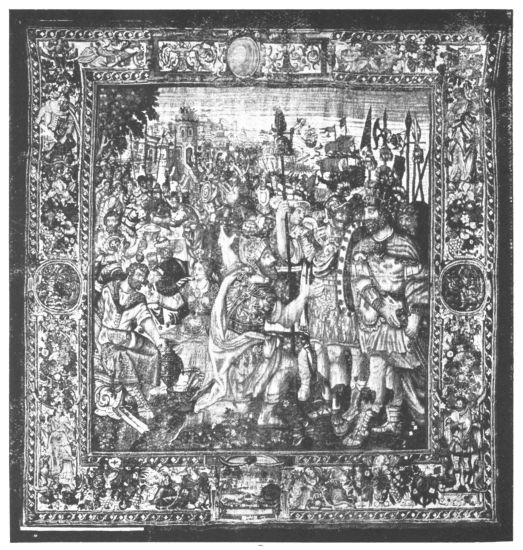
3. THE SIEGE OF TYRE
STORY OF ALEXANDER THE GREAT
PLATE 155
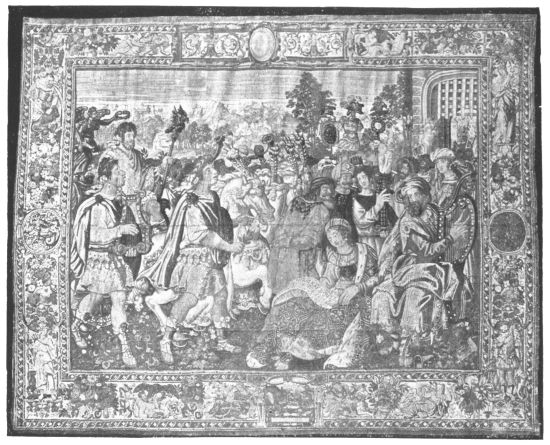
4. ALEXANDER IN CARMONIA
STORY OF ALEXANDER THE GREAT
PLATE 156
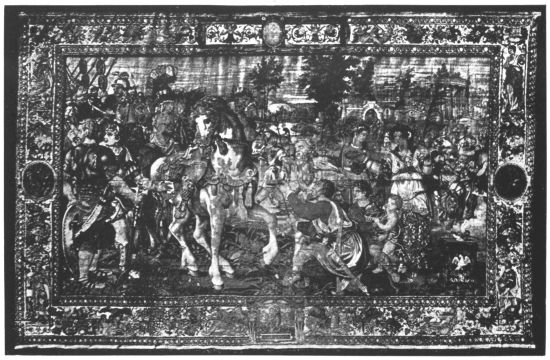
5. SURRENDER OF THE KING OF CYPRUS AND PHŒNICIA
STORY OF ALEXANDER THE GREAT
PLATE 157
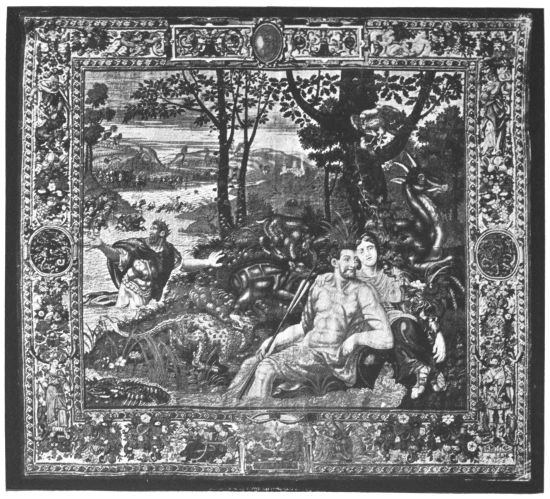
6. ALEXANDER IN ASIA MINOR
PLATE 158
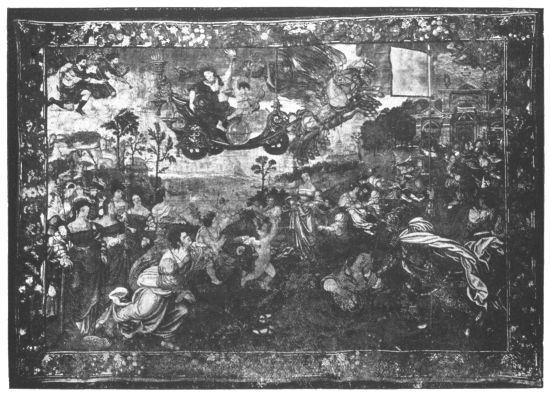
THE TRIUMPH OF LOVE
PLATE 159
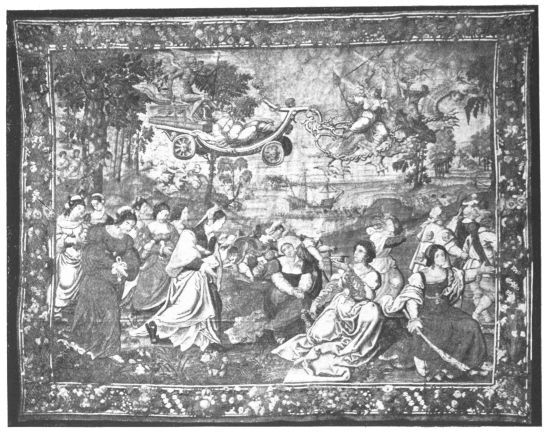
THE TRIUMPH OF DEATH
PLATE 160
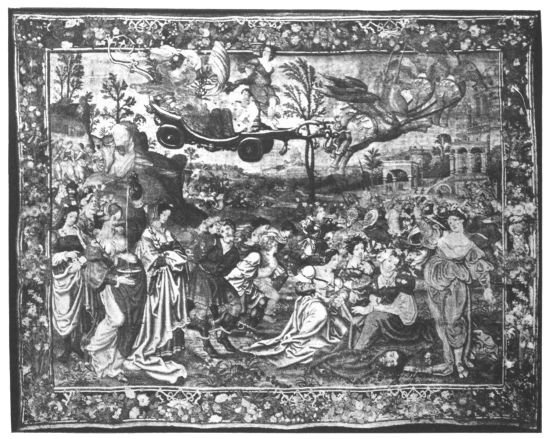
THE TRIUMPH OF CHASTITY
STORY OF TELEMACHUS
PLATE 161
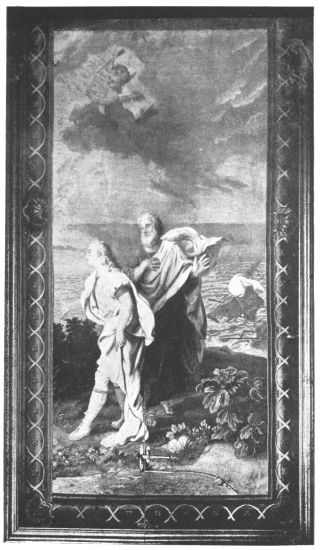
1. YOUNG TELEMACHUS
STORY OF TELEMACHUS
PLATE 162
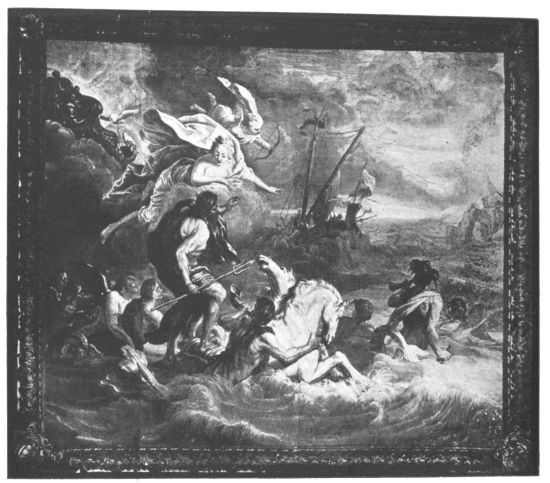
2. NEPTUNE WRECKING ULYSSES’ SHIP
STORY OF ST. PAUL
PLATE 163
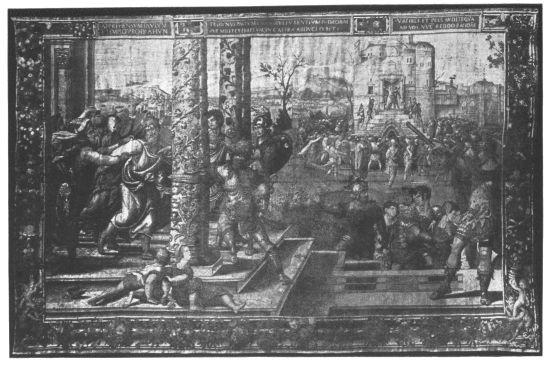
1. ST. PAUL IN THE TEMPLE
STORY OF ST. PAUL
PLATE 164
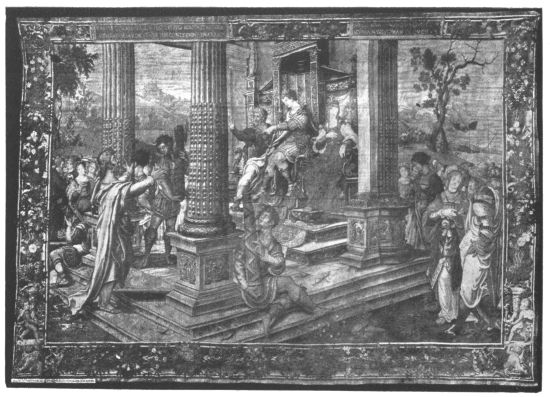
2. ST. PAUL BEFORE AGRIPPA
STORY OF ST. PAUL
PLATE 165
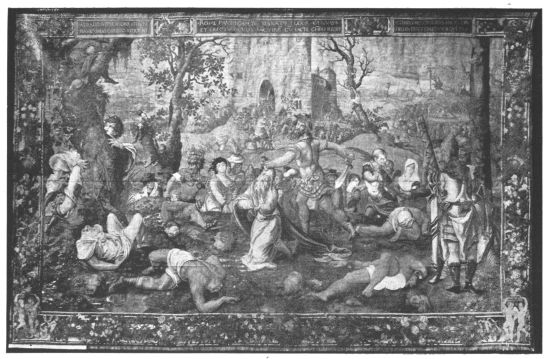
ST. PAUL EXECUTED AT ROME
TEMPTATIONS OF ST. ANTHONY
PLATE 166
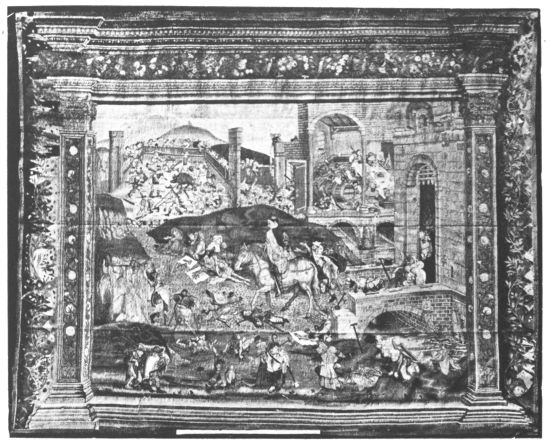
1. DEPARTURE OF ST. ANTHONY FOR THE RETREAT
TEMPTATIONS OF ST. ANTHONY
PLATE 167
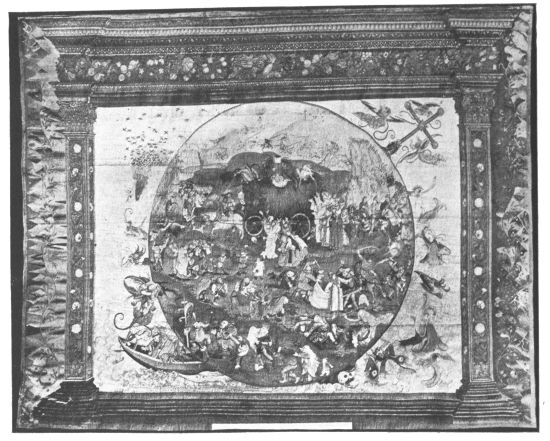
2. ST. ANTHONY TEMPTED BY THE DEVIL
TEMPTATIONS OF ST. ANTHONY
PLATE 168
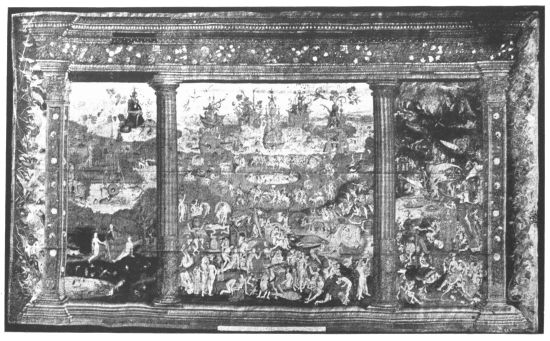
PARADISE, PURGATORY AND HELL
STORY OF THE EMPEROR OCTAVIUS
PLATE 169
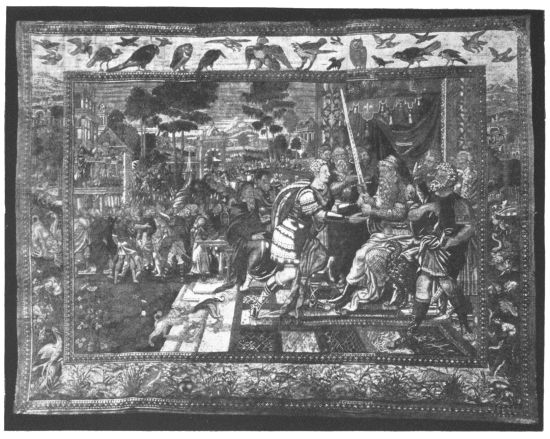
1. JULIUS CÆSAR ADOPTS OCTAVIUS
STORY OF THE EMPEROR OCTAVIUS
PLATE 170
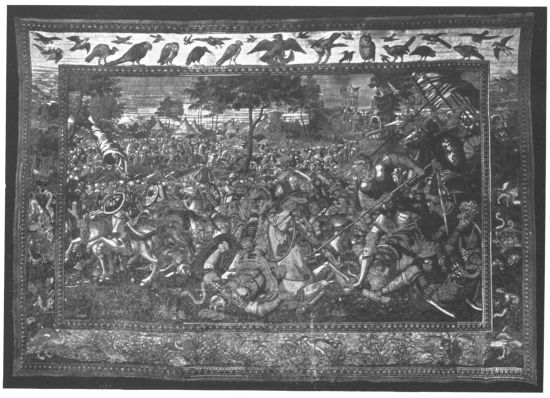
2. BATTLE OF PHILIPPI
STORY OF THE EMPEROR OCTAVIUS
PLATE 171
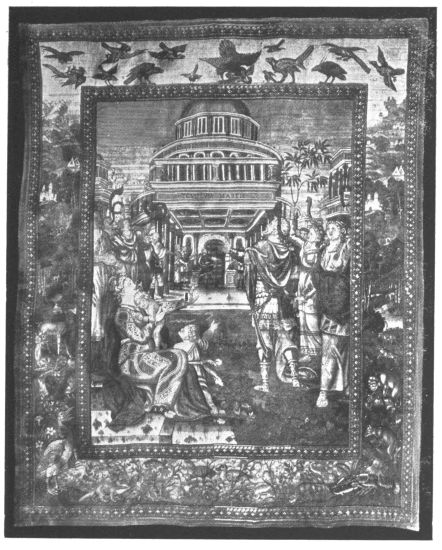
3. OCTAVIUS CLOSES THE TEMPLE OF WAR
STORY OF OCTAVIUS
PLATE 172
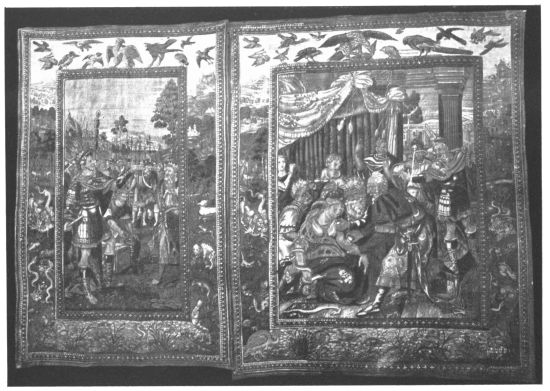
4. DEATH OF CLEOPATRA
STORY OF MOSES
PLATE 173
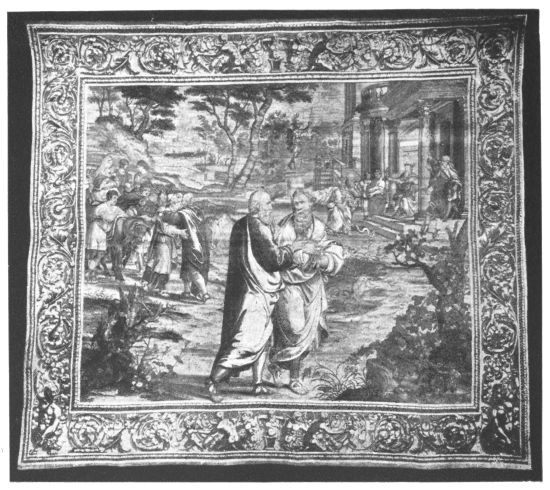
1. MOSES AND AARON BEFORE PHAROAH
STORY OF MOSES
PLATE 174
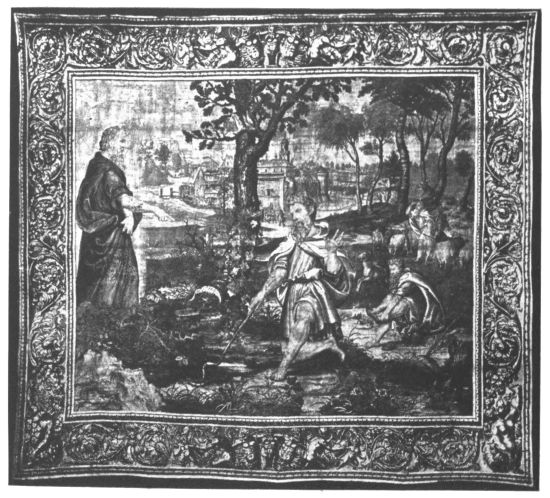
2. GOD CHOOSES MOSES TO DELIVER ISRAEL
STORY OF MOSES
PLATE 175
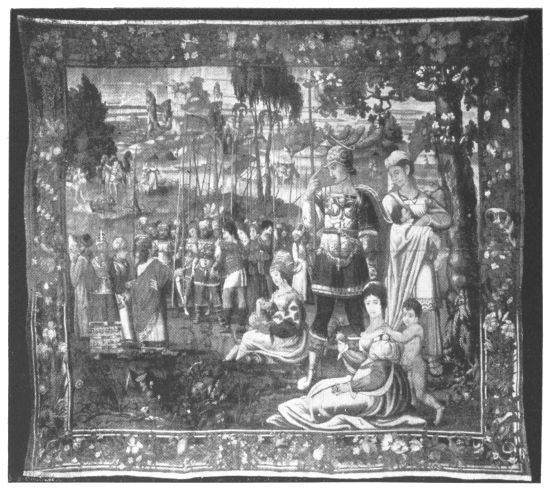
2. MOSES COMES FROM MOUNT SINAI
BATTLES OF THE ARCHDUKE ALBERT
PLATE 176
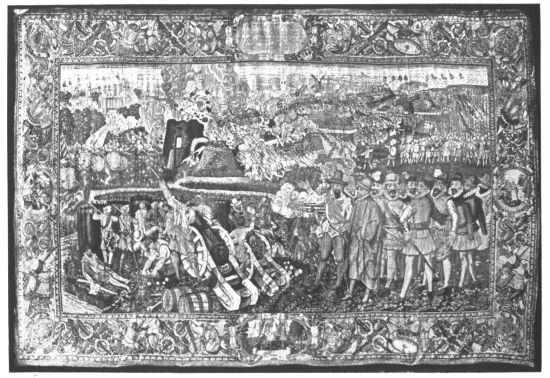
SURRENDER OF HULST
BATTLES OF THE ARCHDUKE ALBERT
PLATE 177
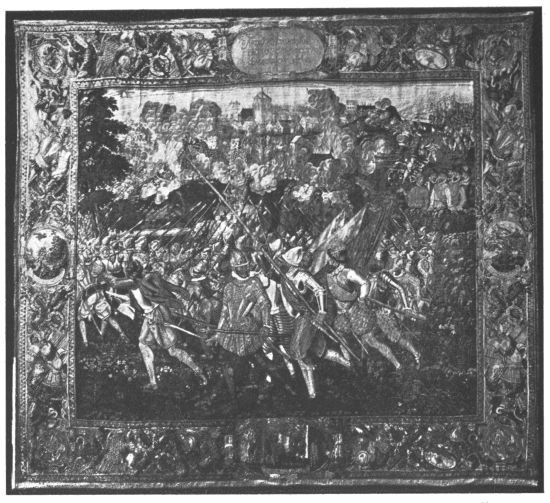
2. ARDRES IS SURPRISED BY A NIGHT ATTACK
BATTLES OF THE ARCHDUKE ALBERT
PLATE 178
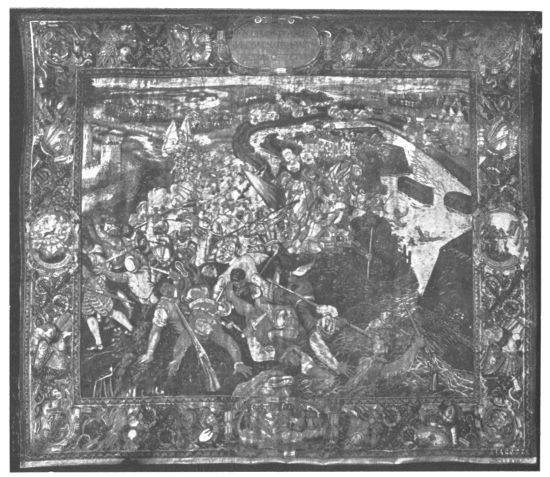
3. HULST BESIEGED
BATTLES OF THE ARCHDUKE ALBERT
PLATE 179
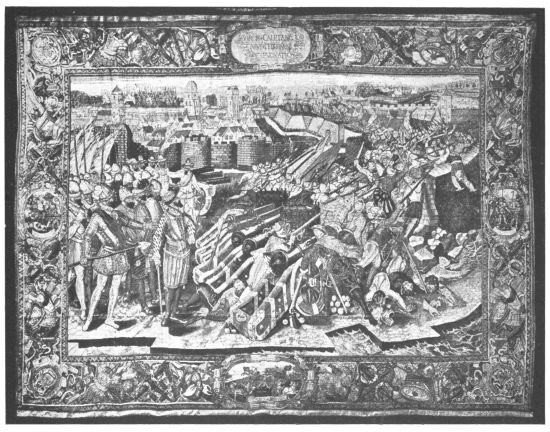
4. TAKING OF CALAIS
BATTLES OF THE ARCHDUKE ALBERT
PLATE 180
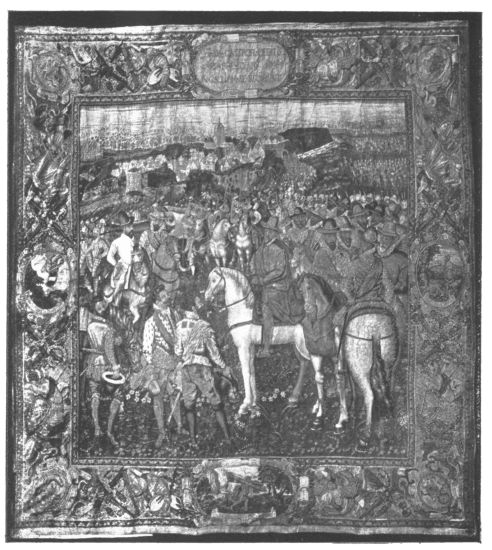
5. THE RETURN OF THE GARRISON
STORY OF THESEUS
PLATE 181
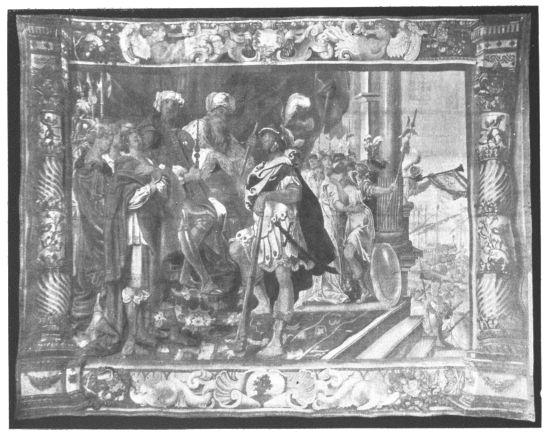
1. THESEUS LEAVES FOR CRETE
STORY OF THESEUS
PLATE 182
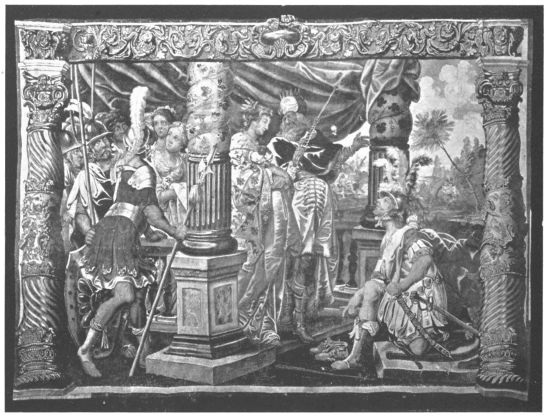
2. THESEUS RECEIVES THE SWORD OF ÆGEUS
STORY OF THESEUS
PLATE 183
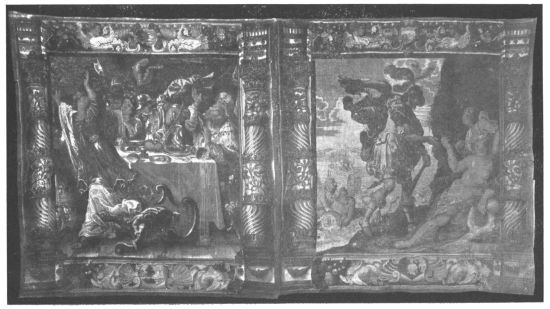
3. ÆGEUS RECOGNISES HIS SON
STORY OF THESEUS
PLATE 184
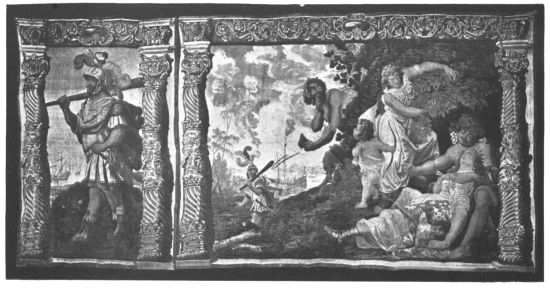
4. THESEUS ARMED WITH THE MACE
PLATE 185
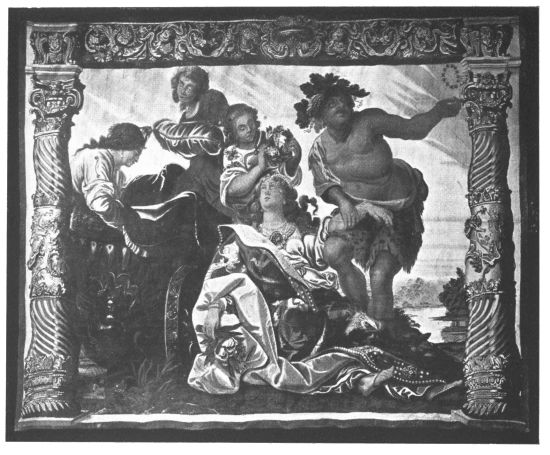
5. BACCHUS MARRIES ARIADNE
STORY OF THESEUS
PLATE 186
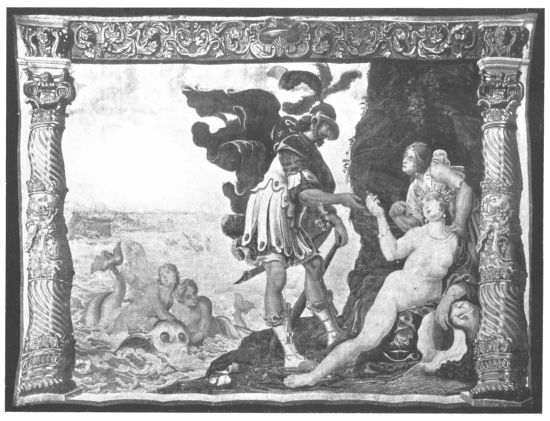
6. THESEUS RECEIVES THE RING OF MINOS
STORY OF THESEUS
PLATE 187
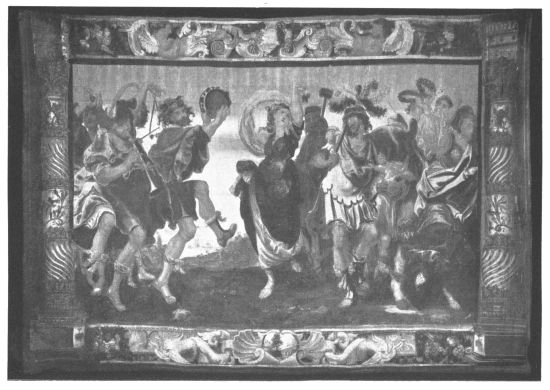
7. THESEUS LEADS THE BULL OF MARATHON
STORY OF THESEUS
PLATE 188
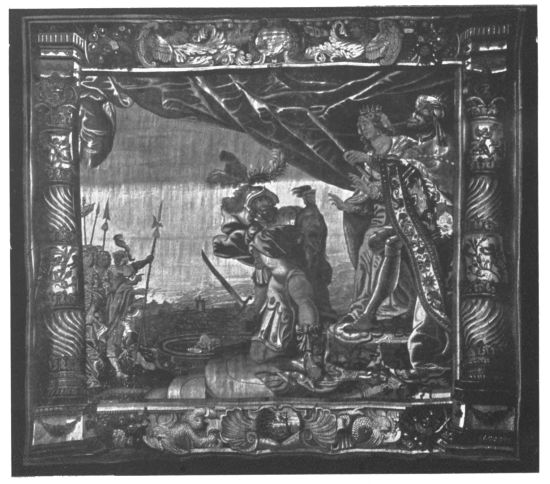
8. THESEUS AND THE HEAD OF MINOTAURUS
PLATE 189
THE FUNERAL OF KING TURNUS
PLATE 190
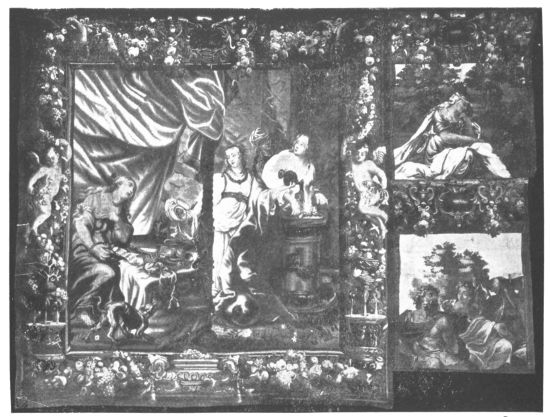
DIDO CONTEMPLATES ÆNEAS’ PORTRAIT
STORY OF SAMSON
PLATE 191
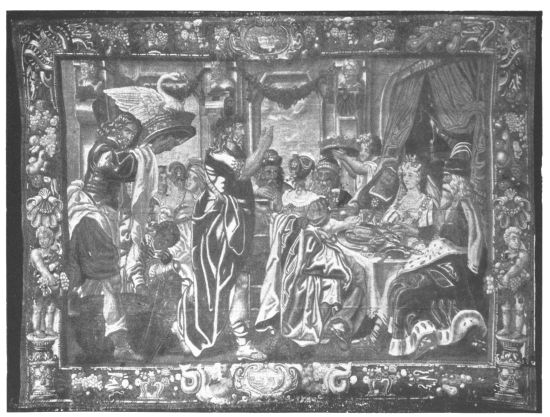
1. SAMSON PROPOUNDS HIS RIDDLE
STORY OF SAMSON
PLATE 192
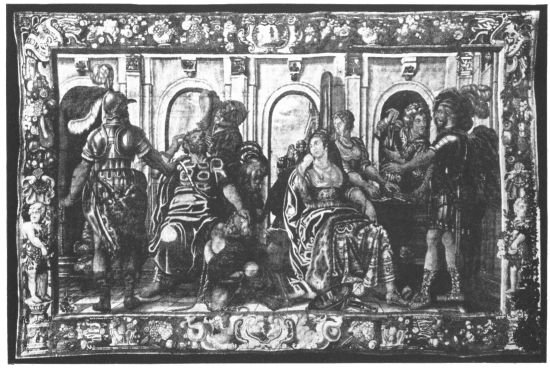
2. SAMSON IS BETRAYED BY DELILAH
STORY OF NOAH
PLATE 193
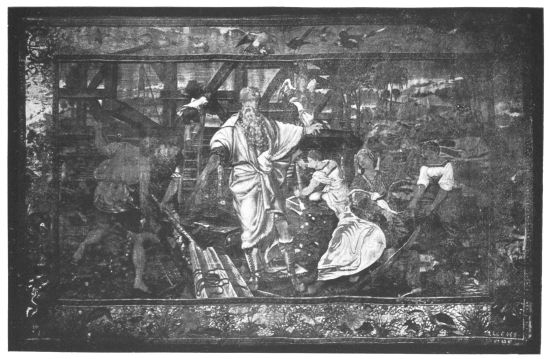
1. NOAH BUILDING THE ARK
STORY OF NOAH
PLATE 194
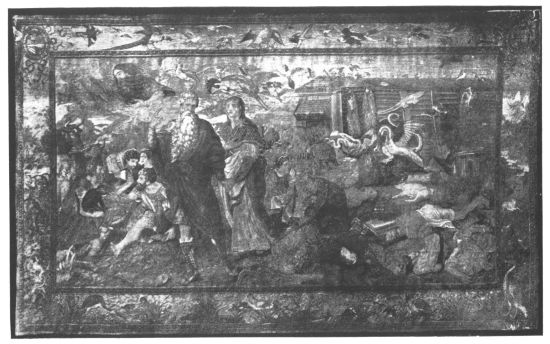
2. NOAH LEAVING THE ARK
THE WAY OF HONOUR
PLATE 195
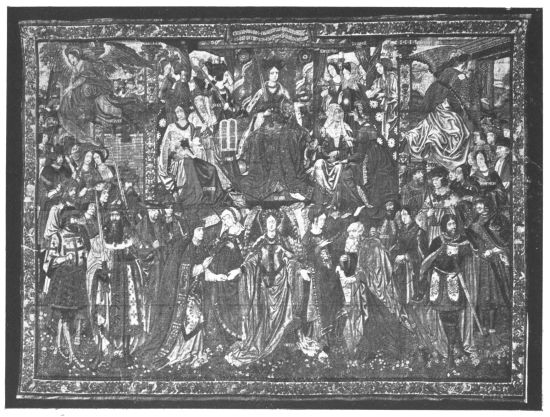
1. GRACE ACCORDS IMMORTAL CROWNS
THE WAY OF HONOUR
PLATE 196
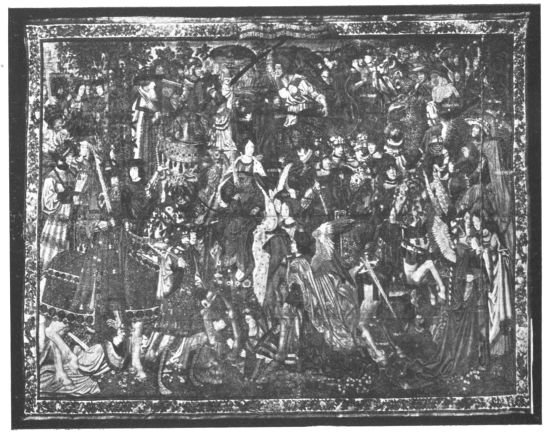
2. VIRTUE ACCORDS HONOURS
THE WAY OF HONOUR
PLATE 197
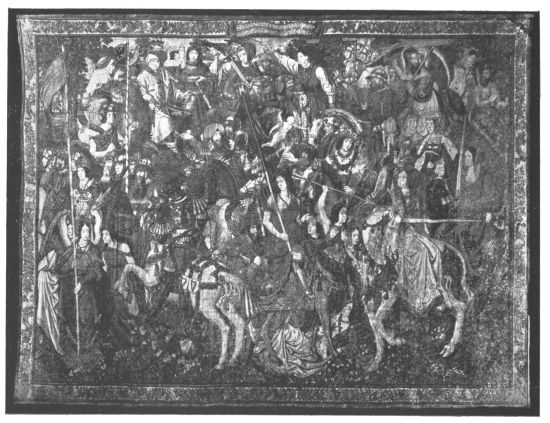
3. MERIT RECEIVES REWARDS
STORY OF ZENOBIA
PLATE 198
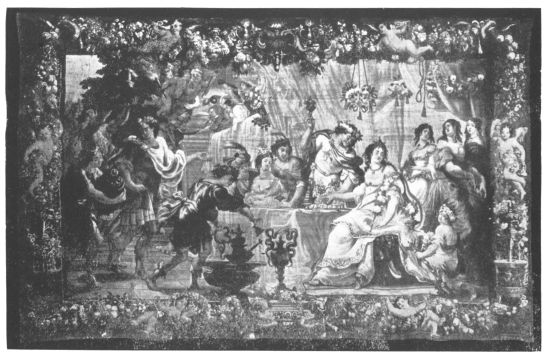
1. NUPTIAL BANQUET OF ZENOBIA AND ODENAT
STORY OF ZENOBIA
PLATE 199
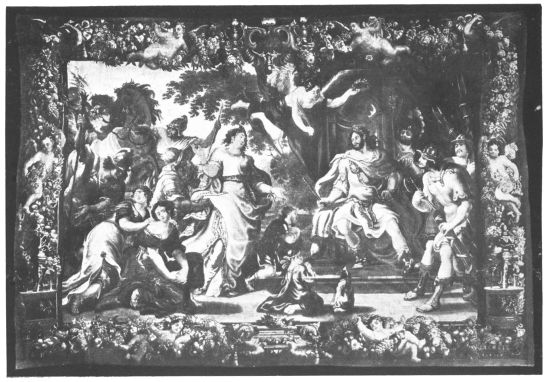
2. ZENOBIA IS TAKEN PRISONER
STORY OF ZENOBIA
PLATE 200
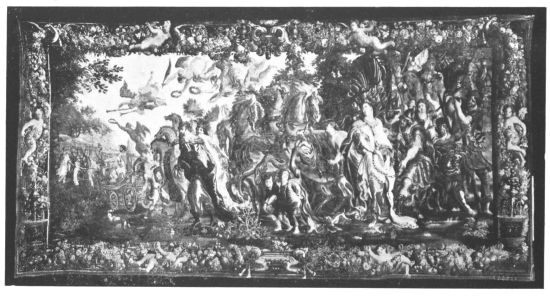
3. ZENOBIA LED CAPTIVE
STORY OF DON QUIXOTE
PLATE 201
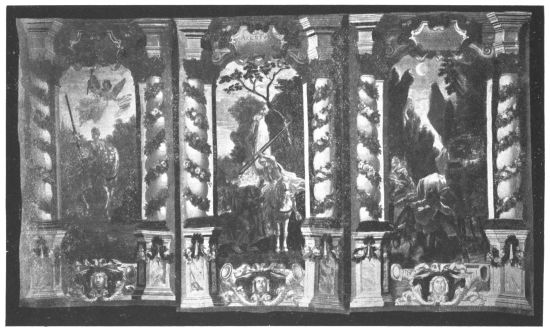
1. DEPARTURE OF DON QUIXOTE
STORY OF DON QUIXOTE
PLATE 202
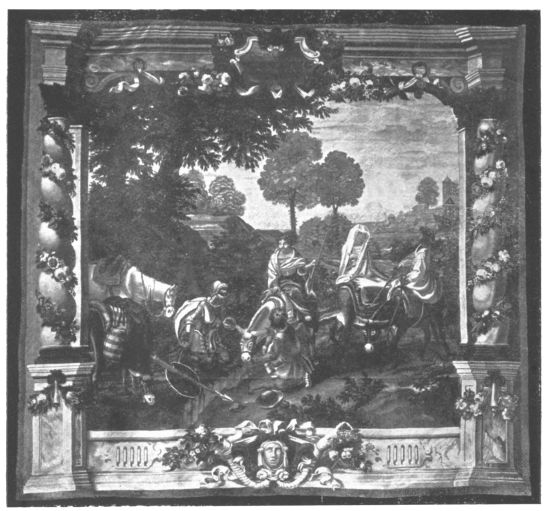
2. DON QUIXOTE AND THE THREE PEASANT WOMEN
STORY OF DON QUIXOTE
PLATE 203
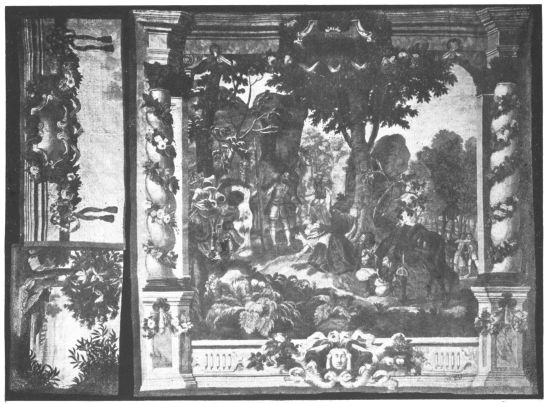
3. PRINCESS MICOMICONA
STORY OF DON QUIXOTE
PLATE 204
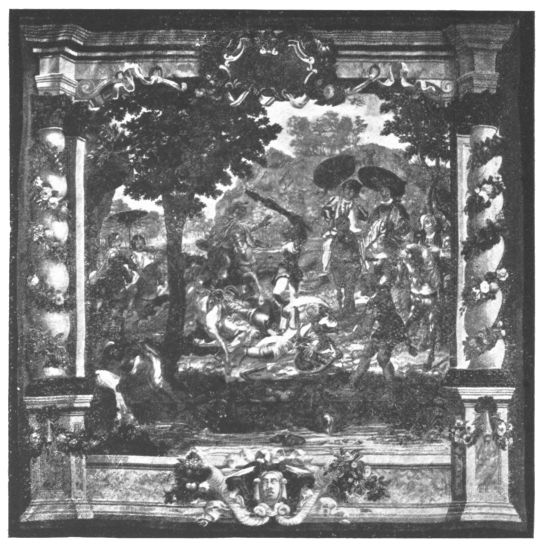
4. DON QUIXOTE IS BEATEN BY THE MERCHANTS
STORY OF DON QUIXOTE
PLATE 205
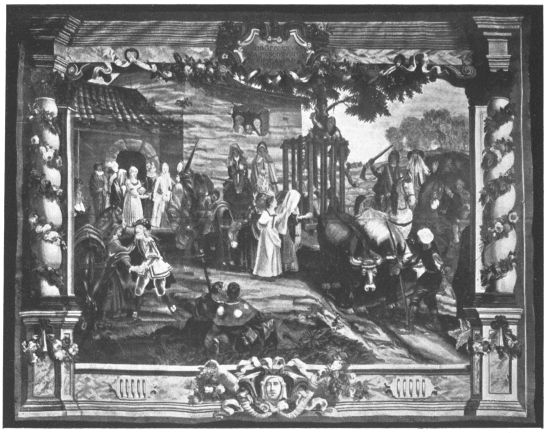
5. DON QUIXOTE IS ENCLOSED IN A CAGE
STORY OF DON QUIXOTE
PLATE 206
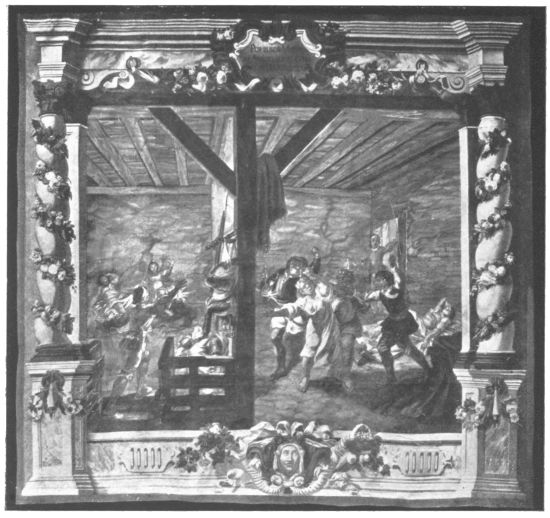
6. THE MULETEER MEETS DON QUIXOTE
STORY OF DON QUIXOTE
PLATE 207
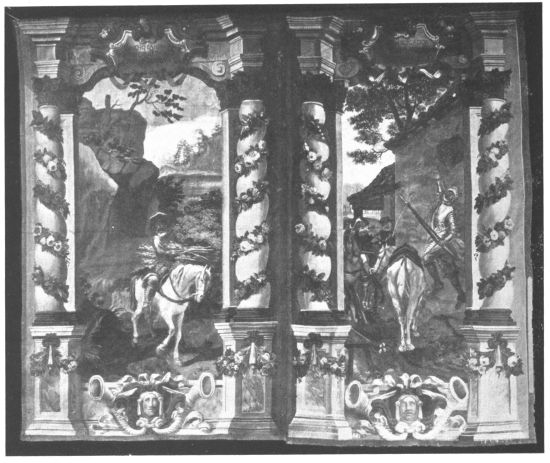
7. SANCHO MARCHES TO TOBOSO
STORY OF DON QUIXOTE
PLATE 208
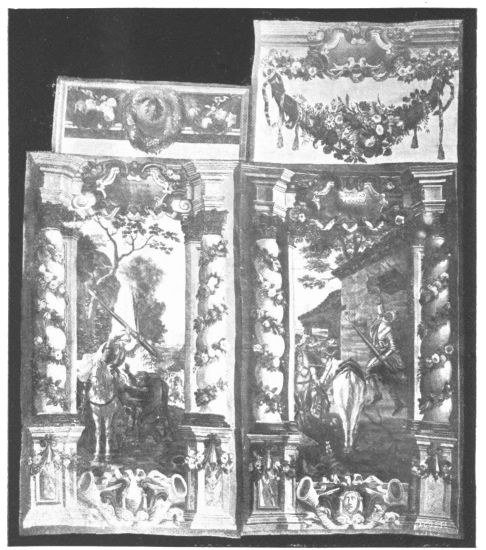
8. REPETITIONS OF PRECEDING PICTURES
STORY OF PHAETON
PLATE 209
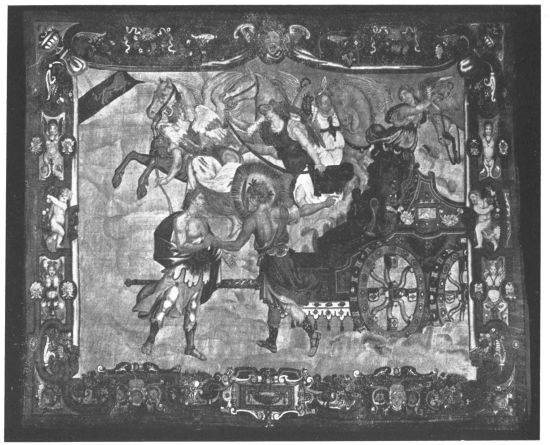
1. PHŒBUS ALLOWS PHAETON TO DRIVE THE CHARIOT OF THE SUN
STORY OF PHAETON
PLATE 210
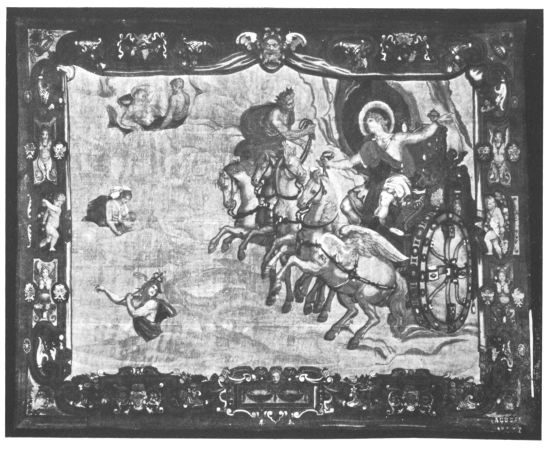
2. PHAETON DRIVES THE CHARIOT OF THE SUN
STORY OF PHAETON
PLATE 211
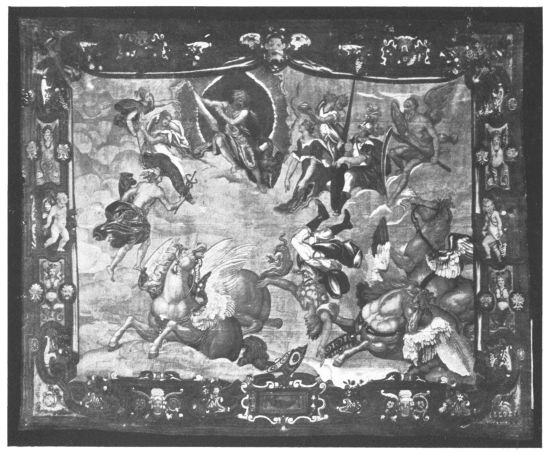
3. JUPITER CONFOUNDS PHAETON
STORY OF PHAETON
PLATE 212
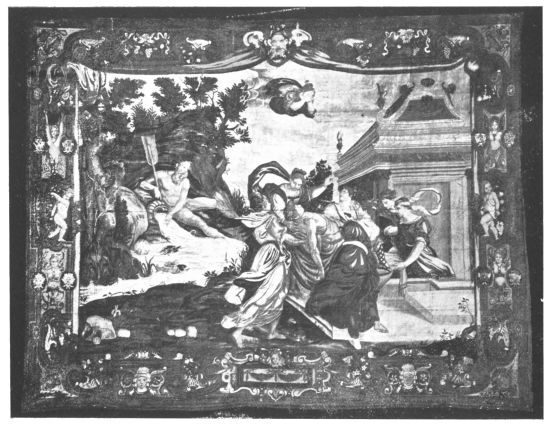
4. THE BODY OF PHAETON IS RECOVERED
PLATE 213
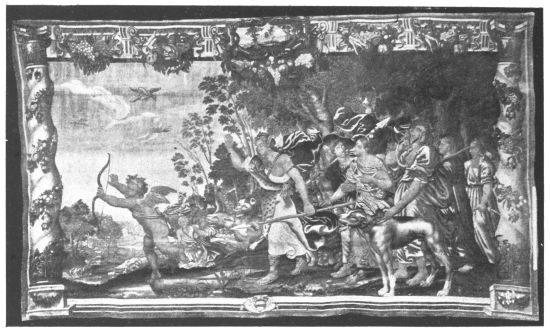
CHASTITY PUTS CUPID TO FLIGHT
PLATE 214
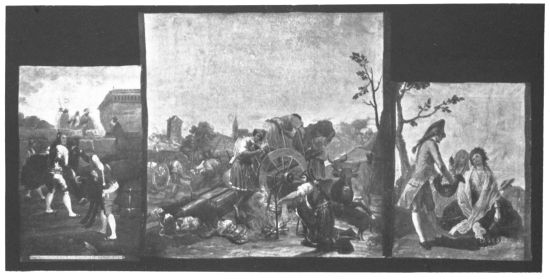
RUSTIC SCENES AFTER GOYA AND BAYEU
PLATE 215
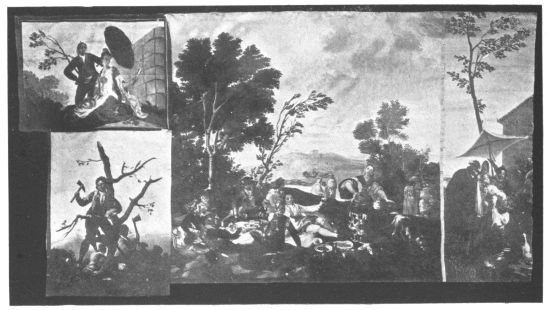
PANELS AFTER GOYA
PLATE 216
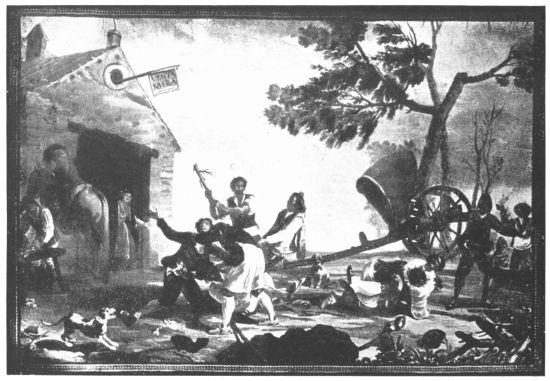
QUARREL IN AN INN. AFTER GOYA
PLATE 217
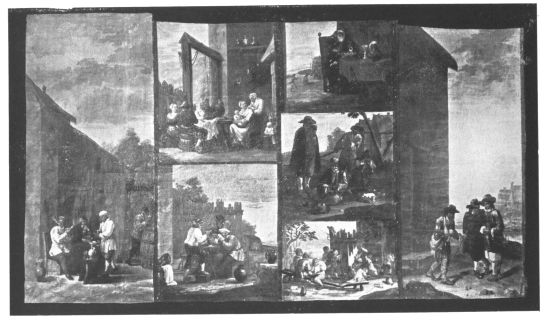
PANELS AFTER TENIERS
PLATE 218
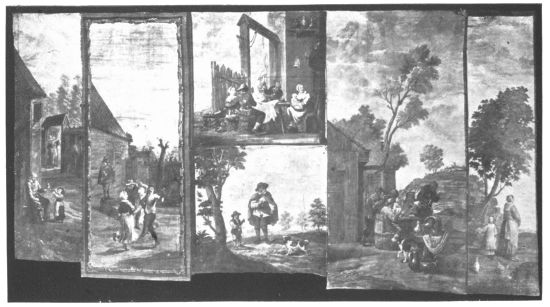
PANELS AFTER TENIERS
PLATE 219
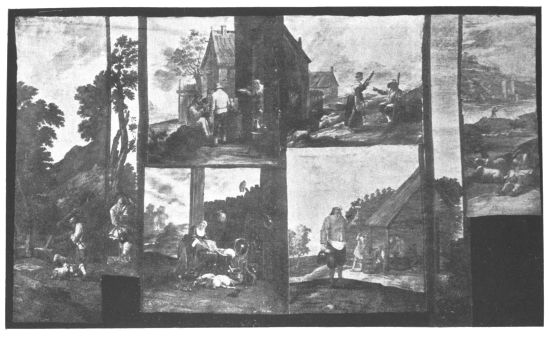
PANELS AFTER TENIERS
PLATE 220
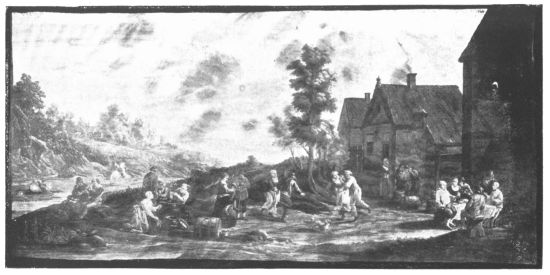
A VILLAGE DANCE AFTER TENIERS
PLATE 221
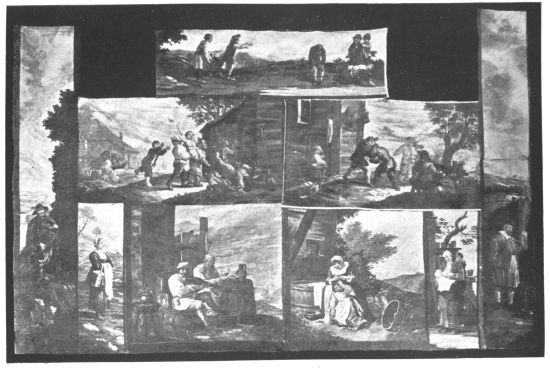
PANELS AFTER TENIERS
PLATE 222
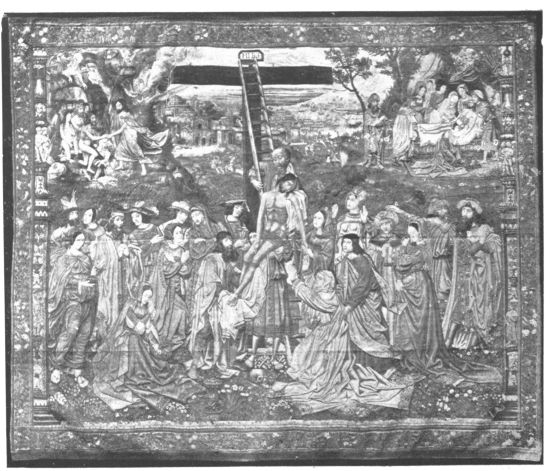
DESCENT FROM THE CROSS
PLATE 223
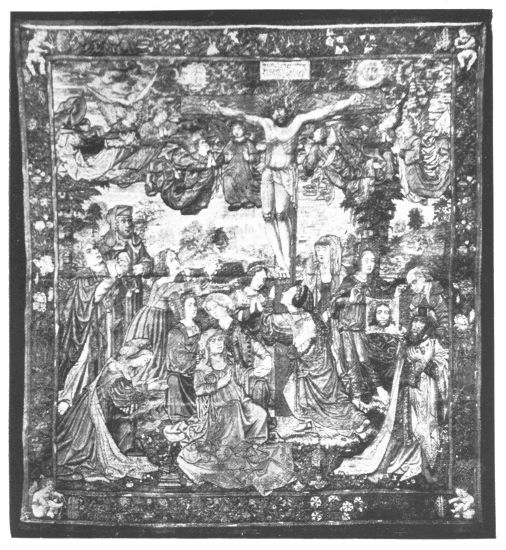
CHRIST ON THE CROSS
PLATE 224
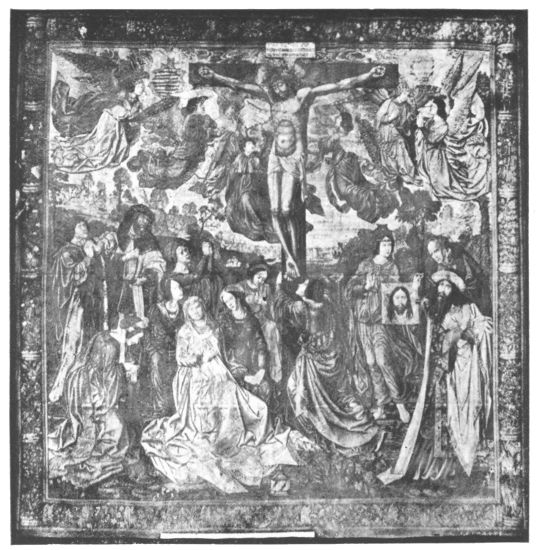
THE CRUCIFIXION. BY VAN DER WEYDEN
PLATE 225
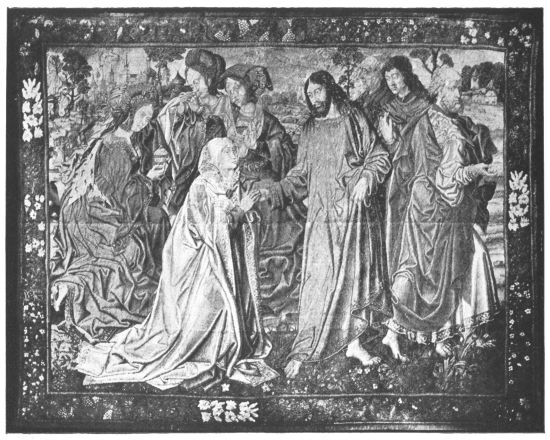
OUR LORD APPEARING TO THE HOLY WOMEN
PLATE 226
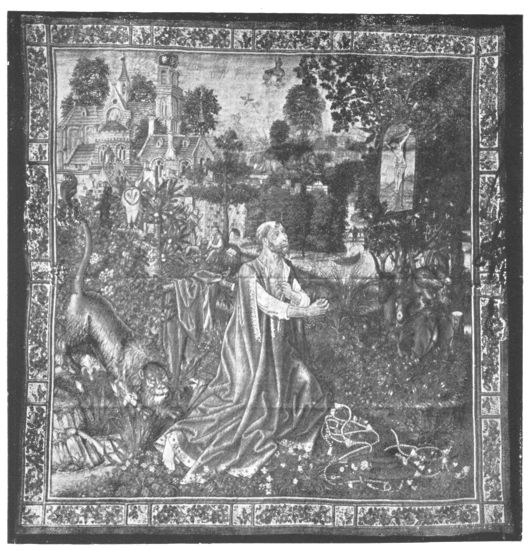
ST. JEROME IN THE DESERT
PLATE 227
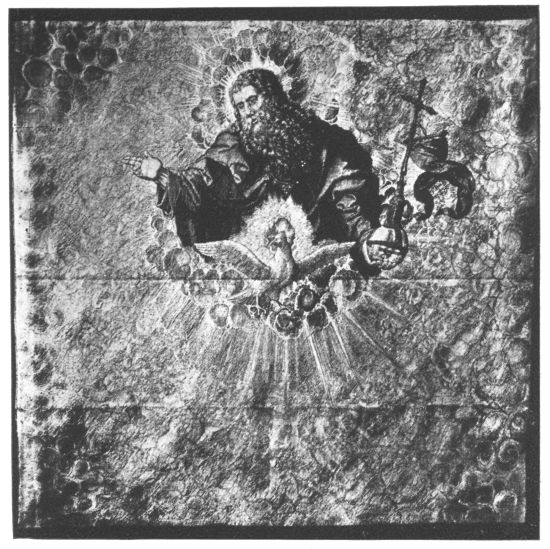
THE ETERNAL FATHER
PLATE 228
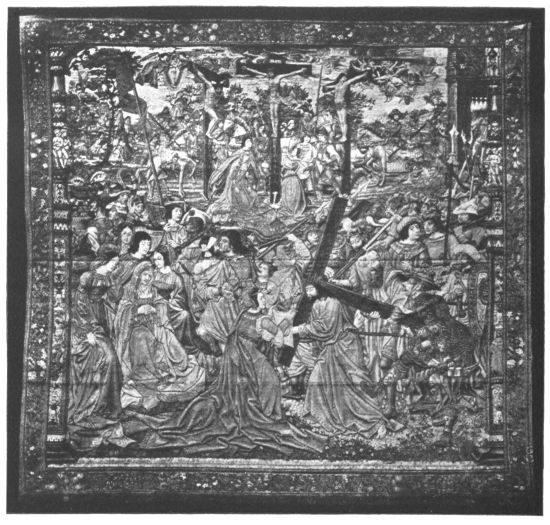
OUR LORD AND ST. VERONICA
PLATE 229
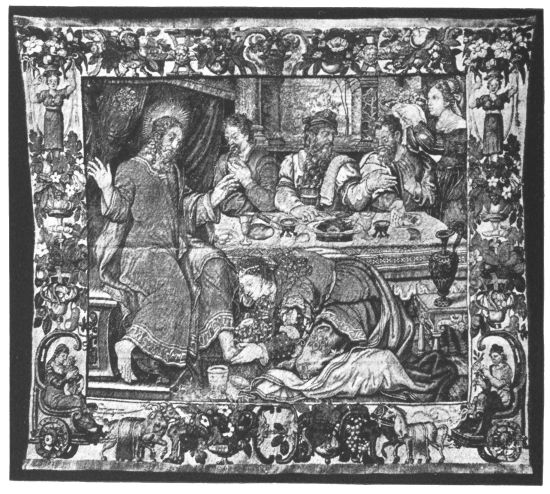
MARY ANOINTING THE FEET OF THE SAVIOUR
PLATE 230
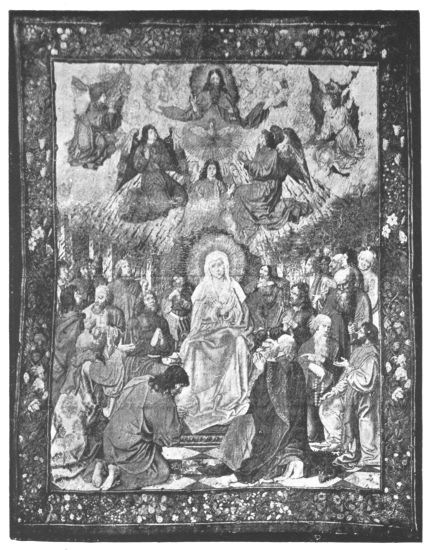
THE CONFUSION OF TONGUES
PLATE 231
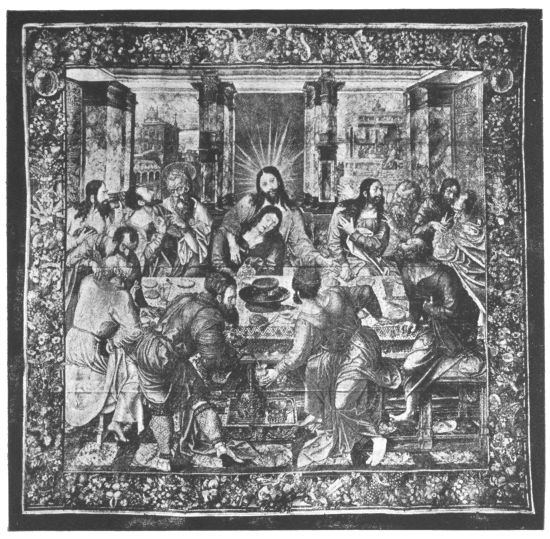
THE LAST SUPPER
PLATE 232
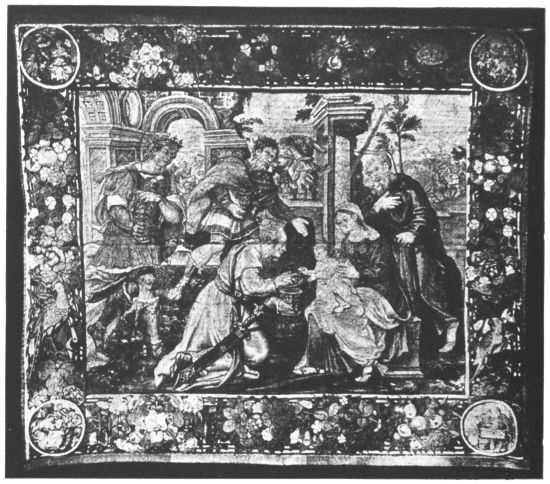
THE ADORATION OF THE MAGI
PLATE 233
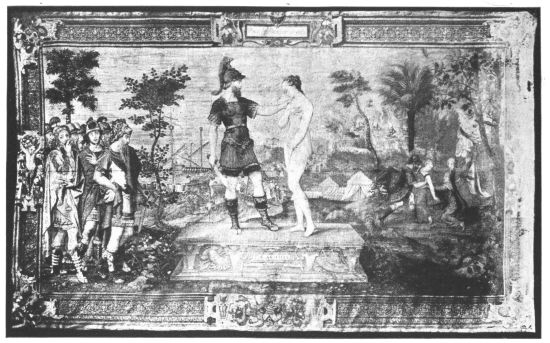
NEOPTOLEMY SACRIFICES POLYZENA
PLATE 234
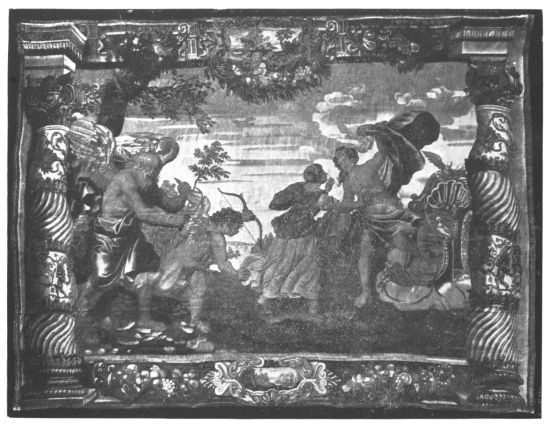
TIME AND TEMPERANCE RESTRAIN CUPID
PLATE 235
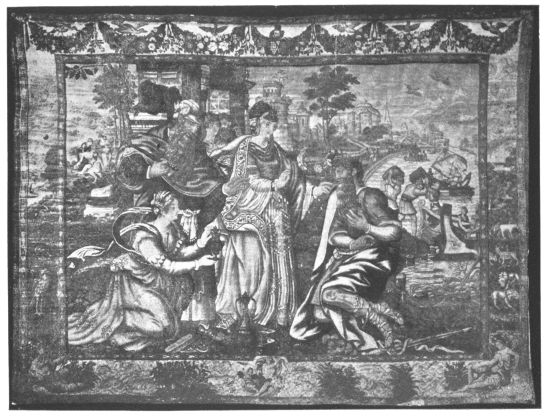
ULYSSES ACCEPTS THE PRESENTS OF ALCINOUS
PLATE 236
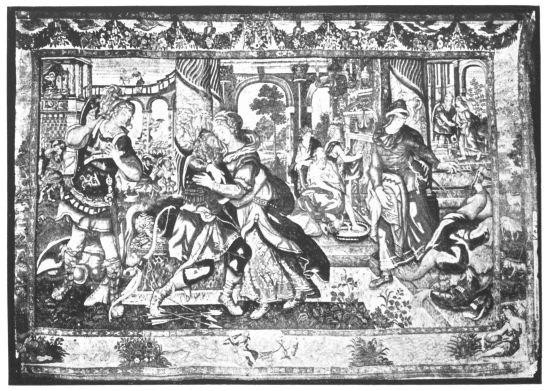
PENELOPE RECOGNISES ULYSSES
PLATE 237
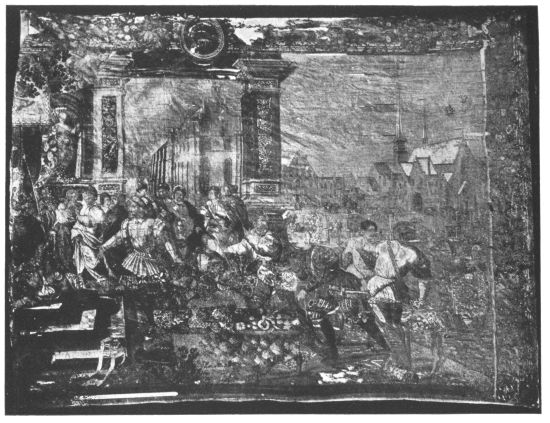
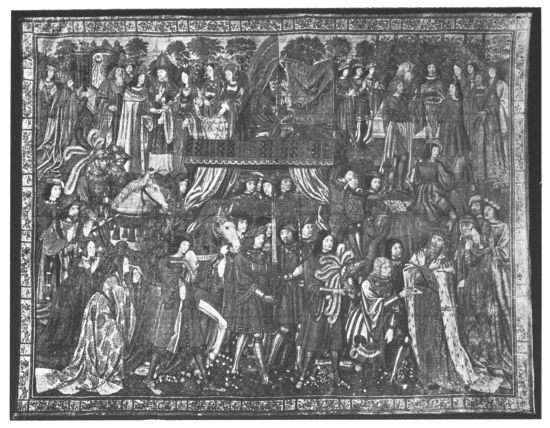
COURTIERS PRESENTING THEMSELVES BEFORE A KING
PLATE 238
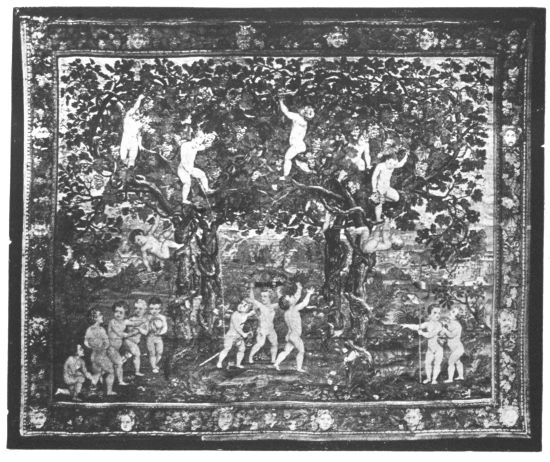
CHILDREN PLAYING. 16TH CENTURY
PLATE 239
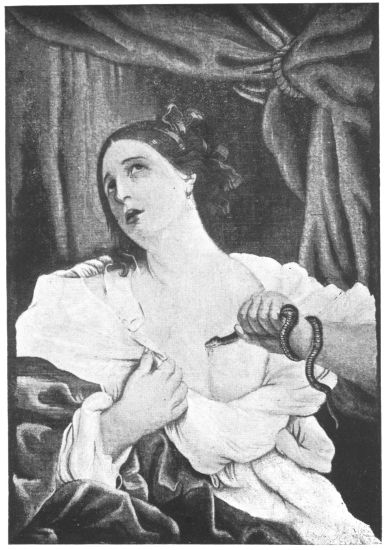
THE DEATH OF CLEOPATRA
PLATE 240
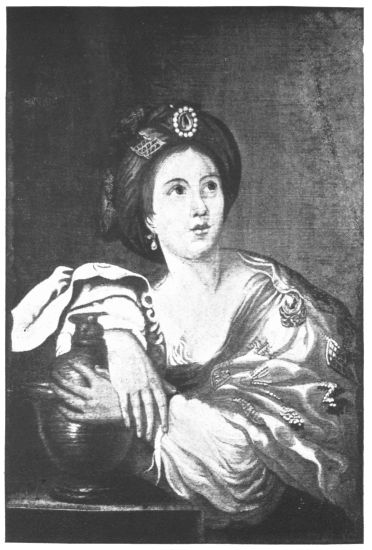
PORTRAIT OF A WOMAN
PLATE 241
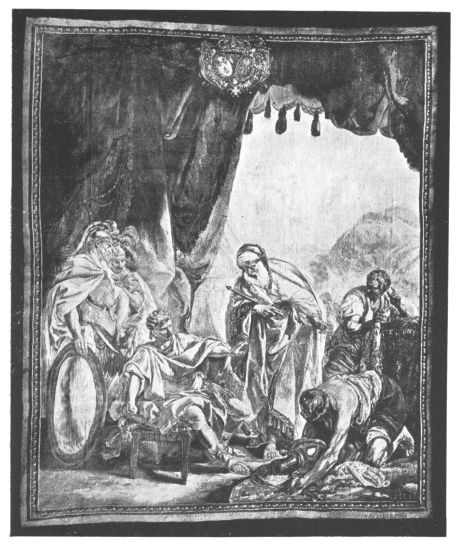
CALCHAS AND AGAMEMNON
PLATE 242
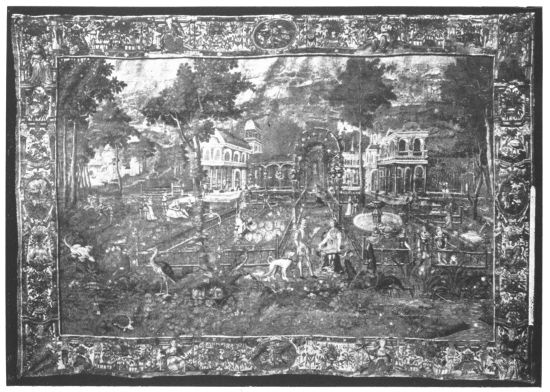
A GROVE
PLATE 243
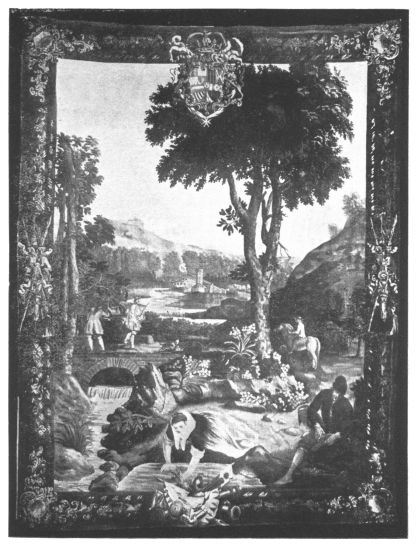
ON THE BANKS OF A RIVER
PLATE 244
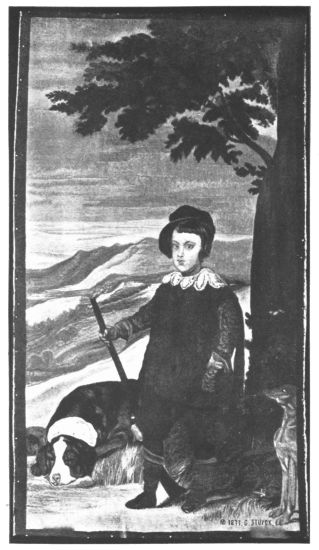
PRINCE BALTAZAR CARLOS
PLATE 245
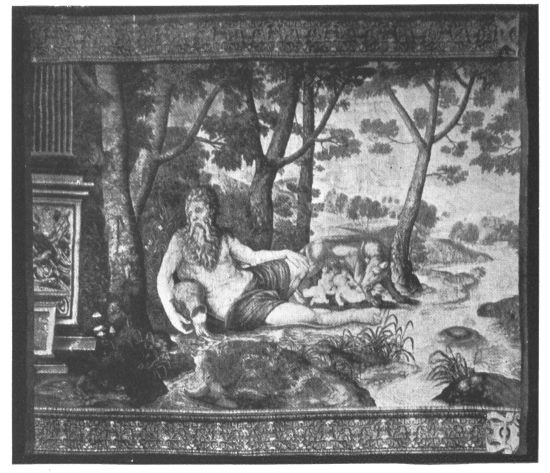
ALLEGORY OF THE TIBER AND ROME
PLATE 246
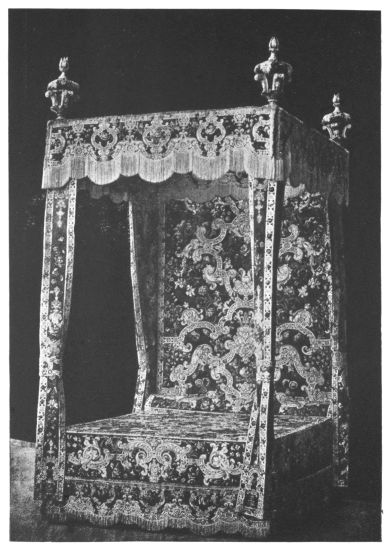
IMPERIAL FUNERAL BED OF STATE
PLATE 247
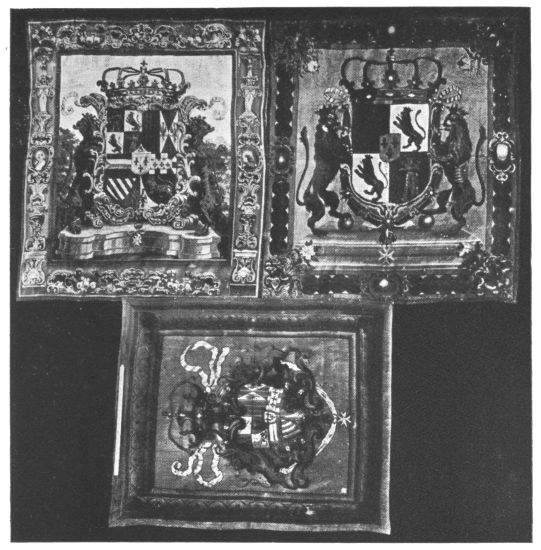
ROYAL ARMS OF PHILIP V
PLATE 248
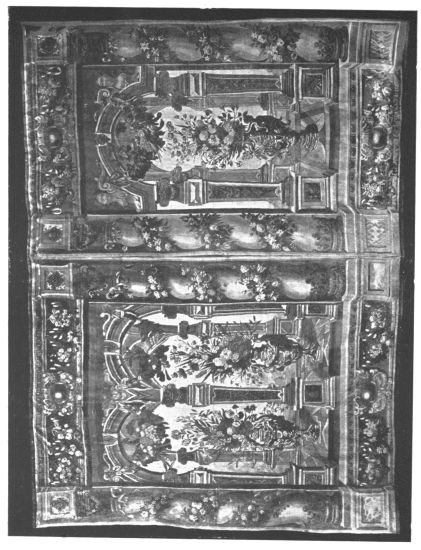
PANELS
PLATE 249
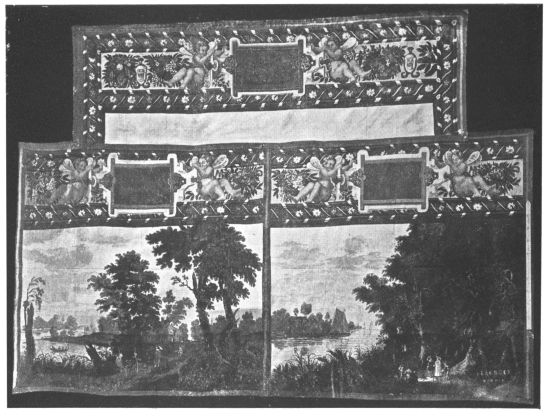
A FRIEZE
PLATE 250
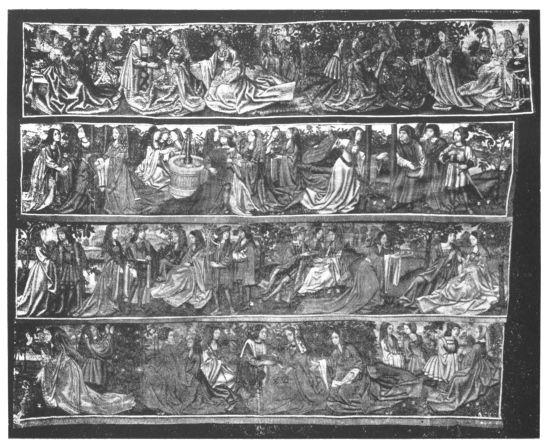
BORDERS OF TAPESTRIES
PLATE 251
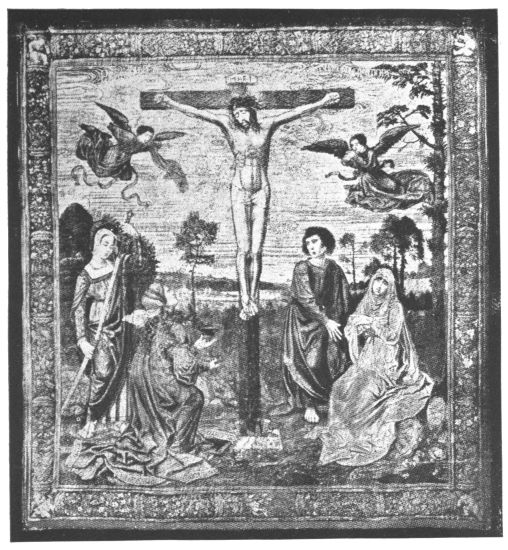
THE PASSION OF OUR LORD
PLATE 252
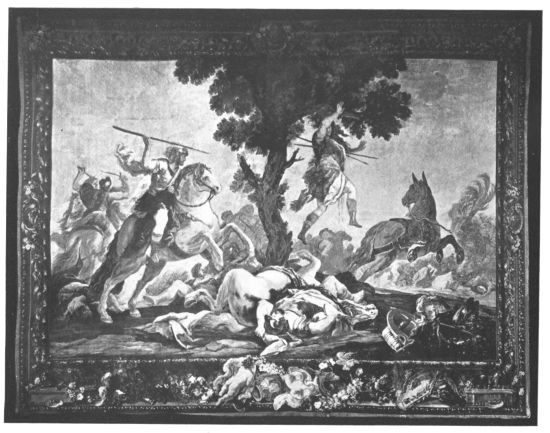
DEATH OF ABSALOM
PLATE 253
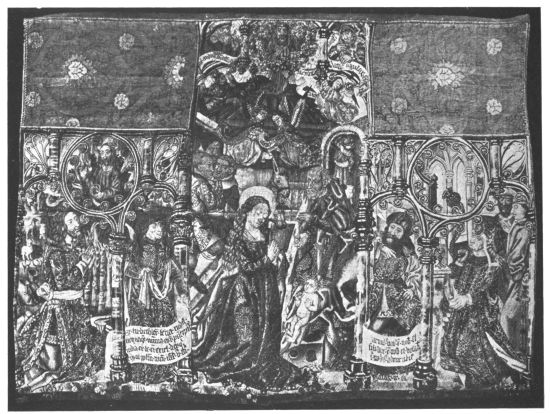
THE BIRTH OF CHRIST
PLATE 254
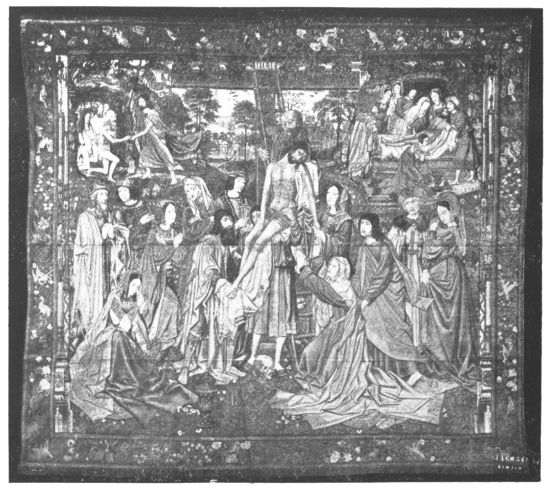
DESCENT FROM THE CROSS
PLATE 255
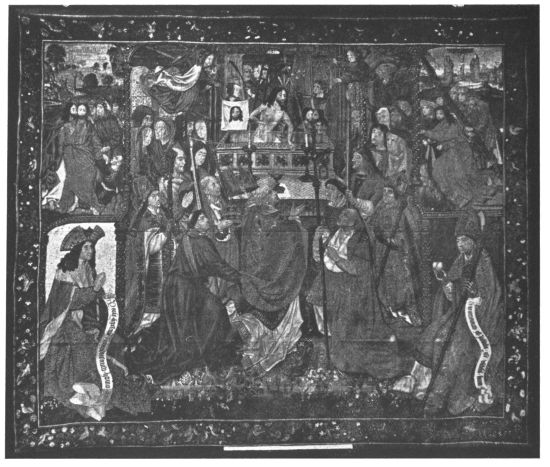
ST. GREGORY’S MASS
PLATE 256
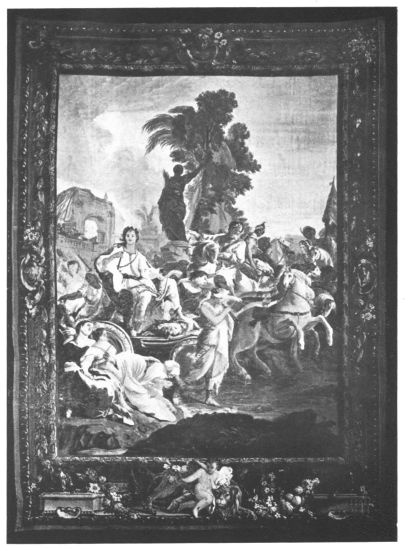
TRIUMPH OF JOSEPH
PLATE 257
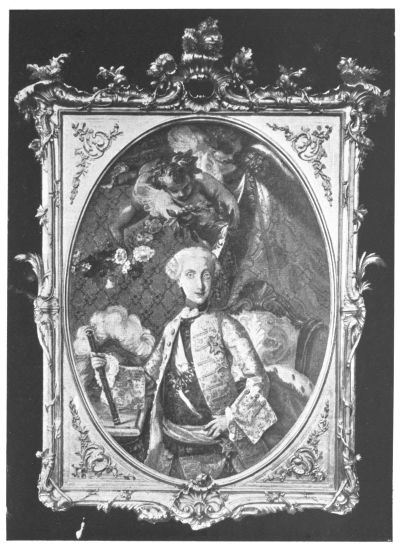
KING CHARLES III
PLATE 258
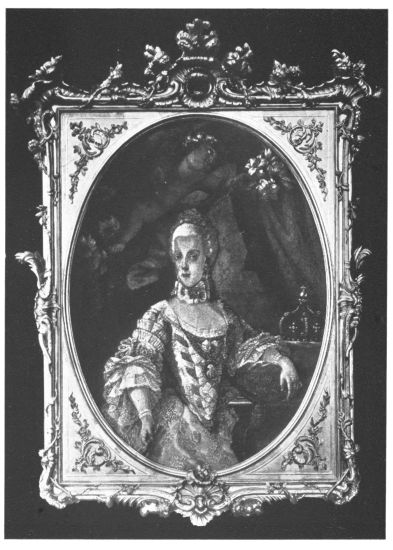
QUEEN AMELIA OF SAXONY
PLATE 259
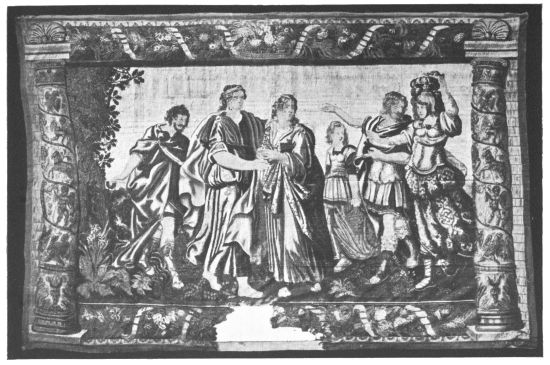
MYTHOLOGICAL SUBJECT
PLATE 260
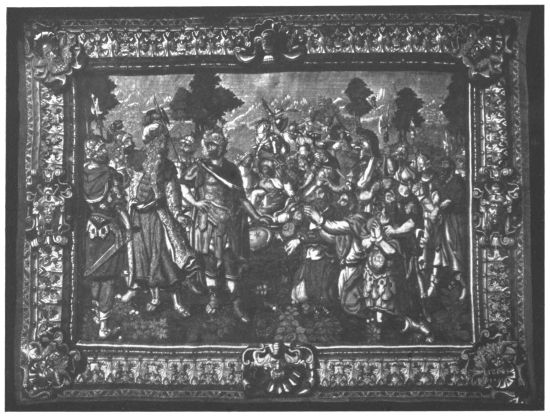
AFTER THE VICTORY
PLATE 261
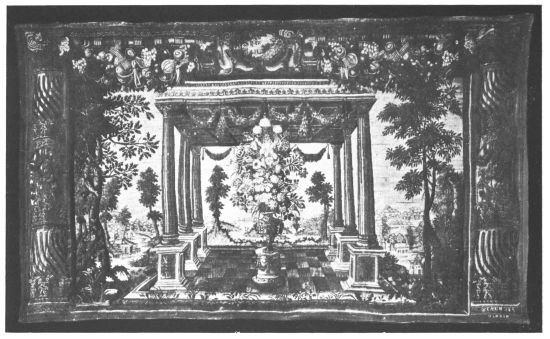
THE TEMPLE
PLATE 262
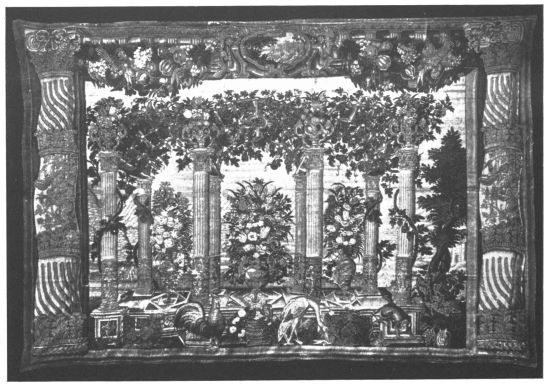
THE COLONNADE
PLATE 263
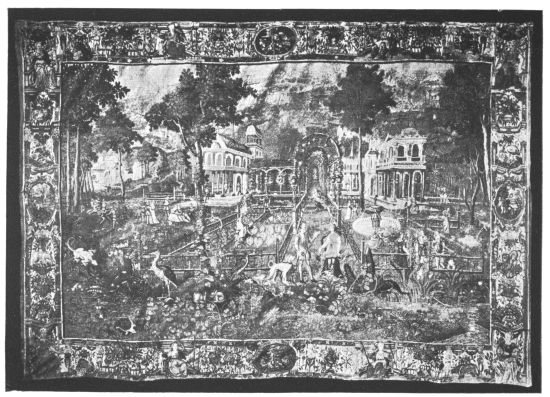
THE PALACE
PLATE 264
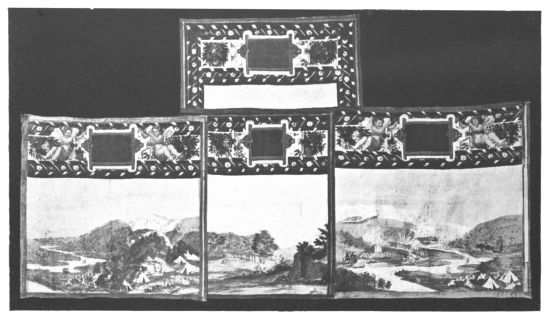
FRAGMENTS
PLATE 265
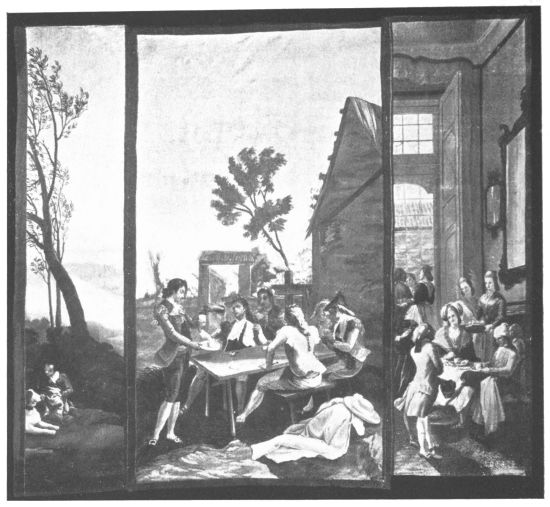
PANELS
PLATE 266
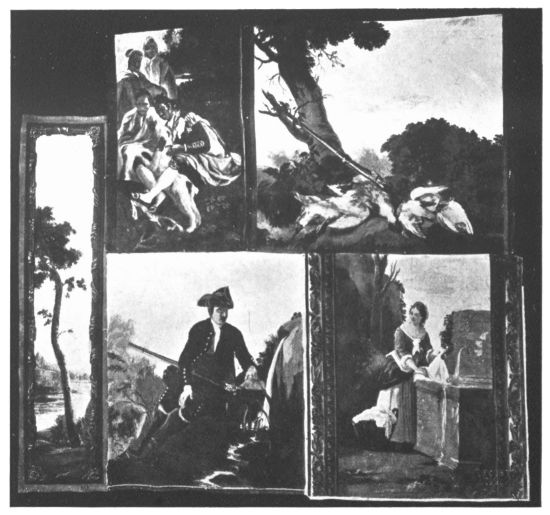
PANELS AFTER ANDRES DE AGUIRRE
PLATE 267
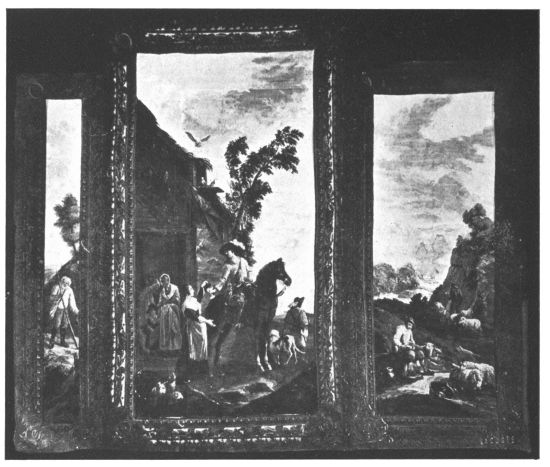
PANELS AFTER TENIERS
PLATE 268
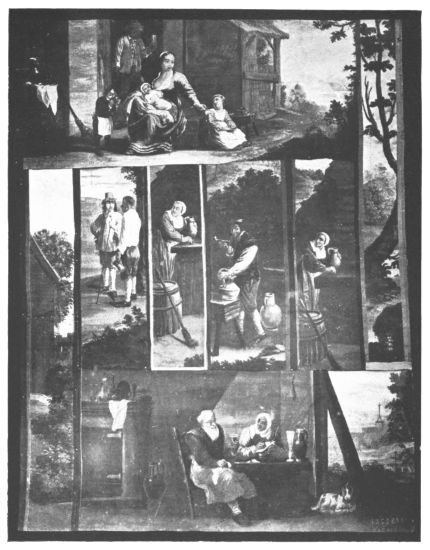
FRAGMENTS AFTER TENIERS
PLATE 269
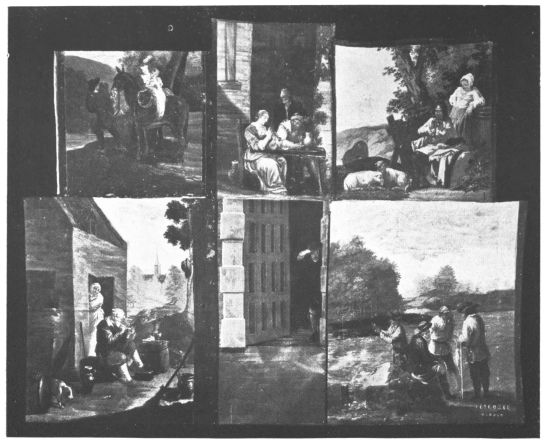
FRAGMENTS AFTER TENIERS
PLATE 270
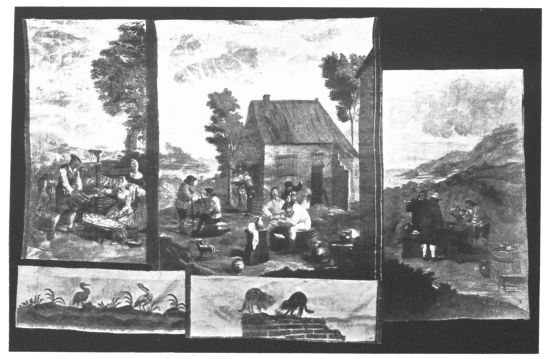
PANELS AFTER TENIERS
PLATE 271
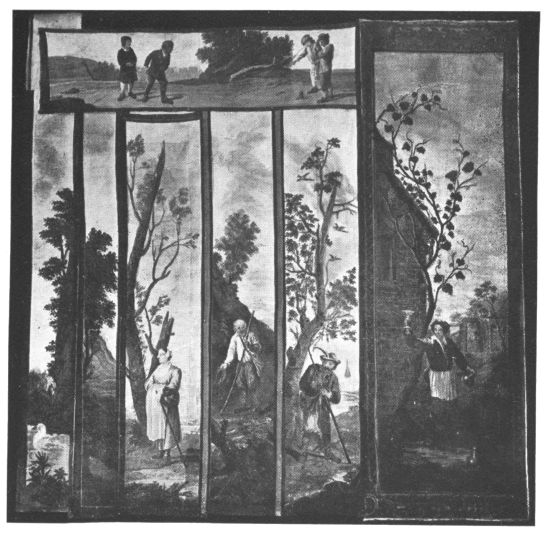
FRAGMENTS AFTER TENIERS
PLATE 272
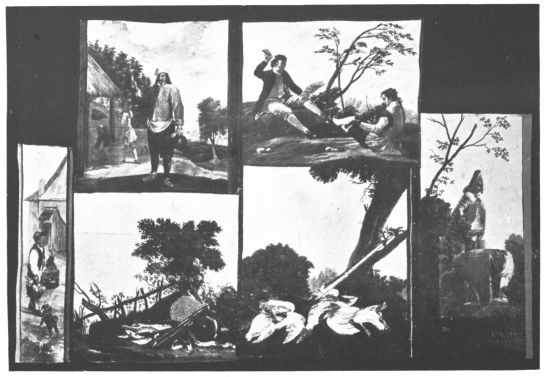
FRAGMENTS AFTER TENIERS
PLATE 273
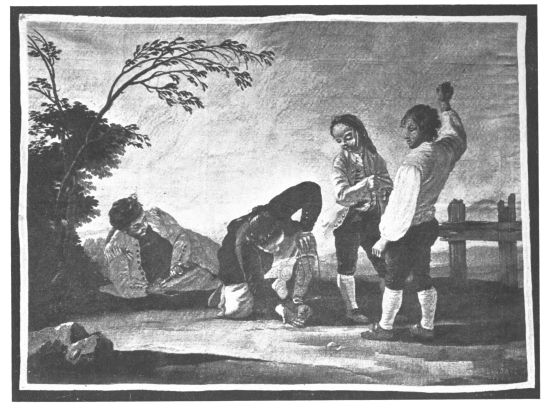
CHILDREN PLAYING. AFTER GOYA
PLATE 274
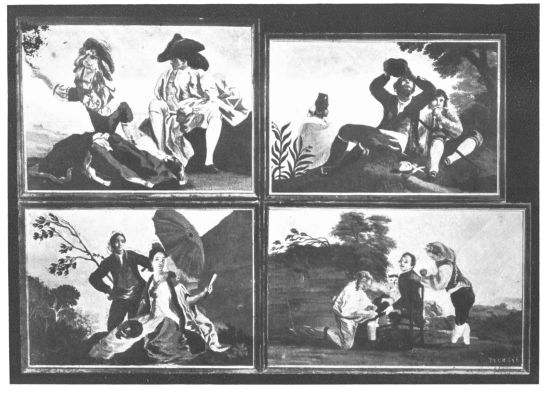
PANELS AFTER GOYA
PLATE 275
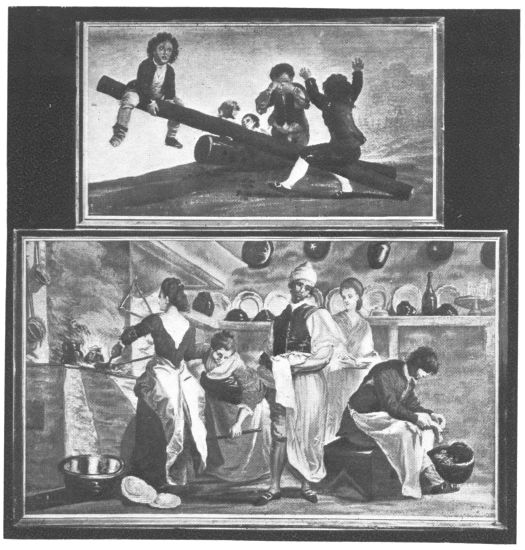
PANELS AFTER GOYA AND BAYEU
PLATE 276
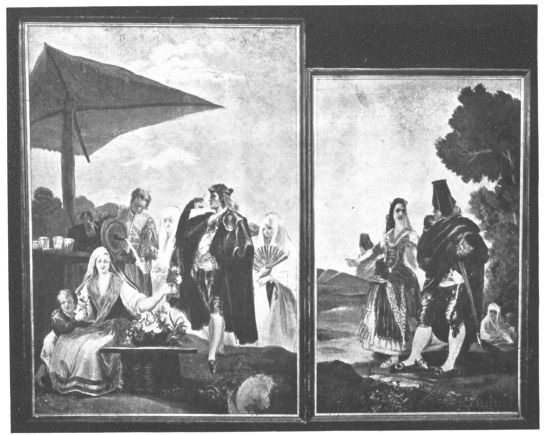
PANELS AFTER GOYA AND BAYEU
PLATE 277
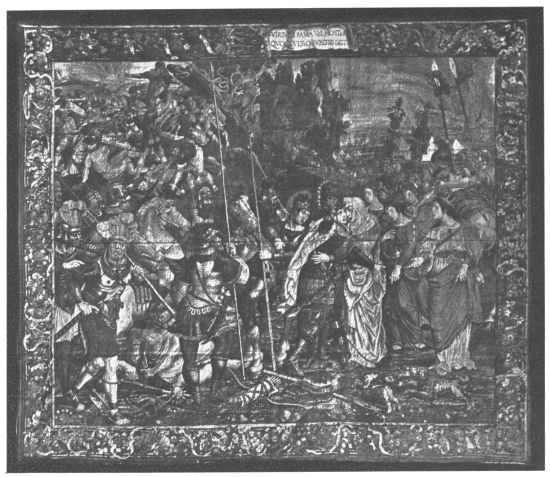
CORIOLANUS AND HIS MOTHER
HISTORIC PARIS
By Jetta S. Wolff, author of “The Story of the Paris Churches.” Illustrated. Crown 8vo. 10s. 6d. net.
In this most attractive volume we have the ideal guide-book, for, besides fulfilling all the functions of a guide, Miss Wolff has a fine literary style and considerable historical knowledge, as well as a very intimate knowledge of all the historical sites and buildings of Paris. Her interesting text is pleasantly aided by numerous drawings in line.
WHAT PICTURES TO SEE IN EUROPE
By Lorinda M. Bryant. With numerous Illustrations. Crown 8vo. 7s. 6d. net.
WHAT SCULPTURE TO SEE IN EUROPE
By Lorinda M. Bryant, author of “American Pictures and their Painters.” With numerous Illustrations. Crown 8vo. 7s. 6d. net.
These books have found so wide a circle of readers in America that it has been thought advisable to issue on this side editions which have been enlarged and brought up to date for the convenience of the thousands of tourists who, now that foreign travel is permitted, will find the need of a comprehensive and adequate guide to the art treasures of Europe. The “stay-at-home,” no less than the tourist, will find entertainment and information within its pages.
MACEDONIA: A Plea for the Primitive
By A. Goff and Dr. Hugh A. Fawcett. With Drawings in colour, pencil and line. Demy 8vo. £1 1s. net.
Times.—“A pleasant surprise—it will bring pleasure to the reader delighted at last to find a work which leaves soldier-work and policies on one side and devotes itself to the discussion of what is nice in Macedonia instead of labouring to expose once again that which is nasty.”
JOHN LANE, The Bodley Head, Vigo St., W.1 “The most thrilling volume of the year.”—Daily Mail.
SOME EXPERIENCES OF A NEW GUINEA RESIDENT MAGISTRATE
By Captain C. A. W. Monckton, F.R.G.S., F.Z.S., F.R.A.I. With numerous Illustrations. Fourth Edition. Demy 8vo. £1 1s. net.
Robert Lynd in the Daily News.—“Captain Monckton has a lively pen. He has enjoyed his life among savages ... and his book is written with the zest of a schoolboy ... a frank and cheerful book.”
Times Literary Supplement.—“Mr. Monckton has written a boys’ book for men. In it something happens on every page.... It is a long book, though not a page too long.”
Daily Mail.—“A book of entrancing interest for boys and their fathers. It is a plain and a true one, and is stranger than fiction. The most remarkable book of travel and exploration since Stanley’s ‘Darkest Africa.’”
UNCONDUCTED WANDERERS
By Rosita Forbes. With over 70 Illustrations from photographs by the Author and others. Demy 8vo. 12s. 6d. net.
“Unconducted Wanderers” is a very amusing travel book of the best sort. After a spell of war work the author and a woman friend went to America, and thence to the South Seas, to Java, the Malay States, Siam, Cambodia, China and Korea. The book is extremely lively in tone and fresh in feeling, and the observations and experiences of the travellers, particularly in China during the Rebellion, are of quite unusual interest.
Evening Standard.—“Those in search of the perfect companion for a lazy afternoon in a hammock will find their wants admirably supplied by ‘Unconducted Wanderers.’ Their Adventures are retailed with an unfailing humorous touch, and the scenery and occupants of these far foreign strands are painted in descriptive language which is always vivid, and at times beautiful.”
JOHN LANE, The Bodley Head, Vigo St., W. 1
TOPEE AND TURBAN, or Here and There, in India
By Lieut.-Colonel H. A. Newell, I.A., With Illustrations from photographs. Demy 8vo. £1 1s. net.
Daily News.—“An excellent book.... Colonel Newell has a quick eye for things seen, and a happy interest in history that makes the book something more than a motorist’s guide-book.... Fully illustrated with photographs of great interest and variety.”
Daily Mail.—“Everyone ought to know more about India, and a pleasant way of informing oneself is offered by Colonel Newell’s ‘Topee and Turban in India.’”
Times.-“A record of several motor trips in India, abundantly illustrated, and discursive to just the appropriate length.”
Westminster Gazette.—“In this book Colonel Newell shows that he has been a close student and observer of many things in India and Indian life.”
JAPANESE IMPRESSIONS
By Paul Louis Couchoud. Translated from the French “Sages et Poètes d’Asie,” by Frances Rumsey, with a specially written Preface by Anatole France. Demy 8vo. 7s. 6d. net.
This book consists of the impressions of Japan of a keen observer, a scholar, and a remarkable master of language. “The charm of M. Couchoud,” says Monsieur Anatole France, “lies in that rare power to evoke ancient or distant facts which is the faculty of a Renan and a Ferrero, and which touches history with the interest of a living spectacle.” The book contains a long and highly characteristic introduction by Monsieur Anatole France, which has never been printed in French.
ART AND I
By C. Lewis Hind. Crown 8vo. 10s. 6d. net.
JOHN LANE, The Bodley Head, VIGO ST., W. 1
A DWELLER IN MESOPOTAMIA
By Donald Maxwell, author of “The Last Crusade,” etc. With numerous Illustrations by the Author in colour, half-tone, and line. Crown 4to. £1 5s. net.
Morning Post.—“The sketches are particularly attractive, both in subject and expression, and all are faithfully reproduced.... Altogether this is a delightful volume, chastely bound in green and brown-toned linen.”
Evening Standard.—“A delightful sketch book.... His adventures are told in breezy, unofficial style.”
Observer.—“Mr. Maxwell’s receptive eye and delicate hand.”
Outlook.—“His illustrations are eloquent of the fascinations of the ancient East ... makes interesting reading.”
Daily Telegraph.—“Mr. Donald Maxwell’s previous book, ‘The Last Crusade,’ was a happy mixture of art and literature dealing with Palestine, and his new volume, ‘A Dweller in Mesopotamia,’ is, we think, even a happier combination, for while the art is as true and as excellent as ever, the descriptions of the people he met and the adventures he experienced are more vivid, varied, and entertaining.... The book will be treasured by those who value good artistic work and racy description.”
A PAINTER IN PALESTINE
Being a story of an impromptu pilgrimage through the Holy Land with Bible and Sketch Book. By Donald Maxwell, author of “Adventures with a Sketch-Book,” etc. With an Introduction by the Dean of Rochester. Illustrated by the Author. Crown 8vo. 5s. net.
John Lane, The Bodley Head, Vigo St., W. 1