Volume 1 — [VOLUME I.] (continued 3)
Alexander Barclay translation
The enuoy of the Actour.
O creatures vnkynde leue ye this outrage Breke nat your othe whiche ye made solemly Eche one to other for to lyue in mariage Defyle ye it nat by synne and vylany On both partis if ye lyue faythfully After your promes: in loue, fayth and concorde Than shall ye in erth encreas and multyply And after haue syght of the almyghty lorde Let all spousys in theyr myndes comprehende The lawys and decrees of the olde testament Howe they that in auoutry dyd offende Were outher stonyd or els openly brent Wherfore syns goddes son omnypotent. Confermed hath the olde testament with the newe Auoutrers nowe deserue that same punysshement But well is to them, that stedfast ar and trewe
Of hym that nought can and nought wyll lerne, and seyth moche, lytell berynge away, I mene nat theuys.
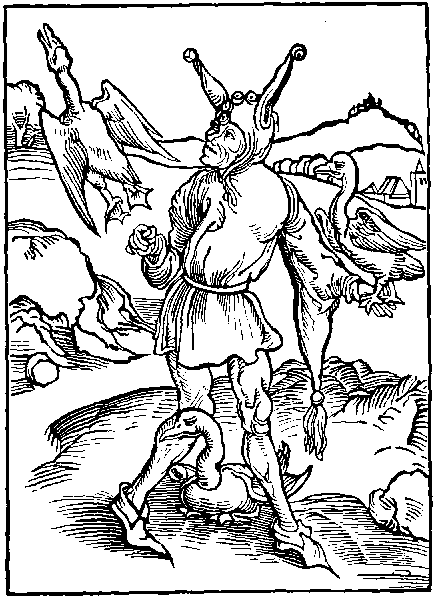
He is a fole, and so shall he dye and lyue That thynketh hym wyse, and yet can he no thynge And though he myght he wyll nat set nor gyue His mynde to good maners, vertue nor cunnynge. So is he a fole that doth to market brynge His Gese fast bounde, and game or sporte to se Lowsyth theyr fete, and suffreth them to fle
Saynt George to borowe our Nauy is aflote Forth shall we sayle, thoughe that it be a payne And moche laboure to forge a pryuate bote For euery faute: yet shall I nat refrayne My hande nor penne: thoughe vnsure be my gayne My laboure sure: my wyt and reason thynne Than leue a thynge vnendyd better nat begynne But in this place shall I a Shyp ordayne For that fole: that heryth great doctryne Wherby good maners and vertue aperyth playne He seth all goodnes, stody, and disciplyne And yet wyll nat his mynde therto enclyne But though he knowe what thynge is godlyest Ouer all the worlde, yet is he styll a beest. Many of this sort wander and compase All studies, the wonders of the worlde to se With vnstabyll wynges fleynge from place to place Some seyth lawe and some dyuynyte But for all this byde they in one degre And if they were Asses and folys blynde before After all these syghtes yet ar they moche more They se moche nought lernynge, and hauynge no delyte In wysdome nor maners vertue nor goodnes Theyr tyme is loste, without wysdome or profyte Without grace, or other holynes But whyle they labour thus with besynes If they se ought newe, or any folysshe toy That lyghtly they lerne, and set theron theyr ioy. By this desyre folys may knowen be For wytles men of fleynge mynde and brayne Ar best pleasyd with thynges of neweltye And them to haue, they spare no cost nor payne To dyuers londes to ren but all in vayne And so they labour alway from londe to londe To se all wonders, but nought they vnderstonde Some fle to se the wonders of englonde Some to the court to se the maners there Some to Wallys, Holonde, to Fraunce or Irlonde To Lybye, afryke, and besyly enquere. Of all marueyles, and skantly worth a here Some vnto Fraunce and some to Flaunders ren To so the wayes, and workes of cunnynge men And to be shorte ouer all they range Spendynge theyr goodes about vnthryftynes In countrees knowen, vnknowen and strange But whan theyr iourney they homwarde must addres As folys vnware, and vagabundes thryftles They haue nought lerned, kept, nor with them brought Of maners, wysdome or other thynge that is ought They that by the se sayle to londes strange Oft chaunge the place and planete of the fyrmament But theyr mynde nor maners they ne turne nor chaunge And namely suche that ar lewde and neglygent What euer they se styll one is theyr intent Whan he departyd, If that he were a sote Agayne anone he comyth in the same mynde and cote Say mad folys blynde ouersene, and worthy scorne Fayne wolde I knowe what necessyte ye haue To go from the place where ye were bred and borne Into another londe to lerne to play the knaue Your mynde vnstable sheweth playne that ye raue Laboure nat so sore, to lerne to be a fole That cometh by it selfe without any other scole He that is borne in walys or small brytayne To lerne to pyke and stele nedys nat go to Rome. What nede we sayle to Flaunders or Almayne To lerne glotony, syns we may it lerne at home Suche lewdnes soon may we lerne of our wombe He that wyll lerne falshode gyle or sotelte May lerne it here as well as beyonde the se. To passe the se to lerne Uenus rybawdry It is great foly, for thou mayst lerne thy fyll In shoppis Innes and sellers, ye somtyme openly At saynt Martyns Westmynster or at the tour hyll So that I fere all London, in tyme it shall fyll For it is there kept in lyght and in darke That the pore Stuys decays for lacke of warke But brefely to speke, and this to set a syde He that on vyce, and synne wyll set his entent May lerne it in Englonde, if he at home abyde And that of all sortis: god sende amendement But if thou alway wyll nede be dylygent To labour in the worlde about from place to place Do as dyd Plato, than shalt thou fynde great grace This godly plato laboured with dilygence To Egypt, and other londes sparynge for no payne Where euer he came: augmentynge his scyence And at the last retourned to Grece agayne His countrey natyf: with laude and name souerayne Thus he for all his wysdome laboured besyly But that fowle that nought can nought settyth by Wherfore that gose that styll about wyll wander Moche seynge and herynge, and nought berynge away Shall home come agayne as wyse as a gander But more fole is he that may lerne euery day Without cost or laboure out of his owne countrey And whan the well of wysdome renneth by theyr dore Yet looth they the water as if that it were soure
Alexander Barklay ad fatuos vt dent locum octo secundariis beate marie de Oterey qui quidem prima huius ratis transtra merentur.
Soft folys soft, a lytell slacke your pace Tyll I haue space you to order by degre I haue eyght neyghbours, that firste shall haue a place Within this my shyp, for they most worthy be They may theyr lernynge receyue costeles and fre. Theyr wallys abuttynge and ioynynge to the scoles. No thynge they can, yet nought wyll they lerne nor se Therfore shall they gyde this one shyp of foles.
The enuoy of Barklay.
O vnauysyd, vnwyse and frowarde man Great cause thou hast to morne sore and complayne Whan no goodnes vertue nor wyt thou can And yet to lerne thou hast scorne and dysdayne Alas man mende, and spare no maner payne To get wysdome, and it thou shalt nat want Hym that nought wyll knowe, god wyll nat knowe certayne Wo is hym that wylfully is ignorant.
Of great wrathe, procedynge of small occasyon.
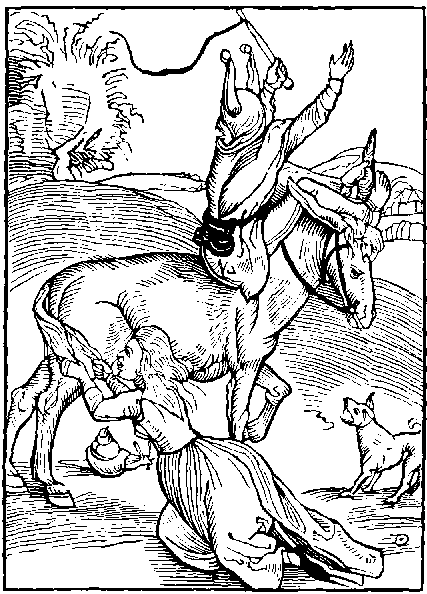
Assys erys for our folys a lyuray is And he that wyll be wroth for a thynge of nought Of the same leuray is nat worthy to mys For who that by wrathe to suche a wyll is brought To sle his Asse for hir pas slowe and soft Shall after his fury, repent his mad foly For to a clere mynde, mad wrathe is ennemy
Come nere, ye wrathfull men, take your rowme and place Within our shyp, and to slake our hastynes Mount on an Asse slowe of hir gate and pace Syns troublous wrath, in you, styreth this madnes Often lacke of myght asswagyth cruelnes To a wylde cowe god doth short hornys sende Wrath is great foly, where myght may nat extende O man yll myndyd what helpeth the this yre None the commendyth whiche doth thy maners marke What doste thou: but the waste with thyne owne fyre Narrynge with thyselfe lyke as a dogge doth barke Without meke worde and pleasyd with no warke Art thou: but thoughe all men be dylygent Mad wrathe to please, yet who can it content This man malycious whiche troubled is with wrath Nought els soundeth but the hoorse letter R Thoughe all be well, yet he none answere hath Saue the dogges letter, glowmynge with nar nar Suche labour nat this mad rancour to defar Nor yet his malyce to mytygate or asswage But ioyeth to be drede of men for this outrage His mouth fomyth his throte out gorgyth fyre His ferefull furoure is, his hole felycyte By his great yre, doth he coueyte and desyre Dowtyd to be: of the pore comontye His owne madnes and cruell furyosyte Wyll he nat knowe as he were nat culpable Of this mad fury and vyce abhomynable Hym selfe is blynde, but other well note his dede He shall be poynted whether he go or ryde Saynge one to other take gode regarde and hede Of yonder furyous fole whome reason doth nat gyde Beware his wayes fle hym on euery syde Who that hym sueth both hurte and shame shall fynde Thus other hym notyth but he hymself is blynde So his Asse crys to hym ar inuysyble He thynkyth to haue pacyence though that he haue none And vnto hym it is thynge incredyble That suche ar folys whose pacyence is gone Thus coueytyth he to kepe his erys alone And to wrathfull men he wyll no thynge obiect For that hym selfe is with the same infect But somwhat to touche the inconuenyences Whiche by this wrath procedyth to mankynde It is chefe grounde of many great offences Destroynge reason blyndynge the wyt and mynde By malyce man is to all yll inclynde Both symple man, and lordes excellent Do that by wrath oft whiche they after repent Reuoke thy mynde, somwhat thy herte enclyne Unto Archytas a man of hye wysdome Borne the the ryche Cyte namyd Tarentyne Rede howe that he his malyce dyd ouercome For thoughe his seruaunt was fals to hym become And he sore mouyd to auenge the same offence Yet he refraynyd his wrathe by pacyence So socrates so Senyk and Plato Suffred great wronge great iniury and payne And of your fayth sayntis right many mo For christ our mayster dyd great turment sustayne What wo or payne cowde saynt Laurance refrayne From pacience wherfore it is great shame For christen men if they do not the same They suffred deth, ye, and yet were pacyent And many haue prayed, for suche that haue them slayne Where thou mad fole takest greuous punysshement For small occasyon, ye come by chaunce sodayne Fole thou art blynde, and mad to set thy brayne All thynge to venge (by wrath) that doth mysfall For he that part hath lost: by wrath oft lesyth all And forsoth no meruayle, if suche wyse actours Hath wrathes madnes, expelled and set asyde For where that wrath doth rayne with his furours There can no reason nor wysedome longe abyde The wyt it wastyth: so is it a lewde gyde Therfore let mesure, this malyce holde agayne But pacyence is brydyll his madnes to refrayne It longeth nat to any man of hye prudence For to be wrothe, yrous, or gyuys to malancoly No suche passyon nor inconuenyence Can fall to man, ay stedfast wyse and holy But folys ar moste troublyd with this foly Where as a wyse man for any aduersyte Lyueth in quyete mynde and tranquylyte A man well manerd, sad sober and dyscrete If he be ware, wyse, chrafty and prouydent Beholdeth all thynge before his syght and fete. Gydynge hym by mesure a vertue excellent Where as a fole doth all without aduysement And in euery thynge shewyth his folysshnes Wroth at eche worde, as mayster of madnes Wherfore ye folys se ye no lenger tary But on the dull Asse hastely assende That a slowe beest may hasty folys cary For your mad wrath dowtyth no thynge the ende Your madnes can nat your blynde mysdede defende For who that one sleyth, angry and feruent Ought to be hangyd whan he is pacyent
The enuoy of the Actour.
Blynde myndyd man whiche wylt all thynge ouercome Reputynge thy selfe, moste souerayne and royall If thou be wyse or partener of wysdome Labour to ouercome thyne owne selfe firste of all Thy wrath asswage thou in especyall Let neyther malyce, nor yre with the abyde Thou art a fole the chefe or lorde to call Of other: whan thou can nat thy selfe well gyde.
Of the mutabylyte of fortune.
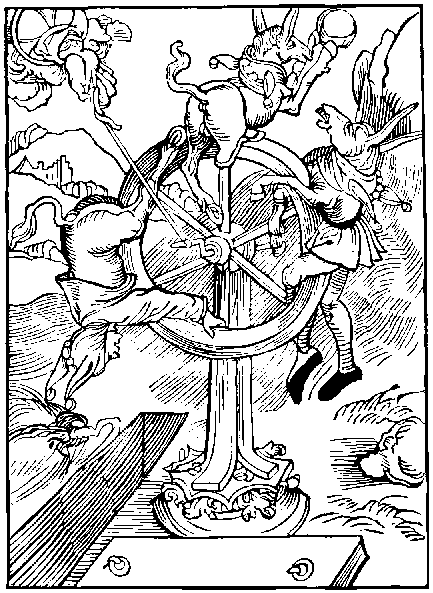
That man whiche hopyth hye vp to ascende On fortunes whele, and come to state royall If the whele turne, may doute sore to descende If he be hye the sorer is his fall So he whiche trustyth nat therto at all Shall in moste eas and suerty hymselfe gyde For vnsure fortune can in no place abyde
We dayly proue by example and euydence That many be made folys mad and ignorant By the brode worlde, puttynge trust and confydence In fortunes whele vnsure and inconstant Some assay the whele thynkynge it pleasant But whyle they to clym vp haue pleasour and desyre Theyr fete them faylyth so fall they in the myre Promote a yeman, make hym a gentyl man And make a Baylyf of a Butchers son Make of a Squyer knyght, yet wyll they if they can Coueyt in theyr myndes hyer promosyon And many in the worlde haue this condicion In hope of honour by treason to conspyre But ofte they slyde, and so fall in the myre Suche lokys so hye that they forget theyr fete On fortunes whele whiche turneth as a ball They seke degrees for theyr small myght vnmete Theyr folysshe hertis and blynde se nat theyr fall Some folys purpose to haue a rowme Royall Or clym by fortunes whele to an empyre The whele than turneth lyuynge them in the myre O blynde man say what is thyne intent To worldly honoures so greatly to entende Or here to make the hye ryche and excellent Syns that so shortly thy lyfe must haue an ende None is so worthy, nor can so hye ascende Nor nought is so sure if thou the trouth enquyre But that it may doute to fall downe to the myre There is no lorde Duke kynge nor other estate But dye they must, and from this wolde go All worldly thynges whiche god hath here create Shall nat ay byde, but haue an ende also What mortall man hath ben promotyd so: In worldly welthe or vncertayne dignyte That euer of lyfe had houre of certaynte In stormy wyndes lowest trees ar most sure And howsys surest whiche ar nat byldyd hye Where as hye byldynges may no tempest endure Without they be foundyd sure and stedfastly So gretest men haue moste fere and ieopardy Better is pouertye though it be harde to bere Than is a hye degre in ieopardy and fere, The hyllys ar hye, the valeys ar but lowe In valeys is come the hyllys ar barayne On hyest places most gras doth nat ay growe A mery thynge is mesure and easy to sustayne The hyest in great fere, the lowest lyue in payne Yet better ly on grounde, hauynge no name at all Than hye on a Clyf ferynge alway to fall Thus as me thynke it is no thynge lawdable On fortunes whele, for one to clym to hye Syns the swyft cours therof is so vnstable And all must we leue whan we depart and dye Of our short lyfe haue we no certayntye For lachesys (whan that thou hast lefte drede) Of thy lyue dayes shall shortly breke the threde. Atropos is egall to pore man and estate Defar wyll nat deth by prayer ne request No mortall man may his furour mytygate. Nor of hym haue one day longer here to rest: Content the with measure (therfore) for it is best Coueyt nat to moche in honour to excell It is a fowle fall to fall from erth to hell Unstable fortune exalteth some a loft To this intent, them to brynge to an yll ende For who that hye clymmeth his fall can nat be soft If that mysfortune constrayne hym to dyscende Though Julius Cesar his lordshyp dyd extende Ouer all the worlde: yet fortune at the last. From lyfe and lordshyp hym wretchydly dyd cast This hath ben sene, is sene, and euer shall That most peryll is in hyest dignyte Howe many estatis, howe many men Royall. Hath fortune dryuyn downe into aduersyte Rede dyuers cronycles, and thou shall playnly se That many thousandes hath endyd in doloure By theyr immoderate mynde to honoure Ouer rede Bochas and than shalt thou se playne The fall of prynces wryten ryght compendeously There shalt thou se what punysshement and payne Haue to them fallen, somtyme by theyr foly And oft is moche preuy hatered and enuy Had agaynst lordes of the rude comonte Where euer they go: they lyue in ieopardye Ay dowtynge deth by cursed gyle and treason Eche thynge mysdemynge, ferynge to be opprest By some mysfortune, with venym or with poyson. Thus in great honour is neyther ioy nor rest But thought and fere, ye whyle the lyfe doth lest Thus who that procuryth great honour to attayne Procuryth with all, enuy, peryll, fere and payne A lorde or state whom many men doth drede With loueles fere, and fayned countenaunce Unto hym selfe ought wysely to take hede And them to fere, if he wyll voyde myschaunce For why a comonty is of suche ignoraunce And so enuyous, that both erly and late They muse to destroy hym whom, they fere and hate A man promotyd vnto hye dygnyte Shall haue loue shewyd hym by adulacion But no true loue nouther faythfull amyte. Good fame nor name, ne commendacion Ye though he be worthy great exaltacion Pytefull louynge and full of equyte Yet harde is to please a folysshe comonte Therfore me thynke of all thynge it is best Man to be pleased and content with his degre For why in mesure, is suerty eas and rest And ay moste peryll in hyest dignyte Fortune is full of changes and mutabylyte Trust nat therto, therby comyth do gode But nowe hye nowe lowe, vnstable as a flode
Alexander barklay to the Folys.
Labour nat man with to moche besy cure To clymme to hye lyst thou by fortune fall For certaynly, that man slepyth nat sure That lyeth lows vpon a narowe wall Better somtyme to serue, than for to gouerne all For whan the Net is throwen into the se The great fysshe ar taken and the pryncipall Where as the small escapyth quyte and fre
Of them that be diseasyd and seke and ar impacient and inobedyent to the Phesycyan.
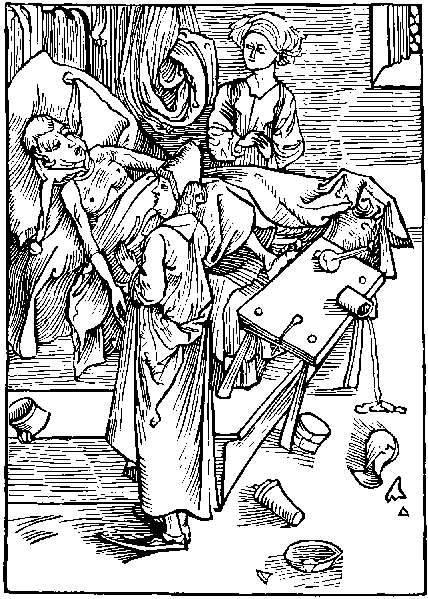
If one be vexed with sore infirmyte Within his body felynge dyseas and payne And wyll nat gladly with perfyte mynde agre To a wyse Phesycian that wolde hym hele agayne He is a fole, and shall his foly sore complayne And if that he by his selfe wyll do sterue It is but well: syns he it doth deserue.
He that is feble with sekenes outher wounde Wherwith he feleth hym selfe so kept in payne That dye he muste but if remedy be founde He is a fole, if that he haue dysdayne Of wyse Phesycyans: and medecines souerayne And wyll nat sue theyr counsell and aduysement Wherby he myght haue helth and short amendement Thoughe the Phesycyan (of his lyfe) hym assure So he be ruled, and vnto his mynde agre The pacyent yet kepyth no dyete nor mesure In mete nor drynke, and wyll nat gouerned be But foloweth Ryot and all superfluyte Receyuynge colde water in stede of ale or wyne Agaynst read and counsell of crafty medycyne What mete or drynke that is most contagious And most infectyf to his sekenes or dyseas And to hym forbyden, as moste contrarious Unto his sekenes. That namely doth hym pleas But that thynge that myght hym helpe and greatly eas He hatyth moste, and wyll none receyue at all. Tyll this small sore, at the last become mortall Suche wyll no counsell ensue, nor mesure haue Nor temper theym selfe in lesse nor yet in more. Tyll theyr yll gouernaunce brynge them to theyr graue Retournynge into grounde lyke as they were before But who that soone wolde, be helyd of his sore Whan it is newe ought to fynde remedy. For in olde sorys is greatest ieopardy A small sparcle often tyme doth augment It selfe: and groweth to flames peryllous Right so small wellys whiche semeth to be spent With lytell sprynges and Ryuers, ofte so growys Unto great waters, depe and ieopadous. So a small sore augmentyth, styll preuely By lytell and lytell for lacke of remedy A small diseas whiche is ynoughe durable At the begynnynge, for lacke of medycyne At longe contynuaunce becomyth incurable The paynfull pacyent bryngynge vnto ruyne Wherfore who wyll to his owne helth enclyne And soone be helyd of yll without all tary To the Phesician ought nat to be contrary Obstynat frowarde or inobedyent Ought he nat be, but with a pacyent mynde Shewe all his soris truly playne and euydent To the Phesician if he wyll socour fynde. And thoughe his saluys in paynes hym sore bynde. Let nat for that, but after his wyll the gyde Better a shorte payne, than that doth longe abyde No sore can be releuyd without payne. Forsake nat the short, the longe payne to eschewe To the Phesycian we ought in worde be playne And shewe hym our sore, whether it be olde or newe For in thy wordes if that thou be nat trewe Or kepe ought close, thou dysceyuest be thou sure Thy selfe. and nat hym that of the hath the cure. In lyke fourme who comyth vnto confessyon There to declare howe he his lyfe hath spent And shewyth nat his synne lyke wyse as he hath done Hymself he disceyuyth, as blynde of his entent. Thus many one endureth infernall tourment With wo contynuall and payne for euermore For kepynge secrete there, of his goostly sore. Thus who that is payned in any malady Bodely or gostly, ought nat to be callyd wyse To the Phesycian without that he aply. And his preceptis hant kepe and exercyse But now olde wytches dare boldly interpryse To intromyt to hele all infyrmyte And many them byleue, whiche sothly is pyte Suche wytches of theyr byleue abhomynable On brest or hede of the paynfull pacyent With theyr wytchecraftis shall compasse chat and bable Assurynge hym of helth, and short amendement Than he that is seke fyxith his intent Upon hir errour: to haue helpe of his sore But she hym leuyth wors than he was before Poule the apostyll doth boldly say and preue That they whiche to suche wytches wyll assent Ar heretykes, Lolardes and false of theyr byleue Brekynge goddes lawes and commaundement And oft also by profe it apereth euydent That suche as to wytches craftis wyll intende By theyr fals Phesyke come soner to theyr ende Theyr body dede, theyr soule in ieopardy By mysbyleue for euer in paynes infernall. Whiche ar rewarde for wretchyd synne and heresy But if thou to thy mynde and reason call And of this wrytynge perceyue the sence morall Whan thou art fallen seke and in dedely syn Seke helpe betyme, and byde nat longe therein
The enuoy of Barklay to the folys.
Thou man or woman, that lyest seke in vyce To goddes vycayrs confesse thy syn holly So shalt thou from thy goostly yll aryse. For thy soule fyndynge helpe and remedy Without leasynge shewe hym thy synne playnly Let nat for shame nor fall nat thereto agayne Better shewe thy sore there to one secretely Than after openly: and byde eternall payne Ensewe the counsell of a wyse confessour Take nat colde water in stede of vermayll wyne: For moche swetnes, endure thou a lytell soure Kepe well the dyet and threfolde medicyne Ordayned for synne by spirituall doctryne That is confessyon, the next contrycyon. With satisfaccion these thre, with grace deuyne Ar salues parfyte for all transgressyon
Of ouer open takynges of counsel.
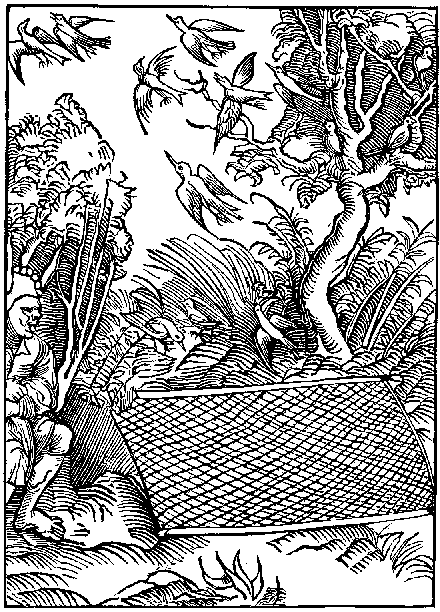
Who that to clerely layeth his net or snare Before the byrdes whome he by gyle wolde take Them playnly techyth of his gyle to be ware And is a fole whether he slepe or wake Right so is he (and doth a sauegarde make) For his foes them (techynge remedy to fynde) Whiche sheweth them by thretenynge the secret of his mynde
Who that intendyth by chraft and polycy To take many byrdes, outher small or great And layeth before them to playne and openly His lynes snarys, his lyme twyggis or his net He shall no profyte gayne nor auauntage get For if that he his engynes can nat hyde The byrdes shall be ware, and lyghtly fle asyde So he that wyll openly manace and threte With worde and hande, as he wolde sle adowne ryght Is oft scant abyll a symple hounde to bete. For in his worde is all his force and myght And he that alway thretenyth for to fyght. Oft at the profe is skantly worth a hen For greattest crakers ar nat ay boldest men Who that agaynst his ennemy wolde fyght And gyueth hym before wepyn and armour. Agaynst hym selfe to encreas his foes myght Suche one hath reason and wyt of smal valour. Ryght so that sole is led in lyke errour Which nought can do, of mater les or more Without he crake and boste therof before. And also suche bosters and crakers comonly Whiche doth theyr mynde in hasty wordes declare Of other men ar lytell or nought set by And by theyr wordes, full often yll they fare A man also may ryght easely be ware Of folys whiche thus theyr counsell out expres Whose thretenyngs to theyr foes is armour and harnes But hym call I wyse and crafty of counsell Whiche kepeth close the secretis of his mynde And to no man wyll them disclose nor tell To man nor woman, ennemy nor yet frynde But do his purpose whan he best tyme can fynde Without worde spekynge, and so may his intent Best come to ende, his foo, beynge inprouydent And specially no man ought to be large Of wordes nor shewe his counsell openly In thynges weyghty, of peryll and great charge Consernynge a royallue, or helth of his body For many ar falsly disceyued fynally By lewde tale berers whiche seke the way to fynde To knowe the preuy counsell of theyr lordes mynde They fawne and flater to knowe his pryuetee But they forsoth, that wolde knowe thynges newe For the moste part of this condicion be No thynge to kepe, but lyghtly it to shewe. Thus may the saynge of Salomon be fonde true. Whiche sayth that he is wyse, and lyueth happely Whiche to hym selfe kepyth his counsell secretely I fynde foure thynges whiche by meanes can Be kept close, in secrete, one longe in preuetee The firste is the counsell of a wytles man The seconde a Cyte, whiche byldyd is a bye Upon a mountayne, the thyrde we often se That to hyde his dedes a louer hath no skyll The fourth is strawe or fethers on a wyndy hyll A pore mannys dedys may soone be kept close His name is hyd, and right so is his dede. A ryche mannys dede may no man hyde nor glose It fleeth farthest, all men of it take hede So that yll fame whome all men ought to drede In fleynge about hir myght doth multyply Augmentynge to his lynage shame and vylany Therfore who that intendyth to be wyse Ware and crafty, auoydynge all inconuenyence To shewe his counsell ought nat to interpryse But do his mynde, kepynge alway sylence In seruauntis is small trust or confydence He that is nowe thy frende may after be thy fo Warne nat thy ennemy of that that thou wylt do
The enuoy of Barklay to the Folys.
O ye that ar put to wronge and Iniury If ye intende for to yelde the same agayne It is great foly to warne your ennemye Or hym to threten with bostynge wordes vayne. For oft is sayde, and true it is certayne That they that wyll lyue in quyetnes and rest Must here and se and hasty wordes refrayne All styll with fewe wordes do that they thynke best
Of folys that can nat beware by the mysfortune and example of others damage.
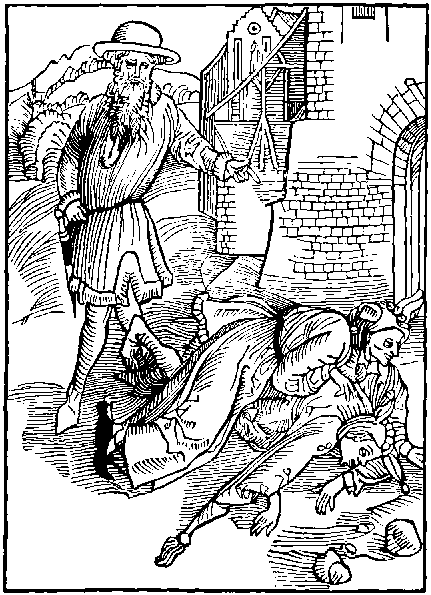
Here we expresse, the errour and blyndnes Of them that se others aduersyte Theyr wofull fall the ruyne and dystres. Yet sue they the same, and ware they wyll nat be Though they by example the payne of other se Yet leue they nat: thus may they clayme a place Within my Nauy, as folys voyde of grace
We dayly se the mysfortune and damage And often fallys, to pouerte and payne Whiche folys suffer for theyr synne and outrage Some drowned, some maymed, some other wyse slayne Yet this example can nat cause vs refrayne Our wretchyd lyfe, and seke for remedy We marke no thynge anothers ieopardy. We se the mockynge scorne and derysyon That folys hath ofte tyme whan they offende We se theyr losse, theyr shame and theyr confusion Howe be it all this can cause vs to amende We can no thynge and to nought we intende So many folys I fynde that playne I thynke Theyr weyghty charge shall cause my shyp to synke Suche ar despysyd of men discrete and wyse Ye and more ouer these folys ar so blynde That echone of them the other doth despyse With sharp rebukes, wordes lewde and vnkynde Yet in theyr lyfe no difference may we fynde And though they haue sene a thousande brough to shame For one sore vyce: yet lyue they in the same The example of other can nat theyr myndes moue Theyr wyttis ar blynde theyr foly is the cause Alas mad folys why do ye vyce thus loue Rennynge ay to deth without all rest or pause Alas, at the last retourne to christis lawes Be ware, whan ye other se taken in the snare Let anothers peryll cause you to be ware Ye do nat so, alas it is great shame Your synne hath quenchyd your grace and gostly lyght One blynde man another doth chyde and blame And yet both stomble, nat goynge euyn or right A blynde man hym ledyth that also hath no syght So both in the dyche fallyth in suche a wyse That one can nat helpe, the other agayne to ryse One crab blamys another for hir bacwarde pace And yet the blamer sothly can none other do But both two ar in theyr goynge in lyke case The one goeth bocwarde, the other doth also Many of these folys after that maner go But who that of his moders doctryne hath disdayne: Shall by his stepdame endure wo care and payne And perchaunce after abyde the correccyon Of the sayde stepdame, in place of punysshement. For his synne, sufferynge hir vniust subieccien And who that nat foloweth the commaundement Of his fader beynge to hym obedyent May fortune after in hunger thyrst ond colde Obey that stranger, whom he nat gladly wolde We fynde Hystories wryten longe and ample In dyuers bokes of great auctoryte The hole Bybyll sheweth to vs example Howe they were punysshed that lyuyd in cruelte I fynde also wryten in bokes of Poetrye Howe that Pheton was brent with the lyghtnynge For his presumpcion, agaynst a myghty kynge We haue example also by Icarus Whiche contrary vnto the commaundement Of his crafty father named Dedalus By fleynge to hye his wynges and fethers brent And so descendyd and in the se was drent Thus these two endynge by theyr lewdnes in care By theyr example sholde cause vs to beware We dayly se before our syght and our presence What mysauenture to many one doth fall And that worthely for theyr synne and offence Yet ar we blynde, and ar nat ware at all But in our synnes lyue vnto them egall And where by synne we se one come to shame We wyllyngly (alas) ensue the same Therfore who sethe a mad fole come to wo Or fall in peryll for lacke of a good gyde By another way ought craftely to go And (by anothers yll) for his helthe to prouyde The fox was ware, and peryll set asyde And wolde nat enter into the caue, for playne Of bestis that entred sawe he none come agayne
The enuoy of Barklay
Lerne man, lerne of bestes to be ware Of others peryll, by theyr enormyte For if one byrde be onys tane in a snare The other auoyde as fast as they may flee A fysshe byrde or beste that hath in peryll be Of net hoke or snare, if that they may escape. Wyll after euer beware, but blynde man wyll nat se His owne destruccion, but after it doth gape
Of them that forceth or careth for the bacbytynge of lewde people.
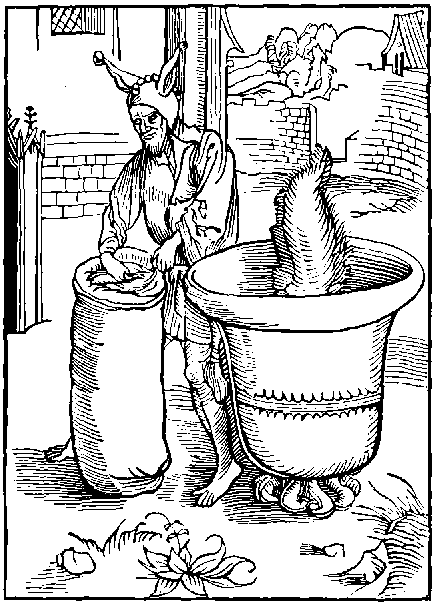
Whether that a bell be hangyd or lye on grounde If vnto the same a clapper lacke or fayle The bell shall make but sympyll noyse or sounde Though thou in it do hange a Foxys tayle Right so backbyters that vse on men to rayle Can nat greatly hurt them that lyue rightwysly Wherfore it is foly theyr babblynge to set by.
Who that within this worlde wolde rest and lyue In eas of mynde, peas and tranquyllyte Must nat his mynde set, nor his erys gyue To the vayne talys, of the rude comonte And though some people of suche condicion be Oft to dyffame good people true and Just Let them nought care, for byde it nede they must Let no man care for the lewde hyssynges And yll soundynges of this vnhappy rage It is great foly to set by the lesynges Of cursyde tunges syns none can them asswage For who in this worlde wyll come to auautage Hym selfe exaltynge to worshyp and honoure Shall fynde the swetnes mengled with the sowre And he that wyll of his dygnyte be sure Or sympyll lyuynge what so euer it be Right greuous chargis somtymes must endure And with his iyen often beholde and se Suche thynges wherwith his mynde can not agre And he that wyll with the worlde haue to do Must suffer suche trouble as belongeth therto Yet some haue pytched theyr tentis stedfastly Upon sure grounde, auoyde of all this payne Despysynge the worldes wantonnes and foly For in the same is nought sure nor certayne Nought se we tranquyll in these wawes mundayne We se no loue, lawe, fydelyte, nor trust But nowe up hye, and nowe lowe in the dust To auoyde the worlde with his foly and stryfe Many hath left londes townes and ryches And yll company lyuynge solytary lyfe Alone in desert and in wyldernes Ye and that: men of moste wyt and worthynes Whiche by that meane dyd best of all eschewe All worldly sclaunder and lyuyd in vertue He that intendeth to lyue a rightwyse lyfe And so procedeth in maners and good dede Of worldly sclaunder, complaynt, hatered, and stryfe And all yll wyll, he ought nat to take hede For he that is iuste ought no thynge for to drede A sclaundrynge tonge, ye, be it neuer so wode For suche lewde tonges can none hurte that ar gode. Lyue well and wysely, than let men chat theyr fyll Wordes ar but wynde, and though it oft so fall That of lewde wordes comyth great hurte and yll Yet byde the ende, that onely prouyth all If thou canst suffer truste well that thou shall Ouercome thyne ennemyes better by pacience Than by hye wordes rygour or vyolence If poetis that somtyme vyce blamyd and discommendyd And holy Prophetis whiche also dyd the same To suche vayne and mortall wordes had intendyd They sholde nat haue durst the peoples vyce to blame So sholde they haue lost their honour and good name Theyr fame and meryt, but nowe they haue nat so But spred theyr fame, whiche neuer away shall go Forsoth none lyueth within the worlde wyde Suche meke so holy, so wyse or pacyent Whiche can hym selfe at euery tyme so gyde To please eche fole, for none can some content Forsoth he myght be named excellent Happy and blessyd and lyue in welth and eas Whiche euery man cowde serue content and pleas But suche is none, and he that wyll assay For to content eche folysshe mannes mynde Must brake his slepe and stody nyght and day And yet alway some fole shall be behynde Ye if one lyue well, yet wyll they somwhat fynde Behynde his backe hym to sclaunder and diffame For beggers and bawdes therin haue all theyr game For whether thou dwell in Est west north or south Of suche dryuels euer shalt thou fynde plente One must haue moche mele, to stoppe eche mannys mouth Sclander is the cunnynge of all the comonte And in the same suche ay moste besy be Whiche lyue them selfe in shame and vylany Euen nowe they speke repentynge by and by Thus all the cunnynge and stody dilygent. Of people vnthryfty is alway to despyse And diffame other whiche ar but innocent Wherfore let suche as ar discrete and wyse Nought set by them that lesyngys doth deuyse Nor theyr vayne foly: for he that doth certayne Is but, a fole. and euer shall lyue in payne.
The enuoy of Barklay to the Folys.
Trouble nat thy selfe (thou man) where is no nede And arme thou thy selfe with goodly pacyence Be sure it is great foly to take hede Unto backbytynge syns that no resystence May be founde to withstande his violence And take thou this one thynge for thy comfort That none wyse, or good, wyll commyt this offence But all ar caytyffes, that ar of this lewde sort.
Of mockers, and scorners, and false accusers.
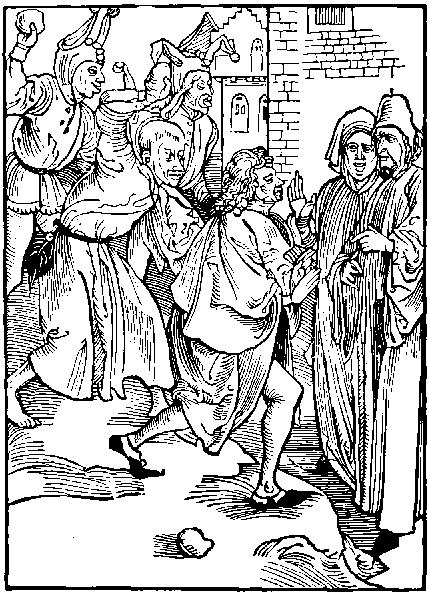
Yet ar mo Folys whiche mocke and scorneth fast Suche as them shewyth wysdome and doctryne And at theyr hedes (vngoodly) stonys cast In mynde disdaynynge to wysdome to enclyne But gladly they ensue the discyplyne Of folysshe mockers, let wyse men them eschewe For no correccion can brynge them to vertue
O Hertles folys, haste here to our doctryne Leue of the wayes of your enormyte Enforce you to my preceptis to enclyne For here shall I shewe you good and veryte Enclyne, and ye fynde shall great prosperyte Ensuynge the doctryne of our faders olde And godly lawes in valour worth great golde Who that wyll folowe the graces manyfolde Whiche ar in vertue, shall fynde auauncement Wherfore ye folys that in your syn ar bolde Ensue ye wysedome and leue your lewde intent Wysdome is the way of men most excellent Therfore haue done, and shortly spede your pace To quaynt your selfe and company with grace. Lerne what is vertue, therin is great solace Lerne what is trouth sadnes and prudence Let grutche be gone, and grauyte purchace Forsake your foly and inconuenyence Cesse to be folys, and ay to sue offence Folowe ye vertue, chefe rote of godlynes For it and wysdome is grounde of clenlynes Wysedome and vertue two thynges ar doutles Whiche man endueth with honour specyall But suche hertis as slepe in folysshnes Knoweth no thynge, and wyll nought knowe at all But in this lytell barge in pryncypall All folysshe mockers I purpos to repreue Clawe he his backe that felyth ytche or greue Mockers and scorners that ar harde of byleue With a rugh combe here wyll I clawe and grate To proue if they wyll from theyr vyce remeue And leue theyr foly whiche causeth great debate Suche caytyfs spare neyther pore man nor estate And where theyr selfe ar moste worthy of dyrysion Other men to scorne is all theyr moste condicion Yet ar mo folys of this abusion Whiche of wyse men despyseth the doctryne With mowes, mockes, scorne, and collusyon Rewardynge rebukes, for theyr good disciplyne Shewe to suche wysdome, yet shall they nat enclyne Unto the same, but set no thynge therby But mocke thy doctryne, styll or openly So in the worlde it apereth comonly That who that wyll a Fole rebuke or blame A mocke or mowe shall he haue by and by Thus in derysyon, haue folys theyr speciall game Correct a wyse man, that wolde eschewe yll name And fayne wolde lerne, and his lewde lyfe amende And to thy wordes he gladly shall intende If by mysfortune a rightwyse man offende He gladly suffreth a iuste correccion And hym that hym techyth taketh for his frende Hym selfe puttynge mekely vnto subieccion Folowynge his preceptis and good dyreccion But if that one a Fole rebuke or blame He shall his techer, hate, sclaunder, and dyffame Howbeit his wordes, oft turne to his owne shame And his owne dartis retourne to hym agayne And so is he sore woundyd with the same And in wo endyth, great mysery and payne It also prouyd full often is certayne That they that on mockes alway theyr myndes cast Shall of all other be mocked at the last He that goeth right, stedfast sure and fast May hym well mocke that goth haltynge and lame And he that is whyte may well his scornes cast Agaynst a man of ynde, but no man ought to blame Anothers vyce whyle he vsyth the same But who that of synne is clene in dede and thought May hym well scorne whose lyuynge is starke nought The scornes of Naball full dere sholde haue ben bought If Abigayll his wyfe discrete and sage Had nat by kyndnes right crafty meanes sought The wrath of Dauyd to temper and asswage Hath nat two berys in theyr fury and rage Two and fourty Children rent and torne For they the Prophete Helyseus dyd scorne So myght they curse the tyme that they were borne For theyr mockynge of this Prophete dyuyne So many other of this sorte often mowrne For theyr lewde mockes, and fall in to ruyne Thus is it foly for wyse men to enclyne To this lewde flocke of Folys for se thou shall Them moste scornynge that ar most bad of all
Thenuoy of Barcly to the Folys.
Ye mockynge Folys that in scorne set your ioy Proudly dyspysynge goddes punycion Take ye example by Cham the son of Noy Whiche laughyd his Father vnto derysyon Whiche hym, after, cursyd for his transgressyon And made hym seruaunt to all his lyne and stocke So shall ye Caytyfs at the conclusyon Syns ye ar nought, and other scorne and mocke
Of them that dyspyse euerlastynge ioye, and settyth thynges transytory before thynges eternall and euerlastynge.
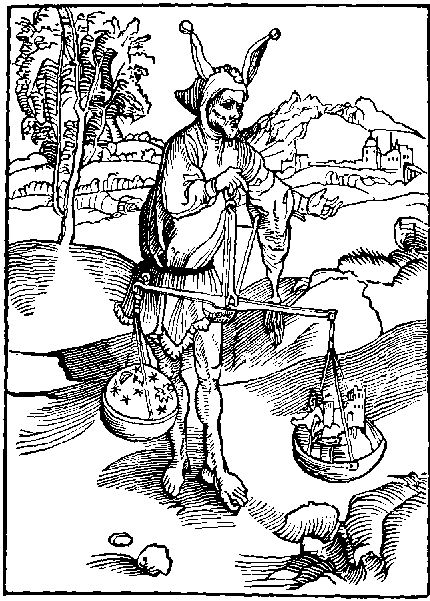
He is a foule that weyeth in one balaunce The heuen and erth to knowe the heuyest And by his foly and cursed ignoraunce He thynketh that this wretchyd erth is best And thoughe that here be neyther ioy nor rest Yet had some leuer here styll to remayne Than to depart to heuen voyde of al payne
My hande is wery: fayne wolde I rest a space But folys comyth to my shyp so besely That to haue rest: they wyll graunt me no grace That nede I must theyr lewdnes notefy But to recorde this folysshe company They ar suche that this worlde so greatly loue That they despyse the heuenly Royalme aboue They often thynke in theyr mynde preuely And by them selfe in this wyse oft they say O glorious lorde raynynge eternally Graunt me thy grace that I may lyue alway To se of this worlde the extreme ende and day This is my wyll and synguler askynge As for thy royalme, forsoth I set no thynge But yet this fole doth nat desyre this tyme Of so longe lyfe, and yeres alway newe To clens his mynde from all synfull cryme Nor for the loue of goodnes or vertue But rather that he his pleasour may ensue And with his maters and felawes suche as he To folowe ryot, delytys and enormyte. To lyue in wantonnes and blyndnes lascyuyte In pryde in Lechery andin couetyse Suche sytteth theyr myndes and theyr felycyte Not ferynge hell whiche is rewarde of vyce. Those dredefull dennys, in a right ferefull wyse With fyres flamynge, and manyfolde tourment Can nat suche folys, theyr synnes cause to stent O sleuthfull fole say why doste nat thou call Unto thy mynde that this worldes wretchydnes Is full of sorowe moche more bytter than gall Uoyde of all ioy, all pleasour and swetnes Why settest thou so moche by frayle delyciousnes On vayne pleasours, whiche shall sothly decay Lyke as the sone meltyth the snowe away Man note my wordes and gyue to them credence I say that pleasours and also ioyes mundayne As it apereth playne by good euydence Ar fylled with sorowe bytternes and payne Without all rest quyete or certayne And yet alas the worlde so doth men blynde That it they loue and caste heuen out of mynde Wherfore it hapneth full often as I fynde That suche as foloweth shamefull wantonnes Ungoodly luste, and statelynes of mynde Shall ofte perceyue great shame and wretchydnes And them most suffer, with great mundayne distres. And better charges, and after must nede endure Cruell deth whiche ende is of euery creature The worlde shall passe: ye and all ioy mundayne Without all doute at last shall haue an ende And euery thynge outher fruytfull or barayne Shall to the grounde outher firste or last discende We se also that none can hym defende From dethes dartis. and for conclusyon. We dayly se many mennys confusyon. We dayly se the fallys innumerable And greuous deth aswell of youth as age Thus is this wretchyd worlde moche vnstable Wherfore me thynke it is a great outrage To trust therto, or for an vnsure stage Or hye place of welth or worldly honour The presence to despyse of our sauyoure But without doute the tyme shall come and houre Whan all mankynde shall se hym euydent Some to theyr ioy, some to wo and doloure None shall eskhape that rightwyse iugement. But eche be rewardyd as he his tyme hath spent So they that vertuously haue lyuyd here Despysynge this worlde shall gladly there apere But they that here haue led theyr lyfe in vyce For to depart ar wo in herte and mynde And ferefull to byde that sentence of iustyce Syns of theyr synne excuse they can none fynde But to conclude forsoth that fole is blynde That for worldly welth, from god wolde hym deuyde And for vayne clay, the hye heuyn set a syde
The enuoy of Barklay to the Folys.
O blynde man whiche hast thy moste felycyte On worldly thinges, alas make clere thy mynde What fyndest thou here, but great aduersyte Wylt thou for it leue yt heuenly ioy behynde And where thou myght euerlastynge ryches fynde Where as is helth, endles lyfe and all goodnes Wylt thou forsake it for worldly wretchydnes Wylt thou heuyn compare with his paynfull lyfe There on to thynke thou art vnwyse certayne There is concorde, here is no thynge but stryfe There is all rest, and here is care and payne There is true loue: here is scorne and disdayne There is all goodnes, here all yll and offence Nowe chuse the best: here is great difference
Of them that make noyses rehersynges of talys and do other thynges vnlaufull and dishonest in ye chirche of god.
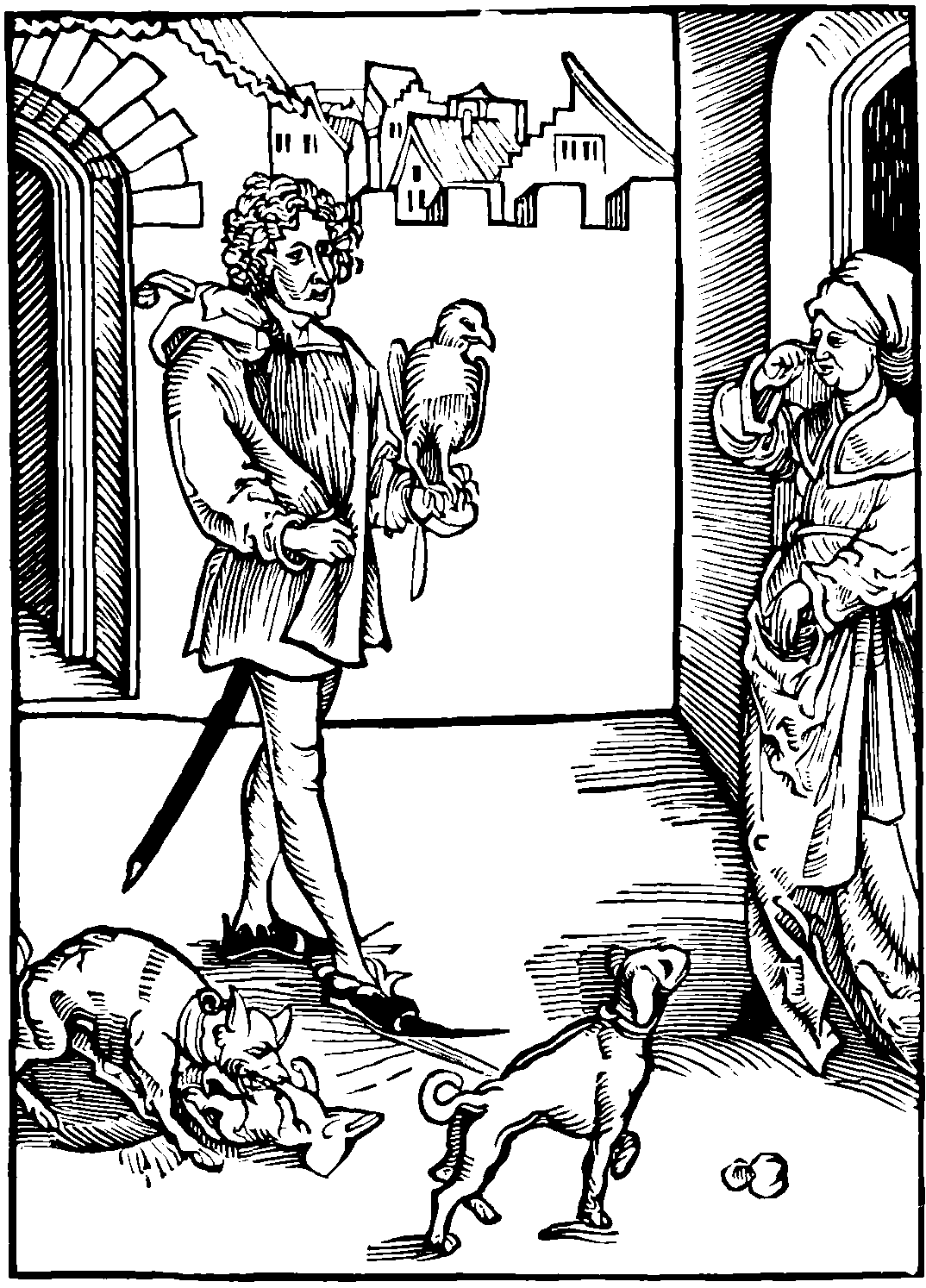
A fole is he, and hath no mynde deuoute And gyueth occasyon to men on hym to rayle. Whiche goth in the chirche, his houndes hym aboute Some rennynge, some fast tyed to his tayle A hawke on his fyst suche one withouten fayle Better were to be thens, for by his dyn and cry He troublyth them that wolde pray deuoutly:
Yet of mo folys fynde I a great nomber Whiche thynke that it is no shame nor vylany Within the chirche, the seruyce to encomber With theyr lewde barkynge roundynge dyn and cry And whyle good people ar praynge stedfastly Theyr herte to good, with meke mynde and deuout Suche folys them let, with theyr mad noyse and shout And whyle the prestis also them exercyse. In matyns masse sermon or prechynge dyuyne Or other due thynges that longe to theyr seruyce. Techynge the people to vertue to enclyne Than these folys as it were rorynge swyne With theyr gettynge and talys of vycyousnes Trouble all suche seruyce, that is sayd, more and les In to the churche than comys another sote Without deuocyon gettynge vp and downe Or to be sene, and to showe his gardyd cote Another on his fyst a Sparhauke or fawcon Or els a Cokow, and so wastynge his shone Before the auters he to and fro doth wander With euyn as great deuocyon as a gander In comys another his houndes at his tayle With lynes and leshes and other lyke baggage. His dogges barkyth, so that withouten fayle The hole churche is troubled by theyr outrage So innocent youth lernyth the same of age And theyr lewde sounde doth the churche fyll. But in this noyse the good people kepe them styll. One tyme the hawkys bellys Jenglyth hye Another tyme they flutter with theyr wynges And nowe the houndes barkynge strykes the skye Nowe sounde theyr fete, and nowe the chaynes rynges They clap with theyr handes, by suche maner thynges They make of the churche, for theyr hawkes a mewe And Canell to theyr dogges, whiche they shall after rewe So with suche folys is neyther peas nor rest Unto the holy churche they haue no reuerence But wander about to see who get may best In rybawde wordes pryde and insolence As mad men they fere nat our sauyours presence Hauynge no honour vnto that holy place Wherin is gyuen to man euerlastynge grace There ar handlyd pledynges and causes of the lawe There ar made bargayns of dyuers maner thynges Byenges and sellynges scant worth a hawe And there ar for lucre contryued false lesynges And whyle the prest his Masse or matyns synges These folys whiche to the Churche do repayre Ar chattynge and bablynge as it were in a fayre Some gygyll and lawghe and some on maydens stare And some on wyues with wanton countenaunce As for the seruyce they haue small force or care But full delyte them in theyr mysgouernaunce Some with theyr slyppers to and fro doth prance Clappynge with their helys in churche and in quere So that good people can nat the seruyce here What shall I wryte of maydens and of wyues Of theyr roundynges and vngoodly comonynge Howe one a sclaundre craftely contryues And in the churche therof hath hyr talkynge The other hath therto theyr erys lenynge And than whan they all hath harde forth hir tale With great deuocyon they get them to the ale. Thus is the churche defylyd with vylany And in stede of prayer and godly oryson Ar vsyd shamefull bargayns and talys of rybawdry Jettynges and mockynges and great derysyon There fewe ar or none of perfyte deuocion And whan our lorde is consecrate in fourme of brede Therby walkes a knaue, his bonet on his hede And whyle those wordes of consecracion Ar sayde of the preste in goddes owne presence Suche caytyfs kepe talys and communycacion Fast by the auter, thynkynge it none offence And where as the angels ar ther with reuerence Laudynge and worshyppynge our holy sauyour These vnkynde caytyfs wyll scantly hym honour Alas wherto shall any man complayne For this foly and accostomed furour Syns none of them theyr fautes wyll refrayne But ay procede in this theyr lewde errour And nat withstandynge that Christ our sauyour Hath left vs example, that none sholde mysdo Within the chirche, yet inclyne we nat therto. Jhonn the euangelyst doth openly expres. Howe criste our sauyour dyd dryue out and expell From the Temple, suche as vsed there falsnes And all other that therin dyd bye and sell Saynge as it after lyeth in the Gospell Unto the Jues rebuke and great repreues That of goddes house they made a den of theues. Remember this man, for why thou dost the same Defylynge goddes Chirche with synne and vanyte Whiche sothly was ordeyned to halowe goddes name And to lawde and worshyp the holy trynyte With deuout harte, loue, and all benygnyte And with all our myght our lorde to magnyfy And than after all the heuenly company For this cause hath god the holy chirche ordeyned And nat for rybawde wordes and thynges vayne But by vs chrysten men it is distayned. Moche wors than euer, the Jewes dyd certayne And if our lorde sholde nowe come downe agayne. To dryue out of the churche suche as there do syn Forsoth I thynke, right fewe sholde byde within
The Enuoy To the Reders.
O man that bostest thy selfe in cristes name Callynge the christen, se thou thy synne refuse Remember well it is both synne and shame The house of god, thus to defyle and abuse But this one thynge causeth me oft to muse That the false paynyms within theyr Temples be To theyr ydols moche more deuout than we
Of them that wyllynge and knowyngly put them self in ieopardy and peryll.
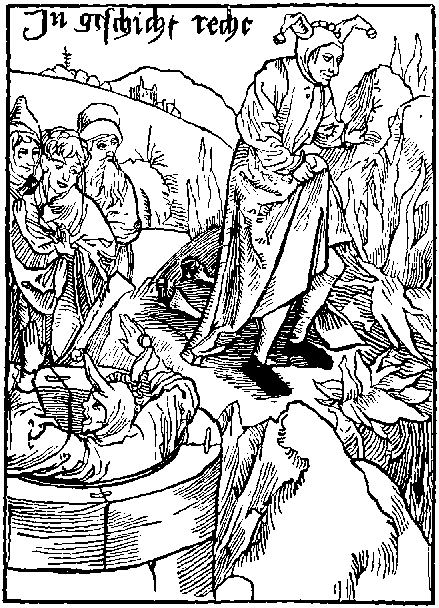
He is a fole that wyll purchace and desyre His owne deth or putteth hym selfe in ieopardy Lepynge in a well, or in a flamynge fyre And where he myght lyue so dyeth wyllyngly Suche suffer theyr destruccyon worthely And if that they be drowned outher brent It is to late them after to repent.
I fynde mo folys yet. whome I shall note Suche ar they whiche pray both day and nyght To god and his sayntes cryeng with open throte O glorious god helpe me by thy great myght That I may clens my herte and clere my syght Wherby all foly and synne may fro me fall But yet this fole it leuyth nat at all Suche folys oft pray for theyr amendement Unto our lorde with syghynges sore and depe But yet to synne contynually they assent And after the same often complayne and wepe Than say they playne that god hath had no kepe Unto theyr prayer and taken of it no hede But theyr owne foly is cause of theyr lewde dede They se the peryll before theyr faces playne That god hath ordeyned, for foly and for synne They pray for helpe, and yet ar they full fayne After the folys hode alway to ren And besely laboure the same alone to wyn So vnto god for helpe they cry and call But they them selfe wyll helpe no thynge at all Than thynke they theyr prayers to god nat acceptable Bycause (anone) they haue nat all theyr wyll And for that god is nat sone agreable To here theyr cry and it graunt and fulfyll These folys in theyr vyce contynue styll And put theyr selfe in wylfull ieopardy And where they myght they fynde no remedy But these folys vnstabyll as the wynde Prayeth vnto god and to his sayntis aboue Nat knowynge what may content theyr folysshe mynde Nor whether theyr askynge be for theyr behoue But sothly this dare I both say and proue And it auowe after my sympyll skyll That neuer man shall syn without his wyll If that one with his owne wyll doth fall Into a well to assay the ieopardy Whan he is there. if he lowde crye and call Bothe on god and man for helpe and remedy He sekyth that peryll, and dyeth worthely So were it foly to gyue hym corde or trayne Or other engyne to helpe hym vp agayne Whan suche folys ar sure vpon the grounde Without all daunger, peryll hurt or fere They lepe in the wel and yet fere to be drowned Empedocles though he right myghty were With suche lyke foly hym selfe so sore dyd dere That knowyngly and with his owne consent Hymself he lost and by fyers fyre was brent He lept hedelynge into the flamynge fyre Of a brennynge hyll whiche callyd is Ethnay To knowe the trouth, and nature to enquyre Whether that same flame were very fyre or nay So with his deth the trouth he dyd assay But who that wolde hym drawen out of that hyll Had ben a fole, syns it was his owne wyll For why his mynde was blyndyd so certayne That thoughe a man had hym delyuered than The same peryll wolde he haue proued agayne As mad as he forsoth is euery man That is at eas, and hym nat so holde can And also he that putteth hymselfe in drede Or fere and peryll, where as he hath no nede So he that prayeth to god that he may get The blysse of heuen, and scape infernall payne He is a fole his herte or mynde to set On frayle ryches, welth and ioy mundayne On stedfast fortune, on lucre or on gayne For certaynly these thynges of worldly welth Oft man deuydeth away from heuenly helth Thus he that prayeth for welth or for ryches Or in this worlde hym selfe to magnyfy Prayeth for his hurt and cause of viciousnes For worldly welth doth vyce oft multyply So seke men theyr owne peryll wyllyngly But who that prayeth, and can nat as he ought He bloweth in the wynde, and shall nat haue his thought And who that to honour couetyse to ascende Or to lyue in damnable voluptuosyte He seketh his peryll for if that he descende From welth and worshyp to payne and pouerte It is but worthy, and let hym pacyent be It to endure with mynde demure and meke He is worthy sorowe that wyll it alway seke
The enuoy of Barklay to the Folys.
Ye that fayne wolde escape all ieopardy Auoyde suche thynges the whiche myght cause the same To proue a peryll, is foly certaynly Whether it be done in ernest or in game They that so doth may theyr owne madnes blame For he that is sure, and to a fray wyll ren May fortune come home agayne, nosles or lame And so were it better for to haue byd within
Of the way of felycyte and godnes, and of the payne to come vnto synners.
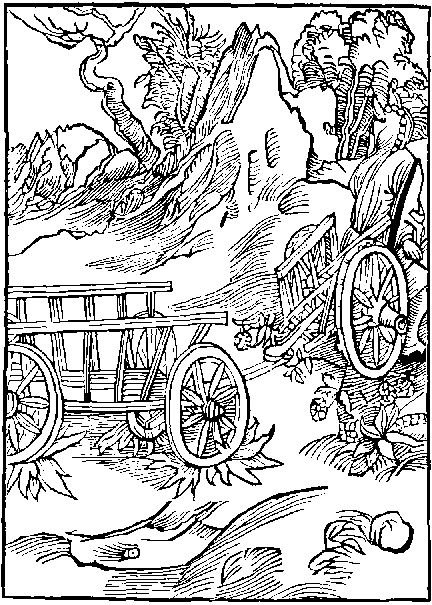
Many in this lyfe the cart of syn doth drawe By payne and labour, alway right dylygent Norysshynge theyr syn agaynst all right and lawe And alway lyuynge after one lyke assent But whan they ar dede than shall theyr punysshement In hell be dowblyd with cartis of whelys foure Where as they thought, deth shuld ende theyr laboure
God suffreth nat eche vicious fole to knowe The wonders that he made hath on this grounde And dayly worketh. wherfore theyr syn doth growe So that theyr foly them selfe doth confounde And here theyr bodyes to great labours ar bounde Sparynge no peryll for pleasour and for gayne Than after deth haue they euerlastynge payne So he that here lyueth in vyce and synne Shall extreme dolour after deth endure Than what auantage is it for man to wyne All orthly tresour, and of hell payne be sure But without dowt that wretchyd creature Whiche goddes lawes wyll nat here holde and kepe Shall after deth haue cause to wayle and wepe And suche as here wyll nat knowe theyr sauyour Obseruynge his preceptis and commaundement Whiche god hathe ordeyned to saue vs from erroure And vs commaundyd to kepe with clene intent Ouer all the worlde. as rule moste excellent To lyue godly. and who so euer he be That foloweth in this worlde voluptuosyte Or carnall lust ryot or other offence Wastynge his tyme in syn and viciousnes All suche in this worlde, by theyr blynde negligence Drawe styll the cart of greuous besynes. With payne and charge and, whan this wretchydnes Is past and gone, yet after this they shall In hell endure great tourmentis eternall There shalt (thou fole) the charet drawe alway With dowble paynes both tedyous and cruell Wherfore thou fole retourne the I the pray. Seke nat the way whiche ledeth vnto hell With his foule dennes, more darke than tunge can tell And thoughe the way be esy streyght and playne The ende is nought, I aduyse the tourne agayne The way to hell is greatly occupyed The path is playne, and easy to ouergo The dore ay open no entre is denyed To suche as purpose in mynde to come therto But at the ende therof is care and wo With syghtis odyous and abhomynable Yet in the way ar folkes innumerable Thus is no meruayle though this way be playne And greatly worne syns it is hantyd so By dyuers folys whiche haste them to that payne. By way contynuall therto: but none therfro The dredefull dore to them that wyll in go Both day and nyght is open, it doth forsake No folys that wyll theyr iourney thyther take But that way that to hye heuen doth lye Is way of grace plesour, and all felycyte In it suche walke as here lyue vertuously And blessyd men, but nat suche as vyciouse be Yet is it narowe, and full of difficulte There is many a harde flynt brere and thorne And no meruayle for it is nat greatly worne For why lewde people, whiche is the gretest sort Forsake this way for the payne and hardnes But godly men therin haue chefe consort With all that lyue by grace in ryghtwysnes Suche well consyder that heuyns blessydnes Can nat be gotten by pleasour rest nor eas Wherfore this way can nat suche synners pleas God so hath ordeyned that who wyll haue vertue Must it obtayne with payne and dilygence And great labour, whiche many nowe eschewe Without it be to seke synne and offence Fewe seke the way to christis hye presence Therby it hapneth that many a thousande Fast rennyth leftwarde, but fewe on the right hande
The enuoy of Barklay to the Folys.
Alas man remembre heuens blyssednes And though the way be harde that lyeth therto Forsoke it nat for all that great sharpnes For at the ende is lyfe and rest also Euerlastynge glory with other ioyes mo But who that taketh the other way certayne Shall fynde at the ende eternall payne and wo Thoughe the way thether be easy streyght and playne
Of the yll example of elders gyuyn vnto youth.
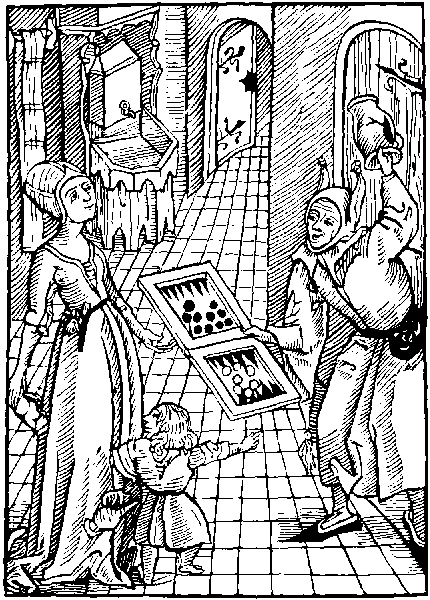
If that the fader and mother before theyr son By anger or malyce brake, platter pot, or pan The son in hande shall take some cauderon And lerne to breke it if his small power can Thus oft tyme chyldren haue cause to curse or ban Theyr frendes for suche example of lewdnes For soner that they lerne than vertue or goodes
Ye aged men rotyd in folysshnes And folysshe parentis lewde of your langage Vnto our shyp swyftly your selfe addres Syns ye be worthy therin to haue a stage Nowe cast I repreues agaynst your outrage Whiche boldly bost you of your vnthryfty lyues Before your maydes, your doughters and your wyues Alas the folys of this mad company By theyr example cause great inconuenyence Before theyr children recountynge rybaudry Of suche as they haue had experyence. So gyue they to them example of offence And in that synne wheron they bost and vant They make them perfyte whiche erst were ignorant Theyr wordes ar voyde of shame and honestye Theyr lyfe is without mesure and reuerence But yet they thynke that they moste worthy be That moste can tell of this greuous offence Thus all the youth that is in theyr presence Or that doth here theyr vyce and rybawdry Vnto the same with theyr full mynde aply Thus theyr yonge children maners lernyth none The wyfe hath occasyon to breke hir chastyte So is the lyfe defyled of them echone And to be playne, we often tymes se That of what maners the folysshe husbondes be Such ar theyr wyues, children and housholde The yonge Cok lerneth to crowe hye of the olde A folysshe Father, full hardly shall ensyne His sone to good lyfe or to good gouernaunce For if the father to foly doth enclyne The sone wyll folowe his father in that daunce And if the father vse hasarde or the chaunce Or any prohybyt and vnlawfull game Most comonly the sone wyll do the same If that the husbonde be vycious of his lyfe Wastfull or dronken, or vyle in his langage His sonnes doughters, his seruauntes and his wyfe Wyll lerne of hym to passe the same passage And if the husbonde breke his maryage If the wyfe knowe, in mynde she wyll be wroth Without he haue a hode of the same cloth An olde prouerbe hath longe agone be sayde That oft the sone in maners lyke wyll be Vnto the Father, and in lyke wyse the mayde Or doughter, vnto the mother wyll agre So if the elders vse enormyte And before theyr children bost them of the same The sone and doughter shall folowe syre and dame The monkes thynke it lawfull for to play Whan that the Abbot bryngeth them the dyce Right so the Father, can nought or lytell say Agaynst the sone, nor hym blame or chastyce If he hym selfe be taken in that same vyce Thus lyues the Father in synne withouten shame And after his deth the sone shall do the same O wretchyd maners o tyme full of furour And full of foly without all hope to stent Howe longe shall god our lorde and sauyour This synne suffer without greuous punysshement Alas it nowe apereth euydent That the fathers foly synne and great outrage Is left to the sonne as it were herytage And no meruayle, for it hath neuer ben seen That of a wolfe a shepe hath be forth brought Or that a calfe or lambe gendred hath been Of a fell tygre: right so if it were sought Ouer all the worlde. a Father that is nought Sholde scant be founde, whiche coude brynge vp his childe With his synne in no maner poynt defylyd The yonge crab bacwarde doth crepe or go As doth the olde, none can hir cours redres These yonge children for the moste part also Foloweth theyr fathers synne and his lewdnes But they that lyue in maners of mekenes In honest lyfe, goodnes grace and chastyte May brynge forth children of maners as they be I rede howe the Phylosopher Diogenes Sayde by a childe whiche dronken was with wyne That his Father was in that case doutles Whan he it gate, so his hye wyt dyuyne Knewe that the childes maners dyd inclyne Vnto his Fathers, and so was it founde trewe By them whiche well that childes fader knewe But though the Father and mother also be nought Without dout this one thynge apereth playne That the childe is suche as it is vp brought And nat lyghtly chaungyd without great charge or payne Therfore let euery man hym selfe refrayne Within his hous from all thynge worthy blame Than shall his children and seruautes do the same
The enuoy of Barklay.
Ye that haue children or other great housholde Subdued to your seruyce, and your obedyence Kepe vertuous lyfe, for that is worth great golde And great example to youth to auoyde offence But if ye boost you of synne and neglygence In rybawde wordes, gyue credence to this clause If the herers fall into incouenyence Your lewde example is the chefe grounde and cause
Of bodely pleasour or corporall voluptuosyte
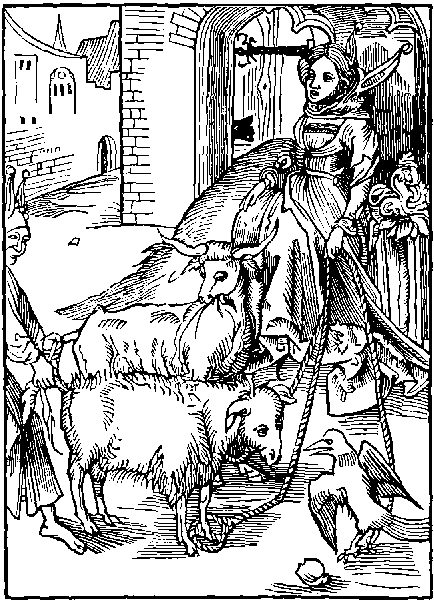
Wanton wastfull and vayne voluptuosyte Oft blyndeth attysynge vnto inconuenyence Many that ar rude, for theyr symplycyte And them as shepe sleeth for all theyr innocence But other some it kepyth with myght and violence As bulles bounde sure to endure great care And other as byrdes it tangleth in hir snare
Drawe nere ye folys to you I crye and call Whiche ar of grace clene destytute and bare Folowynge your lust and pleasour corporall But for your soule ye take no thought ne care To whome may I this shamefull lust compare Saue to a harlat faynynge, fals and couetous. Of whome comyth shame and bytes venemous She syttyth in the strete as past both shame and fere Hir brestes bare to tempt them that passe by Hir face anoyntyd blasynge abrode hir here Or els on hir folysshe front enlaced hye Hir smocke to garnysshyd so hir dysceytfull iye To shamfull lust a thousande doth attyce Of youth whiche erst perchuance knewe nought of vyce Hir chamber full of flatery and disceyte Anone is opened the blynde fole entreth in The hoke of deth is hyd vnder the bayte Of folysshe lust pleasour and mortall syn Hir soule she sellyth ryches therby to wyne And what riches: a rewarde sothly full vyle The soules damneth and bodyes doth defyle The one departyth, another comys in agayne Without all shame dare she them boldly pray To hir fals pleasours, Thus by hir gyle and trayne This folysshe youth to hir wyll nat denay But vnto hir some lepe both nyght and day Without mesure, rennynge to lese theyr lyfe As ox or shepe vnto the bochers knyfe The symple lambe his necke doth out extende Vnto the Bocher his mortall ennemy So doth these folys, sekynge a shamefull ende And theyr owne deth, though they myght fynde remedy O blynde fole I requyre the to aply Vnto my wordes and thou shalt here and se. Howe moche thou oughtest this folysshe lust to fle The soule it damneth, and drowneth depe in hell The wyt it wastyth, and confoundeth the mynde It causeth man his londe and good to sell And if that he none other mene can fynde To rob and stele he oft tyme is inclyned Besyde all these this fowle lust is so vyle That with fowle sauour it shall thy body fele Thoughe of lewde lust the ioy be short and small And thoughe the pleasour therof be soon ouer past The payne that foloweth it, is eternall With wofull dolour menglyd, that euer shall last Therfore leue of: do nat thy pleasour cast On worldly welth, delyte ioy and pleasour For soon they pas and chaunge at euery hour Who that in this wretchyd worlde wyll auoyde Of voluptuousnes the ioyes frayle and vayne And suffre nat hym with them to be acloyde Infect or drownyd, shall for the same certayne Euerlastynge lyfe, and endles ioy obtayne And for his hye tryumphe and dyuyne prudence Haue the fruycyon of goddes hye presence But who that wyll his carnall lust ensue Shall here haue shame, and after payne cruell I coude hereof dyuers examples shewe But of right many this one I shall you tell One Sardanapalus all other dyd excell. In carnall lust and so his mynde dyd cast On loue prohybyte, that grace was fro hym past The loue of vertue was full out of his mynde So he concludyd to sue dilyciousnes Thynkynge after deth no welth nor ioy to fynde For this is the sentence of the prynce of derknes But good almyghty seynge his vycyousnes His body and soule deuydyd soon in twayne From worldly pleasour vnto infernall payne By this hystory to vs it apereth playne That from worldly pleasour and voluptuosyte With all our myght we ought vs to refrayne For thoughe the first of them delycious be Theyr ende is poyson, and of sournes plente Sue wyse men vertue, and set suche lust asyde For they ar folys that in it lyue and byde
The enuoy of Barklay to the Folys.
Amende mad men your blynde mysgouernaunce Subdue nat your necke to the captyuyte Of flysshely lust and corporall pleasaunce Nor to blynde Venus with hir lasciuyte (If ye it note) ye dayly here and se The mysfortune of them that it ensue And certaynly no man can saued be By carnall lust, but by godly vertue
Of folys that can nat kepe secrete theyr owne counsell.
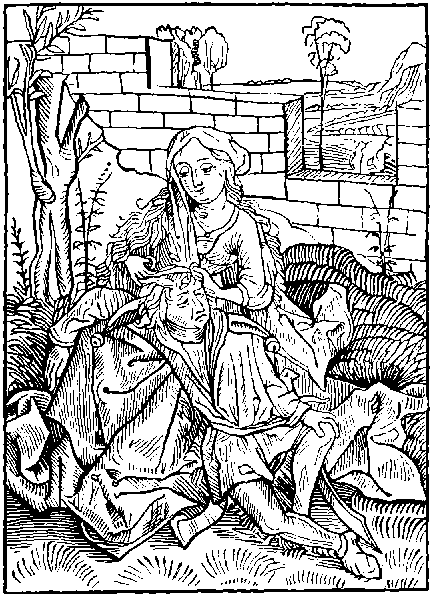
Of other Foles a nomber yet I fynde Which by theyr bablynge wordes and langage Can nat kepe close the secrete of theyr mynde. But all theyr counsel out they shewe at large. So that oft therof procedeth great damage. As Murder, myschefe, hatered and debate. That after they repent. But than it is to late
He is a naturall fole and vndiscrete And to hym selfe ingendryth oft great stryfe Whiche can nat hyde his counsell and secrete But by his foly it sheweth to his wyfe And all that he hath done in his hole lyfe Or that to do here after he doth purpose To euery man suche a fole wyll disclose The noble Sampson moste excellent of myght And strongest man that euer was get or borne Were nat this foly: sholde nat haue lost his syght Nor had his here, by gyle from his hede ofshorne And of his ennemyes ben laughyd vnto scorne And at the last with herte wrethfull and wo His ennemyes murdred and hym selfe also Where as he myght haue lyued in honour If he had kept his secretes in his mynde With his owne wyll he dyed in great dolour. By the fals treason of his lemman vnkynde We may in dyuers mo examples fynde Howe many thousandes haue suffred paynes smart And all for shewynge the secretes of theyr hart Amphiaraus a Prynce moste excellent Shortened the dayes of his pore doutfull lyfe For shewynge the preuetees of his intent By his owne foly to his disceytfull wyfe And thoughe he longe escaped had the stryfe And war of Thebes whiche he dyd longe defende Yet at the leest his tunge was his owne ende Thus olde storyes doth oft recorde and tell By theyr examples whiche they vnto vs gyue That wymen ar no kepars of councell It goeth through them as water trough a syue Wherfore let them that quyetly wolde lyue No more of theyr counsell to any woman showe Than that they wolde that euery man dyd knowe Let euery man that is discrete and sage Of suche folys with all wysdome be ware Whiche shewe theyr counsell by theyr hasty langage. To euery man without all thought and care For they of wysdome and reason ar but bare And who that his owne secrete wyll forth tell Howe sholde he hyde another mannes counsell Yet other be whiche by theyr flaterynge trayne Labour to knowe euery mannys pryuete And by and by to shewe it forth agayne Of them be ware for they disceyfull be. Some other bost them of theyr felycyte Bablynge that they haue theyr wyll in euery thynge As prosperous welth loue, ryches and cunnynge And of great dedes done both on see and londe Some by theyr falshode, some by strength and vertue But if one laboured the trouth to vnderstonde Suche folysshe wordes sholde all be founde vntrewe Let neuer man to suche his counsell shewe For of one worde these folys makyth twayne Whiche tourneth many to losse rebuke and payne Wherfore if thou wylt that thy pryuete Be kept secrete and nat come out at large Be nat so folysshe to showe it unto me Or any other if it be thynge of charge And if thou do thou shalt be in this barge For howe wylt thou thynke that another man Can kepe thy counsell syns thou thy selfe ne can If the kynge Achab had nat vttred and tolde Vnto his wyfe his wyll and mynde so playne By hir fals treason, and dysceyt manyfolde Vnrightwysly Nabot had nat ben slayne But for the same, Achab suffred great payne By deth in batayle, and for a punysshment His wyfe with houndes was all to torne and rent Thus it apereth that he is wyse and ware Whiche can his counsell kepe within his hart For by that mean may he escape great care And suerly lyue without yll wyllys dart The Prophete seynge what dyuers paynes smart Comyth oft to them whiche doth theyr secret tell Eche man exortyth to kepe close his counsell.
The enuoy of Barklay to the Folys.
Thou man that hast thy secret in thy brest Holde it styll there suffer it nat out to go Who that so doth, therby shall fynde great rest Ne to thy frende shewe nat thy mynde also For if that he after become thy fo As often hapneth, than myght he the bewry So sholde thy foly tourne vnto thy great wo Howe be it suche thynges are prouyd comonly.
Of yonge folys that take olde wymen to theyr wyues, for theyr ryches.
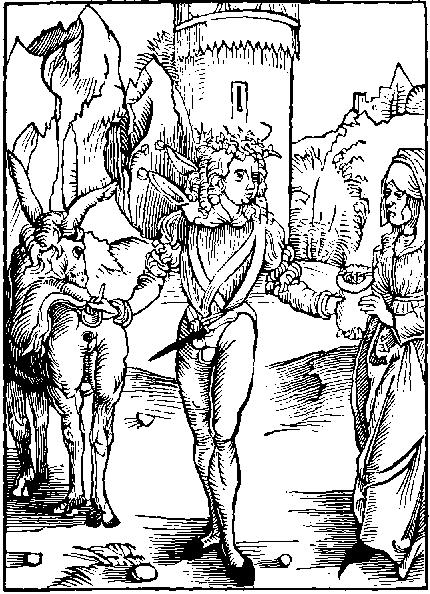
Within our shyp that fole shall haue a hode Whiche an olde wyfe taketh in maryage Rather for hir ryches and hir worldly gode Than for pure loue, or hope to haue lynage But suche youth as mary them selfe with age The profyte and pleasour of wedlocke lese certayne And worthely lyue in brawlynge stryfe and payne.
Under the Asse tayle thoughe it be no thynge pure Yet many seke and grope for the vyle fatnes Gatherynge togyther the fowle dunge and ordure Suche ar they that for treasour and ryches Whyle they ar yonge in theyr chefe lustynes An agyd woman taketh to theyr wyfe Lesynge theyr youth, and shortynge so theyr lyfe They that so do hath neyther rest nor peas But besy brawlynge and stryfe contynuall They have no pleasour, but thought and great dyseas Rebuke out braydynge, and strypes whan they fall But theyr owne foly is grounde and cause of all For they be maryd unto the vyle treasour And precious bagges, but nat for godly pleasour They haue no hope of children nor lynage Loue is there none, and durynge theyr wretchyd lyfe Is nat one day in suche mad maryage Auoyde of brawlynge, of hatered and of stryfe But that pore man that weddeth a ryche wyfe Cast in his nose shall styll hir bagges fynde For whose cause he made was made and blynde They that ar weddyd nat for loue but rychesse Of moryage despysynge the pleasour and profyte Suche seldome sauour fortunes happynes But oft mysfortune them greuously doth byte Thus gone is theyr pleasour theyr ioy and delyte And for vayne treasoure suche ar so glad and fayne That for the same they them subdue to payne They wyllyngly to payne them selfe subdue The whiche ar weddyd for wretchyd couetyse They take no hede to maners and vertue To honeste nor wysdome but lyue ay in malyce For if a woman be fowle and full of vice And lewde of maners, nought both to man and lad Yet good shall hir mary be she neuer so bad If that a man of hye or lowe degre Wolde spouse his doughter vnto a strange man He nought inquyreth of his honestye Of his behauour, nor if he norture can But if he be ryche in londes and good: than He shall be prayed his doughter for to haue Thoughe be but a bonde man or a knaue The firste enquyrynge and speciall questyon Is of the money, that thynge namely they moue And last of all aske they the condicion So whan they mete they neuer haue perfyte loue Wherfore it were better to suche for theyr behoue To byde alone in deserte and wyldernes Than in wedloke in payne for frayle ryches Forsoth it is an vnmete maryage And disagreynge and moche agaynst the lawe Bytwene fresshe youth, and lame vnlusty age The loue bytwene them is scantly worth a strawe So doth the one styll on the other gnawe And oft the man in mynde doth sore complayne. His sede to sowe vpon a grounde barayne Than muste he haue another prymme or twayne With them to slake his wanton yonge cowrage But in that space must he endure great payne With hir that he hath tane in maryage Hir bablynge tunge whiche no man can asswage With wrathfull wordes shall sle hym at the laste His other prymes his good shall spende and waste Thus who that selleth his youthes lustynes For frayle ryches and this mundayne vanyte He byeth stryfe, gyle and falshode endlesse Suche force nat for fayth true loue nor honestye And thoughe that he discende of hye degre For hope of money he shall an olde fole wed By whose foly he to euery yll is led. And so these folys subdue them to bondage And worthely endure suche payne and punysshement They hope therby to come to auantage But that they lese and lyue in sore tourment They wast theyr good, and so whan that is spent And nought remayneth theyr bodyes to relefe Theyr disputacion is nought but hore and thefe But if I sholde wryte all the vnhappynes The wrath discorde and the great deuysyon Wherin they lyue, that mary for ryches And nat for loue. I neuer sholde haue done Wherfore this say I for a conclusyon That he shall neuer thryue ne come to his behoue That weddyth a wyfe for gode and nat for loue
The enuoy of Barklay.
Alas man myndles what is thyne intent To wed for ryches, that weddynge I defy Maryage was ordeyned by god omnypotent In goddes lawes the worlde to multyply Wherfore that man that wyll therto aply And wolde haue the profyte of faythfull maryage This worldly ryches ought no thynge to set by But wed for loue and hope to haue lynage Remember ryches is no thynge comparable To mekenes vertue and discrete gouernaunce And other maners whiche ar more commendable Than worldly treasour or suche vnsure substaunce Wherfore consyder and call to thy remembraunce That better is to haue some woman pore and bare And lyue in eas: Than one with habundaunce Of great ryches: and euer to lyue in care
Of enuyous Folys.
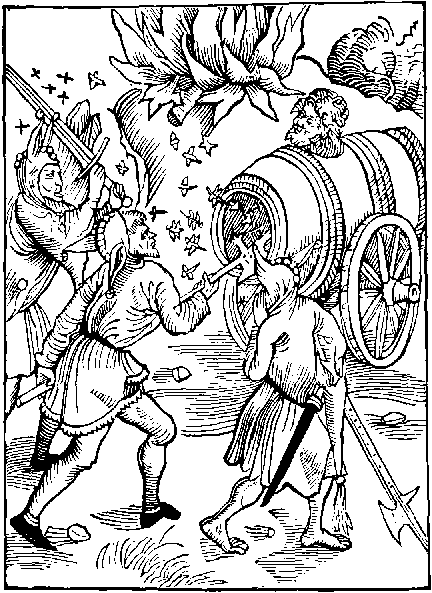
Yet ar mo folys whiche greatly them delyte In others losse, and that by fals enuy Wherby they suche vnrightwysly bacbyte The dartis of suche ouer all the wordly flye And euer in fleynge theyr fethers multyply No state in erth therfro can kepe hym sure His sede encreasyth as it wolde euer endure
Wastynge enuy oft styreth to malyce Folys nat a fewe whiche ar therto enclynyd Pryckynge theyr frowarde hertes vnto vyce Of others damage reioysynge in theyr mynde Enuyes darte doth his begynnynge fynde In wrathfull hertes, it wastyth his owne nest Nat suffrynge other to lyue in eas and rest If one haue plenty of treasour and ryches Or by his merytis obteyne great dignyte These folys enuyous that of the same haue les Enuy by malyce, the others hye degre And if another of honour haue plente They it enuy and wysshe that they myght sterue Howe be it suche folys can nat the same deserue These folys desyre agaynst both lawe and right Anoters good if they may get the same If they may nat by flaterynge nor by myght Than by fals malyce they hym enuy and blame Outher if one by his vertue hath good name By fals enuy these foles hym reproue Their wrath them blyndeth so that they none can loue The wounde of this malycious, fals enuy So dedely is, and of so great cruelte That it is incurable and voyde of remedy A man enuyous hath suche a properte That if he purpose of one vengyd to be Or do some mysche, whiche he reputyth best Tyll it be done, he neuer hath eas nor rest No slepe, no rest nor pleasour can they fynde To them so swete, pleasaunt and delectable That may expell this malyce from theyr mynde So is enuy a vyce abhomynable And vnto helth so frowarde and damnable That if it onys be rotyd in a man It maketh hym lene. his colour pale and wan. Enuy is pale of loke and countenaunce His body lene of colour pale and blewe His loke frowarde, his face without pleasaunce Pyllynge lyke scalys, his wordes ay vntrue His iyen sparklynge with fyre ay fresshe and newe It neuer lokyth on man with iyen full But euer his herte by furious wrath is dull Thou mayst example fynde of this enuy By Joseph whome his bretherne dyd neuer beholde With louynge loke, but sharpe and cruelly So that they hym haue murdred gladly wolde I myght recount examples manyfolde Howe many by enuy lost hath theyr degre But that I leue bycause of breuyte Enuyous folys ar stuffed with yll wyll In them no myrth nor solace can be founde They neuer laughe but if it be for yll As for gode lost or whan some shyp is drounde Or whan some hous is brent vnto the grounde But whyle these folys on other byte and gnawe Theyr enuy wastyth theyr owne herte and theyr mawe The mount of Ethnay though it brent euer styll Yet (saue itselfe) it brenneth none other thynge So these enuyous Folys by theyr yll wyll Wast theyr owne herte, thoughe they be ay musynge Another man to shame and losse or hurt to brynge Upon them sellfe Thus tournyth this yll agayne To theyr destruccion both shame great losse and payne This fals enuy by his malycious yre Doth often, bretherne so cursedly inflame That by the same the one of them conspyre Agaynst the other without all fere and shame As Romulus and Remus excellent of fame Whiche byldyd Rome, but after: enuy so grewe Bytwene them that the one the other slewe What shall I wryte of Cayme and of Abell Howe Cayme for murder suffred great payne and wo Atreus story and Theseus cruell. Ar vnto vs example hereof also Ethyocles with his brother: and many mo Lyke as the storyes declareth openly The one the other murdred by enuy
The enuoy of Barklay to the Folys.
Wherfore let hym that is discrete and wyse This wrathfull vyce exyle out of his mynde And yll on none by malyce to surmyse Let charyte in perfyte loue the bynde Sue hir preceptis than shalt thou consort fynde Loue in this lyfe, and ioy whan thou art past Where as enuy thy conscyence shall blynde And both they blode and body mar and wast
Of impacient Folys that wyll nat abyde correccion.
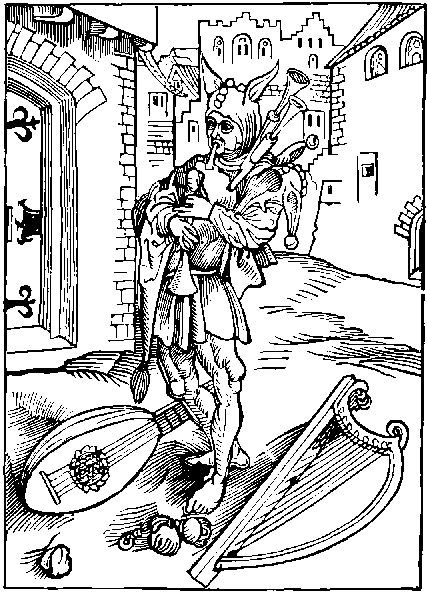
Unto our Folys shyp let hym come hastely Whiche in his Bagpype hath more game and sport Than in a Harpe or Lute more swete of melody I fynde vnnumerable Folys of this sort Whiche in theyr Bable haue all they hole confort For it is oft sayd of men both yonge and olde A fole wyll nat gyue his Babyll for any golde
The grettest synners that man may se or fynde In myserable Folys theyr foly to expres Is whan they wyll by no mean gyue theyr mynde To frendly wordes, to grace or to goodnes Suche folys so set theyr mynde on frowardnes That though one gyue them counsell sad and wyse They it disdayne and vtterly despyse But he that is discrete sad and prudent Aplyeth his mynde right gladly to doctryne He hereth wyse men, his wysdome to augment He them doth folowe and to theyr wordes enclyne But that fole whiche ay goeth to ruyne. And mortall myschefe had leuer be dede or slayne Than byde correccyon or for his profyte payne Suche haue suche pleasour in theyr mad folysshe pype That they dispyse all other melody. They leuer wolde dye folys than: byde a strype For theyr correccyon and specyall remedy And without dout none other Armony To suche folys is halfe so delectable As is their folysshe bagpype and theyr babyll These frantyke folys wyll byde no punysshement Nor smale correccion, for theyr synne and offence No frendly warnynge can chaunge theyr yll intent For to abyde it, they haue no pacyence. They here no wysdome but fle from hir presence And so it hapnyth that in the worlde be Mo folys than men of wyt and grauyte O mortall fole remember well what thou art Thou art a man of erth made and of clay Thy dayes ar short and nede thou must depart Out of this lyfe, that canst thou nat denay Yet hast thou reason and wyt wherby thou may Thy selfe here gyde by wysdome ferme and stable Wherby thou passest all bestis vnreasonable Thou art made lorde of euery creature All thynge erthly vnto thyne obedyence God hath the creat vnto his owne fygure Lo is nat here a great preemynence God hath also gyuyn vnto the intellygence And reason and wyt all foly to refuse. Than art thou a fole that reason to abuse He that is fre outher in subieccion. If by his foly he fall into offence And than submyt hym vnto correccyon. All men shall laude his great obedyence But if that one by pryde and insolence Supporte his faute and so bere out his vyce The hell tourmentis hym after shall chastyce Correccyon shall the vnto wysdome brynge Whiche is more precious than all erthly ryches Than londes rentis or any other thynge Why dost thou bost the of byrth or noblenes Of ryches, strength beauty or fayrnes These often ar cause of inconuenyence. Where as all good comyth by wysdome and prudence A wyse man onely as we often fynde Is to be named moste ryche and of most myght Here thou his wordes and plant them in thy mynde And folowe the same for they ar sure and right. Better is to endure, thoughe it be nat lyght To suffer a wyse man the sharply to repreue Than a flaterynge fole to clawe the by the sleue Thoughe sharpe correccyon at the first the greue Thou shalt the ende therof fynde profytable It oft apereth, therfore I it byleue That man also forsoth is fortunable Whiche here in fere lyueth sure and stable And in this lyfe is clene of his intent Ferynge the sharpe payne of hellys punysshement He may hym selfe right happy call also Whiche is correct in his first tender age And so lernyth in goodes law to go And in his yocke, whiche doth all yll asswage But these folys bydynge in theyr outrage Whiche of correccyon in this lyfe hath dysdayne May fere to be correct in hell with endles payne
The enuoy of Barklay to the Folys.
Ye obstynate folys that often fall in vyce Howe longe shall ye kepe this frowarde ignoraunce Submyt your myndes, and so from synne aryse Let mekenes slake your mad mysgouernaunce Remember that worldly payne it greuaunce To be compared to hell whiche hath no pere There is styll payne, this is a short penaunce Wherfore correct thy selfe whyle thou art here.
Of folysshe Fesycyans and vnlerned that onely folowe paractyke knowynge nought of the speculacyon of theyr faculte.
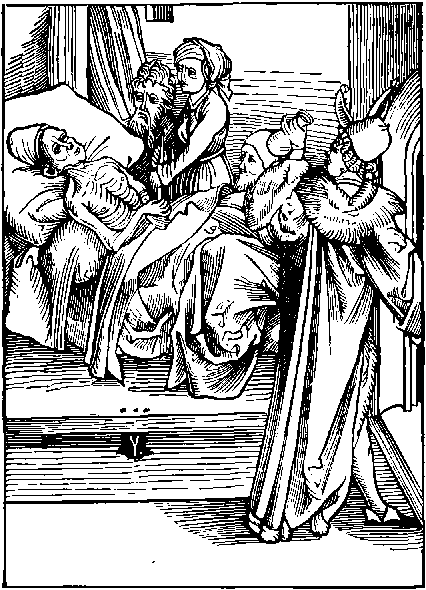
Who that assayeth the craft of medycyne Agaynst the seke and paynfull pacyent And hath no insyght cunnynge nor doctryne To gyue the seke, helth and amendement Suche is a fole, and of a mad intent To take on hym by Phesyke any cure Nat knowynge of man, nor herbe the right nature
Yet be mo folys vpon the grounde and londe Whiche in our Shyp may clayme a rowme and place Suche be Phesycians that no thynge vnderstonde Wandrynge about in euery towne and place Uysytynge the seke whiche lyue in heuy case But nought they relefe of those paynes harde But gape alway after some great rewarde Suche that haue practyse and nought of speculatyfe Whan they go vysyte some paynfull pacyent Whan they hym note sure to forgo his lyfe Without all hope of any amendement Yet say they other than is in theyr intent That his diseas is no thynge incurable So that the pacyent to hym be agreable Sayth the Phesycyan whan he hath his rewarde Abyde a whyle tyll I my bokes ouer se Wherby I may relyue thy paynes harde Than from the pacyent homewarde departyth he To se his bokes but if the pacyent dye In that meane space the medycyne is to late So may he lay it to his owne folysshe pate The speculacion sholde he before haue sene For that in Phesyke is chefe and pryncypall, Yet many ar that vse the craft I wene Whiche of the cunnynge knowe lytell or nought at all A herbe or wede that groweth vpon a wall Beryth in it these folys medycyne. None other bokes haue they nor doctryne Nor none they rede to haue the true scyence Or perfyte knowlege and grounde of medycyne They rede no volumes of the experyence Of Podalirius nor Mesues doctryne Suche folys disdayne theyr myndes to enclyne Unto the doctryne of bokes of Auycen Of ypocras and parfyte galyen But all the substance of theyr blynde faculte They take in bokes that speke of herbes only Without respect had to theyr properte Or operacion so often they them aply To fals doctrynes, but first and specyally These olde wyues therwith wyll haue to do Thoughe they nought knowe that doth belonge therto They dare be bolde to take on them the cure Of them diseasyd howe be it that they nat can Suche thynge descerne as longyth to nature What is for woman good, and what for man So oft they ende moche wors than they began That the pore pacyent is so brought to his graue Yet dyuers suters suche folysshe wytches haue Suche wytches boldly dare afferme and say That with one herbe they hele can euery sore Under euery syne plenete, houre and day Yet besyde this they boldly dare say more That it that helyth a man aged and hore Shall helpe also a woman or a childe Thus many thousandes oft ar by them begyled They say also in this our charge or cure What nedes it note the synes or fyrmament The cause of thynges, or the strength of nature Whether that the seke be stronge or impotent They gyue one medesyn to euery pacyent And if it fortune it be to colde or warme The faythles wytche in hande goth with hir scharme Say folysshe Surgyan by what experyence Or whose Doctryne discyplyne or lore Takest thou on the, nought knowynge of scyence With one Salue or plaster, to heale euery sore Yet so thou thynkest, I the compare therfore Unto a lawyer that of his craft nought can And yet presumeth to counsell euery man A lawer and a Phesician ar both lyke Of theyr condicion and both insue one trayne The one begylyth the pacyent and seke Takynge his god for to encreas his payne The other labours and cauteles oft doth fayne To clawe the coyne by craft from his clyent Castynge hym of whan all his good is spent Thus thryues the lawer by anothers good Iniustly gotten, disceyuynge his clyent Also some other ar callyd Phesicians good Whiche vtterly disceyue the pacyent If he haue money than hath he his intent And if the seke haue store ynough to pay Than shall the cure be dryuen from day to day So if the lawer may any auauntage wyn He shall the cause from terme to terme defarre The playntyf for a player is holde in. With the defendaunt kepynge open warre So laweyers and Phesicians thousandes do marre And whan they no more can of theyr suers haue The playntyf beggyth, the seke is borne to graue But of these lawyers bycause I spoke before Of folysshe Phesicians here onely I intende. Somwhat to say: And of lawers no more On you Phesicians shall I conclude and ende I say no man may hym so well defende That he for murder may auoyde punysshement Yet may Phesicians, sleynge the pacient Thus thou that of Phesycian hast the name If thou nought knowe of perfyte medycyne It is forsoth to thy rebuke and shame To boste the scyence: nat hauynge the doctryne Therfore I counsell that thou thy mynde inclyne To haue the cunnynge, els certaynly thou shall Haue thy blynde craft and lyue a fole with all.