INDEX
Reading edition
Abdication, 22, 287
Adams, Sir F., History of Japan, 80, 92
Administration, Tokugawa (see Tokugawa Shōgunate)
Administrative changes, 74; system, reorganization of, 174
Adoption, 22, 285; complications caused by, 39
Adviser to Shōgunate, position held by Head of Mito family, 34
Agreement, secret, between China and Japan for Common Defence, 281
Agreements (pre-Restoration Treaties) concluded by Japan with Foreign Powers, 46, 47, 48, 49
Agricultural class, the, 97
Aidzu clansmen as fighters, 131
Aidzu, daimiō of, 77
Ainu aborigines, 19, 20
Aki, daimiō of, 33
Alcock, Sir Rutherford, 54, 57
Alexeieff, Admiral, 246, 253, 256
Alliance of four clans, 71, 72, 80
Altars, family, 151, 286
America and Japan, early relations, 45; first treaty, 46; other treaties, 54, 205, 207, 240; foreign aggression in China and Declarations protest of U.S. Government, 237; friendly relations, 265; friction, causes of, 266
American annexation of Philippines, 235; interests in China, 237; missionary enterprise, 149; policy in regard to Restoration, 65; Treaty of 1858, difficulties of negotiation, 51; whalers in Sea of Okhotsk, 44
Ancestor-worship, 140, 151
Anglo-Japanese Treaty of Alliance, 247
Anti-Foreign feeling, 53, 54, 55, 75, 194
Anti-Japanese feeling in America and Canada, 267
Anti-Shōgunate movement, 50
Arbeiter Zeitung, the, 275
Arisugawa, Prince, 74
Armistice concluded with China, 221
Army of the Shōgunate, 82
Art and literature, 18, 26, 112, 113
Asan, conflict at, 217
Ashikaga Shōguns, 26
Assassinations, political, 302
Assimilation of foreign ideas, 115
“Association of men with a definite purpose” (Risshi-sha), 136
“Association of Patriots” (Aikoku-tō), 136
Aston, Mr., 143
Attack on Shimonoséki forts by four Powers, 58
Awa, daimiō of, 35
Awakening of Japan, The, 73
Ballot, secret, 185
Bank of Japan, 177
Banks and banking, 177
Bavarian Constitution adopted as model, 188
“Benevolent” government, 115
Bezobrazov, 256
Biddle, Commodore, at Yedo, 45
Bimetallic standard, a, 176
Bismarck, 172
Biwa, L., 32, 50
Blagovestchensk, reprisals at, 243
Brinkley, Capt., 124
British Legation, attacks on the, 55
Boissonade, M., 158
Bolsheviks, the, 281
Boxer Rising, the, 241–243
Buckle’s History of Civilization, 195
Buddhism, 17, 139, 141, 145, 147, 292
Budget, the, 190, 198
Buké or military class, 20
Bureaucratic system of pre-feudal days, 73
Burma Convention, the, 226
Bushidō, 149
Butsudan or Buddhist altar, 286
Calendar, changes in the, 71
Campbell, Mr., 241
Canada, anti-Japanese feeling in, 267
Capital, transference of, from Kiōto to Yedo, 79
Capital of the Tycoon, the, 54
“Cash,” 176
Cassini, M., 229
Cenotaphs, ancestral, 286
Centralized bureaucracy, 33, 35
Cha-no-yu, 150
308Chamberlain, Professor, 143
Chamberlain, Mr. J., 248
“Charter Oath,” the, 75, 192
Chemulpo, 216, 257; naval engagement off, 258
Chéradame, M., 228, 252
Chihanji, 89
Chikuzen province, 25; daimiō of, 72
China, relations with, 211; war with, 217; Japan’s aggressive intentions in, 280; Handbook, 241
Chinda, Viscount, 210
Chinese culture, influence of, 17, 18, 298; Eastern Railway, 229, 231; influence on Japanese Buddhism, 143; influx of, in California, 266; Navy, the, 220; suzerainty over neighbouring states, 214; sexagenary cycle, 69, 70; written language, the, 112, 113
Chōshiū clan, the, 71, 72
Chōshiū clansmen expelled from Kiōtō, 59
Chōshiū, daimiō of, 33, 35, 50; ex-daimiō of, 186
Chōshiū, disorders in, 129; and Higo, risings in, 127; forts, action by, 57; leaders, ideals of the, 73; mission of conciliation to, 82; raids and attacks, 72; rebellion, 59
Chōteki, or rebels, 77
Christian persecutions, 28, 30; after-effect of, 55; political character of, 120; renewal of, 91
Christianity, edicts against, 28, 30; withdrawal of, 91; first introduction of, 27; future of, in Japan, 149; later encouragement of, as a means of learning English, 148; official recognition of, 147
Chronology, Japanese, 69
Ch’un, Prince, 242
Civil Code, the, 283
Civil Service examinations, 175
Civil war and fall of Shōgunate, 63
Clan guilds, 94
Clan jealousies, 81, 129
Clans, independent spirit of, 72
Class distinctions, feudal, 195
Classes, effects of abolition of feudalism on, 94; fusion of, 195; rearrangement of, 90
Coalition Cabinet of Liberals, resignation of, 200
Coast defence before Restoration, 44
Code of Criminal Procedure, 158
Coinage, 176
Colonization of Yezo, failure of, 118
Commercial Convention with China, 222
Compulsory education, 293
Conferences of Prefects, annual, 157
Conferences on Treaty Revision at Tōkiō, 178
Confiscation of territories of Tokugawa adherents, 77
Confucianism, 144, 149, 151
Congratulatory missions, 25
Conscript army, efficiency of the new, 132
Conscription, establishment of, 218
Conservative Party, formation of, 197
Constitution, Prince Itō’s commentaries on, 182, 188; framing of, 172; the granting of a, 162; promulgation of, 186
Constitutional Imperialist Party, 166; Liberals, 197; Reform Party, 165
Consuls, or “administrators” in China, 212
Copyright, Protection of, 207
Corvée, the, 170, 185
Council of State, upper and lower, 35, 74
Court, isolation of, 37
Court Councillors, 175
Court and feudal nobility, relations between, 37; amalgamation of, 89
Court nobles, ideals of, 73
Court and Shōgunate, 33, 56, 59
“Credit notes,” 176
Creed of Half Japan, The, 141
Currency, confusion in the state of, 81, 176
Customs Import Tariff, 207
Czecho-Slovak troops in Asia, the, 281
Daidō Club, the, 197
Daijingū of Isé, the, 286
Daijō Daijin, the, 80
Daikwan, or Governors, 36
Dajōkwan or Central Executive, 79
Dan-no-Ura, sea fight of, 20
Dazaifu, 25
de Witte, Count, 255, 256
Débidour’s Histoire Diplomatique de l’Europe, 229
Declarations regarding the non-alienation of Chinese territory, 234
Deliberative Assemblies, 75
Democratic feeling, growth of, 196
Departments of new post-Restoration administration, 73
Déshima, the Dutch in, 31, 121
Development of Japan, outstanding features in, 304
Diet and Government, conflicts between, 199; composition of, 189; first session of, 198; first dissolution of, 198
309Discord between political parties, 169
Districts, rural and urban, 184
Divorce, 290
Douglas, Admiral Sir A., naval adviser, 219
Drouyn de Lhuys, M., 108
Dual system of government, 21, 38; end of, 63, 64, 85
Duarchy, consolidation of, 33, 34, 35, 36, 37; working of, 38, 39, 40
Duplication of offices, 36, 37
Dummy editors, the Press Law and, 155
Dutch traders, 30, 31; treaties with the, 46, 47, 240; language as a medium of communication, 111; and “Western Learning,” 84
Duties, import and export, foreign Powers’ demand for modification of, 60
East India Company, 30
Échizen, daimiō of, 33, 50, 53; ex-Prince, 56
Eckhardstein, von, Reminiscences, 249
Education, 292; Department of, 293
Educational Code, 293; influences, 154, 160
Eisai Zenshi, founder of Zen sect of Buddhists, 142
Election, system of, for local assemblies, etc., 184; for Diet, 189
Elections, first, for Diet, 194
Electoral Law, revised, 190
Electors, qualifications of, for local assemblies, 185; for Diet, 189
Elementary Schools, 293
Elgin and Kincardine, Lord, 37
Elliot Islands, Japanese naval base at, in war with Russia, 261
Emigration, Japanese, 269
Emperor and Court, teaching in schools concerning, 296
Emperor’s name, removal of interdict regarding use of, 117
Empress Dowager of China, 243
English language replaces Dutch as medium of communication, 112; teaching of, in schools, 175, 297
English traders, 30
“Equal opportunity,” principle of, 276; “open door” and, 238
“Era of Enlightened Government,” the, 69
Era of Great Peace, 42
Éta and Hinin, or social outcasts, 90
Europe, early intercourse with, 27; renewal of, 45
Ex-samurai (Shizoku), 95, 96; discontent of, 123; restlessness of, 152, 160, 170
Ex-regent or Kwambaku, 18
Expansion, Japanese, 268
Extra-territoriality, 109, 204, 207
Fall of Shōgunate, 63, 64
“Family,” the, in Japanese law, 283
Family councils, 289; registration, 290; rites, 286
Family System, Japanese, 283
Fanaticism, 75, 135, 165, 193, 194
Farmers, 97
Fernandez, 27
“Festival of the Dead,” 287
Feudal fiefs, surrender of, 87
Feudal nobles, three classes of, 33, 34; early training, 92; subjection of, under Shōgunate rule, 34
Feudal System, abolition of, 89; classification of society, 20; compared with Scottish, 43; establishment of, 20; hereditary retainers, 22; provincial administration, 30; tenure of land, 97; territories and nobility under Iyéyasu, 33
Fief, a daimiō’s, 43
Fiefs under Shōgunate rule, 33
Fifty Years of New Japan, 137, 140, 148, 175, 177
Figure-head system of government, 22, 88
Financial reform, 175, 239
Flower fairs, 151
Foreign experts, engagement of, 123
Foreign intercourse, reopening of, 44; opposition to, 51
Foreign judges, the question of, 206; Powers, attitude of, 65, 114; regrouping of, 247
Foreign troops in Yokohama, 58
Formosa, acquisition of, 222; difficulty with China respecting, 125; resources of, 118, 119
France and Russia, close accord between, 228
French legal models adopted for Criminal law, 158
Fudai daimiōs, 34, 35, 94
Fujiwara family, the, 18, 19, 20
Fukien, non-alienation of, 238
Fukuchi, editor of Nichi Nichi Shimbun, 166
Fukuzawa Yūkichi, 154, 155, 295
General Agreement Union, 179
“Gentlemen’s Agreement,” the, 267
Genrō, or Elders, 302, 303
Genrō-in, or Senate, creation of, 133; Tosa clansmen’s dissatisfaction with constitution of, 137
310Gérard, M., Ma Mission en Chine, 228, 229, 230, 233
German Emperor, mischievous activity of, 224
German influence in Pacific, elimination of, 277
German Minister in China, murder of, by Boxers, 242
German models adopted in constitutional and administrative matters, 172, 174
Germany and the Anglo-Japanese Alliance, 249
Germany and Japan, progress of, compared, 274
Girls, education of, 294
Gokénin, or landed gentry, 34, 78, 93
Gold standard, adoption of, 239
Gosanké, the, 34, 35
Gotō Shōjirō, Count, 74, 121, 164, 169, 174, 194, 302
Governors and governed, Japanese idea of relationship between, 115
Grant, General, 126
Great Britain, first treaty with, 46; Treaty of 1858, 47; revised Treaty with, 207, 208, 209, 210
Great Reform, the, 18, 69, 142
Great War, Japan’s part in the, 276
Gregorian Calendar, adoption of, 71, 117, 305
Guizot’s History of the Civilization of Europe, 42
Gunchō, or district administrators, 185
Haga, Prof., 175
Hague Tribunal, the, 208
Haicheng, 221
Hakodaté, opening of, 46
Hambatsu Séifu, or clan government, 43
Han, or clan, 43
Harris, Mr. Townsend, 47, 111
Hatamoto, or Bannermen, 34, 35, 78, 93
Hawaii, Japanese labour in, 270
Hayashi, Count, 247, 249
Headmen of household groups, 36
Headship of family, 287
Heimin, or common people, 90
Hereditary retainers, 22
Hidéyori, 32
Hidéyoshi, 26, 28; ambition of, 29
High Court of Justice (Daishinin), 133
Higher Schools, curriculum of, 297
Higo, province of, 131
Hikoné, 50
Hill, S. J., Impressions of the Kaiser, 275
Hiō-jō-sho, 35
Hiogo, port of, 54, 107
Hirado Islands, 30
History of Japan (1542–61), A, 28, 124
History of the Currency, A, 175, 176
“History of the Restoration,” 72
Hitachi (Mito), province of, 33, 34
Hitotsubashi family, the, 51
Hizen, province of, 25; daimiō of, 33, 35; clan, 71; insurrection, 125
Hōben, Hō-an Jōrei, 180, 181; (or pious fraud), 143
Hohenzollern, Prince Henry of, 230
Hōjō Regents, the, 24, 25, 142
Hokkaidō (Yezo), the, or Northern Sea Circuit, 104, 118, 159
Honda, Rev. Y., 148
Hongkong, 232
Hornbeck, Mr., Contemporary Politics of the Far East, 236
Hostility to foreigners, 53, 54, 55, 75, 107, 179, 194
House of Peers, 173
House of Representatives, 189
Hozumi, Professor, 288
“Hundred Articles, The,” 33, 37, 93
I-Ho-Ch’uan (Patriot Harmony Fists), 241
Ïi Kamon no Kami (Tairō or Regent), 50, 52, 53, 55, 63
Iki Islands, 25
Immigration Act, American, 266
Imperial “progresses,” 37; domains, 67; Household, Minister of, 173; House Law, 190; Oaths, 135, 187; “Ordinances,” 188; prerogatives, 188
Impersonality, atmosphere of, pervading everything Japanese, 21
Indemnities, 58, 222, 225
Independents in Diet, 194
Ingles, Admiral, naval adviser, 219
Inkio, 288
Inouyé, Marquis, 74, 99, 126, 174, 179, 249, 251, 302
Instruction in Elementary Schools, 295
Insurrectionary movements, 124, 127, 130, 171
Interests of Treaty Powers, 65
Invasions by Mongols, 25
“Invention of a New Religion, The,” 150
Isé, Great Shrine at, 54, 151
Ishii, Viscount, 280
“Ishin Shi” (“History of the Restoration”), 72
Itagaki, 79, 121, 136, 137, 164, 169, 174, 194, 200, 302
Itō, Prince, 74, 163, 172, 174, 201, 224, 249, 251, 302
Itō Shimpei, 121, 124
Iwakura, Prince, 74, 79, 80, 87, 90, 122, 301
Iwakura Mission, objects of the, 122, 178, 205
311Iyémitsu, Shōgun, repressive edicts of, 30
Iyémochi, Shōgun, 56
Iyésada, 52
Iyéyasu, the rule of, 33, 34, 35, 36, 37, 38
Japan, bridging the gulf between old and new, 186; contrast between old and new, 305, 306
Japan: The Rise of a Modern Power, 230
Japan Year Book, the, 140
Japanese Cabinets, independent of Diet, 200
Japanese language an obstacle to progress, 112
Japanese, origin of the, 17
Japanese subjects, rights and duties of, 189
Japanese writing, three branches of, 298
Jesuit missionaries, 28, 29
Jiji Shimpō, the, 155
Jimmu Tennō, the mythical founder of Japan, 69
Jingikwan, 146
Jisha-bugiō, 35, 145
Jiyūtō, or Liberal Party, 164; dissolution of, 167; revival of, 194
Jōdai, or Governor (of Ōsaka), 37
Jōdo sect, the, 142
Kaga, daimiō of, 33
Kagoshima, 27; bombardment of, 57; Shimadzu’s retirement to, 130; Saigō’s death in, 132
Kaiping, 221
Kaishintō, or Progressives, 197
Kamakura, 21, 26
Kamakura Shōguns, the, 24
Kami, or natural deities, 40, 140
Kamidana, or Shintō altar, 286
Kanagawa, Perry at, 46
Kanda, Baron, 99
Kataoka Kenkichi, 155
Kato, Viscount, 211, 248
Katsura, General, 221, 251, 302
Kawamura, Admiral, 129
Kéiki, 51, 56, 60, 62, 88, 186
Ketsudan-sho, or Court of Decisions, 35
Kiaochow, 228; leased to Germany, 230; evacuated by Germany, 277
Kido, 74, 79, 80, 82, 87, 88, 137, 301
Kii (or Kishiū), prov. of, 33; princely House of, 34; Prince of, 51, 64, 88
Kikuchi, Baron, 293, 299
Kiōbusho, or Department of Religion, 147
Kiōto, 21; and Yedo, 38; intrigues at the Court of, 49; Shōgun summoned to, 56; raid on, 59, 62
Kishiū, prov. of (see Kii)
Kiūshiū, prov. of, 25
Knox proposal regarding Manchurian railways, 280
Kōgisho, or Parliament, 77, 87
Kōmei, Emperor, death of, 62
Konishi, Christian daimiō, 29
Korea, 17; and China, 126; annexation of, by Japan, 271, 272; Chinese conquest of, 24, 25; Chinese suzerainty over, 25, 214; condition of, 215; difficulties with China concerning, 120; invasion by Hidéyoshi, 29; Japan’s interests in, 254; Japanese protectorate over, 264; missions of courtesy to Japan, 121; rivalry between Russia and Japan concerning, 255; written language of, 19
Kublai Khan, 24, 27
Kugé, or Court aristocracy, 20, 37, 49, 301
Kumamoto, siege of the castle of, 131
Kurile Islands, acquisition of, 126
Kuroda, General, 118, 126, 129, 174
Kuroki, General, 260
Kuromaku-daijin, or “Unseen Ministers of State,” 303
Kuropatkin, General, 260, 262
Kwang-chow, Bay of, leased to France, 231
Kwantō, 32
Kwazoku, name of new class, including all nobles, 89
Land, feudal tenure of, 97; reform, 98; official survey of, 100; assessment of value, 103, 105; ownership of, by foreigners, 208
Land-tax, revision of, 99, 104
Language difficulties in way of progress, 111; in education, 298
Languages, written and spoken, Japanese, 112, 113
Lansdowne, Marquess of, 247
Lansing-Ishii Agreement, the, 281
Law of Cities, Towns and Villages (Shi-chō-som-pō), 184; of the Court and Shōgunate, 37; of the Imperial Court, 37; of Libel, 168; of Public Meetings, the, 156, 164
Laws accessory to the Constitution, 188
“Le Monde et la Guerre Russo-Japonaise” (Chéradame), 228, 252
Leases of Chinese Territory, 227, 230, 231, 232
Legal and Judicial Reform, 158, 193, 240
Legations at Peking, siege of, 241
Legislative Chamber or Senate (Genrō-in), 133
312Lemieux, Mr., 268
Li Hung Chang, 218, 228
Liaotung Peninsula, the, 225
Liao-yang, 260; battle of, 262
Liberal Party, programme of the, 164
Lloyd, Rev. Arthur, 141, 142
Lobanoff, Prince, 228, 255
Local government, old system of, 36; revised system of, 156, 184
London Protocol of 1862, 107
Loochoo, annexation of, 126; difficulties in connection with, 125, 213; Local Government Act inoperative in, 184
Lord Keeper of the Seals (Naidaijin), 175
Lower and Upper Houses of Diet, the, 203
“Mahayana Vehicle,” the, 141
Makers of Modern Japan, the, 300
Makharoff, Admiral, 259
Manchuria, Russian intentions in, 246; occupation of, 252; American protest, 252
Marco Polo, 27
Marriage, 290
Matsudaira (Tokugawa family name), 35
Matsugata, Marquis, 129, 174; financial measures introduced by, 177, 239, 302
Meckel, General, military adviser, 218
Meiji Era, the, 42, 69
Members of Parliament, qualifications of, 190
Memorials to the Throne, 87
Métayage system, the, 97
Métsuké, 36
Middle schools, curriculum of, 297
Mikado (one of terms for Emperor of Japan), meaning of, 40
Mikado, attempt to abduct, 59; first audience granted by, 220
Mikados, Shōguns mistaken for, 23
Militarist policy, 223
Military College in Satsuma, Saigō’s, 130
Military strength of Russia and Japan, comparison of, 258
Min Party, the, in Korea, 217
Minamoto family, the, 20
Minister President of the Cabinet, 174
Ministers of State, chief, 174
Minké, or general public, outside military class, 20
Missionaries, early, 27; expulsion of, 28, 30
Missions to Europe and United States, and objects of, 107, 108, 109
Missions from Yedo to Kiōtō, 53
Mito, ex-Prince of, 50, 51, 53, 55, 64
Mito, disorders in, 129
Mito, Princely House of, 72
Mitsu Bishi, first s.s. company, the, 133
Moderation in politics, increasing tendency towards, 202
Moderation towards rebels, 77
Monarch, personality of, the, 196
Monetary system, confused state of, 175
Mongol invasions, 24, 25
Monopoly of foreign trade by Shōgunate, 62
Morals, instruction in, 295
Mōri, daimiō, 43; murder of Viscount, 193
Morrison, Dr., 249
“Most-favoured-nation” treatment, 108
Mukden Agreement, the, 246, 253; battle of, 263
Murder of Secretary of American Legation in Tōkiō, 55; of German Minister and Chancellor of Japanese: Legation at Peking, 242
Murders of British subjects and indemnities, 55
Mutsu, daimiō of, 33, 247
Mutsuhito, Emperor, succession of, 62; message to foreign representatives, 118
Nagasaki, Christianity at, 91
Naidaijin, 175
Nanshan, Russian defeat at, 261
Narusé, Mr., 295
National army, nucleus of, 82, 83
National banks, 176
National calendar, 71
National pride, 19
Naval reform, 219
Navy, conspicuous services of Japanese, during Great War, 282
Navy, state of, 82, 219
Nengō, or year-periods, 69, 70
New Government, form chosen for, 73; first rupture in ministry, 122
Newchwang, occupation of, 221, 261
Newspaper editors and proprietors, responsibility of, 168
Nichi Nichi Shimbun, the, 166
Nichiren, Buddhist priest, 143
Nichiren sect, the, 142
Nihonbashi, the, or Bridge of Japan, 182
Niigata, 107
Nitobé, Professor, 175
Nishi, Viscount, 255
Niūdō, 288
Nobunaga, 26–28, 145
Nodzu, General, 261
Nogi, General, 261
Normal schools, 297
Noto, province of, 166
313Oaths taken by the Emperor, 135, 187
Ōishi, leader of Forty-seven rōnin, 149
Ōki, 302
Oku, General, 260
Ōkubo, 74, 79, 80, 87, 129, 157, 301
Ōkuma, 74, 79, 99, 118, 140, 159, 165, 167, 174, 180, 182, 191, 193, 200, 206, 239, 277, 299, 302
“Open door and equal opportunity,” principle of, 238, 245, 247, 252
“Open,” or “treaty,” “ports,” 48
Opposition, the, in first session of Diet, 194; tactics of, 198
Origin of the Japanese, 17
Ōsaka Mint, the, 176
“Ōsaka summer campaign,” the, 32
Ōsaka combined squadron at, 61; conference in, 137; Governor of, 37; postponed opening of, 107; Shōgun’s withdrawal to, 63
Ouchtomsky, Prince, 229
Outstanding features in development of Japan, 304
Owari, Prince of, 50, 53, 64
Owari, province of, 33; princely House of, 34, 72
Ōyama, Field-Marshal Prince, 218, 262, 302
Ozaki Yukiō, 165
Paper money, 81, 175, 176, 177
Parental authority, 284
Parkes, Sir Harry, 60, 77
Parliament, decree to establish a, 162
Party government, desire for, and failure of, attempt to establish, 200
Party manifestos, 197
Peace Conference in Paris, Japan at the, 282
Peace Preservation Regulations (Hō-an Jōrei), 180, 181
Peerage, creation of new, 173
Penal Code, 158
Pensions, Feudal, 93; commutation of, 96, 127
“Permanent Register,” the, 290
Perry, Commodore, 45, 49, 61, 62, 72
Persecutions, early Christian, 28, 30; after-effect of, 55; political character of, 120; recrudescence of, 91
Philippine Islands, the, 235
Piggott, Sir Francis, 193
Pilgrims and Pilgrimages, 151
Ping-yang, Chinese defeat at, 220; occupation of, in Russian war, 260
Pioneer colonization, Japanese failure in, 119
Plehve, 256
Political agitation, 155, 156, 178, 180, 194
Political Associations and Clubs, formation of, 155, 164
Political parties, formation of, 164; collapse of first, 167; reconstruction of, 194
Political rowdyism, 180
Political Development of Japan, The, 153
Pope, pretensions of the, 55
Pope Alexander VI, 27
Population, increase of, 269
Port Arthur, capture of, in Chinese war, 221; investment of, 261; in Russian war and fall of, 262; leased to Russia, 231
Portsmouth Treaty, the, 264
Portugal, 27
Portuguese adventurers, 27
Powers, Foreign, attitude of, 65, 119; regrouping of, 247
Prefects, annual conference of, 133, 156, 184
Prefectural assemblies, 134, 184
Prefectures, creation of, 89
Press, the, 154
Press law, 153, 180
“Prison Editors,” 167
Privy Council, the (Sū-mitsu-in), 182, 183
Pro-foreign tendencies, 123, 124, 179
Progressive opinion, 77; and tendencies, 175
Provincial administration, feudal, 20, 36; revision of, 134, 184
Public meetings and addresses, novelty of, 164
Radical Party, beginnings of a, 137
Reactionaries and Reformers, aims of, 84, 135
Rebels, moderate treatment of, 77
Reclassification of land, 105
Reconstruction, work of, 134
Regent (Ïi Kamon no Kami), assassination of, 55
Regent, or Sesshō, 18
Regents, or Shikken, 24
Registration of land, 105
Registration, Law of, 283
Registration, status and residential, 291
Religion, Japanese attitude towards, 120, 140, 150
Religion, connection of, with reforms, 121, 139
Religions of Japan before Restoration, the four, 139
Religious festivals and pilgrimages, 305
Repression and reform, 158, 159
314Residential and commercial rights of foreigners, limitations of, 48, 204
Restoration, the, accomplishment of, 64; movement for, 49, 50, 55, 61, 62, 63; the work of four clans, 71, 83; unique character of, 304
Restriction of public meeting and speech, 167
Resumption of specie payments, 175
Reventlow’s Deutschland’s Auswärtige Politik, 227
Revenues, feudal, acquired by Government, 93
Revised treaties put into force, 240
“Revival of Pure Shintō,” the, 145
Rice notes, 176
Richardson, Mr., murder of, 55
Rikken-Kaishintō, or Constitutional Reform Party, 165
Rikken Teisei-to, or Constitutional Imperialist Party, 166
Riōbu Shintō, fusion of Shintō and Buddhism, 143; processions, 38
Rise of Japan and Germany compared, 274
Risings of ex-Samurai, 170
Rites and Ceremonies, Bureau of, 147
Rival Emperors, 26
Rockhill’s Treaties and Conventions, 229
Rōnin, 50, 60, 81
Roosevelt, President, mediation by, 264; and school question, 266
Rosen, Baron, 255
Russia, activity of, in Siberia, 44; attitude of, 65, 114; war with, 257
Russian aims in Far East, 227; Baltic fleet, 263; loan to China, 226; revolution, effect of, in Far East, 280
Russo-Chinese Bank, the, 228
Sadaijin, 80
Saga, 124
“Sage of Mita, The,” 155
Saghalien, arrangement with Russia concerning, 126; southern half ceded to Japan, 264
Saigō, the elder, 78, 79, 90, 121, 129, 132, 302
Saigō, the younger (General Marquis), 78, 125, 129, 174, 218
Sa-in, the, 80
Saionji, Marquis, 302
Salisbury, Lord, 207
Samurai, extinction of, as class, 89; impoverished condition of, 95; mischievous influence of disbanded, 152; privileged position of, 195
Samurai, clanless (see Rōnin)
San Francisco Board of Education, 266
San-kin Kō-tai, or system of alternate residence of daimiōs in Yedo and their fiefs, 34; cessation of, 81
Sanjikwai or Local Executive Councils, 185
Sanjō, Prince, 74, 79, 80, 90, 301
Sasébo, naval arsenal, 259
Satow, Feodor, Mr., 193
Satsuma and Chōshiū clans, alliance of, 172; Japan ruled by, 133; naval and military control vested in, 200
Satsuma clan, co-operation against Chōshiū, 59; discontent in, 78, 79; divided feeling in, 78; federalists, 73; mission of conciliation to, 82; rebellion, 78, 130
Satsuma, daimiō of, 33; ex-daimiō, 186
Satsuma faience, 30
“Satchō Government,” the, 153
School Question of California, the, 266
Schools, pre-Restoration, Buddhist, Government and private, 292
Schools, normal, “special” and technical, 294
Secret Memoirs, the, of Count Hayashi, 247
“Security of the Throne, The,” 181
Sei-in, or Council of State, 79, 101
Sei-i-Tai-Shōgun, 20
Séki-ga-hara, battle of, 32
Senate (Genrō-in), 137
Sendai, daimiō of, 30, 33
Seoul, 215
Shaho, River, battle of the, 262
Shibusawa, Baron, 177
Shigéno, Professor, 288
Shimabara, insurrection of, 30
Shimada Saburō, 165
Shimadzu Saburō, 55, 78, 79, 80, 127, 129, 130, 186
Shimoda, Mrs., 295
Shimoda, opening of, 46
Shimonoséki, Straits of, closing of, 57; destruction of forts at, 58; French arrangement regarding, 108
Shimonoséki, Treaty of, 222
Shimpei, or “New Soldiers,” 82
Shin Nippon, the, 277
Shin sect, the, 142, 287
Shingon sect, the, 143
Shinran Shōnin, Buddhist priest, 142
Shintō, Department of, 73; Court religion, 147; form of nature-worship, 139, 140; funerals, 146
Shizoku, or gentry, 90; discontent of, 126
Shōgun, the, creation of, 20; 315absence of personal rule of, 21, 22, 23
Shōgunate, Tokugawa, authority of, 32, 33, 34, 35, 36, 37, 38; decline of, 50; fall of, 63, 64
Shōguns, mentioned, Yoritomo, 24; Iyémitsu, 30; Iyéyasu, 32; Hidétada, 38; Iyésada, 51; Iyémochi, 56; Kéiki, 62
Shōguns and Mikados, 23
Shōguns and Court nobles, relations between, 301
Shōgun’s domains, the, extent of, 36; revenue from, 84
Short Exhortation to the People, A, 296
Shoshidai, or Shōguns, Resident in Kiōtō, 37
Shōtoku Taishi, Prince, 142
Sian-fu, flight of Chinese Court to, 242
Siberia, intervention of Allies in, in Great War, 281
Society, before Restoration, classification of, 20
“Society of Political Friends” (Seiyūkai), 201
Sōga family, the, 18
Sōshi, or political rowdies, 160, 202
Sovereign, impersonality of Japanese, 21
Sovereign, terms used to designate Japanese, 40
Soyéshima, Count, 121, 302
Spanish missionaries, 28
Specie payments, resumption of, 175
“Spheres of interest,” 237
State services, feudal (Kokuyéki), 34
Statutes of the Chinese Eastern Railway, 229
Stirling, Admiral, 46
Stoessel, General, 262
Succession to the throne, 190
Suiko, Empress, 142
Sung school of Confucianism, 150
Supreme administration, department of, 73
Surplus population, outlet for, 120
Swords, the wearing of, in Satsuma, 128
Ta-lien-Wan leased to Russia, 231; retreat of Chinese fleet to, 220, 228
Taikun (see Tycoon)
Tai-wön-kun, the, Regent of Korea, 215
Taigiōsho, or ex-Shōgun, 39
Taira family, the, 20
Tairō, the, or Regent, 50, 52, 55
Taishō, or era of “Great Righteousness,” 70
Taku Forts, storming of the, 242
Takushan, 261
Tanégashima, 27
T’ang dynasty, the, 18
Taoism, 144
Tariff, amendment of, 61
Tariff autonomy, 272
Taxation, land, revision of, 99, 101, 104; made uniform, 105
Technical schools, 297
Tendai and Shingon, sects of Buddhism, 142, 143
Terashima, Count, 74
Territorial jurisdiction, the question of, 207
Things Japanese, 143
“Three Great Laws,” the, 156, 184
Throne, the, 18, 19; constitutional prerogatives of, 188; exalted respect for, 182; ineffective authority of, 181; intervention of, 201; restricted rights of, 38; subservience of, under Iyéyasu and his successors, 37
Tientsin Convention, the, 216
Tientsin, taking of, in Boxer campaign, 242
Time, methods of reckoning, 69, 70, 71
Ting, Admiral, 221
Title, to land, how determined, 105
Title-deeds, 100, 101, 105
Titles, in feudal times, territorial and official, 40, 42; modern, 173
Tōgō, Admiral, 217, 259
Tokimuné (Hōjō Regent), 24
Tōkiō, or “Eastern Capital,” new name for Yedo, 79; centre for political parties, 168
Tōkiō University, 293
Tokugawa Iyéyasu, first Tokugawa Shōgun, 32
Tokugawa Shōgunate, the, 32, 33, 34, 35, 36, 37; decline of, 50, 60; fall of, 63, 64
Tonkin Frontier, rectification of the, 226
Torres, 27
Tosa clan, the, 71
Tosa, daimiō of, 33, 35, 50, 53, 63
Tosa and Hizen, political union of, 137
Tozama, daimiōs, 34
Trade, effect of, abolition of feudalism on, 94; hampered state of, 82
Trade quarters in towns, 195
“Tranquillity of the People, The,” 181
Trans-Siberian Railway, the, 227
Transition, Japan in state of, 305
Treaties, first with Foreign Powers, 46; revised treaties, 61; new treaties, 209, 240, 272
Treaties, early working of, 108
“Treaty limits,” 48, 182
Treaty Ports, for foreign residence and trade, 48, 61
Treaty of Portsmouth, 264
Treaty Powers, sympathy of, with difficulties of Japanese Government, 114
316Treaty revision, agitation for, 110, 179; early desire for, 48; Conferences, 178; course of negotiations, 204, 205, 206; Great Britain takes initiative, 207, 209; other Powers fall into line, 240
“Tribute,” exaction of, by new Government, 83
Tsarevitch, attempt on life of, 194
Tsushima Islands, 25
Tsushima Straits, naval battle in, 263
Tuan, Prince, 241
Twenty-one Demands, the, 278
Two-clan government, 133, 275
Tycoon, the (Taikun), 23, 46, 54, 64, 66
U-in, 80
Udajin, 80
“Union for the establishment of a parliament,” 156
United States and Japan, friendly relations between, 265; later friction, causes of, 265, 266
Universities, instruction in, 297
Uraga, Commodore Perry, at, 45
Uwajima, daimiō of, 50, 53
Uyéhara, Mr., 157
Vendettas, 303
Vladivostok, Russian squadron at, 259, 262
Waldersee, Count, 242
War taxes, imposed after Russian war, 105
Waséda College, the, 160
Weekly holiday, the, 71
Weihaiwei, retreat of Chinese fleet to, 220; Japanese capture of, 221; leased to Great Britain, 232
Western innovations, adoption of, 124
Western political literature, study of, 160
Western thought, the influence of, 297
Women, position of, 285; education of, 294, 295
Women’s University, the, 295
Worship of animals, the, 141
Written language, Japanese, 18, 113, 268
Xavier, 27; his warning to Spain, 31
Y.M.C.A. in Japan, 148
Yalu River, Russian defeat at the, 260
Yamaga Sokō, 149
Yamagata, Field-Marshal Prince, 174, 218, 221, 251, 255, 302
Yamaji, Mr. Y., 148
Yamato Damashii, or Japanese spirit, 150
Yano Fumiō, 165
Yashikis, or feudal residences, 53, 99
Yedo, seat of authority, 19, 66; renamed Tōkiō, 79; postponed opening of, 107
Yokohama, 46, 55, 58
Yoritomo, 20
Yuan Shih-kai, Chinese Resident in Seoul, 215, 241
Printed in Great Britain at
The Mayflower Press, Plymouth. William Brendon & Son, Ltd.
1922
Demy 8vo. With Illustrations & Plans. Price 32s. Nett
A DIPLOMAT IN JAPAN
The Inner History of the Critical Years in the Evolution of Japan when the Ports were opened and the Monarchy restored, recorded by a Diplomatist who took an active part in the events of the time, with an account of his personal experiences during that period
BY
THE RT. HON. SIR ERNEST SATOW
P.C., G.C.M.G., LL.D., D.C.L.
British Minister at Peking, 1900–5
Formerly Secretary of the British Legation at Tōkiō.
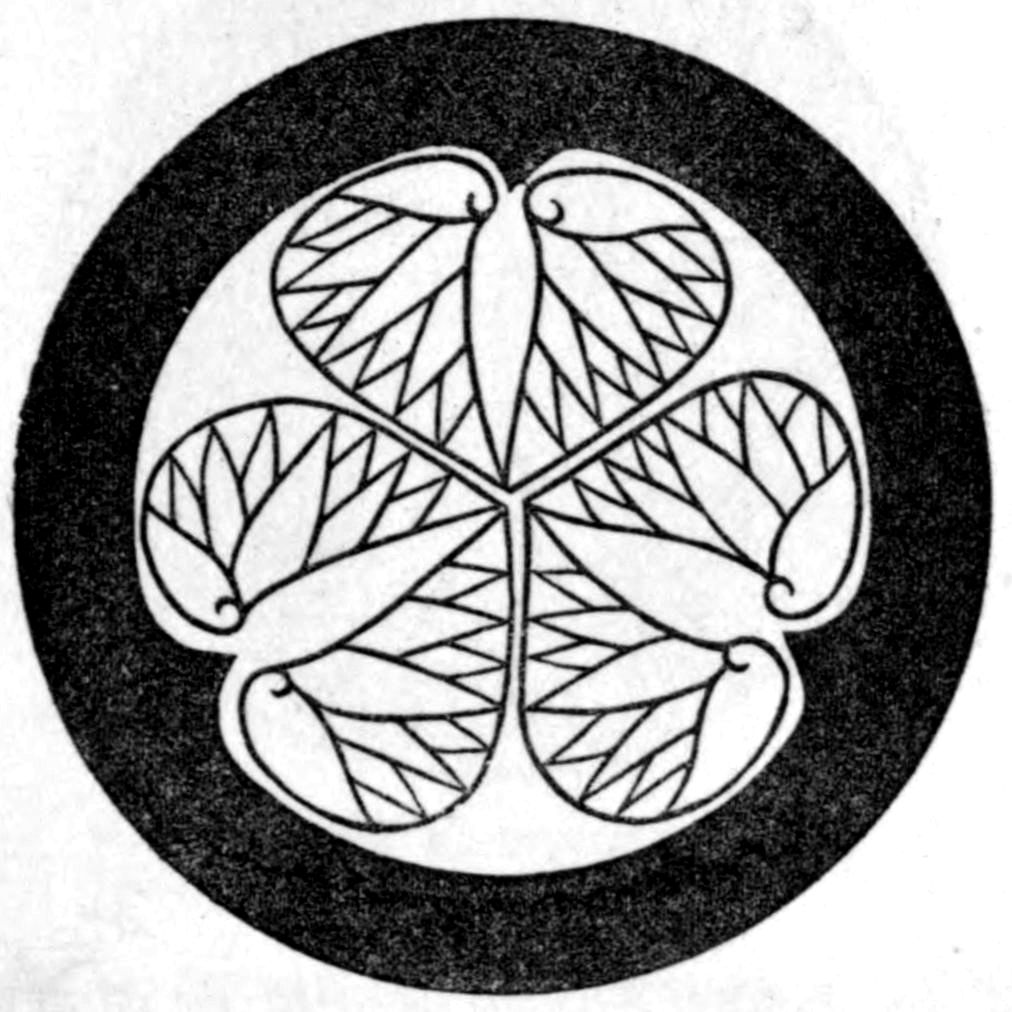
The Family Crest of the Tokugawa Shōguns.
SOME EARLY REVIEWS.
A truly remarkable series of impressions of memorable and notable scenes.
Sheffield Independent.
“SIR ERNEST SATOW DESCRIBES ONE OF THE MOST FATEFUL CHAPTERS IN THE HISTORY OF THE FAR EAST WITH THE AUTHORITY OF A CHIEF ACTOR in the scenes that he narrates.... He played his part not infrequently at the risk of his own life.”—Times.
“The renascence of Japan is unique in modern history. Half a century ago the country was governed by a feudal system more ancient than mediævalism.... The story of this wonderful transformation is told by Sir Ernest Satow who lived through it, and played a notable part in bringing it about.... Sir Ernest Satow recalls and will preserve a thousand details of a story the like of which has never been conceived in fiction.... Like his friend and colleague, the late Lord Redesdale, Sir Ernest Satow varied his official life in Japan with risky excursions full of incident and unconventionality.... THE MOST PICTURESQUE STORY OF A DIPLOMAT’S ADVENTURES THAT HAS APPEARED since Lord Redesdale’s famous book, which was based in part upon Sir Ernest’s lively diary.”—Yorkshire Post.
“A REMARKABLE BOOK.... The author has the ability to make his history interesting in the highest degree.... He saw everything that he wished to see. He had business with all classes of people from the temporal and spiritual rulers down to the humblest of the people.... Most valuable.... A book to be read with interest and profit by all who have to do with Japan.”—Dundee Courier.
“Sir Ernest penetrated the veil.”—London and China Express.
“Not the least interesting part of the book consists of the glimpses it gives into the inner workings of diplomacy.”—Manchester Guardian.
AMONG PRIMITIVE PEOPLES IN BORNEO
A Description of the Lives, Habits & Customs of the Piratical Head-Hunters of North Borneo, with an Account of Interesting Objects of Prehistoric Antiquity discovered in the Island
BY
IVOR H. N. EVANS, B.A.
Fellow of the Royal Anthropological Institute.
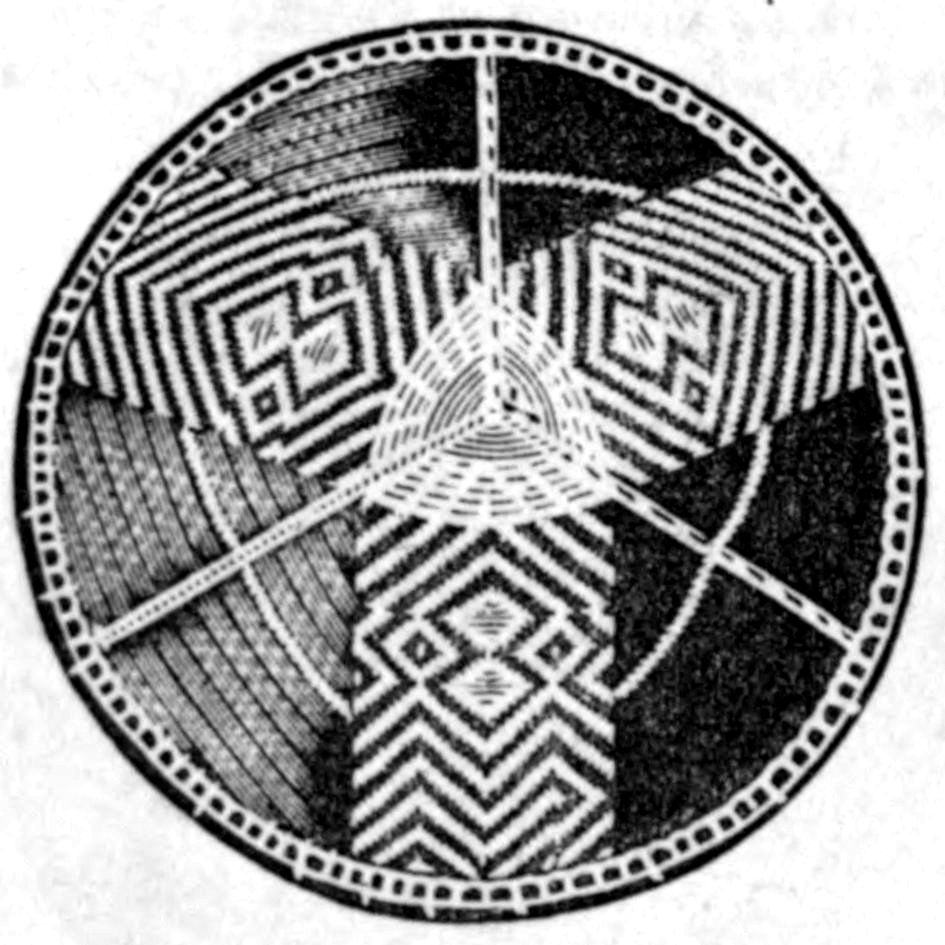
A Bornean Hat.
Demy 8vo. With Many Illustrations & a Map. 21s. Net
SOME EARLY REVIEWS.
“Supremely absorbing.”—Western Daily News.
“Contains an enormous amount of intensely interesting information about North Borneo.”—Sheffield Independent.
“AN ADMIRABLE BOOK FOR THE MANY WISTFUL WANDERERS WHOSE TRAVELLING MUST PERFORCE BE DONE BY PROXY. A valuable contribution to anthropology, handsomely Illustrated.”—The Times.
“Amply stocked with most interesting and valuable information.”—Glasgow Herald.
“A BOOK OF RARE MERIT, full of quaint personal experiences, vivid description, and shrewd comment.”—Sunday Times.
“There are no more interesting primitive peoples than those in Borneo. That they are or have been head-hunters makes them especially attractive to the general reader, if not to their neighbours. Their tribal life, moreover, is extraordinarily interesting. This is REALLY A VALUABLE CONTRIBUTION to the study of these peoples.”—Pall Mall Gazette.
“A valuable contribution to anthropology.”—Scotsman.
“IT IS IMPOSSIBLE TO QUOTE HERE THE HUNDRED AND ONE INTERESTING THINGS WHICH ARE TO BE FOUND IN THIS BOOK. Messrs. Seeley, Service are to be congratulated on publishing books which are so full of valuable information, and at the same time so enjoyable to read.”—Glasgow Citizen.
“A fine volume. It presents the minutest details of the daily life and habits, social conditions, superstitions etc., of a primitive people, written by a man who had long experience of the people he describes. There are many illustrations and a good map.”—Newcastle Chronicle.
IN UNKNOWN CHINA
A Record of the Observations, Adventures and Experiences of a Pioneer of Civilization During a Prolonged Sojourn Amongst the Wild and Unknown Nosu Tribe of Western China
BY
S. POLLARD
Author of “In Tight Corners in China.”
Demy 8vo. With Many Illustrations & Maps. Price 25s. Nett
SOME EARLY REVIEWS.
“Fascinating, racy and humorous.”—Aberdeen Journal.
“An amazing record of adventure. Mr. Pollard is delightful from every point of view. By the valiance of his own heart and faith he wins through.”—Methodist Recorder.
“Mr. Pollard is not merely an interesting man, but a courageous one.... The first white man to penetrate into Nosuland where live the bogey-men of the Manchus.... This is a people that has struck terror into the hearts of the neighbouring Chinese by the cruelty and the fierceness of its valour.”—Sketch.
“Mr. Pollard’s book is laid where dwell amid almost unpenetrable hills a race the Chinese have never yet succeeded in subduing.”—Western Morning News.
“In addition to its engrossing matter, Mr. Pollard’s book has the attraction of a bright and pleasant style, which reveals at times a happy sense of humour, a characteristic feature not always very marked in this branch of literature.”—Glasgow Herald.
“Nosuland is a very interesting region.... Mr. Pollard has some awkward experiences. That, of course, makes his narrative all the more lively and interesting.”—Liverpool Post.
“Mr. Pollard during his travels held his life in his hand from day to day, and owed his ultimate safety to his own conciliatory prudence.”—Manchester Guardian.
“Full of adventure and strangeness, with many excellent photographs.”—Daily Mail.
“Very readable and valuable.... Admirably printed and generously illustrated.”—Bristol Times and Mirror.
UNEXPLORED NEW GUINEA
Travel, Adventure, and Observation amongst Head-Hunters and Cannibals of the unexplored interior
BY
WILFRID N. BEAVER
For many years Resident Magistrate in Western New Guinea.
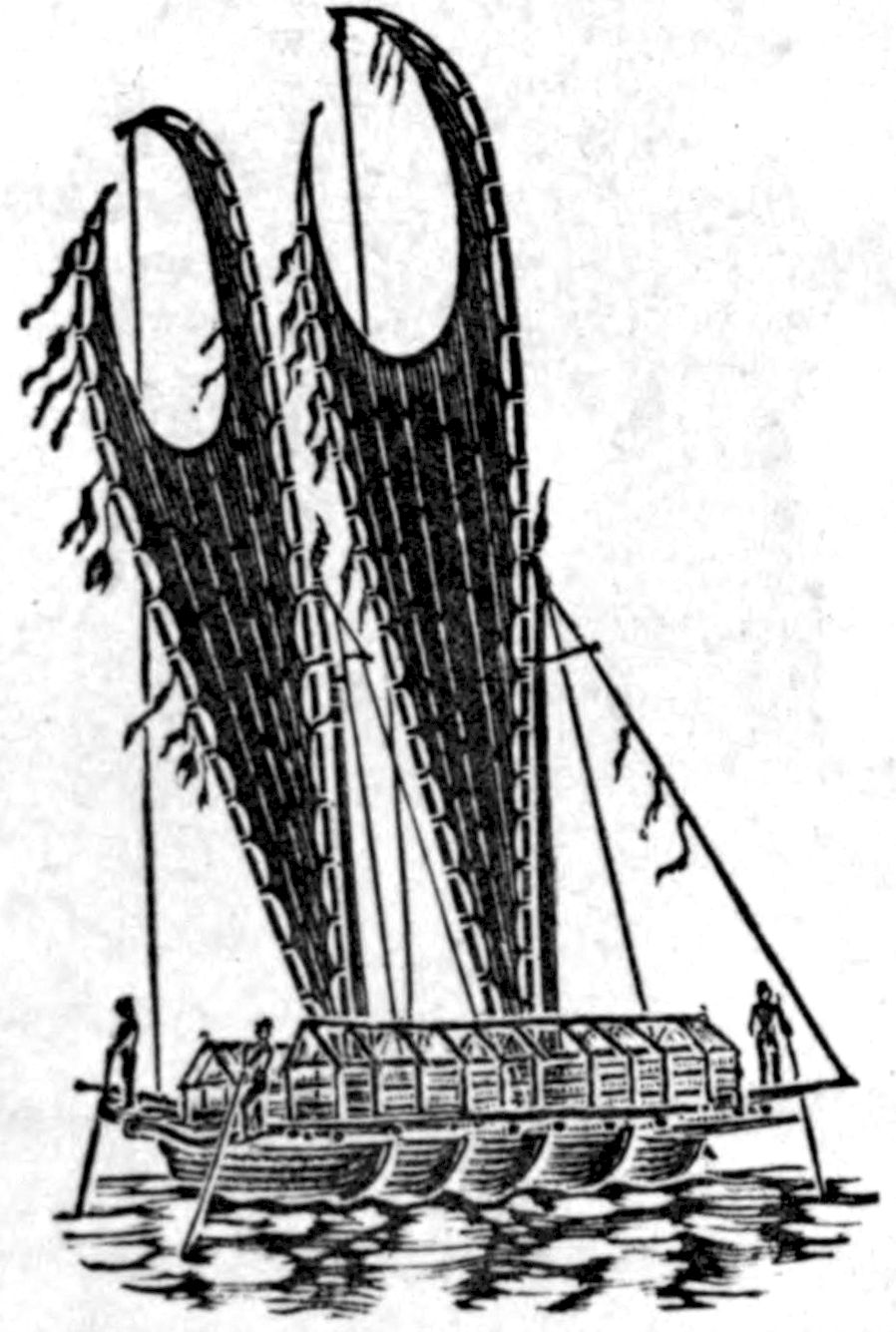
A New Guinea Lakatoi.
Demy 8vo. With 32 Illustrations & 4 Maps. Price 25s. Nett.
SOME EARLY REVIEWS.
“A piquant and well illustrated book.”—Graphic.
“A vivid and carefully detailed record in which humour and horror keep company.”—Dundee Advertiser.
“Mr. Beaver has contributed much of value and interest to the gradually accumulating knowledge of New Guinea, and his premature death will prove a great loss to the science of anthropology.”—A. C. Haddon, M.A., Sc.D., F.R.S.
“A most valuable and informing book describing a weirdly fascinating country, and Mr. Beaver’s account is all the more valuable as it is the only book that deals with the western division as a whole.”—Aberdeen Journal.
“A true explorer who achieved much. The book deals with its most formidable division—the vast unknown West ... illustrated with unique photographs, and told in simple, modest language which can hardly fail to grip the reader.”—Country Life.
“The Ukairavi people are cannibals who used literally to regard the Morobai as a kind of larder from which supplies of fresh meat could be obtained together with a little excitement in the hunting of their victims.”—Glasgow Herald.
“May be taken as the first standard work on the interior of New Guinea ... contains a wealth of detail admirably illustrated. A really valuable and at the same time an intensely interesting book.”—Sheffield Telegraph.
SEELEY, SERVICE & CO., LTD., 38 GREAT RUSSELL STREET, W.C.
TRANSCRIBER’S NOTES
Silently corrected obvious typographical errors and variations in spelling.
Retained archaic, non-standard, and uncertain spellings as printed.