Appendixes (continued 2)
Reading edition
During the period of the “Sewing Machine Combination,” many patentees attempted to invent and patent “the different machine.” This was either a radical change in style or an attempt to produce a far less-expensive type of machine. These machines were not always put into commercial production, but the patent models give an indication of the extent to which some inventors went to simplify or vary the mechanics of machine sewing.
The following is a list of those sewing-machine patent models in the Smithsonian Institution collections:
PatenteeDatePatent Number
Greenough, John J.Feb. 21, 18422,466
Bean, Benjamin W.March 4, 18432,982
Corliss, George H.Dec. 27, 18433,389
Howe, Elias, Jr.Sept. 10, 18464,750
Bachelder, JohnMay 8, 18496,439
Wilson, Allen B.Nov. 12, 18507,776
Robinson, Frederick R.Dec. 10, 18507,824
Grover & BakerFeb. 11, 18517,931
Singer, Isaac M.Aug. 12, 18518,294
Wilson, Allen B.Aug. 12, 18518,296
Wilson, Allen B.June 15, 18529,041
Miller, CharlesJuly 20, 18529,139
Avery, OtisOct. 19, 18529,338
Hodgkins, G.Nov. 2, 18529,365
Bradeen, J. G.Nov. 2, 18529,380
Bates, W. G.Feb. 22, 18539,592
Thompson, T. C.March 29, 18539,641
Wickersham, W.April 19, 18539,679
Johnson, W. H.March 7, 185410,597
Harrison, J., Jr.April 11, 185410,763
Avery, OtisMay 9, 185410,880
Singer, IsaacMay 30, 185410,975
Hunt, WalterJune 27, 185411,161
Roper, S. H.Aug. 15, 185411,531
Shaw, P.Sept. 12, 185411,680
Ambler, D. C.Nov. 1, 185411,884
Robertson, T. J. W.Nov. 28, 185412,015
Lyon, W.Dec. 12, 185412,066
Stedman, G. W.Dec. 12, 185412,074
Ward, D. T.Jan. 2, 185512,146
Conant, J. S.Jan. 16, 185512,233
Smith, H. B.Jan. 16, 185512,247
Singer, I. M.Feb. 6, 185512,364
Stedman, G. W.March 20, 185512,573
Stedman, G. W.May 1, 185512,798
Chilcott, J., and Scrimgeour, J.March 15, 185512,856
Durgin, Charles A.May 22, 185512,902
Bond, J., Jr.May 22, 185512,939
Singer, IsaacJune 12, 185513,065
Harrison, J., Jr.Oct. 2, 185513,616
Singer, I. M.Oct. 9, 185513,661
Singer, I. M.Oct. 9, 185513,662
Langdon, L. W.Oct. 30, 185513,727
Stedman, G. W.Nov. 27, 185513,856
Swingle, A.Feb. 5, 185614,207
Watson, Wm. C.March 11, 185614,433
Singer, I. M.March 18, 185614,475
Grover, W. O.May 27, 185614,956
Blodgett, S. C.Aug. 5, 185615,469
Roper, S. H.Nov. 4, 185616,026
Singer, Isaac M.Nov. 4, 185616,030
Gibbs, James E. A.Dec. 16, 185616,234
Jennings, L.Dec. 16, 185616,237
Johnson, A. F.Jan. 13, 185716,387
Gibbs, J. E. A.Jan. 20, 185716,434
Howe, Elias, Jr.Jan. 20, 185716,436
Alexander, ElisaFeb. 3, 185716,518
Gray, JoshuaFeb. 3, 185716,566
Belcher, C. D.March 3, 185716,710
Pratt, S. F.March 3, 185716,745
Nettleton & RaymondApril 14, 185717,049
Gibbs, J. E. A.June 2, 185717,427
Harris, DanielJune 9, 185717,508
Harris, DanielJune 16, 185717,571
Sage, WilliamJune 30, 185717,717
Lathbury, E. T.July 7, 185717,744
Wickersham, W.Aug. 25, 185718,068
Wickersham, W.Aug. 25, 185718,069
Behn, HenryAug. 25, 185718,071
Nettleton, Wm. H., and Raymond, CharlesOct. 6, 185718,350
Roper, S. H.Oct. 27, 185718,522
Fetter, GeorgeDec. 1, 185718,793
Watson, W. C.Dec. 8, 185718,834
Behn, H.Dec. 15, 185718,880
Hubbard, George W.Dec. 22, 185718,904
Lazelle, W. H.Dec. 22, 185718,915
Clark, David W.Jan. 5, 185819,015
Fetter, GeorgeJan. 5, 185819,059
Clark, David W.Jan. 12, 185819,072
Clark, David W.Jan. 19, 185819,129
Dimmock, Martial, and Rixford, NathanJan. 19, 185819,135
Boyd, A. H.Jan. 19, 185819,171
Angell, Benjamin J.Feb. 9, 185819,285
Clark, David W.Feb. 23, 185819,409
Raymond, CharlesMarch 9, 185819,612
Hendrick, Joseph E.March 16, 185819,660
Parker, SidneyMarch 16, 185819,662
Gray, JoshuaMarch 16, 185819,665
Coates, F. S.March 23, 185819,684
Clark, David W.March 23, 185819,732
Reynolds, O. S.March 30, 185819,793
Bartholf, AbrahamApril 6, 185819,823
Savage, E.April 6, 185819,876
Atwood, J. E., J. C., and O.April 13, 185819,903
Bosworth, Chas. F.April 20, 185819,979
Clark, David W.June 8, 185820,481
Herron, A. C.June 15, 185820,557
Johnson, A. F.June 22, 185820,686
Barnes, W. T.June 29, 185820,688
Smith, E. H.June 29, 185820,739
West, H. B., and Willson, H. F.June 29, 185820,753
Miller, W.June 29, 185820,763
Blake, Lyman R.July 6, 185820,775
Carpenter, LunanJuly 27, 185820,990
Moore, CharlesJuly 27, 185821,015
Smith, E. H.Aug. 3, 185821,089
Wheeler and CarpenterAug. 3, 185821,100
Gibbs, J. E. A.Aug. 10, 185821,129
Uhlinger, W. P.Aug. 17, 185821,224
Clark, David W.Aug. 31, 185821,322
Blodgett, S. C.Sept. 7, 185821,465
Hubbard, G. W.Sept. 14, 185821,537
Hendrick, J. E.Oct. 5, 185821,722
Gibbs, J. E. A.Oct. 12, 185821,751
Sangster, Amos. W.Oct. 26, 185821,929
Avery, O. and Z. W.Nov. 9, 185822,007
Spencer and LambNov. 23, 185822,137
Perry, JamesNov. 23, 185822,148
Burnet and BroderickNov. 30, 185822,160
Hook, Albert H.Nov. 30, 185822,179
Raymond, CharlesNov. 30, 185822,220
Bishop, H. H.Dec. 7, 185822,226
Pratt, S. F.Dec. 7, 185822,240
Atwood, J. E.Dec. 14, 185822,273
Fosket, W. A., and Savage, ElliotJan. 25, 185922,719
Snyder, W.Feb. 15, 185922,987
Clark, D. W.May 3, 185923,823
Boyd, A. H.May 17, 185924,003
Gray, JoshuaMay 17, 185924,022
Hook, Albert H.May 17, 185924,027
Spencer, James C.May 17, 185924,061
Carhart, Peter S.May 24, 185924,098
McCurdy, J. S.June 14, 185924,395
Goodwyn, H. H.June 21, 185924,455
Grout, WilliamJuly 5, 185924,629
Hensel, GeorgeJuly 12, 185924,737
Parker, SidneyJuly 12, 185924,780
Hall, WilliamJuly 26, 185924,870
Hayden, H. W.Aug. 2, 185924,937
Kelsey, D.Aug. 2, 185924,939
Emswiler, J. B.Aug. 9, 185925,002
Farr, C. N.Aug. 9, 185925,004
Harrison, James, Jr.Aug. 9, 185925,013
Tapley, G. S.Aug. 9, 185925,059
Barnes, W. T.Aug. 16, 185925,084
Booth, EzekialAug. 16, 185925,087
Hinkley, J.Aug. 23, 185925,231
Harrison, James, Jr.Aug. 30, 185925,262
Buell, J. S.Sept. 13, 185925,381
Vogel, KasimirOct. 4, 185925,692
Woodward, F. G.Oct. 11, 185925,782
Barrett, O. D.Oct. 11, 185925,785
Barnes, William T.Oct. 25, 185925,876
Sawyer, Irwin, and Alsop, T.Oct. 25, 185925,918
Budlong, William G.Nov. 1, 185925,946
Fosket, William A., and Savage, E.Nov. 1, 185925,963
Hicks, W. C.Nov. 8, 185926,035
Scofield, C.Nov. 8, 185926,059
Pearson, WilliamNov. 22, 185926,201
McCurdy, James S.Nov. 22, 185926,234
Clark, EdwinDec. 6, 185926,336
Dickinson, C. W.Dec. 6, 185926,346
Miller, CharlesDec. 13, 185926,462
Rowe, Jas.Dec. 27, 185926,638
Johnson, A. F.Jan. 24, 186026,948
Thomson, J.Feb. 7, 186027,082
Juengst, GeorgeFeb. 14, 186027,132
Davis, Job A.Feb. 21, 186027,208
Gibbs, James E. A.Feb. 21, 186027,214
Rowe, JamesFeb. 21, 186027,260
Dopp, H. W.Feb. 28, 186027,279
Paine, A. R.March 6, 186027,412
Smalley, J.March 20, 186027,577
Newlove, T.April 3, 186027,761
McCurdy, J. S.May 1, 186028,097
Arnold, G. B.May 8, 186028,139
Bean, E. E.May 8, 186028,144
Holly, BirdsillMay 8, 186028,176
Chamberlain, J. N.May 29, 186028,452
Ruddick, H.May 29, 186028,538
Scofield, Chas., and Rice, ClarkeJune 5, 186028,610
Smith, Wilson H.June 19, 186028,785
Rose, I. M.June 19, 186028,814
Gibbs, J. E. A.June 26, 186028,851
McCurdy, J. S.July 3, 186028,993
Mueller, H.July 3, 186028,996
Sutton, Wm. A.July 17, 186029,202
Hicks, W. C.July 24, 186029,268
Tracy, D.Sept. 11, 186030,012
Washburn, T. S.Sept. 11, 186030,031
Arnold, G. B., and A.Sept. 25, 186030,112
Leavitt, RufusNov. 13, 186030,634
Payne, R. S.Nov. 13, 186030,641
Heyer, FrederickNov. 27, 186030,731
Hardie, J. W.Dec. 4, 186030,854
Earle, T.Jan. 22, 186131,156
Bruen, J. T.Jan. 22, 186131,208
Smith, J. M.Feb. 5, 186131,334
Smith, L. H.Feb. 12, 186131,411
Rice, QuartusFeb. 12, 186131,429
Rose, I. M.March 5, 186131,628
Ross, Noble G.March 26, 186131,829
Boyd, A. H.April 2, 186131,864
Mallary, G. H.April 2, 186131,897
Shaw, H. L.April 9, 186132,007
Burr, TheodoreApril 9, 186132,023
Jones, William, and Haughian, P.May 14, 186132,297
Wilder, M. G.May 14, 186132,323
Smith, Lewis H.May 21, 186132,385
Stoakes, J. W.May 28, 186132,456
Fuller, William M.June 4, 186132,496
Norton, B. F.July 9, 186132,782
Raymond, C.July 9, 186132,785
Raymond, CharlesJuly 30, 186132,925
Case, G. F.Aug. 13, 186133,029
Hodgkins, C.Aug. 20, 186133,085
Marble, F. E.Oct. 8, 186133,439
Mann, CharlesOct. 22, 186133,556
Grover, W. O.Nov. 26, 186133,778
Hendrickson, E. M.Feb. 4, 186234,330
Derocquigny, A. C. F., Gance, D., and Hanzo, L.March 25, 186234,748
Thompson, R.April 8, 186234,926
Smith, John C.April 15, 186234,988
Palmer, AaronMay 13, 186235,252
Hall, W. S.Aug. 5, 186236,084
McCurdy, James S.Aug. 19, 186236,256
Grover, W. O.Sept. 9, 186236,405
Wilkins, J. N.Sept. 30, 186236,591
Humphrey, D. W. G.Oct. 7, 186236,617
House, H. A., and J. A.Nov. 11, 186236,932
Crossby, C. O., and Kellogg, H.Dec. 2, 186237,033
Shaw, A. B.Dec. 16, 186237,202
Pipo, John A.Jan. 27, 186337,550
Hollowell, J. G.Feb. 10, 186337,624
Howe, A. B.March 17, 186337,913
Weitling, W.March 17, 186337,931
Shaw & ClarkApril 21, 186338,246
Baldwin, Cyrus W.April 28, 186338,276
Grote, F. W.May 5, 186338,447
Palmer, C. H.May 5, 186338,450
Mack, W. A.May 19, 186338,592
Bosworth, C. F.June 9, 186338,807
McCurdy, J. S.June 16, 186338,931
Langdon, Leander W.July 14, 186339,256
House, J. A., and H.A. (4 patents on 1 machine)Aug. 4, 186339,442-39,445
Tracy and HobbsSept. 15, 186340,000
Wagener, Jeptha A.Oct. 13, 186340,296
Rehfuss, G.Oct. 13, 186340,311
Lathrop, Lebbeus W., and de Sanno, Wm. P.Oct. 27, 186340,446
Heyer, W. D.Nov. 17, 186340,622
Simmons, A. G., and Scofield, C.March 1, 186441,790
Guinness, W. S.March 15, 186441,916
Willcox, Charles H. (4 patents on 1 machine)March 22, 186442,036
Aug. 9, 186443,819
Sept. 27, 186444,490
Sept. 27, 186444,491
Sibley, J. J.March 29, 186442,117
Thompson, R.April 19, 186442,449
McKay & BlakeMay 24, 186442,916
Chittenden, H. H.June 28, 186443,289
Hall, LutherJuly 5, 186443,404
Planer, LouisAug. 23, 186443,927
Atwater, B.Sept. 6, 186444,063
Dale, John D.Oct. 11, 186444,686
Gritzner, M. C.Oct. 18, 186444,720
Smith, DeWitt C.Dec. 20, 186445,528
Weitling, W.Jan. 3, 186545,777
Cadwell, C.Jan. 24, 186545,972
Bartlett, J. W.Jan. 31, 186546,064
McCurdy, James S.Feb. 7, 186546,303
Lamb, Thomas, and Allen, JohnAug. 15, 186549,421
Humphrey, D. W. G.Aug. 29, 186549,627
Tarbox, John N.Sept. 5, 186549,803
Crosby, C. O.Oct. 3, 186550,225
Cajar, E.Oct. 3, 186550,299
Hart, WilliamOct. 17, 186550,469
Hecht, A.Oct. 17, 186550,473
Emerson, JohnNov. 14, 186550,989
Keats, John, and Clark, Wm. S.Nov. 14, 186550,995
Rehfuss, GeorgeNov. 21, 186551,086
Eickemeyer, RudolfFeb. 20, 186652,698
Hanlon, JohnFeb. 27, 186652,847
McCurdy, J. S.April 3, 186653,743
Bartram, W. B.May 15, 186654,670
Bartram, W. B.May 15, 186654,671
Goodspeed, G. N.May 15, 186654,816
Hayes, J.May 22, 186655,029
McCloskey, JohnJune 19, 186655,688
House, J. A. and H. A.June 26, 186655,865
Tucker, Joseph C.July 24, 186656,641
Warth, AlbinJuly 24, 186656,646
Destouy, A.July 31, 186656,729
Schwalback, M.July 31, 186656,805
Cately, William H.Aug. 7, 186656,902
Piper, D. B.Aug. 7, 186656,990
Leyden, AustinAug. 14, 186657,157
Clements, James M.Aug. 21, 186657,451
Davis, Job A.Oct. 9, 186658,614
Rodier, PeterNov. 13, 186659,659
Duchemin, Wm.Nov. 13, 186659,715
Kilbourn, E. E.Nov. 20, 186659,746
Reed, T. K.Dec. 4, 186660,241
Singer, I. M.Dec. 11, 186660,433
Bartram, W. B.Jan. 1, 186760,669
Rehfuss, G.Jan. 8, 186761,102
Singer, IsaacJan. 15, 186761,270
Cajar, EmilFeb. 5, 186761,711
Craige, E. H.Feb. 19, 186762,186
Reed, T. K.Feb. 19, 186762,287
Bartram, W. B.March 5, 186762,520
Fuller, H. W.March 19, 186763,033
Stannard, M.April 23, 186764,184
Craige, E. H.Aug. 13, 186767,635
Doll, ArnoldSept. 3, 186768,420
Bruen, L. B.Sept. 17, 186768,839
Hodgkins, C.Oct. 8, 186769,666
Baker, G. W.Oct. 29, 186770,152
Cadwell, CalebNov. 19, 186771,131
Fanning, J.Dec. 31, 186772,829
Warth, AlbinJan. 7, 186873,064
Rehfuss, GeorgeJan. 7, 186873,119
Cornely, E.Jan. 28, 186873,696
Blake, L. R.Feb. 11, 186874,289
Fales, J. F.Feb. 11, 186874,328
Jencks, G. L.Feb. 18, 186874,694
Clark, Edwin E.Feb. 25, 186874,751
Halbert, A. W.March 31, 186876,076
Gritzner, M. C.April 7, 186876,323
Bartlett, Joseph W.April 7, 186876,385
Waterbury, EnosJune 16, 186879,037
Cole, W. H.June 30, 186879,447
Lamson, Henry P.July 7, 186879,579
French, S.July 28, 186880,345
Stein, M. J.Sept. 8, 186881,956
Hancock, H. J.Oct. 27, 186883,492
Bartram, W. B.Nov. 3, 186883,592
Benedict, C. P.Nov. 3, 186883,596
Bonnaz, A.Nov. 10, 186883,909
Bonnaz, A.Nov. 10, 186883,910
Elliott, F.Jan. 19, 186985,918
Canfield, F. P.Jan. 19, 186986,057
Arnold B.Jan. 26, 186986,121
Jones, JohnJan. 26, 186986,163
Russell, W. W.Feb. 9, 186986,695
Eldridge, G. W.March 2, 186987,331
House, J. A. and H. A.March 2, 186987,338
Gird, E. D.March 9, 186987,559
Carpenter, WilliamMarch 9, 186987,633
Dunbar, C. F.March 30, 186988,282
McLean, J. N.March 30, 186988,499
Billings, C. E.April 6, 186988,603
Winter, Wm.April 13, 186988,936
Tittman, A.April 20, 186989,093
Swartwout, H. L.April 27, 186989,357
Lyons, LuciusApril 27, 186989,489
Crosby, C. O.May 25, 186990,507
Gutmann, J.May 25, 186990,528
Duchemin, WilliamJune 8, 186991,101
Adams, John Q.July 6, 186992,138
Bond, Joseph, Jr.Aug. 10, 186993,588
Hoffman, Geo. W.Aug. 24, 186994,112
Brown, John H.Aug. 31, 186994,389
Heery, LukeSept. 14, 186994,740
Gray, JoshuaOct. 5, 186995,581
Smith, E. H.Oct. 26, 186996,160
Page, Chas.Nov. 2, 186996,343
Lyon, LuciusNov. 9, 186996,713
Clever, P. J.Nov. 16, 186996,886
Mills, DanielNov. 16, 186996,944
Woodruff, Geo. B., and Browning, Geo.Nov. 16, 186997,014
Keith, JeremiahDec. 7, 186997,518
Hurtu, Auguste J., and Hautin, Victor J.Dec. 21, 186998,064
Lamb, ThomasDec. 28, 186998,390
Rudolph, B.Feb. 1, 187099,481
Porter, AlonzoFeb. 8, 187099,704
Smith, W. T.Feb. 8, 187099,743
Meyers, N.Feb. 15, 187099,783
Grover, W. O.Feb. 22, 1870100,139
Spoehr, F.April 12, 1870101,779
Kendall, George F.April 12, 1870101,887
Cooney, W.April 26, 1870102,226
Brown, F. H.April 26, 1870102,366
Howard E., and Jackson, W. H.May 31, 1870103,745
Bartram, W. B.June 14, 1870104,247
Henriksen, H. P.June 21, 1870104,590
Martine, Charles F.June 21, 1870104,612
Nasch, IsidorJune 21, 1870104,630
Hall, L.July 12, 1870105,329
Lyon, LuciusJuly 26, 1870105,820
Bennor, JosephAug. 9, 1870106,249
Barnes, M. M.Aug. 16, 1870106,307
Leslie, Arthur M.Oct. 18, 1870108,492
Rayer, William A., and Lincoln, Wm. S.Nov. 1, 1870108,827
Landfear, Wm. R.Nov. 22, 1870109,427
Parham, CharlesNov. 22, 1870109,443
Lamb, I. W.Nov. 29, 1870109,632
Moreau, EugeneJan. 3, 1871110,669
Robinson, Charles E.Jan. 3, 1871110,790
Goodyear, Charles, Jr.Jan. 24, 1871111,197
Stevens, G., and Hendy, J.Jan. 31, 1871111,488
Carpenter, Mary P.Feb. 21, 1871112,016
Hancock, Henry J.Feb. 21, 1871112,033
Sidenberg, W.March 14, 1871112,745
Chase, M.April 11, 1871113,498
Stein, M. J.April 11, 1871113,593
Tate, Wm. J.April 11, 1871113,704
House, J. A. and H. A.May 2, 1871114,294
Sidenberg, W.May 23, 1871115,117
Beuttels, CharlesMay 23, 1871115,155
Thompson, G.May 23, 1871115,255
Willcox and Carleton (3 patents on 1 machine)June 27, 1871116,521
116,522
116,523
Willcox and CarletonJuly 4, 1871116,783
Goodyear, Charles, Jr.July 11, 1871116,947
Necker, CarlJuly 18, 1871117,101
Pitt, James; Joseph;July 18, 1871117,203
Edward; and Wm.
Jones, John T.Aug. 1, 1871117,640
West, E. P.Aug. 1, 1871117,708
Jones, Solomon (2 patents on 1 machine)Aug. 29, 1871118,537
118,538
Lamb, ThomasSept. 5, 1871118,728
Bosworth, C. F.Jan. 9, 1872122,555
Smyth, D. M.Jan. 9, 1872122,673
Fish, Warren L.Feb. 13, 1872123,625
Palmer, C. H.March 19, 1872124,694
Baker, G. W.April 9, 1872125,374
Gordon and KinertApril 16, 1872125,807
Howard, C. W.April 23, 1872126,056
(second machine)126,057
Smyth, D. M.May 14, 1872126,845
Beckwith, W. G.May 21, 1872126,921
Bouscay, Eloi, Jr.May 28, 1872127,145
Braundbeck, E.June 11, 1872127,675
Heidenthal, W.June 11, 1872127,765
Cleminshaw, S.June 25, 1872128,363
Wardwell, S. W., Jr.July 2, 1872128,684
Springer, W. A.July 9, 1872128,919
Fanning, JohnJuly 16, 1872129,013
Parks, VolneyJuly 30, 1872129,981
Baker, G. W.July 30, 1872130,005
Smyth, D. M.Aug. 6, 1872130,324
McClure, A. T.Aug. 13, 1872130,385
Ashe, RobertAug. 20, 1872130,555
Bartram, W. B.Aug. 20, 1872130,557
West, Elliot P.Aug. 20, 1872130,674
Happe, J., and Newman, W.Aug. 20, 1872130,715
Hinds, Jesse L.Sept. 10, 1872131,166
Brown, F. H.Oct. 1, 1872131,735
Beckwith, W. G.Nov. 26, 1872133,351
Turner, S. S.Dec. 3, 1872133,553
Chandler, R.Dec. 10, 1872133,757
Venner, O.Dec. 10, 1872133,814
Duchemin, W.Jan. 21, 1873135,032
Sheffield, G. V.Jan. 21, 1873135,047
Parham, CharlesFeb. 4, 1873135,579
Goodes, E. A.March 11, 1873136,718
Tittman, A.March 11, 1873136,792
Happe, J., and Newman, W.March 25, 1873137,199
Ragan, DanielApril 1, 1873137,321
O’Neil, JohnApril 8, 1873137,618
Kallmeyer, G.April 8, 1873137,689
Ross, J. G., and Miller, T. L.May 13, 1873138,764
West, Elliott P.May 13, 1873138,772
Koch and BrassMay 13, 1873138,898
Arnold, B.May 20, 1873138,981
Arnold, B.May 20, 1873138,982
Lathrop, L. W.May 20, 1873139,067
Chandler, RufusMay 27, 1873139,368
Jones, S. H.July 8, 1873140,631
Smyth, D. M.July 22, 1873141,088
Wardwell, S. W., Jr.July 29, 1873141,245
Stewart, J., Jr.July 29, 1873141,397
Walker, WilliamJuly 29, 1873141,407
Blanchard, Helen A.Aug. 19, 1873141,987
Springer, W. A.Aug. 26, 1873142,290
Cushman, C. S.Sept. 2, 1873142,442
Porter, D. A.Nov. 25, 1873144,864
Koch & BrassDec. 2, 1873145,215
Richardson, E. F.Dec. 16, 1873145,687
Weber, Theo. A.Dec. 23, 1873145,823
Scribner, Benjamin, Jr.Jan. 13, 1874146,483
Black, Samuel S.Jan. 20, 1874146,642
Taylor, F. B.Jan. 20, 1874146,721
Richardson, Everett P.Jan. 27, 1874146,948
Muir, WilliamFeb. 3, 1874147,152
Goodes, E. A.Feb. 10, 1874147,387
Springer, Wm. A.Feb. 10, 1874147,441
True, C. B.March 10, 1874148,336
Wardwell, S. W., Jr.March 10, 1874148,339
Shorey, Samuel W.March 17, 1874148,765
Smith, James H.March 24, 1874148,902
Horr, Addison D.April 21, 1874149,862
Page, Chas.May 5, 1874150,479
Crane, ThomasMay 5, 1874150,532
Buhr, J.May 26, 1874151,272
Smyth, D. M.June 9, 1874151,801
Wensley, JamesJune 16, 1874152,055
Dinsmore, A. S., and Carter, John T.June 30, 1874152,618
Speirs, J.July 7, 1874152,813
Brewer, A. G.July 14, 1874152,894
Baglin, Wm.Aug. 18, 1874154,113
Howard, E. L.Aug. 25, 1874154,485
Landfear, Wm. R.Sept. 22, 1874155,193
Drake, EllisOct. 13, 1874155,932
Barney, Samuel C.Oct. 20, 1874156,119
Moreau, EugeneOct. 20, 1874156,171
Huntington, Thomas S.Dec. 29, 1874158,214
Bartlett and PlantJan. 26, 1875159,065
Garland, H. P.Feb. 16, 1875159,812
Dinsmore, Alfred S.March 9, 1875160,512
McCloskey, JohnMarch 30, 1875161,534
Schmidt, Albert E.April 27, 1875162,697
Darling & DarlingMay 25, 1875163,639
Richardson, Everett P.July 13, 1875165,506
Whitehill, RobertJuly 27, 1875166,172
Weber, Theodore A.Aug. 3, 1875166,236
Pearson, Wm.Aug. 17, 1875166,805
Beckwith, William G.Sept. 7, 1875167,382
Hall, John S.Oct. 11, 1875168,637
Jones, J. T.Oct. 26, 1875169,106
Garland, H. P.Oct. 26, 1875169,163
Wormald & DobsonNov. 9, 1875169,881
Rose, R. M.Nov. 30, 1875170,596
Keith, JeremiahDec. 7, 1875170,741
Keith, T. K.Dec. 14, 1875170,955
Leavitte, AlbertDec. 14, 1875171,147
Toll, Charles F.Dec. 14, 1875171,193
Keats, Greenwood, & KeatsDec. 28, 1875171,622
Thayer, AugustusJan. 11, 1876172,205
Frese, B.Jan. 18, 1876172,308
Pearson, WilliamJan. 18, 1876172,478
Sawyer & EstyFeb. 29, 1876174,159
Porter & BakerMarch 14, 1876174,703
Walker, WilliamApril 11, 1876176,101
Upson, L. A.April 18, 1876176,153
Witherspoon, S. A.April 18, 1876176,211
Rice, T. M.April 25, 1876176,686
Murphy, E.May 2, 1876176,880
Bradford, E. F., and Pierce, V. R.May 16, 1876177,371
Applegate & WebbMay 25, 1876177,784
Sullivan, John J.June 27, 1876179,232
Appleton, C. J., and Sibley, J. J.July 4, 1876179,440
Marin, Chas.July 11, 1876179,709
Gullransen, P. E., and Rettinger, J. C.July 25, 1876180,225
Butcher, JosephAug. 1, 1876180,542
Jackson, WilliamSept. 5, 1876181,941
Barton, Kate C.Sept. 12, 1876182,096
Eickemeyer, RudolfSept. 12, 1876182,182
Webster, W.Sept. 12, 1876182,249
Knoch, C. F.Oct. 17, 1876183,400
Cushman, C. S.Nov. 21, 1876184,594
Harris, DavidDec. 12, 1876185,228
Wood, J.Dec. 26, 1876185,811
Oram, HenryJan. 2, 1877185,952
Palmer, Frank L.Jan. 2, 1877185,954
Hall, John S.Feb. 6, 1877187,006
Palmateer, William A.Feb. 20, 1877187,479
Cummins, William G.Feb. 27, 1877187,822
Esty, WilliamFeb. 27, 1877187,837
Leavitt & DrewFeb. 27, 1877187,874
Henriksen, H. P.March 20, 1877188,515
McKay, GordonMarch 27, 1877188,809
Follett, J. L.April 10, 1877189,446
Bond, James, Jr.April 17, 1877189,599
Jacob, F.April 24, 1877190,047
Beck, A.May 1, 1877190,184
Hallett, H. H.June 5, 1877191,584
Randel, WilliamJune 12, 1877192,008
Corbett, E., and Harlow, C. F.July 3, 1877192,568
Brown, F. H.July 24, 1877193,477
Melhuish, R. M.Aug. 28, 1877194,610
Atwood, K. C.Sept. 4, 1877194,759
Macaulay, F. A.Oct. 9, 1877195,939
Dimond, George H.Oct. 16, 1877196,198
Sedmihradsky, A. J.Oct. 23, 1877196,486
Keith, J.Nov. 6, 1877196,809
Beck, AugustNov. 6, 1877196,863
Keith, T. H.Nov. 6, 1877196,909
Keats, JohnDec. 11, 1877198,120
Briggs, ThomasJan. 1, 1878198,790
Corey, J. W.Jan. 8, 1878198,970
Howard, T. S. L.Jan. 15, 1878199,206
Bosworth, C. F.Jan. 22, 1878199,500
Dancel, C.Jan. 29, 1878199,802
Pearson, M. H.Feb. 5, 1878199,991
Morrell, Robert W.; Parkinson, Thomas; and Parkinson, JosephApril 23, 1878202,857
Barcellos, D.April 30, 1878203,102
Elderfield, F. D.June 4, 1878204,429
Heberling, J.June 4, 1878204,604
Beukler, WilliamJune 11, 1878204,704
Varicas, L.June 11, 1878204,864
Stewart, W. T.July 2, 1878205,698
House, Jas. A.July 23, 1878206,239
Martin, W., Jr.; Dawson, D. R.; and Orchar, R.Aug. 6, 1878206,743
Conklin, N. A.Aug. 6, 1878206,774
Wollenberg, H., and Priesner, J.Aug. 6, 1878206,848
Young, E. S., and Dimond, G. H.Aug. 13, 1878206,992
Hoffman, Clara P., and Meyers, NicholasAug. 13, 1878207,035
Wensley, Jas.Aug. 20, 1878207,230
Dimond, G. H.Aug. 27, 1878207,400
Steward, A.Aug. 27, 1878207,454
Wood, Richard G.Sept. 10, 1878207,928
McCombs, Geo. F.Sept. 24, 1878208,407
Keith, JeremiahOct. 22, 1878209,126
Wells, W. W.Nov. 12, 1878209,843
Bayley, C. H.Feb. 11, 1879212,122
Parmenter, Charles O.Feb. 18, 1879212,495
Ingalls, N., Jr.Feb. 25, 1879212,602
Cleminshaw, S.March 18, 1879213,391
Webb, T., and Heartfield, C. H.March 25, 1879213,537
Borton, StocktonApril 8, 1879214,089
Henriksen, H. P.May 20, 1879215,615
Bland, HenryJune 3, 1879216,016
Morrison, T. W.June 10, 1879216,289
Bosworth, Charles F.June 17, 1879216,504
Simmons, FrederickJune 24, 1879216,902
Junker, CarlJuly 1, 1879217,112
Legat, Désiré MathurinAug. 12, 1879218,388
Willcox, C. H.Aug. 12, 1879218,413
Cornely, EmileSept. 2, 1879219,225
Hamm, E.Sept. 16, 1879219,578
Tuttle, J. W., and Keith, T. K.Sept. 16, 1879219,782
Stackpole, G., and Applegate, J. H.Oct. 7, 1879220,314
Otis, S. L.Oct. 28, 1879221,093
Bland, H.Nov. 11, 1879221,505
Bracher, T. W.Nov. 11,1879221,508
Snediker, J. F.Nov. 25, 1879222,089
Mooney, J. H.Dec. 2, 1879222,298
Osborne, J. H.Feb. 3, 1880224,219
Smith, W. M.March 2, 1880225,199
Banks, C. M.March 23, 1880225,784
Haberling, J.May 4, 1880227,249
Haberling, J.May 11, 1880227,525
Wiseman, EdmundJune 8, 1880228,711
Juengst, GeorgeJune 15, 1880228,820
Morley, J. H.June 15, 1880228,918
Curtis, G. H. W.June 22, 1880228,985
Lipe, C. E.June 29, 1880229,322
Miller, L. B., and Diehl, P.July 6, 1880229,629
Willcox, C. H.July 20, 1880230,212
Shaw, E.July 27, 1880230,580
Dinsmore, A. S.Aug. 17, 1880231,155
Thurston, C. H.Oct. 12, 1880231,300
Butcher, J.Oct. 26, 1880233,657
Smyth, D. M.Nov. 23, 1880234,732
Hesse, J.Dec. 7, 1880235,085
Kjalman, H. N.Dec. 21, 1880235,783
Morley, J. H.Jan. 4, 1881236,350
Thomas, J.Jan. 11, 1881236,466
Benson, G.March 8, 1881238,556
Green, G. F.March 8, 1881238,678
Eickemeyer, RudolfMarch 29, 1881239,319
Palmer, C. H.April 26, 1881240,758
Campbell, D. H.May 17, 1881241,612
Campbell, Duncan H.May 17, 1881241,613
Leslie, A. M.May 24, 1881241,808
Newell, George F.June 7, 1881242,470
Gritzner, Max C.June 28, 1881243,444
Keith, JeremiahJuly 5, 1881243,710
Choquette, A. E.July 12, 1881244,033
Mooney, J. H.July 19, 1881244,470
Beardslee, W. F.Aug. 16, 1881245,781
Hine, Charlie M.Aug. 23, 1881246,136
Willcox, C. H.Sept. 6, 1881246,700
Hoefler, J.Sept. 13, 1881246,883
Woodward, E.Sept. 20, 1881247,285
Richards, Jean E.Jan. 24, 1882252,799
Abbott, W. W.Jan. 31, 1882252,984
Secor, J. B.Feb. 14, 1882253,772
Deschamps, O. L.Feb. 21, 1882253,915
Hull, E. H.Feb. 28, 1882254,217
Roberts, WilliamMarch 7, 1882254,696
Willcox and BortonMarch 28, 1882255,576
Borton and WillcoxMarch 28, 1882255,577
Borton and WillcoxMarch 28, 1882255,580
Borton and WillcoxMarch 28, 1882255,581
Veukler, W.April 4, 1882255,916
Hurtu, A. J.May 30, 1882258,761
Keats, AlphonsoJuly 11, 1882260,990
Ramsden, John W.Aug. 1, 1882262,116
Koch, WilliamAug. 8, 1882262,298
Bigelow, J.Aug. 29, 1882263,467
Mills, DanielOct. 10, 1882265,850
Wilkinson, Charles E.Dec. 19, 1882269,251
Carlisle, W. S.Jan. 9, 1883270,540
Holden, O. J., and Griswold, L.Feb. 13, 1883272,050
Cameron, James W.Feb. 20, 1883272,527
Miller, L. B., and Diehl, P.March 20, 1883274,359
Ludeke, W.April 10, 1883275,506
Bolton, J., and Petnz, A. D.May 8, 1883277,106
Blodgett, John W.June 12, 1883279,320
Haberling, J.Sept. 4, 1883284,300
Thimonnier, E., and Vernaz, C.Oct. 30, 1883287,592
Duchemin, WilliamNov. 20, 1883288,929
Lawrence, G. H.Dec. 25, 1883290,895
Clever, Peter J.April 8, 1884296,529
Palmer, John H.May 6, 1884298,228
Dowling, James, and Connolly, JohnMay 27, 1884299,118
Boecher, AdamJune 10, 1884300,199
Luedeke, WaldemarJune 17, 1884300,380
VanVechten, Orville R.July 15, 1884302,063
Carr, Wm. H., and Ostrom, F. W.Aug. 12, 1884303,361
Trip, J.Dec. 2, 1884308,711
Farrar, ArthurDec. 30, 1884309,837
Turner, M. G.Feb. 17, 1885312,306
Mills, D.March 3, 1885313,359
Hurtu, August J.April 7, 1885315,037
Charmbury, HenryApril 28, 1885316,745
Woodward & KeithApril 28, 1885316,927
Walker, WilliamJune 16, 1885320,099
Tucker, R. D.June 23, 1885320,898
Wheeler and DialOct. 13, 1885328,165
Thomas, JosephNov. 10, 1885330,170
Muegge, C. A.Dec. 8, 1885332,207
Diehl, P.April 13, 1886339,623
Diehl, P.Aug. 24, 1886347,776
Helwig, ArthurOct. 5, 1886350,364
Miehling, CharlesNov. 2, 1886351,992
Dieterle, H. E.Nov. 30, 1886353,542
Walker, WilliamDec. 7, 1886353,720
Rosenthal, S. A.Dec. 7, 1886353,970
Temple, JohnFeb. 22, 1887358,088
Gee, W. V.April 19, 1887361,406
Lingley, John W.Aug. 16, 1887368,538
Boppel, JacobJan. 29, 1889396,979
Webster, WilliamApril 30, 1889402,497
Osterhout and HallenbeckMay 7, 1889402,610
Bennett and DowlingAug. 27, 1889409,728
Hine, Charles M.Jan. 28, 1890420,382
Wheeler, NathanielFeb. 4, 1890420,847
Hallenbeck, J. P.April 8, 1890425,422
Lisle, Myron C.May 20, 1890428,171
Walker and BennetMay 20, 1890428,548
Stewart, James, Jr.July 15, 1890432,449
Dewees, J. W.July 22, 1890432,746
Powell, ThomasDec. 16, 1890442,695
Fletcher, James H.Dec. 30, 1890443,756
Rudolph, Ernst B., deceased, Boulter, W. E., administratorApril 7, 1891449,927
Goodwin, Julius C.April 21, 1891450,793
Cook, HugoJune 23, 1891454,610
Bowyer, J. T.June 23, 1891454,708
Willcox, C. H., and Borton, S.April 5, 1892472,094
Legg and WestonMay 17, 1892474,840
Kern, FerdinandJuly 19, 1892479,369
Jackson, FrancisMay 1, 1894519,064
Charles AbercrombiJune 5, 1892520,977
Taft, J. C.Oct. 15, 1895547,866
IV. 19th-Century Sewing-Machine Leaflets in the Smithsonian Collections
Machine or ManufacturerDateType
American B.H.O. and Sewing Machine1874Illustrated, advertising leaflet
Buckeye sewing machineca. 1870Illustrated, directions for using the machine
New Buckeyeca. 1872Illustrated, directions for using the machine
Centennial sewing machine1876Illustrated, advertising leaflet
Domestic sewing machine1872Illustrated, advertising leaflet
Florence sewing machine1873Illustrated, advertising leaflet
Florence sewing machine1878Illustrated, directions for using the machine
Goodes sewing machineca. 1876Advertising leaflet
Grant Brothers sewing machine1867Illustrated, advertising leaflet (Xerox copy)
Grover and Baker sewing machine1853Illustrated, advertising leaflet
Grover and Baker sewing machineca. 1870Illustrated, advertising leaflet
Home sewing machineca. 1870Illustrated, advertising leaflet
Howe sewing machine, new “B” machine1868Illustrated, instruction booklet
Howe sewing machine1876Illustrated, catalog of machines
Independent Noiseless sewing machineca. 1874Illustrated, advertising leaflet
Ladd, Webster sewing machine1861Illustrated, advertising leaflet
Little Monitor sewing machineca. 1872Illustrated, advertising leaflet
Remington Family sewing machineca. 1874Illustrated, advertising leaflet
Shaw and Clark sewing machine1864Illustrated, advertising leaflet
Singer sewing machine1871Illustrated, advertising leaflet
Singer sewing machine1893Catalog of machines shown at the Columbian Exposition
Standard Shuttle sewing machineca. 1875Illustrated, advertising leaflet
Ten Dollar Novelty sewing machineca. 1870Illustrated, advertising leaflet
Weed sewing machine1873Illustrated, advertising leaflet
Wheeler and Wilson sewing machineca. 1869Illustrated, instruction booklet
Wheeler and Wilson sewing machineca. 1870-1875Illustrated, advertising leaflet
Wheeler and Wilson no. 8 machineca. 1878Illustrated, instruction booklet
Wilson sewing machine1872Illustrated, advertising leaflet
V. A Brief History of Cotton Thread
Although Samuel Slater’s wife is credited with making the first cotton sewing thread from yarns spun at the Pawtucket, Rhode Island, mill in about 1794, cotton thread did not become a manufactured item at that time. Slater turned all his interests to producing cotton-twist yarns needed for the warps of cotton fabrics. By 1809, however, the agents of Almy and Brown, partners and distributors for Slater, were advertising cotton thread as follows:
Factory Cotton and Thread Store, No. 26 Court Street opposite Concert Hall. George Connell, Agent for Almy and Brown of Providence and Pawtucket Manufactories, has now for sale from eight to ten thousand weight of yarn, for weaving ... five hundred pounds cotton thread, in hanks, from No. 12 to 60 of a superior quality and very white.[91]
Although it was a short hop from the spinning of cotton warps to the twisting of these cotton yarns to form a sewing thread, the general manufacture of cotton thread as an industry did not originate in the United States but rather in Scotland in the early 19th century. Napoleon’s blockade, which curtailed Great Britain’s importation of silk—needed not only for fabrics but also for making heddle strings for the looms—stimulated the production of cotton thread there. James and Patrick Clark, in desperation, attempted to substitute cotton for silk in their manufacture of these heddle strings. When they were successful, they considered that if cotton could be used successfully for this purpose it could also be made suitable for sewing thread. In 1812 they built a factory in Paisley, Scotland, which had long been noted for its textile industries. The thread was sold in hanks. About 1820 James’ sons, James and John, who were now running J. & J. Clark & Co., began to wind the thread on spools. For this service they charged an extra halfpenny, which was refunded when the empty spool was returned. The thread was usually a three-ply or so-called three-cord thread.
About 1815 James Coats, also of Paisley, started manufacturing thread at Ferguslie, Scotland. His two sons took over the company in 1826 and formed the J. & P. Coats Company. Another brother, Andrew Coats, became the selling agent in the United States about 1840. But the cotton-thread industry was not fully launched.
As reported in an 1853 Scientific American, there was “more American thread made ten years ago than there is today.”[92] It was not until the six-cord cabled cotton thread, which was suitable for both machine and hand sewing, was perfected that the industry progressed into full operation.
FOOTNOTES:
VI. Biographical Sketches
BARTHELEMY THIMONNIER
The first man known to have put a sewing machine into practical operation, Barthelemy Thimonnier, was a Frenchman of obscure parentage. His father, a textile dyer of Lyon, left that city in 1793 as a result of the Revolution and journeyed with his family to l’Arbresle where Barthelemy was born in August of that year.
The family resources were small, and, although the young Thimonnier was able to begin studies at the Seminaire de Saint-Jean at Lyons, he soon was forced to leave school for financial reasons and return to his home, then at Amplepuis. There he learned the tailoring trade and by 1813 was fairly well established in his own shop.
At that time many of the town’s inhabitants were weavers and almost every house possessed one or two looms. The noise of the shuttle echoed from these family workshops. Thimonnier noted the relatively small amount of time needed to weave a fabric compared with the slow painstaking task of sewing a garment by passing the needle in and out for each stitch of each seam. When his mind began to dwell on the idea of producing a machine to do this stitching, another of the town’s occupations supplied him with a clue and an additional incentive. This village industry produced a type of embroidery work called point de chainette, in which a needle with a small hook was used to form the chainstitch, a popular type of decorative stitch long used in countries all over the world. It was Thimonnier’s plan to use this type of hooked needle and produce the stitch by machine, employing it both as a decorative stitch and a seam-forming one.
In 1825 Thimonnier moved to St. Etienne, where he became completely absorbed in the idea of inventing a sewing machine. Ignorant of any of the principles of mechanics, he worked alone and in secret for four years, neglecting his tailoring business to the extent that neighbors looked upon him as peculiar, if not crazy. By 1829 he had not only mastered the mechanical difficulties of bringing his dream to realization, but also had made the acquaintance of the man who helped him to success. Ferrand, of l’Ecole des Mines of Saint-Etienne, became interested in the machine and helped finance Thimonnier through his trials and disappointments. In 1830 Thimonnier received a patent on his machine, which produced the chainstitch by means of a needle shaped like a small crochet hook.
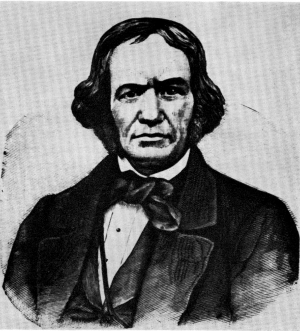
Figure 133.—Barthelemy Thimonnier, 1793-1857. From an engraving in the Sewing Machine Advance, November 15, 1880. (Smithsonian photo 10569-A.)
Thimonnier, together with Ferrand and a M. Beaunier, made attempts to introduce his machine in Paris. By 1841 they were successful in having eighty of Thimonnier’s machines in use sewing army clothing in a shop in Paris. But the fears of the tailors could not be quieted. The machines were destroyed by an ignorant and infuriated mob, as had been earlier labor-saving devices such as the Jacquard attachment for the loom and Hargreaves’ spinning jenny. Thimonnier was forced to flee to his home in St. Etienne, once more penniless.
Soon after this, Jean Marie Magnin, an engineer from Villefranche -sur-Saône became interested in Thimonnier’s machine and provided the inventor again with financial backing. In 1845 under the name of Thimonnier and Magnin the patent of 1830 was renewed, and under it they organized the first French sewing-machine company. The machines they manufactured could produce 200 stitches per minute.
The Revolution of 1848 curtailed the manufacture and sale of the machines. Thimonnier, remembering his unpleasant experience in 1841, decided to go to England with Magnin, where, on February 8, 1848, they received the English patent for his chainstitch machine. He was also granted United States patent 7,622 on September 20, 1850. This later machine had some advantages over his French machine of 1830, but by this time other inventors had joined the field with machines that were more practical. Magnin entered a sewing machine (which from the description in the catalog must have been Thimonnier’s invention) in the Crystal Palace Exhibition in London in 1850, but because it was late in arriving it was overlooked by the judges and not even considered in the competition. Thimonnier died in poverty at Amplepuis on July 5, 1857.
WALTER HUNT
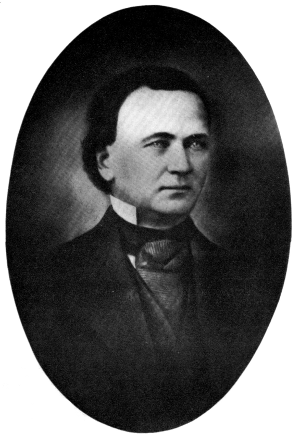
Figure 134.—Walter Hunt, 1796-1860. From a daguerreotype owned by his great-grandson, C. N. Hunt. (Smithsonian photo 32066-A.)
Walter Hunt was born near Martinsburg, New York, on July 29, 1796. Although little is known of Hunt’s early childhood, we do learn from the author of his obituary, which appeared in Scientific American, July 9, 1860, that even as a child he was more interested in people and what he could do for them than in what he could do to insure his own welfare. He is said to have devoted his life to his friends, frequently giving away his last cent when he did not have enough to provide for himself.
There is no record that Hunt maintained a regular business other than the occupation of inventor. His interests were numerous and varied. He received his first patent on June 26, 1826, for a machine for spinning flax and hemp. During the next 33 years he patented 26 ideas. In addition he sold or dropped several more. His second patent was for a coach alarm, and through the years he also received patents for a variety of things including a knife sharpener, heating stove, ice boat, nail machine, inkwell, fountain pen, safety pin, bottle stopper, sewing machine (1854), paper collars, and a reversible metallic heel.
ELIAS HOWE, JR.
Elias Howe, Jr., was born on his father’s farm in Spencer, Massachusetts, on July 9, 1819. This was one of those barren New England farms with many rock-filled acres. All possible ingenuity was necessary to secure a living. The elder Howe supplemented his farming by having a small gristmill, a sawmill, and also by manufacturing cards for the fast-growing cotton industry of New England. Elias Jr.’s earliest recollections were of the latter. He worked with his brothers and sisters sticking wire teeth into strips of leather to make these cotton cards, but, not being very good at this, his family decided to let him “live out” with a neighboring farmer. (Children were leased in those days; they received their board and keep in exchange for chores they would perform.) After a few years, Elias returned home and worked in his father’s mill until he was sixteen. Then, against the wishes of his family, he went to Lowell, Massachusetts. Here, he obtained a learner’s place in a machine shop where cotton-spinning machinery was made and repaired.
In 1837, when a financial panic hit the country, Howe lost his job. He then decided to go to Boston, and this marked a turning point in his career. In Boston he met Ari Davis, a maker of mariners’ instruments and scientific apparatus. Howe began to work in Davis’ shop, a place to which inventors often came to ask advice about their ideas. Davis sometimes helped them, but just as often he shouted at them in anger—he is said to have been one of the noisiest men in Boston. One day Howe overheard his employer bellowing at a man who had brought a knitting machine to the shop to seek Davis’ advice. “Why are you wasting your time over a knitting machine?” said Davis, “Take my advice, try something that will pay. Make a sewing machine.” “It can’t be done,” was the reply. “Can’t be done?” shouted Davis, “Don’t tell me that. Why—I can make a sewing machine myself.” “If you do,” interrupted the capitalist, “I can make an independent fortune for you.” Davis, like most men of many words, often talked of more than he planned to do. He never attempted to invent a sewing machine.
But the loud voices interested Howe, who, it is said, determined then that he would produce a sewing machine and win the fortune that the prosperous-looking man had asserted was waiting for such a deed. A kind of lameness since birth had made physical tasks painful for Howe, and he perhaps felt that this would offer an opportunity to become independent of hard physical work.
After marrying on a journeyman machinist’s pay of $9 a week, Howe’s health worsened and by 1843 was so bad that he had to stop work for days at a time. His wife was forced to take in sewing to maintain the family. It was the sight of his wife toiling at her stitches together with the pressure of poverty that recalled to Howe his earlier interest in a machine to sew. He decided to make an earnest attempt to invent one. Watching his wife for hours at a time, he tried to visualize a machine that would duplicate the motions of the arm. After many trials, he conceived the idea of using an eye-pointed needle in combination with a shuttle to form a stitch. It is possible that, as some authors state, the solution appeared to him in a dream, a manifestation of the subconscious at work. Others have suggested that he may have learned of Hunt’s machine. There is a general similarity in the two, not only in the combination of eye-pointed needle and shuttle but in the overhanging arm and vertical cloth suspension.
After conceiving the idea, whatever his inspiration, Howe determined to devote all of his time to producing a working model of his machine. Elias’ father, who had then started a factory for splitting palm leaves in Cambridge, gave him permission to set up a lathe and a few tools in the garret of the factory. Elias moved his family to Cambridge. Soon after his arrival, unfortunately, the building burned down, and Howe despaired of finding a place to work. He had a friend, however, in George Fisher, who had just come into a small inheritance, and Howe persuaded him to enter into partnership with him for the development of the machine. Fisher agreed to board Howe and his family, which now included two children, while Howe completed the model. Fisher also agreed to supply $500 for material and tools in exchange for a half interest in a patent if one was obtained.
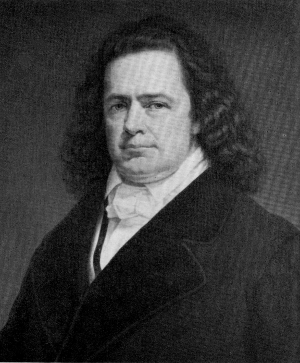
Figure 135.—Elias Howe, Jr., 1819-1867. From an oil painting in the Smithsonian Institution presented by the inventor’s grandson, Elias Howe Stockwell. (Smithsonian photo 622.)
At long last Howe was able to spend his full time and concentration on building his machine. His family was being fed and had a roof over its head. Within a few months Howe had completed a model and by April 1845 had sewed his first seam (see fig. 14). In July of that year he sewed all the principal seams of two suits of wool clothes, one for George Fisher and one for himself.
Several efforts were made to solicit public interest in the new machine. One was installed in a public hall in Boston, and a tailor was employed to operate it at three times the regular wage. The reception was similar to that of Thimonnier’s: crowds came to see the “contraption,” but, when Howe tried to interest large clothing establishments in using the machine, the protests of the tailors effectively blocked him. He took his sewing machine to the Quincy Hall Clothing Manufactory and offered to sew up any seams brought to him. Daily he sat in one of the rooms demonstrating his machine, and finally he challenged five of the swiftest seamstresses there to a race. Ten seams of equal length were prepared for stitching. One was given to each of the girls while the remaining five were given to Howe. Howe finished his five a little sooner than the girls each finished one, and his seams were declared the strongest and neatest. (Had any curved or angular work been brought, he could not have stitched it.) Still Howe did not receive a single order. The fear of throwing hand sewers out of work was again expressed, and, in addition, the cost of the machine was said to be too high. When it was estimated that a large shirtmaker would have to buy thirty or forty such machines, the necessary large investment was dismissed as ridiculous.
Howe was not too discouraged. In the meantime, he had finished a second machine for deposit with the patent specifications, as the patent laws then required. The second was a better made machine (fig. 15) and showed several minor changes. As soon as the patent was issued on September 10, 1846, Howe and his partner returned to Cambridge.
Without the inventor’s enthusiasm or love of his own invention, George Fisher became thoroughly discouraged. He had boarded Howe and his family for nearly two years, had furnished the money needed to purchase the tools and materials for making the two sewing machines, had met the expense of obtaining the patent and the trip of Howe and himself to Washington; representing in all an outlay of practically $2000. Since no orders for machines had been received from either garment makers or tailors, Fisher did not see the slightest probability of the machine’s becoming profitable and regarded his advances of cash as a dead loss.
Howe moved back to his father’s house with a plan to look elsewhere for a chance to introduce the machine. Obtaining a loan from his father, he built another machine and sent it to England by his brother Amasa. After many discouraging attempts to interest the British, Amasa met William Thomas, a manufacturer of umbrellas, corsets, and leather goods. Thomas employed many workmen, all of whom stitched by hand, and he immediately saw the possibilities of a sewing machine. He proposed that Howe sell the machine to him for £250 sterling (about $1250). Thomas further proposed to engage the inventor to adapt this machine to the making of corsets, at a salary of £3 a week.
When Amasa Howe returned to Cambridge with the news, Elias was reluctant to accept Thomas’ offer but had nothing better in sight. So the brothers sailed for London in February 1847, taking with them Howe’s first machine and his patent papers. Thomas later advanced the passage money for Howe’s wife and three children so that they could join Howe in England.
At this point, historians disagree on how long Howe was in Thomas’ employ and whether he succeeded in adapting the machine to meet Thomas’ needs. He was in England long enough, however, to find himself without employment in a strange country, his funds nearly exhausted, and his wife ill. He hoped to profit by the notice that his work had received and began to build another machine. He sent his family home to reduce expenses while he stayed on to finish the machine.
After working on it for three or four months, he was forced to sell it for five pounds and to take a note for that. To collect enough for his passage home, he sold the note for four pounds cash and pawned his precious first machine and his patent papers. He landed in New York in April 1849 with but half a crown in his pocket to show for his labors. A short time after he arrived, he learned that his wife was desperately ill. Only with a loan from his father was he able to reach her side before she died. Friends were found to look after the children, and Elias returned to work as a journeyman machinist.
Howe discovered, much to his surprise, that during his absence in England the sewing machine had become recognized in the United States. Several machines made in Boston had been sold to manufacturers and were in daily operation. Upon investigating them, he felt that they utilized all or part of the invention that he had patented in 1846, and he prepared to secure just compensation for its use. The first thing he did was to regain his first machine and patent papers from the London pawnshop. It was no easy matter for Howe to raise the money, but by summer he had managed. It was sent to London with Anson Burlingame, who redeemed the loans, and by autumn of the same year the precious possessions were back in Howe’s hands. Though Howe gained nothing by his English experience, William Thomas by his modest expenditure obtained all rights to the machine for Great Britain. This later proved to be a valuable property.
Howe then began writing letters to those whom he considered patent infringers, requesting them to pay a fee or discontinue the manufacture of sewing machines which incorporated his patented inventions. Some at first were willing to pay the fee, but they were persuaded by the others to stand with them and resist Howe. This action forced Howe to the courts. With his father’s aid he began a suit, but soon found that considerably more money than either possessed was necessary for such actions. Howe turned once more to George Fisher, but years of investing money in Howe’s machine without any monetary return had cooled him to the idea. Fisher, however, agreed to sell his half interest, and in February 1851 George S. Jackson, Daniel C. Johnson, and William E. Whiting became joint owners with Howe. These men helped Howe to procure witnesses in the furtherance of numerous suits, but more money was needed than they could raise. The following year a Massachusetts man by the name of George W. Bliss was persuaded to advance the money for the heavy legal expenses needed to protect the patent. Bliss did this as a speculation and demanded additional security. Once more Elias’ long-suffering parent came to the rescue and mortgaged his farm to get the necessary collateral.
Only one of these suits was prosecuted to a hearing, but this one, relatively unimportant in itself, set the precedent. In it the defense relied on the earlier invention of Walter Hunt to oppose Howe’s claims. The defendant succeeded in proving that Hunt invented, perfected, and sold two machines in 1834 and 1835 which contained all the essential devices in Howe’s machine of 1846. But Howe showed that the defendant’s machine (which was a Blodgett and Lerow) contained some features of Howe’s machine which were not in Hunt’s. The jury decided the case in favor of Howe. Howe later fought a vigorous battle with Isaac Singer, but after much legal controversy the ultimate decision in that case also was in Howe’s favor. The suits and payments to each patent holder for the right to use his idea were choking the sewing-machine industry. Even Howe could not manufacture a practical machine without an infringement. Finally an agreement was reached and a “Combination” was formed by the major patent holders (see pp. 41-42).
In the meantime, eight years of the first term of Howe’s patent had expired without producing much revenue. This permitted Howe, upon the death of his partner, George Bliss, to buy Bliss’ half interest for a small sum. He became, then, the sole owner of his patent just as it was to bring him a fortune. He obtained a seven-year extension for his patent in 1860 without any difficulty, and in 1867, when he applied for another extension, he stated that he had received $1,185,000 from it. Though he endeavored to show that because of the machine’s great value to the public he was entitled to receive at least $150,000,000, the second application was denied.
During the Civil War, Howe enlisted as a private soldier in the 17th Regiment Connecticut Volunteers. He went into the field and served as an enlisted man. On occasion when the Government was pressed for funds to pay its soldiers, he advanced the money necessary to pay his entire regiment.
Howe did not establish a sewing-machine factory until just before his death in 1867. One of his early licensees had been his elder brother, Amasa, who had organized the Howe Sewing Machine Company about 1853. When Elias began manufacturing machines on his own, he sunk into the bedplate of each machine a brass medallion bearing his likeness. Elias gave his company the same name that his elder brother had used. As this had been Amasa’s exclusive property for many years, he took the matter to the courts where the decision went against Elias. He then organized the Howe Machine Company and began to manufacture sewing machines. On October 3, 1867, Elias died in Brooklyn, New York, at the home of one of his sons-in-law. The company was then carried on by his two sons-in-law, who were Stockwell brothers. In 1872 the Howe Sewing Machine Company was sold by Amasa’s son to the Stockwells’ Howe Machine Company, which in turn went out of business in the mid-1880s.
ALLEN BENJAMIN WILSON
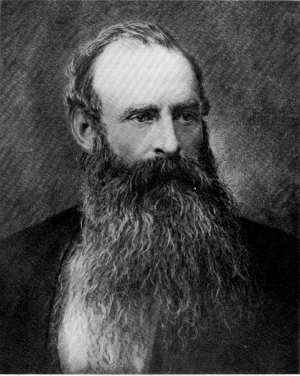
Figure 136.—Allen Benjamin Wilson, 1824-1888. From a drawing owned by the Singer Mfg. Co. Formerly, the drawing was owned by the Wheeler & Wilson Mfg. Co. (Smithsonian photo 32066.)
Allen B. Wilson was born in the small town of Willett, Cortlandt County, New York, in 1824. At sixteen he was apprenticed to a distant relative, a cabinetmaker. Unfortunate circumstances caused him to leave this employ, and in 1847 Wilson was in Adrian, Michigan, working as a journeyman cabinetmaker. The place and year are important, for it was at this time that he conceived his idea of a sewing machine. Because of the distant location, it is believed that he was not aware of similar efforts being made in New England. Wilson became ill and for many months could not work at his trade. By August 1848 he was able to work again and found employment at Pittsfield, Massachusetts. Resolving to develop his idea of a sewing machine, he worked diligently and by November had made full drawings of all the parts, according to his previous conceptions.
In comparison to the monetary returns received by the inventors Howe and Singer, Wilson himself did not receive as great a monetary reward for his outstanding sewing-machine inventions. Because of his health Wilson retired in 1853, when the stock company was formed, but he received a regular salary and additional money from the patent renewals. Wilson petitioned for a second extension of his patents on April 7, 1874, stating that, due to his early poverty, he had been compelled to sell a half interest in a patent (his first one) for the sum of $200. Also he stated that he had not received more than his expenses during the original fourteen-year term. Wilson also stated that he had received only $137,000 during the first seven-year extension period. These figures were verified by his partner. The petition was read before both Houses of Congress and referred to the Committee on Patents.[93] There was strong feeling against the extension of the Wilson patents. The New York Daily Graphic, December 30, 1874, reported:
So valuable has been this latter four-motion feed that few or no cloth-sewing machines are now made without it. The joint ownership of this feature of the Wilson patents has served to bind the combination of sewing-machine builders together, and enabled them to defy competition by force of the monopoly. It is this feature which the combination wishes to further monopolize for seven years by act of Congress. The inventor has probably realized millions for his invention. Singer admits that his patents, which are much less important, paid him two millions prior to 1870, since which time he has not been compelled to render an account. The Wilson patents with their extended terms were worth a much larger sum. They have been public property, so far as the feed is concerned, since June 15, 1873, and will remain so if too great a pressure is not brought to bear on Congress for their extension. A monopoly of this feed motion for seven years more would be worth from ten to thirty millions to the owner—and would cost the people four times as much.
Wilson had not made the millions for he only received a small percentage of the renewals’ earnings plus his salary from the patents’ owner, the Wheeler and Wilson Manufacturing Company.
The Congressional Committee on Patents made an adverse report in 1874 and again in 1875 and 1876, when applications for an extension were continued
Wilson died on April 29, 1888.
ISAAC MERRITT SINGER
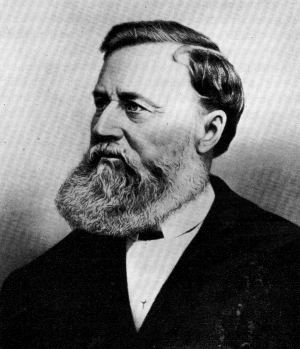
Figure 137.—- Isaac Merritt Singer, 1811-1875. From a charcoal drawing owned by the Singer Mfg. Co. (Smithsonian photo 32066-B)
Isaac Singer, whose name is known around the world as a manufacturer of sewing machines, was the eighth child of poor German immigrants. Isaac was born on October 27, 1811, in Pittstown, New York, but most of his early life was spent in Oswego. He worked as a mechanic and cabinetmaker, but acquired an interest in the theater. Under the name of Isaac Merritt, he went to Rochester and became an actor. In 1839, during an absence from the theater, he completed his first invention, a mechanical excavator, which he sold for $2000. With the money Singer organized a theatrical troupe of his own, which he called “The Merritt Players.” When the group failed in Fredericksburg, Ohio, Singer was stranded for lack of funds.
Forced to find some type of employment, Singer took a job in a Fredericksburg plant that manufactured wooden printers’ type. He quickly recognized the need for an improved type-carving machine. After inventing and patenting one, he found no financial support in Fredericksburg and decided to take the machine to New York City. Here, the firm of A. B. Taylor and Co. agreed to furnish the money and give Singer room in its Hague Street factory to build machines. A boiler explosion destroyed the first machine, and Taylor refused to advance more money.
While Singer was with Taylor, George B. Zieber, a bookseller who had seen the type-carving machine, considered its value to publishers. Zieber offered to help Singer and raised $1700 to build another model. In June 1850 the machine was completed. Singer and Zieber took the machine to Boston where they rented display space in the steam-powered workshop of Orson C. Phelps at 19 Harvard Place. Only a few publishers came to look at the machine, and none wanted to buy it.
Singer, contemplating his future, became interested in Phelps’ work, manufacturing sewing machines for J. A. Lerow and S. C. Blodgett. Phelps welcomed Singer’s interest as the design of the mechanism was faulty and purchasers kept returning the machines for repairs. Singer examined the sewing machine with the eyes of a practical machinist. He criticized the action of the shuttle, which passed around a circle, and the needle bar, which pushed a curved needle horizontally. Singer suggested that the shuttle move to and fro in a straight path and that a straight needle be used vertically. Phelps encouraged Singer to abandon the type-carving machine and turn his energies toward the improvement of the sewing machine. Convinced that he could make his ideas work, Singer sketched a rough draft of his proposed machine, and with the support of Zieber and Phelps the work began.
Singer continued to be active in the sewing-machine business until 1863. He made his home in Paris for a short time and then moved to England. While living at Torquay he conceived the idea of a fabulous Greco-Roman mansion, which he planned to have built at Paignton. Singer called it “The Wigwam.” Unfortunately, after all his plans, he did not live to see its completion. Singer died on July 23, 1875, of heart disease at the age of sixty-three.