Part 5 — INDEX
Reading edition
Achilles, modern, questioning Ulysses, 189
After-harvest, stillness of, 99
Aphrodite, 169
Apollo and Pan, 27
Apple blossom, 166-169
Ash-tree, solitary, dying, endiademed with woe, 53, 54;
how its leaves are shed, 124
August, 73-76;
Nature’s perfect poise, 73;
cool places in, 73;
the woods in, 75
Autumn, 176
Autumn bells, 174, 175
Autumn garden, an, 93-96, 174, 175;
farmhouse the royal flower of, 93;
a farmer’s love of his, 95
Ballad, a pathetic, described, 207, 208;
on the horse, 190, 237
Ballads and folk-songs, 206-208;
their words and melodies richest in immortal symbols, 206, 207
Barge, a black, 143-145;
its strange cargo, 145
Beech wood, a, 166
Birdnesting, 60
“Blue Bell,” the cosmic melody, 194
Bodleian Library, August in, 73
Books, a night with, 118
Boy, long thoughts of, 3
Brook, the, 88-92;
its insect, mineral, and plant life, 88-91;
its meandering course, 91, 92
Burns, Robert, prejudice against his poetry for epitaphs, 114
Calm, effect of, 2
Carbonek, castle of, 225-232;
now only a ruined crag, 226;
dreary outlook from, 226;
and Sir Launcelot’s vision, 229-232
Cassiopeia, the constellation, 194
Catullus, love of, song suggestive of, 208
Centaur, farmer on horse compared to, 66
Chalk hills, the, 171
Cherry blossom, 153, 154
Cherry of Zennor, Hunt’s story of, 198-201;
her dissatisfaction with home, 199;
her strange adventure, 199;
her curiosity and its consequences, 200, 201
Church bells, 176
Church, decorated, description of, 41-48;
service in, 41-43;
hymn-singing, 42;
modern worshippers and mythical gods, 43;
caged bells, 43
Church, village, description of, 176-178;
dull worshippers, 177;
a spiritless sermon, 178;
dream of an earthly heaven, 178-180
Clock, a silent, 118, 119
Clouds on the sea, 216-219;
their changeableness, 217, 218
Coach, London, 78
Company, good, walking in, 28-30
Country churchyard, a, 111-115;
village life in, 111;
life and death in, 111, 112;
epitaphs, 112-115;
eighteenth and nineteenth century epitaphs compared, 112
Country lover, the, 91
Crashaw’s poem, 62
Daffodils, the first, 183-191
Dante, love of, song suggestive of, 208
Dawn, beauties of nature at, 15, 16;
a July, 119
Deucalion stones, 223
Dis, chariot of, coming to Persephone, 148
“Dolly Gray,” sung in July fields, 206
Downs, the, 171-3
Dream, a strange, 39, 40
Earth Children, 126-137
Elves, lingering superstitions regarding, 66
Epitaph on infant’s tomb, 24
Epitaphs, 112-115;
history and progress seen in, 112;
sources of, 113, 114
“Fantastic summer’s heat,” 73
Farm, an old, 64-68;
relics of its long-dead generations, 67;
a deserted, 69, 70
Farmer, his life and habits, 66-68;
his house, 67;
his library, 67, 68;
relics of ancestors and thoughts of posterity, 68
Farmer’s daughter, the, 168, 169
Farmhouse, the royal flower of autumn, 93;
youth and antiquity mingled in the aspect of, 93, 94;
wayfarer’s first view of, 96;
a little red, 100;
life in, 101
Farmyard, in a, 52-55
Faunus, 21-25
Fell and moor, 184
Field, a green, 84-87;
antiquity of, 86;
November the notable month of, 87
Fields, antiquity of, 86
Fishing-boats in a tidal river, 214, 215
Footpaths, ancient, 115
“Four Elms, The,” typical village inn, 106, 110;
its old-time furniture, 107;
tramps and labourers in tap-room, 107-110
Fox-hunt, 141, 155-165
Gaberdine, a pedlar’s description of, 186
Galahad and Launcelot, 228
Gardens, summer flowers in, 170, 171;
autumn flowers, 174, 175
Garland day, 44-48;
song of, 48
Gods, ancient, and modern worshippers, 42, 43;
and heroes, 54
Golden Age, the, 13, 15, 16, 100-102;
and modern literature, 14
Goldfinches happy among thistles, 87
Good Friday and marbles, 60
Happiness, pursuit of, futile, 83
Happy Fields, 73
Harvest, a little before, 170-173
Harvest field, a moonlight love-race in, 201-204
Harvest moon, under a, 202-204
Haul of spring flowers, a March, 211-213
Hazlitt, love of, song suggestive of, 208
Heathland in the wind, 216, 217
Hedges, unruliness of, 84
Heroes and gods, 54
Hill, a tall beechen, 153
Holm-bank Hunting Song the, 194
“Hop-idgit,” the, or “shim,” 126
Horse, ballad on the, 190
House, white stone, 74
Hunt’s story of Cherry of Zennor, 198
Inn, the village, 205-208;
metamorphosed into a temple of all souls, 208
Inns, 63, 104, 106, 123, 183, 194;
a medley, 5;
roadside, 5, 61
January sunshine, 140-142
July night, and dawn, a, reminiscences of a, 118, 119
Junonian woman, 73, 76;
best representative of August, 73
Keats, 147, 148
Kilhwch, love of, song suggestive of, 208
King, Farmer, anecdote of his hay, 129
Labourer, aged, reminiscences of, 77-82;
a memory with a voice, 79;
feats of strength and endurance, 80, 81;
his coaching days, 81;
disciple of Culpeper, 82
Lamia and Lycius, 226
Landscapes on the walls by the roadside, 192
Lane, an ideal country, 56, 57
Launcelot, Sir, at the water of Morteise, 228;
his vision of the Sangreal, 228;
his adventures, 228-232;
at the castle of Carbonek, 229-232
Lethe, 214
Lethe’s stream, the flotsam on, 101
Literature, modern, 14
London, 7, 188;
midnight walk in, 7;
pedestrians encountered, 7, 8;
river, seen from bridge, 8;
names of streets an epitome of the world and time, 9;
can it be told? 188, 189;
The Soul of London, 188
Love-race in a moonlit harvest-field, 201-204
Lover’s game, children playing at, 59
Lycius, Corinthian, and Lamia, 226
Malory’s story of Sir Launcelot and the Sangreal, 228
Marbles and Good Friday, 60
March doubts, 37-40
March haul, a, 211, 213
Marlowe, love of, song suggestive of, 208
Marsh, the, 220-222
“Mary, come into the Field,” a peasant song, 34, 35, 237, 238
Maypole, the village, 70
Meadowland, 56-63;
pastoral inhabitants of, 58
Meadow-sweet, the, 75
Men prisons to themselves, 7
Meredith, Arabella, old man’s love-story concerning, 157-163;
her prowess in the hunting-field, 158;
her proposal of marriage, 159;
at the Fair, 161;
her lover’s daring swim, 162, 163;
her death, 163
Merediths, the, 157
Metamorphosis of the trees, 124
Mind, pool an image of the, 154
Moon, reign of, 153, 154
Moor and fell, 184
Moor, under the, 198-201
Moorhen, the home of the, 85
Morning, pride of the, 121-123
Morteise, water of, Sir Launcelot at the, 228
Mountainous country, scene in, 183
Mountains haunting the day, 184
Mowing, extraordinary day’s work at, 80, 81;
song, 11, 235
Music, the romantic cry of matter striving to become spirit, 206
Myratana and blind Tiriel, 226
Names, of streets, an epitome, 9;
of inns, rich in suggestion, 9
Nature, sorrowing, 5;
a philosopher of, 12;
beauties of, at dawn, 15, 16, 119
No man’s garden, 31-36
November, the notable month of the field, 87;
rain, 138, 139
Orchard, an, 167
Pace-egging Play, 179
Paganism, eternal, the multitude’s, 130, 131
Page, Margaret Helen, earth child, 127;
her better days, 127;
her Franciscan fondness for bird and beast, 127;
her Christian-pagan prayer and aspirations, 128-130
Page, Robert, earth child, 126;
his home, 127;
his varied avocations, 131, 132;
his belief of all things in print, 133;
his strange dream of the judgment day, 133, 134;
Bacchus his only god, 134;
his likeness to a lesser god in mythology, 135, 136
Palomides, love of, song suggestive of, 208
Pan and Apollo, 27
Pastoral inhabitants of meadowland, 58;
song, 58;
valley, 174
Pedlar, a, 186;
his picturesque dress, 186;
his birthplace, 186;
his simple life described, 187;
his questionings, 187-190
Pelleas, 228
Pellinore, 228
Persephone and the chariot of Dis, 148
Pleiades, the, and clouds, 218
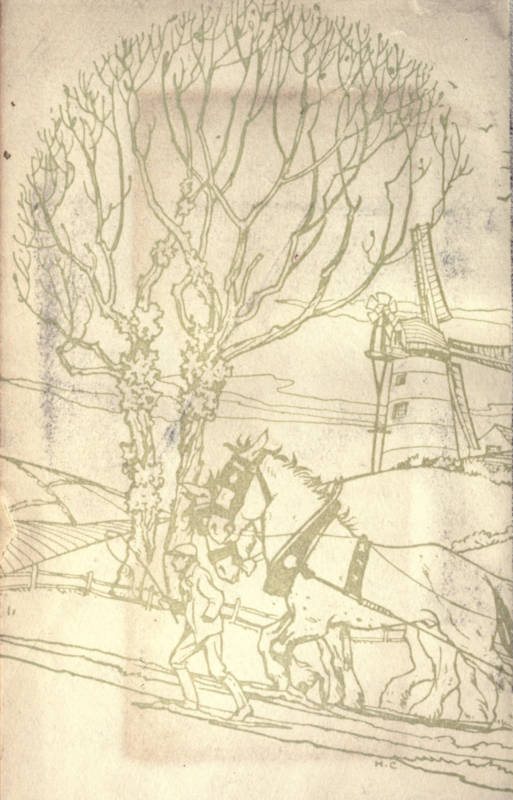
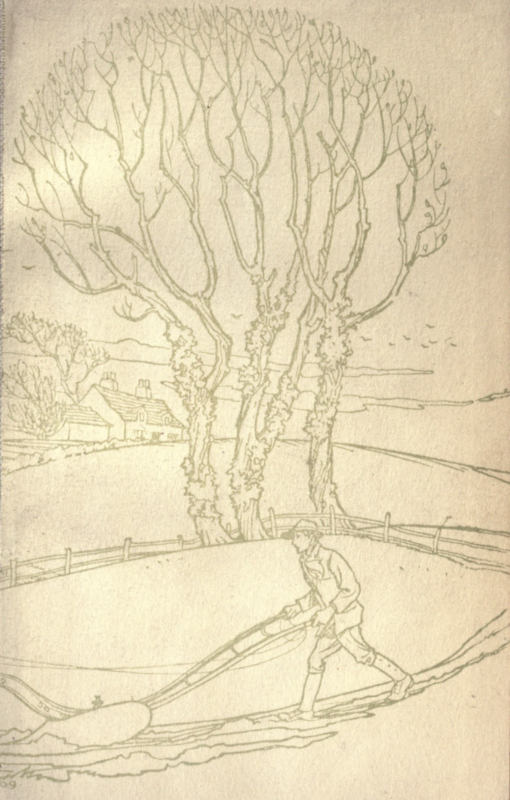
Ploughman, the, 22-25;
his daily task, 23;
his recreation, 23, 24
Poetry, pastoral, 14
Poison, slow, dream-search for, 39, 40
Pond, a primeval, 52, 53;
the field, 85;
its aspect at dawn, 86
Pond-mirror, the, 192-197;
reflections on and in, 196, 197
Pool, beauties of, 73-76;
an image of the mind, reflections in, 154
“Poor Mary,” children’s lovers’ game, 59, 60
Poppies, 71
Popular Romances of the West of England, Hunt’s, 198
Pork, roast, procuring a dinner of, 79, 80
Princess, an impossible, 72
Rain, night walk in, 5, 6
River, a tidal, fishing-heats in, 214
Robin’s eggs, superstition regarding, 60
Ruy Blas, love of, song suggestive of, 208
Sail, one, at sea, 223, 224;
image of watcher’s hopes, 223
St. Martin’s Summer, 118-120
Sangreal, Sir Launcelot and the, 228, 229
Sea, clouds on the, 216, 219;
one sail at, 223, 224
Seifelmolouk, modern, and his memlooks, 43
“Shim,” or “hop-idgit” of six tynes, the Sussex, 126
Sign-post, duty of, 10
Siren, melody of, 220
Song, a country marching, 11, 235
Songs, old, fragments of, 29, 30, 34
Songs with music: Mowing song, 235;
Holm-bank Hunting Song, 236;
Poor old Horse, song of the, 237;
Mary, come into the Field 237, 238;
La Fille du Roi, 238
Soul of London, the, 188
Sovereign things, three: ship, chariot, plough, 21
Spring, birds and flowers, 37-40
Squire of olden days, a, 79
Streets, as seen from railway carriage, 3, 4;
a problem, 4;
at night, 8;
city, 9;
names of, an epitome, 9
Suburban street, a, 1
Summer garden, 170, 171
Summer-time, 170
Sunday, autumn, in country, 176-180
Sunshine, January, 140-142
Superstitions: robin’s eggs, 60;
elves, 66;
tadpoles, 82
Swift, love of, song suggestive of, 208
Symbols that surge and satisfy, 205
Tadpoles, rustic remedy for “decline,” 82
Tartarus, 131
Ten miles drive, 155
Tennyson’s poetry as source of epitaphs, 114
Times, old-fashioned, 77-82;
advantages and disadvantages, 78;
were they “good”? 78
Tiriel, blind, and Myratana, 226
Tombs, only records of early races, 111, 112;
life and death of, 112;
various objects in, 111;
bodies found in sitting posture, 112
Tower, a spectacular, 221
Town-leaving, 1-17
Tramp, a, conversations with, 31-35;
his wife, 32;
a murder, 32, 33;
on Bank-holiday, 35, 36;
at work, 36
Tramps of various nationalities, 107;
strange sleeping-place of, 115
Tree-worship, mild, suggestion of, 192
Trees, 6, 16;
ancient, 42;
metamorphosis of, 124
Valley, a quiet, 140
Village, the, 103-117;
its ancient cottages, 105;
its church and churchyard, 104, 111;
its inns and their frequenters, 104, 106-110;
flower-gardens, 105;
its eighteenth-century vicarage, 106;
longevity of inhabitants, 113;
its roads and footpaths, 115, 116;
its archæological and historic remains, 116
Villon, love of, song suggestive of, 208
Walnut-tree, the, 97-99
Watercress-man, 2;
conversation with, 11-15;
as philosopher and flower-seller, 12;
as landscape-painter, 12-13
Water-mill, deserted, 97
Wayfarer, the, 121
Winter morning, a, 146
Wood at sunrise, 44;
antiquity of, 46;
youth of, 47;
an old, beauties of, 49-51;
memories evoked by, 51;
a triangular, 139
Woodland walk, 26, 27, 44-51
World, still primitive, the, 143
Worshipper, modern and ancient gods, 42, 43
Yeoman of long ancestry, 156;
and Enid, his betrothed, 157, 160, 164
Youth, wood of, 47
Richard Clay & Sons, Limited, London and Bungay.