← Table of contents
The Halifax Catastrophe

INTRODUCTION

Reading edition

Thursday, December sixth, 1917, will be ever memorable as the date of the great disaster which, with catastrophic suddenness, burst upon the beautiful and old historic city of Halifax, causing widespread destruction, death and desolation, the magnitude of which finds no parallel in our history. The fateful morning dawned both fine and fair, and the normal activities of the busy city were set in motion for the day. No one dreamed that in the magnificent harbor of Halifax the opening scene in a terrible drama of tragedy was already staged.

Proceeding up the harbor, and making for Bedford Basin, was the French steamer “Mont Blanc,” carrying a deck cargo of benzine and an under cargo of some three thousand tons of nitro-glycerine, and the world’s most powerful explosive, “T. N. T.” Leaving the upper harbor and steaming at slow speed was the Norwegian steamer “Imo,” with a cargo of relief for the war sufferers of Belgium. Slowly the two vessels approached each other; nearer and nearer they drew, reaching the Narrows between the harbor and Bedford Basin, at which point they should have passed. Then happened the inexplicable—save for the fatal phrase “Someone had blundered”! The Norwegian vessel collided with the “Mont Blanc,” and almost immediately her deck cargo of benzine caught fire and a few minutes later, at five minutes past nine to be exact, the three thousand tons of high explosives aboard exploded with a dull reverberating roar and a crash that defies description. In a second of time it was as though a fierce tornado had swept the City. The whole North End, practically two square miles of territory, became a burning ruin. A considerable section of the water front was completely shattered, and all over the city, public buildings and private dwellings were wrecked, and not a window remained anywhere intact.

The preponderating magnitude of the calamity can be somewhat realized by the terrible toll of dead and wounded. The casualties were truly appalling—1,200 dead, 2,000 or more wounded, and 6,000 rendered homeless. Property damage was estimated to be between Forty and Fifty Million Dollars.

The scenes following the great convulsion are utterly beyond the power of language to describe. Chaos reigned supreme, and our vocabulary fails to depict the heart-rending scenes witnessed on the streets and in the hastily improvised hospitals and morgues. Gallant acts of amazing heroism are recorded, and Halifax will never fully know all she owes to the military and naval forces stationed in the city for their magnificent services, so promptly rendered in the hour of her dire disaster.

No sooner had the appalling news flashed across the cables than messages of sympathy and offers of practical aid poured in from all parts of the Dominion and the U. S. A. The local Relief Committee was inspired and heartened by the prompt despatch from Boston of a special relief train, bringing a corps of doctors, surgeons, and Red Cross nurses with full equipment, under the direction of Hon. A. C. Ratchesky, the personal representative of Governor McCall of Massachusetts. Premier Borden arrived in Halifax on Friday morning, and issued the following statement expressive of the keen appreciation which all Canada felt at the magnanimous assistance of the American people:

“The people of Canada are profoundly grateful for the generous sympathy of the people of the United States in the terrible disaster which has overtaken the City of Halifax, and they most deeply appreciate the splendid aid which has been offered and sent from so many communities of our great kindred nation.”

In an incredibly short space of time, considering the tremendous nature of the calamity, confusion took on the semblance of order, and the eager hands of willing citizens were busily engaged under the direction of committees in ministering to the maimed and injured, reverent burial of the untimely dead, catering for the hungry and providing for the thousands rendered destitute and homeless through the sudden stroke of swift catastrophe which has laid the city low.

Not yet, at this hour of writing, has Halifax recovered fully from the shattering blow of that fateful Thursday, the sixth of December; but with optimistic fortitude, with courage and with ardor, is already grappling with the Herculean task of reconstruction; and thus it is that the gloom of the present is even now radiantly relieved with the gleam of a splendid vision—The Greater Halifax of Tomorrow. Surely here is ample evidence that there is something in man, frail and human as he is, which nevertheless defies and rises above catastrophe.

HAROLD T. ROE.

Halifax, December 14th, 1917.
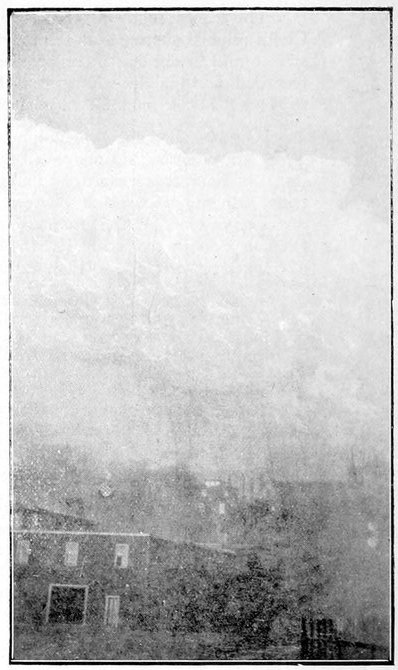
Illustration from The Halifax Catastrophe Forty views showing extent of damage in Canada's historic city as the result of terrific explosion on Thursday, December 6th, 1917, which killed 1200 men, women and children, injured 3000 and rendered 6000 homeless, causing property damage of nearly $50,000,000

This picture was taken at the corner of Queen and Green Streets, three miles from the scene of the disaster, a few minutes after the explosion, and shows the cloud of smoke from the explosion.
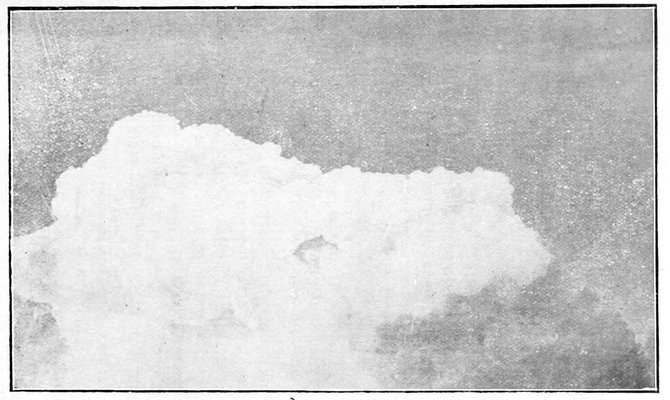
Illustration from The Halifax Catastrophe Forty views showing extent of damage in Canada's historic city as the result of terrific explosion on Thursday, December 6th, 1917, which killed 1200 men, women and children, injured 3000 and rendered 6000 homeless, causing property damage of nearly $50,000,000

This picture shows another view of the cloud of smoke from the explosion. This smoke cloud swept over the north end of the city and was visible in all sections of Halifax for more than a quarter of an hour. By courtesy of G. V. D. V.
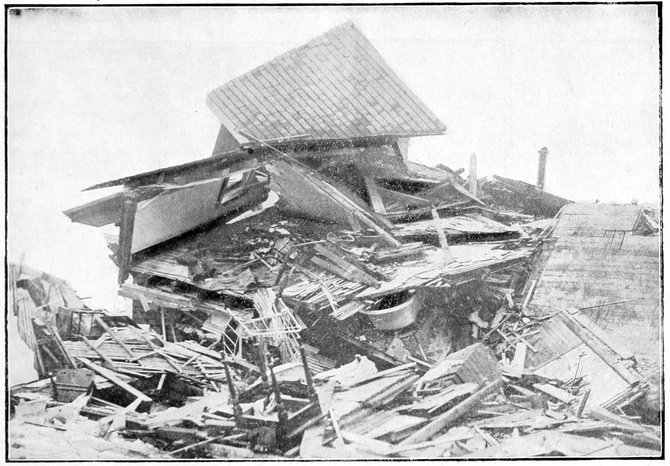
Illustration from The Halifax Catastrophe Forty views showing extent of damage in Canada's historic city as the result of terrific explosion on Thursday, December 6th, 1917, which killed 1200 men, women and children, injured 3000 and rendered 6000 homeless, causing property damage of nearly $50,000,000

In one brief minute this home was smashed to atoms. Furniture and bathtub can be seen mixed up in the debris.
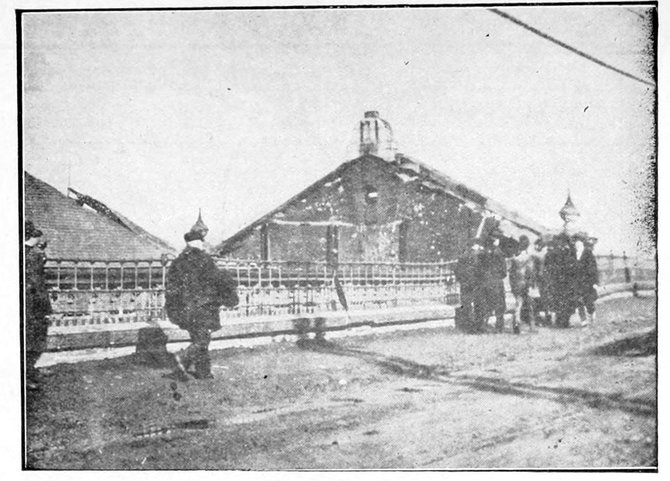
Illustration from The Halifax Catastrophe Forty views showing extent of damage in Canada's historic city as the result of terrific explosion on Thursday, December 6th, 1917, which killed 1200 men, women and children, injured 3000 and rendered 6000 homeless, causing property damage of nearly $50,000,000

This view is looking down on the roof of North Street Station and shows how that building was battered up.
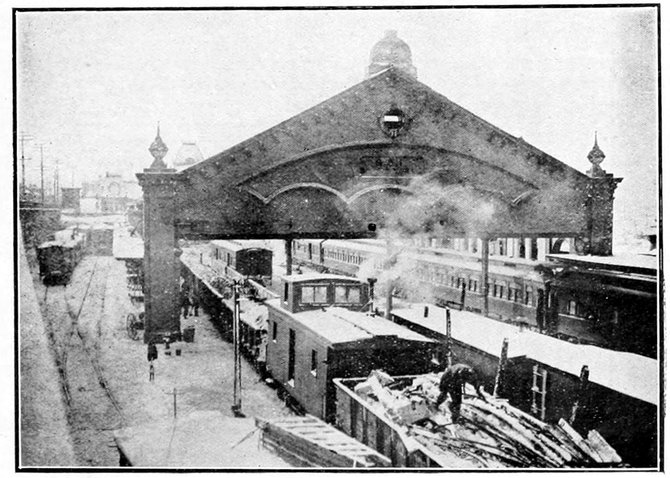
Illustration from The Halifax Catastrophe Forty views showing extent of damage in Canada's historic city as the result of terrific explosion on Thursday, December 6th, 1917, which killed 1200 men, women and children, injured 3000 and rendered 6000 homeless, causing property damage of nearly $50,000,000

This is an interior view of North Street Station after the explosion showing the roof smashed in and wreckage trains carrying debris away.
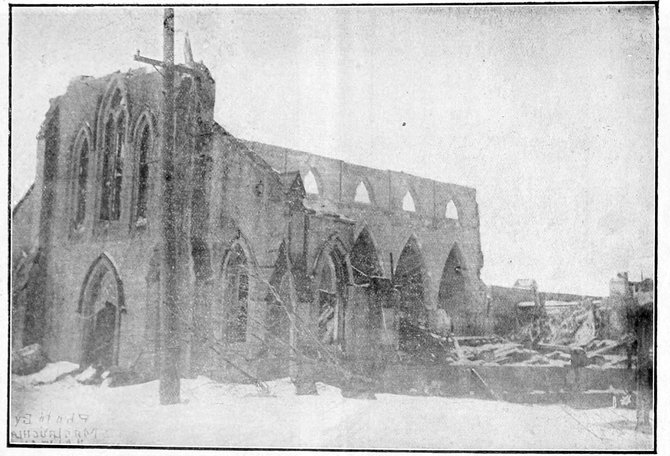
Illustration from The Halifax Catastrophe Forty views showing extent of damage in Canada's historic city as the result of terrific explosion on Thursday, December 6th, 1917, which killed 1200 men, women and children, injured 3000 and rendered 6000 homeless, causing property damage of nearly $50,000,000

All that is left of St. Joseph’s Church.
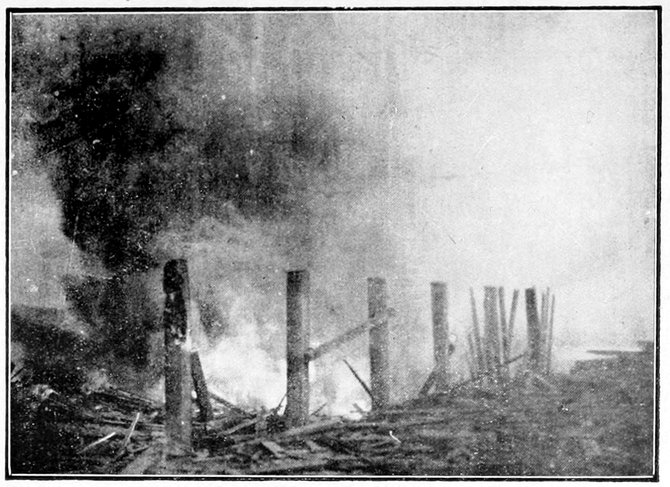
Illustration from The Halifax Catastrophe Forty views showing extent of damage in Canada's historic city as the result of terrific explosion on Thursday, December 6th, 1917, which killed 1200 men, women and children, injured 3000 and rendered 6000 homeless, causing property damage of nearly $50,000,000

Ruins at Richmond. This picture was taken shortly after the explosion.
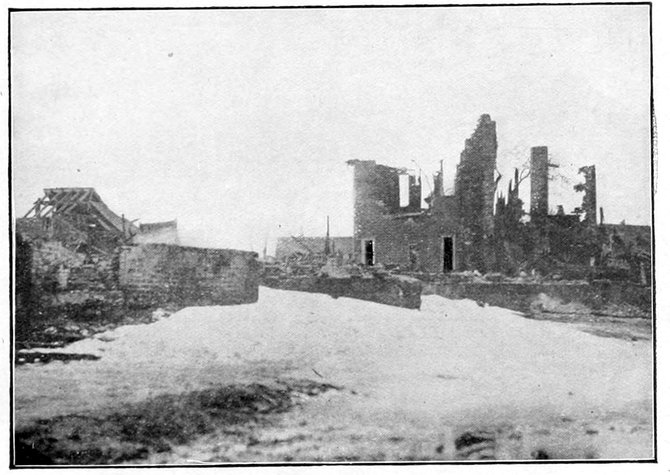
Illustration from The Halifax Catastrophe Forty views showing extent of damage in Canada's historic city as the result of terrific explosion on Thursday, December 6th, 1917, which killed 1200 men, women and children, injured 3000 and rendered 6000 homeless, causing property damage of nearly $50,000,000

All that is left of a residential section in the North End.
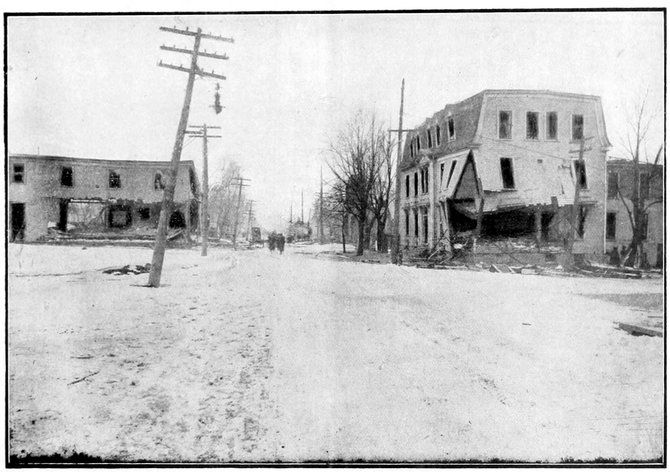
Illustration from The Halifax Catastrophe Forty views showing extent of damage in Canada's historic city as the result of terrific explosion on Thursday, December 6th, 1917, which killed 1200 men, women and children, injured 3000 and rendered 6000 homeless, causing property damage of nearly $50,000,000

The havoc wrought among stores and homes on Gottingen Street.
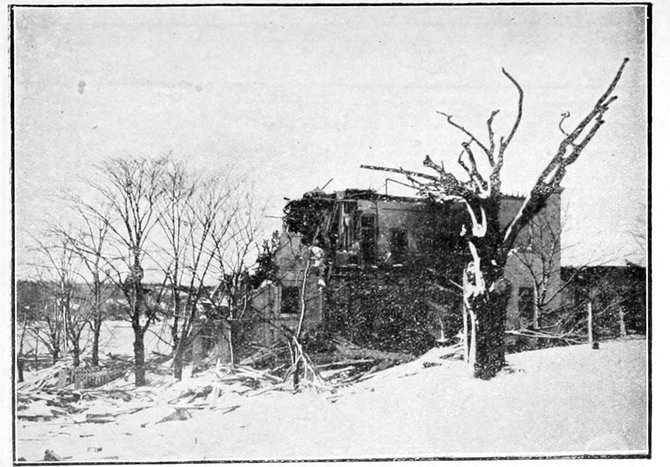
Illustration from The Halifax Catastrophe Forty views showing extent of damage in Canada's historic city as the result of terrific explosion on Thursday, December 6th, 1917, which killed 1200 men, women and children, injured 3000 and rendered 6000 homeless, causing property damage of nearly $50,000,000

This is a view of Roome Street School in the heart of the devastated area. As can be seen this building was completely wrecked.
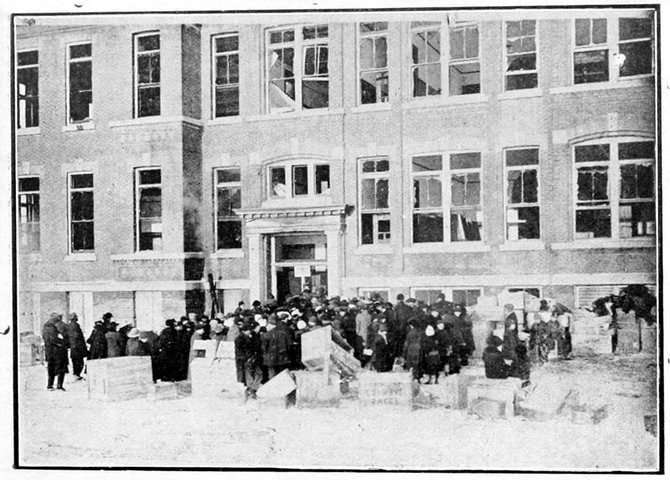
Illustration from The Halifax Catastrophe Forty views showing extent of damage in Canada's historic city as the result of terrific explosion on Thursday, December 6th, 1917, which killed 1200 men, women and children, injured 3000 and rendered 6000 homeless, causing property damage of nearly $50,000,000

Crowds swarming into Chebucto Road School to identify the dead.
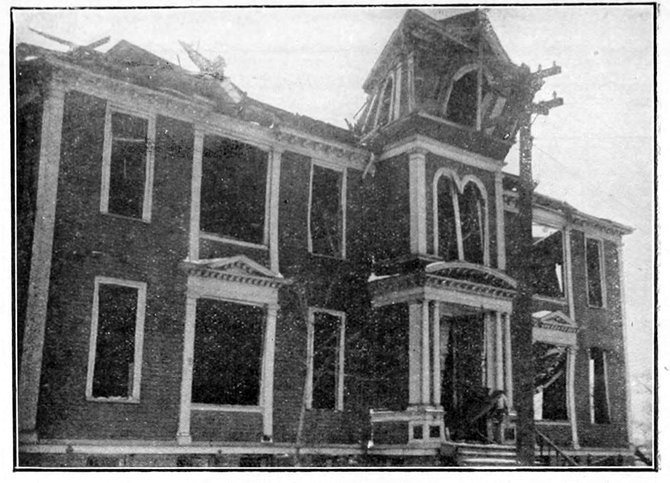
Illustration from The Halifax Catastrophe Forty views showing extent of damage in Canada's historic city as the result of terrific explosion on Thursday, December 6th, 1917, which killed 1200 men, women and children, injured 3000 and rendered 6000 homeless, causing property damage of nearly $50,000,000

This is a view of the new Alexander McKay School. It now resembles a shell-torn building in Flanders.
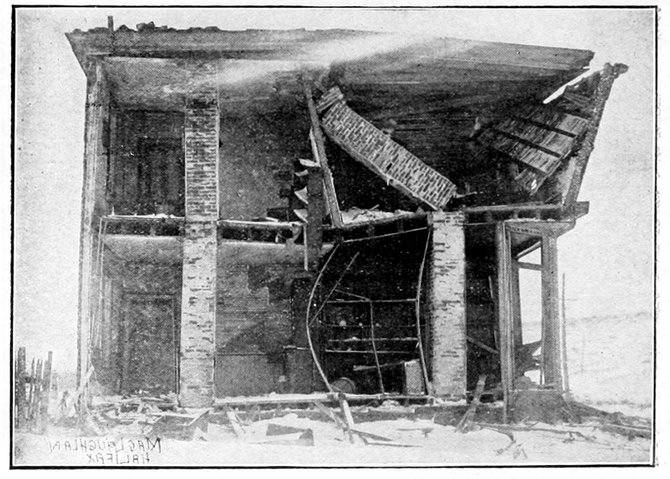
Illustration from The Halifax Catastrophe Forty views showing extent of damage in Canada's historic city as the result of terrific explosion on Thursday, December 6th, 1917, which killed 1200 men, women and children, injured 3000 and rendered 6000 homeless, causing property damage of nearly $50,000,000

Crashing chimneys fell on the sick and dying and added to the awful horror of the explosion.
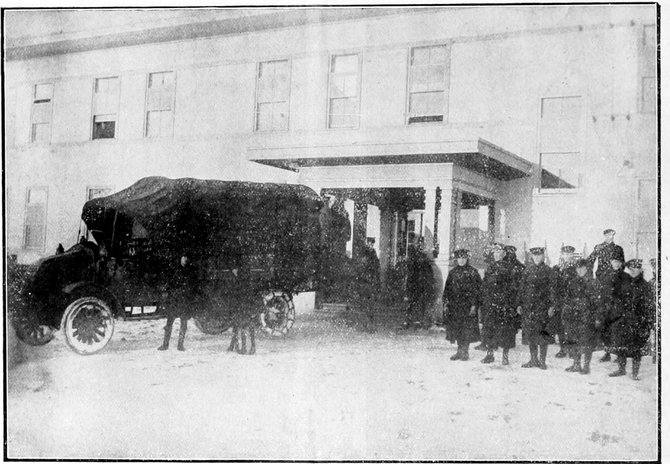
Illustration from The Halifax Catastrophe Forty views showing extent of damage in Canada's historic city as the result of terrific explosion on Thursday, December 6th, 1917, which killed 1200 men, women and children, injured 3000 and rendered 6000 homeless, causing property damage of nearly $50,000,000

Motor lorries conveying the wounded to the new Military Hospital on Camp Hill.
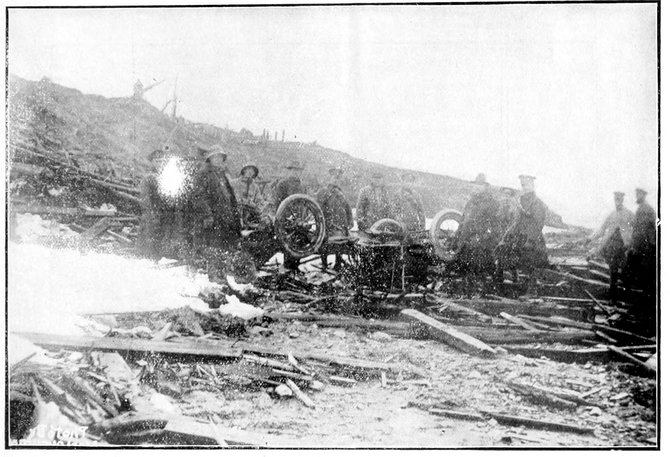
Illustration from The Halifax Catastrophe Forty views showing extent of damage in Canada's historic city as the result of terrific explosion on Thursday, December 6th, 1917, which killed 1200 men, women and children, injured 3000 and rendered 6000 homeless, causing property damage of nearly $50,000,000

This picture shows wreckage of Fire Chief Condon’s automobile after the explosion.
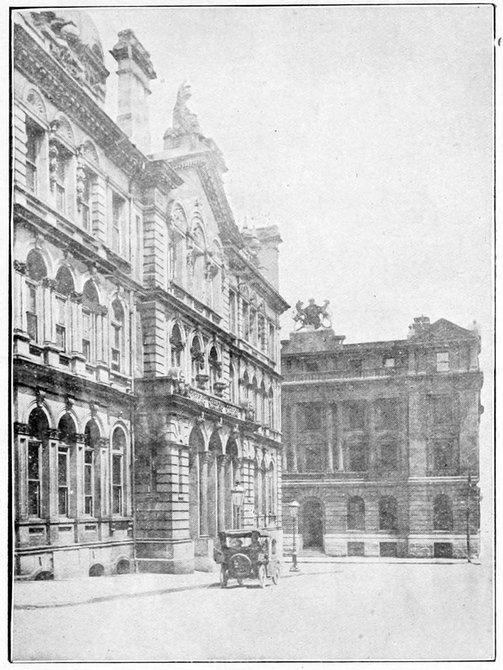
Illustration from The Halifax Catastrophe Forty views showing extent of damage in Canada's historic city as the result of terrific explosion on Thursday, December 6th, 1917, which killed 1200 men, women and children, injured 3000 and rendered 6000 homeless, causing property damage of nearly $50,000,000

This picture shows the post office and customs house before the explosion. Although these buildings are located two miles from the scene of the explosion, they were more or less damaged.
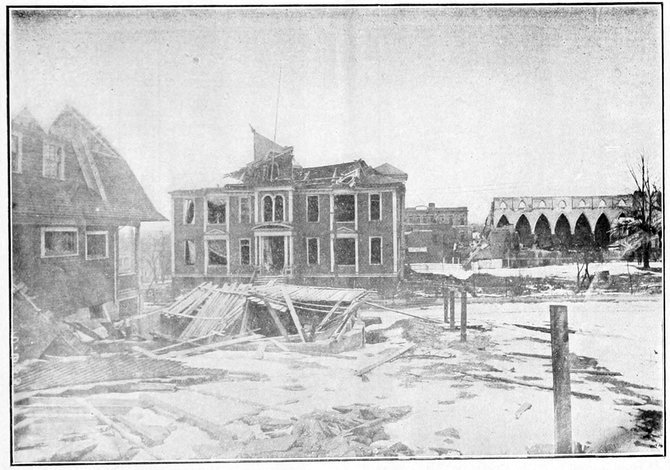
Illustration from The Halifax Catastrophe Forty views showing extent of damage in Canada's historic city as the result of terrific explosion on Thursday, December 6th, 1917, which killed 1200 men, women and children, injured 3000 and rendered 6000 homeless, causing property damage of nearly $50,000,000

A view of the wrecked St. Joseph’s School, with the ruins of St. Joseph’s Church showing in the rear.
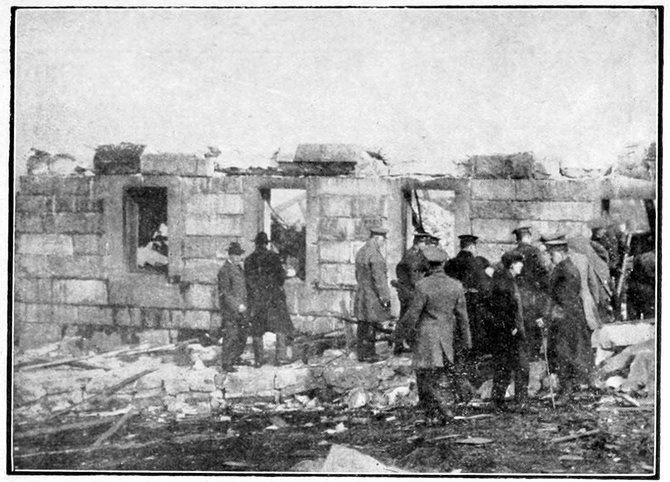
Illustration from The Halifax Catastrophe Forty views showing extent of damage in Canada's historic city as the result of terrific explosion on Thursday, December 6th, 1917, which killed 1200 men, women and children, injured 3000 and rendered 6000 homeless, causing property damage of nearly $50,000,000

Searching for bodies in the basement of a school.
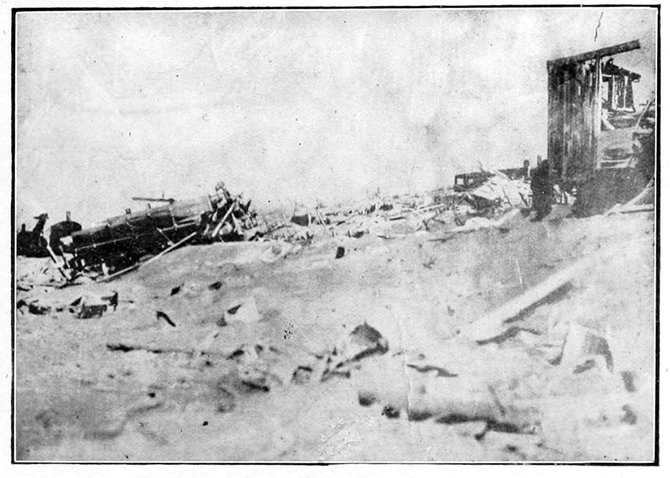
Illustration from The Halifax Catastrophe Forty views showing extent of damage in Canada's historic city as the result of terrific explosion on Thursday, December 6th, 1917, which killed 1200 men, women and children, injured 3000 and rendered 6000 homeless, causing property damage of nearly $50,000,000

The effect of the explosion on rolling stock and track.
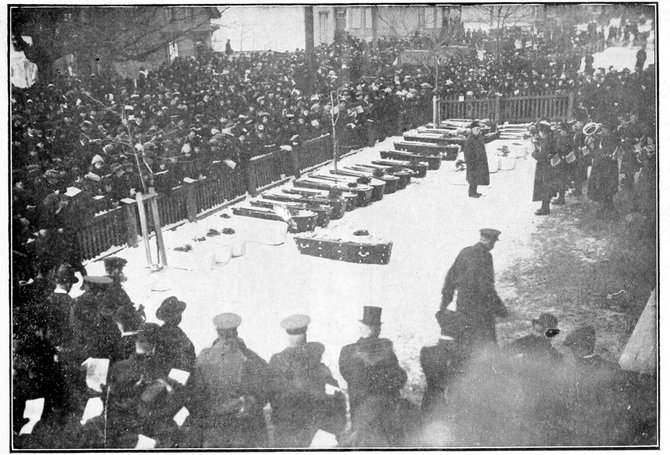
Illustration from The Halifax Catastrophe Forty views showing extent of damage in Canada's historic city as the result of terrific explosion on Thursday, December 6th, 1917, which killed 1200 men, women and children, injured 3000 and rendered 6000 homeless, causing property damage of nearly $50,000,000

Coffins piled up in front of Chebucto Road School at the funeral of nearly 100 unidentified dead.
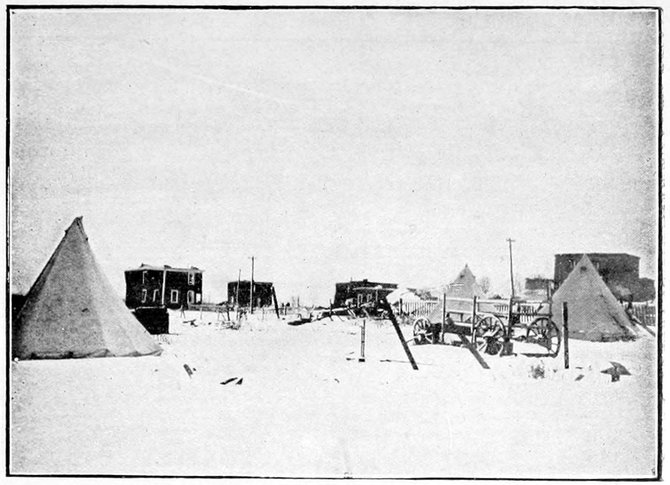
Illustration from The Halifax Catastrophe Forty views showing extent of damage in Canada's historic city as the result of terrific explosion on Thursday, December 6th, 1917, which killed 1200 men, women and children, injured 3000 and rendered 6000 homeless, causing property damage of nearly $50,000,000

Homeless people of the North End were forced to spend the night in canvas tents.
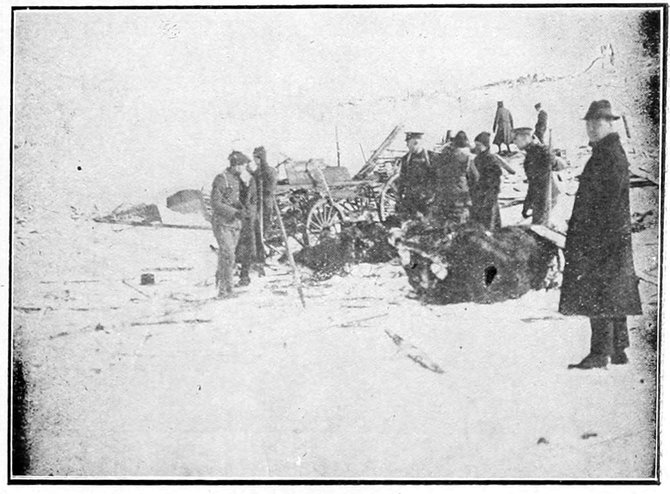
Illustration from The Halifax Catastrophe Forty views showing extent of damage in Canada's historic city as the result of terrific explosion on Thursday, December 6th, 1917, which killed 1200 men, women and children, injured 3000 and rendered 6000 homeless, causing property damage of nearly $50,000,000

So terrific was the explosion that horses were torn from their waggons and instantly killed.
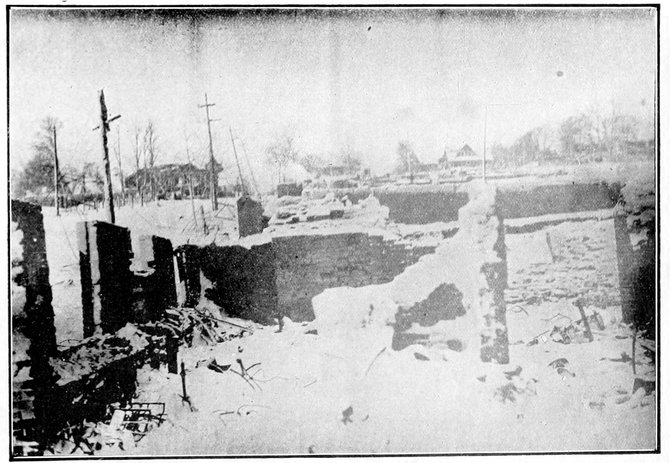
Illustration from The Halifax Catastrophe Forty views showing extent of damage in Canada's historic city as the result of terrific explosion on Thursday, December 6th, 1917, which killed 1200 men, women and children, injured 3000 and rendered 6000 homeless, causing property damage of nearly $50,000,000

This is a scene at Richmond and shows how completely the buildings in that section were demolished.
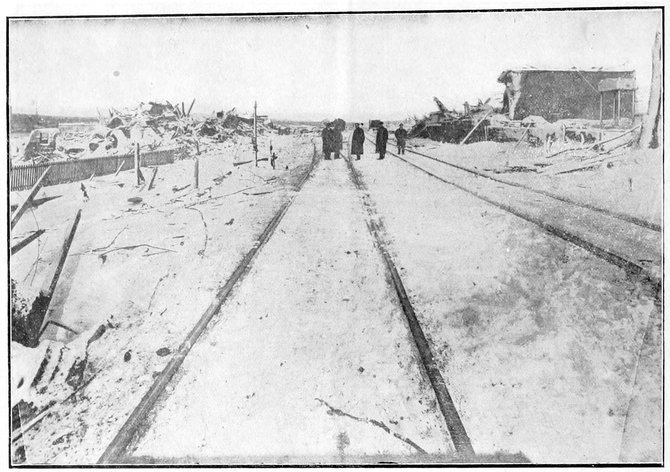
Illustration from The Halifax Catastrophe Forty views showing extent of damage in Canada's historic city as the result of terrific explosion on Thursday, December 6th, 1917, which killed 1200 men, women and children, injured 3000 and rendered 6000 homeless, causing property damage of nearly $50,000,000

All that remains of several large buildings in the devastated area, where the full force of the explosion was felt.
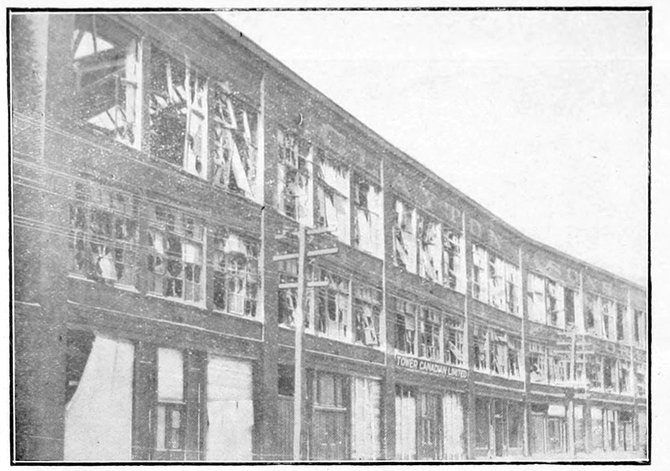
Illustration from The Halifax Catastrophe Forty views showing extent of damage in Canada's historic city as the result of terrific explosion on Thursday, December 6th, 1917, which killed 1200 men, women and children, injured 3000 and rendered 6000 homeless, causing property damage of nearly $50,000,000

This is a picture of Clayton & Sons, Clothing Manufacturers’ block on Barrington Street, one of the largest buildings in the city. Practically every pane of glass in this building was shattered.
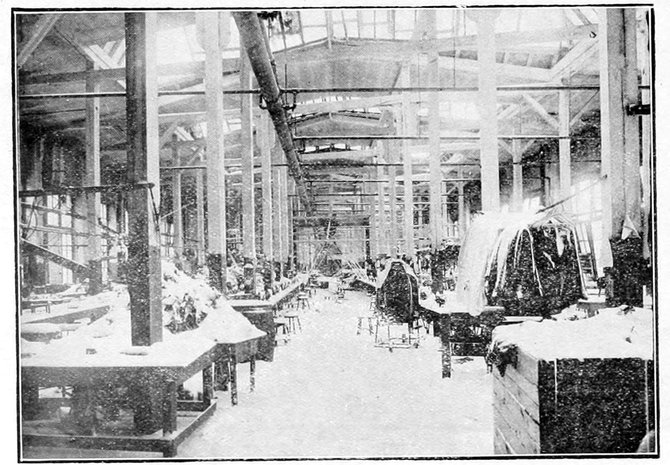
Illustration from The Halifax Catastrophe Forty views showing extent of damage in Canada's historic city as the result of terrific explosion on Thursday, December 6th, 1917, which killed 1200 men, women and children, injured 3000 and rendered 6000 homeless, causing property damage of nearly $50,000,000

This is an interior view of the tailoring department of Clayton and Sons. This picture was taken after the blizzard of Friday and shows the snow piled up on the tables and the damage to the stock by the storm.
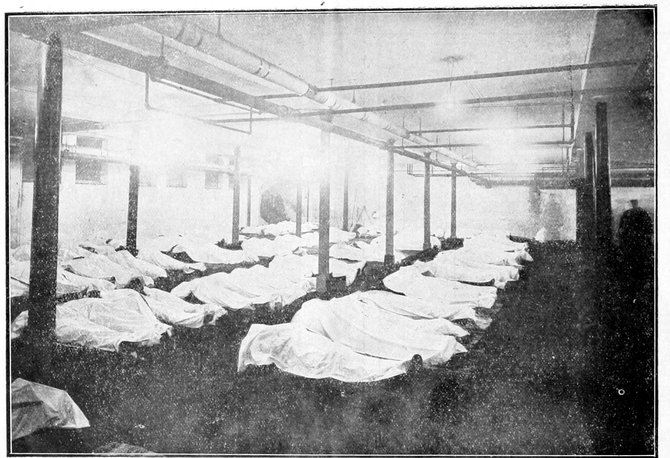
Illustration from The Halifax Catastrophe Forty views showing extent of damage in Canada's historic city as the result of terrific explosion on Thursday, December 6th, 1917, which killed 1200 men, women and children, injured 3000 and rendered 6000 homeless, causing property damage of nearly $50,000,000

Rows of unidentified dead in the basement of Chebucto Road School.
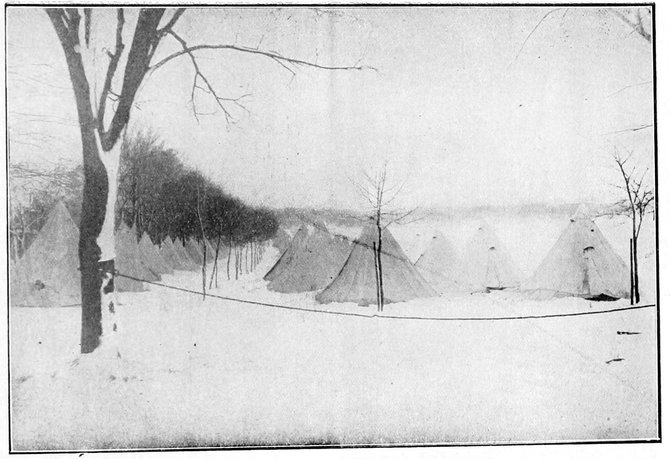
Illustration from The Halifax Catastrophe Forty views showing extent of damage in Canada's historic city as the result of terrific explosion on Thursday, December 6th, 1917, which killed 1200 men, women and children, injured 3000 and rendered 6000 homeless, causing property damage of nearly $50,000,000

Amid the Blinding Blizzard of Friday many found shelter in rows of canvas tents.
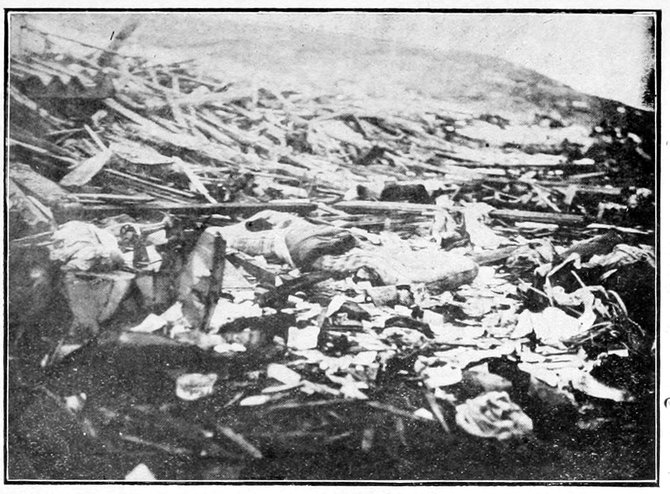
Illustration from The Halifax Catastrophe Forty views showing extent of damage in Canada's historic city as the result of terrific explosion on Thursday, December 6th, 1917, which killed 1200 men, women and children, injured 3000 and rendered 6000 homeless, causing property damage of nearly $50,000,000

Wreckage of homes in the devastated area.
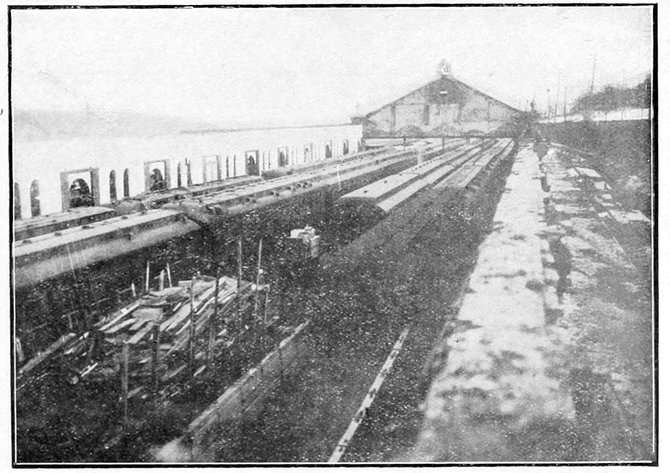
Illustration from The Halifax Catastrophe Forty views showing extent of damage in Canada's historic city as the result of terrific explosion on Thursday, December 6th, 1917, which killed 1200 men, women and children, injured 3000 and rendered 6000 homeless, causing property damage of nearly $50,000,000

This shows how completely the train entrance to North Street Station was wrecked. The whole roof was swept away.
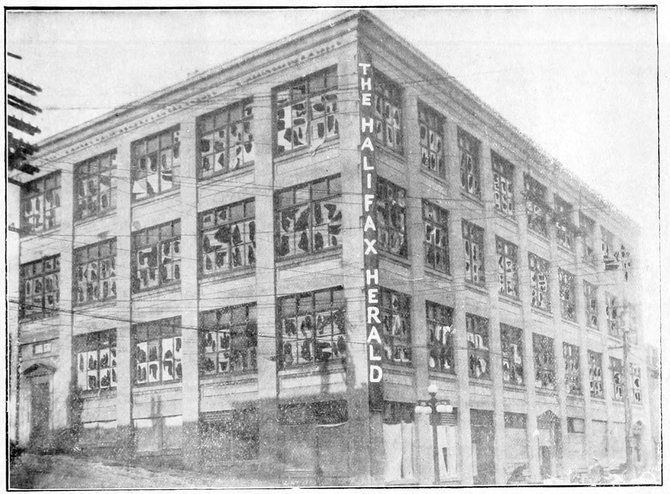
Illustration from The Halifax Catastrophe Forty views showing extent of damage in Canada's historic city as the result of terrific explosion on Thursday, December 6th, 1917, which killed 1200 men, women and children, injured 3000 and rendered 6000 homeless, causing property damage of nearly $50,000,000

The Home of The Halifax Herald and The Evening Mail After the Explosion. The Herald building is situated more than two miles from the scene of the disaster, and so great was the explosion that every pane of glass in the building was shattered. On the north and west sides (not shown in the picture) the greatest damage was caused, frames and glass being blown in on the presses and other parts of the plant.
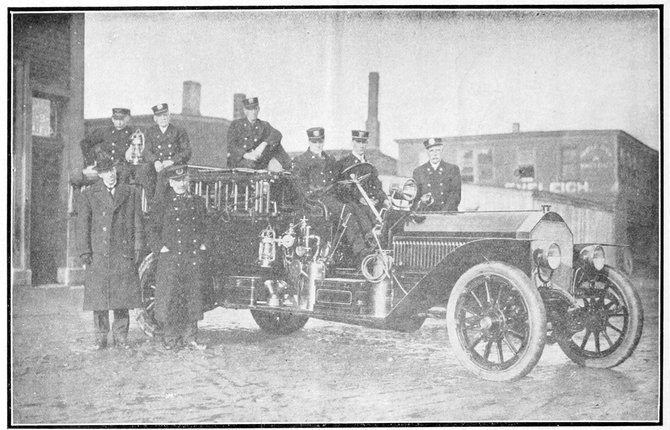
Illustration from The Halifax Catastrophe Forty views showing extent of damage in Canada's historic city as the result of terrific explosion on Thursday, December 6th, 1917, which killed 1200 men, women and children, injured 3000 and rendered 6000 homeless, causing property damage of nearly $50,000,000

The motor fire engine “Patricia” as she appeared when purchased by the City of Halifax a few years ago.
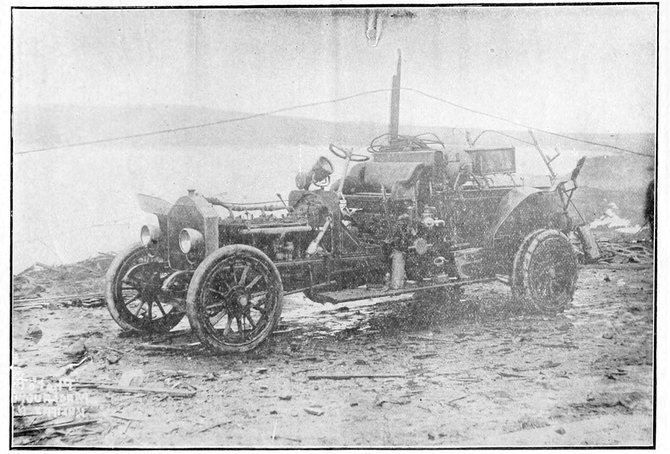
Illustration from The Halifax Catastrophe Forty views showing extent of damage in Canada's historic city as the result of terrific explosion on Thursday, December 6th, 1917, which killed 1200 men, women and children, injured 3000 and rendered 6000 homeless, causing property damage of nearly $50,000,000

The motor fire engine “Patricia” as she appeared after the explosion.
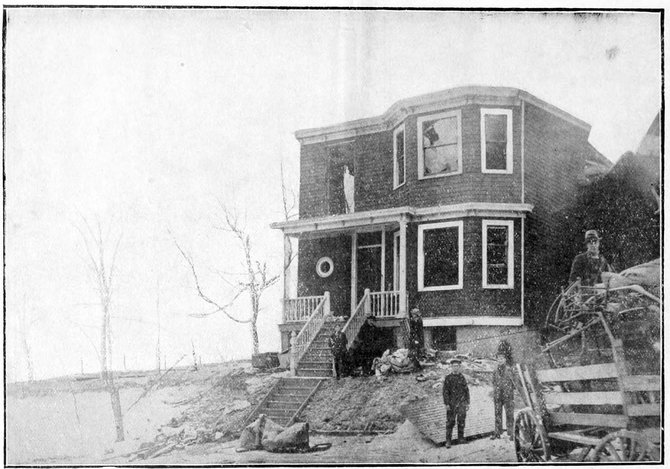
Illustration from The Halifax Catastrophe Forty views showing extent of damage in Canada's historic city as the result of terrific explosion on Thursday, December 6th, 1917, which killed 1200 men, women and children, injured 3000 and rendered 6000 homeless, causing property damage of nearly $50,000,000

This house is situated more than a mile from the scene of the explosion, but the interior was completely wrecked and the furniture was blown out on the street.
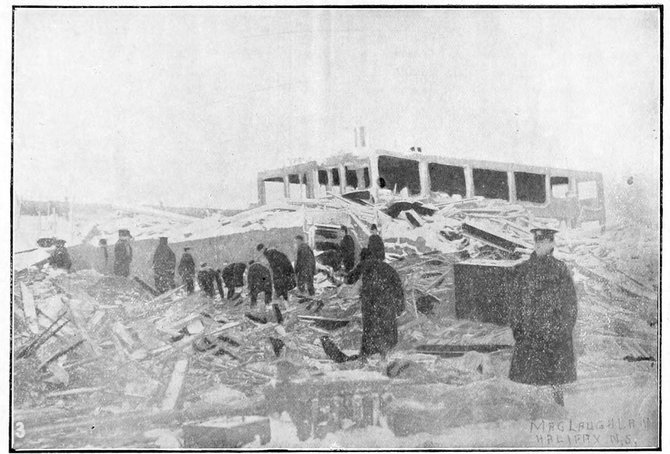
Illustration from The Halifax Catastrophe Forty views showing extent of damage in Canada's historic city as the result of terrific explosion on Thursday, December 6th, 1917, which killed 1200 men, women and children, injured 3000 and rendered 6000 homeless, causing property damage of nearly $50,000,000

Searching for human lives amid the debris in the devastated Richmond section.
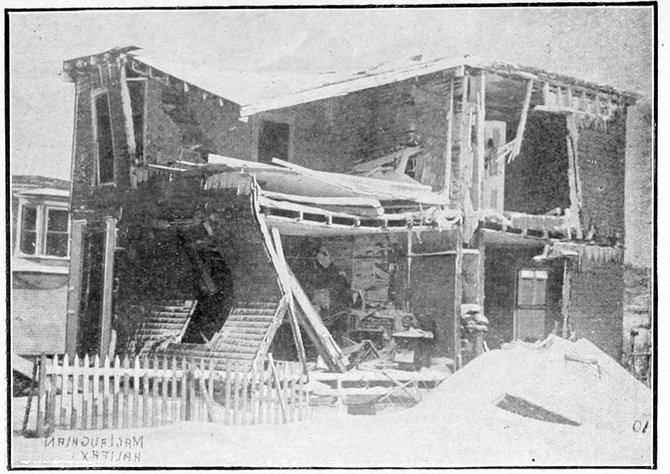
Illustration from The Halifax Catastrophe Forty views showing extent of damage in Canada's historic city as the result of terrific explosion on Thursday, December 6th, 1917, which killed 1200 men, women and children, injured 3000 and rendered 6000 homeless, causing property damage of nearly $50,000,000

All that is left of two homes in the Richmond section.
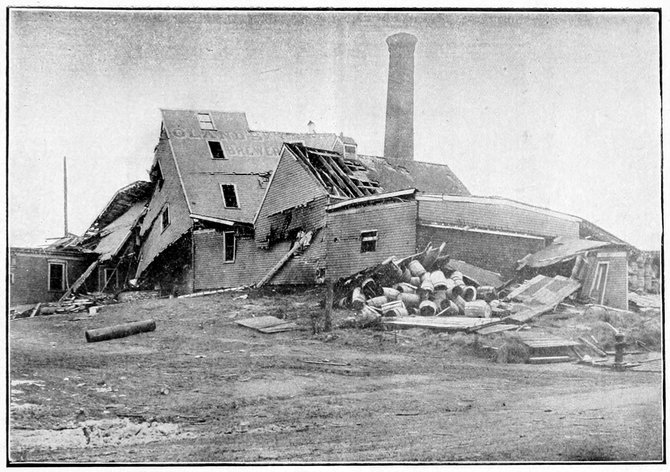
Illustration from The Halifax Catastrophe Forty views showing extent of damage in Canada's historic city as the result of terrific explosion on Thursday, December 6th, 1917, which killed 1200 men, women and children, injured 3000 and rendered 6000 homeless, causing property damage of nearly $50,000,000

Oland’s Brewery. This building is a complete wreck and all that remains standing is the smoke stack.
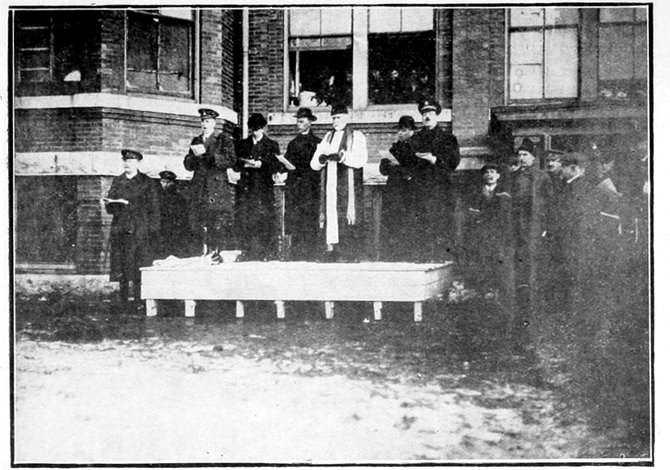
Illustration from The Halifax Catastrophe Forty views showing extent of damage in Canada's historic city as the result of terrific explosion on Thursday, December 6th, 1917, which killed 1200 men, women and children, injured 3000 and rendered 6000 homeless, causing property damage of nearly $50,000,000

The Protestant Service at Chebucto Mortuary, from which nearly 100 unidentified dead were buried.
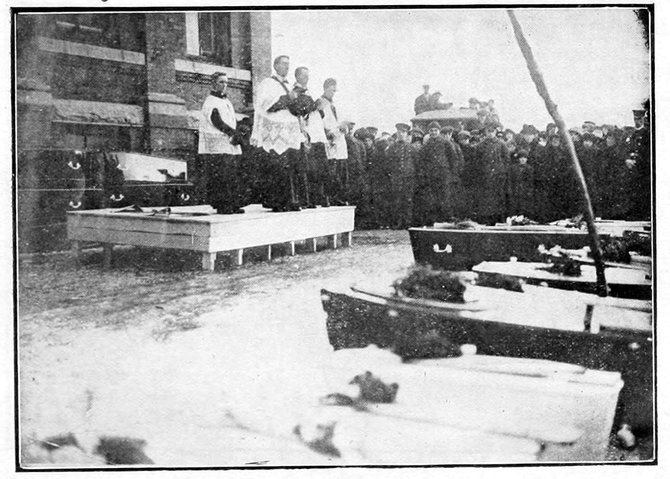
Illustration from The Halifax Catastrophe Forty views showing extent of damage in Canada's historic city as the result of terrific explosion on Thursday, December 6th, 1917, which killed 1200 men, women and children, injured 3000 and rendered 6000 homeless, causing property damage of nearly $50,000,000

The Roman Catholic Service at Chebucto Mortuary, from which nearly 100 unidentified dead were buried.

Explore with AITake your curiosity a little further.

Reading settings