Chapter XIV · CLASS GASTEROPODA—AMPHINEURA AND PROSOBRANCHIATA
Reading edition
Order I. Amphineura
Bilaterally symmetrical Mollusca, anus at the terminal end of the body, dorsal tegument more or less furnished with spicules.
Sub-order 1. Polyplacophora (Chitons).—Foot co-extensive with ventral surface of the body, dorsum with eight transverse plates, articulated (except in Chitonellus), a row of ctenidia on each side between the mantle and the foot. Silurian ——.
The Chitons are found in all parts of the world, ranging in size from a length of about half an inch to six inches or more in the giant Cryptochiton. Although in the main sub-littoral, they occur at very great depths; the Challenger dredged Leptochiton benthus Hadd. at 2300 fathoms. Chiton Polii exceptionally occurs at Malta—teste MacAndrew—above sea margin, but within reach of the ripple. As a rule, the Chitons live in concealment, on the under surface of stones or in deep and narrow fissures in the rocks. When the stone to which they are attached is turned over, they crawl slowly to the side which is not exposed, as if disliking the light. An undescribed species, however, which I took at Panama, crawled quite as fast as an ordinary snail. Chiton fulvus Wood, apparently is accustomed to crawl with some rapidity. MacAndrew took it in abundance on his anchor chain in Vigo Bay every time his yacht was got under weigh. He also found it crawling in sand on the shore, to which habit is no doubt due its extreme cleanness and freedom from the foreign growths which are so characteristic of many of the species. When detached a Chiton contracts the muscles of the whole body, and rolls up into a ball like a wood-louse.
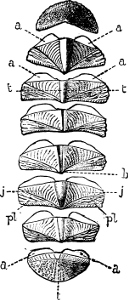
Fig. 261.—Valves of a Chiton separated to show the various parts (anterior valve uppermost): a, a, articulamentum; b, beak; j, jugum; pl, pl, pleura; t, t, tegmentum.

Fig. 262.—Valves of Chitonellus separated out (anterior valve uppermost): a, a, articulamentum; t, t, tegmentum. × 2.
The Polyplacophora are characterised, externally, by their usually articulated shell of eight plates or valves, which is surrounded and partly kept in position by a muscular girdle. These plates overlap like tiles on a roof in such a way that the posterior edge of the first, cephalic, or anterior valve projects over the anterior edge of the succeeding valve, which in its turn overlaps the next, and so on throughout. Seven-valved monstrosities very rarely occur.
A certain portion of each valve is covered either by the girdle or by the valve next anterior to it. This portion, which is whitish in colour and non-porous in structure, forms part of an inner layer which underlies the rest of the substance of the valve, and is called the articulamentum. The external portion of the valves, or tegmentum, is generally more or less sculptured, and is largely composed of chitin, impregnated with salts of lime, thus answering more to a cuticle than to a shell proper. It is very porous, being pierced by a quantity of minute holes of two sizes, known as megalopores and micropores, which are connected together by minute canals containing what is probably fibrous or nerve tissue, the mouths of the pores being occupied by sense organs connected with these nerves. The tegmentum of the six intermediate valves is generally divided into three triangular areas by two more or less prominent ribs, which diverge from the neighbourhood of the median beak or umbo. The space enclosed between these ribs is known as the median area or jugum, the other two spaces as the lateral areas or pleura. The ribs terminate with the edge of the tegmentum, and are not found on the articulamentum. In certain genera these areas are either non-existent, or are not distinctly marked. The sculpture of the lateral areas (which is, as a rule, much stronger than that of the median area) will generally be found to resemble that of the anterior valve, which has no proper median area. In the posterior valve the median area is very small, while the sculpture of the rest of the valve corresponds to that of the lateral areas generally (see Fig. 261).
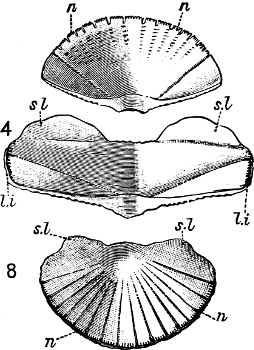
Fig. 263.—First, fourth, and eighth valves of a Chiton, showing l.i, laminae of insertion; n, n, notches; s.l, s.l, sutural laminae. × 2.
The articulamentum of the intermediate valves is divided into two equal parts in the middle of the anterior edge, opposite to the beak, by a sinus. Each of the portions thus formed is again divided by a notch or suture into two unequal parts, the anterior of which is known as the sutural lamina, and is more or less concealed by the valve in front of it, while the lateral part, or lamina of insertion, is entirely concealed by the girdle. The articulamenta of the anterior and posterior valves are either simple or pierced by a series of notches (Fig. 263).
The girdle of the Chitonidae varies considerably in character. Sometimes its upper surface is simply corneous or cartilaginoid, with no other sculpture than fine striae, at others it is densely beset with spines or bristles, or tufted at intervals with bunches of deciduous hairs; again it is marbled like shagreen or mossy down, or covered with serpent-like scales. The width of the girdle varies greatly, being sometimes very narrow, sometimes entirely covering all the valves (Cryptochiton). As a rule, its outer edge is continuous, but in Schizochiton it is sharply notched over the anus.
A description has already been given of the dorsal eyes in Chiton (p. 187), the nervous system (p. 202), the branchiae (p. 154), the radula (p. 228), and the generative system (p. 126).
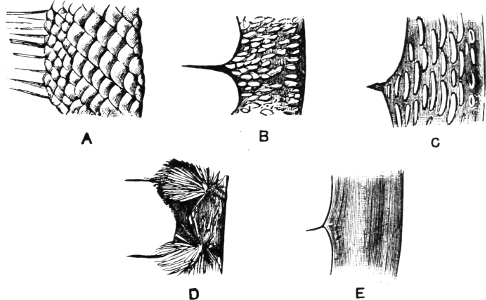
Fig. 264.—Girdles of various Chitonidae. A, Radsia sulcata Wood, × 2; B, Maugeria granulata Gmel., × 3; C, Enoplochiton niger Barnes, × 3; D, Acanthochiton fascicularis L., × 4; E, Tonicia fastigiata Sowb., × 4.
The recent Chitons are thus classified by Dr. W. H. Dall:—
Section I. Chitones Regulares.—Anterior and posterior valves of similar character.
A. Leptoidea.—Insertion plates obsolete, or, if present, unslit; Leptochiton, Hanleyia, Hemiarthrum, Microplax.
B. Ischnoidea.—Insertion plates sharp, smooth, fissured; with eaves; Trachydermon, Callochiton, Tonicella, Schizoplax, Leptoplax, Chaetopleura, Spongiochiton, Ischnochiton, Callistochiton.
C. Lophyroidea.—Insertion plates broad, pectinated, projecting backward; Chiton, Tonicia, Eudoxochiton, Craspedochiton.
D. Acanthoidea.—Insertion plates thrown forward; Sclerochiton, Acanthopleura, Dinoplax, Middendorffia, Nuttallina, Arthuria, Phacellopleura.
Section II. Chitones Irregulares.—Posterior valve abnormal, or with a sinus behind.
E. Schizoidea.—Posterior valve fissured; Lorica, Schizochiton.
F. Placiphoroidea.—Posterior valve unslit, internally ridged, umbo nearly terminal; Enoplochiton, Ornithochiton, Plaxiphora.
G. Mopaloidea.—Posterior valve with posterior sinus and one slit on each side; Mopalia, Katherina, Acanthochiton, Notoplax.
H. Cryptoidea.—With double sutural laminae; Cryptoconchus, Amicula, Cryptochiton.
I. Chitonelloidea.—Posterior valve funnel shaped; laminae thrown forward; Chitonellus, Choneplax.
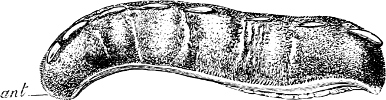
Fig. 265.—Chitonellus fasciatus Quoy; ant, anterior end.
Sub-order 2. Aplacophora.—Animal vermiform, foot absent, or a mere groove, cuticle more or less covered with spicules.
According to Marion, one of the principal authorities on the group, the Aplacophora are perhaps Amphineura whose development has been arrested at an early stage, their worm-like exterior being due to adaptation to surroundings. They have hitherto been found chiefly in the N. Atlantic and Mediterranean, generally at considerable depths, and often associated with certain polyps in a way which suggests a kind of commensalism.
Fam. 1. Neomeniidae.—Foot a narrow groove, intestinal tube without differentiated liver, kidneys with common exterior orifice, sexes united, ctenidia present or absent. Genera: Neomenia (Fig. 266), Paramenia, Proneomenia, Ismenia, Lepidomenia, Dondersia.
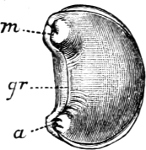
Fig. 266.—Neomenia carinata Tullb.: a, anus; gr, ventral groove; m, mouth.
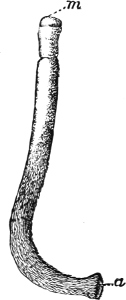
Fig. 267.—Chaetoderma nitidulum Lov.: a, anus; m, mouth. × 3.
Fam. 2. Chaetodermatidae.—Body cylindrical, no ventral groove, liver a single sac, kidneys with separate orifices into the branchial cloaca, two bipectinate ctenidia. Single genus, Chaetoderma (Fig. 267).
Order II. Prosobranchiata
Visceral loop twisted into a figure of 8 (streptoneurous), right half supra-intestinal, left half infra-intestinal; heart usually in front of the branchia (ctenidium), which is generally single; head with a single pair of tentacles; animal dioecious, usually marine, more or less contained within a shell, operculum generally present. Cambrian to present time.
Sub-order 1. Diotocardia.—Heart with two auricles (except in the Docoglossa and Helicinidae), branchiae bipectinate, front end free; two kidneys, the genital gland opening into the right (except in Neritidae); nervous system not concentrated; no proboscis or siphon, penis usually absent.
(a) Docoglossa (p. 227).—Heart with a single auricle, ventricle not traversed by the rectum, visceral sac not spiral, shell widely conical, non-spiral, no operculum; radula very long, with few hooked teeth in each row.
Fam. 1. Acmaeidae.—Left ctenidium alone occurring, free on a long stalk. Cretaceous——. Principal genera: Pectinodonta, front part of head much produced, radula 0 (1. 0. 1.) 0; Acmaea (= Tectura), with sub-genera Collisella and Collisellina, no accessory branchial ring, shell closely resembling that of Patella, but generally with a distinct internal border; Scurria, accessory branchial ring on the mantle.
Fam. 2. Lepetidae.—No ctenidia or accessory branchiae, animal generally blind. Pliocene——. Principal genera: Lepeta; Propilidium, apex with internal septum; Lepetella.
Fam. 3. Patellidae.—No ctenidia, the osphradial patch at the base of each alone surviving, a circlet of secondary branchiae between the mantle and sides of the foot. Ordovician——. (i.) Patellinae.—Three lateral teeth on each side, two of them anterior. Principal genera: Patella, branchial circlet complete; chief sections Patella proper, Scutellastra, Ancistromesus (A. mexicana Brod., measures 8–14 in. long); Helcion, branchial circlet interrupted in front; Tryblidium (Ordovician).—(ii.) Nacellinae.—Two developed laterals on each side, one anterior. Genera: Nacella, branchial circlet complete; Helcioniscus, branchial circlet interrupted in front.
(b) Rhipidoglossa (p. 225).—Ventricle of the heart traversed by the rectum (except in Helicinidae), one or two ctenidia; jaw in two pieces, radula long, marginals multiplied, rows curved.
Of all the Gasteropoda, this section of the Diotocardia approach nearest to the Pelecypoda, particularly in the least specialised forms. The auricle, the branchiae, and the kidneys are in many cases paired, and more or less symmetrical. The ventricle is generally traversed by the rectum, there is a long labial commissure between the cerebral ganglia, special copulative organs are usually absent, while the shell is often nacreous, like those of Pelecypoda of a primitive type.
Section I. Zygobranchiata.—Two ctenidia, shell with apical or marginal slit or holes, corresponding to an anal tube in the mantle (p. 265).
Fam. 1. Fissurellidae.—Two symmetrical ctenidia and kidneys, visceral mass conical, shell conical, elevated or depressed, with a single anterior or apical slit or impression; no operculum. Jurassic——. (i.) Fissurellinae. Shell wholly external, apex entirely removed by perforation, apical callus not truncated posteriorly; central tooth narrow. Genera: Fissurella (Figs. 171, p. 261; 178, p. 265), Fissuridea, Clypidella. (ii.) Fissurellidinae. Shell partly internal, otherwise as in (i.); central tooth broad, mantle more or less reflected over the shell, apical hole very wide. Genera: Fissurellidaea, Pupillaea, Lucapina, Megatebennus, Macroschisma, Lucapinella. (iii.) Emarginulinae. Shell usually wholly external, apex usually not removed by perforation, sometimes with internal septum, anal tube in a narrow slit or sinus. Genera: Glyphis, externals of Fissurella, but holecallus truncated behind; Puncturella (sub-genera Cranopsis and Fissurisepta), slit just anterior to the apex, a small internal septum; Zeidora, large internal septum as in Crepidula: Emarginula, shell elevated, slit very narrow, on the anterior margin (in subg. Rimula, it is between the apex and the margin), radula bilaterally asymmetrical; Subemarginula, margin indented by a shallow groove; Scutus (= Parmophorus) shell oblong, depressed, nicked in front, largely covered by the mantle.
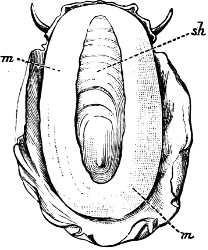
Fig. 268.—Scutus australis Lam., Australia: m, m, mantle; sh, shell, × ⅔.
Fam. 2. Haliotidae.—Right ctenidium the smaller, epipodial line broad, profusely lobed; shell rather flattened, spire short, last whorl very large, with a row of perforations on the left side, which become successively obliterated; through these holes, the posterior of which is anal, pass tentacular appendages of the mantle; no operculum. Cretaceous——. Single genus, Haliotis; principal sub-genera Padollus, Teinotis.
Fam. 3. Pleurotomariidae.—Central tooth single, narrow, about 26 laterals, 60 to 70 uncini. Shell generally variously trochiform, nacreous, operculate, with a rather broad marginal sinus in the last whorl; as this sinus closes up it forms an “anal fasciole” or “sinus band.” Cambrian——. Principal genera: Scissurella, epipodial line with several long ciliated appendages at each side, shell very small, slit open, sinus band extending nearly to apex; Schismope, anal slit closed in the adult into an oblong perforation; Murchisonia (Palaeozoic only), shell long, turreted, whorls angulate or keeled with a sinus band; Odontomaria (Palaeozoic only), shell tubular, curved; Polytremaria (Carboniferous), shell turbinate, slit a series of small holes connected by a passage; Trochotoma, shell trochiform, perforation consisting of two narrow holes united by a slit; Pleurotomaria, branchiae almost symmetrical, radula as above, shell variously spiral.
In Pleurotomaria we have the case of a genus long supposed to be extinct. More than 1100 fossil species have been described, and within the last 38 years about 20 specimens, belonging to 5 species, have been discovered in a living state.
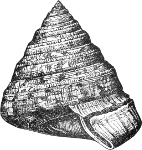
Fig. 269.—Pleurotomaria adansoniana Cr. and F., Tobago. × ½.
Fam. 4. Bellerophontidae.—Shell nautiloid, spire generally concealed, aperture large, sinus or perforations central (Fig. 179, p. 266). Ordovician—Trias. Genera: Bellerophon, Trematonotus, Cyrtolites.
Section II. Azygobranchiata.—One ctenidium (the left) present.
Fam. 1. Cocculinidae.—A single cervical ctenidium, foot broad, no eyes, shell patelliform, with caducous spire. Single genus, Cocculina. Deep water.
Fam. 2. Stomatellidae.—A single (left) ctenidium, front third free, shell nacreous, spiral or patelliform, depressed, last whorl large. Jurassic——. Genera: Stomatella (subg. Synaptocochlea, Niphonia), shell depressed, spirally ribbed, spire short, operculum present; Phaneta, fluviatile only, shell trochiform, imperforate, last whorl keeled, sinuate in front; Stomatia, spire short, surface tubercled or keeled, no operculum; Gena, shell haliotis-shaped, surface smooth, aperture very large; Broderipia, shell patelliform, spiral apex often lost.
Fam. 3. Cyclostrematidae.—Tentacles ciliated, thread-like, snout bilobed, foot truncated in front, angles produced into a filament, shell depressed, umbilicated, not nacreous. Eocene——. Principal genera: Cyclostrema, Teinostoma, Vitrinella.
Fam. 4. Liotiidae.—Epipodial line with a lobe behind each eye-peduncle, shell solid, trochiform, longitudinally ribbed or trellised, aperture round, operculum multispiral, hispid, corneous, with a calcareous layer. Silurian——. Principal genera: Liotia, Craspedostoma (Silurian), Crossostoma (Jurassic).
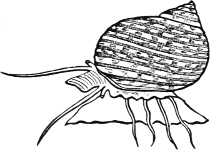
Fig. 270.—Monodonta canalifera Lam., New Ireland. (After Quoy and Gaimard.)
Fam. 5. Trochidae.—Snout short, broad, frontal lobes often present, epipodial line furnished with cirrhi; shell nacreous, variously spiral, operculum corneous, multispiral, nucleus central (Fig. 182, p. 268). Silurian——. (i.) Trochinae.—Frontal lobes present, lateral teeth (= side centrals) 5 only, no jaws, peristome incomplete. Principal genera: Trochus (subg. Cardinalia, Tectus, Infundibulum, Clanculus), Monodonta (subg. Diloma), Cantharidus (subg. Bankivia, Thalotia), Gaza (subg. Microgaza), Callogaza, Bembix, Chlorostoma. (ii.) Gibbulinae.—Frontal lobes and jaws present, laterals often more than 5, peristome incomplete. Principal genera: Gibbula (subg. Monilia, Aphanotrochus, Enida), Minolia, Circulus, Trochiscus, Livona, Photinula, Margarita, Solariella, Calliostoma, Turcica, Basilissa, Euchelus (subg. Olivia, Perrinia). (iii.) Delphinulinae.—No frontal lobes, jaws present; shell solid, surface spirally lirate, scaly, spinose, umbilicate, peristome continuous. Single genus, Delphinula. (iv.) Umboniinae.—Eyes pedunculate, left tentacle attached to a frontal appendage, mantle reflected over edge of aperture, lateral teeth 6 on each side; shell polished, peristome incomplete, umbilicus generally closed by a callosity. Principal genera: Umbonium, Ethalia, Isanda, Camitia, Umbonella, Chrysostoma.
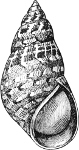
Fig. 271.—Phasianella australis Gmel., Australia.
Fam. 6. Turbinidae.—Epipodial line with slender cirrhi, snout broad, short, eyes pedunculate at outer base of tentacles, a frontal veil between tentacles; shell turbinate, solid, aperture continuous, operculum solid, calcareous, usually paucispiral, convex exteriorly (Fig. 182, p. 268). Silurian——. (i.) Phasianellinae.—Shell bulimoid, polished, not nacreous, coloured in patterns, aperture oval. Single genus, Phasianella (Fig. 271). (ii.) Turbininae.—Shell very solid, nacreous within, aperture circular or long oval. Principal genera, Turbo, whorls rounded above and below, spines, if present, becoming more prominent with age, operculum smooth or granulose, nucleus sub-central; subg. Callopoma, Ninella, Marmorostoma, Sarmaticus, Prisogaster; Astralium, whorls flattened above and below, spines, if present, becoming less prominent with age, operculum oblong, often excavated at centre, last whorl large, nucleus marginal or sub-marginal; subg. Lithopoma, Imperator, Guildfordia, Bolma, Cyclocantha, Uvanilla, Cookia, Pomaulax, Pachypoma. (iii.) Cyclonematinae.—Shell nacreous, umbilicate, operculum conical outside, whorls scalariform. Principal genera: Cyclonema, Horiostoma (?), Amberleya (Silurian to Lias). (iv.) Leptothyrinae.—Shell small, solid, depressed, operculum nearly flat, nucleus sub-central. Genera: Leptothyra, Collonia (?).
Fam. 7. Neritopsidae.—Tentacles wide apart, long, eyes on short peduncles at the outer base; shell solid, neritiform or naticoid, aperture semi-lunar or oval; operculum (Fig. 183, p. 269) thick, calcareous, non-spiral, exterior face smooth, interior face divided into two unequal parts, with a broad median appendage. Devonian——. Principal genera: Neritopsis (one recent species), Naticopsis (Devonian to Miocene).
Fam. 8. Macluritidae.—Shell discoidal, whorls few, longitudinally grooved behind, right side convex, deeply umbilicated, left side flat; operculum very thick, nucleus excentrical, internal face with two apophyses, one very large. The general appearance is more that of an inequivalve bivalve, such as Requienia, than of a spiral gasteropod. Palaeozoic——. Single genus, Maclurea.
Fam. 9. Neritidae.—Snout short, tentacles long, eyes pedunculate at their outer base, branchia triangular, free at the front end, epipodium without cirrhi, penis near the right tentacle; shell solid, imperforate, turbinate to almost patelliform, spire short, internal partitions absorbed (p. 168), columellar region broad, edge simple or dentate, operculum calcareous, spiral or non-spiral, with prominent apophyses on the interior face, one of which locks behind the columellar lip. Jurassic——. Principal genera: Nerita (Fig. 13, p. 17); Neritina (chiefly brackish water and fluviatile), sub-genus Clithon, usually coronated with spines; Velates (Tertiary), Neritoma (Jurassic), Deianira (Cretaceous), Septaria (= Navicella), shell more or less narrowly patelliform, with terminal apex, aperture very large, with a broad columellar septum, operculum too small for the aperture, more or less covered by the integument of the foot; fluviatile only; Pileolus (Jurassic to Cretaceous).
Fam. 10. Hydrocenidae.—Branchia replaced by a pulmonary chamber, eyes at the outer base of the tentacles, marginals of the radula very oblique, centrals often wanting; shell small, conical, whorls convex, operculum calcareous, with a prominent apophysis. Recent. Principal genera: Hydrocena, Georissa.
Fam. 11. Helicinidae.—Branchia replaced by a pulmonary chamber, heart with one auricle; shell globular, with a short spire, internal partitions absorbed; operculum without apophysis. Carboniferous——. Principal genera: Helicina (Fig. 18B, p. 21; subg. Alcadia, Schasicheila, Heudeia, Calybium), Eutrochatella (subg. Lucidella), Stoastoma, Bourcieria, Dawsonella (Carboniferous).
Fam. 12. Proserpinidae.—Branchia replaced by a pulmonary chamber, mantle partly reflected over the shell, eyes sessile; shell depressed, discoidal, columella folded or truncated at the base, whorls with one or more internal plicae, internal partitions absorbed, no operculum. Eocene——. Single genus; Proserpina, subg. Proserpinella, Cyane, Dimorphoptychia (Eocene), and Ceres (Fig. 18C, p. 21).
Sub-order II. Monotocardia.—Heart with one auricle, one ctenidium (the left), monopectinate, fused with the mantle (except in Valvata), one kidney, not receiving the genital products, nervous system somewhat concentrated, proboscis and penis usually present.
(a) Ptenoglossa.—Radula with formula ∞. ᴑ. ∞, teeth similar throughout, outermost largest (p. 224).
Fam. 1. Ianthinidae.—Snout prominent, blunt, no eyes, shell helicoid, fragile, bluish, no operculum; eggs carried on a raft of vesicles attached to the foot (Fig. 42, p. 126). Pelagic only. Pliocene ——. Genera: Ianthina, Recluzia.
Fam. 2. Scalariidae.—Shell long, turriculate, whorls often partly uncoiled, with longitudinal ribs and prominent lamellae, aperture circular, operculum spiral, corneous, animal carnivorous. Ordovician ——. Principal genera: Scalaria, Eglisia, Elasmoneura (Silurian), Holopella (Silurian to Trias), Aclis.
(b) Taenioglossa.—Radula with normal formula 2.1.1.1.2, marginals sometimes multiplied (p. 223).
Section I. Platypoda.—Foot more or less flattened ventrally.
Fam. 1. Naticidae.—Foot very large, produced before and behind, propodium reflected upon the head, eyes absent or buried in the integument, central and lateral tooth of the radula tricuspid, middle cusp strong; shell globular or auriform, outer lip simple, operculum corneous or calcareous, nucleus excentrical. Carboniferous ——. Principal genera: Natica, with many sub-genera; Ampullina (Tertiary); Amaura; Deshayesia (Tertiary); Sigaretus (Fig. 91, p. 186), shell auriform, last whorl very large, operculum much too small for the aperture.
Fam. 2. Lamellariidae.—Mantle reflected over more or less of the shell, shell delicate, no operculum. Eocene——. Principal genera: Lamellaria, shell completely internal, transparent, auriform; some species deposit their eggs on compound Ascidians (p. 74); Velutina, shell almost entirely external, paucispiral, with a thick periostracum; Marsenina, shell auriform, partly internal; Onchidiopsis, shell a membranous plate, internal.
Fam. 3. Trichotropidae.—Branchial siphon short, eyes on the outer side of the tentacles; radula closely allied to that of Velutina; shell conical, last whorl rather large, periostracum thick and hairy, operculum blunt claw-shaped, nucleus terminal. Cretaceous——. Genera: Trichotropis, Torellia.
Fam. 4. Naricidae.—Tentacles broad in the middle, with sessile eyes at the exterior base, propodium narrow, quadrangular, a large epipodial veil on each side of the foot; shell naticoid, cancellated, with velvety periostracum. Jurassic——. Single genus: Narica.
Fam. 5. Xenophoridae.—Foot divided by a groove, anterior portion the larger; central tooth heart-shaped, with blunt cusps, lateral large, roughly triangular, marginals long, falciform; shell trochiform, somewhat flattened, attaching various fragments externally. Devonian——. Single genus, Xenophora (Figs. 25, 26, p. 64).
Fam. 6. Capulidae.—Ctenidium deeply and finely pectinate, visceral sac scarcely spiral, penis long, behind the right tentacle; shell roughly patelliform, with scarcely any spire, interior polished, usually with a septum or internal plate of variable form, no operculum. Devonian——. Principal genera (Fig. 155, p. 248); Capulus, shell cap-shaped, no internal plate; Platyceras (Palaeozoic, see p. 76), Diaphorostoma (Palaeozoic), Addisonia (?); Crucibulum, internal appendage funnel-shaped; Crepidula (including Crepipatella and Ergaea), shell slipper-shaped, with a large septum; Calyptraea (including Galerus and Trochita), internal lamina semi-spiral.
Fam. 7. Hipponycidae.—Foot aborted, animal sedentary, adductor-muscle shaped like a horse’s hoof, fastened on the ventral side to the region of attachment, or to a thin calcareous plate which closes the aperture like a valve; ventral side of the body surrounded by a mantle with papillose border, which corresponds morphologically to the epipodia, head emerging between the dorsal and ventral mantles. Shell thick, bluntly conical, surface rugose. Eocene ——. Genera: Hipponyx; Mitrularia, a narrow half funnel-shaped appendage within the shell.
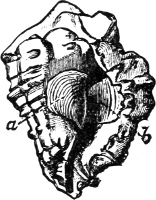
Fig. 272.—Two specimens of Crepidula (marked a and b) on an old shell of Murex radix Gmel.
Fam. 8. Solariidae.—Foot large, eyes sessile, near the outer base of the tentacles, radula abnormal (p. 224); shell more or less depressed, lip simple, umbilicus wide, margins often crenulated, operculum variable. The proper position of the family is quite uncertain. Ordovician——. (i.) Solariinae. Genera: Solarium, shell depressed, highly finished, angular at periphery, operculum corneous, central tooth absent, laterals and marginals numerous, long, and narrow; Platyschisma (Silurian). (ii.) Toriniinae. Genera: Torinia, whorls usually rounded, operculum (Fig. 183) conically elevated, spiral externally, central tooth present, marginals few, edge pectinated; Omalaxis. (iii.) Euomphalinae, shell planorbiform, whorls rounded. Genera: Euomphalus, Ophileta, Schizostoma, Eccyliomphalus (all Palaeozoic).
Fam. 9. Homalogyridae.—Tentacles absent, eyes sessile, central tooth unicuspid on a quadrangular base, laterals and marginals replaced by an oblong plate; shell very small, planorbiform. Recent. Single genus: Homalogyra, whose true position is uncertain.
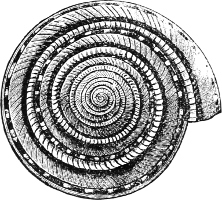
Fig. 273.—Solarium perspectivum Lam., Eastern Seas.
Fam. 10. Littorinidae.—Proboscis short, broad, tentacles long, eyes at their outer bases, penis behind the right tentacle; reproduction oviparous or ovoviviparous, radula very long; shell turbinate, solid, columella thickened, lip simple, operculum corneous, nucleus excentrical. Jurassic——. Principal genera: Littorina (radula, Fig. 16, p. 20), Cremnoconchus (p. 16), Fossarina; Tectarius, shell tubercled or spinose; Risella, base slightly concave; Lacuna, shell thin, grooved behind the columellar lip.
Fam. 11. Fossaridae.—Shell turbinate, solid, small, white, spirally ribbed, outer lip simple. Miocene——. Principal genus, Fossarus.
Fam. 12. Cyclophoridae.—Ctenidium replaced by a pulmonary sac, tentacles long, thread-like (radula, Fig. 17, p. 21); shell variously spiral, peristome round, often reflected, operculum circular. Terrestrial only. Cretaceous——. (i.) Pomatiasinae, shell high, conical, longitudinally striated, operculum consisting of two laminae united together. Single genus, Pomatias. (ii.) Diplommatininae, shell more or less pupiform, peristome thickened or reflected, often double. Genera: Diplommatina (subg., Nicida, Palaina, Paxillus, Arinia), shell dextral or sinistral, small, columella often denticulated; Opisthostoma (Fig. 208, p. 309), last whorl disconnected, often reflected back upon the spire. (iii.) Pupininae, shell more or less lustrous, bluntly conical, lip with a channel above or below. Genera: Pupina (subg., Registoma, Callia, Streptaulus, Pupinella, Anaulus), Hybocystis (Fig. 205, p. 305), Cataulus, Coptochilus, Megalomastoma. (iv.) Cyclophorinae, shell turbinate or depressed, operculum corneous or calcareous. Genera: Alycaeus, Craspedopoma, Leptopoma, Lagochilus, Cyclophorus (Fig. 206, p. 306); including Diadema, Aulopoma, Ditropis, and others), Aperostoma (including Cyrtotoma and others), Cyathopoma, Pterocyclus (subg., Myxostoma, Spiraculum, Opisthoporus, and Rhiostoma (Fig. 180, p. 266), Cyclotus, Cyclosurus, and Strophostoma.
Fam. 13. Cyclostomatidae.—Ctenidium replaced by a pulmonary sac, tentacles obtuse, foot with a deep longitudinal median groove; central tooth, lateral, and first marginal more or less bluntly cusped, second marginal large, edge pectinate; shell variously spiral, spire usually elevated, aperture not quite circular; operculum generally with an external calcareous and an internal cartilaginoid lamina, rarely corneous. Terrestrial only. Cretaceous——. Genera: Cyclostoma (subg., Leonia, Tropidophora, Rochebrunia, Georgia, Otopoma, Lithidion, Revoilia), Cyclotopsis, Choanopoma (subg., Licina, Jamaicia, Ctenopoma, Diplopoma, Adamsiella), Cistula (subg., Chondropoma, Tudora), Omphalotropis (subg., Realia, Cyclomorpha), Hainesia, Acroptychia.
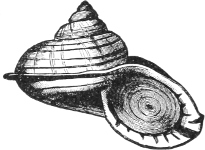
Fig. 274.—Cyclostoma campanulatum Pfr., Madagascar.
Fam. 14. Aciculidae.—Ctenidium replaced by a pulmonary sac, tentacles cylindrical, pointed at the end, eyes behind their base, foot long and narrow; central tooth and lateral very similar, pinched in at the sides, external marginal broad, edge finely pectinate; shell small, acuminate, with a blunt spire, operculum corneous. Terrestrial only. Tertiary——. Genus, Acicula (= Acme).
Fam. 15. Truncatellidae.—Ctenidium replaced by a pulmonary sac, proboscis very long, eyes sessile, behind the base of the tentacles, shell small, evenly cylindrical, apex truncated in the adult. Eocene——. Genera: Truncatella (subg., Taheitia, Blanfordia, and Tomichia), Geomelania (subg., Chittya and Blandiella), Cecina (?).
Fam. 16. Rissoidae.—Eyes at the external base of the tentacles, epipodium with filaments, operculigerous lobe with appendages; central tooth pleated at the basal angles, lateral large, bluntly multicuspid, marginals long, narrow, denticulate at the edge; shell small, acuminate, often elaborately sculptured, mouth entire or with a shallow canal, operculum corneous. Marine or brackish water. Jurassic——. Principal genera: Rissoa (subg., Folinia, Onoba, Alvania, Cingula, Nodulus, Anabathron, Fenella, Iravadia, and others), Scaliola (shell agglutinating fragments of sand, etc.), Rissoina (lip thickened, operculum with an apophysis as in Nerita), Barleeia, Paryphostoma (Eocene).
Fam. 17. Hydrobiidae.—Eyes at the outer base of the tentacles, penis behind the right tentacle, prominent, operculigerous lobe without filaments; radula rissoidan, central tooth often with basal denticulations; shell more or less acuminate, small, aperture entire, operculum corneous or calcareous. Brackish or fresh water. Jurassic——. Principal genera: Baicalia, with its various sub-genera (p. 290); Pomatiopsis, Hydrobia, Bithynella, Micropyrgus (Tertiary), Pyrgula, Emmericia, Benedictia, Lithoglyphus, Tanganyicia, Limnotrochus (?), Jullienia, Pachydrobia, Potamopyrgus, Littorinida, Amnicola, Fluminicola (subg., Gillia, Somatogyrus), Bithynia, Fossarulus (Tertiary), Stenothyra.
Fam. 18. Assimineidae.—Ctenidium replaced by a pulmonary sac, no true tentacles, eye-peduncles long, retractile; radula that of Hydrobia; shell small, conoidal, operculum corneous, nucleus sub-lateral. Eocene——. Genera: Assiminea, Acmella.
Fam. 19. Skeneidae.—Radula resembling that of Hydrobia; shell very small, depressed, widely umbilicated, operculum corneous. Pleistocene——. Single genus, Skenea.
Fam. 20. Jeffreysiidae.—Mantle with two pointed ciliated appendages in front, tentacles ciliated, eyes sessile, far behind the base of the tentacles; marginal teeth sometimes absent; shell small, thin, pellucid, whorls rather swollen, operculum with marginal nucleus, divided by a rib on the inner face. Recent. Genera: Jeffreysia, Dardania. Marine, living on algae.
Fam. 21. Litiopidae.—Epipodium with cirrhi on each side, operculigerous lobe with appendages; radula rissoidan; shell small, conical, columella truncated, operculum corneous. Eocene——. Genera: Litiopa, living on the Sargasso weed, suspended by a long filament; Alaba, Diala.
Fam. 22. Adeorbidae.—Radula essentially rissoidan; shell depressed, circular or auriform, widely umbilicated, operculum corneous, paucispiral, nucleus excentrical. Pliocene ——. Principal genera: Adeorbis, Stenotis, Megalomphalus.
Fam. 23. Viviparidae.—Snout blunt, tentacles long, right tentacle in the male deformed, pierced with a hole corresponding to the aperture of the penis, two cervical lobes, the right being siphonal, foot with an anterior transverse groove; teeth broad, shallowly pectinate at the ends; shell turbinate, whorls more or less rounded, aperture continuous, operculum corneous, nucleus sub-lateral, with a false sub-central nucleus on the external face. Animal ovoviviparous. Fresh-water. Cretaceous ——. Genera: Vivipara (= Paludina), subg., Cleopatra, Melantho, Tulotoma; Tylopoma (Tertiary), and Lioplax.
Fam. 24. Valvatidae.—Branchia exserted, bipectinate, carried on the back of the neck, a filiform appendage (Fig. 66, p. 159) on the right of the neck, penis under the right tentacle, prominent, eyes sessile, behind the tentacles; radula like that of Vivipara; shell small, turbinate or flattened, operculum corneous, nucleus central. Fresh water. Jurassic ——. Single genus, Valvata.
Fam. 25. Ampullariidae.—Snout with two tentacles, tentacles proper very long, tapering, eyes prominently pedunculate, two cervical lobes, the left siphonal, respiratory cavity divided by a partition, a large branchia in the right chamber, the left functioning as a pulmonary sac (Fig. 65, p. 158); radula large, central tooth multicuspid, base broad, lateral and marginals falciform, simple or bicuspid; shell large, turbinate or flattened, spire small, whorls rounded; operculum generally corneous, nucleus sub-lateral, false nucleus as in Vivipara. Fresh water. Cretaceous ——. Single genus, Ampullaria (subg., Ceratodes, Pachylabra, Asolene, Lanistes, and Meladomus).
Fam. 26. Cerithiidae.—Branchial siphon present, short, eyes variable in position; central tooth small, evenly cusped, lateral hollowed at base, multicuspid, marginals narrow; shell long, turriculate, whorls many, generally tuberculate, varicose or spiny, aperture sometimes strongly channelled; operculum corneous, subcircular, nucleus nearly central. Marine or brackish water. Trias ——. Principal genera: Triforis, shell small, generally sinistral; Fastigiella, Cerithium (Fig. 12, p. 16), Bittium, Potamides (subg., Tympanotomus, Pyrazus, Pirenella, Telescopium, Cerithidea, Lampania, all brackish water), Diastoma (Eocene), Cerithiopsis; Ceritella (Jurassic), Brachytrema (Jurassic), and Planaxis (subg., Quoyia and Holcostoma).
Fam. 27. Modulidae.—No siphon, radula of Cerithium; shell with short spire, columella strongly toothed at the base, aperture nearly circular. Recent. Single genus, Modulus.
Fam. 28. Nerineidae.—Shell solid, long, sub-cylindrical, aperture channelled, columella and interior of whorls with continuous ridges, extending up the spire. Genera: Nerinea (Trias to Cretaceous), Aptyxiella (Jurassic).
Fam. 29. Melaniidae.—Border of mantle festooned, foot broad, with an anterior groove, penis present; radula closely resembling that of Cerithium; shell long, spiral, with a thick periostracum, surface with tubercles, ribs, or striae, suture shallow; operculum corneous, paucispiral, nucleus excentrical. Animal ovoviviparous. Fresh water. Cretaceous ——. Principal genera: Melania (with many sections or sub-genera), Pachychilus, Claviger (= Vibex), Hemisinus, Pirena, Melanopsis, Tiphobia, Paludomus (subg., Philopotamis, Tanalia, Stomatodon), Hantkenia (Eocene), Larina (?).
Fam. 30. Pleuroceridae.—Mantle edge not festooned, no copulatory organ, otherwise like Melaniidae; operculum with nucleus sub-marginal. Animal oviparous. Fresh-water. Cretaceous ——. Genera: Pleurocera (including Io, Fig. 12, p. 16, Angitrema, Lithasia, Strephobasis), Goniobasis, Anculotus, Gyrotoma.
Fam. 31. Pseudomelaniidae.—Shell resembling that of Melaniidae, but marine. Genera: Pseudomelania, Loxonema, Bourguetia, Macrochilus. Palaeozoic to Tertiary strata.
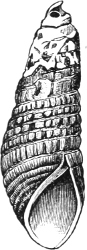
Fig. 275.—Melania confusa Dohrn, Ceylon.
Fam. 32. Turritellidae.—Mantle with a siphonal fold on the right side; radula variable (p. 224); shell long, whorls many, slowly increasing in size, transversely ribbed or striated, aperture small; operculum corneous, nucleus central. Jurassic ——. Principal genera: Turritella, Mesalia, Protoma, Mathilda (?).
Fam. 33. Coecidae.—Tentacles long, eyes sessile at their base; shell small, spiral in the young form, spire generally lost in the adult, the shell becoming simply a straight or curved cylinder; operculum corneous, multispiral. Eocene ——. Single genus, Coecum.
Fam. 34. Vermetidae.—Visceral sac greatly produced, irregularly spiral, no copulatory organs (radula, Fig. 126, p. 223), shell tubular, irregularly coiled, last whorls often free, aperture circular; operculum corneous, circular, nucleus central. Carboniferous ——. Principal genera: Vermetus; Siliquaria (Fig 153, p. 248), a long fissure, or series of holes, runs along a considerable part of the shell, operculum with outer face spiral, elevated.
Fam. 35. Strombidae.—Foot narrow, arched, metapodium greatly produced, snout long, eye peduncles long, thick, eyes elaborate, siphon short, penis prominent, bifurcate; central tooth with strong median cusp, marginals falciform, slender, edge more or less denticulate; shell solid, spire conical, outer lip generally dilated into wings or digitations, channelled before and behind, a labial sinus at the base, distinct from the anterior canal; operculum small for the aperture, corneous, claw-shaped, edge notched. Lias ——. Genera: Strombus (Fig. 99, p. 200); Pereiraea (Miocene), Pteroceras (Fig. 277; digitations of the outer lip very strong), Rostellaria (spire produced, anterior canal very long), Rimella, Pterodonta, Terebellum (base of shell truncate, spire short).
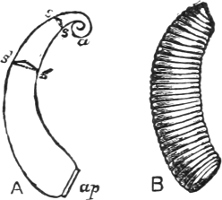
Fig. 276.—Development of Coecum: A, showing the gradual formation of septa; a, apex; ap, aperture; ss, first septum; s´s´, second septum. (After de Folin.) B, adult form of C. eburneum Ad., Panama, x 10.
Fam. 36. Chenopodidae (= Aporrhaidae).—Foot flat; lateral and marginal teeth not denticulate; shell resembling that of Strombus, outer lip dilated, wing-like, no labial sinus. Jurassic ——. Genera: Chenopus (= Aporrhais, Diastema, Malaptera, Harpagodes, Alaria) (last four from Secondary strata).
Fam. 37. Struthiolariidae.—Radula allied to that of Strombus, marginals occasionally multiplied; shell buccinoid, very solid, outer lip thickened, canal short, operculum claw-shaped, notched, nucleus terminal. Tertiary ——. Single genus, Struthiolaria (subg., Perissodonta, marginal teeth multiplied).
Fam. 38. Cypraeidae.—Mantle with two large lateral lobes reflected and meeting over the shell, siphon small; central and lateral teeth bluntly tricuspid or multicuspid, laterals fairly broad, edges cusped or finely pectinate; shell polished, solid, spire generally concealed in the adult or overlaid with enamel, aperture straight, narrow, nearly as long as the shell, toothed at the sides, channelled at each end, labium inflected; no operculum. Jurassic ——. Genera: Ovula (including Amphiperas, Transovula, Cyphoma, Radius, Simnia), Pedicularia, Cypraea (with subg., Cypraeovula, Cypraedia, and Trivia), and Erato.
Fam. 39. Doliidae.—Foot expanded, wider and longer than the shell, truncated and thickened in front, siphon very long and narrow; central tooth with very strong median and small lateral and basal cusps, lateral and marginals bluntly falciform; shell ventricose, without varices, spire short, outer lip generally simple, anterior canal rather wide, no operculum. Cretaceous ——. Genera: Dolium (subg., Malea, outer lip thickened, denticulate, reflected); Pirula, mantle with two lateral lobes reflected over part of the shell, shell fig-shaped (Fig. 278).
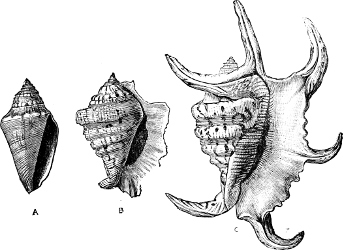
Fig. 277.—Three stages in the growth of Pteroceras rugosum Sowb., E. Indies, showing the development of the ‘fingers.’
Fam. 40. Cassididae.—Foot broad, siphon long (radula, Fig. 125, p. 223); shell ventricose, with varices, spire short, outer lip reflected or thickened, anterior canal short, recurved narrow; operculum semi-lunar, with ribs radiating from a marginal nucleus. Cretaceous ——. Genera: Cassis (subg., Semicassis and Cypraecassis), Morio (= Cassidaria), Oniscia.
Fam. 41. Columbellinidae.—Shell solid, ribbed, usually cancellated, with an oblique posterior canal, columella callous, more or less reflected. Genera: Columbellina, Columbellaria, Zittelia, Petersia, Alariopsis (?). Secondary strata only.
Fam. 42. Tritonidae.—Foot short, narrow; siphon short, not prominent; radula allied to that of Cassididae; shell thick, varicose; outer lip inflected and thickened, canal long, periostracum often thick and hairy, operculum corneous, nucleus terminal or sub-marginal. Cretaceous ——. Genera: Triton (Fig. 191, p. 275; subg., Epidromus, Plesiotriton, Simpulum, Ranularia, Argobuccinum); Persona, aperture toothed, narrow; columella reflected upon the last whorl; Ranella, shell dorso-ventrally compressed, generally with two continuous lateral varices, posterior canal present.
The position of the following four families is doubtful:—
Fam. 43. Oocorythidae.—Siphon short, foot broad, eyes absent, radula taenioglossate; shell buccinoid or cassidiform, operculum corneous, spiral. Recent. Single genus, Oocorys.
Fam. 44. Subulitidae.—Shell elongate, fusiform, smooth; suture shallow, base truncate or rounded, aperture channelled or notched. Ordovician to Trias. Genera: Subulites, Fusispira, Euchrysallis.
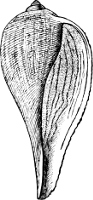
Fig. 278.—Pirula Dussumieri Val., Philippines. × ½.
Fam. 45. Seguenziidae.—Radula taenioglossate, shell trochiform, aperture channelled, columella twisted, operculum multispiral, nucleus central. Pliocene ——. Single genus, Seguenzia.
Fam. 46. Choristidae.—Anterior tentacles united by a frontal veil, posterior simple; eyes absent, foot with tentaculae before and behind; three central teeth, outer marginal with a basal plate; shell helicoid, suture deep, peristome continuous, operculum corneous, paucispiral. Pliocene ——. Single genus, Choristes.
Section II. Heteropoda.—Foot fin-shaped, not flat.
The Heteropoda are free-swimming Mollusca, being, like the Pteropoda, Gasteropoda modified to suit their pelagic environment. Their nervous system is streptoneurous, and they are therefore probably derived from the Prosobranchiata, but they are highly specialised forms. Pelseneer considers them far more widely removed from the Streptoneura than the Pteropoda are from the Euthyneura. They swim on the surface “upside down,” i.e. with the ventral side uppermost.
The tissues and shell are transparent, permitting observation of the internal organs. In the Pterotrachaeidae the foot takes the form of a fan-shaped disc, usually furnished with a sucker. The body is compressed at the posterior end, often with a ventral “fin.” In Atlanta the foot consists of three very distinct parts: a propodium, a mesopodium, on which is a small sucker, and a metapodium, which carries the operculum. The branchiae are carried on the visceral sac, and are free in Pterotrachaea, slightly protected by the shell in Carinaria, and entirely covered in Atlanta; absent altogether in Firoloida.
The head carries two tentacles (except in Pterotrachaea), with large, highly organised eyes on short lobes at their outer base. The alimentary tract consists of a long protrusible proboscis, with a taenioglossate radula (Fig. 132, p. 227), a long oesophagus, and a slightly flexured intestine. In Atlanta the visceral sac is spiral and protected by a spiral planorbiform shell; in Carinaria the visceral sac is small, conical, protected by a very thin capuliform shell. There is no shell in Pterotrachaea or Firoloida.
The Heteropoda are dioecious. In the male there is a flagellum behind the penis, which is near the middle of the right side. Pterotrachaea lays long chains of granular eggs, and has been noticed to produce a metre’s length in a day. The eggs of Atlanta are isolated. The embryo has a deeply bilobed velum.
Fam. 1. Pterotrachaeidae.—Body long, with a caudal “fin;” branchiae dorsal, free or partly protected by a shell; foot consisting of a muscular disc, with or without a sucker.
Pterotrachaea proper has no mantle, shell, or tentacles. The branchiae are disposed round the visceral sac, at the upper part of which is the anus. In Firoloida the body is abruptly truncated behind, with a long filiform segmented caudal appendage; visceral sac at the posterior end: fin-sucker present or absent in both male and female. Cardiapoda resembles Carinaria, but the visceral sac is more posterior and is only slightly protected by a very small spiral shell. Carinaria (Fig. 279) has a rugose translucent skin, visceral sac sub-median, apparently pedunculated, covered by a capuliform shell. The larval shell, which persists in the adult, is helicoid.
Fam. 2. Atlantidae.—Shell spiral, operculate, covering the animal. Branchiae in a dorsal cavity of the mantle; foot trilobed, with a small sucker on the mesopodium.
The shell of Atlanta is discoidal and sharply keeled, while that of Oxygyrus is nautiloid, with the spire concealed, no keel, aperture dilated.
(c) Gymnoglossa.—Radula and jaws absent; proboscis prominent, sexes probably separate, penis present. The section is probably artificial and unnecessary, the families composing it being, in all probability, Taenioglossa which have lost their radula in consequence of changed conditions of life (pp. 79, 225).
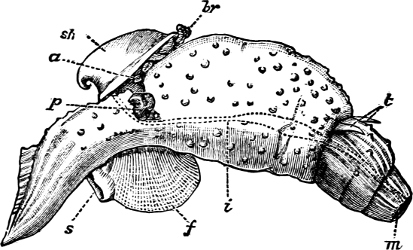
Fig. 279.—Carinaria mediterranea Lam., Naples: a, anus; br, branchiae; f, foot; i, intestine; m, mouth; p, penis; s, sucker; sh, shell; t, tentacles. × ½.
Fam. 1. Eulimidae.—Proboscis very long, retractile, mantle forming a siphonal fold; shell small, long, subulate, polished; suture shallow, aperture continuous, operculum present or absent. Animal often parasitic, sucking the juices of its host by its long proboscis. Trias——. Genera: Eulima (subg., Subularia, Arcuella, Apicalia, Mucronalia, Stiliferina, and others), Stilifer, Scalenostoma, Niso, and Hoplopteron.
Fam. 2. Pyramidellidae.—Tentacles auriform, proboscis as in Eulimidae, a prominent mentum or flap under the buccal orifice; shell usually small, conical; suture shallow, apical whorls (the embryonic shell) sinistral (p. 250), operculum corneous, paucispiral; nucleus excentrical. Trias——. Genera: Pyramidella (subg., Syrnola, Otopleura, Chrysallida, Mumiola), Odostomia, Eulimella, Murchisoniella, Turbonilla (subg., Dunkeria and Cingulina).
(d) Rachiglossa (p. 220).—Proboscis long, retractile; siphon distinct, radula without uncini, sometimes without laterals; teeth strongly cusped; shell generally wholly external.
Fam. 1. Muricidae.—Eyes sessile at the outer base of the tentacles, penis large, behind the right tentacle, radula within the retractile proboscis, central tooth (Fig. 119, p. 220) with at least three strong cusps, laterals plain; shell solid, more or less tuberculate, spiny and varicose, anterior canal varying from a mere notch to a long channel. Cretaceous——. Principal genera: (i.) Muricinae, nucleus of operculum sub-terminal; Trophon, Typhis, Murex (with many subdivisions), Ocinebra (including Cerastoma, Vitularia, and Hadriania), Urosalpinx, Eupleura, Pseudomurea. (ii.) Purpurinae, nucleus of operculum lateral; Rapana (including Latiaxis), Purpura (with subg., Cuma, Iopas, Vexilla, and Pinaxia), Monoceros (including Chorus), Purpuroidea (Secondary strata), Pentadactylus, Sistrum, Concholepas.
Fam. 2. Coralliophilidae.—Animal living in Madrepores, resembling Purpura, radula absent; shell variously shaped, often deformed or tubular, operculum that of Purpura, if present. Miocene——. Principal genera: Rhizochilus, Coralliophila, Leptoconchus, Magilus (Fig. 29, p. 75), Rapa.
Fam. 3. Columbellidae.—(Radula, Fig. 123, p. 222.) Shell small, solid, fusiform, aperture narrow, canal short, outer lip thickened. Miocene——. Single genus, Columbella (subg., Nitidella, Anachis, Meta, Strombina, Atilia, Conidea, Amphissa, Mitrella, and others).
Fam. 4. Nassidae.—Foot long and broad, often with terminal appendages; siphon long, eyes on outer base of tentacles, central tooth of radula arched, multicuspid, lateral strongly bicuspid, with small denticles between the cusps; shell rather small, buccinoid, columella more or less callous, outer lip thickened, often toothed; operculum corneous, edges often toothed. Miocene——. Principal genera: Nassa (with many sections), Amycla, Desmoulea, Cyclonassa, Canidia (subg., Clea and Nassodonta), Dorsanum, Bullia (= Buccinanops, Fig. 62, p. 185), Truncaria.
Fam. 5. Buccinidae.—Siphon rather long, eyes at outer base of tentacles; central tooth of radula with 5 to 7 cusps, laterals bicuspid or tricuspid (Fig. 118, p. 220); shell more or less fusiform, thick, covered with a periostracum, canal of varying length, outer lip simple or thickened; operculum corneous, nucleus variable in position. Cretaceous——. Principal genera: Group i. Chrysodomus (with sections Neptunea, Volutopsis, Pyrolofusus, Jumala), subg., Sipho; Siphonalia (subg., Kelletia). Group ii. Liomesus (= Buccinopsis). Group iii. Buccinum (Fig. 1 B, p. 6; subg., Volutharpa, Neobuccinum). Group iv. Cominella, Tritonidea, Pisania, Euthria; Anura (Miocene), Genea (Pliocene), Metula, Engina. Group v. Phos, Hindsia. Group vi. Dipsaccus (= Eburna), Macron. Group vii. Pseudoliva.
Fam. 6. Turbinellidae.—Central tooth of radula tricuspid, median cusp strong, lateral bicuspid, cusps unequal (Fig. 117, p. 220); shell fusiform or pear-shaped, heavy, canal often long, operculum corneous, claw-shaped, nucleus terminal. Miocene——. Principal genera: Turbinella, Cynodonta, Tudicla (subg., Streptosiphon); Piropsis (Cretaceous), Perissolax (Cretaceous), Strepsidura (Eocene, subg., Whitneya), Melapium, Fulgur (= Busycon, Fig. 150, p. 249, including Sycotypus), Melongena (subg., Pugilina, Myristica); Liostoma (Eocene), Hemifusus (subg., Megalatractus), Ptychatractus, Meyeria.
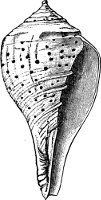
Fig. 280.—Turbinella pyrum Lam., Ceylon. × ⅔.
Fam. 7. Fasciolariidae.—Eyes at the outer base of the tentacles (radula, Fig. 121, p. 221); shell fusiform, spire long, canal often very long, columella often with a fold at the base; operculum corneous, nucleus terminal. Cretaceous——. Principal genera: Fusus (including Sinistralia, Aptyxis, Troschelia), with subg., Serrifusus (Cretaceous), Clavella (subg. Thersites), Fasciolaria, Latirus (subg. Polygona, Peristernia, Leucozonia, Lagena; Mazzalina (Eocene), Chascax).
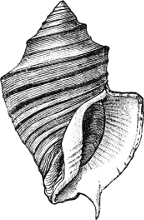
Fig. 281.—Latirus (Leucozonia) cingulatus Wood, Panama.
Fam. 8. Mitridae.—Siphon rather long, with anterior appendages, eyes on the side of the tentacles, proboscis very long; radula variable, laterals sometimes lost (Fig. 120, p. 221); shell fusiform, solid, spire more or less pointed, columella with several prominent folds, the posterior the largest, aperture rather narrow, no operculum. Cretaceous——. Principal genera: Mitra (with many sections), subg., Strigatella, Mitreola, Mutyca, Dibaphus; Plochelaea (Tertiary), Thala; Turricula (with several sections), Cylindromitra, and Imbricaria.
Fam. 9. Volutidae.—Foot broad in front, head laterally dilated into lobes, on which are placed the sessile eyes; siphon prominent, with appendages at the base (radula, Fig. 122, p. 221); shell thick, often shining, fusiform, globular or cylindrical, columella projecting anteriorly, with several folds, the anterior of which is the largest, aperture notched, canal not produced, operculum generally absent. Cretaceous——. Principal genera: Cryptochorda (Eocene), Zidona, Provocator, Guivillea, Yetus (= Cymbium), Voluta (with many sections), Volutolithes (chiefly Eocene), Volutolyria, Lyria, Enaeta, Volutomitra.
Fam. 10. Marginellidae.—Foot broad, siphon without appendages, mantle largely reflected over the shell; radula without laterals, central tooth comb-like, cusps rather blunt; shell oval or conoidal, polished, aperture narrow, outer lip thickened, columella with many folds; no operculum. Eocene——. Principal genera: Marginella, with many sections and so-called sub-genera; Persicula, Pachybathron (?), Cystiscus, Microvoluta.
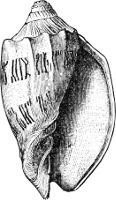
Fig. 282.—Voluta nivosa Lam., West Australia. × ⅔.
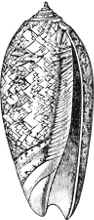
Fig. 283.—Oliva porphyria Lam., Panama.
Fam. 11. Harpidae.—Foot large, with a transverse groove, separating off a semi-lunar propodium; mantle partly reflected over the shell; shell ventricose, polished; spire short, strongly longitudinally ribbed, ribs prolonged over the suture, columella callous; no operculum. Eocene——. Single genus, Harpa (subg., Silia).
Fam. 12. Olividae.—Propodium semi-lunar, with a longitudinal groove above, mesopodium reflected laterally over the shell; central tooth of radula tricuspid on a very broad base, lateral simple, hooked; shell sub-cylindrical or fusiform, polished; aperture narrow, operculum present or absent. Cretaceous——. Principal genera: Oliva (Figs. 283, and 98, p. 199), Olivancillaria (including Lintricula and Agaronia), Olivella, Ancilla (subg., Ancillina).
(e) Toxoglossa (p. 218).—Radula with normal formula 1·0·1, teeth large; oesophagus with a large poison gland; animal carnivorous, exclusively marine.

Fig. 284.—Terebra subulata L., Ceylon.
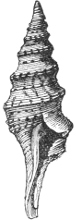
Fig. 285.—Pleurotoma tigrina Lam., E. Indies.
Fam. 1. Terebridae.—Eyes at the end of the tentacles, shell subulate, many whorled, operculum with terminal nucleus. Eocene——. Single genus, Terebra, with several sections.
Fam. 2. Conidae.—Eyes on outer side of tentacles, siphon prominent; shell conical or fusiform, aperture narrow. Cretaceous——. Principal genera: Conus, shell solid, spire short, aperture narrow, straight, internal partitions partly absorbed; Conorbis, Genotia (with several sections, chiefly Tertiary), Pusionella, Columbarium, Clavatula, Surcula, Pleurotoma; Borsonia (Eocene), Drillia (subg., Spirotropis), Bela, Mangilia (including Daphnella, Clathurella, and others), Halia.
Fam. 3. Cancellariidae.—Proboscis short, usually no radula, shell oval, columella strongly plicate; no operculum. Cretaceous——. Single genus, Cancellaria (subg., Merica, Trigonostoma, Admete).