SPANISH PAINTING—WITH SPECIAL REFERENCE TO THE EXHIBITION AT BURLINGTON HOUSE, LONDON NOVEMBER, 1920 TO JANUARY, 1921 (continued 2)
Lewis Spence translation
. . . . . . . . . . . . . . .
The salons set apart for modern painting at the London Exhibition seem to us to have been disposed and arranged with care. There were shown in the first of these rooms works by Sorolla, his disciple Benedito, one of the most esteemed portrait painters in Madrid, Zaragoza, Moisés, Carlos Vázquez, and some landscapes by Rusiñol. The second room was in complete harmony with the first, and in it we observed the works of artists, some of whom are still young, but nevertheless masters of strong propensity and perfect equilibrium; the great composition by Gonzalo Bilbao, The Cigar-makers (Plate XXXVII.); the striking portraits of Chicharro and Sotomayor; the unmistakably Spanish canvases of Mezquita and Rodriguez Acosta; and the picturesque and suggestive note of the Valencian figures by Pinazo Martinez.
The neighbouring room was dedicated to those who may be called painters of character, for such was the exclusive note of all the works shown there. It would not be easy to say who occupied the place of honour here, Zuloaga, Romero de Torres, an artist of Cordova, who has tried to create a type of female beauty famous throughout Spain, the brothers Zubiaurre, peculiarly Basque in feeling, and now well known everywhere, Salaverria, Ortiz Echagüe, Arrúe, Juan Luis y Arteta, a delicate and emotional painter who has found on the Basque shores subjects for pictures unusually simple, in which is displayed a delicacy of technical expression together with the significance of an idea, inspired, like his subjects, by a simple poetry.
Following these, in still other rooms, were hung works similar in type, but bolder, perhaps, such as those of Solana, whose three canvases, painted in low tones, were of great interest and excited much remark in the exhibition; Vázquez Díaz, so various in his subjects, but always individual; Maeztu, the consistent exponent of a colossal and decorative style; Castelucho, Urgell, Guezala; and Astruc y Sancha, who combines caricature of consummate mastery with the painting of landscapes of manifest originality.
In another room were exhibited smaller landscapes. These included examples of Rusiñol, Beruete, Regoyos, Meifren, Forns, Raurich, Colom, Grosso and Mir. Among the work of other young painters of promise but as yet little known, we must mention the seascapes of Verdugo Landi and Nogue.
The next salon, known as the Lecture Room, formed a kind of overflow for the last, and contained pictures by Hermoso, Garnelo, Simonet, Morera, Marin Bagües, Canals, Cardona, Villegas Brieva, Oroz, Madrazo-Ochoa, Covarsi, Bermejo, and many other artists, a list of whom would be much too extensive for inclusion here.
. . . . . . . . . . . . . . .
We do not think that the assertion that Spanish painting has been a powerful factor in the history and development of universal art will be regarded by anyone as a discovery, nor will such a statement appear as a result of patriotic enthusiasm. Spanish painting to-day follows its brilliant traditions; and although we believe this present period to be one of gestation, it occasionally reveals qualities of splendour and greatness. It is indubitably lacking in marked and decided outlook, but it is, nevertheless, universally respected and suffers, at the most, merely from the exigencies of the time. Moreover, not a few critics of distinction in the Peninsula, who concern themselves with the study of particular movements, see in it a tendency to the formation of regional groups. The central one naturally has its focus in Madrid, and radiates thence over the whole of Spain; but a large output is always forthcoming from the cities of Seville and Valencia, which appear, by the light of tradition, as the most brilliant centres of pictorial art. There are, moreover, two other regions which have produced rich and flourishing art—Catalonia and the Basque provinces, with their two capital cities, Barcelona and Bilbao.
Catalan art is no new thing in Spanish tradition, and is in a measure descended from that which was formerly the art of the Kingdom of Aragon before the national union. The Catalans have confined it entirely to their territory, have cultivated it with enthusiasm, and have created a Catalan school of Spanish Art. It is a great pity that they have not tried to preserve a more national spirit and have frequently sought inspiration from foreign sources, especially from France. But, this notwithstanding, Catalan achievement is indeed most worthy of praise.
The artistic production of the Basque provinces is forcible and original. The Basques, with a scanty pictorial tradition, have shrewdly sought for inspiration in the Spanish sphere without distinction of locality, and have produced an art of undoubted interest.
But apart from this there exists at the present time a movement of worldwide character, which seems to have a literary origin and which may, perhaps, be called, for want of a better name, the new spirit. Though still in a chaotic state, this movement, varied in its aspects, may in all lands be identified by an underlying intention to revolutionize everything, creating a new æsthetic code and turning its back on the past and on all tradition.
It is not our intention to deal with this movement or to discuss its importance. Spain does not appear to be the country best fitted to lead it. Its history seems to show that while it is ready of acceptance, it is not to be hurried in its advance; nor is it eager to seize upon radical ideas. But this notwithstanding, it has painters who understand and cultivate art of this kind, and it must not be forgotten that one of the outstanding figures in the ultramodern movement is the Spaniard Picasso, who has shown once more that in all phases of artistic effort the Spanish temperament significantly reveals itself.
A. de Beruete y Moret. (Translated by Lewis Spence)
PLATE I
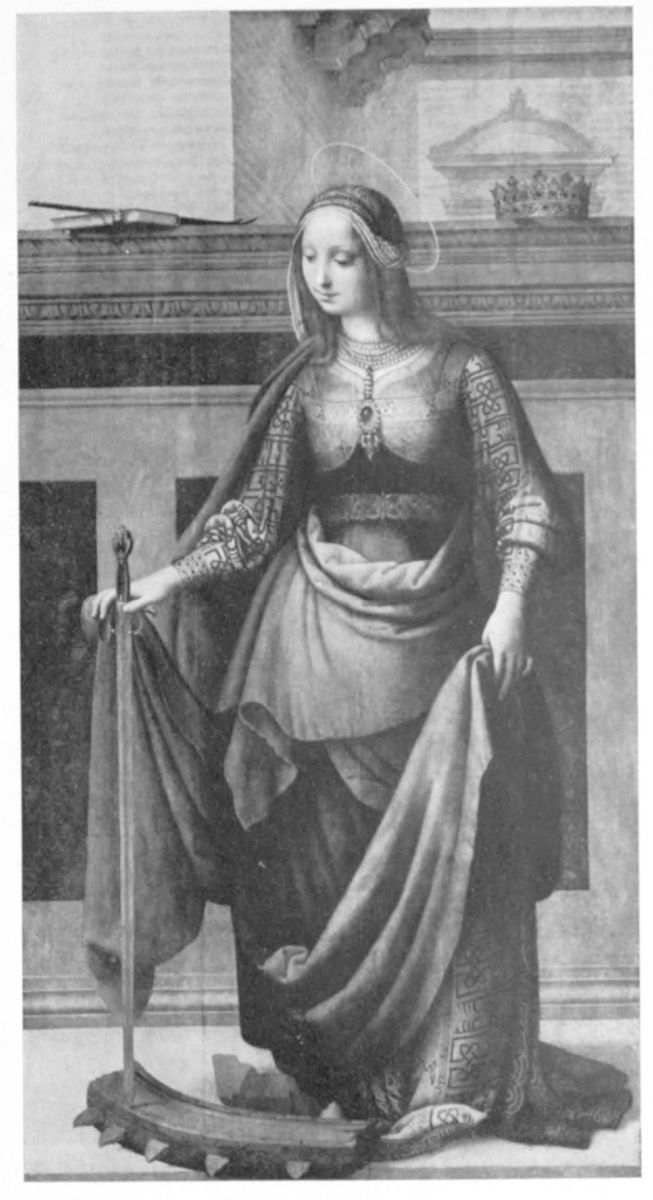
PLATE I
YAÑEZ DE LA ALMEDINA
(Collection of the Marquis de Casa-Arquedin, Madrid)
“ANTA CATALINA” (“SAINT CATHERINE”)
PLATE II
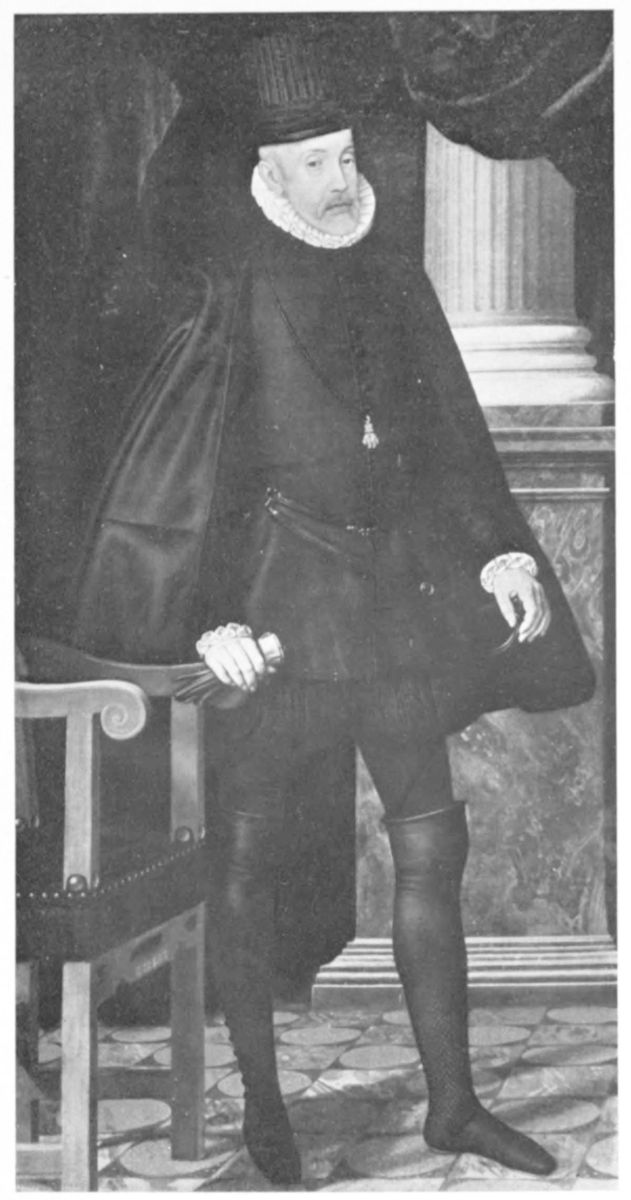
PLATE II
PANTOJA DE LA CRUZ
(Collection of H.M. The King of Spain)
“PHILIP II”
PLATE III
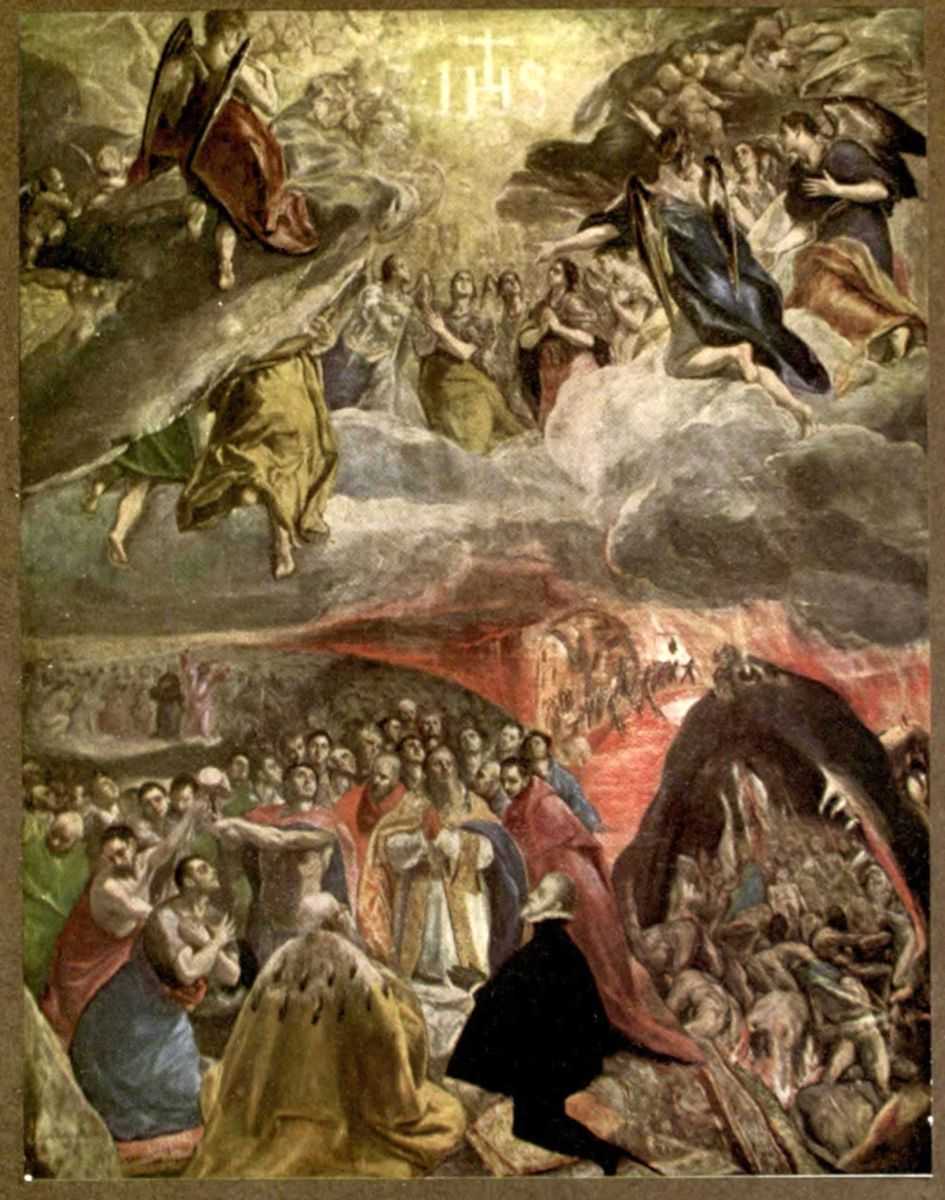
PLATE III
EL GRECO
(Collection of H.M. The King of Spain)
“LA GLORIA DE FELIPE II” (“THE ‘GLORY’ OF PHILIP II”)
PLATE IV
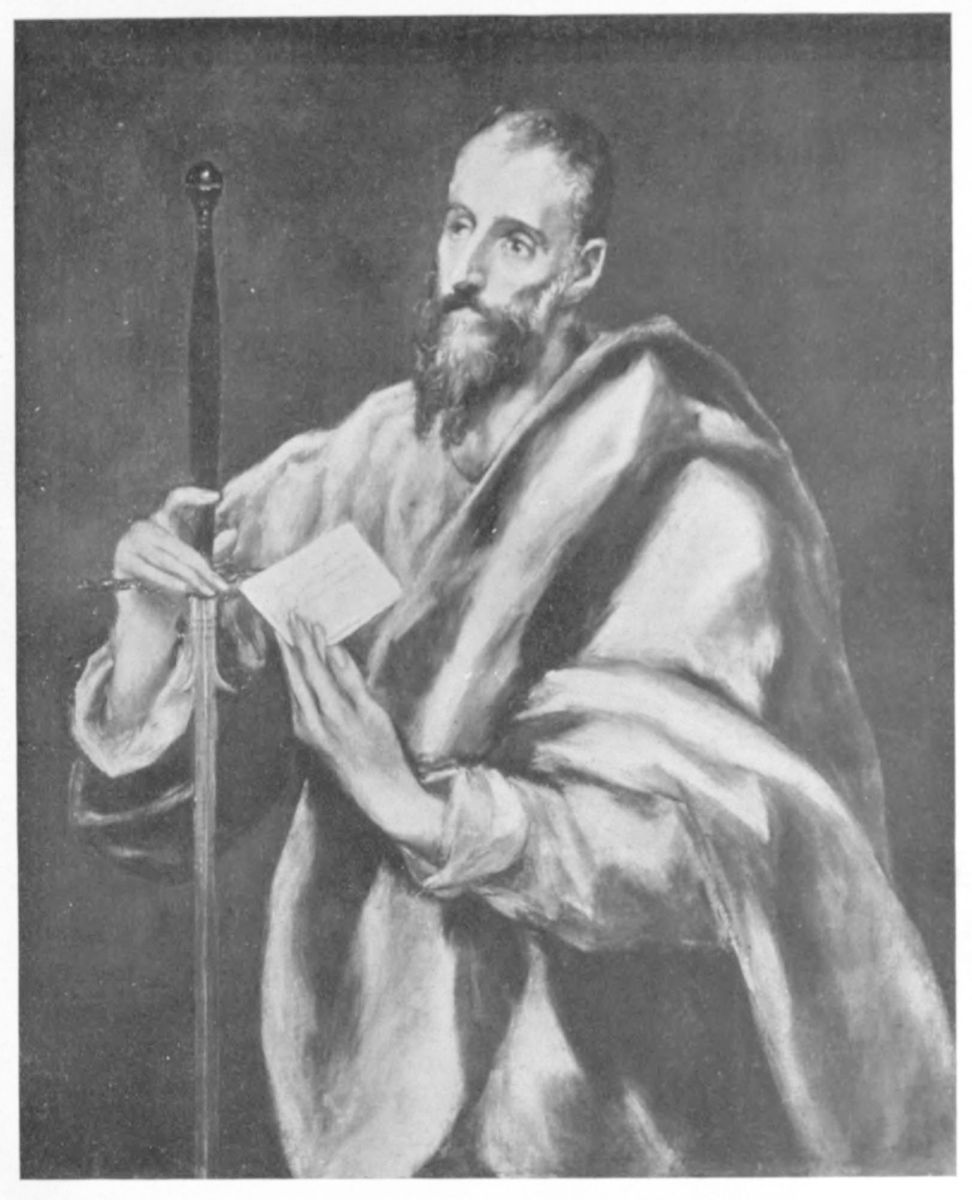
PLATE IV
EL GRECO
(Provincial Museum, Toledo)
“SAN PABLO” (“SAINT PAUL”)
PLATE V
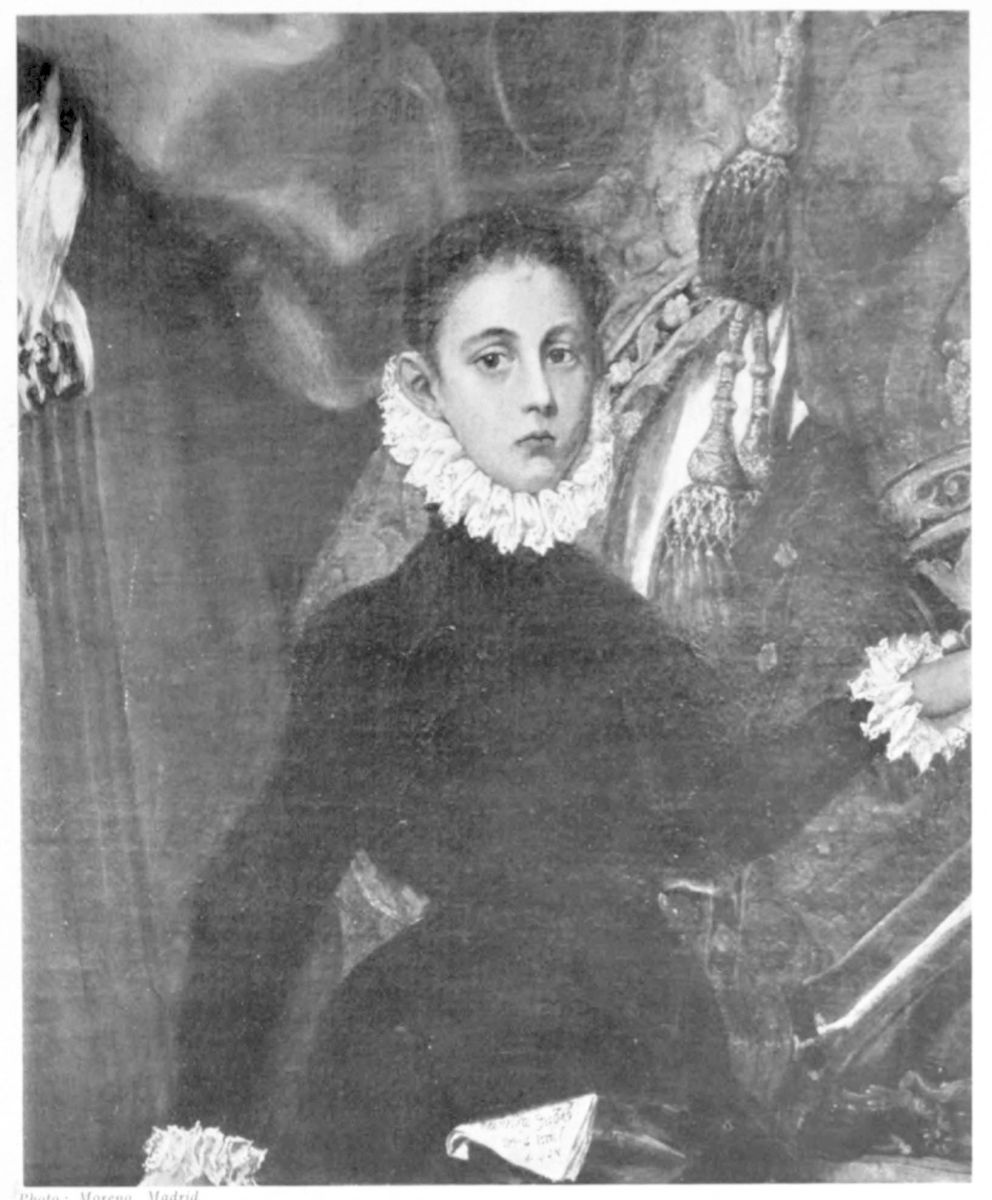
PLATE V
EL GRECO
Photo: Moreno, Madrid
(Church of Santo Tomé, Toledo)
“EL ENTIERRO DEL CONDE DE ORGAZ” (DETAIL.) (“THE BURIAL OF COUNT OF ORGAZ”)
PLATE VI
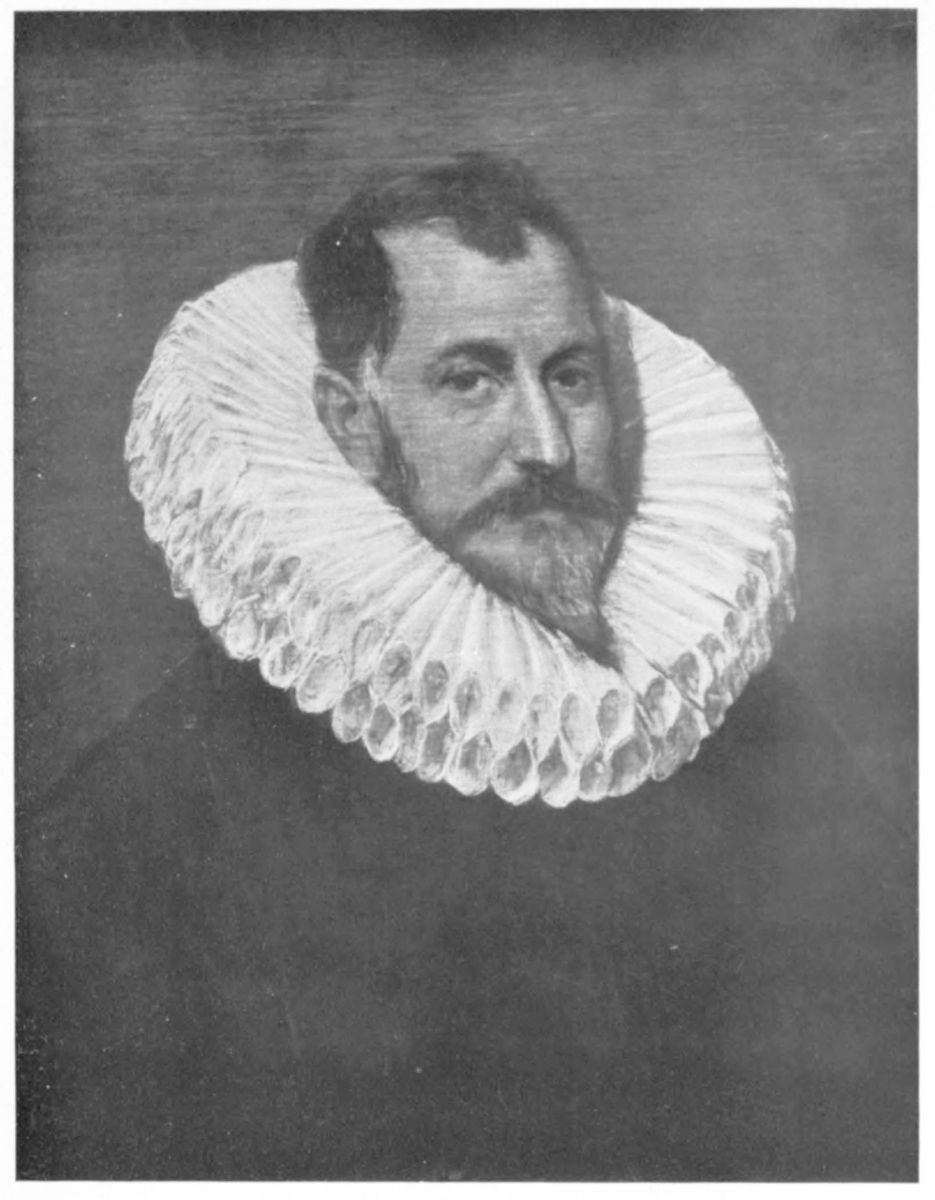
PLATE VI
EL GRECO
(Prado Museum, Madrid)
“RETRATO DE UN CABALLERO” (“PORTRAIT OF A NOBLEMAN”)
PLATE VII
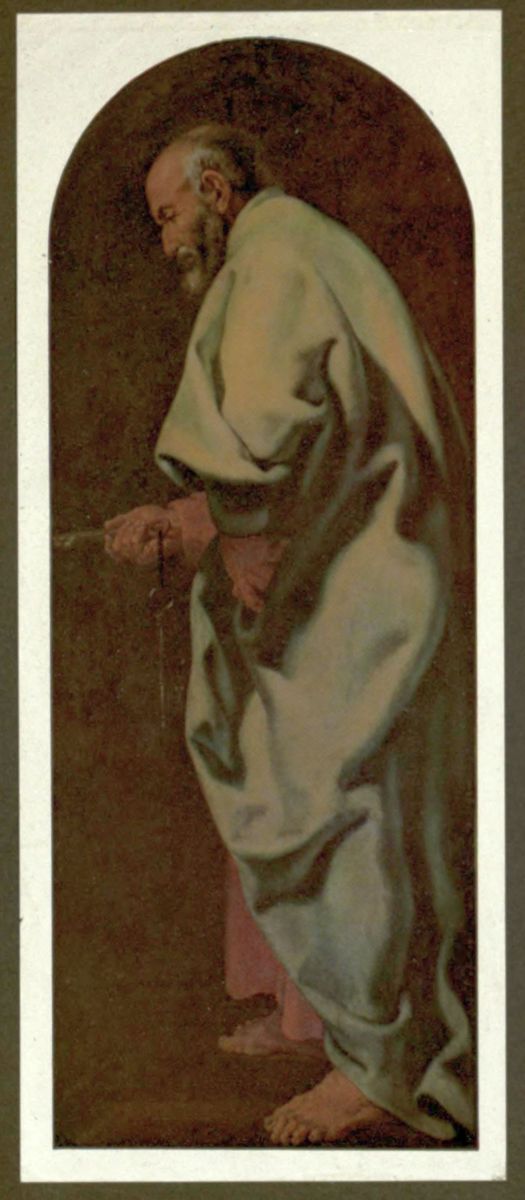
PLATE VII
FRANCISCO DE RIBALTA
(Fine Art Museum, Valencia)
“SAN PEDRO” (“SAINT PETER”)
PLATE VIII
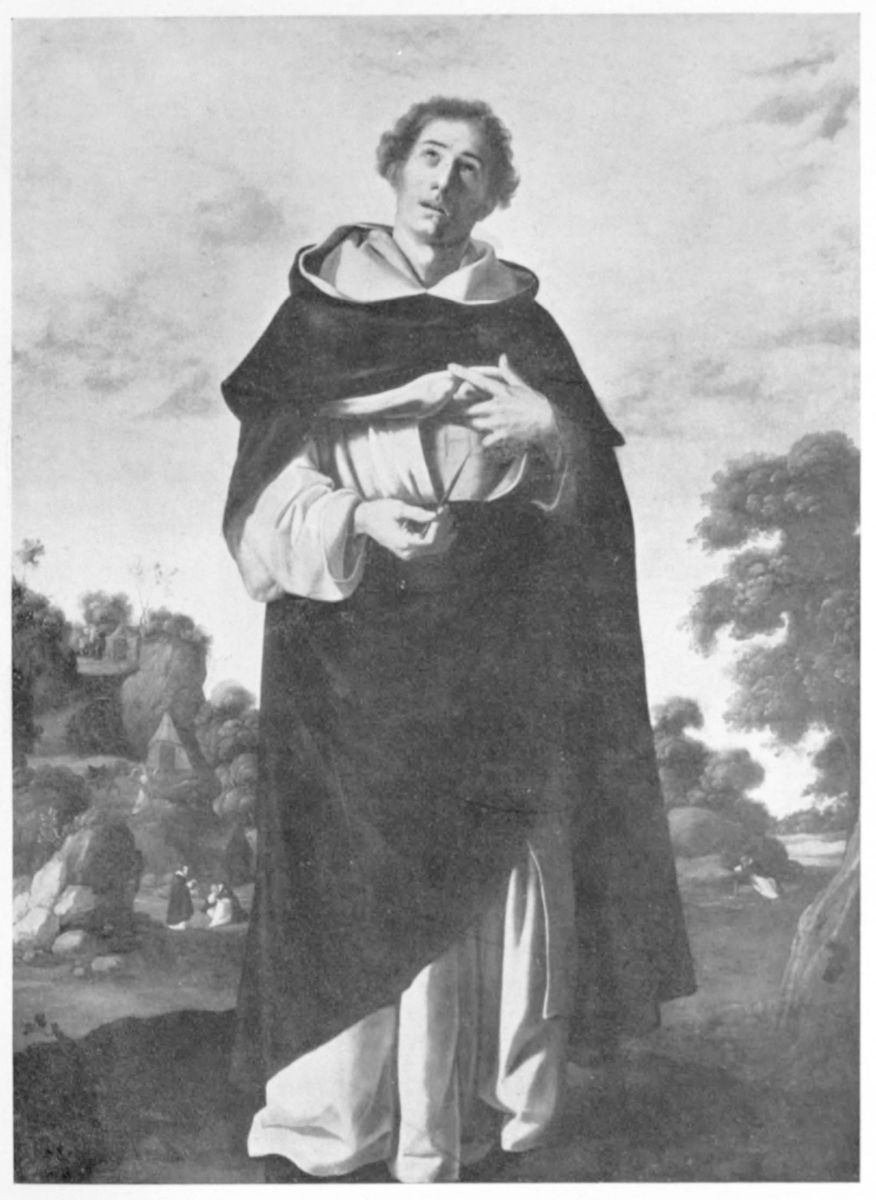
PLATE VIII
ZURBARAN
(Provincial Museum, Seville)
“EL BEATO DOMINICO ENRIQUE SUZON” (“THE DOMINICAN, HENRY SUZON”)
PLATE IX
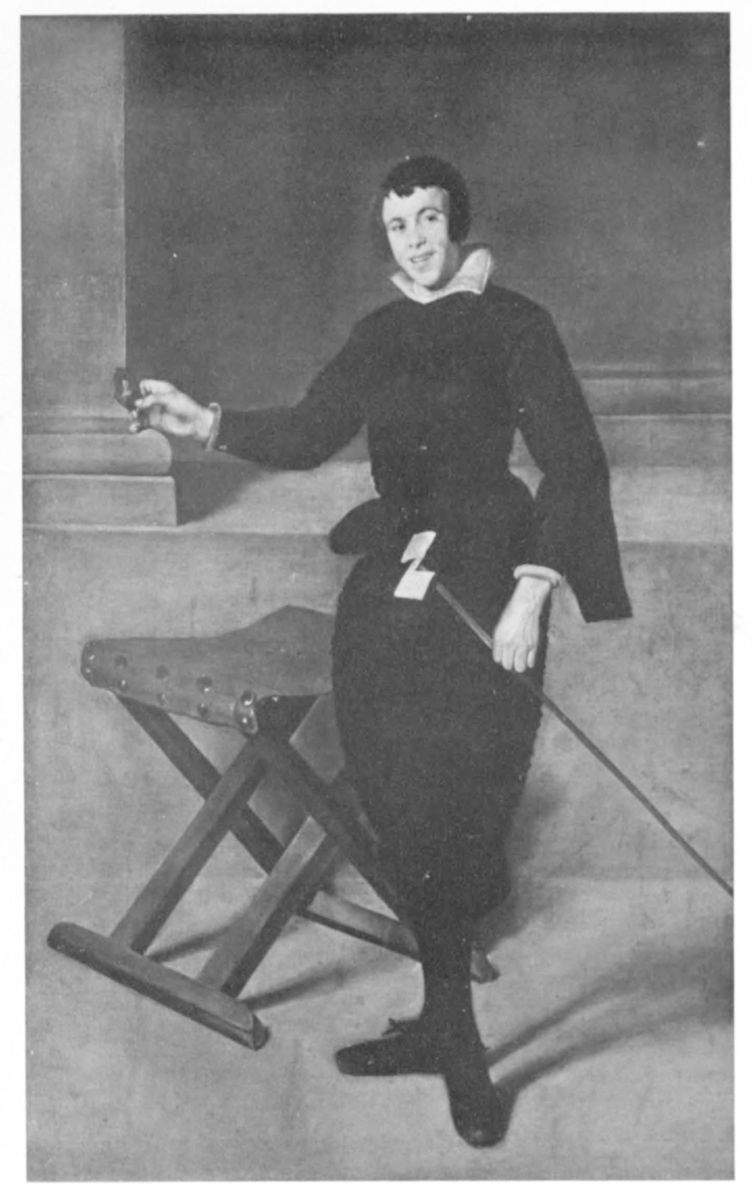
PLATE IX
VELAZQUEZ
(Collection of Sir Herbert Cook, Bart.)
“CALABACILLAS EL BUFON” (“CALABACILLAS, THE BUFFOON”)
PLATE X
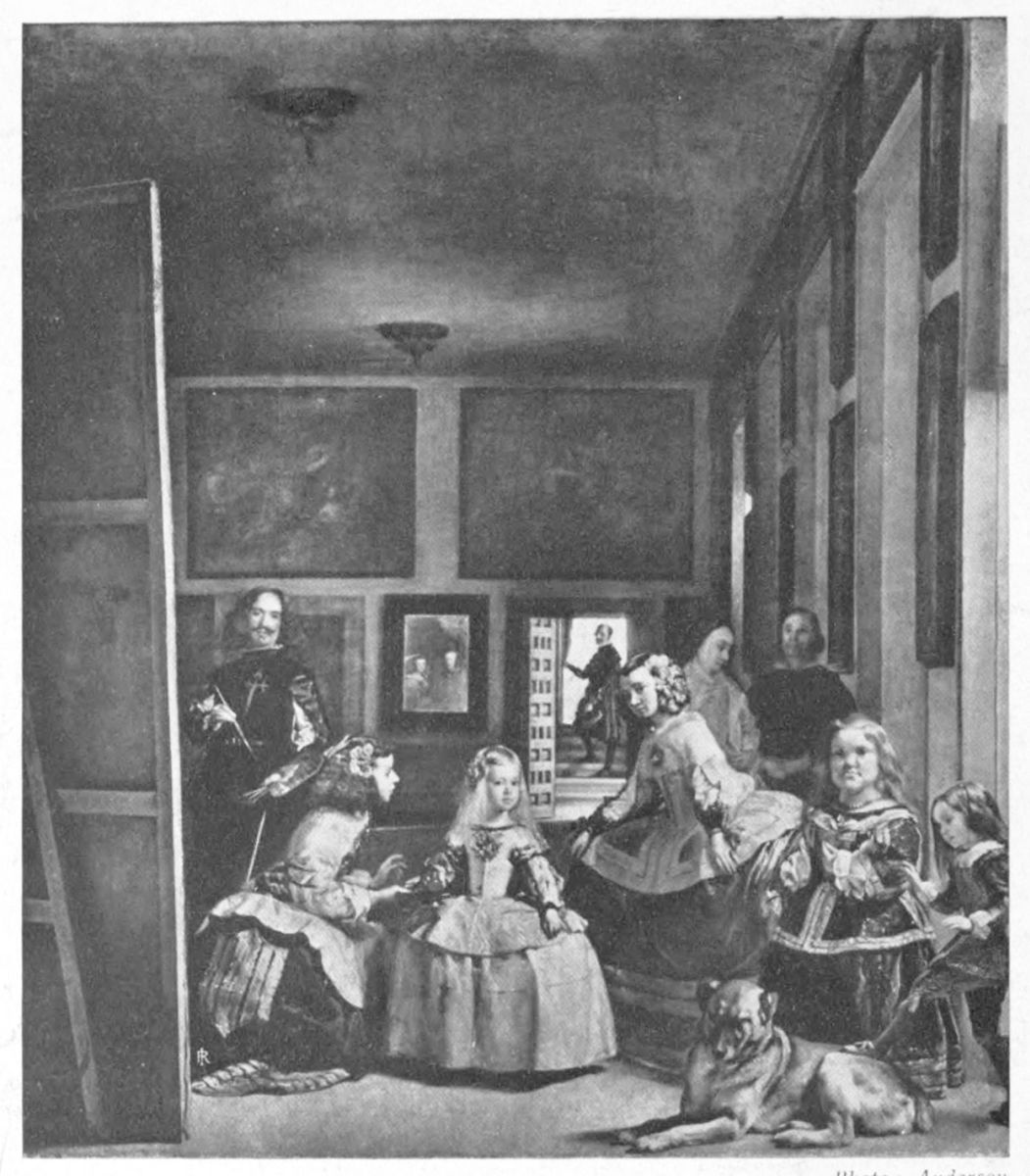
PLATE X
VELAZQUEZ
Photo: Anderson
“LAS MENINAS” (THE MAIDS OF HONOUR)
PLATE XI
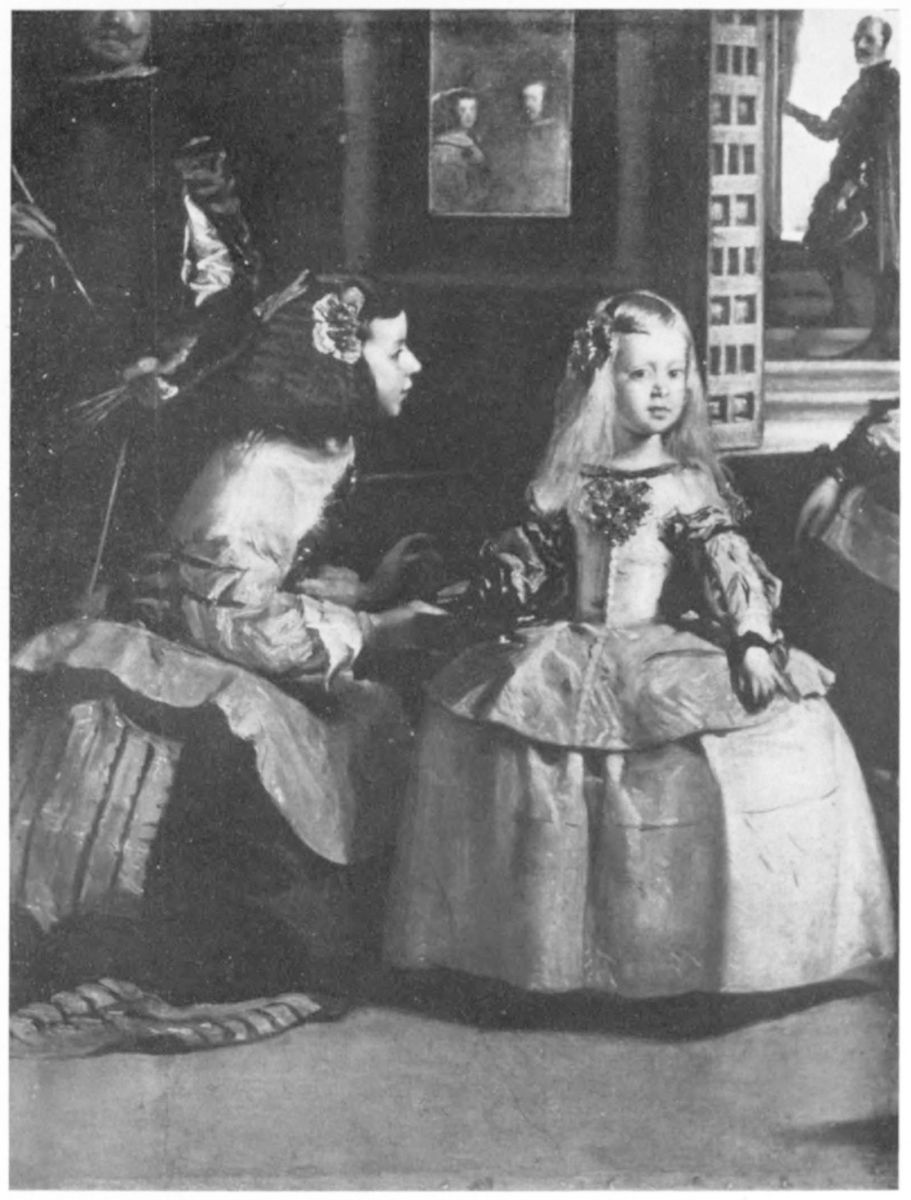
PLATE XI
VELAZQUEZ
(Prado Museum, Madrid)
“LAS MENINAS” (DETAIL) (“THE MAIDS OF HONOUR”)
PLATE XII
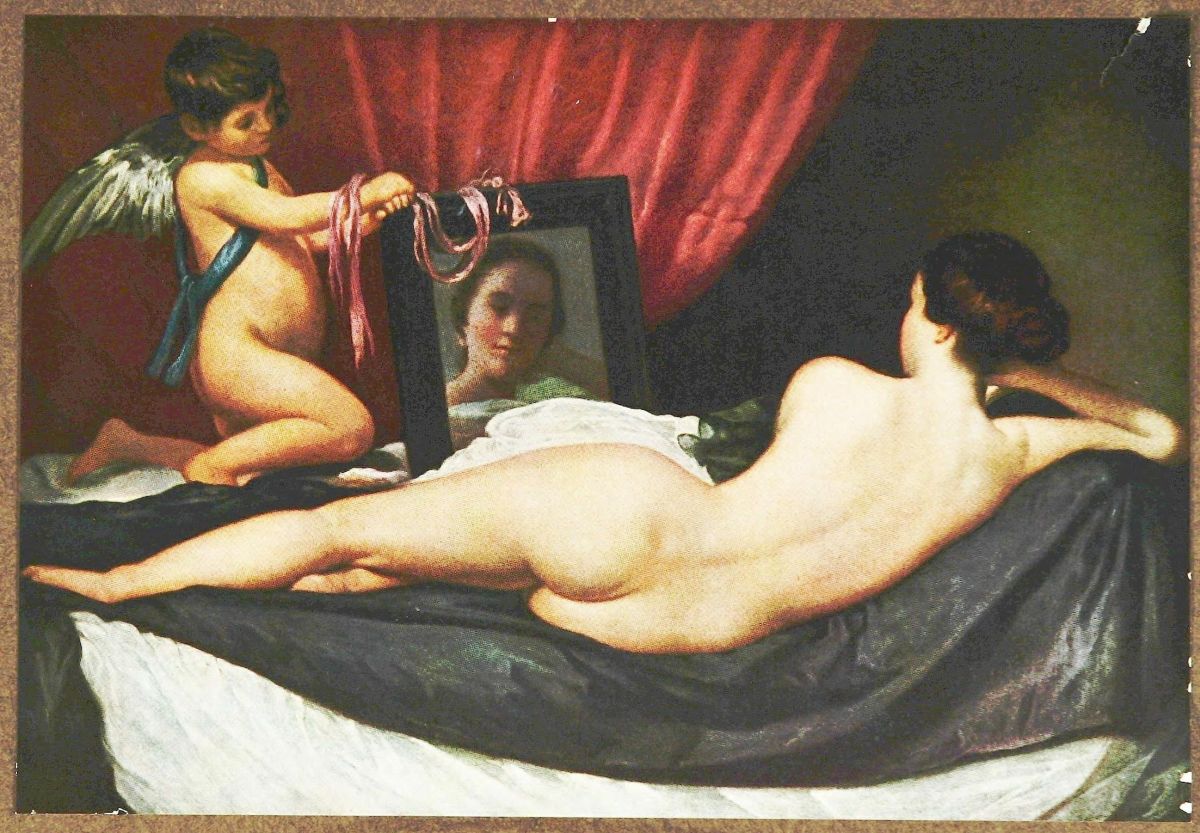
PLATE XII
VELAZQUEZ
(National Gallery, London. By permission of Messrs. Thos. Agnew & Sons)
“VENUS Y CUPIDO” (“VENUS AND CUPID”)
PLATE XIII
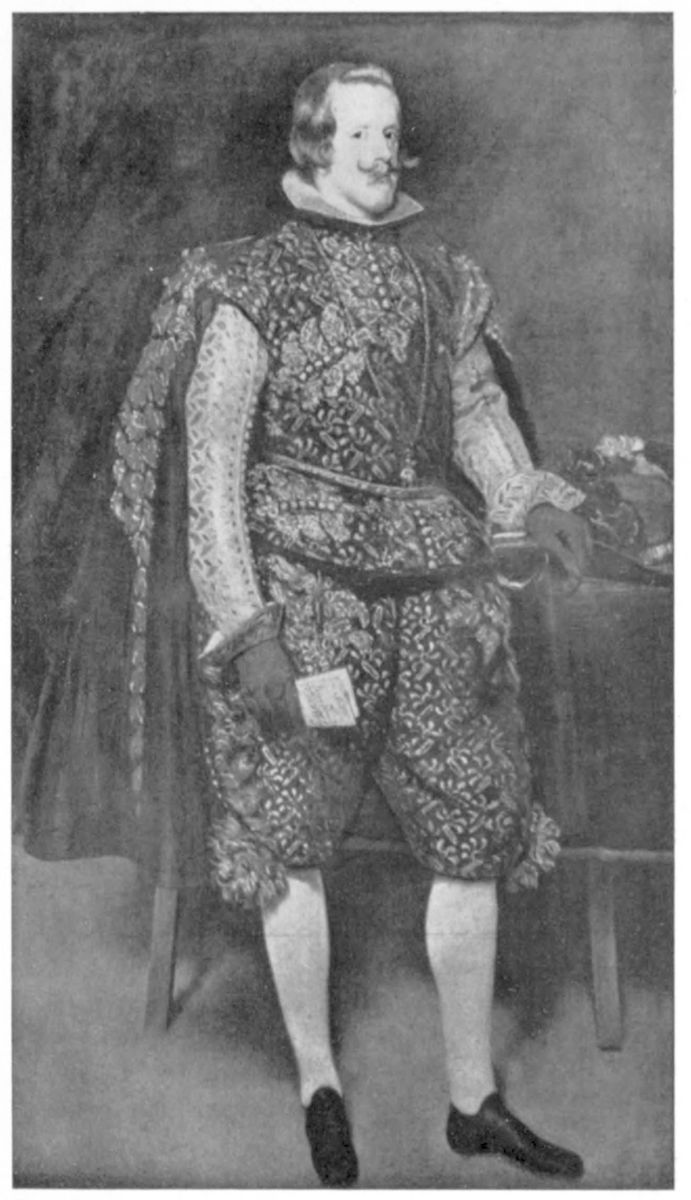
PLATE XIII
VELAZQUEZ
Photo: Mansell
(National Gallery, London)
“PHILIP IV”
PLATE XIV
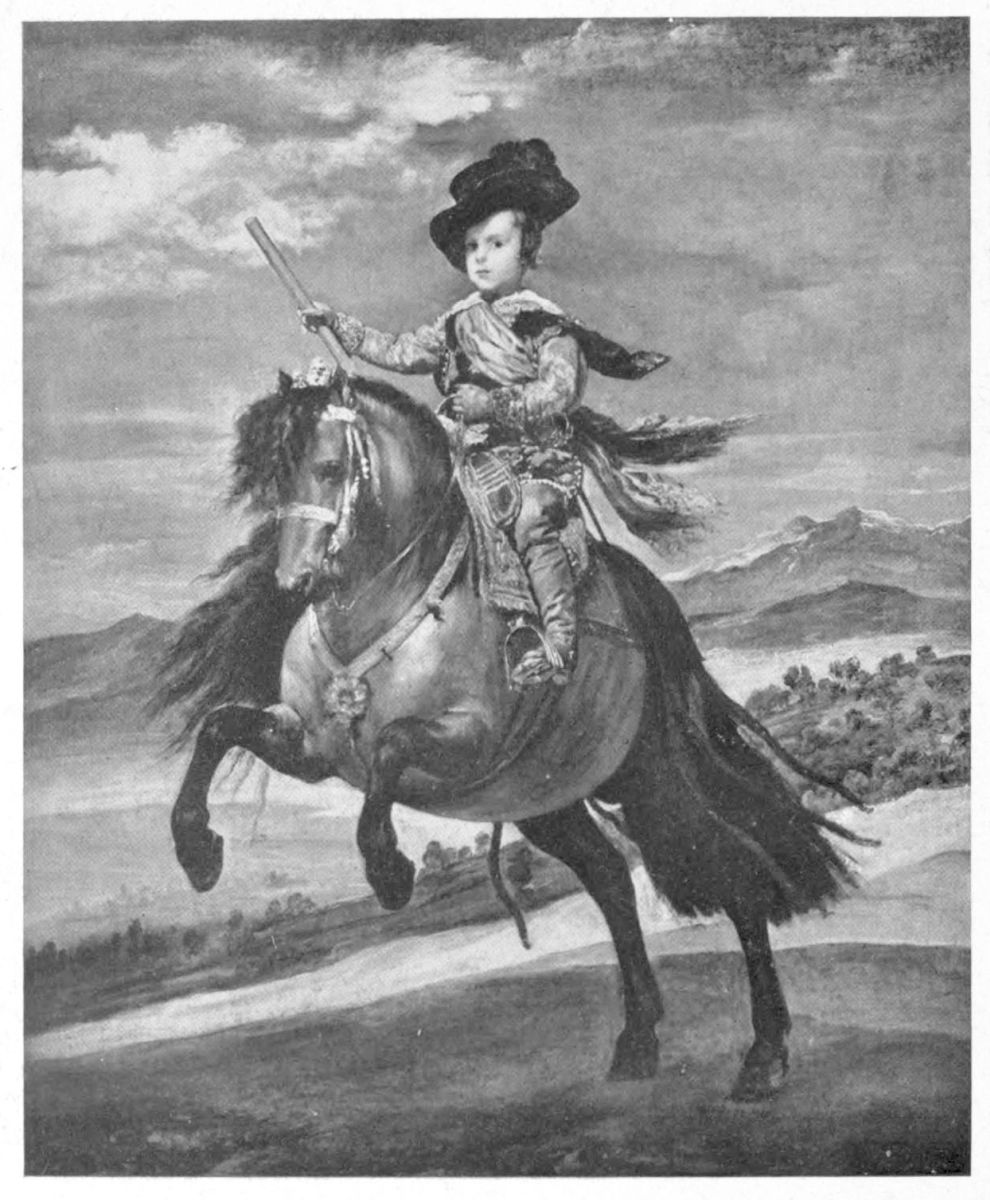
PLATE XIV
VELAZQUEZ
“INFANTE BALTASAR CARLOS”
PLATE XV
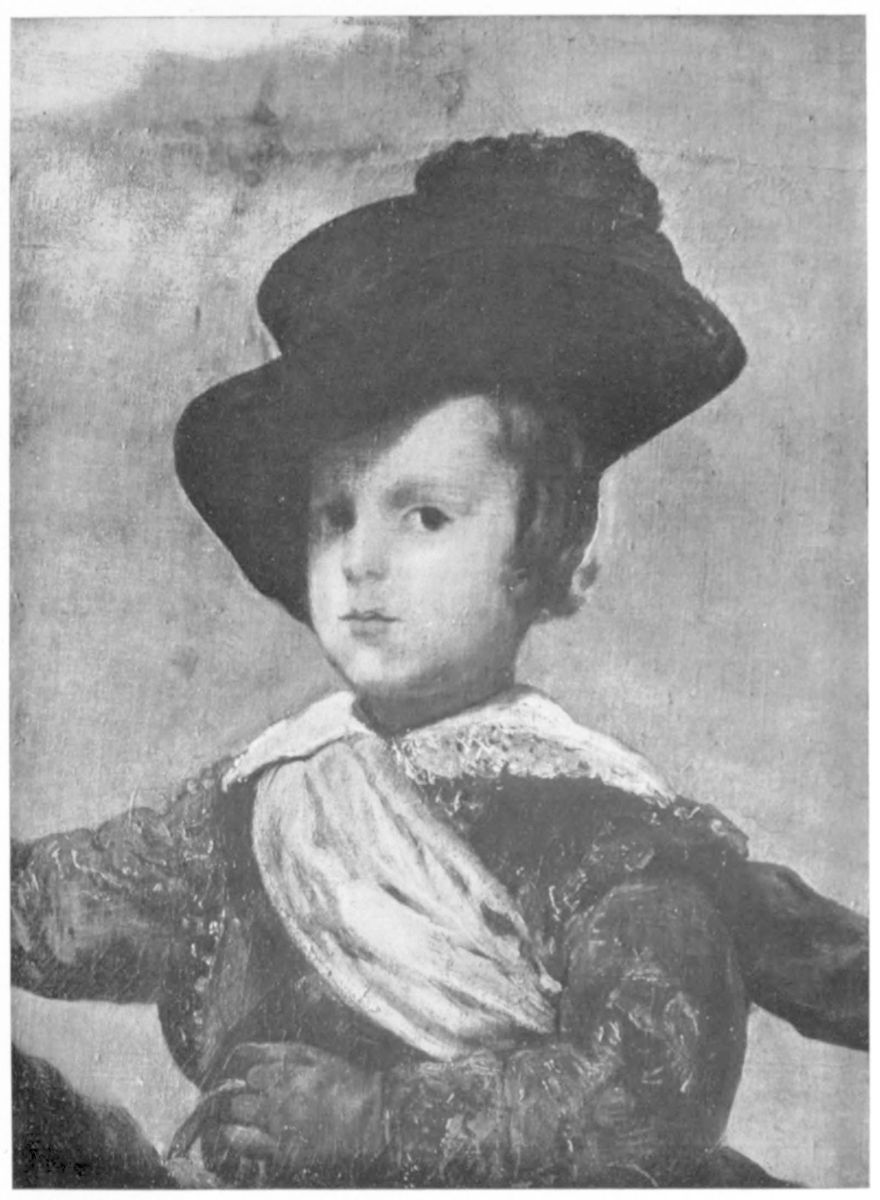
PLATE XV
VELAZQUEZ
Photo: Anderson
(Prado Museum, Madrid)
“INFANTE BALTASAR CARLOS” (DETAIL)
PLATE XVI
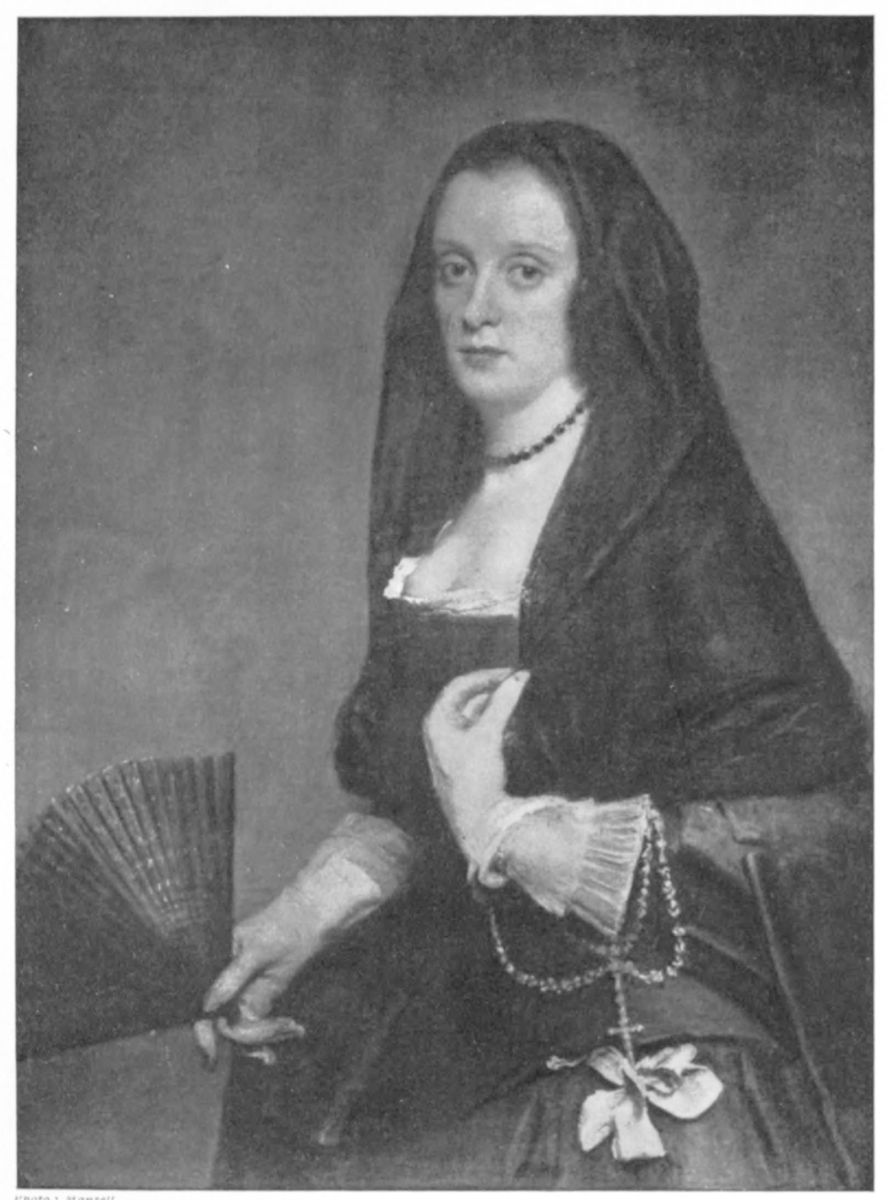
PLATE XVI
VELAZQUEZ
Photo: Mansell
(Wallace Collection, London)
“LA DAMA DEL ABANICO” (“THE LADY WITH A FAN”)
PLATE XVII
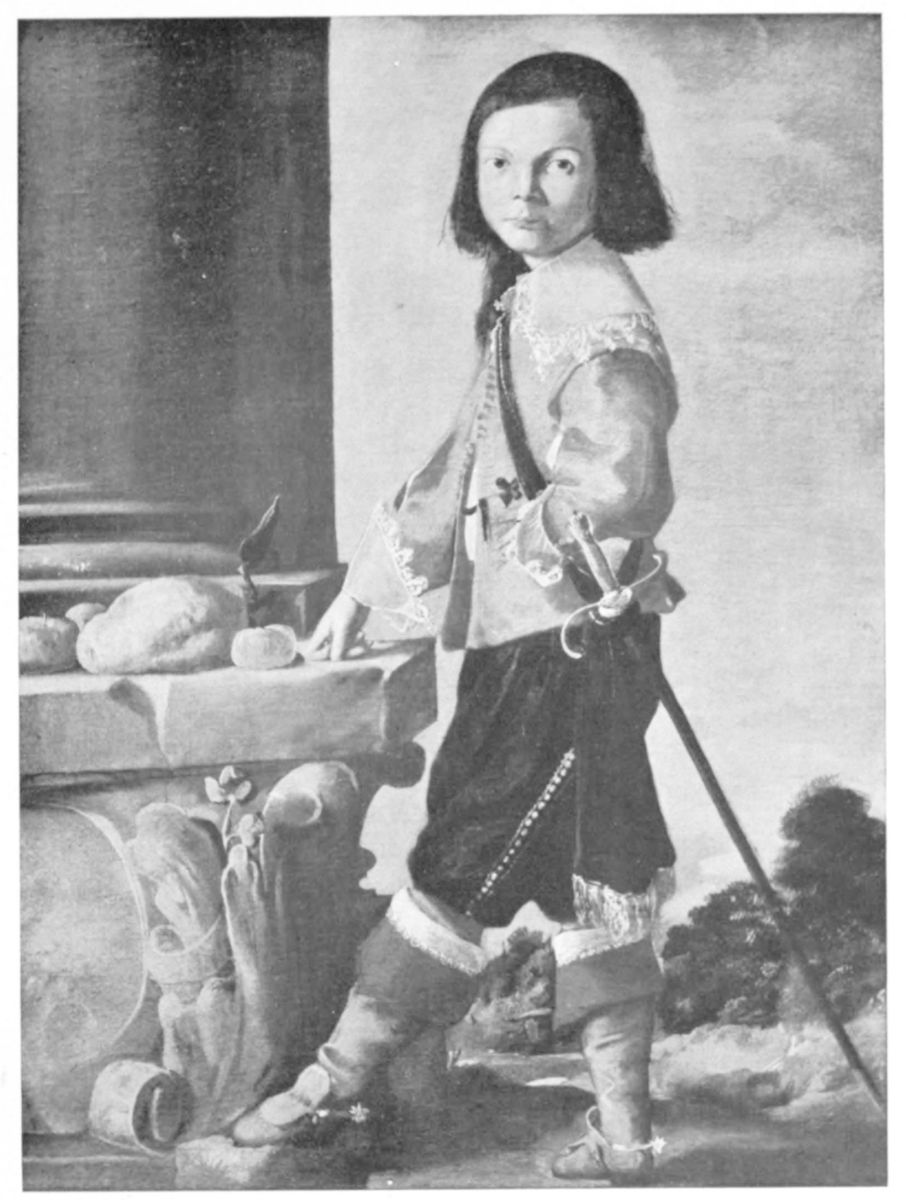
PLATE XVII
FRAY JUAN RIZI
(Collection of Sir Herbert Cook, Bart.)
“UN CABALLERO JOVEN” (“A YOUNG CAVALIER”)
PLATE XVIII
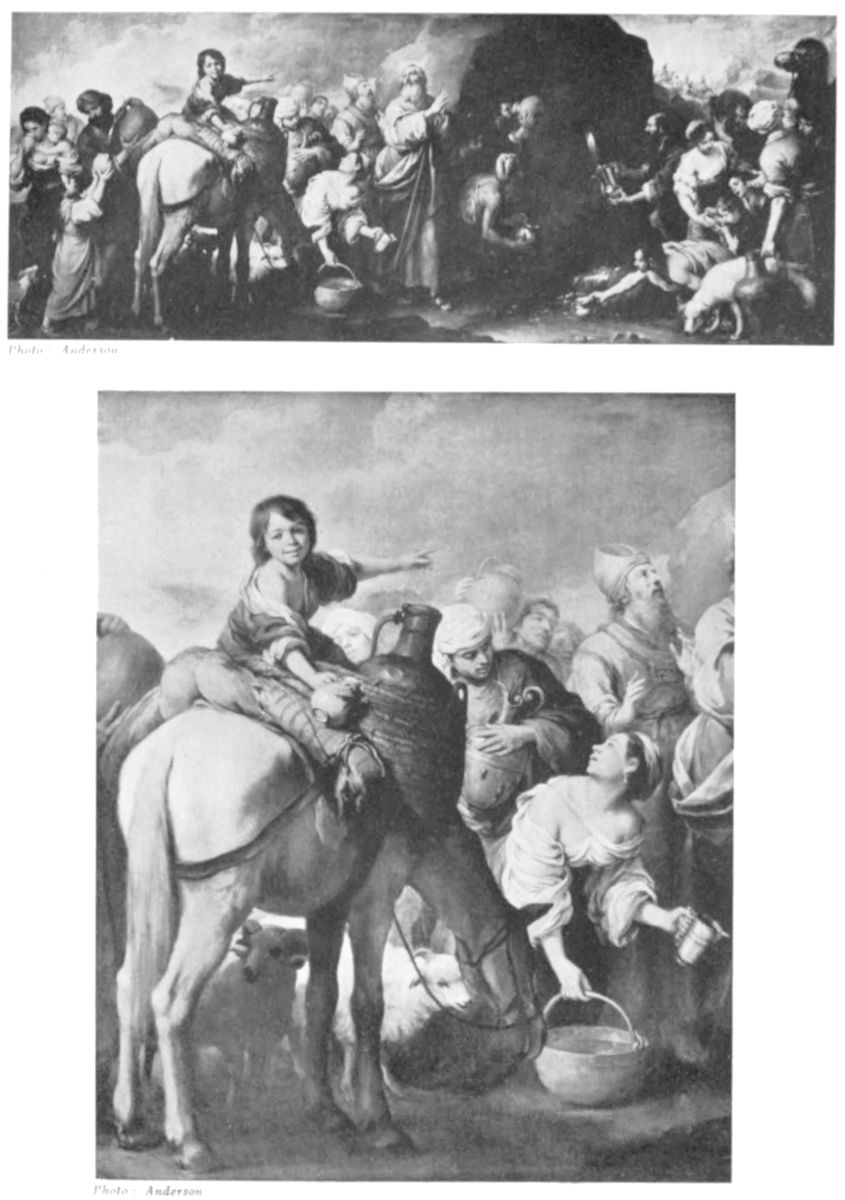
PLATE XVIII
MURILLO
Photo: Anderson
Photo: Anderson
(La Caridad, Seville)
“MOISES TOCANDO LA ROCA” (“MOSES STRIKING THE ROCK”)
PLATE XIX
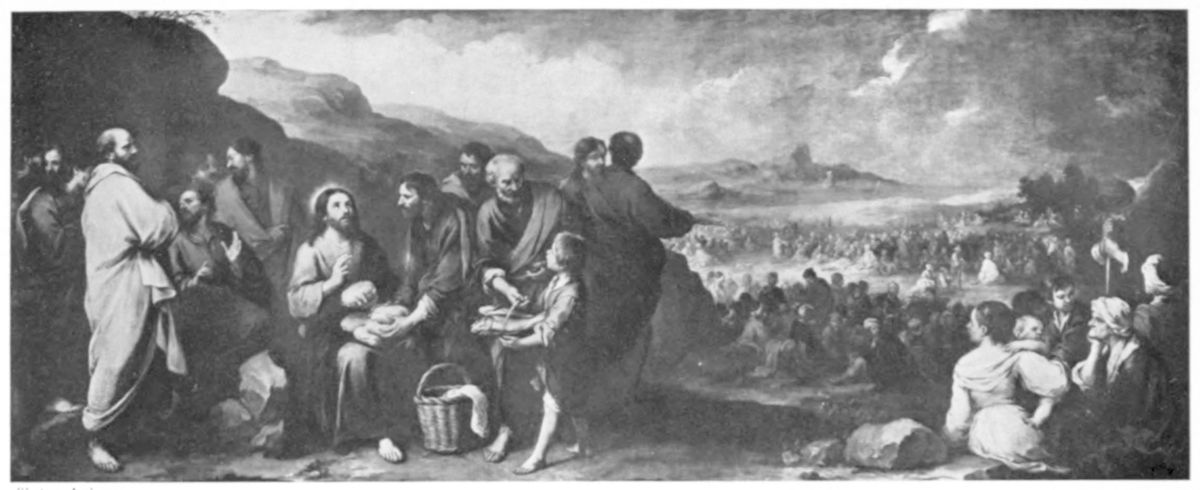
PLATE XIX
MURILLO
Photo: Anderson
(La Caridad, Seville)
“EL MILAGRO DE LOS PANES Y LOS PECES” (“THE MIRACLE OF THE LOAVES AND FISHES”)
PLATE XX
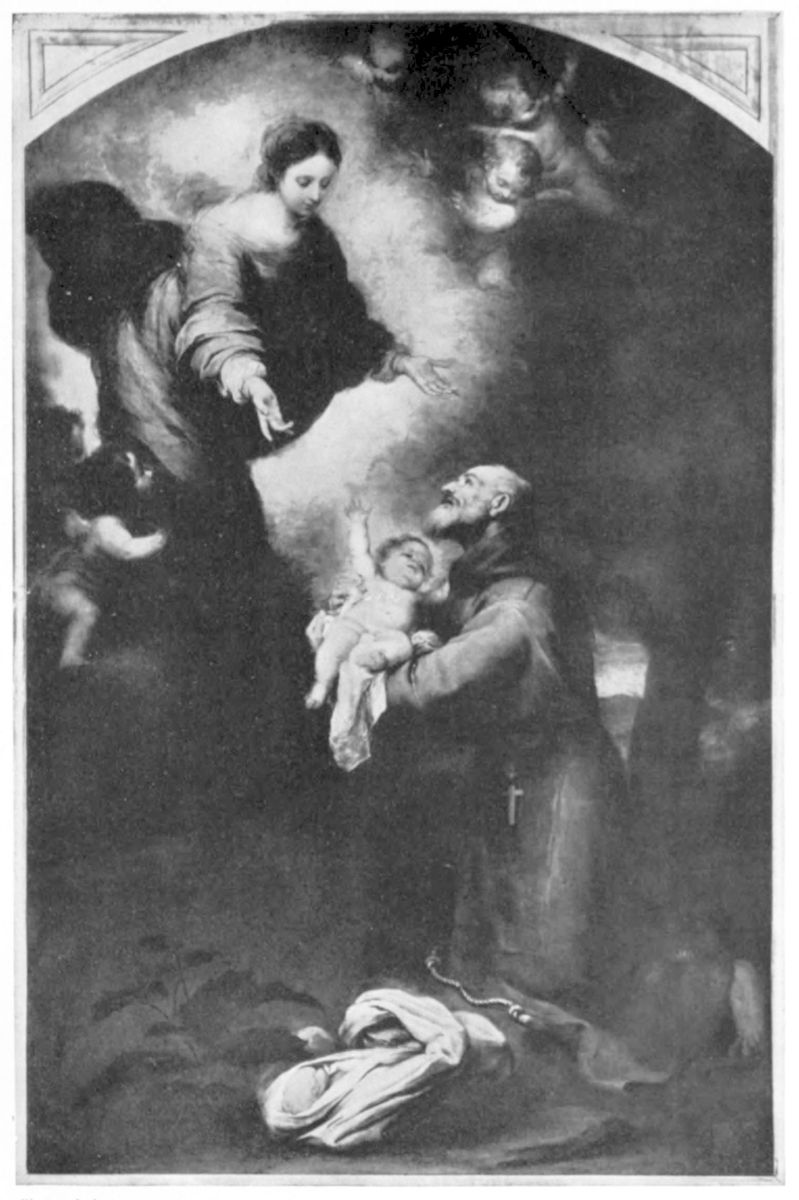
PLATE XX
MURILLO
Photo: Anderson
(Provincial Museum, Seville)
“SAN FELIX DE CANTALISI Y EL NIÑO JESUS” (“ST. FELIX OF CANTALISI AND THE INFANT CHRIST”)
PLATE XXI
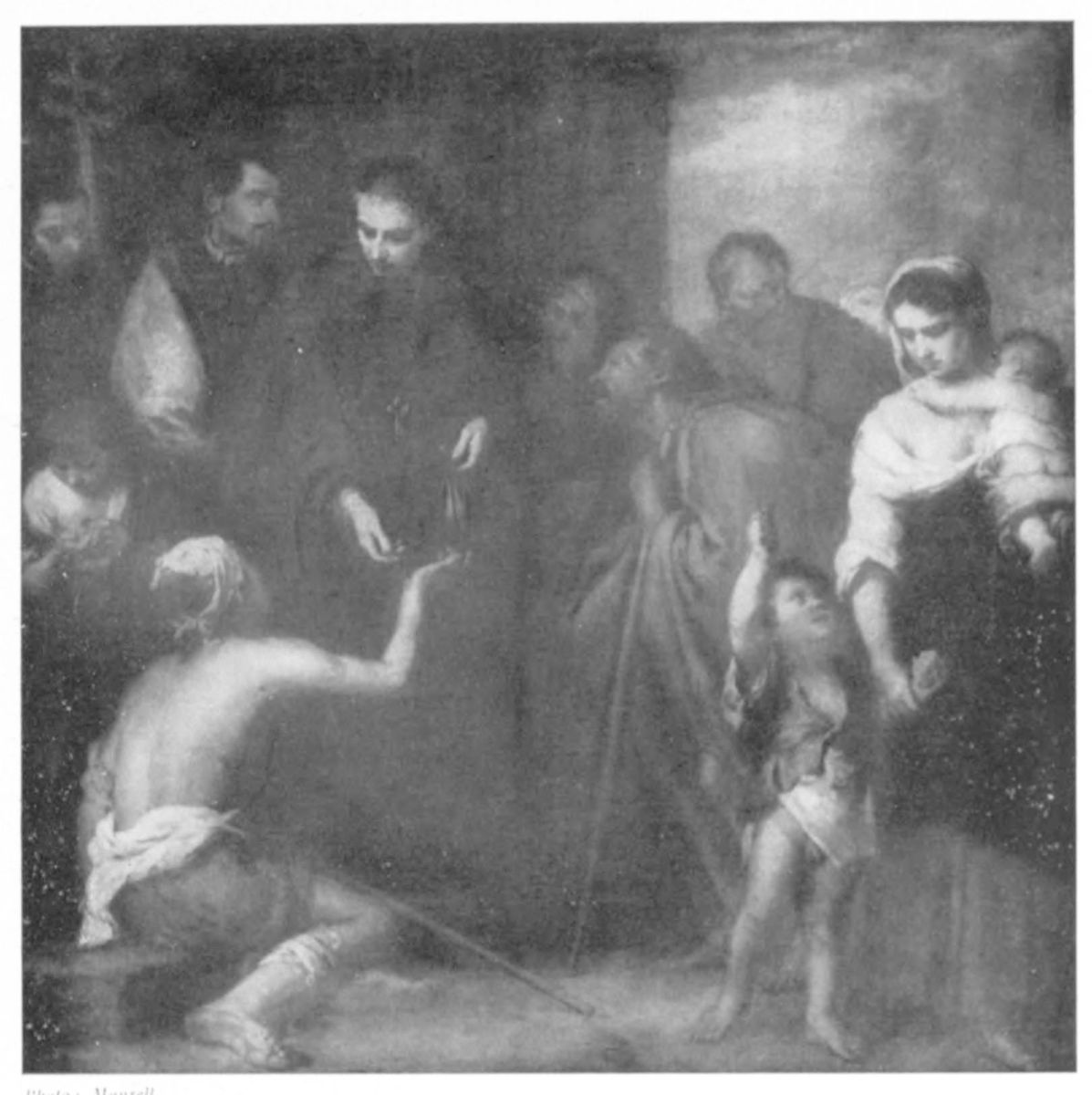
PLATE XXI
MURILLO
Photo: Mansell
(Wallace Collection, London)
“LA CARIDAD DE SANTO TOMAS DE VILLANUEVA” (“THE CHARITY OF ST. THOMAS OF VILLANUEVA”)
PLATE XXII
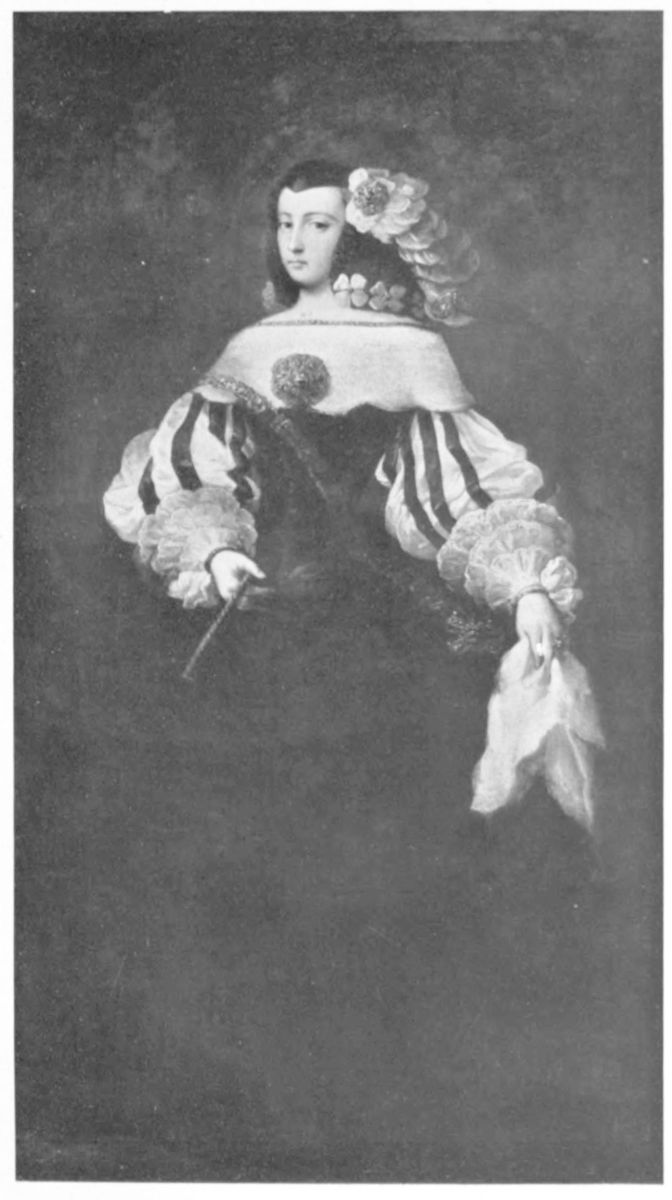
PLATE XXII
CARREÑO DE MIRANDA
(Collection of the Duke of Medinaceli, Madrid)
“RETRATO DE UNA DAMA” (“PORTRAIT OF A YOUNG LADY”)
PLATE XXIII
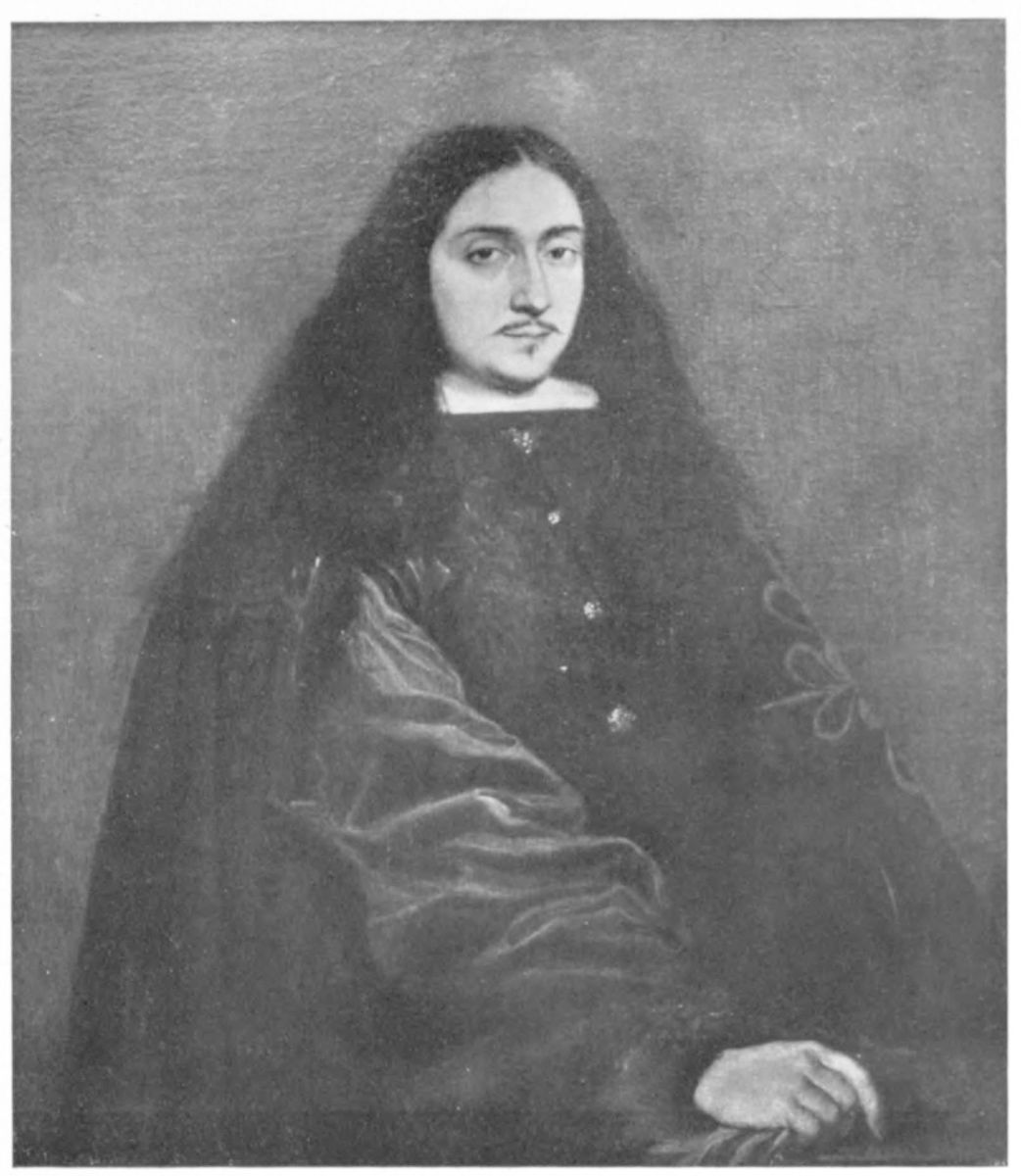
PLATE XXIII
CLAUDIO COELLO
(Collection of Don Aureliano de Beruete y Moret, Madrid)
“DON JUAN DE ALARCON”
PLATE XXIV
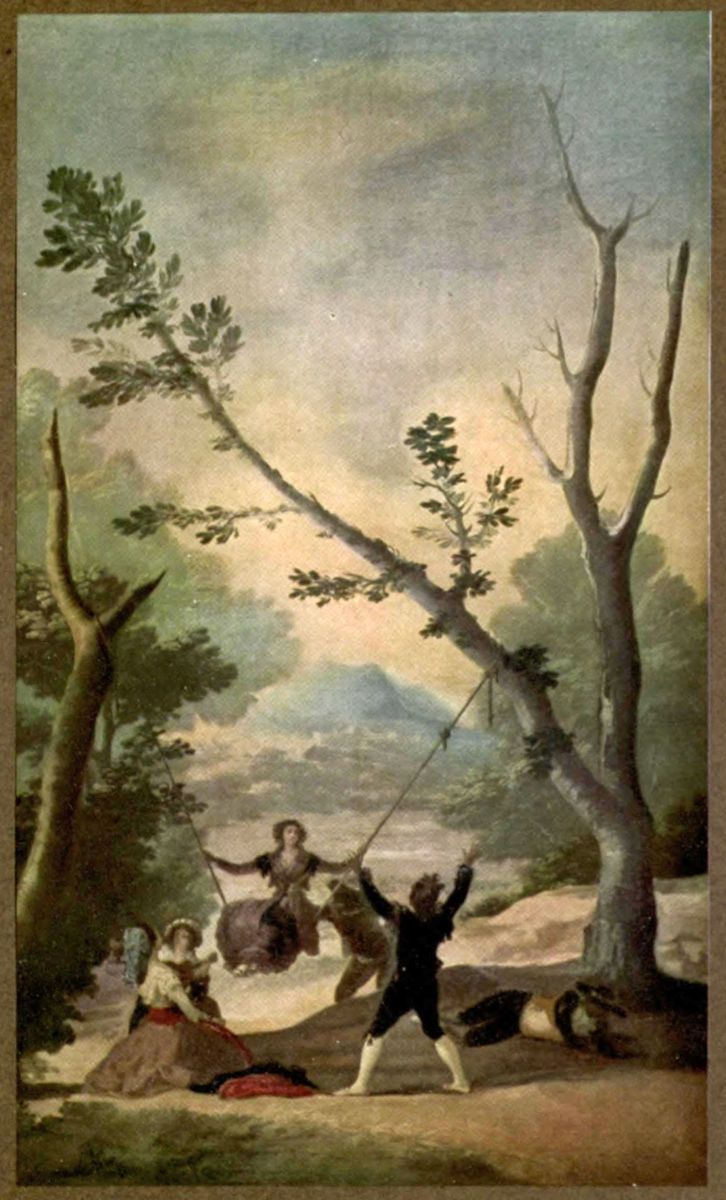
PLATE XXIV
GOYA
(Collection of the Duke of Montellano, Madrid)
“EL COLUMPIO” (“THE SWING”)
PLATE XXV
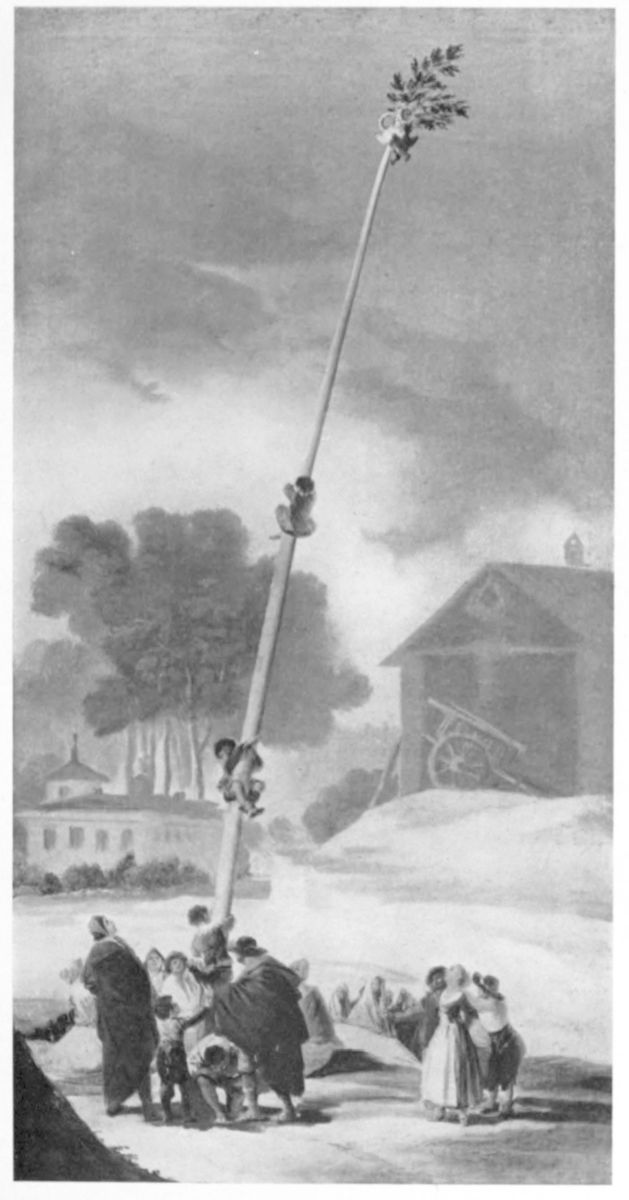
PLATE XXV
GOYA
(Collection of the Duke of Montellano, Madrid)
“LA CUCAÑA” (“THE GREASY POLE”)
PLATE XXVI
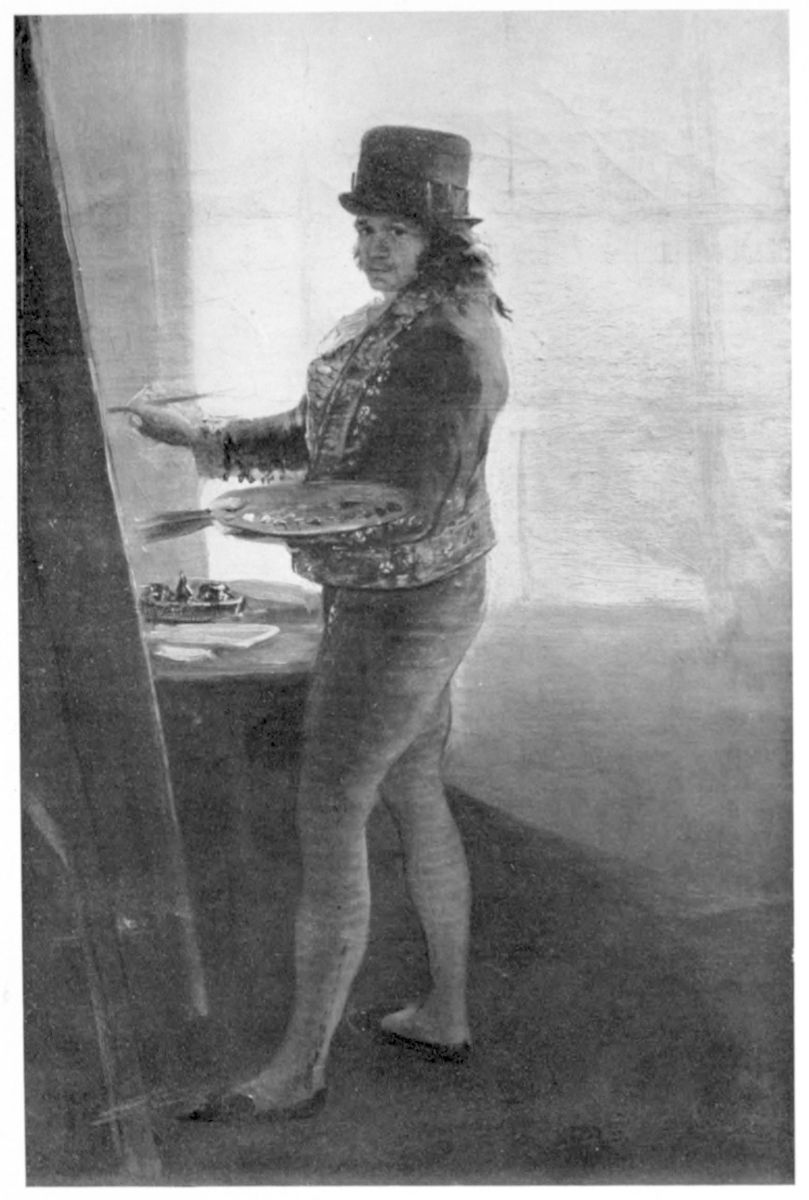
PLATE XXVI
GOYA
(Collection of the Count of Villagonzalo, Madrid)
“AUTORRETRATO” (“PORTRAIT OF THE PAINTER”)
PLATE XXVII
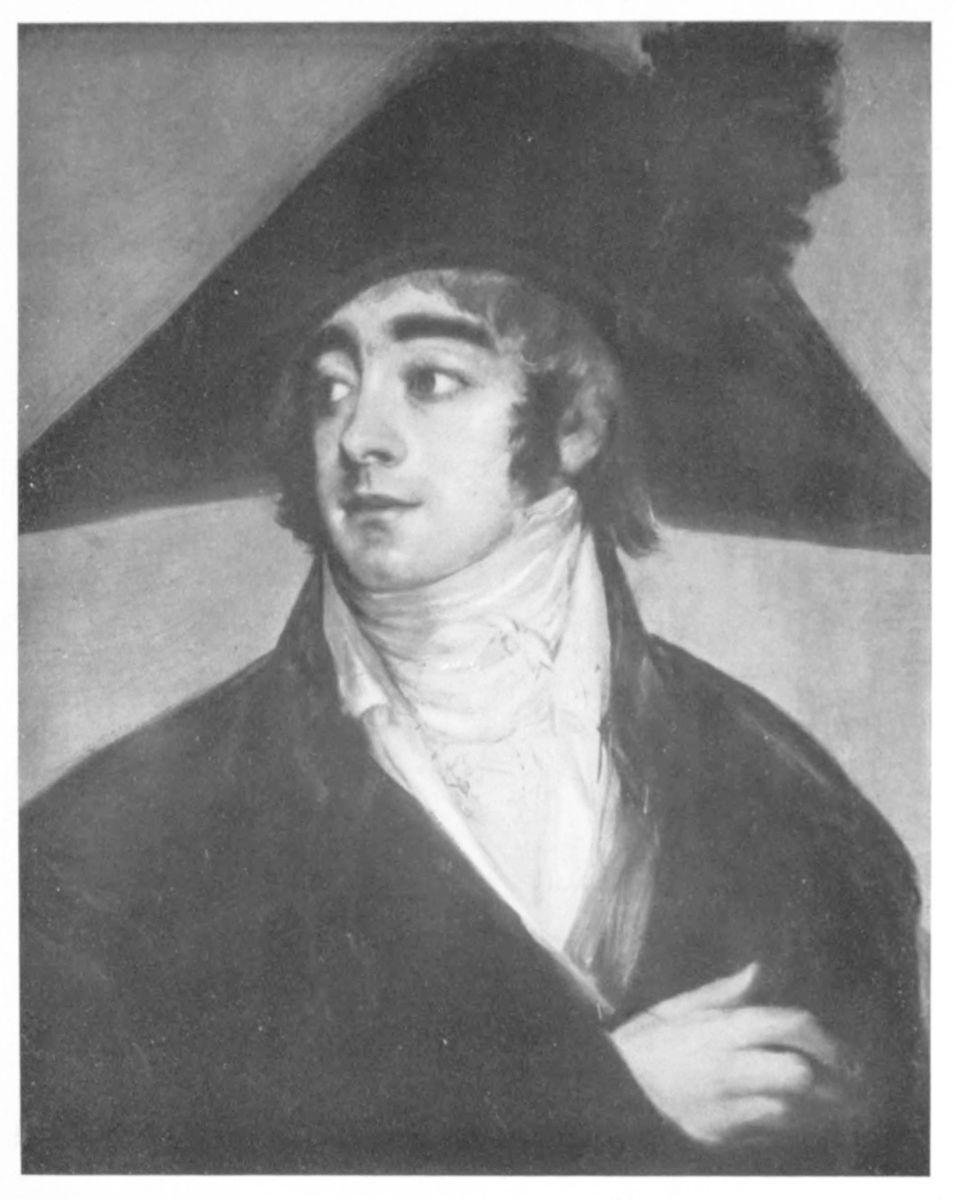
PLATE XXVII
GOYA
(Fernan-Nuñez Collection, Madrid)
“CONDE DE FERNAN-NUÑEZ” (DETAIL)
PLATE XXVIII
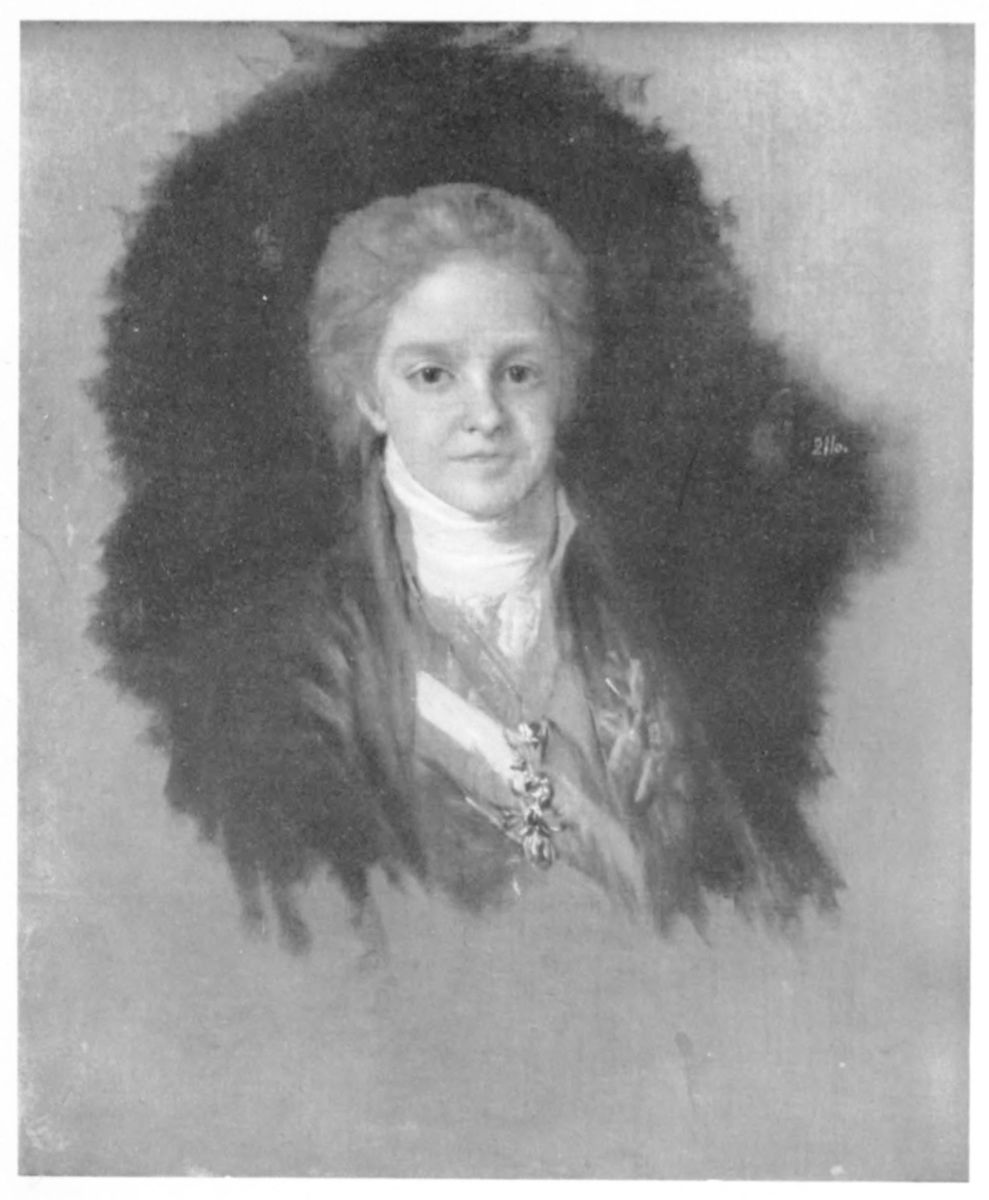
PLATE XXVIII
GOYA
(Prado Museum, Madrid)
“INFANTE DON CARLOS MARIA ISIDRO”
PLATE XXIX
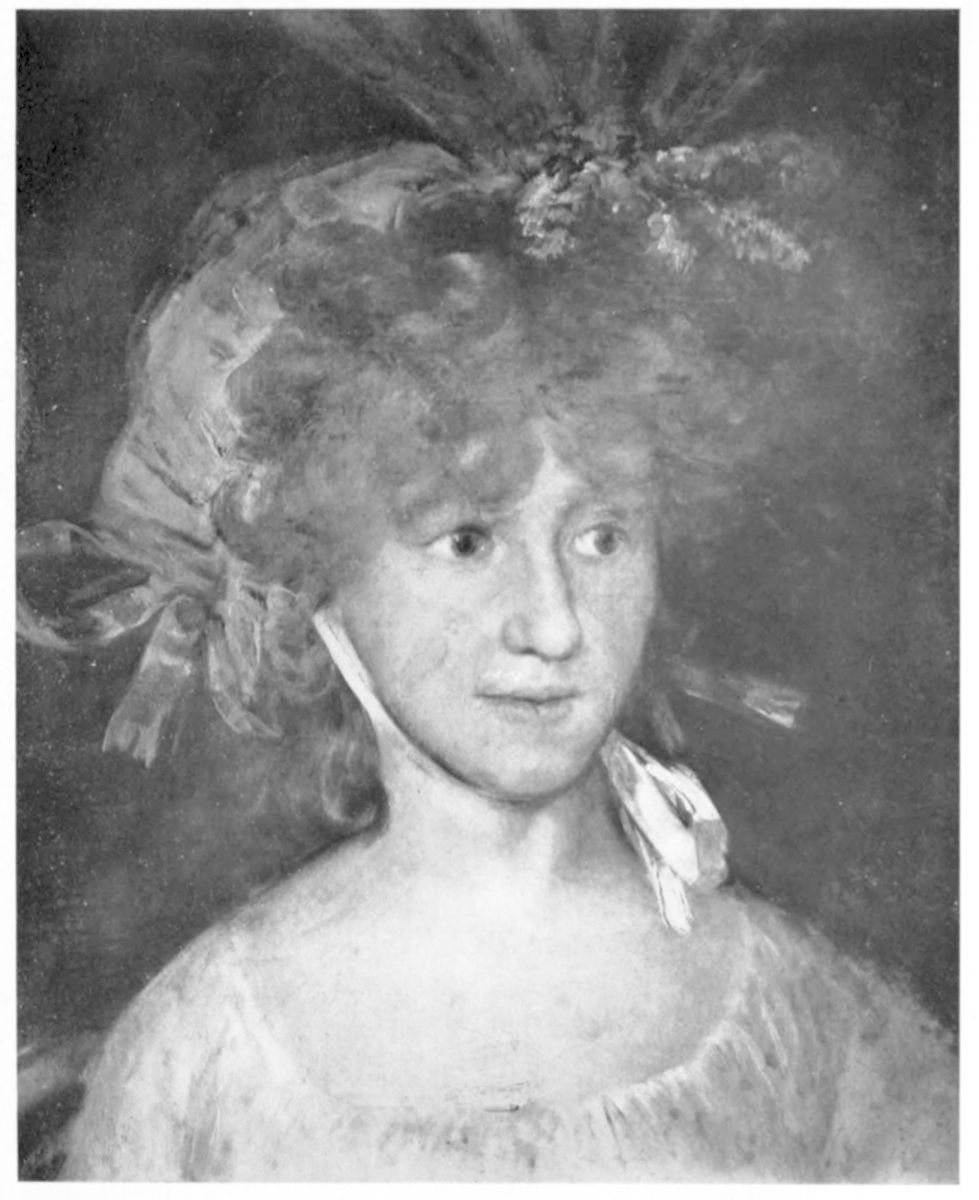
PLATE XXIX
GOYA
(Private Collection, Madrid)
“LA CONDESA DE CHINCHOU” (DETAIL)
PLATE XXX
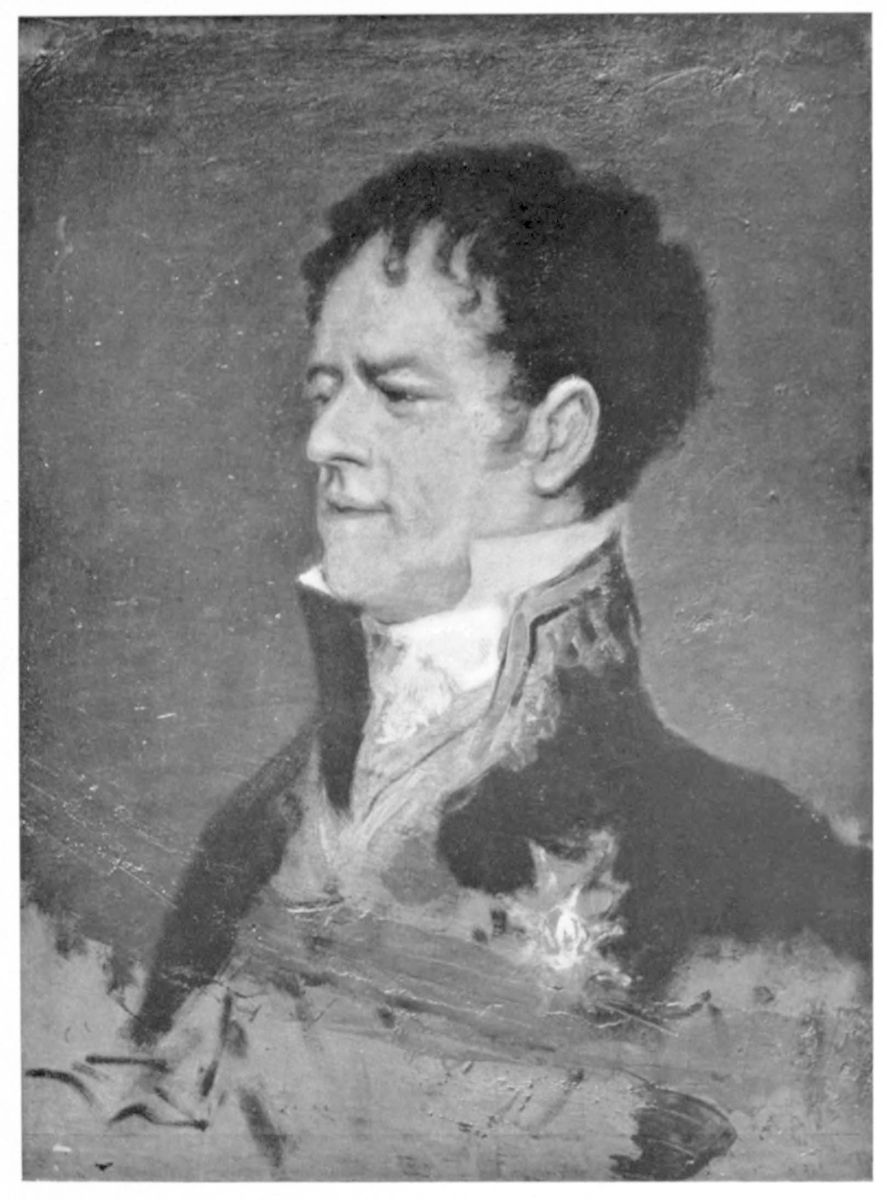
PLATE XXX
GOYA
(Collection of the Count of Villagonzalo, Madrid)
“EL DUQUE DE SAN CARLOS”
PLATE XXXI
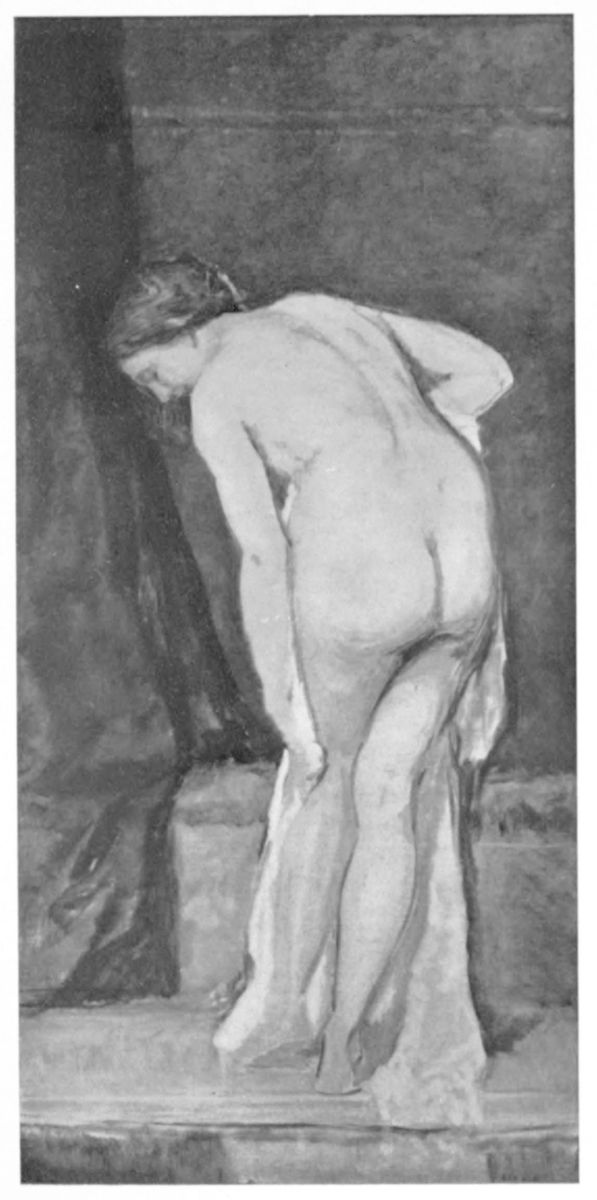
PLATE XXXI
EDUARDO ROSALES
“MUJER SALIENDO DEL BAÑO” (“WOMAN LEAVING THE BATH”)
PLATE XXXII
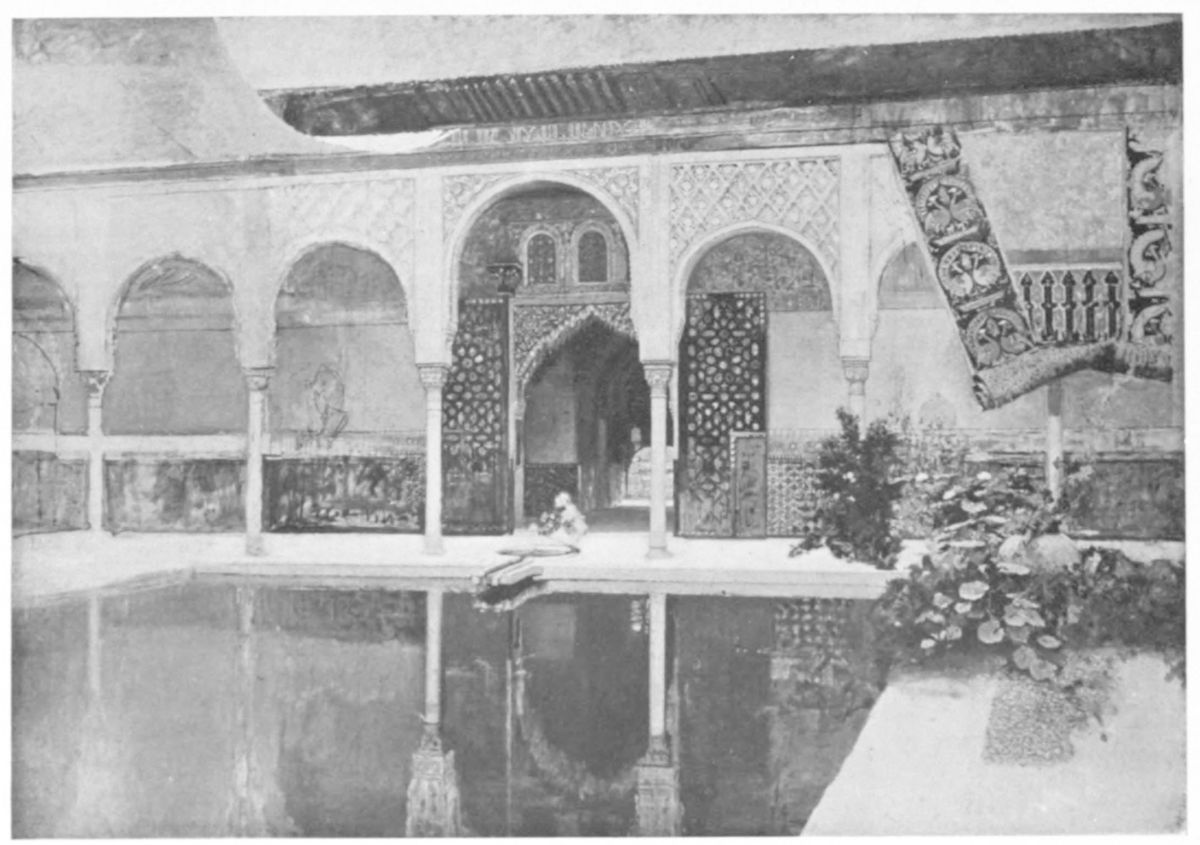
PLATE XXXII
MARIANO FORTUNY
(Collection of Capt. Samuels)
“EL PATIO DE LA ALBERCA EN LA ALHAMBRA” (“THE ALBERCA COURT IN THE ALHAMBRA”)
PLATE XXXIII
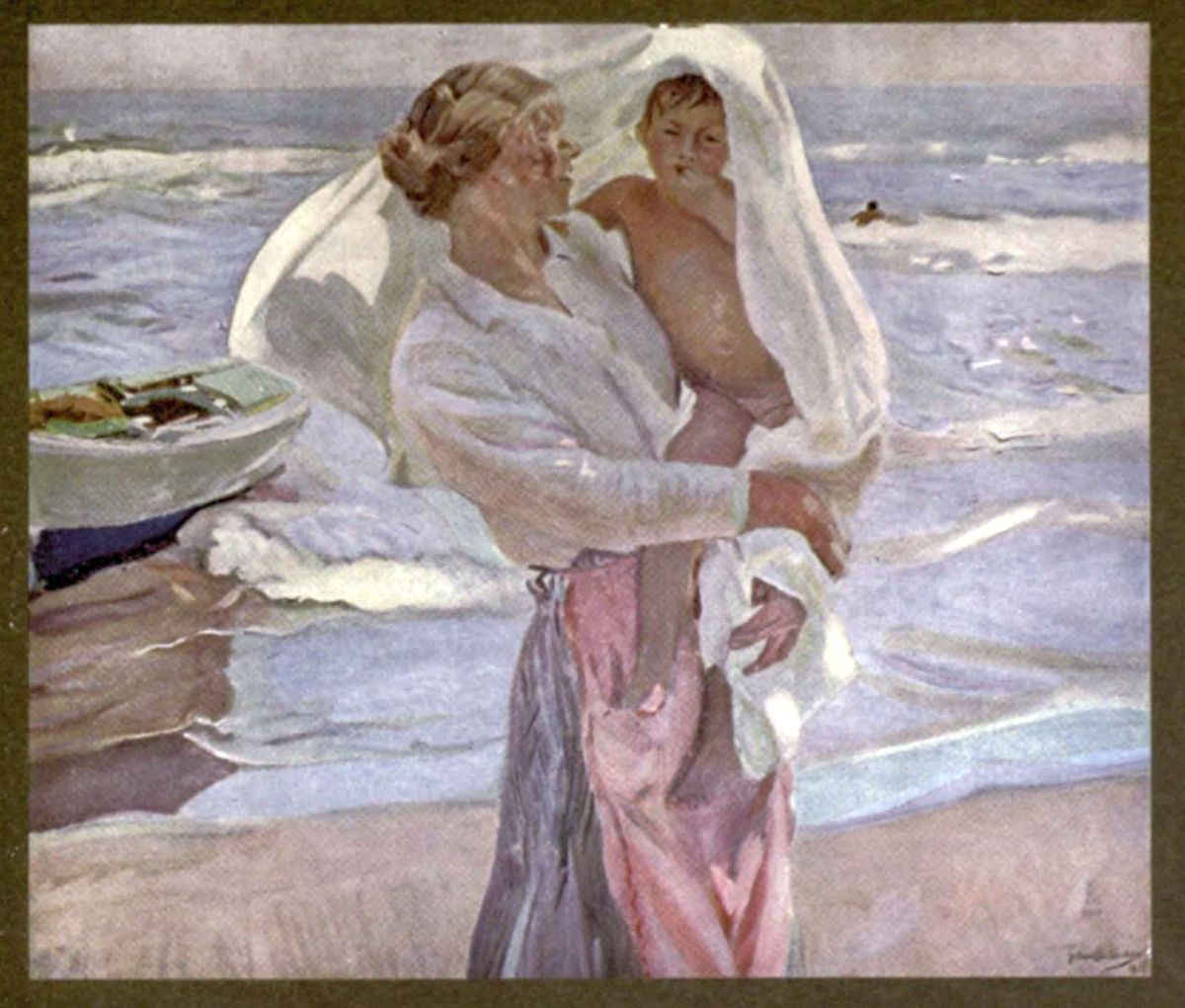
PLATE XXXIII
JOAQUIN SOROLLA
“SALIENDO DEL BAÑO” (“AFTER BATHING”)
PLATE XXXIV
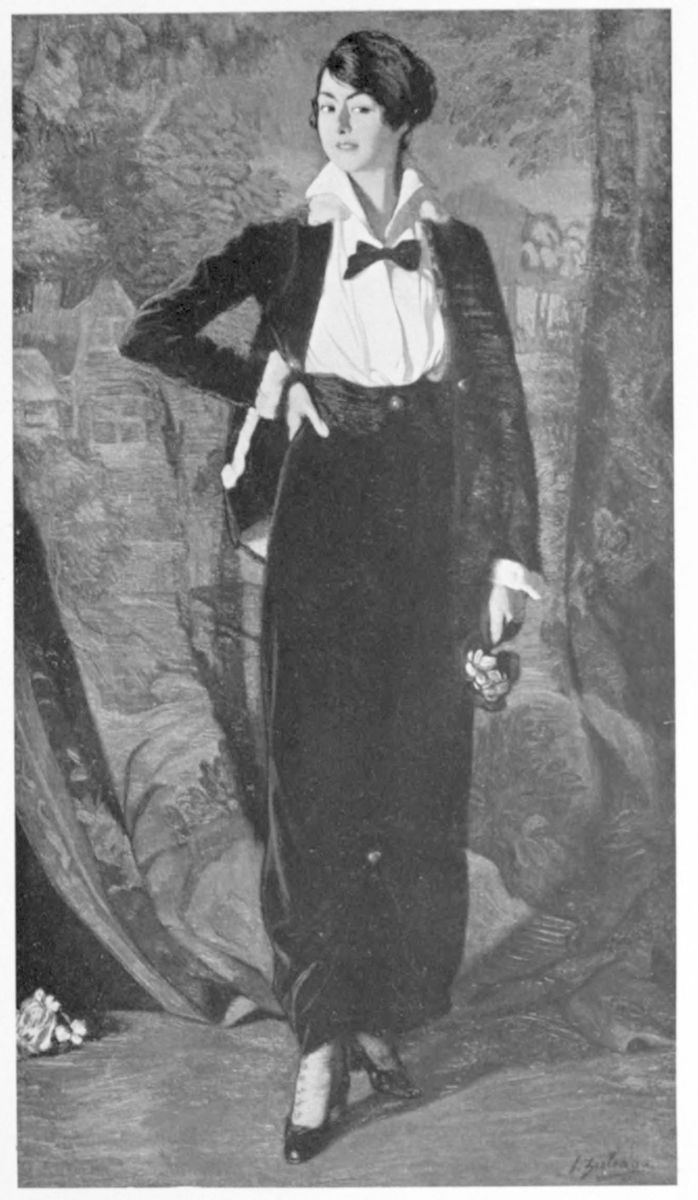
PLATE XXXIV
IGNACIO ZULOAGA
“LA SEÑORITA SOUTY”
PLATE XXXV
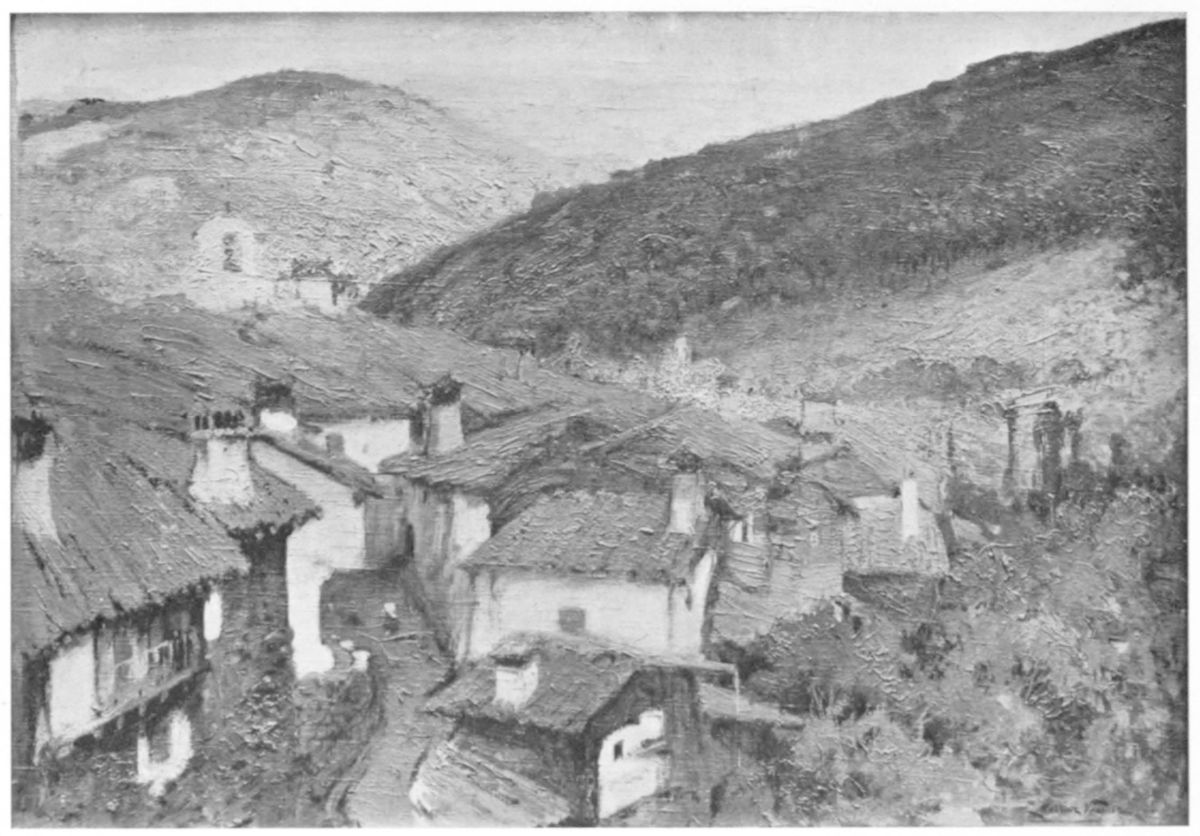
PLATE XXXV
E. MARTINEZ VAZQUEZ
“UNA ALDEA DE LA SIERRA DE GREDOS (AVILA)” (“A VILLAGE IN THE SIERRA DE GREDOS (AVILA)”)
PLATE XXXVI
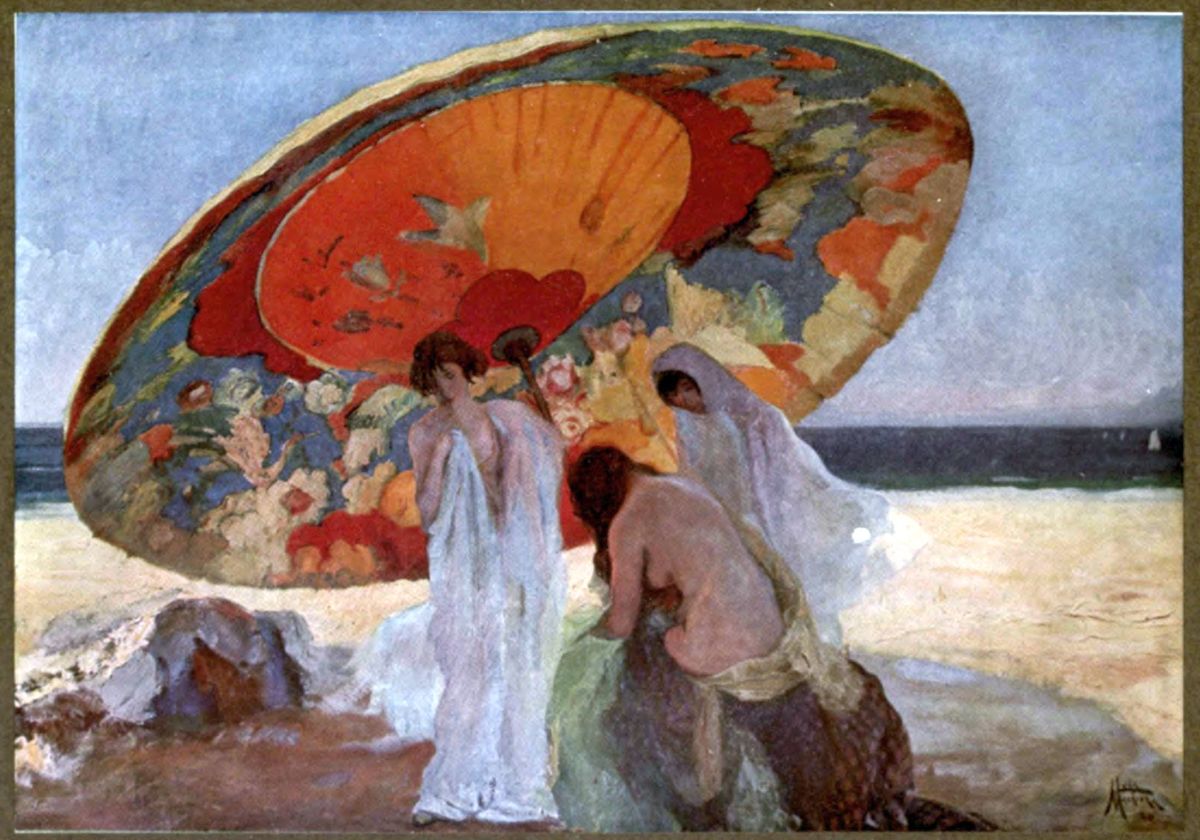
PLATE XXXVI
LUIS MASRIERA
“SOMBRAS REFLEJADAS” (“REFLECTED SHADOWS”)
PLATE XXXVII
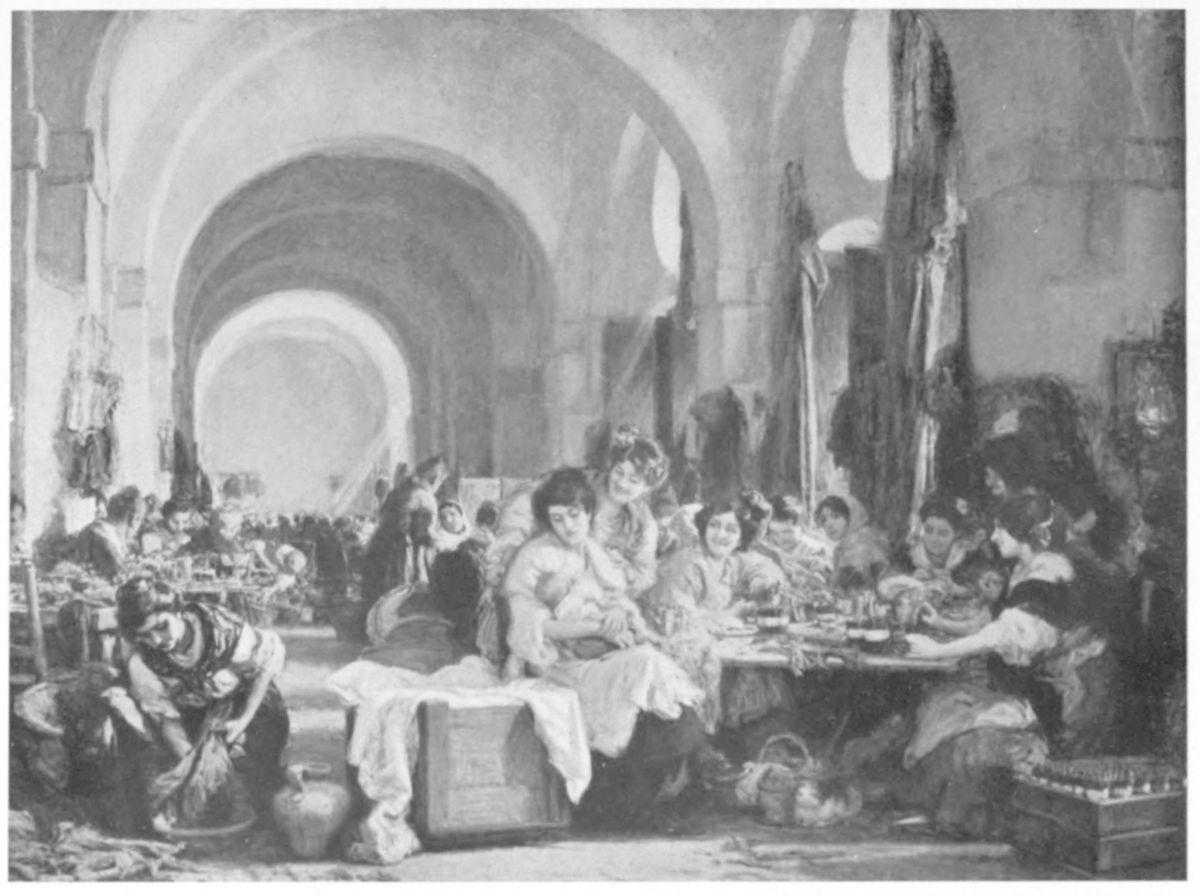
PLATE XXXVII
GONZALO BILBAO
“LAS CIGARRERAS” (“THE CIGAR-MAKERS”)
PLATE XXXVIII
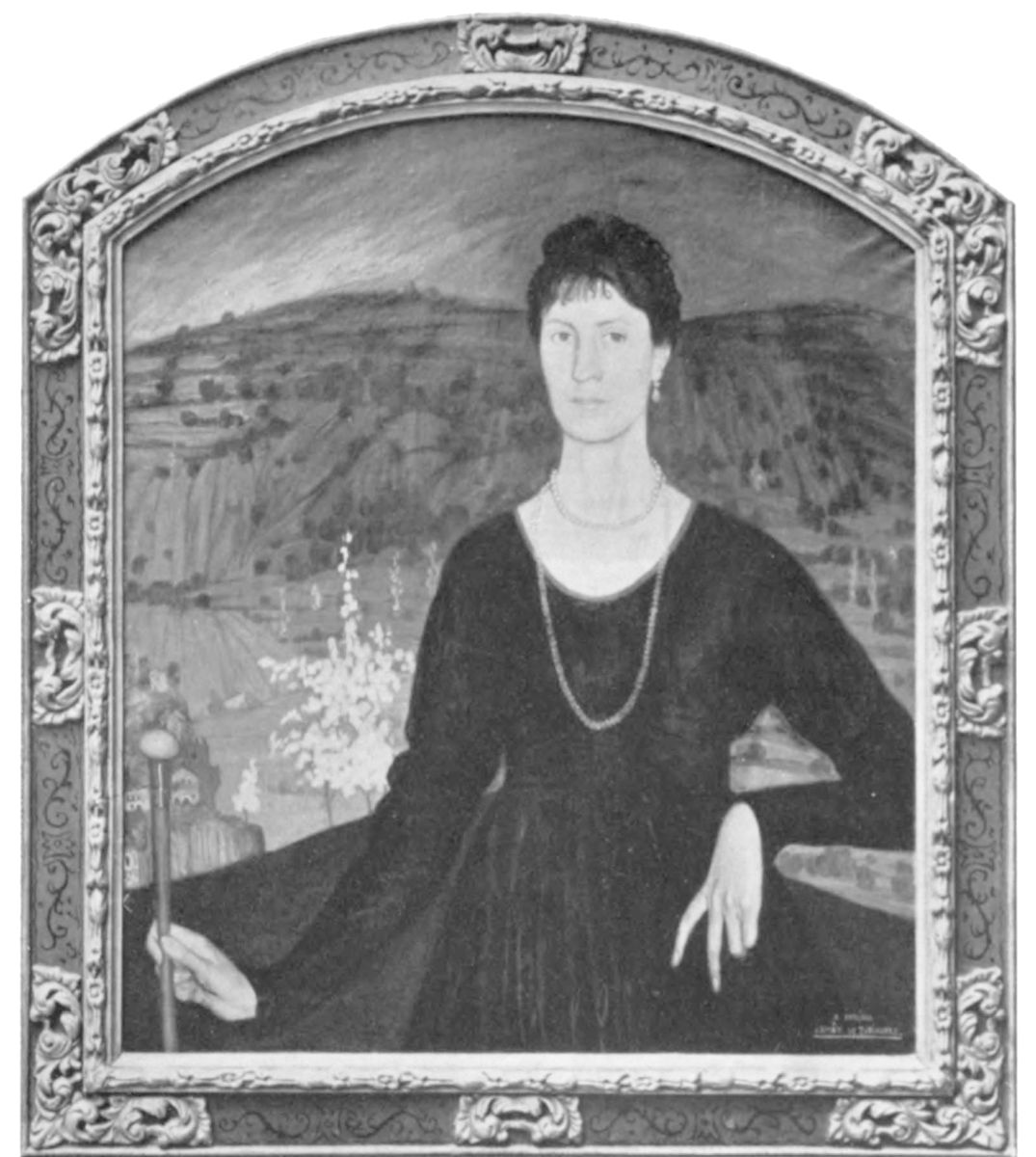
PLATE XXXVIII
RAMON DE ZUBIAURRE
“RETRATO DE MI ESPOSA” (“PORTRAIT OF MY WIFE”)
PLATE XXXIX
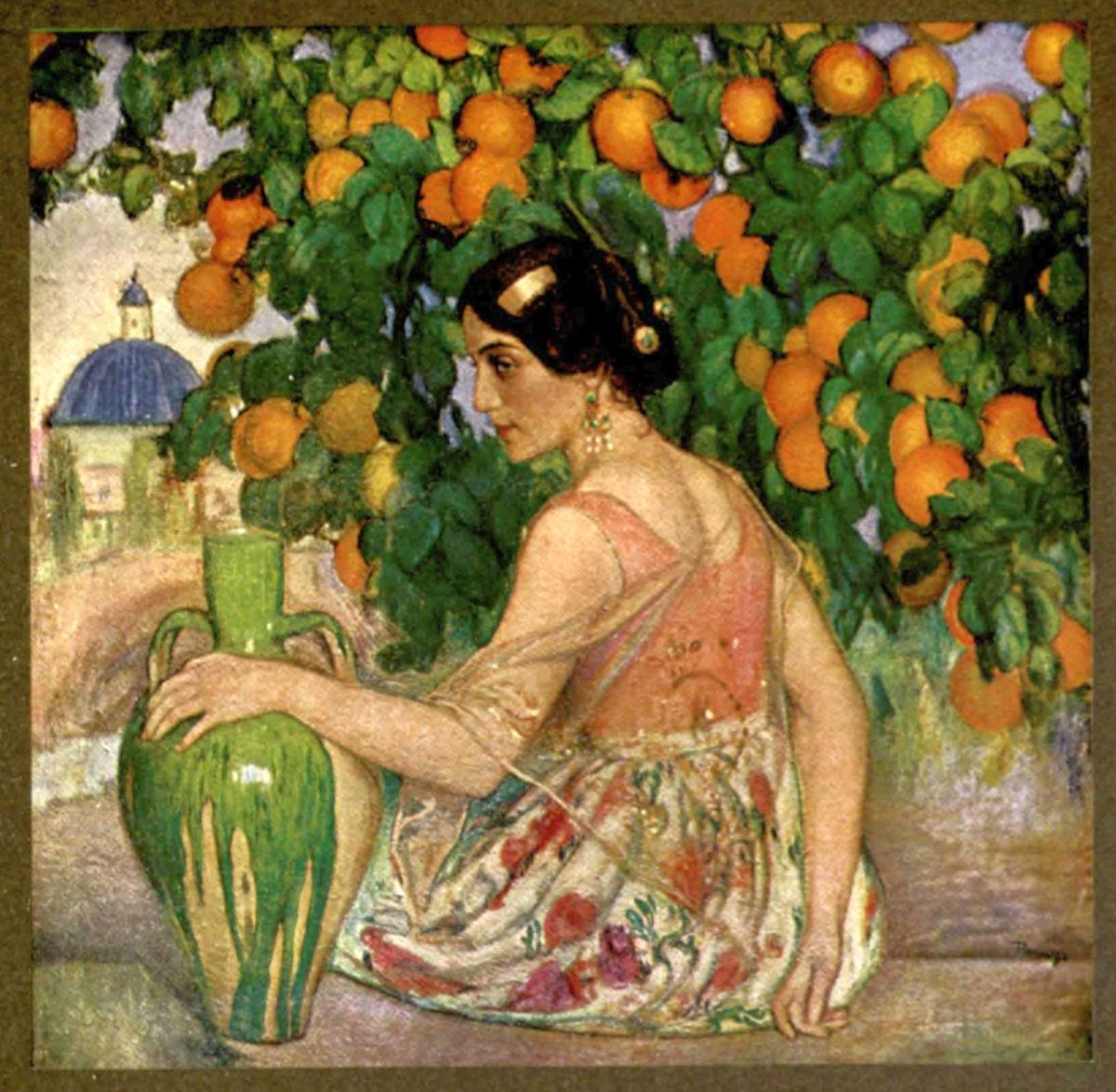
PLATE XXXIX
JOSÉ PINAZO
“CREPUSCULO” (“TWILIGHT”)
PLATE XL
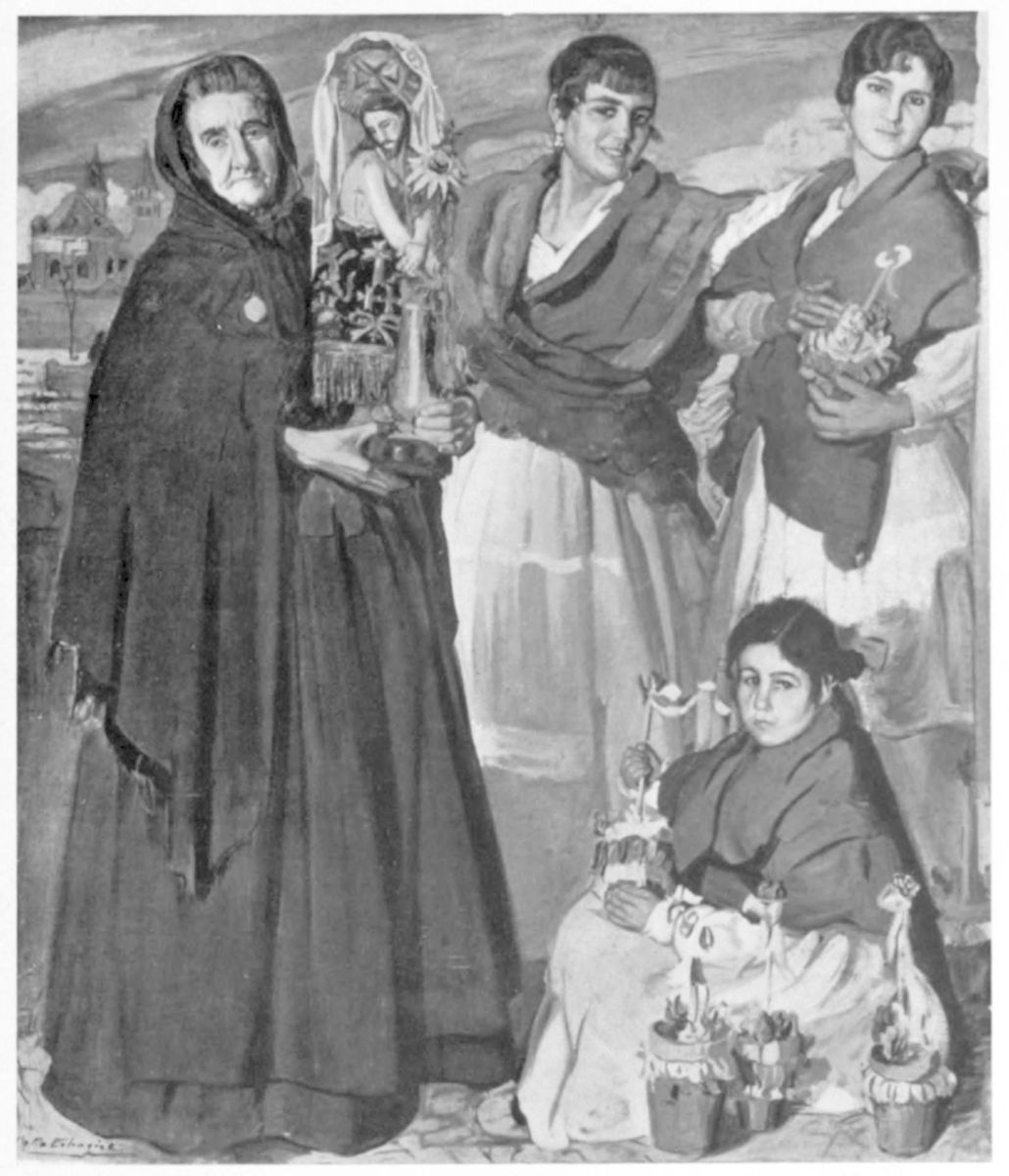
PLATE XL
A. ORTIZ ECHAGÜE
“SUPERSTICION” (“SUPERSTITION”)
PLATE XLI
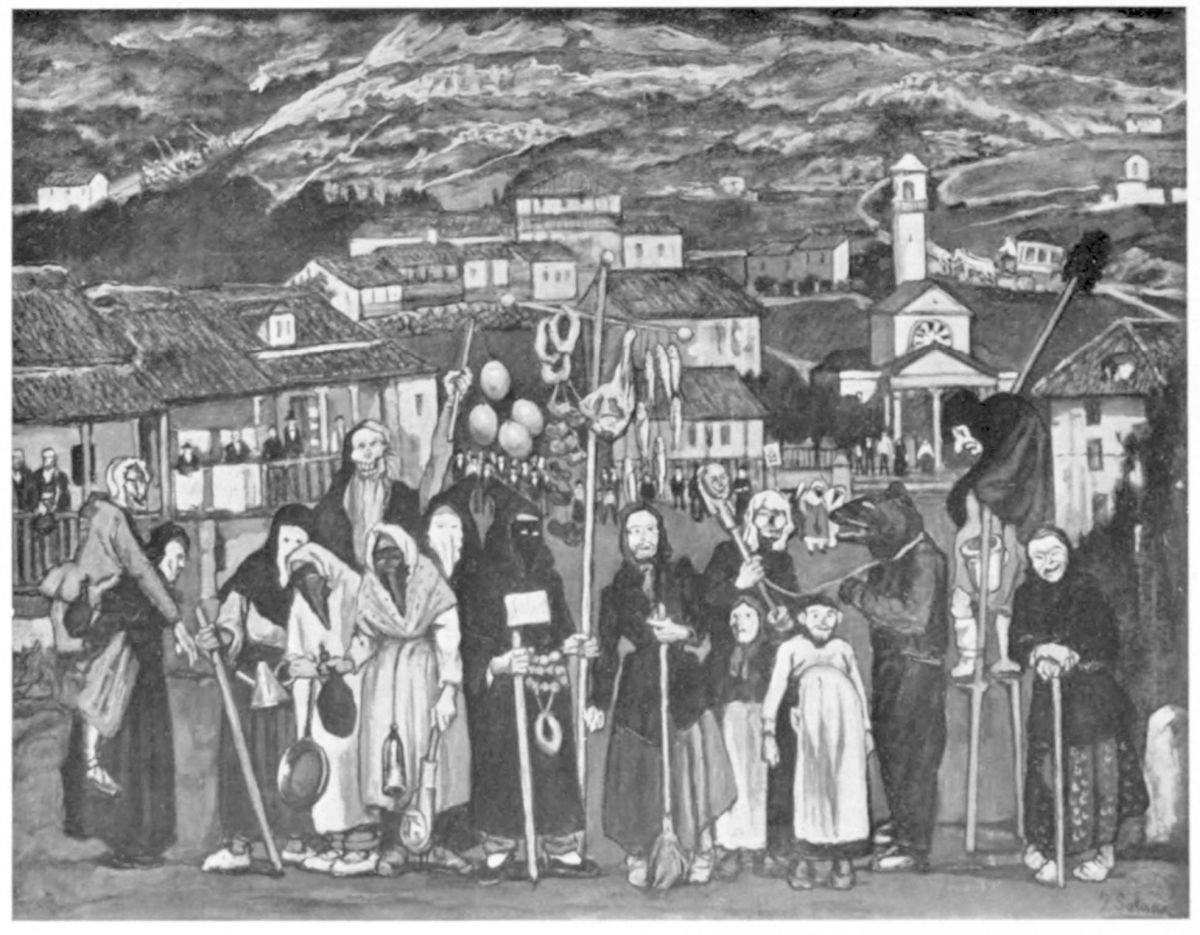
PLATE XLI
J. GUTIERREZ SOLANA
“CARNAVAL EN LA ALDEA” (“THE VILLAGE CARNIVAL”)
PLATE XLII
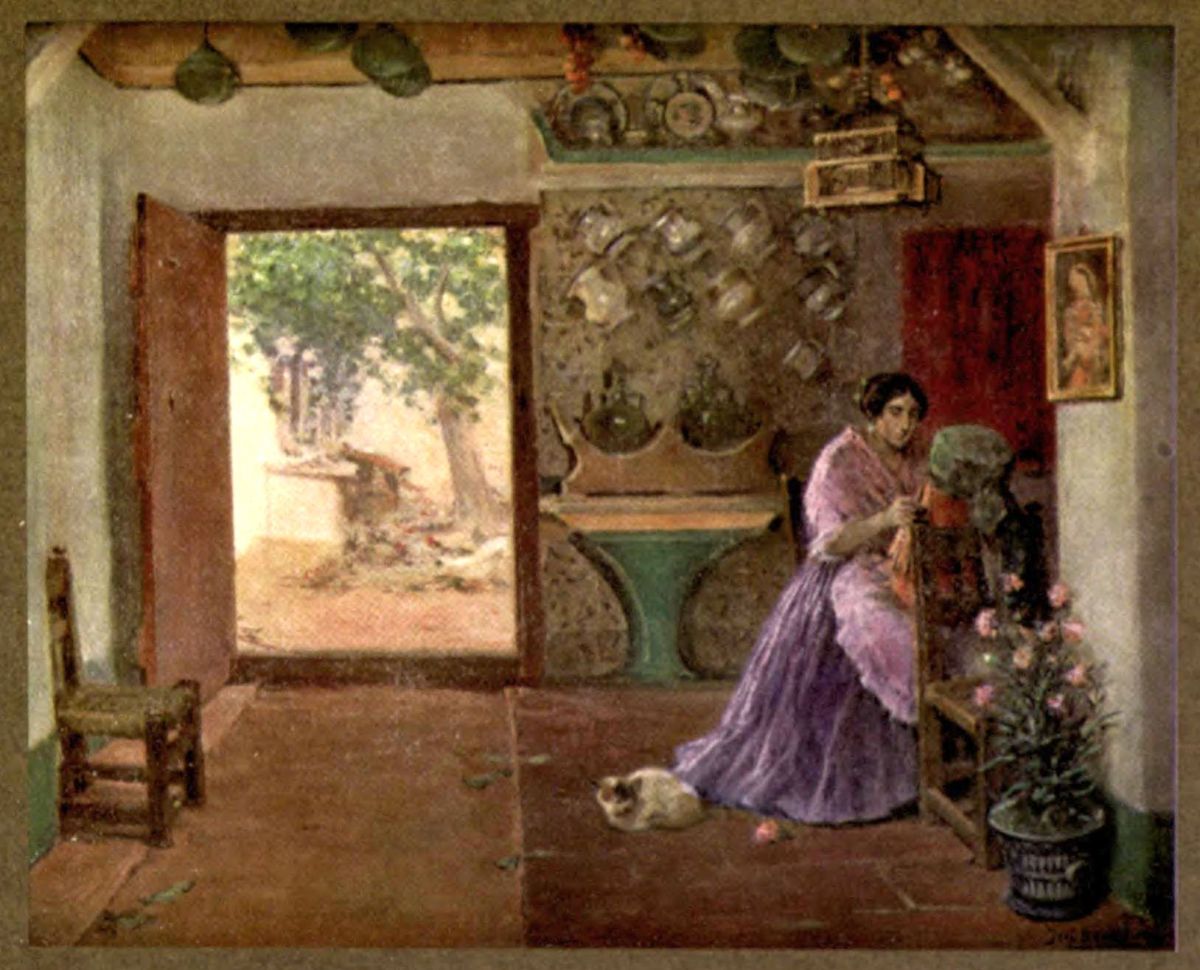
PLATE XLII
JOSE BENLLIURE GIL
“HACIENDO BOLILLOS” (“LACE-MAKING”)
PLATE XLIII
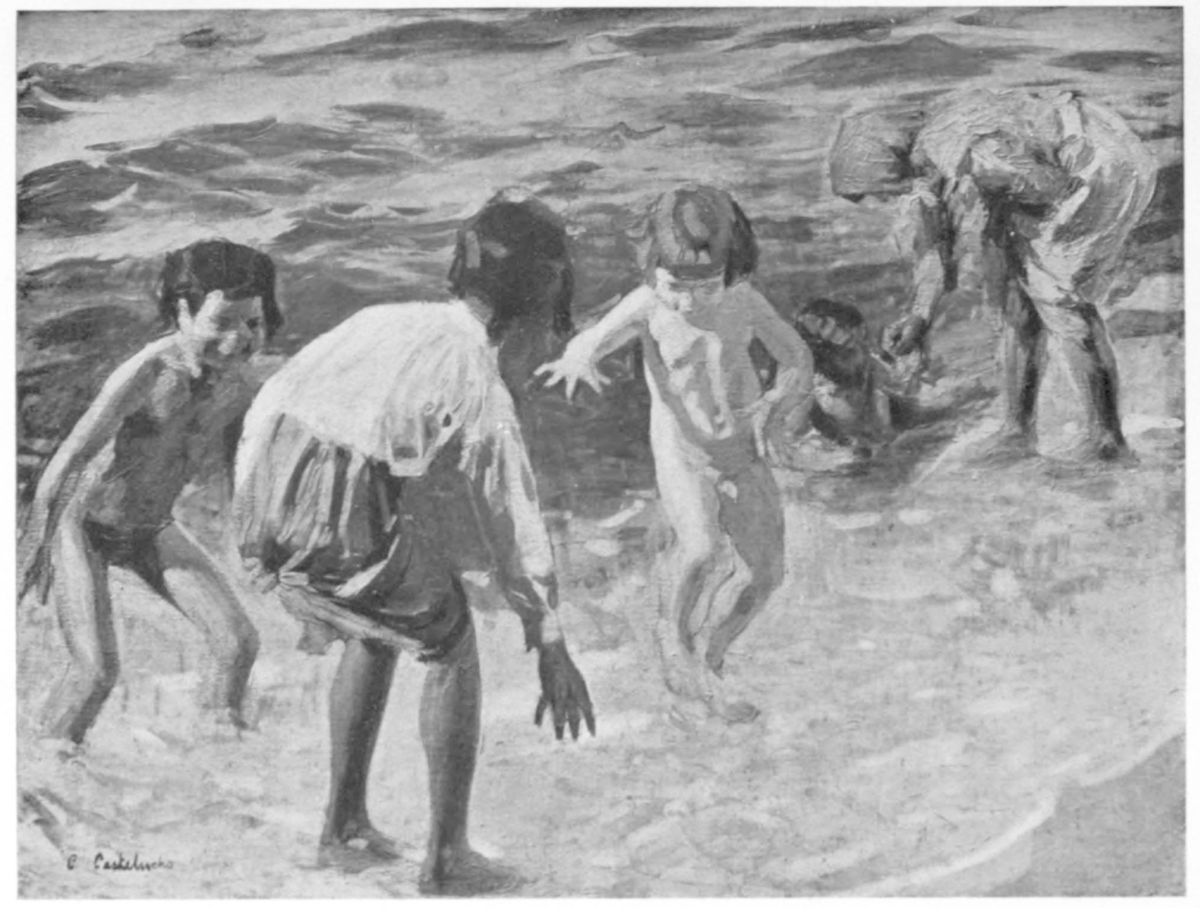
PLATE XLIII
C. CASTELUCHO
“NIÑOS GITANOS EN LA PLAYA” (“GIPSY CHILDREN ON THE BEACH”)
PLATE XLIV
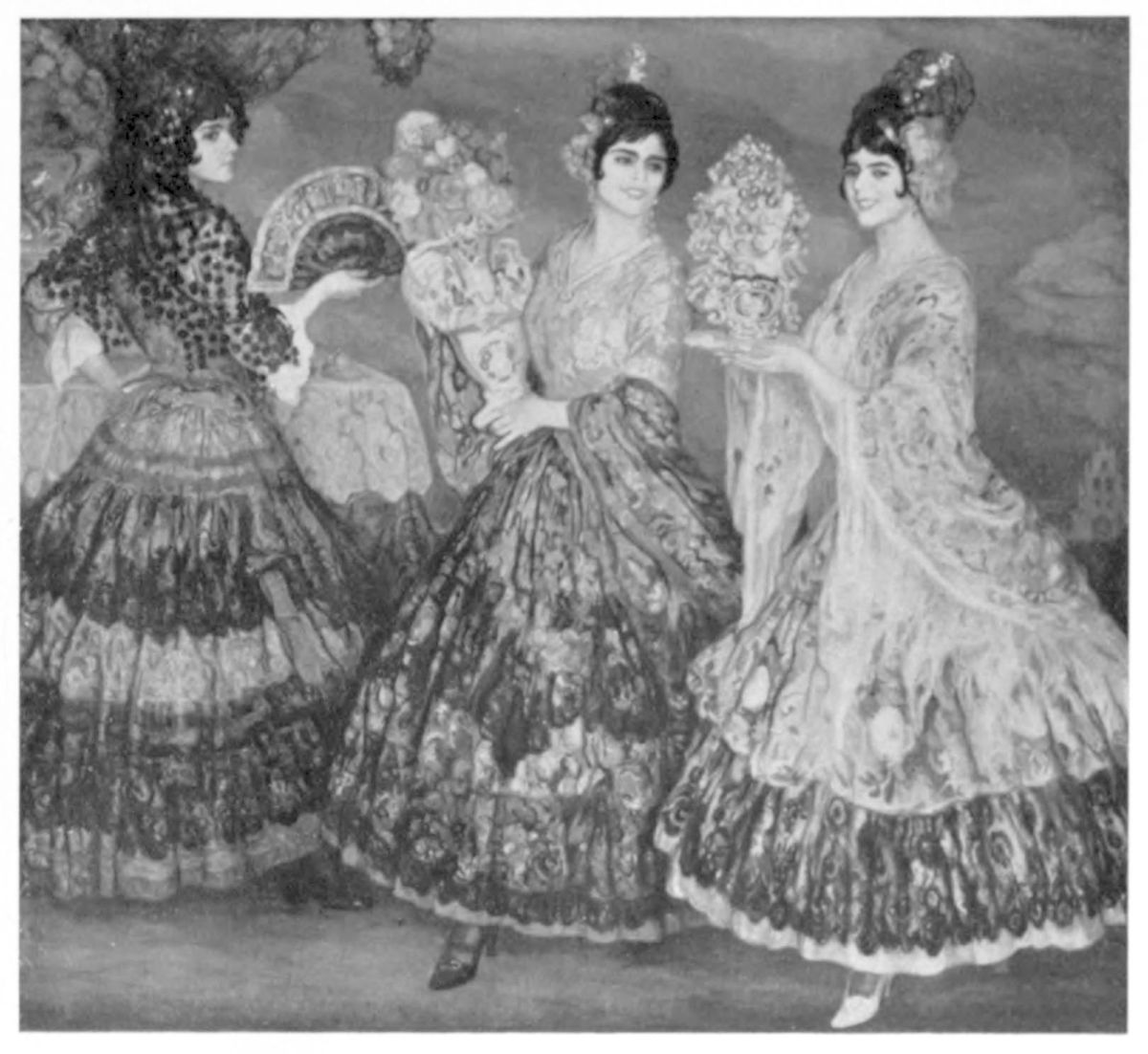
PLATE XLIV
JUAN CARDONA
“ALTAR DE MAYO” (“MAY ALTAR”)
PLATE XLV
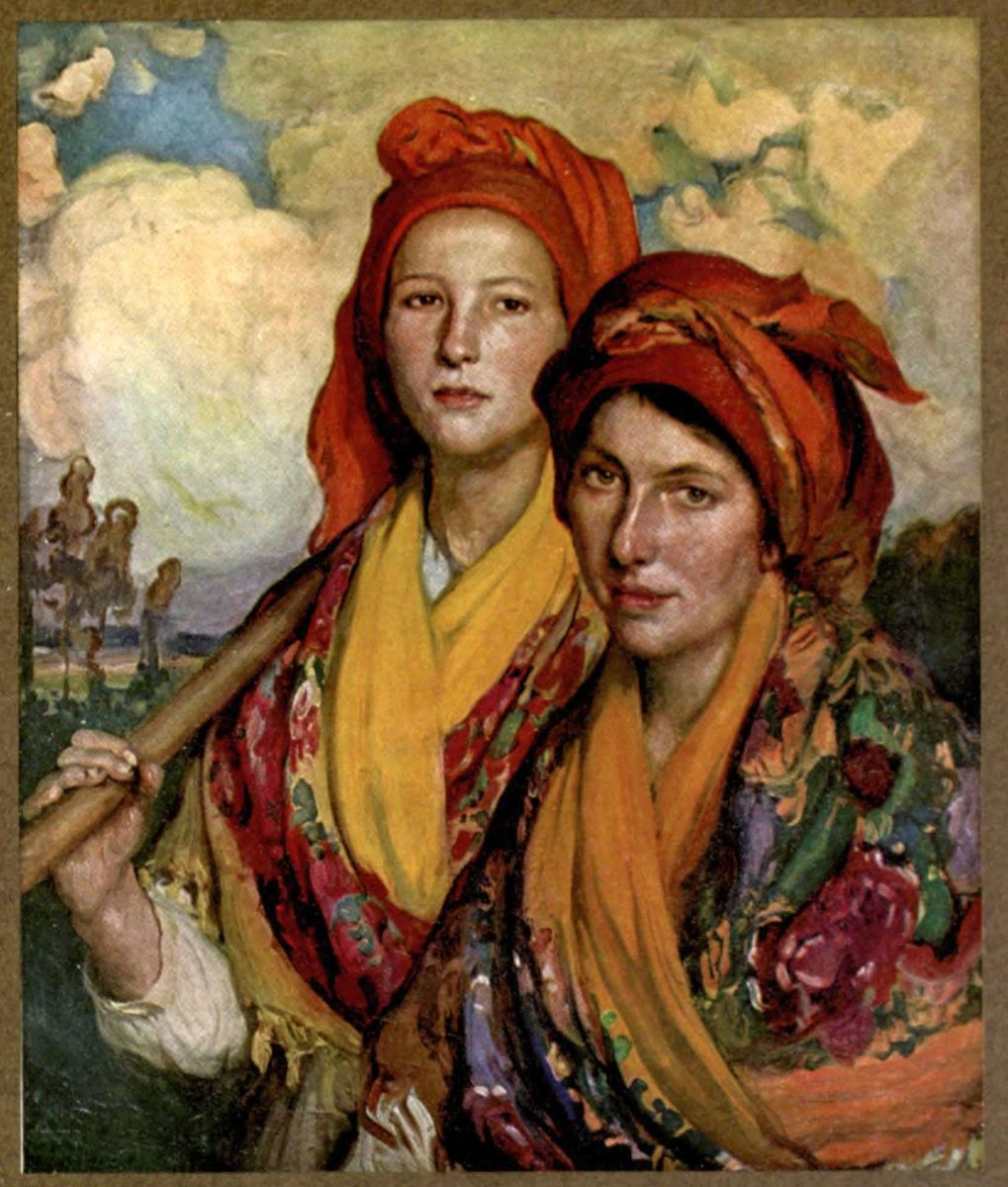
PLATE XLV
F. ALVAREZ DE SOTOMAYOR
“PAISANAS GALLEGAS” (“GALICIAN PEASANT-WOMEN”)
PLATE XLVI
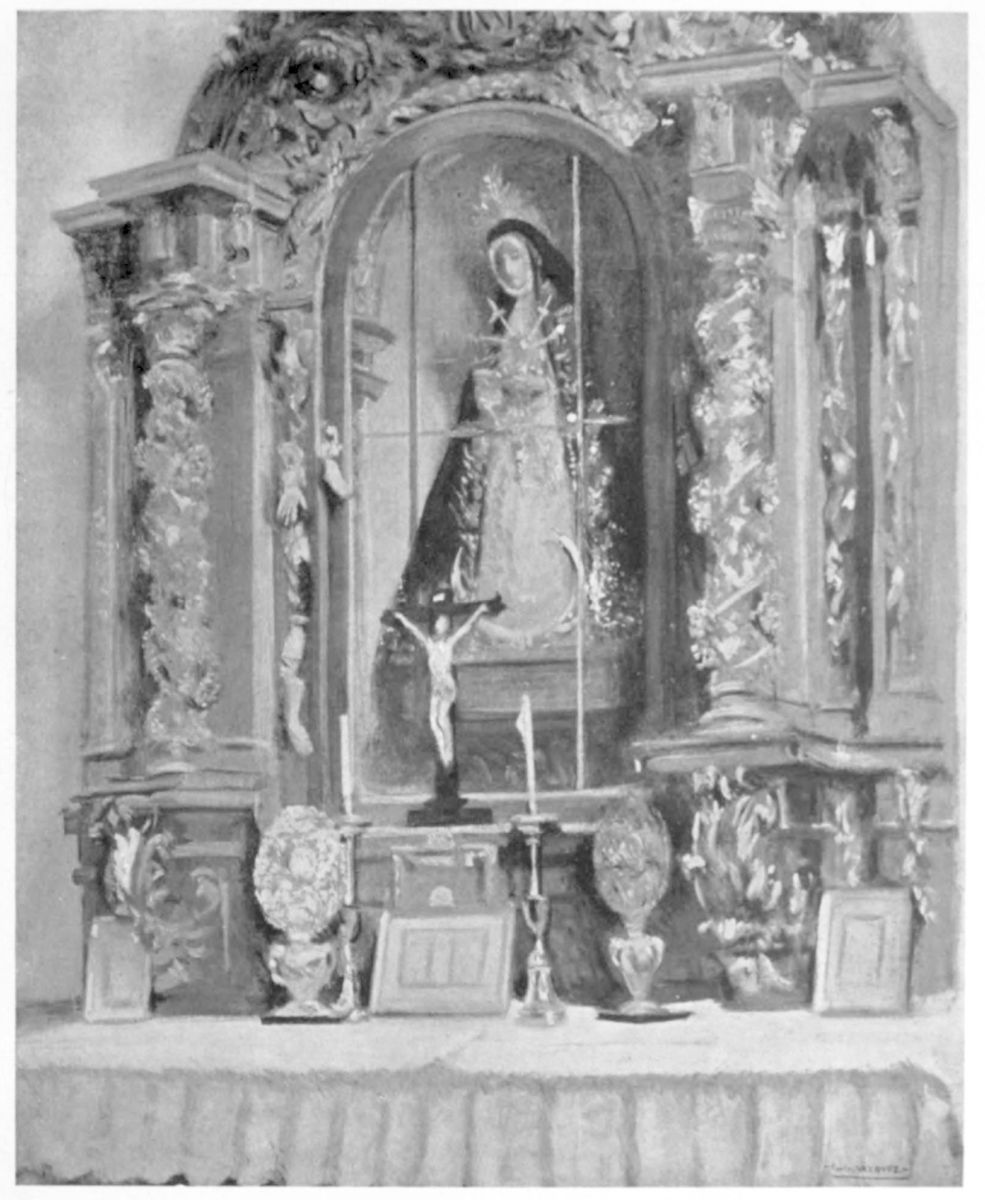
PLATE XLVI
CARLOS VAZQUEZ
“UNA DOLOROSA” (“OUR LADY OF SORROWS”)
PLATE XLVII
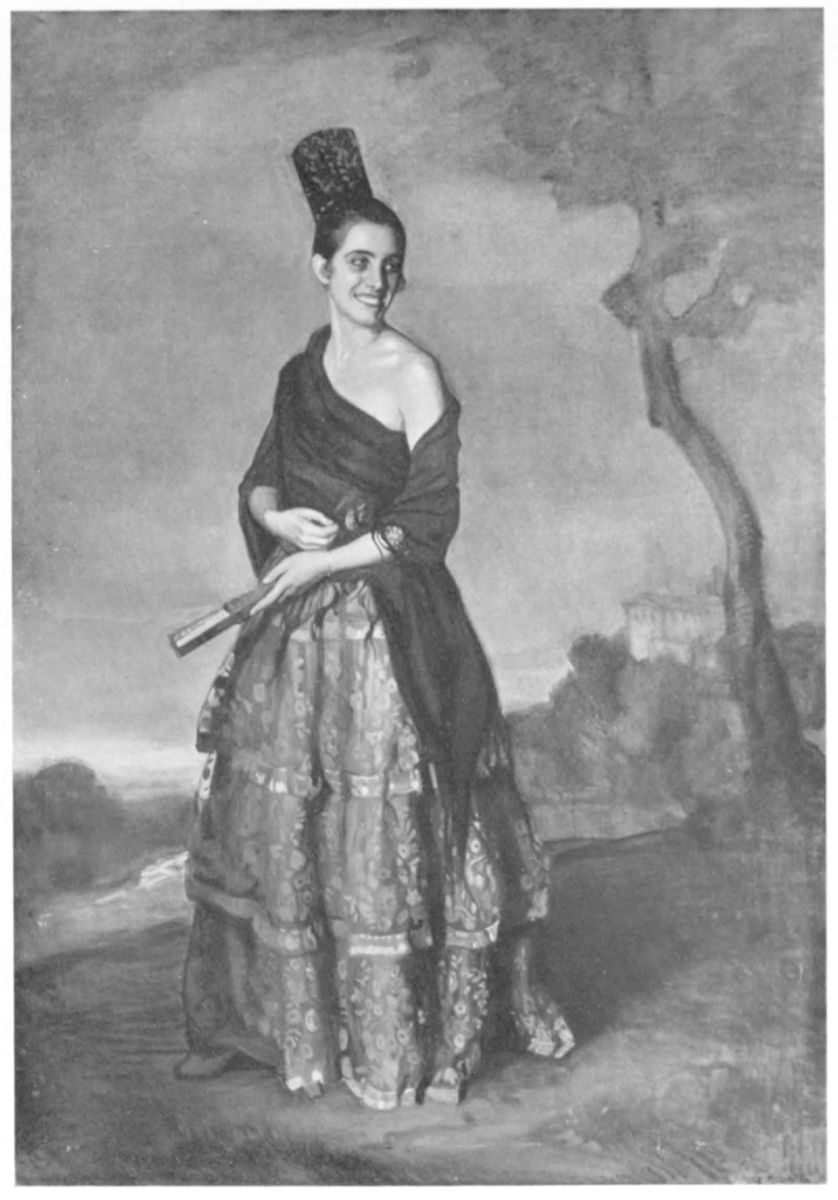
PLATE XLVII
JOSÉ Ma LOPEZ MEZQUITA
“PILARCITA”
PLATE XLVIII
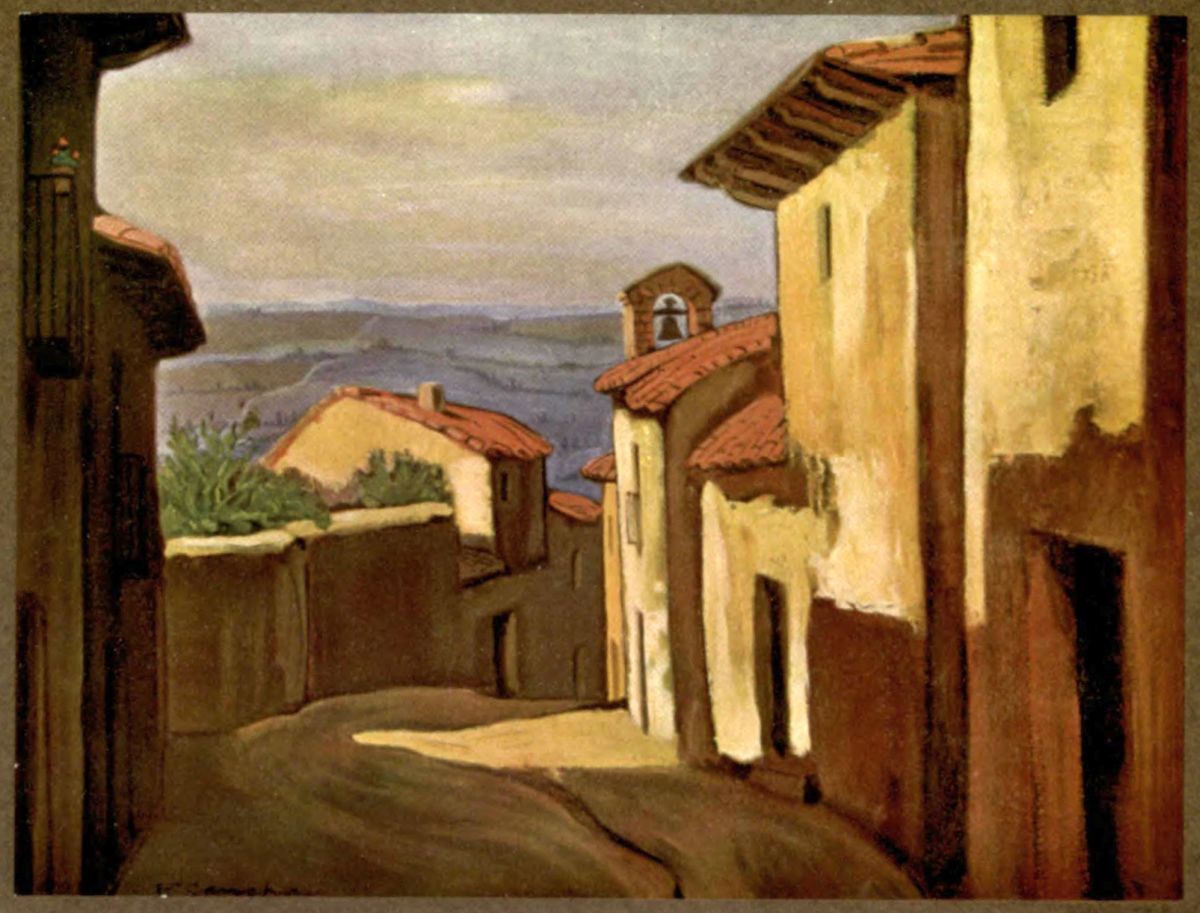
PLATE XLVIII
FRANCISCO SANCHA
“UN PUEBLO ANDALUZ” (“AN ANDALUSIAN VILLAGE”)
PLATE XLIX
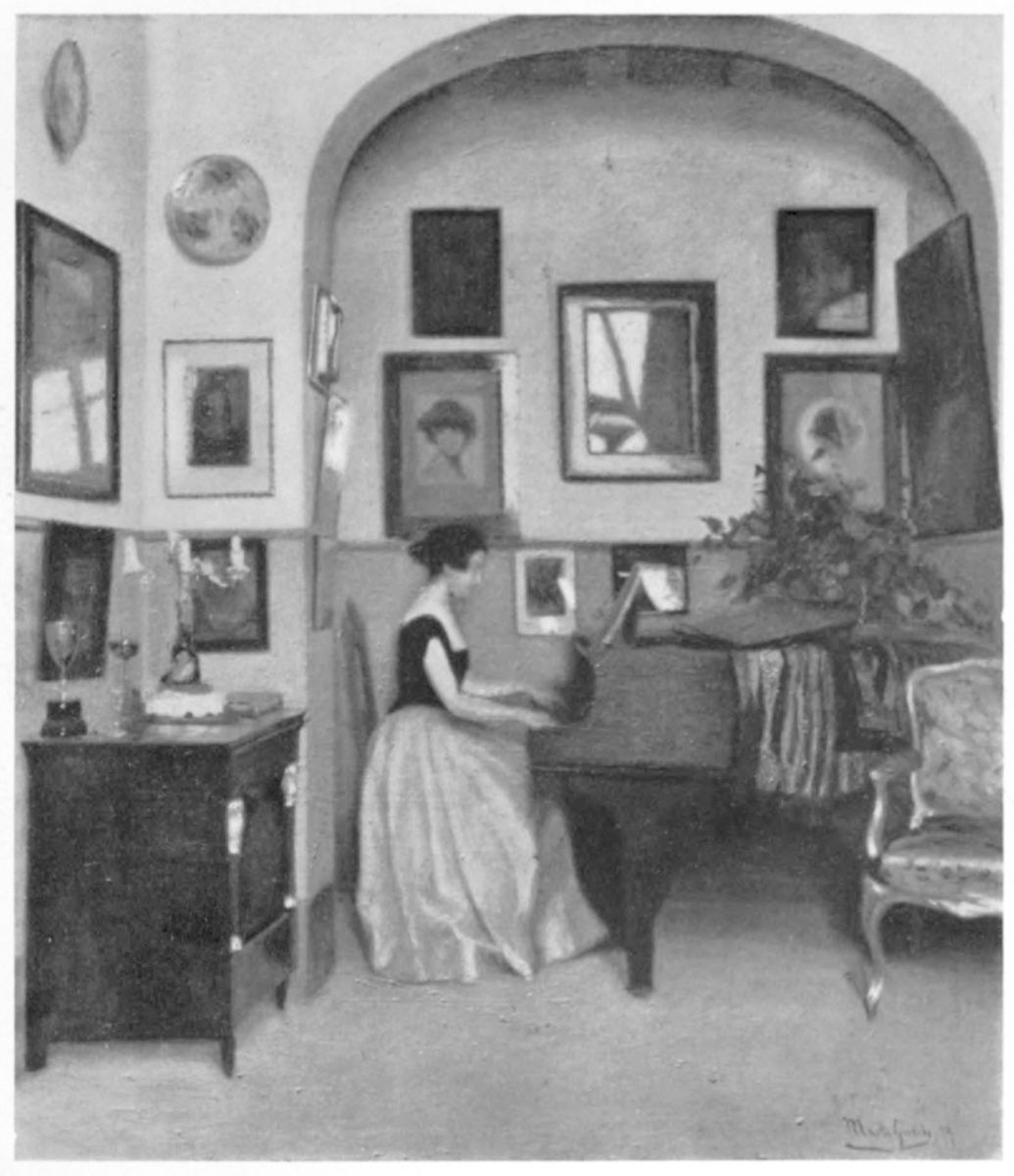
PLATE XLIX
JOSÉ DE MARTI GARCES
“INTERIOR”
PLATE L
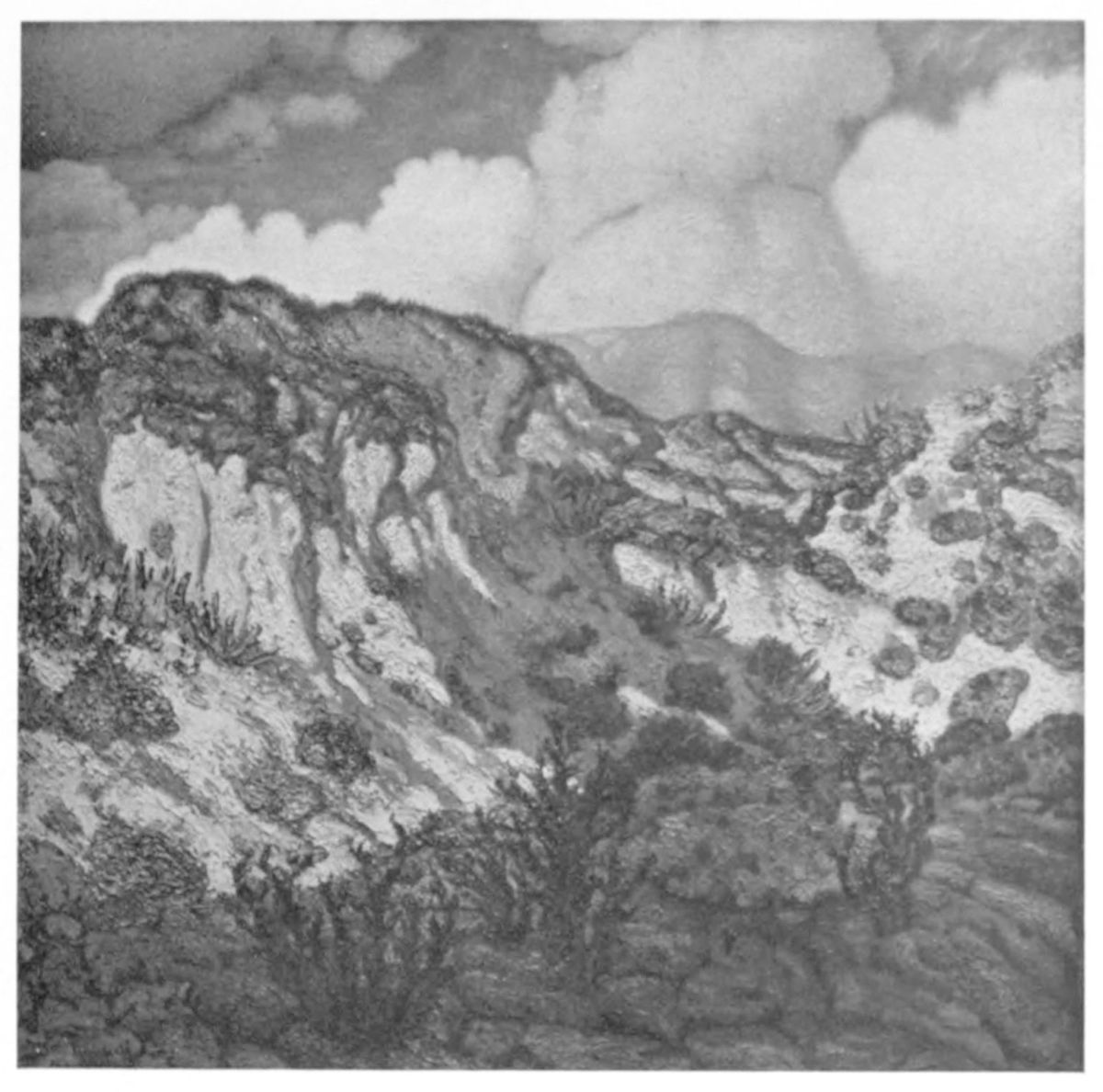
PLATE L
NICOLAS RAURICH
“TERRUÑOS” (“ROUGH GROUND”)
PLATE LI
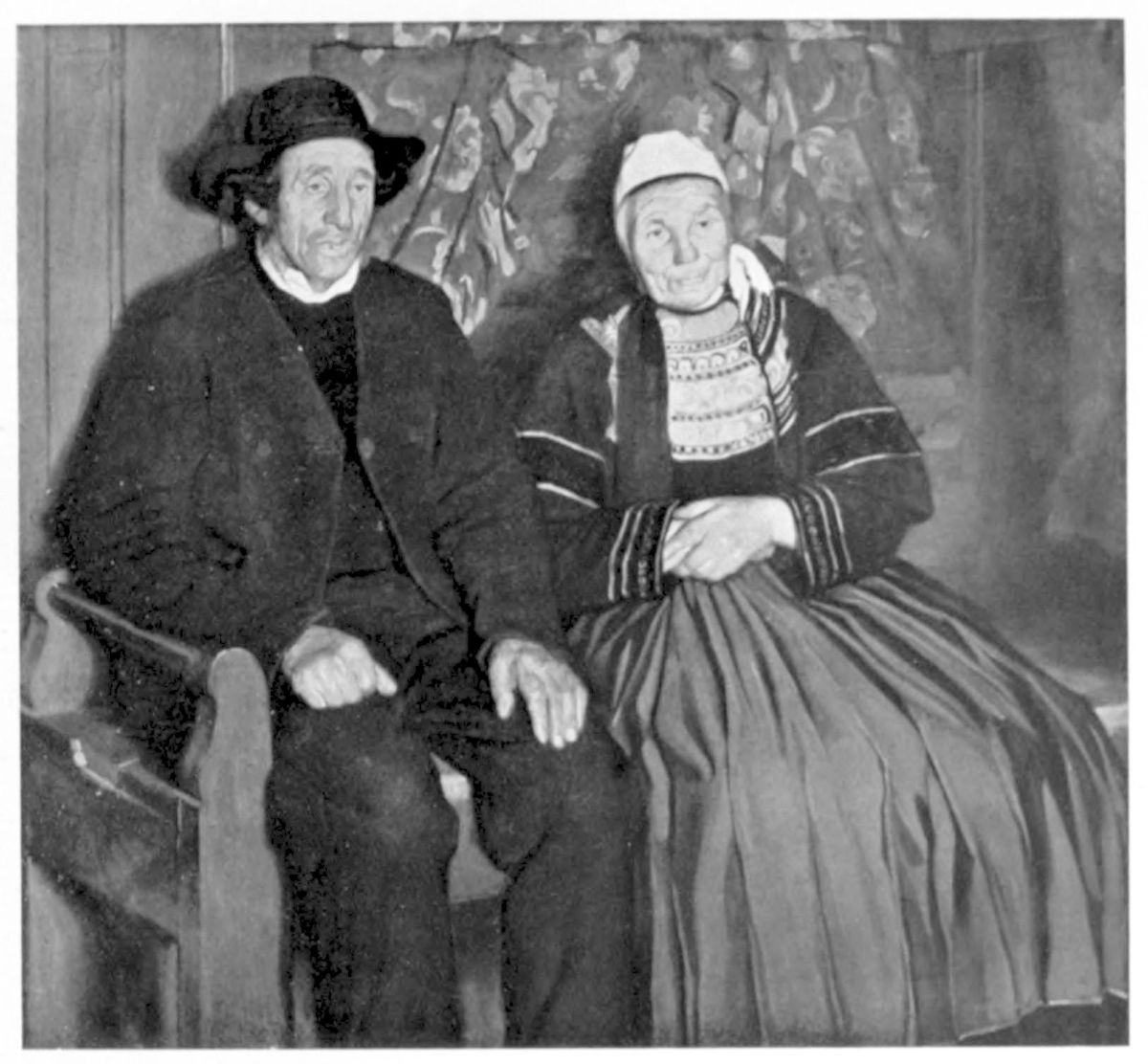
PLATE LI
JOSÉ R. ZARAGOZA
“VIEJOS BRETONES” (“OLD BRETONS”)
PLATE LII
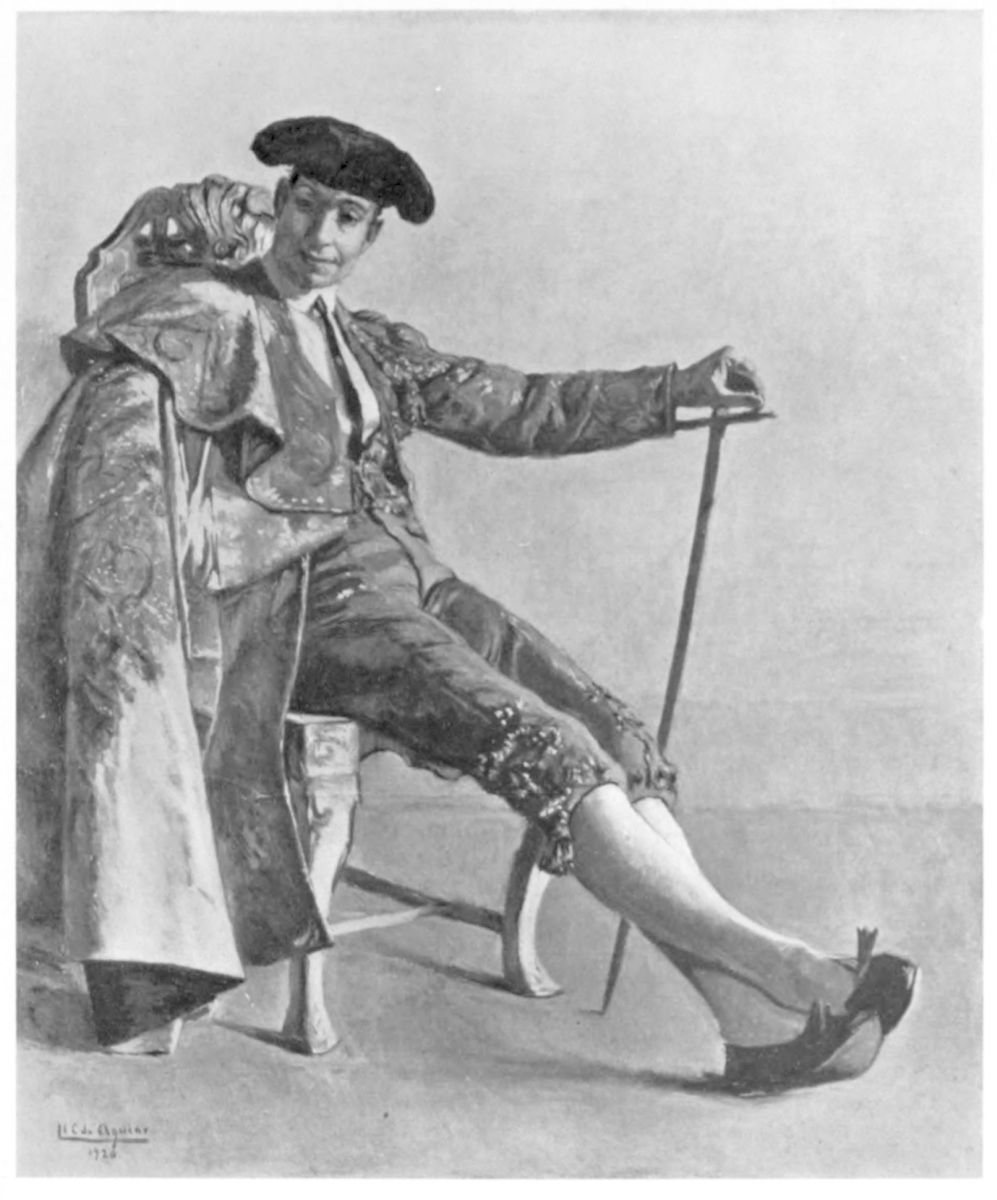
PLATE LII
CONDE DE AGUIAR
“RETRATO DE UN TORERO” (“PORTRAIT OF A BULLFIGHTER”)