INTRODUCTION
Reading edition
The demand which followed the issue of the first series of small reproductions of Piranesi’s etchings has tempted the Publishers to put forth a further selection. The mine is, indeed, inexhaustible, but all the etchings, though of great individual interest, are not of equal value to architects. For them Piranesi serves two main purposes: the first, a stimulus to the imagination; the second, a store of rich and expressive detail. In this selection, to assist in the first purpose, are included a few of his own architectural designs. These do not, however, in reality exhibit his great imaginative qualities so well as his interpretations of actual buildings. Although Piranesi was careful to see that he was always styled “Venetian Architect,” we have no very reliable evidence that he ever composed a building except on paper, and such paper plans as he published do not suggest great practical qualities. It is in his drawings of the ruins of ancient Rome that he gives us something at once more rare and more valuable than any ordinary architectural achievement. In them he shows us the inherent romance buried deep in Roman construction. Through him we learn the spiritual character of this construction when stripped of all its worldly ornament. It is true that in his drawings the buildings have another sort of decoration—a decoration of trees and foliage. In the eighteenth century the ruins had not yet been cleaned and docketed into museum specimens, but the romance which Piranesi reveals in arch, vault, and dome is something deeper than a mere picturesque contrast with foliage and figures. The romance he shows us is the romance of any enduring monument. It is the monumental quality of Roman construction which makes it akin to the great works of Nature, and the trees and vegetation in Piranesi drawings only help to demonstrate this kinship. The gesticulating figures serve a similar purpose. They are the men of a lesser generation gibbering over the work of ancestors they only half comprehend.
The other and more prosaic service which Piranesi can still render to architects, and especially in these days of neo-Classic detail, is by means of his careful drawings of antique ornaments and vases from his own and his friends’ collections. Here he not only provides us with an immense fund of detail, but he draws that detail in a way which gives us at once the very essence of its character. It is a character all may not love, but few can avoid feeling how suitable it is to the age in which we live.
C. H. R.
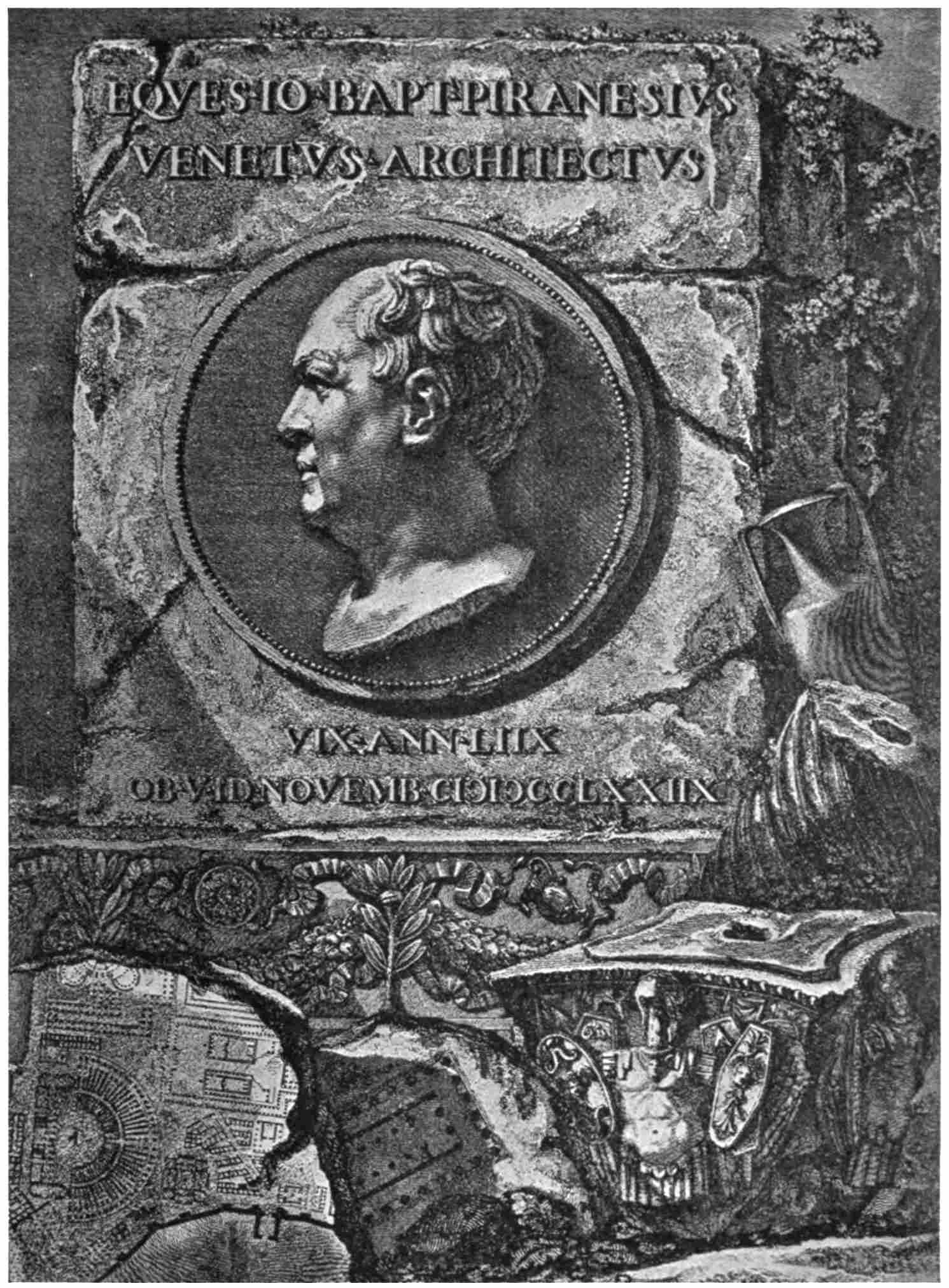
Plate 1: Medallion Portrait of Piranesi.
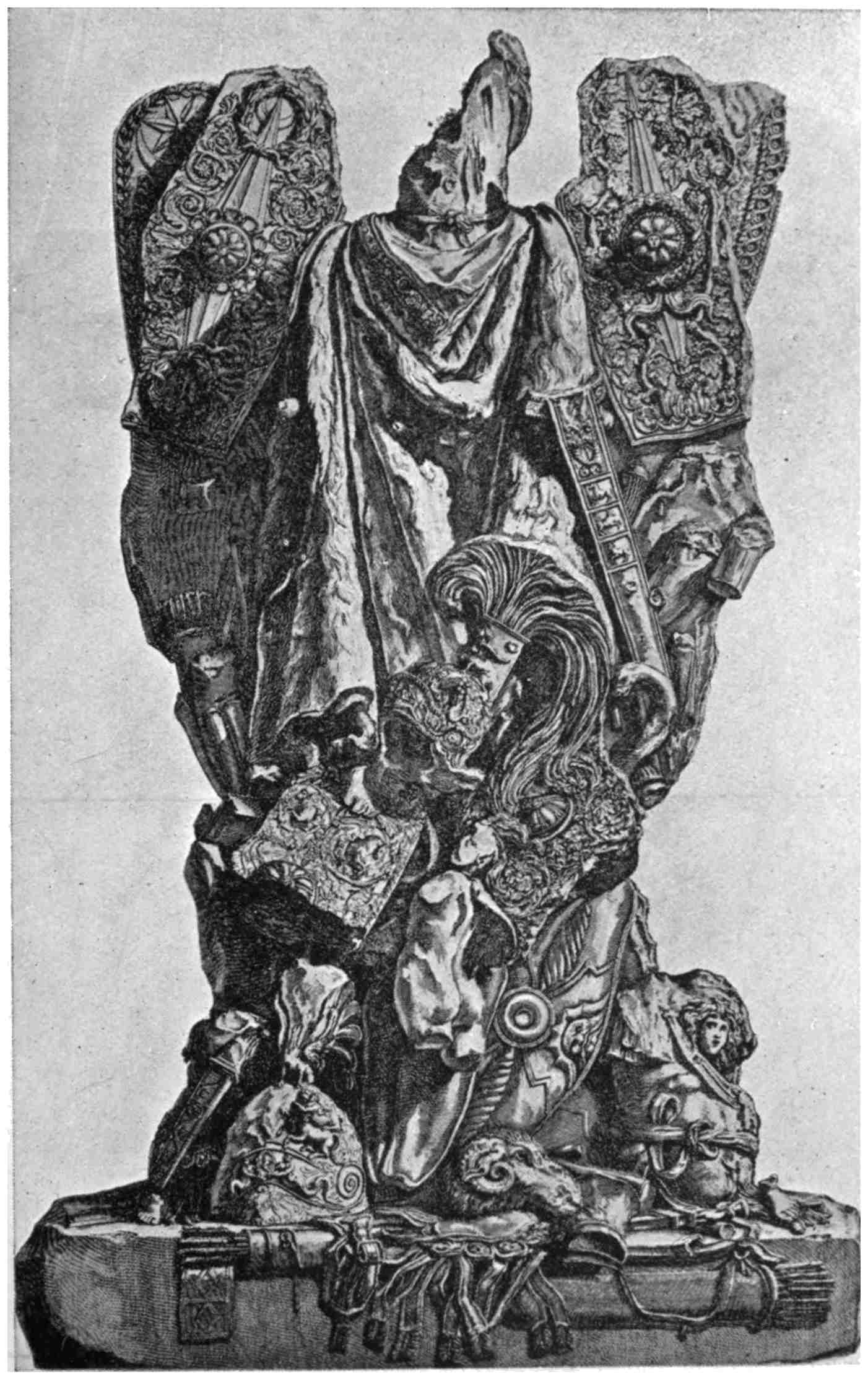
Plate 2: Trophy of Arms.
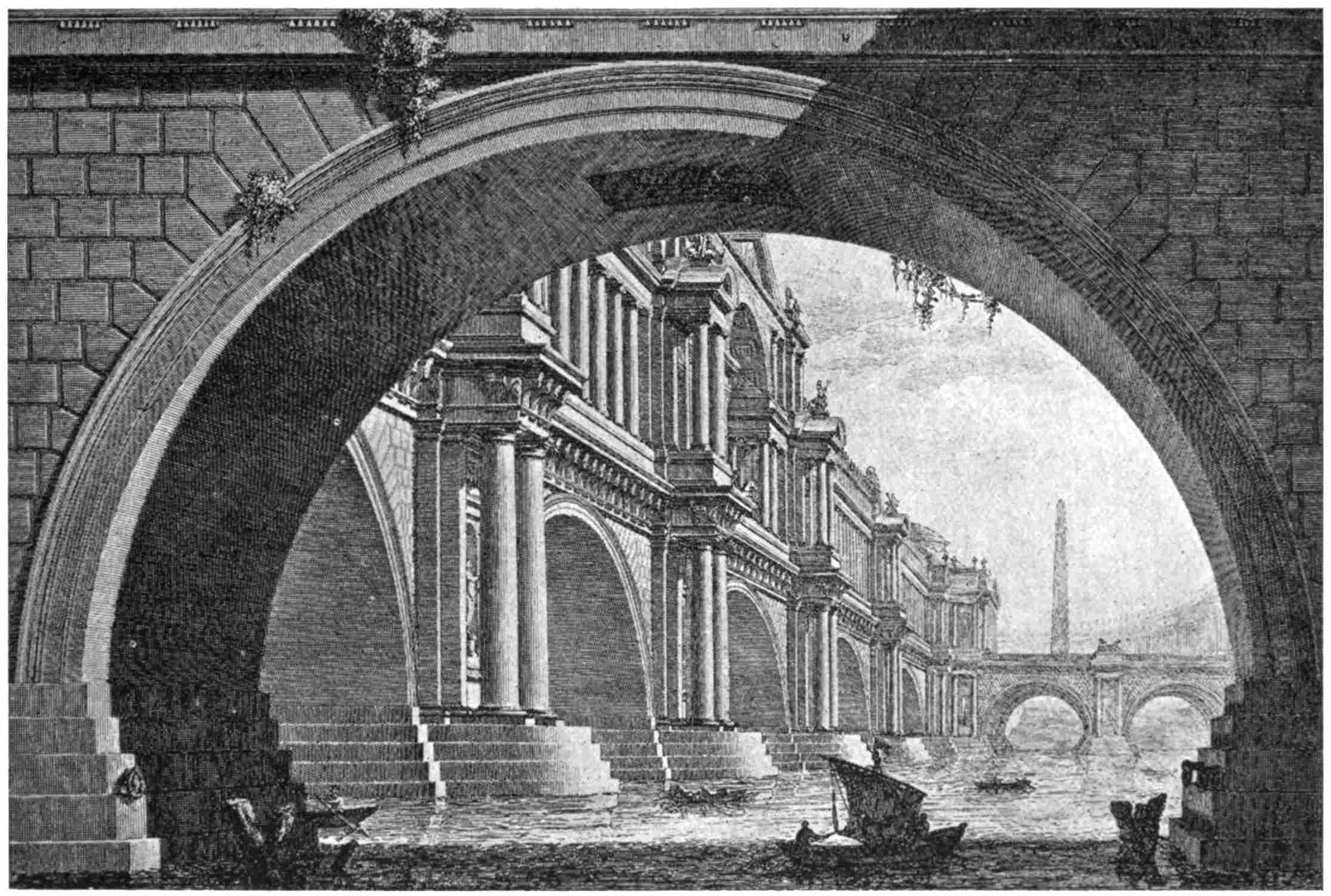
Plate 3: Design for a Bridge.
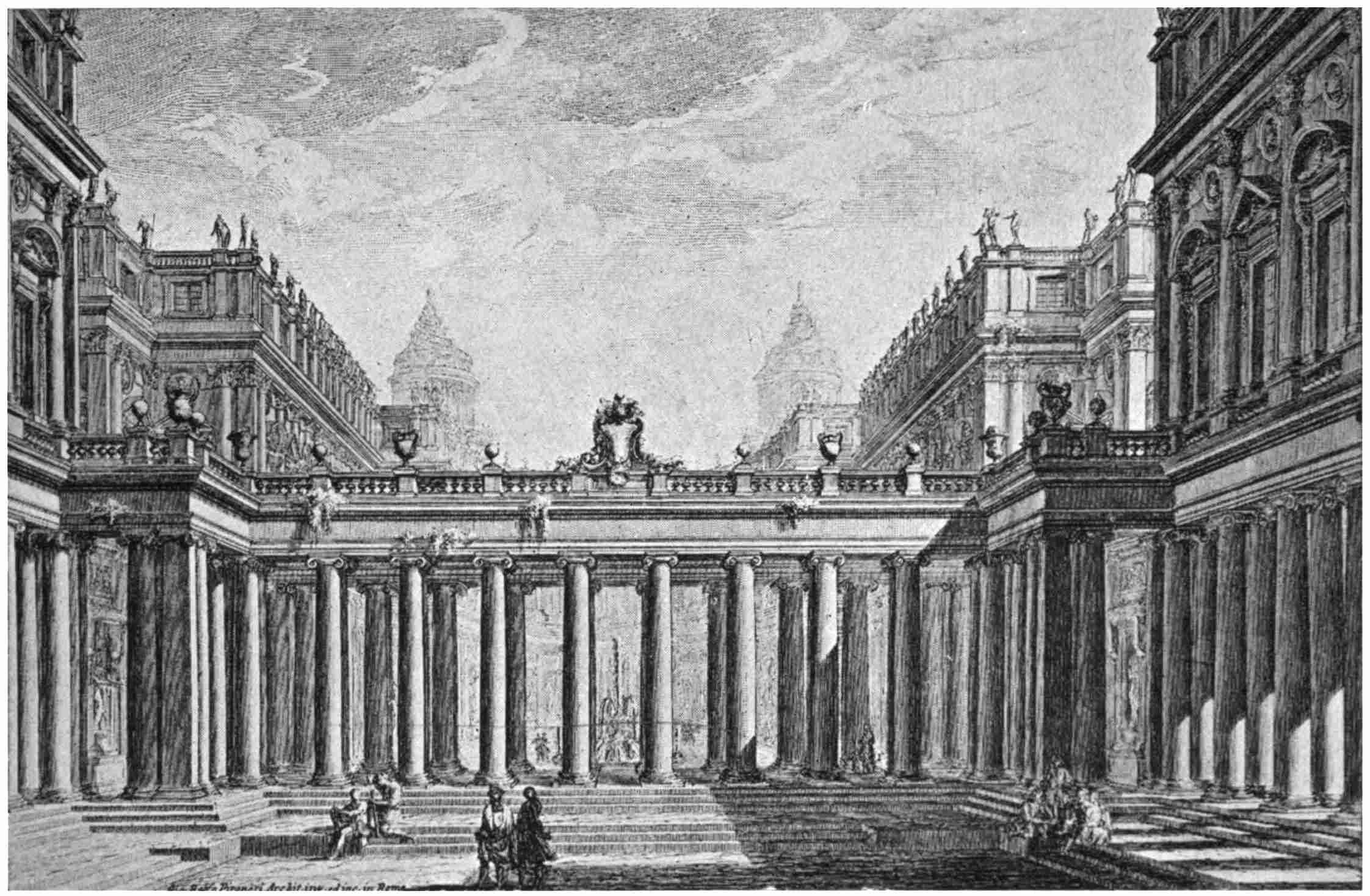
Plate 4: Design for a Forum.
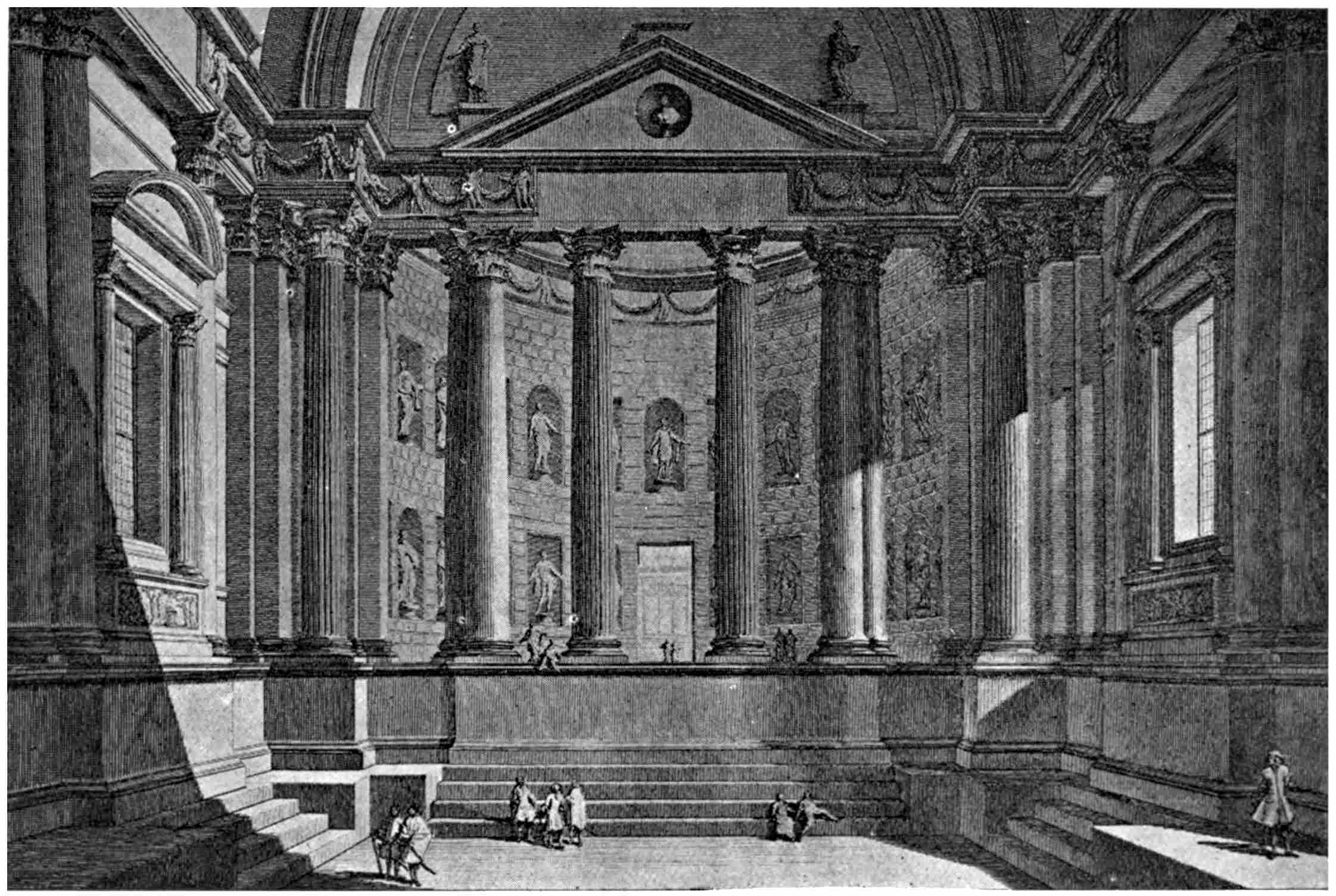
Plate 5: A Roman Hall.
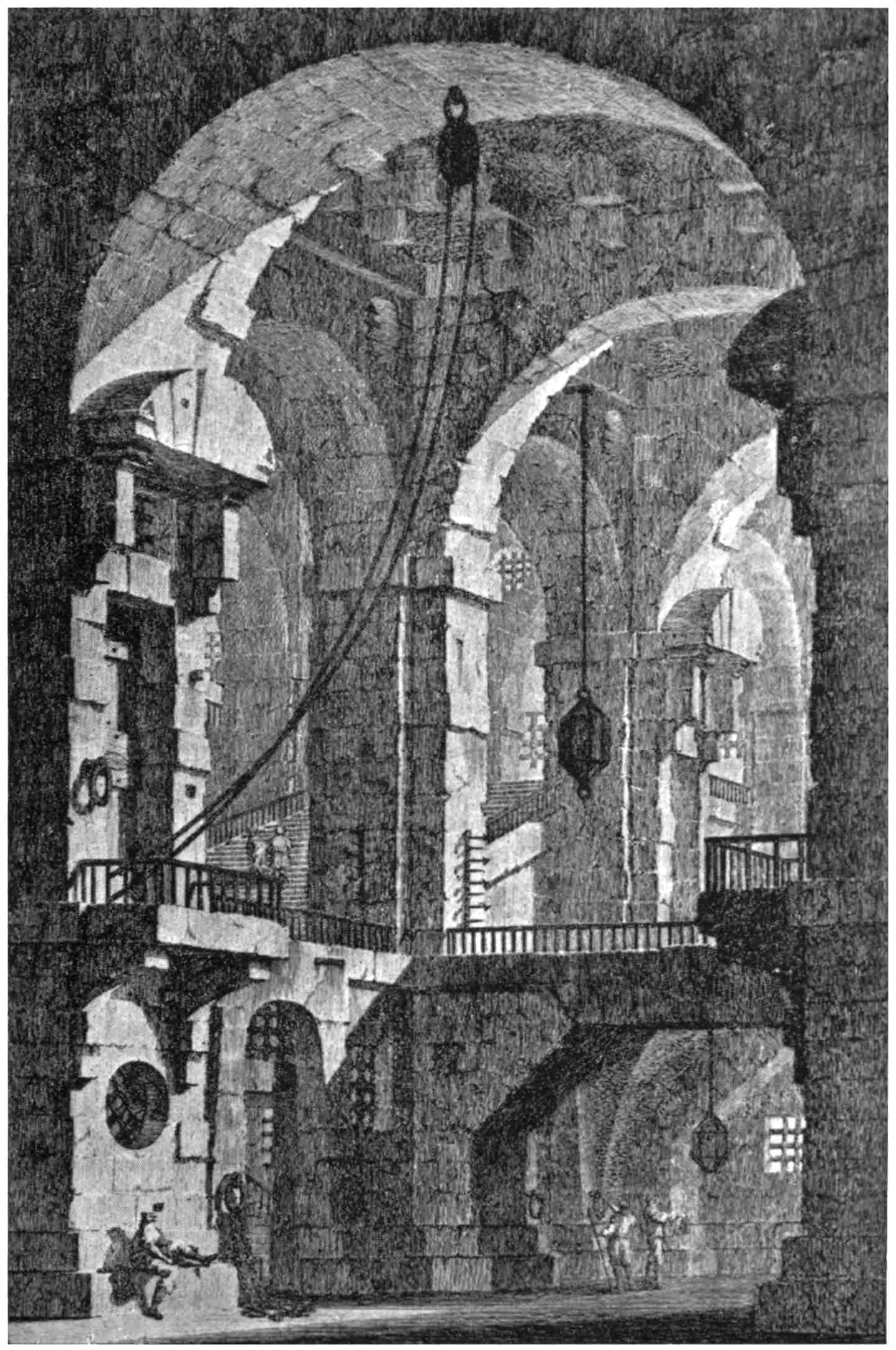
Plate 6: Imaginary Prison Interior.
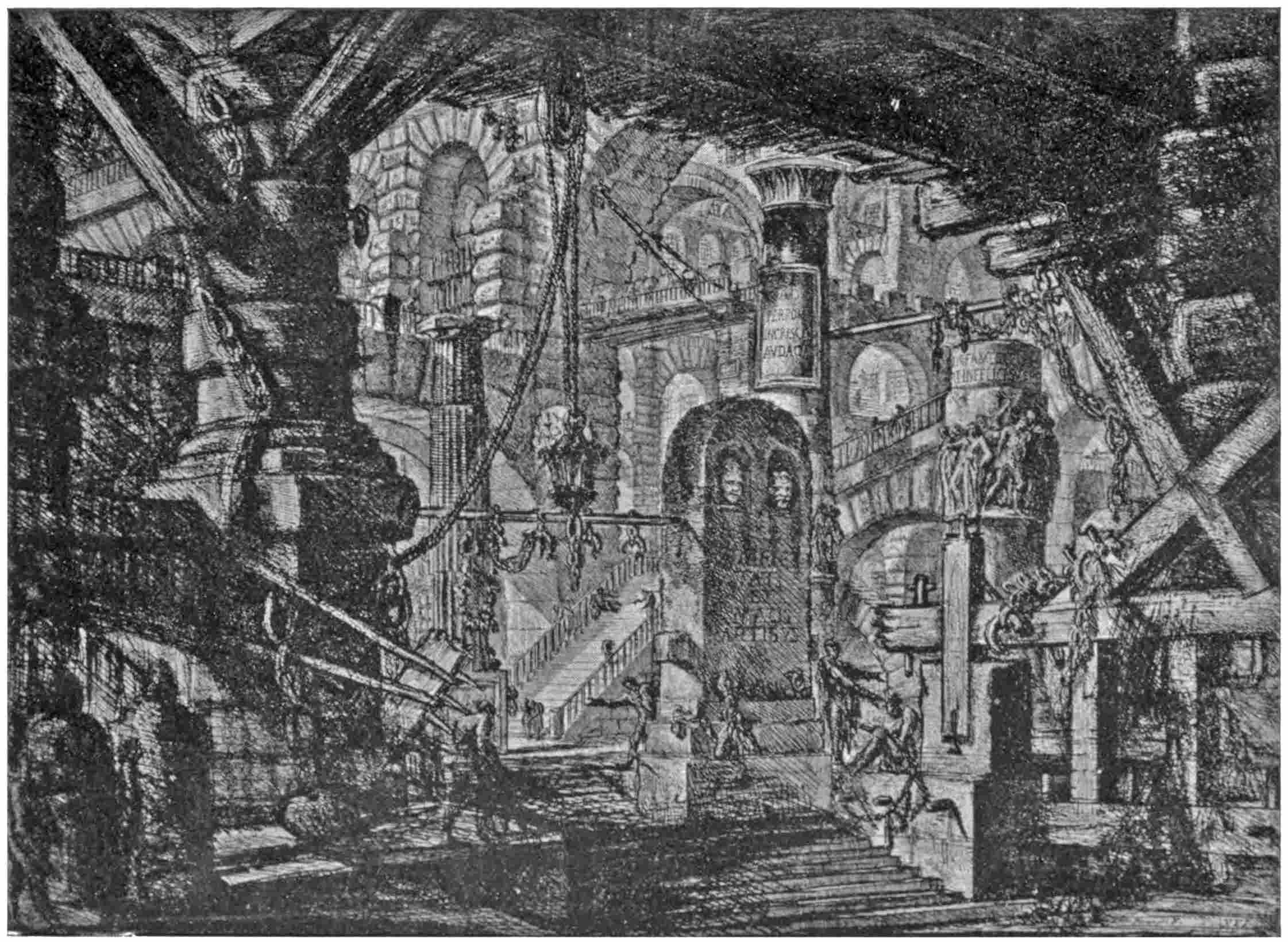
Plate 7: Imaginary Prison Interior.
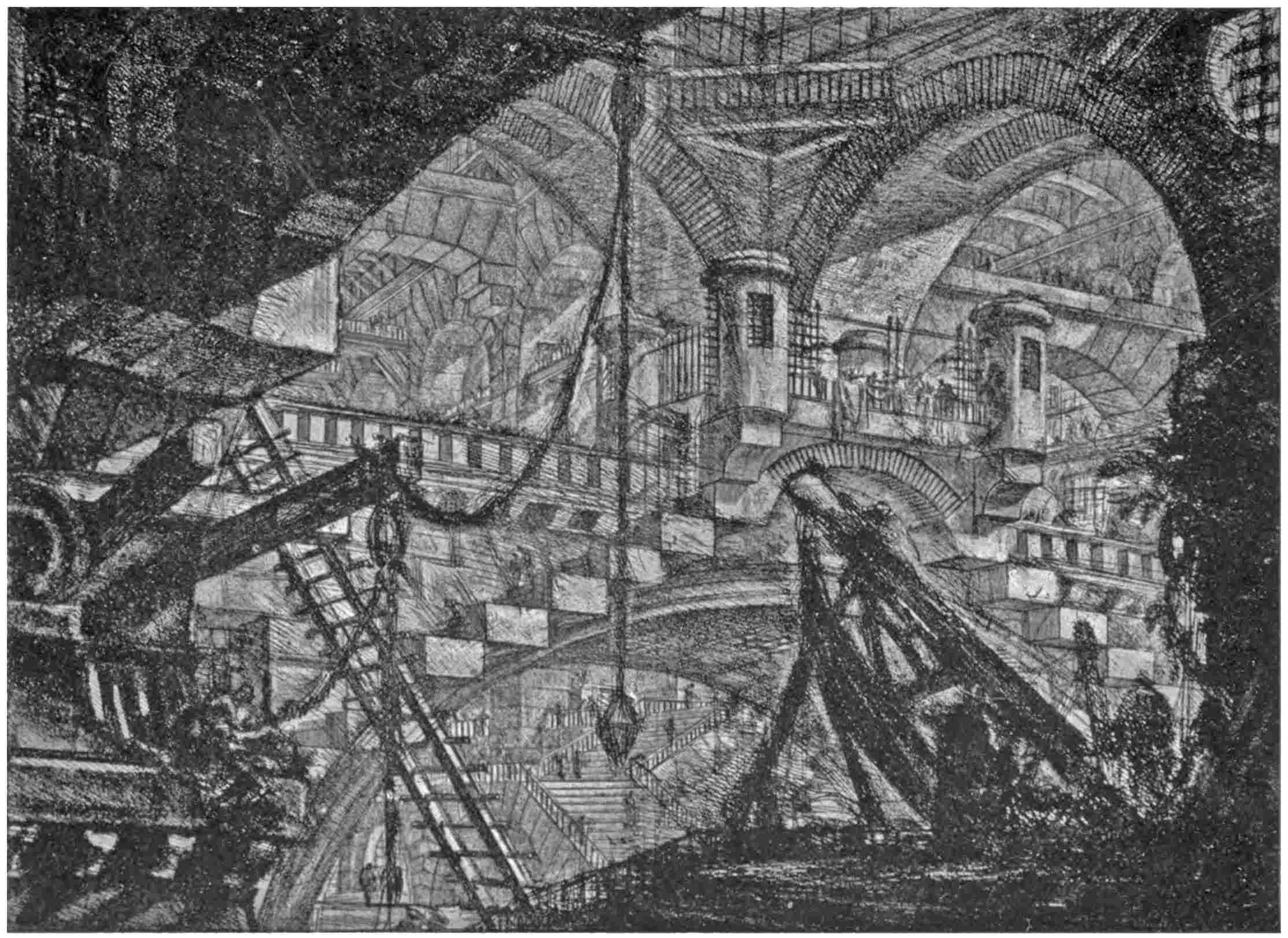
Plate 8: Imaginary Prison Interior.
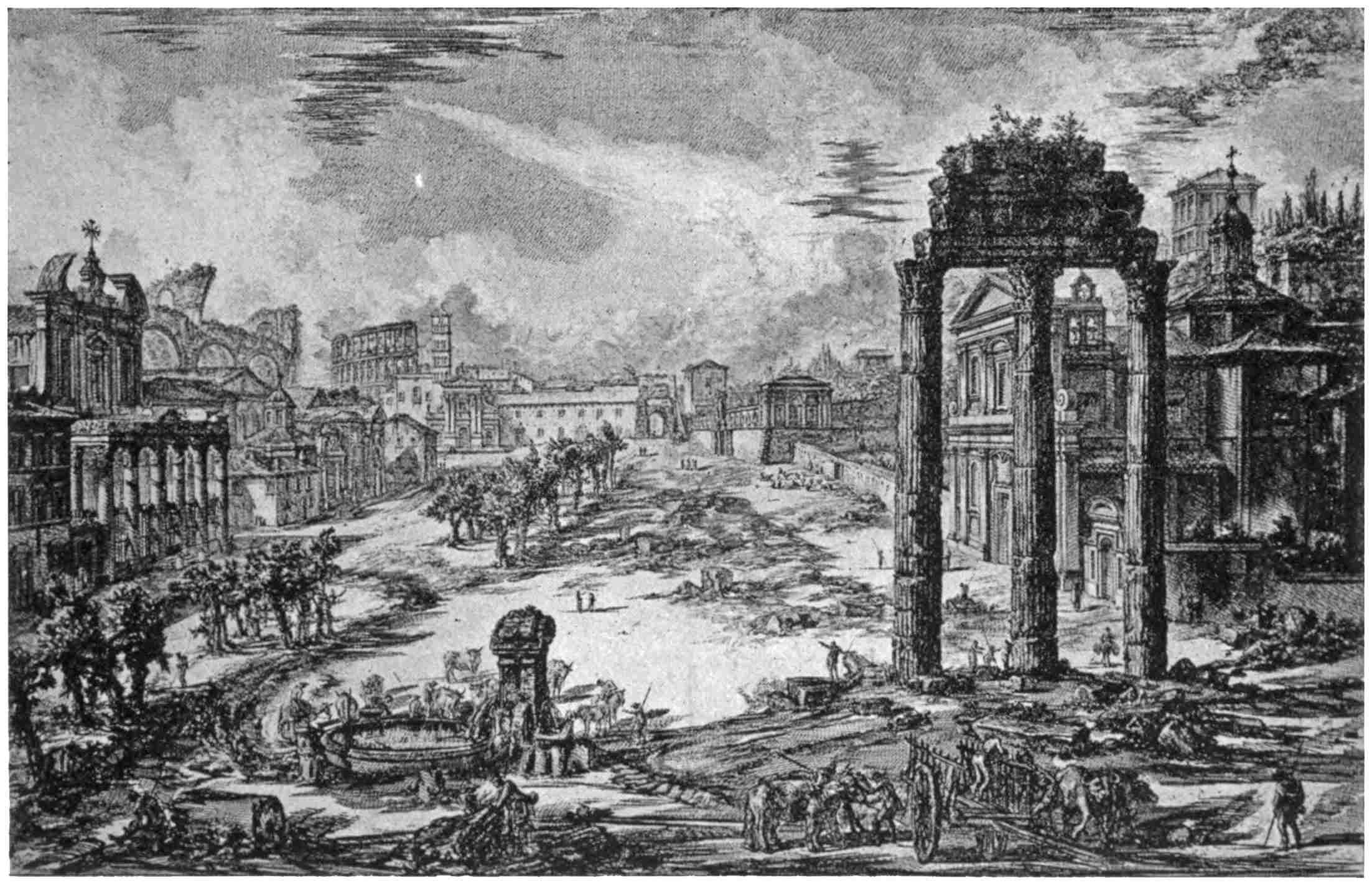
Plate 9: View of the Campo Vaccino (Forum Romanum).
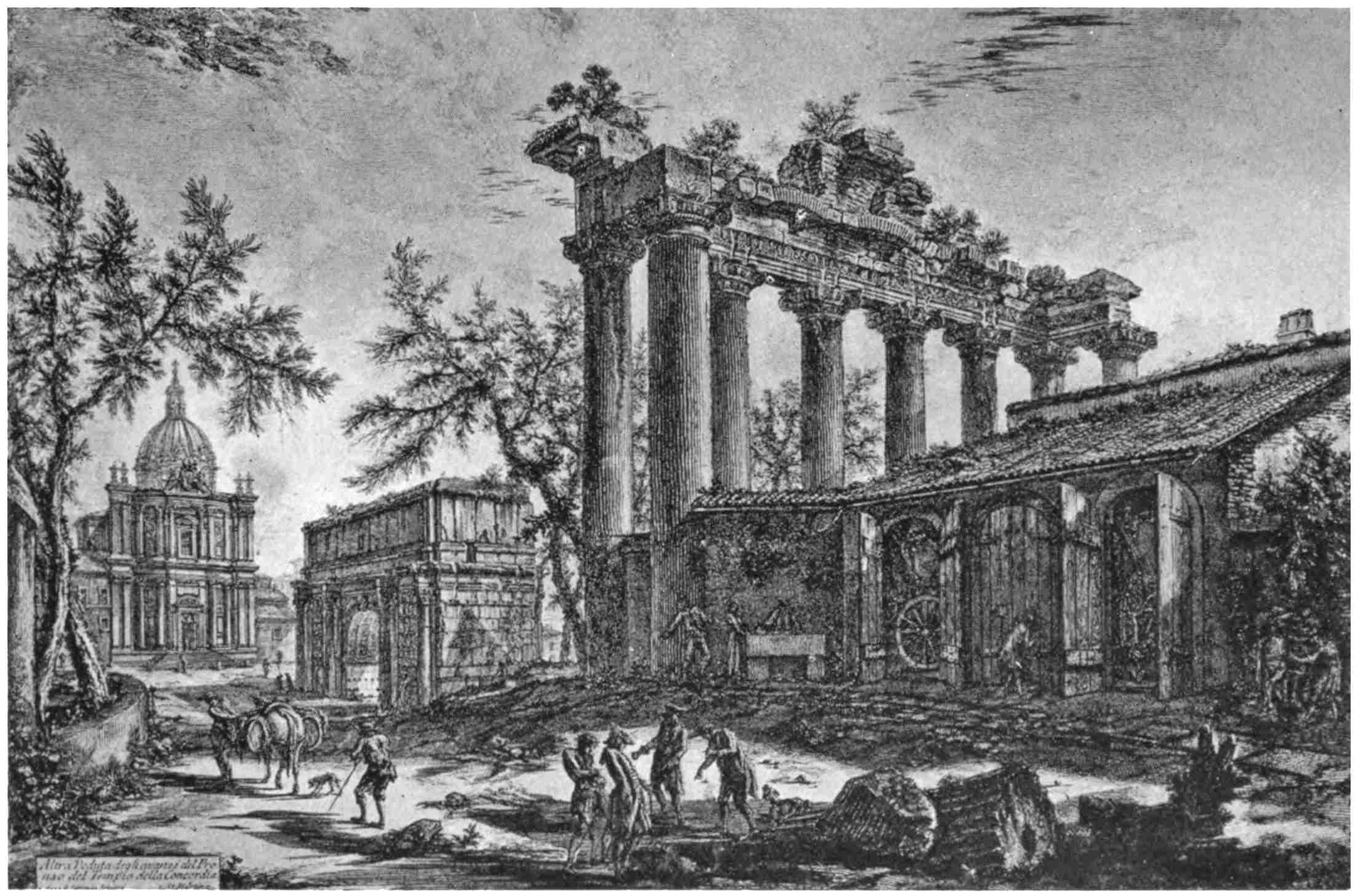
Plate 10: Temple of Concord.
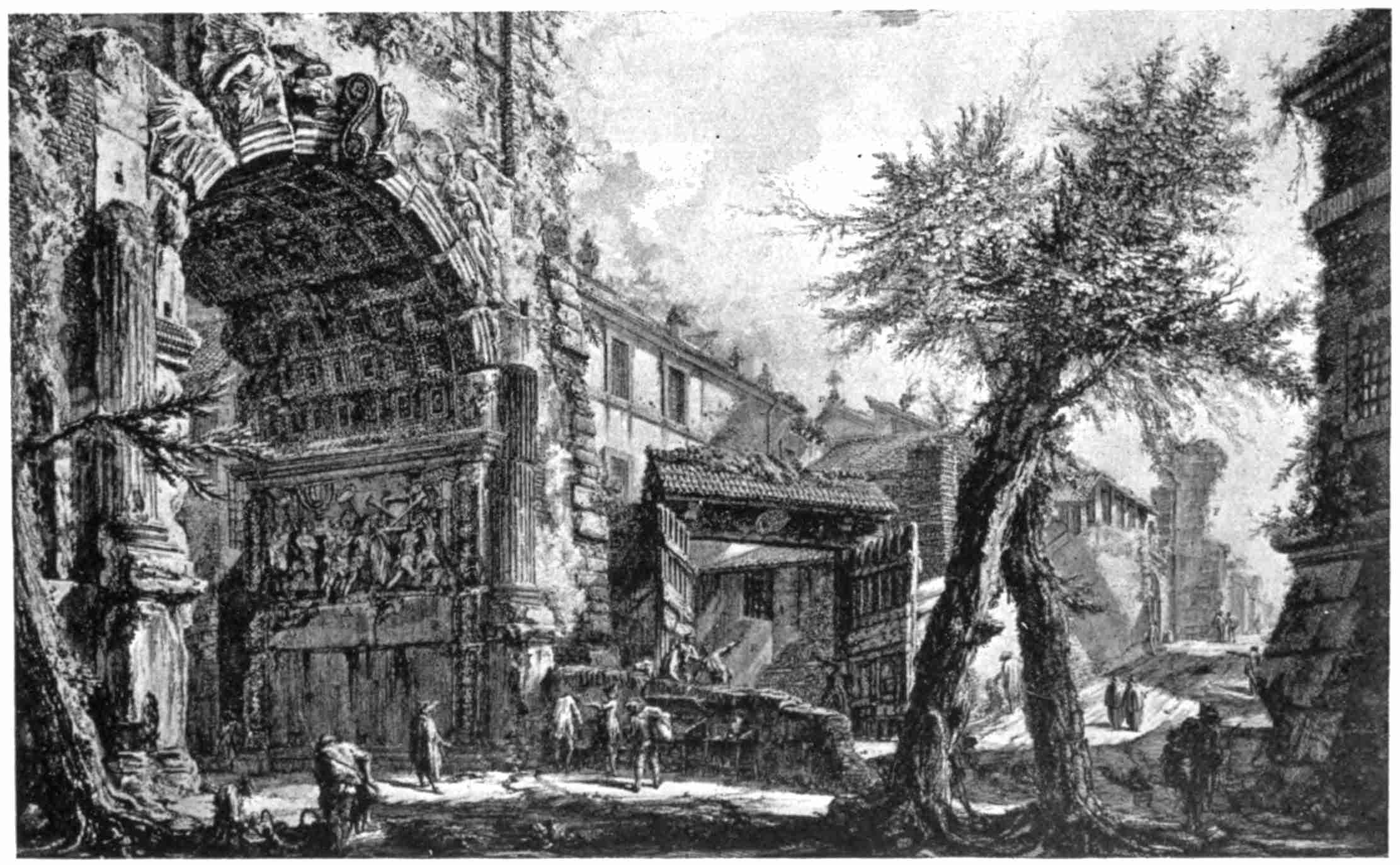
Plate 11: Arch of Titus.
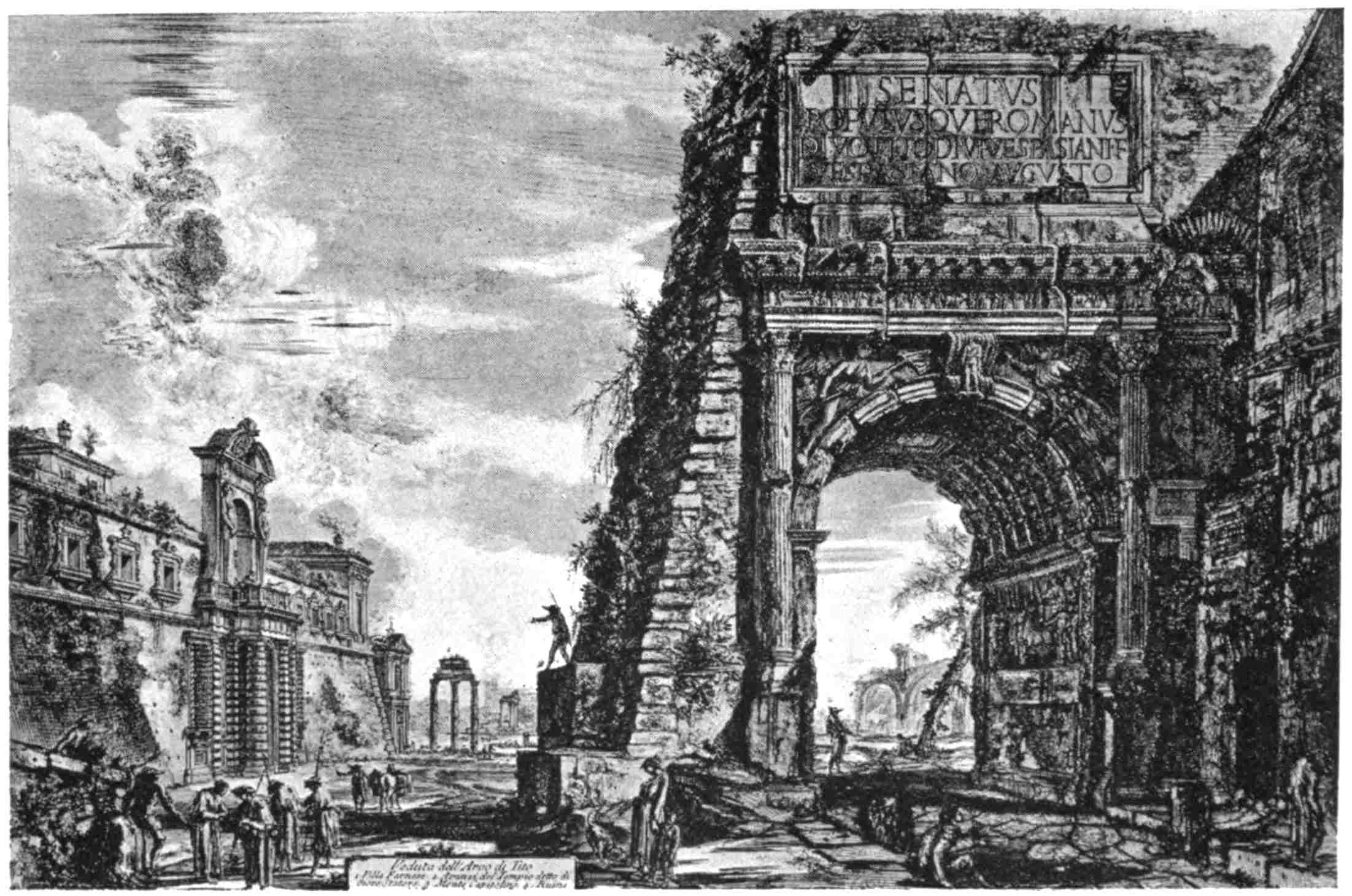
Plate 12: Arch of Titus.
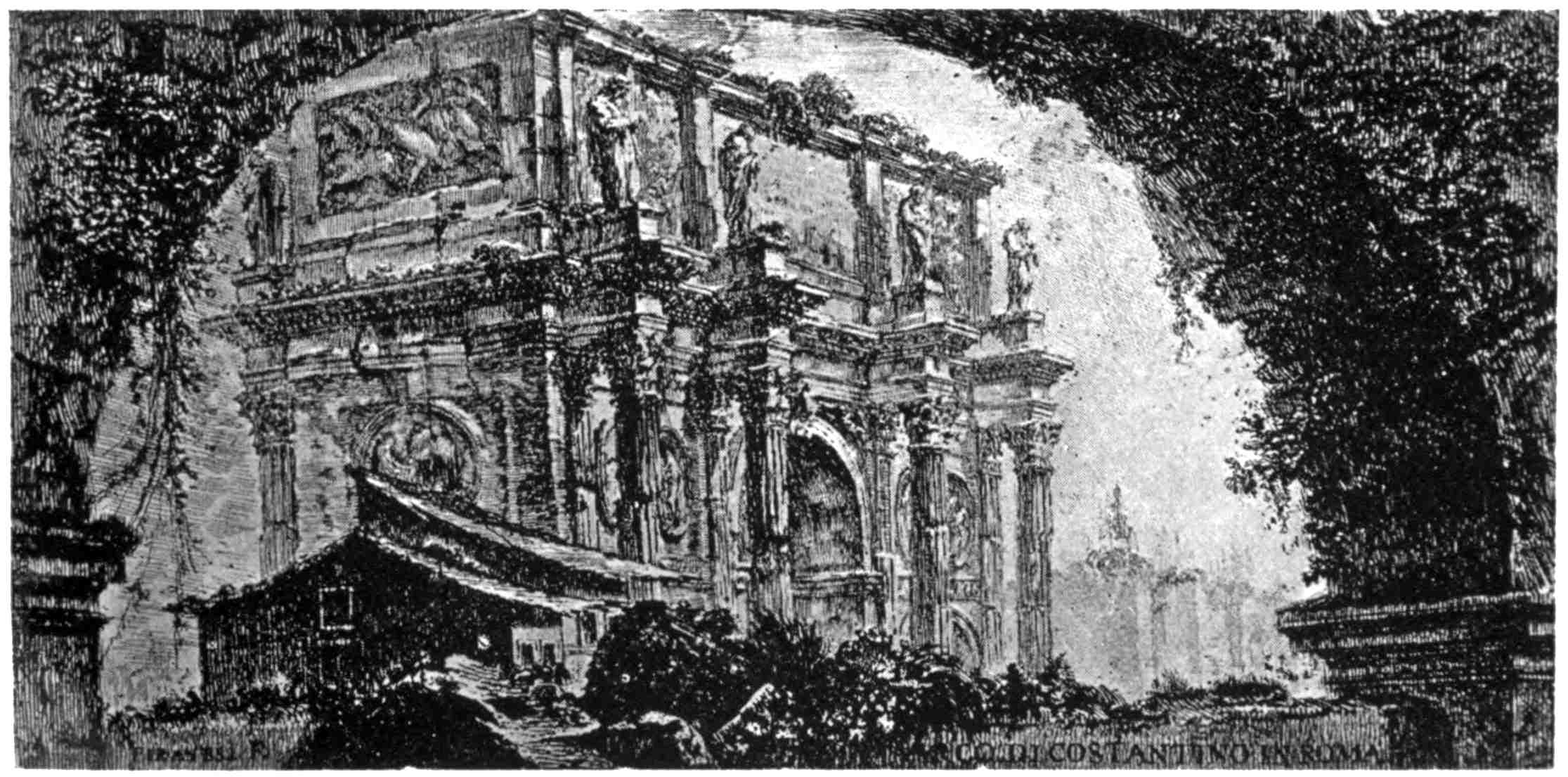
Plate 13: Arch of Constantine.
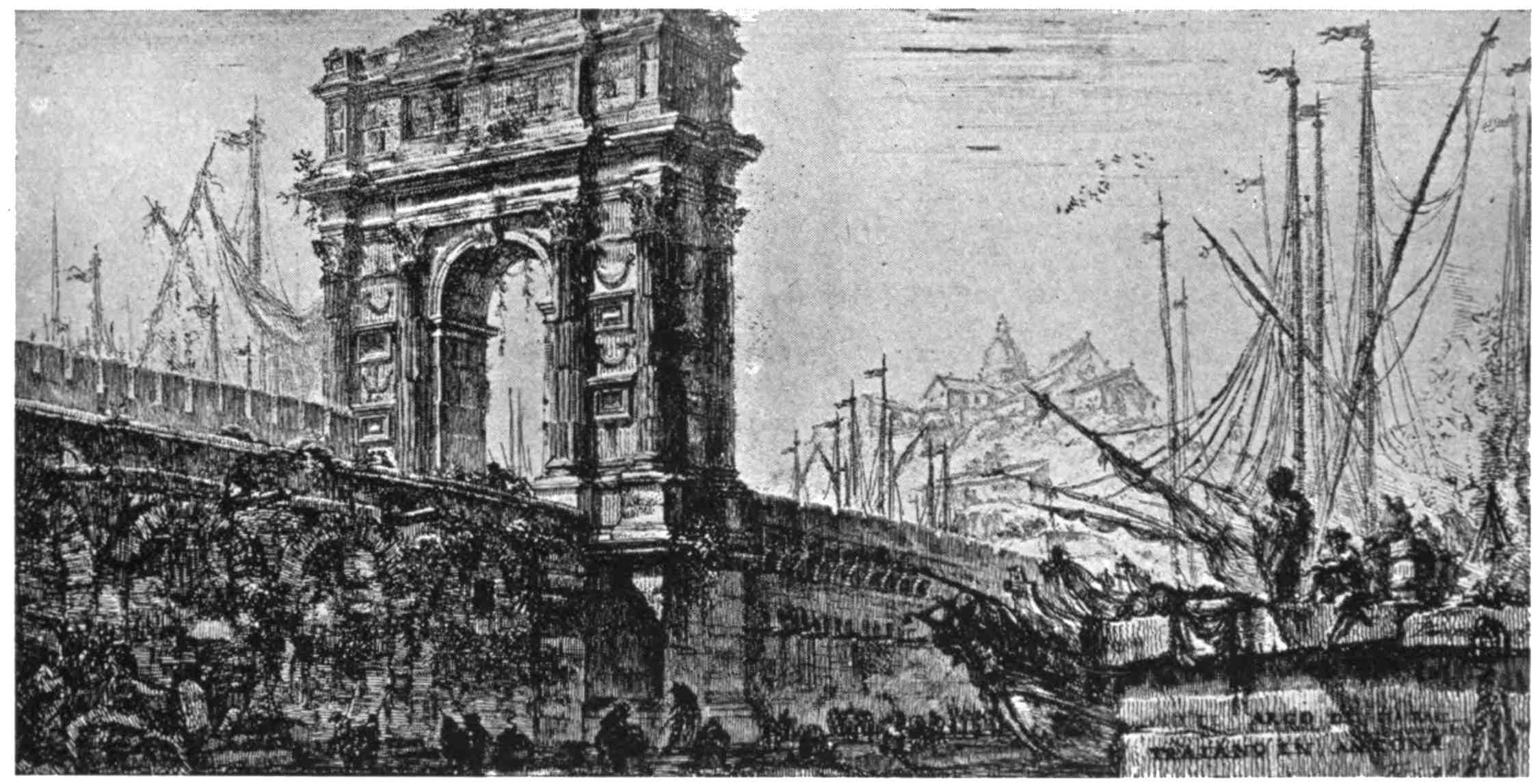
Plate 14: Arch of Trajan at Ancona.
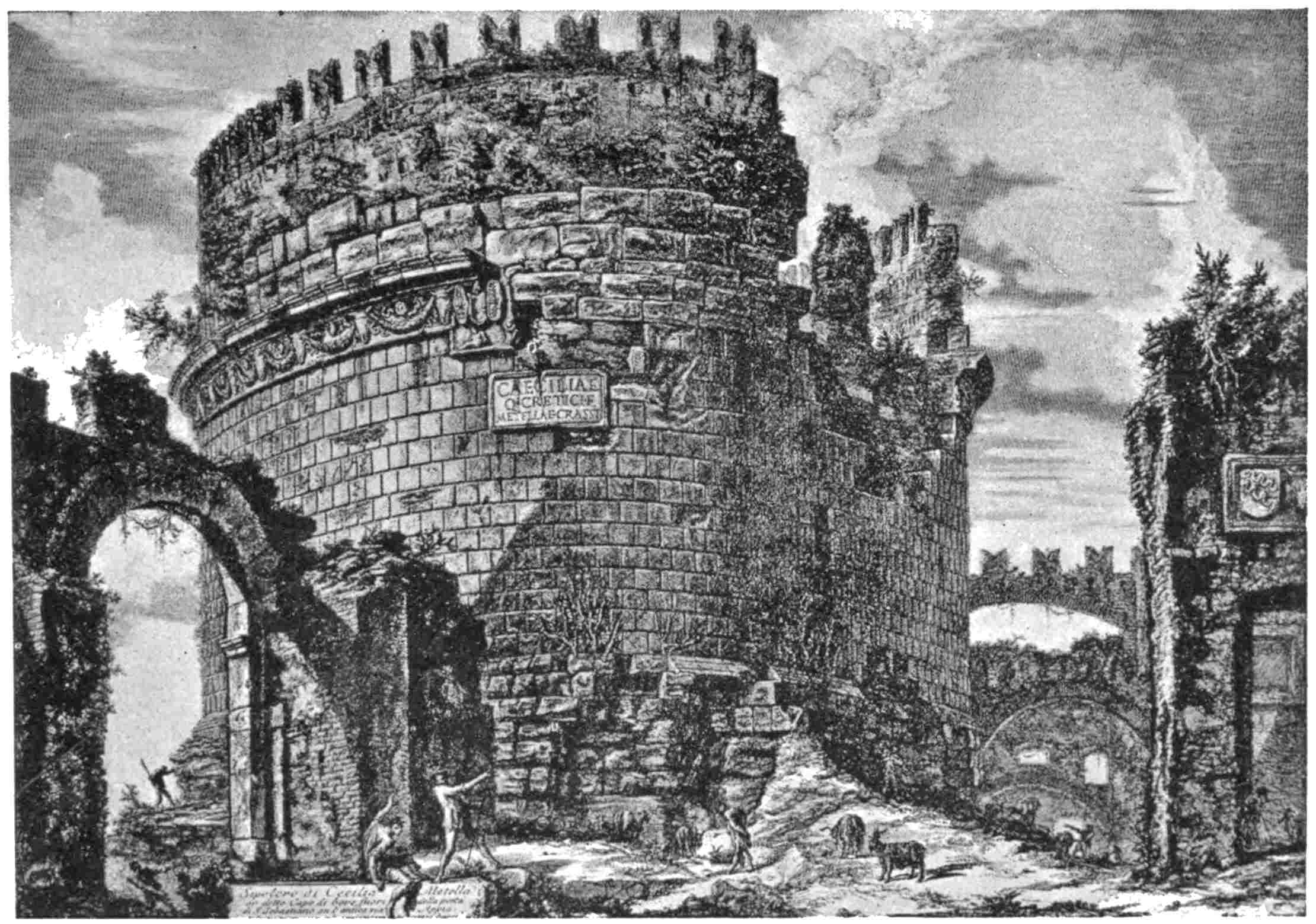
Plate 15: Tomb of Cecilia Metella.
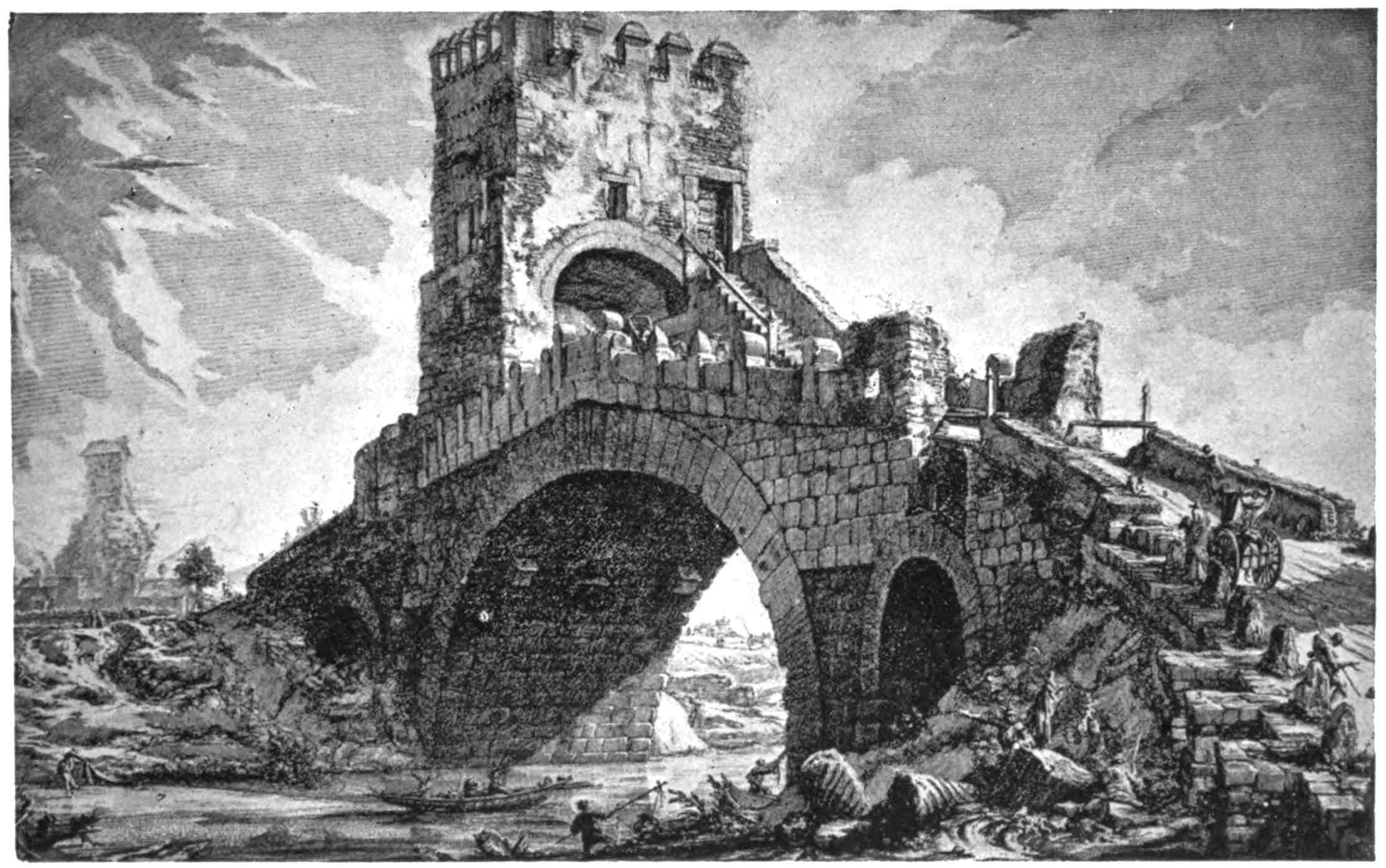
Plate 16: Ponte Salario.
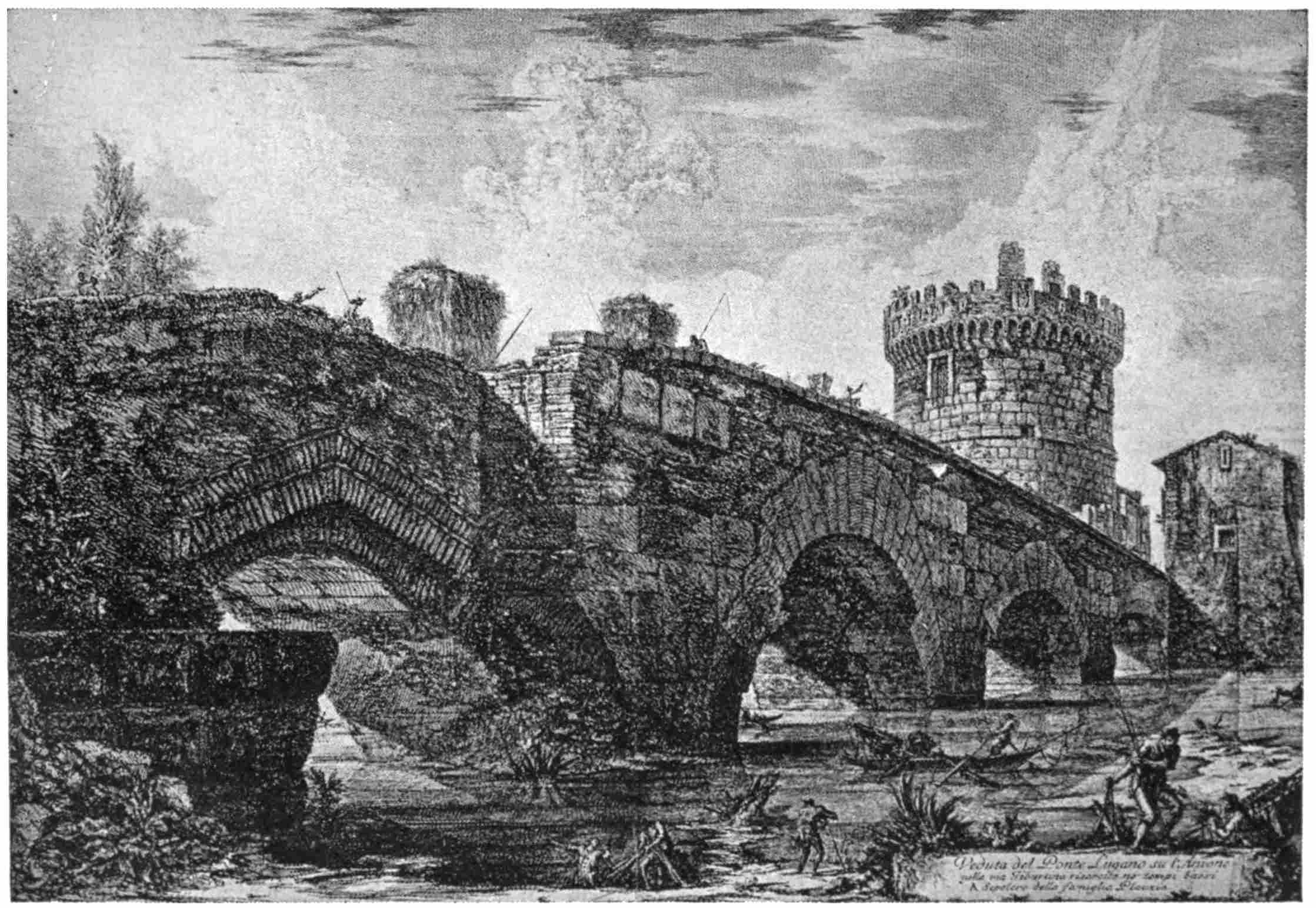
Plate 17: Ponte Lugano.
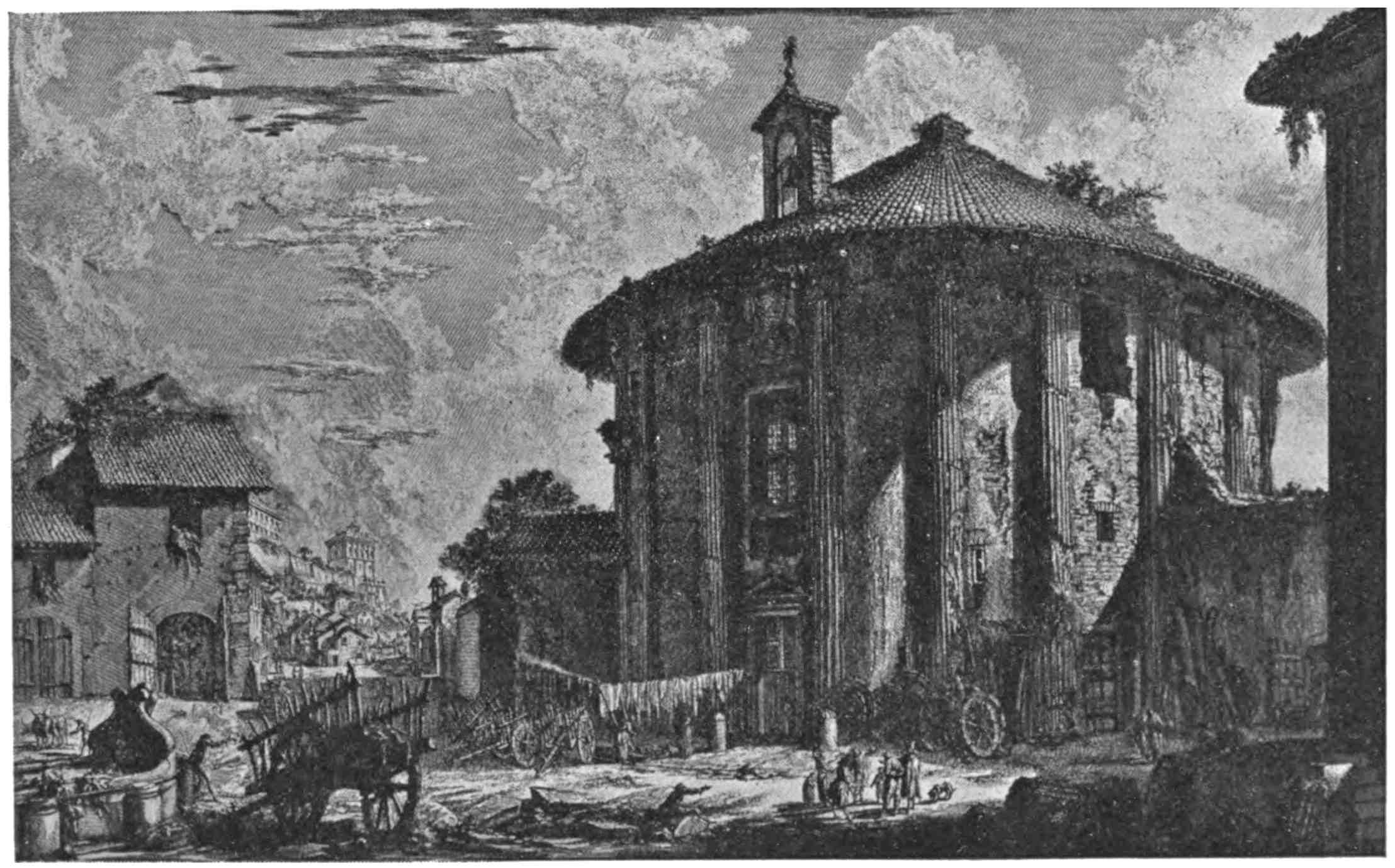
Plate 18: Temple of Ceres.
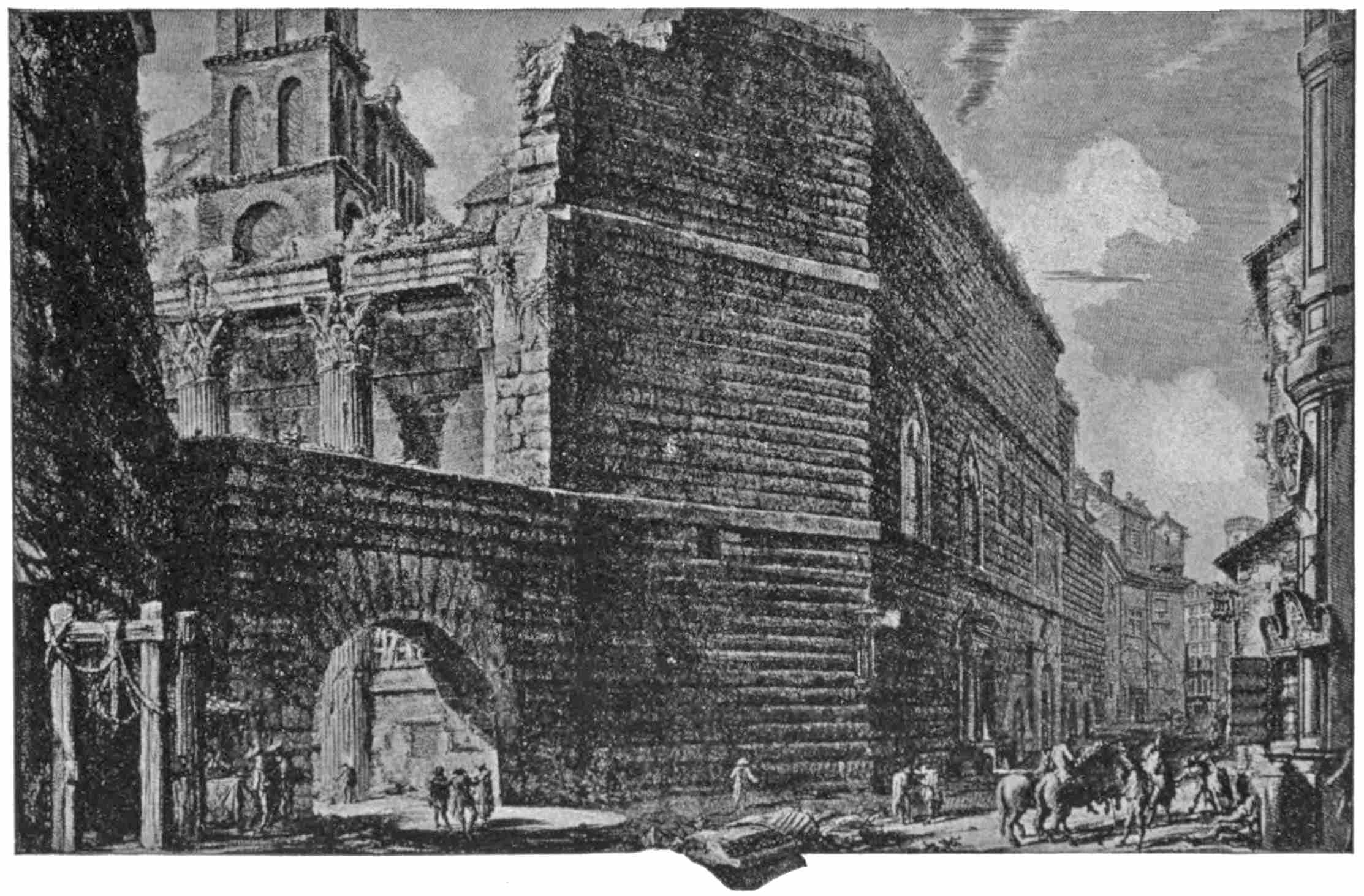
Plate 19: Forum of Nerva.
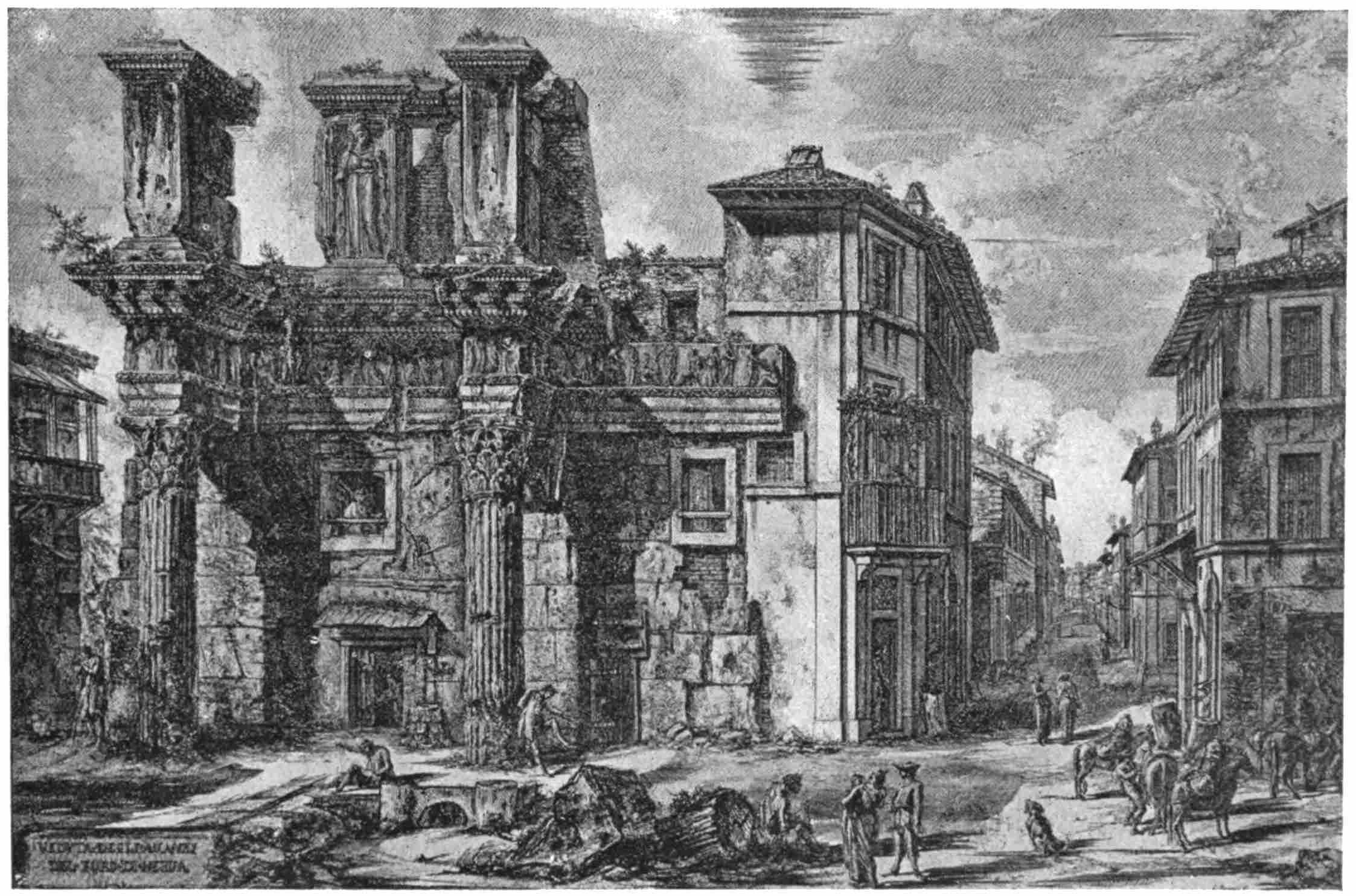
Plate 20: Forum of Nerva.
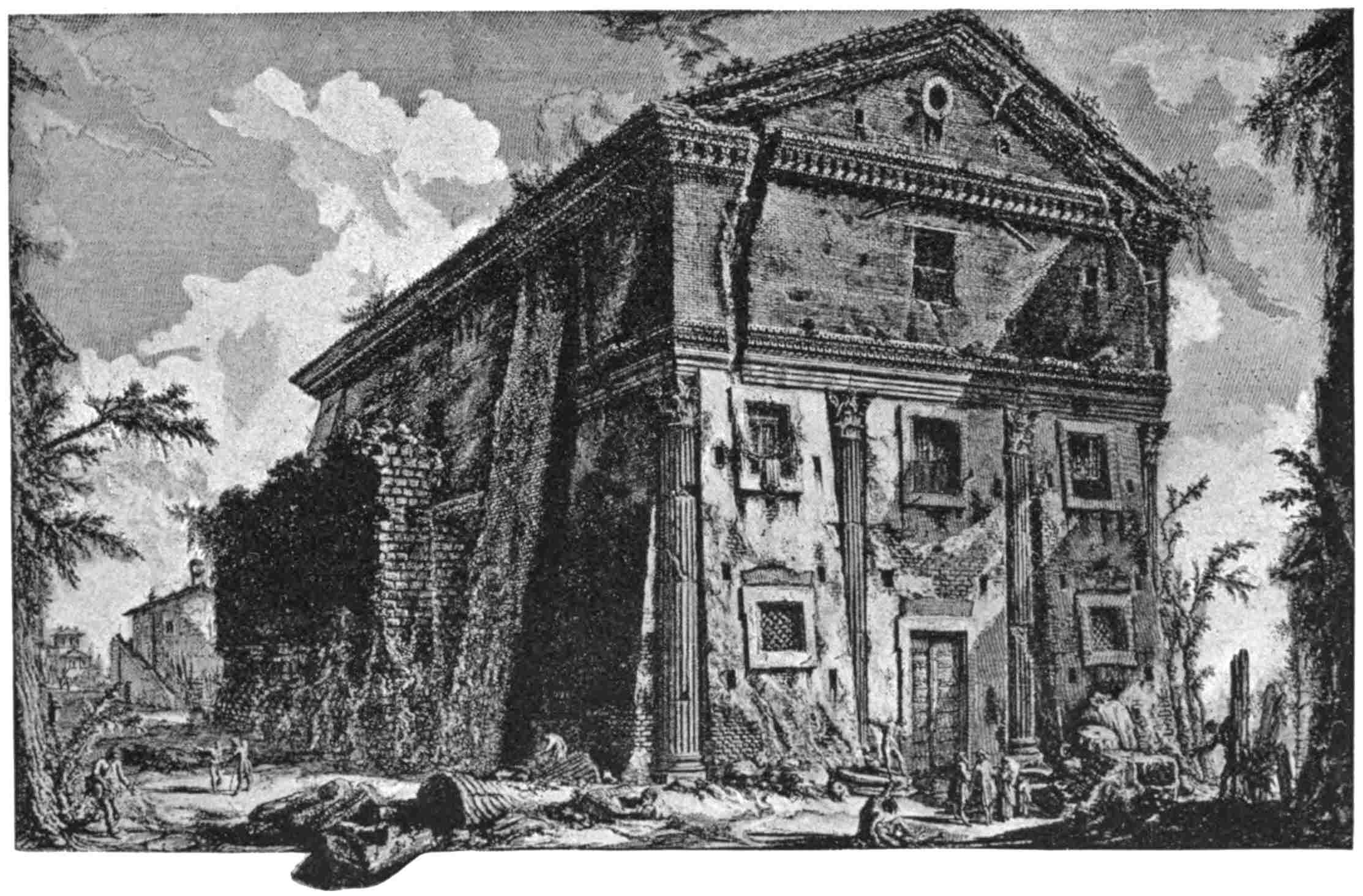
Plate 21: Temple of Bacchus.
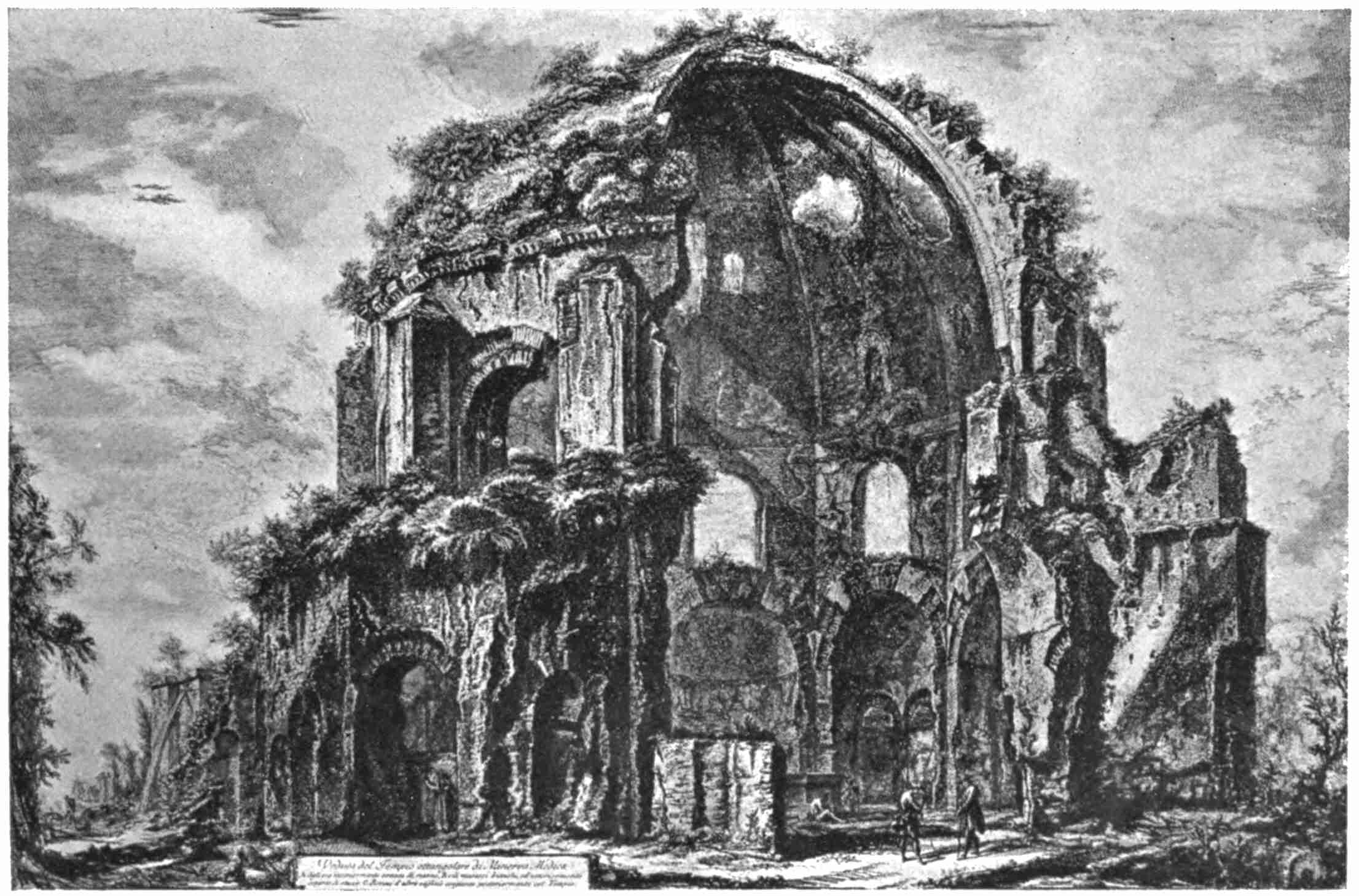
Plate 22: Temple of Minerva Medica.
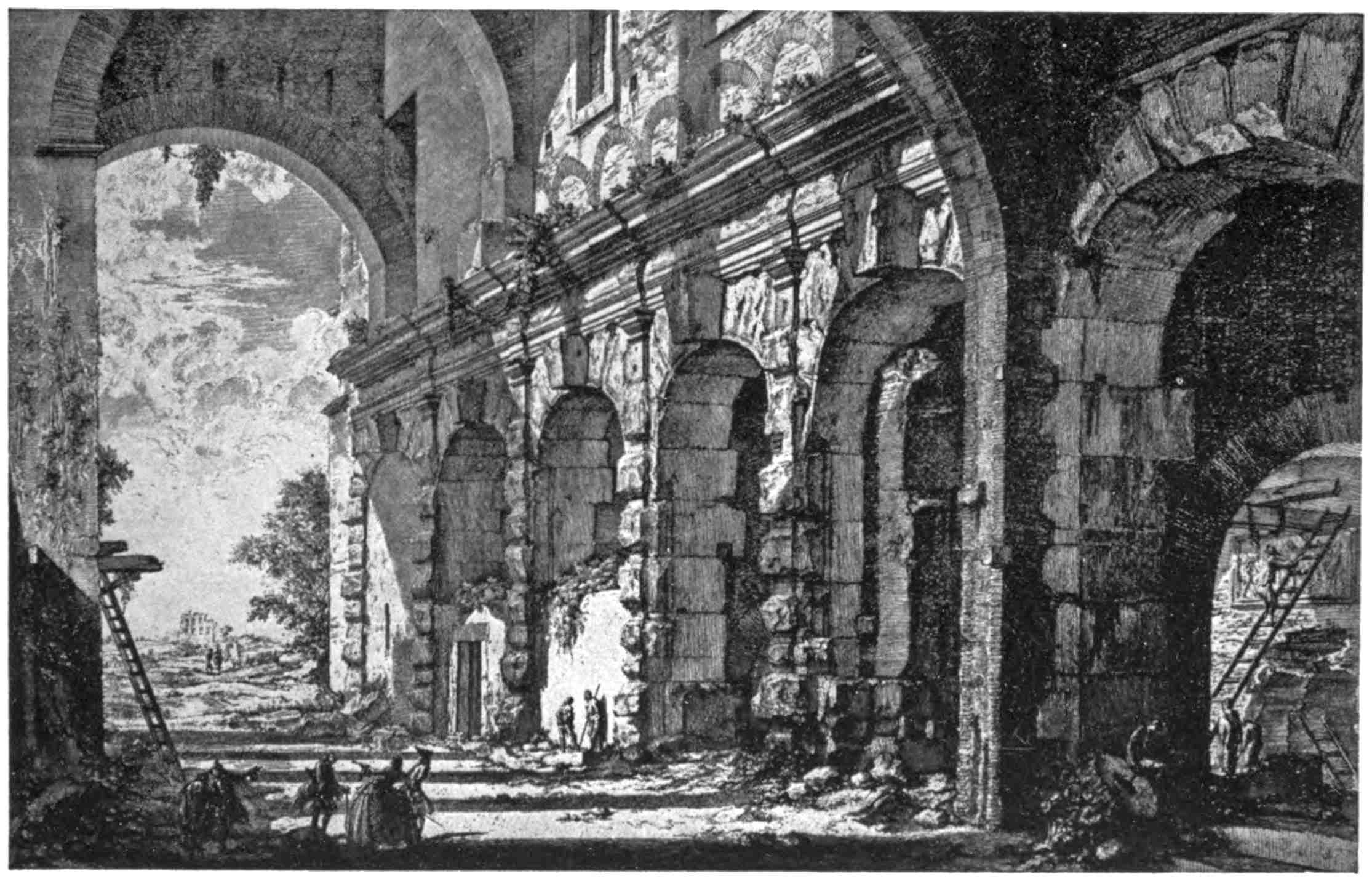
Plate 23: Part of the Colosseum.
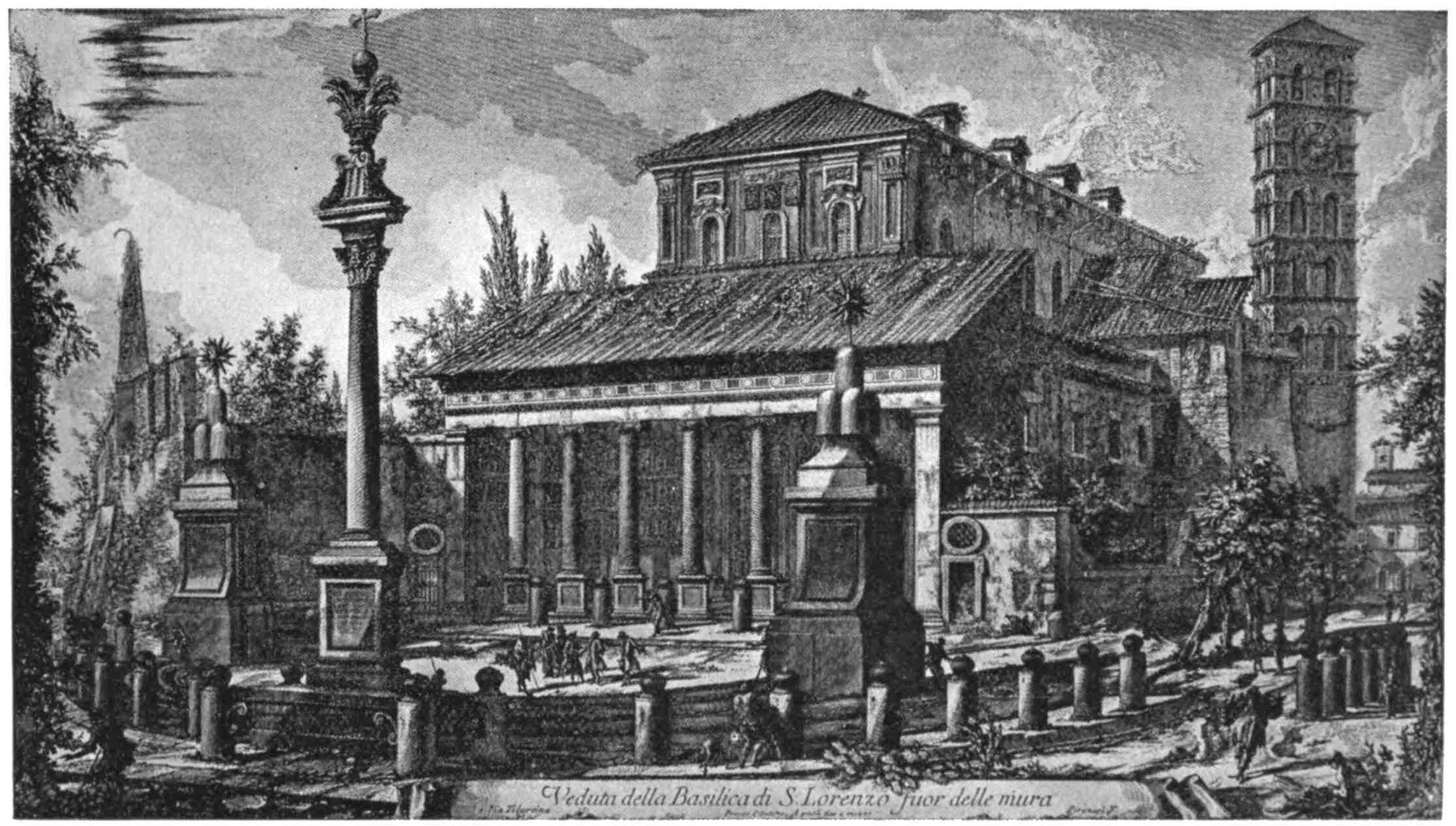
Plate 24: Basilica of S. Lorenzo.
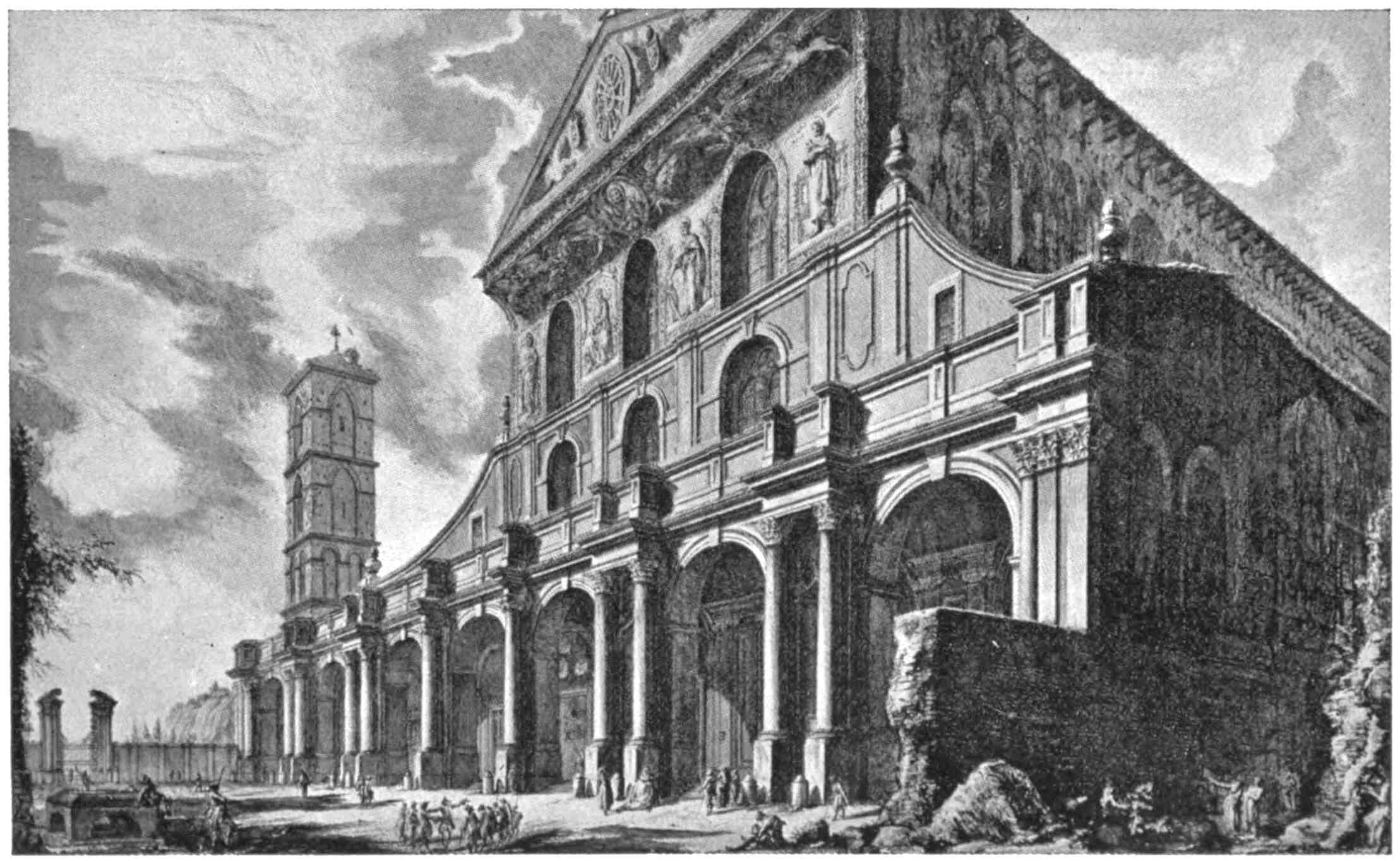
Plate 25: Basilica of St. Paul.
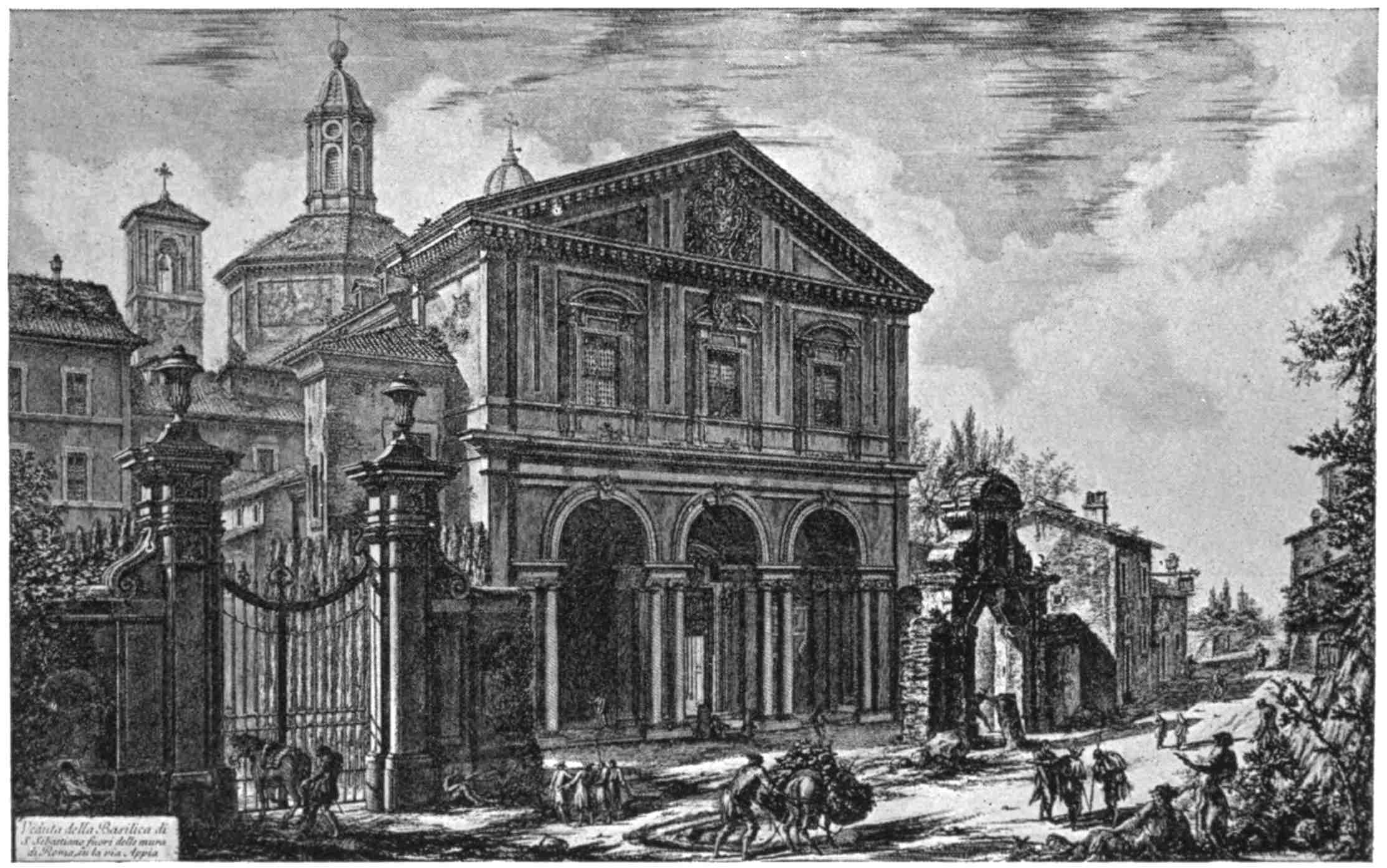
Plate 26: Basilica of S. Sebastian.
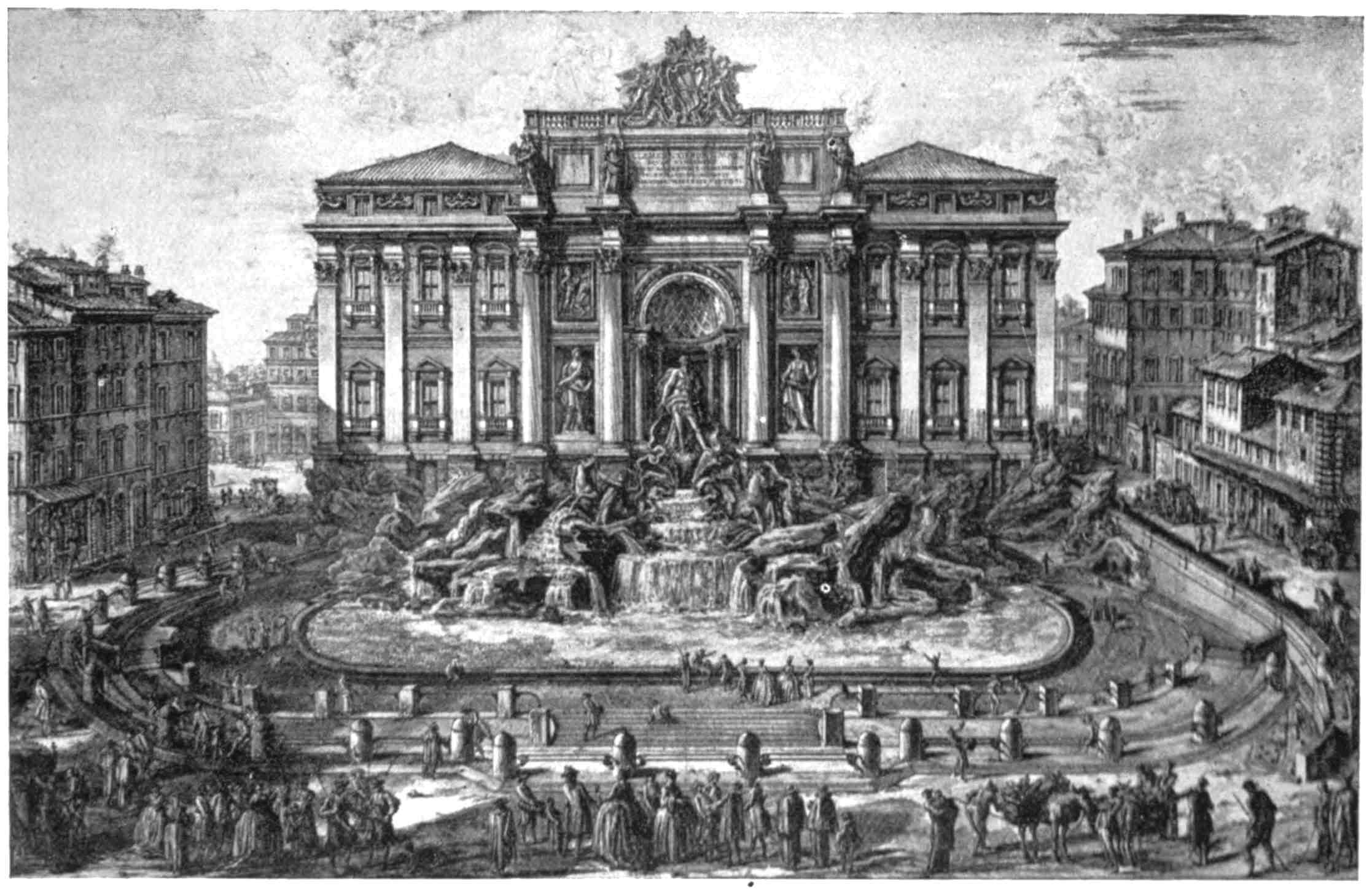
Plate 27: Trevi Fountain.
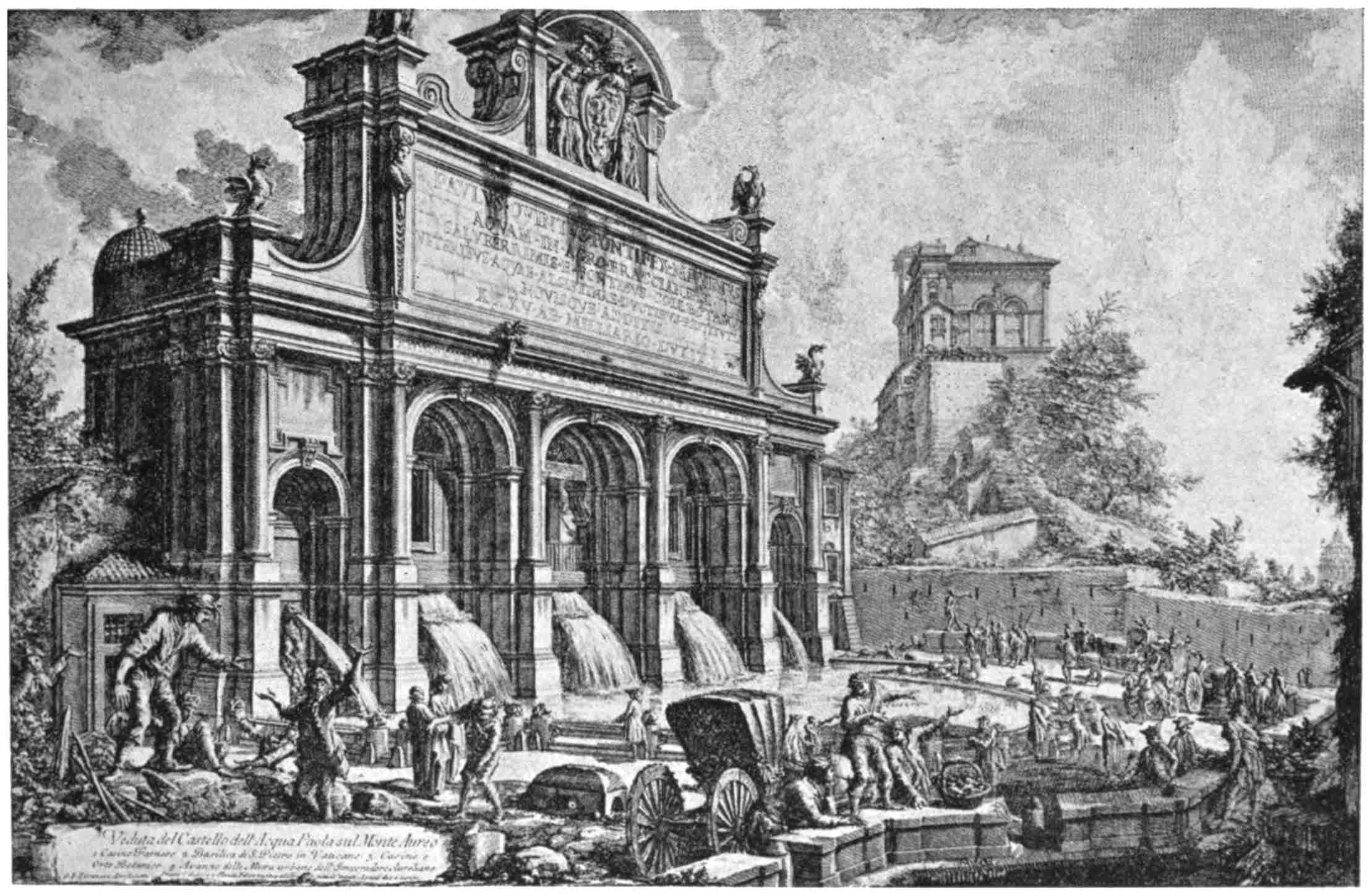
Plate 28: Fountain of Pope Paul V.
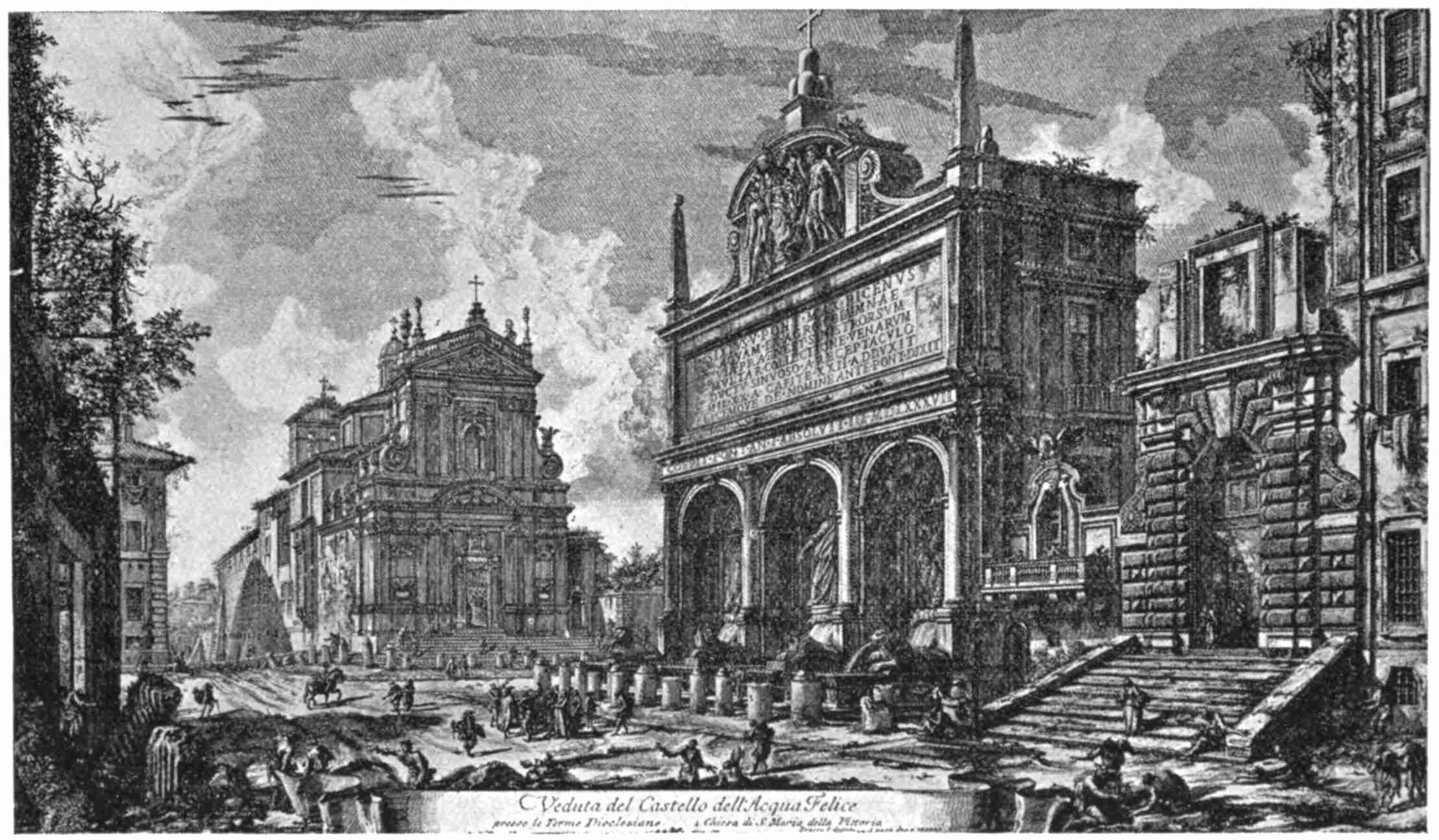
Plate 29: Felice Fountain.
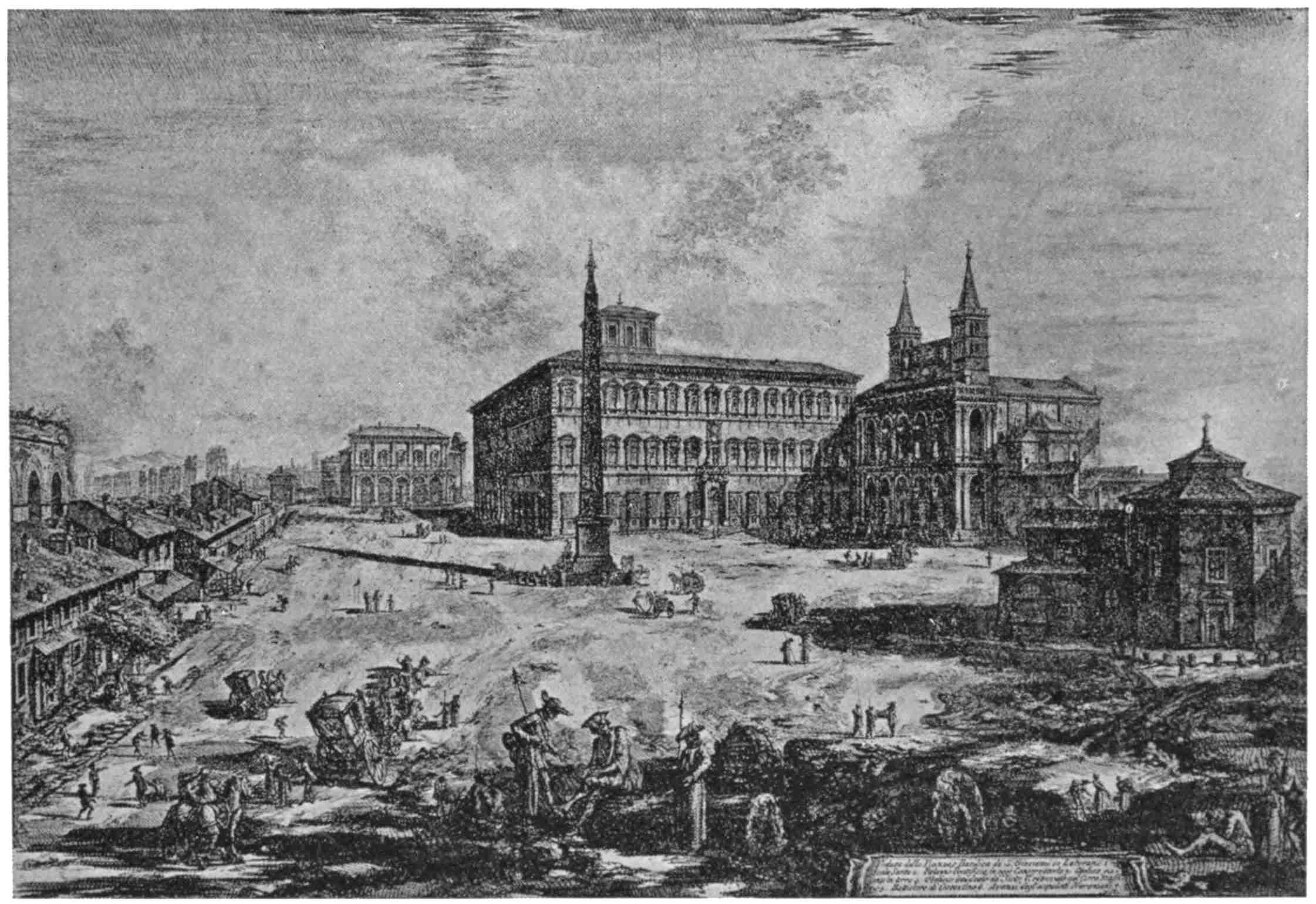
Plate 30: Palazzo Laterano.
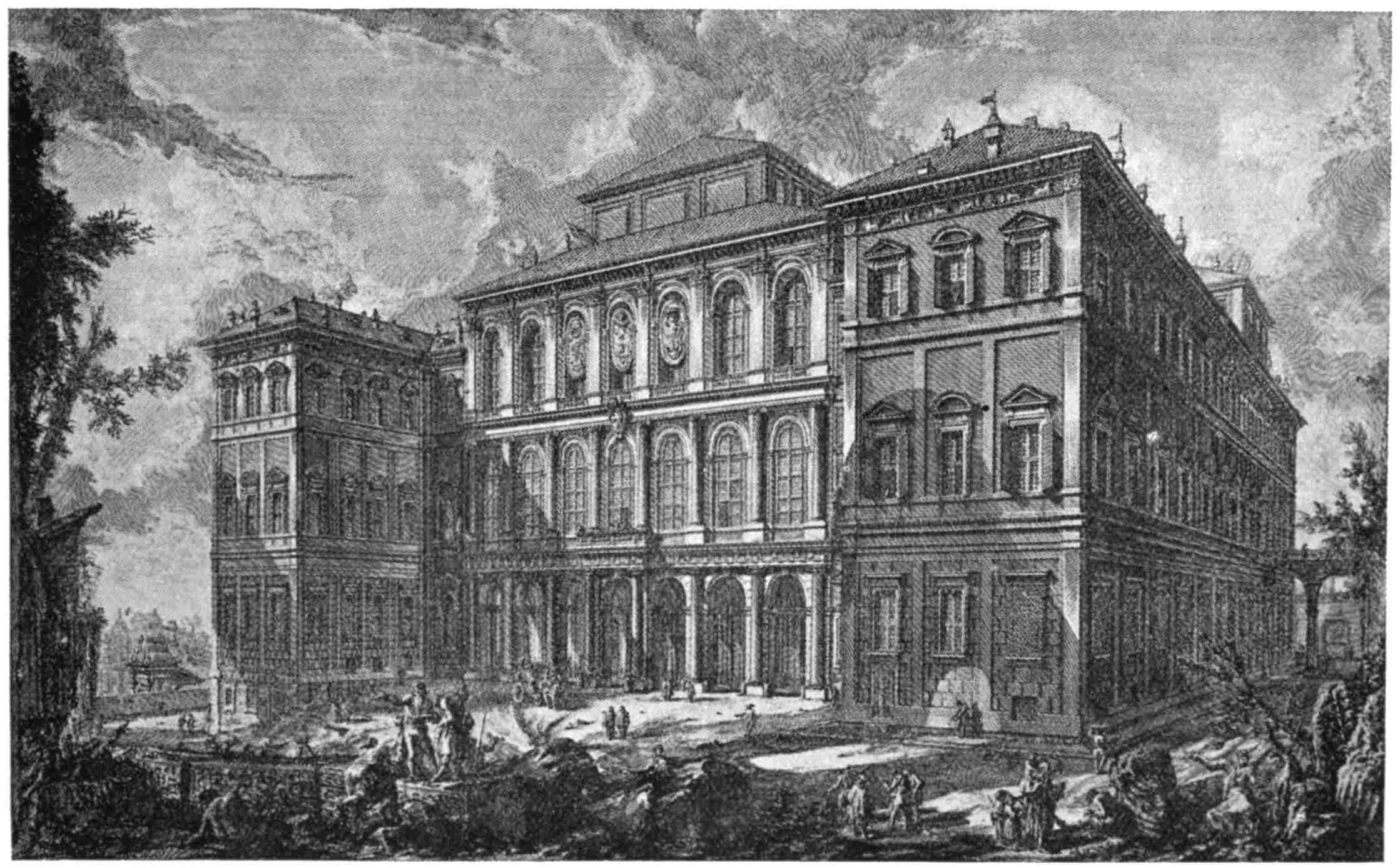
Plate 31: Palazzo Barbarini.
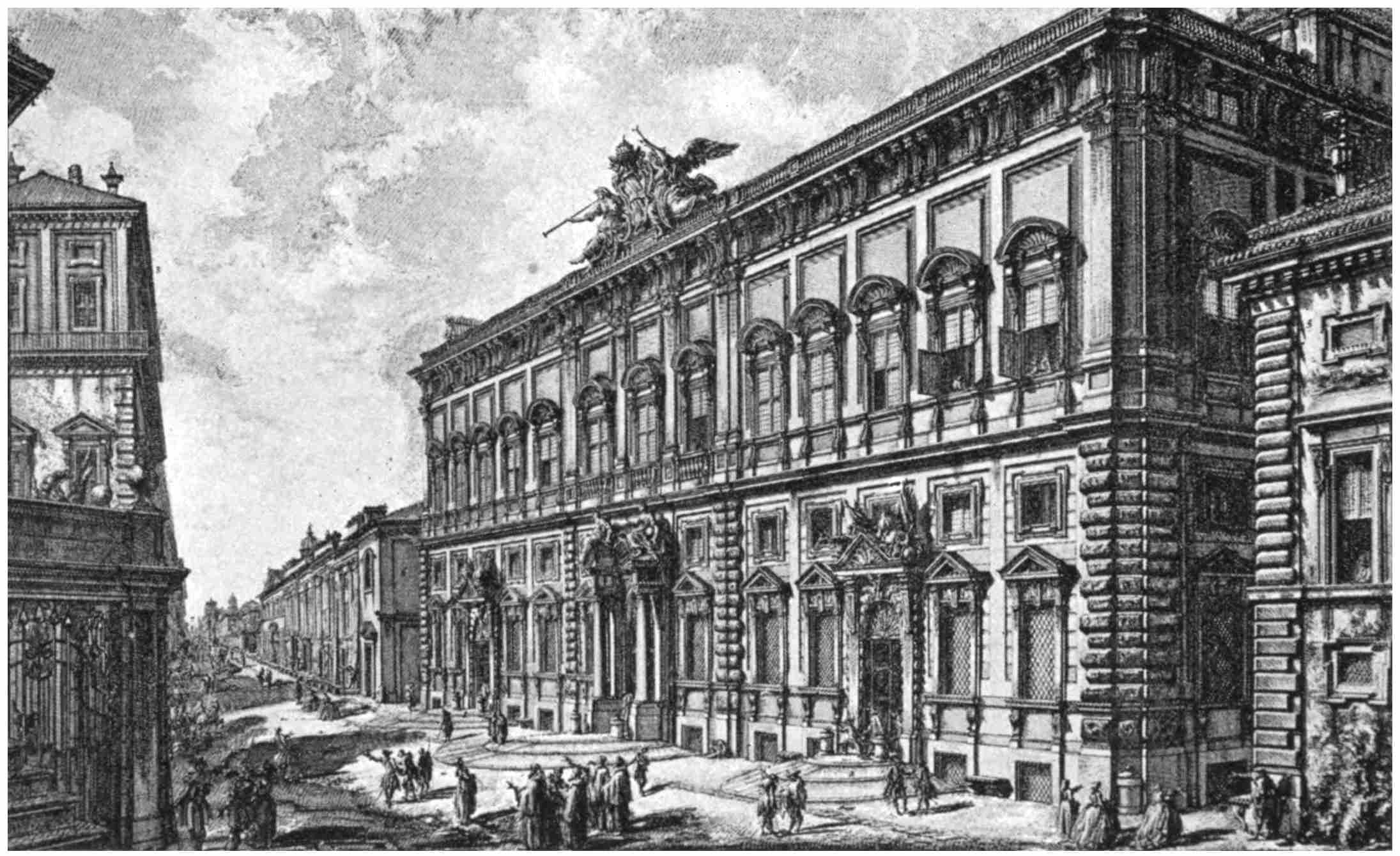
Plate 32: Palazzo Quirinale.
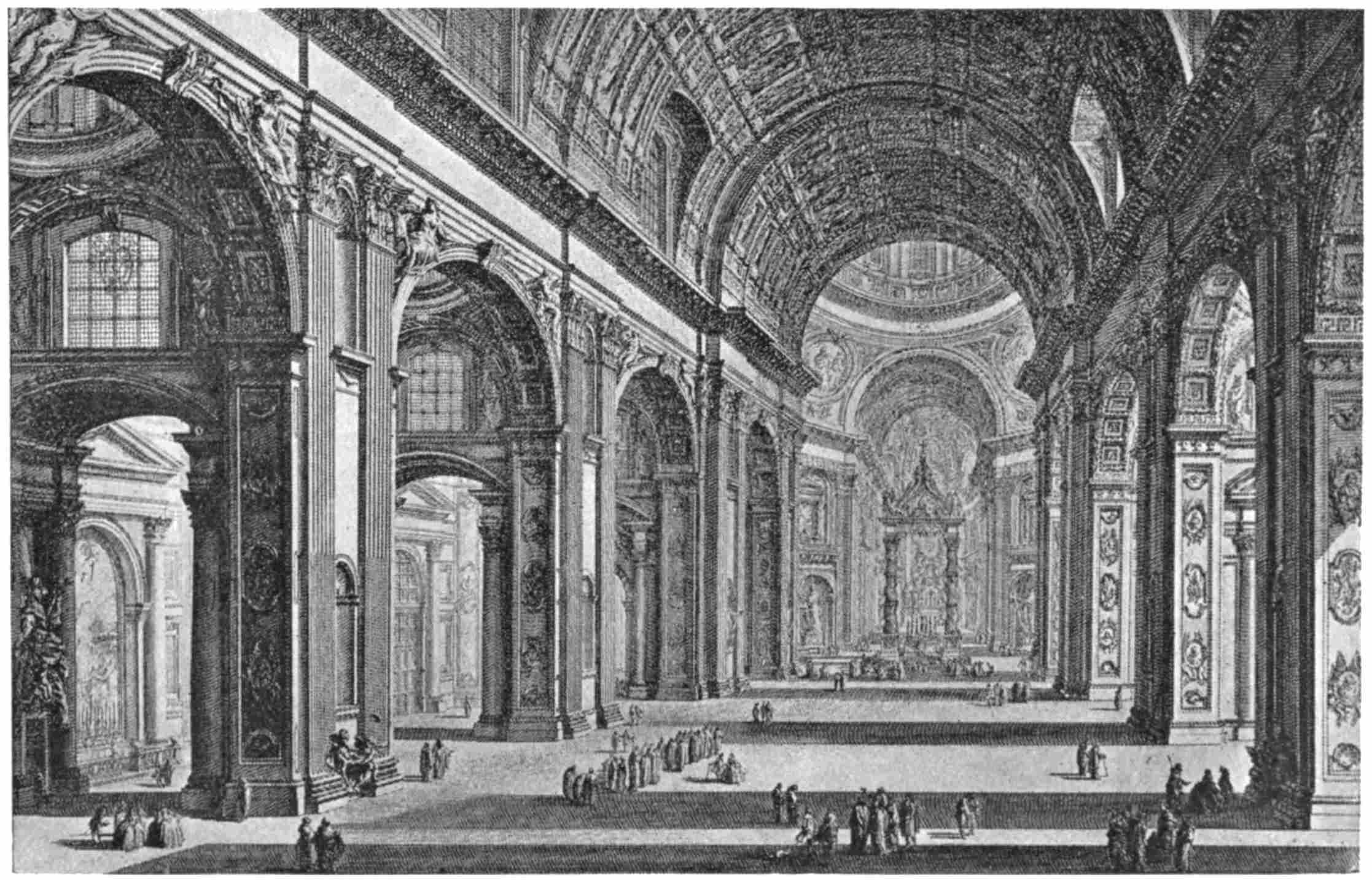
Plate 33: Nave of St. Peter’s.
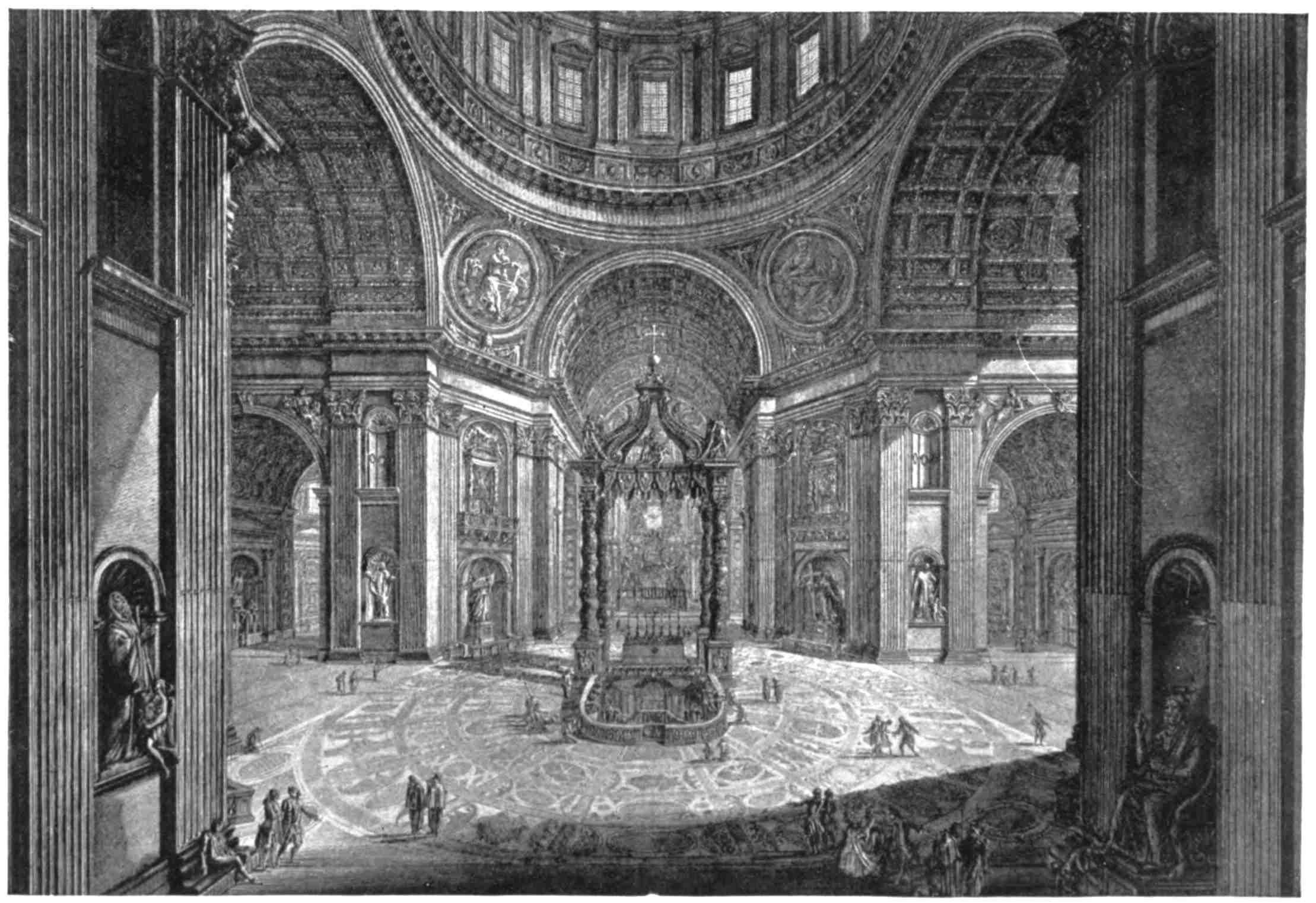
Plate 34: Interior under the dome of St. Peter’s.
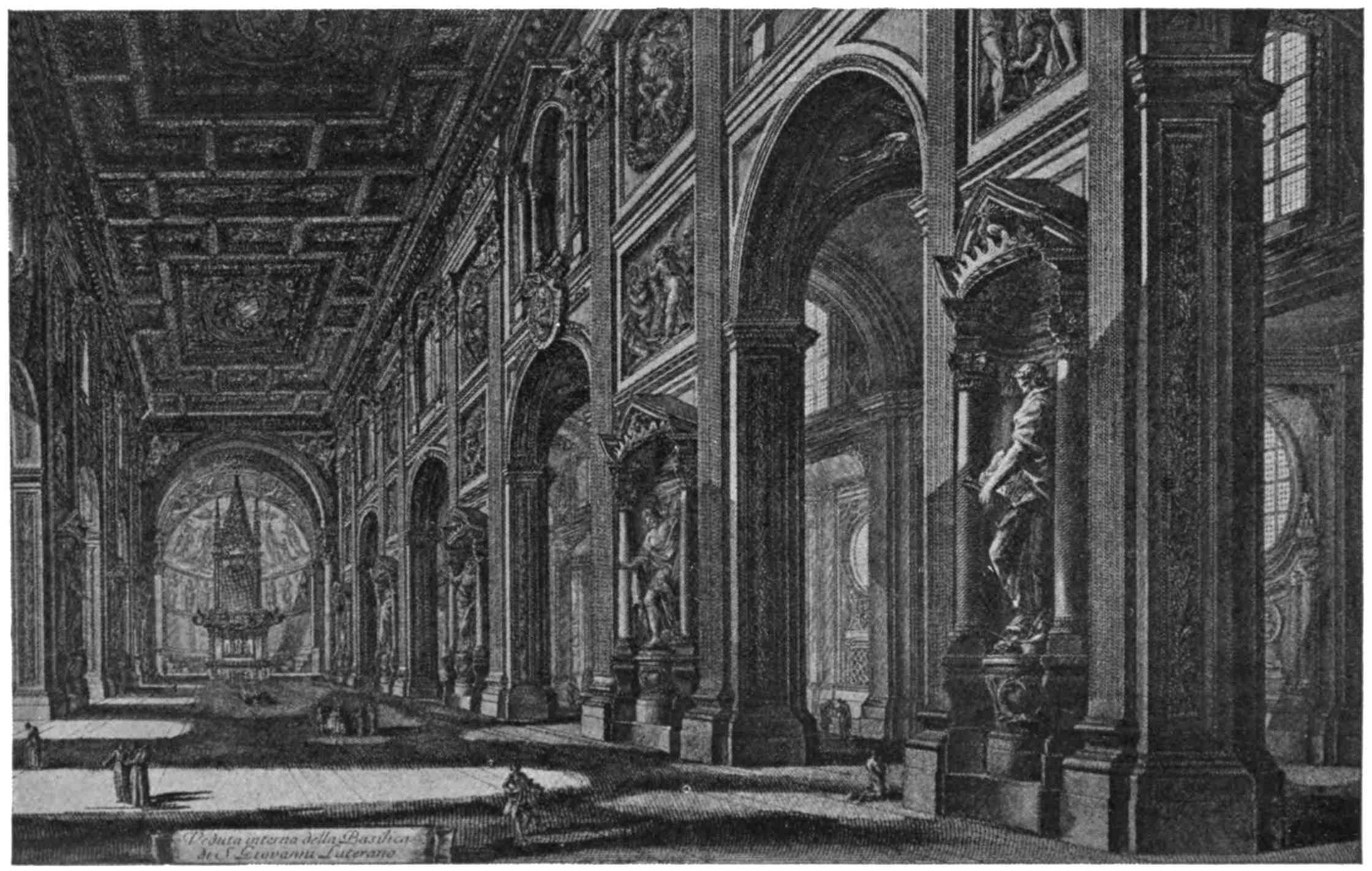
Plate 35: Interior of St. John Lateran.
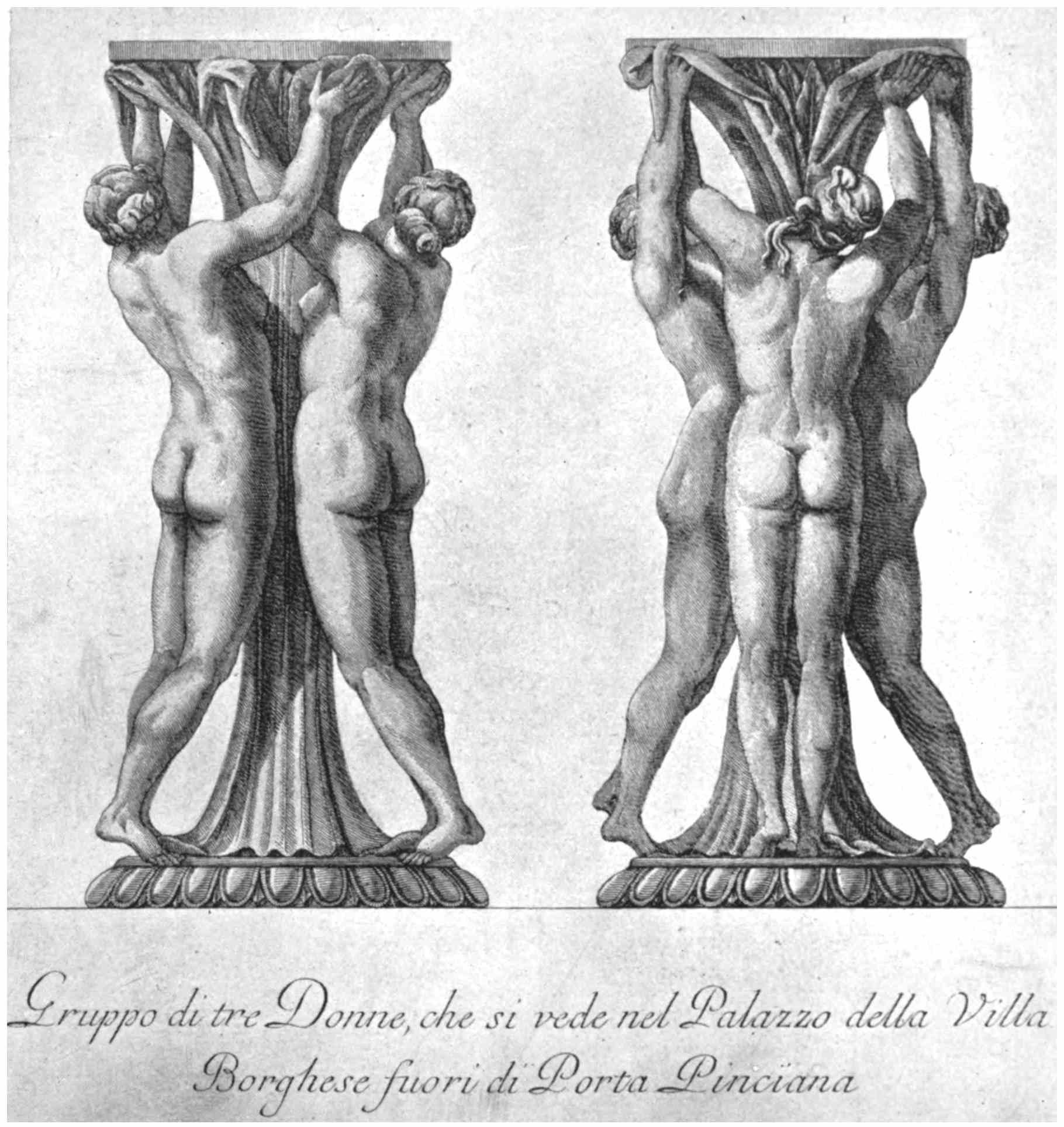
Plate 36: Pedestal from the Borghese Collection.
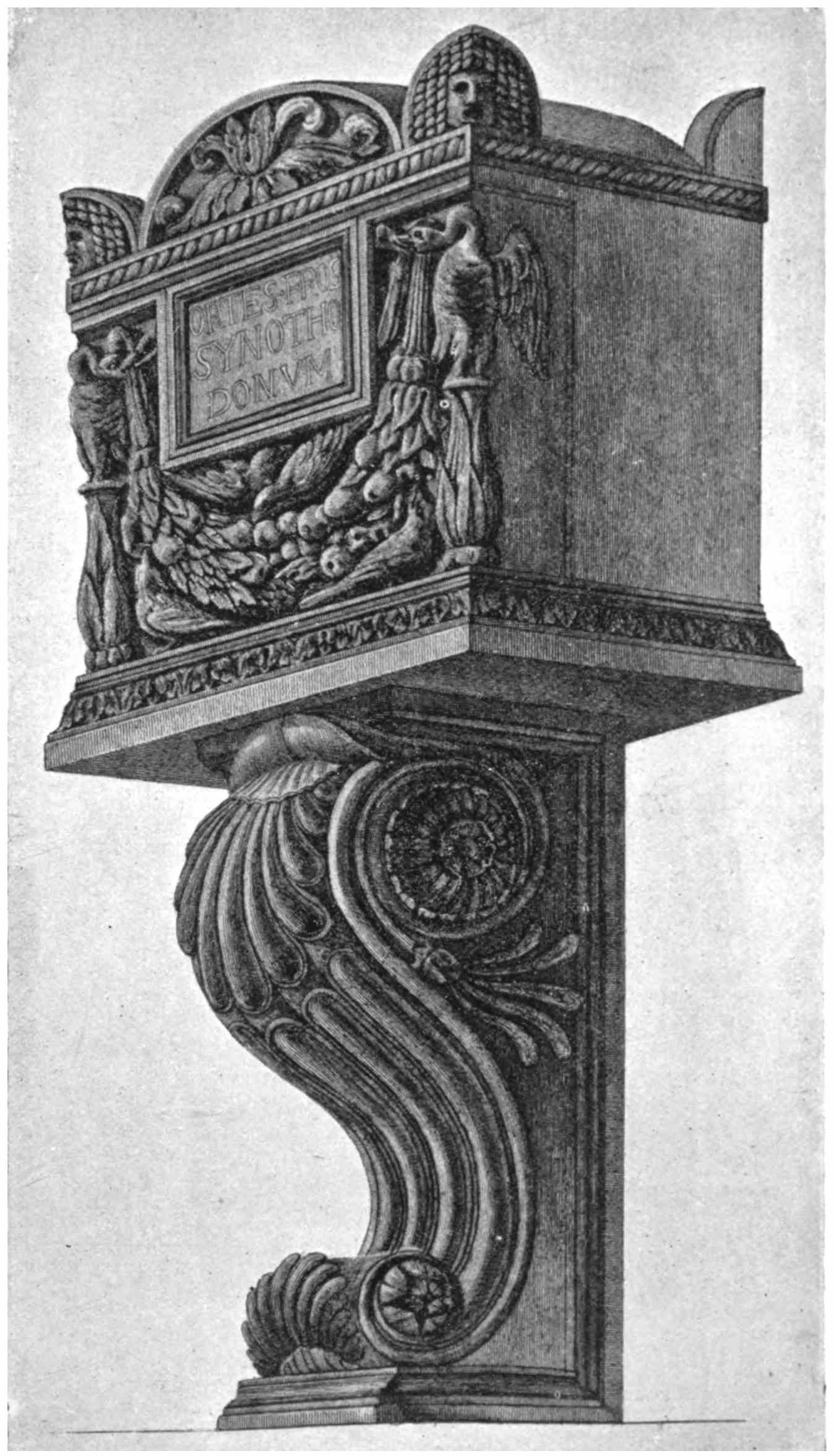
Plate 37: Offertory Box from the “Vasi Candelabri.”
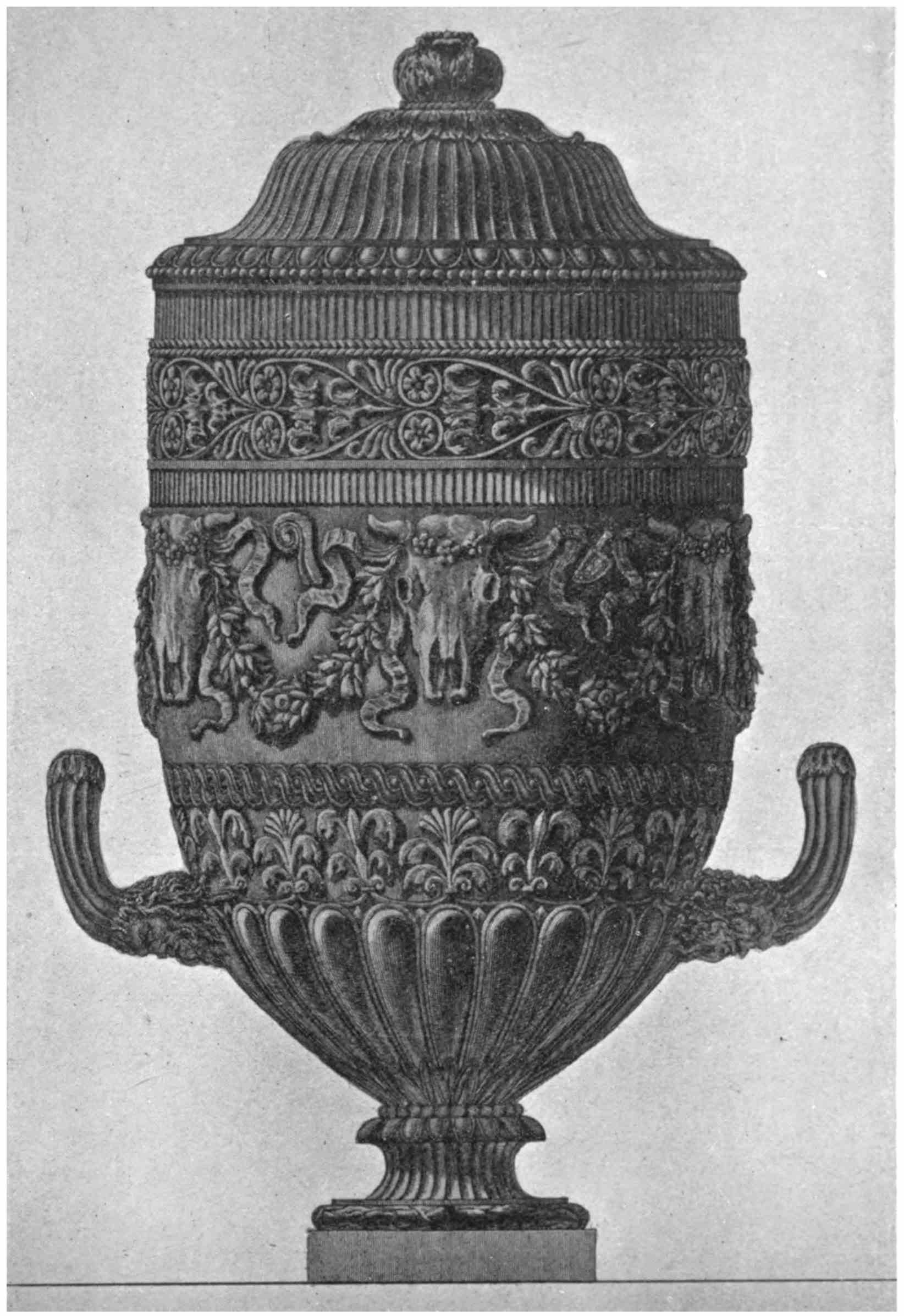
Plate 38: Urn from the “Vasi Candelabri.”
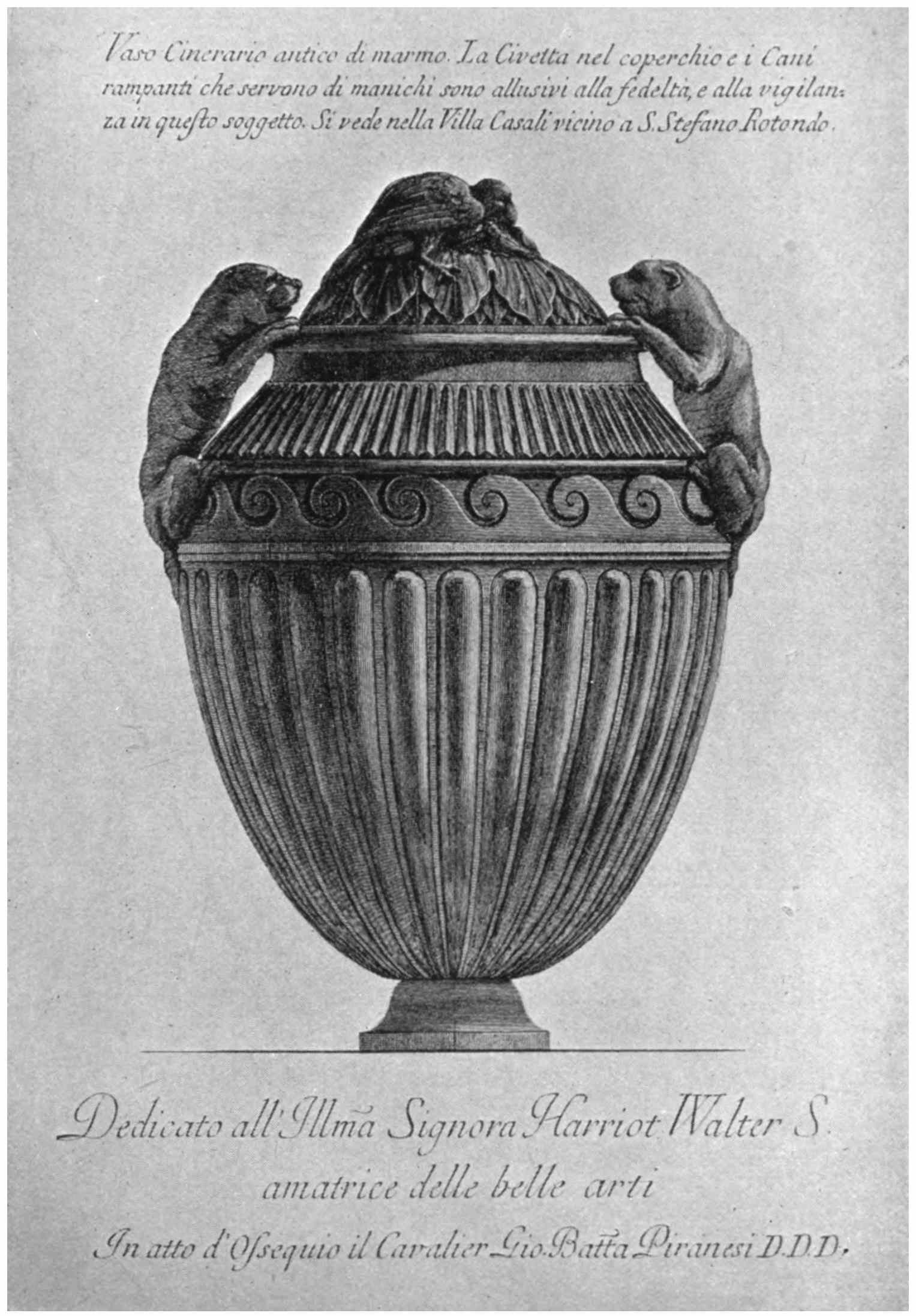
Plate 39: Urn from the “Vasi Candelabri.”
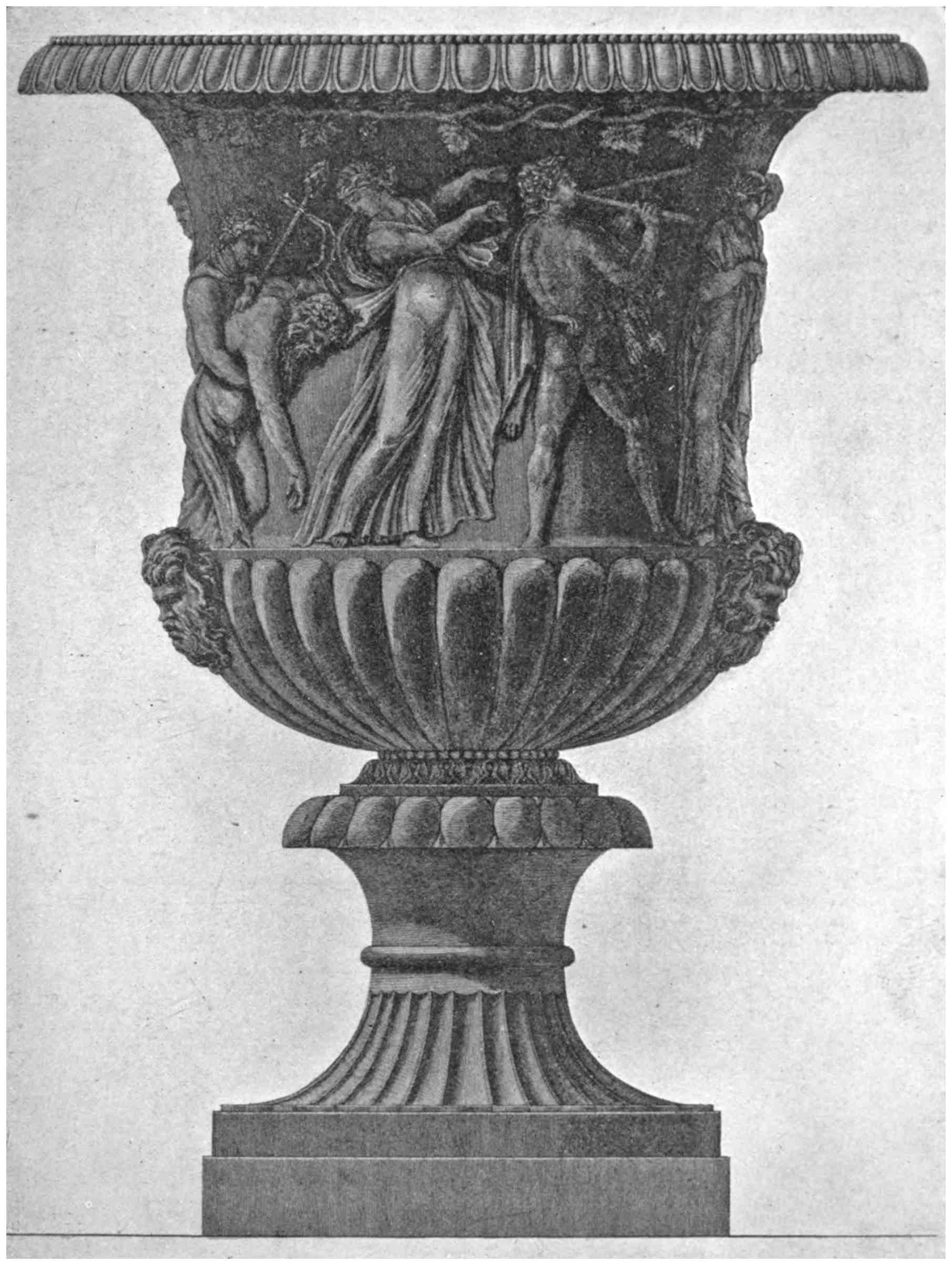
Plate 40: Vase from the “Vasi Candelabri.”
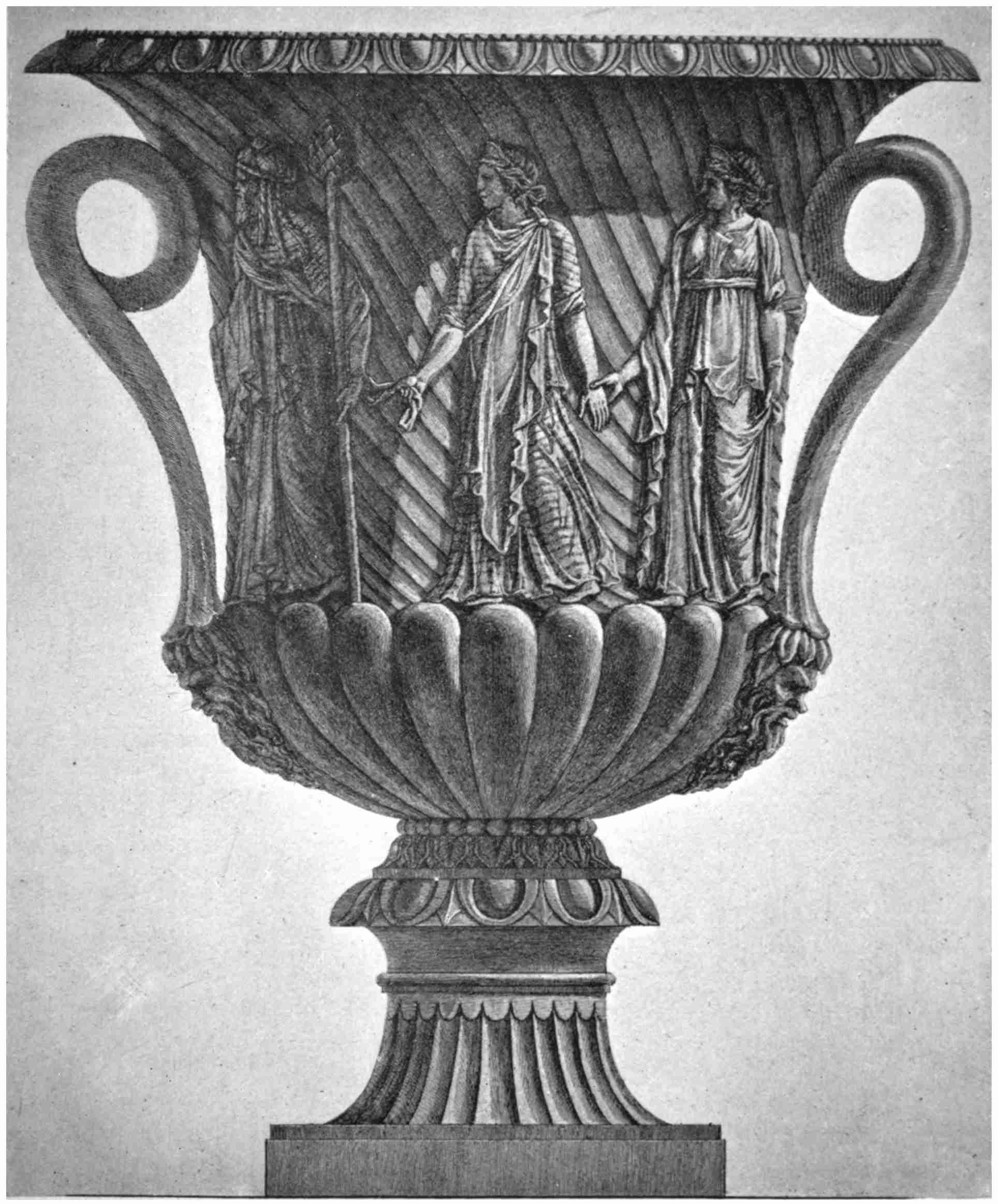
Plate 41: Vase from the “Vasi Candelabri.”
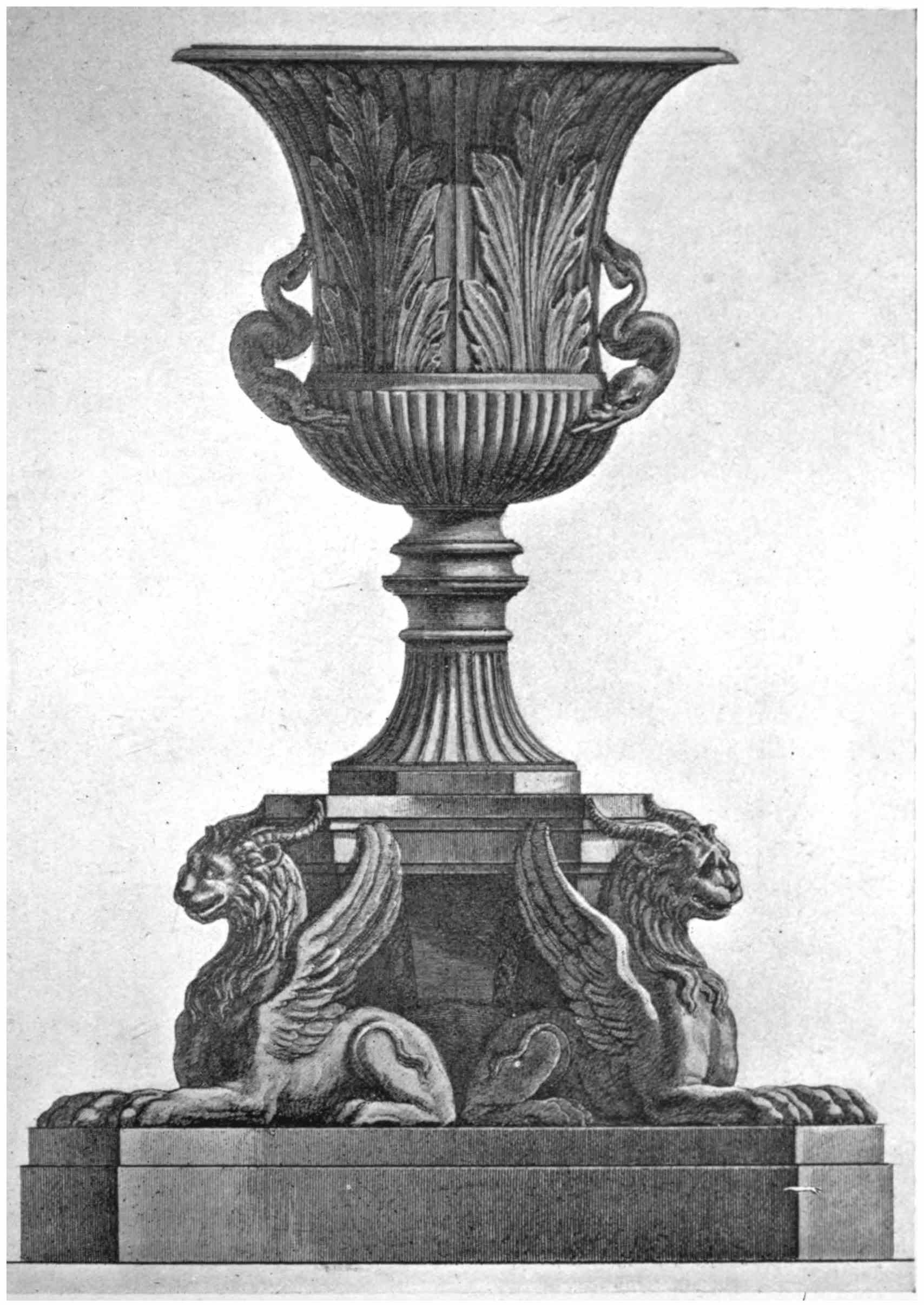
Plate 42: Vase from the “Vasi Candelabri.”
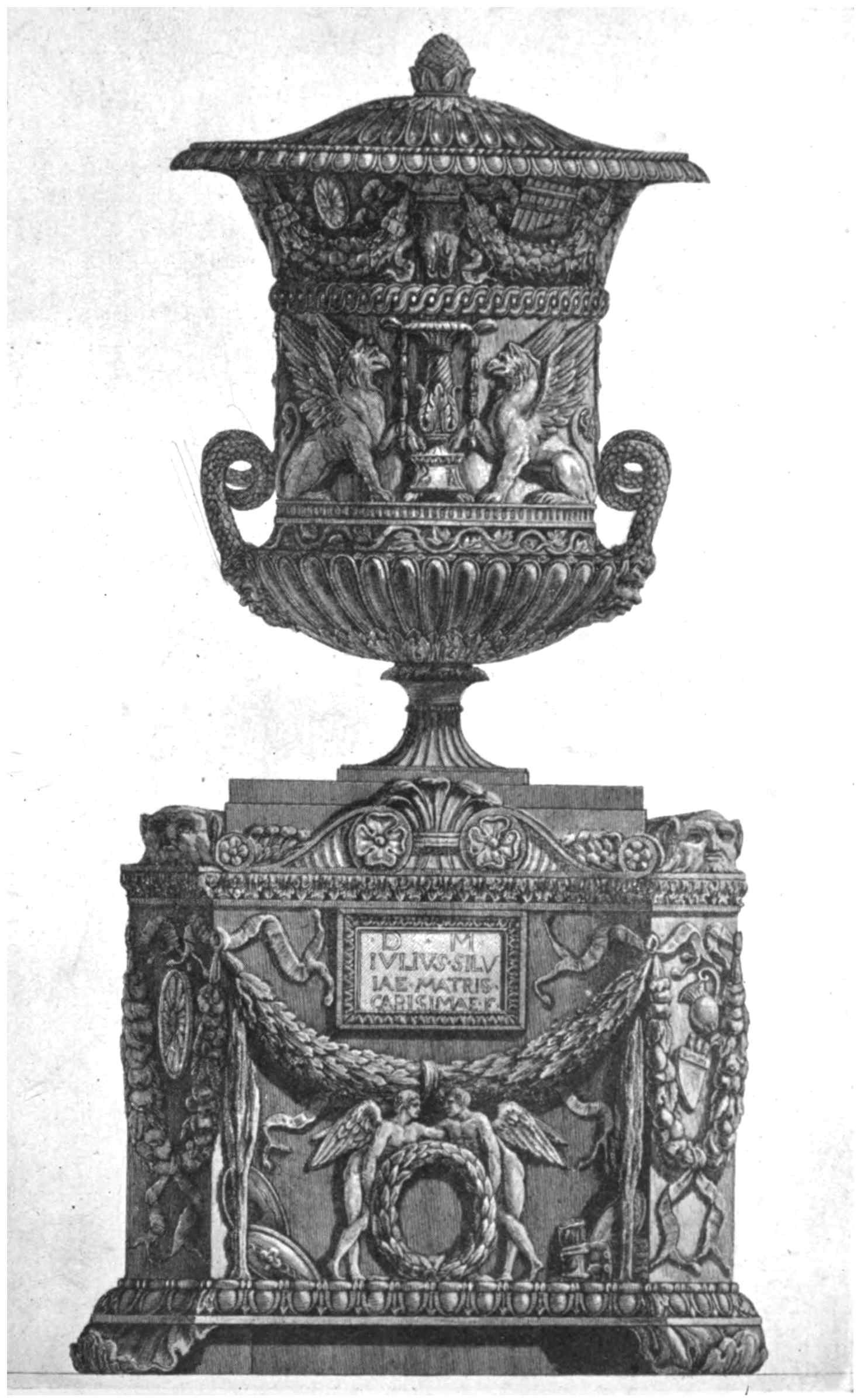
Plate 43: Vase from the “Vasi Candelabri.”
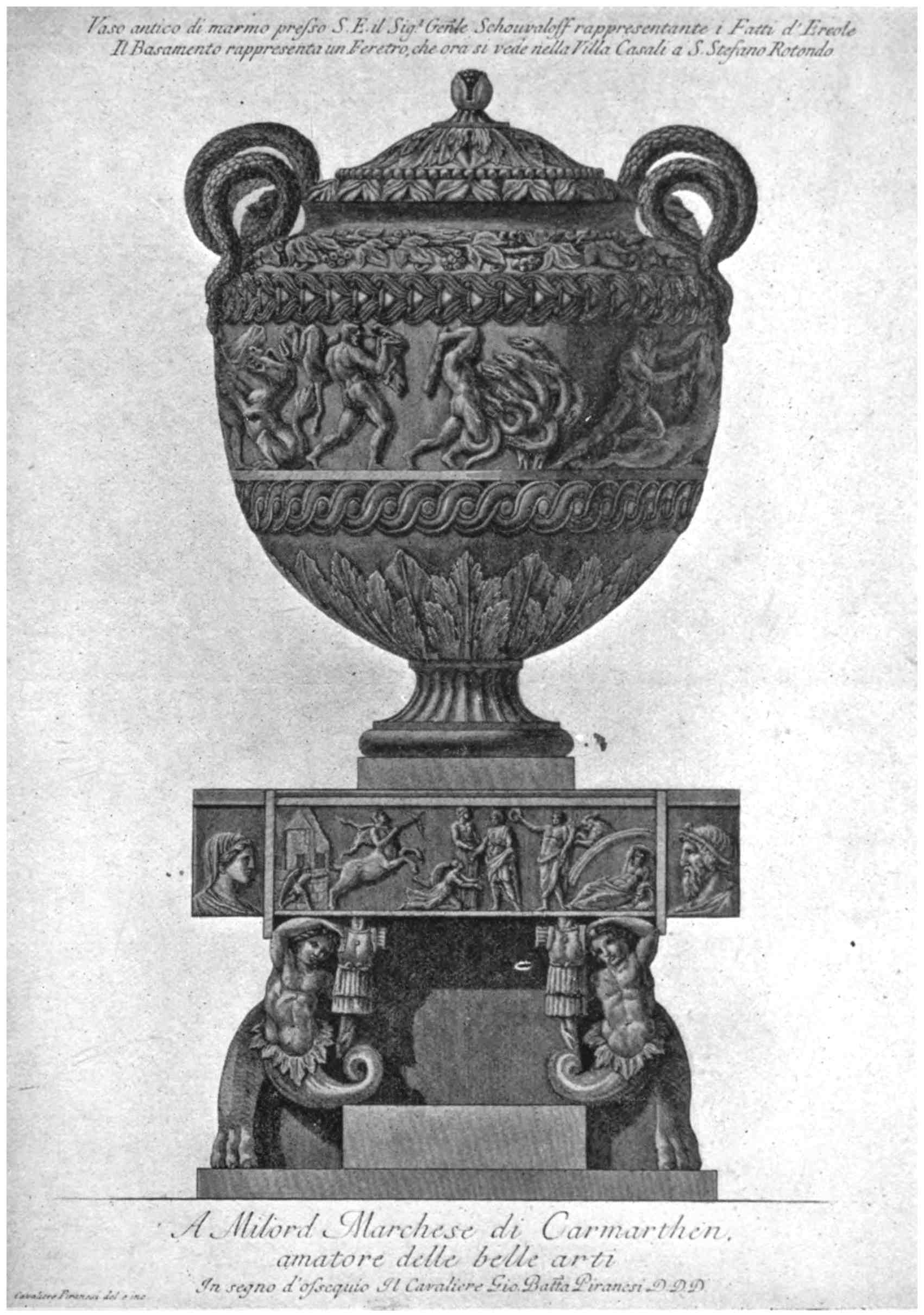
Plate 44: Vase from the “Vasi Candelabri.”
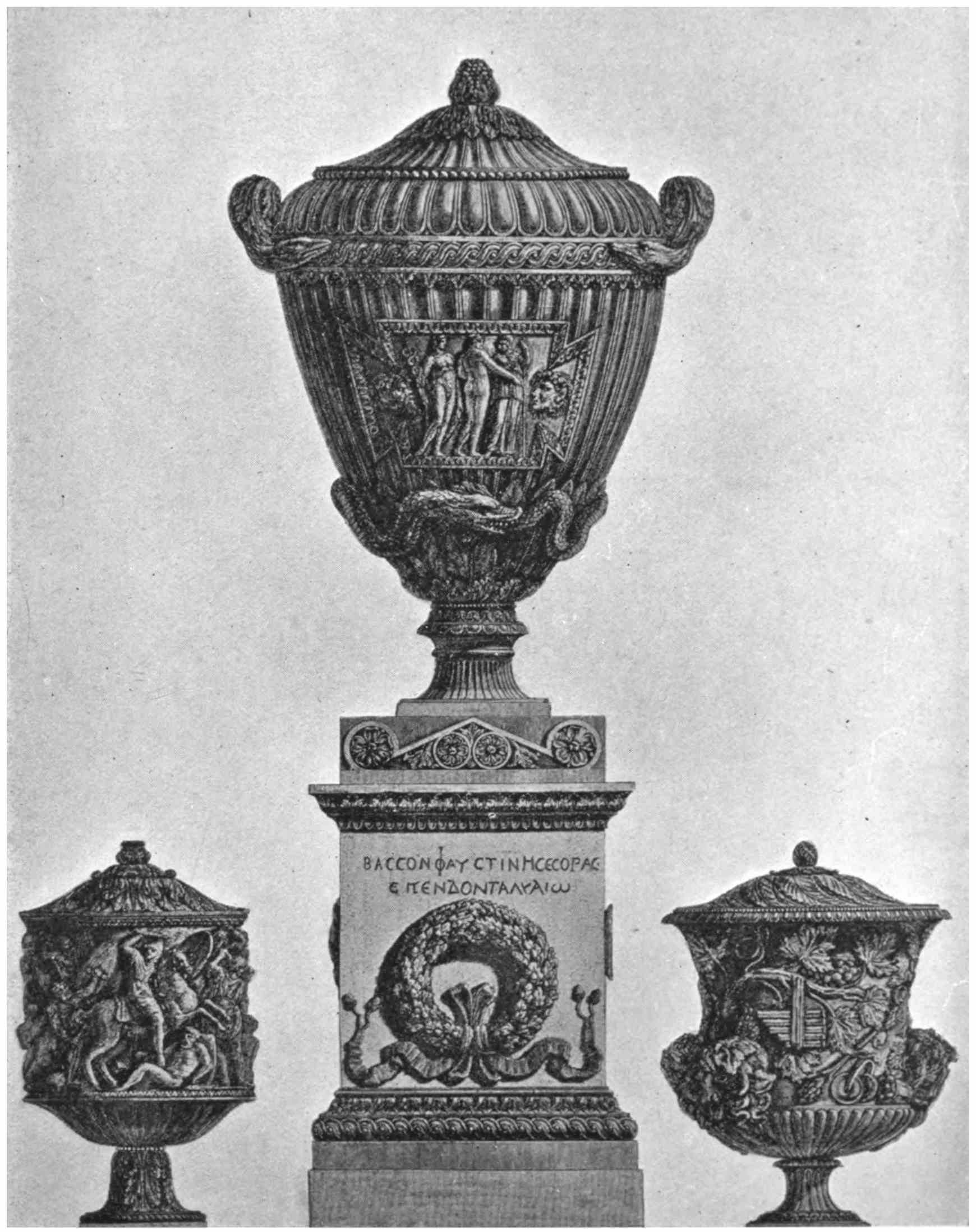
Plate 45: Vases from the “Vasi Candelabri.”
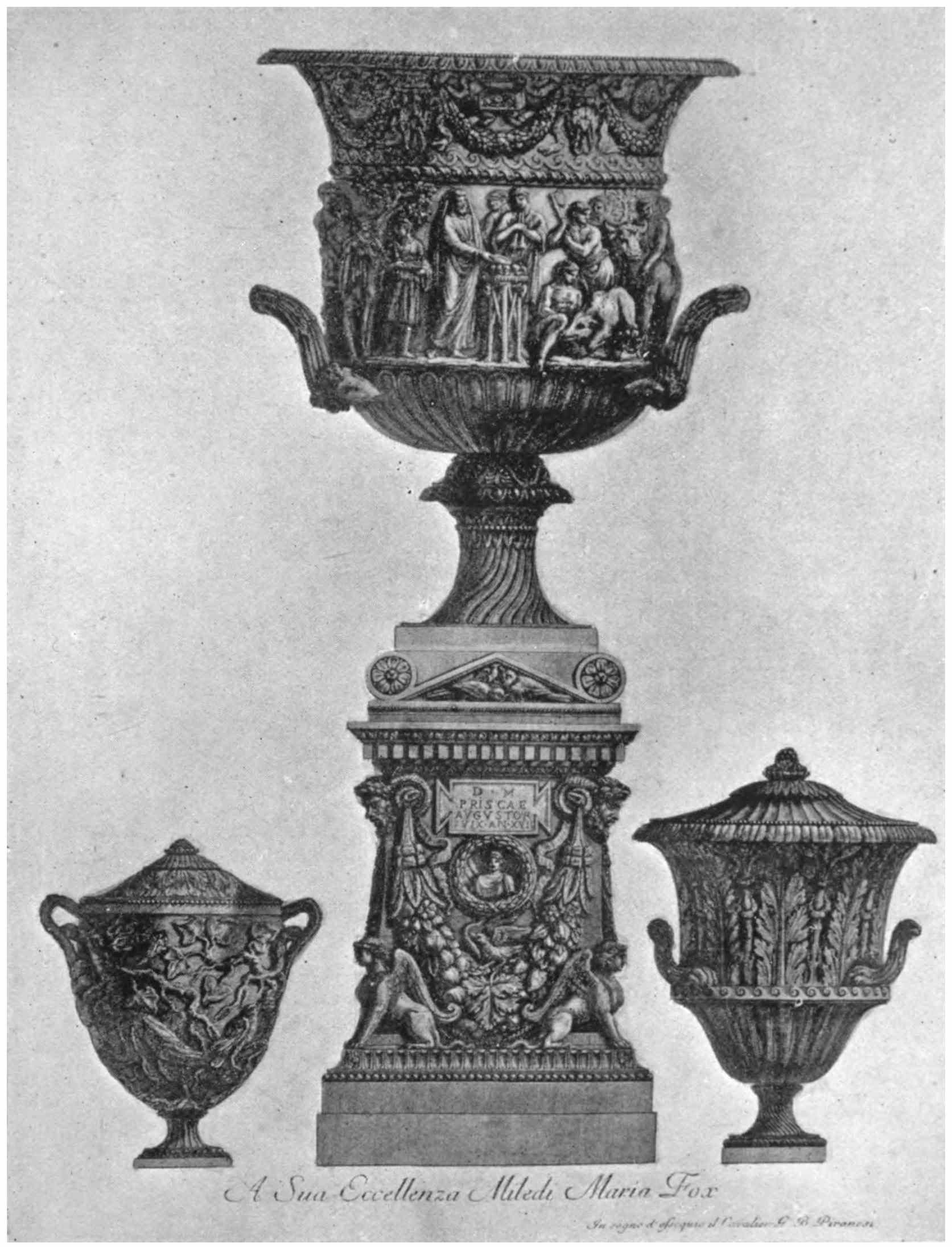
Plate 46: Vases from the “Vasi Candelabri.”
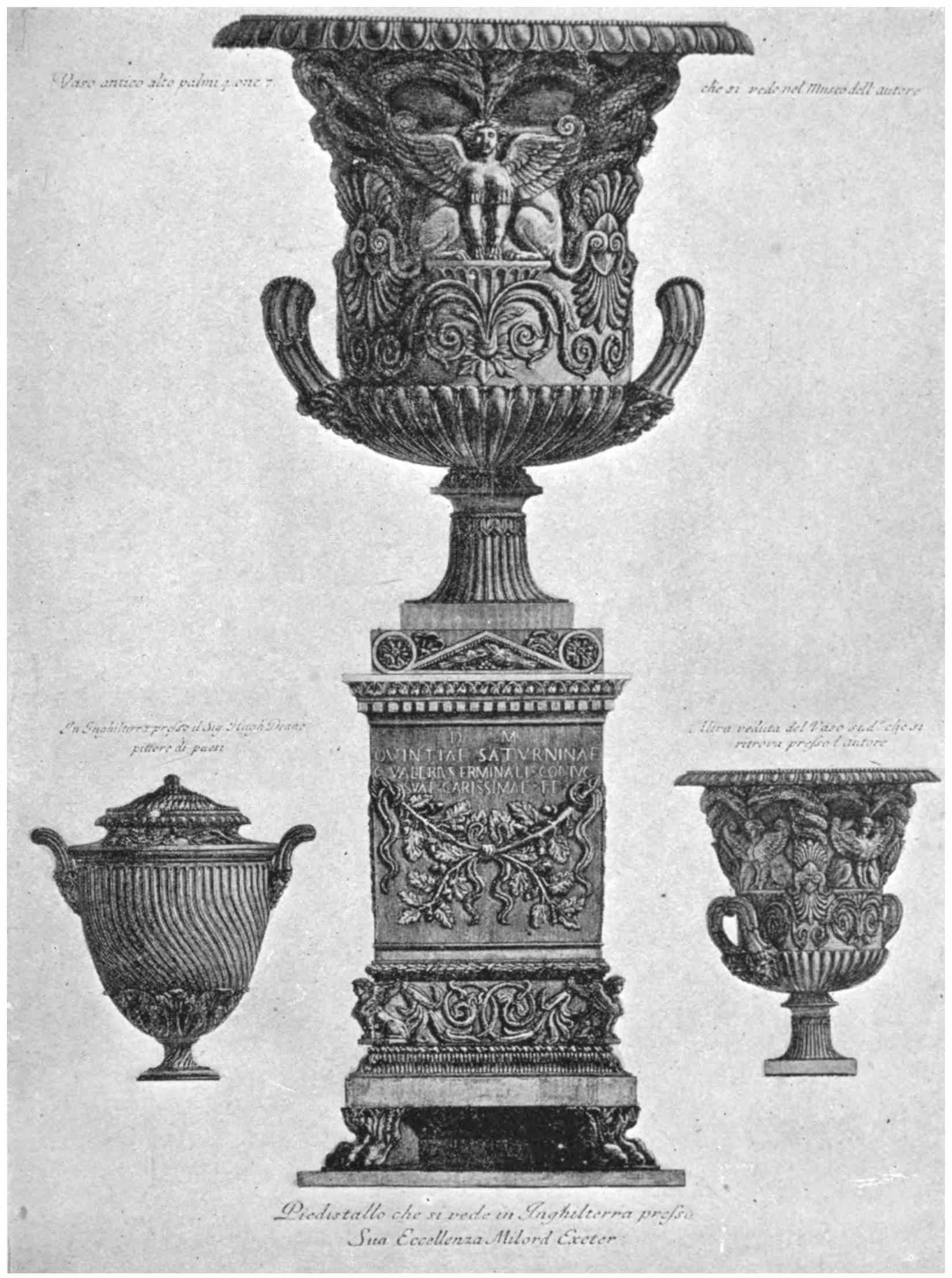
Plate 47: Vases from the “Vasi Candelabri.”
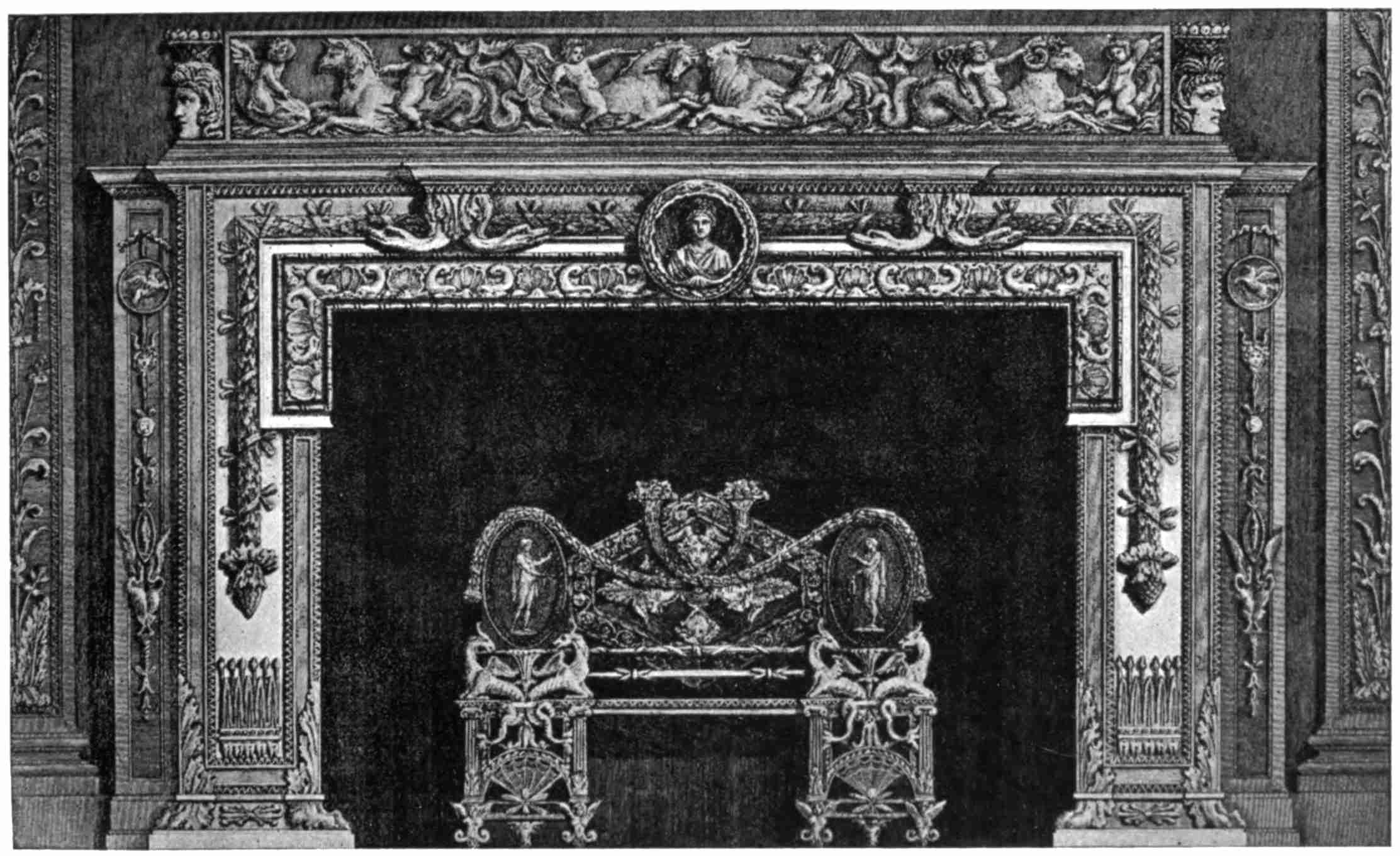
Plate 48: Chimneypiece from the “Diverse Maniere.”
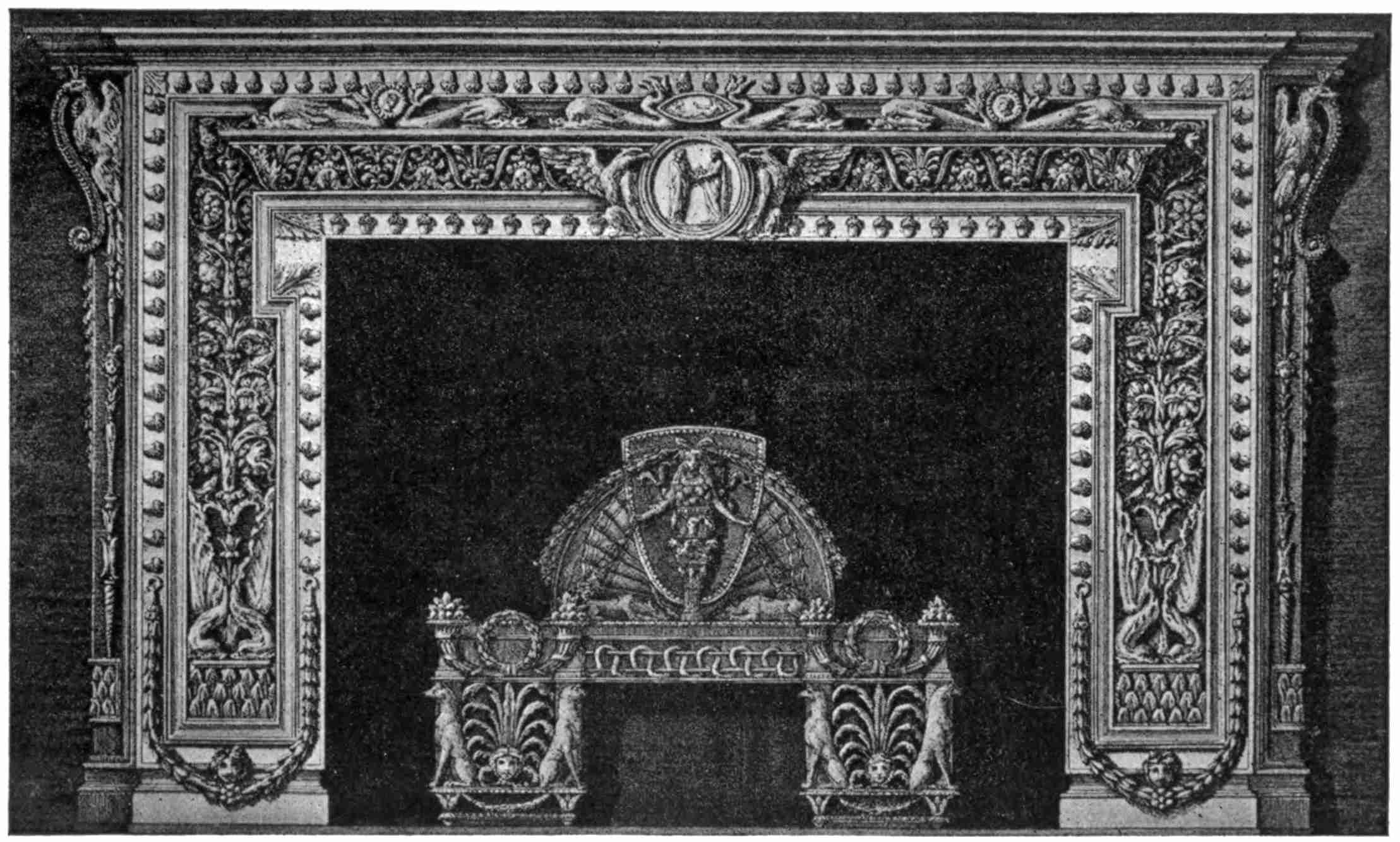
Plate 49: Chimneypiece from the “Diverse Maniere.”
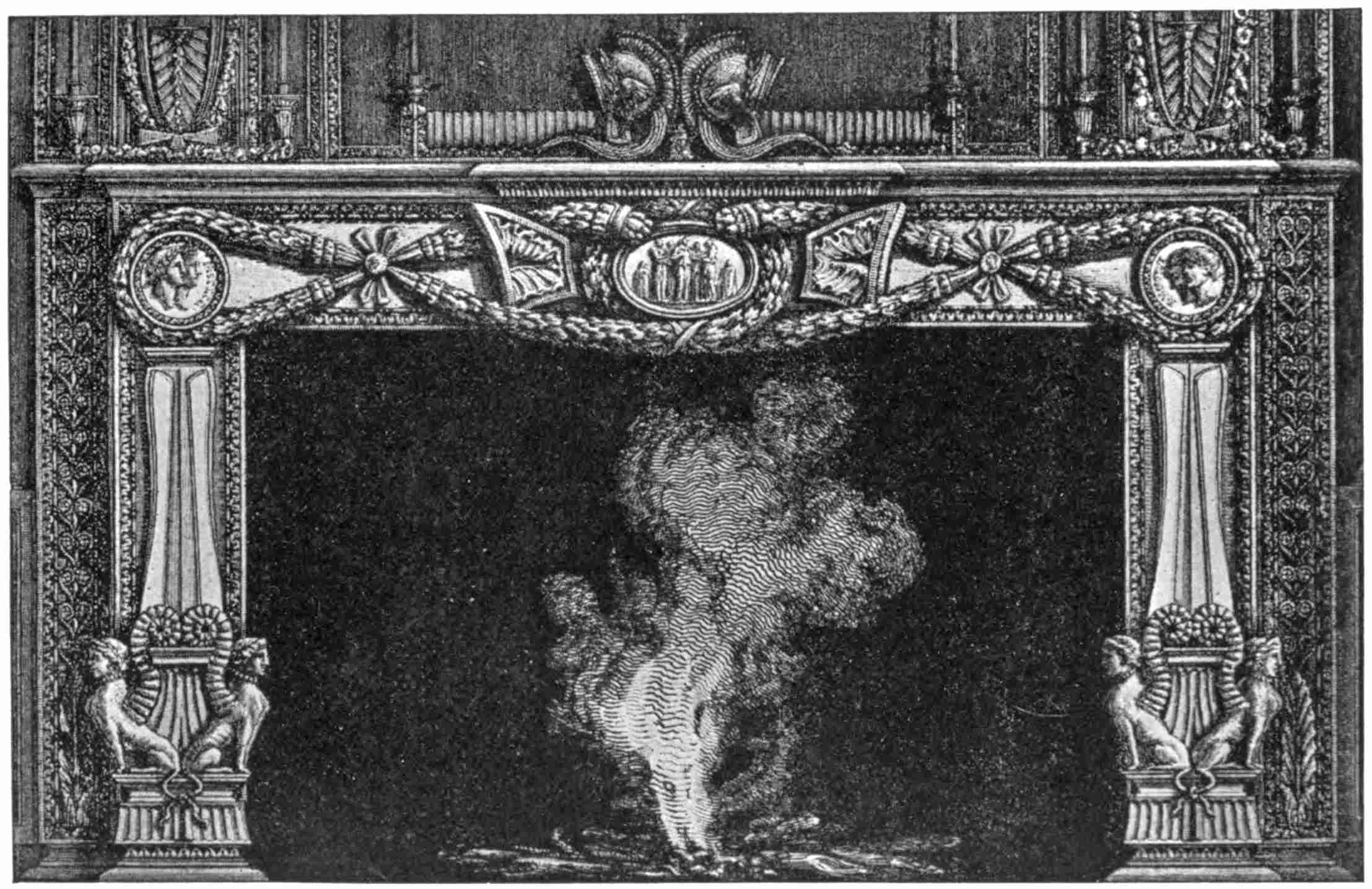
Plate 50: Chimneypiece from the “Diverse Maniere.”
SOME INTERESTING PUBLICATIONS ISSUED BY TECHNICAL JOURNALS, LTD. CAXTON HOUSE, WESTMINSTER, LONDON