Volume 3 — THE DIVERTING HISTORY OF JOHN GILPIN
Reading edition
Original
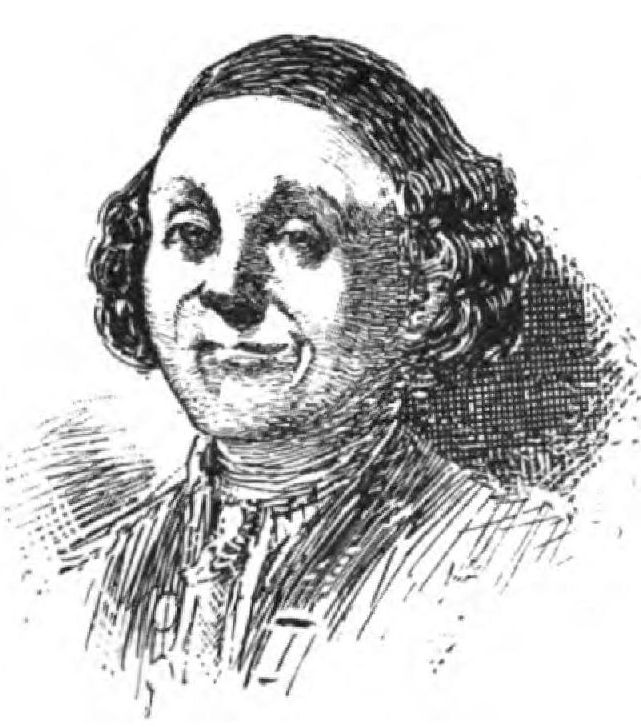
John Gilpin was a citizen
Of credit and renown,
A train-band captain eke was he,
Of famous London town.
John Gilpin's spouse said to her dear,
"Though wedded we have been
These twice ten tedious years, yet we
No holiday have seen.
"To-morrow is our wedding-day,
And we will then repair
Unto the ( Bell at Edmonton,
All in a chaise and pair.
"My sister, and my sister's child,
Myself, and children three,
Will fill the chaise; so you must ride
On horseback after me."
He soon replied, "I do admire
Of womankind but one,
And you are she, my dearest dear,
Therefore it shall be done.
"I am a linen-draper bold,
As all the world doth know,
And my good friend the calender
Will lend his horse to go."
Quoth Mrs Gilpin, "That's well said;
And for that wine is dear,
We will be furnished with our own,
Which is both bright and clear."
John Gilpin kissed his loving wife;
O'erjoyed was he to find,
That though on pleasure she was bent,
She had a frugal mind.
The morning came, the chaise was brought,
But yet was not allowed
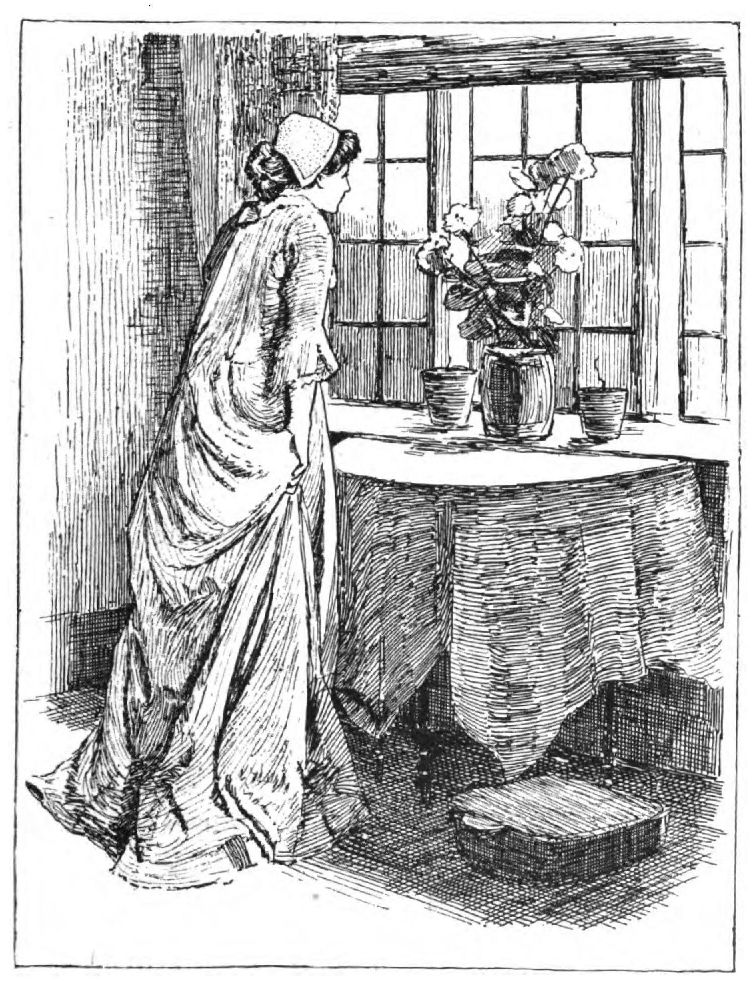
Original
To drive up to the door, lest all
Should say that she was proud.
So three doors off the chaise was stayed,
Where they did all get in;
Six precious souls, and all agog
To dash through thick and thin.
Smack went the whip, round went the wheels,
Were never folks so glad,
The stones did rattle underneath,
As if Cheapside were mad.
John Gilpin at his horse's side
Seized fast the flowing mane,
And up he got, in haste to ride,
But soon came down again;
For saddle-tree scarce reached had he,
His journey to begin,
When, turning round his head, he saw
Three customers come in.
So down he came; for loss of time,
Although it grieved him sore,
Yet loss of pence, full well he knew,
Would trouble him much more.
'Twas long before the customers
Were suited to their mind,
When Betty screaming came downstairs,
"The wine is left behind!"
"Good lack!" quoth he, "yet bring it me,
My leathern belt likewise,
In which I bear my trusty sword
When I do exercise."
Now Mistress Gilpin (careful soul!)
Had two stone bottles found,
To hold the liquor that she loved,
And keep it safe and sound.
Each bottle had a curling ear,
Through which the belt he drew,
And hung a bottle on each side,
To make his balance true.
Then over all, that he might be
Equipped from top to toe,
His long red cloak, well brushed and neat,
He manfully did throw.
Now see him mounted once again
Upon his nimble steed,
Full slowly pacing o'er the stones,
With caution and good heed.
But finding soon a smoother road
Beneath his well-shod feet,
The snorting beast began to trot,
Which galled him in his seat.
So, "Fair and softly!" John he cried,
But John he cried in vain;
That trot became a gallop soon,
In spite of curb and rein.
So stooping down, as needs he must
Who cannot sit upright,
He grasped the mane with both his hands,
And eke with all his might.
His horse, who never in that sort
Had handled been before,
What thing upon his back had got
Did wonder more and more.
Away went Gilpin, neck or nought;
Away went hat and wig;
He little dreamt, when he set out,
Of running such a rig.
The wind did blow, the cloak did fly
Like streamer long and gay,
Till, loop and button failing both,
At last it flew away.
Then might all people well discern
The bottles he had slung;
A bottle swinging at each side,
As hath been said or sung.
The dogs did bark, the children screamed,
Up flew the windows all;
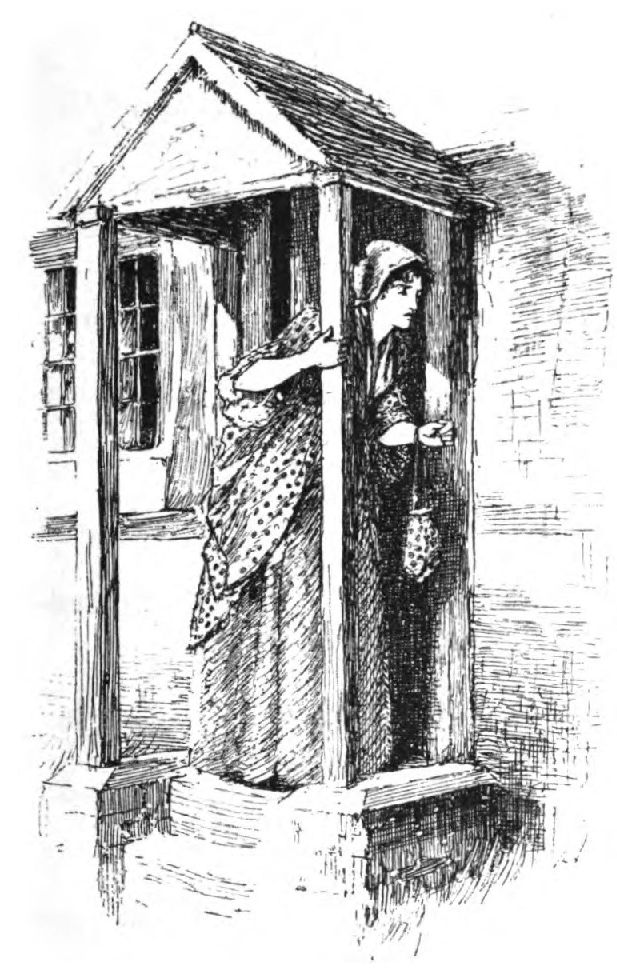
Original
And every soul cried out, "Well done!
As loud as he could bawl.
Away went Gilpin—who but he?
His fame soon spread around;
"He carries weight! he rides a race!
'Tis for a thousand pound!"
And still as fast as he drew near,
'Twas wonderful to view,
How in a trice the turnpike-men
Their gates wide open threw.
And now, as he went bowing down
His reeking head full low,
The bottles twain behind his back
Were shattered at a blow.
Down ran the wine into the road,
Most piteous to be seen,
Which made the horse's flanks to smoke
As they had basted been.
But still he seemed to carry weight,
With leathern girdle braced;
For all might see the bottle-necks
Still dangling at his waist.
Thus all through merry Islington
These gambols he did play,
Until he came unto the Wash
Of Edmonton so gay;
And there he threw the Wash about
On both sides of the way,
Just like unto a trundling mop,
Or a wild goose at play.
At Edmonton his loving wife
From the balcony spied
Her tender husband, wondering much
To see how he did ride.
"Stop, stop, John Gilpin!—Here's the house!"
They all at once did cry;
"The dinner waits, and we are tired;"
Said Gilpin—"So am I!"
But yet his horse was not a whit
Inclined to tarry there!
For why?—his owner had a house
Full ten miles off, at Ware.
So like an arrow swift he flew,
Shot by an archer strong;
So did he fly—which brings me to
The middle of my song.
Away went Gilpin, out of breath,
And sore against his will,
Till at his friend the calender's
His horse at last stood still.
The calender, amazed to see
His neighbour in such trim,
Laid down his pipe, flew to the gate,
And thus accosted him:
Original
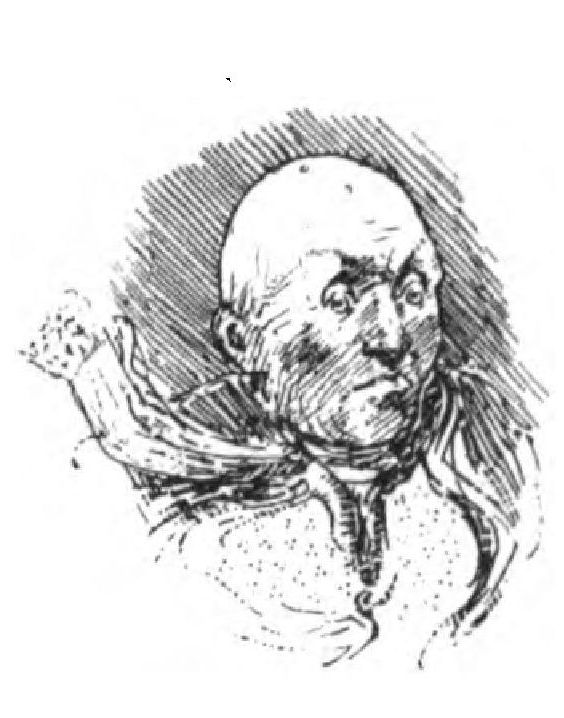
"What news? what news? your tidings tell;
Tell me you must and shall—
Say why bareheaded you are come,
Or why you come at all?"
Now Gilpin had a pleasant wit,
And loved a timely joke;
And thus unto the calender
In merry guise he spoke:
"I came because your horse would come:
And, if I well forebode,
My hat and wig will soon be here,
They are upon the road."
The calender, right glad to find
His friend in merry pin,
Returned him not a single word,
But to the house went in;
Whence straight he came with hat and wig,
A wig that flowed behind,
A hat not much the worse for wear,
Each comely in his kind.
He held them up, and in his turn
Thus showed his ready wit:
"My head is twice as big as yours,
They therefore needs must fit."
"But let me scrape the dirt away,
That hangs upon your face;
And stop and eat, for well you may
Be in a hungry case."
Said John, "It is my wedding-day,
And all the world would stare
If wife should dine at Edmonton,
And I should dine at Ware."
So turning to his horse, he said,
"I am in haste to dine;
'Twas for your pleasure you came here,
You shall go back for mine."
Ah! luckless speech, and bootless boast!
For which he paid full dear;
For while he spake, a braying ass
Did sing most loud and clear;
Whereat his horse did snort, as he
Had heard a lion roar,
And galloped off with all his might,
As he had done before
Away went Gilpin, and away
Went Gilpin's hat and wig;
He lost them sooner than at first,
For why?—they were too big.
Now Mistress Gilpin, when she saw
Her husband posting down
Into the country far away,
She pulled out half-a-crown;
And thus unto the youth she said
That drove them to the "Bell,"
"This shall be yours when you bring back
My husband safe and well."
The youth did ride, and soon did meet
John coming back amain;
Whom in a trice he tried to stop,
By catching at his rein.
But not performing what he meant,
And gladly would have done,
The frighted steed he frighted more,
And made him faster run.
Away went Gilpin, and away
Went postboy at his heels,
The postboy's horse right glad to miss
The lumbering of the wheels.
Six gentlemen upon the road,
Thus seeing Gilpin fly,
With postboy scampering in the rear,
They raised the hue and cry:
"Stop thief! stop thief!—a highwayman!"
Not one of them was mute;
And all and each that passed that way
Did join in the pursuit.
And now the turnpike-gates again
Flew open in short space;
The toll-men thinking, as before,
That Gilpin rode a race.
And so he did, and won it too,
For he got first to town;
Nor stopped till where he had got up,
He did again get down.
Now let us sing, Long live the King,
And Gilpin, long live he!
And when he next doth ride abroad,
May I be there to see!
——W. Cowper.
Original
FAIR ELEANOR
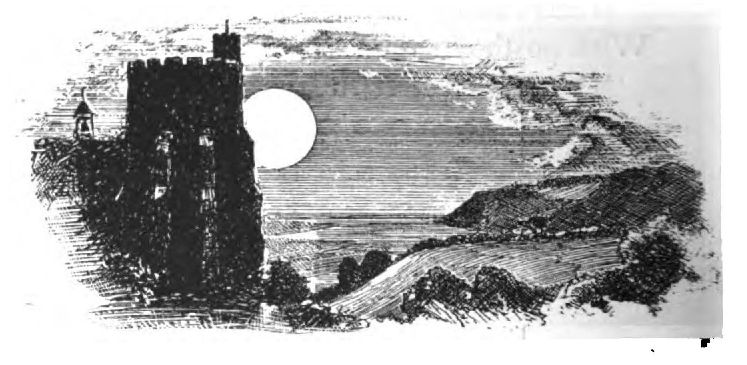
The bell struck one, and shook the silent tower;
The graves give up their dead: fair Eleanor
Walked by the castle gate, and looked in;
A hollow groan ran through the dreary vaults.
She shrieked aloud, and sunk upon the steps,
On the cold stone her pale cheek. Sickly smells
Of death issue as from a sepulchre.
And all is silent but the sighing vaults.
Chill death withdraws his hand, and she revives;
Amazed she finds herself upon her feet,
And, like a ghost, through narrow passages
Walking, feeling the cold walls with her hands.
Fancy returns, and now she thinks of bones
And grinning skulls, and corruptible death
Original
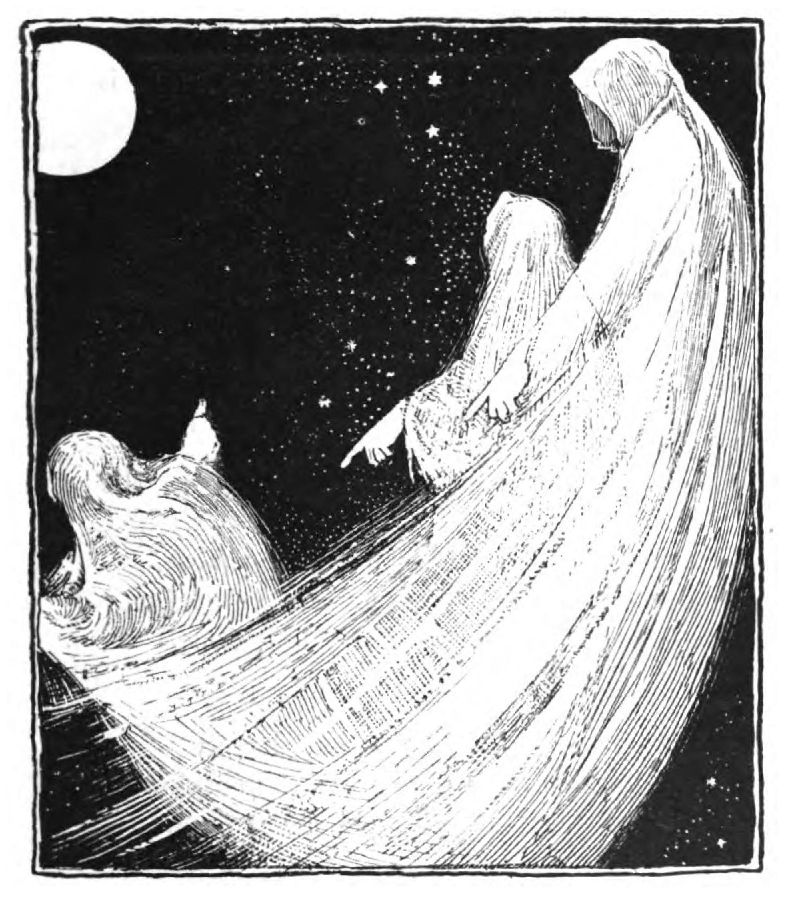
Wrapt in his shroud; and now fancies she hears
Deep sighs, and sees pale sickly ghosts gliding.
At length, no fancy but reality
Distracts her. A rushing sound, and the feet
Of one that fled, approaches.—Ellen stood,
Like a dumb statue, froze to stone with fear.
The wretch approaches, crying, "The deed is done!
Take this, and send it by whom thou wilt send;
It is my life—send it to Eleanor—:
He's dead, and howling after me for blood!
"Take this," he cried: and thrust into her arms
A wet napkin, wrapt about; then rushed
Past, howling. She received into her arms
Pale death, and followed on the wings of fear.
They passed swift through the outer gate; the wretch
Howling, leaped o'er the wall into the moat,
Stifling in mud. Fair Ellen passed the bridge,
And heard a gloomy voice cry, "Is it done?"
As the deer wounded, Ellen flew over
The pathless plain; as the arrows that fly
By night, destruction flies, and strikes in darkness.
She fled from fear, till at her house arrived.
Her maids await her; on her bed she falls,
That bed of joy where erst her lord hath pressed.
"Ah woman's fear!" she cried, "Ah cursed duke!
Ah my dear lord! Ah wretched Eleanor!
"My lord was like a flower upon the brows
Of lusty May! Ah life as frail as flower!
O ghastly Death! withdraw thy cruel hand!
Seek'st thou that flower to deck thy horrid temples?
"My lord was like a star in highest heaven
Drawn down to earth by spells and wickedness;
My lord was like the opening eyes of day,
When western winds creep softly oer the flowers.
"But he is darkened; like the summer's noon
Clouded; fall'n like the stately tree, cut down;
The breath of heaven dwelt among his leaves,'
O Eleanor, weak woman, filled with woe!"
Thus having spoke, she raised up her head,
And saw the bloody napkin by her side,
Which in her arms she brought; and now, tenfold
More terrified, saw it unfold itself.
Her eyes were fixed; the bloody cloth unfolds,
Disclosing to her sight the murdered head
Of her dear lord, all ghastly pale, clotted
With gory blood; it groaned, and thus it spake:
"O Eleanor, behold thy husband's head,
Who sleeping on the stones of yonder tower,
Was reft of life by the accursed duke:
A hired villain turned my sleep to death.
"O Eleanor, beware the cursed duke;
O give him not thy hand, now I am dead.
He seeks thy love; who, coward, in the night,
Hired a villain to bereave my life."
She sat with dead cold limbs, stiffened to stone;
She took the gory head up in her arms;
She kissed the pale lips; she had no tears to shed;
She hugged it to her breast, and groaned her last.
——W. Blake.