THE FIRST ACT
Louis Napoleon Parker translation
L'AIGLON
THE FIRST ACT
At Baden, near Vienna, in 1830.
The drawing-room of the villa occupied by Maria Louisa. The walls are painted al fresco in bright colors. The frieze is decorated with a design of sphinxes.
At the back, between two other windows, a window reaching to the ground and forming the entrance from the garden. Beyond, the balustrade of the terrace leading into the garden; a glimpse of lindens and pine-trees. A magnificent day in the beginning of September. Empire furniture of lemonwood decorated with bronze. A large china stove in the centre of the wall on the left. In front of it a door. On the right, two doors. The first leads to the apartments of Maria Louisa. In front of the window on the left at the back an Erard piano of the period, and a harp. A big table on the right, and against the right wall a small table with shelves filled with books. On the left, facing the audience, a Récamier couch, and a large stand for candlesticks. A great many flowers in vases. Framed engravings on the walls representing the members of the Imperial Family of Austria. A portrait of the Emperor Francis.
At the rise of the curtain a group of elegant ladies is discovered at the further end of the room. Two of them are seated at the piano, with their backs to the audience, playing a duet. Another is at the harp. They are playing at sight, amid much laughter and many interruptions. A lackey ushers in a modestly dressed young girl who is accompanied by an officer of the Austrian Cavalry. Seeing that no one notices their entrance, these two remain standing a moment in a corner. The Count de Bombelles comes in from the door on the right and goes toward the piano. He sees the young girl, and stops, with a smile.
The Ladies. [Surrounding the piano, laughing, and all talking at the same time.] She misses all the flats!—It's scandalous!— I'll take the bass!—Loud pedal!—One! Two!—Harp! Bombelles. [To Theresa.] What! You! Theresa. Good-day, my Lord Bombelles! A Lady. [At the piano.] Mi, sol. Theresa. I enter on my readership— Another Lady. [At the piano.] The flats! Theresa. It's thanks to you. Bombelles. My dear Theresa! Nothing! You are my relative, and you are French. Theresa. [Presenting the officer.] Tiburtius— Bombelles. Ah, your brother! [He gives him his hand and pushes forward a chair for Theresa.] Take a seat. Theresa. I'm very nervous. Bombelles. [With a smile.] Heavens! What about? Theresa. To venture near the persons of the two The Emperor left! Bombelles. Oh, is that all, my child? Tiburtius. Our people hated Bonaparte of old— Theresa. Yes—but to see— Bombelles. His widow? Theresa. And perhaps His son? Bombelles. Assuredly. Theresa. Why, it would mean I'd never thought or read, and was not French, Nor born in recent years, if I could stand Unmoved so near them. Is she lovely? Bombelles. Who? Theresa. Her Majesty of Parma? Bombelles. Why— Theresa. She's sad And that itself is beauty. Bombelles. But I'm puzzled. Surely you've seen her? Theresa. No. Tiburtius. We've just come in. Bombelles. Yes, but— Tiburtius. We feared we might disturb these ladies Whose laughter sings new gamuts to the piano. Theresa. Here in my corner I await her notice. Bombelles. What? Why, it's she who's playing bass this moment! Theresa. The Emp—? Bombelles. I'll go and tell her. [He goes to the piano and whispers to one of the ladies who are playing.] Maria Louisa. [Turning.] Ah! this child— Quite a pathetic story—yes—you told me: A brother— Bombelles. Father exiled. Son an exile. Tiburtius. The Austrian uniform is to my taste; And then there's fox-hunting, which I adore. Maria Louisa. [To Theresa.] So that's the rascal whose extravagance Eats up your little fortune? Theresa. Oh!—my brother— Maria Louisa. The wretch has ruined you, but you forgive him! Theresa de Loget, I think you're charming! [She takes Theresa by both hands and makes her sit beside her on the couch.] [Bombelles and Tiburtius retire to the back.] Now you're among my ladies. I may boast I'm not unpleasant; rather sad at times Since— Theresa. I am grieved beyond the power of words. Maria Louisa. Yes, to be sure. It was a grievous loss. That lovely soul was little known! Theresa. Oh, surely! Maria Louisa. [Turning to Bombelles.] I've just been writing; they're to keep his horse— [To Theresa.] Since the dear General's death— Theresa. The—General's? Maria Louisa. He'd kept that title. Theresa. Ah, I understand! Maria Louisa. I weep. Theresa. That title was his greatest glory. Maria Louisa. One cannot know at first all one has lost; And I lost all when General Neipperg died. Theresa. Neipperg? Maria Louisa. I came to Baden for distraction. It's nice. So near Vienna.—Ah, my dear, My nerves are troublesome; they say I'm thinner— And growing very like Madame de Berry. 'Twas Vitrolles said so. Now I do my hair Like her. Why did not Heaven take me too? This villa's small, of course; but 'tisn't bad; Metternich is our guest in passing. [She points to the door on the left.] There. He leaves to-night. The life at Baden's gay. We have the Sandors and the pianist Thalberg, And Montenegro sings to us in Spanish. Fontana howls an air from Figaro. The wife of the Ambassador of England And the Archduchess come; we go for drives— But nothing soothes my grief!—Ah, could the General—! Of course you're coming to the ball to-night? Theresa. Why— Maria Louisa. At the Meyendorffs'. Strauss will be there. She must be present, mustn't she, Bombelles? Theresa. May I solicit of your Majesty News of the Duke of Reichstadt? Maria Louisa. In good health. He coughs a little; but the air of Baden Is good for him. He's quite a man. He's reached The critical hour of entrance in the world! Oh dear! when I consider he's already Lieutenant-Colonel! Think how grieved I am Never to have seen him in his uniform! [Enter the Doctor and his son, bringing a box. Maria Louisa. Ah! These must be for him! The Doctor. Yes; the collections. Maria Louisa. Please put them down. Bombelles. What are they? The Doctor. Butterflies. Theresa. Butterflies? Maria Louisa. Yes; when I was visiting This amiable old man, the local doctor, I saw his boy arranging these collections. I sighed aloud, Alas! would but my son, Whom nothing moves, take interest in these! The Doctor. So then I answered, Well, your Majesty, One never knows. Why not? We can but try; I'll bring my butterflies! Theresa. His butterflies! Maria Louisa. Could he but leave his solitary musings To occupy his mind with— The Doctor. Lepidoptera. Maria Louisa. Leave them; come back; he's out at present. [To Theresa.] You Come, I'll present you to Scarampi. She's The Mistress of the Robes. [She sees Metternich, who enters L.] Ah, Metternich! Dear Prince, we leave you the saloon. Metternich. Indeed, I had to come here to receive the Envoy— Maria Louisa. I know— Metternich. Of General Belliard, French Ambassador; And Councillor Gentz, and several Estafets. With your permission— [To a lackey.] First, Baron von Gentz. Maria Louisa. The room is yours. [She goes out with Theresa. Tiburtius and Bombelles follow her. Gentz enters.] Metternich. Good-morning, Gentz. You know The Emperor recalls me to Vienna? I'm going back to-day. Gentz. Ah? Metternich. Yes; it's tiresome— The town in summer! Gentz. Empty as my pocket. Metternich. Oh, come now! No offence, you know, but—eh? Surely the Russian Government has— Gentz. Me! Metternich. Be frank. Who's bought you? Eh? Gentz. [Munching sweetmeats.] The highest bidder. Metternich. Where does the money go? Gentz. [Smelling at a scent-bottle he has taken out of his pocket.] In riotous living. Metternich. Good Heavens! And you're considered my right hand! Gentz. Let not your left know what your right receives. Metternich. Sweetmeats and perfumes! Oh! Gentz. Why, yes, of course. I've money; I love sweets and perfumes. Yes, I'm a depraved old baby. Metternich. Affectation! Mere pose of self-contempt. [Suddenly.] And Fanny? Gentz. Elssler? Won't love me. I'm ridiculous From every point of view. She loves the Duke. I'm but a screen; but I'm content to suffer When I remember how it serves the state If he's amused. And so I play the fool, And dance attendance on the little dancer. She bade me bring her here this very night, Just to surprise the Duke. Metternich. You scandalize me. Gentz. His mother's going out. There's dancing. [He hands Metternich a letter which he has taken out of a pocket-book.] Read— From Fouché's son. Metternich. [Reading the letter.] August the twentieth, Eighteen hundred and thirty— Gentz. He'd transform— Metternich. Good Viscount of Otranto! Gentz. Our Duke of Reichstadt to Napoleon Two. Metternich. [Handing back the letter.] A list of partisans? Gentz. Yes. Metternich. Make a note. Gentz. Do we refuse? Metternich. Without destroying hope. Ah, but my little Colonel serves me well To keep these Frenchmen straight. When they forget Their Metternich, and lean too much to the left, I let him show his nose out of his box, and—crack!— When they come right, I pop him in again! Gentz. When can one see the springs work? Metternich. Now. [Enter the French Attaché. Metternich. The Envoy Of General Belliard. Welcome, sir. [Hands him papers.] The papers. We accept in principle King Louis Philip; But don't let's have too much of '99, Or we might crack a little egg-shell! The Attaché. Sir, Are you alluding to Prince Francis Charles? Metternich. The Duke of Reichstadt? Oh, sir, as for me, I don't admit his father reigned. The Attaché. [Generously.] I do. Metternich. So I'll do nothing for the Duke. Yet— The Attaché. Yet? Metternich. Yet, should you give too loose a reign to freedom, Permit yourself the slightest propaganda, Let Monsieur Royer-Collard come too often And bare his bosom to your king; in short, If your new kingdom's too republican, We might—our temper's not angelical— We might remember Francis is our grandson. The Attaché. Our lilies never shall turn red. Metternich. And while They keep their whiteness bees shall not approach them. The Attaché. 'Tis feared in spite of you the Duke may hope. Metternich. No. The Attaché. Things are happening. Metternich. But we filter them. The Attaché. Doesn't he know that France has changed her king? Metternich. Yes; but the detail he does not yet know Is that his father's flag, the tricolor, Is re-established. 'Twill be time enough— The Attaché. He would be drunk with hope! Metternich. We'll keep him sober. The Attaché. He's not so strictly guarded here at Baden. Metternich. Oh, here there's nought to fear. He's with his mother. The Attaché. Well, sir? Metternich. What spy could have such interest In watching him? For any plot would trouble Her lovely calm. The Attaché. Is not that calmness feigned? She cannot have a thought but for her eaglet! Maria Louisa. [Entering hurriedly. My parrot! The Attaché. [Starting.] Eh? Maria Louisa. [To Metternich.] Margharitina's flown! Metternich. Oh! Maria Louisa. My parrot, Margharitina! Metternich. [To the Attaché.] There, sir! The Attaché. [To Maria Louisa.] May I not seek it, Highness? Maria Louisa. [Curtly.] No. [She goes out. The Attaché. [To Metternich.] What's wrong? Metternich. We say, Your Majesty; you called her Highness. The Attaché. But if we don't allow the Emperor reigned She cannot be addressed as Majesty Except as Parma's Duchess— Metternich. That's her title. The Attaché. Then that was why she looked such daggers at me! Metternich. Question of protocols and of precedence. The Attaché. [Preparing to take his leave.] May the French Embassy from this day forward Display the tricolor cockade? Metternich. [With a sigh.] Of course, Since we're agreed— [Seeing the Attaché silently throw away the white cockade which was on his hat and replace it with a tricolor which he takes out of his pocket.] Come, come! You lose no time! [Noise of harness-bells without.] Metternich. What is it now? Gentz. [Who is on the terrace.] The guests of the Archduke. The Meyendorffs, Lord Cowley, Thalberg— Bombelles. [Who has quickly come in R. at the sound of the bells, followed by Tiburtius.] Meet them! The Archduchess. [Appearing on the threshold surrounded by a crowd of lords and ladies in elegant summer costumes. (Light dresses and parasols; large hats.) Two little boys and a little girl dressed in the latest fashion.] 'Tis but a villa; not a palace. [The room is crowded. She turns to a young man.] Quick! Thalberg, my Tarantelle! [Thalberg sits at the piano and plays.] [To Metternich.] Where is her Majesty, My lovely sister? A Lady. We looked in to fetch her. Another Lady. We're rushing through the valley on a coach. Sandor is driving. A Man's Voice. We must thrust the lava Back in its crater! The Archduchess. Oh! do hold your tongues They will insist on talking of volcanoes. Bombelles. What's this volcano? A Lady. [To another.] Astrachan this winter. Sandor. [To Bombelles.] Why, liberal opinions. Bombelles. Ah! Lord Cowley. Or, rather, France! Metternich. [To the Attaché.] You hear him? A Lady. [To a young man.] Montenegro, sing to me Under your breath, for me alone. Montenegro. [Whom Thalberg accompanies, sings very softly.] Corazon— [He continues, pianissimo.] Another Lady. [To Gentz.] Ah, Gentz! [She dips into her reticule.] Some bon-bons, Gentz? [She gives him some.] Gentz. You are an angel. Another Lady. [Similar business.] Perfume from Paris? [She takes out a little bottle of scent and gives it to him.] Metternich. [Hurriedly to Gentz.] Tear the label off! "The Reichstadt scent"! Gentz. [Smelling perfume.] It smells of violets. Metternich. [Snatches the bottle out of his hand and scrapes the label off with a pair of scissors he takes from the table.] If the Duke came he'd see that still at Paris— A Voice. [Among the group at the back of the stage.] The Hydra lifts its head— A Lady. Our husbands talk Of Hydras! Lord Cowley. And it must be stifled. A Lady. Yes; Volcanoes first, then hydras. A Maid of Honor of Maria Louisa. [Followed by a servant bringing a tray with large glasses of iced coffee.] Eis-Kaffee? The Archduchess. [Seated; to a young lady.] Recite some verses, Olga. Gentz. May we have Something of Heine's? Several Voices. Yes! Olga. [Rising.] The Grenadiers? Metternich. [Quickly.] Oh! No! Scarampi. [Coming out of Maria Louisa's apartment.] Her Majesty is on her way! All. Scarampi! Sandor. We'll drive out to Krainerhütten, The ladies there can rest upon the green. Metternich. [To Gentz.] What are you reading yonder? Gentz. The "Debats." Lord Cowley. The politics? Gentz. The Theatres. The Archduchess. How futile! Gentz. Guess what they're playing at the Vaudeville. Metternich. Well? Gentz. "Bonaparte." Metternich. [With indifference.] Oh? Gentz. The Nouveautés? Metternich. Well? Gentz. "Bonaparte." And the Variétés? "Napoleon." The Luxembourg announces "Fourteen years of his life." At the Gymnase They are reviving the "Return from Russia." What is the Gaiety to play this season? "Napoleon's Coachman" and "La Malmaison." An unknown author's done "Saint Helena." The Porte-Saint-Martin's going to produce "Napoleon." Lord Cowley. It's the fashion. Tiburtius. It's the rage. Gentz. The Ambigu "Murat;" the Cirque "The Emperor." Sandor. A fashion. Bombelles. Yes, a fashion. Gentz. Yes, a fashion Which will recur from time to time in France. A Lady. [Reading the paper over Gentz's shoulder through a long-handled eye-glass.] They want to bring his ashes home. Metternich. The Phœnix May rise again, but not the eagle. Tiburtius. What An unknown quantity is France! Metternich. Oh, no; I've gauged it. A Lady. Well, then, mighty prophet, speak! The Archduchess. His words are graven in bronze. Gentz. Or, maybe, zinc. Lord Cowley. Who will be France's Saviour? Metternich. Henry the Fifth. The others—Fashion. Theresa. That's a useful name For calling glory by at times. Metternich. So long As all the shouting's only done in theatres, I think there's no— Cries. [Without.] Long live Napoleon! All. What?—Here, at Baden!—Here! Metternich. Ridiculous! Pray, have no fear! Lord Cowley. We must not lose our heads Because a name is shouted. Gentz. He is dead. Tiburtius. [On the terrace.] It's nothing. Metternich. Yes, but what? Tiburtius. An Austrian soldier. Metternich. Austrian? Tiburtius. Two of them. I saw them. Metternich. Vexing! Maria Louisa. [Entering hurriedly and pale with fear from her room.] Did you not hear the shout? Oh, horrible! It brought to mind—One day the people surged About my coach in Parma with that cry! It's done to vex me! Metternich. What could it have meant? Tiburtius. Two of the Duke of Reichstadt's regiment Caught sight of him as he was riding homeward. You know the deep ditch bordering the road? His Highness wished to leap it, but his horse Shied, swerved, and backed. The Duke sat firm, And brought him to it again, and—over! Then The men, to applaud him, shouted. And that's all. Metternich. [To a lackey.] Fetch one of them at once! Maria Louisa. They seek my death! [An Austrian sergeant is brought in.] Metternich. A sergeant! Now, my man, speak up. What meant That shouting? The Sergeant. I don't know. Metternich. What! You don't know? The Sergeant. No; nor downstairs the corporal don't know neither. He shouted with me. It was good to see The Prince so young and slender on his horse. And then we're proud of having for our Colonel The son of— Metternich. That'll do. The Sergeant. He took the ditch So cool and calm! As pretty as a picture! So then a sort of lump came in our throats, Pride and affection—I don't know—we shouted "Long live—! Metternich. Enough, enough! It's just as easy To shout "Long live the Duke of Reichstadt," idiot! The Sergeant. Well— Metternich. What? The Sergeant. "Long live the Duke of Reichstadt" Isn't so easy as "Long live—" Metternich. Be off. Don't shout at all! Tiburtius. [To the Sergeant as he passes him to go out.] You fool! Maria Louisa. [To the ladies who surround her.] I'm better, thank you. Theresa. The Empress! Maria Louisa. [To Dietrichstein, pointing to Theresa.] Baron Dietrichstein, this is My new companion-reader. [To Theresa, presenting Dietrichstein.] My son's tutor. And, by the way, I've never thought of asking— Do you read well? Tiburtius. Oh, very! Theresa. I don't know. Maria Louisa. Take one of Franz's books from yonder table, Open it anywhere. Theresa. [Taking a book and reading the title.] "Andromache"— [She reads.] "What is this fear, my lord, which strikes the heart? Has any Trojan hero slipped his chains? Their hate of Hector is not yet appeased: They dread his son! fit object of their dread! A hapless child, who is not yet aware His master's Pyrrhus and his father Hector." [General embarrassment.] I— Gentz. Charming voice. Maria Louisa. Select another passage. Theresa. "Alas the day, when, prompted by his valor, To seek Achilles and to meet his doom, He called his son and wrapped him to his heart: 'Dear wife,' quoth he, and brushed away a tear, 'I know not what the fates may have in store. I leave my son to thee—'" [General embarrassment.] H'm—yes— Maria Louisa. Let's try Some other volume. Take— Theresa. The "Meditations"? Maria Louisa. I know the author! 'Twill not be so dull. He dined with us. [To Scarampi.] The Diplomat, you know. Theresa. [Reads.] "Never had hymns more strenuous and high From seraph lips rung through the listening sky: Courage! Oh, fallen child of godlike race—" The Duke. [Who has entered unnoticed.] Forgive the interruption, Lamartine! Maria Louisa. Well, Franz? A pleasant ride? The Duke. Delightful, mother. But, Mademoiselle, where did my entrance stop you? Theresa. [Looking at him with emotion.] "Courage! Oh, fallen child of godlike race, The glory of your birth is in your face! All men who look on you—" Maria Louisa. That's quite sufficient. The Archduchess. [To the children.] Go, bid good morrow to your cousin. [The children run up to the Duke, who is seated, and surround him.] Scarampi. [To Theresa.] Fie! Theresa. Why, what? A Lady. [Looking at the Duke.] How pale he is! Another Lady. He looks half dead! Scarampi. [To Theresa.] You chose such awkward passages. Theresa. The book Fell open by itself. I did not choose. Gentz. [Who has overheard.] Books always open where most often read. Theresa. [Looking at the Duke.] Archdukes upon his knees! The Archduchess. [Leaning over the back of the Duke's chair.] I am delighted To see you, Franz. I am your friend. [She holds out her hand to him.] The Duke. [Kissing her hand.] I know it. Gentz. [To Theresa.] What do you think of him? I say he's like A cherub who had secretly read "Werther." The Little Girl. [To the Duke.] How nice your collar is! The Duke. Your Highness flatters. Theresa. His collars! The Little Boy. No one has such sticks! The Duke. No. No one. Theresa. His sticks! The Other Little Boy. Oh! and your gloves! The Duke. Superb, my dear. The Little Girl. What is your waistcoat made of? The Duke. That's cashmere. Theresa. Oh! The Archduchess. And you wear your nosegay—? The Duke. Latest fashion: In the third buttonhole. So glad you noticed. [At this moment Theresa bursts into sobs.] The Ladies. Eh? What's the matter? Theresa. Nothing. I don't know. Forgive me. I'm alone here—far from friends. Oh, it was silly!—suddenly— Maria Louisa. Poor dear! Theresa. I held my heart in— Maria Louisa. Tears will do you good. The Duke. What's this I trod on? Why, a white cockade! Metternich. H'm! The Duke. [To the Attaché.] Yours, no doubt, sir. Favor me: your hat. [The Attaché gives him his hat unwillingly. The Duke sees the tricolor cockade.] Ah! [To Metternich.] I was not aware—but then—the flag? Metternich. Highness— The Duke. Is that changed, too? Metternich. A trivial detail. The Duke. Nothing. Metternich. Question of color— The Duke. Of a shade. See for yourself. Looked at in certain lights, I really think this is the more effective. [He moves a few steps.] [His mother takes him by the arm and leads him to the butterfly-cases, which the Doctor, who has come back, has spread out.] The Duke. Butterflies? Maria Louisa. You admire the black one? The Duke. Charming. The Doctor. The plants it loves are umbelliferous. The Duke. It seems to see me with its wings. The Doctor. Those eyes? We call them lunulæ. The Duke. Indeed? I'm glad. The Doctor. Are you examining the spotted grey? The Duke. No, sir. The Doctor. What then, my lord? The Duke. The pin that killed it. The Doctor. [To Maria Louisa.] No use. Maria Louisa. [To Scarampi.] We'll wait. I count on the effect— Scarampi. Ah, yes!—Of our surprise. Gentz. [Who has approached the Duke.] A sweetmeat? The Duke. [Taking one and tasting it.] Perfect. A flavor of verbena and of pear, And something else—wait—yes— Gentz. It's not worth while— The Duke. What's not worth while? Gentz. To feign an interest. I'm not so blind as Metternich. [He offers him another sweetmeat.] A chocolate? The Duke. What do you see? Gentz. I see a youth who suffers, Rather than live a favored prince's life. Your soul is still alive, but here at court They'll lull it fast asleep with love and music. I had a soul once, like the rest of the world; But—! And I wither, decently obscene— Till some day, in the cause of liberty, One of those rash young fools of the University Amid my sweetmeats, perfumes, and dishonor Slays me as Kotzebue was slain by Sand. Yes, I'm afraid—do try a sugared raisin— That I shall perish at his hand. The Duke. You will. Gentz. What?—How? The Duke. A youth will slay you. Gentz. But— The Duke. A youth of your acquaintance. Gentz. Sir—? The Duke. His name Is Frederick. 'Tis the youth you were yourself. For now he's risen again in you; and since He whispers in your ear like dull remorse, All's over with you: he will show no mercy. Gentz. 'Tis true, my youth cuts like a knife within me. Ah, well I knew that gaze had not deceived me! 'Tis that of one who ponders upon Empire. The Duke. I do not understand, sir, what you mean. [He moves away.] Metternich. [To Gentz.] You've had a chat with—? Gentz. Yes. Metternich. Delightful? Gentz. Very. Metternich. He's in the hollow of my hand. Gentz. Entirely. The Duke. [Stopping before Theresa.] Why did you weep? Theresa. Because, my Lord— The Duke. Ah, no! I know. But do not weep. Metternich. [Bowing to the Duke.] I take my leave. [He goes out with the Attaché.] The Duke. [To Maria Louisa and Dietrichstein, who are turning over some papers on his table.] Examining my work? Dietrichstein. It's excellent. But why on purpose make mistakes in German? Pure mischief! Maria Louisa. Oh! and at your age, mischief! The Duke. How can I help it? I am not an eagle. Dietrichstein. You still make France a noun of feminine gender. The Duke. I never know what's der or die or das. Dietrichstein. In this case neuter is correct. The Duke. But mean. I don't much care about a neuter France. Maria Louisa. [To Thalberg, who is playing softly on the piano.] My son detests all music. The Duke. I detest it. Lord Cowley. [Coming toward the Duke.] Highness— Dietrichstein. [Aside to the Duke.] A pleasant word. The Duke. Eh? Dietrichstein. The English Ambassador. Lord Cowley. Where had you been just now When you came galloping and out of breath? The Duke. I? To Saint Helena. Lord Cowley. I beg your pardon? The Duke. A wholesome, leafy nook. So gay!—At evening Delightful. I should like to see you there. Gentz. [Hastily to the Ambassador, while the Duke moves away.] They call the village in the Helenenthal Saint Helena. A fashionable stroll. Lord Cowley. Ah, really? I was almost wondering Whether he meant it as a hit—? [He turns away.] Gentz. [Lifting his hands in amazement at Lord Cowley's dulness.] These English! Voices. We're off! The Archduchess. [To Maria Louisa.] Louisa? Maria Louisa. No, I stay at home. Voices. The carriages. The Archduchess. [To the Duke.] And you, Franz? Maria Louisa. He hates nature. He even gallops through Saint Helena. The Duke. Yes! I gallop! [General leave-taking and gradual departure. Maria Louisa. So devoid of fancy! Montenegro. [Going.] I know a place for supper where the cider— Cries. [Without.] Good-bye! Good-bye! Gentz. [On the terrace.] Don't talk about the hydra! Theresa. [To Tiburtius.] Brother, good-bye! Tiburtius. Good-by. [He goes out with Bombelles.] Maria Louisa. [To the Maids of Honor, indicating Theresa.] Show her her rooms. [Theresa goes out accompanied by the Maids of Honor. Maria Louisa calls the Duke, who was going toward the garden.] Maria Louisa. Franz! [He turns.] Now I'm going to amuse you. The Duke. Really? [Scarampi carefully closes all the doors.] Maria Louisa. Hush!—I've conspired! The Duke. Mother! You!—Conspired! Maria Louisa. Hush! They've forbidden whatever comes from France— But I have ordered secretly from Paris, From the best houses—Oh! my fop shall smile!— For you, a tailor, [Pointing to Scarampi.] and for us, a fitter. I really think the notion— The Duke. Exquisite! Scarampi. [Opening the door of Maria Louisa's apartment.] Come in! [Enter a young lady, dressed with the elegance of a milliner's dummy, and carrying two great card-board dress-boxes, and a young man dressed like a fashion plate, who also carries two big boxes.] The Tailor. [Coming down to the Duke, while the young lady unpacks the dresses on a sofa at the back.] If you will favor me, my Lord— I've here some charming novelties. My clients Are good enough to trust my taste: I guide them. The neck-cloths first. A languid violet; A serious brown. Bandannas are much worn. I note with pleasure that your Highness knows The delicate art of building up a stock. Here's a check pattern makes an elegant knot. How does this waistcoat strike your Lordship's fancy, Down which meander wreaths of blossoms? The Duke. Hideous! The Tailor. Will these, I wonder, leave your Highness cold? Here's doeskin. Here a genuine Scottish tweed. Bottle-green riding-coat with narrow cuffs; Extremely gentlemanly. Here's a waistcoat: Six-buttoned. Three left open. Very tasty. Now, what about this blue frock-coat? We've rubbed The newness off artistically. Worn With salt and pepper trousers, what a picture! We'll throw aside this heavy yellow stuff— Can Hamlet wear the clumsy clouts of Falstaff?— We'll pass to mantles, Prince. A splendid plaid, Demi-collar with simili-sleeves behind. Eccentric? Granted.—This, called the Roulière: Sober, a large, Hidalgo-like effect; The very thing to woo a Doña Sol in. Excellent workmanship; a silver chain; the collar Of finest sable; made in our own workshops; Simple, but what a cut! The cut is everything. Maria Louisa. The Duke is weary of your chatter. The Duke. No. He sets me dreaming. I'm not used to it. For when my tailor from Vienna comes I never hear these bright, descriptive words; And so this wealth of curious adjectives And all that seems to you mere vulgar chatter, Has moved me—stirred me. Let him be, dear mother. Maria Louisa. [Going to the fitter.] We'll look at ours. Shoulder of mutton sleeves? The Fitter. Always. The Tailor. [Displaying a pattern.] This cloth is called Marengo. The Duke. What? Marengo? The Tailor. Yes; it wears uncommon well. The Duke. So I should think. Marengo lasts forever. The Tailor. Your Highness orders—? The Duke. I have need of nothing. The Tailor. One always needs a perfect-fitting coat. The Duke. I might invent— The Tailor.. To suit your personal taste? O client, soar to fancy's wildest heights! Speak! We will follow! That's our special line; Why, we are Monsieur Théophile Gautier's tailors. The Duke. Let's see— The Fitter. A Panama with muslin trimmings— That's not the sort of hat for everybody. The Duke. Could you make— The Tailor. Anything. The Duke. A— The Tailor. What you choose! The Duke. A coat? The Tailor. Assuredly. The Duke. Of broadcloth. Yes But now the texture? Simple? The Tailor. Certainly. The Duke. And then the color. What do you say to green? The Tailor. Green's capital. The Duke. A little coat of green. With glimpses of the waistcoat? The Tailor. Coat wide open! The Duke. Then, to give color when the wearer moves, The skirts are lined with scarlet. The Tailor. Scarlet! Oh, ravishing. The Duke. Well, but about the waistcoat. How do you see the waistcoat? The Tailor. Shall we say—? The Duke. The waistcoat's white. The Tailor. What taste! The Duke. And then I think Knee breeches. The Tailor. Ah! The Duke. Yes. The Tailor. Any color? The Duke. No. I rather think I see them white cashmere. The Tailor. Well, after all, white is the more becoming. The Duke. The buttons are engraved. The Tailor. That's not good style. The Duke. Yes; something—nothing—merely little eagles. The Tailor. Eagles! The Duke. Well? What are you afraid of, sir? And wherefore does your hand shake, master tailor? What is there strange about the suit of clothes? Do you no longer boast your skill to make it? The Fitter. Coalscuttle bonnet neatly trimmed with poppies. The Duke. Take home your latest fashions and your patterns; That little suit's the only one I want. The Tailor. But I— The Duke. 'Tis well. Begone, and be discreet. The Tailor. Yet— The Duke. 'Twould not fit me. The Tailor. It would fit you. The Duke. What! The Tailor. It would fit you well. The Duke. You're very bold, sir! The Tailor. And I'm empowered to take your order for it. The Duke. Ah! The Tailor. Yes! The Fitter. A flowing cloak of China crape; Embroidered lining with enormous sleeves. The Duke. Indeed? The Tailor. Yes, Highness. The Duke. A conspirator? Now I no longer wonder you cite Shakespeare! The Tailor. The little coat of green holds in its thrall Deputies, schools, a Peer, and a Field Marshal. The Fitter. Spencer of figured muslin. Satin skirt. The Tailor. We can arrange your flight. The Duke. Should I agree I must beforehand—ay, and there's the rub— Consult my friend Prince Metternich. The Tailor. You'll trust us When you are told our leader is your cousin The Countess Camerata. The Duke. Ah, I know! The daughter of Elisa Baciocchi. The Tailor. The strange, unarmored amazon, who bears Her father's likeness proudly in her face, Seeks dangers, rides unbroken horses, fences— The Fitter. A little sleeveless gown of lightest muslin. The Tailor. And when you know it's this Penthesilea— The Fitter. The collar's only pinned, the shoulders basted— The Tailor. Who heads the plot I spoke of— The Duke. Give me proof! The Tailor. Turn round, your Highness; glance at the young person Who on her knees unpacks the clothes. The Duke. 'Tis she! Not long ago I met her in Vienna, Wrapped in a cloak. She swiftly kissed my hand And fled, exclaiming, Haven't I the right To greet the Emperor's son who is my master? She is a Bonaparte! We are alike!— Ay, but her hair is dark; not fair like mine. Maria Louisa. We'll try them on in there. Come, follow me. Only Parisians, Franz, know how to fit us. The Duke. Yes, mother. Maria Louisa. Don't you love Parisian taste? The Duke. It's very true they dress you well in Paris. [Maria Louisa, Scarampi, and the Fitter go into Maria Louisa's apartment with the things they are to try on.] The Duke. Now! Who are you, sir? The Tailor. I? A nameless atom. Weary of life in mean and paltry times, Of smoking pipes and dreaming of ideals. Who am I? How do I know? That's my trouble. Am I at all?—It's very hard to "be." I study Victor Hugo; spout his odes— I tell you this, because this sort of thing Is all contemporary youth. I spend Extravagant fortunes in acquiring boredom. I am an artist, Highness, and Young France. Also I'm carbonaro at your service. And as I'm always bored I wear red waistcoats, And that amuses me. At tying neck-cloths I once was very good indeed. That's why They sent me here to-day to play the tailor. I'll add, to make the picture quite complete, That I'm a liberal and a king-devourer. My life and dagger are at your command. The Duke. I like you, sir, although your talk is crazy. The Young Man. You must not judge me by my whirling words; The itch of notoriety consumes me, But the disease beneath is very real, And makes me seek forgetfulness in danger. The Duke. Disease? The Young Man. A shuddering disgust. The Duke. Your soul Heavy with foiled ambitions? The Young Man. Dull disquiet— The Duke. Morbid enjoyment of our sufferings, And pride in showing off our pallid brows? The Young Man. My Lord! The Duke. Contempt for those who live content? The Young Man. My Lord! The Duke. And doubt? The Young Man. In what mysterious volume Has one so young learnt all the human heart? For that is what I feel. The Duke. Give me your hand! For, as a sapling, friend, which is transplanted, Feels all the forest in its ignorant veins, And suffers when its distant mates are hurt, So I, who knew you not, here, all alone, Felt the distemper stirring in my blood Which at this moment blights the youth of France. The Young Man. Rather I think our malady is yours, For whence upon you falls this giant robe? Child, whom beforehand they have robbed of glory, Pale Prince, so pale against your sable suit, Why are you pale, my Prince? The Duke. I am his son. The Young Man. Well! Feeble, feverish, dreaming of the past, Like you rebellious, what is left to do?— We're all, to some extent, your father's sons. The Duke. You are his soldiers' sons: that's just as glorious. And 'tis no less redoubtable a burden; But it emboldens me, for I can say They're but the sons of heroes of the empire: They'll be content to take the Emperor's son! The Countess Camerata. [Coming out of Maria Louisa's apartments.] The scarf!—Oh, hush! I'm doing such a trade! The Duke. Thank you! The Countess. I only wish 'twere selling swords! That silly baby-talk will be my death. The Duke. Warlike, I know. A Voice. [Within.] The scarf! The Countess. I'm looking for it! The Duke. It seems this little hand can tame— The Countess. I love A fiery horse. The Duke. You're mistress of the foils? The Countess. And of the sword! The Duke. Ready for anything? The Countess. [Speaking toward the room.] Indeed, I'm looking for it everywhere. [To the Duke.] Ready for anything for your Imperial Highness. The Duke. You're lion-hearted, Cousin! The Countess. And my name Is glorious. The Duke. Which name? The Countess. Napoleone! Scarampi's Voice. [Within.] Well? Can't you find it? The Countess. No. A Voice. Look on the piano. The Countess. I must be off. Discuss our great design. [With a cry, as if she had found what she was looking for.] Ah! here it is! The Voice. You've found it? The Countess. On the harp. You understand, it's gathered up in folds— [She goes into Maria Louisa's room.] The Young Man. Well? You accept? The Duke. I don't quite understand Zealous Imperialism from a liberal— The Young Man. True: a republican— The Duke. You come to me Rather a long way round— The Young Man. All roads to-day Lead to the King of Rome. My scarlet badge I thought unfading— The Duke. Faded in the sun? The Young Man. Of Austerlitz! Yes! History makes us drunk. The battles which no more are fought, are told. The blood is vanished, but the glory gleams. So that to-day there is no he but HE! He never won such victories as now: His soldiers perished, but his poets live. The Duke. In short— The Young Man. In short the huckstering times; the god They exiled; you, your touching fate, our weariness, And everything—I said— The Duke. You said as artist 'Twould be effective to be Bonapartist! The Young Man. So you accept? The Duke. No. The Young Man. What? The Duke. I listened well. And you were charming as you spoke, but nothing. No quiver of your voice, told me of France; You voiced a craze, a form of literature. The Young Man. I've carried out my mission clumsily; Could but the Countess yonder speak! The Duke. No use. I love the bravery glowing in her eyes, But that's not France: that is my Family! When next you seek me, later, by and by, Let the call come through some untutored voice, Wherein rough accents of the people throb; Your Byronism is much too like myself. You could not have persuaded me to-night— I feel myself unready for the crown. The Countess. [Coming out of Maria Louisa's apartment.] Unready? You? [She turns toward the room.] Don't trouble; I'm just going. And for the ball the white one, not the mauve. [Coming hastily toward the Duke.] Unready? What do you want? The Duke. A year of dreams, Of study. The Countess. Come and reign. The Duke. My brain's not ripe. The Countess. The crown's enough to ripen any brain. The Duke. The crown of light, shed by the midnight lamp. The Young Man. It's such a chance! The Duke. I beg your pardon? "Chance"? Is this the tailor reappearing? The Countess. Yet— The Duke. I will be honest in default of genius. I only ask three hundred wakeful nights. The Young Man. But this refusal will confirm the rumors. The Countess. They say you've never really been of us. The Young Man. You are Young France: you're called Old Austria. The Countess. They say your mind is being weakened. The Young Man. Yes! They say you're cheated, even in your studies. The Countess. They say you do not know your father's history. The Duke. Do they say that? The Young Man. What shall we answer them? The Duke. Answer them thus— [Enter Dietrichstein.] Dear Count! Dietrichstein. 'Tis Obenaus. The Duke. Ah! for my history lesson! Let him come. [Dietrichstein goes out. The Duke points to the clothes scattered about.] Spend as much time as possible in packing, And try to get forgotten in your corner. [Seeing Dietrichstein come in with Baron von Obenaus.] Good-day, dear Baron. [Carelessly to the Young Man and the Countess, pointing to the screen.] Finish over there. [To Obenaus.] My tailor. Obenaus. Ah? The Duke. My mother's fitter. Obenaus. Yes? The Duke. Will they disturb you? Obenaus. [Who has seated himself behind the table with Dietrichstein.] Not at all, my Lord. The Duke. [Who sits facing them, sharpening a pencil.] I'm all attention. Let me sharpen this To note a date, or jot down an idea. Obenaus. We'll take our work up where we last left off. Eighteen hundred and five, I think? The Duke. [Busy with his pencil.] Exactly. Obenaus. In eighteen hundred and six— The Duke. Did no event Make that year memorable? Obenaus. Which, my Lord? The Duke. [Blowing the dust off the pencil.] Why, eighteen hundred and five. Obenaus. I beg your pardon, I thought you meant—h'm—Destiny Was cruel to the righteous cause. We'll cast Only a fleeting glance at hapless hours. When the philosopher with pensive gaze— The Duke. And so in eighteen five, sir, nothing happened? Obenaus. A great event, my Lord! I had forgotten. The restoration of the Calendar. A little later, having challenged England, Spain— The Duke. [Demurely.] And the Emperor? Obenaus. Which Emp—? The Duke. My father. Obenaus. He—he— The Duke. Had he not left Boulogne? Obenaus. Oh, yes. The Duke. Where was he, then? Obenaus. Well, as it happened, here. The Duke. [With mock amazement.] Indeed? Dietrichstein. [Hastily.] He took great interest in Bavaria! Obenaus. Your father's wishes in the Pressburg Treaty, As far as that went, chimed with those of Austria. The Duke. What was the Pressburg Treaty? Obenaus. The agreement Which closed an era. The Duke. There! I've smashed my point! Obenaus. In eighteen hundred and seven— The Duke. So soon? How quick! Strange epoch! Nothing happened in it! Obenaus. Yes. For instance, take the House of the Braganzas: The King— The Duke. The Emperor, sir? Obenaus. Which Emp—? The Duke. Of France. Obenaus. Nothing of any consequence till eighteen-eight. Yet let us note the Treaty of Tilsit. The Duke. Was nothing done but making treaties? Obenaus. Europe— The Duke. I see. A general survey? Obenaus. I'll come to details When we've— The Duke. Did nothing happen? Obenaus. Well— The Duke. Well, what? Obenaus. I— The Duke. What? What happened? Won't you tell me? Obenaus. Well— I hardly know—you're in a merry humor— The Duke. You hardly know? Then, gentlemen, I'll tell you! The sixth October, eighteen-five— Obenaus and Dietrichstein. [Leaping to their feet.] Eh? What? The Duke. When he was least expected, when Vienna, Watching the Eagle hover ere he swooped, Sighed with relief, The blow is aimed at London! Having left Strassburg, crossed the Rhine at Kehl, The Emperor— Obenaus. Emperor! The Duke. Yes! and you know which! Marches through Würtemberg, marches through Baden— Dietrichstein. Great Heavens! The Duke. Gives Austria a morning song, With drums by Soult, and trumpets by Murat! At Wertingen and Augsburg leaves his Marshals With here and there a victory to play with— Obenaus. My Lord! The Duke. Pursues with wonderful manœuvres. Arrives at Ulm before he's changed his boots. Bids Ney take Elchingen, sits down and writes A joyous, terrible, and calm despatch. Prepares the assault:—the seventeenth October Sees seven thousand Austrians disarmed, And eighteen generals at the hero's feet; And then he starts again! Dietrichstein. My Lord! The Duke. November Finds him at Schönbrunn, sleeping in my bedroom. Obenaus. But—! The Duke. He pursues! his foes are in his hand! One night he says "To-morrow!" and to-morrow Says, galloping along the bannered front— A spot of grey among his brilliant staff— "Soldiers, we'll finish with a thunderbolt!" The army is an ocean. He awaits The rising sun, and places with a smile This risen sun athwart his history! Obenaus. Oh, Dietrichstein! The Duke. So there! Dietrichstein. Oh, Obenaus! The Duke. Terror and death! Two Emperors beaten by one! And twenty thousand prisoners! Obenaus. I beseech you! People might hear! The Duke. When the campaign was over— The corpses floating on the freezing lake— My Grandsire seeks my Father in his camp! Obenaus. My Lord! The Duke. His camp! Obenaus. Will nothing keep you quiet? The Duke. And so my Father grants my Grandsire peace! Dietrichstein. If any heard you! The Duke. And the conquered banners Distributed! Eight to the town of Paris— [The Countess and the Young Man have gradually come out, pale and excited, from behind the screen. They listen to the Duke with increasing emotion, and suddenly the boxes they are carrying slip from their hands.] Obenaus. [Turning and seeing them.] Oh! The Duke. The Senate fifty! Obenaus. Look! The man and woman! Dietrichstein. Be off with you! The Duke. Fifty to Notre Dame! Obenaus. Oh, Lord! Oh, Lord! The Duke. And banners! Dietrichstein. Take your things! [He pushes them out.] Be off! Be off! The Duke. And banners! And still banners! [The Countess and The Young Man go.] Dietrichstein. They heard it all! The Duke. And banners! Dietrichstein. What a business! My Lord! The Duke. I'm dumb! Dietrichstein. A little late, my Lord! What will Prince Metternich—? These people here! The Duke. Moreover, that's as far as I have got. My dear professor— [He coughs.] Dietrichstein. Oh, you're coughing! Water! The Duke. I've made good progress with my history? Dietrichstein. And yet no books come near you! That I'm sure of! Obenaus. When Metternich discovers— The Duke. You won't tell him! The blame would fall on you. Dietrichstein. We'd best keep still, And ask his mother to expostulate. [He knocks at Maria Louisa's door.] The Duchess—? Scarampi. [Appearing.] She is ready. You may come. [Dietrichstein goes in.] The Duke. [Mockingly to Obenaus.] Your course, Ad usum, sir, Delphini, sir, Is finished, sir! Obenaus. I can't think how you learnt—! [Maria Louisa comes in in great agitation, in a superb ball-dress, and with her cloak on. Obenaus and Dietrichstein go out quietly.] Maria Louisa. Oh Heavens! what is't again? What must I hear? Perhaps you will explain— The Duke. [Showing her the open window.] My mother, look, The day is hushed, but for belated birds. Oh, with what tenderness the gloaming fades! The trees— Maria Louisa. What, you! Can you feel nature's beauty? The Duke. Perhaps. Maria Louisa. Perhaps you will explain— The Duke. Oh, mother, Inhale the perfume. All the forest floats Into the chamber on its breath! Maria Louisa. Explain! The Duke. With every gust a branch is wafted in! A fairer miracle than that which scared Macbeth; the forest is not walking only, Not like a mad thing walking; lo! on wings The scented evening sets the forest flying! Maria Louisa. What! You can be poetical! The Duke. At times. [Distant music is heard.] Listen! A waltz. An ordinary waltz; Yet distance gives it dignity. Who knows? Journeying through the woods the master haunted. Under the cyclamen, among the bracken, It may have chanced upon Beethoven's soul! Maria Louisa. What! Musical as well! The Duke. Yes; when I choose. I do not choose! I hate the mystery Of sounds! And in a lovely sunset, feel With dread some fair thing growing soft within me! Maria Louisa. That fair thing in your heart, my son, is I! The Duke. You said it. Maria Louisa. Do you hate it? The Duke. I love you. Maria Louisa. Then think a little ere you do me harm. My father and Prince Metternich are so good! When the decree, for instance, made you Count, I said, Not Count; Duke at the least; for Duke Is something. And you're Duke of Reichstadt. The Duke. Lord of Gross-Bohen, Buchtiehrad, Tirnowan, Schwaden, Kron-Porsitschan— Maria Louisa. And then, the tact! Your father's name was never mentioned once! The Duke. Why not have called me "Son of unknown Father"? Maria Louisa. With your estates and revenues you can be The pleasantest and richest Prince of Austria. The Duke. The richest Prince? Maria Louisa. And pleasantest— The Duke. Of—Austria! Maria Louisa. Enjoy your happiness. The Duke. I drain its lees. Maria Louisa. First in precedence after the Archdukes, Some day you'll marry with a fair Princess, Or an Archduchess, or perhaps a— The Duke. Ever I see what once my childish eyes caught sight of: His little throne, whose back was like a drum, And, made of gold, more splendid since Saint Helena. Upon that back the simple little N, The letter which cries No to time! Maria Louisa. But— The Duke. Yes! The N with which he branded Kings! Maria Louisa. The Kings Whose blood runs through your mother's veins and yours! The Duke. I do not need their blood! What use to me? Maria Louisa. A glorious heritage! The Duke. Oh, paltry! Maria Louisa. What! Not proud to bear the blood of Charles the Fifth? The Duke. No! for it courses in the veins of others! But when I tell myself I bear in mine A Corsican Lieutenant's blood, I weep To see the thin blue trickle at my wrist. Maria Louisa. Franz! The Duke. And the old blood can but harm the new. If I bear blood of Kings, let me be bled. Maria Louisa. Silence! The Duke. What am I saying, after all? If ever I had yours long since I've lost it. His blood and yours have fought in me, and yours Was put to flight, as usual, by the other. Maria Louisa. Peace, Duke of Reichstadt! The Duke. Metternich, the fool, Thought to scrawl "Duke of Reichstadt" o'er my name. But hold the paper up before the sun: You'll see "Napoleon" in the watermark! Maria Louisa. My son! The Duke. You called me Duke of Reichstadt? No! But would you have my veritable name? 'Tis what the people call me in the Prater As they make way: The Little Bonaparte! I am his son! and no one's son but his! Maria Louisa. You hurt me. The Duke. Ah, forgive me, mother, mother. Go to the ball, forget my frenzied words. You need not even trouble to repeat them To Metternich, my mother. Maria Louisa. Do you think so? The Duke. Softly the waltz floats through the evening air; No, tell him nothing; that will save you trouble. Forget it all: you, who forget so quickly! Maria Louisa. Yet— The Duke. Think of Parma, of the Sala palace, And of your happy life. Is this a brow To bear the shadow of an eagle's wing? Ah! but I love you more than you can think! And take no heed of aught—not even—O gods!— Of being faithful: I'll be that for both. Come, let me thrust you gently toward the ball; Good-night, The mosses must not wet your feet. Your headdress is perfection. Maria Louisa. Do you think so? The Duke. The carriage waits. It's fine. The night is clear. Good-night, Mamma; enjoy yourself. [Maria Louisa goes out. The Duke sinks in a chair before his table.] Alas, Poor mother! [His manner changes, and he draws books and papers toward him.] Now! to work! [The wheels of a departing carriage are heard. The door at the back opens gently and Gentz is seen introducing a woman wrapped in a cloak.] Gentz. She's gone. [He calls the Prince.] Prince! The Duke. [Turning and seeing him.] Fanny? Fanny Elssler. Franz! Gentz. [Aside.] Farewell to dreams of Empire! Fanny. [In the Duke's arms.] Franz! Gentz. [Going out.] Capital! Fanny. [Lovingly.] My Franz! [The door closes on Gentz. Fanny quickly leaves the Duke and speaks respectfully after making a profound curtsey.] My Lord! The Duke. [After looking round to assure himself Gentz is gone.] To work! Fanny. [Swinging herself on to the table.] I've learnt whole chapters for to-day! The Duke. Go on. Fanny. So, then, while Marshal Ney marched through the night, The Generals Gazan— The Duke. [Learning the names by heart.] Gazan— Fanny. Suchet— The Duke. Suchet— Fanny. Kept up a lively cannonade; And at the earliest dawn the Imperial Guard— Curtain.

THE SECOND ACT
The Duke's cabinet at Schönbrunn. It is the famous Lacquered Chamber. At the back is a window opening on a balcony. In the distance, at the end of a beautiful avenue, the "Gloriette," a Corinthian Portico. There are two doors on the left, and two on the right. Between these doors stand two large Louis XV. consoles. There is a large writing-table and other furniture in the styles of Louis XIV. and Louis XV. In the right-hand corner in front stands a large swinging mirror, with its back to the audience.
At the rise of the curtain Sedlinzky (the Prefect of the Police), the Usher, and a number of Lackeys are discovered.
Sedlinzky. That's all? First Lackey. That's all. Sedlinzky. Nothing abnormal? Second Lackey. Nothing. Third Lackey. Eats little. Fourth Lackey. Reads a lot. Fifth Lackey. Sleeps very badly. Sedlinzky. [To the Usher.] And can you trust his personal attendants? The Usher. Why, they are all professional policemen, As you, the Prefect of Police, must know. Sedlinzky. Thank you. I fear the Duke may find me here. First Lackey. No, sir; he's out. Second Lackey. As usual at this hour. Third Lackey. In uniform. Fourth Lackey. And with his Aides-de-Camp. The Usher. There are manœuvres. Sedlinzky. Well, be keen and tactful. Let him not know he's watched. The Usher. I'm very cunning. Sedlinzky. Not too much zeal! I dread a zealous man. Don't listen at his keyhole in a crowd. The Usher. I've given that duty to a special man. Sedlinzky. To whom? The Usher. The Piedmontese. Sedlinzky. Ah yes; he's clever. The Usher. I place him every evening in this chamber Immediately his Highness seeks his room Sedlinzky. Is he here now? The Usher. No. As he wakes all night He sleeps by daytime, while the Duke is out. He'll be here when the Duke is. Sedlinzky. Let him watch. The Usher. Trust me. Sedlinzky. [Glancing at the table.] The papers—? The Usher. [With a smile.] Searched. Sedlinzky. [Stooping under the table.] The basket, too? [Seeing scraps of paper under the table, he hastily kneels to examine them.] These scraps? [He tries to read.] Perhaps a letter? [Urged by professional curiosity he creeps under the table.] But from whom? [The Duke enters in the uniform of an Austrian officer, followed by his Staff. The Lackeys hurriedly range themselves.] The Duke. [Seeing Sedlinzky's legs protruding from under the table; very simply.] Why, how are you, Sedlinzky? Sedlinzky. [Emerging amazed on all fours.] Highness! The Duke. An accident. Excuse me. Just come in. Sedlinzky. [Standing.] You knew me? Yet I was— The Duke. Flat on your stomach? Oh yes, I knew you. [He sees the Archduchess, who enters hurriedly carrying a large album.] Ah, I feared as much! They've frightened you. The Archduchess. They told me— The Duke. It was nothing. The Archduchess. But yet— The Duke. [Seeing Doctor Malfatti enter.] The doctor! But I am not ill! [To the Archduchess.] Nothing. A choking. So I left parade. I had been shouting. [To the Doctor, who is feeling his pulse.] Doctor, you're a nuisance! [To Sedlinzky, who is sidling toward the door.] 'Twas very kind of you to sort my papers. You're spoiling me. Indeed you are. You've chosen Even my lackeys from among your friends. Sedlinzky. Your Highness does not think—! The Duke. I shouldn't mind If only they performed their duties better. But I am villainously groomed. My stock Rides up. In short, since this is your department, I wish you'd black my boots a little better. [A Lackey brings a tray with refreshments, which the Doctor takes.] The Archduchess. [Anxious to help the Duke from the tray.] Franz— The Duke. [To Sedlinzky, who is again making for the door.] You take nothing—? Sedlinzky. I have taken— The Archduchess. A Tartar! The Duke. Orders, Foresti! Foresti. Colonel! The Duke. We'll manœuvre At early dawn the day after to-morrow; Assemble at Grosshofen. Foresti. Good, my Colonel! The Duke. [To the Officers.] I'll not detain you, gentlemen. Good-day. [Foresti and the Officers go out.] The Duke. [To Sedlinzky, taking a letter out of his pocket, and tossing it toward him.] Dear Count, here is another you've not read. [Sedlinzky and the Doctor go out.] Dietrichstein. [Who came in a moment ago.] I think you treat him rather harshly, Highness. The Archduchess. Is not the Duke at perfect liberty? Dietrichstein. Of course the Duke is not a prisoner, but— The Duke. I like that "but," I hope you feel its value! Good Lord, I'm not a prisoner, "but"—that's all! "But"—not a prisoner, "but"—that is the word, The formula! A prisoner? Oh, not a moment! "But" there are always people at my heels. A prisoner? Not I! You know I'm not; "But" if I risk a stroll across the park A hidden eye blossoms behind each leaf. Of course not prisoner, "but" let anyone Seek private speech with me, beneath each hedge Up springs the mushroom ear. I'm truly not A prisoner, "but" when I ride, I feel The delicate attention of an escort. I'm not the least bit in the world a prisoner, "But" I'm the second to unseal my letters. Not at all prisoner, "but" at night they post A lackey at my door—look! there he goes. I, Duke of Reichstadt, prisoner? Never! never! I, prisoner? No! I'm not a prisoner—"but"—! Dietrichstein. I love to see this mirth—so rare— The Duke. Yes, devilish! Dietrichstein. [Taking his leave.] Your Highness— The Duke. Serenissimus! Dietrichstein. Eh! The Duke. —issimus! That is my title. My particular title Kindly remember it another time! Dietrichstein. [Bowing.] I leave you— [He goes.] The Duke. [To the Archduchess.] Serenissimus! how glorious! [Pointing to the album.] What's that? The Archduchess. The Emperor's herbarium. The Duke. Lord! Grandpapa's botany! The Archduchess. He lent it me This morning, Franz. The Duke. [Examining it.] It's pretty. The Archduchess. You know Latin, What is this withered black thing? The Duke. That's a rose. The Archduchess. Franz, there's been something wrong with you of late. The Duke. [Reading.] Bengalensis. The Archduchess. Of Bengal? The Duke. That's right. The Archduchess. I find you nervous. What's the matter? The Duke. Nothing. The Archduchess. Yes, but I know, your bosom-friend Prokesch, The confidant of hopes they think too vast, They've sent him far away. The Duke. But in exchange They give me Marshal Marmont as a friend. Despised in France, he crawls to Austria To gather praise for treason to my Father. The Archduchess. Hush! The Duke. And a man like that is here to set The son against the Father!—Oh!— [Reading.] Volubilis. The Archduchess. Franz, when you promise do you keep your word? The Duke. You've been so good to me, I could not break it. The Archduchess. Besides, you liked my birthday present, Franz. The Duke. Ah, yes! These relics from the archducal trophy! [He takes the things he mentions, which are on a console between the doors on the right.] A tinder box—a busby of the Guard— An ancient musket—No! it isn't loaded! And above all— The Archduchess. Oh, hush! The Duke. That other thing— I've hidden it. The Archduchess. Where, you bandit? The Duke. In my den. The Archduchess. Well, promise then—your grandfather—you know His kindness— The Duke. [Picking up a paper which has fallen from the herbarium.] What is this? A sheet of paper? [He reads.] "And if the students still persist in shouting. Let them be crimped and sent on active service—". [To the Archduchess.] You said—his kindness— The Archduchess. Yes; the Emperor loves you. His goodness— The Duke. [Picking up another paper fallen from the herbarium.] Here's another. [He reads.] "As the mob Resist you, cut them down." [To the Archduchess.] His goodness— The Archduchess. He hates the ferment of the modern mind, But he's an excellent old man. The Duke. Two-sided. Flowers from whose leaves death-sentences are shed, Good Emperor Franz is like these specimens. [He closes the herbarium.] However, he's beloved, he's popular, I love him well. The Archduchess. How he could help your cause! The Duke. Ah! if he would! The Archduchess. Promise you'll never fly Until you've tried your utmost with him. The Duke. Yes, I promise that. The Archduchess. And I'll reward you now. The Duke. You? The Archduchess. Oh, one has one's little influence! The astounding Prokesch they deprived you of— I said and did so much—in short, he's here. [She strikes the ground with her parasol. The door opens and Prokesch enters. The Duke rushes to him. The Archduchess goes out quickly.] The Duke. At last! Prokesch. They may be listening. The Duke. Oh, they are! They never tell, though. Prokesch. What? The Duke. I've tested them. Uttered the most seditious sentiments; They've never been repeated. Never. Prokesch. Strange! The Duke. I think the listener, paid by the police, Pockets the cash and stops his friendly ears. Prokesch. The Countess Camerata? Any news? The Duke. Nothing. Prokesch. Oh! The Duke. Nothing. She's forgotten me; Or else she's been discovered—or, perhaps— What folly not to have fled last year! And yet 'Twas better; now I'm readier, but—forgotten. Prokesch. Oh, hush! Your work-room? Charming. The Duke. It's Chinese. The hideous gilded birds! The nightmare faces Sneering with scorpion-smiles from every corner! They lodge me in the famous lacquered chamber So that my uniform may seem more white Against the blackness of its glowing walls! Prokesch. Prince! The Duke. They've surrounded me with fools and knaves. Prokesch. What have you done these last six months? The Duke. I've raged! Prokesch. I'd never seen this Schönbrunn. The Duke. It's a tomb. Prokesch. The Gloriette looks well against the sky. The Duke. Yes, while my heart is hungering for glory I've that diminutive: the Gloriette! Prokesch. You've all the park to ride in. The Duke. Oh, the park Is much too little. Prokesch. Well, then, the valley. The Duke. The valley is too little for a gallop. Prokesch. What do you want for galloping? The Duke. All Europe! Prokesch. Oh, hush! The Duke. When from the glowing page of history I lift dazed eyes, a forehead splashed with glory, Closing my Plutarch, leap with thee, O Cæsar, Upon a conquered land, with Alexander, With Hannibal, with thee, my Father— A Lackey. [Entering.] What Will your Highness please to wear to-night? The Duke. [To Prokesch.] There! [To the Lackey.] I'm not going out. [The Lackey disappears.] Prokesch. [Who has been turning over some books.] They let you read? The Duke. Oh, anything. The days are past when Fanny, That I might learn, learnt history by heart. And, later, books were handed me in secret. Prokesch. The good Archduchess—? The Duke. Every day a book. Locked safe all night I read it. I was drunk! When it was finished, to conceal my crime, I tossed it on the tester's canopy, And there the heap grew, hidden in the darkness; I slept beneath a dome of history. All day the heap lay quiet, but at night, When I was sleeping, it began to stir, And from the pages clamorous with battles. The battles issued, stretching torpid wings; And laurels showered upon my slumbering eyes. Austerlitz gleamed among my curtains, Jena Glowed in the gilded tassels holding them And on a sudden lapsed into my dream. Till once, when Metternich was gravely telling His version of my father's history, Down comes my canopy crushed by the glory; A hundred volumes with their fluttering pages Shouting one name! Prokesch. Metternich started? The Duke. No. He smiled benignantly, and said, "My Lord, Why keep your library so out of reach?" And since that day I've read whate'er I choose. Prokesch. Even "Le Fils de l'homme?" The Duke. Yes. Prokesch. Hateful book! The Duke. Yes; but it's French and blinded by its hate. It says they're poisoning me; hints at Locusta Who poisoned Claudius. If thy Prince is dying, Wherefore, O France, belittle his disease? It is no poisoned cup of melodrama That kills the Duke of Reichstadt! 'Tis his soul! Prokesch. My Lord—! The Duke. It is my soul! it is my name! That mighty name, which throbs with guns and bells, Clashes and thunders, ceaselessly reproaches Against my languor with its bells and guns! Silence your tocsins and your salvos! Poison? What need of poison in the prison-house? I yearn to broaden history!—I am A pallid visage watching at a window. If I could only rid myself of doubt! You know me well! what do you think of me? Suppose I were what people say we are And what we often are, we great men's sons! Metternich feeds this doubt with frequent hints: He's right; it is his duty as an Austrian. I shiver when he opes the bonbonnière They call his wit, to find some honeyed venom. You! tell me honestly what is my worth? You know me; can I be an Emperor? From this pale brow may God withhold the crown Unless its pallor's that of Bonaparte! Prokesch. Prince—! The Duke. Answer me! Must I despise myself? Speak out! What am I? Are my wits too dull, And are my wrists too feeble for the sceptre? What do you think of me? Prokesch. Prince, if all Princes Struggled with half these torments, doubts, and fears There would be none but admirable kings. The Duke. I thank you, Prokesch. Ah! that word consoles me. To work, my friend! [A Lackey brings in a tray full of letters, places them on the table, and goes out.] Prokesch. Your mail has just arrived. A load of letters. The Duke. Yes; from women. These Reach me unopened. Prokesch. What successes! The Duke. Yes; That's what it is to wear the fatal halo. [He opens one letter after another; reads the beginning and tears them up.] "I saw you in your box last night, how pale—!" Destroyed! "Oh, that while brow!" Destroyed! "My Prince, I saw you riding in the Prater yesterday—" Destroyed! Prokesch. What, all? The Duke. "Your youth—" The Canoness. Destroyed! [The door opens gently and Theresa comes in.] Theresa. Forgive me. The Duke. Little Brooklet. You? Theresa. Why do you always call me that? The Duke. 'Tis sweet, 'Tis pure. It fits you. Theresa. Prince, I go to Parma To-morrow with your mother. The Duke. I am sorry. Theresa. Parma— The Duke. The land of violets. Theresa. Ah, yes! The Duke. And if my mother knows not what they stand for Tell her. Theresa. Farewell, my Lord. The Duke. Go, little Brooklet, Go on your innocent course. Theresa. Why "Little Brooklet"? The Duke. Because the slumbering depths within your eyes, The murmur of your voice, so oft refreshed me. Theresa. You've nothing more to say? The Duke. No, nothing more. Theresa. Good-bye, my Lord. [She goes.] The Duke. Destroyed! Prokesch. Ah! I perceive! The Duke. She loves me—and perhaps—but I must deal In history and not romances! Come! To work, my friend! We will resume our tactics. Prokesch. I'll plan an action: you shall criticise it. The Duke. First give me yonder box upon the couch, The wooden box with all my wooden soldiers. I'll work the problem much more easily Upon our little military chess-board. Prokesch. [After giving the box to the Duke.] You have to prove my plan is hazardous. The Duke. [Putting his hand on the box.] These are the soldiers of Napoleon's son! Prokesch. Prince! The Duke. I'm surrounded with such loving care, They even paint my soldiers—take them out— They even paint my wooden soldiers Austrian! Well! hand me one. We will deploy our left. [He takes the soldier Prokesch hands him, and starts on seeing it.] Prokesch. What is't? The Duke. One of my father's Grenadiers! [Prokesch hands him another.] A Cuirassier! [He takes others out of the box.] Light Infantry! A scout! They're all become good Frenchmen! Someone's painted Each of these little wooden combatants! [He takes them all out.] They're French! French! French! Prokesch. What miracle is this? The Duke. I tell you, someone's carved and painted them! Prokesch. Who? The Duke. And the artist was a soldier! Prokesch. Why? The Duke. Each coat of regal blue has seven buttons, The collars are correct, the linings faithful, The tunics, brandenburghs, and forage-caps, All's there! The painter never had to pause To get the edgings and the facings right! The lace is white, the flaps are triple-pointed!— Oh, friend, whoe'er you are, with folded hands I thank you, nameless soldier of my father! I know not how you worked, nor whence you came. How you found means, here, in our dismal gaol, To paint these little mannikins for me. Who is the hero, little wooden army— Only a hero would have been so childish— Who is the hero who equipped you thus That now you smile at me from all your trappings? Whose was the loving, microscopic brush Which gave each tiny face its grim mustache, Stamped cannon cross-wise on each pouch, and gave Each officer his bugle or grenade? Take them all out! The table's covered with them. Here are the skirmishers, the fugle-men, The Infantry with shoulder-straps of green. Take them all out! They're little conquerors! Oh, Prokesch, look! locked in that little box Lay sleeping all the glorious Grande Armée! Here are the Mamelukes—I recognize The crimson breast-piece of the Polish Lancers. Here are the Sappers with their purple breeches, And here at last, with different colored leggings. The Grenadiers of the line with waving plumes
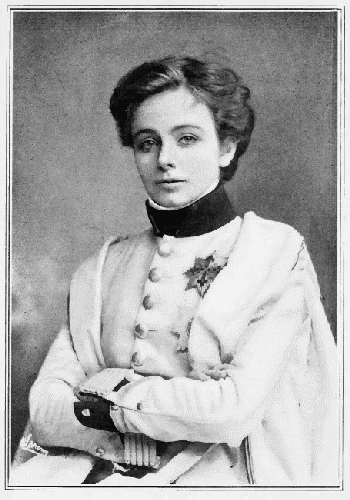
Who marched into the battle with white gaiters; The Conscripts here, with green and pear-shaped tufts. Who marched to battle with their gaiters black. Like a poor prisoner, who falls a-dreaming Of vast and murmuring forests, with a tree Fashioned of shavings, taken from a doll's house, I build my Father's Epic with these soldiers. [He moves away from the table.] Why, yes, from here I cannot see at all The little rounds of wood that keep them upright! This army, Prokesch, when you move away 'Tis but the distance makes it look so small! [He comes back quickly.] Place them in line for Wagram and for Eylau! This naked yatagan shall be the water— [He takes a sword from the panoply.] It is the Danube. [He arranges the soldiers.] Essling! Yonder's Aspern. Throw out a paper bridge across the steel. Pass me a mounted Grenadier or two. Prokesch. We want a little hillock. The Duke. [Handing him a book.] The "Memorials." Here stands Saint Cyr, here Molitor of Bellegarde And on the bridge— Metternich. [Who has come in unperceived and is standing behind him.] And on the bridge? The Duke. The Guards. Metternich. So all the army's French to-day, it seems! Where are the Austrians? The Duke. They've run away. Metternich. Tut, tut—who daubed them over for you? The Duke. No one. Metternich. 'Twas you. That's how you spoil the toys we give you. The Duke. Sir—! [Metternich rings—a Lackey appears.] Metternich. [To the Lackey.] Take these soldiers; throw them all away. [To the Duke.] I'll send you new ones. The Duke. I'll not have your new ones! If I'm a child, my toys shall be a giant's! Metternich. What gadfly—what Imperial bee has stung you? The Duke. As irony is little to my liking— The Lackey. [Aside to the Duke.] Silence, my Lord! I'll paint 'em over again. Metternich. Well, Highness? The Duke. Nothing. Just a fit of temper. Forgive me. [Aside.] I've a friend; I can be patient. Metternich. I came to bring your friend— The Duke. My friend? Metternich. Yes; Marshal Marmont. The Duke. Oh! Marmont! Metternich. [With a look at Prokesch.] He's among the few I like to see about you— Prokesch. [Mutters.] I should hope so! Metternich. He's here. The Duke. Why, let him come! [Metternich goes out. The Duke throws himself wildly on the couch.] My father! Glory! The Eagles! The Imperial throne! The purple! [Suddenly calm, he offers his hand to Marmont, who enters with Metternich.] Ah, Marshal Marmont! How are you to-day? Marmont. My Lord—! Metternich. [Anxious to get Prokesch away.] Come, Prokesch, come and see how well The Duke is lodged. [He takes him by the arm and leads him off.] The Duke. [After a pause.] You've told me all you know About my Father's youth? Marmont. I have. The Duke. We'll sum it up You'd call him great? Marmont. Oh, very. The Duke. But 'twas you Who helped— Marmont. I helped him to avoid— The Duke. Disaster? Marmont. Well, he believed so stoutly— The Duke. In his star? Marmont. We perfectly agree in our conclusions. The Duke. And I suppose he was, as we were saying— Marmont. He was a General of some importance; Yet it were hardly fair to call him— The Duke. Wretch! Marmont. What? The Duke. Now I've learnt whatever you could teach me, Whatever memories of him you had, All that, in spite of you, was splendid in you. I cast you off: a useless sponge! Marmont. My Lord! The Duke. Duke of Ragusa, you betrayed him! You! Ah, yes, I know, when you beheld your comrade Climbing the throne you all said, "Why not I?" But you, whom even in the ranks he loved, And loved so well his men grew discontented, Created Marshal at the age of thirty— Marmont. No; thirty-five. The Duke. You, traitor of Essonnes, The mob has found new uses for your name And coined a verb "Raguser," to betray! Why do you stand there silent? Answer me. 'Tis not alone Prince Francis Charles, it is Napoleon the Second speaking to you. Marmont. [Listening.] They come—Prince Metternich—I know his voice. The Duke. Well! you know what to do. Betray us twice! Metternich. [Entering with Prokesch.] Don't interrupt your chat. I'm taking Prokesch Across the park to see the Roman ruins Where I propose to give a ball. I am The last survivor of a crumbling world. I like the idea of dancing over ruins. Good-night. [He goes out with Prokesch.] Marmont. My Lord, you see I held my peace. The Duke. It only needed that you should raguse. Marmont. Oh, conjugate the verb! I'll take a seat. The Duke. What! Marmont. I will let you conjugate the verb Because you were magnificent just now. The Duke. Sir! Marmont. I have spoken evil of your Father These fifteen years. I do so still; 'tis true. Can you not guess I seek to excuse myself? I never saw your Father after Elba— If I had seen him I should have returned. Others betrayed him, thinking to save France; But these beheld his face again, and fell Under the spell, as I have fallen to-night. The Duke. Why, sir? Marmont. I also have beheld his face. The Duke. How? Marmont. In that frown, and in that haughty gesture; The sparkling eye! Insult me. I remain. The Duke. Almost you have atoned if that be true, Saved me from self-distrust which these exploit. What? With my gloomy brow and narrow chest—? Marmont. I have beheld him! The Duke. Dare I hope again? Dare I forgive you? Why did you betray him? Marmont. My Lord—! The Duke. Why? You—and others? Marmont. We were weary. Can you not understand? No peace in Europe. It's well to conquer, but one wants to live! Berlin, Vienna, never, never Paris! Beginning and beginning and beginning, Again, and yet again as in a nightmare; Forever and forever in the saddle Till we were sick of it! The Lackey. [Having taken out the wooden soldiers and come back. What about us? The Duke and Marmont. Eh? The Lackey. Us, the men, the mean, the rank and file? Us, tramping broken, wounded, muddy, dying, Having no hope of duchies or endowments, Marching along and never getting further, Too simple and too ignorant to covet The famous marshal's baton in our knapsacks? What about us, who marched through every weather, Sweating but fearless, shivering without trembling, Kept on our feel by trumpet-calls, by fever, And by the songs we sang through conquered countries? Us upon whom for seventeen years—just think!— The knapsack, sabre, turn-screw, flint, and gun, Beside the burden of an empty belly, Made the sweet weight of five and fifty pounds? Us, who wore bearskins in the burning tropics And marched bareheaded through the snows of Russia, Who trotted casually from Spain to Austria? Us who, to free our travel-weary legs, Like carrots from the slough of miry roads, Often with both hands had to lug them out? Us, who, not having jujubes for our coughs, Took day-long foot-baths in the freezing Danube? Who just had leisure when some officer Came riding up, and gayly cried "To arms! The enemy is on us! Drive him back!" To eat a slice of rook—and raw at that, Or quickly mix a delicate ice-cream With melted snow and a dead horse's blood? Us, who— The Duke. At last! The Lackey. At night had little fear Of bullets, but a holy dread of waking Cannibals; us— The Duke. At last—! The Lackey. Who marched and fought Fasting, and only stopped— The Duke. At last I see one! The Lackey. To fight—and then stopped fighting, four to one, Only to march; and stopped again to fight! Marching and fighting, naked, starved, but merry— Don't you suppose we, too, were sick of it? Marmont. But— The Lackey. Though we owed him precious little thanks, Nevertheless 'twas we whose hearts were true, While you were ambling at the King's right hand. In short, your Highness, in the great canteen, Where souls are fed on glory, he may find [Pointing to Marmont.] His laurels are not worth our small potatoes. Marmont. Who is this Lackey with the veteran's growl? The Lackey. John Seraph Peter Flambeau, called Flambart— "The glowing coal"—ex-sergeant grenadier. Mamma from Picardy; Papa a Breton. Joined at fourteen, two Germinal, year Three. Baptised, Marengo; got my corporal's stripes The fifteenth Fructidor, year Twelve. Silk hose And sergeant's cane, steeped in my tears of joy. July fourteenth, year Eighteen hundred and nine, At Schönbrunn, for the Guards were here to serve The sacred person of your Majesty. Sixteen years' service, seen sixteen campaigns, Fought Austerlitz, fought Eylau, Somo-Siera, Eckmühl, Essling, Wagram, Smolensk, and so forth. Thirty-two feats of arms, a lot of wounds, And only fought for glory and dry bread. Marmont. Surely you will not listen to him thus? The Duke. No, sir, I will not listen thus, but standing! Marmont. My Lord! The Duke. For in the volume whose sublime Chapters are headed with proud capitals You are the titles and you catch the eye; But these—these are the thousand little letters— You're nought, without the black and humble army That goes to make a page of history. Oh, my brave Flambeau, painter of my soldiers, To think while you were near me all this month, I only looked upon you as a spy. Flambeau. Oh, our acquaintance dates much further back! The Duke. How so? Flambeau. Can't you recall me? The Duke. Not at all. Flambeau. One Thursday in the garden of Saint Cloud Marshal Duroc stood with a maid-in-waiting, Watching your Highness at his nurse's breast— Its whiteness, I remember, startled me. Marshal Duroc exclaimed, "Come here!" I came. But there were lots of things to make me nervous: The Imperial child, the gorgeous rosy sleeves The Maid of honor wore, Duroc, the breast— In short, the tuft was shivering on my bearskin; So much so that your Highness noticed it. You gazed upon it pensively: what was it? And while you hailed it with a milky laugh You seemed uncertain which to admire the more About this moving scarlet miracle: Its motion, or the fact that it was scarlet. Suddenly, while I stooped, your little hands Began lo pull the precious tuft about. Seeing my plight, the Marshal cried severely, "Don't interfere"—I didn't interfere; But having sunk upon my knees I heard The nurse, the marshal, and the lady laughing. And when I rose the grass was strewn with red: As for my tuft, that was a beardless wire. "I'll sign an order," said Duroc, "for two." Back to my quarters then I strutted radiant; "You there! hulloa!" exclaimed the Adjutant, "Who's plucked you?" And I cried: "The King of Rome!" And that is how one Thursday morn I met Your Majesty. Your Highness has developed. The Duke. No, not developed: that is why I grieve. My "Majesty" has shrivelled to my "Highness." Marmont. [To Flambeau.] But since the Empire fell, what have you done? Flambeau. I think I've acted like a decent beggar. I know Fournier and Solignac. In May Eighteen-sixteen Didier and Sarlovèze Conspire and fail. I see the child Miard Perish, and David the old man, and weep; They'd have beheaded me, but I am missing. Good. I come back to Paris with an alias; I smash a footstool on a royal guard Because he'd trodden on my favorite corn. I take the chair at noisy drinking bouts, Spend thirty pence a month. I nurse a hope That in the Var that Other still may land. I swagger in a Bonapartist hat And call whoever stares at me a vampire. I fight some thirty duels. I conspire At Béziers; fail. They'd have beheaded me, But I am missing. Good. I join at once The plot at Lyons. All are seized. I fly. They'd have beheaded me, but I am missing. So I come back to Paris, where, by chance, I find myself mixed up in the Bazaar plot. Lefèvre-Desnouettes is in America. I join him there. "What's up, my General?" Says I. Says he, "Come back." We start; we're wrecked. My General's drowned, but I know how to swim; And so I swim, bewailing Desnouettes. Good. Very good. Sun—azure waves—and sea-mews. A ship. They fish me up. I land in time To be among the plotters of Saumur. We fail again. They'd have beheaded me, But I am missing. So I make for Greece, To rub the rust off, thrashing dirty Turks. One morning in July I'm back in France. I see them heaping paving stones. I help. I fight. At night the tricolor is hoisted. Instead of the while banner of the King, But as I think there still is something lacking To crown the point of that disloyal staff; You know—the golden thing that beats its wings. I leave, to plot in the Romagna. Fail. A relative of yours— The Duke. Named? Flambeau. Camerata— Makes me her fencing master— The Duke. Ah! Flambeau. In Tuscany. So we conspire with singlestick and rapier. Next there's a post of danger vacant here; They give me forged credentials; here I am. I'm here; but every day I see the Countess, For I have found the cave your Highness dug With your preceptor Colin in the garden To play at little Robinson. All right! I hide in it. I find it has two openings: This in an ant-heap; that, a bed of nettles. I wait. Your cousin brings her sketch-book, and There in the shadow of the Roman thingummies, She on her camp-stool, I amid the mud, She looking like an English tourist sketching, I whispering from my cavern like a prompter, We plan the means to make you Emperor. The Duke. And for such loyalty, so long maintained, What do you ask of me? Flambeau. Just pull my ear. The Duke. What? Flambeau. As your Father used to when we'd pleased him. The Duke. But I— Flambeau. I'm waiting. Come. The thumb and index. [The Duke pulls his ear.] That's not the way to pull an ear, my Lord! You don't know how: you're much too gentlemanly. The Duke. Ah, do you think so? Marmont. Clumsy thing to say! Flambeau. Well, in a French Prince that's but half a fault. The Duke. But can you see I'm French in these surroundings? Flambeau. Yes, you don't match. It's rich; it's heavy. Marmont. What! Can you see that? Flambeau. My brother's an upholsterer. He works in Paris for Fontaine and Percier— They try to imitate us here; but, Lord! They've got a curious kind of Louis-Quinze! I'm not an expert, but I've got an eye. [He lifts up a chair.] Just look how finnicking this wood-work is. [He puts it down and looks at it.] But then the tapestry! What taste! what mystery! It sings. It laughs. It crushes all the room. Why? Don't you know? Why, these are Gobelins! How plain it is that cunning craftsmen made them. This taste, this elegance swears with the rest— And you my Lord, were also made in France! Malmont. He must go back. Flambeau. And on the Cross of Honor Once more engrave a little Emperor. The Duke. Whom have they put there now? Flambeau. Henry the Fourth— Well, damn it all, it had to be a fighter! But, basta! How Napoleon must laugh To wear King Henry's mask upon his face! Haven't you ever seen the cross? The Duke. In shops. Flambeau. My Lord, it must be seen upon a breast. Here on the cloth, a gout of ardent blood, Which fell, and falling turned to burnished gold And to enamel with an edge of green; 'Twas like a jewel pouring from a wound. The Duke. It must have looked magnificent, my friend. Here on your bosom. Flambeau. I?—I never had it. The Duke. What! After all your modest heroism? Flambeau. One had to do far greater deeds to win it. The Duke. You made no claim? Flambeau. The Little Corporal Didn't bestow it; so I hadn't earned it. The Duke. Then I, who have no power, no throne, no title, I, who am but a memory in a phantom, That Duke of Reichstadt who with helpless grief Can only wander under Austrian trees, Carving an N upon their mossy trunks, Wayfarer, only noticed when I cough; Who have no longer even the little piece Of watered silk so scarlet in my cradle; I, on whose woes they vainly lavish stars, Who only wear two crosses, not the One! I, exiled, prisoner, sick, who may not ride Along the front of pompous regiments Scattering stars among my heroes; yet I hope—I think—the son of such a father— Into whose hands a firmament was given— I think, in spite of shadows and dead days, A little of the star clings to my fingers:— John Seraph Peter Flambeau, I adorn you! Flambeau. You! The Duke. Oh, this ribbon is not real. Flambeau. The real Is that we weep in taking. I have wept. Marmont. Besides, it must be legalized in Paris. The Duke. But how to get to Paris? Flambeau. Pack your trunk. The Duke. Alas! Flambeau. No more "Alas." To-day's the Ninth, And if you'd like to be on the Pont-Neuf The Thirtieth—you'll be there if you like— Come to the ball to-morrow given by Nepomuk. The Duke and Marmont. By whom? Flambeau. Prince Metternich (Clement Lothair Wenceslas Nepomuk). Come. No more "Alas!" Marmont. You utter dangerous secrets in my presence! Flambeau. You'll not betray a plot in which you share. The Duke. Not Marmont! Marmont. Yes, I'm with you. [To Flambeau.] All the same You didn't use much flattery to win me; You gave me quite a warm reception. Flambeau. Yes; And won a warm reception for myself. Marmont. Very imprudent. Flambeau. True, but then my failing Is ever overdoing things a little. I always add a trifle to my orders And wear a rose-bud when I go to battle: My little joke. Marmont. So if the Camerata Cares to employ me— The Duke. No! not Marmont! Flambeau. Pooh! Let him redeem himself! The Duke. No! Marmont. I have lists Carefully made, of all the malcontents; Maison, the French Ambassador, is my friend. Flambeau. Oh, he can serve us. The Duke. Compromises! No! I'll not let Marmont consecrate himself! Marmont. When you are crowned, my Lord, I will obey you. Meanwhile I'll go at once to General Maison. [Marmont goes out.] Flambeau. That venerable rascal's in the right. The Duke. So be it, then! I'll come. But where's the proof That France still feels herself my Father's widow? Oh, Flambeau, time has passed; the ancient love These worthy people bore us must have died. Flambeau. Their love of you, my Lord? Why that's immortal! [He takes from about his person the various articles mentioned in the following scene.] The Duke. Why, Flambeau, what is that? Flambeau. A pair of braces. The Duke. Have you gone mad? Flambeau. Just look and see what's on 'em! The Duke. My portrait! Flambeau. Worn by quite a decent class. The Duke. But Flambeau— Flambeau. Will you take a pinch of snuff? The Duke. I— Flambeau. On the box a little curly head. The Duke. 'Tis I! Flambeau. And what about this handkerchief? Eh! Not so bad, the little King of Rome? The Duke. But— Flambeau. Colored print to paste upon your walls. The Duke. Again! on horseback! Flambeau. Yes, and caracolling. How d'you like this pipe? The Duke. But tell me, Flambeau— Flambeau. You cannot say they haven't drawn you handsome! The Duke. I— Flambeau. A cockade, to tease the government. The Duke. What's that? Flambeau. A medal. Trivial fancy goods. The Duke. Still I? Flambeau. Still you. Look here, what words are ground Upon this tumbler? The Duke. "Francis, Duke of Reichstadt." Flambeau. Of course you can't get on without a plate— The Duke. A plate? Flambeau. A knife, a napkin-ring, an egg-cup. They've made you look so happy on the egg-cup! The table's laid, my Lord: my Lord is served! The Duke. [With increasing emotion.] Flambeau— Flambeau. On everything. Here's a cravat In which you're woven riding in the clouds; And playing cards of which you're Ace of Spades— The Duke. Flambeau! Flambeau. And Almanacs— The Duke. Flambeau! Flambeau. And everything! The Duke. Flambeau! Flambeau. What, weeping? Take this handkerchief And dry your eyes upon the King of Rome! [He kneels by the Duke's side and wipes his eyes with the handkerchief.] I bid you strike the iron while it's hot: You've got the people and you've got the Marshals, The King, the King himself, is only King On one condition: that he's Bonapartist. Vainly the Gallic cockerel spreads his wings That, from a distance, he may seem an eagle. We Frenchmen cannot breathe inglorious air; The crown must slip from off a pear-shaped head. The youth of France will rally to your side Merrily shouting songs of Béranger— The street has shuddered and the pavement trembled, And Schönbrunn's not so pretty as Versailles! The Duke. I will accept. [Military music is heard.] Ha! Flambeau. [At the window.] In the Court of honor The trumpets of the Guard. The Emperor Is coming home. The Duke. My grandfather! My promise! [To Flambeau.] No; before accepting— Flambeau. Damn it! The Duke. Listen! I must make one attempt with him; but if When you are here on guard to-night, you see Something—that you're not used to seeing here— It is a signal! I will fly. Flambeau. Latude! What will the signal be? The Duke. You'll see. Flambeau. But if— [An officer of the Noble Guard enters.] The Officer. My Lord— Flambeau. [Taking stock of him.] The beggars! Aren't they gorgeous swells! The Duke. Well? The Officer. As the Emperor passed, they came and said, "O Sire, this is the one day in the week Whereon your Majesty receives his subjects; Many have come from far—" "I'd thought of it," Replied the Emperor, smiling; "and I hope To see them. I'm at Schönbrunn as a grandfather, I shall be with the Duke from five to six: Let all my children be beside my grandson." May they come up? The Duke. Yes! open all the doors! [The Officer goes out.] The Duke. [To Flambeau.] Now quickly make a bundle of these treasures. I'll look at them at leisure in my room. Flambeau. I make the bundle in the handkerchief. But tell me what the signal is to be. The Duke. Oh, never fear! you will not fail to know it. But—do you hear them? That's the Austrian Hymn. Flambeau. My word! It isn't worth the Marseillaise! The Duke. The Marseillaise—well? have you tied the ends? My father used to say it wore mustachios. Flambeau. Their blessed national hymn has scented whiskers. The Duke. It wouldn't be bad fun to enter France, Thus, with my bundle on my back, on foot. Flambeau. How cheerful and how funny you can be! This is the first time I have seen you so. The Duke. What? Rather young and merry? Thank you, Flambeau. Curtain.
THE THIRD ACT
Scene: The same as in the previous act.
A miscellaneous crowd of men, women and children are discovered on the rising of the curtain. They are being placed in order by an Officer.
The Officer. Line up. Be quiet. Boy, behave yourself. The Emperor enters here; so leave a passage. You, giant Highlander, don't scrape your feet. A Man. Will he pass here? The Officer. Yes; and he'll take your papers. Hold your petitions so that he can see them. No tedious twaddle—Ah!—and you're forbidden To kneel when he comes in. A Woman. Forbidden or not, That won't prevent us— [The Emperor enters quite simply, without being announced. All the people, in spite of the warning, fall on their knees.] The Emperor. Rise, my children, rise. [He passes from one to the other, taking their papers. To a Woman.] Your pension's doubled. The Woman. Sire! The Emperor. [To a Man.] What? What? A team Of oxen? That's expensive!—Granted. The Man. Father! The Emperor. [Reading another paper.] Granted. A Woman. Father Franz— The Emperor. What, you? All well At home? The Woman. Oh, so-so. The Emperor. Well, old woman? Well? The Old Woman. Why, don't you see, the wind has killed my chickens. The Emperor. Granted.—A vocalist? The Vocalist. I yodle. The Emperor. Come And yodle to the Court at Baden. The Chamberlain. Name? The Vocalist. Schnauser. The Emperor. A Highlander? The Highlander. Out yonder My home is, on the mountains, in the skies. I want to be a cabman in Vienna. The Emperor. Well, so you shall. [Taking another paper.] A wealthy husbandman Begs Franz to give him back his daughter's love Which a Bohemian glass-blower has stolen. [Handing back the paper.] You'll wed your child to her Bohemian lover. The Husbandman. But— The Emperor. I'll endow him. The Chamberlain. Name? The Husbandman. Johannes Schmoll. I kiss your hands. The Emperor. [Taking another paper.] "A shepherd of the Tyrol, A friendless orphan, robbed of all his land, Driven from his homestead by his father's foes, Yearns for his native woods and skies"—how touching!— "And his paternal meadow." 'Tis restored. The Chamberlain. What is the shepherd's name, who asks for help? The Shepherd. The Duke of Reichstadt! And the meadow's France! The Emperor. [To the Petitioners.] Begone! [All go.] What's this? The Duke. It seems if I were only A mountain shepherd or a forester, With nothing to attract your notice, Sire, Save a cock's feather in my huntsman's hat, You would have drawn me to your melting heart. The Emperor. But Franz—! The Duke. Ah, now I know why all your subjects, All those who are unhappy, call themselves Your sons as much as we; but is it just, Sire, is it just, that I, when I'm unhappy, Have less of kinship than the least of these? The Emperor. But why just now—for I must scold you, sir— When I was busy with these wretched people— Why come to me just now, and not in private? The Duke. I wished to find you when your heart was open. The Emperor. My heart—my heart!—You're somewhat over-bold! The Duke. I know that you can do the thing I ask, That I am wretched almost past endurance, And that you are my Grandfather—that's all. The Emperor. But there is Europe—England—above all, There's Metternich. The Duke. You are my Grandfather. The Emperor. You don't know half the difficulties. The Duke. But I am the grandson of your Majesty. The Emperor. But— The Duke. Sire, in whom alone I place my trust, Be Grandfather a little while! The Emperor. But I— The Duke. Just for a moment drop the Emperor. The Emperor. Ah, what a coaxing way you always had. The Duke. You know I cannot bear you when you look Like the great portrait hanging in the throne-room, With the ermine cloak and Golden Fleece upon you; But here, like this, I like you very much. With the dear silver of your floating hair, Your kindly eyes, your simple coat and waistcoat; For now you're just a dear old gentleman, By whom a grandchild might be petted. The Emperor. Petted! The Duke. Are you not bored to see the heavy jowls Of Louis-Philip on the coins of France? The Emperor. Hush! hush! The Duke. Do you adore these podgy Bourbons? The Emperor. You are not like your cousins the Archdukes. The Duke. Indeed? The Emperor. Where did you learn your saucy tricks? The Duke. I learnt them playing in the Tuileries. The Emperor. Ah, you come back to that? The Duke. I wish I could. The Emperor. Can you recall those days? The Duke. Oh, only vaguely. The Emperor. Can you recall your father? The Duke. I remember A man who pressed me hard against a star, And as he pressed I felt with tears of fright The diamond star was stamped upon my heart: Sire, it has stayed there! The Emperor. Do I blame you for it? The Duke. Yes, let the goodness of your nature speak! When I was small you loved me, did you not? You loved to have me with you at your meals, And so we used to dine together— The Emperor. Charming. The Duke. My hair was long, and I was Prince of Parma; And when they punished me you let me off. The Emperor. Do you remember how you hated ponies? The Duke. One day they showed me one as white as snow; I stamped with fury in the riding-school. The Emperor. You thought a pony was a deadly insult. The Duke. I cried with rage: I want a great, big horse! The Emperor. And now you want another great, big horse! The Duke. And how I used to beat my German nurses. The Emperor. And how with Colin you would calmly dig Enormous holes about my park— The Duke. For Crusoe. The Emperor. He was Man Friday. The Duke. And I used to hide. I had a gun, three hatchets and a bow. The Emperor. Then you stood sentinel before my door. The Duke. As a hussar. The Emperor. And ladies, coming late, Found this excuse quite natural:—"Oh, Sire, We only stopped to kiss the sentinel!" The Duke. You loved me then. The Emperor. I love you now. The Duke. Then prove it! The Emperor. My Franz! my grandson! The Duke. Is it true the King Would simply disappear if I appeared? The Emperor. Well— The Duke. Is it true? The Emperor. I— The Duke. Don't tell lies! The Emperor. Perhaps! The Duke. I love you! The Emperor. Yes; if you appeared alone, Without a drum, upon the bridge at Strassburg, The King would vanish. The Duke. I adore you, Grandad! The Emperor. I'm stifled! The Duke. No. The Emperor. I should have held my tongue. The Duke. Besides, the climate of Vienna's bad: I'm ordered Paris— The Emperor. Really? The Duke. For my cough. If I'm to spend a season there, of course I can't stop anywhere but at the Louvre. The Emperor. Indeed! The Duke. And if you liked— The Emperor. They've often begged us To wink at your escaping— The Duke. Wink at once! The Emperor. Oh, for all me— The Duke. There's no one else. The Emperor. I'll think. The Duke. Don't think! Don't think those horrid second thoughts! Consult your feelings only, and your heart, 'Twould be so pretty if an Emperor once Upset all history to spoil his grandson. And then it's something, something rather fine, If you can just remark quite innocently, You know: "My Grandson, Emperor of the French." The Emperor. Certainly. The Duke. And you'll say it! Say you'll say it! The Emperor. Well— The Duke. Speak, Sire! The Emperor. Yes, then—Sire! The Duke. Ah, Sire! [They salute each other as equals.] The Emperor. Sire! The Duke. Sire! [A door opens.] The Emperor. Metternich. Have no fear; I'll— The Duke. All is lost! [Enter Metternich.] The Emperor. It is my will this child shall reign. Metternich. Delightful. I'll tell your partisans at once. The Duke. I feared. The Emperor. What should you fear? Am I not master here? The Duke. Whom will you send me as Ambassador? Metternich. Delightful. The Duke. And you'll visit me in state? The Emperor. Yes, very likely; when the chambers rise. Metternich. We'll only ask some trifling guarantees. The Duke. Ask what you like. The Emperor. Well? are you happy? Metternich. First We'll come to terms on trivial points of detail: Certain seditious groups should be dissolved: Our neighbors must not harbor thunderbolts. The Duke. Dear grandfather! Metternich. Ah—then we're very weary Of hearing of the Heroes of July. The Duke. But— Metternich. Now the imperialists and radicals Are linked: we'll cut the link; we cannot favor The dangerous modern spirit. We'll expel Lammenais. The Duke. But— Metternich. And Chateaubriand. Ah— We'll also put a muzzle on the press. The Duke. Oh, there's no hurry. The Emperor. Pardon me, there is. The Duke. Pardon me, that's attacking freedom. The Emperor. Freedom! Metternich. Ah—we must have free hand in Italy. Ah—not so much excitement about Poland. The Duke. Ah? And what else? Metternich. Well, we shall have to solve The question of the names. You know, the names Of battles, Sire, which you—well—did not win: The Marshals must not wear them. The Duke. What is that? The Emperor. Perhaps— Metternich. Forgive me; but they must not think They're lords of Austrian places; and you cannot Approve their way of carrying off to France Our villages by means of upstart titles. The Duke. Grandfather! Grandfather! The Emperor. Well—it's evident— The Duke. Yet you and I were in each other's arms! [To Metternich.] And have you nothing further to demand? Metternich. Yes; the suppression of the Tricolor. The Duke. Your Excellency wishes me to wash The banner based in blood and crowned with heaven— For it was dipped in horrors that bear fruit, And it was bathed in universal hopes!— Your Excellency asks me to efface That gleam of heaven and that stain of blood, And, having nothing but a blank sheet left, To make a shroud for Freedom out of that! The Emperor. Freedom again! The Duke. Upon my father's side I am related closely, Sire, to Freedom. Metternich. Yes, the Duke's grandsire was the eighteenth Brumaire! The Duke. Yes, and the Revolution was my granddam! The Emperor. Silence! Metternich. The Emperor a republican! Utopia!—Play the Marseillaise in A On trumpets, while the sentimental flute Sighs "God preserve the Empire" in E flat. The Duke. The two go very well together, sir, And make a tune that frightens Kings away! The Emperor. This to my face? How dare you, sir? How dare you? The Duke. Ah, now I know what is expected of me! The Emperor. What does it mean? What is the matter with him? The Duke. I am to be an Austrian Archduke On a French throne! The Emperor. What has he read or seen? The Duke. I have seen egg-cups, handkerchiefs, and pipes! The Emperor. He's mad! The words he utters are a madman's! The Duke. Mad to have thought you'd help me to my own. Metternich. 'Tis you alone obstruct your going home. The Duke. Yes, in a gig instead of on a gun! The Emperor. You shall not go at all! The Duke. A cage? The Emperor. We'll see! The Duke. For all your cages I am still the Eaglet! The Emperor. The eagle on my flag has many eaglets: You're one of them: that's all. The Duke. Oh, gloomy eagle! Sad, double-headed fowl, with heavy eye: Eagle of Austria, cruel bird of night! A glorious eagle of the dawn has passed Athwart thine eyrie, and with ruffled feathers, Raging and terror-stricken, thou beholdest One of thine eaglets sprouting golden plumage! The Emperor. My heart was softening: I regret my tears. These books and weapons shall be taken from you. Dietrichstein! Metternich. He is not in the palace. The Emperor. Poor, morbid child, we will suppress whatever Too much reminds you who your father was. The Duke. Then you must root up every violet, Drive every single bee out of your park! The Emperor. Change all the servants! Metternich. I'll dismiss them all: Otto, Fritz, Hermann, Albrecht— The Duke. Close the shutters, Lest yonder star remind me of my father's. The Emperor. And as for Dietrichstein, I'll sign at once New regulations— [To Metternich.] Write. Metternich. Where is the ink? The Duke. My inkstand's on the table; you may use it. Metternich. Where? I see nothing! The Duke. The Minerva's head, In bronze and marble. Metternich. Still I cannot see it. The Duke. Then take the other, made of burnished gold, On yonder console— Metternich. Where? The Emperor. What inkstands? The Duke. Sire, Those which my father left me. The Emperor. What do you mean? The Duke. Yes! in his testament! And there, the pistols, Four pistols of Versailles. Take them away. The Emperor. [Bringing his fist down on the table.] What's this? The Duke. You must not hit the table, Sire! Now you've knocked down the sword he wore as Consul! The Emperor. These things you speak of— The Duke. Are before my eyes! "They are to be surrendered to my son When he has reached sixteen." Despite the crime Which holds them back, they're mine: I have their soul! The soul of every cross, of every jewel, And all is here: the three mahogany caskets, And all the snuff-boxes, and all the spurs, The golden garter-buckles and the gorgets, I've all! The iron sword, the enamelled sword, The sword in which a never-setting sun Has left its fires imprisoned, so that none May dare to draw it lest the sun leap forth; I have the sword-belts also, all the six! The Emperor. Silence! The Duke. "To be surrendered to my son When he has reached sixteen." Oh, Father, sleep. For I have all; even your uniforms. Oh, yes! To you my uniform looks white— Well, it's not true—it's false—I am pretending! Father, behold, it's blue and red, behold! Colonel? Not so! Lieutenant in your Guard! By the device your soldiers bore I know it, Father, who gave me victories for sisters! 'Twas not in vain you wished me to possess The alarm-clock of King Frederick of Prussia, Which you magnificently stole from Potsdam, For here it is! 'Tis ticking in my brain! It is the clock which wakes me every morning, Drives me exhausted by my midnight toil Back to my narrow table, to my toil, To be more fit by night-fall for the throne! The Emperor. The throne! the throne! Oh, never hope again That you may reign in France, you—Upstart's son, Because our nobler blood has made you look Rather more kingly than your father was. The Duke. Forgive me, but at Dresden, you remember, You all appeared like lackeys of my father. The Emperor. A common soldier! The Duke. He had but to ask And Emperors gave their daughters to this soldier. The Emperor. Perhaps. I cannot say. Mine is a widow. The Duke. Pity I'm here as living evidence! The Emperor. Have you forgotten how we loved each other? The Duke. No! No! My birth is proof that you were beaten! No! you can only hate me; for I am Wagram personified before your eyes! The Emperor. Out of my sight! Begone! [Exit the Duke.] The child I loved! Metternich. Well, Sire, is he to have an empire? The Emperor. Never! Metternich. Do you perceive what I have saved you from? The Emperor. Ah! did you hear the monstrous things he said? Metternich. We must subdue him. The Emperor. For his own sake; yes, Metternich. For the world's peace and yours. The Emperor. We must subdue him. Metternich. I'll come and speak to him to-night. The Emperor. What grief He gives me! Metternich. [Trying to lead him away.] Come. The Emperor. You'll speak to-night? Metternich. This scene Must never be repeated. The Emperor. It has hurt me. Unhappy child! Metternich. [Leading him off.] Come, Sire. The Emperor. [Without.] The child— [His voice dies away.] [The Duke opens his door very gently, sees they are gone, listens a moment, then enters quickly and places one of Napoleon's little hats on the table.] The Duke. The signal! [He returns to his room.] [Flambeau enters.] Flambeau. 'Tis time. Well, signal? Are you here?—Perhaps. [He hunts for it.] "Flambeau," he said, "you cannot fail to find it." Now, is it high or low, or black or white? Or great or small? [He sees the hat.] The Emperor's—! Small and great! [He goes toward the window.] Oh, but the Countess watches in the park, And if the signal's here I am to signal: [He takes out his handkerchief.] No! This won't do. A white flag makes her ill. [A servant enters with a reading-lamp, which he carries toward the Duke's room.] The Servant. The Duke of Reichstadt's reading-lamp. Flambeau. [Leaping upon him and seizing the lamp.] You dolt! It's leaking! It must have fresh air! [He takes it out on the balcony.] You wave it three times so: arrange the wick; [He does as he says and gives the lamp back to the Servant.] That's it. See that? The Servant. Oh, aren't you clever? [He carries the lamp into the Duke's room.] Flambeau. Rather! To-morrow—flight! [Sedlinzky enters.] Sedlinzky. The Duke? Flambeau. [Pointing to the room.] In there. Sedlinzky. Watch here. Flambeau. I'm watching. Sedlinzky. Lock! [He goes out.] Flambeau. [Locking the door after him.] Locked! Sedlinzky. [Without.] Take the key out. Flambeau. Out. Sedlinzky. None but the Emperor has the key. Be careful— Watch. Flambeau. As I always do. [He bends over the key-holes and arranges them carefully.] And for the night I'll close the eyelids of the key-holes softly. Sedlinzky's Voice. Good-night, you Piedmontese. Flambeau. Good-night, my Lord. Sedlinzky's Voice. Remember! you're on duty. Flambeau. I'm on duty. Sedlinzky's Voice. Well, that's all right. Good-night. Flambeau. Good-night! [He throws off his livery coat. Puts on the busby, which is standing on the console, and shoulders the musket. He is now in the full accoutrement of a Grenadier of the Guards.] And thus, Suddenly upright, thin, unliveried, Locked in till dawn, and safe against surprise, Glowering with grizzled brows beneath his busby, Straight in his ancient uniform, his gun Firm in his arm, his hand on his right nipple, The fixed and regulation attitude, Standing thus every night before your threshold, Giving himself a password full of pride, Pleased with a deed that's grave, and yet a jest, A Grenadier at Schönbrunn stands on guard About the son as once about the Father. 'Tis the last time! You'll never hear of it. 'Tis for myself. A private luxury. I must be mad to do a thing like this For no one's eye, but just to say "By Jove, That's rather good!" At Schönbrunn! In their teeth! But I'm delighted!—I'm content! [He hears the noise of a key in the door.] I'm damned! [The door opens gently.] Who can have got the key? [He retires into the shadow by the Duke's door.] [Metternich enters, carrying a large candelabrum.] Metternich. No, no! This scene Must never be repeated. Flambeau. Nepomuk! Metternich. Yes, I will speak to-night. We are alone. [As he puts down the candelabrum he sees the hat.] What's this? I never knew he had one like— Ah! the Archduchess must have sent him this; So there thou art, thou legendary hat! 'Tis many years—Good day!—What sayst thou? What? No, from thy little sable pyramid Twelve years of splendor gaze on me in vain, I do not fear thee now. The leathern tag With which he constantly could take thee off, And so win cheers yet leave thy shape unharmed. With thee he fanned himself after each victory; Thou couldst not fall from his unheeding fingers, But straight a king would stoop to pick thee up. To-day, my friend, thou art a reach-me-down, And if I tossed thee through the casement yonder Where wouldst thou end thy days? Flambeau. [To himself.] In a museum! Metternich. The famous little hat—how very ugly! They called it little—is it really little? No; it is big; enormous; it's the hat A little man puts on to increase his inches. For 'twas a hatter set the legend going: The real Napoleon, after all, was Poupart. Ah, never think my hatred of thee slumbers! 'Twas for thy shape's sake first I hated thee, Thou vampire-bat of bloody battle-fields, Hat that seemed fashioned out of raven's wings. I hated thee for pitilessly soaring Above the fields which witnessed our defeats, Half-circle, seeming on the ruddy sky The orb half-risen of some sable sun! And for thy crown wherein the devil lurks, Thou juggler's hat, laid with a sudden hand Upon a throne, an army, or a nation— When thou wert lifted all had disappeared. I hated thee for the salutes I gave thee, For thy simplicity—mere affectation— Thy insolent joy, thou piece of common beaver Amid the glittering diadems of gold; For staying firmly on his haughty head When I sought flattering epithets to please thee. Conqueror, new, acclaimed, I hated thee! I hate thee now, old, conquered and betrayed! I hate thee for thy haughty shadow, cast Forever on the wall of history; I hate thee for thy Jacobin cockade, Staring upon me like a bloodshot eye; For all the murmurs sounding in thy shell, That huge black shell the waves have left behind Wherein the shuddering listener may hear The rumor of a nation on the march. I hate thee for the pride of France, whose bounds Thou hast enlarged until she scorns the world; For Béranger I hate thee, and Raffet, For all the songs and all the pasquinades, And for the halo of Saint Helena. I hate thee, hate thee. I shall not be happy Until thy clumsy triangle of cloth, Despoiled of its traditions, is again What it should ne'er have ceased to be in France— The headgear of a village constable. I hate—but suddenly—how strange!—the present Sometimes with impish glee will ape the past!— Seeing thy well-known shape before me thus Carries my mind back to a distant day, For it was here he always put thee down When twenty years ago he sojourned here. This room was then the ante-chamber; here, Waiting till graciously he showed himself, Dukes, Princes, Magyars, huddling in a corner, Fixed from afar their humbled eyes upon thee, Like lions, dreading with a helpless fury The tamer's hat forgotten in the cage. 'Twas thus he placed thee, and here lay, as now, Weapons and papers. One might say 'twas he Had tossed thee carelessly upon the map, That this were still his home, this Bonaparte! And that by turning, on the threshold—there— I should behold the Grenadier on— [He starts on seeing Flambeau standing rigid before the Duke's door; he rubs his eyes.] Ha! No! no! I'm feverish; my tête-à-tête With the old hat plays havoc with my nerves! [He looks and draws near. Flambeau does not move.] Or have the moonbeams conjured up a spectre? What is it, then? Let's see—let's see—let's see! [He strides furiously toward Flambeau.] Who are you, fellow? Flambeau. [Presenting his bayonet.] Who goes there? Metternich. [Recoiling.] The devil! Flambeau. [Coldly.] Pass, devil. Metternich. [With a forced laugh, coming toward him again.] Yes,—a very clever jest, But— Flambeau. [Presenting his bayonet again.] Who goes there? Metternich. [Recoiling.] But— Flambeau. Move and you are dead. Metternich. But—I— Flambeau. Quiet! Metternich. Let me pass! Flambeau. The Emperor sleeps! Metternich. What! Flambeau. Silence! Metternich. I'm the Austrian Chancellor! I am all-powerful! I'm— Flambeau. Shut your mouth! Metternich. I want to see the Duke of Reichstadt! Flambeau. Out! Metternich. How—out? Flambeau. What's Reichstadt? Never heard of Reichstadt! Auerstadt, Elchingen, they're dukes I know. Reichstadt's no duke. There's been no victory there. Metternich. But, we're at Schönbrunn! Flambeau. I should rather think so! Thanks to our new success we're quartered here; And here we're getting ready at our leisure To give the world another drubbing! See? Metternich. What's that you say? A new success? Flambeau. Colossal! Metternich. This is July the ninth in Eighteen— Flambeau. Nine! Metternich. Can I be mad? Flambeau. Who are you? Where d'you spring from? Why aren't you snug in bed? It's very fishy— Metternich. I— Flambeau. Who let this braggart pass? The Mameluke? Metternich. The Mameluke? Flambeau. All's going to the dogs! Metternich. But— Flambeau. You here in the ante-room at night! Metternich. But I— Flambeau. You calmly cross the Rosa chamber Unchallenged by the sentinel on guard! Metternich. What? Flambeau. When you ventured through the small rotunda, Was there no yatagan to shave your cheek? Were there no sergeants in the white saloon Brewing their punch upon the golden stove? No bristling veterans in the china-room? And in the galleries? The Grenadiers Saw you come strolling as a matter-of-course? A man may cross the oval cabinet And not be turned to mince-meat by Duroc? Metternich. The Marshal—? Flambeau. Is the bulldog turned to lapdog? Metternich. I come here— Flambeau. So the palace is an inn? And when you'd managed all the sentinels, Where were the rest? The porter? Gone to bed? The valet? Absent? And the secretary? Where was he hidden? In his own portfolio? Metternich. But I— Flambeau. Instead of being after you, No doubt the Aide-de-Camp was after women! Metternich. But— Flambeau. And the Moor was saying prayers to Allah? At any rate it's lucky I was here. What discipline! If he looks into this I'll bet my head he'll let the beggars know! Metternich. I'm going— Flambeau. Ah! don't stir! You'll wake him! He's sleeping on his little bed of laurels. Metternich. [Falling into an arm-chair.] Was never such a dream! 'Twill make an epic! [His hand touches the flame of one of the candles.] Well, but this candle— Flambeau. Burns. Metternich. [Feeling the point of Flambeau's bayonet.] This weapon— Flambeau. Stings! Metternich. Then I'm awake! I'm— Flambeau. Hold your tongue! Metternich. And what of Waterloo? Flambeau. Of water—what? [Listening.] The Emperor stirred. Metternich. The Emperor? Flambeau. Oh, my stars! Now you turn whiter than a bugler's horse! Metternich. It is the Duke of Reichstadt! I'm not scared! It is the Duke! I'm sure of it! Flambeau. The Emperor! [The Duke enters, with the reading lamp in his hand.] Metternich. Aha! Tis you! 'Tis you! It is your Highness! Ah, but how glad I am! The Duke. [Puzzled.] Why are you glad? Metternich. The joke was played so well, I really thought Another might come out! Flambeau. [As if waking from a dream.] Faith, so did I! The Duke. [To Flambeau.] What's this? Flambeau. My little joke. Metternich. [Ringing.] Help! The Duke. Fly! Flambeau. The window! The Duke. The sentinel will shoot you! Flambeau. If he can. The Duke. Your livery! Metternich. [Putting his foot on it.] No! Flambeau. Bah! [Aside to the Duke, while Metternich rings again.] I will seek my cavern. The Duke. But I— Flambeau. The ball to-morrow! The Duke. Are you mad? Flambeau. You'll find me. The Duke. Quiet! [Flambeau goes out by the window.] Metternich. If he'd only break His neck—He's singing! The Duke. [On the balcony.] Hush! Flambeau's Voice. My little joke! [A shot is heard.] The Duke. Missed! Metternich. With what ease he finds his way about. The Duke. He knows it; he has been here once before. Metternich. [To the Lackeys who show themselves at the door.] Too late. Begone. I do not need your help. [The Lackeys disappear.] The Duke. And not a word of this to the police! Metternich. I never raise a laugh against myself. What's the importance of a veteran's joke? You're not Napoleon? The Duke. Who has settled that? Metternich. You have his hat, perhaps, but not his head! The Duke. Ah, yes, an epigram to damp my ardor. 'Tis not the pin-prick this time, 'tis the lash That drives me headlong toward the wildest dreams. I've not the head, you say? How do you know? Metternich. [Takes the candelabrum in his hand and leads the Duke to the cheval glass.] How do I know? Just glance into this mirror. Look at the sullen sadness of your face, The grim betrayal of your fair complexion, This crushing golden hair—I bid you look! The Duke. [Struggling to get out of his grasp.] No! Metternich. You're environed with a fatal mist! The Duke. No! Metternich. Though you know it not, 'tis Germany, 'Tis Spain, for ages dormant in your blood, Make you so haughty, sorrowful, and charming. The Duke. No! no! Metternich. Bethink you of your self-distrust! You—reign? Come, come! You would be pale and wan; One of those timid, introspective kings Who are imprisoned lest they abdicate. The Duke. No, no! Metternich. Not yours the energetic brow! Yours is the brow of languor and of yearning. The Duke. [Shaking, passes his left hand across his brow.] My—brow? Metternich. And drearily your Highness passes Over an Austrian brow a Spanish hand! The Duke. My—hand? Metternich. Observe the frail and tapering fingers Seen fair and jewelled in long lines of portraits! The Duke. No! Metternich. And those eyes through which your ancestors Look forth! The Duke. The eyes—? Metternich. Ay! note them well! The eyes Wherein how many eyes we've seen before Dream of the fagot, weep for perished squadrons! Dare you, whose conscience is so sensitive, Ascend the throne of France with eyes like those? The Duke. Ah! but my Father!— Metternich. Naught of him is in you! Search! Search again! Come closer to the light! He stole our ancient blood to mix with his, That his might grow more ancient. But he stole Only the racial melancholy, and The feebleness, and— The Duke. I beseech you! Metternich. Look! Look in the mirror! You turn pale? The Duke. Enough! Metternich. And on your lips you recognize the pout As of a doll, of Marie Antoinette, Her whom your France beheaded; for your Father, While stealing glory, stole mishap as well! Nay! raise the chandelier! [He forces the chandelier into the Duke's right hand, and holds him by that wrist.] The Duke. I am afraid. Metternich. You cannot gaze into this glass at night, But all your race will gibber at your back! Look—in the gloom—that shade is Mad Johanna, And yonder Thing, that moves so deathly slow, Is the pale sovereign in his crystal coffin. The Duke. No! 'Tis the radiant pallor of my Father! Metternich. Yonder, recoiling, Rudolph and his lions! The Duke. The clash of steeds and weapons! 'Tis the Consul! Metternich. Lo! in a noisome crypt one fashions gold. The Duke. He fashions glory on the sands of Egypt. Metternich. Aha! Here's Charles the Fifth, with hair cropped close, Dying for having sought self-burial! The Duke. Help! Father! Metternich. The Escurial! Grisly phantoms And frowning walls! The Duke. Ah, hither! smiling visions: Compiègne and Malmaison! Metternich. You see them! see them! The Duke. Roll, drums of Arcola, and drown his voice! Metternich. The mirror's teeming! The Duke. [Twisting his wrist loose, but still holding the chandelier.] I will shatter it! Metternich. Others, and others yet, arrive! The Duke. [Hurling the chandelier into the mirror.] 'Tis shattered! Not one remains! Not one! Metternich. [Pointing at the Duke with a terrible gesture.] Yes!—One! The Duke. No, no! It is not I! Not I!—My Father!—Help! Curtain.