Part 1 — Chapter 1 CHECKLIST OF EMERGENCY ACTIONS
Reading edition
× KNOW YOUR LOCAL EMERGENCY ACTION PLAN
× Find out from your local government your local plan for emergency action.
× Determine the specific actions you and members of your family are expected to take.
× UNDERSTAND NUCLEAR ATTACK HAZARDS (See Chapter 2, page 9)
On the widespread threat of fallout, remember:
× The most dangerous period is the first 24 hours after fallout arrives. But you might have to use fallout shelter for up to two weeks.
× Highly dangerous amounts of fallout are visible. They look
like particles of sand or salt.
× There is little danger that adults could inhale or swallow
enough fallout particles to hurt them. Small children, however, could be injured by drinking contaminated water or milk.
× A person exposed to fallout radiation does not become radioactive. Radiation sickness is not contagious; one person cannot "catch it" from another person.
× KNOW THE ATTACK WARNING SIGNAL (See Chapter 3, page 17)
× On outdoor warning devices, the Attack Warning Signal is a 3- to 5-minute wavering sound, or a series of short blasts on whistles or horns.
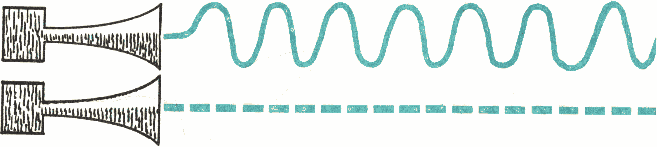
× This signal means: An enemy attack against the United
States has been detected.
Take protective action
. (This signal has no other meaning, and will be used for no other purpose.)
× On warning, don't use the phone. Get information from radio.
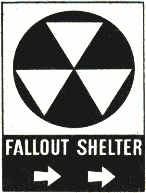
× KNOW THE LOCATION OF FALLOUT SHELTER (See Chapter 4, page 23)
× Public shelters are marked like this.
× Good shelters can be prepared in homes with basements.
× IF NO SHELTER IS AVAILABLE, IMPROVISE PROTECTION (See Chapter 5, page 33)
Remember:
× A basement corner below ground level, or a storm cellar, is
the best place to improvise fallout protection.
× For the best possible protection, use heavy and dense materials
for shielding.
× PREPARE EMERGENCY SUPPLIES (See Chapter 6, page 39)
Especially important are:
× Water and other liquids.
× Food requiring no cooking.
× Special medicines.
× CONSERVE EMERGENCY SUPPLIES; MAINTAIN SANITATION (See Chapter 7, page 45)
× REDUCE FIRE HAZARDS (See Chapter 8, page 51)
× KNOW THE BASICS OF EMERGENCY MEDICAL CARE (See Chapter 9, page 55)
If no doctor is available, especially important are actions to:
× Restore breathing.
× Stop serious bleeding.
× Treat for shock.
× Treat broken bones and burns.
× FOLLOW OFFICIAL INSTRUCTIONS