GINSENG AND OTHER MEDICINAL PLANTS
Reading edition
A Book of Valuable Information for Growers as Well as Collectors of Medicinal Roots, Barks, Leaves, Etc.
BY A. R. HARDING
Published by A. R. Harding Publishing Co. Columbus, Ohio Copyright 1908 By A. R. Harding Pub. Co.
CONTENTS
I. Plants as a Source of Revenue
II. List of Plants Having Medicinal Value
III. Cultivation of Wild Plants
IV. The Story of Ginseng
V. Ginseng Habits
VI. Cultivation
VII. Shading and Blight
VIII. Diseases of Ginseng
IX. Marketing and Prices
X. Letters from Growers
XI. General Information
XII. Medicinal Qualities
XIII. Ginseng in China
XIV. Ginseng — Government Description, Etc.
XV. Michigan Mint Farm
XVI. Miscellaneous Information
XVII. Golden Seal Cultivation
XVIII. Golden Seal History, Etc.
XIX. Growers' Letters
XX. Golden Seal — Government Description, Etc.
XXI. Cohosh — Black and Blue
XXII. Snakeroot — Canada and Virginia
XXIII. Pokeweed
XXIV. Mayapple
XXV. Seneca Snakeroot
XXVI. Lady's Slipper
XXVII. Forest Roots
XXVIII. Forest Plants
XXIX. Thicket Plants
XXX. Swamp Plants
XXXI. Field Plants
XXXII. Dry Soil Plants
XXXIII. Rich Soil Plants
XXXIV. Medicinal Herbs
XXXV. Medicinal Shrubs
LIST OF ILLUSTRATIONS
Delights in His Ginseng Garden
Seneca Snake Root (Cultivated) in Blossom
Indian Turnip (Wild)
Canadian Snake Root (Cultivated)
Blood Root (Cultivated)
Sarsaparilla Plant (Wild)
Ginseng Plants and Roots
Garden Grown Ginseng Plants
Northern Ginseng Plant in Bloom — June
Plan for Ginseng Garden 24 x 40 Feet — Ground Plan One Line, Overhead Dotted
A Lath Panel
One, Two and Three Year Old Ginseng Roots
Ginseng Plants Coming Up
Bed of 10,000 Young Ginseng Plants in Forest
One Year's Growth of Ginseng Under Lattice Shade
A Healthy Looking Ginseng Garden
Diseased Ginseng Plants
Broken — "Stem Rot"
End Root Rot of Seedlings
The Beginning of Soft Rot
Dug and Dried — Ready for Market
A Three Year Old Cultivated Root
Bed of Mature Ginseng Plants Under Lattice
Some Thrifty Plants — An Ohio Garden
New York Grower's Garden
Forest Bed of Young "Seng" These Plants However Are Too Thick
A Healthy Looking "Garden" — "Yard"
Root Resembling Human Body
Wild Ginseng Roots
Pennsylvania Grower's Garden
Ginseng (Panax Quinquefolium)
Lady Slipper
Young Golden Seal Plant in Bloom
Golden Seal Plants
Thrifty Golden Seal Plant
Golden Seal in an Upland Grove
Locust Grove Seal Garden
Golden Seal (Hydrastis Canadensis) Flowering Plant and Fruit
Golden Seal Rootstock
Black Cohosh (Cimicifuga Racemosa), Leaves, Flowering Spikes and Rootstock
Blue Cohosh (Caulophyllum Thalictroides)
Canada Snakeroot (Asarum Canadense)
Virginia Serpentaria (Aristolochia Serpentaria)
Pokeweed (Phytolacca Decandra), Flowering and Fruiting Branch
Pokeweed Root
May-Apple (Podophyllum Pellatum), Upper Portion of Plant with Flower, and Rootstock
Seneca Snakeroot (Polygala Senega), Flowering Plant with Root
Large Yellow Lady's Slipper (Cypripedium Hirsutum)
Bethroot (Trillium Erectum)
Culver's Root (Veronica Virginica) Flowering Top and Rootstock
Stoneroot (Collinsonia Canadensis)
Crawley-Root (Corallorhiza Odontorhiza)
Marginal-Fruited Shield-Fern (Dryopteris Marginalis)
Goldthread (Coptis Trifolia)
Twinleaf (Jeffersonia Diphylla) Plant and Seed Capsule
Canada Moonseed (Menispermum Canadense)
Wild Turnip (Arisaema Triphyllum)
Black Indian Hemp (Apocynum Cannabinum), Flowering Portion, Pods, and Rootstock
Chamaelirium (Chamaelirium Luteum)
Wild Yam (Dioscorea Villosa)
Skunk-Cabbage (Spathyema Foetida)
American Hellebore (Veratrum Viride)
Water-Eryngo (Eryngium Yuccifolium)
Yellow Jasmine (Gelsensium Sempervirens)
Sweet Flag (Acorus Calamus)
Blue Flag (Iris Versicolor)
Crane's-bill (Geranium Maculatum), Flowering Plant, Showing also Seed Pods and Rootstock
Dandelion (Taraxacum Officinale)
Soapwort (Saponaria Officinalis)
Burdock (Arctium Lappa), Flowering branch and Root
Yellow Dock (Rumex Crispus), First Year's Growth
Broad-Leaved Dock (Rumex Obtusifolius), Leaf, Fruiting Spike and Root
American Colombo (Frasera Carolinensis), Leaves, Flowers, and Seed Pods
Couch-Grass (Agropyron Repens)
Echinacea (Brauneria Augustifolia)
Aletris (Aletris Farinosa)
Wild Indigo (Baptisia Tinctoria), Branch Showing Flowers and Seed Pods
Pleurisy Root (Asclepias Tuberosa)
Bloodroot (Sanguinaria Canadensis), Flowering Plant with Rootstock
Pinkroot (Spigelia Marilandica)
Indian Physic (Porteranthus Trifoliatus)
Wild Sarsaparilla (Aralia Nudicaulis)
American Angelica (Angelica Atropurpurea)
Comfrey (Symphytum Officinale)
Elecampane (Inula Helenium)
Queen-of-the-Meadow (Eupatorium Purpureum)
Hydrangea (Hydrangea Arborescens)
Oregon Grape (Berberis Aquifolium)
INTRODUCTION
When the price of Ginseng advanced some years ago hundreds engaged in the business who knew little or nothing of farming, plant raising and horticulture. That they largely failed is not to be wondered at. Later many began in a small way and succeeded. Many of these were farmers and gardeners. Others were men who had hunted, trapped and gathered "seng" from boyhood. They therefore knew something of the peculiarities of Ginseng.
It is from the experience of these men that this work is largely made up — writings of those who are in the business.
Golden seal is also attracting considerable attention owing to the rapid increase in price during the early years of the present century. The growing of this plant is given careful attention also.
Many other plants are destined to soon become valuable. A work gotten out by the government — American root drugs — contains a great deal of value in regard habits, range, description, common names, price, uses, etc., etc., so that some of the information contained in this book is taken therefrom. The prices named in the government bulletin which was issued in 1907 were those prevailing at that time — they will vary, in the future, largely according to the supply and demand.
The greatest revenue derived from plants for medicinal purposes is derived from the roots, yet there are certain ones where the leaves and bark are used. Therefore to be complete some space is given to these plants. The digging of the roots, of course, destroys the plant as well as does the peeling of the bark, while leaves secured is clear gain — in other words, if gathered when matured the plant or shrub is not injured and will produce leaves each year.
The amount of root drugs used for medicinal purposes will increase as the medical profession is using of them more and more. Again the number of people in the world is rapidly increasing while the forests (the natural home of root drugs) are becoming less each year. This shows that growers of medicinal roots will find a larger market in the future than in the past.
Those who know something of medicinal plants — "Root Drugs" — can safely embark in their cultivation, for while prices may ease off — go lower — at times, it is reasonably certain that the general trend will be upward as the supply growing wild is rapidly becoming less each year.
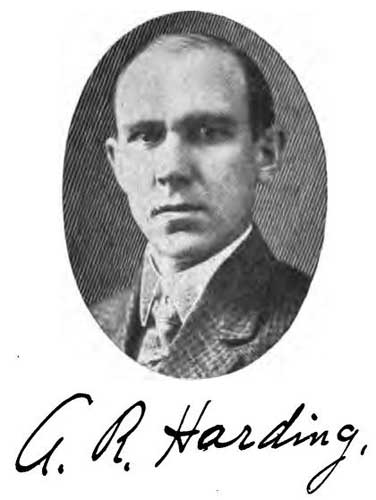
A. R. Harding.