Notes on the Postmarks.
Reading edition
By Douglas Ellis.

he first Gambia stamps appeared early in 1869, and postmarks of that year are usually composed of a circle with "Gambia" across the centre in a straight line, and the date in two lines below and a control letter above.
This postmark is usually in red, but is also found in black. It was apparently only in use for a short time, being superseded by a circular postmark of the same size, but with "Gambia" at top and "Paid" at bottom, both following the line of the circle.
The day and month are in a straight line across the centre of the circle, with the year (last two figures only) below and a control letter above. This, in the early dated specimens, is A, followed by B and then C. The postmark is always in red down to the early part of 1887.
On the early imperforate stamps we find a similar postmark in black, but lettered "Gambia" above and "Unpaid" below. This was probably intended for use on letters posted without a stamp. The control letter is A.
From 1887 to 1892 the Gambia-Paid postmark appears in black. The control letters are B or C.
In 1892 this was superseded by a fresh cancellation with "Bathurst" above and "Gambia" below, both following the line of the circle, the date across the centre as before, and the control letter being C.
The lettering may be found in two sizes; on one the distance between the B of Bathurst and the G of Gambia is 3mm. and on the other 6mm.
In 1895 the control letter C was replaced by a six-pointed *, and this cancellation is still in use.
About 1901 a special postmark for Registered letters was brought into use, consisting of a large ellipse with "Registered" above and "Gambia" below, both following the line of curve, and with date in centre and control letter above, either B or C, the latter often being found reversed or upside down. This is still in use.
From 1895 onwards stamps may be found cancelled with a circular postmark with "Received" above and "Gambia" below, and either a control letter C or a six-pointed *. Possibly this was a Fiscal cancellation wrongly used on postage stamps.
Most Gambia stamps, from the C.C. perforated issue onwards, may be found with a cancellation consisting of seven parallel bars forming a circle of 19mm. diameter, the two outside bars being rounded off to form part of the circle. Though this can be found on the last issue of Queen's Head stamps, it does not appear to be now used.
On the 1887 and later issues we find a cancellation composed of four concentric circles, the diameter of the largest being 18mm.
Many letters appear to have been posted on board the mail steamer, or sent from the post office without the stamp being cancelled, as Gambia stamps are found with the mail steamer postmark, which consists of two circles with "Paquebot" above, and either "Plymouth" or, "Liverpool" below, both being between the two circles.
The date, comprising not only the year and month but day and hour, is in three lines in the centre.
Many Gambia stamps can also be found postmarked "Freetown, Sierra Leone," or "Registered, Sierra Leone," but as we have no record of Gambia stamps being used to defray postage from Sierra Leone, we must conclude that they were sent on by a steamer which did not possess a post office, and cancelled at Sierra Leone before being shipped on the mail steamer.
Stamps of Gambia can also occasionally be found with the postmark of the French Colony of Senegambia.

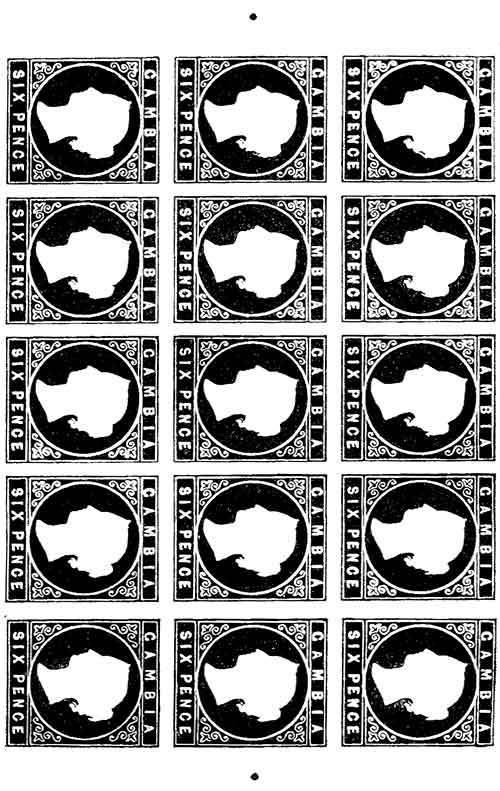
Plate I.—6d. Imperforate.
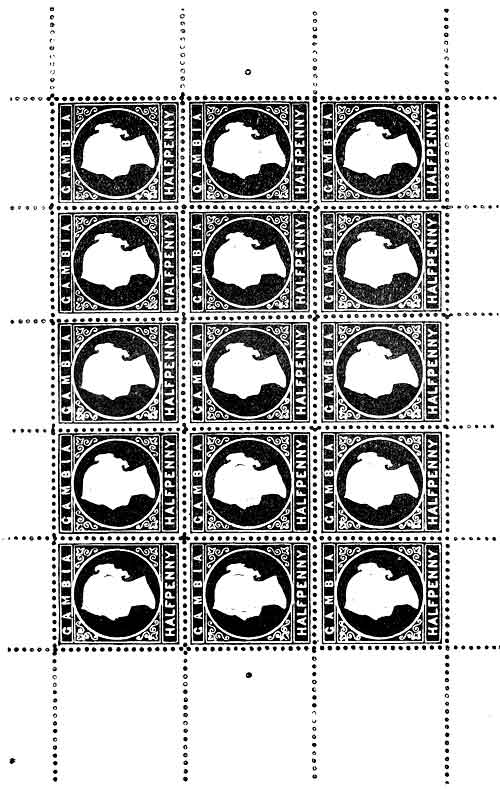
Plate II.—½d. Single line perforation.
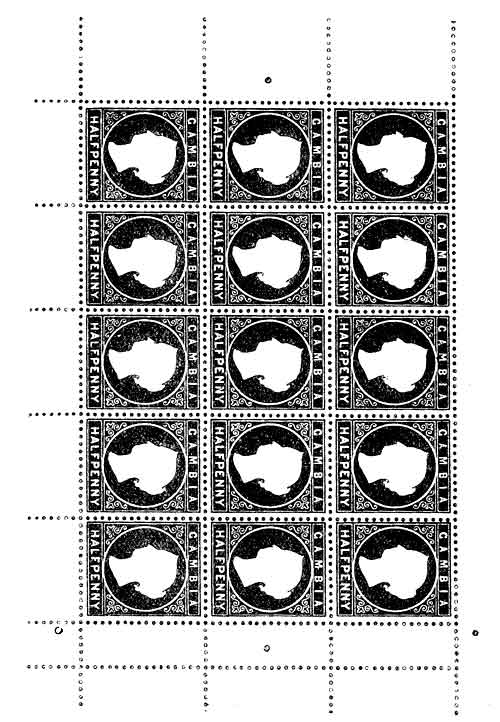
Plate III.—½d. First comb perforation (points down).
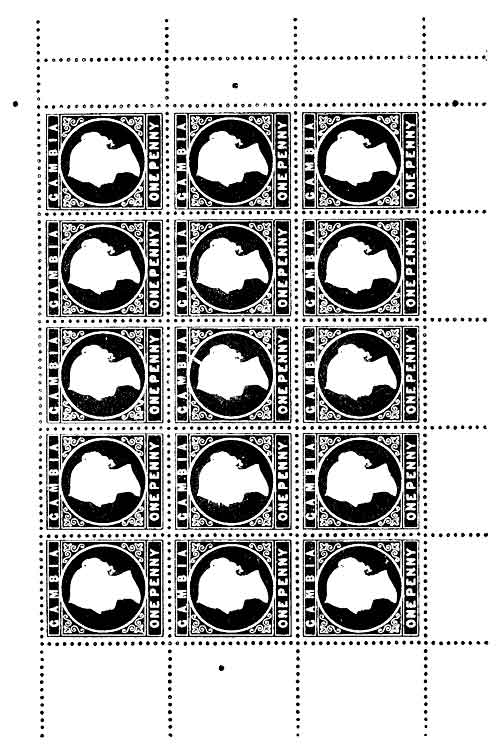
Plate IV.—1d. First comb perforation.
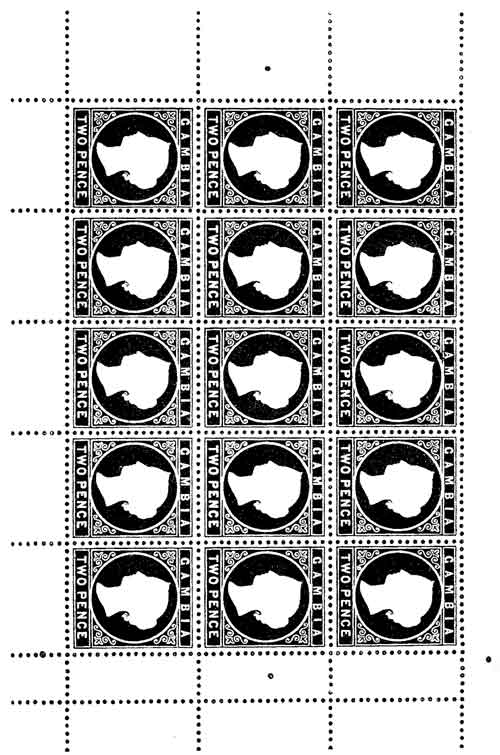
Plate V.—2d. First comb perforation.
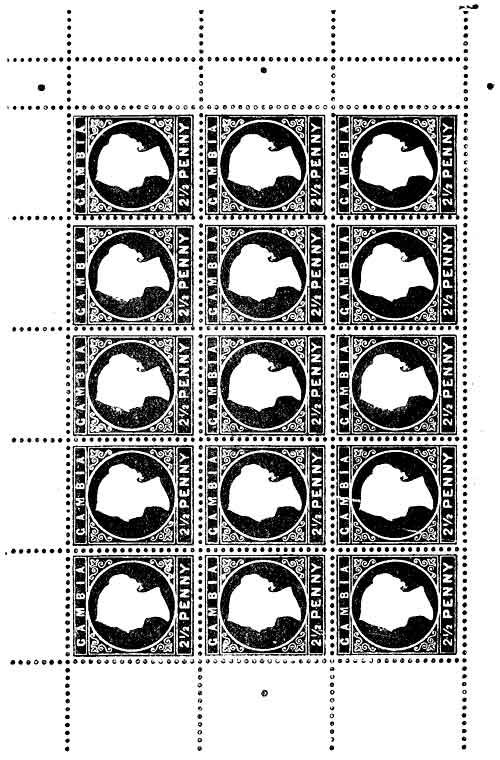
Plate VI.—2½d. First comb perforation (points up).
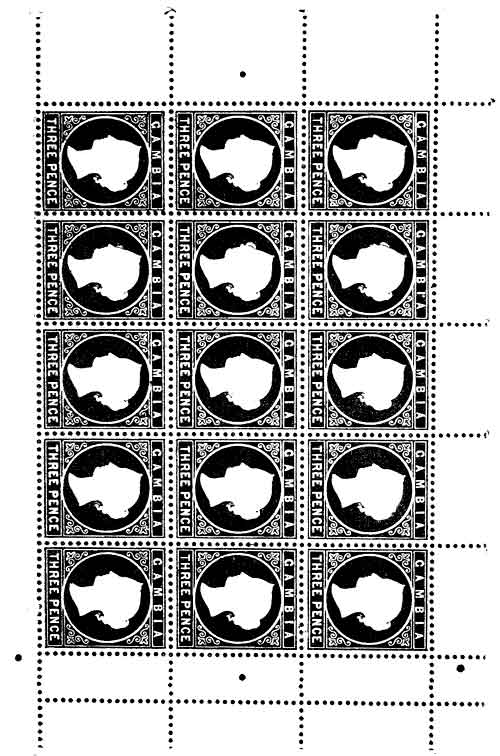
Plate VII.—3d. First comb perforation. Three guide dots to right.
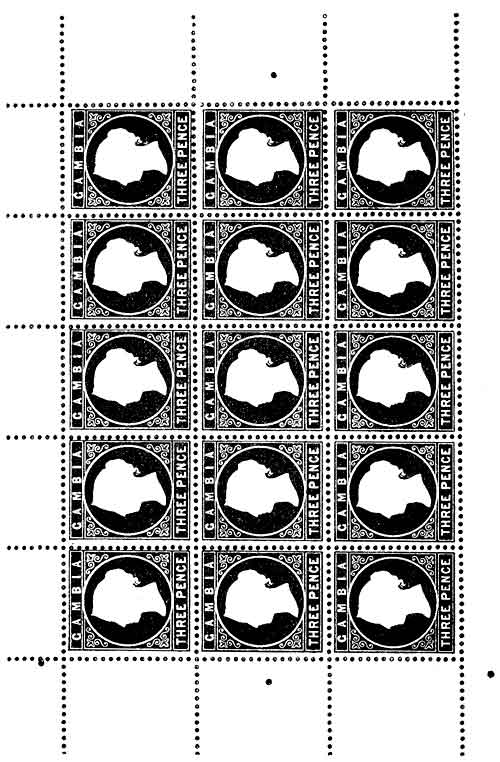
Plate VIII.—3d. Second comb perforation. Three guide dots to left.
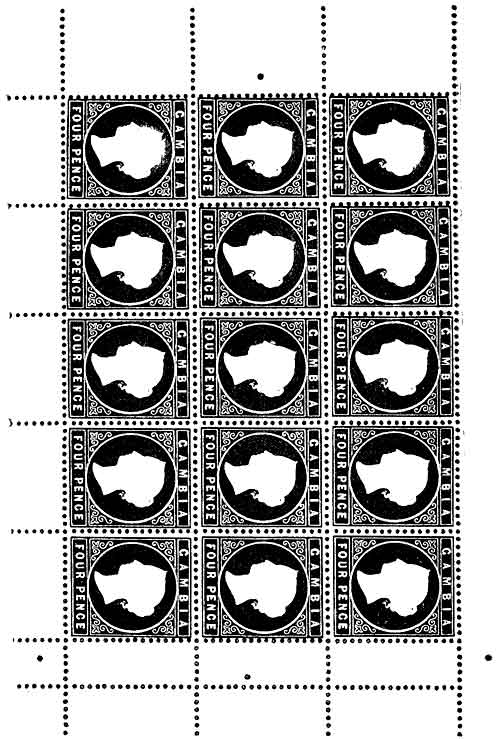
Plate IX.—4d. First comb perforation.
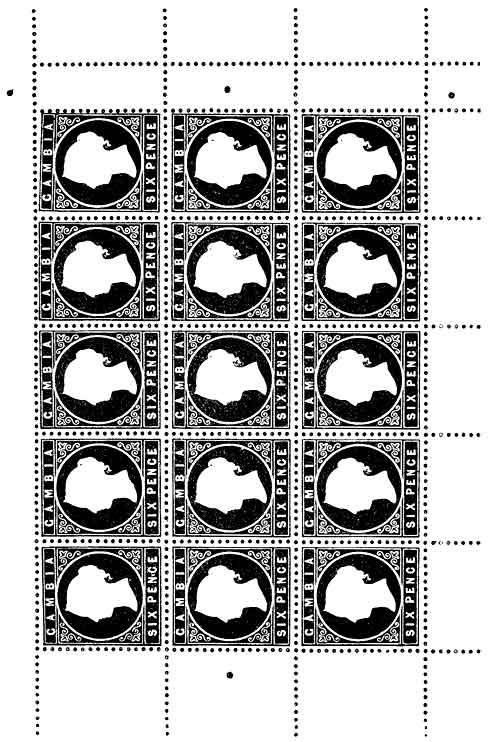
Plate X.—6d. First comb perforation (sloping label stamps, 1 and 5).
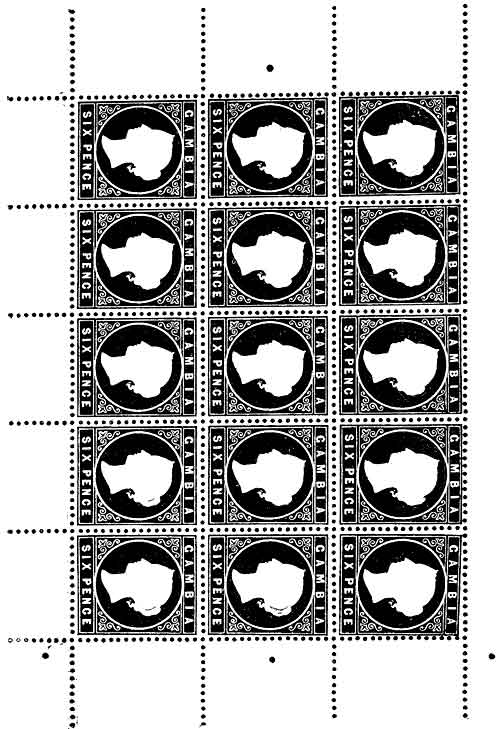
Plate XI.—6d. Second comb perforation (sloping label stamps, 1 and 5).
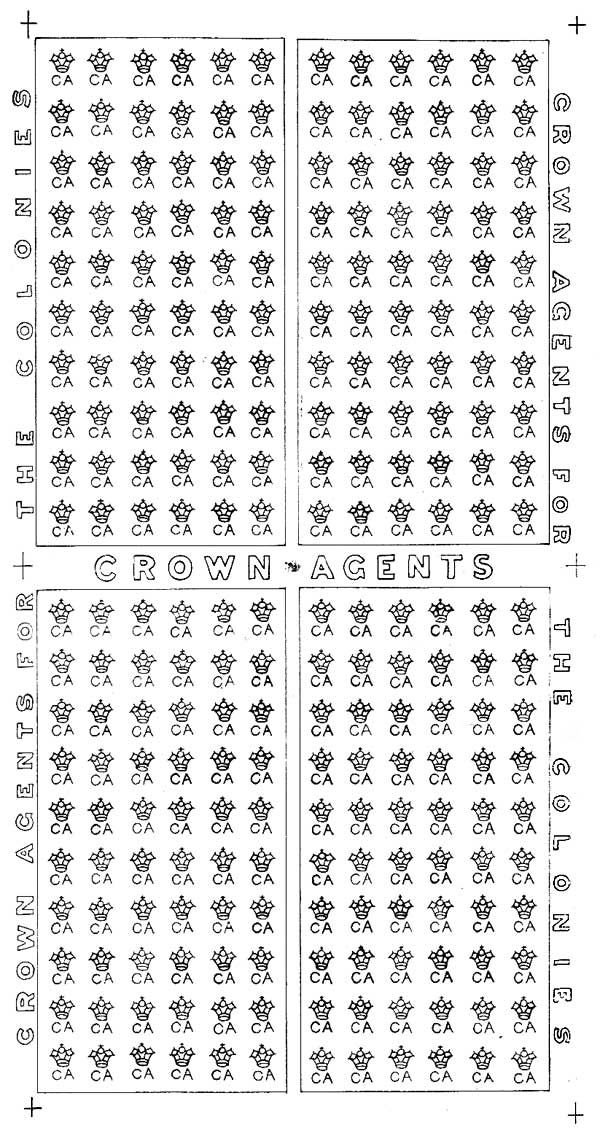
Plate XII.—Diagram of an uncut sheet of "Crown C.A." paper.
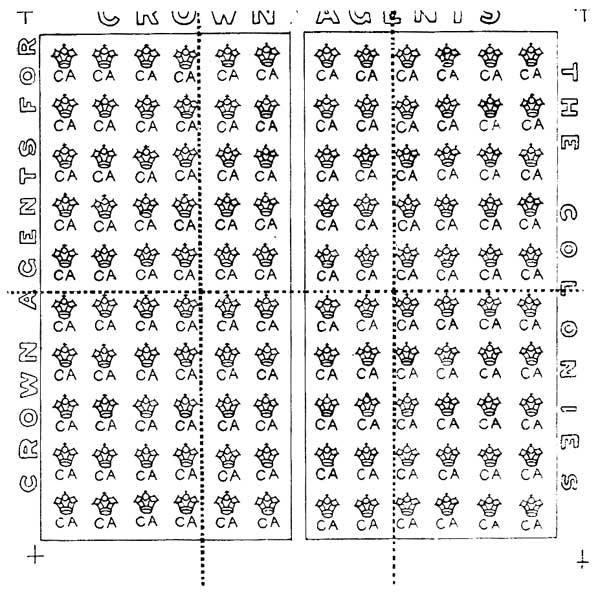
Plate XIII.—Diagram showing method of cutting the "Crown C.A." paper for the "Cameo" stamps.
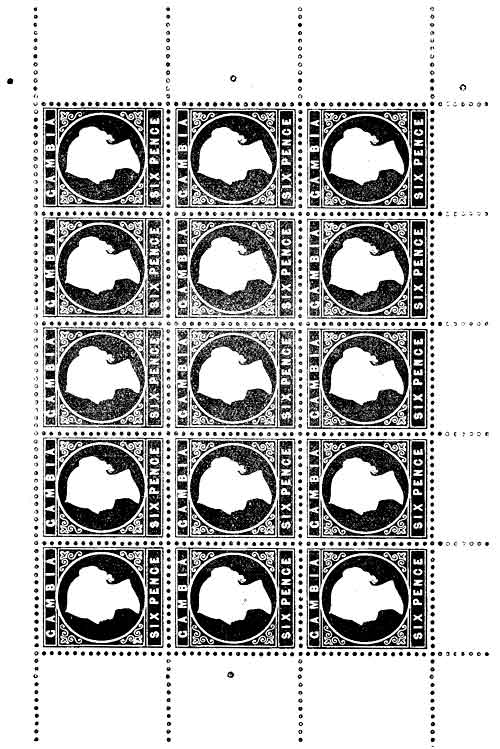
Plate XIV.—6d. New plate. Without defective top row.
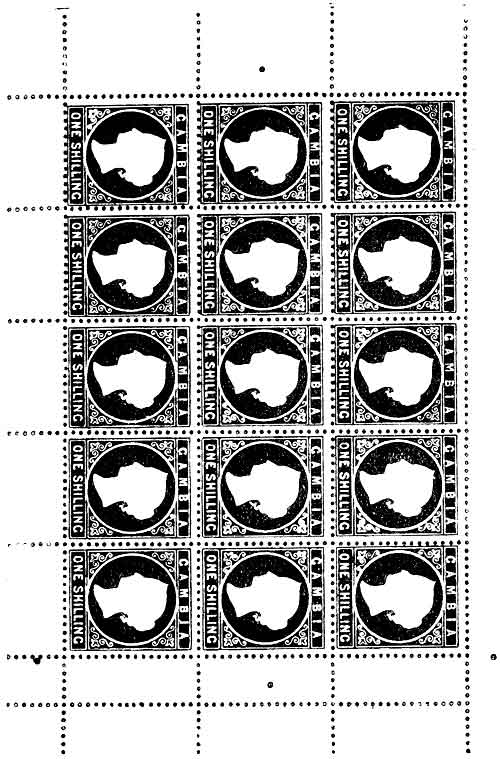
Plate XV.—1s. First comb perforation.
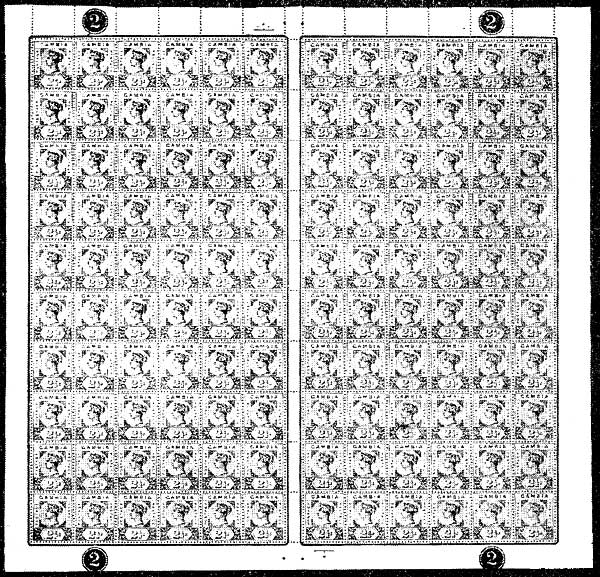
Plate XVI.—2½d. Complete Sheet, shewing arrangement of panes, fitting half sheet of watermarked paper, which shews through the page from the back.
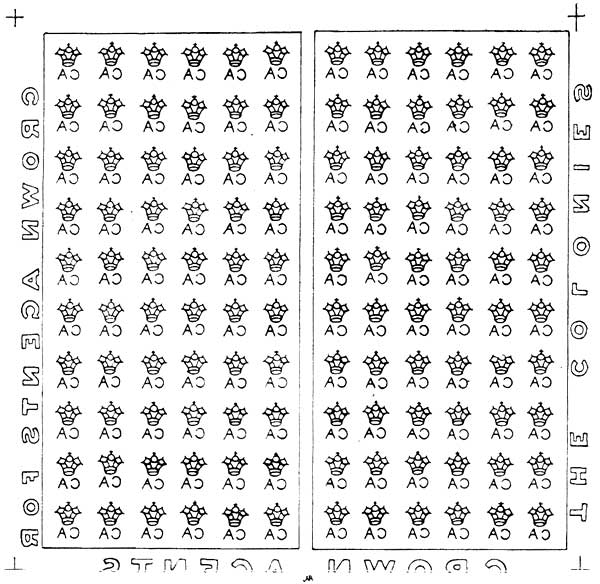
N.B.—To be examined through the stamps on the other side of the plate.