Red Cross Kitchen. UNTIRING WORK OF VOLUNTARY “COOKS.”
Reading edition
Day in and day out, for the last two years, the women of the Red Cross Kitchen have served a tea to the inmates of the Kangaroo Point Military Hospital. In addition, three times a week, an excellent menu has been sent out to the camp hospitals, convalescent detail hospital, Lytton, Rosemount, Wattlebrae, and extra supplies given to the Kangaroo Point Hospital, while men at Goodna, the Diamantina, or wherever sick soldiers are stationed, are regularly supplied with delicacies. It needs no stretch of imagination to realise the work this entails. The kitchen, which is situated opposite the Customs House, is a long room, with stores on shelf above shelf on the right-hand side, while to the left are the stoves, ice-chests, and other necessities for preparing the supplies; all the fittings having been made by the men’s auxiliary, who work in the basement.
The sight of the women, in their white uniforms and caps, working busily every day and all day behind the large windows with the sign of the Red Cross, has almost ceased to attract the attention of the passerby, and yet there is a retinue of 70 helpers who carry out this work consistently, each member having her regular hours and regular days for assisting. And all the work is voluntary. Through the heat of two summers and the varied weather of winter they have worked untiringly peeling potatoes, cutting up salads, making scones and cakes, and cooking tempting morsels for the sick and wounded men. In addition, they have prepared and served the suppers at Kangaroo Point for the returned soldiers on the night of their return.
The stores, vegetables and foodstuffs are supplied gratis by the various branches of the Red Cross, men (particularly the men of the markets) and women who are interested in the work so excellently carried out, and school children who send in regular supplies of eggs, milk and other foodstuffs. Some idea of the work done by the “cooks” is realized by a visit to the kitchen during the day. There, scones are being made, fruit salads cut up, potatoes peeled, and vegetables, curries, poultry and puddings prepared. The rows of home-made jam are the result of a day’s work, while again pickles and chutneys are also stored ready for the use of the soldier. Sometimes 14 fowls will be received from one well-wisher in the country. These must all be plucked and dressed straight away, and are put in cold storage until required. There is not an idle moment for the workers, and towards evening or at mid-day the delicacies are packed and taken by the Red Cross Motor to the various destinations. There are three gas stoves and two gas rings in use, and many people who understand and appreciate the work have added other conveniences for the cooking. The helpers are so particular that the work should be entirely voluntary that they even pay for meals served to them during the day. This work is carried out by about 30 girls, who serve the meals and do all the washing up. The kitchen has been so widely recognised as an institution of essential value, that the “cooks” are assisted by the military authorities, who provide two soldiers every day to help with the heavy work. The soldiers, nurses and doctors are full of gratitude to these Red Cross workers. And, indeed, they have been untiring in their efforts, and unselfish with both their time and their energy, to be of service to the soldiers.
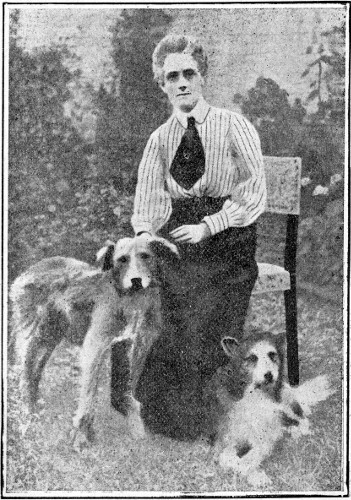
Nurse Cavell.