FLOWERS FROM SHAKESPEARE’S GARDEN: a Posy from the Plays, pictured by Walter Crane
Reading edition
Cassell & Co: Ltd 1909
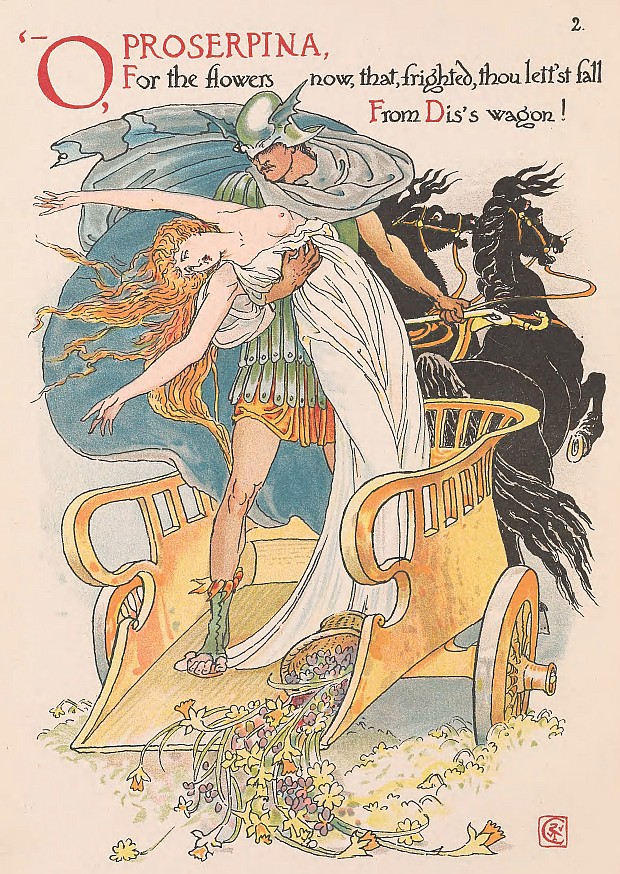
“O, PROSERPINA, For the flowers now, that, frighted, thou lett’st fall From Dis’s wagon!
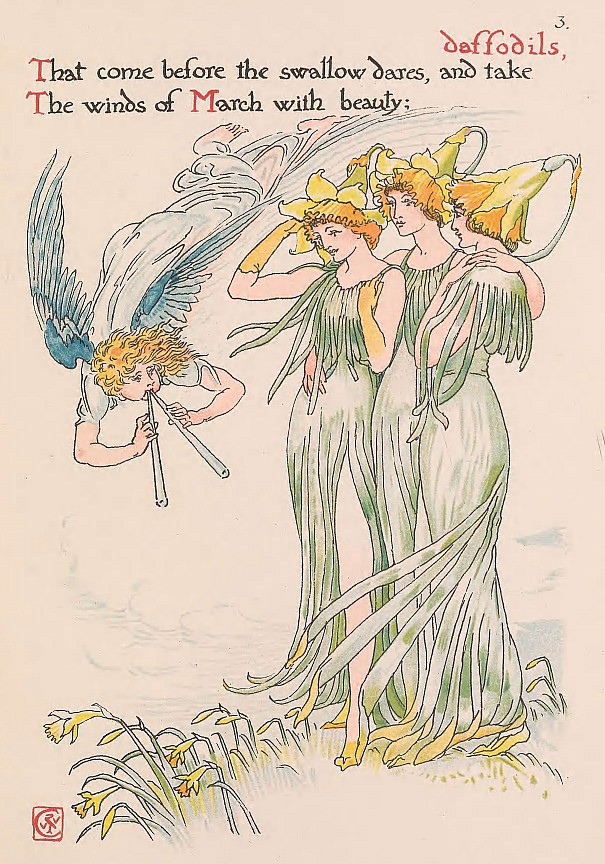
daffodils, That come before the swallow dares, and take The winds of March with beauty;
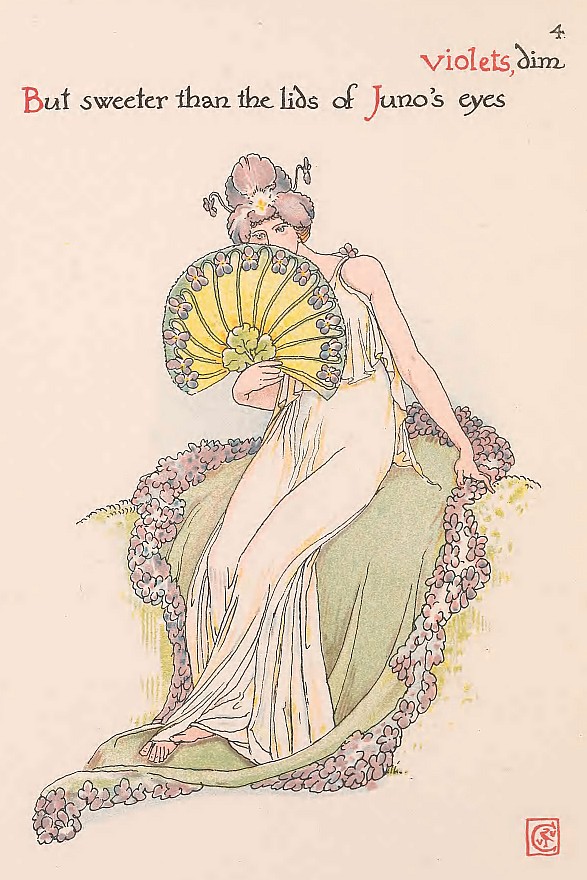
violets, dim But sweeter than the lids of Juno’s eyes
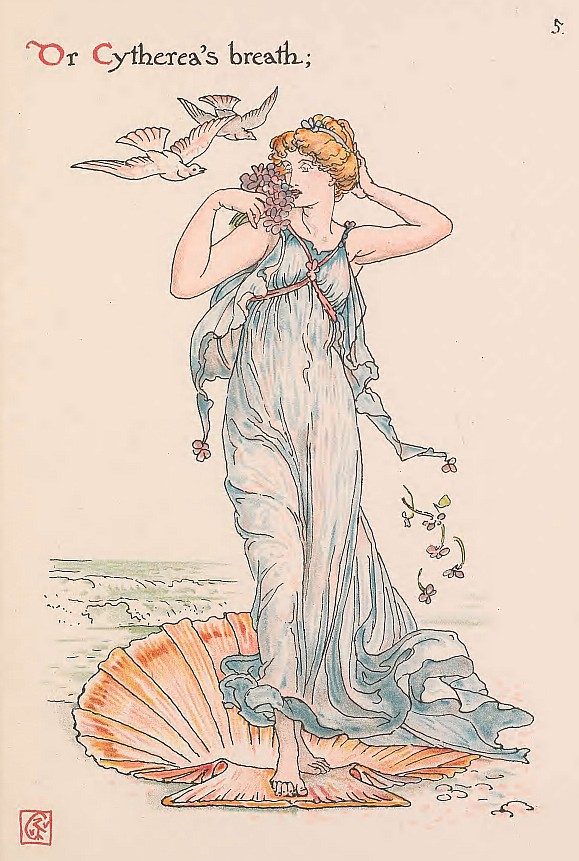
Or Cytherea’s breath;
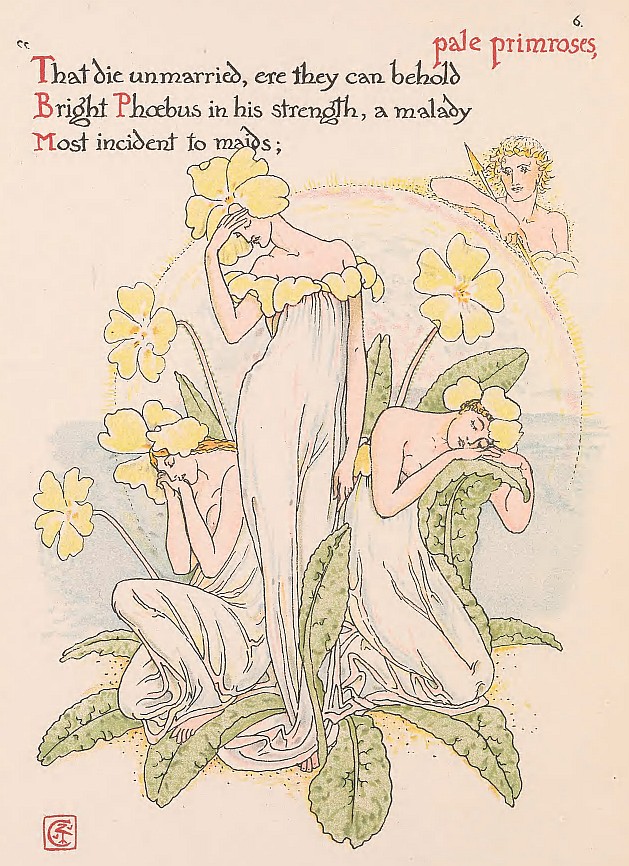
pale primroses, That die unmarried, ere they can behold Bright Phœbus in his strength, a malady Most incident to maids;
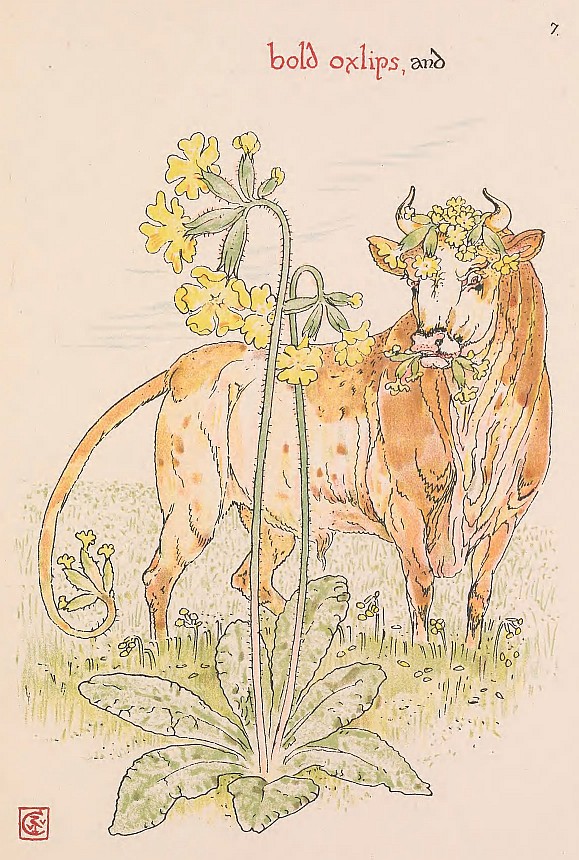
bold oxlips, and
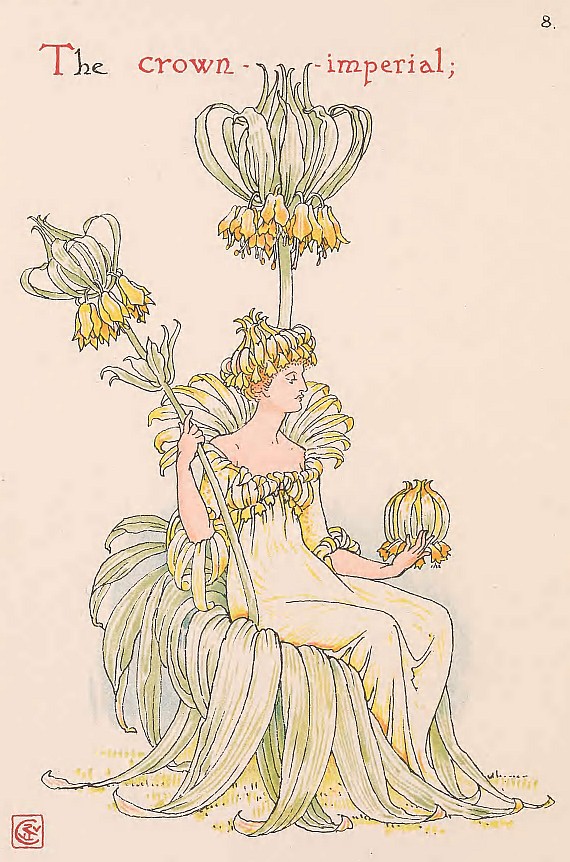
The crown-imperial;
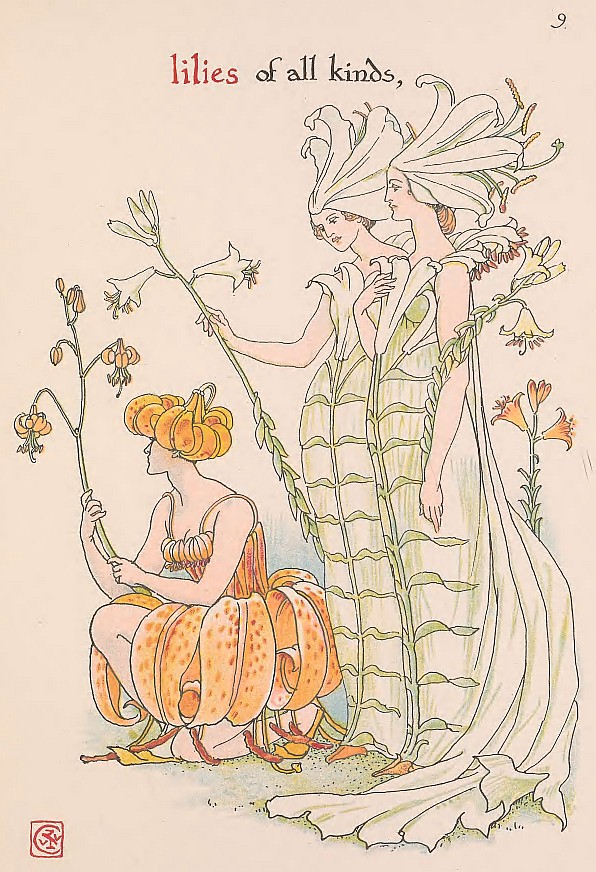
lilies of all kinds,
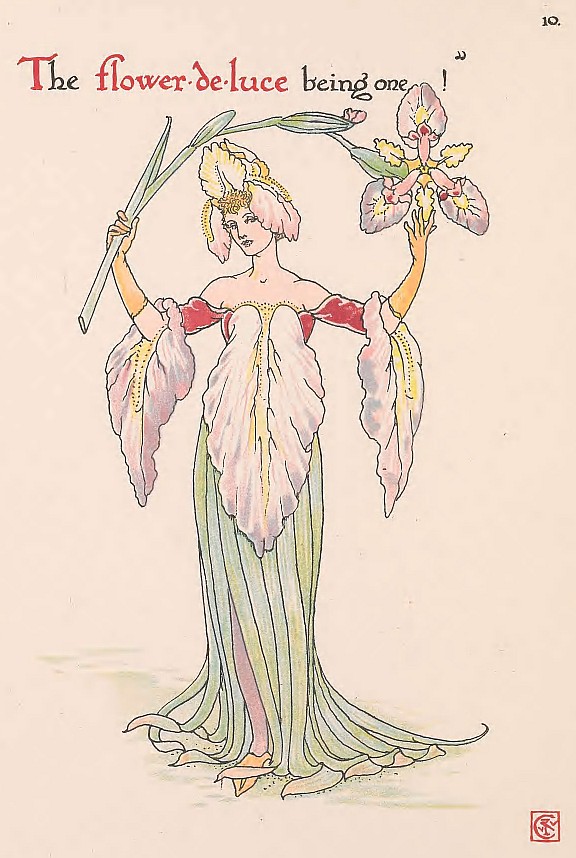
The flower-de-luce being one!”
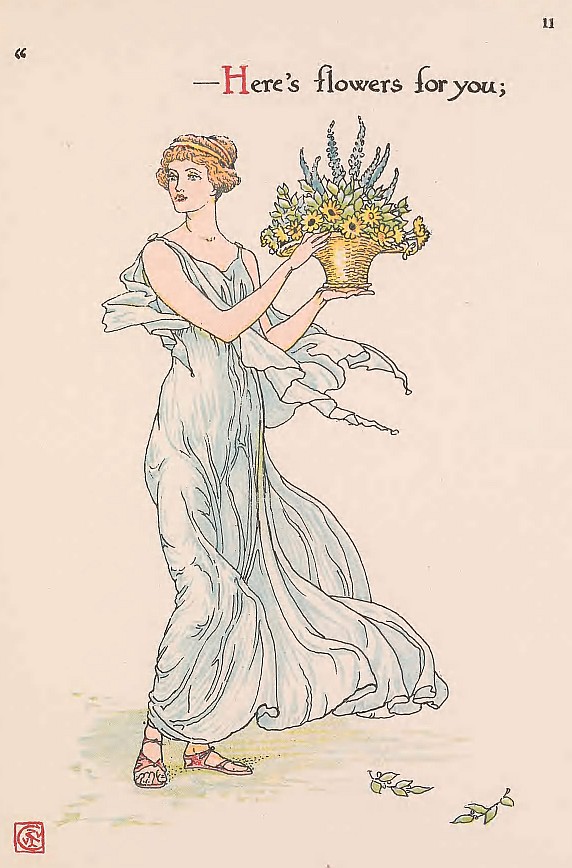
“—Here’s flowers for you;
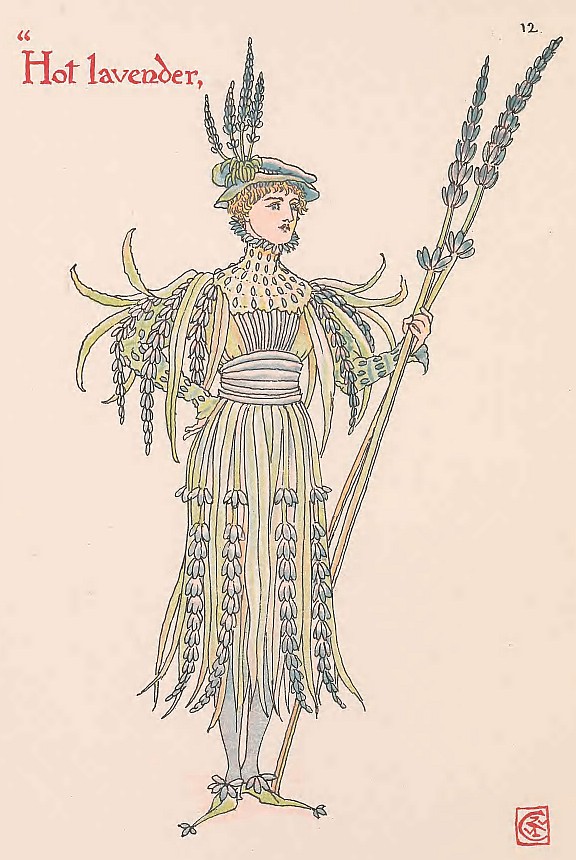
Hot lavender,
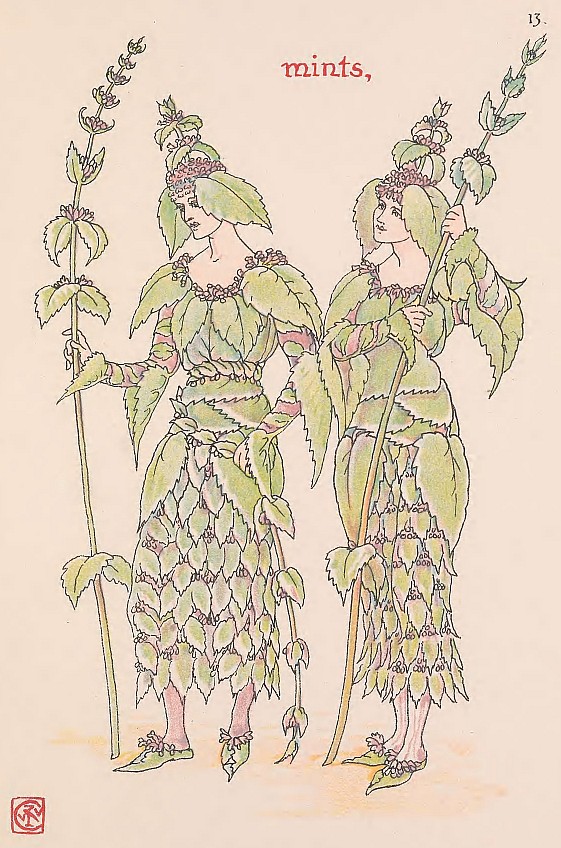
mints,
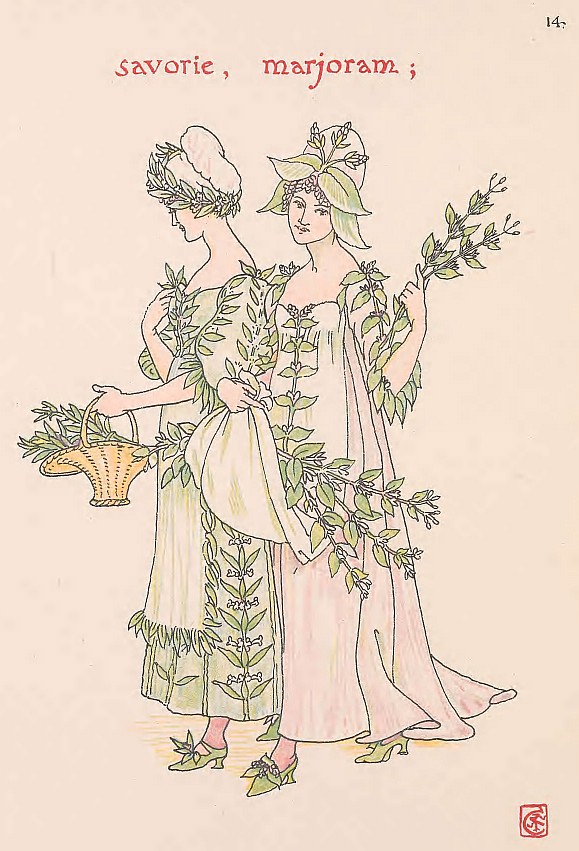
savorie, marjoram;
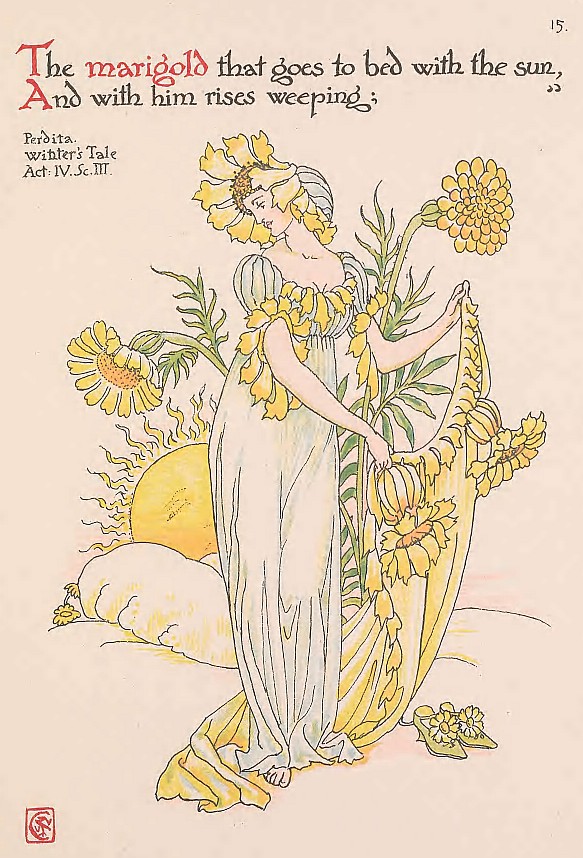
The marigold that goes to bed with the sun, And with him rises weeping;” Perdita. Winter’s Tale Act: IV. Sc. III.
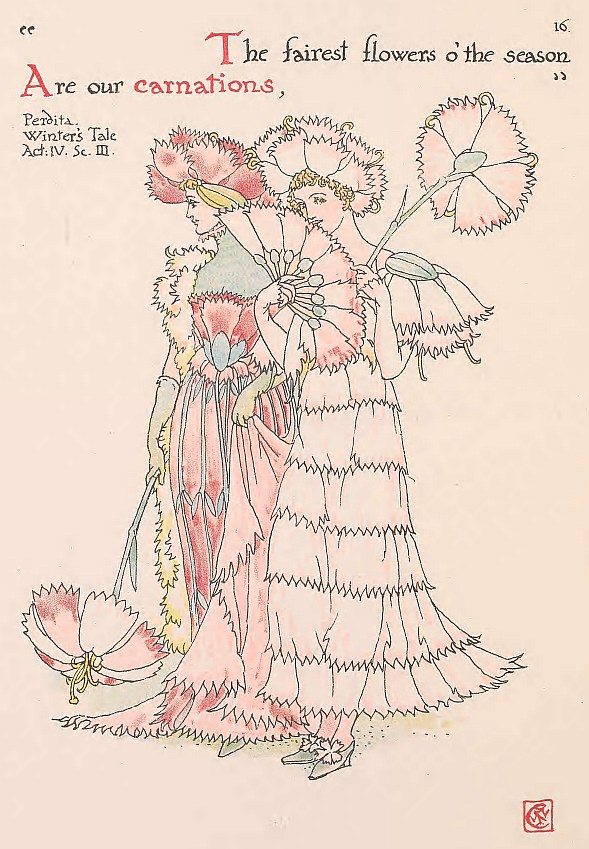
“The fairest flowers o’ the season Are our carnations,” Perdita. Winter’s Tale Act: IV. Sc. III.
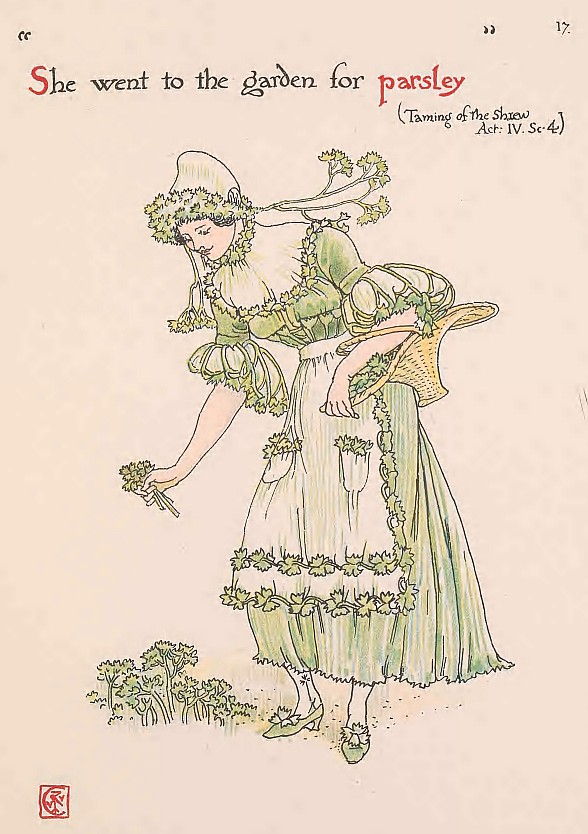
“She went to the garden for parsley” (Taming of the Shrew Act: IV. Sc. 4)
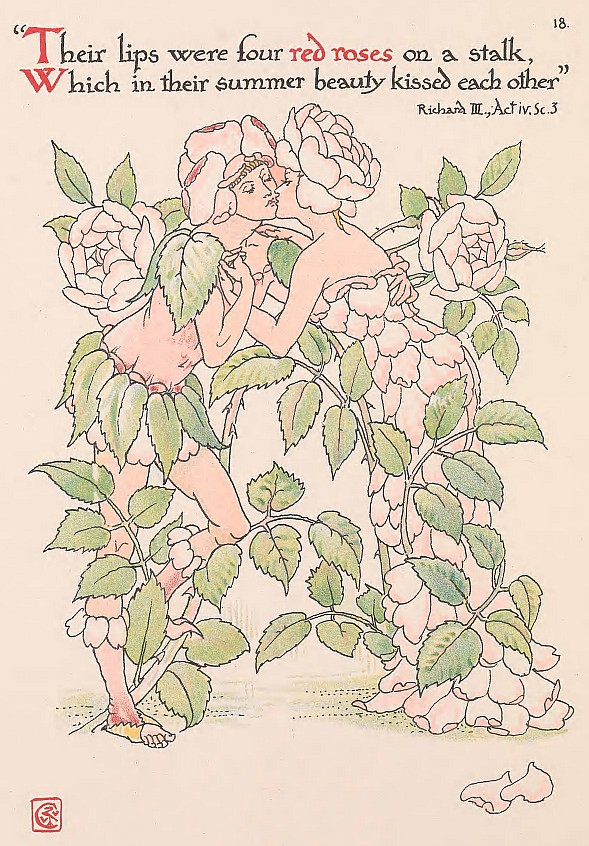
“Their lips were four red roses on a stalk, Which in their summer beauty kissed each other” Richard III., Act: iv. Sc. 3
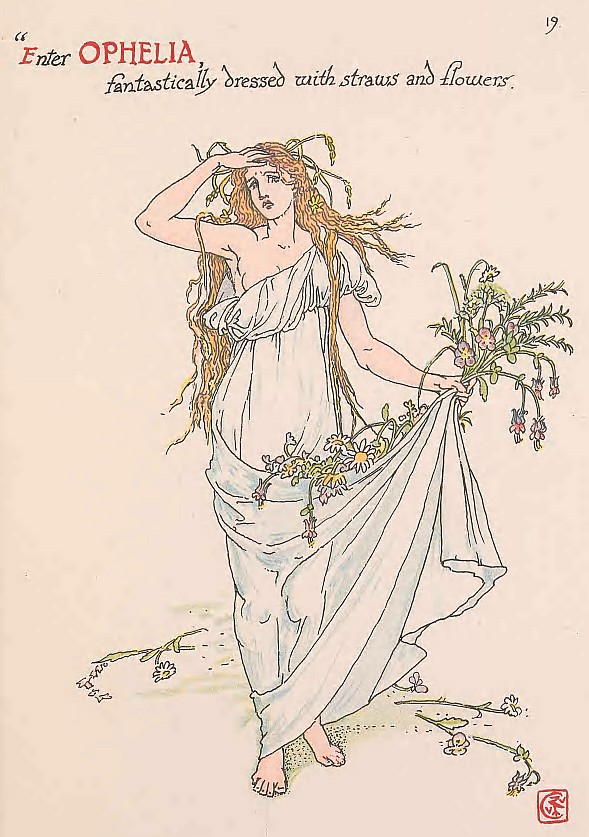
“Enter OPHELIA, fantastically dressed with straws and flowers.”
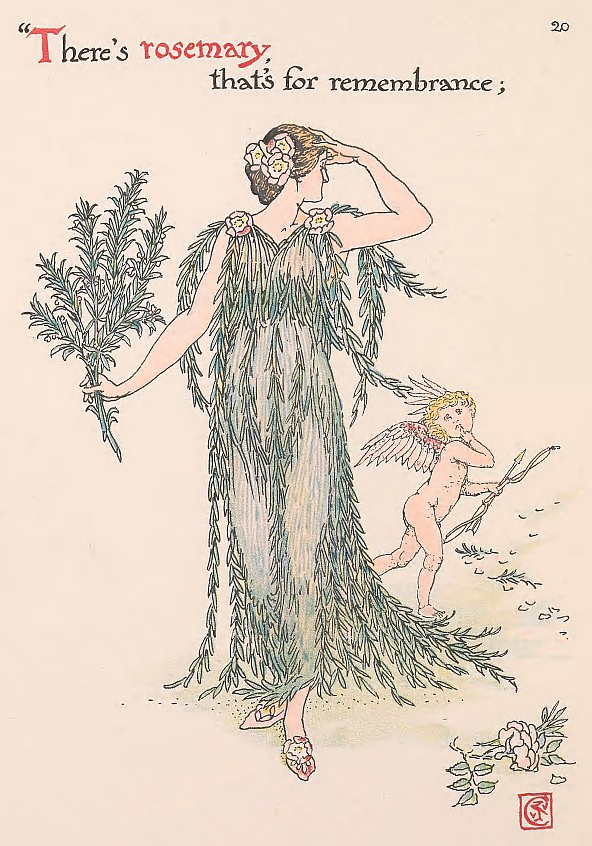
“There’s rosemary, that’s for remembrance;
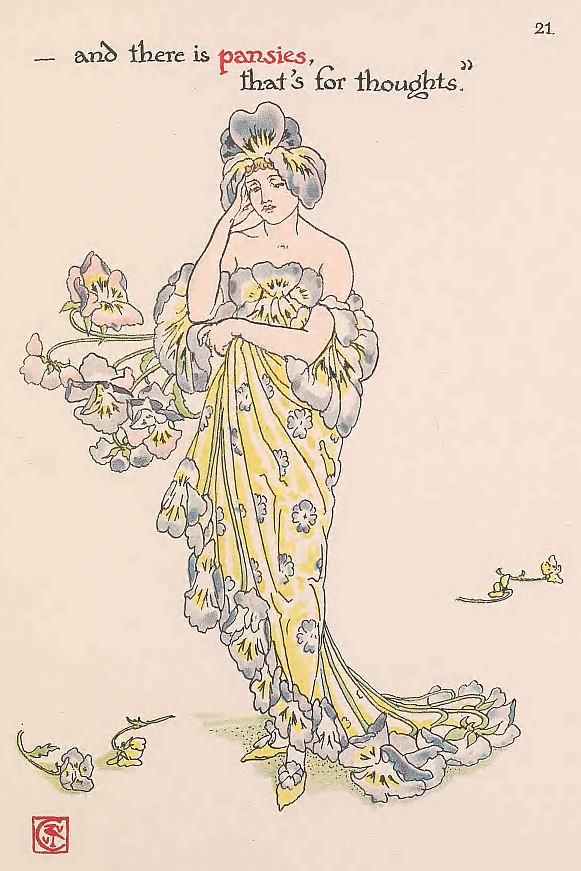
—and there is pansies, that’s for thoughts.”
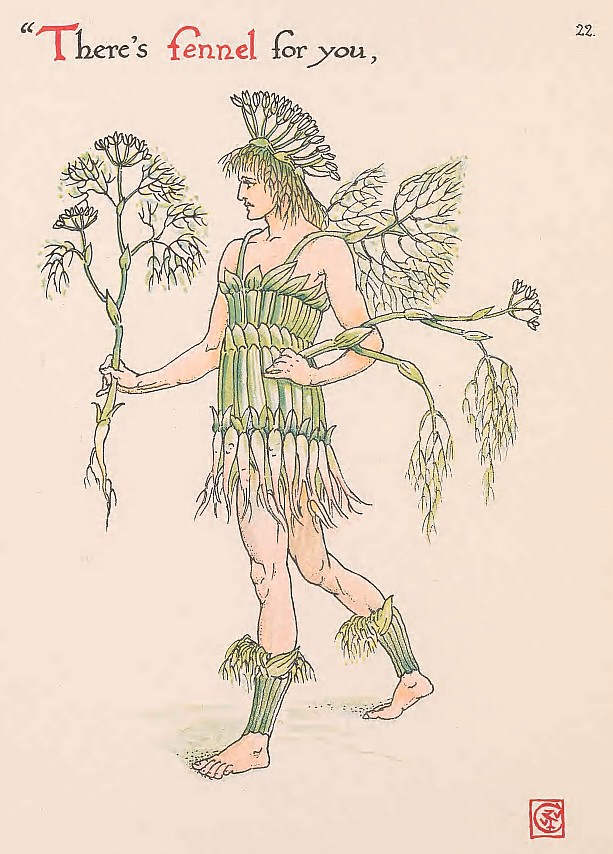
“There’s fennel for you,
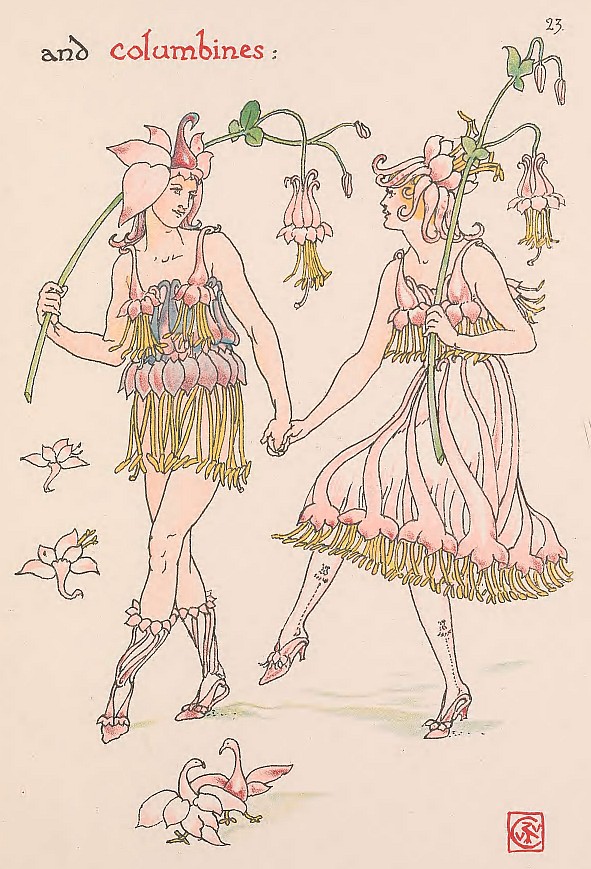
and columbines:
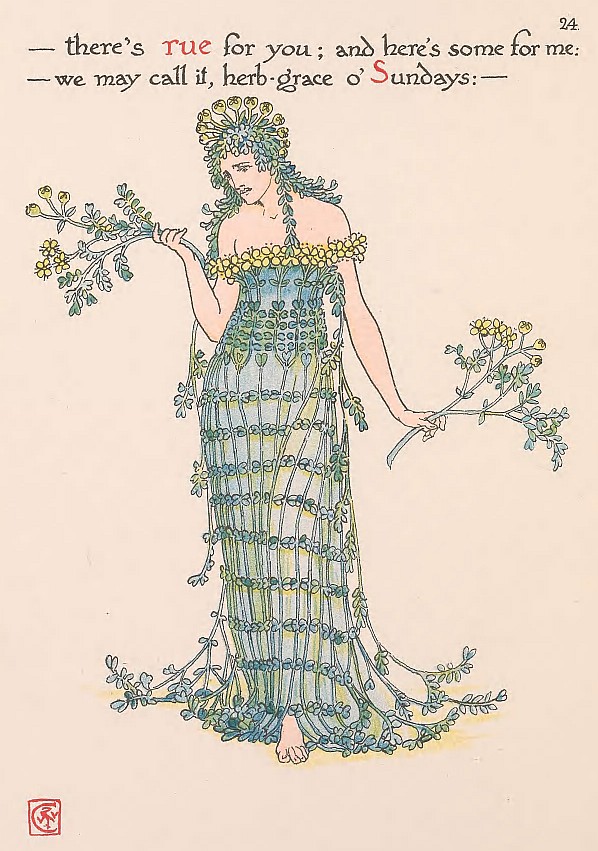
—there’s rue for you; and here’s some for me: —we may call it, herb-grace o’ Sundays:—
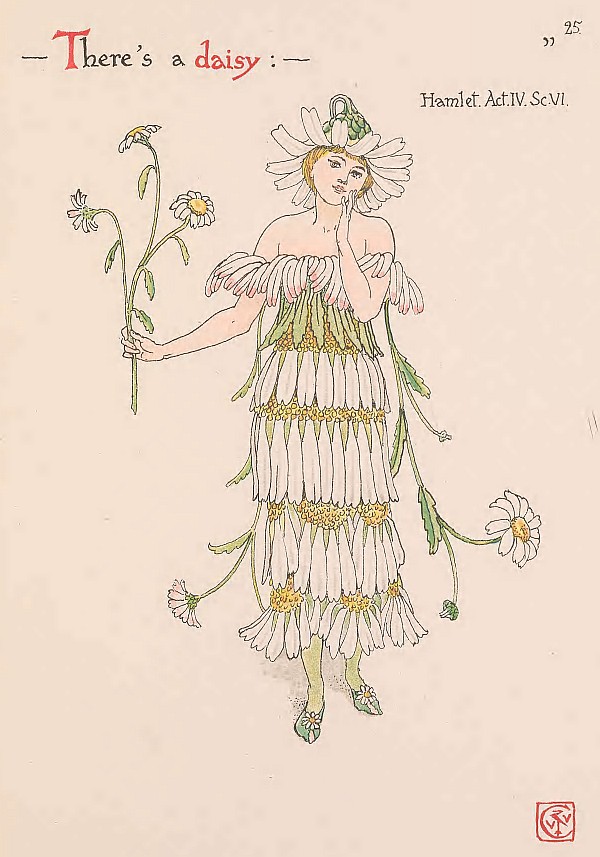
—There’s a daisy:—” Hamlet. Act. IV. Sc. VI.
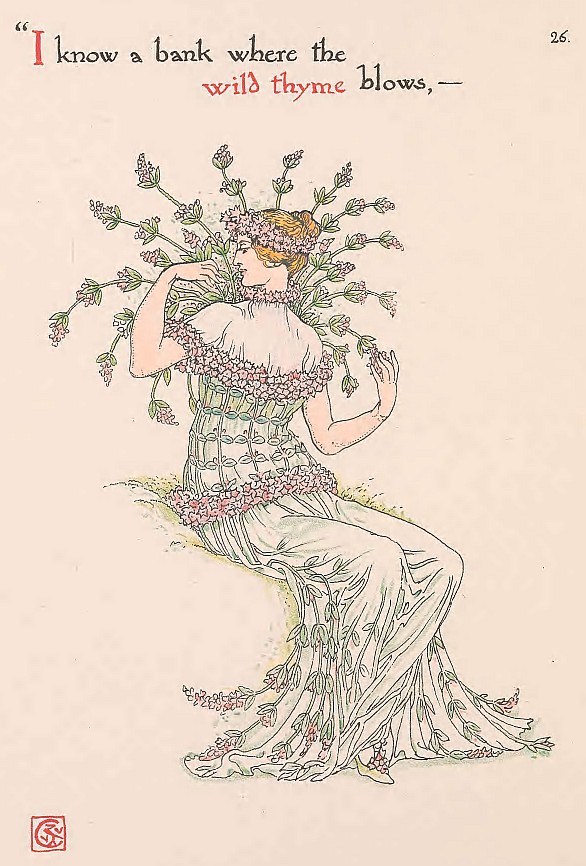
“I know a bank where the wild thyme blows,—
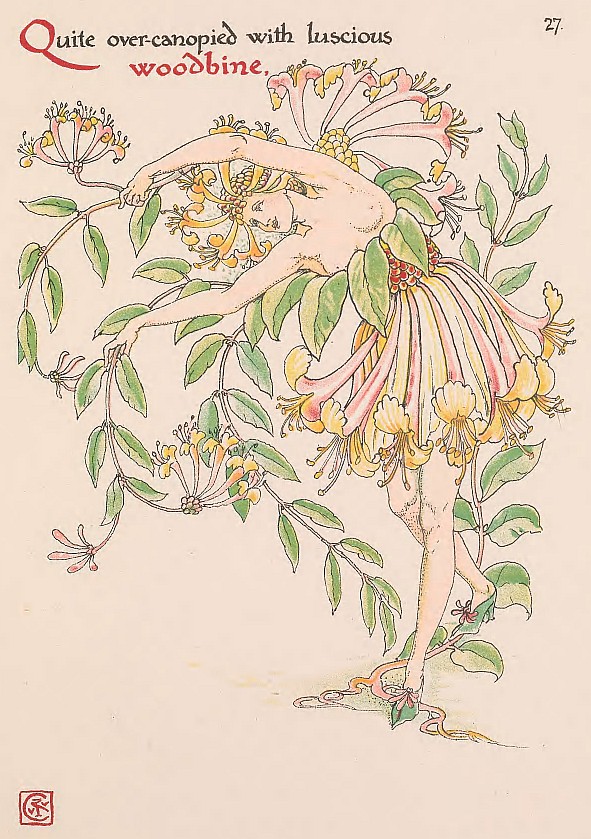
Quite over-canopied with luscious woodbine,
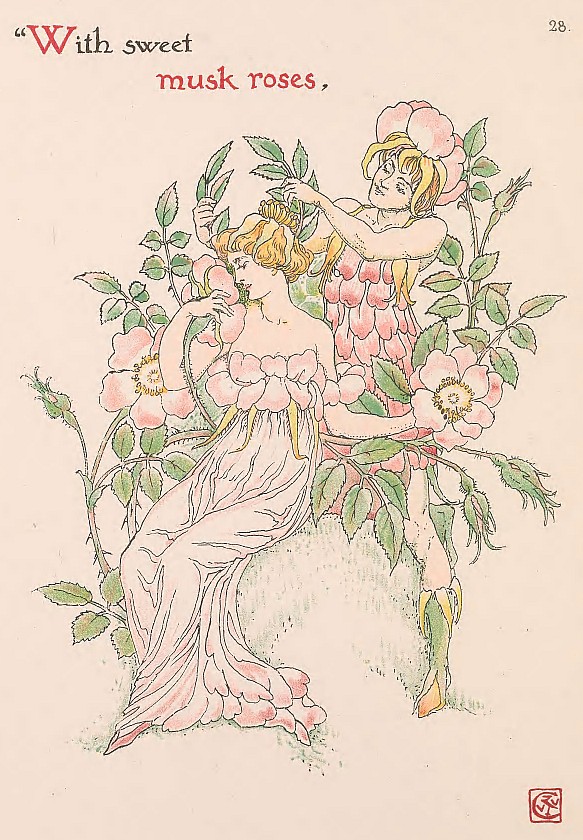
“With sweet musk roses,
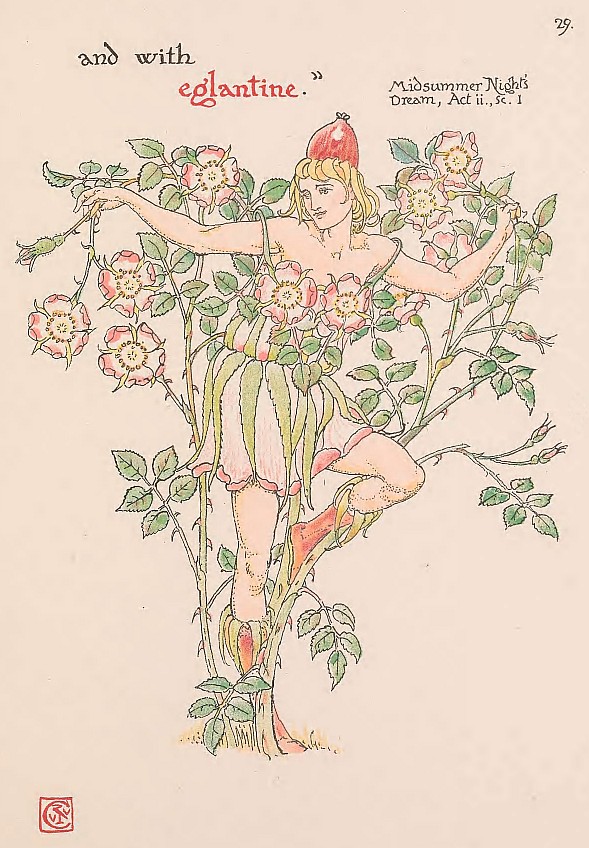
and with eglantine.” Midsummer Night’s Dream, Act ii., Sc. 1
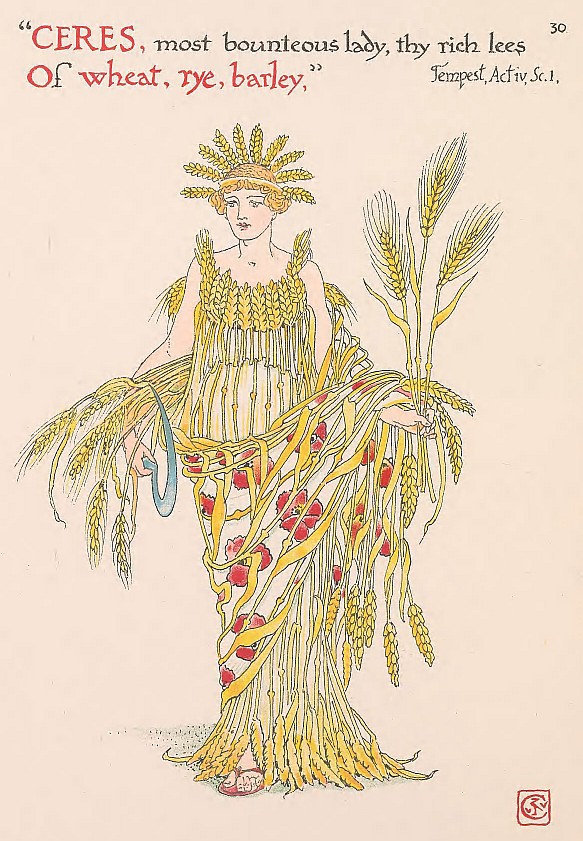
“CERES, most bounteous lady, thy rich lees Of wheat, rye, barley.” Tempest, Act iv, Sc. 1.
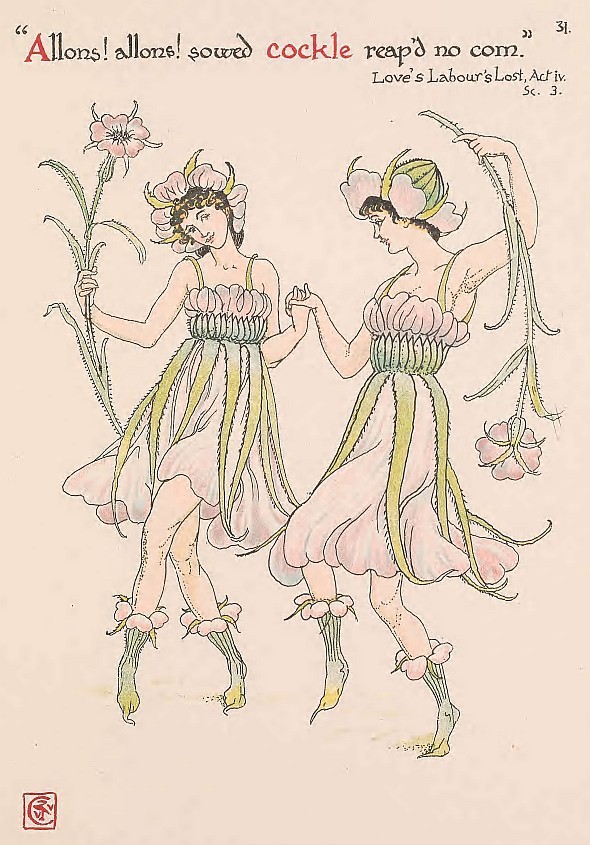
“Allons! allons! sowed cockle reap’d no corn.” Love’s Labour’s Lost, Act iv. Sc. 3.
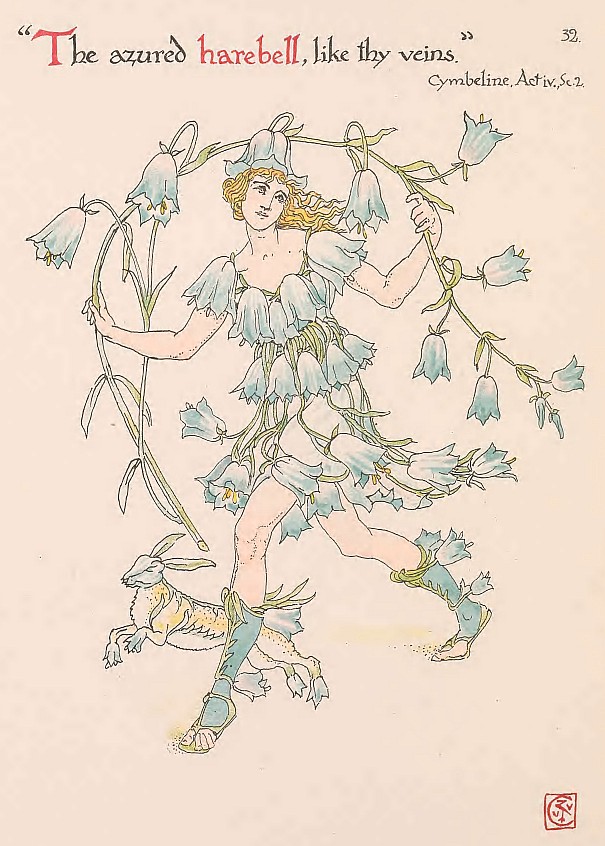
“The azured harebell, like thy veins.” Cymbeline, Act iv., Sc. 2.
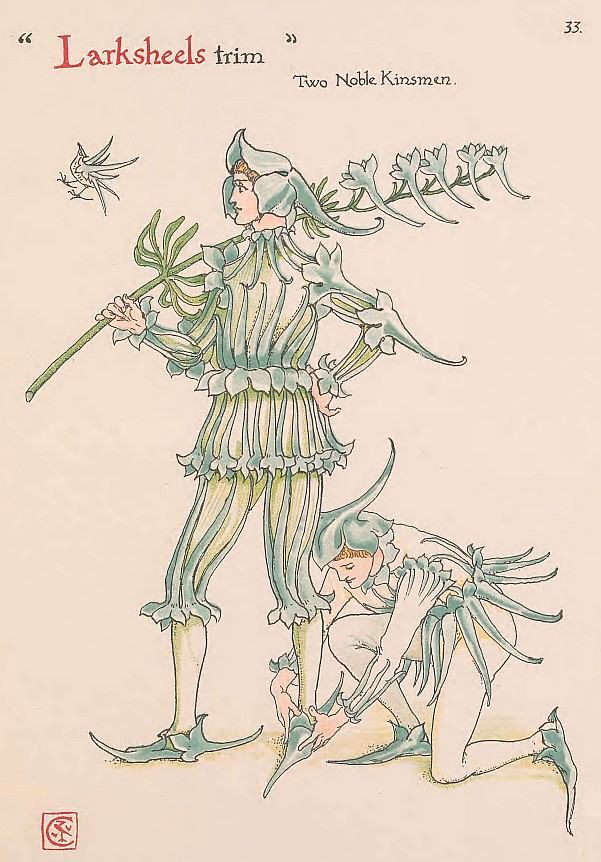
“Larksheels trim” Two Noble Kinsmen.
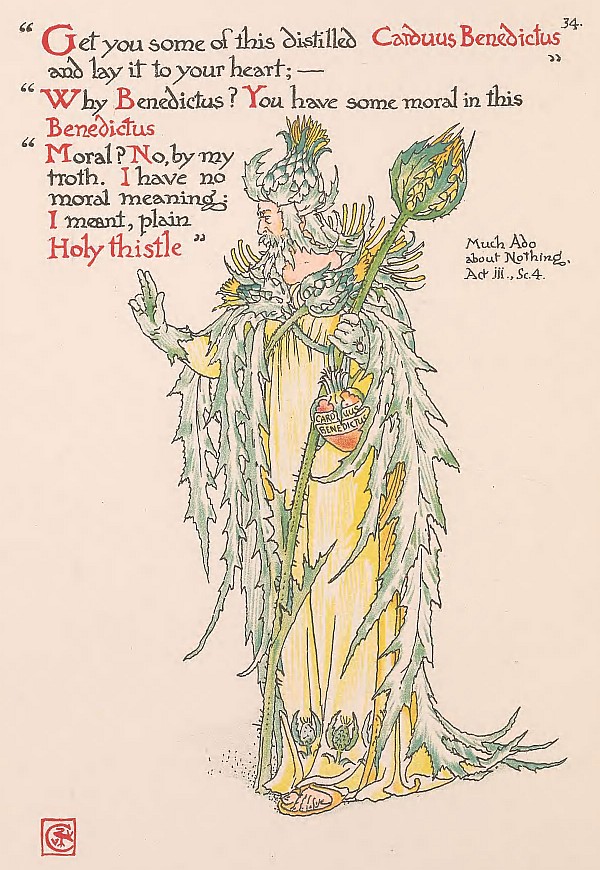
“Get you some of this distilled Carduus Benedictus and lay it to your heart;—” “Why Benedictus? You have some moral in this Benedictus” “Moral? No, by my troth. I have no moral meaning: I meant, plain Holy thistle” Much Ado about Nothing, Act iii., Sc. 4.
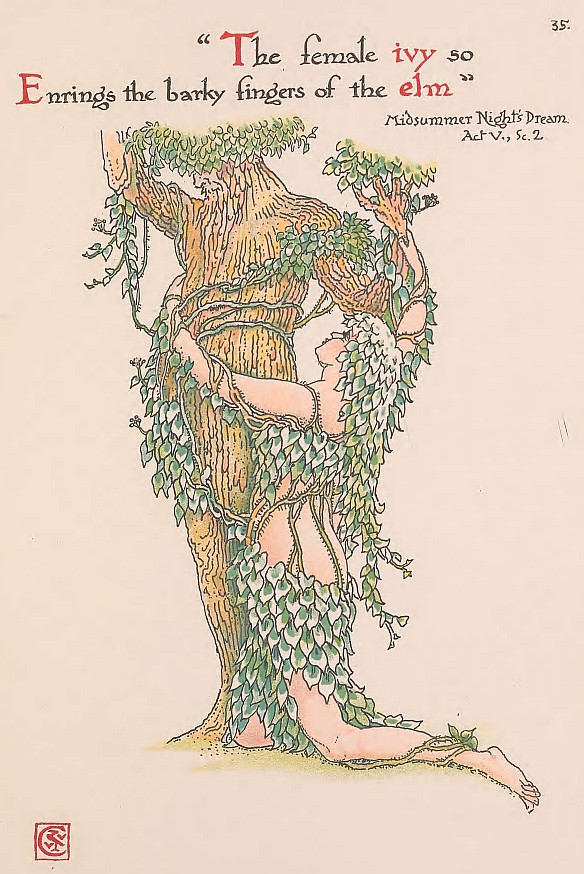
“The female ivy so Enrings the barky fingers of the elm” Midsummer Night’s Dream. Act V., Sc. 2
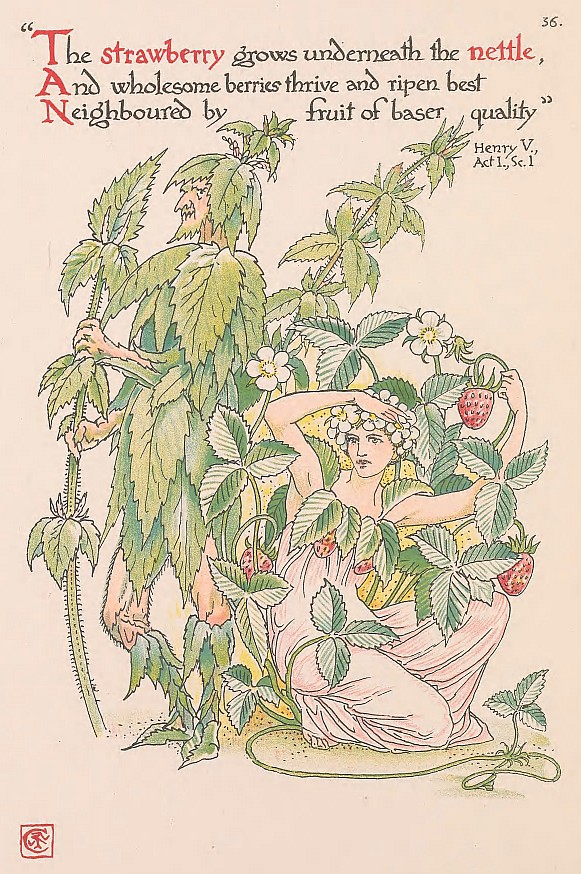
“The strawberry grows underneath the nettle, And wholesome berries thrive and ripen best Neighboured by fruit of baser quality” Henry V., Act I., Sc. 1
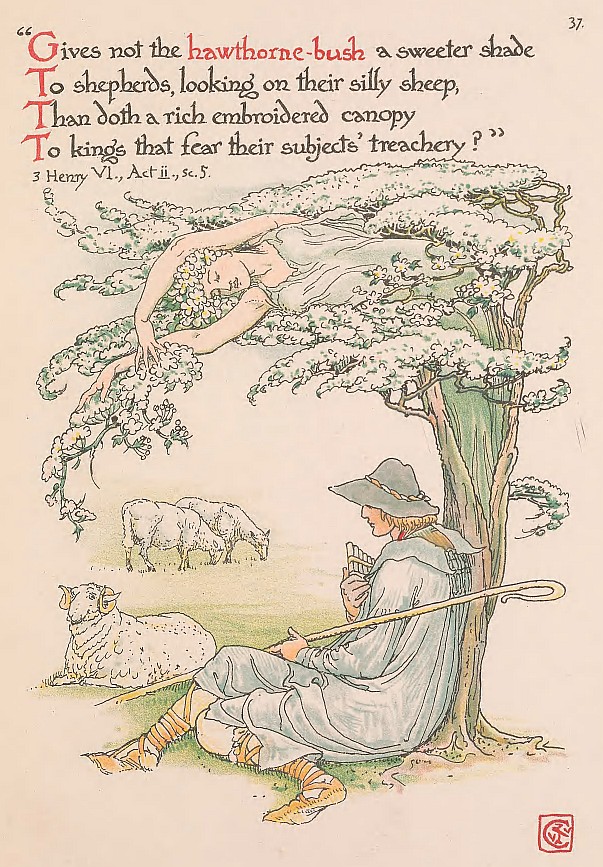
“Gives not the hawthorne-bush a sweeter shade To shepherds, looking on their silly sheep, Than doth a rich embroidered canopy To kings that fear their subjects’ treachery?” 3 Henry VI., Act ii., Sc. 5.
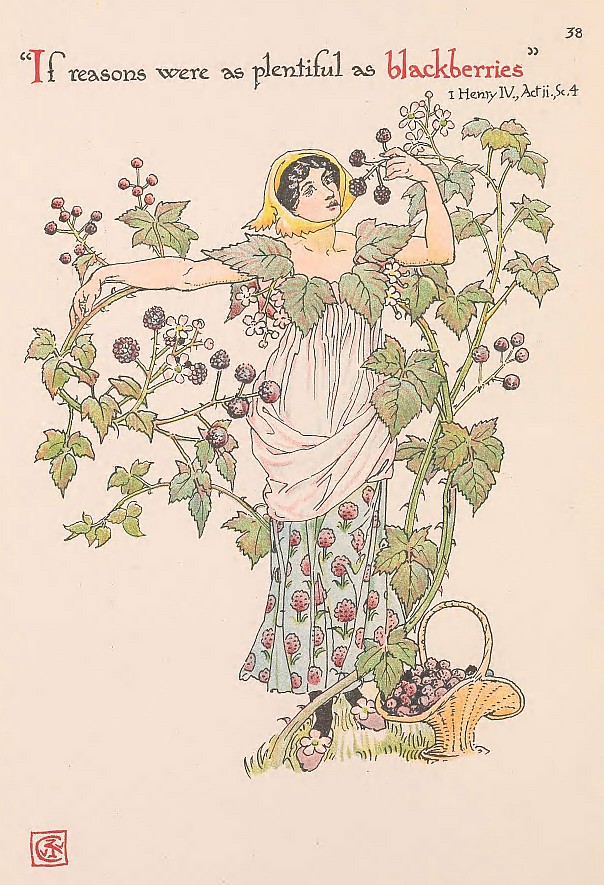
“If reasons were as plentiful as blackberries” I Henry IV., Act ii., Sc. 4
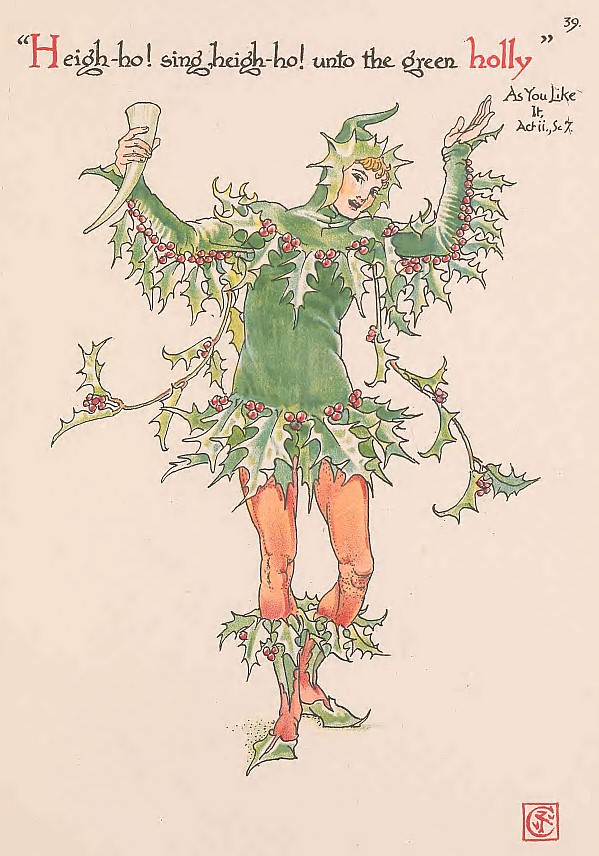
“Heigh-ho! sing, heigh-ho! unto the green holly” As You Like It, Act ii., Sc. 7.
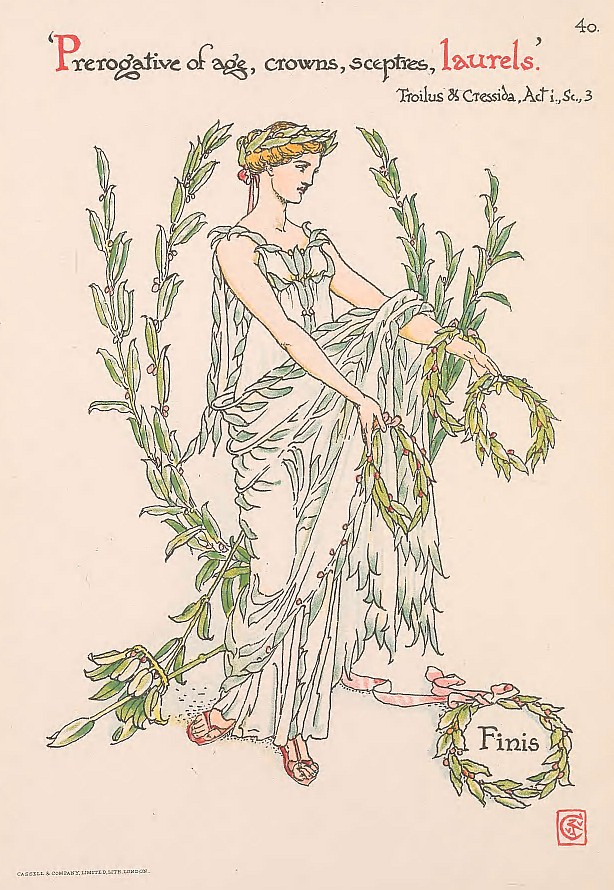
‘Prerogative of age, crowns, sceptres, laurels.’ Troilus & Cressida, Act i., Sc. 3 Finis
CASSELL & COMPANY, LIMITED, LITH. LONDON.
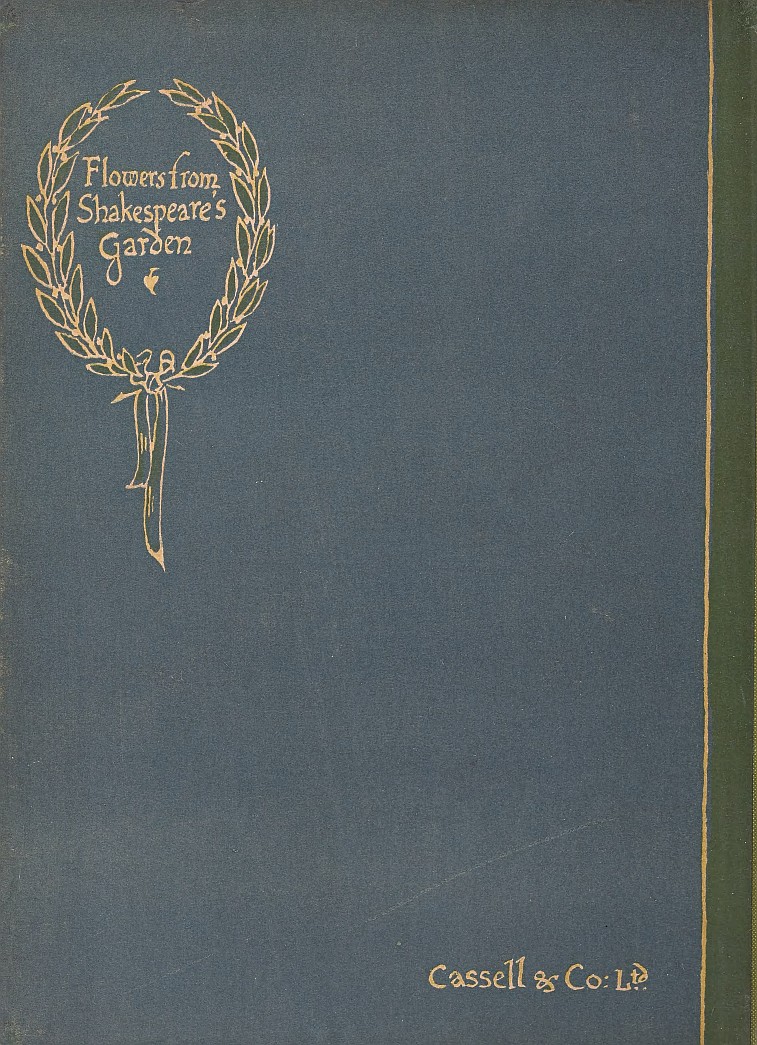
Flowers from Shakespeare’s Garden Cassell & Co: Ltd.