Domestic Science Department of the Civic League (continued 4)
Reading edition
BREAD OMELET.—Soak one half cup of bread crumbs in one half cup of milk. Separate four eggs, beat separately. Beat bread crumbs into the yolks, add salt and pepper, beat whites till stiff. Add them to yolks stirring with a spoon and pour into a hot spider at once. Cook on top of stove till the bottom is browned then place in the oven till it is cooked through.—Mrs. Creaser.
HAM OR MEAT OMELETS.—Soak one cupful of bread crumbs in one cup of milk; add one cupful of minced cold boiled ham, veal, beef, corned beef, tongue, fish or chicken; season with salt and pepper. Beat two eggs very light, stir in lightly. Turn into a buttered hot frying pan, brown on the bottom well, then run the pan into a hot oven and brown on top. Or they may be fried in deep lard by dipping a spoonful of the mixture into the smoking hot grease.—Contributed.
CODFISH OMELET.—Cook one tablespoon of flour with one of butter, add one half cup hot milk. Add one cup of shredded codfish that has been parboiled until tender, and drained. Add two cups cold boiled potatoes that have been chopped fine. Mix well. Brown butter in a hot frying pan, turn in the mixture, brown on the bottom, then fold over and serve.—Contributed.
BAKED EGGS.—Break eight eggs into a well buttered dish; salt and pepper them, add bits of butter and four tablespoons of cream; cover top with grated cheese. Bake about twenty minutes.—Contributed.
EGGS WITH MUSHROOMS ON TOAST.—Break one cupful of mushrooms into small pieces, dredge them with flour and put them into the saucepan with three tablespoonfuls of butter, a few drops of onion juice, salt and paprika. Cook for ten minutes. Beat three eggs slightly, not separating them, and season them with salt and pepper. Add them to the mushrooms and scrape them from the bottom as they cook until the mixture is thick and creamy. Serve on hot buttered toast.
Left Overs
"Beware of little extravagances; a small leak will sink a big ship."—Benjamin Franklin.
Left Overs Roll Call Responses
BREAD AND POTATOES.—Break up scraps of bread into small pieces, moisten with a little hot water; cover and steam a few moments. Add to diced cold boiled potatoes, season, and fry in butter.—Mrs. A. McKay.
HASH.—Use twice as much cold boiled potatoes as you have cold cooked meat. Chop fine, separately; mix until moist with hot water and season with salt and cayenne pepper and a little onion, if liked. Spread on baking pan, pour bacon drippings on top and bake brown.—Mrs. T. A. McKay.
EIER BROD.—Cut scraps of bread into small dice and fry brown in plenty of butter. To a pint of crumbs, beat five or six eggs lightly with two or three tablespoons of milk; add a dash of salt and turn eggs over the bread. Scramble all together until the eggs are cooked. Serve hot.—Mrs. Paul Leonhardy.
BROILED BOILED HAM.—Take thin slices of boiled ham, put on a broiler and broil crisp. Nice for breakfast or lunch.—L. W.
SWEET AND SOUR STEW.—Cut up two onions and fry until glazed; add one tablespoon of flour. Brown and add one quart cold water, one bay leaf, a little salt and pepper, one cooking spoon of vinegar and the same of sugar. Boil and add diced, cold boiled meat. Stew about one hour.—Mrs. George Bruegger.
SECOND DAY CHICKEN STEW.—Three fourths cup chicken broth, one cup thick cream, dash of salt, two tablespoons of flour rubbed with butter. Thicken the above hot broth with this and add left over diced chicken and one half can mushrooms.—Mrs. T. A. McKay.
Candies
"Sweets to the sweet."
SEA FOAM CANDY.—Two cups light brown sugar, whites of one or two eggs according to size of cup used, one cup of nut meats, one teaspoon vanilla. Beat the eggs stiff. Put sugar on stove with enough water to cover and cook until it forms a soft ball in water. Beat this into the eggs very vigorously and add nuts and vanilla. Drop by spoonful on buttered paper.—Mrs. Davidson.
MARSH MALLOWS.—Three cups white sugar, sixteen tablespoons hot water. Put on stove and boil until it forms a soft ball when dropped in water. Have ready one package Knox's gelatine, No. 1, and twelve tablespoons cold water. Pour hot syrup over this slowly and beat twenty minutes. Pour on buttered paper sprinkled with powdered sugar. Let stand one hour then cut in squares and roll in powdered sugar.—Mrs. Davidson.
CHOCOLATE CREAMS.—One and one half cups white sugar, one large tablespoon glucose, three fourths cup water. Put all together and place on back of stove for ten minutes, then place on brisk fire and boil until you can pick it up when dropped in cold water. Have ready the white of one egg beaten to a froth. Pour the hot sugar slowly over it and beat until stiff enough to drop in balls. Use any flavor desired. Dip in melted Baker's chocolate.—Mrs. Davidson.
FUDGE.—Take three cups of sugar and one cup of milk or cream, add one cupful of chocolate and let all boil for about fifteen minutes. Then beat well and add butter size of an English walnut, flavor with vanilla and add chopped nuts.—Mrs. Harry Hanson.
DIVINITY FUDGE.—Put two cups of sugar, one half cup water, one half cup corn syrup into a pan and boil till it strings when dropped from a spoon. Beat into the whites of two beaten eggs. Add nuts when cold and put into buttered tins. Before real cold cut into squares.—Marguerite Heffernan.
PENOCHE.—One cup granulated sugar, three cups brown sugar, one lump of butter, half the size of an egg. Boil until it will harden when dropped in a cup of cold water. Add cup of broken nuts and stir fast until hard enough to pour. Turn into buttered tins and cut into squares.—Marguerite Heffernan.
CHOCOLATE FUDGE.—Two cups of sugar, one cup of milk, butter size of an egg, chocolate to suit taste. Put the sugar and milk and butter on to boil. When nearly done add chocolate and nuts, boil until it hardens in cold water. Pour into buttered tins to cool.—Marguerite Heffernan.
HEAVENLY BLISS CANDY.—Two and a quarter cups granulated sugar, one half cup water, one cup walnut, one half cup corn syrup, whites of two eggs, vanilla to suit taste. Boil together sugar, syrup and water until it hardens when tried in water. Beat up whites of eggs until real stiff, then pour in syrup stirring and beating constantly, add walnut and vanilla, beat until quite stiff. Put on greased tins, cut in squares when cold, or put in well buttered mould and cut in slices. Care should be taken in boiling syrup long enough.—Mrs. Monroe.
FUDGE.—Two cups sugar, two squares chocolate, butter size of walnut, two thirds cup water, one half cup walnut meat, vanilla. Heat sugar, water, butter and chocolate slowly until chocolate is melted. Boil until when tried in water will form a soft ball. Remove from fire, add walnuts and vanilla and beat until creamy. Pour on buttered tins and cut in squares when cool.—Mrs. Monroe.
DIVINITY FUDGE.—Two cups of sugar, one half cup of corn syrup, one half cup of water, whites of two eggs, one cup of chopped nuts, flavoring to taste. Boil the sugar, corn syrup and water until brittle enough to break when tried in cold water. Have the whites of eggs beaten stiff and add the syrup slowly. Beat or stir constantly and when it begins to cool add nuts and flavoring. When thick put on buttered plates.—Mrs. D. E. Plier.
GINGER DATES.—Prepare the following mixture and use it to fill the cavities in stoned dates. Chop fine some seeded raisins and an equal amount of soft preserved ginger root, mix thoroughly and fill the dates until plump and smooth, then roll in powdered sugar.
NOUGAT.—Two cups sugar, one half cup light corn syrup, one half cup boiling water. Boil until it makes a hard ball in water. Have ready the whites of two eggs beaten and into this stir the syrup. Flavor and beat in chopped nuts until quite thick. Turn in buttered tin. Set in cool place until next day.—Mrs. F. Kleinsorge.
STUFFED DATES.—Remove seeds, stuff with blanched almond or with cream or chocolate fondant or half English walnut meat. Roll in powdered sugar.—Mrs. Whitehead.
SALTED ALMONDS OR PEANUTS.—Melt an ounce of butter in a baking pan. Blanch a pound of shelled almonds by letting them stand in hot water till skins can be slipped off easily. Dry well, mix with the butter, sprinkle with salt and brown a golden brown in the oven, shaking or stirring often. Cool by drawing on brown paper. Serve cold on small dishes. All varieties of nuts may be roasted this way.—Mrs. Whitehead.
BROWN SUGAR TAFFY.—Two cups brown sugar, one cup granulated sugar, one tablespoon butter. Boil with water to cover, until it is crisp and brittle when tried in cold water. Flavor with tablespoon of vanilla and pour carefully into greased pans to cool. Cut into small squares before it becomes hard, then break apart. Do not stir this candy while cooking.—Mrs. Whitehead.
VANILLA TAFFY.—Two cups granulated sugar, three fourths cup cold water, one tablespoon of vinegar, one tablespoon of butter. Mix well and boil without stirring until it is crisp and brittle when tested in cold water. Add vanilla extract and turn into greased pans (sprinkle with nuts if liked). Let it get cool enough to handle then pull until white. Twist into a rope and cut with scissors into small cubes and put on buttered plates.—Mrs. Whitehead.
Canned Fruit, Preserves, Jelly and Wines
"Preserving the sweetness of proportion and expressing itself beyond expression."—Ben Jonson.
CANNED BERRIES.—Fill the glass cans with the cleaned berries as full as you can crowd them in the jars. Make a syrup of sugar and water, allowing a pint of sugar to each pint of water for the sour berries and a quarter less sugar for the sweet fruits. Boil to a medium thick syrup. Fill the cans of fruit with this syrup and seal, but not air tight. (Put the tops lightly on). Stand the jars in a large dish pan or preserving kettle half filled with boiling water. Cover and let the water boil for twenty minutes, then remove the jars and seal as tight as possible. Invert the cans and let them stand over night then place cans each in a paper bag to exclude the light and pack in a cool dry place. It is better to use wash boiler if much fruit is canned at a time and a cloth should be laid on the bottom of the boiler to prevent breaking of the cans. Fruit canned this way retains its shape, color and flavor. Strawberries, cherries, red or black raspberries, black berries, currants, gooseberries, huckleberries, grapes and plums are best canned by this method. If peaches, pineapple, apricots, pears and crab apples are canned this way they should cook twenty minutes longer to assure tender fruit. They are perhaps more satisfactory cooked in a thick syrup in an open kettle and then canned, as they are not soft enough to lose their shape and it is more convenient to test them and judge as to tenderness and flavor.—Mrs. B. G. Whitehead.
BERRY JAM.—Weight the cleaned berries and take an equal weight of sugar for the sour fruit and crush and beat together until well mixed in the preserving kettle, then boil steadily and gently over the fire until thick, stirring frequently. Gooseberries should be boiled in water to cover until the skins break, then add the sugar slowly and cook half an hour. Currants should be cooked only long enough to let the fruit get tender, as the juice jellies easily anyway, and the currants get hard and tough if cooked too long. Red raspberries are nice combined with currant juice and sugar.—Mrs. Whitehead.
MARMALADES.—Marmalade differs from jam because the fruit is cooked in water to cover and when soft and tender is pressed through a colander or sieve. Then the sugar is added and the pulp is cooked to a smooth, thick consistency over a steady fire, stirring often to prevent the fruit from sticking to the kettle. The fruit is weighed before cooking and an equal weight of sugar is used. Fruit "butters" are thick marmalades but they are usually not sweetened as much as marmalades and are cooked longer. Sour fruits like cherries, gooseberries, plums, peach and apples make the best "butters." Black berries, oranges, apricots, grapes, peaches and pears make the best marmalades. The hard seeds of blackberries and grapes are nicely disposed of in marmalade and yet the pulp and fine flavor of the fruit is retained. Cook them as long as you would jelly.—Mrs. Whitehead.
CURRANT JELLY.—Wash the currants, steam them and fill a large preserving kettle with two pints of water added. Wash the fruit and boil five minutes. Strain through a jelly bag and measure the juice, allowing a pint of sugar to each pint of juice. Put the juice over the fire and boil steadily twenty minutes. Warm the sugar in the oven, add it to the boiling juice and stir well. Boil three minutes. Try a little on a saucer. If it "jells," pour into jelly glasses, placing a silver spoon in each to prevent cracking the glass. Set in the sun until it is firm, then cover with melted paraffine. Another method is to boil the strained juice ten minutes, then add the sugar and boil ten more minutes. This makes a stiff, firm jelly but the first method makes more delicate jelly. Make grape jelly the same as currant, using green grapes if possible. Grapes must be fresh and not over ripe or they will not "jell" nicely.—Mrs. Whitehead.
RASPBERRY JELLY.—Select red raspberries that are firm and if possible, not quite ripe. Set them over a slow fire after crushing them with a potato masher. Boil five minutes, then strain through a jelly bag and measure. Use the same measure of sugar. Boil the juice fifteen minutes, add the sugar and boil five minutes. Or to each three pints of raspberry juice add one pint of currant juice and proceed as for currant jelly. Strawberries are used the same as raspberries, selecting firm, solid fruit that is practically ripened, if possible. It may also be combined with apple juice instead of currant juice, if liked.—Mrs. Whitehead.
CRAB APPLE JELLY.—Wash and quarter fresh, firm crab-apples and cover with water allowing one quart of water to each pound of fruit. Cover the kettle and boil twenty minutes. Drain in jelly bag over night. Allow half a pound of sugar to each pint of juice. Boil juice ten minutes, add warm sugar, boil up once and try the jelly, which should jelly instantly.—Mrs. Whitehead.
WILD PLUM JELLY.—Sprinkle the washed plums with a little soda; cover with boiling water and stand ten minutes; then drain and cover with fresh boiling water and cook thoroughly, to a mush. Squeeze through a jelly bag and proceed as in making currant jelly. Cultivated plums are cooked in a little water until soft and tender and then strained in a jelly bag and used like currants. Many colors are possible from the different varieties of plums and as many fine flavors.
FANCY JELLIES.—Three pints of pineapple juice to one pint of apple juice and an equal measure of sugar makes nice pineapple jelly. A rose geranium leaf in each glass of apple jelly is liked by many. A delicious mint flavor may be given to apple jelly by lining the bottom of a jelly glass with mint leaves or the juice may be flavored with essence of mint or winter green before it is boiled with the sugar. Even red peppers are boiled in their own juice by chopping them and placing them in a double boiler and cooking until all of the juice is extracted. Allow an equal measure of sugar and boil until it thickens and put in small glasses, and serve with cold meats. The seeds of two vanilla beans added to twelve pounds of apples made into jelly, just before turning the jelly into the tumblers makes a delicious jelly for cake fillings and desserts. Rhubarb, apricots and quinces are sometimes used for jelly but are difficult to make unless combined with other fruits rich in pectose like currants and apples.
PLUM CONSERVE.—Two baskets of blue plums, six large oranges. Use the peeling of two. Two pounds of seeded raisins chopped. Use one half pound of sugar to one pound of fruit. Boil one hour, stirring constantly.—Mrs. Creaser.
CARROT MARMALADE.—Boil carrots with their skins on. When cooked remove skins and put carrots through a sausage grinder. Take equal amounts by weight of sugar and carrot pulp and boil again. Flavor with sliced lemons and almond extract. Chopped nuts may also be added.—Mrs. H. Hanson.
QUINCE HONEY.—Grate four large quinces in one quart of cold water. Add two pounds granulated sugar and boil until thick as jam.—Mrs. W. C. McGuiness.
QUINCE HONEY.—To five pounds granulated sugar, add sufficient water to make a syrup, thick enough for pancake syrup. Pare six large quinces and grate them. After the syrup has thoroughly boiled add the grated quinces and boil all together until it becomes a reddish color, when it is ready to be put into jars for use.—M. E. Cooper.
MRS. ALLEMAN'S PINEAPPLE CONSERVE.—Two pounds of pineapple, four pounds of rhubarb, grind together and add twice as much sugar as you have fruit. Boil slowly until thick then put in jelly glasses. Good with game and cold meats.—Contributed.
GREEN TOMATO MARMALADE.—Peel and cut in small pieces six cups of green tomatoes, add two lemons, use the outside yellow, but remove the inside white skin and cut the pulp up in small pieces, add six cups of white sugar and cook until thick.
GINGER PEARS.—Pare and core large juicy pears and cut in small sections. To each quart of the fruit, use one pint of sugar, one piece of ginger root, one stick of cinnamon and one half of a lemon cut in small pieces. Cook very slowly until the pear is clear and the mixture like marmalade.—Mrs. Schollander.
GOOSEBERRY MARMALADE.—One pound of ripe gooseberries, one half pound of sugar, the shredded peel of one lemon or a stick of cinnamon. Weigh, wash, drain and mash ripe gooseberries. Press through a sieve. Boil the sugar with one half cupful of water and the spice to a syrup; add the sifted gooseberry and cook to a thick marmalade, stirring almost continually. Put up hot in air tight glasses.
ORANGE MARMALADE.—Remove the seeds from—but do not peel—twelve large or fifteen small oranges and six lemons. Cut both into thin slices. Pour three quarts of cold water over them and let stand for forty eight hours. Put into a preserving kettle and cook slowly until tender. Add six pounds of sugar; if desired very sweet, add more, and cook until the consistency of ordinary marmalade.
ORANGE AND HONEY MARMALADE.—Peel the oranges, removing every particle of white pith. Cut small; to one quart of this pulp and juice add one pound of honey and one quarter pound of the thin yellow peel of the orange. Cut the peel into tiny bits, cover with half a pint of water and boil until tender; add to the pulp and honey, and cook together for half an hour, stirring frequently. Pour into small glasses and when perfectly cold, cover with paraffin.—Contributed.
ORANGE HONEY.—Remove the peel from oranges, and cut into small pieces with a pair of scissors; wash and soak for twenty four hours, then chop fine, and turn into a preserve kettle, using one cupful of sugar, and one cupful of water for every cupful of peel. Boil all together until it is a soft, thick mixture like honey, then bottle in screw top jars. Serve on hot biscuits or rolls, or use like ordinary honey.—Contributed.
BAR DE LUC CURRANTS.—Take selected red (or white) currants of large size, one by one, carefully make an incision in the skin one fourth of an inch in size, with tiny embroidery scissors. Through this slit, with a sharp needle, remove the seeds, separately, preserving the shape of the fruit. Take the weight of the currants in strained honey and, when hot, add the currants. Let simmer a minute or two, then seal as jelly. The currants retain their shape, are of a beautiful color and melt in the mouth. Should the currant liquify the honey too much, carefully skim them out, reduce the syrup at a gentle simmer to desired consistency and store as before after adding the fruit.—Contributed.
SWEET PICKLE OF PINEAPPLE.—Peel a pineapple, removing the eyes. Tear the fruit from the core with a silver fork. For six pounds of fruit boil together a pint of vinegar and three pounds of sugar. Put into the vinegar a bag containing two level teaspoons each of powdered cinnamon and mace, half a teaspoon of cloves and a piece of green ginger root about a half inch long. When scalding pour over the fruit, which should be in a large crock or earthen dish. Let all stand for twenty four hours, drain off the syrup, bring it to the boiling point and pour over the fruit. Repeat for two more successive days, then seal.—Contributed.
SUN PRESERVED STRAWBERRIES.—Select ripe, clean, perfect fruit. It spoils the fruit to wash it; if, however, this is necessary, put about one quart of berries in a wire basket or colander; put them carefully down in a pan of cold water; move the basket gently just a moment; lift and drain; then stem the berries. Weigh, and to each pound allow one pound of sugar. Select large stoneware or granite platters; heat them quite hot; cover with half an inch sugar, a layer of strawberries, and the remaining sugar over the top of the berries. Stand the platters in a "cold frame", or cover them with glass and stand them in the hot sun. As soon as the sun becomes too cool bring them in; don't lift the covers, but stand them aside until morning. Next morning put them out in the hot sun again. By this time the berries should be soft and transparent, but perfectly whole and of a brilliant color. Lift each berry carefully with a fork; put it in the tumbler; fill all the necessary tumblers and cover them for a moment with glass. Put the syrup over the fire and boil rapidly until it is sufficiently reduced just to cover the fruit; pour it over the fruit while it is hot; protect the tumblers and stand them aside to cool. When cold put over the top of each a tablespoonful of melted paraffin; cover the tops of the tumblers with two thicknesses of tissue paper and fasten firmly around the edge with library paste. When the paper is thoroughly dry brush it with cold water. In drying the paper will tighten and form an exceedingly good covering.—Contributed.
APPLE BUTTER.—Boil cider down to two thirds its original quantity, and turn into this as many peeled and sliced apples as the liquid will cover. Simmer, stirring often until soft and broken. Strain out the cooked apples, add more fresh ones and cook in the same way. Do this until the cider is absorbed. Set all aside in a stone crock for twelve hours, then boil to a soft brown mass and pack in stone jars.—Contributed.
CANNED WHOLE GOOSEBERRIES.—Take stem and blossom ends from large firm gooseberries. Fill fruit can with them, cover with boiling water, let stand until following day; drain, add boiling water again repeating for three days in succession. Then fill with boiling water and seal. When ready to use cook and sweeten. Fine for winter pies.
SUNNED CURRANTS.—Cover large red, stemmed currants with granulated sugar; spread on a platter and stand over night. Cover with a pane of glass and stand in the sun three days in succession. Seal in jelly glasses. Use equal weights of sugar and fruit. Same recipe is nice with red raspberries and with large, firm strawberries. The juice jellies around the fruit which retains its shape and rich color.
CANNED GRAPE JUICE.—Stem, wash and drain concord grapes, cook until soft; strain through jelly bag. Add a pint of sugar to each gallon of juice. Cook only until sugar is dissolved and seal.
PEACH PRESERVES.—Use four cups of sugar to each quart of peeled peaches. Make a thick syrup of the sugar and water. Pour hot over fruit and stand over night. Drain syrup and boil thick again. Drop in peaches and cook tender. Pack them in jars, covering with the syrup.
CHOKE CHERRY AND CRAB APPLE JELLY.—Cover choke cherries with water and stew until soft. Strain through jelly bag. Prepare crab apples likewise. Use twice as much apple juice as cherry. Mix and boil twenty five minutes. Add one cup sugar to each cup juice and boil ten minutes more.
SUN PRESERVED STRAWBERRIES.—Wash and stem berries. Take an equal weight of sugar, add a very little water and dissolve. When boiling add the berries. Let come to a boil and cook three minutes. Pour into platters or shallow dishes and set in the sun until thick. Three days will suffice if the weather is clear. If the dishes are covered with glass the fruit cooks more quickly. When thick put in tumblers, cover with paraffin and put in a dark place.
CONSERVES.—One quart of rhubarb (do not peel), one pint of red raspberries, one pint red currants, one pound raisins, one pound English walnuts, two oranges (sliced very thin), two lemons (sliced very thin); a pound of sugar to a pound of fruit. Cook until thick as jelly. Put in jelly glasses and cover with paraffin. (Delicious.)
APPLE BUTTER.—Fill a preserve kettle with peeled, cored and sliced apples. Add a slight flavoring of cloves, allspice and cinnamon. Cover with fresh, sweet cider and boil slowly, stirring frequently until the whole becomes a dark brown jam with only juice enough to keep it soft and buttery. Remove from fire and place in covered jars or seal. Do not use for several weeks. Good spread for bread for children. Select firm apples that cook to a soft, smooth apple sauce. Bell-flowers, Greenings, Baldwin or Maiden Blush apples make good apple butter.—Mrs. Whitehead.
CURRANT COMPOTE.—Pick nice large red currants from stems after washing well. Put one half of them into a preserve kettle. Press juice out of remaining half; add enough sugar to make a syrup, heat until sugar is dissolved. Cool slightly and pour over the currants in preserve kettle. Bring to a boil and seal in pint jars. The currants will be whole and taste much like fresh fruit with jellied juice around them.—Mrs. Whitehead.
Wines
"A cup of wine sir? A cup of wine that's brisk and fine."—Shakespeare.
GRAPE WINE.—For five gallons of wine use twelve and one half pounds of concord grapes, twelve and one half pounds of wild grapes, twelve and one half pounds sugar. Wash the grapes then pick from stems and put in stone jars and mash; let stand from seven to ten days, then press through wine press or jelly bag. Add sugar and water enough to fill a five gallon keg. Put in cool cellar; let bung hole remain open but cover it with cheese cloth and let grapes ferment; change cloth frequently and after six weeks cork the keg tightly and let lie until March, then seal in bottles. May be made from bull berries or other fruit by same process. Same recipe for choke cherries.—Mrs. J. Bruegger.
RHUBARB WINE.—Take five pounds of rhubarb and cut into small pieces, add one gallon of cold water and put in a crock for eight days, stirring it well two or three times a day, then strain and to every gallon add four pounds of white sugar, the juice and half the rind of one lemon. Dissolve half an ounce of gelatine in a little of the liquid and add. Cover it for a month, then strain through a muslin bag and bottle.—Mrs. Schollander.
CHOKE CHERRY WINE.—To one gallon of fruit allow two gallons of water, mash fruit to get the juice, let stand nine days, then press through a fruit press. When the juice is all extracted strain through a cloth. To each gallon of juice allow three pounds of granulated sugar, or loaf sugar, let stand several days and when thoroughly mixed, the sugar all dissolved, strain through flannel bag, into keg or jug, leaving it uncorked, but should be covered with some perforated cover or cloth to avoid dirt or flies, or anything to get into the keg. Let this ferment until it stops, which takes several weeks and be sure to keep it full, there is always loss when it bubbles over, therefore it is advisable to reserve a quart of juice to fill up with (plain sugar water will answer the same purpose). When it ceases to ferment cork tight, (air tight), let alone until the month of March then draw into bottles, cork tight and it will be ready for use.—Mrs. George Bruegger.
Salads
FRUIT SALADS.—There is a large variety of dressings considered appropriate for fruit salads. Boiled frosting is perhaps one of the most popular foundations with varying flavors of fruit, wine, etc. Sugar and lemon juice, sugar and fruit juice, boiled custard, plain whipped cream sweetened and flavored, are all used, as well as a cooked dressing made in this way: Add to the yolks of four eggs well beaten, two tablespoonfuls of sugar, one tablespoonful of butter, one half teaspoonful of salt, a pinch of cayenne and four tablespoonfuls of vinegar. Cook in a double boiler, stir constantly and cook rather slowly to prevent curdling. Let this get thoroughly cold and just before serving add one pint of whipped cream unsweetened. Mix well and pour over the salad.—Contributed.
GOLDEN DRESSING.—Beat two eggs, and a quarter cupful of any light colored fruit juice, quarter cupful lemon juice, and a quarter cupful of sugar. Put in a double boiler, stir until thickened, cool and pour over sliced fruit.—Contributed.
FRUIT SALAD.—For the salad itself all sorts of combinations are possible. Malaga grapes cut in halves, seeded, and mixed with a third of the same quantity of shelled pecans in one happy mixture. Pineapples, oranges and bananas go well together, as also pitted ripe sour cherries with nuts. Orange, lettuce, lemon, nuts and water cress are congenial companions, while preserved fruit may be used with fresh fruit. Prunes are delicious in a salad, stuffing them with nuts or cheese, covering with mayonnaise. The prunes should be washed, soaked over night, then cooked until tender before they are pitted. Apricots, either fresh or canned, sliced ripe pears are two new favorites used with nuts and served with a nice boiled salad dressing, and garnished with shredded lettuce.—Contributed.
FROZEN SALAD.—Put into a bowl one cupful orange slices, one cupful each bananas and pineapple, one cupful of mayonnaise, one cupful cream, measured before whipping, and a teaspoonful gelatine that has been softened in cold water, then dissolve over hot water, toss lightly, place in a mould and freeze. When frozen, cut in slices and serve on lettuce leaves.—Contributed.
PINEAPPLE SALAD.—Lay one thick slice of canned pineapple on a lettuce leaf, spread with thick mayonnaise, cap with sweetened whipped cream and sprinkle with ground pecans or English walnuts.—Mrs. Whitehead.
FRUIT SALAD.—One cup of diced apples, one cup diced pineapple, one cup diced oranges, one and one half cups bananas, one cup white grapes, (cut in half), seeds removed, one half cup walnut meats, one half cup diced celery. Serve with a salad dressing or whipped cream.—Mrs. Aaron J. Bessie.
MRS. ALLEMAN'S WALDORF SALAD.—One cup each of chopped apples, walnuts and celery. Dress with following mayonnaise dressing: Mix one half tablespoon salt, one half tablespoon mustard and three fourths of a tablespoon of sugar, add one slightly beaten egg, two and one half tablespoons of melted butter, three fourths of a cup of thin cream and very slowly one fourth of a cup of vinegar. Cook in double boiler until thick, then strain and cool.
FRUIT SALAD.—One pound of malaga grapes, washed, cut into halves and seeded; six large slices of canned pineapple cut into small pieces; four apples peeled, quartered and cut into small pieces; three bananas sliced fine; one bunch of celery, cleaned and cut into small dice; one cupful of chopped pecans or English walnuts. Mix all lightly together and mix with mayonnaise salad dressing. As all people do not like olive oil I usually make a boiled dressing as follows: Heat half a cupful of vinegar with as much hot water and two large spoonfuls of butter. Beat the yolks of four eggs very light with a scant half a cupful of sugar; add one level teaspoonful of flour and stir well; add then one tablespoonful of dry mustard, one teaspoonful of salt and one of celery salt or celery seed; a dash of black and of red pepper, beat a little; place over the fire and cook thick, beating well. Cook only a few moments, then remove from the fire and beat until perfectly smooth. When ready to use add one cupful of thick whipped cream. Mix with the prepared fruit. A scant teaspoon of flour added to sugar and egg mixture prevents curdling of the dressing and saves eggs at a season when they are scarce while it assures a smooth dressing always. A dash of sugar added to cream before whipping it will prevent its turning to butter. Lemon juice sprinkled over the fruit will prevent discoloring of apples and bananas.—Mrs. B. G. Whitehead.
BANANA SALAD.—Skin bananas and cut into halves. Roll each in chopped peanuts. Lay on a lettuce leaf and serve with mayonnaise dressing capped with whipped cream.—Contributed.
Serving Dinner
"Truth seeks some broader meeting place For breed or clan or tribe or race For saint and sinner; But after all the noise and fuss The issue paramount with us Is—What for dinner?"—J. W. Foley.
SERVING A FORMAL DINNER.—In cities the usual hour for a dinner party is seven o'clock; in country places it is frequently earlier in the day. When the last guest has arrived, dinner is announced. The host leads the way with the lady whom he wishes to honor and the hostess comes last with the gentleman whom she wishes to honor. The giving of a dinner is the most important of all the duties of a hostess. She must not betray ignorance or show nervousness, for she alone is responsible for its entire success. The serving maid should be trained to keep cool and avoid accidents. The number invited and the outlay expended should depend upon circumstances and one's means. The favorite form of serving a formal dinner is called a la Russe. The articles of food are carved by the servants at a side table or in the kitchen and brought to the guests. This has one advantage; it allows the host and hostess more time for social enjoyment with their guests. But it calls for well trained servants to perform this duty satisfactorily. It requires about one servant to every six guests; therefore, when dinner is served in this fashion, where the help is inadequate, it is well to engage outside assistance. For a home like, informal, dinner, where the host does the carving, one servant can wait upon twelve persons and do it well if properly trained. On a table or sideboard should be placed the plates for the various courses, smaller spoons, finger-bowls, coffee cups and saucers. As the plates from each course are removed, they should be taken to the kitchen. The waiter should approach the guests from the left except in serving water, coffee, or anything of a like nature. The color and flavor of the various courses should be as different from each other as possible, offering all the foods in their respective seasons and of the finest quality.
COURSES FOR A FORMAL DINNER.—First course: Oysters, as a rule, should be served at the beginning of a dinner, though they are used only in those months of the year in which the letter "r" occurs. The balance of the year little neck clams are used. The second course consists of a soup, the clear soup being preferred, accompanied by crackers or bread. Celery may be served also. The third course consists of fish, boiled or fried, and should be accompanied by small boiled potatoes; if boiled or cooked in any fancy manner, serve radishes. Fourth course: An entree is next in order if desired; it should be made in a fancy way, so as to avoid carving; bread should be the accompaniment. Relishes, such as olives, salted almonds, etc., are served with this course. The fifth course consists of roasts. These may be composed of beef, veal, mutton, lamb, venison, turkey, duck, goose, or capon, accompanied by one or two vegetables. Sixth course: Punch or sherbet may be dispensed with or not, as fancy dictates. The seventh course consists of snipe, prairie chicken, squabs, etc., but poultry, such as spring chicken, or duck, may be served instead. Eighth course: Any appetizing salad with cheese wafers. Ninth course: Hot and cold sweet dishes, consisting of puddings, ice cream, cakes, etc. Tenth course: Turkish or black coffee served demi-tasse. The above makes a pleasant menu, but it can be made simpler or more elaborate as one chooses. Before serving the dessert all the dishes should be removed, save the drinking: glasses, and all crumbs should be lifted from the cloth by means of the crumb knife and tray. A dessert plate and dessert spoon and knife provided they are needed, should then be placed in front of each guest. Coffee (made after the manner of after dinner coffee) should be passed last, demi-tasse, and served clear. Sugar and cream should follow, in order that those who prefer either or both, may help themselves as they please.
Proper Vegetables and Sauces to Serve With Meats
"The veal artist puts both heart and mind into every dish. It blends with the season, it is suited to the occasion and harmonizes with the general manner of living."—Sarah Tyson Rorer.
SOUPS.—Bread or bread sticks with clear soups. Cracker with oyster, clam or lobster soups, grated cheese (Parmesan preferred) with macaroni soup. Celery, radishes or olives with all meat soups. Croutons with puree of vegetables of all kinds and with chowders or hard water crackers with the latter.
Fish
RAW SHELL FISH.—Serve oysters and clam very cold or deep in their shells pressed into a plate of cracked ice. Garnish with quarters of lemon. Pass horse radish, tabasco sauce or tomato catsup and crackers or wafers or brown bread and butter.
COOKED SHELL FISH.—Brown sauce and toast with boiled oysters. Cabbage salad, French dressing, tomato relish or catsup with fried oysters. Lettuce, French dressing, or tomatoes raw or chili sauce or catsup; sauce tartare; with boiled lobster. Sauce tartare and bread with deviled crabs or lobster. Sauce tartare and bread with lobster farce. French rolls and lettuce salad with lobster.
PLANKED OR BAKED FISH.—Potato puff, cucumbers with French dressing or cucumber sauce. Boiled fish; fried potato balls or French fried potatoes and cucumbers. Boiled fish; sauce hallandaise, boiled potatoes with parsley and cucumbers. Small fried fish; sauce tartare and crisp bread. Fish croquettes or cutlets; potato roses and crisp rolls. Halibut steaks; cucumbers, brown bread and butter. Creamed or deviled fish; cucumber sauce and crisp bread. Salt cod fish; boiled potatoes, parsnips, biscuits or brown bread. Salt mackeral; fried mush corn bread, gooseberry sauce. Fish timbales; cream sauce or lobster, shrimp oyster sauce, small potato balls. Sweets should not follow a fish supper or luncheon.
ENTREES.—Timbales, with cream sauce and peas; mushrooms; pass crisp bread. Croquettes with peas. Bondins with peas and delicate sauce.
ROASTS.—Serve with the meat course one starchy and one succulent vegetable, unless a dinner salad is served which generally takes the place of the succulent vegetable. Never serve two starchy vegetables together and do not serve potatoes with meat if they were served with the fish course.
Beef
With roast ribs of beef serve a choice of the following.
STARCHY VEGETABLES.—Mashed potatoes, baked sweet potatoes, browned roasted potatoes, baked squash, hominy, Yorkshire pudding, corn meal dumplings.
SUCCULENT OR GREEN VEGETABLES.—String beans, new beets, lima beans, green corn, scalloped or baked tomatoes, egg plant (stuffed), parsnips, kale, cabbage and asparagus.
WITH SIRLOIN ROAST.—Stuffed white or sweet potatoes, hominy croquettes or any of the foregoing starchy vegetables and any of the preceding succulent vegetables or spinach, young carrots or brussels sprouts. With a baked fillet of beef always serve mushroom sauce and potato croquettes and peas. With boiled fillet, sauce Hallandaise and French salad or asparagus salad. With boiled steak for dinner, stuffed potatoes or potato croquettes, and peas or string beans, asparagus, mushrooms or baked tomatoes. With boiled steak for lunch, French fried or hashed brown potatoes and celery or lettuce. With rolled steak, tomato sauce and baked potatoes and stewed turnips or carrots. With pot roast, boiled potatoes, boiled turnips or baked squash, or cabbage. With boiled corn beef serve cabbage, turnips, greens and boiled potatoes and horse radish sauce. With brown stew, tomatoes and dumplings. With boiled beef, boiled potatoes, string beans or browned parsnips. With hamburger steak, brown or tomato sauce, or stewed mushrooms or sweet peppers. With beef tongue, raisin sauce, carrots and boiled rice. With hot salt boiled tongue, potato salad and rye bread. With baked heart, potatoes, beans, carrots or parsnips. With creamed dried beef, corn bread or mush.
VEAL.—With veal cutlets, tomato or brown sauce and rice balls. With roasted veal, boiled rice, spinach, cauliflower or brussels sprouts. With stewed veal, dumplings and cooked tomatoes. With veal loaf, celery, apple or tomato salad. With calves liver, macedoine or vegetables and brown sauce. Garnish with crisp bacon strips. With sweet breads, baked; brown sauce and peas; stewed; mushrooms and cream sauce; glazed; mushrooms and peas; broiled, peas and rolls.
MUTTON.—With boiled leg of mutton, caper sauce, boiled rice and turnips. With roasted leg of mutton, brown sauce, rice croquettes, turnips or cabbage. With saddle and mutton, plain baked macaroni, peas or asparagus. With shoulder, boiled rice or turnips or boiled hominy and parsnip fritters. With Irish stew, dumplings and onions. With roasted loin, rice croquettes and tomatoes. With broiled chops, creamed potatoes and peas. With breaded chops, tomato sauce and potato au gratin. With spring lamb, mint sauce, boiled rice or new potatoes; peas or asparagus or green beans.
PORK.—With hot boiled ham, potatoes, apple sauce or chili sauce and cabbage. With baked ham, wine or cider sauce, sweet potatoes or pan cake, squash and cabbage or spinach or beets. With boiled ham, browned mashed potatoes, cold slaw and baked apples. With roasted fresh pork, apple sauce, potatoes or baked squash, cold slaw or cabbage stewed. With young pig, apple sauce, hominy croquettes, pan baked sweet potatoes, young lima beans and cold slaw or kohl-rabi. With fat salt pork, boiled; beans and boiled cabbage and apple sauce or mustard sauce.
POULTRY.—Serve with turkey, rice either plain, boiled or in croquettes, or sweet potato or chestnut croquettes and boiled onions or stewed celery and cranberry sauce. Cream sauce or oyster sauce or pan gravy. With roast chicken, chestnuts boiled or made into croquettes, rice or sweet potatoes, mashed, and creamed or baked onions or stewed celery and grape or crab apple jelly, pan cream gravy. With guinea fowl, rolls of crisp bacon, hominy and stewed celery, currant jelly. With capron, same as chicken. With boiled chicken, rice, baked onions and egg sauce. With fricassee of chicken, dumplings or boiled and baked onions. With panned chicken, brown sauce, baked dumplings, and corn fritters or baked sweet potatoes and corn pudding, or plain boiled rice and baked tomatoes. With boiled chicken, hominy bread, cream sauce and peas; pasa gauva or crab apple jelly, or waffles and cream sauce. With hot boned chicken, chestnuts (stewed) and sauce. Stuff tame duck with walnut, potato or rice stuffing. Serve with it brown sauce and browned turnips or parsnips or salsify fritters. If the duck is roasted unstuffed, serve macaroni or spaghetti, browned sweet potatoes or hominy croquettes and stewed celery, brussels sprouts or stuffed tomatoes. Pass currant jelly or sour grape jelly. With goose, serve potato or hominy croquettes and sauer kraut or carefully boiled cabbage or stewed turnips. Pass apple sauce or barberry jelly.
RABBIT OR HARE.—With Belgian hare, roasted, serve hominy or rice, stewed celery or cabbage. Pass quince or crab apple jelly. With panned hare or rabbit, boiled rice, brown sauce and celery with French dressing or mayonnaise. With fricassee of hare or rabbit dumplings, chestnuts, or baked squash, and celery or lettuce with salad dressing. With panned or fried rabbit, sweet potatoes and parsnips, or baked squash and stewed turnips; currant jelly.
GAME.—With boiled partridge or small birds on toast, lettuce salad. With wild duck, for main meat course at dinner, cranberry sauce, macaroni or spaghetti and baked onions; or black currant jelly, macaroni and brussels sprouts or cabbage, or baked or browned sweet potatoes and lettuce salad. When served at a course dinner as a game course only, serve lettuce salad with it. With venison steak, serve red or black currant jelly, French fried sweet potatoes and celery salad. With roast venison, baked or brown sweet potatoes, stewed celery and currant jelly. With wood cock serve spaghetti and lettuce salad. With partridges, quail and other similar birds on toast or squares of fried hominy or corn meal mush, lettuce or celery salad. Broiled or fried prairie chicken or pheasants are served with bread, horse radish sauce, French fried sweet potatoes and celery or lettuce salad. Small birds like reed and rail are served on toast in cases of onions or sweet potatoes. Serve squabs with peas or asparagus tips. Pigeons with small almond balls, rolls of crisp bacon and celery.
COLD MEATS.—With collard beef, cold, serve salad with French dressing. With cold roast beef, cream horse radish sauce, aspic jelly, cress with French dressing. With cold mutton serve sliced tomatoes with salad dressing. With cold lamb, lettuce and chopped mint with French dressing. With cold veal serve mayonnaise of celery on lettuce hearts. With cold turkey, serve tomato jelly, salad dressing or mayonnaise of celery; or cranberry jelly. With cold duck, serve turnips in jelly with mayonnaise dressing; or cranberry jelly. With cold ham, cabbage salad or tomato relish or salad dressing. With cold pork, apple sauce and cole slaw.—(The above list is adopted from one given by a famous cook.)
Chafing Dish Recipes
CREAMED OYSTERS ON TOAST.—One quart oysters, one quart milk, yolks of three eggs, butter size of an egg, salt, pepper, and a dash of nutmeg. Melt the butter and when slightly brown add the milk and seasoning. When this is boiling hot add the oysters, chopped, and eggs beaten well. Thicken with a little flour and water. Serve on hot buttered toast.—Mrs. Aaron J. Bessie.
SPANISH OMELET.—One half can French peas, one half can tomatoes, one tablespoon chopped onion, salt and pepper to suit taste, a dash of paprika. Cook until the onion is soft. Make a plain omelet and serve on a platter with the vegetables around it. Serve hot.—Mrs. Aaron J. Bessie.
MUSHROOMS ON TOAST.—Drain the liquor from one can of French mushrooms, melt one half cup butter until it begins to brown, then add the mushrooms, salt, pepper, one tablespoon Worcestershire sauce and a little parsley. Allow to cook for about five minutes. Serve on buttered toast.—Mrs. Aaron J. Bessie.
SCRAMBLED EGGS WITH SALMON.—One small can salmon, free from bones and skin, one cup bread crumbs, six eggs beaten light, salt and pepper to suit taste, one tablespoon butter, melt butter and add salmon, eggs and crumbs and seasoning. Brown nicely.—Mrs. Aaron J. Bessie.
HAM PATTIES.—Chop cold cooked ham and add one half amount of bread crumbs, season to suit taste, use enough milk to form in patties, place in pan and break on each an egg. Cook covered until eggs are done.—Mrs. Aaron J. Bessie.
WELSH RAREBIT.—One pound cheese grated, one large tablespoon butter, one large tablespoon catsup, one quarter teaspoon salt, dash of red pepper, one gill of beer. Cook until smooth, stirring all the time. Serve hot on buttered toast.—Mrs. Aaron J. Bessie.
Kookery Kinks
Fish may be scaled more quickly if dipped in boiling water for a moment.
Do not wash meats in water, wipe them with a wet cloth.
The whites of eggs will whip more readily if a pinch of salt is added to them. If the eggs are placed in cold water for a time before being broken, they will whip easily.
A small quantity of soda, stirred into milk or cream, will keep it from souring in hot weather.
A few drops of lemon juice added to the water in which potatoes are boiled will prevent the potatoes turning dark when cooked.
In mixing liquids with salads, add the liquid to the salad by degrees. They will blend more readily.
To preserve the color of green vegetables put them on to cook in boiling water with a pinch of soda; or, keep the cover off the kettle while boiling them.
If you use too much salt by mistake add a trifle of sugar or a vinegar, according to the dish. This will counteract the salty taste.
Measuring Hints
A cupful of liquid means all the cup will hold.
A spoonful of liquid is all the spoon will hold.
Salt, flour, seasoning spices, butter and all salads are measured level.
To measure a level spoonful, dip the spoon into the dry material, taking up a heaping spoonful, then level it off even with the edge of the spoon with a knife.
To measure a part of a spoonful, cut lengthwise of the spoon for the half and crosswise for the quarter.
A tablespoonful of butter should be measured before melting.
A tablespoonful of melted butter should be measured after being melted.
Measure a cupful of cream before it is whipped.
Measure a cupful of whipped cream after it is whipped.
Always sift flour, salt, baking powder, spices, powdered sugar and soda before measuring. If measured in a solid state before sifting much more than the quantity called for will be used.
When ice is not to be had, half fill a large flat bottomed bowl with cold water. Set in this the vessels containing milk, butter, sauces, etc. Cover with napkins which dip down into the water and set the whole thing in a draft. Evaporation will keep everything sweet and cool.
Fruit cake recipes usually call for dried currants. These are hard and lack flavor. Try using an equal measure of chopped prunes. They hold moisture and impart a delicious flavor to the cake.
Use a large sponge for general house cleaning instead of a brush. It gets a good grip on the dirt and is not so sloppy.
Silver may be cleaned by laying in a pan of sour milk for several hours then washed and wiped dry.
Keep lemons in cold water. Change every few days.
Notes
A little sugar added to cream before whipping will prevent it from turning to butter.
Use scant measure of sugar in custard pie and do not cook after the custard is set sufficiently to cut with a silver knife, if you want a smooth and palatable baked custard.
A small dish of water placed in the oven will prevent scorched or burned food when the oven is hotter than it should be.
Save bread crusts and dry them in the warming closet of the kitchen range, to roll fine for a coating for fried oysters, croquettes and cutlets. Dried crumbs are better for dressing and puddings also.
Drop a few slices of raw potatoes in the hot lard used for frying doughnuts to clarify the grease before putting it away for future use.
Laundry Work
In laundry work different methods must be used for different fabrics. The texture and color of a garment must be considered before method of laundering is decided on. As laundry is the heaviest part of house work one should carefully consider all means by which strength may be saved. A careful sorting of all clothes. Thorough soaking of all articles that will not be injured thereby. A generous use of good soap and a well equipped room for laundry purposes with plenty of good soft water will to some extent lighten the labor. Chemicals judicially used have been found helpful. A good solution for loosening dirt and may be used in soaking the different kinds of clothes including prints and flannels is given out and recommended by the Agricultural school of Minnesota. It is made as follows: Procure 10 cents worth of salts of tartar, 10 cents worth of crystal ammonia, one can of Lewis lye. Dissolve all in a gallon of warm but not boiling water and cork tightly. When wanted for use a teacupful of the mixture for from three to four pailsful warm water will be the right amount to use when soaking clothes.
Laundry References
Use borax water to wash sateen. This method will restore the gloss to the goods.
Use warm water to sprinkle your starched clothes.
Fine ginghams and percales dipped in sweet milk instead of starch, gives them that dainty, glossy dressing they have when new.
Ink Stains—Soak in sour milk. If a dark stain remains, rinse in a weak solution of chloride of lime.
Blood Stains—Soak in cold salt water then wash in warm water with plenty of soap, afterward boil.
Grass Stains—Saturate the spot thoroughly with kerosene, then put them in the washtub.
Iodine Stains—Wash with alcohol, then rinse in soapy water.
Hot Tea and Coffee Stains—Soak the stained fabric in cold water; wring; spread out and pour a few drops of glycerine on each spot. Let it stand several hours; then wash with cold water and soap.
Iron Rust—Soap the stain thoroughly with lemon juice; sprinkle with salt and bleach for several hours in the sun.
Grease Spots—Hot water and soap generally remove these. If fixed by long standing, use ether, chloroform or naptha. All three of these must be used away from fire or artificial light.
Mildew—Soak in a weak solution of chloride of lime for several hours. Rinse in cold water.
Sewing Machine Oil Stains—Rub with lard. Let stand for several hours, then wash with cold water and soap.
Scorch Stains—Wet the scorched place, rub with soap and bleach in the sun.
Fruit Stains—Stretch the fabric containing the stain over the mouth of a basin and pour boiling water on the stain. In cold weather fruit spots can frequently be removed by hanging the stained garments out of doors over night. If the stain has been fixed by time soak the article in a weak solution of oxalic acid or hold the spot over the fumes of sulphur.
Here is an excellent cleansing fluid that will leave no rings or water lines: One pint of benzine, an ounce of ether and an ounce of chloroform. Shake well before using and keep tightly corked. An absorbent pad (white blotting paper or thick towel) should be placed beneath the material. Apply cleanser with a soft linen cloth and rub stain lightly until it disappears. Beware of fire.
Cover the grass stains with common black molasses—the thickest you can get—and rub it in with the finger until the fabric is saturated. Leave it on for a day and wash out with clear water. A homely but an effectual process.
For a rust stain, wet the spot and cover with oxalic acid, rub it in well, and then wash off with clean, tepid water.
Soak the white articles in sour milk or in buttermilk all night. Rinse in the morning and sun all day, wetting hourly with cream of tartar water. Rinse again in the evening and repeat the soaking. If one trial does not wholly remove the mildew, repeat the process.
REVIVING BLACK DRESSES.—Wash black cashmere, mohair, voile or other black dress goods, in soap suds until clean, then rinse well. Put bluing into water enough to cover the cloth well until it looks almost black. Put in the cloth and rinse it about in the water, then be sure it is all under water and leave it over night. Lift from this bluing water directly to the line without wringing and let hang until almost dry, then press on the wrong side on an entirely smooth ironing sheet.
TO LAUNDER A BLACK COTTON DRESS.—Black and white or all black muslin dresses seldom look well when they come from the laundry and black cotton does not appear to make a good "tub" dress. But if the following method is tried it will give the cotton a clear look and stiffness like new. Mix one half cup of flour with cold water to make smooth, then turn on two quarts of boiling water and cook five minutes. Add this starch, to enough warm water to wash the dress or waist in and wash the garment without using a particle of soap. Rinse in two waters and hang to dry. Just before ironing sprinkle on the wrong side.
REMEDY FOR PALLOR.—An excellent lotion in case of pallor is made from one tablespoon of tincture of benzoin and three ounces of rose water.
EGGS PRESERVED IN WATER GLASS.—(Silicate of Sodine.) By this method eggs may be kept fresh for eight months if rules are carefully followed. Boil a quantity of water and allow it to cool. Use one gallon of water and one quart of water glass and stir until thoroughly mixed. Use a glazed stone jar and deposit the eggs into the solution and see that the eggs are covered to the depth of at least an inch. The jar must be covered and stored in a cold place. The eggs must be perfectly fresh and best results are obtained if they are put in the solution as gathered from the nests each day. The shells must also be perfectly clean.—Mrs. Harry Hansen.
WASHING FLUID.—This fluid is guaranteed not to injure or take the color out of any fabric and may be used in soaking white clothes, prints and flannels. It is made and used as follows: Heat one gallon of water. Add one can Lewis lye, ten cents worth of crystal ammonia and ten cents worth of salts of tartar. Have water hot but not boiling and cork solution in a gallon jug. A teacupful to three or four pails of hot water is the amount needed in soaking soiled clothes.—Mrs. Harry Hansen.
Home Remedies for Simple Ailments
LINSEED POULTICE.—Four ounces linseed meal and ten ounces of boiling water. Mix gradually. Dip spoon in boiling water when you spread this mixture on the poultice cloth. Bind on inflamed parts.
MUSTARD POULTICE.—Two ounces of dry mustard mixed with the whites of two eggs to a paste. Spread on a cloth in a thick paste and apply while it is fresh and wet.
COLDS.—For a cold in the head just appearing inhale spirits of camphor. Put one or two drops of camphor on a small lump of sugar, dissolve in a wine glass of water, (one gill) and take a teaspoonful every half hour. Take a good cathartic or drink four or five glasses of hot water at bed time and in half an hour follow with four more glasses of hot water. Gargle sore throat with warm water and alcohol or warm water and salt using one level teaspoon of salt to a pint of water. If cold has made the throat or lungs sore, dip a cloth in cold water, wring dry and spread it on throat or chest. Cover with three thicknesses of dry flannel and bind it on securely. Take a hot foot bath and go to bed. This treatment should cure your cold. If is doesn't it will be a wise thing to call a physician in the morning before alarming symptoms are developed. Bathe frequently, drink plenty of water and keep the bowels in regular action and prevent colds.
TO REDUCE SWELLINGS.—Tincture of arnica or witch hazel applied to a bump on the head or a bruise where the skin is not broken brings relief from pain and often prevents inflammation and bad swellings.
CUTS AND SCRATCHES.—Apply peroxide to cuts, scratches and all bruises where the skin is broken. This remedy often serves as a preventative to blood poisoning.
WHEN A BUTTON IS SWALLOWED.—Children sometimes swallow buttons, fruit stones, thimbles and pennies. When the mother is sure that the child has swallowed a foreign substance the child should be encouraged and even compelled to eat plentifully of mashed potatoes, thick mush and coarse bread. Then follow with syrup of rhubarb or castor oil. Do not give the cathartic immediately on finding out the accident but make sure that much bulky food is taken. Give a child slippery elm to chew when it swallows a penny or button or hard object. This forms a slippery coating on the surface of the penny in the stomach which aids it in passing easily through the intestine and prevents its lodging there and was the remedy applied by a physician when called.—Mrs. Whitehead.
CRAMPS IN THE LEG.—Sleep with hot water bag at the feet. A garter tied tightly around the leg often effects a cure. Quick, hard rubbing is best in sudden, painful attacks. Often it is essential to walk about the room to bring the circulation of blood to the feet again.
INSECT BITES.—A teaspoonful of tincture of wild rosemary to a glass of water. Apply this lotion frequently to the inflamed parts.
GOOD LINIMENT.—One ounce of camphor, four ounces olive oil. Dissolve the gum in the oil and add one quarter of an ounce of chloroform. Shake well and apply to affected parts. This is for external use only.
CURE FOR HICCOUGHS.—Lump of sugar saturated with vinegar will usually cure hiccoughs in a child. Drink of water often brings immediate relief. In prolonged cases of hiccoughing, weak, hot coffee with cream and sugar given at frequent intervals has cured the patient.
NOSE BLEED.—Snuff powdered alum up the nose. This alum is also good for checking hemorrhage, sometimes caused by extracting teeth. Fill the cavity with the alum. Apply cold salt water to bleeding nose if you haven't alum.
CORNS.—Bind bread soaked in vinegar on the corns day and night and they will come out by the roots.
WARTS.—Prick with a needle (sterilized by boiling in clear water for ten minutes) until the wart bleeds then apply soda.
BUNIONS.—Pulverize salt petre and sweet oil mixed well and applied to the sore joints often brings relief. Bunions are usually caused by wearing shoes too short.
SUMMER COMPLAINT OR DIARRHOEA.—In early stages unless alarming symptoms appear, give the child or patient a generous dose of castor oil and keep patient on a light diet for a day or two or refrain from eating at all for twelve hours. If passages are green and full of mucous membrane call a physician immediately as delay may be fatal. Whites of two eggs mixed with a little water sipped frequently is often healing also to stomach and bowels.
GOOD WAY TO GIVE CASTOR OIL.—Put a tablespoon of orange juice into a small tumbler, pour in the required amount of oil, and more orange juice on top. The oil forms a ball in the middle of the juice and is swallowed without coming in contact with the tongue. Wine may be used instead of orange juice.
BURNS.—Grated raw peeled potatoes spread on bandages and bound on a badly burned arm, shoulder and hand brought immediate relief to one of my children once when I was on a farm and could not get a doctor. I kept the bandages moist by binding fresh new, wet ones over the old ones until pain ceased but did not remove the dressing at all until wound was healed. It healed perfectly without leaving any scar. Do not know the merits of this remedy from a physician's standpoint but it was used successfully in a bad hotel fire in a village where no physicians resided and the patients all recovered from severe burns and there were no scars left on their bodies.—Mrs. Whitehead.
LOCK UP POISONS.—All poisons should be labeled and kept in a compartment by themselves. Such household remedies as laudenum, chloroform, arsenic, aconite belladona, cough medicine, carbolic acid, headache pellets or powders, linaments, opiates, fly poison, etc., should be kept in a locked box or in a covered can labeled "poison" placed out of the reach of children. They should always be kept separate from all other medicine. "An ounce of prevention is worth a pound of cure." Many deaths are caused by carelessness in placing poisonous remedies within the reach of children. Unless poison can be kept in a safe place, it is wiser always to throw it in the fire or to bury it—and buy a new supply when needed than to run the risk of poisoning a member of the family. Always look at the label on a bottle before taking any medicine.
TOOTH ACHE.—Chloroform and clove oil applied with a piece of absorbent cotton to the cavity of an aching tooth brings immediate relief.
CROUP.—Lard or goose grease and turpentine applied freely to the throat and chest. Hot steam inhaled from a sponge dipped in boiling water makes breathing easier. In serious cases an antiseptic should be given to produce vomiting immediately until the physician arrives. Give castor oil to a child showing symptoms of a croupy cough.
General Index
Bread and Rolls 57
Biscuits, Jems, Pancakes and Fritters 61
Beverages 159
Cakes 101
Cookies, Drop Cakes and Doughnuts 115
Doughnuts 121
Cheese 155
Candies 173
Canned Fruit, Preserves, Jelly and Wines 177
Wines 183
Chafing Dish Recipes 195
Eggs 167
Fish, Oysters and Shell Fish 21
Fancy Desserts 131
Game 29
German Cookery 43
Home Remedies for Simple Ailments 203
Ice Cream, Sherbets, Ices, and Frozen Dainties 139
Cold Desserts 141
Fruit, Ices and Sherbet 141
Kookery Kinks 197
Measuring Hints 197
Notes 198
Left Overs 171
Left Overs Roll Call Responses 171
Laundry Work 199
Laundry References 199
Meat 39
Poultry 33
Pickles, Condiments and Spiced Fruits 91
Pastry, Pies and Tarts 123
Puddings and Pudding Sauces 147
Proper Vegetables and Sauces to Serve with Meats 189
Beef 190
Refreshing Beverages for Convalescents 165
Soups 15
Sauces for Meat, Fish, Fowl and Game 51
Sandwiches 67
Salads 75
A Group of Salad Dressings 75
Salads 184
Serving Dinner 187
Vegetables 83
Williston Herald Print
The Sequel to This Book is found on page 10
The Mutual Life Insurance Co. of New York
By means of life insurance a man may buy from The Mutual Life of New York on the instalment plan a fortune deliverable to his family at his death, or to himself at the end of twenty years if he be then living. He makes secure the prize for them, and leaves himself free to run the race of life without the anxiety and care entailed by his fear for their future. His mind is at rest, his capital is free, and a fortune is practically secured for those he loves.
For information concerning these policies call and see
D. E. Scott, Dist. Mgr.,
Graphic Block
E. B. LINK
Contractor and Builder
WILLISTON, N. D.
KALIL BROS.
Meats and Groceries
PHONE 296
4th Ave. West
ELECTRIC COOKING UTENSILS and FLAT IRONS. : : : :
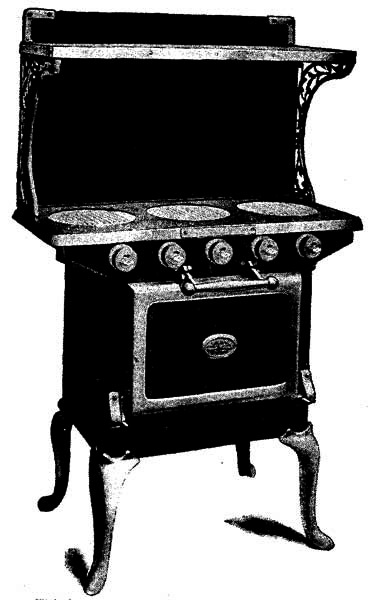
With the new power rates no one can afford to be without ELECTRIC COOKING DISHES and the IRON.—We put any cooking utensil into your home on trial FREE.
WILLISTON ELECTRIC CONSTRUCTION CO.
THE
WILLISTON
HERALD
The Paper That is Read by more people than any other paper in Williams County and is as necessary in the home as good bread and pies.
The Difference In
Sewing Machines
It is a mistaken idea that sewing machines are pretty much alike, when as a matter of fact there is a vast difference.
There is but one machine that sews better than any other—and that one is the Singer.
This is because the Singer idea is distinctive—every year shows improvement in that idea.
This is because the Singer factories are not only equipped with tools and machinery better calculated to make good sewing machines than any other, but this equipment is unique and not to be found elsewhere.
This is because a half century has been devoted to training and specializing men each to do one thing best in sewing machine construction. The Singer's superiority—its lifetime-lasting value—does not appear on the surface.
One machine does sew better than any other—and that one is the Singer.
Nick Held, Agent
16 West Broadway Williston, N. D.
John Shikany
General Merchandise
WILLISTON, N. DAK.
Joe Buller
TAILOR
French Dry Cleaning and Repairing. First Class Work
DO NOT BE ANNOYED
BY FLIES
Screens of all Sizes can Be Secured At The
Bovey-Shute Lumber Yard
PHONE 95
Wild and Improved Farm Lands Irrigated Lands; Large or Small Tracts—First Mortgage Farm Loans Negotiated—City Loans.
H. V. SMITH
Lands and Loans
Insurance
Fire, Tornado, Hail, Life, Accident.
Come where Big Crops Grow on Cheap Lands.
The Paris Confectionery Store
ABE KASSIS, Prop.
Homemade Candies, Ice Cream, Fruit, Cigars and Tobaccos
Exclusive Confectionery
113 Main Street
Williston, N. D.
SWEDLUND
Bros.
...Jewelers...
Everything in Solid Silver and Plated Ware for the Table.
A. A. Bradley J. P. Cutting
Williston
Drug Company
Drugs, Stationery, Office Supplies, Books, Sporting Goods, Wall Paper.
Agents for Ansco Cameras
Williston, N. D.
"Where Everybody Goes"
The Star
Theatre
Vaudeville and Motion Pictures
Two Shows Nightly
7:45 and 9 p.m.
...The...
Orpheum
Theatre
THE WORLD'S BEST PHOTO PLAYS
Continuous Performance
7:30 to 10:30
Eat at the Cafe with a Reputation——
Quantity, Quality and Service
"That's how we got it"
Everything Good to Eat can be found here
Great Northern Cafe
Wm. C. Lynch, Prop.
THE CAFE IS ANNEX TO THE GREAT NORTHERN HOTEL
RAWSON
HARDWARE COMPANY
WILLISTON, NORTH DAKOTA
The best place to buy cooking utensils with which to prepare the recipes found in this book.
Also a Full Line of General Hardware
Smoke Borden Cigars
Get your money's worth and encourage home industry
E. VanAntwerp
Everything in Dependable Furniture from Parlor to Kitchen.
Oldest Furniture House in Williams county.
141 Main St., Williston, N. D.
The Williston
Art Store
Art Needle Work and Novelties, Stamped Linens, Pillow Tubing. We make a specialty of hand embroideries, also embroidery thread.
137 Main Street
Williston, N. D.
Millinery
Miss C. M. Taylor
125 Main Street
Williston, N. D.
KASSIS BROS.
GENERAL MERCHANDISE
25 East Broadway Williston, N. D.
Williston State Bank
WILLISTON, N. D.
General Banking Farm Loans
INTEREST PAID ON TIME DEPOSITS
A. N. Eidsness
Dealer in General Merchandise
Farm Produce Bought and Sold
Phone 140
Williston, N. D.
MODEL LAUNDRY
W. W. McAllister, Prop.
First Class Work ....Guaranteed....
19 East Broadway Phone 111 Williston, N. D.
St. Paul, Minn., 1900—Special Diploma St. Paul, Minn., 1901—Second Prize Badge Wisconsin State Exhibit. 1903,—Special Diploma Duluth, Minn., 1905,—Bronze Medal World's Fair, St. Louis, 1904—(Cramer Exhibit) Gold Medal Minneapolis, Minn., 1906,—Gold Medal Minneapolis, Minn., 1908,—Gold Medal Williams Co. Fair, 1911—Blue Ribbon Minneapolis, 1912—Gold Medal, Grand Prize
J. E. PASONAULT
ARTIST PHOTOGRAPHER
Vice President N. W. P. A. North Dakota 1903-4
WILLISTON, N. D.
HAMRE
Furniture Co.
New and Second hand Furniture
WILLISTON, N. D.

Cook
With
Pots and
Pans
bought here and you'll not have to be renewing your stock every little while. It pays to buy good cooking utensils because they last so much longer. Our hardware store contains a complete assortment of everything used in a kitchen. As a good housekeeper you should not fail to visit our house-furnishing department.
Stenehjem & Husebye
For
Household
Use
we carry a splendid line of knives and forks, spoons, carving sets, etc. You couldn't find a finer assortment if you tried a month. And even if you found as fine, you would have to pay a much higher price than we ask. Moral: Buy here and save time, trouble and money.
Stenehjem & Husebye